The Great American Solar Eclipse of 2024: A Celestial Event of a Lifetime
The celestial spectacle of the century is upon us. On April 8, 2024, the Great American Solar Eclipse will captivate millions across North America. This rare event promises to be a memorable experience for both seasoned astronomers and casual observers alike. Here’s everything you need to know about this extraordinary phenomenon.
Understanding Solar Eclipses
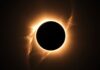
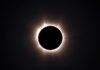
A solar eclipse occurs when the Moon passes between the Earth and the Sun, casting a shadow on the Earth’s surface. There are three types of solar eclipses: total, partial, and annular. The 2024 eclipse will be a total solar eclipse, meaning the Moon will completely cover the Sun, revealing the Sun’s corona, the outer atmosphere that is usually obscured by the Sun’s brightness.
The Path of Totality
The path of totality, where the total eclipse will be visible, will stretch from Mexico’s Pacific coast to the Atlantic coast of Canada. Cities like Dallas, Indianapolis, and Cleveland will experience total darkness for a few minutes. In these areas, the eclipse will begin around 1:30 PM local time, with totality occurring between 2:30 PM and 3:00 PM, depending on the location.
For those outside the path of totality, a partial eclipse will still be visible. The extent of the eclipse will vary depending on how far you are from the path of totality. Even a partial eclipse is a spectacular sight and worth observing.
Safety First: Viewing the Eclipse
Looking directly at the Sun, even during an eclipse, can cause serious eye damage. To safely view the eclipse, use certified eclipse glasses that meet the ISO 12312-2 international safety standard. Regular sunglasses are not sufficient for protecting your eyes from the Sun’s harmful rays.
Another safe method is to use a pinhole projector, which projects the image of the Sun onto a flat surface. This simple device can be made at home with basic materials and is a fun activity for families and educational groups.
Preparing for the Eclipse
As the eclipse approaches, many communities along the path of totality are preparing for an influx of visitors. Hotels and rental properties are booking up quickly, so plan your accommodations early. Local authorities are also making preparations to manage traffic and ensure the safety of both residents and visitors.
If you’re planning to travel to see the eclipse, consider checking out popular articles recommended reading for tips on travel and local attractions. Additionally, be sure to check the weather forecast closer to the date, as clear skies will provide the best viewing experience.
The Scientific Significance
The 2024 solar eclipse presents a unique opportunity for scientists to study the Sun and its corona. The corona is of particular interest because it is much hotter than the Sun’s surface, a phenomenon that is not yet fully understood. By observing the corona during the eclipse, scientists hope to gain insights into solar winds, magnetic fields, and other solar phenomena.
Amateur astronomers and citizen scientists can also contribute to scientific research by participating in various projects and data collection efforts. Organizations like the American Astronomical Society and NASA provide resources and guidelines for those interested in contributing to eclipse-related research.
Cultural and Historical Context
Solar eclipses have fascinated humans for centuries and have been the subject of myths, legends, and scientific inquiry. Ancient civilizations often viewed eclipses as omens or signs from the gods. Today, we understand the science behind eclipses, but they still inspire awe and wonder.
In modern times, solar eclipses have become major cultural events, drawing crowds from around the world. The 2024 eclipse is expected to be no exception, with millions of people gathering to witness this celestial spectacle. Whether you’re a seasoned astronomer or a first-time observer, the Great American Solar Eclipse of 2024 is an event not to be missed.
As we count down to April 8, 2024, take the time to prepare, stay safe, and enjoy this extraordinary event. The next total solar eclipse visible from the United States won’t occur until 2045, so make the most of this rare opportunity to witness the wonders of the cosmos.