The Phenomenon of Solar Eclipses
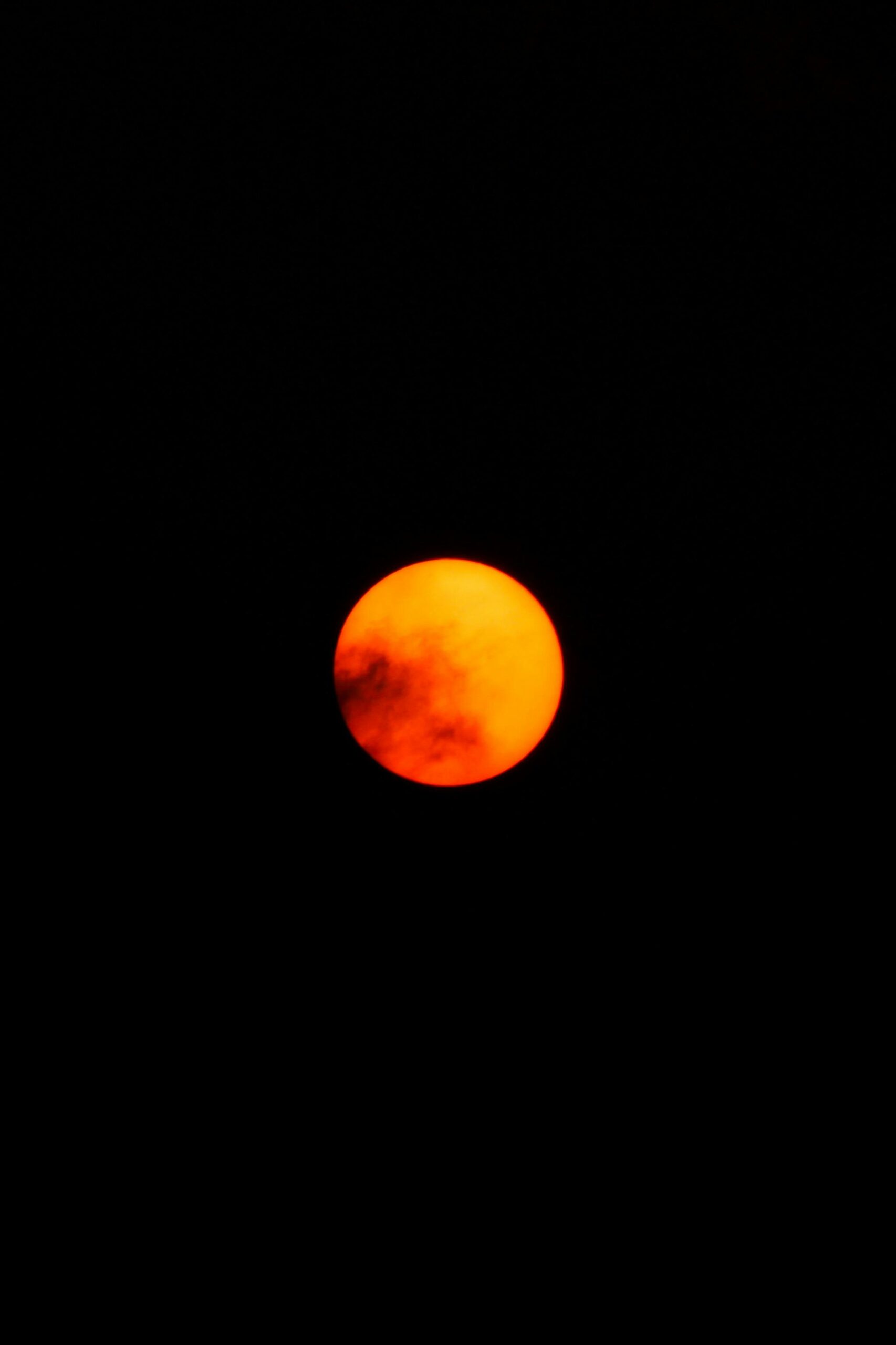
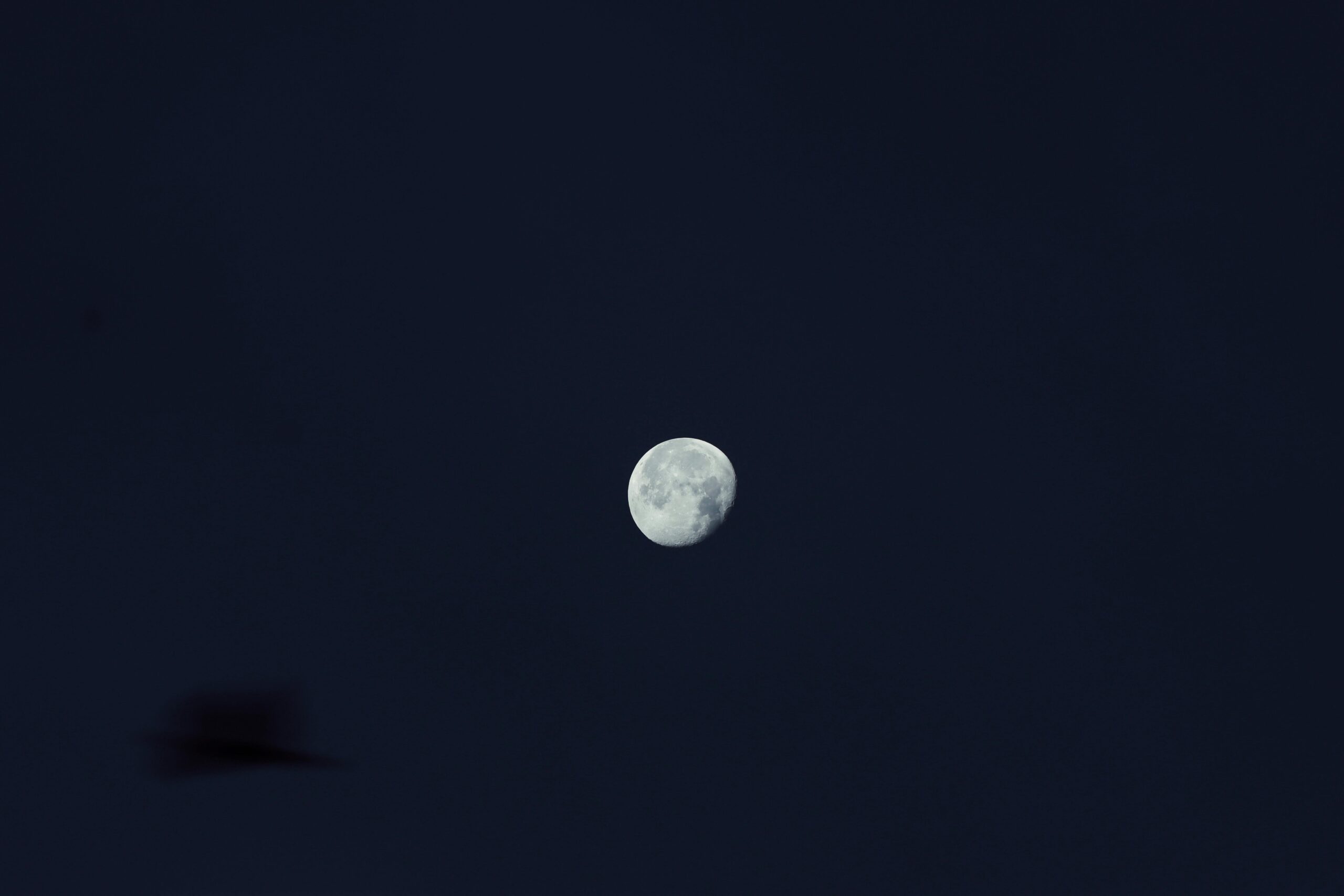
A solar eclipse is a celestial event that occurs when the Moon passes between the Earth and the Sun, obscuring the Sun either partially or completely from the viewer’s perspective on Earth. This natural phenomenon has captivated human imagination for centuries, inspiring myths, scientific inquiry, and awe. Understanding the mechanics behind solar eclipses not only enriches our knowledge of astronomy but also highlights the intricate dance of celestial bodies in our solar system.
The Types of Solar Eclipses
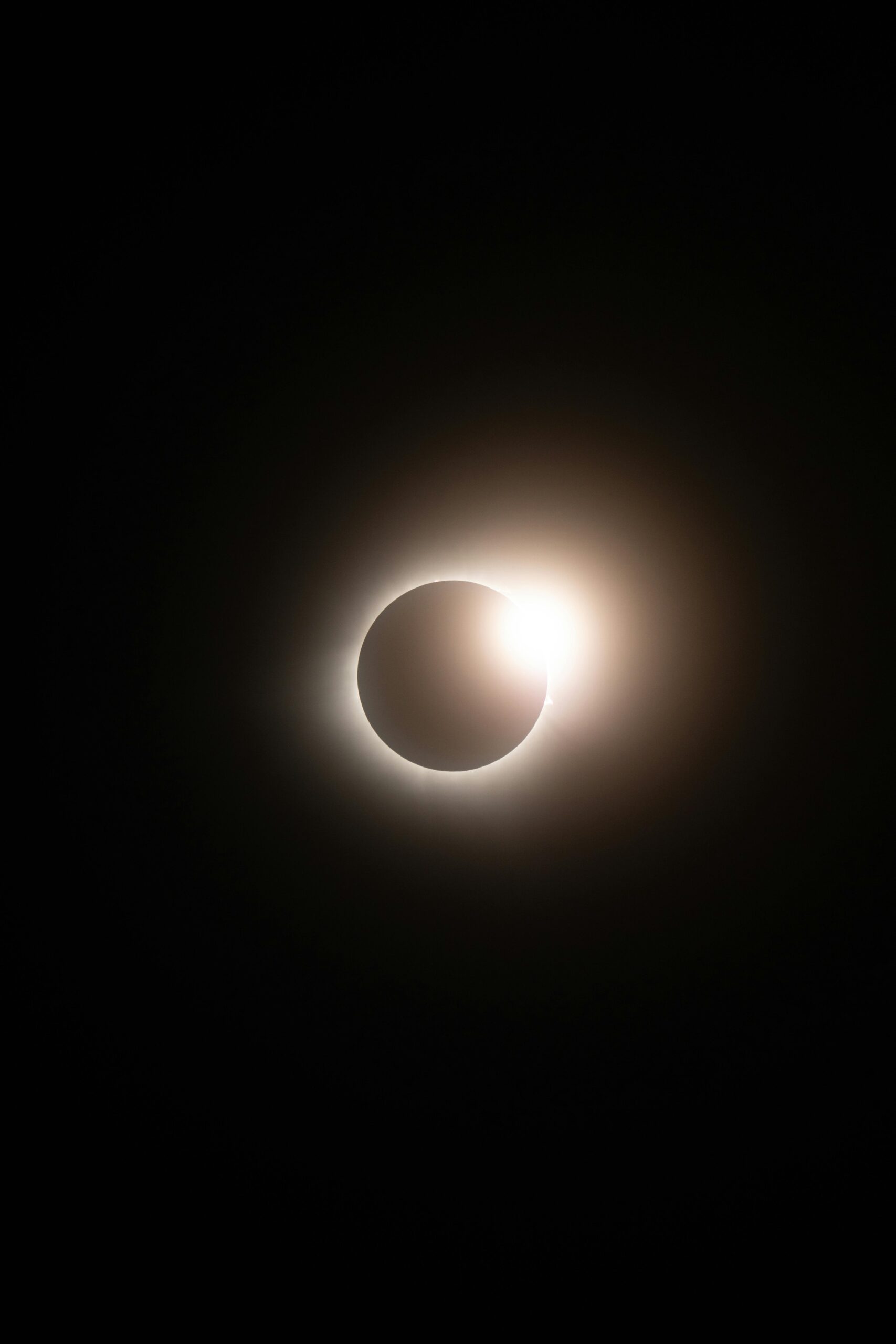
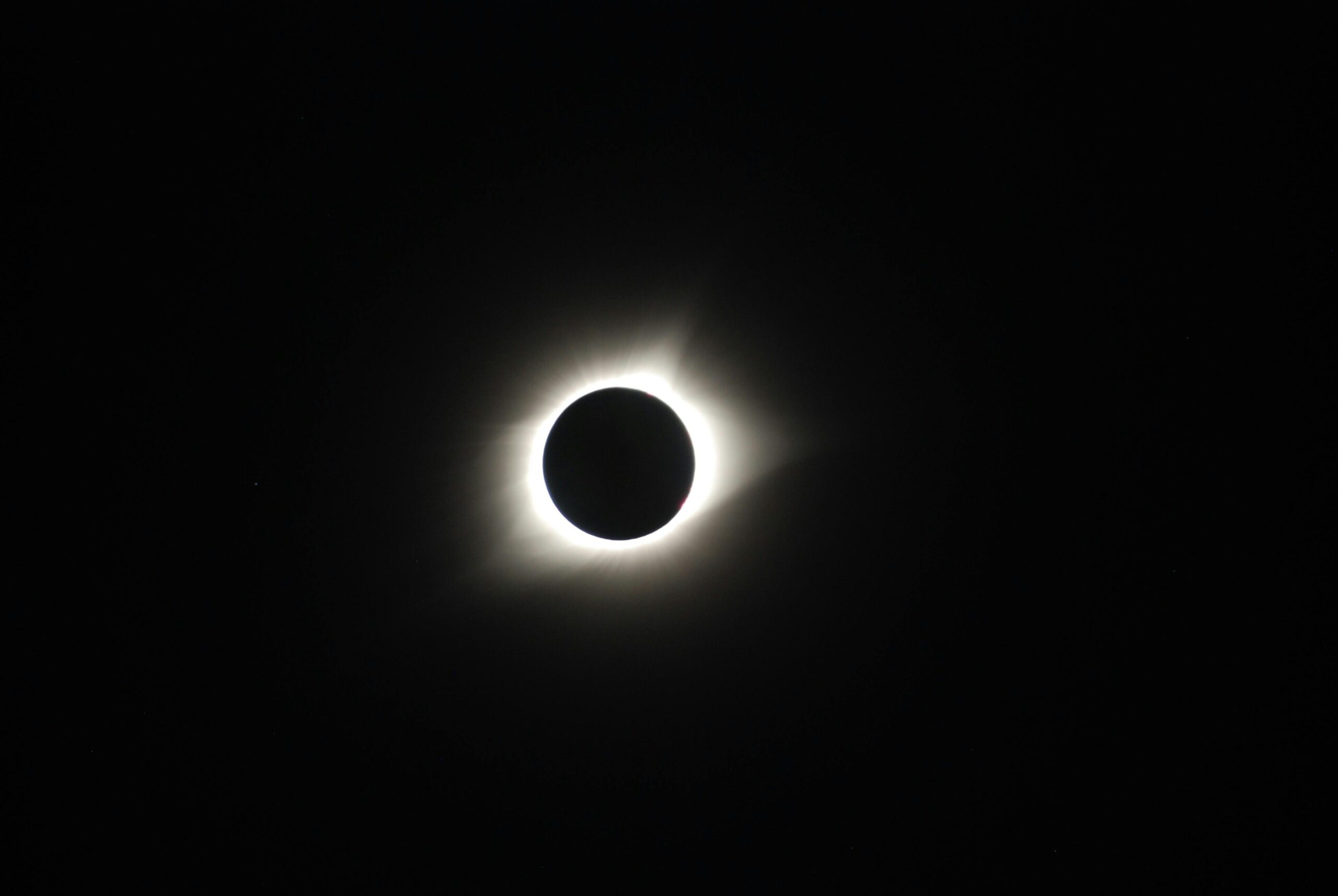
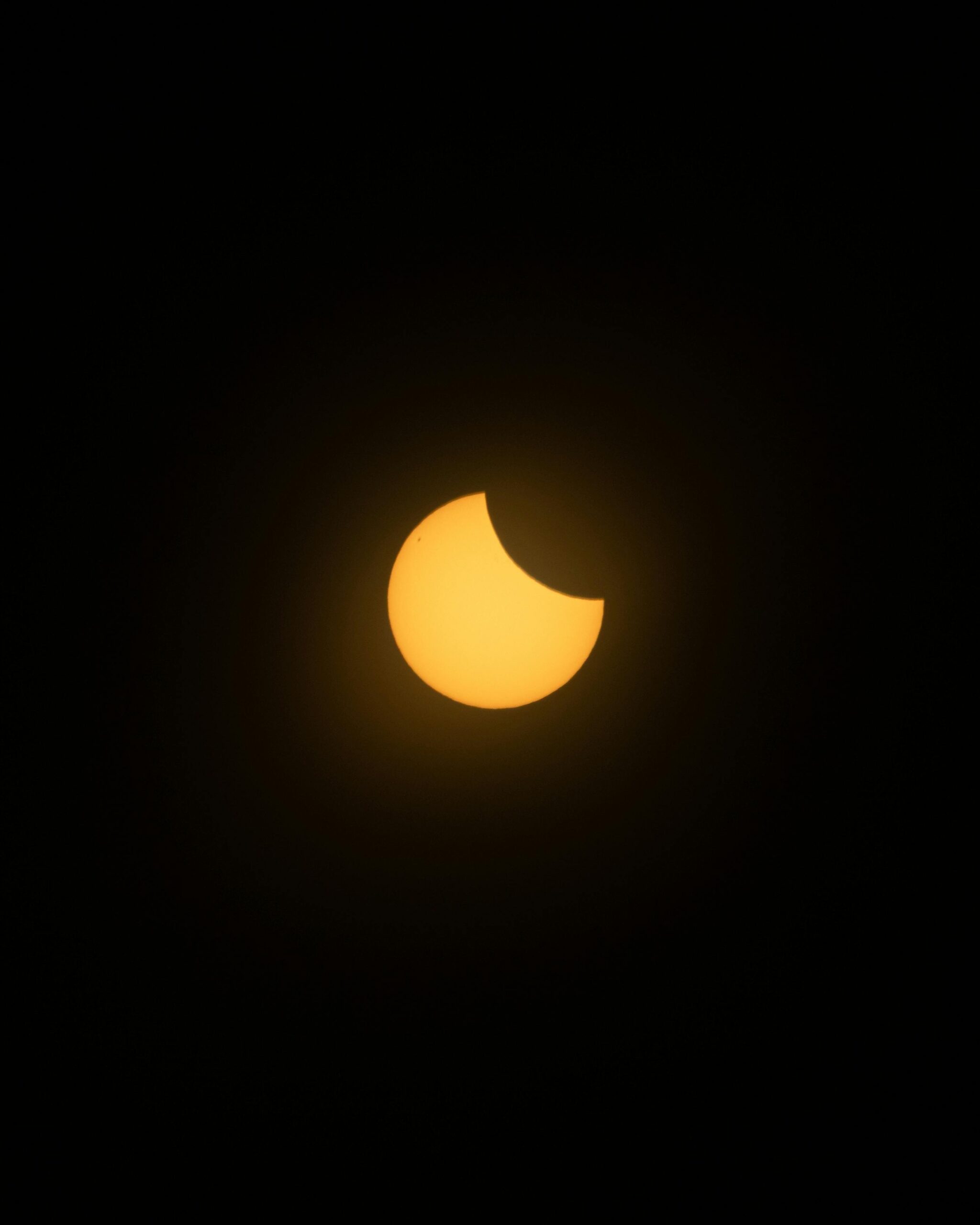
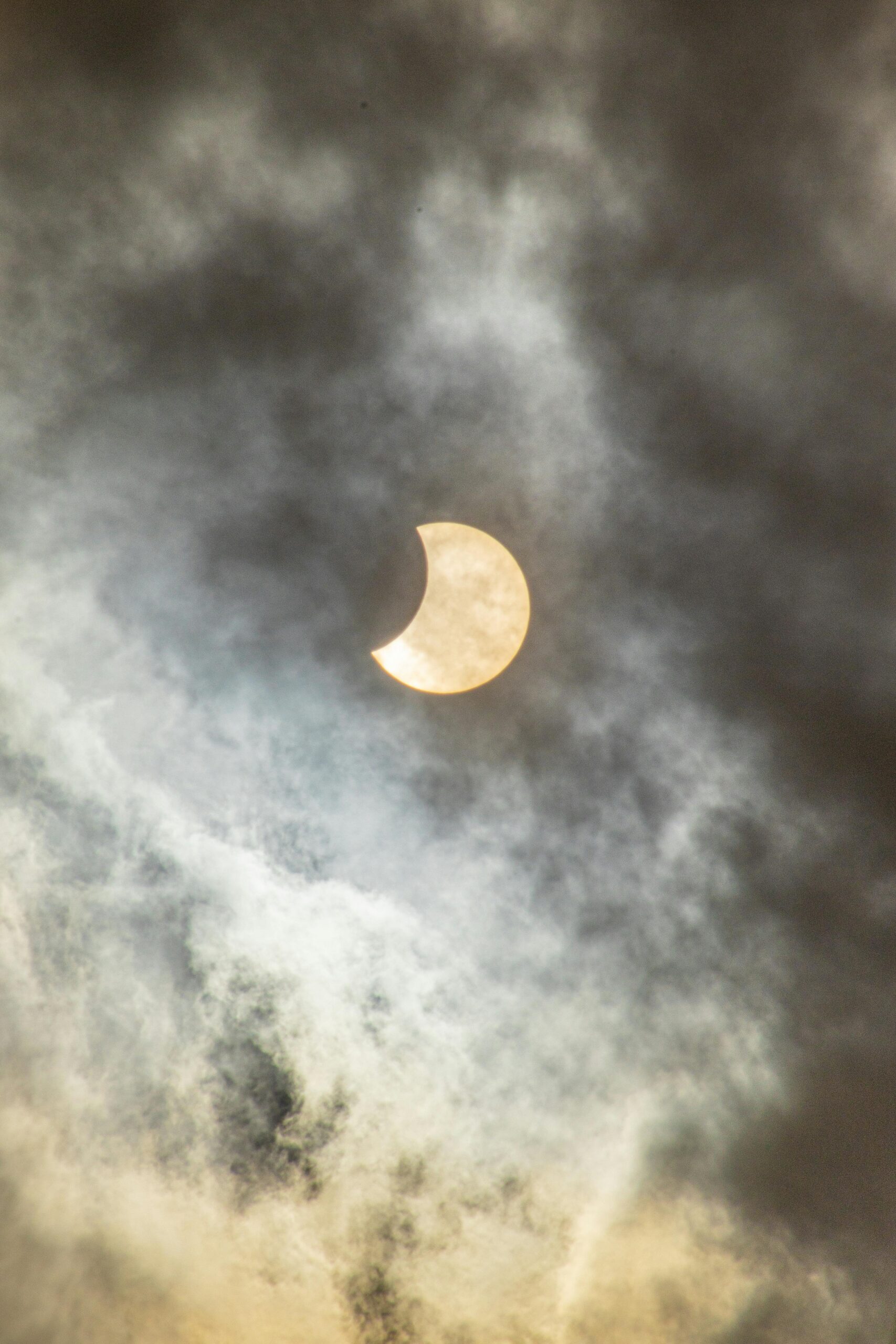
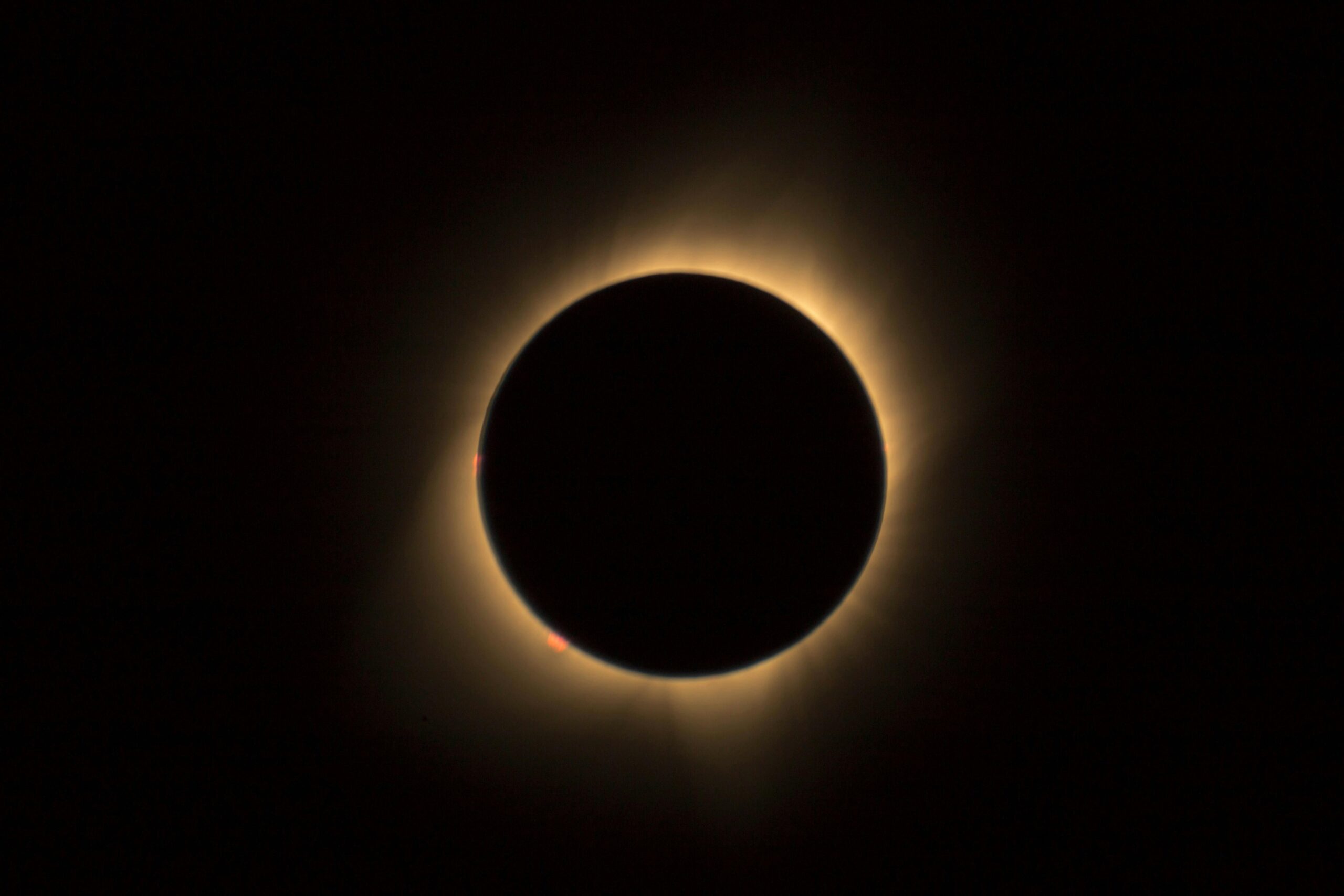
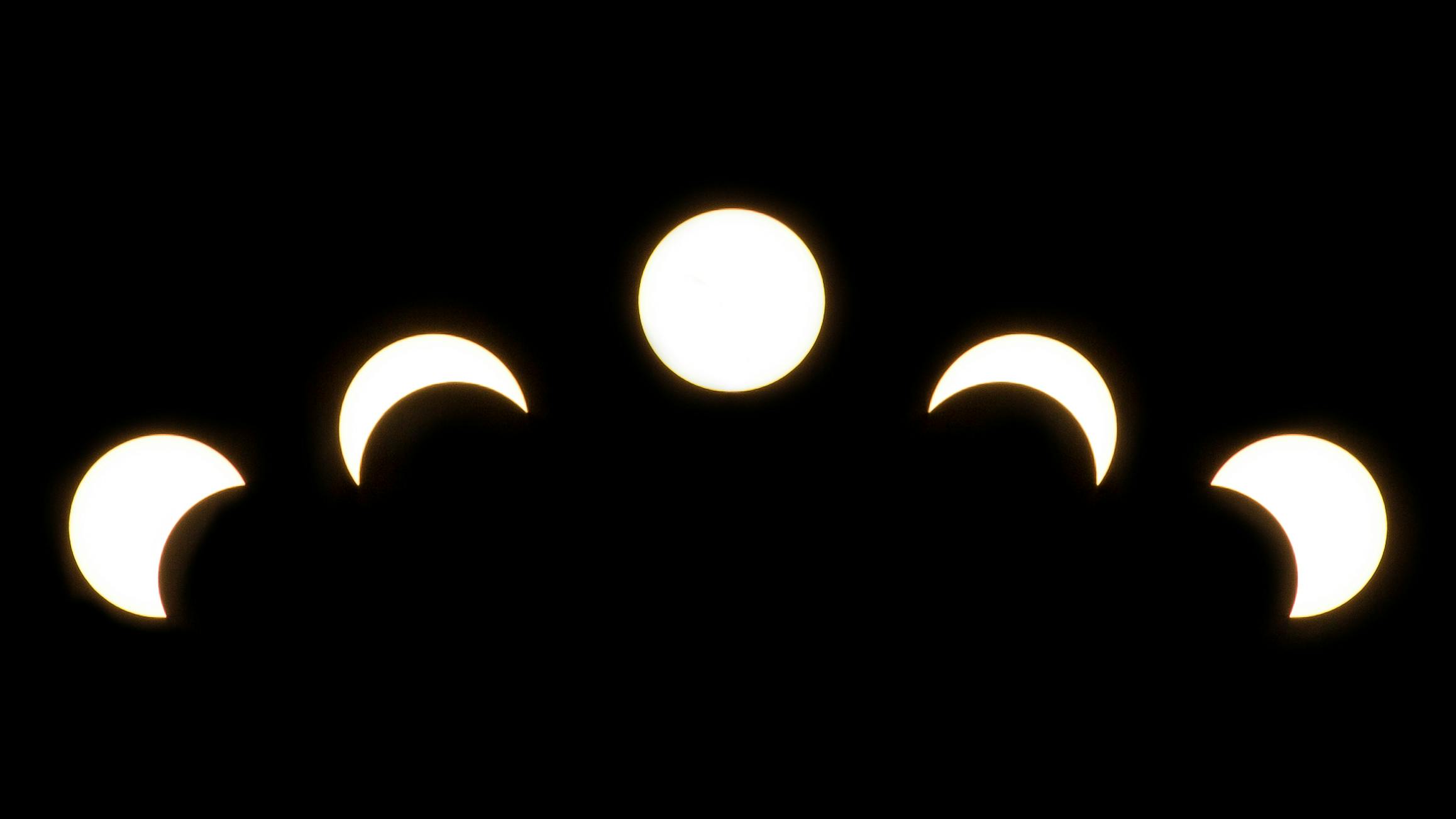
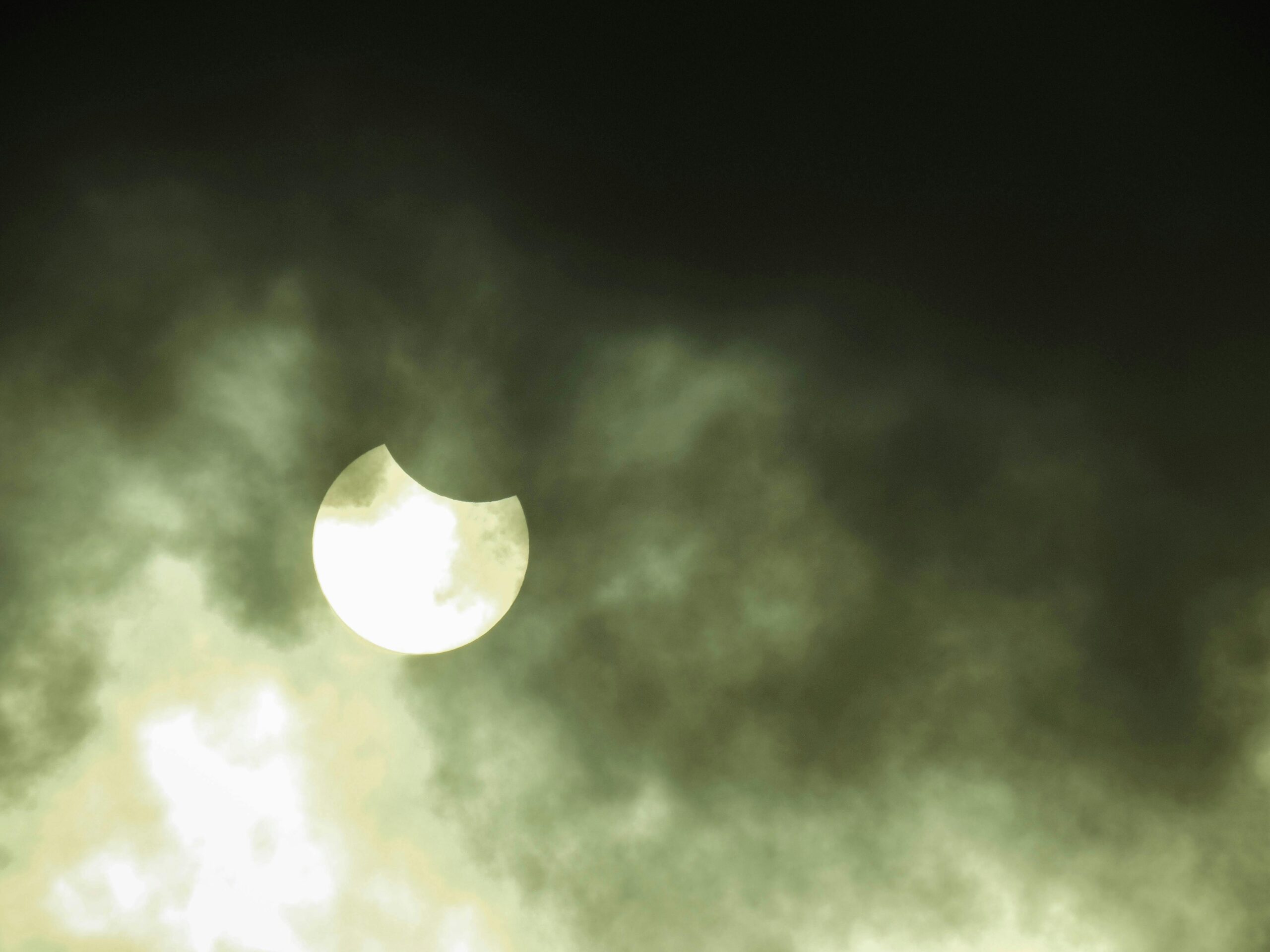
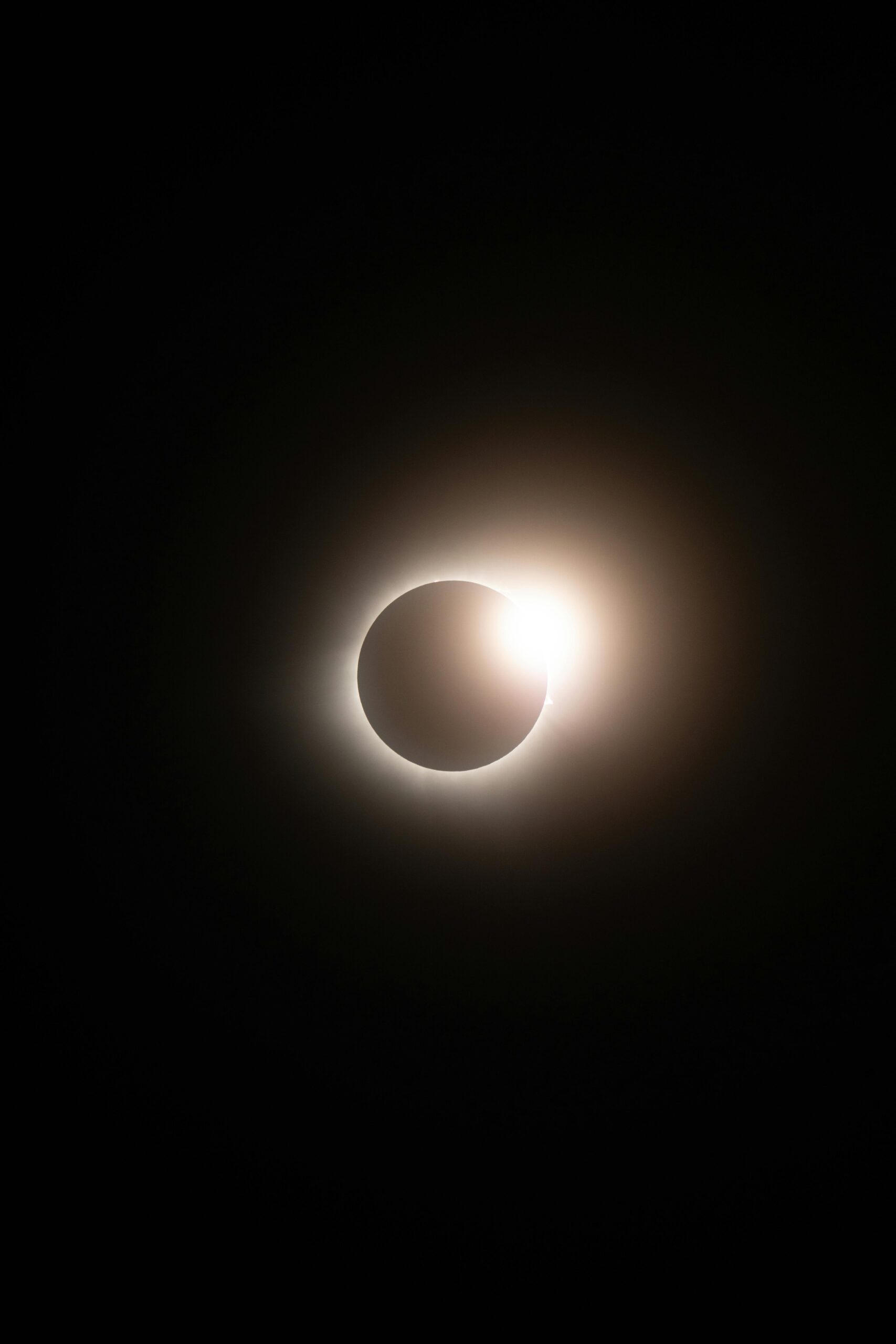
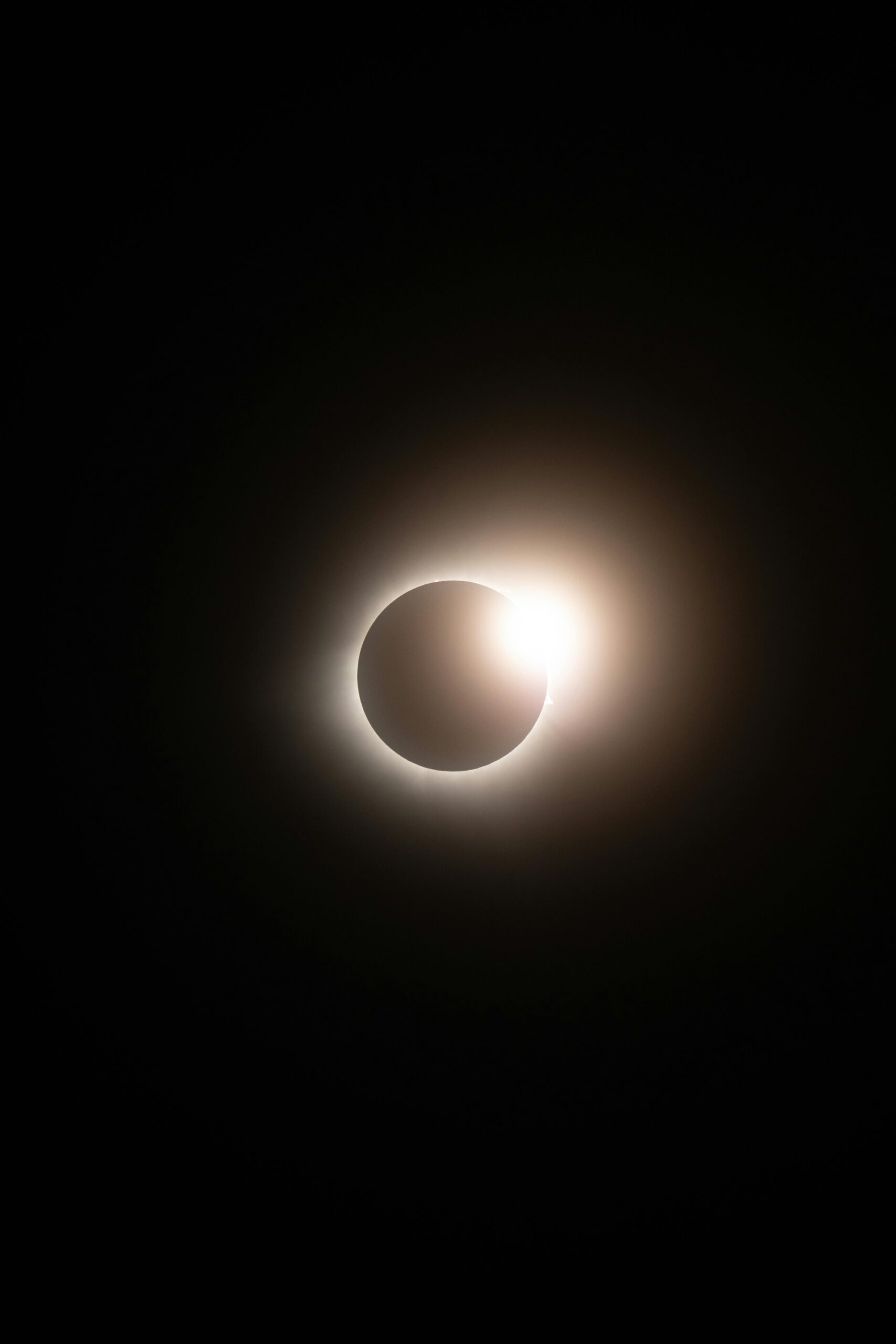
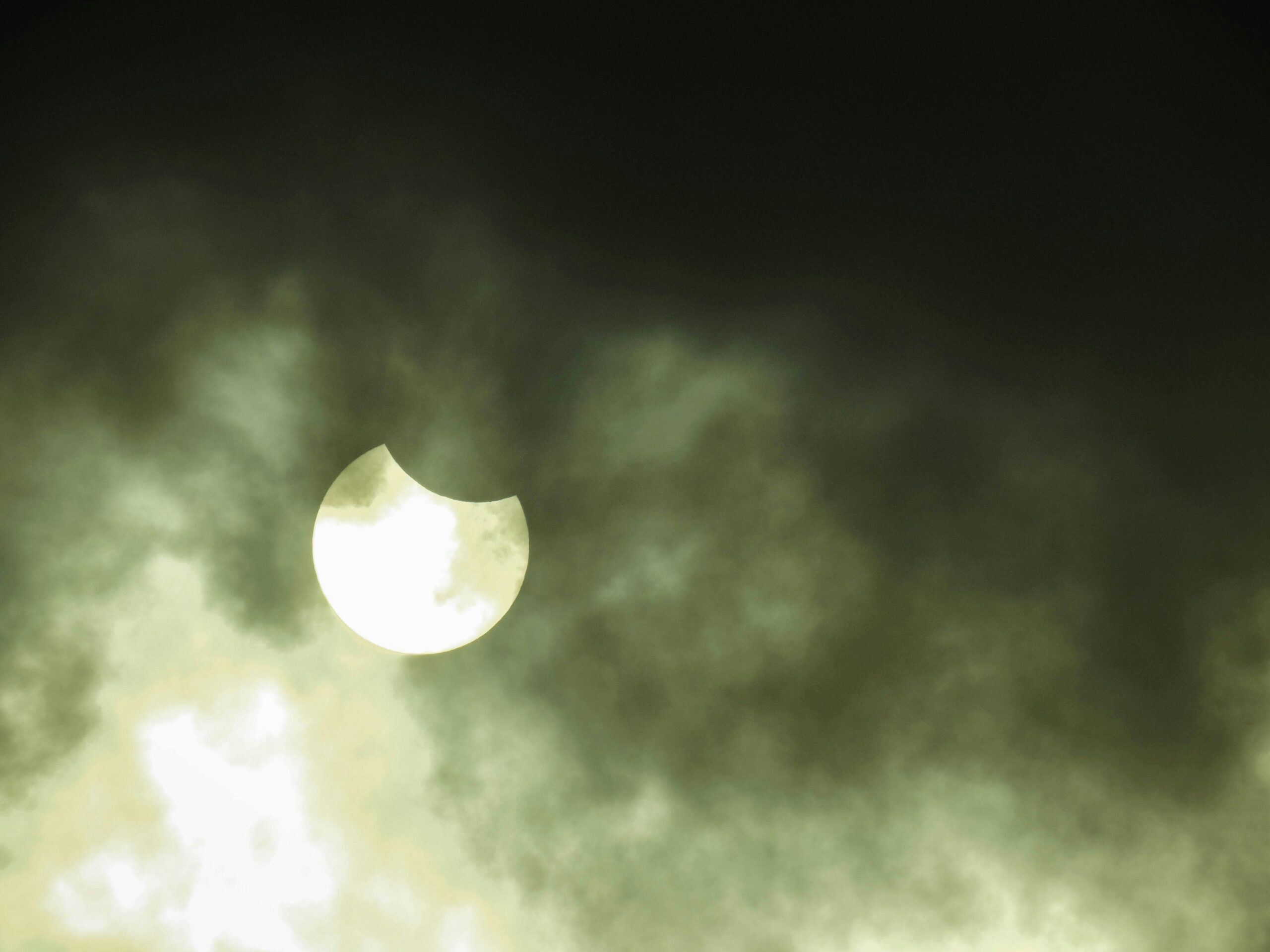
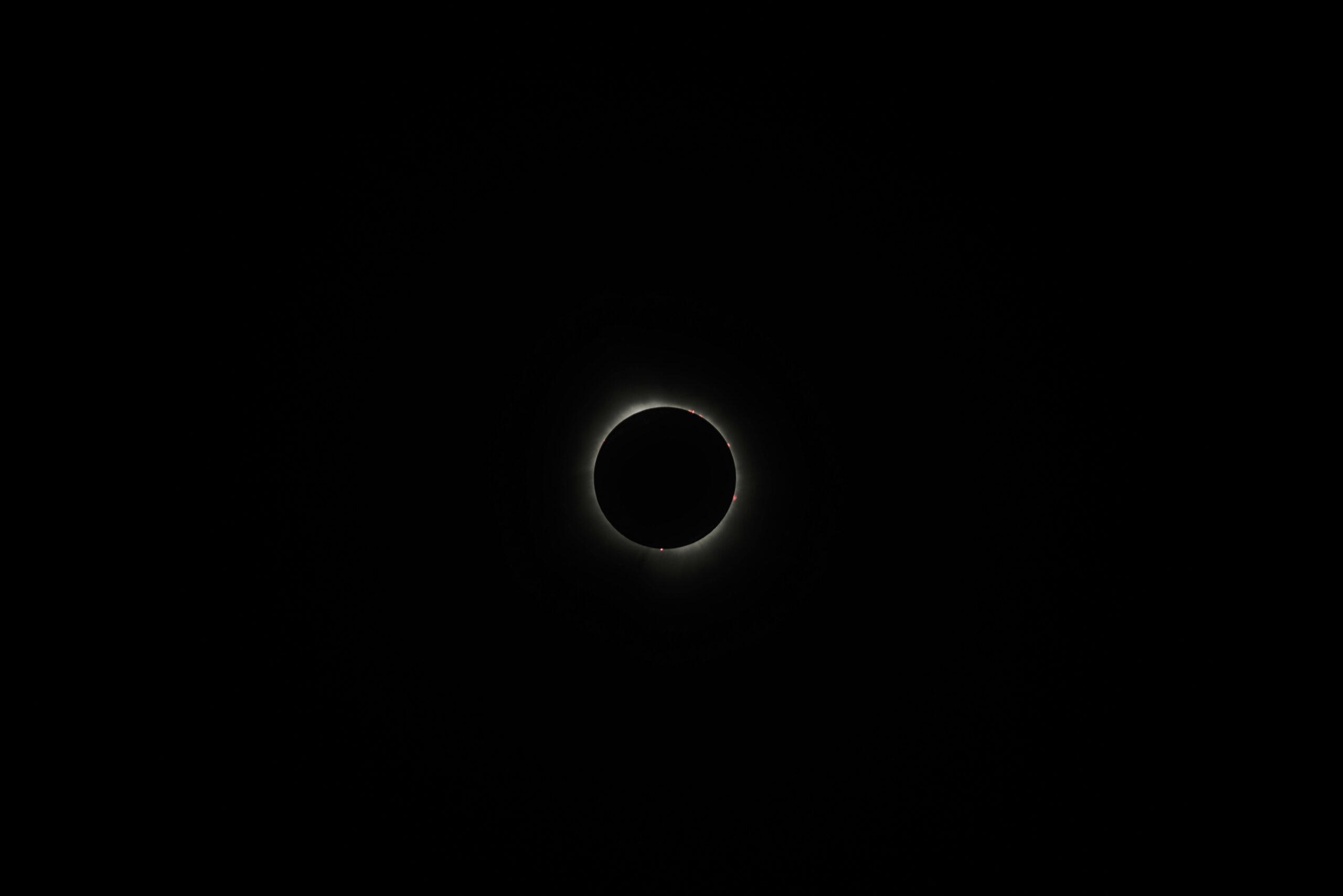
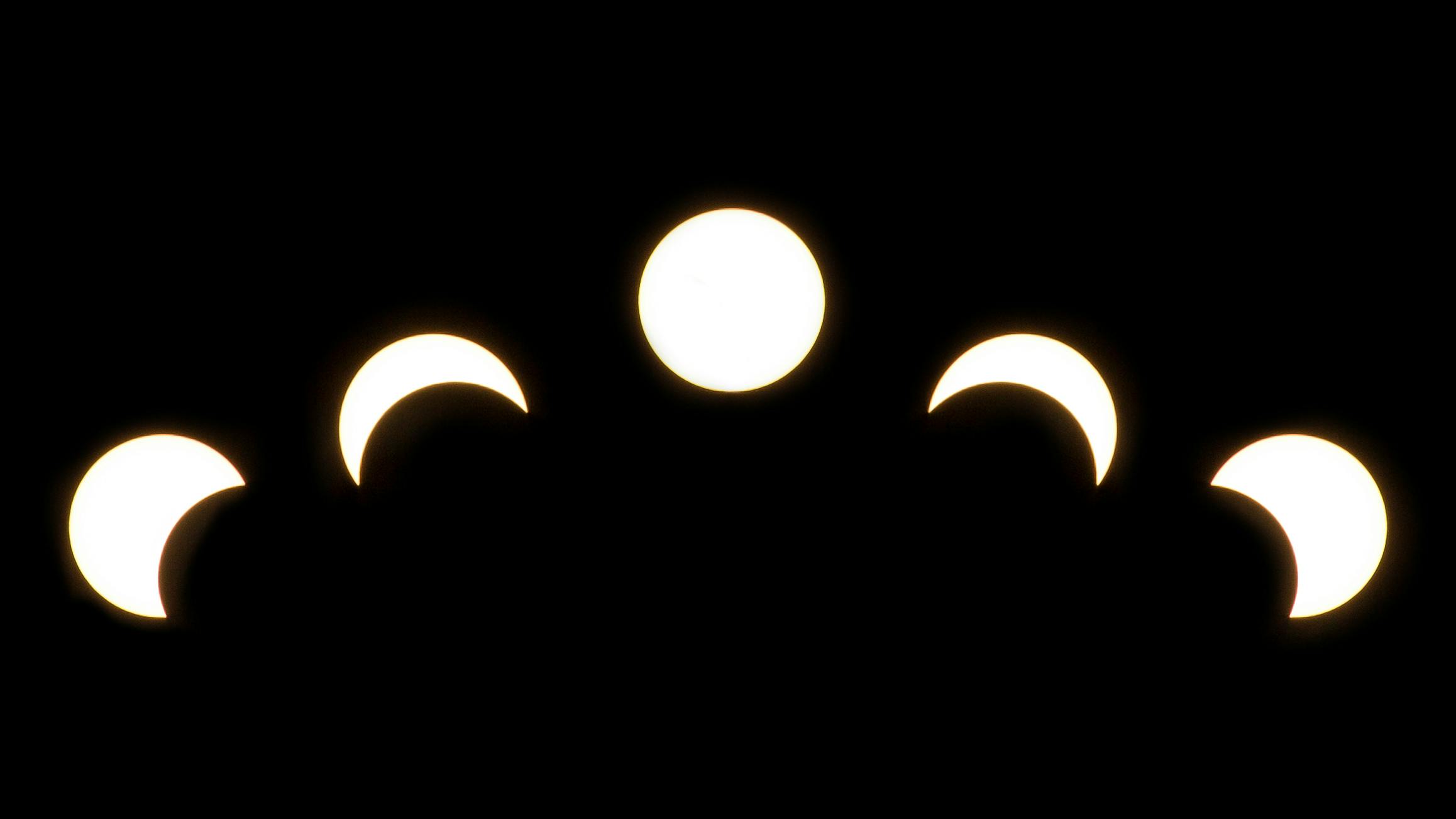
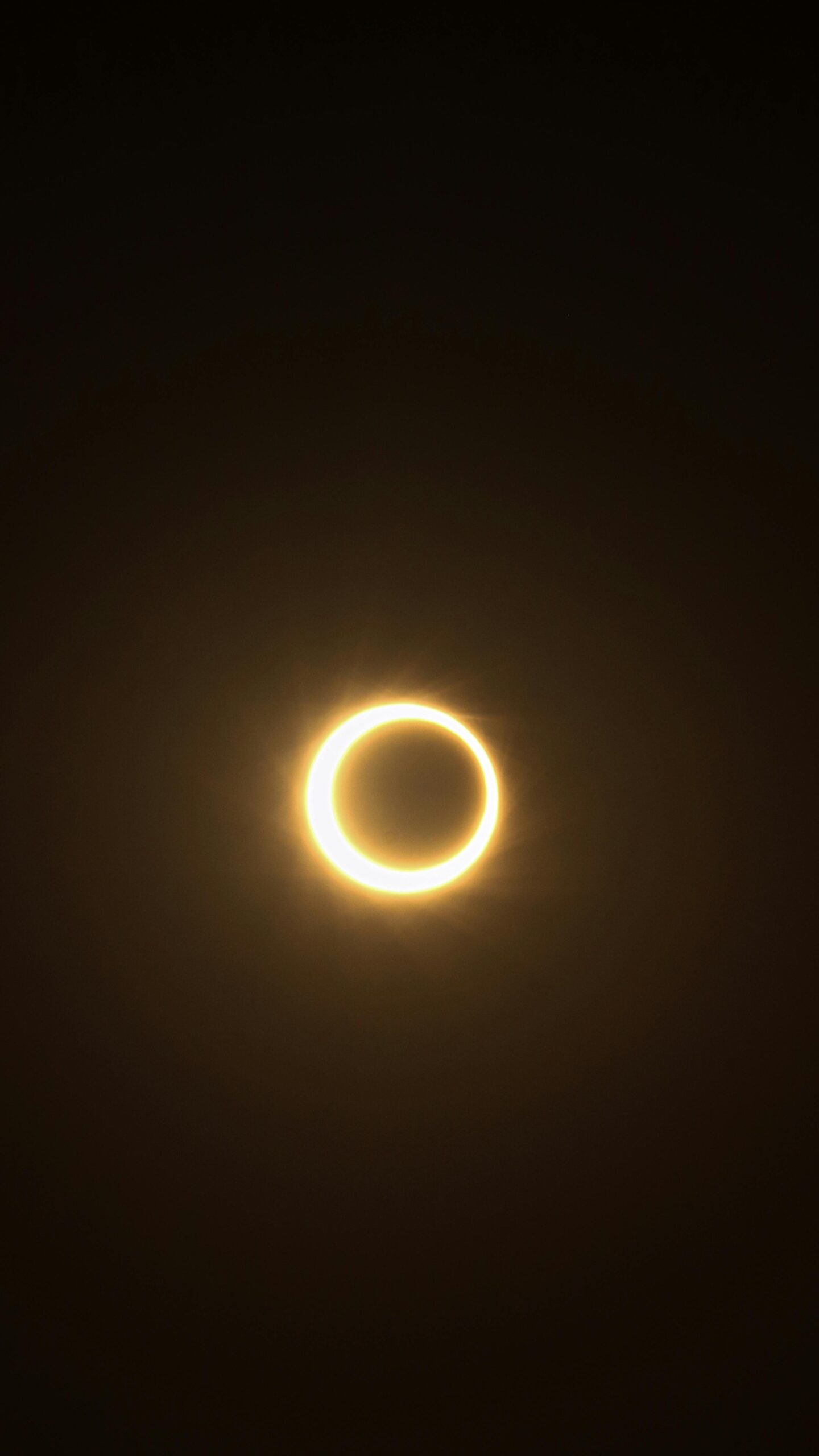
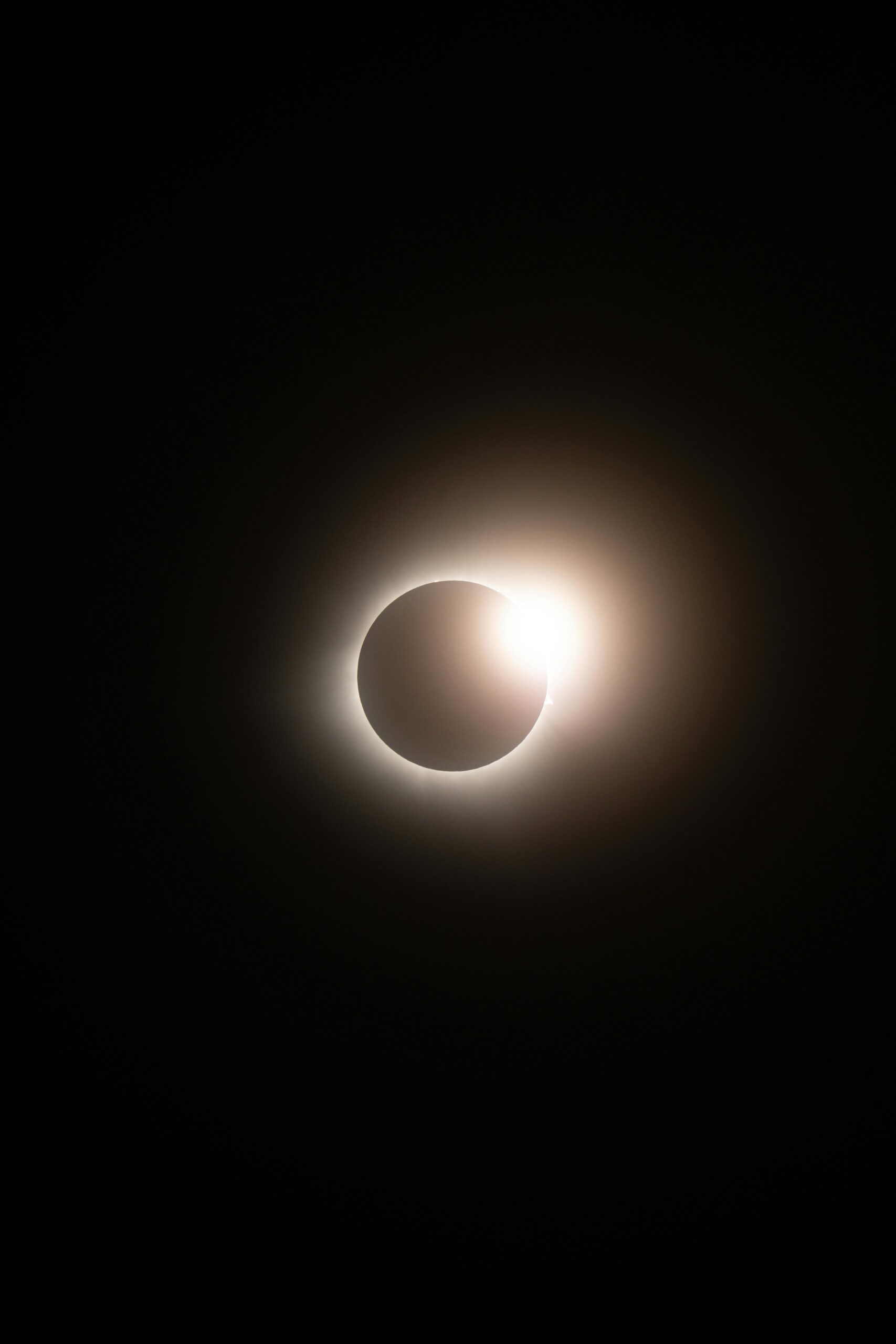
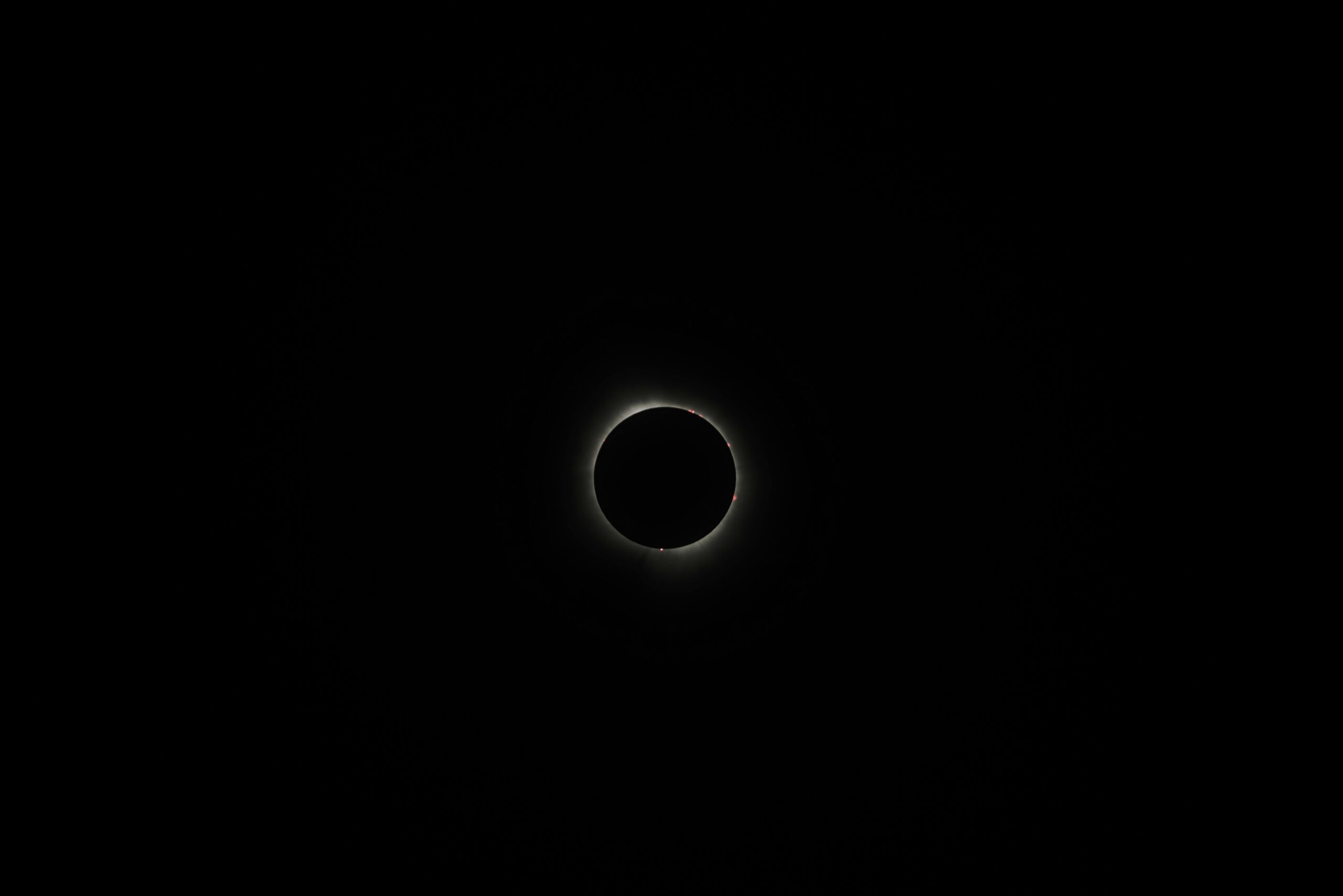
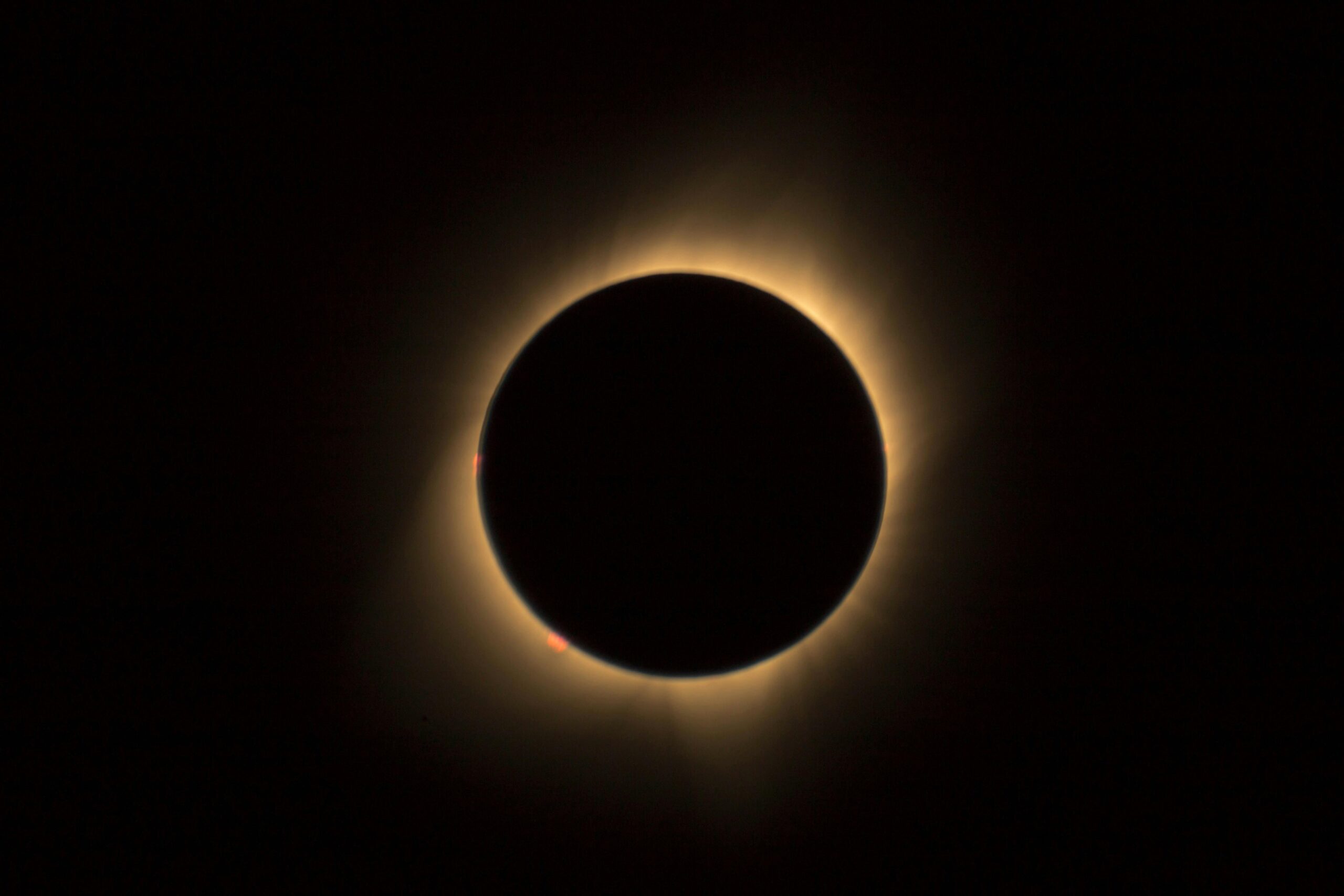
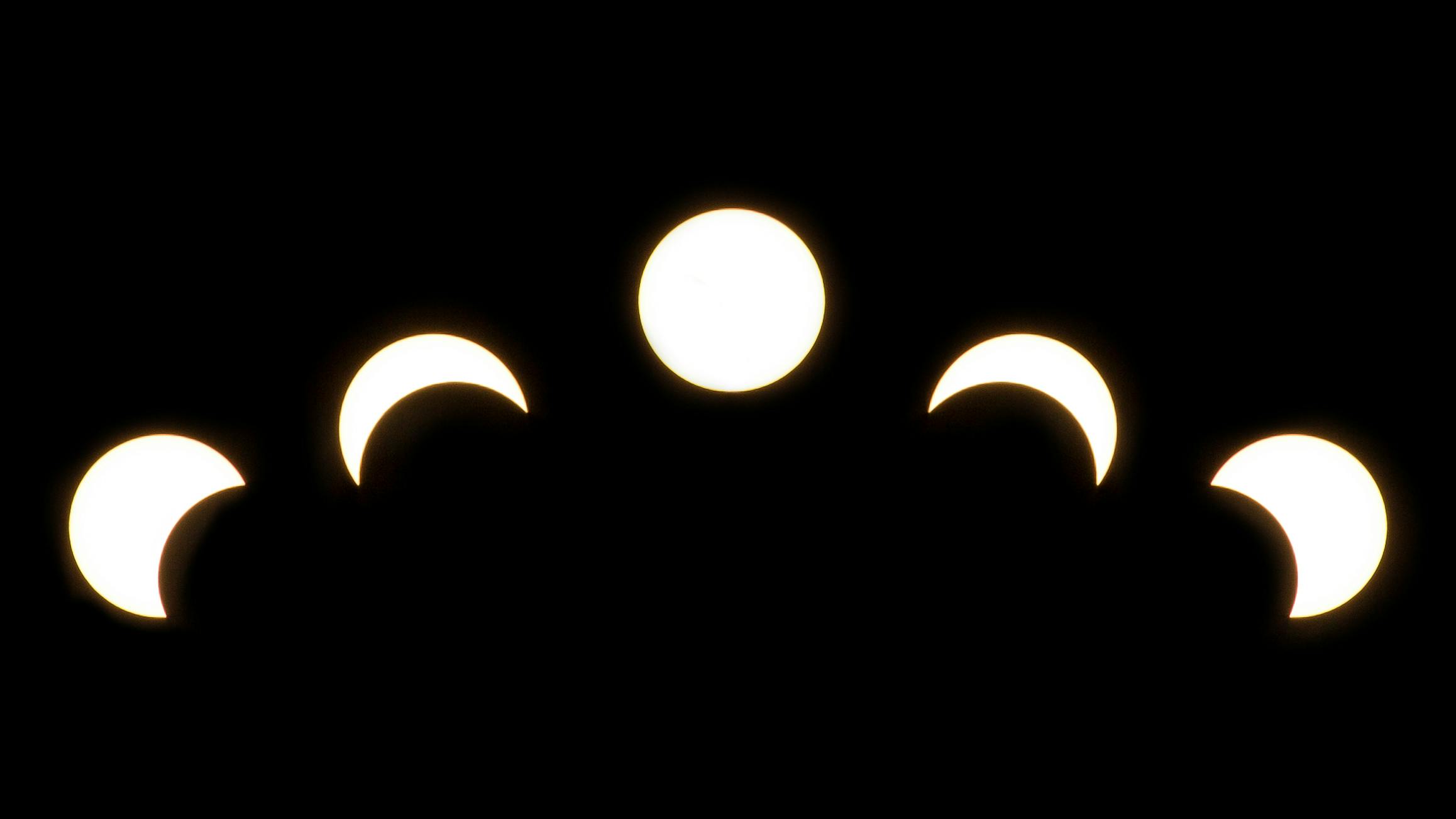
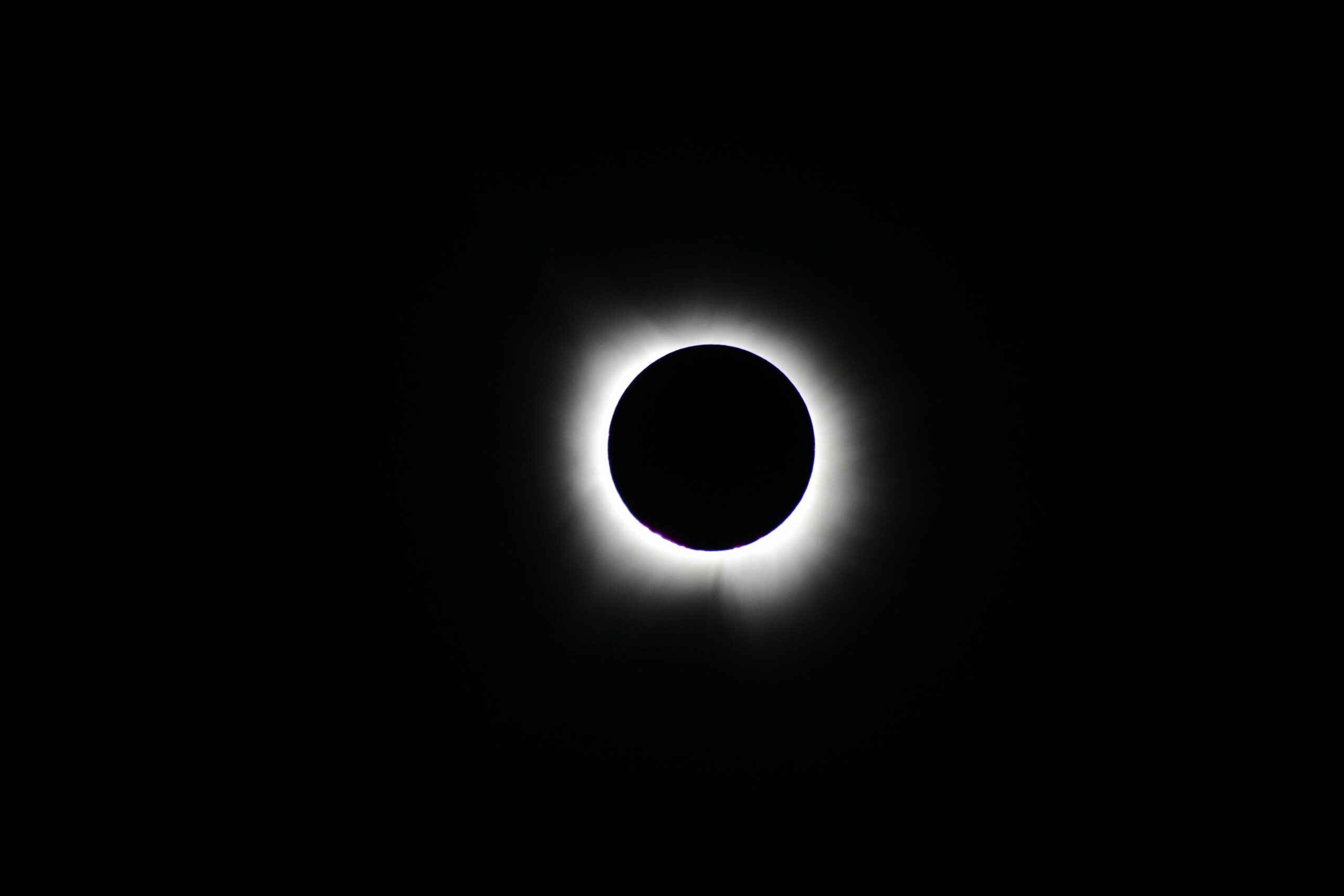
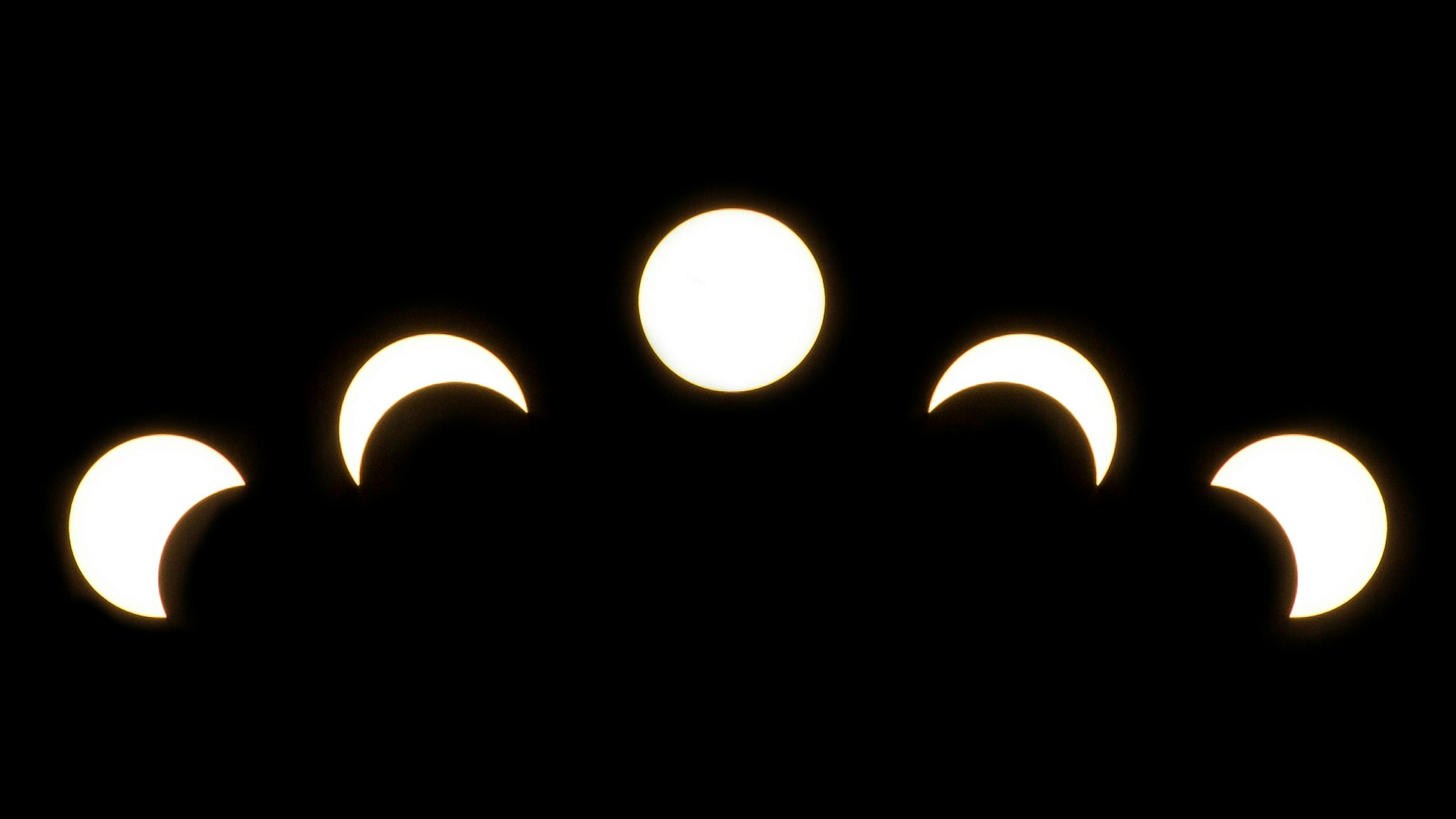
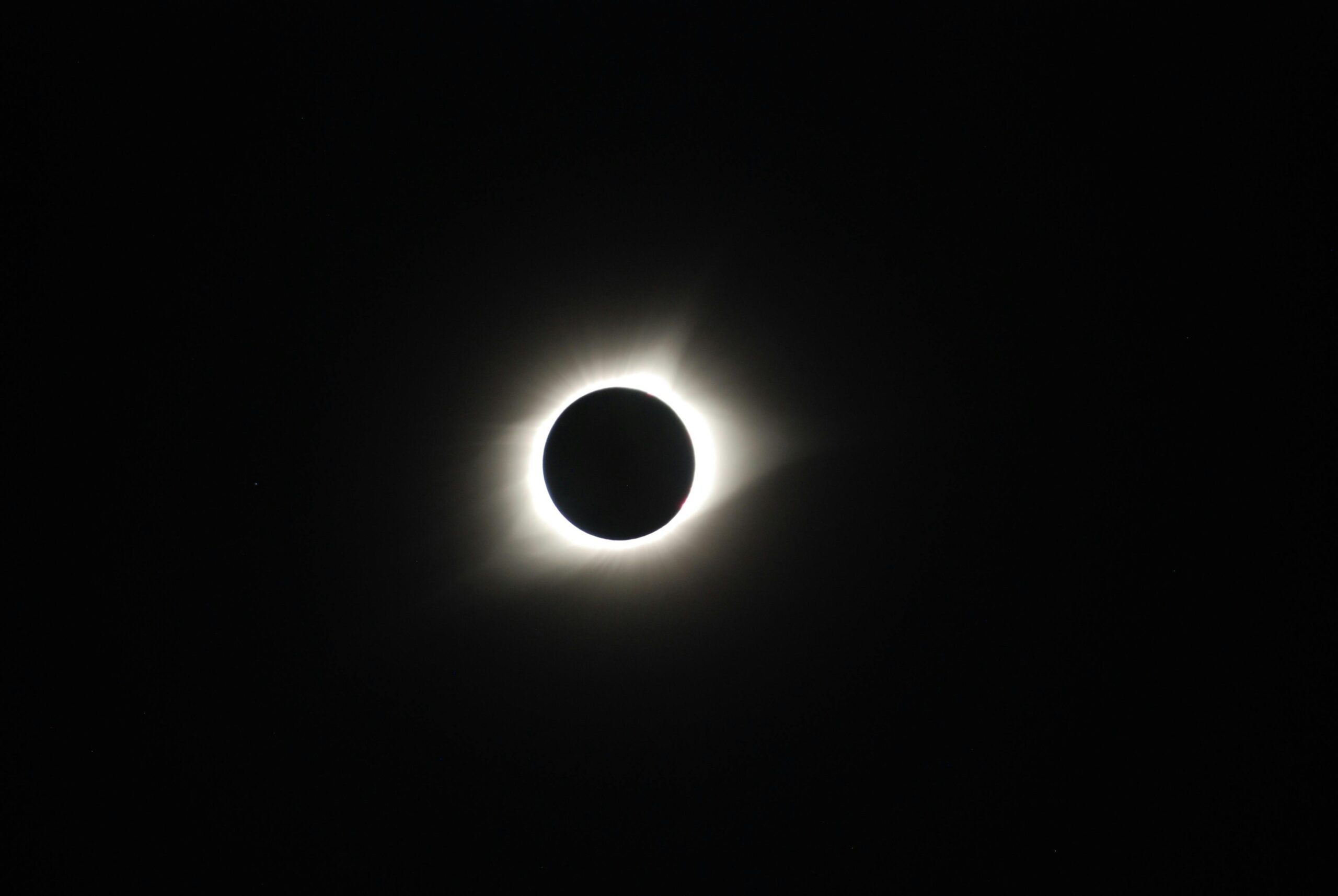
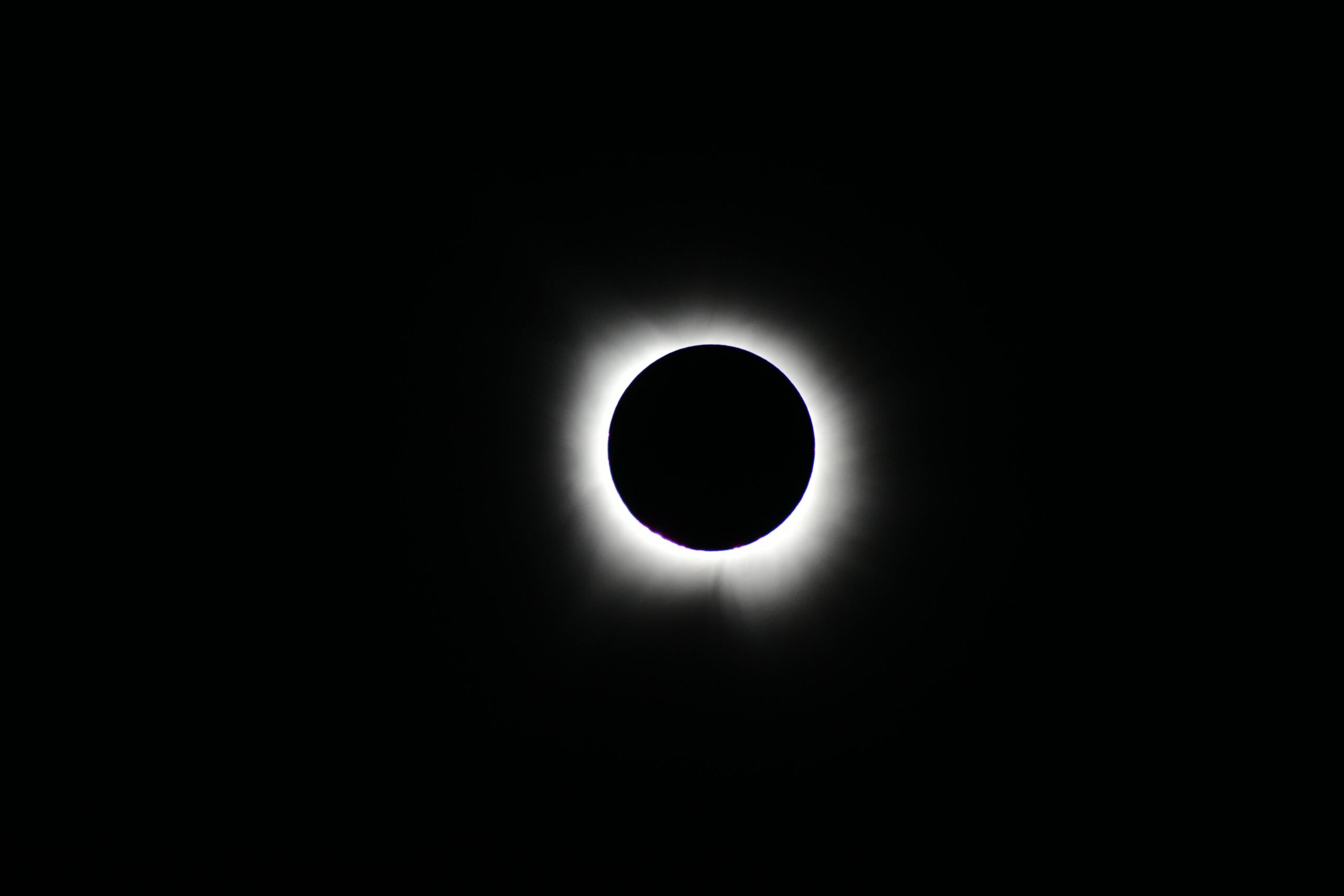
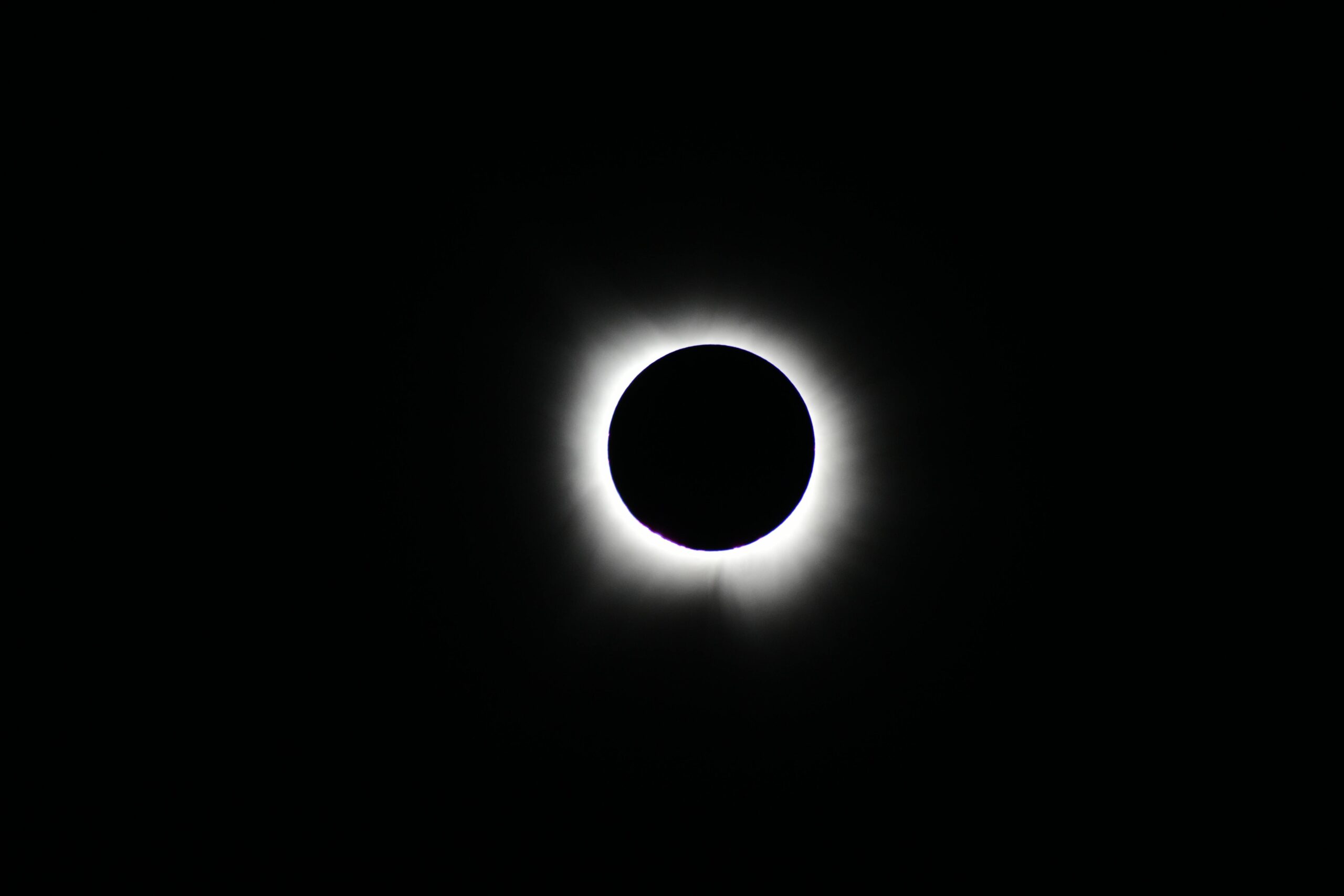
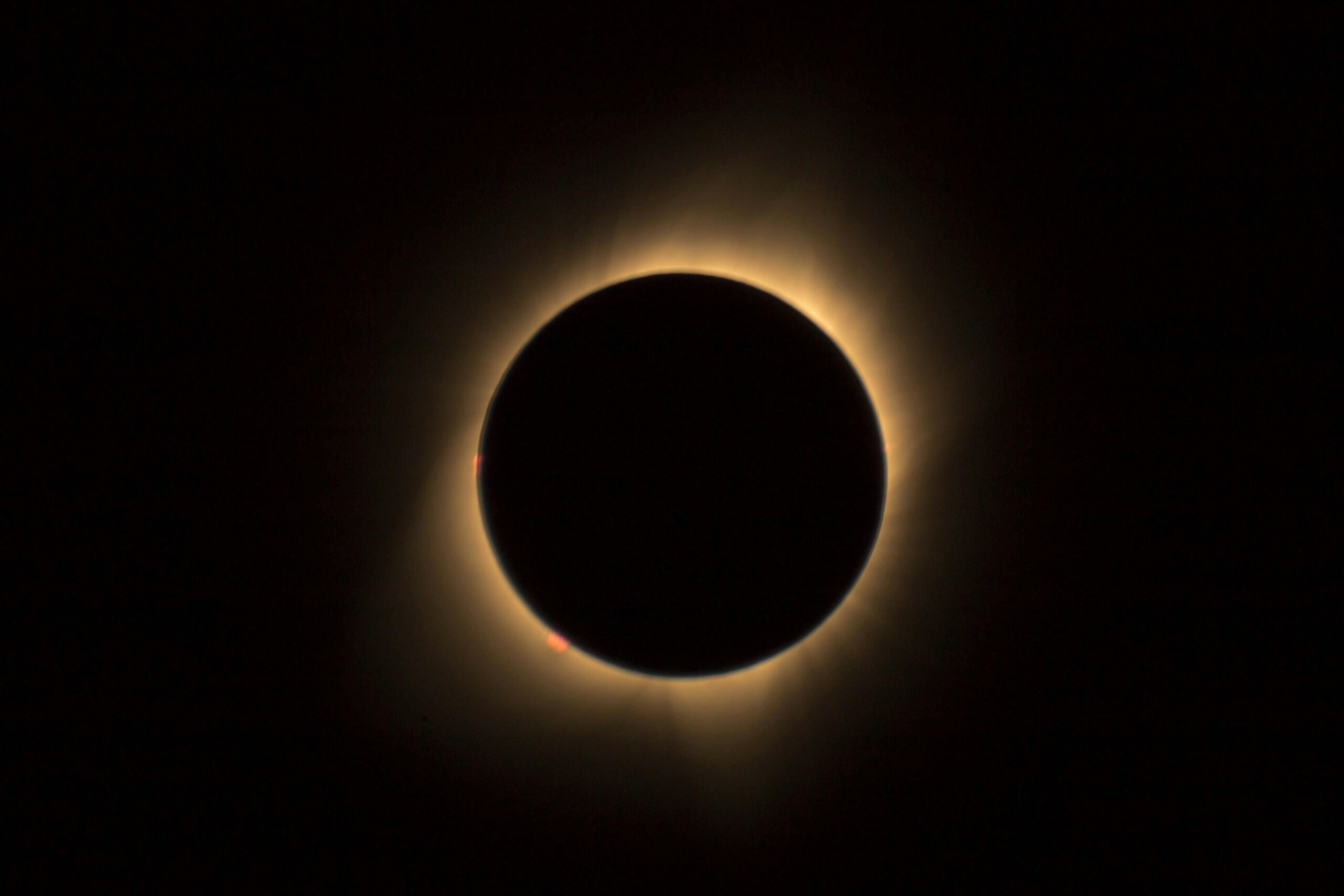
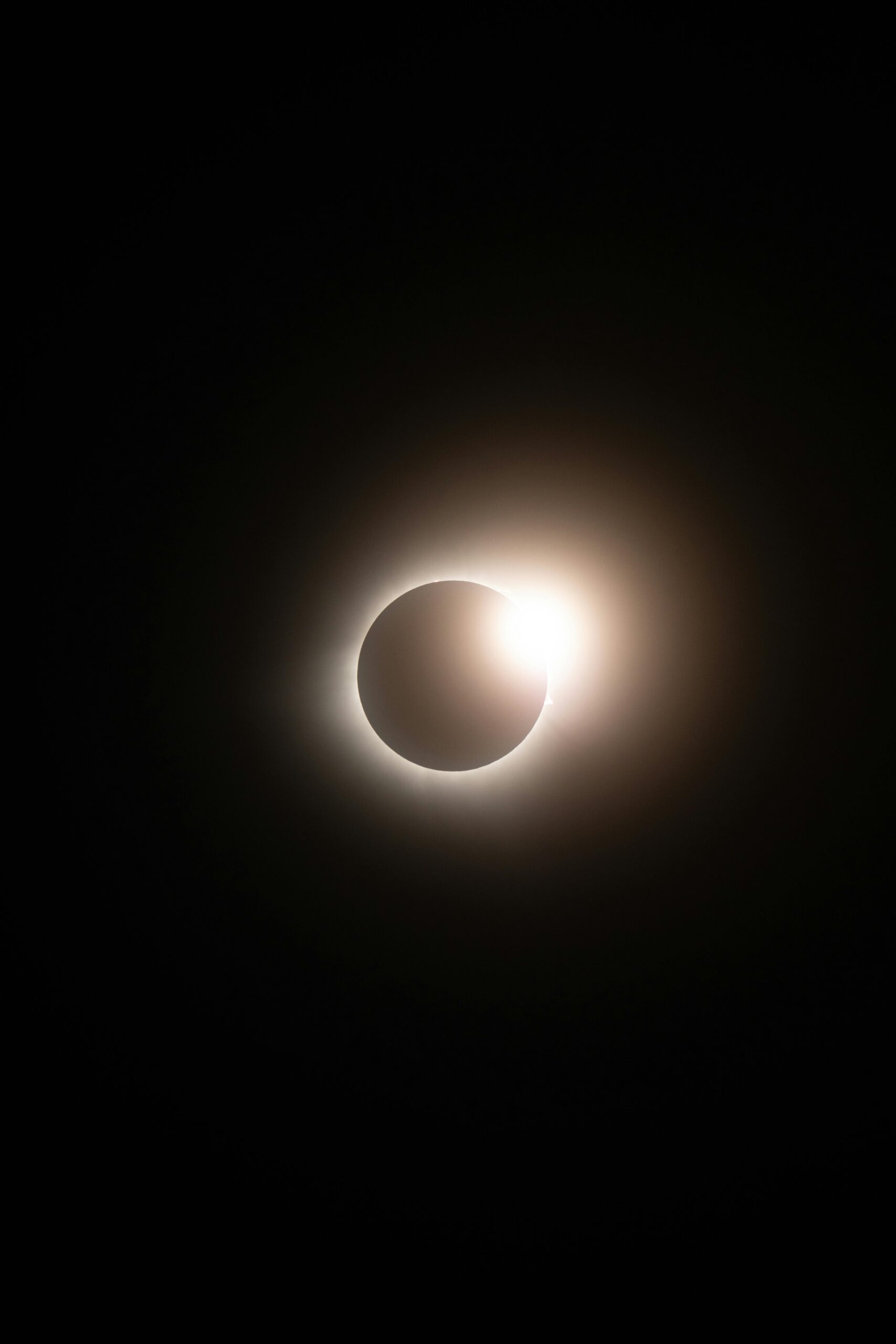
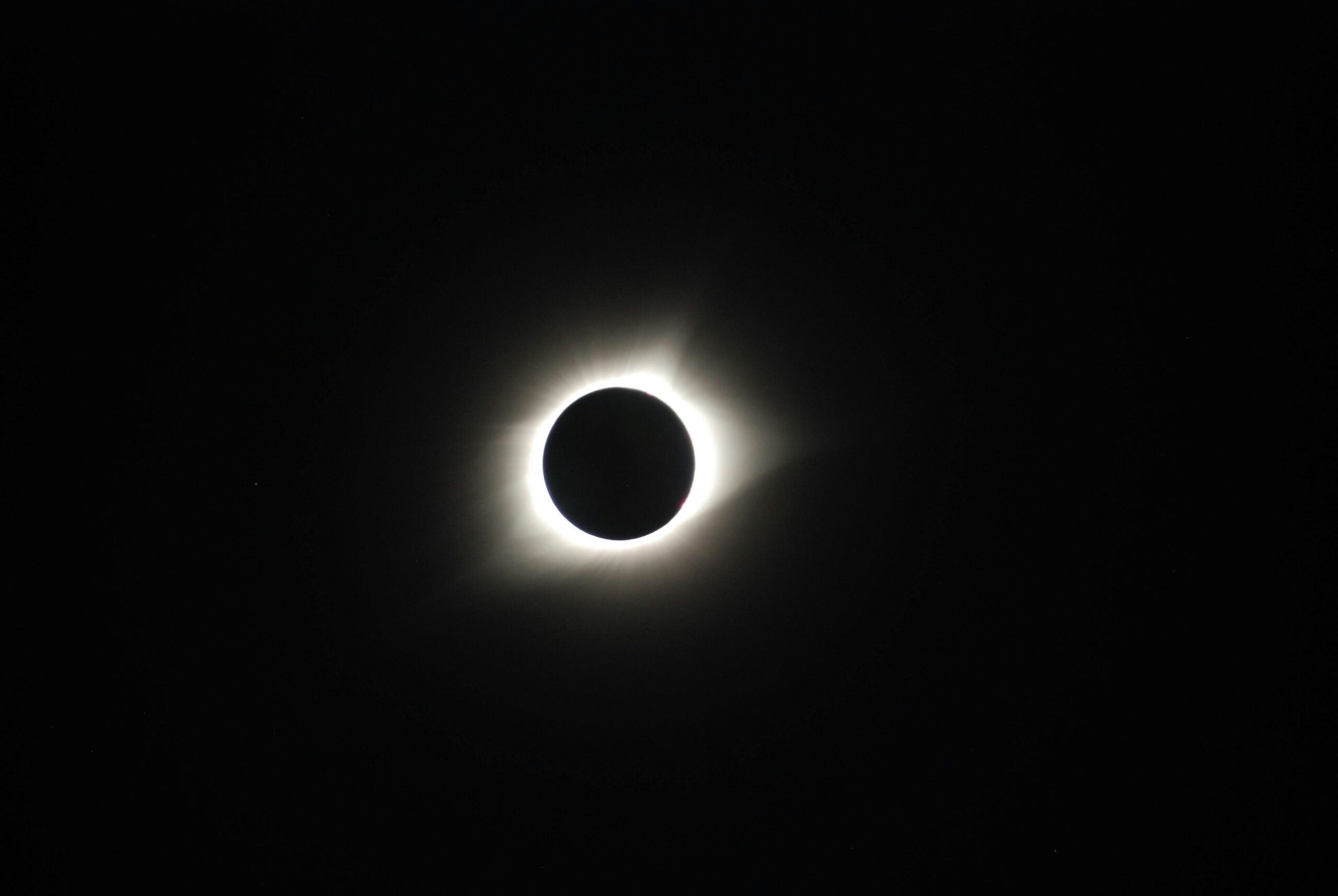
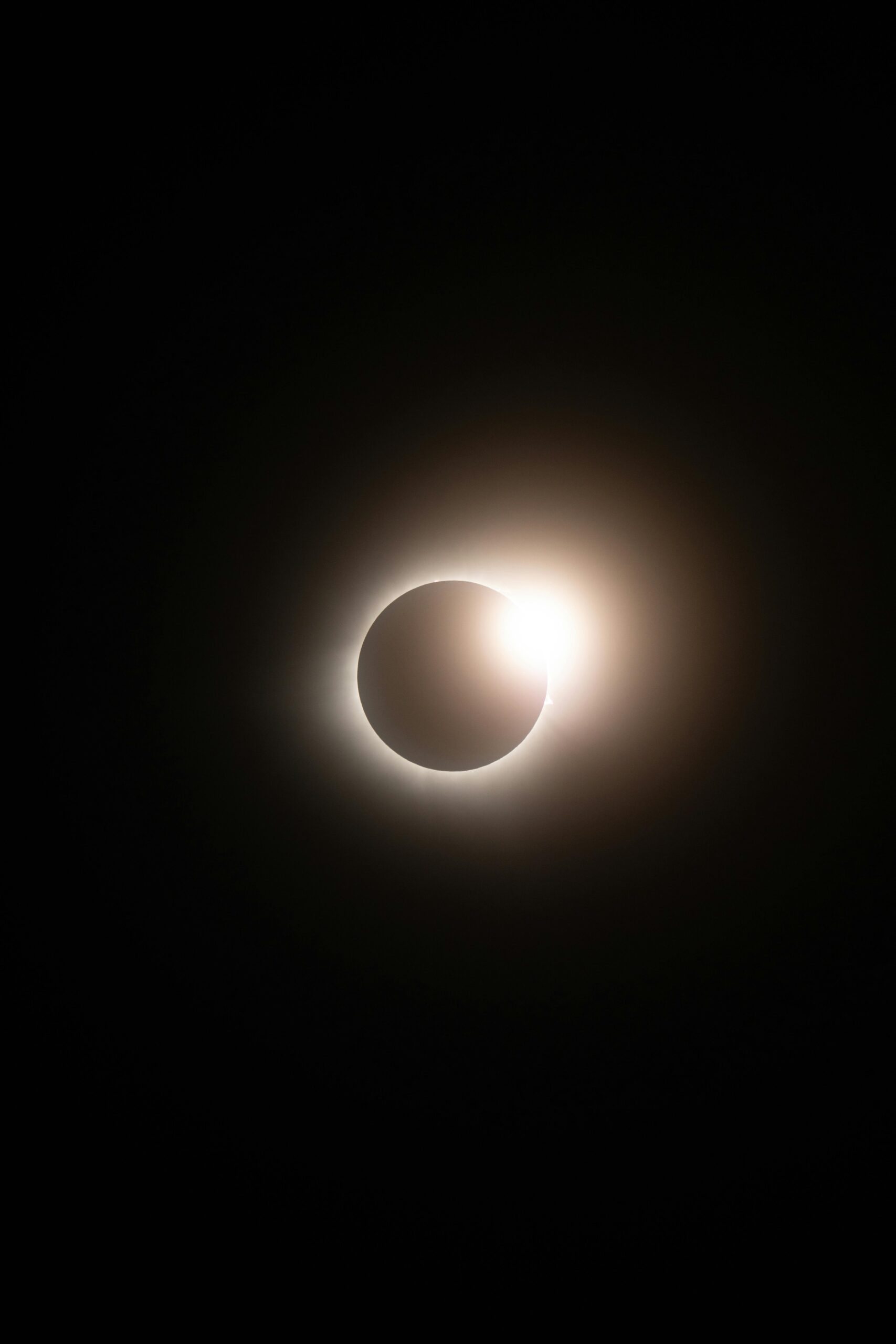
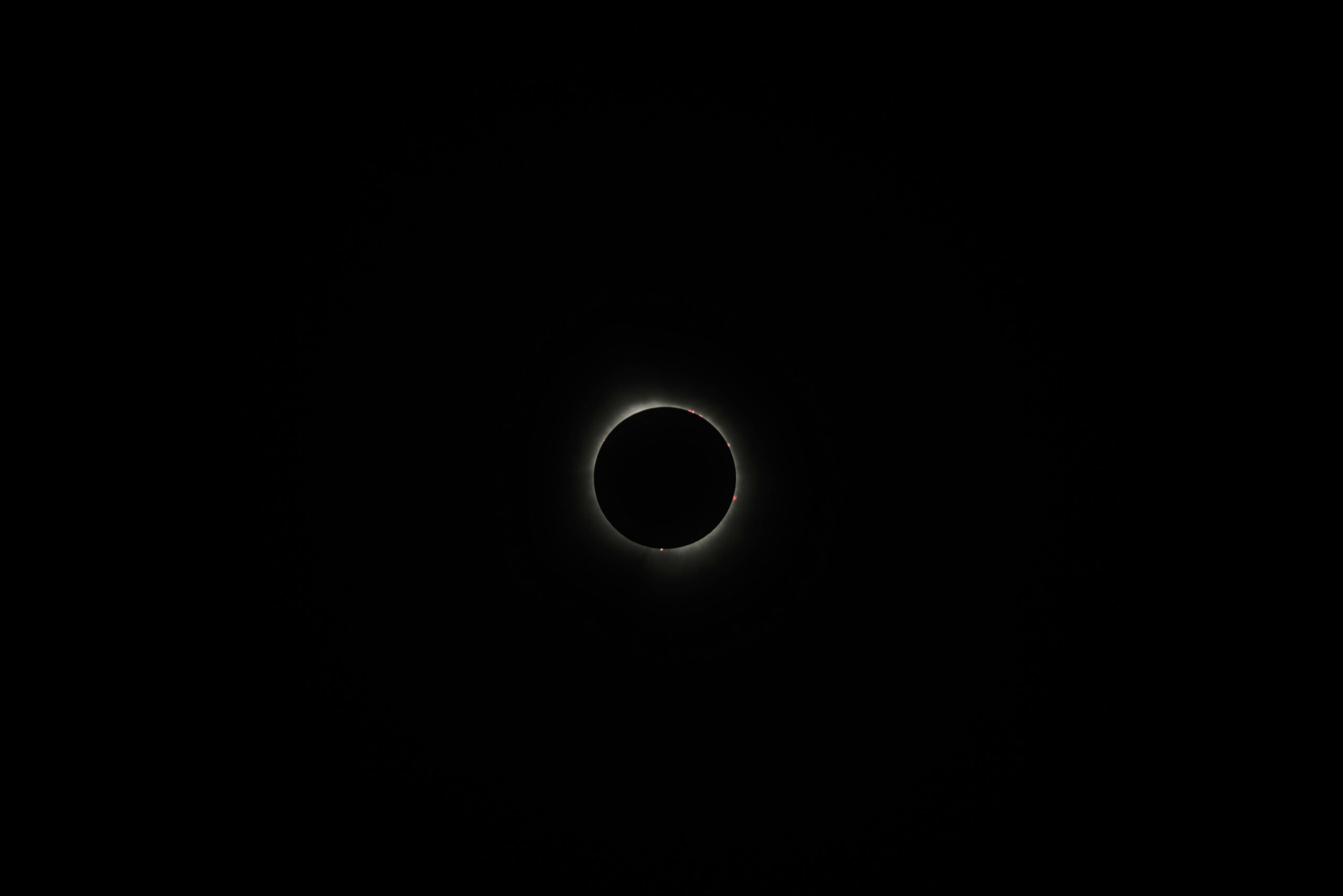
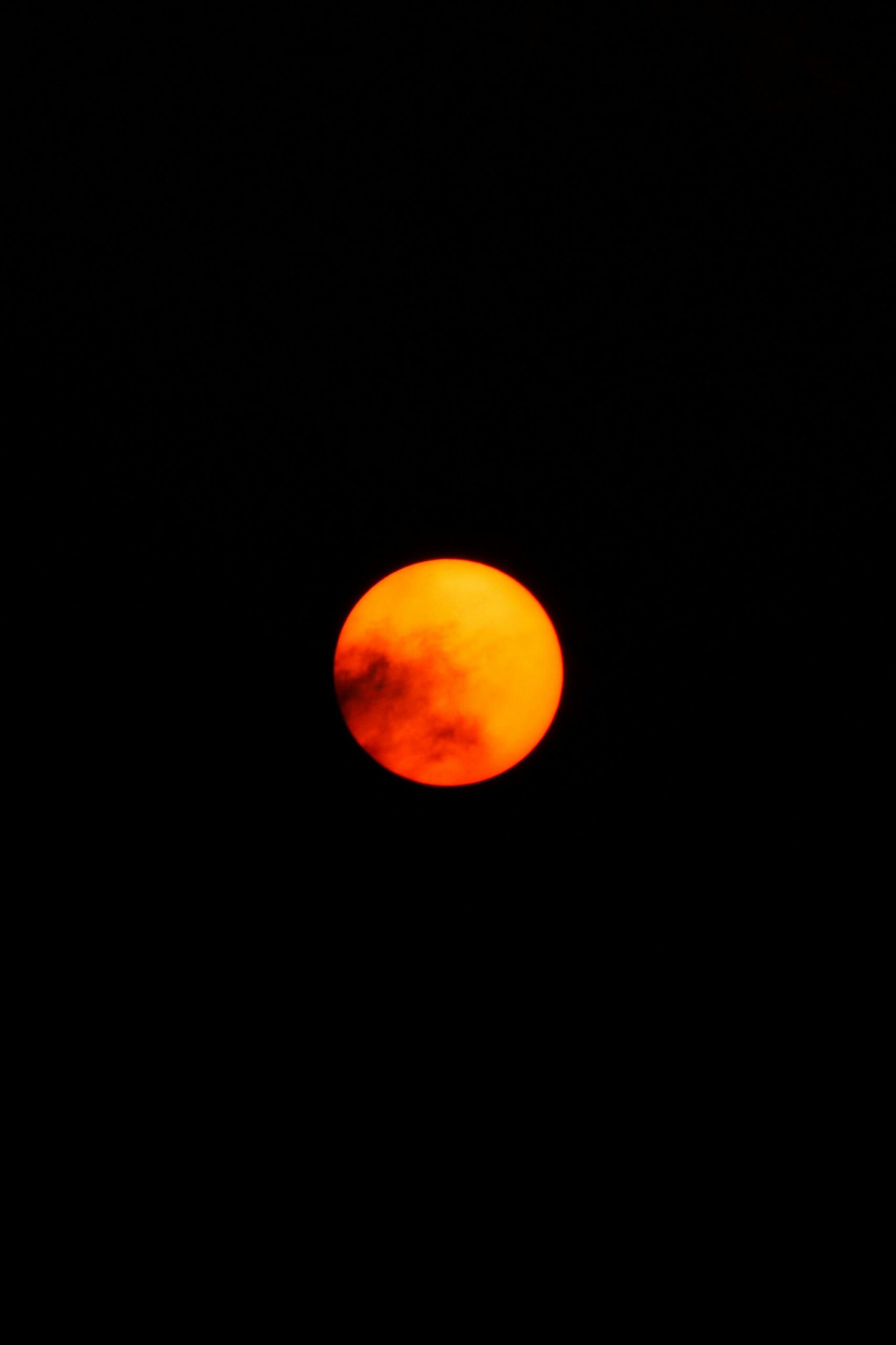
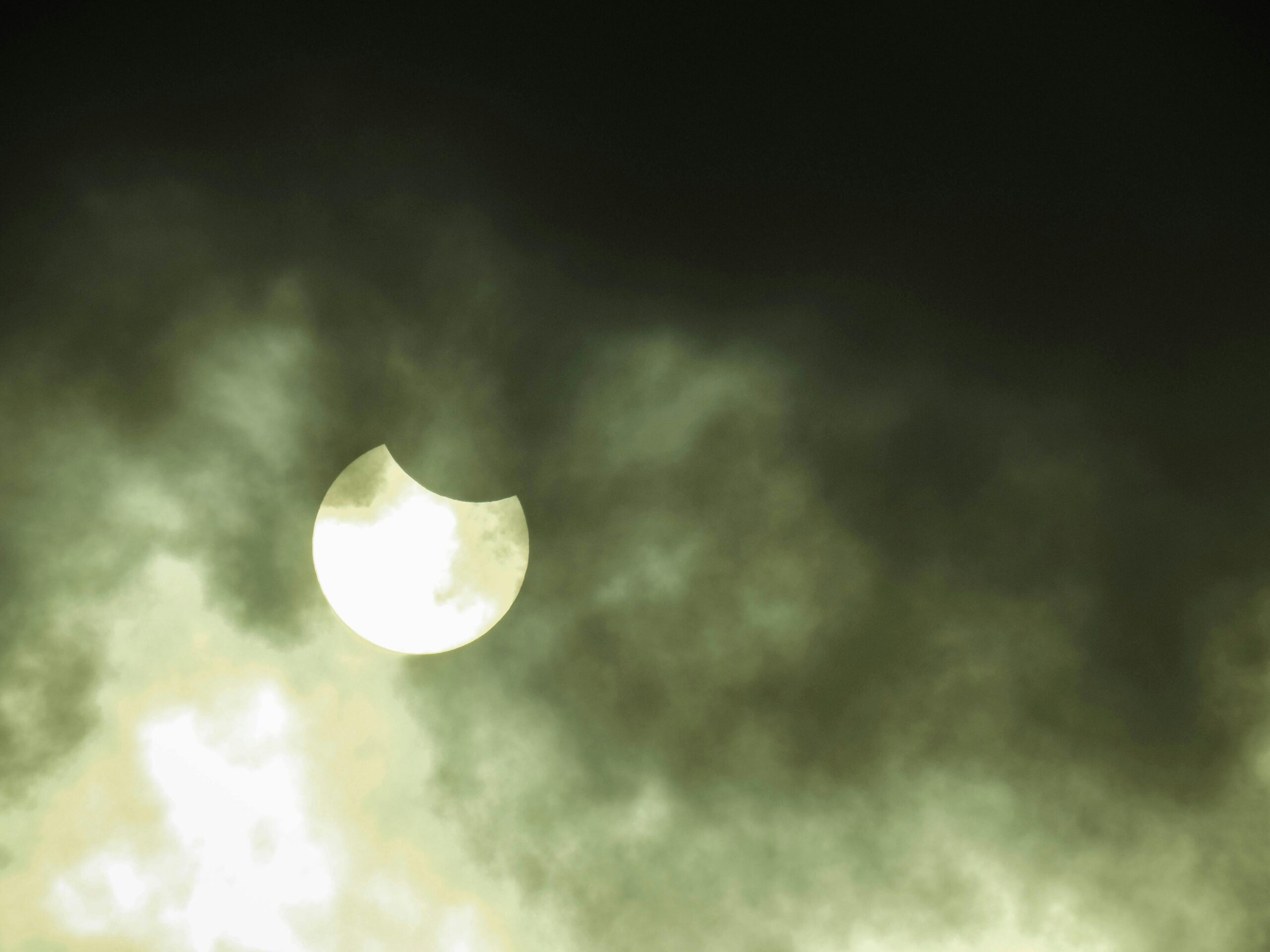
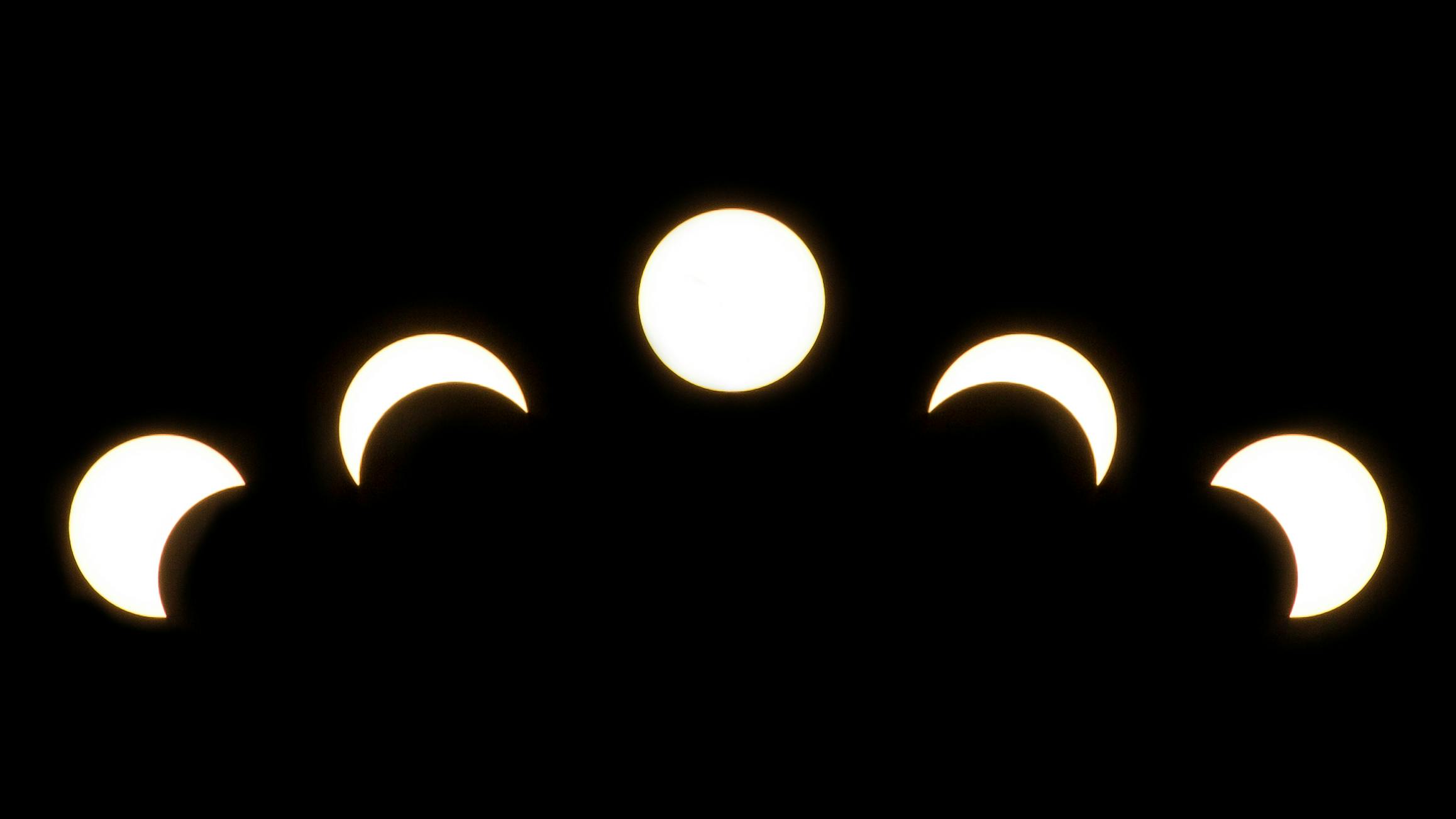
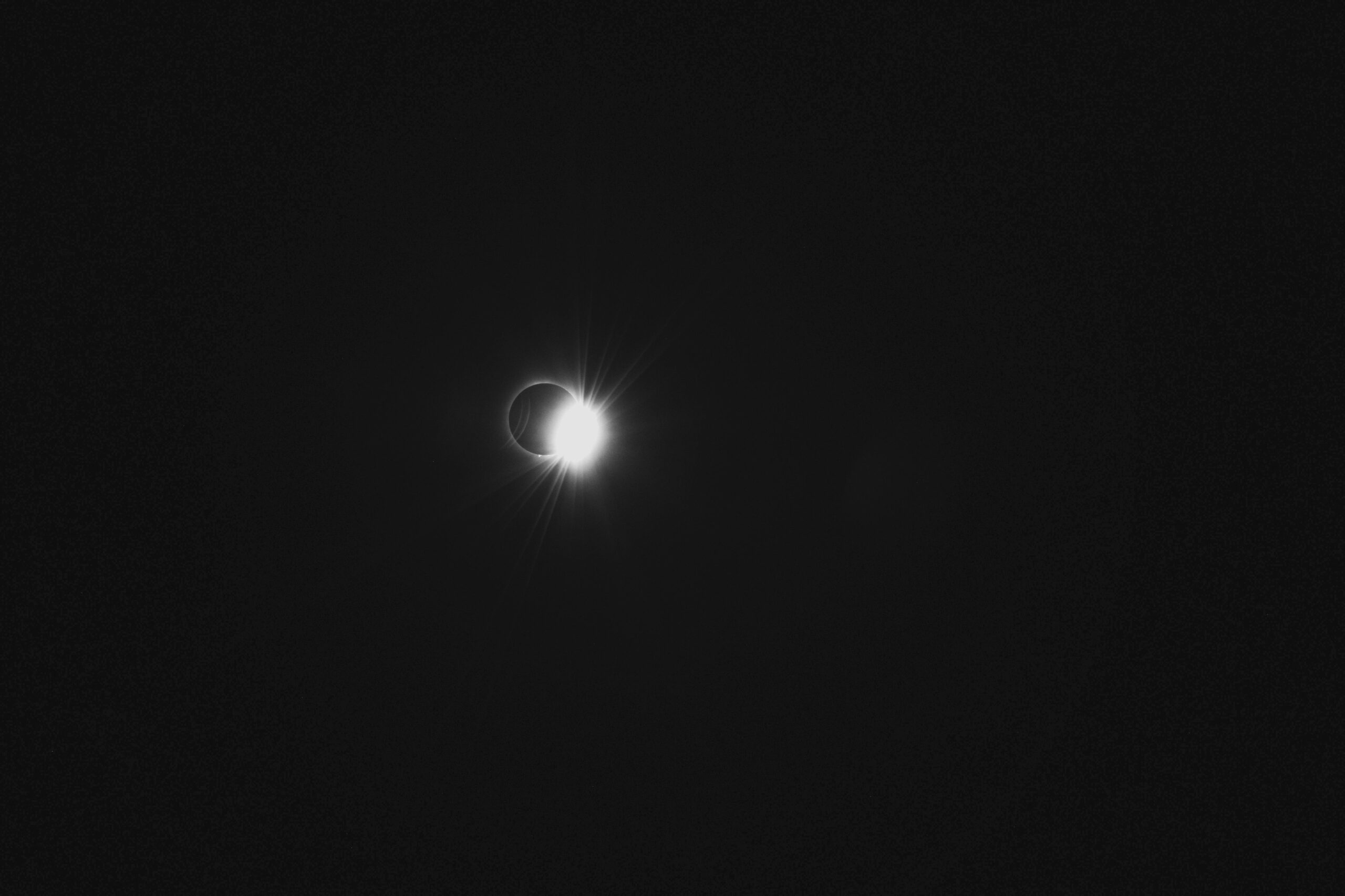
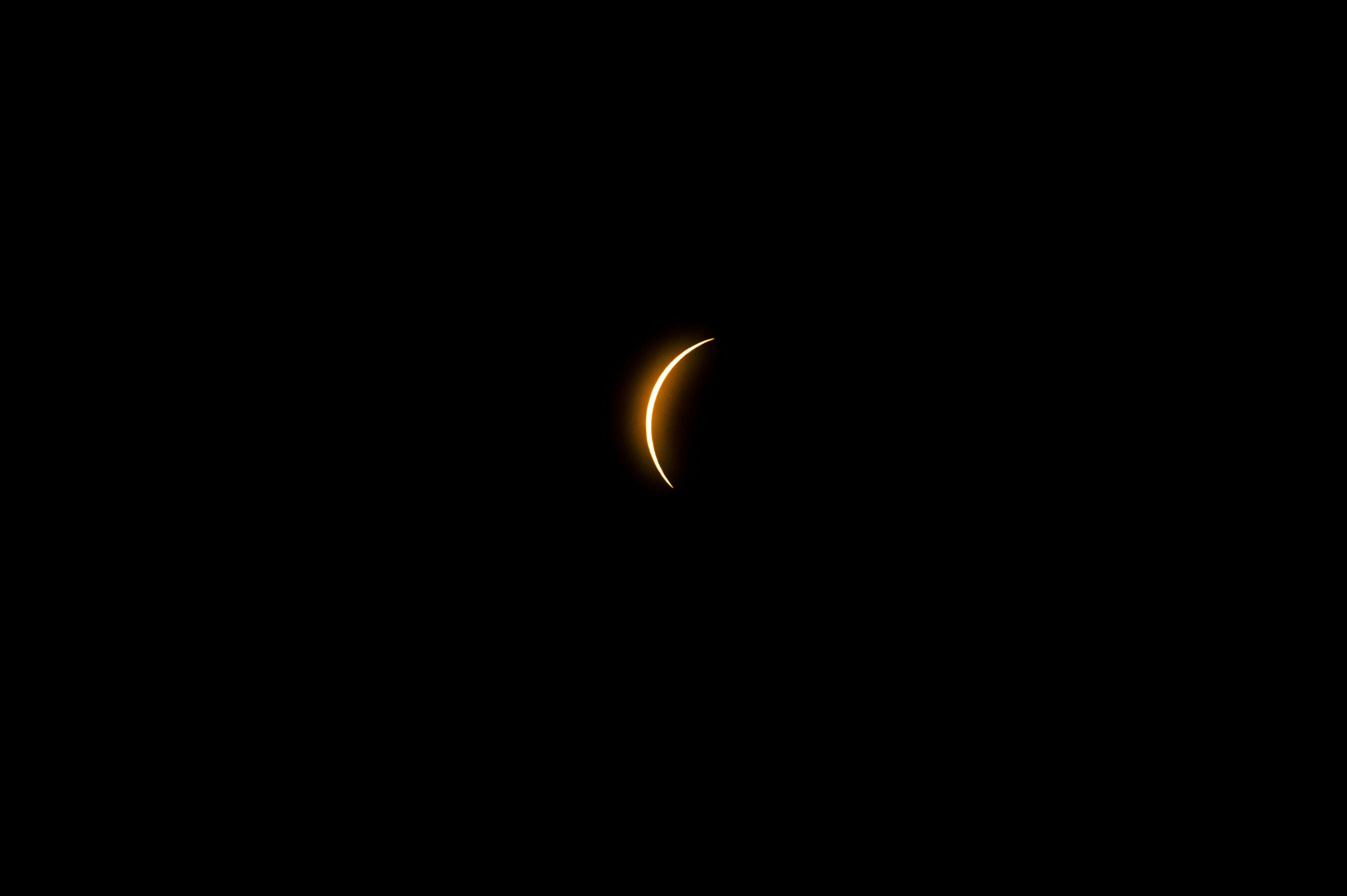
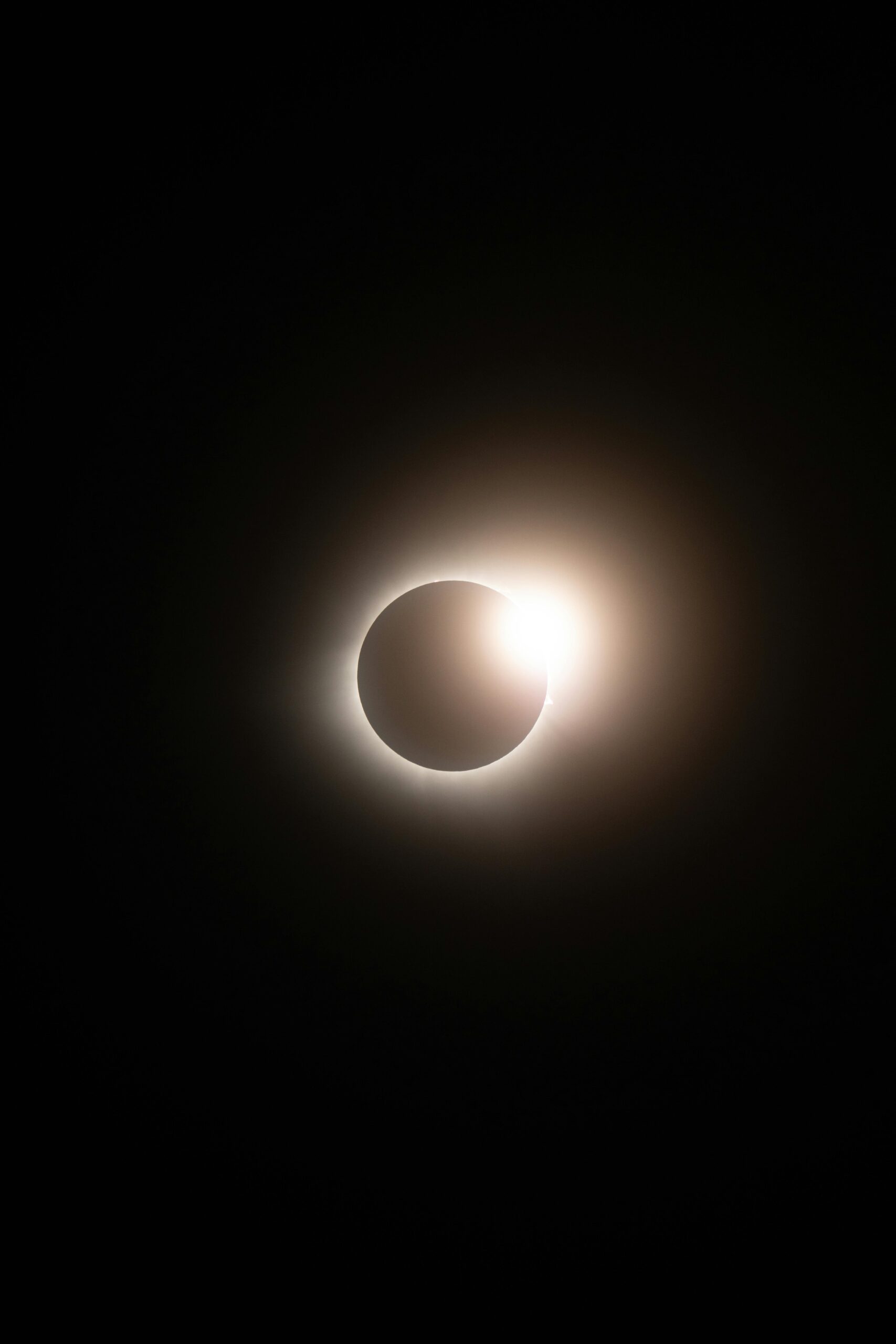
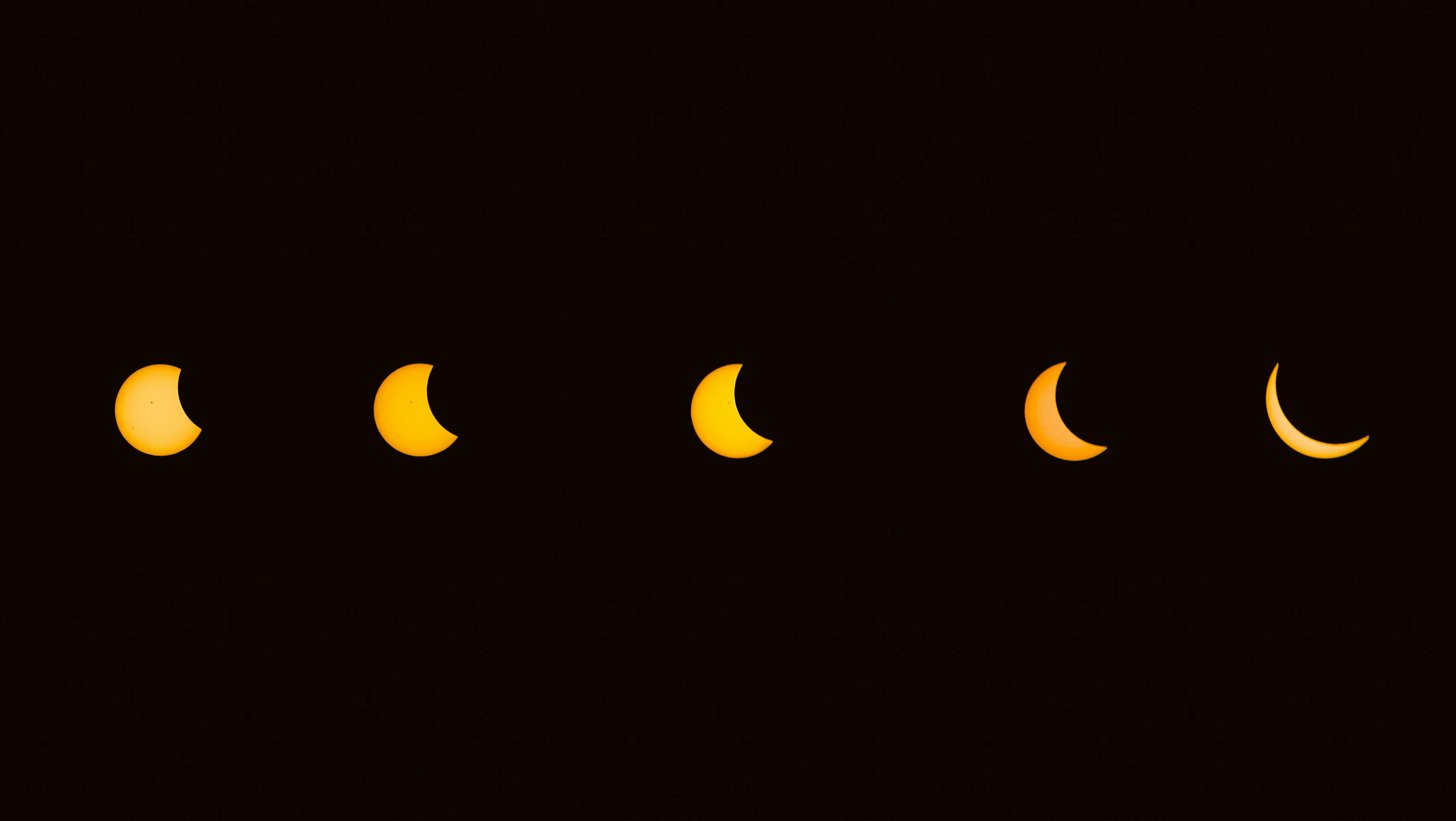
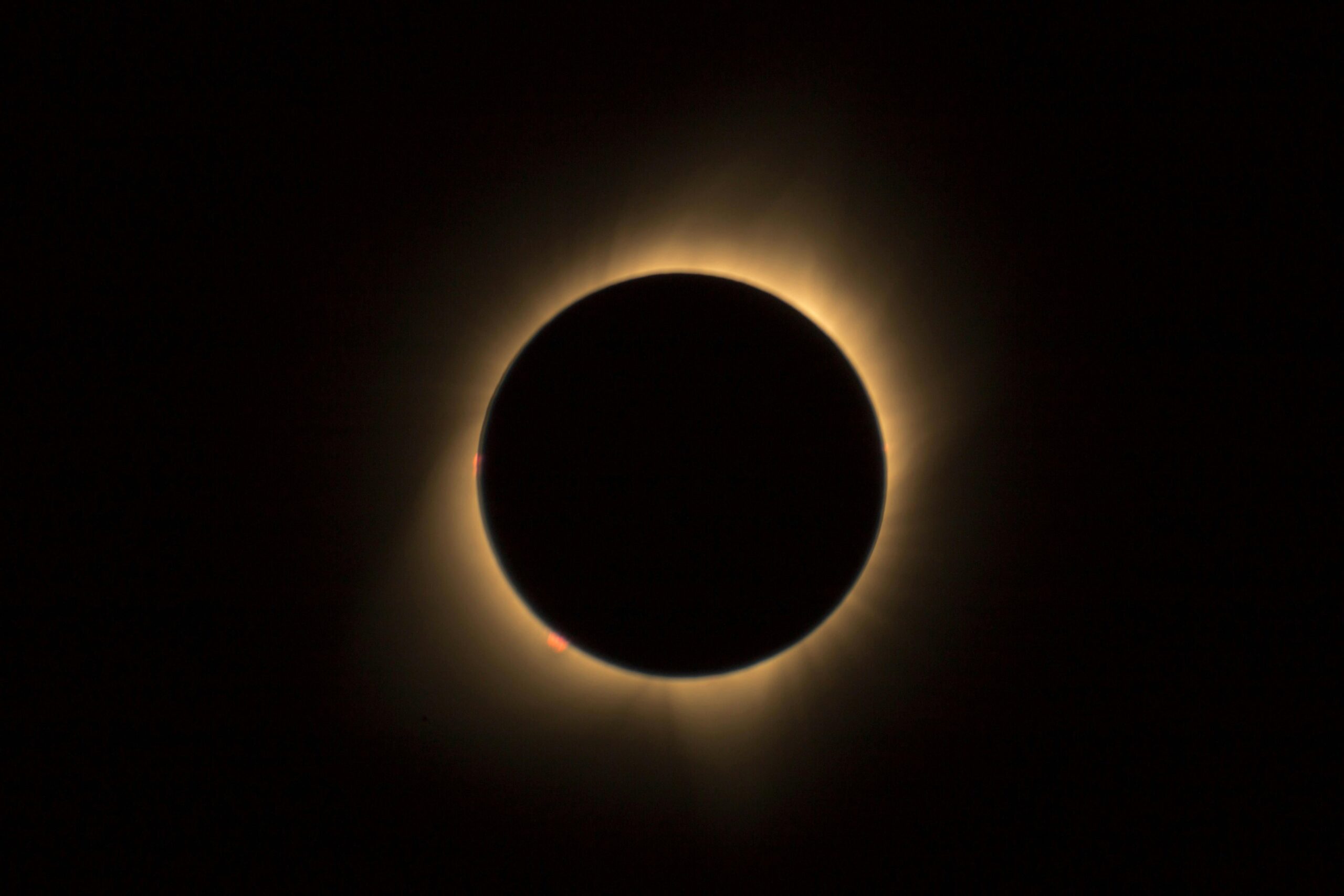
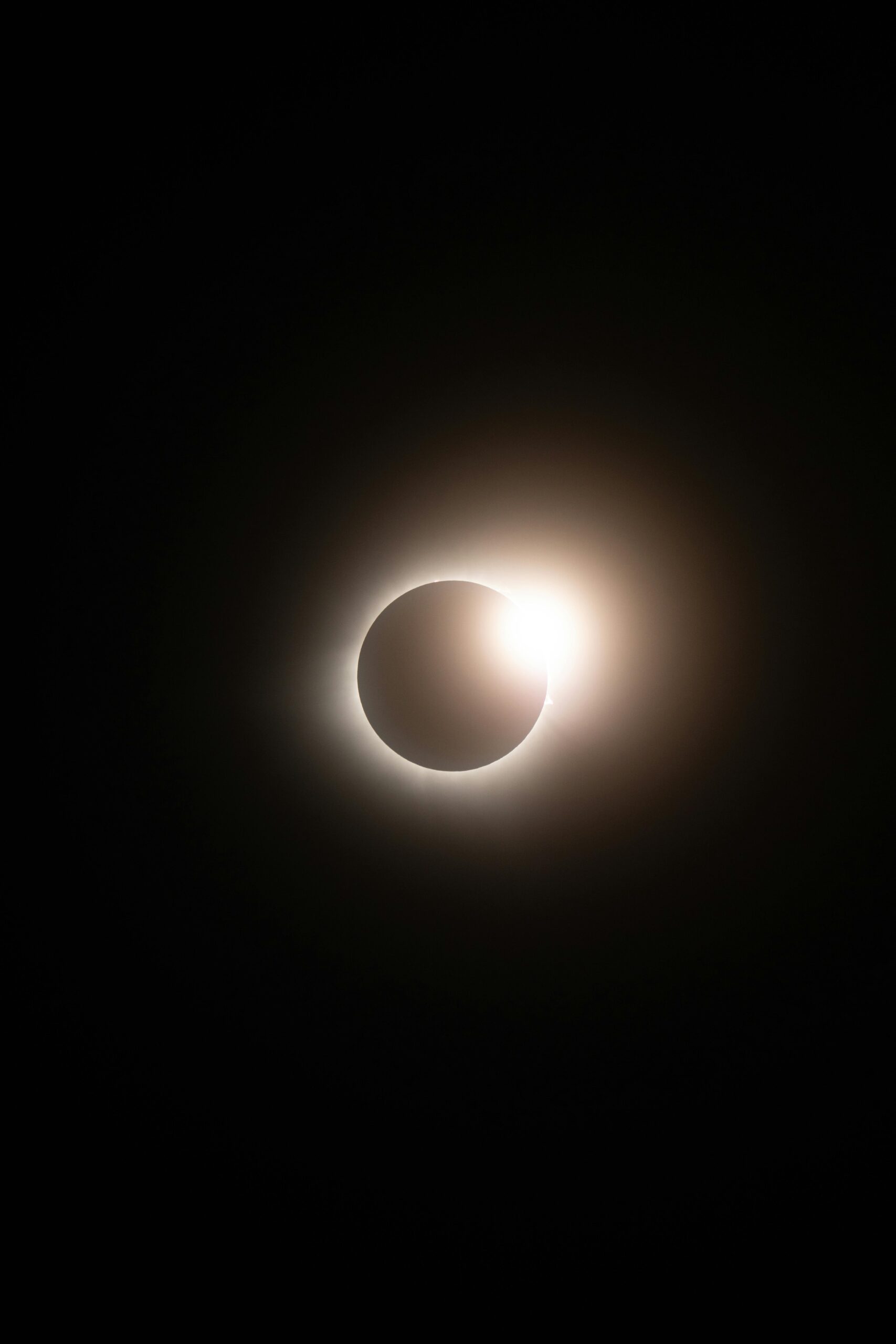
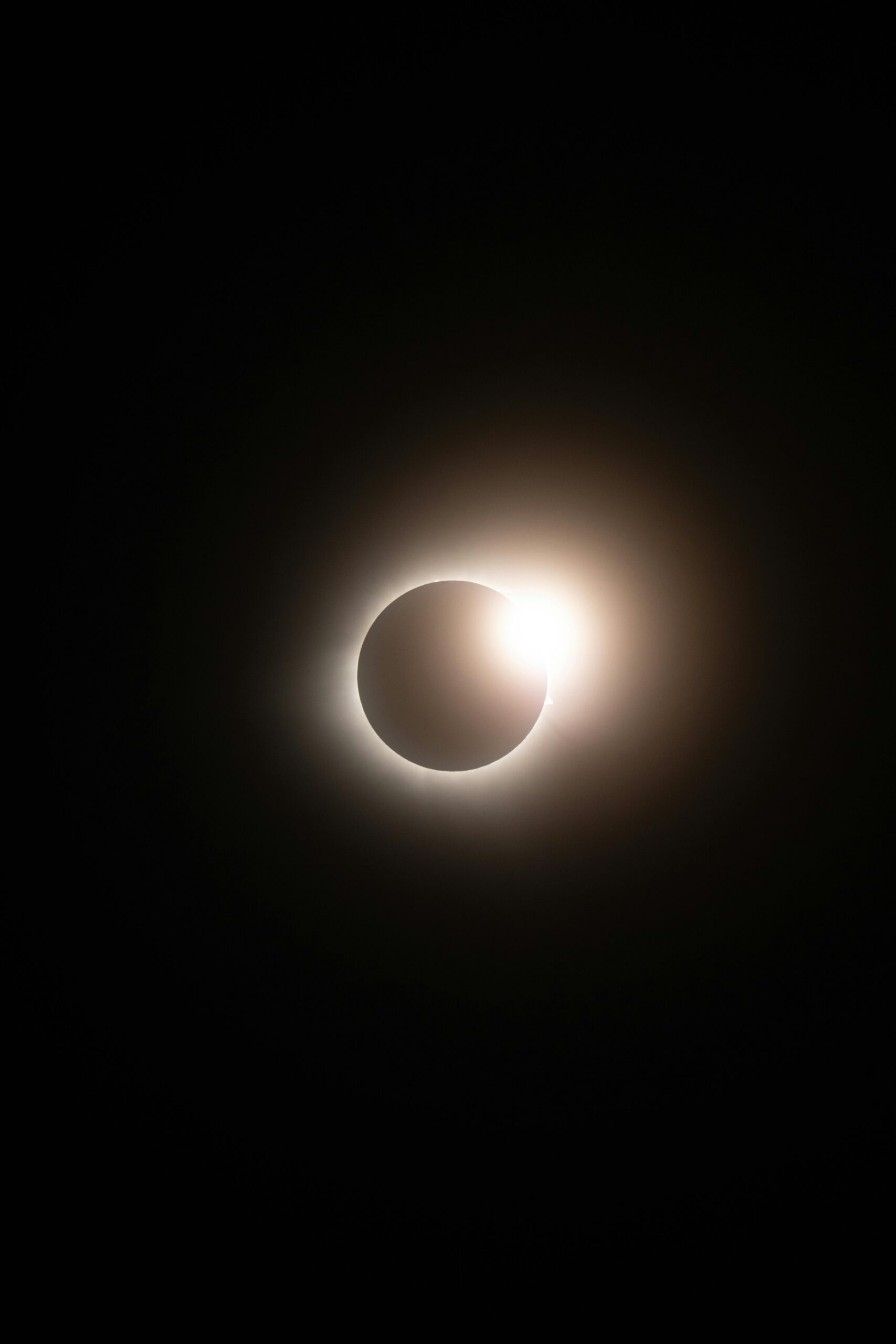
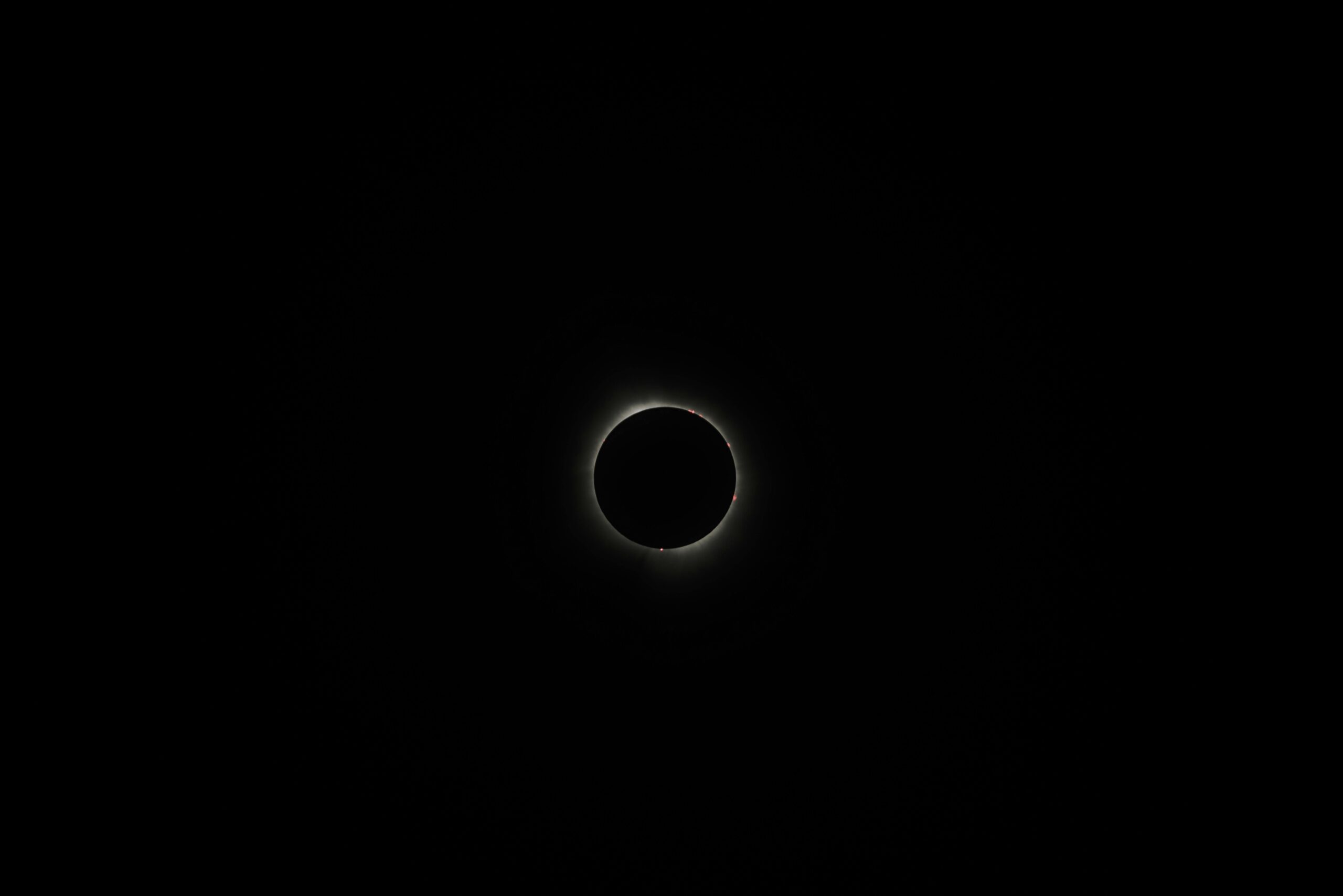
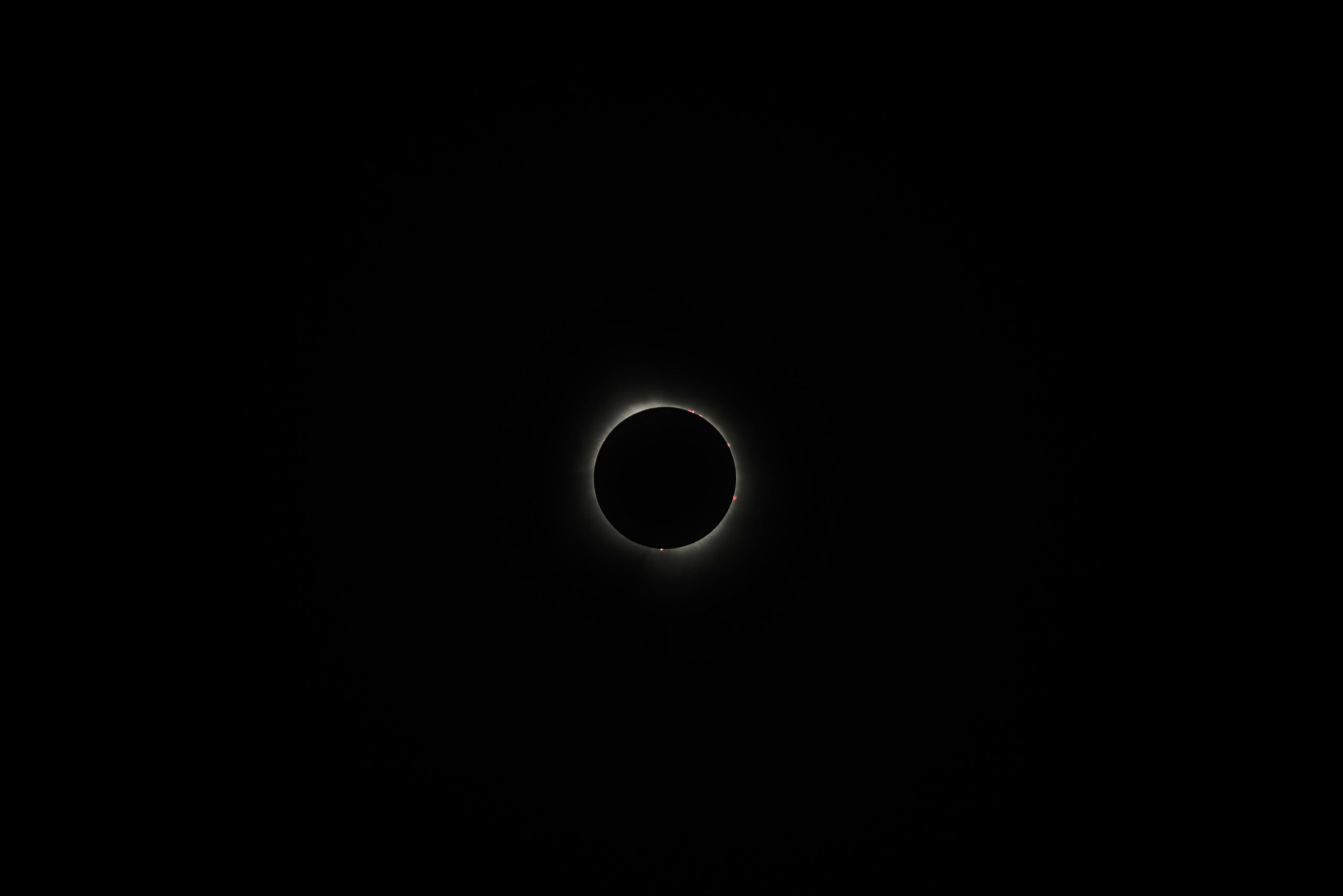
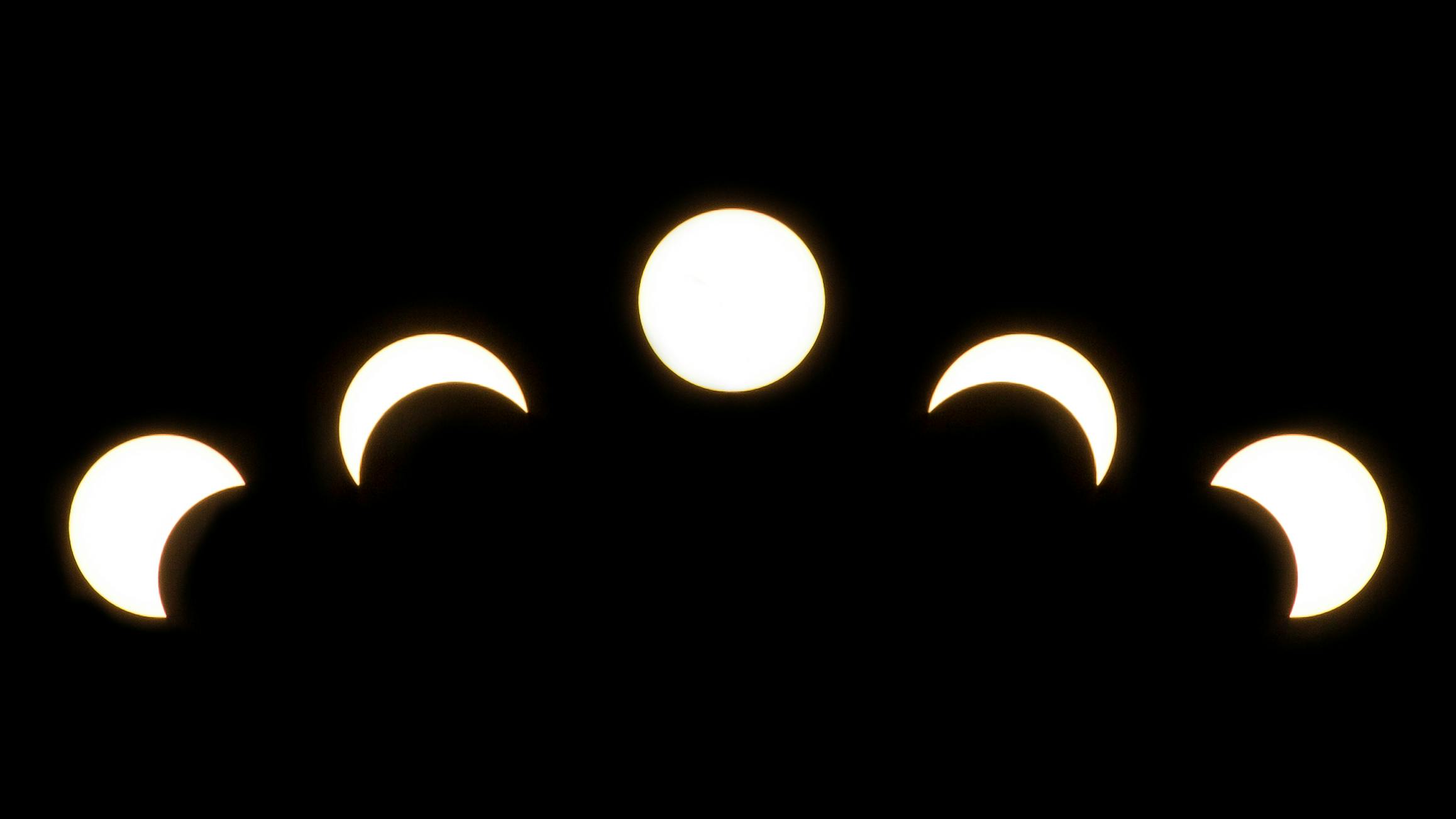
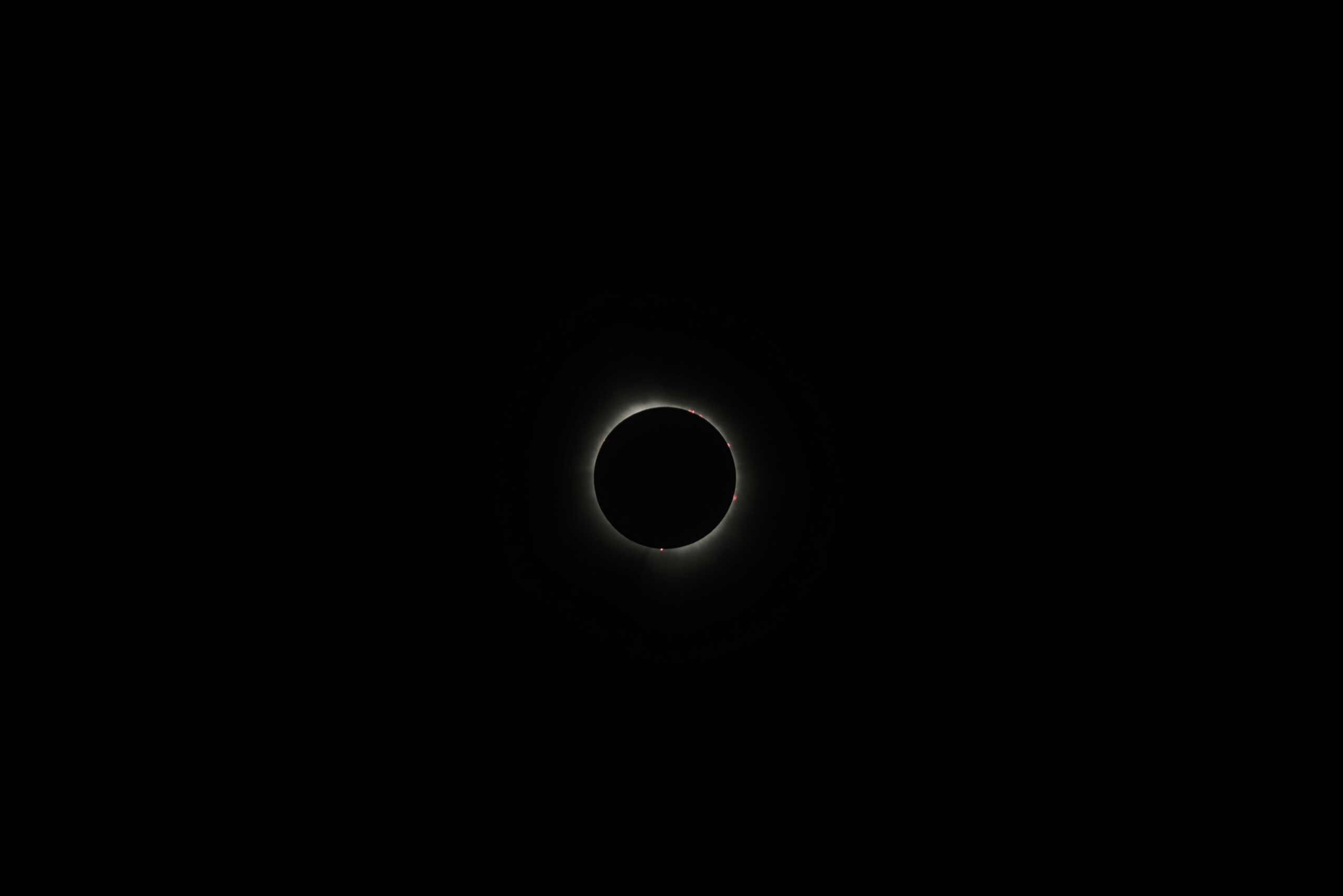
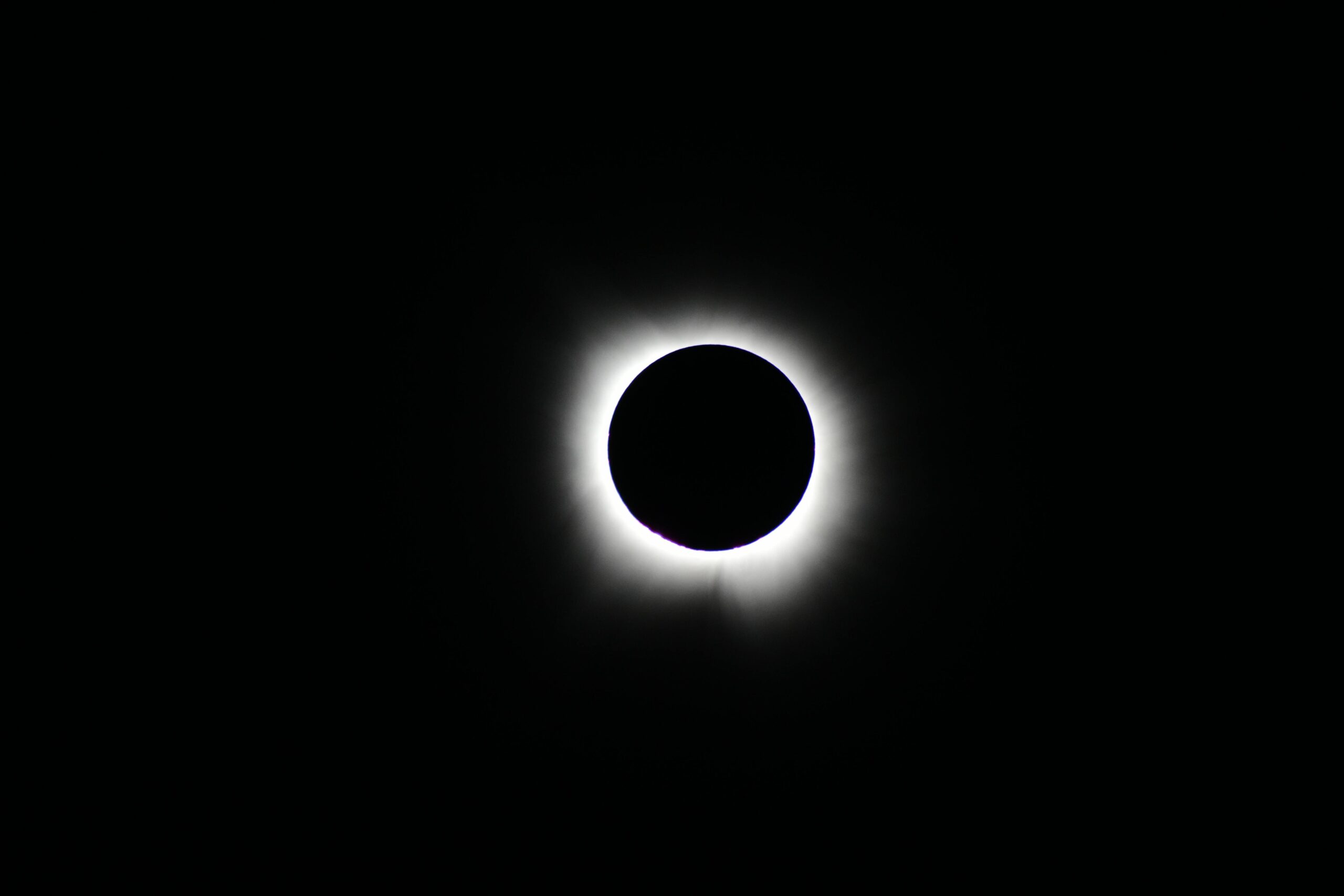
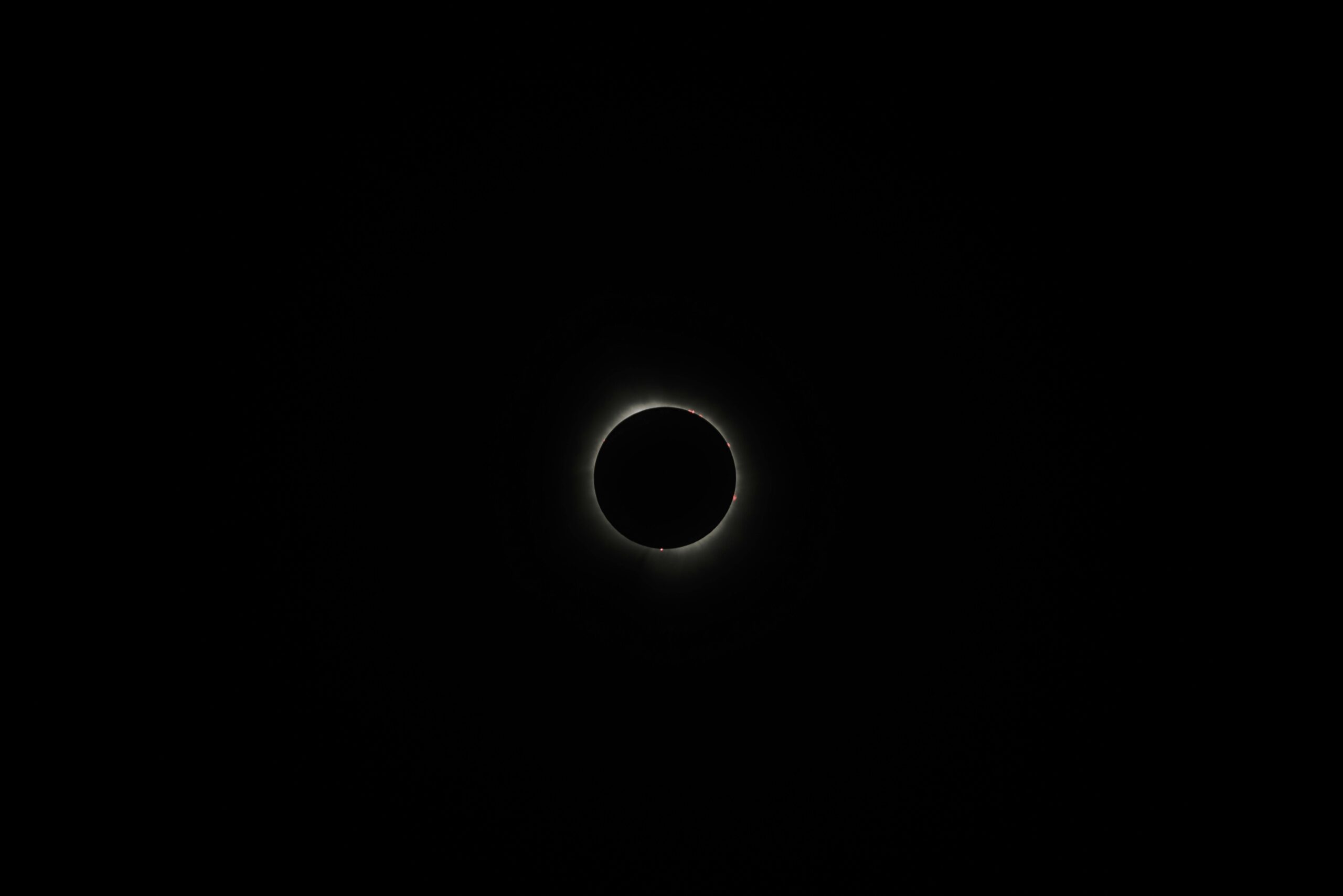
Solar eclipses can be categorized into four main types: total, annular, partial, and hybrid. A total solar eclipse occurs when the Moon completely covers the Sun, casting a shadow on Earth and revealing the Sun’s corona. An annular eclipse happens when the Moon is too far from Earth to completely cover the Sun, resulting in a ring of sunlight around the Moon. Partial eclipses occur when only a part of the Sun is obscured by the Moon, and hybrid eclipses are a rare combination of total and annular eclipses along different sections of the eclipse path.
The Path of Totality
The path of totality is the narrow track on Earth’s surface where a total solar eclipse is visible. Observers within this path experience the full spectacle of the eclipse, including the brief period of total darkness. Outside this path, the eclipse is either partial or annular. The path of totality moves across the Earth’s surface at speeds ranging from 1,100 to 5,000 miles per hour, depending on the specific eclipse and the relative positions of the Earth, Moon, and Sun.
Historical Significance and Cultural Impact
Throughout history, solar eclipses have been interpreted in various ways by different cultures. Ancient civilizations often viewed eclipses as omens or signs from the gods. For instance, the ancient Chinese believed that a solar eclipse was caused by a celestial dragon devouring the Sun. In contrast, the ancient Greeks saw eclipses as a sign of impending doom. Modern science has demystified these events, but they continue to hold cultural and symbolic significance.
In contemporary times, solar eclipses have become a focal point for scientific research and public fascination. Events like the 2017 Great American Eclipse drew millions of spectators and provided valuable data for astronomers studying the Sun’s corona and solar activity. The next total solar eclipse visible from the United States will occur on April 8, 2024, and is expected to be a major event for both amateur and professional astronomers.
Scientific Research and Discoveries
Solar eclipses offer unique opportunities for scientific research. During a total eclipse, the Sun’s corona becomes visible, allowing scientists to study its structure and behavior. This outer layer of the Sun’s atmosphere is typically too dim to observe against the bright light of the Sun itself. Eclipses have also been used to test Einstein’s theory of general relativity, as the bending of starlight around the Sun during an eclipse provided early confirmation of the theory.
Additionally, eclipses provide insights into the Sun’s magnetic field and solar flares, which can have significant impacts on Earth’s technology and communication systems. Understanding these phenomena is crucial for predicting and mitigating the effects of solar activity on our planet.
Preparing for a Solar Eclipse
Watching a solar eclipse is a memorable experience, but it requires proper preparation to ensure safety and enjoyment. The most critical safety measure is using certified eclipse glasses or solar filters to protect your eyes from the Sun’s harmful rays. Looking directly at the Sun, even during an eclipse, can cause permanent eye damage.
For those planning to observe an eclipse, it’s essential to know the exact timing and location of the event. Websites like startup news and funding updates often provide updates on upcoming celestial events, including solar eclipses. Additionally, local astronomy clubs and observatories frequently organize public viewing events with expert guidance and specialized equipment.
Photographing a Solar Eclipse
Capturing a solar eclipse on camera requires special equipment and techniques. A solar filter is necessary to protect the camera lens and ensure safe viewing. Telephoto lenses are often used to capture detailed images of the Sun and Moon. For those interested in astrophotography, practicing with solar filters and experimenting with different exposure settings can yield stunning results.
Many photographers also use solar eclipse glasses to protect their eyes while setting up their equipment. It’s important to note that smartphones and other devices without proper solar filters should not be used to view or photograph an eclipse directly.
Future Solar Eclipses to Look Forward To
The next total solar eclipse visible from North America will occur on April 8, 2024, passing over Mexico, the United States, and Canada. This event is highly anticipated, as it will provide another opportunity for scientific research and public engagement. Other notable eclipses include the annular eclipse on October 2, 2024, visible from South America, and the total solar eclipse on August 12, 2026, which will be visible from the Arctic, Greenland, and Iceland.
For those eager to witness these celestial events, planning ahead is key. Traveling to the path of totality, securing proper viewing equipment, and staying informed through reliable sources like startup news and funding updates can enhance the experience and ensure a safe and enjoyable viewing opportunity.