The Anticipation Builds
The astronomical community and enthusiasts alike are abuzz with excitement as the countdown begins to the Great American Eclipse of 2024. This celestial event, scheduled for April 8, 2024, promises to be a spectacle of nature’s grandeur, visible across a large swath of the United States. The anticipation is palpable, with scientists, photographers, and curious onlookers preparing to witness the moon’s shadow traverse the continent.
Understanding Solar Eclipses
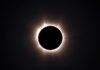
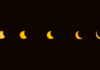
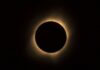
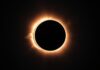
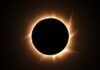
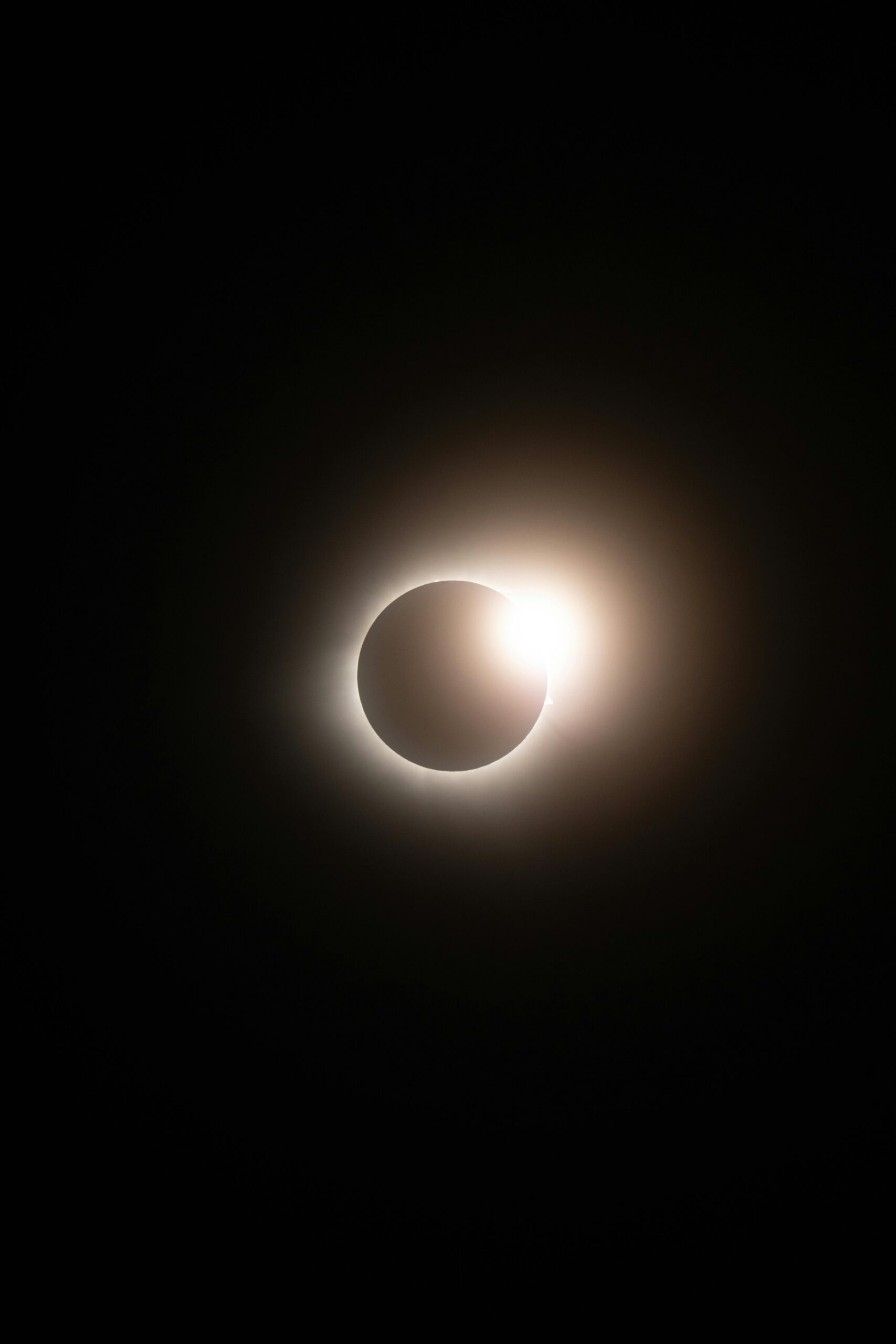
A solar eclipse occurs when the moon passes between the Earth and the Sun, casting a shadow on the Earth’s surface. This alignment can only happen during a new moon when the Sun and the Moon are in conjunction as seen from Earth. There are three types of solar eclipses: total, partial, and annular. The 2024 eclipse will be a total solar eclipse, meaning that the moon will completely cover the Sun’s disk, revealing the Sun’s corona, a halo of plasma surrounding the star.
For those interested in the intricacies of solar eclipses, the interesting facts knowledge guide provides a wealth of information on the science behind these awe-inspiring events. Understanding the mechanics of eclipses can enhance the viewing experience and deepen appreciation for the cosmic ballet playing out above us.
The Path of Totality
The path of totality, where the full shadow of the moon will fall, will stretch from Mexico’s Pacific coast to the eastern seaboard of the United States. Major cities within this path include Dallas, Texas; Indianapolis, Indiana; and Cleveland, Ohio. Outside this path, observers will experience a partial eclipse, where only a portion of the Sun is obscured by the Moon. The duration of totality will vary, with some locations experiencing up to four minutes and 28 seconds of darkness.
Key Cities and Viewing Spots
Planning ahead is crucial for those wishing to witness the eclipse. Popular viewing spots include national parks, open fields, and high vantage points. Cities like Austin, Texas, and Nashville, Tennessee, are expected to draw large crowds. It’s advisable to arrive early to secure a good viewing location, as traffic congestion is anticipated in the days leading up to the event.
Safety First: Viewing the Eclipse
While the eclipse is a breathtaking sight, it’s essential to prioritize safety. Looking directly at the Sun, even during an eclipse, can cause permanent eye damage. Special eclipse glasses that meet the ISO 12312-2 international safety standard should be used to view the Sun directly. Only during the brief phase of totality, when the Moon completely covers the Sun, is it safe to look at the eclipse without protective eyewear.
Additionally, photographers aiming to capture the event should use solar filters on their cameras to avoid damaging the equipment. Practice using your camera with the filter before the eclipse to ensure you’re familiar with the settings and can adjust quickly during the event.
Historical Significance and Cultural Impact
Solar eclipses have captivated human imagination for millennia. Ancient civilizations often viewed eclipses as omens or signs from the gods. The Great American Eclipse of 2024 continues this tradition, inspiring awe and wonder in modern observers. The event also provides an opportunity for scientific research, with astronomers using the eclipse to study the Sun’s corona and other phenomena that are typically difficult to observe.
The cultural impact of the eclipse extends beyond scientific curiosity. Communities along the path of totality are preparing for an influx of visitors, with local businesses and tourism boards organizing special events and activities. From eclipse-themed festivals to educational workshops, the 2024 eclipse promises to be a memorable experience for all who witness it.
Preparing for the Eclipse
As the date approaches, it’s important to make necessary preparations. Check the weather forecast for your viewing location and have a backup plan in case of cloudy skies. Pack essentials such as water, snacks, and sunscreen, and don’t forget your eclipse glasses. If you’re traveling to a popular viewing spot, ensure you have accommodations booked well in advance.
For those unable to travel to the path of totality, consider joining a live stream or virtual event. Many organizations, including NASA, will broadcast the eclipse live, providing a safe and accessible way to experience this celestial phenomenon.
The Great American Eclipse of 2024 is more than just an astronomical event; it’s a shared experience that brings people together to marvel at the wonders of the universe. Whether you’re a seasoned astronomer or a curious observer, this eclipse offers a unique opportunity to connect with the cosmos and create lasting memories.
As technology continues to reshape various industries, a new article explores how it is transforming the world of sports, detailing innovations that are redefining athletic performance and fan engagement in the evolving sports landscape.