The Great American Eclipse of 2024: A Celestial Event Not to Miss
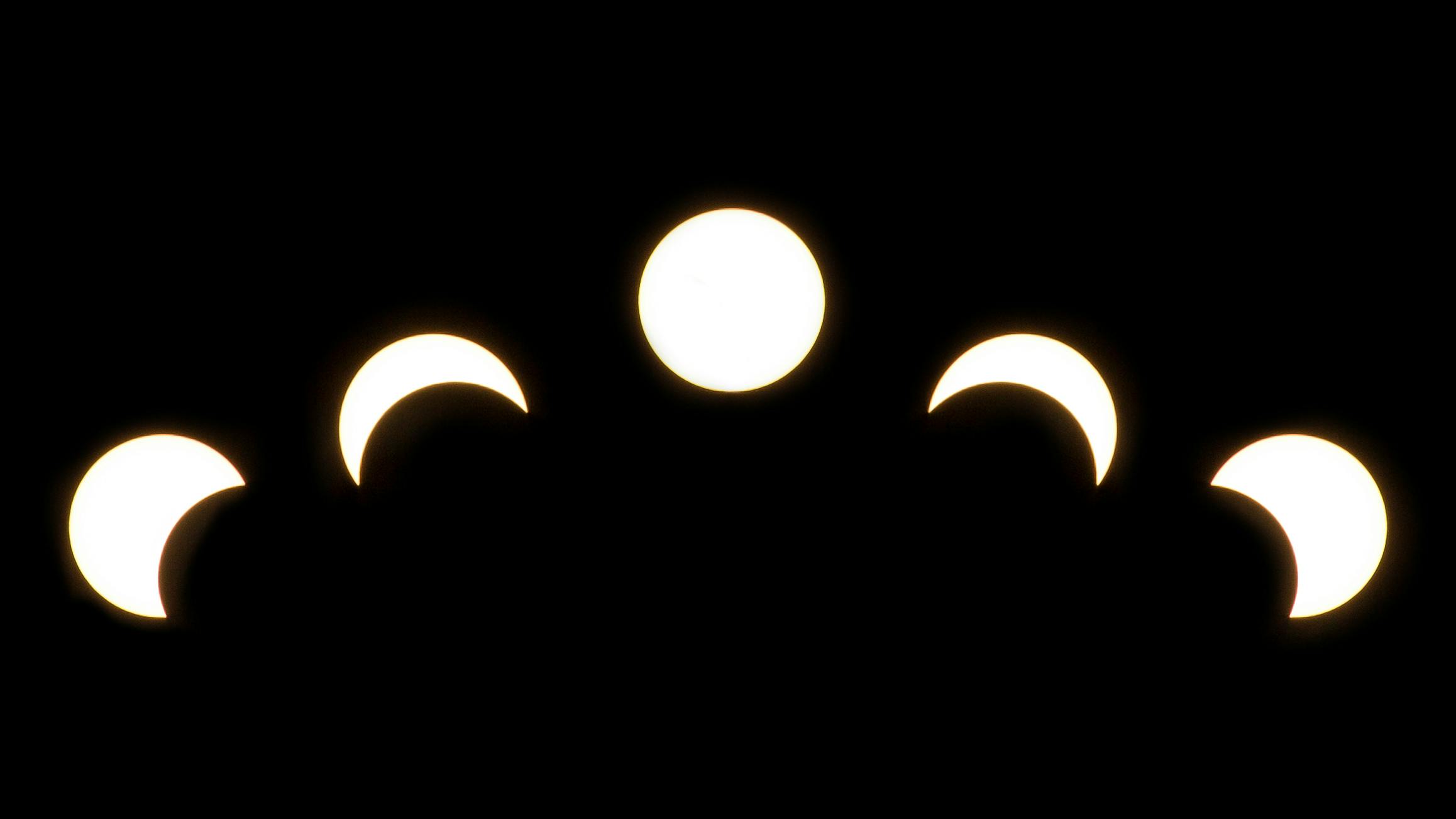
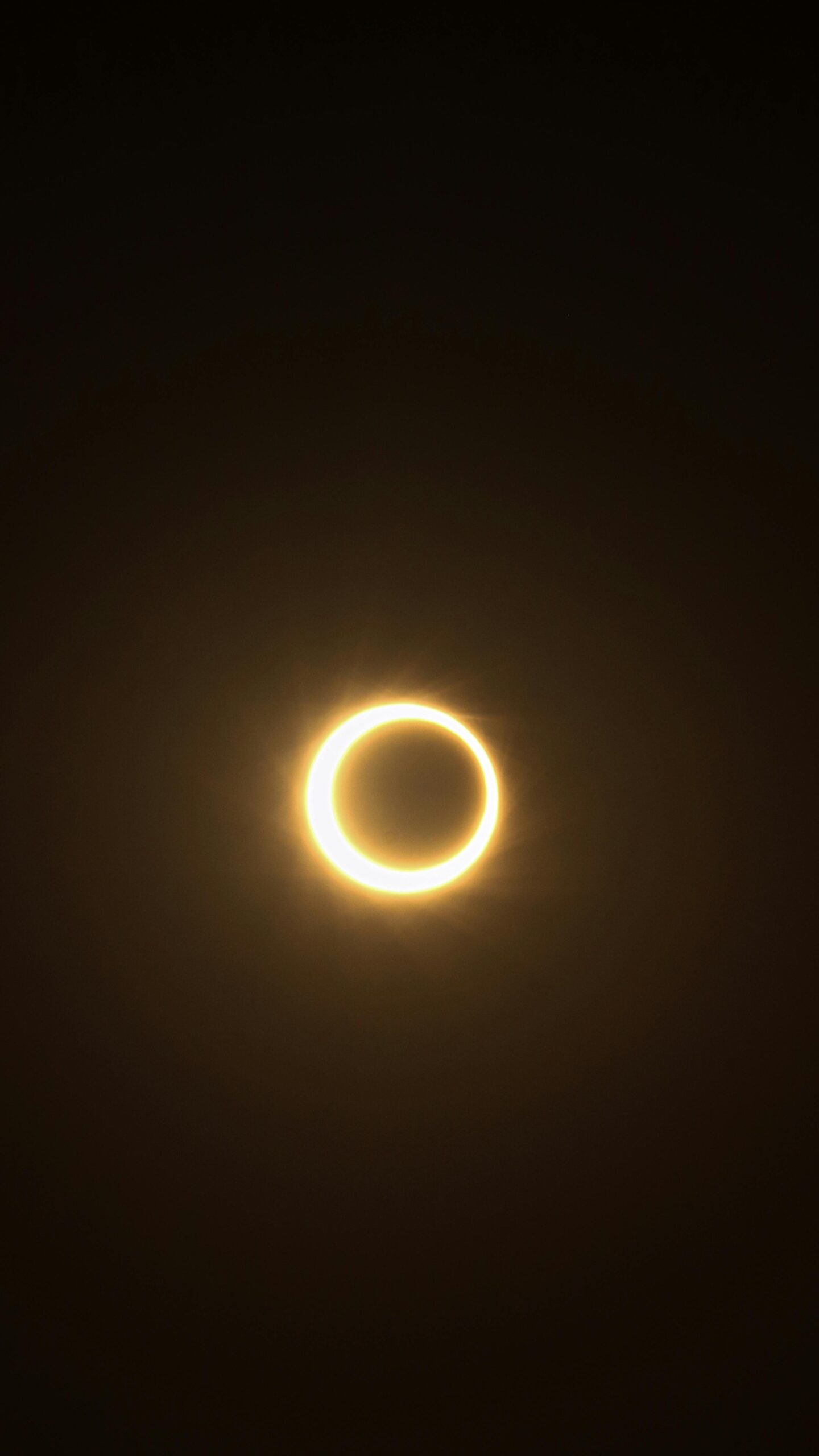
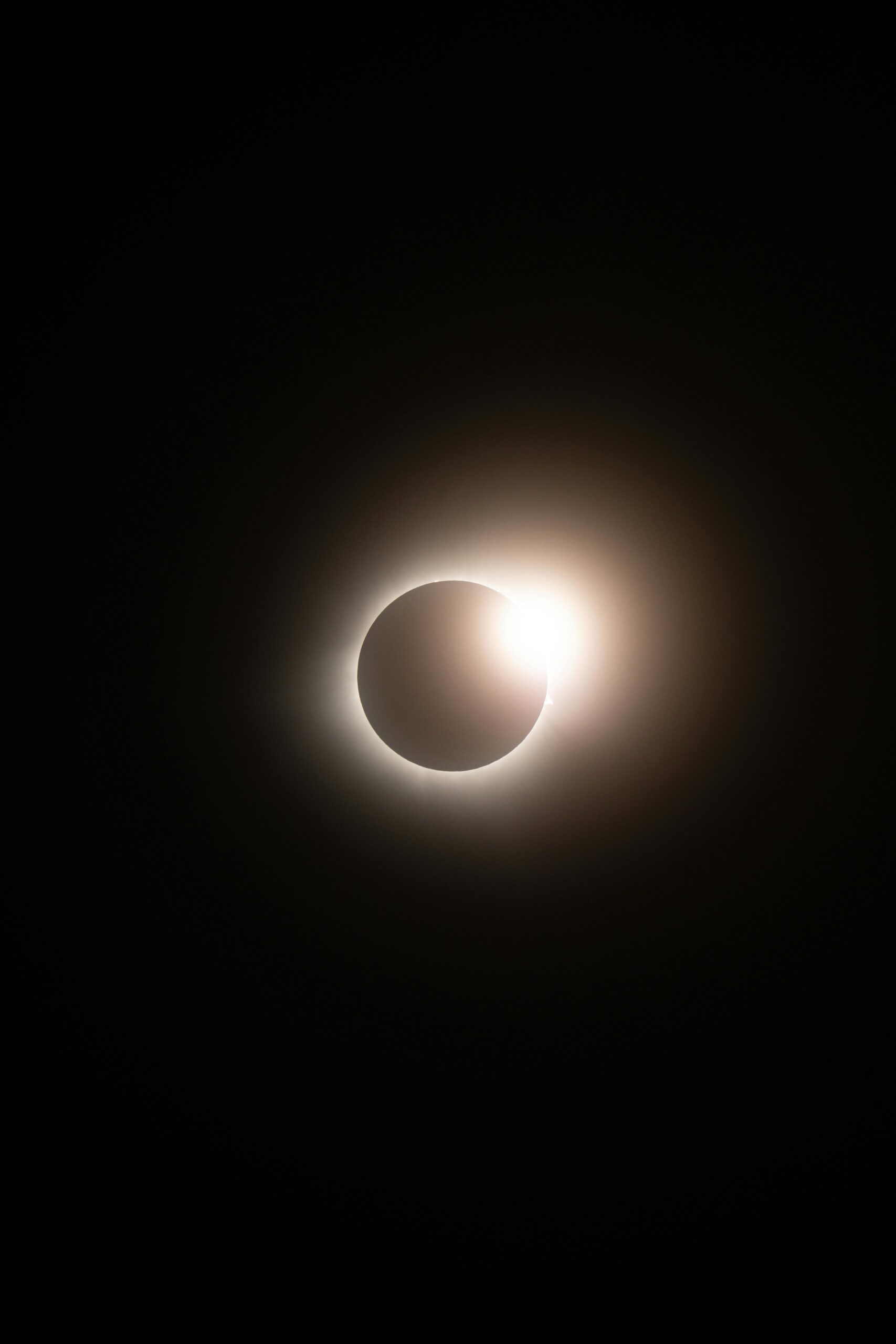
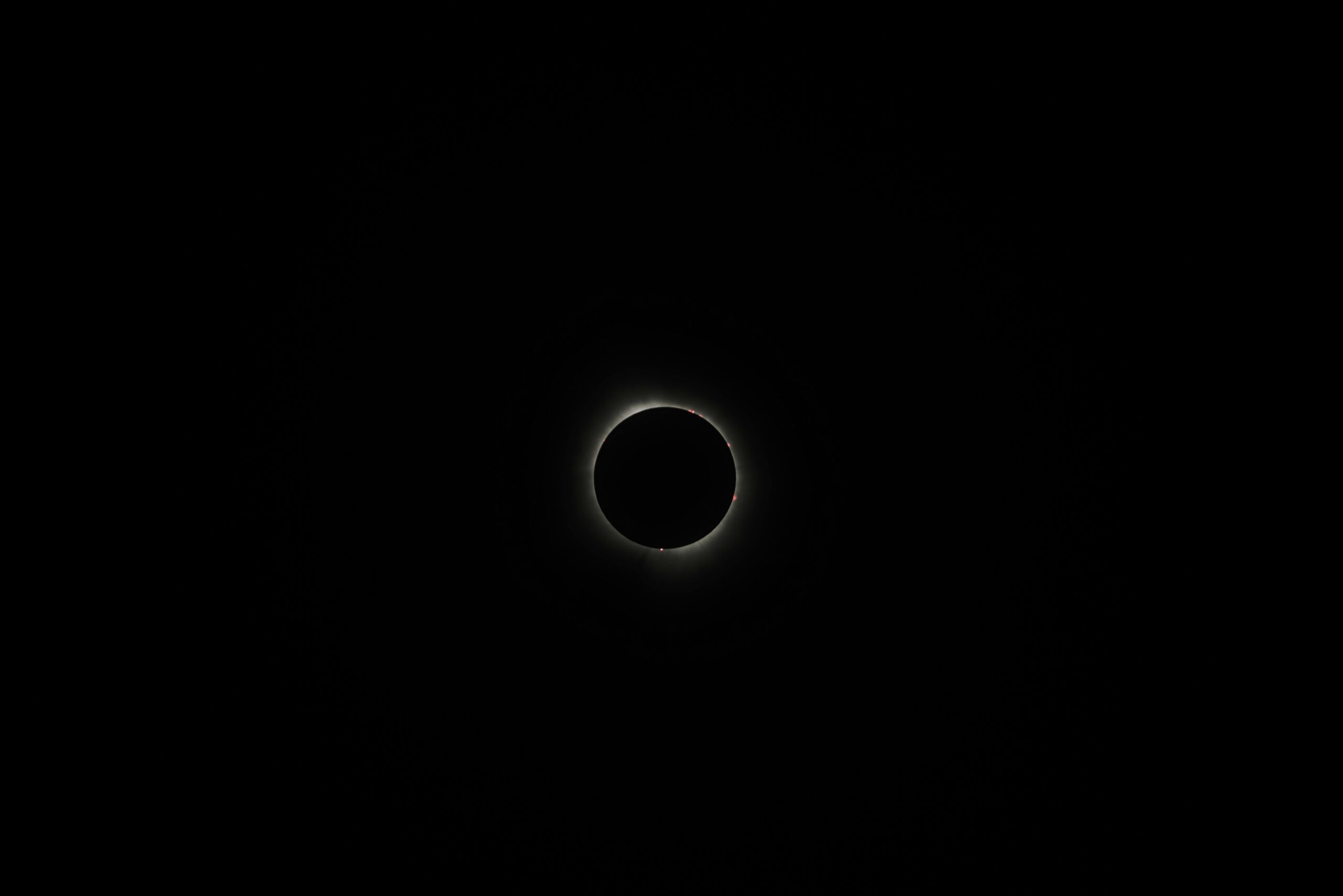
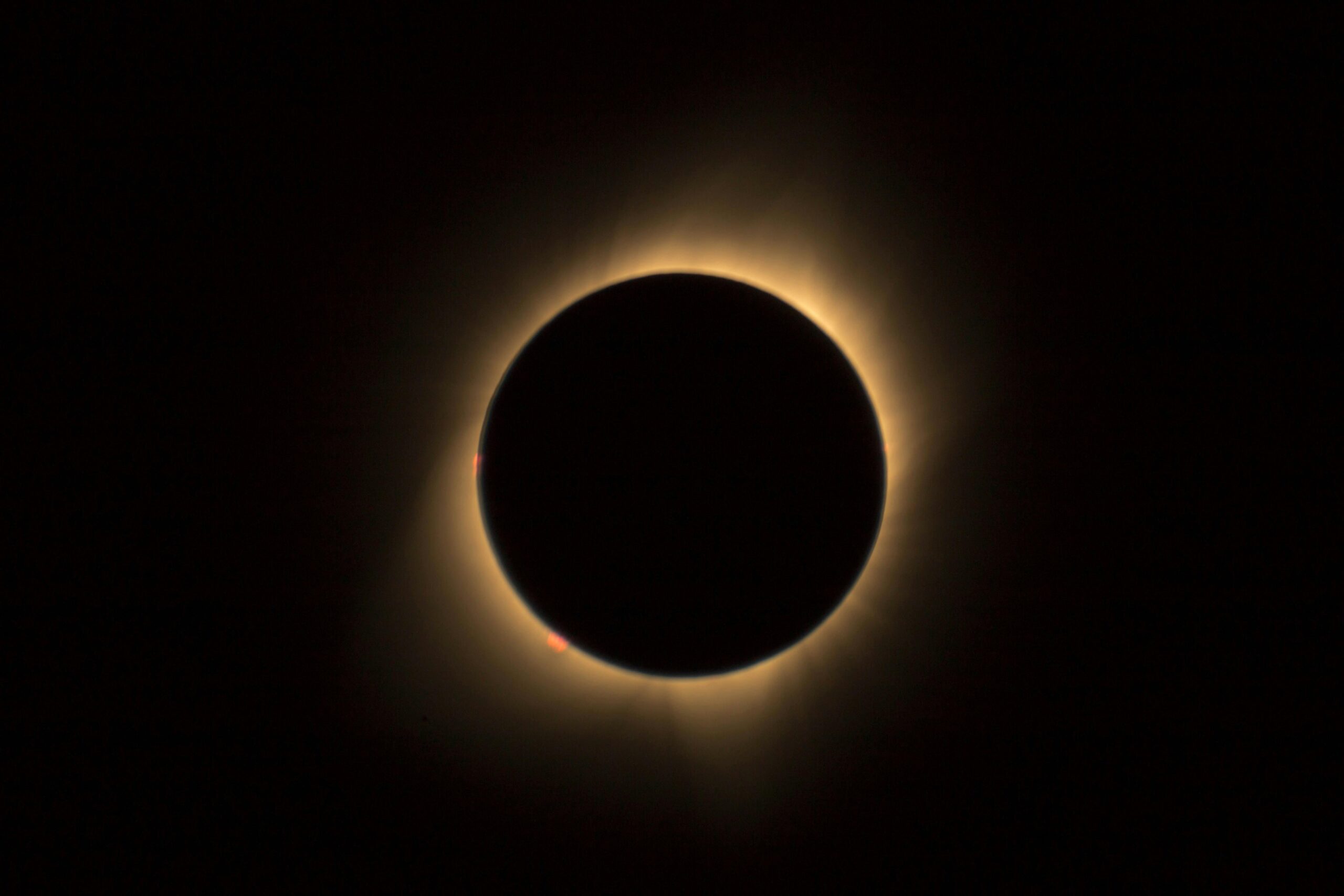
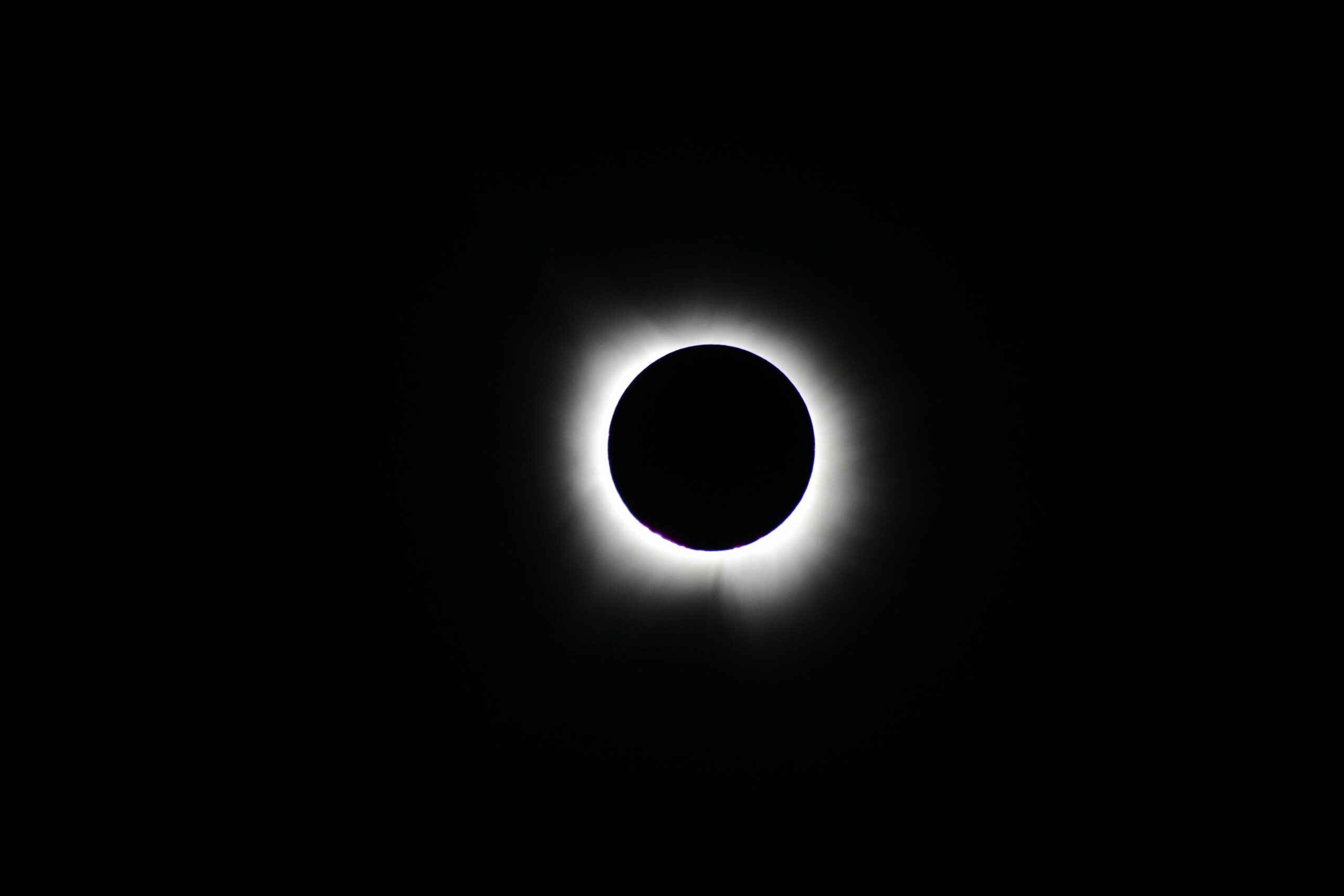
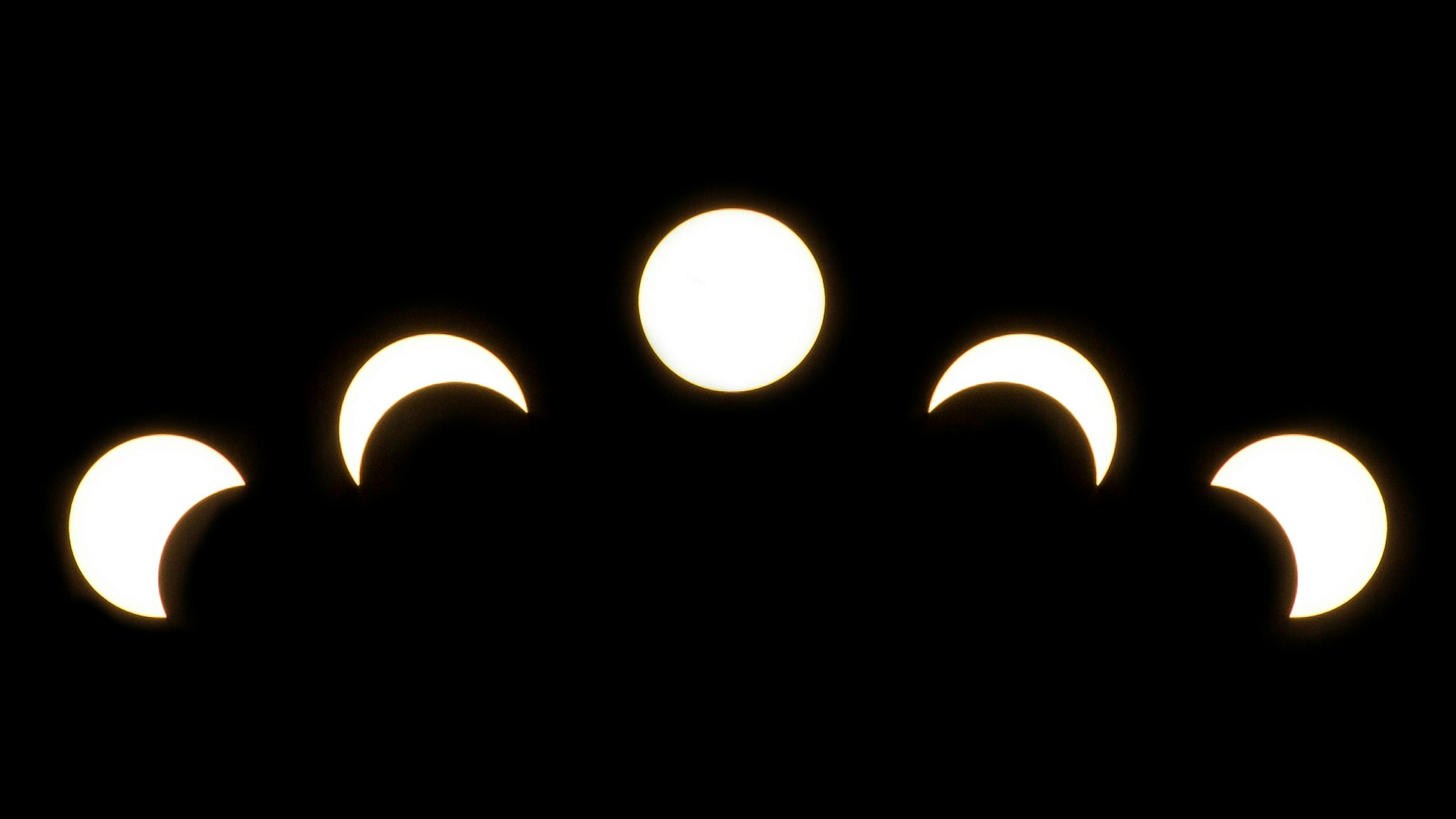
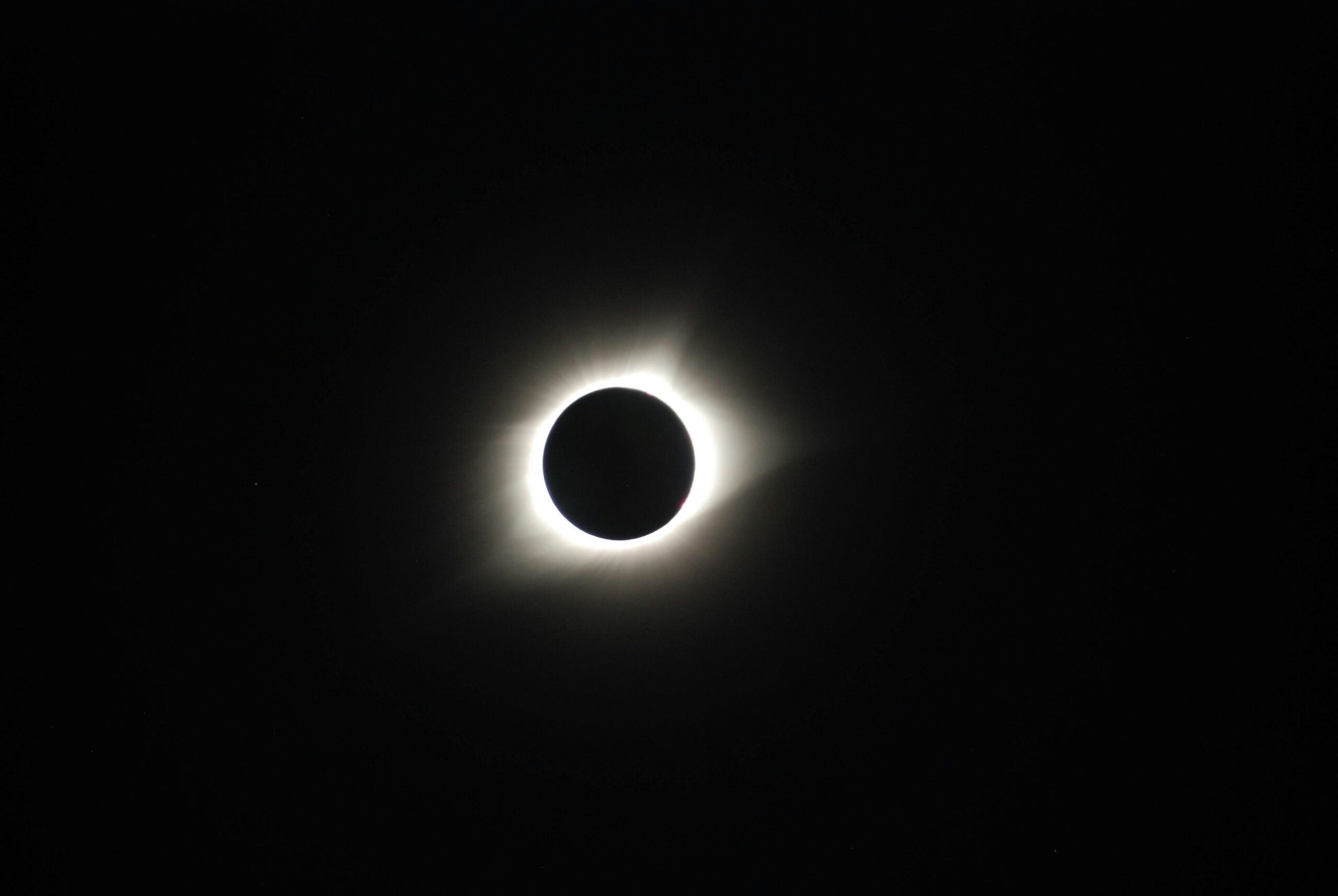
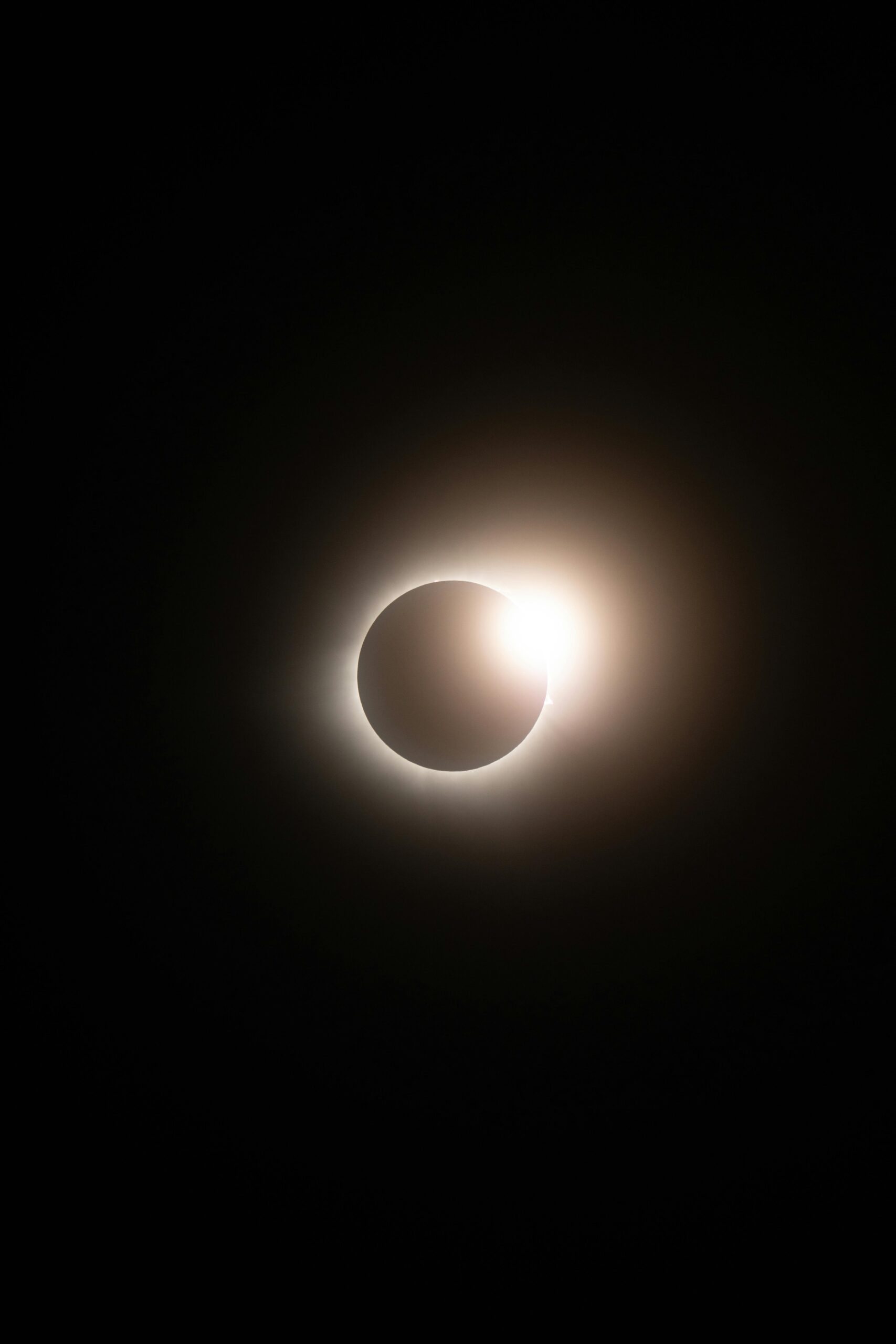
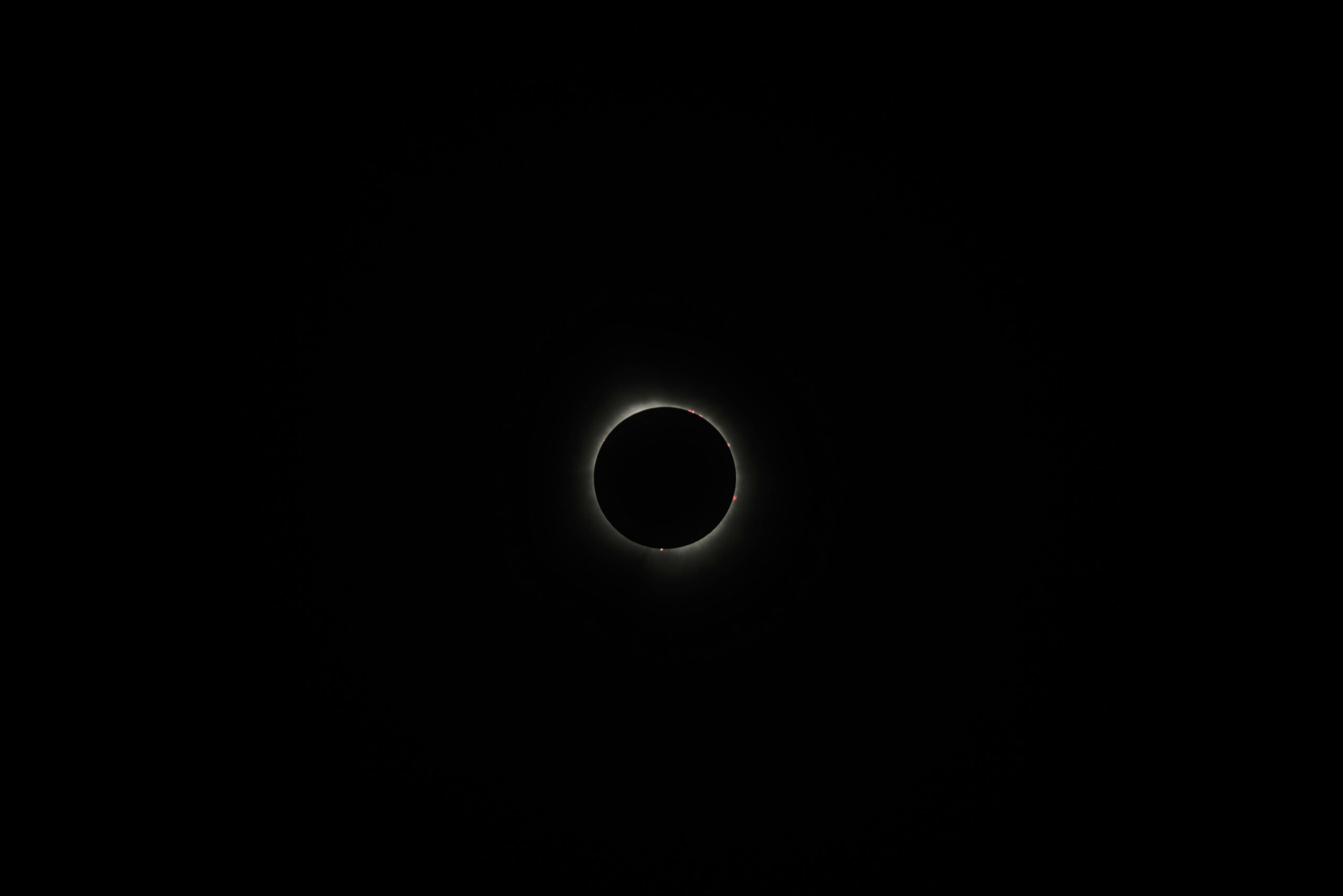
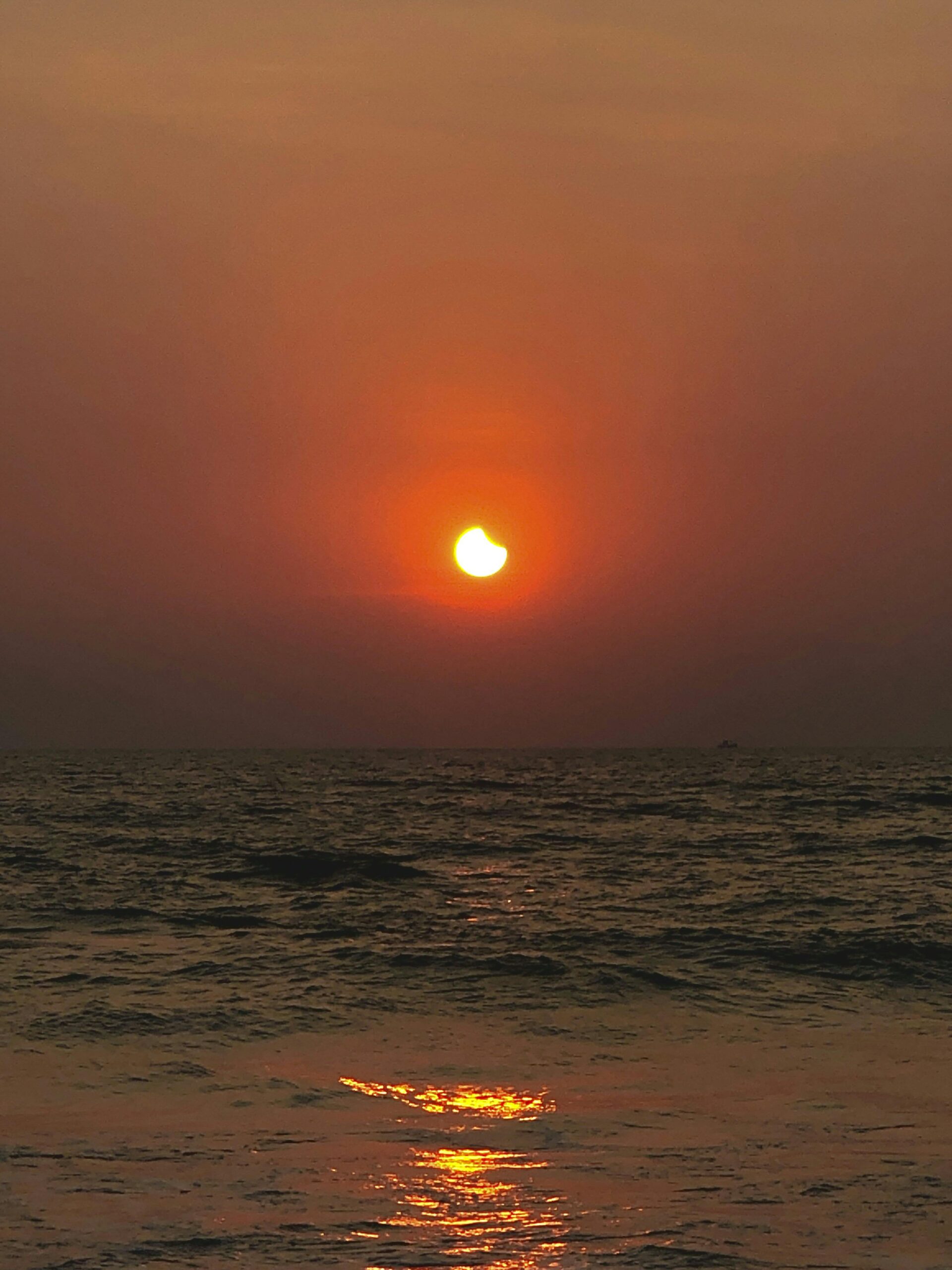
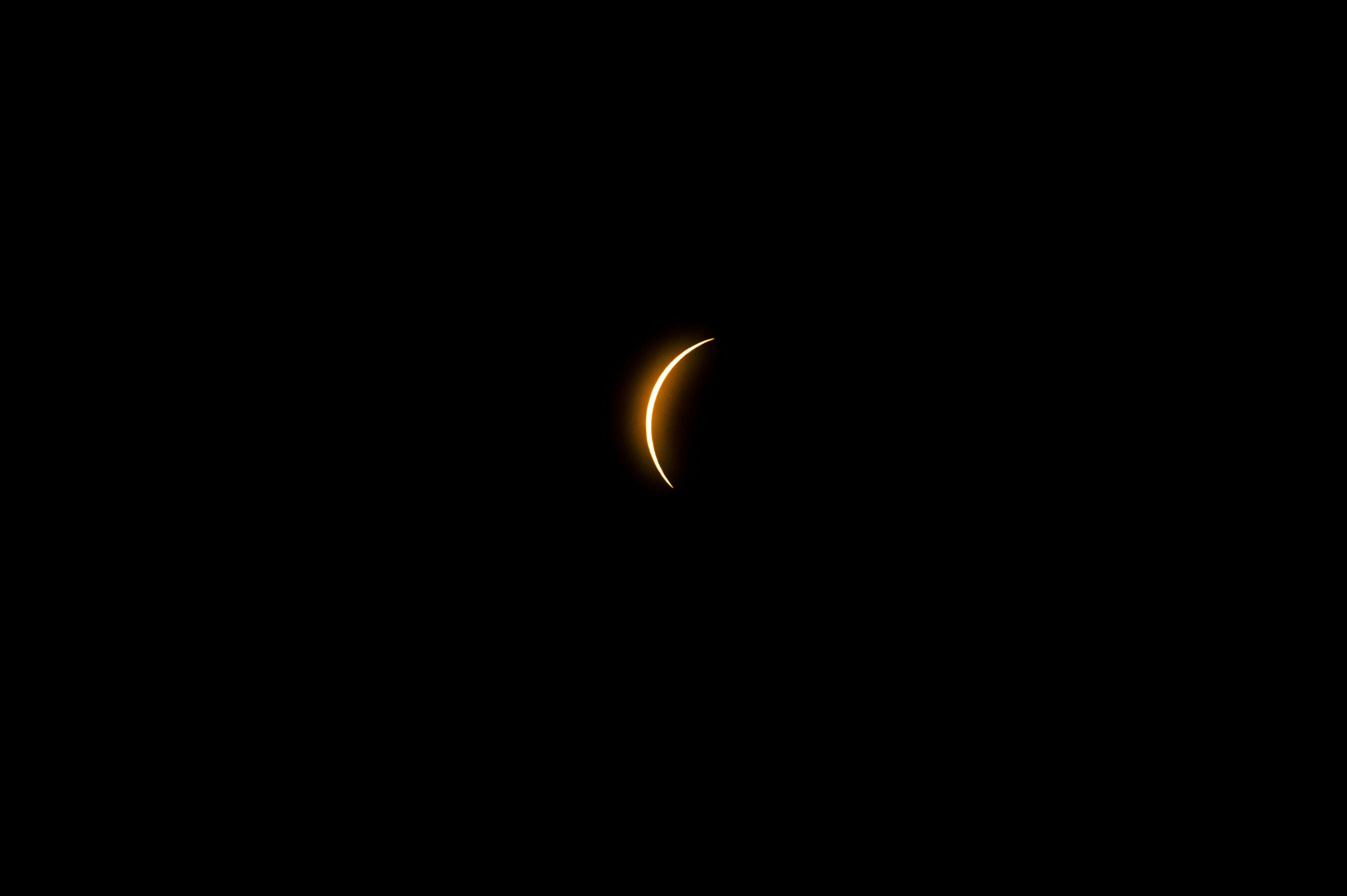
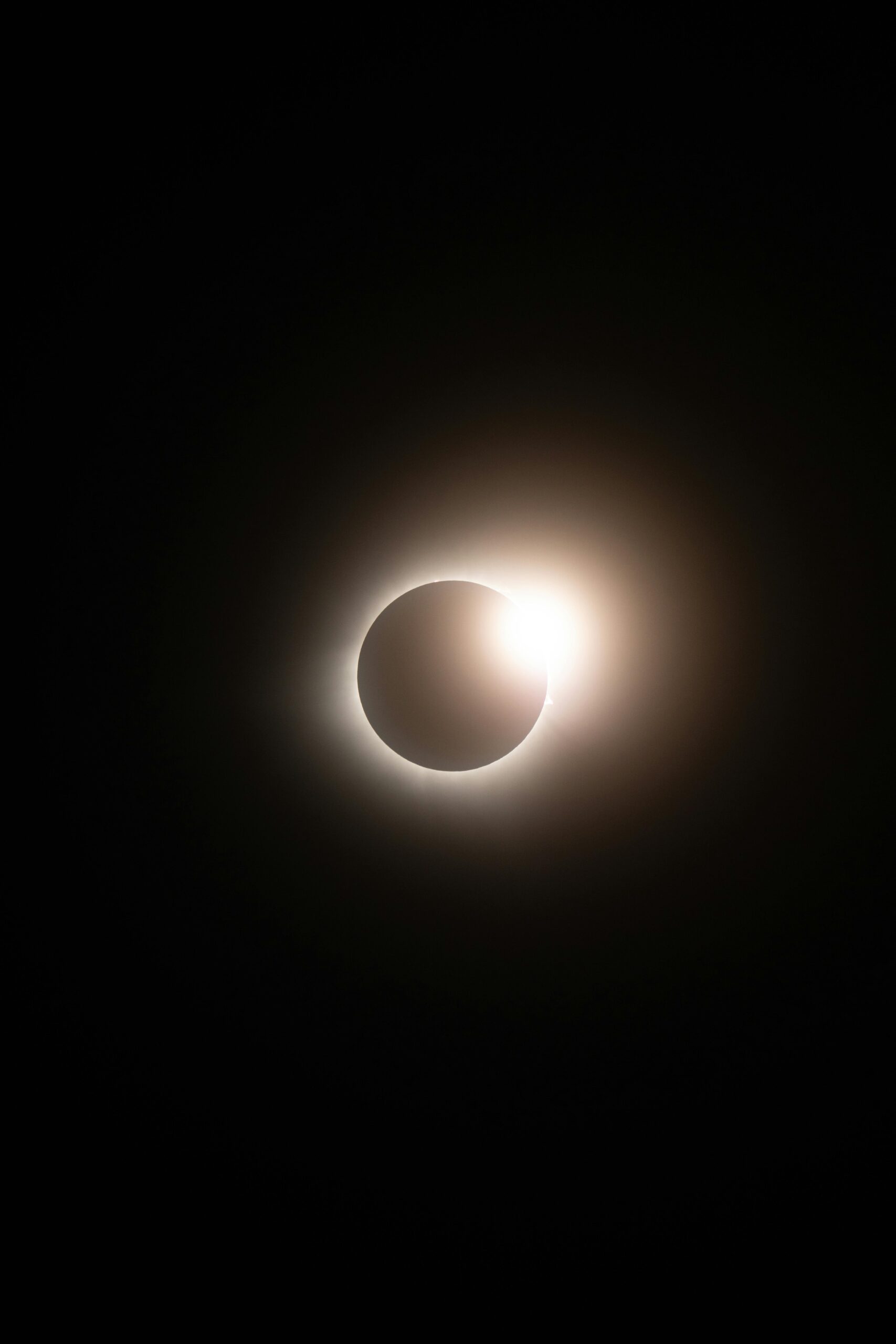
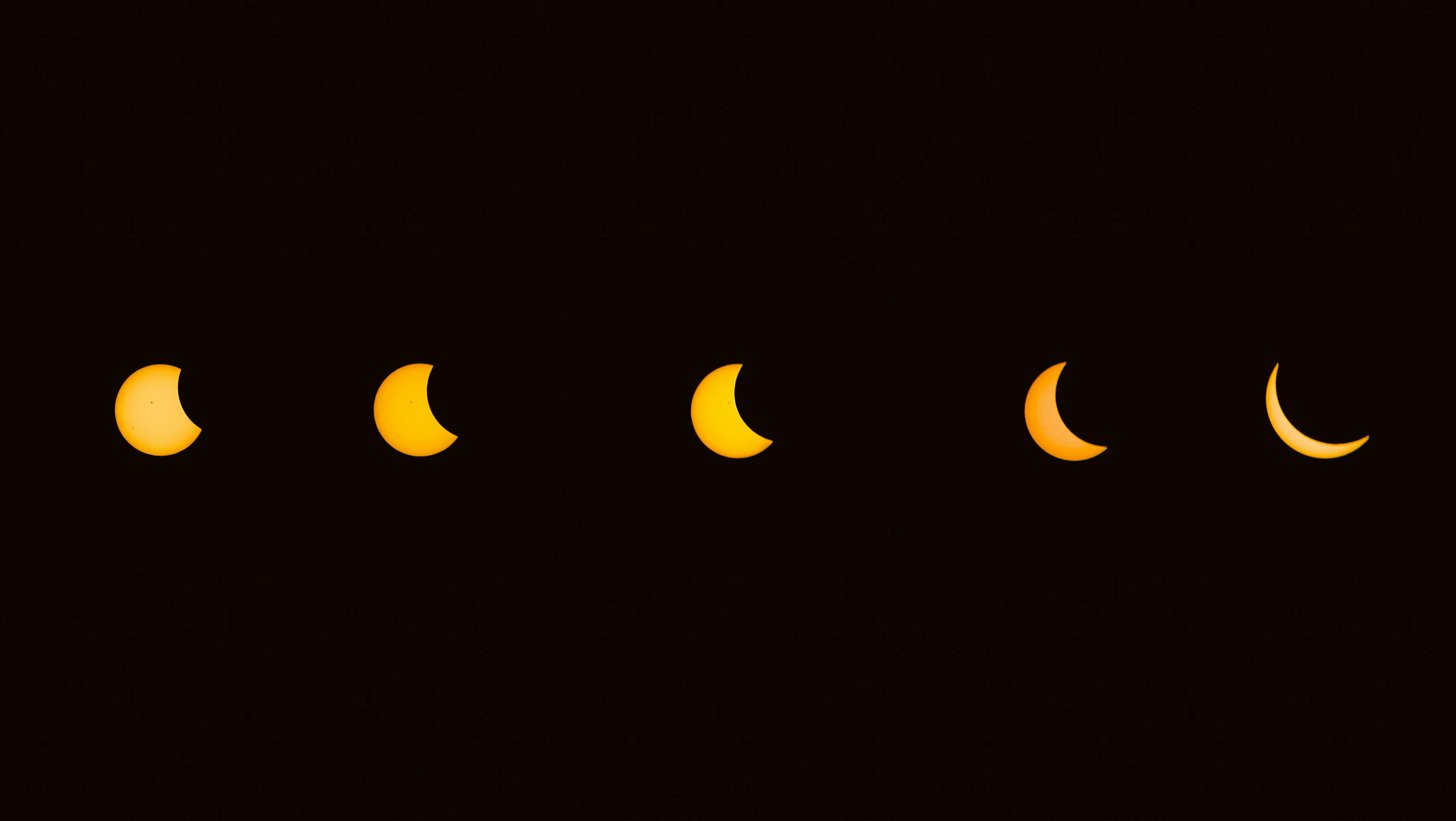
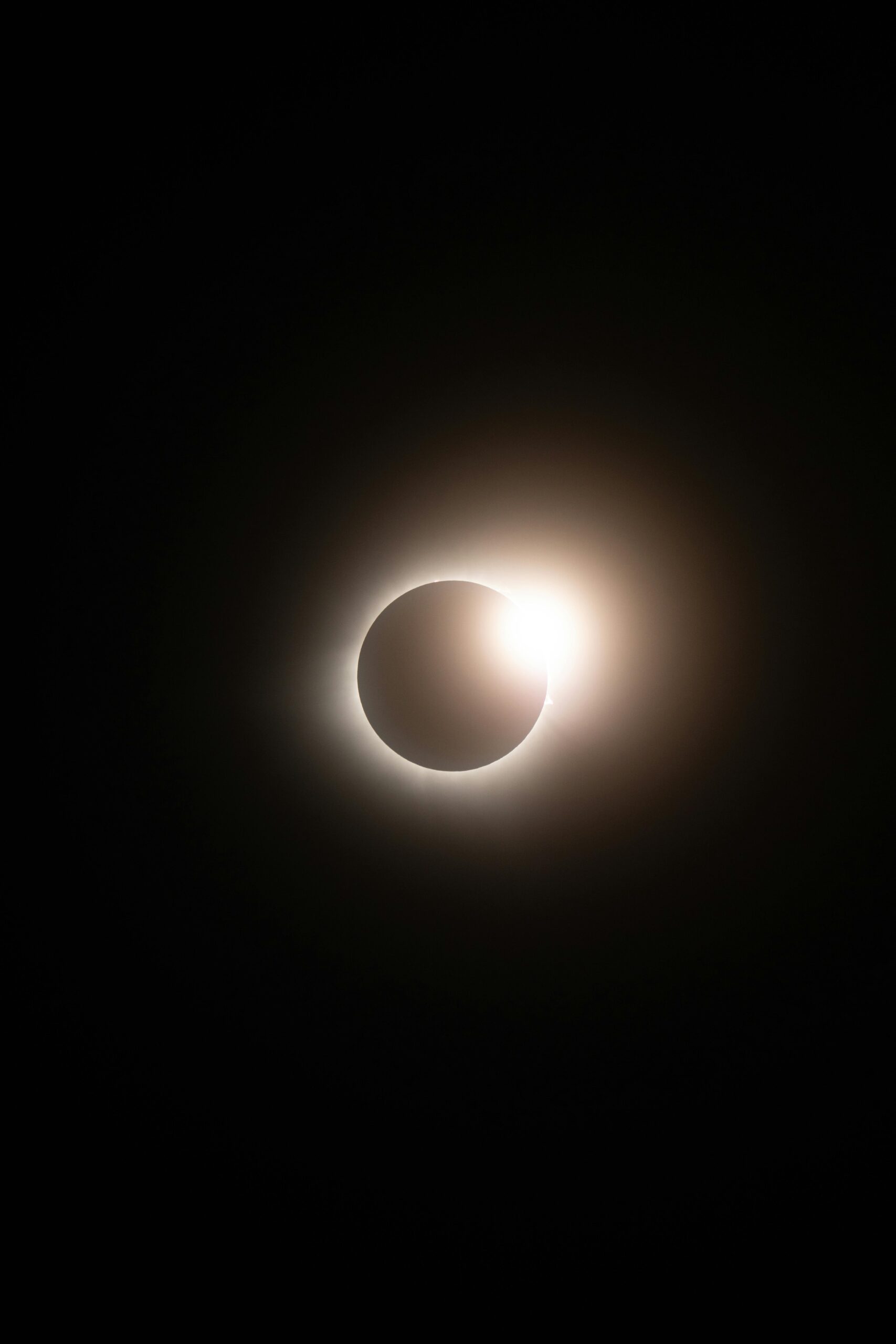
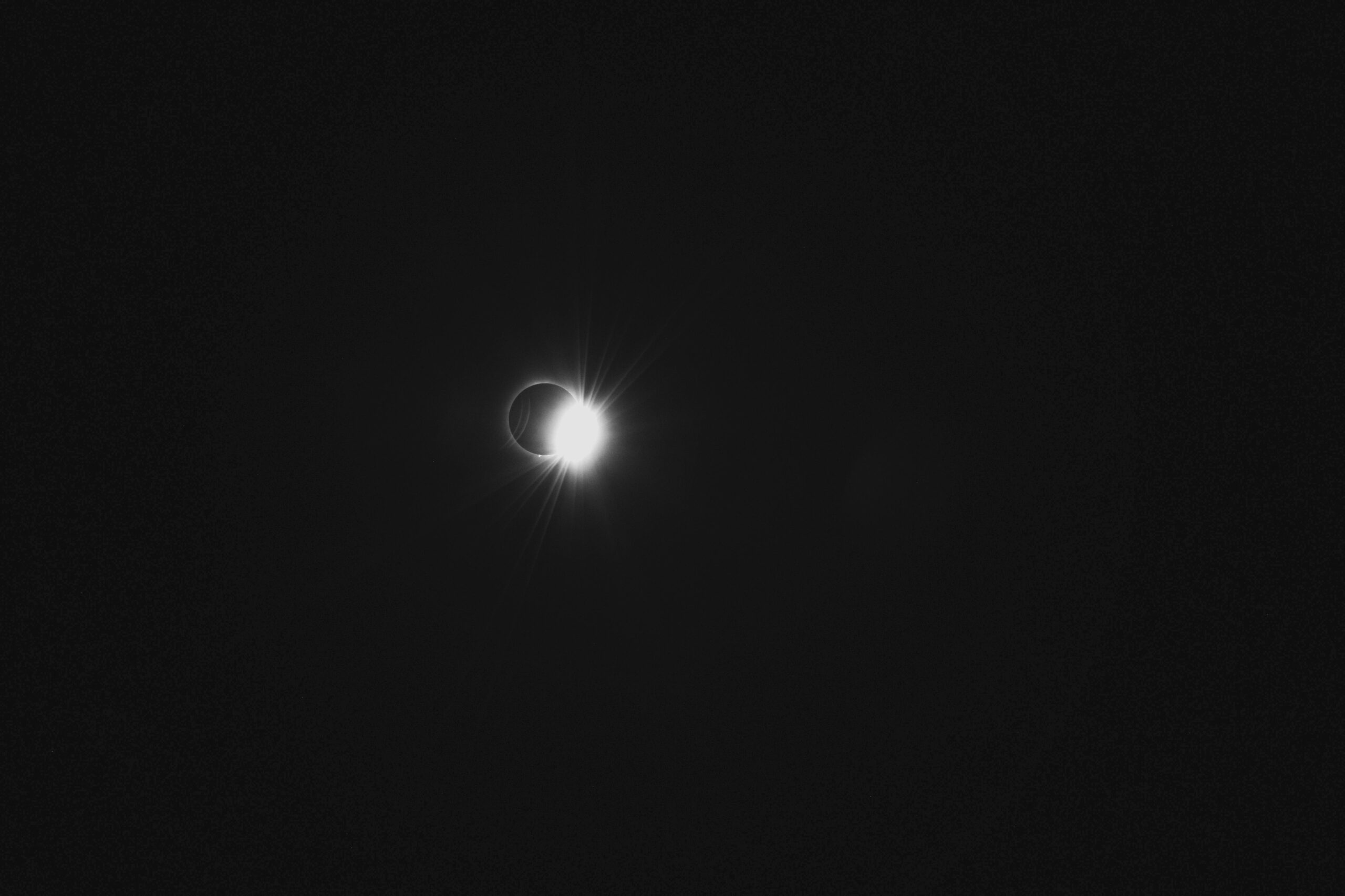
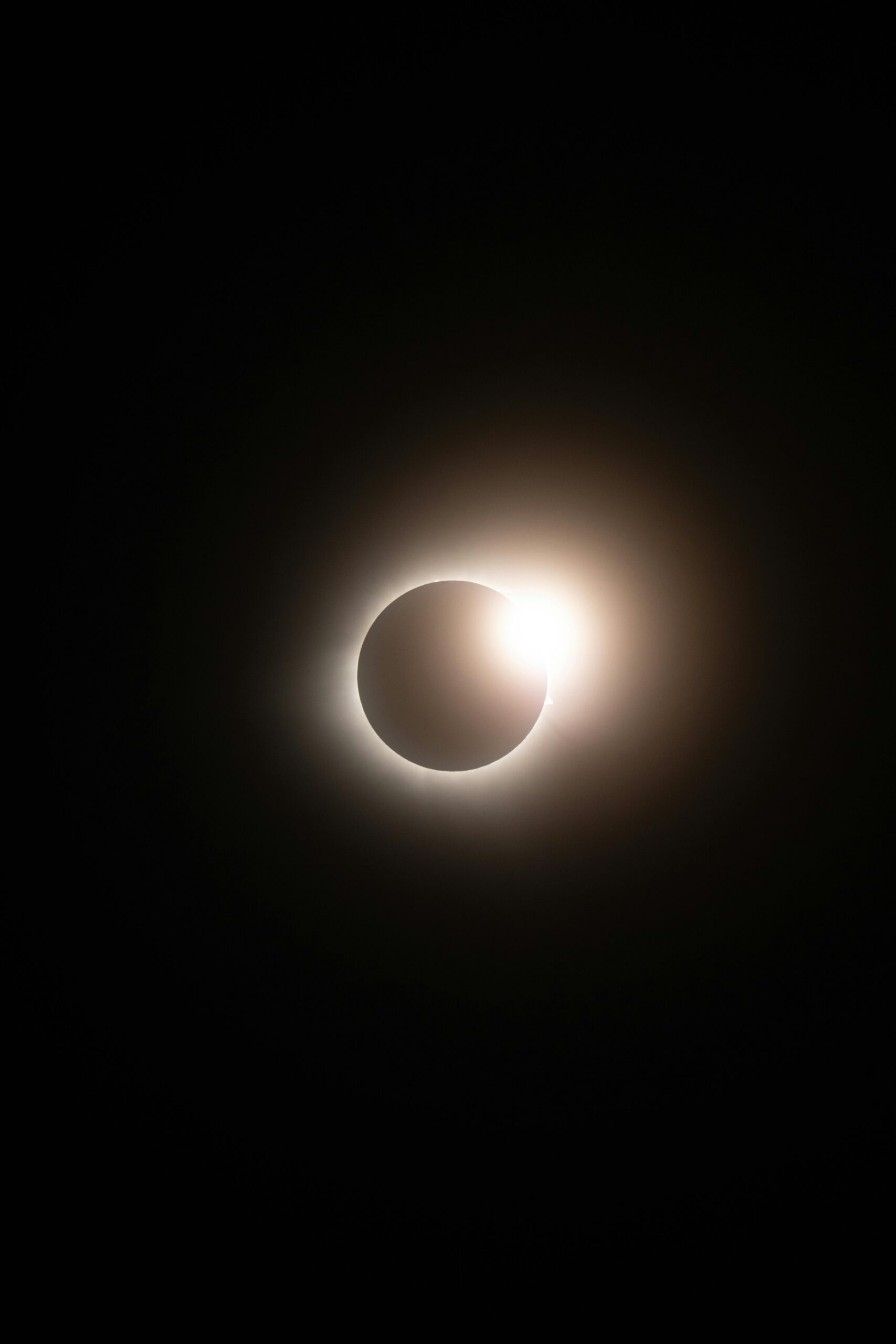
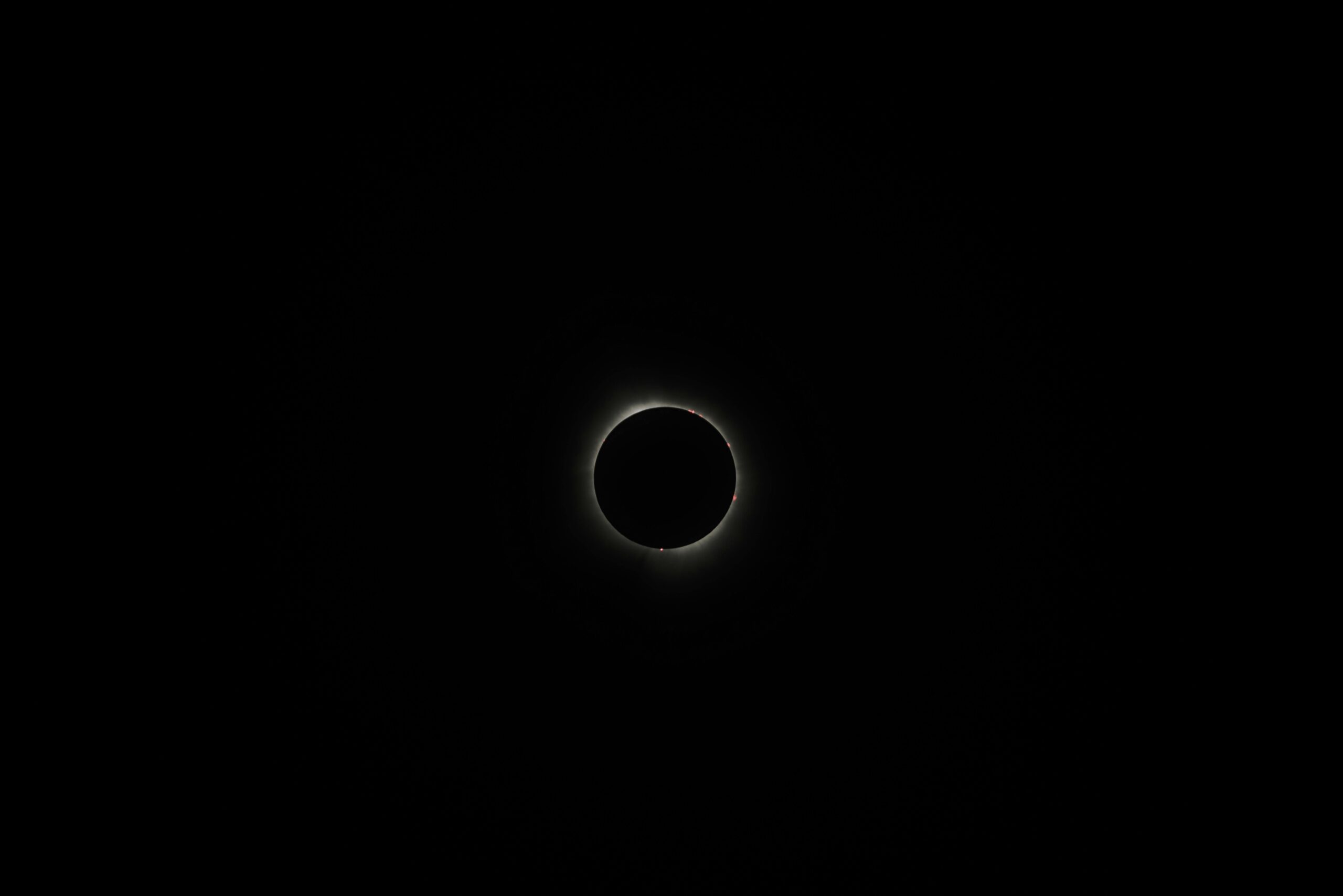
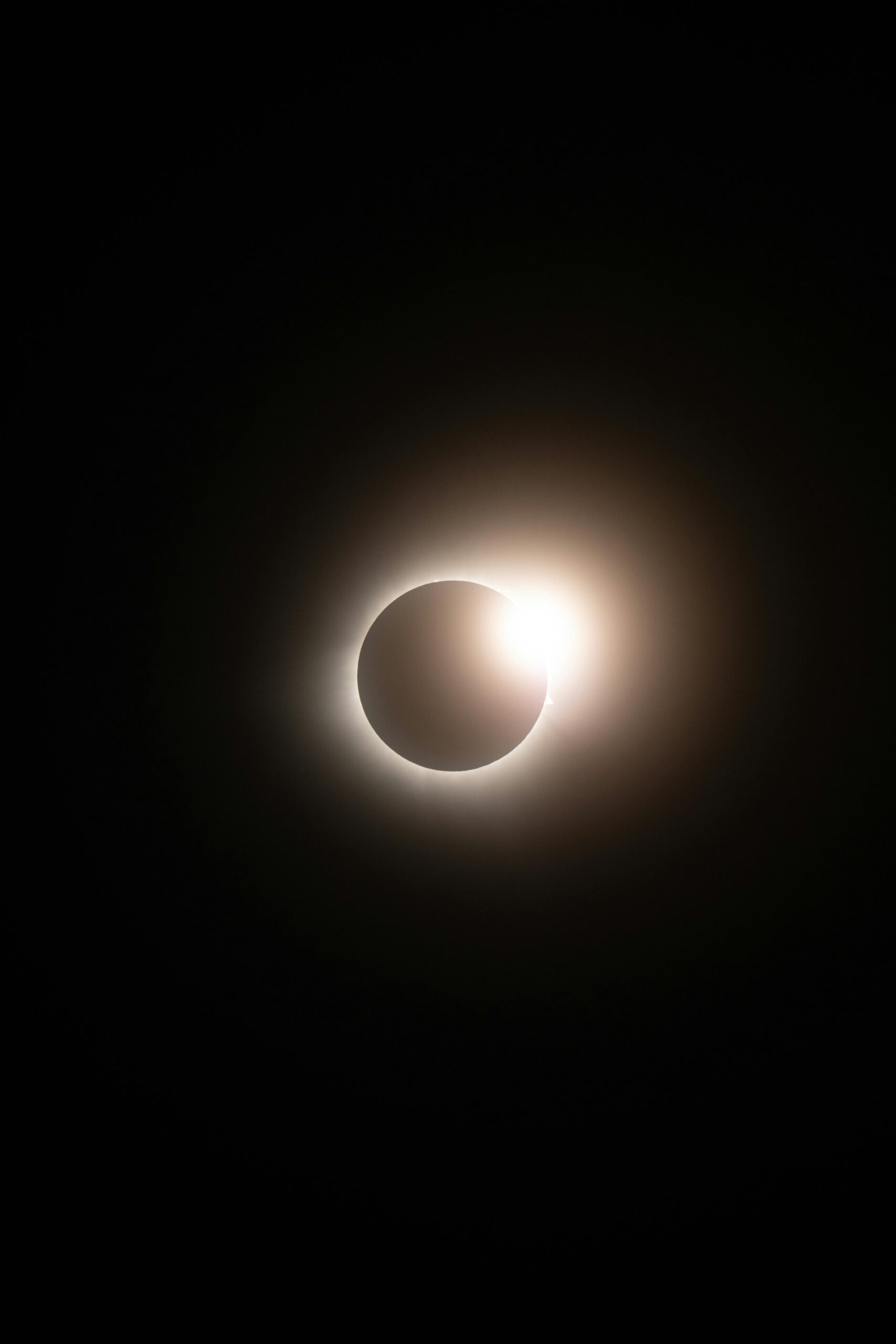
The solar eclipse is one of the most awe-inspiring natural phenomena, captivating audiences with its celestial dance. On April 8, 2024, North America will witness the Great American Eclipse, a total solar eclipse that promises to be a spectacle of a lifetime. This event will traverse a path from Mexico to Canada, with the United States in the direct line of totality. As anticipation builds, it’s essential to understand the science behind this event, how to view it safely, and what to expect.
Understanding the Science Behind the Eclipse
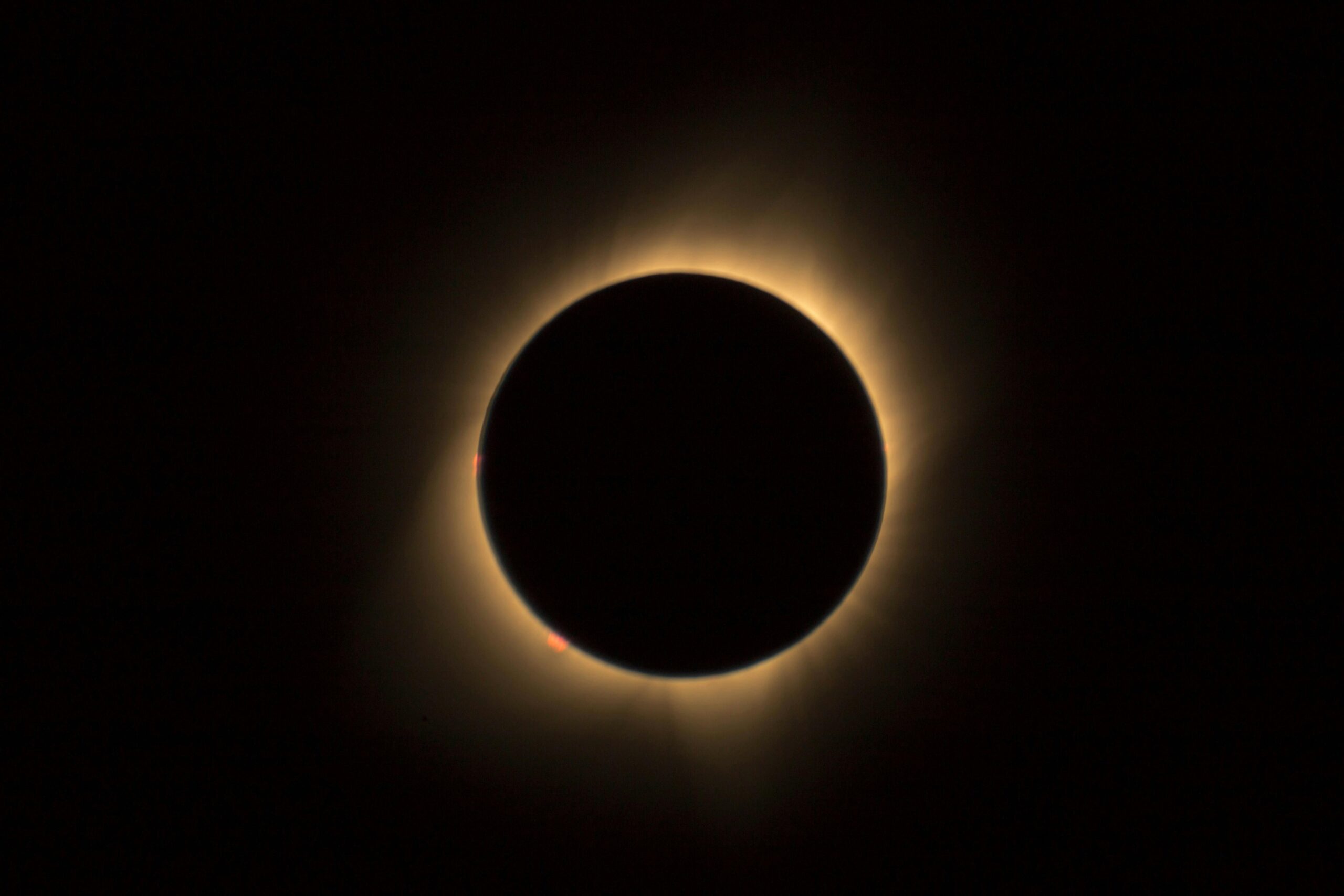
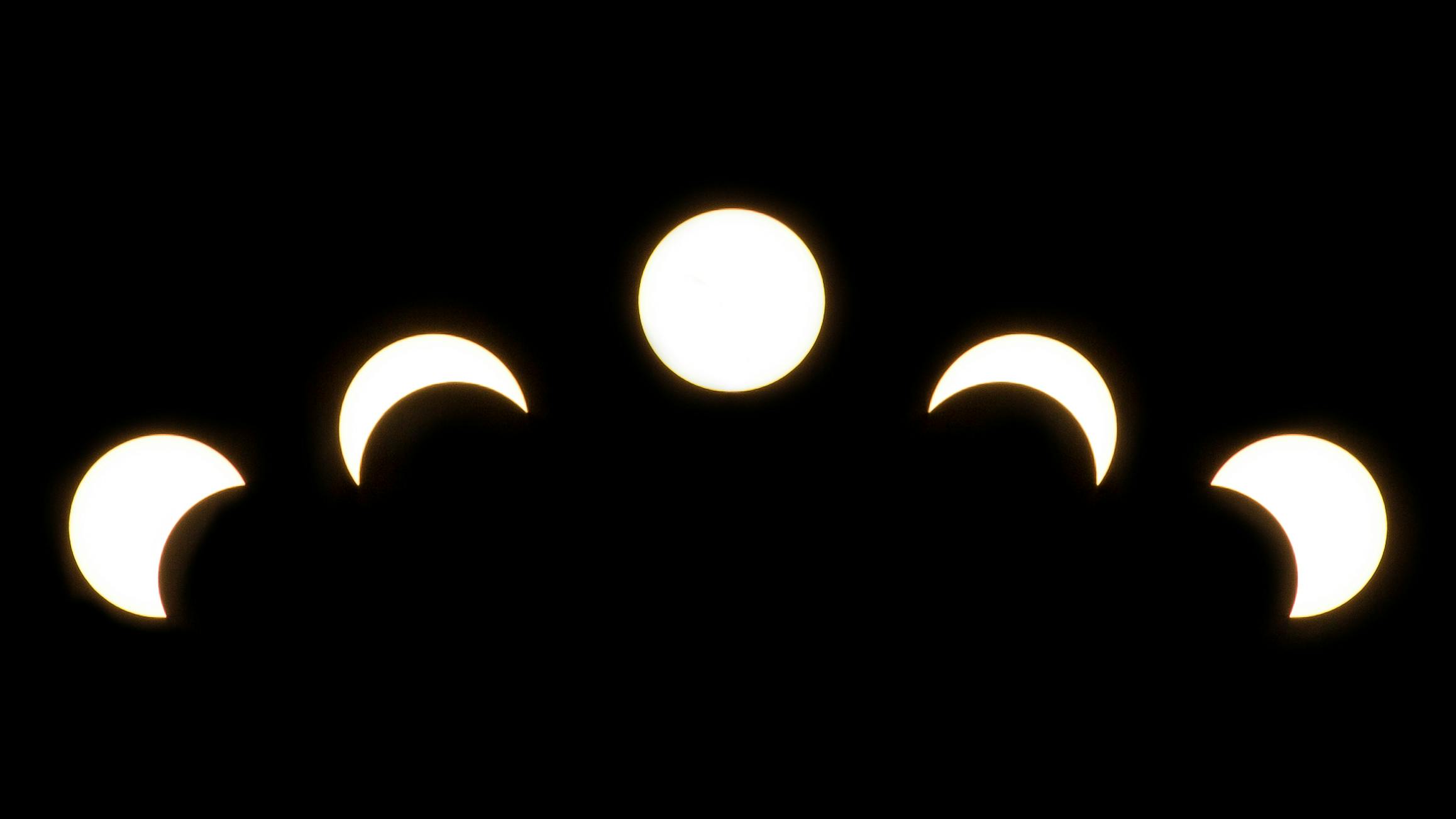
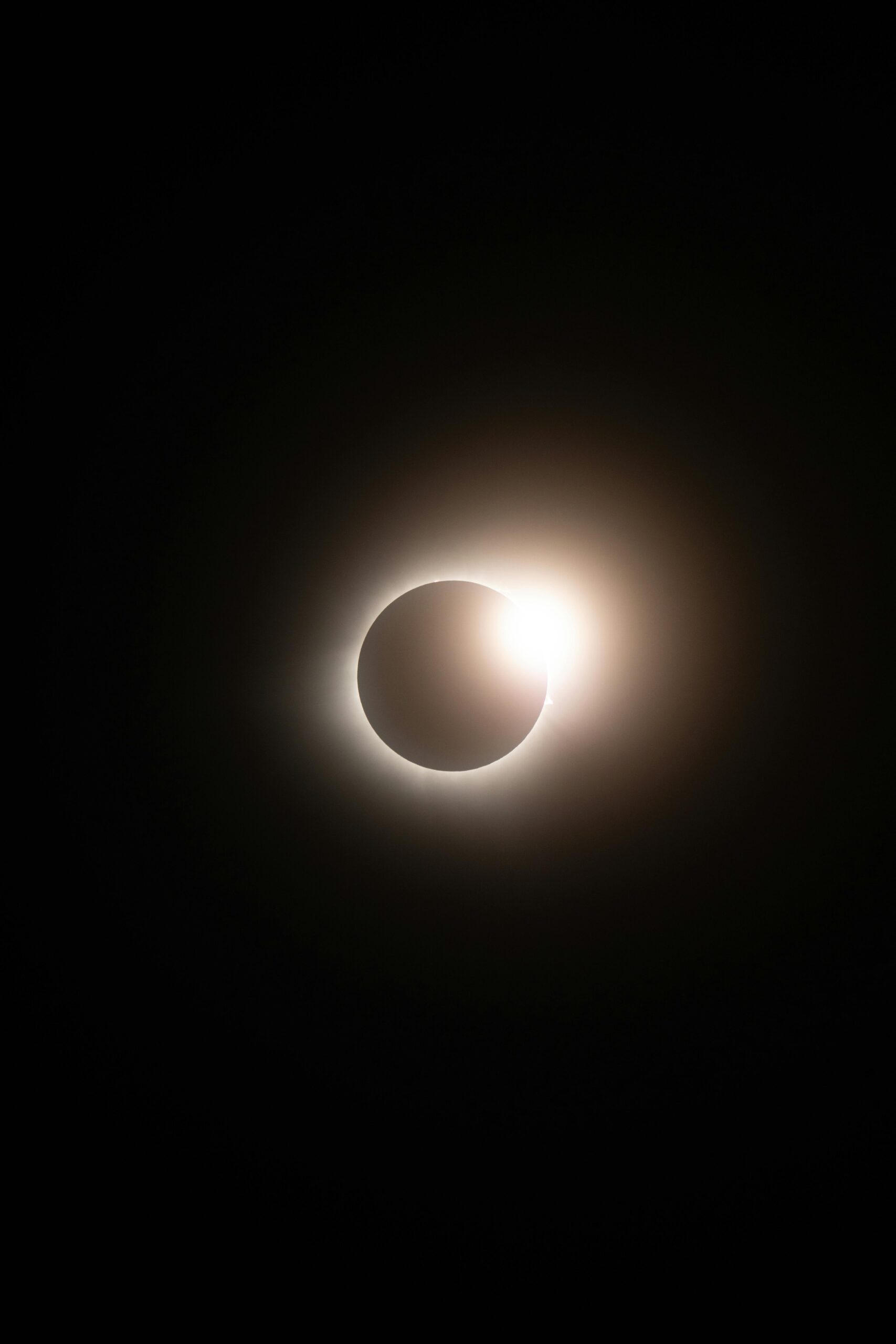
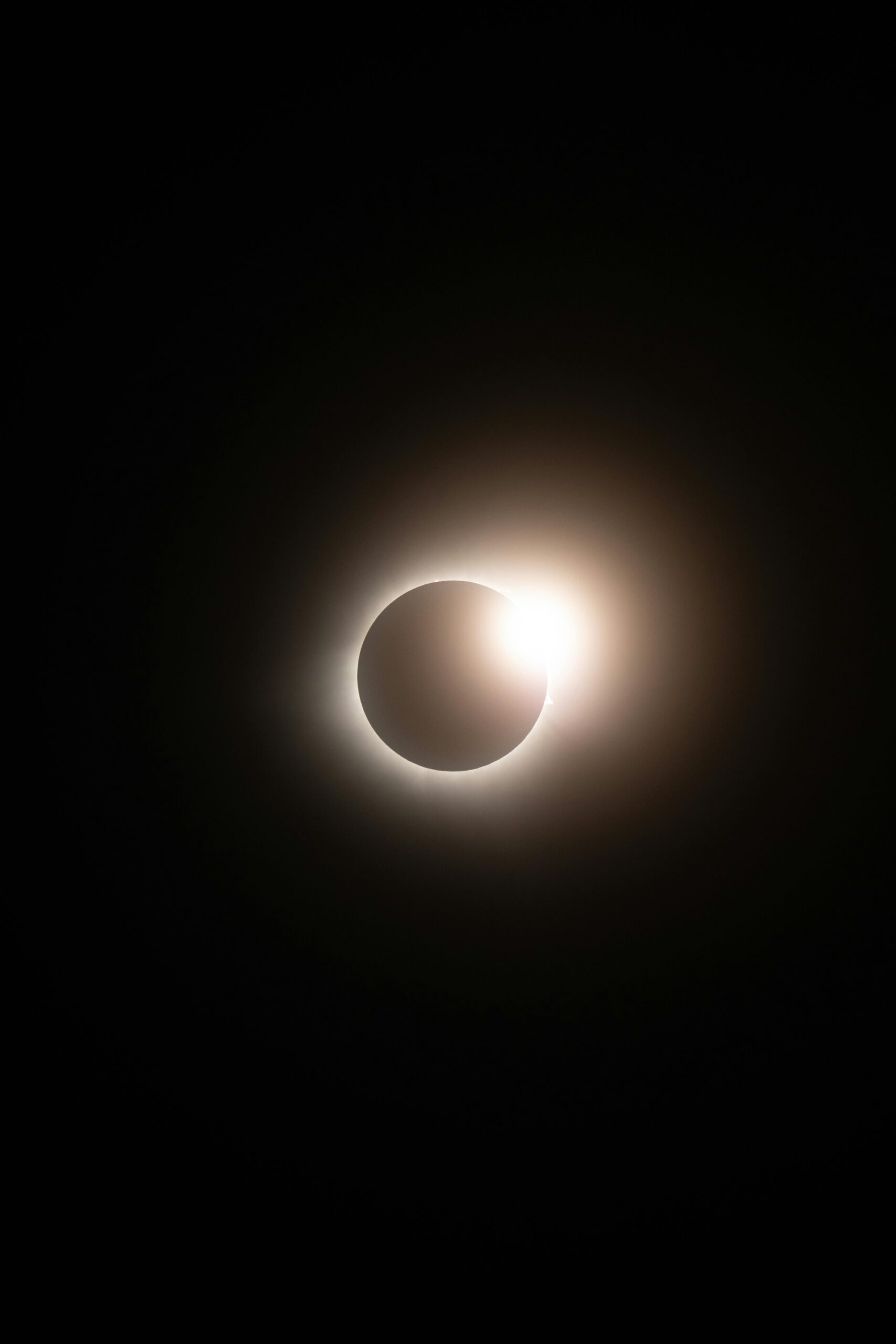
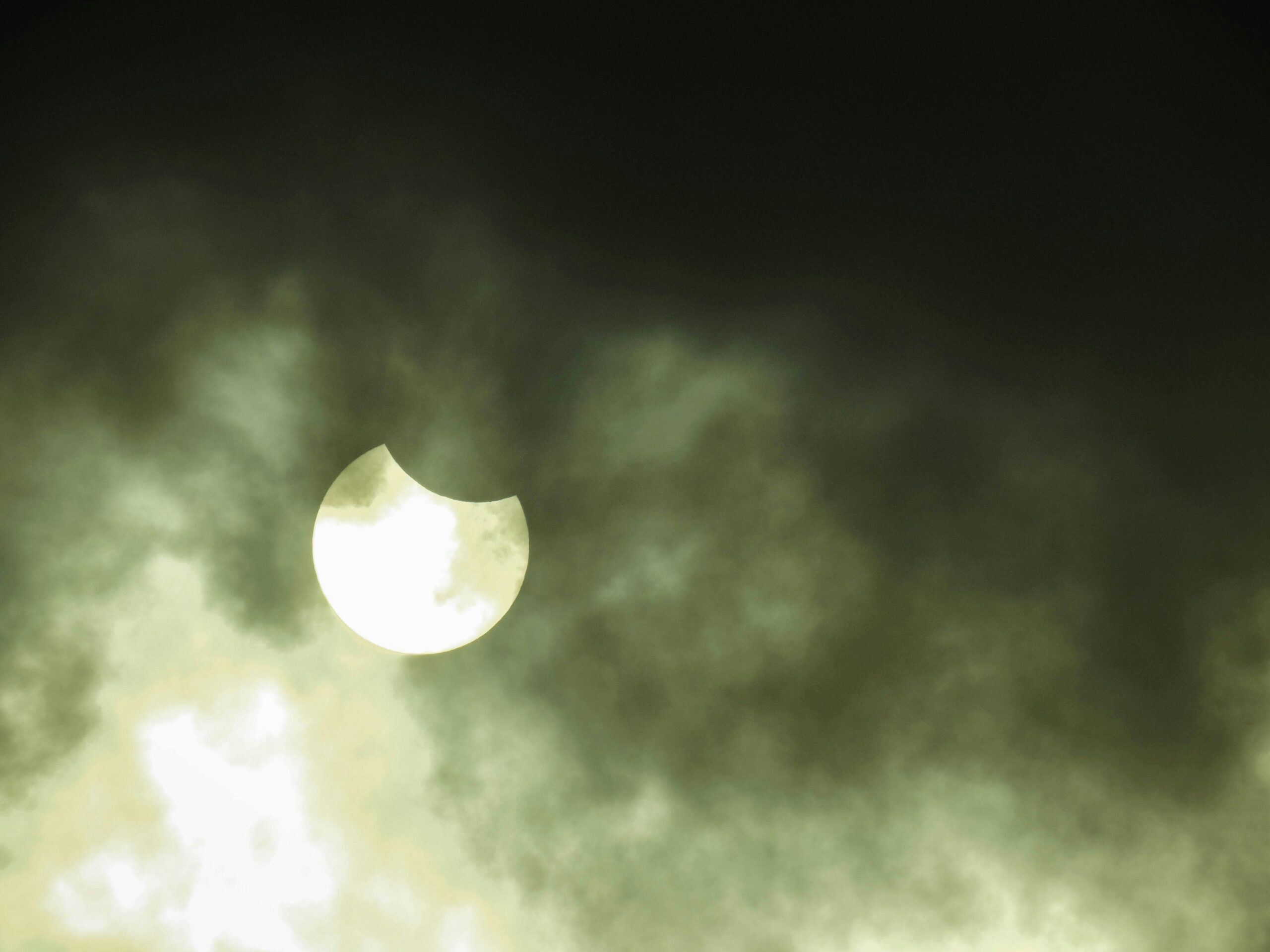
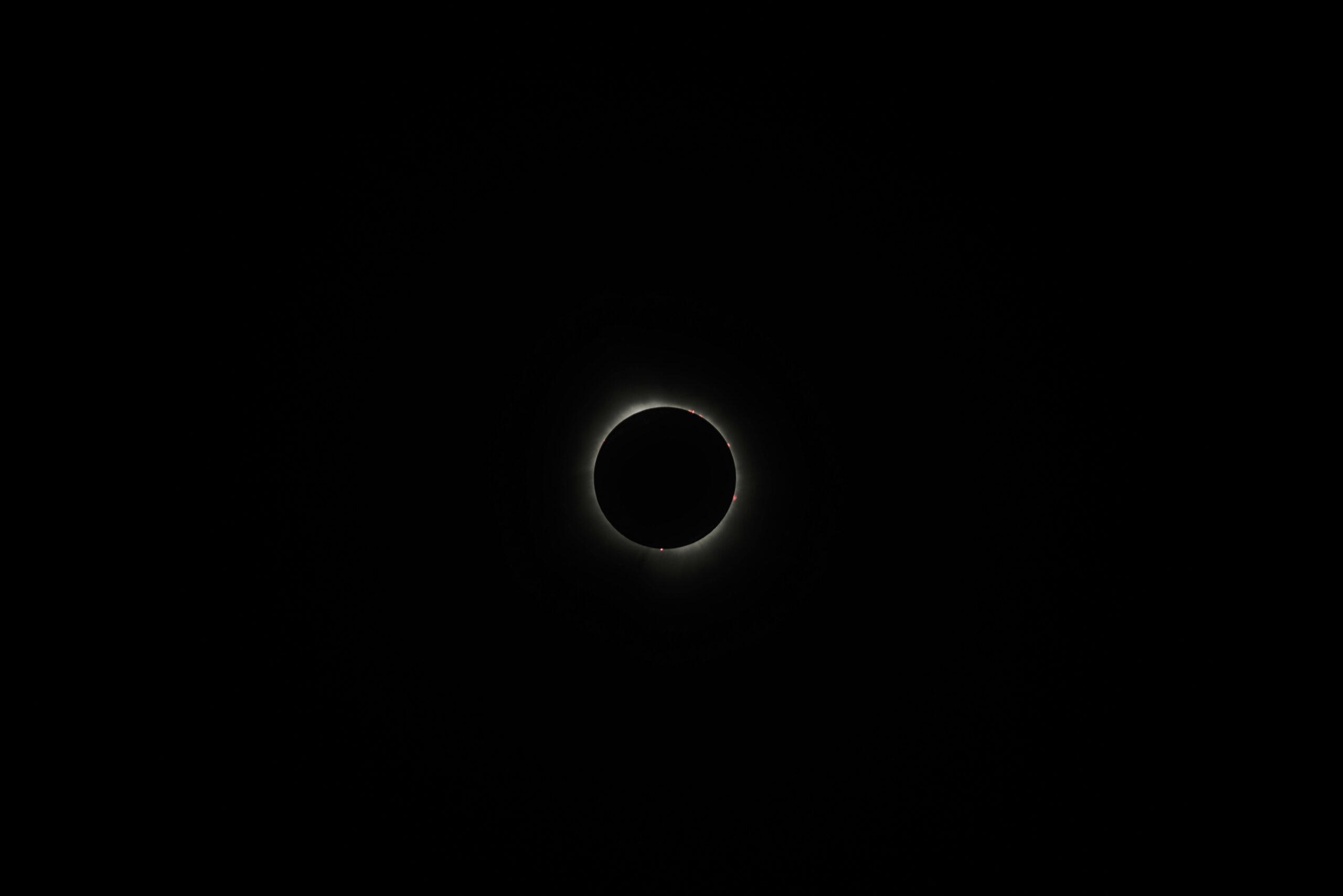
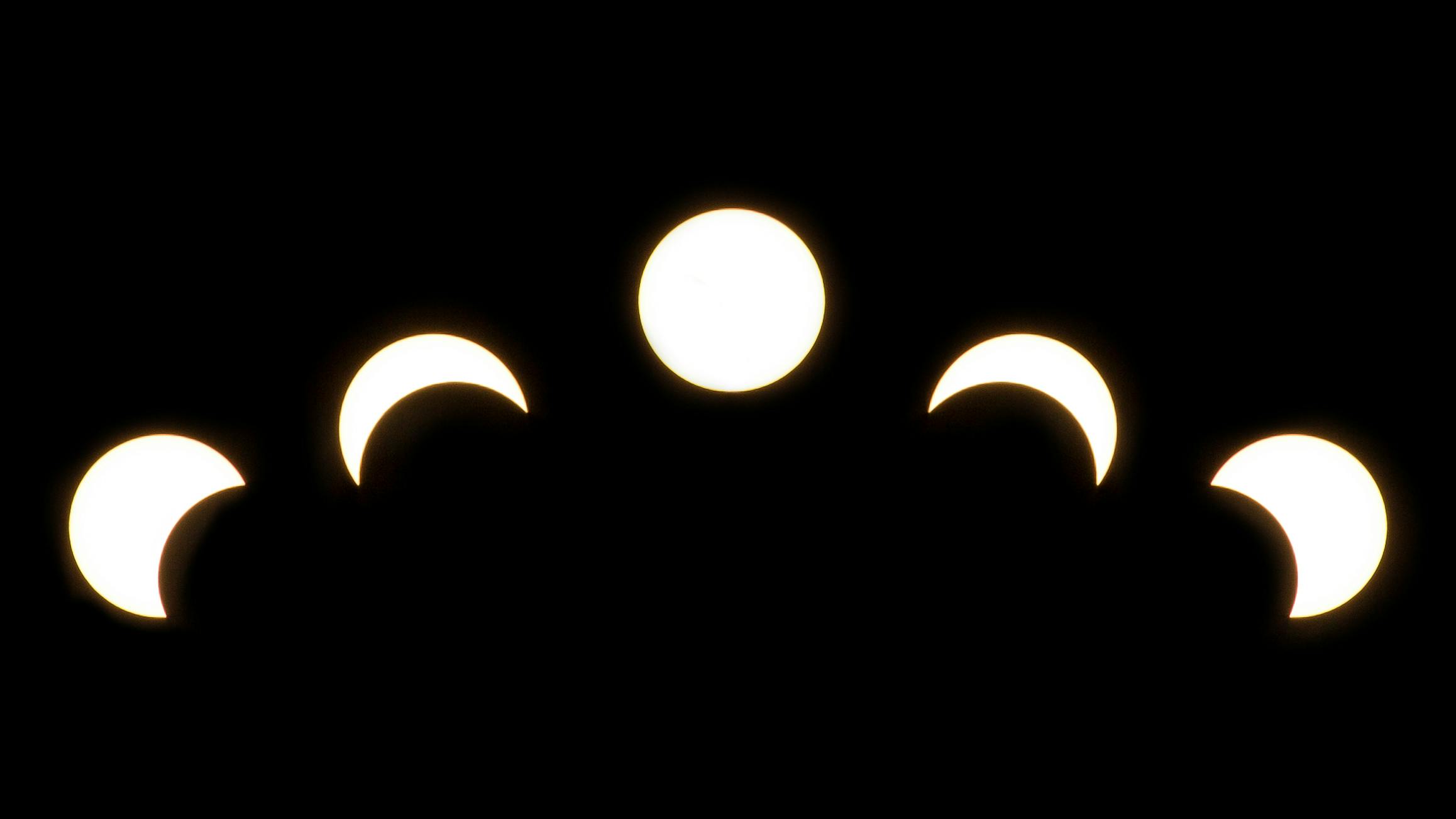
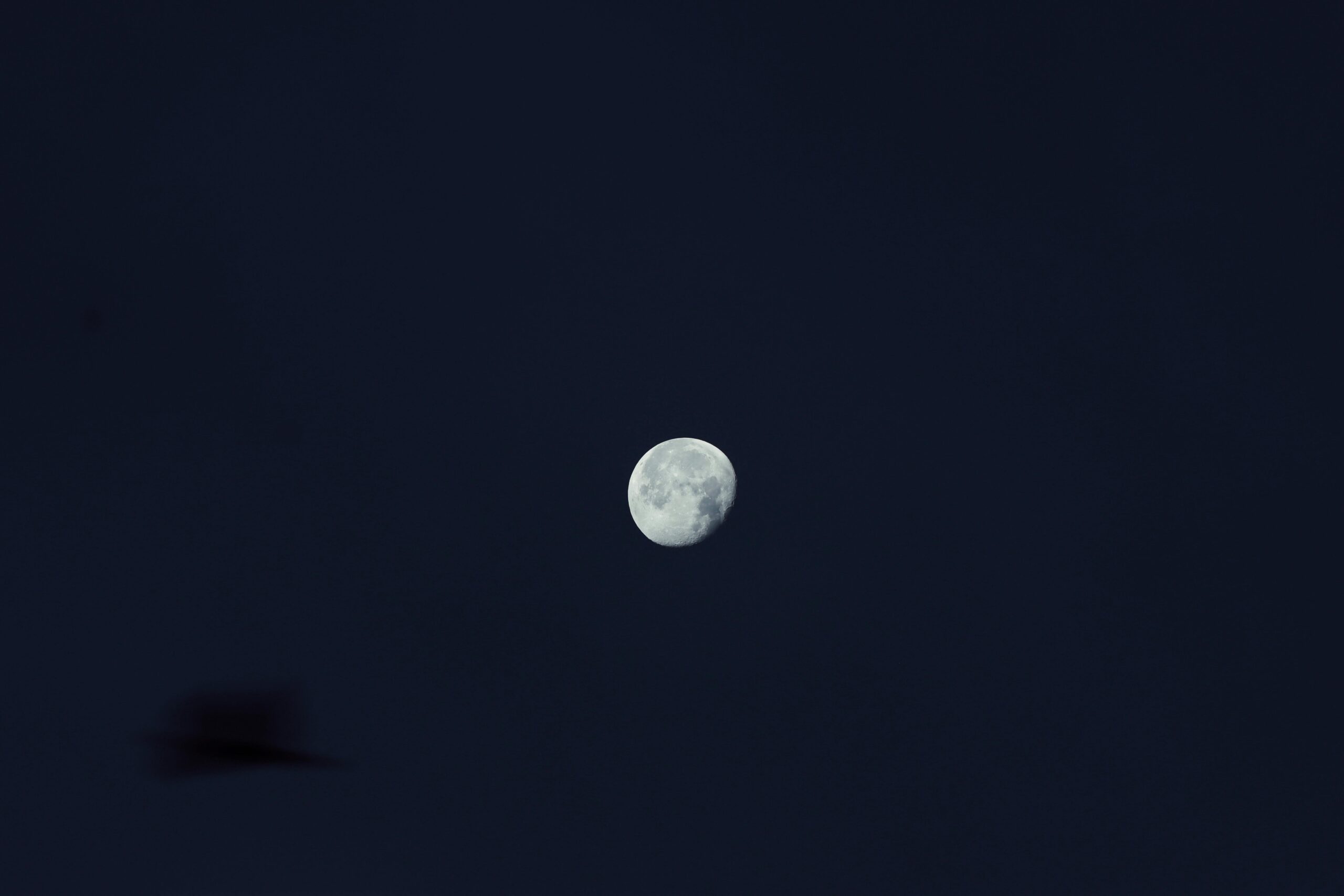
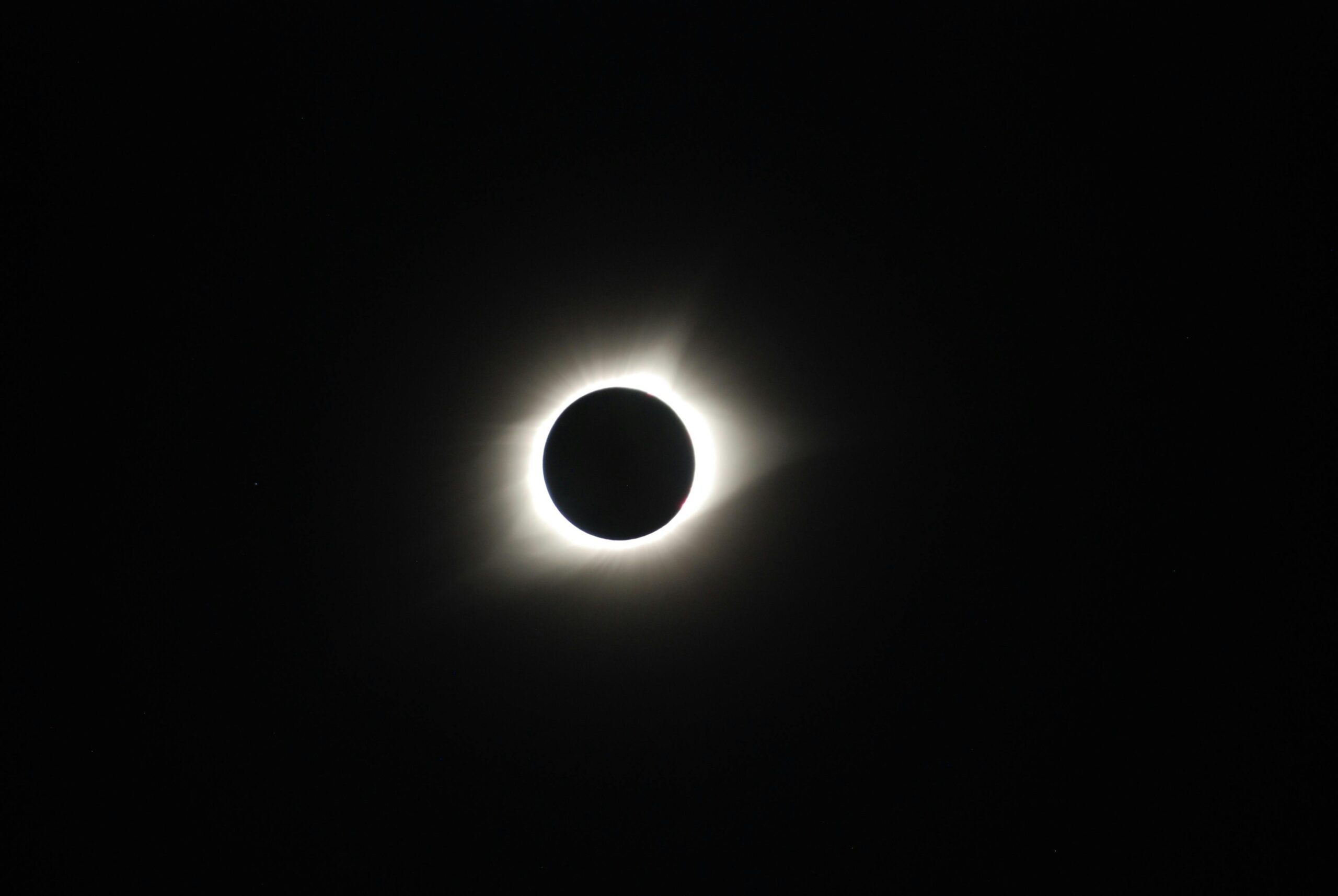
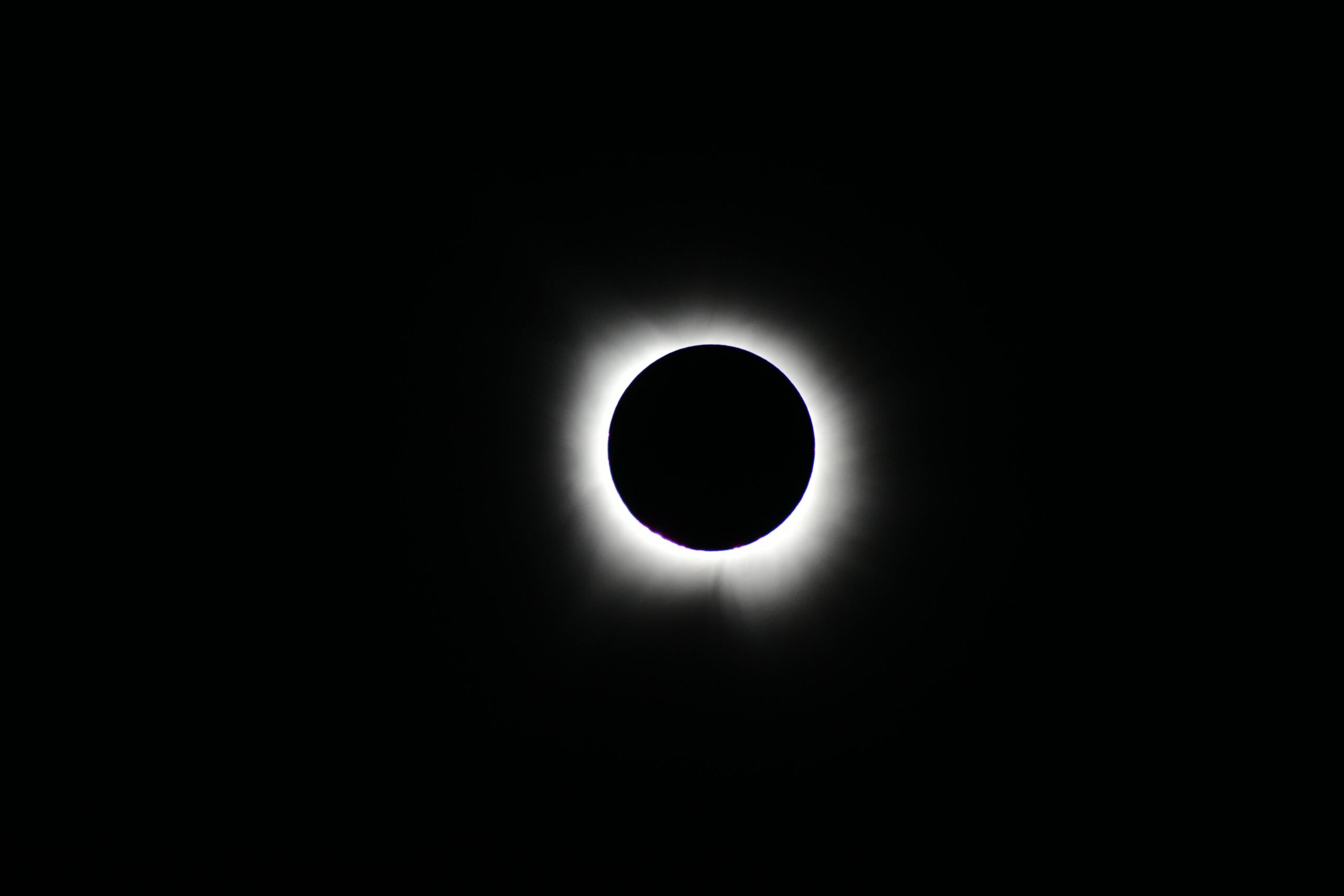
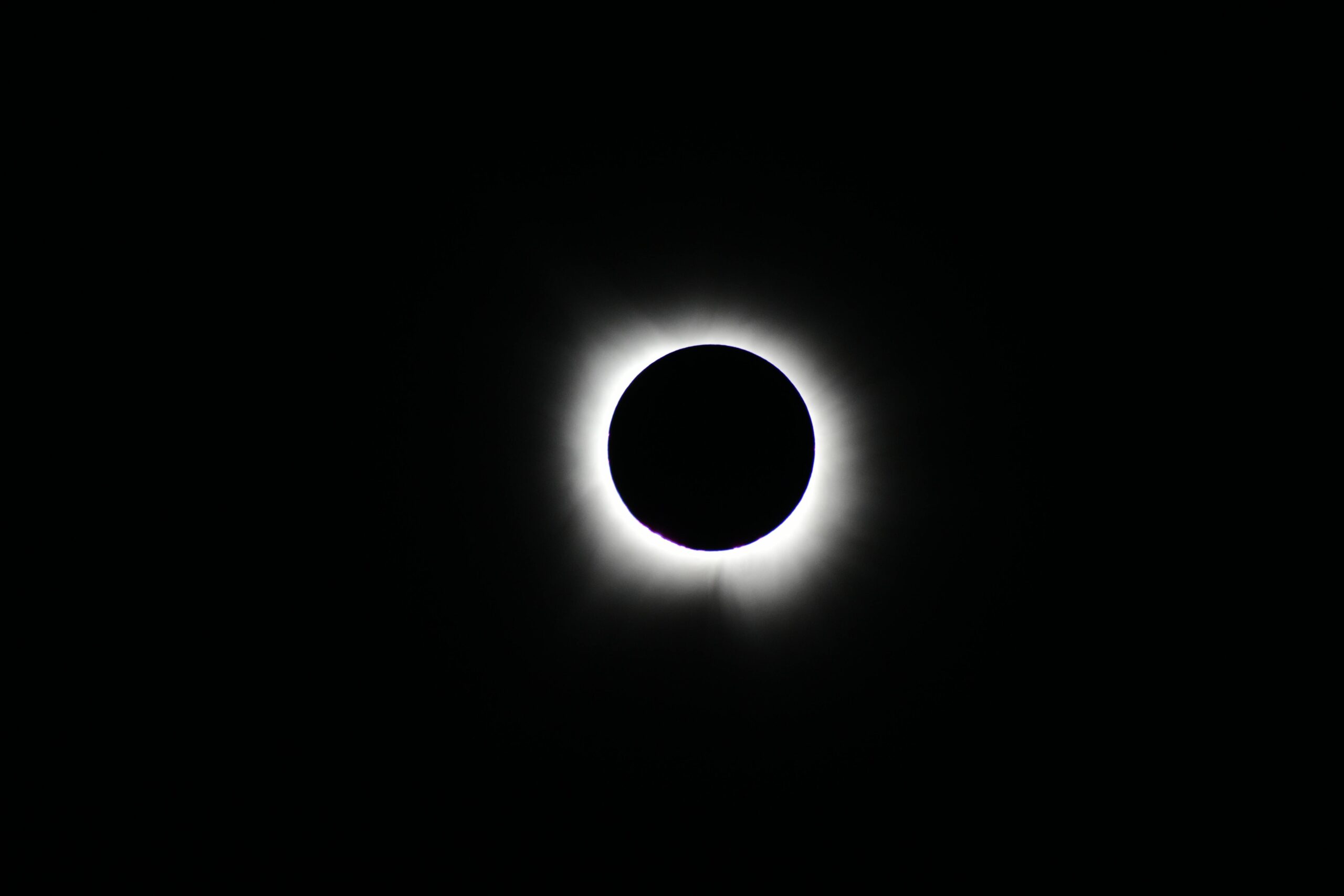
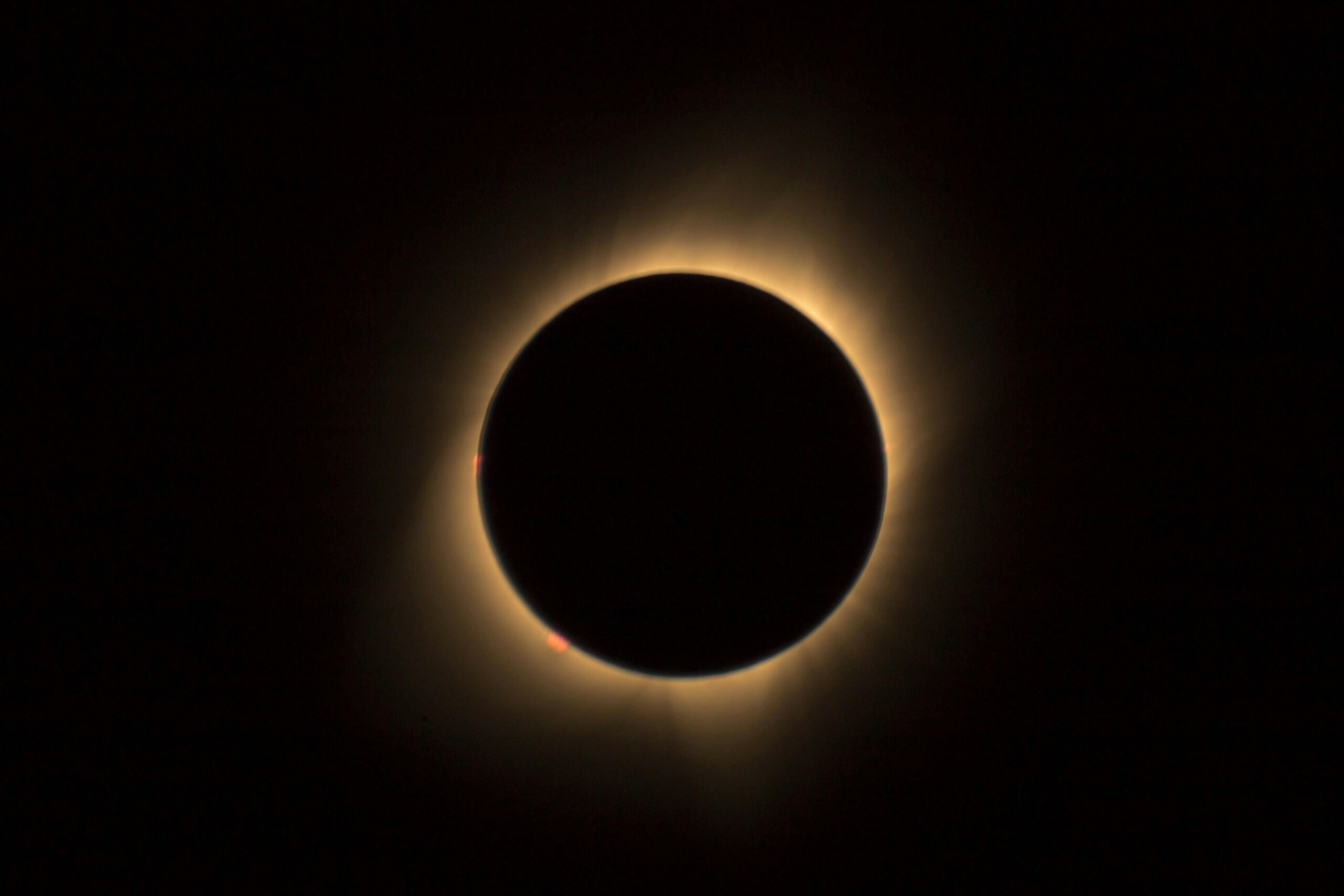
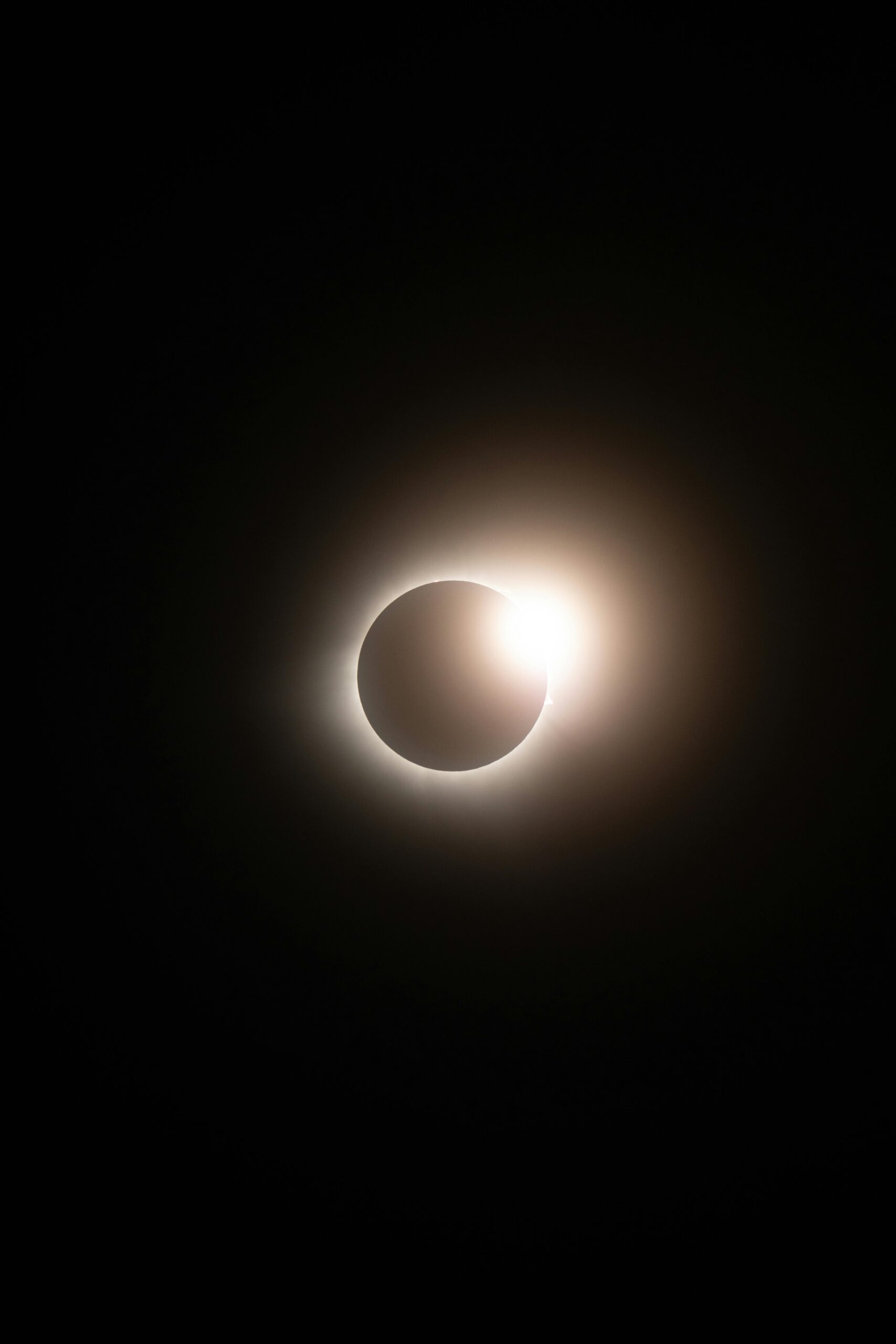
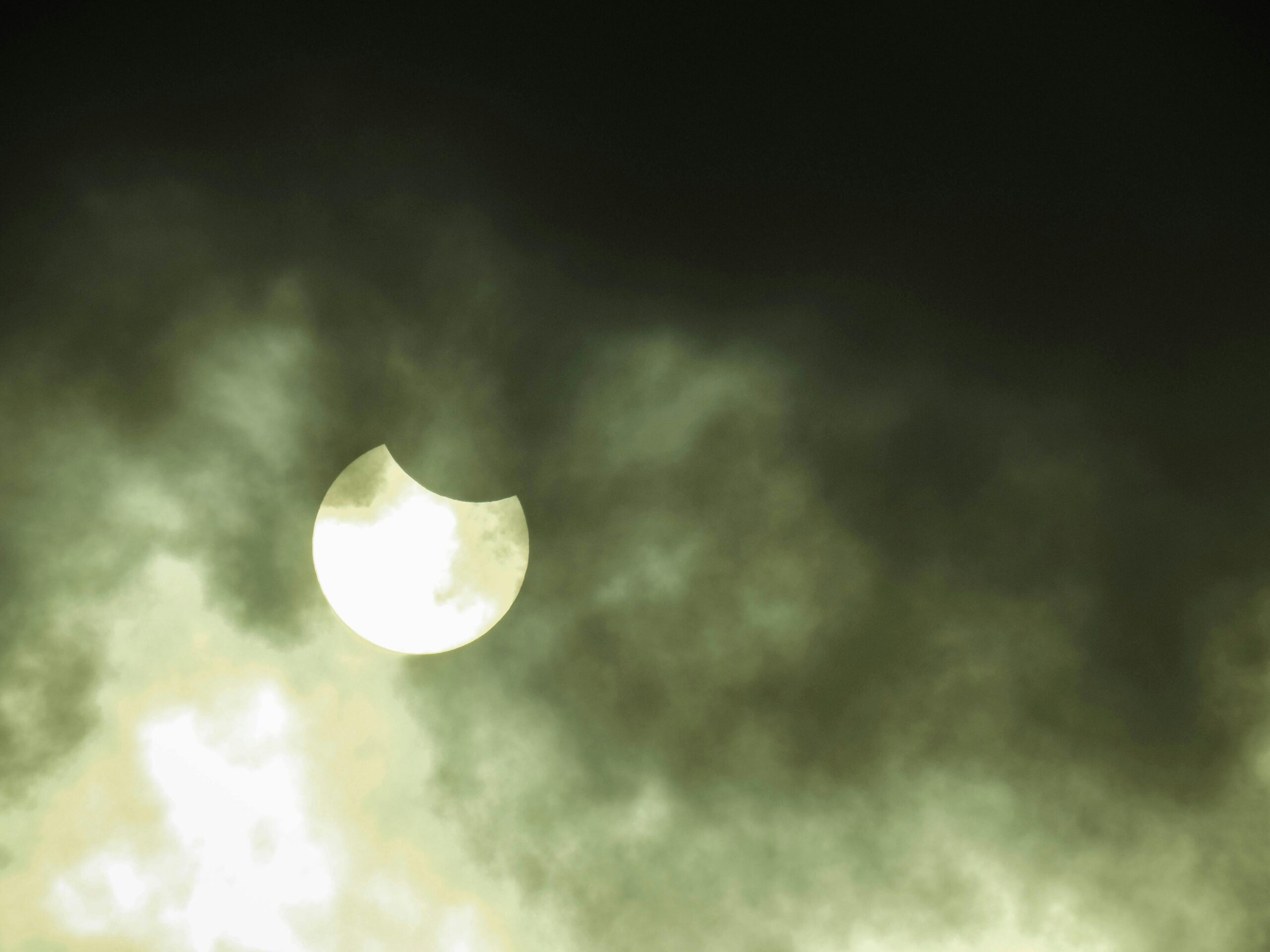
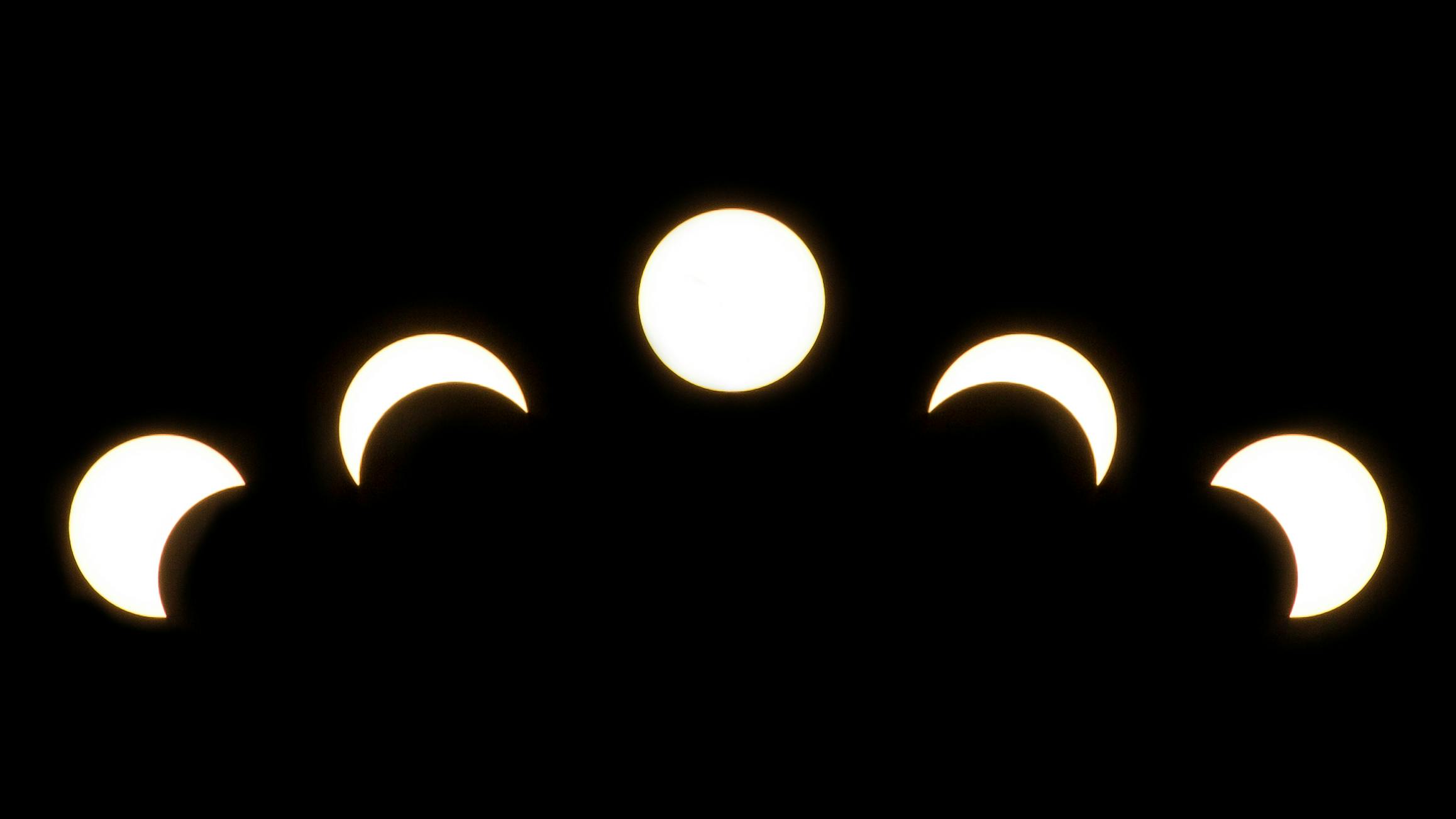
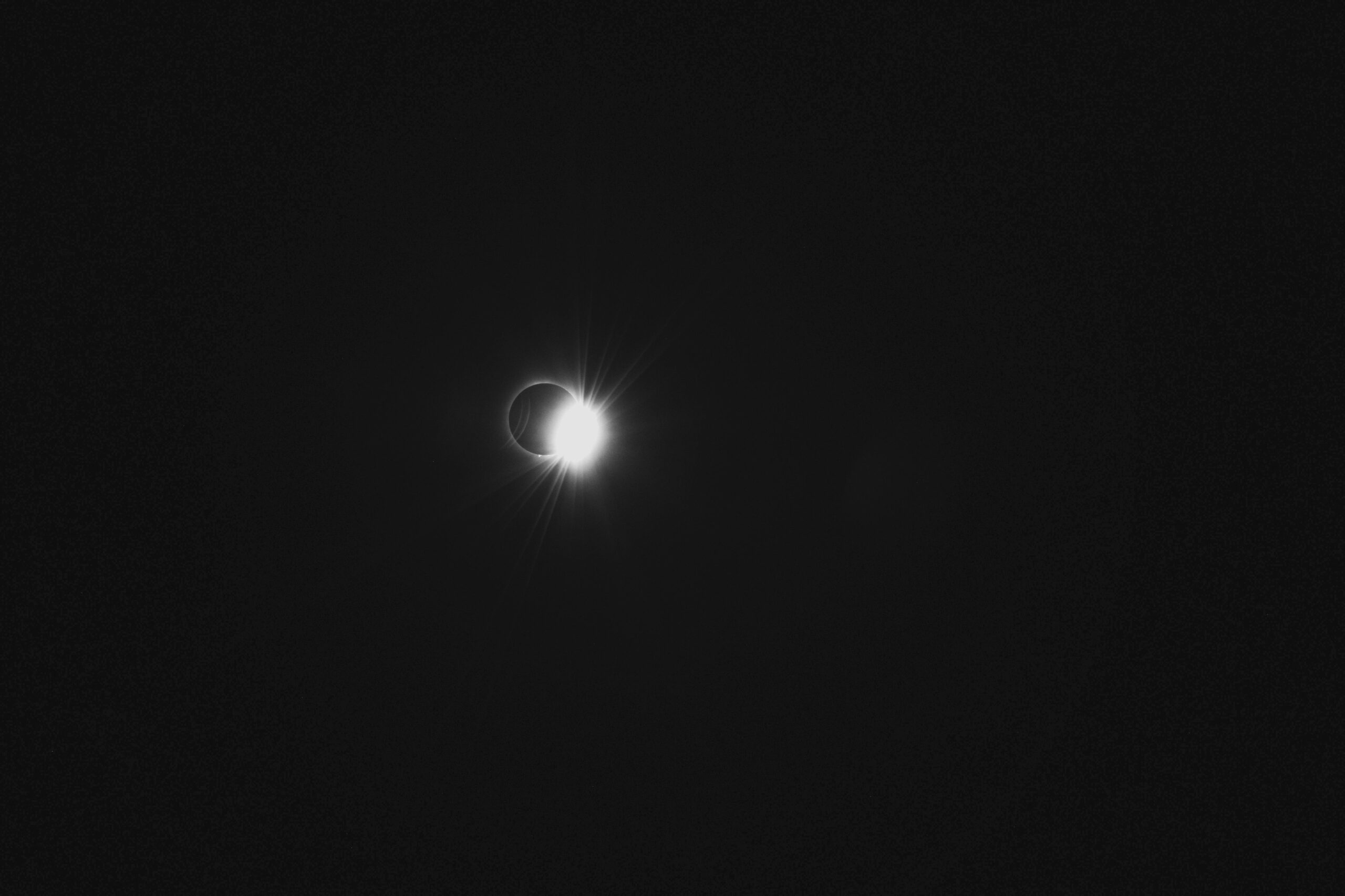
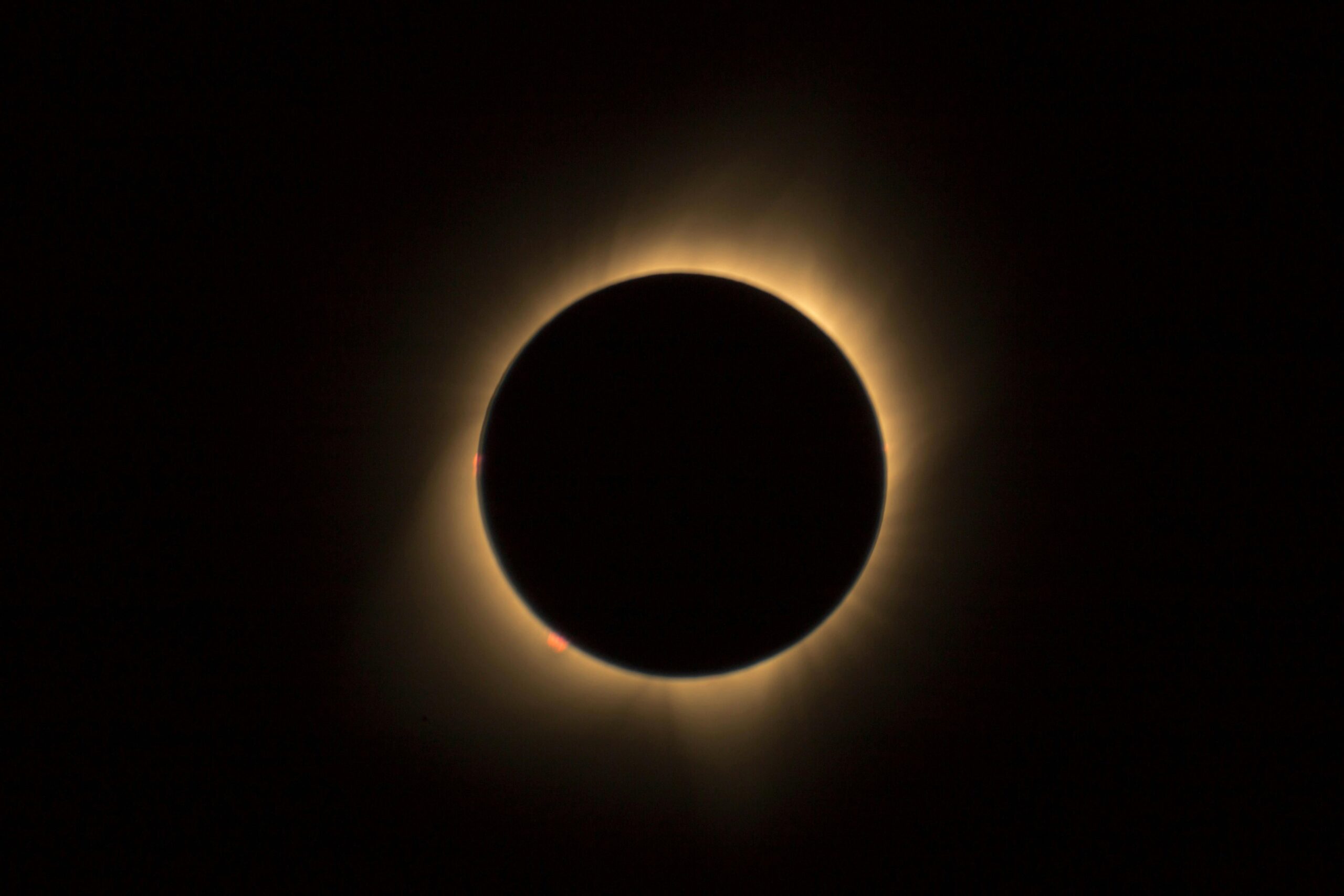
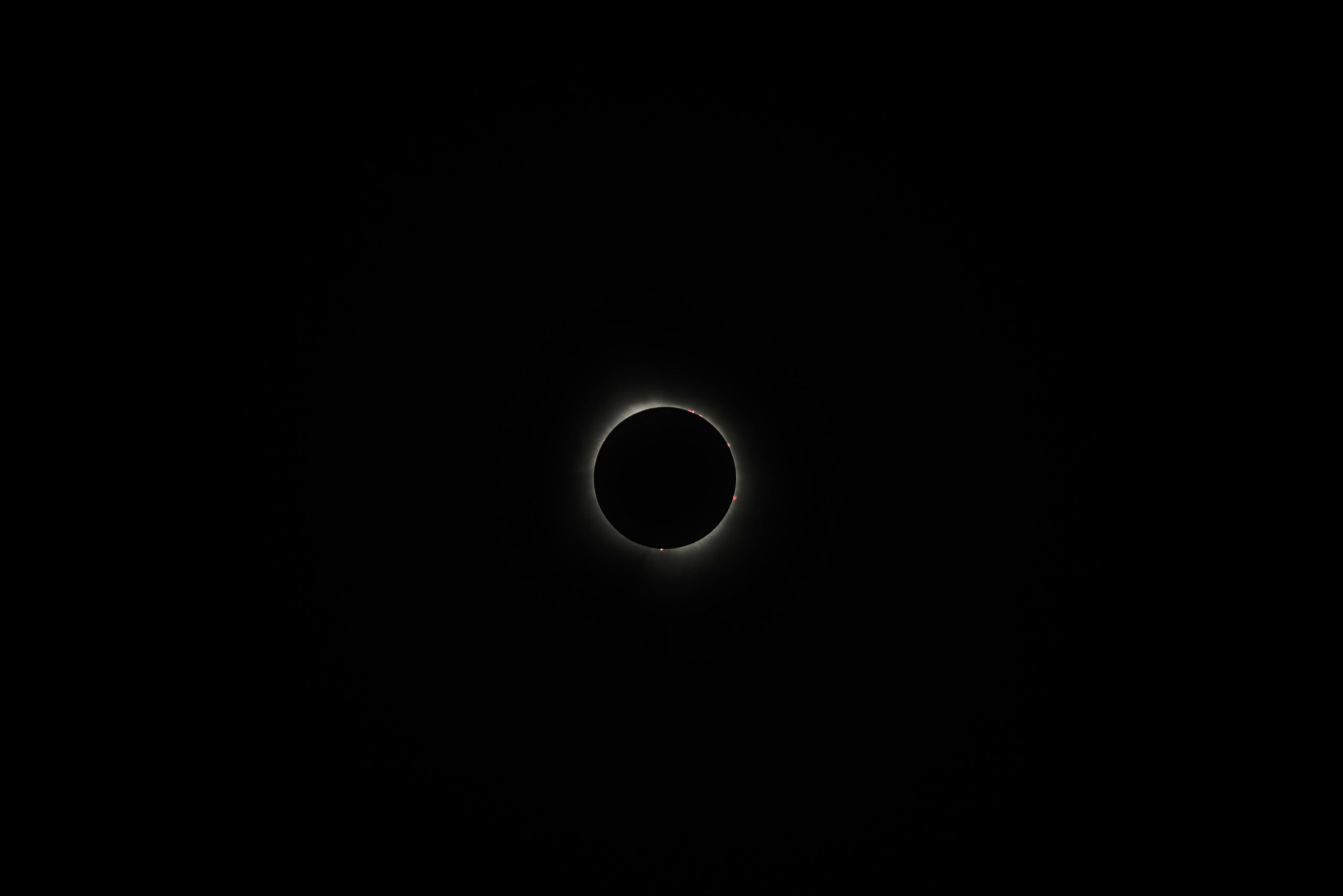
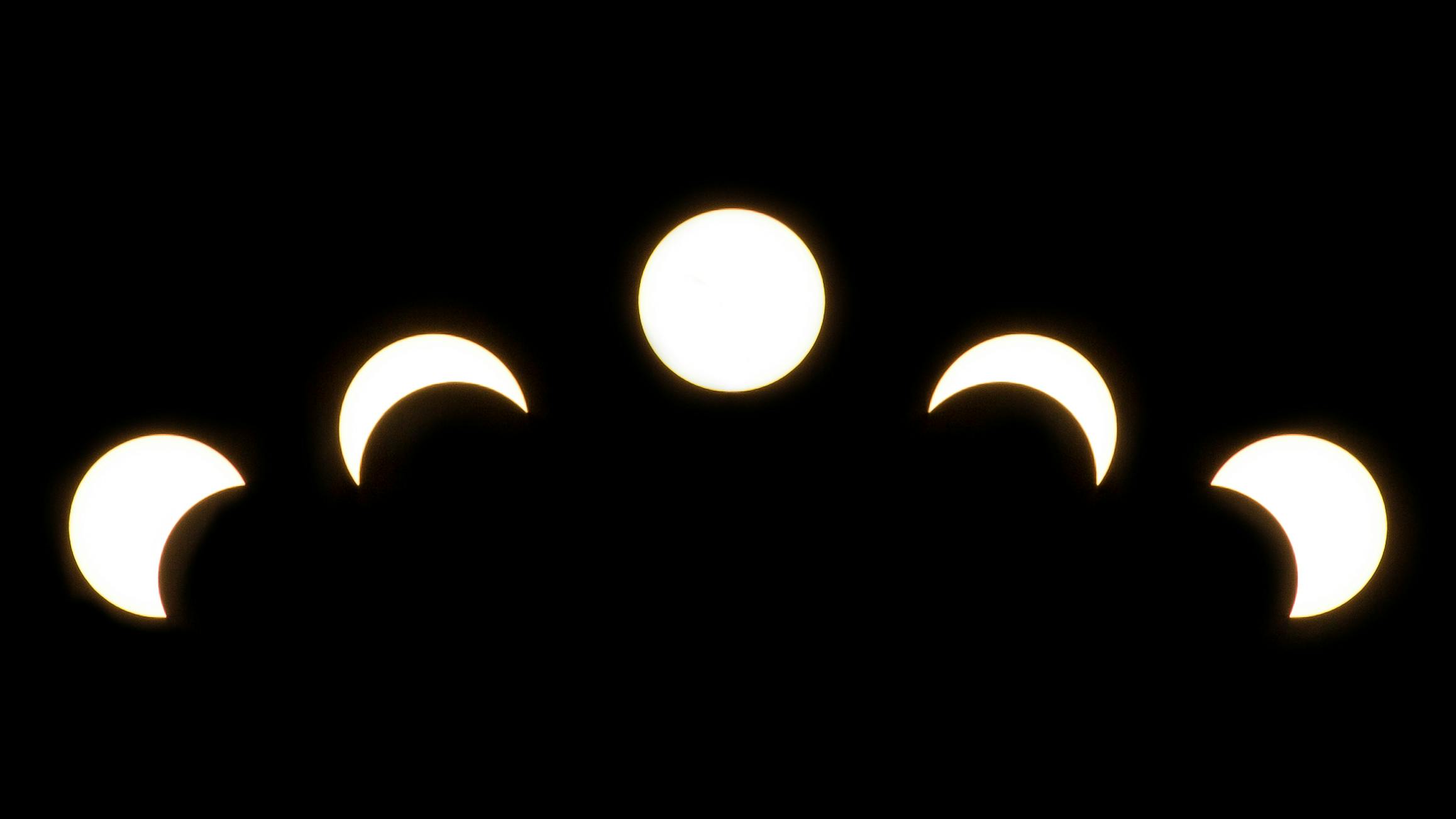
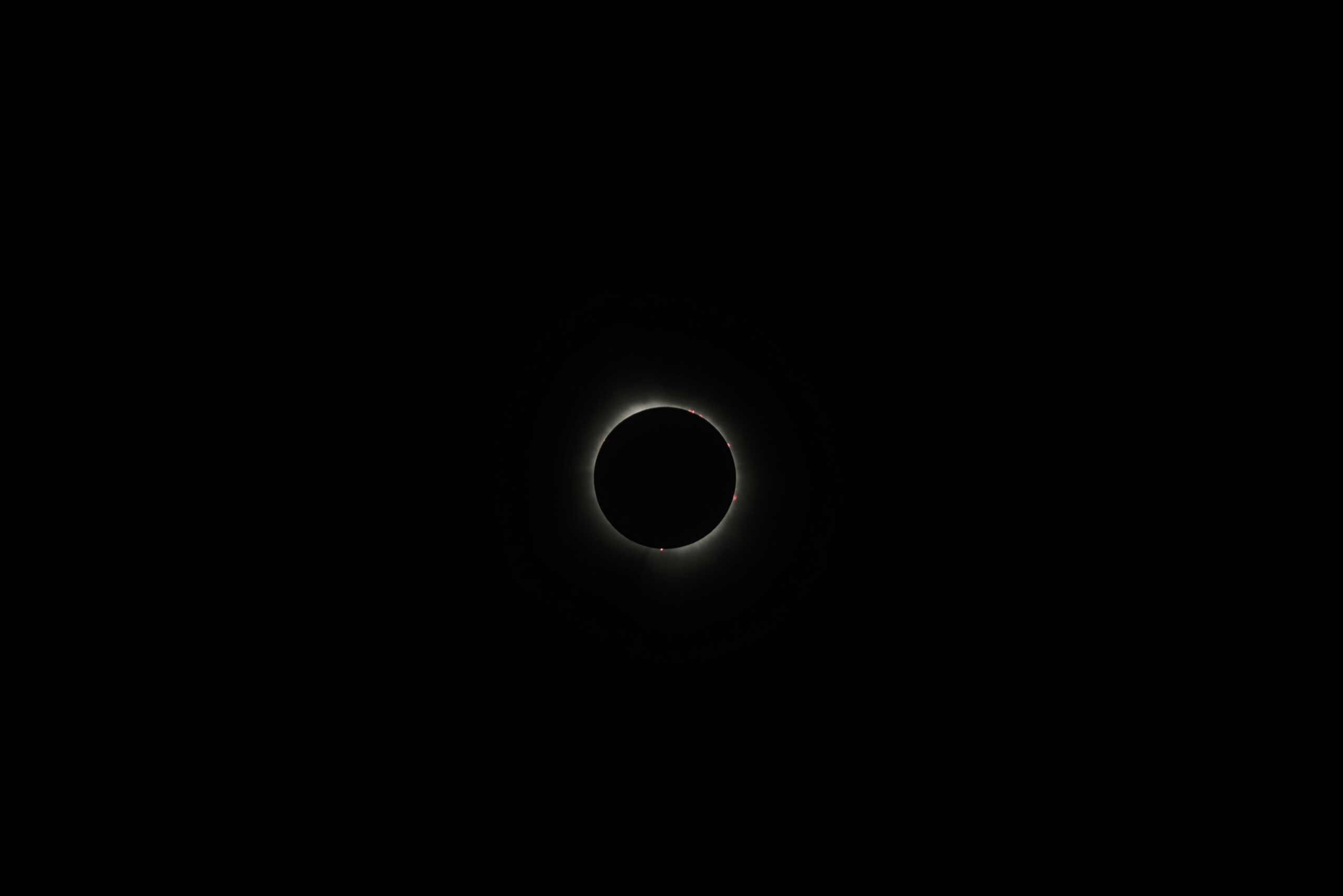
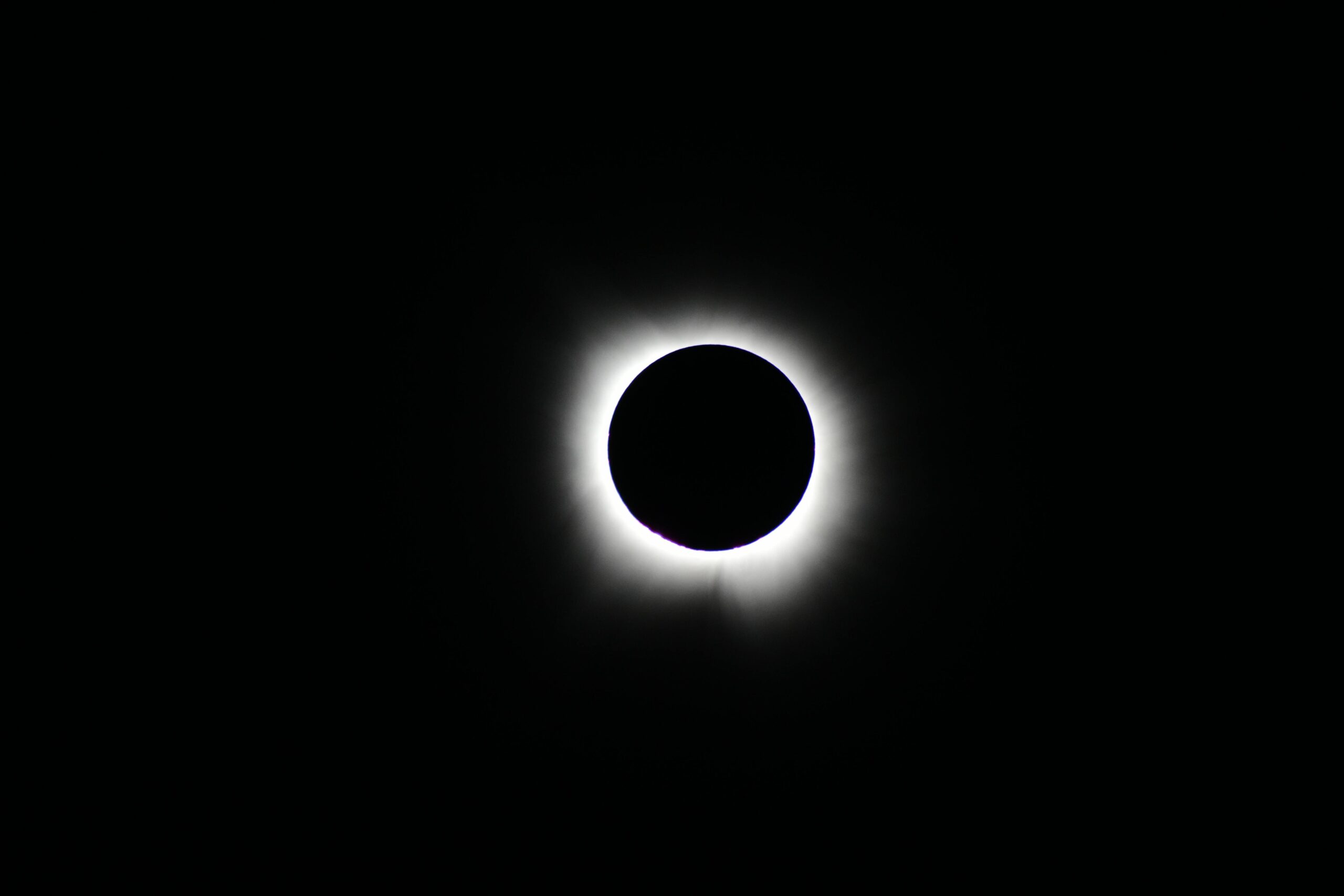
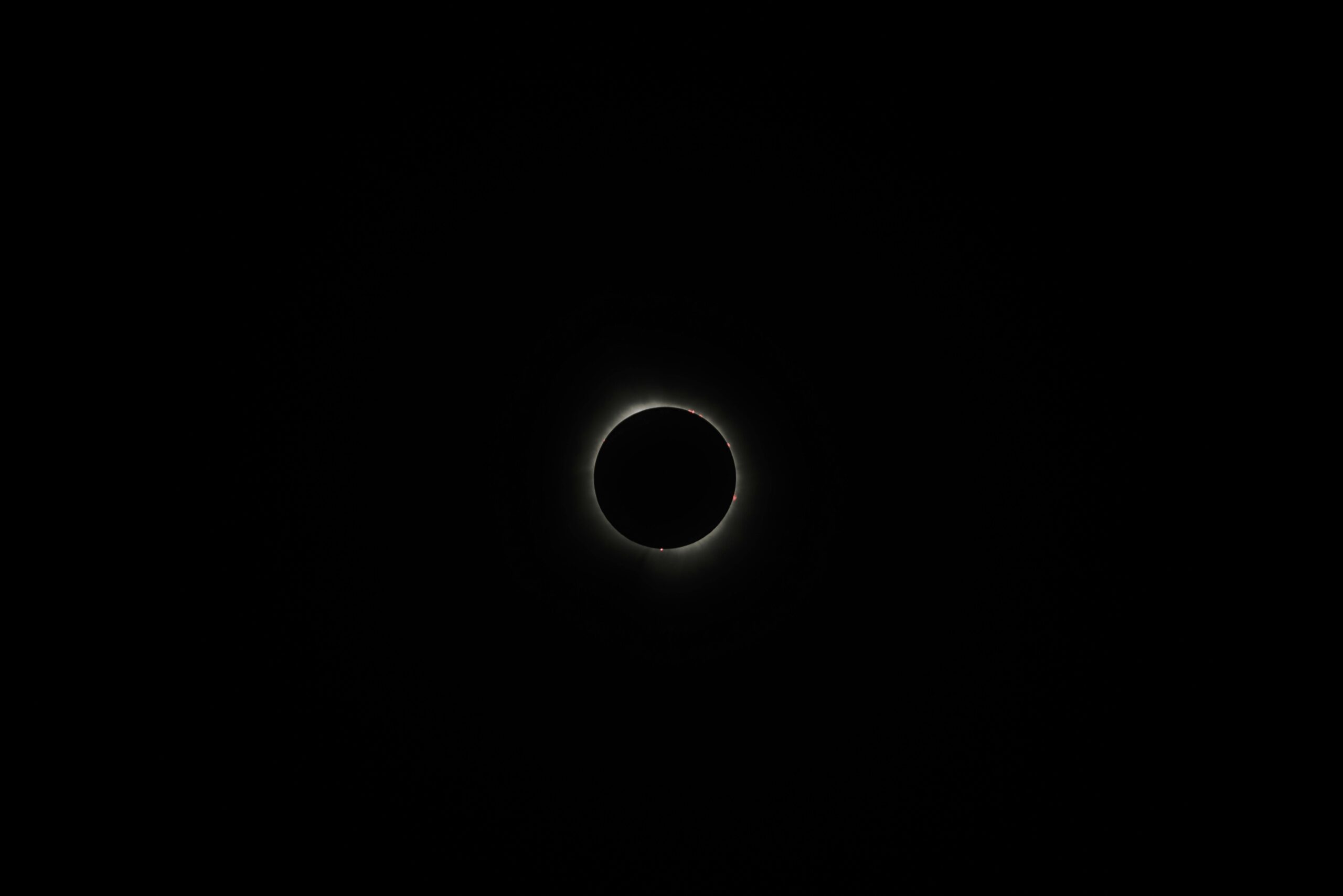
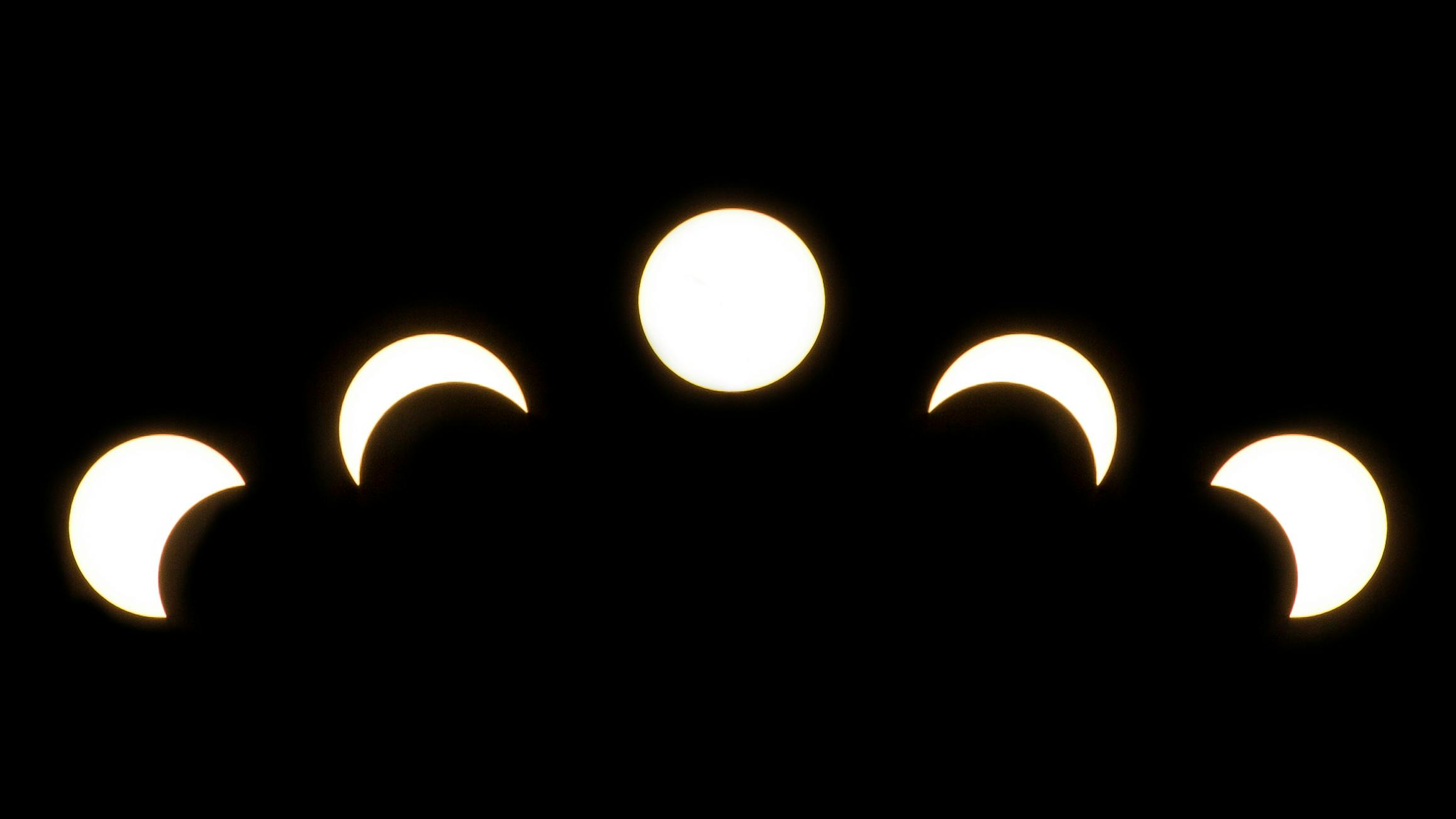
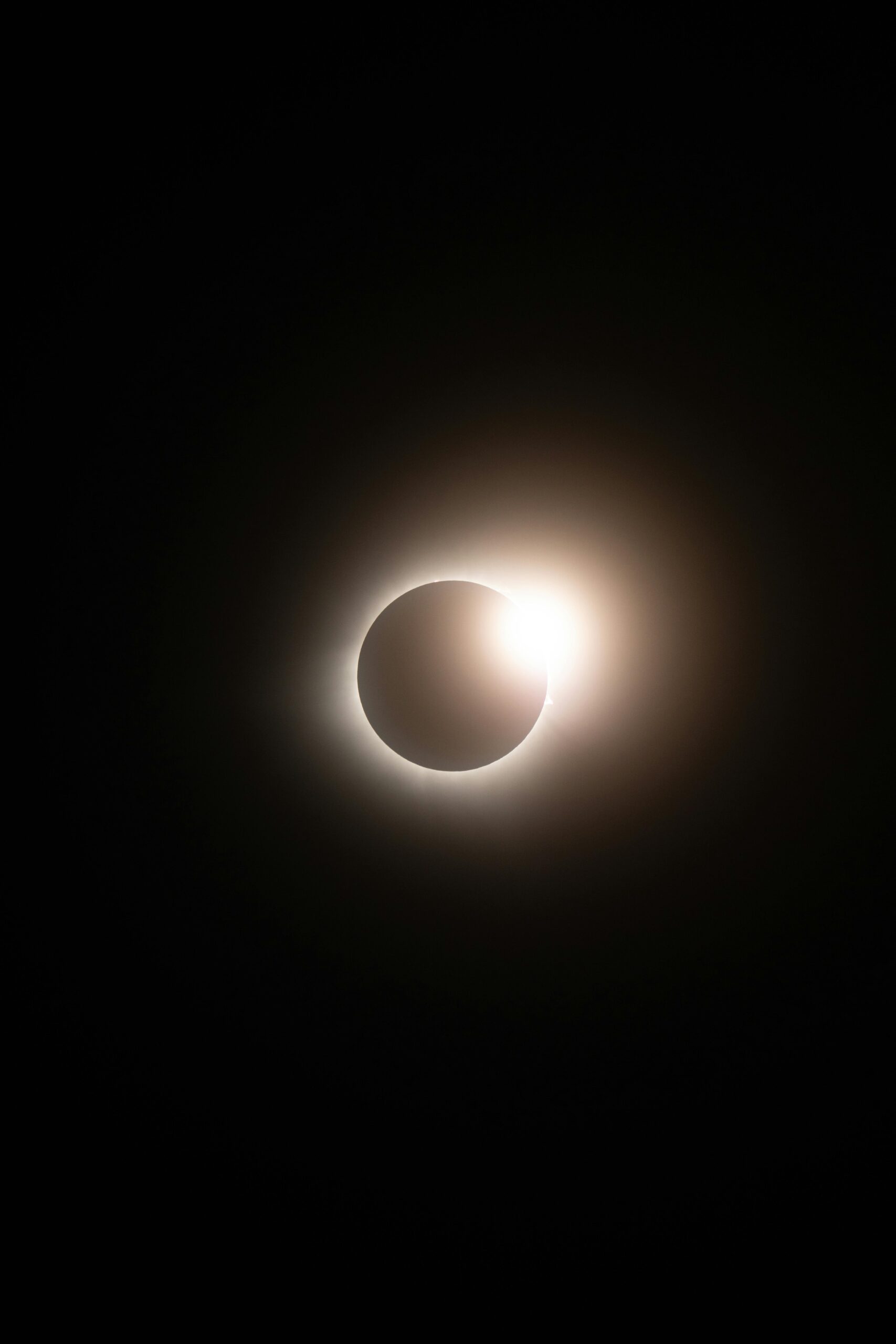
A solar eclipse occurs when the Moon passes between the Earth and the Sun, casting a shadow on the Earth’s surface. During a total solar eclipse, the Moon completely covers the Sun, revealing the Sun’s corona, a halo of plasma that extends millions of kilometers into space. The 2024 eclipse will begin in the Pacific Ocean, make landfall in Mexico, and traverse through Texas, the Midwest, and the Northeast before exiting over Canada. The path of totality, where the eclipse will be fully visible, will be approximately 115 miles wide, offering a unique viewing experience for millions.
Key Dates and Times
The eclipse will begin its journey over North America around 12:38 PM CDT in Mexico. It will enter the United States in Texas around 1:27 PM CDT and exit over Canada around 3:35 PM EDT. The duration of totality will vary depending on the location, with some areas experiencing up to 4 minutes and 28 seconds of darkness. Major cities like Dallas, Indianapolis, Cleveland, and Buffalo will be in the path of totality, providing ample opportunities for viewing.
Preparing for the Eclipse: Safety and Viewing Tips
Watching a solar eclipse is a memorable experience, but it’s crucial to do so safely. Looking directly at the Sun, even during an eclipse, can cause permanent eye damage. Here are some tips to ensure a safe and enjoyable viewing experience:
- Use Certified Solar Filters: Always use eclipse glasses or solar filters that meet the ISO 12312-2 international safety standard. Regular sunglasses are not sufficient.
- Indirect Viewing Methods: Pinhole projectors or other indirect viewing methods can provide a safe way to observe the eclipse.
- Plan Ahead: If you’re traveling to a location within the path of totality, book accommodations early, as hotels and campsites are likely to fill up quickly.
- Check the Weather: Clear skies are essential for optimal viewing. Monitor the weather forecast and have a backup location in mind if necessary.
For those planning to attend eclipse viewing parties or related events, it’s also important to consider appropriate attire. While the focus is on the celestial event, comfort and style can enhance the experience. For tips on how to dress for such occasions, consider reading about how to dress for a cocktail party, as many eclipse-watching events may have a similar dress code.
Historical Significance and Cultural Impact
Solar eclipses have fascinated humanity for centuries, often playing significant roles in mythology, religion, and science. Ancient civilizations viewed eclipses as omens or divine messages. Today, eclipses serve as opportunities for scientific discovery and public engagement. The 2024 eclipse is particularly significant as it follows the path of the 2017 Great American Eclipse, providing scientists with a unique chance to study changes in the Sun’s corona and the Earth’s atmosphere over time.
Scientific Research Opportunities
The 2024 eclipse will be a goldmine for researchers. Scientists will use this event to study the Sun’s corona, solar wind, and the Earth’s ionosphere. Citizen scientists and amateur astronomers can also contribute by participating in various research projects and data collection efforts. NASA and other organizations will provide resources and guidelines for public participation, making this a collaborative effort between professionals and enthusiasts alike.
Community Events and Viewing Parties
Communities along the path of totality are preparing for the influx of visitors with a variety of events and activities. From educational workshops to live music and food festivals, there will be something for everyone. Major cities and national parks are organizing viewing parties, offering a chance to share the experience with fellow enthusiasts. Some popular destinations include:
- Texas: Austin, San Antonio, and Dallas are preparing for large crowds with special events and viewing locations.
- Midwest: Cities like Indianapolis, Cleveland, and Buffalo are hosting community gatherings and educational programs.
- Northeast: Niagara Falls and other scenic locations in upstate New York are expected to draw large crowds.
Whether you’re a seasoned astronomer or a curious observer, the 2024 Great American Eclipse promises to be an unforgettable event. By understanding the science, preparing for safe viewing, and engaging with the community, you can make the most of this celestial spectacle.
To stay informed about the latest developments, consider exploring key trends transforming our world and their implications for the future.
For more insights on this topic, you might find E-Ticaret: Modern Alışveriş Deneyiminin Yürekleri particularly informative.
Readers interested in this subject may also want to explore The Art of Mindful Living: Elevating for additional perspectives.