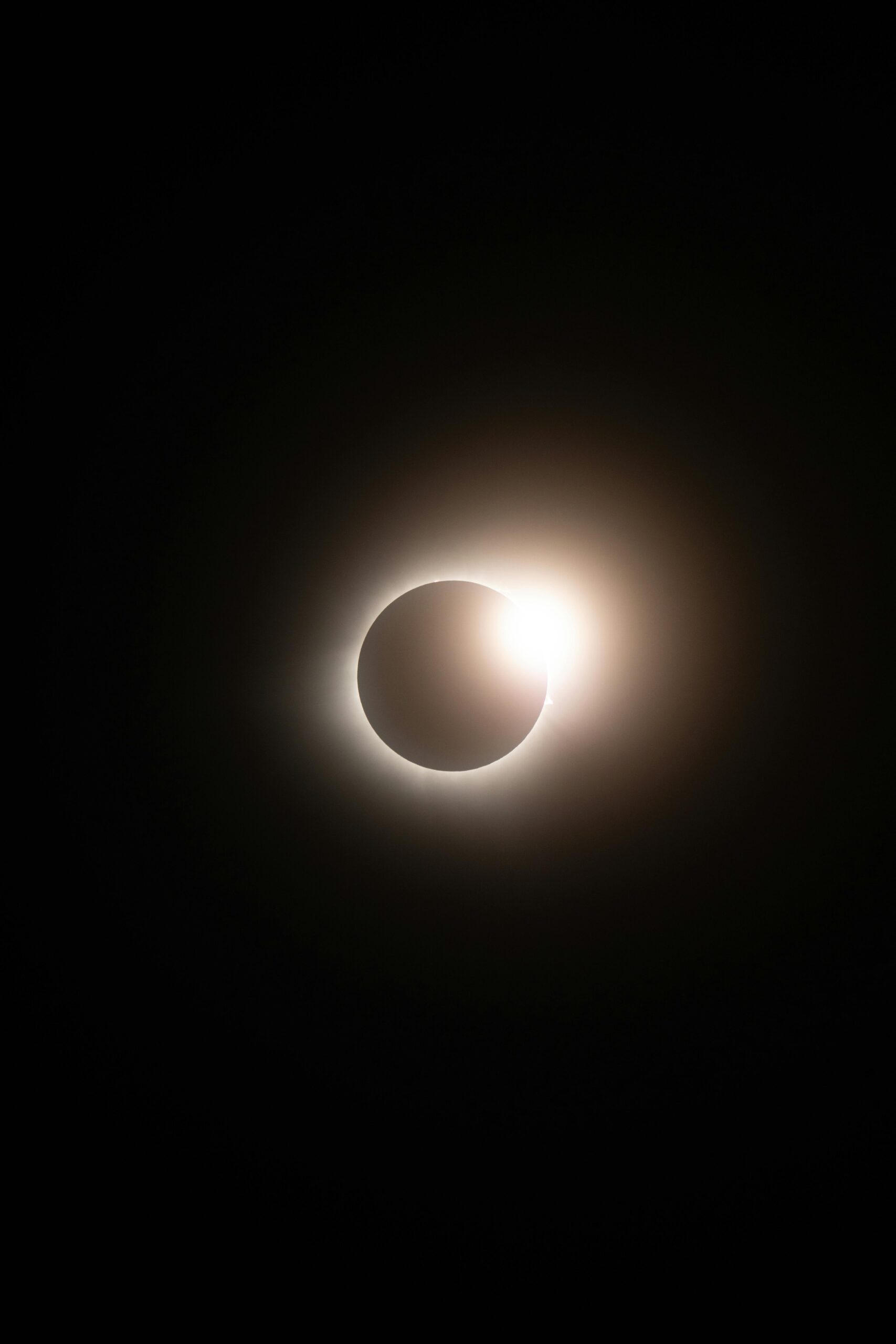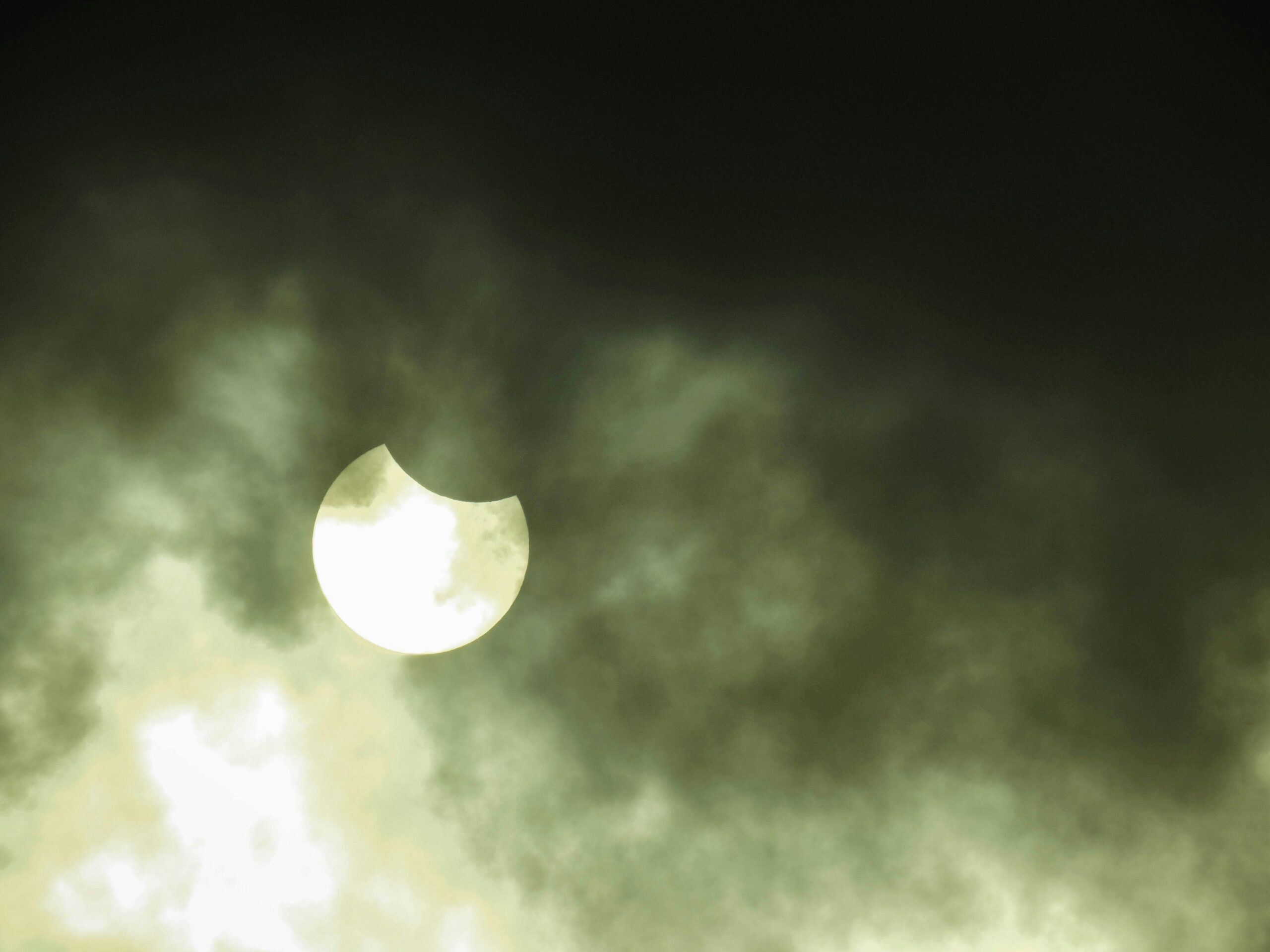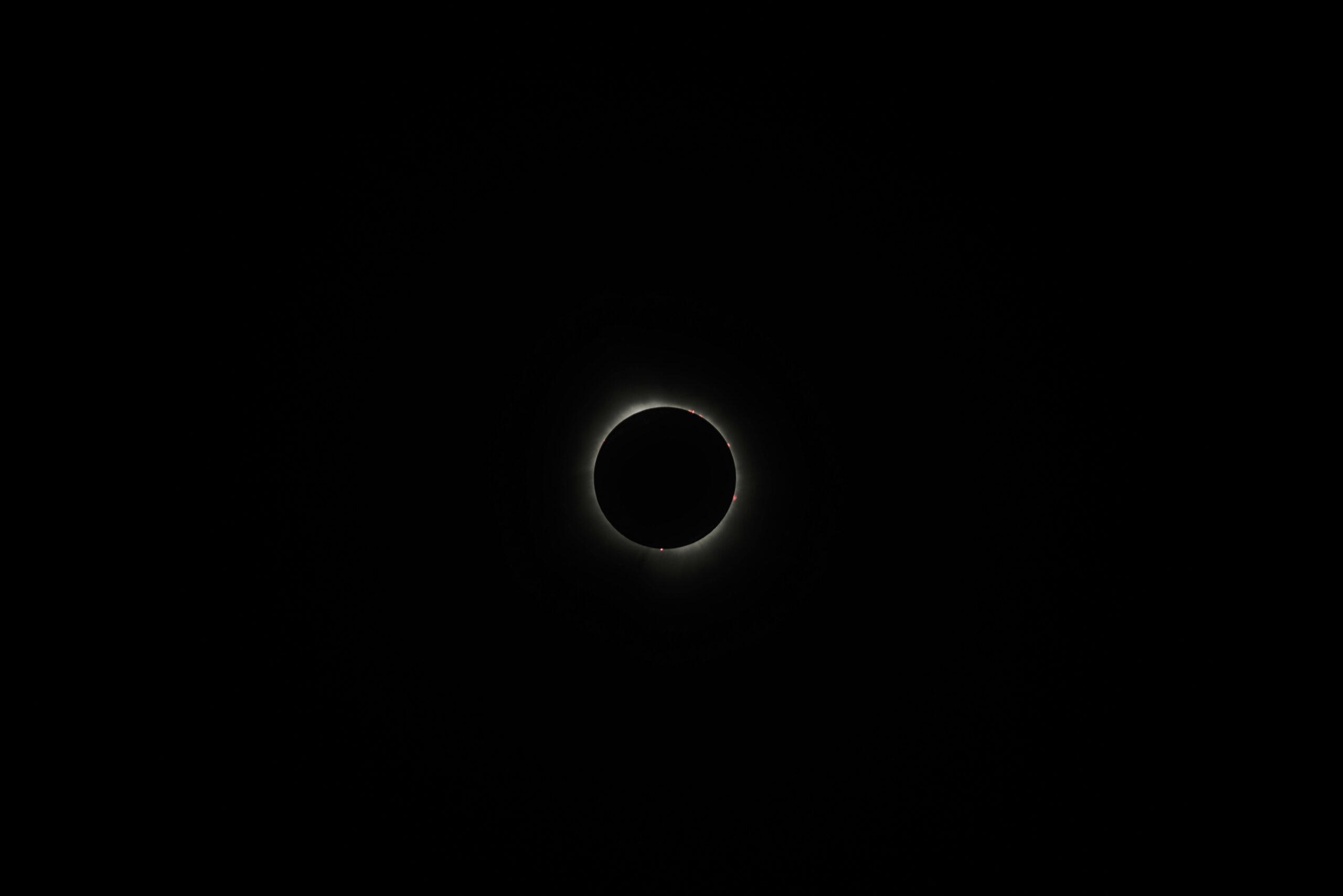
The Anticipation Builds
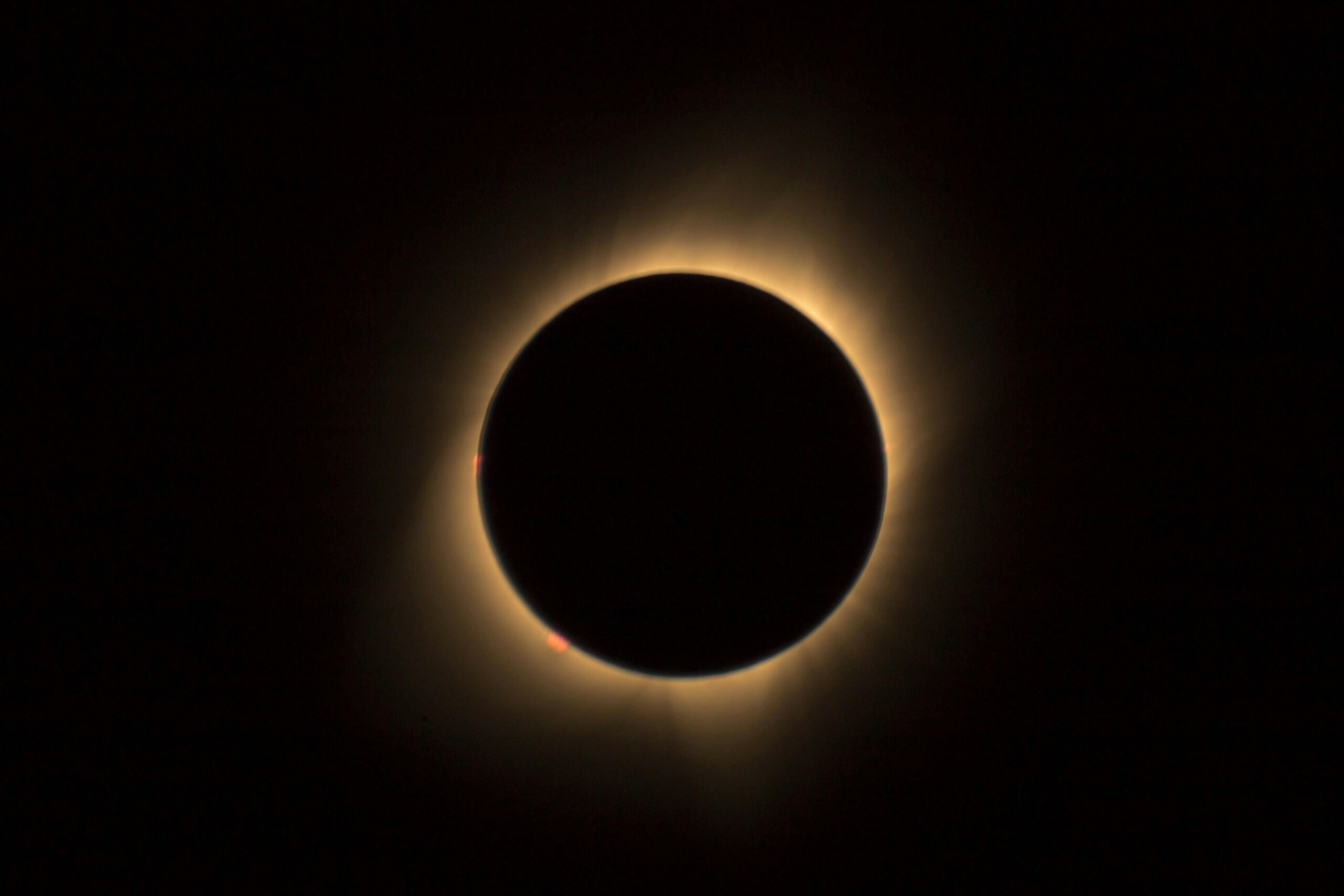
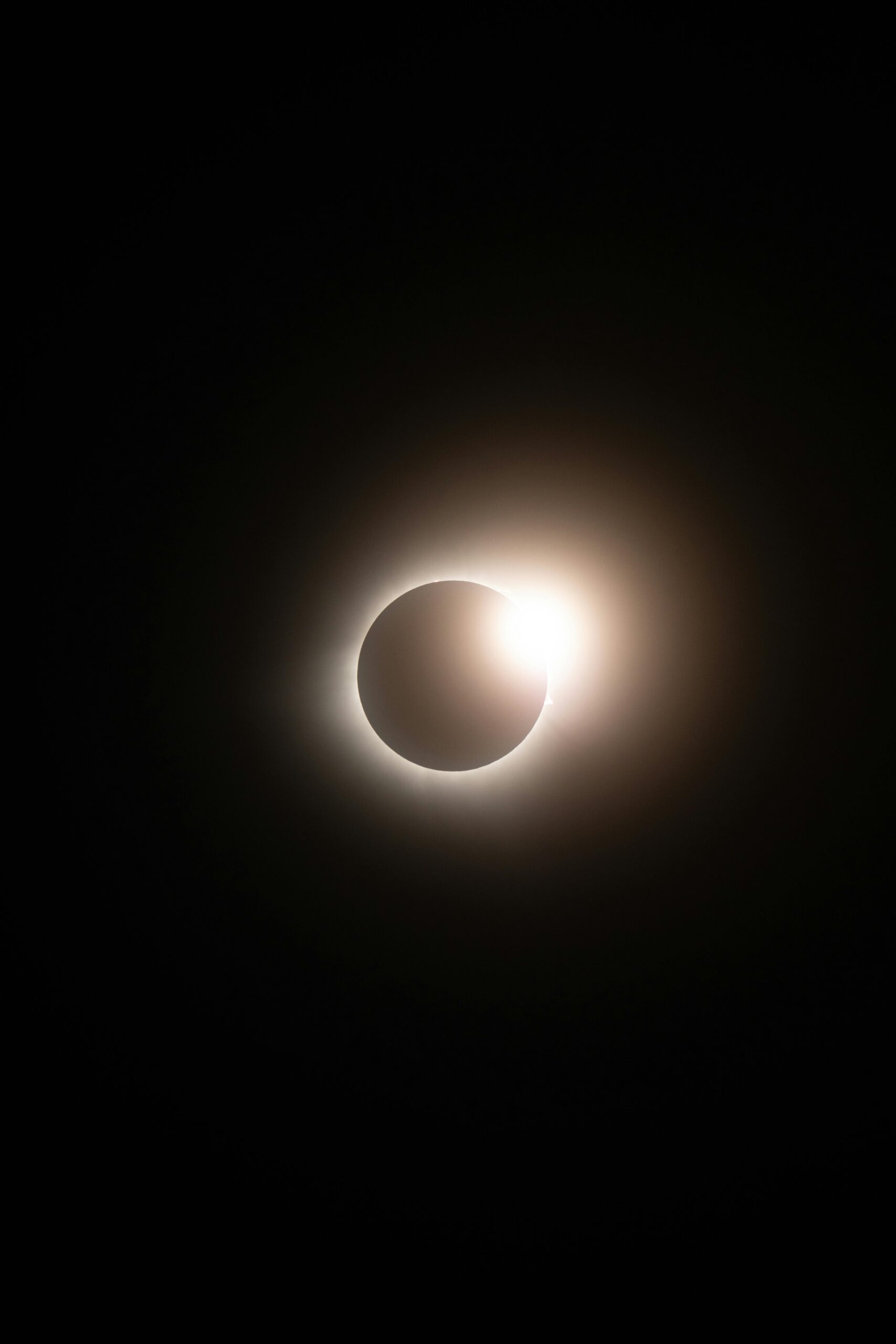
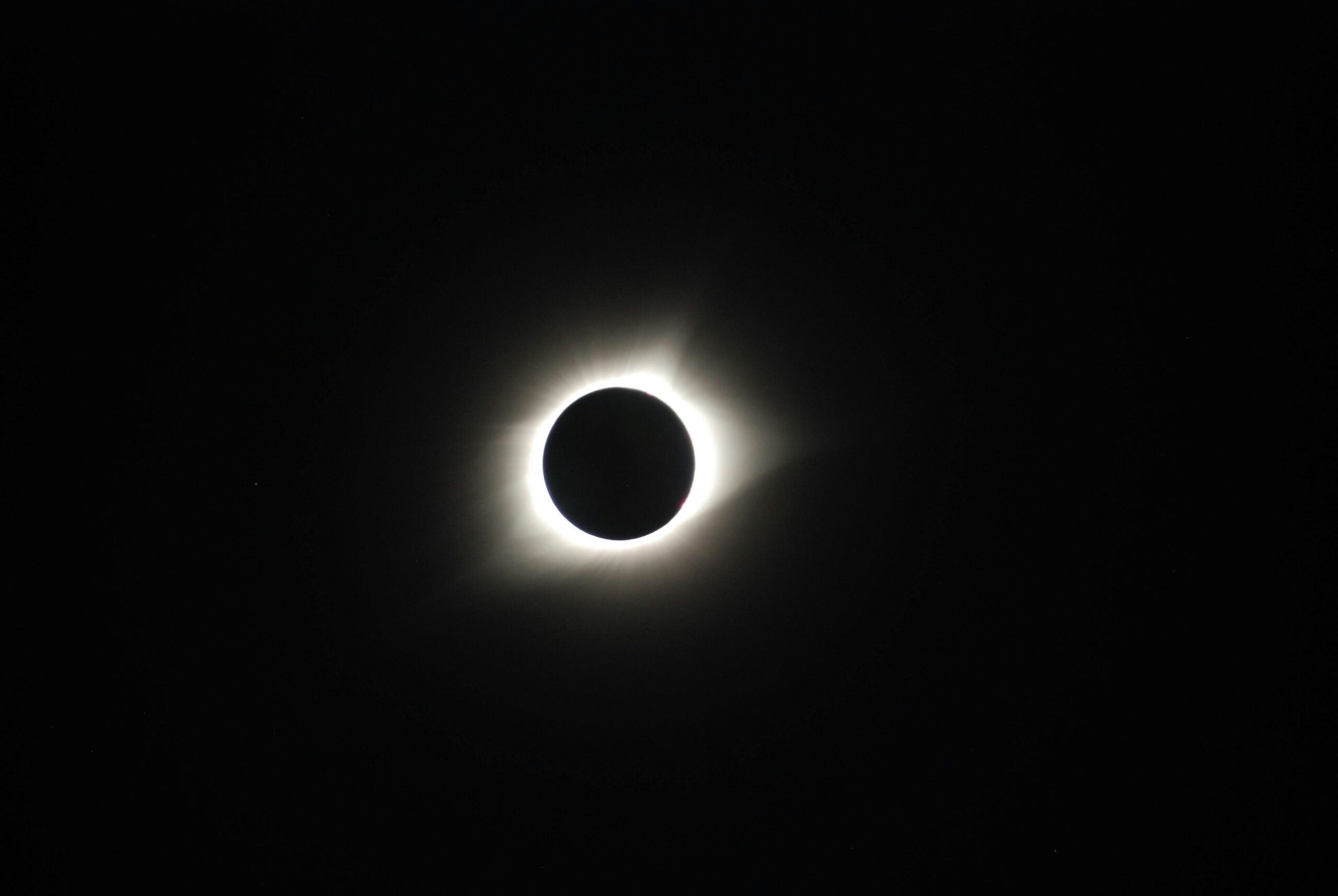
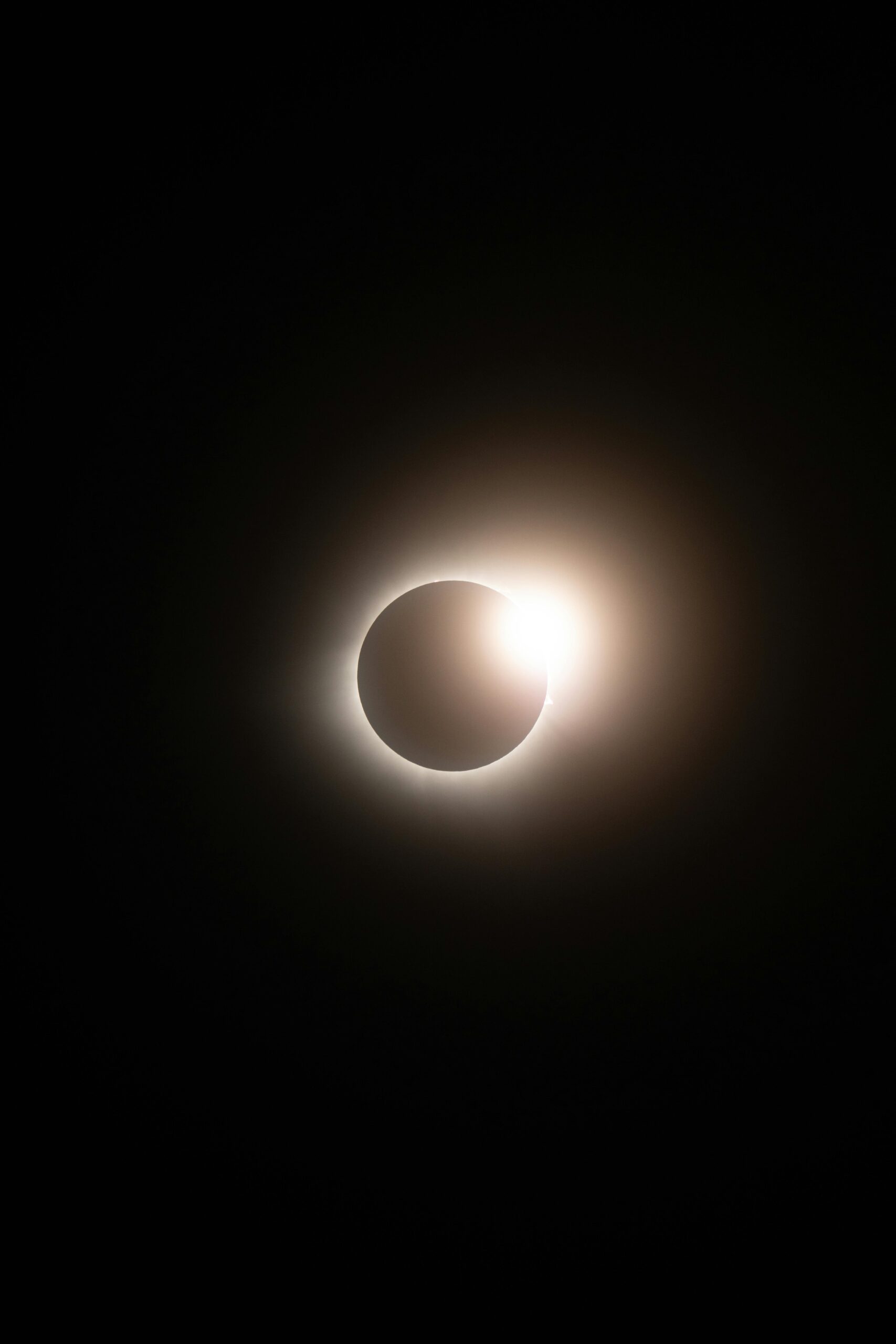
The astronomical community and enthusiasts alike are abuzz with excitement as we approach the next great American eclipse. Scheduled for April 8, 2024, this celestial event promises to be a spectacle of nature’s grandeur, visible across a broad swath of the United States. The anticipation is palpable, with communities along the path of totality preparing for an influx of visitors eager to witness this rare phenomenon.
Understanding Solar Eclipses
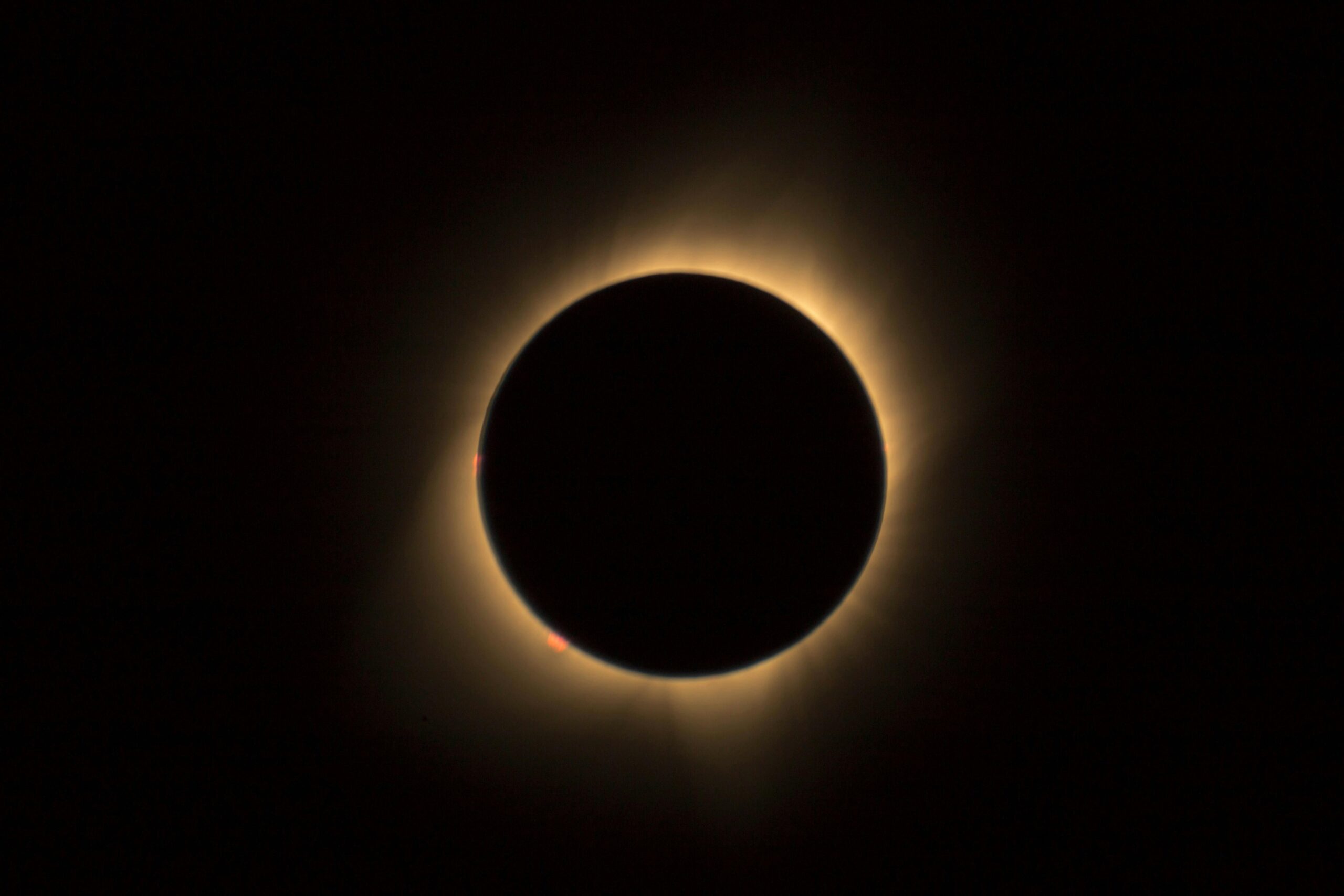
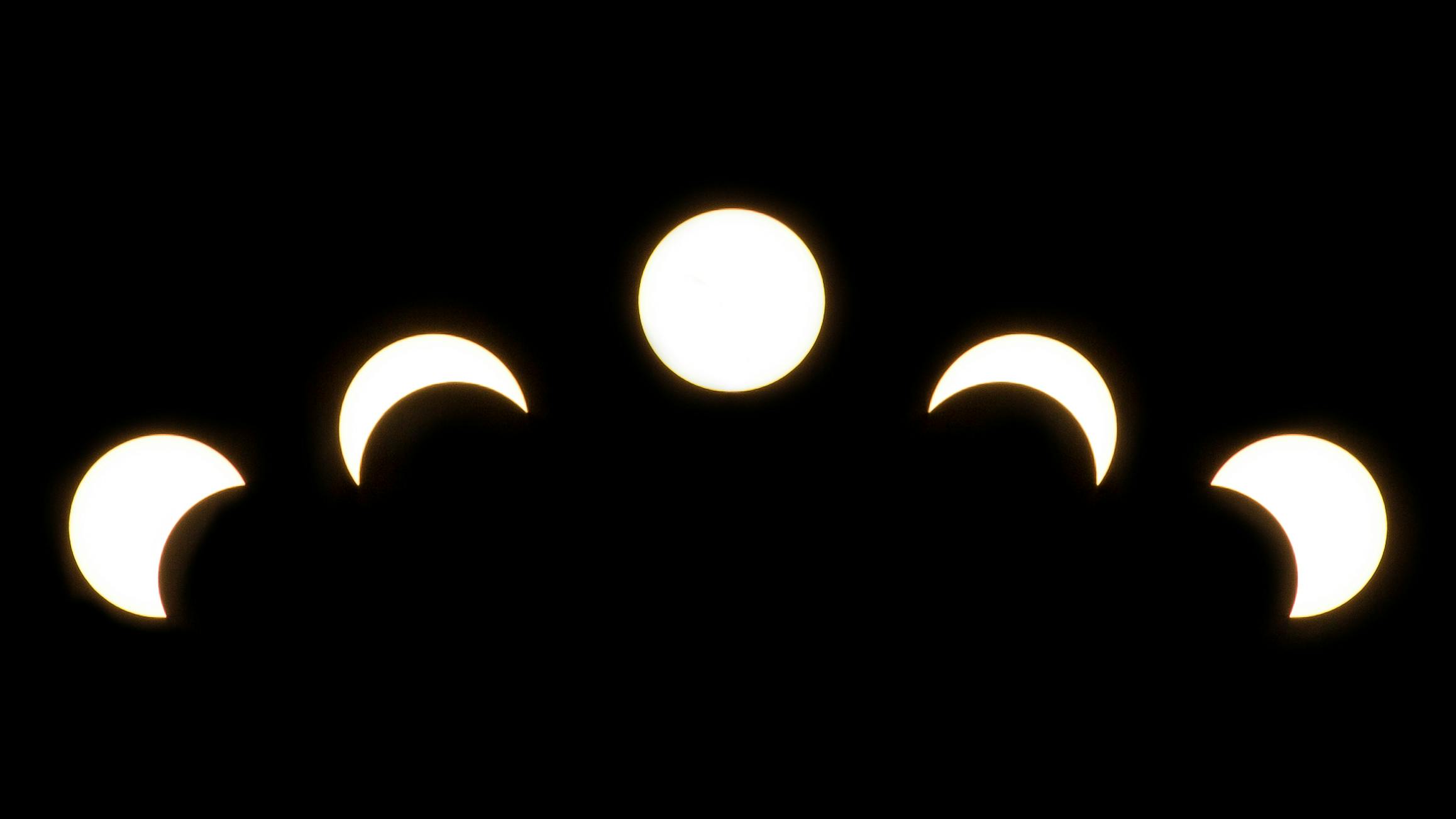
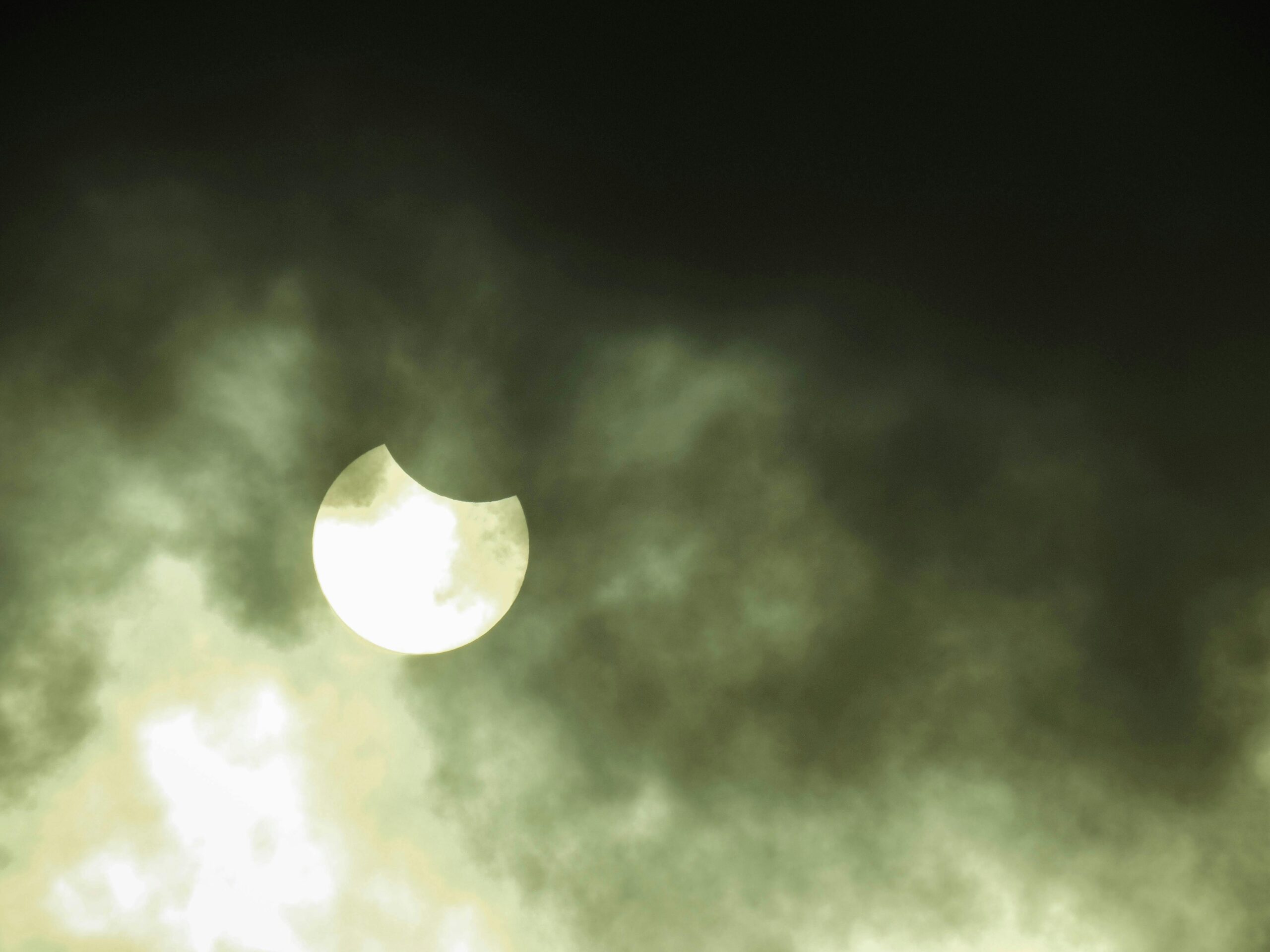
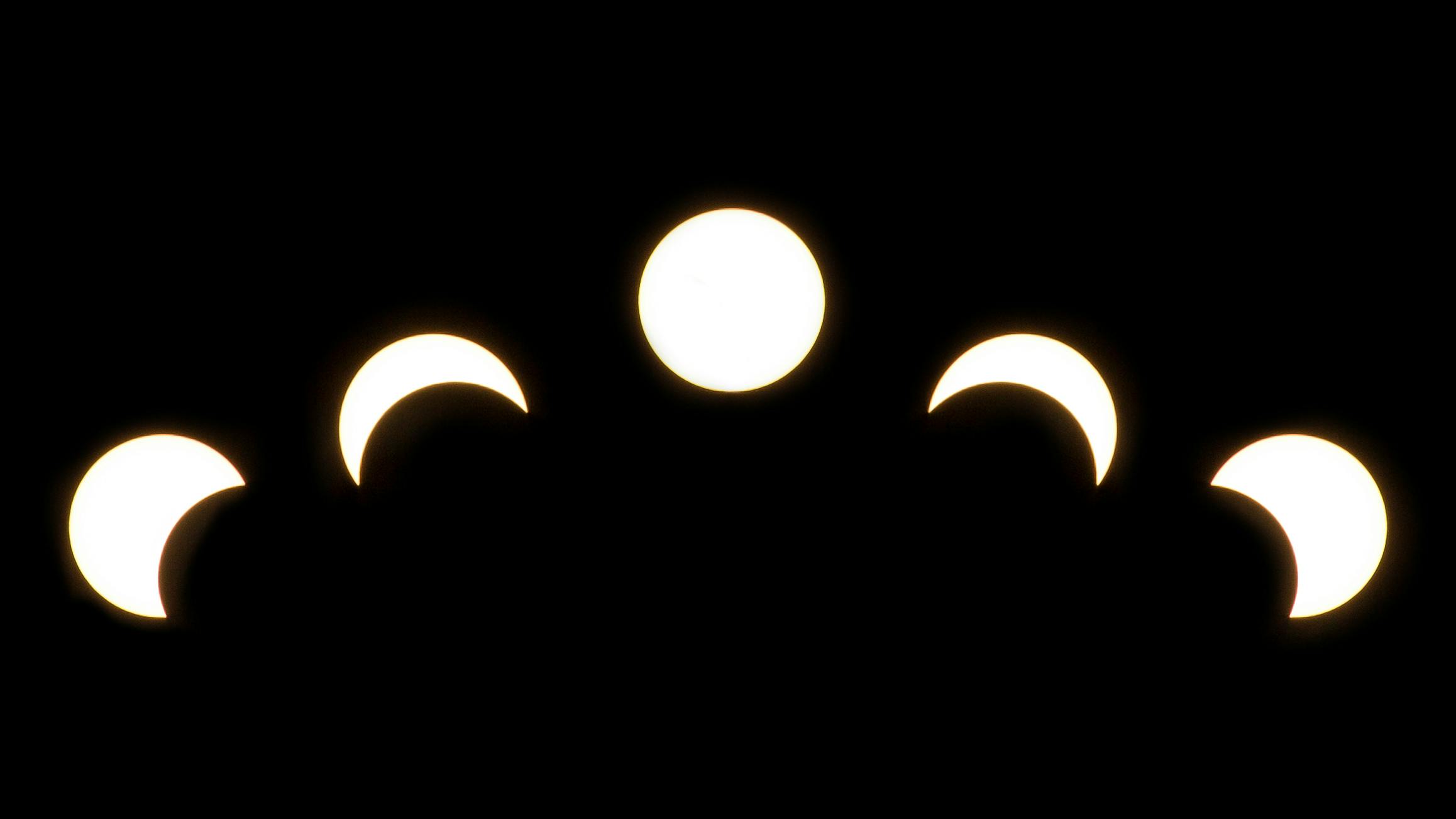
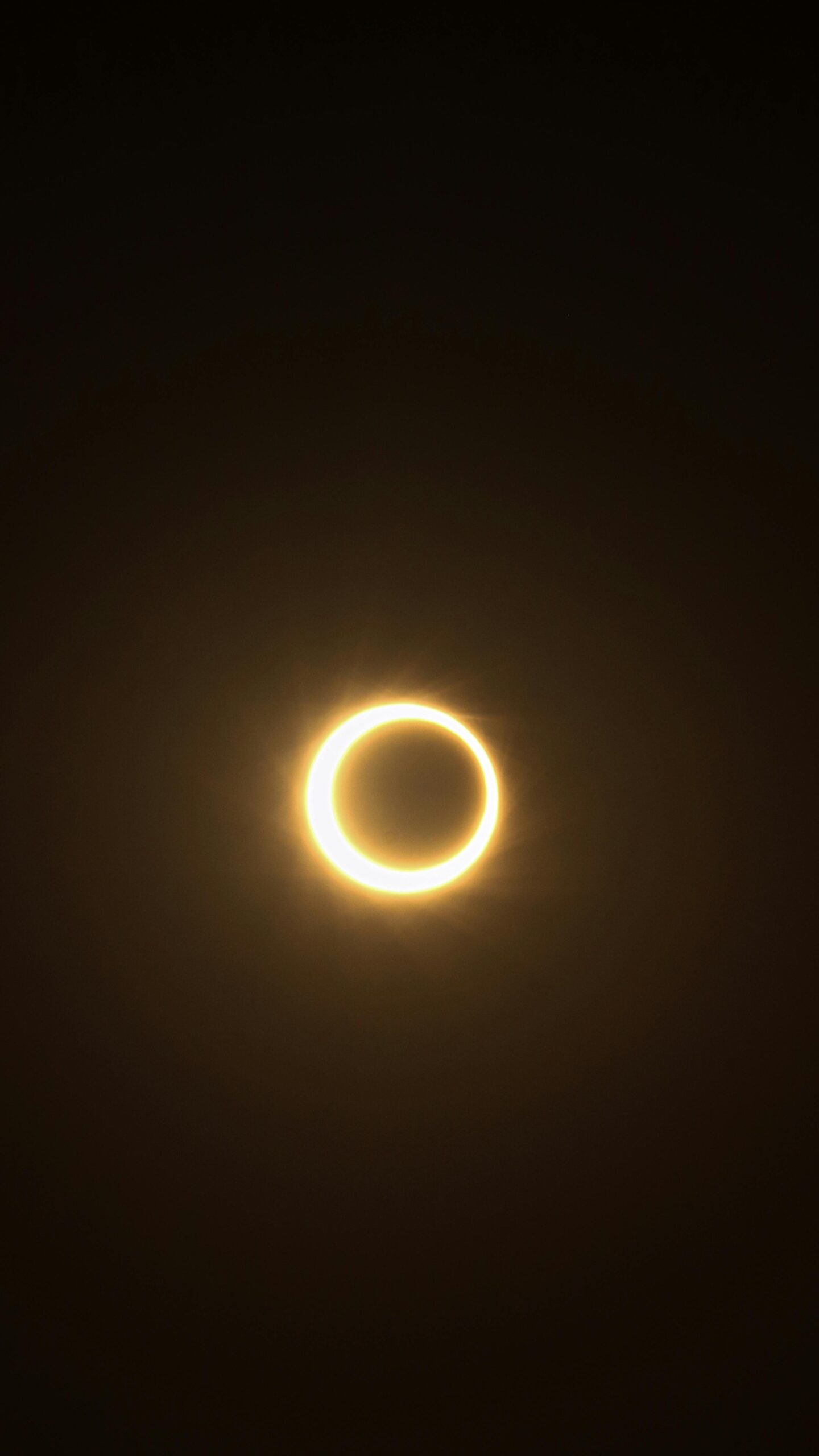
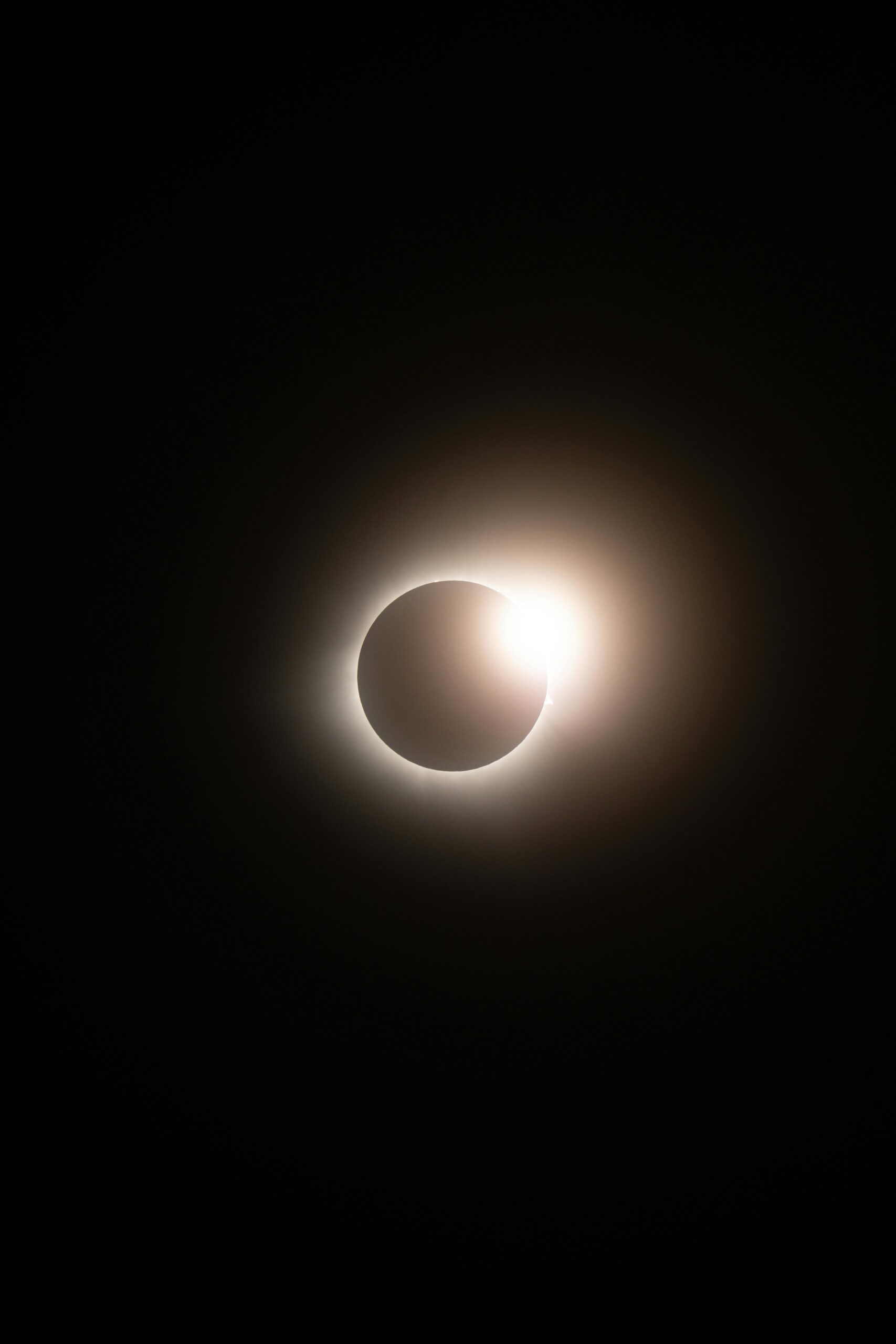
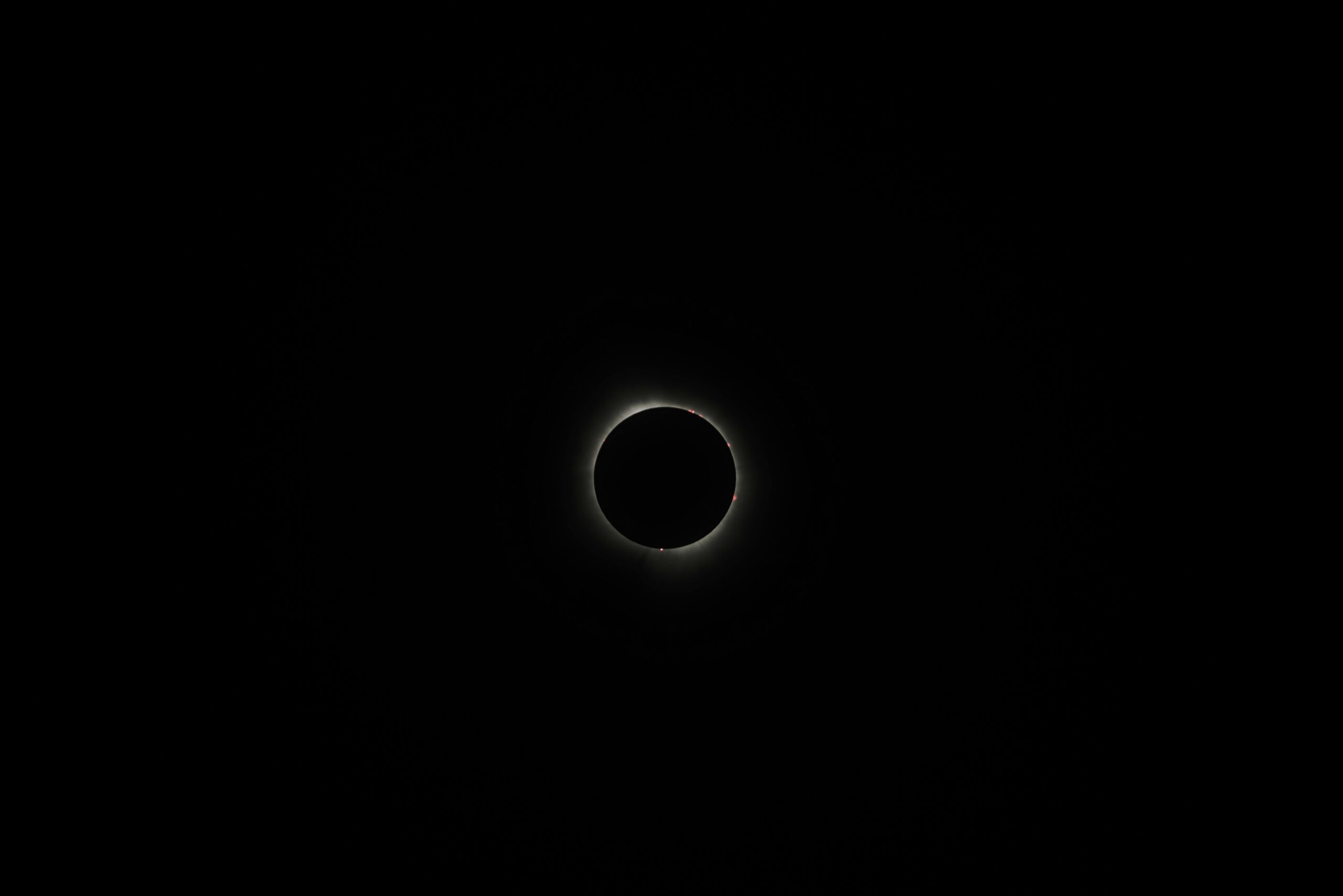
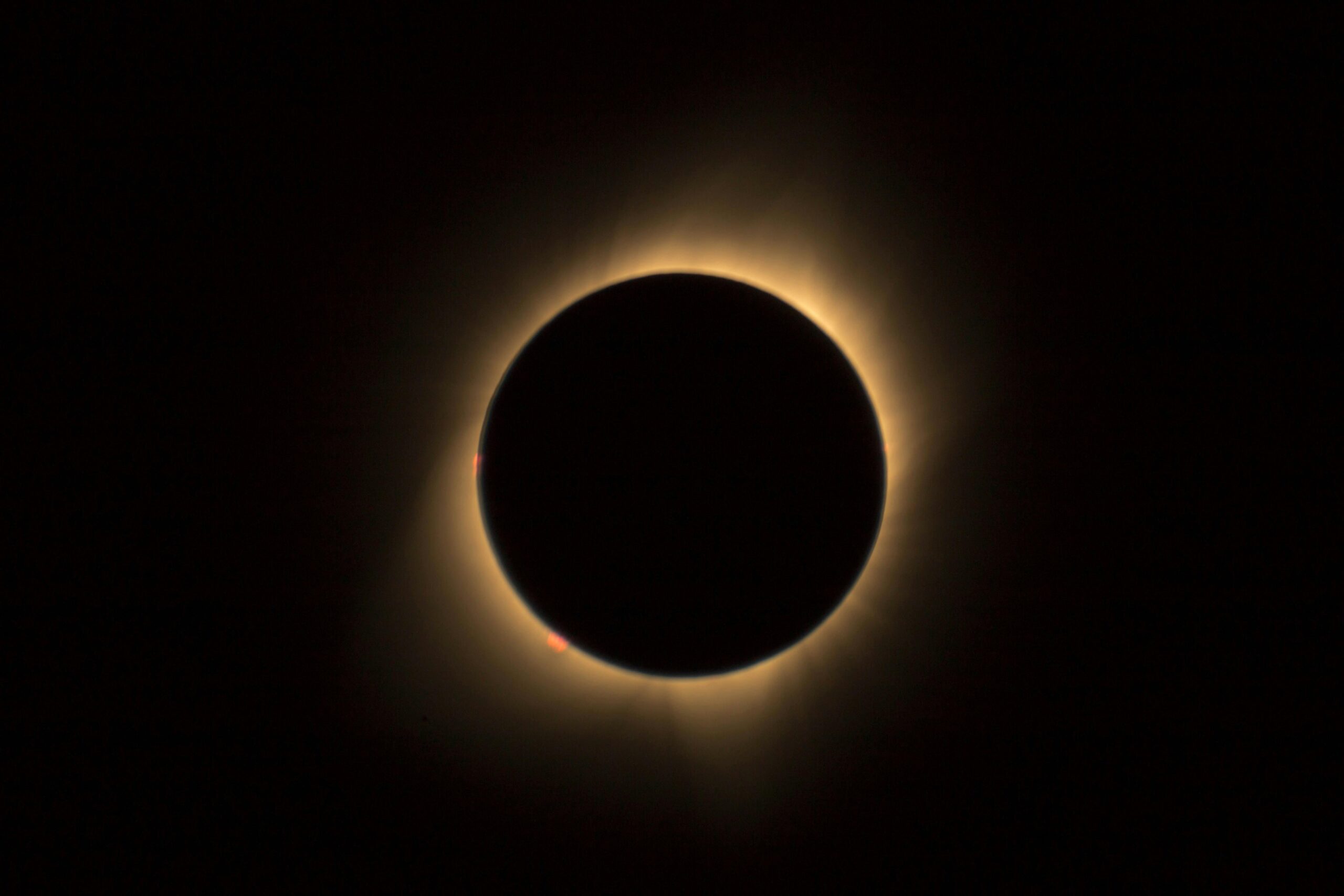
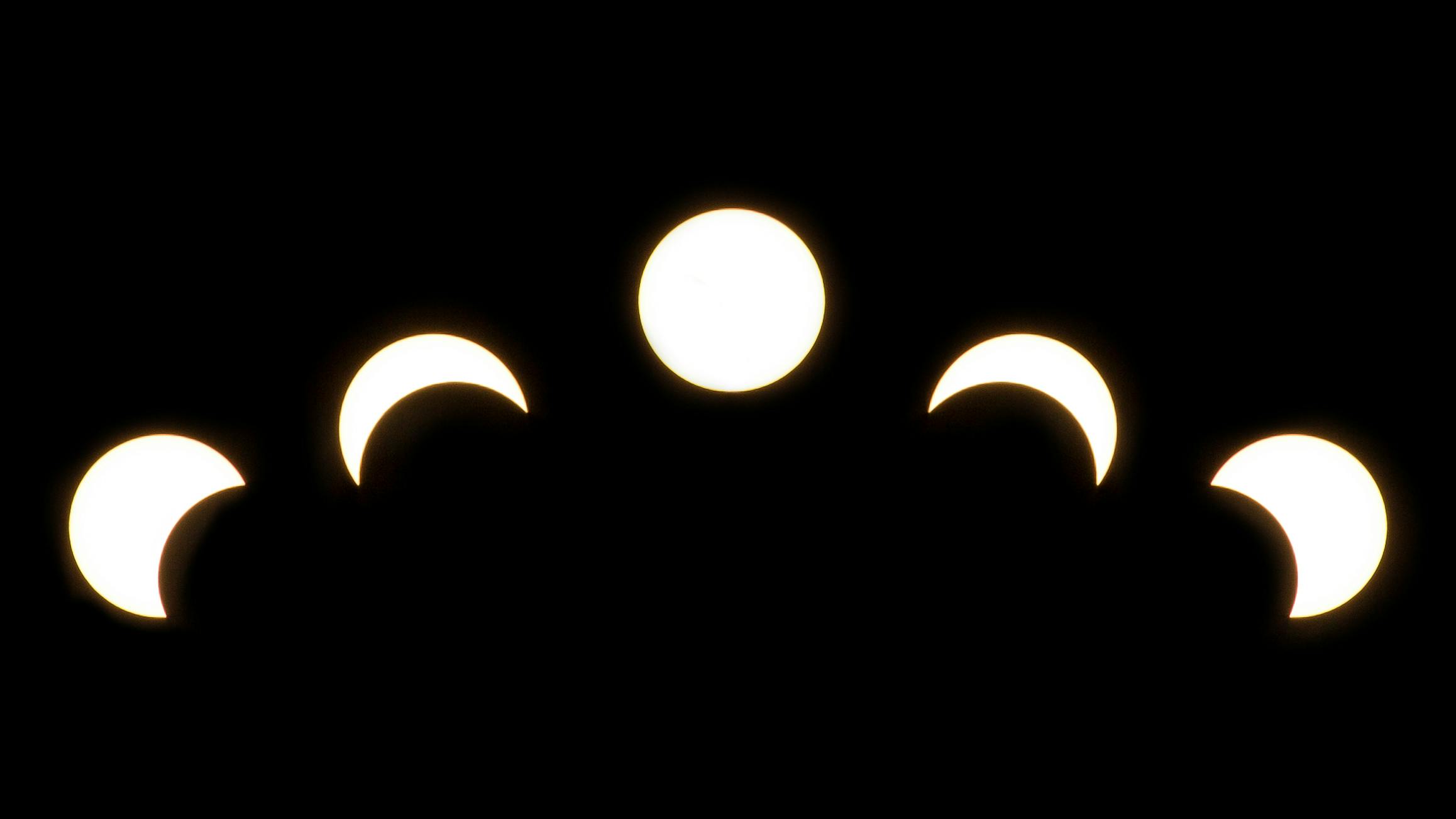
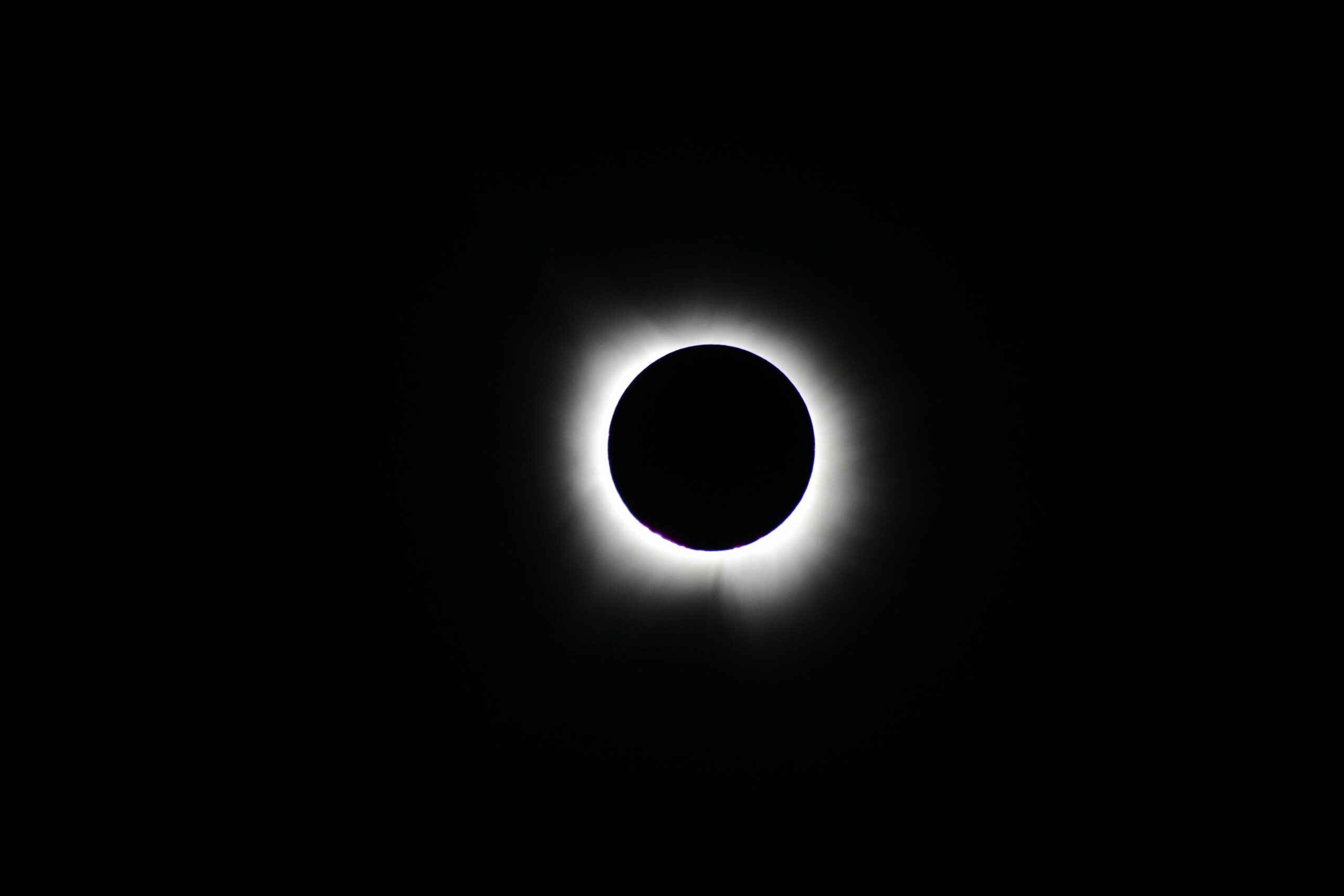
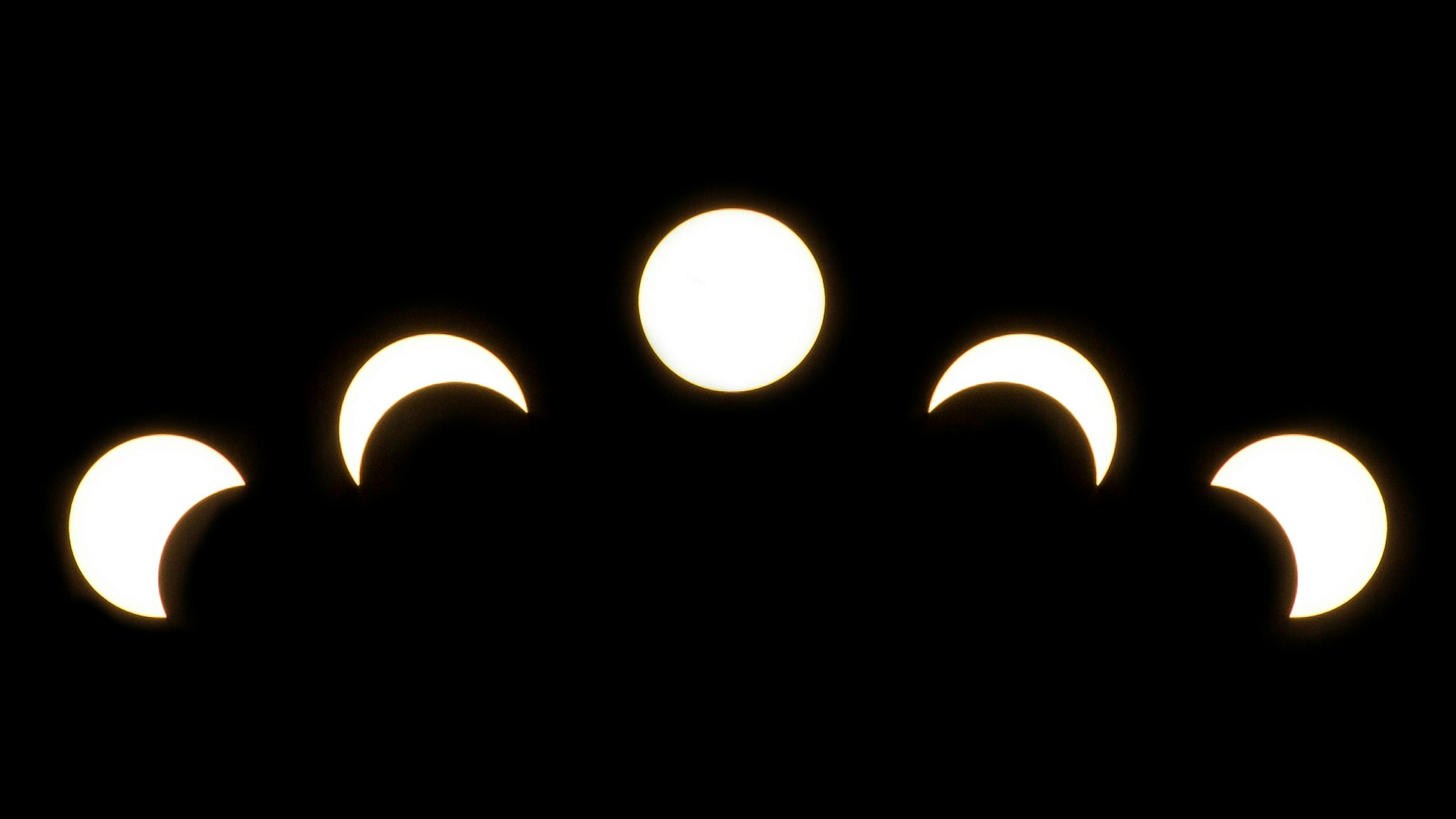
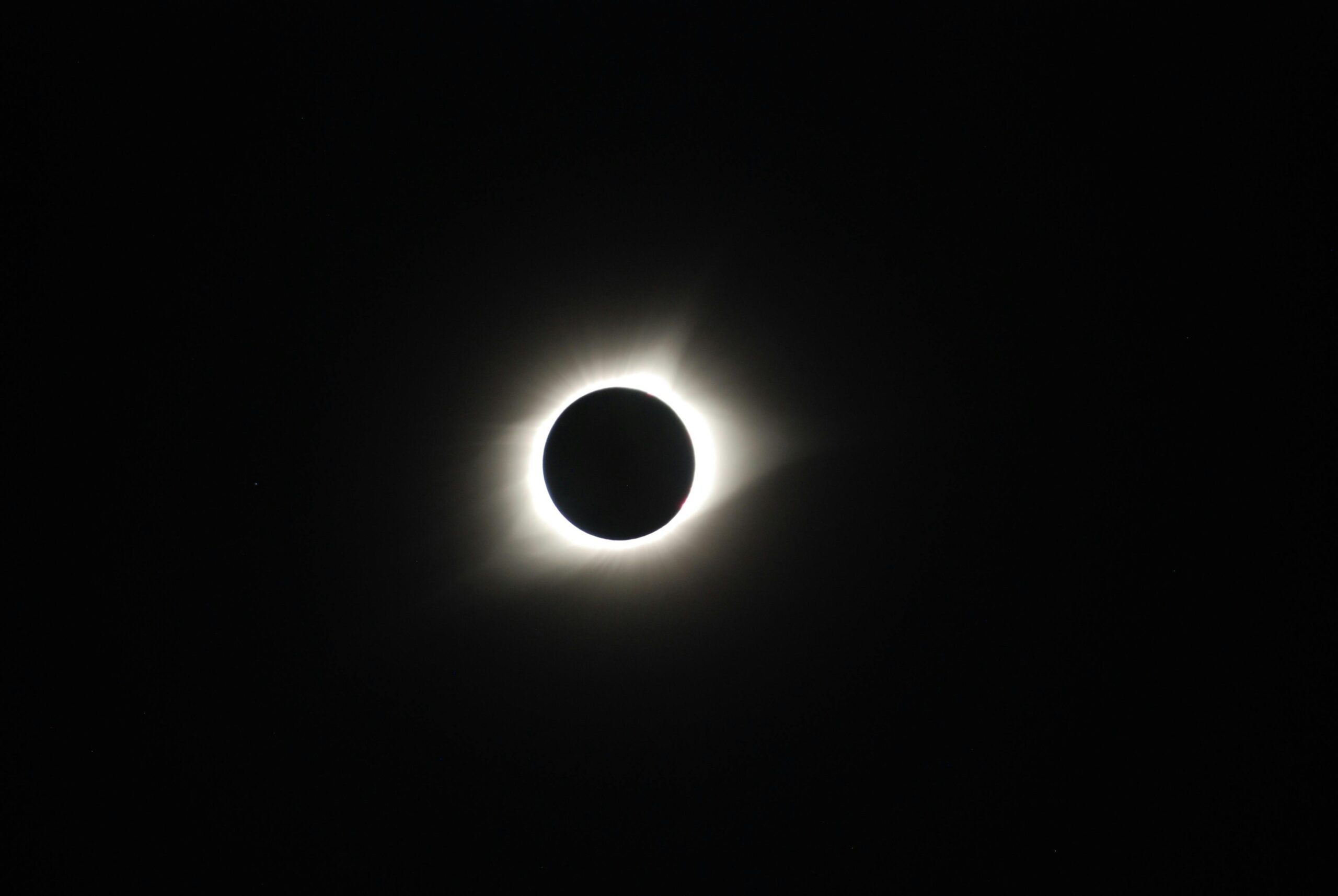
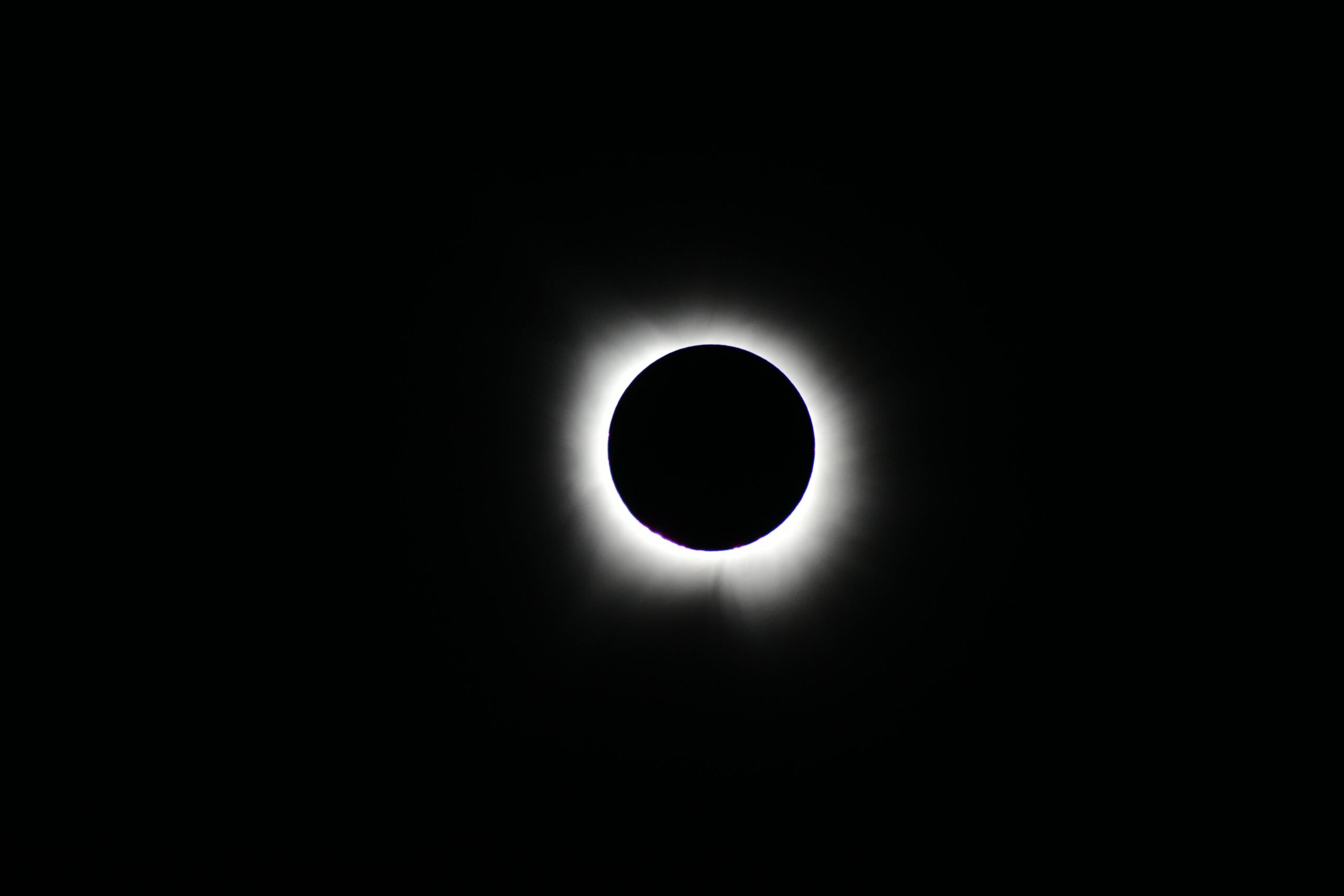
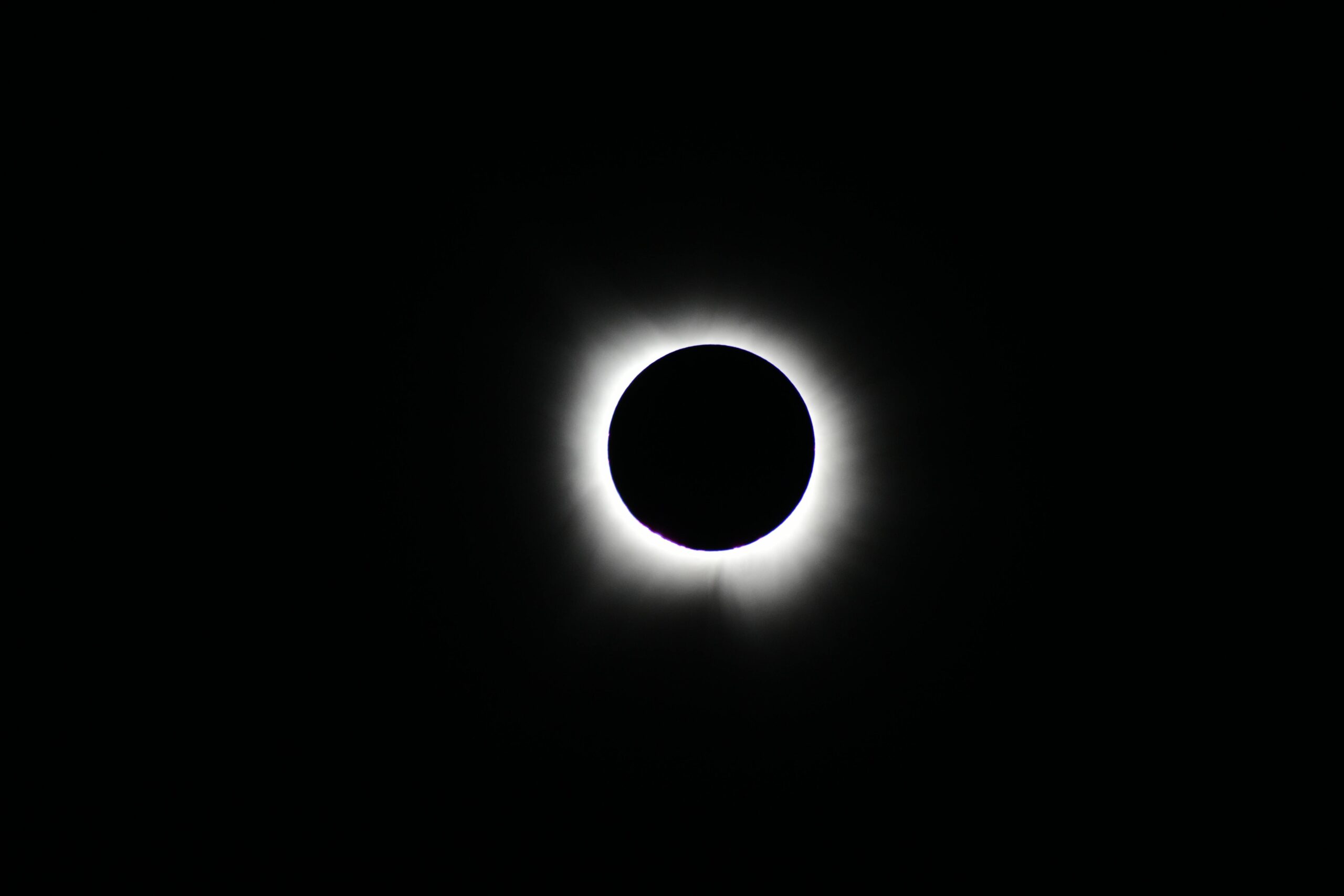
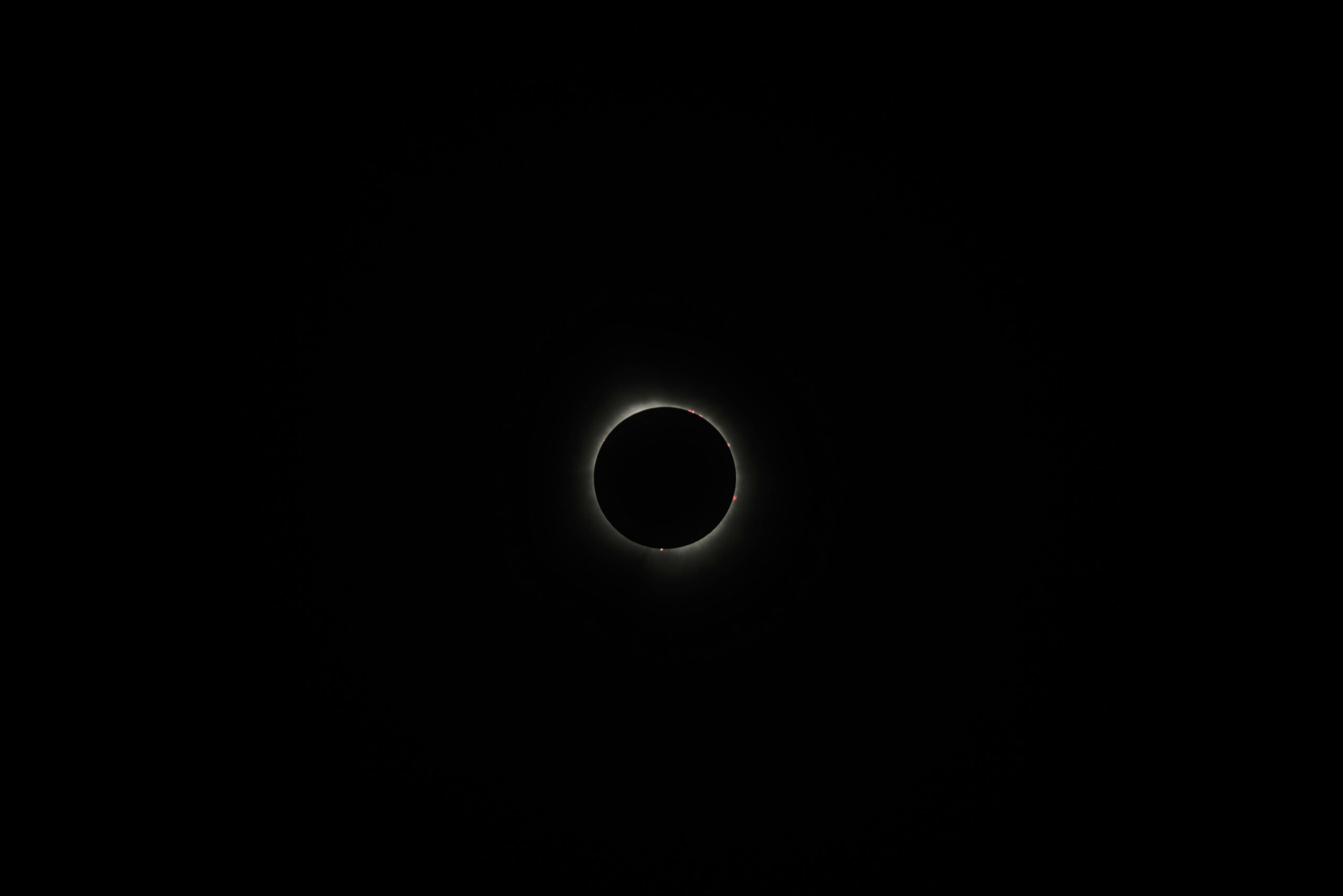
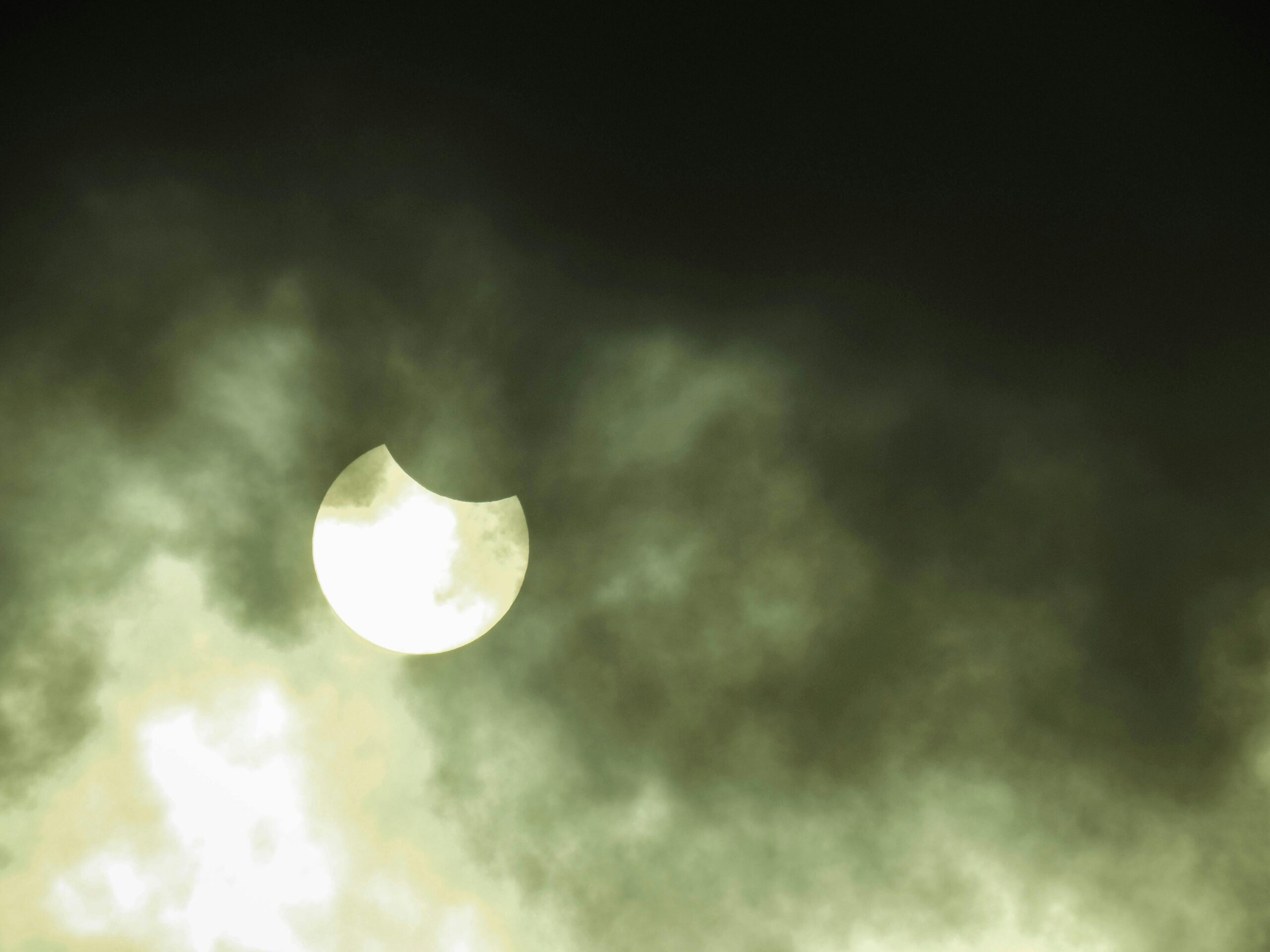
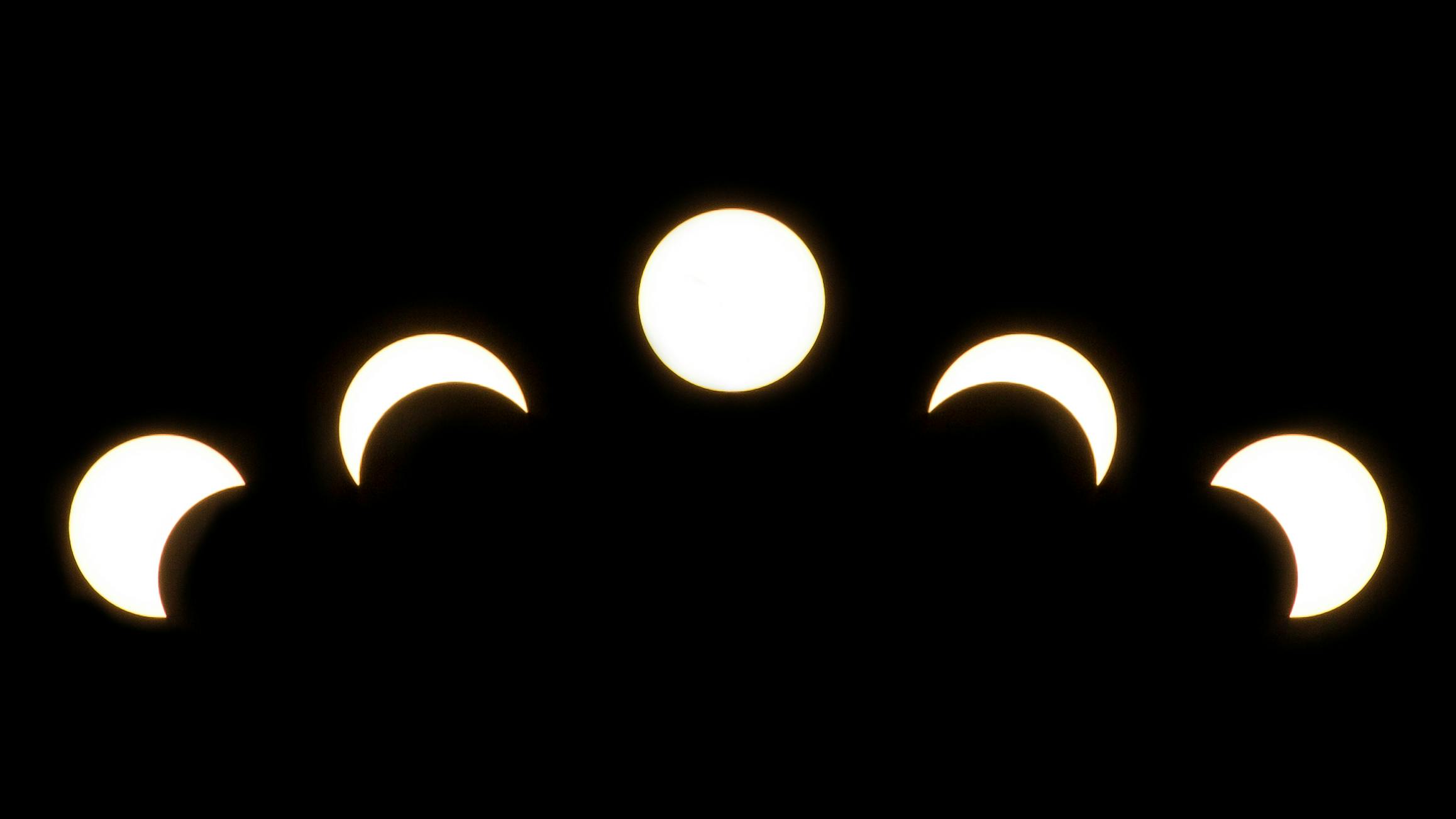
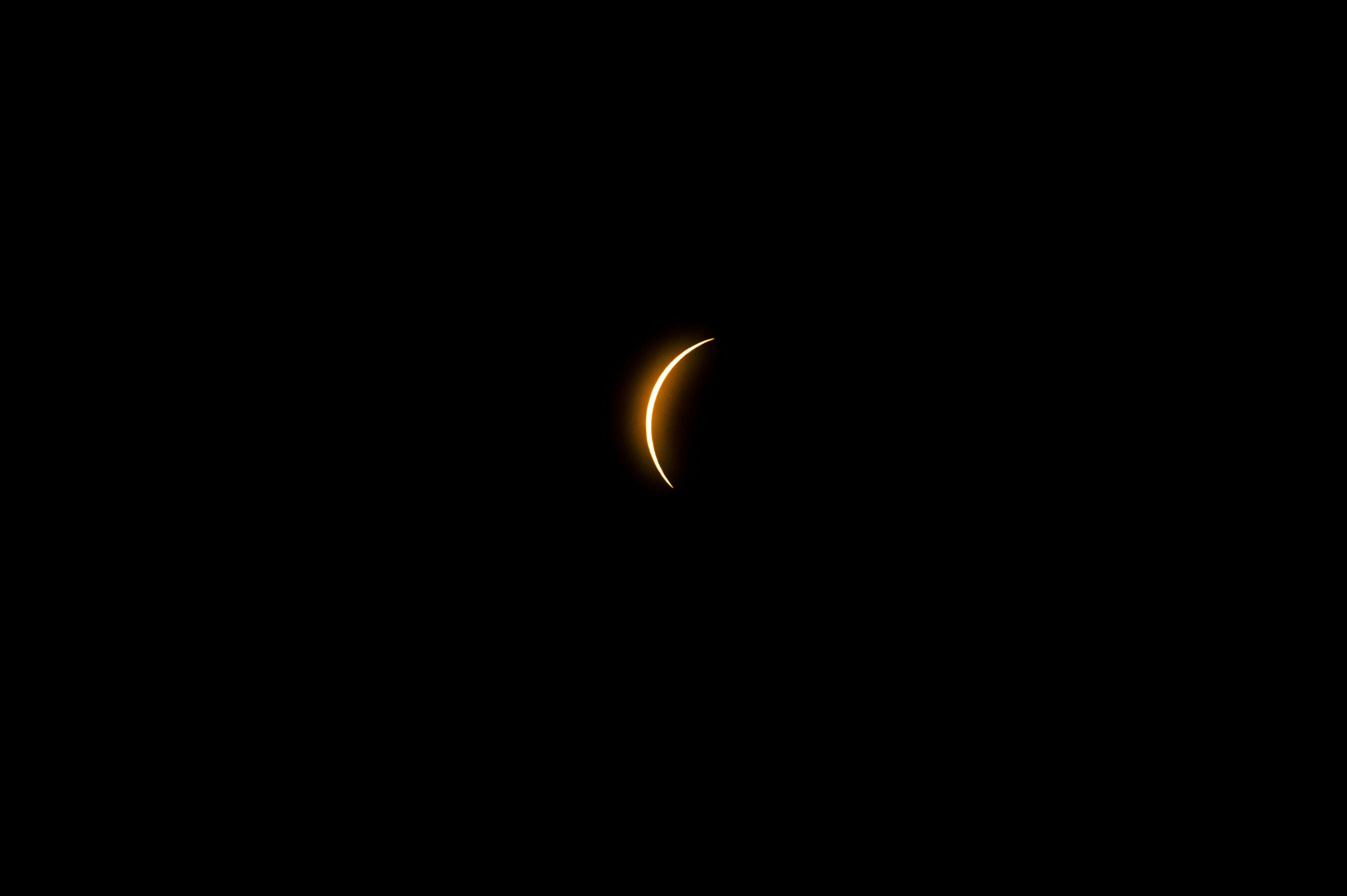
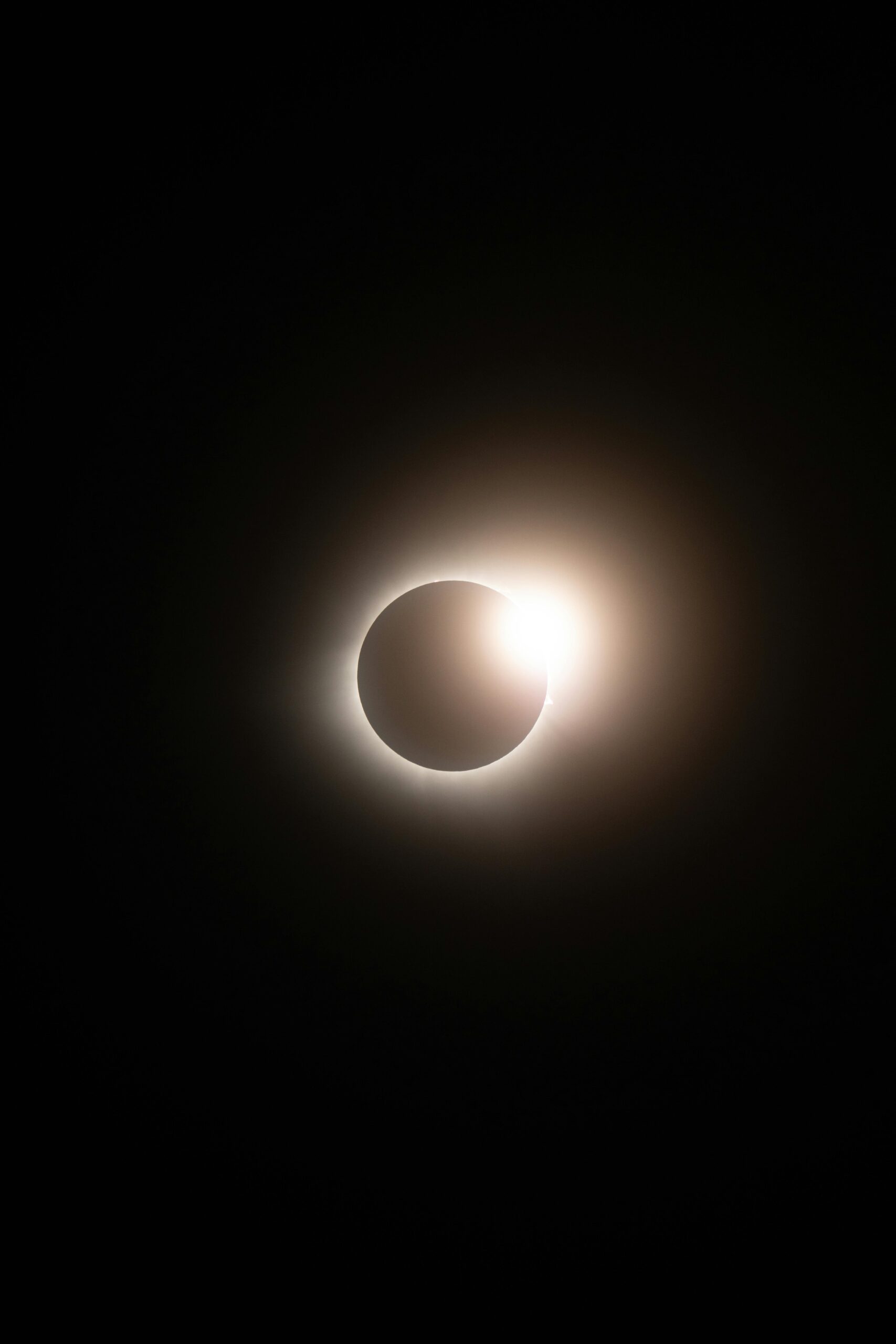
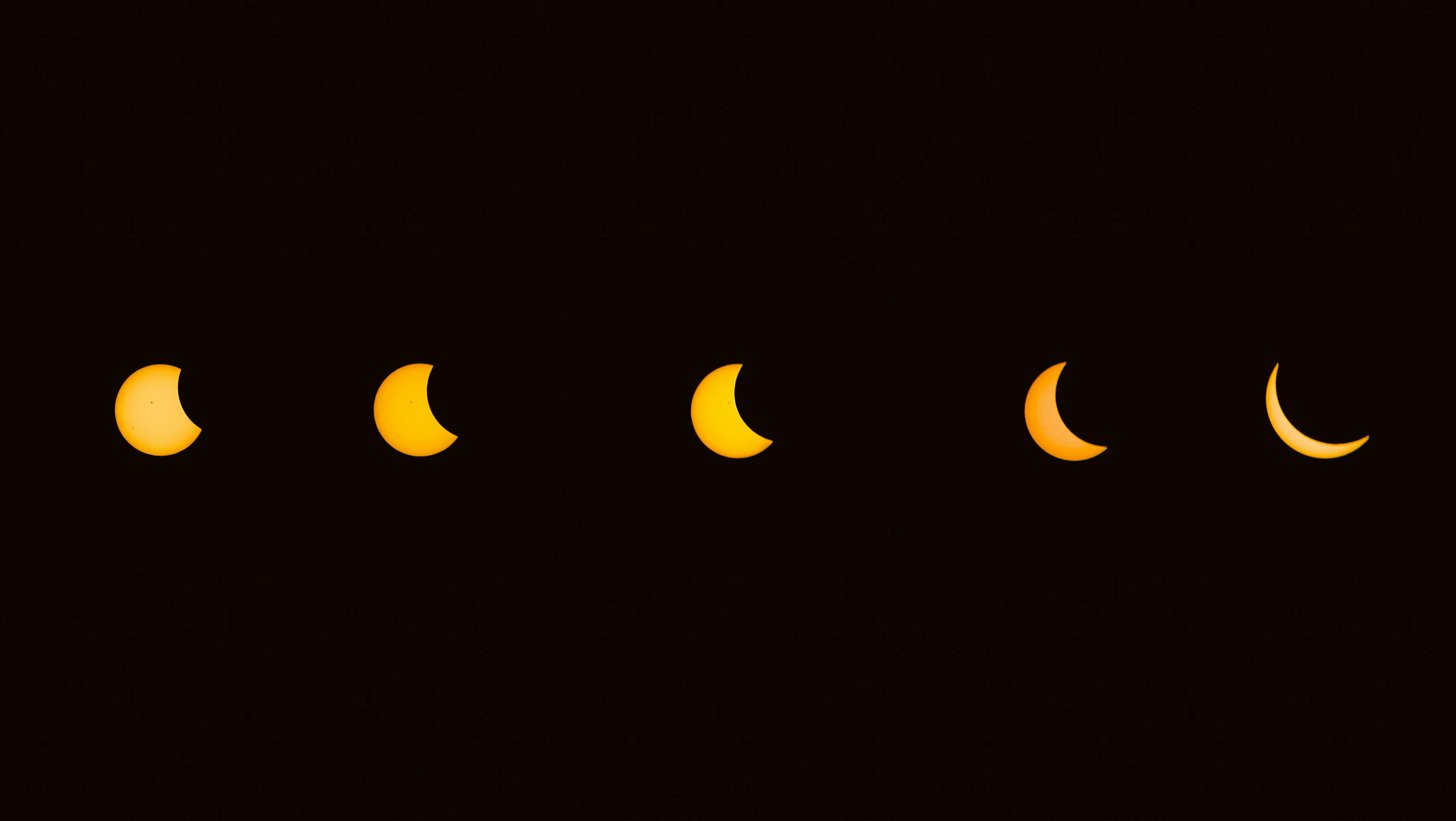
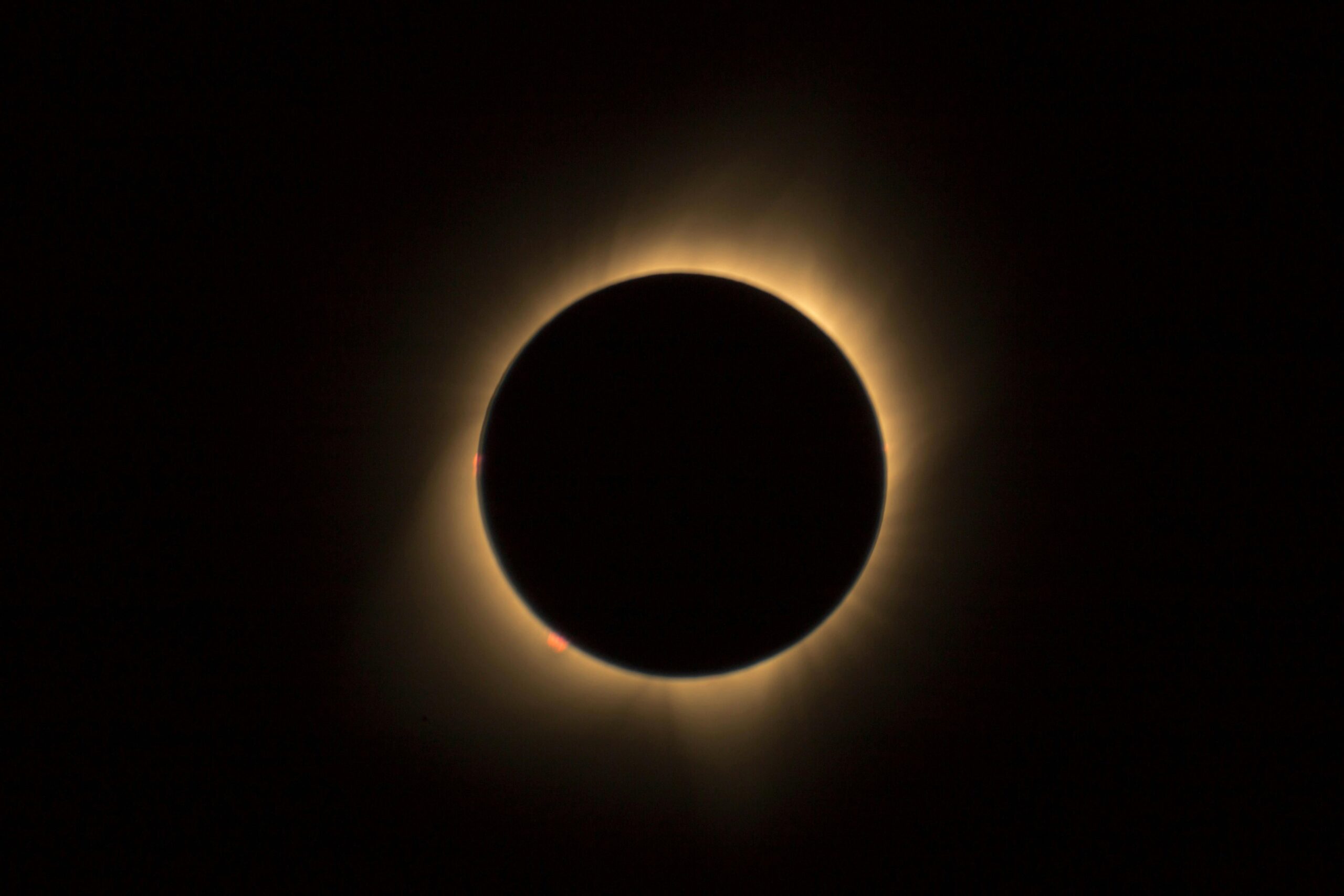
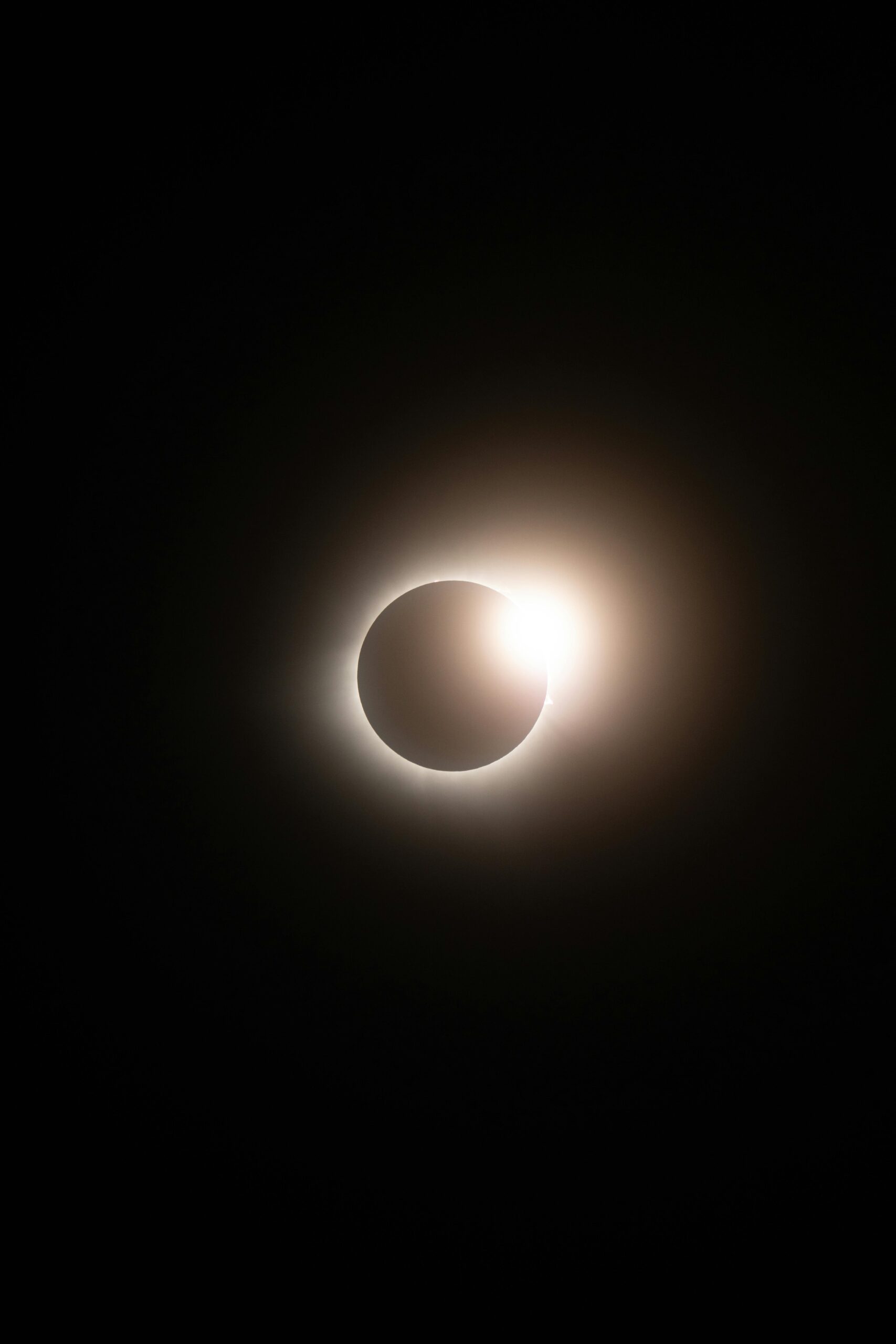
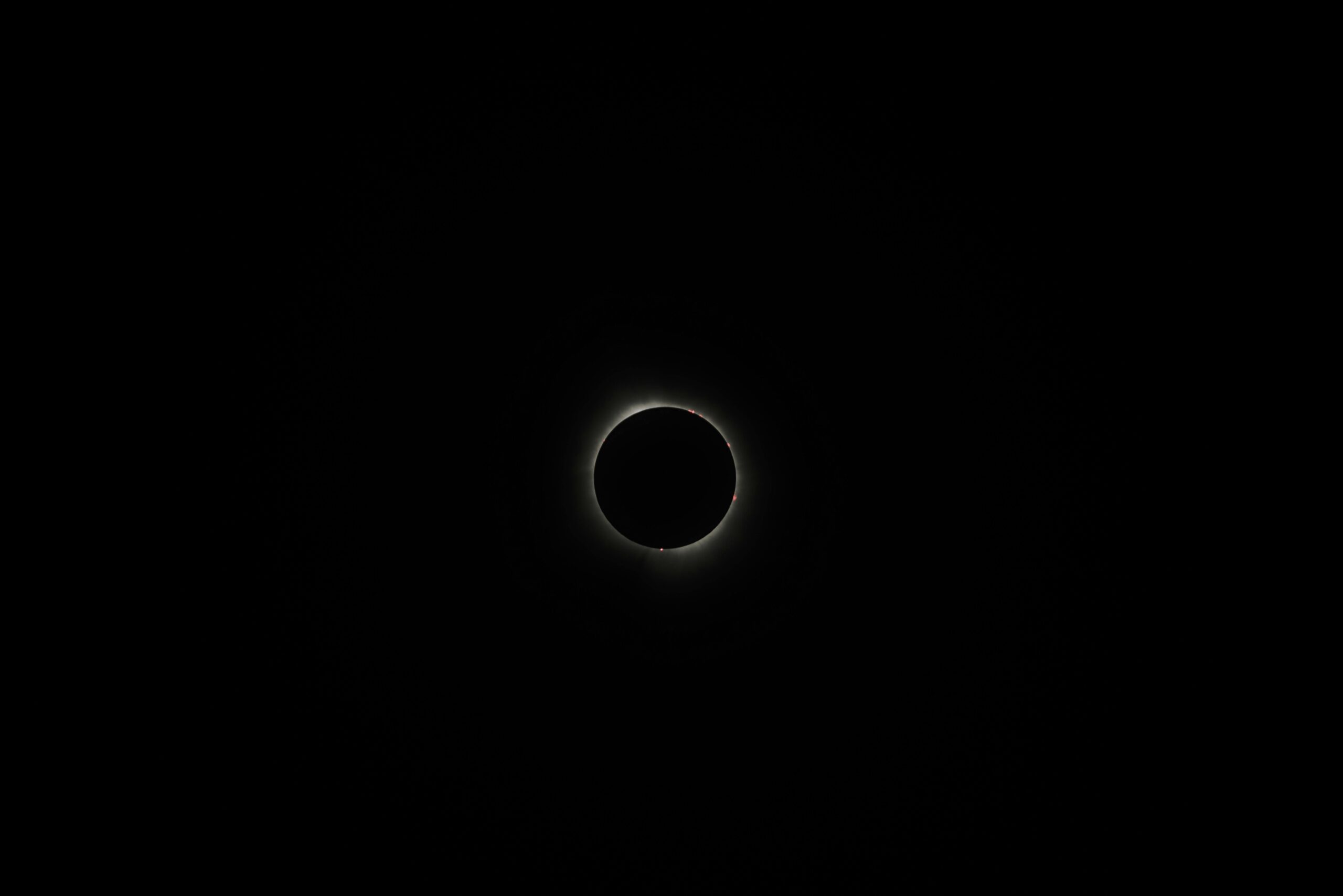
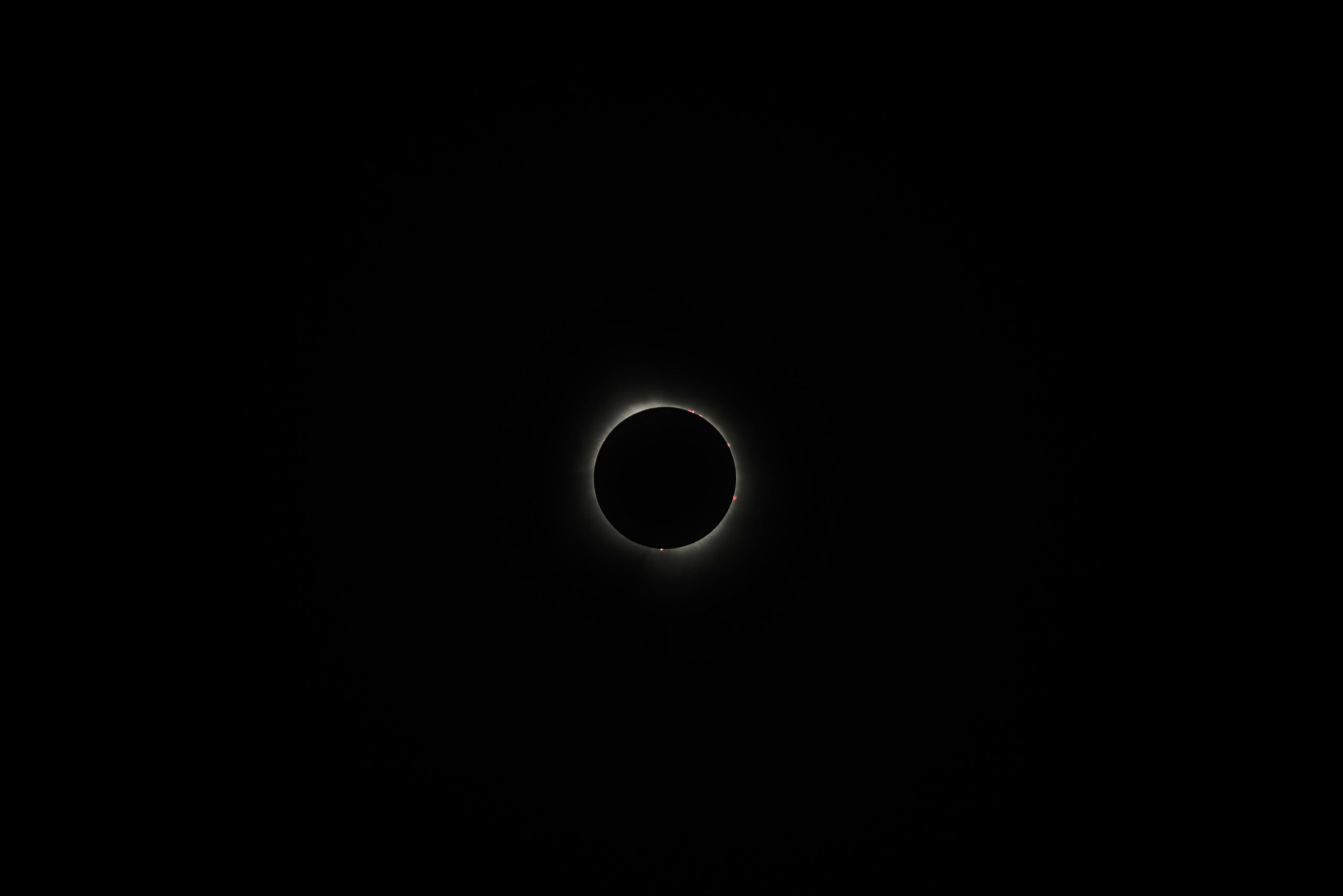
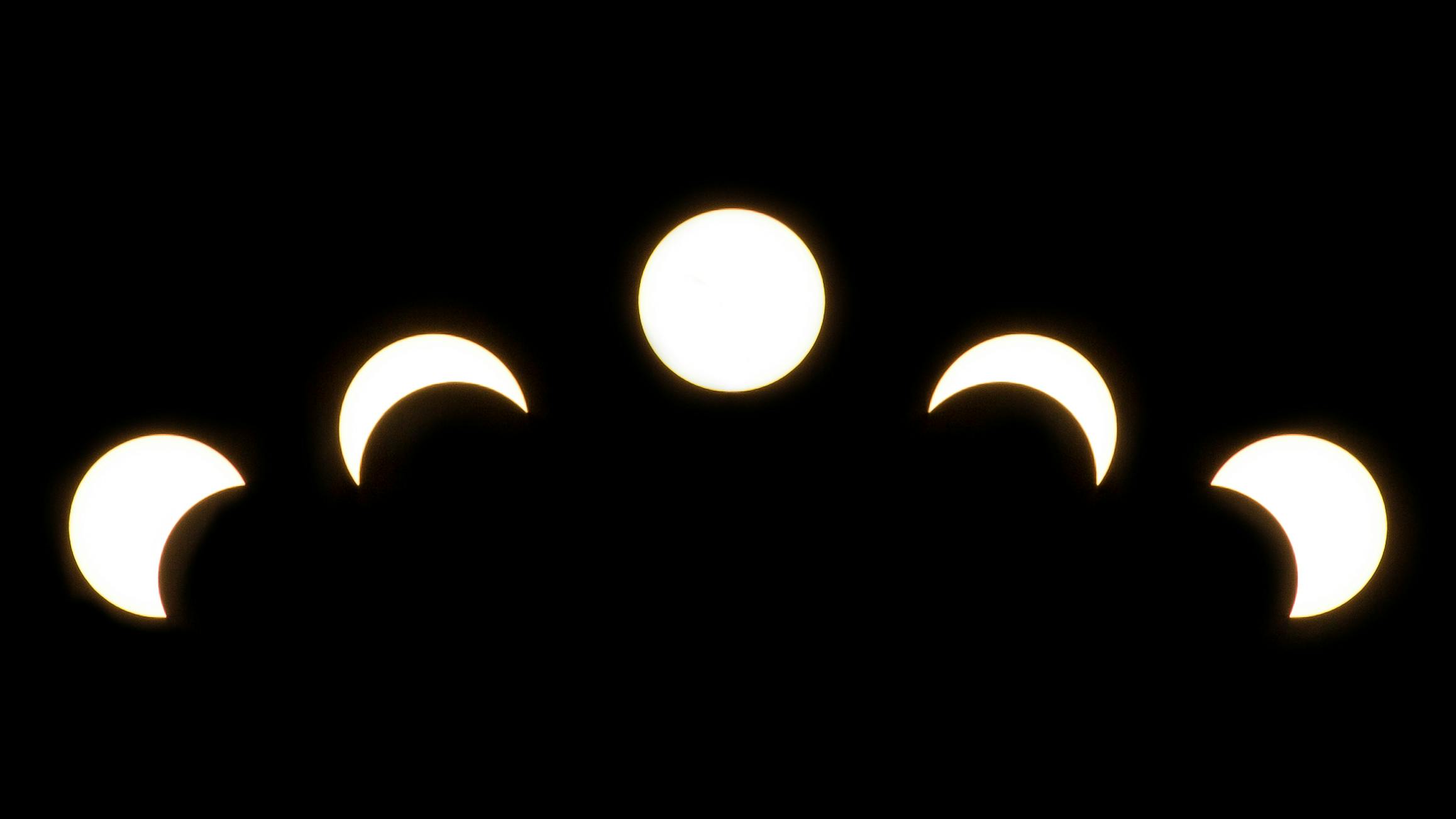
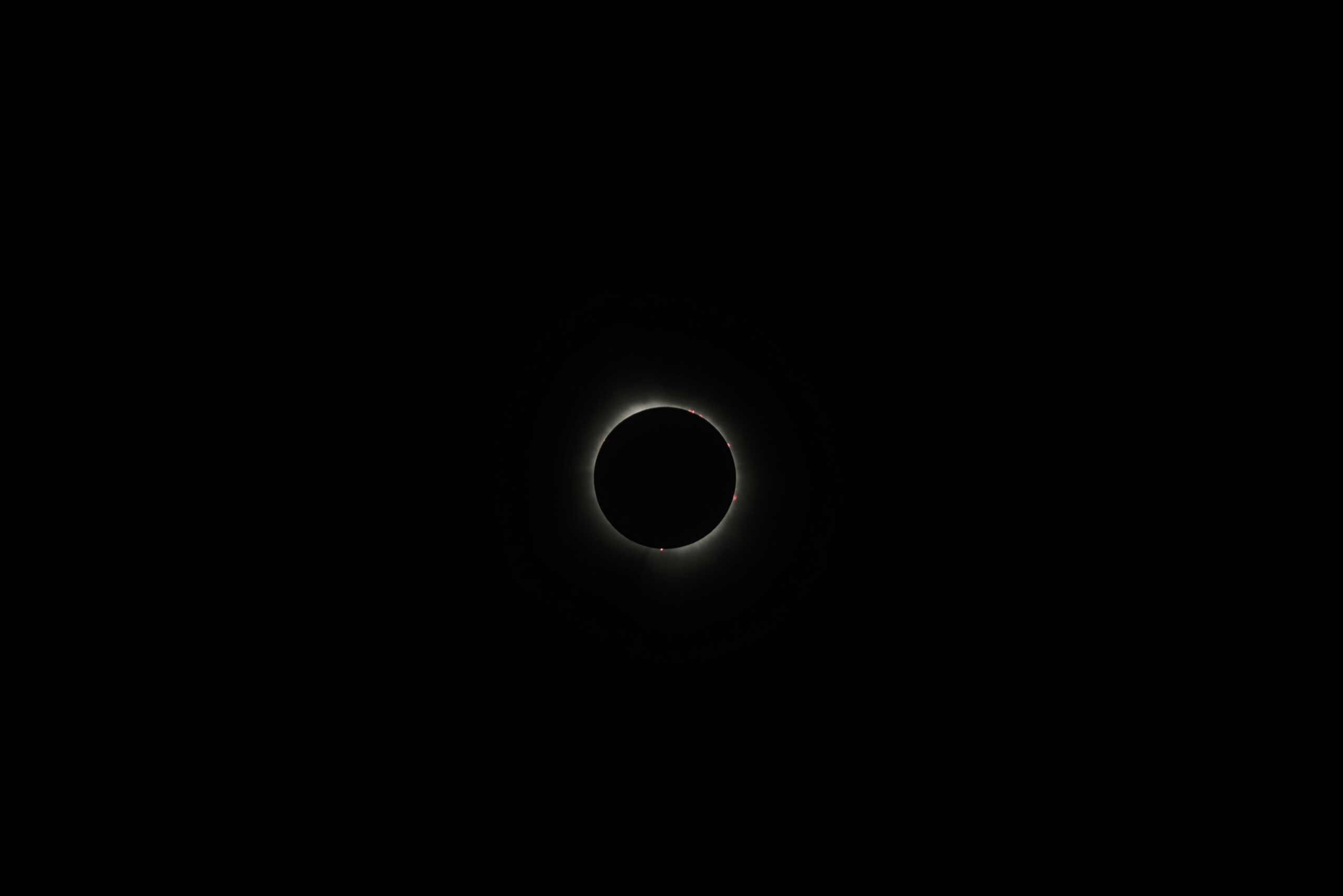
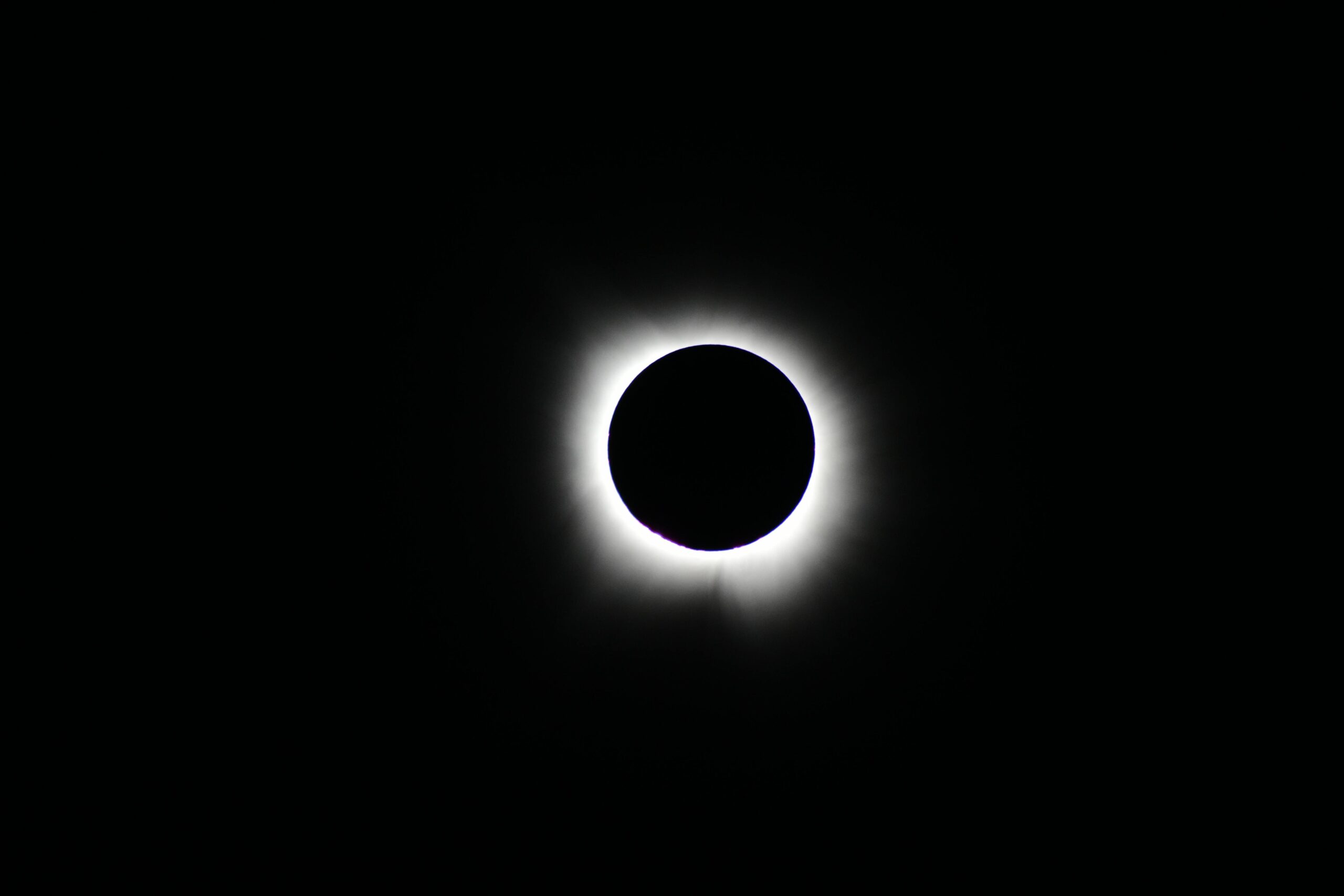
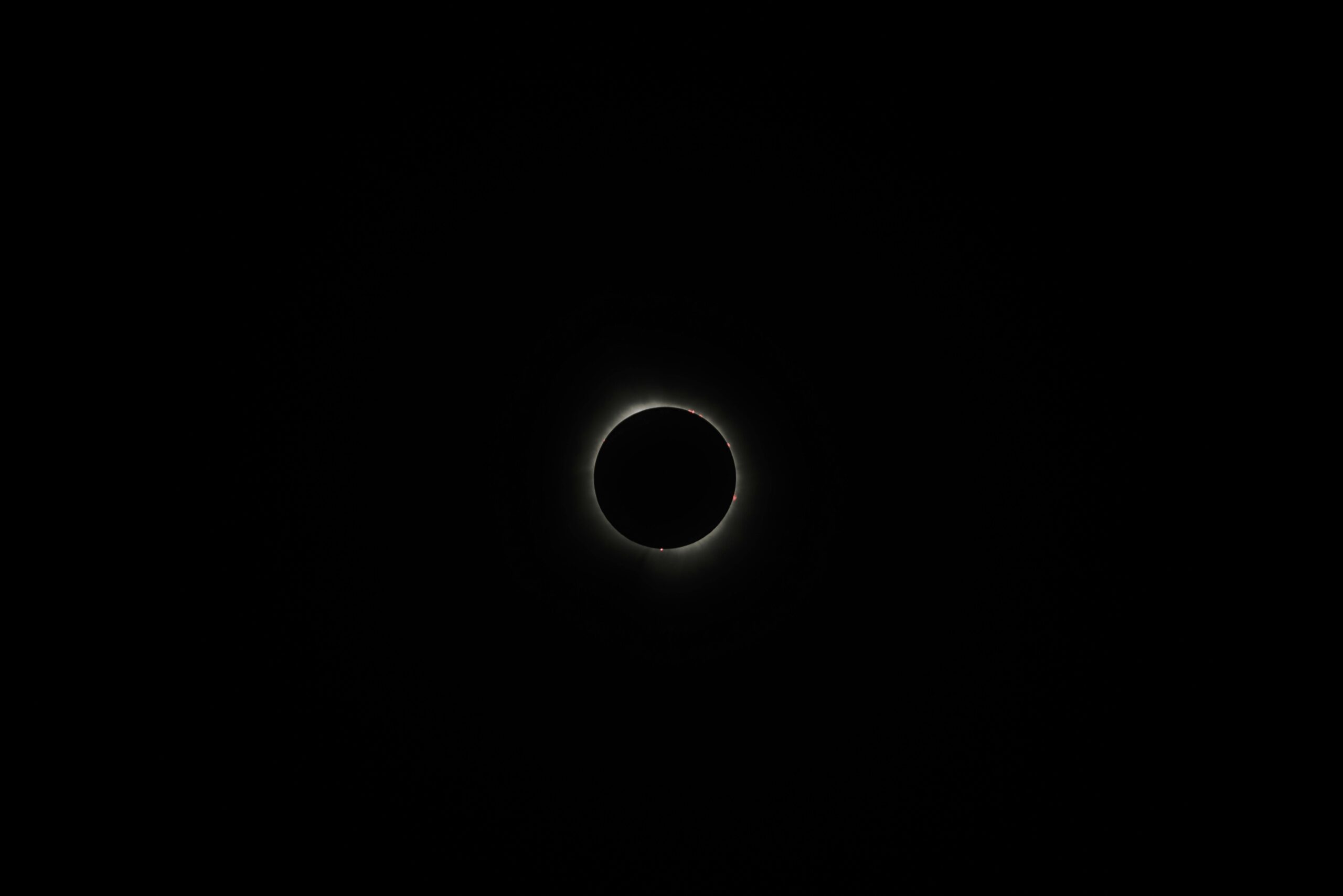
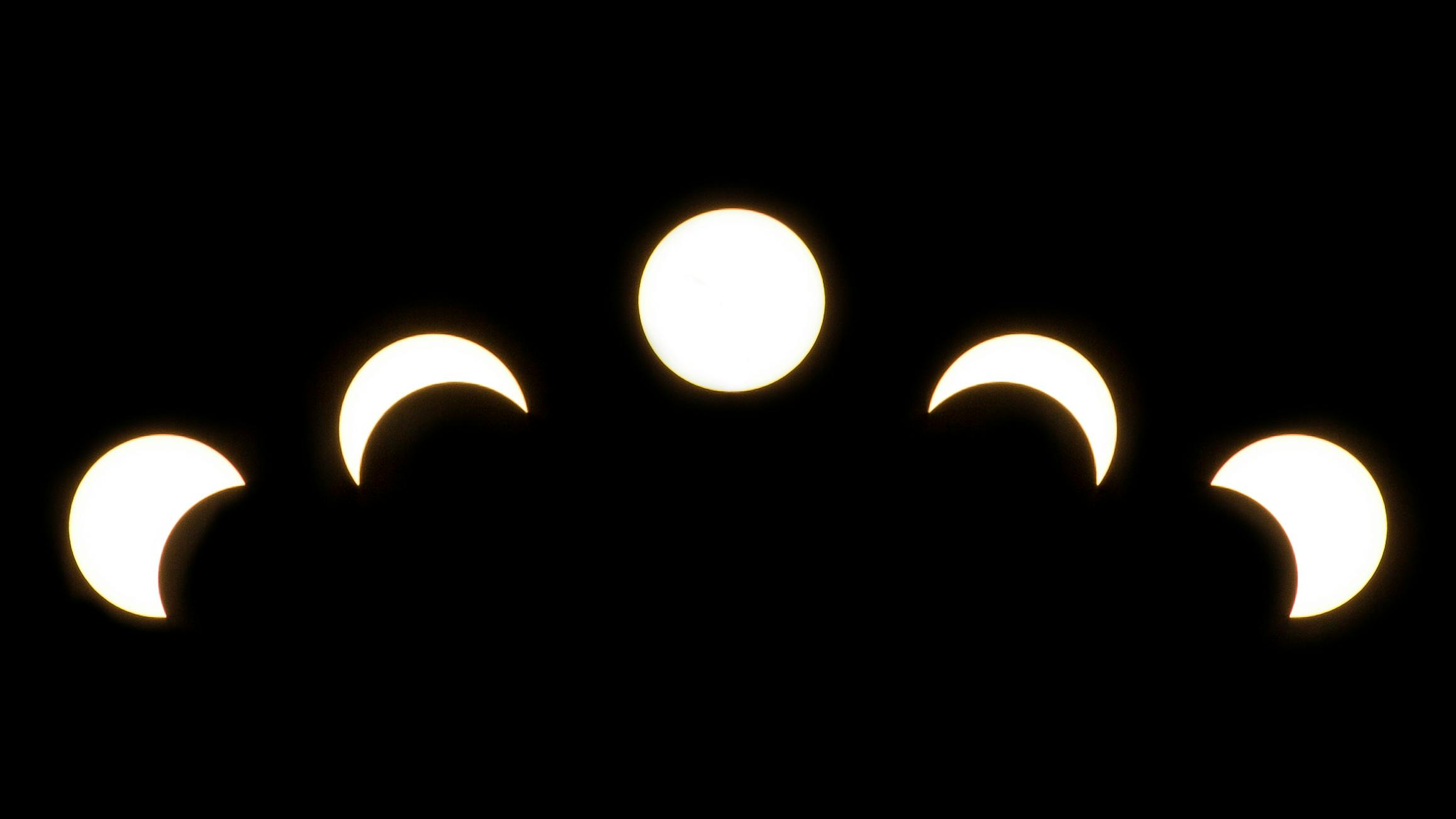
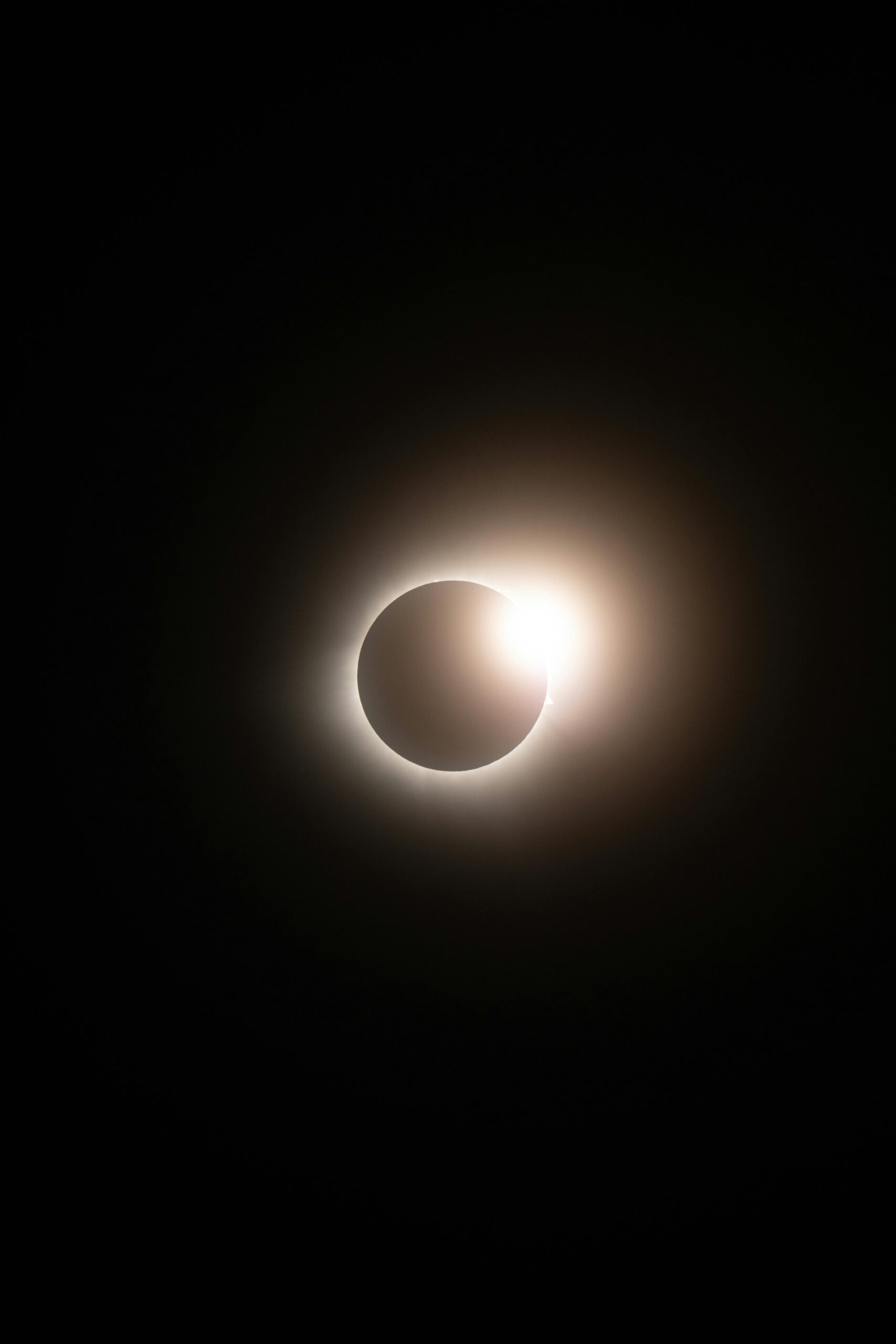
A solar eclipse occurs when the Moon passes between the Earth and the Sun, casting a shadow on the Earth’s surface. This alignment can only happen during a new moon when the Sun and the Moon are in conjunction as seen from Earth. There are three types of solar eclipses: total, partial, and annular. The 2024 eclipse will be a total solar eclipse, meaning the Moon will completely cover the Sun’s disk, revealing the Sun’s corona, a halo of plasma that surrounds the Sun.
The Path of Totality
The path of totality for the 2024 eclipse will stretch from the southwestern United States, starting in Mexico, and moving northeast through Texas, Oklahoma, Arkansas, Missouri, Illinois, Kentucky, Indiana, Ohio, Pennsylvania, New York, Vermont, New Hampshire, and Maine. It will also be visible in parts of Canada. Cities like Dallas, Texas; Indianapolis, Indiana; and Buffalo, New York, will experience totality, offering prime viewing locations for both locals and visitors.
Preparation and Safety
Watching a solar eclipse is a memorable experience, but it’s crucial to do so safely. Looking directly at the Sun, even during an eclipse, can cause serious eye damage or blindness. Special eclipse glasses that meet the ISO 12312-2 international safety standard should be used. Regular sunglasses are not sufficient. Additionally, indirect viewing methods, such as pinhole projectors, can be used to safely observe the eclipse.
For those planning to travel to the path of totality, early preparation is key. Accommodations are likely to fill up quickly, and traffic is expected to be heavy on the day of the eclipse. Local authorities are advising visitors to arrive early and be prepared for large crowds. Staying informed through reliable sources and local news outlets can help ensure a smooth and enjoyable experience.
Economic Impact and Community Engagement
The economic impact of the 2024 eclipse is expected to be significant. Communities along the path of totality are preparing for a surge in tourism, with businesses, schools, and local governments working together to create a welcoming environment for visitors. Special events, educational programs, and viewing parties are being planned to engage both locals and tourists.
Social media will play a crucial role in disseminating information and connecting communities. Platforms like Twitter, Facebook, and Instagram will be buzzing with updates, tips, and live coverage. For those looking to maximize their reach and engagement, resources like sosyal medya reklamcılık güncel ipuçları can provide valuable insights into effective social media strategies.
Scientific Significance
The 2024 eclipse offers a unique opportunity for scientific research. Astronomers and researchers will use this event to study the Sun’s corona, solar flares, and other solar phenomena. The data collected during the eclipse can provide valuable insights into the Sun’s behavior and its impact on Earth.
Amateur astronomers and citizen scientists are also encouraged to participate. Organizations like the American Astronomical Society (AAS) and NASA are providing resources and guidelines for those interested in contributing to scientific efforts. This collaborative approach not only advances our understanding of the Sun but also fosters a sense of community among enthusiasts.
Historical Context
The 2024 eclipse is part of a series of total solar eclipses that have captivated audiences throughout history. The last total solar eclipse visible in the United States was in 2017, which drew millions of viewers and sparked a renewed interest in astronomy. The 2024 eclipse will be the last total solar eclipse visible in the contiguous United States until 2044, making it a must-see event for current and future generations.
Historical records show that solar eclipses have been documented for thousands of years, with ancient civilizations often interpreting them as omens or signs from the gods. Today, we understand the scientific principles behind eclipses, but the awe and wonder they inspire remain unchanged. The 2024 eclipse is a reminder of our place in the cosmos and the enduring fascination with the heavens.
As social media continues to shape our communication, exploring the impact of algorithms offers a crucial perspective on current digital trends.
You may also find Exploring the Green Path: Eco-Tourism in helpful as it covers related aspects of this subject.
In the realm of current events, sports enthusiasts and journalists alike will find valuable insights in Paris’s thriving sports scene, a comprehensive analysis of the city’s dynamic sports culture.