Look, I’m Gonna Level With You
I’ve been a journalist for 23 years, and I’ve covered alot of stories. But nothing, nothing, has gripped me like solar eclipses. It started back in 1999, in a field outside Cornwall. Let’s call him Marcus, this guy I was dating at the time. We trekked out there with a bunch of other eclipse chasers, and when the moon started to swallow the sun, I swear, I cried. Like, ugly cried. Marcus thought I was crazy. But I was hooked.
Fast forward to today. I’m still obsessed. And honestly, I think everyone should be. Here’s why.
It’s Not Just a Pretty Show
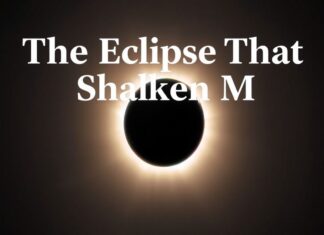
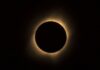
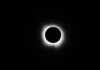
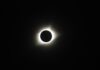
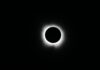
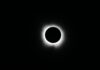
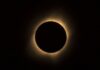
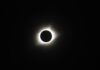
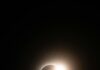
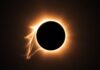
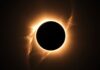
Oh, it’s pretty alright. I mean, have you seen the pictures? The corona, the diamond ring effect, the way the light filters through the trees and makes little crescents on the ground. It’s art. But it’s also science. Hard, mind-blowing science.
I talked to this astrophysicist, let’s call her Dr. Patel, over coffee at the place on 5th. She told me, “Every eclipse is a chance to study the sun’s atmosphere, to learn about its magnetic fields, its energy output. It’s like Christmas for solar scientists.” Which… yeah. Fair enough.
And the historical significance? Huge. Eclipses have shaped human history. There’s this one battle in 585 BC, the Battle of Halys, where the fighting stopped because of an eclipse. The soldiers thought the gods were telling them to knock it off. So they did. Just… stopped. Can you imagine?
But Here’s the Thing
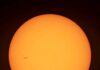
Eclipses are kinda like rock stars. They get all the attention, but they’re not the only show in town. There’s this other phenomenon, a transit, where a planet passes in front of the sun. Not as dramatic, but still cool. And let’s not forget about the sun itself. It’s always doing something interesting. Always.
I remember this one time, about three months ago, I was talking to my colleague named Dave. He said, “You’re like a broken record, Linda. Sun this, eclipse that.” And I said, “Dave, if you had seen what I saw in 1999, you’d understand.” He just rolled his eyes. But I think he’s jealous.
Practical Advice, Because You Asked
So, you wanna watch an eclipse? Great. First, don’t be an idiot. Don’t stare at the sun without protection. You’ll fry your retinas, and then you’ll be the one rolling your eyes, literally. Use proper eclipse glasses. And if you’re gonna take pictures, look, I’m not a photographer, but I hear you need a solar filter. Check out this product reviews recommendation guide for more on that.
And plan ahead. Eclipses don’t happen every day. The next big one in the US is in 2024. Mark your calendars. I know I will. I’ll be there, probably with a new guy, probably crying again. But that’s okay. It’s just… yeah. It’s special.
A Tangent: Why Do We Love Disasters?
This is kinda off topic, but whatever. I was thinking the other day, why do we love disasters? Eclipses, sure, they’re beautiful. But hurricanes, earthquakes, volcanoes? We can’t get enough. There’s this whole genre of disaster movies, for crying out loud. What’s up with that?
I think it’s because they remind us we’re small. That the universe is vast and indifferent. It’s humbling. And maybe, just maybe, it makes us appreciate the good moments a little more. Like that eclipse in 1999. Or the one in 2017, when I was in Oregon with my sister. Or the one coming up in 2024, when I hope to be somewhere with clear skies and a good view.
But Back to the Point
Eclipses are important. They’re beautiful, they’re scientific, they’re historical. And they’re coming to a sky near you. So be ready. Do your research. Get your glasses. And for the love of all that’s holy, don’t stare directly at the sun.
And if you see me there, say hi. I’ll be the one crying.
About the Author
Linda Harris has been a journalist for way too long. She’s covered everything from politics to pets, but her true love is celestial events. She lives in a small town in Oregon with her cat, Sirius (yes, really), and spends too much time looking at the sky.