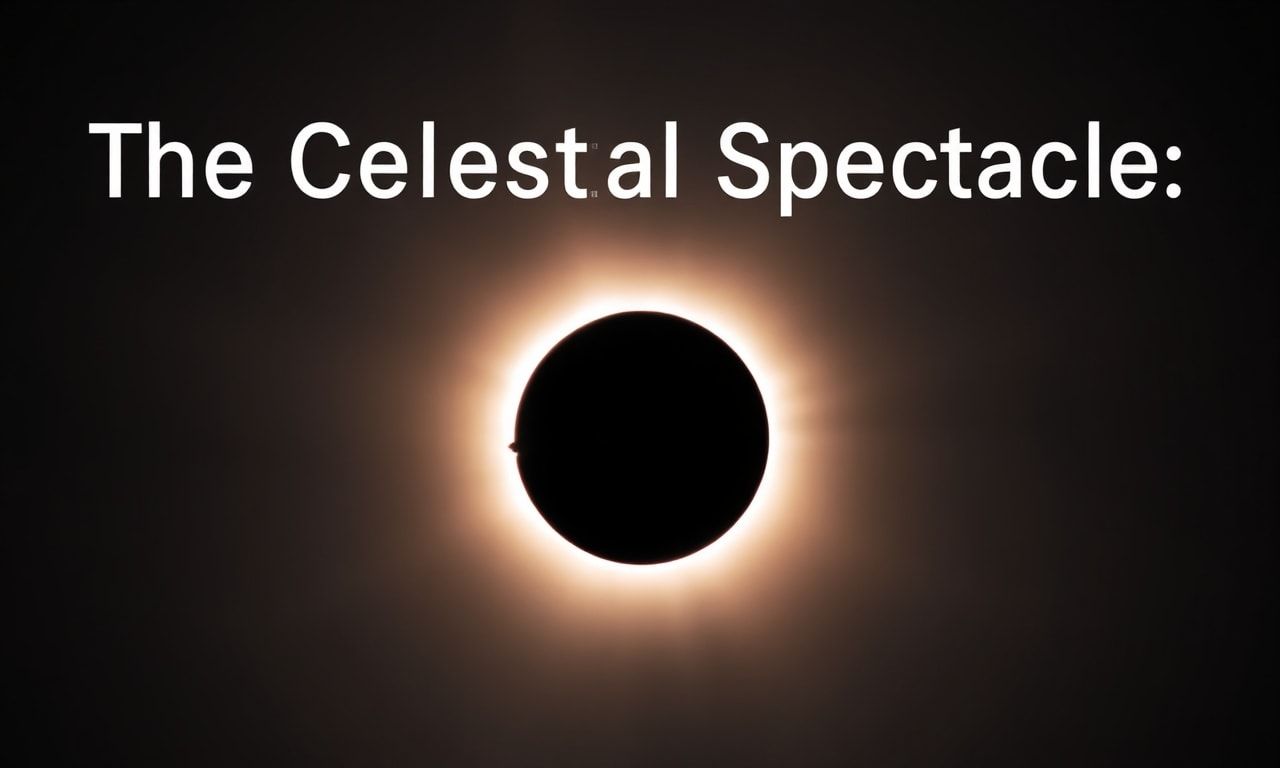
The Celestial Spectacle: Understanding the Solar Eclipse Phenomenon
A solar eclipse is one of the most awe-inspiring natural phenomena that captivate the imagination of people worldwide. This celestial event occurs when the Moon passes between the Earth and the Sun, obscuring the Sun either partially or completely. The upcoming solar eclipse has generated significant buzz, with enthusiasts and scientists alike preparing for the event. Understanding the science behind solar eclipses, their historical significance, and how to view them safely can enhance the experience for anyone interested in this remarkable event.
The Science Behind Solar Eclipses
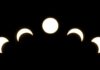
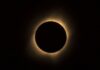
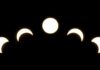
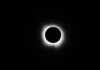
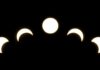
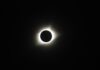
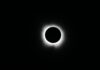
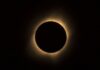
Solar eclipses occur due to the unique alignment of the Sun, Moon, and Earth. The Moon’s orbit around the Earth is tilted by about 5 degrees relative to the Earth’s orbit around the Sun. This tilt means that the Moon usually passes above or below the line connecting the Earth and the Sun. However, when the alignment is just right, the Moon casts a shadow on the Earth, creating a solar eclipse. There are three types of solar eclipses: total, partial, and annular. A total solar eclipse occurs when the Moon completely covers the Sun, revealing the Sun’s corona. A partial solar eclipse happens when only a part of the Sun is obscured, and an annular eclipse occurs when the Moon is too far from the Earth to completely cover the Sun, resulting in a ring of sunlight around the Moon.
The frequency of solar eclipses is a subject of great interest. On average, a solar eclipse occurs about every 18 months. However, the visibility of these eclipses varies greatly depending on the observer’s location. Total solar eclipses, in particular, are rare events for any given location. For example, any specific point on the Earth’s surface may experience a total solar eclipse only once every few hundred years. This rarity adds to the excitement and allure of these celestial events.
Historical Significance of Solar Eclipses
Throughout history, solar eclipses have held profound cultural and scientific significance. Ancient civilizations often viewed eclipses as omens or signs from the gods. For instance, the ancient Chinese believed that solar eclipses occurred when a celestial dragon devoured the Sun. To scare the dragon away, they would make loud noises and bang drums. In ancient Mesopotamia, eclipses were seen as portents of doom, and rulers would take precautions to protect themselves and their kingdoms. The ancient Greeks, on the other hand, used the principles of geometry to predict eclipses, demonstrating early scientific understanding of these events.
The scientific study of solar eclipses has also played a crucial role in advancing our understanding of the universe. One of the most famous examples is the 1919 solar eclipse, which provided evidence for Albert Einstein’s theory of general relativity. During this eclipse, astronomers observed the bending of starlight around the Sun, confirming Einstein’s predictions. This discovery revolutionized our understanding of gravity and the nature of space and time. Today, solar eclipses continue to offer valuable opportunities for scientific research, allowing astronomers to study the Sun’s corona and other phenomena that are difficult to observe under normal conditions.
Preparing for the Upcoming Solar Eclipse
The anticipation for the upcoming solar eclipse is palpable, with people around the world making preparations to witness this celestial spectacle. Whether you are a seasoned eclipse chaser or a first-time observer, proper preparation is key to ensuring a safe and enjoyable experience. One of the most important aspects of eclipse viewing is safety. Looking directly at the Sun, even during an eclipse, can cause permanent eye damage. Special eclipse glasses that meet the ISO 12312-2 international safety standard are essential for protecting your eyes. These glasses block out harmful ultraviolet and infrared radiation, allowing you to view the eclipse safely.
Choosing the right location is another crucial factor in planning for a solar eclipse. The path of totality, where the Moon completely covers the Sun, is the prime viewing spot. For the upcoming eclipse, this path will traverse specific regions, offering spectators a unique opportunity to witness the full spectacle. If you are unable to travel to the path of totality, partial eclipses can still be observed from other locations, though the experience will be less dramatic. Checking local weather forecasts and planning for clear skies can also enhance your viewing experience.
In addition to safety and location, having the right equipment can enhance your eclipse viewing experience. While eclipse glasses are essential, other tools like telescopes and cameras with solar filters can provide a more detailed view. For those interested in capturing the event, practicing with your equipment beforehand can help you get the best shots. Sharing the experience with friends and family can also make the event more memorable. Consider organizing a viewing party or joining a local astronomy club to connect with fellow enthusiasts.
Cultural and Social Impact of Solar Eclipses
Solar eclipses have a profound impact on culture and society, bringing people together in a shared experience of wonder and awe. The upcoming eclipse is expected to draw large crowds to the path of totality, boosting local economies and fostering a sense of community. Many towns and cities along the path of totality are preparing for an influx of visitors by organizing special events, such as festivals, educational programs, and viewing parties. These events not only provide entertainment but also offer opportunities for learning about the science behind eclipses and their historical significance.
The cultural impact of solar eclipses extends beyond the immediate event. In many cultures, eclipses are celebrated through art, music, and storytelling. For example, in some Native American traditions, eclipses are seen as a time for reflection and renewal. Artists and writers often draw inspiration from the beauty and mystery of eclipses, creating works that capture the imagination of people around the world. The upcoming eclipse is sure to inspire a new wave of creative expressions, from paintings and photographs to poems and songs.
For those looking to incorporate the celestial theme into their daily lives, exploring home decor ideas for bohemian living rooms home decor ideas for bohemian living rooms can be a fun and creative way to bring the magic of the cosmos indoors. Bohemian decor often features elements inspired by nature and the universe, such as star patterns, celestial mobiles, and earthy tones. These elements can create a cozy and inspiring atmosphere, perfect for reflecting on the wonders of the cosmos.
Conclusion
The upcoming solar eclipse is a reminder of the beauty and mystery of our universe. Whether you are a scientist, an enthusiast, or simply someone who appreciates the wonders of nature, this celestial event offers a unique opportunity to connect with the cosmos. By understanding the science behind solar eclipses, preparing for safe viewing, and embracing the cultural significance of these events, you can fully appreciate the magic of the upcoming eclipse. So mark your calendars, gather your eclipse glasses, and get ready to witness one of nature’s most spectacular shows.