The Celestial Spectacle: Understanding the Solar Eclipse Phenomenon
A solar eclipse is one of the most awe-inspiring events in the natural world, captivating audiences and sparking curiosity across the globe. This celestial phenomenon occurs when the Moon passes between the Earth and the Sun, casting a shadow on the Earth’s surface. The next solar eclipse is anticipated with great excitement, and understanding its intricacies can enhance the viewing experience for enthusiasts and casual observers alike.
The Science Behind Solar Eclipses
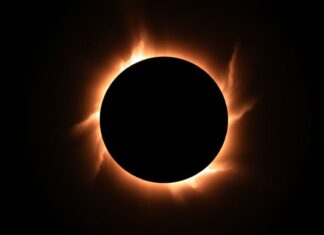
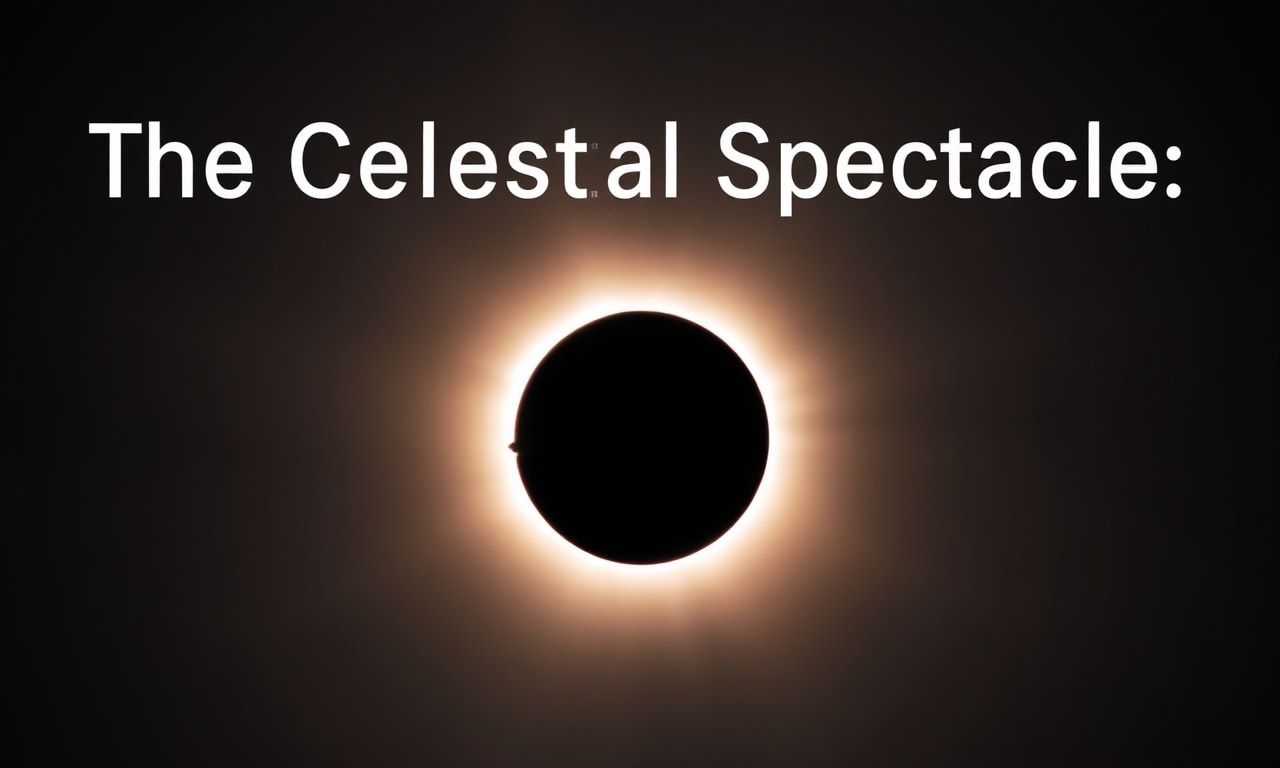
Solar eclipses are a result of the precise alignment of the Sun, Moon, and Earth. There are three types of solar eclipses: total, partial, and annular. A total solar eclipse occurs when the Moon completely covers the Sun, revealing the Sun’s corona. A partial solar eclipse happens when only a part of the Sun is obscured by the Moon. An annular eclipse takes place when the Moon is too far from the Earth to completely cover the Sun, resulting in a ring of sunlight around the Moon.
The frequency of solar eclipses is relatively high, with at least two occurring each year. However, the visibility of these events from any given location on Earth is much rarer. The next total solar eclipse visible in North America is set to occur on April 8, 2024, drawing significant attention from astronomers and the general public alike.
Historical Significance and Cultural Impact
Throughout history, solar eclipses have held profound cultural and symbolic significance. Ancient civilizations often interpreted eclipses as omens or divine messages. For instance, in Chinese culture, a solar eclipse was believed to be a celestial dragon devouring the Sun. In many cultures, eclipses were seen as harbingers of change or disruption, influencing societal behaviors and decisions.
In modern times, solar eclipses continue to captivate the imagination and inspire scientific inquiry. They provide unique opportunities for researchers to study the Sun’s corona, solar flares, and other phenomena that are typically difficult to observe. The data collected during eclipses has contributed significantly to our understanding of solar physics and the dynamics of our solar system.
Preparing for the Next Solar Eclipse
For those planning to witness the upcoming solar eclipse, preparation is key. Safety is paramount when viewing a solar eclipse, as looking directly at the Sun can cause permanent eye damage. Specialized solar filters, eclipse glasses, and pinhole projectors are recommended for safe viewing. Additionally, choosing a location with minimal light pollution and clear skies can enhance the viewing experience.
Many communities and organizations host eclipse-watching events, providing educational resources and a sense of shared excitement. For example, the Singapore sports clubs results community has organized viewing parties in the past, combining the thrill of celestial events with the camaraderie of sports enthusiasts. Such events foster a sense of community and shared interest in both scientific and recreational activities.
The Future of Eclipse Chasing
Eclipse chasing has become a popular activity among astronomy enthusiasts, who travel the world to witness these rare events. The advent of technology has made it easier to predict eclipse paths and plan expeditions. Advanced telescopes, cameras, and imaging techniques allow for detailed observations and documentation of eclipses, contributing to both scientific research and public education.
As our understanding of solar eclipses continues to grow, so too does the excitement surrounding these celestial events. Whether viewed through a telescope, captured on camera, or simply observed with the naked eye (with proper protection), a solar eclipse is a reminder of the beauty and mystery of our universe. The anticipation of the next eclipse serves as a unifying force, bringing together people from all walks of life to marvel at the wonders of the cosmos.