The Celestial Spectacle: Understanding the Solar Eclipse Phenomenon
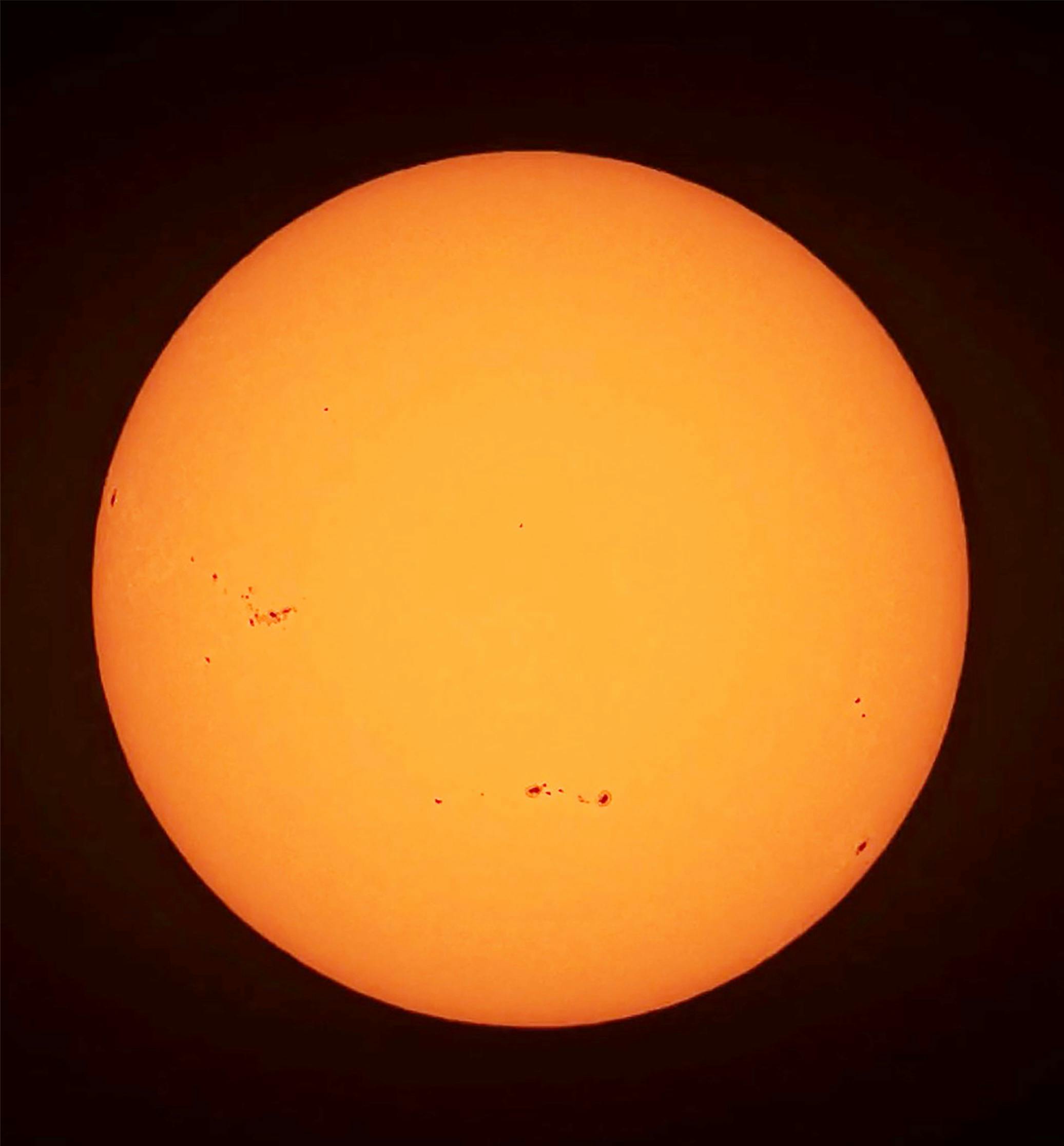
A solar eclipse is one of the most awe-inspiring natural phenomena that captivates the imagination of people around the world. This celestial event occurs when the Moon passes between the Earth and the Sun, casting a shadow on the Earth’s surface. The next solar eclipse is highly anticipated, and scientists and enthusiasts alike are preparing for this remarkable event. In this article, we delve into the science behind solar eclipses, their historical significance, and the best ways to observe them safely.
The Science Behind Solar Eclipses
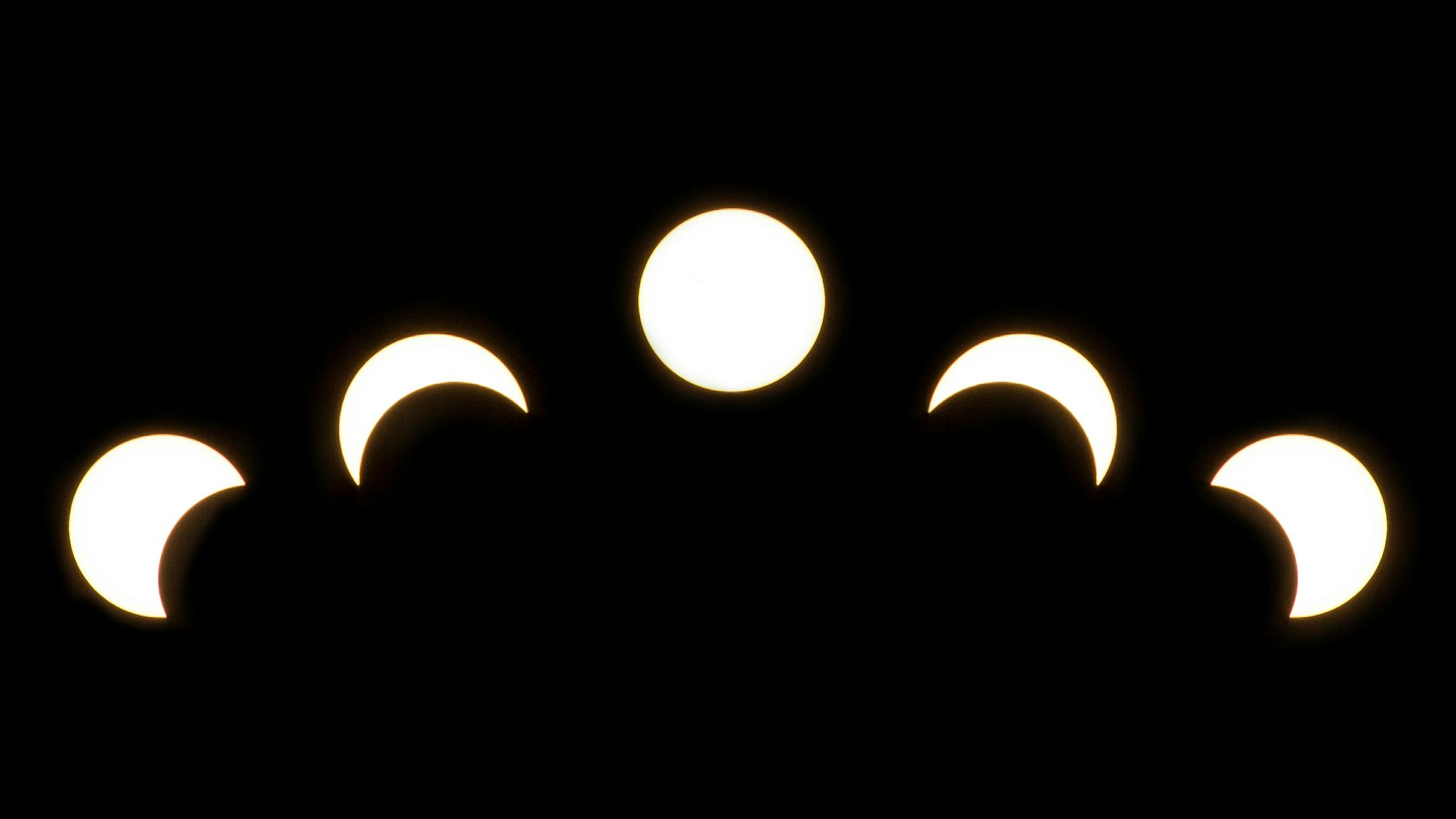
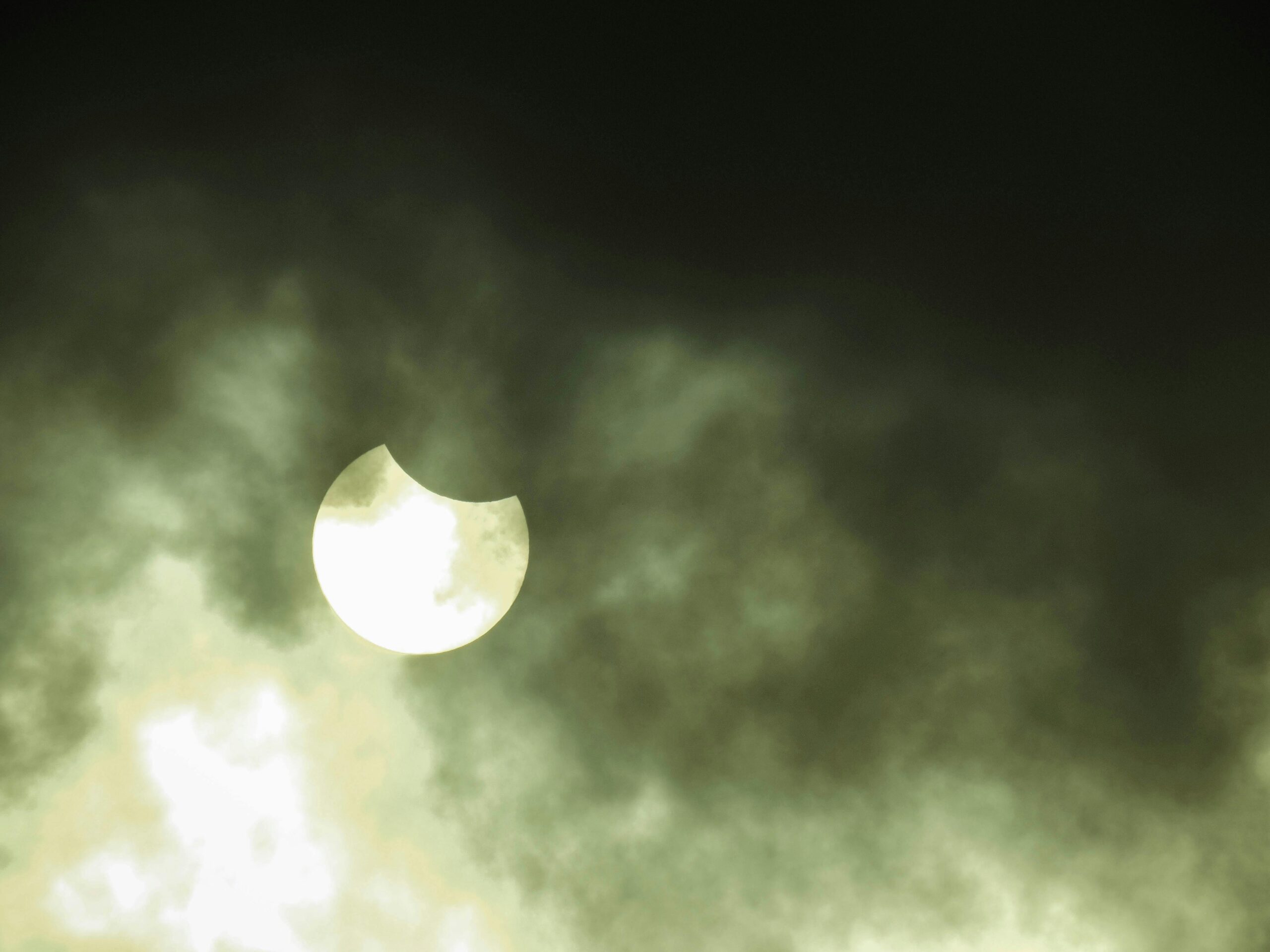
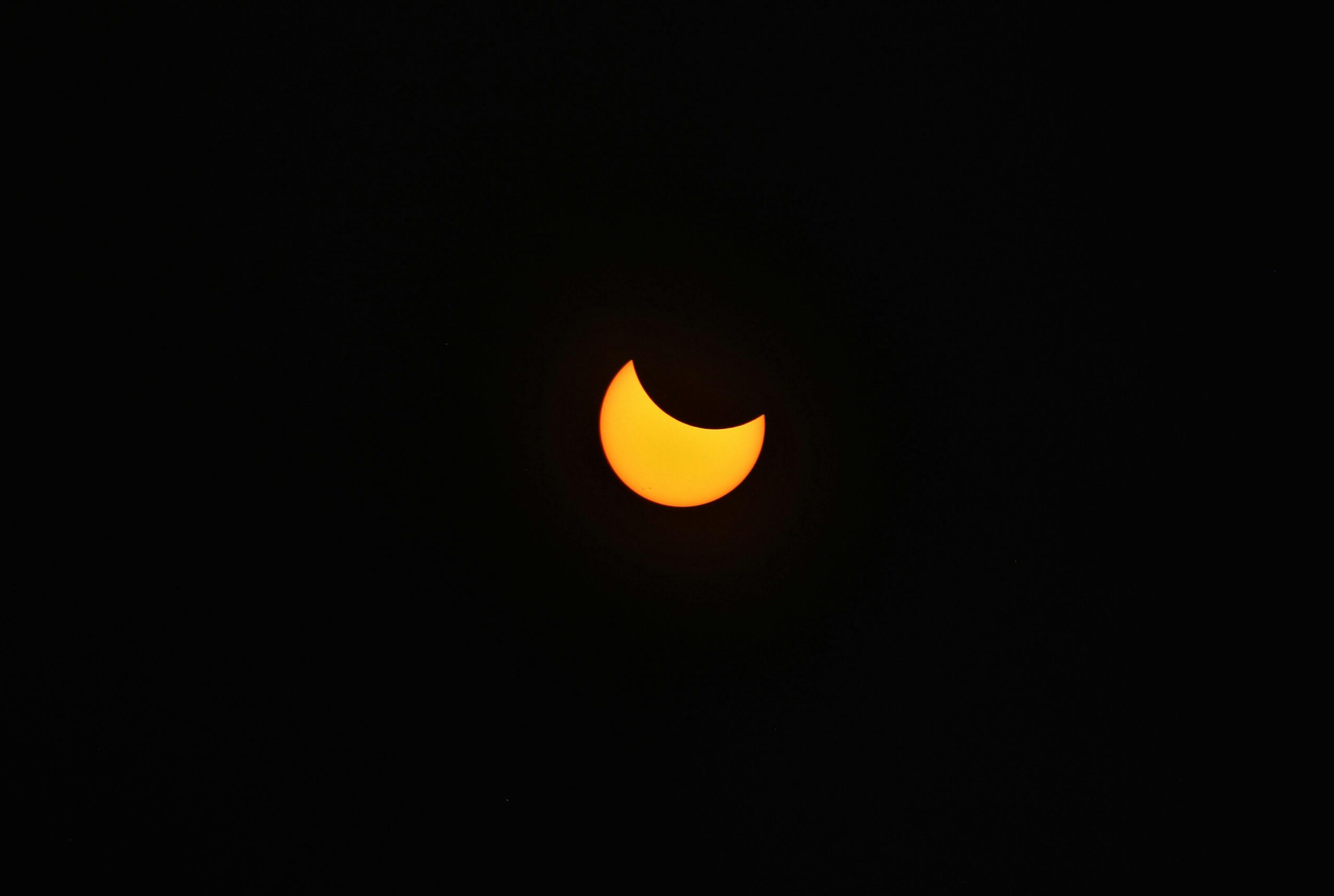
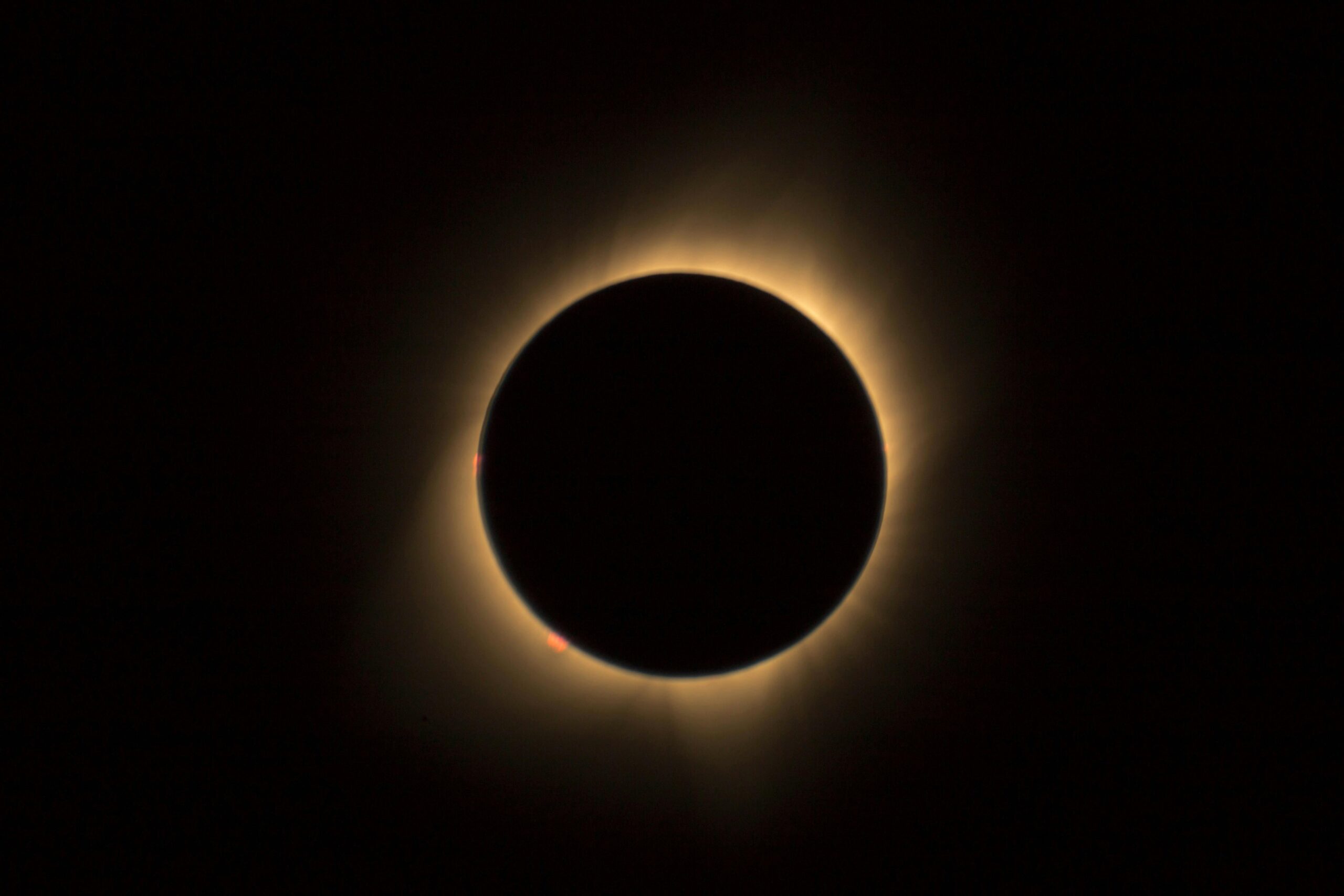
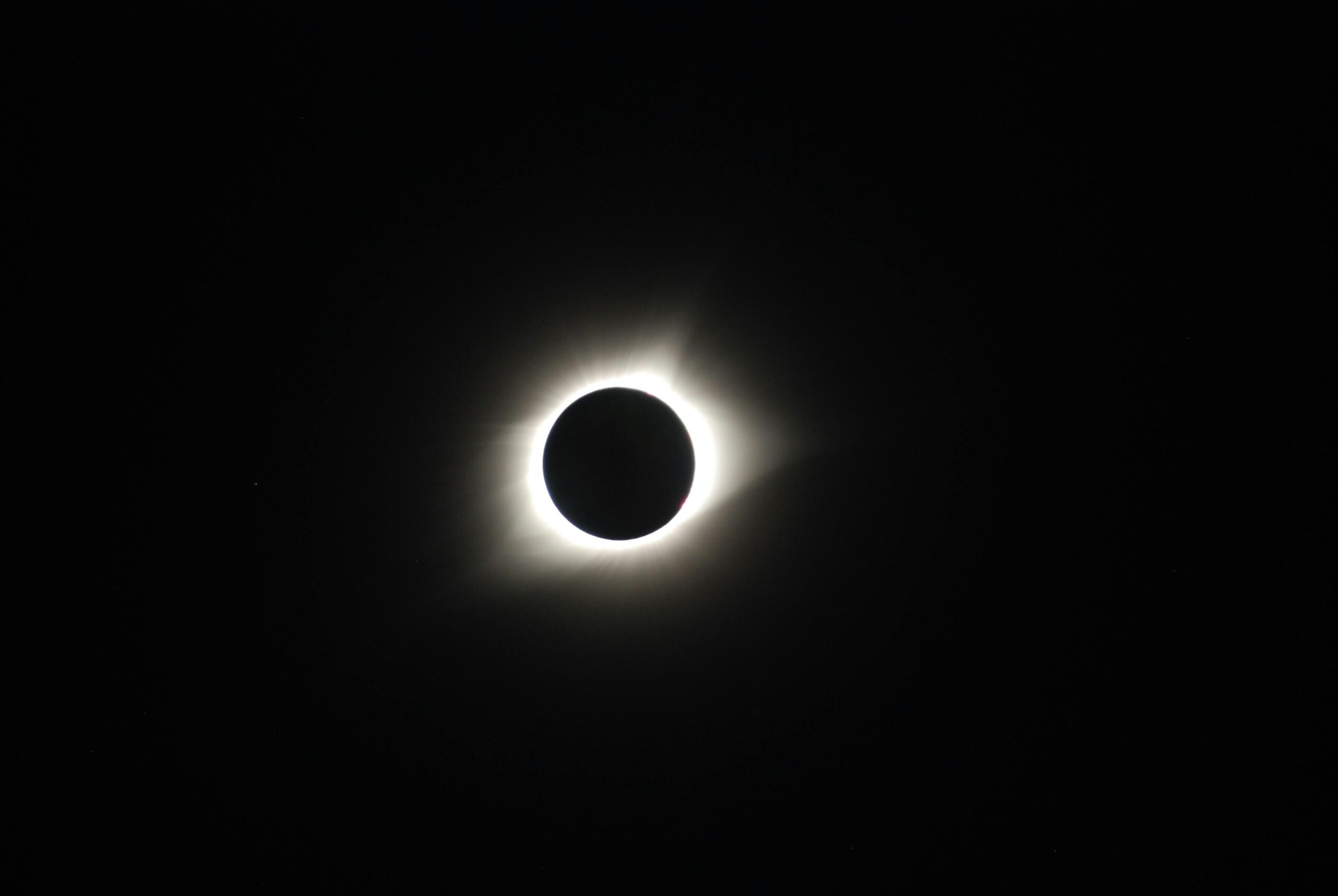
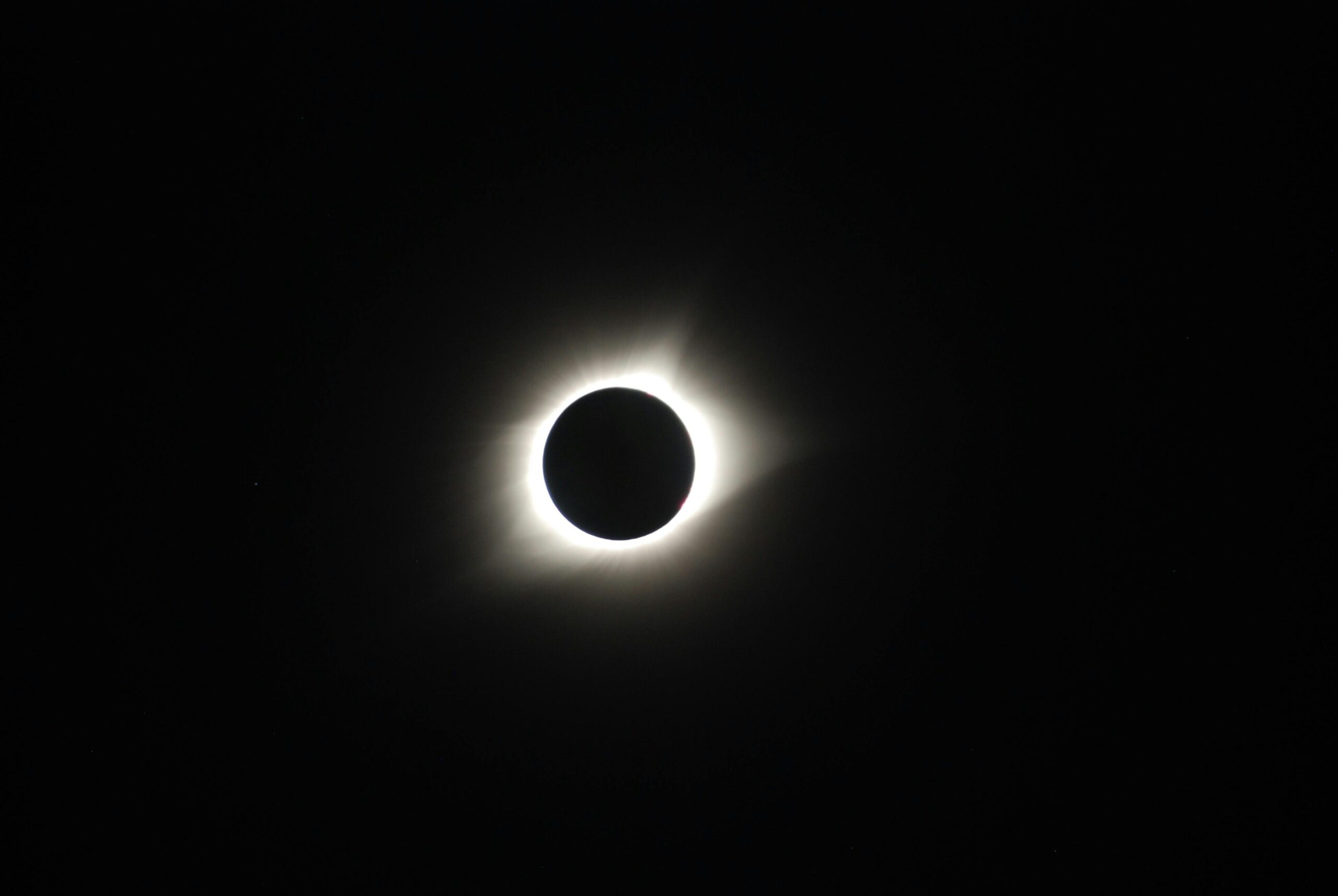
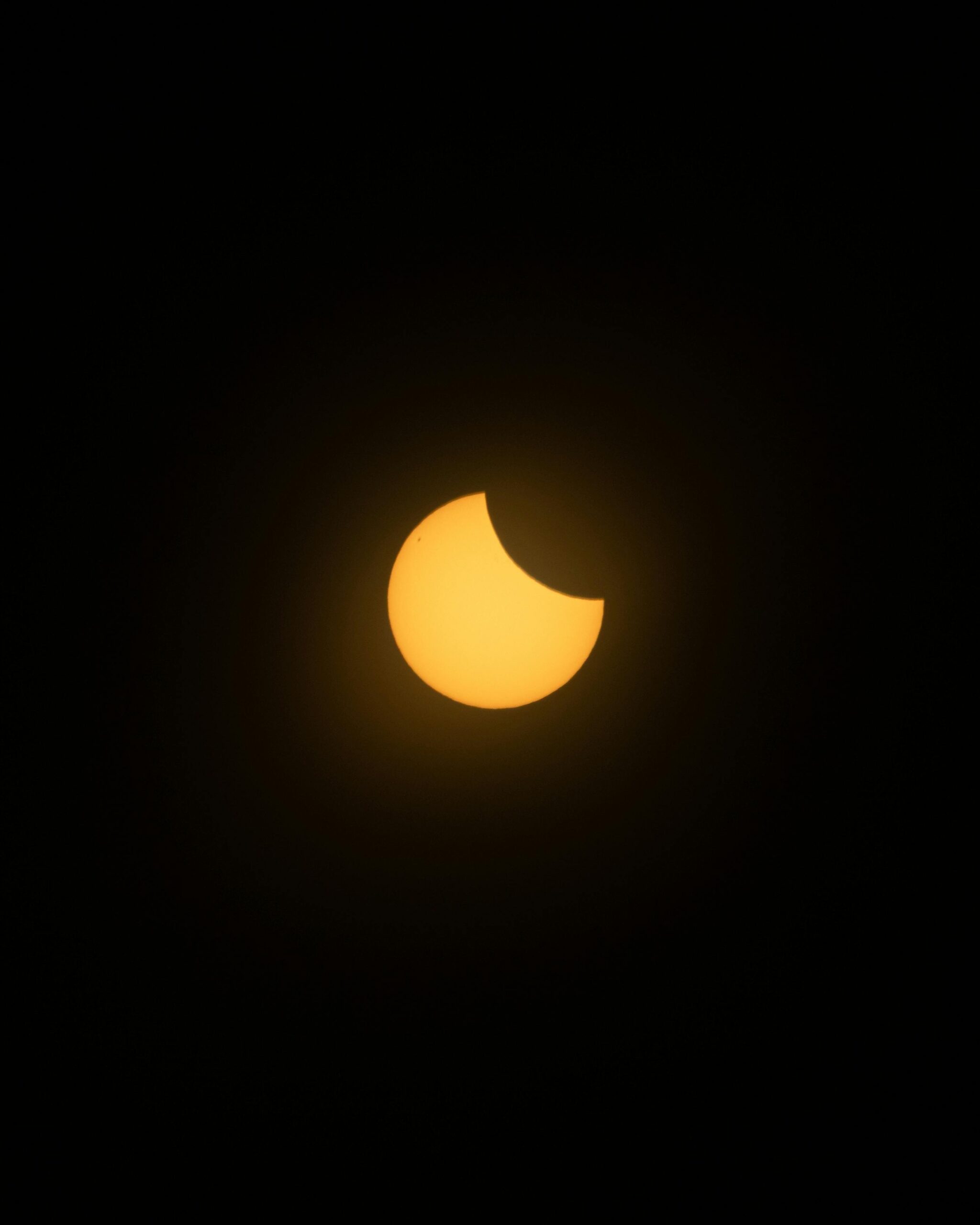
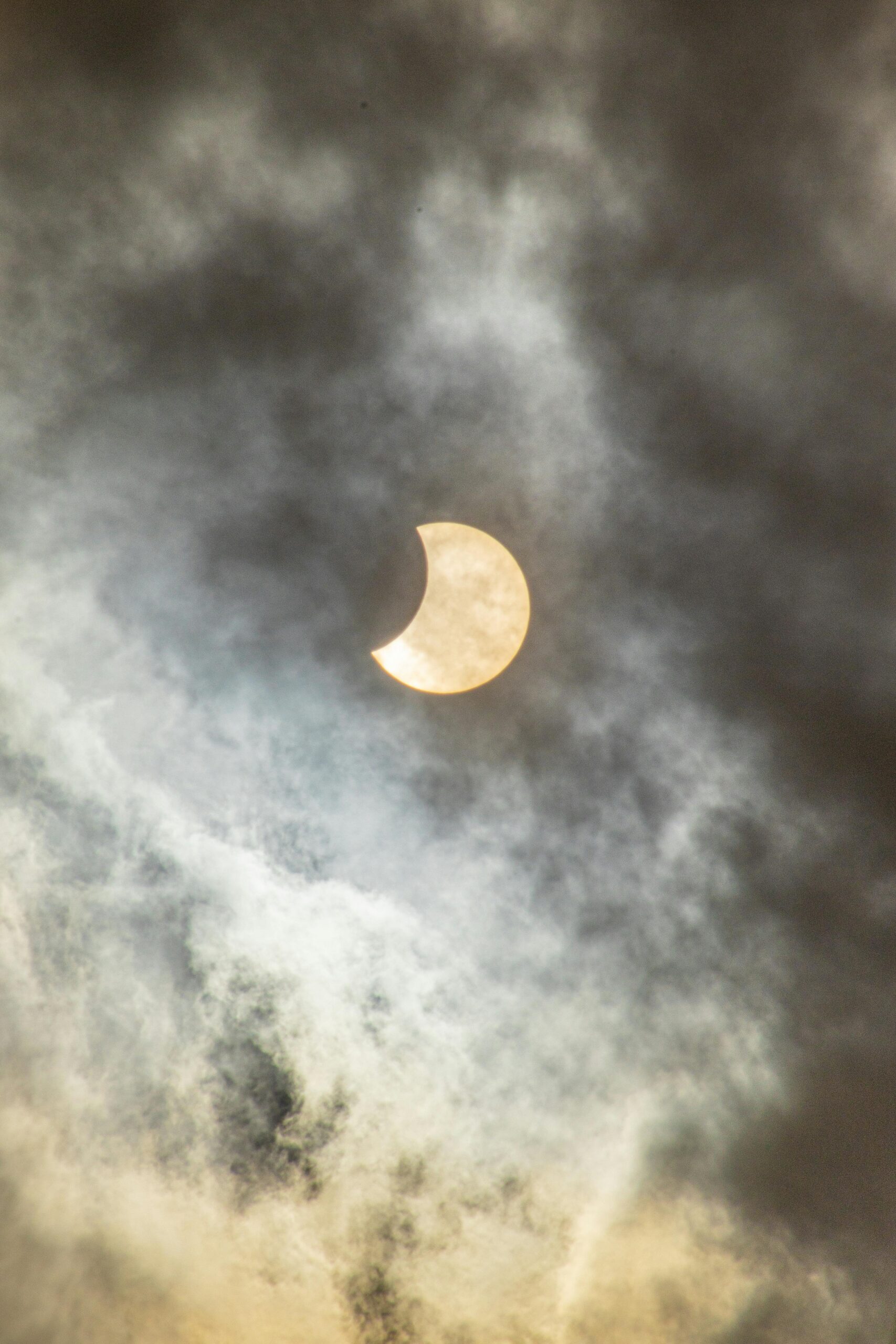
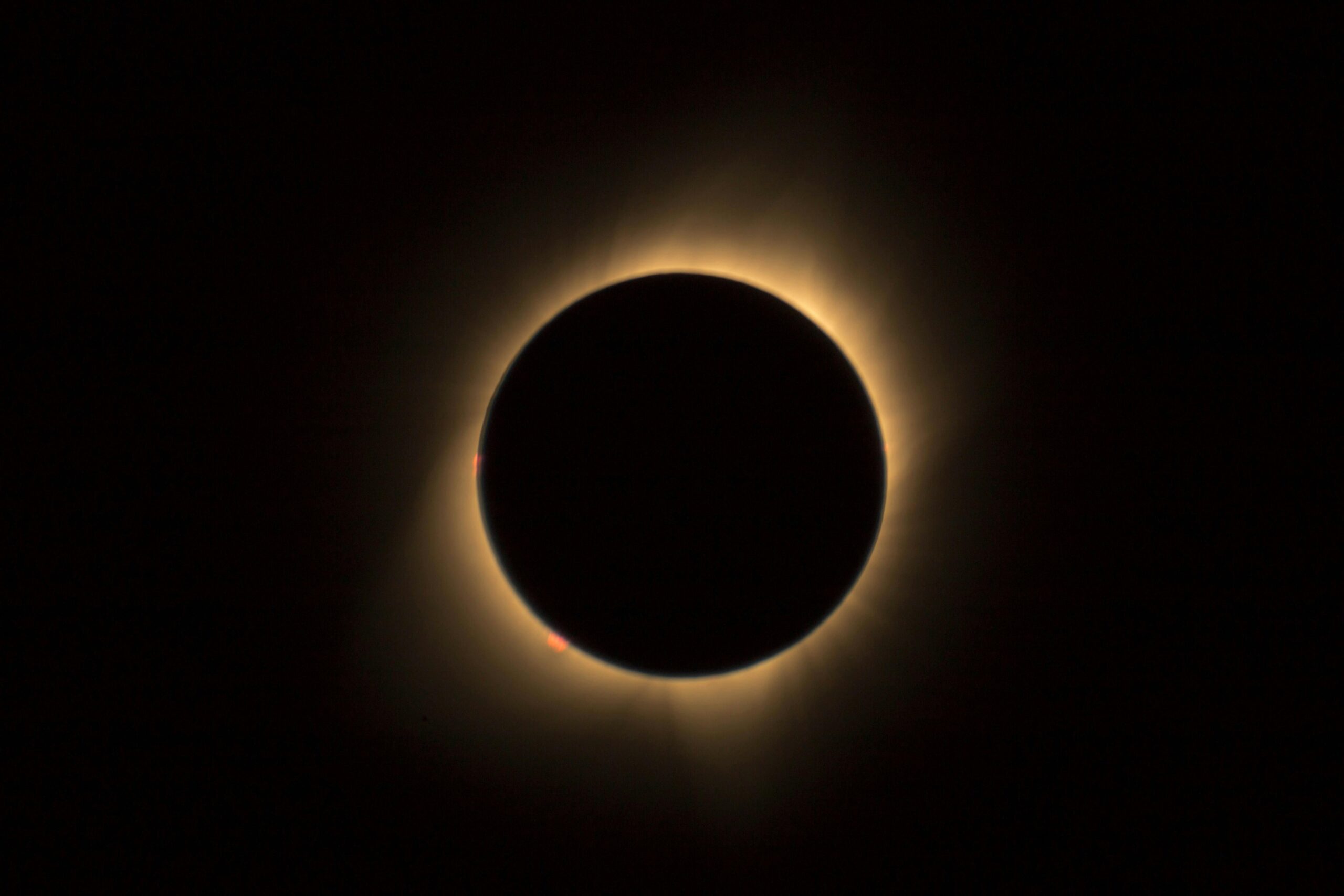
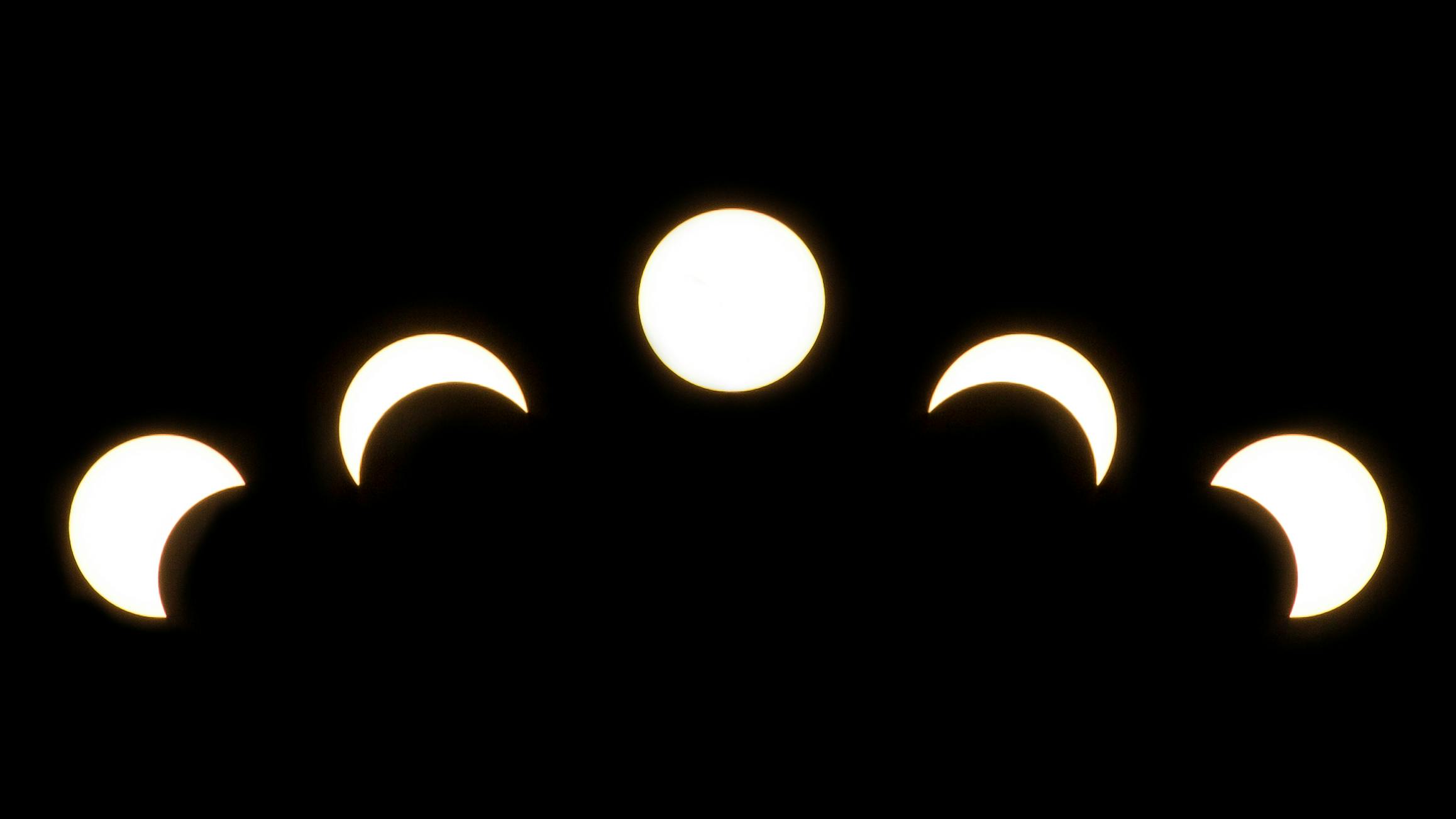
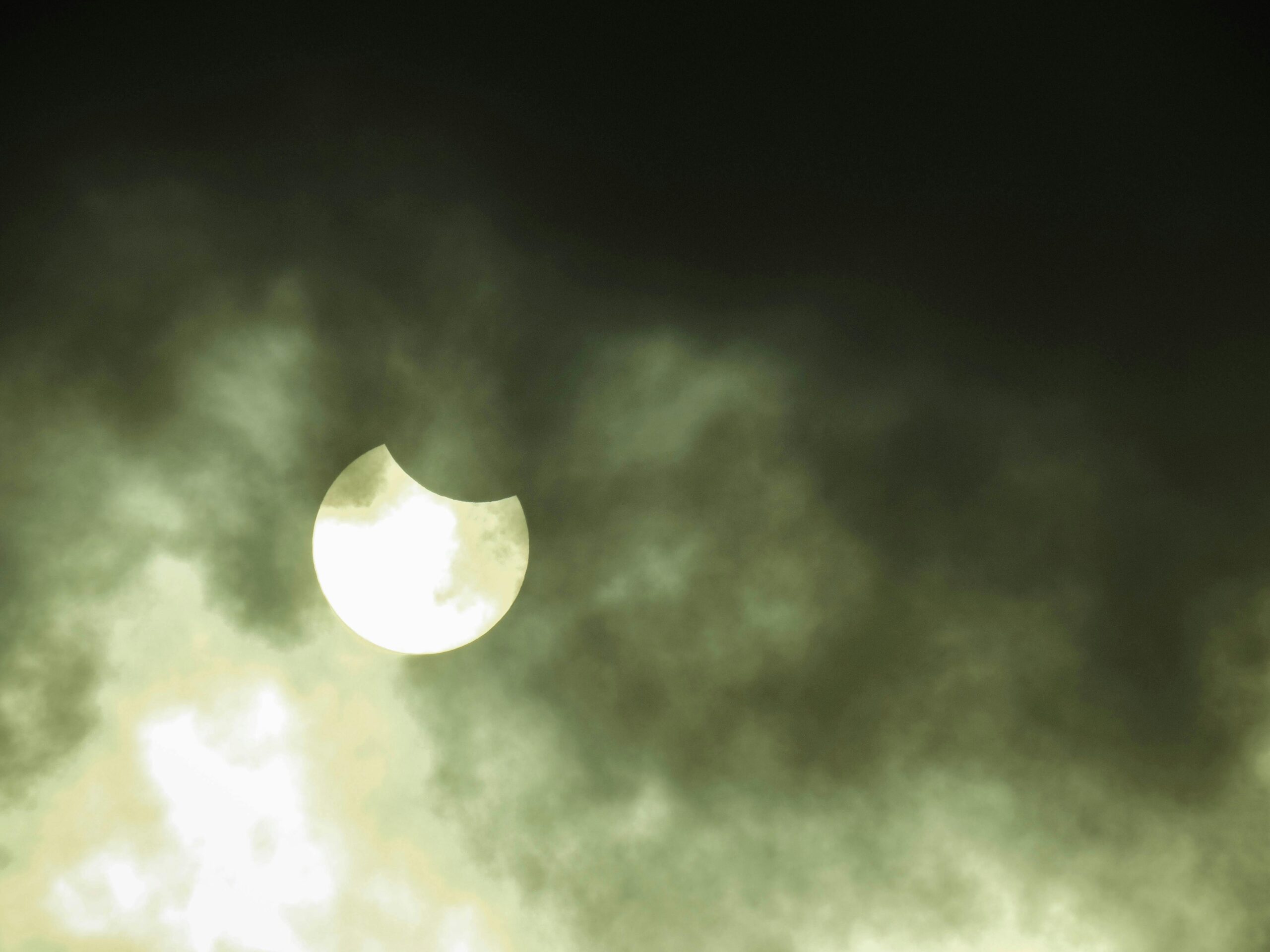
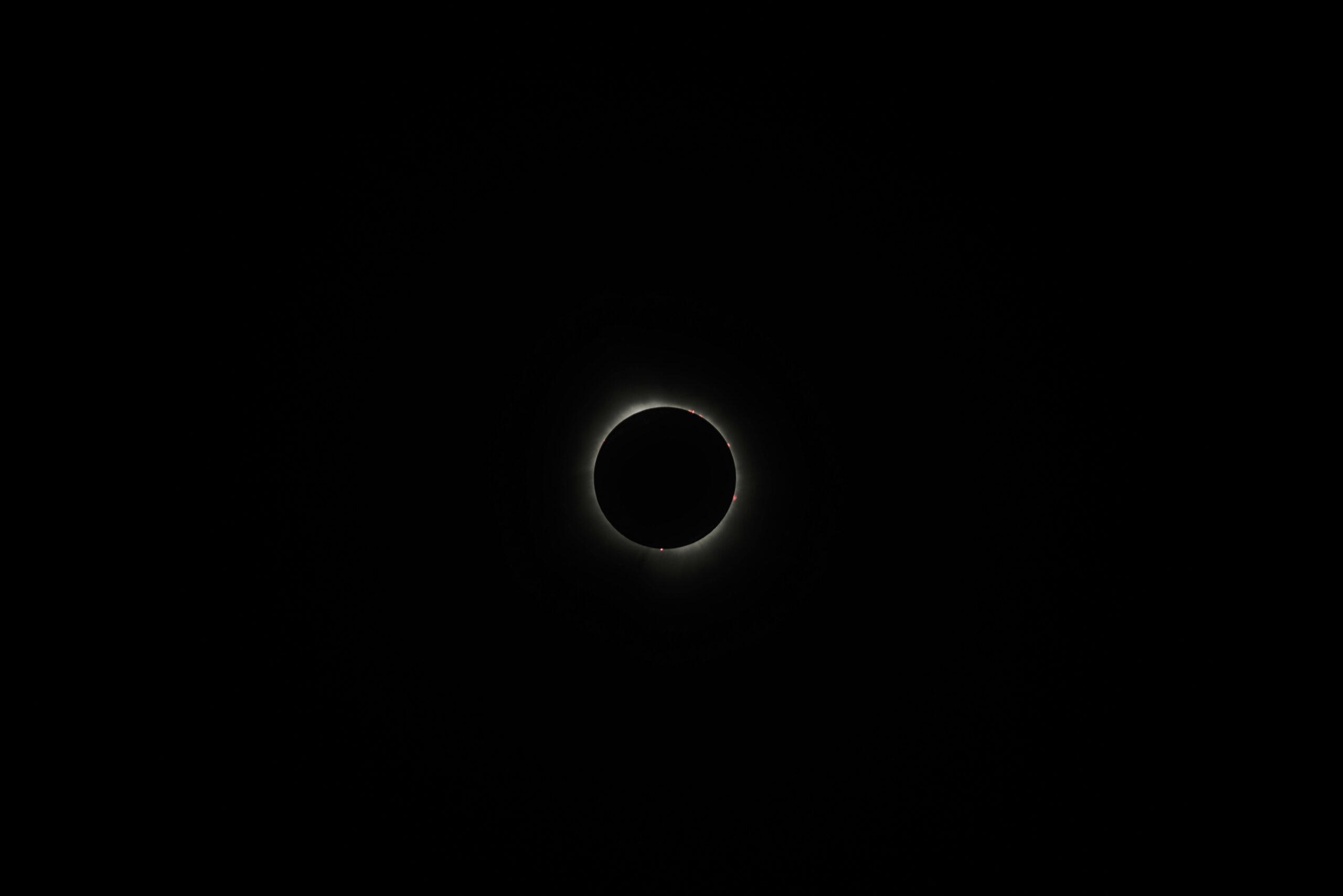
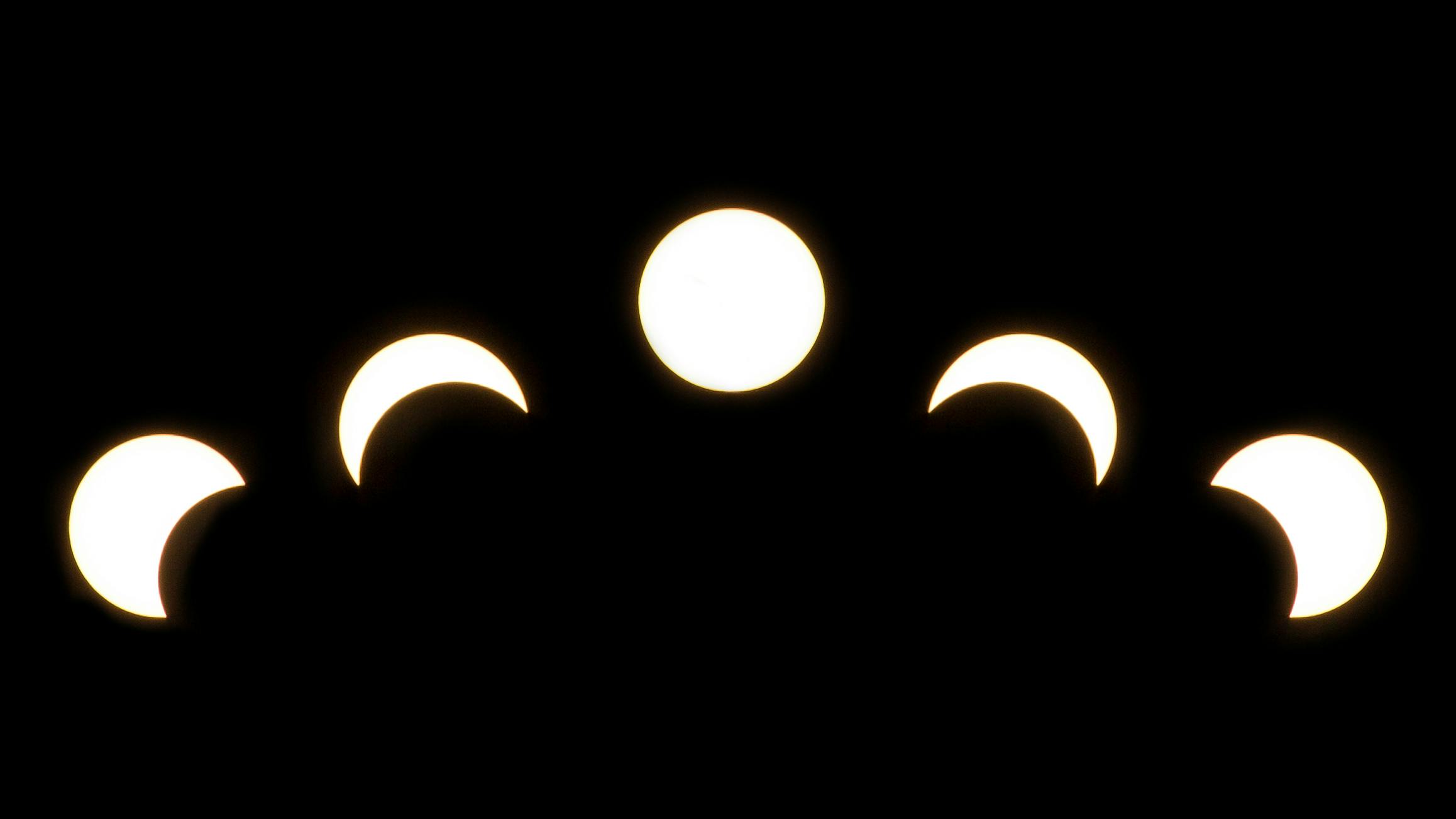
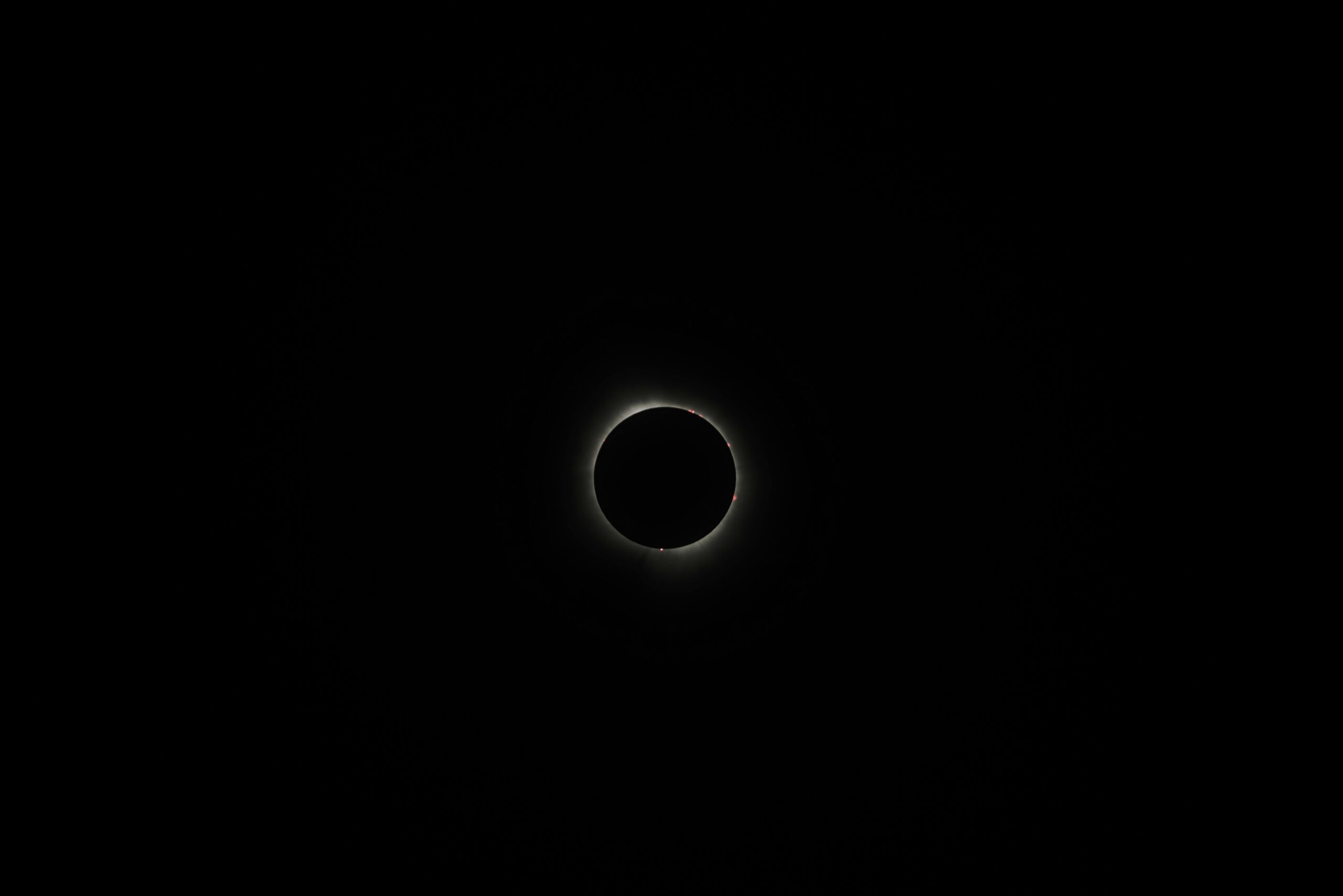
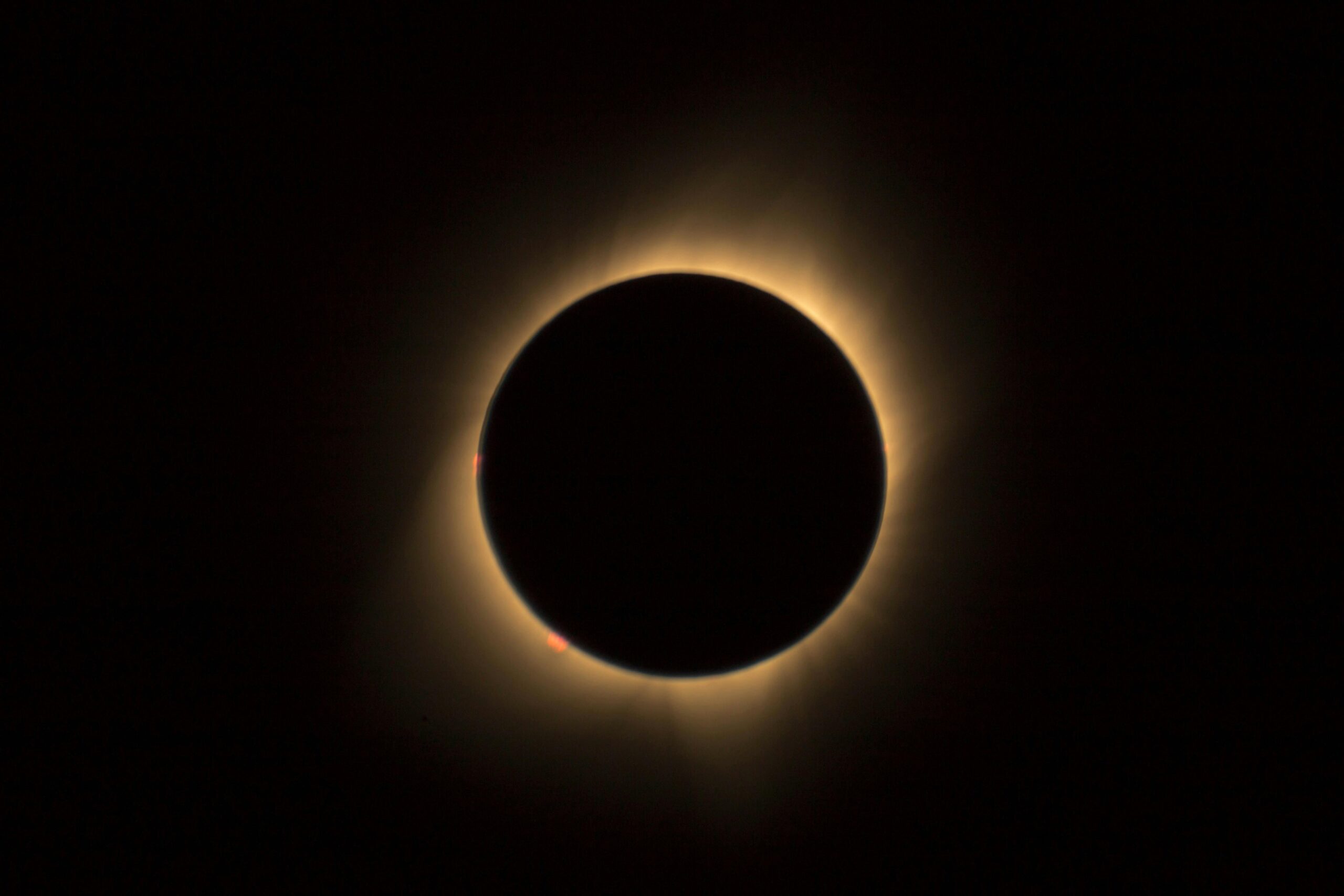
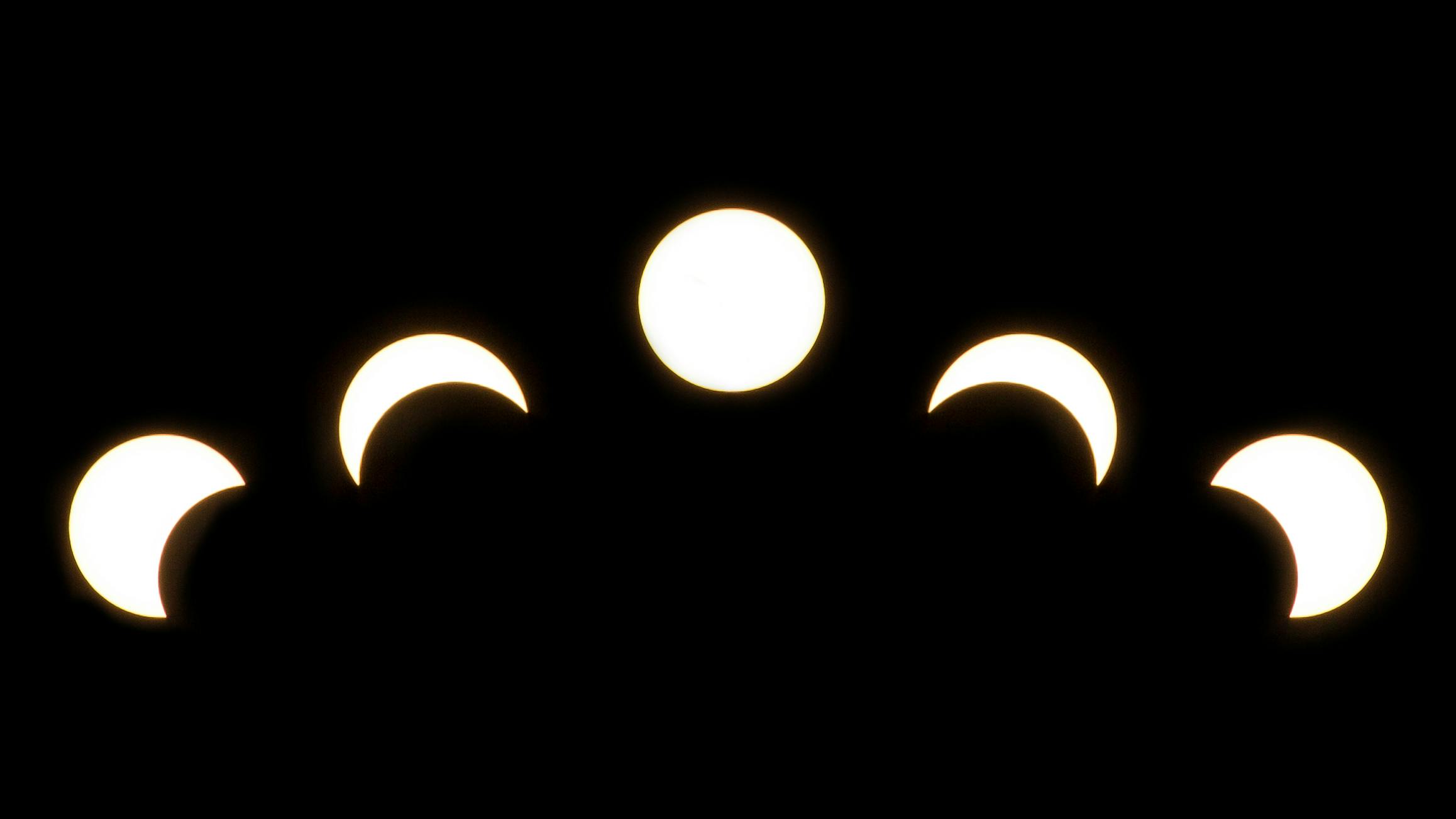
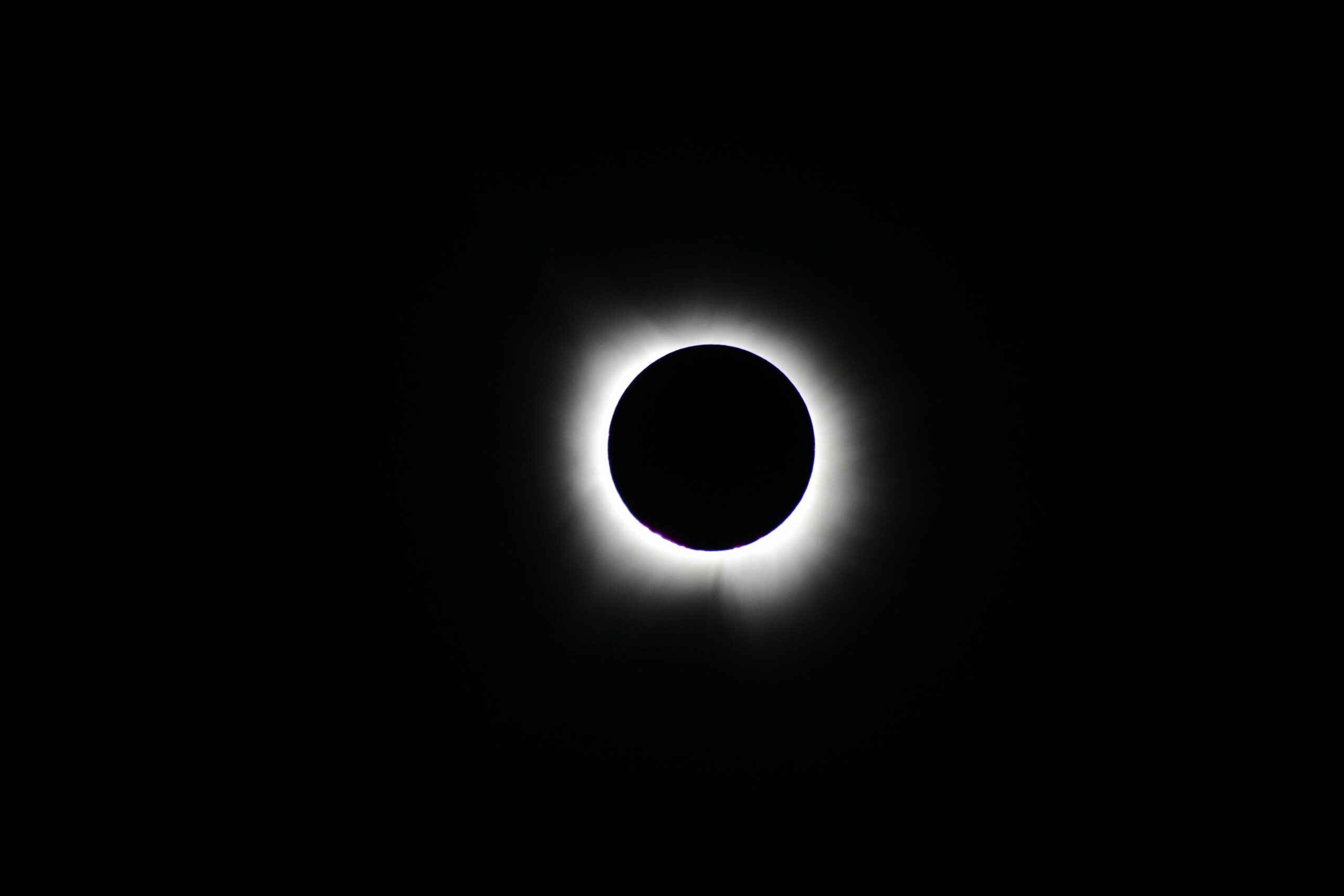
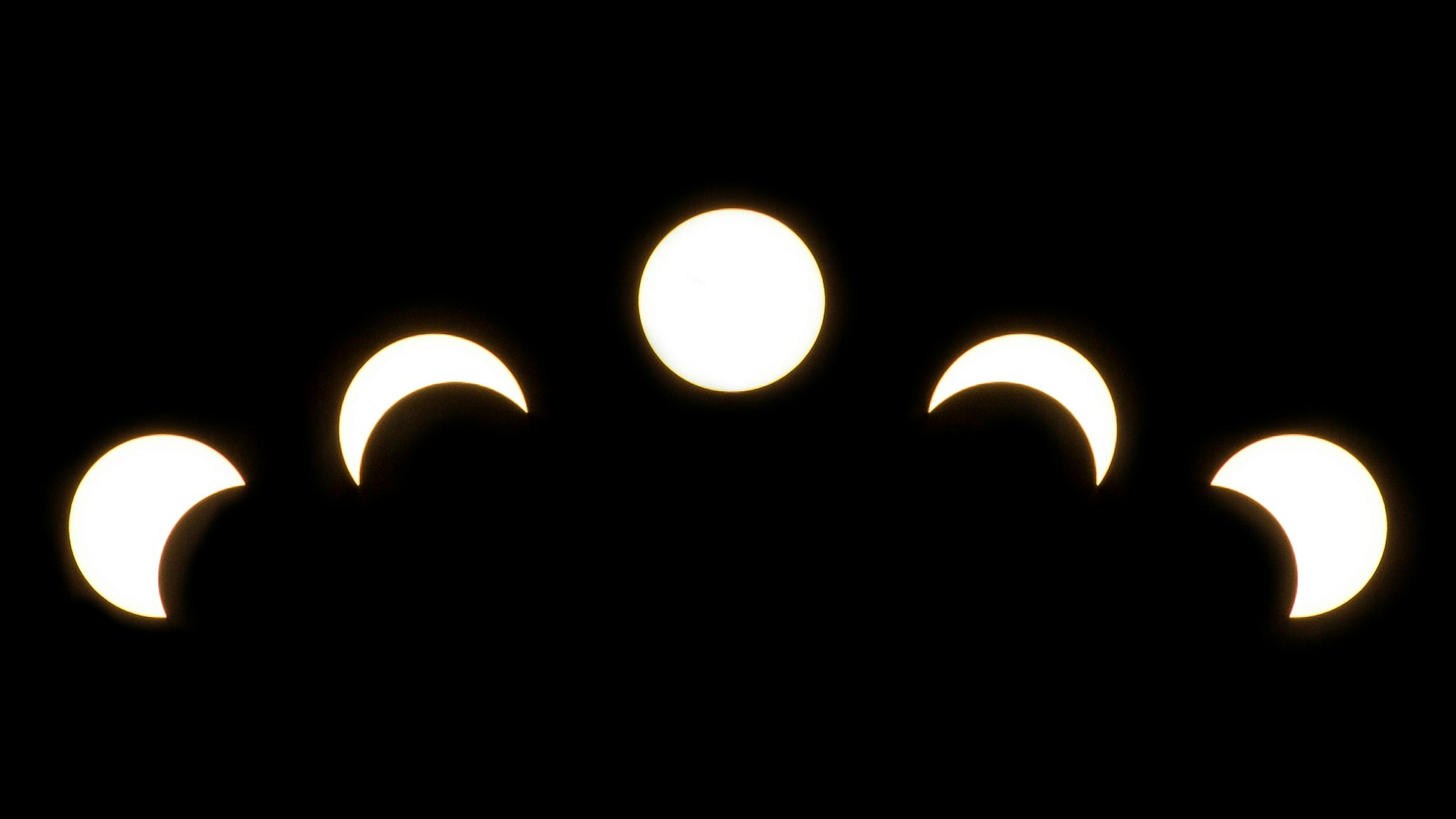
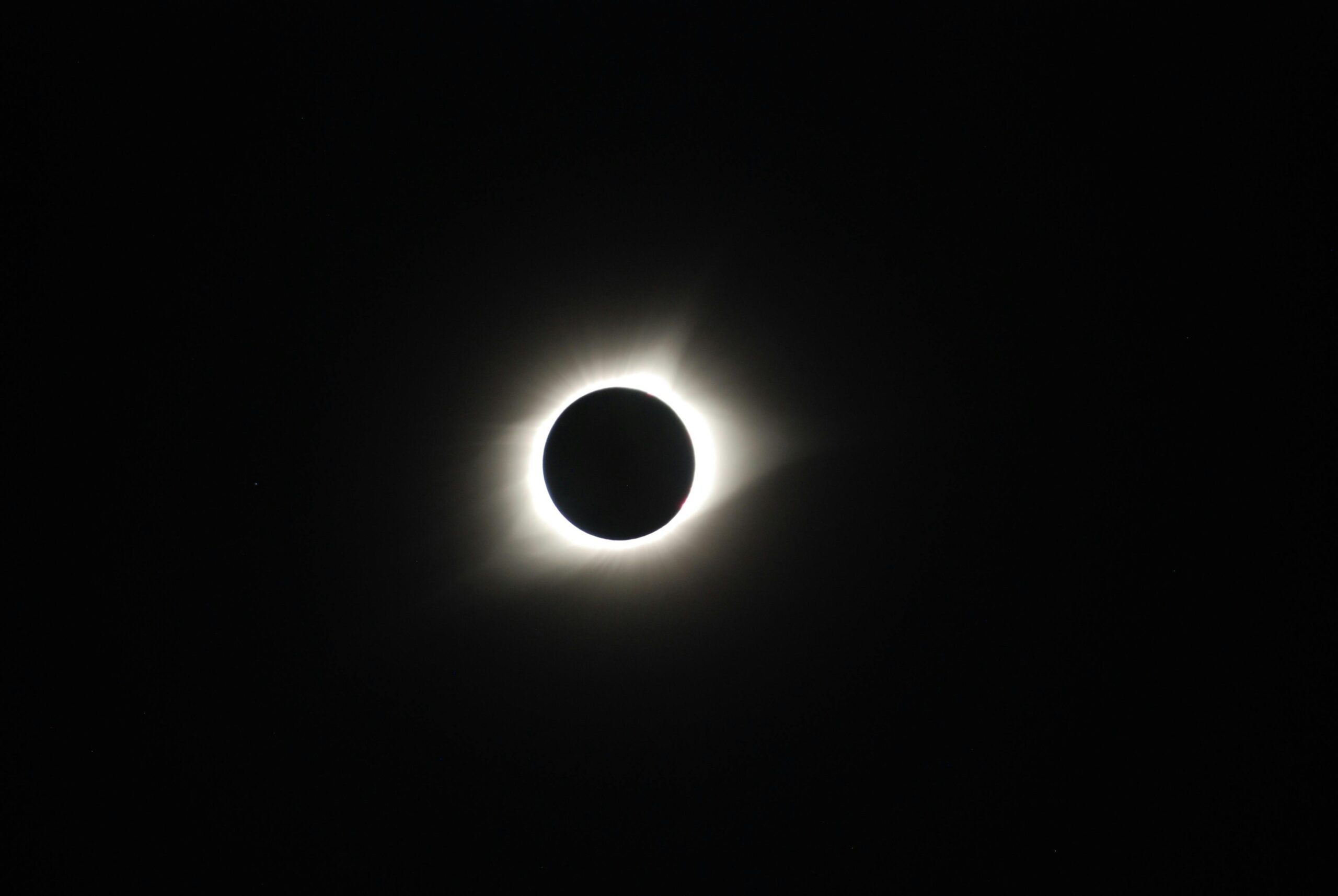
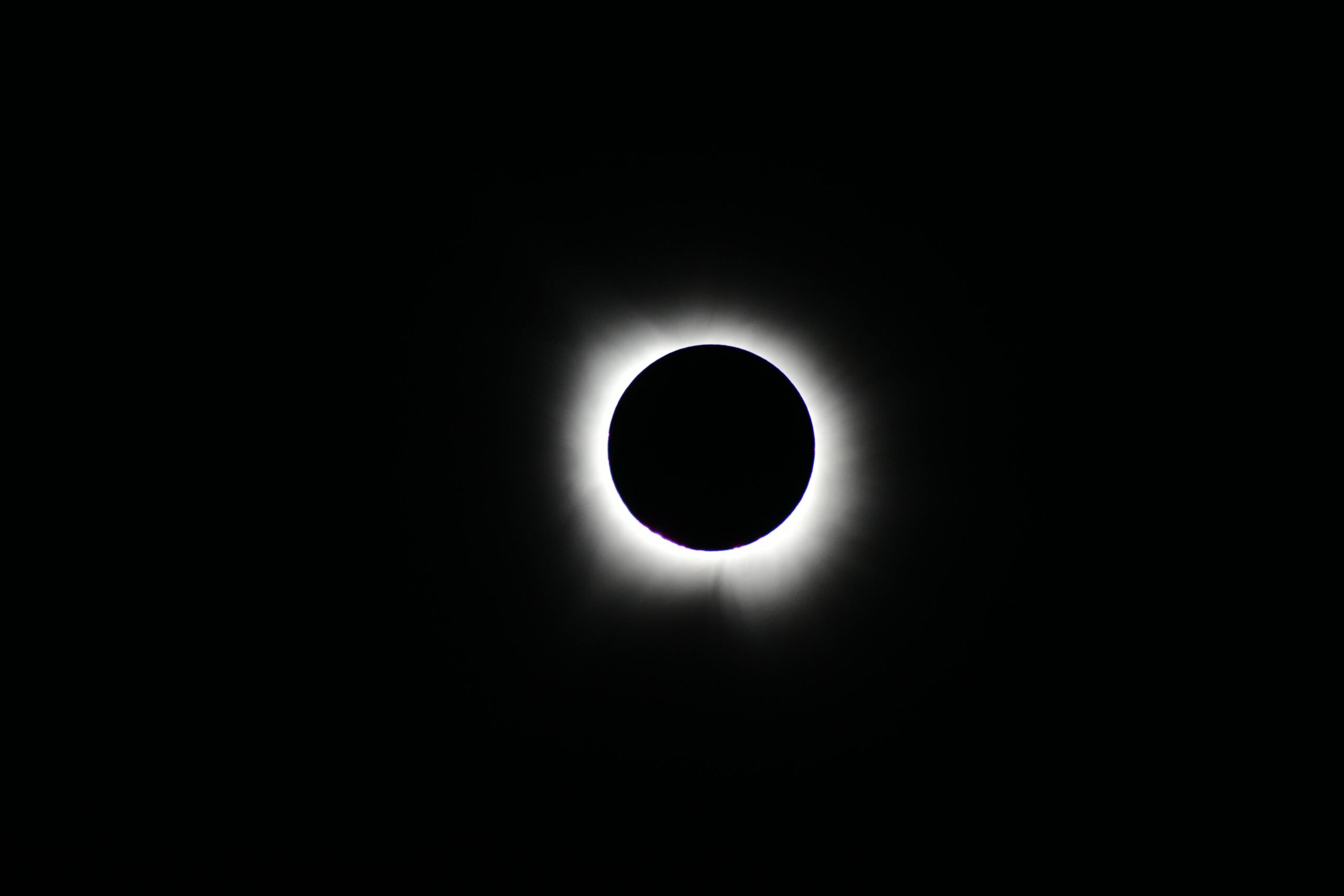
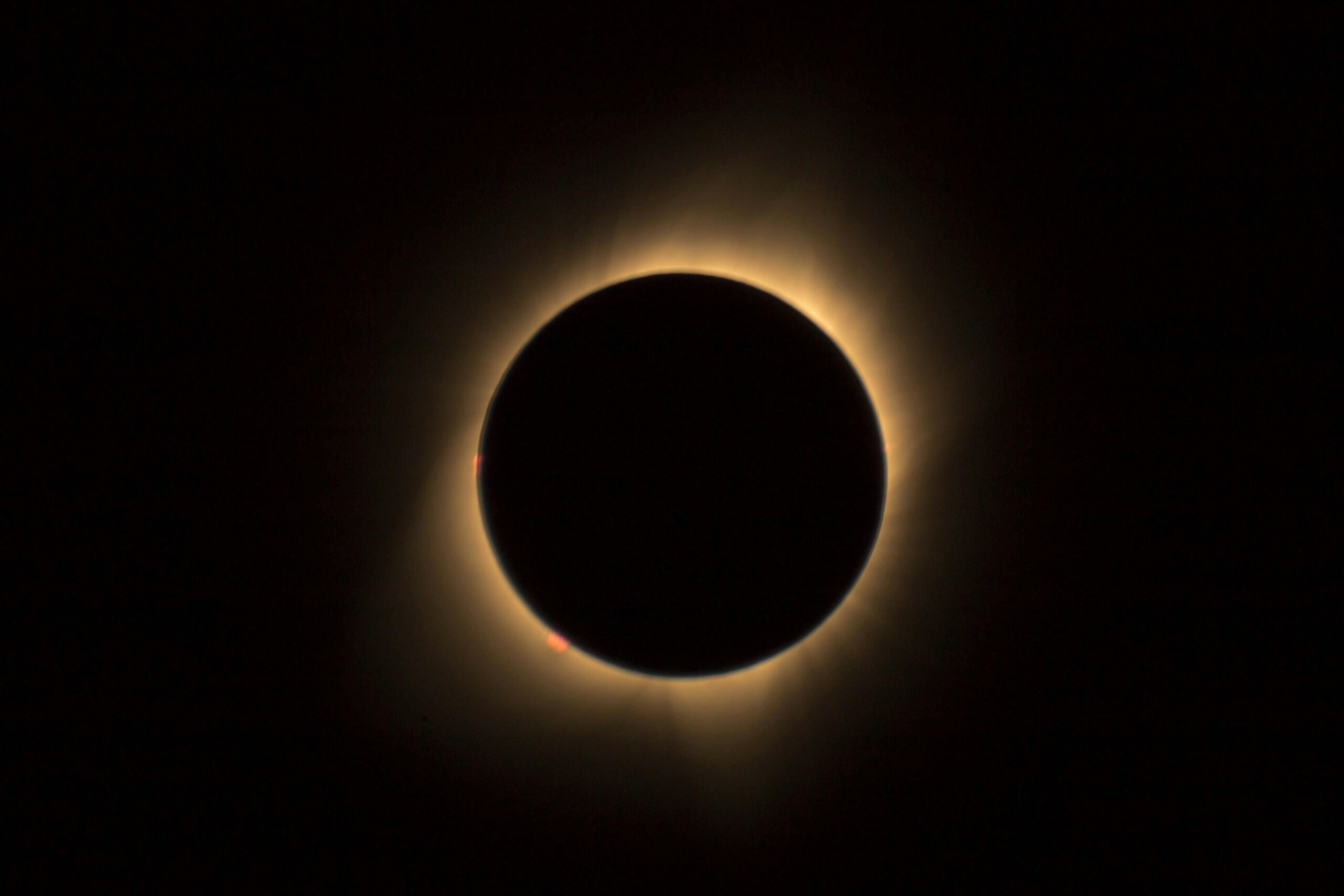
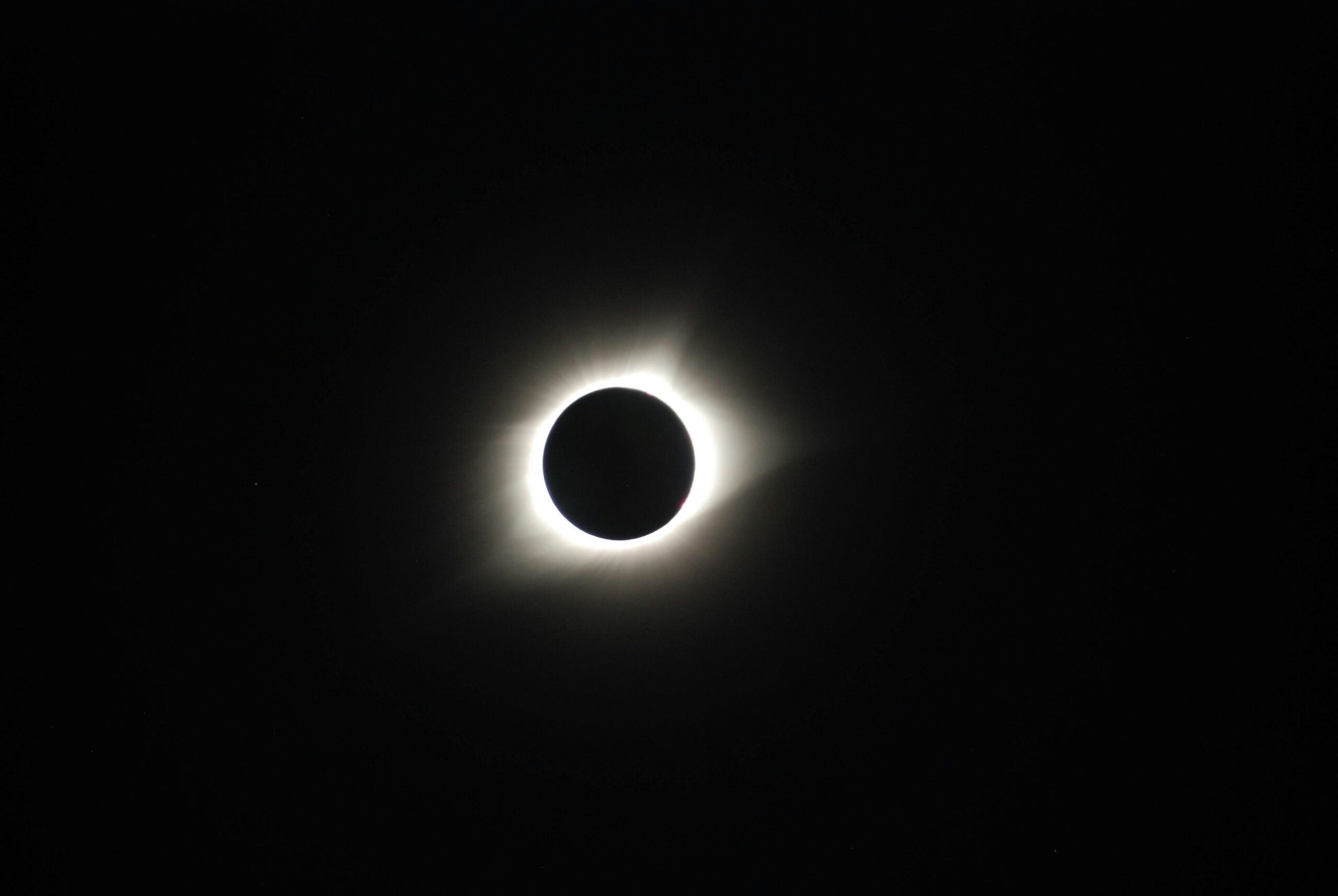
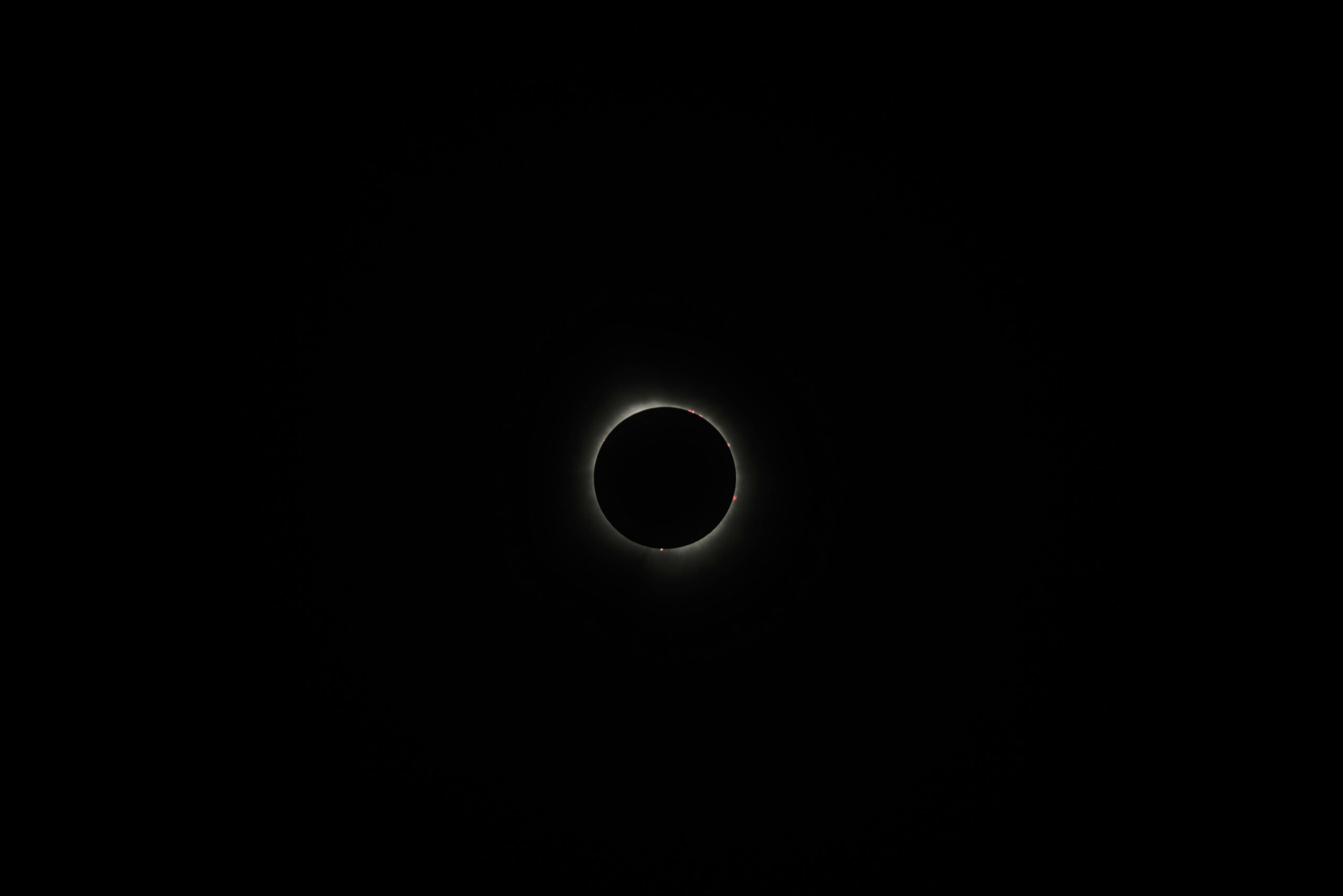
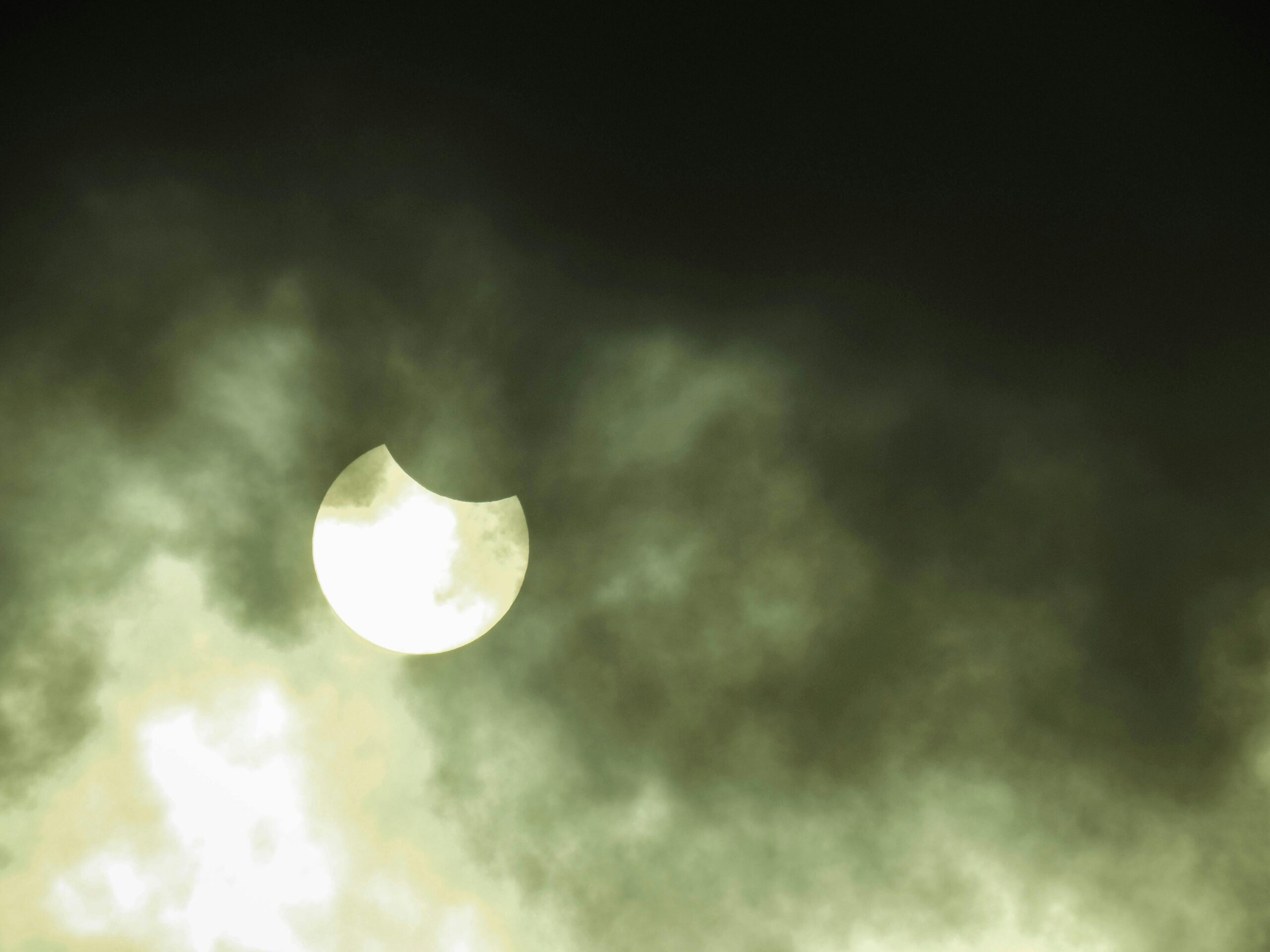
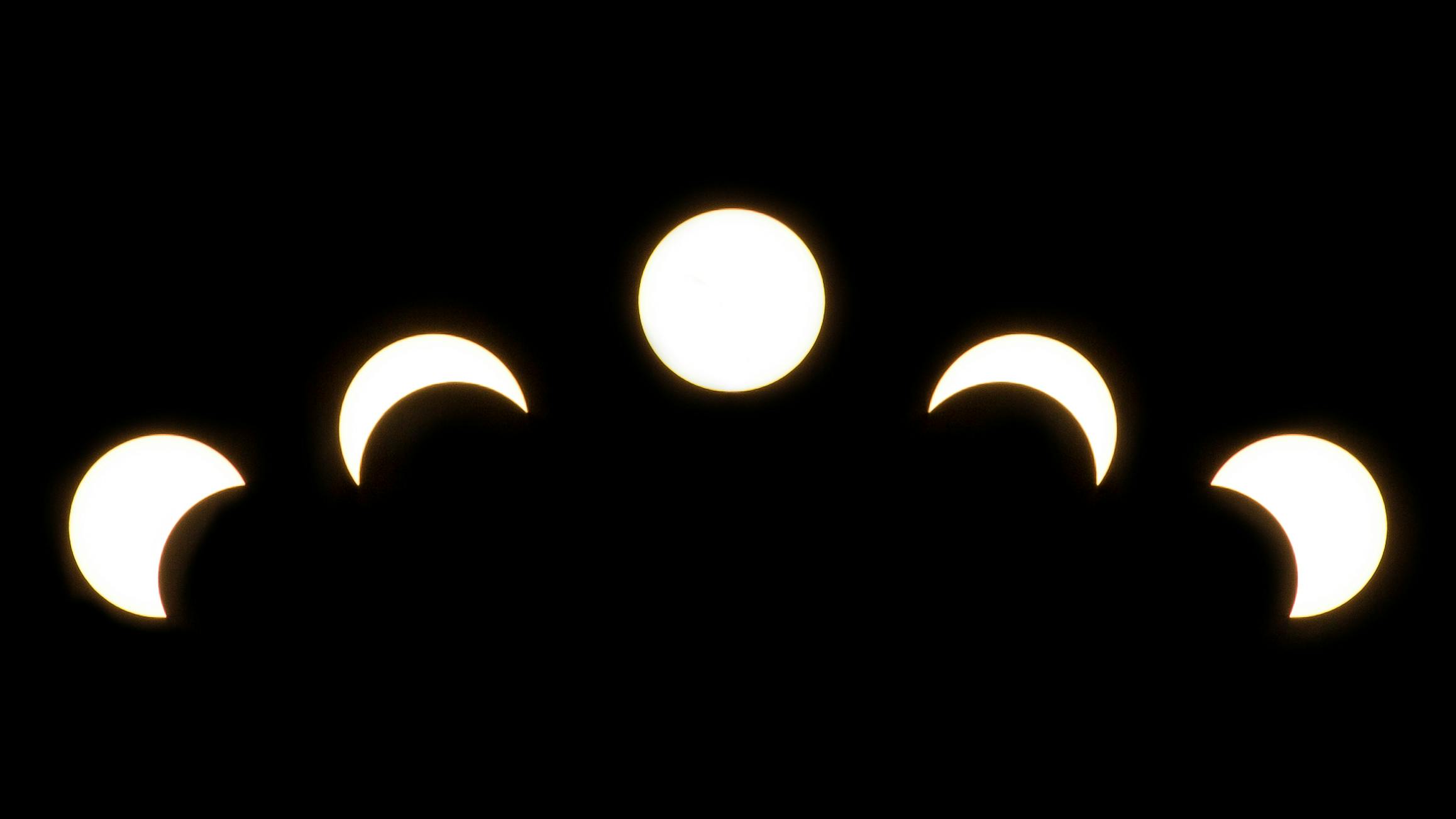
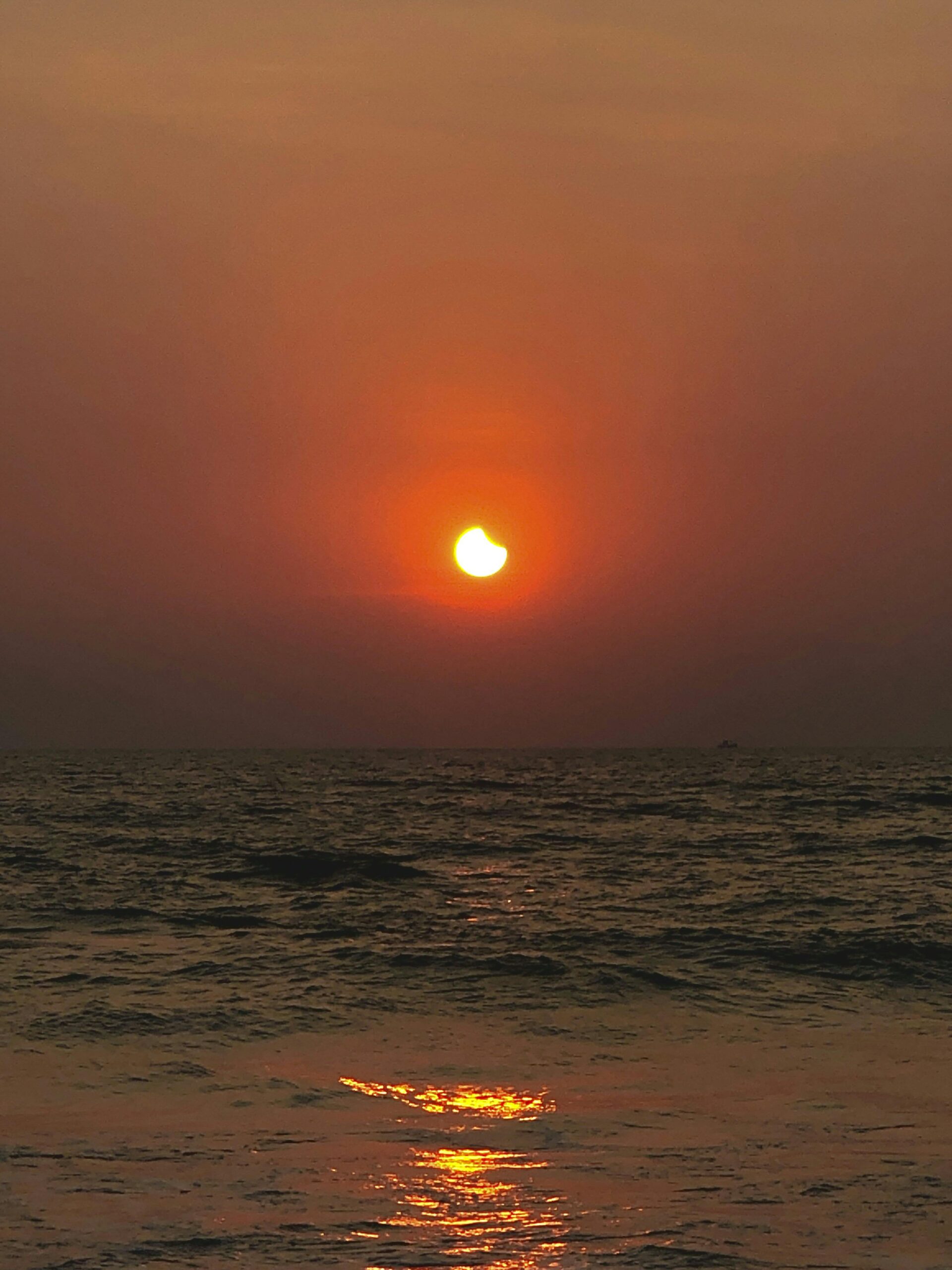
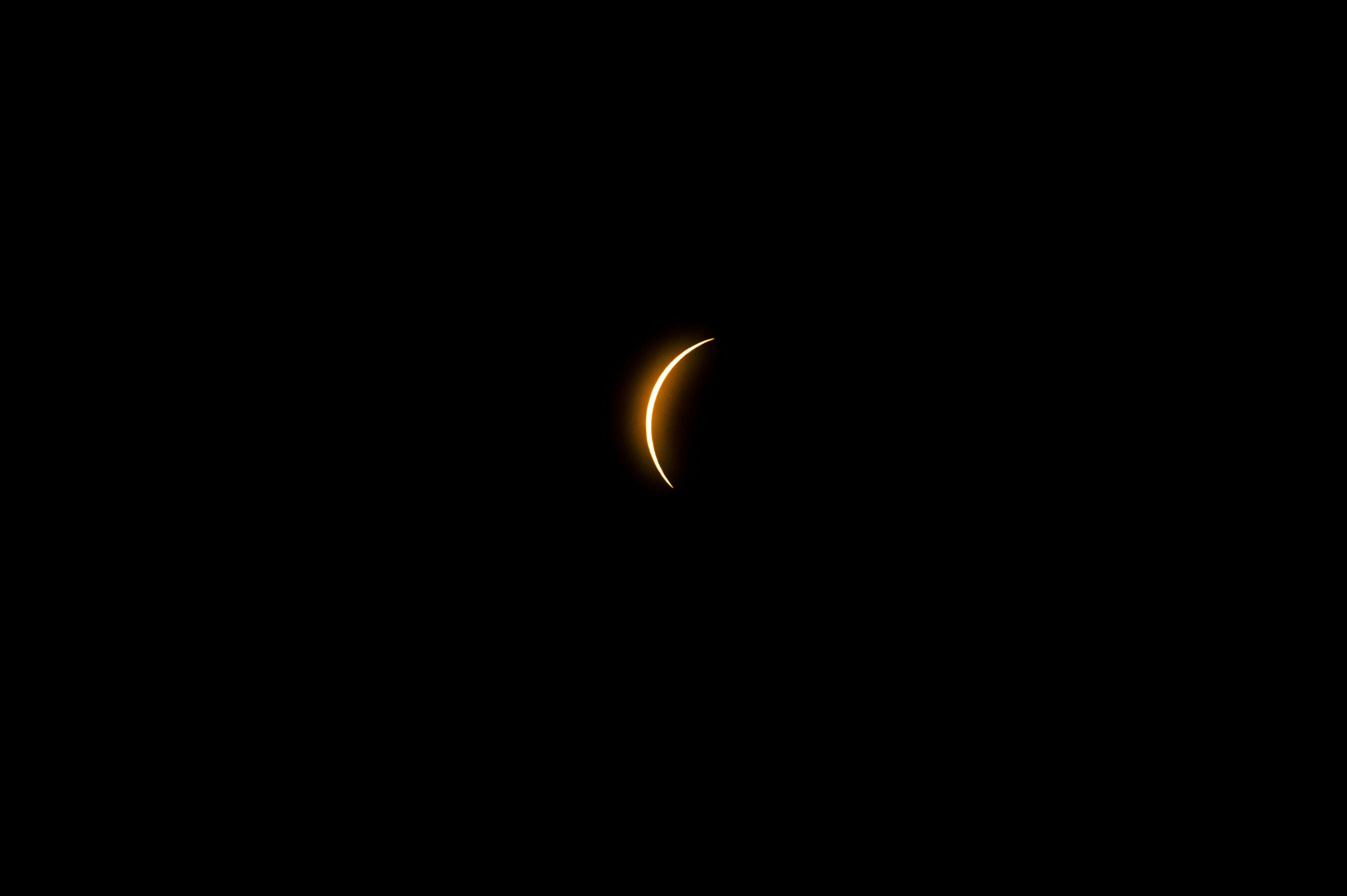
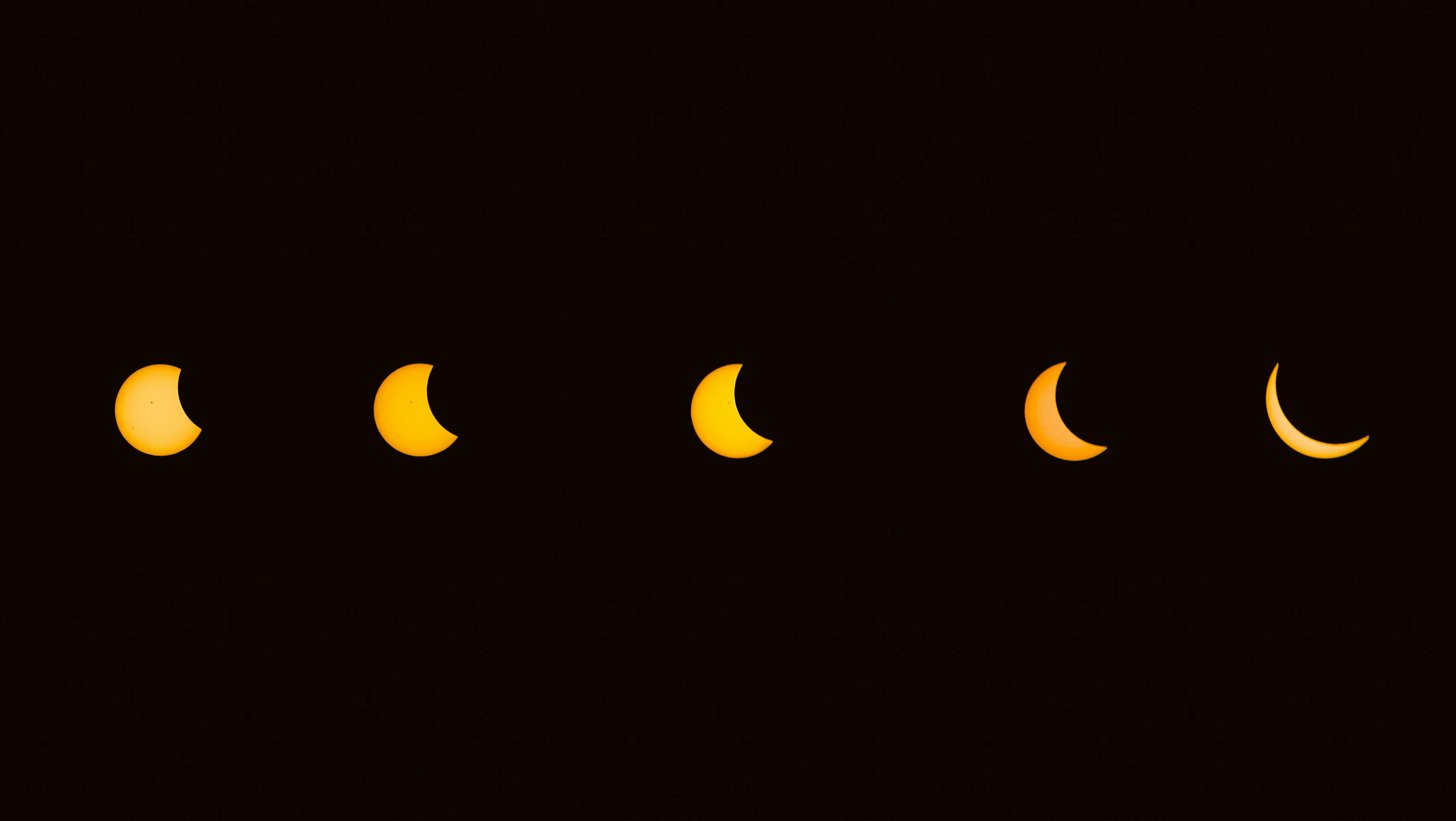
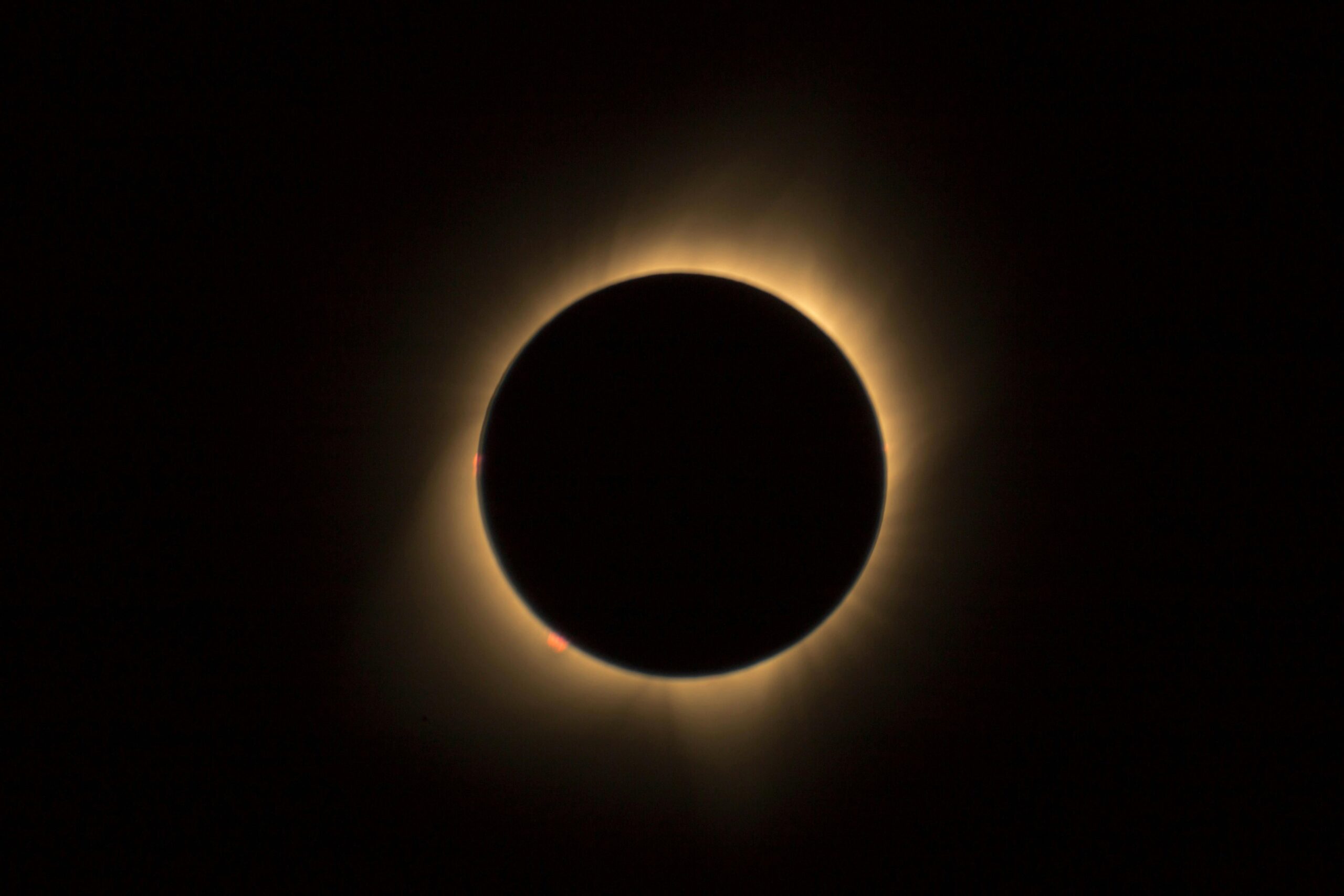
Solar eclipses occur due to the precise alignment of the Sun, Moon, and Earth. There are three types of solar eclipses: total, partial, and annular. A total solar eclipse happens when the Moon completely covers the Sun, revealing the Sun’s corona. A partial solar eclipse occurs when only a part of the Sun is obscured by the Moon. An annular eclipse takes place when the Moon is too far from the Earth to completely cover the Sun, resulting in a ring of sunlight around the Moon.
Historical Significance of Solar Eclipses
Throughout history, solar eclipses have been viewed with a mix of fear and fascination. Ancient civilizations often interpreted eclipses as omens or signs from the gods. For instance, the ancient Chinese believed that eclipses occurred when a celestial dragon devoured the Sun. In many cultures, eclipses were associated with impending doom or significant changes. However, with the advent of modern astronomy, we now understand the scientific principles behind these events, allowing us to predict and study them with precision.
One interesting aspect of solar eclipses is their role in advancing our understanding of the universe. The 1919 eclipse, for example, provided crucial evidence supporting Albert Einstein’s theory of general relativity. By observing the bending of starlight around the Sun during the eclipse, scientists confirmed Einstein’s predictions, revolutionizing our understanding of gravity and the cosmos.
Preparing for the Next Solar Eclipse
The next solar eclipse is expected to be a total eclipse, visible from specific regions of the world. To observe a solar eclipse safely, it is essential to use proper eye protection. Looking directly at the Sun, even during an eclipse, can cause permanent eye damage. Special eclipse glasses or solar filters are recommended to view the event safely. Additionally, indirect viewing methods, such as pinhole projectors, can provide a safe and enjoyable way to experience the eclipse.
For those interested in natural remedies and alternative health practices, the doğal tedavi yöntemleri güncel güncelleme offers a wealth of information on holistic wellness. While preparing for the eclipse, it’s also a good time to consider how natural treatments can complement your overall health and well-being.
Cultural and Scientific Events Surrounding Solar Eclipses
Solar eclipses often inspire a variety of cultural and scientific events. Communities in the path of totality often host festivals, educational programs, and public viewing parties. These events bring together people from diverse backgrounds to share in the excitement and wonder of the eclipse. Scientists also seize the opportunity to conduct research during eclipses, studying the Sun’s corona, solar wind, and other phenomena that are typically difficult to observe.
Conclusion
Solar eclipses are a testament to the beauty and complexity of our universe. They remind us of the intricate dance of celestial bodies and the enduring human quest for knowledge. As we prepare for the next solar eclipse, let us embrace the opportunity to learn, observe, and celebrate this remarkable natural phenomenon. Whether you are a seasoned astronomer or a curious observer, the solar eclipse promises an unforgettable experience that connects us to the wonders of the cosmos.
As the natural health industry continues to evolve, our latest feature, health trends shaping 2026, offers a comprehensive look at the trends and insights driving this dynamic sector forward.
In today’s rapidly evolving digital landscape, understanding the broader implications of technological advancements is crucial; our latest feature, technology’s societal impact, delves into this pressing issue.
As global trends continue to shape our world, their influence on entertainment is undeniable; explore this dynamic intersection in entertainment trends worldwide.