The Celestial Spectacle: Understanding the Solar Eclipse Phenomenon
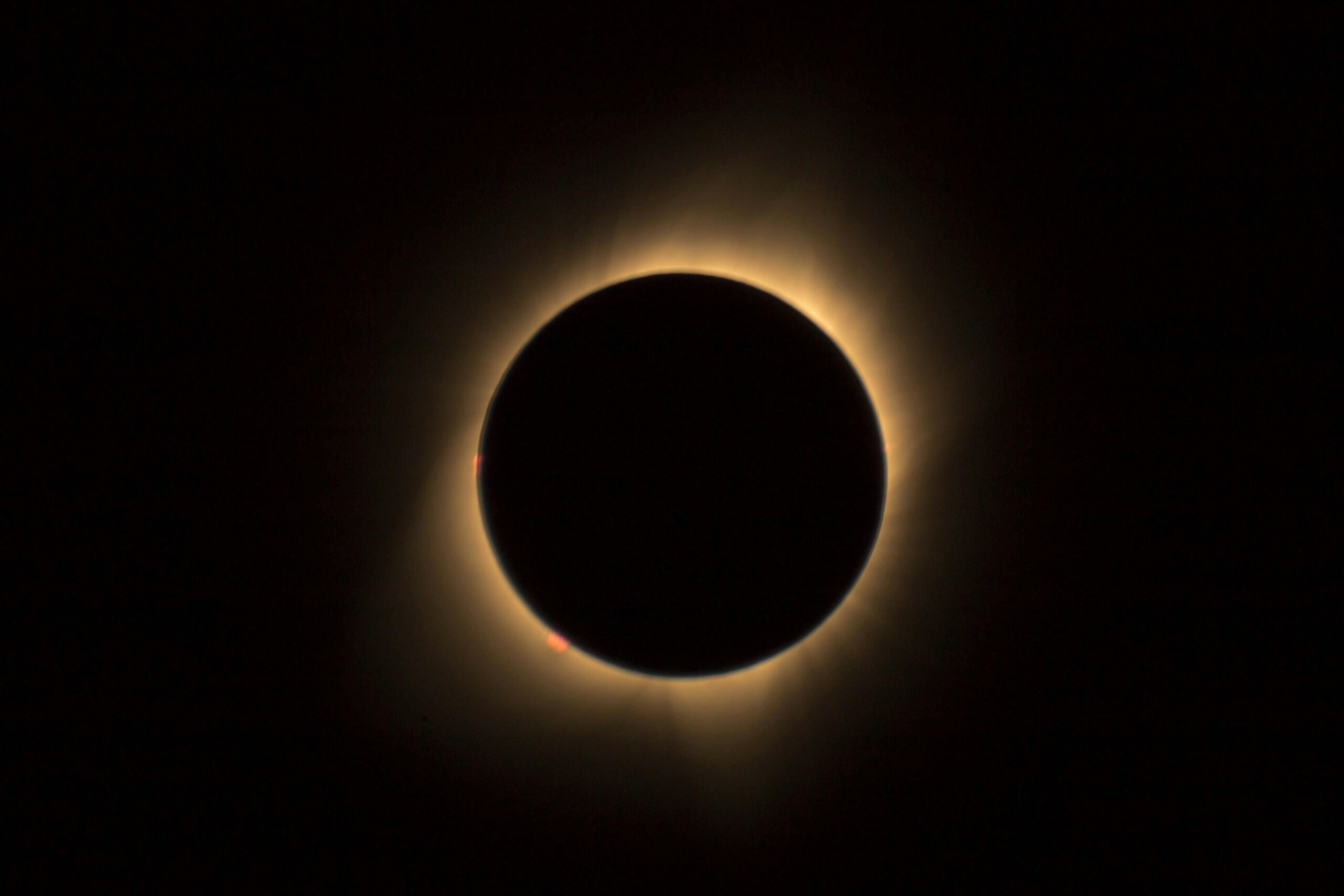
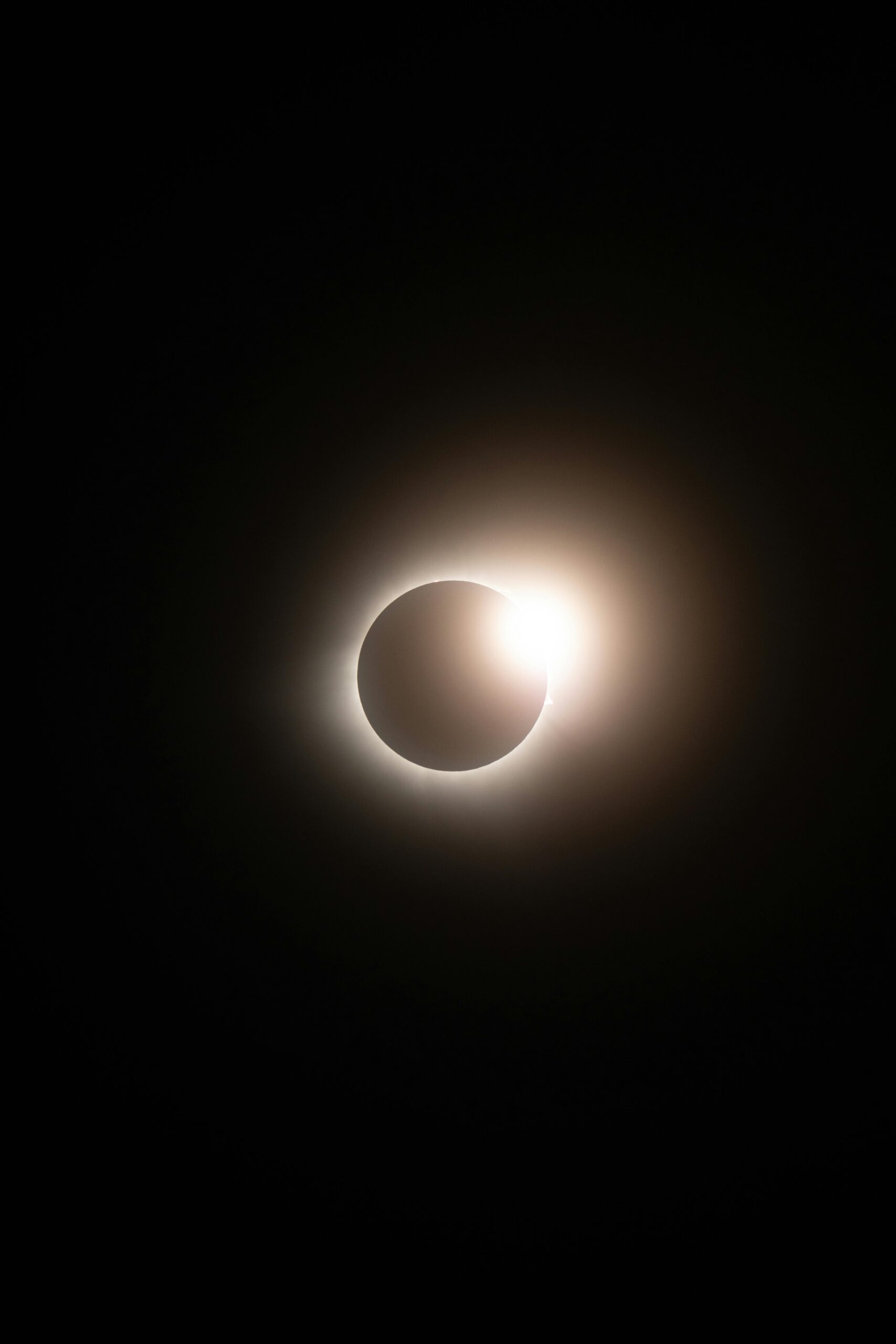
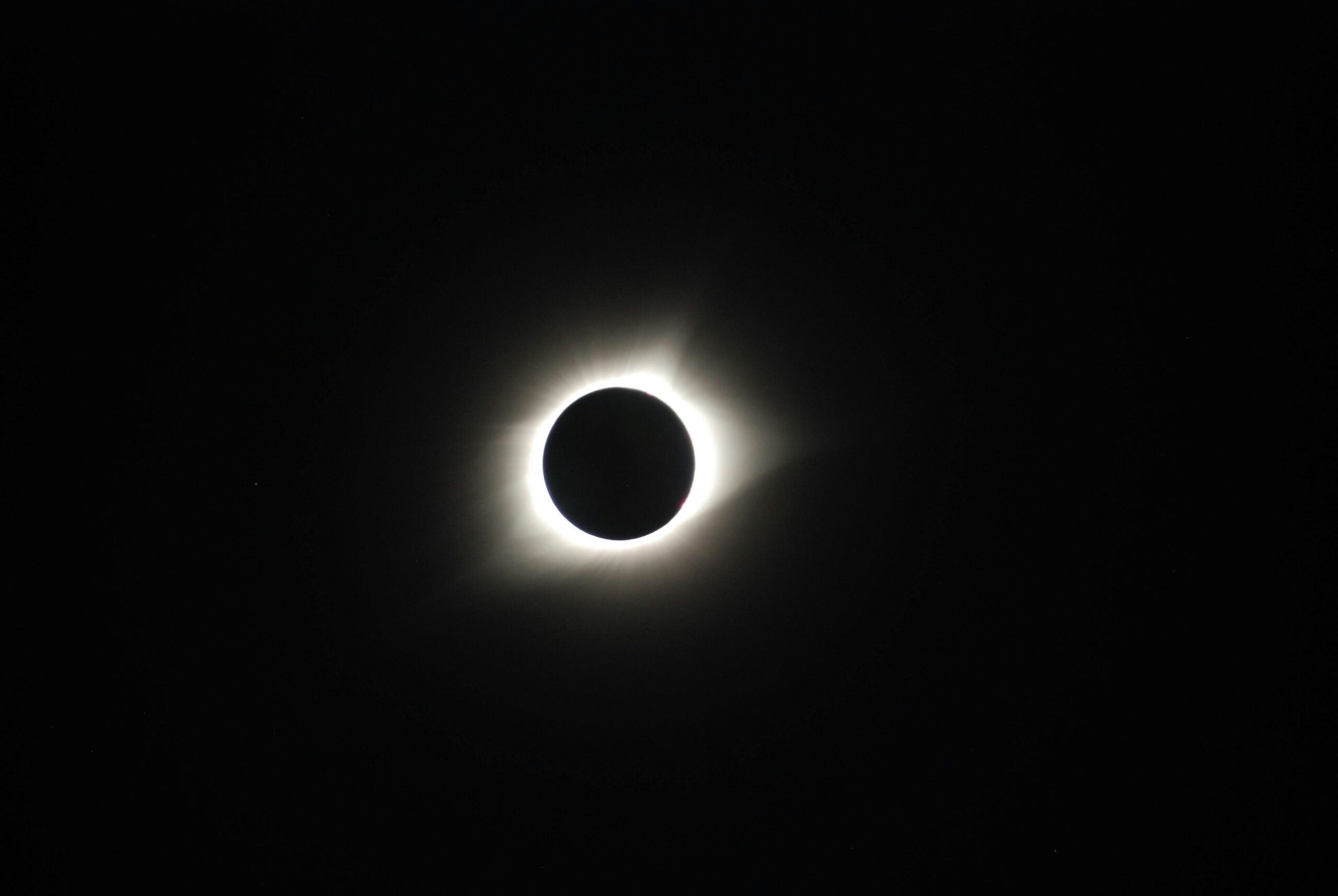
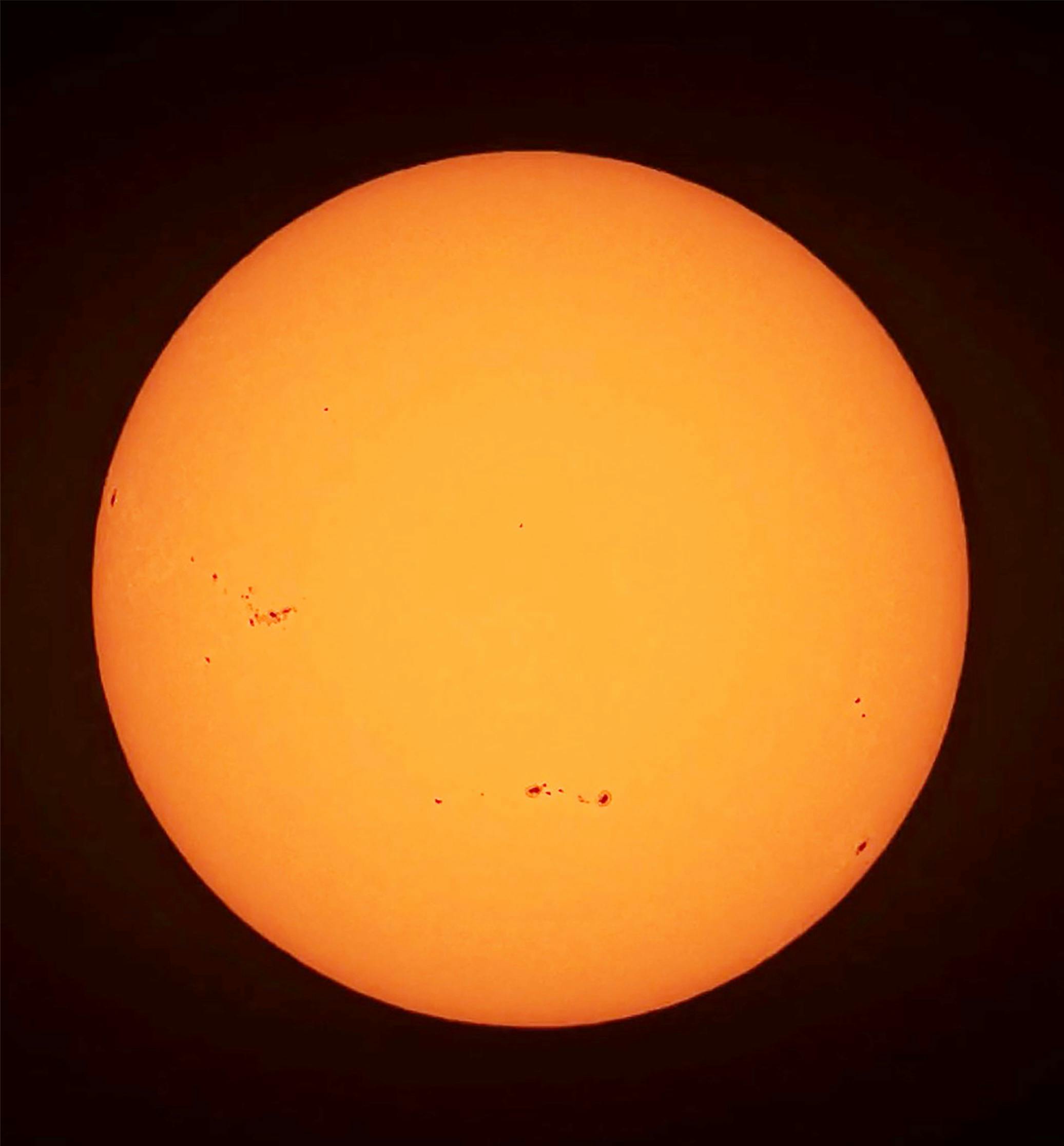
A solar eclipse is one of the most awe-inspiring natural phenomena that captivate the imagination of people around the world. This celestial event occurs when the Moon passes between the Earth and the Sun, casting a shadow on the Earth’s surface. The next solar eclipse is highly anticipated, and understanding its intricacies can enhance the viewing experience and appreciation for this rare event.
The Science Behind Solar Eclipses
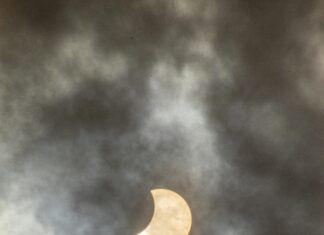
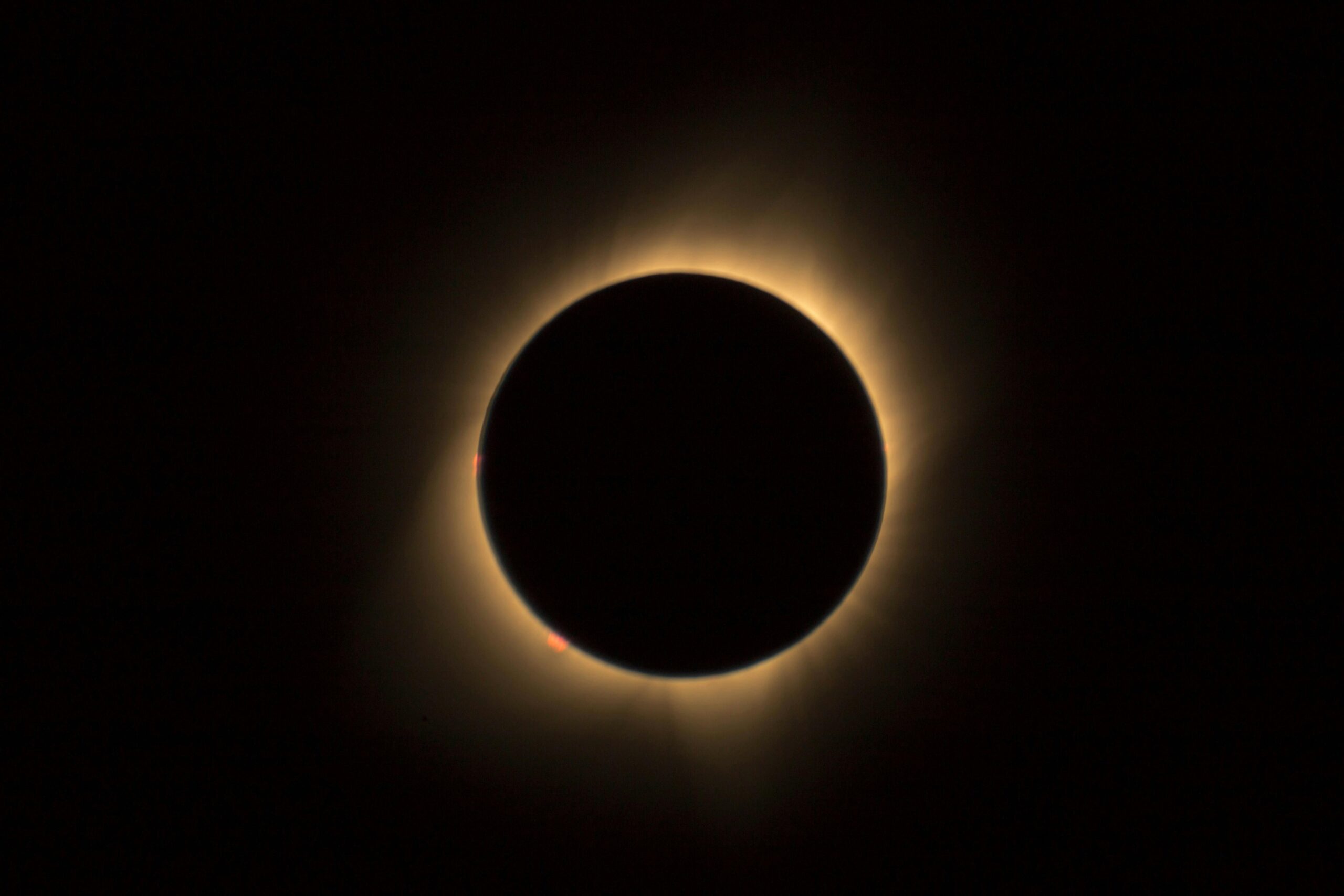
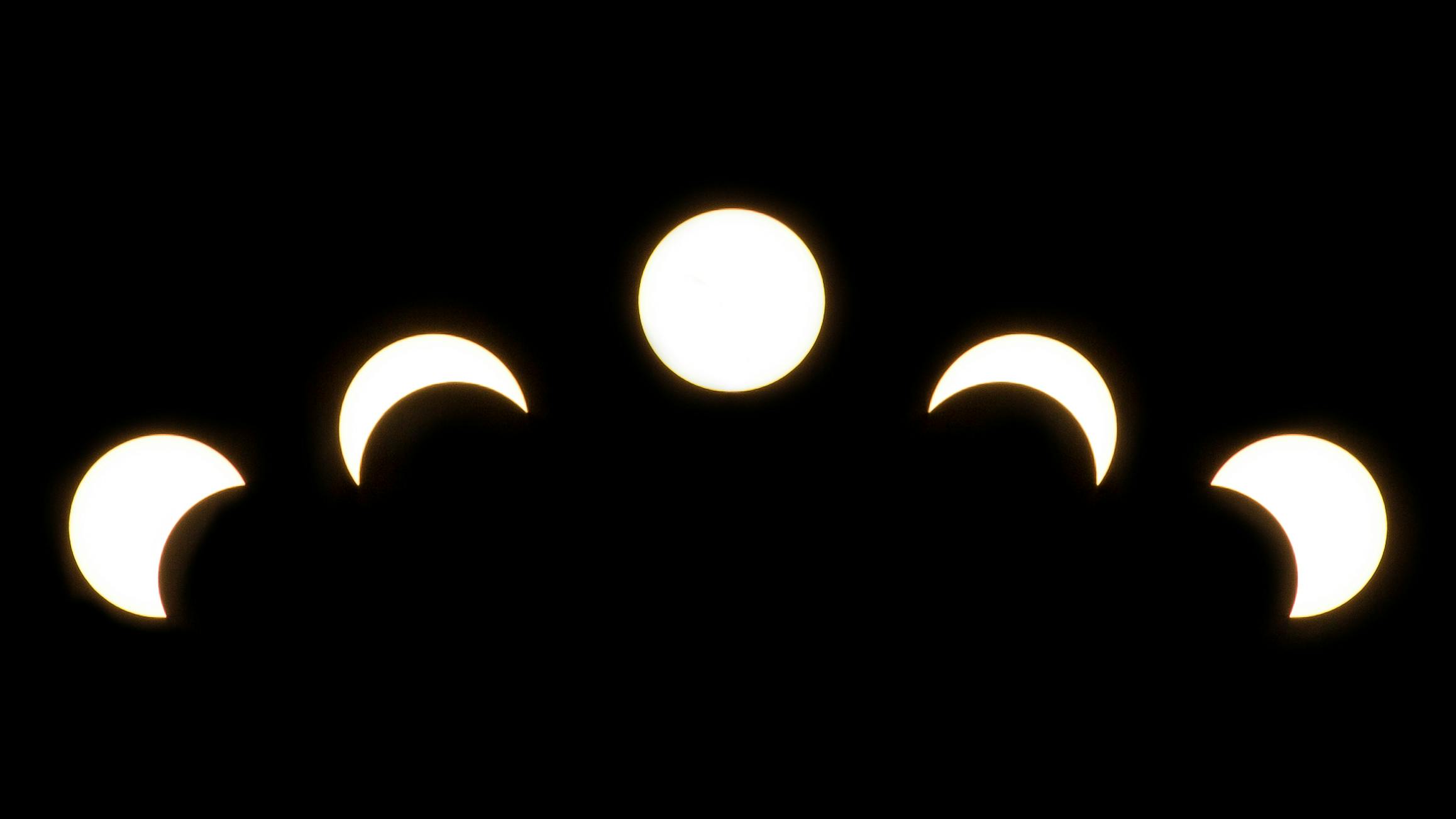
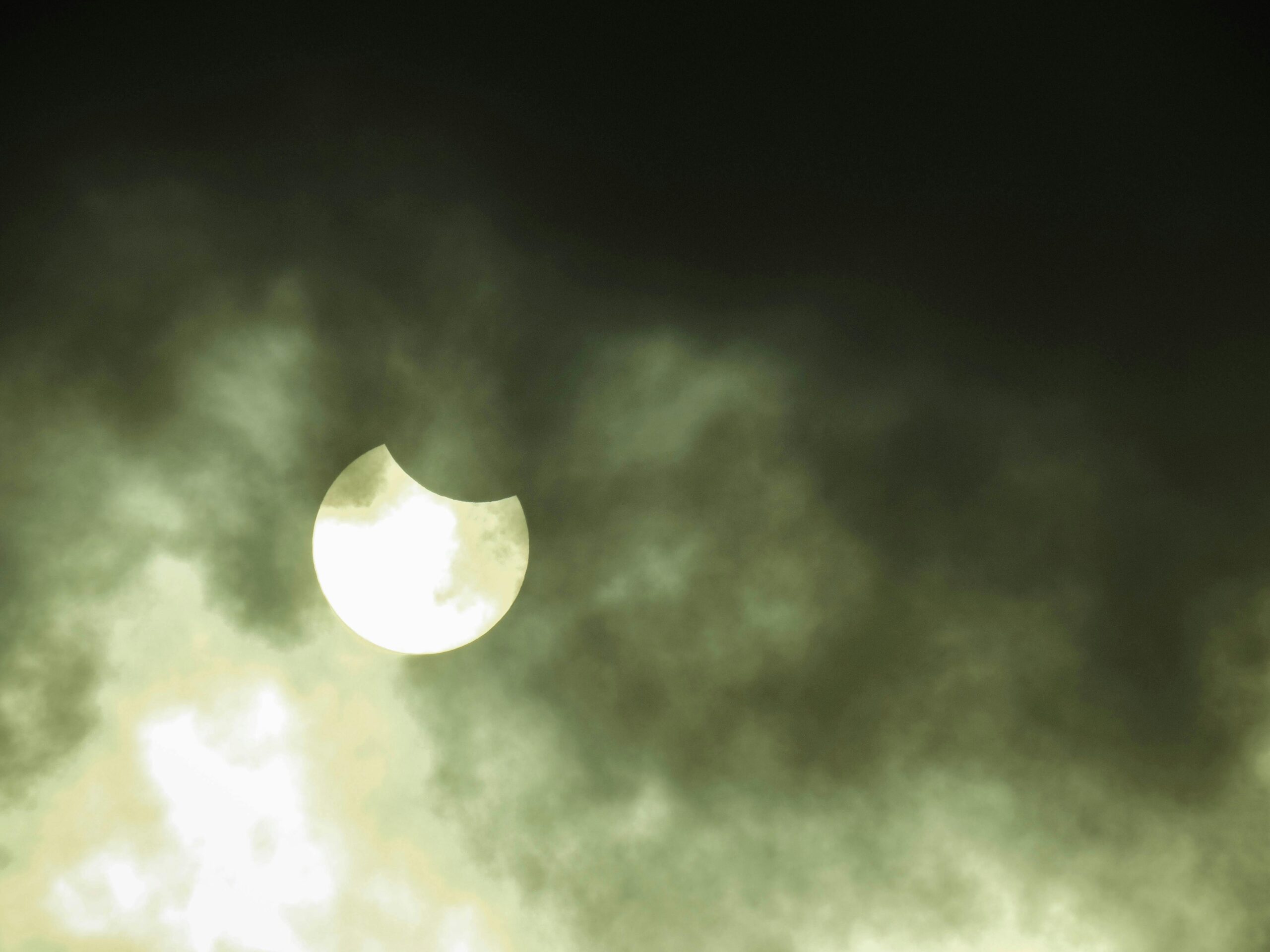
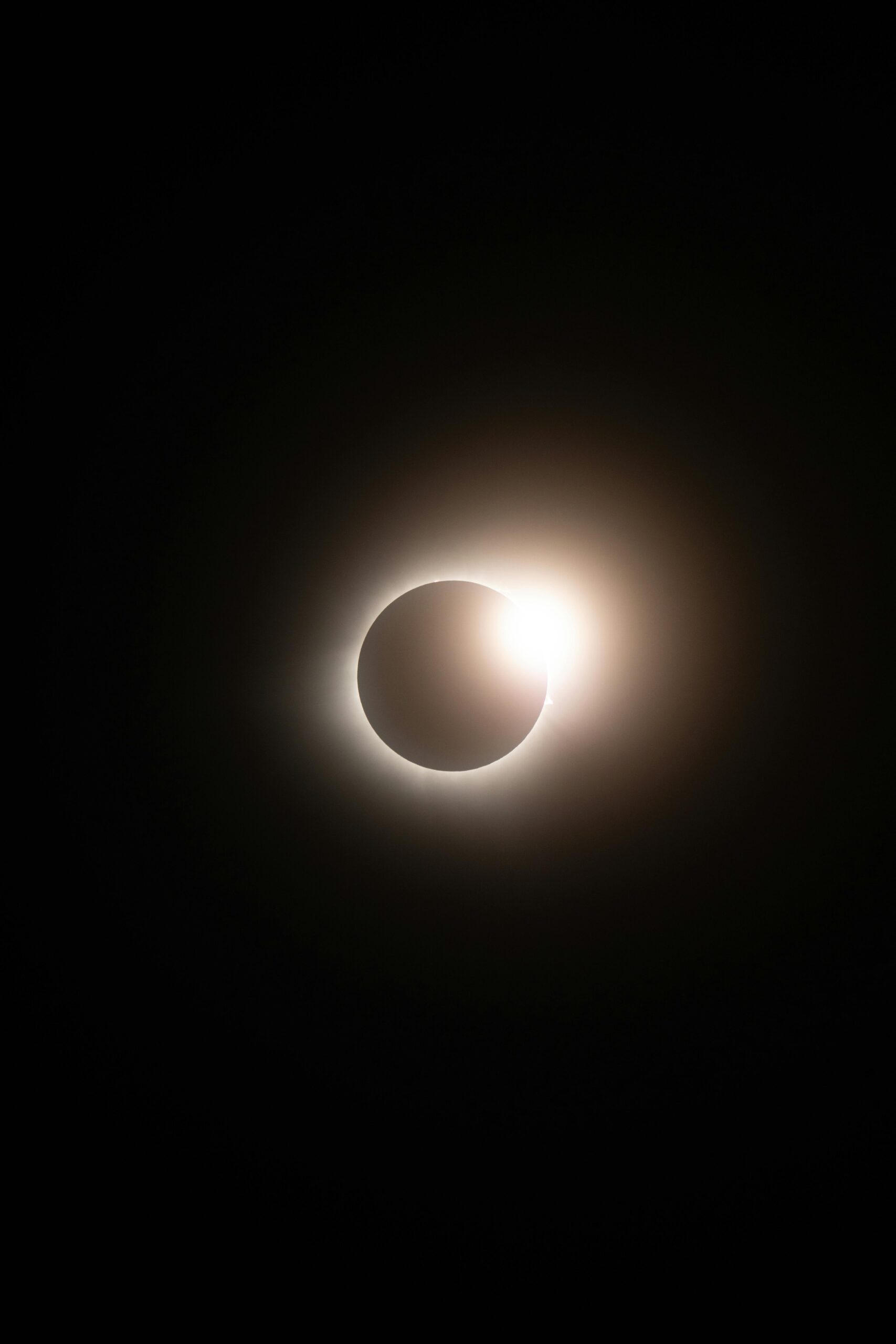
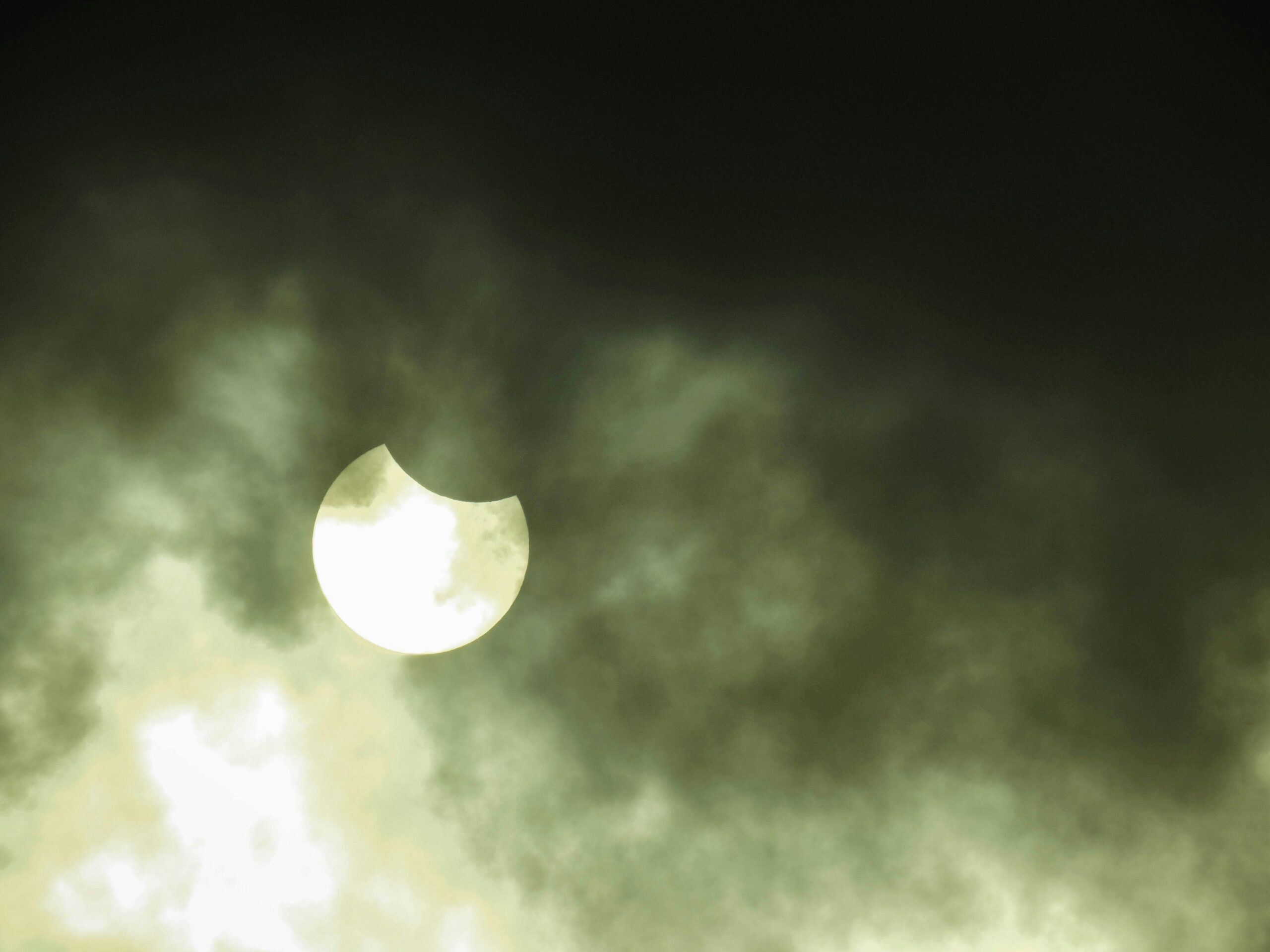
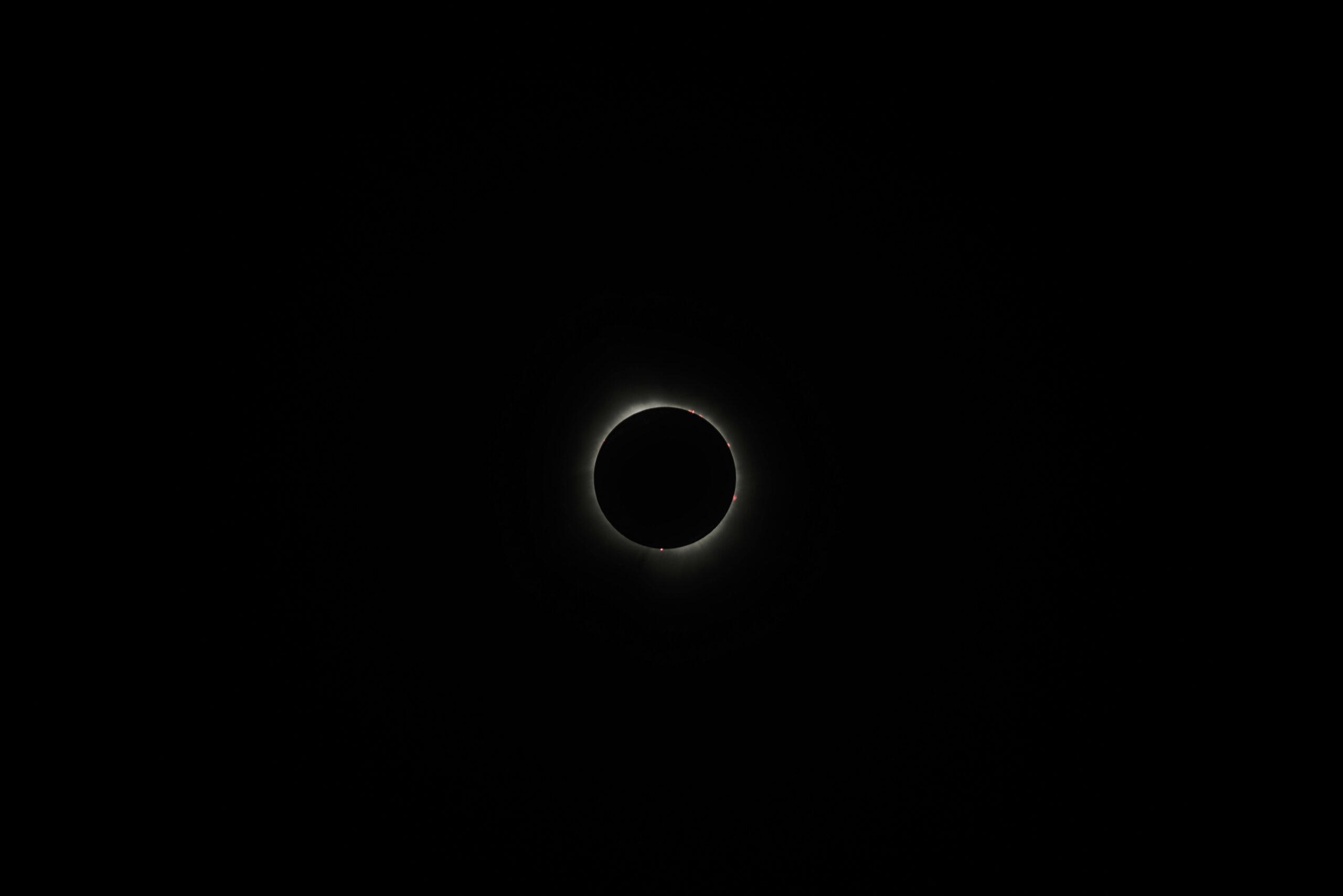
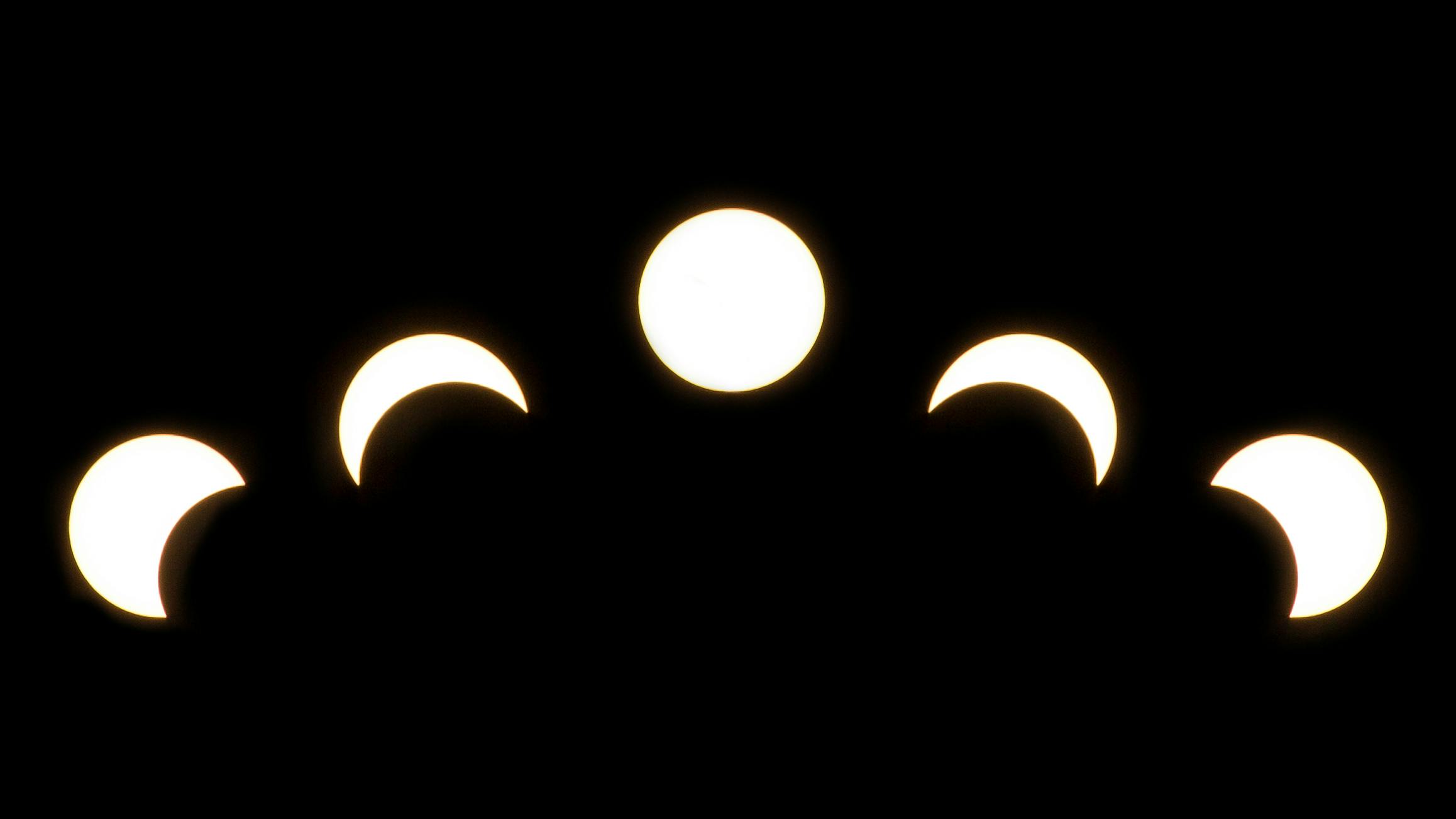
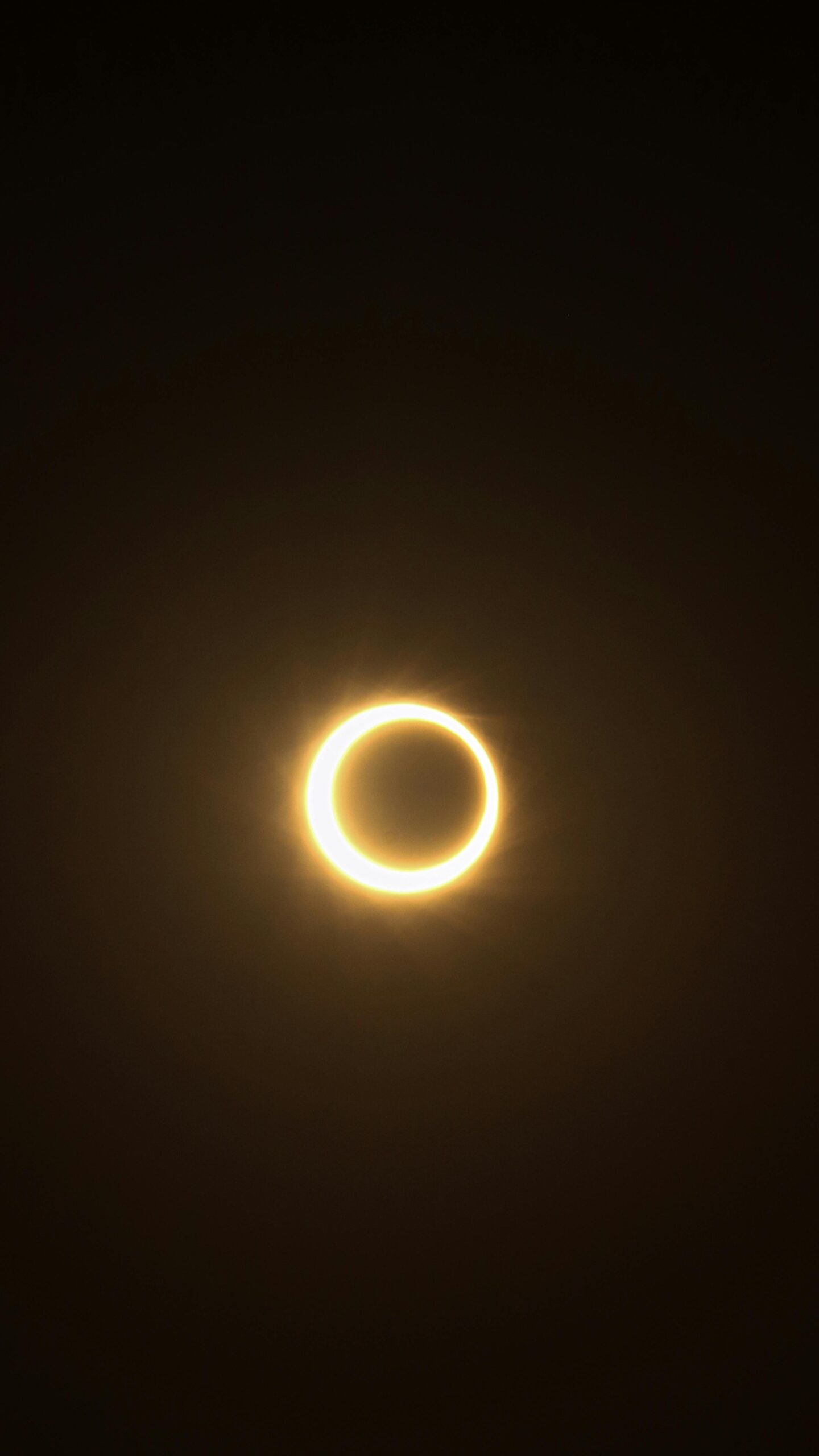
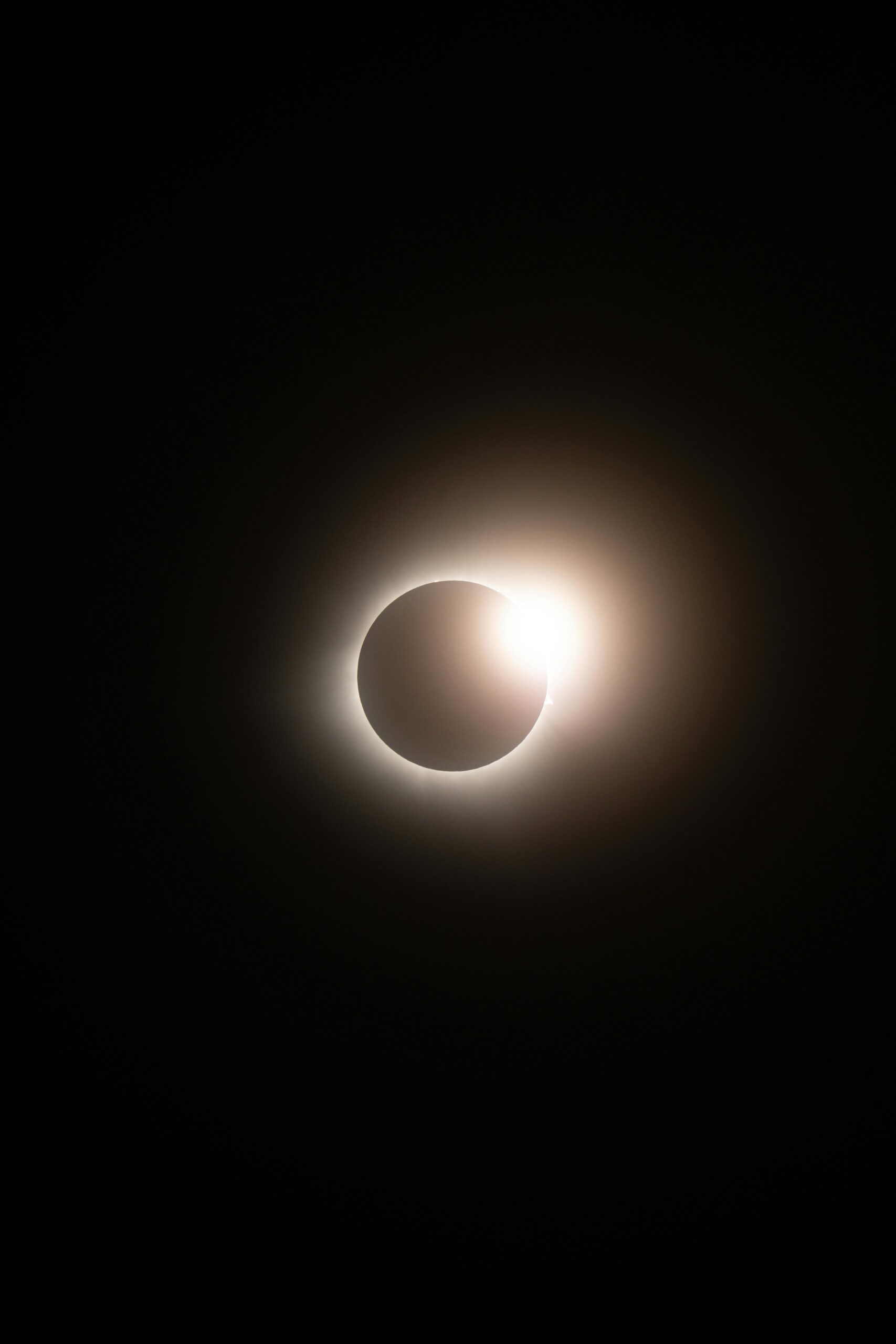
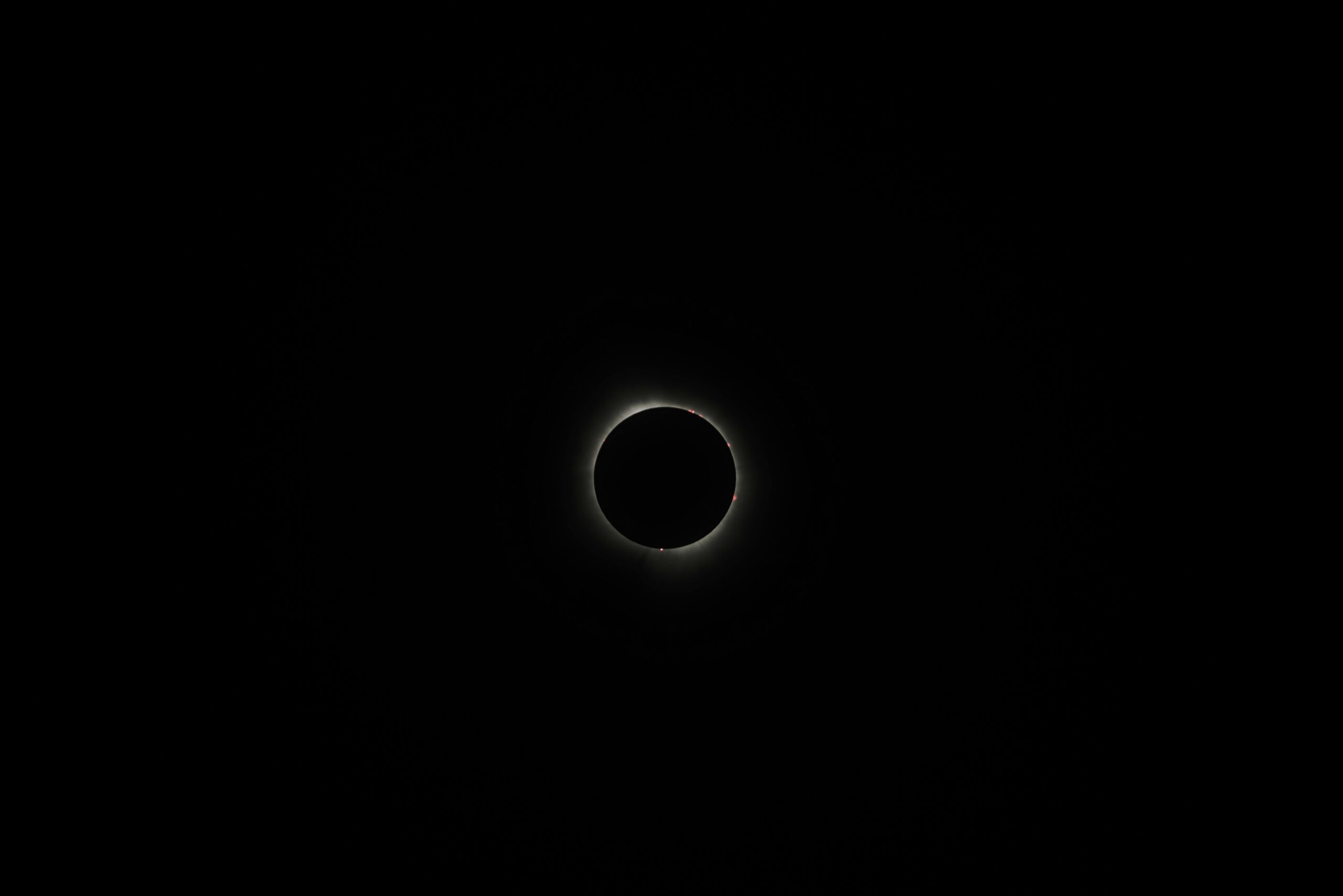
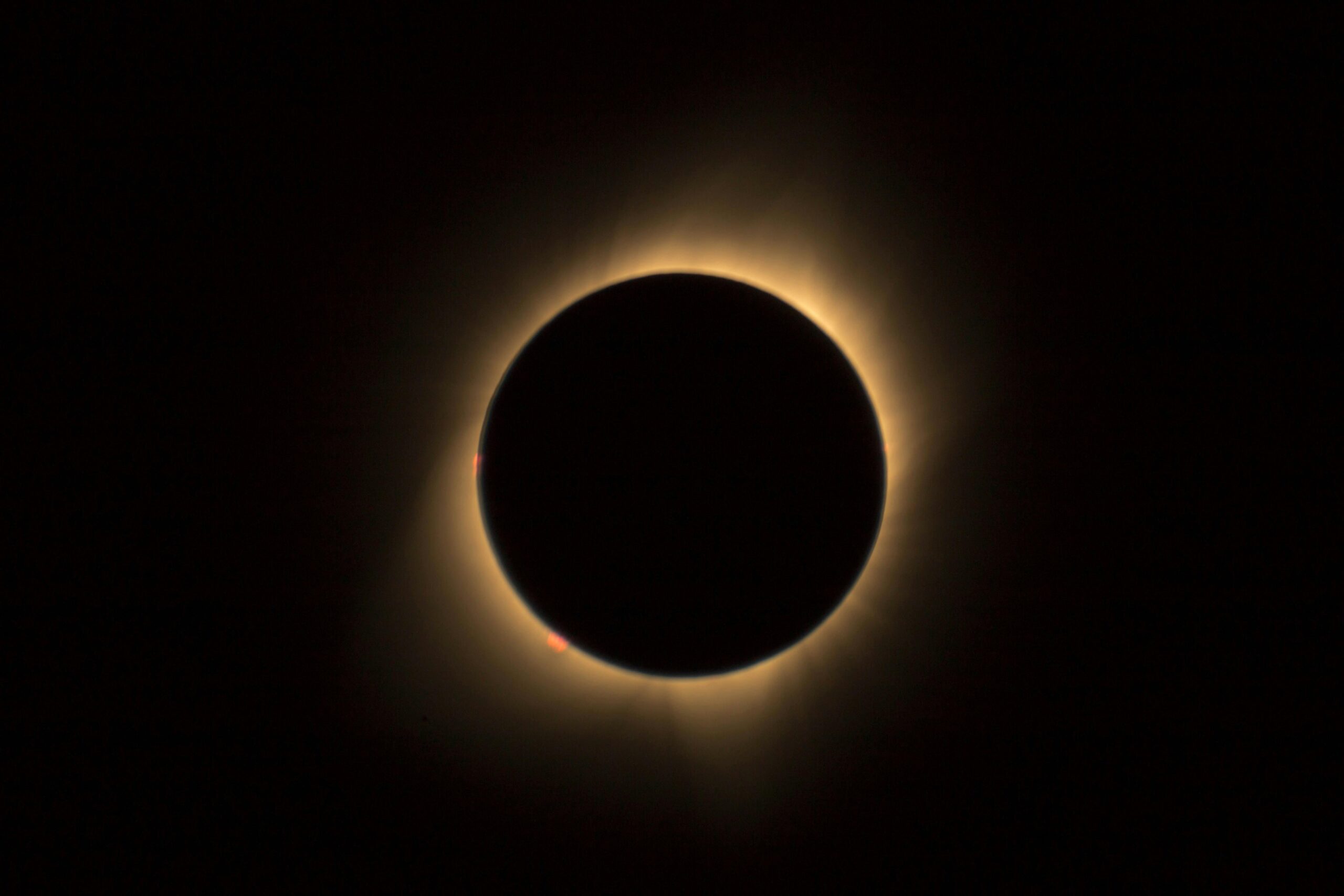
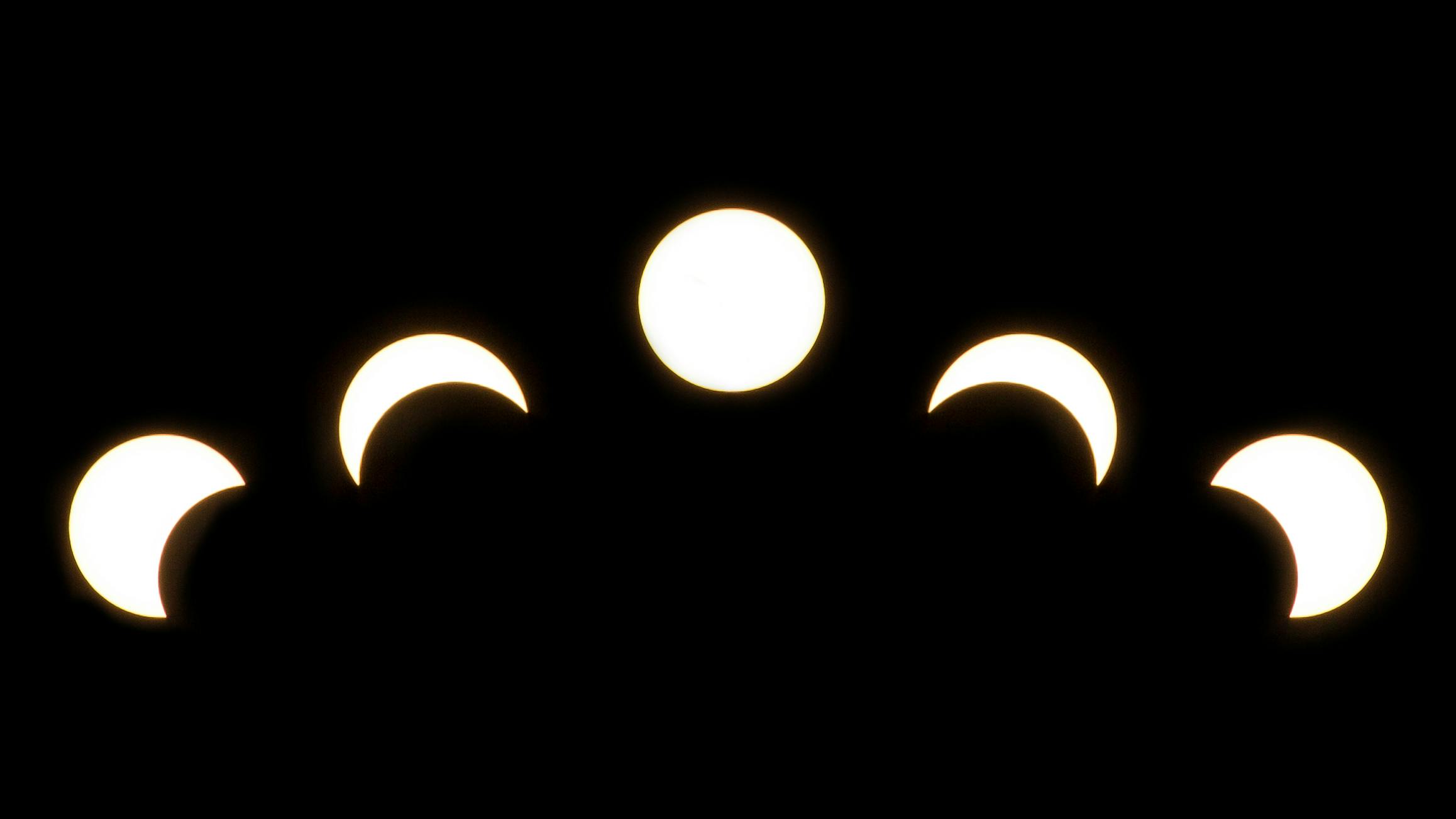
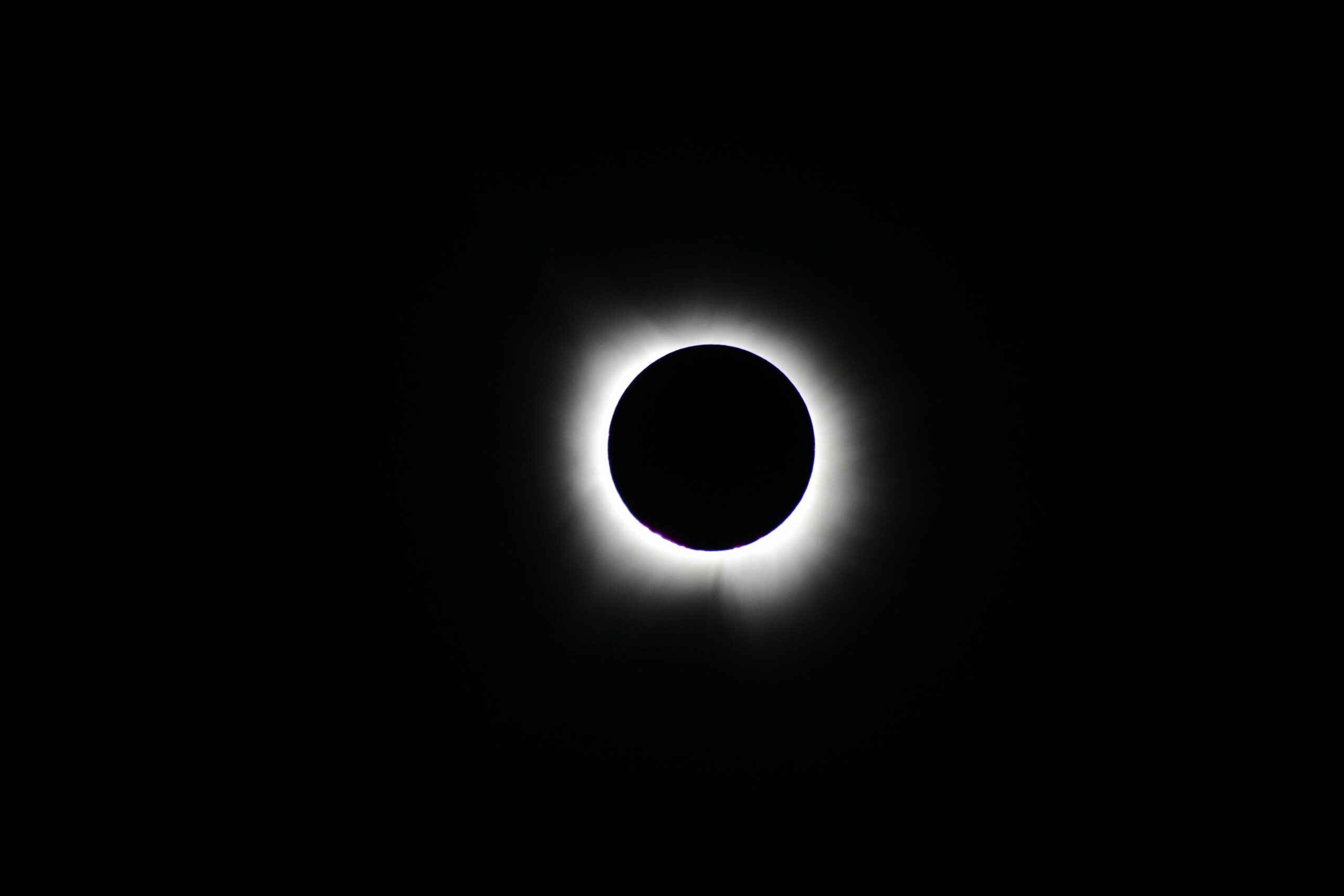
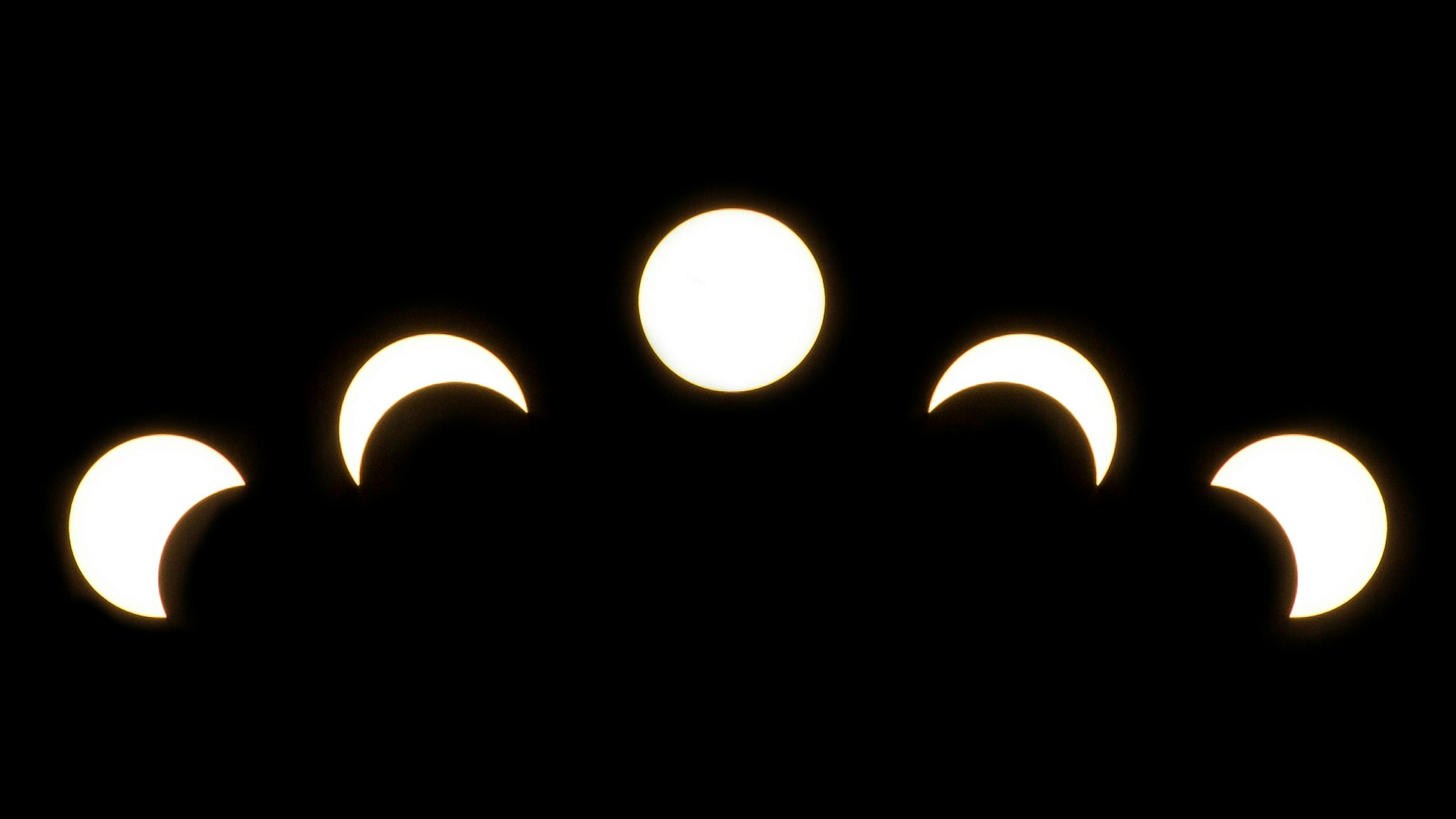
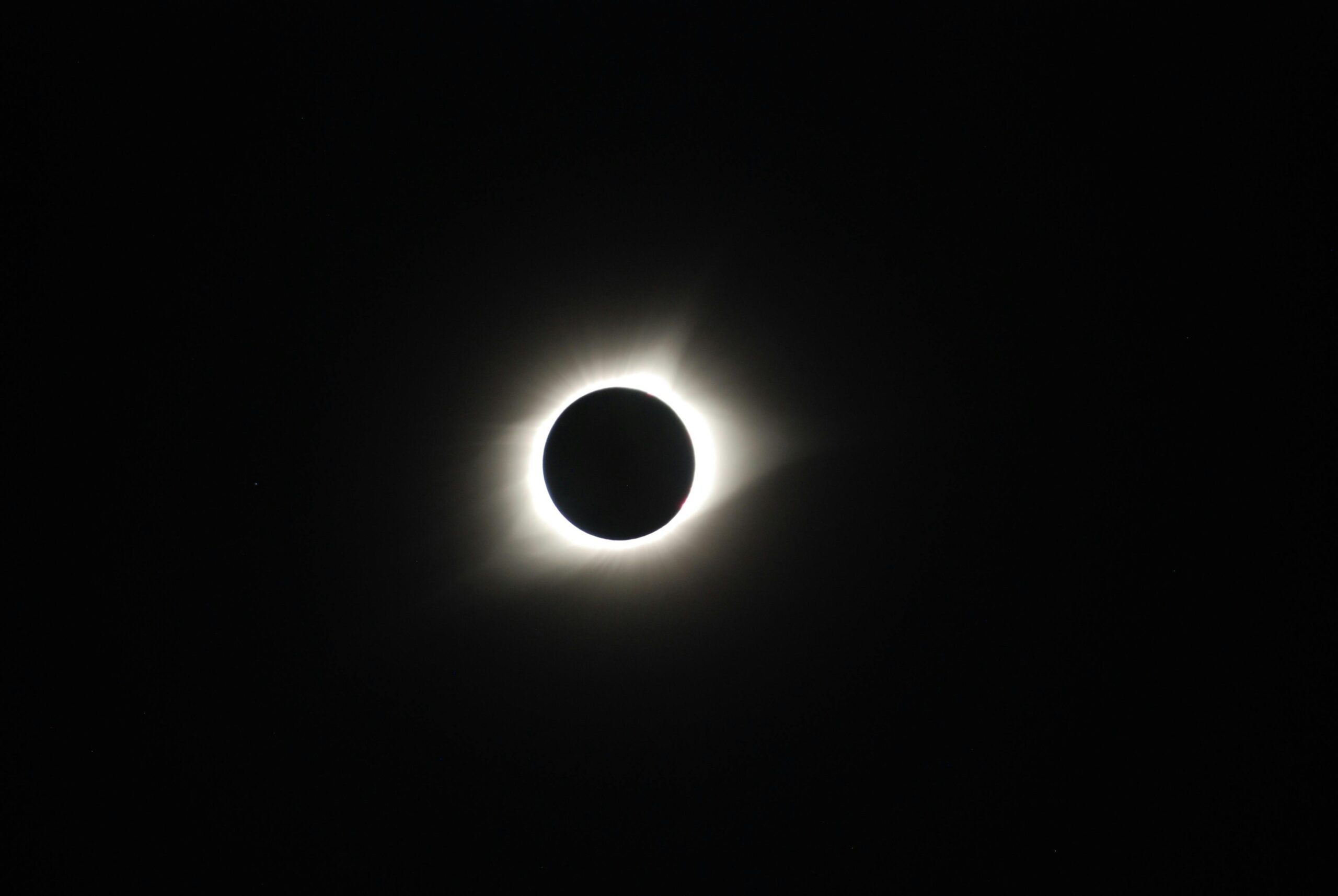
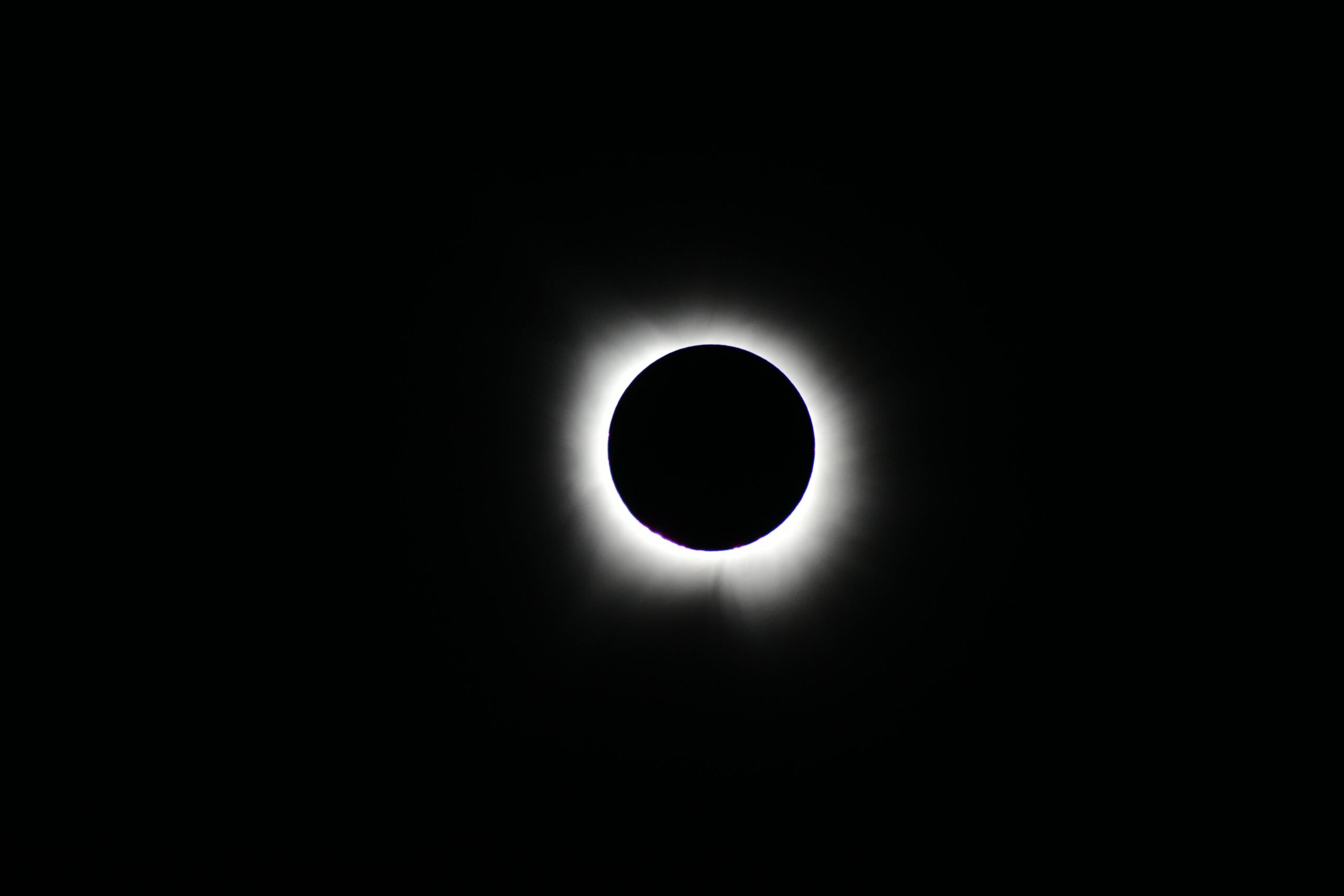
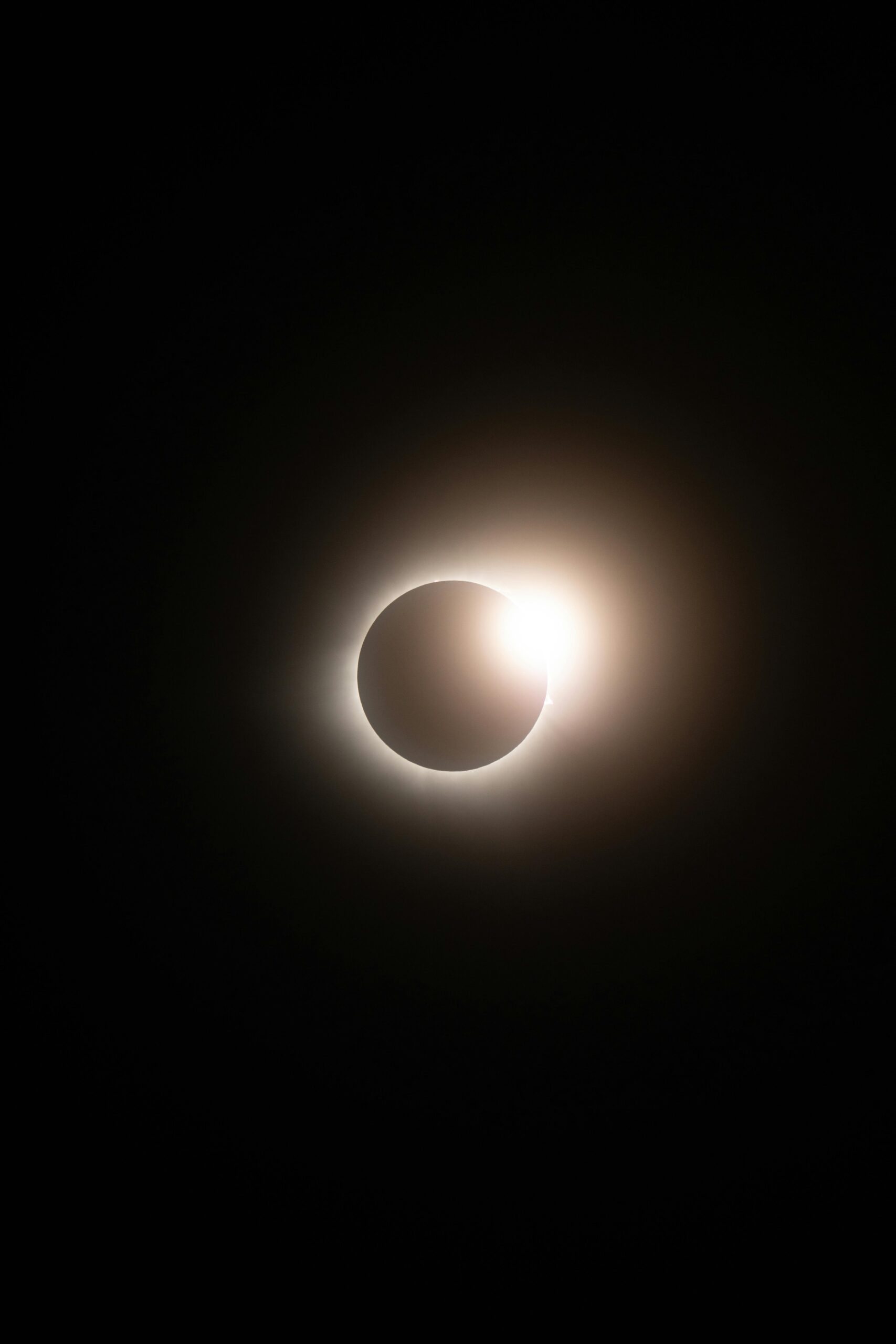
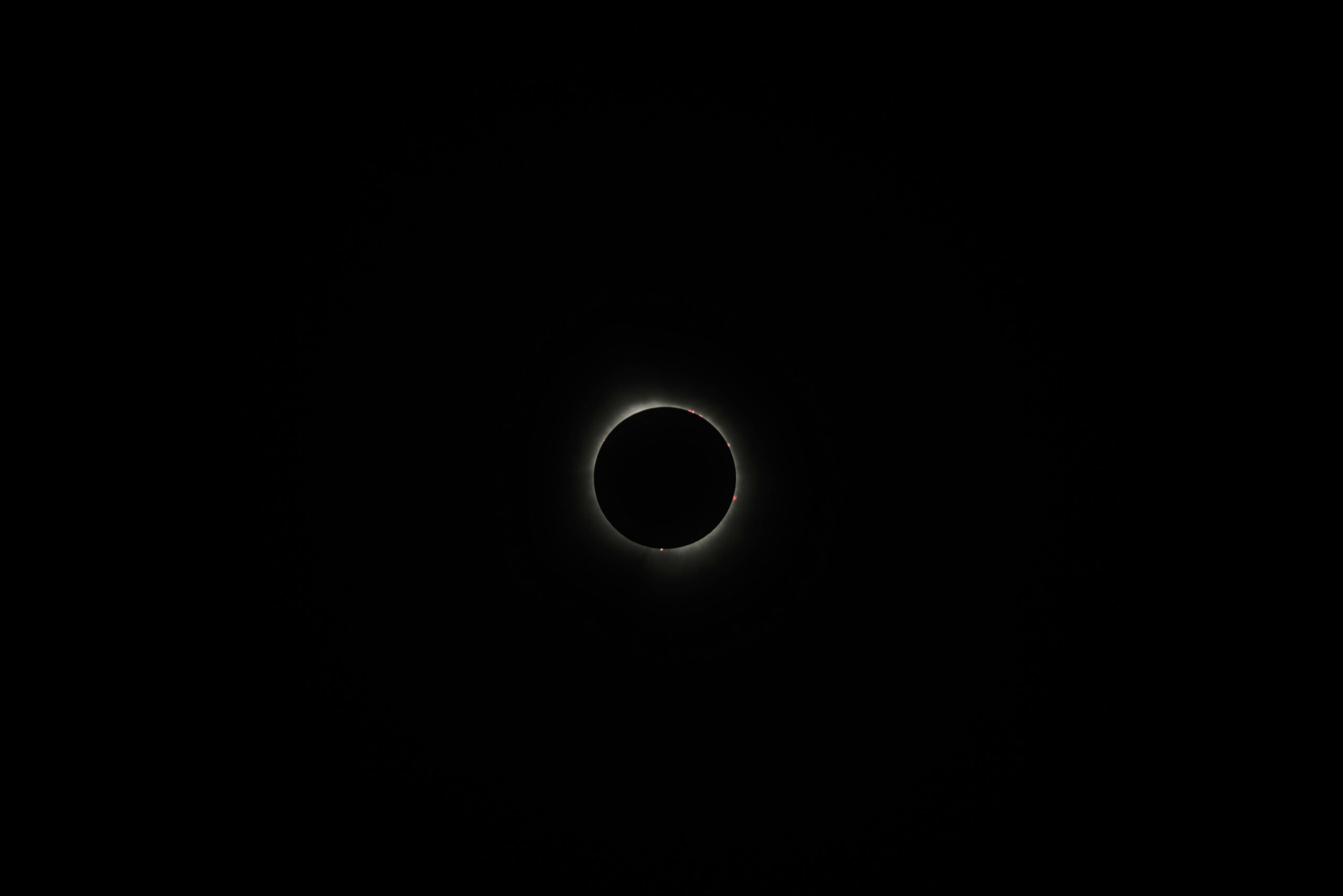
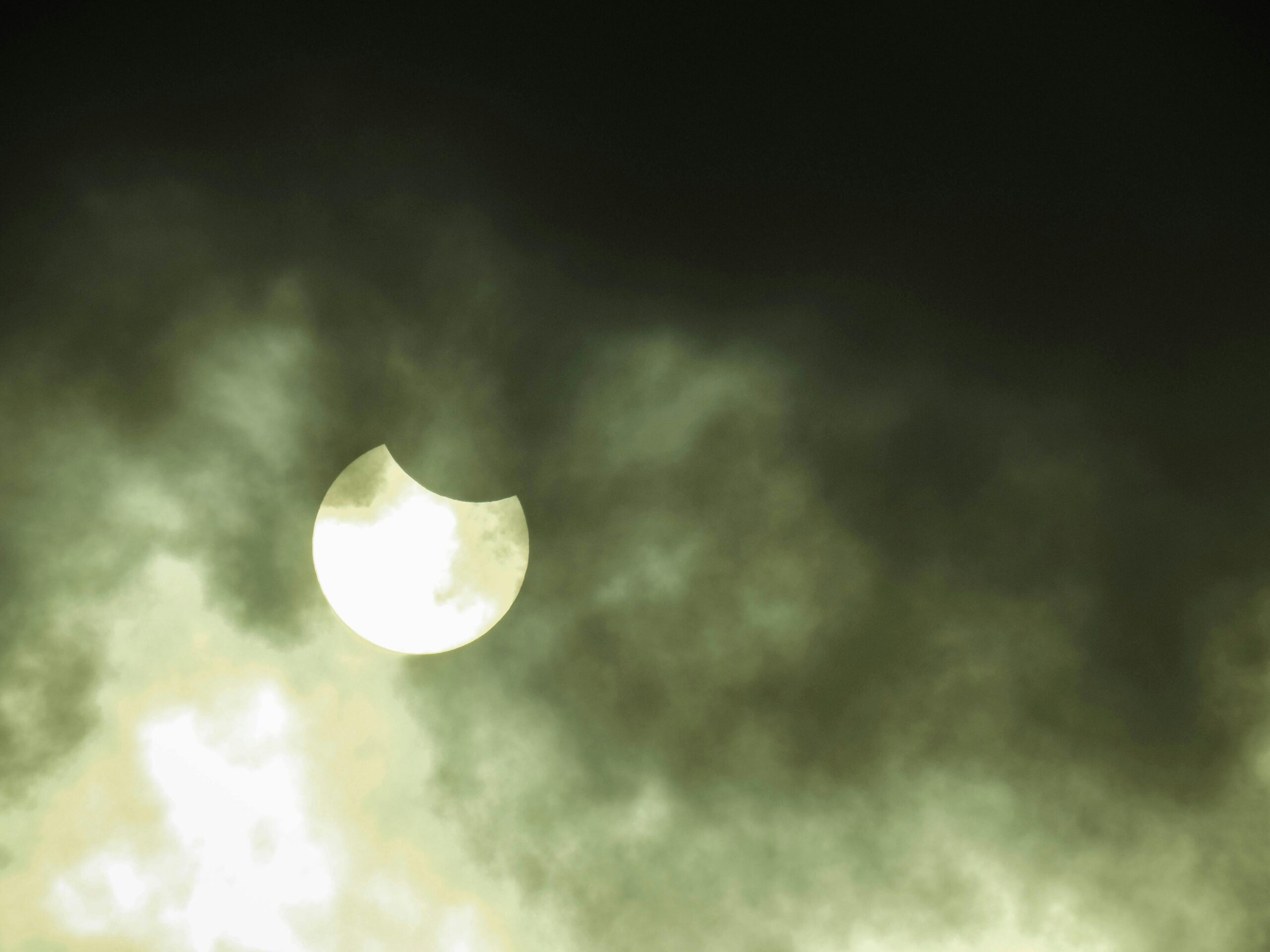
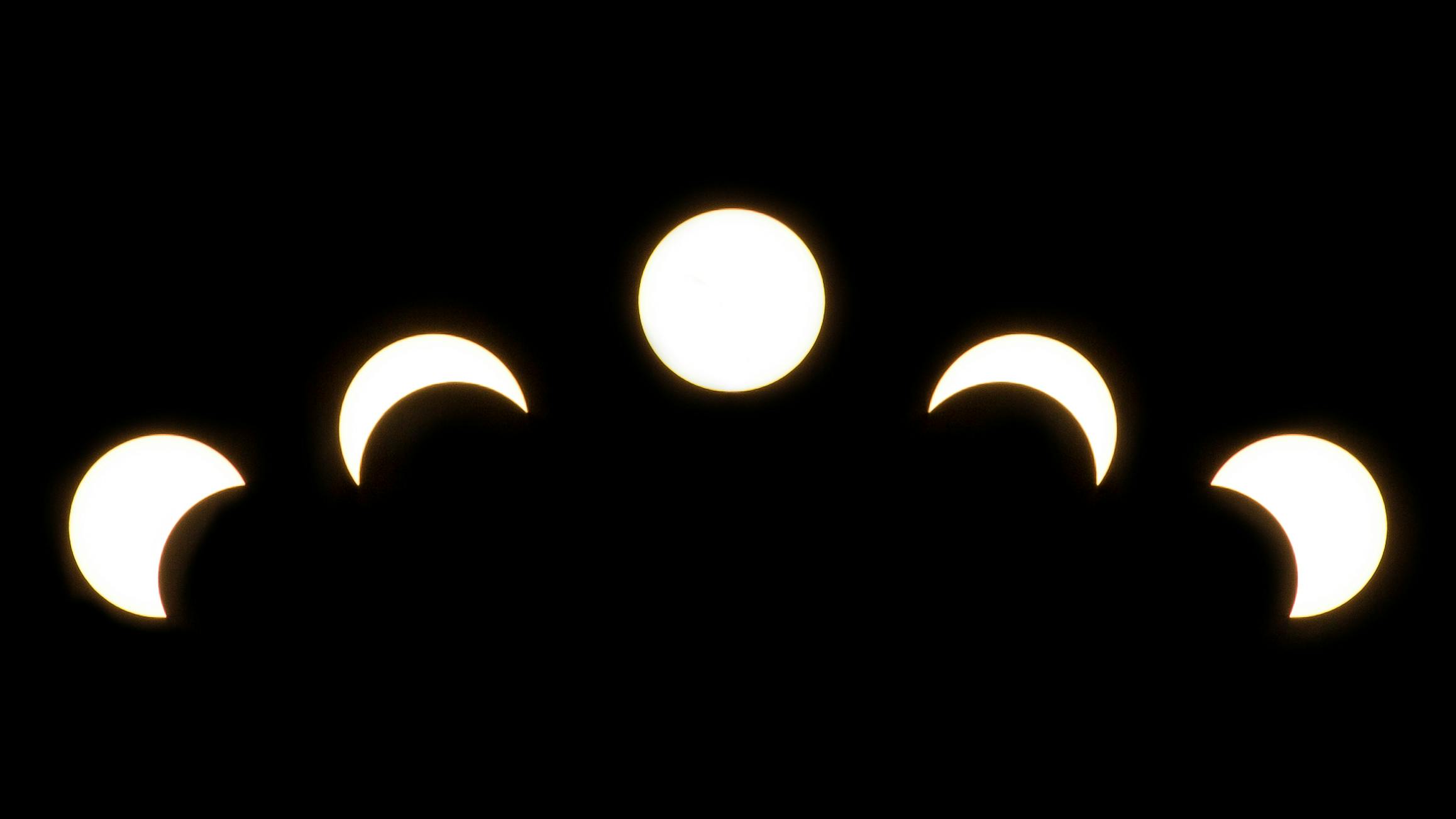
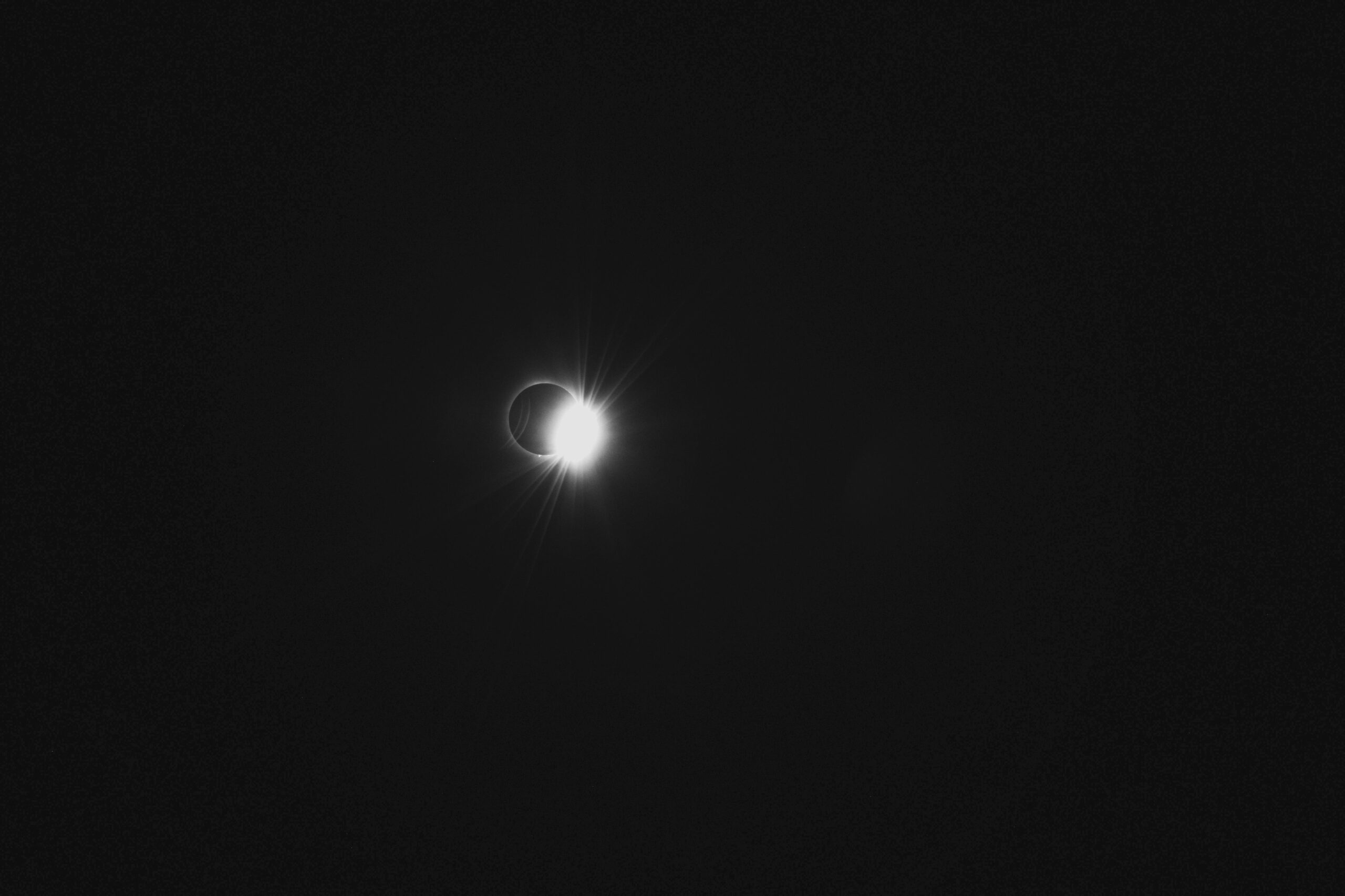
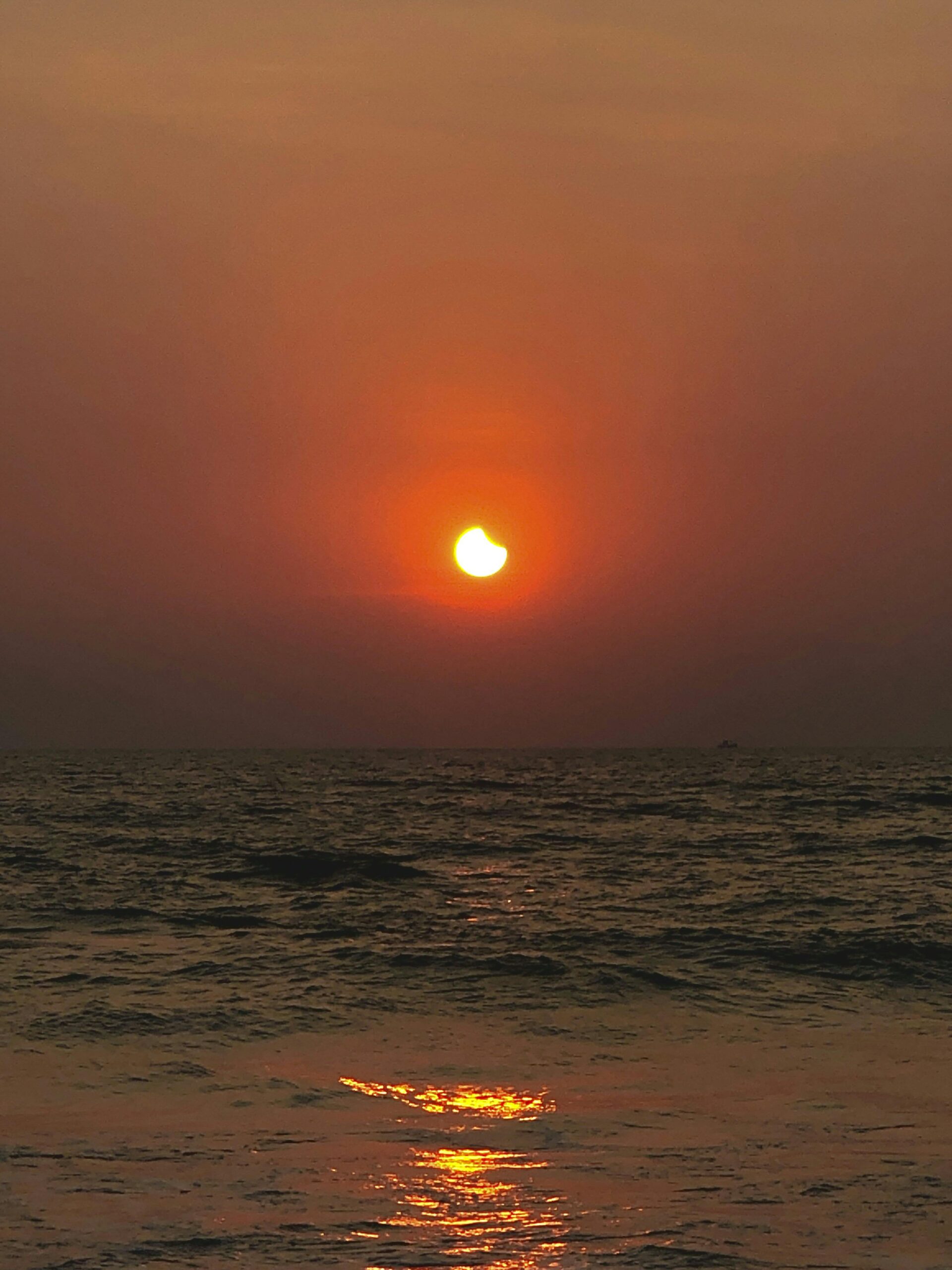
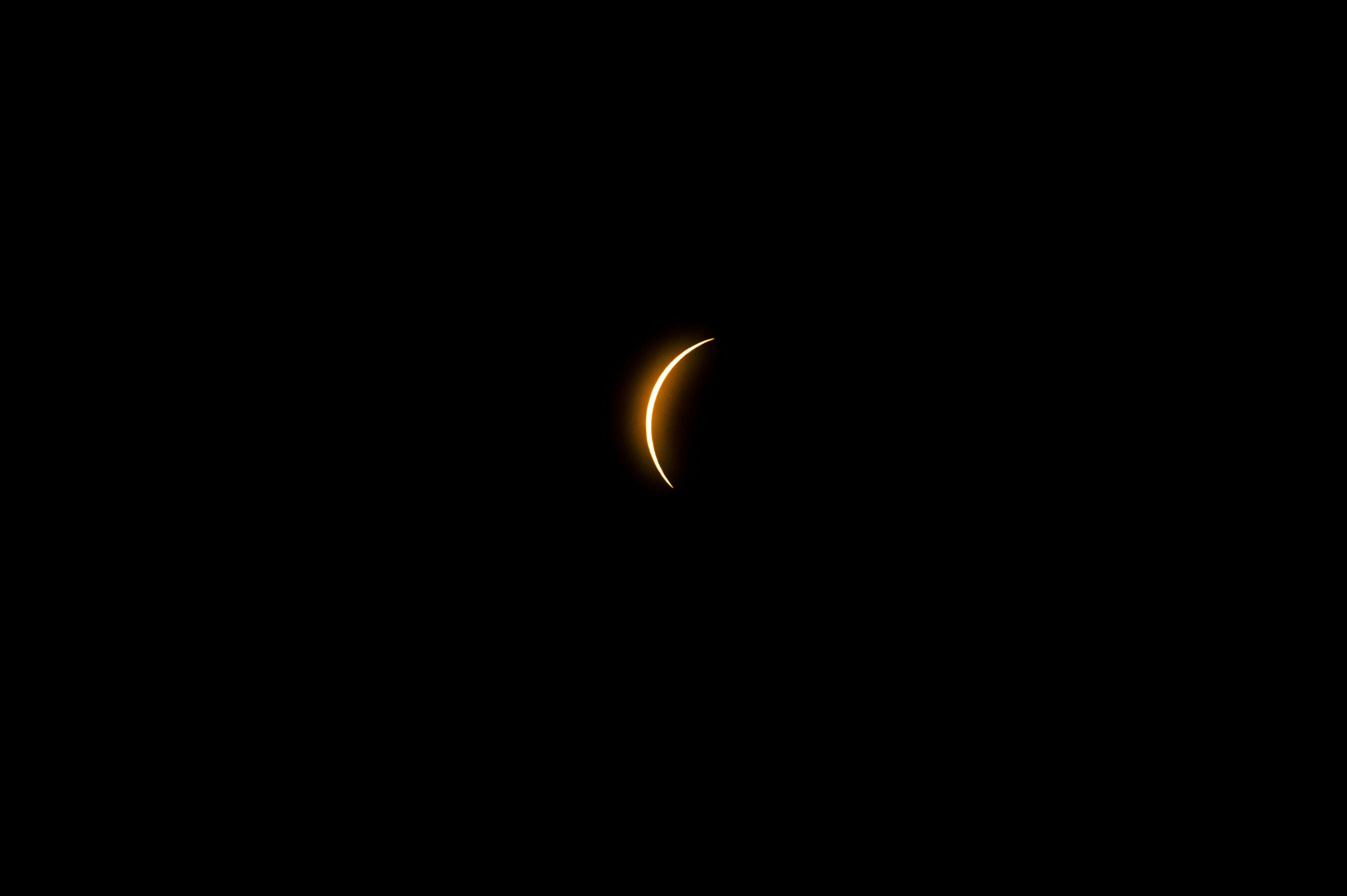
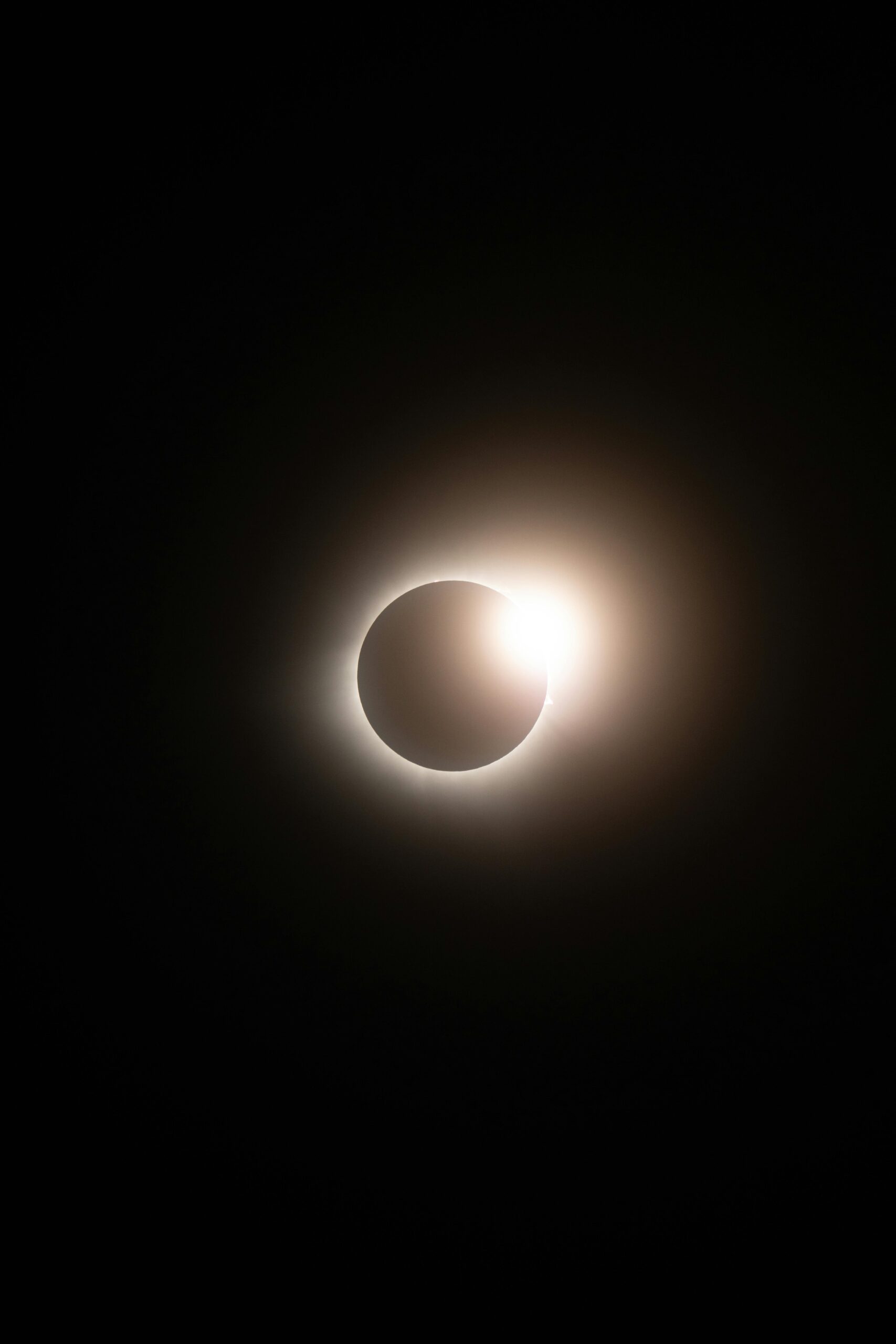
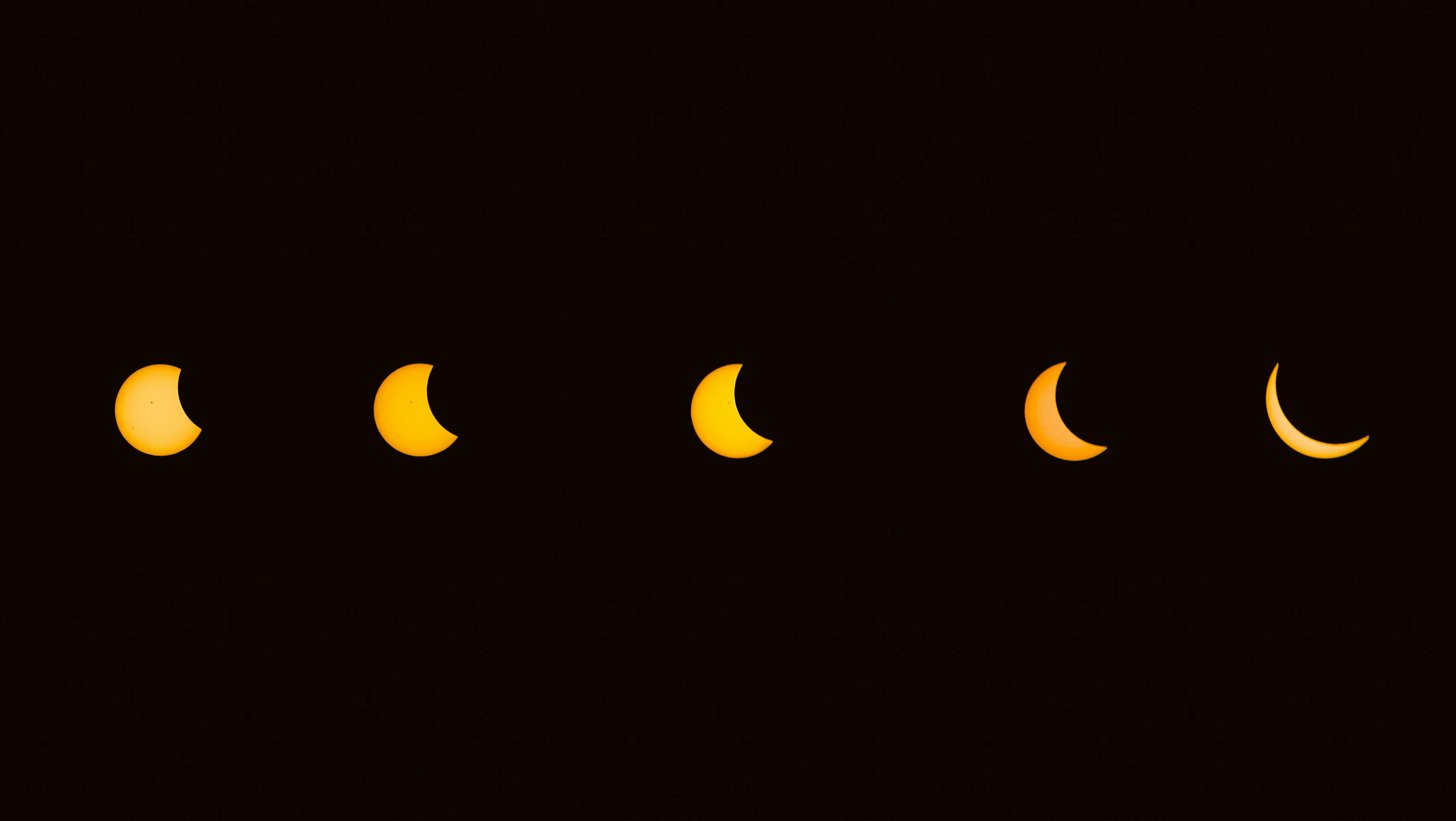
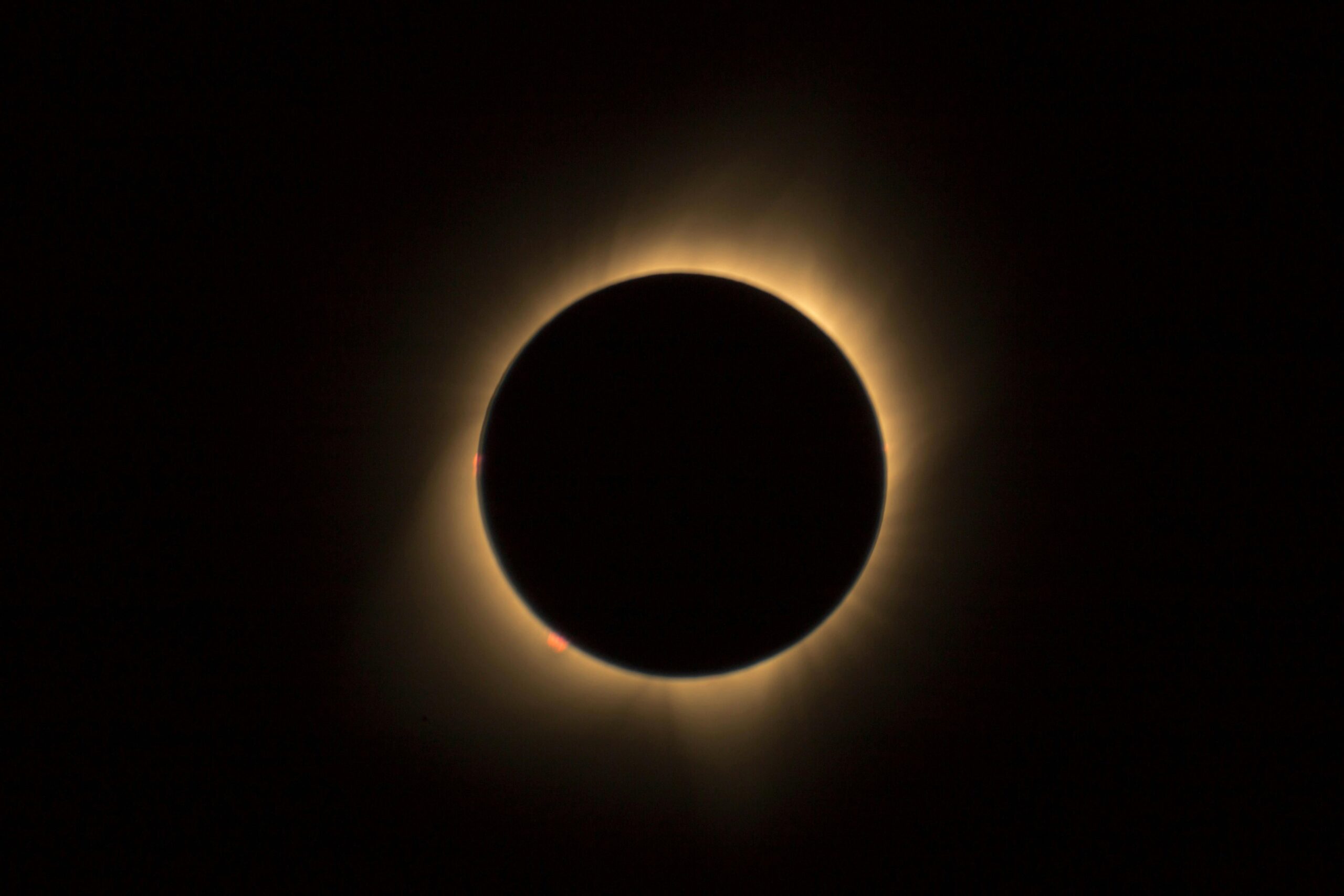
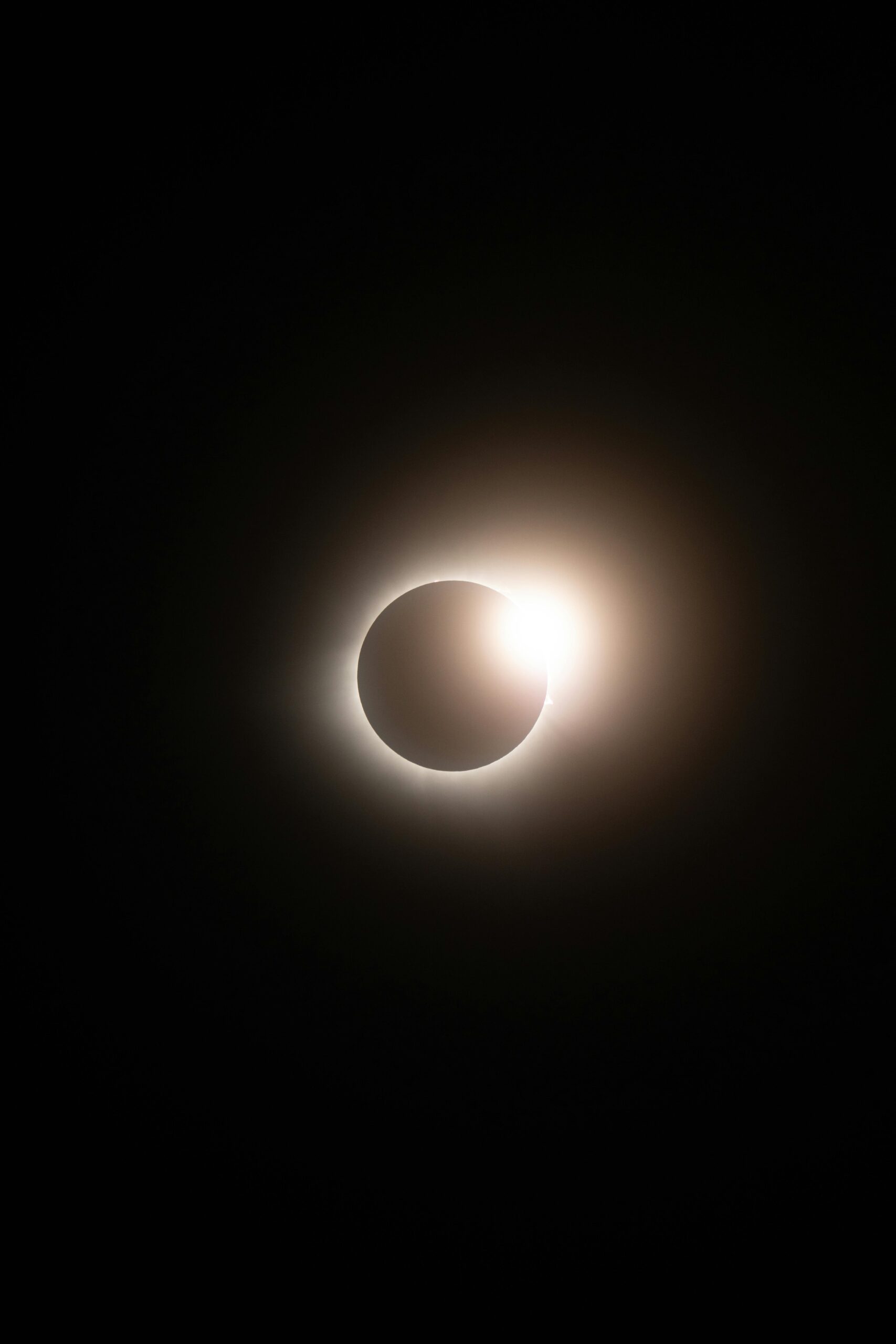
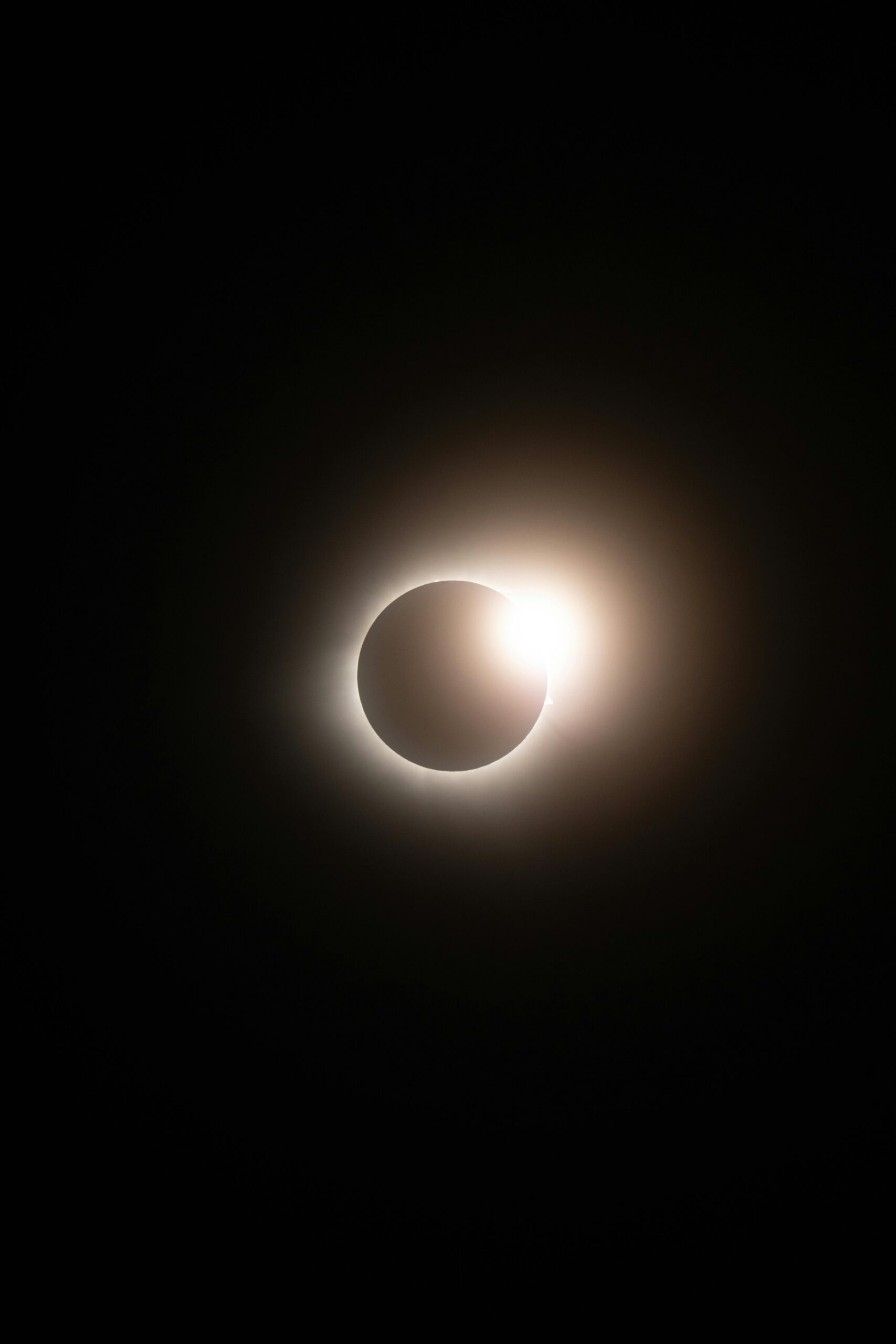
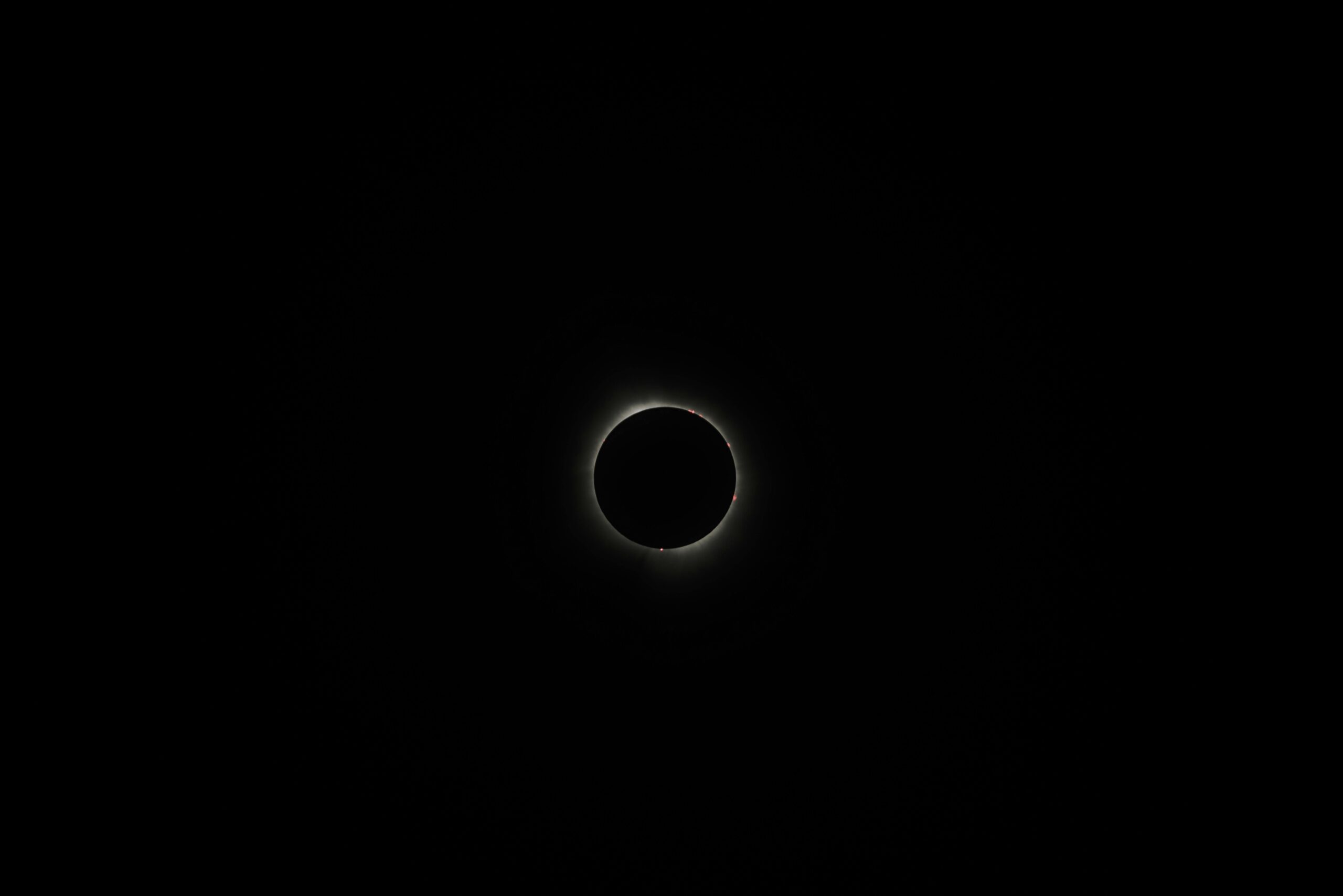
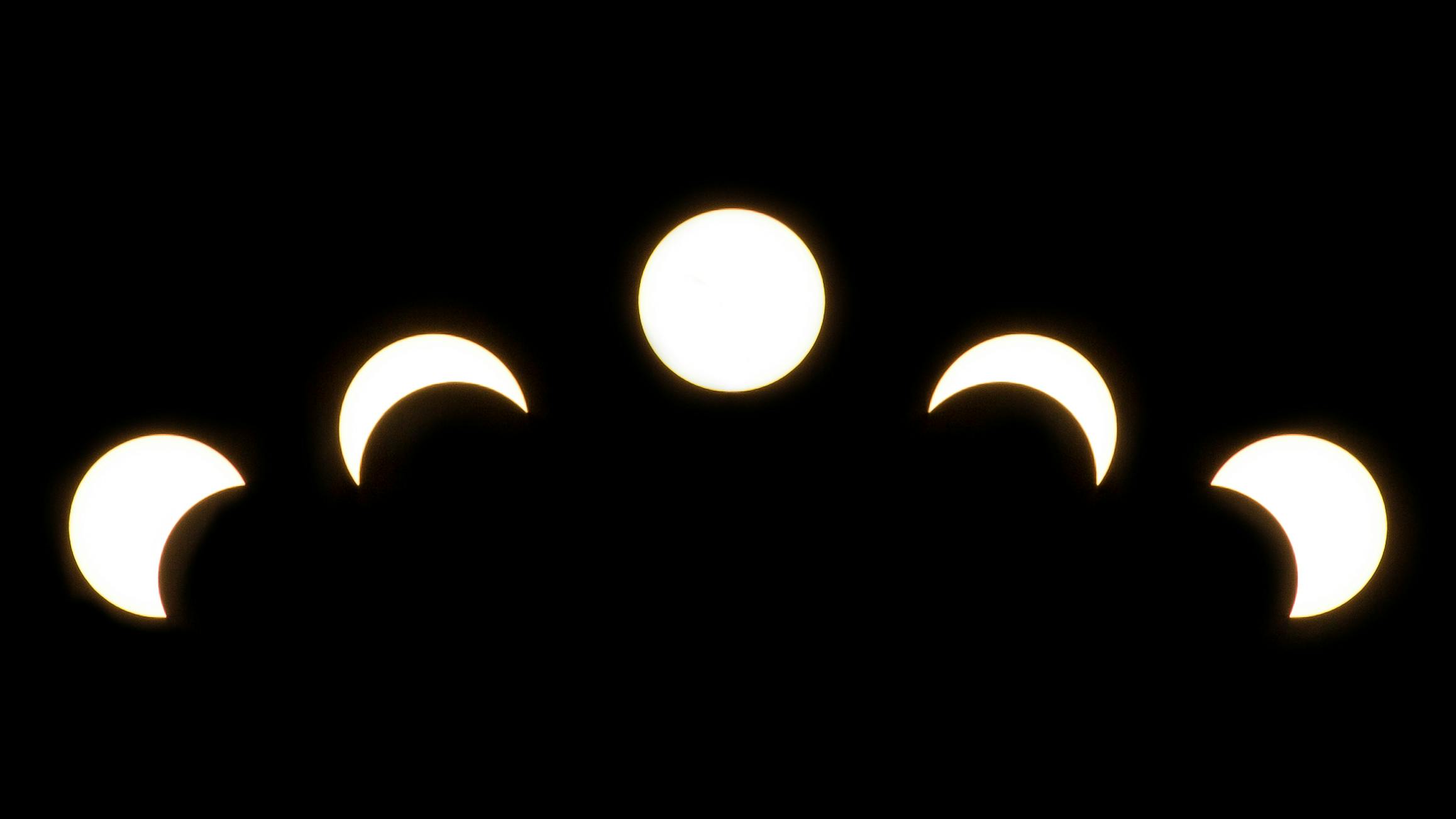
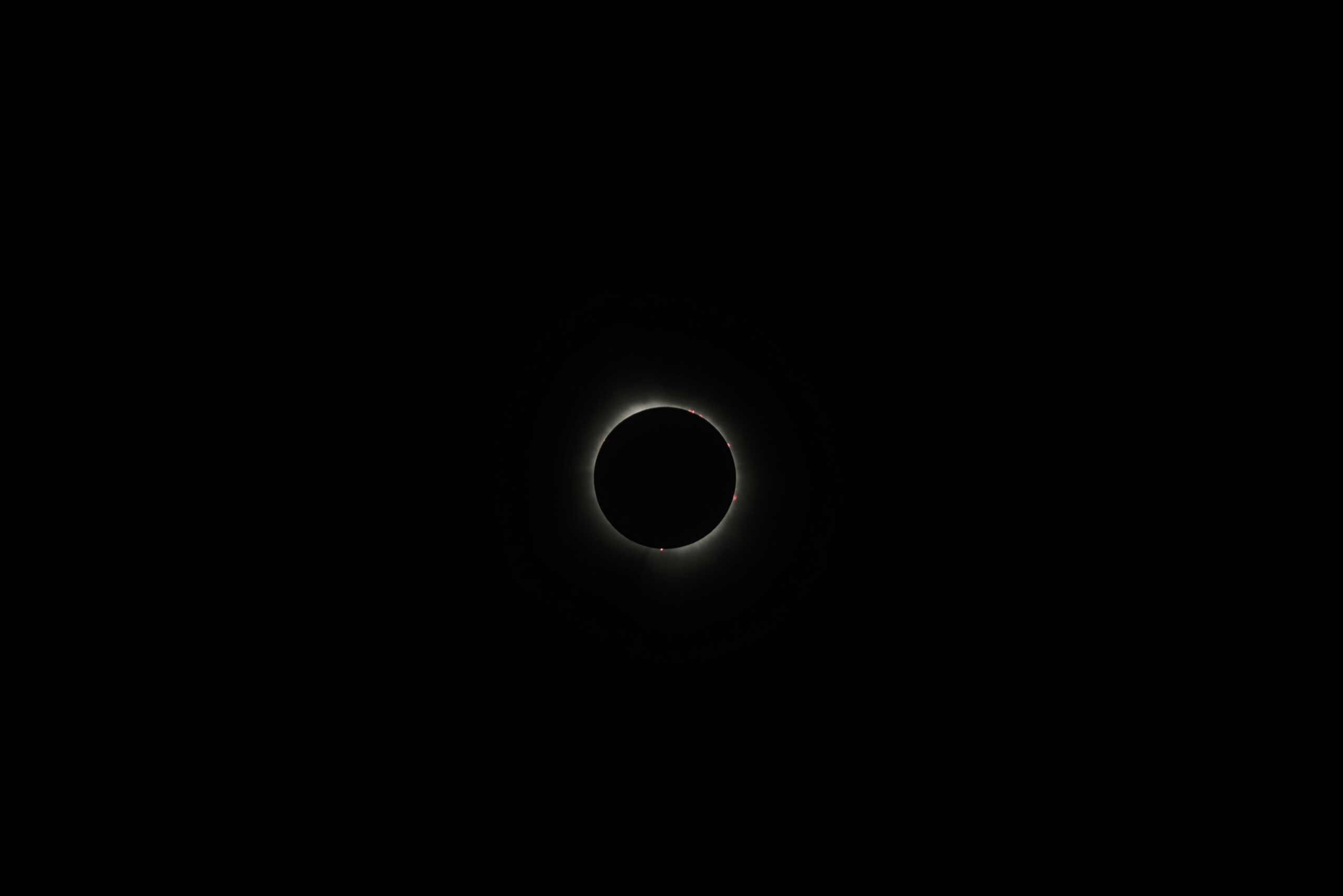
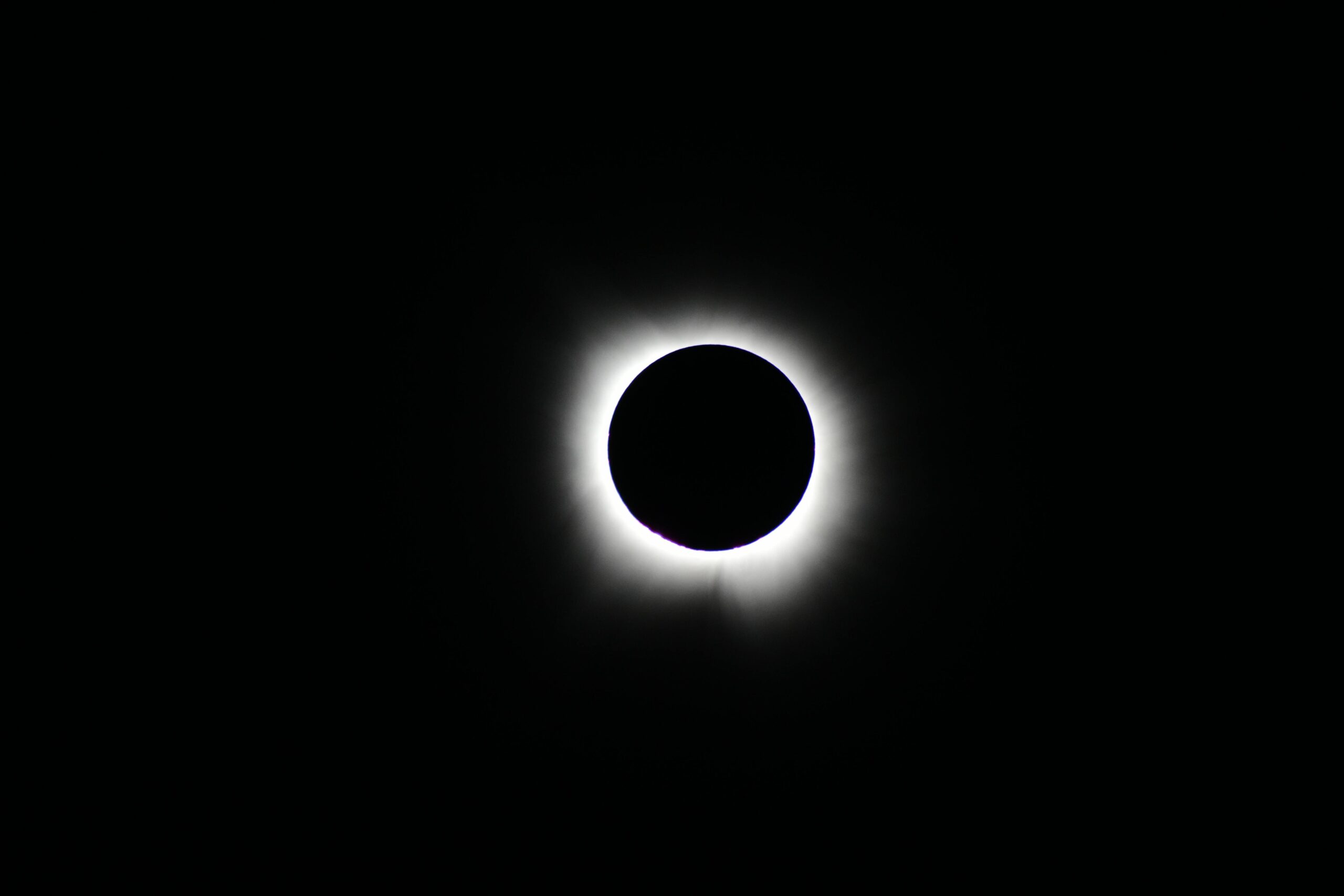
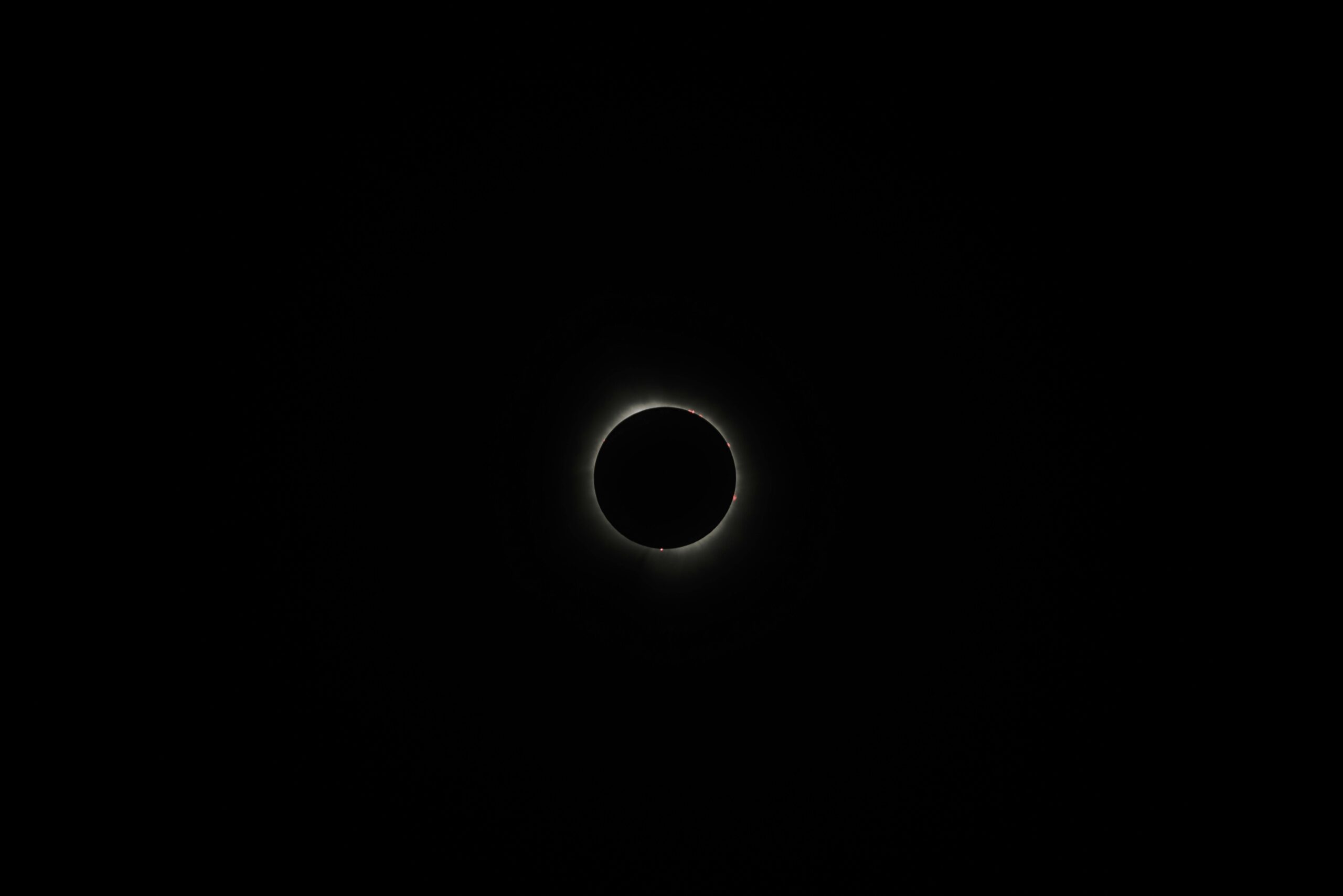
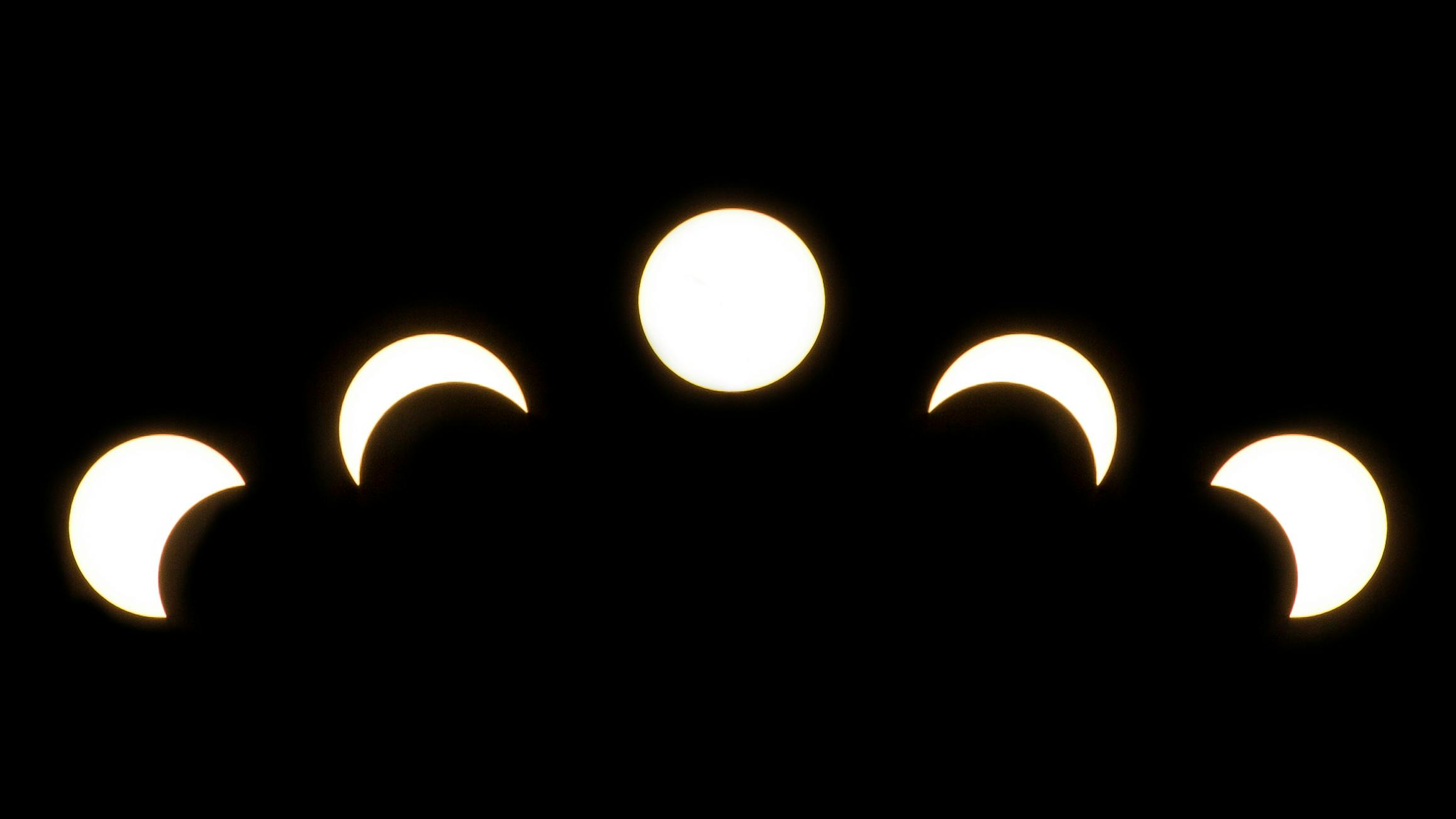
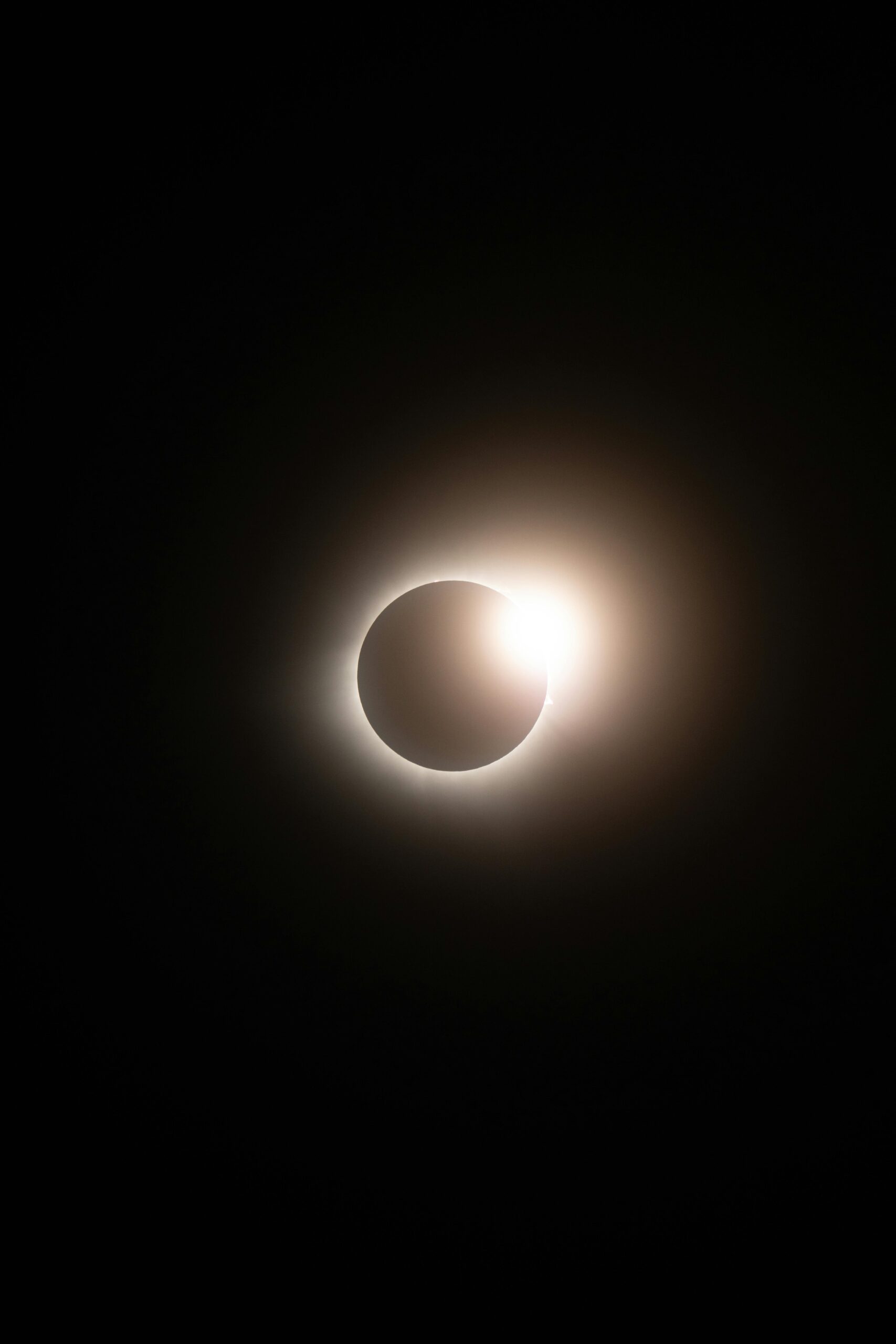
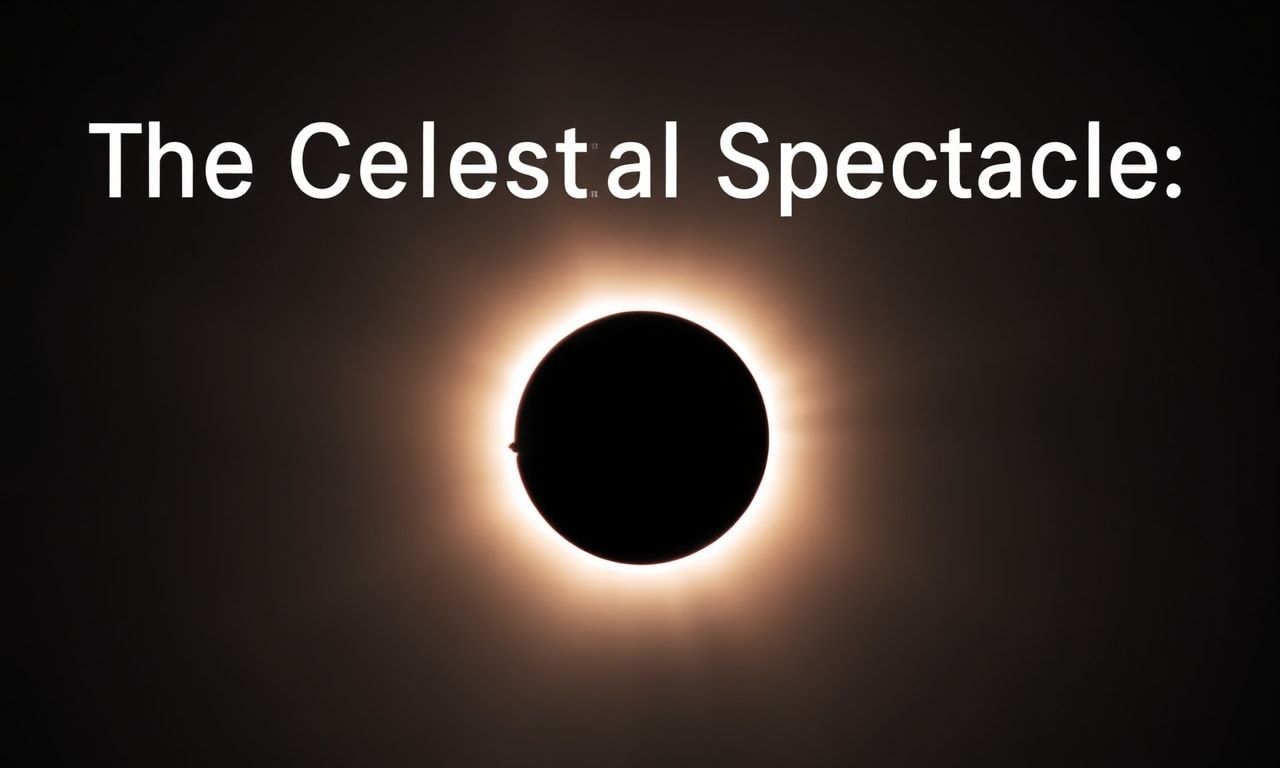
Solar eclipses happen due to the precise alignment of the Sun, Moon, and Earth. There are three types of solar eclipses: total, partial, and annular. A total solar eclipse occurs when the Moon completely covers the Sun, revealing the Sun’s corona. A partial solar eclipse happens when only a part of the Sun is obscured by the Moon. An annular eclipse takes place when the Moon is too far from the Earth to completely cover the Sun, resulting in a ring of sunlight around the Moon.
The frequency of solar eclipses is relatively high, with at least two partial eclipses occurring every year. However, total solar eclipses are rarer and can be seen from specific locations on Earth. The next total solar eclipse is expected to be a significant event, drawing astronomers and enthusiasts from around the globe.
Historical Significance and Cultural Impact
Throughout history, solar eclipses have held profound significance for various cultures. Ancient civilizations often viewed eclipses as omens or signs from the gods. For instance, the ancient Chinese believed that a solar eclipse occurred when a celestial dragon devoured the Sun. In Viking mythology, the eclipse was attributed to the sky wolves, Skoll and Hati, who chased the Sun and Moon, occasionally catching and devouring them.
In modern times, solar eclipses have inspired scientific discoveries and cultural events. The 1919 solar eclipse provided crucial evidence for Einstein’s theory of general relativity. Today, eclipses continue to inspire art, literature, and music, reflecting their enduring cultural impact.
Preparing for the Next Solar Eclipse
Viewing a solar eclipse requires proper preparation to ensure safety and enjoyment. The most critical aspect is using certified solar filters or eclipse glasses to protect your eyes from the Sun’s harmful rays. Regular sunglasses are not sufficient for viewing an eclipse and can cause serious eye damage.
Choosing the right location is also essential. The path of totality, where the Moon completely covers the Sun, offers the best viewing experience. Traveling to these areas can be a memorable adventure, combining the excitement of the eclipse with exploration. Additionally, checking weather forecasts and having backup plans can help ensure a successful viewing experience.
Eclipse Viewing Tips and Safety Measures
To fully enjoy the solar eclipse, follow these tips and safety measures:
- Use Certified Eclipse Glasses: Always use ISO-certified eclipse glasses or solar filters to protect your eyes.
- Avoid Direct Sun Gazing: Never look directly at the Sun without proper protection, even during an eclipse.
- Use Indirect Viewing Methods: Create a pinhole projector or use a colander to project the Sun’s image onto a surface safely.
- Plan Ahead: Research the best viewing locations and make travel arrangements in advance.
- Stay Informed: Follow updates from reputable sources like NASA or local astronomical societies for the latest information.
For those interested in combining their eclipse experience with other activities, exploring the top 5 car brands for luxury sedans can add a touch of comfort and style to your journey. Whether you’re driving to a remote location or enjoying a scenic route, a luxury sedan can enhance your travel experience.
The Future of Eclipse Chasing
Eclipse chasing has become a popular hobby for astronomy enthusiasts. These dedicated individuals travel the world to witness solar eclipses, often planning years in advance. The next total solar eclipse is expected to draw a significant number of eclipse chasers, who will gather in the path of totality to experience the awe-inspiring event.
Advancements in technology have made eclipse chasing more accessible. Online resources, mobile apps, and social media groups provide valuable information and connect eclipse enthusiasts. Additionally, advancements in photography and videography allow for capturing high-quality images and videos of the eclipse, sharing the experience with a global audience.
In conclusion, solar eclipses are celestial spectacles that continue to captivate and inspire. Understanding the science behind eclipses, appreciating their historical significance, and preparing for the next event can enhance the viewing experience. Whether you’re a seasoned eclipse chaser or a first-time viewer, the next solar eclipse promises to be a memorable and awe-inspiring event.
To stay informed about the latest economic developments, consider exploring Turkey’s new investment projects and their potential impact on the region’s growth.
As discussions around holistic health gain momentum, a new article explores nutrition’s impact on mental well-being, offering a timely perspective on an emerging public health conversation.
As technology continues to reshape our lives, explore how AI meets health innovation in our latest feature on personalized wellness.