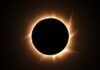
The Anticipation Builds for the April 2024 Solar Eclipse
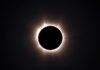
The astronomical community and enthusiasts worldwide are eagerly anticipating the solar eclipse set to occur on April 8, 2024. This celestial event promises to be a spectacular display, visible across North America, and is expected to draw significant attention from both scientists and the general public. The eclipse will offer a unique opportunity for scientific research and public education about the sun and its interactions with Earth.
The Path of Totality: Where and When
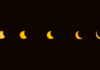
The path of totality, where the moon will completely cover the sun, will stretch from Mexico, through the United States, and up into Canada. Major cities such as Dallas, Indianapolis, and Cleveland will experience total darkness for a few minutes, providing a rare and awe-inspiring sight. The partial eclipse will be visible to a much larger area, encompassing most of North America. The timing of the eclipse will vary depending on the location, with the total phase expected to begin around 1:30 PM CDT in Dallas and end around 3:50 PM EDT in Cleveland.
Scientific Significance and Research Opportunities
The 2024 solar eclipse presents a valuable opportunity for scientific research. Astronomers and solar physicists plan to study the sun’s corona, which is usually obscured by the bright light of the sun’s surface. This outer layer of the sun’s atmosphere can provide insights into solar winds, magnetic fields, and the dynamics of solar flares. Additionally, the eclipse will allow researchers to test new technologies and methods for observing and studying the sun.
One of the key areas of focus will be the study of the sun’s magnetic field and its impact on space weather. Understanding these phenomena is crucial for predicting and mitigating the effects of solar storms on Earth’s technology and infrastructure. The data collected during the eclipse will contribute to ongoing research and help improve our understanding of the sun-Earth connection.
Public Engagement and Safety Measures
In preparation for the eclipse, communities along the path of totality are organizing public viewing events and educational programs. These initiatives aim to engage the public and promote safe viewing practices. It is essential to use certified solar eclipse glasses or indirect viewing methods to protect your eyes from the sun’s harmful rays. The American Astronomical Society provides a list of reputable vendors for safe viewing equipment.
Local governments and organizations are also working to ensure that the influx of visitors does not overwhelm local resources. Traffic management plans, additional law enforcement presence, and emergency services preparation are all part of the efforts to ensure a smooth and safe experience for everyone. For those planning to travel to witness the eclipse, staying informed about local developments and updates is crucial. For instance, those interested in Sheffield’s preparations can find relevant information through the Sheffield development projects update.
Historical Context and Cultural Impact
Solar eclipses have fascinated humans for centuries, often inspiring myths, legends, and scientific inquiry. Ancient civilizations interpreted eclipses as omens or signs from the gods, while modern science has demystified these events, turning them into opportunities for discovery and education. The 2024 eclipse continues this tradition, bridging the gap between ancient awe and contemporary scientific understanding.
The cultural impact of the 2024 eclipse is also noteworthy. Artists, writers, and filmmakers are likely to draw inspiration from this celestial event, creating works that capture the beauty and significance of the eclipse. Additionally, the eclipse serves as a reminder of our place in the universe, fostering a sense of wonder and curiosity about the cosmos.
Preparing for the Eclipse: Tips and Resources
To make the most of the 2024 solar eclipse, here are some tips and resources for viewers:
- Plan Ahead: Research the best viewing locations and make travel arrangements early. Consider staying in areas with clear skies and minimal light pollution.
- Safety First: Always use certified solar eclipse glasses or indirect viewing methods. Never look directly at the sun without proper protection.
- Educate Yourself: Learn about the science behind solar eclipses. Understanding the mechanics of the event can enhance your appreciation and enjoyment.
- Share the Experience: Attend public viewing events or organize gatherings with friends and family. Sharing the experience can make it even more memorable.
- Capture the Moment: If you plan to photograph the eclipse, use a solar filter on your camera lens and practice beforehand to ensure you get the best shots.
The 2024 solar eclipse is poised to be a memorable event, offering a unique blend of scientific discovery, public engagement, and cultural inspiration. As the date approaches, the excitement continues to grow, and the world prepares to witness this celestial spectacle.