
Where to follow solar eclipse news and local angles for readers
A practical guide for readers on solar eclipse coverage at a news site, with how to use duxburynews.com news and related local resources.

Readers turn to reliable updates during a solar eclipse, but they also want local context. This guide explains how to find accurate, fast coverage on current events sites and how to use a nearby resource to stay informed. You’ll learn what to look for and where to look, without chasing rumors.
Next, we map how a newsroom covers a solar event: timelines, safety tips, and verified facts. This helps readers separate live updates from background explanations. The goal is to give you usable information you can act on as events unfold.
Finally, you’ll see concrete steps to follow, including how to use local sources for depth and what to read beyond the headline. The result is a clear, practical path to stay informed during a solar eclipse.
- Track official updates for safety notices and viewing windows.
- Use local outlets to understand how the event affects your area.
- Cross-check claims with multiple trustworthy sources before acting on them.
Basics of eclipse coverage
What counts as breaking coverage
Newsrooms rely on continuous feeds, official sources, and on-scene reporting to shape breaking coverage during a solar eclipse. You should expect updates that confirm safety guidance, visibility windows, and any travel advisories. duxburynews.com news provides local coverage of the eclipse as it develops, offering essential updates for readers who want verified information.
For readers, recognize that initial reports may be preliminary and later corrected. Compare several outlets to understand what information is verified and what is still uncertain.
Always check the timestamp and source before acting on a detail. This helps you avoid acting on rumors during rapidly changing events.
- Check multiple outlets for confirmation
- Note the time stamps on updates
- Watch for official safety advisories
Locating reliable coverage
Reliable coverage blends national and local reporting to provide context. For a solar eclipse, local reporters describe viewing conditions, traffic impacts, and spectator safety tips specific to the area.
Look for official sources such as weather agencies and public safety offices referenced in the coverage. This helps you gauge what is happening beyond the headline.
If you need a quick read, prioritize concise summaries that point to primary sources rather than echoing rumors.
- Watch for official statements
- Note local context like weather and crowds
- Prefer direct links to primary sources
How to access local updates
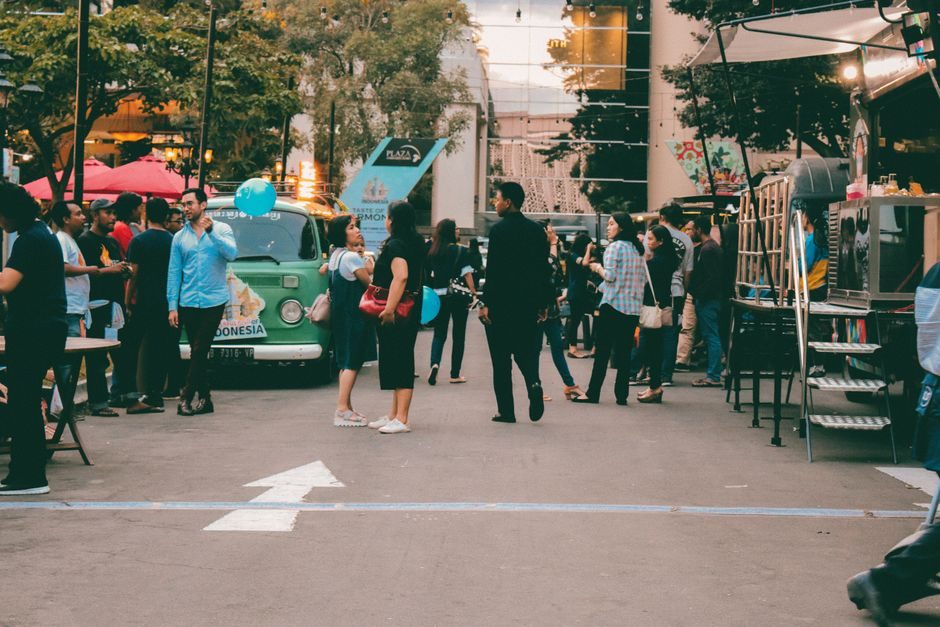
Where to read live updates
Live updates appear as the event unfolds, usually with a map, timeline, and viewer reports. These elements help you track what is happening in your area and nearby venues. add an event to the Duxbury events calendar helps readers share eclipse-related activities with the community.
Use the site’s search and category filters to find eclipse-related coverage quickly. This saves time and reduces confusion during fast-changing moments.
Bookmark reliable pages so you can refresh without re-finding sources each time the situation evolves.
- Use dedicated eclipse or weather sections
- Rely on verified contributor notes
- Refresh at regular intervals
How to verify a claim
Verification starts with cross-checking the claim against official feeds and multiple outlets. If a statement seems extraordinary, pause and look for corroboration.
Check for direct quotes from authorities or observers rather than paraphrased snippets. This reduces misinterpretation and misreporting.
Keep a log of sources you trust and note any corrections issued by outlets.
- Cross-check with official channels
- Prioritize primary statements
- Document changes and corrections
Where to find options for viewing
Viewing options in your area
Communities often designate public viewing spaces with safety guidelines. These spaces can provide clearer visibility and less risk of traffic disruption. submit your business in Duxbury invites local businesses to feature eclipse-related services or stories within the community.
Institutional venues like planetariums or science centers may host safe-viewing events with expert guides. They provide predictable conditions and reliable safety information.
If you prefer a personal setup, plan a private viewing spot with proper eye protection and a clear line of sight, while staying within local regulations.
- Public viewing sites with safety rules
- Host events at science centers
- Personal viewing with eye protection
| Method | Pros | Cons |
|---|---|---|
| Public viewing sites | Safe, organized spaces | Requires travel or crowds |
| Planetarium events | Educational context | Higher demand and scheduling |
| Personal viewing | Flexible, private | Requires proper eye protection |
Safety essentials for observers
Eye safety is paramount; never look directly at the sun without approved solar filters. Even brief exposure can cause damage.
Protective gear should fit properly and be used consistently during the phases of the eclipse. Keep filters on until the moment you look away.
Have a plan for kids and pets, including a safe viewing zone and clear lines of sight to authorities in case of crowds.
- Use certified solar filters
- Keep filter on during all bright phases
- Plan for crowd management
Keep an eye on crowds and local officials managing access, as dense gatherings can affect safety and reporting.
What to monitor during totality
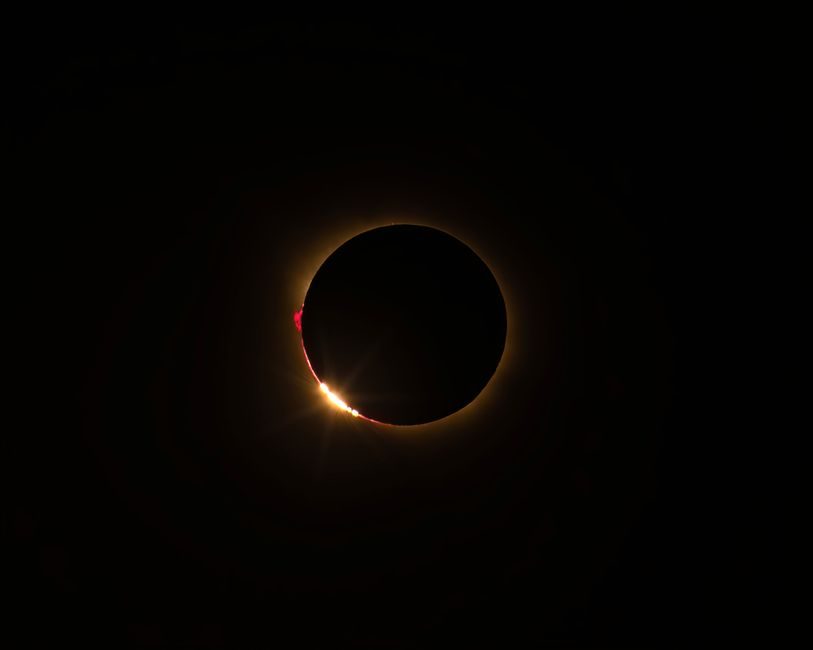
What signals to watch during totality
During totality, observers should monitor the sky for a sudden drop in light, a noticeable drop in temperature, and the appearance of solar corona around the moon’s silhouette. These signs confirm totality and help time any ground reports accurately. Record the duration and any rapid changes in brightness to compare with forecasted timings from trusted outlets. buy and sell in Duxbury lists items or services relevant to eclipse watchers, from viewing gear to nearby accommodations.
- Totality lasts only a few minutes and conditions can change quickly; report confirmed observations only.
- Observers should coordinate with local authorities to share crowd safety updates.
- Capture at least one clear local scene showing how the event affects the area.
Keep an eye on crowds and local officials managing access, as dense gatherings can affect safety and reporting. Note how wind shifts or cloud movement alter visibility in real time. Such conditions influence how and where local updates are most useful for readers.
Accurate notes about timing, weather, and crowd behavior support responsible reporting. When possible, corroborate observations with nearby observers or official bulletins to reduce the risk of mis-timing events or misreporting safety advisories. Use these checks to build a reliable local narrative.
- Watch the light level as the sun disappears
- Record the start and end of totality
- Note wind and cloud changes affecting visibility
- Compare with official eclipse forecasts
- Be mindful of crowd safety and access controls
Choosing the right viewing setup
Selecting gear for safe viewing
Choose approved eclipse glasses or a solar filter for direct viewing, and never look through a camera lens without protection. A simple handheld viewer or a pinhole projector can provide safe, inexpensive alternatives for classrooms or public spaces. Verify filters meet safety standards before use. Duxbury obituaries give readers a sense of what the community is facing as coverage continues.
- Always prioritize eye safety when selecting viewing gear.
- Test gear before the event and have backups ready.
- Coordinate with colleagues on who handles equipment and safety checks.
Consider a tripod and camera with a solar filter if you plan to document the event, but only after ensuring personal protection is secured. For news crews, a longer lens helps capture details at a distance while maintaining viewer safety. Have backup protection in case of damage or misplacement.
Plan for weather and light changes by bringing a foldable shelter or portable chair to stabilize long observation periods. Stock a small first-aid kit and water in case crowds gather for extended coverage. Proper preparation reduces risk and keeps reporting smooth.
- Use certified solar filters only
- Have a backup viewing option
- Bring protection for prolonged exposure
- Keep a weather-ready kit on site
How to share eclipse updates responsibly
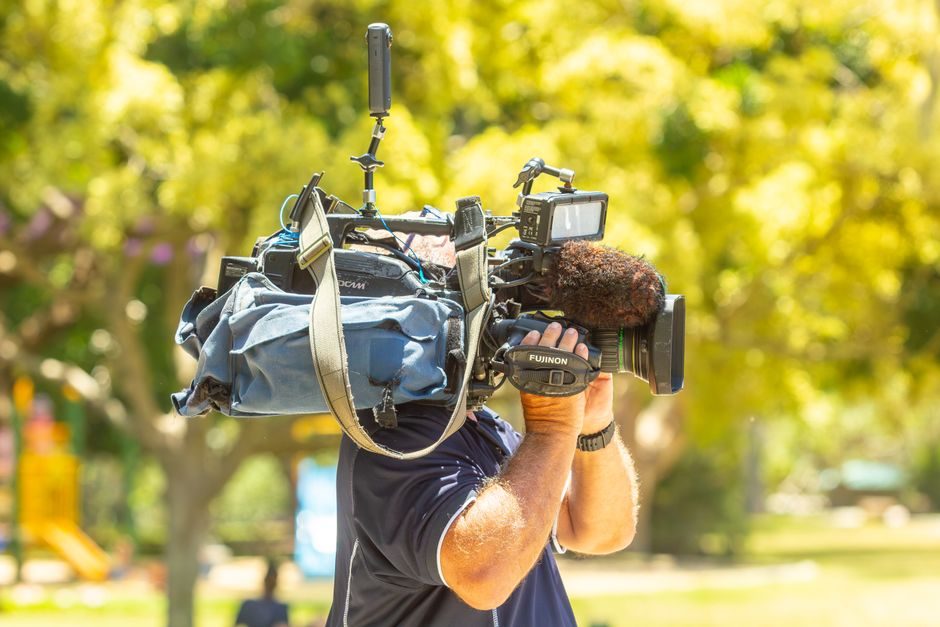
Ethical reporting during a rare event
Report what you observe with clear, observable facts and avoid sensational language. Provide practical guidance for viewers, such as safety reminders or local access updates. Clarify when information is preliminary and when it comes from official sources.
- ☐ Report clearly observed facts and local impact.
- ☐ Warn readers about unsafe behaviors and where to get help.
- ☐ Coordinate with local authorities to confirm updates.
Balance images and plain text to avoid overwhelming readers; short, precise captions help preserve focus on key developments. If you show crowds, ensure privacy considerations and avoid identifying individuals without consent. Maintain a calm, factual tone even when events draw large audiences.
Explain how the eclipse affects the local community, including temporary traffic patterns, safety zones, and public viewing areas. Link to official advisories and credible local outlets to corroborate reporting. Your role is to inform, not to hype.
- Stick to verifiable facts
- Provide practical local context
- Respect privacy and safety rules
- Cite official sources when possible
Legal and safety considerations for events
Regulations and crowd safety basics
Event organizers and reporters must respect crowd control rules, permit requirements, and access restrictions. Legal considerations include authorized viewing areas and any advisories issued by authorities. When in doubt, defer to official guidance to avoid penalties or unsafe situations.
Local jurisdictions may restrict photography or drone use in crowded viewing zones, especially near critical infrastructure or protected sites. Reporters should verify what is permitted before filming and sharing footage online. Compliance protects both the public and the newsroom.
Always include a note on safety in every update, such as where to stand for the best view without obstructing others. If conditions change—like sudden cloud cover or a storm forecast—update readers promptly with official directions. Consistent adherence to rules maintains trust.
- Know local permits and access rules
- Check restrictions on drones and photography
- Provide current safety guidance in updates
- Follow official directions during the event
Frequently asked questions
What is the best way to verify eclipse timings for a local area?Start with official meteorological or astronomical authorities for the predicted timings, then cross-check with multiple local outlets. Note any discrepancies and publish a brief correction if needed. Readers rely on consistency, so keep the timeline anchored to verified sources and clearly mark any changes as they occur.
How should reporters handle photos from crowded viewing spots?Describe the scene factually, avoid identifying individuals without consent, and provide context such as crowd size or accessibility. Caption photos with location and time, and where possible, reference official viewing zones or safety instructions to help readers plan their own visits.
What safety tips should be included in every update?Remind readers to wear certified eye protection, avoid direct viewing without protection, and follow posted safety guidance. Include practical steps like staying hydrated, staying with companions, and knowing where to seek help if needed.
Who can readers contact for official updates during the event?Direct readers to municipal or emergency services channels, weather service alerts, and the event organizers’ communications. Encourage following these verified sources for real-time advisories and verified changes to viewing areas or transit routes.
Conclusion
A careful, well-sourced report helps readers participate in a rare event with confidence. Eye safety, local context, and clear timelines should drive every update, not hype or speculation. The next step for readers is to verify viewing locations with local authorities and have a go-to plan for safety and transport.
In the moments around totality, trusted, consistent information matters most. By coordinating with official sources and balancing visuals with practical guidance, a news site can support communities as they experience the eclipse, answer questions, and stay safe. The path forward includes pre-event planning and timely, accurate reporting on site.

Add Solar Eclipse as a preferred source on Google


