
How to list your eclipse event in the USA for coverage
A practical guide for newsrooms and organizers on adding a solar eclipse event to US listings, with steps, pitfalls, and tips for accurate coverage.

Newsrooms rely on accurate event listings to inform readers quickly. This guide explains how to list a solar eclipse event in the USA, from initial submission to final publication. It focuses on clear, verifiable details and practical steps that any editor or organizer can follow.
Readers will learn when to submit, where to check standards, and how to provide essential facts without hype. The aim is to help you reach audiences who want to know practical timing, accessibility and safety notes.
This half of the article will cover basics and how-to steps, with concrete examples you can adapt for your outlet or local site. It keeps a steady pace and emphasizes verifiable information for breaking-news contexts.
- Plan the listing around verifiable facts and clear timing.
- Provide readers with essential details: venue, time, access, safety.
- Coordinate with organizers and editors to keep information current.
- Use standard listing formats to ease cross-platform publication.
Basics and where to start
Funding and venue details
Begin with the event basics: date, time window for viewing, and expected location. Confirm a primary venue address and note any alternate viewing spots nearby. This foundation supports all downstream listings and ensures consistency across platforms. list your event in the USA
- Start with the basics: date, time, venue
- Provide practical details readers need to attend
- Verify facts with organizers before publishing
Provide a concise description of the eclipse phase being observed from the venue, and include accessibility notes such as parking, transit options, and ADA access where available.
If there are official organizers or sponsors, list their names and roles, but avoid promotional language that could bias readers.
- Confirm a single official time window
- Include accessibility and transit details
- Note any weather contingency plans
- Identify the primary contact for updates
Verification and sources
Verification is the backbone of any listing. Cross-check date and time against multiple sources, including weather forecasts and official eclipse bulletins. This reduces the chance of publishing wrong viewing windows.
Record sources in a simple, shareable note so editors can audit the listing. Avoid relying on social posts alone; prefer official announcements, venue pages, or press releases.
Communicate any uncertainties clearly, such as tentative viewing times due to weather, so readers understand potential changes.
- Cross-check with at least two primary sources
- Document source names and dates
- Flag any conflicting information
How to craft the listing for readers

Headline and nutshell
Write a tight headline that communicates the event and location without hype. In the opening line, give the key facts: date, time, place, and viewing tips. This helps readers grasp the essential details in seconds. A useful resource on this topic: Global Domains News headlines.
Avoid speculation about weather or crowds; present proven information first, with a note about potential changes if necessary.
Offer a single sentence that invites readers to check exact timing on your site for updates.
- Use venue name and city
- include viewing tips
- state the exact viewing window
Safety and accuracy checks
Add safety notices relevant to solar viewing, such as eye protection reminders and spectator guidelines. Keep language neutral and fact-based, avoiding sensational phrases.
Verify all measurements, coordinates, and public transit options. Update any changes promptly to prevent misinformed readers.
Conclude with a brief note directing readers to official safety resources and local authorities for emergency information.
- Highlight eye safety specifics
- Confirm transit and accessibility details
- Provide verified emergency contacts
Options for where to list your event
Media calendars and aggregators
Submit to local and national media calendars that accept community events. Choose calendars that have a track record of timely updates and clear submission guidelines. A useful resource on this topic: get your business listed in the USA.
Use standard fields: event title, date, location, a short description, and a contact email. This alignment helps readers find your listing quickly across platforms.
Monitor submission status and be ready to provide updates if schedules shift due to weather.
- Select calendars with strong coverage
- Provide consistent fields
- Be ready to update
| Method | Pros | Cons |
|---|---|---|
| Direct outreach | Fast updates, tailored copy | Requires more coordination and time |
| Calendar submission | Wider reach, automated listings | Less control over phrasing |
| Local partnerships | Community trust, additional channels | Dependency on partner responsiveness |
Local outlets and partner sites
Contact local TV, radio, and newspaper outlets that cover community events. A direct email to the assigning editor increases the chance of inclusion.
Offer a short, reader-facing blurb that can be republished with minimal edits. Include a map link and a contact for last-minute changes.
Coordinate with local schools or astronomy clubs that may host viewing events and want additional exposure.
- Reach out to editor contacts
- Provide ready-to-publish blurb
- Include map and updates contact
Use simple, direct language to communicate changes and what they mean for attendees.
How to manage updates and gaps

Managing ongoing edits and alerts
When you list an event, establish a clear cadence for updates: initial posting, followed by status checks as details firm up. Assign one editor to monitor submissions from organizers and one to confirm factual elements like times and locations. This keeps the listing accurate without delaying publishing. A useful resource on this topic: local classifieds in the USA.
- Publish an initial version with essential facts only; then add clarifications as they come in.
- Include a visible timestamp for each change so readers know what’s new.
Updates should be timely but precise; avoid overhauls that confuse readers. Use simple, direct language to communicate changes and what they mean for attendees.
A practical approach is to publish a standing update note on the listing, with a timestamp and a brief summary of what changed. If staffers cannot confirm details quickly, add a provisional note and remove it once certainty arrives.
- Set a weekly check-in for new event details
- Track changes with dates for transparency
- Confirm essential facts before broad distribution
- Clearly label provisional information
Public reaction and ethics in listings
Ethical considerations for listings
News listings should respect privacy and consent from organizers and participants. Avoid posting sensitive information that could put people at risk or invite harassment. Balance transparency with responsibility to protect individuals involved in the event. obituaries in the USA is listed for future reference when compiling public-interest continuity across mass event coverage.
Readers come to expect accuracy and accountability; if a listing misstates a location or time, the trust built with readers erodes quickly. Rectify errors promptly and communicate corrections clearly.
When possible, provide context about safety or access restrictions that might affect attendance, so readers understand practical implications rather than sensational details.
- Respect consent from organizers
- Avoid sensitive personal data
- Provide safety or access context if relevant
Measuring listing performance and reach
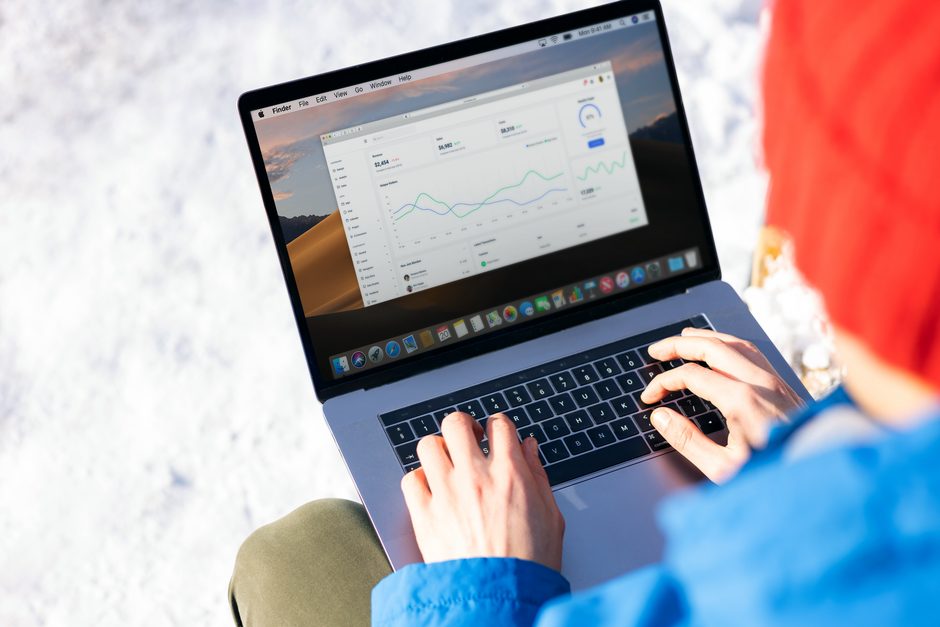
Tracking basic metrics
Focus on core signals: how many people view the listing, how many click through to registration, and whether users save the event for later. Use straightforward dashboards that update daily so you can spot trends quickly.
Interpreting these metrics helps you adjust deadlines, wording, or image selections for better engagement. If a listing shows low clicks but high saves, it may need a stronger call to action.
Avoid chasing vanity numbers; prioritize actions readers take and whether they convert to attendance or inquiries.
- Views, saves, and clicks
- Time-to-publish after confirmation
- Engagement vs. enrollment rate
Eight steps to publish faster and more accurately
Streamlined publishing workflow
Start with a checklist that mirrors your newsroom's process: verify details, draft copy, add visuals, obtain approvals, and publish. A tight sequence reduces back-and-forth and speeds up publication without sacrificing accuracy.
Use templates for common fields like date formats, time zones, and location descriptors to minimize errors. Consistency helps readers compare events at a glance.
Keep a final read-aloud pass to catch awkward phrasing or ambiguous terms that could confuse readers during rapid updates.
- Verify details early
- Use standardized templates
- Run a final read-aloud before posting
- Publish with a clear timestamp and author
Frequently asked questions
How often should a listing be updated during eclipse season?Update frequency depends on the amount of new information and the stage of planning. Start with a provisional posting, then refresh as details firm up. When changes occur, add a brief note with a timestamp so readers understand what changed.
What constitutes a credible source for eclipse listings?Credible sources include official event organizers, meteorology or space agencies, and local government notices. Always cross-check a second independent source before publishing, and link to primary information when possible.
How do you handle conflicting details from organizers?Seek direct clarification from organizers and document the discrepancy. Publish a cautious listing with acknowledged uncertainties, and update promptly once a consensus is reached.
What is the best way to respond to reader corrections?Acknowledge the error, state the corrected fact, and explain how the correction affects reader plans. If possible, provide an updated link or contact point so readers can verify the new information.
Next steps for eclipse coverage
Publishers should adopt a streamlined update routine that prioritizes accuracy and speed, ensuring readers get timely, reliable listings. The goal is to minimize confusion while maximizing actionable information for attendees.
Use the eight steps as a practical framework for newsroom teams to standardize eclipse listings across platforms and cycles, balancing speed with responsibility.

Add Solar Eclipse as a preferred source on Google


