
How to Watch a Meteor Shower: A Practical Skywatching Guide
Learn how to watch a meteor shower: choose the right time and dark location, get comfortable, protect your night vision and improve your chances of seeing meteo

To watch a meteor shower, choose a dark, open spot, check when the shower is active and look up with your unaided eyes. Give your vision time to adjust, dress for the weather and settle in for a while; meteors can appear anywhere across the sky, so you do not need to stare at one exact point.
A little preparation makes the experience easier and safer. Check the forecast and Moon conditions, find a place with a broad view and minimal artificial light, and let someone know where you are going if you will be out after dark.
You can observe without a telescope or special equipment. A reclining chair, warm layers and a dim light help you stay comfortable while your eyes adapt, giving you more time to notice brief streaks.
- Check shower timing, radiant position, Moonlight and local weather before setting out.
- Choose a safe, dark location with a broad, unobstructed view.
- Watch with your unaided eyes and give them time to adjust to darkness.
- Dress warmly, recline comfortably and be patient through quiet stretches.
What a Meteor Shower Looks Like
Brief Streaks Across the Sky
A meteor is a quick streak of light made when a small piece of space debris enters Earth’s atmosphere and heats the surrounding air. During a shower, many meteors appear over the course of an observing session, but they do not usually arrive in a steady stream. You may see several close together, then wait through a quiet spell.
- Find a dark, open view of the sky.
- Let your eyes adjust before watching.
- Look across a broad area, not only at the radiant.
- Stay patient through quiet stretches.
Most shower meteors look like narrow white lines that vanish in a moment. Some leave a faint trail that lingers briefly, while occasional brighter ones can stand out against the stars. Their apparent paths vary, so watch a wide area rather than expecting every streak to cross the same part of the sky.
The name of a shower refers to the constellation from which its meteors seem to radiate. That apparent starting point is called the radiant, but it is a perspective effect: meteors can show up far from it. Looking toward the radiant is not essential, and focusing on a broader patch of sky often gives you a better view.
Shower Meteors and Sporadics
A meteor shower occurs when Earth passes through a trail of debris left behind by a comet or, in some cases, an asteroid. The particles enter the atmosphere along paths that appear to fan out from one point, which helps observers distinguish shower meteors from unrelated ones. The visible streaks themselves are usually brief.
Meteors that do not belong to a particular shower are called sporadic meteors. You may see them during any clear night, even when no major shower is active. During a shower, both kinds can appear, so not every streak you notice will necessarily come from the event you planned to watch.
A shower’s activity changes through its active period, and its apparent radiant rises and sets with the sky. That means observing conditions depend on both the event and your location. A shower may be active while its radiant is still low or below your horizon, so check local observing guidance before deciding when to head out.
When and Where to Watch
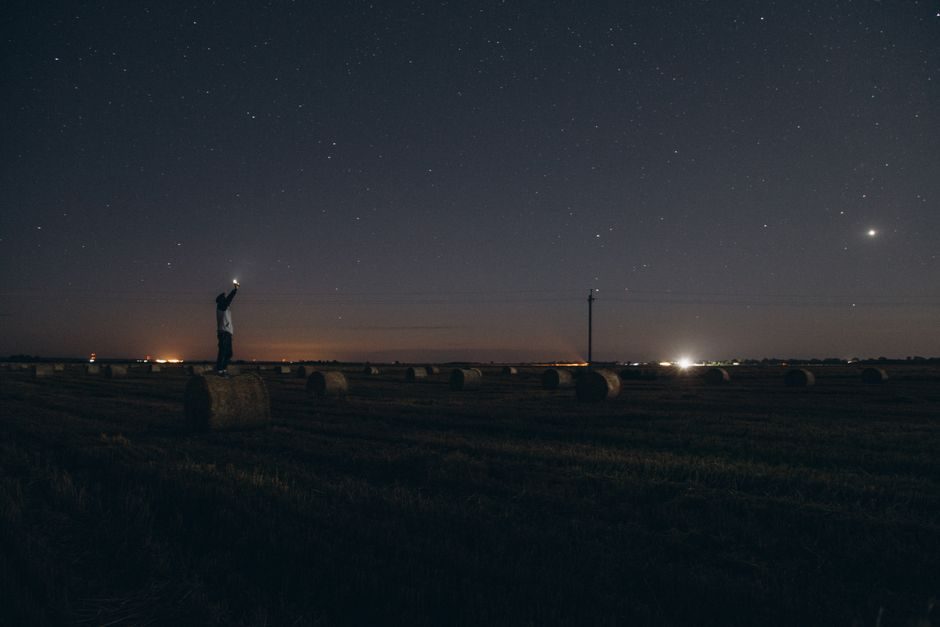
Check the Shower’s Timing
Look up the shower’s active dates and the hours when its radiant is above your horizon before making plans. A shower can be active for several nights, but the best viewing window often depends on how high the radiant is and whether the sky is dark. Use a current astronomy calendar or observing guide for your location.
For many showers, the hours after midnight offer a better chance because the side of Earth where you stand is turning into the stream of debris. This is a general pattern, not a guarantee for every shower or location. Check local forecasts and shower-specific guidance rather than assuming the same schedule applies to all events.
Moonlight can make faint meteors harder to see by brightening the background sky. Check the Moon’s phase and when it will rise or set, then plan around the darkest convenient part of the night. If the Moon is up, a position where a building or hill blocks its direct glare may still help.
- Confirm the shower’s active dates.
- Check when the radiant rises locally.
- Review Moonlight and cloud forecasts.
- Choose a realistic window you can stay awake for.
Find Darkness and Open Sky
Choose a spot away from bright streetlights, buildings and other sources of glare, with as much open sky as possible. A large field, quiet park or open area outside town may work if public access is allowed. Even a modest reduction in nearby light can make faint meteors easier to distinguish from the background.
Use a light-pollution map as a starting point, then check access, opening hours and local rules before travelling. A dark location is not useful if it is closed at night or unsafe to reach. If you are unfamiliar with the area, arrive before dark so you can identify paths, parking and hazards.
Clouds, haze and nearby lights can spoil an otherwise promising view, so keep a backup location or another night in mind. Make sure your chosen place has a safe route back and reliable transport. When observing with children or others, agree on a meeting point and stay together rather than wandering off in the dark.
Choose a Viewing Spot and Make a Plan
Match the Spot to Your Night
A good viewing spot balances darkness, a wide view and safe access. A nearby open park may be more practical than a remote site if it lets you stay longer and get home safely. Look for obstructions such as trees and buildings, and position yourself so direct lights are behind you or blocked.
A backyard can be enough if it offers a clear patch of sky and you can reduce nearby lighting. For a public site, confirm that night access is permitted and that you will not block roads, gates or paths. Avoid setting up on a roadside, steep edge or place where darkness makes footing hard to judge.
Choose a position where you can lie back or recline without craning your neck. If you are going with others, leave room for everyone to see the sky without crowding paths or disturbing nearby visitors. Keep phones and bright screens pointed down, and agree in advance how you will leave if conditions worsen.
| Spot | Main advantage | Check before going |
|---|---|---|
| Backyard | Easy access and familiar surroundings | Nearby lights and obstructions |
| Public park | Open sky and nearby facilities | Night access and local rules |
| Rural field | Often less artificial light | Permission, footing and transport |
| Open hillside | Broad horizon view | Safe paths and wind exposure |
Plan a Flexible Session
Set a start time based on the shower’s local viewing window, then allow time to settle in and adapt to the darkness. Do not build your plan around seeing a meteor immediately; activity comes in bursts and quiet intervals. A flexible schedule helps you stay comfortable without treating every lull as a sign that the night has failed.
Check the forecast shortly before leaving, including cloud cover, wind and temperature, rather than relying on an earlier outlook. Tell someone your location and expected return if you are observing away from home. Keep a backup plan for poor conditions, such as shifting to another clear night during the shower’s active period.
Keep the plan simple enough that you can focus on the sky once you arrive. Decide where to park, how you will get back and what you will do if the site is closed. If the weather turns, visibility drops or anyone feels unsafe, leave; no observation is worth taking avoidable risks.
- Check site access and weather before departure.
- Share your location and return plan.
- Choose a backup night or spot.
- Leave if conditions become unsafe.
Bring warmer clothing than you expect to need, since sitting still outside can feel cold even when the evening began comfortably.
What to Bring for a Comfortable Night

Stay Warm and Comfortable
Bring warmer clothing than you expect to need, since sitting still outside can feel cold even when the evening began comfortably. Layers let you adjust as the temperature changes, while a hat, gloves and warm footwear help protect exposed areas. Check the forecast for your location and dress for the full length of your planned session.
A reclining chair or blanket makes it easier to watch without straining your neck. Choose a seat that stays stable on the ground, and bring an extra layer to sit on if the surface is damp or cold. If you prefer to lie down, use a mat and make sure your position is away from paths and vehicle access.
Pack water and a small snack if you expect to stay out for a while, and bring any personal essentials you may need. Keep your gear together so you are not searching through bags with a bright screen or lamp. A simple setup is easier to manage in the dark and leaves more attention for the sky.
Protect Your Night Vision
Give your eyes time to adjust to darkness, and avoid looking at bright phone screens or vehicle headlights during that period. Even a brief bright light can make faint stars and meteors harder to see until your vision adapts again. Set directions and notifications before you arrive, then keep the screen dim and covered.
If you need a light to move safely, use a dim red setting when available and point it toward the ground. Red light can be less disruptive to dark adaptation than a bright white beam, but it does not replace care around obstacles. Keep a brighter light accessible for emergencies and use it when safety requires it.
You do not need binoculars or a telescope to watch a meteor shower; optical equipment narrows the area you can see. Use your unaided eyes and let your gaze rest across a broad patch of sky. If you take photos, set up the camera before watching so adjusting equipment does not become your main activity.
- Prepare maps and messages before arriving.
- Use a dim light for ordinary movement.
- Keep a bright emergency light available.
- Watch with your unaided eyes.
Share a Public Viewing Event Locally
Plan A Welcoming Gathering
Choose a safe, accessible site with a wide view of the sky, then check whether you need permission to gather there after dark. A park, school field or community observatory can work if it is open to the public and has room for people to spread out without blocking paths.
Set a clear start and finish time, but explain that meteor watching involves waiting rather than a scheduled show. Include the shower name, date, rain plan, meeting point and any access limits in the event details so visitors can decide whether the outing suits them.
Astronomy clubs arranging a public observing night may find Local Seo Services useful for helping nearby residents discover accurate event details. For the event itself, assign one person to welcome arrivals and answer practical questions, while another watches for hazards such as uneven ground or cars entering the site.
- Confirm permission and opening hours.
- Choose a dark, open viewing area.
- Publish the rain and cancellation plan.
- Name a contact for visitor questions.
Welcome Visitors Thoughtfully
Make arrival straightforward by describing the entrance and any nearby landmarks, rather than giving only the site's general address. If the venue is large, identify where volunteers will be standing and whether visitors should bring a flashlight with a red-light setting to preserve night vision.
Tell people what the event can and cannot provide. For example, explain that there may be no indoor shelter, food or restroom access, and that cloudy skies can prevent sightings even when the gathering goes ahead.
Plan for different needs without promising access the venue cannot deliver. Check paths, seating options and accessible facilities in advance, and state any limitations plainly so visitors can choose an appropriate arrangement or contact the organizer before traveling.
Help People Find Your Stargazing Event
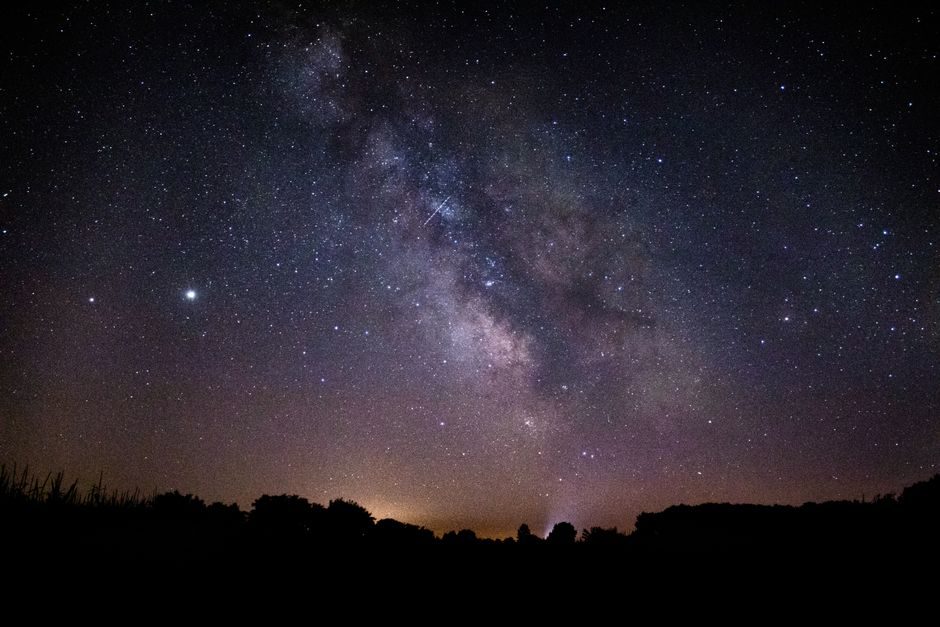
Make Event Details Clear
Put the essential details at the top of every event notice: date, local start time, location, admission conditions and weather plan. Readers should not have to search through a long description to learn whether the gathering is public, suitable for children or dependent on advance registration.
- Mistake: posting only a date; better approach: include the local start time and meeting point.
- Mistake: promising a meteor display; better approach: explain that sightings depend on conditions and chance.
- Mistake: leaving old details online; better approach: revise or remove outdated notices when plans change.
Use the shower's familiar name and describe the experience in plain language, including that meteors can appear anywhere in the sky. If you share a viewing map, mark the meeting place and explain whether it shows the event site or the shower's radiant.
For groups that publish regular skywatching guides and event information, Seo Services can support the work of making that material easier to find online. Keep each event page focused on one gathering, and update it promptly if the venue, timing or weather decision changes.
- Lead with date, time and location.
- State whether registration is required.
- Explain the weather decision process.
- Update changes wherever the event is listed.
Reach Nearby Skywatchers
Share the notice through channels people already use to hear about local activities, such as a club mailing list, library calendar or community bulletin. Ask partner venues to share the same version of the details so that visitors do not encounter conflicting times or locations.
Use a simple, readable event image only as a supplement to text. Include a short caption with the key logistics, because images may not display on every device and people using screen readers need written details to understand the invitation.
If you accept registrations, make the process easy to find and explain what information you collect. Give visitors a way to check for updates on the day, and avoid implying that registration guarantees clear skies or a particular number of meteors.
Avoid Common Meteor-Watching Mistakes
Set Realistic Expectations
Do not expect meteors to arrive at regular intervals or appear only near the constellation that gives a shower its name. The radiant helps identify the shower, but meteors can streak across a broad area of sky, so scanning a wide view is more useful than staring at one point.
- ☐ Check the local forecast for cloud and rain.
- ☐ Find the Moon's phase and position before leaving.
- ☐ Choose a spot with an open, dark view.
- ☐ Tell someone where you are going and when you expect to return.
A club or business hosting a staffed public viewing event in Leicester could look to Leicester Seo Services for help keeping its local event information consistent and visible. For observers, the practical lesson is to separate planning from prediction: a shower's peak can improve your chances, but it cannot guarantee a dramatic display.
Avoid judging the night after only a brief look. Give your eyes time to adjust in darkness, and allow for quiet stretches between meteors; a few minutes without a sighting does not mean the shower has ended or that you chose the wrong direction.
- Do not stare only at the radiant.
- Do not expect a constant stream.
- Do not treat a forecast peak as a guarantee.
- Do not give up after a short wait.
Protect Your Night Vision
Bright phone screens and white flashlights can make faint meteors harder to see for several minutes. Turn screen brightness down, use a red-light setting when available and keep unnecessary lights pointed at the ground rather than toward other observers.
Never look directly at the Sun while setting up or packing away, even if the observing session takes place during daylight hours. Meteor showers are night-sky events, and ordinary sunglasses do not make solar viewing safe; use proper certified solar viewers only for direct solar observation.
Do not drive into an unfamiliar dark area without checking access, road conditions and a safe place to park. Arrive before nightfall when possible, keep vehicles out of the viewing area and carry a light for walking back without shining it into other people's eyes.
Tips for a Better Meteor Shower Experience
Settle In For Patience
Bring a reclining chair or blanket so you can watch a large section of sky without straining your neck. Dress for a longer stay than you expect, since sitting still makes people feel colder, and add a warm layer even when the evening begins comfortably.
Arrive before the sky is fully dark if you can; it is easier to find a safe place, lay out gear and notice nearby hazards in daylight. Once darkness falls, give your eyes time to adapt and keep your gaze moving across the sky rather than fixing it on the radiant.
A small, quiet group can make a long wait more comfortable without turning the outing into a distraction. Agree to keep conversations soft and screens dim, and take turns checking conditions or guiding late arrivals so most people can continue watching.
- Use a reclining seat or ground pad.
- Add warm layers for sitting still.
- Keep screens dim and conversations quiet.
- Take short breaks without flooding the site with light.
Make Observation More Rewarding
You do not need a telescope or binoculars to watch a meteor shower; their narrow fields of view make it harder to catch a quick streak. Your unaided eyes are usually the simplest tool, while binoculars can be useful later for looking at the Moon or a planet.
Keep a brief observing log if you want to remember what you saw. Note the time, approximate direction, brightness and whether a streak left a persistent trail; these details can help you compare the experience with another shower without interrupting the whole session.
If clouds arrive, pause rather than packing up at the first patch of cover. Clear gaps may open, and checking the sky periodically can reveal whether conditions are improving; however, do not stay in an exposed place during lightning, strong winds or other unsafe weather.
Frequently asked questions
Can I watch a meteor shower from a city?Yes, although bright city lights hide fainter meteors and reduce how many you may see. Find the darkest safe spot available, such as a park with an open view and permission for evening access, and look away from direct lights. If you can travel to a darker area safely, the broader, darker sky will generally make faint streaks easier to notice.
Do I need a telescope to see meteors?No. Meteors move quickly across a broad stretch of sky, so unaided eyes are better suited to catching them than a telescope's narrow view. Bring a chair or blanket instead, and give yourself an unobstructed view. Binoculars can be enjoyable for other night-sky sights, but they are not necessary for watching a shower.
What should I do if the sky is cloudy?Check the forecast and any event updates before traveling, since cloud cover can change across a region. If only part of the sky is covered, look through clear gaps and wait to see whether they widen. Thick cloud or unsafe weather may make observing impractical, so have a backup plan and do not drive to a remote location in poor conditions.
Can children watch a meteor shower safely?Yes, with a suitable location and an adult responsible for supervision. Choose a place away from traffic, water, steep edges and other hazards, and check that restrooms and safe paths are available if needed. Bring warm clothing, seating and a quiet activity for waiting, and explain that meteors are unpredictable rather than a guaranteed show.
Make the Most of Your Next Clear Night
A successful meteor-watching night depends less on equipment than on choosing a dark, open and safe location, checking conditions, and giving your eyes time to adjust. Meteors may arrive in bursts or leave long pauses, so a comfortable seat and realistic expectations matter. Keep lights low, watch a broad area of sky and remember that a shower can be rewarding even when the display is modest.
For your next outing, check the shower's timing and local forecast, then choose a spot you can reach safely and legally. Tell someone your plan, pack warm layers and a reclining seat, and decide in advance how you will handle clouds or changing conditions. Once you arrive, settle in, let your eyes adapt and enjoy watching the sky rather than counting on a particular number of streaks.
Add Solar Eclipse as a preferred source on Google


