
How to use Helsinki updates for solar eclipse coverage
A practical guide for readers of Solar-Eclipse.us: how Helsinki ilmoitukset and related resources help verify events, plan coverage, and avoid missing critical

When a solar eclipse crosses a region, accurate, timely information becomes essential for coverage. This article explains how to use Helsinki resources to confirm event timing, locations, and safety notes, ensuring reporters and readers stay informed. The guidance focuses on practical steps readers can take today to verify reports and plan responsible coverage.
Helsinki sources offer a clear path to corroborate announcements, translate local notices for a wider audience, and flag changes in parade routes or viewing sites. This first section maps the core resources and why they matter for reliable eclipse coverage.
The goal is to help readers track official notices, compare them with local postings, and prepare a checklist for on-site reporting that minimizes confusion during peak moments of the event.
- Use Helsinki resources to verify eclipse timing and locations. Cross-check official notices with local coverage for accuracy. Prepare a reader-friendly recap of changes, with clear directions to viewing sites. Monitor safety advisories and crowd updates to inform responsible reporting.
- Track official notices as the primary truth; let local outlets provide context and on-ground details. Maintain a timeline log of updates to support a precise narrative during the event.
- When in doubt, publish what authorities confirm and highlight any discrepancies between sources. Keep readers informed with practical steps they can take to view safely and legally.
- Prepare for rapid changes by building a concise brief that translates notices into actionable guidance for viewers and reporters alike.
Basics: find reliable notices
Identify primary feeds
Start with official channels that publish event notices and alerts. Cross-check time zones and publishing times to spot last-minute changes. This helps prevent reporting delays or mistimed alerts.
- ☐ Bookmark official notices page
- ☐ Set up a daily digest
- ☐ Record times and locations in a log
- ☐ Mark any amendments promptly
Rely on multiple feeds to verify critical details such as location permissions or access limits. Compare what different sources publish about opening hours and safety restrictions.
Be aware that some notices are updates rather than initial announcements, and should be treated as clarifications rather than new primary information.
- Use a single favorite official feed for primary times
- Verify location codes against a map
- Note any changes in access rules
Understand local timing
Eclipse timing can shift by minutes across districts; local notices may reflect that. Always confirm the exact start, peak, and end times for the nearest viewing site. This reduces the risk of missing the key moments.
Compare broadcasts with site signage on the ground to catch discrepancies between planned and actual performance. Real-time updates can reveal weather-related delays.
Document any delays or venue changes as soon as they appear, and note who issued the update and when.
- Check the central eclipse timetable
- Cross-check with on-site boards
- Log any weather advisories
- Track official re-postings
How to compare notices with local coverage
Cross-reference sources
Use several independent notices to confirm a single fact. If Helsinki ilmoitukset and Helsingin Uutiset disagree on a route closure, prioritize the most recent and official update.
Keep a running log of what each source says about safety boundaries, crowd limits, and access points. Consistency builds trust with readers.
When in doubt, contact the issuing agency for clarification and publish a note about the provenance of each fact.
- Match location names with a map
- Record publish times
- Note any conflicting details
Prepare reader-friendly updates
Translations and explanations help readers who are not native speakers. Summarize key points in plain language and include a quick reference for viewing sites and safety tips.
Offer a short glossary for terms like ‘perimeter’ or ‘viewing zone’ so readers know what to expect without extra research.
Use plain language to describe changes to timelines or routes, and explain potential impacts on accessibility.
- Provide simple key points
- Offer translation tips
- Clarify safety guidance
What to monitor: official notices, crowds, safety
Watch for updates about access
Access rules can change quickly during large events. Note gate openings, ticket checks, and any restricted zones in your notes. tapahtumakalenteri Helsingissä helps you plan around scheduled happenings in the city.
If a site adds or removes viewing areas, update your audience immediately with clear directions to alternative spaces.
Record who issued the update and the exact time to anchor credibility in your report.
- Check entry rules
- Track alternate viewing points
- Document issuing authority
| Source | Strengths | Limitations |
|---|---|---|
| Official notices | Timely, authoritative | May require interpretation for readers |
| Local coverage | Site-specific context | News cycle lag can occur |
| Community posts | Real-time reports | Variable reliability |
Assess safety advisories
Safety advisories around crowds, traffic, and weather are essential for responsible reporting. Include practical guidance like bring-ahead reminders and emergency contact options.
If weather worsens, report the official advisories and how they affect viewing plans. Do not speculate about risk levels.
Provide readers with official helplines and first-aid information only when published by authorities.
- Share official safety tips
- Avoid speculation about risk
- Provide contact options
Planning: event calendars
Sourcing official schedules
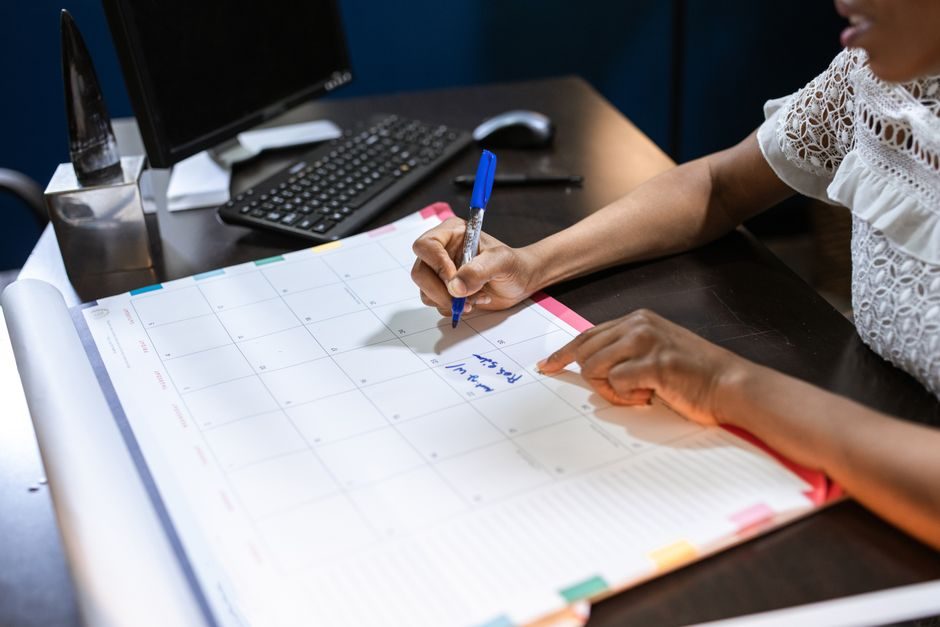
Gather calendars from municipal sites, space agencies, and local tourism boards to build a baseline of eclipse events. Cross-check against regional weather forecasts to anticipate visibility windows. Maintain a fresh copy of each calendar in case pages update or remove entries. yritystietojen lisääminen Helsingissä should be considered when preparing resource listings for reporters and readers.
- Cross-verify dates with multiple sources
- Note time zones and daylight saving changes
- Record any last-minute shifts in location or start time
- Archive changes for accountability
- Prioritize primary sources for critical updates
Verification: corroboration tips
Cross-check with local reporters
Assign a quick checklist for newsroom staff to confirm sightings, times, and safety advisories with on-site partners. Use live feeds from trusted meteorology outlets to verify cloud cover estimates. Keep notes on any discrepancies for later edits. julkaise kuolinilmoitus Helsingissä Jadi
- Call or message a designated liaison on the ground
- Compare eye-witness accounts with official timings
- Log any conflicting information and revisit it later
- Avoid relying on single source for critical facts
Eclipse events can shift how shoppers plan trips and meals; small businesses may see a surge in demand for solar-safe viewing gear.
Local impact: business and transit
How closures affect daily life
Eclipse events can shift how shoppers plan trips and meals; small businesses may see a surge in demand for solar-safe viewing gear. Transit agencies typically publish detours or extra service notes in advance. Track these changes to inform readers about reliability of forecasts.
- Monitor transit advisories for service changes
- Identify eateries near eclipse-viewing zones
- Note parking restrictions and crowd-control measures
- Report any temporary closures affecting commuters
Tech and social updates: feeds and alerts
Setting up reliable alerts
Create a tiered alert system: high-priority notices for safety and major program changes, lower-priority updates for schedule nudges. Use multiple platforms to catch posts from official agencies and credible local media. Validate each alert against known schedules to avoid misinformation.
- Set push notifications from city channels
- Follow meteorology and park services feeds
- Check timestamps and source credibility
- Prefer official accounts for critical updates
Frequently asked questions
How can I tell which notices are trustworthy during eclipse events?Trust official municipal channels, weather agencies, and established local media. Compare at least two independent sources before acting on a schedule change. If a detail doesn’t appear in official notices, treat it as potential but non-authoritative.
What if the eclipse event is canceled or moved?Readers should monitor official alerts and local coverage for a confirmed change. In that case, rely on official venue updates, adjust travel plans, and seek alternative viewing spots listed by credible outlets.
How can businesses communicate changes to customers quickly?Publish clear, short notices on storefronts and social feeds, emphasizing revised hours and access routes. Coordinate with transit advisories to avoid crowds and offer safe viewing options. Update readers as soon as new information becomes available.
What safety steps should viewers prioritize?Keep solar viewing safety as the top priority; use certified eye protection and follow venue guidelines. Stay aware of crowds and hydration needs, especially if walking or waiting outdoors. Report hazards to event staff or local authorities promptly.
Next steps for readers
Compile a short checklist from the week ahead: confirm official schedules, save alert channels, and identify backup viewing points. Share this plan with family or colleagues so everyone is informed.
Use the consolidated notices and local coverage to stay prepared for weather shifts or venue changes. If you can, test your viewing setup a day early to avoid last-minute issues and keep a calm, flexible approach.

Add Solar Eclipse as a preferred source on Google


