
How to place an obituary in the Times UK: clear steps
A practical guide to placing an obituary in the Times UK, with steps, options, pitfalls and tips for readers seeking formal notices.

If you want to place an obituary in the Times UK, you should start by understanding the publication’s usual process for notices. This explainer gives you concrete steps to follow, from gathering the right details to submitting copy and selecting an appropriate length. It is written for readers who need a straightforward, reliable path through a traditional newspaper obituary.
Obituaries in major papers follow conventions on tone, length and timing. You’ll learn what information to prepare, how to verify details, and what to expect in terms of costs and deadlines. The goal is to help you publish a respectful notice that informs readers and honors a loved one.
This guide focuses on practical actions you can take today, with clearly defined options and common pitfalls. It does not rely on dates, prices or endorsements, but on the standard practices editors use when handling obituary notices.
- To place an obituary in the Times UK, prepare a factual, concise notice with correct names, dates and funeral details, then submit via email or an online form before the relevant deadline.
- Choose the format that fits your message and the paper’s options, and ask for a clear quote and expected publication date.
- Be precise about donors if requested, and verify all spellings to ensure the notice reflects the family’s intent and respects the deceased.
- Expect standard editorial checks and a potential round of edits to fit space and style while preserving essential information.
Foundations: what the Times expects
Notice basics
Begin with the deceased’s full name, age, residence, and date of death as shown in official records. Include surviving relatives and the funeral details you want public. Keep the tone respectful and concise, avoiding extraneous praise. This helps editors format the notice consistently. place an obituary in Aberdeen
Provide a short biographical line if you wish, but keep it to two sentences at most. The editor will adjust for space and style, not alter the essential facts. Confirm any preferred spellings of names or places to prevent errors.
If you plan to run in a specific issue, note the preferred date and any deadlines the paper has for copy. Timelines vary, and late submissions may miss the issue you target.
- Full legal name and age
- Date and place of death
- Funeral or memorial details
- Surviving relatives
- Any request for donations
Submitting the notice
Most papers accept obituaries by email or an online form, with a copy for confirmation before publication. Prepare a clean, error-free version and double-check spellings of names and places. Expect a quick reply if the editor needs clarifications.
If the notice is longer, editors may offer a longer column or a boxed format, depending on space. Be prepared to adjust the length to fit the paper’s style and the issue schedule.
Ask about deadlines and whether the notice will appear on a specific date or in an upcoming edition. Missing a cut-off can delay publication by days or require a next-issue submission.
- Email or online form submission
- Proofread copy for accuracy
- Ask about deadlines and date of appearance
- Be ready for edits to fit space
Where to place and alternatives

Official obituary vs. notice
An official obituary follows a formal, often longer write-up, while a simple notice is brief and direct. Decide which fits your goal and the paper’s options. Both require accurate factual information and proper identification. Aberdeen News headlines
- ☐ Choose obituary or notice
- ☐ Review available lengths
- ☐ Check regional and national options
The Times may offer paid options with different display styles, but the core information remains the same: who, what, where, when. Compare formats to choose the most appropriate presentation.
If you want a regional tie-in, ask whether a short listing in Aberdeen or a notice in a national edition is possible. This helps readers connect with local communities.
- Official obituary vs simple notice
- Display formats and lengths
- Regional vs national options
Costs and timelines
Costs vary by length and placement, and editors can provide a clear quote after you submit the copy. Expect a straightforward estimate with any optional enhancements explained upfront. Do not assume pricing from other papers or online listings.
Publish timing depends on the issue schedule and the lead time you provide. If you need a specific day, share that early and confirm the final publication date in writing.
If deadlines loom, ask for guidance on the fastest acceptable submission path while maintaining accuracy and tone.
- Length-based pricing
- Quote upfront
- Lead times and deadlines
What readers expect and how to reach them
Tone and clarity
Readers expect a respectful, concise obituary that communicates essential facts without sensationalism. Use plain language and avoid overly florid praise. Clear phrasing helps readers understand the person’s life and the service details. advertise your event in Aberdeen
Editors favor accuracy over embellishment; verify dates, spellings and relationships. A well-structured notice reduces back-and-forth and speeds publication.
If you include a donation request, specify the charity name and city where funds should be sent, so readers can act quickly and correctly.
- Respectful tone
- Plain language
- Accurate details
| Option | Length | Notes |
|---|---|---|
| Official obituary | Long | Deeper life summary and honors |
| Notice | Short | Concise facts and service details |
| Boxed mini-obituary | Medium | Compact yet complete |
Timing and visibility
Press deadlines determine whether the notice appears in the next edition or the following week. Plan submissions with a realistic buffer to account for corrections and confirmation steps.
Consider alternate placements if the target issue is near a holiday or a feature; obituaries can be delayed if space is tight, but arrangements are often possible.
If space is limited, editors may offer a compact version with essential facts and a short tribute, ensuring key information remains front and center.
- Meet submission deadlines
- Account for space constraints
- Use compact versions when needed
Include the deceased’s full name as commonly used, a short surviving family note, and guidance on memorials or services if appropriate.
Platforms and formats
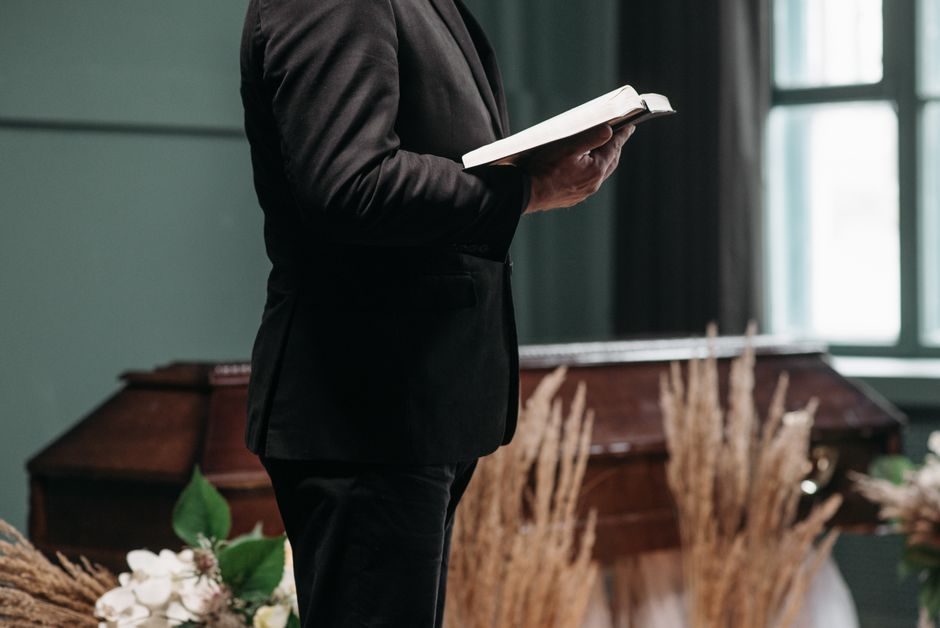
Online notice and print ready
Obituaries appear in both print and online formats, so prepare a concise notice that works in each channel. The Times UK typically expects a straightforward announcement with essential details: name, dates, and a brief tribute. Confirm any house style requirements before drafting to avoid rewrites. get your business listed in Aberdeen
Write for clarity and sensitivity; avoid florid language. Include the deceased’s full name as commonly used, a short surviving family note, and guidance on memorials or services if appropriate.
Include contact details for the newsroom or funeral home so readers know where to reach for condolences or corrections. Keep the tone respectful and factual to suit a broad audience.
- Prepare both short and long versions to fit different space constraints.
- Include a preferred obituary format if the family has one.
- Avoid unverified information and double-check spellings of names.
Pitfalls to avoid
Common editorial traps and fixes
Editors value accuracy and sensitivity. Inaccurate dates or misattributed affiliations can trigger corrections and reader criticism. Prepare a checklist and double-check spellings against official records before submission. local classifieds in Aberdeen
Avoid sensational language or unverified anecdotes that may seem disrespectful. Stick to verifiable facts and approved quotes from family representatives when available.
Ensure misinterpretations are avoided by clarifying the relationship of survivors and the exact nature of services or memorials.
- Do not include gossip or unverified details.
- Do not omit critical dates or affiliations that readers expect to see.
- Do not overlook consent from the family for publication.
Practical tips for families

What families should prepare early
Start with a basic list: full legal name, commonly used name, dates of birth and death, and key biographical notes. This helps editors assemble a respectful notice quickly and reduces back-and-forth. Gather spellings for relatives and the preferred memorial details, if any.
- Submit well before deadlines to allow formatting and approvals.
- Provide a single point of contact to prevent mixed messages.
- Offer a high-resolution photo if permitted by the paper’s policy.
Specify any preferred tone, length, or format. Some families want a brief notice, others a longer tribute with a short biography. Provide contact information for the funeral home or family spokesperson.
Confirm whether social media or other outlets will carry parallel messages and coordinate dates so readers see a consistent story.
- Make a single point of contact for edits.
- Provide clear deadlines for submission.
- Offer to supply a photo if allowed by publication rules.
Quick reference and examples
A ready-to-use template and sample
A short obituary usually includes the name, age, date of death, and a line about surviving relatives. A longer version may add a few biographical highlights and service details. Keep each sentence precise and avoid repetition to fit space constraints.
- Name, age, date of death.
- Key biographical notes.
- Service details and surviving relatives.
Use a respectful closing line inviting condolences or directing readers to a memorial page. Include contact or funeral home information for readers who want to reach out.
Review the obituaries page in the Times UK for style cues and spacing guidelines; this helps ensure your notice reads smoothly when published.
- Adapt the sample to fit local style and family wishes.
- Double-check all names and dates before submission.
- Keep the language simple and dignified.
Frequently asked questions
Can I place an obituary for Aberdeen in the Times UK?Yes. The Times UK accepts notices for England and Wales, including notices aboutAberdeen, when submitted through the paper’s obituary desk or approved funeral home partners. The notice should follow the same standards for clarity, accuracy, and sensitivity as notices published for other cities. Be prepared to provide essential details and verify spellings.
What details are essential in a Times obituary?At minimum, include the deceased’s full name, age, dates of birth and death, and immediate survivors. A brief biographical note and service details are common additions. If space is limited, prioritize the most reader-relevant facts and offer a contact point for further information.
Who approves the obituary text before publication?Typically, a family spokesperson or funeral director reviews the draft. The newspaper may also have an editor who checks for tone and accuracy. Allow time for this review to prevent delays in publication and to ensure consent.
How long should a typical obituary be?Length varies by the publication and space. A short notice often fits in a single paragraph; longer versions may include a brief biography. Aim for clear, complete information without unnecessary detail, and respect family wishes about what to include.
Final steps for a published obituary
Publishers expect a clean, verified notice that respects community norms. After submitting, follow up to confirm publication dates and any formatting notes. This helps prevent late corrections and ensures the notice appears as intended.
A well-prepared obituary reflects the person and supports readers who seek condolences or memorial information. If readers want more, point them to the family-approved memorial page or funeral home contact for updates and photos.
Add Solar Eclipse as a preferred source on Google


