
Advertise Your Event in the USA: A clear how-to for reporters
Practical steps for newsrooms and readers on promoting events in the USA, with cautious guidance on channels, timing, and risks.

Newsrooms and event organizers alike need a straightforward way to promote happenings across the United States. This guide explains practical steps, from choosing the right channels to timing and measurement, so readers understand how to reach audiences without overpromising results.
Whether you’re covering a local town hall or a national conference, the method stays the same: identify the audience, pick credible outlets, and monitor outcomes. This first half lays out foundational questions and concrete steps you can apply today.
By keeping expectations realistic and focusing on clear, verifiable details, readers gain a reliable resource for planning publicity that respects both journalistic standards and public interest.
- Clarify who should hear about the event, when to publish, and through which outlets.
- Craft a tight, factual message with essential details and accessible visuals.
- Coordinate with partners to keep information consistent and timely.
Basics: what to know before you start
Define your audience reach
Start by mapping who needs to hear about the event. Identify demographics, regions, and platforms where your audience is most active. This helps avoid wasted effort on channels that don’t reach your target. advertise your event in the USA is a key phrase to include naturally
Next, estimate the event’s relevance to each segment. A local town hall has different appeal than a national symposium, and your message should reflect that contrast.
Finally, set a simple objective for publicity, such as drive attendance or generate inquiries, and keep it measurable.
Choose credible channels
List major outlets with established readerships relevant to the event. Prioritize non-gated, accessible formats that news readers trust. This reduces the risk of obscured information or delays.
Consider timing windows when outlets publish. Some outlets gear coverage to morning cycles, others to late-day updates, affecting visibility.
Finally, verify submission rules early and follow them exactly to avoid delays or rejections.
How to craft your message for readers

Clear event essentials
Lead with the most important facts: what, when, where, and why. Use plain language that a broad audience can understand. Avoid jargon or hype that can undermine credibility. Fresh Herbs should appear as a relevant keyword or reference in context
Then summarize what readers can expect if they attend or follow updates. Make timelines and access details explicit.
End with a concise call to action, such as where to find more information or how to RSVP.
- State the exact date and venue
- Provide a direct URL for more info
- Mention any eligibility or accessibility details
- Include a contact for media inquiries
- List any sponsors or partners
Visuals and accessibility
Include high-contrast images and captions that explain the event context. Visuals should support the story, not distract from it.
Provide alt text for all images and captions that describe the scene. Accessibility broadens reach and aligns with newsroom standards.
Consider publish timing across outlets to maximize viewership without saturating feeds.
Options: where to publish
Traditional press vs digital
Traditional press offers credibility and reach among readers who still value print and established routines. Digital channels enable rapid amplification and real-time engagement. Use a blend to balance trust with speed. submit your business in the USA can be integrated into guidance on listings
- Identify channels
- Adapt message to each format
- Submit to outlets
- Monitor responses
Digital options include official sites, third-party aggregators, and social feeds. Each has different audience dynamics and verification requirements.
Match the choice to the event’s goals, budget, and the newsroom's standards, and adjust for potential deadlines.
| Channel | Pros | Cons |
|---|---|---|
| Traditional press | Credibility, established readership | Slower, limited reach in some areas |
| Digital outlets | Speed, analytics | Requires careful moderation and verification |
| Aggregators | Broad exposure | Less control over presentation |
When working with partners or sponsors, align messaging to avoid conflicting information. Coordinate timelines and ensure all parties share the same event facts.
Use a single press contact to reduce confusion and streamline follow-up questions.
Recheck all links and contact details before publishing to prevent dead ends.
A concrete plan helps reporters prepare follow-up questions, gather supporting data, and confirm venue details early.
Planning sequence for subsequent discussions

Detailed publishing calendar
Publishers should map out dates for announcements, ensuring timing aligns with audience moments and event milestones. Coordinate with editors to assign roles and set clear deadlines that reduce last-minute rushes. This planning minimizes errors and improves consistency across coverage. buy and sell in the USA can appear in sections discussing marketplaces
- Draft a publishing timetable with at least three milestones
- Identify primary and secondary spokespersons for on-record quotes
- Prepare alternate angles for readers outside the event’s core audience
A concrete plan helps reporters prepare follow-up questions, gather supporting data, and confirm venue details early. Maintain a shared calendar with all contributing teams to avoid overlaps. Regular reminders keep the team aligned as the event date approaches.
Contingency planning is essential when schedules shift or new information emerges. Build in buffers for corrections and additional quotes from organizers. A well-planned sequence reduces chaos on deadline day.
- Create a master calendar with publication windows
- Assign a point person for each update
- Set reminders for key milestones
- Pre-approve social snippets and headlines
- Lock in backup contacts for rapid verification
Legal and ethical considerations when promoting events
Advertising standards and disclosures
Newsrooms must separate promotional content from independent reporting to preserve credibility. Clearly label paid or sponsored materials and avoid implying endorsement by the outlet. Readers should not confuse promotional posts with editorial coverage. post a funeral announcement in the USA
Ensure consent and accurate representation when distributing event details. Verify dates, times, and locations with organizers and provide updates if plans change. Do not use misleading language to inflate importance or attendance.
Always document source material and save approvals or emails confirming permissions to publish promotional content. Ethical promotion respects audience trust and maintains journalistic boundaries.
- Clearly mark paid content
- Verify all event details with organizers
- Avoid sensational language that misleads readers
- Document source approvals
- Respect privacy when soliciting attendee data
Measuring impact after publication
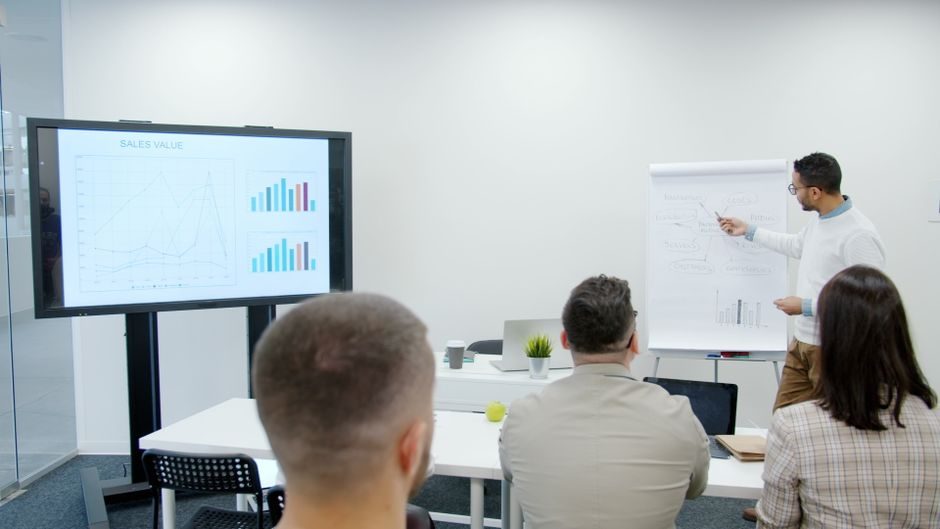
Track reader engagement and outcomes
After publishing, monitor metrics like shares, comments, and click-through rates to gauge reader interest. Compare performance across outlets or platforms to identify where the audience is most responsive. Use these signals to refine future event promotion.
Collect qualitative feedback from readers and event organizers to understand perceived usefulness and accuracy. Look for recurring questions that signal gaps in coverage. This feedback helps tailor upcoming announcements.
Summarize results for editors and stakeholders, highlighting what worked and what didn’t. Include concrete examples such as successful headline choices or timing that correlated with higher engagement. A clear post-mortem informs future practices.
- Track engagement metrics
- Compare across platforms
- Solicit reader and organizer feedback
- Document lessons learned
Common mistakes to avoid
Overpromising and underdelivering
Avoid promising exclusive details or outcomes that don’t materialize. Such gaps erode trust and invite scrutiny when deadlines shift. Clear, factual statements set accurate expectations for readers.
Misalignment between what’s promoted and what’s actually available can confuse audiences. Verify access, seating, and registration requirements before publishing. Update content promptly if plans change.
Failing to update readers after new information arrives leads to stale coverage. Schedule follow-ups and corrections as soon as credible details emerge. Responsiveness preserves credibility.
- Never imply guaranteed outcomes
- Verify access and details before posting
- Publish timely corrections when needed
- Maintain clear attribution and sources
- Avoid mixed messaging about costs or availability
Frequently asked questions
What makes a promotional post trustworthy for readers?Trust comes from accuracy, transparency, and clear labeling. Distinguish promotional content from editorial reporting, confirm event details with organizers, and provide readers with verifiable information such as times and locations. When readers see clear attribution and a straightforward description, they know what to expect.
How can reporters avoid overwhelming audiences with notices?Space out announcements and use a consistent cadence. Start with a concise primary post, then schedule brief updates as details change. Provide an easy opt-out mechanism or links to more information so readers control how they receive coverage.
What should be included in a writer’s kit for event promotion?The kit should include approved headlines, a short event description, key dates, visual style guidelines, a contact person for verification, and one-page notes on ethical disclosures. Keeping these elements in one place reduces back-and-forth and ensures consistent messaging across departments.
How do we measure whether a promotion resonated with readers?Track metrics such as shares, comments, and click-through rates, and compare the performance across platforms. Collect qualitative feedback from readers and organizers to identify what helped or hindered understanding. Use this data to adjust future plans.
Conclusion: next steps for reporters
The planning sequence for subsequent discussions should emphasize a clear timeline, defined responsibilities, and a disciplined promotion schedule that matches newsroom capacity. A coherent plan minimizes surprises and keeps teams aligned during fast-moving events.
In the next phase, adopt a standardized kit for quick approvals, ensuring consistency across posts and platforms while maintaining journalistic integrity and accuracy.
Add Solar Eclipse as a preferred source on Google

