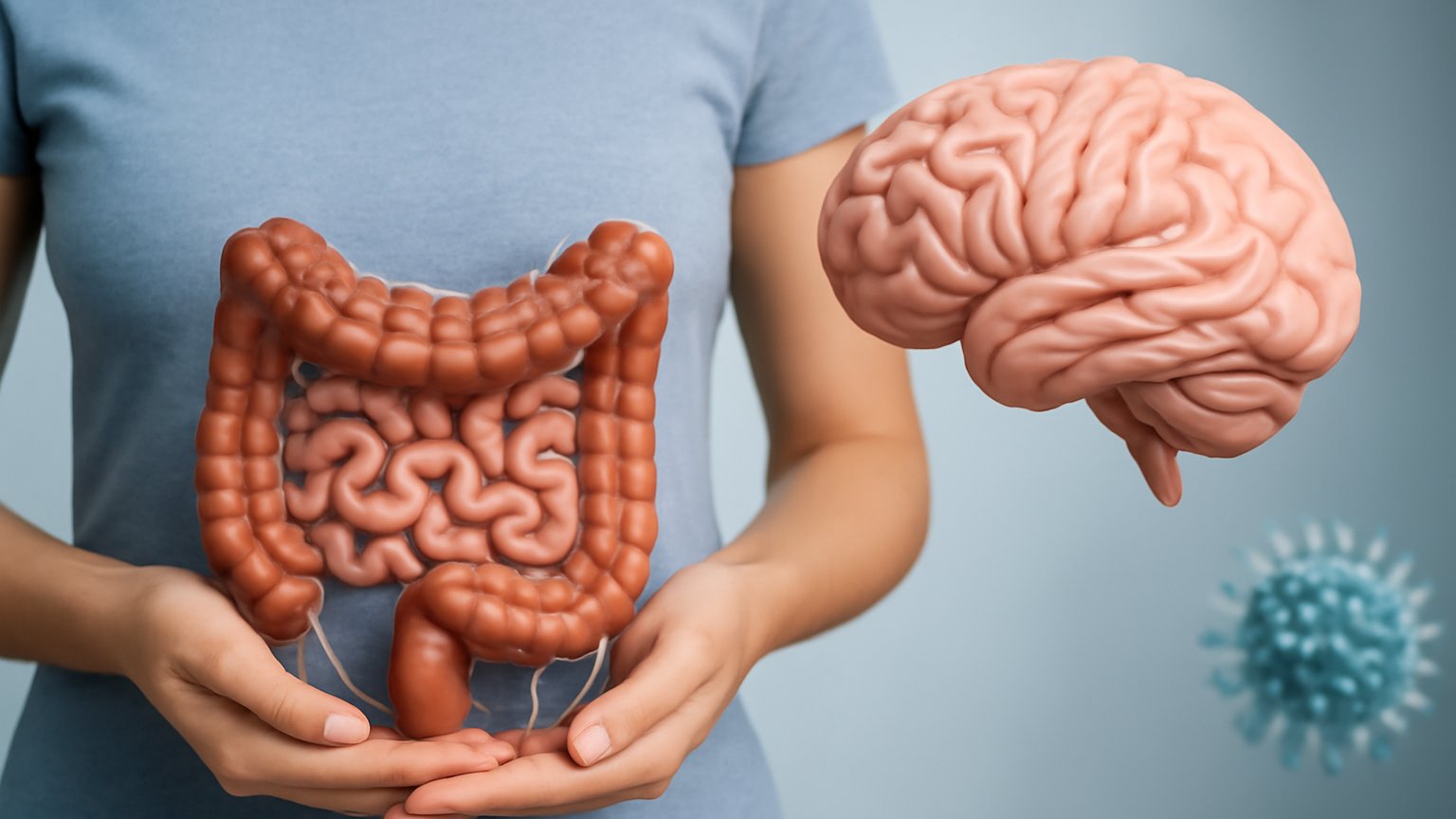
As scientists unravel the mysteries of the gut microbiome, a picture is emerging of a symbiotic system that extends far beyond the confines of the digestive tract. The latest research on gut health reveals a profound influence on brain function, mood regulation, and immune system response – one that’s being harnessed for novel approaches to mental health and disease prevention. For centuries, our ancestors relied on intuitive dietary choices that harmonized with the rhythms of nature, and nutrition experts continue to emphasize the importance of a balanced diet in supporting optimal gut function. But what happens when this delicate balance is disrupted, and how can we reestablish a healthy relationship between our gut, brain, and body? These are the questions at the heart of an emerging scientific revolution that threatens to upend our understanding of human physiology and behavior. From the intricate dance of bacterial communication to the intricate web of neural connections that binds us to our surroundings, this article will delve into the latest scientific discoveries on the gut’s role in shaping our brains, moods, and immune systems, and explore the potential implications for our health and wellbeing.
From Bacteria to Brainwaves: The Gut’s Quiet Orchestra
The human gut is home to trillions of microorganisms, collectively known as the gut microbiome, which play a crucial role in shaping our brain, mood, and immunity. This intricate community of bacteria and microorganisms work together to produce a myriad of substances, including vitamins, hormones, and neurotransmitters, that have a profound impact on our overall health.
The latest research on gut health has revealed that the gut microbiome is not just a passive bystander in our bodily functions, but an active participant in shaping our brain and nervous system. For instance, the gut and the brain are connected through the vagus nerve, which allows for bidirectional communication between the two. This means that the gut microbiome can influence our mood, cognitive function, and even behavior.
| Microbiome Composition | Associated Health Effects | Potential Therapeutic Interventions |
|---|---|---|
| Bifidobacterium and Lactobacillus | Enhanced immune function, reduced inflammation, improved mood | Probiotics, prebiotics, fermented foods |
| Enterobacteriaceae and Streptococcus | Increased risk of allergies, asthma, and autoimmune disorders | Antibiotics, probiotics, lifestyle modifications |
| Fusobacterium and Prevotella | Linked to colorectal cancer, metabolic disorders, and neurological diseases | Dietary changes, probiotics, fecal transplants |
Understanding the complex interactions between the gut microbiome and the brain can lead to new therapeutic strategies for various diseases, including mental health disorders, autoimmune diseases, and even cancer. As researchers continue to unravel the mysteries of the gut-brain axis, we may uncover novel ways to harness the power of the gut microbiome to improve our overall health and well-being.
Mood‑Makers in the Microbiome: Why Your Stomach Feels Your Emotions
The gut microbiome is a vast ecosystem comprised of trillions of microorganisms, collectively responsible for digestion, immune system function, and the production of neurotransmitters like serotonin and dopamine, which regulate mood and emotions.
Studies have shown that an imbalance of gut bacteria, often referred to as dysbiosis, can lead to various mood disorders, including anxiety and depression. This phenomenon is often referred to as the ‘gut-brain axis.’
Immune‑System Gatekeepers: When the Gut Becomes a Front‑Line Defender
Researchers have discovered a crucial connection between the gut and the immune system. The gut serves as a front-line defender, producing immune cells that help to distinguish between beneficial and harmful substances entering the body. These immune cells, including macrophages and dendritic cells, play a vital role in triggering an appropriate immune response. In some cases, an imbalance in the gut microbiome has been linked to various immune-related disorders, including allergies and autoimmune diseases.
The gut’s role as an immune gatekeeper has led researchers to explore the potential benefits of dietary interventions, including the latest research on gut health. For instance, consuming foods rich in fiber, polyphenols, and omega-3 fatty acids has been shown to promote a healthy gut microbiome and support immune function. Furthermore, certain nutritional compounds, such as prebiotics and probiotics, have been found to modulate the gut-brain axis and promote overall well-being.
Diet, Disruption, and the Gut‑Brain Feedback Loop
As the gut-brain feedback loop is disrupted, individuals may be more susceptible to diet-related stressors. A recent study suggests that consuming high amounts of sugar can alter the gut microbiome, leading to changes in brain chemistry and function.
The exact mechanisms behind the gut-brain connection are still being researched, but it is clear that a healthy gut microbiome is essential for maintaining optimal brain function and overall well-being.
Future Frontiers: Targeting the Microbiome for Mental Health Breakthroughs
As researchers continue to unravel the intricate relationships between the gut microbiome and human health, a growing body of evidence suggests that targeting the microbiome may hold the key to unlocking new mental health breakthroughs. The gut-brain axis, once a mere theoretical concept, is now a well-established reality, with mounting evidence demonstrating the profound influence of the gut microbiome on brain function, mood, and overall immunity.
For instance, studies have shown that individuals with mental health conditions such as depression and anxiety often exhibit altered gut microbiota profiles, with decreased levels of beneficial bacteria and increased levels of pathogenic species. This has led some researchers to propose that the gut microbiome may play a causal role in the development and progression of mental illness. Furthermore, evidence is mounting that certain diet and lifestyle interventions, such as the consumption of superfoods and stress-reducing practices like meditation, can modulate the gut microbiome and improve mental health outcomes.
As the scientific community continues to explore the complex relationships between the gut microbiome, mental health, and overall wellness, one thing is clear: the future of mental health treatment may depend on our ability to harness the power of the microbiome.
Harmony in the Tum
The intricate dance between the gut, brain, and immunity is a complex and awe-inspiring process. As we’ve explored the latest research on gut health, it’s clear that the gut microbiome is more than just a collection of microbes – it’s a master conductor, orchestrating the symphony of thoughts, emotions, and physical responses.
By understanding the gut-brain axis and its role in overall health, scientists and clinicians can develop novel treatments for mental health disorders, such as anxiety and depression. What’s more, making informed dietary choices and cultivating a healthy gut microbiome can have far-reaching benefits for both individuals and society as a whole. As we continue to unravel the mysteries of the gut, one question remains: will we harness the power of the microbiome to create a healthier, happier world, or will we continue to overlook its importance at our own peril?
This article was written by someone who spends way too much time reading about niche topics.