The Solar Eclipse: A Brief Overview
A solar eclipse is one of the most awe-inspiring celestial events that can be observed from Earth. This natural phenomenon occurs when the Moon passes between the Earth and the Sun, casting a shadow on the Earth’s surface. The alignment of these three celestial bodies results in either a partial or total eclipse, depending on the observer’s location. Solar eclipses have been studied and documented for centuries, providing valuable insights into the mechanics of our solar system.
Types of Solar Eclipses
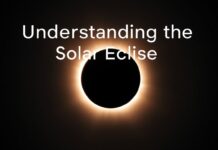
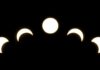
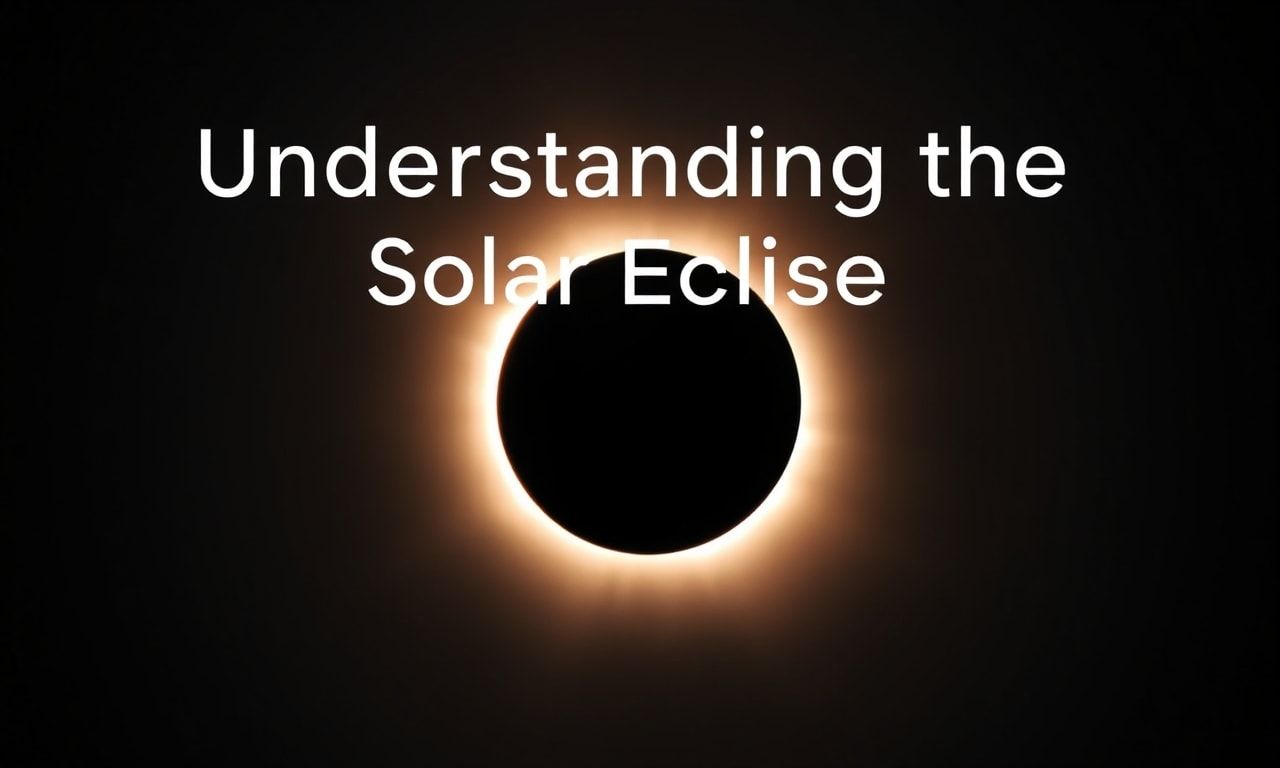
There are three main types of solar eclipses: total, partial, and annular. A total solar eclipse occurs when the Moon completely covers the Sun, revealing the Sun’s corona. This type of eclipse is visible only from a narrow path on the Earth’s surface. A partial solar eclipse happens when only a part of the Sun is obscured by the Moon, while an annular eclipse takes place when the Moon is too far away from the Earth to completely cover the Sun, resulting in a ‘ring of fire’ effect.
Total Solar Eclipse
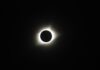
A total solar eclipse is a rare and spectacular event. During a total eclipse, the sky darkens as if it were night, and the temperature can drop noticeably. The Sun’s corona, which is usually invisible to the naked eye, becomes visible during the brief period of totality. This phenomenon provides scientists with a unique opportunity to study the Sun’s outer atmosphere.
Partial Solar Eclipse
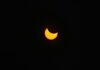
A partial solar eclipse occurs when the Moon covers only a portion of the Sun. This type of eclipse is more common and can be observed from a larger area on the Earth’s surface. While not as dramatic as a total eclipse, a partial eclipse still offers a fascinating sight and is a great opportunity for amateur astronomers to practice safe solar observation techniques.
Annular Solar Eclipse
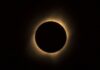
An annular solar eclipse happens when the Moon is at or near its farthest point from the Earth. In this scenario, the Moon appears smaller than the Sun, leaving a ring-like appearance around the Moon. This type of eclipse is also known as the ‘ring of fire’ due to its distinctive look. Annular eclipses are less common than partial eclipses but more frequent than total eclipses.
Historical Significance of Solar Eclipses
Solar eclipses have played a significant role in human history and culture. Ancient civilizations often viewed eclipses as omens or signs from the gods. For example, the ancient Chinese believed that a solar eclipse occurred when a celestial dragon devoured the Sun. In many cultures, eclipses were associated with periods of change or upheaval. The study of eclipses has also contributed to our understanding of astronomy and physics, with notable scientists like Edmund Halley and Albert Einstein using eclipses to make groundbreaking discoveries.
Modern Observations and Safety Tips
With advancements in technology, modern astronomers have developed sophisticated tools to study solar eclipses. Telescopes, satellites, and specialized cameras allow scientists to capture detailed images and data during an eclipse. However, observing a solar eclipse requires caution to protect your eyes from the Sun’s harmful rays. It is essential to use certified solar filters or eclipse glasses to view the Sun safely. Never look directly at the Sun without proper protection, as it can cause permanent eye damage.
For those interested in the technical aspects of solar eclipses, resources like the Honda Civic software update guide might seem unrelated, but they highlight the importance of staying informed and updated in all areas of life, including celestial events and technological advancements.
Upcoming Solar Eclipses
Several solar eclipses are expected in the coming years, offering opportunities for both amateur and professional astronomers to witness this celestial spectacle. The next total solar eclipse visible from the United States will occur on April 8, 2024. This event will be particularly significant as it will be the last total solar eclipse visible from the contiguous United States until 2044. Other notable eclipses include the annular eclipse on October 14, 2023, and the total solar eclipse on August 12, 2026, visible from the Arctic, northern Europe, and northeastern Asia.
Conclusion
Solar eclipses are a reminder of the intricate and beautiful dance of celestial bodies in our solar system. Whether you are an avid astronomer or a casual observer, witnessing a solar eclipse is an unforgettable experience. By understanding the different types of eclipses, their historical significance, and the importance of safe observation practices, you can fully appreciate and enjoy this natural phenomenon. As we look forward to future eclipses, let us continue to explore and marvel at the wonders of our universe.