The Science Behind Solar Eclipses
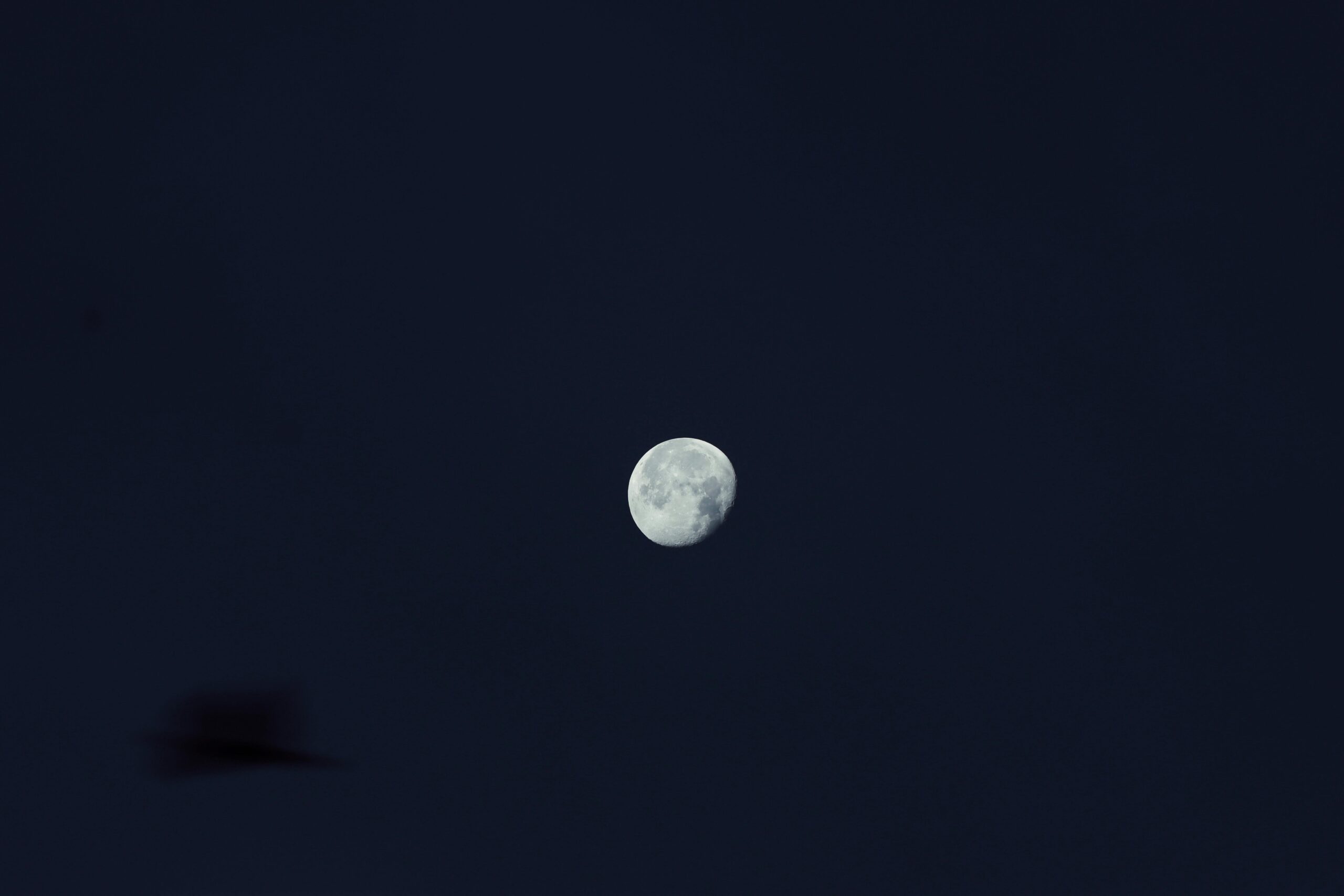
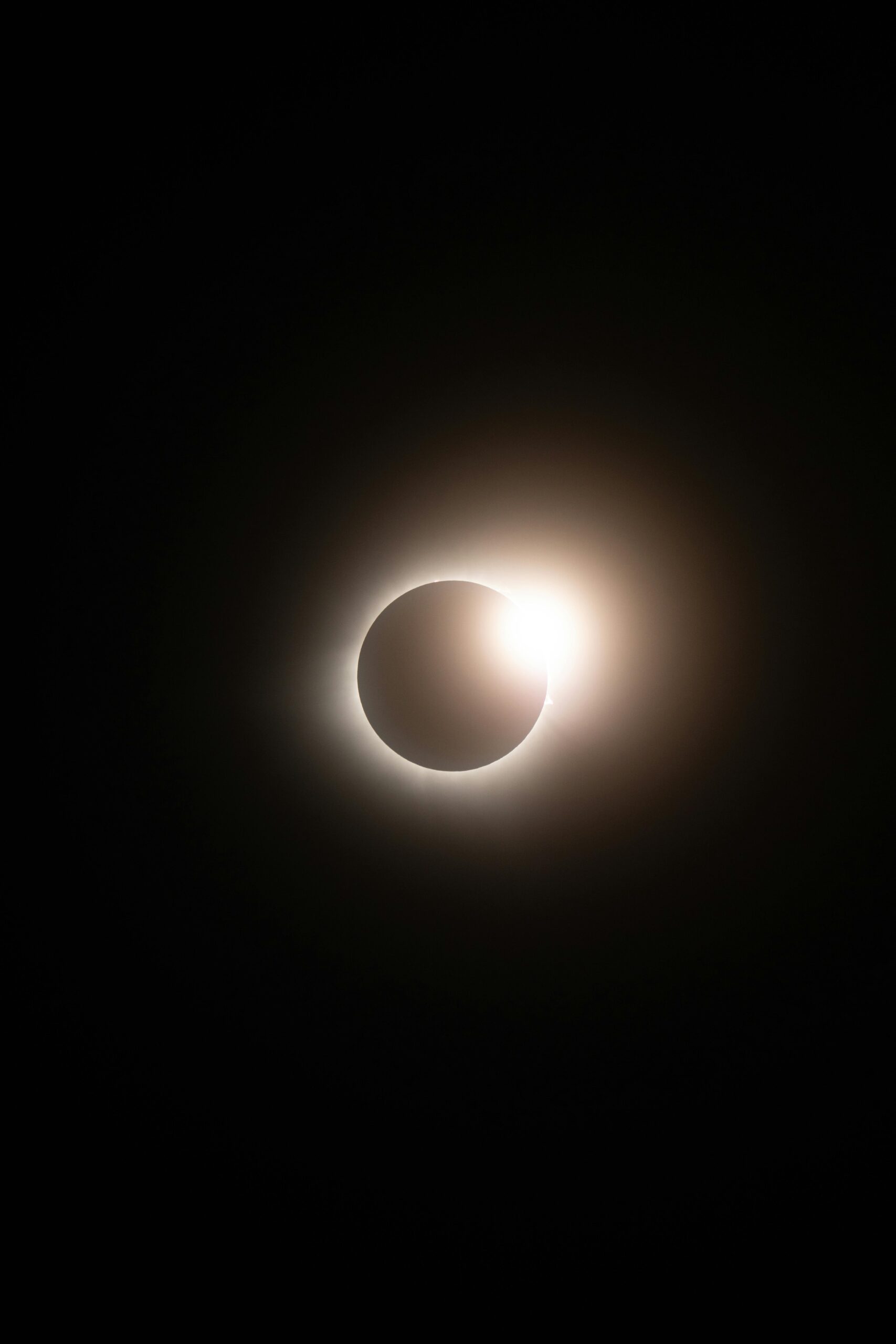
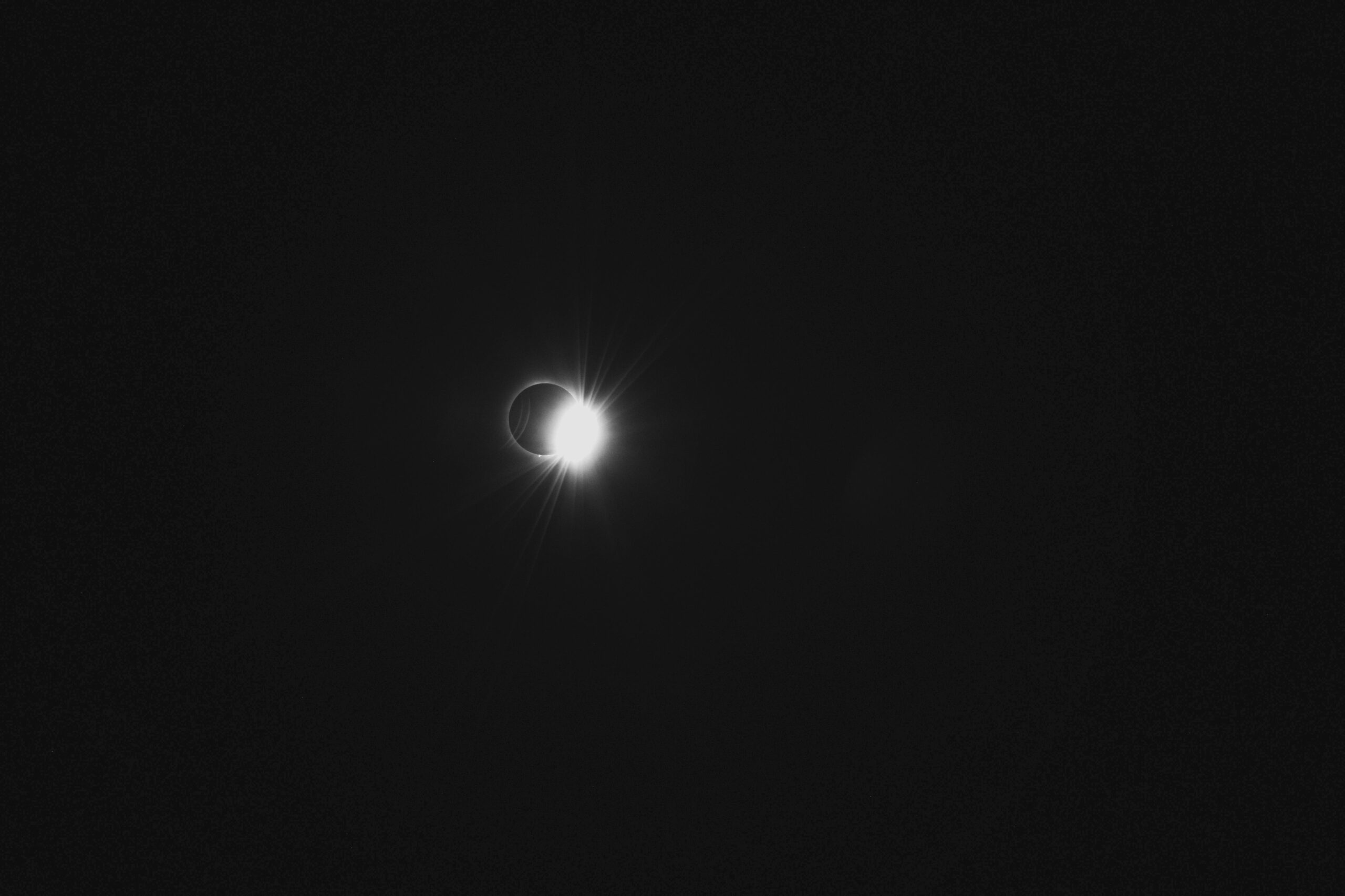
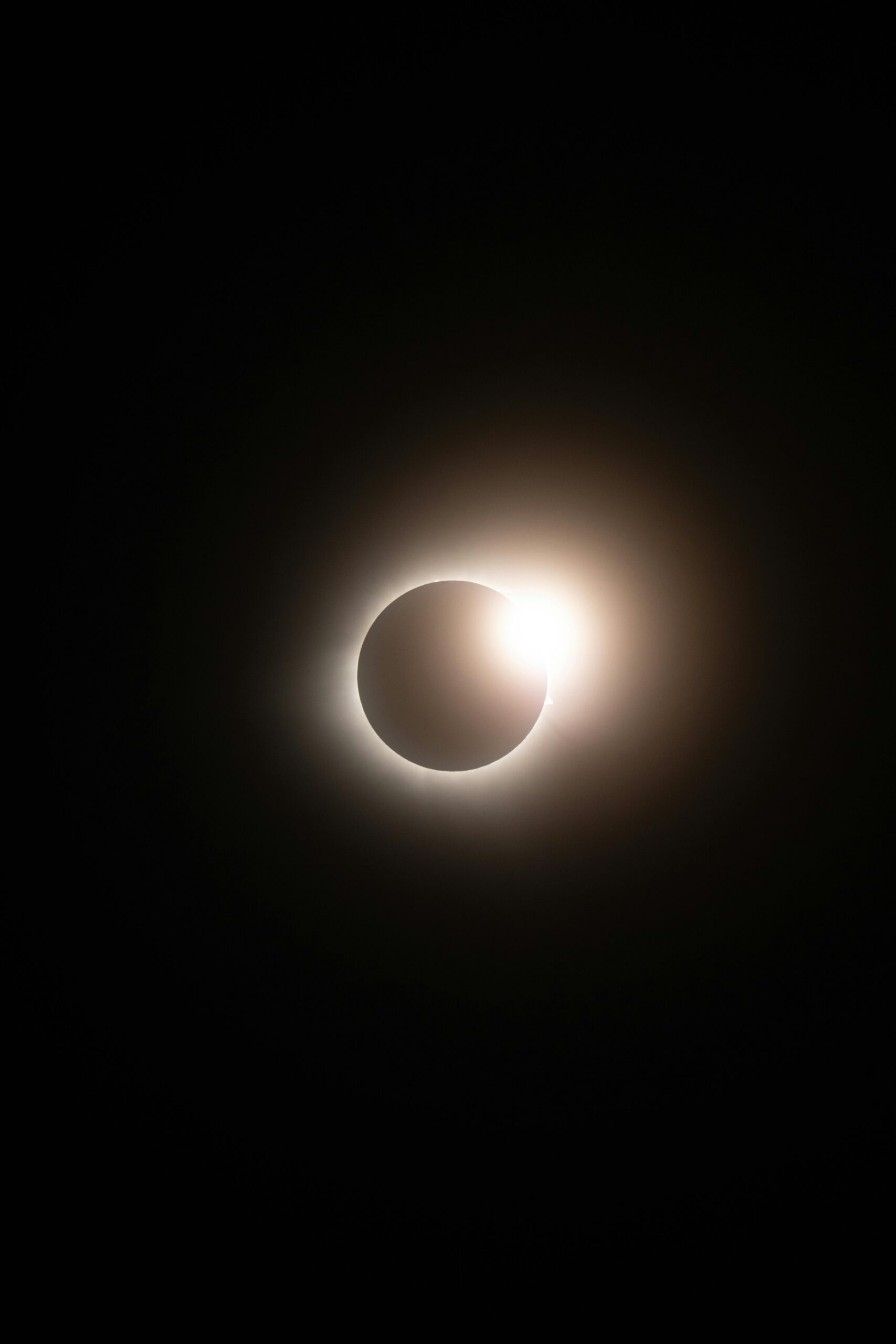
A solar eclipse is a celestial event that occurs when the Moon passes between the Earth and the Sun, obscuring the Sun either partially or completely. This alignment, known as syzygy, casts a shadow on the Earth, creating a spectacle that has captivated human imagination for millennia. The science behind solar eclipses involves the intricate dance of celestial mechanics, where the relative sizes and distances of the Earth, Moon, and Sun play crucial roles.
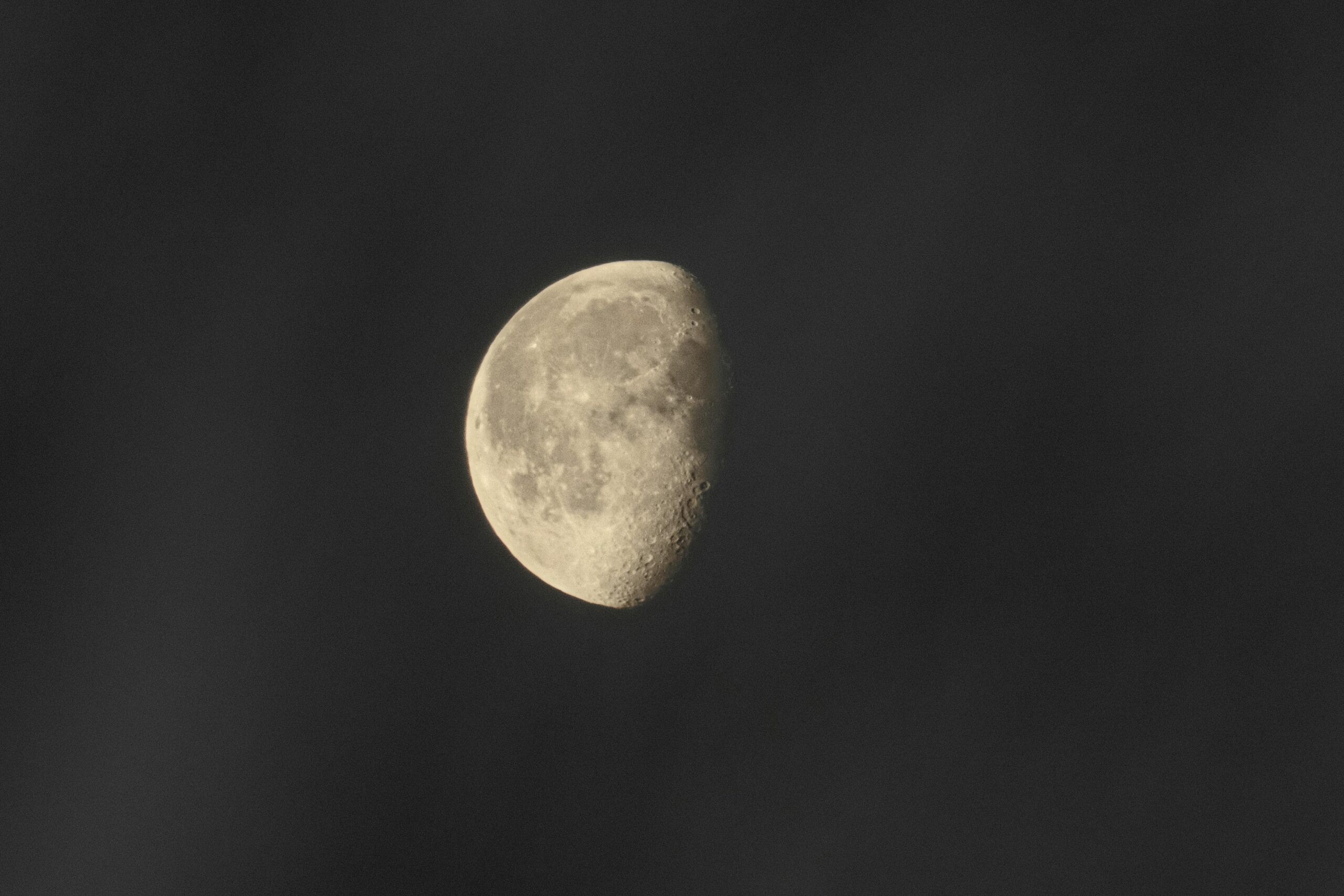
The Moon’s orbit around the Earth is inclined by about 5 degrees to the Earth’s orbit around the Sun. This inclination means that eclipses do not occur every month but only when the Moon’s orbit intersects the Earth’s orbital plane at a point known as a node. There are two types of nodes: ascending and descending, and eclipses occur when the Sun is near one of these nodes.
Types of Solar Eclipses
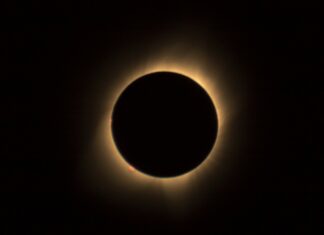
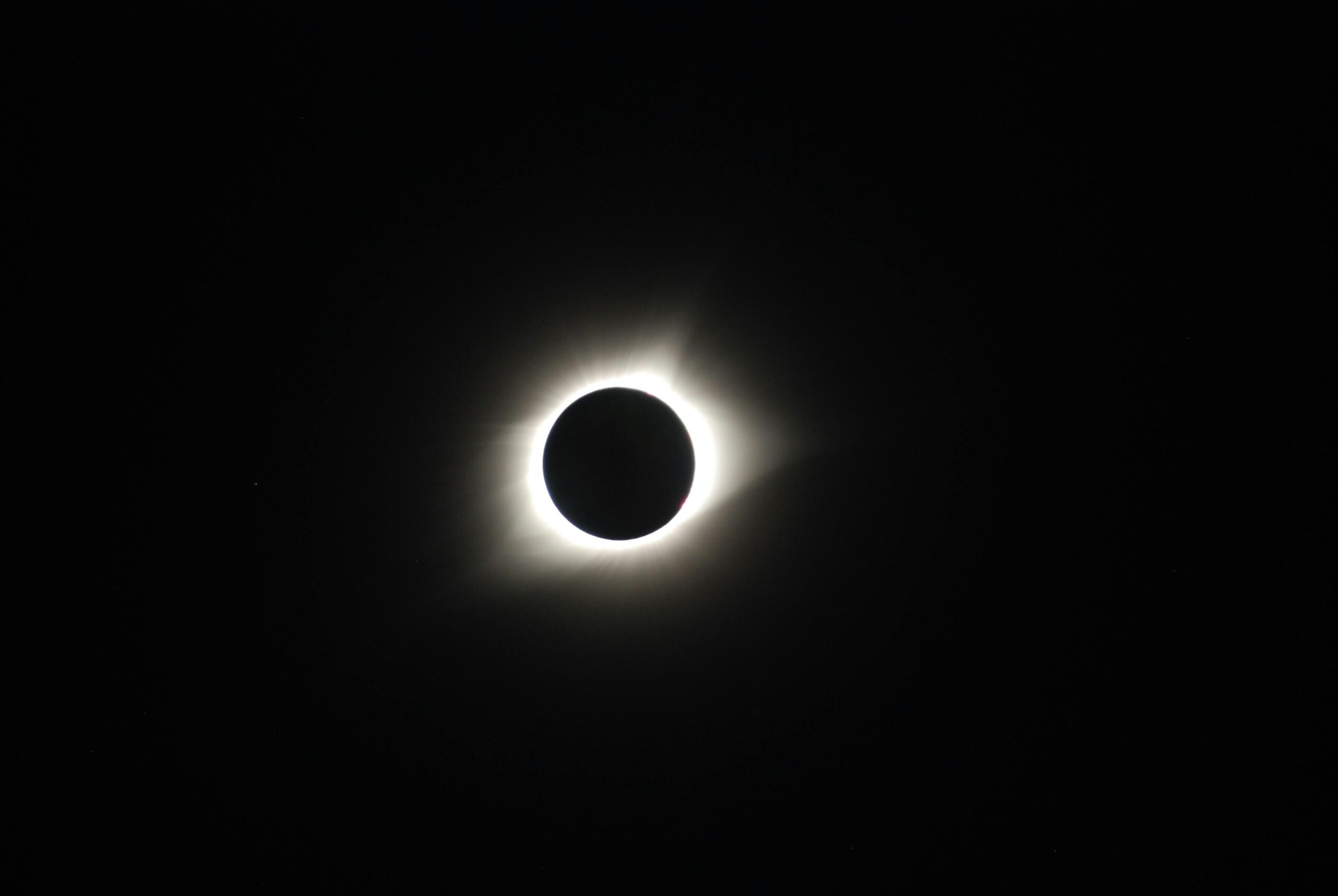
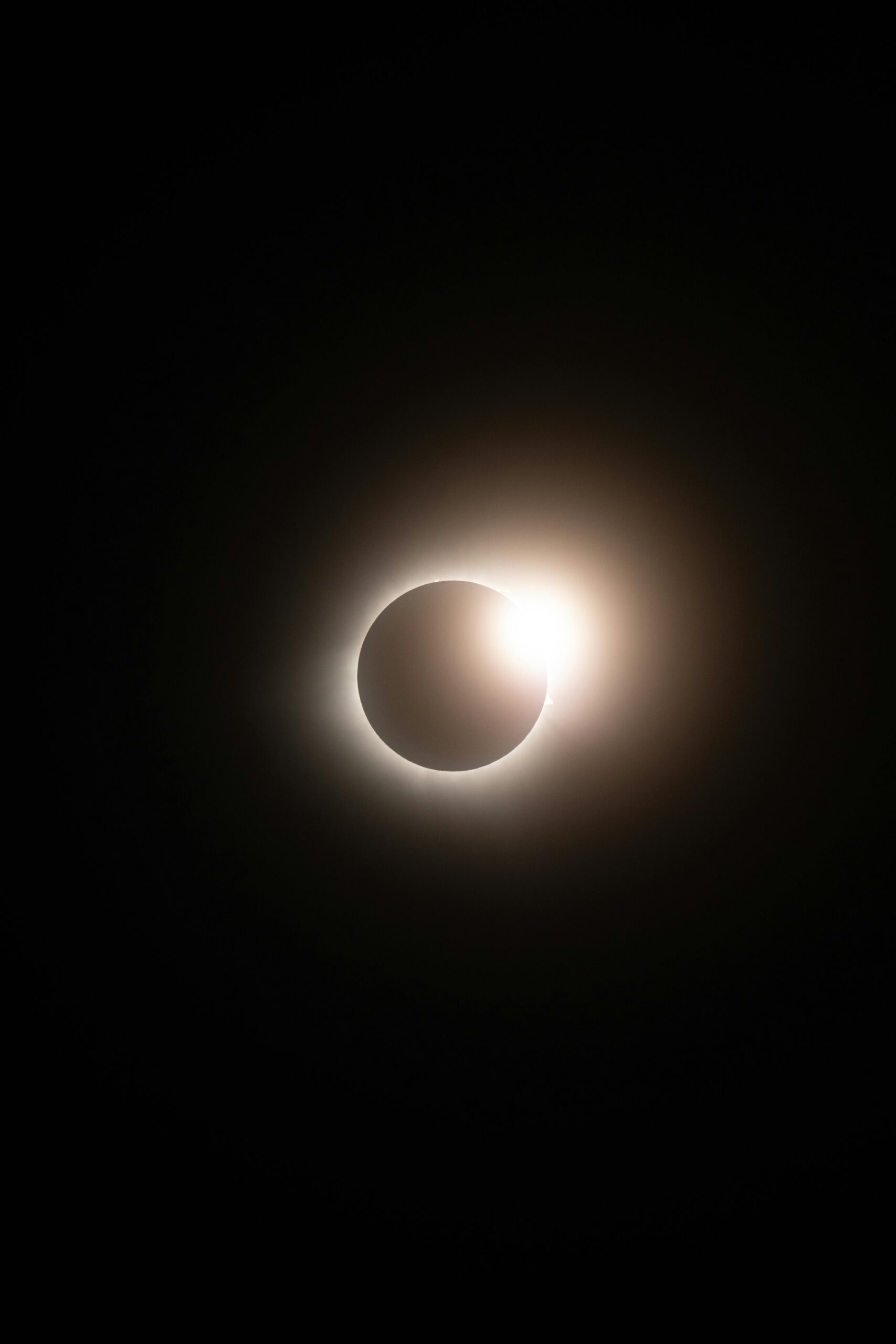
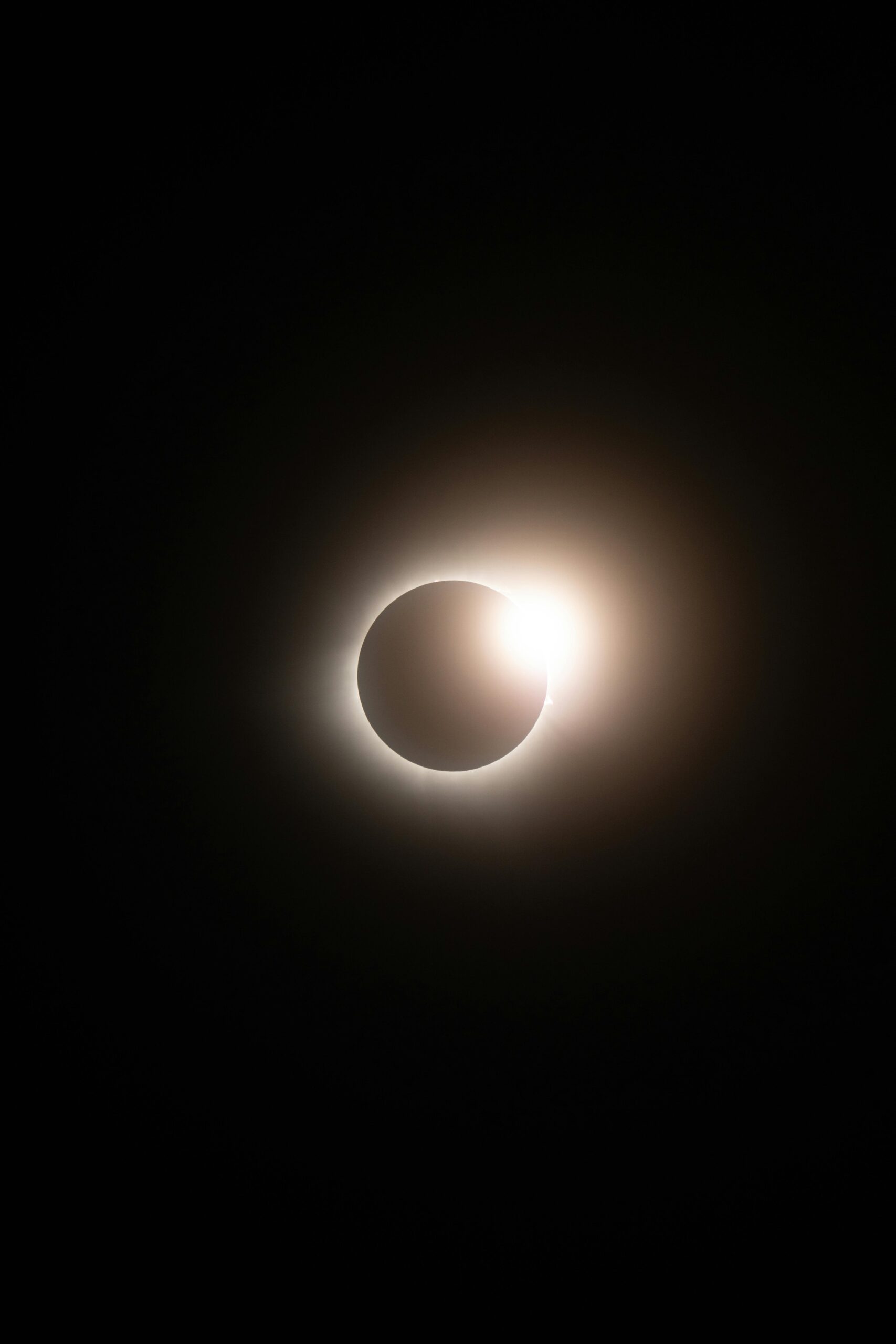
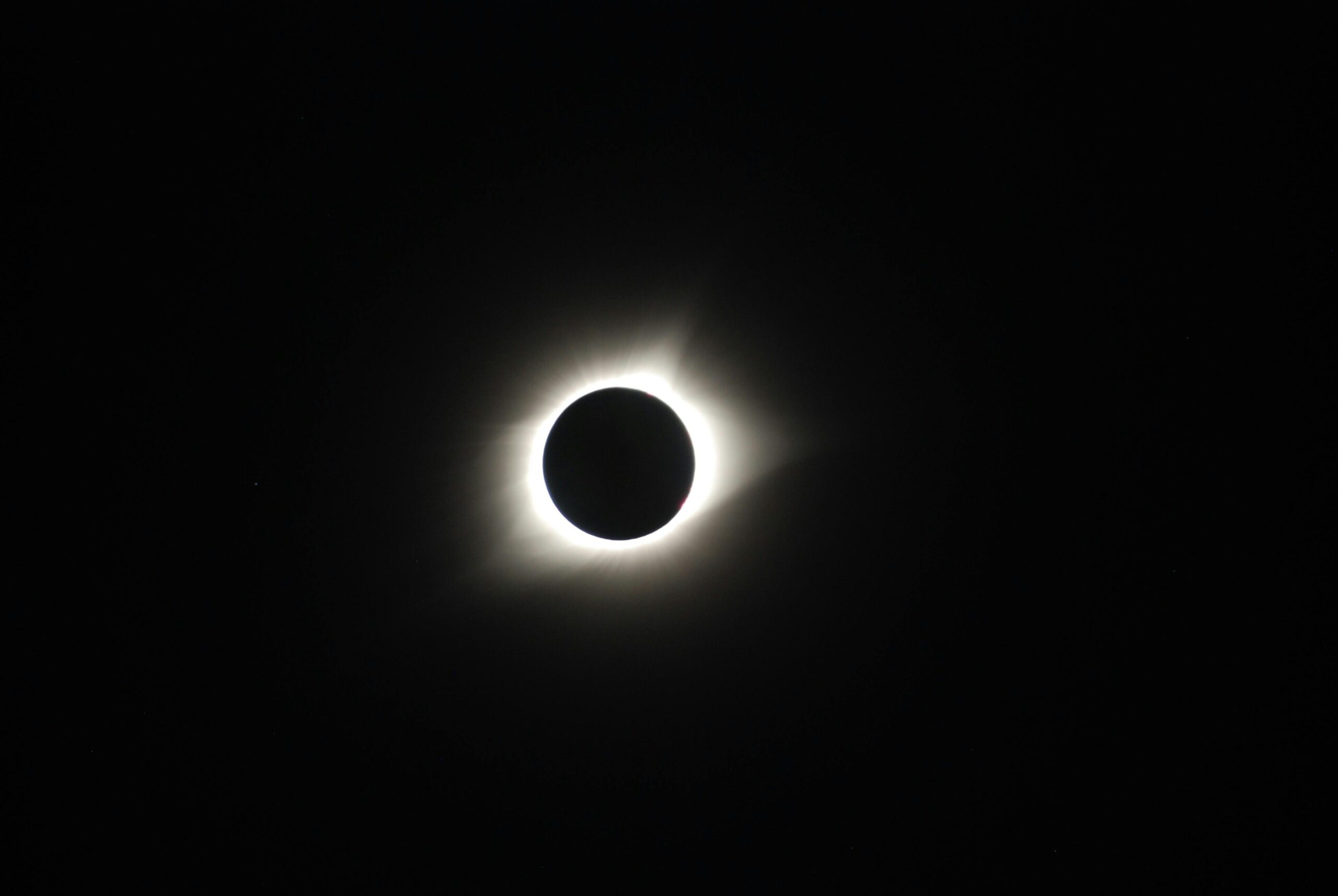
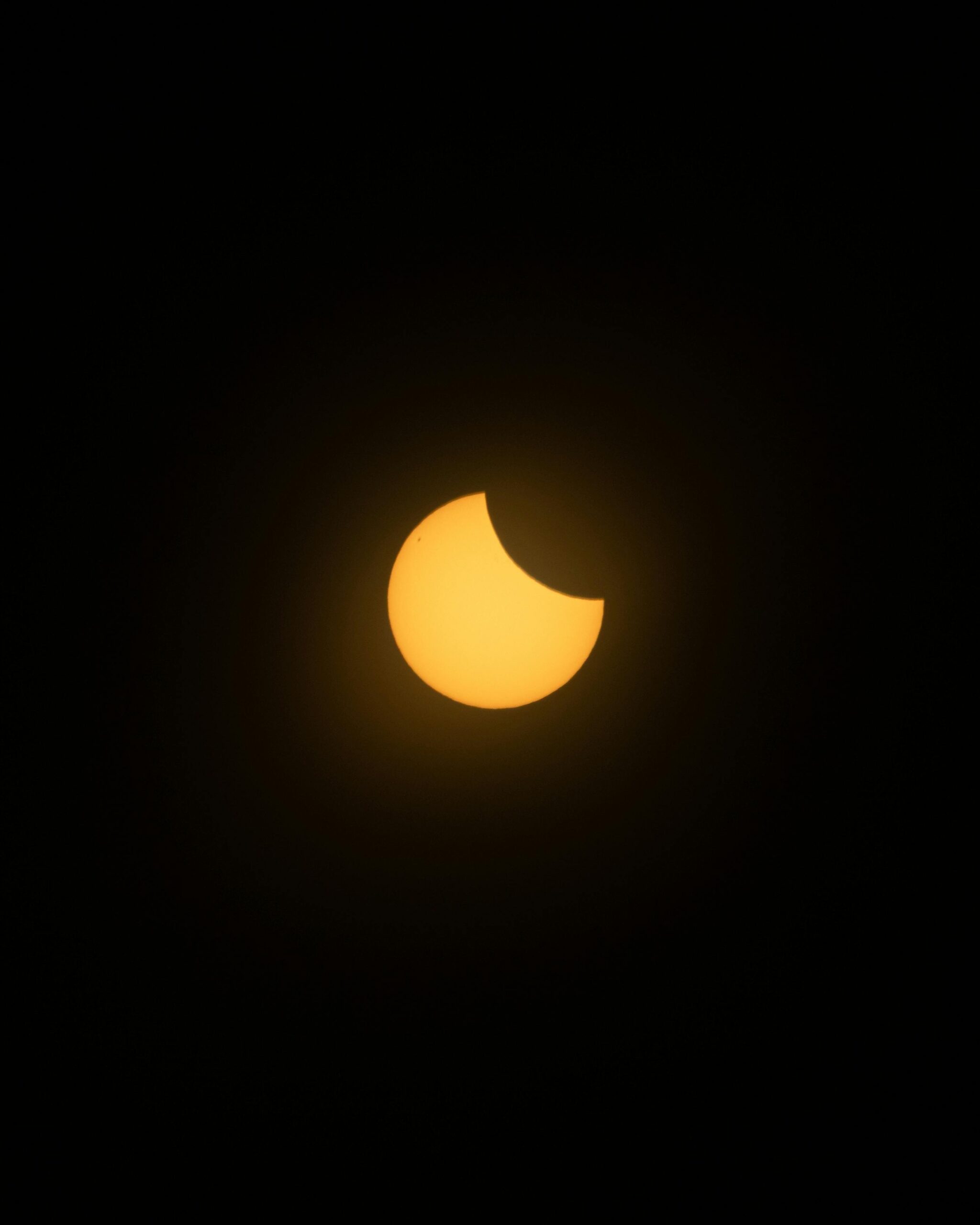
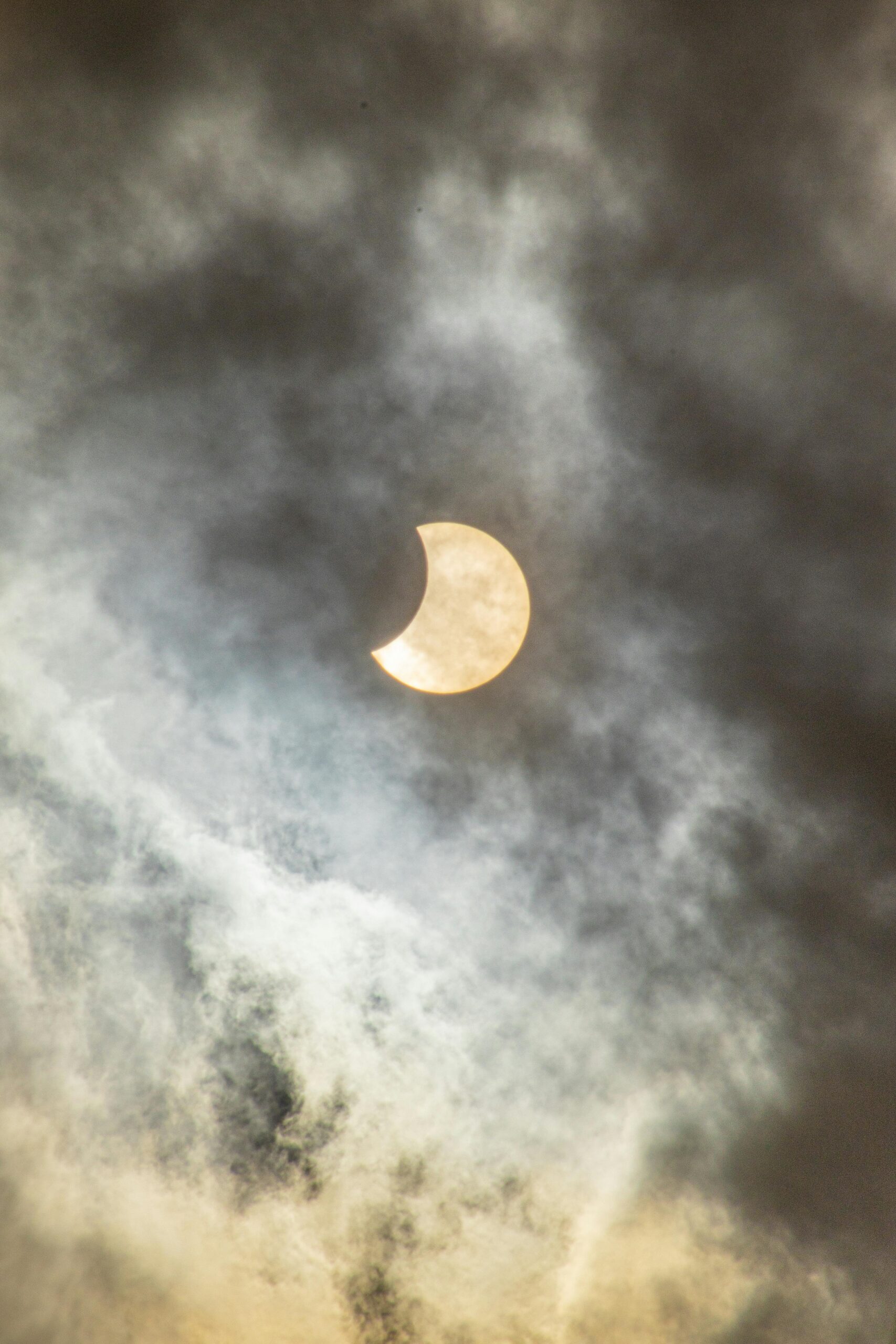
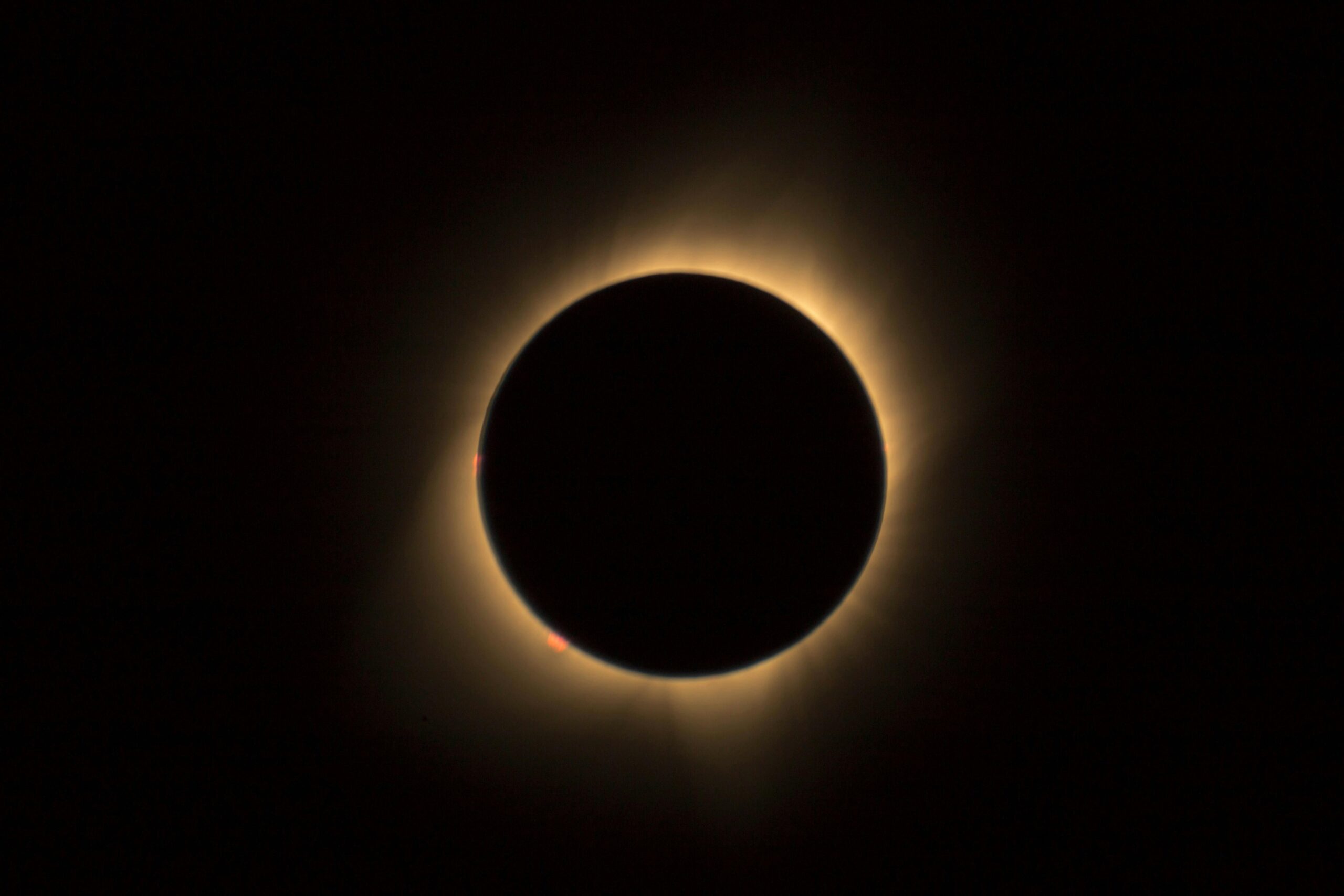
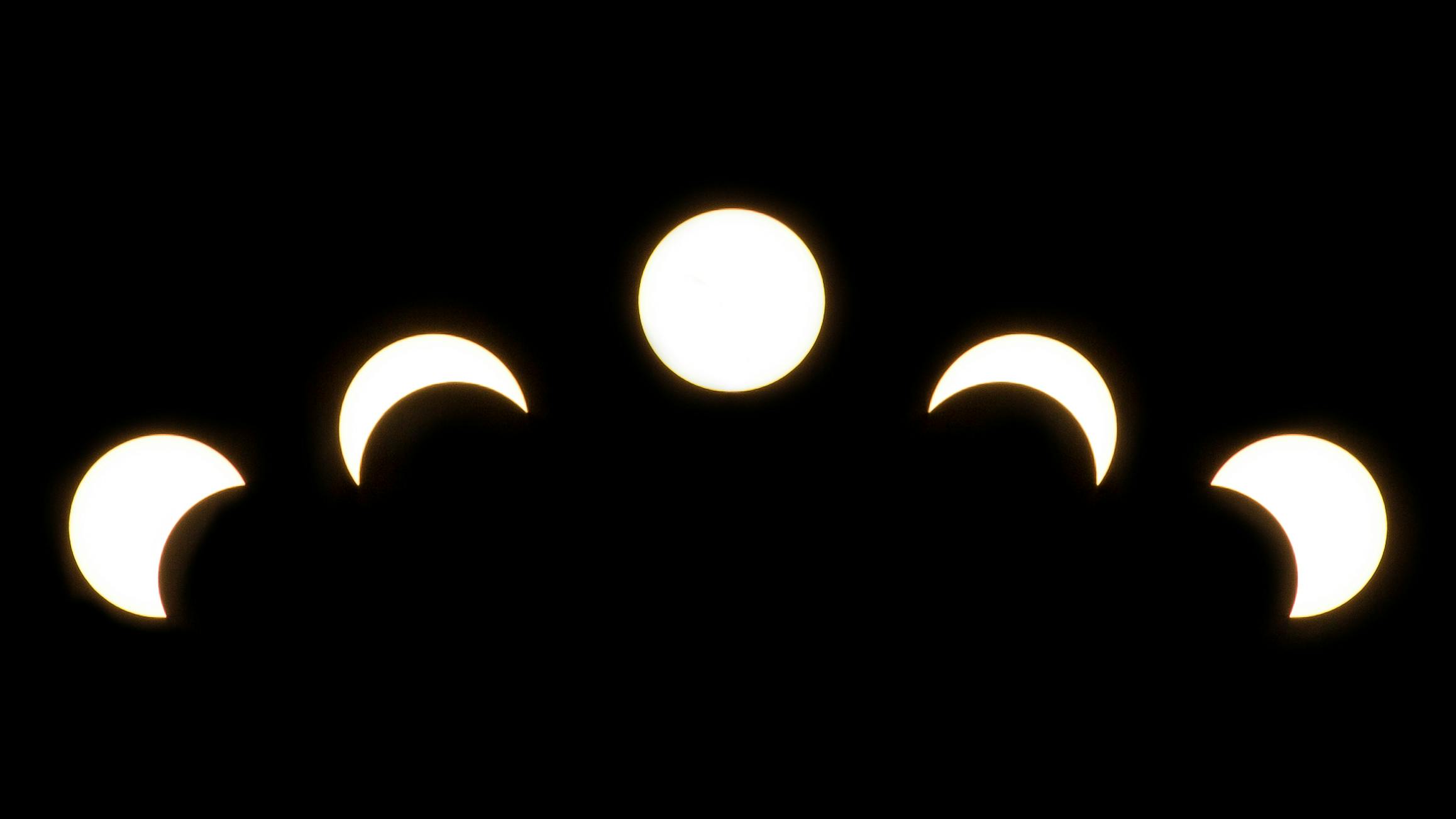
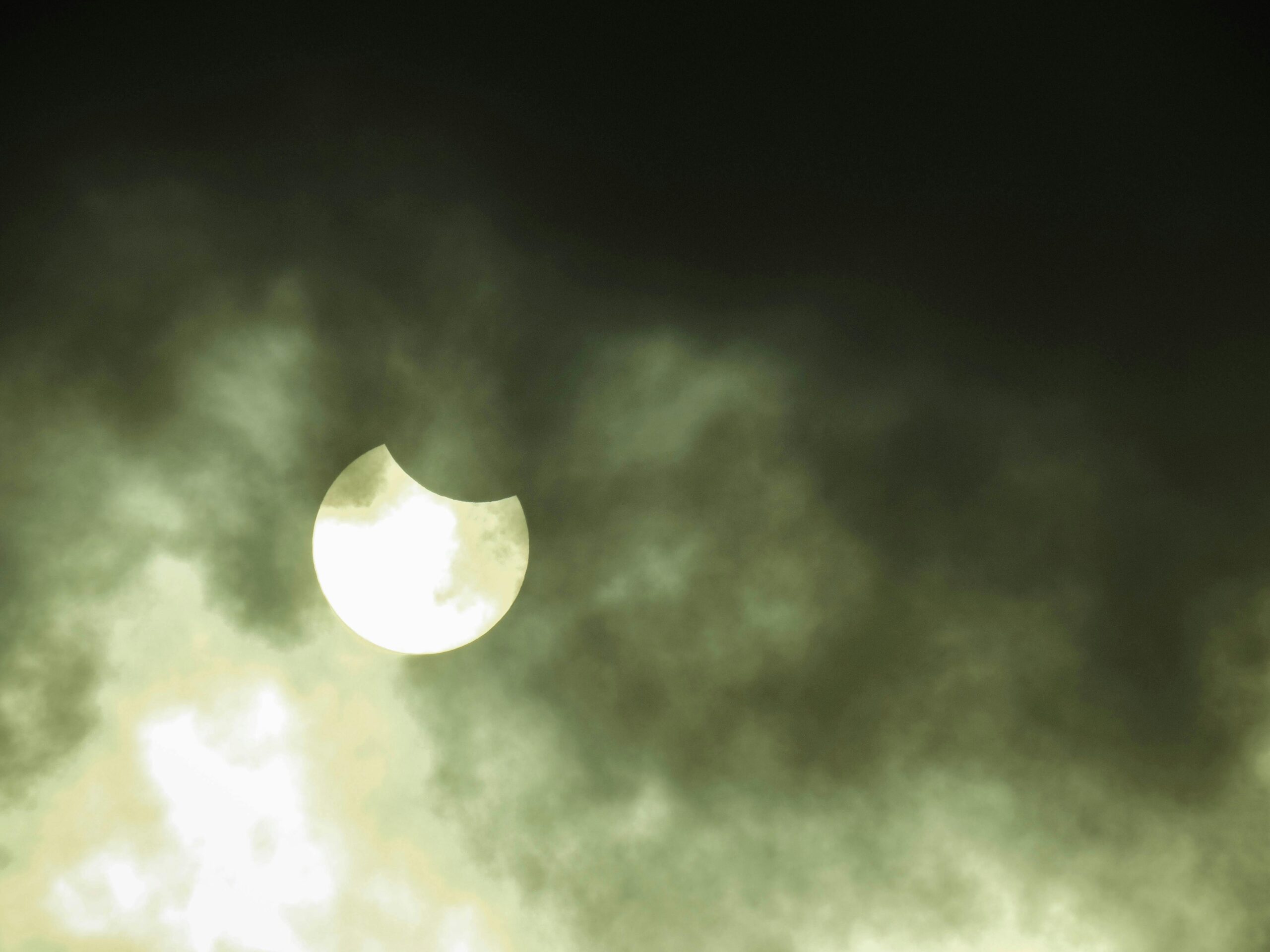
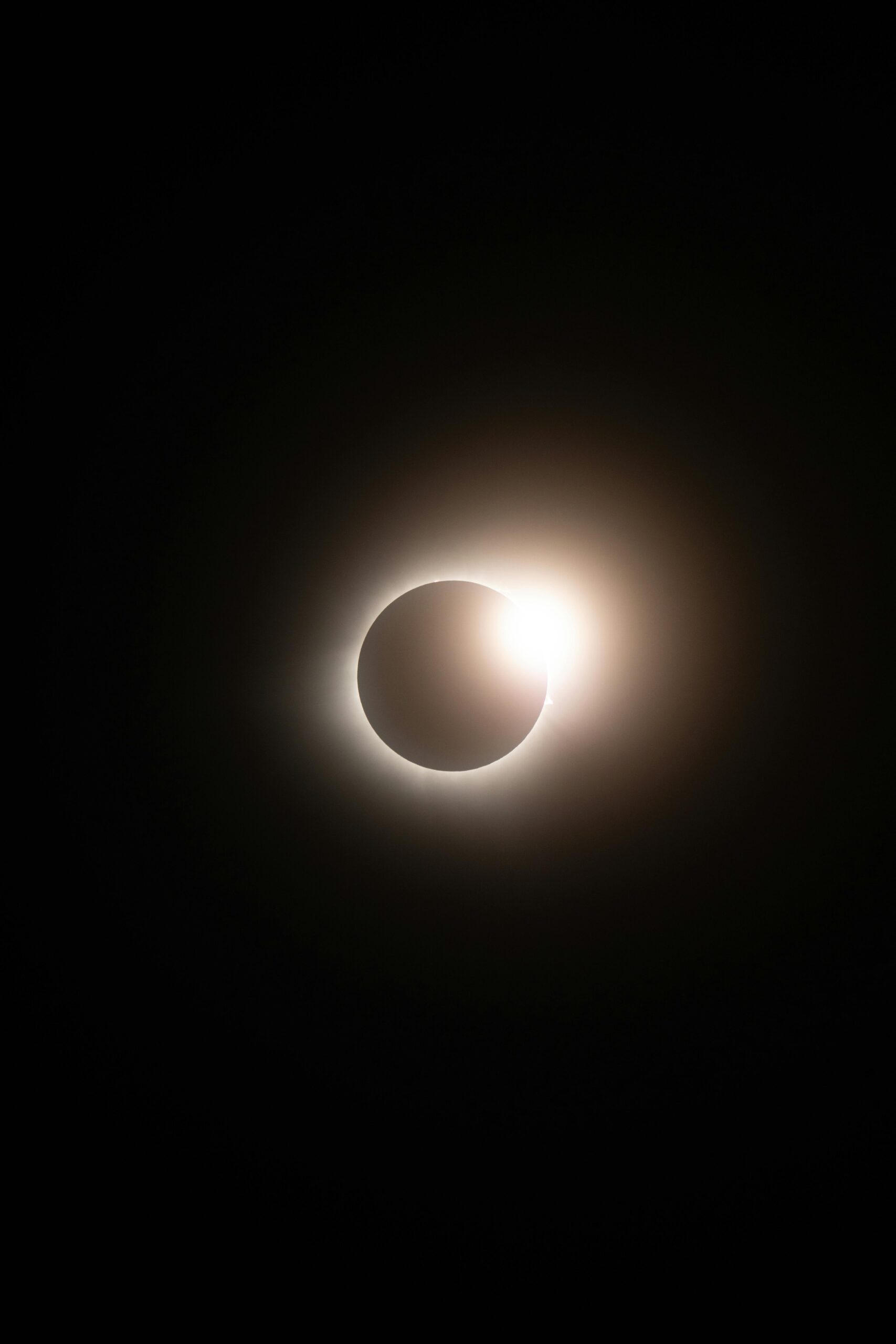
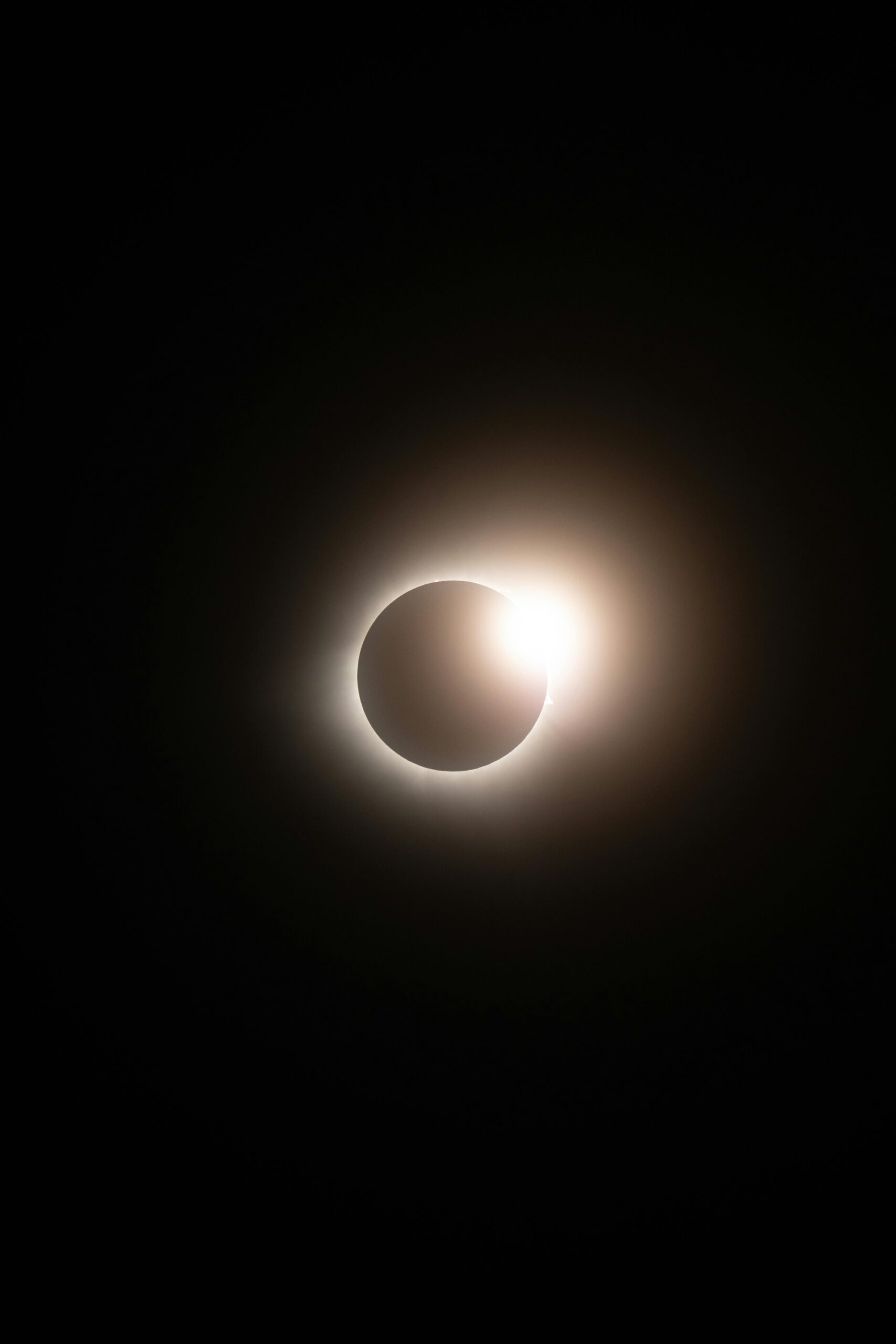
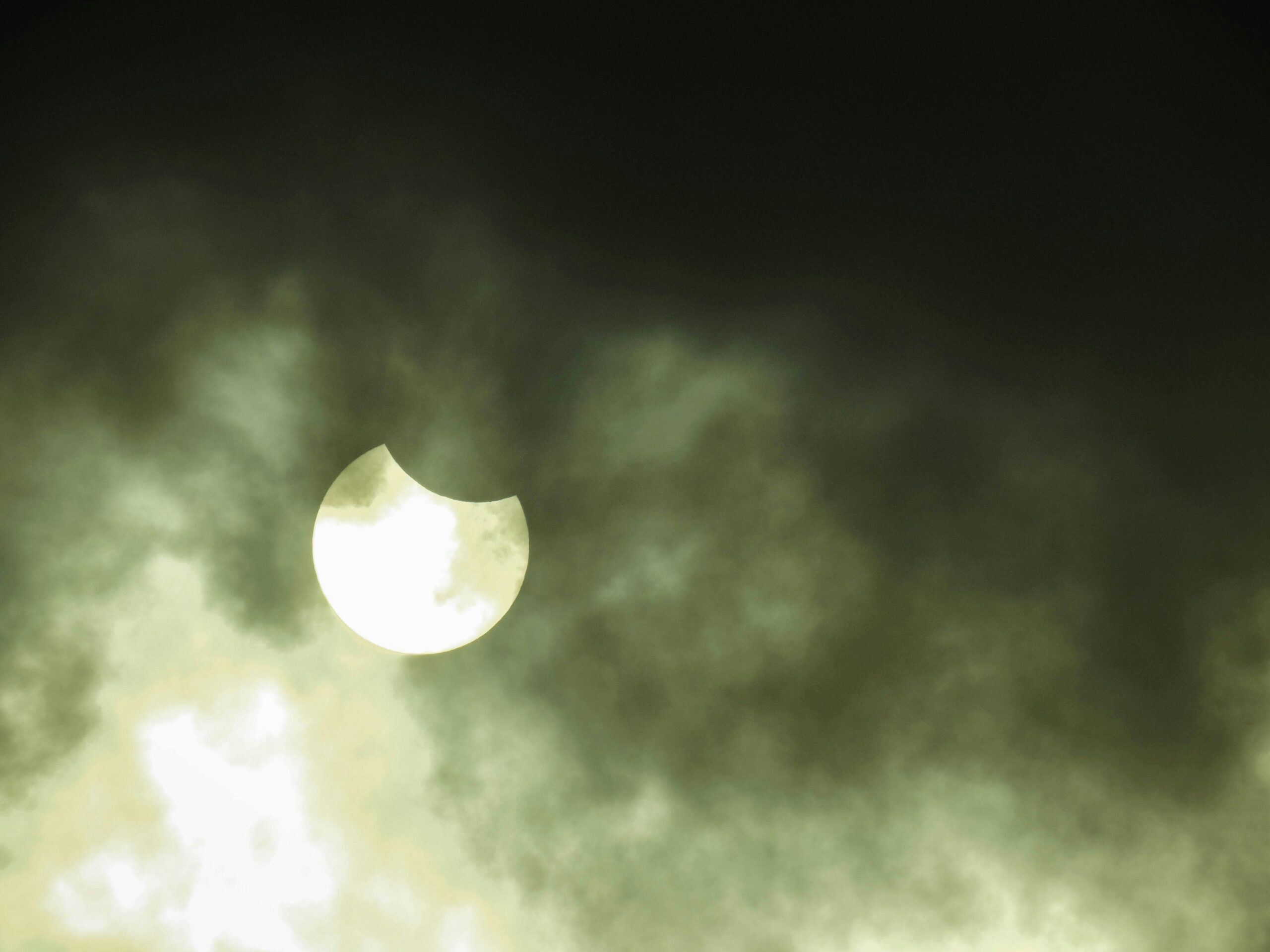
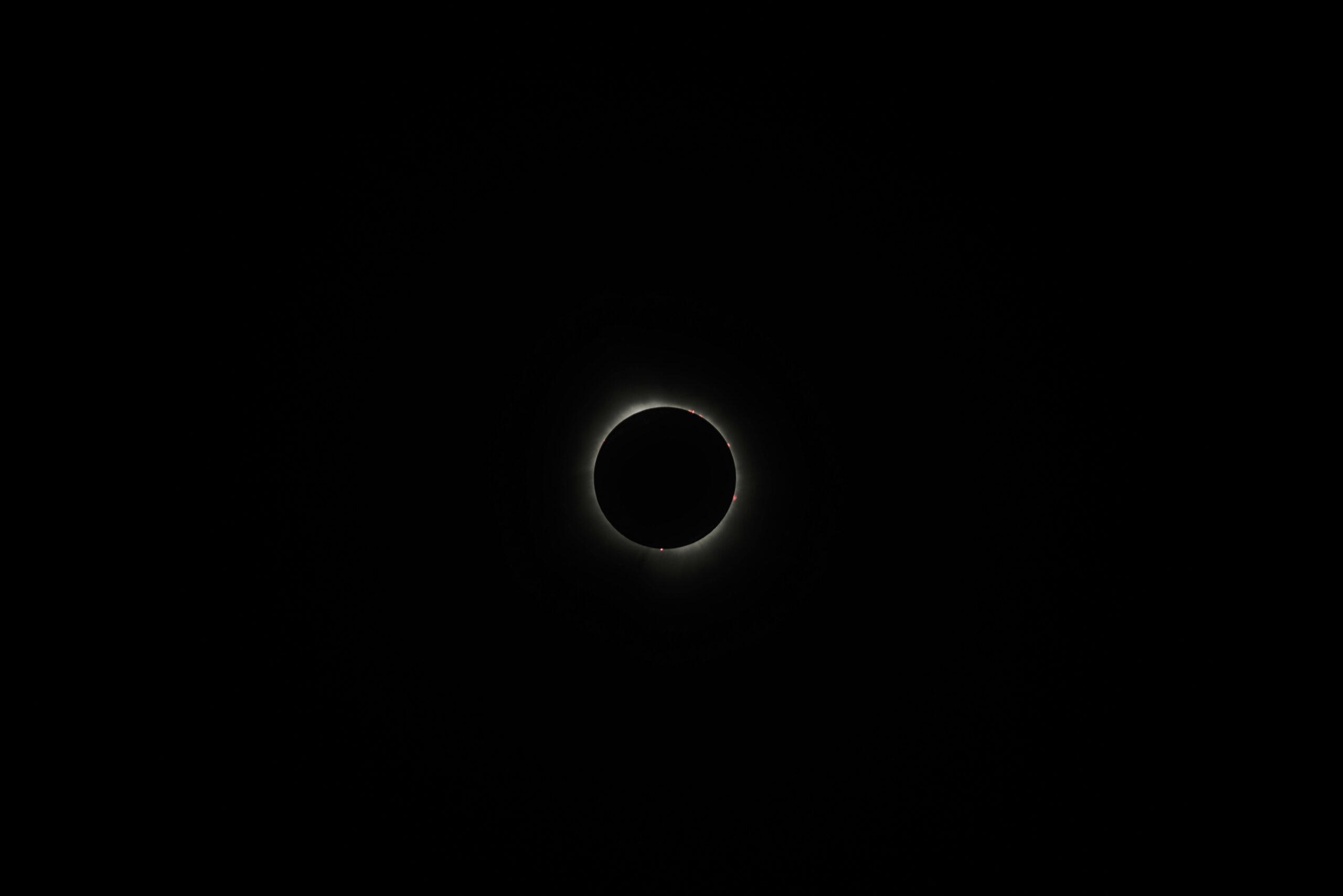
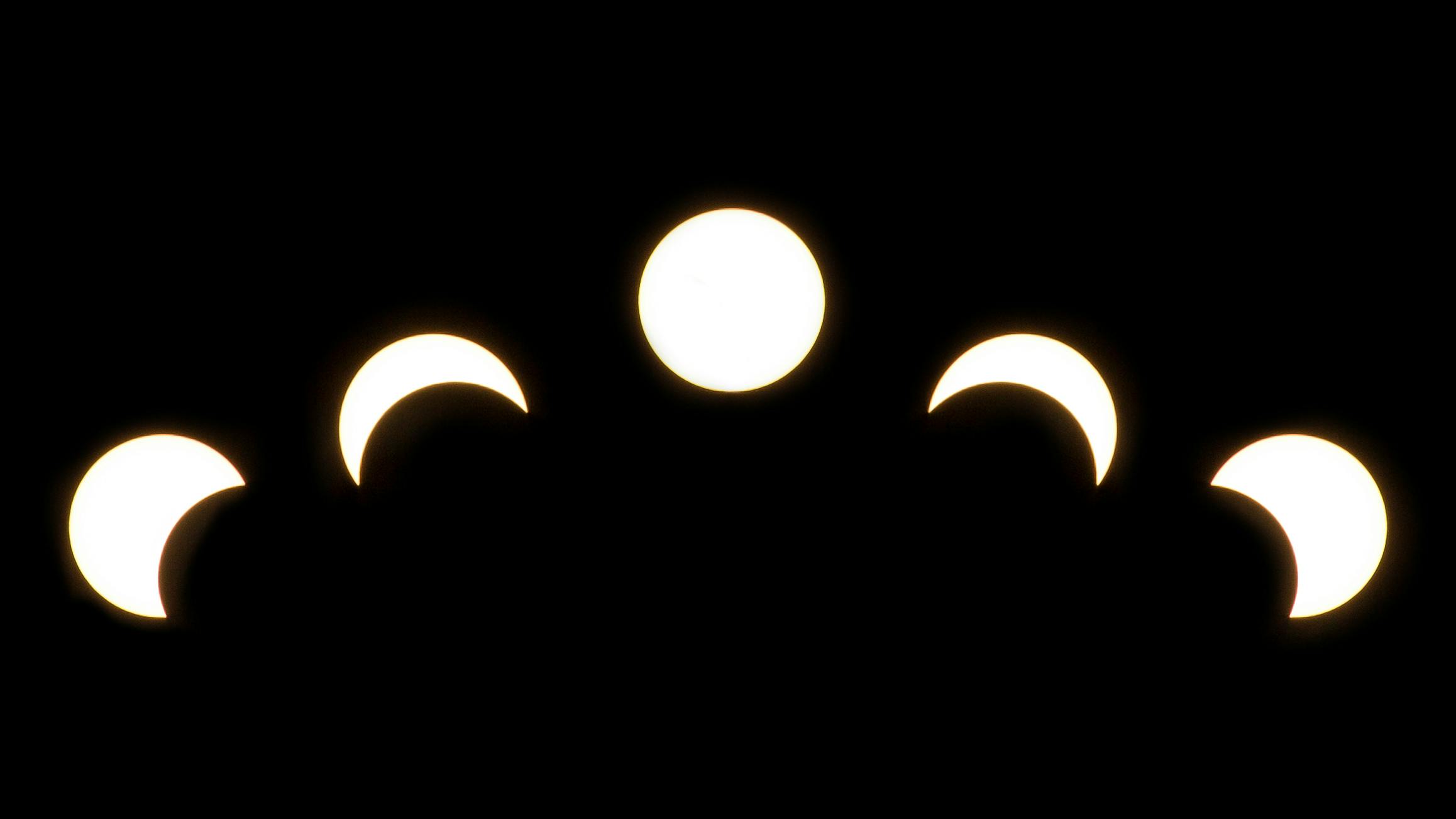
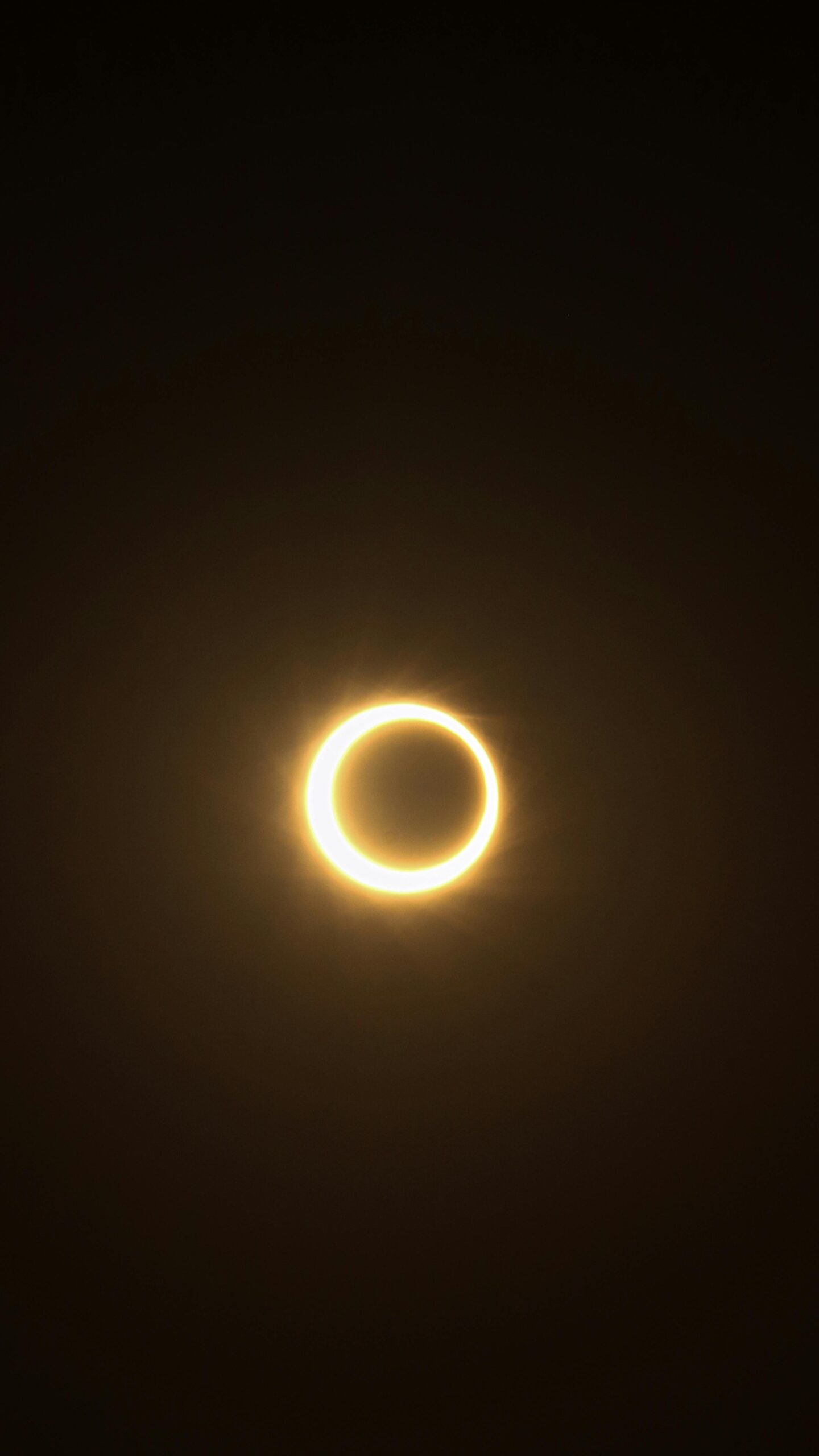
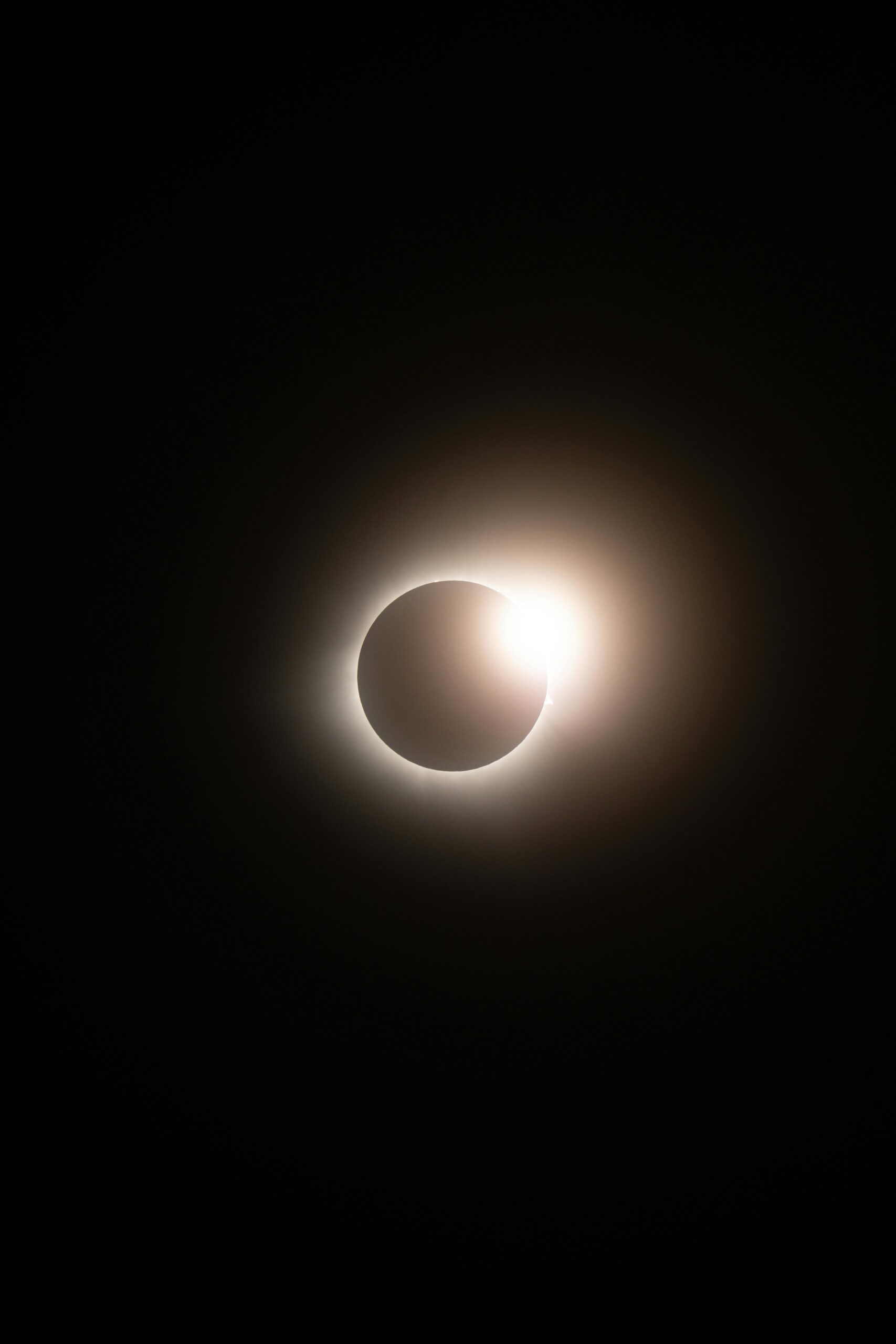
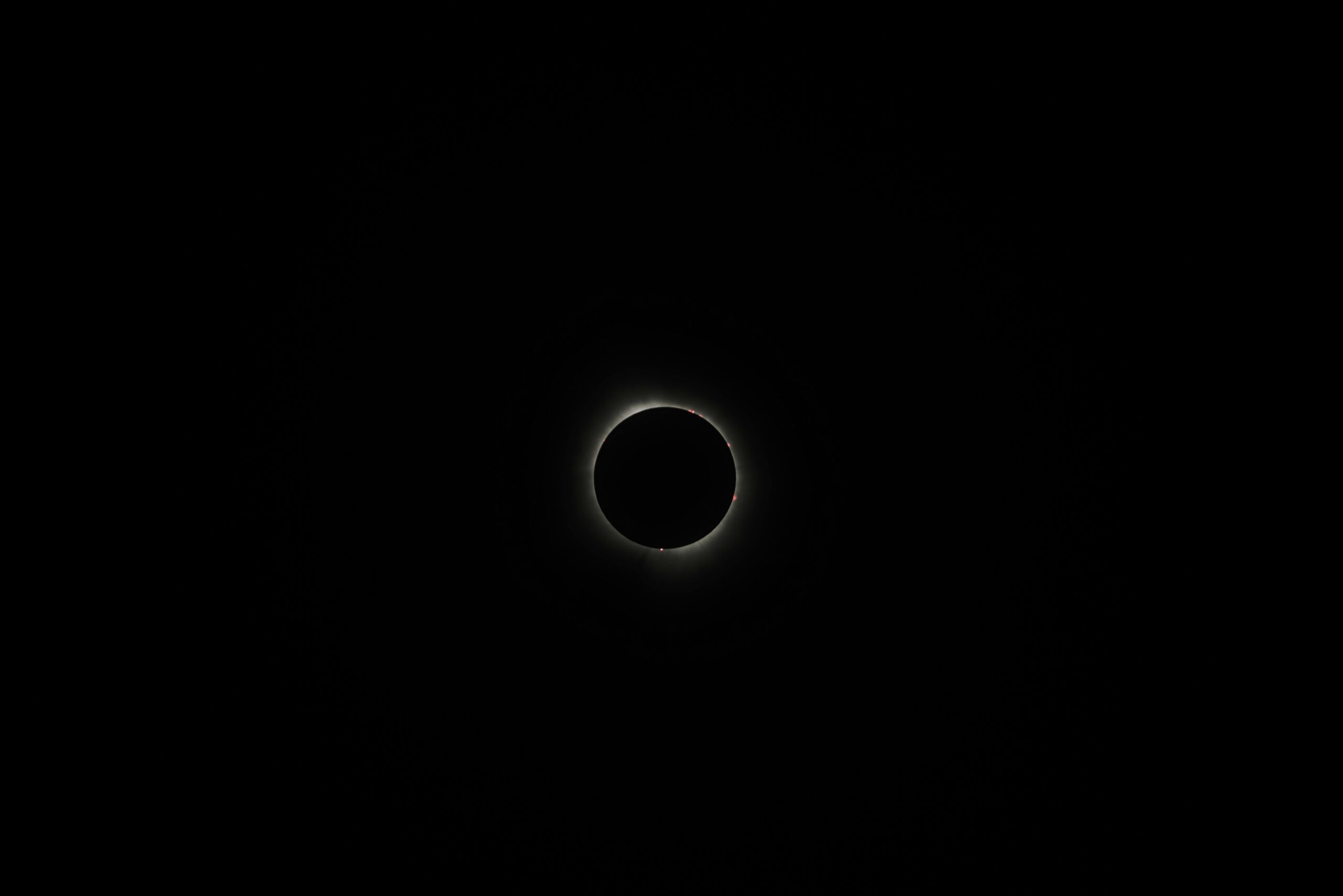
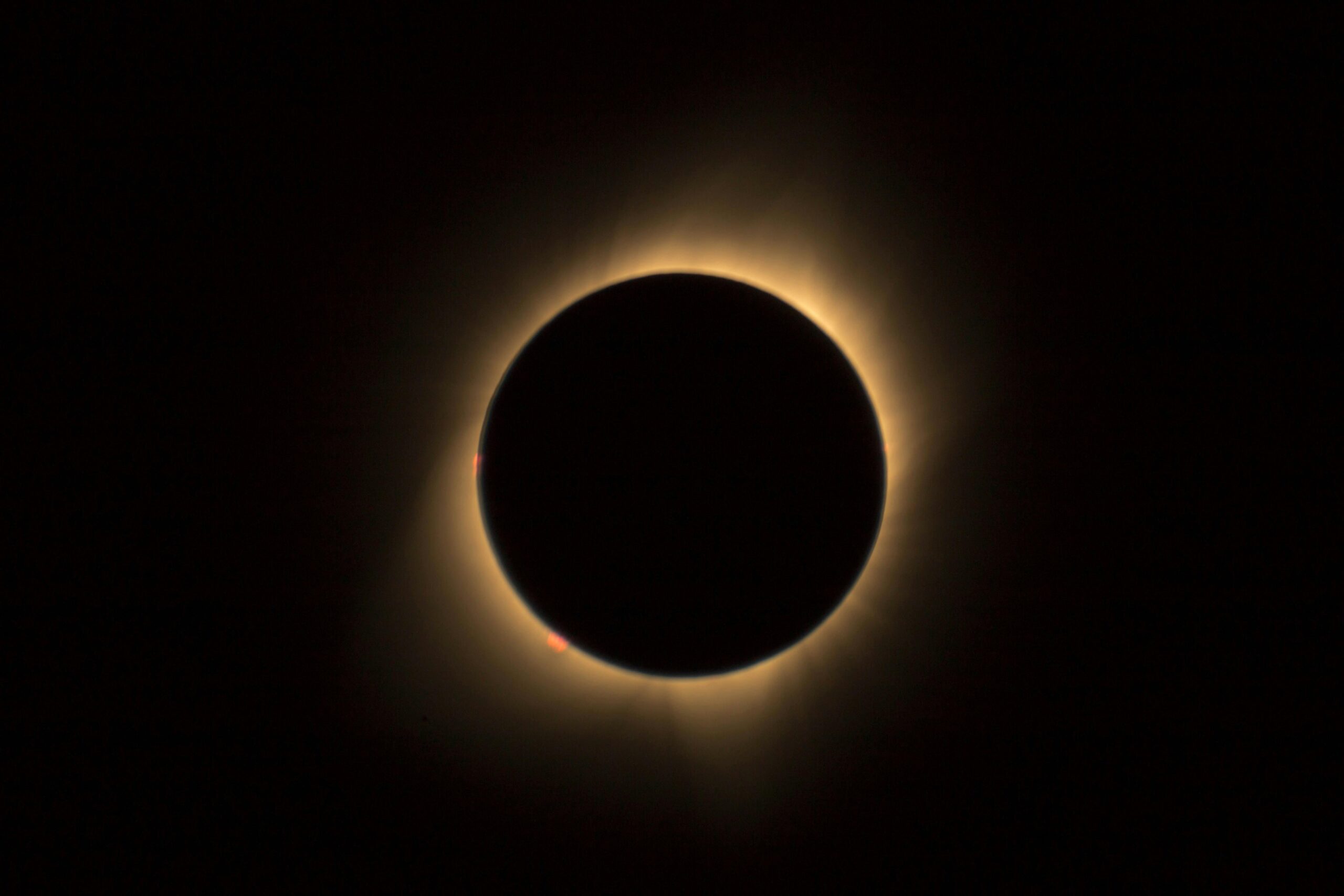
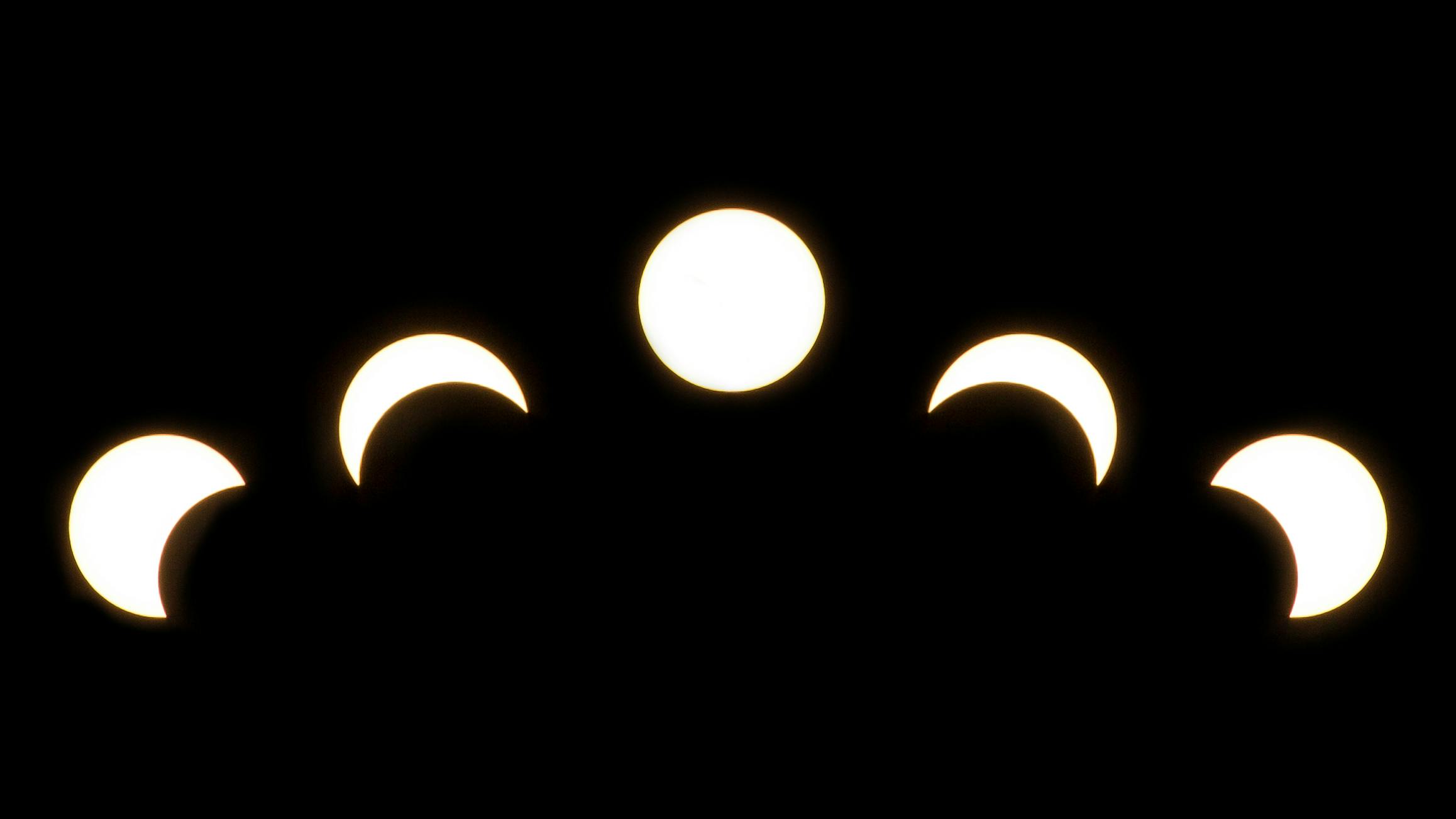
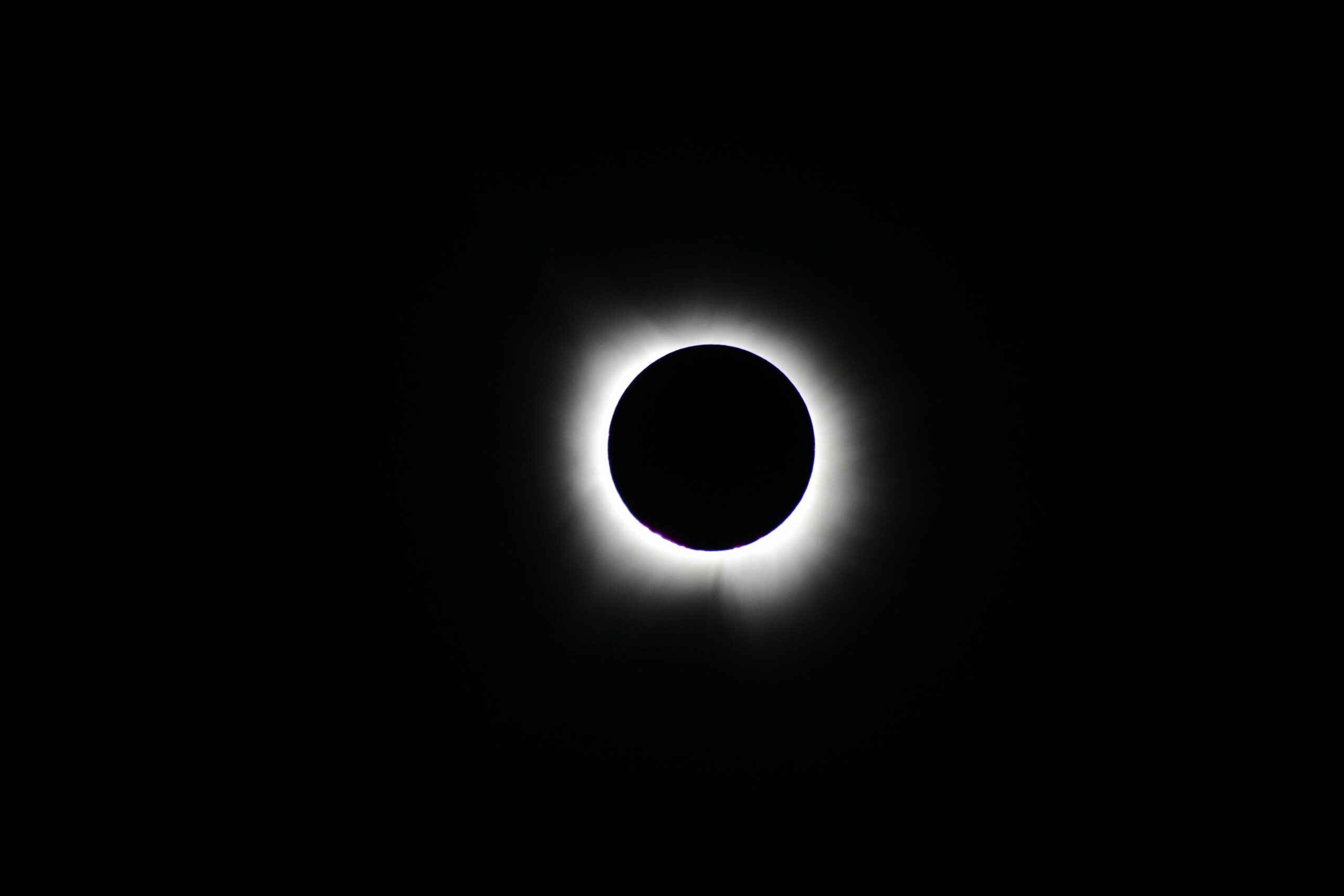
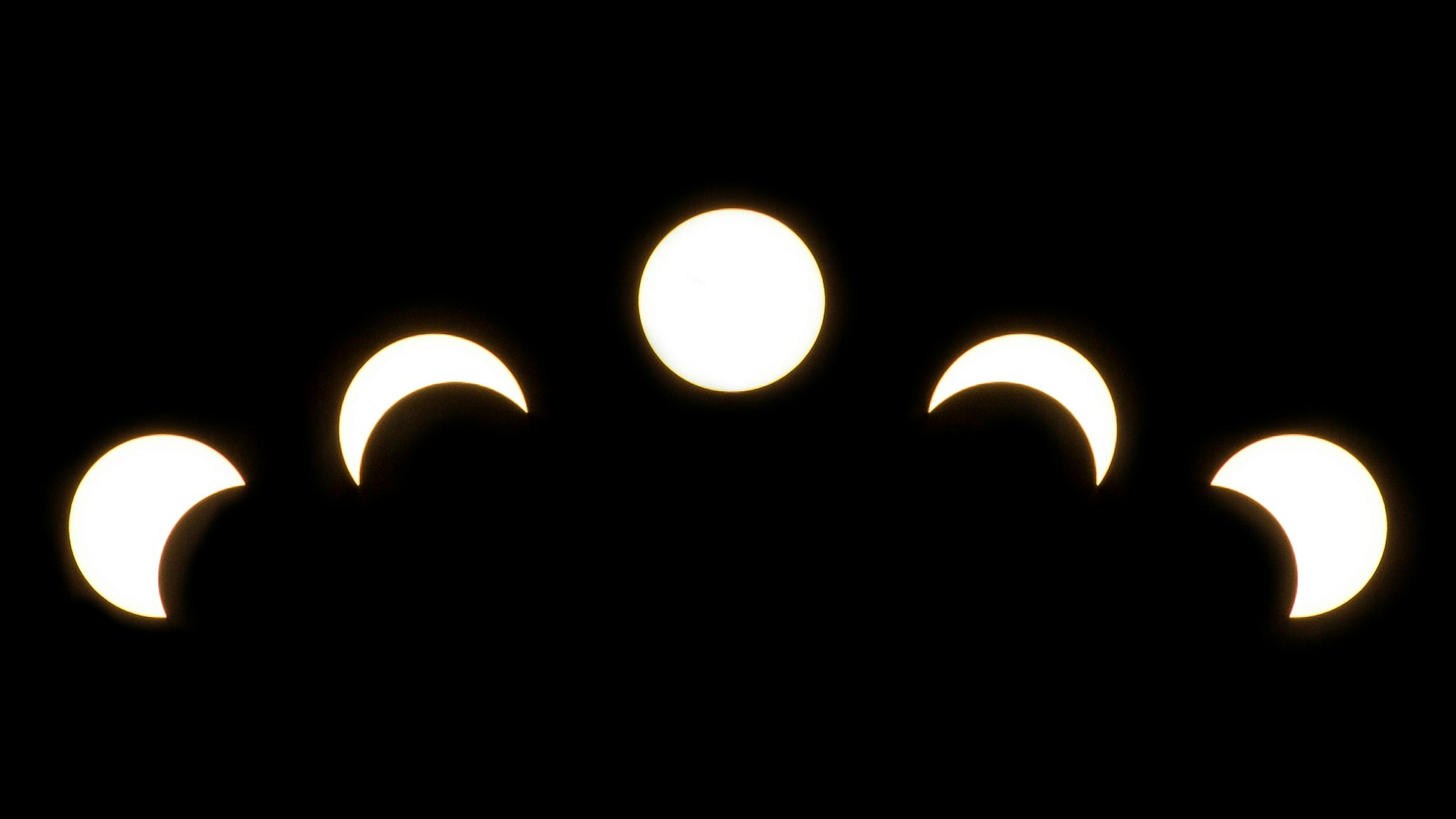
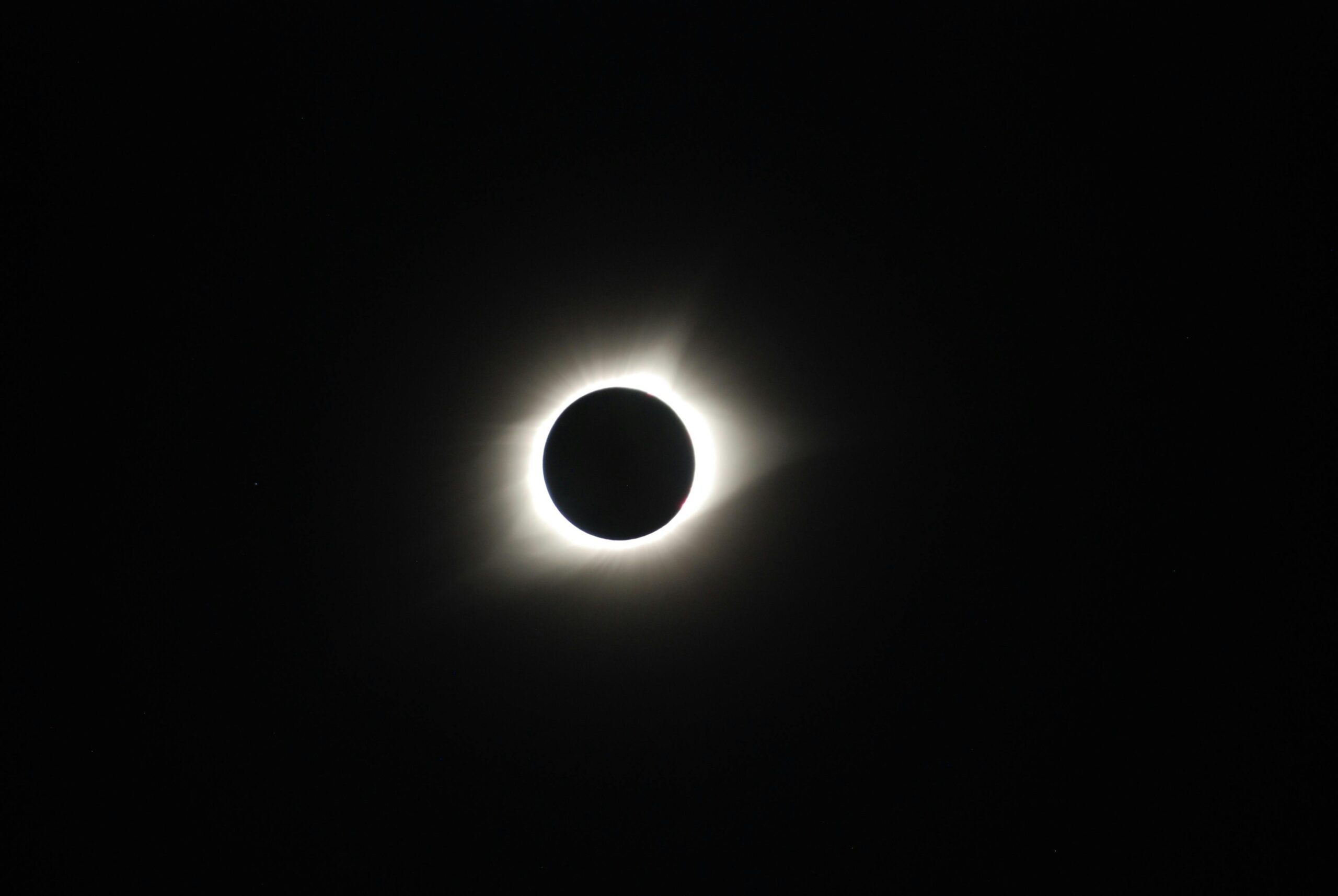
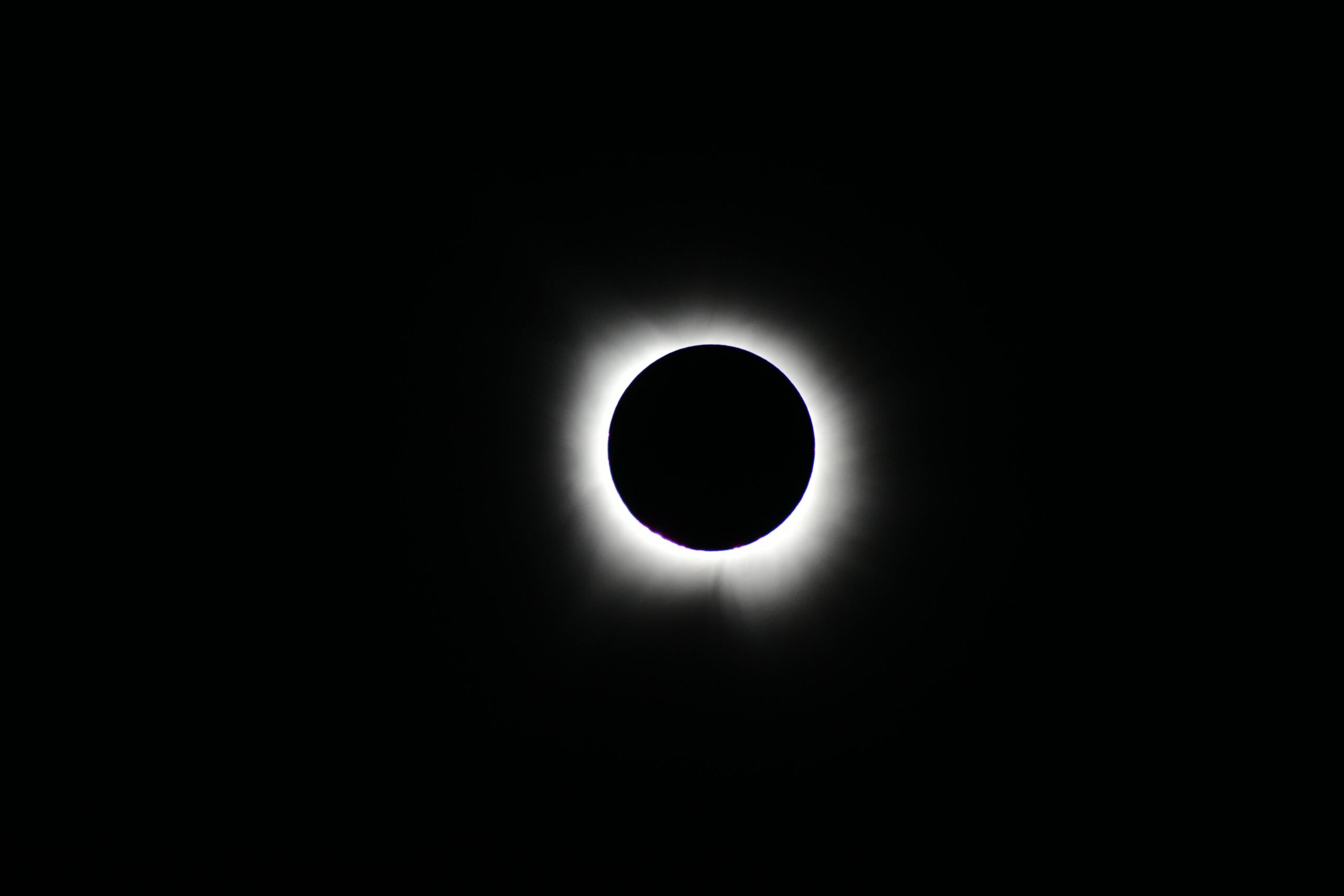
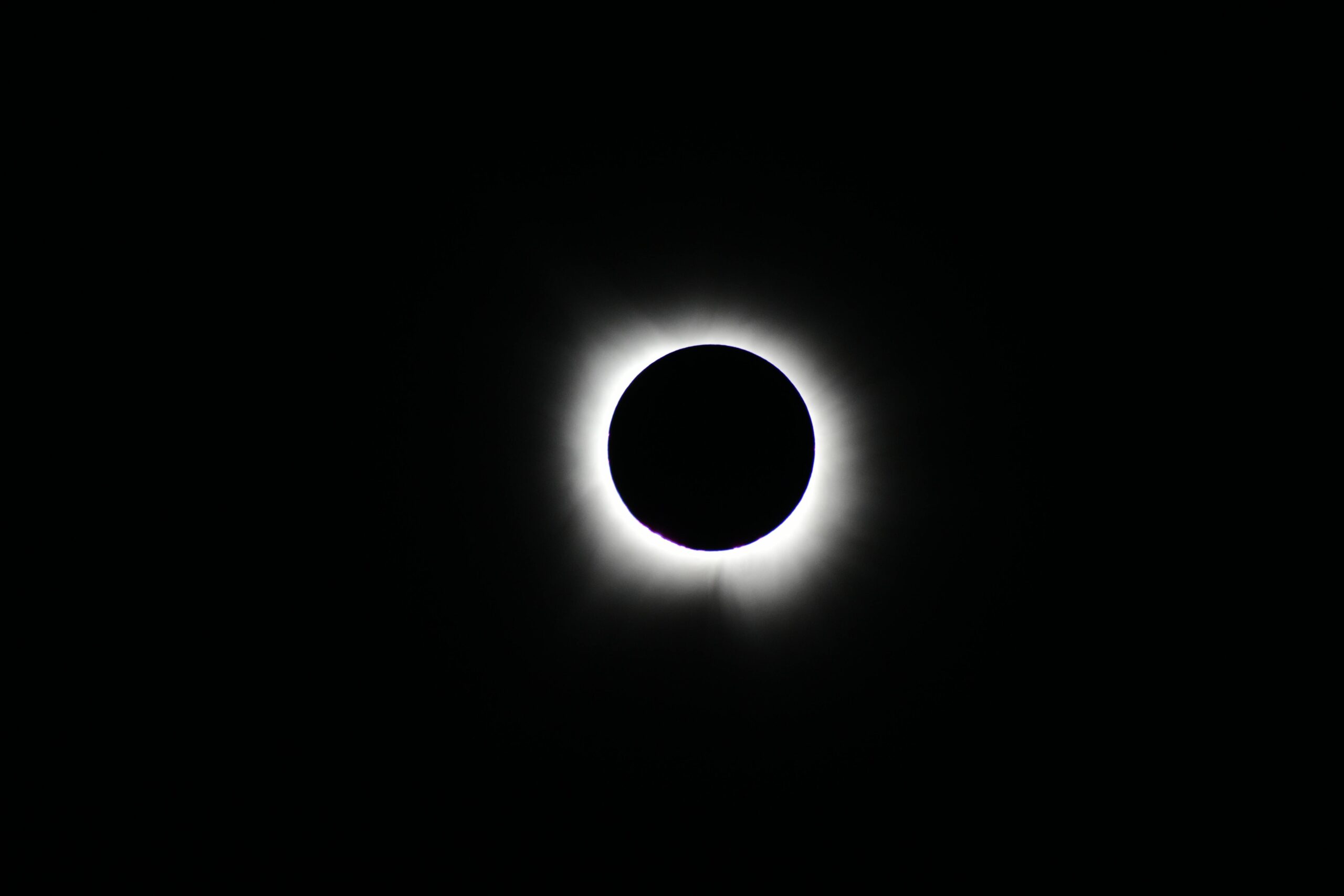
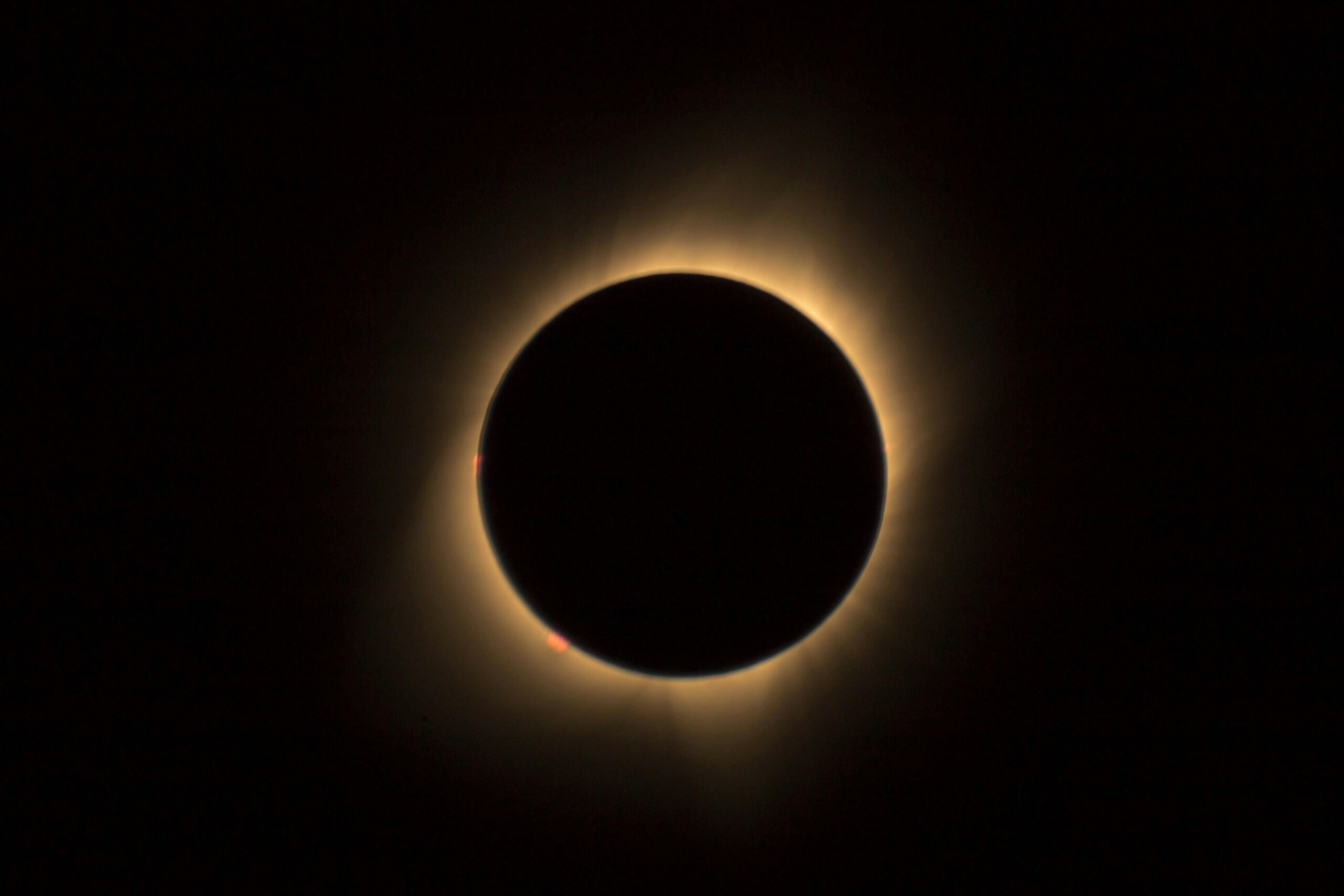
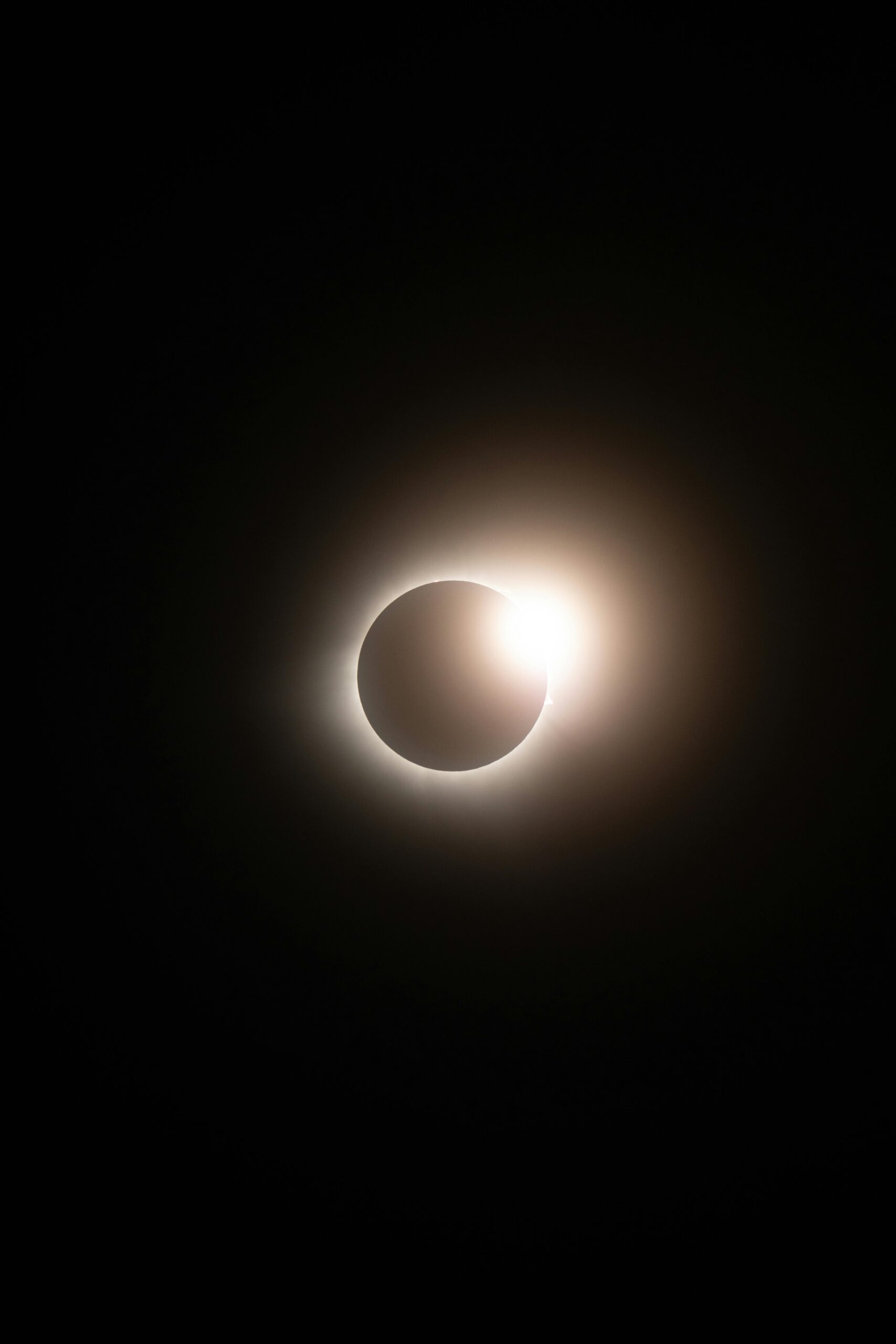
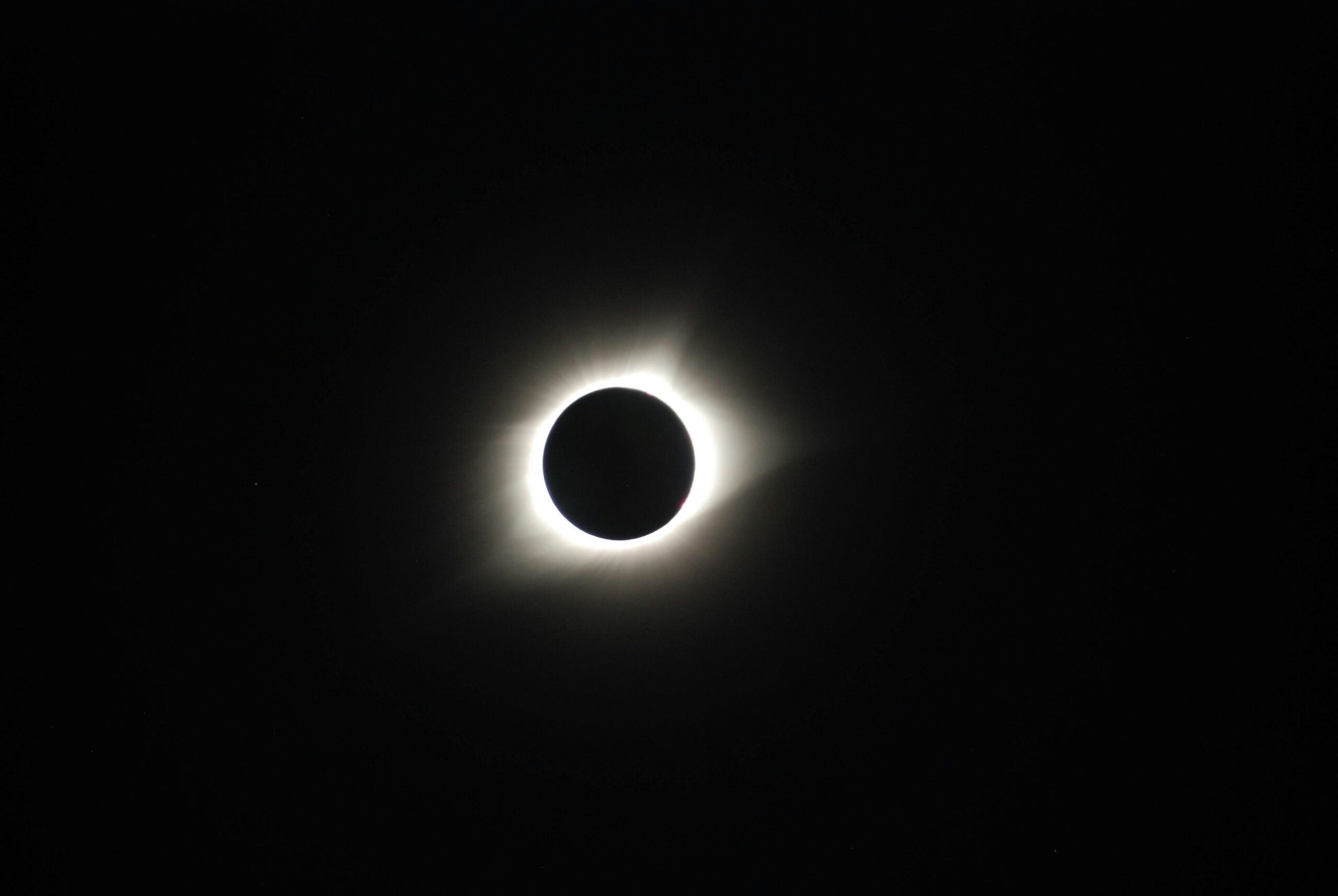
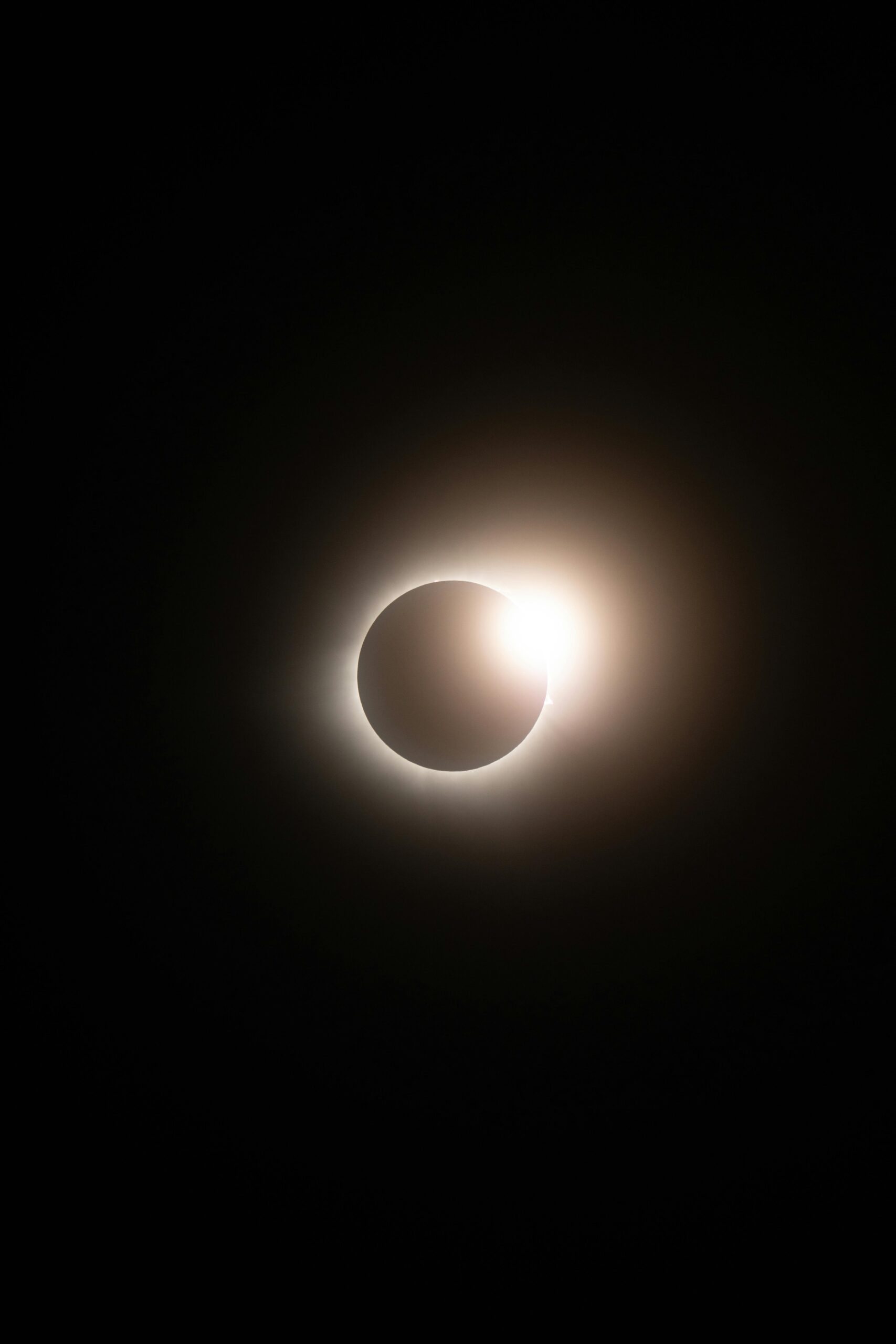
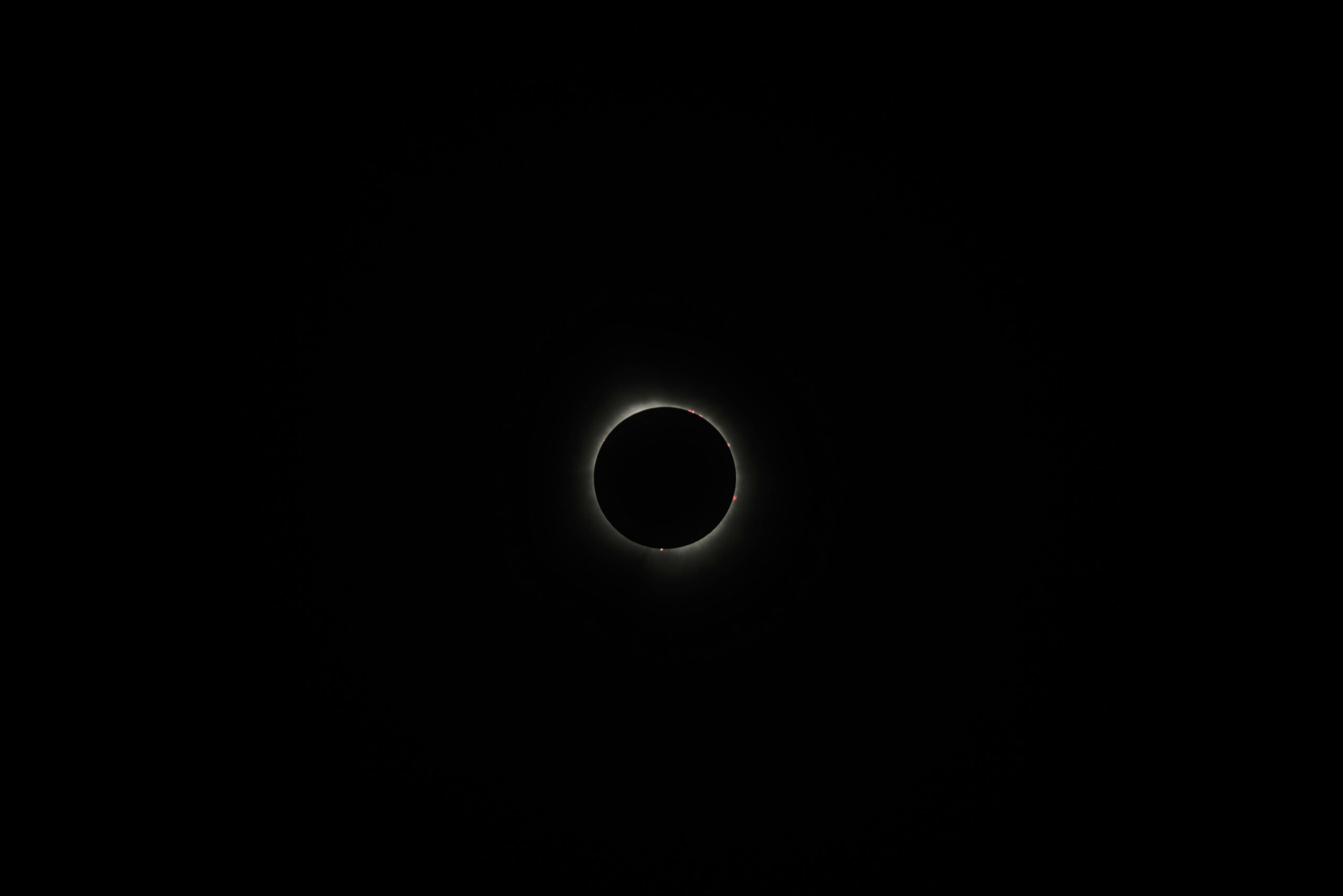
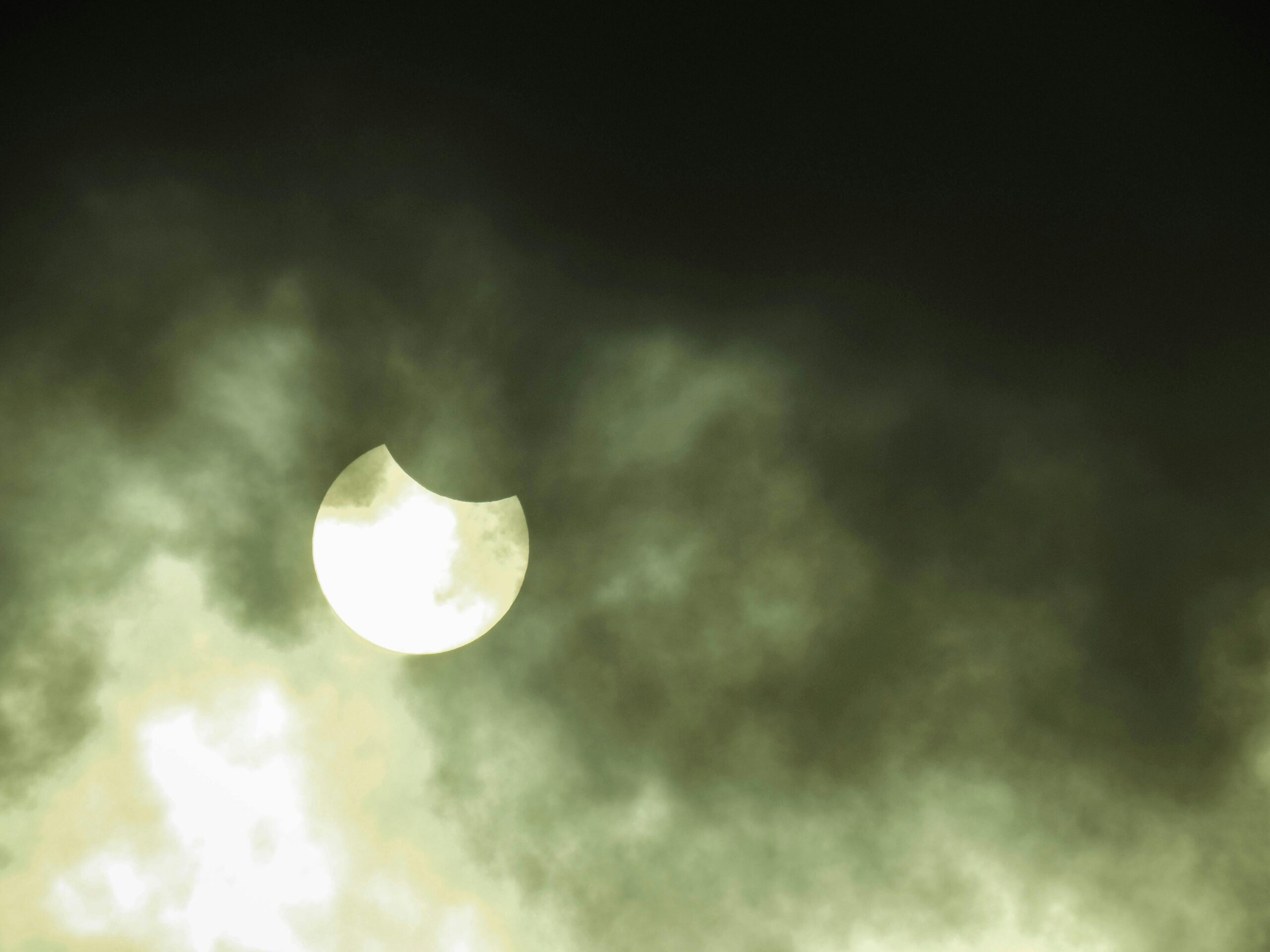
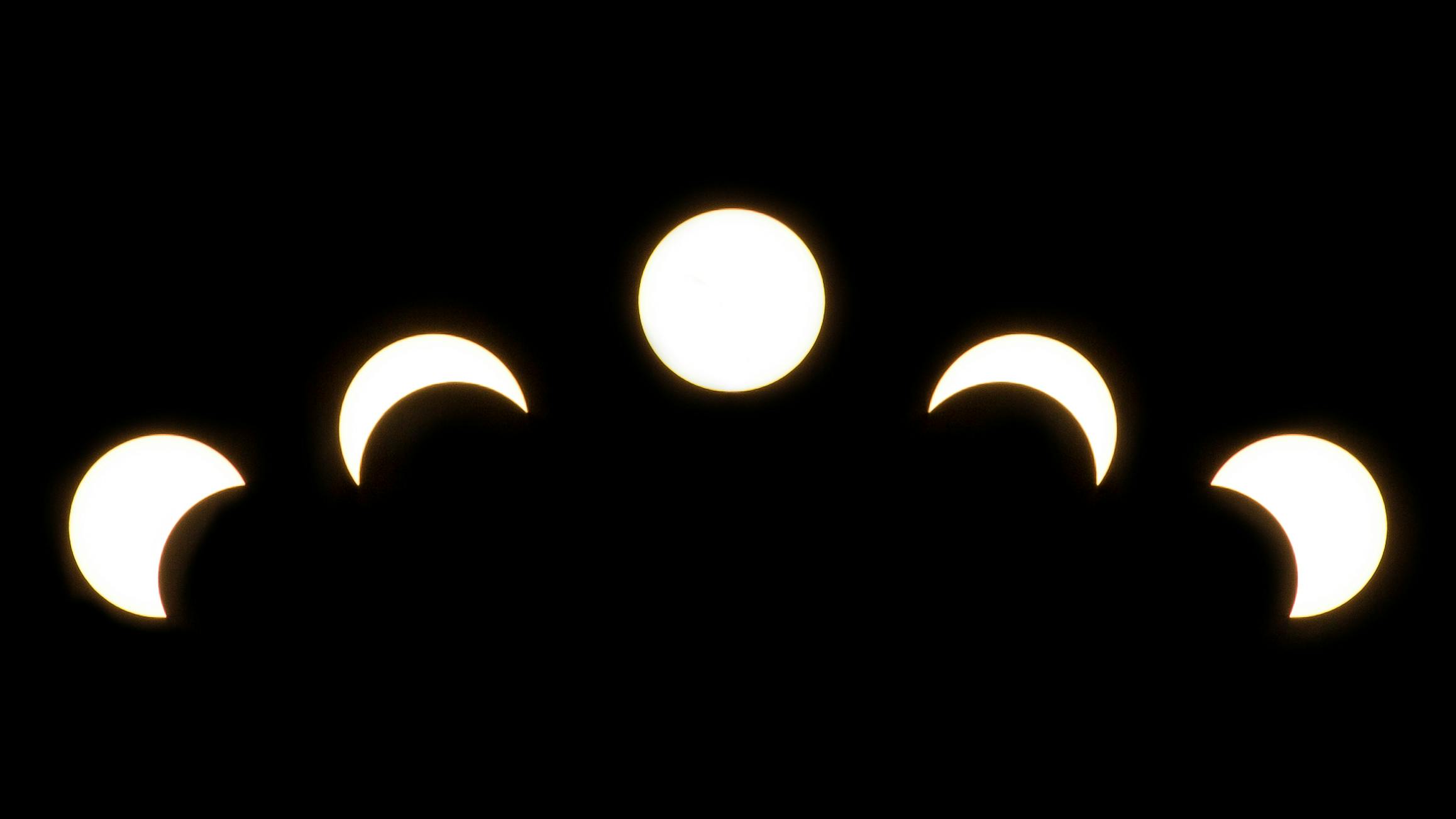
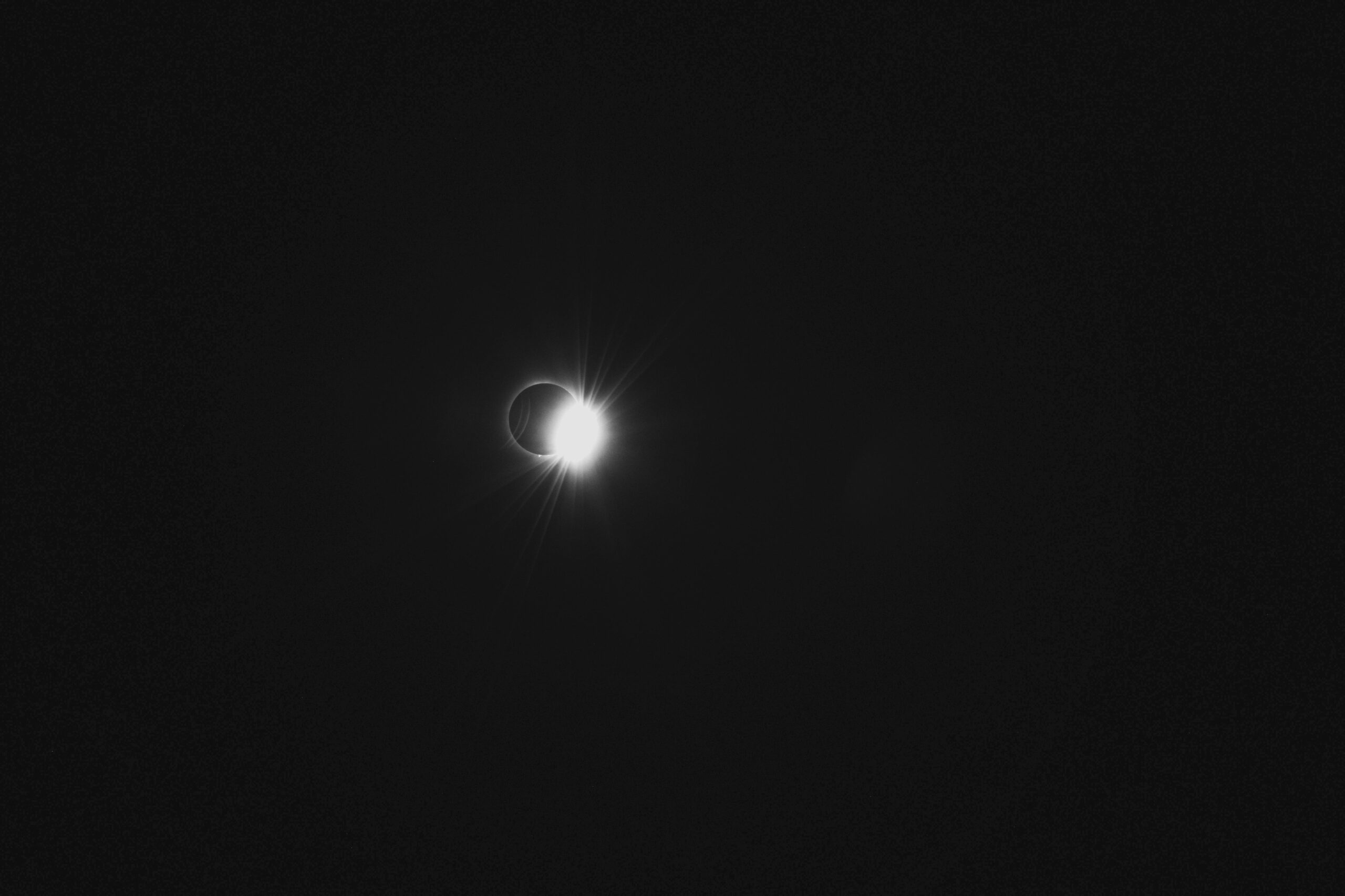
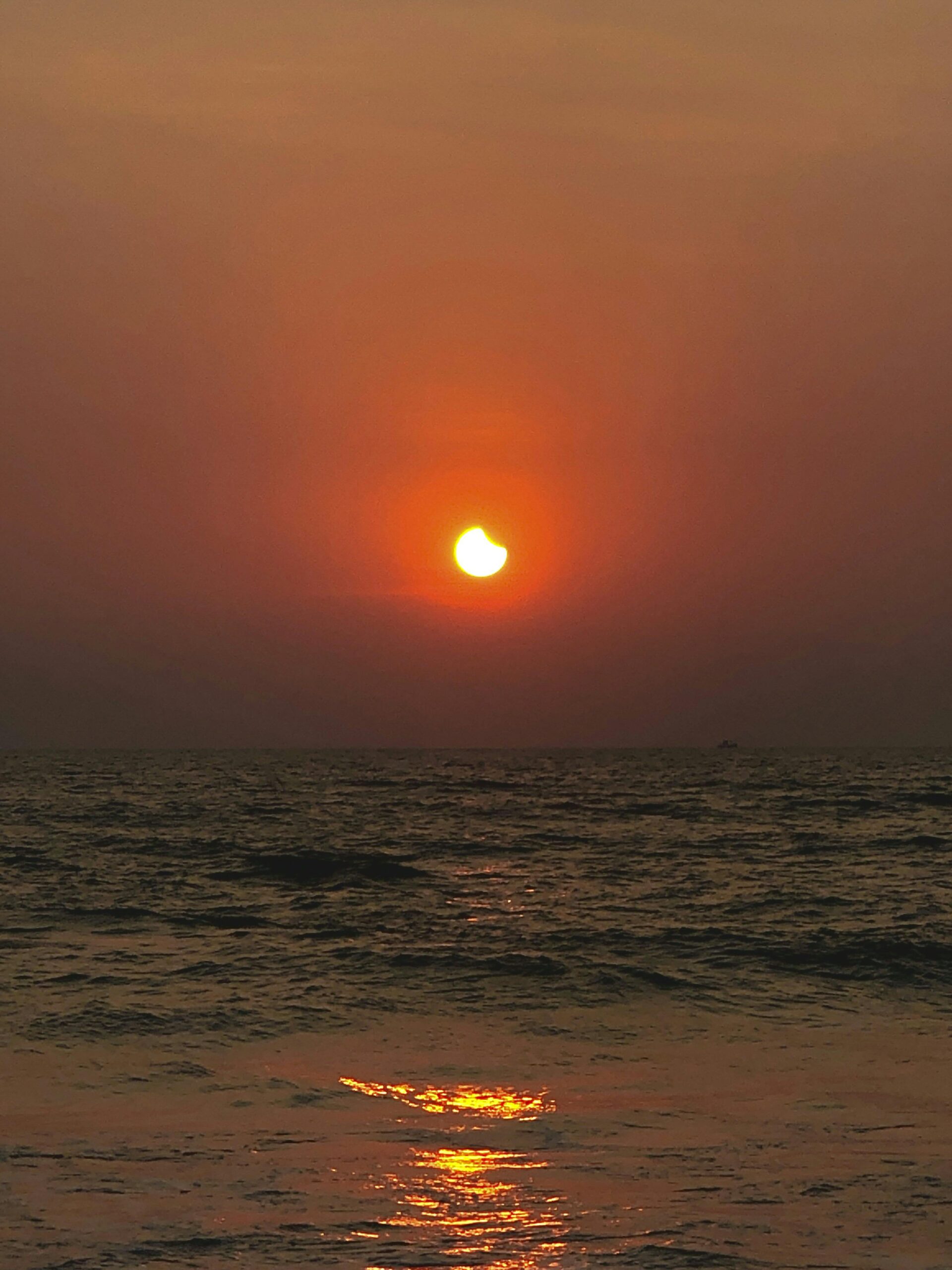
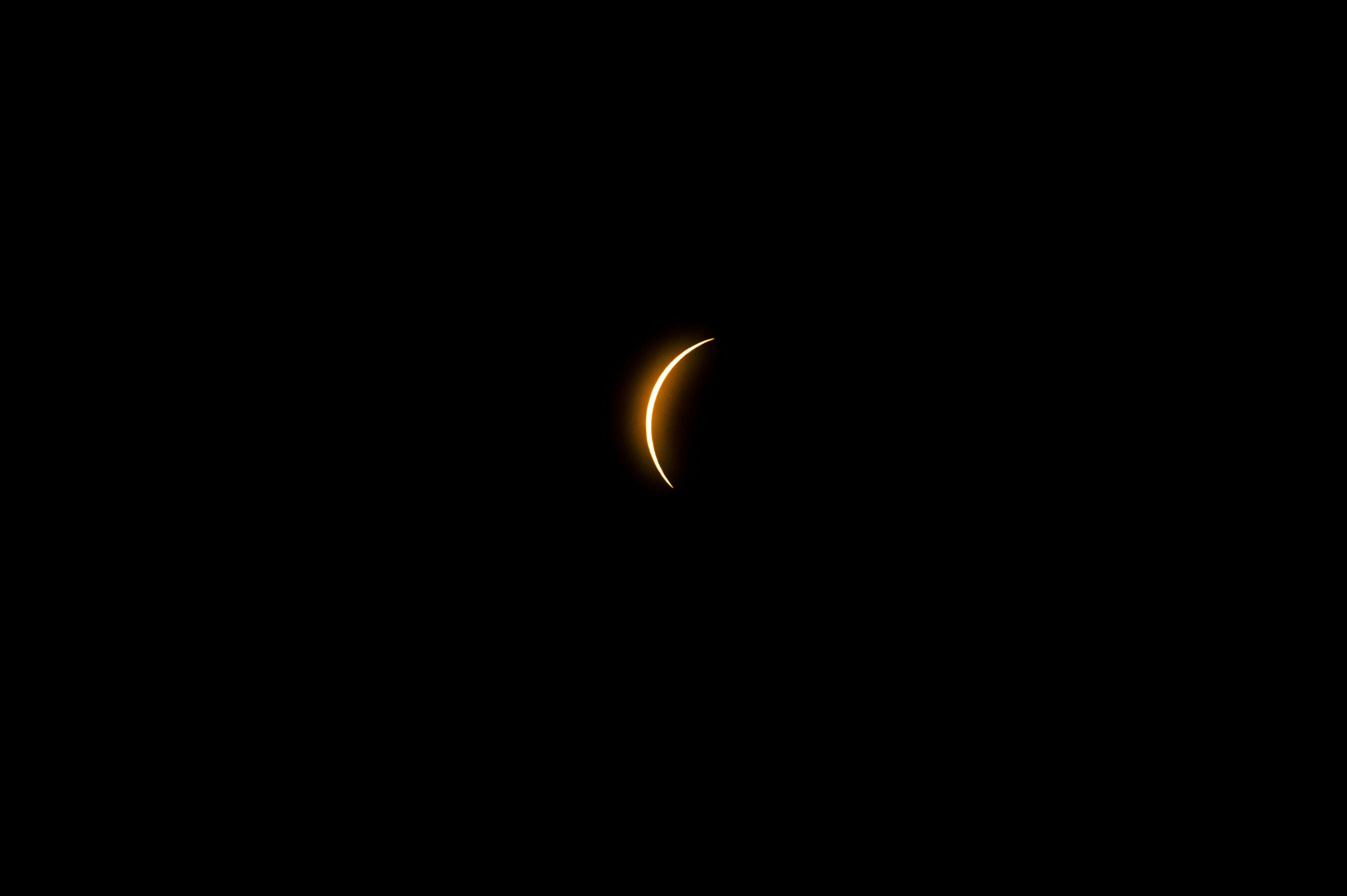
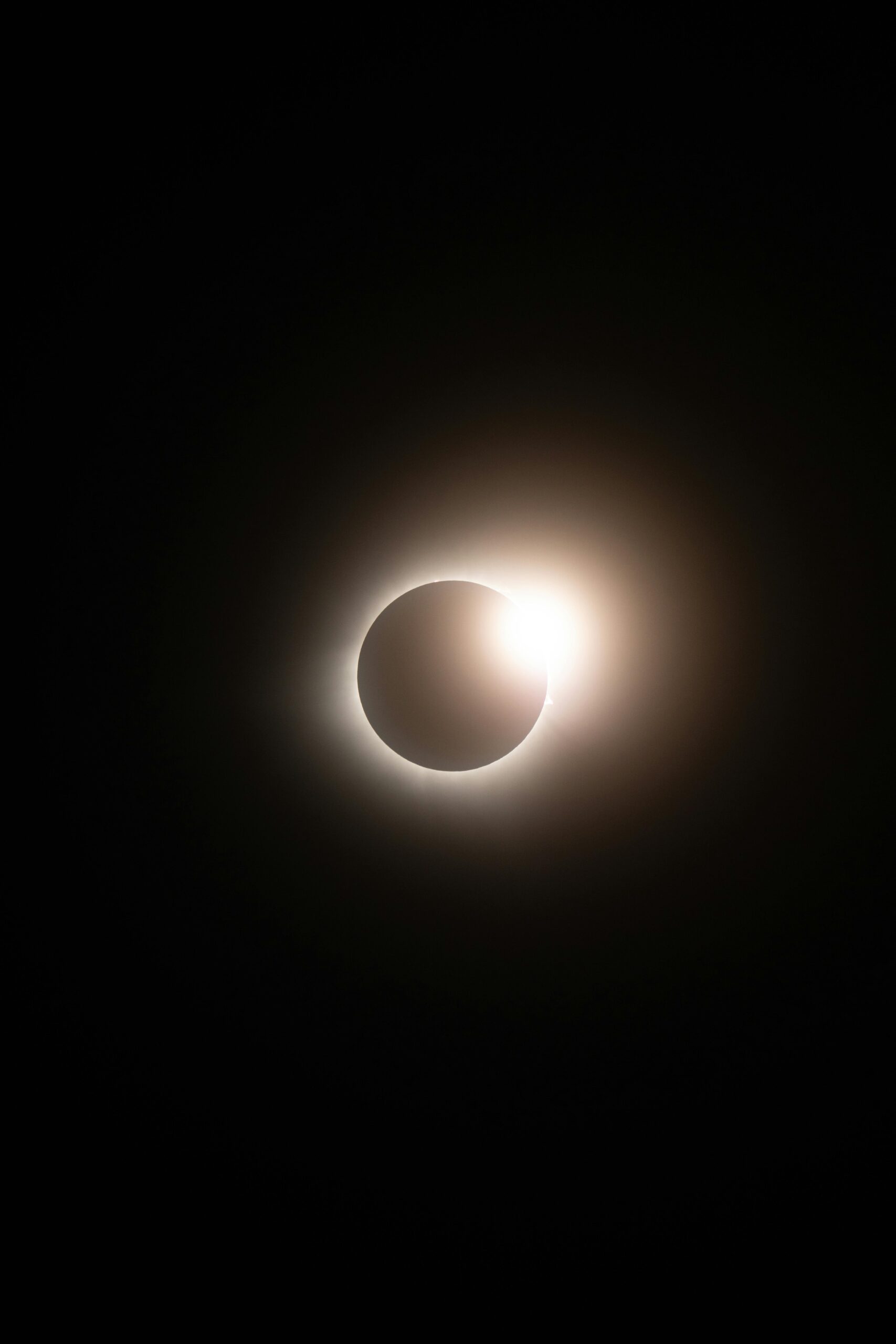
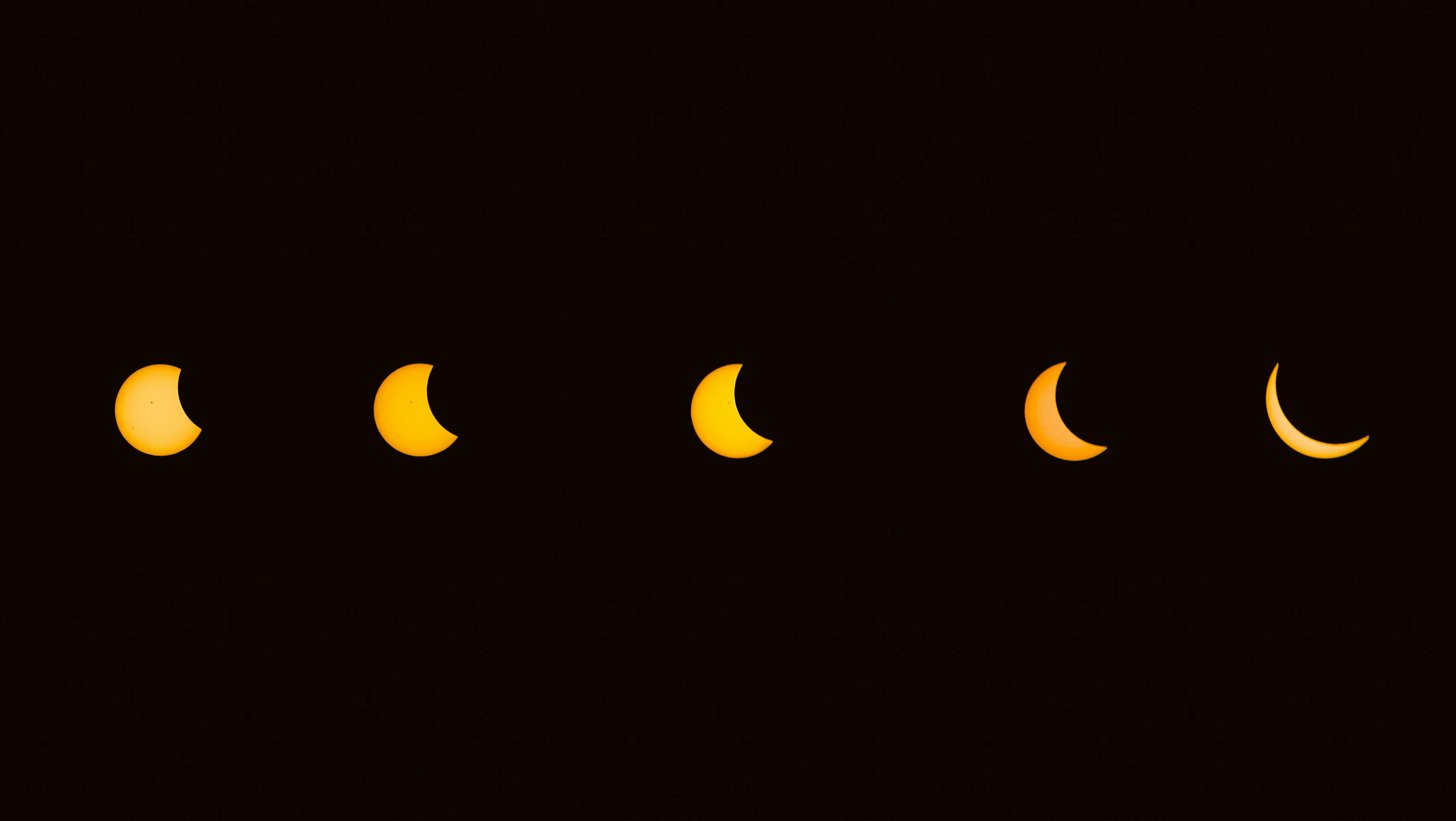
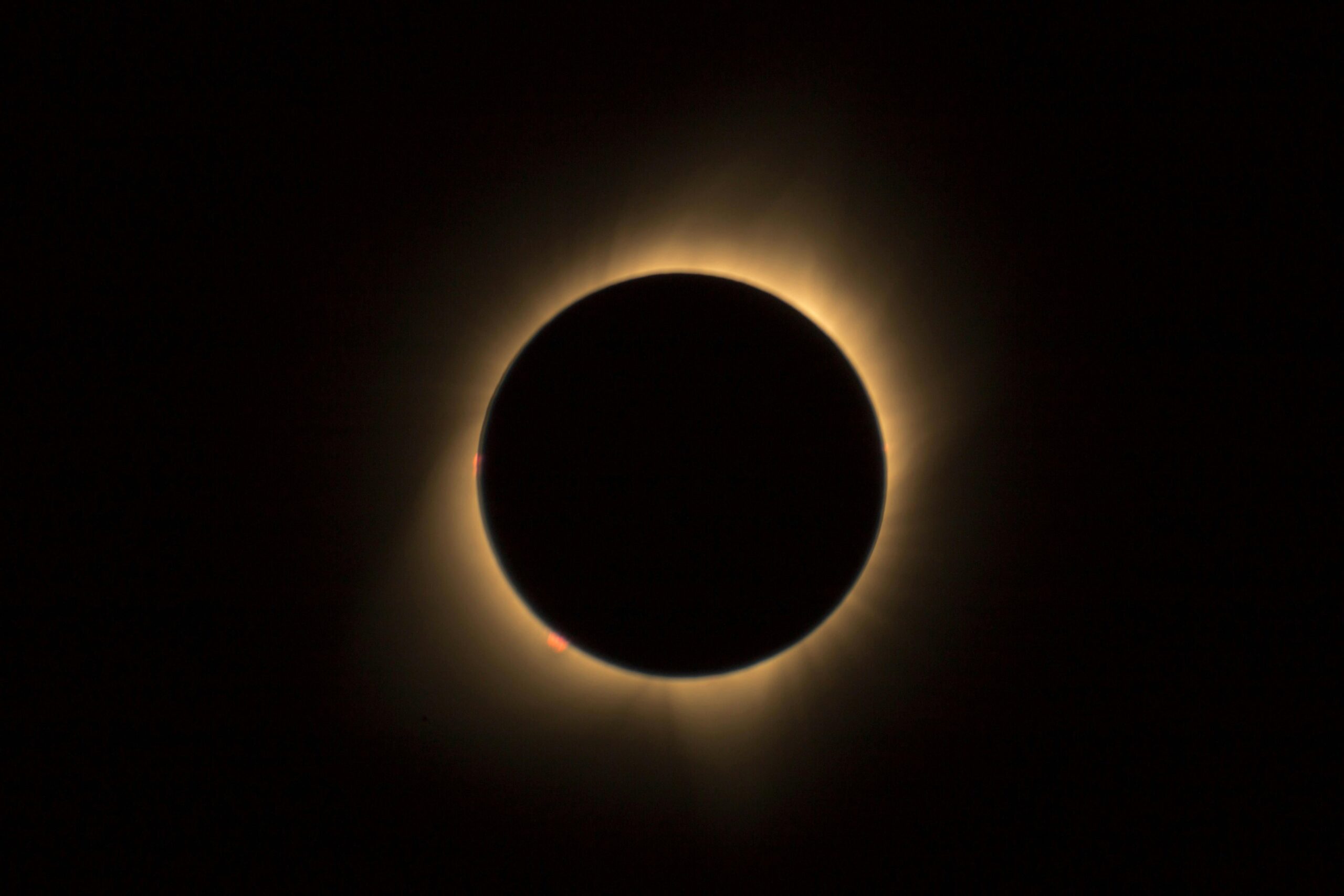
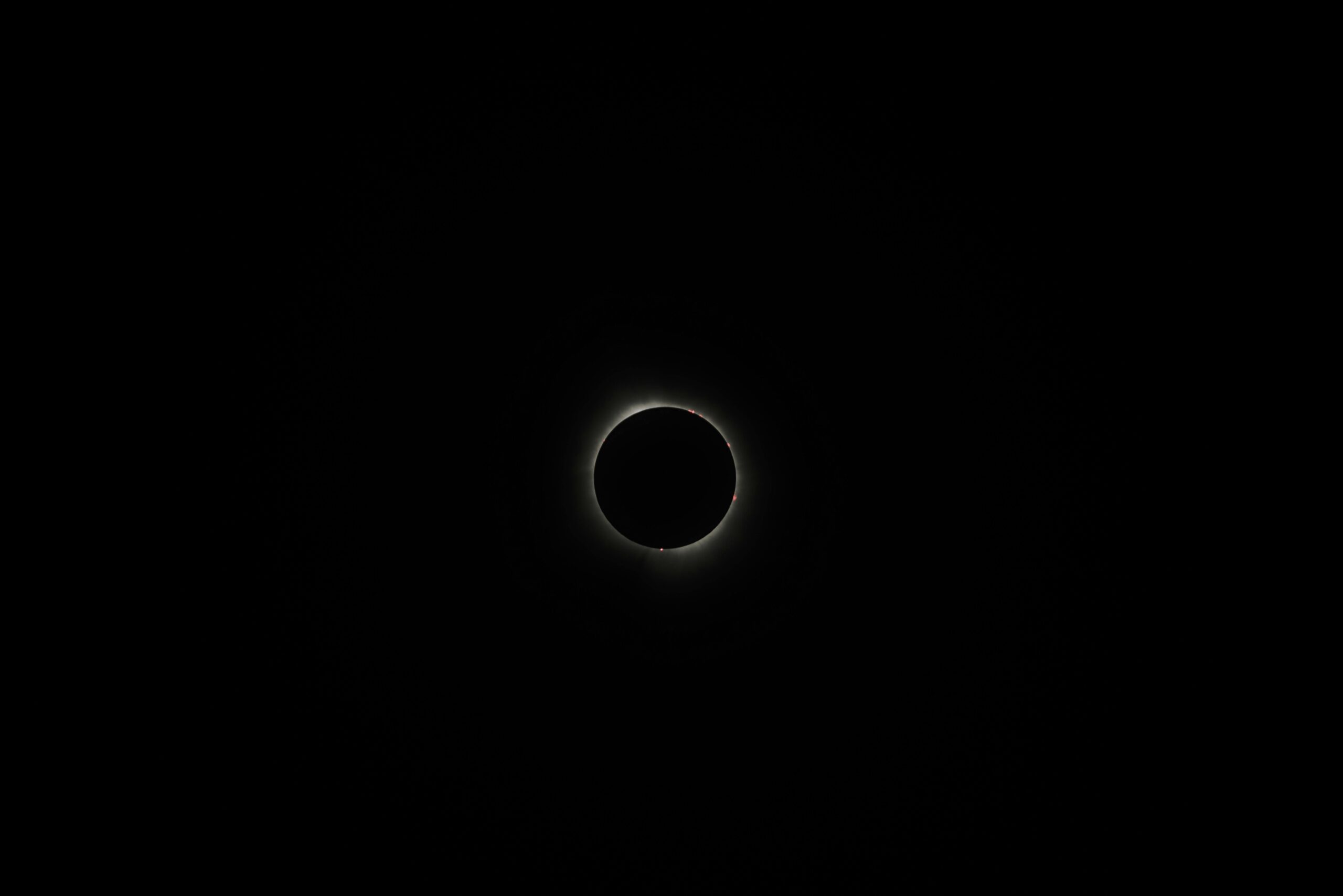
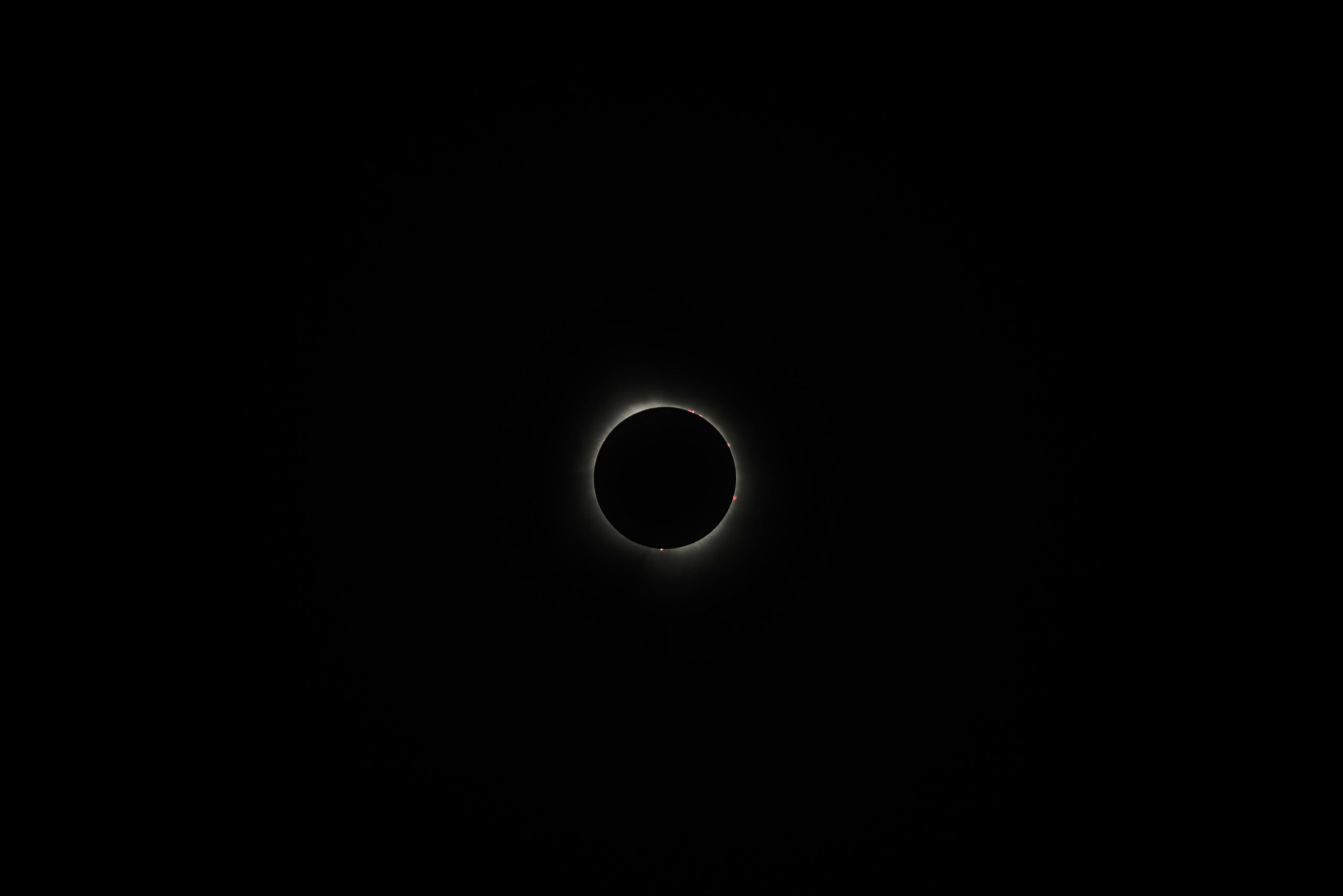
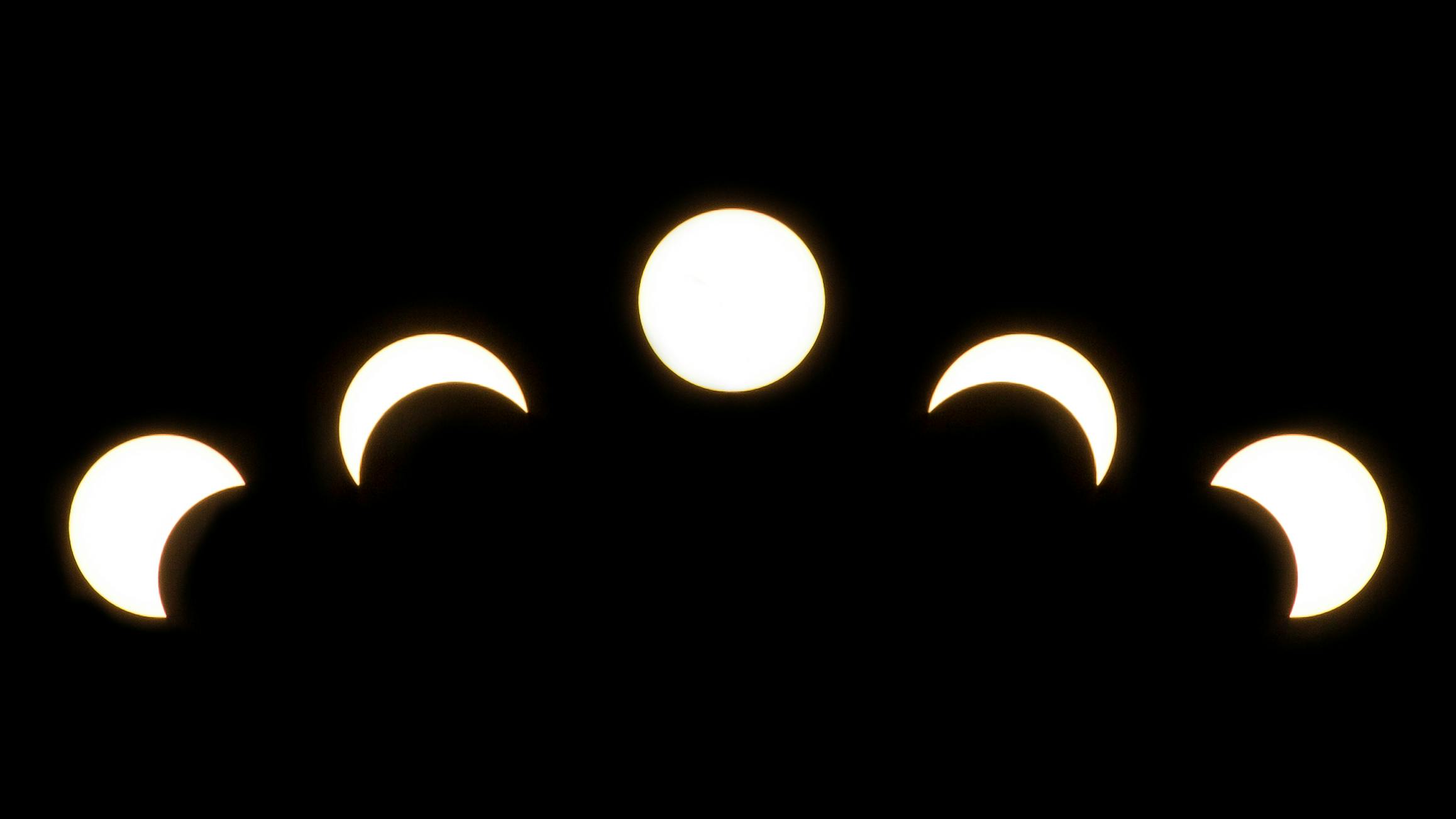
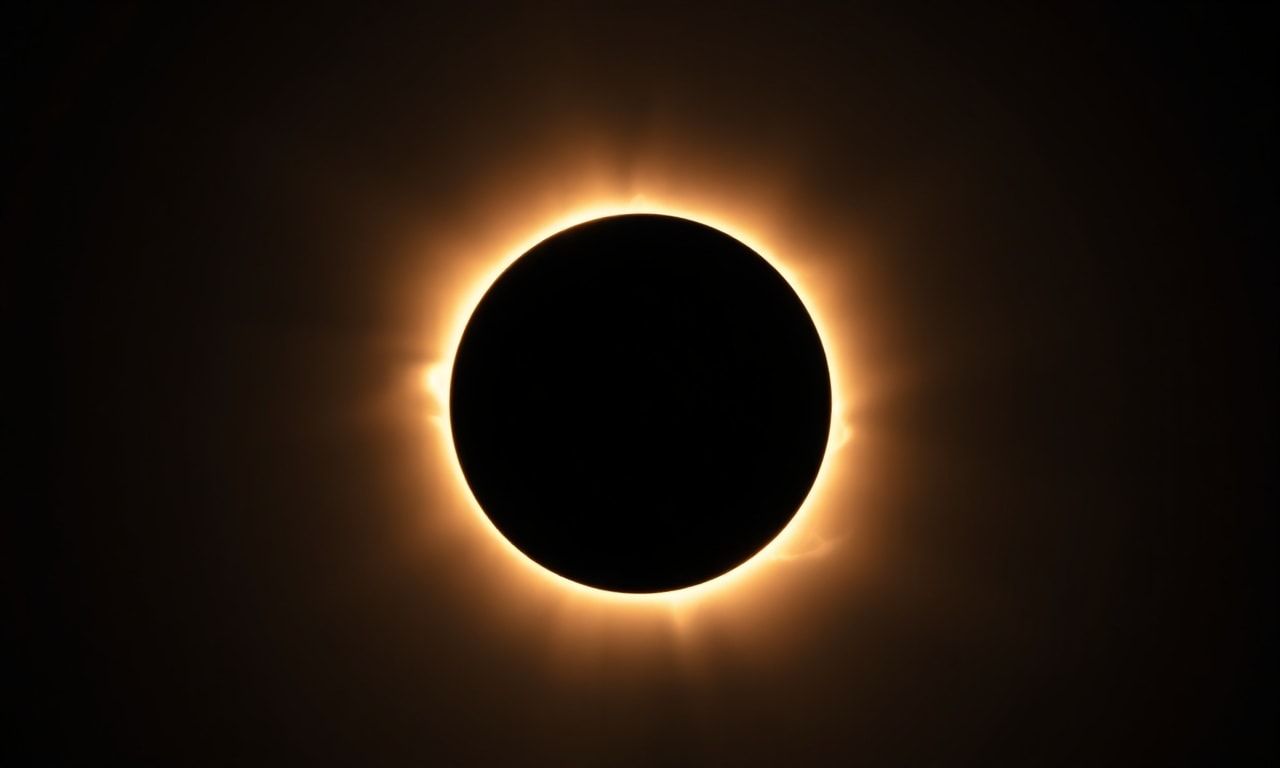
Solar eclipses can be categorized into four types: total, annular, partial, and hybrid. A total solar eclipse occurs when the Moon completely covers the Sun, revealing the Sun’s corona. An annular eclipse happens when the Moon is too far from the Earth to completely cover the Sun, resulting in a ring of sunlight around the Moon. A partial eclipse occurs when only a part of the Sun is obscured by the Moon. A hybrid eclipse is a rare event that transitions between a total and an annular eclipse along its path.
Historical Significance and Cultural Impact
Throughout history, solar eclipses have been interpreted in various ways by different cultures. Ancient civilizations often viewed eclipses as omens or signs from the gods. For instance, in ancient China, eclipses were seen as celestial dragons devouring the Sun. The Chinese word for eclipse, ‘shih,’ means ‘to eat.’ In many cultures, eclipses were associated with impending doom or significant changes.
The ancient Greeks, however, used eclipses to advance their understanding of the cosmos. The philosopher Thales of Miletus is credited with predicting a solar eclipse in 585 BCE, which halted a war between the Medes and the Lydians. This event demonstrated the predictive power of astronomy and marked a significant step in the development of scientific thought.
Modern Scientific Research
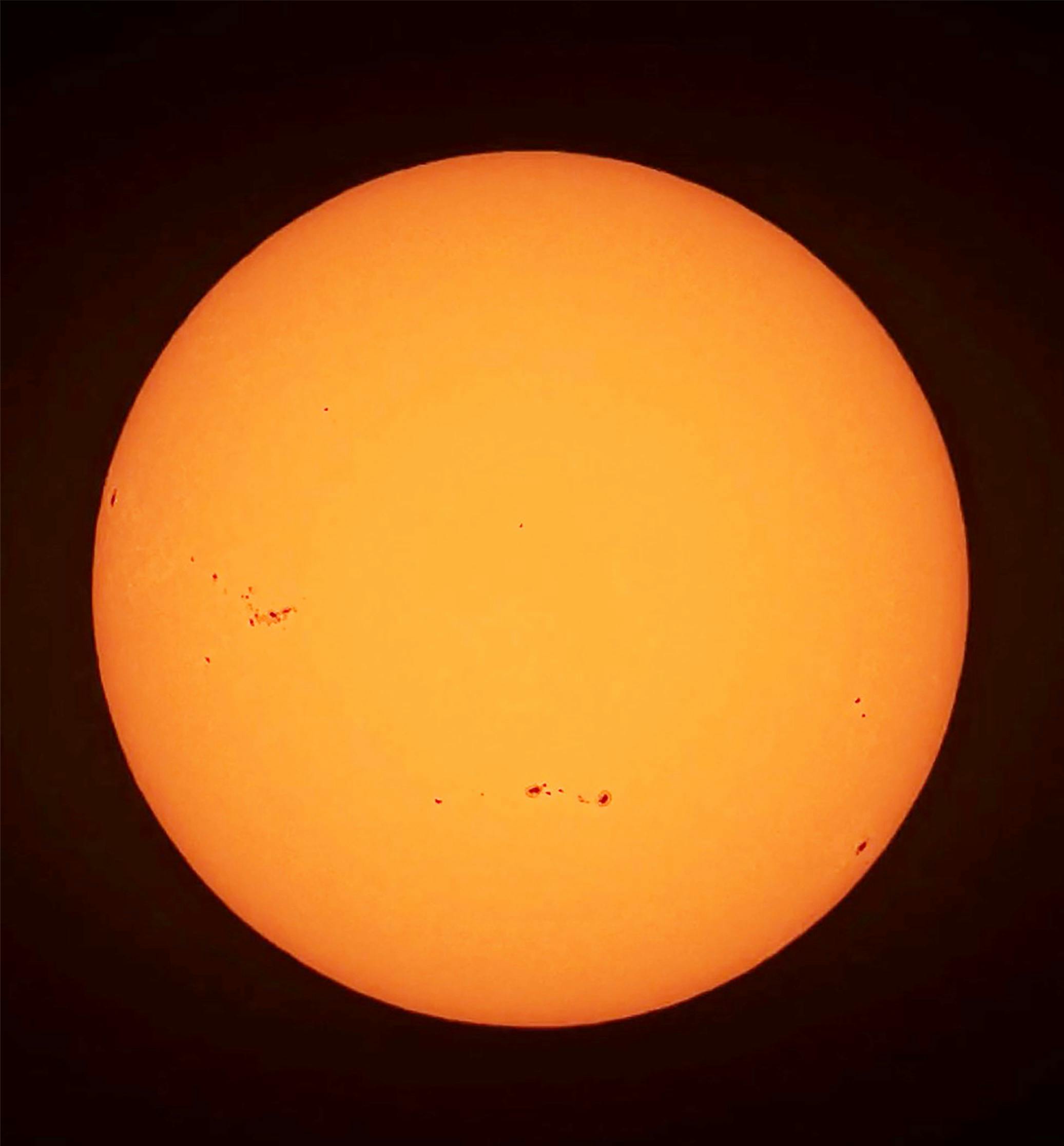
Today, solar eclipses provide unique opportunities for scientific research. The temporary darkness during a total eclipse allows astronomers to study the Sun’s corona, which is otherwise difficult to observe due to the Sun’s intense brightness. The corona is a region of the Sun’s atmosphere that extends millions of kilometers into space and plays a crucial role in solar wind and space weather.
Eclipses also enable scientists to study the effects of sudden darkness on Earth’s environment. Researchers have observed changes in animal behavior, temperature drops, and even alterations in the ionosphere during eclipses. These observations contribute to our understanding of the Earth’s atmosphere and its interactions with solar radiation.
Preparing for the Next Solar Eclipse
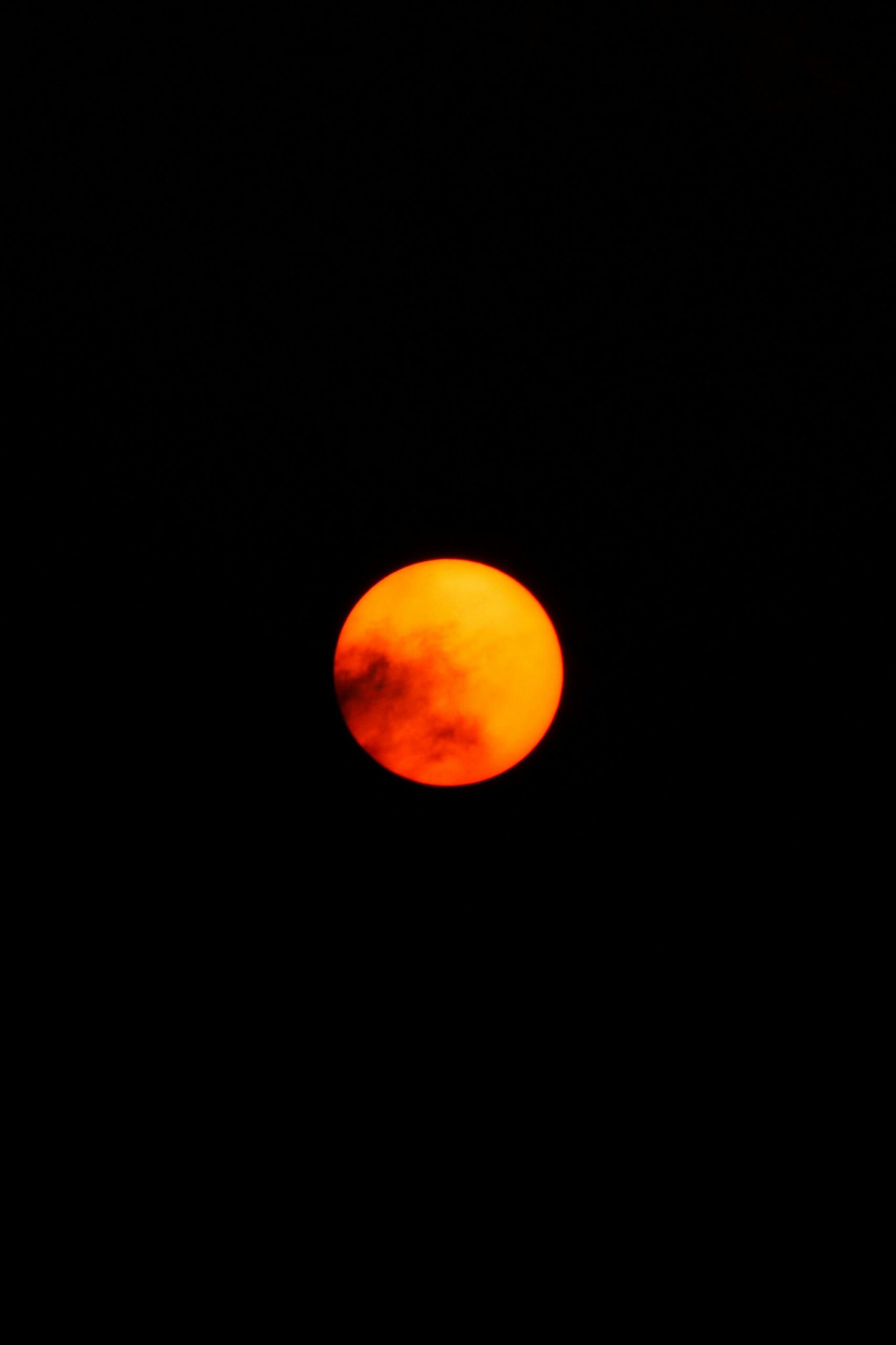
As we approach the next solar eclipse, it is essential to prepare for the event safely. Viewing a solar eclipse directly can cause severe eye damage or blindness. Specialized solar filters, often referred to as eclipse glasses, are necessary to protect your eyes. These filters comply with the ISO 12312-2 international safety standard and should be used whenever looking directly at the Sun.
In addition to eye protection, it is crucial to find a suitable viewing location. The path of totality, where the Moon completely covers the Sun, offers the best viewing experience. For those outside the path of totality, partial eclipses can still be observed with proper safety measures. Planning ahead and understanding the eclipse’s path can enhance the viewing experience and ensure safety.
Community and Educational Events
Solar eclipses often bring communities together, fostering a sense of shared wonder and curiosity. Many organizations and educational institutions host viewing events, providing safe viewing equipment and expert commentary. These events offer an excellent opportunity for learning and engaging with the public about the science behind eclipses.
For those interested in maintaining their properties and ensuring smooth operations during such events, it’s also important to address potential issues like kanal tıkanıklığı giderme. Ensuring that drainage systems are clear and functional can prevent disruptions during large gatherings and events.
Conclusion
Solar eclipses are awe-inspiring celestial events that have captivated humanity for centuries. From ancient omens to modern scientific research, eclipses continue to play a significant role in our understanding of the universe. As we prepare for the next eclipse, it is essential to prioritize safety and community engagement, ensuring that this natural spectacle is enjoyed by all.