The Science Behind Solar Eclipses
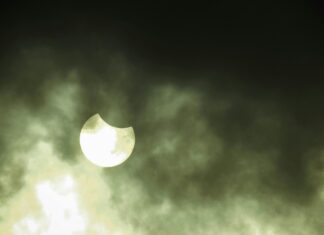
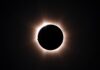
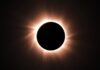
A solar eclipse occurs when the Moon passes between the Earth and the Sun, casting a shadow on the Earth’s surface. This celestial event can only happen during a new moon when the Sun, Moon, and Earth are aligned in a straight or nearly straight line. There are three types of solar eclipses: total, partial, and annular. During a total solar eclipse, the Moon completely covers the Sun, revealing the Sun’s corona. In a partial eclipse, only a part of the Sun is obscured, while an annular eclipse occurs when the Moon is too far from the Earth to completely cover the Sun, resulting in a ‘ring of fire’ effect.
The frequency of solar eclipses varies, with at least two and up to five solar eclipses occurring each year. However, total solar eclipses are relatively rare, occurring somewhere on Earth about every 18 months. The next total solar eclipse visible from the United States will occur on April 8, 2024, providing a spectacular view for millions of people.
The Historical Significance of Solar Eclipses
Throughout history, solar eclipses have captivated and sometimes terrified human civilizations. Ancient cultures often interpreted eclipses as omens or signs from the gods. For instance, the ancient Chinese believed that a celestial dragon was devouring the Sun during an eclipse. To scare the dragon away, they would make loud noises and bang drums. In ancient Mesopotamia, eclipses were seen as portents of doom, and rulers would take precautions to protect themselves and their kingdoms.
The first recorded observation of a solar eclipse dates back to 2134 BCE in ancient China. The Chinese court astrologers, Hi and Ho, were reportedly executed for failing to predict the eclipse, which was seen as a failure of their duties. This historical account underscores the importance of eclipses in ancient astronomical observations and their impact on societal beliefs.
Modern Observations and Safety Tips
In the modern era, solar eclipses are eagerly anticipated events for astronomers, scientists, and enthusiasts alike. They provide a unique opportunity to study the Sun’s corona, solar flares, and other phenomena that are typically obscured by the Sun’s brightness. During a solar eclipse, scientists can observe the Sun’s outer atmosphere, known as the corona, which is usually invisible to the naked eye.
However, it is crucial to observe solar eclipses safely. Looking directly at the Sun, even during an eclipse, can cause serious eye damage or blindness. Special eclipse glasses or solar filters are essential for safe viewing. Additionally, indirect viewing methods, such as pinhole projectors, can provide a safe and enjoyable way to experience the spectacle.
Cultural Impact and Tourism
Solar eclipses have a significant cultural impact and often draw large crowds of tourists to the regions where they are visible. The 2017 total solar eclipse in the United States, for example, attracted millions of visitors to the path of totality, which stretched from Oregon to South Carolina. This influx of tourists had a substantial economic impact on local communities, boosting businesses and tourism industries.
In addition to their scientific and economic significance, solar eclipses inspire art, literature, and cultural events. They serve as a reminder of the awe-inspiring beauty of the cosmos and the interconnectedness of human experiences across different cultures and time periods. For many, witnessing a solar eclipse is a transformative experience that fosters a deeper appreciation for the natural world.
Preparing for the Next Solar Eclipse
As we look forward to the next total solar eclipse on April 8, 2024, it is essential to plan ahead. Those interested in observing the eclipse should research the best viewing locations within the path of totality. Popular destinations include cities in Texas, Arkansas, Indiana, Ohio, and New York, among others. Accommodations and travel arrangements should be made well in advance, as these events often draw large crowds.
For those unable to travel to the path of totality, partial eclipses will be visible in other parts of the United States and North America. While not as dramatic as a total eclipse, partial eclipses still offer a fascinating glimpse into the wonders of the cosmos. Remember to follow safety guidelines and use appropriate viewing equipment to protect your eyes.
In the meantime, staying informed about upcoming celestial events can enhance your appreciation for the night sky. Websites like spordan sağlığa geçiş rehberi offer a wealth of information on various topics, including astronomy and space exploration. By exploring these resources, you can deepen your understanding of the universe and prepare for future astronomical events.