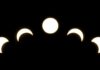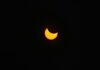
The Celestial Event of the Decade
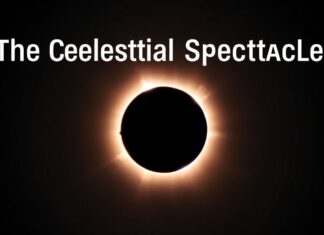
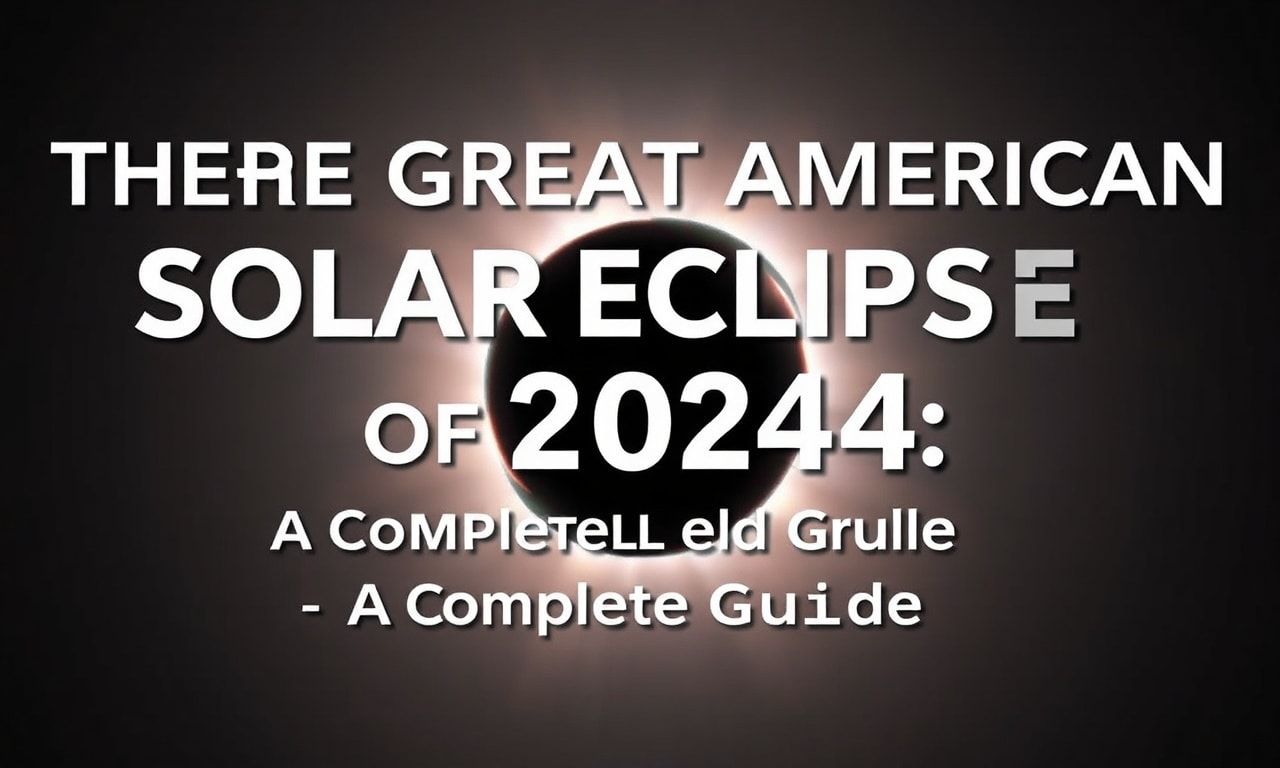
The year 2024 is set to witness one of the most anticipated astronomical events—the Great North American Solar Eclipse. Scheduled to occur on April 8, 2024, this celestial phenomenon will captivate millions of spectators across the continent. The eclipse will traverse a path from Mexico through the United States and into Canada, offering a unique opportunity for both amateur and professional astronomers to observe the sun’s corona and other solar features.
The Path of Totality
The path of totality, where the moon will completely cover the sun, will span approximately 115 miles wide. Cities such as Dallas, Texas; Indianapolis, Indiana; and Buffalo, New York, will experience total darkness for up to 4 minutes and 28 seconds. This rare event will not only be a spectacle for the eyes but also a significant moment for scientific research. Astronomers and researchers will be able to study the sun’s atmosphere and gather data that could enhance our understanding of solar dynamics.
For those unable to witness the eclipse in person, numerous online platforms and media outlets will provide live streams and detailed coverage. Additionally, educational institutions and science centers will host viewing parties and educational sessions to engage the public in this extraordinary event. It’s a reminder of the awe-inspiring beauty of our universe and the importance of scientific exploration.
Preparing for the Eclipse
As the date approaches, communities along the path of totality are preparing for an influx of visitors. Hotels and accommodations are booking up quickly, and local authorities are planning for traffic and safety measures. For those planning to travel to see the eclipse, it’s crucial to make arrangements well in advance. Safety is paramount; viewers should use certified solar eclipse glasses to protect their eyes from the sun’s harmful rays.
In addition to the practical preparations, there’s a growing interest in the cultural and historical significance of solar eclipses. Ancient civilizations often viewed eclipses as omens or signs from the gods. Today, we understand the scientific principles behind these events, but they still hold a sense of mystery and wonder. For many, witnessing a total solar eclipse is a once-in-a-lifetime experience that leaves a lasting impression.
Scientific Significance
The 2024 solar eclipse presents a unique opportunity for scientific research. During totality, the sun’s corona—the outer atmosphere—becomes visible, allowing scientists to study its structure and behavior. This data can provide insights into solar winds, magnetic fields, and the overall dynamics of the sun. Researchers will also use this event to test new technologies and instruments designed for solar observation.
Eclipses have historically been pivotal in advancing our understanding of the universe. For instance, the 1919 eclipse provided crucial evidence supporting Einstein’s theory of general relativity. The 2024 eclipse could similarly contribute to groundbreaking discoveries. Collaborative efforts between amateur astronomers and professional researchers will be encouraged, fostering a spirit of scientific curiosity and community engagement.
Cultural and Historical Context
Throughout history, solar eclipses have been interpreted in various ways across different cultures. In ancient China, eclipses were seen as celestial dragons devouring the sun, and people would make noise to scare the dragons away. In Norse mythology, eclipses were believed to be the result of the gods chasing and catching the sun. These interpretations reflect the human fascination with celestial events and the desire to understand the mysteries of the universe.
In modern times, eclipses have become a global spectacle, bringing people together to witness a shared experience. The 2024 eclipse will be no exception, with millions of people gathering to witness this rare event. For those interested in the cultural aspects of eclipses, numerous resources and articles are available online, including those that explore the architectural significance of celestial events in different cultures. For instance, you can find detailed discussions on भारत में वास्तुकला समाचार आज and how ancient Indian architecture was influenced by astronomical phenomena.
Tips for Viewing the Eclipse
To make the most of the 2024 solar eclipse, here are some tips for viewers:
- Plan Ahead: Research the best viewing locations along the path of totality and make travel arrangements early.
- Safety First: Always use certified solar eclipse glasses to protect your eyes. Regular sunglasses are not sufficient.
- Capture the Moment: If you plan to photograph the eclipse, use a solar filter on your camera lens to avoid damaging your equipment.
- Engage with the Community: Join local viewing parties or online forums to share your experience and learn from others.
- Stay Informed: Follow updates from reputable sources such as NASA and local astronomical societies for the latest information and safety guidelines.
The 2024 Great North American Solar Eclipse is more than just a celestial event; it’s a reminder of our place in the universe and the enduring human quest for knowledge. Whether you’re an avid astronomer or a casual observer, this eclipse promises to be an unforgettable experience. Mark your calendars and get ready to witness one of nature’s most spectacular shows.
In the realm of international news, a compelling piece on global health efforts offers a detailed look at how organizations are addressing critical healthcare disparities worldwide.
As nations continue to grapple with health challenges, our latest piece examining global health policies offers a comprehensive look at recent developments and their implications.
To understand the implications of these changes, explore recent geographical transformations worldwide in our latest in-depth analysis.