The Great North American Solar Eclipse of 2024: An Overview
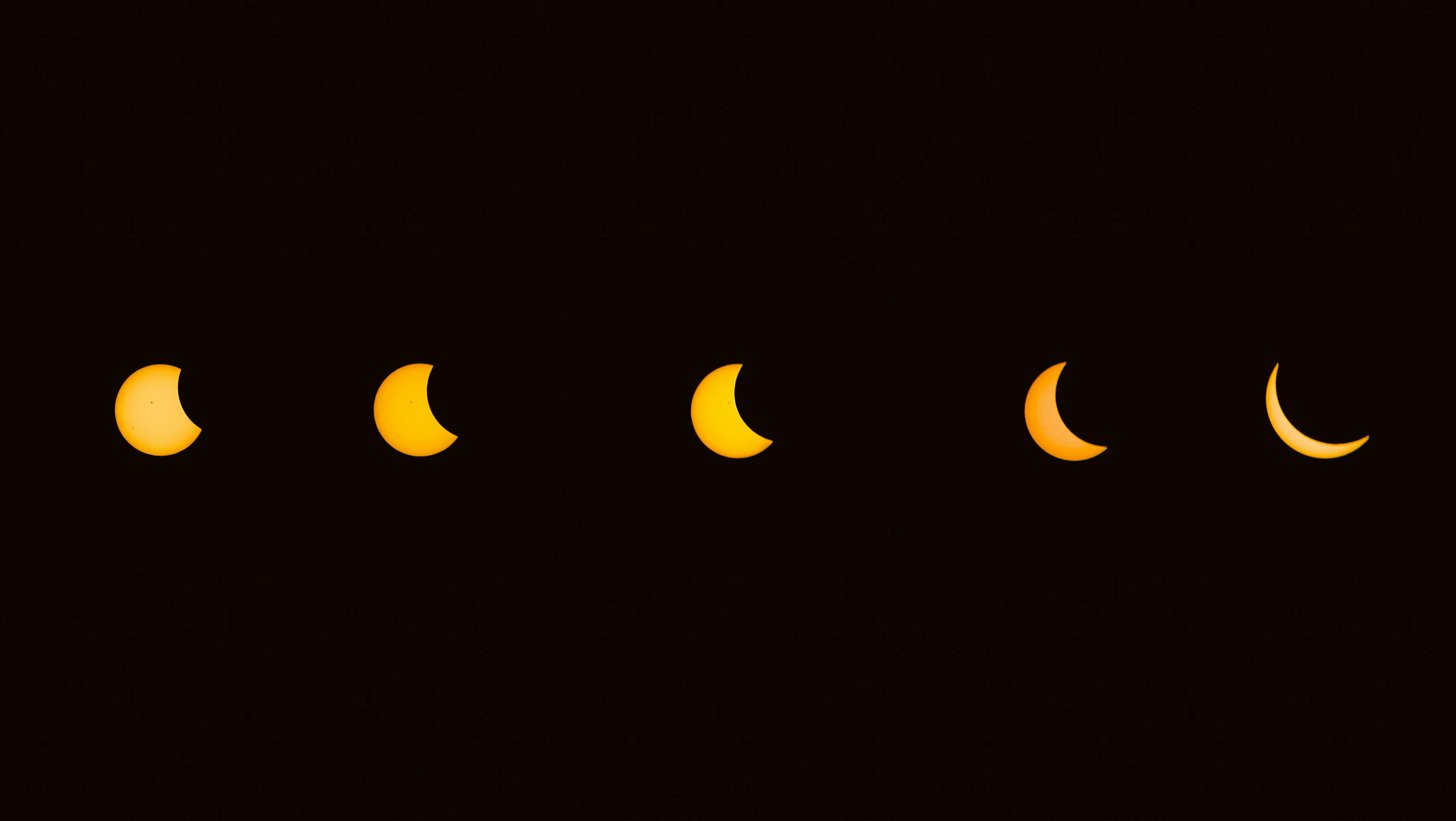
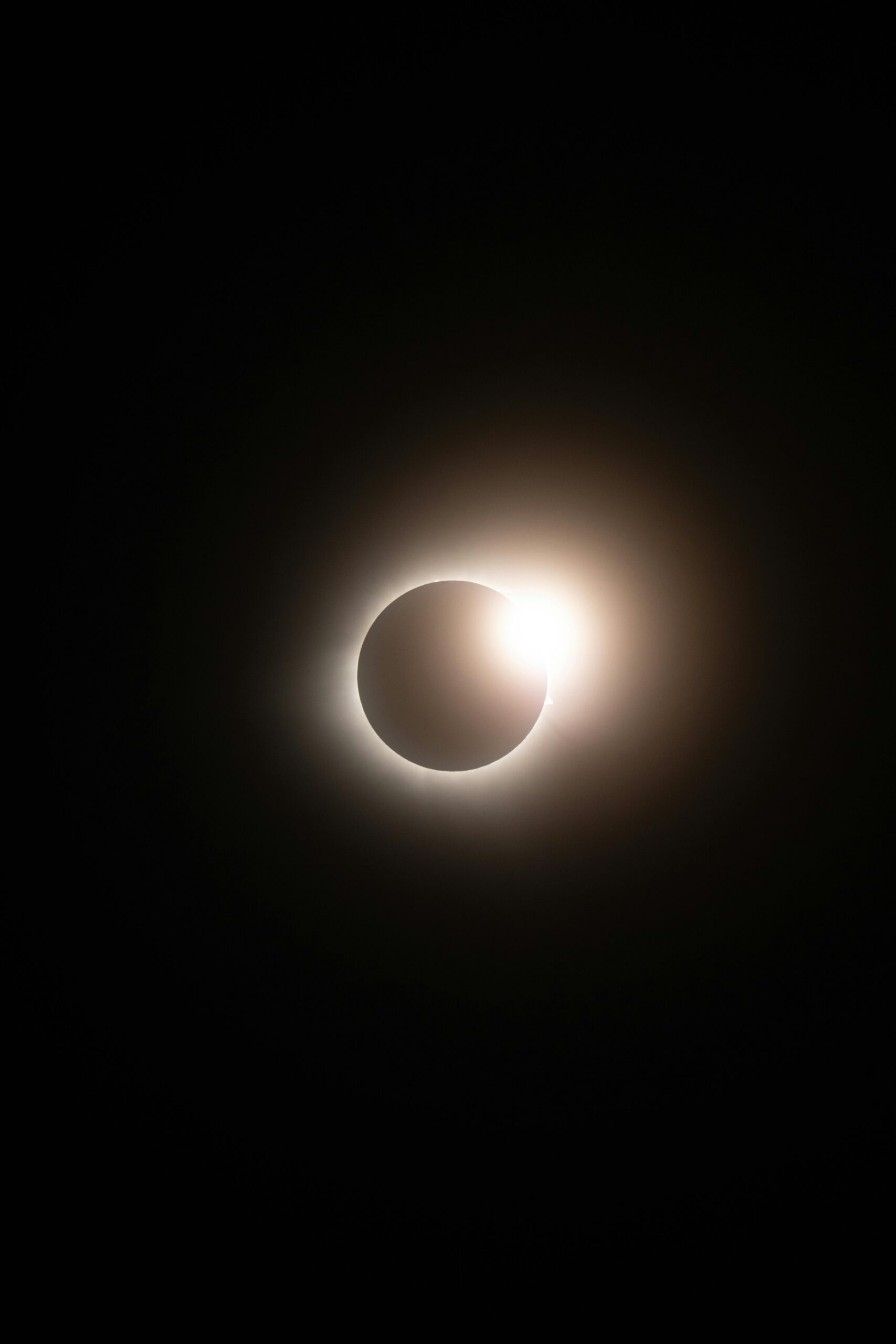
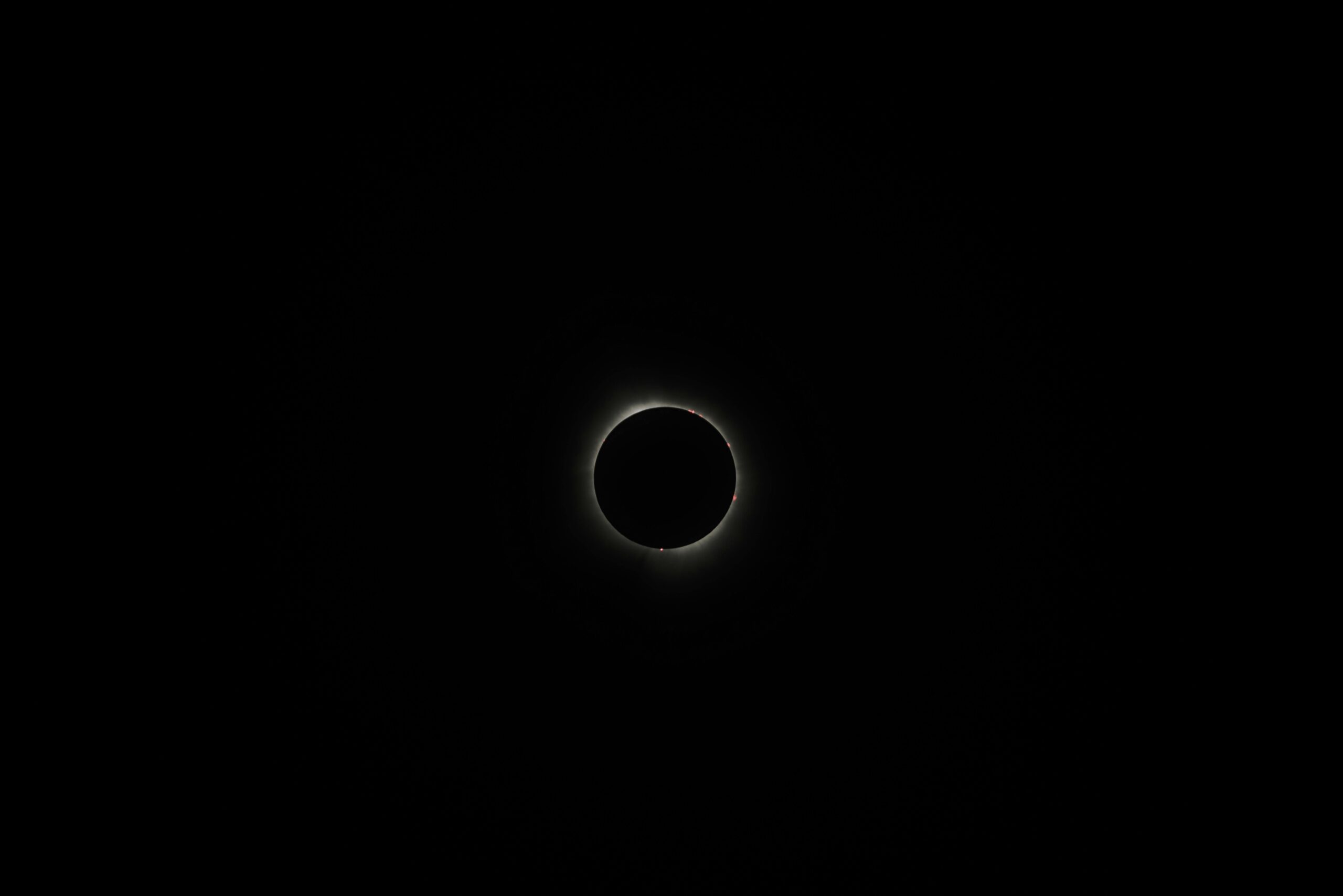
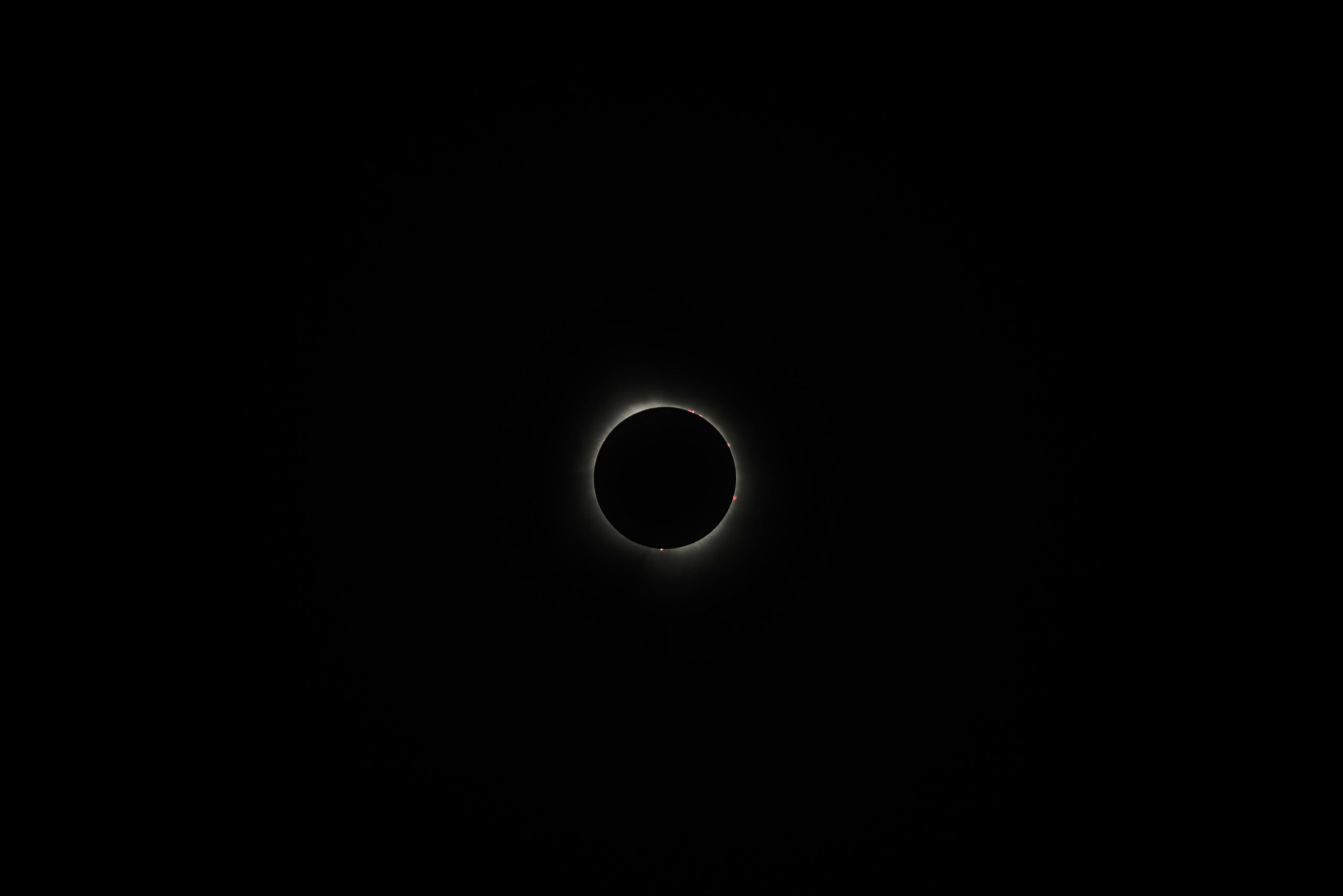
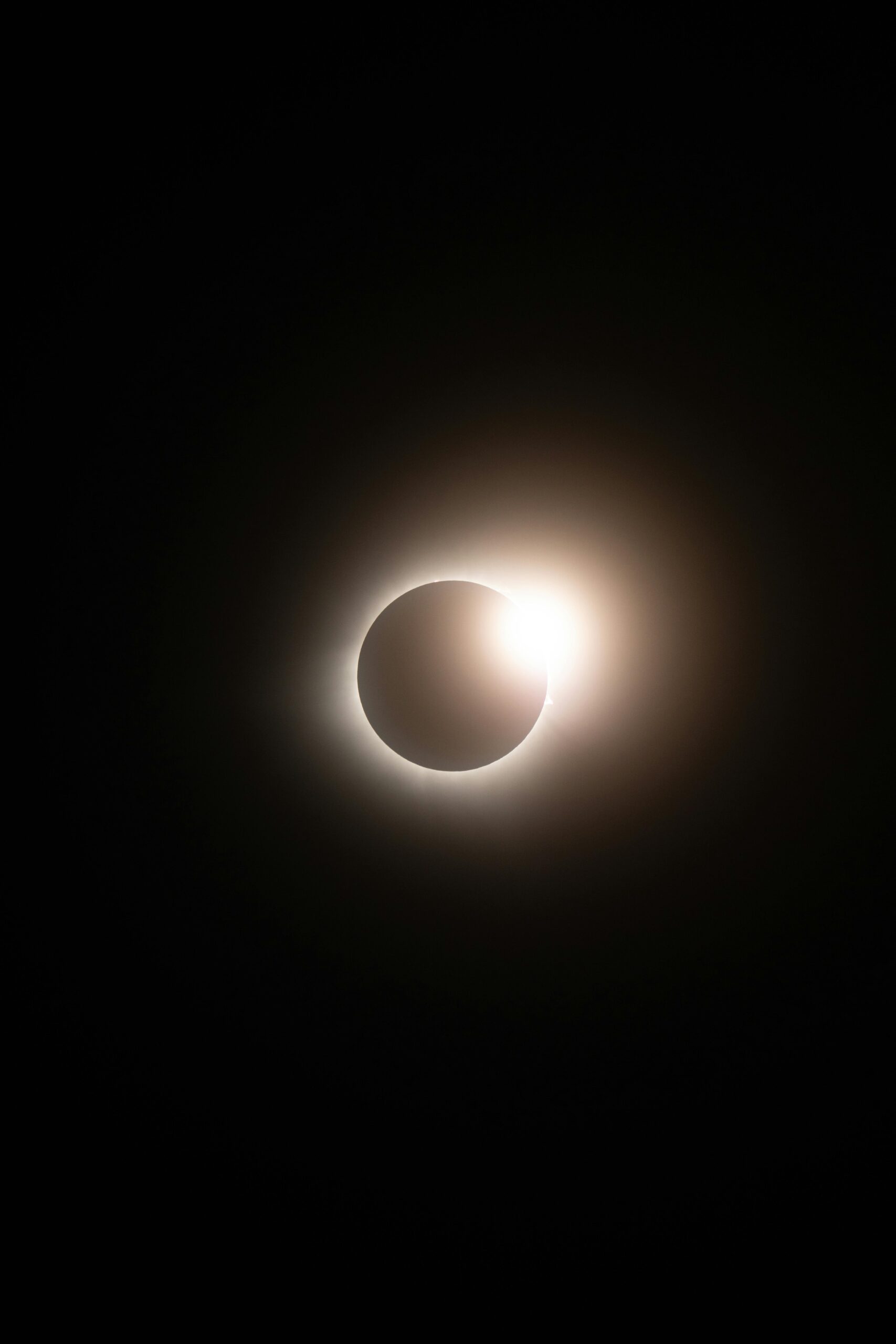
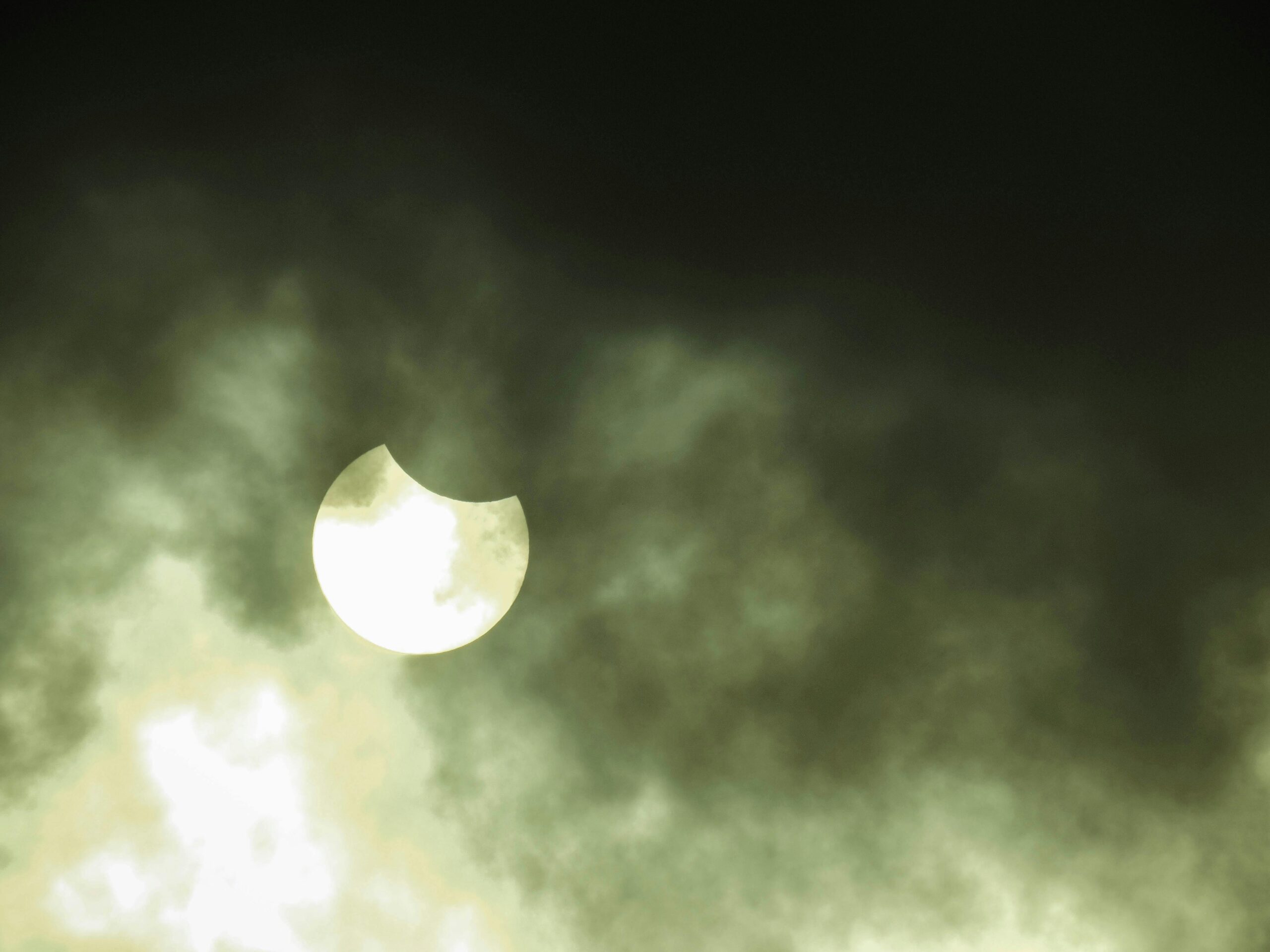
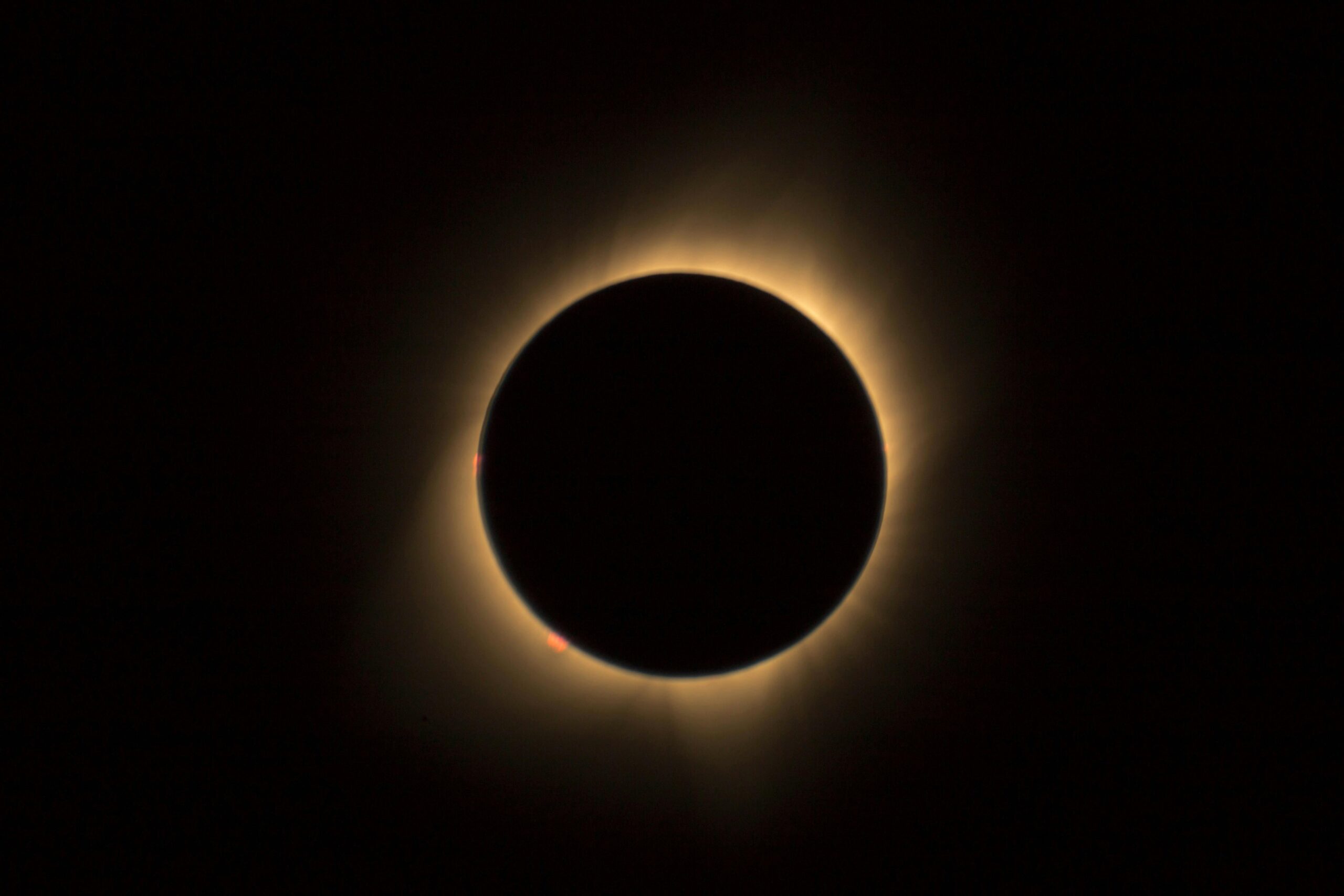
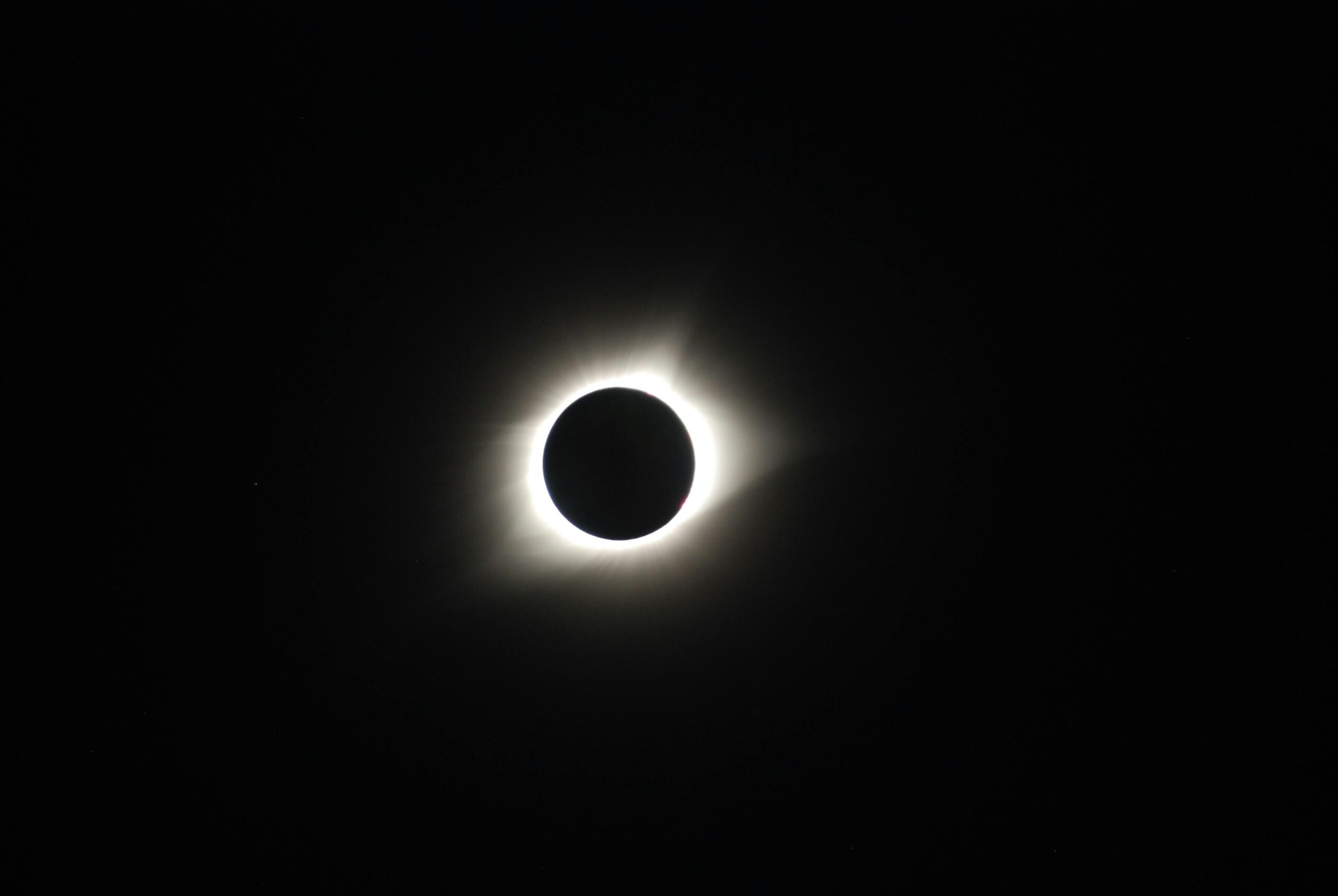
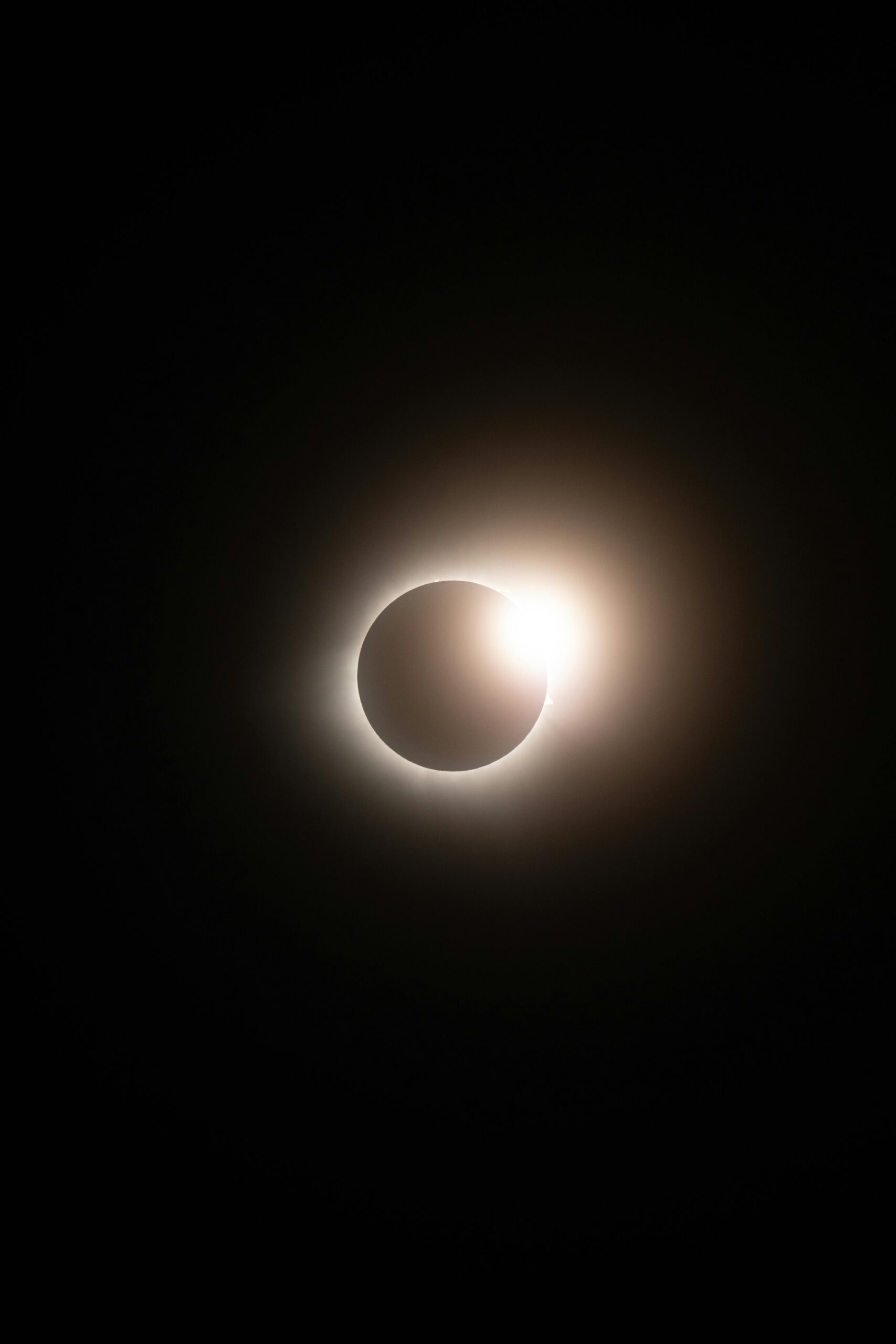
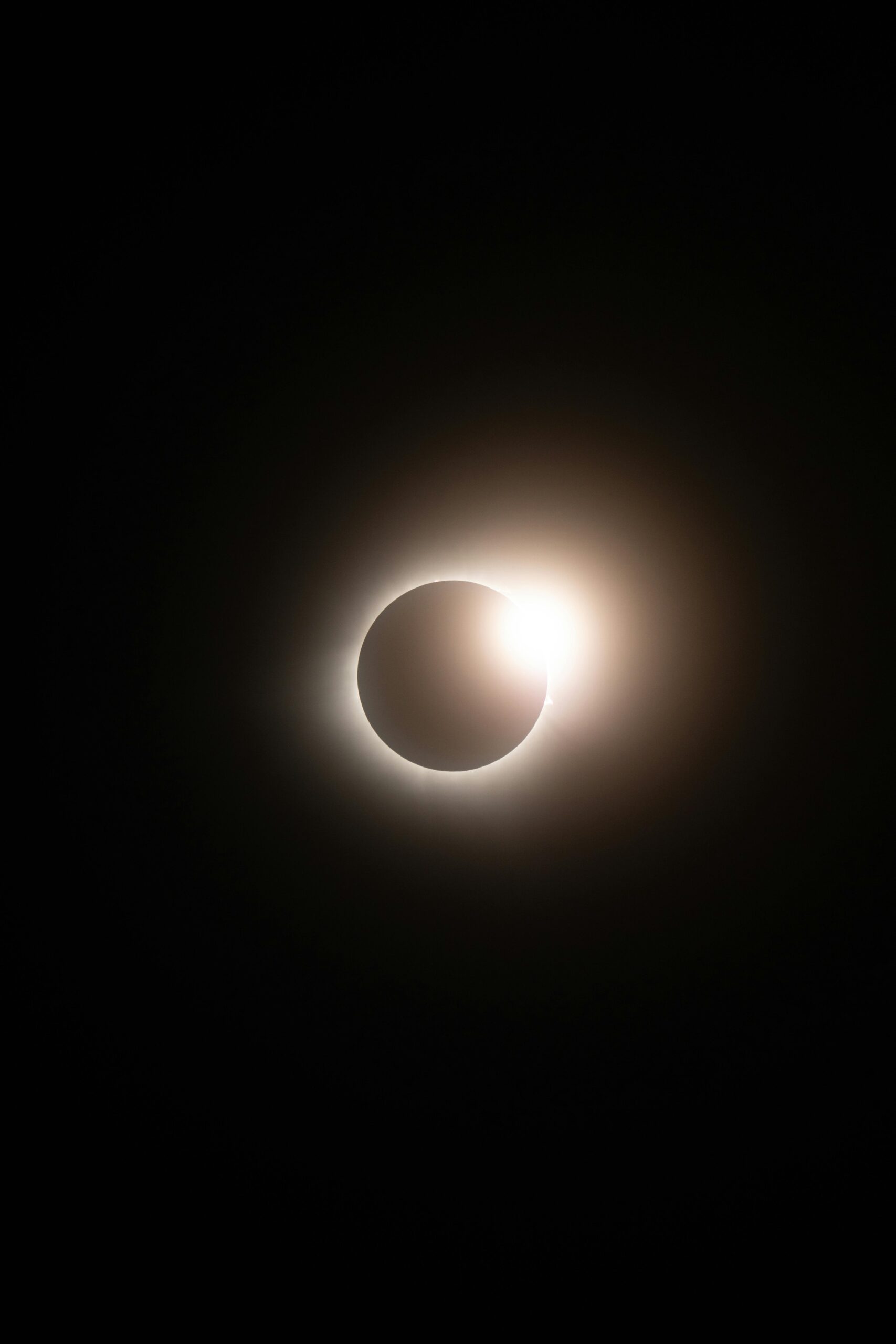
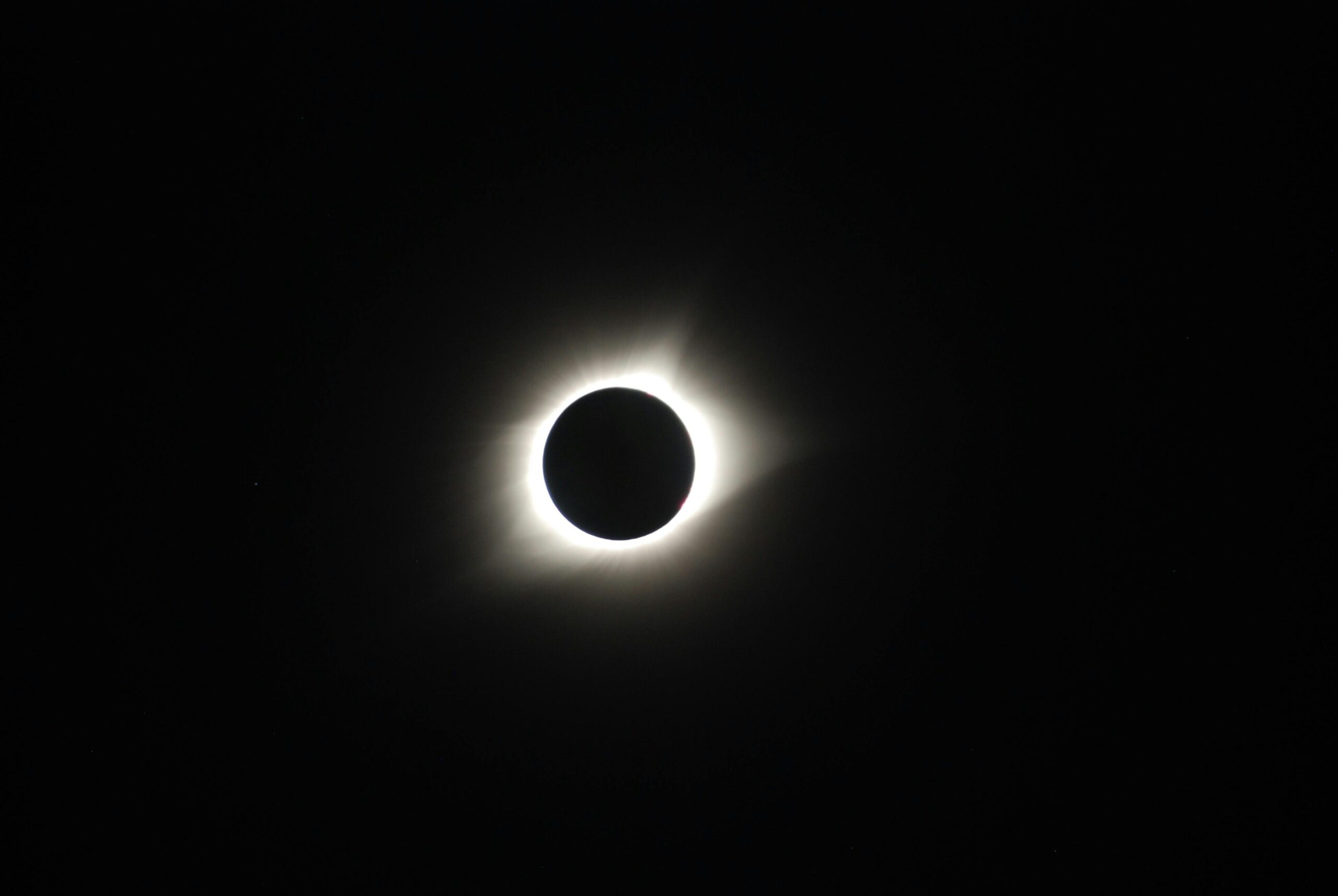
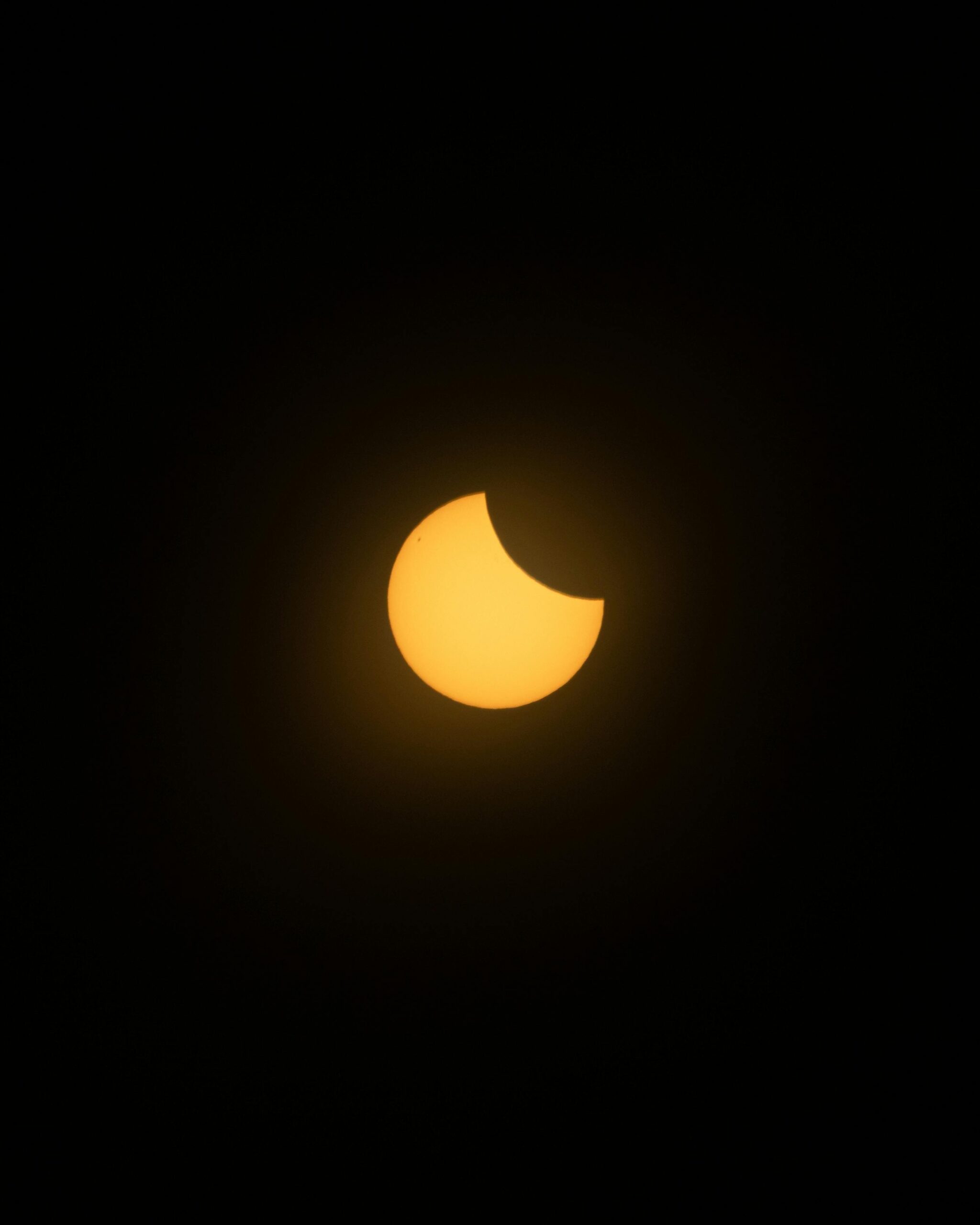
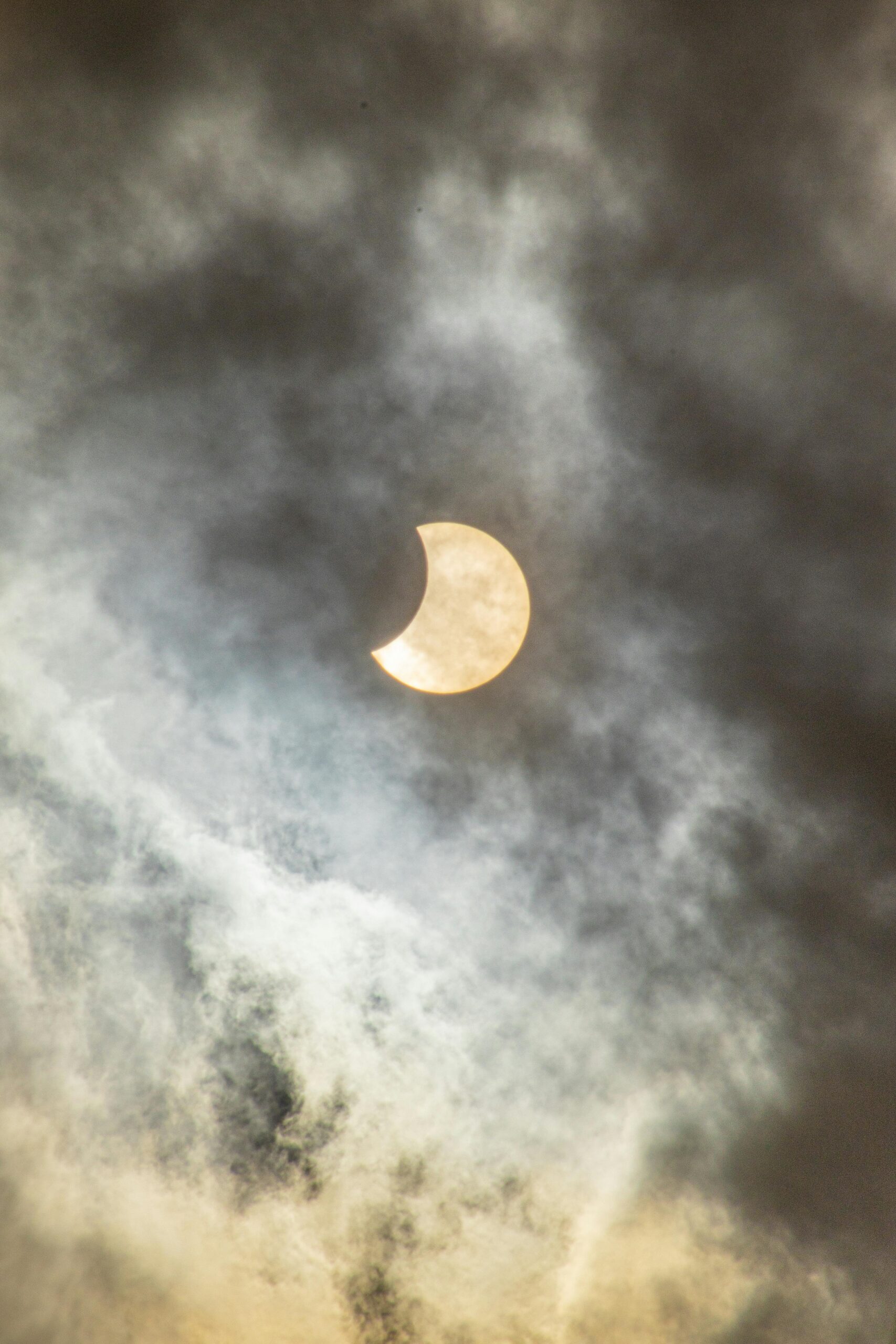
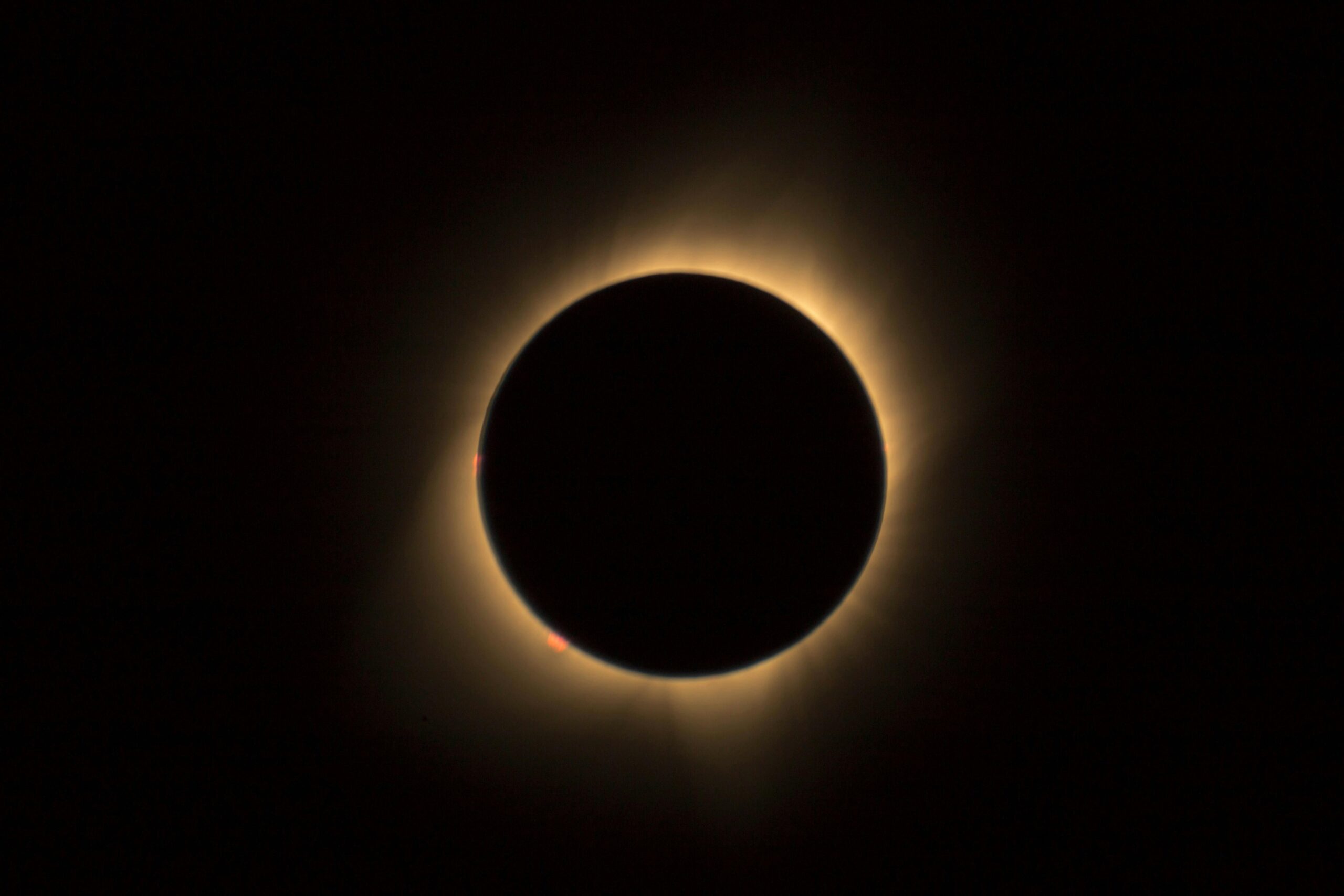
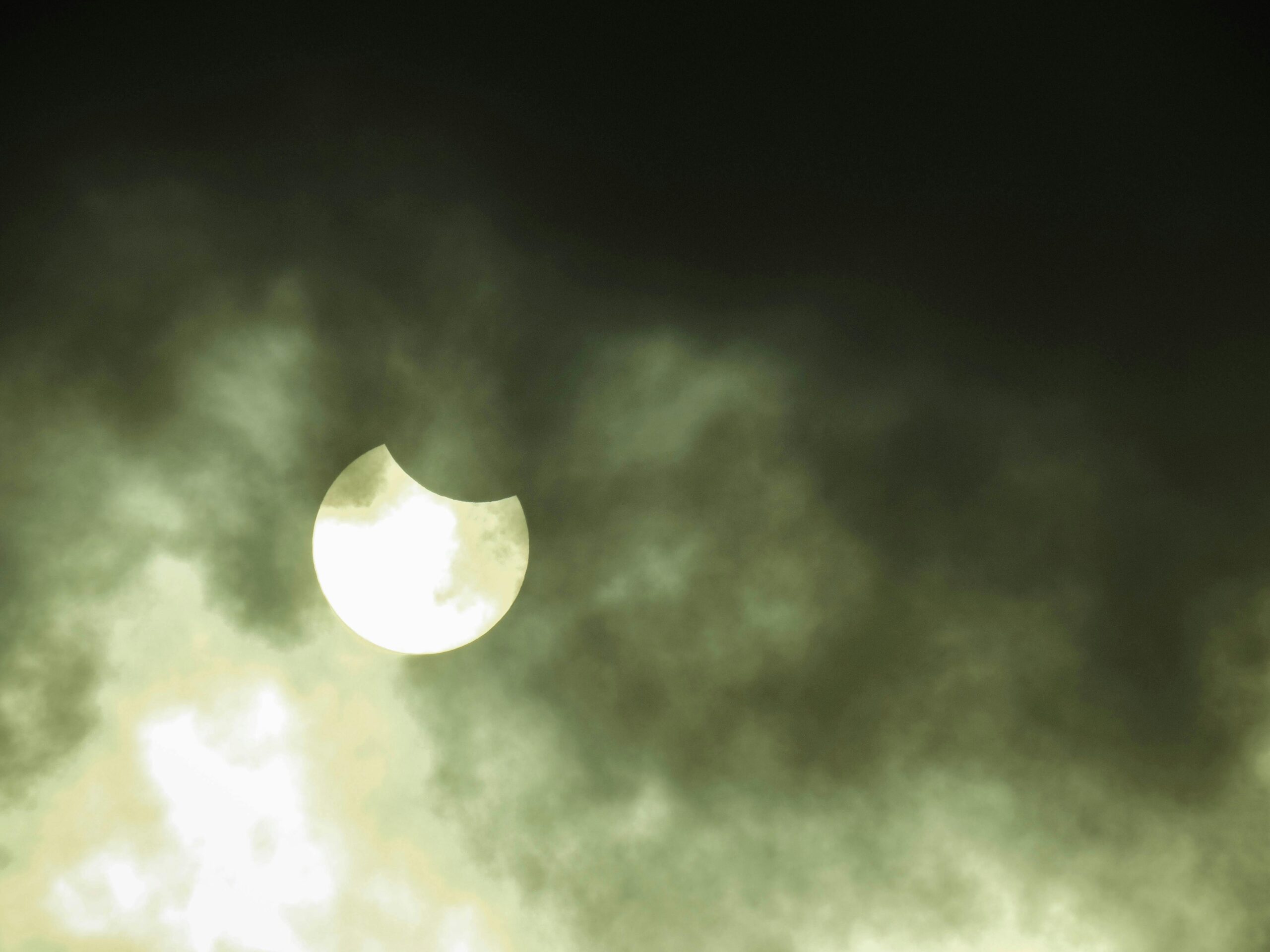
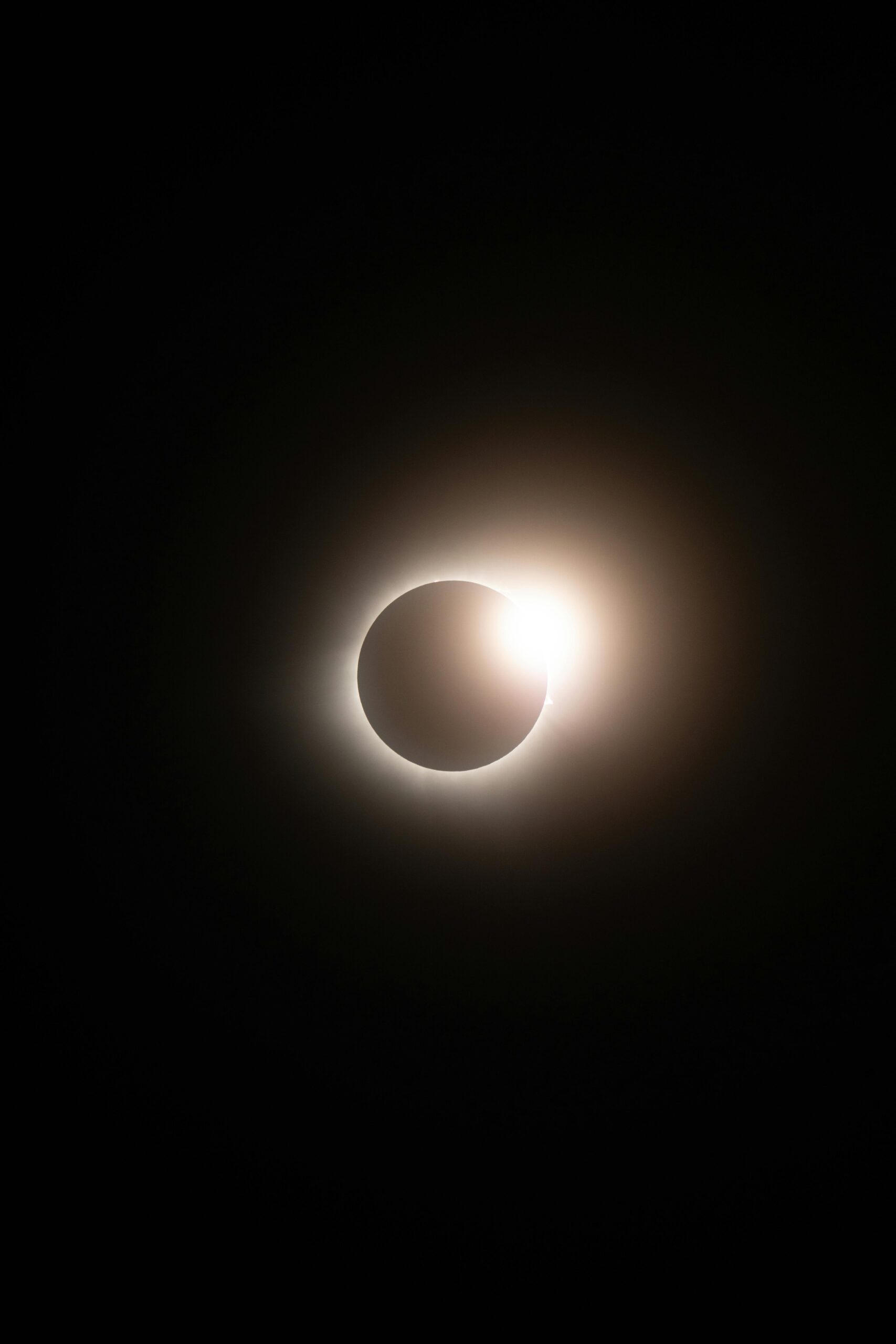
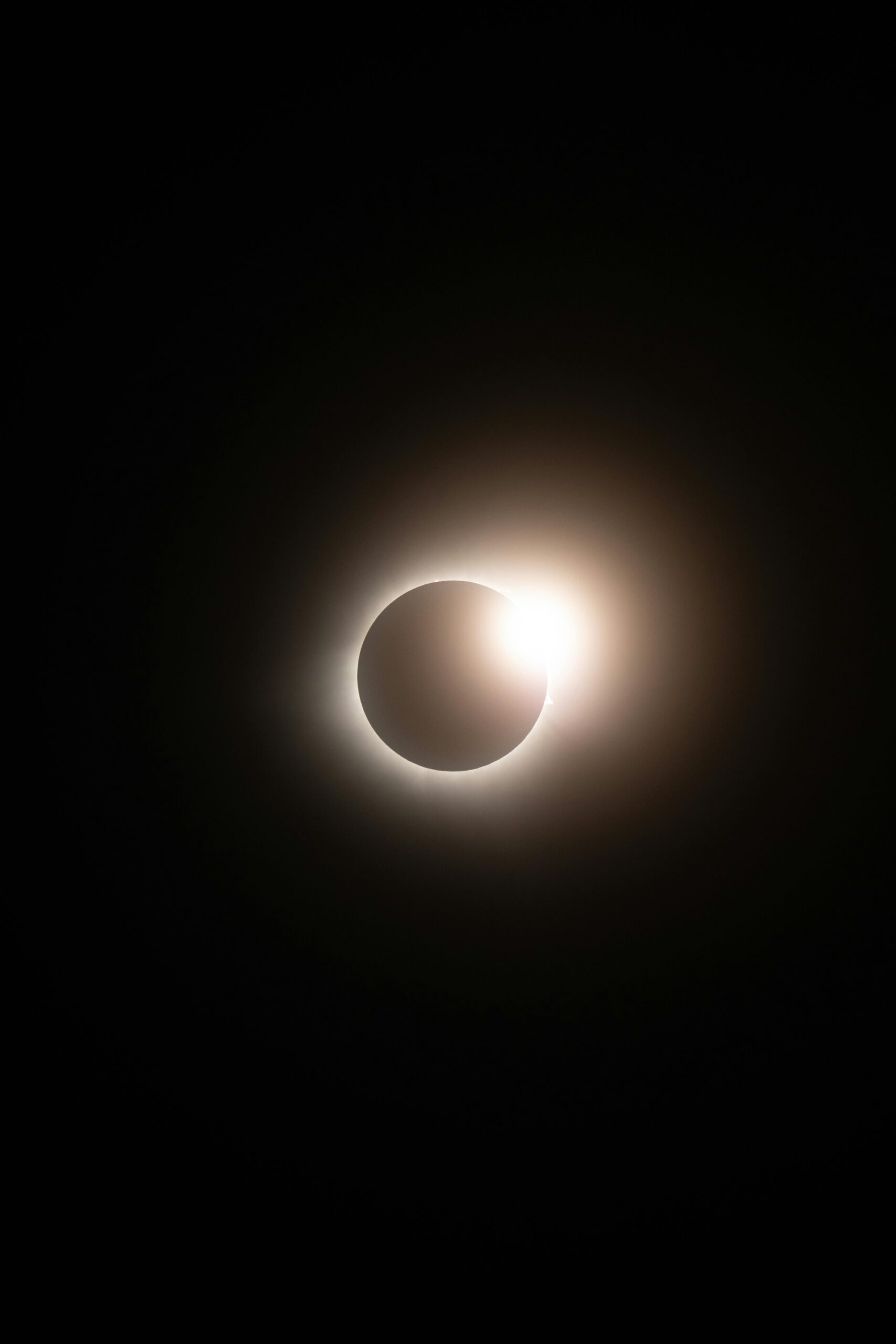
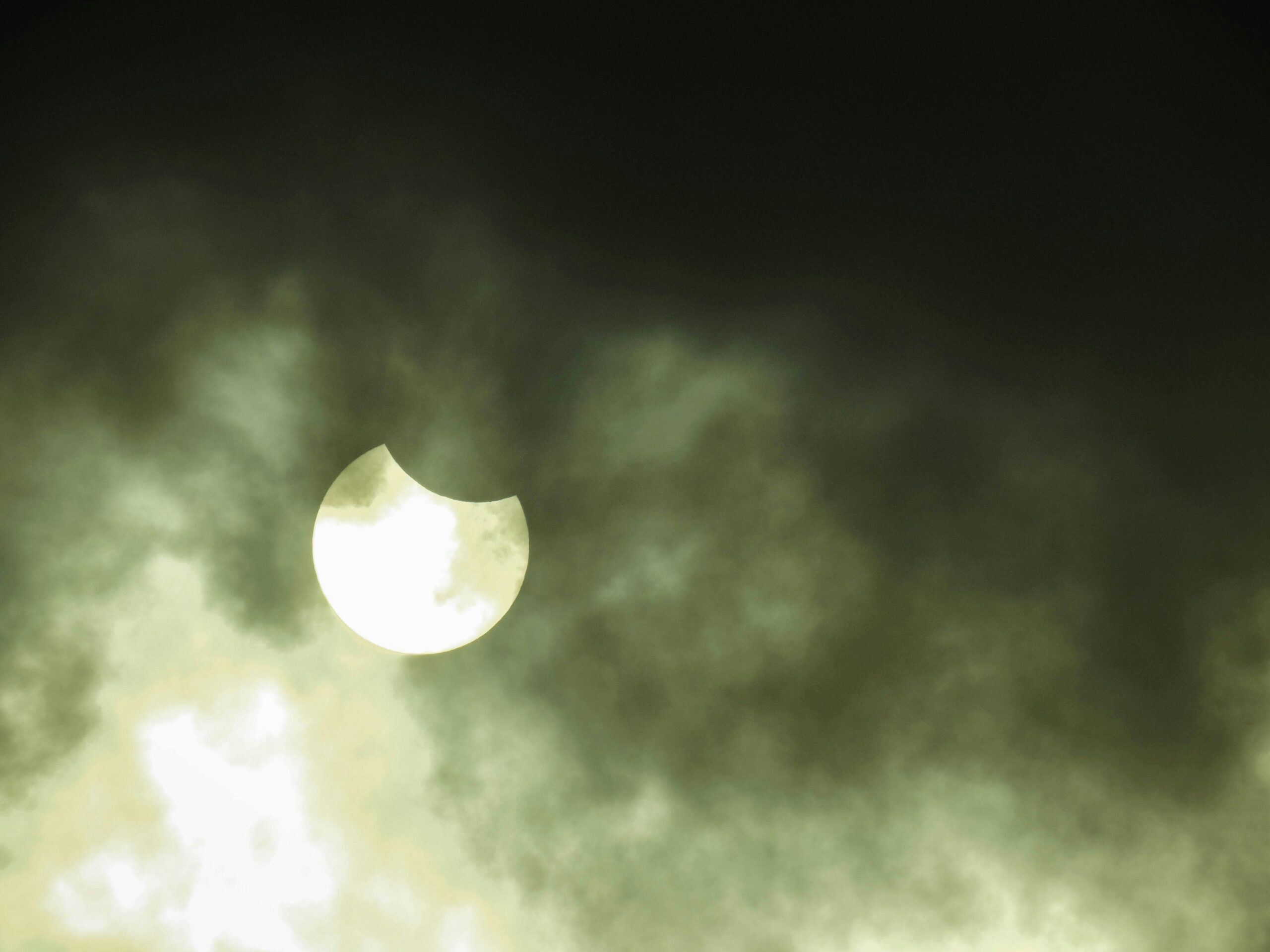
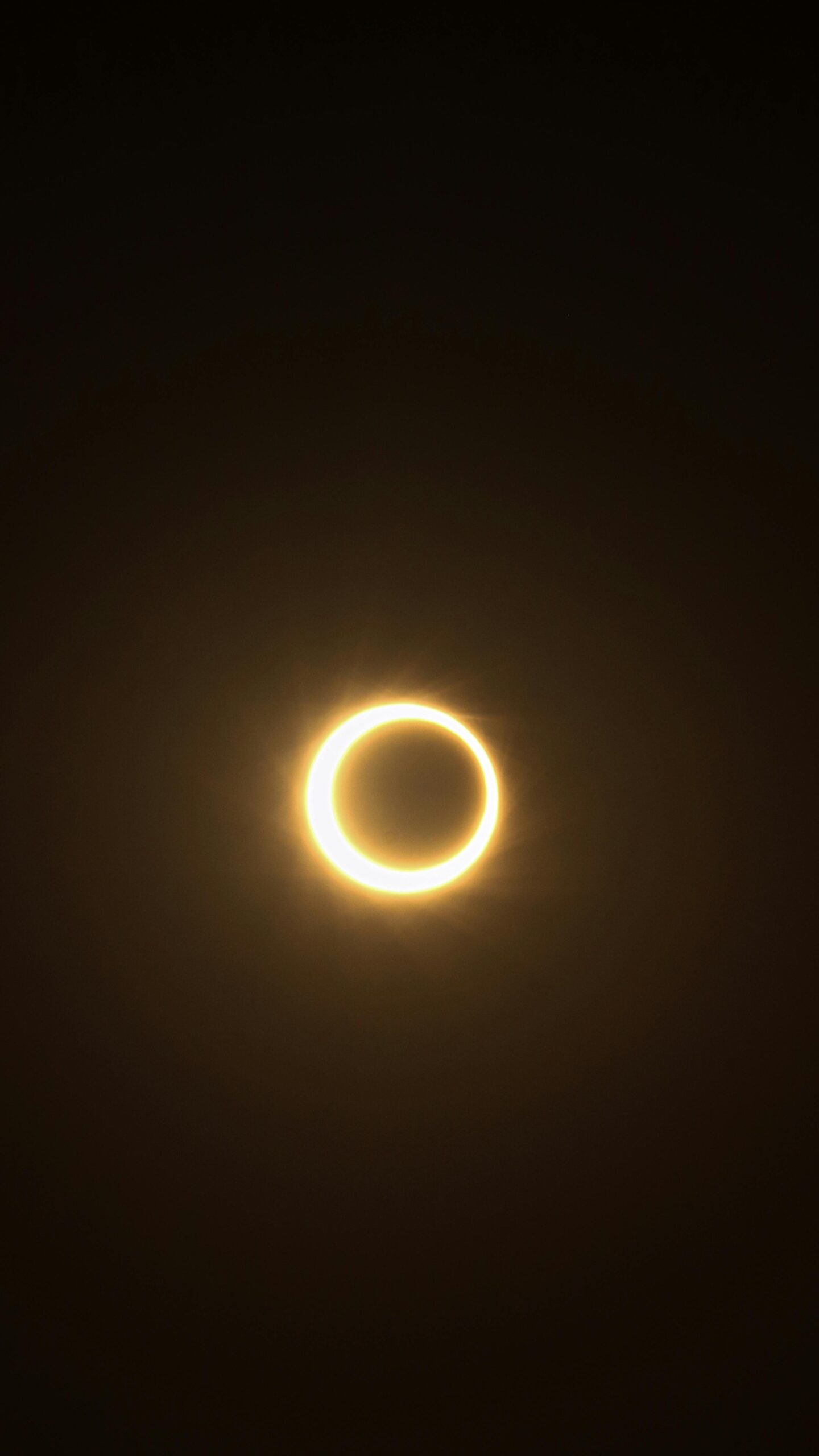
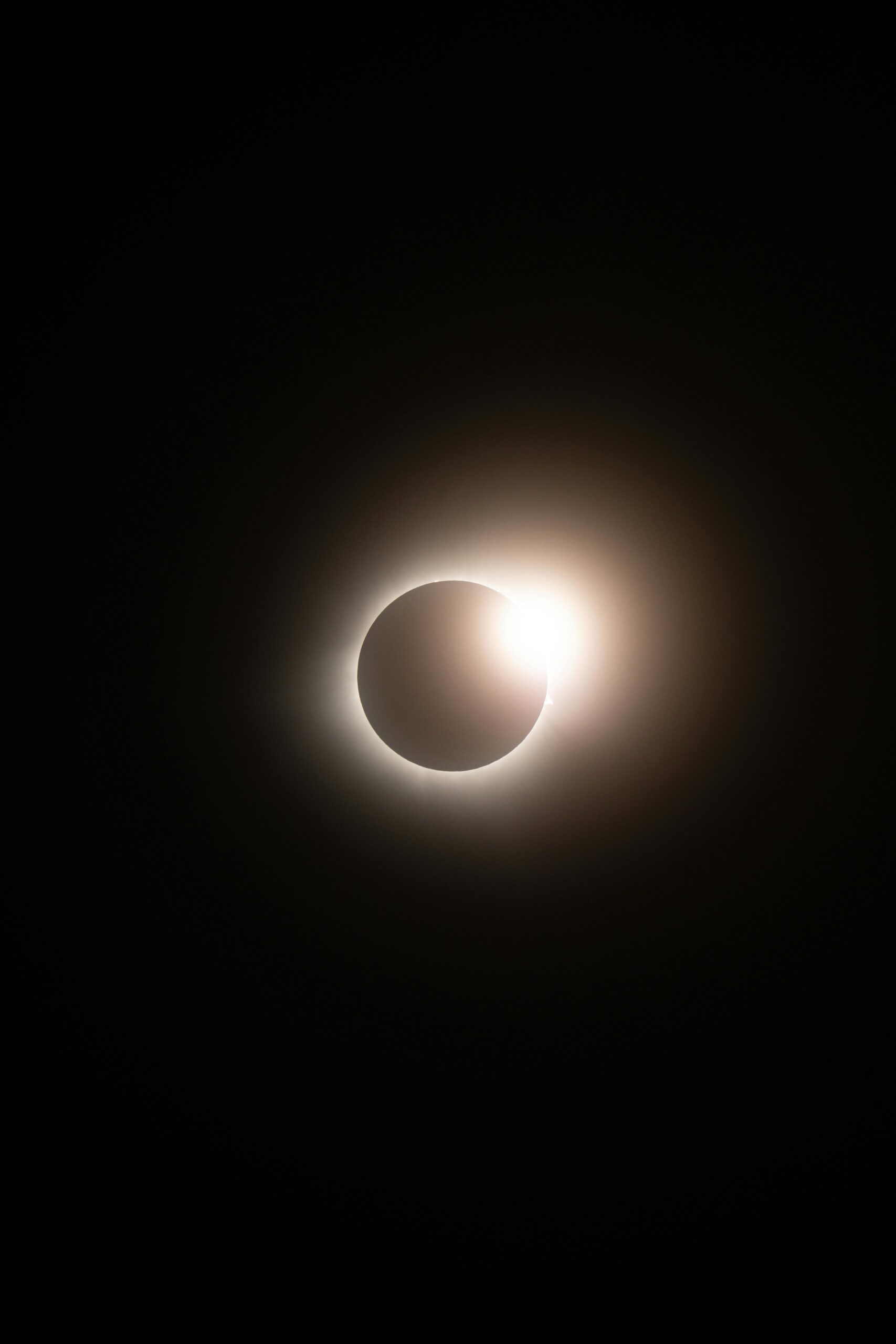
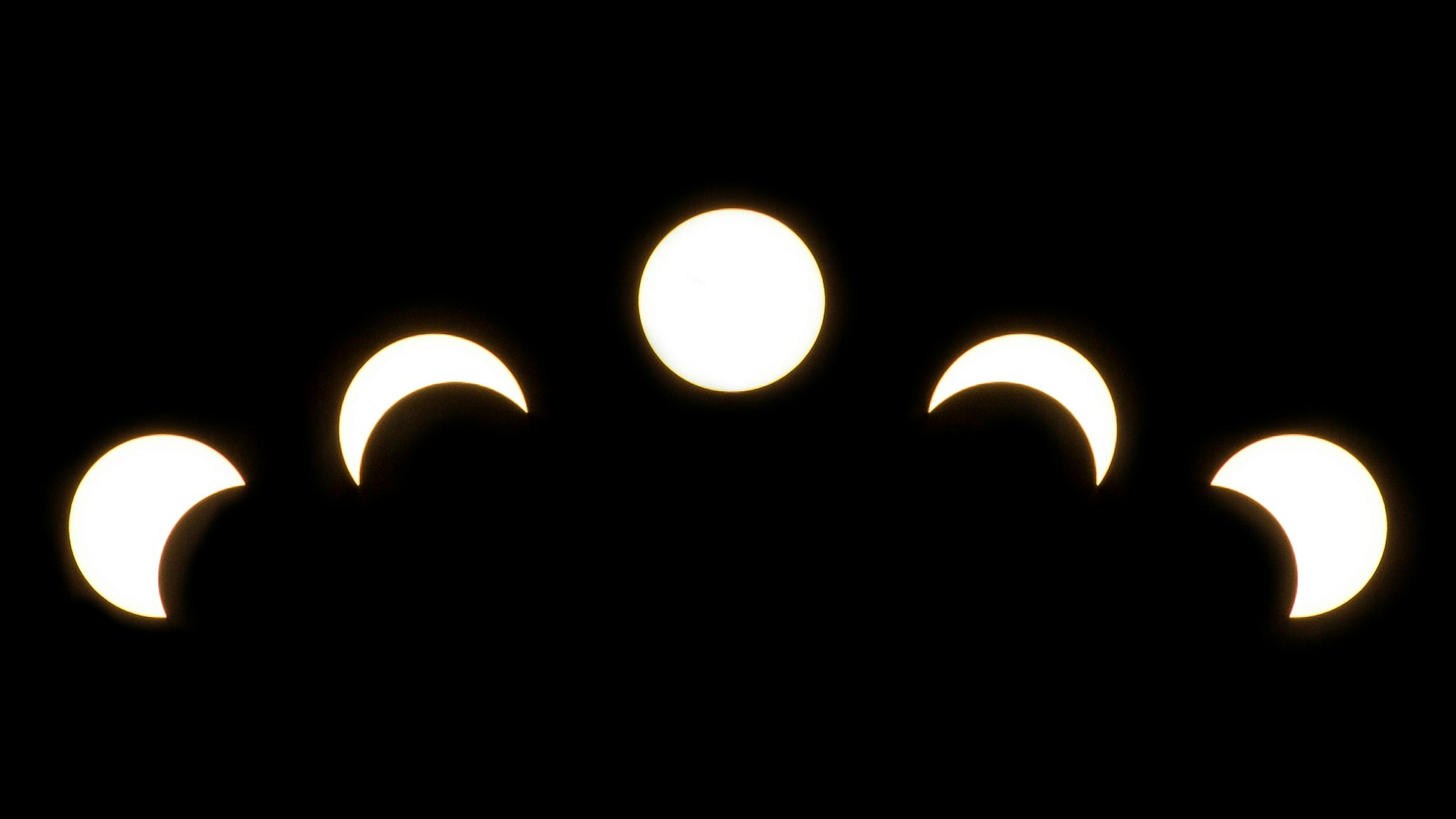
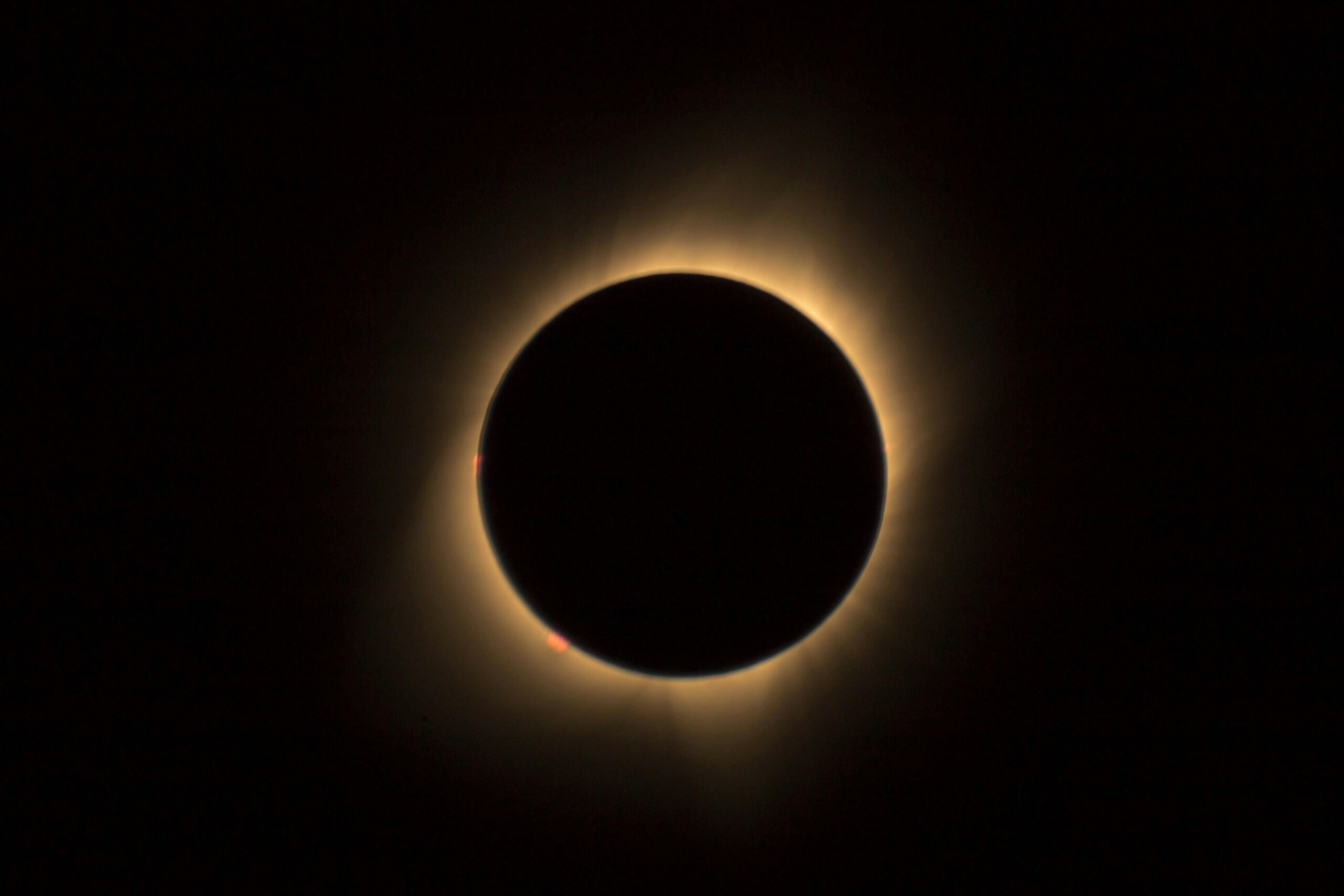
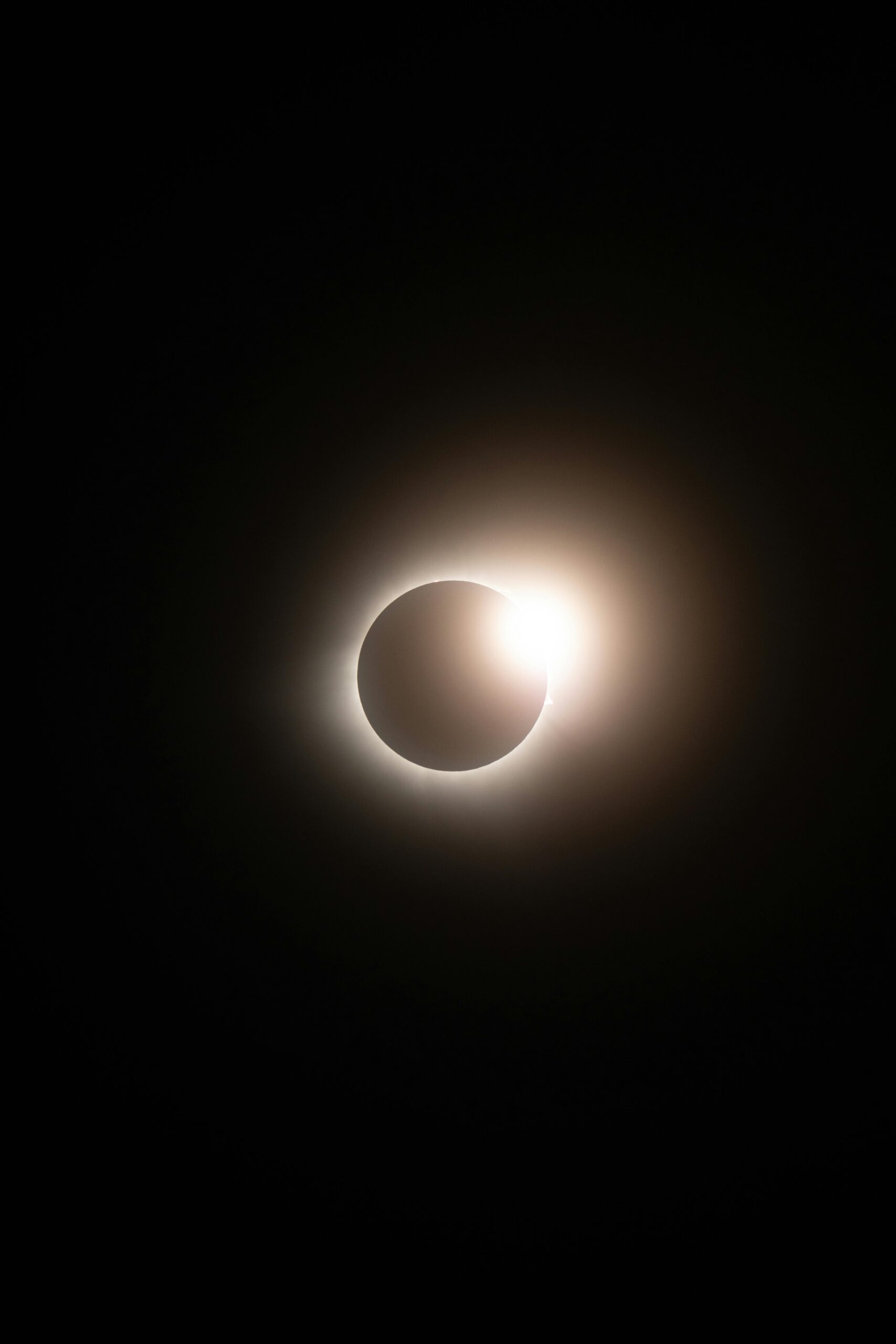
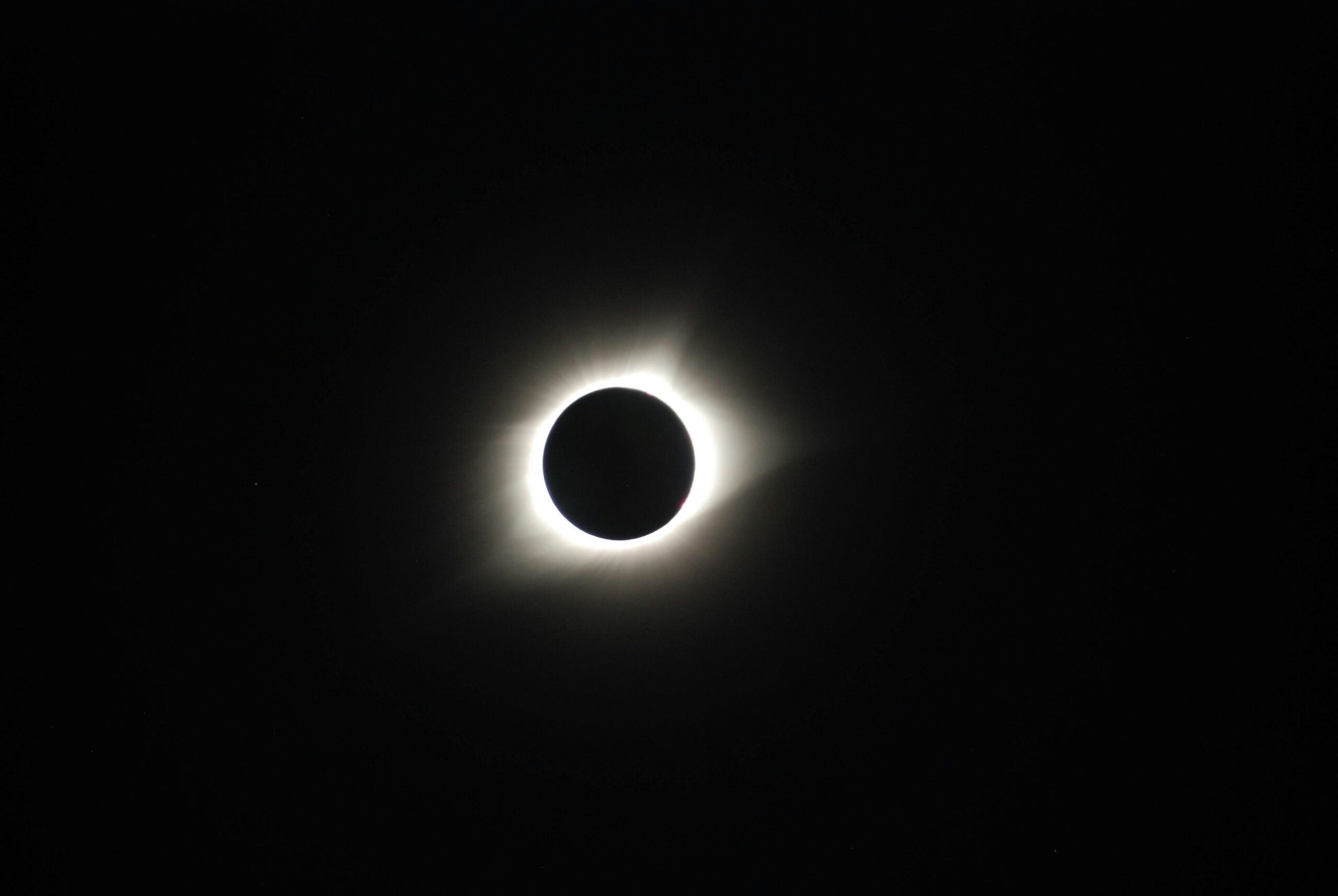
The celestial event of the decade is upon us. On April 8, 2024, a total solar eclipse will traverse North America, captivating millions of spectators. This rare phenomenon, where the moon completely obscures the sun, will offer a unique spectacle for both amateur and professional astronomers alike. The path of totality, where the eclipse will be most visible, will stretch from Mexico through the United States and into Canada. This event promises to be a memorable experience for all who witness it.
The Path of Totality: Where to Watch
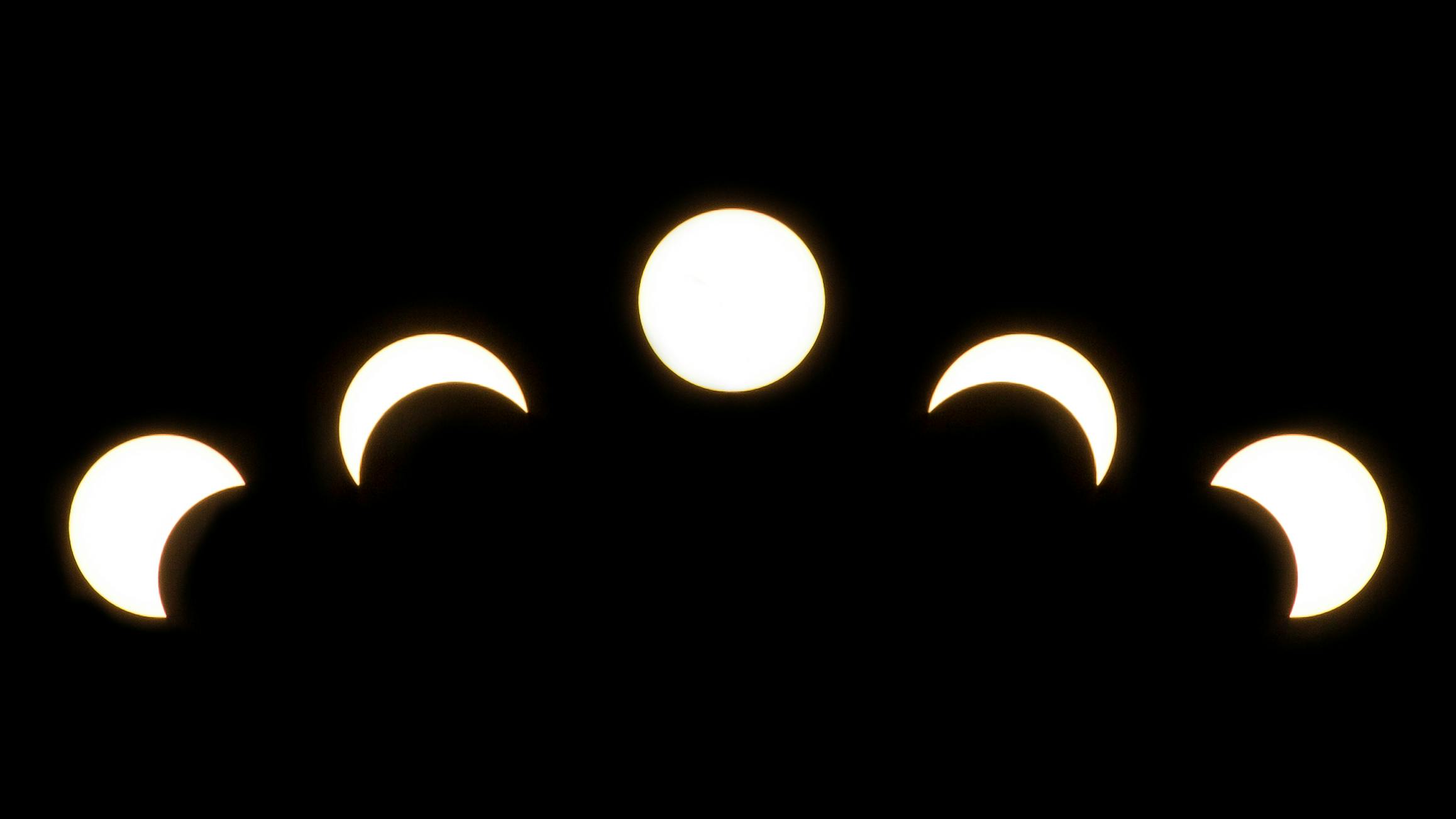
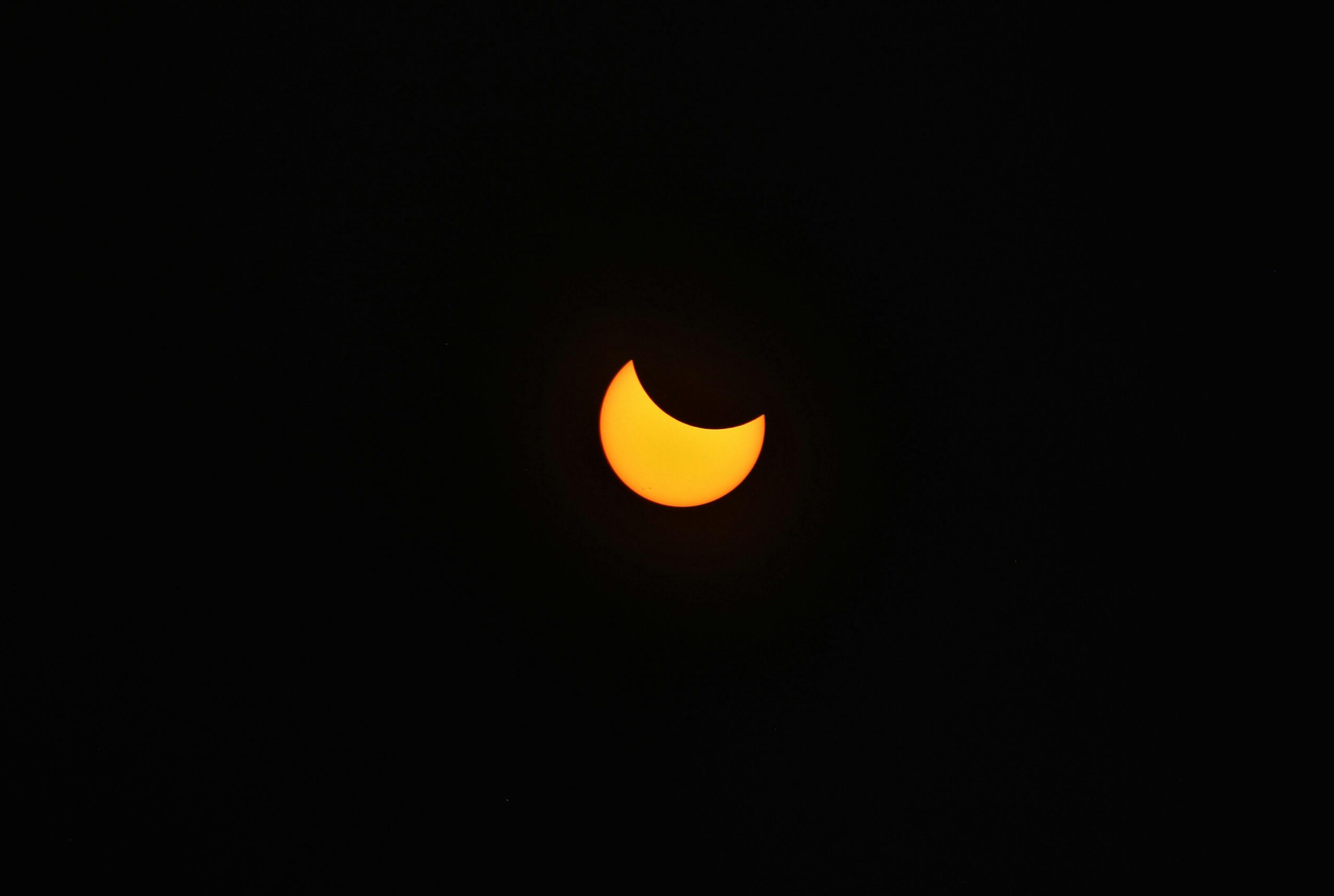
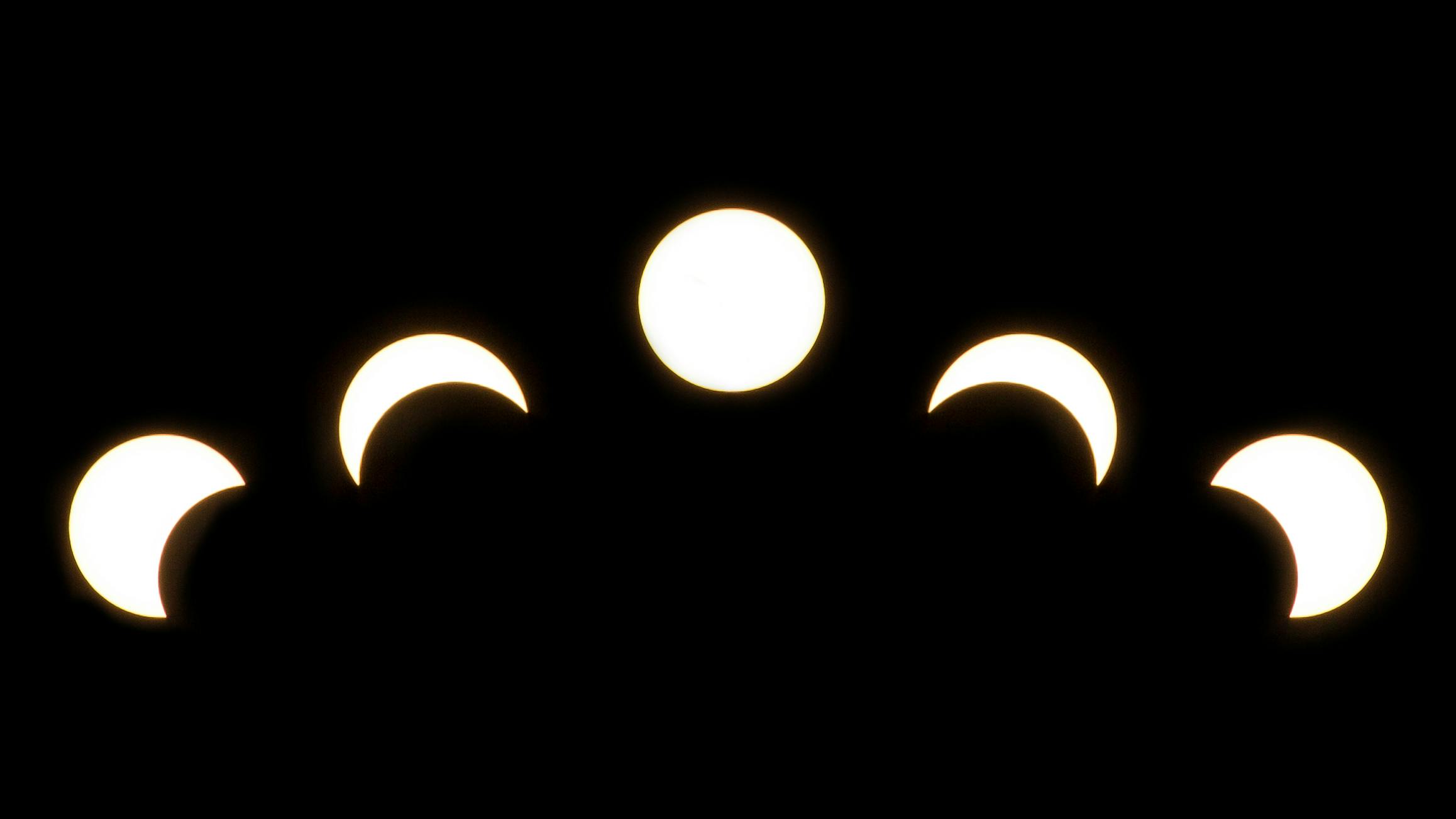
The path of totality for the 2024 solar eclipse will begin in the Pacific Ocean, making landfall in Mexico before crossing into the United States. Major cities such as Dallas, Texas; Indianapolis, Indiana; and Buffalo, New York, will experience totality. The eclipse will then continue into Canada, passing through cities like Montreal and Fredericton before heading out into the Atlantic Ocean. For those outside the path of totality, a partial eclipse will still be visible, though the experience will not be as dramatic.
To ensure you have the best viewing experience, it’s essential to plan ahead. Many communities along the path of totality are preparing for an influx of visitors. Accommodation and travel arrangements should be made well in advance. Additionally, consider the weather conditions in your chosen location. Clear skies are crucial for optimal viewing.
Safety First: Protecting Your Eyes
Viewing a solar eclipse requires proper eye protection. Looking directly at the sun, even during an eclipse, can cause permanent eye damage. Specialized eclipse glasses that meet the ISO 12312-2 international safety standard are necessary. Regular sunglasses are not sufficient. These glasses should be worn whenever looking at the sun, except during the brief period of totality when the moon completely covers the sun.
For those who prefer to view the eclipse indirectly, pinhole projectors are an excellent alternative. These simple devices project the image of the eclipse onto a surface, allowing you to observe the event safely. Instructions for making a pinhole projector can be found online, making it a fun and educational activity for families and schools.
The Science Behind the Eclipse
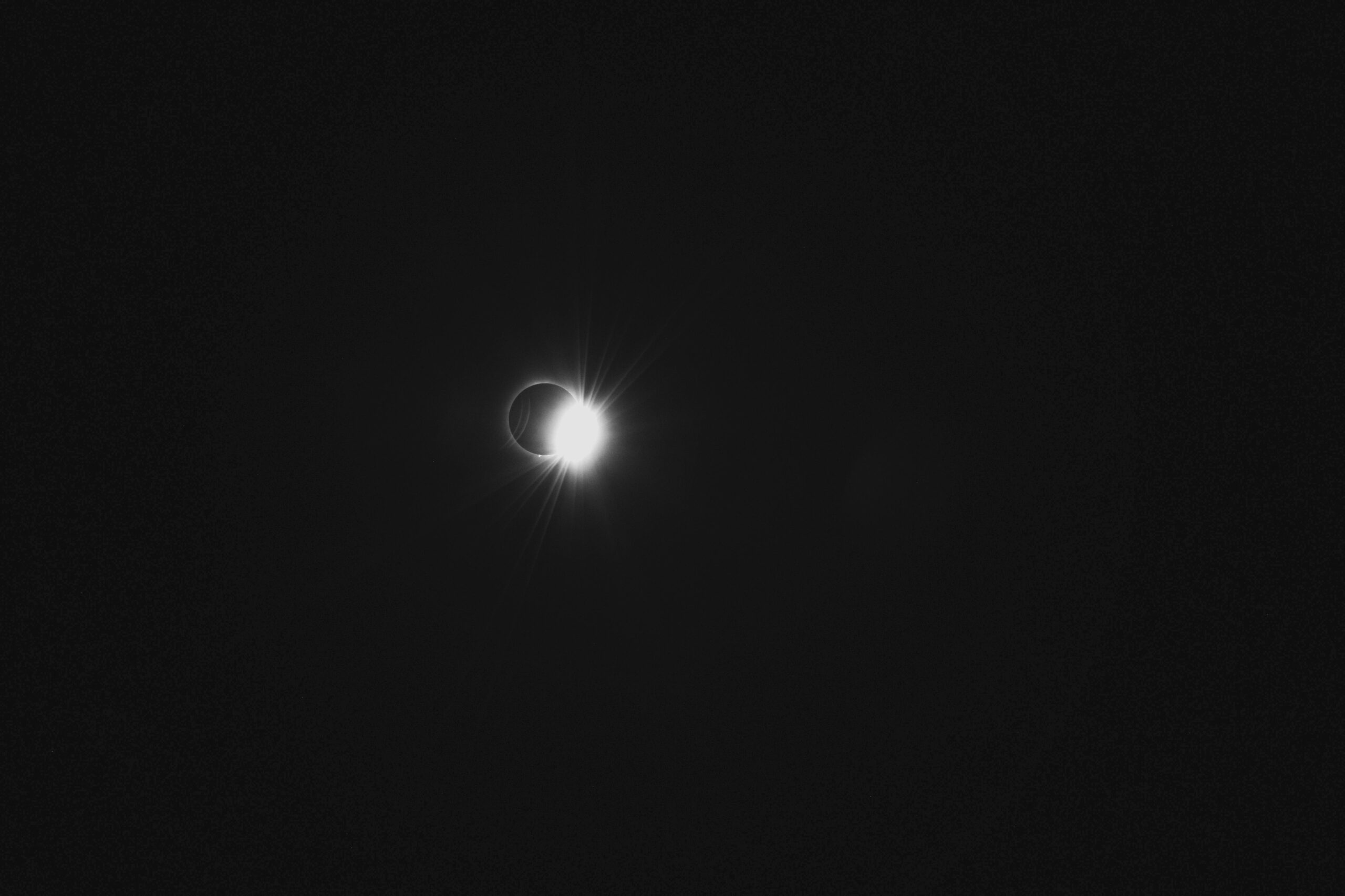
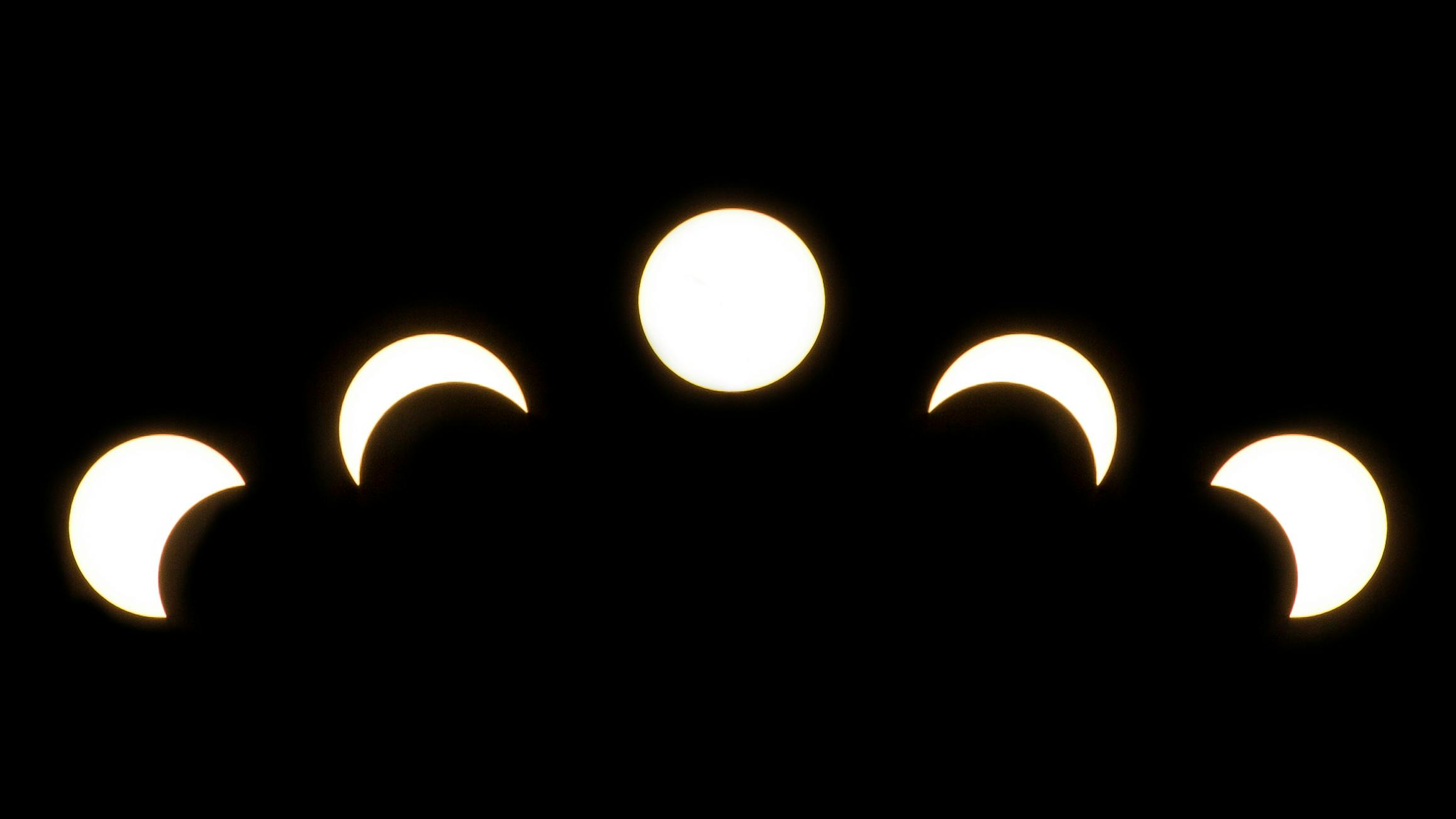
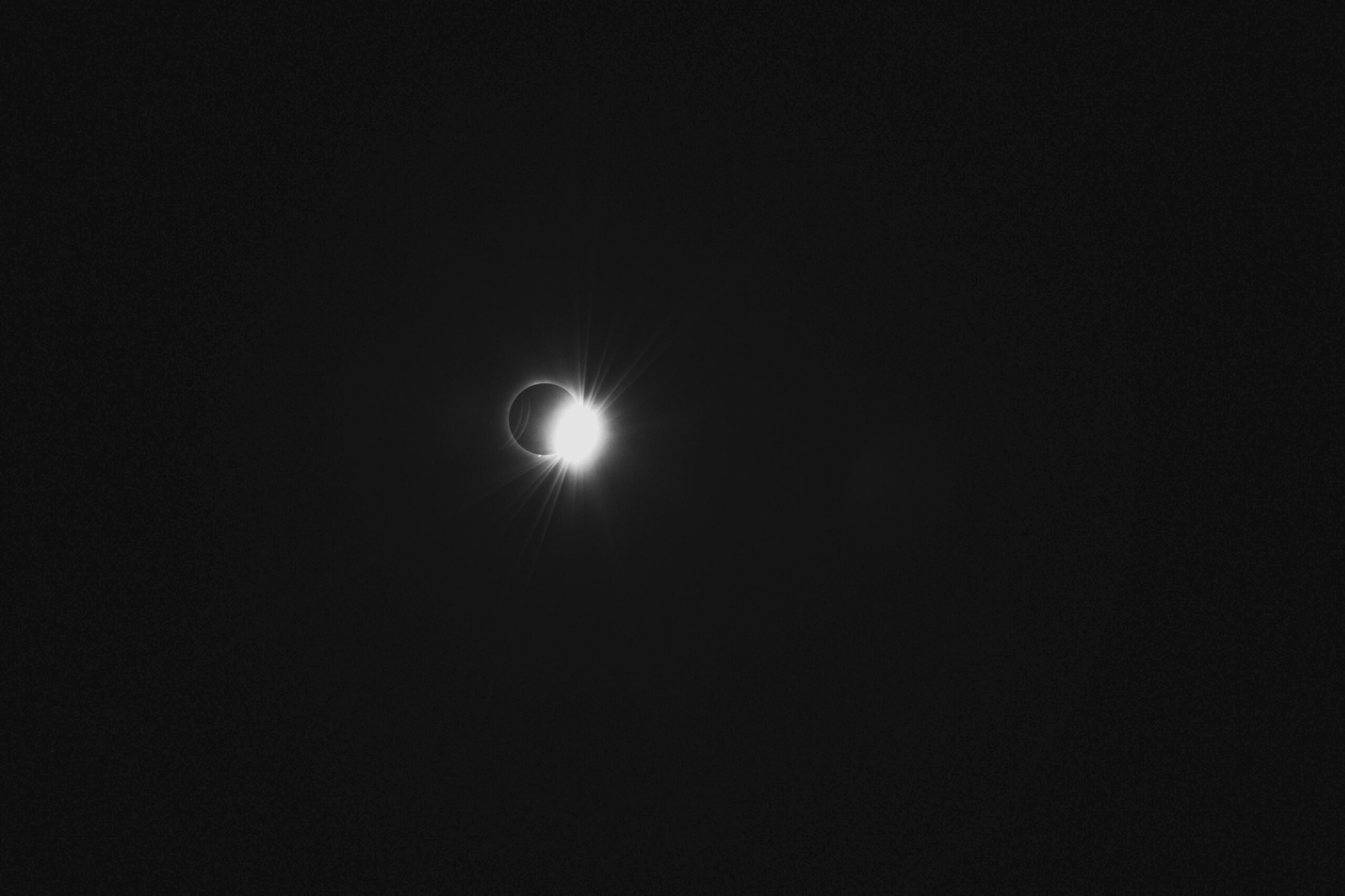
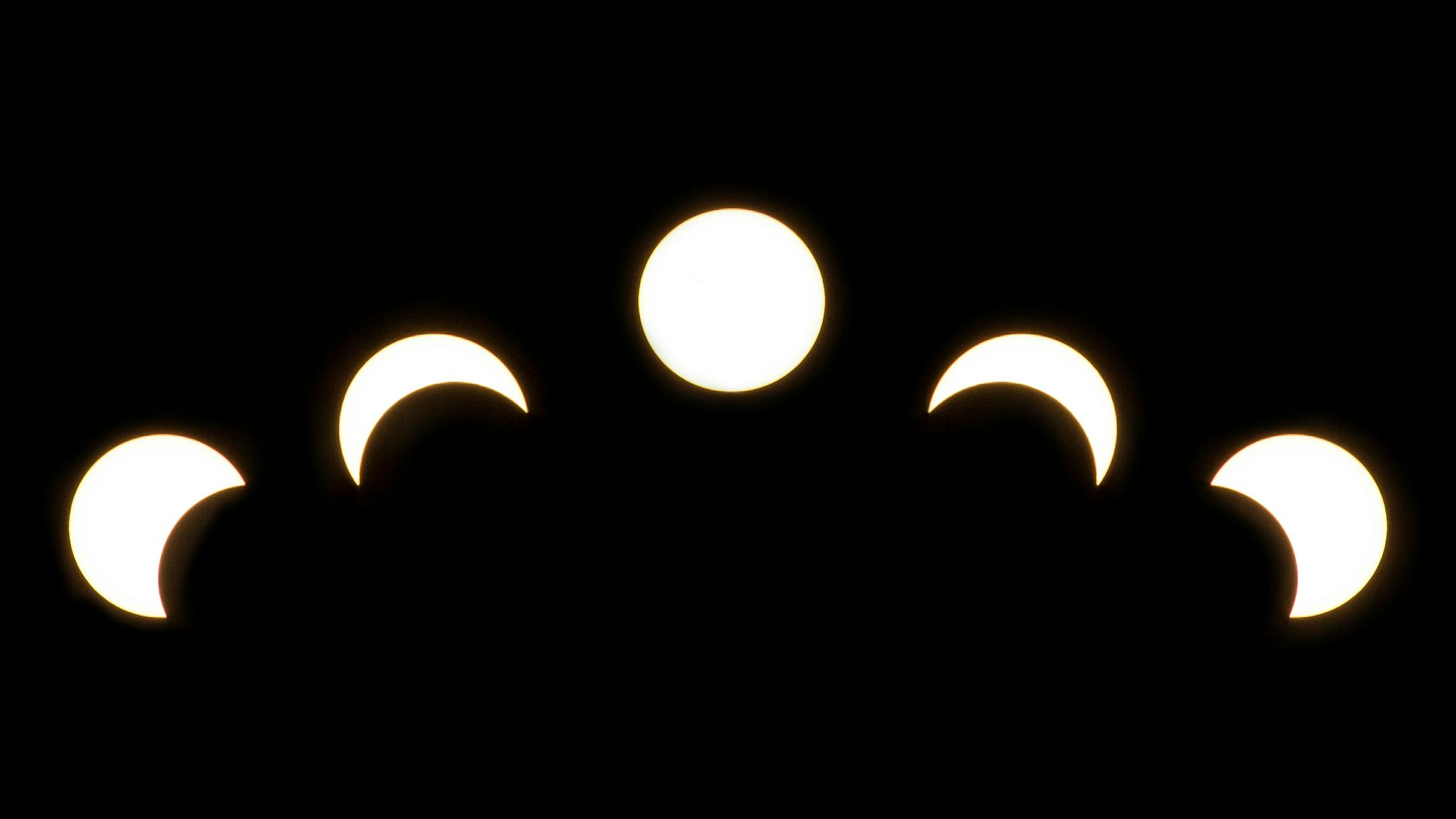
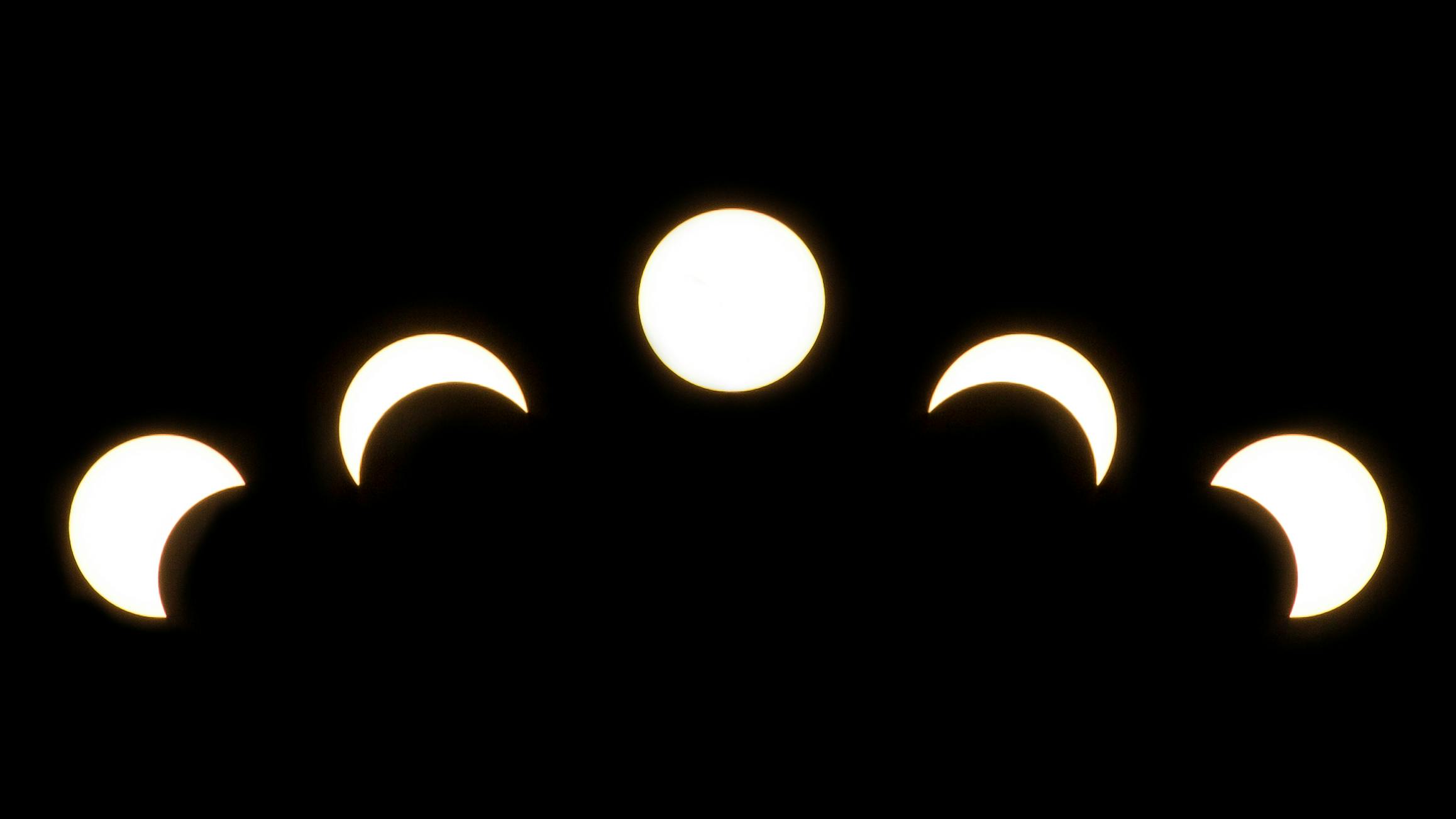
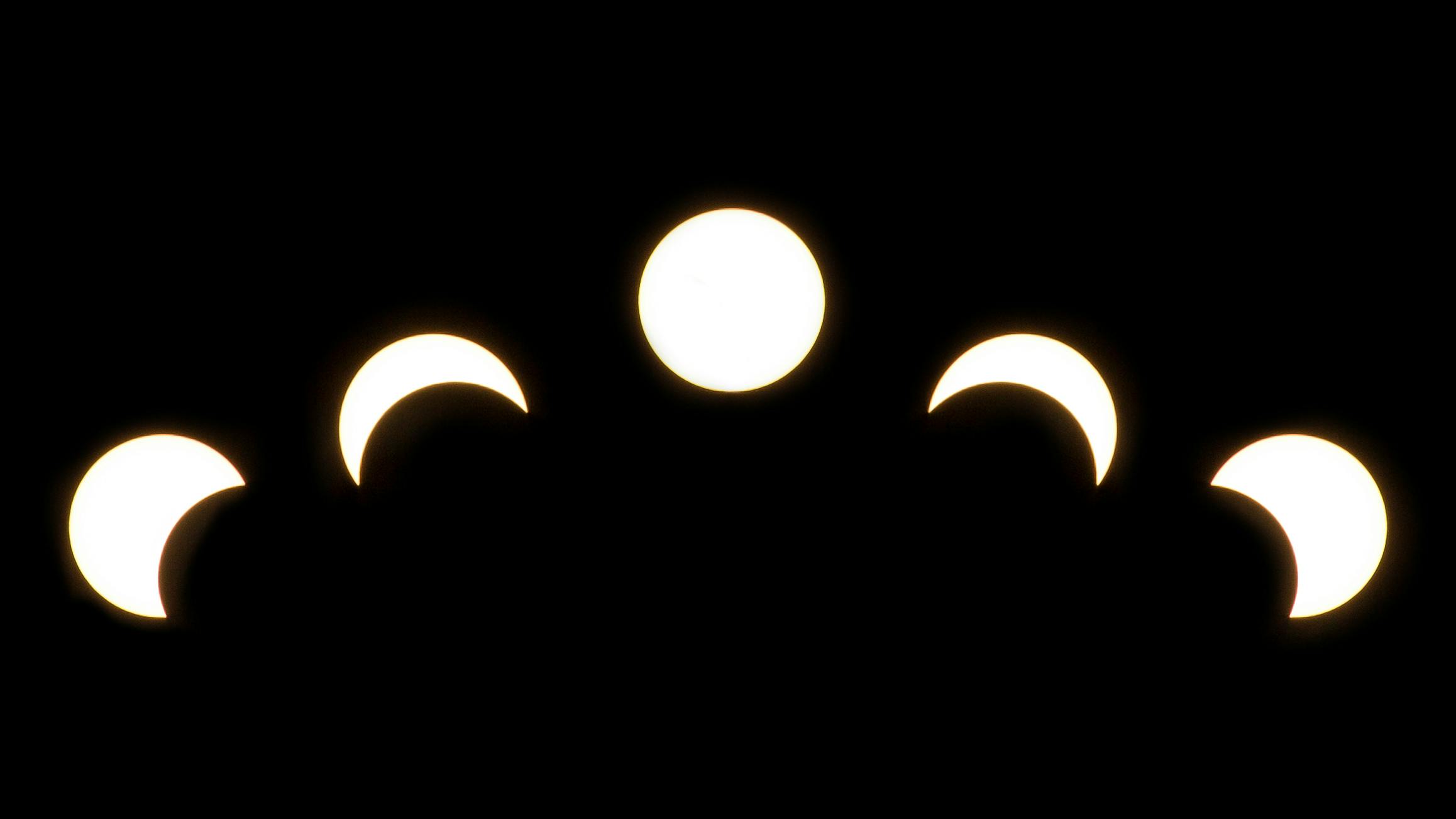
A solar eclipse occurs when the moon passes between the Earth and the sun, casting a shadow on the Earth’s surface. The 2024 eclipse is particularly special because it will be a total eclipse, meaning the moon will completely cover the sun for a brief period. This phenomenon is a result of the moon’s orbit around the Earth and the Earth’s orbit around the sun. The alignment of these celestial bodies is a rare and awe-inspiring event.
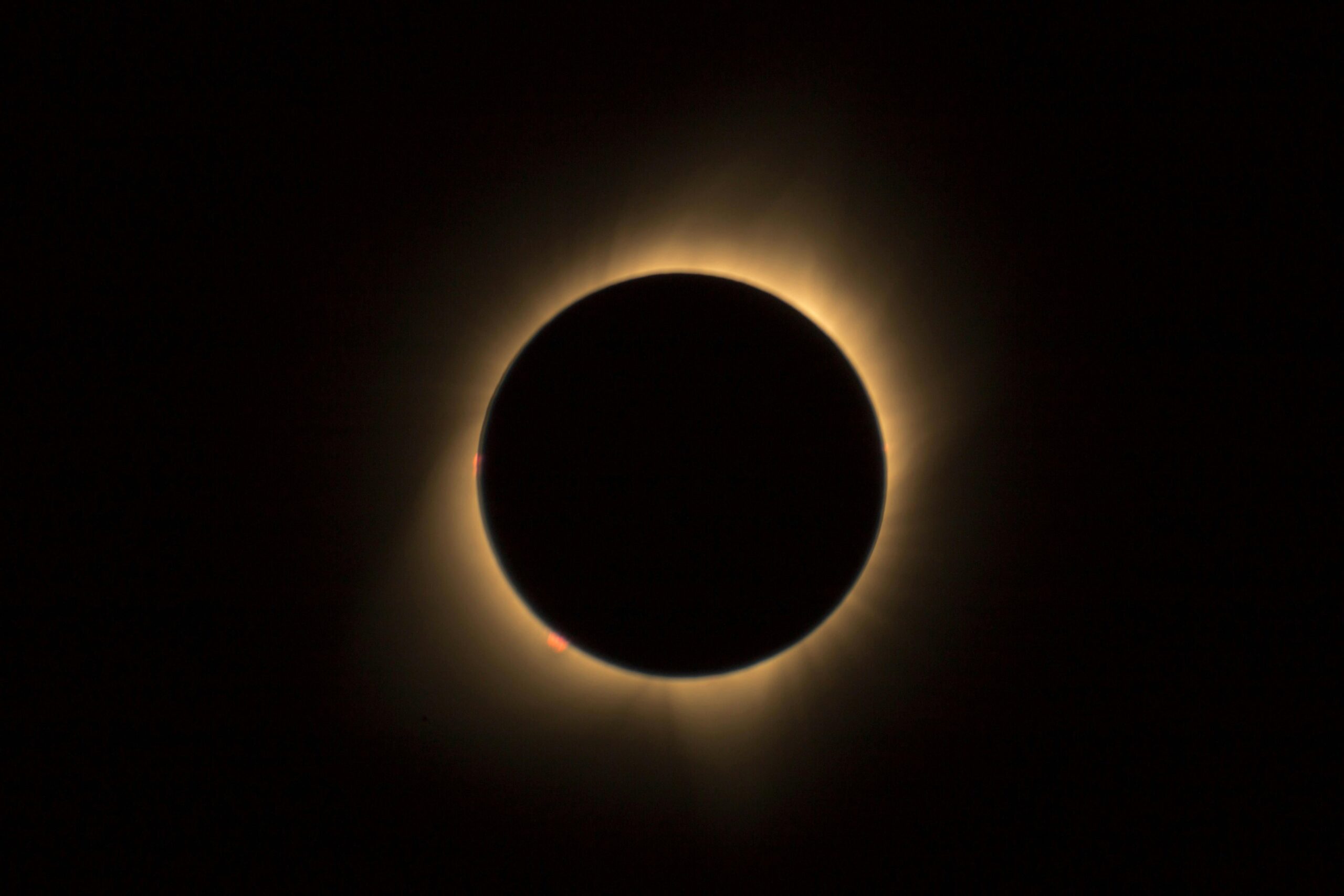
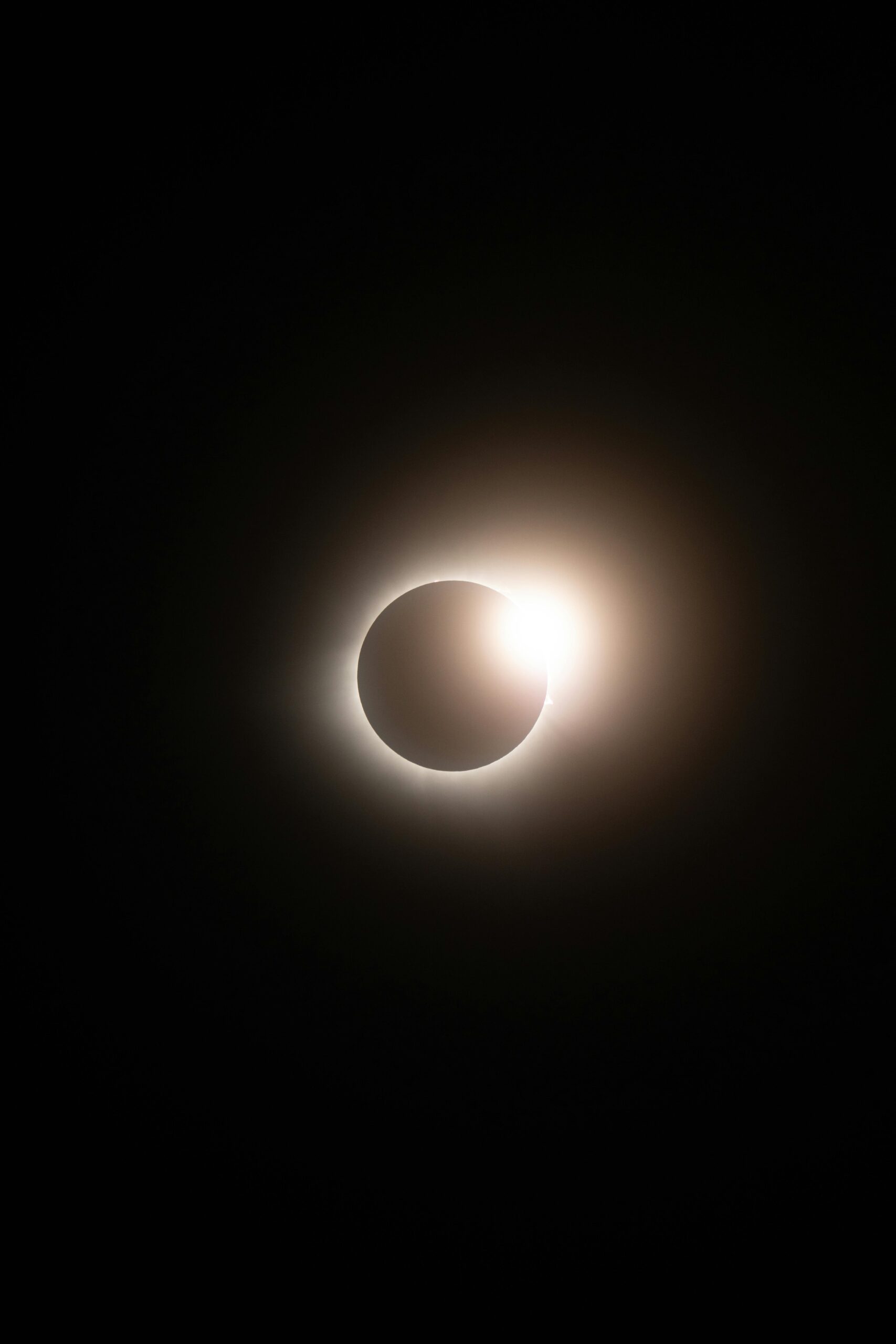
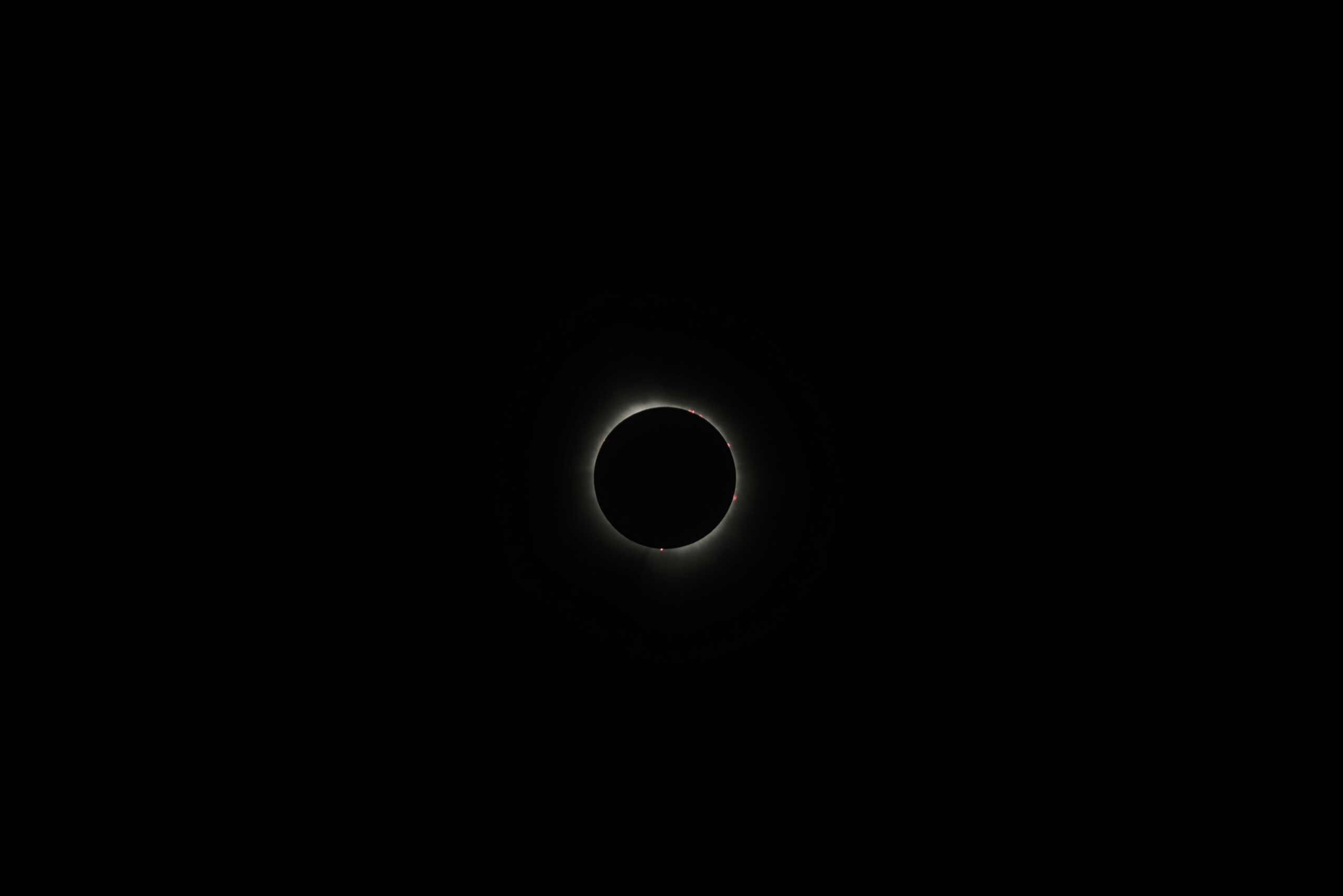
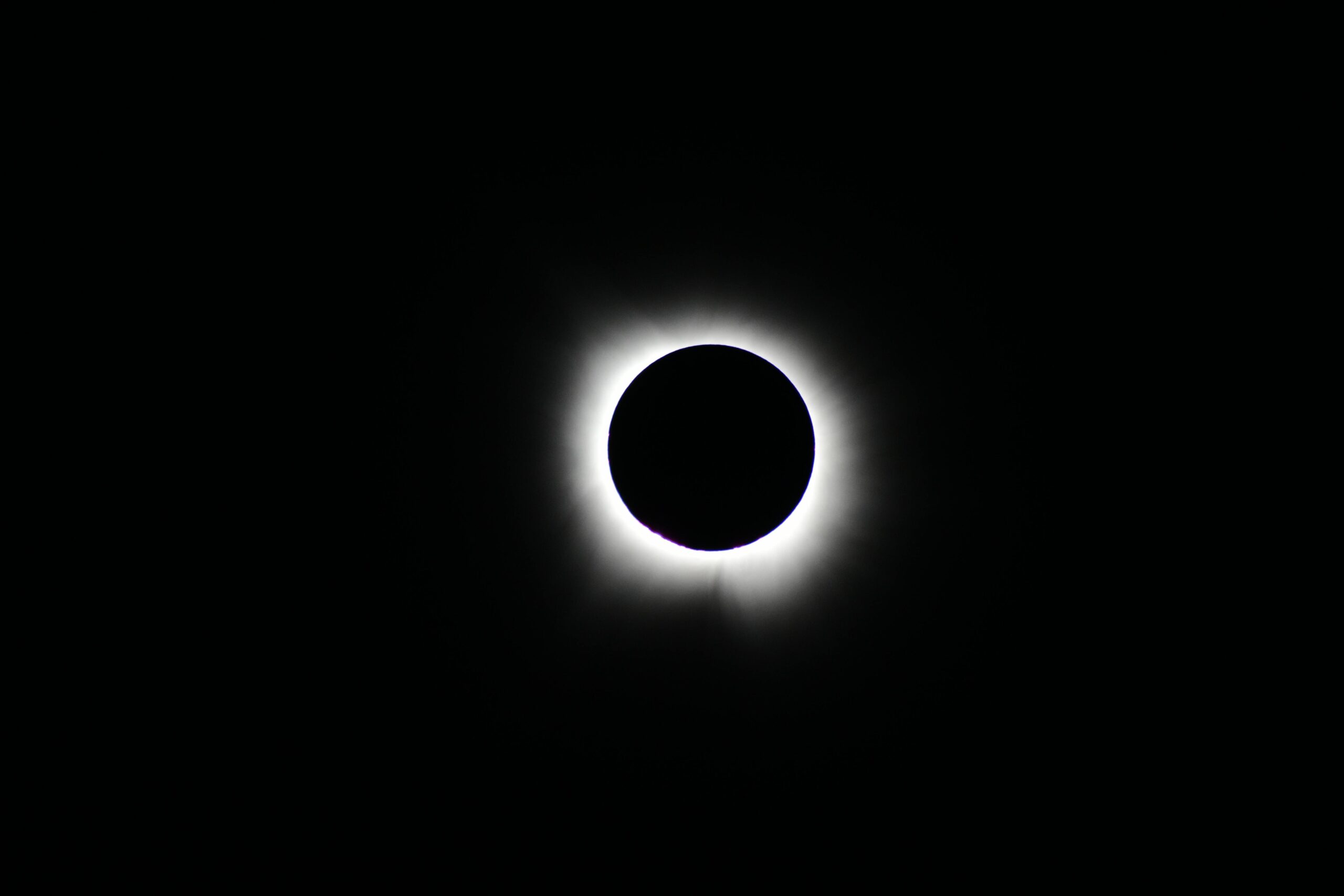
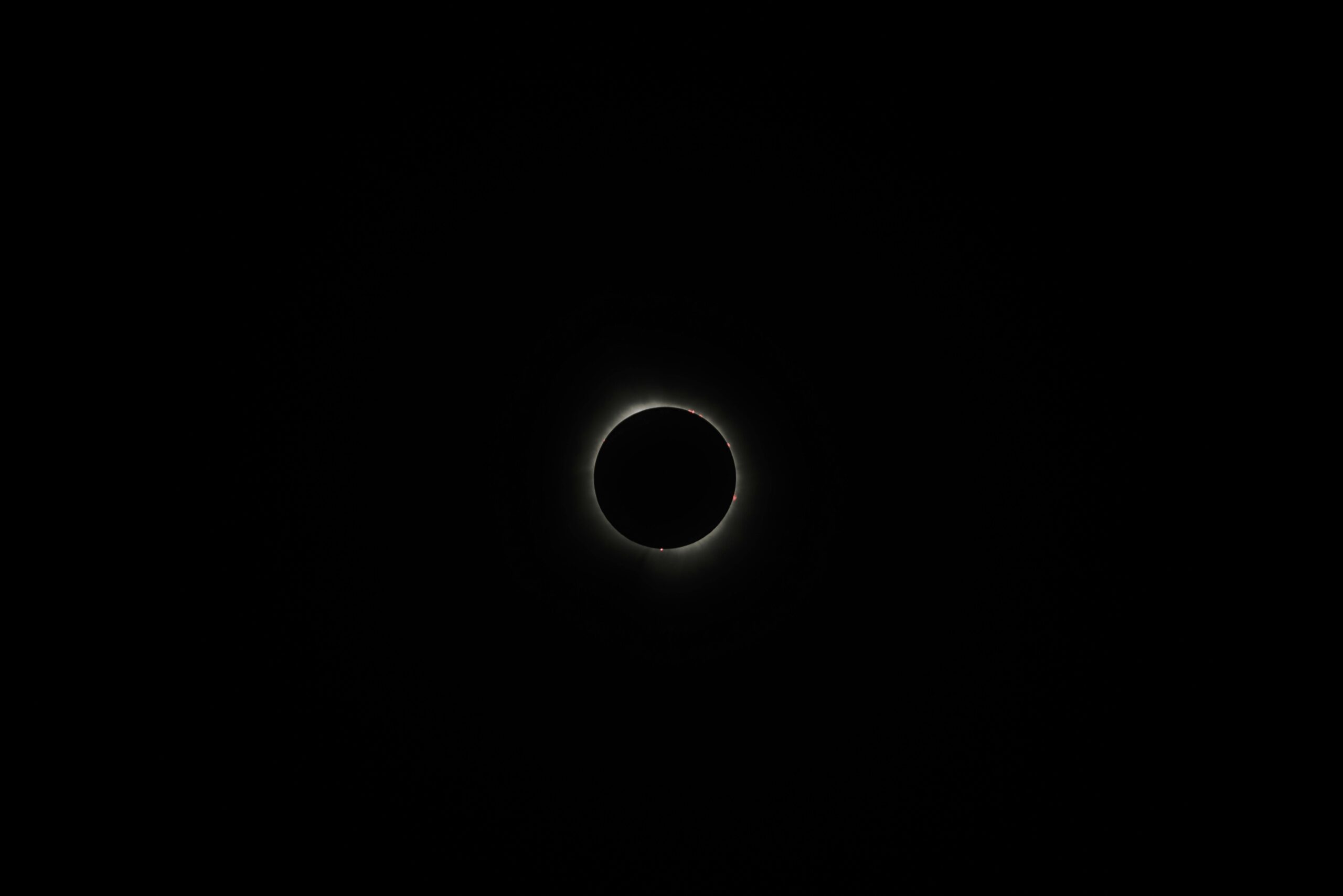
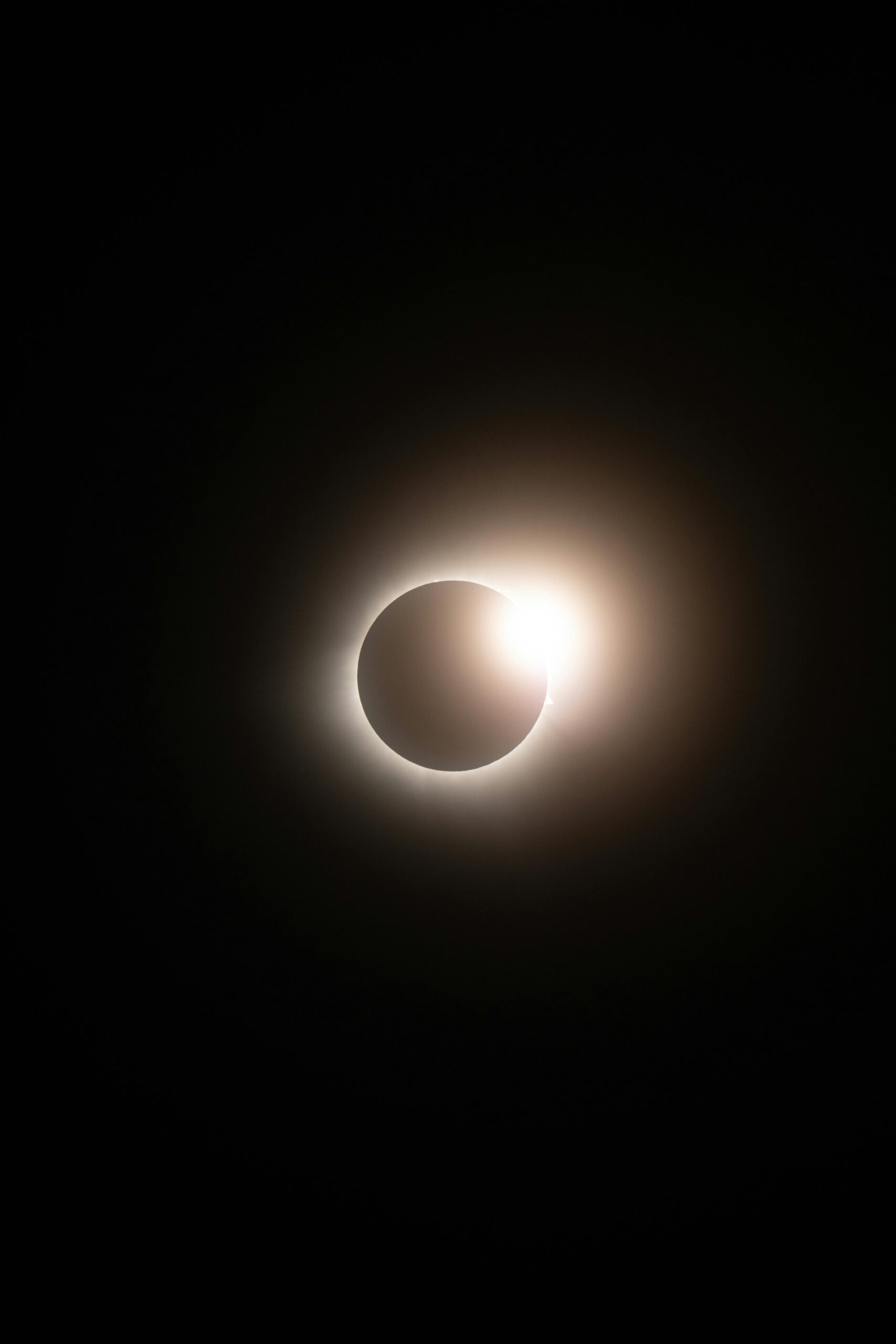
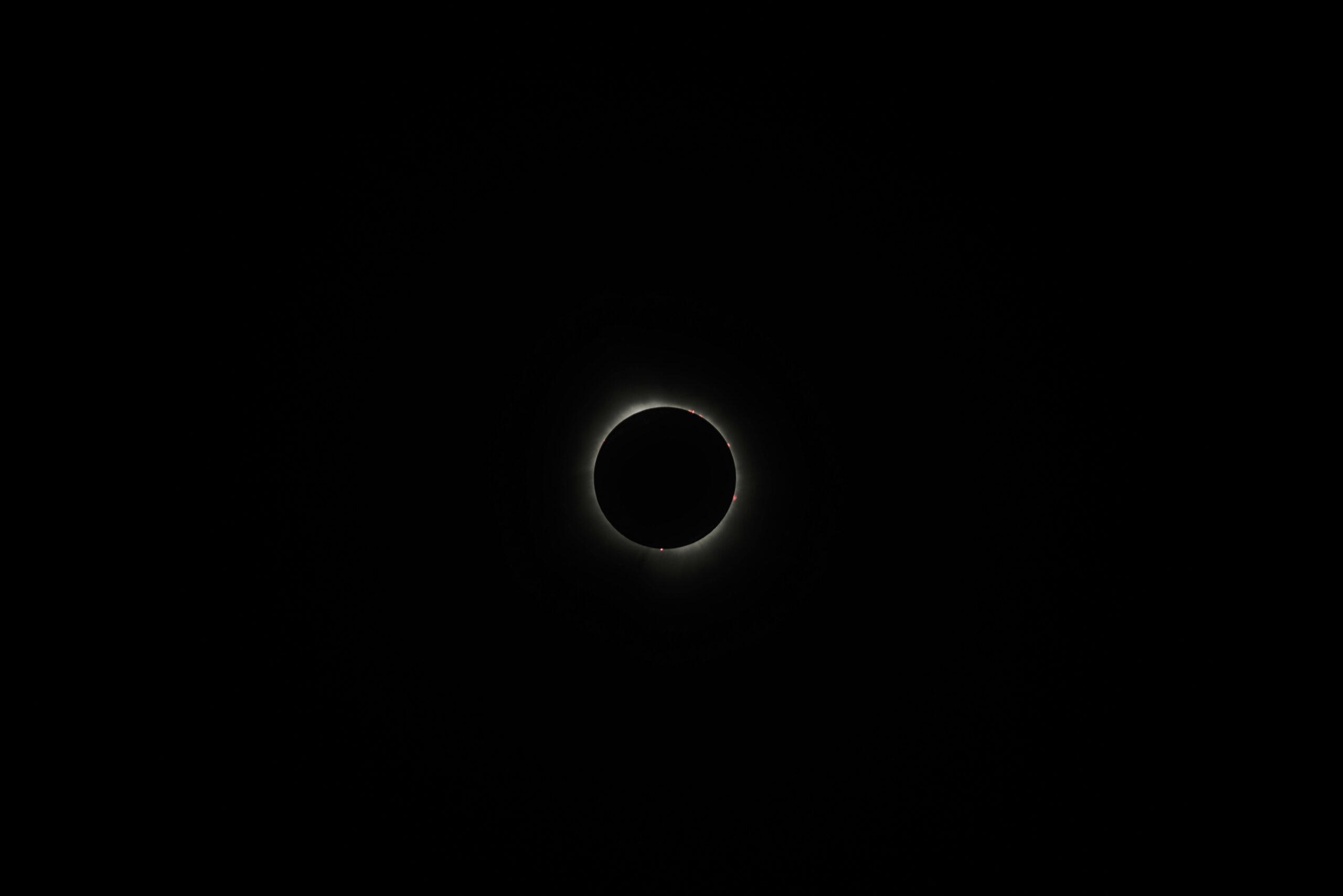
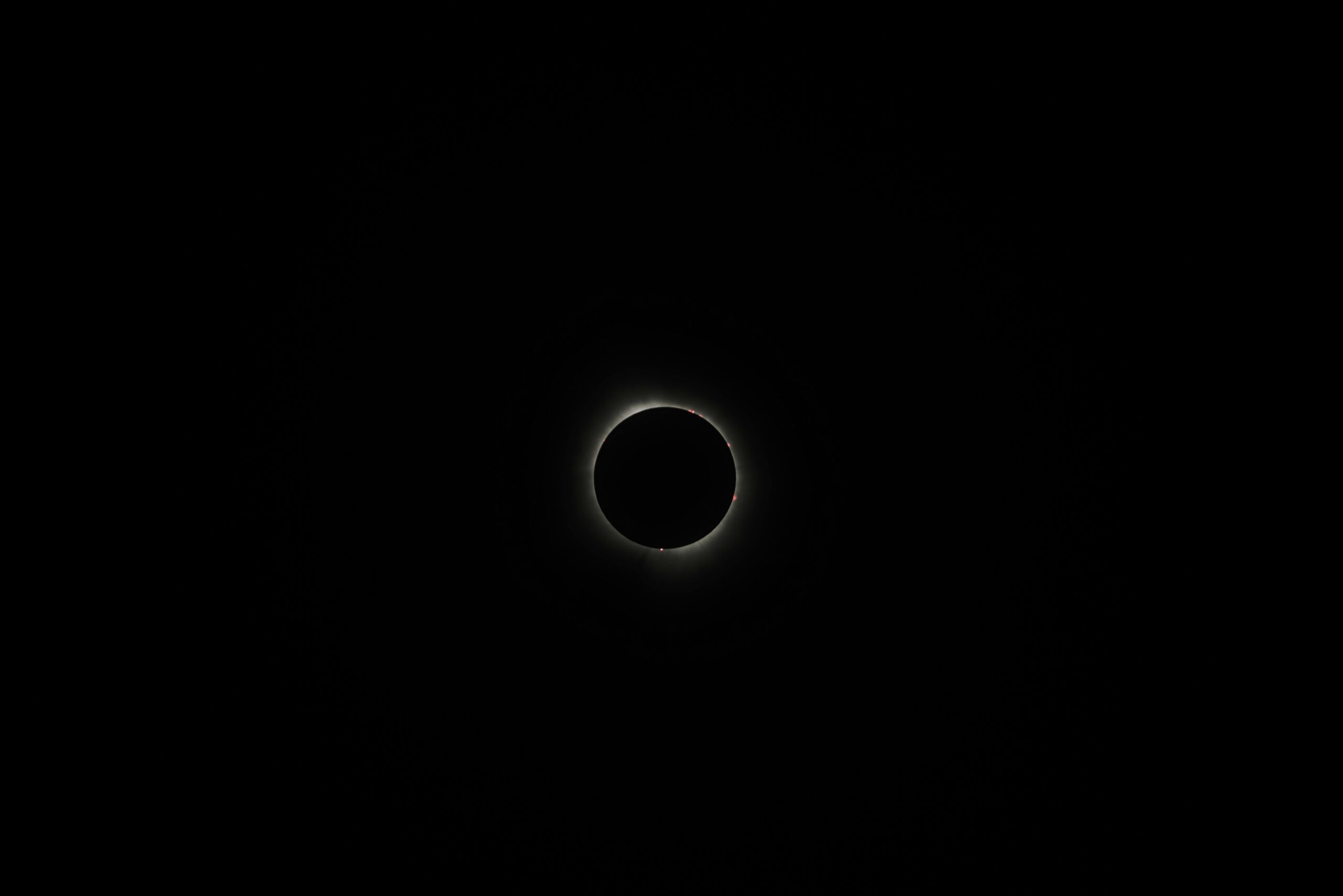
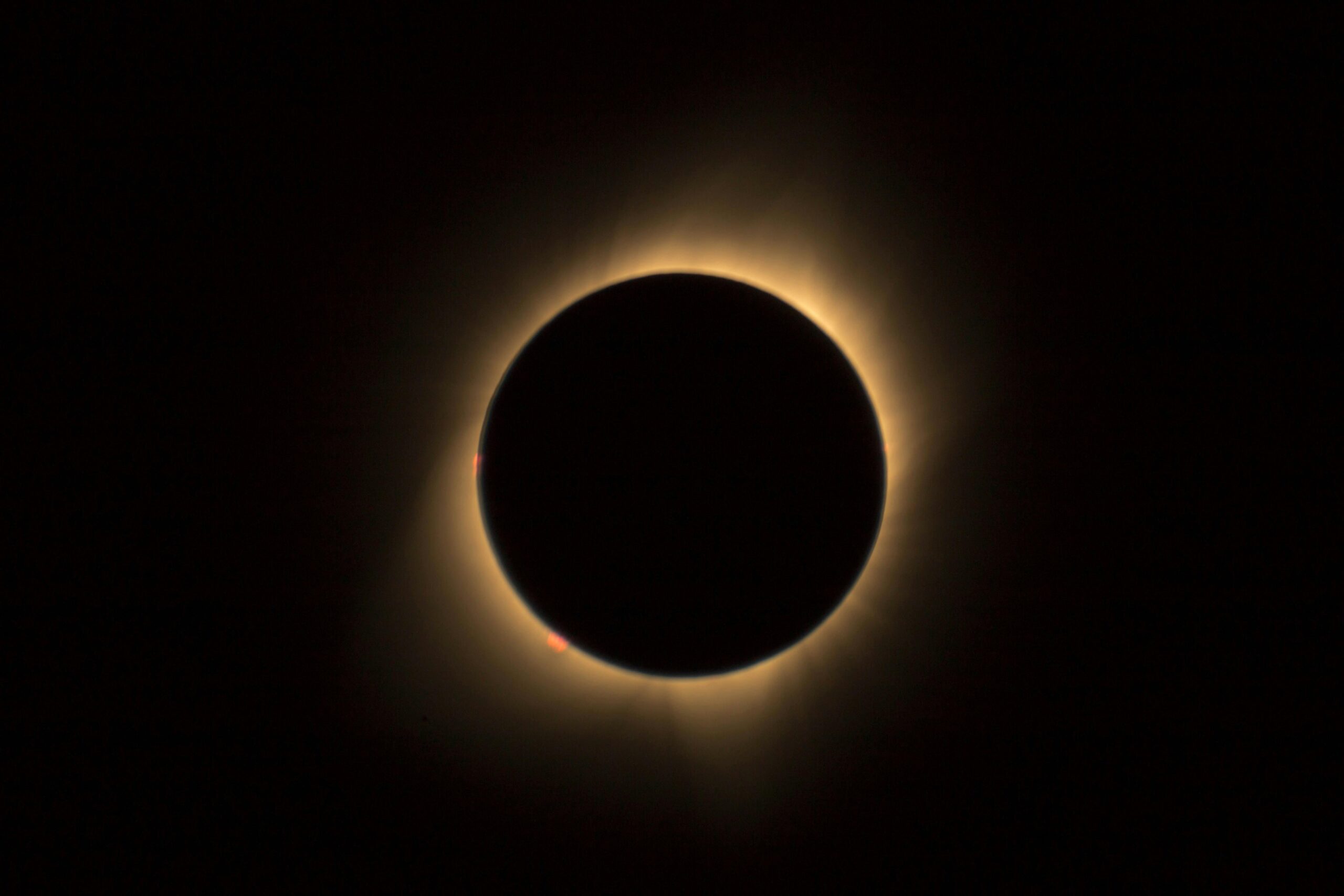
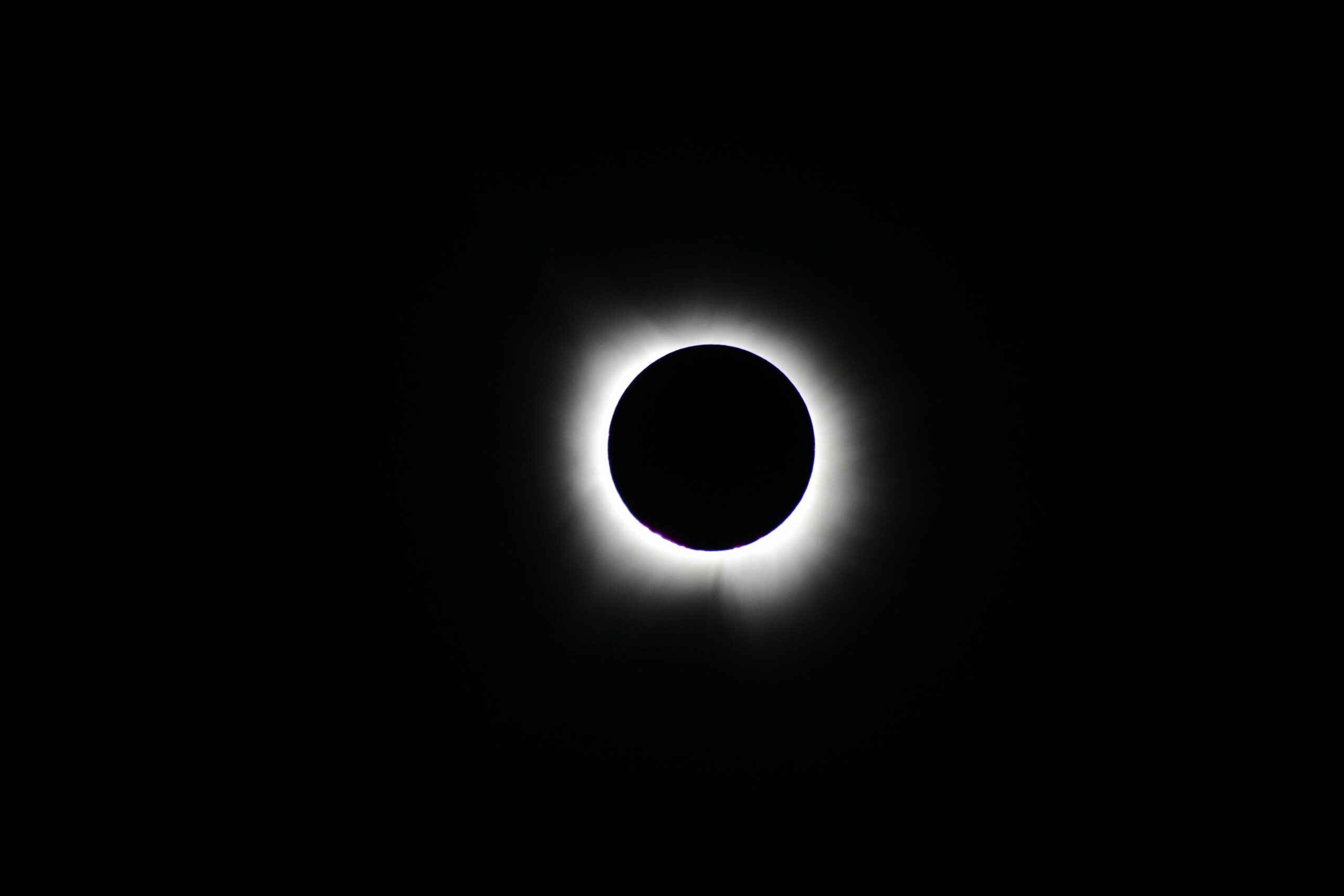
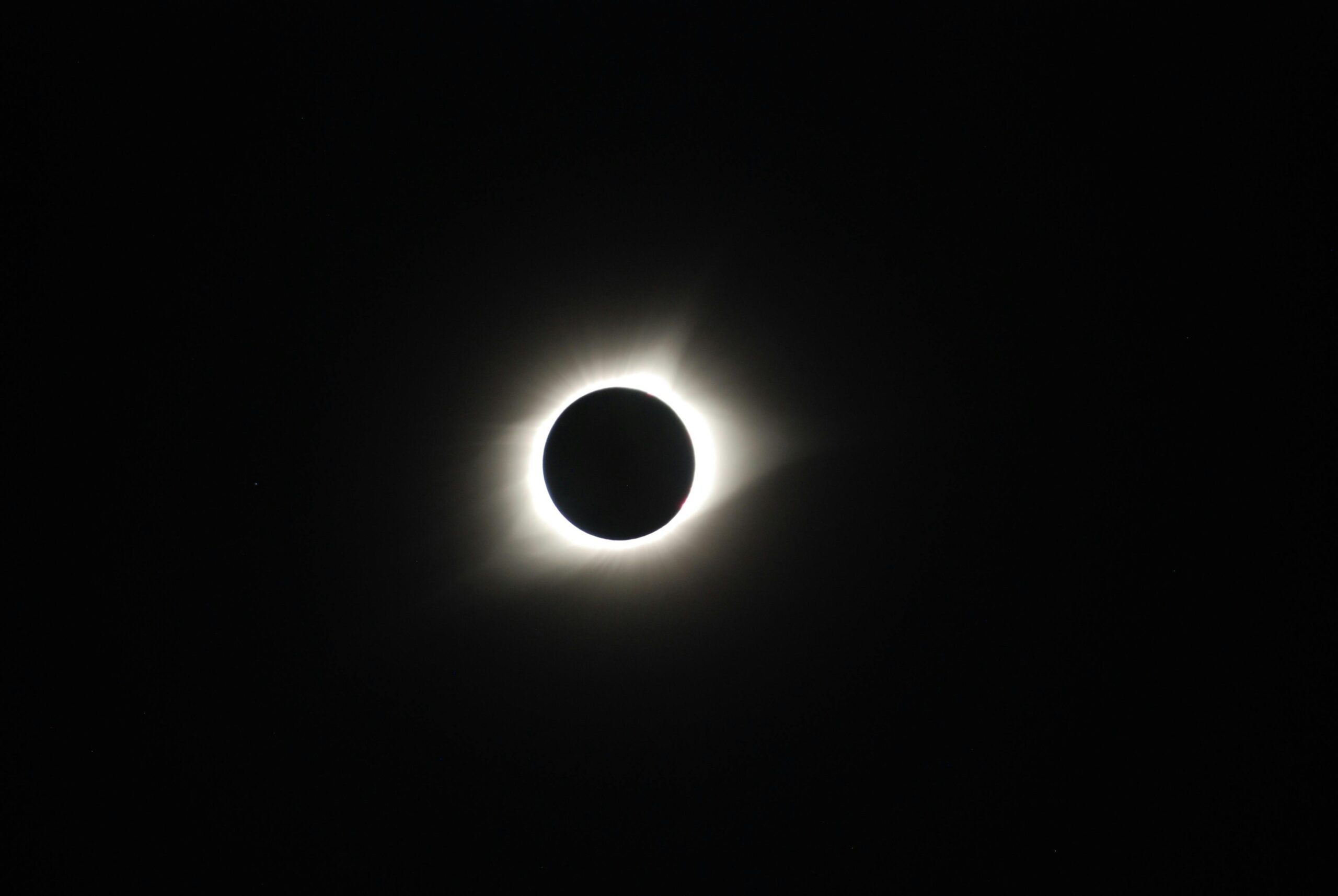
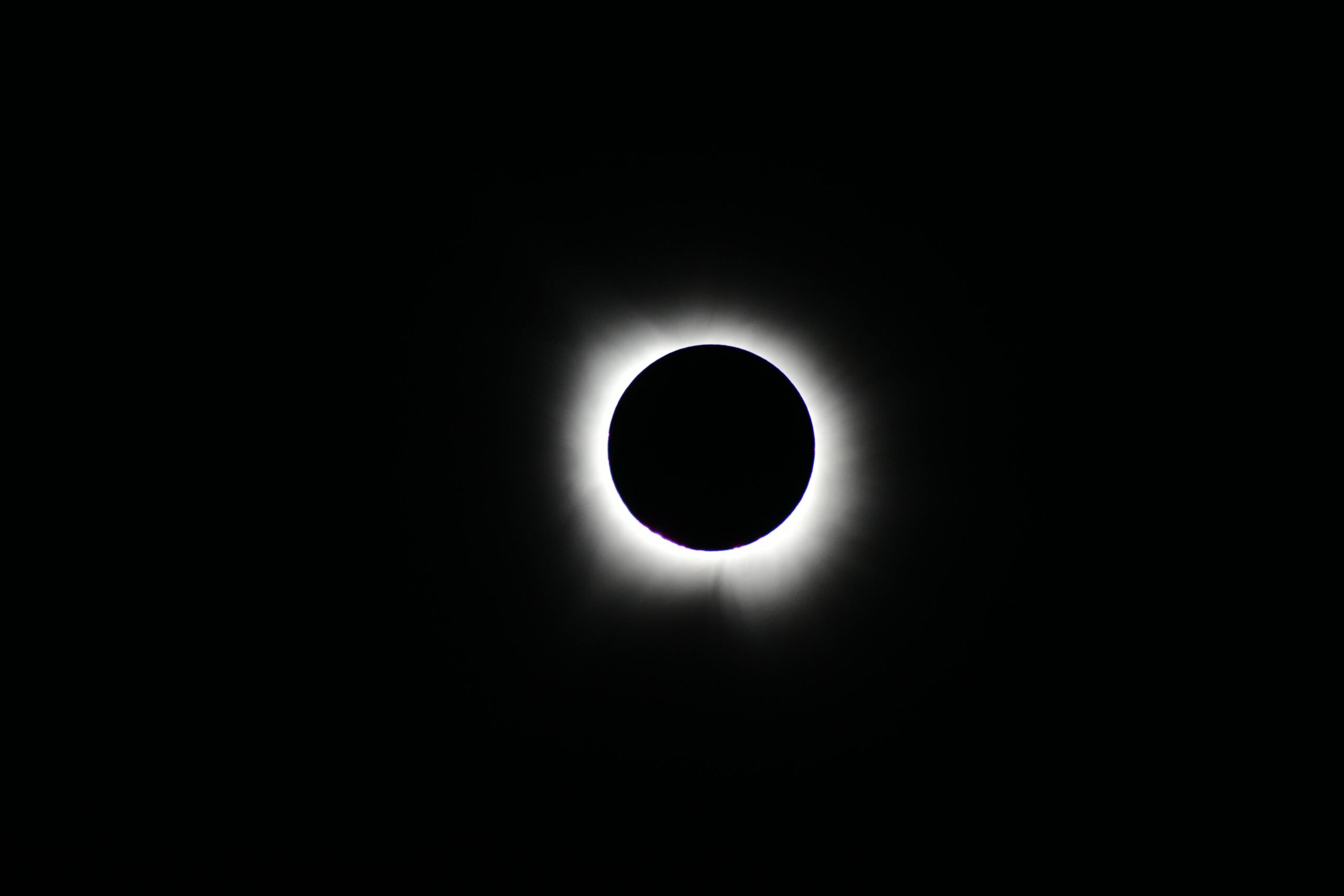
The duration of totality will vary depending on your location within the path. In some areas, totality will last for up to four minutes and 28 seconds. This extended period provides ample time for observers to witness the sun’s corona, the outer atmosphere of the sun that is usually obscured by the sun’s brightness. The corona appears as a halo of light around the darkened sun, offering a unique and breathtaking view.
Preparing for the Eclipse: Tips and Resources
To make the most of this celestial event, preparation is key. Here are some tips to help you get ready:
- Plan Your Location: Choose a spot within the path of totality for the best viewing experience. Use online maps and resources to find the optimal location.
- Check the Weather: Monitor weather forecasts leading up to the eclipse. Clear skies are essential for a successful viewing.
- Gather Supplies: Ensure you have eclipse glasses, a pinhole projector, and any other necessary equipment. Consider bringing a camera with a solar filter to capture the event.
- Educate Yourself: Learn about the science behind solar eclipses. Understanding the phenomenon will enhance your appreciation of the event.
- Share the Experience: Invite friends and family to join you. Solar eclipses are a communal experience that brings people together.
For those interested in more detailed information about the eclipse, numerous resources are available online. Websites dedicated to astronomy and eclipse tracking provide comprehensive guides, maps, and safety tips. If you’re looking for reliable information on how to prepare for the eclipse, consider visiting a web hosting comparison review site that offers a wealth of knowledge on various topics, including celestial events.
The Cultural and Historical Significance
Solar eclipses have captivated human imagination for centuries. Throughout history, they have been interpreted as omens, signs, and divine messages. Ancient civilizations often recorded eclipses and developed myths and legends around them. In modern times, solar eclipses continue to inspire awe and curiosity, bringing together scientists, enthusiasts, and the general public.
The 2024 solar eclipse is not just a scientific event but also a cultural one. It provides an opportunity for communities to come together, celebrate, and share in the wonder of the cosmos. Many organizations and institutions are planning special events, educational programs, and public viewings to mark the occasion. These activities foster a sense of community and shared experience, making the eclipse a memorable event for all involved.
As we approach the date of the 2024 solar eclipse, the excitement and anticipation continue to grow. This celestial event offers a unique opportunity to witness the beauty and mystery of the universe. Whether you are an avid astronomer or a casual observer, the eclipse promises to be an unforgettable experience. So, mark your calendars, prepare your viewing equipment, and get ready to witness the Great North American Solar Eclipse of 2024.