The Great American Solar Eclipse of 2024: An Overview
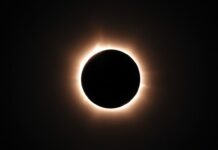
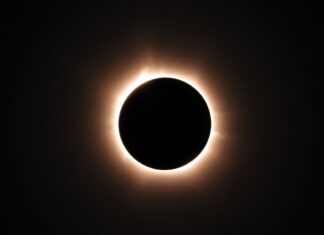
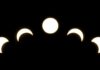
The celestial event of the decade is fast approaching, as the Great American Solar Eclipse of 2024 is set to captivate audiences across North America. On April 8, 2024, the moon will pass between the Earth and the sun, casting a shadow that will traverse the continent, offering a unique spectacle for both seasoned astronomers and casual observers alike.
The Path of Totality
The path of totality, where the sun will be completely obscured by the moon, will stretch from Mexico’s Pacific coast, through the United States, and up into Canada’s Maritime provinces. Major cities such as Dallas, Indianapolis, and Cleveland will experience totality, providing a rare opportunity for millions to witness this awe-inspiring event firsthand.
Preparing for the Eclipse
As the eclipse draws near, it’s crucial to prepare adequately to ensure a safe and enjoyable experience. One of the most important precautions is to use proper eye protection. Looking directly at the sun, even during an eclipse, can cause serious eye damage. Certified eclipse glasses or handheld solar viewers that meet the ISO 12312-2 international safety standard should be used.
For those planning to travel to witness the eclipse, it’s essential to make arrangements well in advance. Accommodations and transportation in the path of totality are likely to be in high demand. Staying informed through reliable sources such as iowa events news today can provide up-to-date information on local events and preparations.
Scientific Significance
The 2024 solar eclipse presents a valuable opportunity for scientific research. Astronomers and researchers will be able to study the sun’s corona, the outermost part of the sun’s atmosphere, which is usually obscured by the bright light of the sun’s surface. This data can help scientists better understand solar activity and its impact on Earth.
Eclipses also provide a unique chance to study the effects of sudden darkness on the environment. Researchers will be observing how animals and plants react to the temporary darkness, offering insights into the interconnectedness of ecosystems.
Historical Context
Solar eclipses have fascinated humans for centuries, often inspiring mythological stories and scientific inquiries. Ancient civilizations viewed eclipses as omens or signs from the gods, while modern science has demystified these events, allowing us to predict them with remarkable accuracy.
The last total solar eclipse visible in the United States occurred in 2017, captivating millions of viewers. The 2024 eclipse will offer another opportunity for people to come together and witness one of nature’s most spectacular phenomena.
Community Events and Viewing Parties
Communities along the path of totality are preparing for the eclipse with a variety of events and viewing parties. Local astronomical societies, museums, and educational institutions are organizing public viewing events, complete with telescopes, expert guidance, and educational activities.
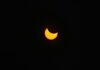
For those unable to travel to the path of totality, partial eclipses will be visible across much of North America. Local parks, schools, and community centers may host viewing events, providing a safe and social environment to enjoy the eclipse.
Safety Tips for Eclipse Viewers
To ensure a safe and enjoyable eclipse viewing experience, follow these tips:
- Use certified eclipse glasses or handheld solar viewers that meet the ISO 12312-2 safety standard.
- Avoid looking directly at the sun without proper eye protection.
- Supervise children to ensure they use eclipse glasses correctly.
- Be aware of your surroundings and avoid tripping hazards, especially when looking up at the sky.
- If you’re traveling to a viewing location, plan your route in advance and be prepared for potential traffic delays.
Conclusion
The Great American Solar Eclipse of 2024 is a momentous event that promises to captivate and inspire. By preparing adequately and following safety guidelines, you can fully enjoy this celestial spectacle. Whether you’re in the path of totality or observing a partial eclipse, this event offers a unique opportunity to connect with the wonders of the universe and share the experience with others.