The Anticipation Builds
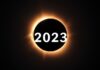
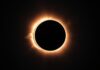
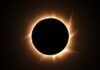
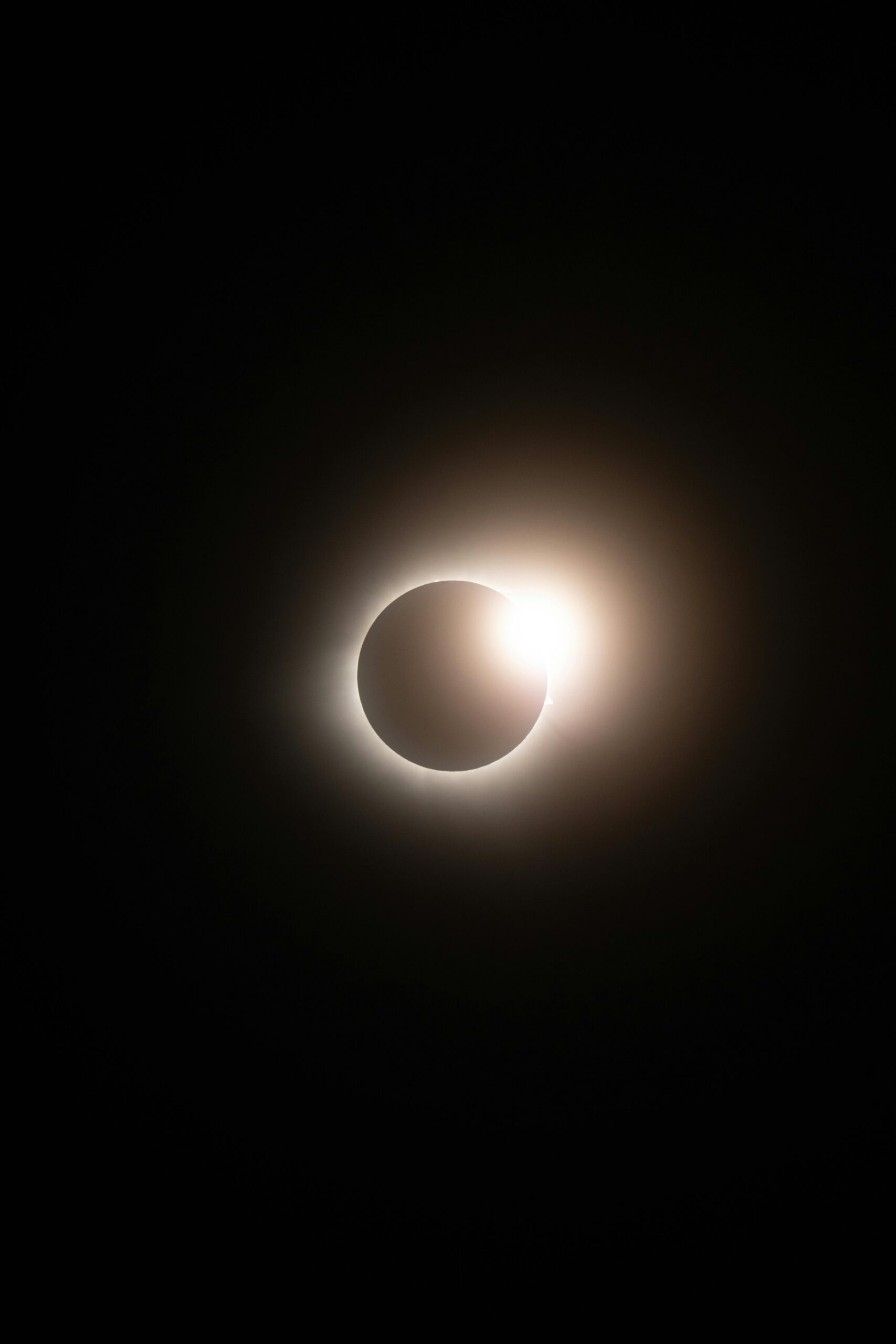
The astronomical community and enthusiasts alike are abuzz with excitement as the countdown begins for the Great American Solar Eclipse of 2024. Scheduled to occur on April 8, 2024, this celestial event promises to be a spectacle of nature’s grandeur, visible across a broad swath of the United States. The anticipation is palpable, with preparations underway to ensure that viewers can safely and enjoyably witness this rare phenomenon.
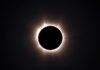
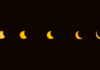
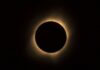
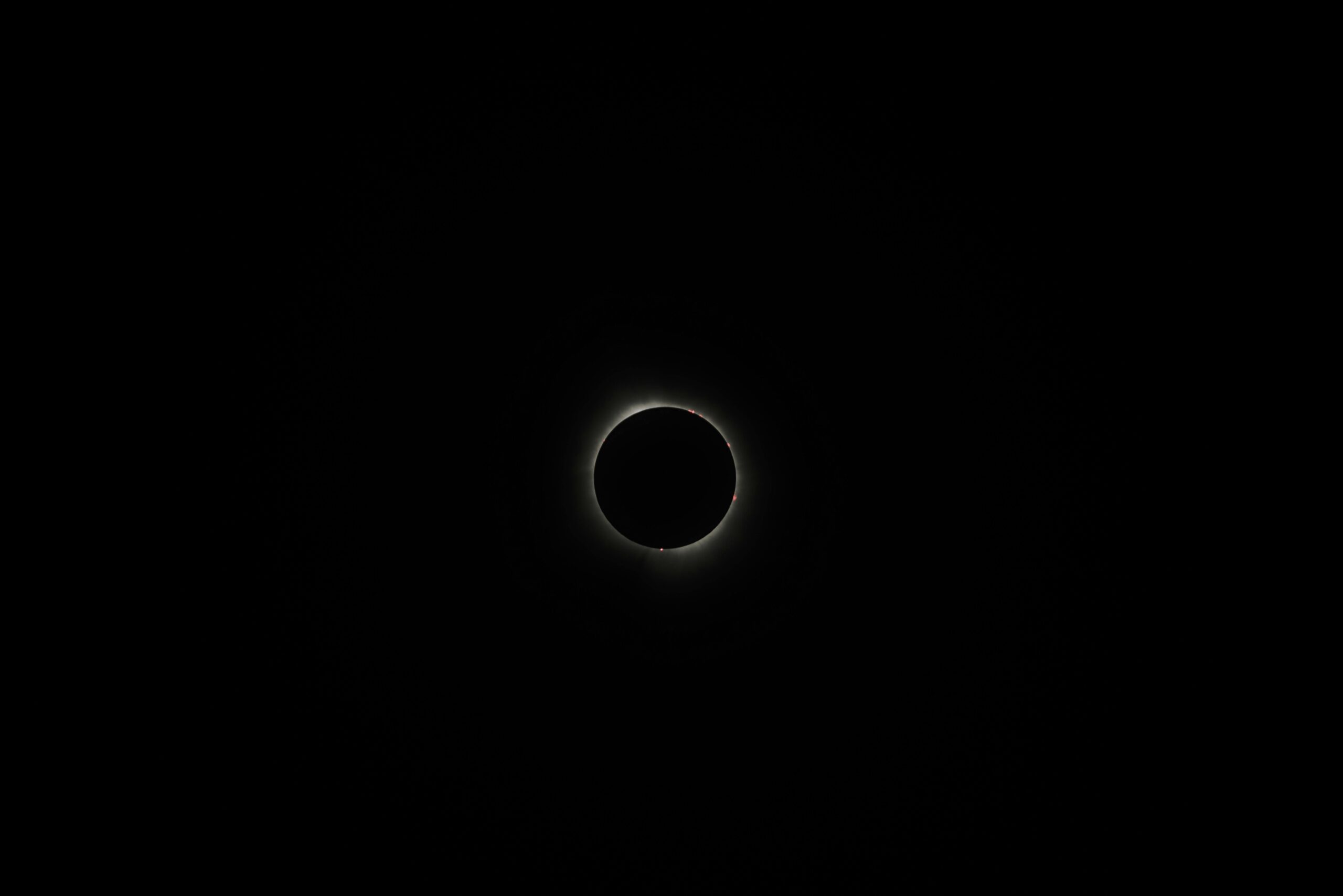
Solar eclipses occur when the moon passes between the Earth and the sun, casting a shadow on the Earth’s surface. The 2024 eclipse will be a total solar eclipse, meaning that the moon will completely cover the sun for a brief period, known as totality. This event is particularly significant because it will be the last total solar eclipse visible from the contiguous United States until 2044, making it a once-in-a-lifetime opportunity for many.
Path of Totality
The path of totality for the 2024 eclipse will stretch from the southwestern United States, starting in Mexico, and traversing through Texas, Oklahoma, Arkansas, Missouri, Illinois, Kentucky, Indiana, Ohio, Pennsylvania, New York, Vermont, New Hampshire, and Maine before exiting over Canada. Cities such as Dallas, Indianapolis, and Cleveland will experience totality, offering prime viewing locations for both locals and visitors.
For those outside the path of totality, a partial eclipse will still be visible, with the degree of coverage varying depending on proximity to the path. This widespread visibility means that a significant portion of the population will have the chance to witness at least a partial eclipse, making it an event of national interest.
Path of Totality Map
To better understand the path of totality and plan your viewing experience, it’s essential to consult detailed maps and resources. Websites like helpful resources online guide provide comprehensive guides and tools to help you locate the best viewing spots and understand the timeline of the eclipse. These resources are invaluable for both amateur astronomers and seasoned enthusiasts looking to make the most of this celestial event.
Safety First
Viewing a solar eclipse requires precautions to protect your eyes from the sun’s harmful rays. Directly looking at the sun, even during an eclipse, can cause permanent eye damage. Special eclipse glasses that meet the ISO 12312-2 international safety standard are essential for safe viewing. These glasses block out harmful ultraviolet and infrared radiation, allowing you to observe the eclipse without risking your vision.
In addition to eclipse glasses, other safe viewing methods include using a pinhole projector or viewing the eclipse through a telescope or binoculars equipped with a solar filter. It’s crucial to ensure that any equipment used for viewing is certified for solar observation to prevent eye damage. Local astronomy clubs and observatories often provide safe viewing events and can be a great resource for obtaining proper viewing equipment.
Preparing for the Eclipse
As the date of the eclipse approaches, it’s important to plan ahead to ensure a smooth and enjoyable experience. Here are some tips to help you prepare:
- Check the Weather: Clear skies are essential for optimal viewing. Monitor the weather forecast for your chosen location and have a backup plan in case of cloudy conditions.
- Arrive Early: Popular viewing spots along the path of totality are expected to attract large crowds. Arriving early will help you secure a good viewing location and avoid traffic congestion.
- Bring Supplies: Pack essentials such as water, snacks, sunscreen, and a hat to stay comfortable during the event. Don’t forget your eclipse glasses and any other viewing equipment.
- Educate Yourself: Learn about the science behind solar eclipses to enhance your appreciation of the event. Understanding the mechanics of an eclipse can make the experience even more fascinating.
The Scientific Significance
The Great American Solar Eclipse of 2024 is not only a spectacular visual event but also a valuable opportunity for scientific research. Astronomers and researchers will take advantage of the eclipse to study the sun’s corona, the outermost part of the sun’s atmosphere, which is usually obscured by the sun’s bright light. During totality, the corona becomes visible, providing a rare chance to observe and study its structure and dynamics.
Additionally, the eclipse offers a unique opportunity to study the effects of sudden darkness on Earth’s atmosphere and wildlife. Researchers will monitor changes in temperature, wind patterns, and animal behavior during the eclipse to gain insights into the interconnectedness of natural systems. The data collected during the eclipse will contribute to our understanding of both astronomy and Earth science.
Conclusion
The Great American Solar Eclipse of 2024 is poised to be a memorable event, captivating millions of viewers across the United States. Whether you’re a seasoned astronomer or a curious observer, this celestial spectacle offers a unique opportunity to witness the wonders of the universe. By planning ahead, prioritizing safety, and taking advantage of helpful resources, you can ensure a memorable and enriching experience. Don’t miss this chance to be part of a historic event that will inspire awe and curiosity for years to come.
As journalism continues to evolve, understanding how technology fosters community engagement is crucial; explore this dynamic in our latest feature, modern journalism’s tech-driven connections.
To stay informed about the latest developments, consider reading Turkey’s recent events and updates for a comprehensive overview of current happenings.
To stay informed about the latest happenings and plan your weekend accordingly, check out weekend events and news updates.