The Anticipation Builds
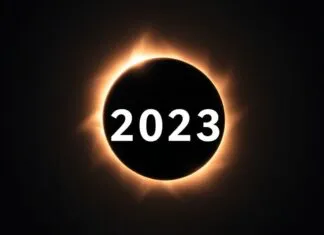
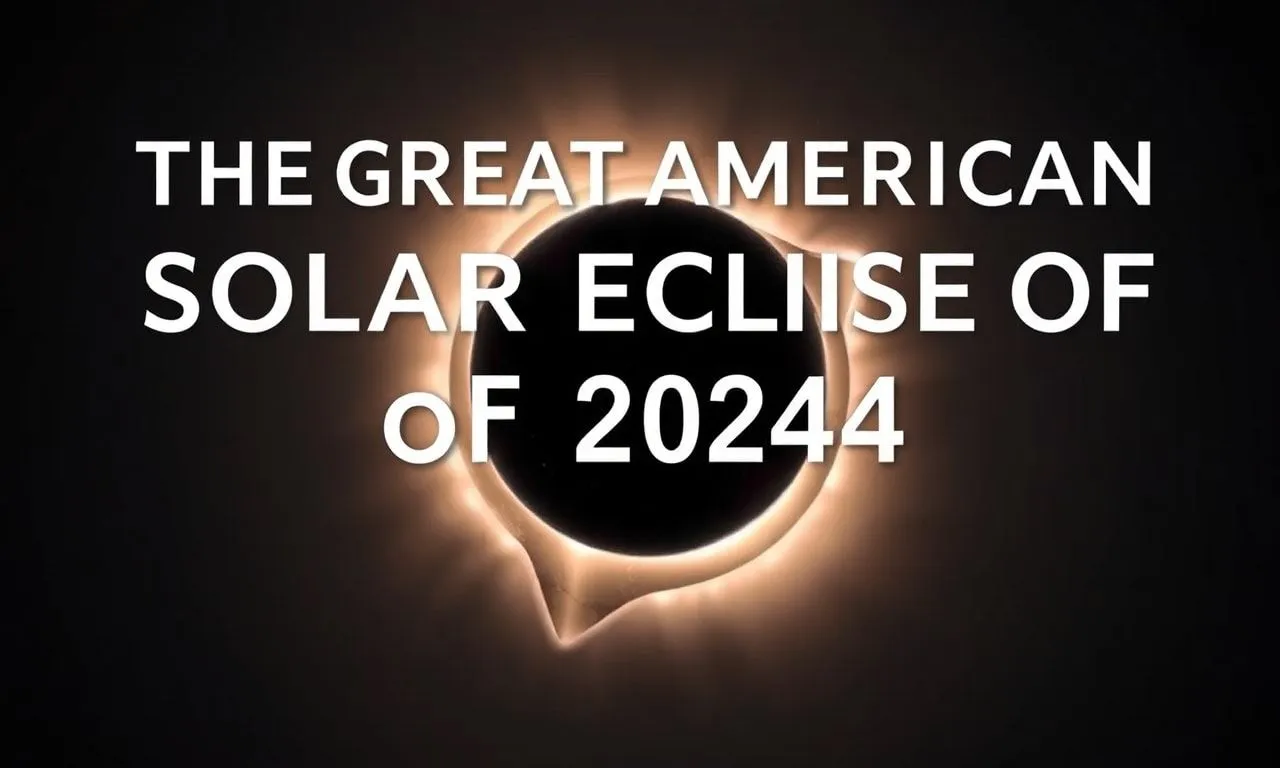
The astronomical community and enthusiasts alike are buzzing with excitement as we approach the next Great American Solar Eclipse on April 8, 2024. This celestial event promises to be a spectacle of nature’s grandeur, captivating millions across the continent. The eclipse will traverse from the southwestern tip of Texas to the northeastern coast of Maine, offering a unique experience for both seasoned astronomers and curious onlookers.
Understanding the Phenomenon
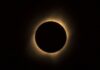
A solar eclipse occurs when the Moon passes between the Earth and the Sun, obscuring the Sun either partially or completely. The 2024 eclipse will be a total solar eclipse, meaning the Moon will completely cover the Sun’s disk, revealing the Sun’s corona, a halo of plasma surrounding the star. This rare event provides a unique opportunity for scientific study and public education.
Path of Totality
The path of totality, where the eclipse will be fully visible, stretches approximately 115 miles wide. Cities such as Dallas, Indianapolis, Cleveland, and Buffalo will experience total darkness for up to 4 minutes and 28 seconds. Outside this path, observers will witness a partial eclipse, with varying degrees of the Sun obscured by the Moon.
Preparation and Safety
As the eclipse approaches, communities along the path of totality are preparing for an influx of visitors. Local governments and organizations are working to ensure safety and manage the influx of tourists. One critical aspect of preparation is educating the public on safe viewing practices. Looking directly at the Sun, even during an eclipse, can cause severe eye damage. Special eclipse glasses that meet the ISO 12312-2 international safety standard are essential for safe viewing.
Educational institutions are also playing a pivotal role in preparing for the eclipse. Schools and universities are incorporating eclipse-related curriculum into their programs. For instance, teachers in Nevada are taking advantage of online workshops for teacher training in Nevada to enhance their knowledge and teaching methods related to solar eclipses. These workshops provide valuable resources and strategies for engaging students in the wonders of astronomy.
Scientific Significance
The 2024 solar eclipse presents a unique opportunity for scientific research. Astronomers and researchers will use this event to study the Sun’s corona, solar flares, and other phenomena that are typically obscured by the Sun’s brightness. The data collected during the eclipse can provide insights into solar activity and its impact on Earth’s climate and technology.
Citizen scientists are also encouraged to participate in eclipse-related projects. Organizations like the Citizen Science Project and NASA are inviting the public to contribute to data collection through various apps and online platforms. This collaborative effort allows for a broader range of data to be gathered, enhancing the overall scientific understanding of solar eclipses.
Community Engagement and Events
Communities along the path of totality are organizing a variety of events to celebrate the eclipse. From educational workshops to public viewing parties, there are numerous opportunities for the public to engage with this celestial event. Local astronomy clubs, planetariums, and science museums are hosting special programs and activities leading up to the eclipse.
Eclipse Viewing Parties
Many cities are planning large-scale eclipse viewing parties, offering a communal experience for residents and visitors alike. These events often include food vendors, live music, and educational booths. For example, the city of Dallas is organizing a massive eclipse festival at Fair Park, complete with live performances and interactive exhibits. Similar events are being planned in other major cities along the path of totality.
Educational Outreach
Educational outreach programs are crucial for engaging the public and fostering a deeper appreciation for astronomy. Schools and community centers are hosting workshops and lectures to teach the science behind solar eclipses. These programs aim to inspire the next generation of scientists and astronomers, encouraging them to explore the mysteries of the universe.
Looking Ahead
The Great American Solar Eclipse of 2024 is not just a momentary spectacle but a catalyst for scientific discovery and community engagement. As we approach this celestial event, it is essential to prioritize safety, education, and public involvement. By doing so, we can ensure that the 2024 eclipse leaves a lasting impact on both our understanding of the universe and our collective appreciation for the wonders of nature.
Whether you are a seasoned astronomer or a curious observer, the 2024 solar eclipse promises to be an unforgettable experience. Mark your calendars, prepare your eclipse glasses, and get ready to witness one of nature’s most awe-inspiring phenomena.