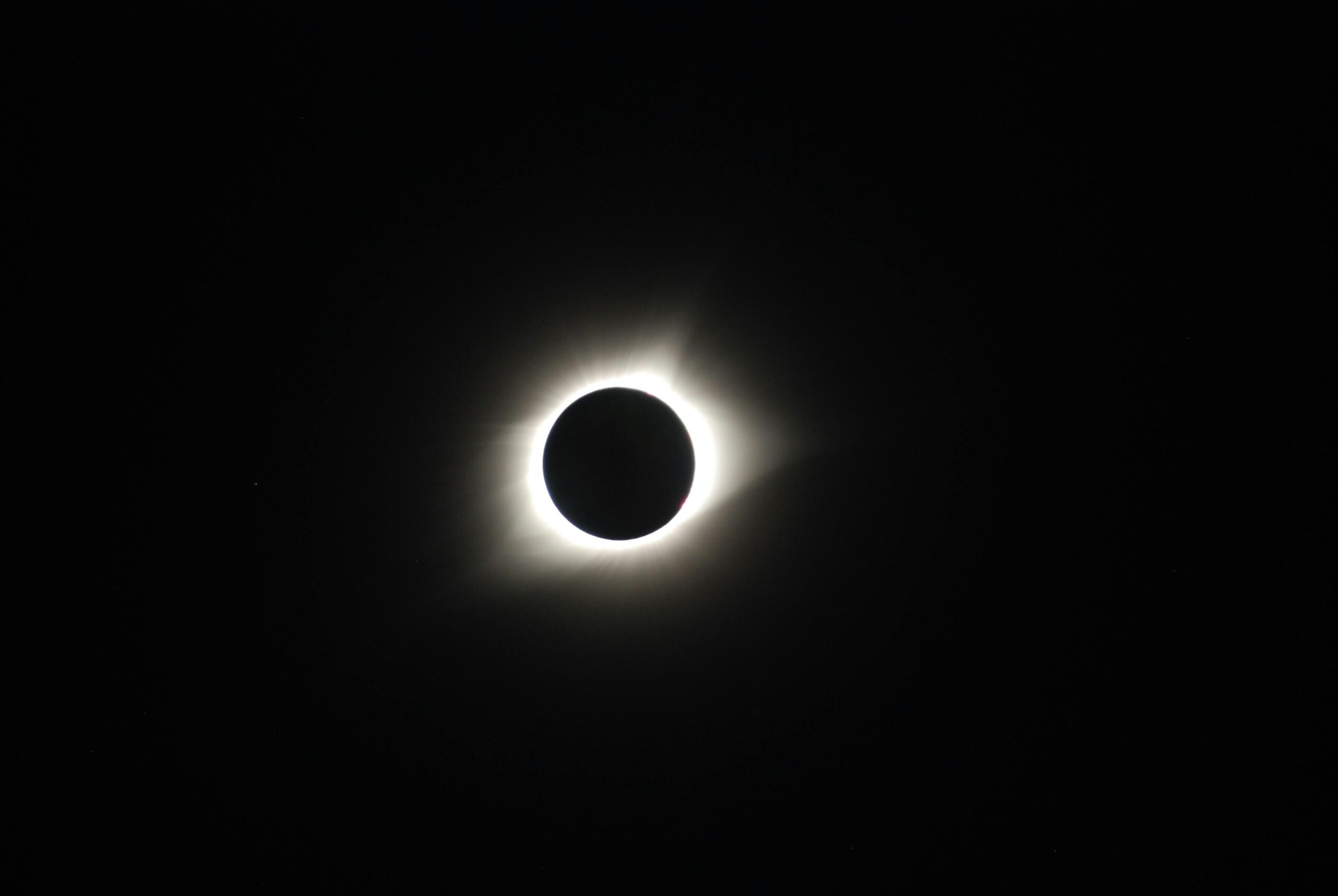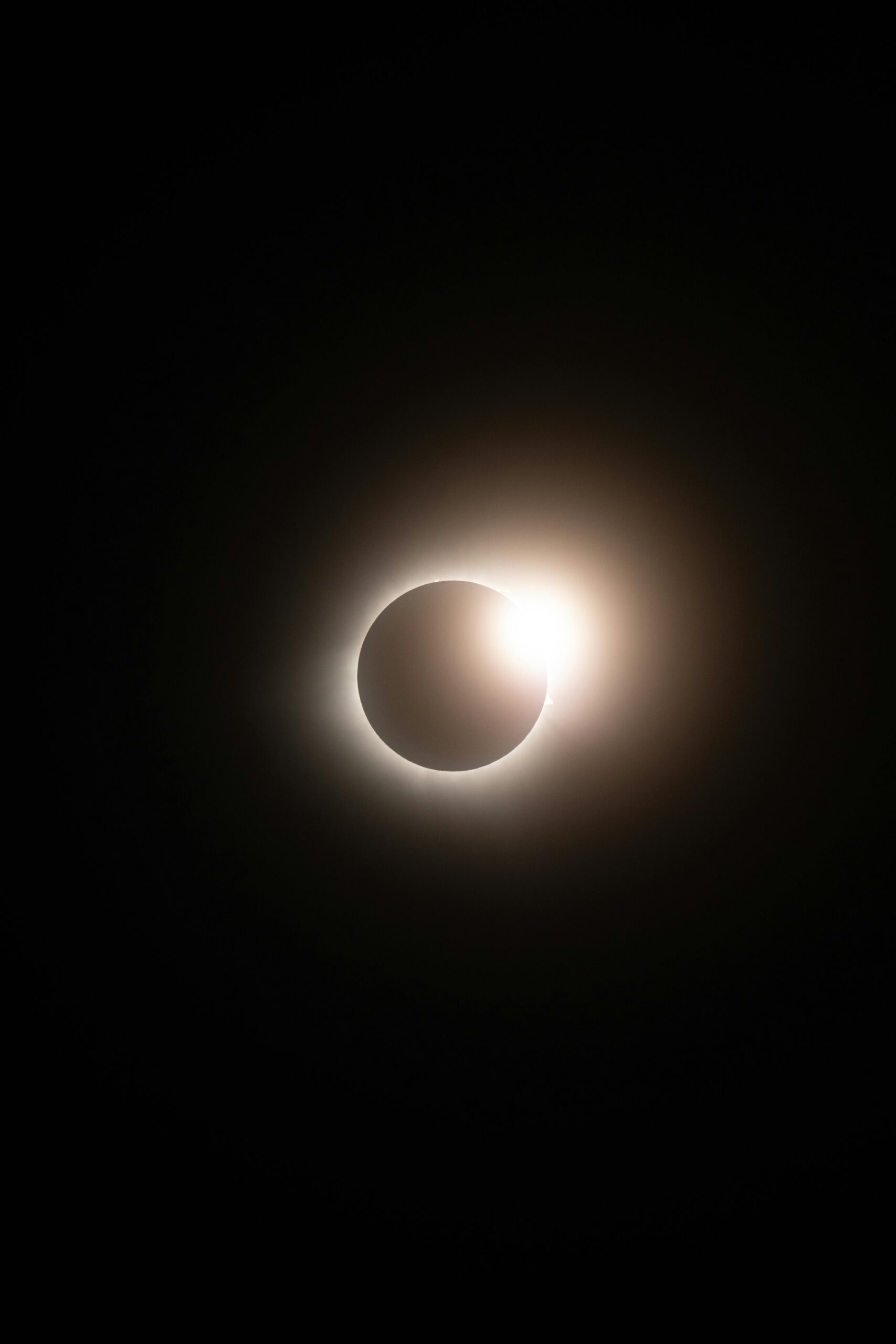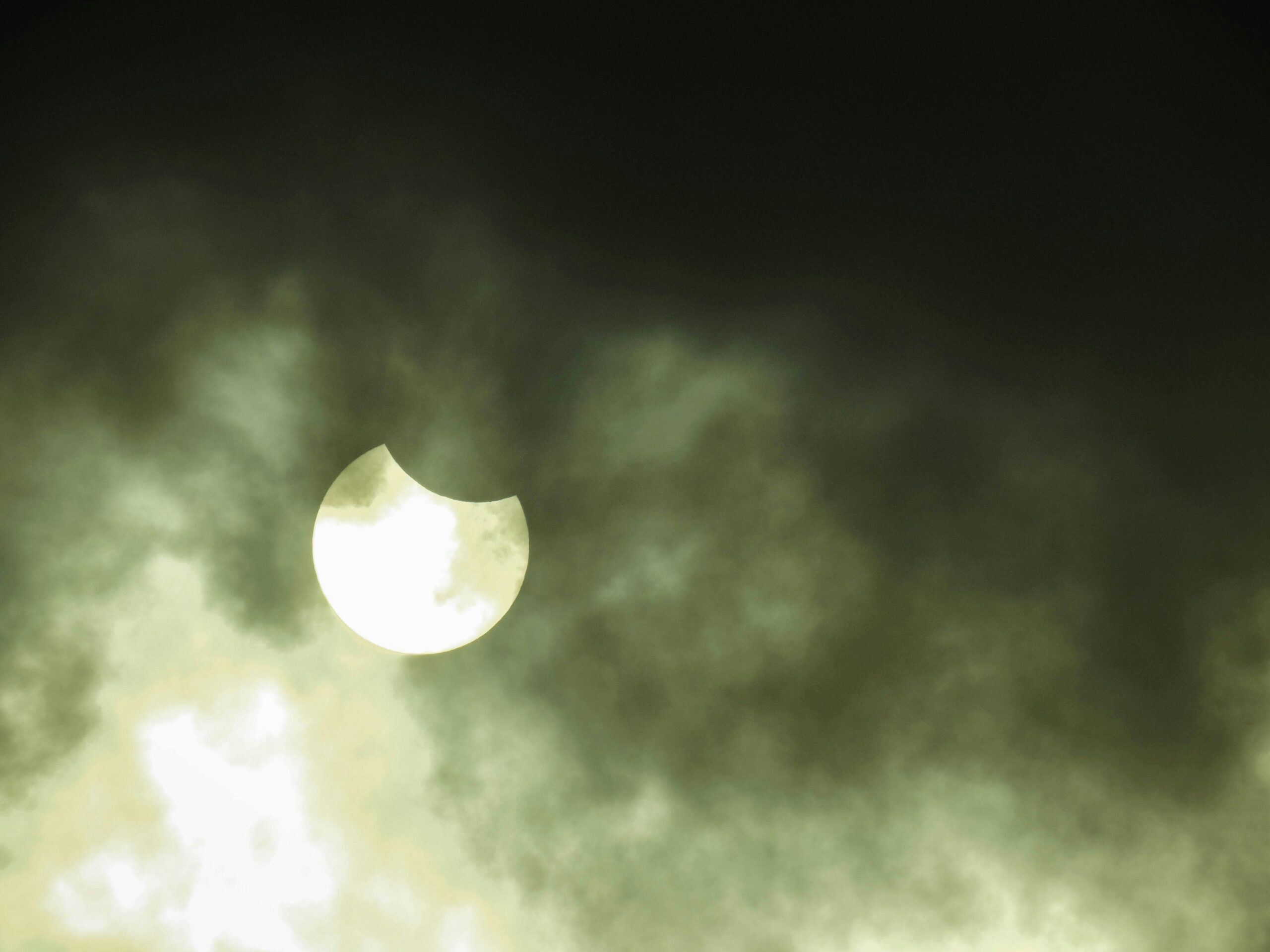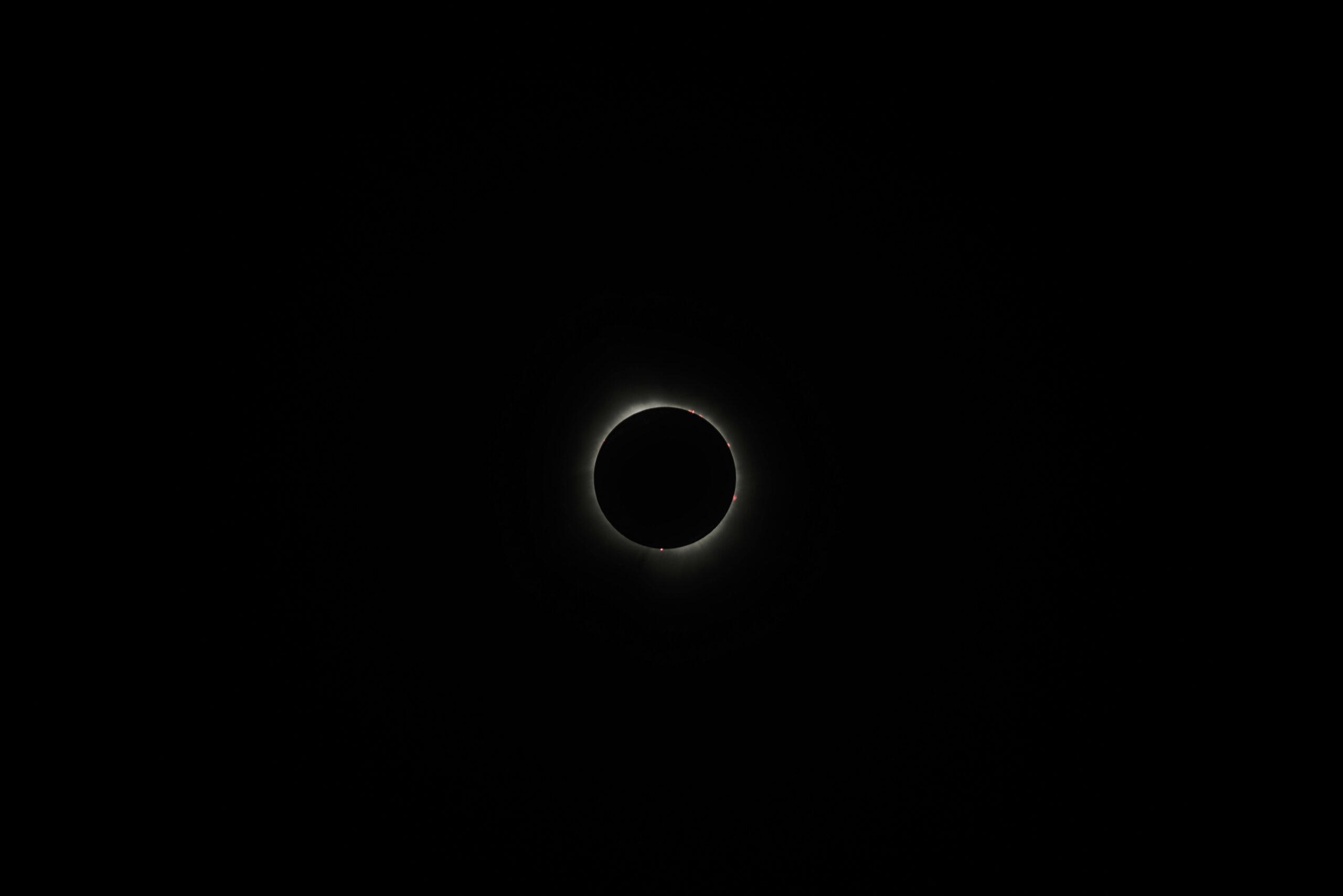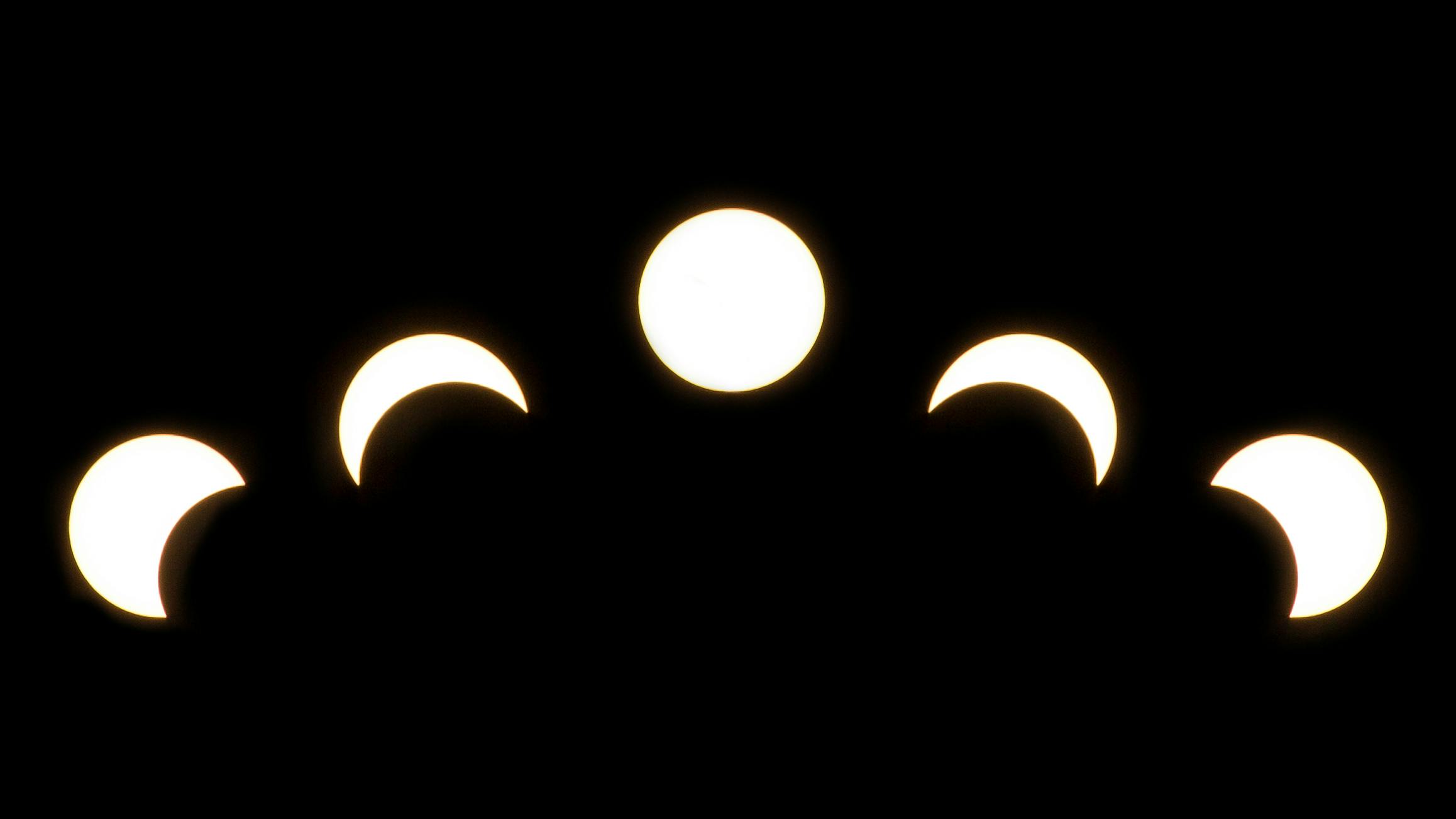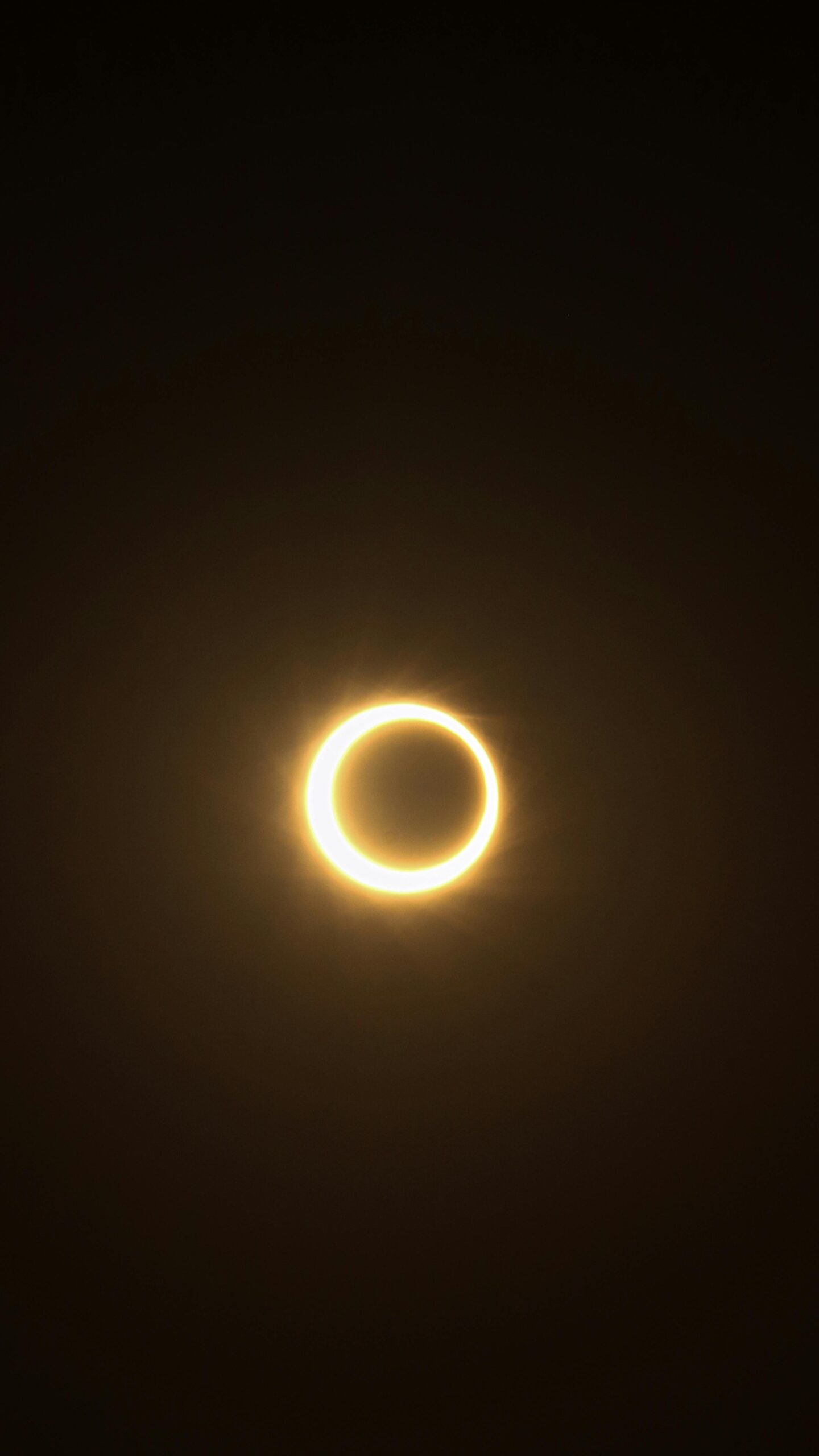
The Great American Solar Eclipse of 2024: An Overview
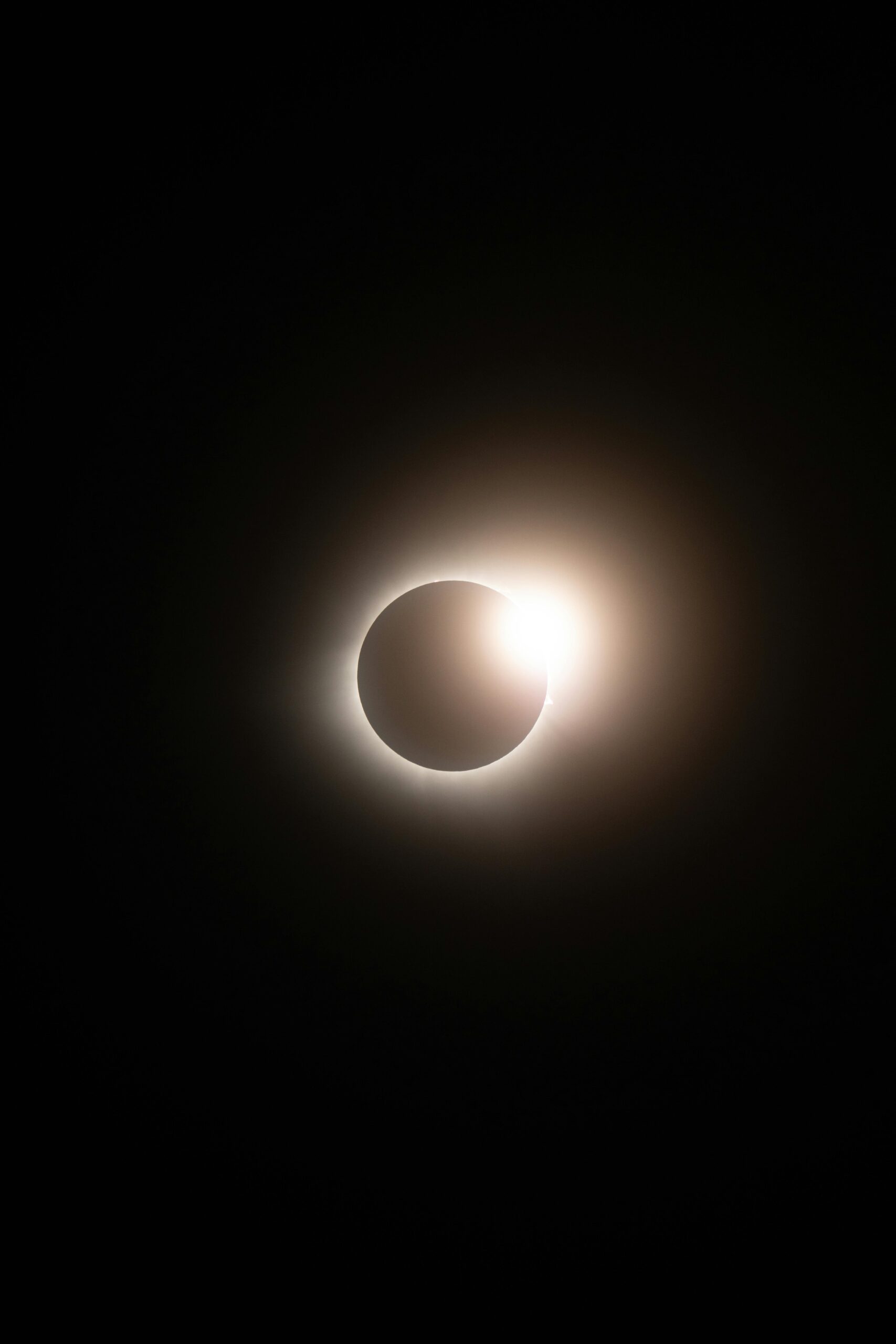
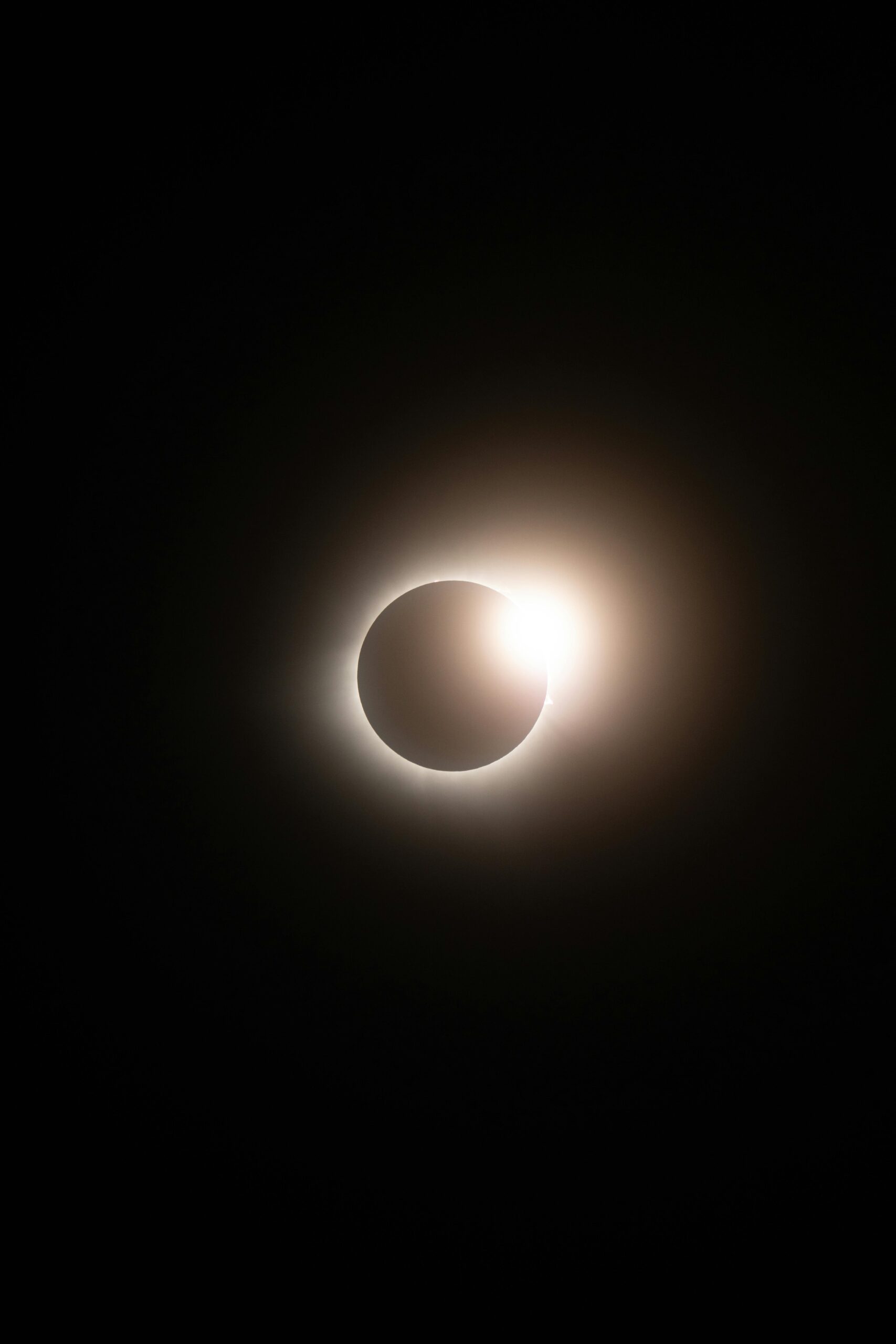
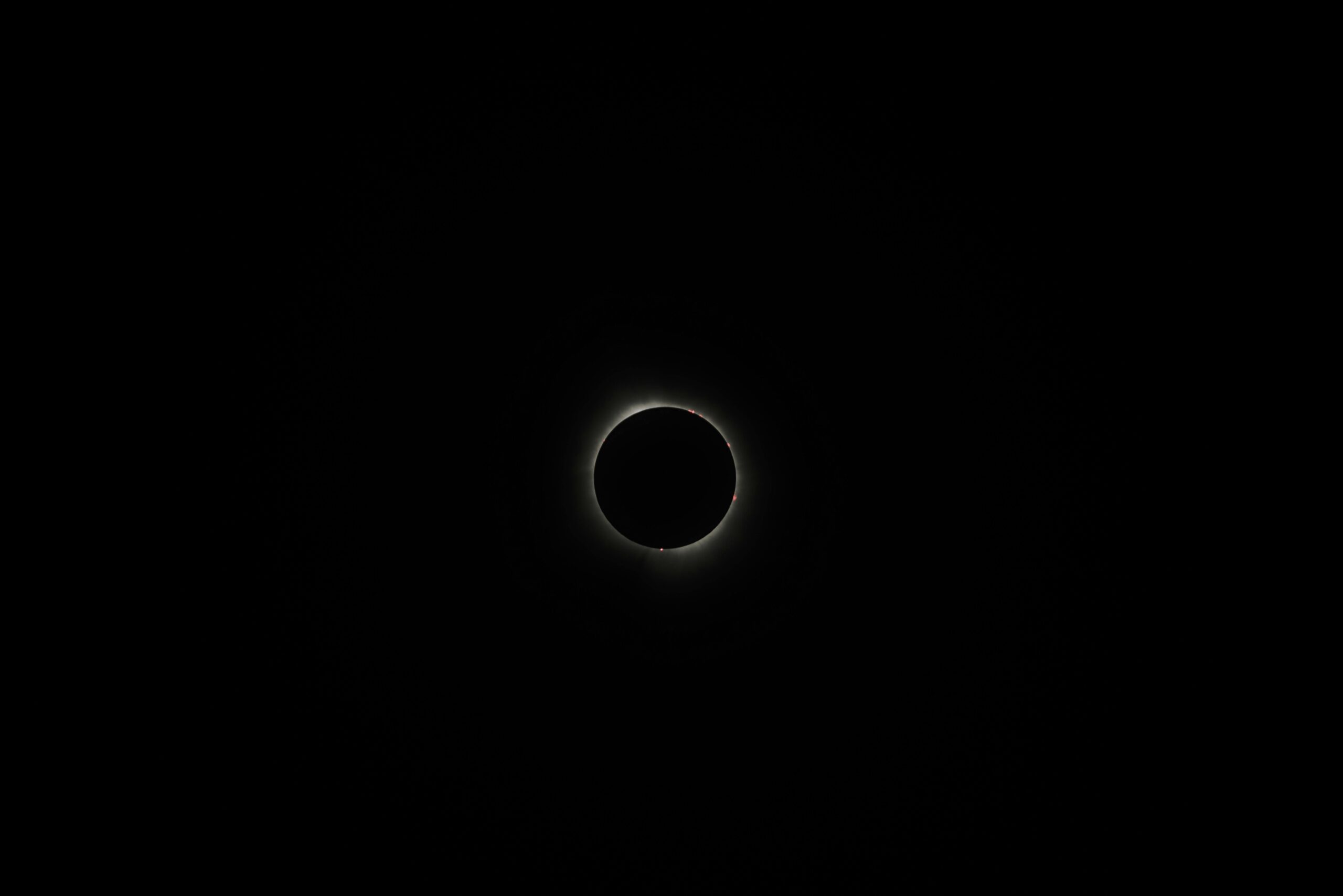
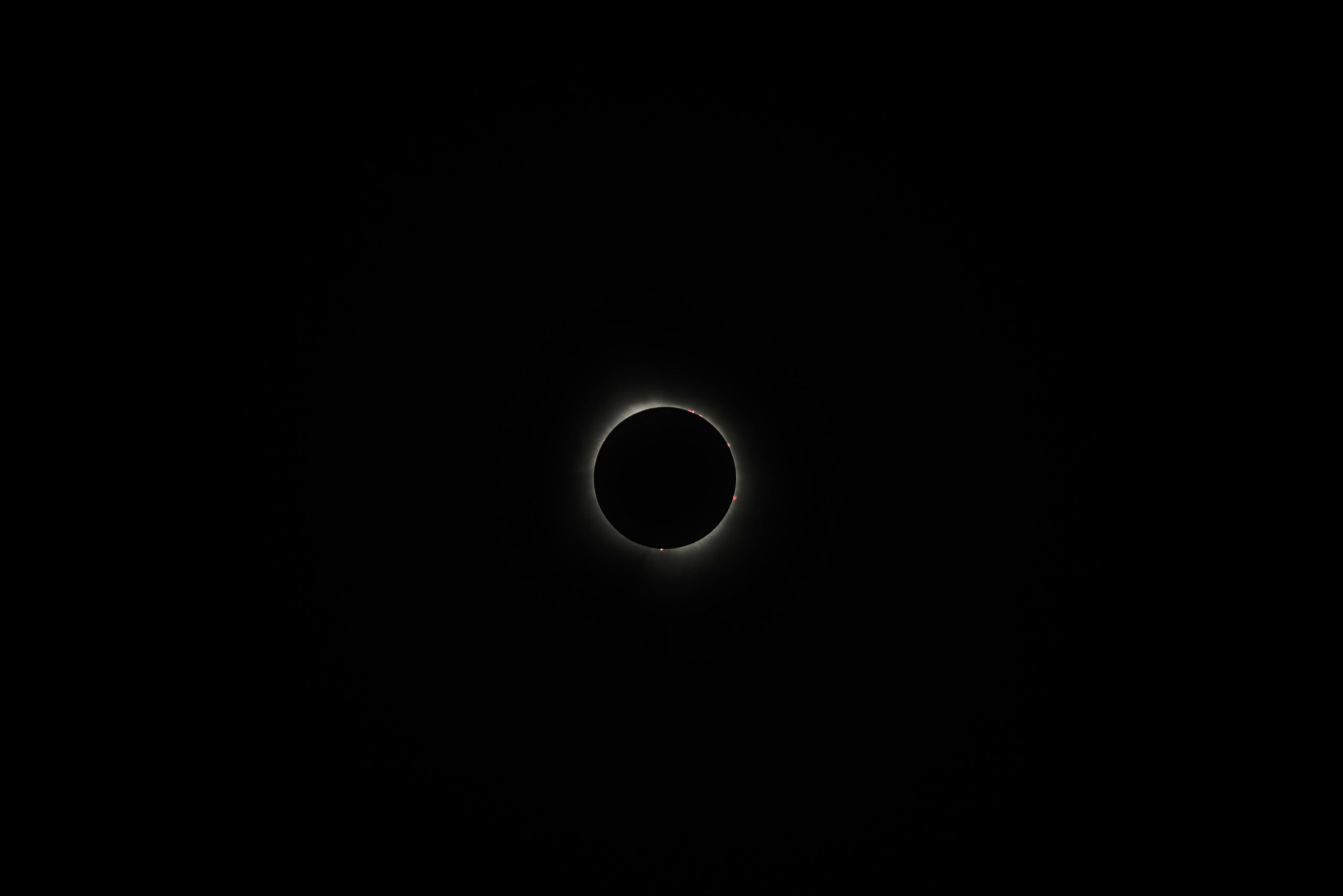
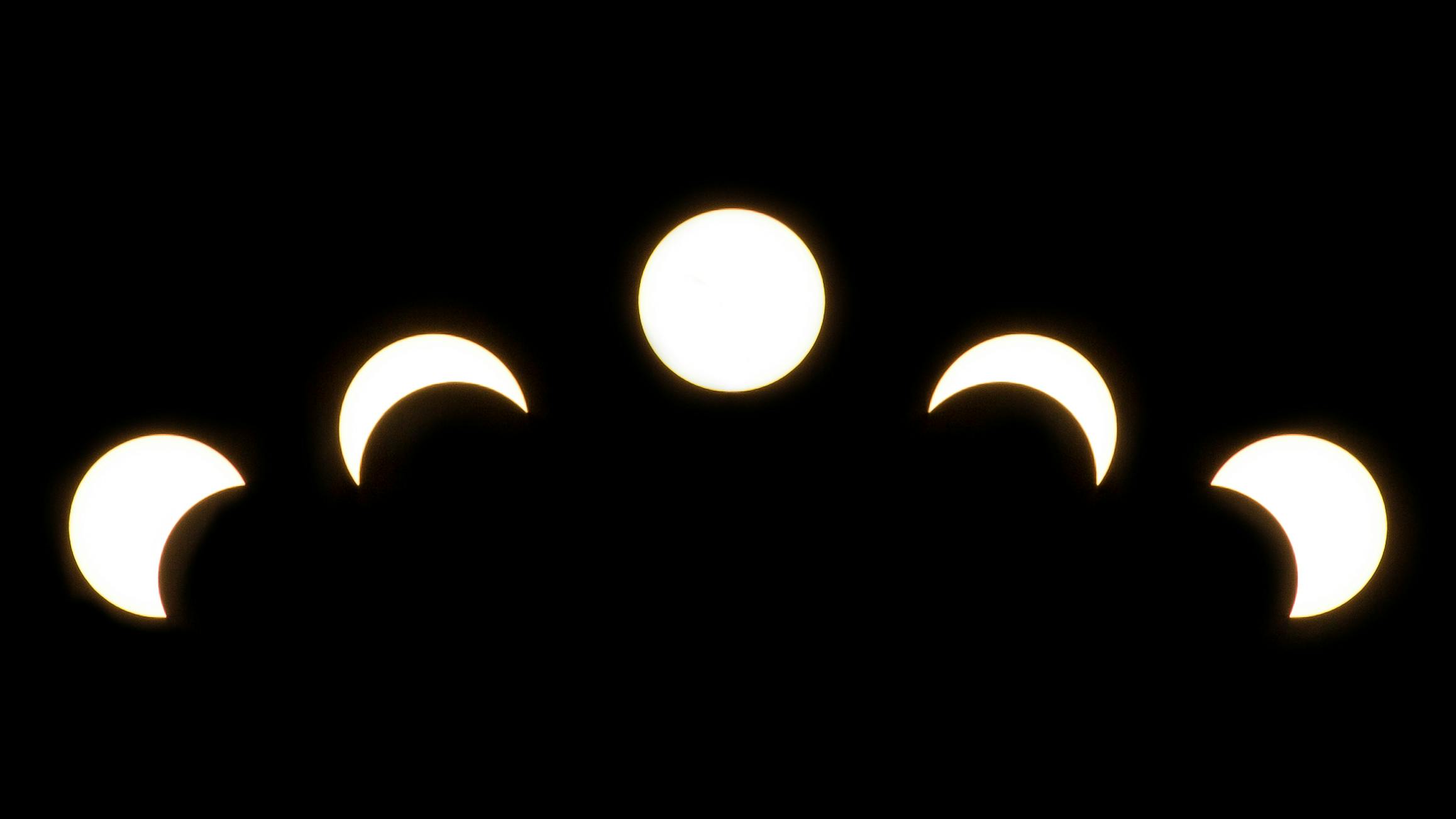
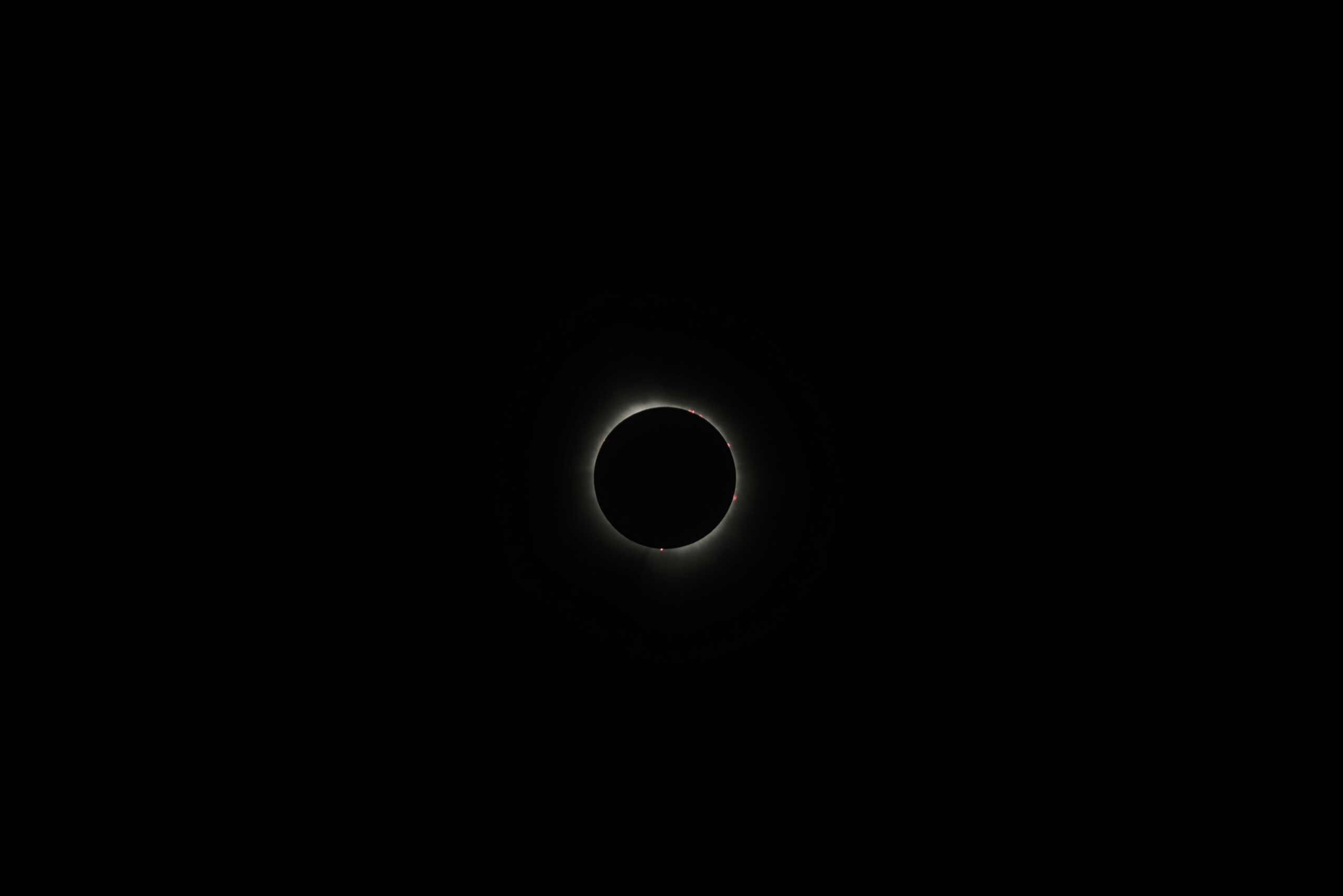
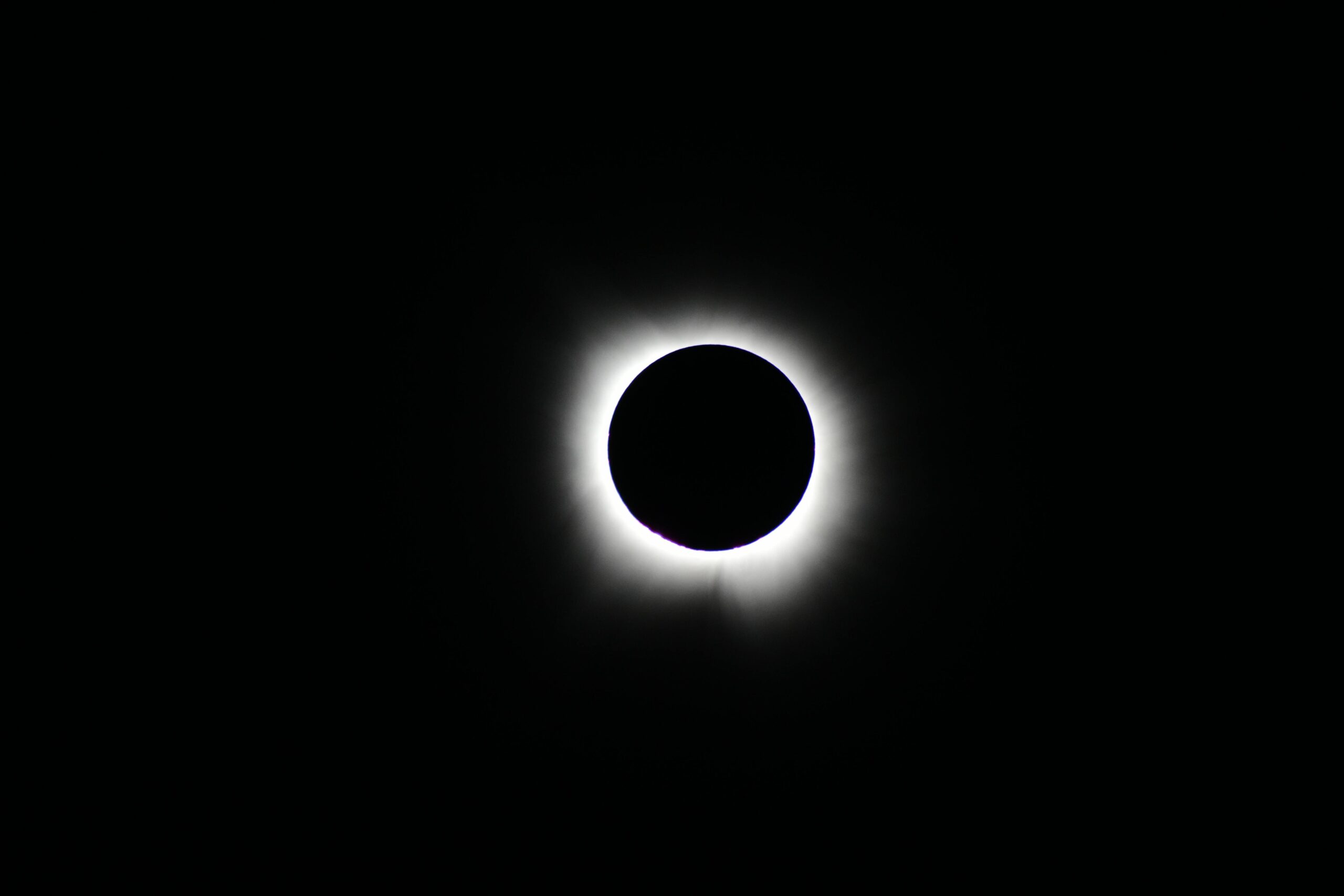
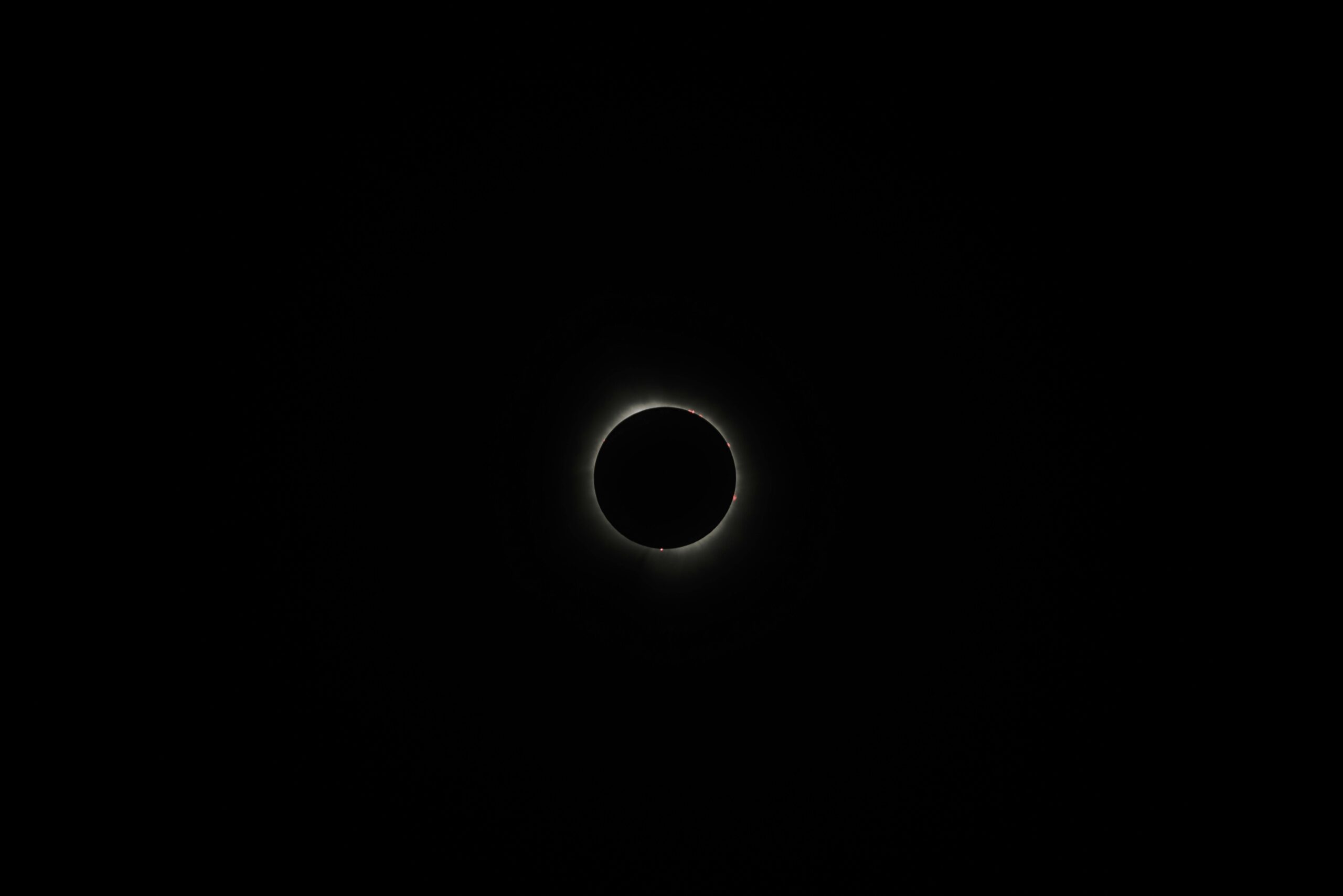
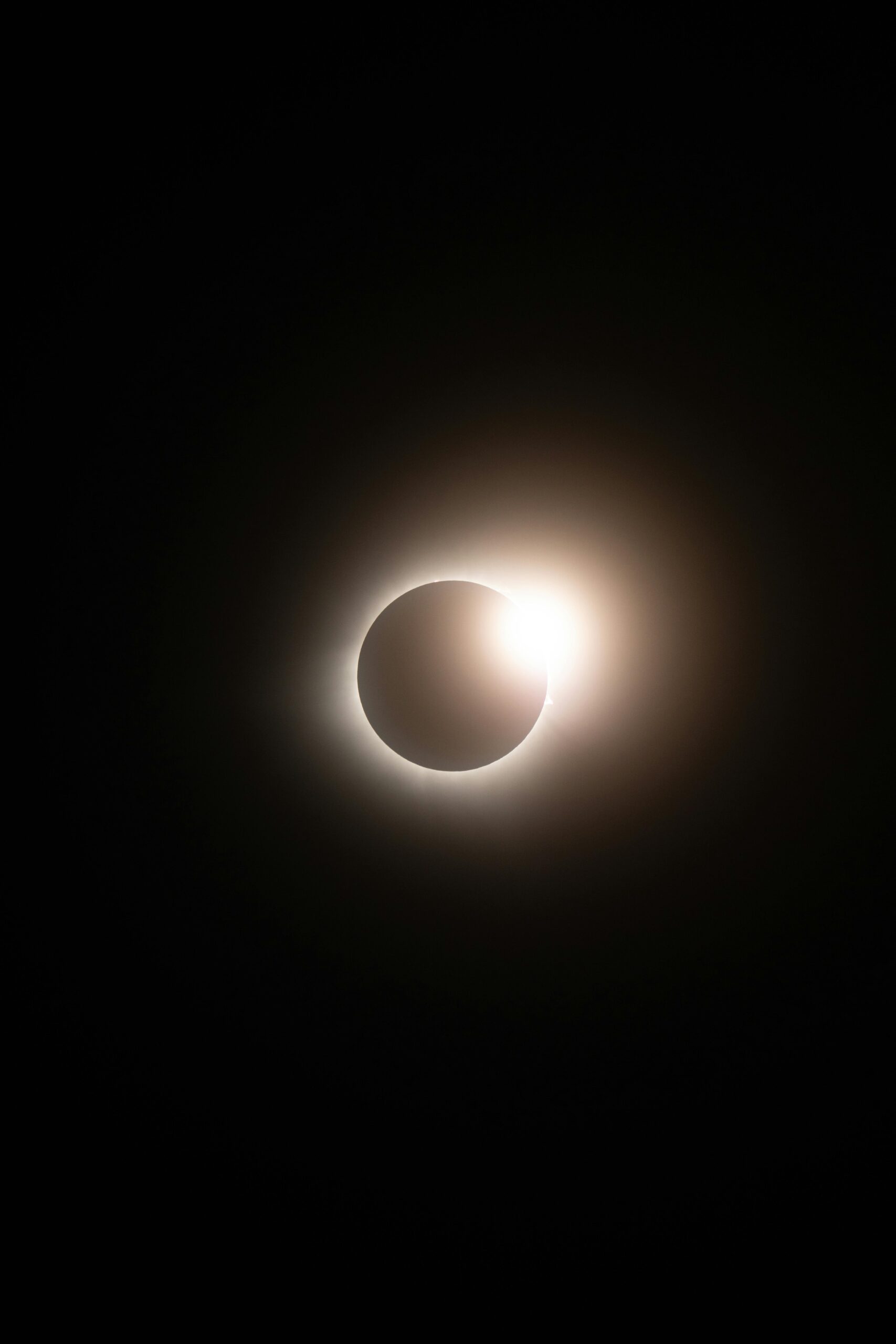
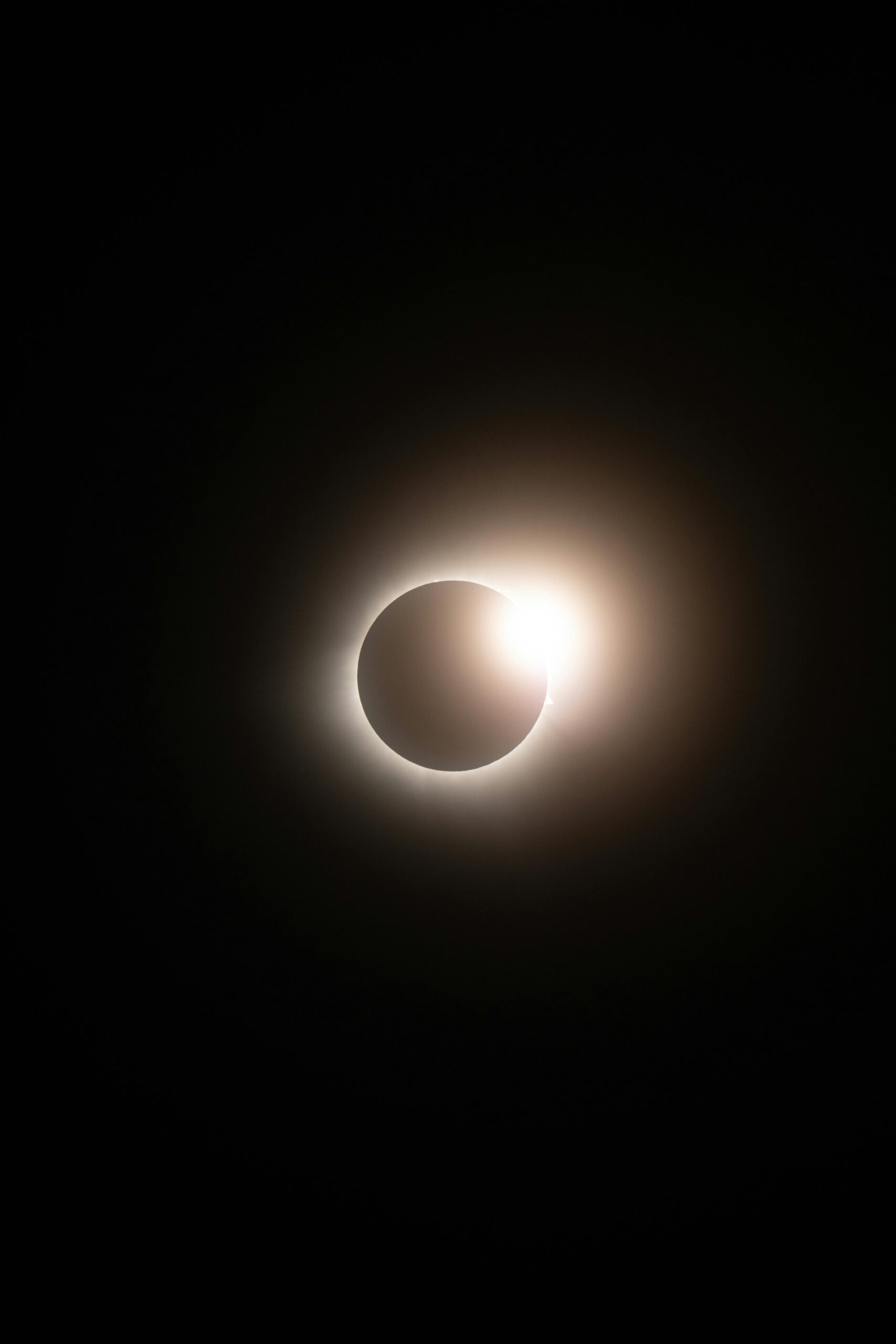
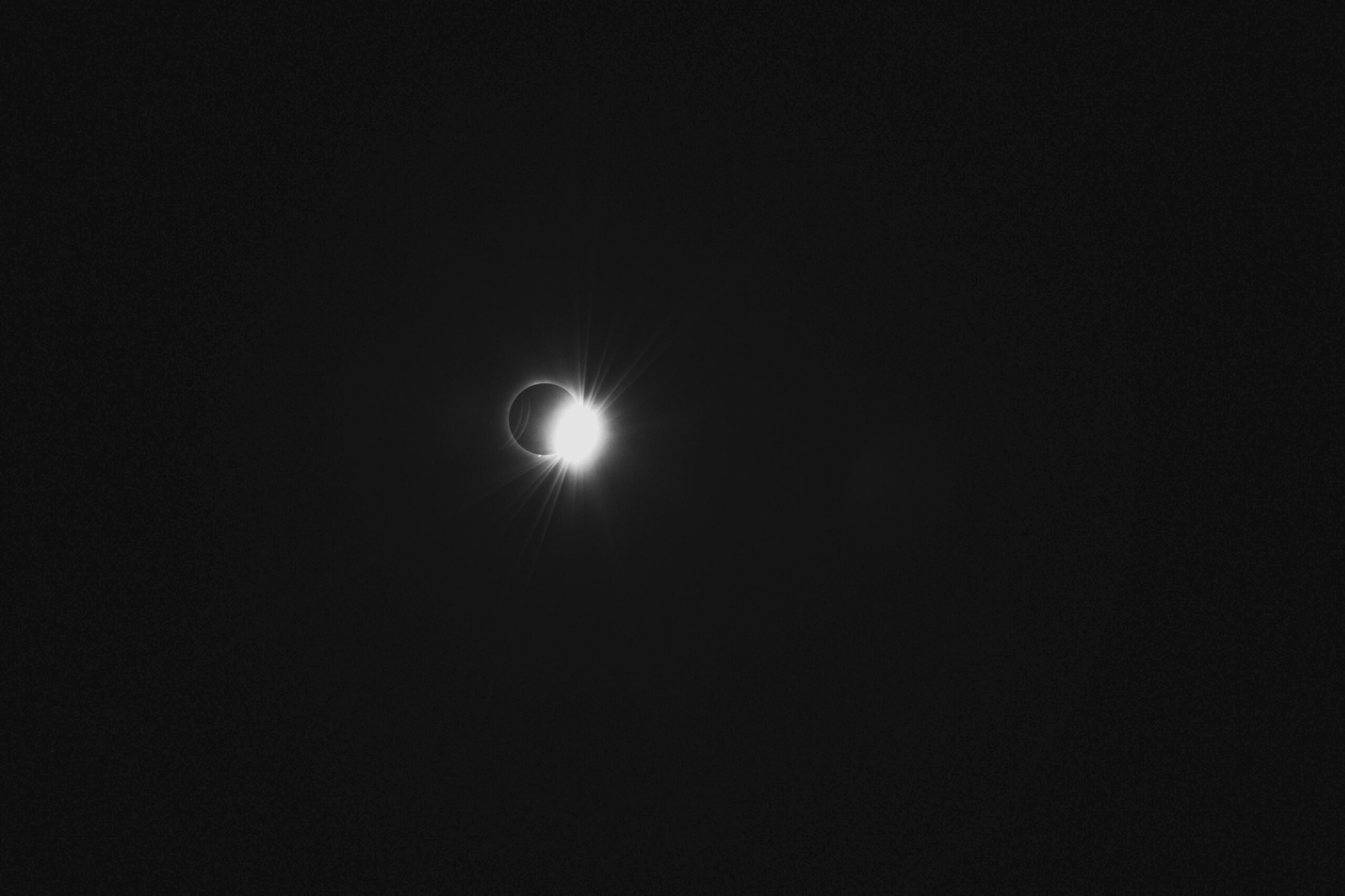
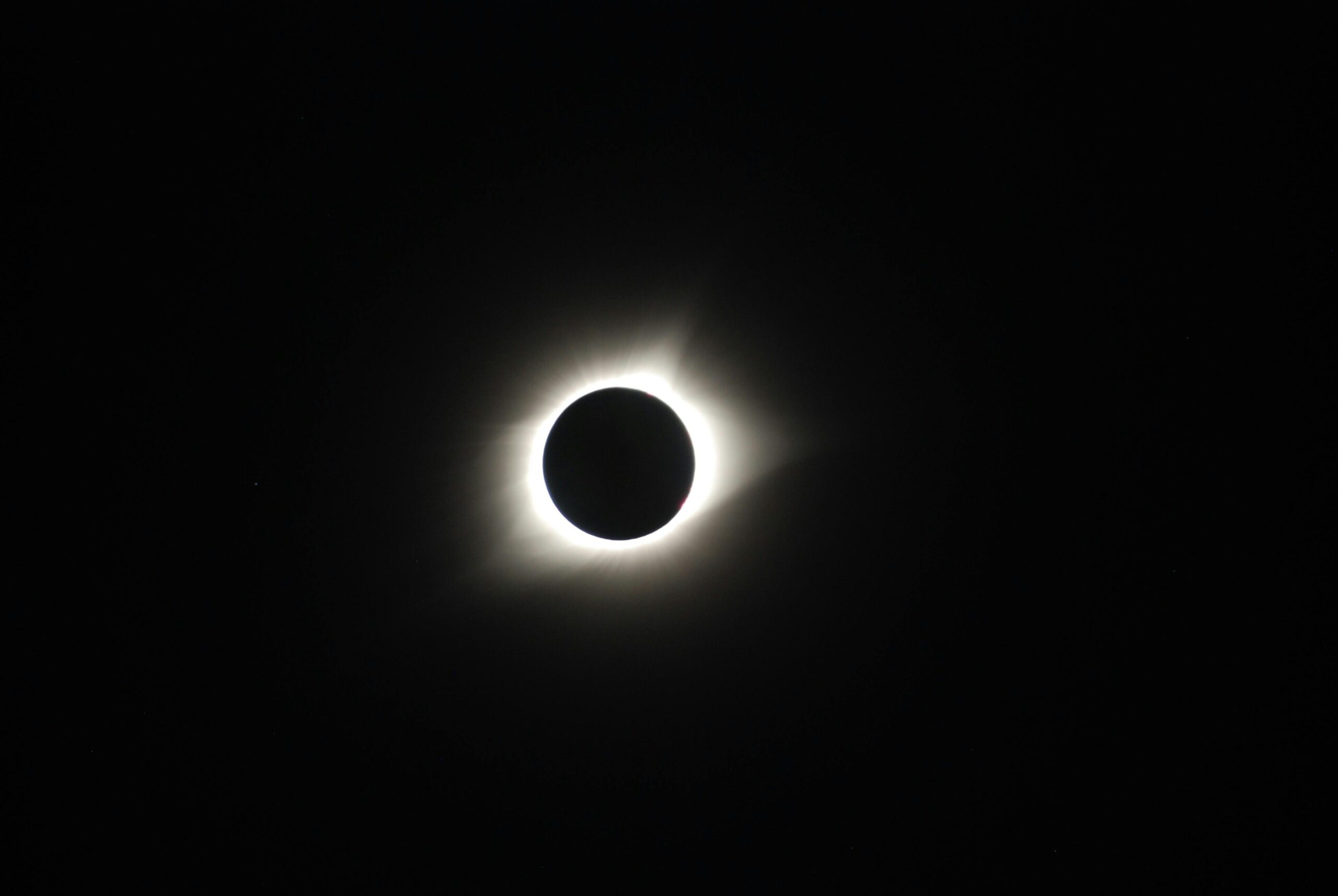
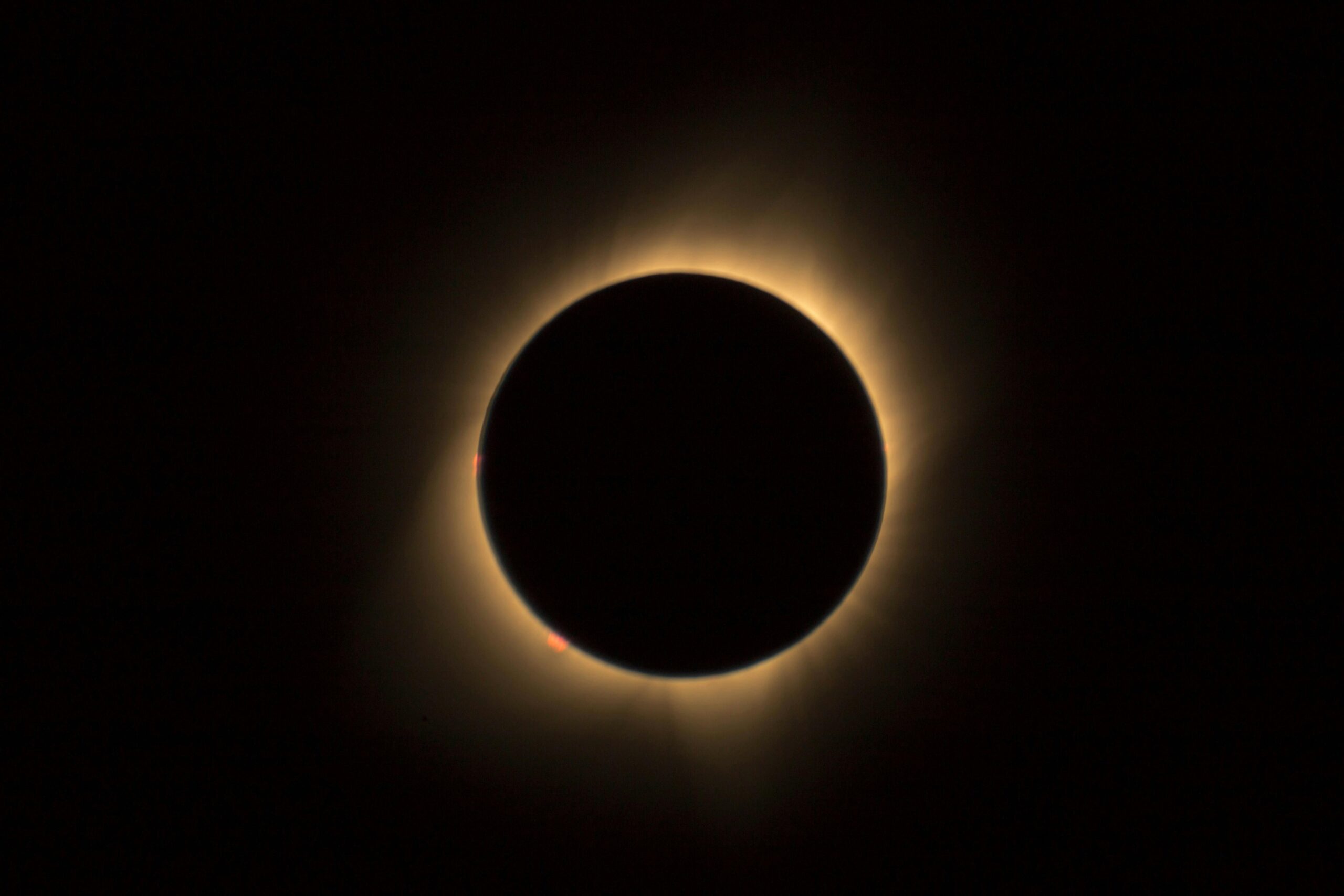
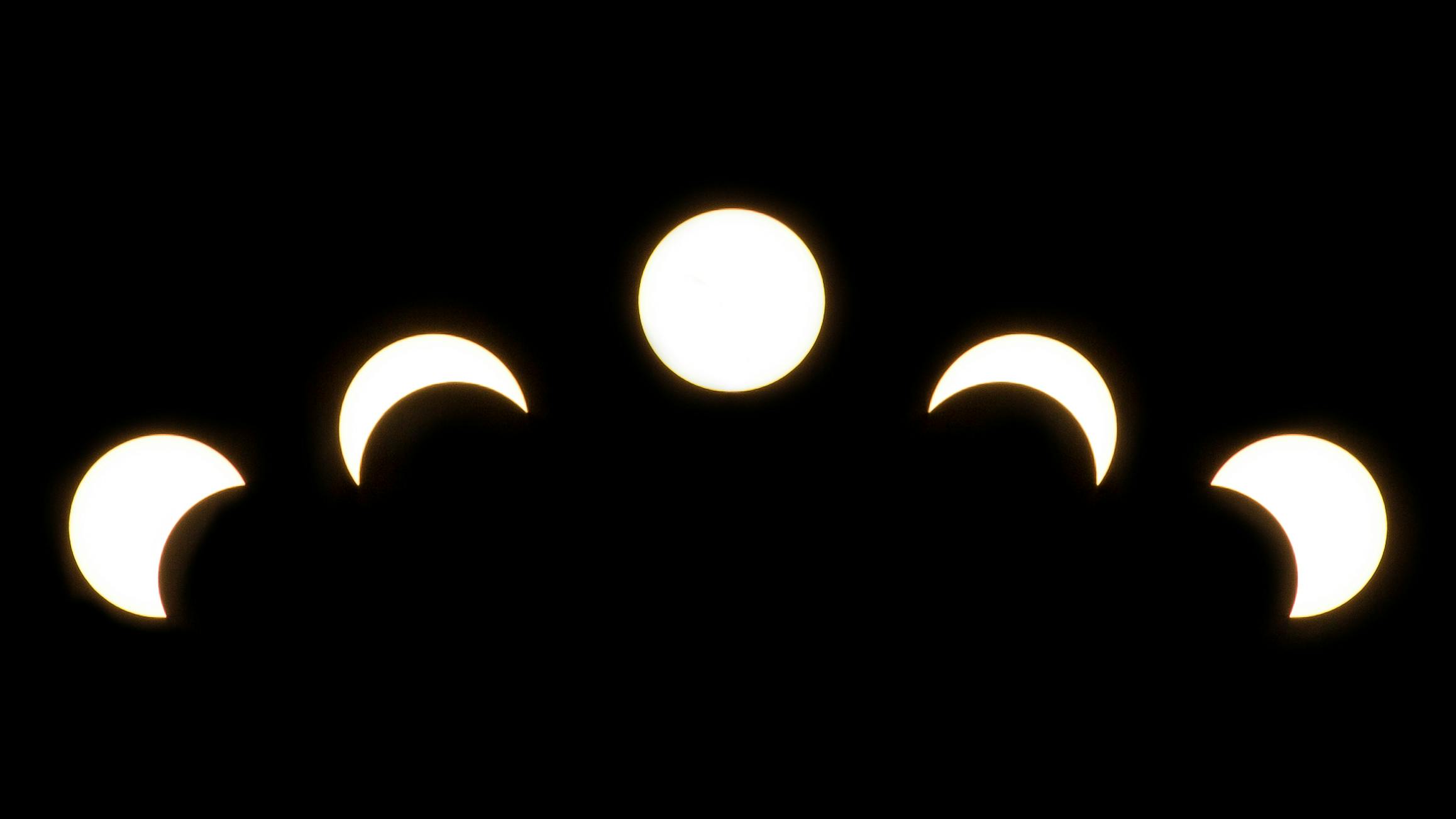
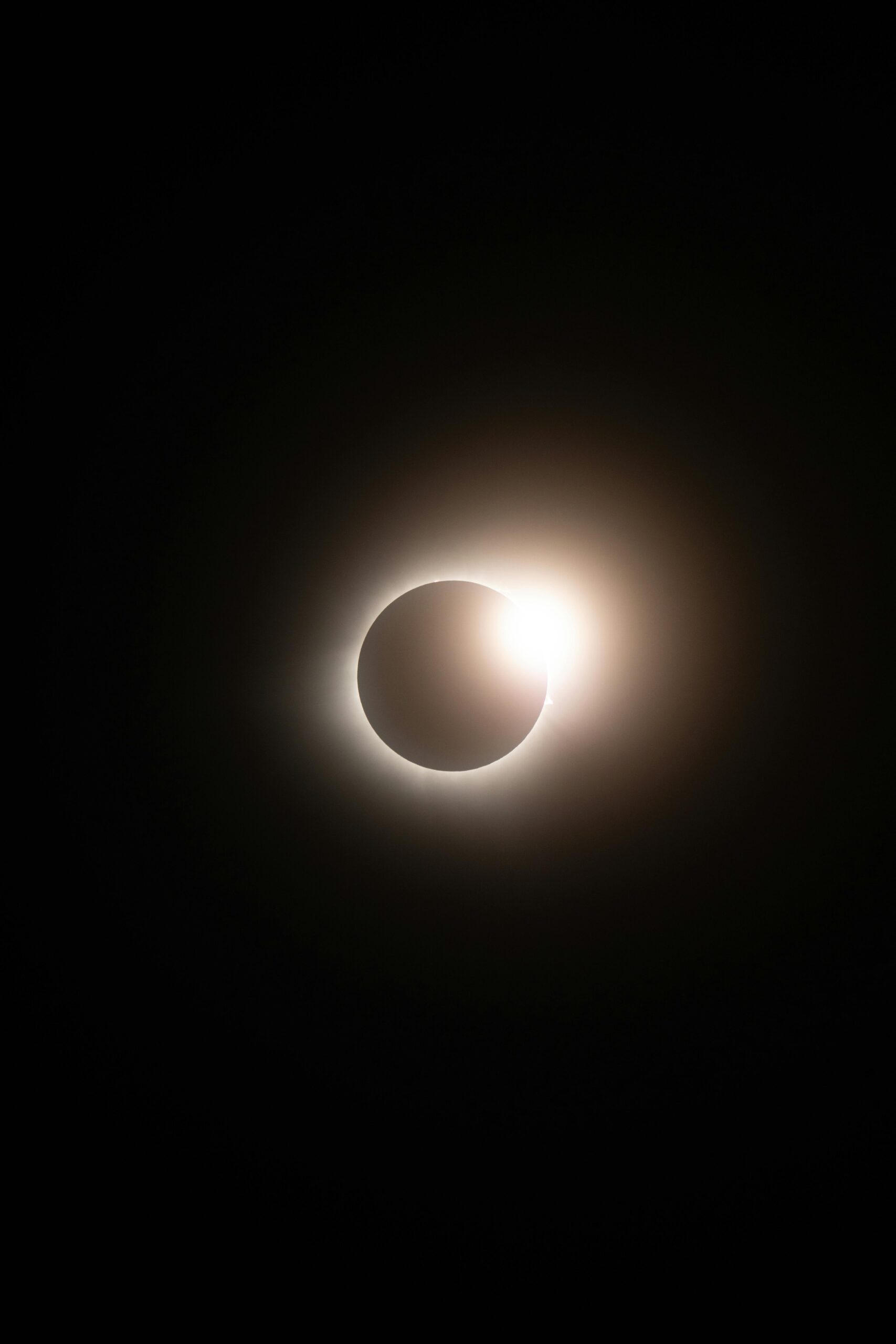
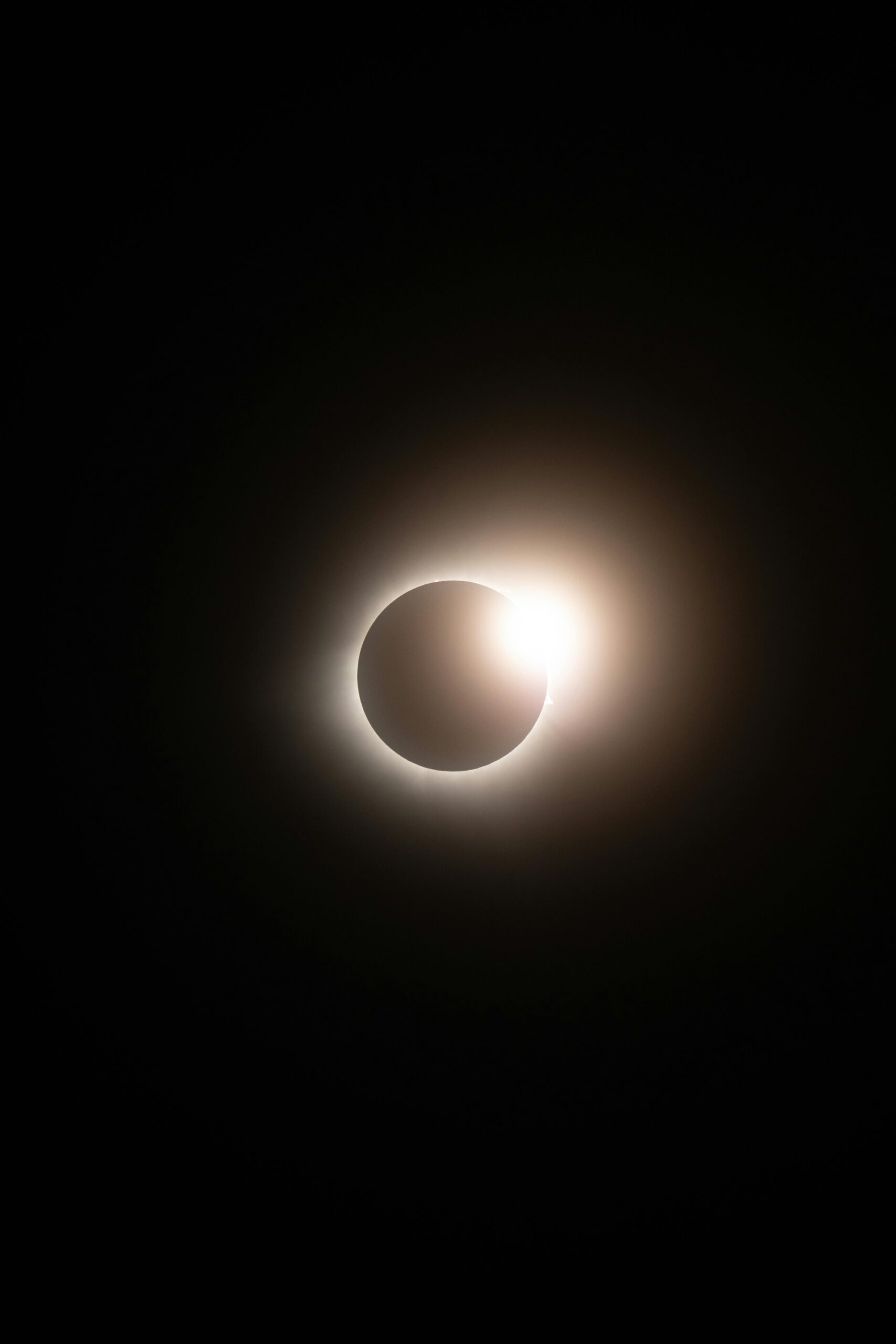
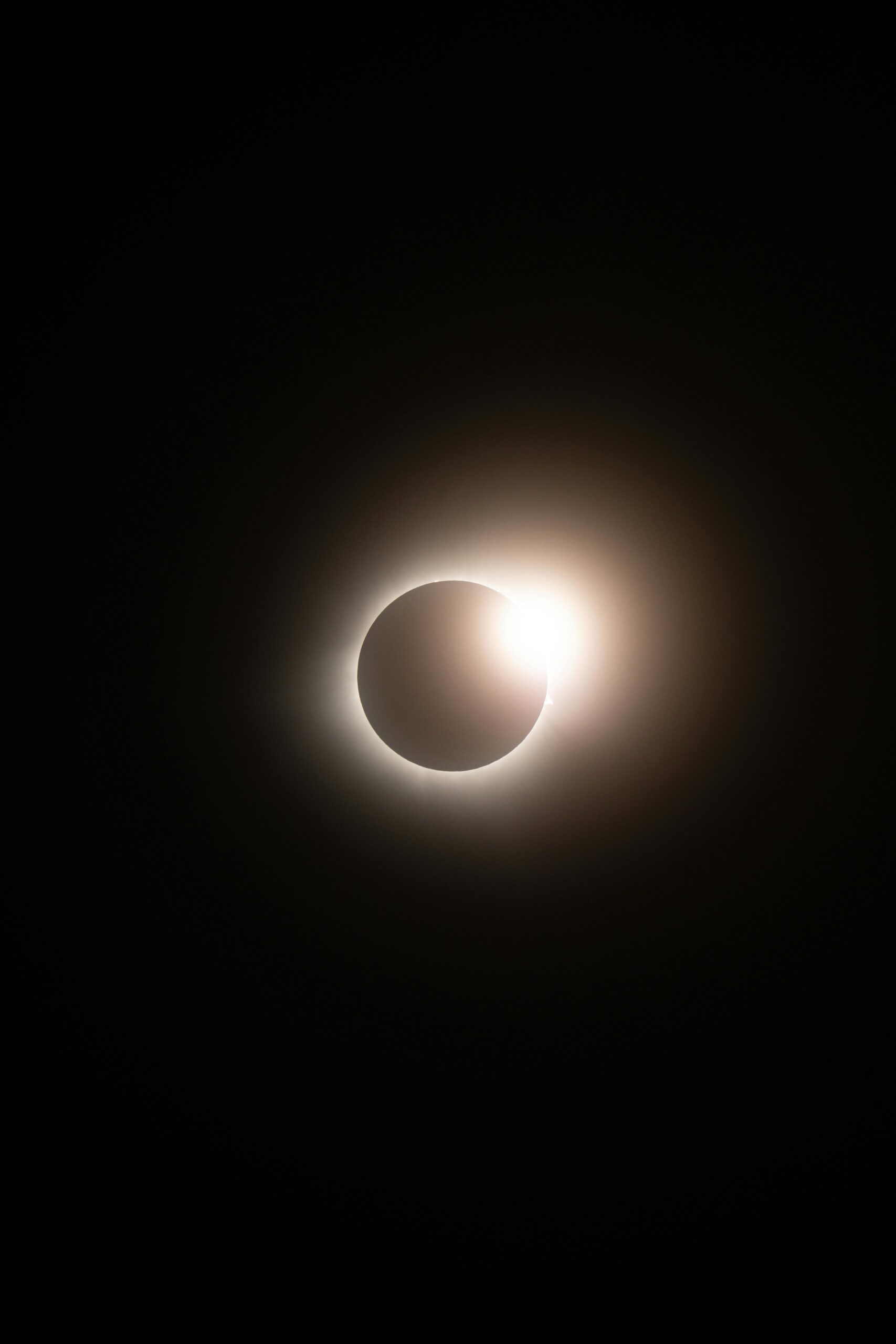
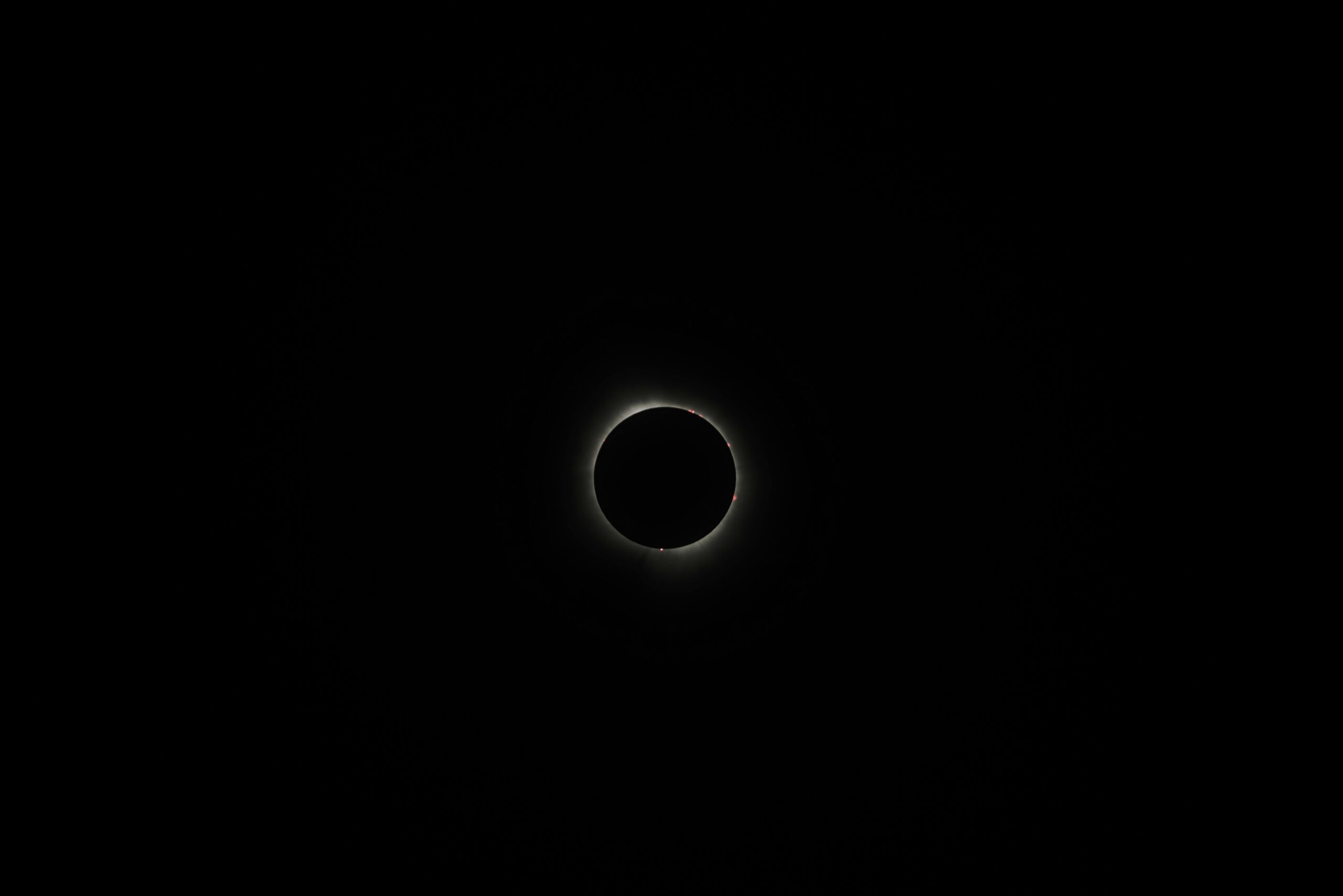
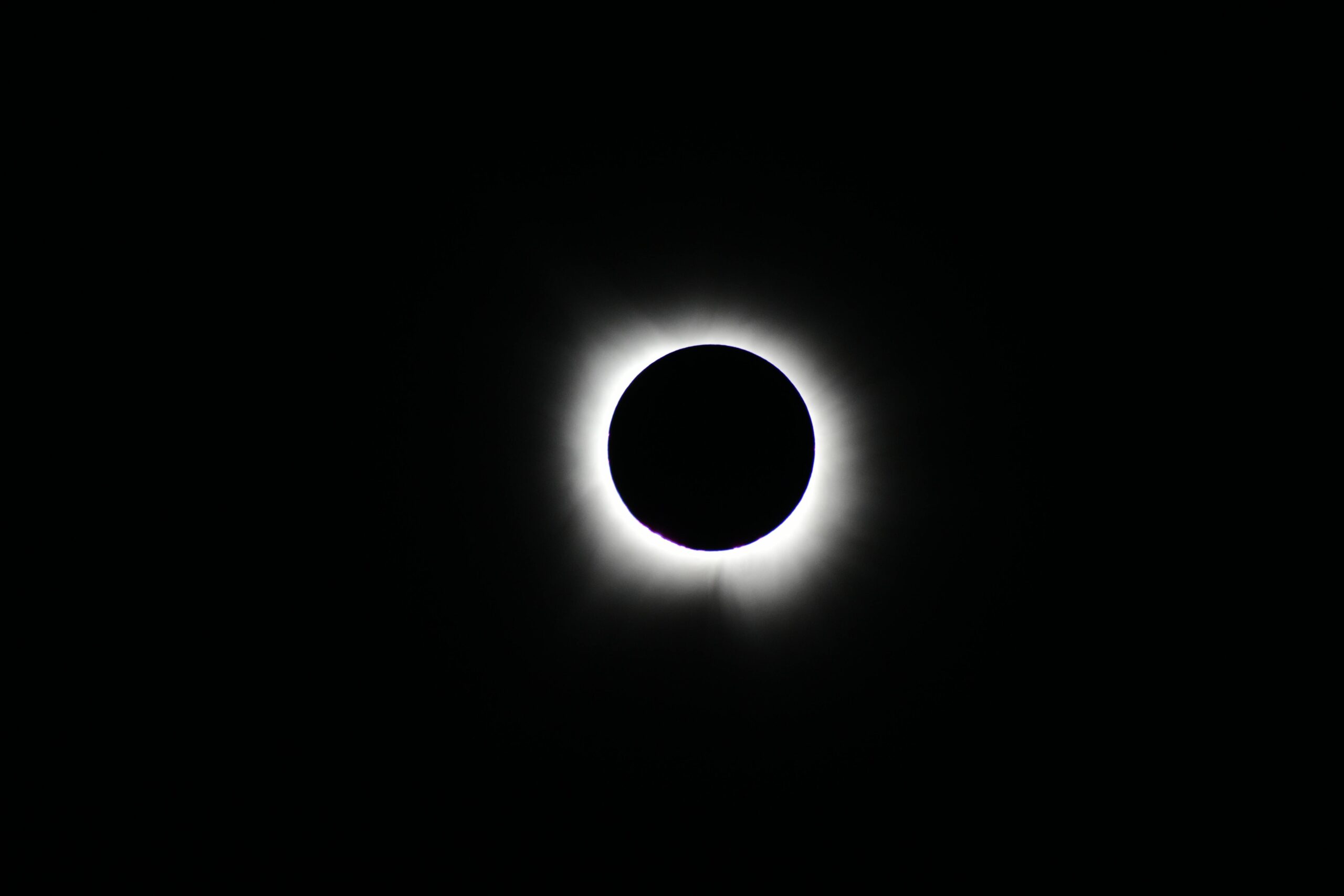
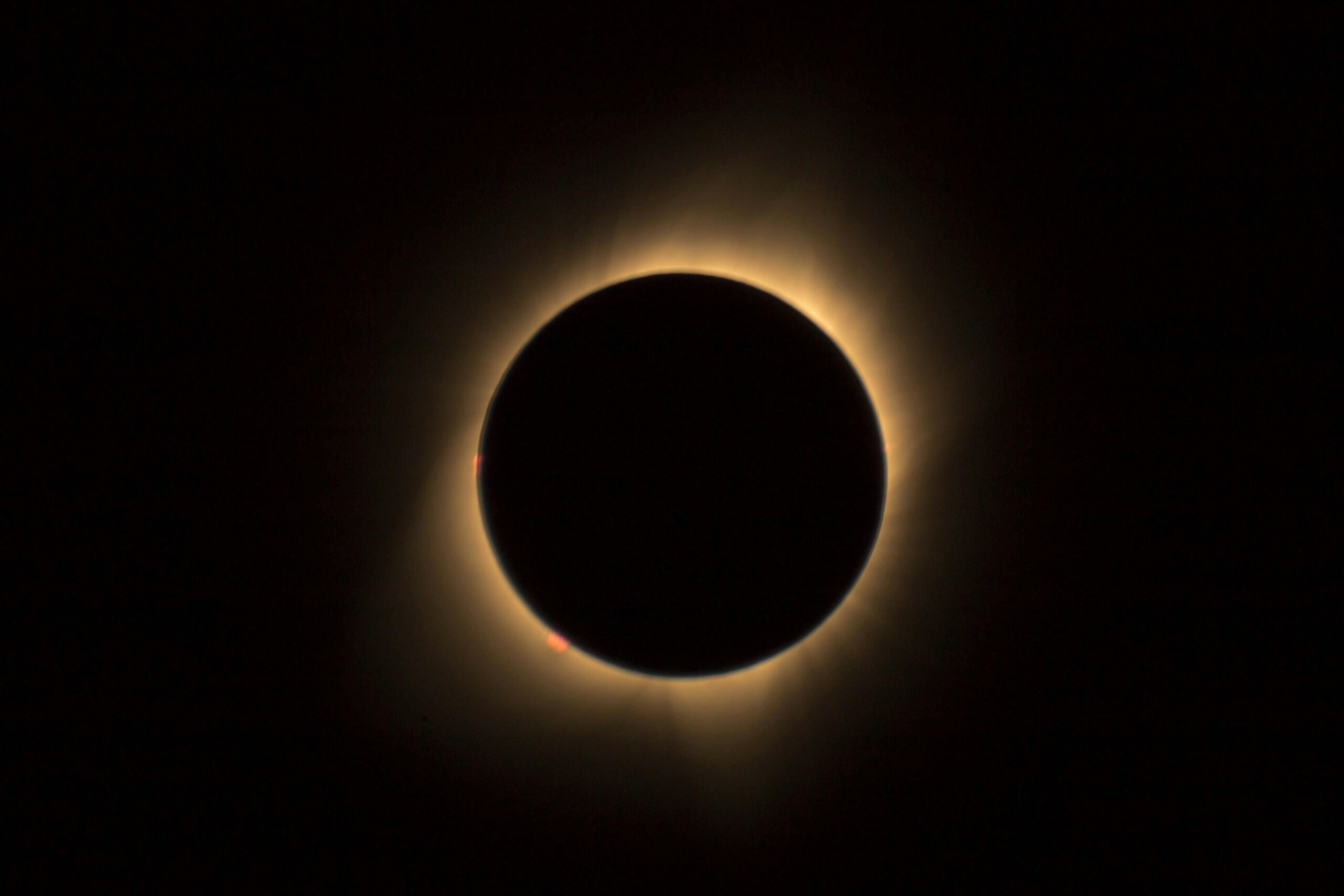
The celestial spectacle of the century is upon us. On April 8, 2024, the United States will witness a rare total solar eclipse, captivating millions of spectators across the country. This extraordinary event, often referred to as the Great American Solar Eclipse, promises to be a breathtaking display of nature’s grandeur. As anticipation builds, it’s essential to understand the significance, safety measures, and educational opportunities surrounding this astronomical phenomenon.
The Path of Totality: Where and When
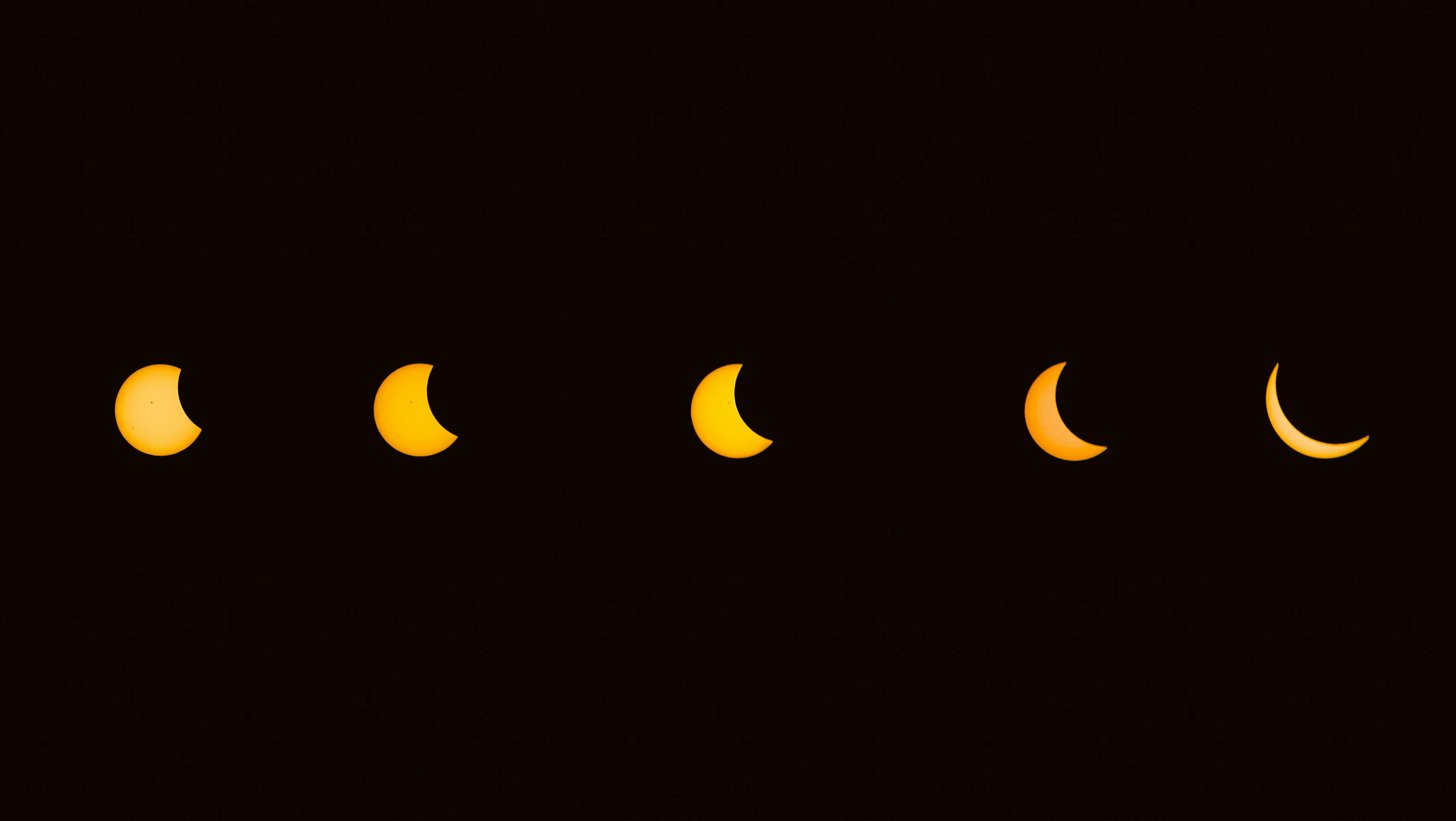
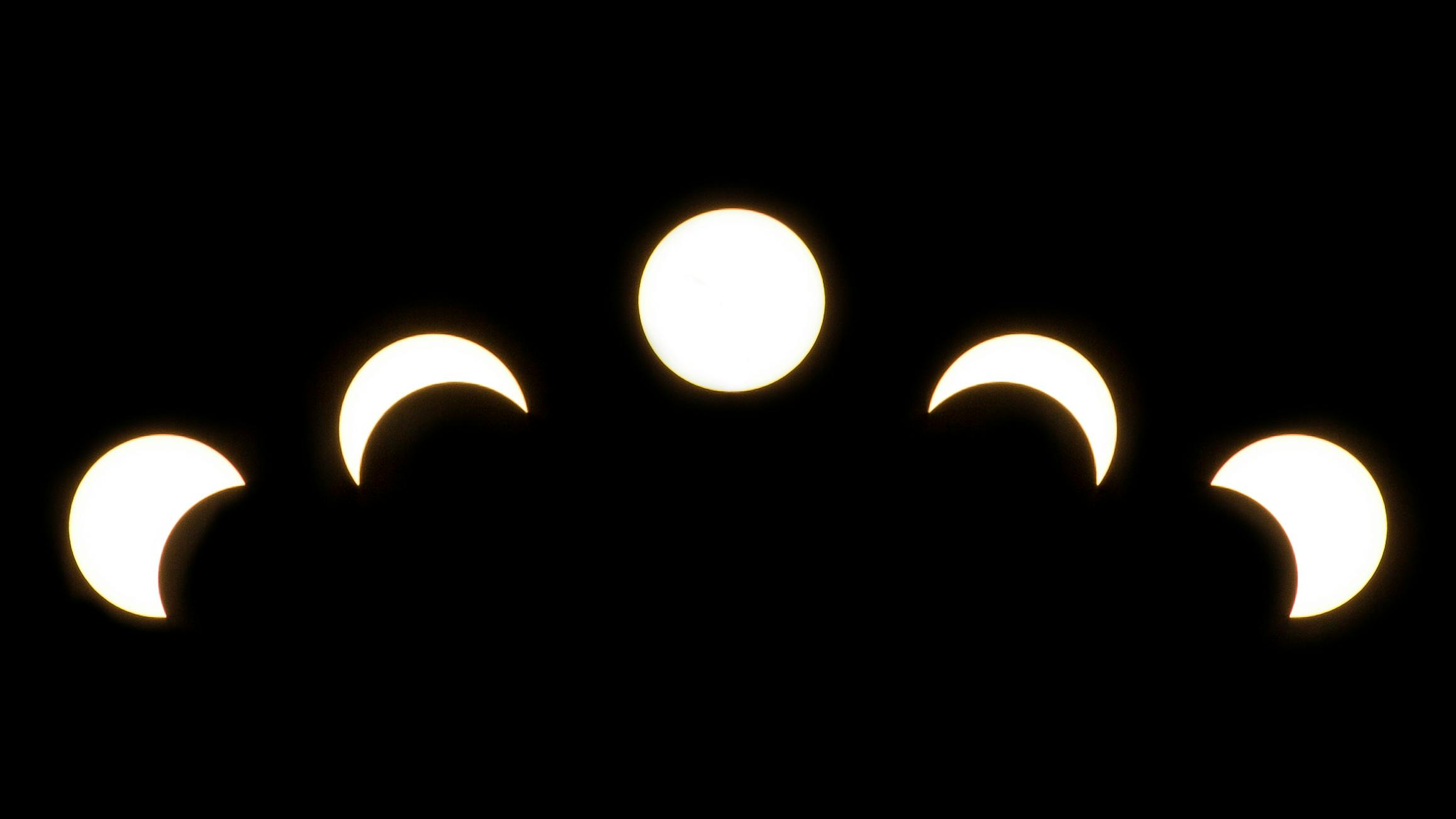
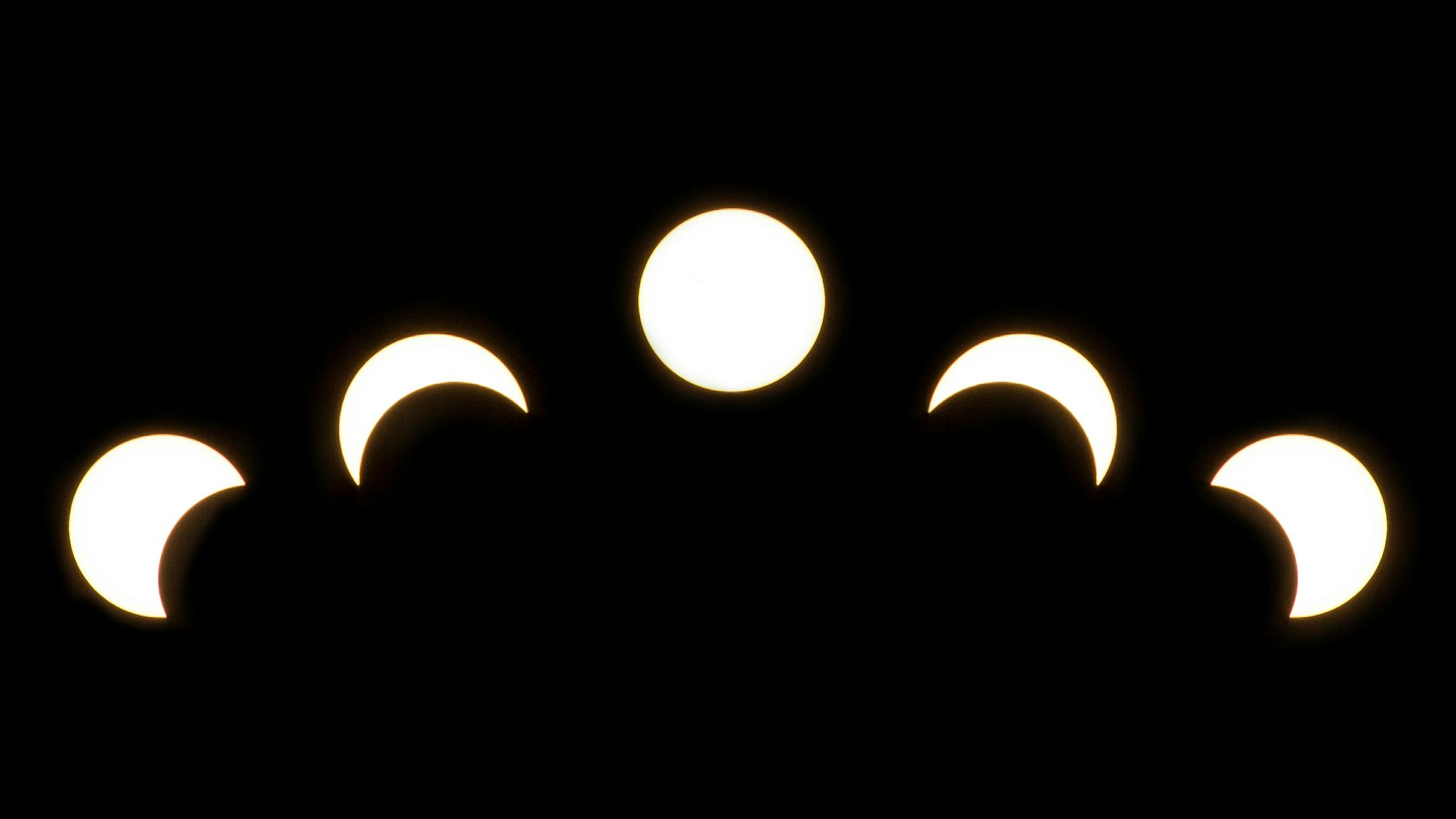
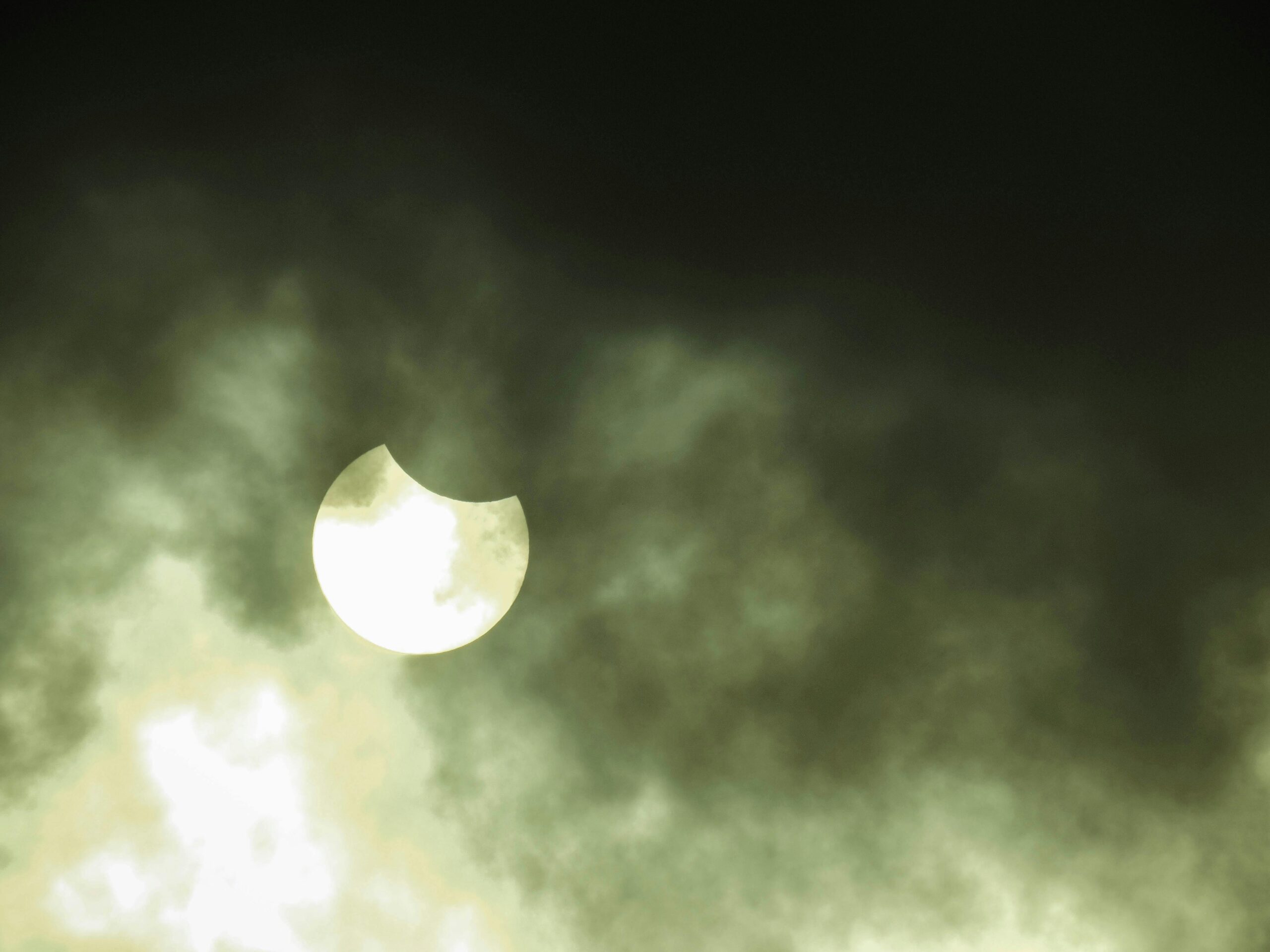
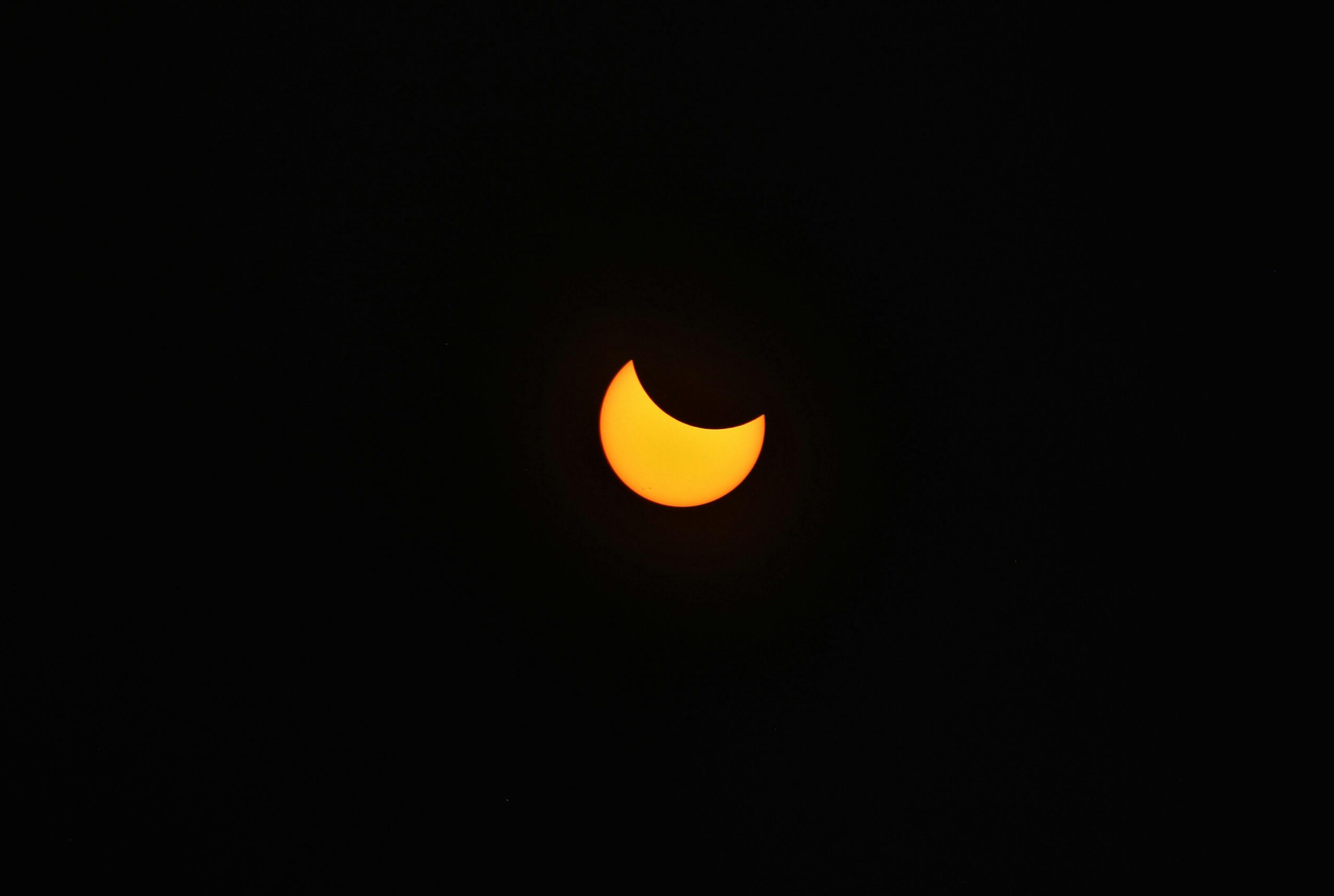
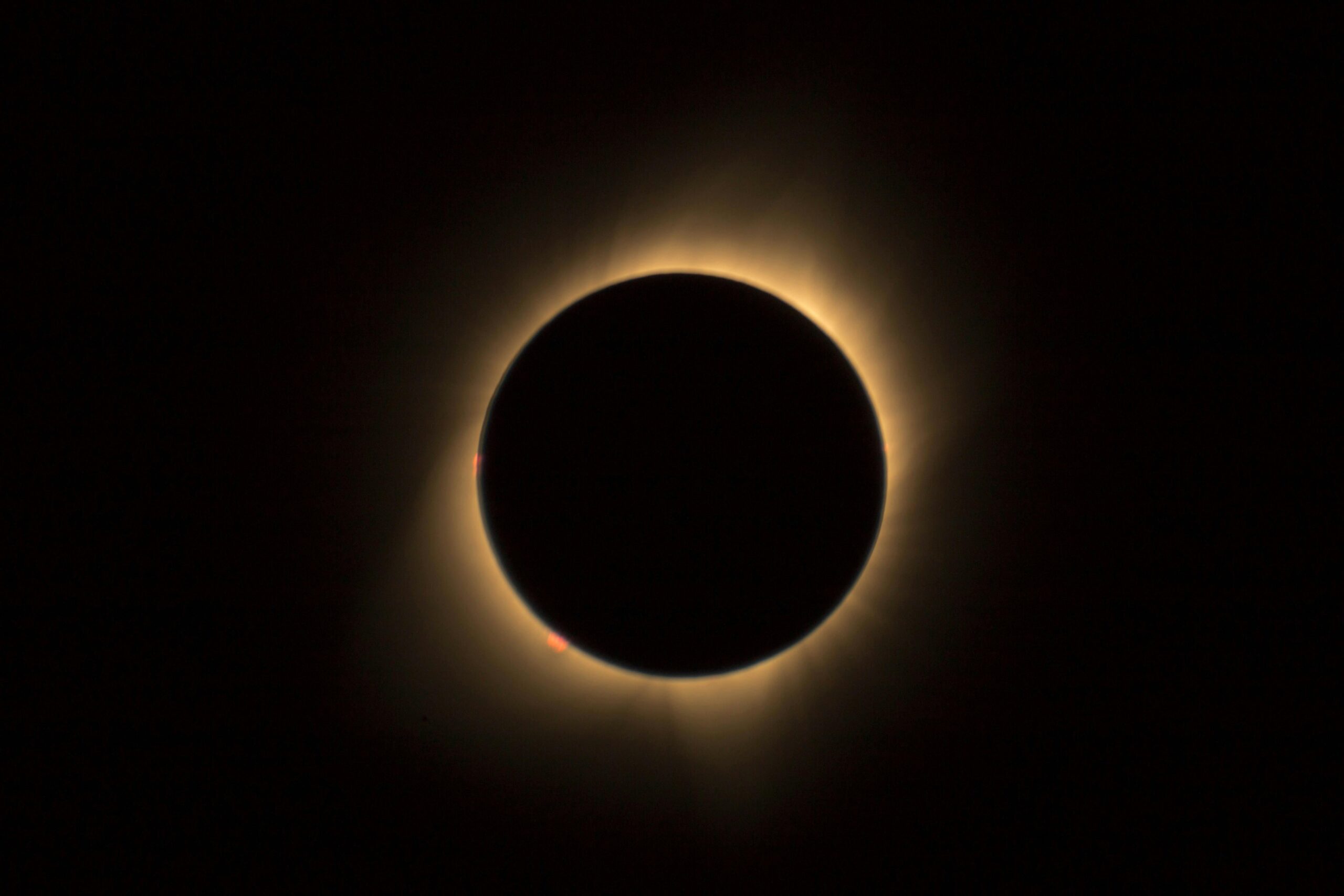
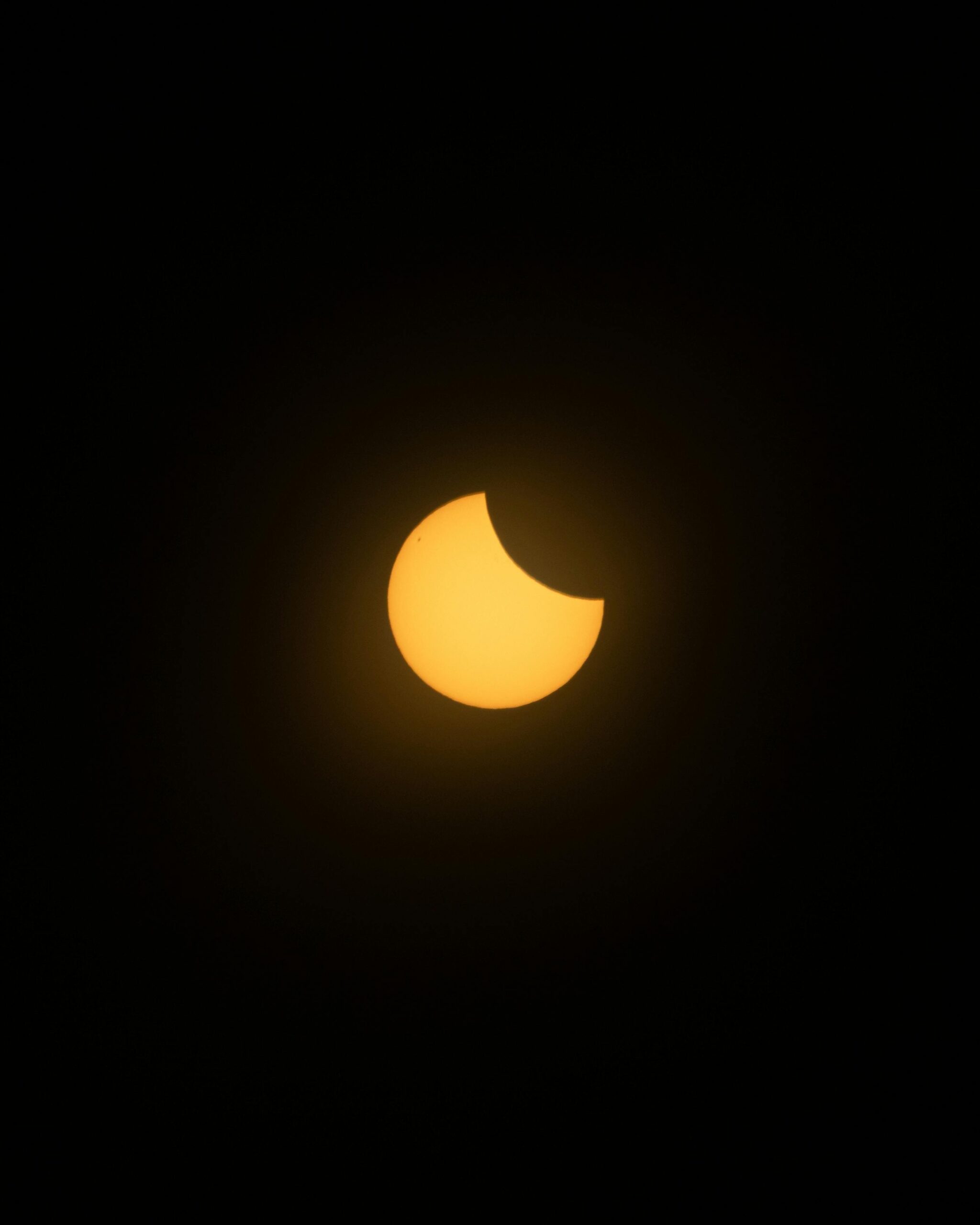
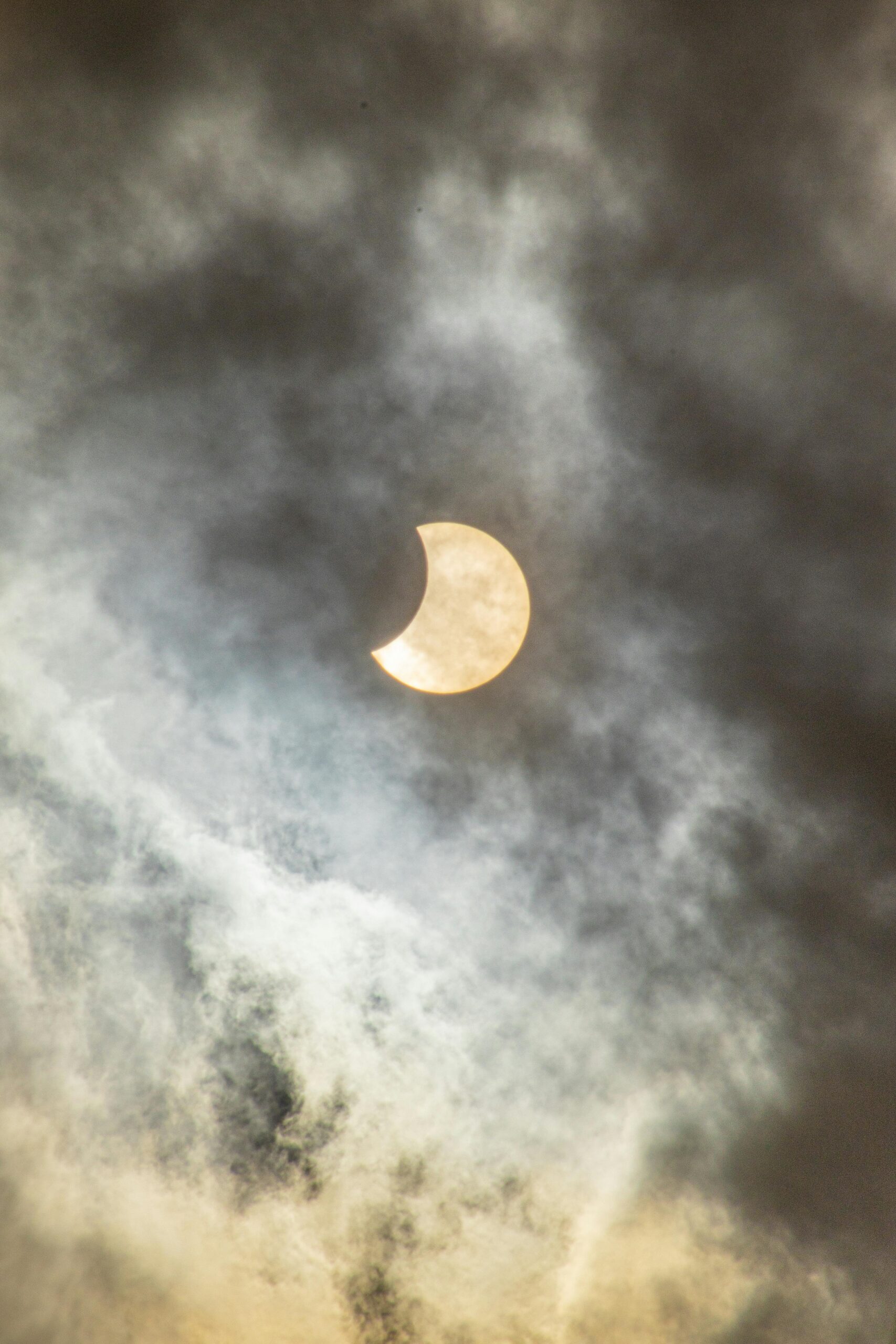
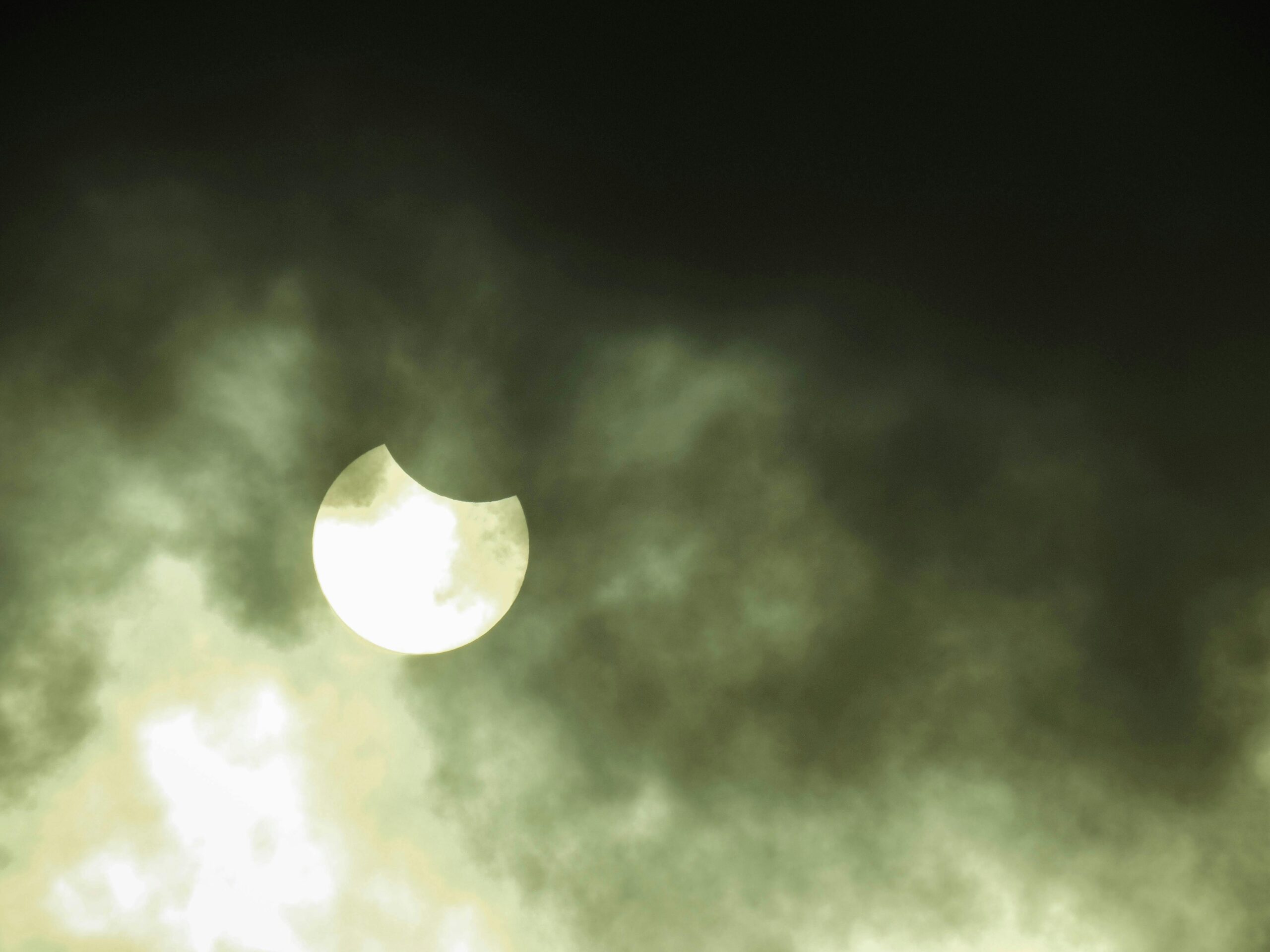
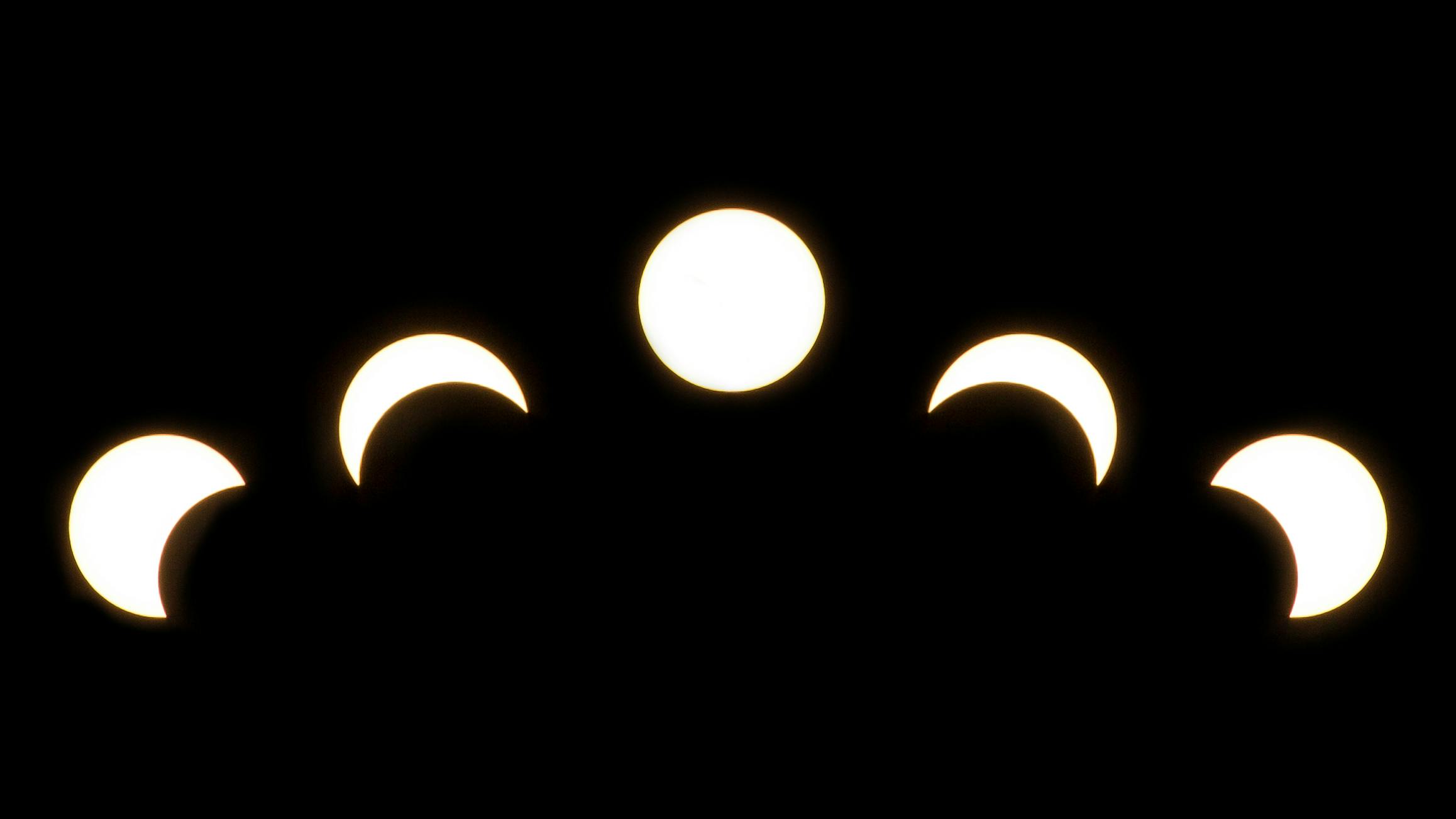
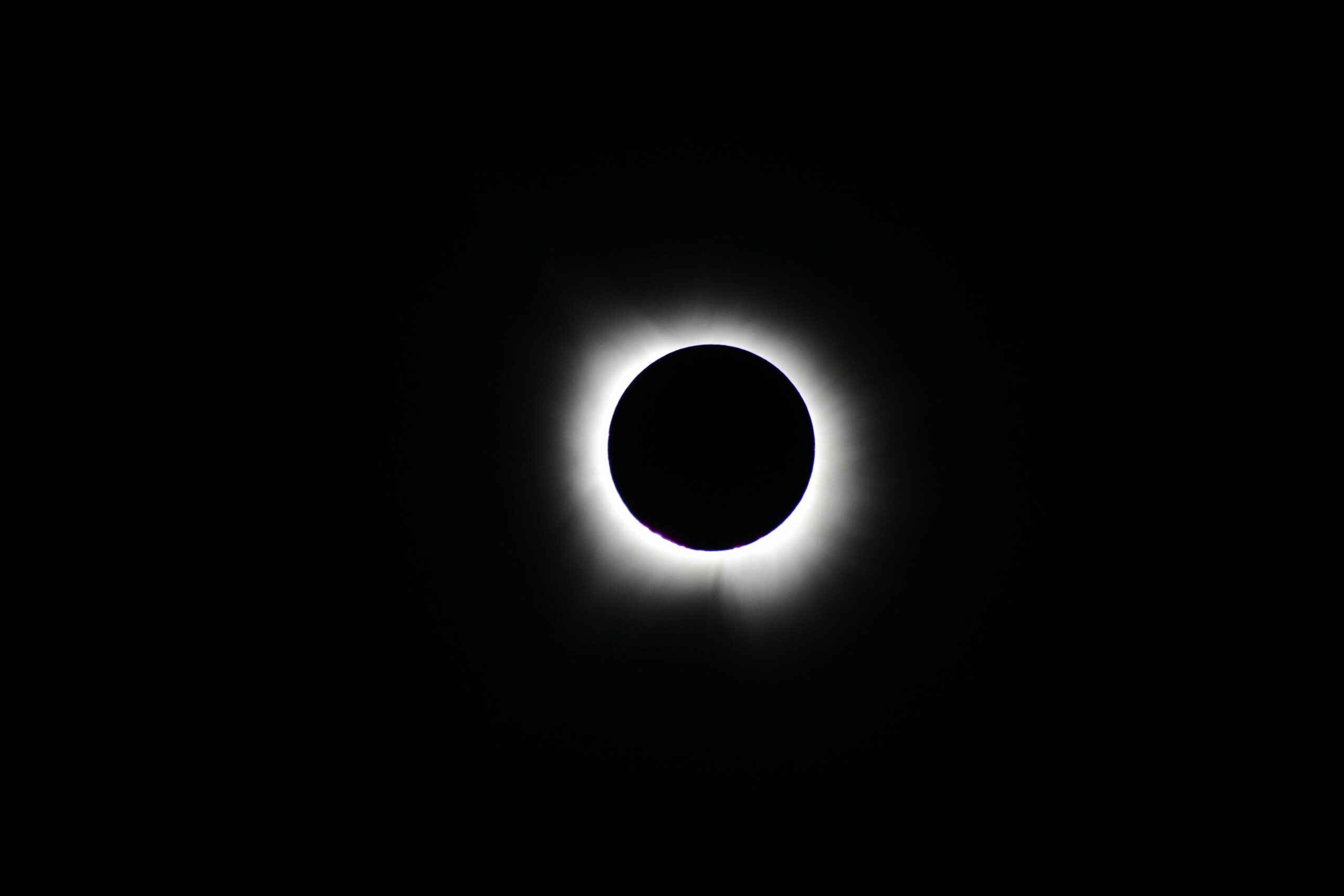
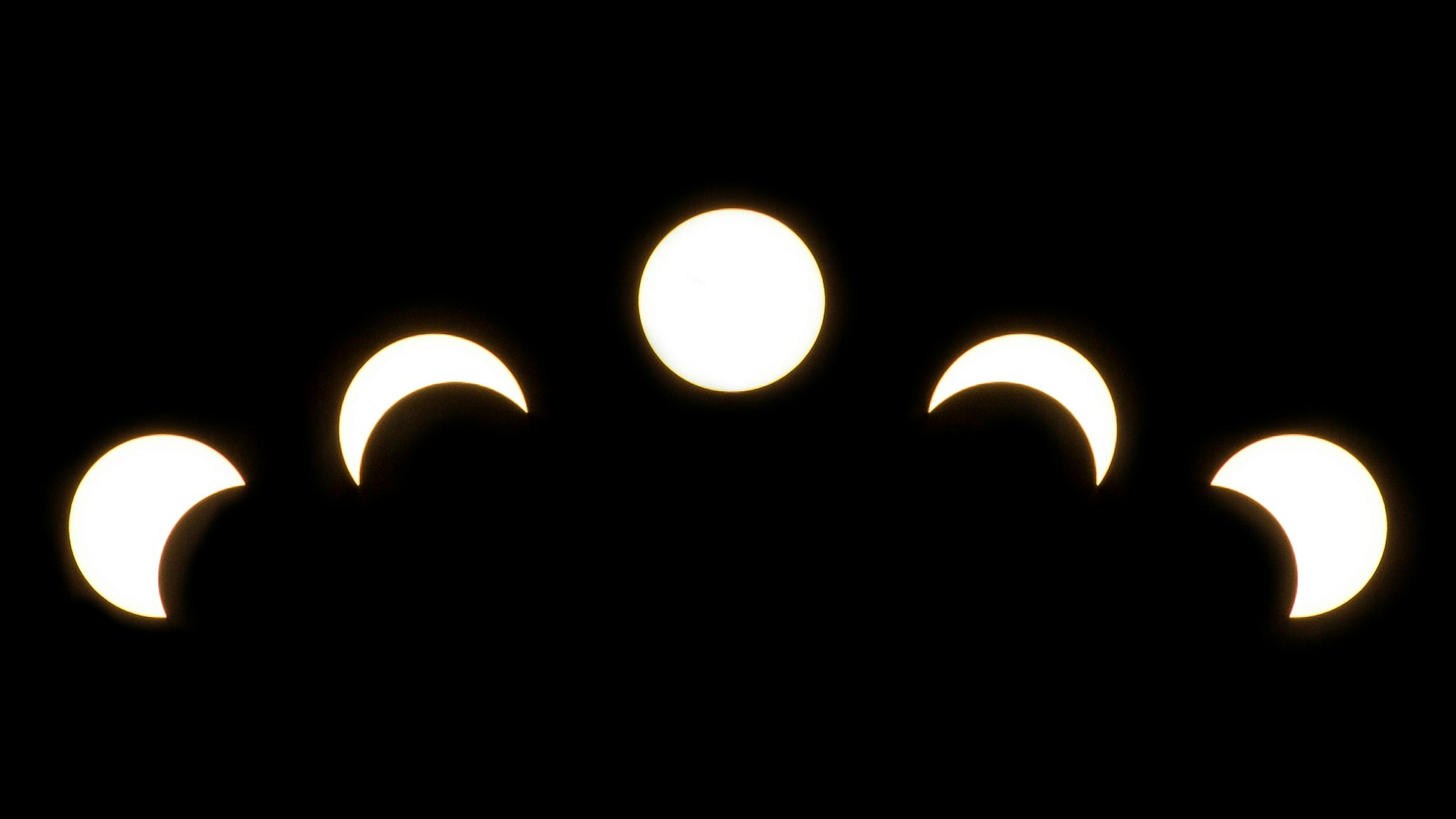
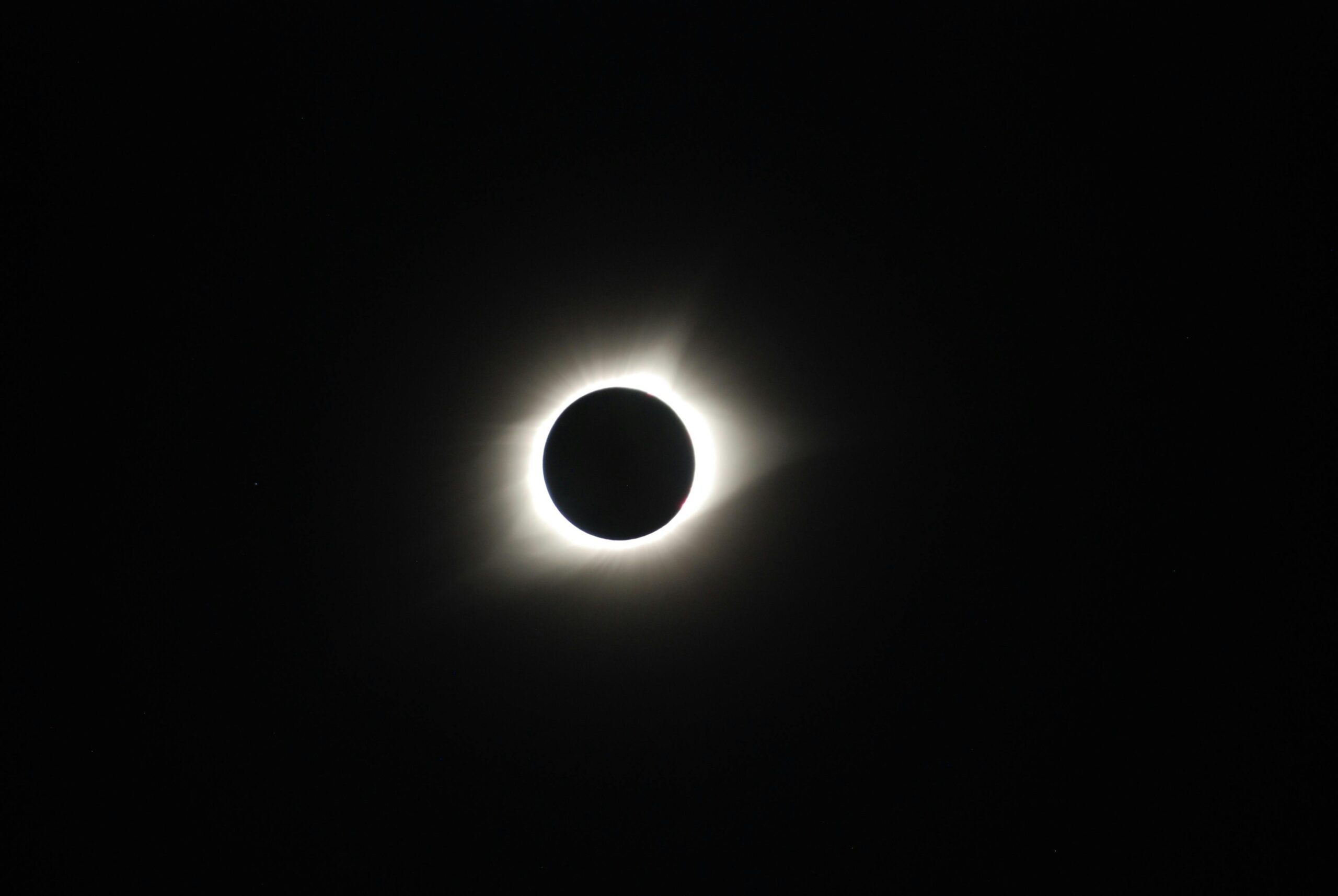
The path of totality, where the moon will completely obscure the sun, will stretch from the southern tip of Texas to the northeastern corner of Maine. Cities such as Dallas, Indianapolis, Cleveland, and Buffalo will experience the eclipse in its full glory. The eclipse will begin in Texas around 1:30 PM CDT and conclude in Maine by approximately 3:35 PM EDT. For those outside the path of totality, a partial eclipse will still offer a remarkable sight, with varying degrees of coverage depending on the location.
Key Timings and Locations
- Dallas, Texas: Totality begins at 1:40 PM CDT, lasting for about 4 minutes.
- Indianapolis, Indiana: Totality begins at 3:02 PM EDT, lasting for approximately 3 minutes and 45 seconds.
- Cleveland, Ohio: Totality begins at 3:13 PM EDT, lasting for about 3 minutes and 50 seconds.
- Buffalo, New York: Totality begins at 3:18 PM EDT, lasting for around 3 minutes and 45 seconds.
Safety First: Protecting Your Eyes During the Eclipse
Watching a solar eclipse is an unforgettable experience, but it’s crucial to prioritize eye safety. Directly looking at the sun, even during an eclipse, can cause permanent eye damage. To safely observe the eclipse, use certified solar viewing glasses that meet the ISO 12312-2 international safety standard. Regular sunglasses are not sufficient for protecting your eyes from the sun’s harmful rays. Additionally, indirect viewing methods, such as pinhole projectors, can provide a safe and enjoyable way to experience the eclipse.
For those planning to capture the event on camera, special solar filters are necessary to prevent damage to your equipment. Telescopes and binoculars should also be equipped with appropriate solar filters. Always follow the guidelines provided by reputable astronomical organizations to ensure a safe and enjoyable viewing experience.
Educational Opportunities: Learning from the Eclipse
The Great American Solar Eclipse presents a unique educational opportunity for students of all ages. Schools across the country are incorporating eclipse-related lessons into their curricula, teaching students about the science behind solar eclipses, the mechanics of the solar system, and the historical significance of these celestial events. Educational institutions are also organizing viewing parties and workshops to engage students in hands-on learning experiences.
For example, many schools are partnering with local astronomical societies to provide students with access to telescopes and expert guidance. These collaborations not only enhance students’ understanding of astronomy but also foster a sense of community and shared excitement. Additionally, online resources and virtual events are available for those who cannot attend in-person gatherings, ensuring that everyone has the opportunity to learn and participate.
In Pakistan, educational institutions are also taking advantage of this celestial event to inspire young minds. According to Pakistan schools education news, schools across the country are organizing special assemblies and workshops to educate students about the science behind solar eclipses. These initiatives aim to spark a lifelong interest in astronomy and science among the youth.
Historical Significance: Solar Eclipses Through the Ages
Solar eclipses have fascinated humanity for centuries, often serving as catalysts for scientific discovery and cultural myths. Ancient civilizations, such as the Babylonians and the Chinese, recorded eclipses and developed sophisticated methods to predict their occurrence. These early observations laid the groundwork for modern astronomy and our understanding of the solar system.
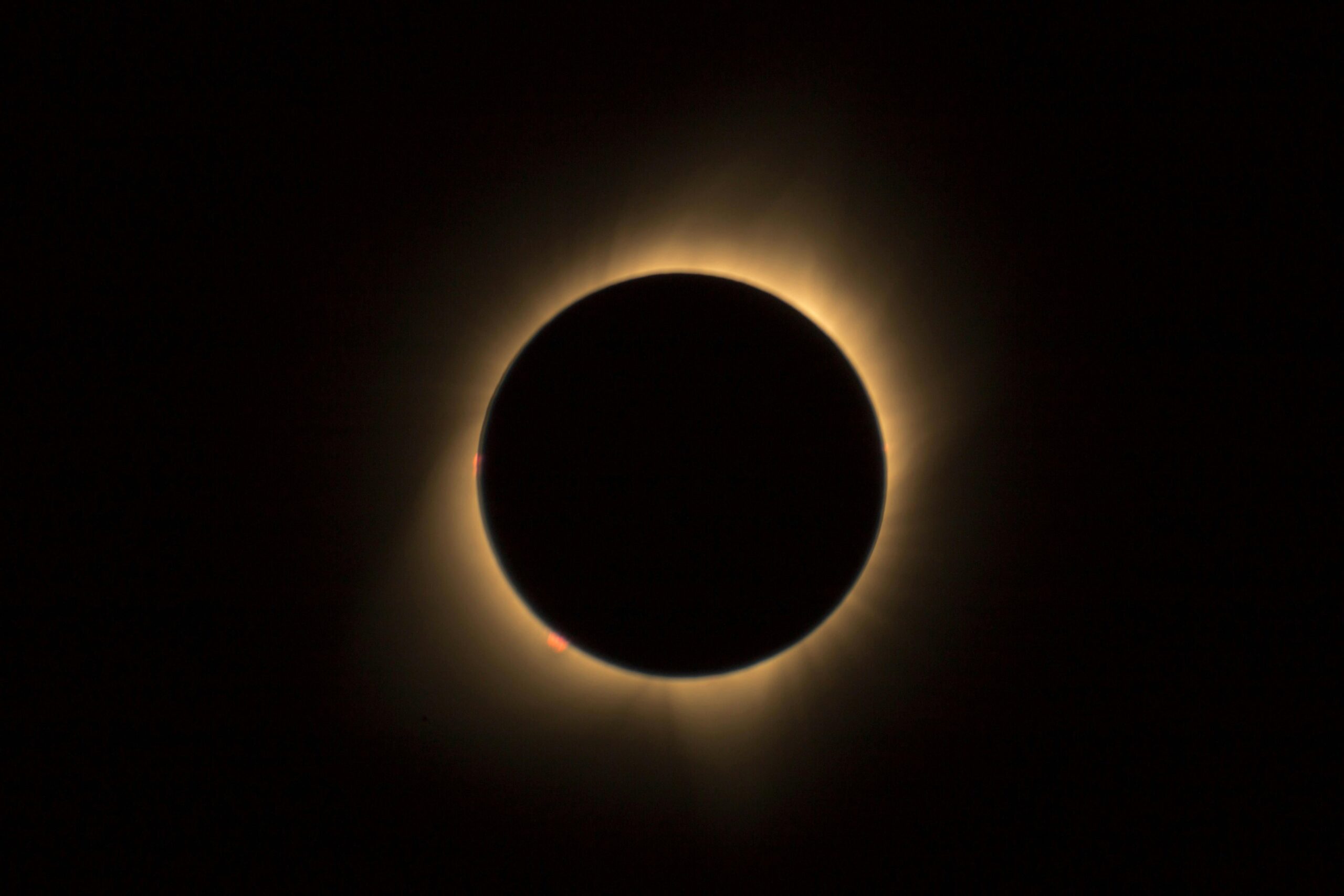
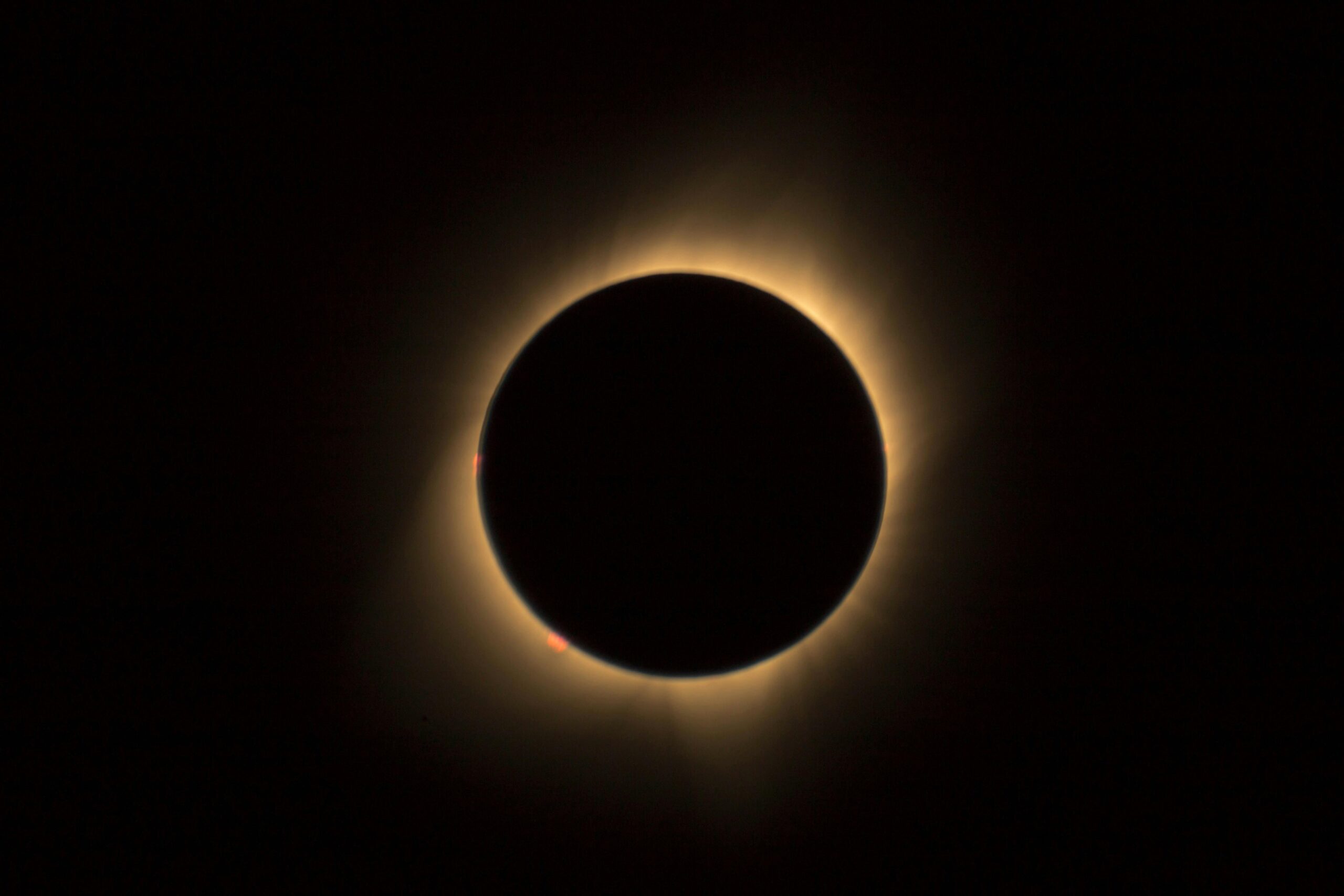
In more recent history, solar eclipses have provided scientists with valuable opportunities to study the sun’s corona, the outermost part of the sun’s atmosphere. During a total solar eclipse, the moon blocks the bright light of the sun, allowing researchers to observe the corona in detail. These observations have led to significant advancements in our understanding of solar activity and its impact on Earth.
The Great American Solar Eclipse of 2024 is expected to follow in this tradition, offering scientists a rare chance to study the sun’s corona and other celestial phenomena. Researchers from various fields, including astronomy, physics, and meteorology, will be closely monitoring the eclipse to gather data and conduct experiments. The insights gained from this event will contribute to our ongoing exploration of the universe and our place within it.
Preparing for the Eclipse: Tips and Resources
As the date of the eclipse approaches, it’s essential to prepare adequately to ensure a safe and enjoyable experience. Here are some tips and resources to help you make the most of this celestial event:
- Plan Your Viewing Location: If you’re within the path of totality, choose a spot with an unobstructed view of the sky. Consider factors such as weather conditions, traffic, and local events that may affect your viewing experience.
- Gather the Right Equipment: Obtain certified solar viewing glasses and any necessary camera filters. If you plan to use a telescope or binoculars, ensure they are equipped with appropriate solar filters.
- Stay Informed: Follow updates from reputable sources such as NASA, the American Astronomical Society, and local astronomical societies. These organizations provide valuable information and resources to help you prepare for the eclipse.
- Engage with the Community: Join local viewing parties, workshops, or online forums to connect with fellow enthusiasts and share your experience. These events offer a great opportunity to learn from experts and make new friends.
- Capture the Moment: If you’re planning to photograph the eclipse, familiarize yourself with the necessary techniques and equipment. Practice capturing images of the sun before the event to ensure you’re prepared.
The Great American Solar Eclipse of 2024 is a once-in-a-lifetime event that promises to captivate and inspire millions of people across the United States. By understanding the science behind the eclipse, prioritizing safety, and embracing the educational opportunities it presents, we can all contribute to the ongoing exploration of our universe. As we prepare to witness this celestial spectacle, let us remember the historical significance of solar eclipses and the enduring fascination they hold for humanity.