The Great American Eclipse of 2024: An Overview
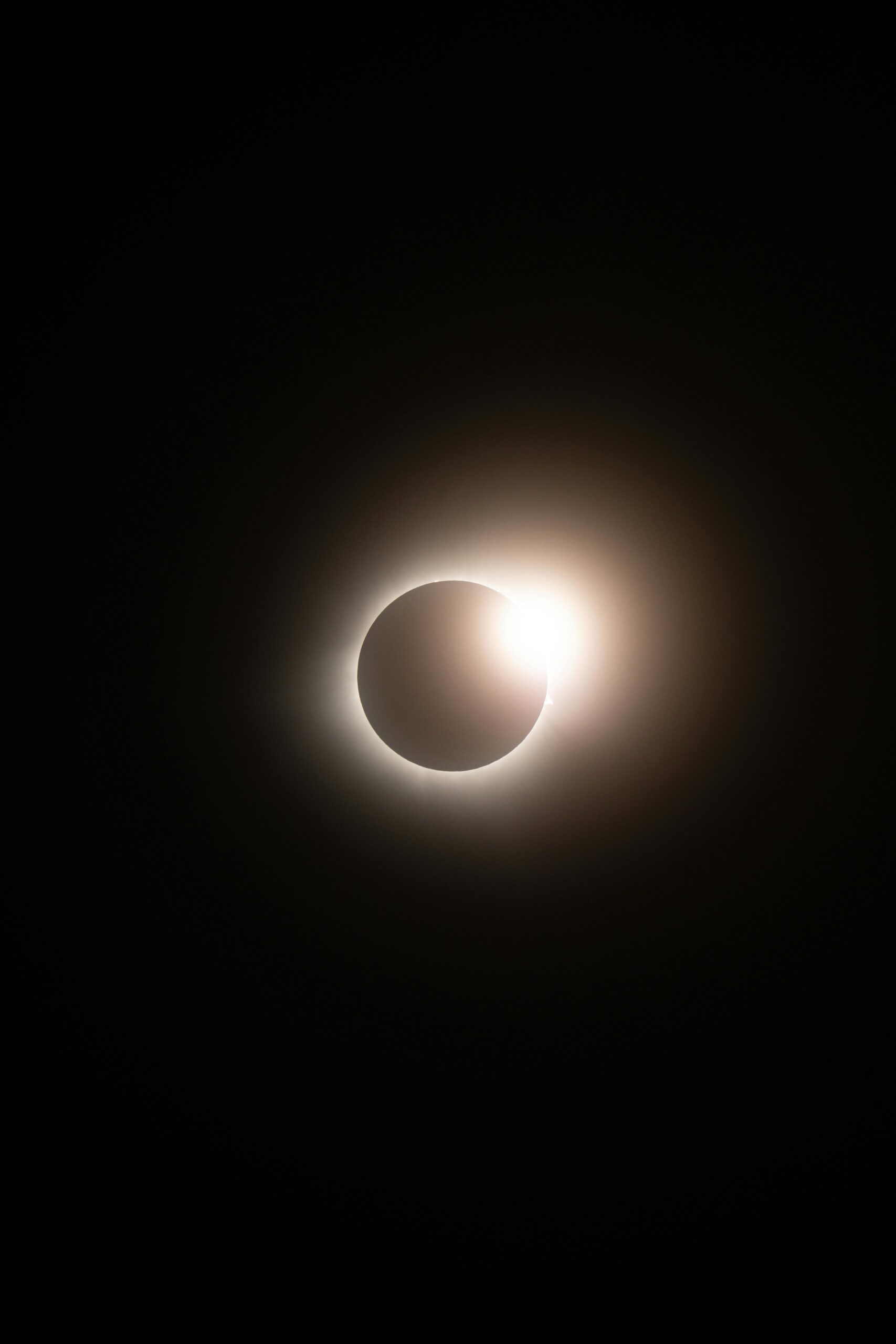
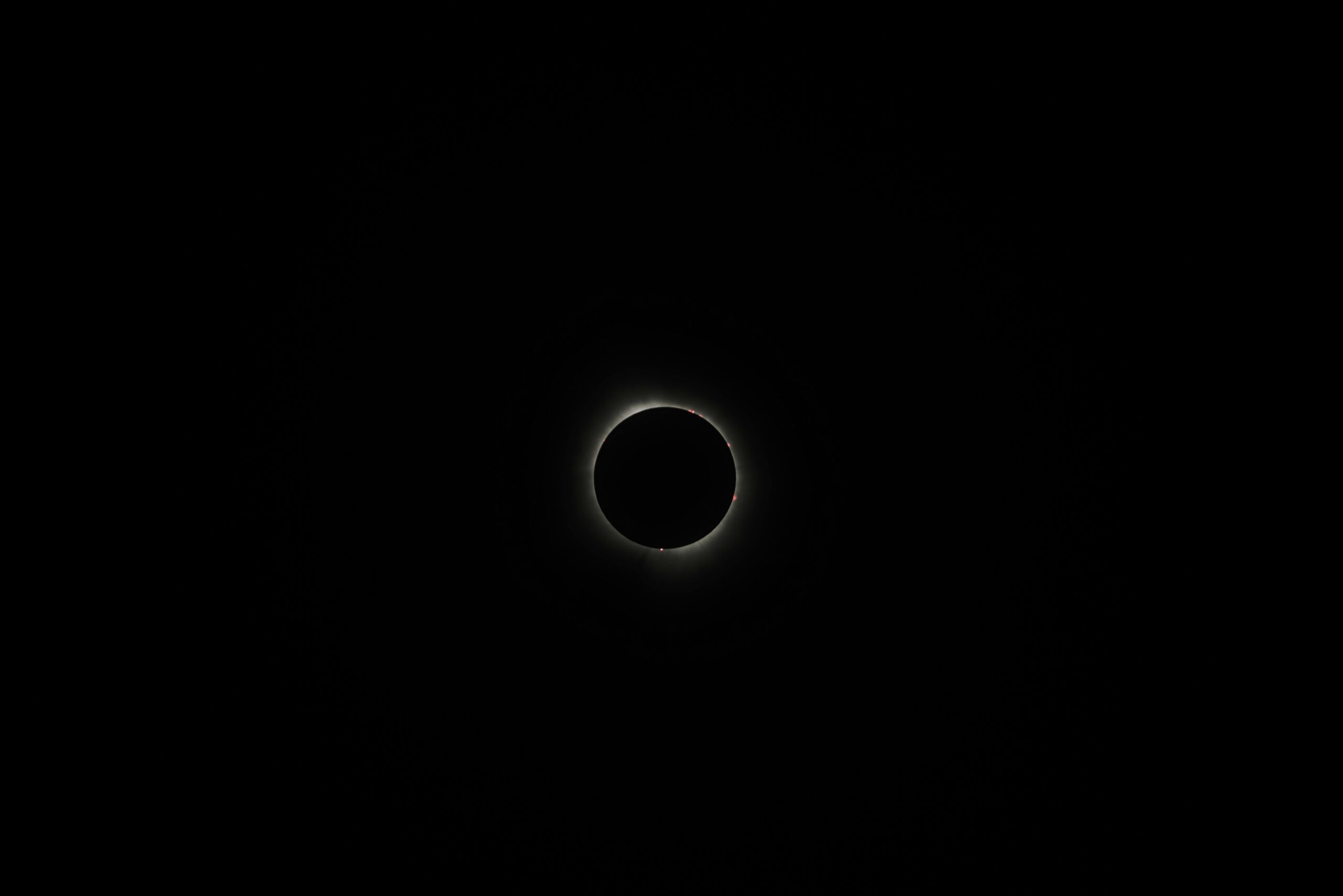
The celestial event of the decade is upon us. On April 8, 2024, the Great American Eclipse will traverse the continent, offering a once-in-a-lifetime experience for millions. This solar eclipse, which will be total in a narrow path stretching from Texas to Maine, promises to be a significant event for both amateur and professional astronomers alike. The last time a total solar eclipse crossed the United States was in 2017, and the next one won’t occur until 2045. This makes the 2024 eclipse a rare and highly anticipated event.
Understanding Solar Eclipses
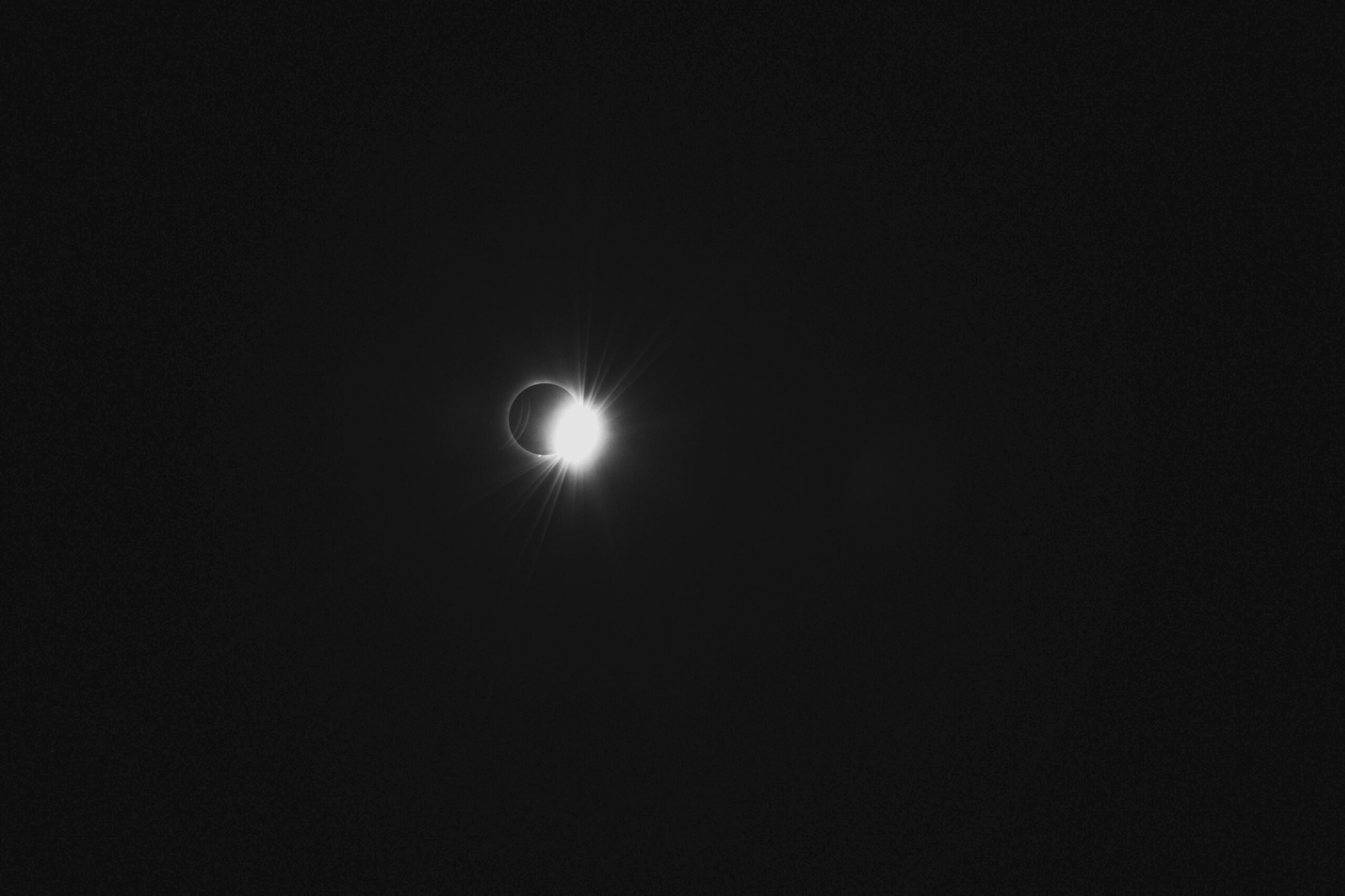
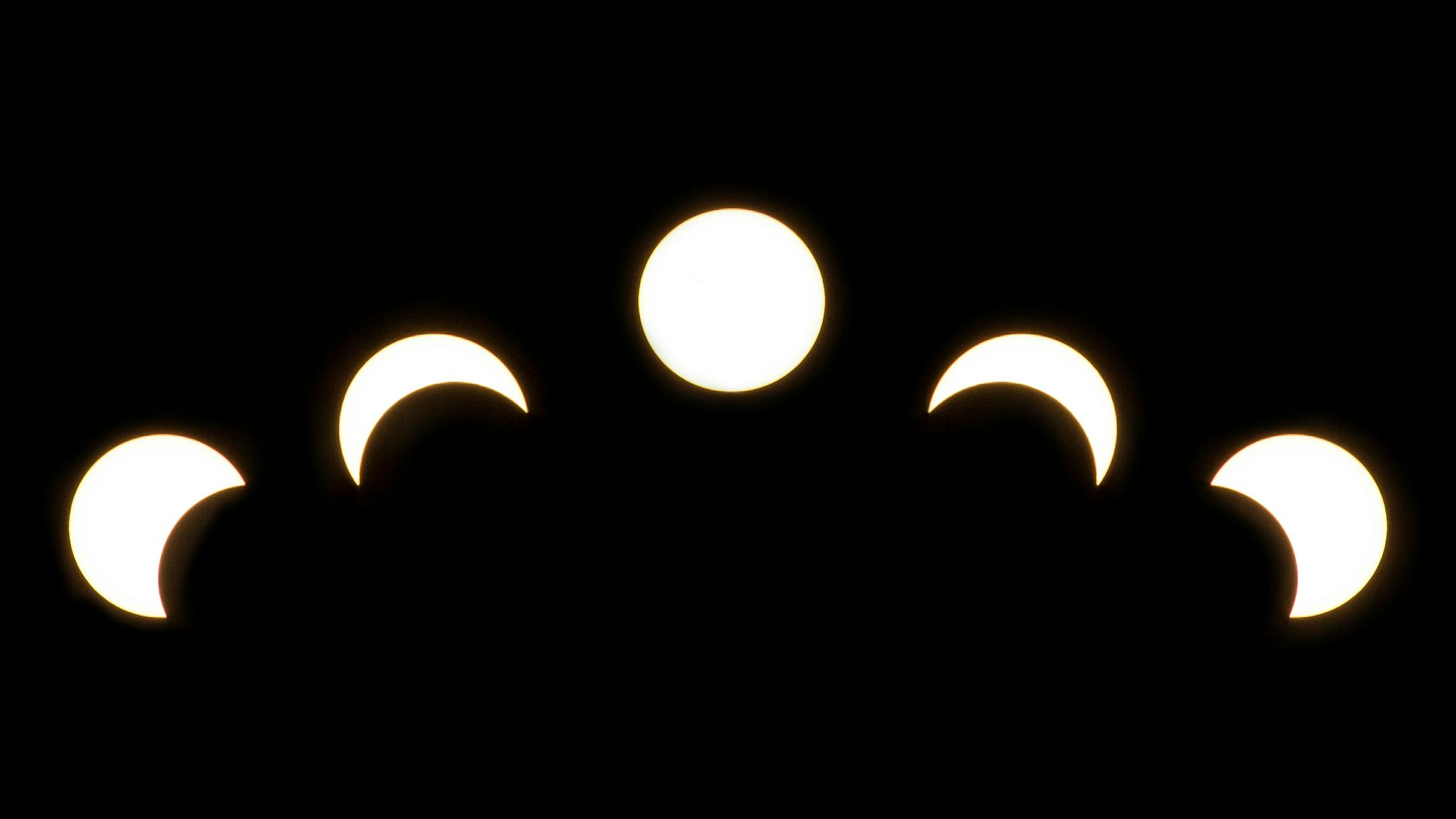
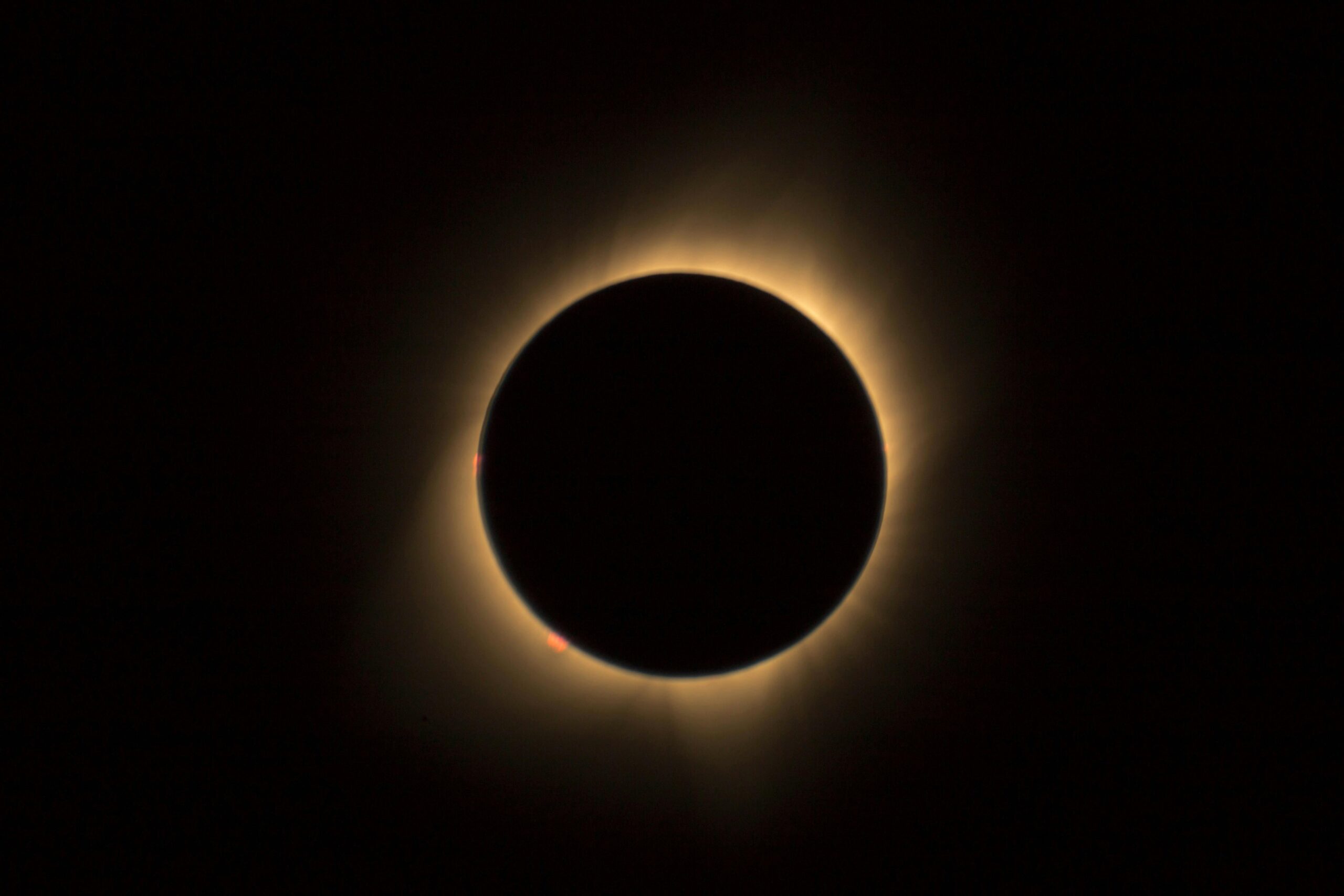
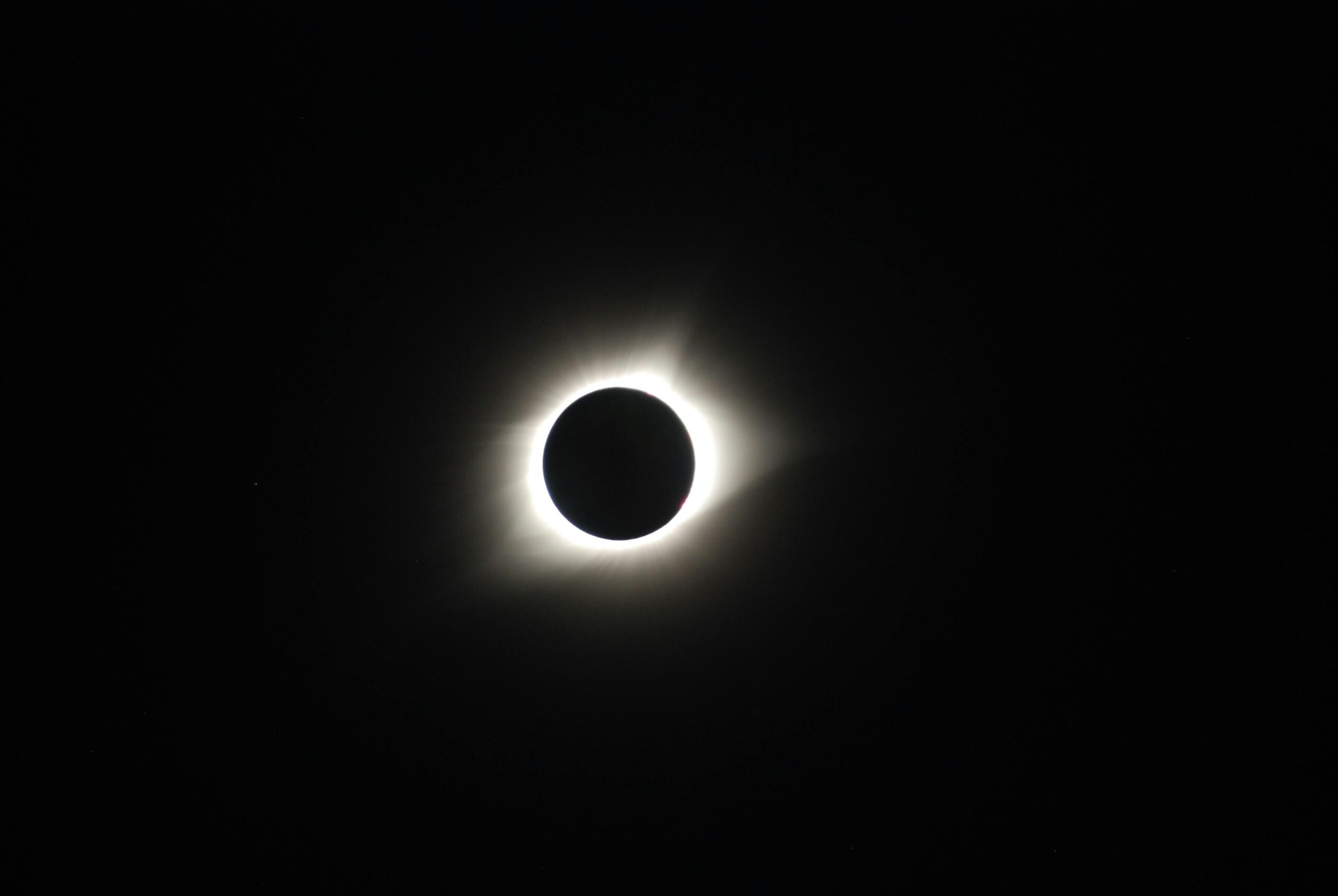
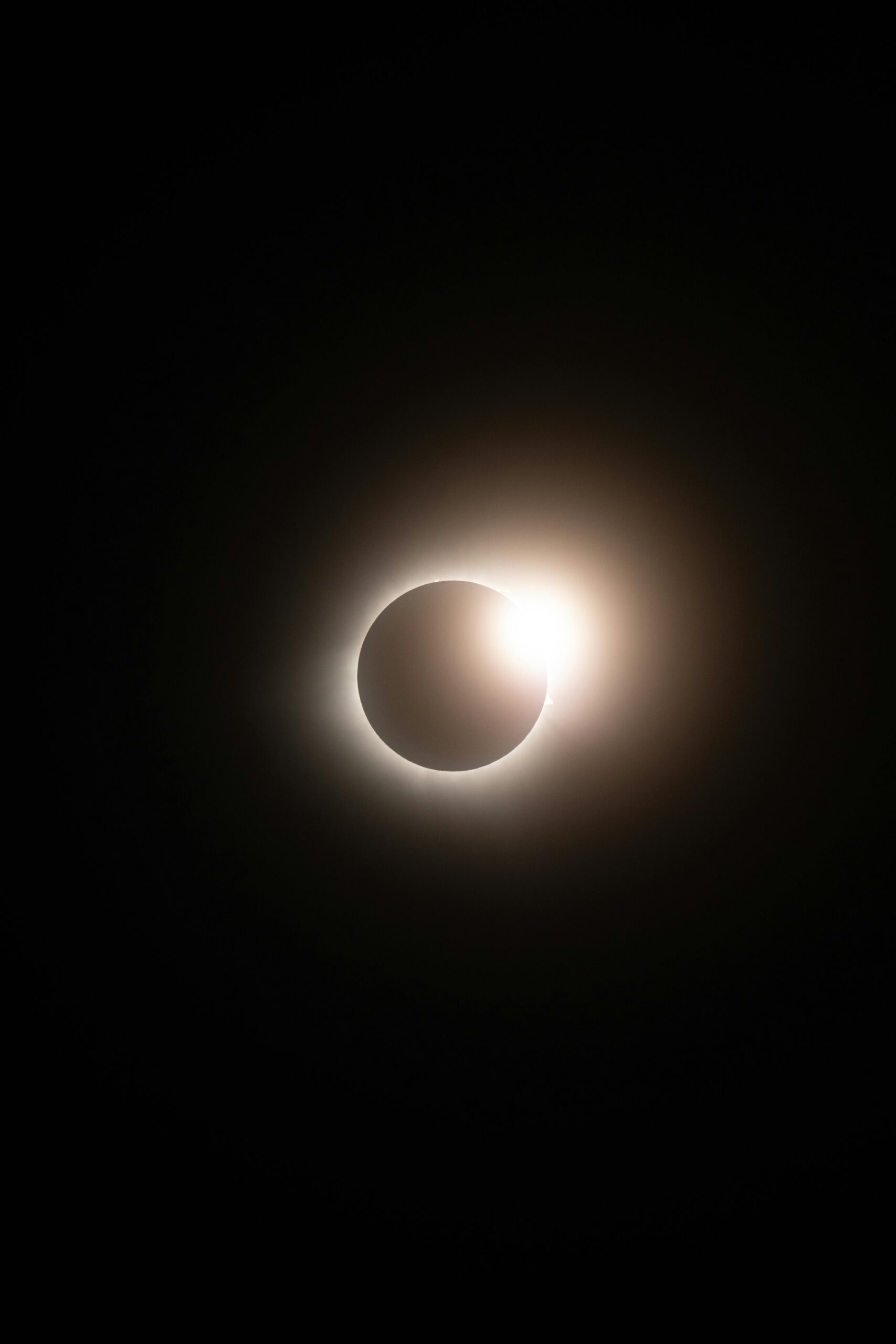
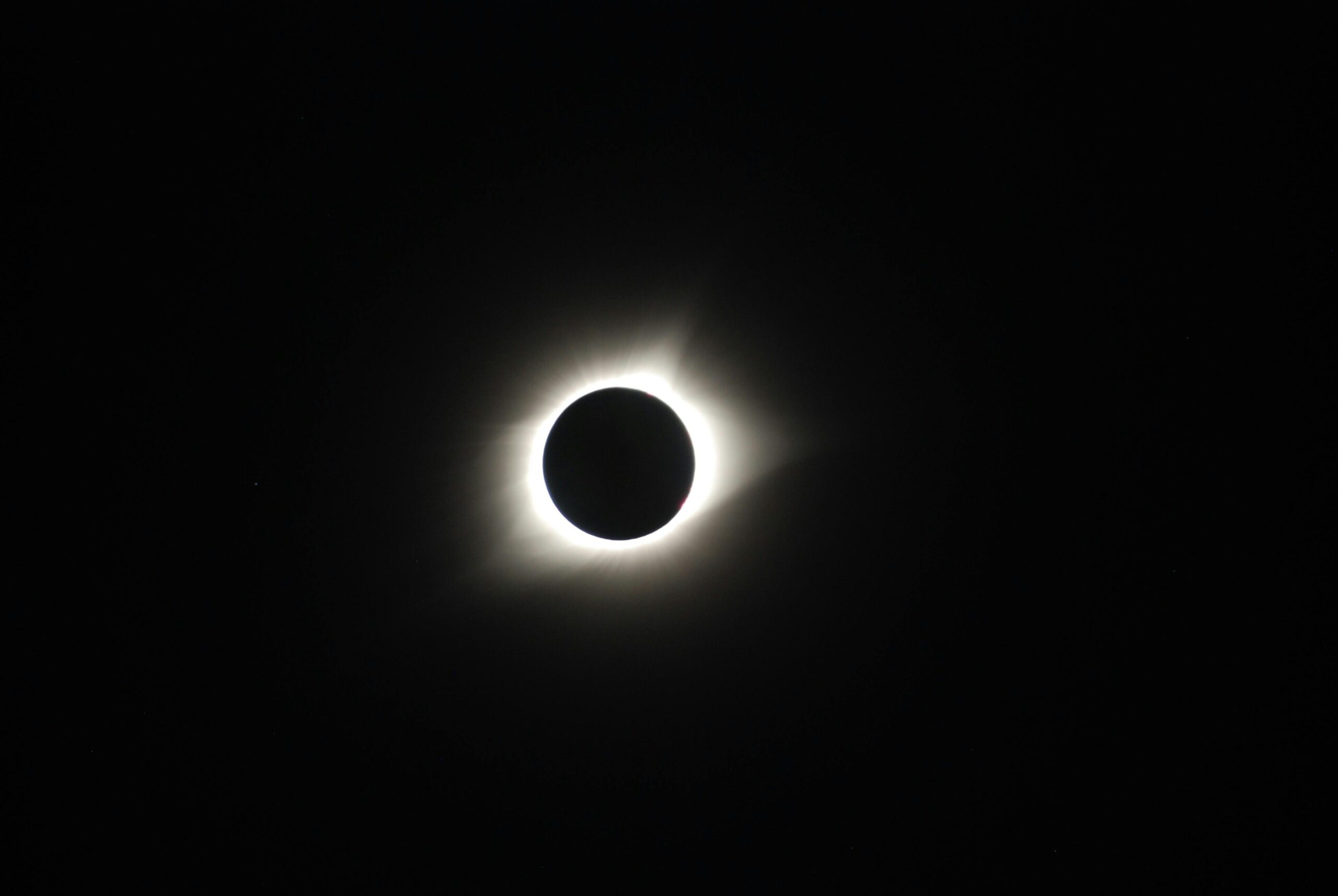
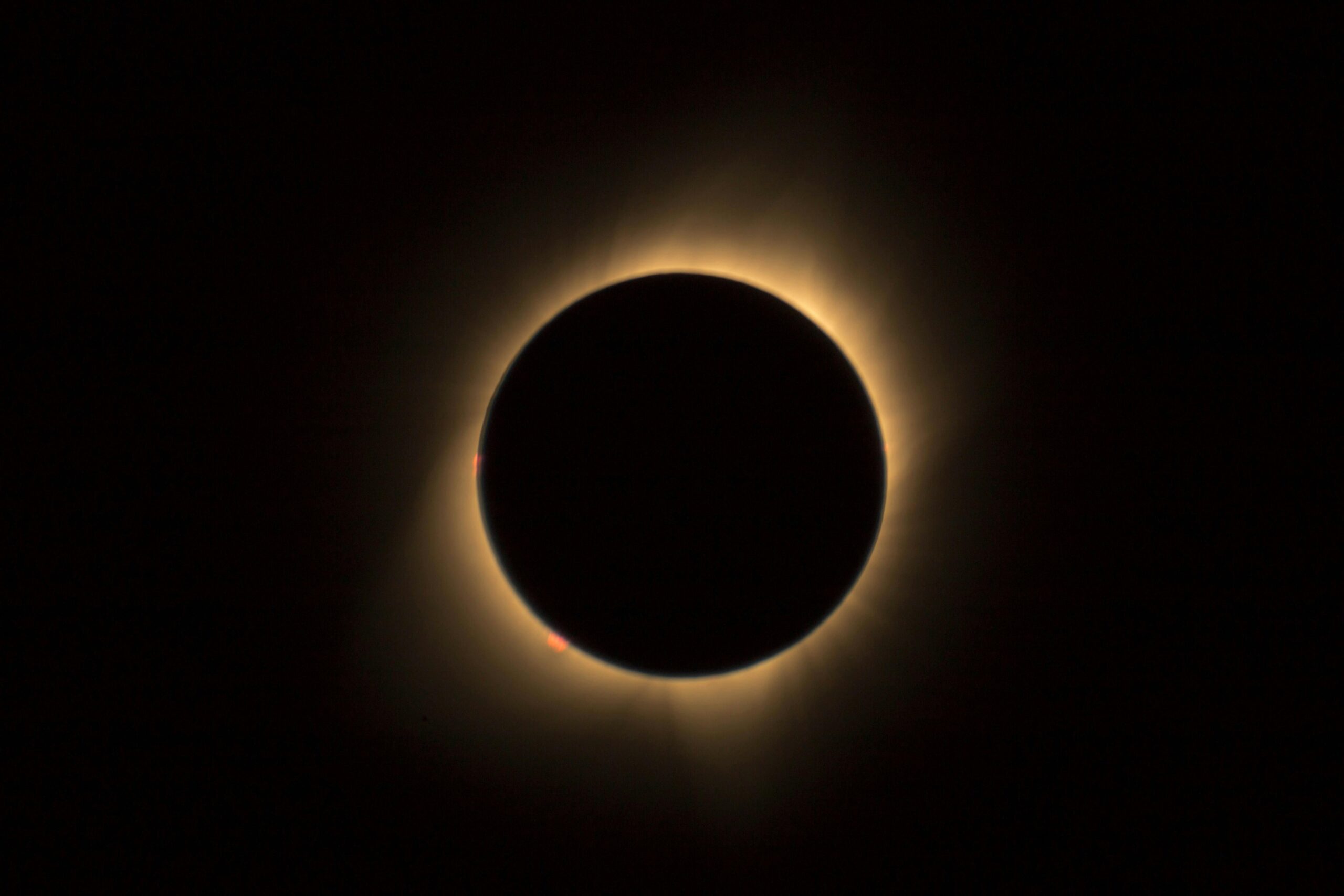
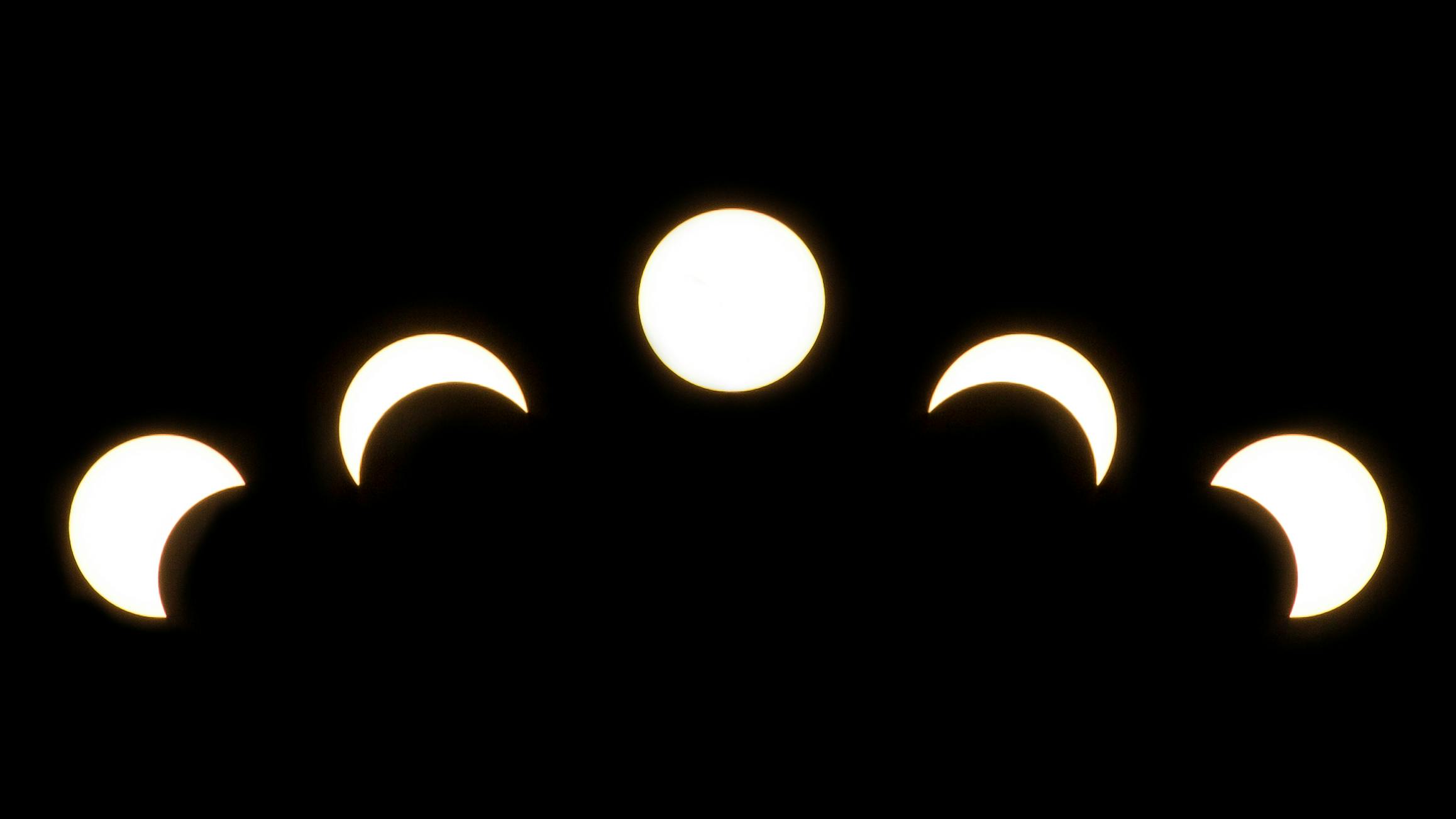
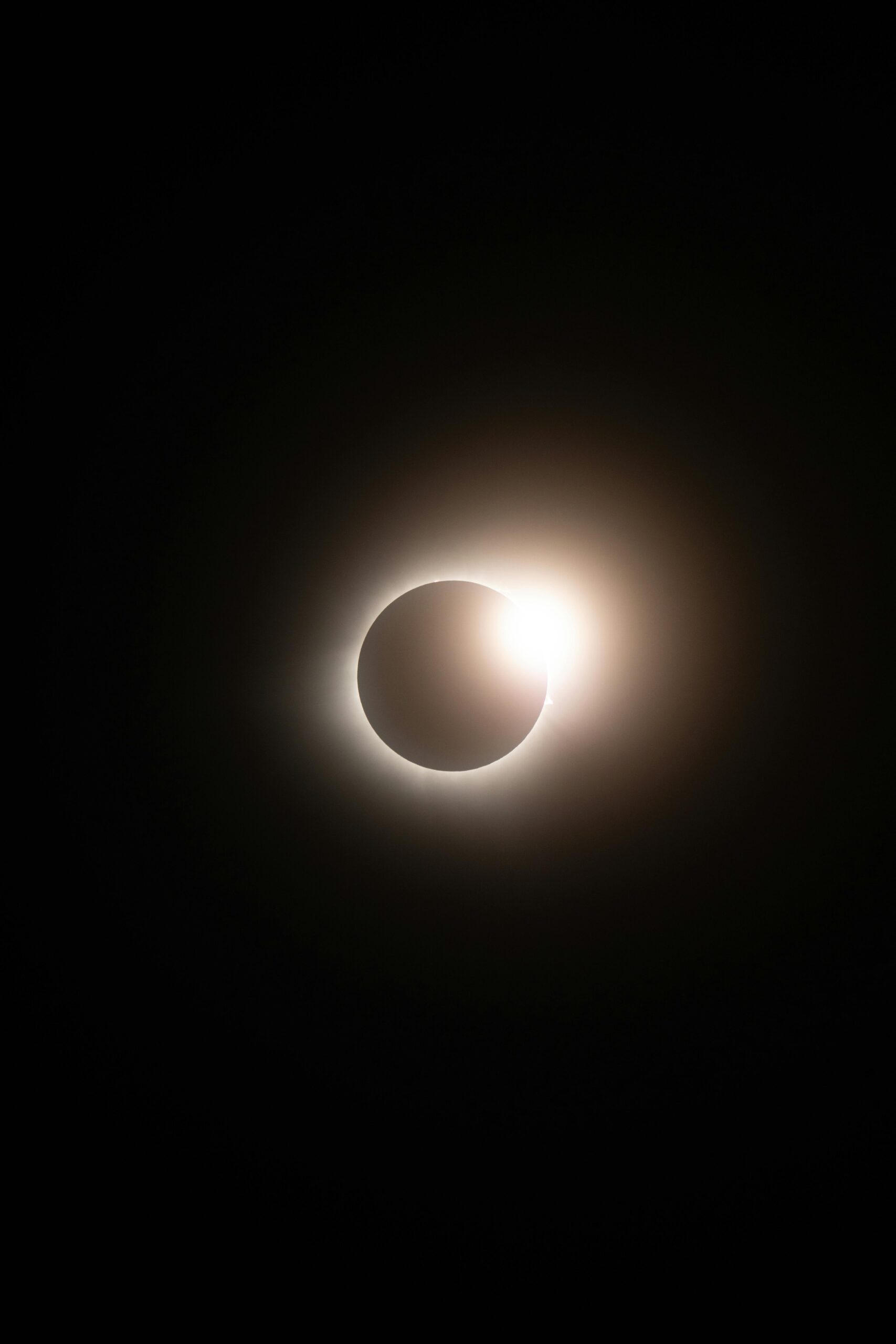
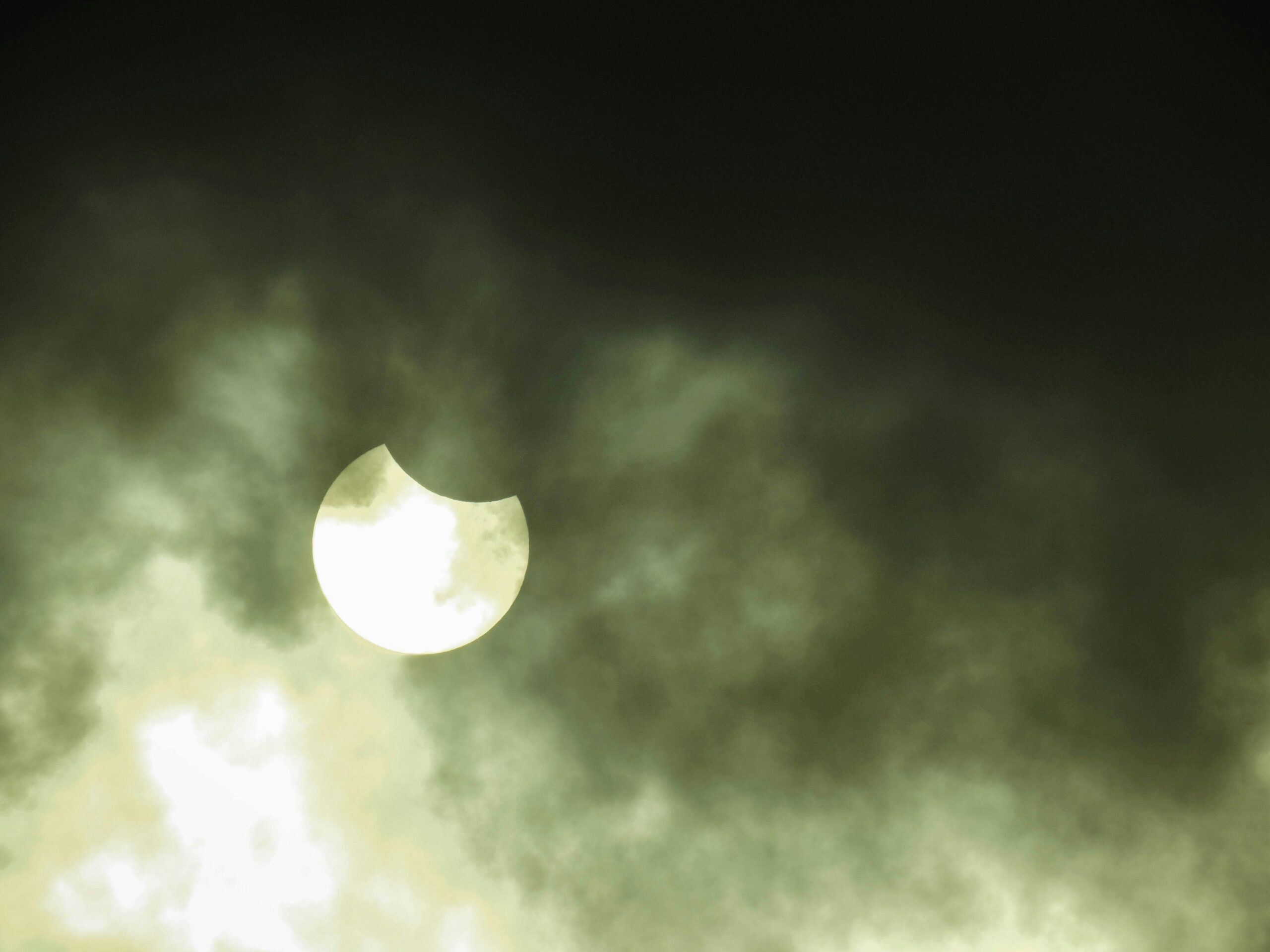
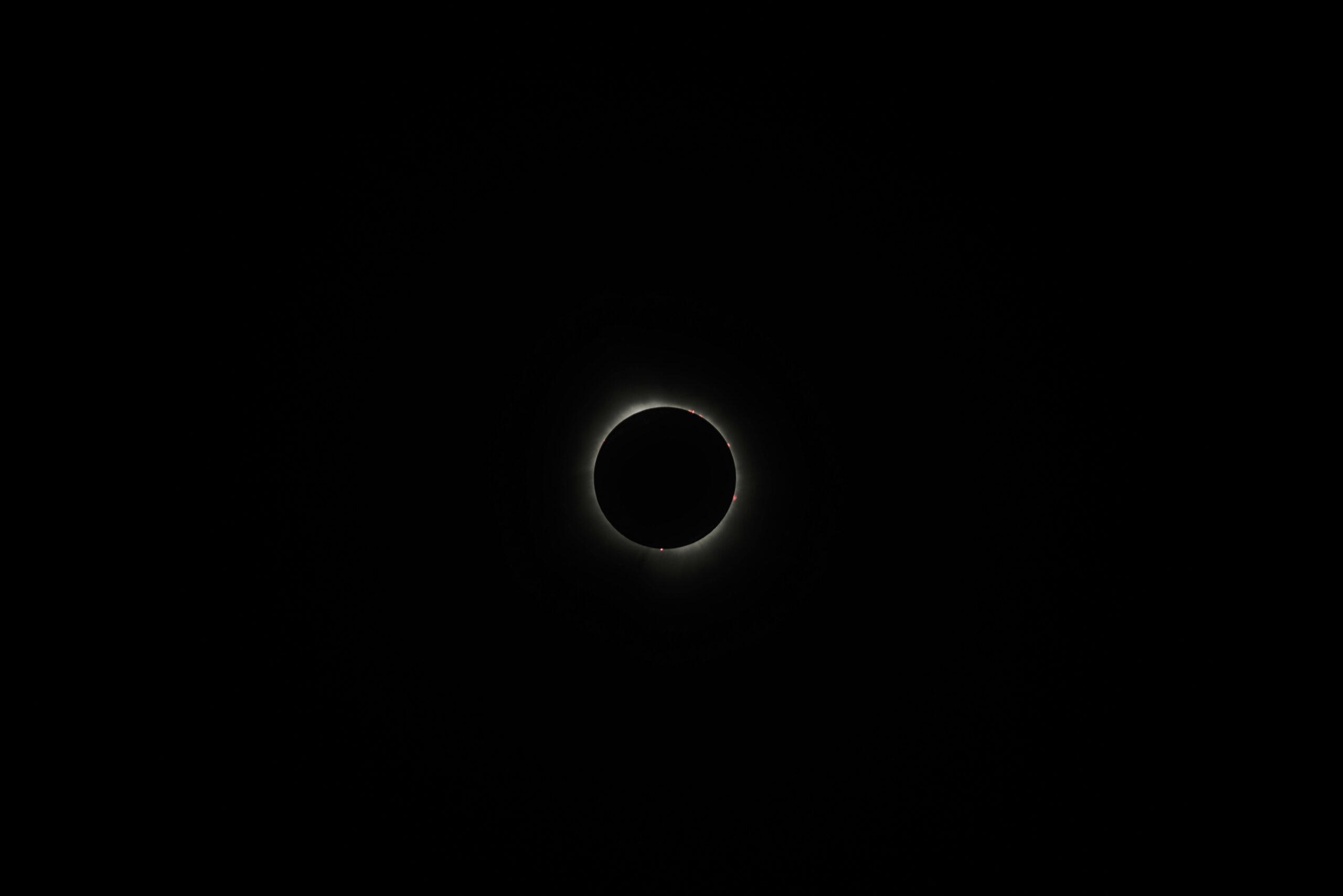
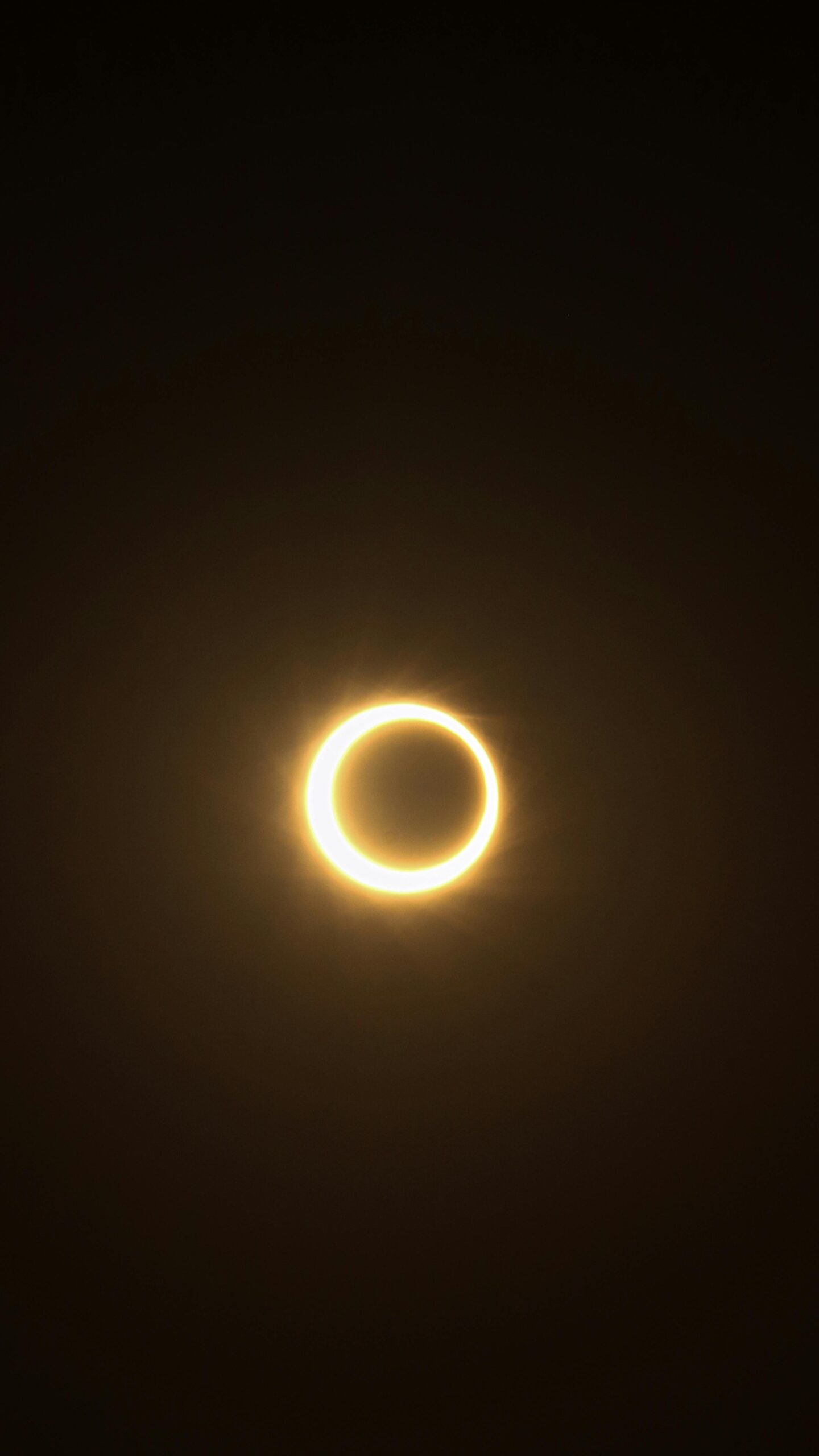
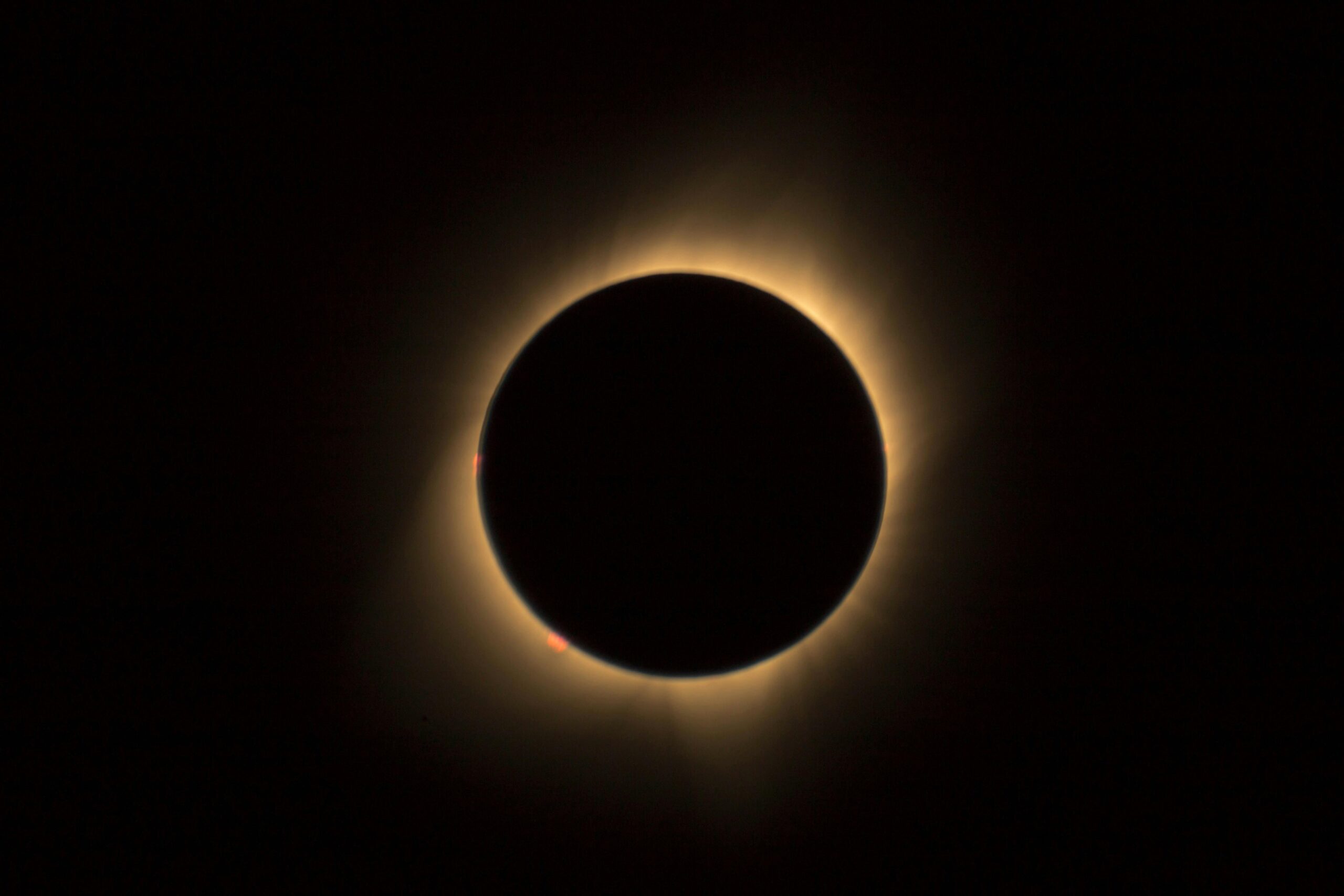
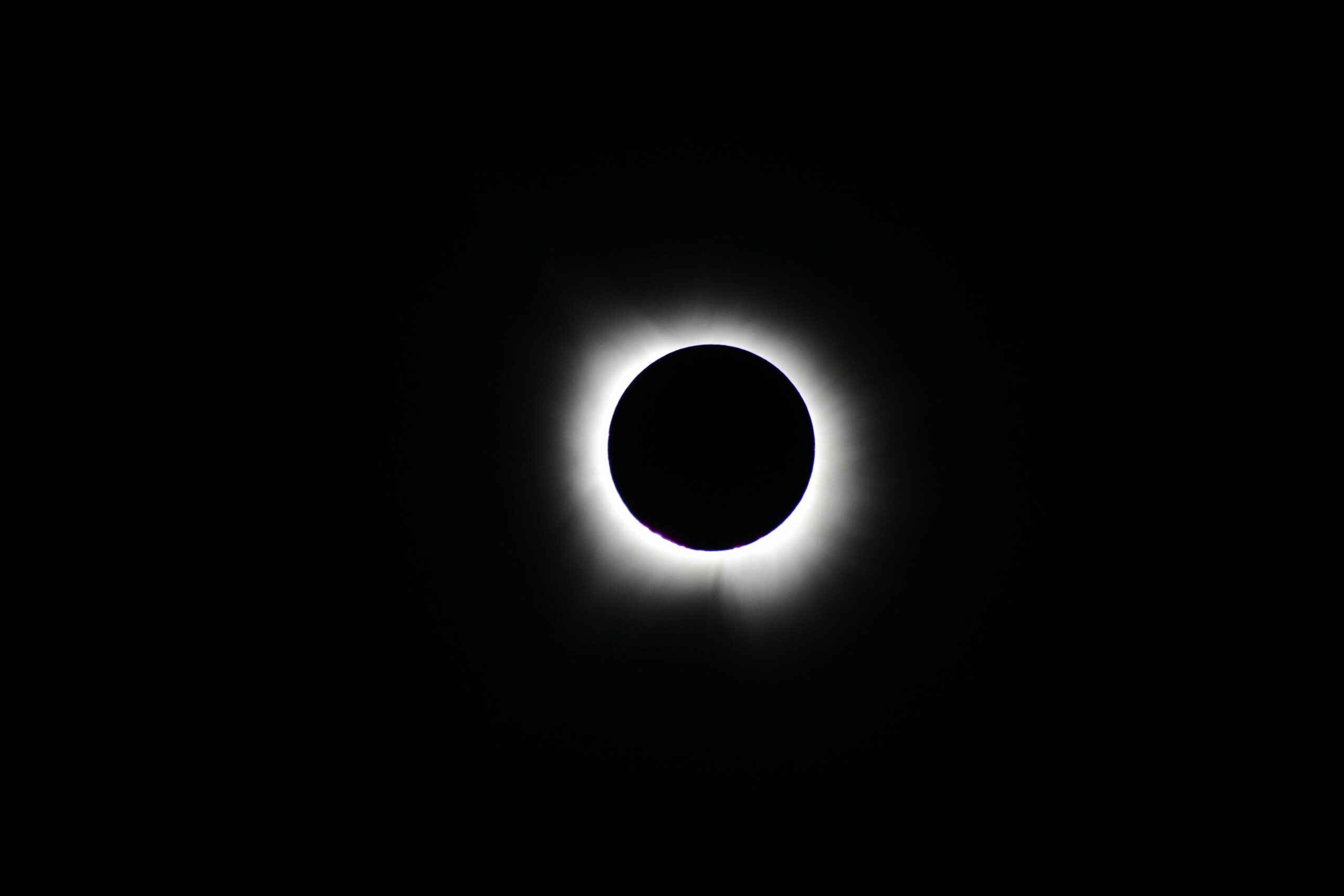
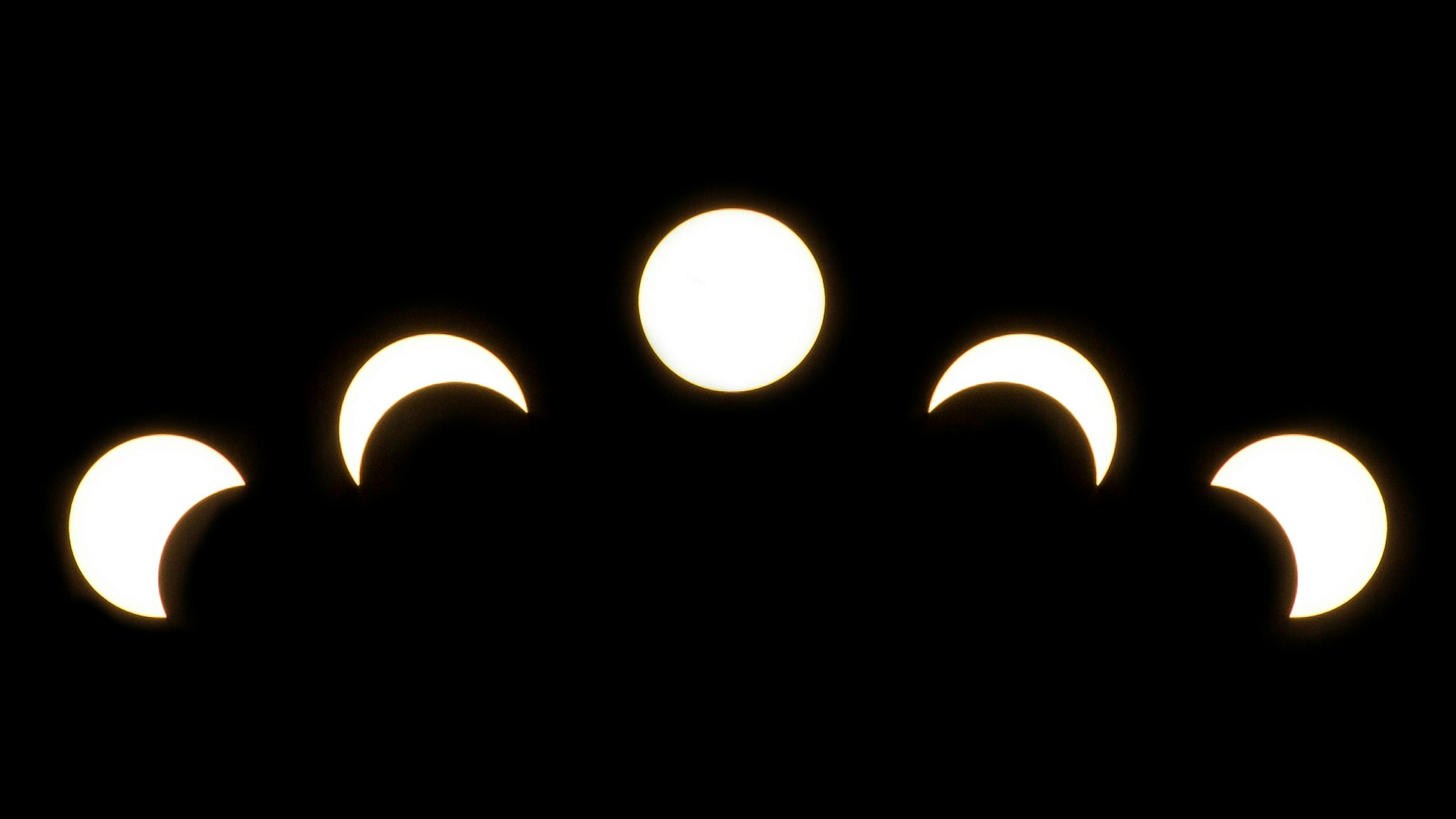
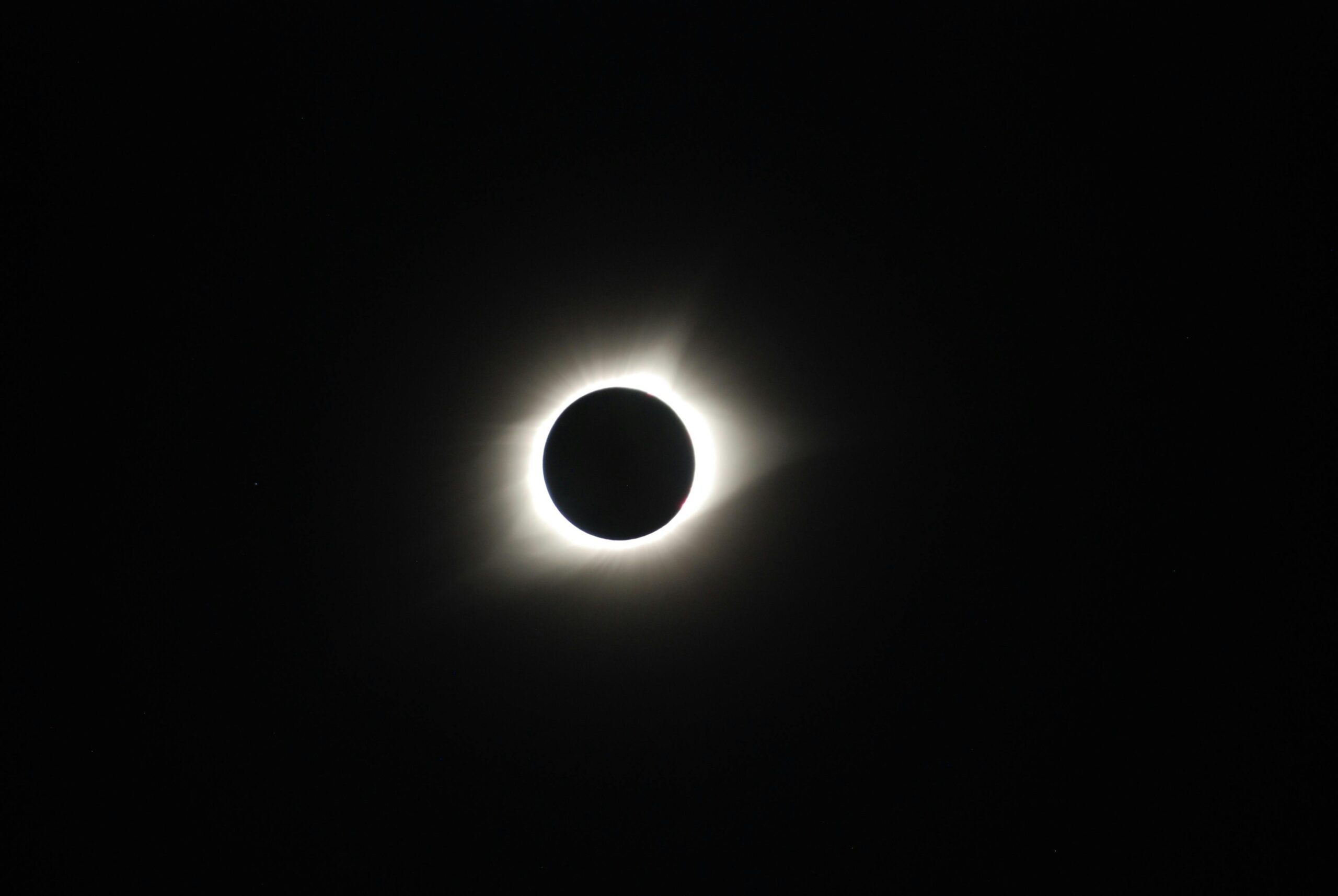
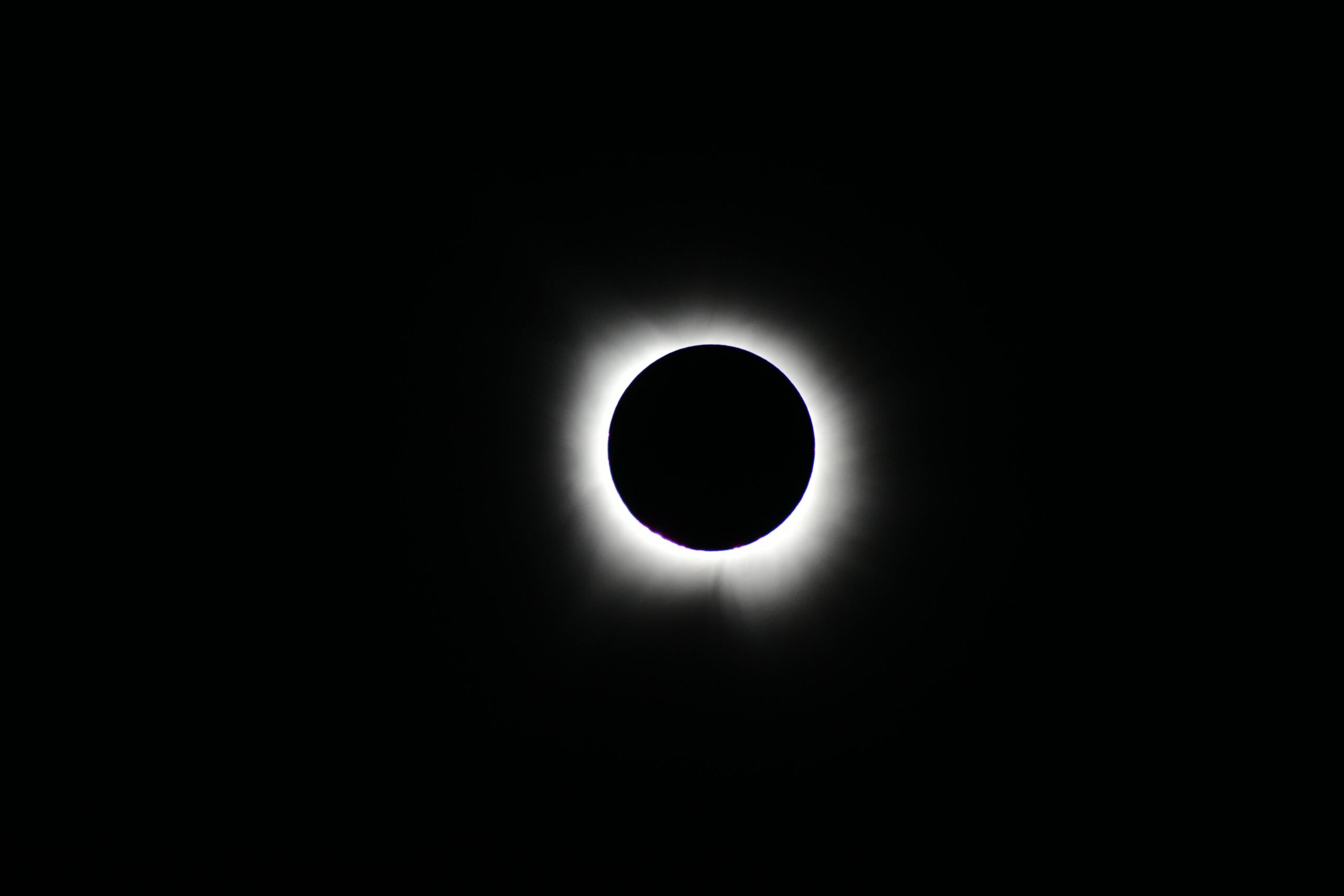
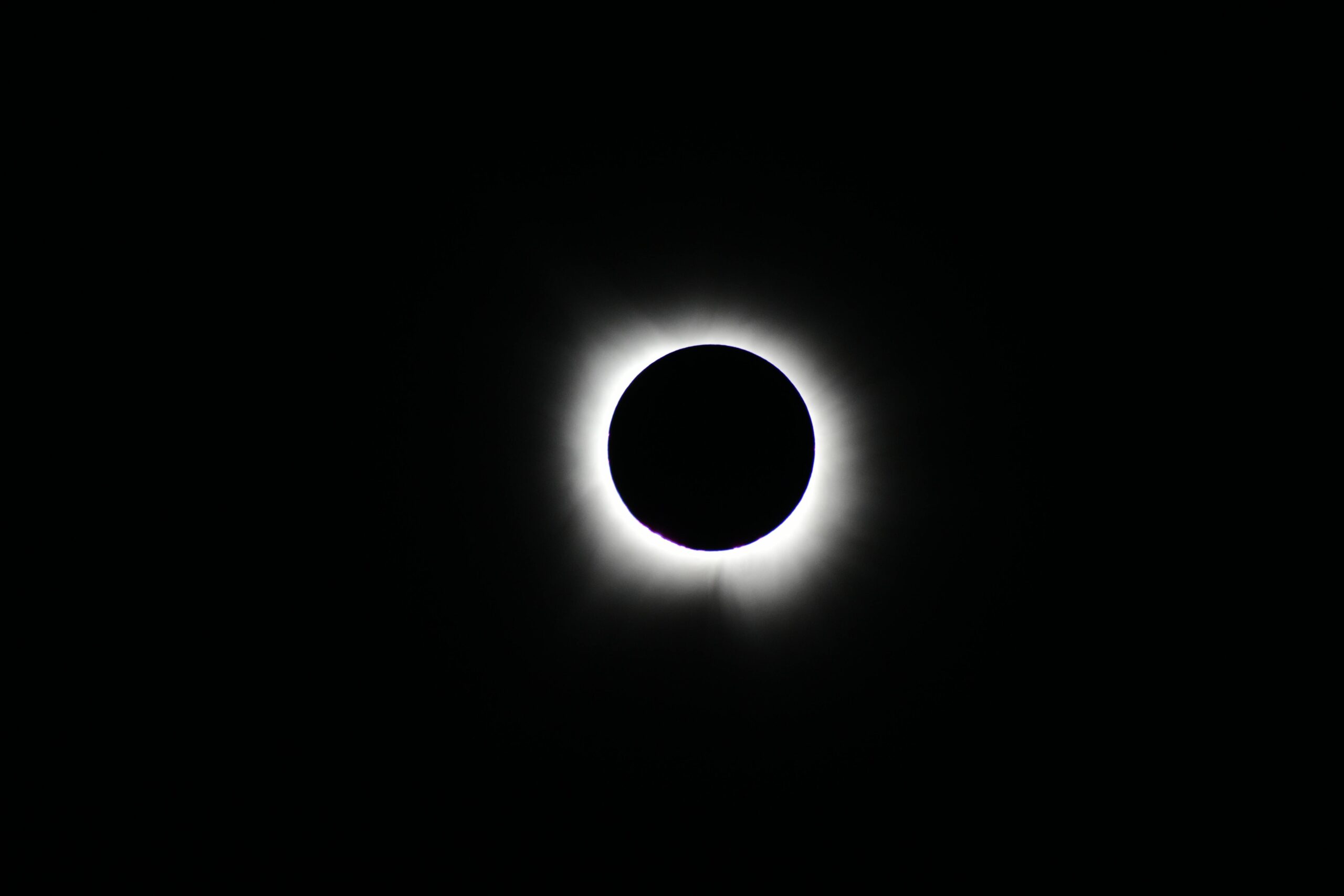
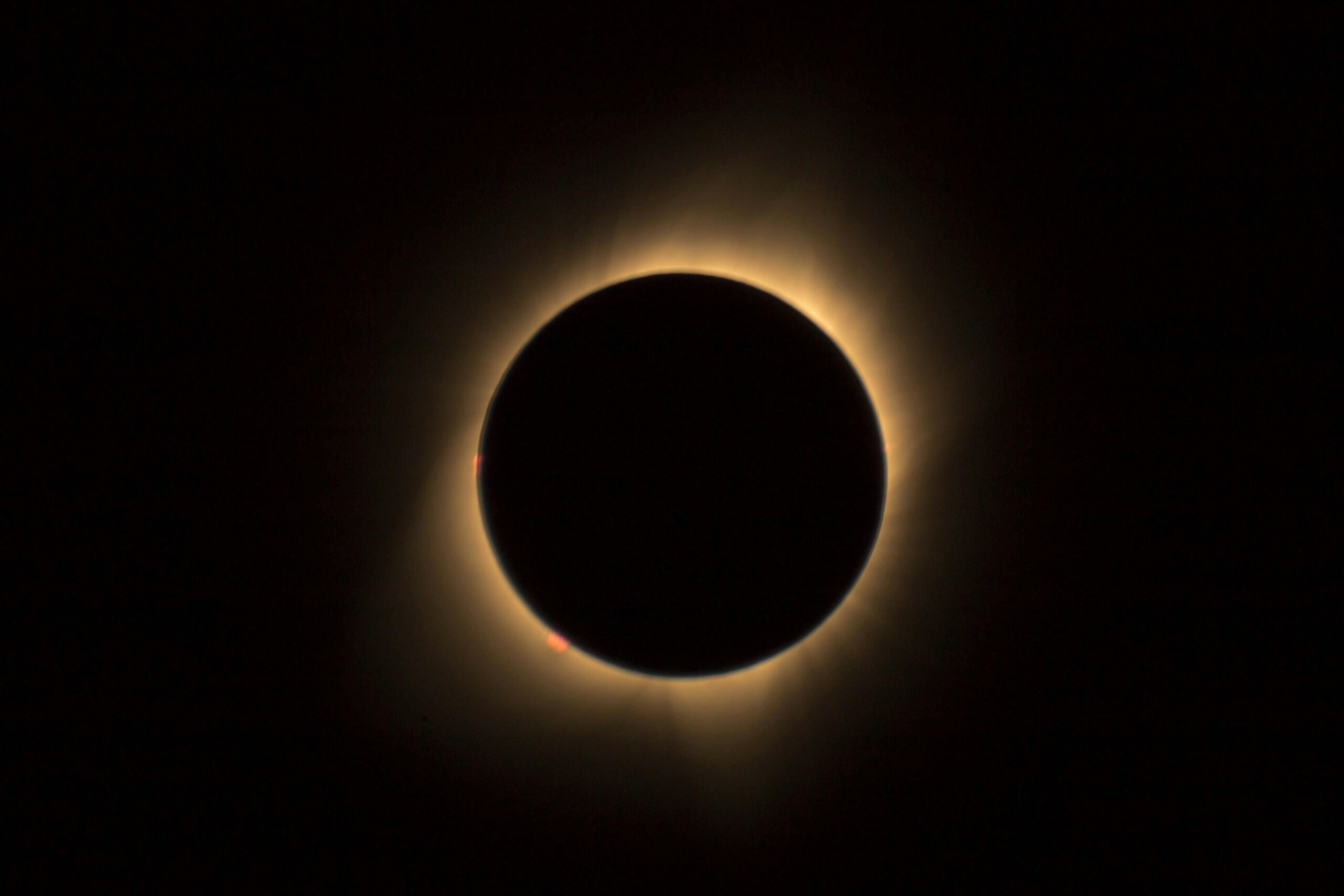
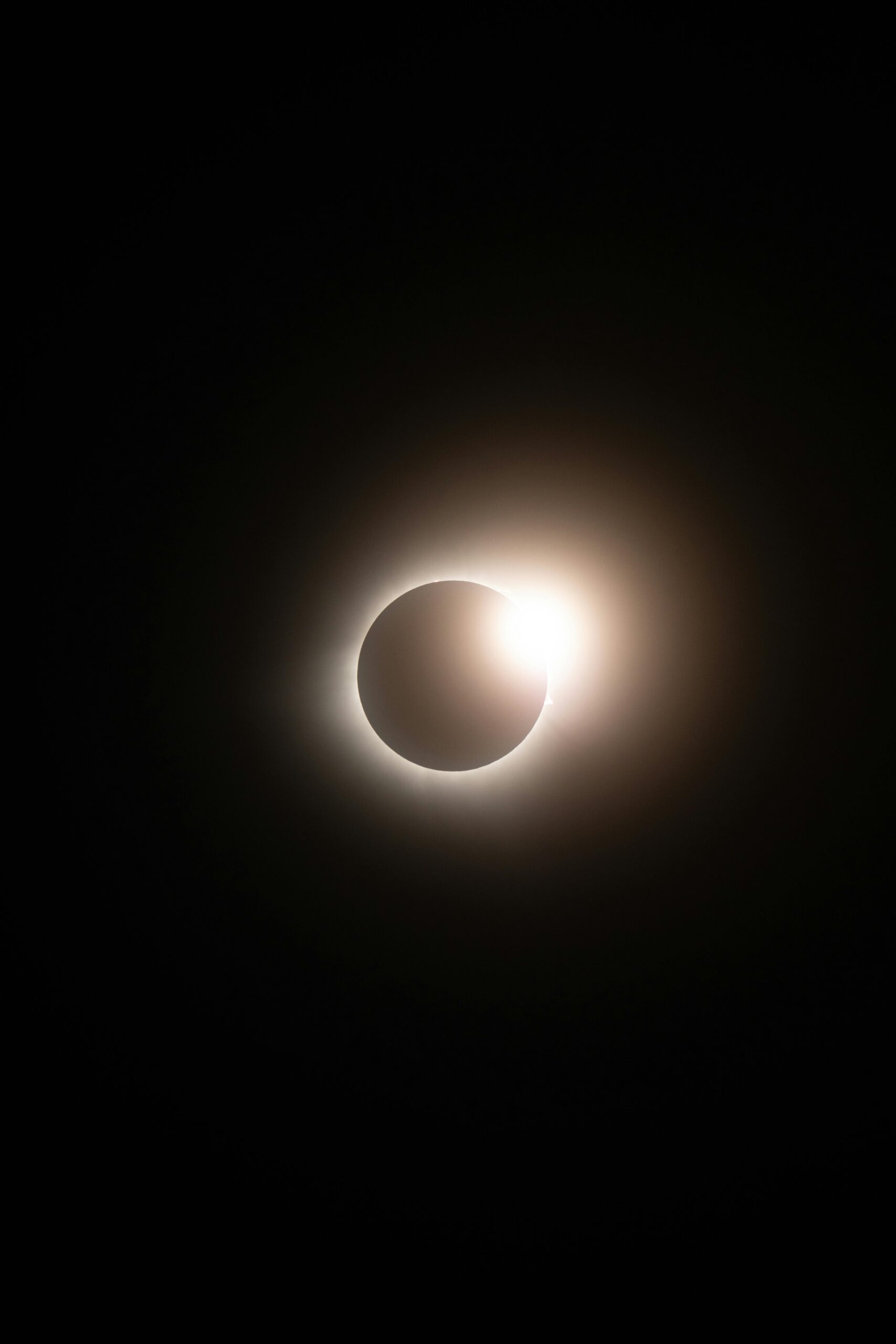
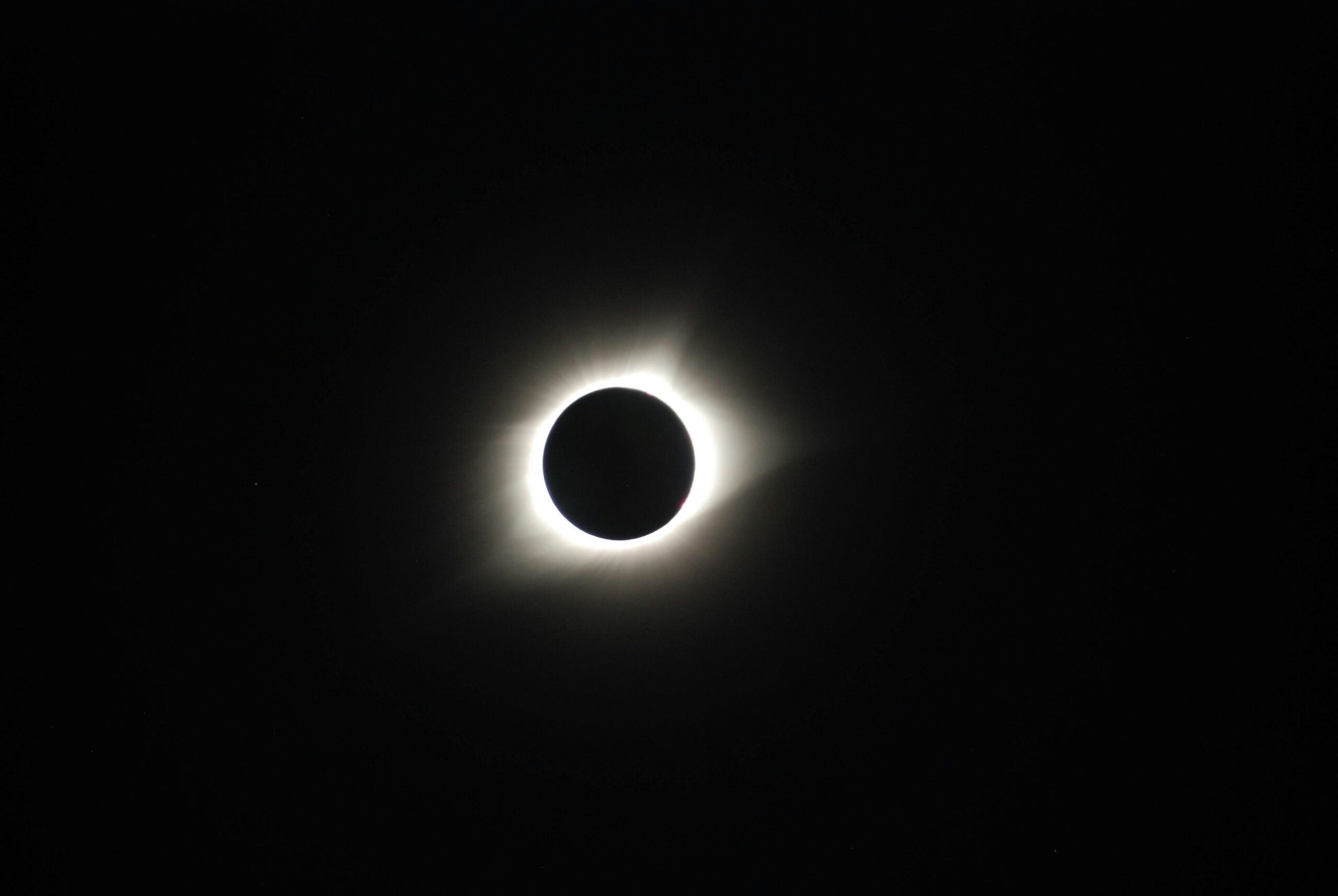
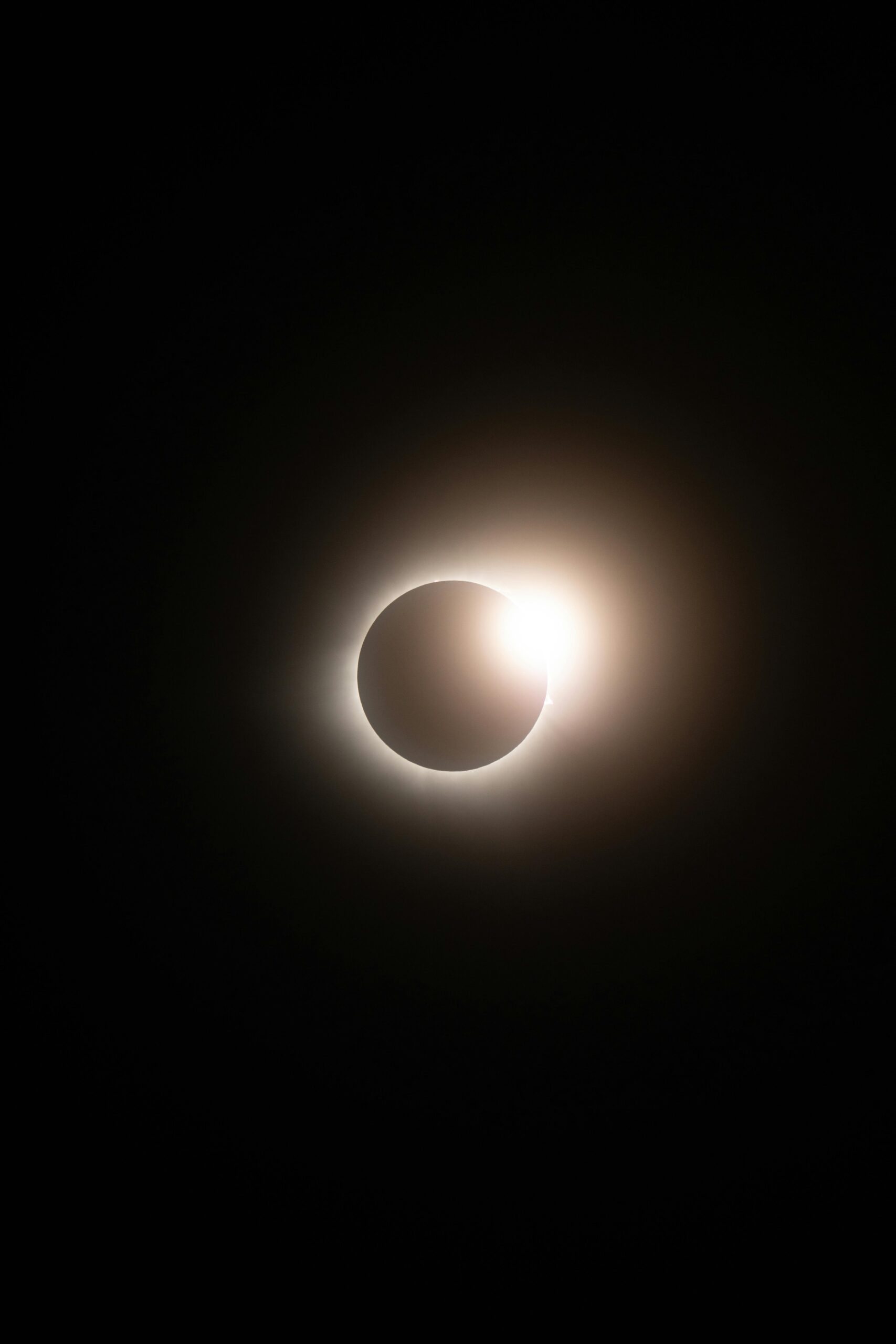
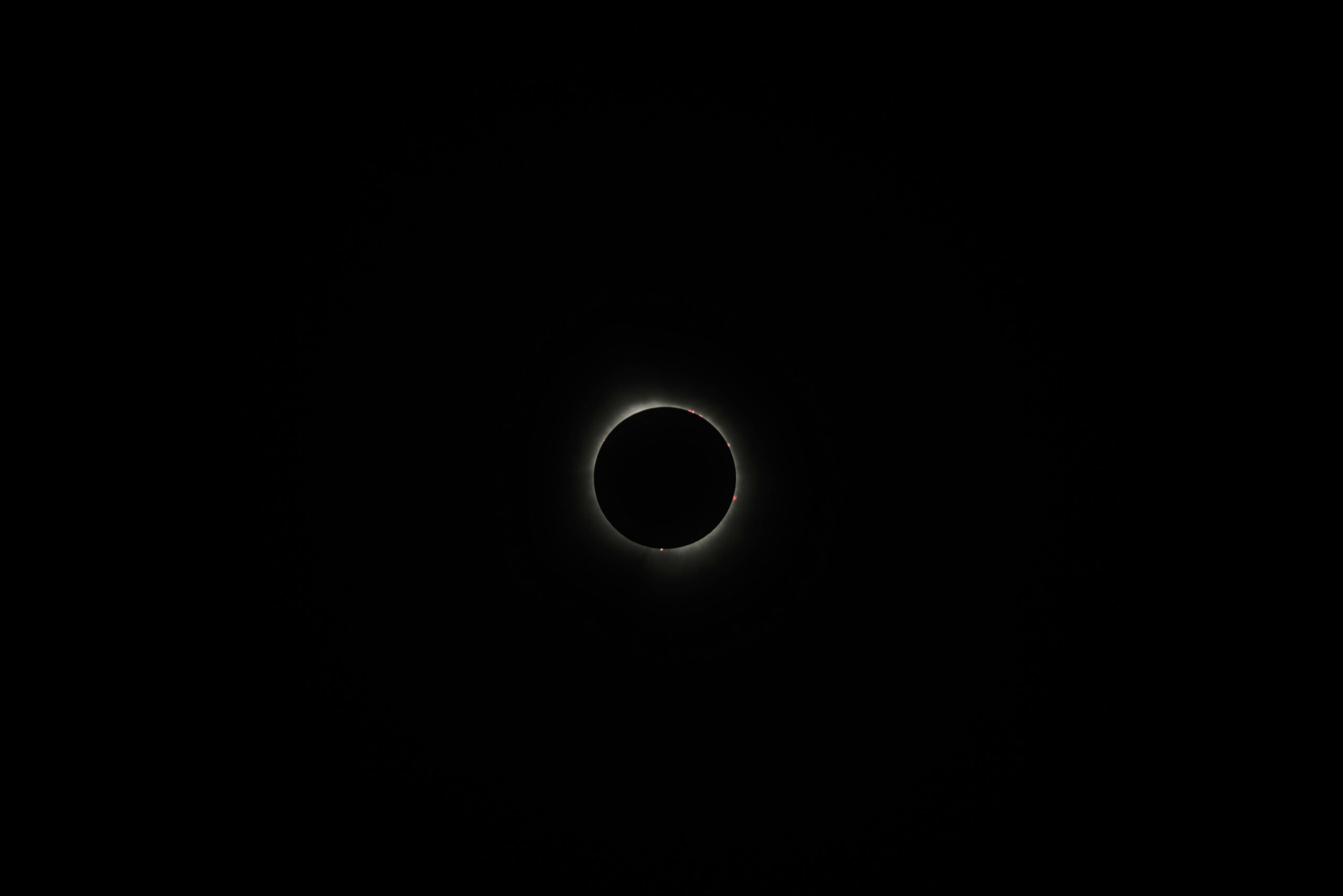
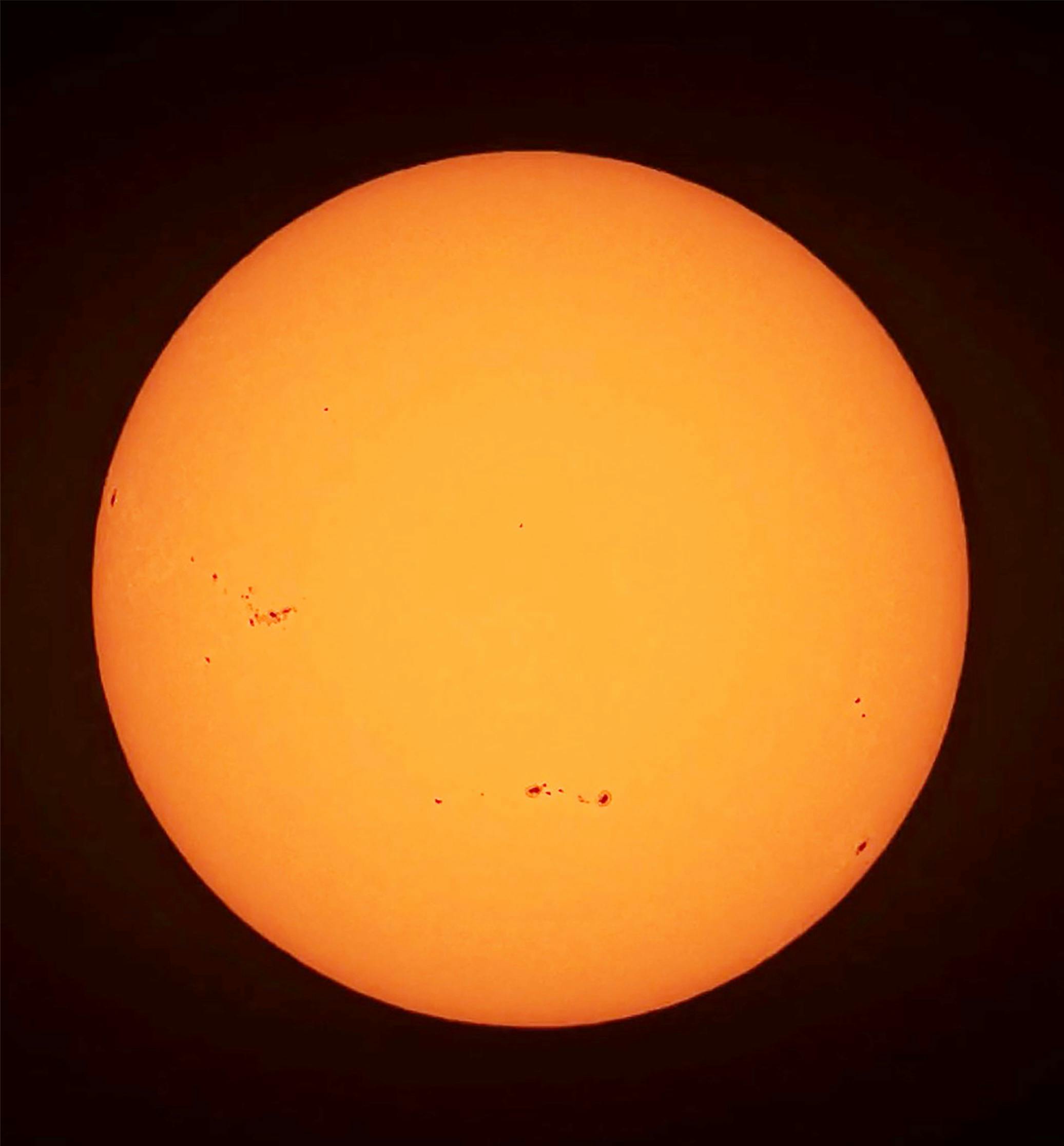
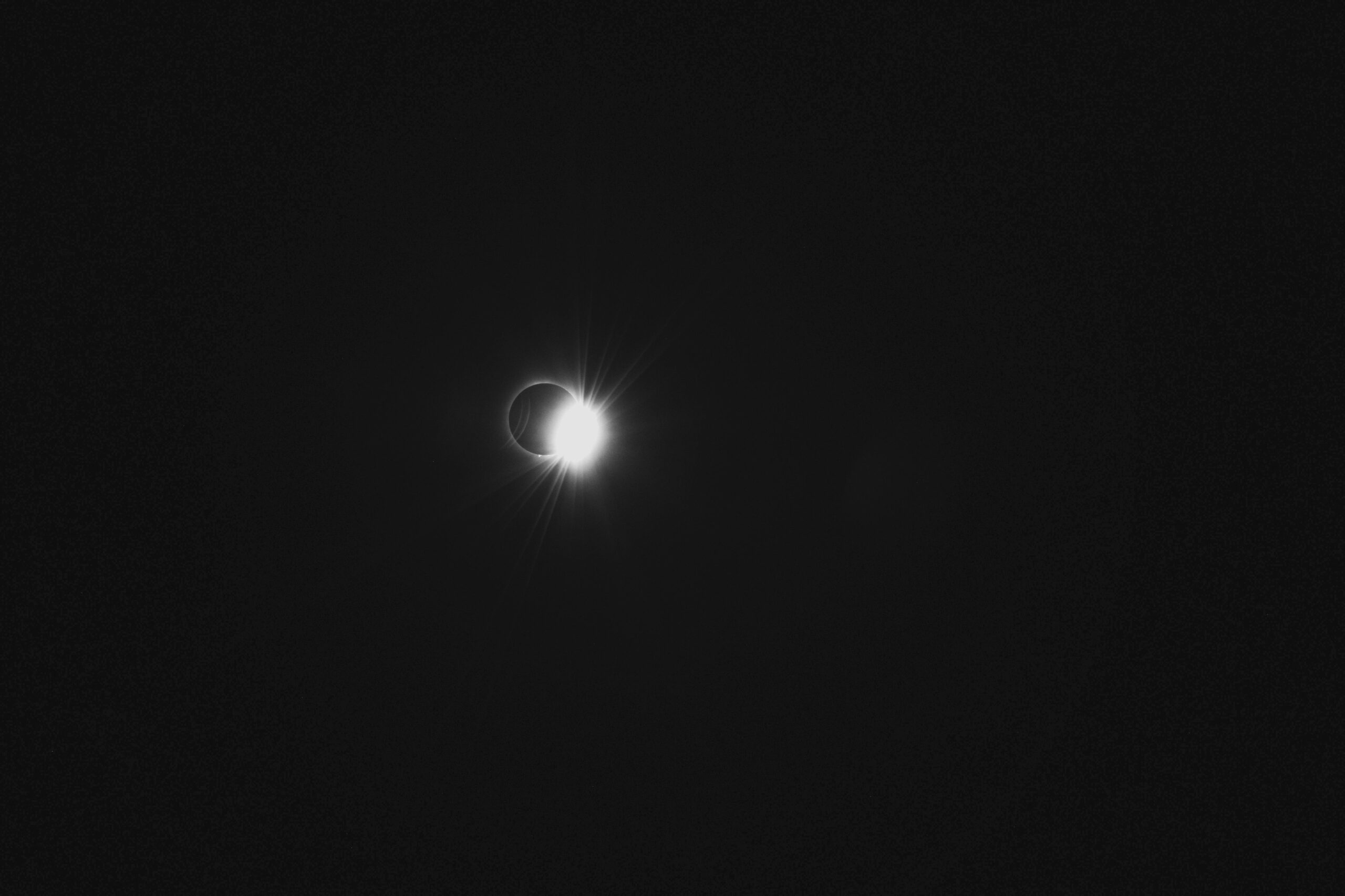
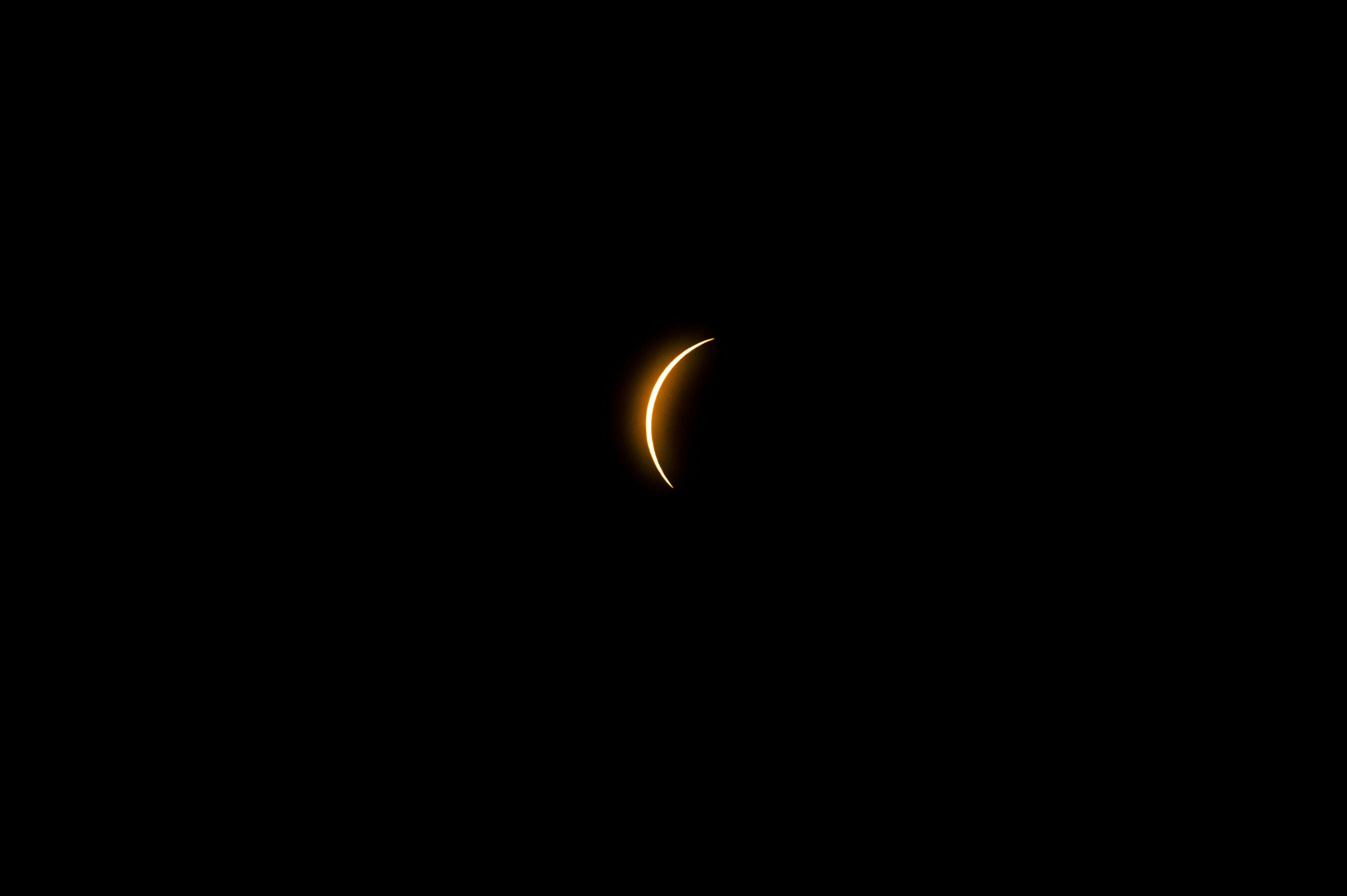
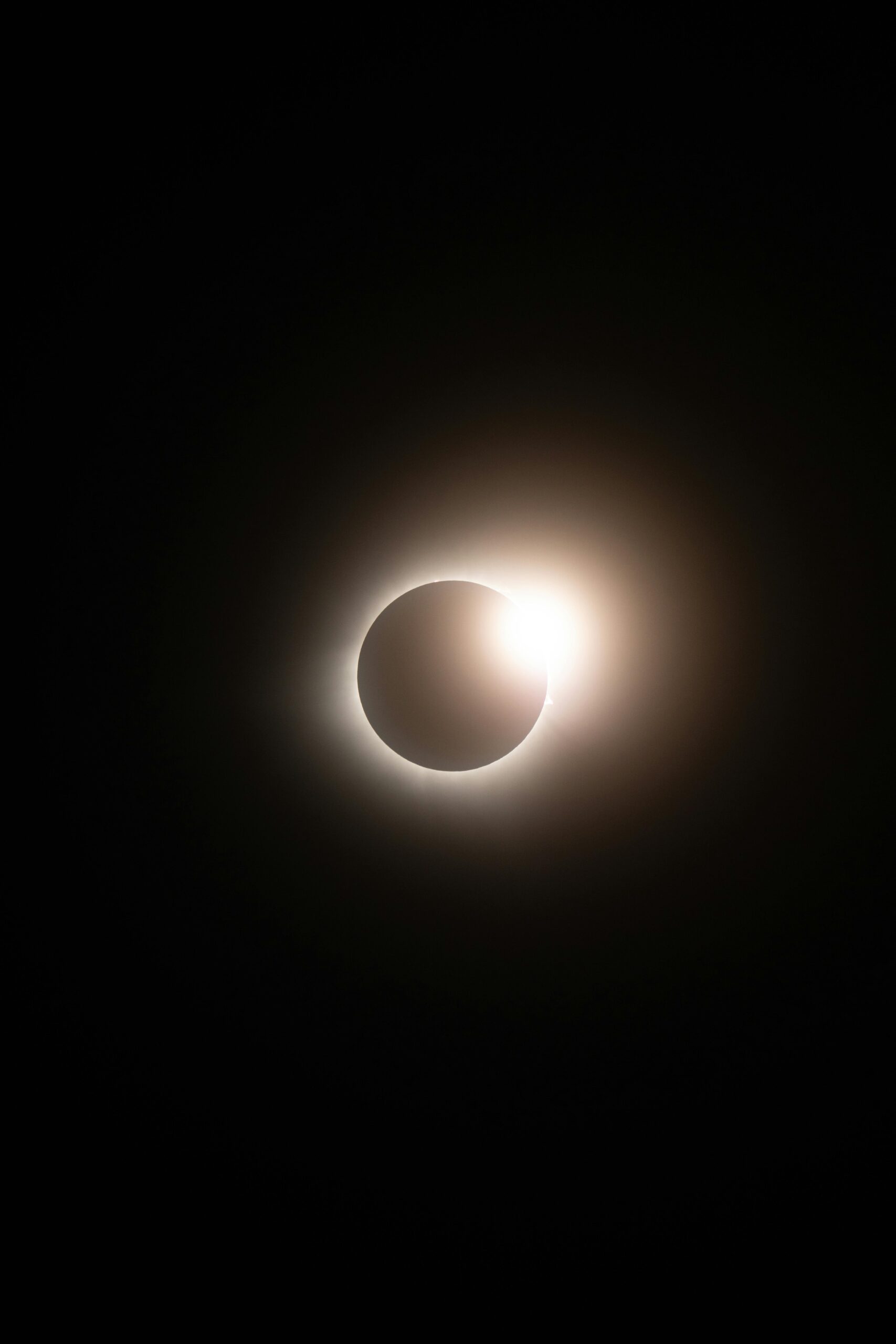
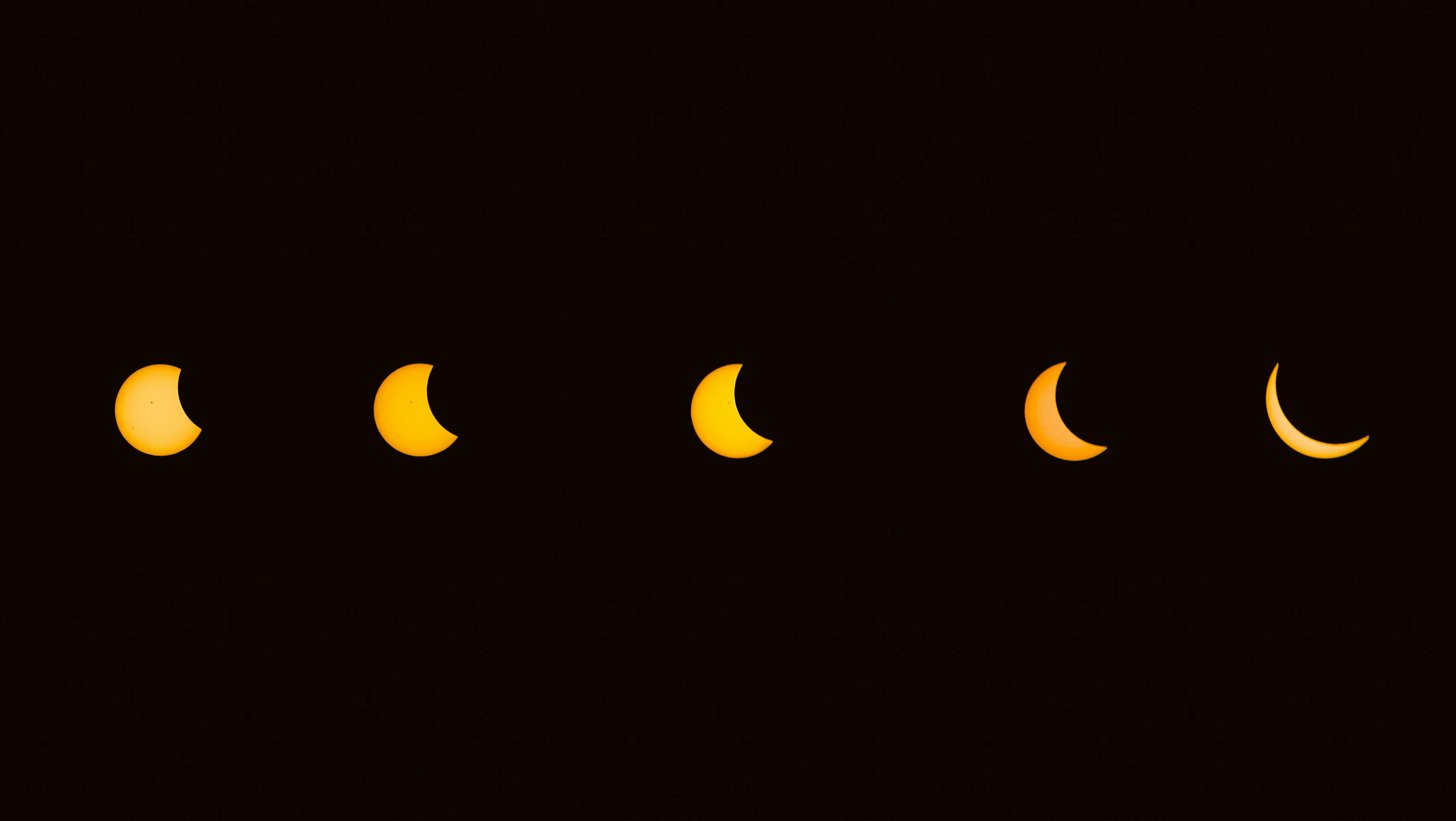
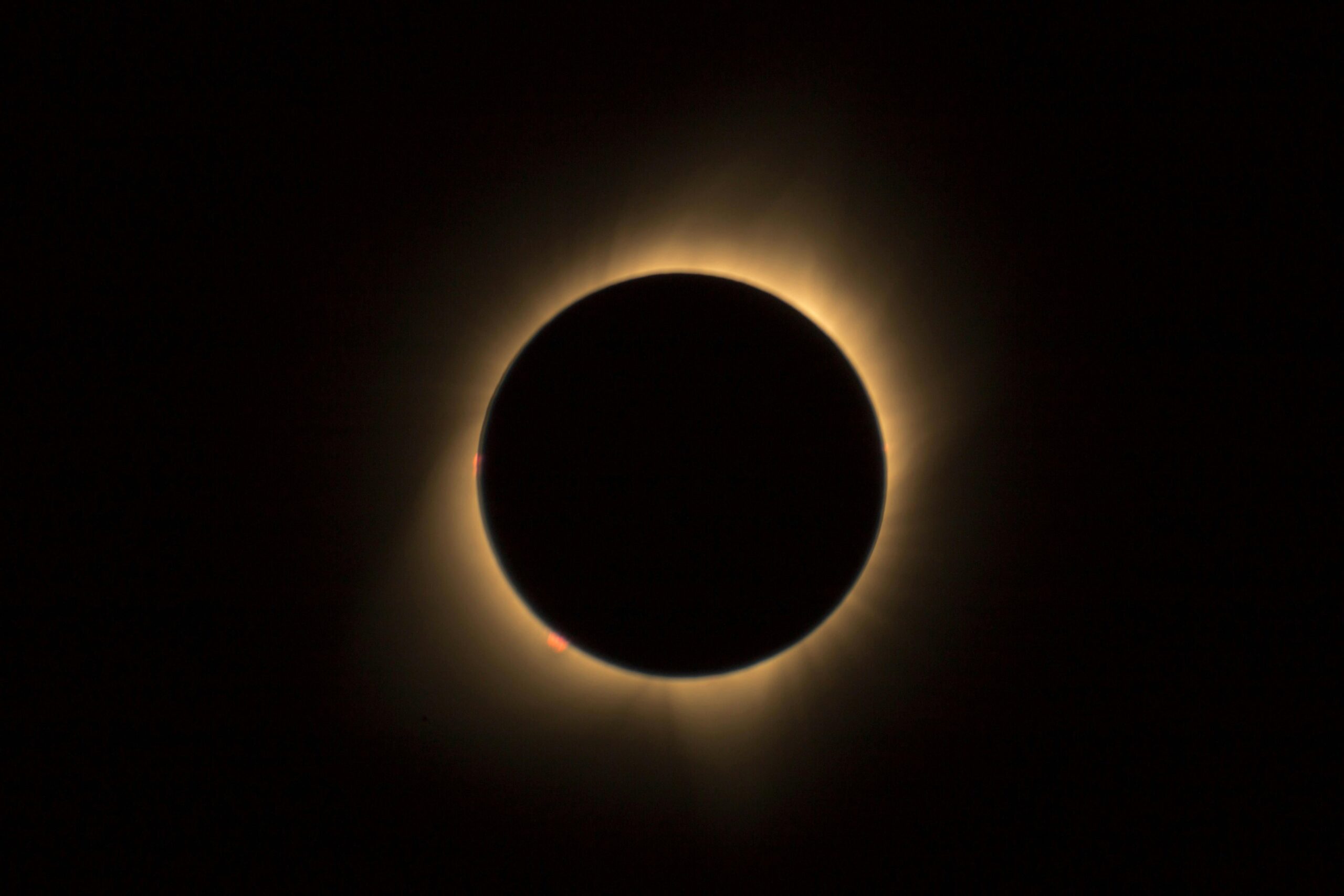
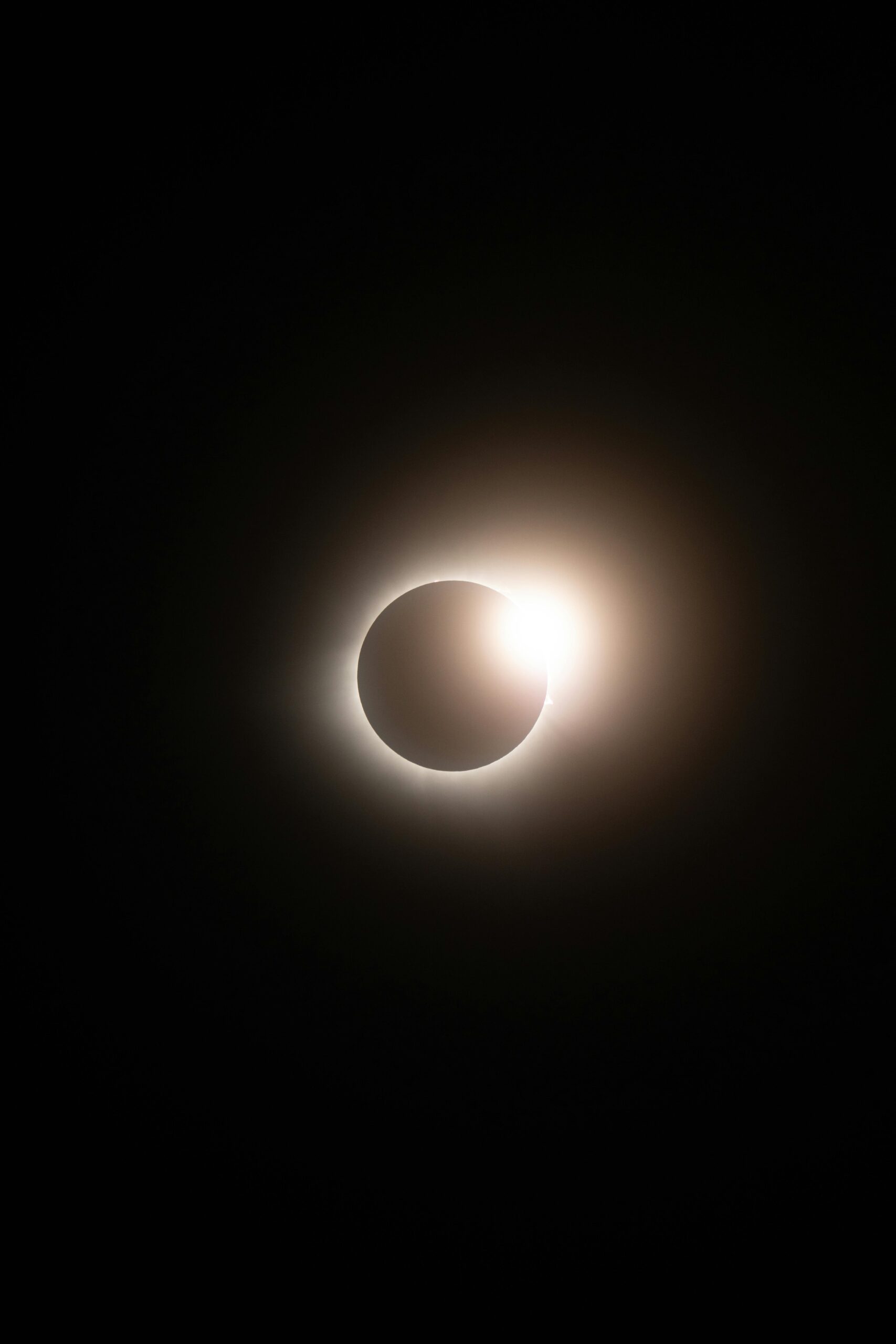
A solar eclipse occurs when the Moon passes between the Earth and the Sun, casting a shadow on the Earth’s surface. During a total solar eclipse, the Moon completely covers the Sun, revealing the Sun’s corona, the outer atmosphere that is usually obscured by the Sun’s bright light. This phenomenon is both awe-inspiring and scientifically significant, providing researchers with a unique opportunity to study the Sun’s corona and other solar phenomena.
Solar eclipses are not rare; they occur about every 18 months somewhere on Earth. However, the path of totality, where the eclipse is total, is relatively narrow, making it a rare event for any given location. The 2024 eclipse will be particularly special because it will pass over several major cities, making it accessible to a large number of people.
Safety First: Viewing the Eclipse
While the eclipse is a spectacular event, it is crucial to view it safely. Looking directly at the Sun, even during an eclipse, can cause serious eye damage or blindness. Special eclipse glasses that meet the ISO 12312-2 international safety standard should be used to view the eclipse directly. These glasses are designed to block out harmful UV and infrared radiation, allowing viewers to safely observe the Sun.
Alternatively, indirect viewing methods can be used. A pinhole projector, for example, can project the image of the Sun onto a piece of paper, allowing viewers to see the eclipse safely. Another popular method is to use a colander or a piece of foil with small holes to create multiple pinhole projections.
The Path of Totality
The path of totality for the 2024 eclipse will stretch from the southern tip of Texas to the northeastern corner of Maine. Major cities within the path of totality include Dallas, Texas; Little Rock, Arkansas; Indianapolis, Indiana; Cleveland, Ohio; Buffalo, New York; and Burlington, Vermont. The duration of totality will vary depending on the location, with the longest duration being approximately 4 minutes and 28 seconds near Torreón, Mexico.
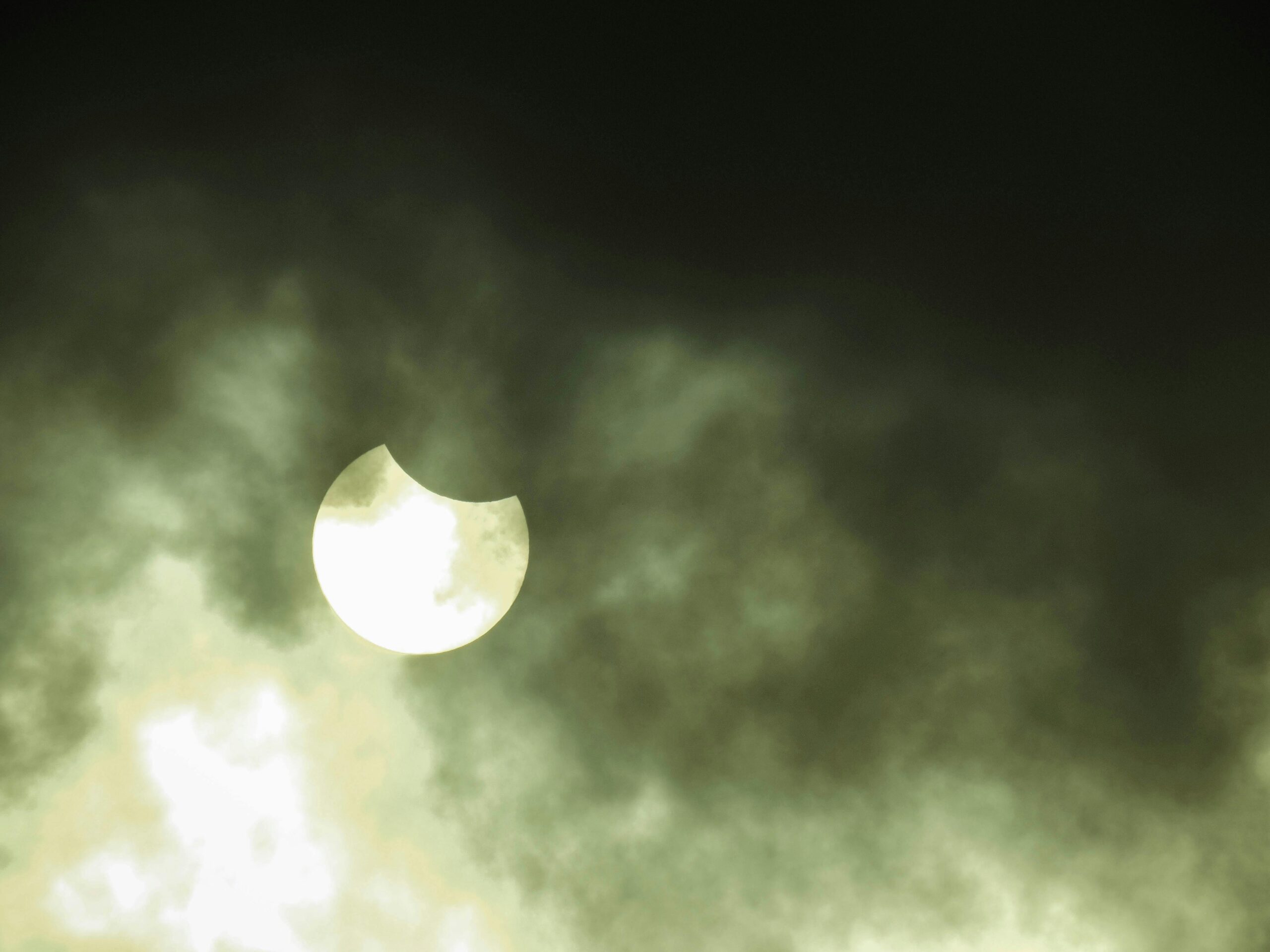
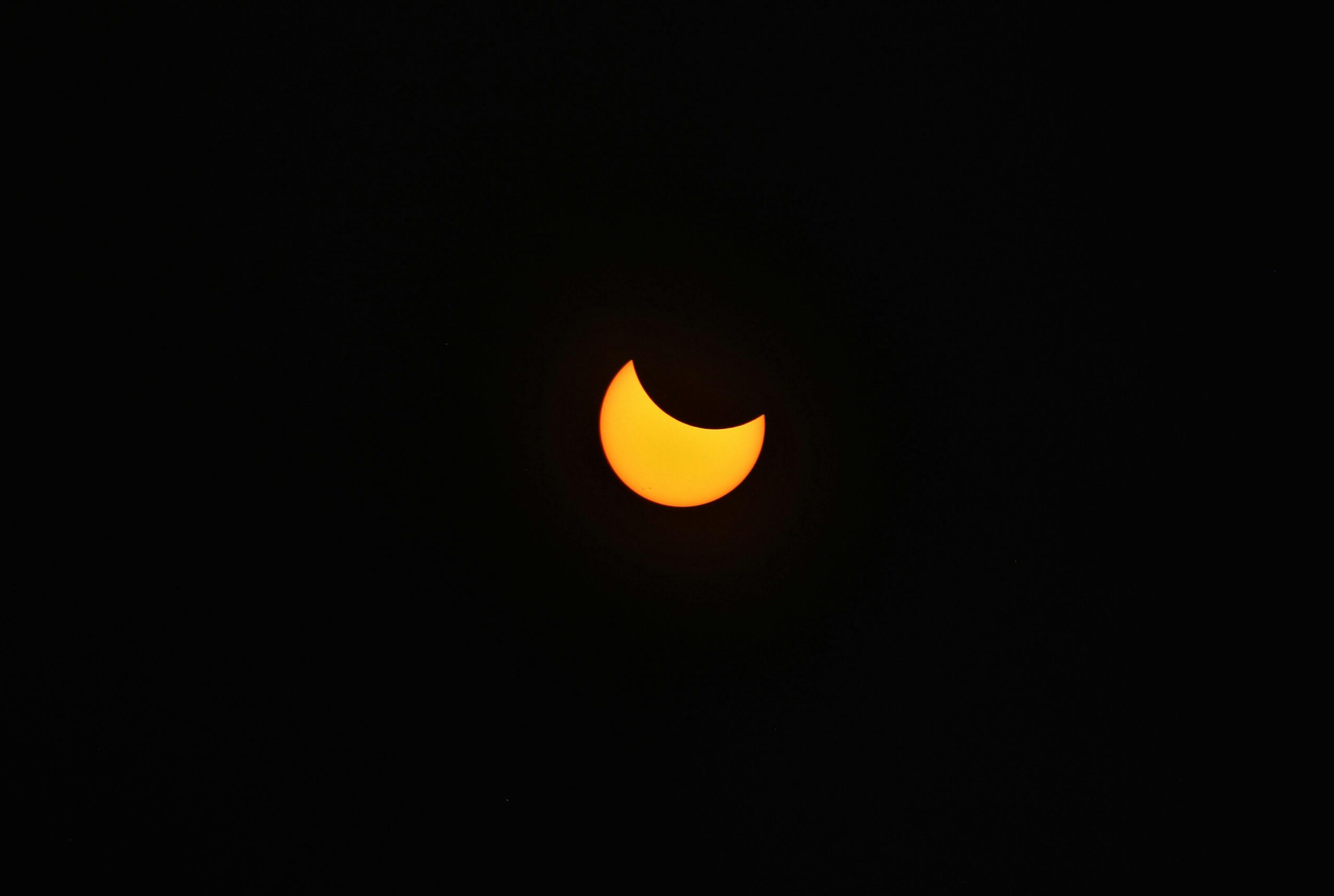
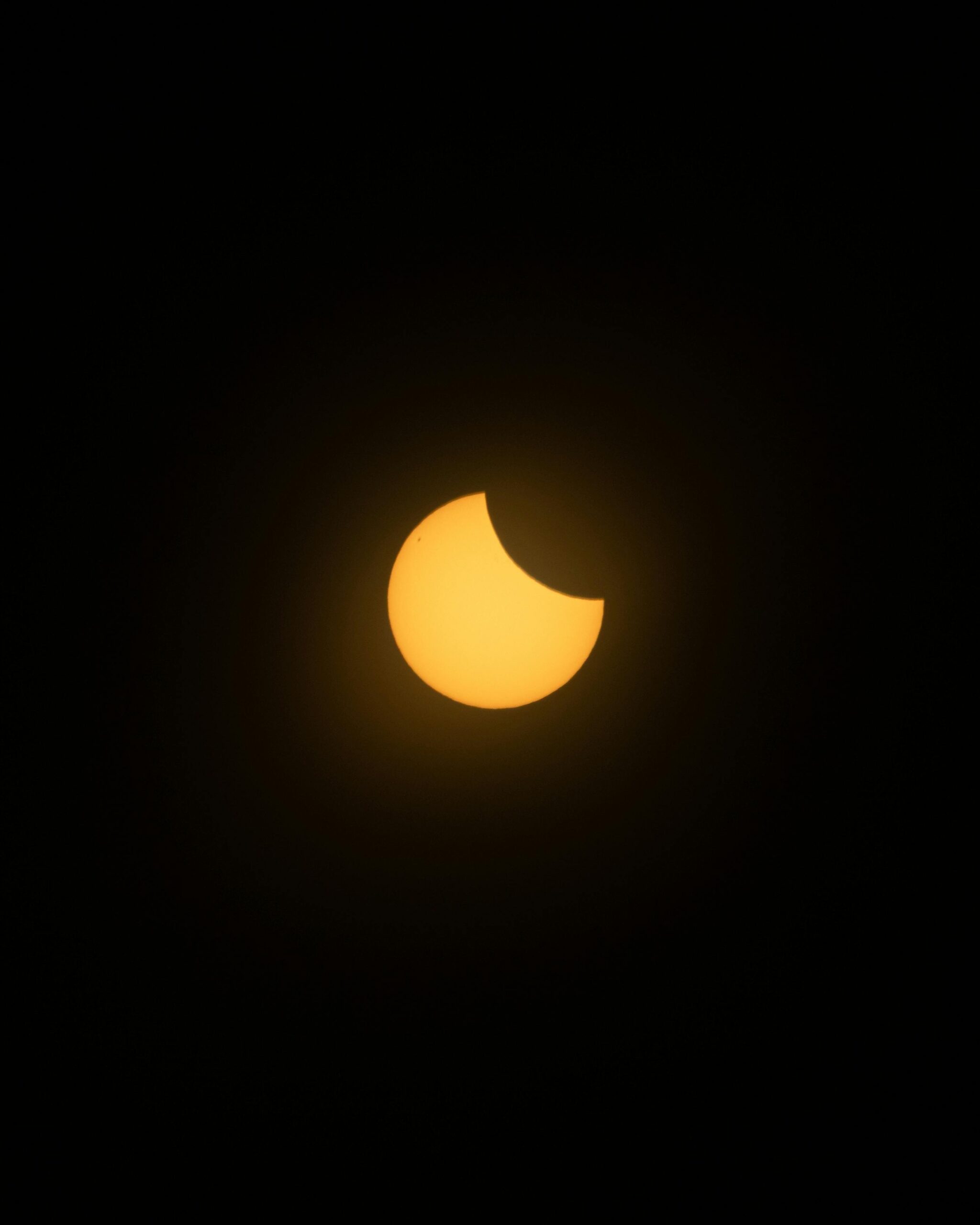
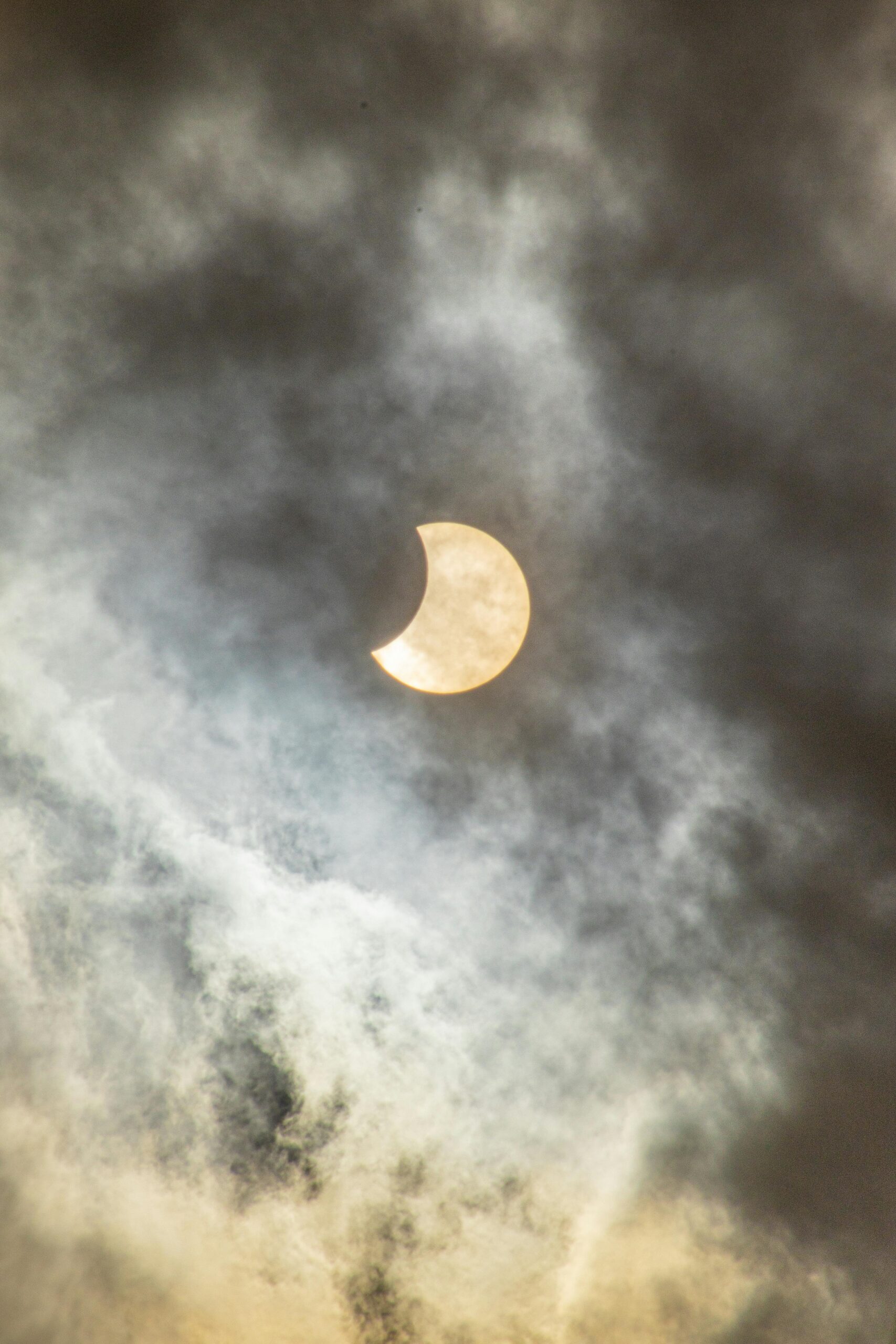
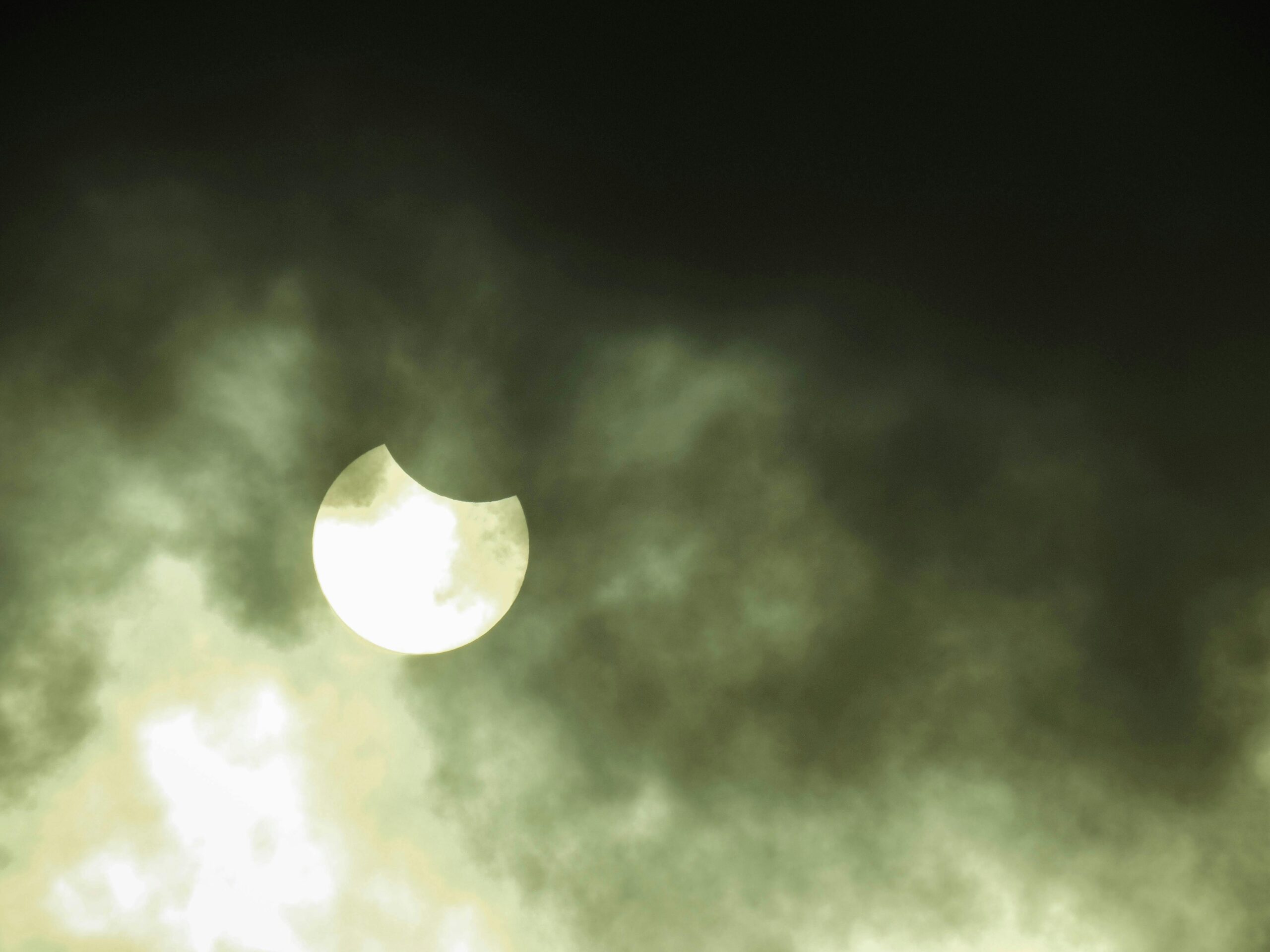
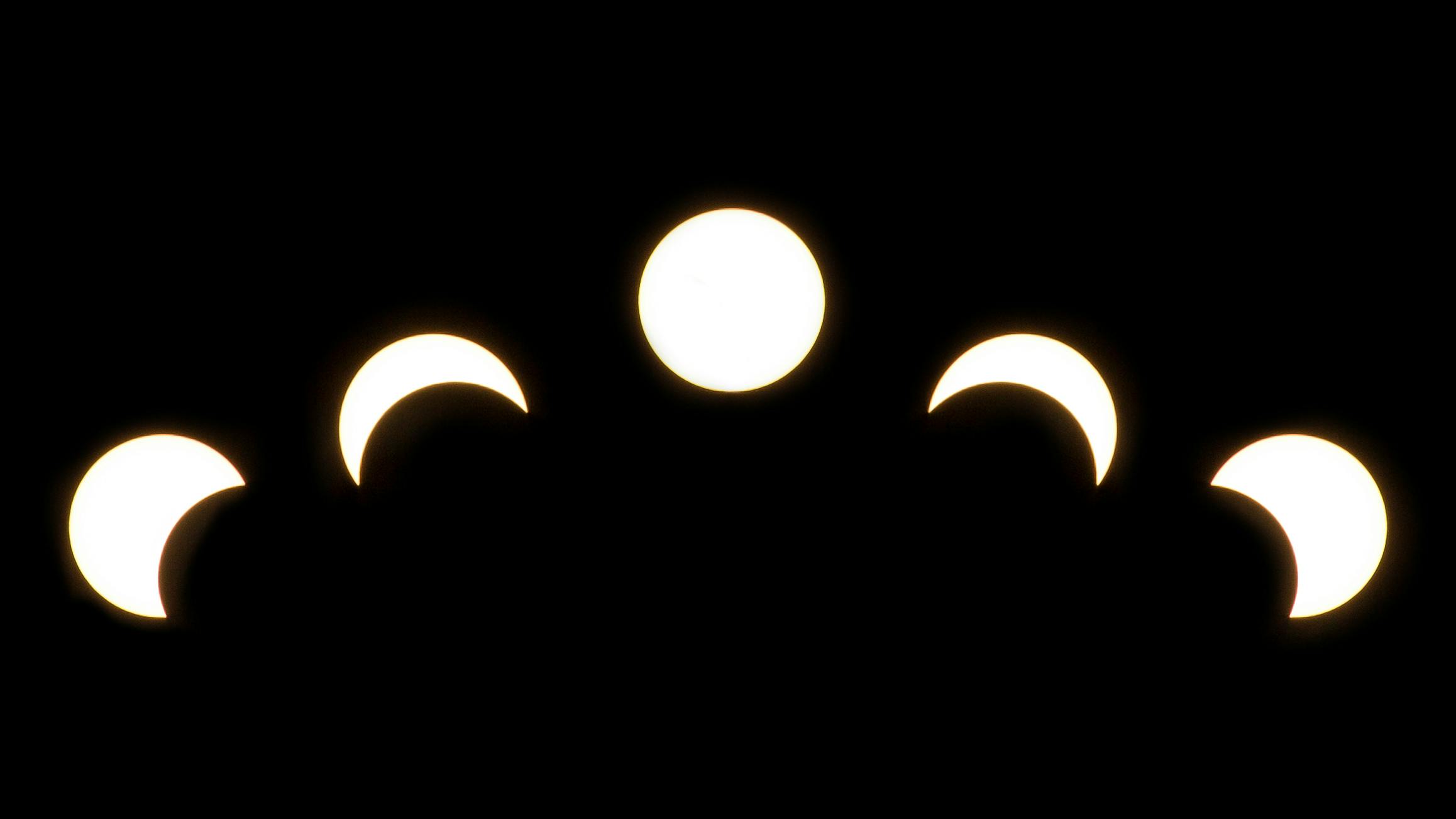
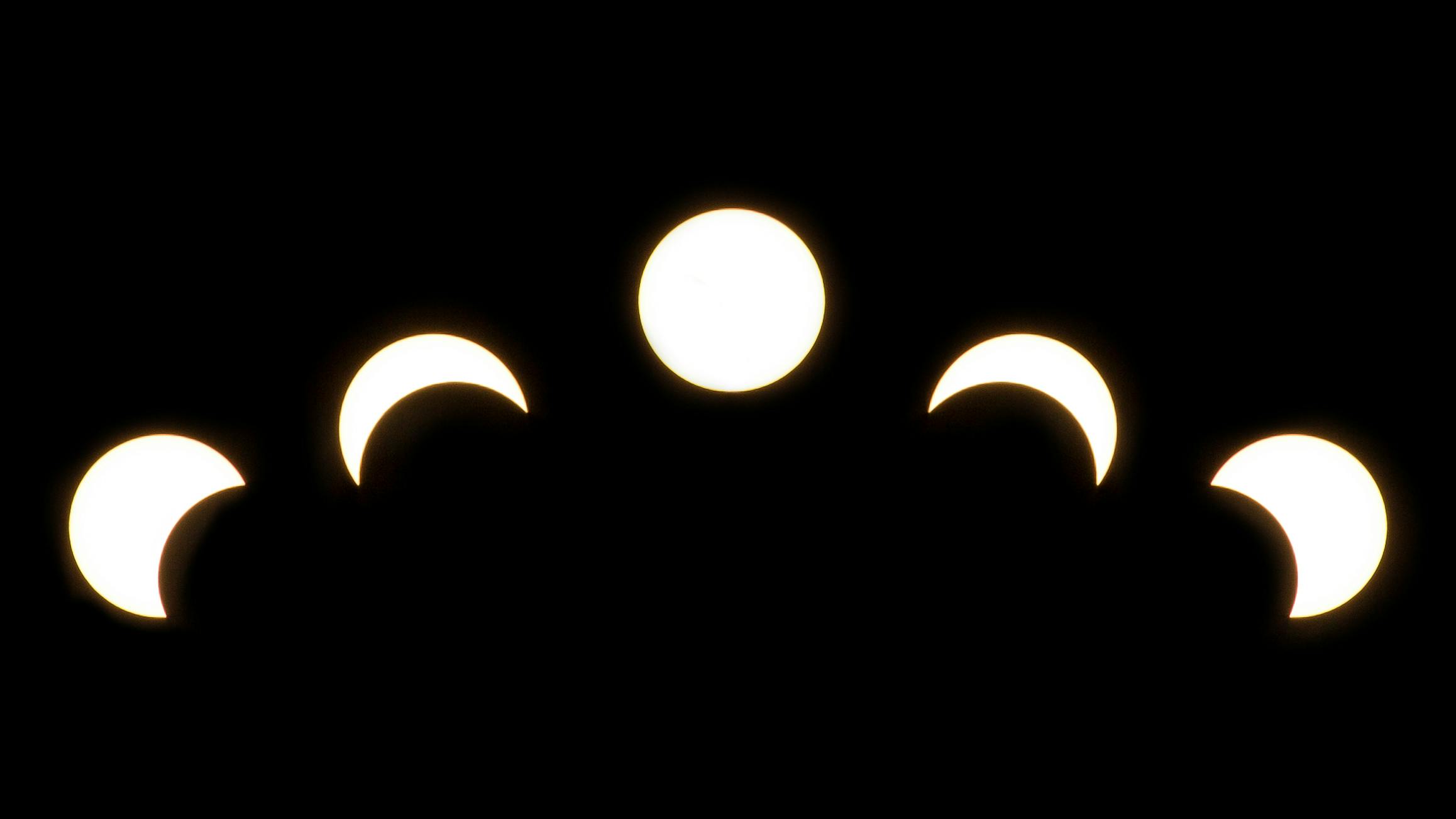
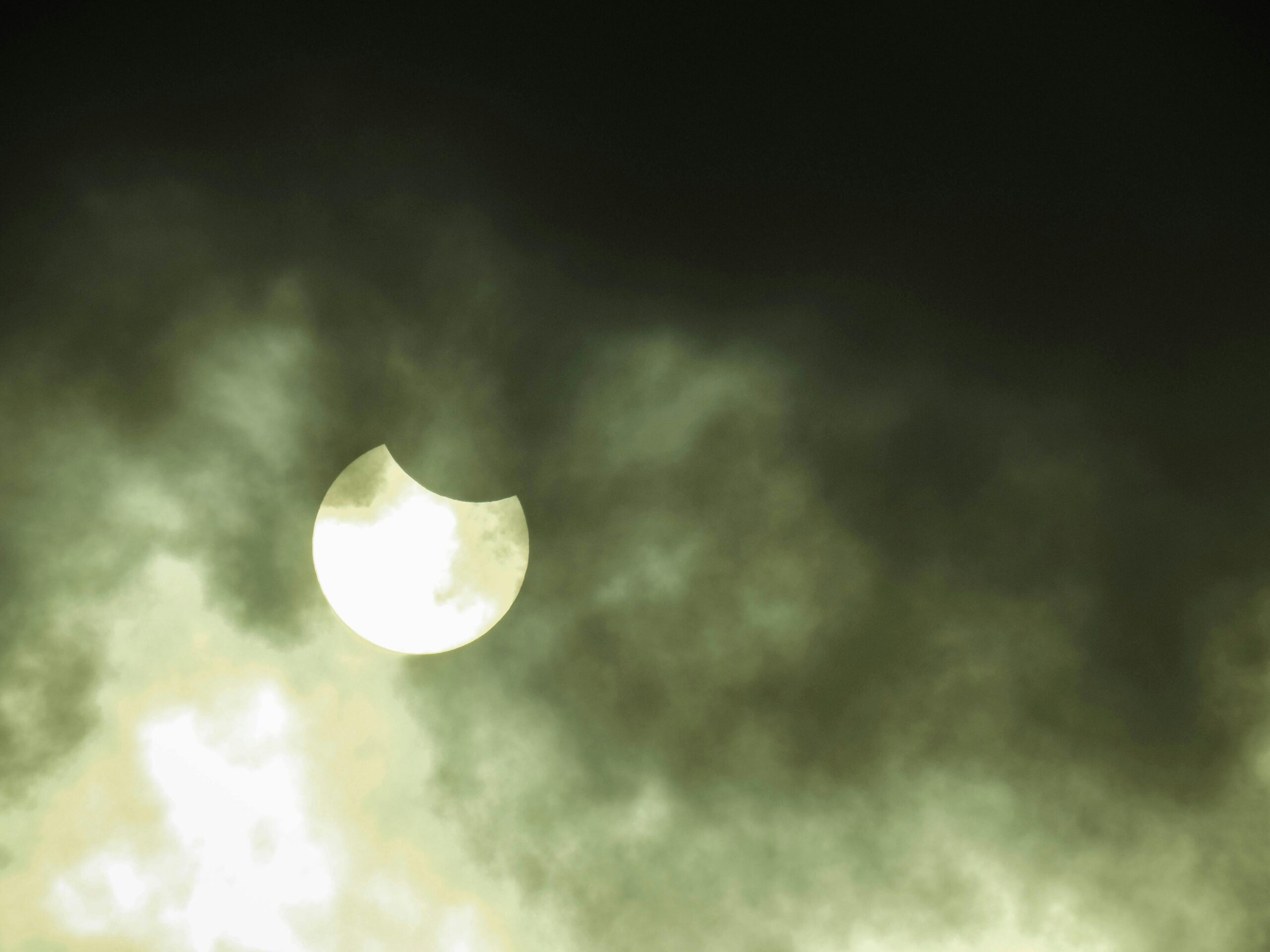
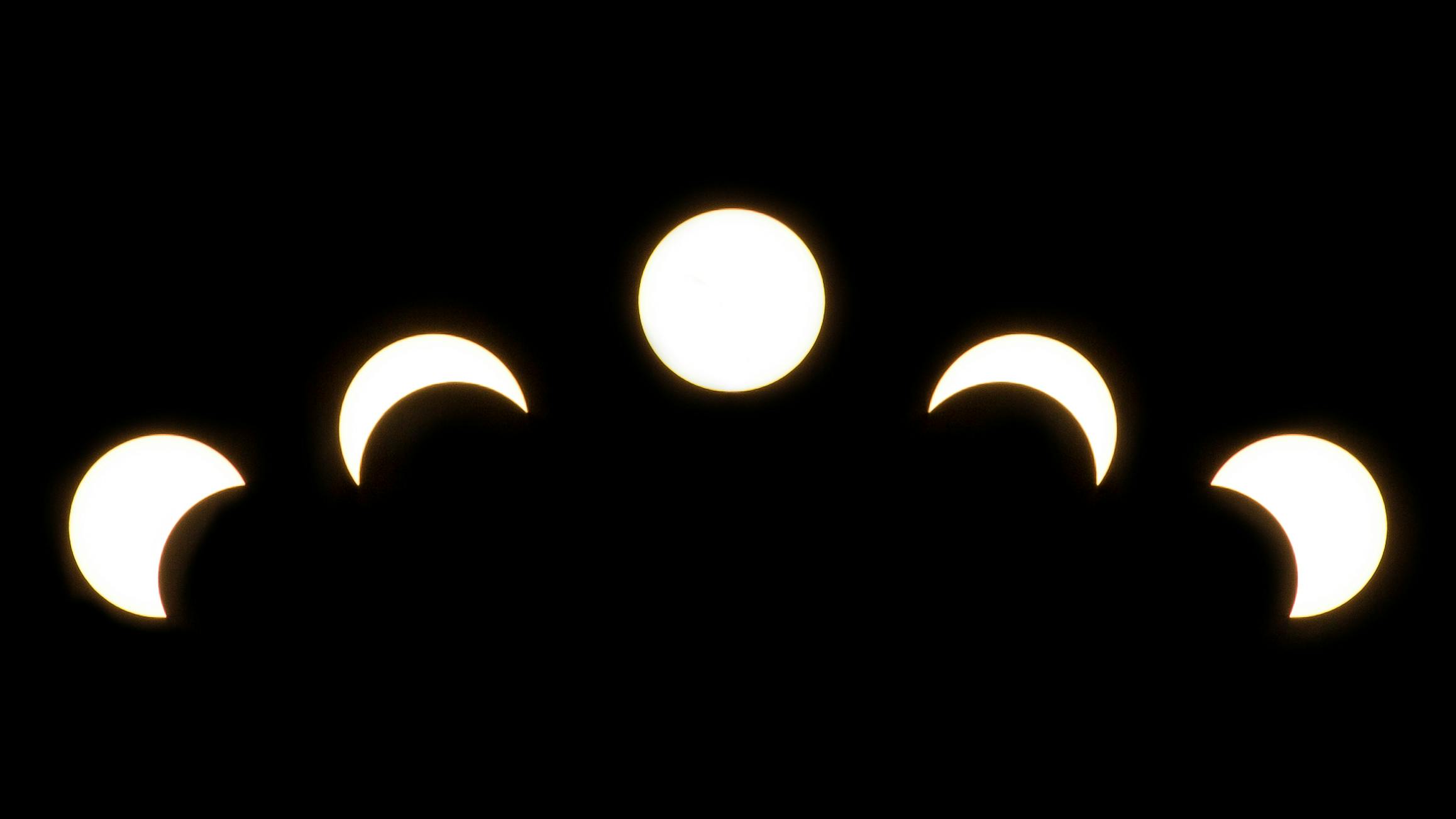
For those outside the path of totality, a partial eclipse will still be visible. The percentage of the Sun covered by the Moon will decrease as you move away from the path of totality. In cities like New York and Boston, for example, approximately 90% of the Sun will be covered, providing a still-impressive, albeit less dramatic, spectacle.
Preparing for the Eclipse
As the date of the eclipse approaches, it is essential to prepare accordingly. If you plan to travel to the path of totality, make sure to book accommodations well in advance, as hotels and campsites are likely to fill up quickly. Traffic is also expected to be heavy on the day of the eclipse, so plan your route carefully and allow extra time for travel.
If you are hosting an eclipse viewing party, ensure you have enough eclipse glasses for all attendees. Consider providing snacks, water, and other amenities to make the experience enjoyable. For those interested in capturing the event, a tripod and a camera with a solar filter can help you take stunning photographs of the eclipse.
Cultural and Historical Significance
Solar eclipses have fascinated humans for centuries, often inspiring myths, legends, and scientific inquiry. Ancient civilizations, such as the Babylonians and the Chinese, recorded eclipses and developed methods to predict them. In many cultures, eclipses were seen as omens or signs from the gods, often associated with impending doom or significant change.
In modern times, eclipses continue to captivate our imagination and inspire scientific research. The 1919 eclipse, for example, provided the first experimental confirmation of Einstein’s theory of general relativity. During the eclipse, astronomers observed the bending of starlight around the Sun, a phenomenon predicted by Einstein’s theory.
Today, eclipses offer scientists the opportunity to study the Sun’s corona, solar flares, and other solar phenomena. The data collected during eclipses can help us better understand the Sun’s behavior and its impact on Earth. For example, studying the corona can provide insights into the solar wind, a stream of charged particles that can affect Earth’s magnetic field and cause phenomena like the aurora borealis.
Eclipse Chasing
Eclipse chasing has become a popular hobby for amateur astronomers and enthusiasts. These dedicated individuals travel the world to witness solar eclipses, often going to great lengths to reach remote or hard-to-access locations. Eclipse chasing can be an exciting and rewarding experience, offering a unique perspective on our planet and the cosmos.
For those interested in eclipse chasing, the 2024 eclipse provides an excellent opportunity. With its path crossing several major cities and accessible locations, it is one of the most convenient eclipses to observe in recent history. Whether you are a seasoned eclipse chaser or a first-time viewer, the 2024 eclipse promises to be an unforgettable experience.
Conclusion
The Great American Eclipse of 2024 is a celestial event not to be missed. Whether you are a seasoned astronomer or a casual observer, the eclipse offers a unique opportunity to witness one of nature’s most spectacular phenomena. As you prepare for the eclipse, remember to prioritize safety and plan accordingly. With the right preparation and a bit of luck, you can witness the awe-inspiring beauty of a total solar eclipse and create memories that will last a lifetime.
So, mark your calendars and get ready for the Great American Eclipse of 2024. And if you’re looking to add a touch of style to your eclipse viewing experience, consider learning how to style a beret for a chic and fashionable look. Happy viewing!
In the realm of cultural preservation, a new article explores how Azerbaijan engages its youth in safeguarding their rich heritage.
As the fashion world turns its attention to the latest trends, London’s innovative fashion showcase offers a unique perspective on the industry’s evolution.
Delve into the evolving world of style with our latest feature, Birmingham’s fashion evolution, which examines the city’s unique sartorial landscape.