The Great American Eclipse of 2024: A Celestial Spectacle to Remember
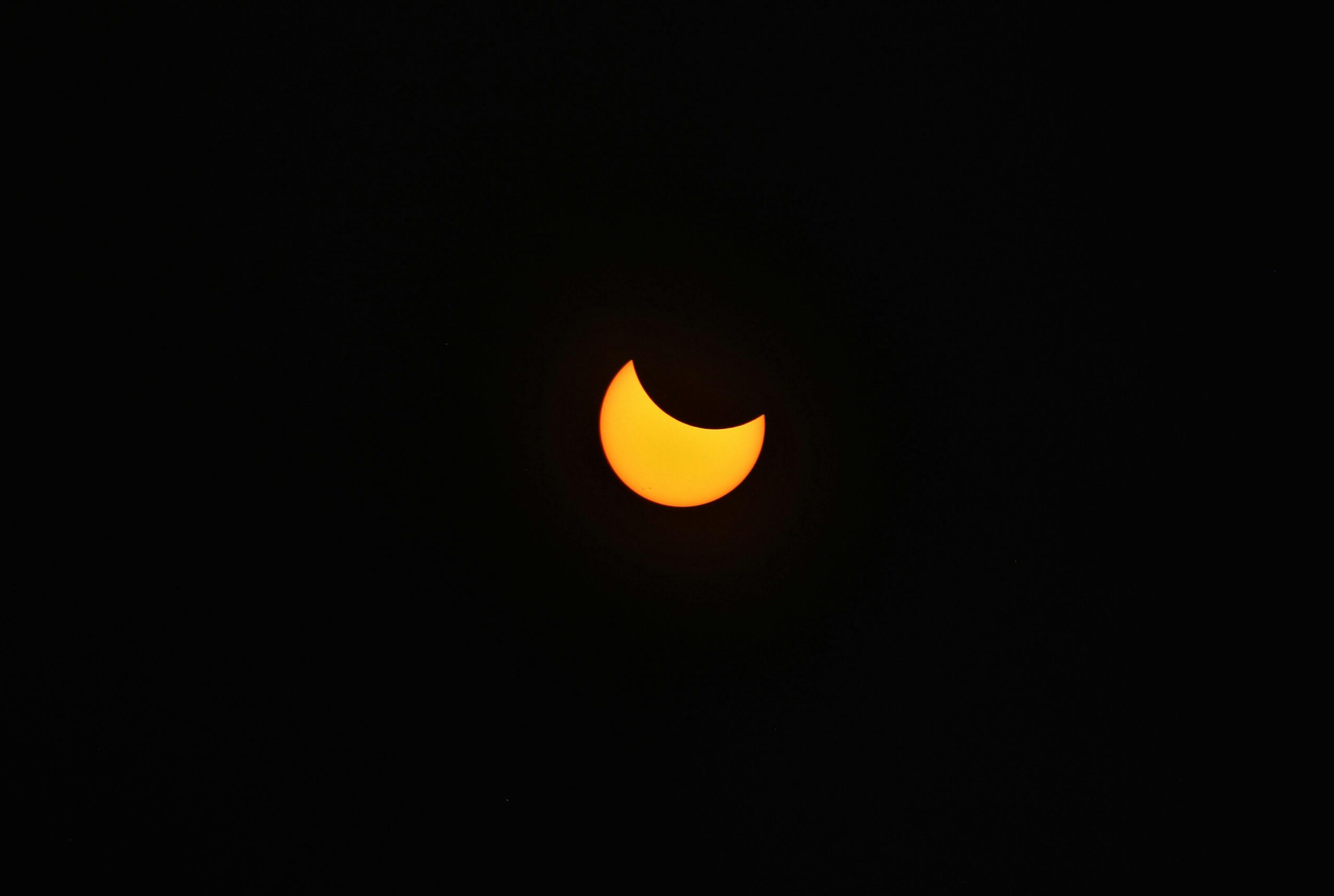
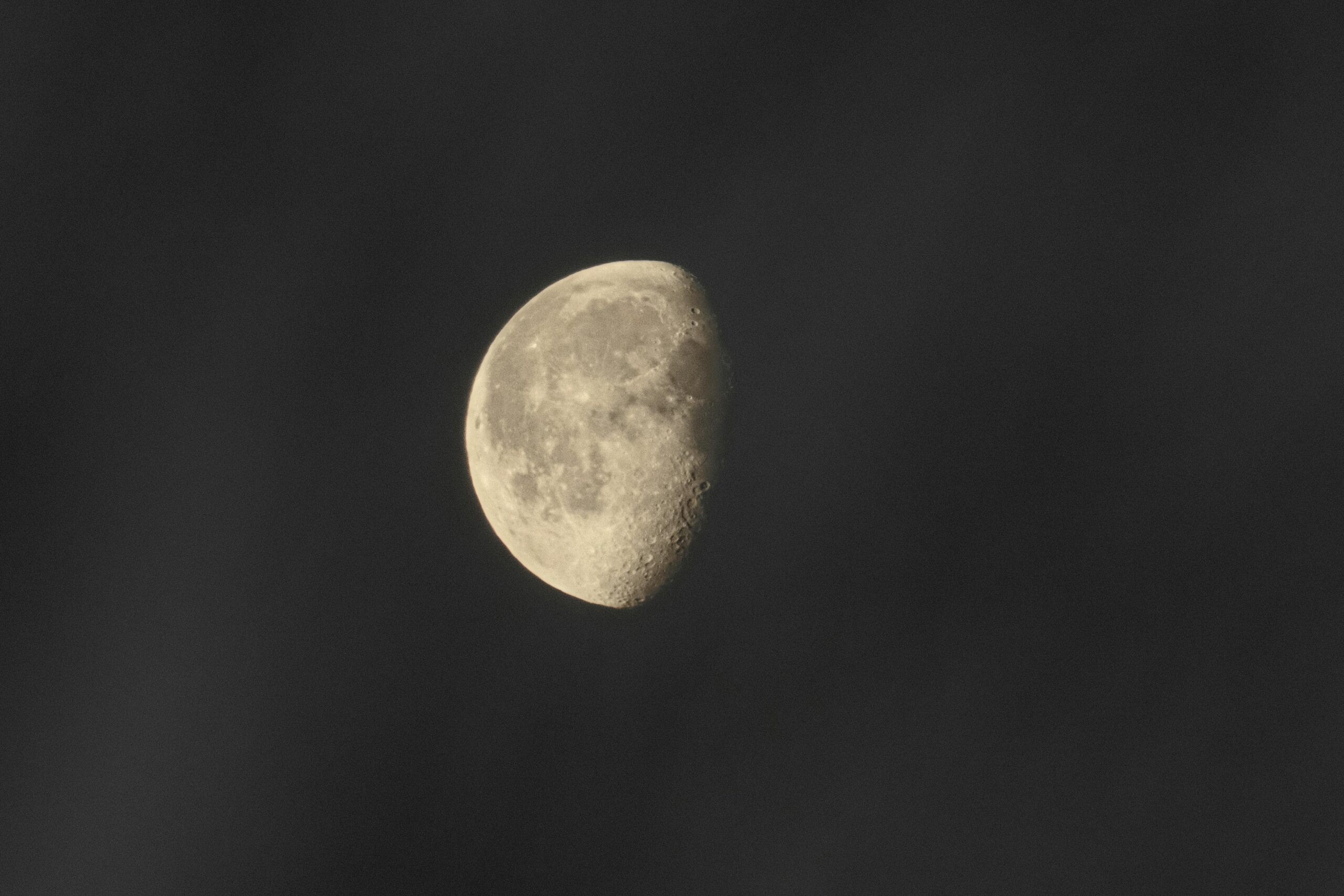
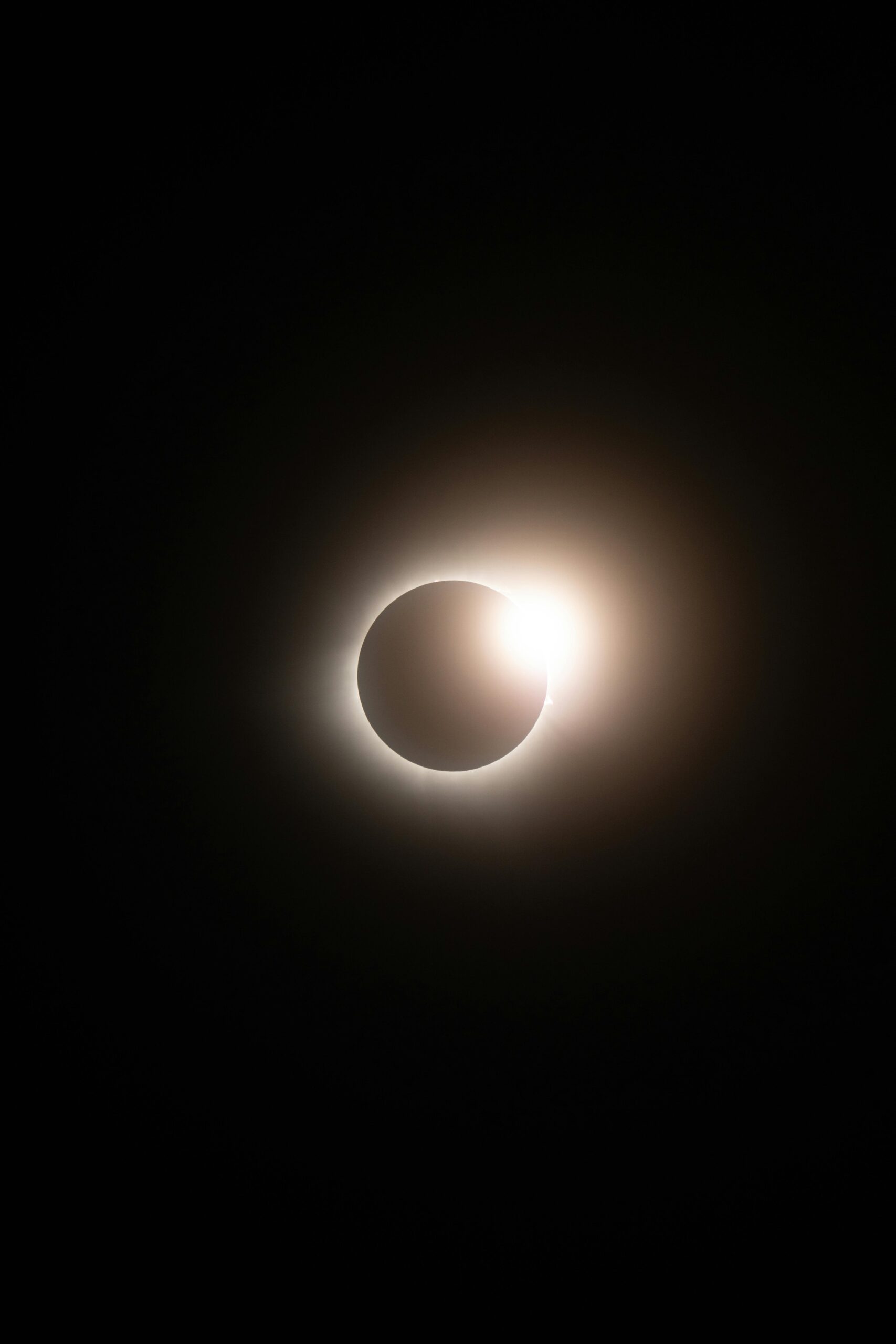
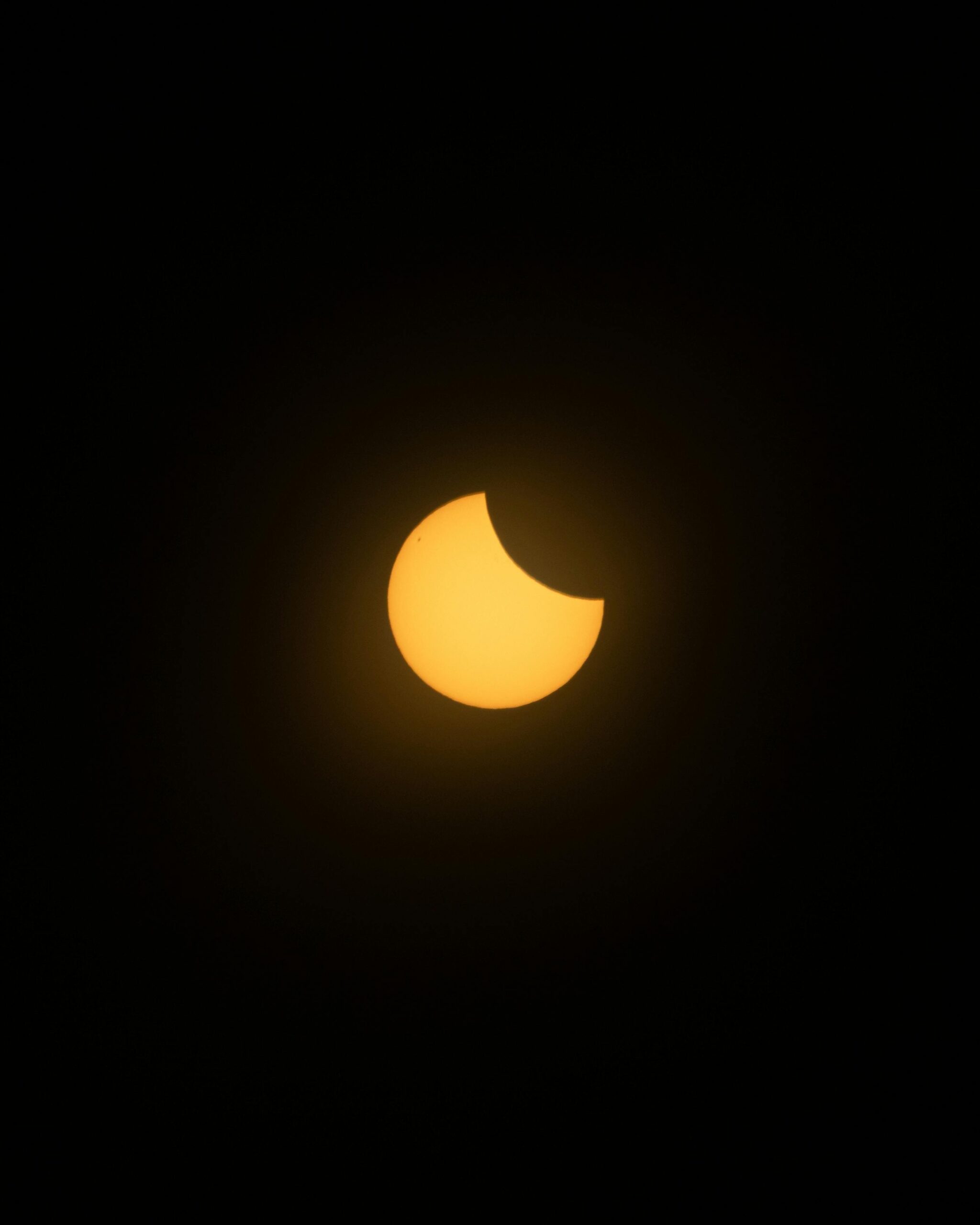
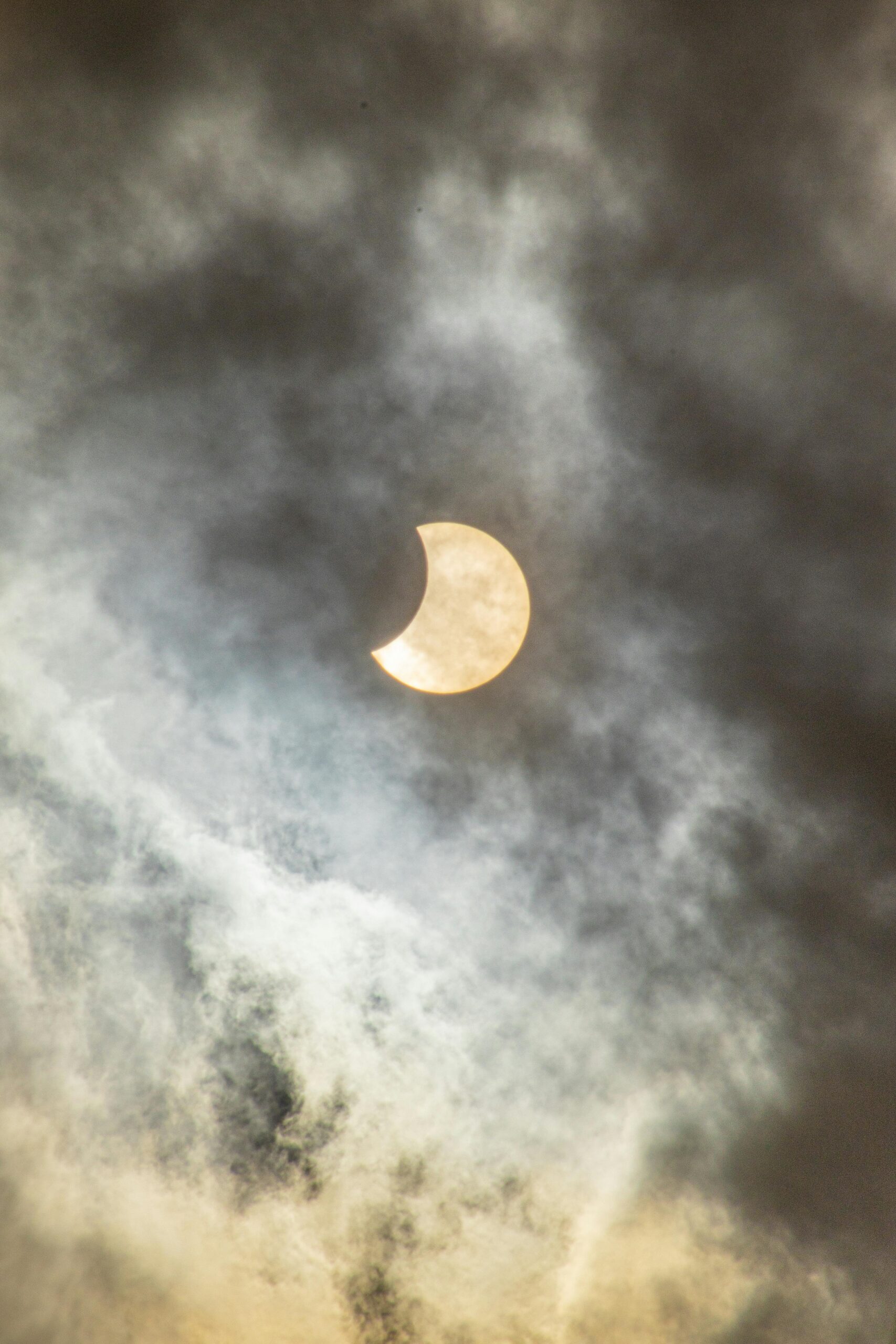
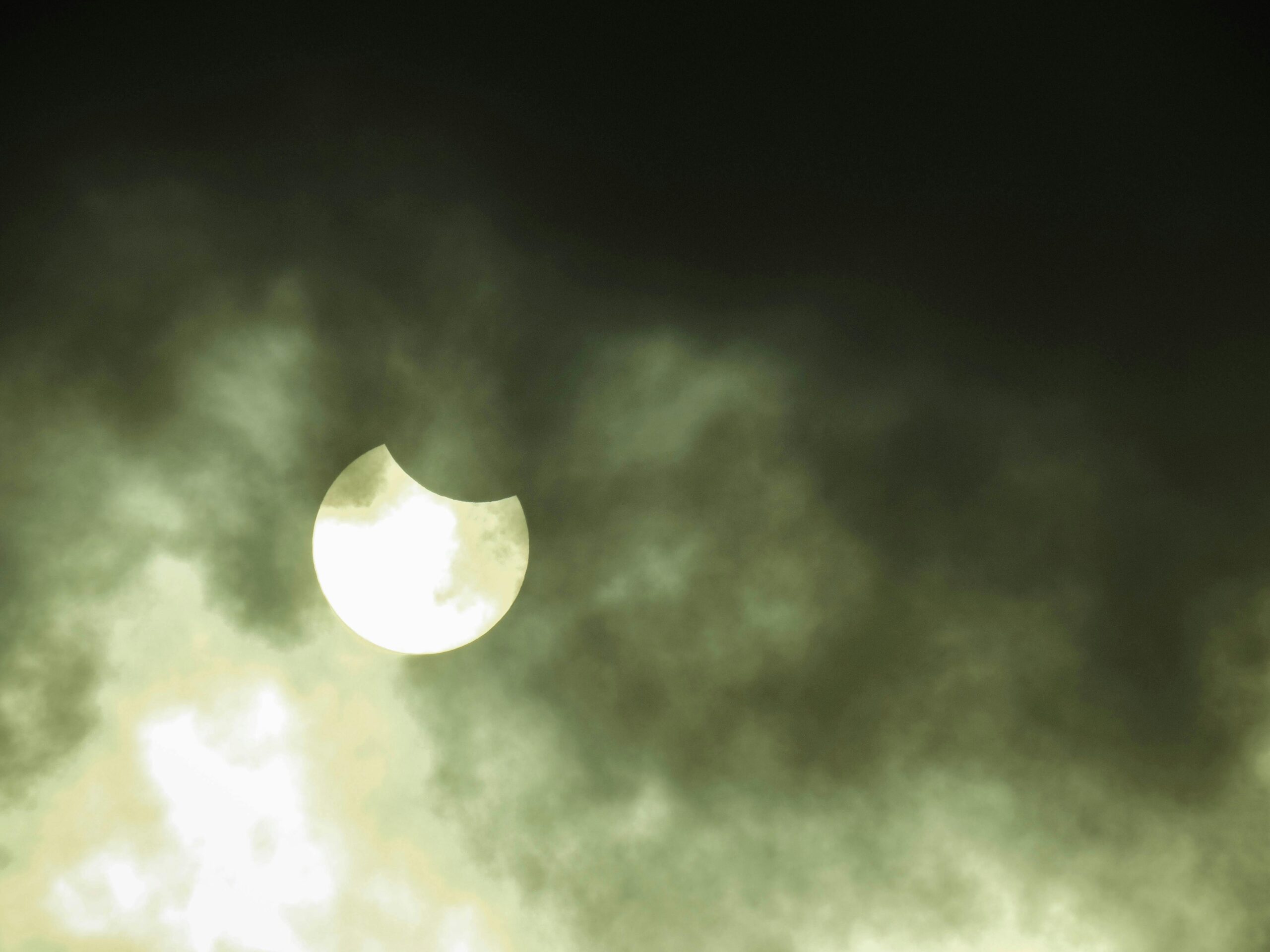
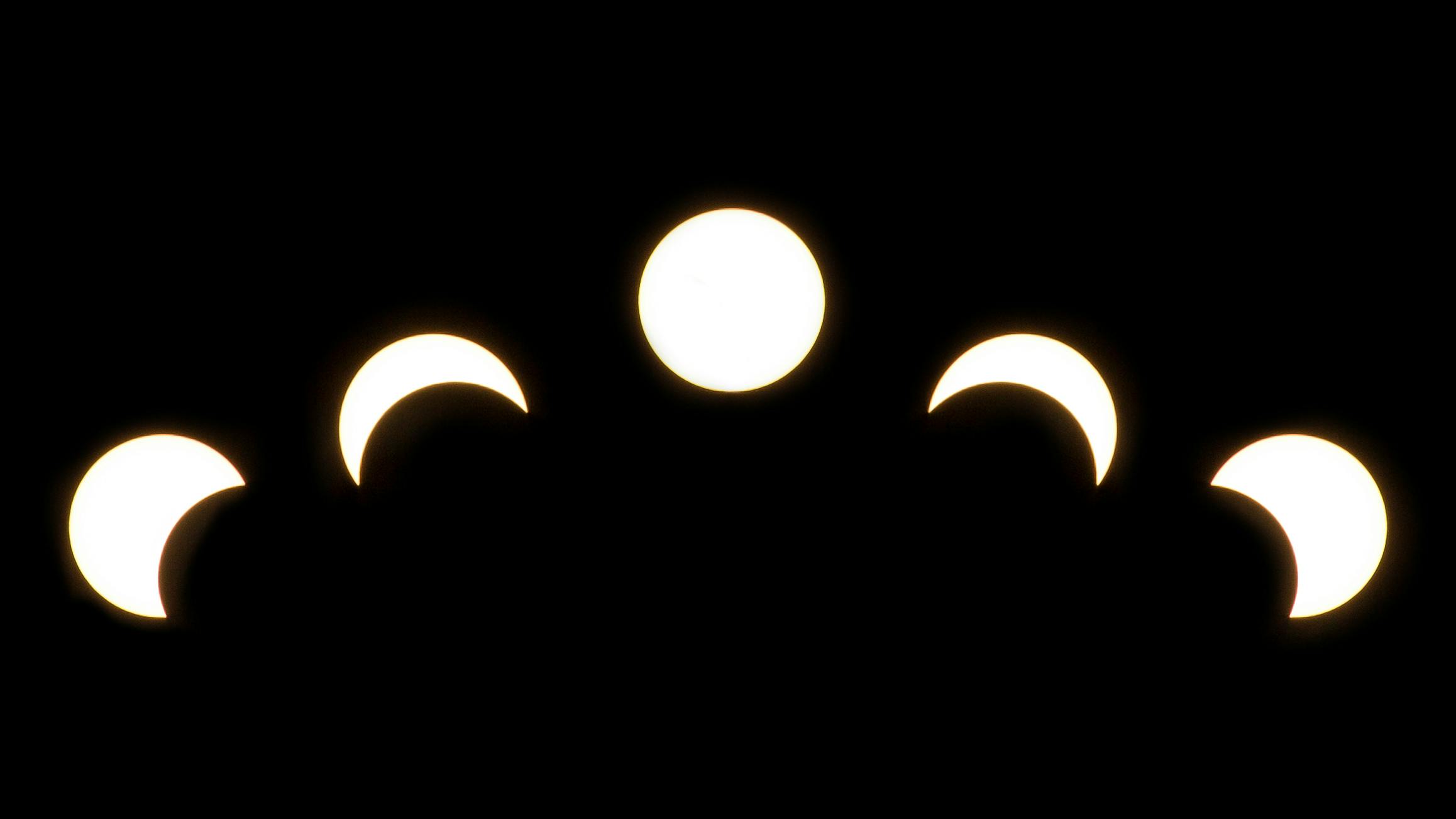
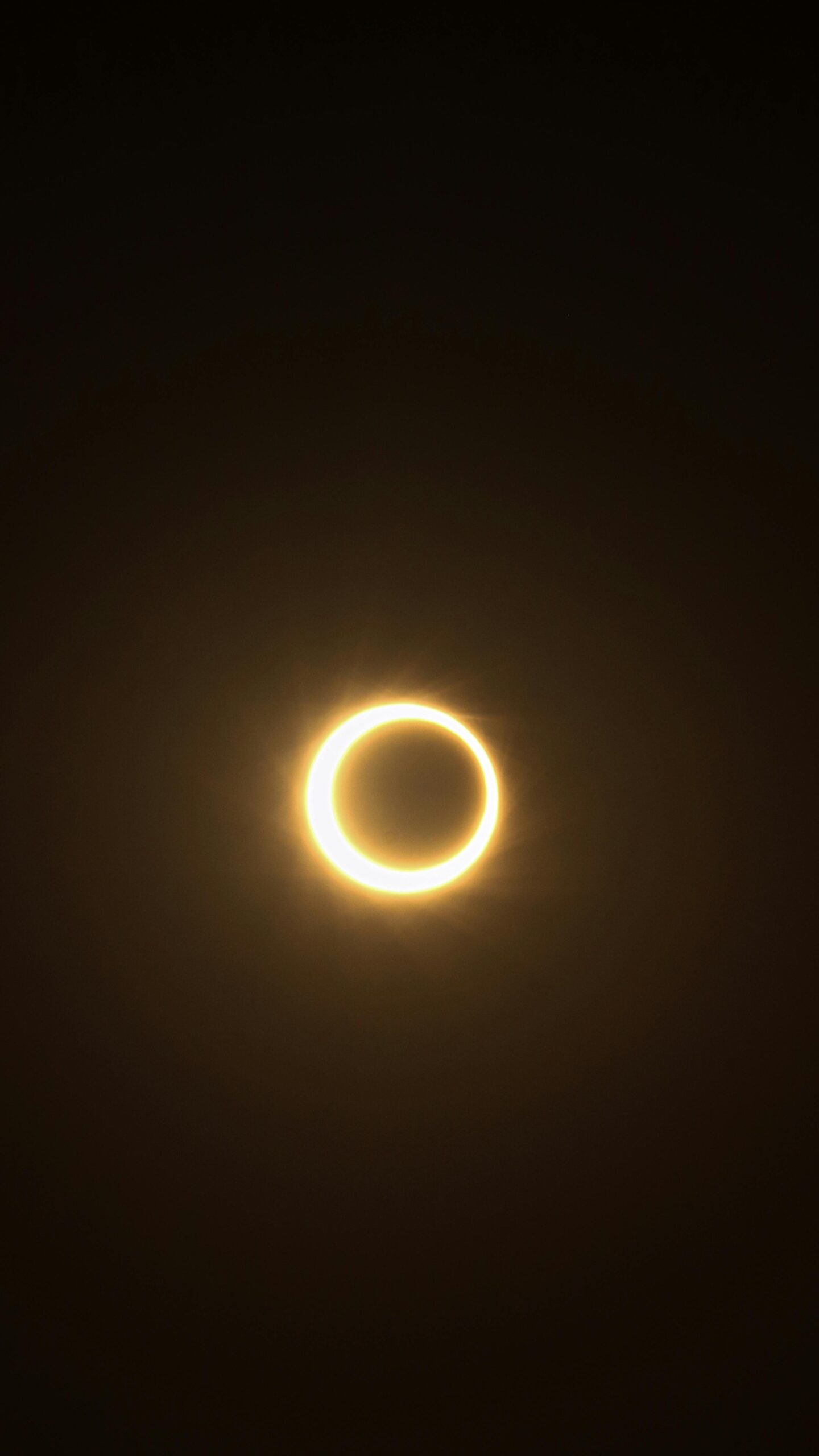
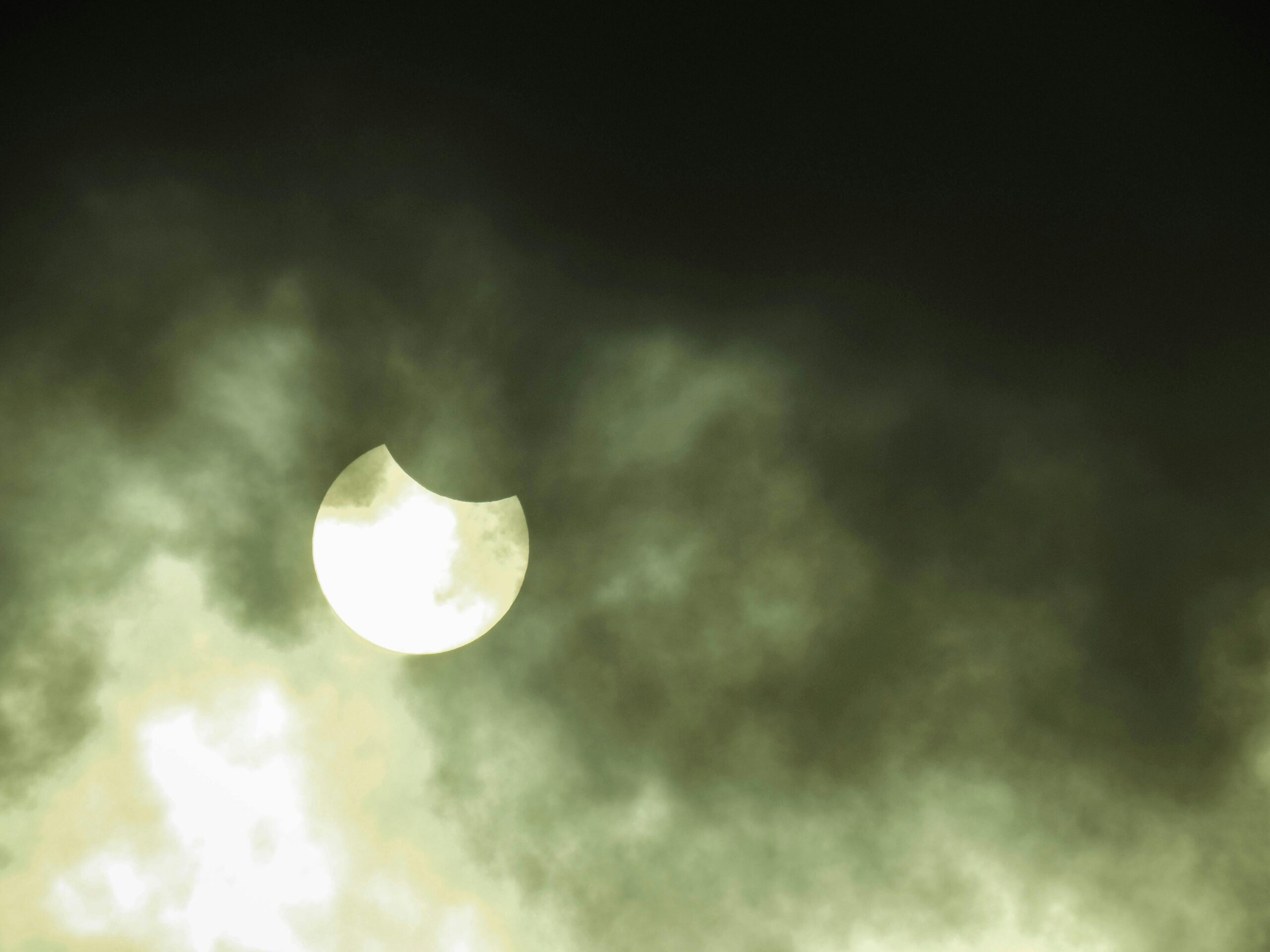
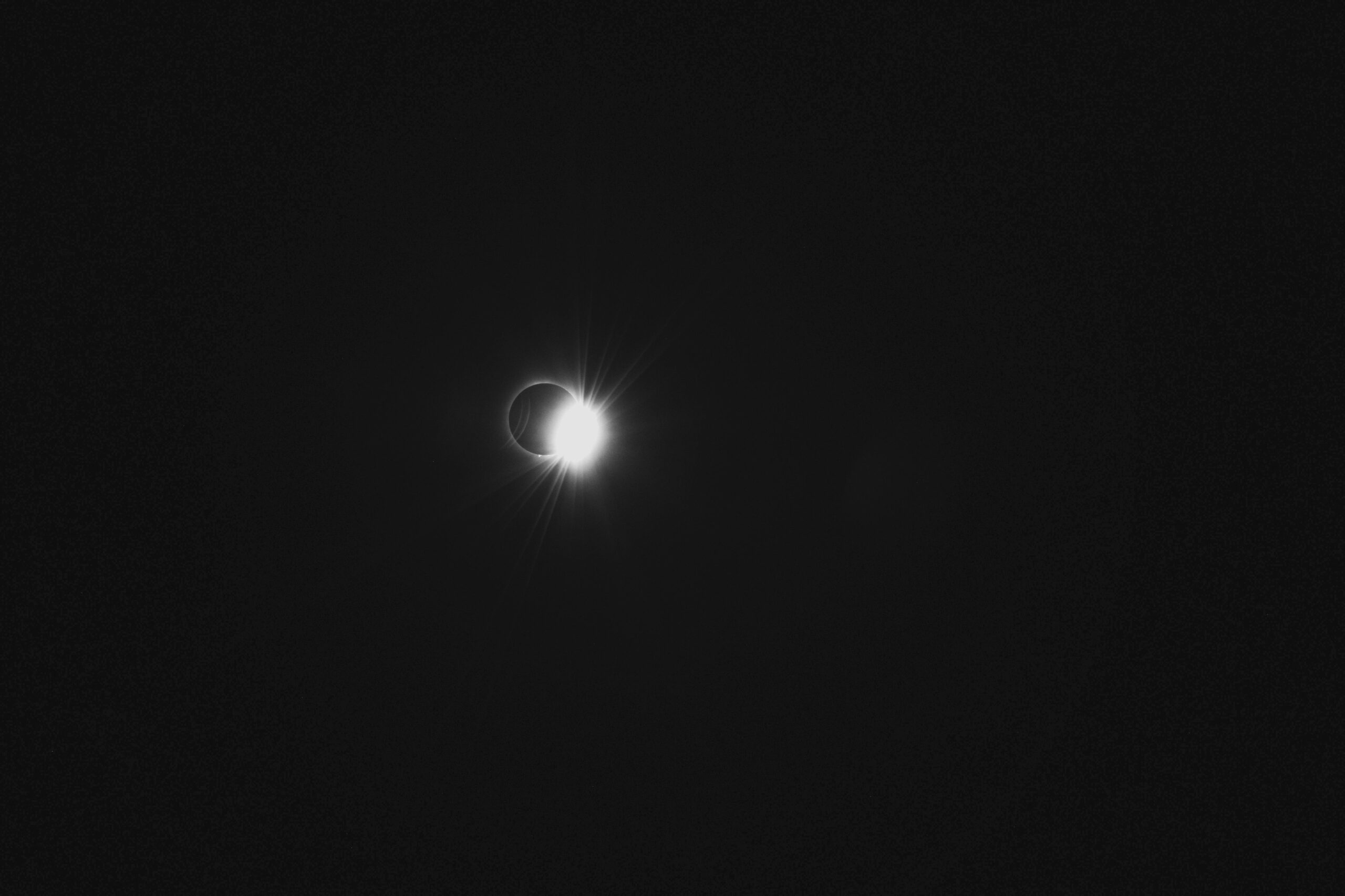
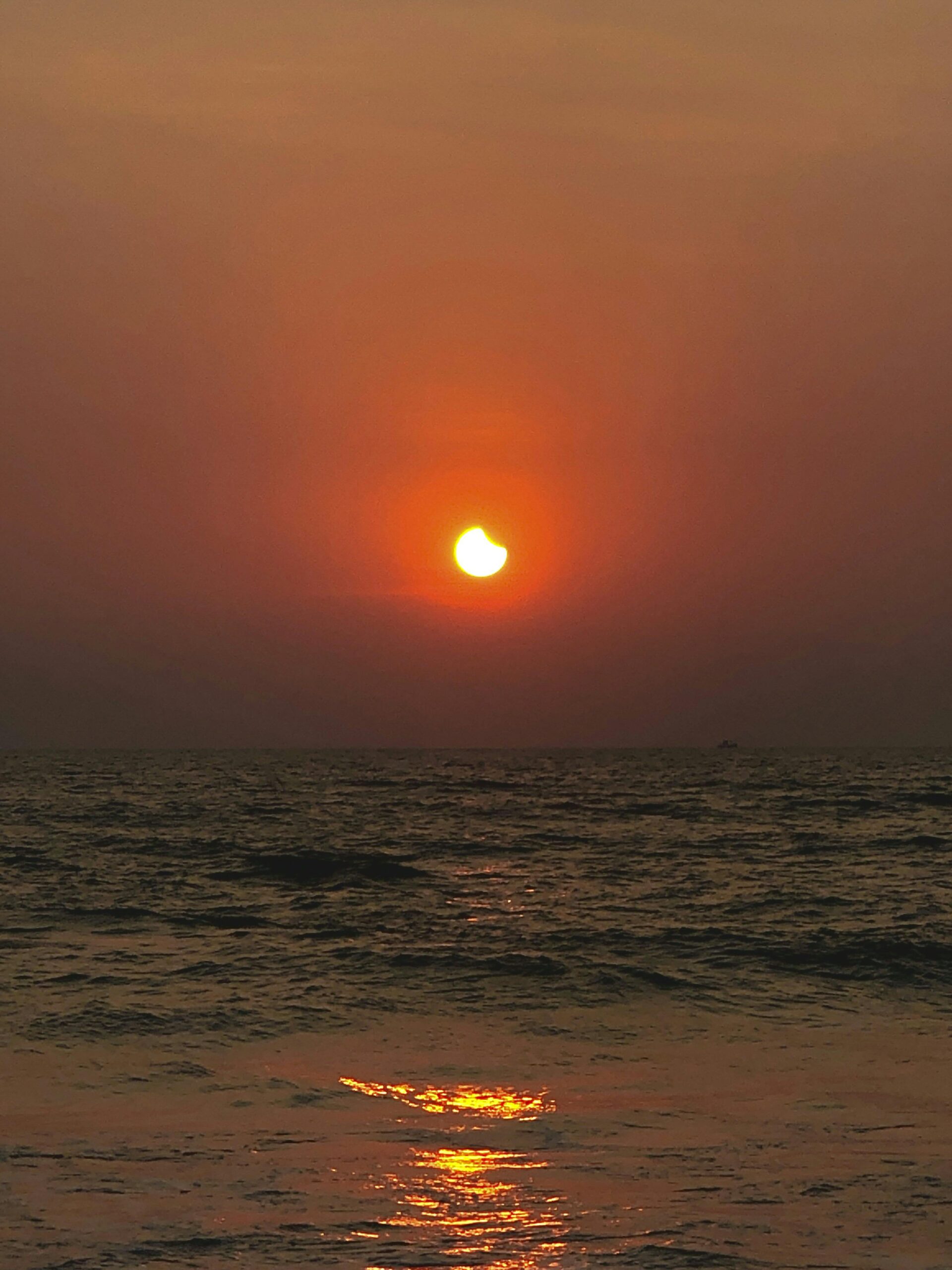
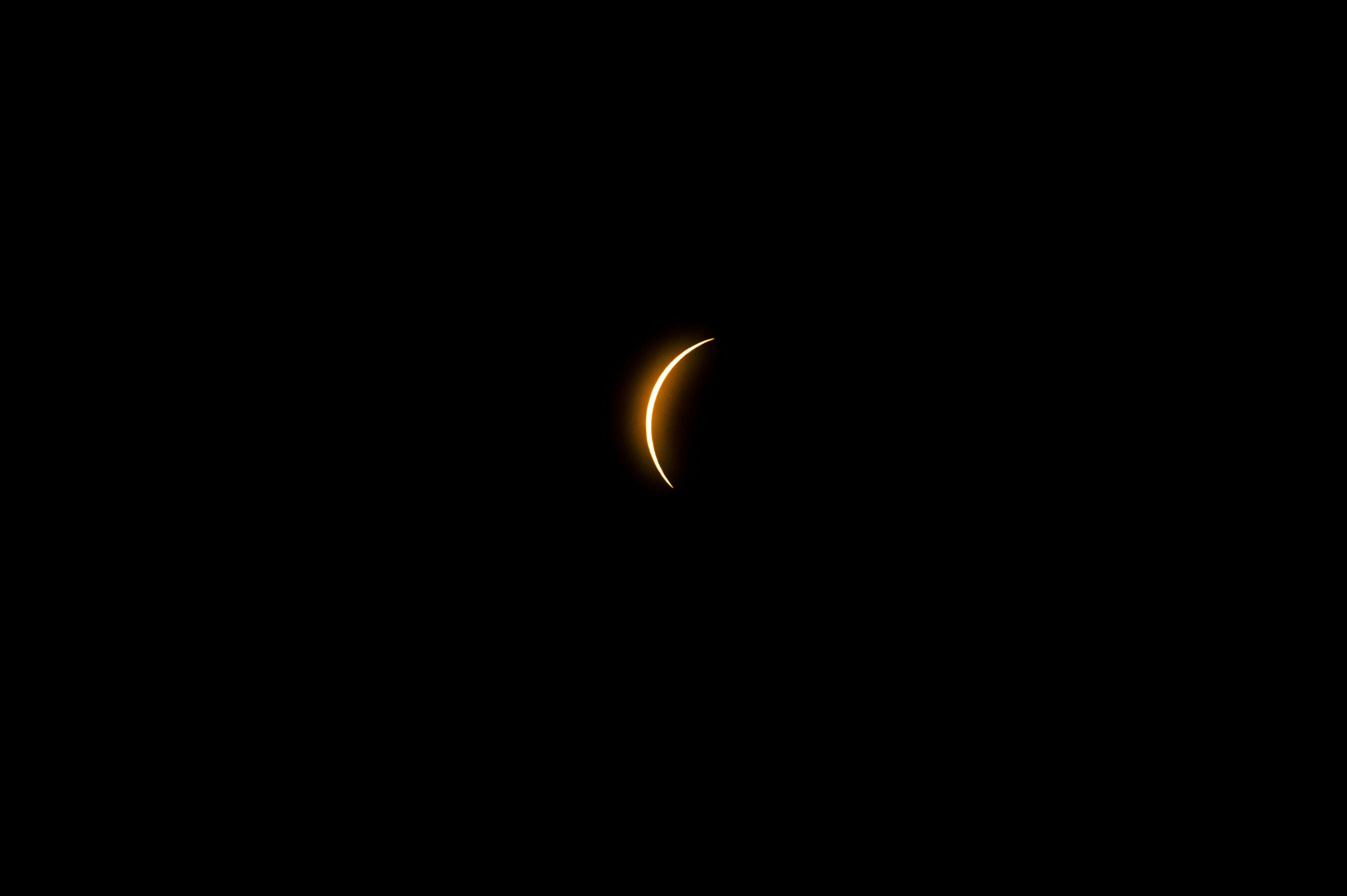
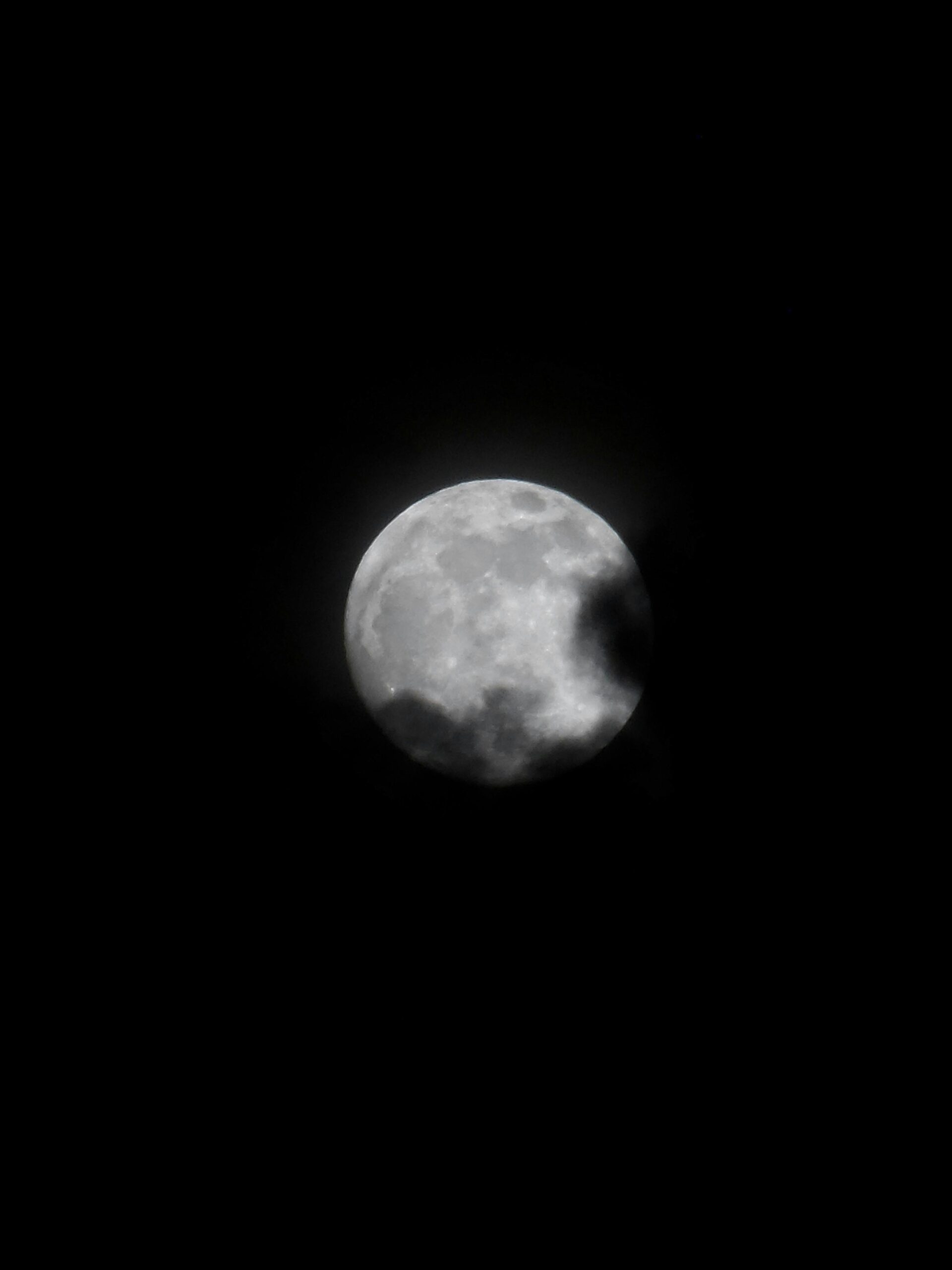
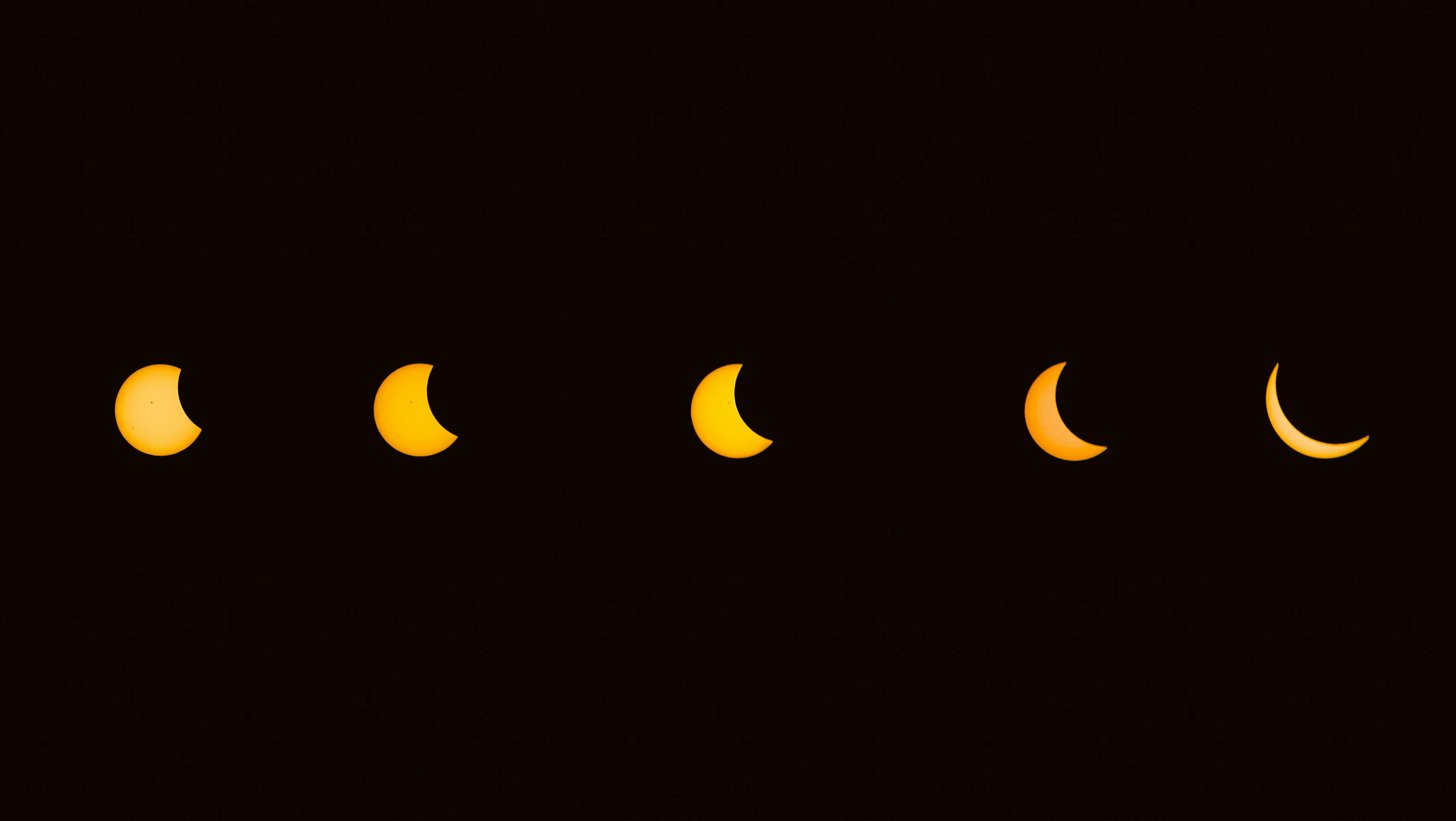
The celestial stage is set for one of the most anticipated astronomical events of the decade: the Great American Eclipse of April 8, 2024. This total solar eclipse will traverse the United States, offering a unique opportunity for millions to witness the awe-inspiring phenomenon. As the moon passes between the Earth and the Sun, it will cast a shadow that will darken the skies from Texas to Maine, creating a path of totality that promises an unforgettable experience for both seasoned astronomers and casual observers alike.
The Path of Totality: Where and When
The path of totality, where the moon completely covers the Sun, will stretch across 15 U.S. states. The eclipse will begin its journey over the Pacific Ocean, making landfall near Mazatlán, Mexico, around 12:07 PM local time. It will then move northeastward, crossing the U.S. border into Texas around 1:27 PM CDT. The eclipse will continue its path through Oklahoma, Arkansas, Missouri, Illinois, Kentucky, Indiana, Ohio, Pennsylvania, New York, Vermont, New Hampshire, and Maine before exiting the U.S. into Canada around 3:35 PM EDT.
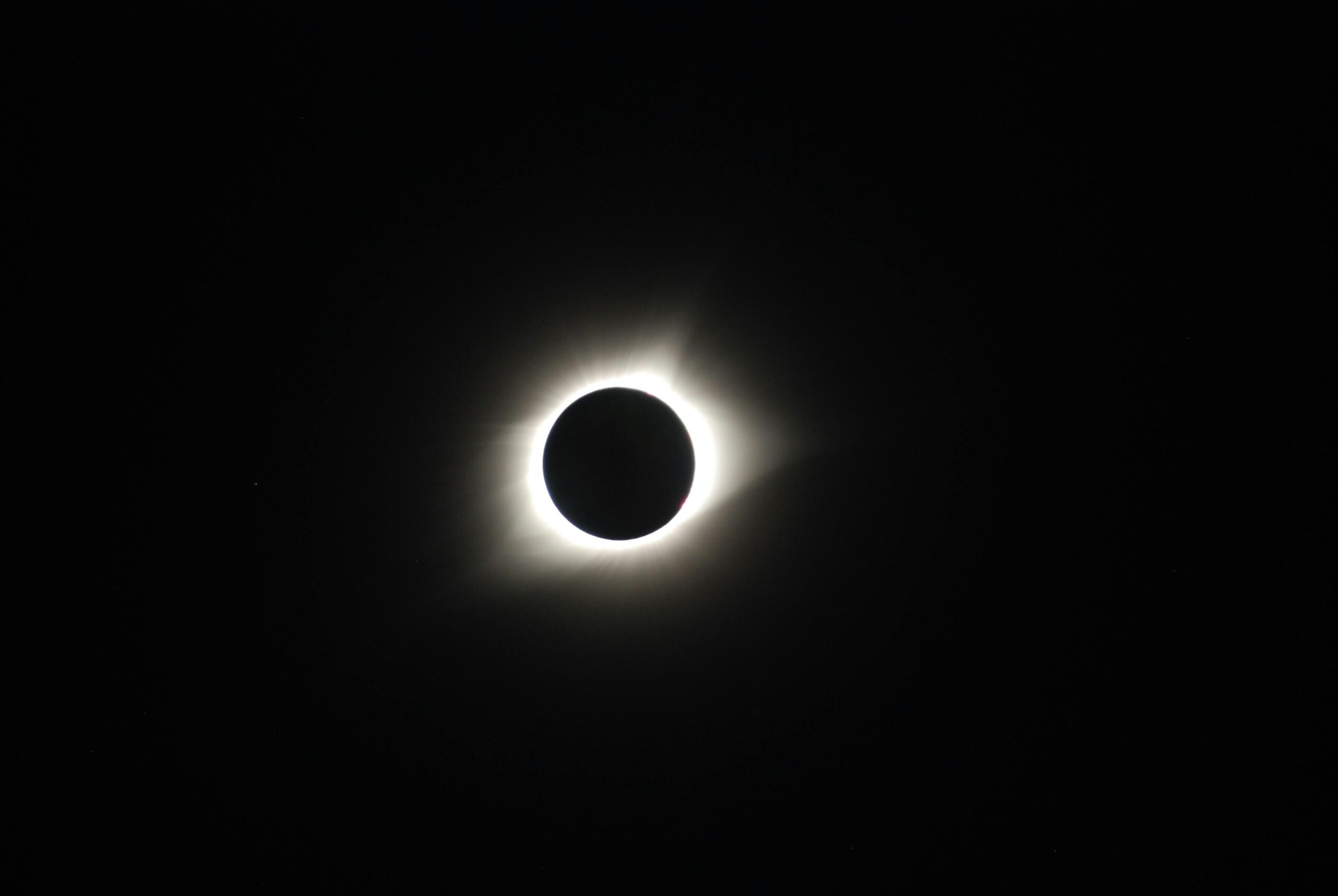
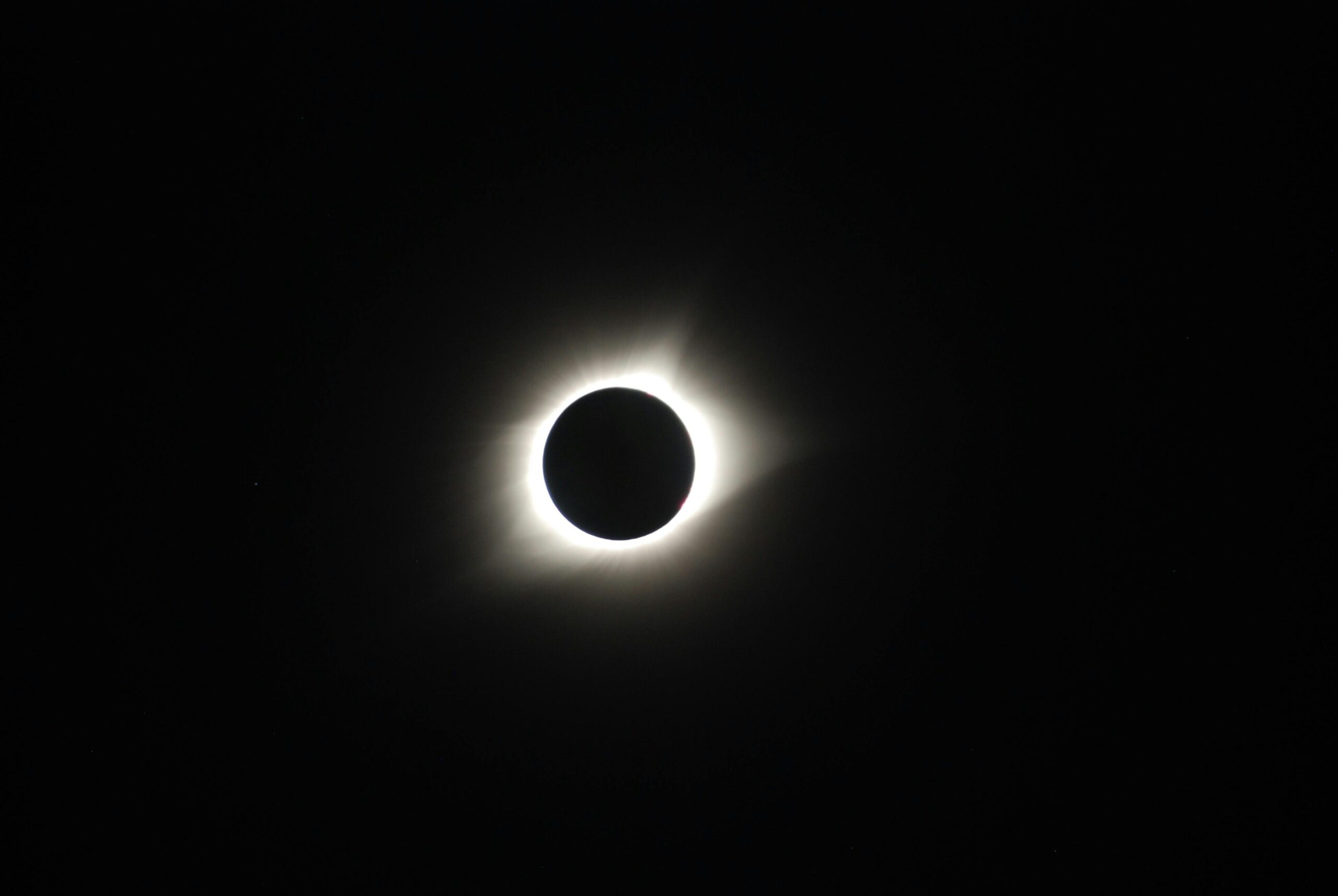
For those planning to witness this celestial event, it’s crucial to be in the path of totality to experience the full spectacle. Cities like Dallas, Little Rock, Indianapolis, Cleveland, Buffalo, and Burlington will be among the fortunate locations where the total eclipse can be observed. The duration of totality will vary, with some areas experiencing up to 4 minutes and 28 seconds of darkness, providing ample time to marvel at the Sun’s corona and the surrounding celestial display.
Preparing for the Eclipse: Safety and Viewing Tips
Watching a solar eclipse is a breathtaking experience, but it’s essential to prioritize safety. Looking directly at the Sun, even during an eclipse, can cause severe eye damage or blindness. To safely observe the eclipse, use certified solar viewing glasses that meet the ISO 12312-2 international safety standard. These glasses block out harmful ultraviolet and infrared radiation, allowing you to view the eclipse without risking your eyesight.
For those interested in capturing the eclipse, a solar filter for cameras or telescopes is a must. Additionally, consider using best art apps for digital painting to enhance your eclipse photos or create artistic representations of the event. These apps can help you add creative touches to your images, making them even more memorable.
If you’re planning to travel to a viewing location, be sure to arrive early. The influx of visitors can lead to heavy traffic and limited accommodations. Pack essentials like water, snacks, and sunscreen, and be prepared for varying weather conditions. Having a portable solar viewer or a pinhole projector can also enhance your viewing experience, providing an alternative method to safely observe the eclipse.
The Science Behind the Eclipse
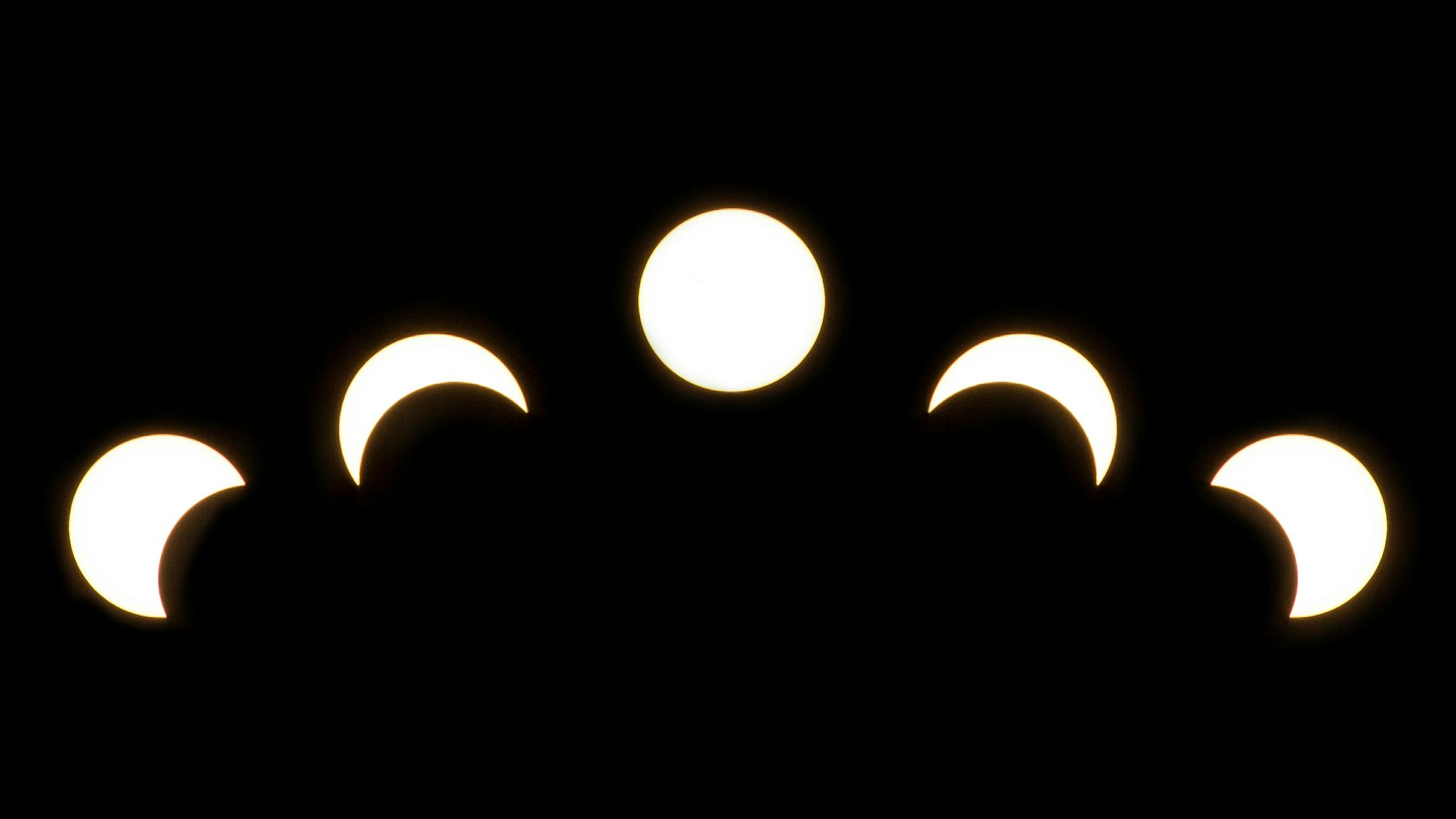
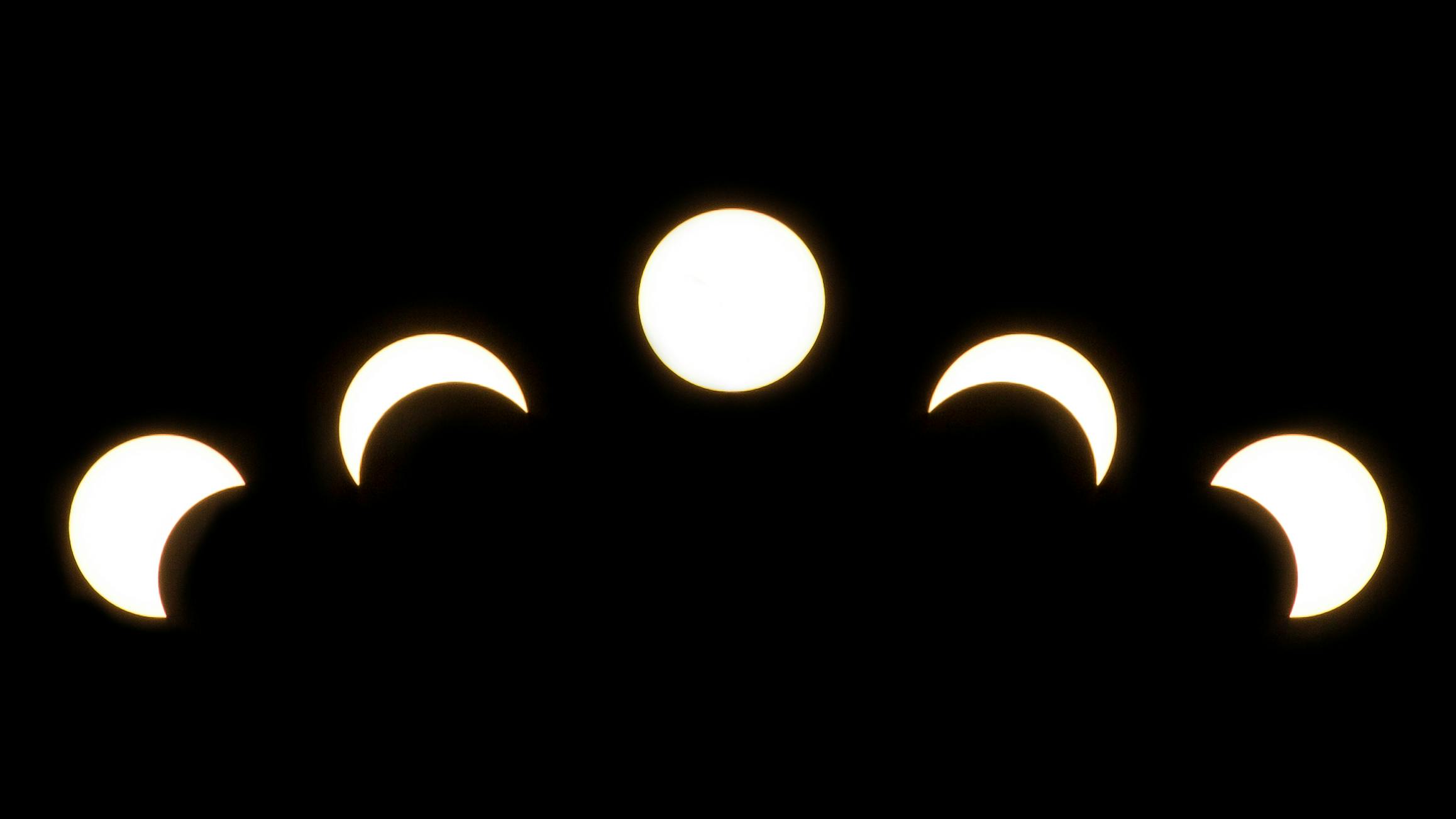
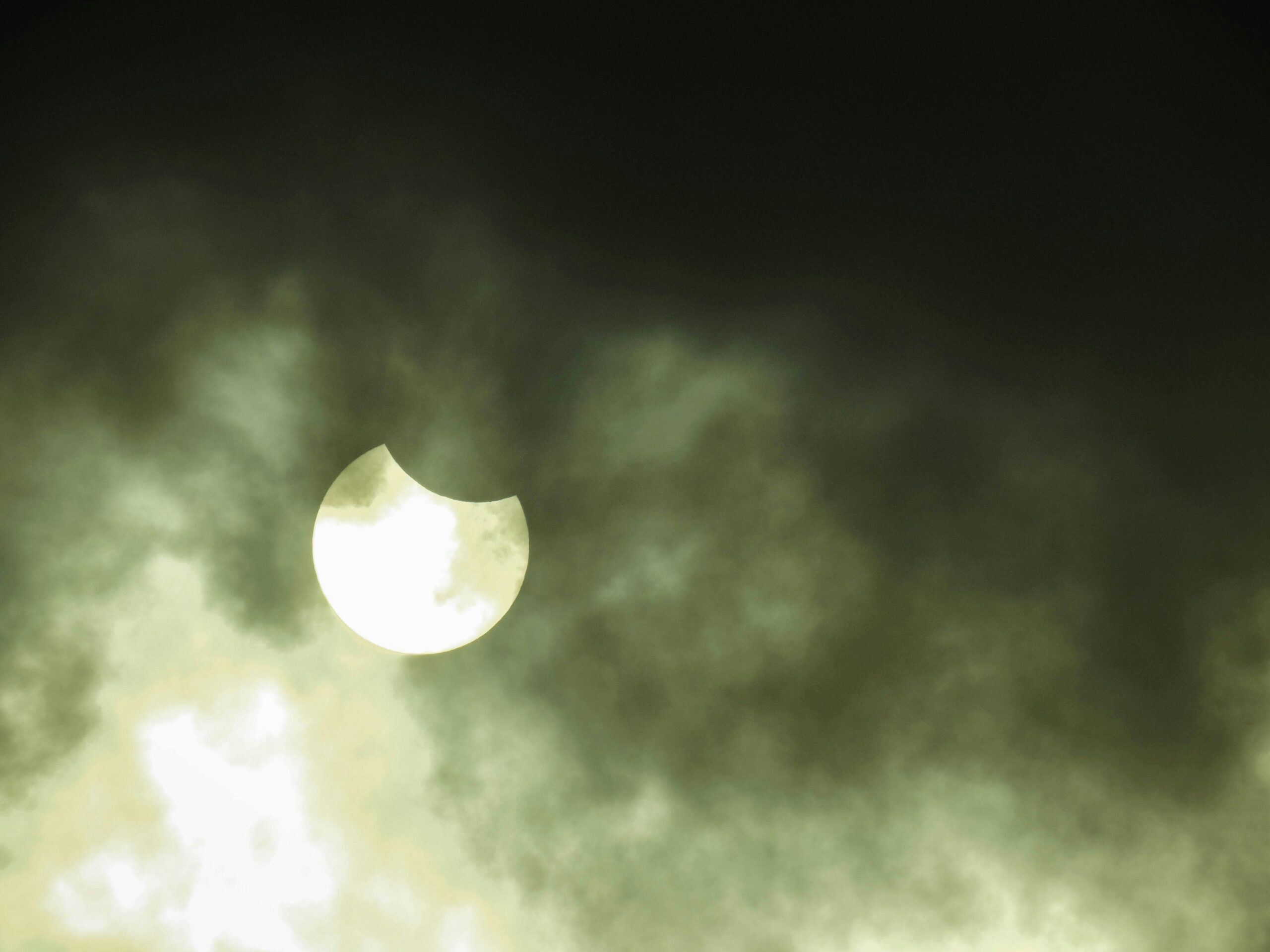
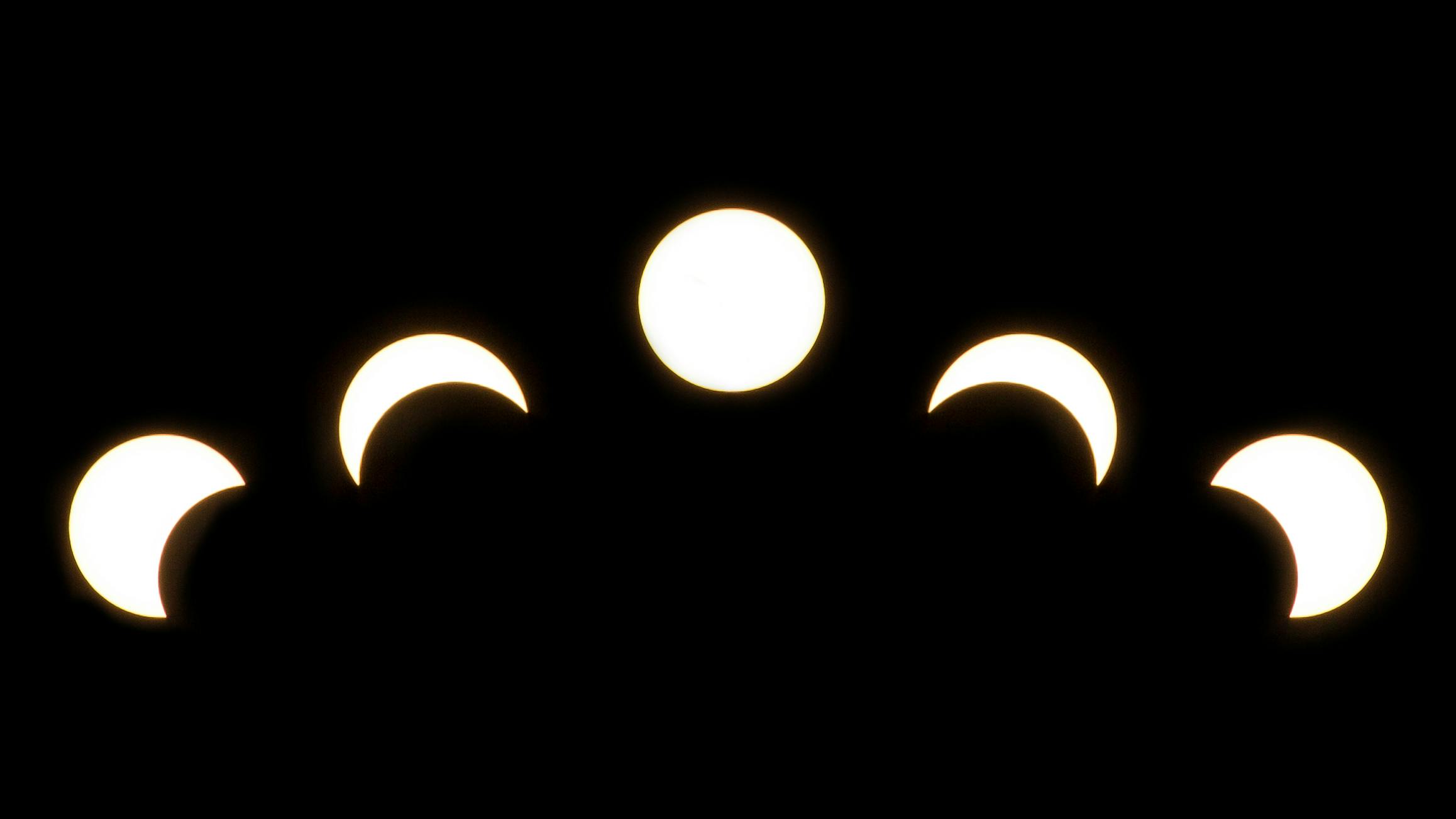
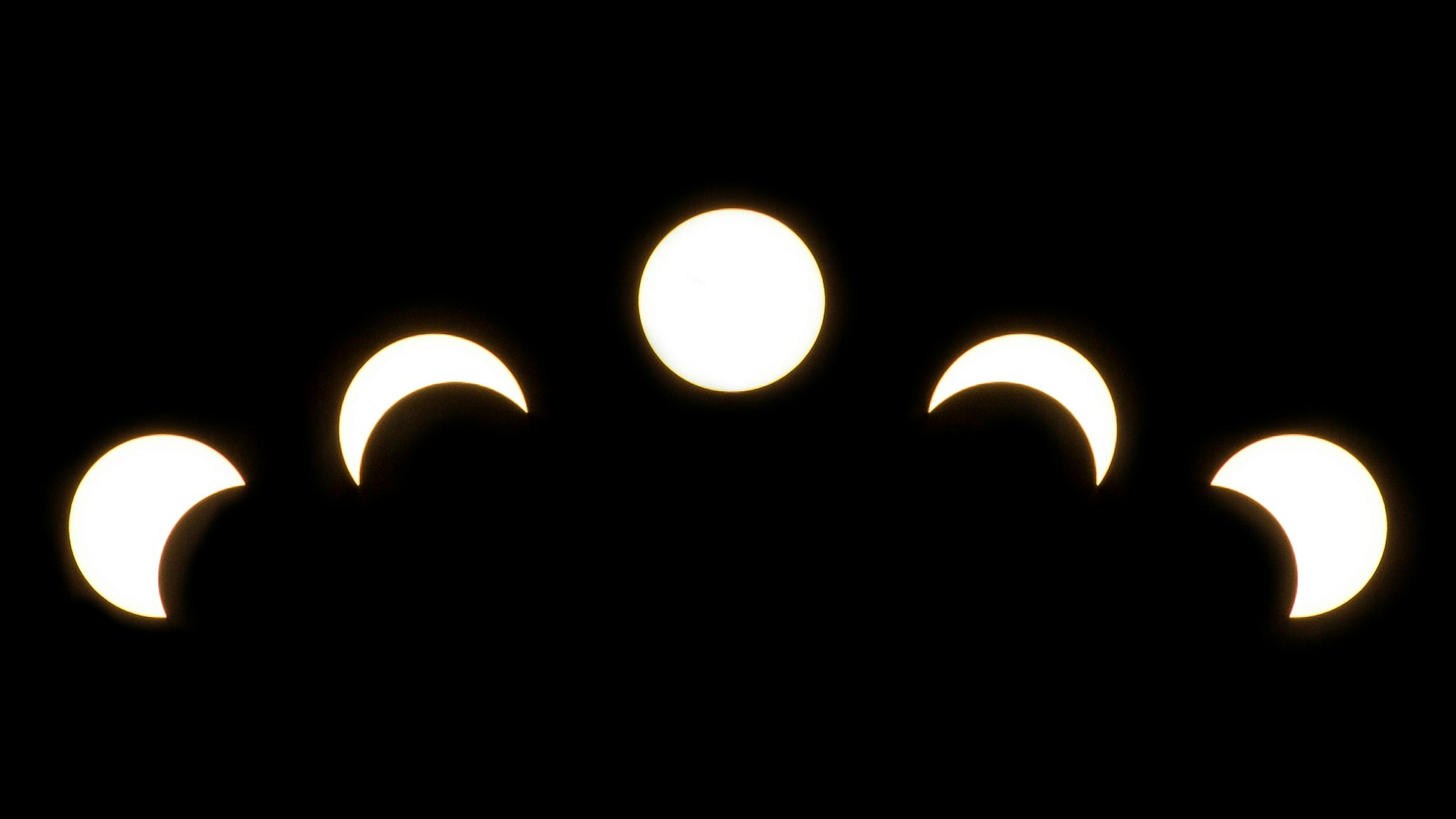
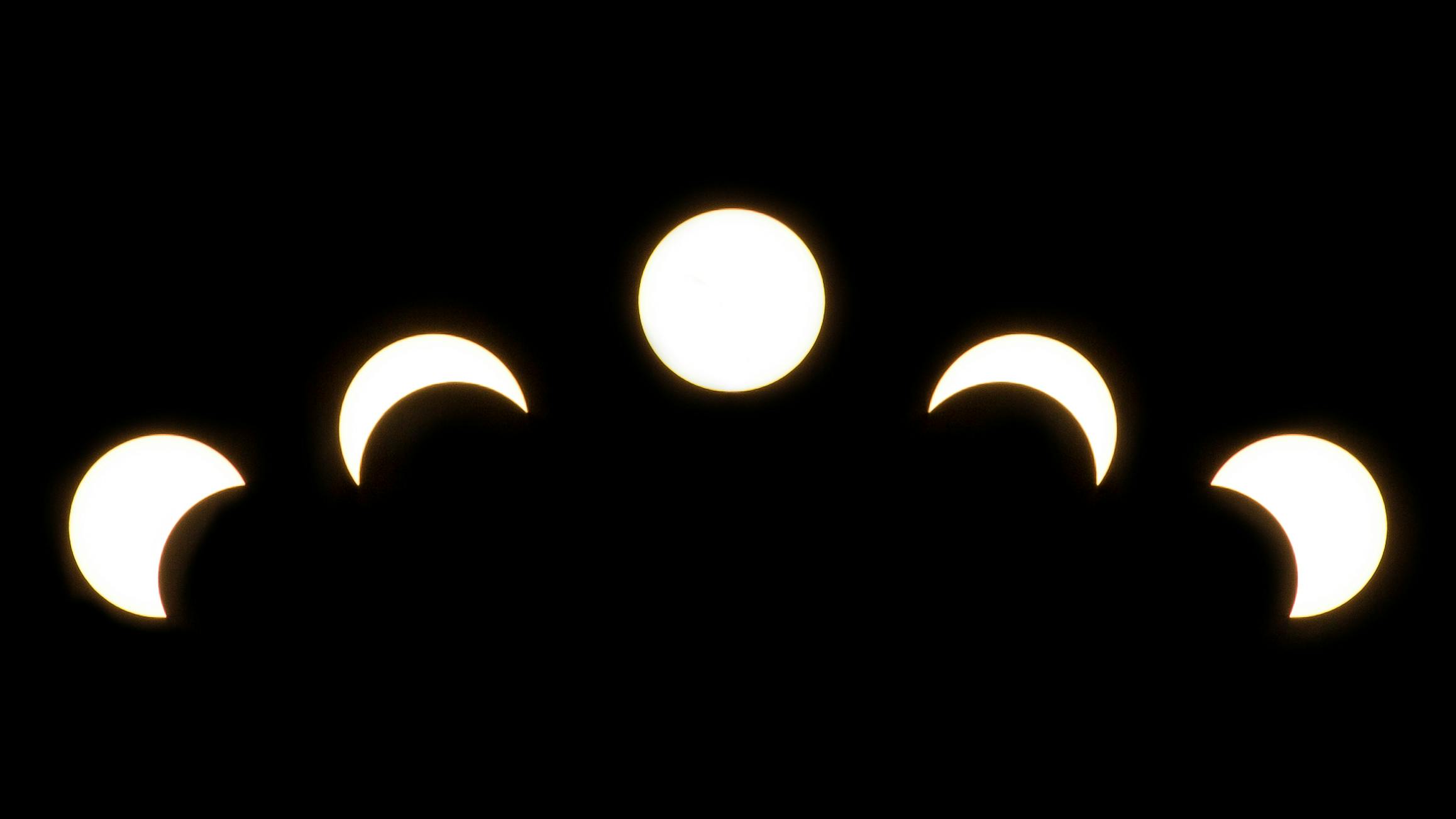
A solar eclipse occurs when the moon passes directly between the Earth and the Sun, casting a shadow on the Earth’s surface. The alignment of these celestial bodies is a rare and precise event, made possible by the unique size and distance of the moon relative to the Earth. During a total solar eclipse, the moon’s umbra, or the darkest part of its shadow, falls on the Earth, creating the path of totality.
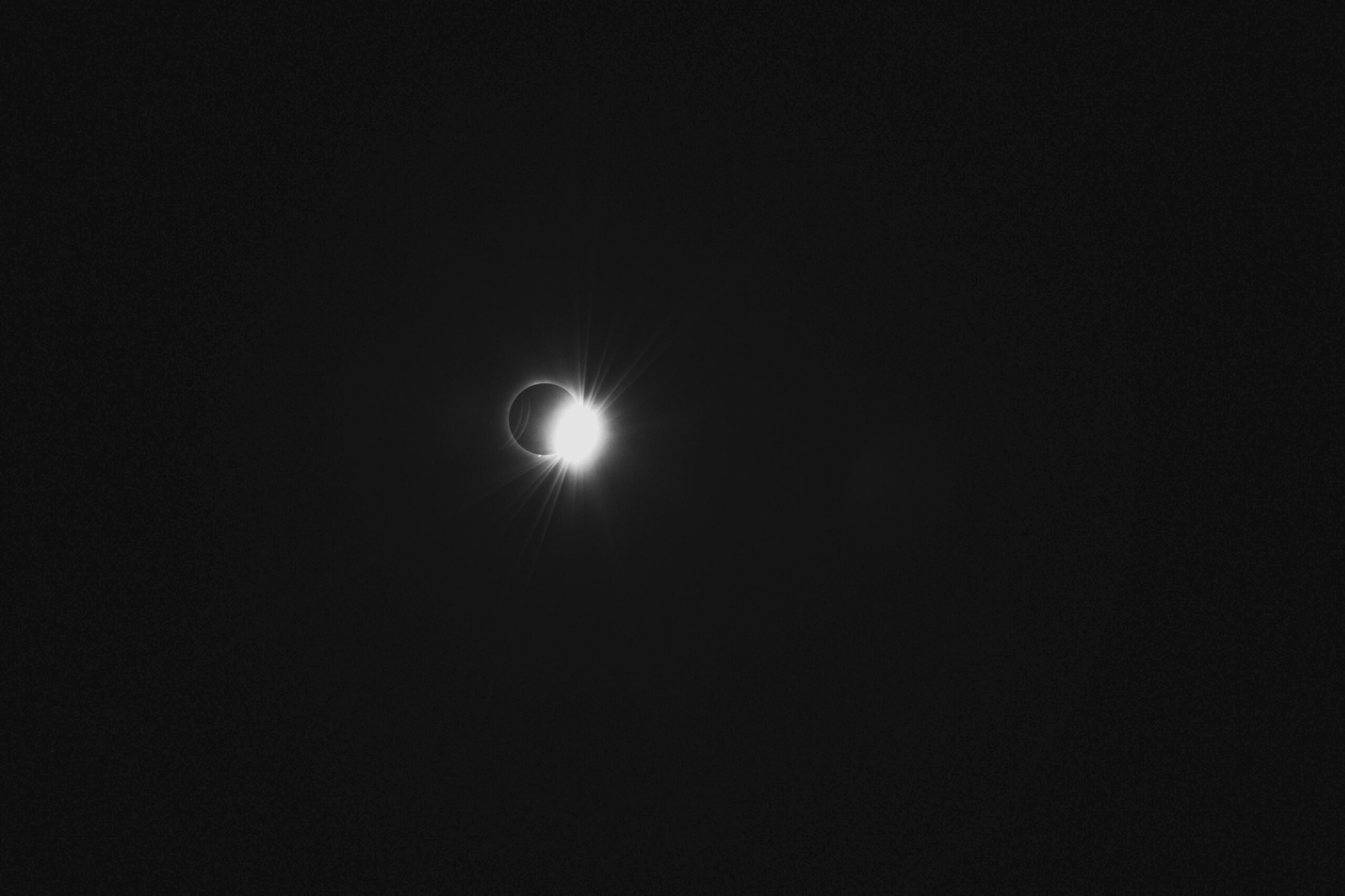
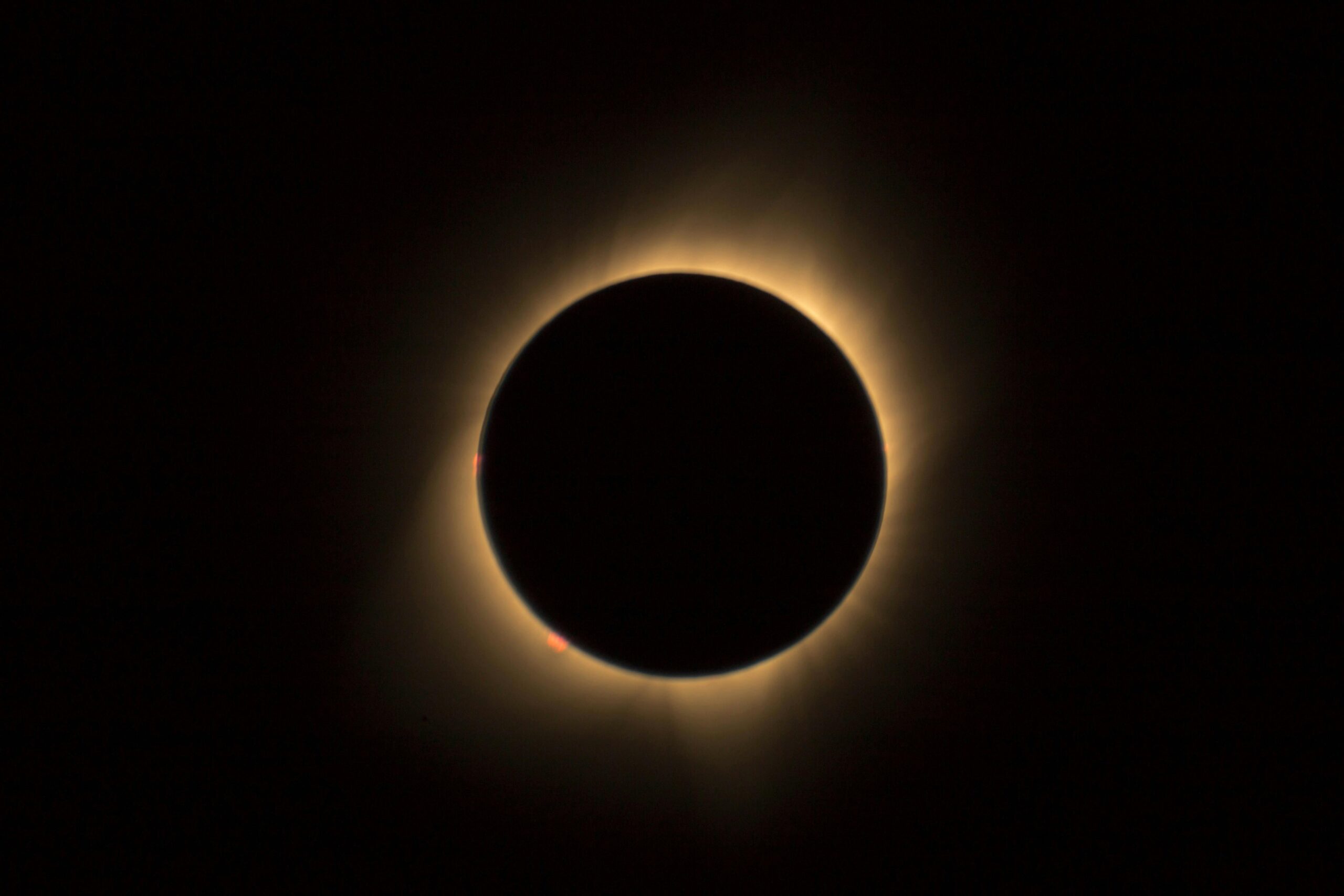
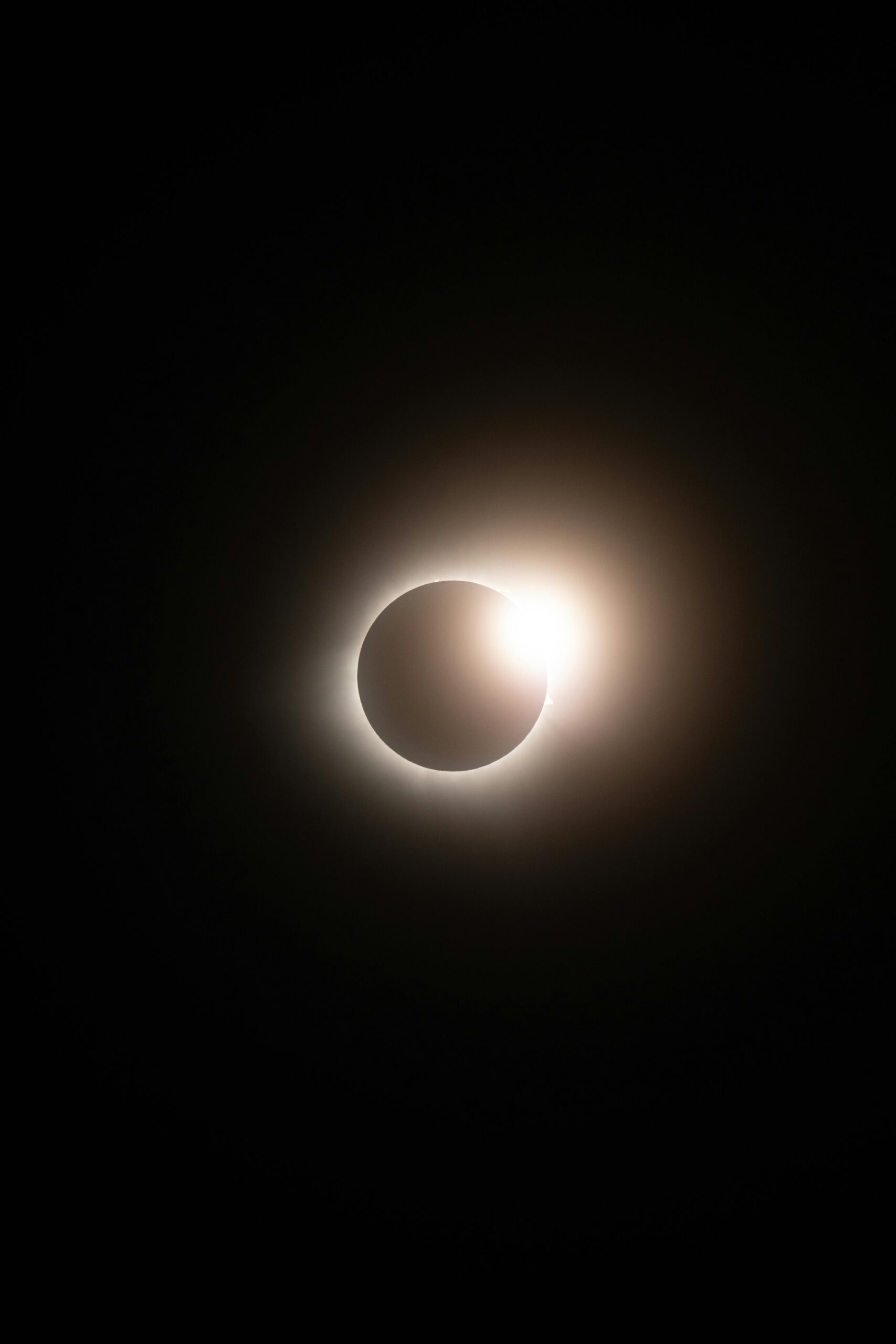
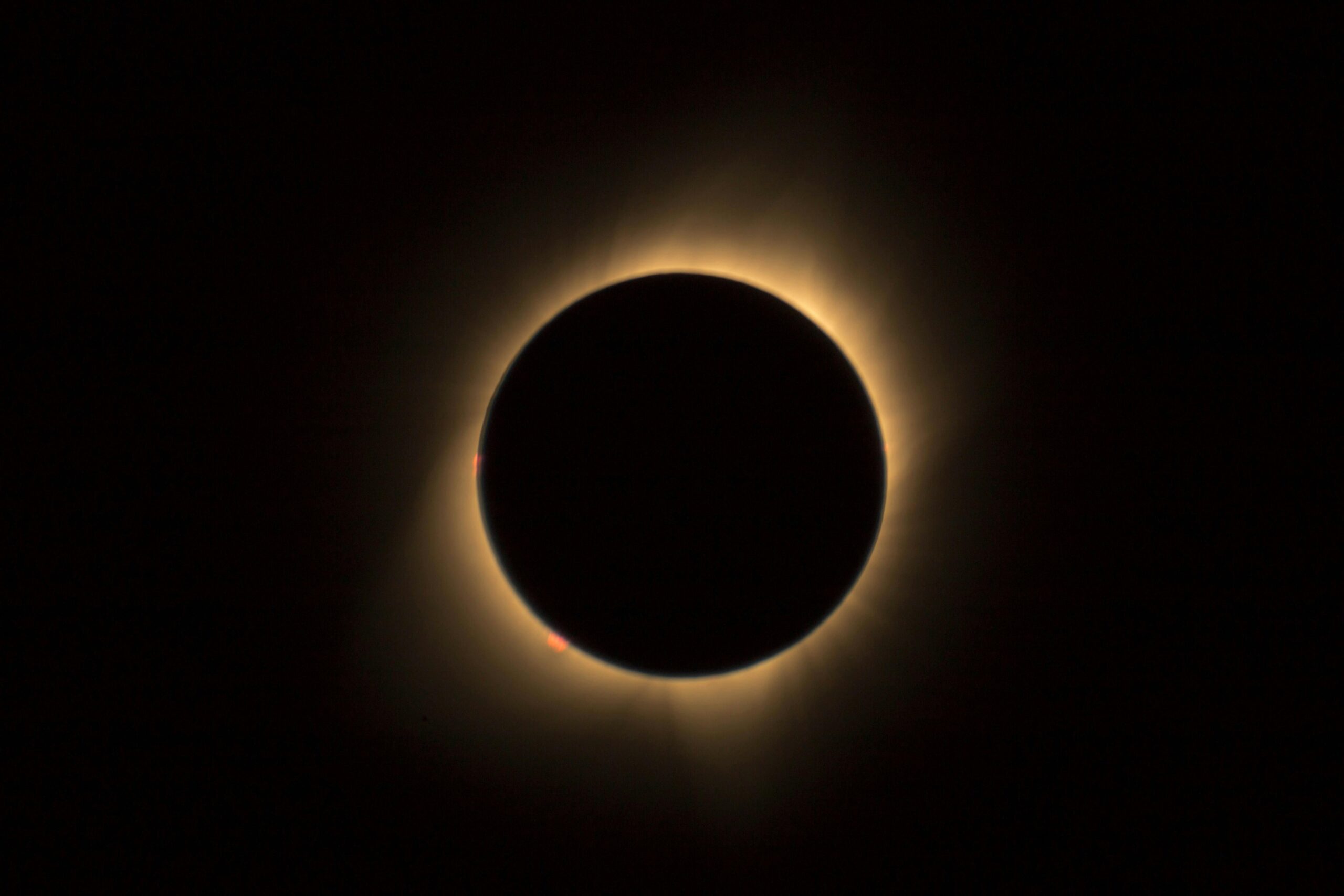
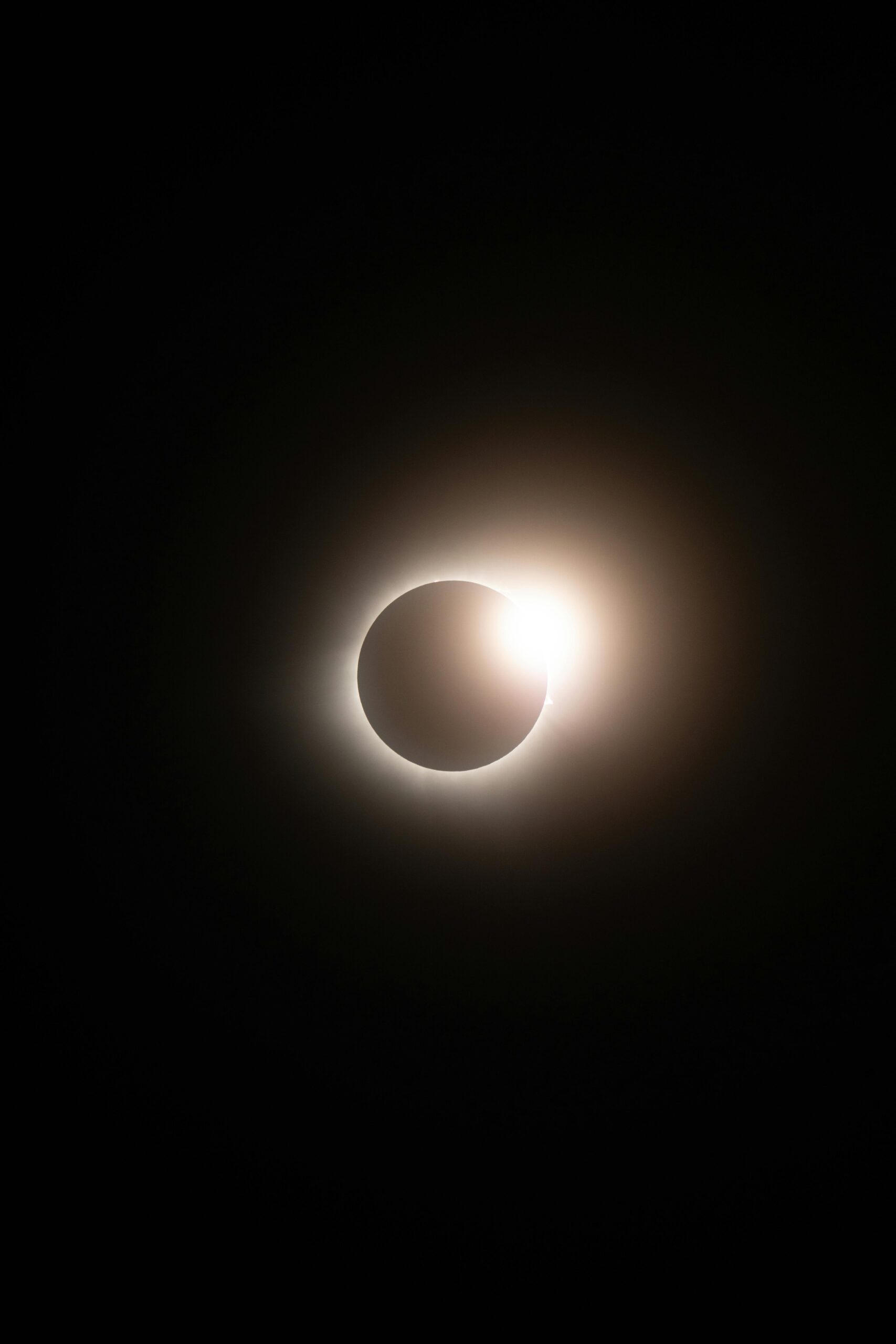
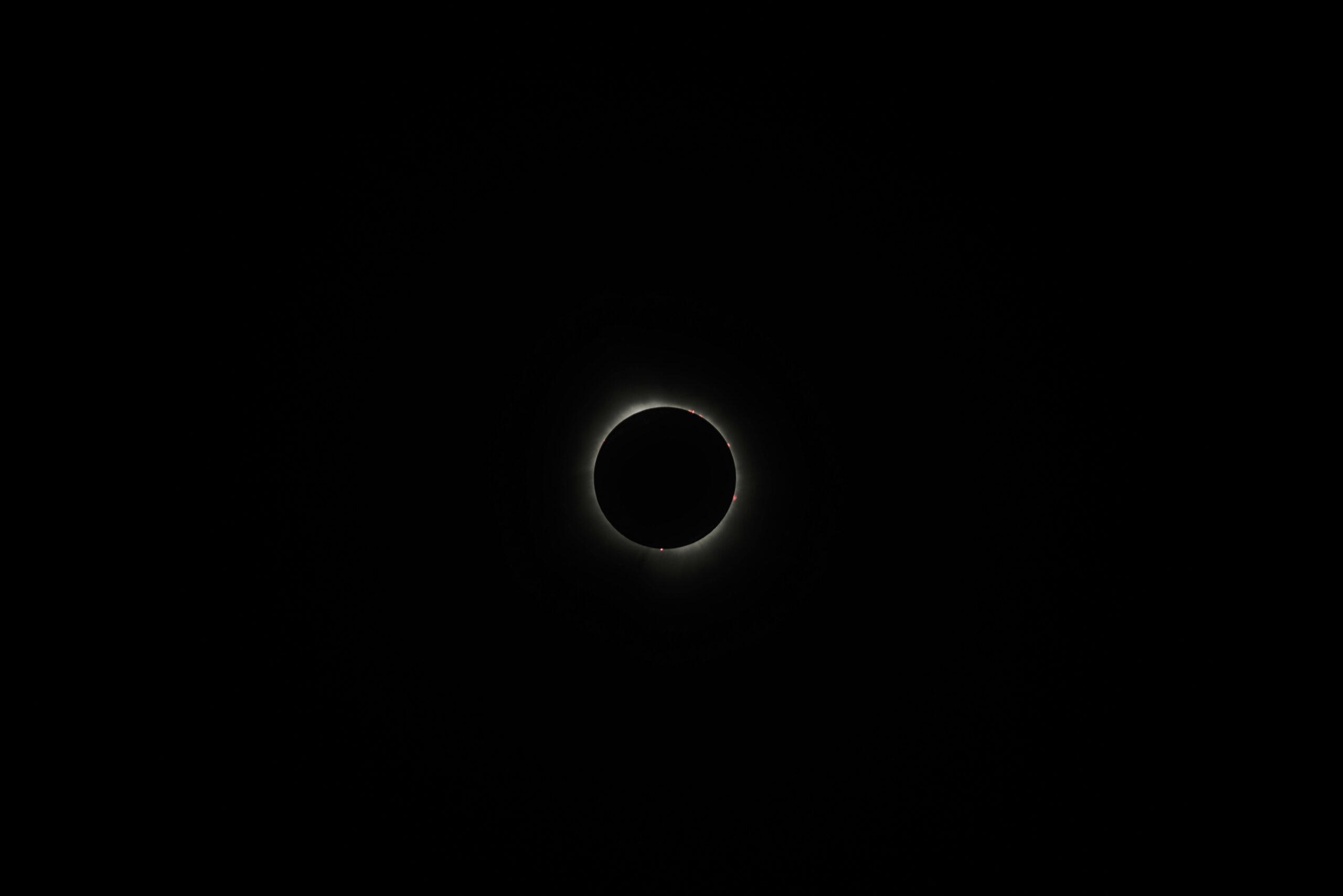
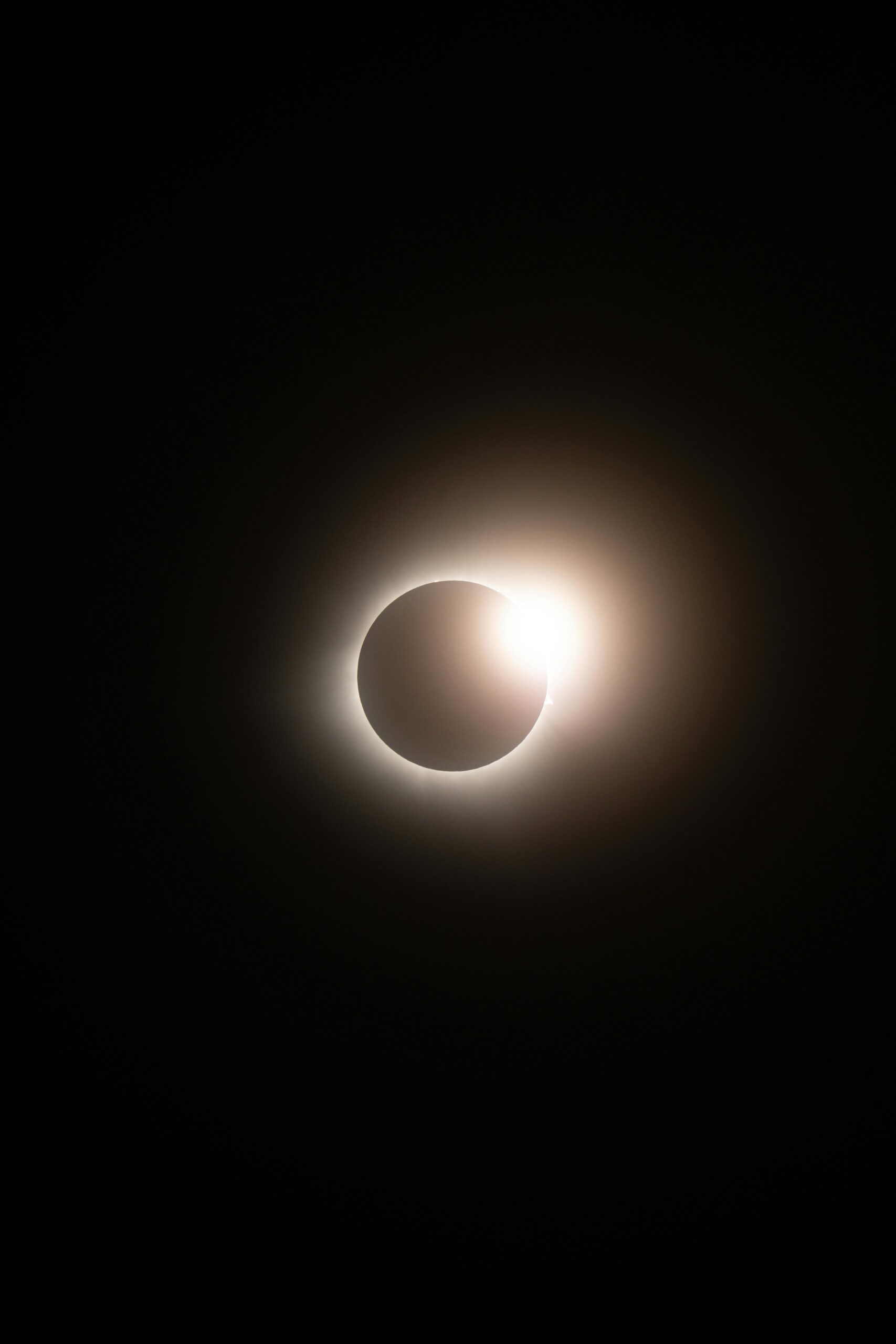
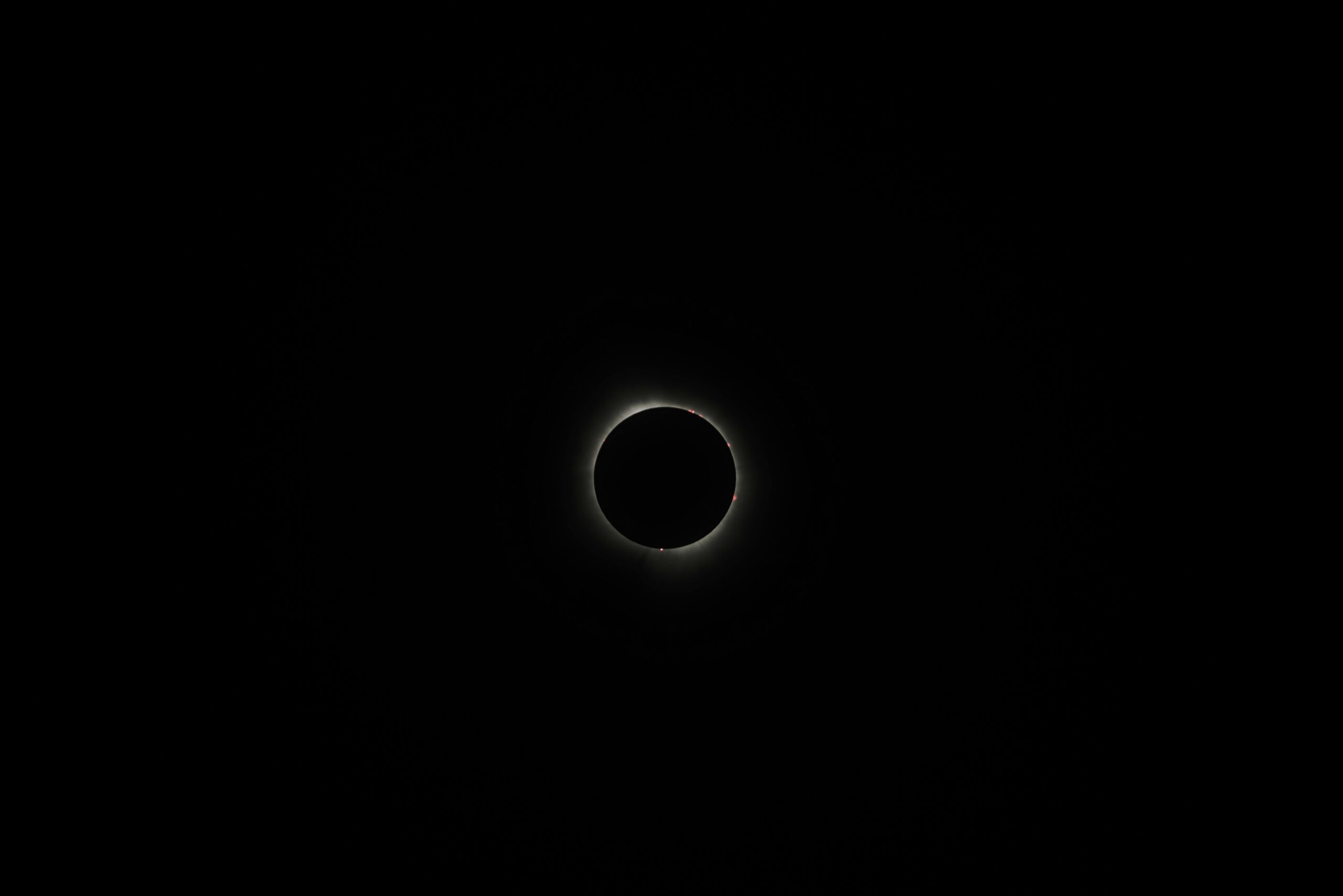
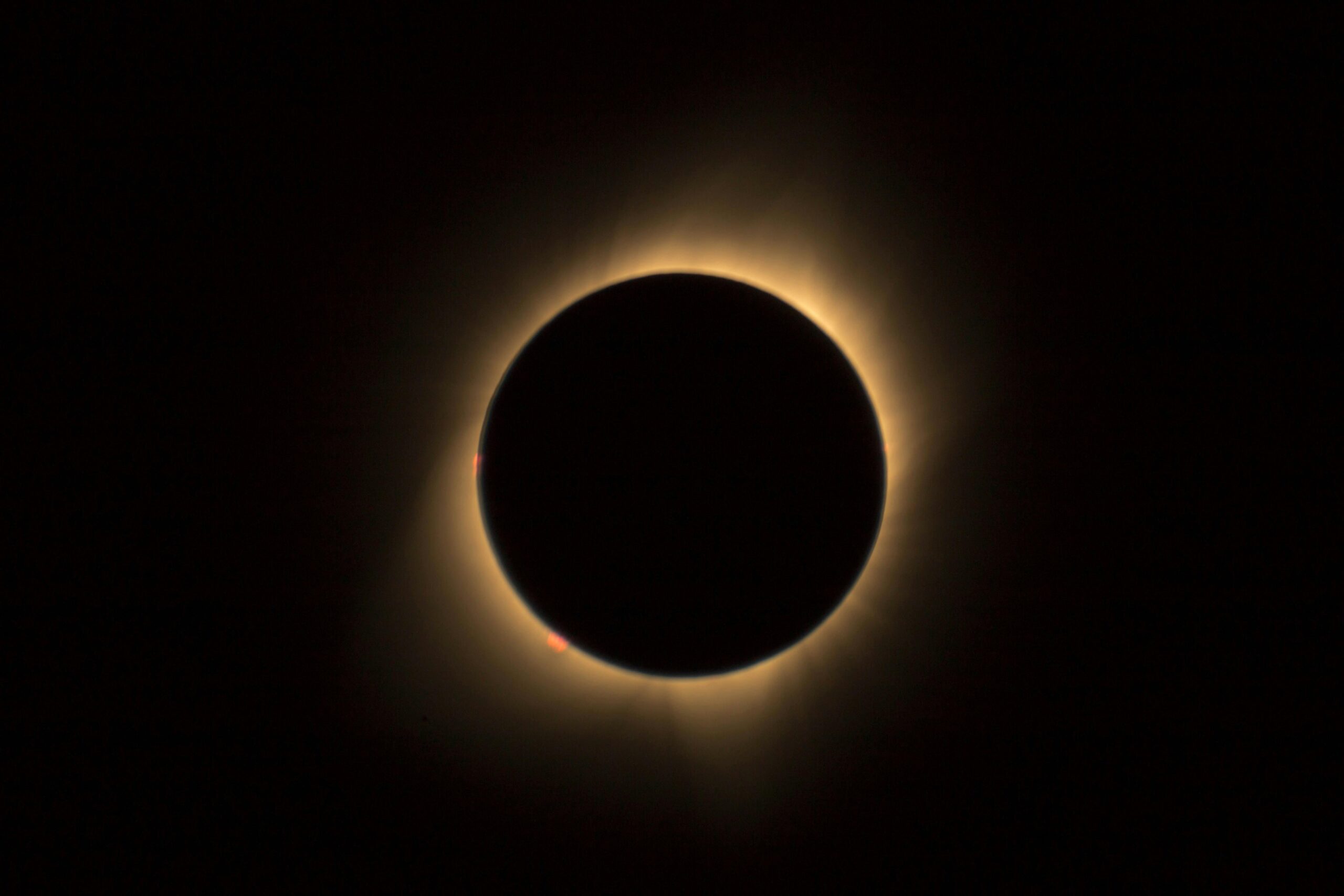
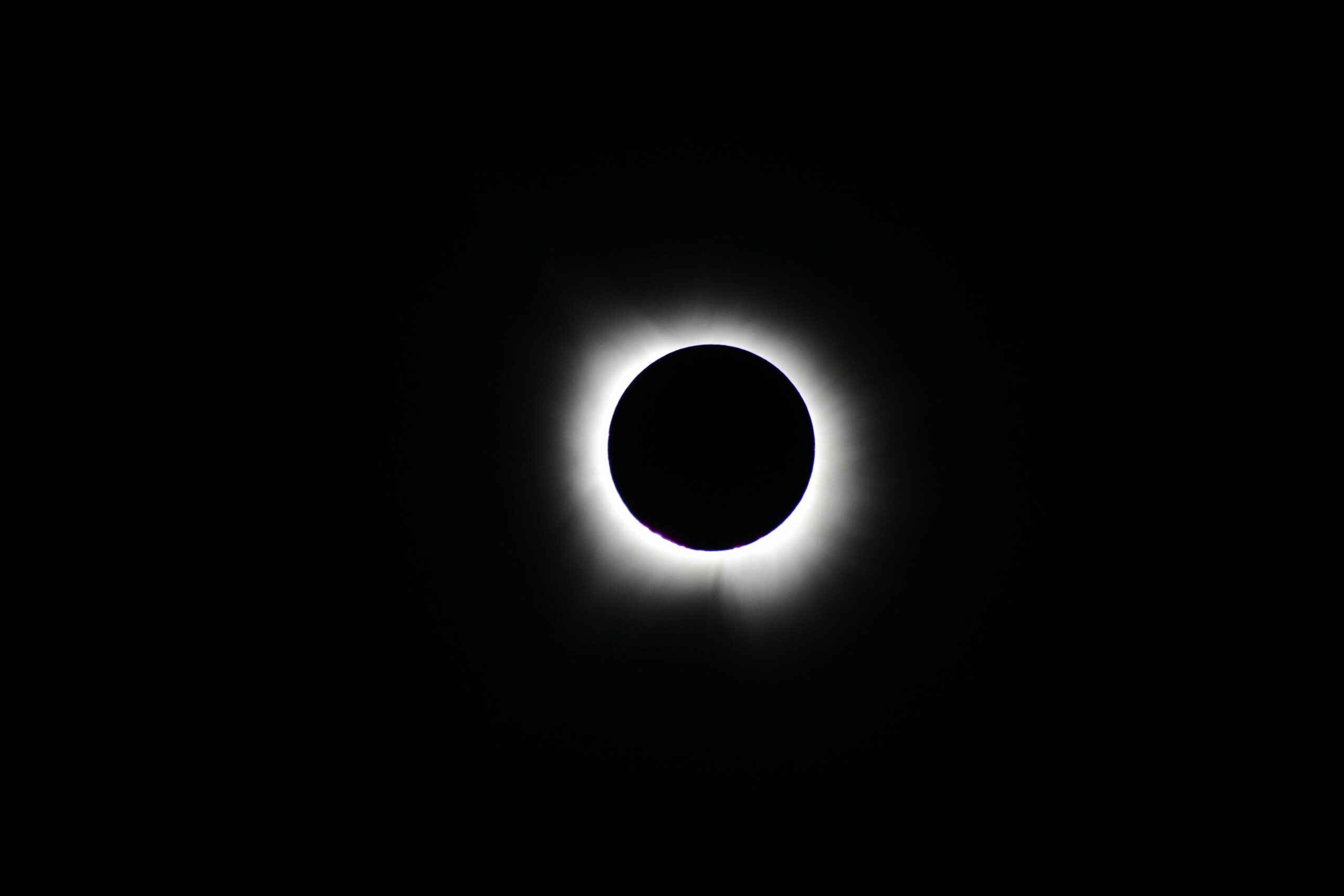
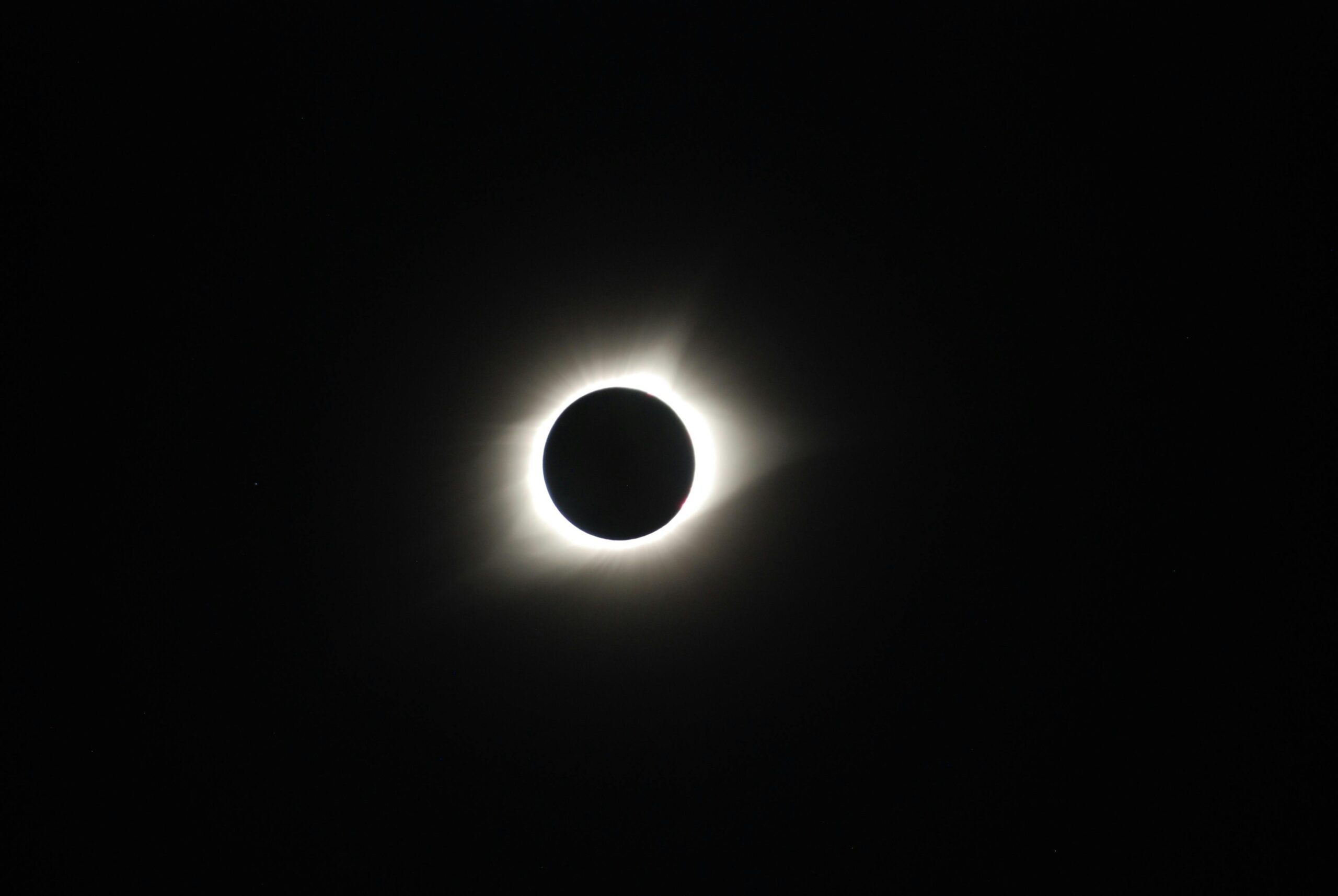
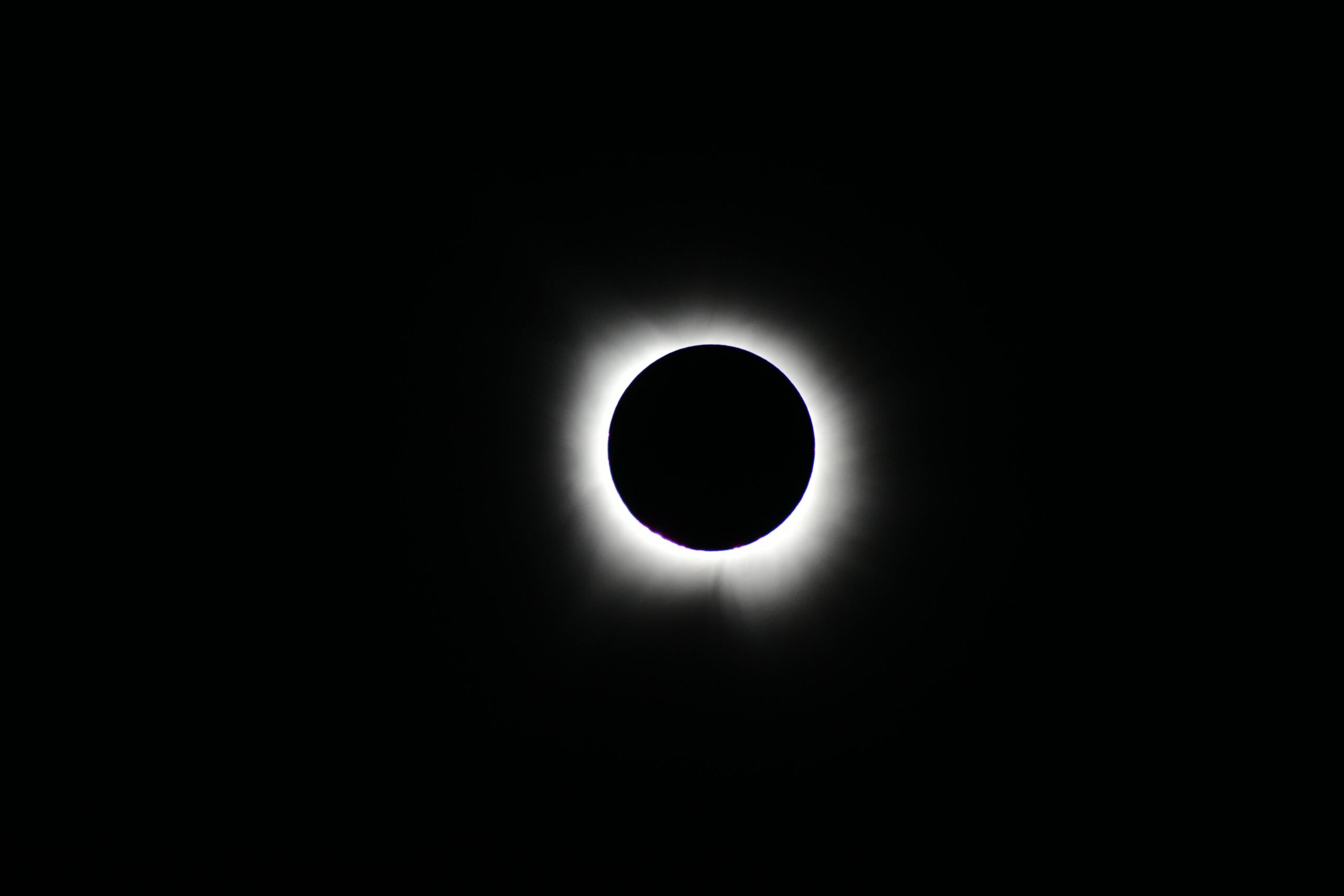
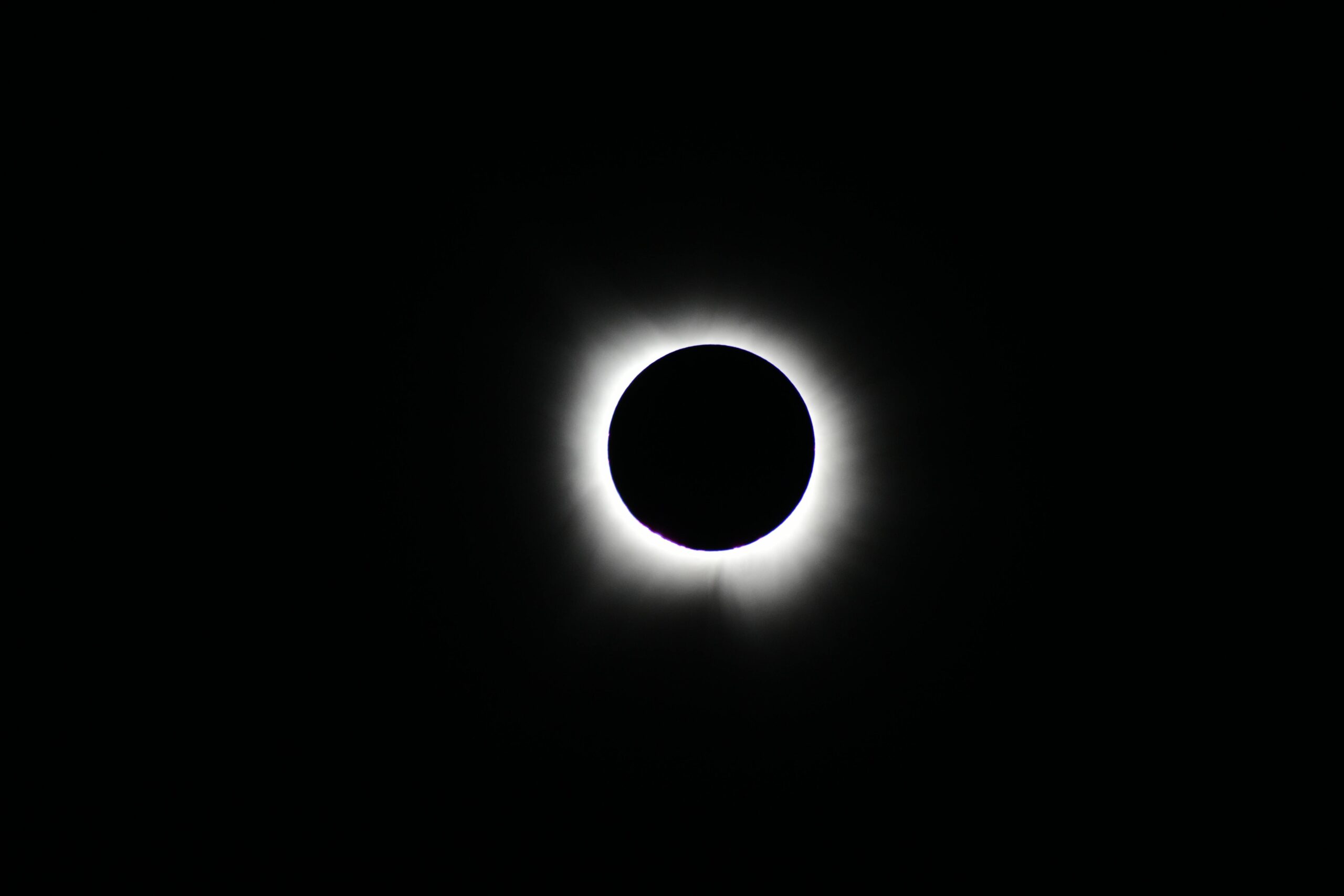
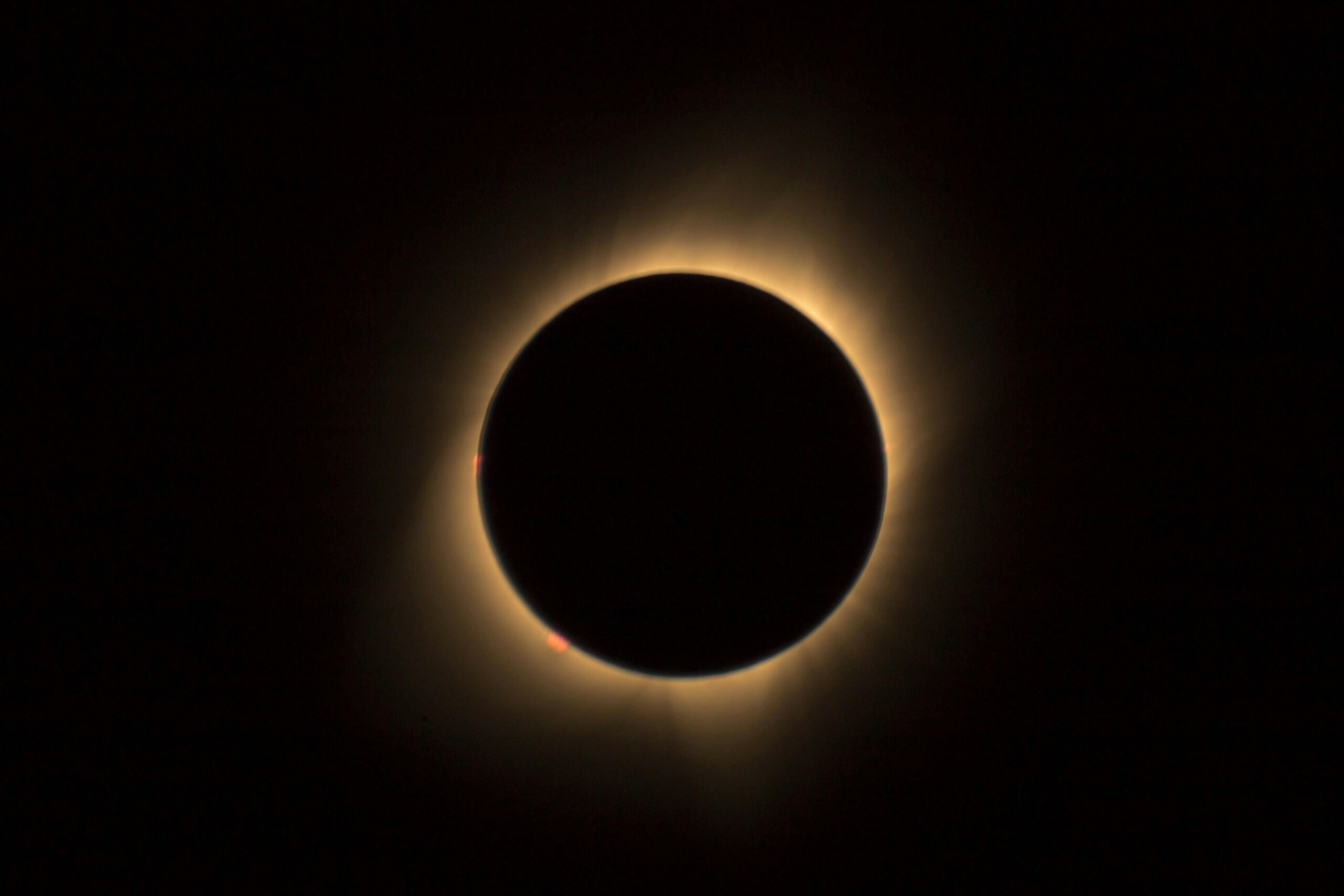
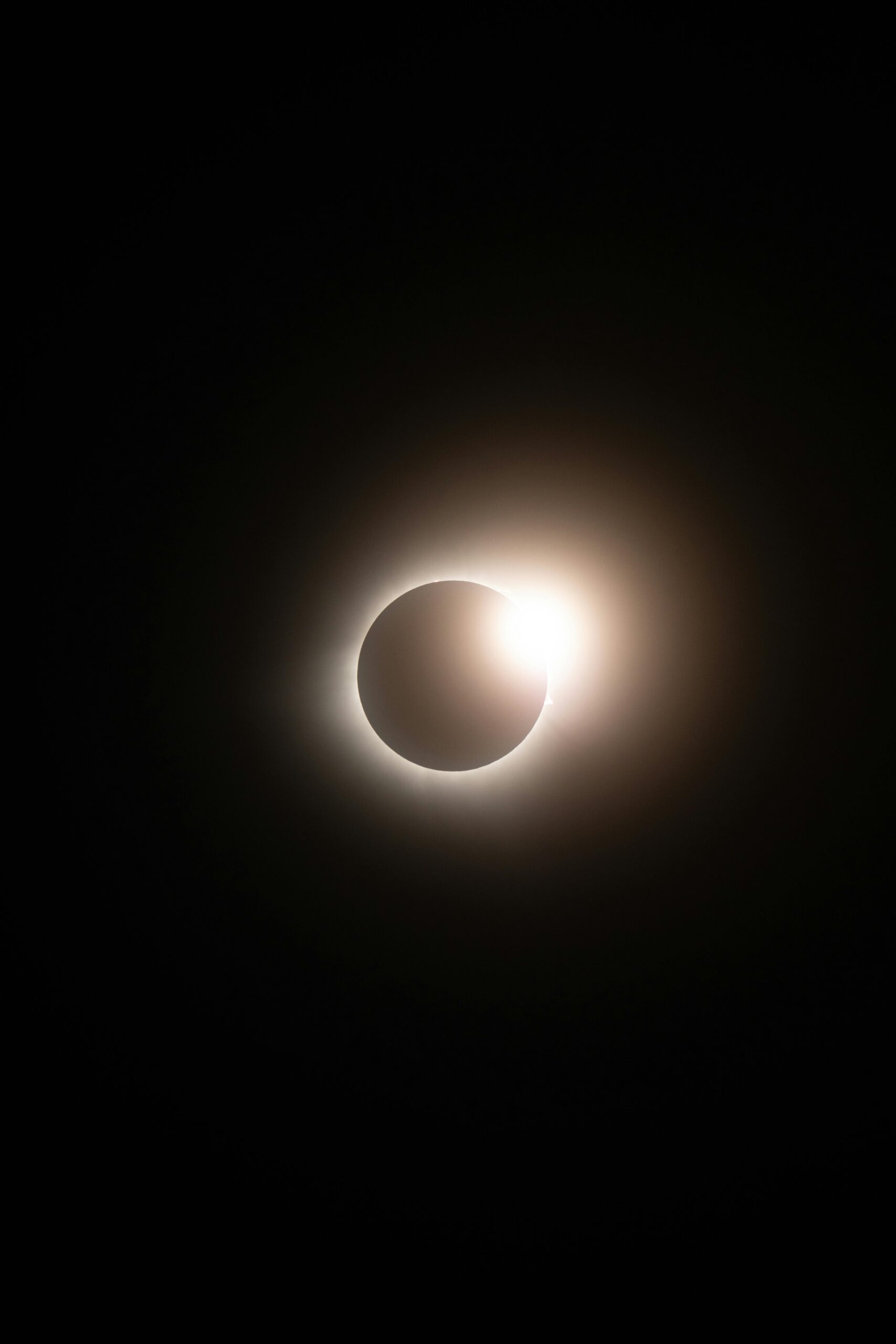
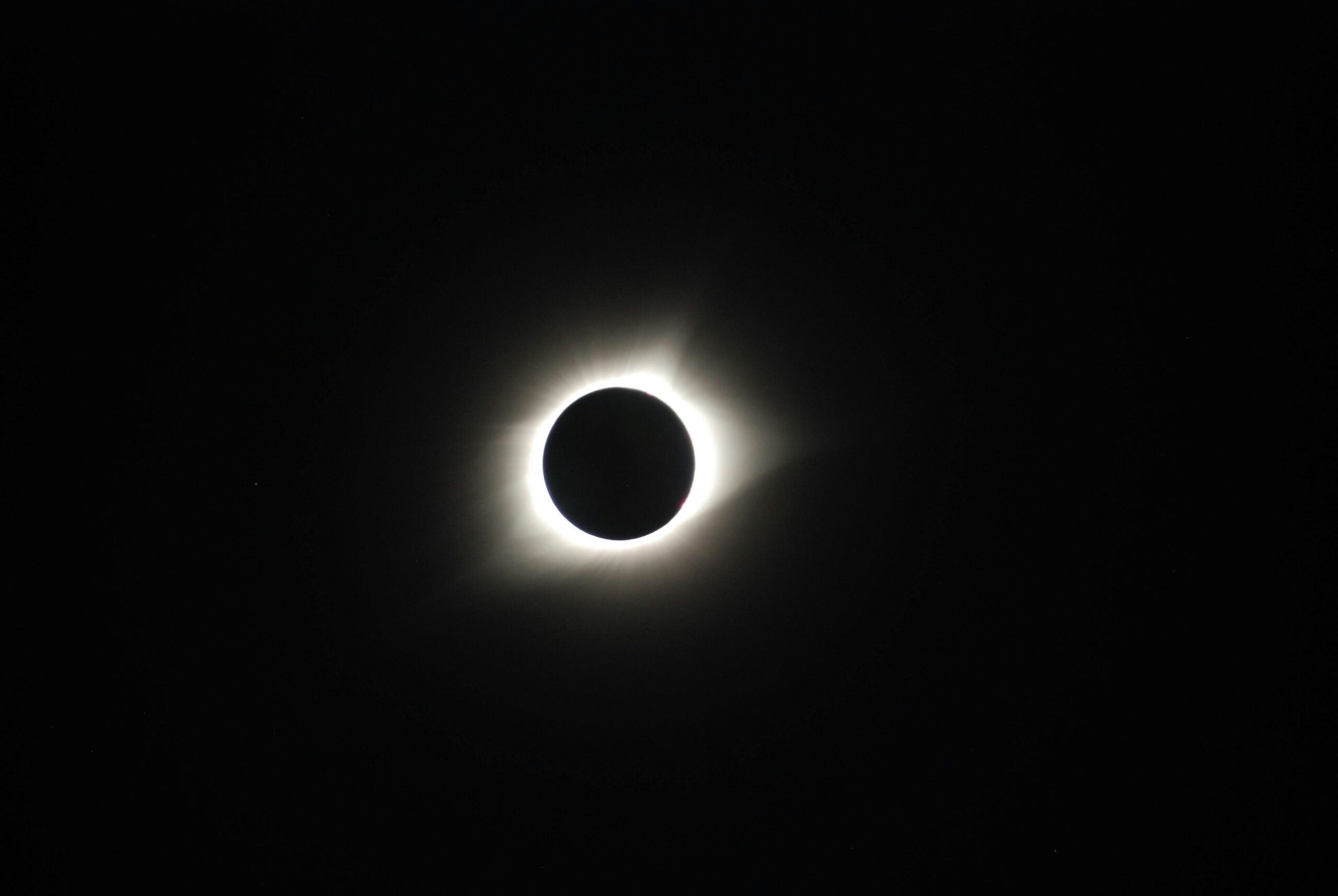
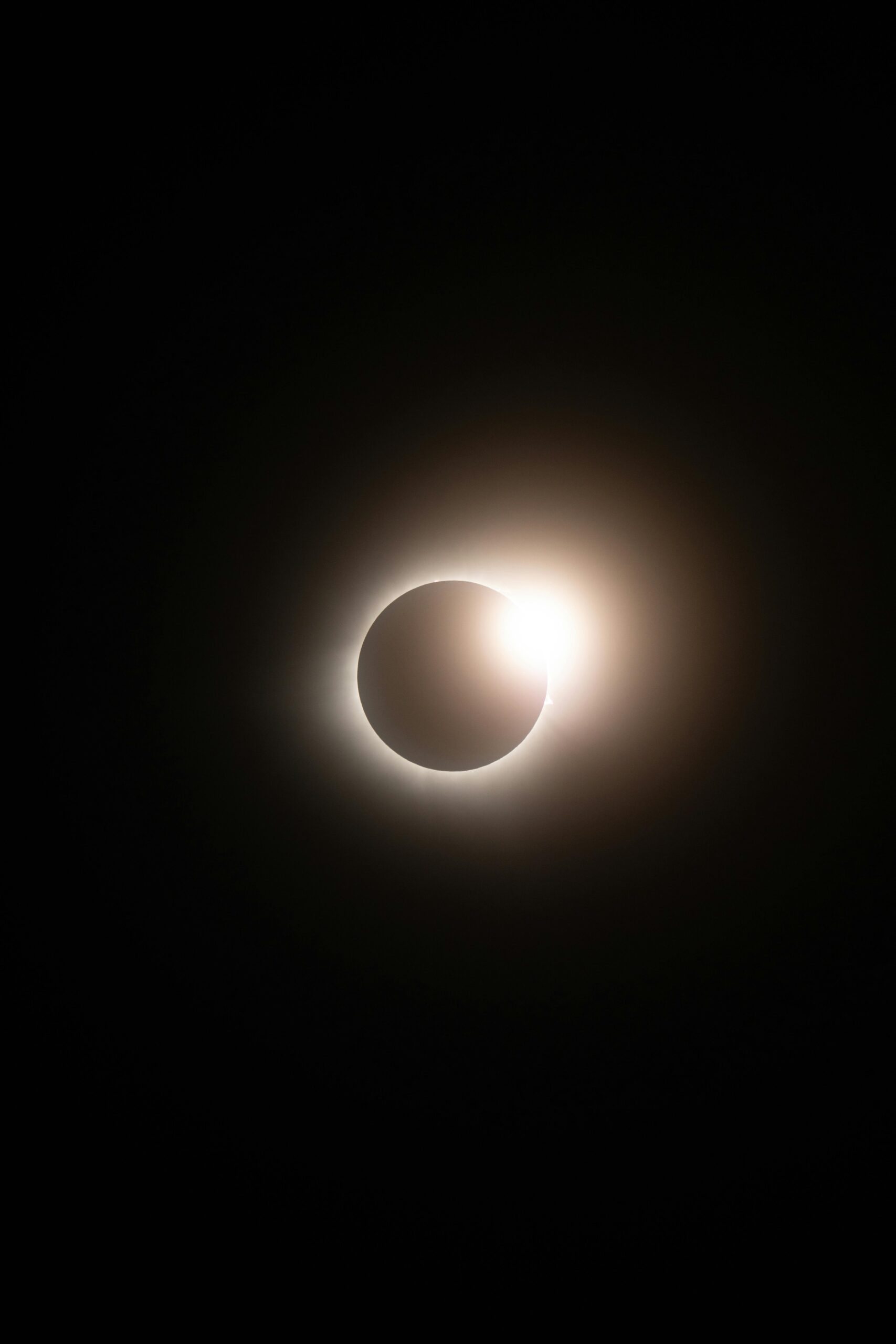
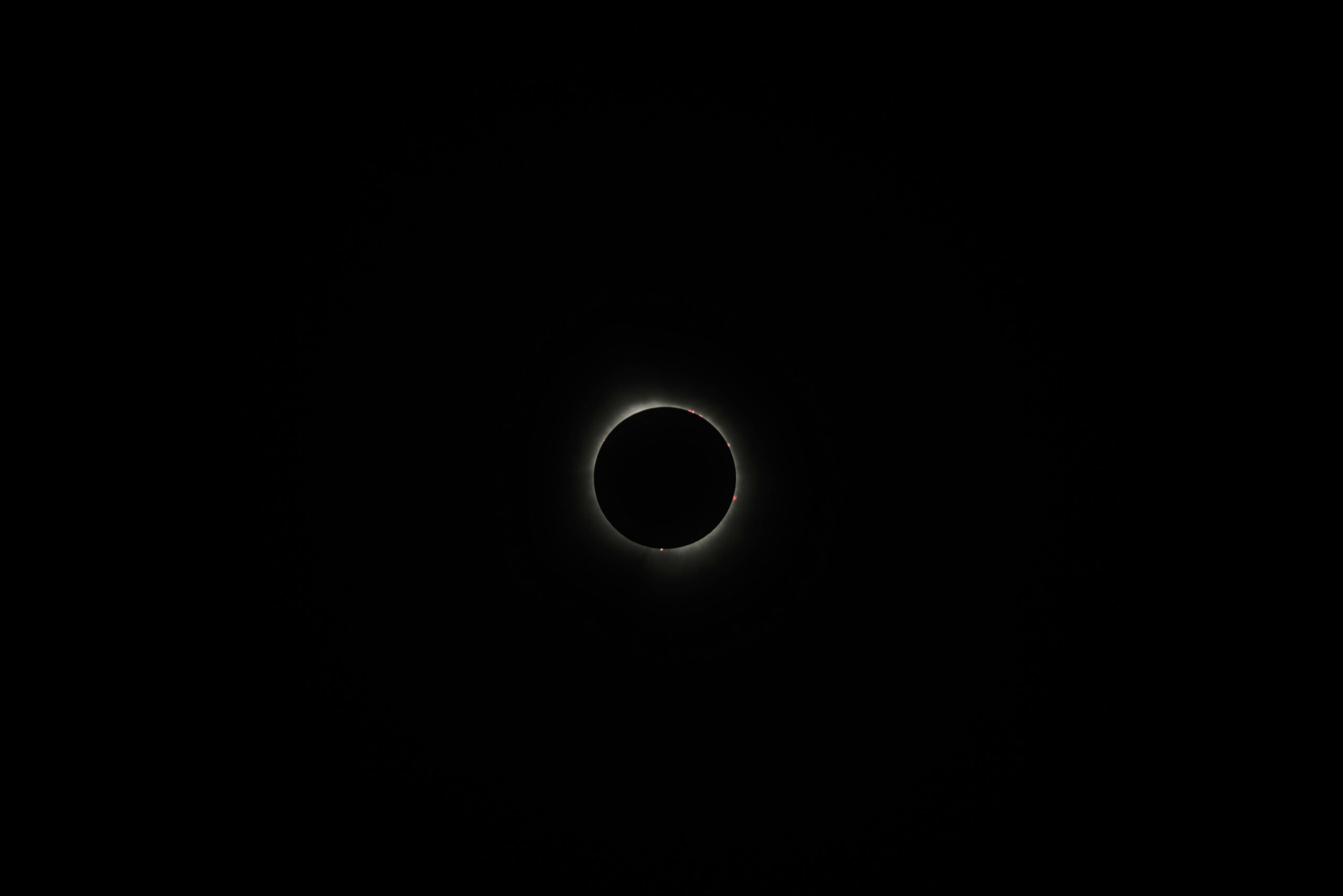
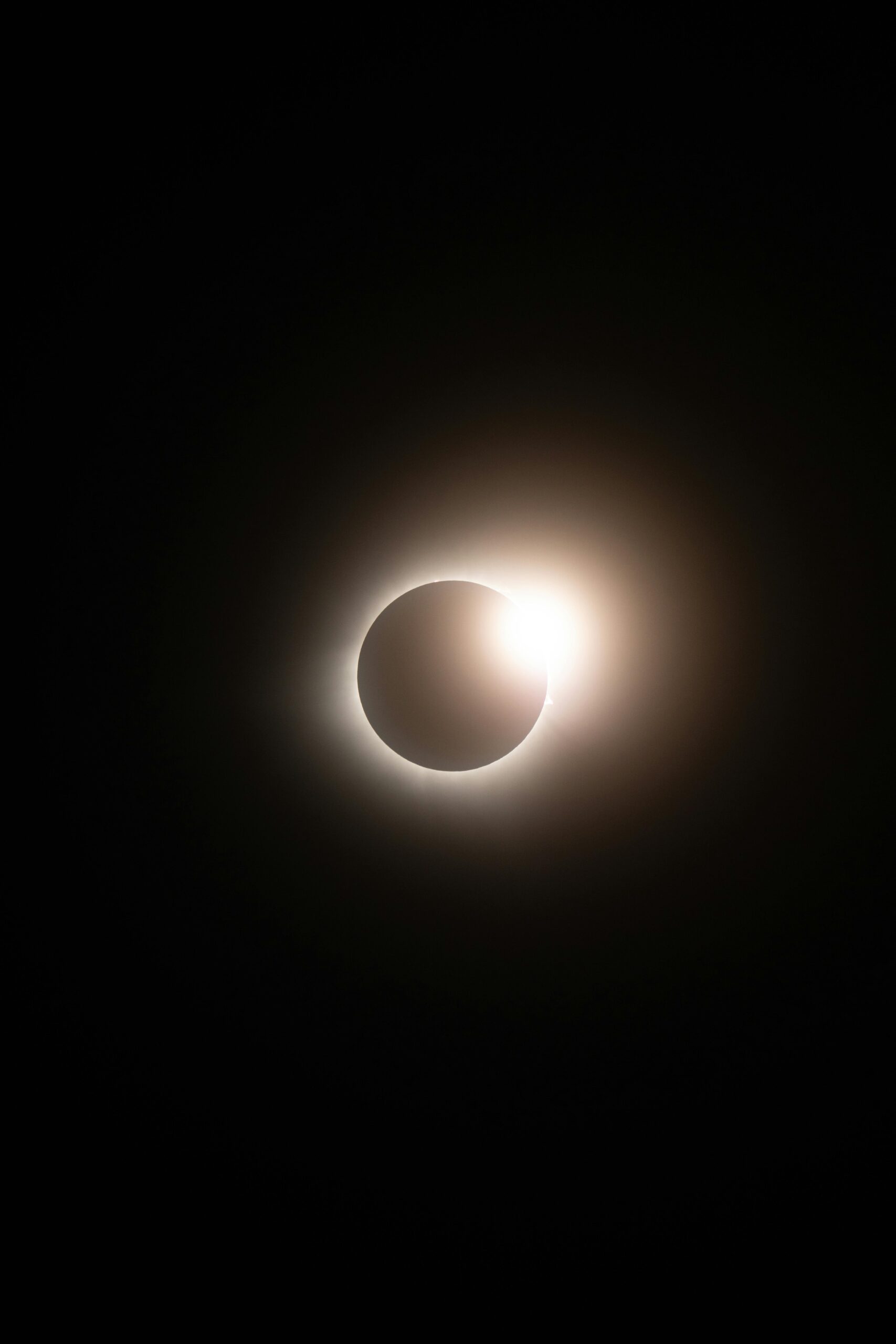
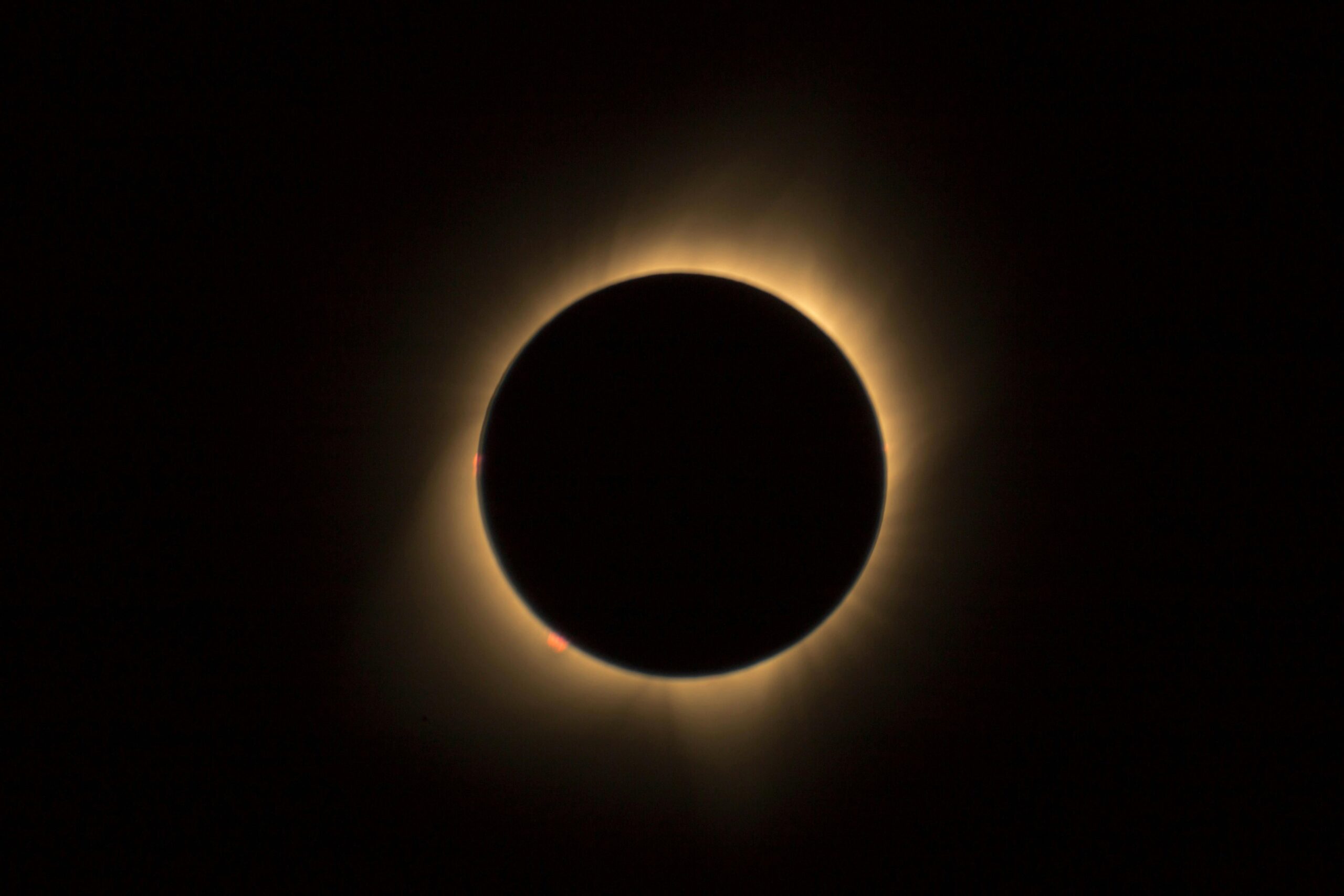
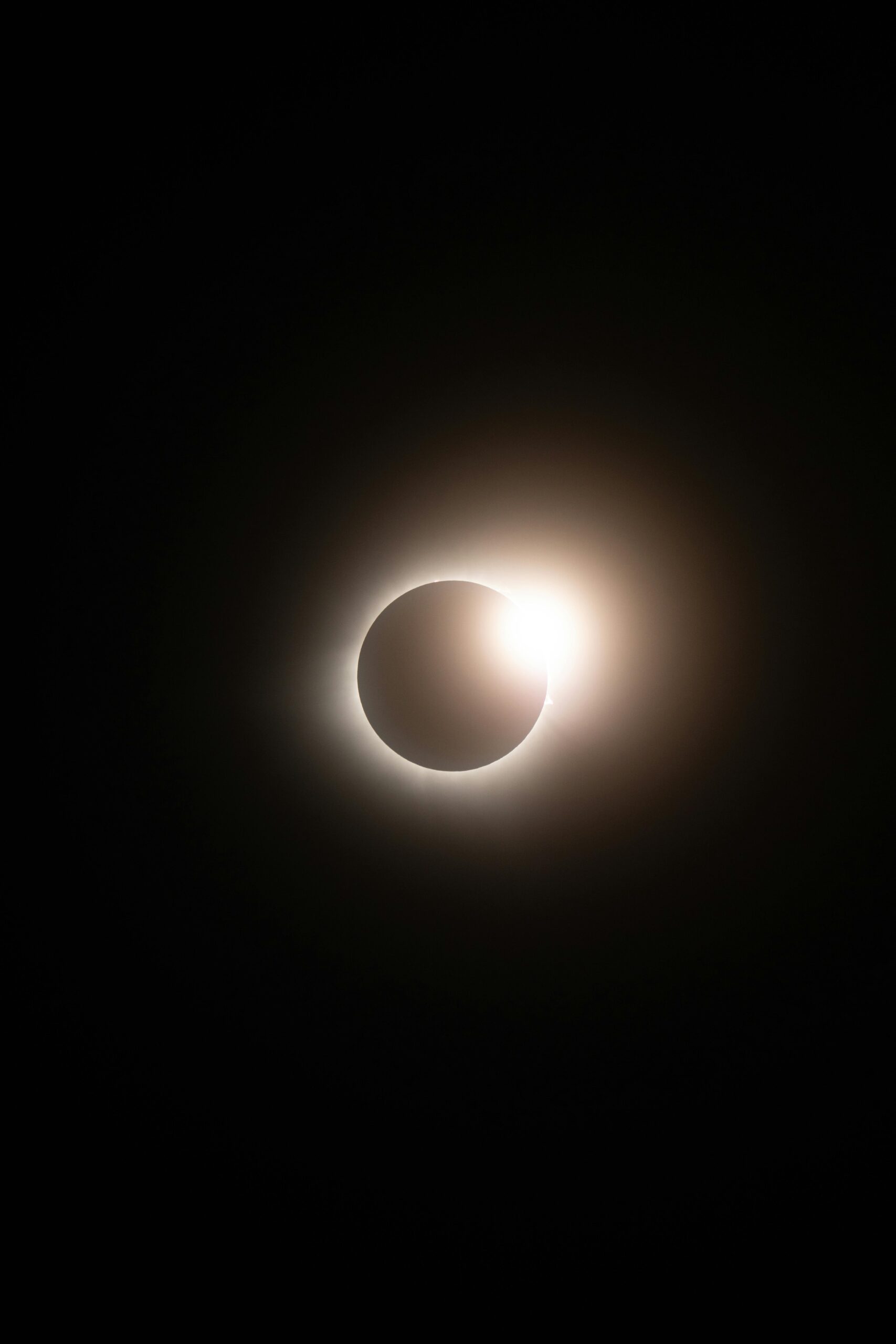
The corona, the Sun’s outer atmosphere, becomes visible during totality, appearing as a halo of light around the darkened Sun. This ethereal display is usually hidden by the Sun’s bright light but is revealed during the brief moments of totality. The corona’s appearance can vary, offering scientists valuable insights into solar activity and the Sun’s magnetic field.
Eclipses also provide an opportunity to study the Sun’s chromosphere, a layer of the Sun’s atmosphere that lies just below the corona. During totality, the chromosphere can be observed as a thin, reddish-pink ring around the moon. This layer is home to solar prominences, which are massive eruptions of plasma that extend into the corona. Observing these phenomena helps scientists better understand the dynamics of the Sun’s atmosphere and its impact on space weather.
Historical Significance and Cultural Impact
Throughout history, solar eclipses have captivated human imagination and inspired a range of cultural and scientific responses. Ancient civilizations often viewed eclipses as omens or signs from the gods, leading to rituals and ceremonies aimed at appeasing the celestial beings. The Babylonians, for example, recorded eclipses as early as 2500 BCE, using them to predict future events and guide their rulers.
In modern times, eclipses have become a focal point for scientific research and public engagement. The 1878 total solar eclipse, which was visible from the western United States, drew astronomers from around the world to observe and study the event. This eclipse provided crucial data that helped confirm the existence of helium, a previously unknown element.
The Great American Eclipse of 2024 is poised to continue this legacy, inspiring a new generation of scientists, artists, and enthusiasts. The event will not only offer a spectacular display but also serve as a reminder of our place in the cosmos. As we prepare to witness this celestial marvel, let us embrace the opportunity to connect with the universe and each other, united by the shared experience of the eclipse.
Planning Your Eclipse Experience
To make the most of the Great American Eclipse, consider the following tips for planning your viewing experience:
- Choose Your Location Wisely: Research the path of totality and select a viewing spot that offers clear skies and minimal light pollution. Popular viewing locations may require advance planning and reservations.
- Arrive Early: Traffic congestion is expected in and around the path of totality. Arrive at your chosen location well in advance to secure a good viewing spot and avoid the rush.
- Pack Essentials: Bring water, snacks, sunscreen, and protective eyewear. A portable chair or blanket can enhance your comfort during the event.
- Capture the Moment: Use a camera with a solar filter to safely photograph the eclipse. Consider using best art apps for digital painting to add creative touches to your images or create artistic representations of the event.
- Share the Experience: Invite friends and family to join you in witnessing the eclipse. Sharing the experience with others can make it even more memorable.
The Great American Eclipse of 2024 promises to be a celestial spectacle that will captivate millions. As we prepare to witness this awe-inspiring event, let us embrace the opportunity to connect with the universe and each other, united by the shared experience of the eclipse.
In a world where cultural exchange is more important than ever, global music celebration unites cultures showcases how music serves as a universal language.
In the ever-evolving landscape of global fashion, sustainability and technology are taking center stage, as detailed in our latest report on the industry’s shifting trends.
To understand the dynamic intersection of culture and style, delve into Hong Kong’s fashion transformation and its impact on global trends.