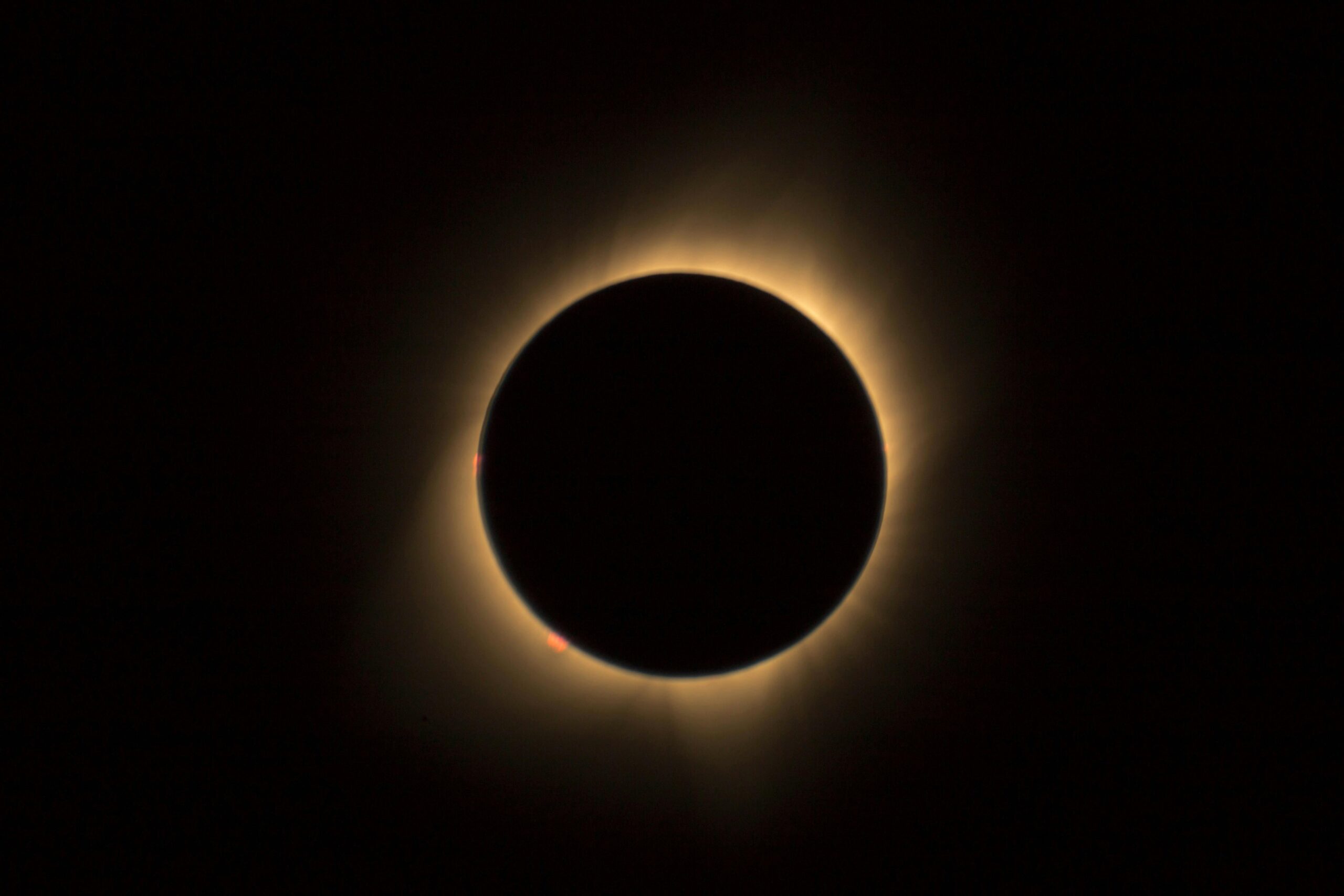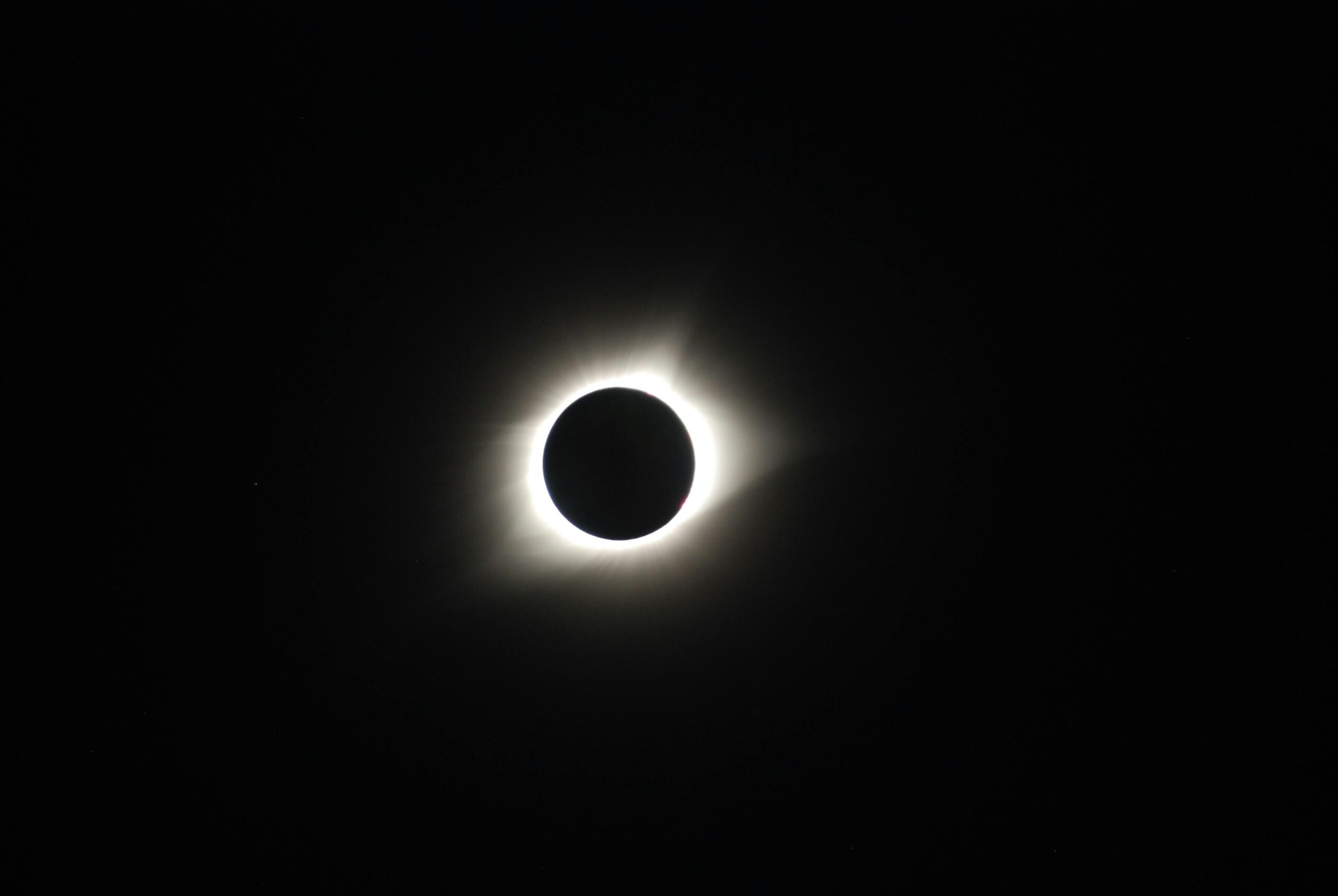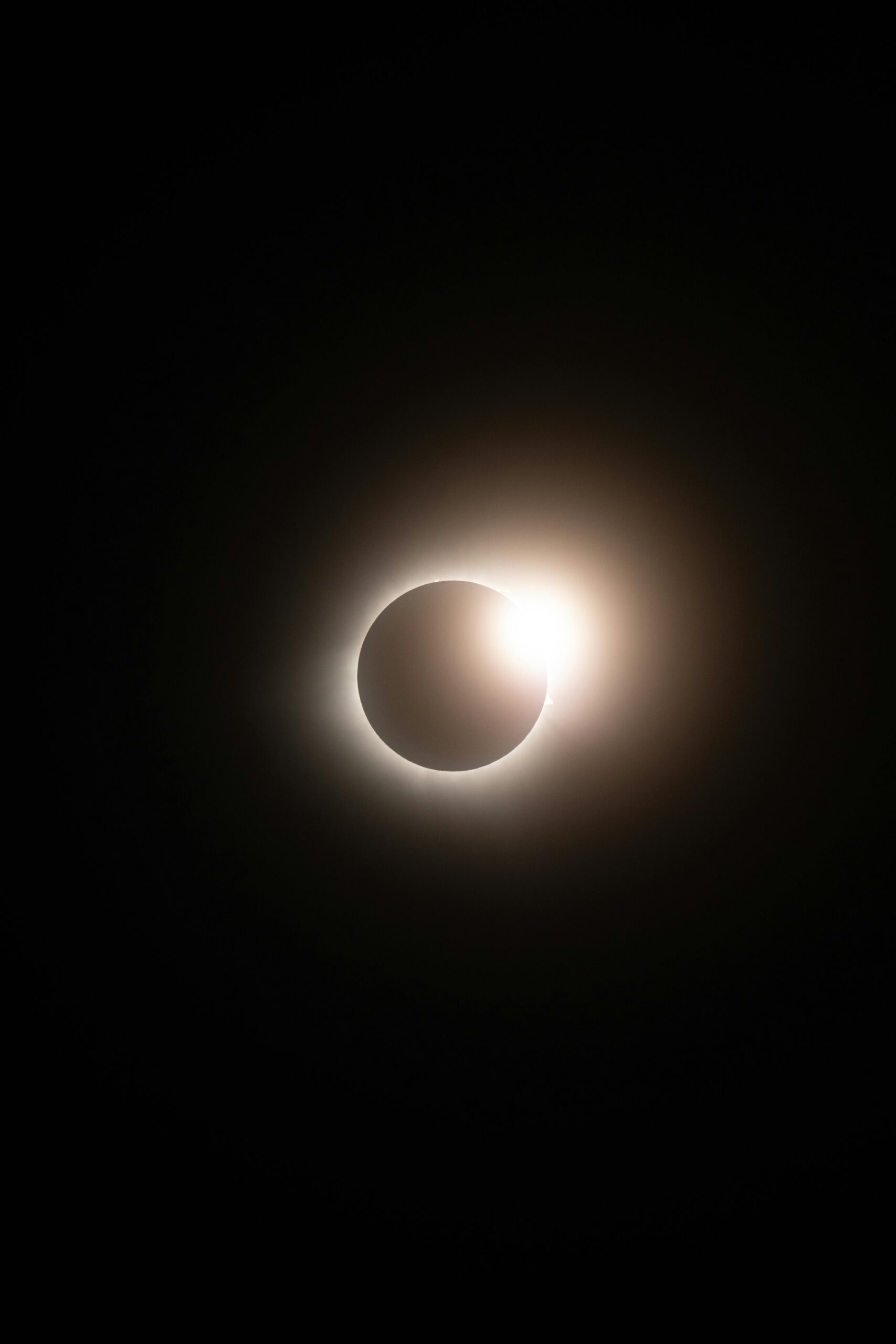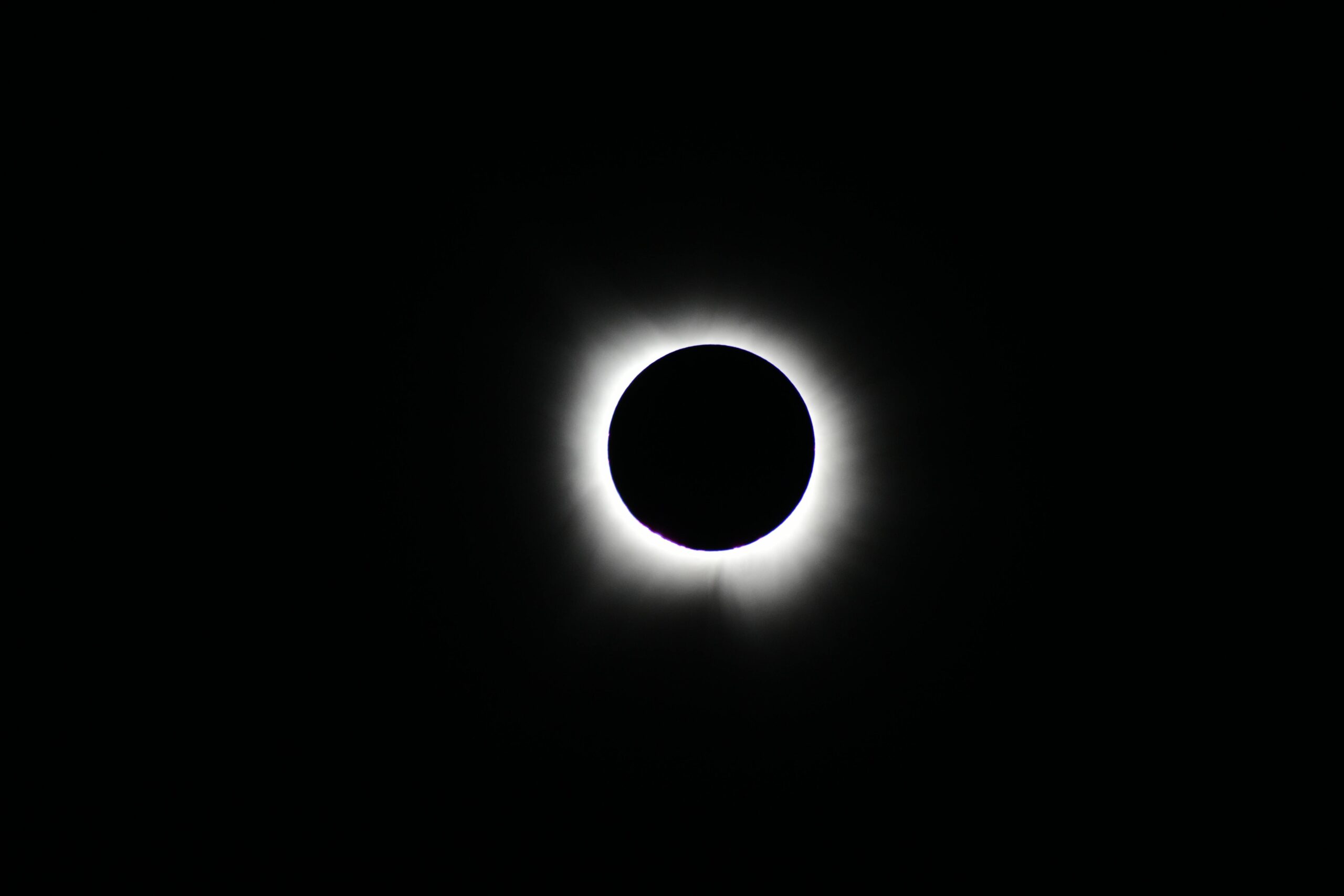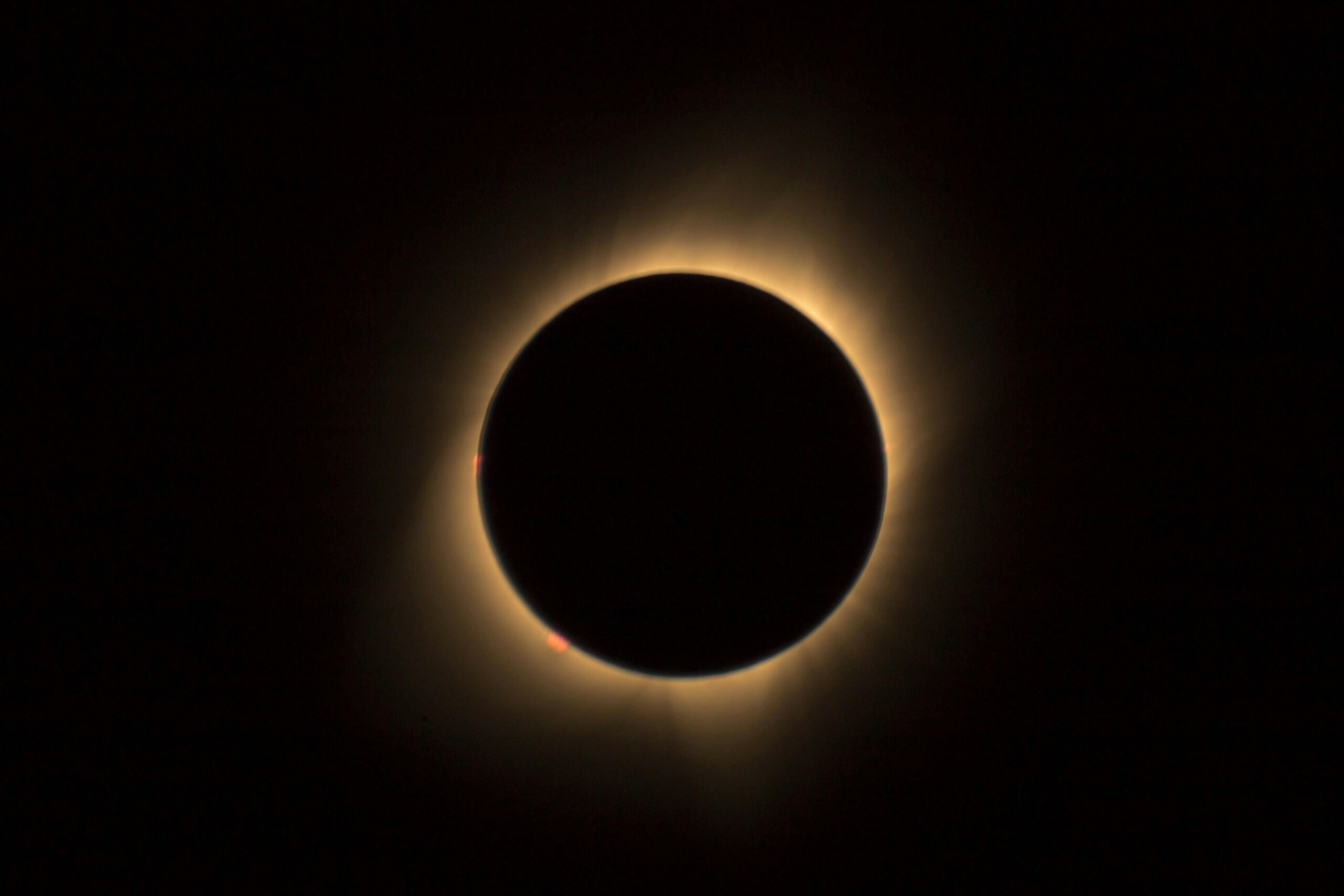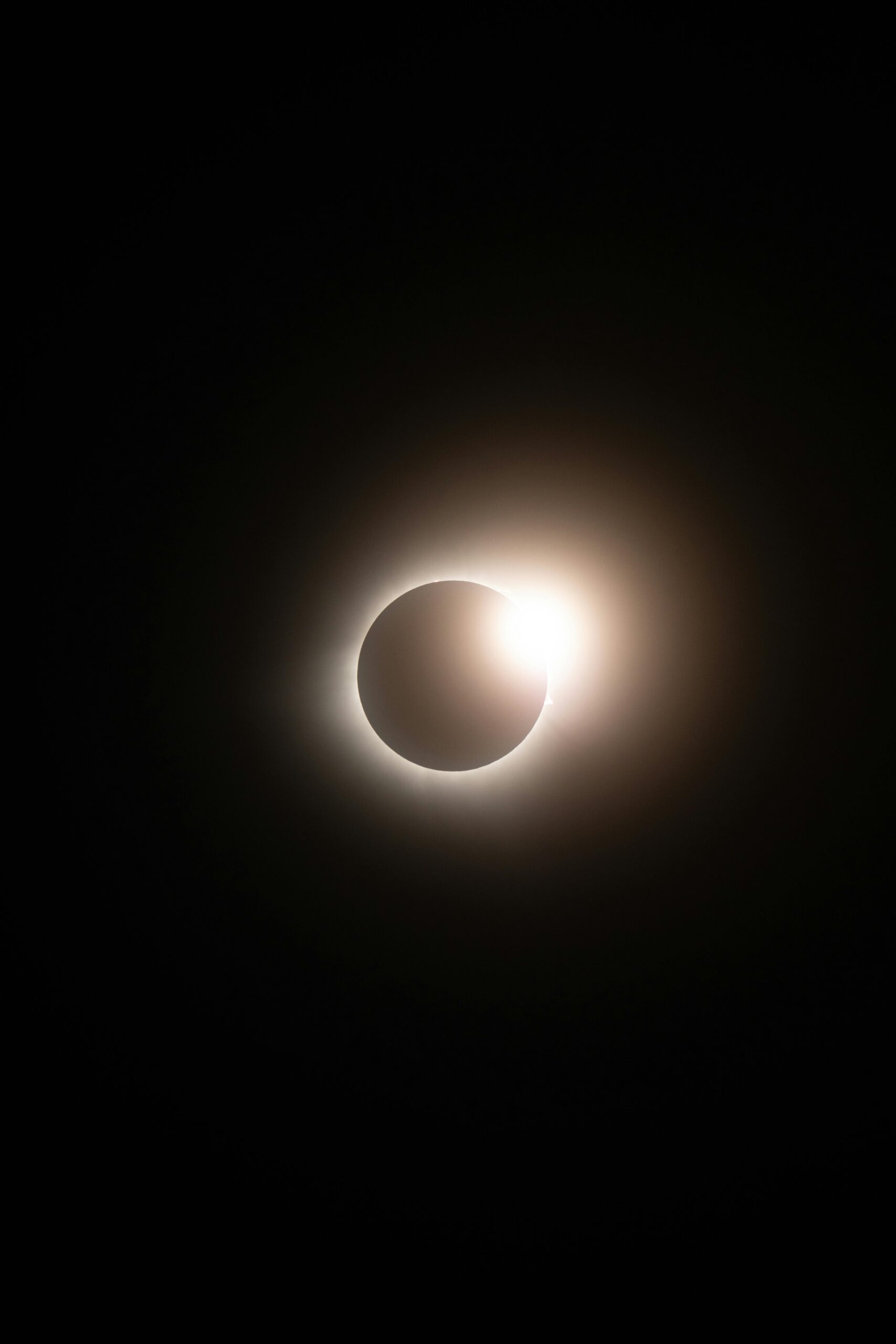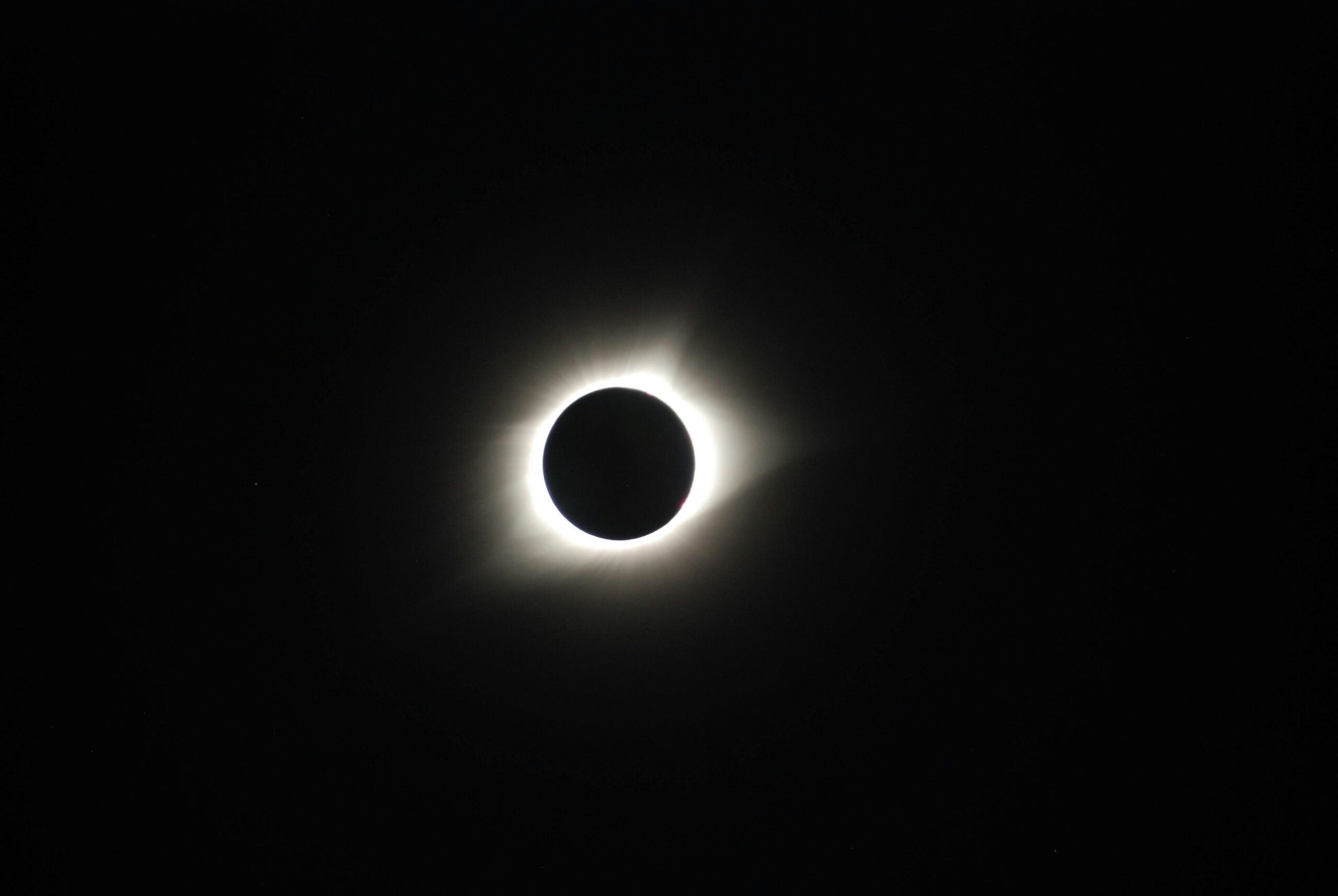
The Great American Eclipse of 2024
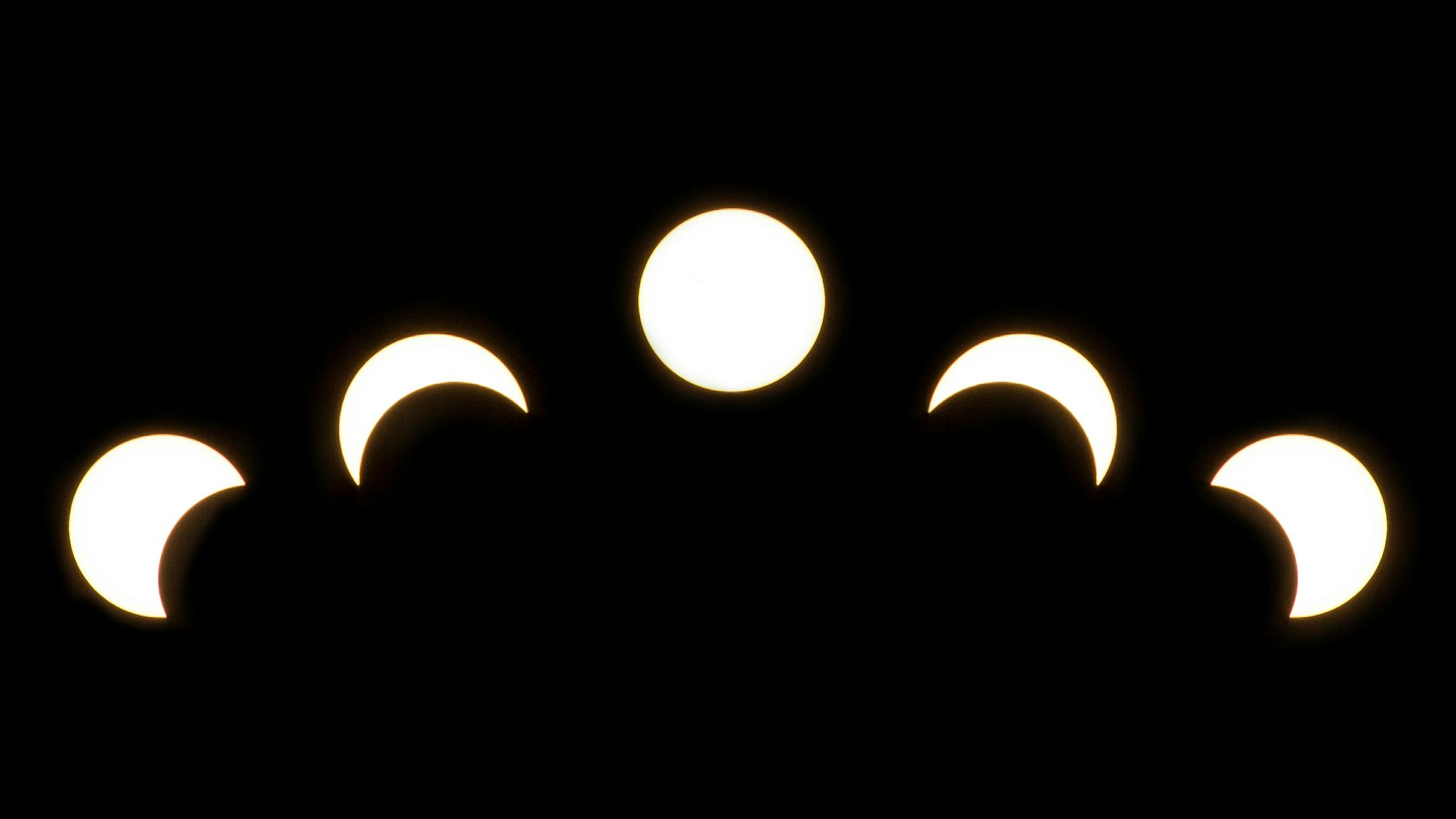
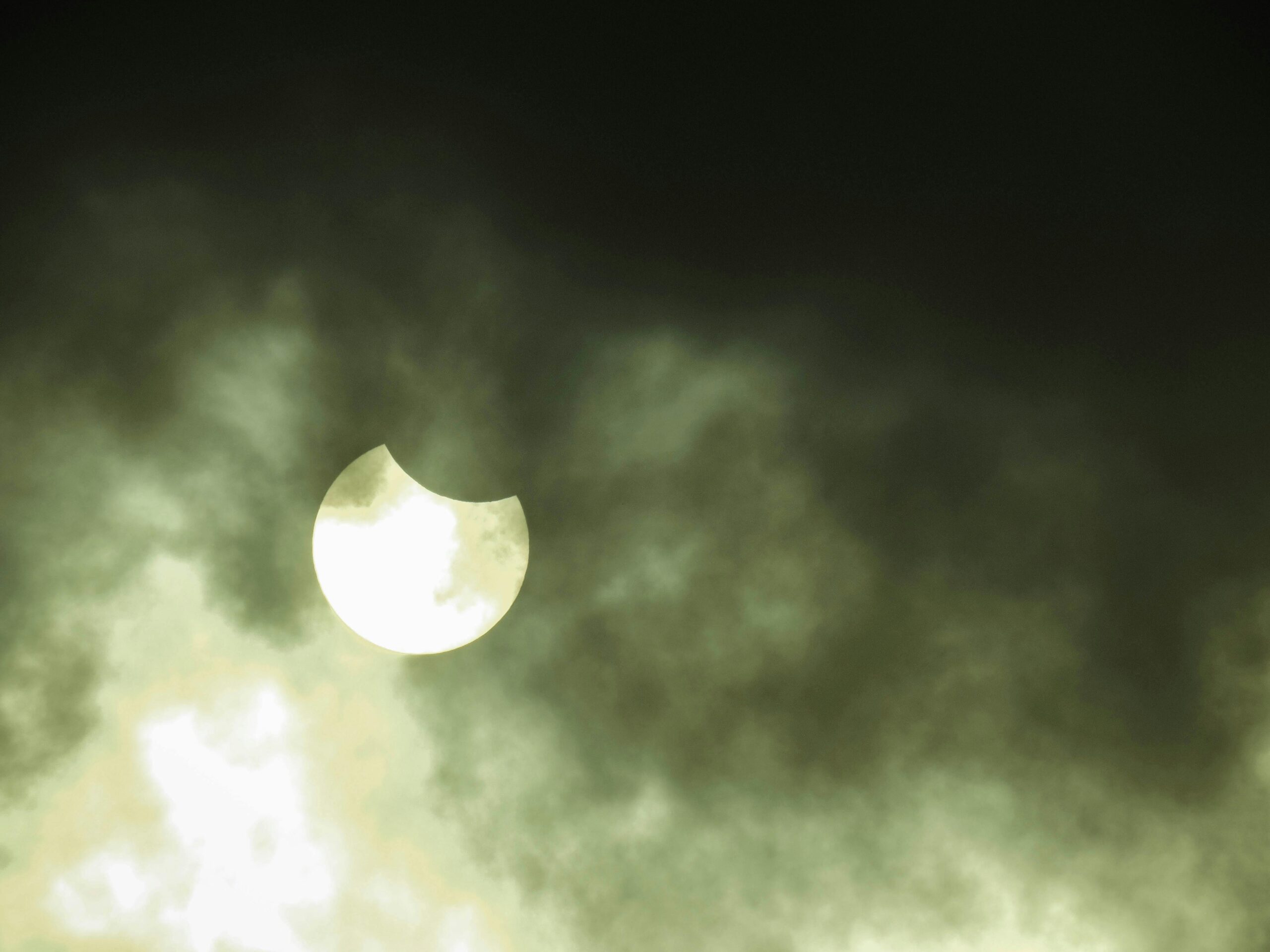
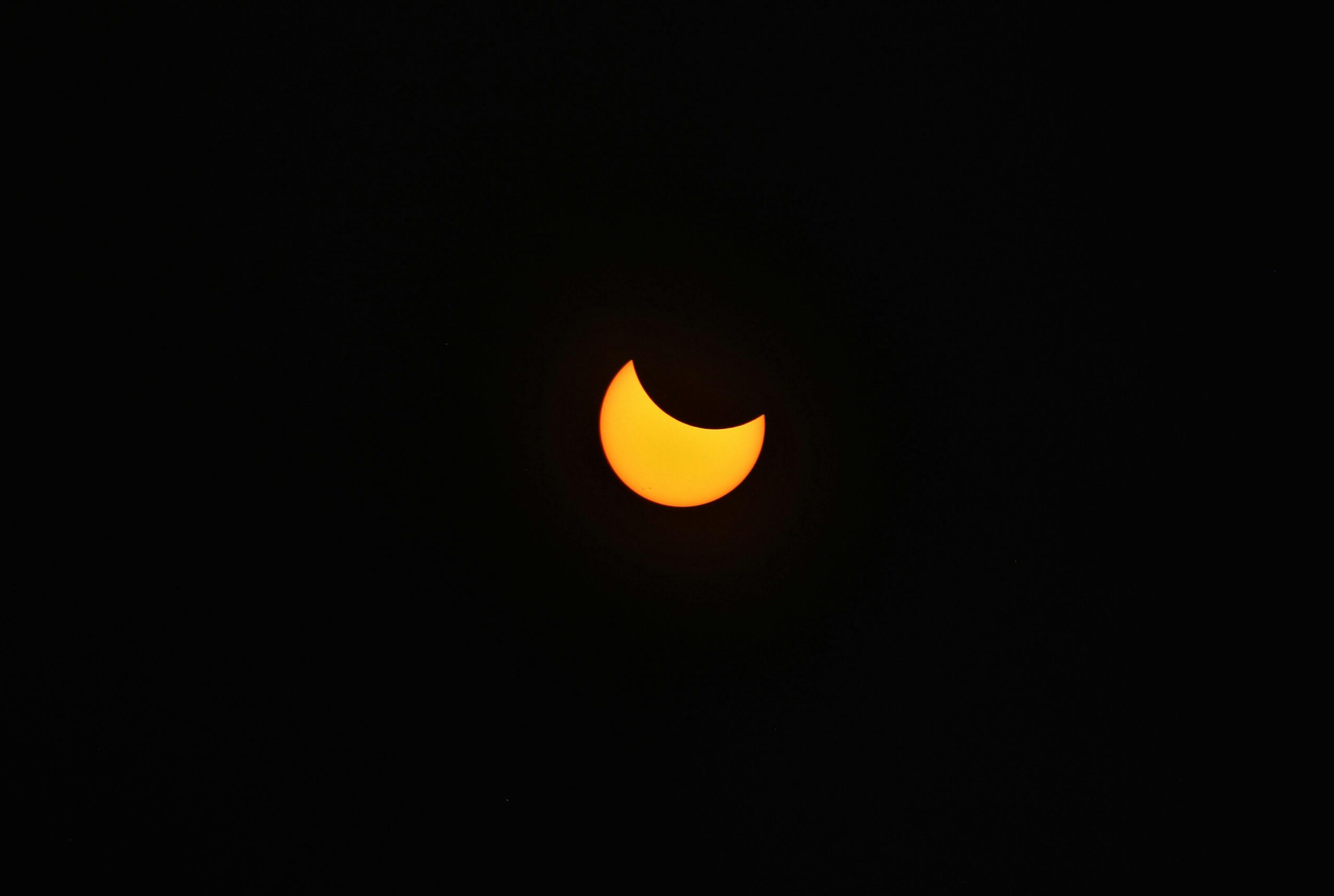
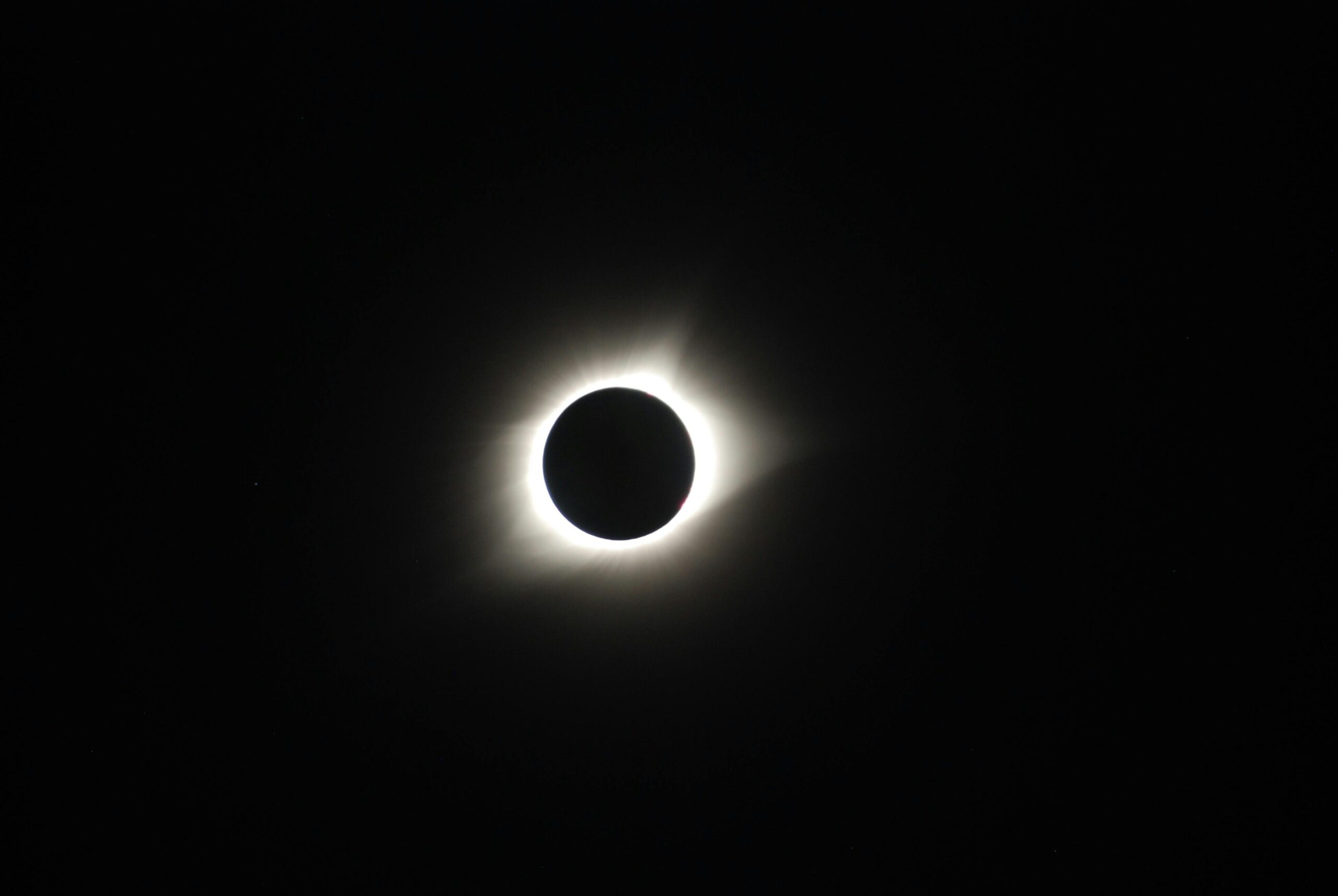
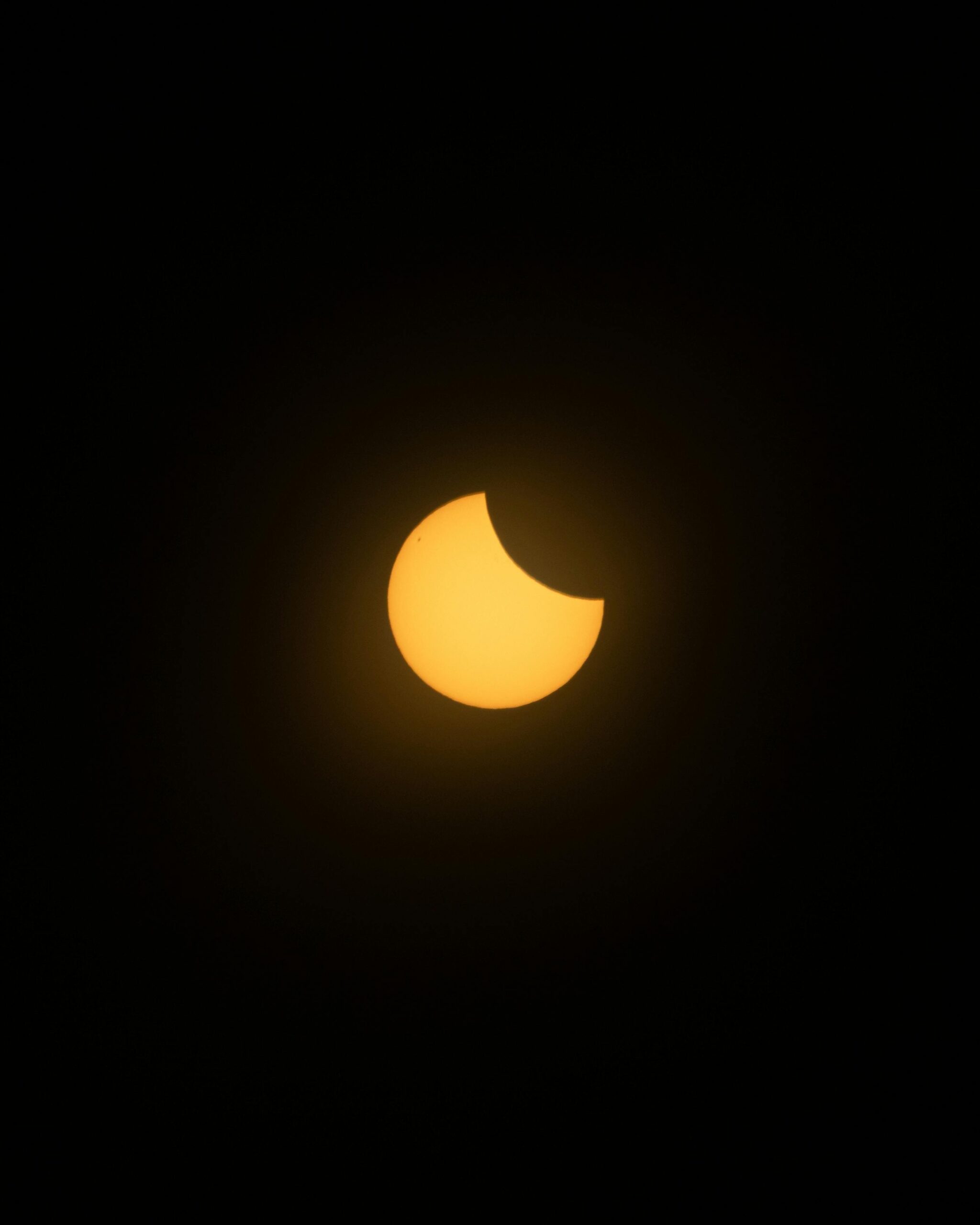
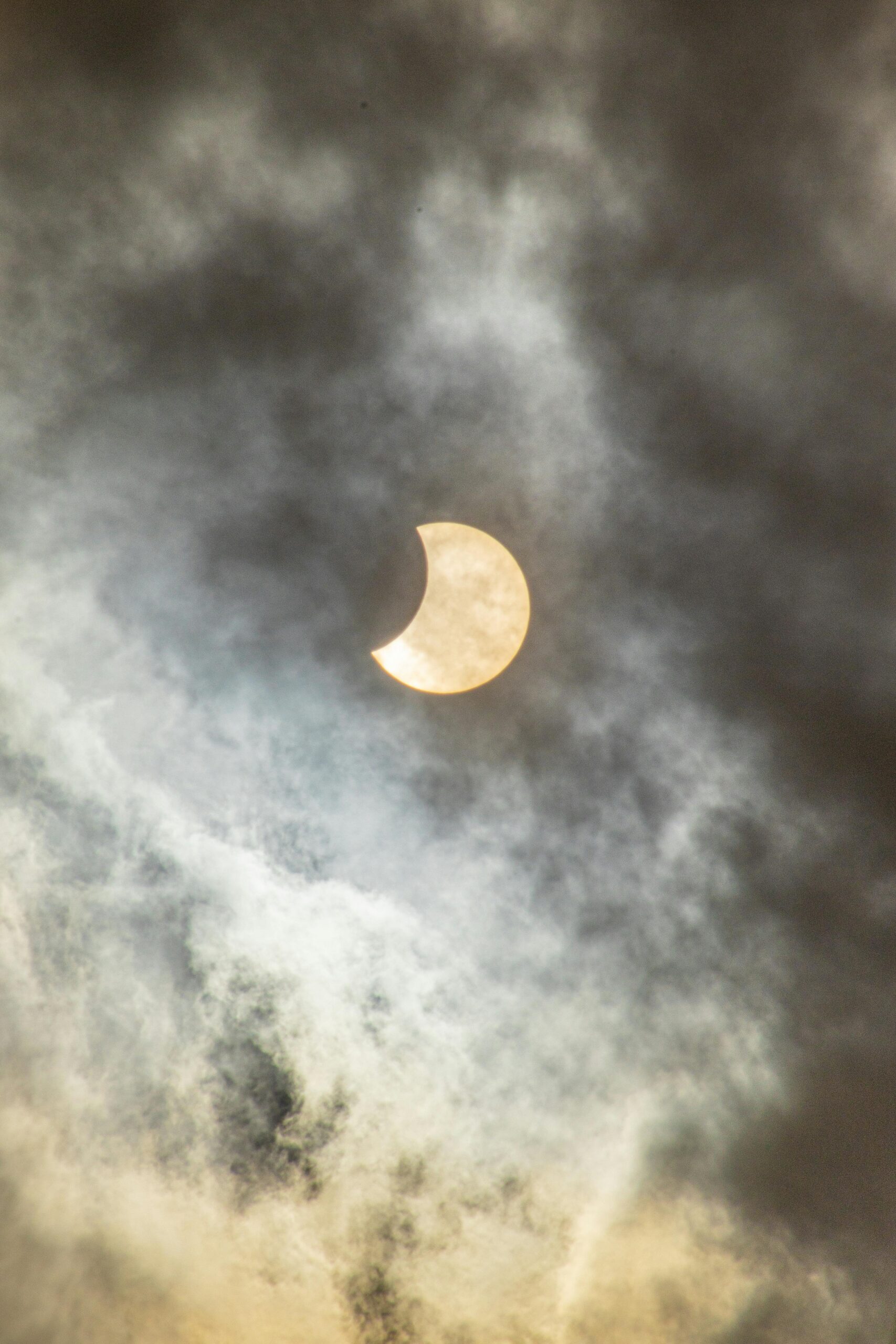
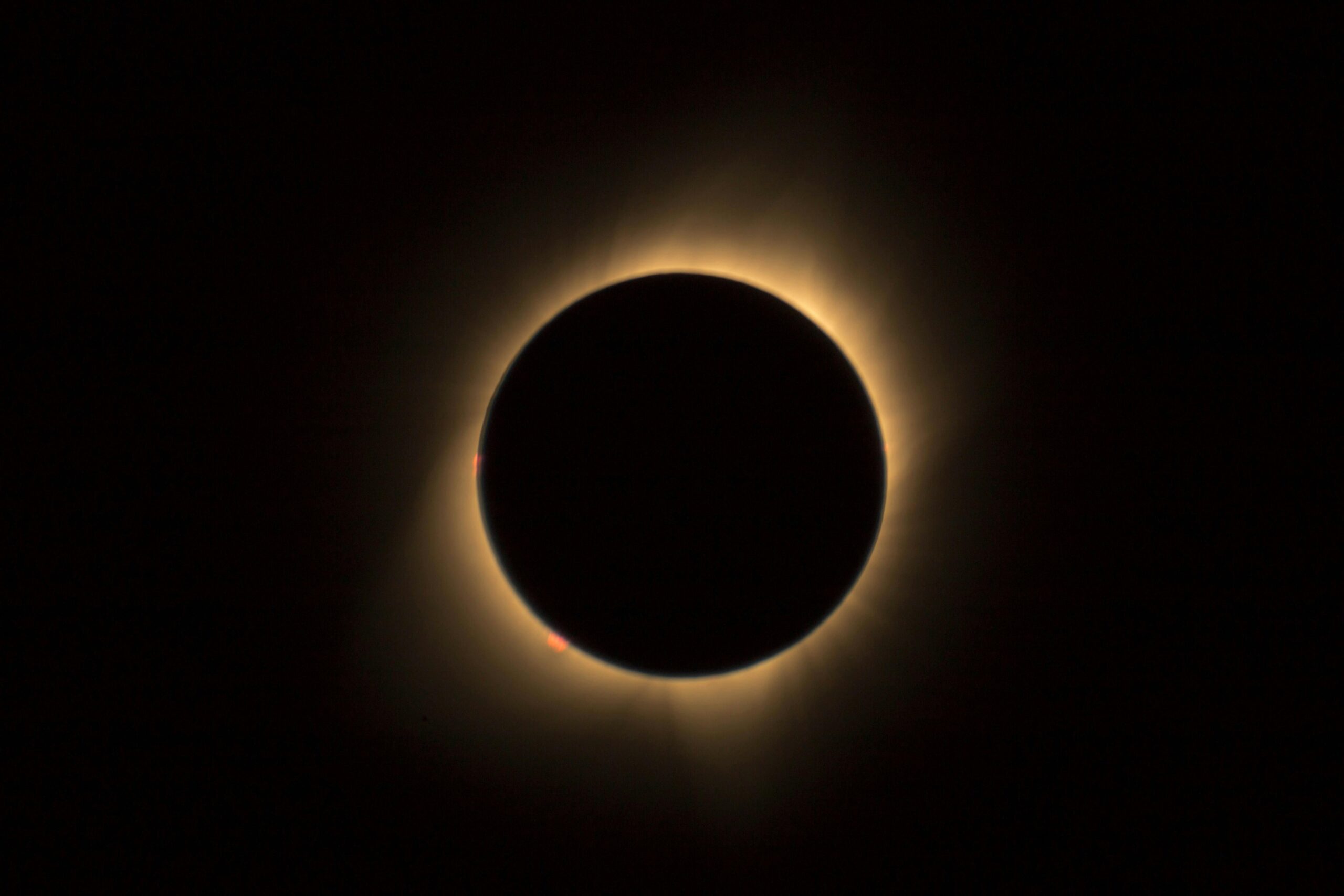
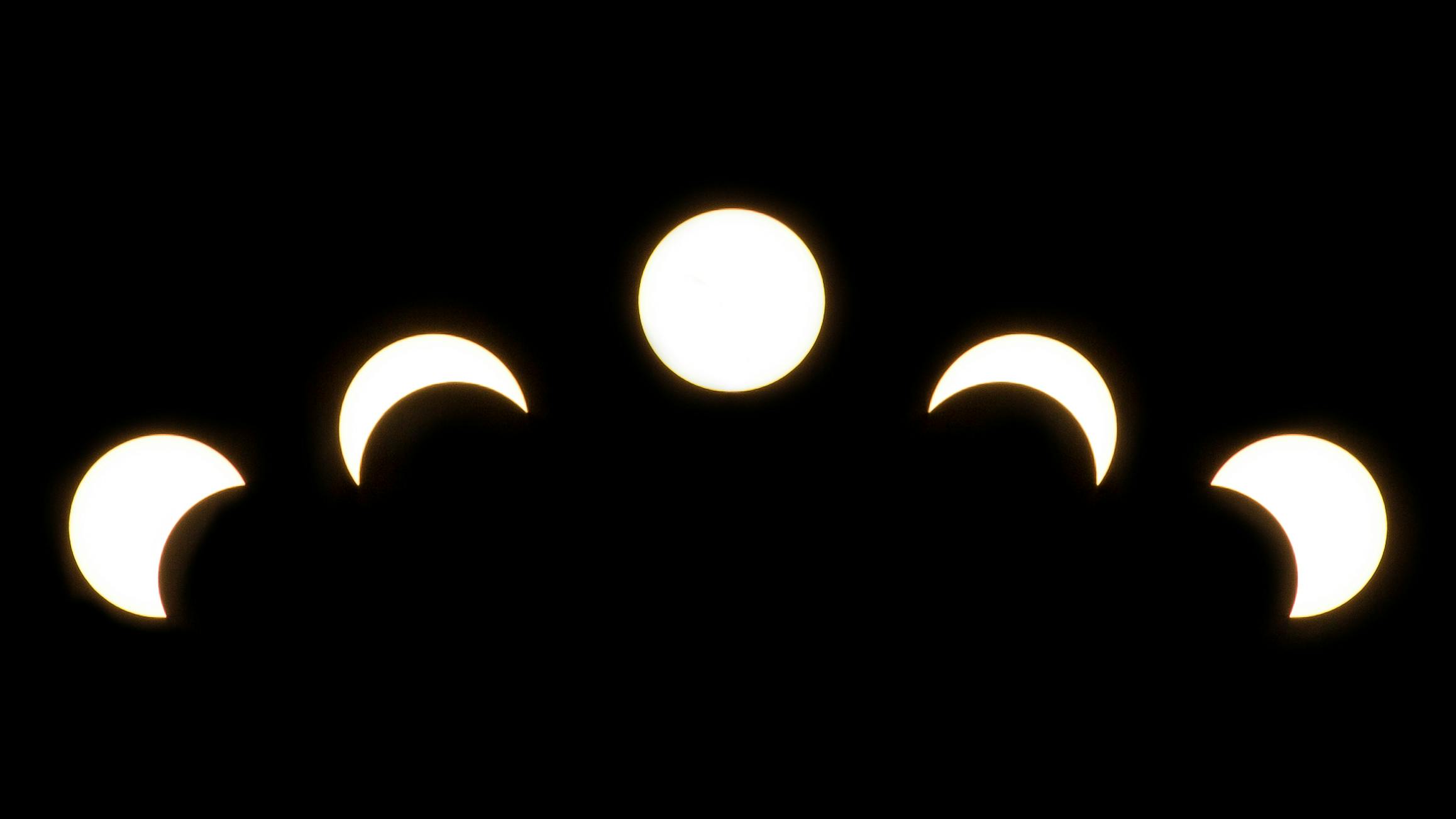
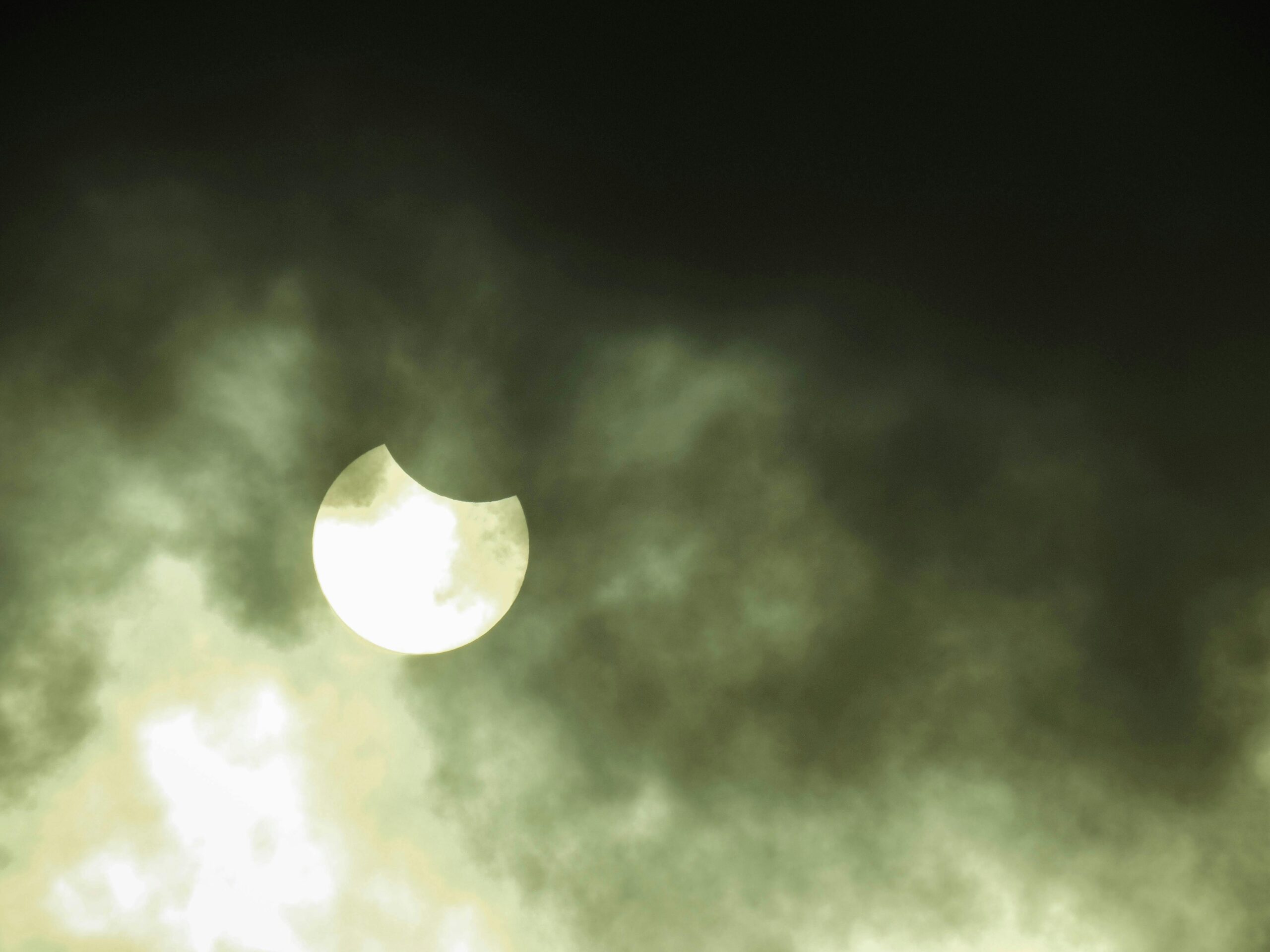
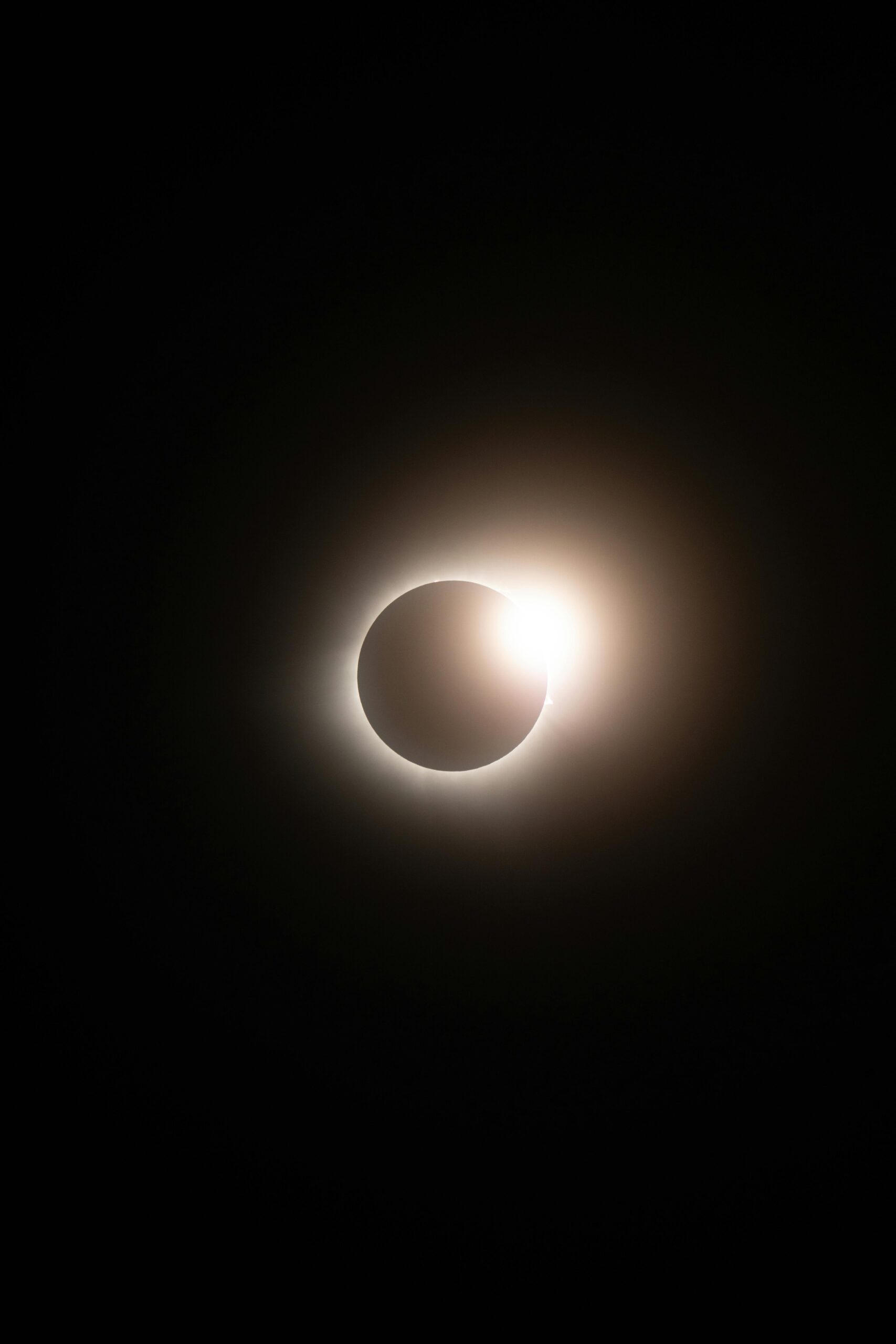
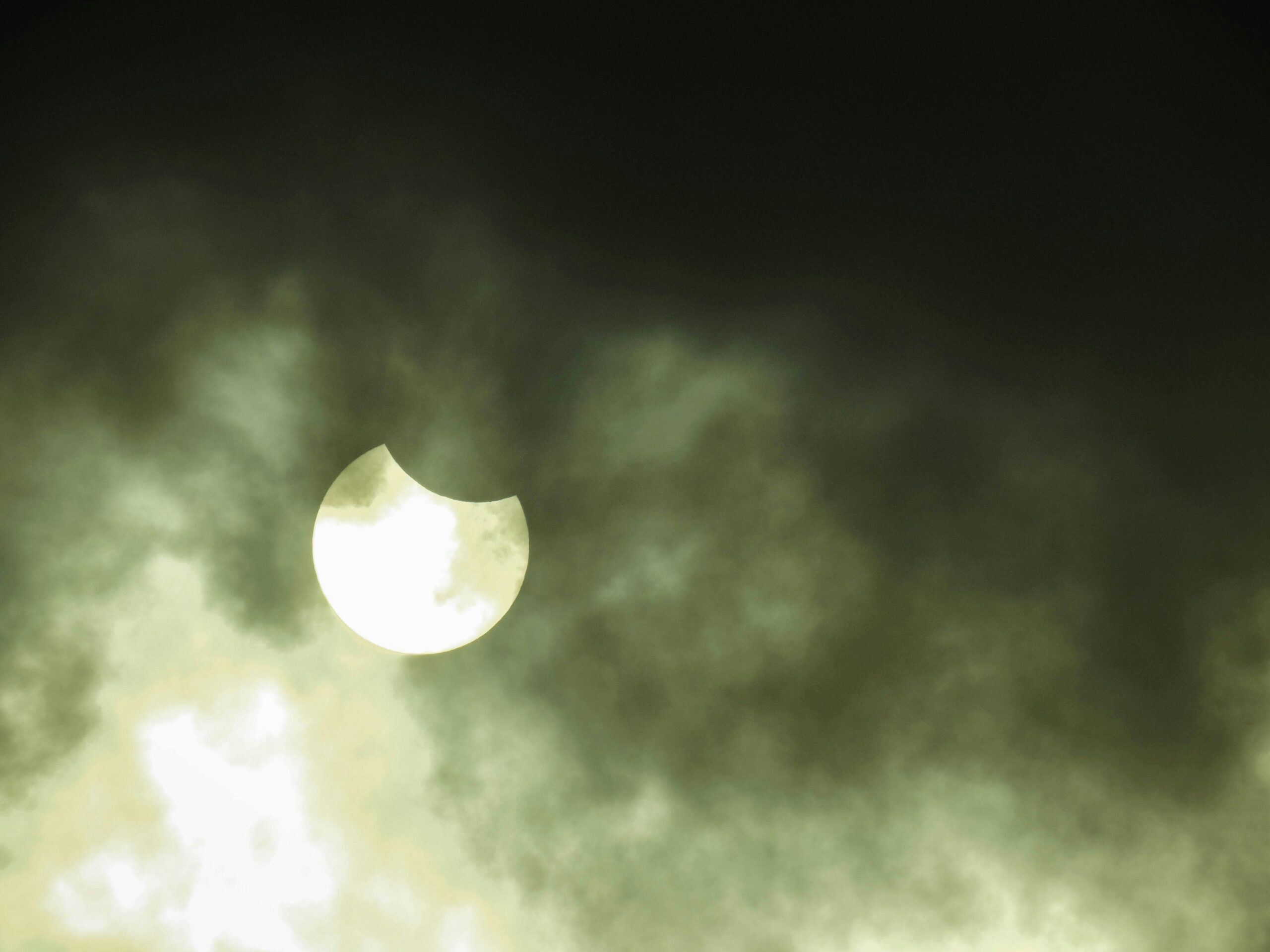
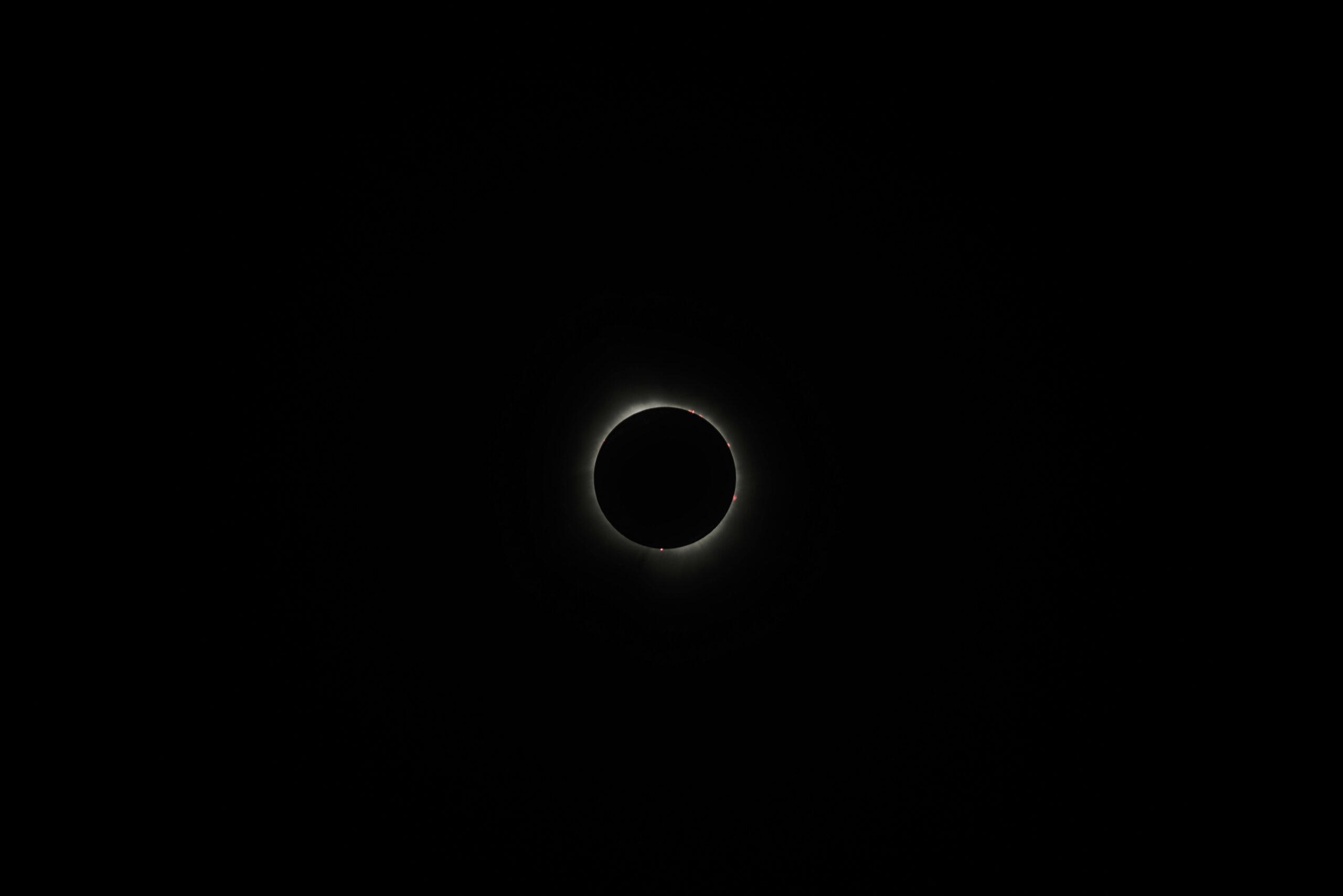
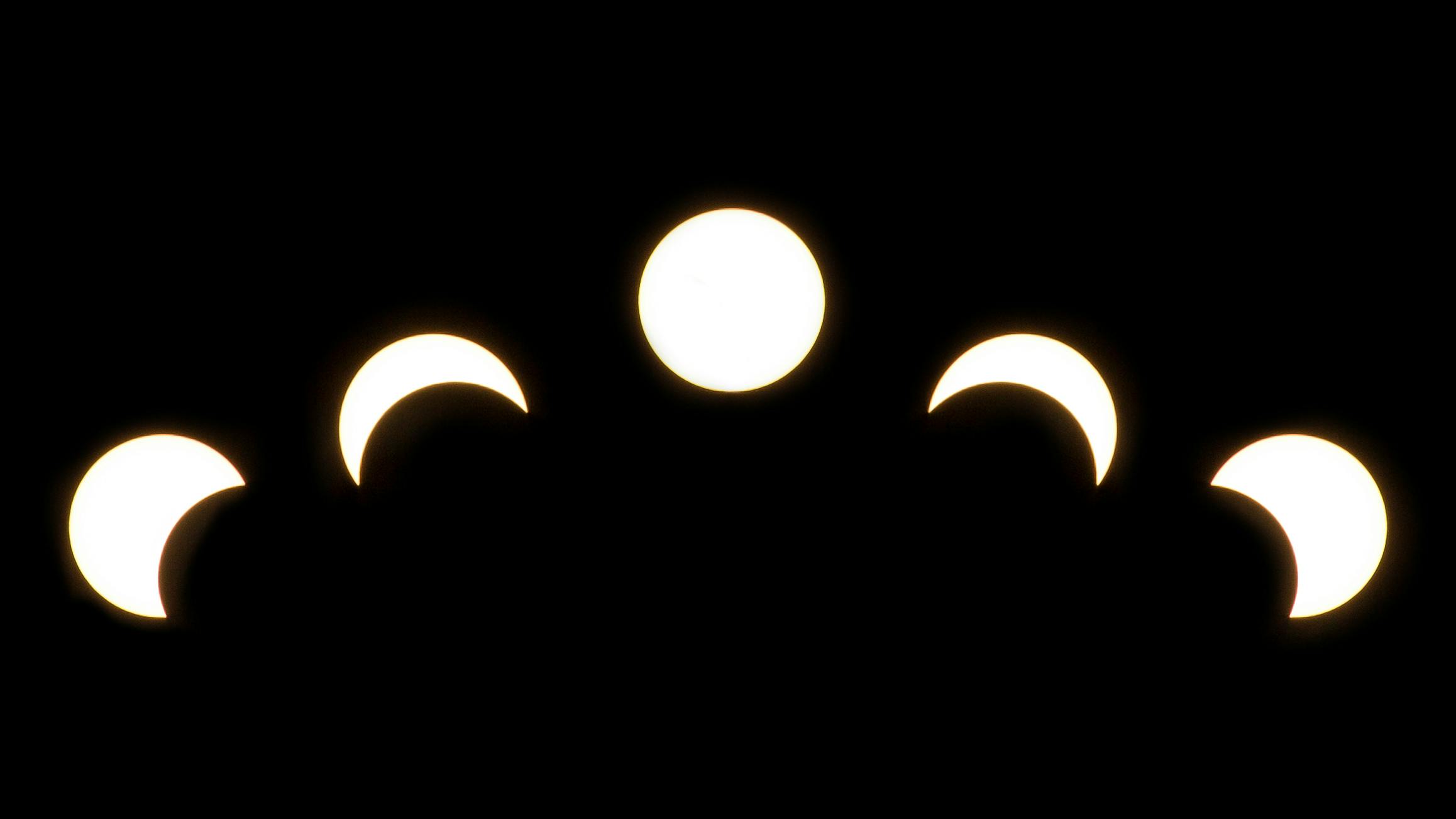
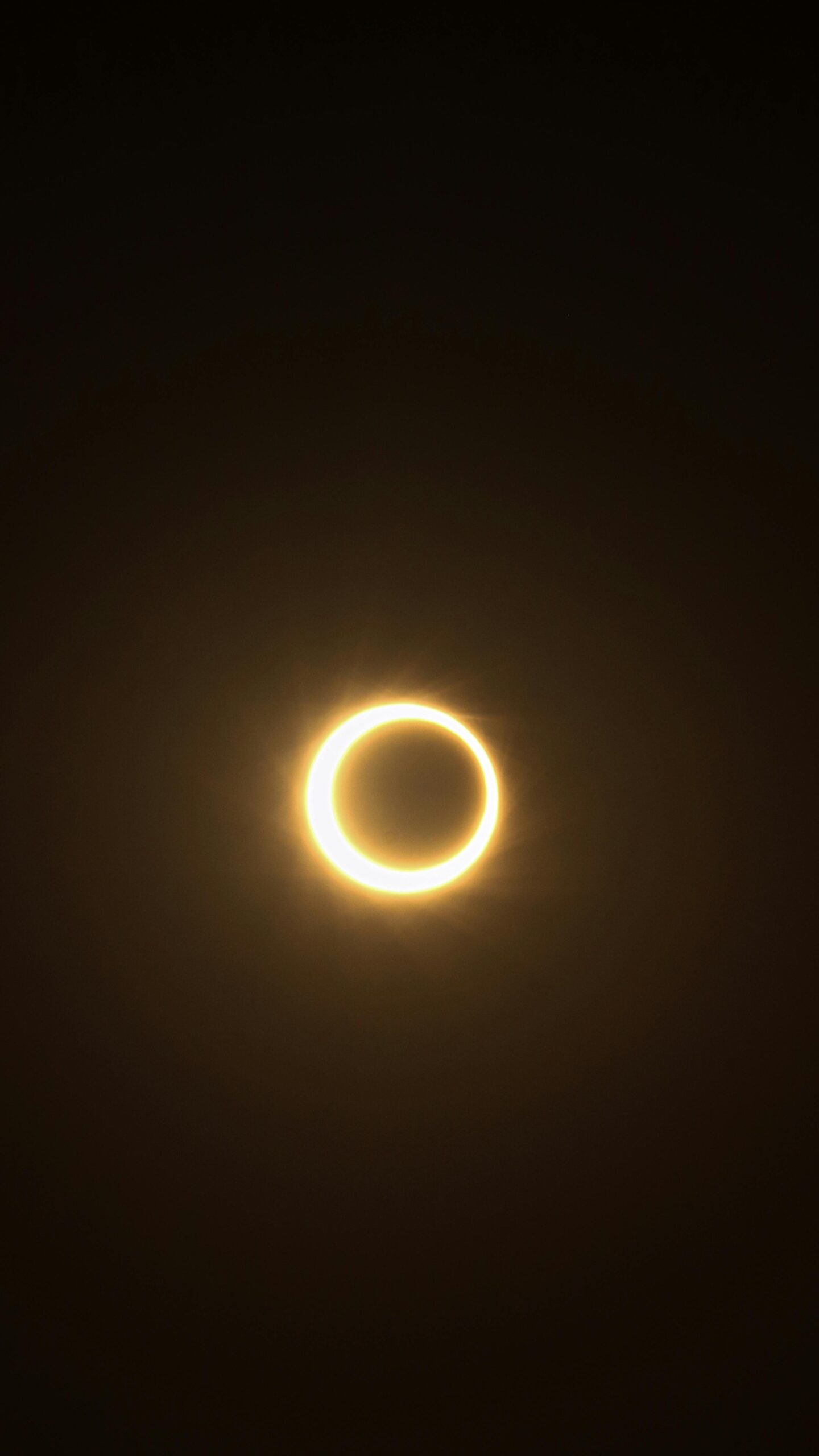
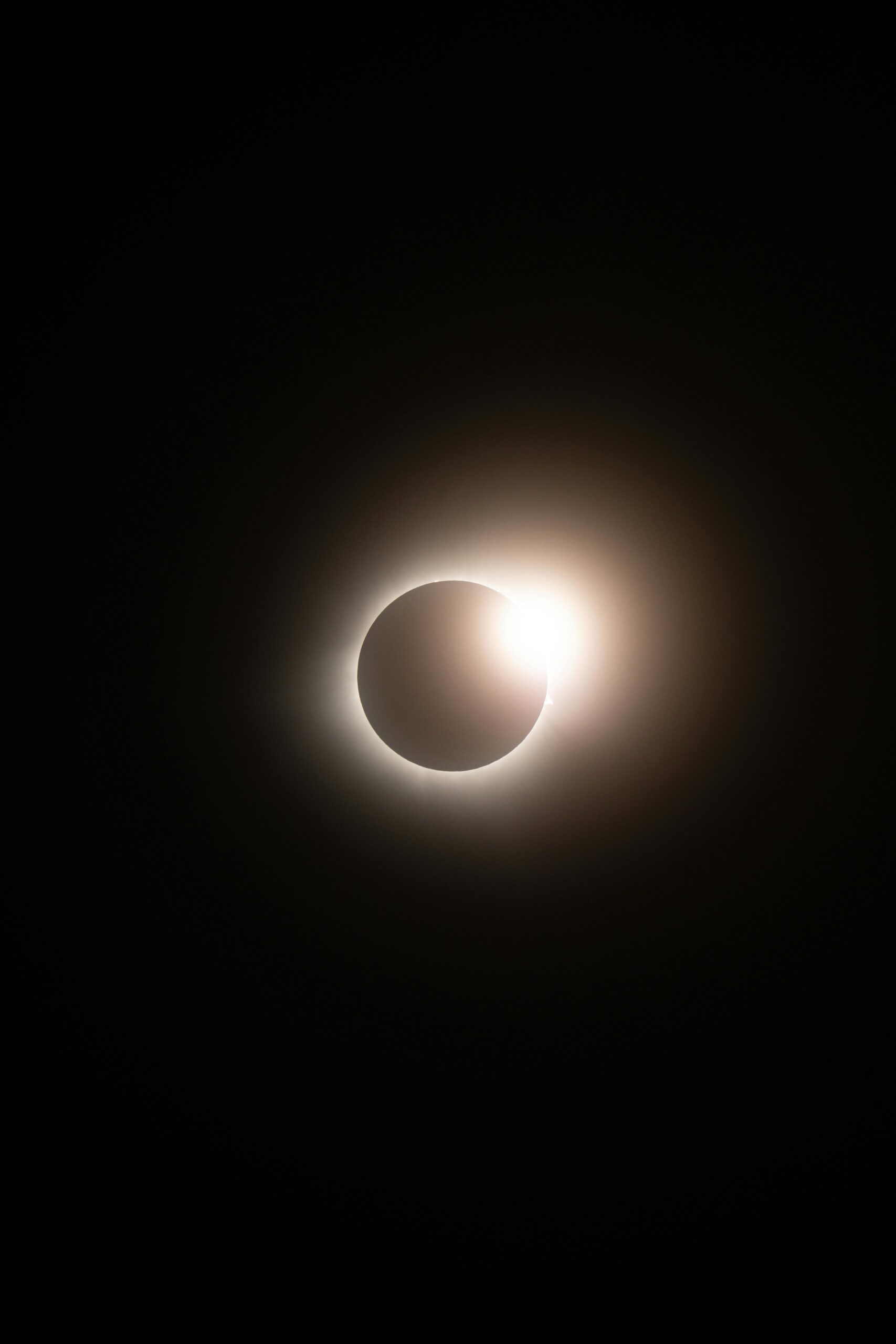
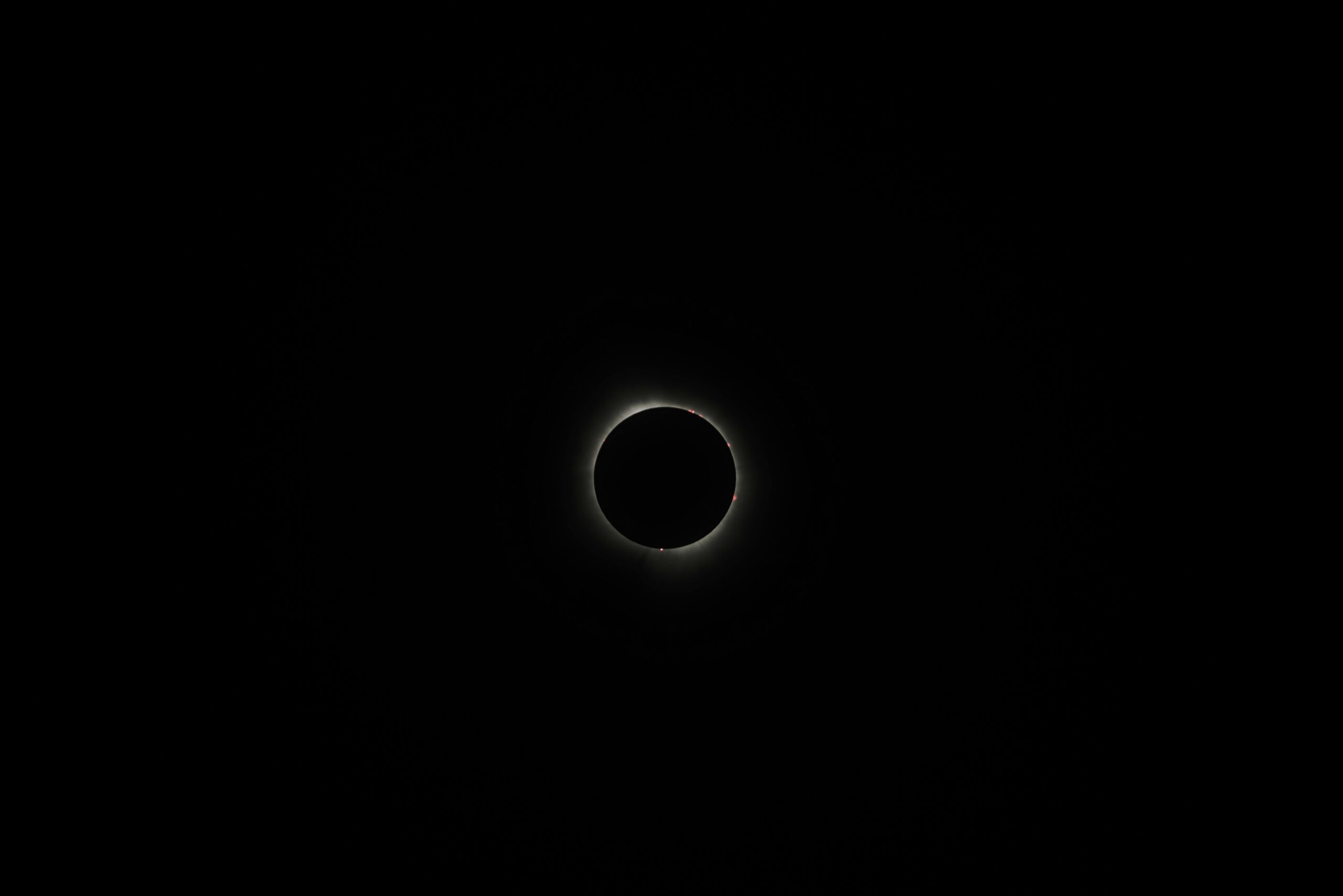
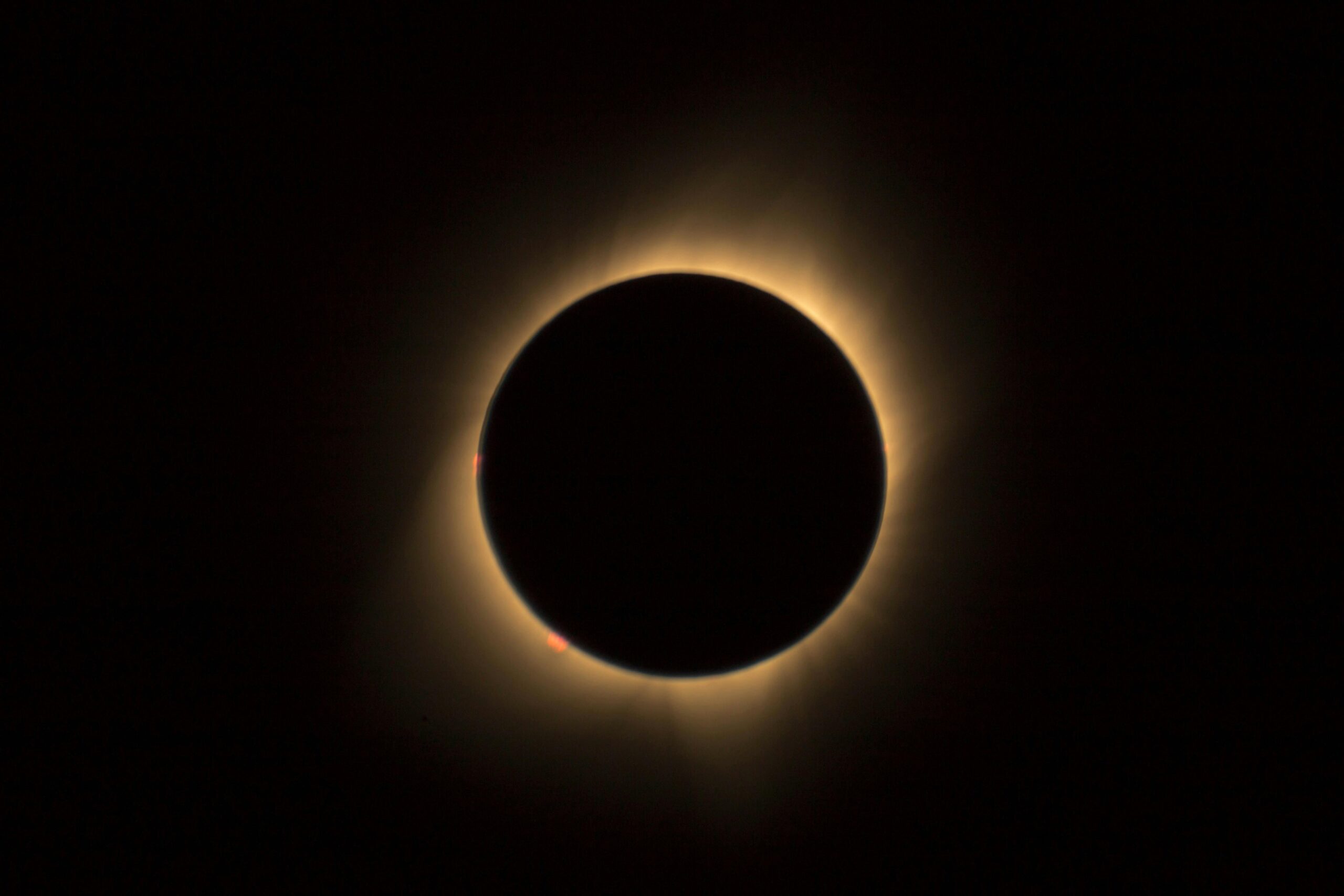
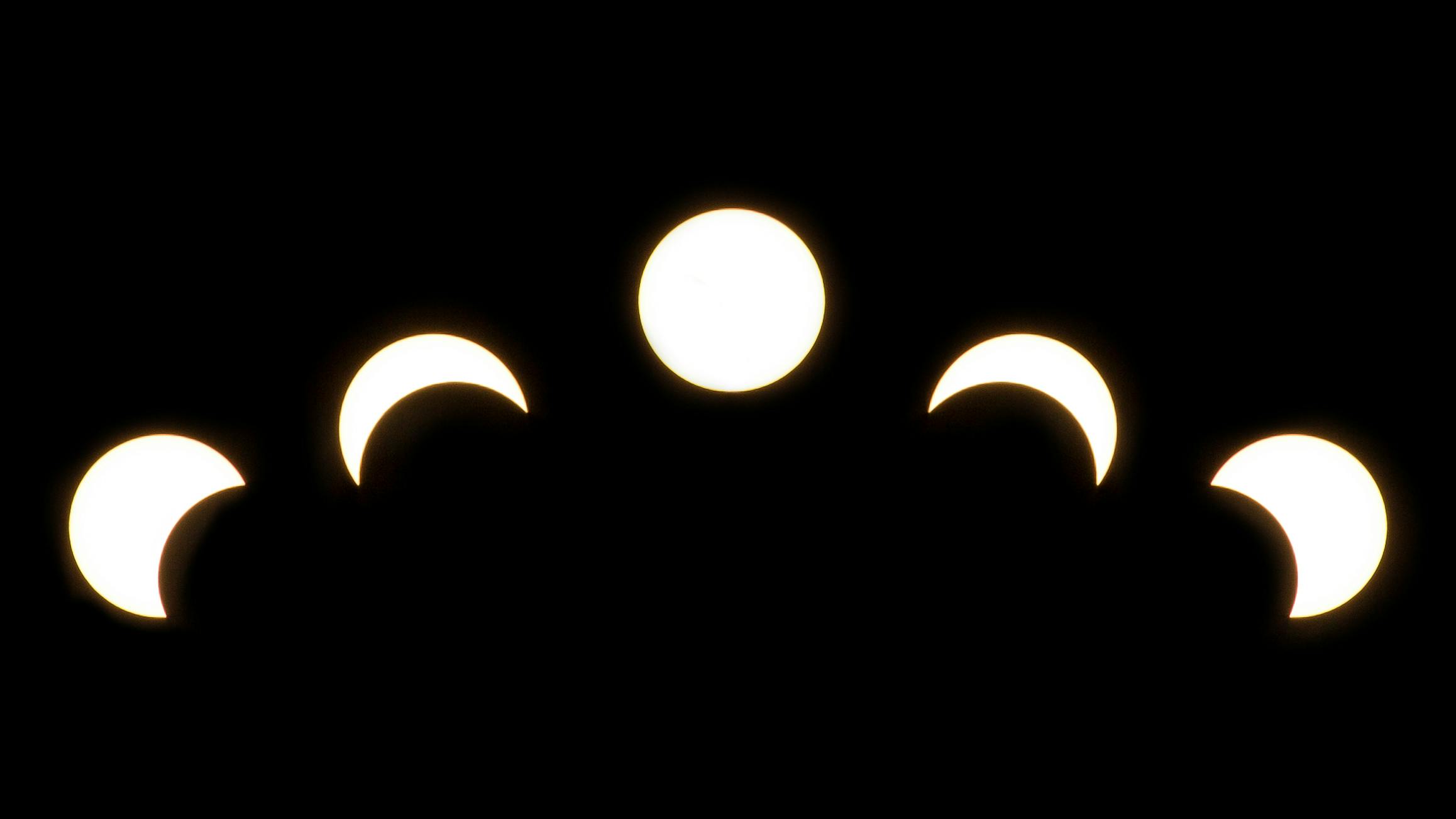
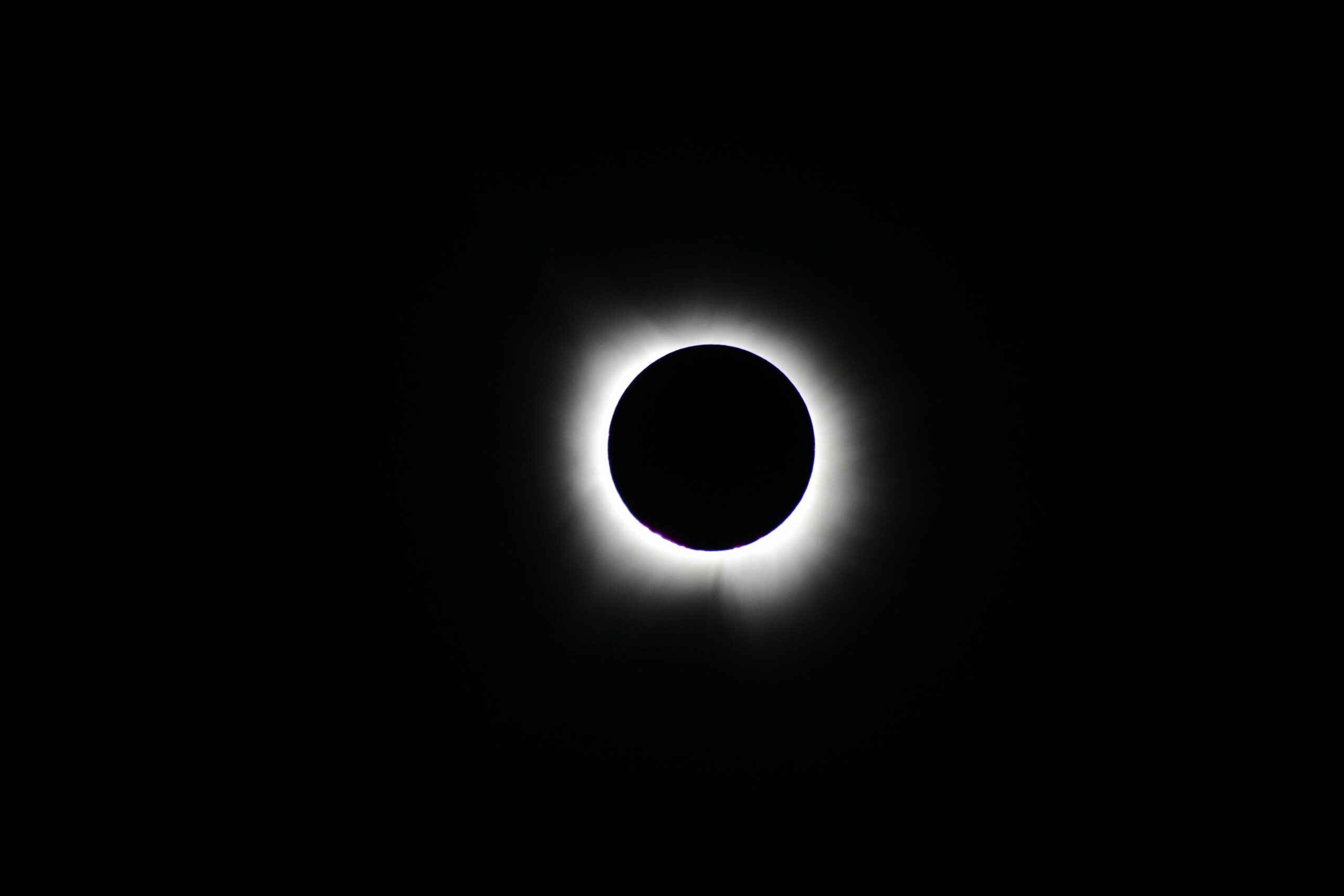
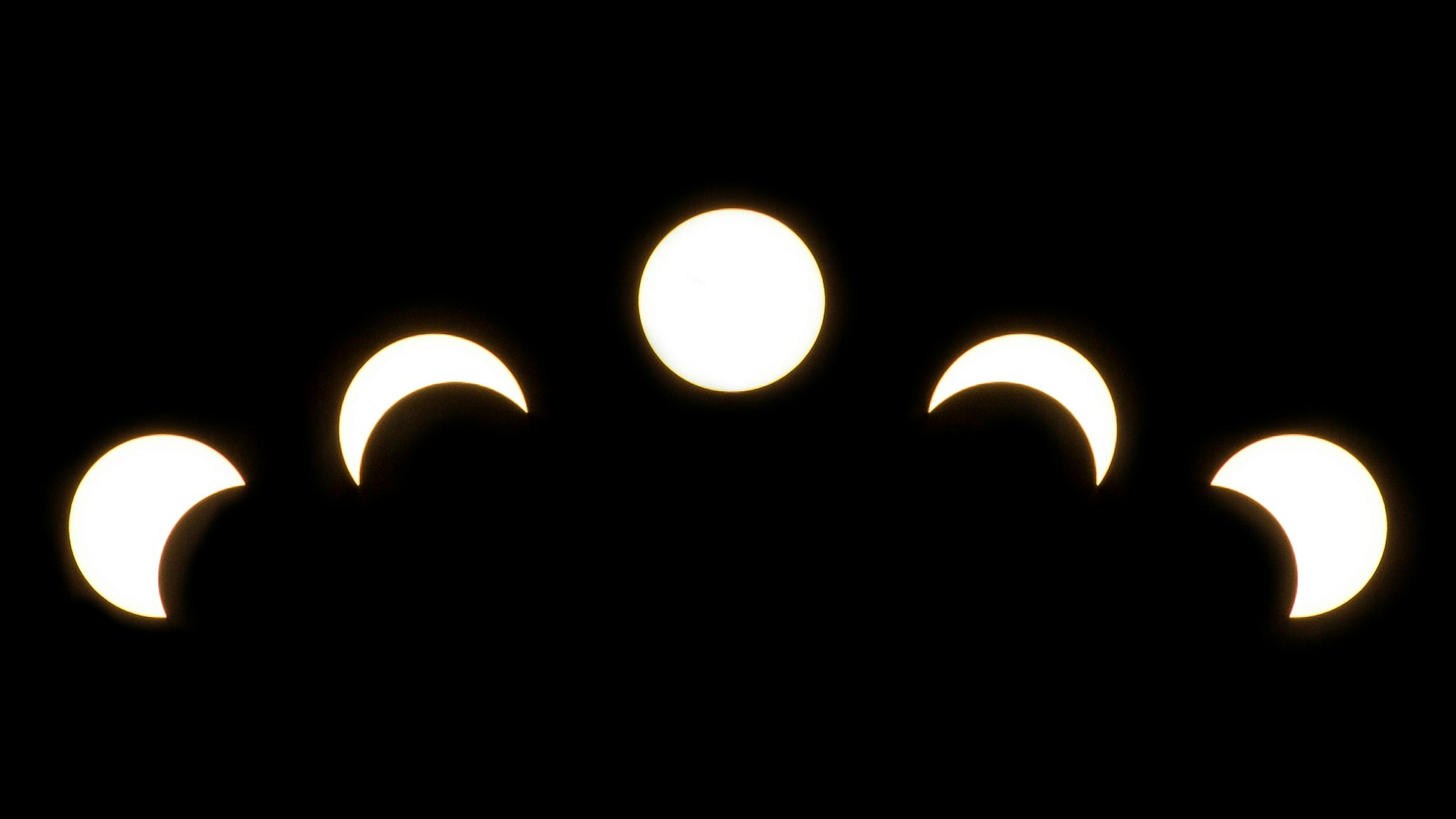
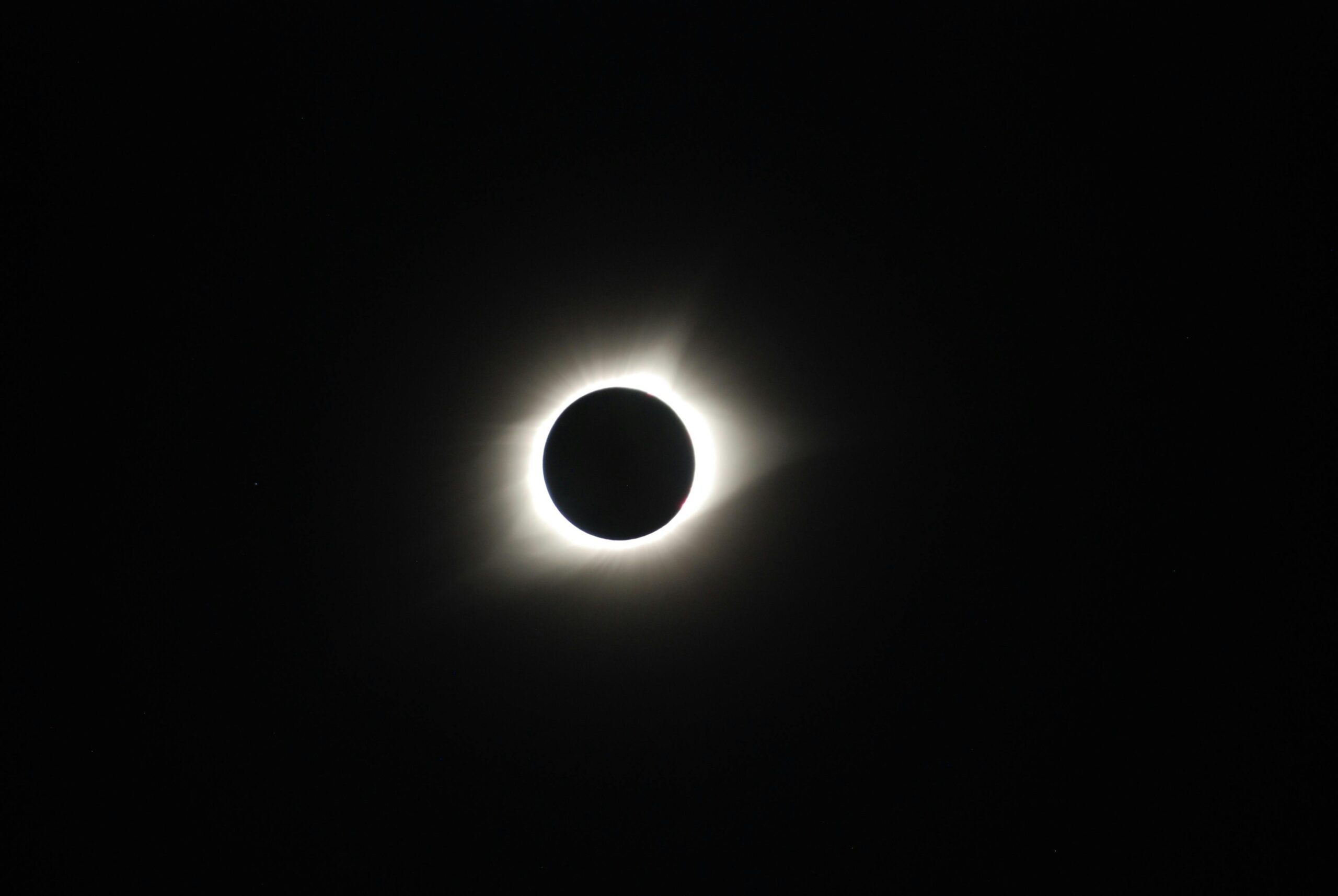
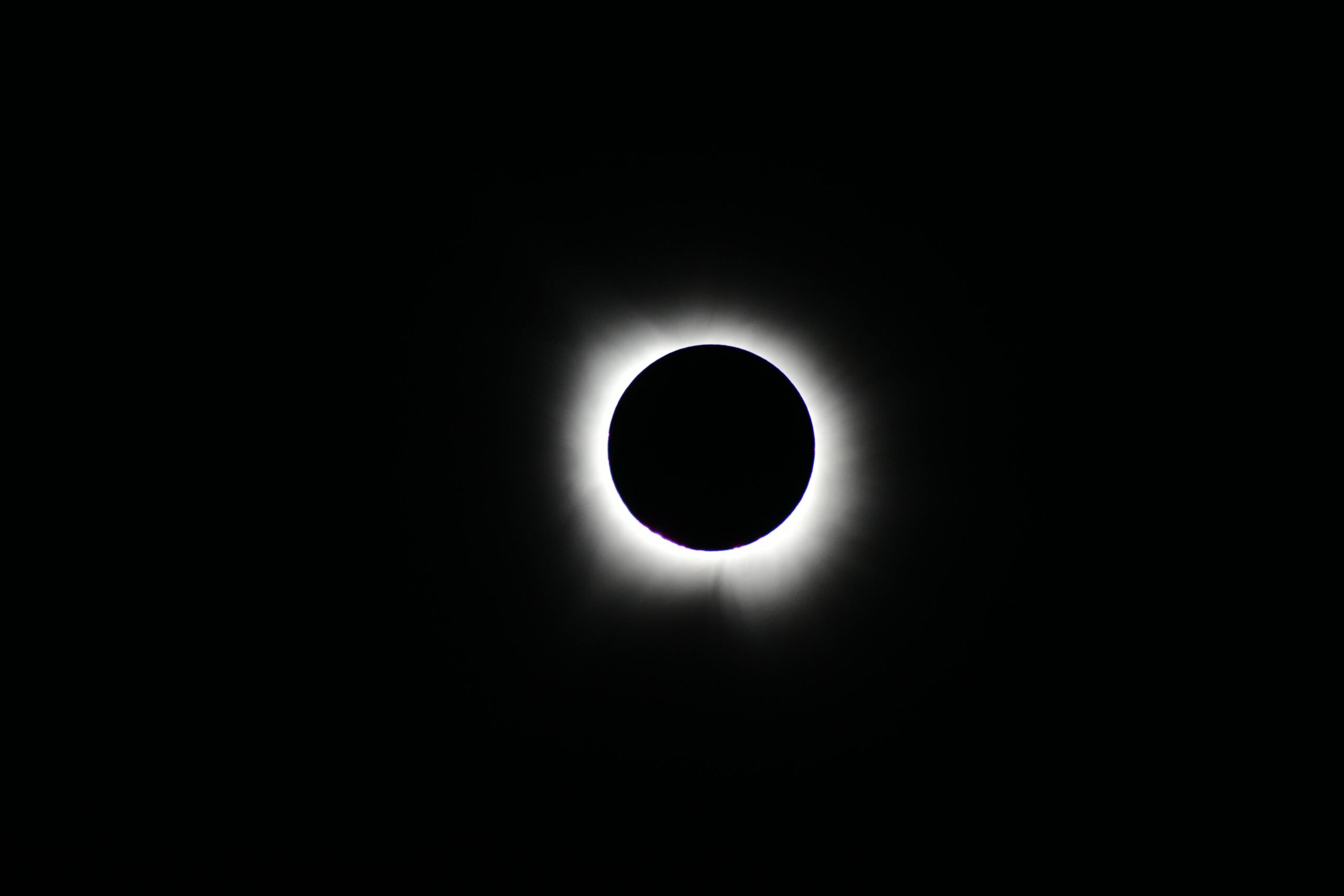
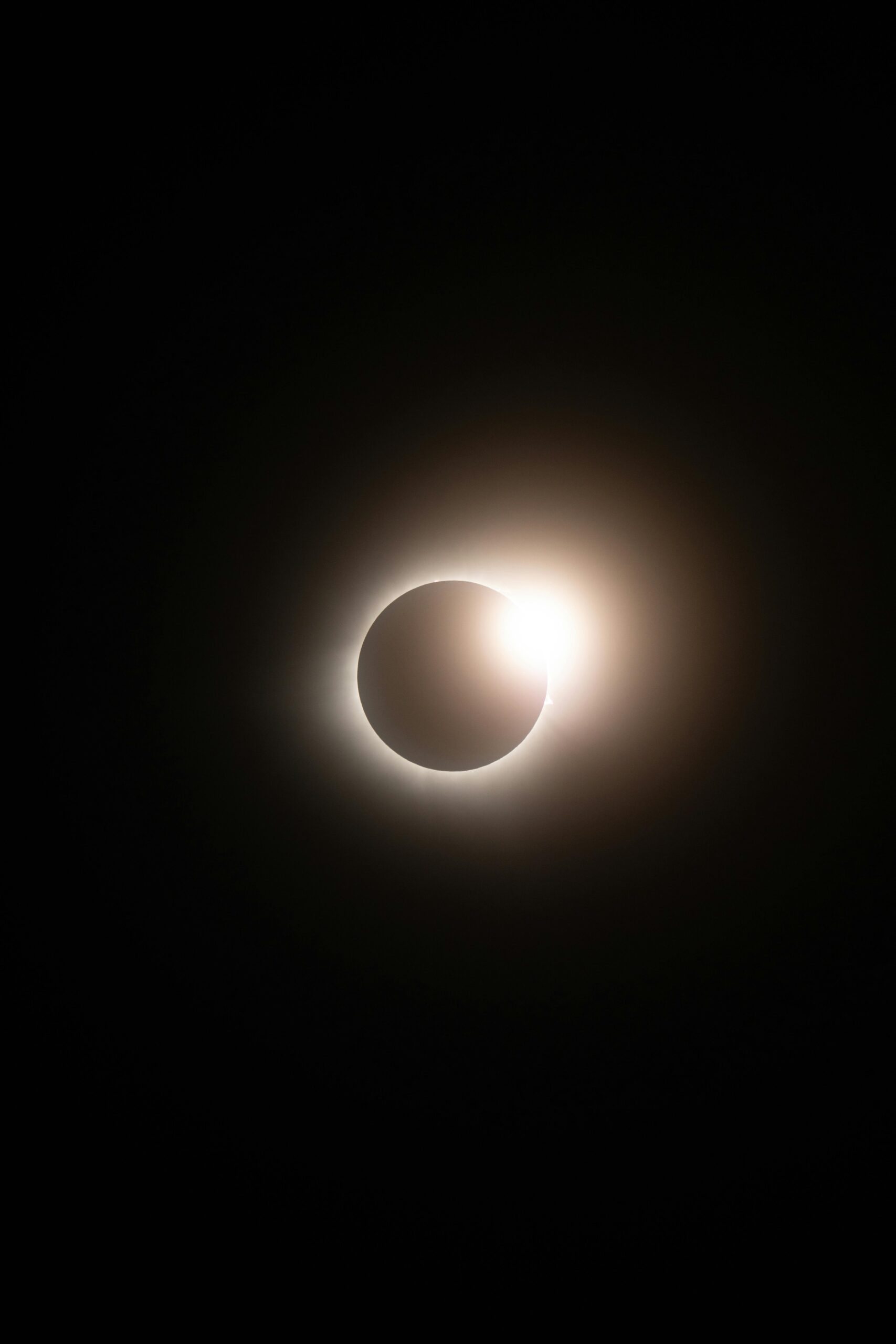
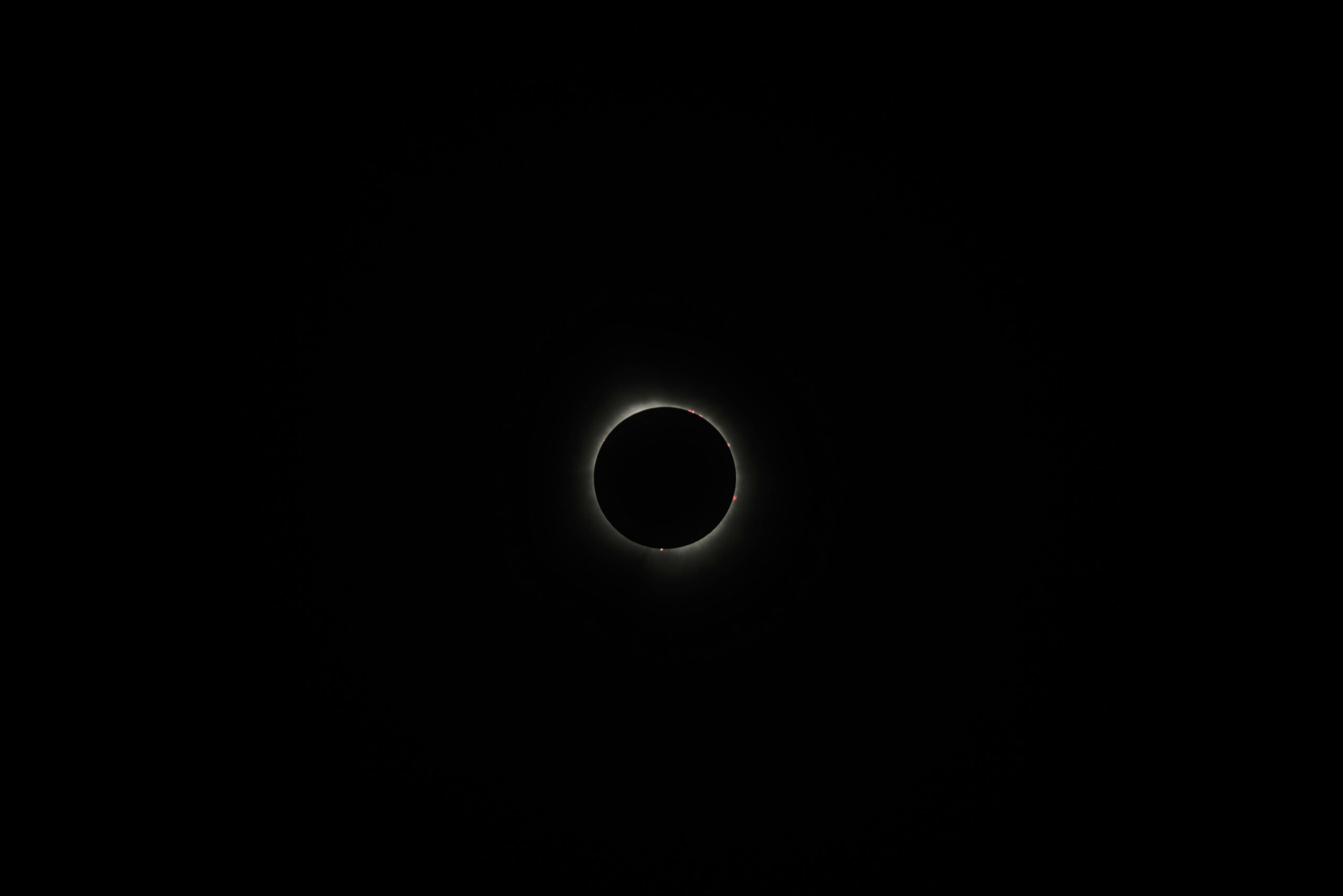
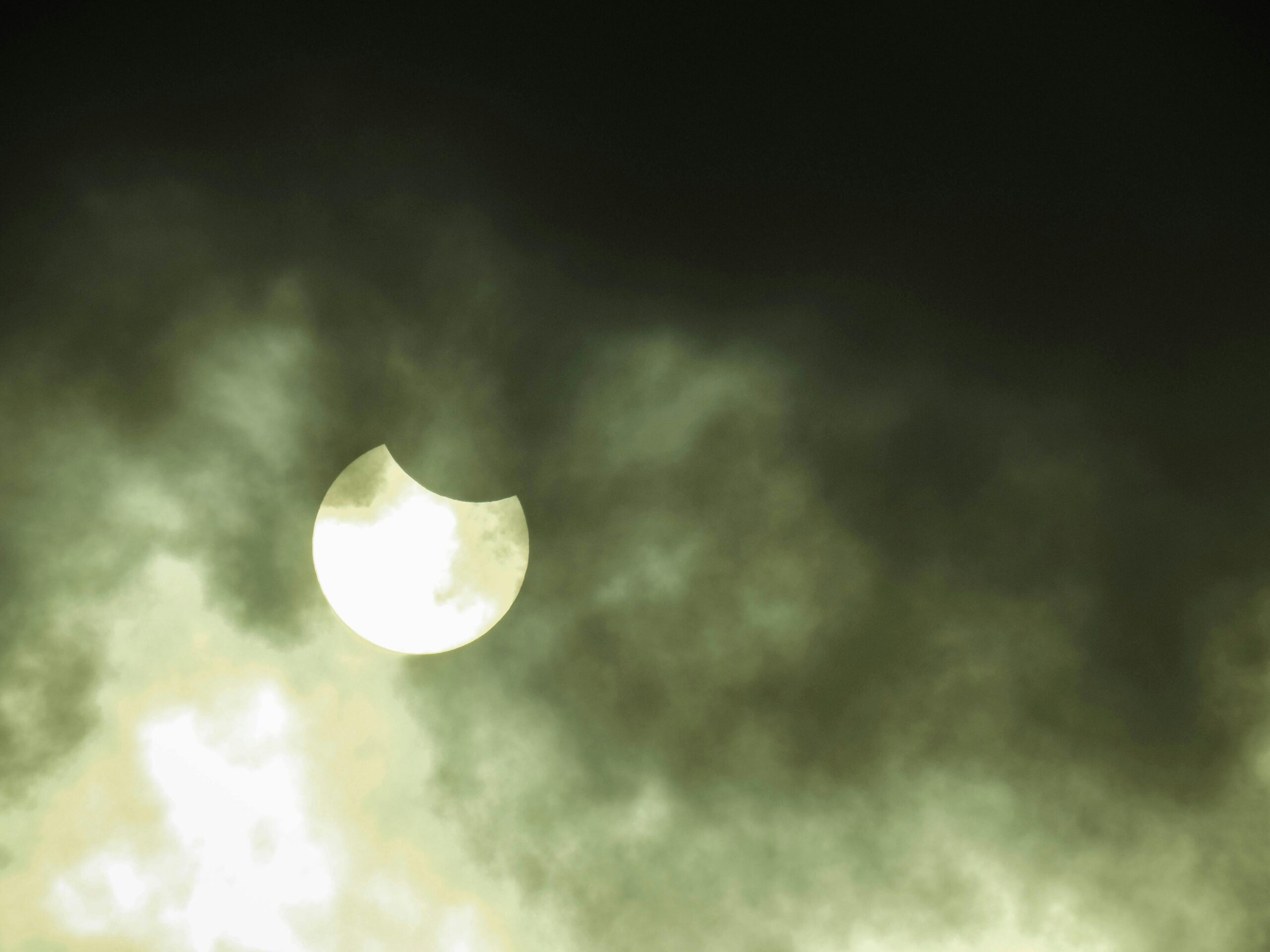
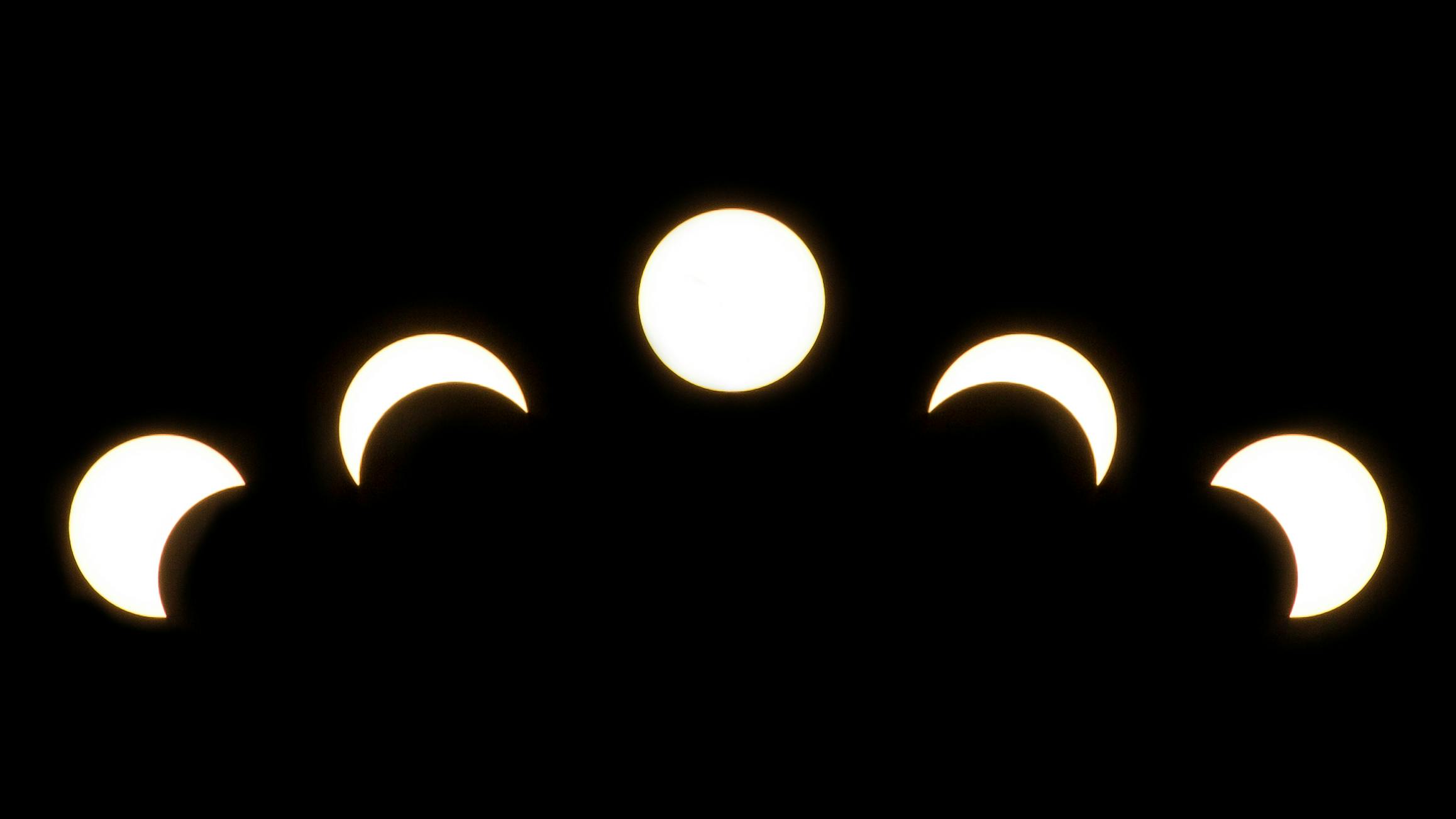
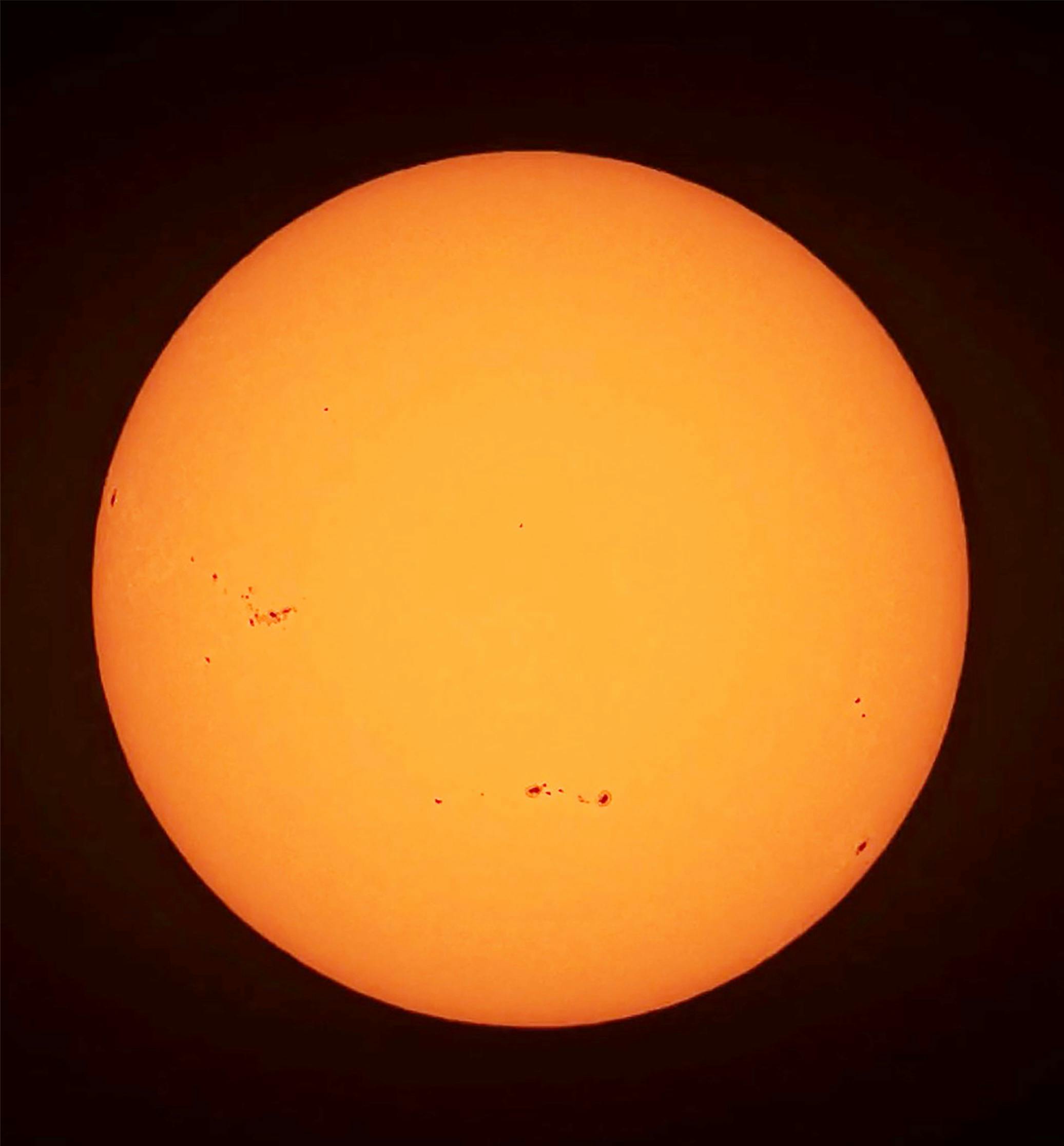
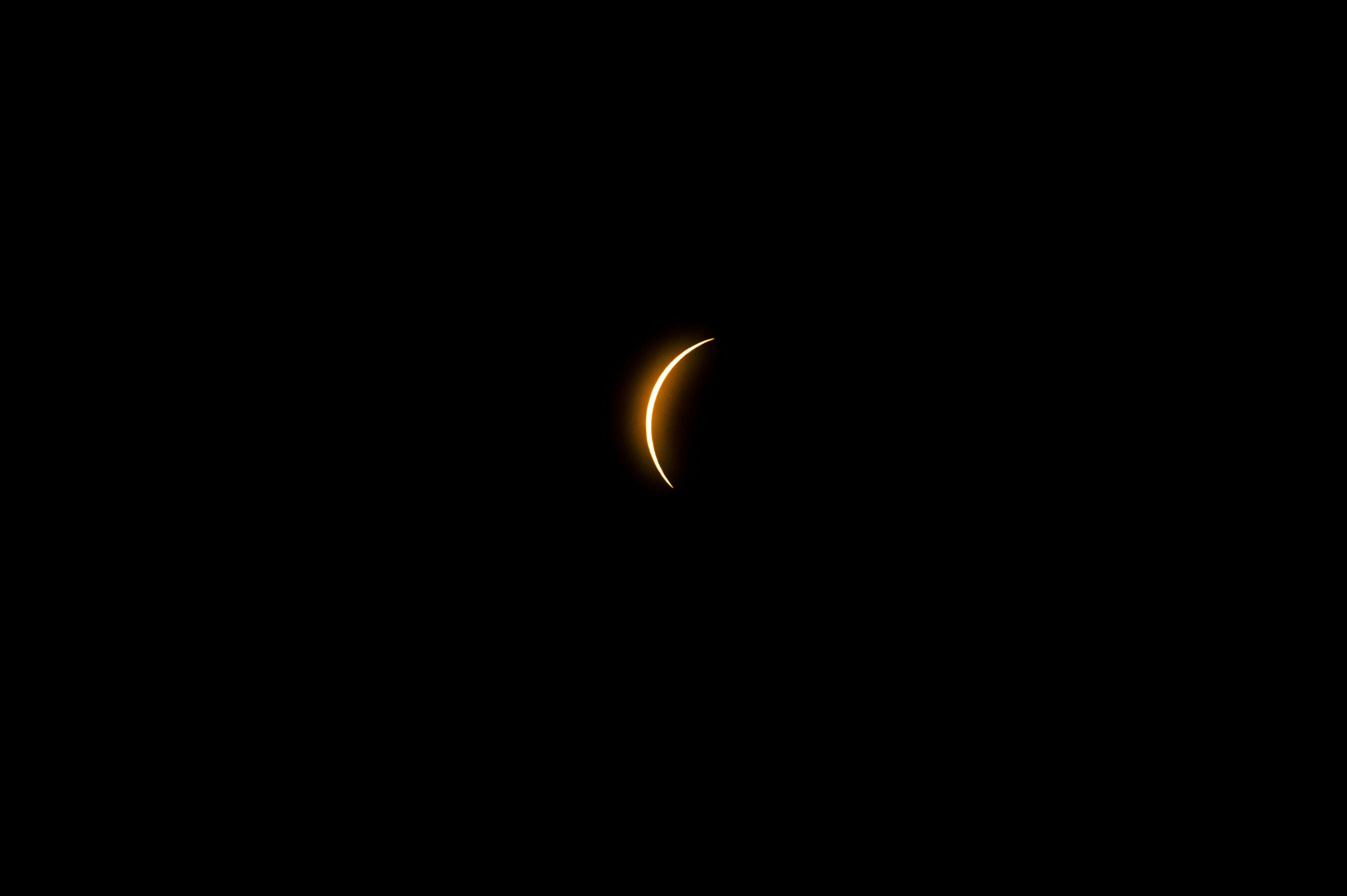
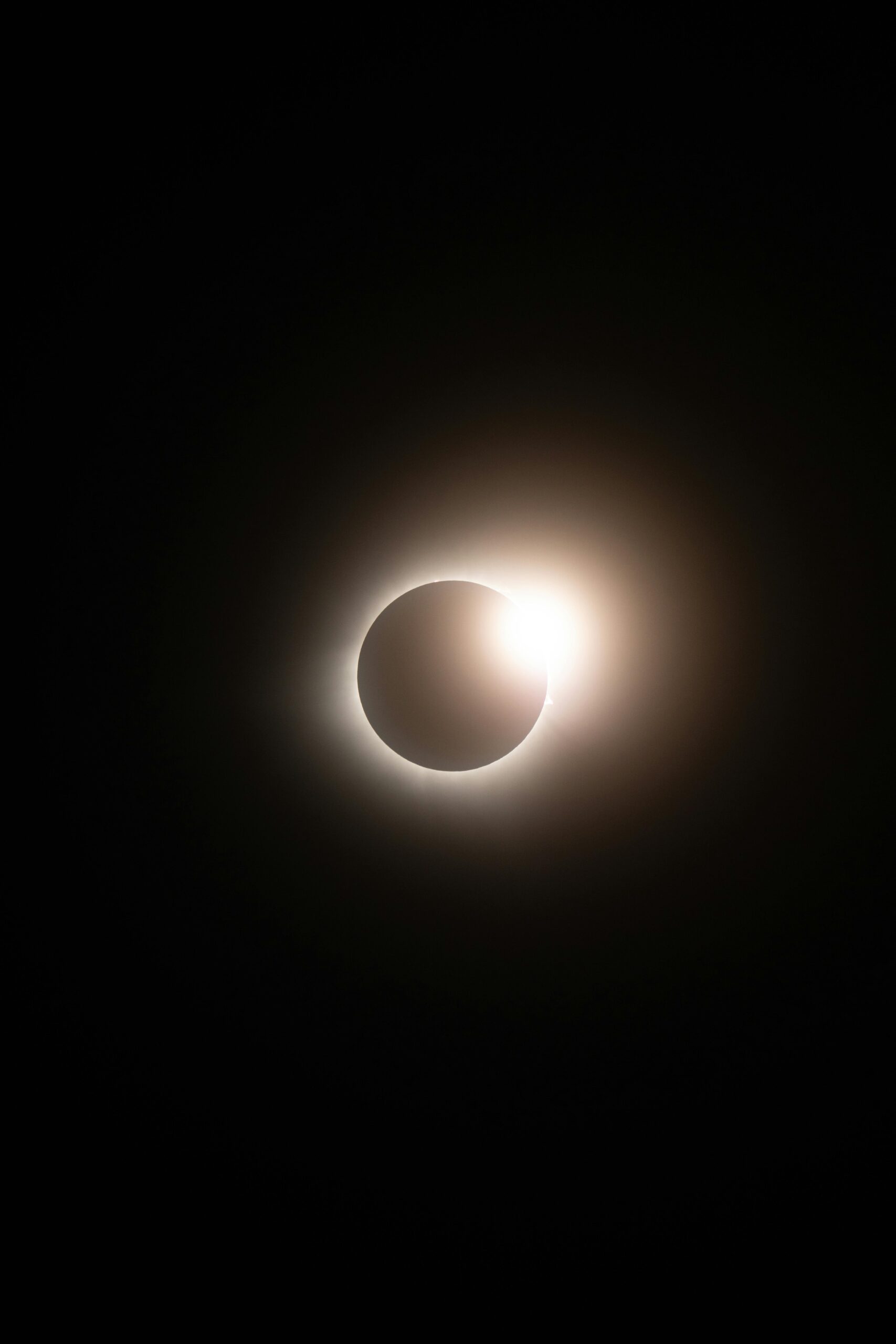
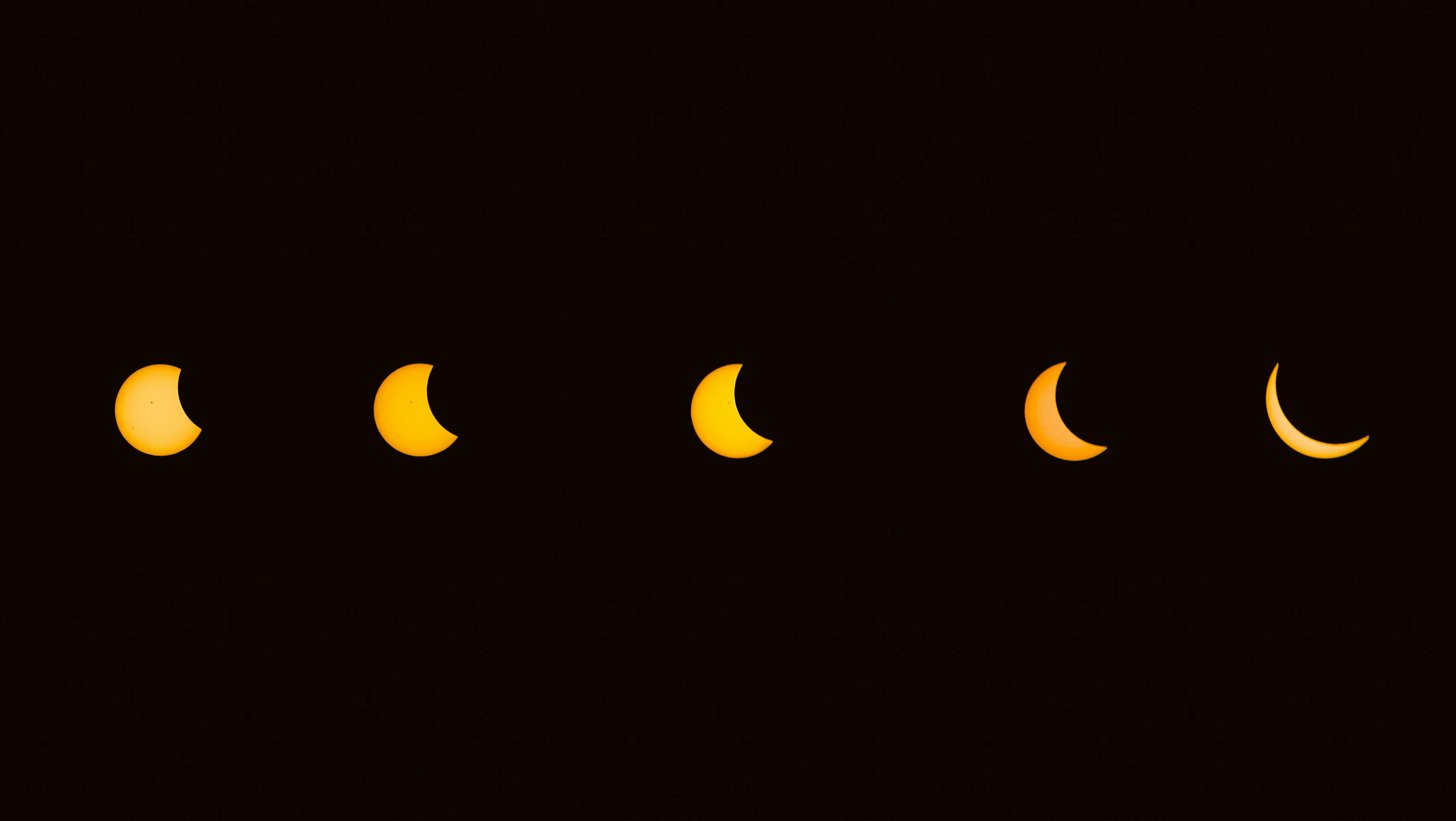
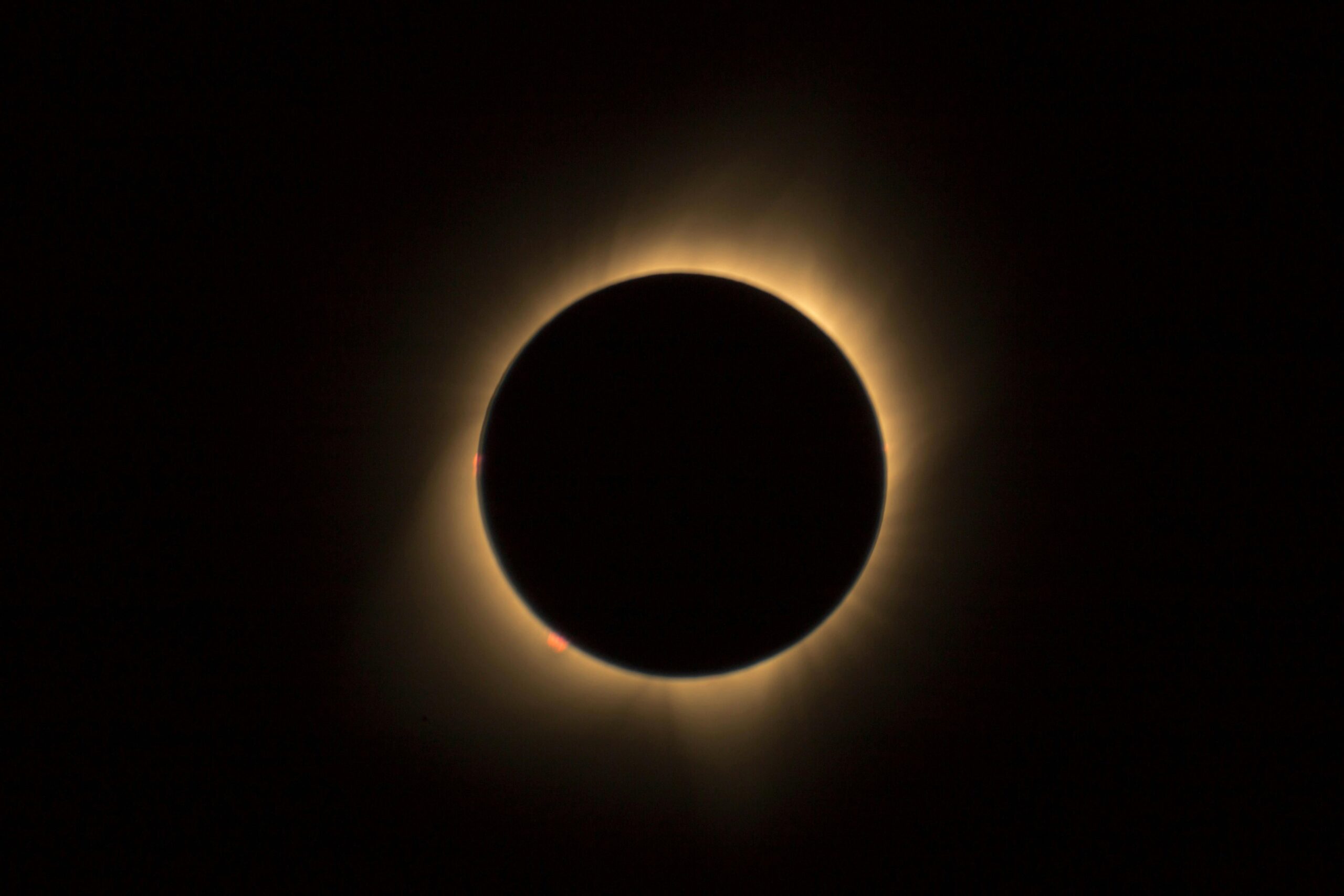
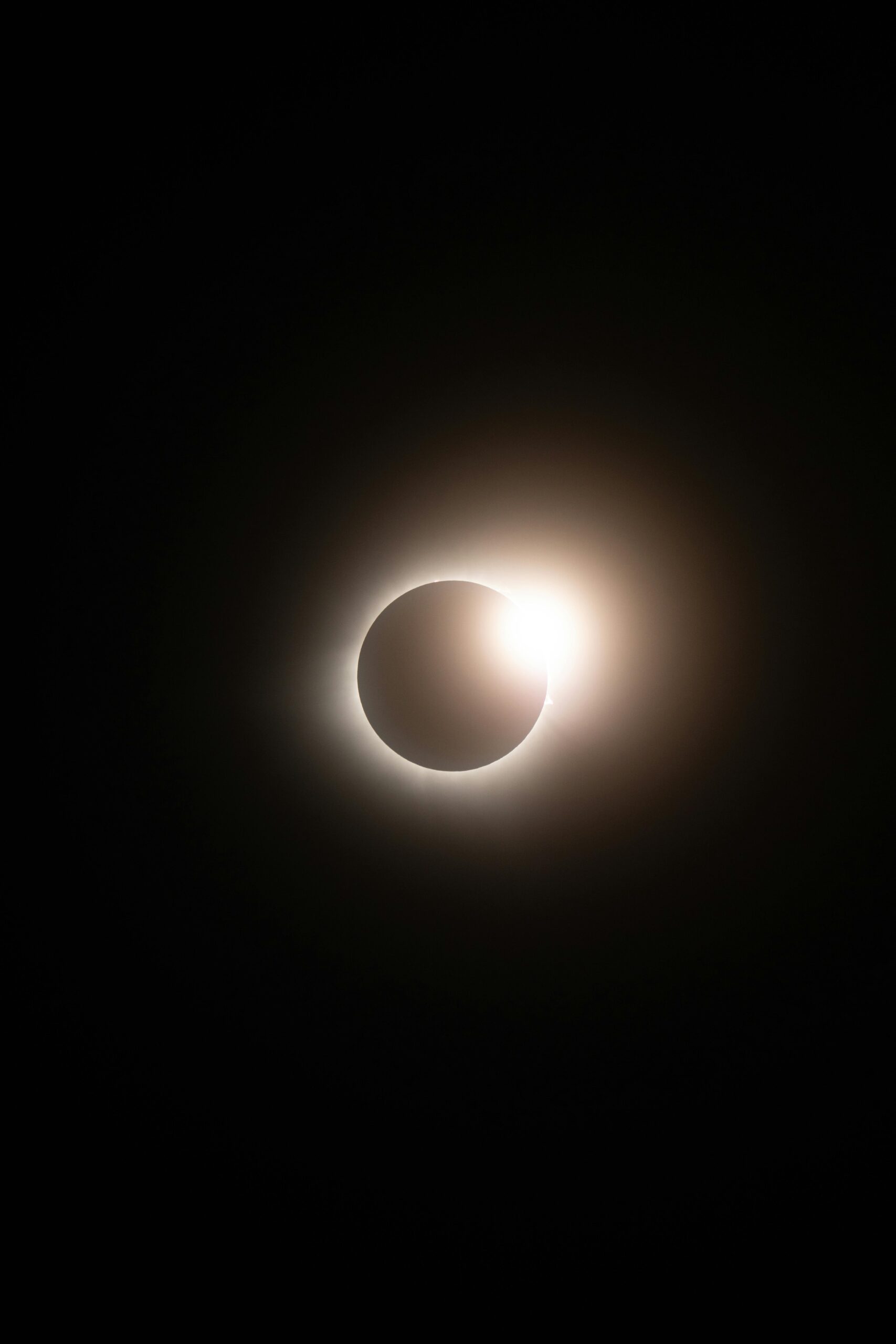
The celestial community is abuzz with anticipation as the world prepares for the Great American Eclipse of 2024. This rare astronomical event, where the moon will completely obscure the sun, is set to traverse the United States on April 8, 2024. The path of totality, where the eclipse will be most visible, will stretch from Texas to Maine, offering a unique spectacle for millions of spectators.
The Path of Totality: Where and When
The path of totality for the 2024 eclipse will begin in Mexico and enter the United States through Texas, moving northeastward through Oklahoma, Arkansas, Missouri, Illinois, Kentucky, Indiana, Ohio, Pennsylvania, New York, Vermont, New Hampshire, and finally Maine. The eclipse will also be visible in parts of Canada. The total phase of the eclipse will last for up to 4 minutes and 28 seconds, depending on the location.
Preparing for the Eclipse: Safety and Viewing Tips
Viewing a solar eclipse requires proper precautions to protect your eyes. NASA recommends using certified eclipse glasses that meet the ISO 12312-2 international safety standard. Regular sunglasses are not sufficient for safe viewing. For those who prefer an indirect method, pinhole projectors can be used to view the eclipse safely. Additionally, photographers and astronomers should use special solar filters on their equipment to avoid damage.
For those looking to capture the event professionally, considering the best freelance jobs for creative professionals in photography and videography can provide unique opportunities to document this celestial phenomenon. Many organizations and media outlets often seek skilled freelancers to cover such significant events.
Scientific Significance and Research Opportunities
The 2024 eclipse presents a valuable opportunity for scientific research. Astronomers and researchers will use this event to study the sun’s corona, solar flares, and other solar phenomena that are typically obscured by the sun’s brightness. The eclipse also provides a chance to study the effects of sudden darkness on Earth’s atmosphere and wildlife. Citizen scientists are encouraged to participate in various research projects by collecting data and observations.
Economic and Tourism Impact
The eclipse is expected to have a significant economic impact on the regions along the path of totality. Tourism is likely to boom as eclipse chasers and enthusiasts travel to the best viewing locations. Hotels, restaurants, and local businesses can expect a surge in visitors, providing a substantial economic boost. Communities along the path are preparing by organizing viewing parties, festivals, and educational events to welcome the influx of visitors.
Historical Context: Previous American Eclipses
The 2024 eclipse follows in the footsteps of the Great American Eclipse of 2017, which captivated the nation and drew millions of viewers. The 2017 eclipse was the first total solar eclipse visible from the contiguous United States in nearly four decades, sparking a renewed interest in astronomy and celestial events. The 2024 eclipse is expected to draw even more attention, given the increased awareness and preparation.
The next total solar eclipse visible from the United States will not occur until 2045, making the 2024 eclipse a once-in-a-lifetime event for many. As the date approaches, excitement continues to build, and preparations are underway to ensure a safe and memorable experience for all who witness this celestial marvel.
As the job market evolves, Las Vegas gig economy opportunities expand offering new prospects for workers and businesses alike.
As remote work continues to reshape urban landscapes, our latest report, Las Vegas’ remote work transformation, examines how the city is evolving to meet this new trend.
As the world adapts to post-pandemic life, remote work trends continue evolving in significant ways, according to our latest report.