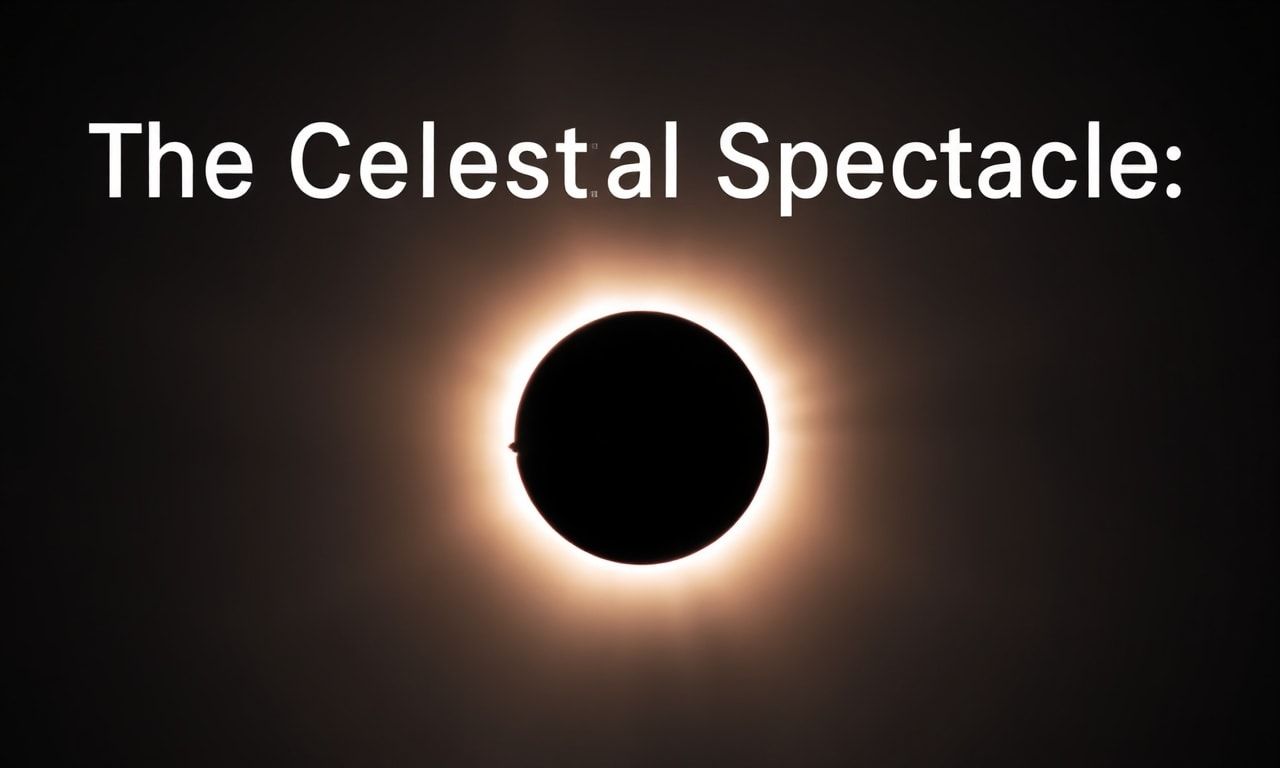
The Celestial Spectacle: Understanding the Solar Eclipse Phenomenon
A solar eclipse is one of the most awe-inspiring natural phenomena, captivating the imagination of people around the world. This celestial event occurs when the Moon passes between the Earth and the Sun, obscuring the Sun either partially or completely. The upcoming solar eclipse has sparked significant interest, with enthusiasts and scientists alike preparing to witness this remarkable event. Understanding the science behind solar eclipses, their historical significance, and how to view them safely is essential for anyone eager to experience this spectacle.
The Science Behind Solar Eclipses
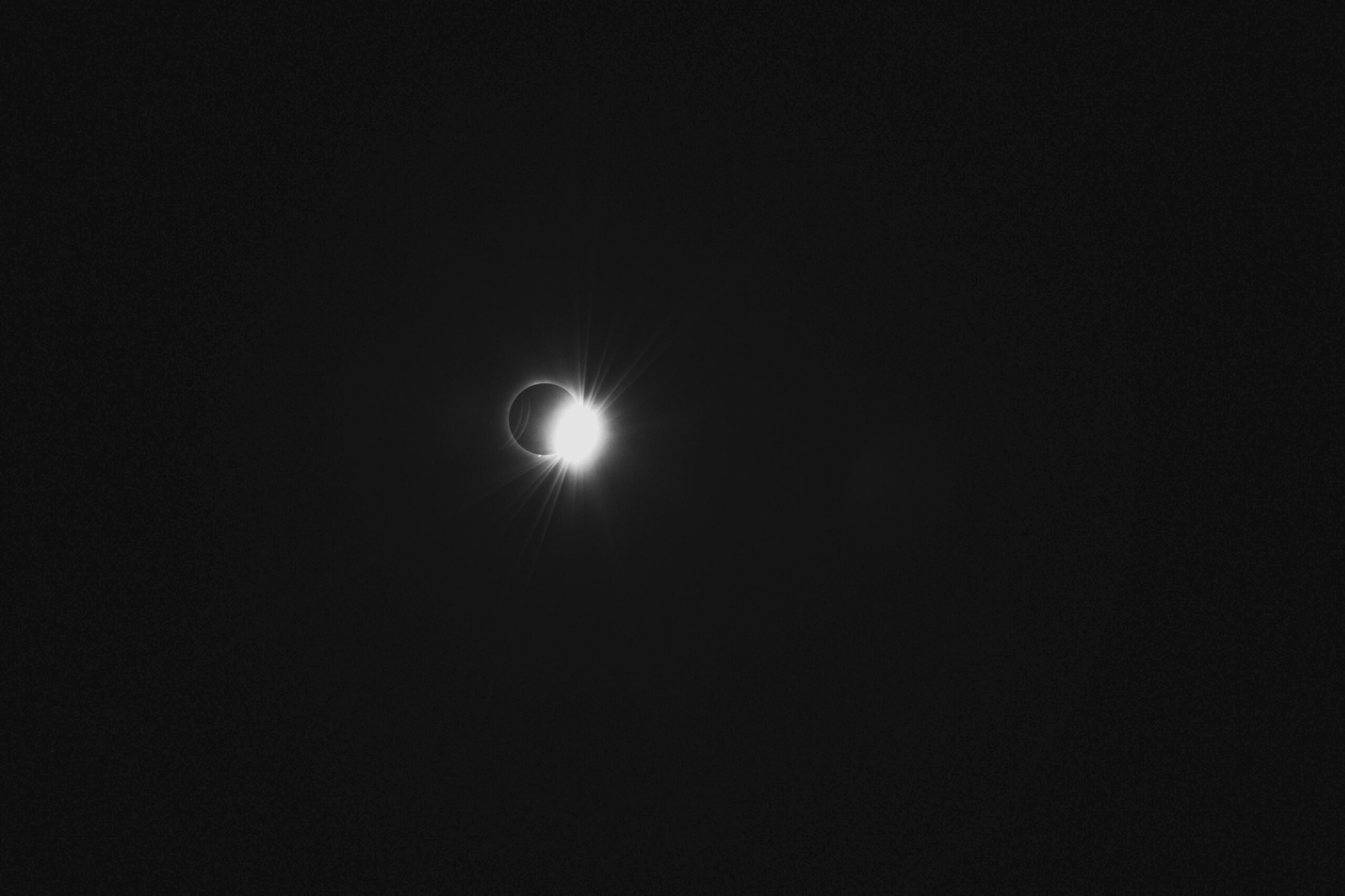
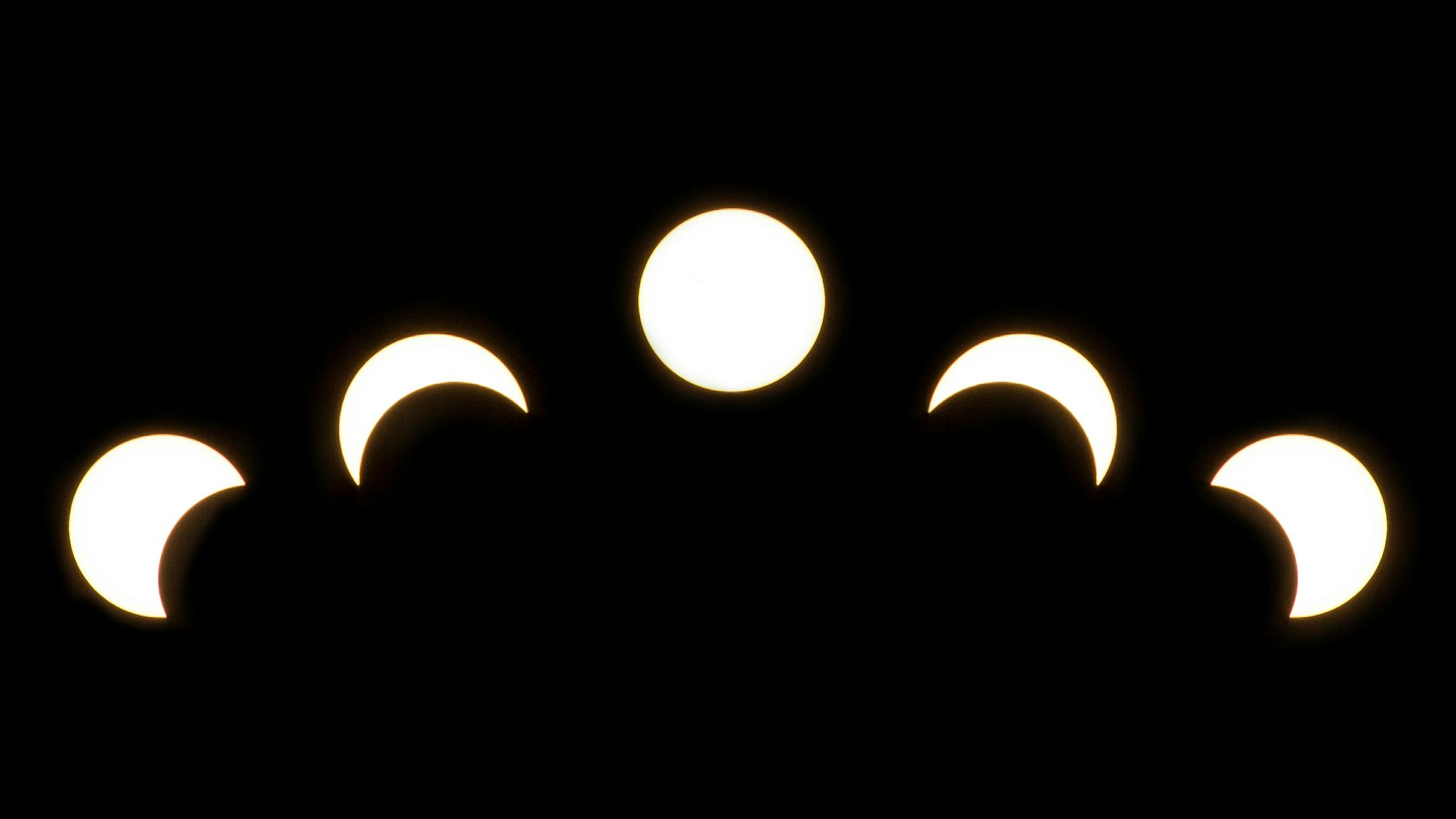
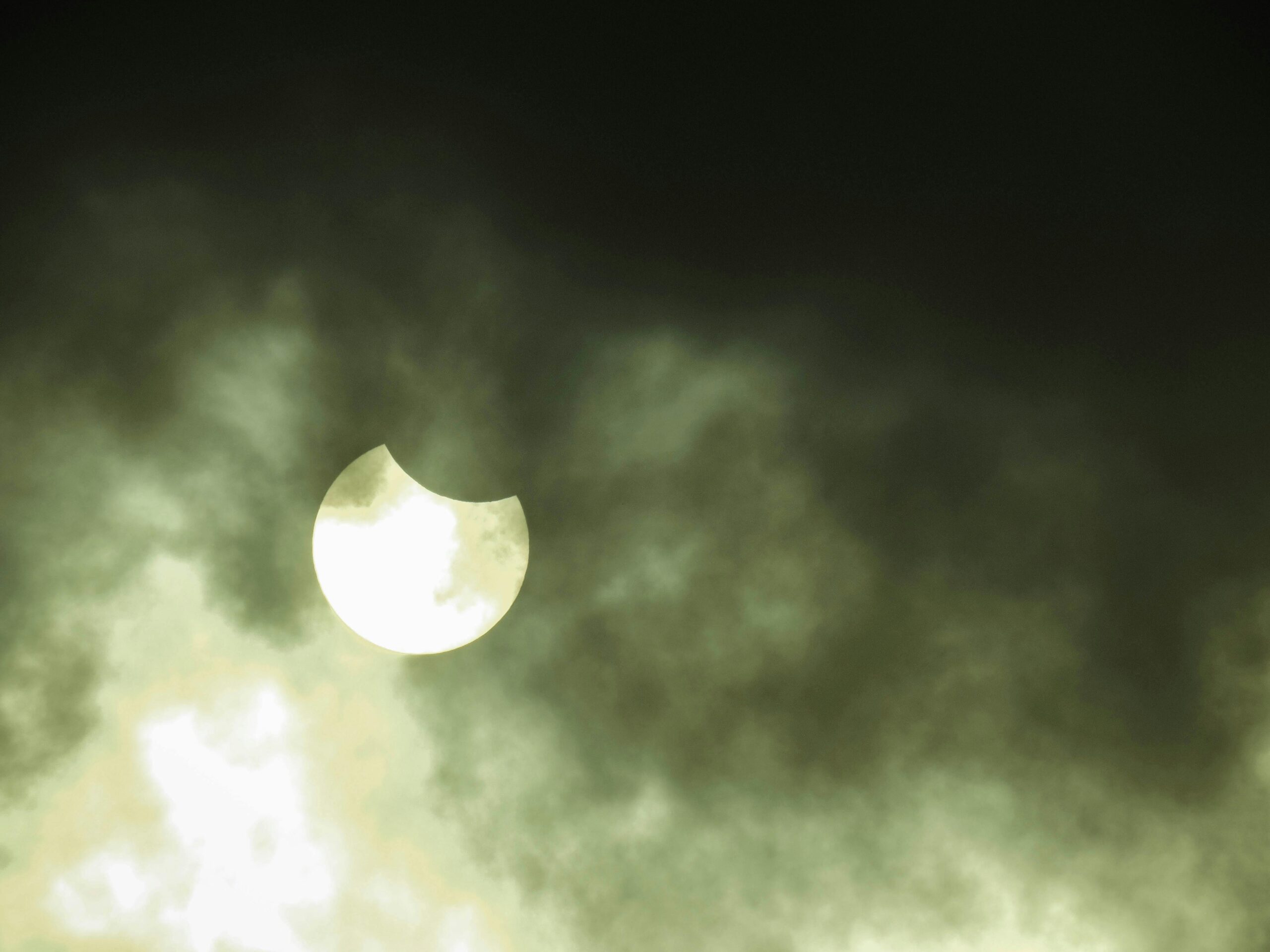
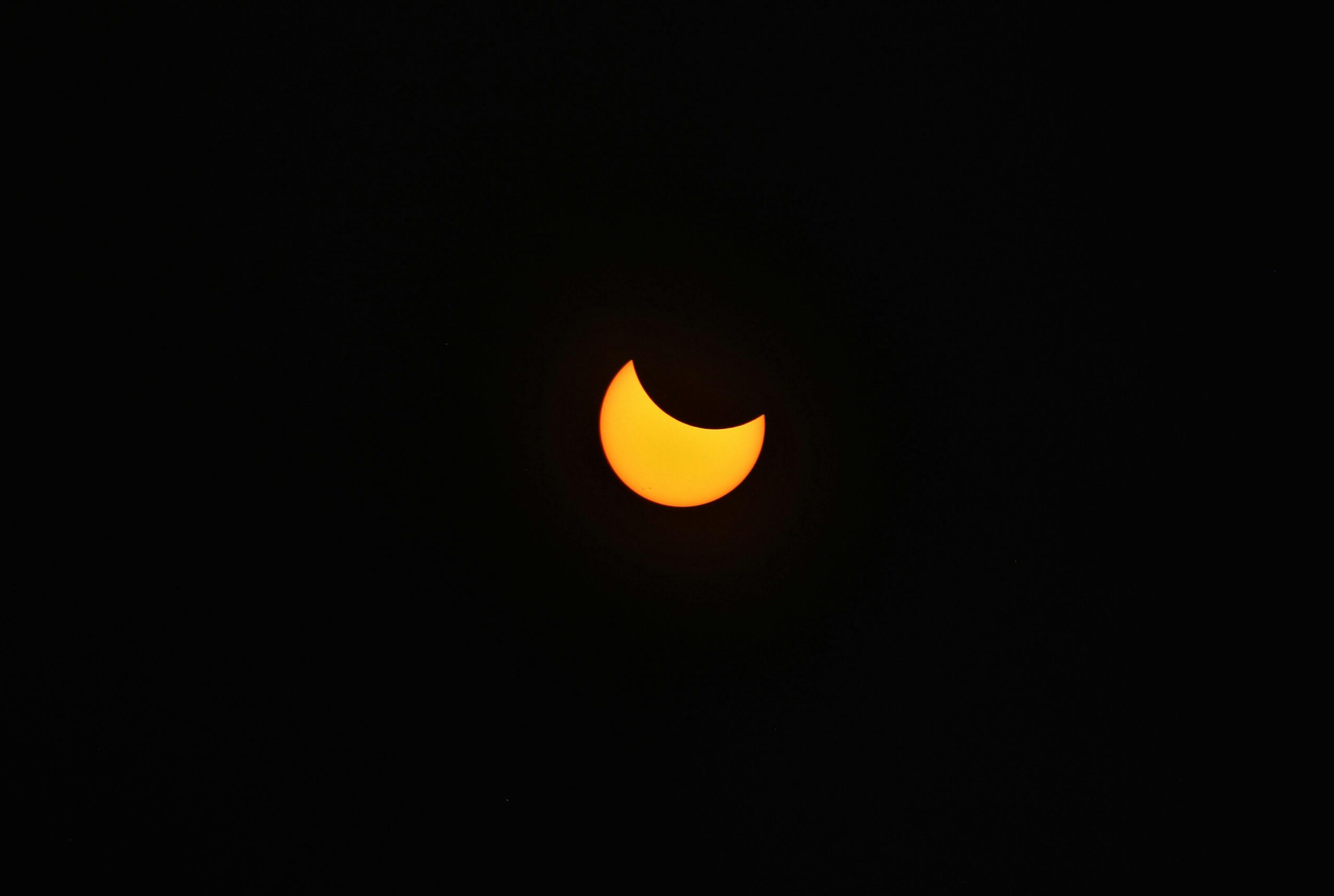
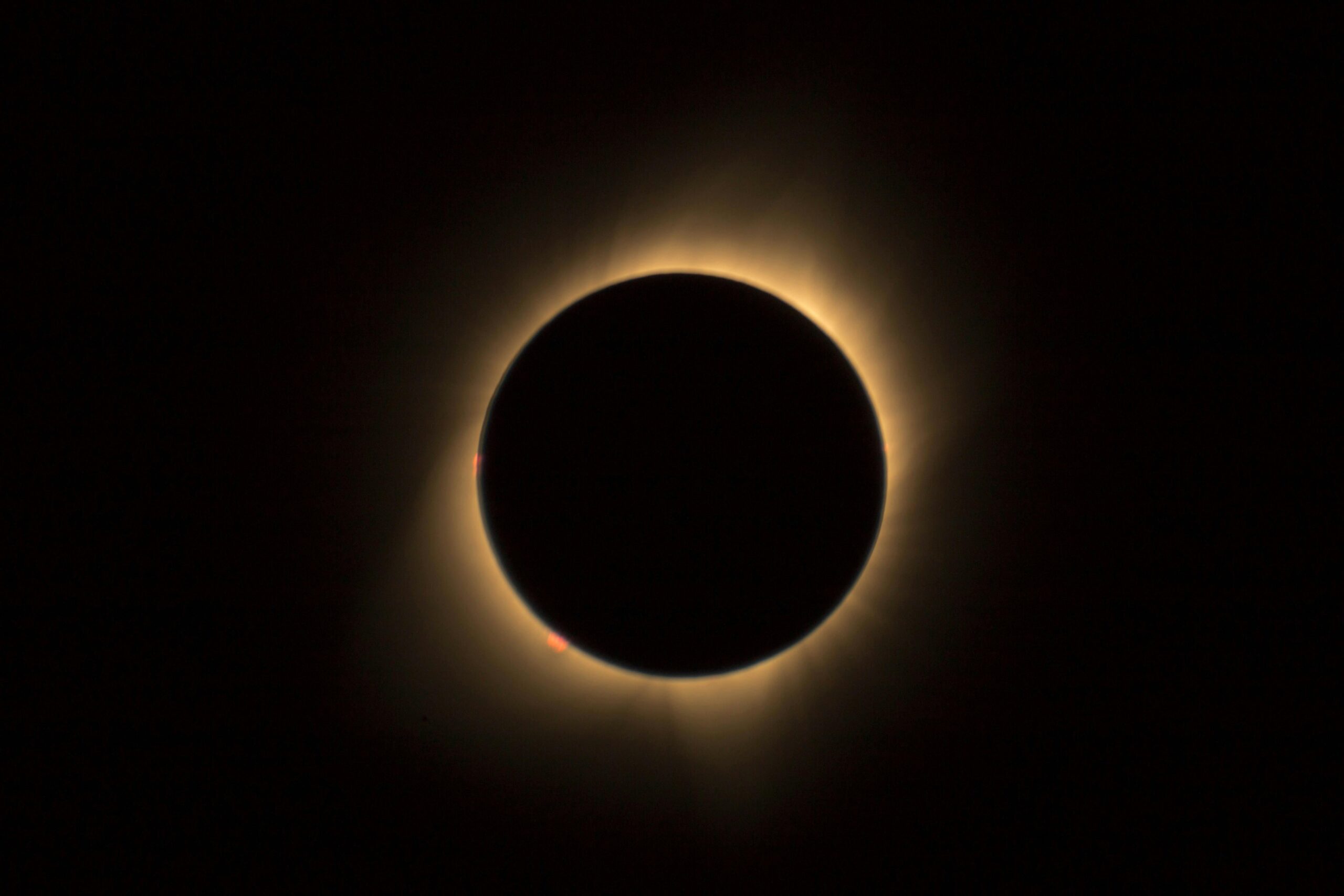
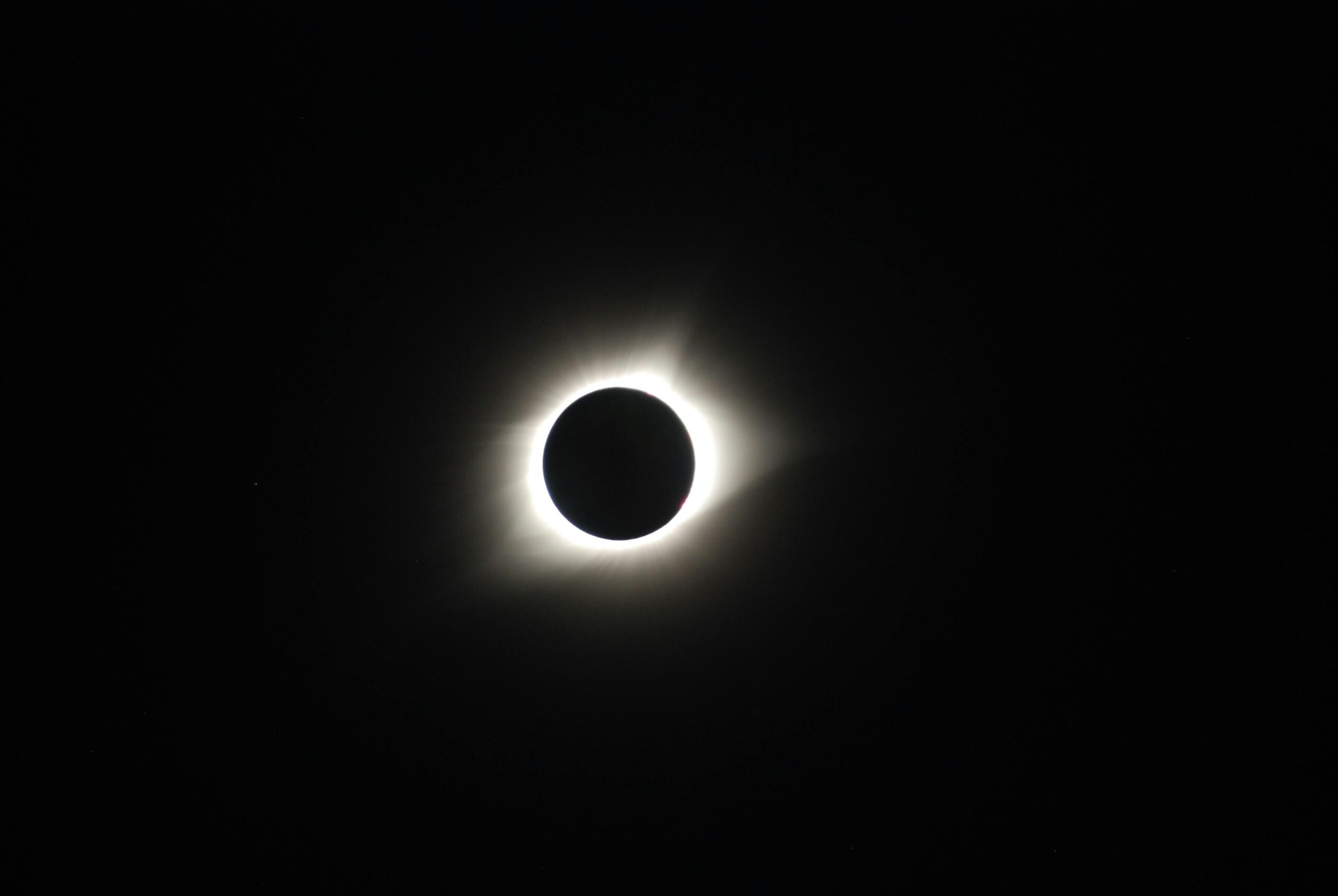
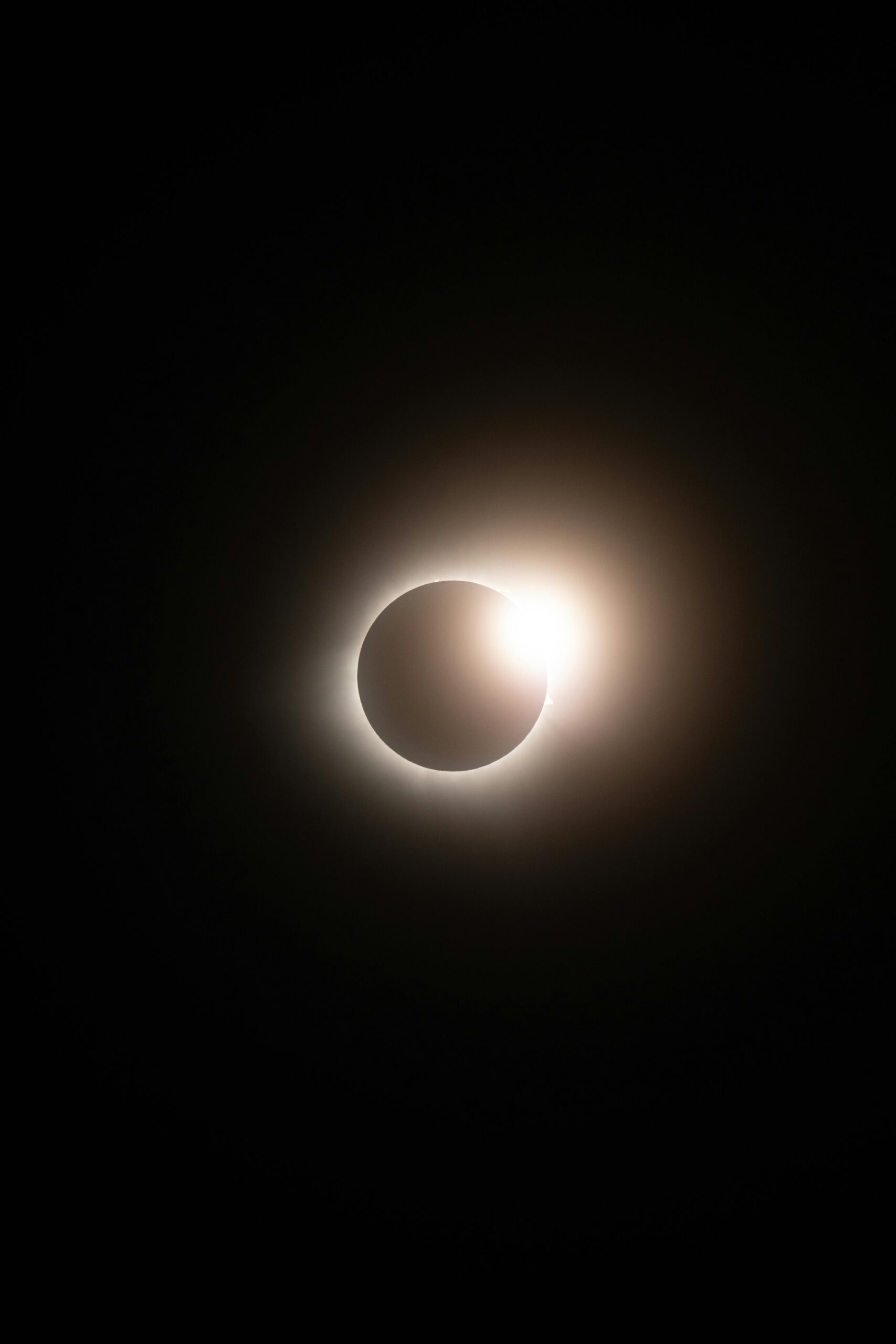
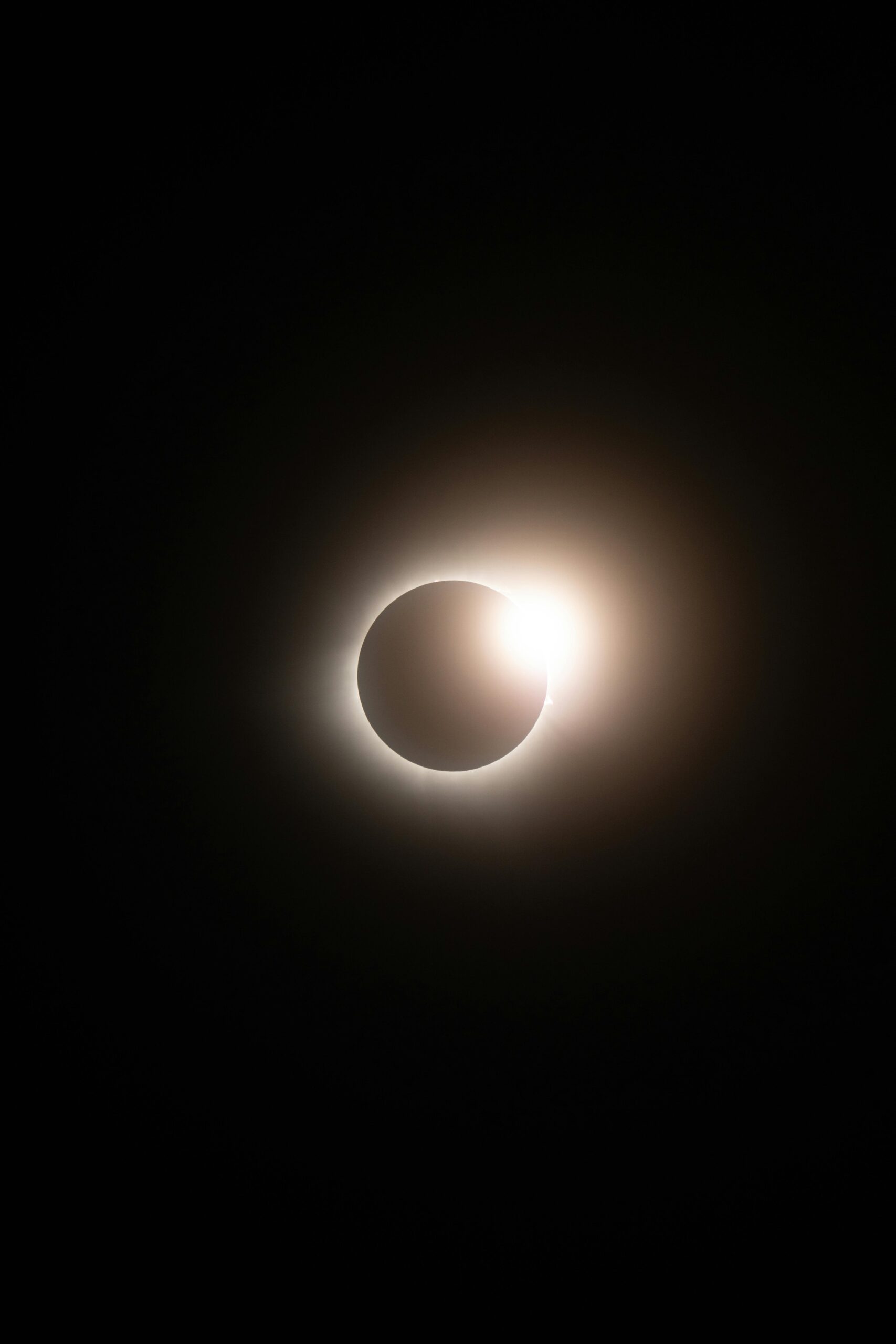
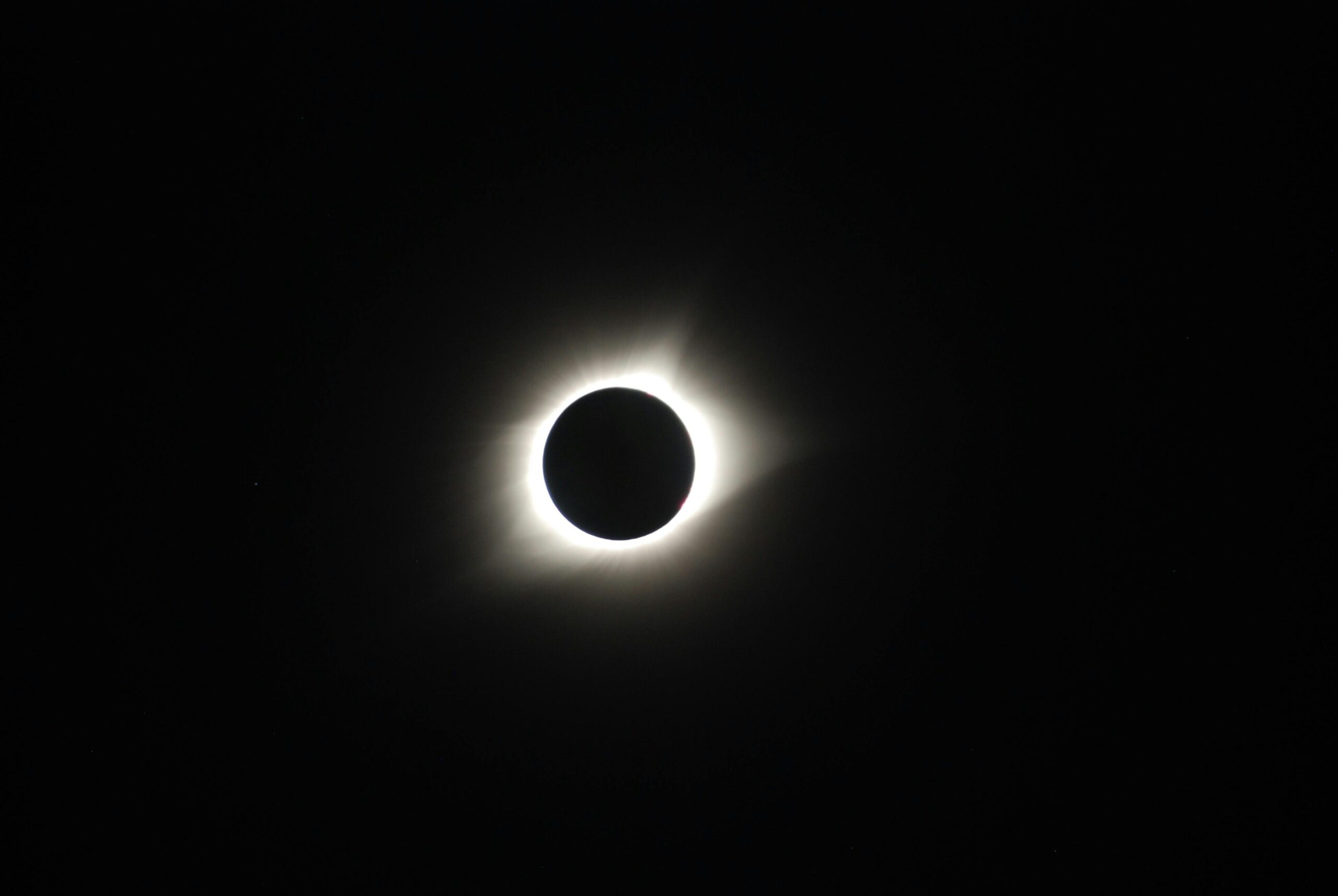
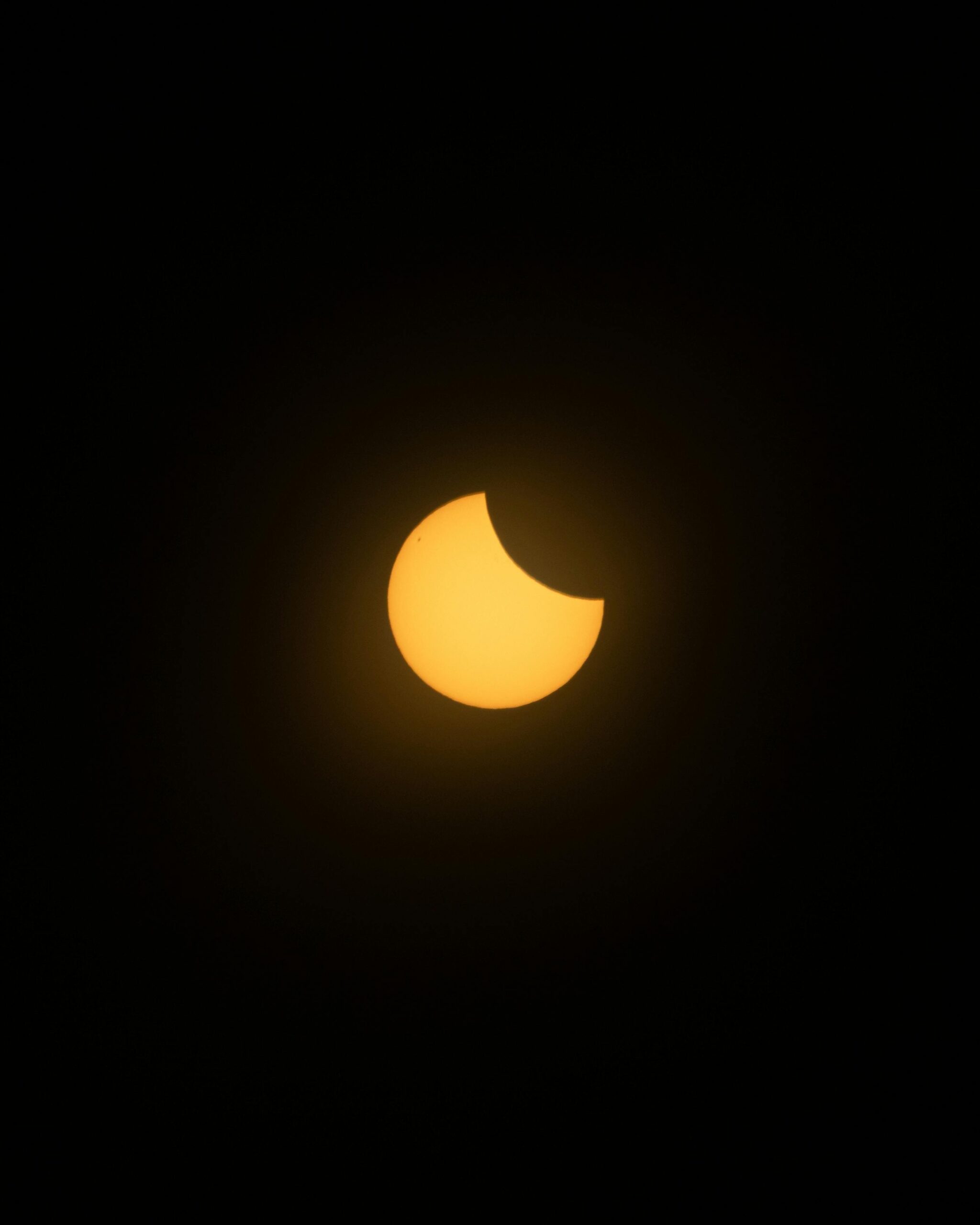
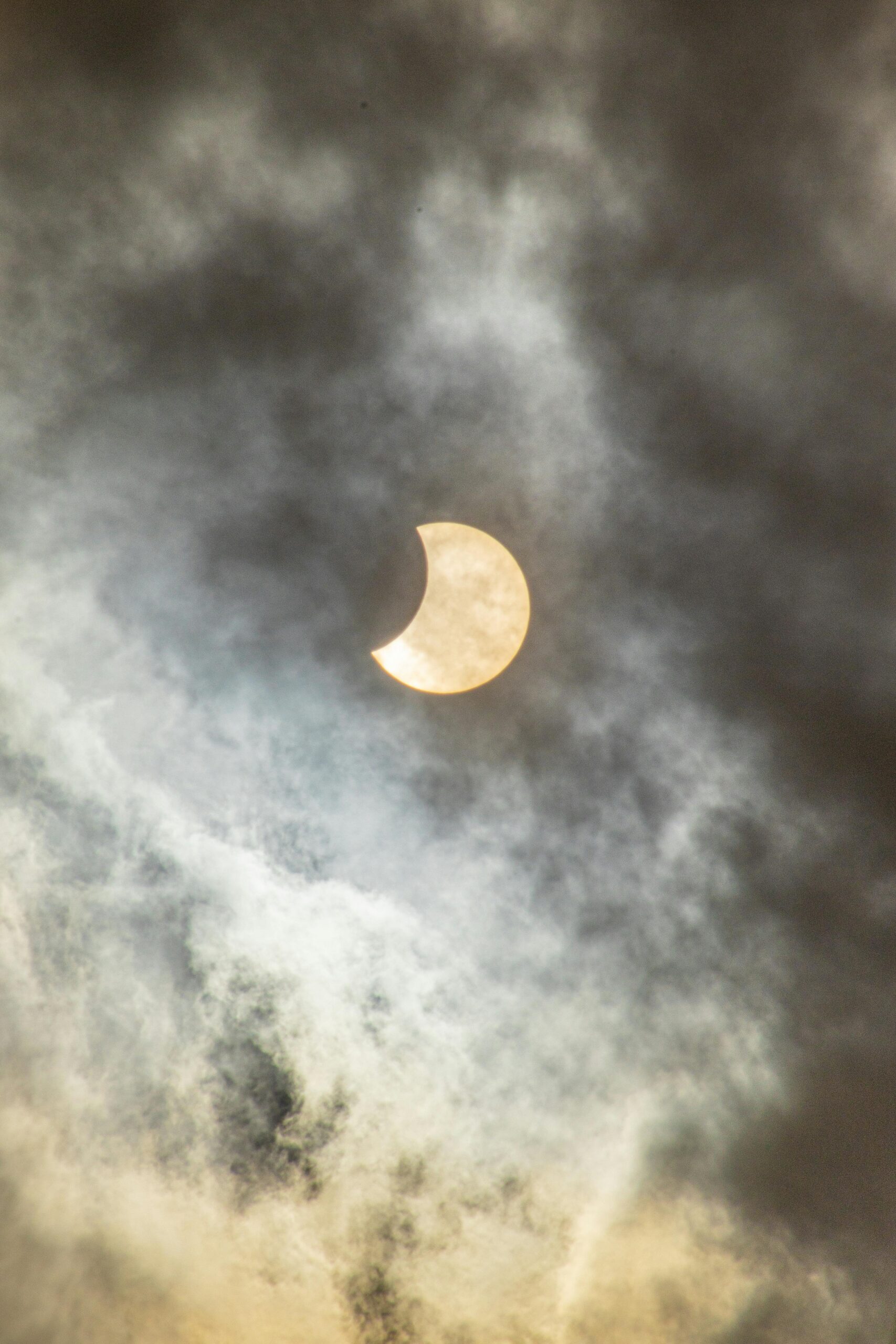
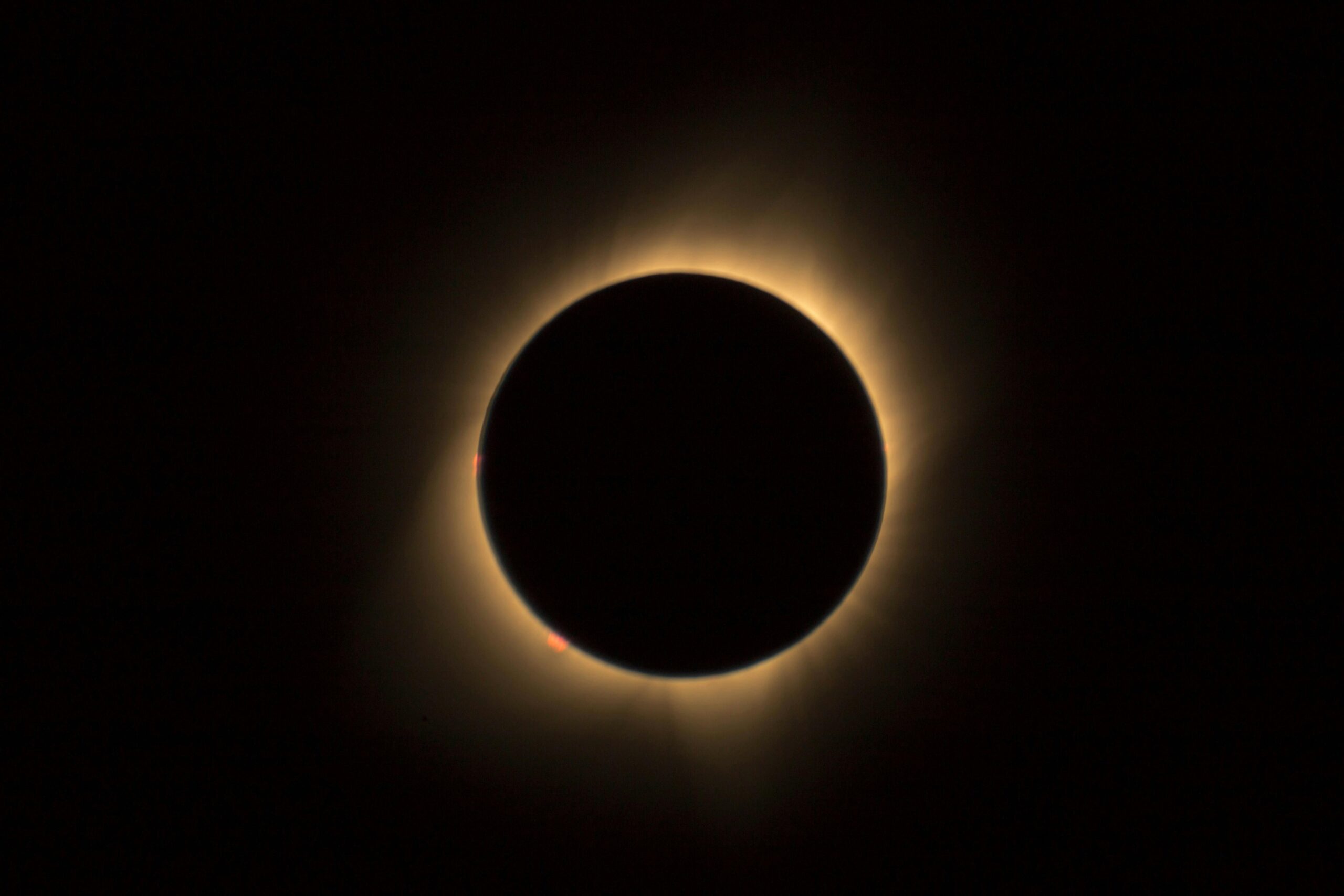
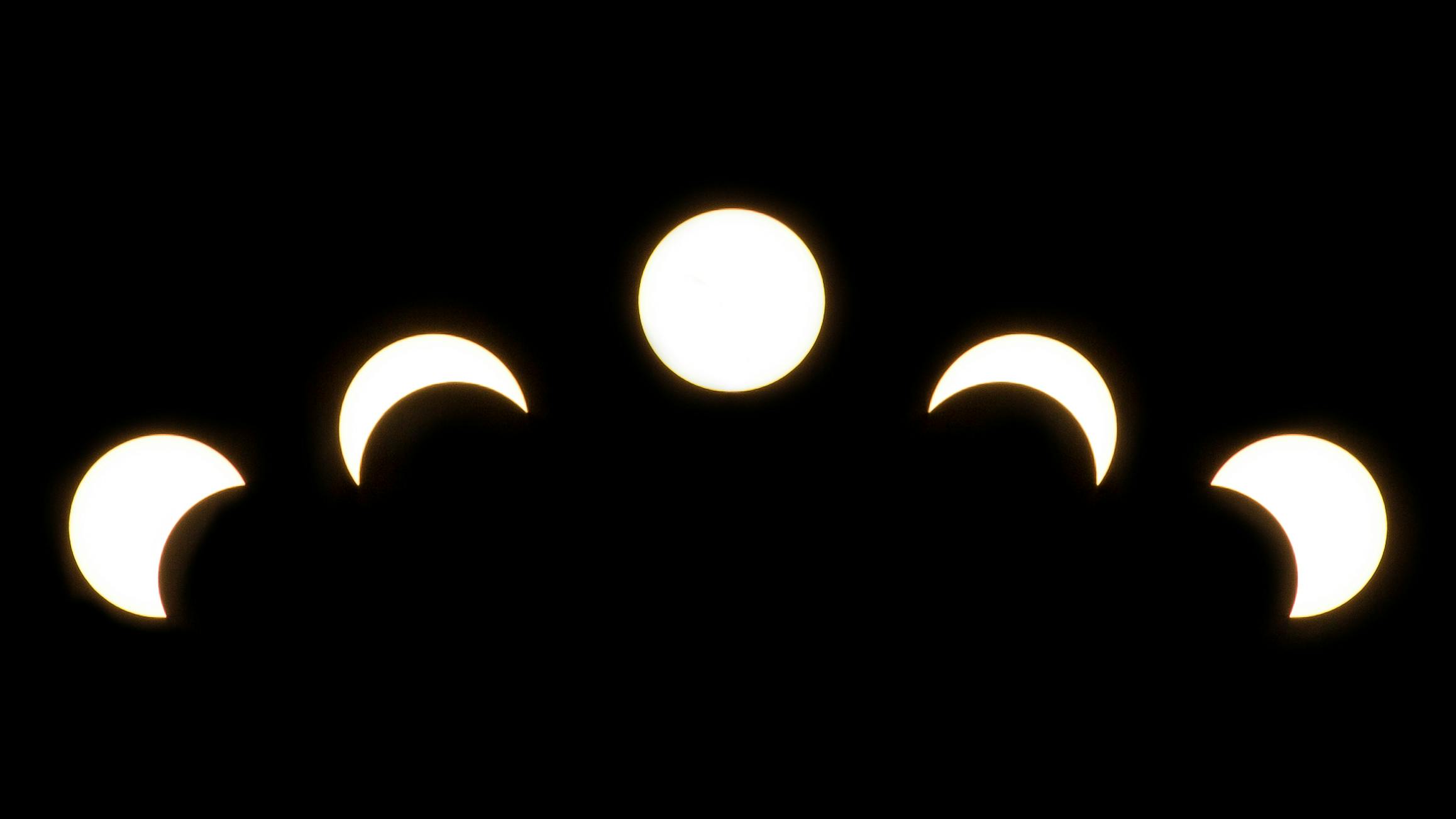
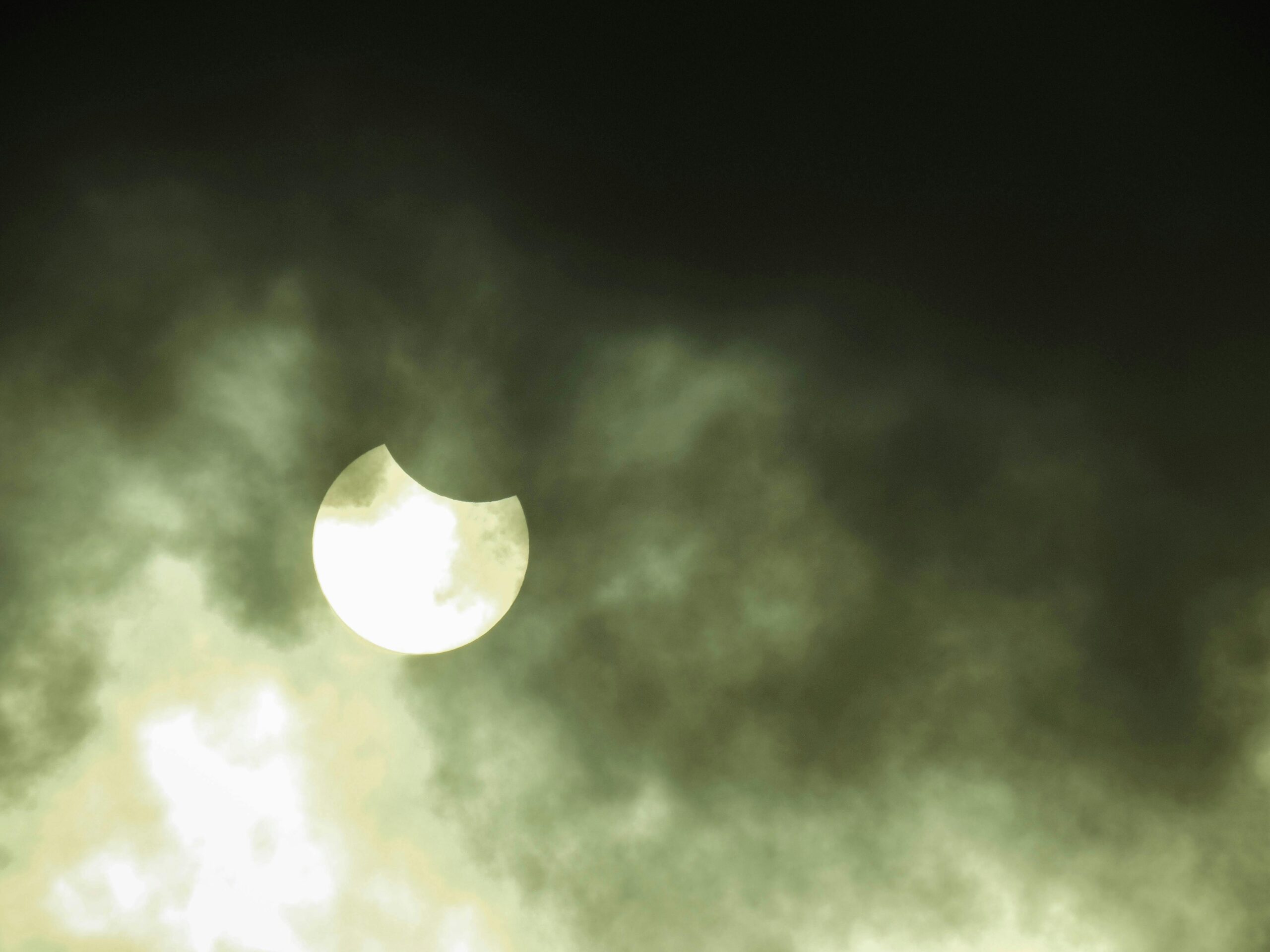
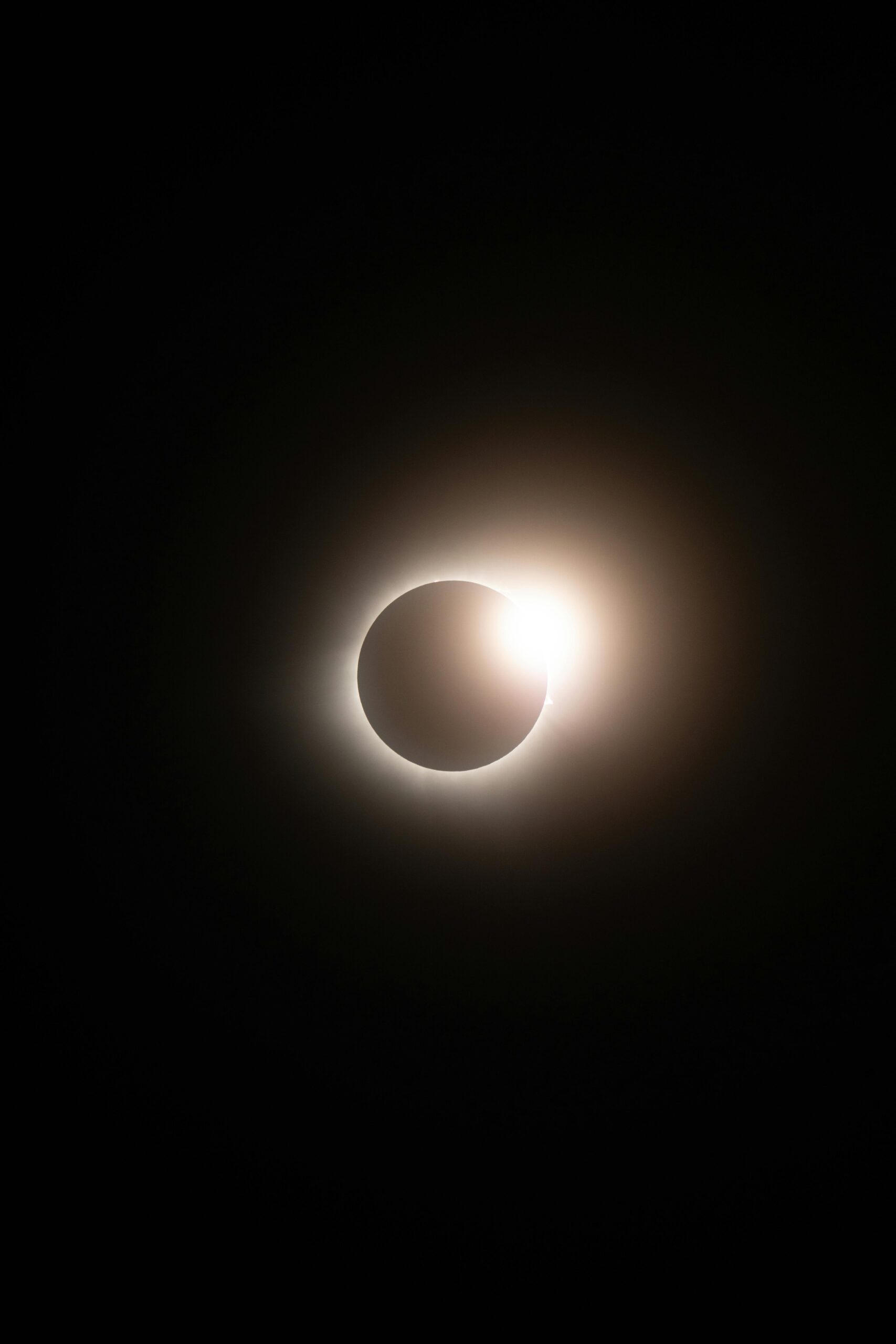
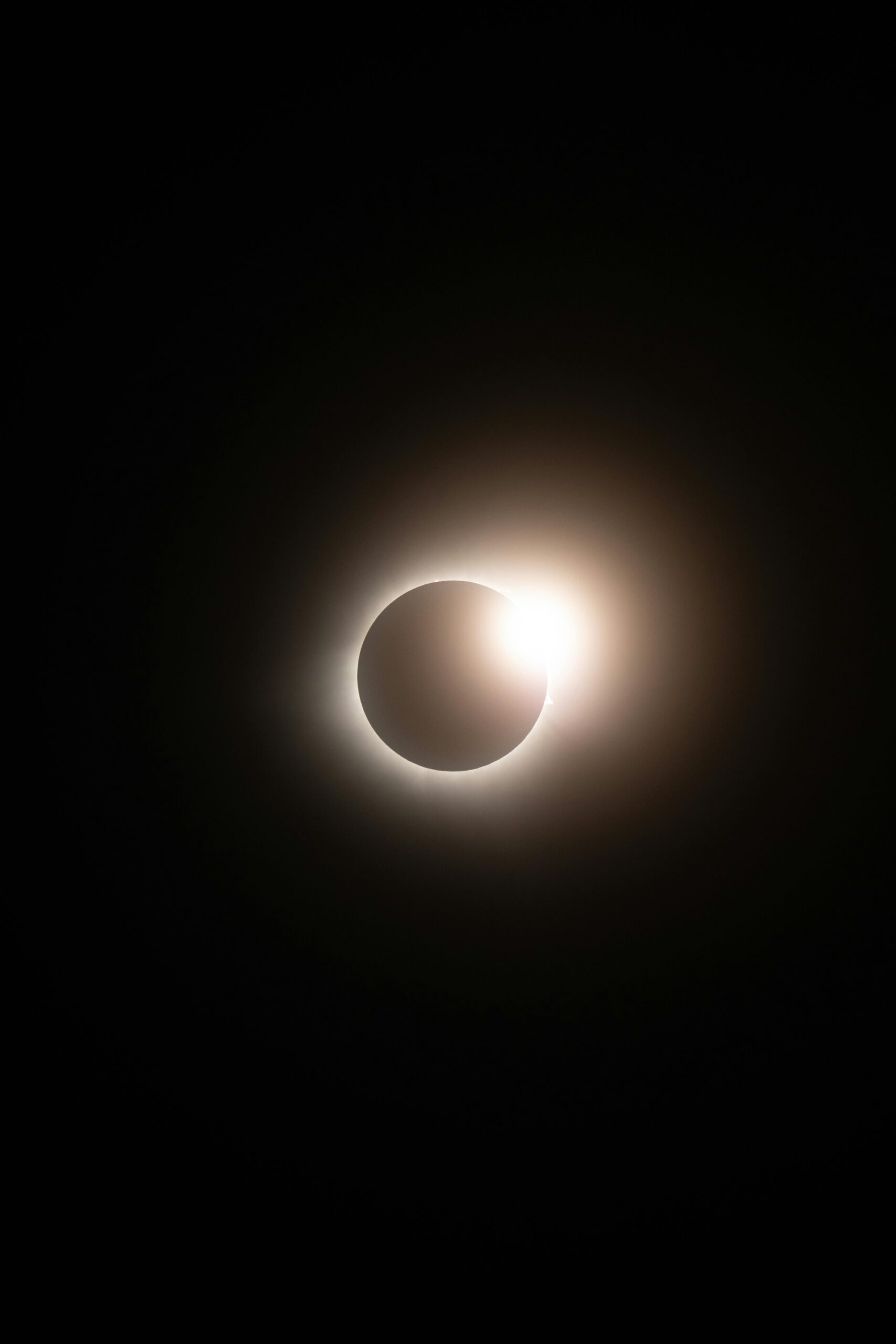
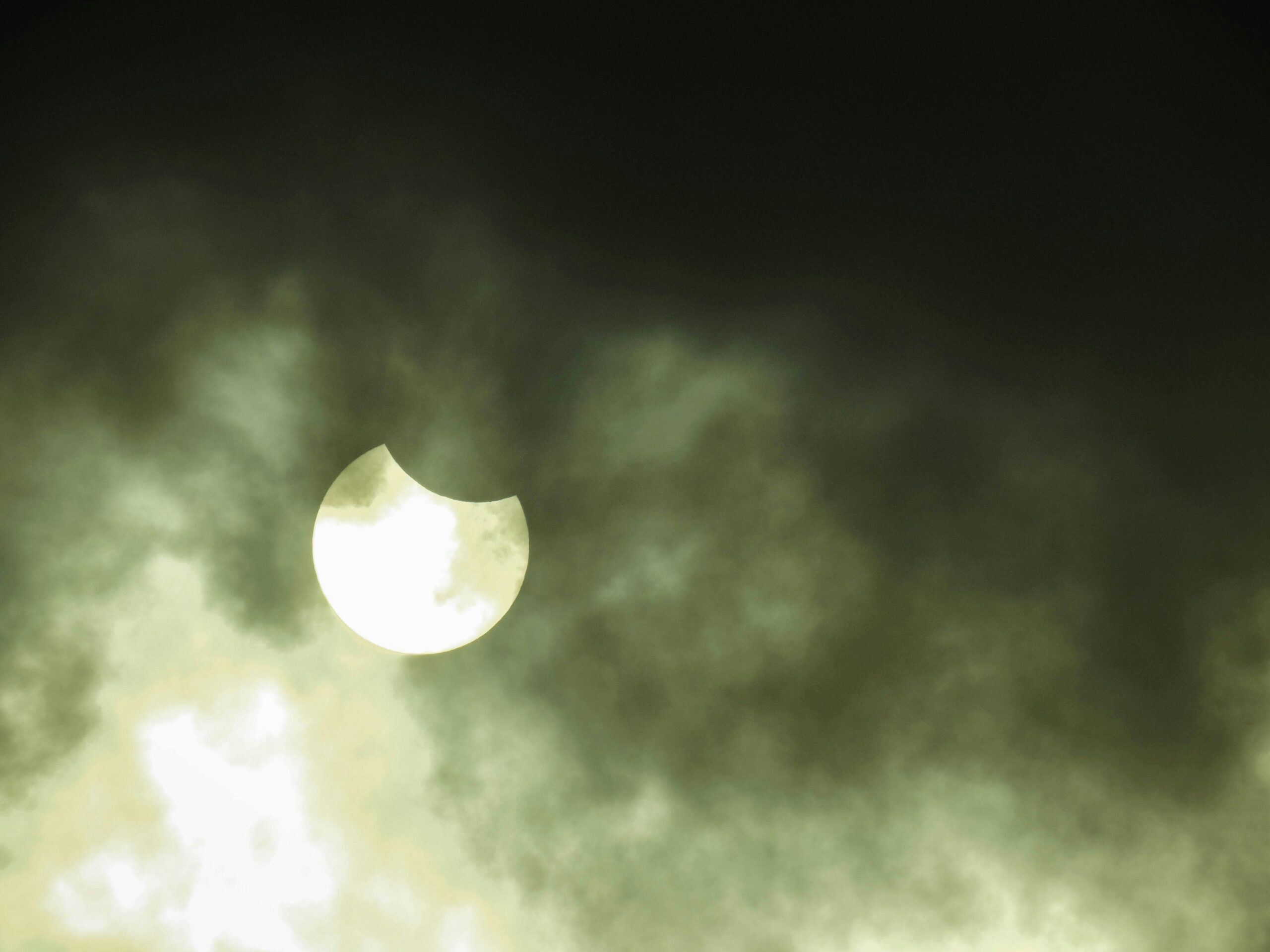
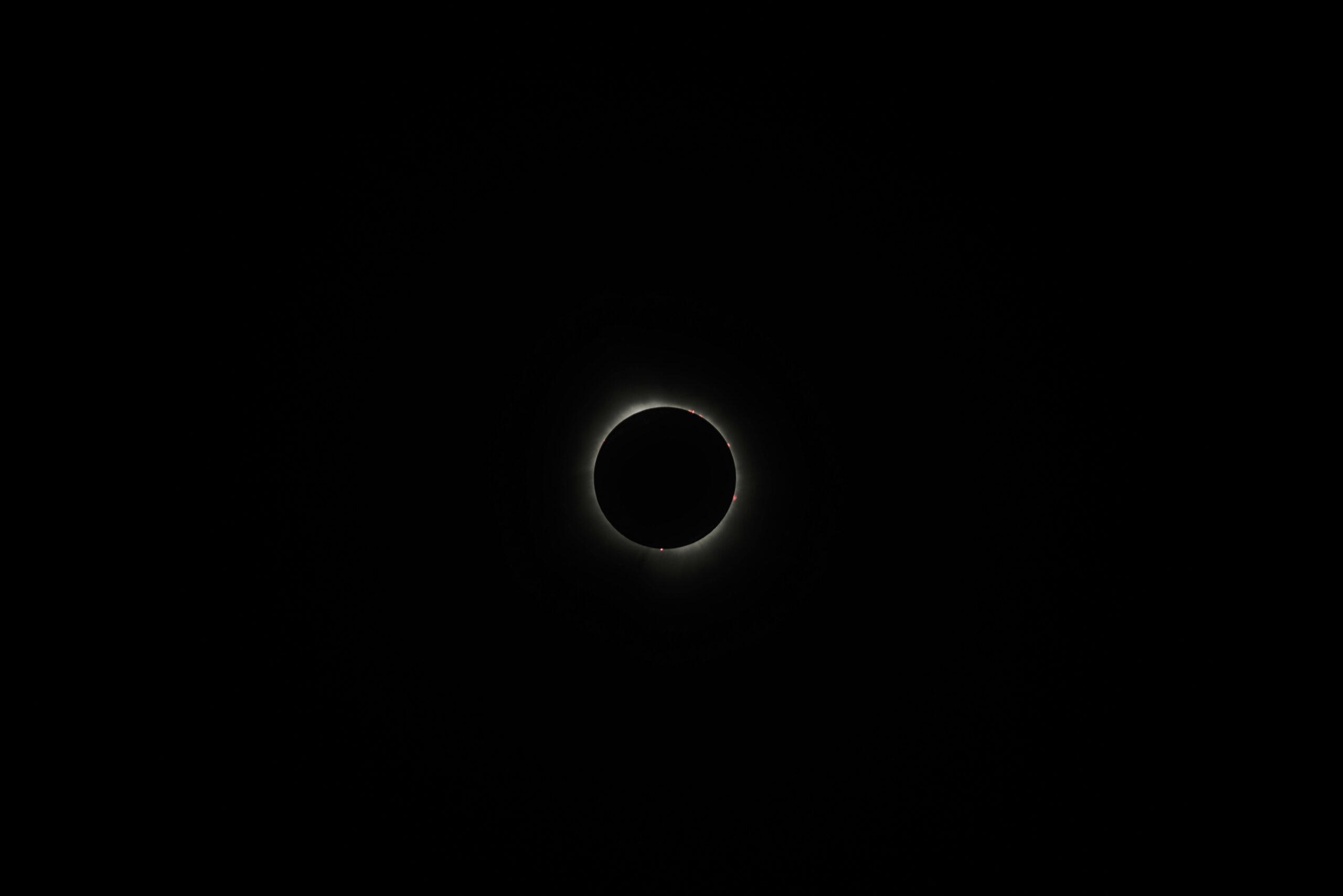
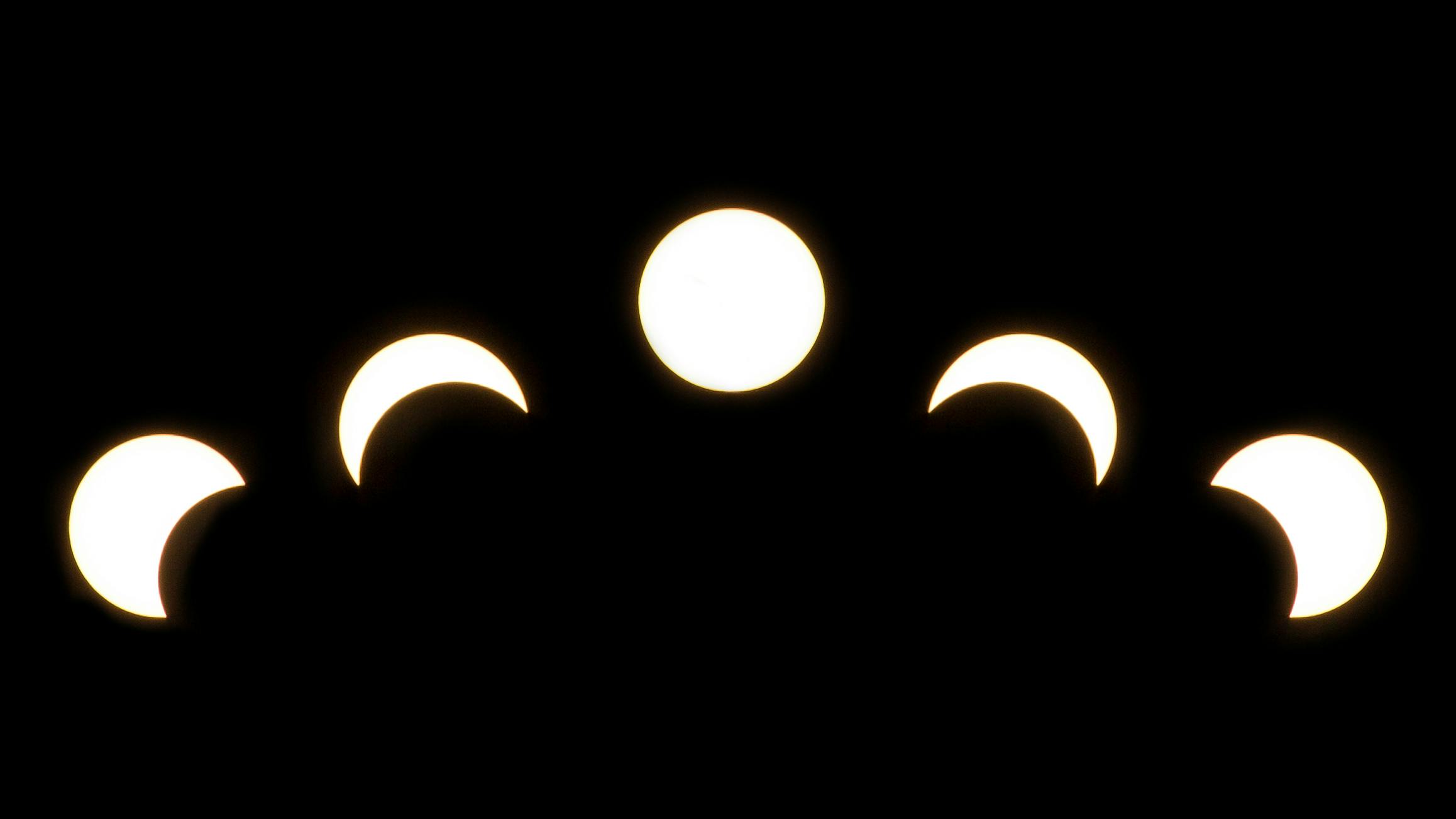
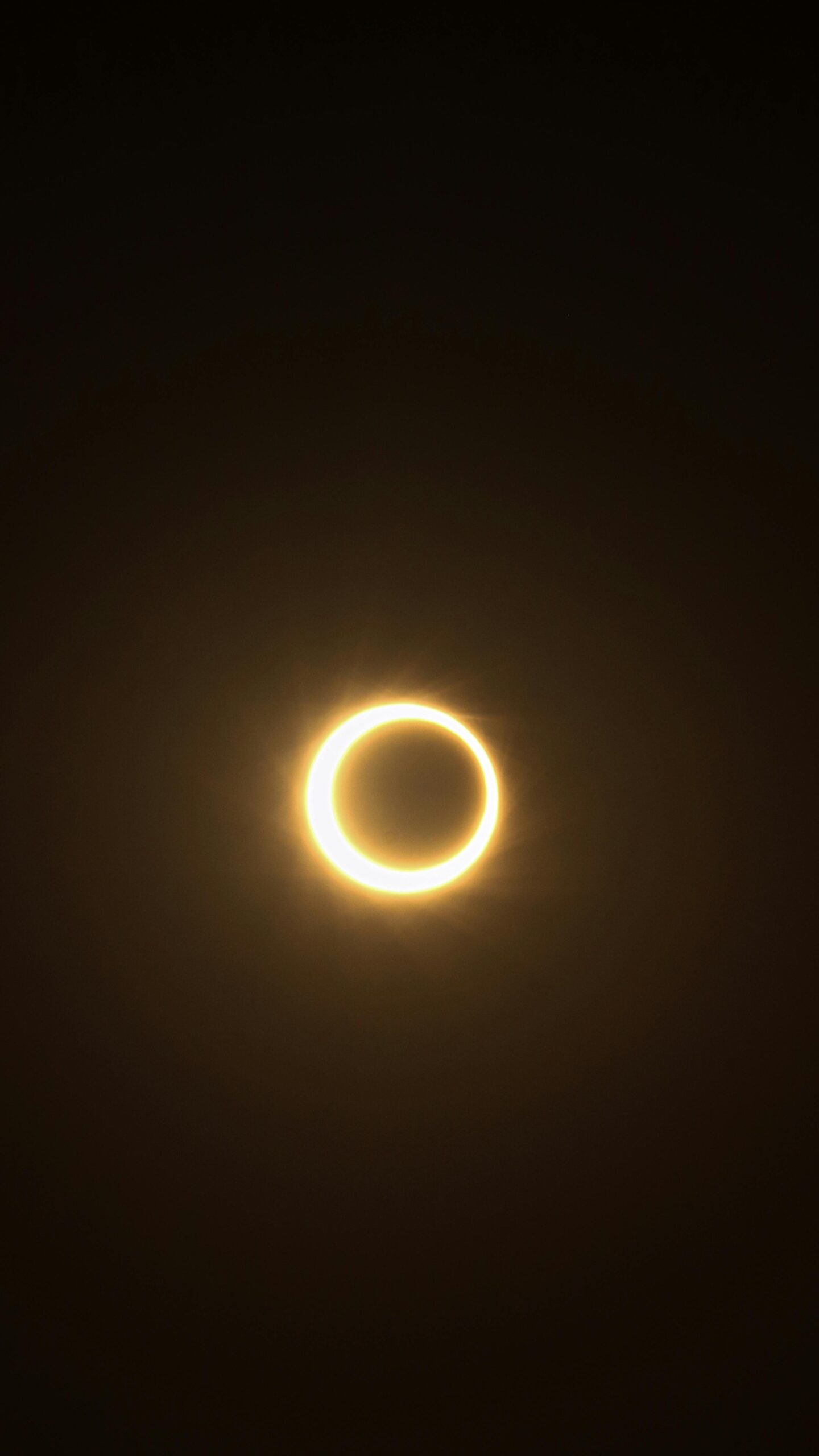
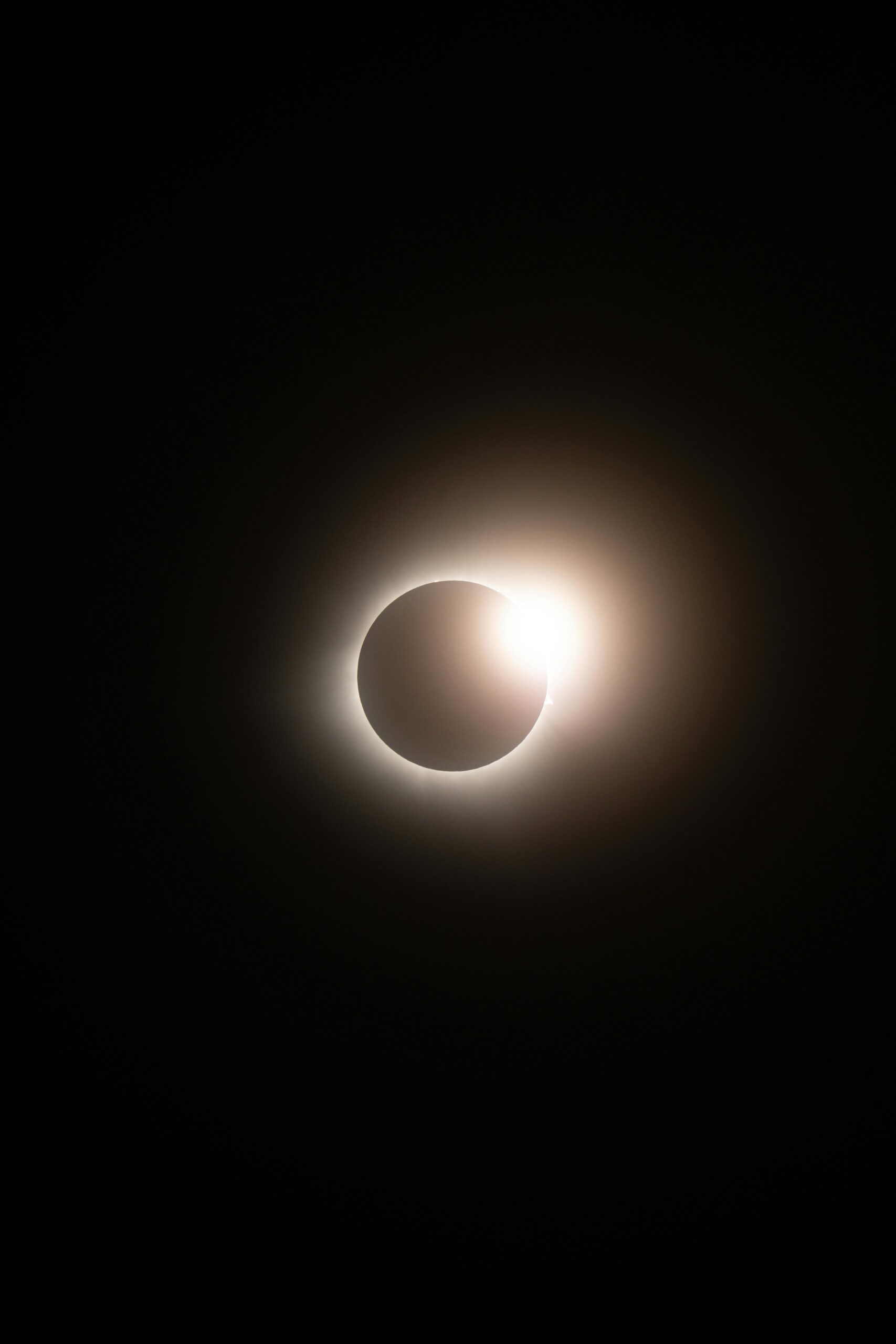
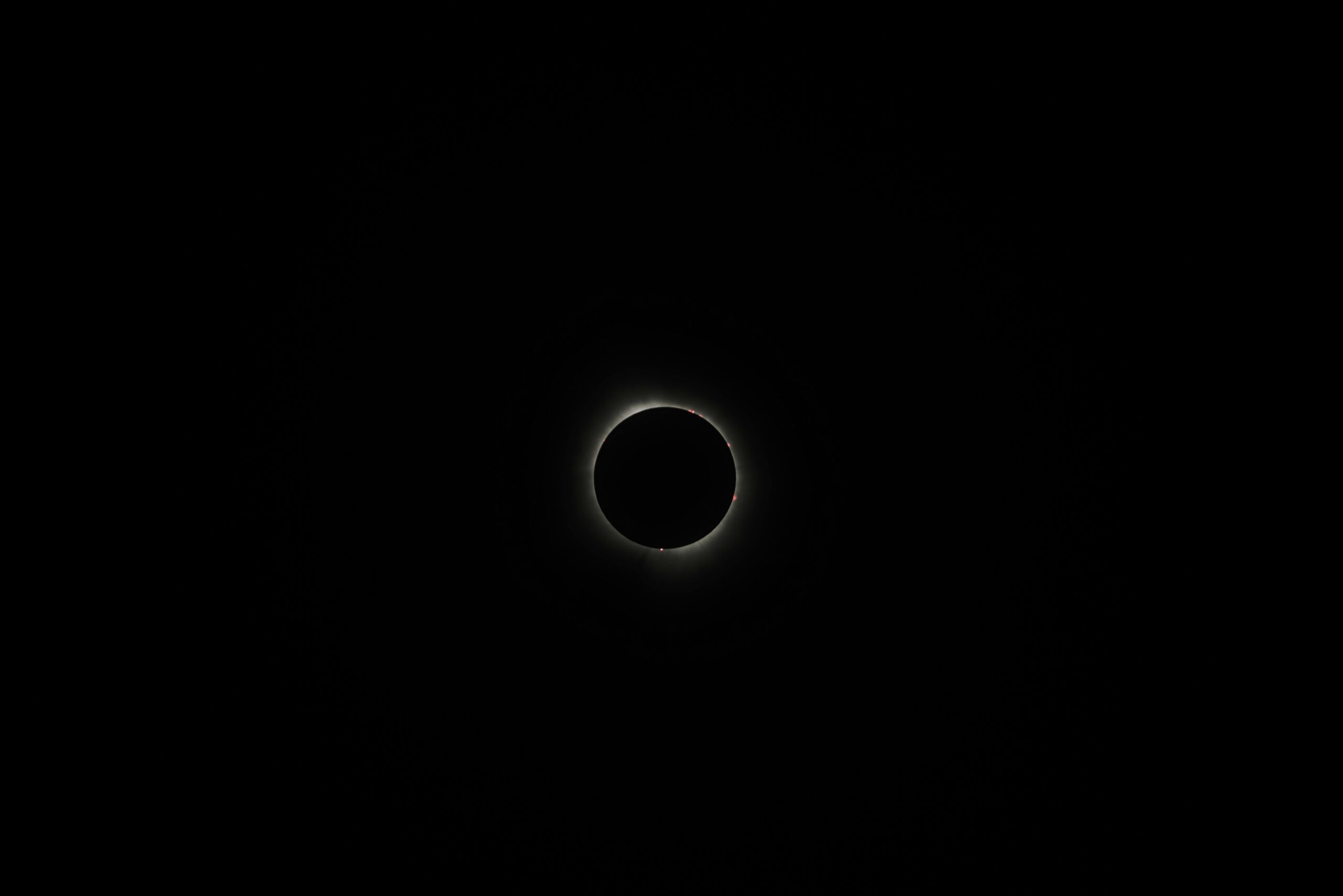
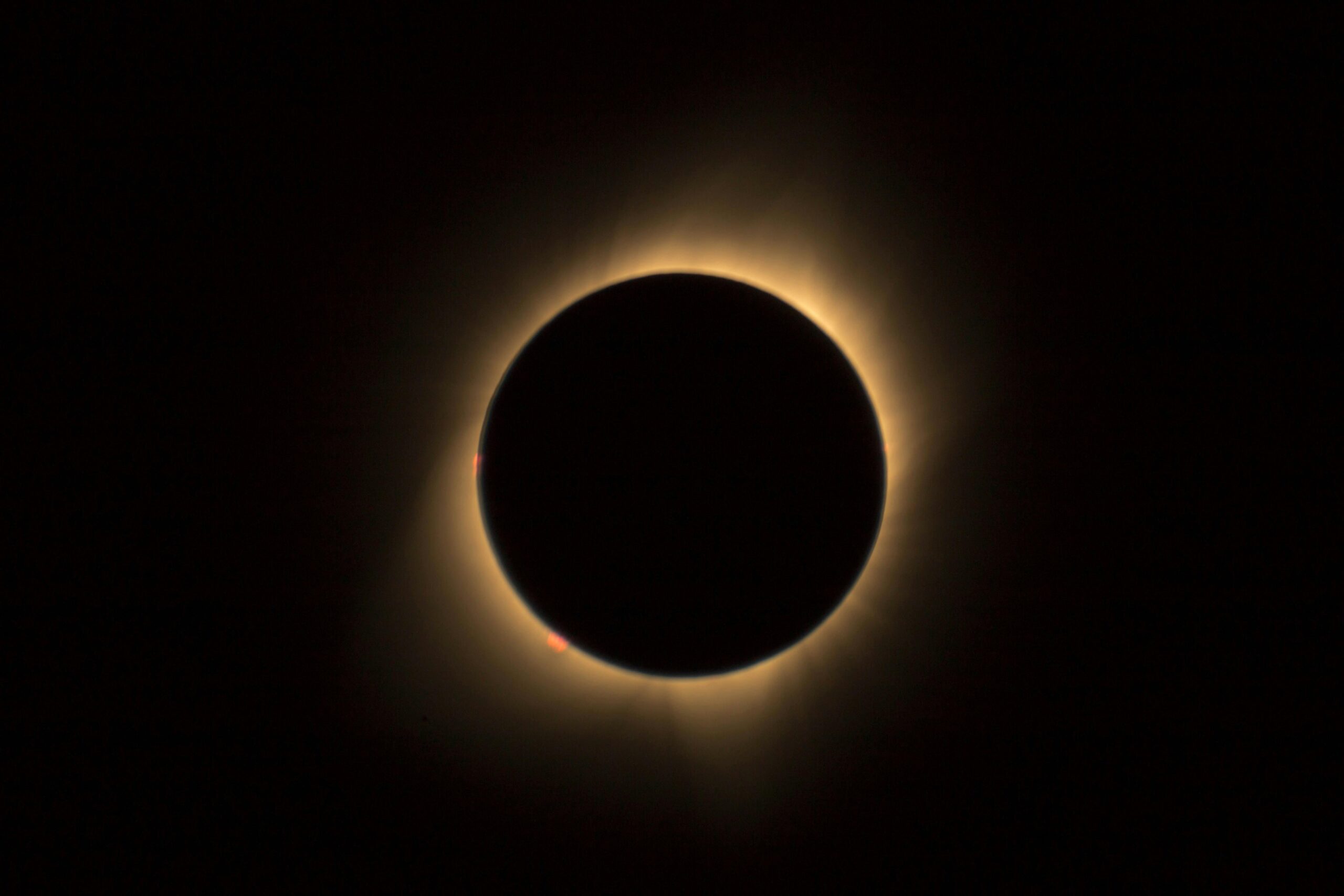
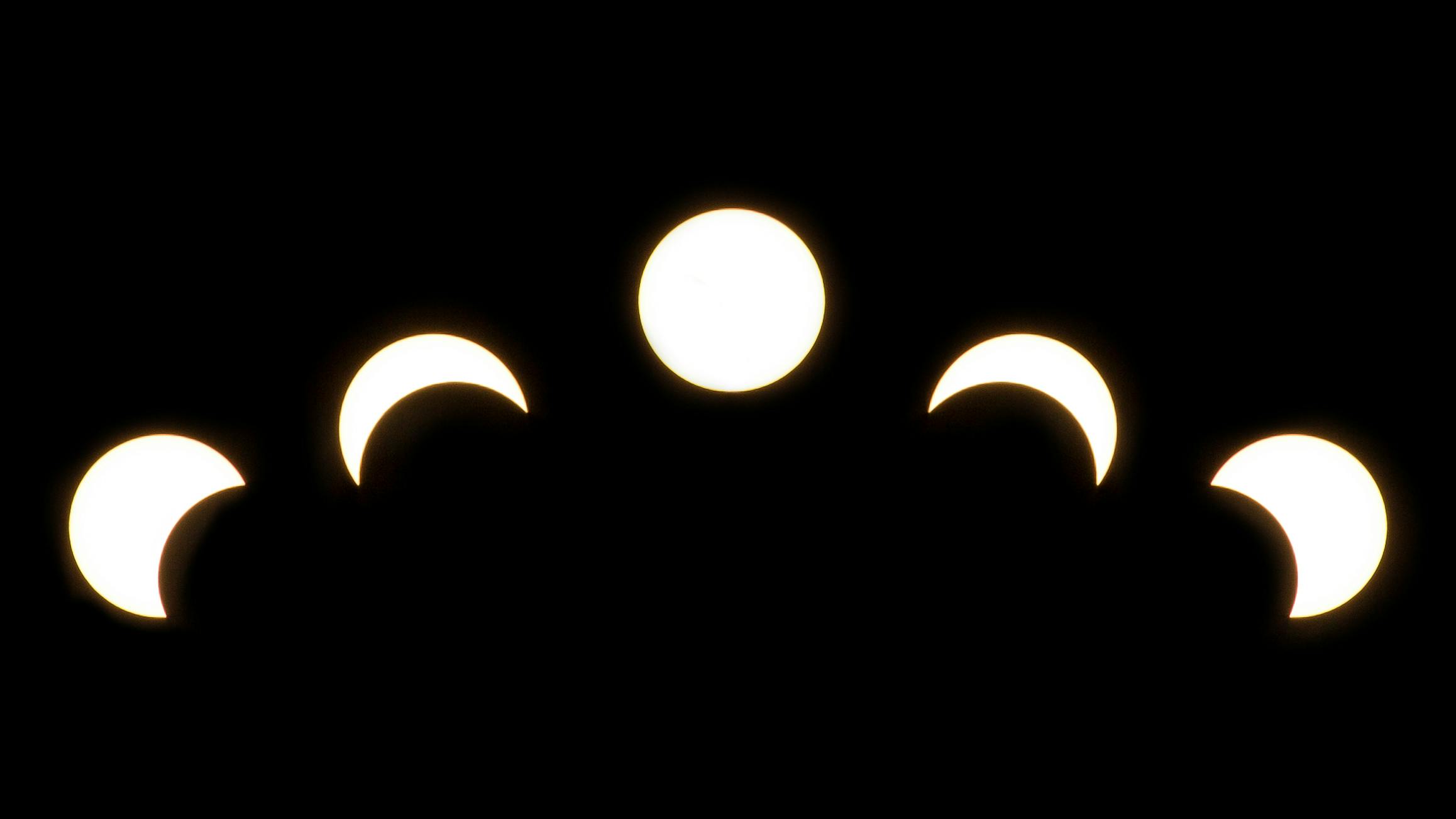
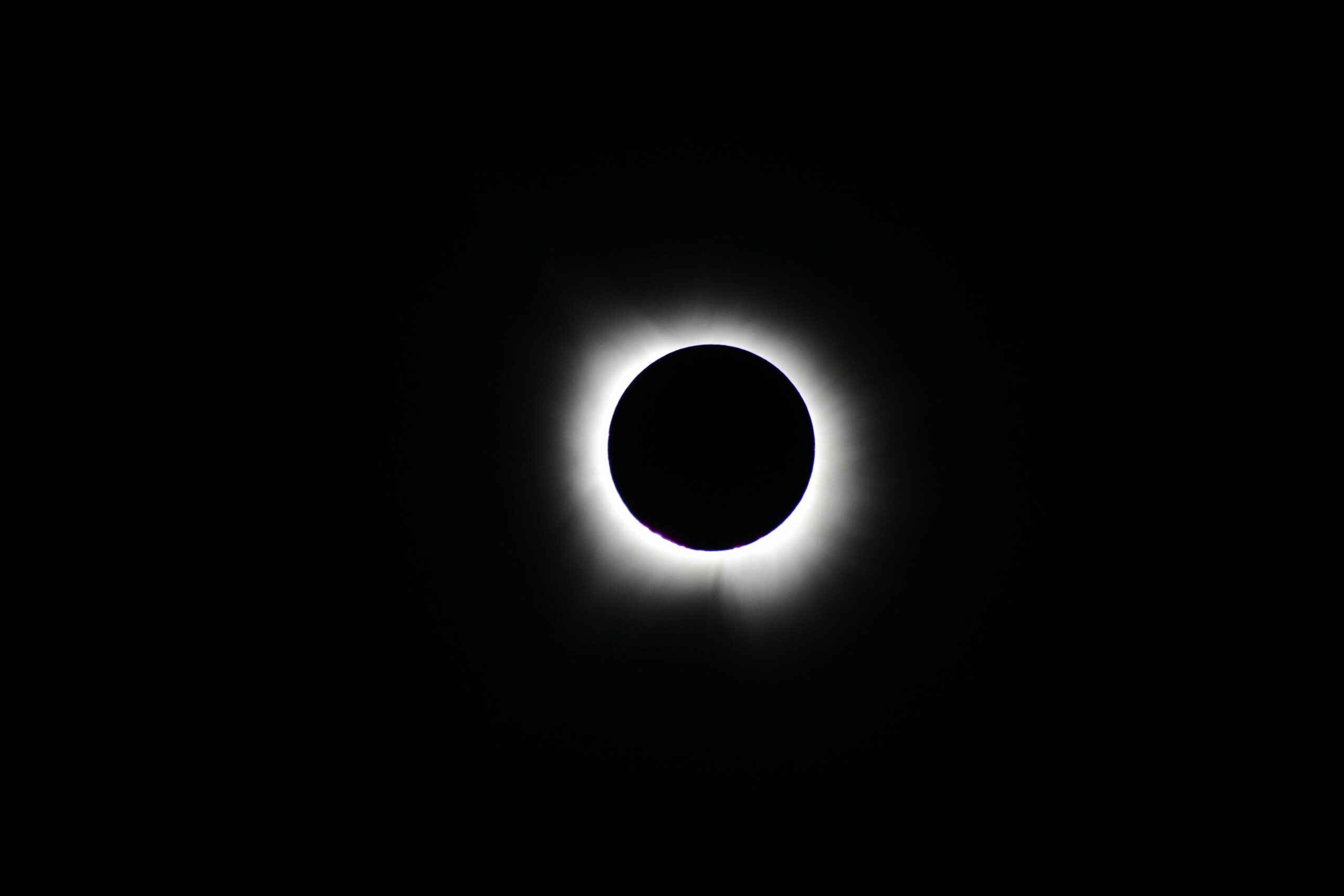
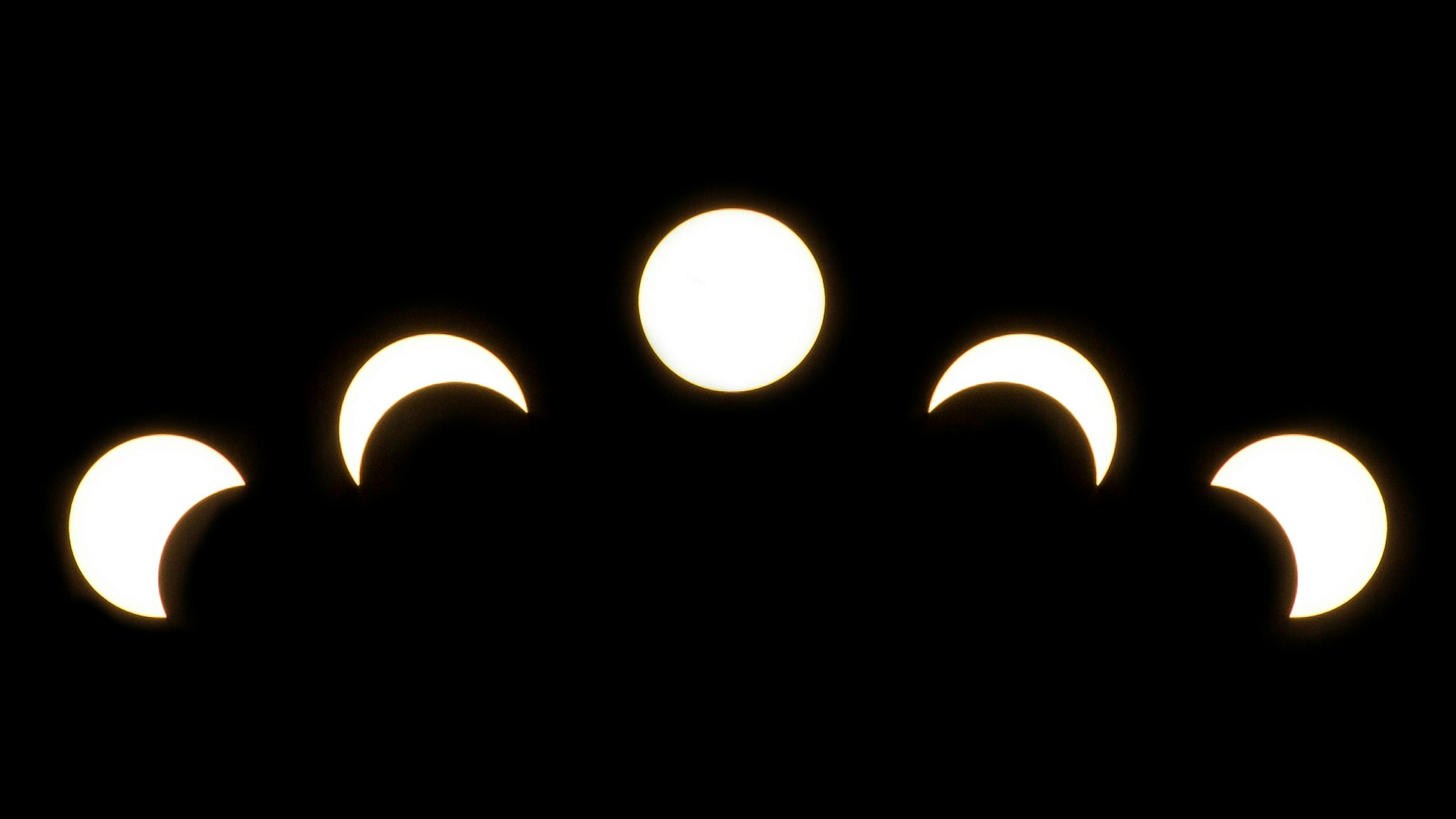
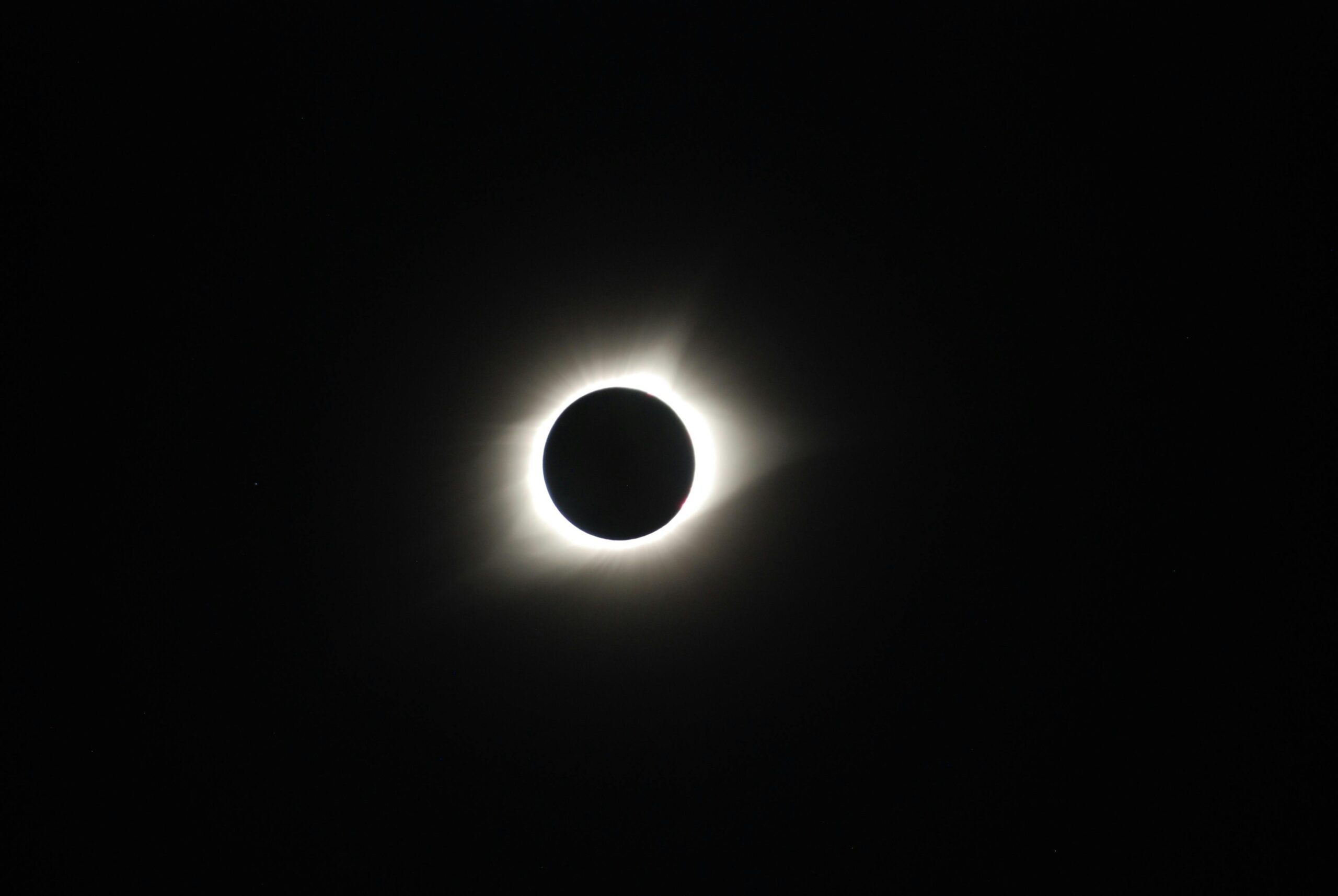
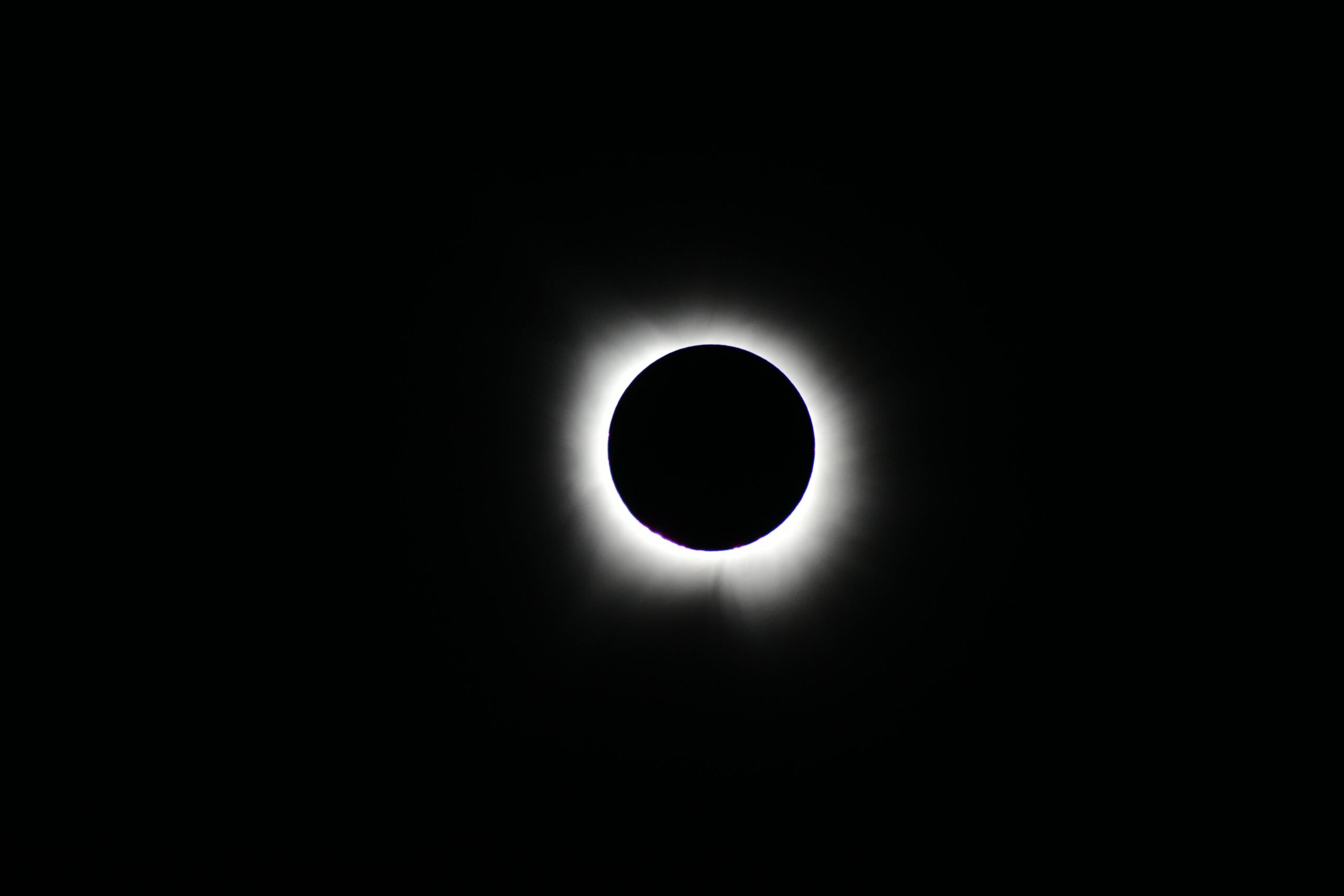
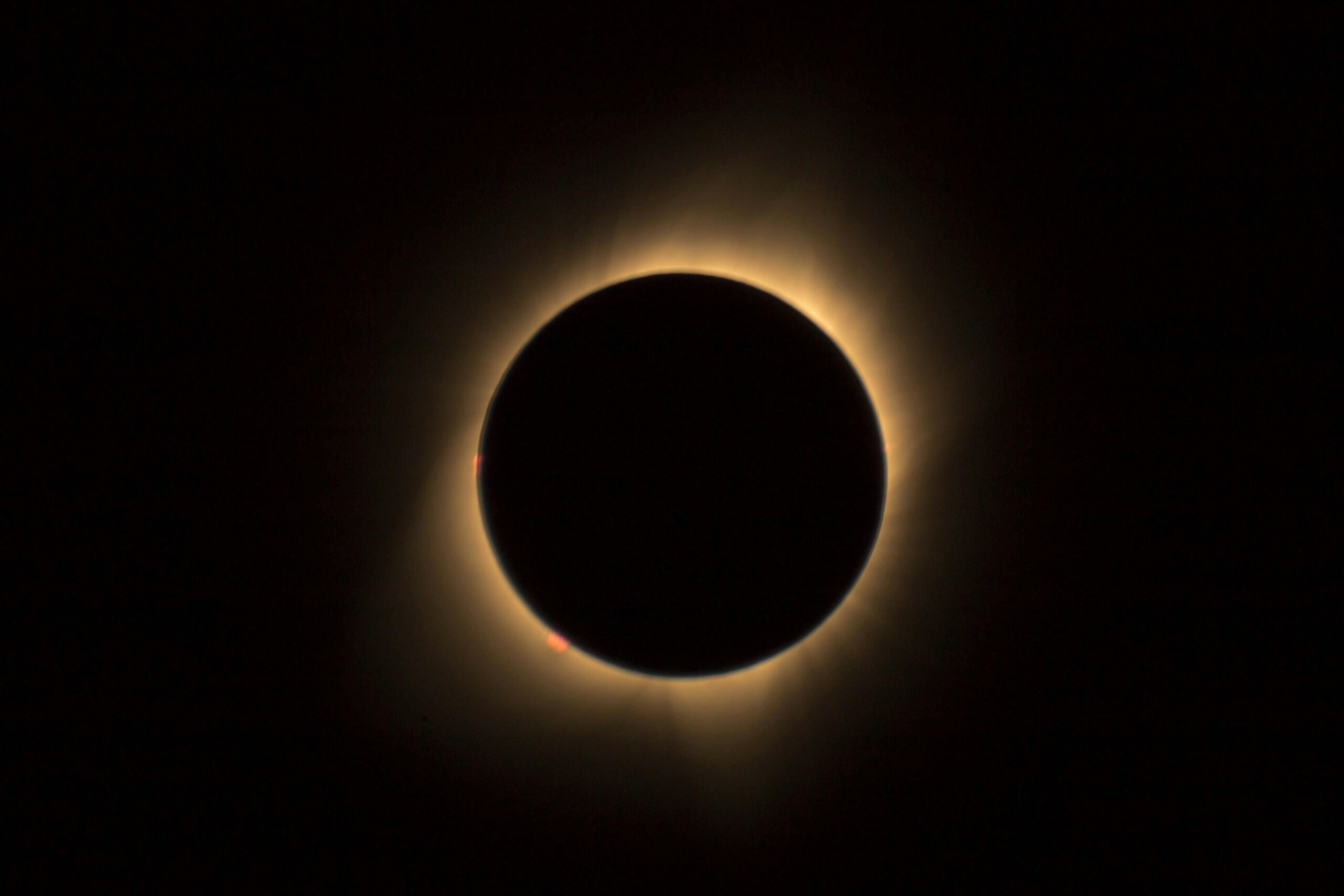
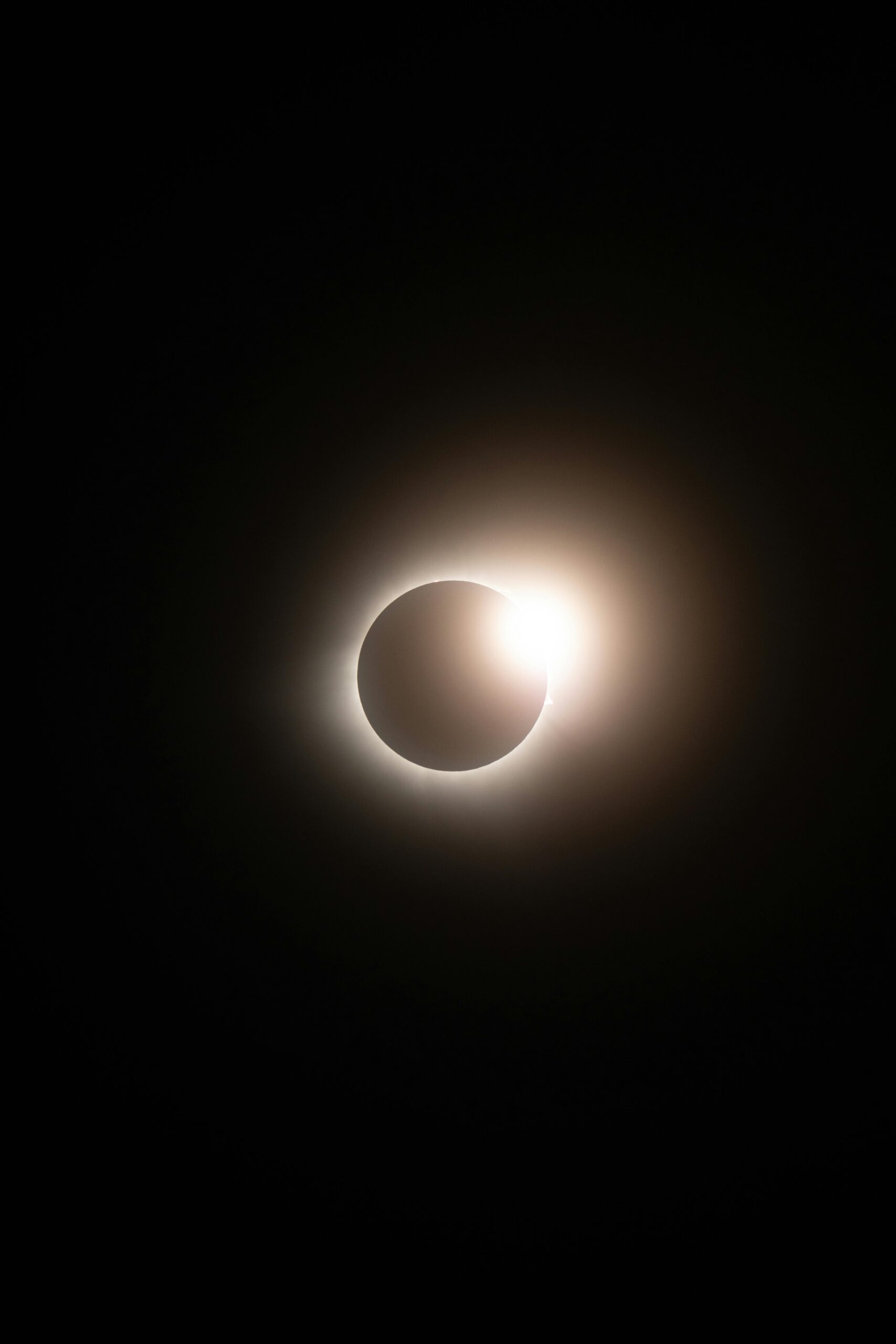
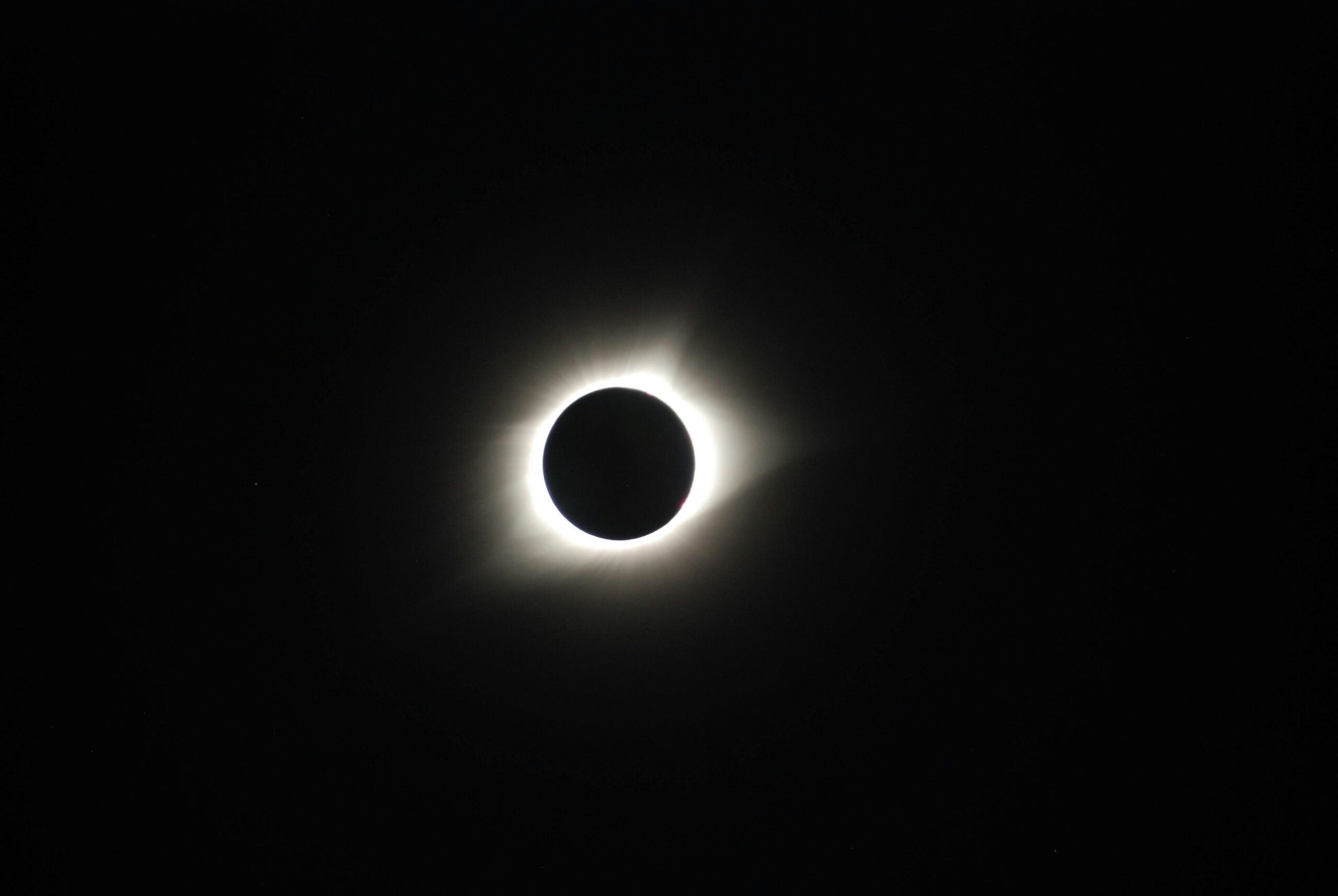
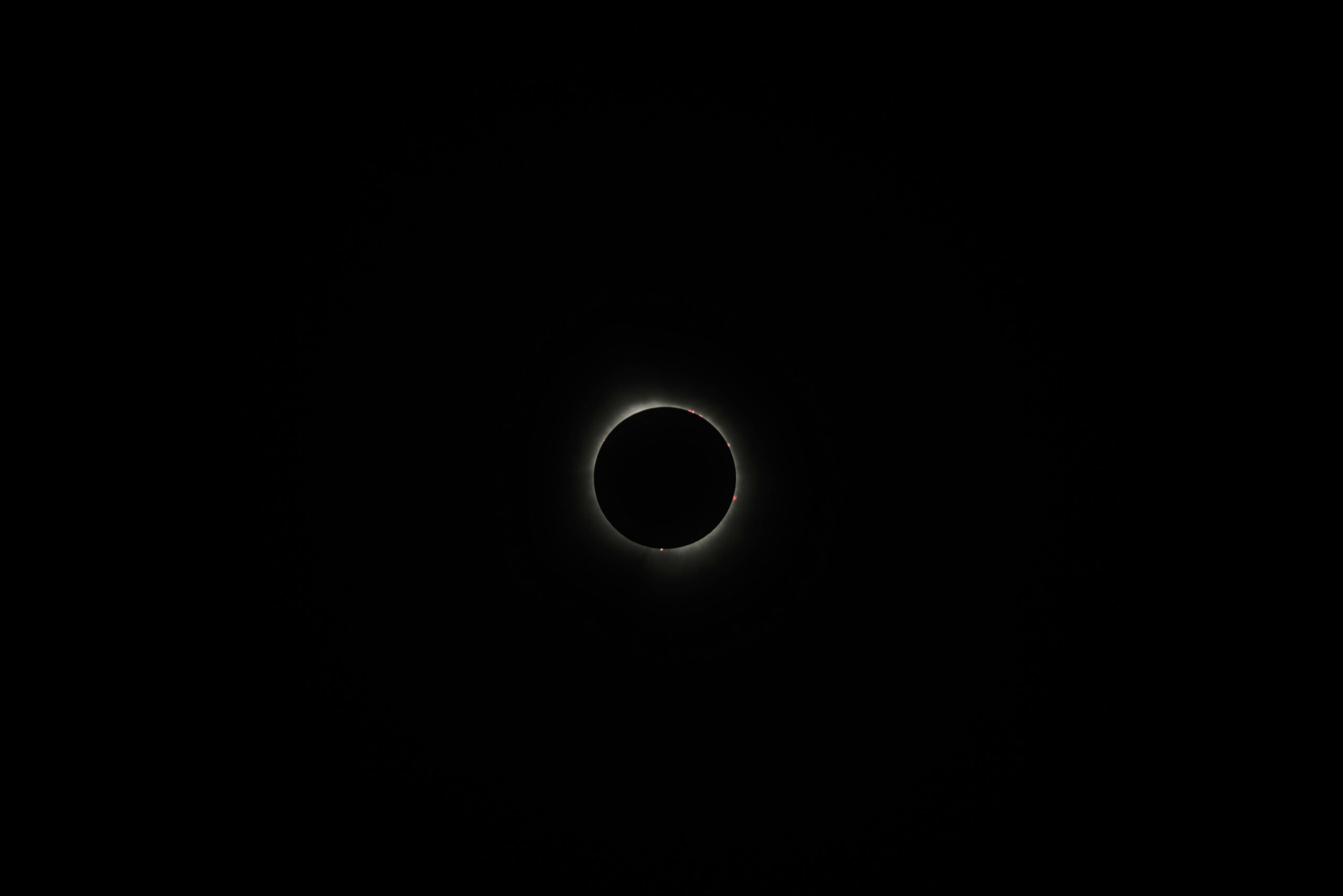
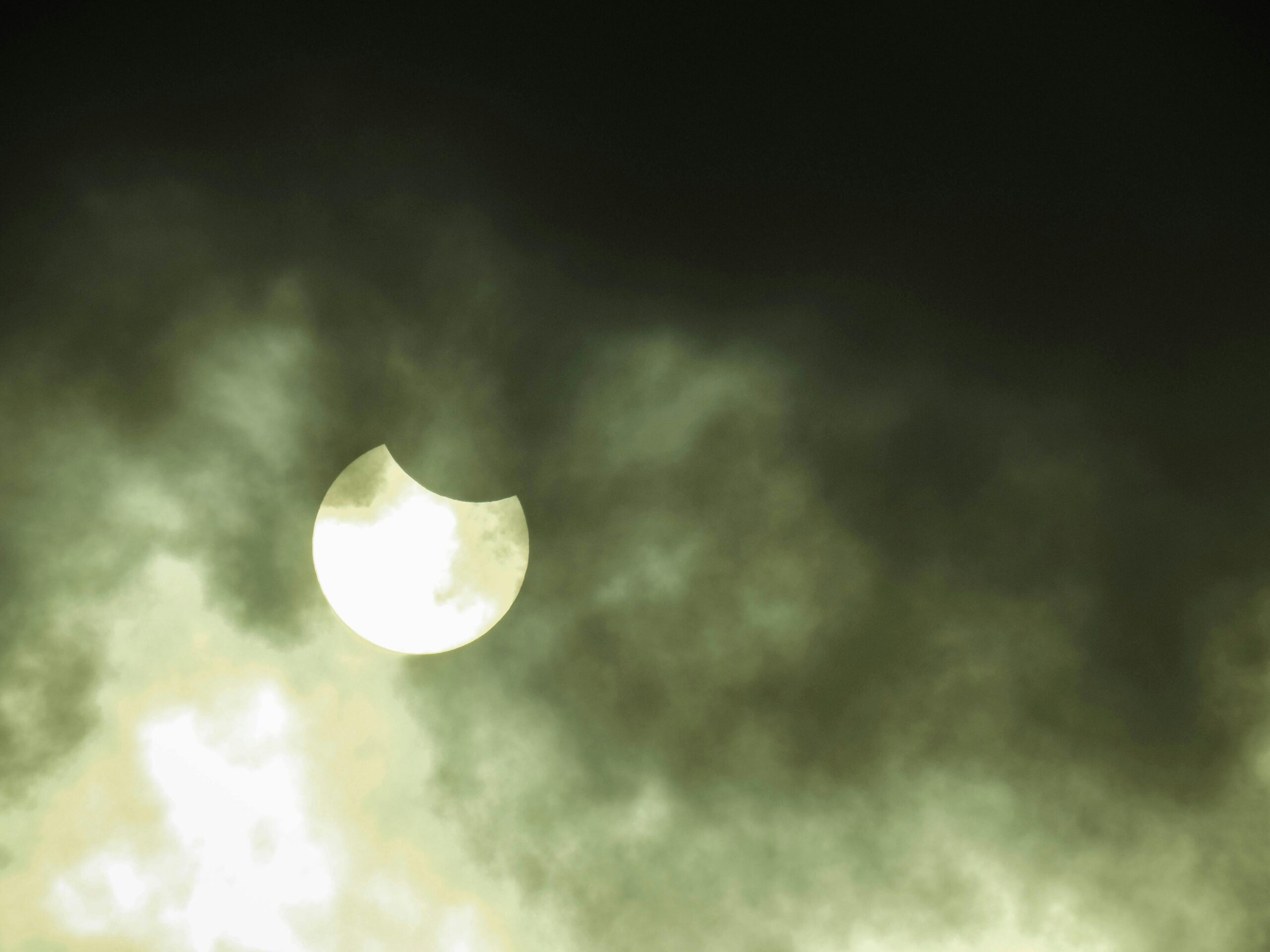
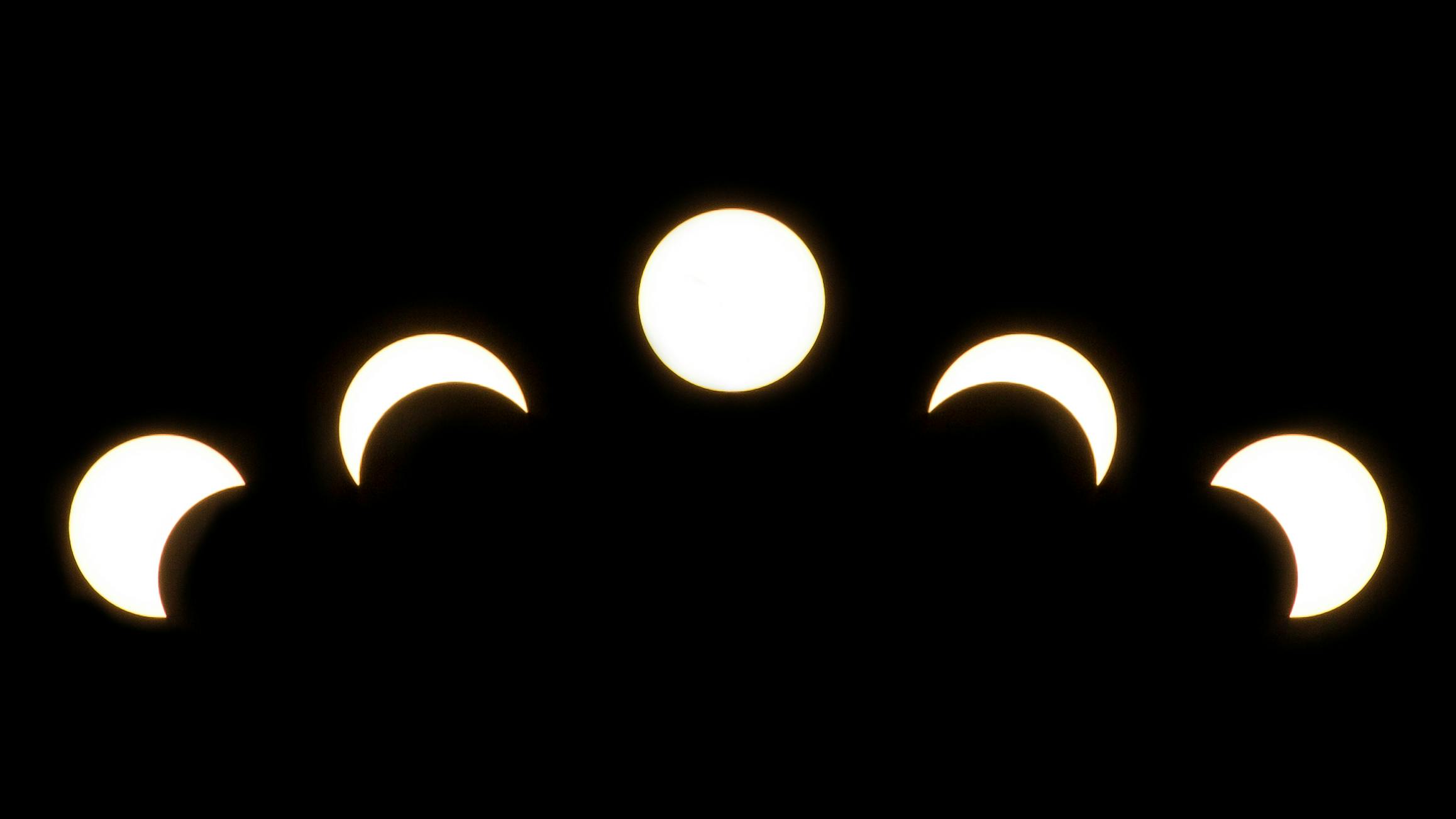
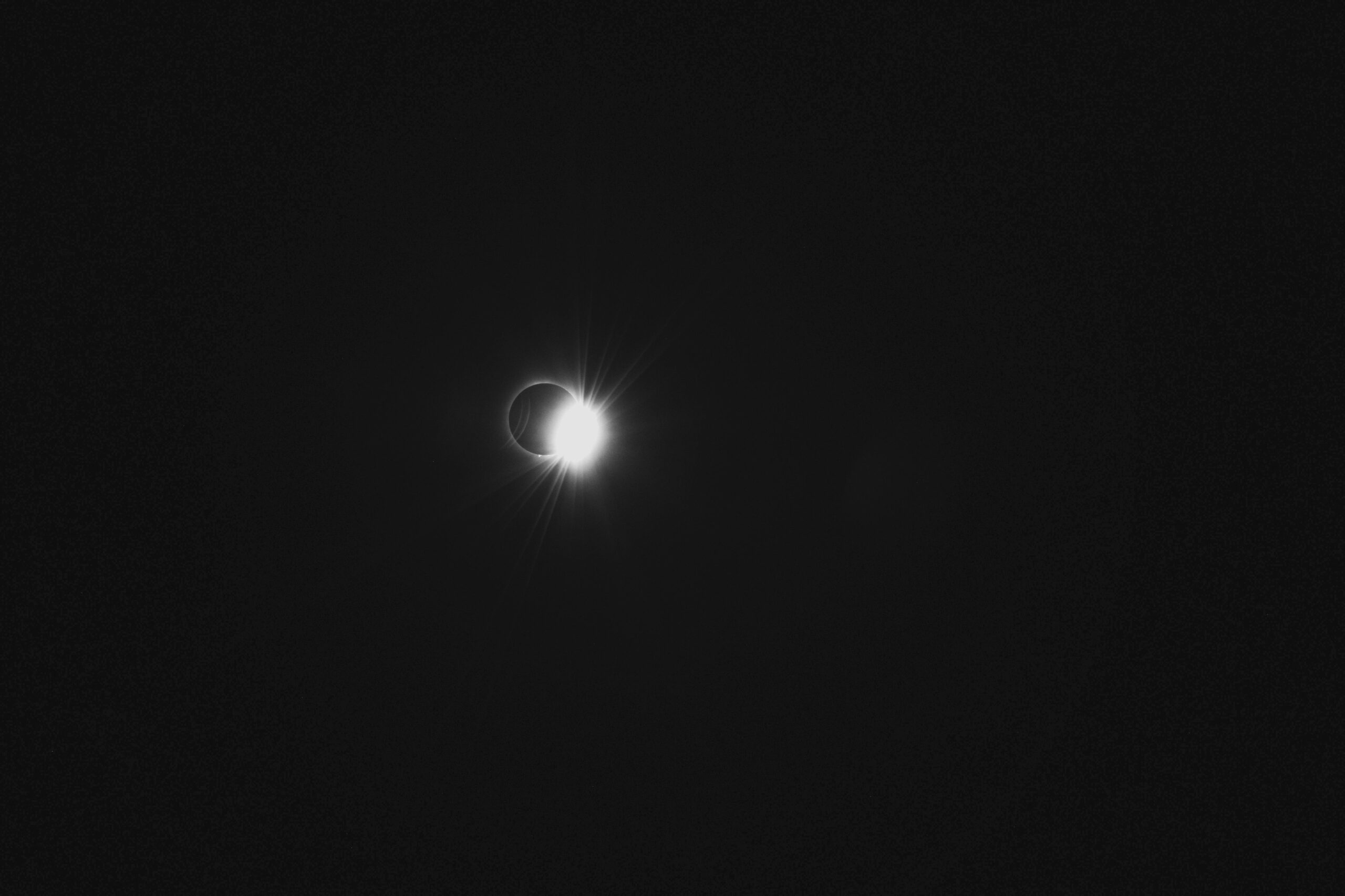
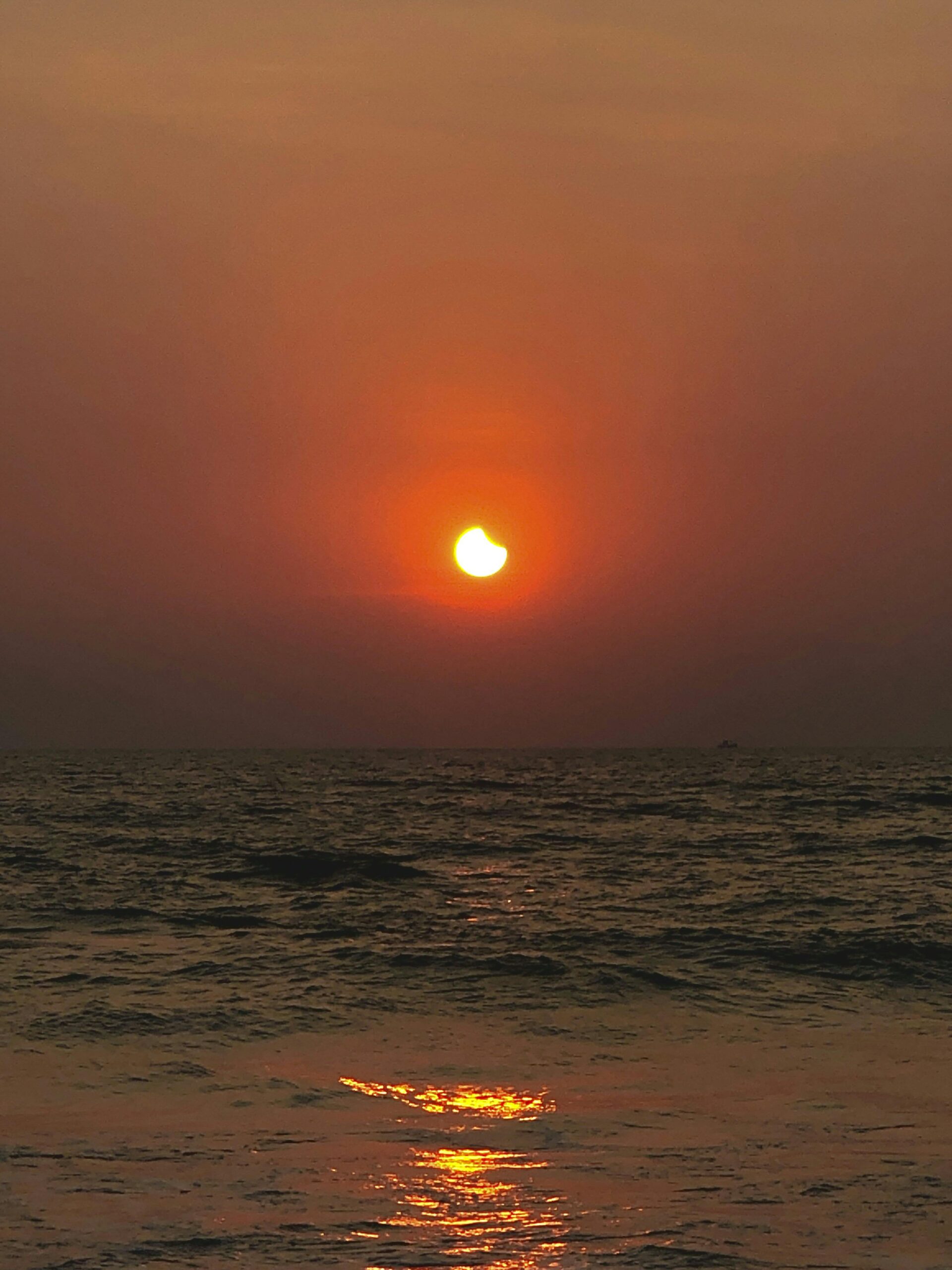
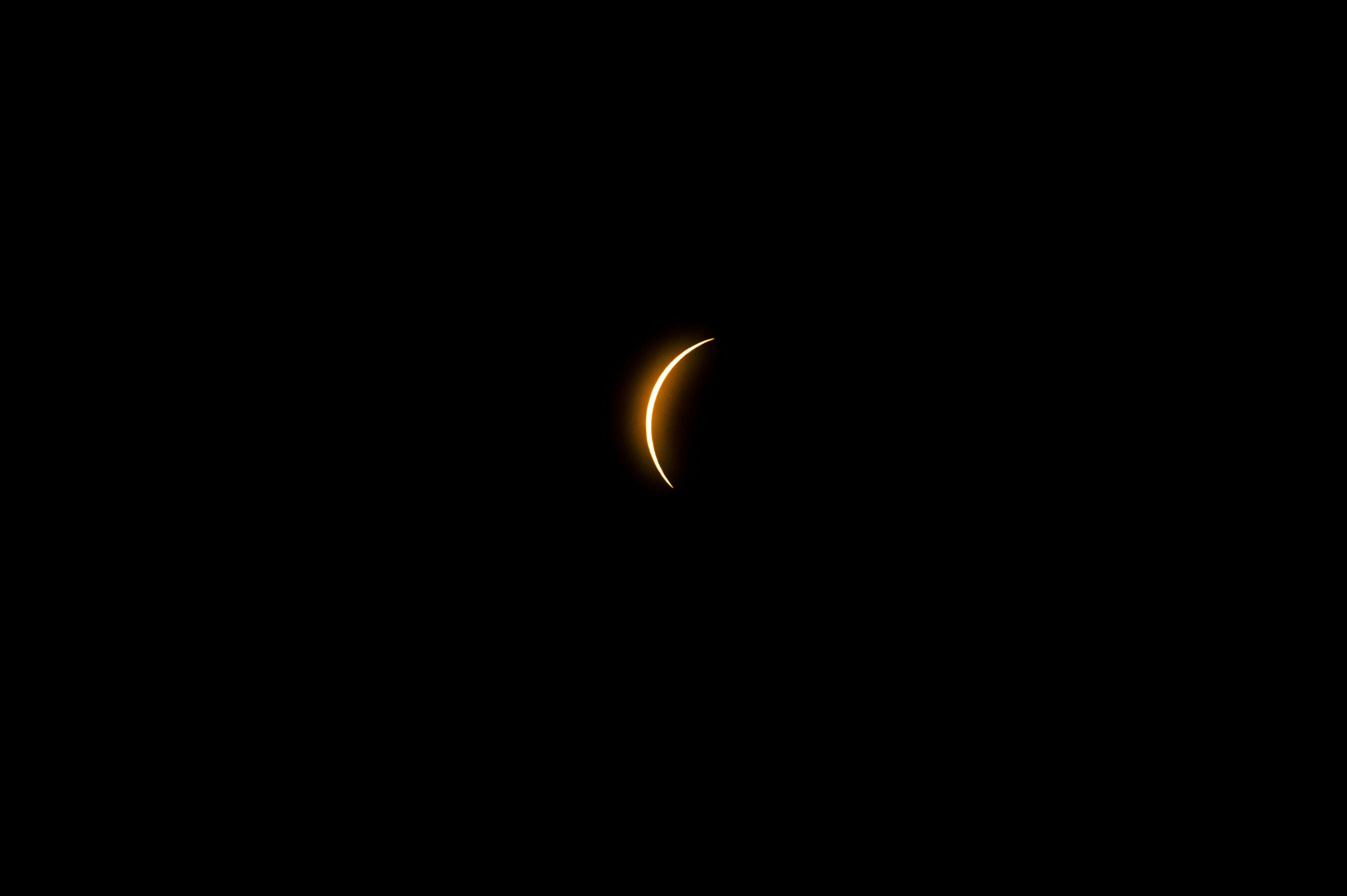
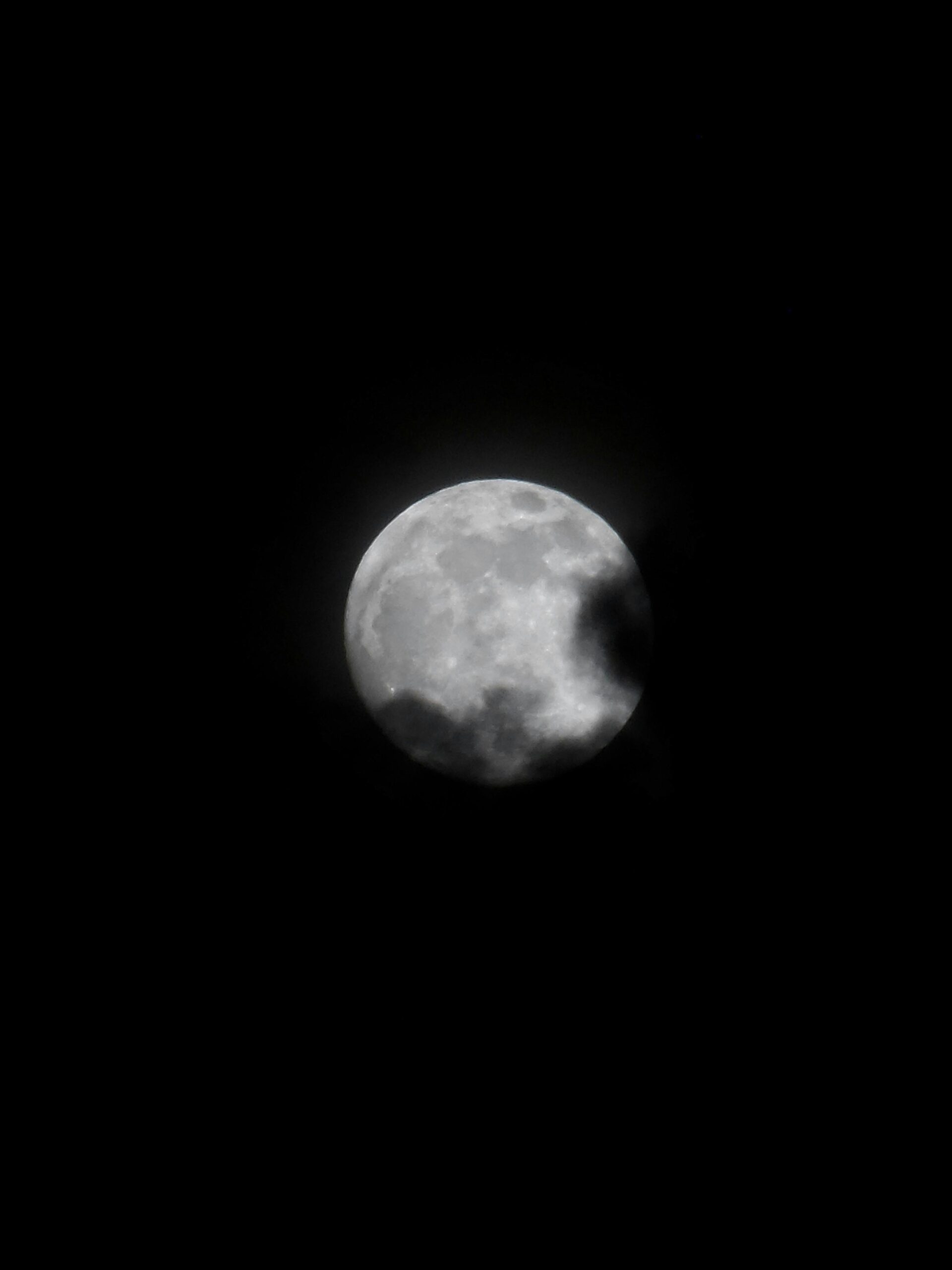
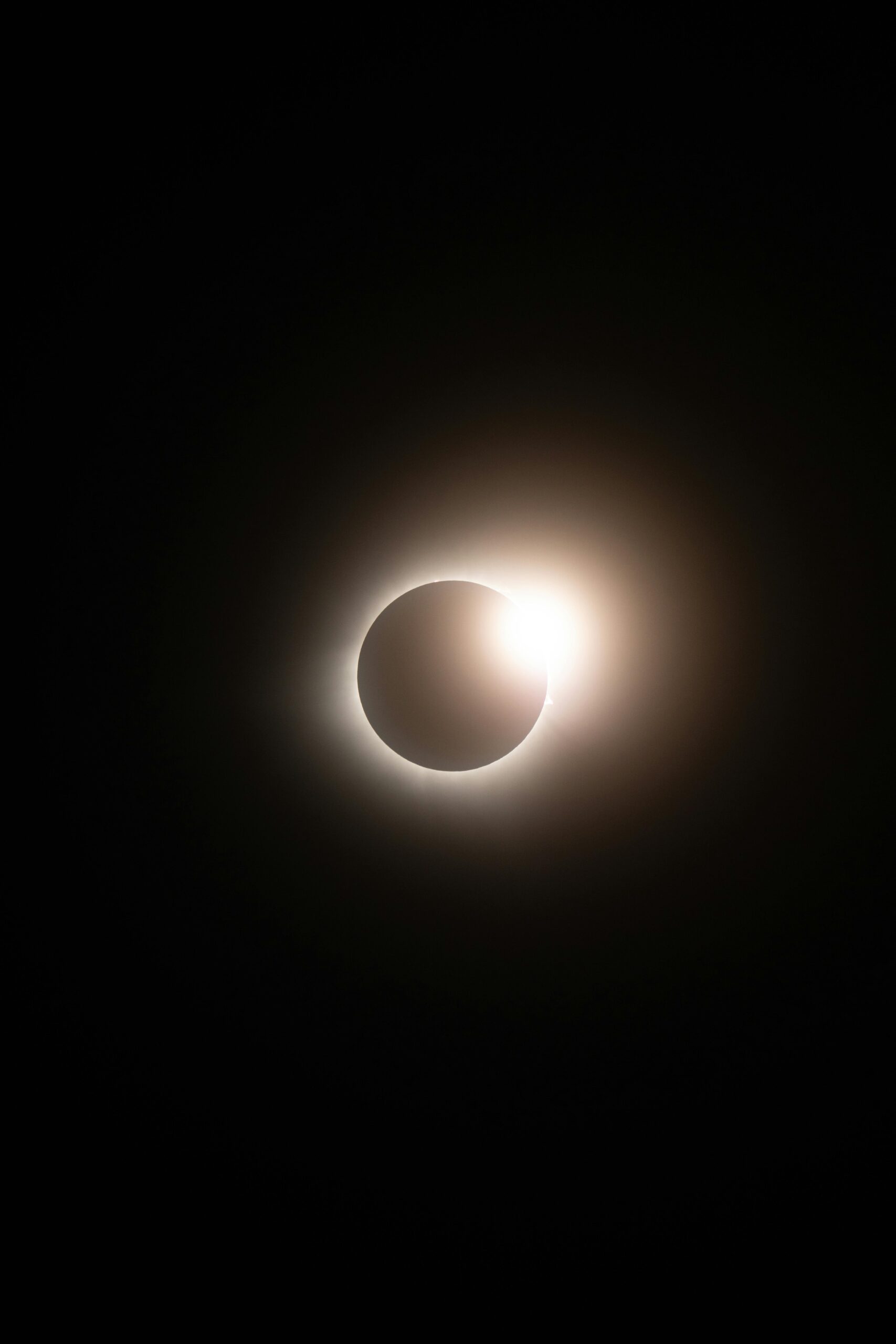
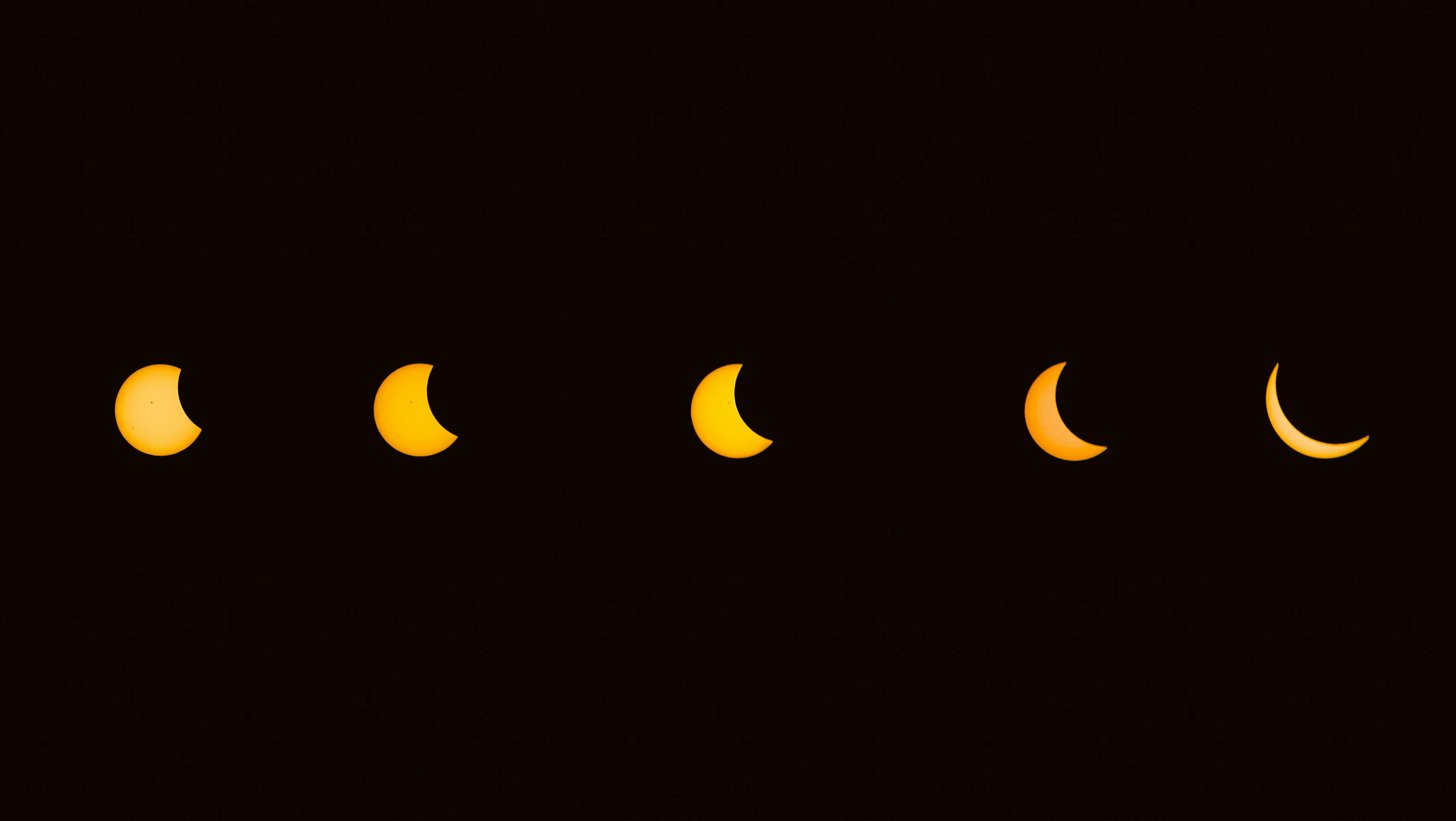
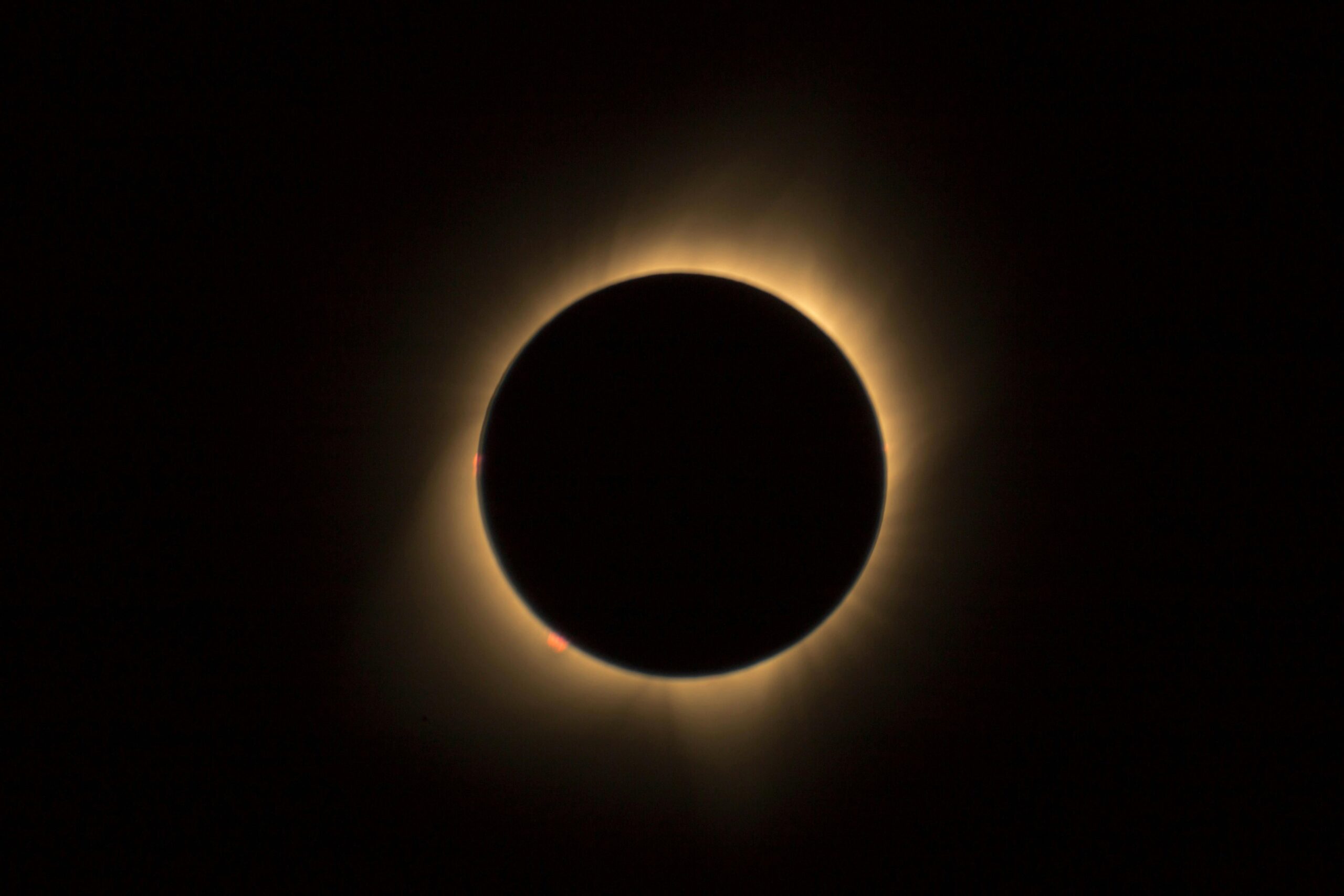
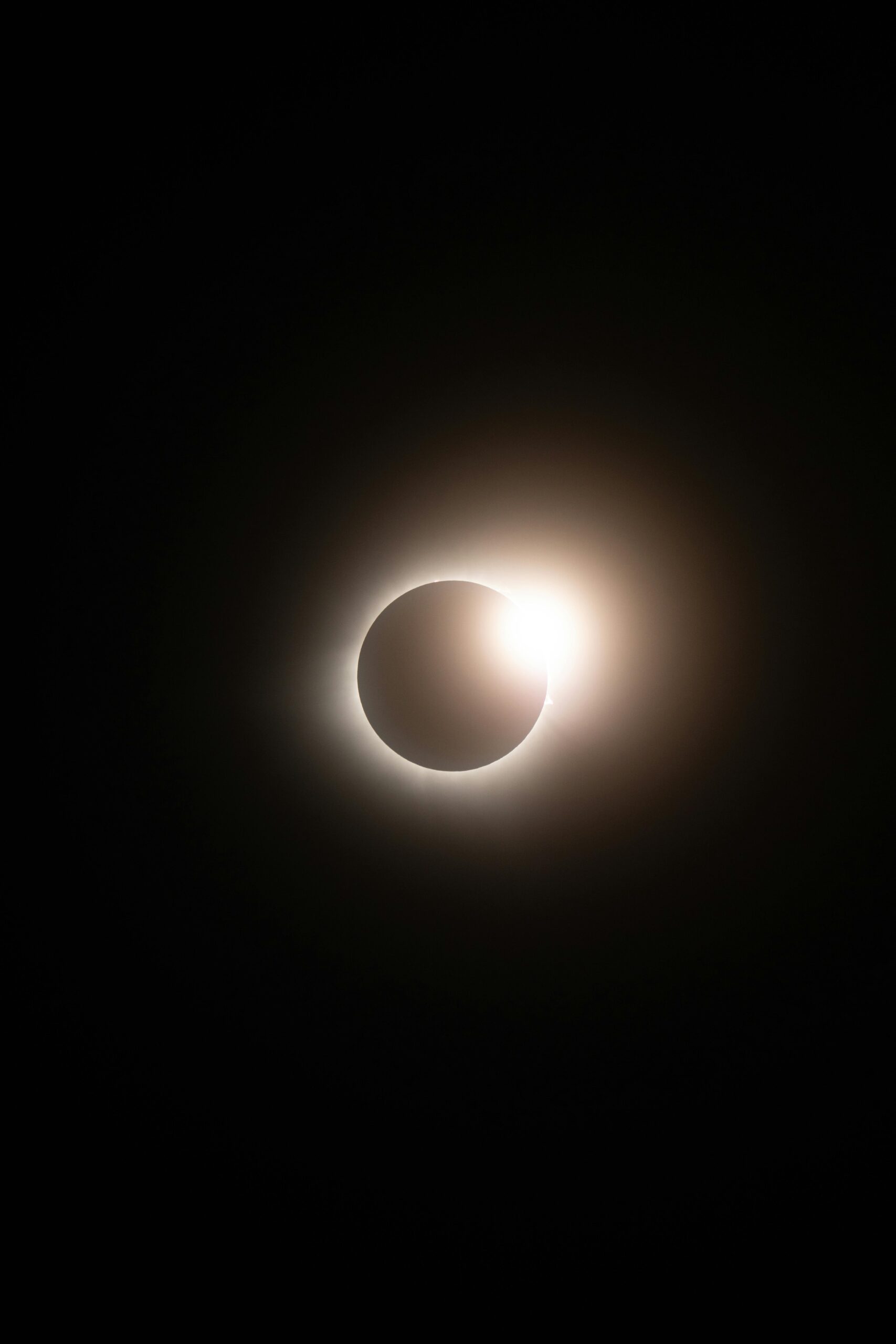
Solar eclipses occur due to the precise alignment of the Sun, Moon, and Earth. This alignment happens during the new moon phase when the Moon’s orbit intersects the ecliptic plane, known as the nodes. There are three types of solar eclipses: total, partial, and annular. A total solar eclipse occurs when the Moon completely covers the Sun, revealing the Sun’s corona. A partial solar eclipse happens when only a portion of the Sun is obscured by the Moon. An annular solar eclipse takes place when the Moon is too far from the Earth to completely cover the Sun, resulting in a ring-like appearance known as the “ring of fire.”
The frequency of solar eclipses is relatively high, with at least two occurring each year. However, their visibility from any given location on Earth is much rarer. The path of totality, where a total solar eclipse is visible, is typically narrow, making each event a unique and localized experience. The next total solar eclipse visible in North America is set to occur on April 8, 2024, drawing attention from astronomers and the general public alike.
Historical Significance and Cultural Impact
Throughout history, solar eclipses have held profound significance for various cultures. Ancient civilizations often viewed eclipses as omens or divine messages. The Babylonians, for instance, recorded eclipses as early as 2500 BCE, believing they were signs of impending doom. In Chinese culture, solar eclipses were seen as celestial dragons devouring the Sun, prompting rituals to scare the dragons away and restore sunlight. The ancient Greeks, including the philosopher Thales of Miletus, used their knowledge of eclipses to predict future events, demonstrating early scientific understanding.
In modern times, solar eclipses have become opportunities for scientific discovery. The 1919 eclipse provided crucial evidence supporting Albert Einstein’s theory of general relativity. During the eclipse, astronomers observed the bending of starlight around the Sun, confirming Einstein’s predictions. Today, eclipses continue to offer valuable data for researchers studying the Sun’s corona, solar activity, and Earth’s atmosphere.
Preparing for the Upcoming Solar Eclipse
As the anticipation for the next solar eclipse grows, it is essential to prepare adequately. Viewing a solar eclipse safely requires proper eye protection. Looking directly at the Sun, even during an eclipse, can cause permanent eye damage. Specialized solar filters, eclipse glasses, or indirect viewing methods such as pinhole projectors are recommended. These tools allow observers to witness the eclipse without risking their vision.
For those planning to travel to witness the eclipse, research is key. The path of totality for the 2024 eclipse will traverse North America, from Mexico to Canada. Popular viewing locations include cities like Dallas, Texas, and Niagara Falls, Ontario. Travelers should book accommodations well in advance, as these areas are expected to attract large crowds. Additionally, staying informed about local weather conditions and eclipse timings can enhance the viewing experience.
Educational Resources and Community Engagement
Educational institutions and community organizations play a vital role in promoting eclipse awareness. Schools often organize educational programs and viewing events to engage students in the science behind eclipses. Libraries, such as the mejores bibliotecas en santo domingo, also host workshops and distribute informational materials to the public. These initiatives help foster a deeper understanding of celestial events and encourage community participation.
Online resources, including NASA’s official website, provide comprehensive guides on eclipse safety, viewing tips, and live streaming options. Social media platforms and astronomy forums offer platforms for enthusiasts to share their experiences and connect with fellow eclipse chasers. Engaging with these resources can enrich the eclipse-watching experience and promote a sense of global community.
Conclusion
Solar eclipses are not just astronomical events; they are moments of wonder that bring people together. Whether you are a seasoned astronomer or a curious observer, witnessing a solar eclipse is an unforgettable experience. By understanding the science, preparing with the right tools, and engaging with educational resources, you can fully appreciate the beauty and significance of this celestial phenomenon. As we eagerly await the next solar eclipse, let us embrace the opportunity to marvel at the mysteries of the universe and share this awe-inspiring event with others.
As we delve into the significance of global observances, consider exploring the importance of Youth Day and its impact on young people worldwide.
In the midst of evolving transportation trends, our latest feature Honda’s bike innovations offers an in-depth look at the brand’s impact on the industry.
In response to growing concerns, discover how Bristol’s community tackles food insecurity in our latest feature.