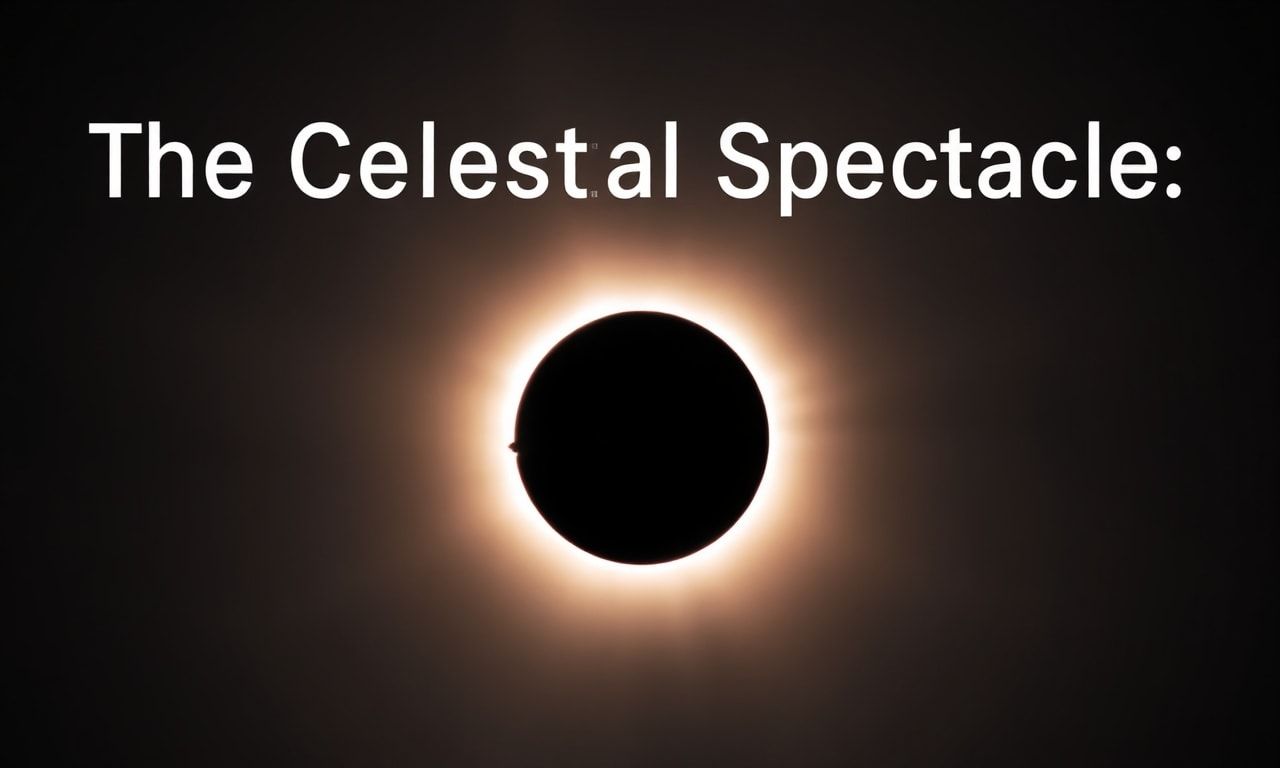
The Celestial Spectacle: Understanding the Solar Eclipse Phenomenon
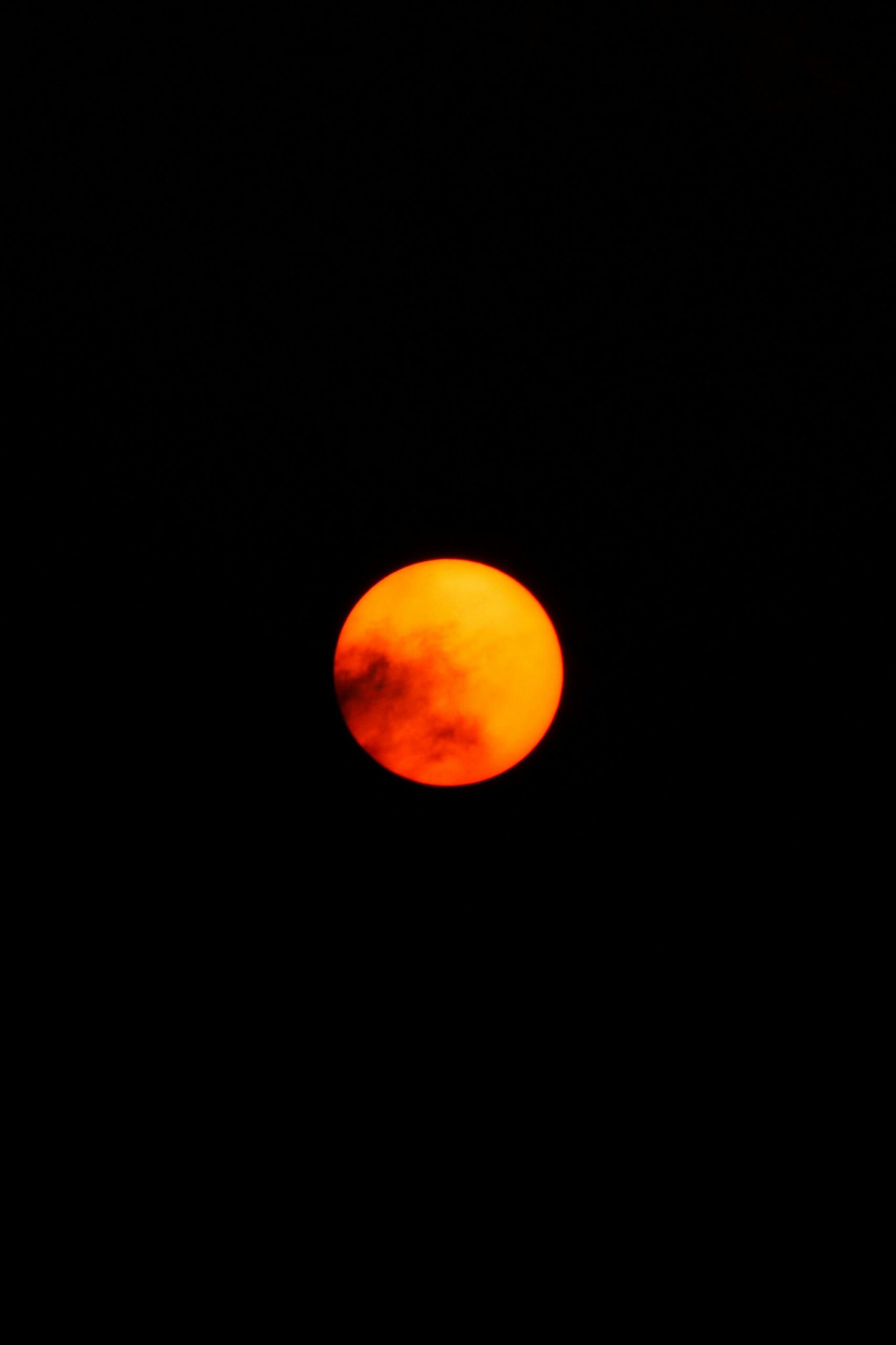
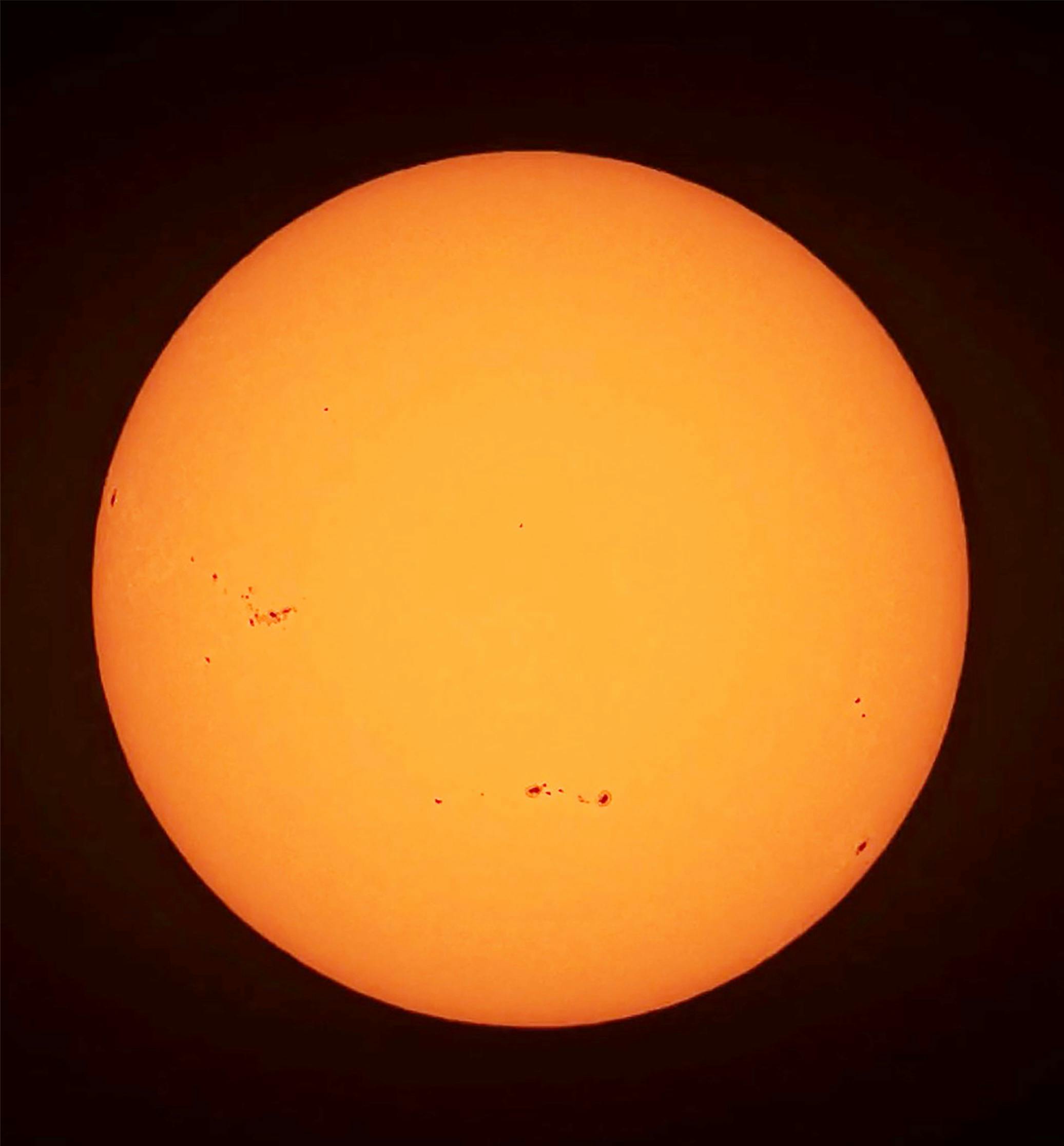
A solar eclipse is one of the most awe-inspiring celestial events that captivate millions of people around the world. This natural phenomenon occurs when the Moon passes between the Earth and the Sun, casting a shadow on the Earth’s surface. The next solar eclipse is highly anticipated, and enthusiasts are already preparing to witness this extraordinary event. In this article, we delve into the science behind solar eclipses, their historical significance, and how to safely observe them.
The Science Behind Solar Eclipses
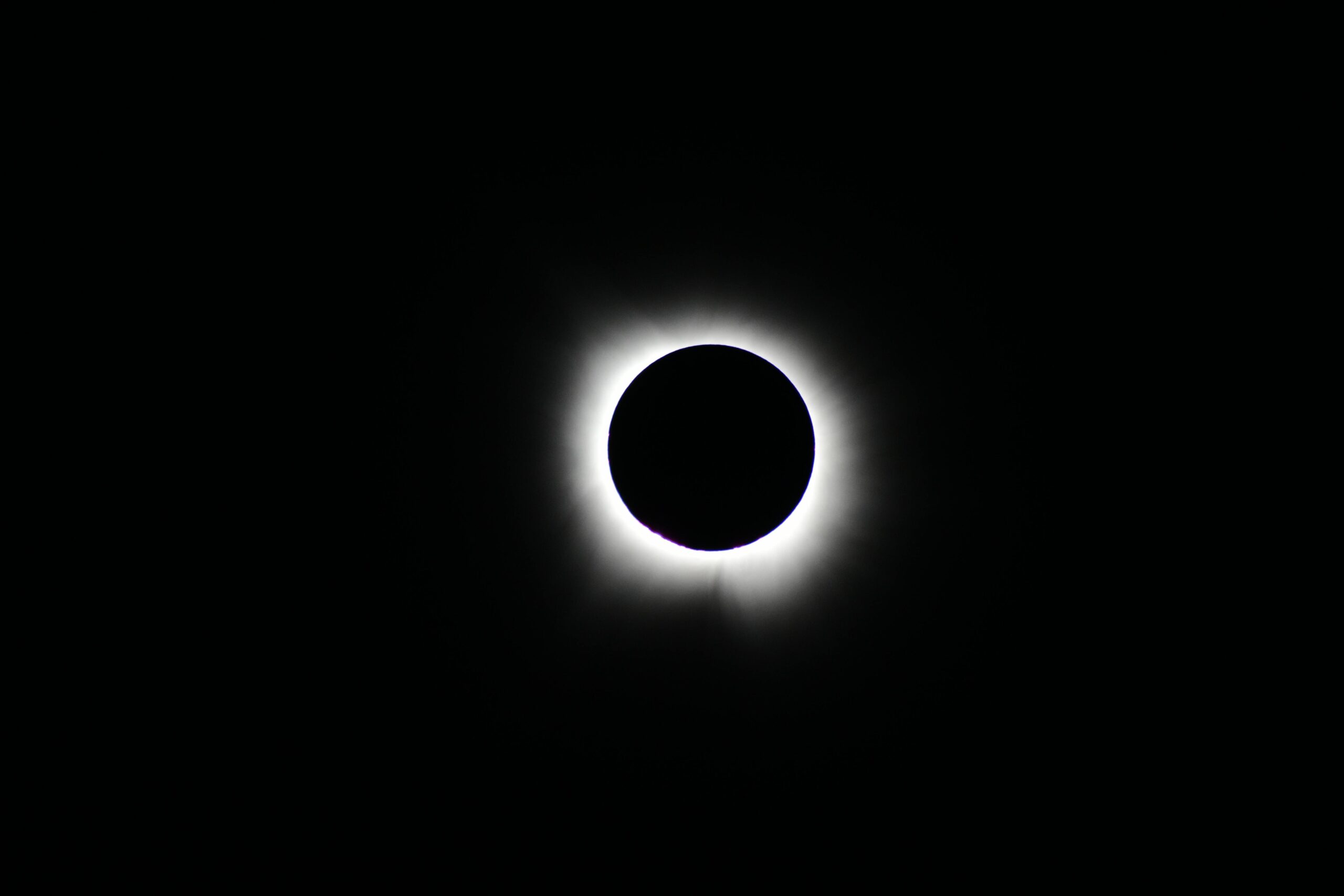
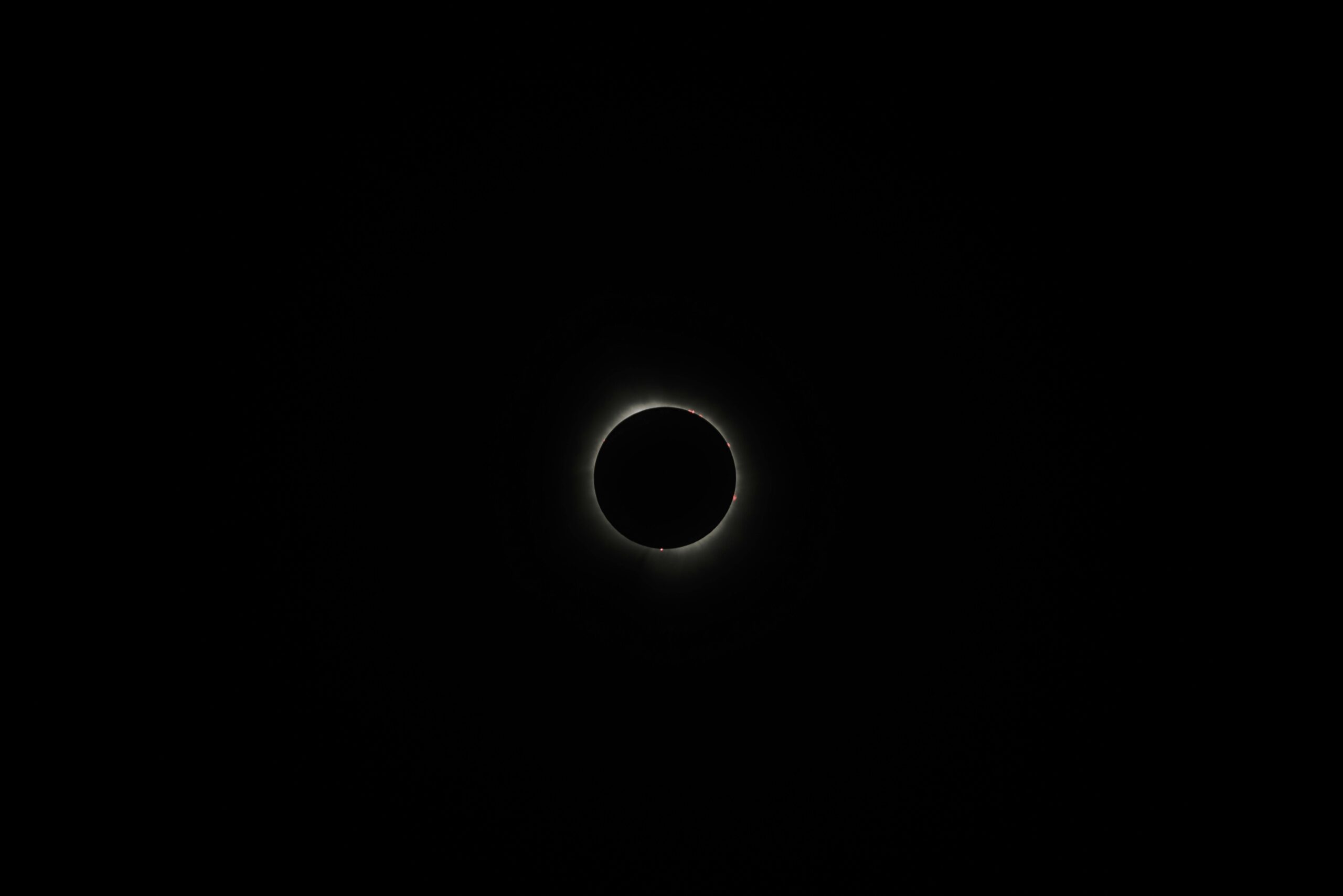
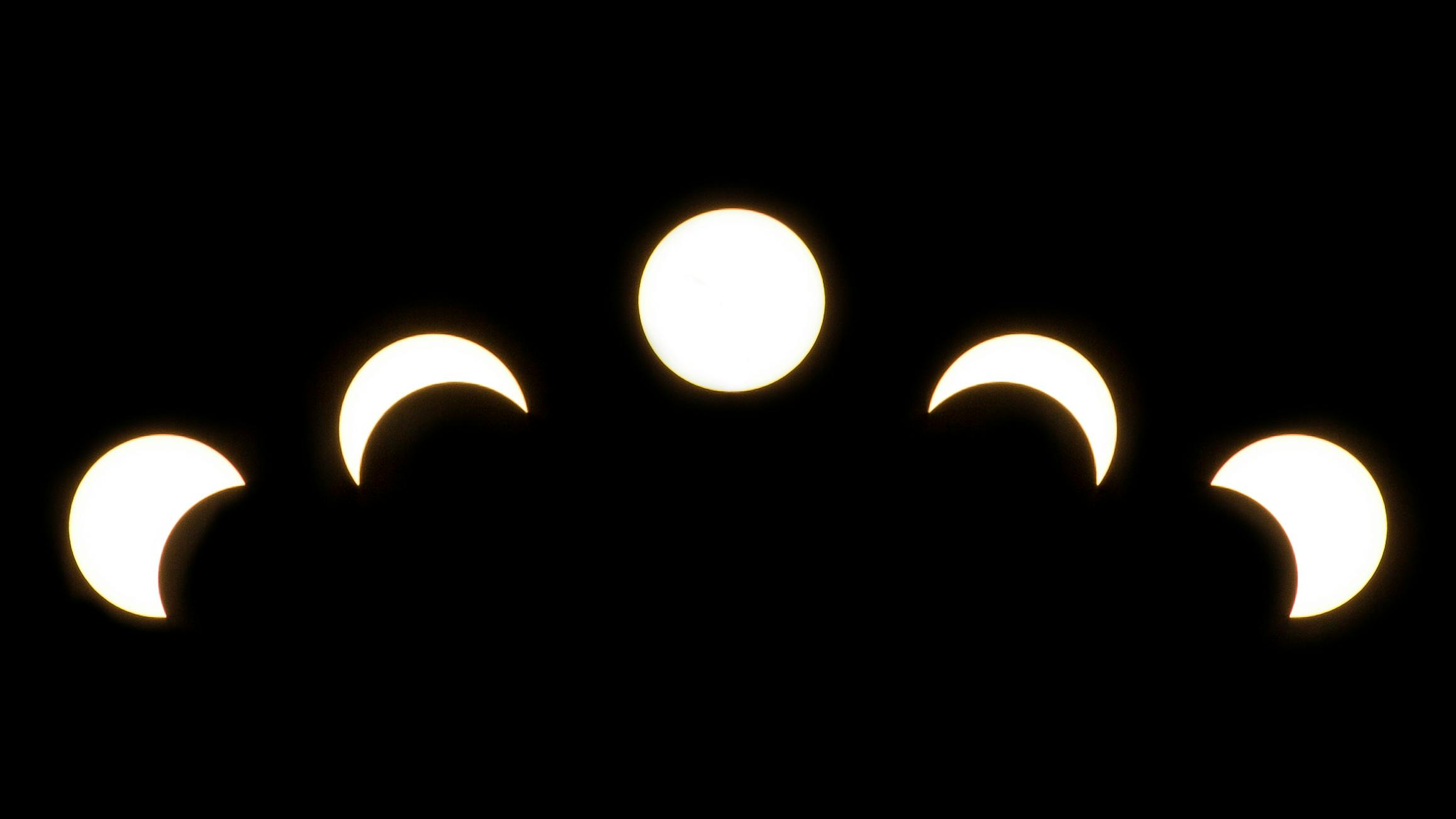
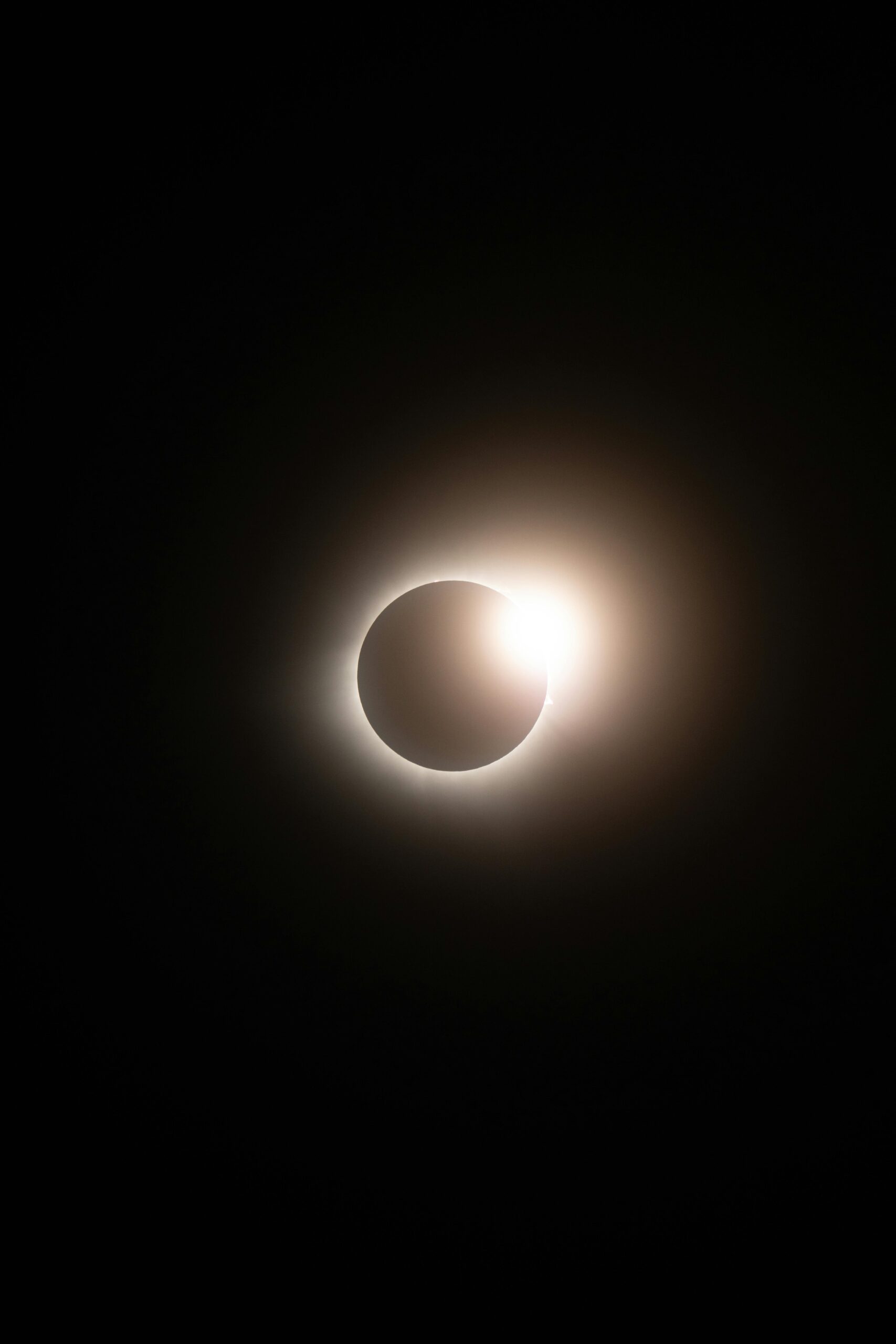
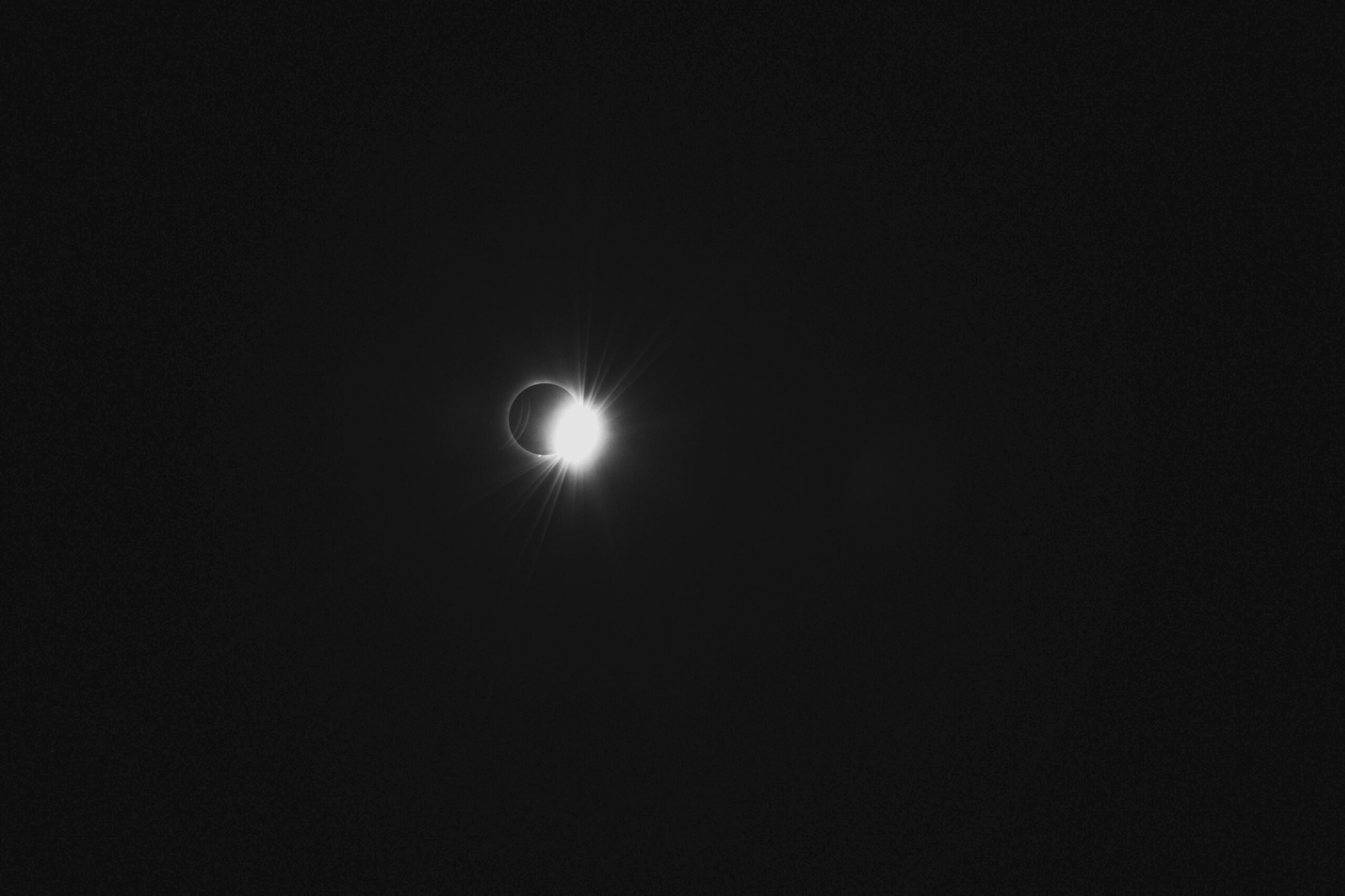
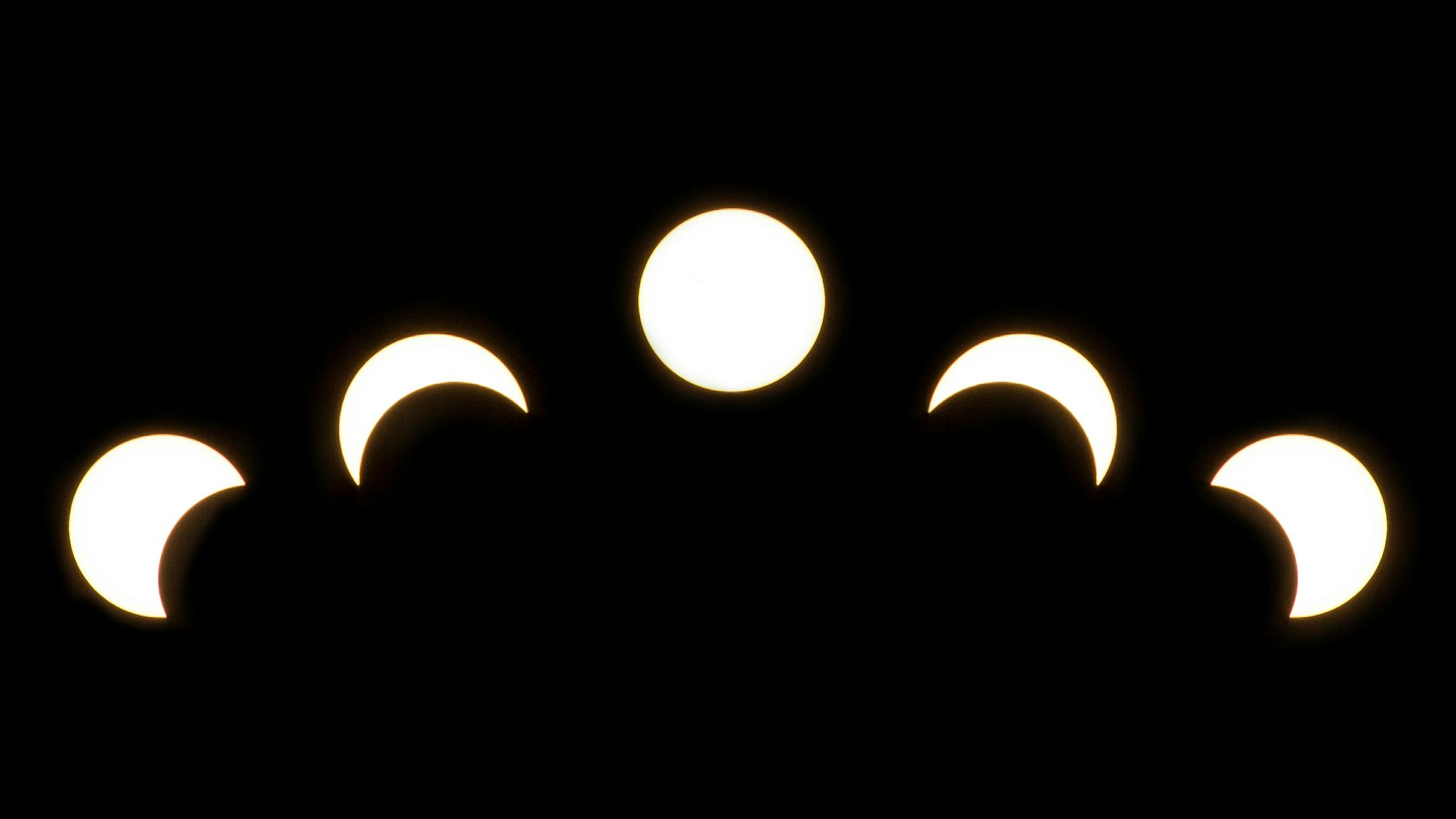
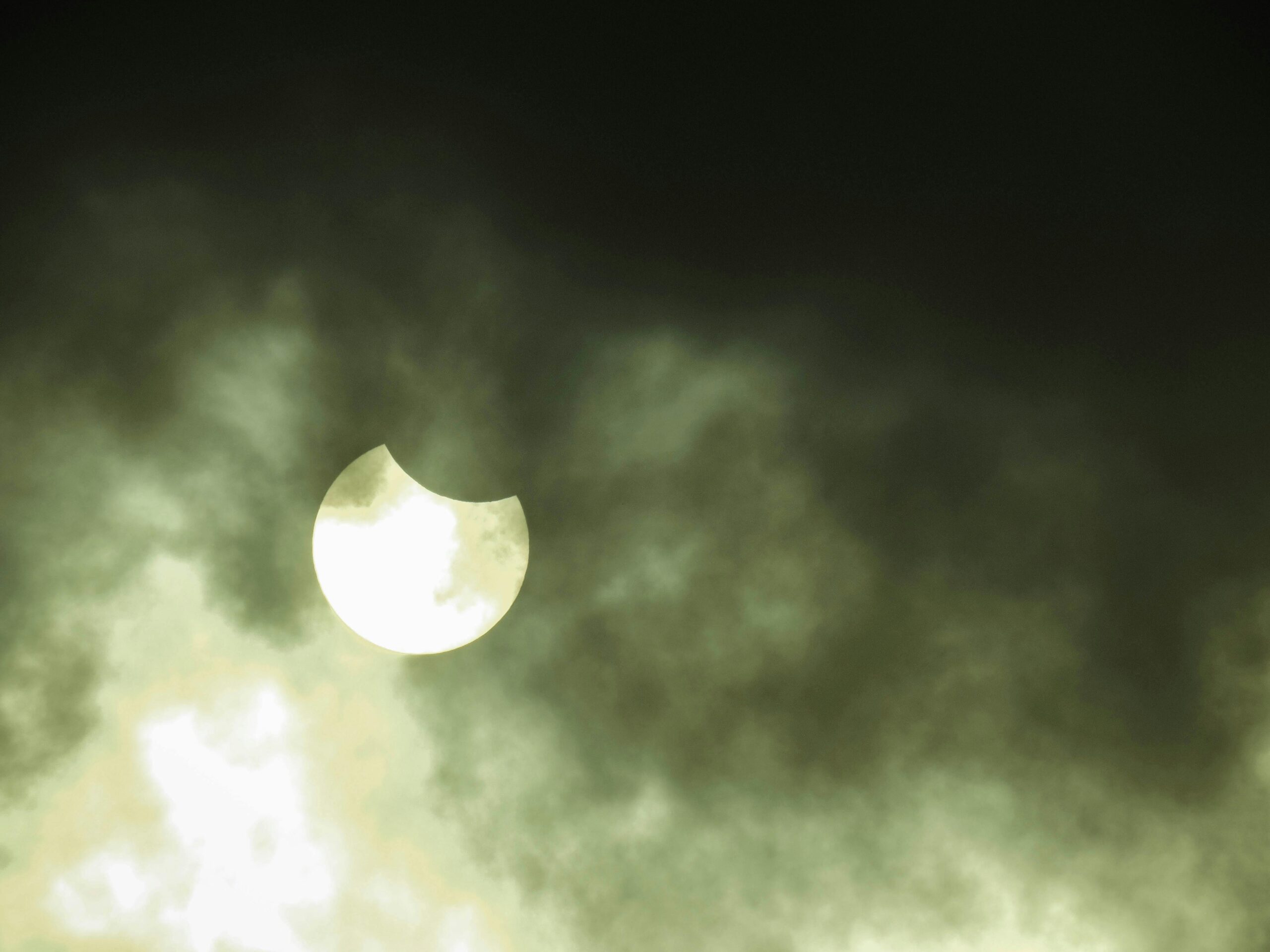
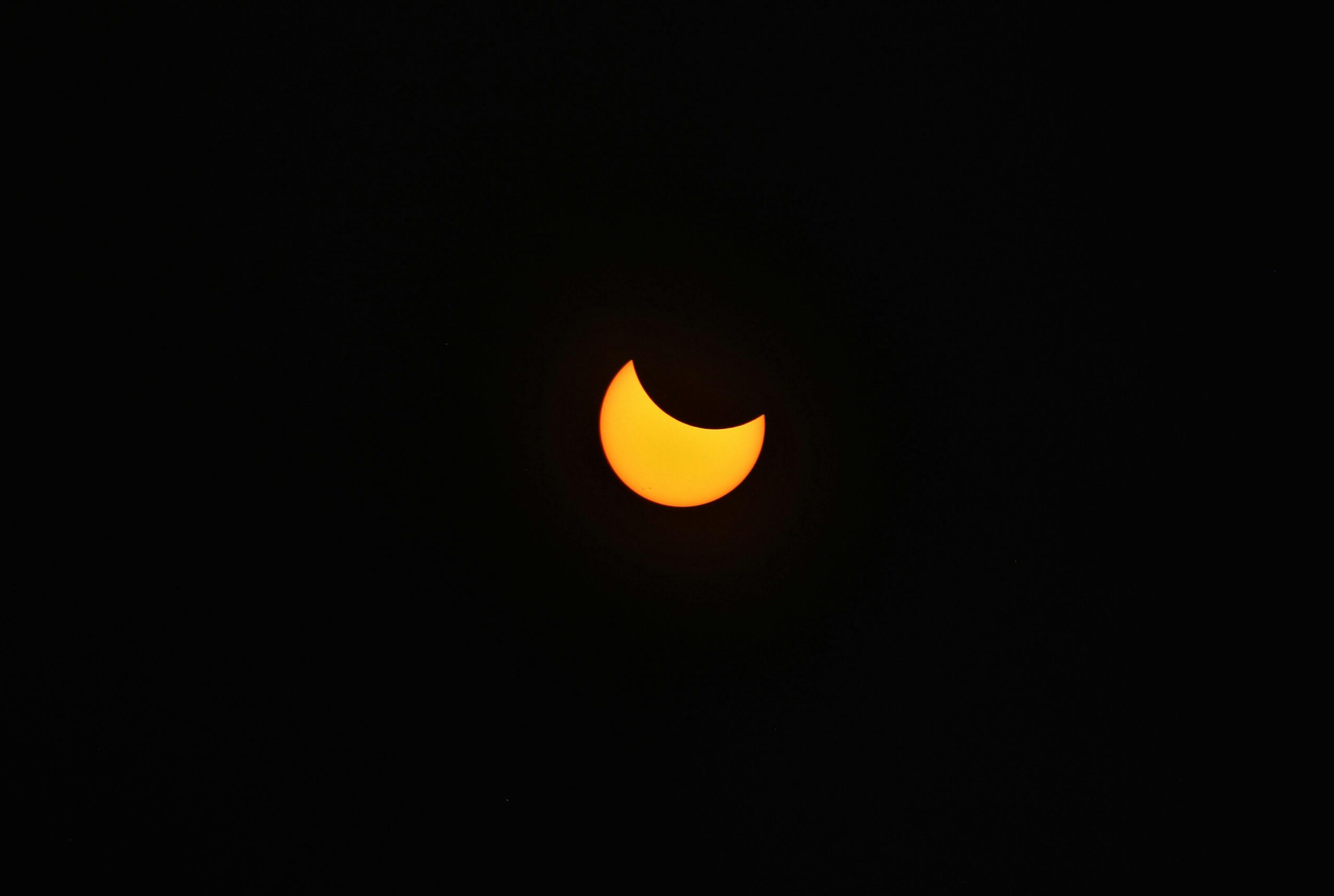
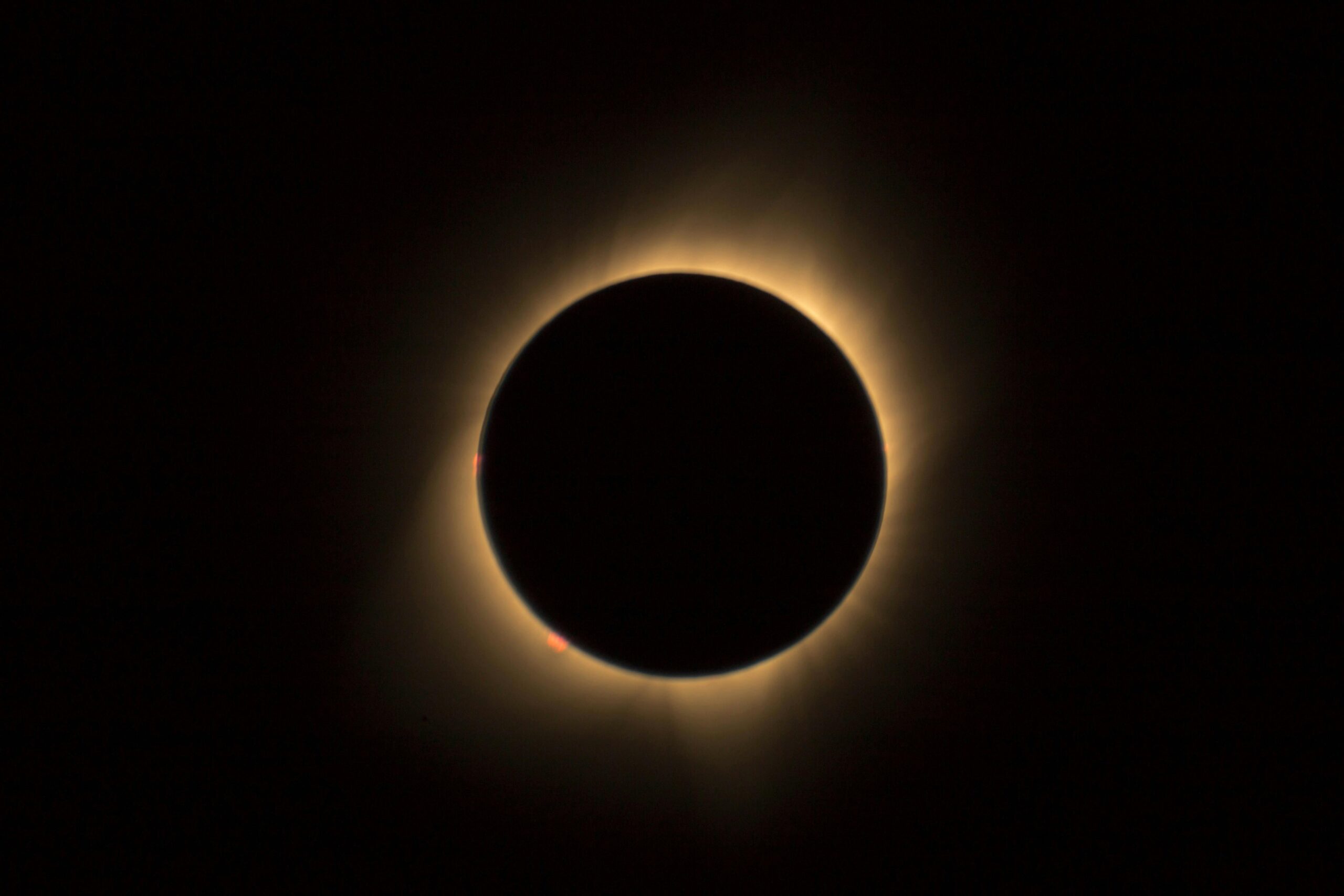
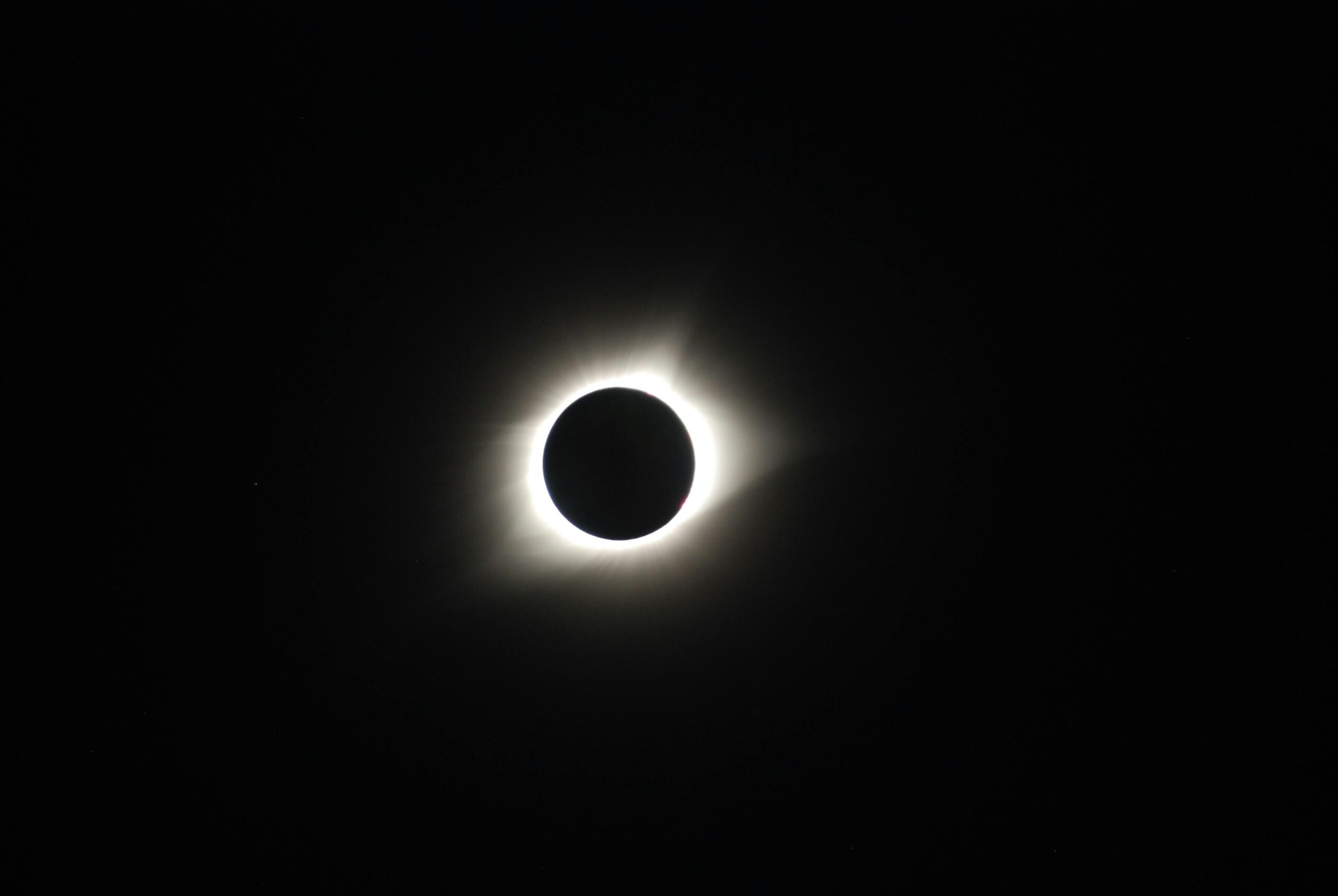
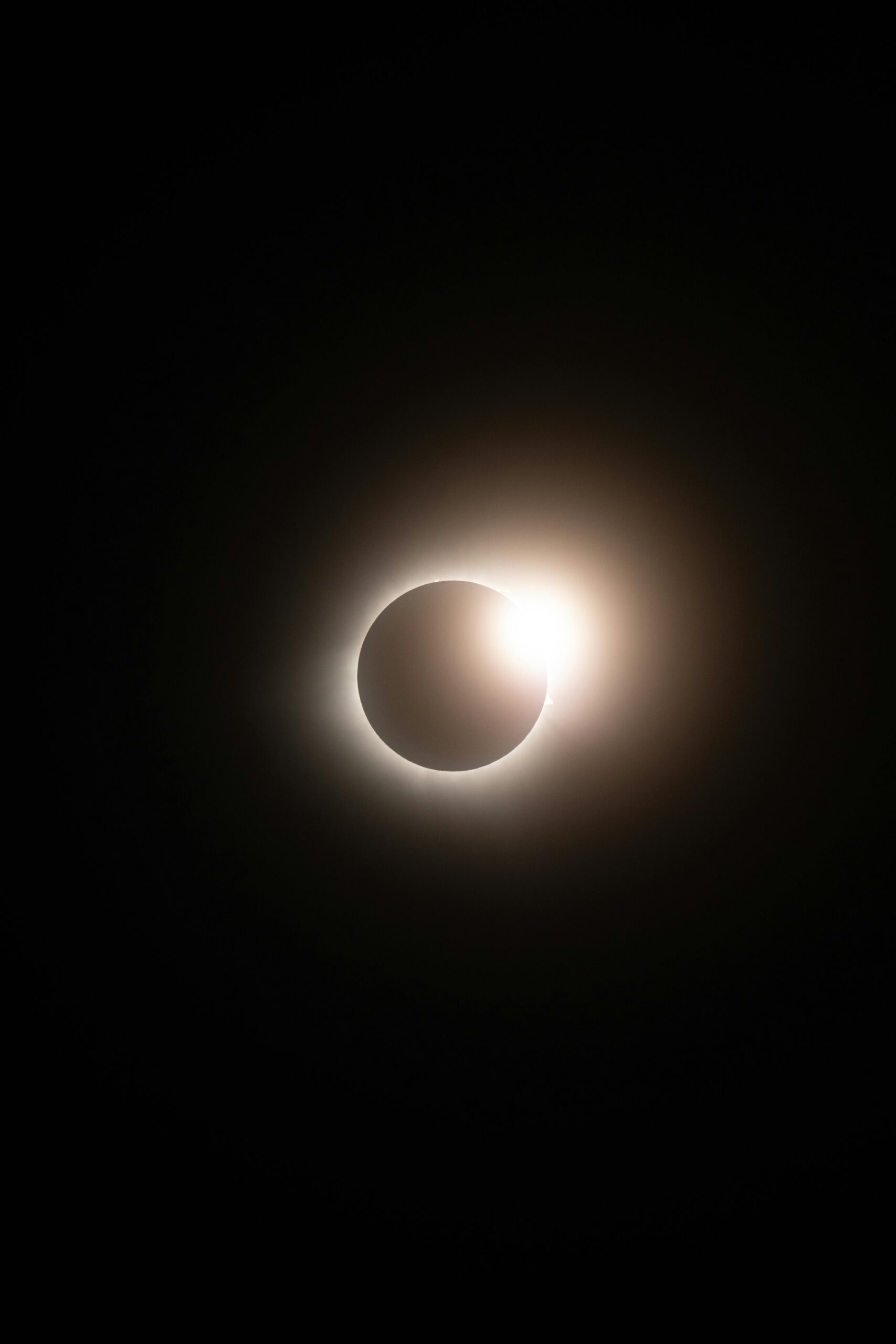
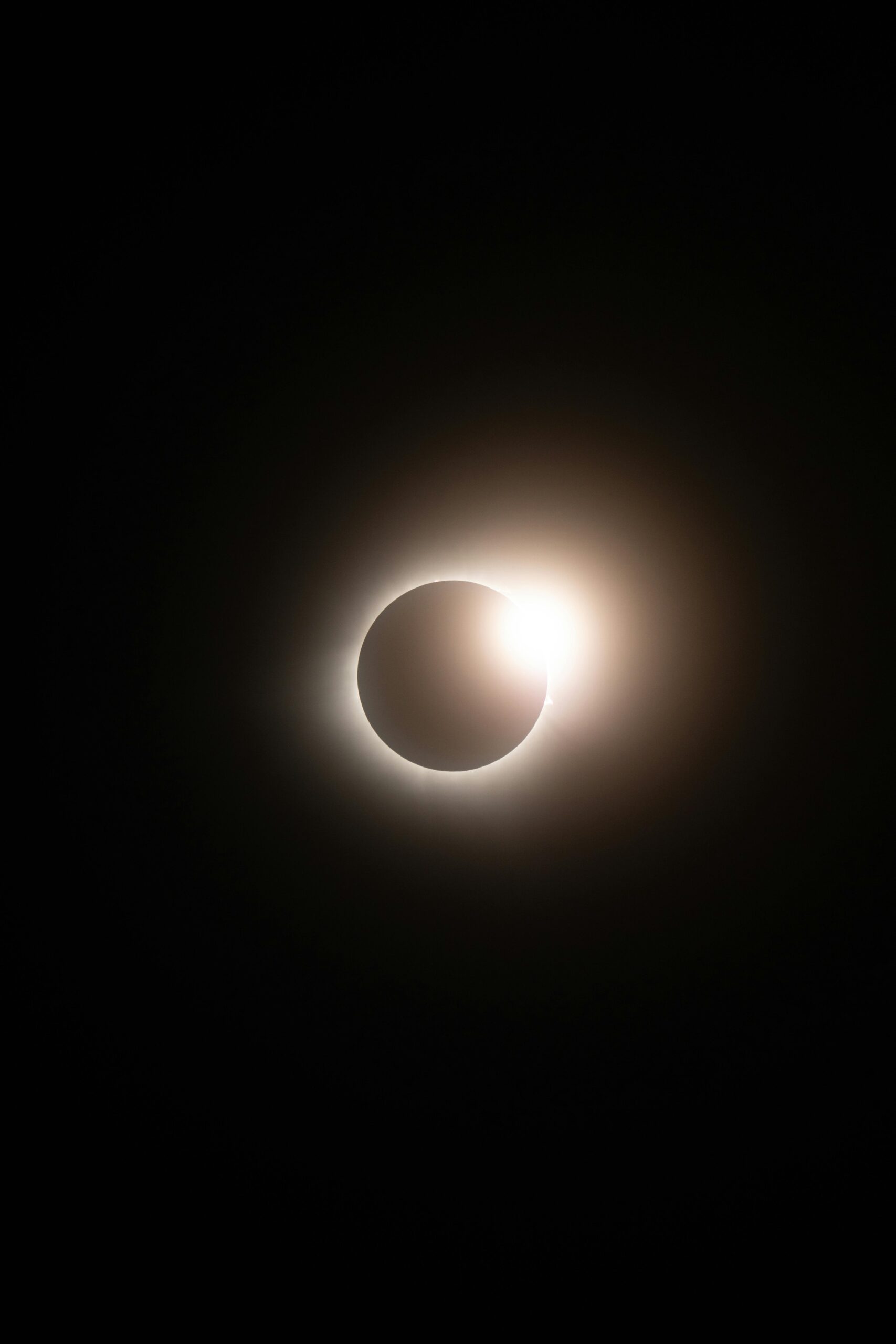
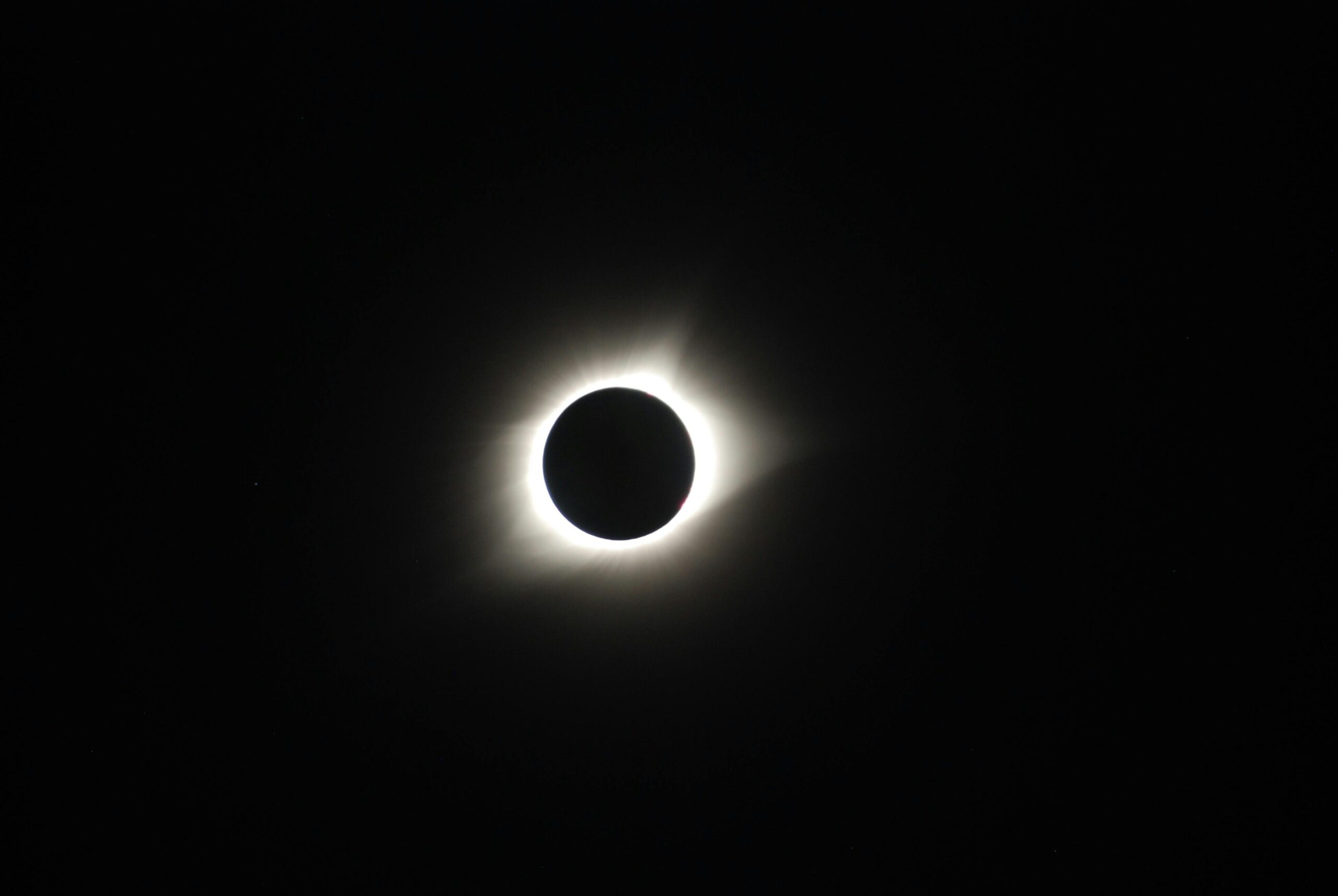
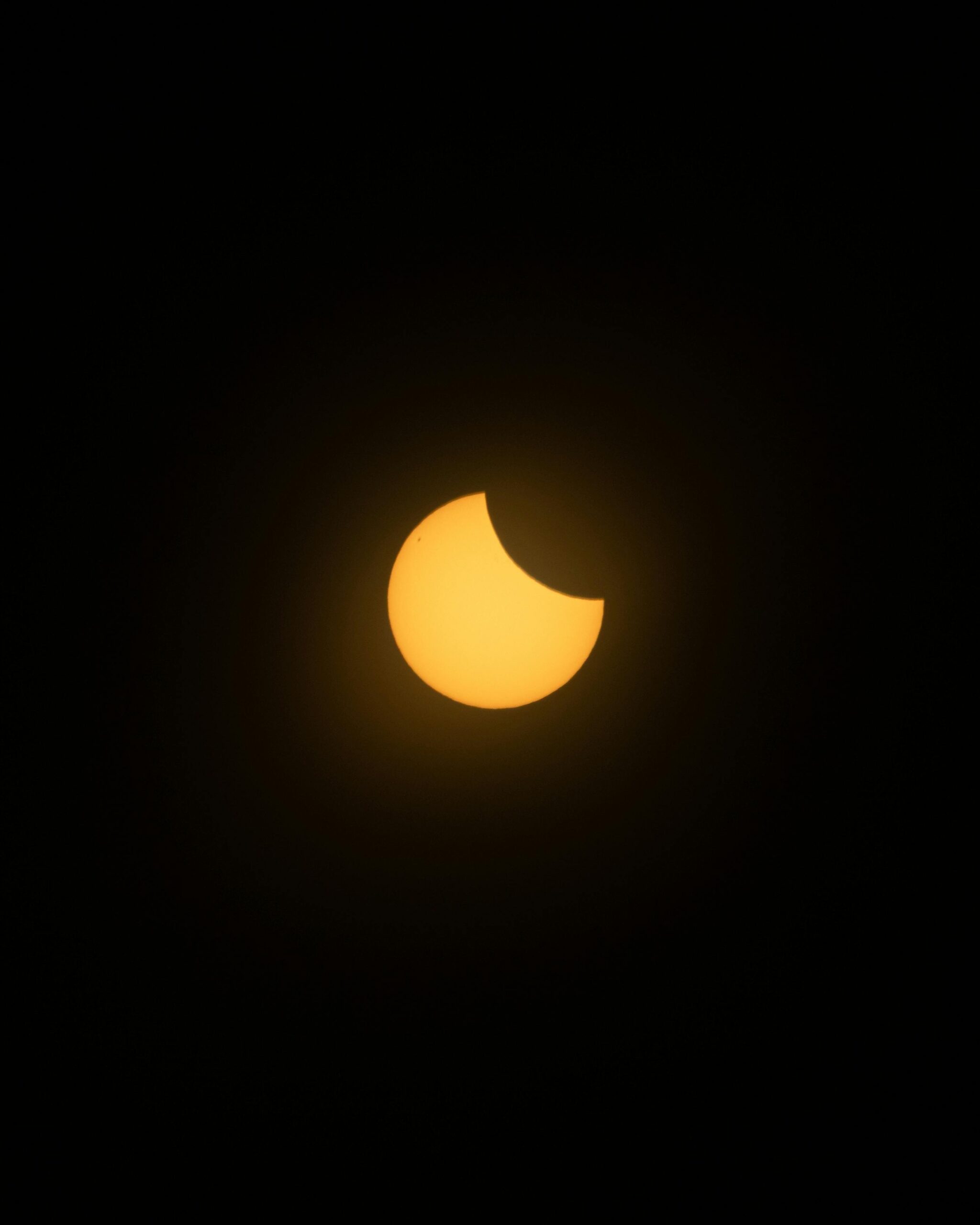
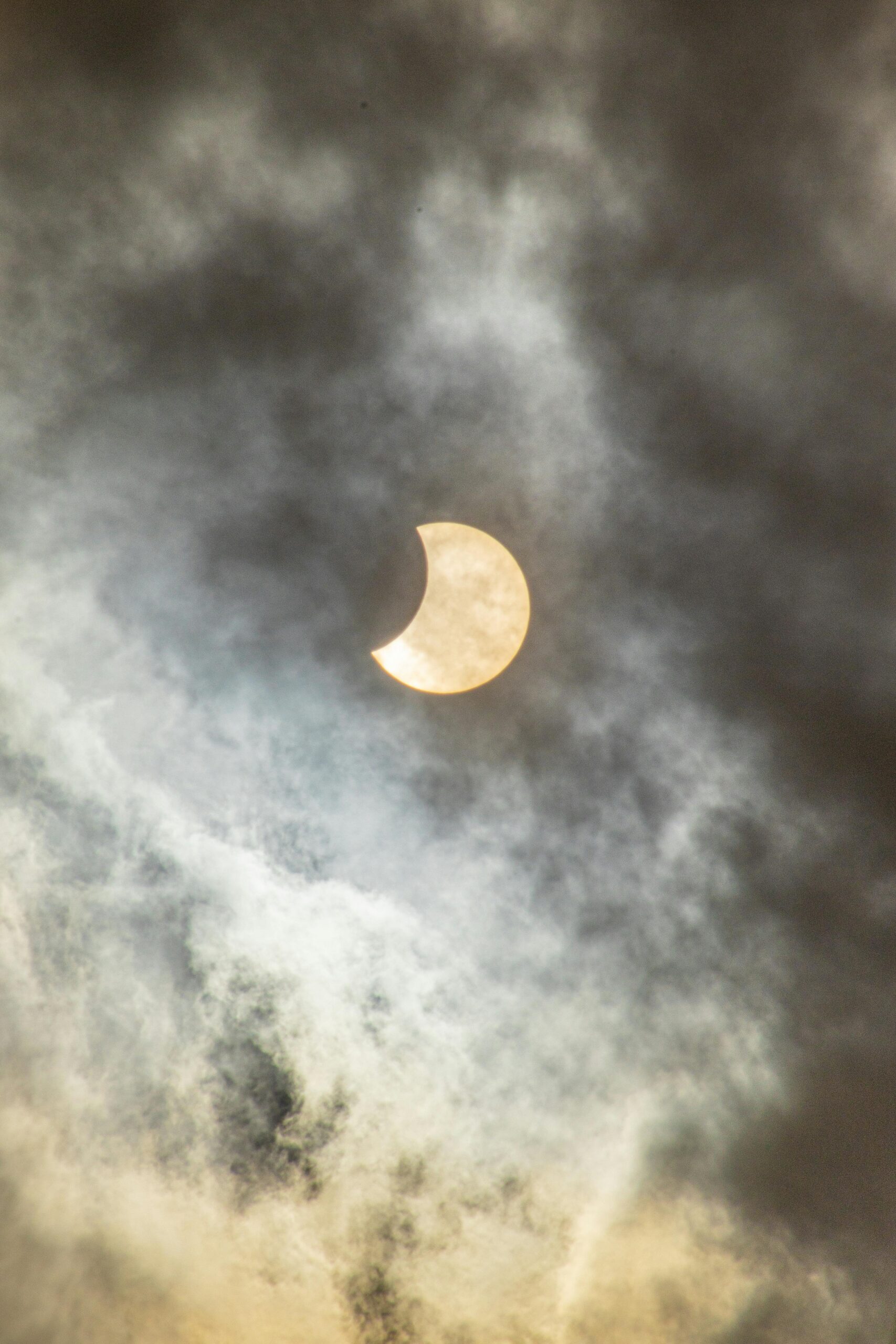
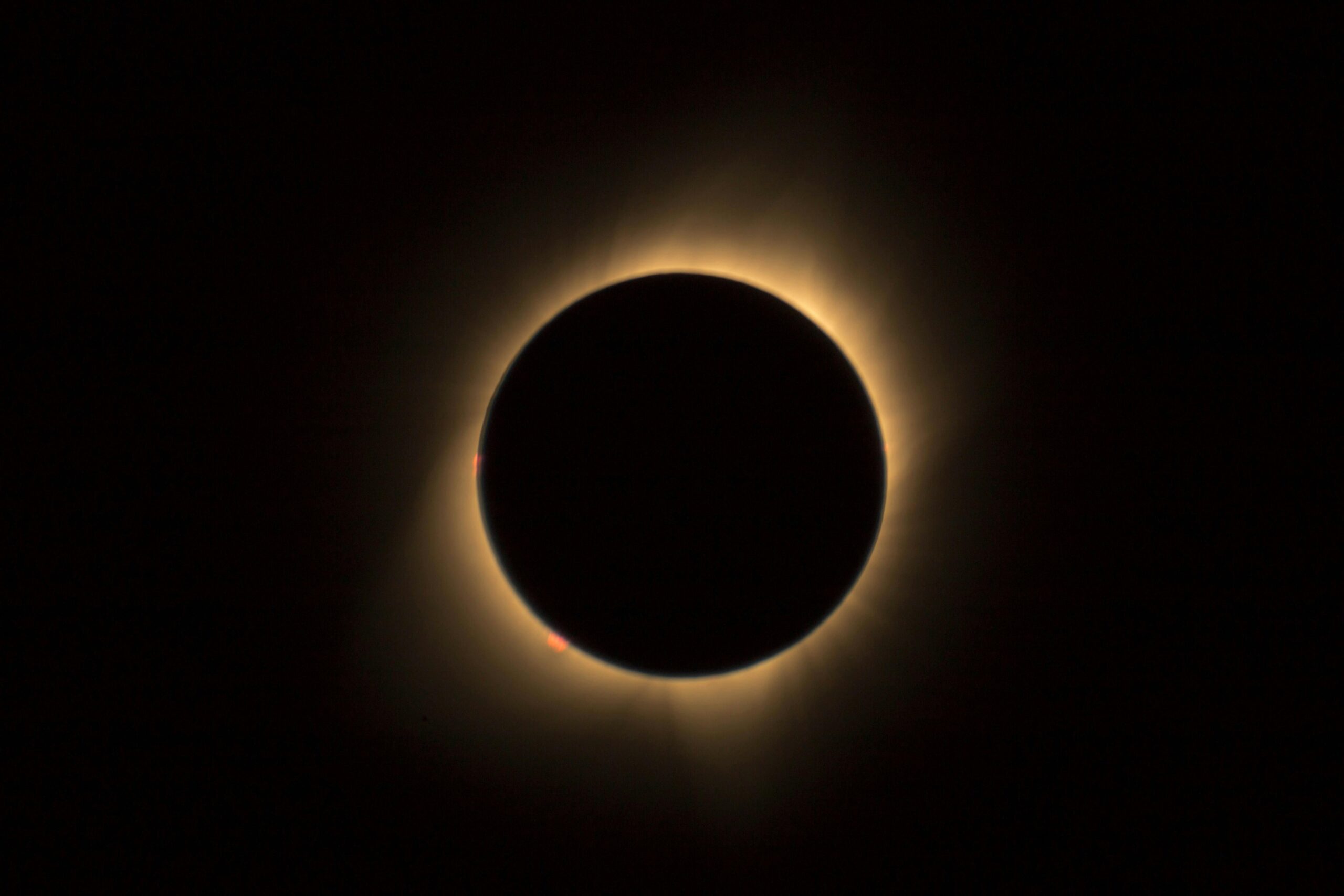
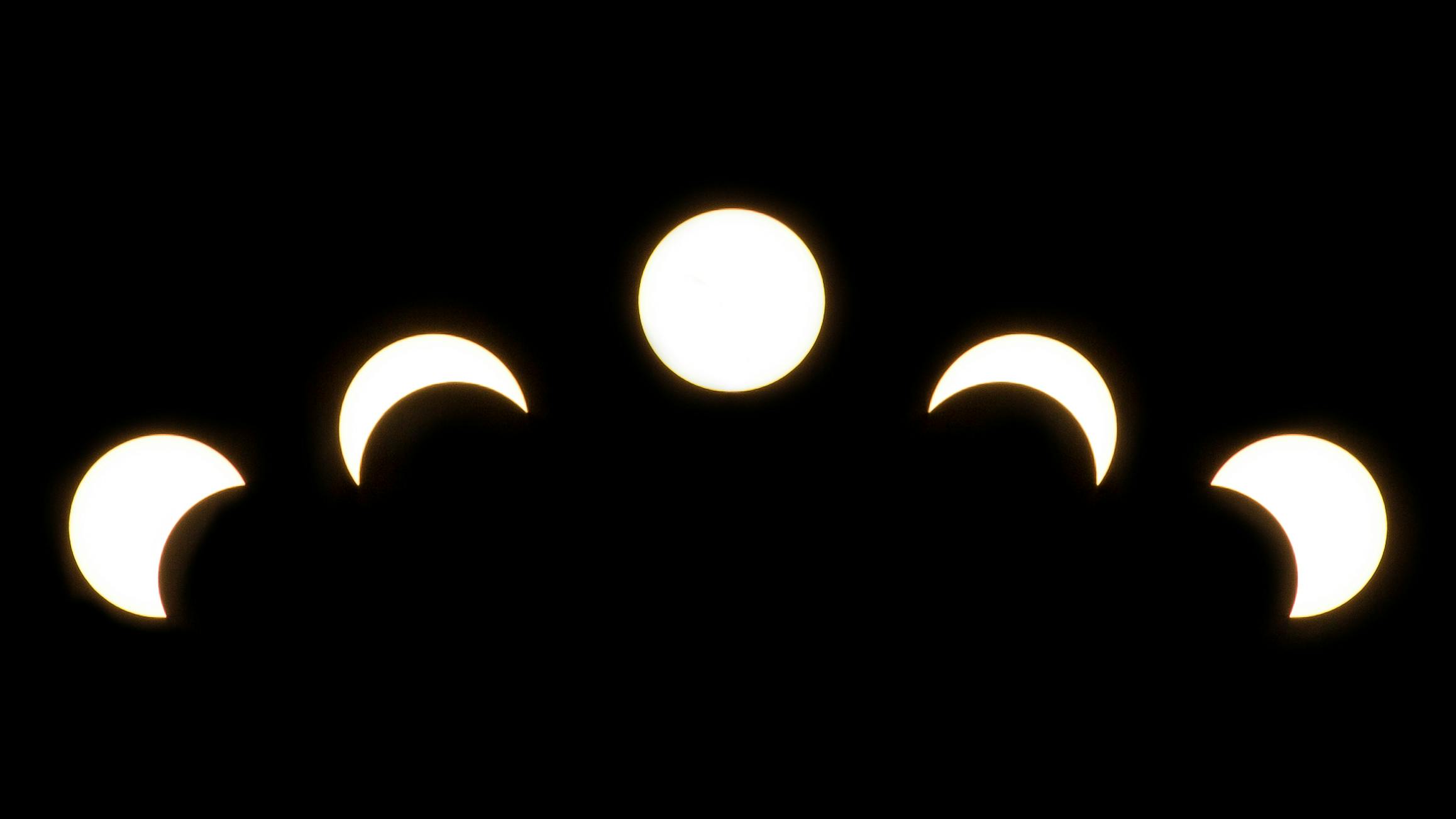
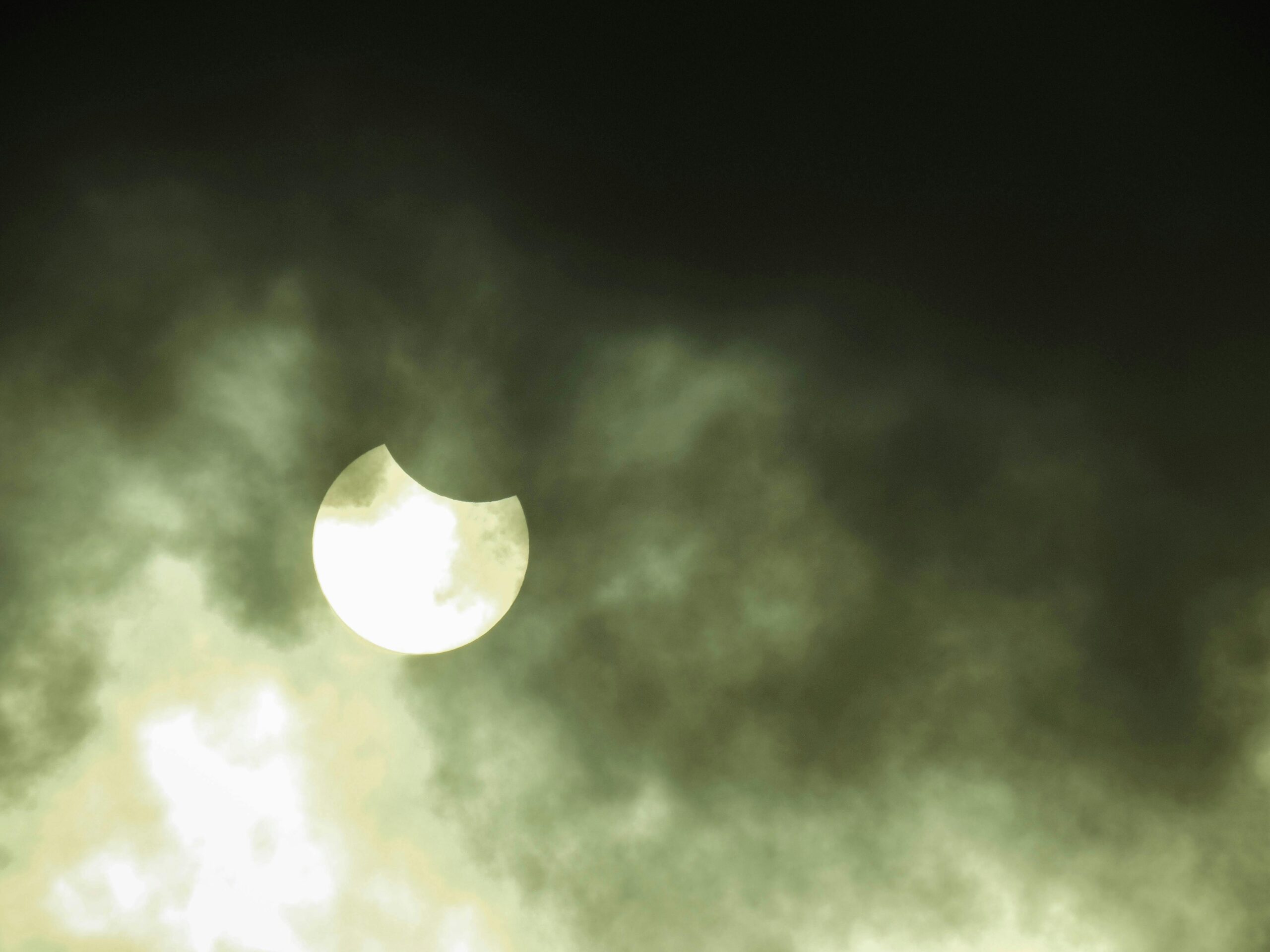
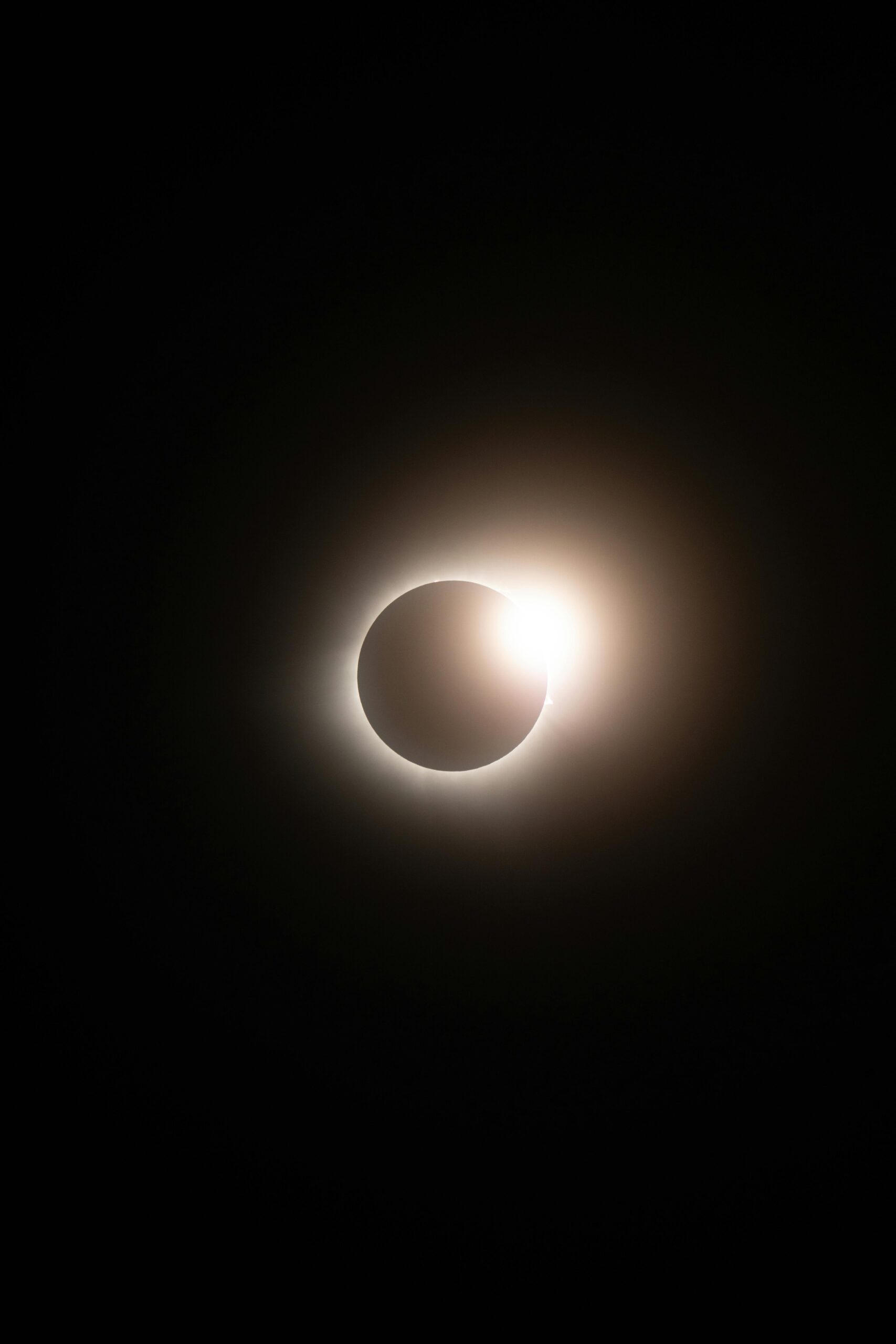
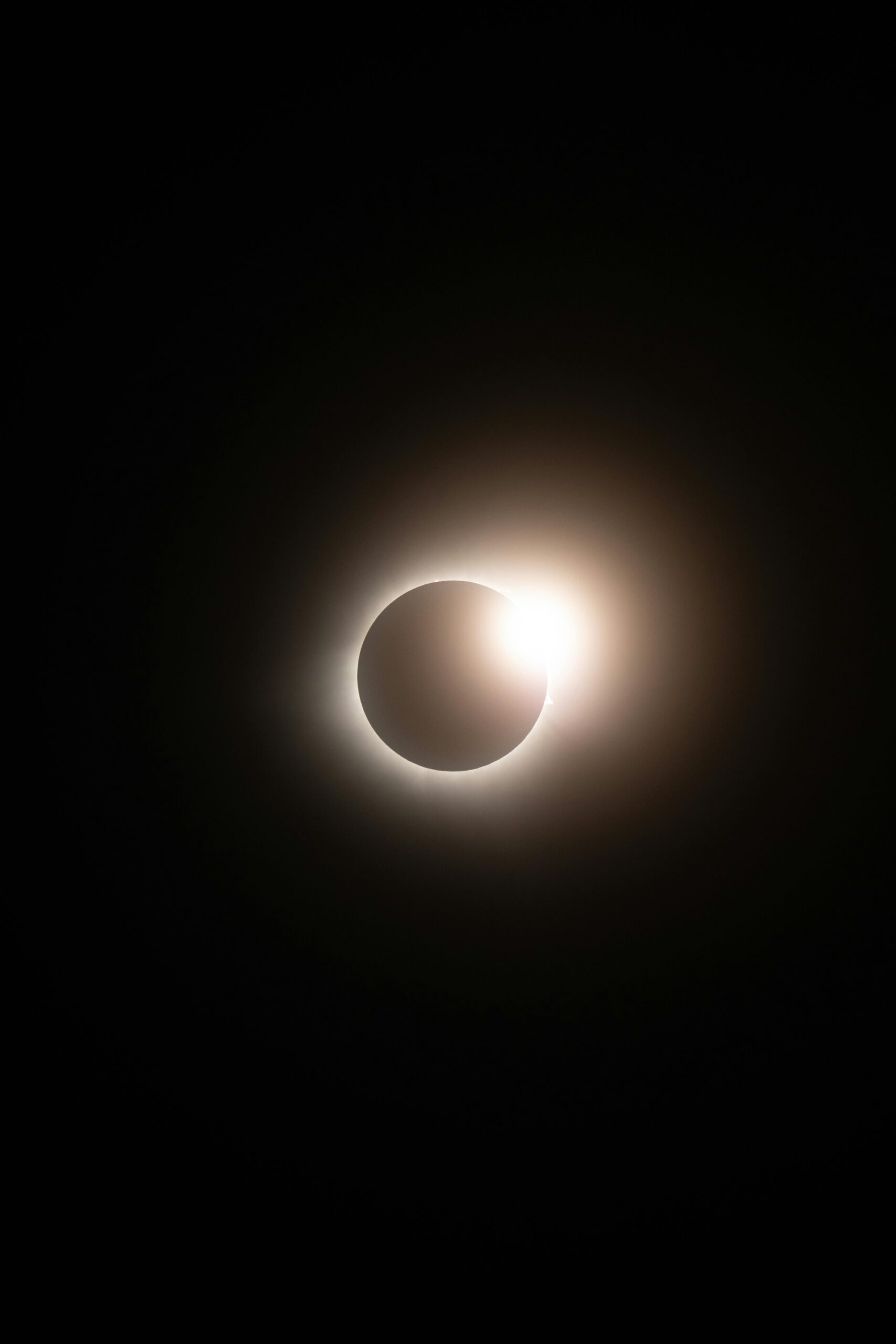
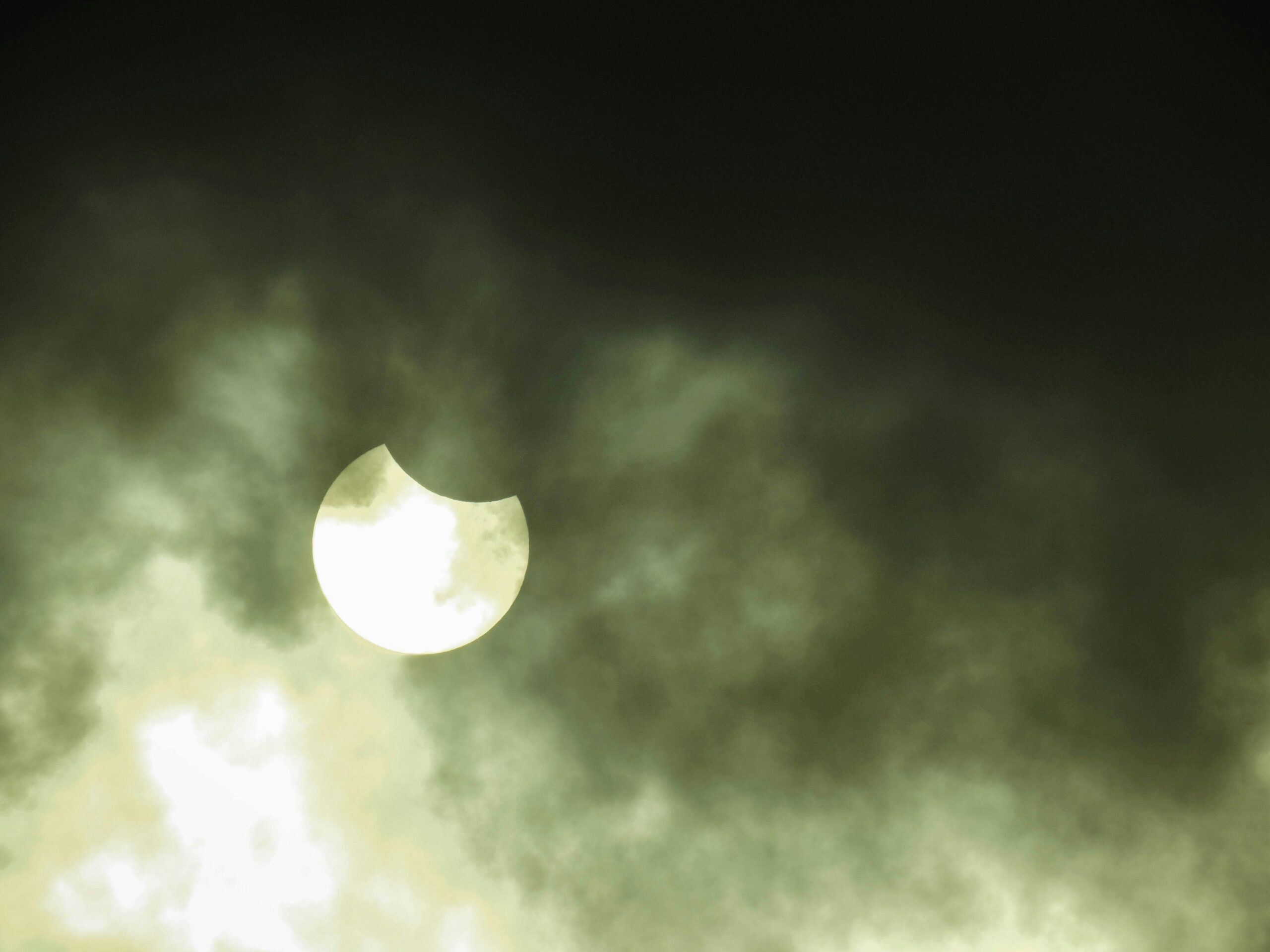
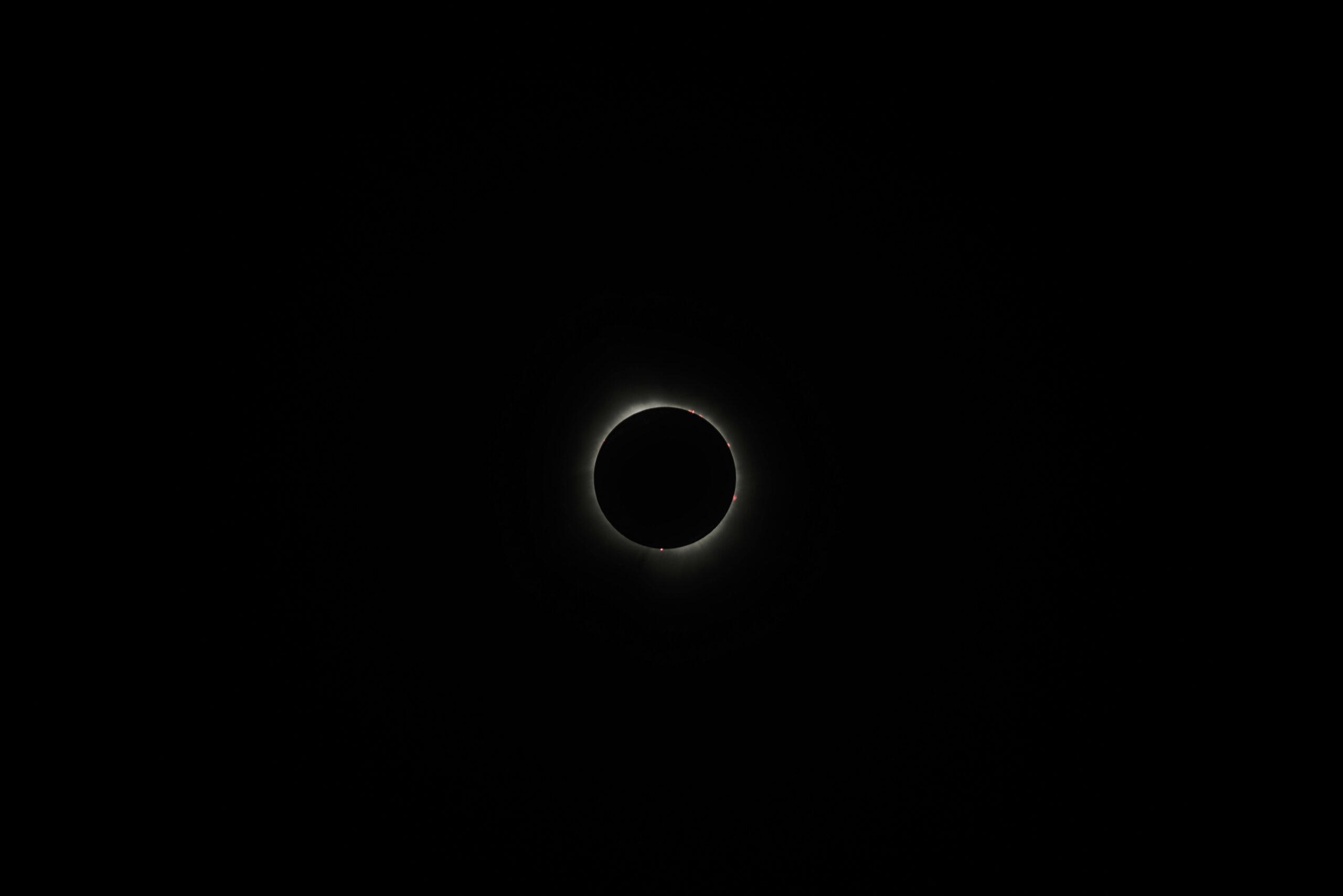
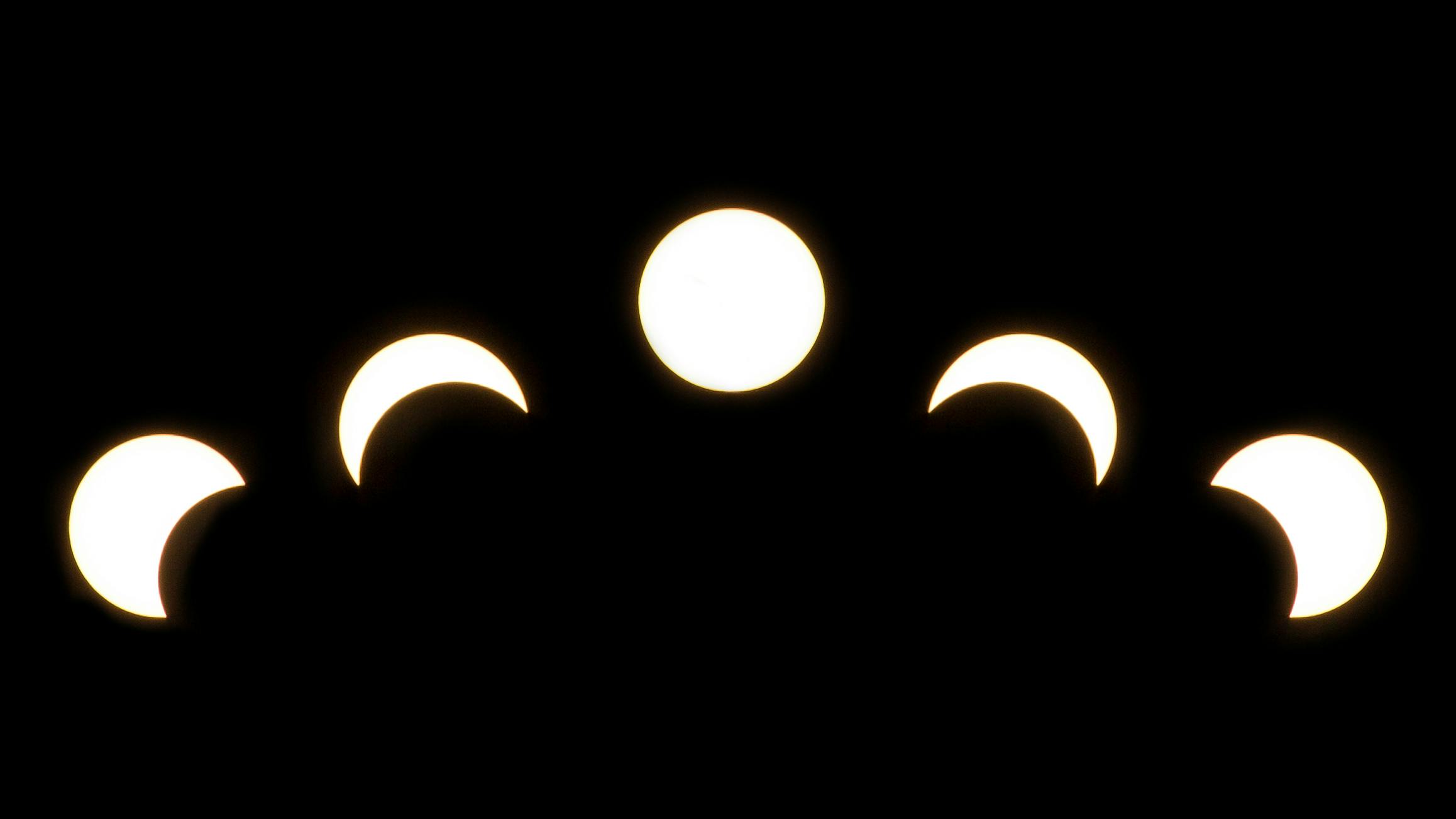
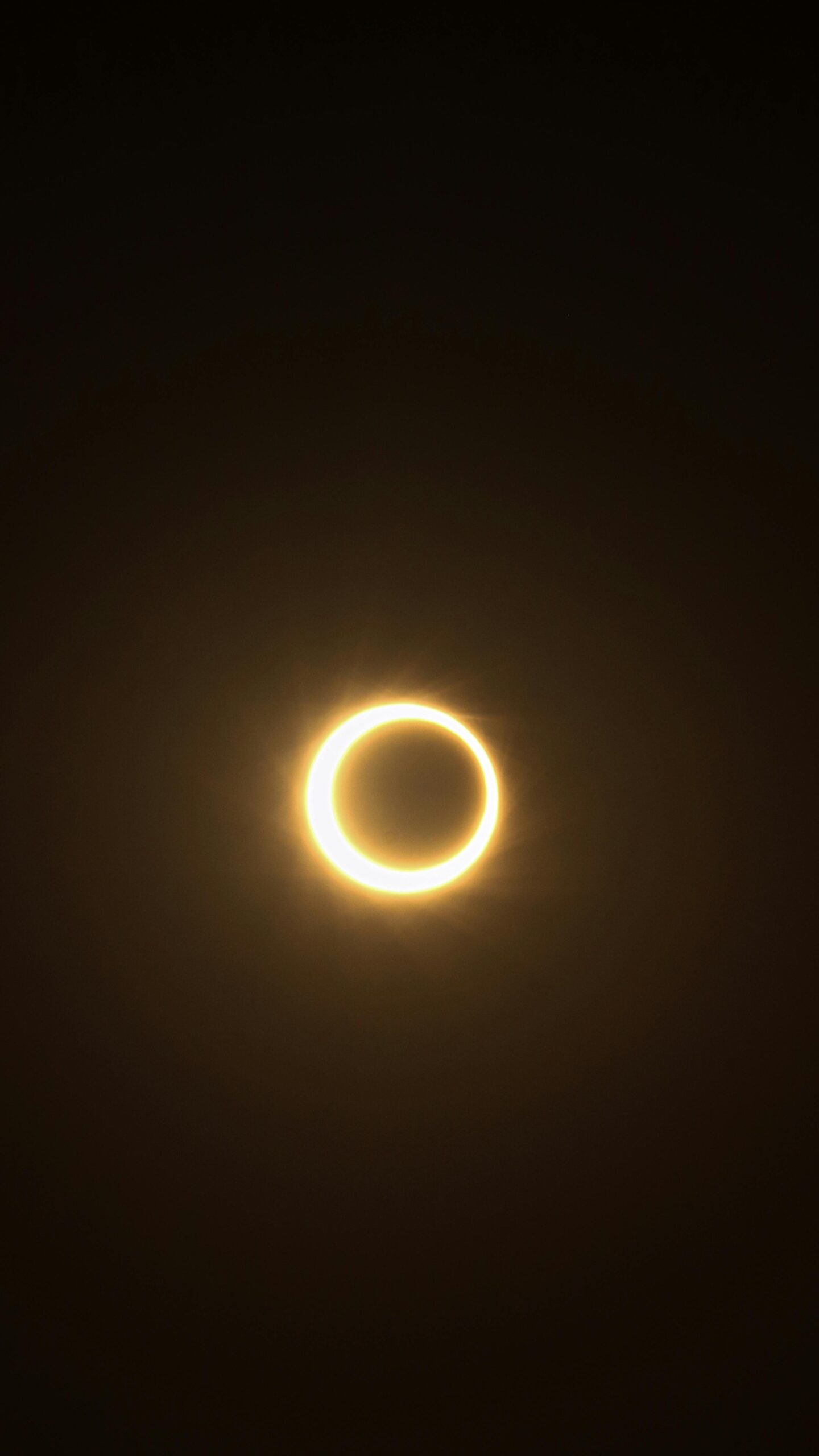
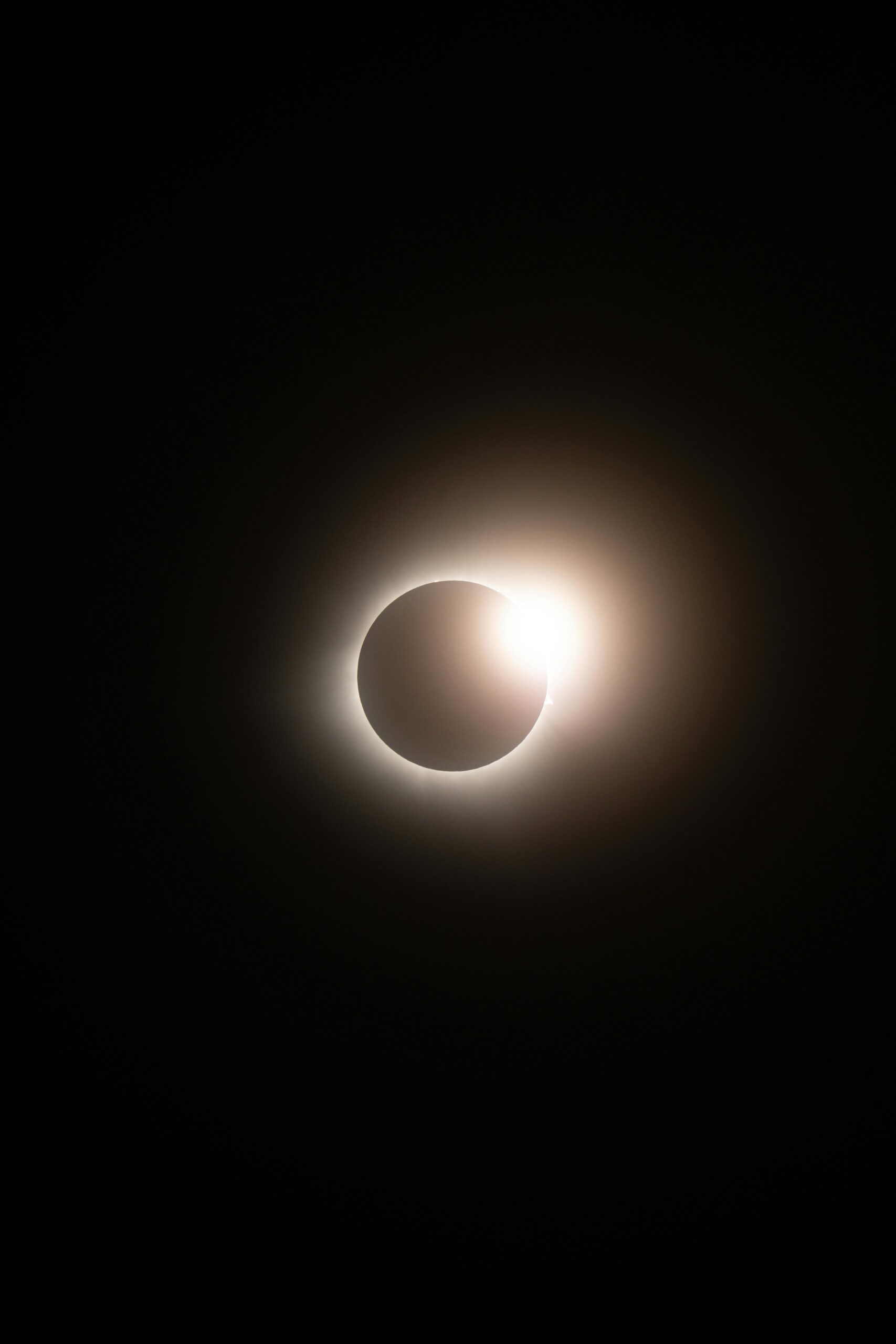
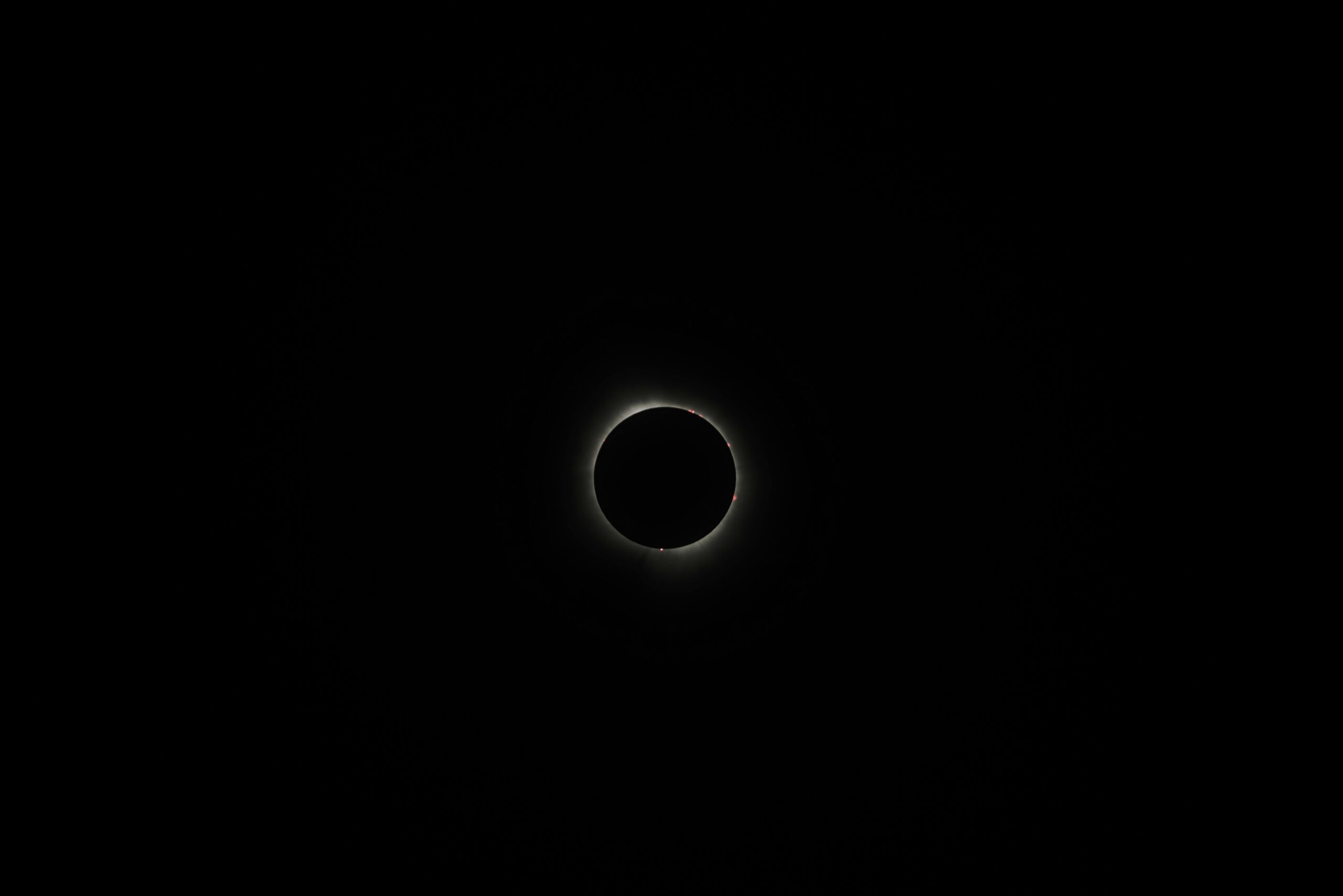
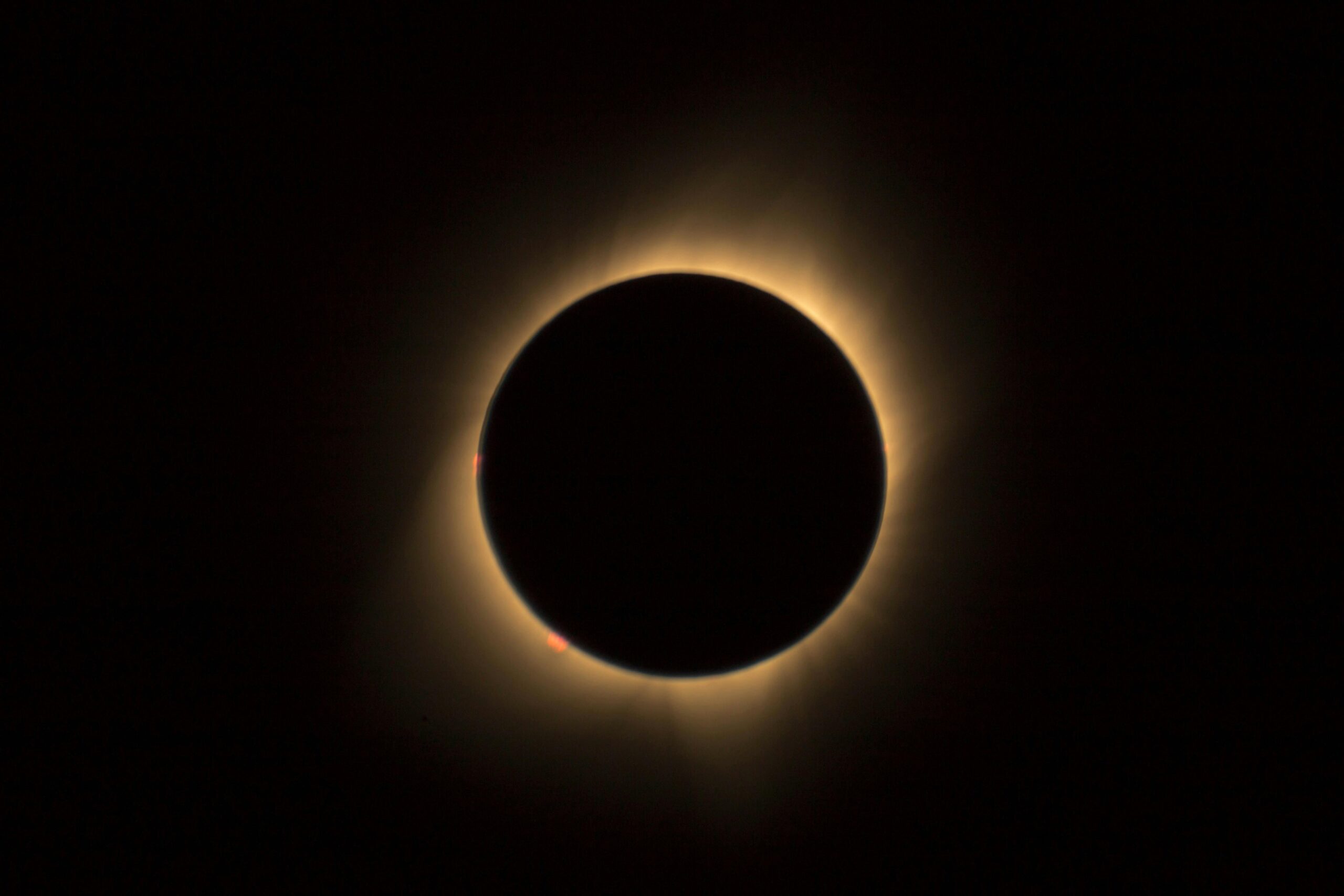
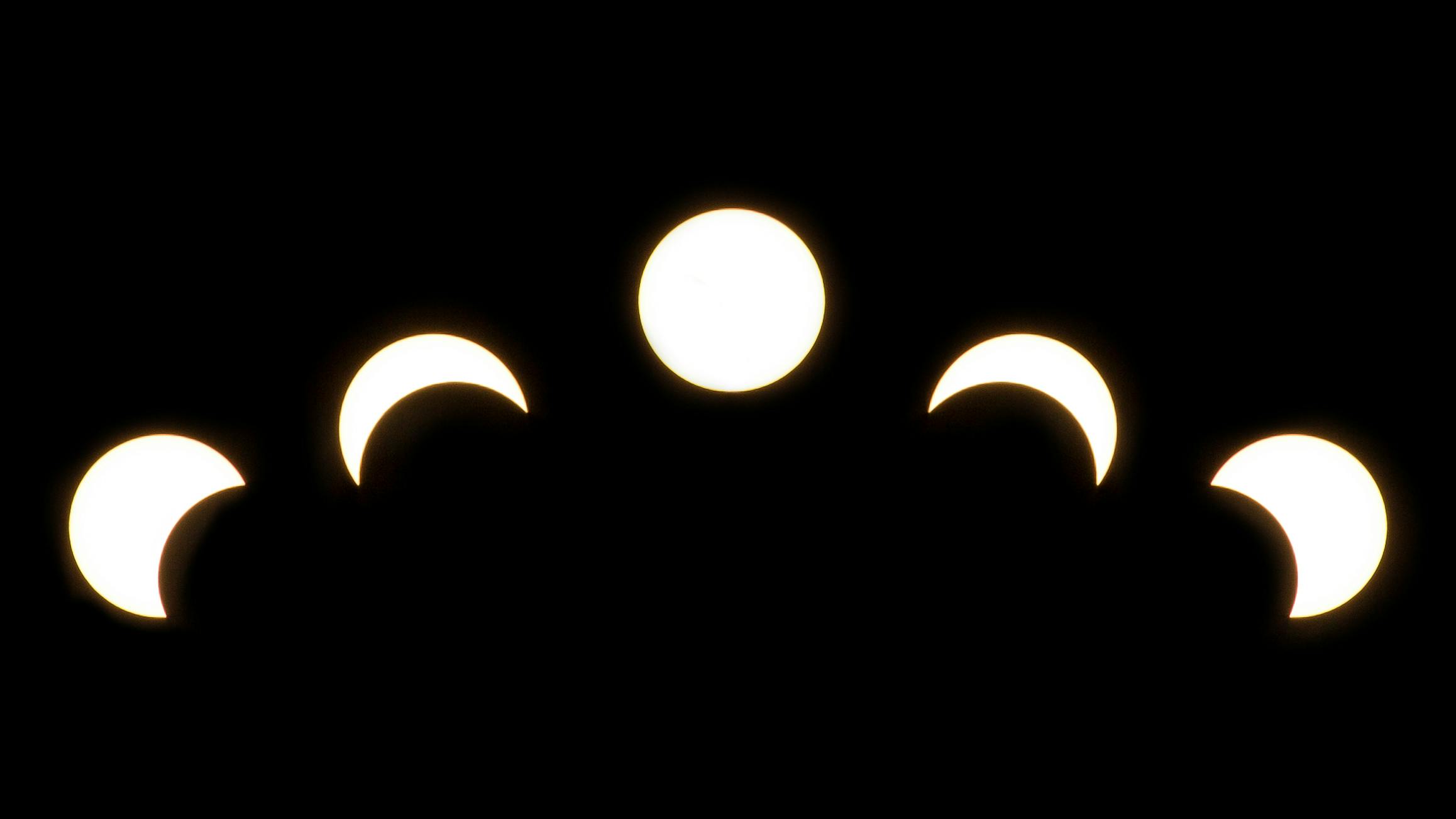
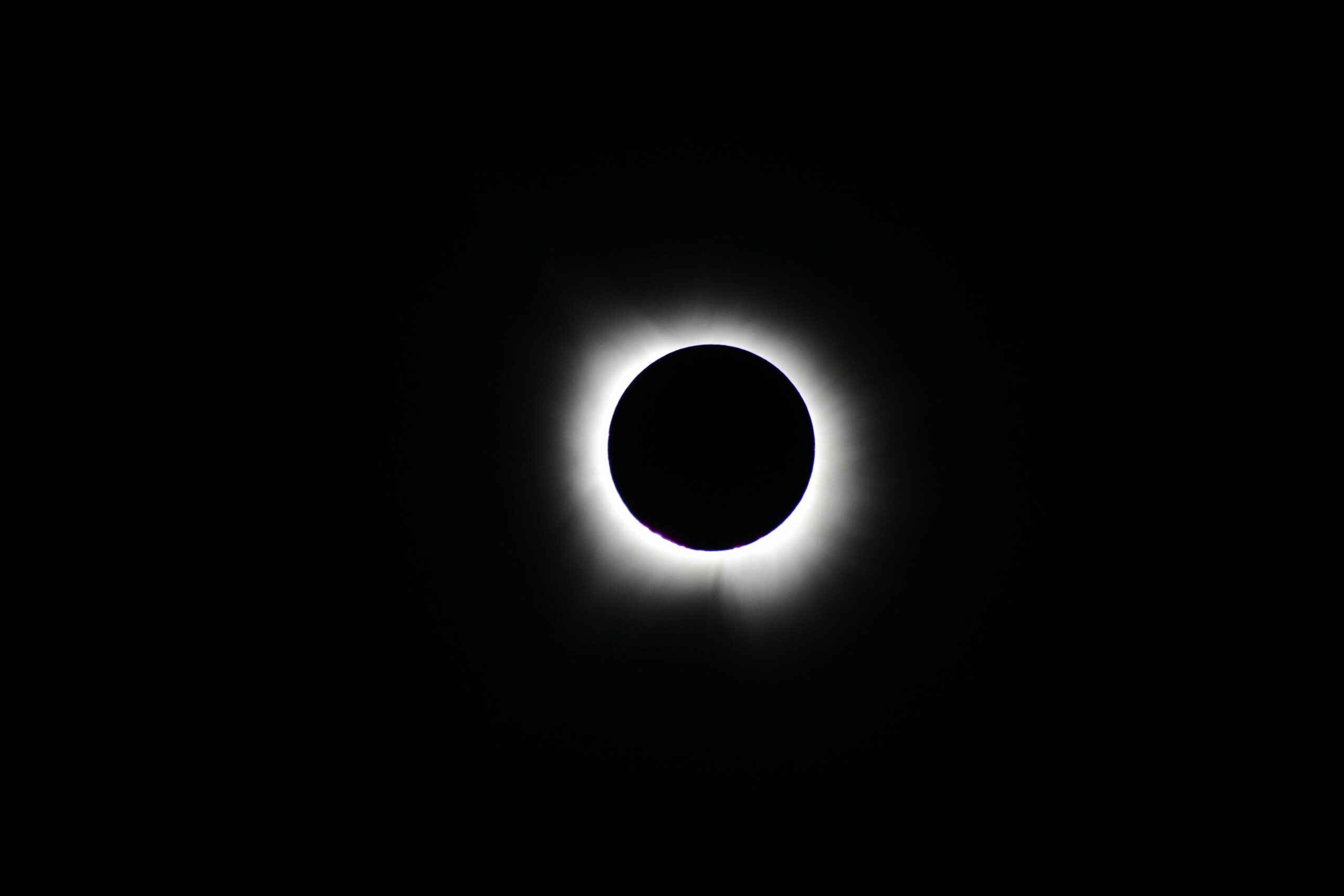
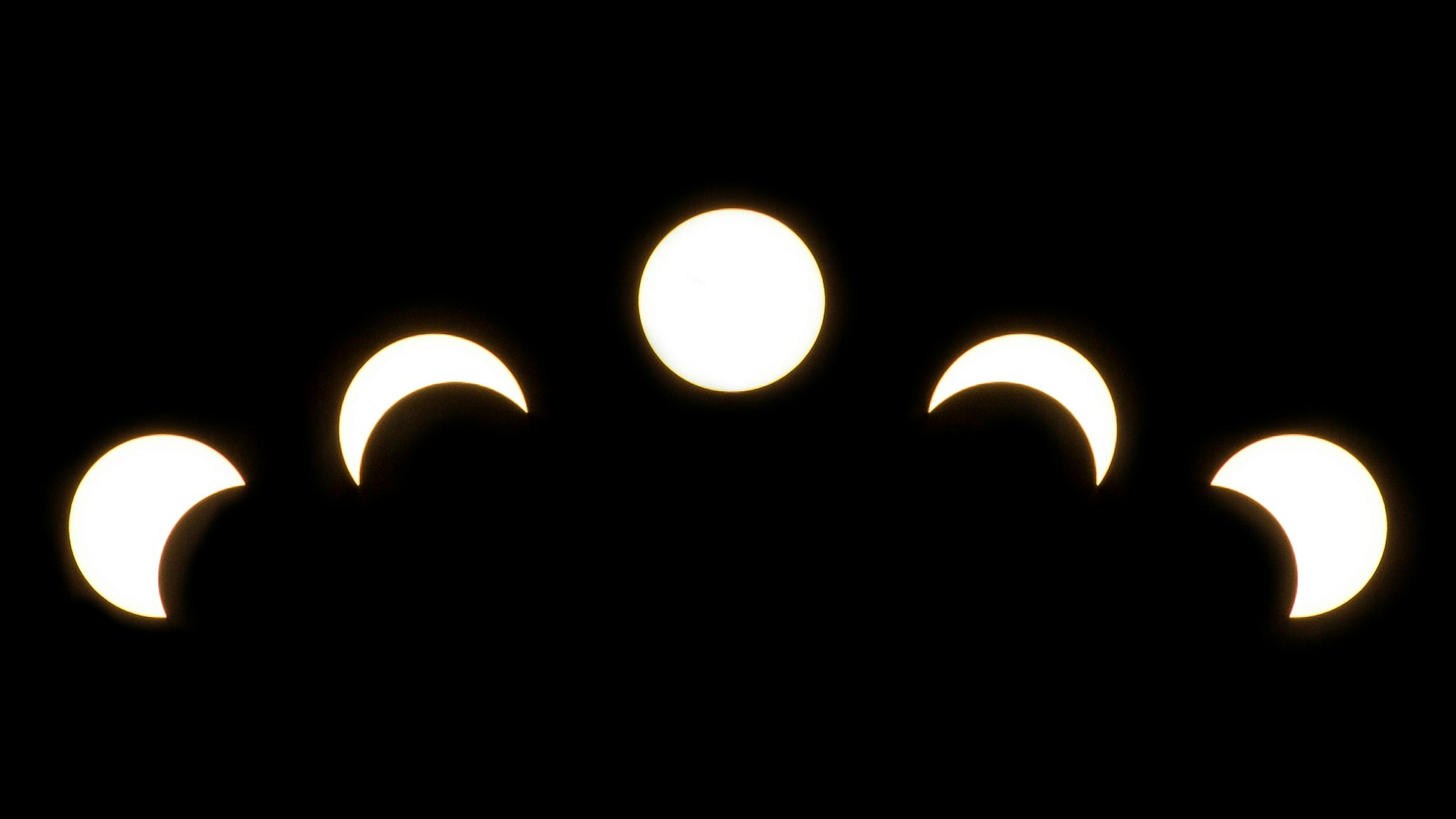
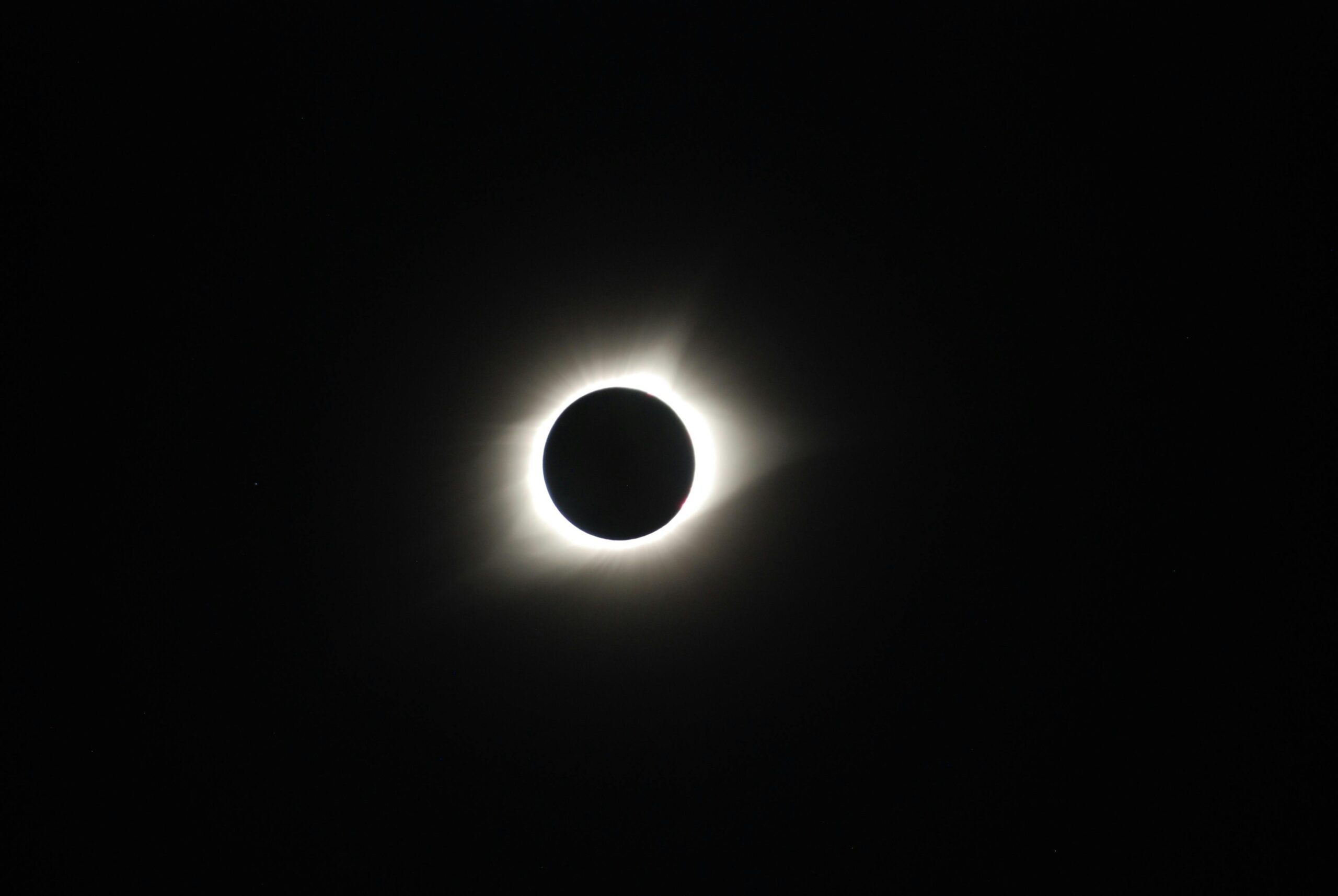
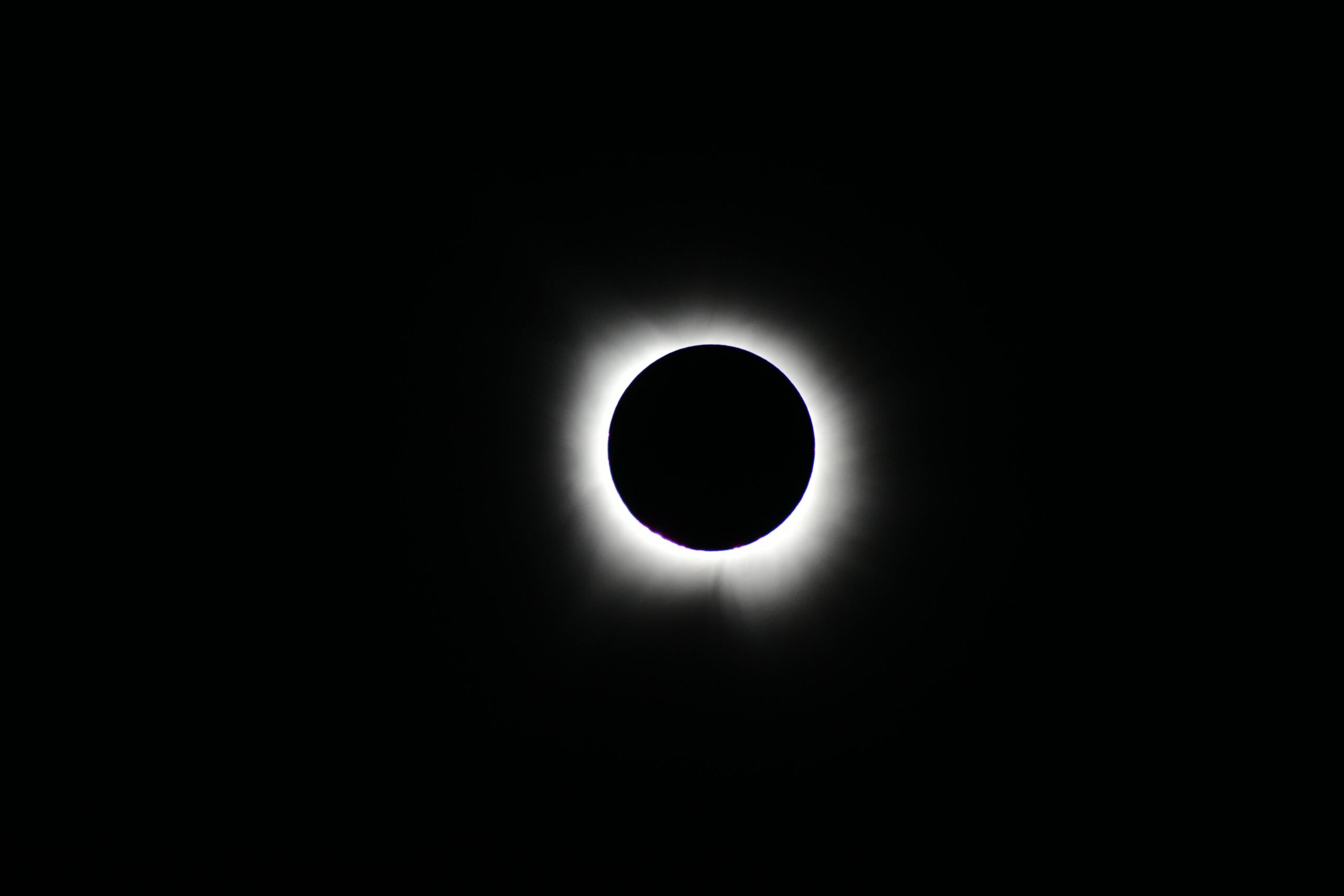
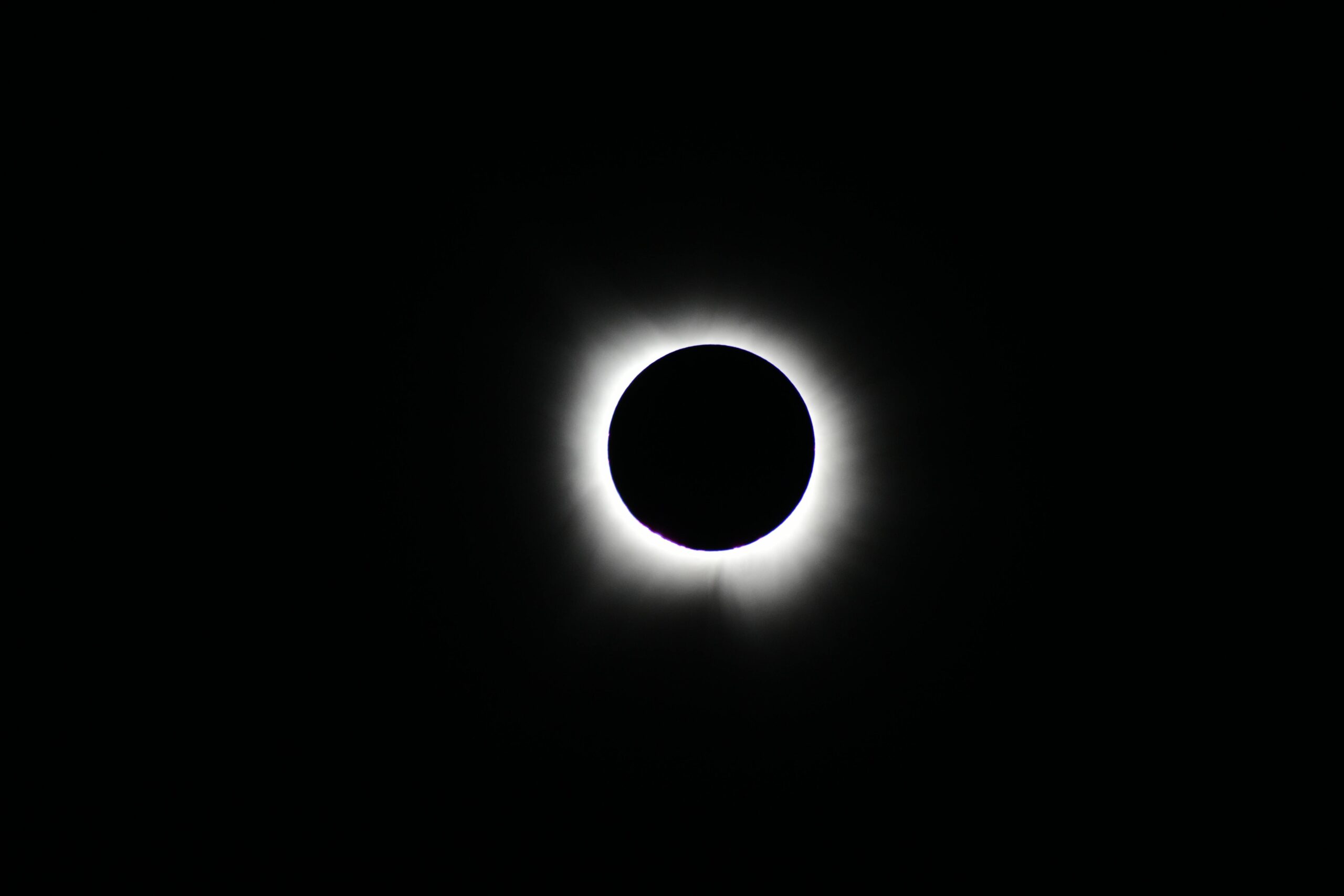
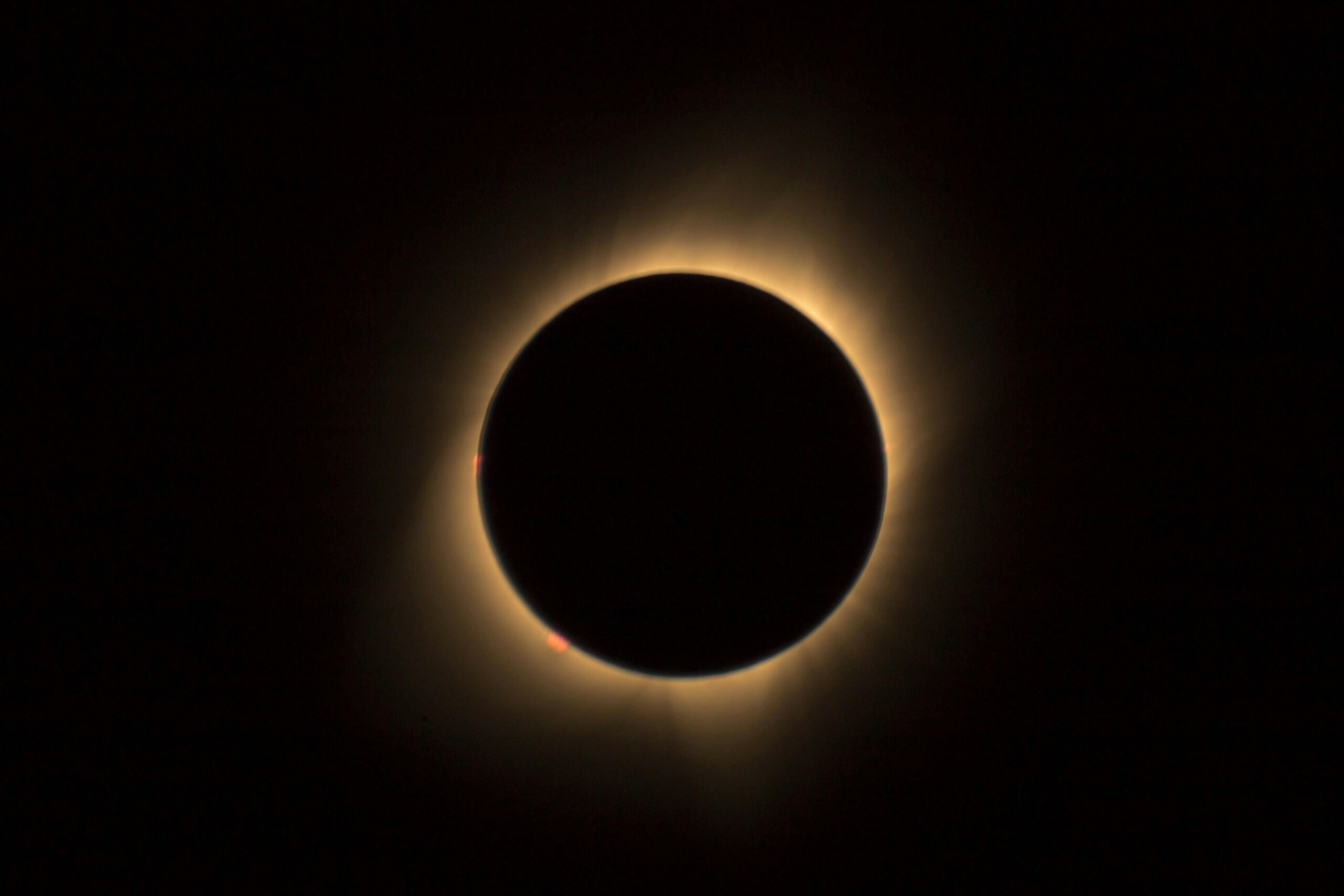
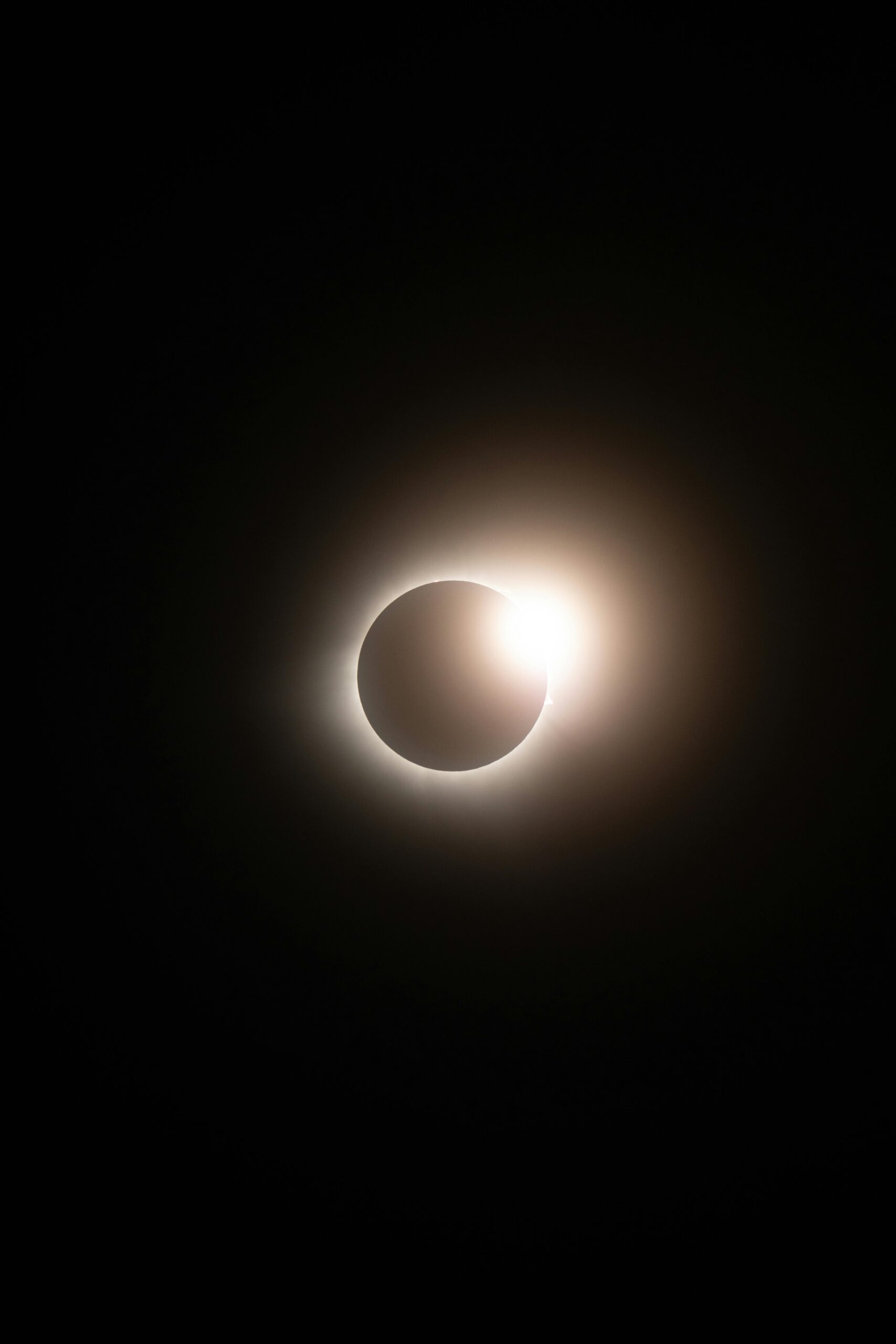
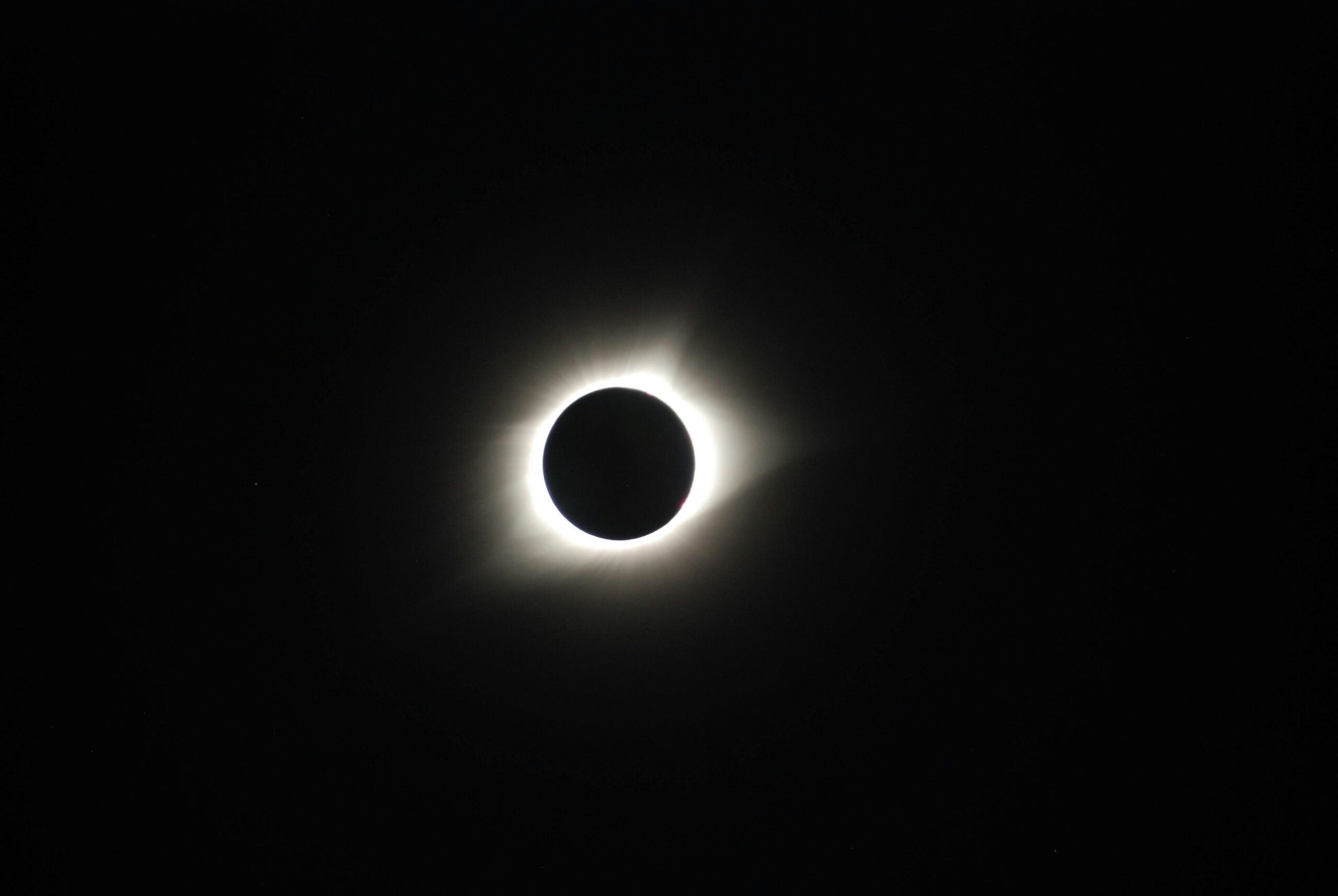
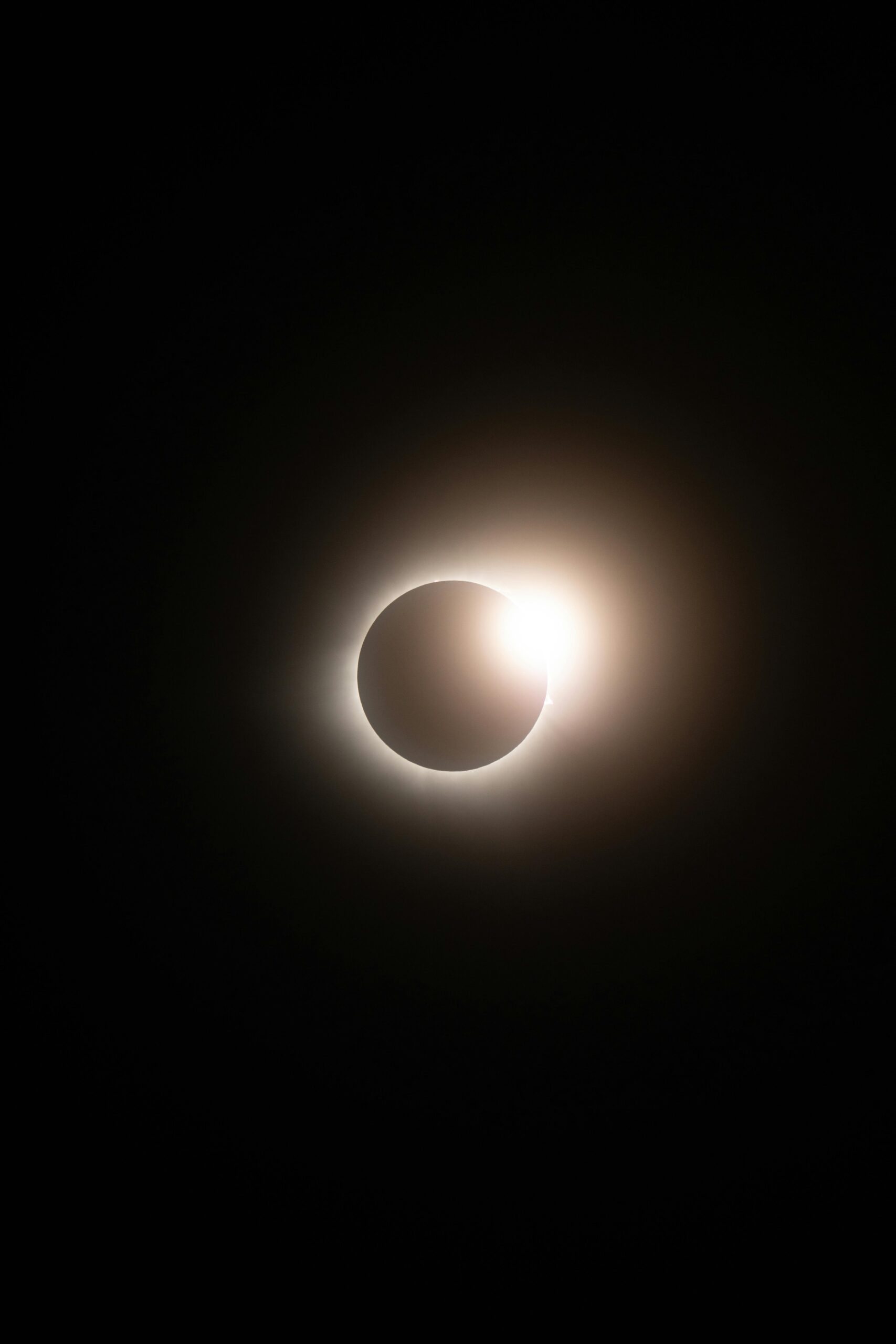
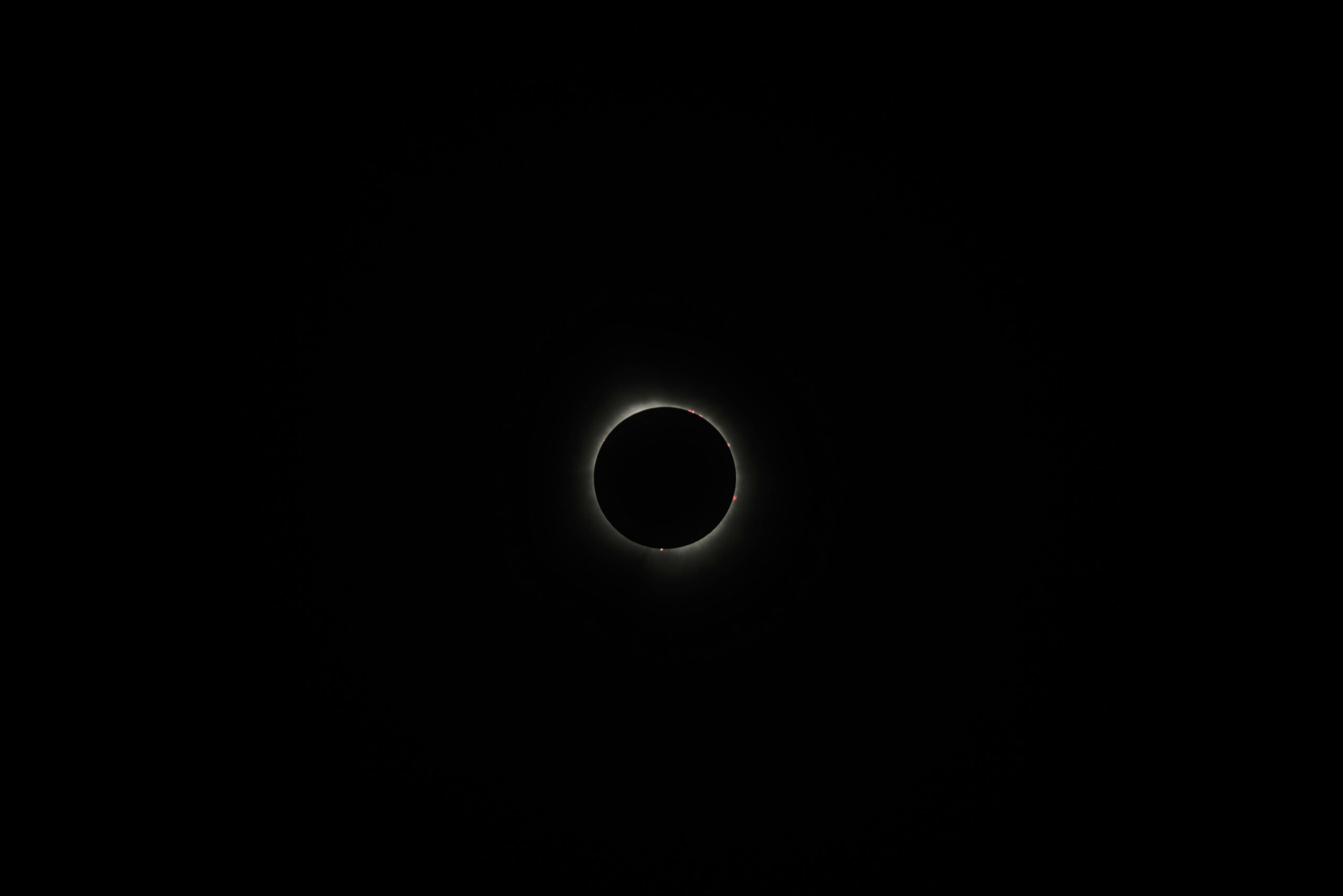
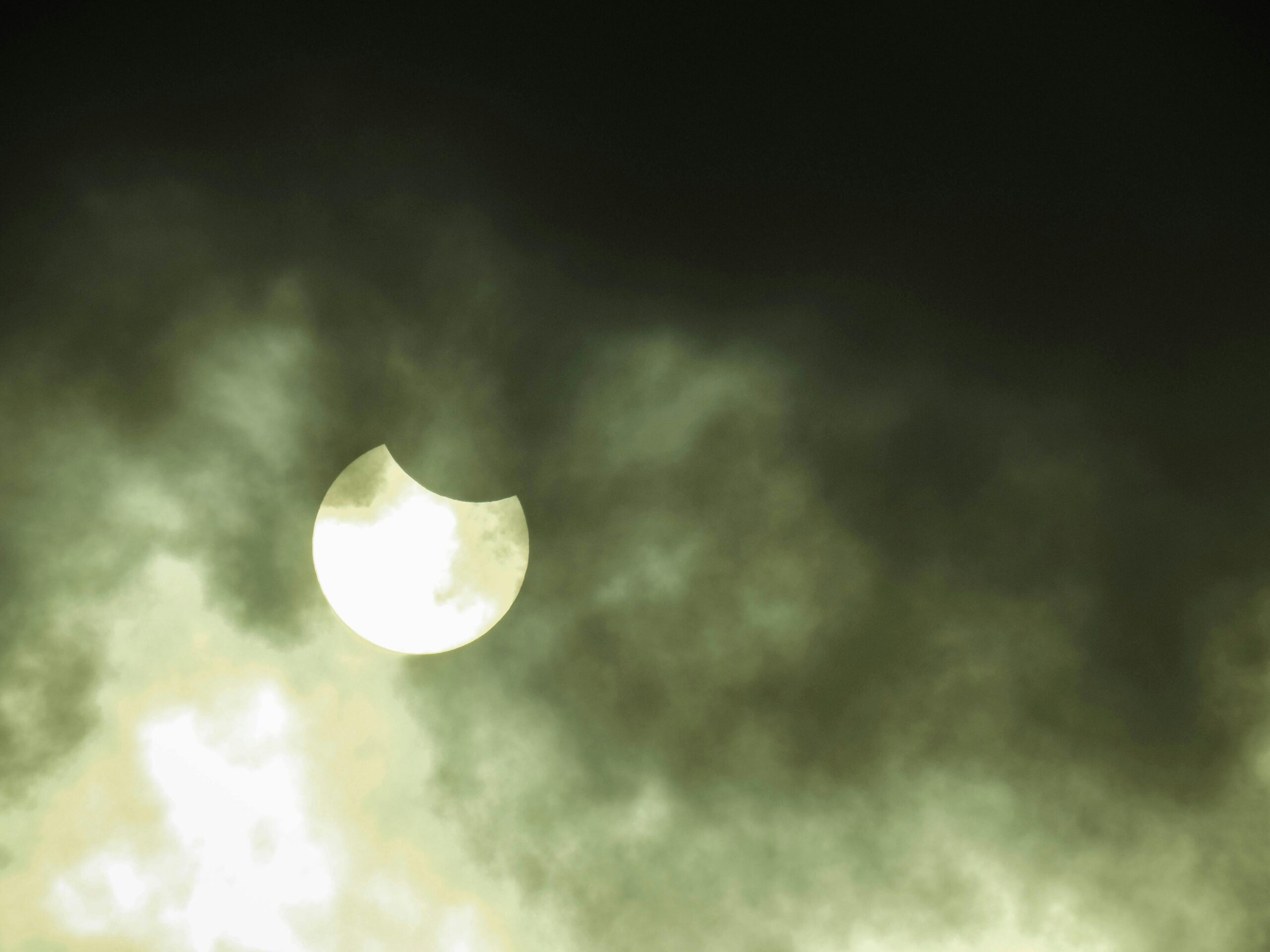
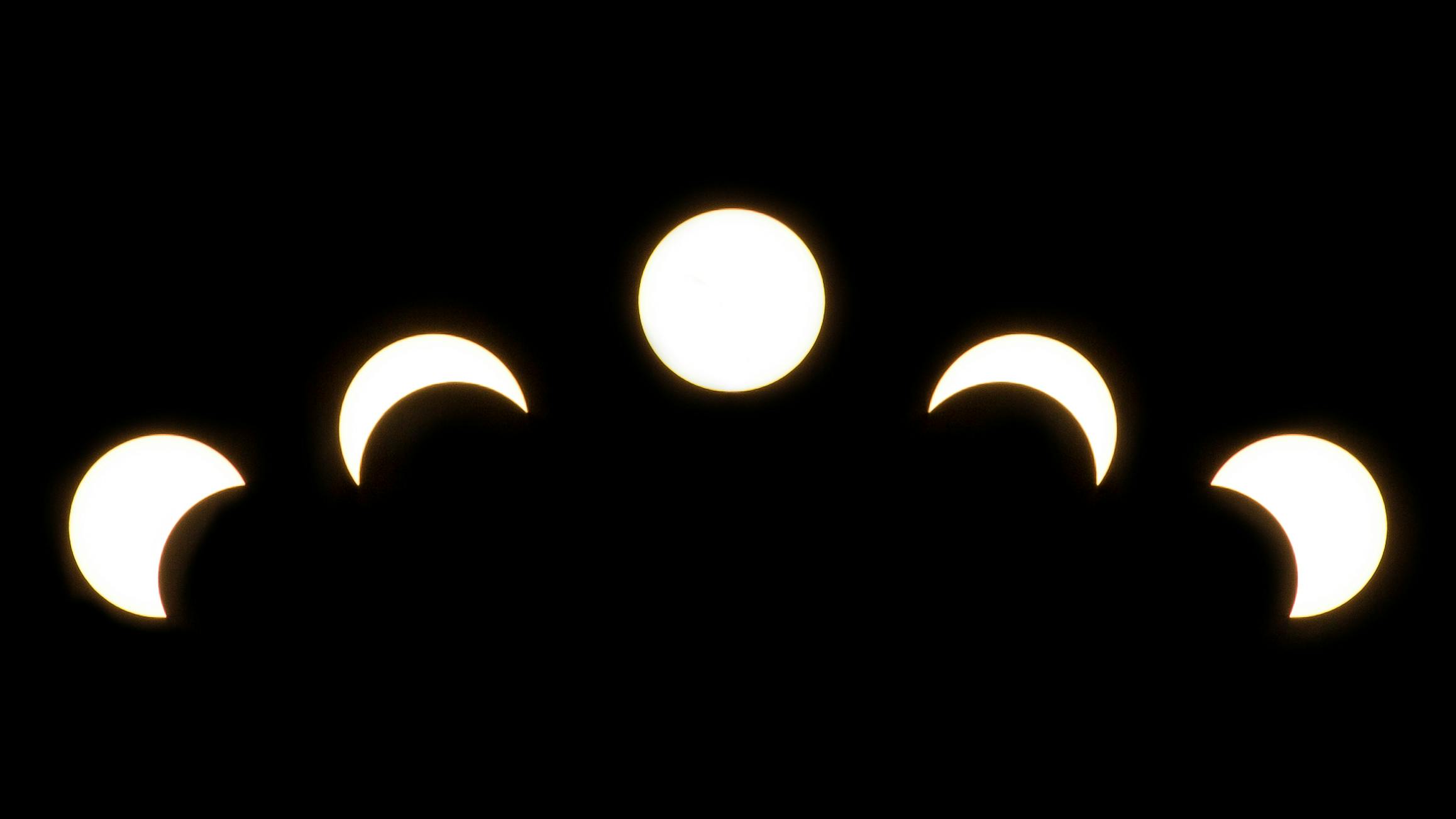
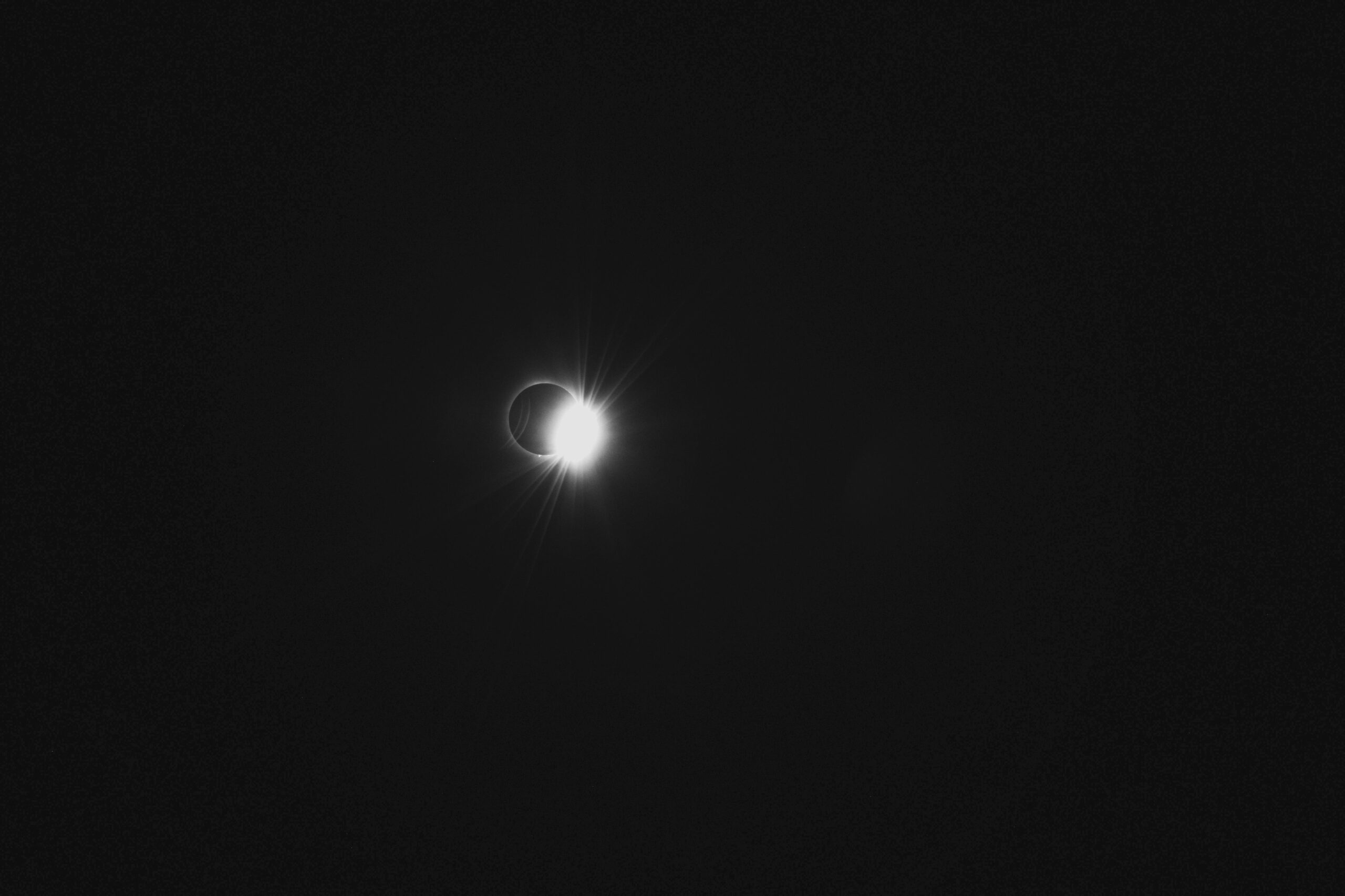
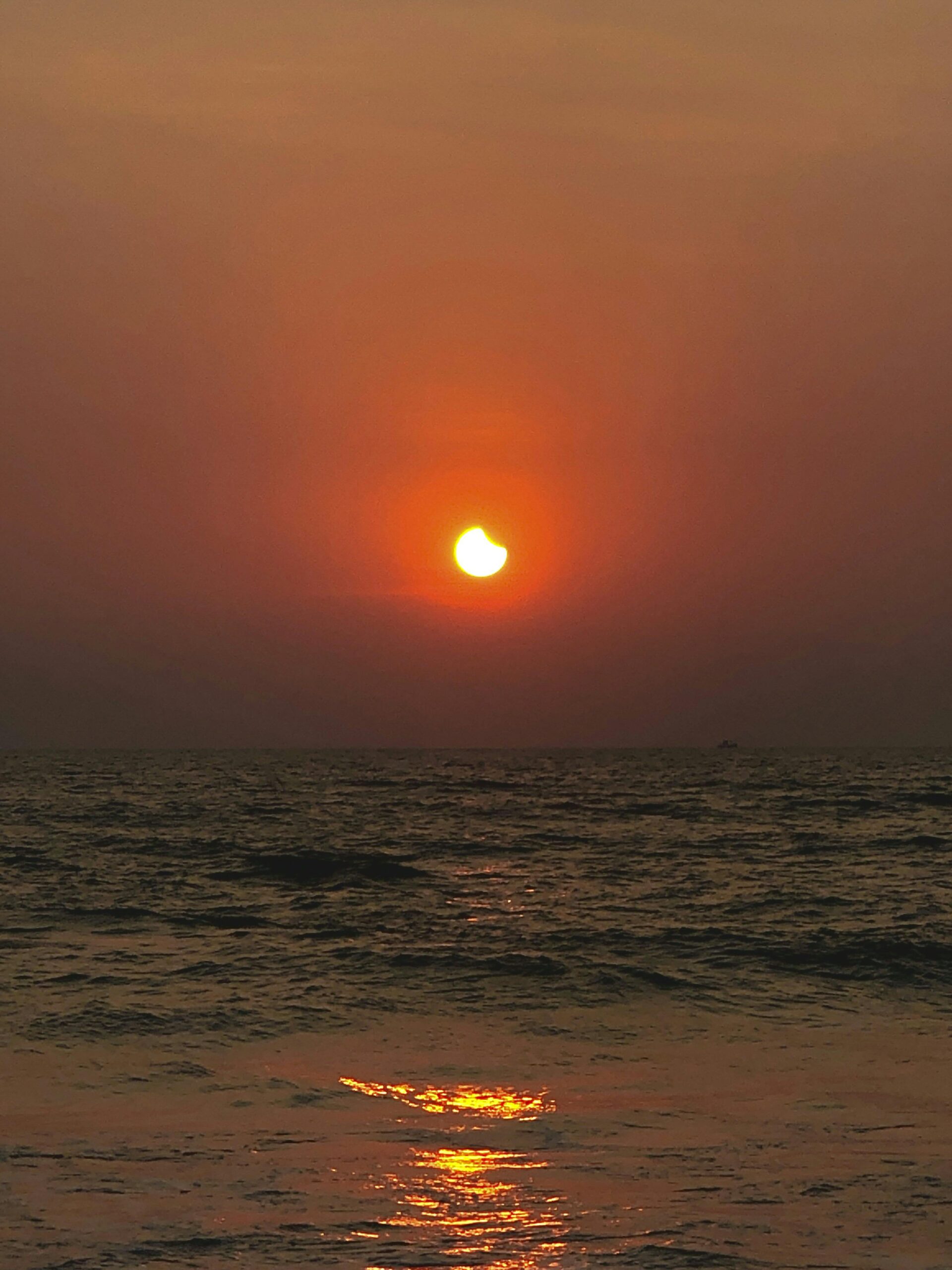
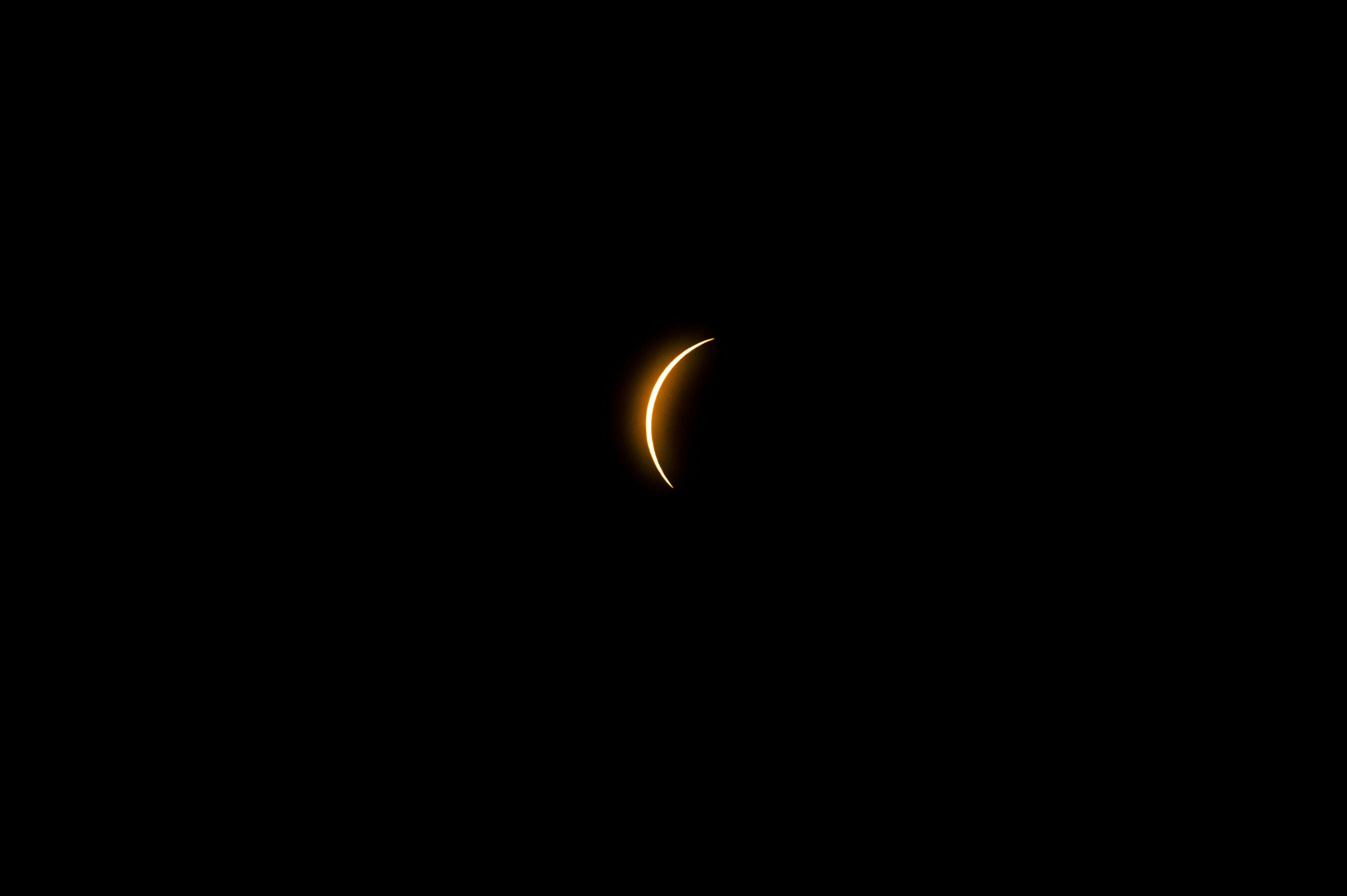
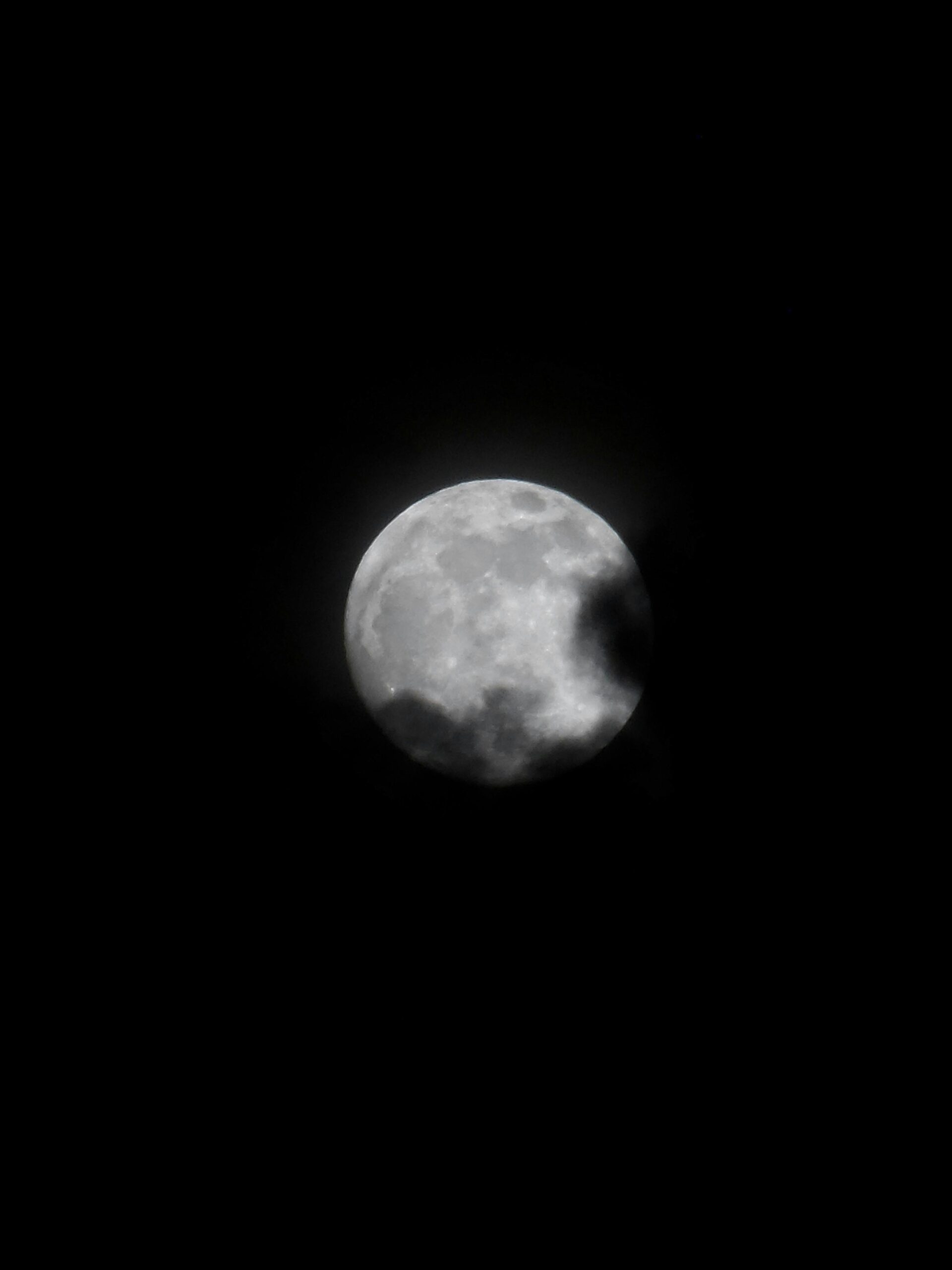
Solar eclipses occur due to the precise alignment of the Sun, Moon, and Earth. There are three types of solar eclipses: total, partial, and annular. A total solar eclipse happens when the Moon completely covers the Sun, revealing the Sun’s corona. This is the most dramatic type of eclipse and can last up to several minutes. A partial solar eclipse occurs when only a part of the Sun is obscured by the Moon. An annular solar eclipse takes place when the Moon is too far from the Earth to completely cover the Sun, resulting in a ring of sunlight around the Moon.
The frequency of solar eclipses varies, with at least two occurring each year. However, the visibility of these eclipses depends on the observer’s location. For instance, the next total solar eclipse will be visible in certain parts of the world, while others may only witness a partial eclipse. Understanding the science behind these events helps us appreciate their rarity and significance.
Historical Significance of Solar Eclipses
Throughout history, solar eclipses have played a crucial role in various cultures and civilizations. Ancient civilizations often viewed eclipses as omens or signs from the gods. In some cultures, eclipses were associated with impending doom or significant changes. For example, the ancient Chinese believed that solar eclipses occurred when a celestial dragon devoured the Sun. To ward off this mythical creature, they would make loud noises and bang drums during an eclipse.
In modern times, solar eclipses have contributed to scientific advancements. The 1919 solar eclipse provided crucial evidence supporting Albert Einstein’s theory of general relativity. During this eclipse, scientists observed the bending of starlight around the Sun, confirming Einstein’s predictions. This discovery revolutionized our understanding of the universe and the nature of gravity.
Preparing for the Next Solar Eclipse
As the next solar eclipse approaches, enthusiasts and scientists alike are preparing to witness this celestial event. One of the key aspects of preparing for a solar eclipse is understanding the weather conditions in the viewing area. For example, if you are planning to observe the eclipse in Şanlıurfa, Turkey, you can check the hava durumu tahmini Şanlıurfa merkez to ensure clear skies for optimal viewing. Weather forecasts play a crucial role in determining the best locations for eclipse observation.
Safety is paramount when observing a solar eclipse. Directly looking at the Sun, even during an eclipse, can cause permanent eye damage. Special eclipse glasses or solar filters are essential for safe viewing. Additionally, using a pinhole projector is a simple and effective method to observe the eclipse indirectly. By taking these precautions, you can enjoy the spectacle without risking your vision.
Cultural and Scientific Impact
The cultural and scientific impact of solar eclipses cannot be overstated. These events have inspired art, literature, and scientific research for centuries. The next solar eclipse is expected to draw millions of viewers, both amateur and professional astronomers, who will gather to witness this rare event. The data collected during eclipses continues to contribute to our understanding of the Sun and its interactions with the Earth.
In conclusion, solar eclipses are not just astronomical events; they are cultural and scientific milestones. By understanding the science behind them, appreciating their historical significance, and preparing adequately, we can fully enjoy these celestial spectacles. Whether you are an avid astronomer or a casual observer, the next solar eclipse promises to be an unforgettable experience.
As cities worldwide grapple with environmental challenges, Bristol’s green urban solutions offer a compelling case study in effective climate action.
As weather events continue to dominate headlines, our latest feature, global weather trends examined, offers an in-depth look at recent patterns and their implications.