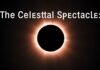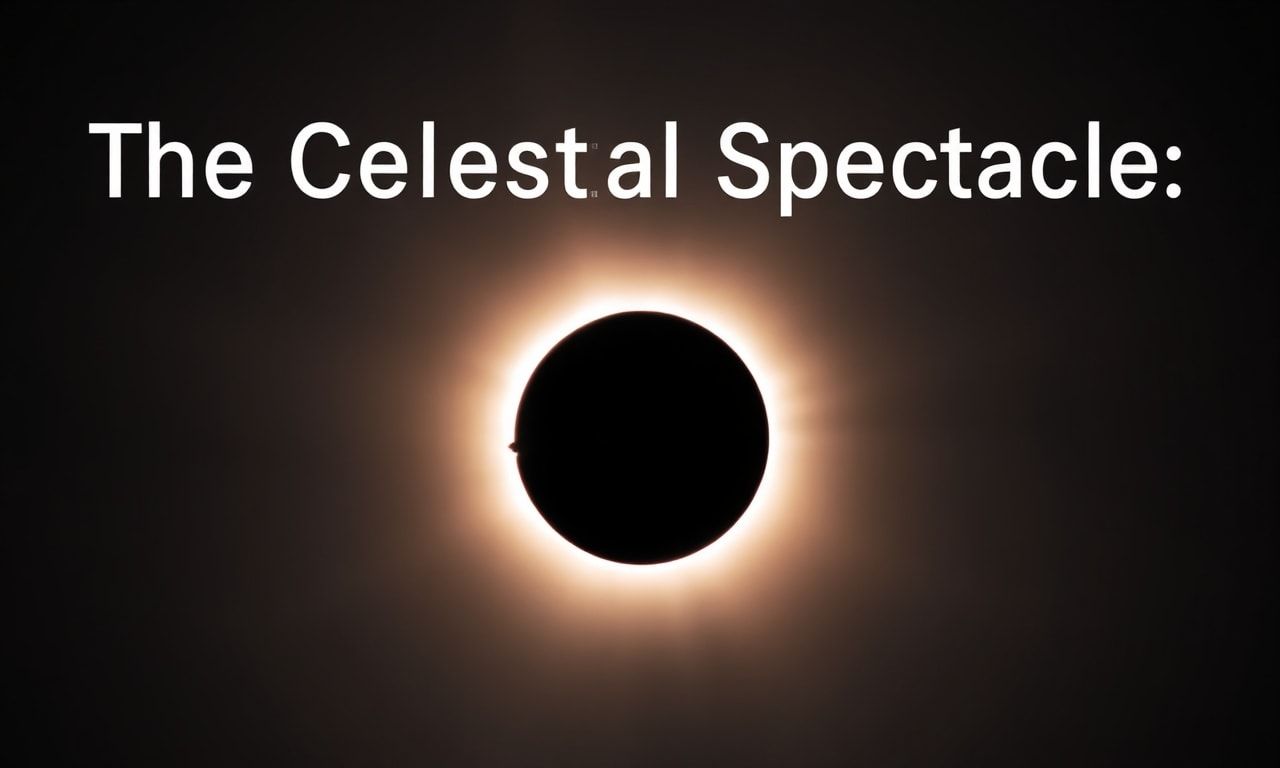
The Celestial Spectacle: Understanding the Solar Eclipse Phenomenon
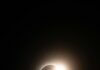
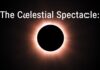
The solar eclipse is one of the most awe-inspiring natural phenomena that captivate the imagination of people around the world. This celestial event occurs when the moon passes between the Earth and the Sun, casting a shadow on the Earth’s surface. The upcoming solar eclipse has generated significant buzz, with scientists, astronomers, and enthusiasts eagerly awaiting the event. This article delves into the science behind solar eclipses, their historical significance, and the best ways to observe and enjoy this spectacular event.
The Science Behind Solar Eclipses
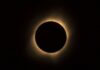
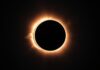
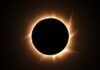
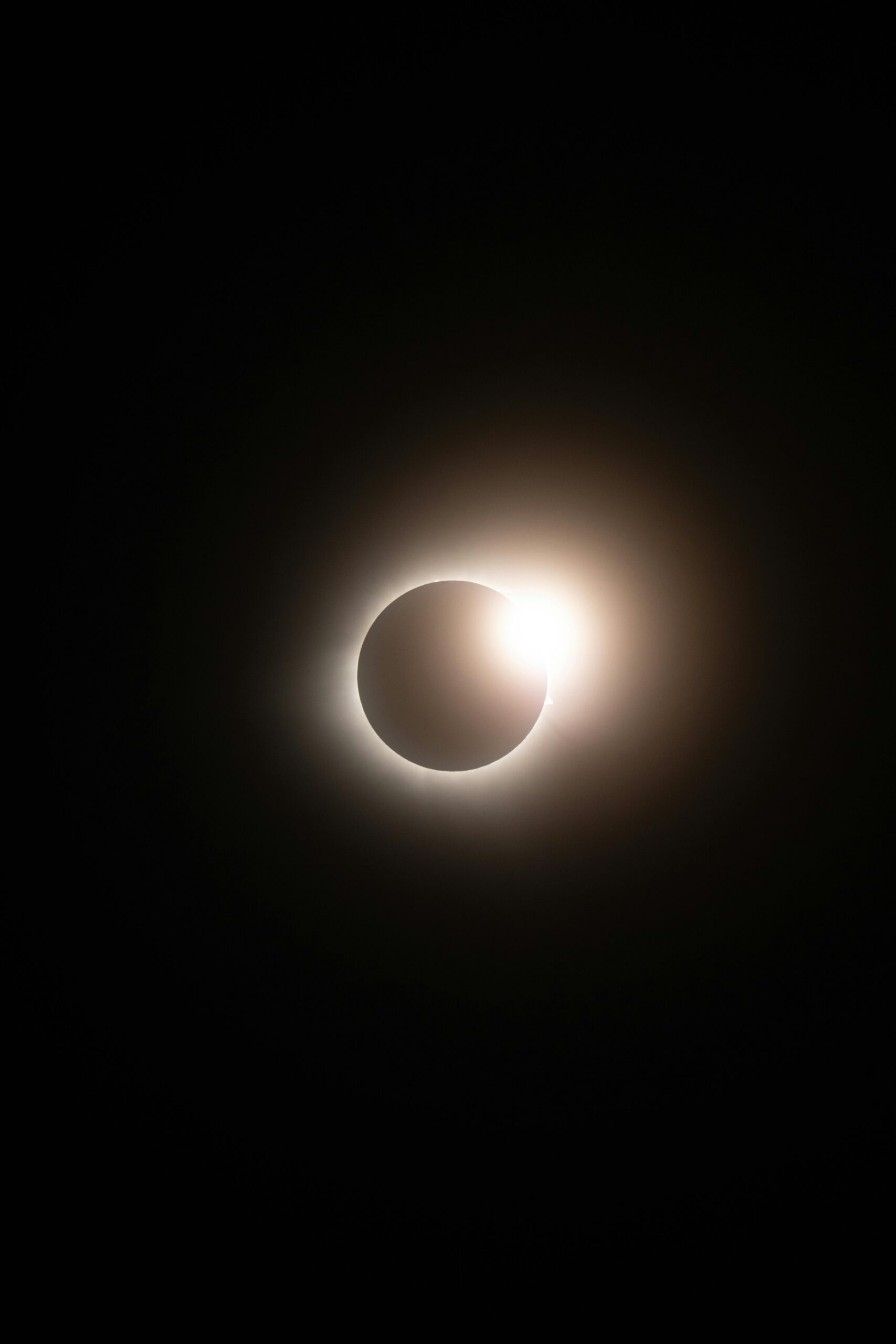
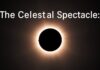
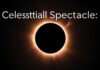
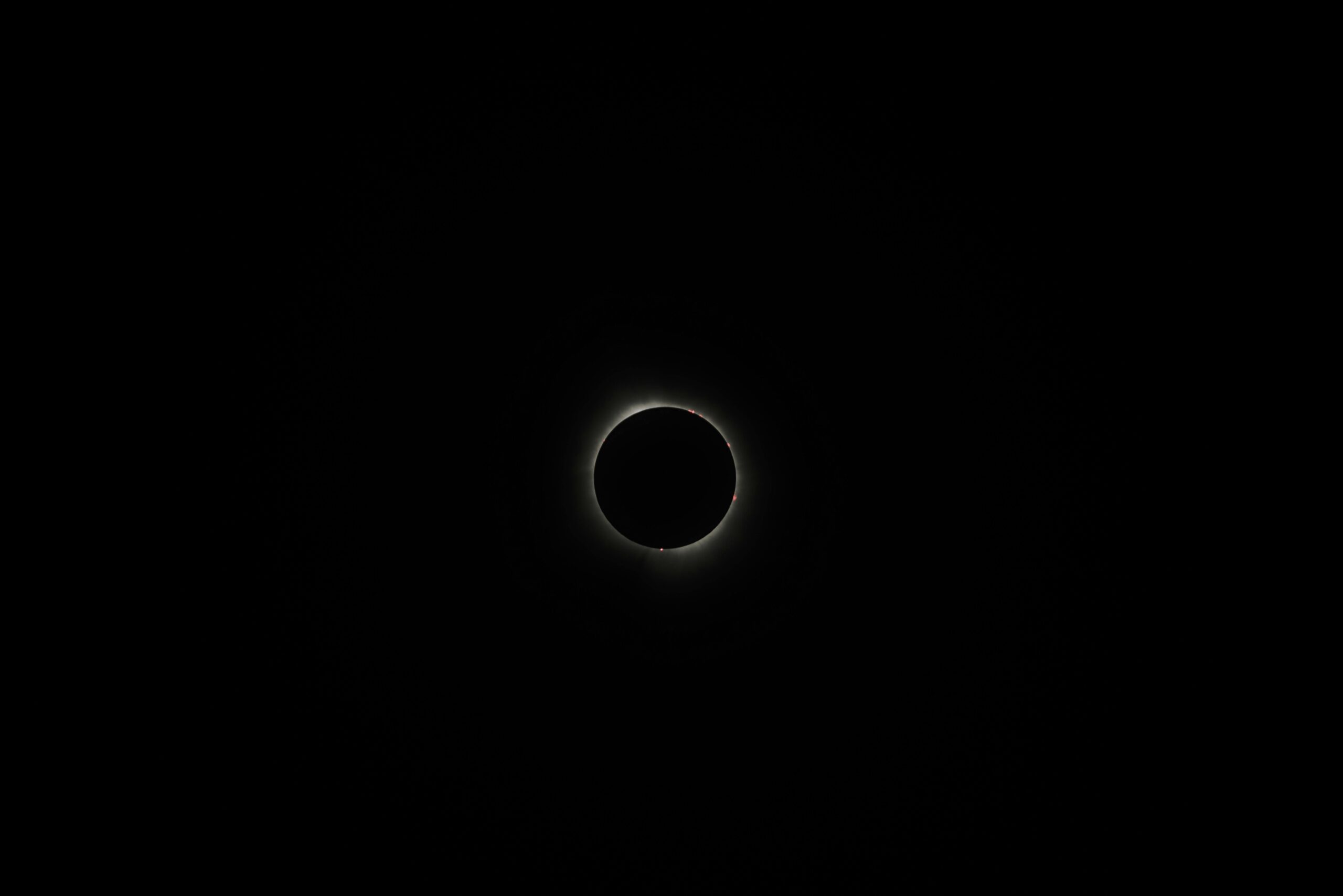
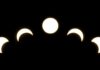
A solar eclipse happens when the moon blocks the Sun’s light, either partially or completely, as seen from a particular location on Earth. There are three types of solar eclipses: total, partial, and annular. A total solar eclipse occurs when the moon completely covers the Sun, revealing the Sun’s corona. A partial solar eclipse happens when only a part of the Sun is obscured by the moon, and an annular eclipse takes place when the moon is too far away from the Earth to completely cover the Sun, resulting in a ‘ring of fire’ effect.
The alignment of the Sun, moon, and Earth must be precise for a solar eclipse to occur. This alignment happens only during a new moon phase when the moon is positioned between the Earth and the Sun. The path of the eclipse is determined by the moon’s shadow, which consists of the umbra (the darkest part of the shadow where a total eclipse is visible) and the penumbra (the lighter part where a partial eclipse is seen).
Historical Significance and Cultural Impact
Solar eclipses have fascinated humans for centuries and have played significant roles in various cultures and civilizations. Ancient cultures often viewed eclipses as omens or signs of impending doom. For example, in Chinese mythology, a solar eclipse was believed to occur when a celestial dragon devoured the Sun. To scare the dragon away, people would bang drums and make loud noises.
In ancient Greece, the philosopher Thales of Miletus correctly predicted a solar eclipse in 585 BCE, which halted a battle between the Lydians and the Medes. This event is often cited as one of the earliest recorded instances of scientific prediction. Similarly, the ancient Maya civilization in Mesoamerica had sophisticated astronomical knowledge and could accurately predict solar eclipses, using them to create their complex calendars.
In modern times, solar eclipses continue to captivate the public imagination and inspire scientific research. They provide unique opportunities for scientists to study the Sun’s corona, solar flares, and other phenomena that are difficult to observe under normal conditions. The crime report update might not seem related, but even in the realm of everyday news, celestial events like solar eclipses remind us of the vastness and mystery of the universe.
Best Practices for Observing a Solar Eclipse
Observing a solar eclipse safely is crucial to protect your eyes from potential damage. Directly looking at the Sun, even during an eclipse, can cause permanent eye damage or blindness. Here are some best practices for safely observing a solar eclipse:
- Use Certified Solar Filters: Always use solar filters that meet the ISO 12312-2 international safety standard. These filters can be attached to binoculars, cameras, or telescopes to safely view the Sun.
- Wear Eclipse Glasses: Eclipse glasses that comply with the ISO 12312-2 standard are designed to protect your eyes from harmful solar radiation. Make sure the glasses are not scratched or damaged before use.
- Avoid Homemade Filters: Do not use homemade filters or ordinary sunglasses, as they do not provide adequate protection against the Sun’s intense rays.
- Use a Pinhole Projector: A simple and safe way to observe a solar eclipse is by using a pinhole projector. This device projects an image of the Sun onto a flat surface, allowing you to view the eclipse indirectly.
Upcoming Solar Eclipse Events
The next total solar eclipse visible from the United States will occur on April 8, 2024. This event will be particularly significant as it will be the first total solar eclipse visible from the contiguous United States since the historic eclipse of August 21, 2017. The path of totality will stretch from Texas to Maine, providing millions of people with the opportunity to witness this breathtaking celestial event.
For those planning to observe the 2024 solar eclipse, it is essential to prepare well in advance. This includes obtaining certified solar filters or eclipse glasses, planning your travel and accommodation, and familiarizing yourself with the local weather conditions. Many communities along the path of totality are expected to experience a surge in visitors, so early planning is crucial.
In addition to the 2024 eclipse, there are several other notable solar eclipses in the coming years. On August 12, 2026, a total solar eclipse will be visible from the Arctic, parts of Europe, and northern Africa. Another significant event will occur on August 2, 2027, when a total solar eclipse will be visible from parts of South America, Africa, and the Atlantic Ocean. These events provide ample opportunities for both amateur and professional astronomers to study and appreciate the wonders of our solar system.
Conclusion
The solar eclipse is a remarkable natural phenomenon that has captivated humanity for centuries. From its scientific significance to its cultural impact, the solar eclipse continues to inspire awe and curiosity. By understanding the science behind eclipses and following safe viewing practices, we can fully appreciate and enjoy these celestial spectacles. As we look forward to the upcoming solar eclipses, let us remember the importance of protecting our eyes and embracing the wonder of the universe.
In the midst of rapid technological advancements, Vermont’s growing tech industry stands out as a notable development in the current news cycle.
In the realm of urban sustainability, Shanghai’s environmental efforts are making significant strides, as detailed in our latest report.