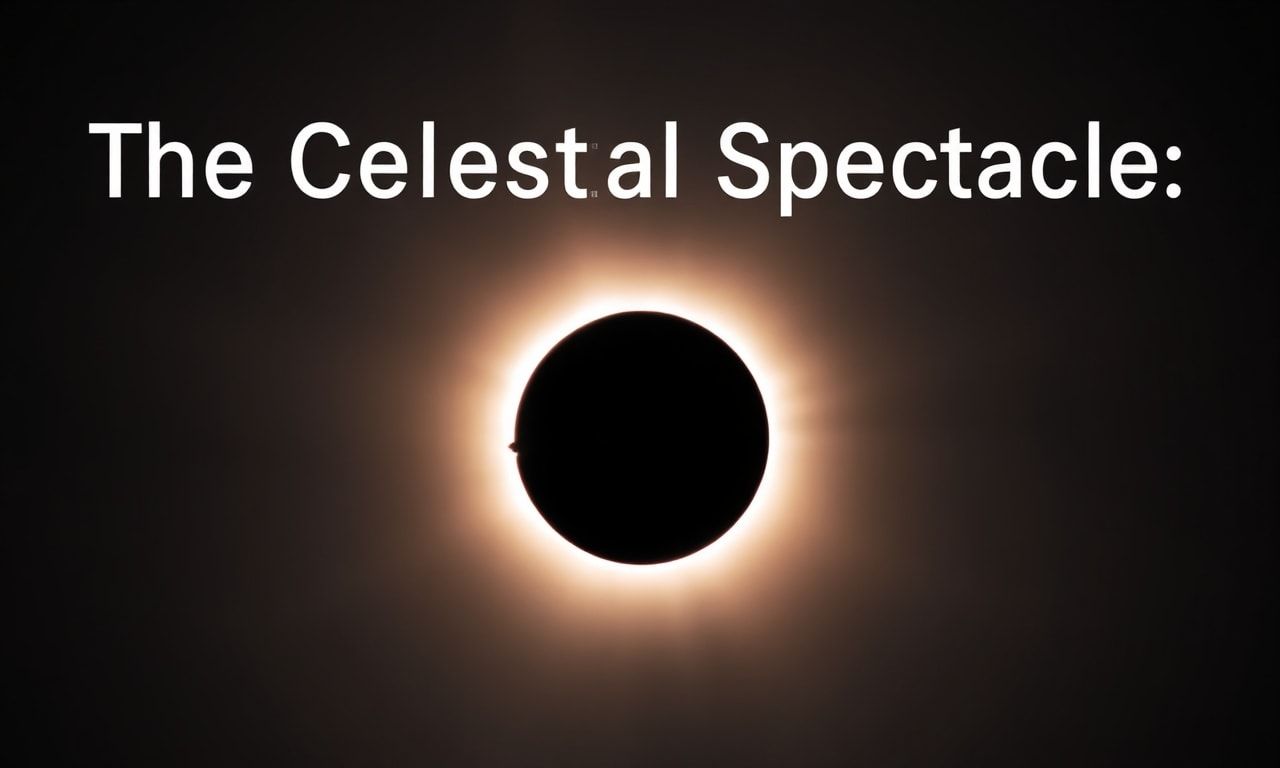
The Celestial Spectacle: Understanding the Solar Eclipse Phenomenon
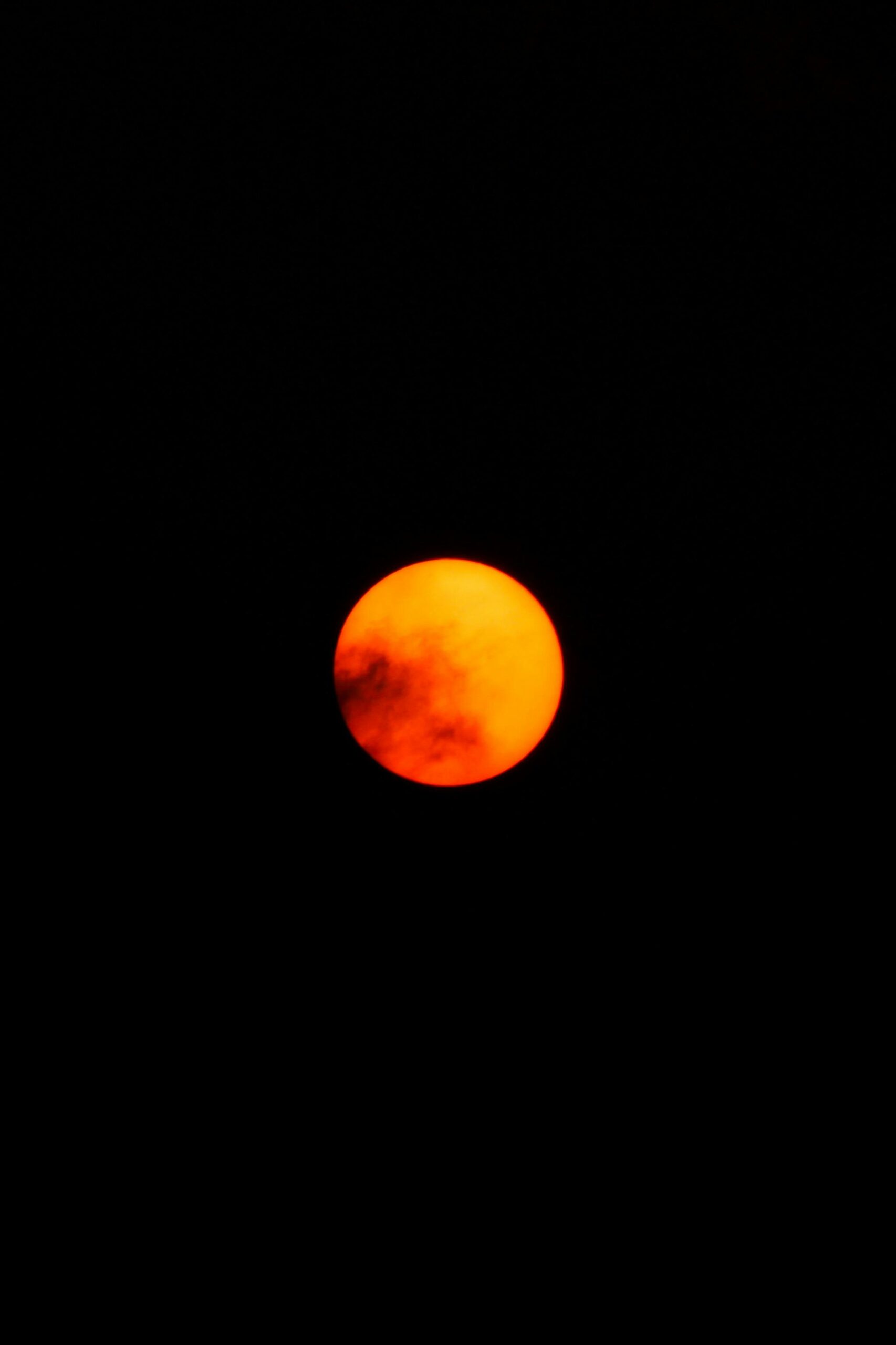
A solar eclipse is one of the most awe-inspiring natural phenomena that captivates the imagination of people around the world. This celestial event occurs when the Moon passes between the Earth and the Sun, casting a shadow on the Earth’s surface. The next solar eclipse is highly anticipated, and enthusiasts are already preparing for this remarkable event. Understanding the science behind solar eclipses, their historical significance, and how to view them safely is essential for anyone interested in this astronomical wonder.
The Science Behind Solar Eclipses
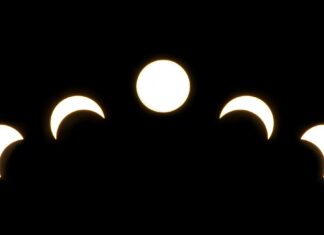
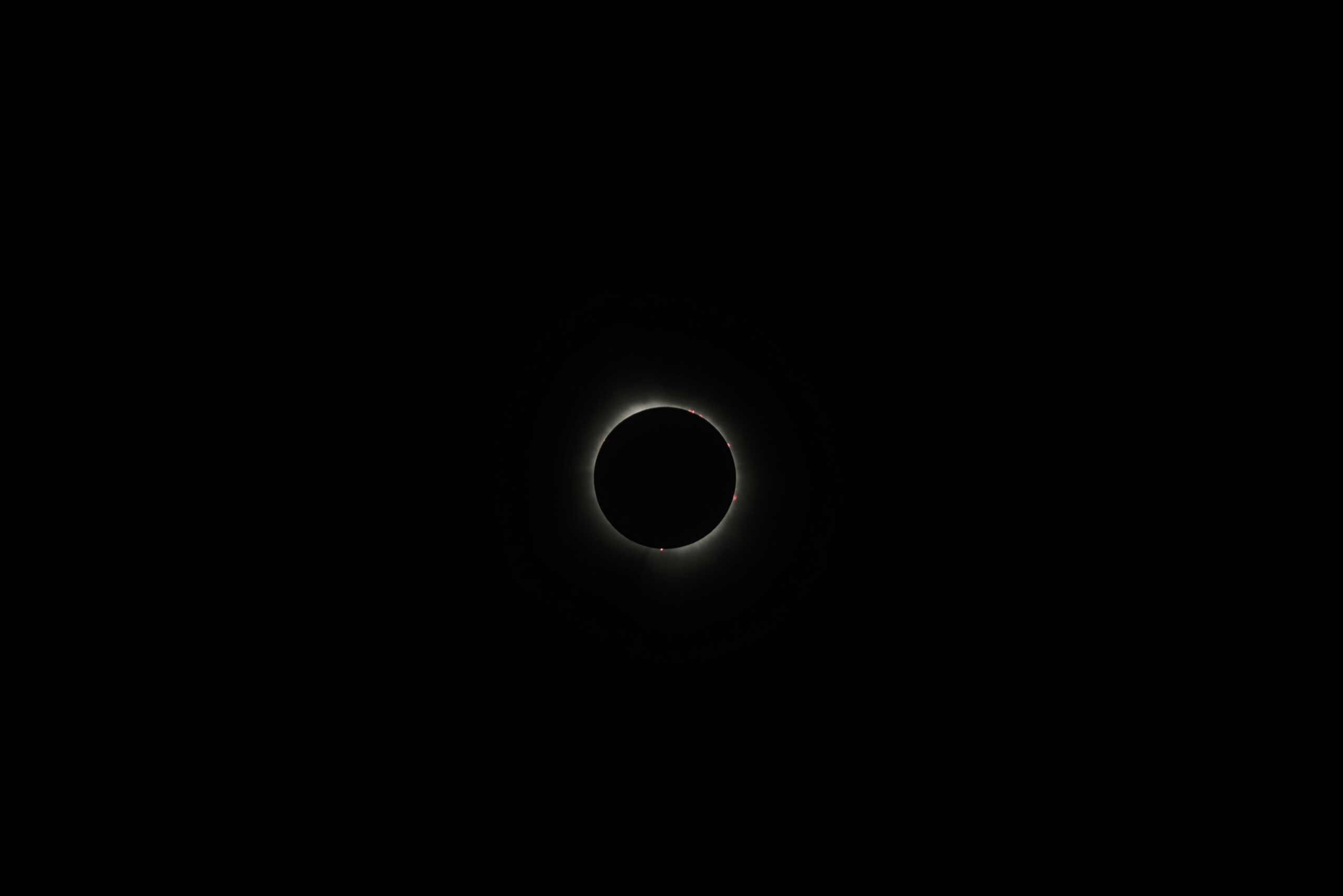
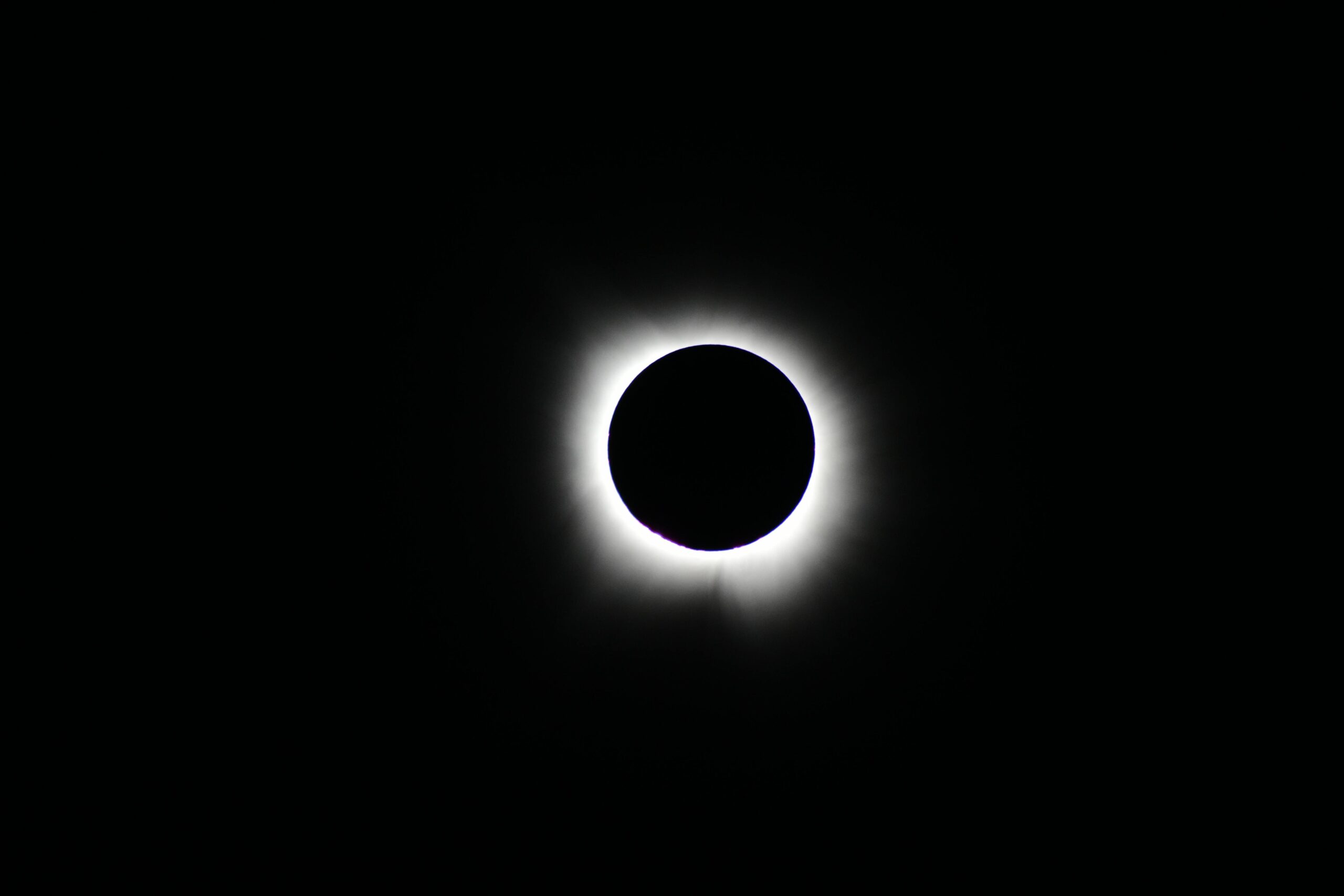
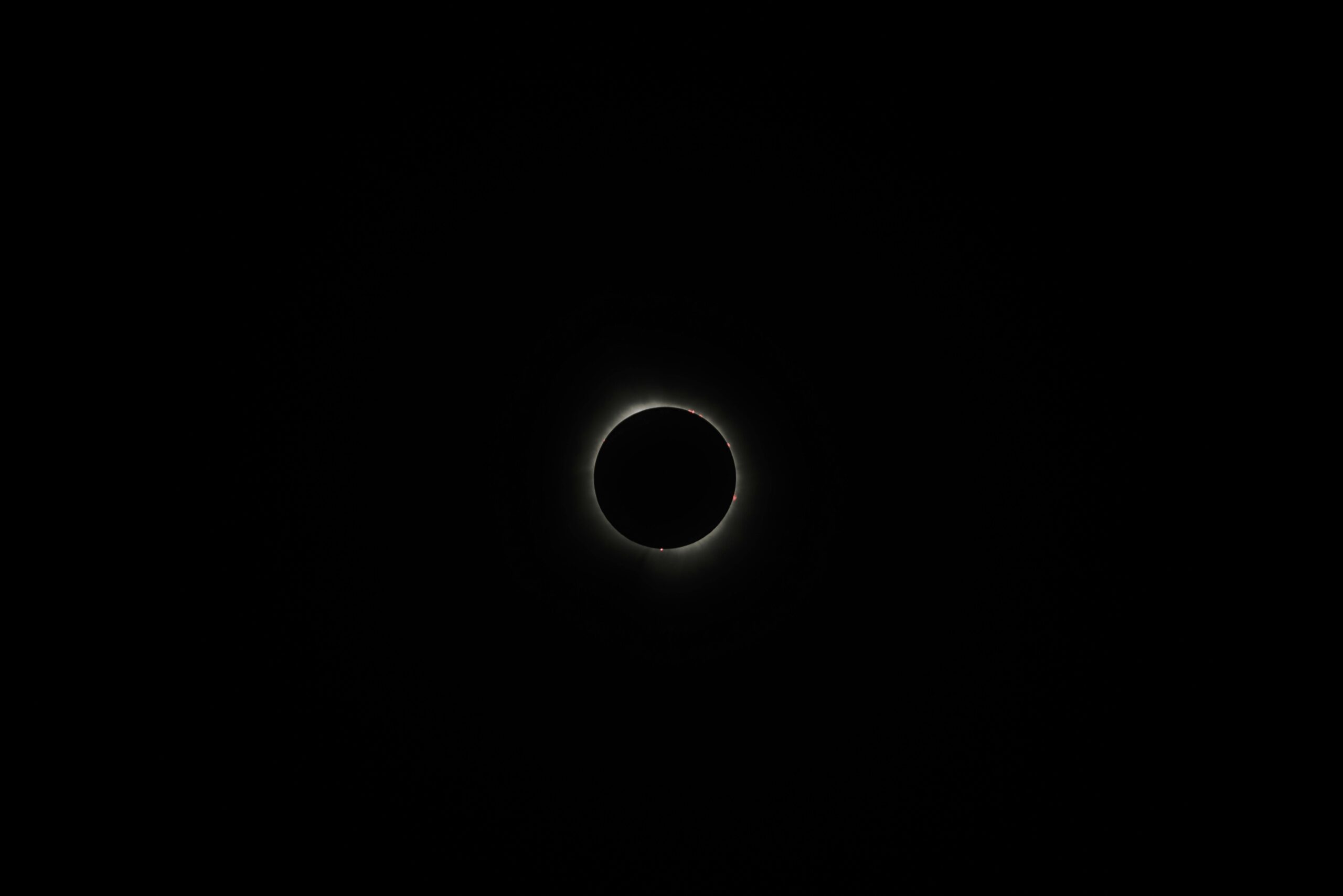
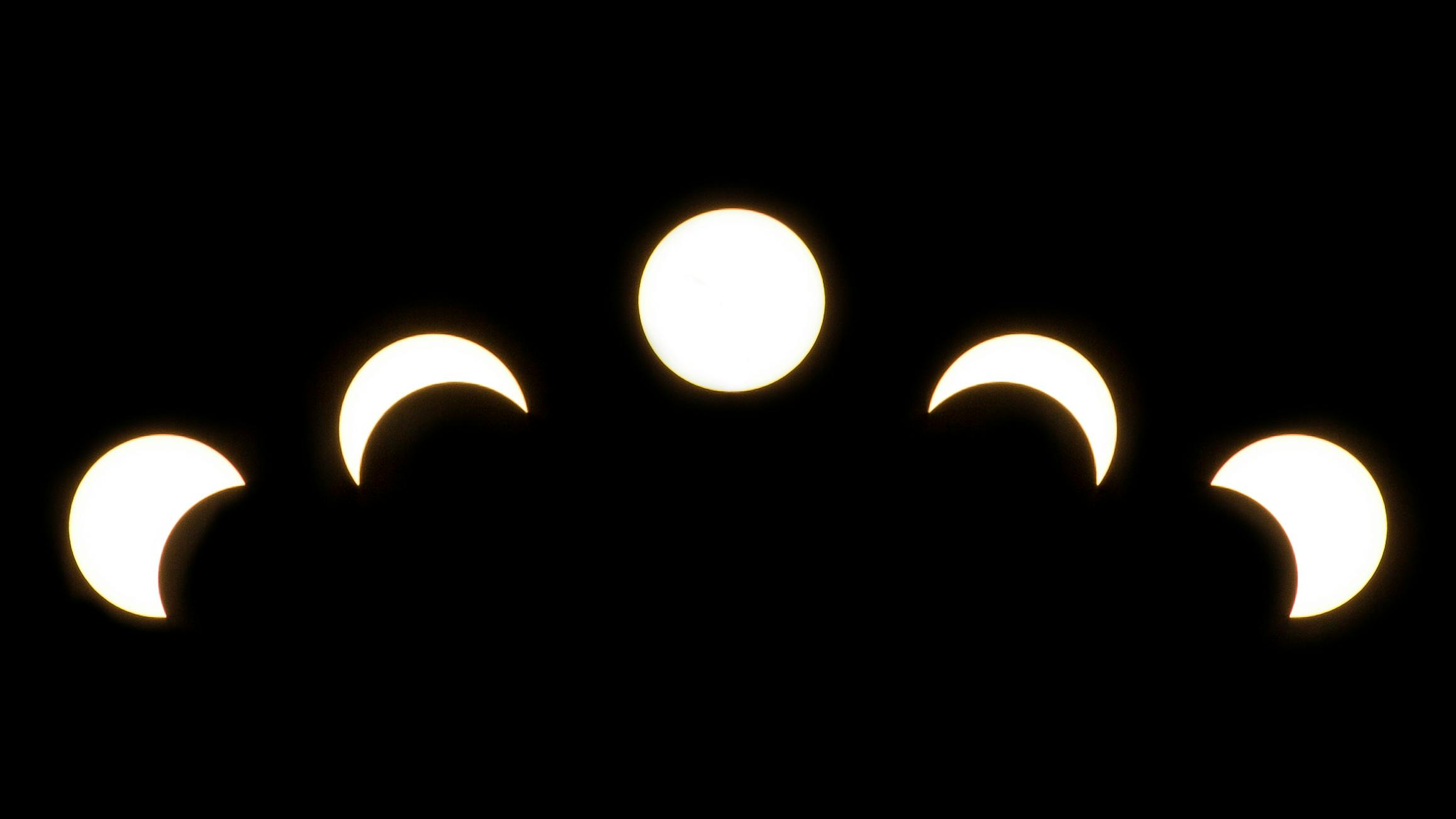
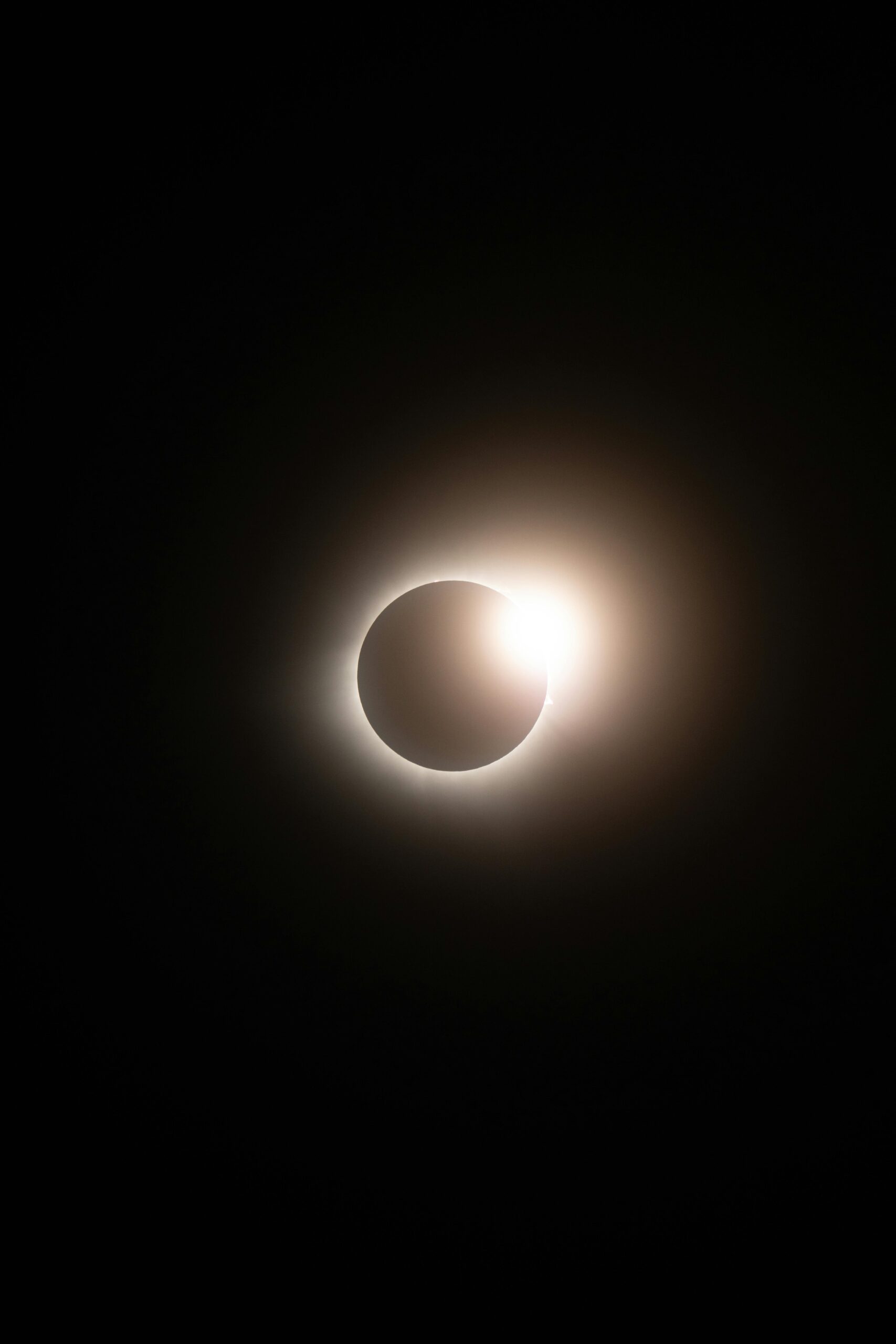
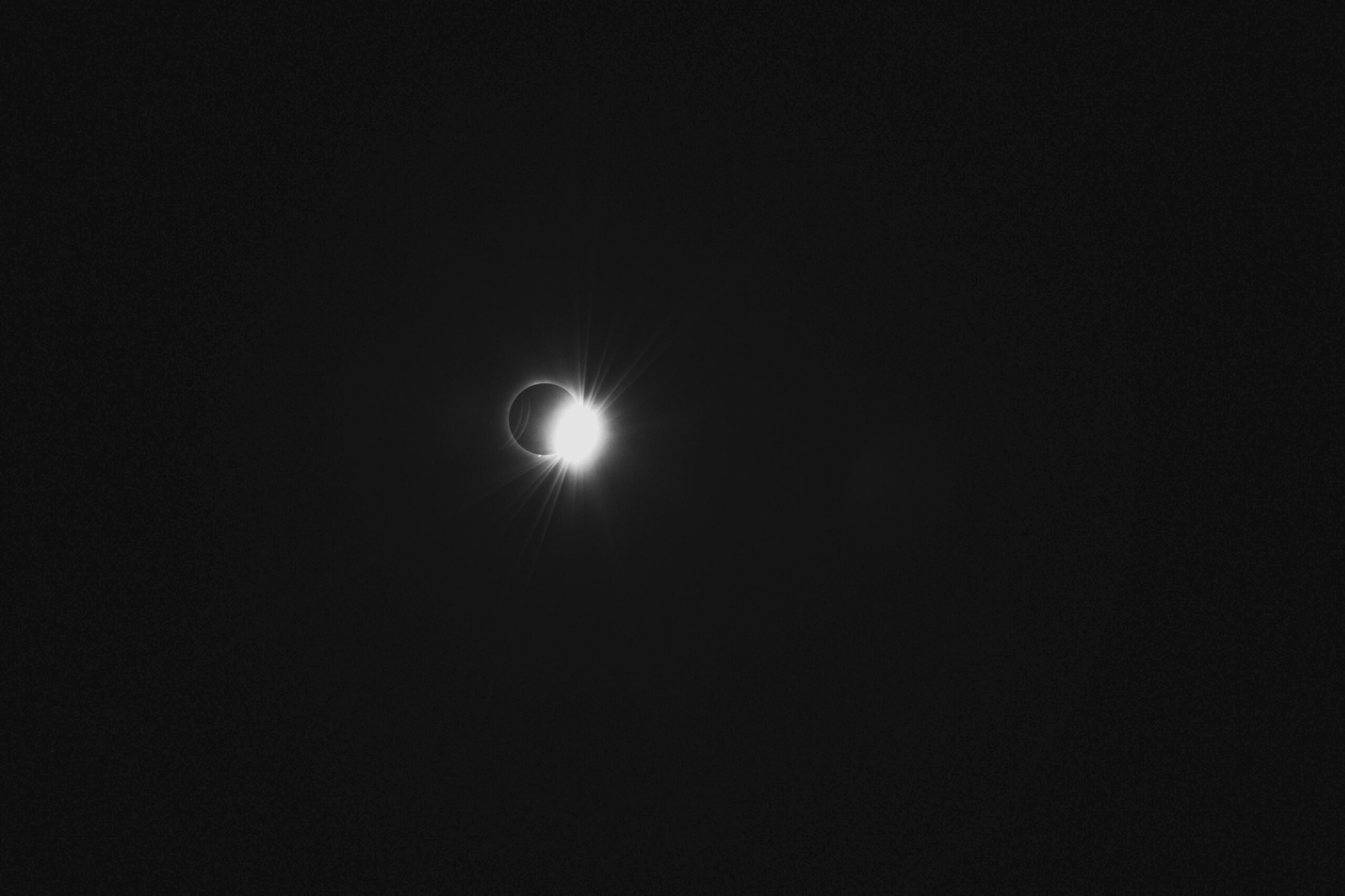
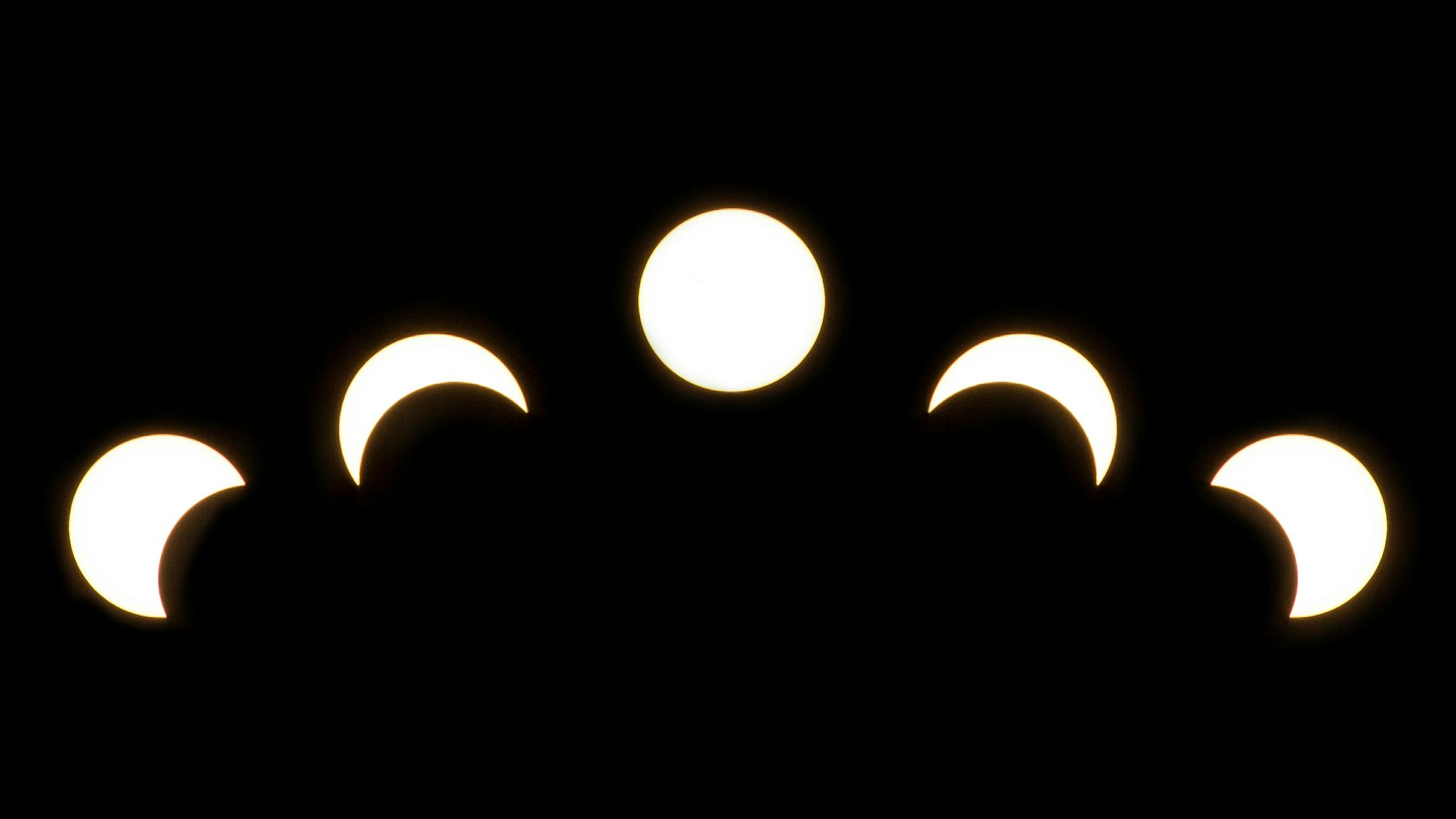
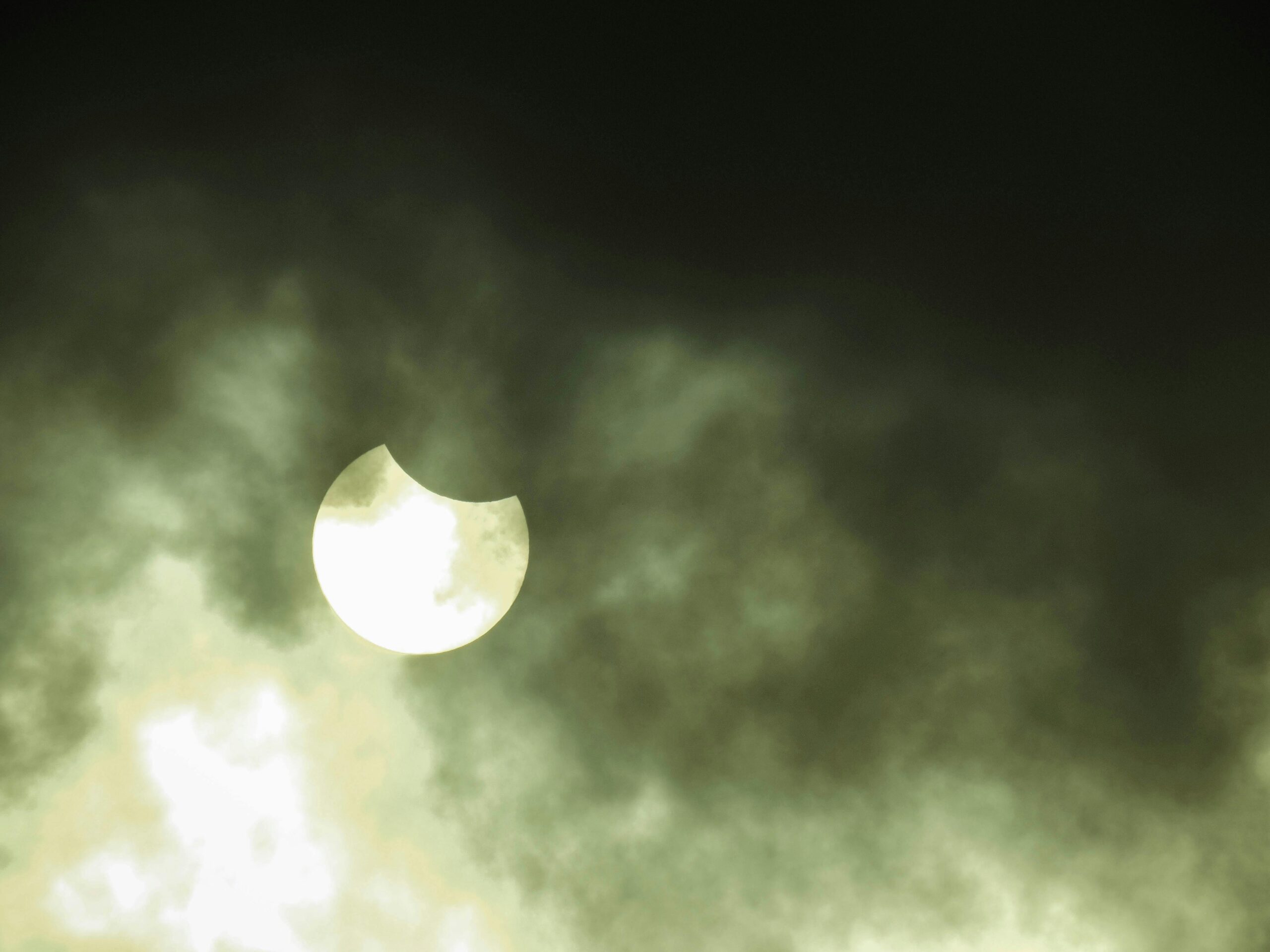
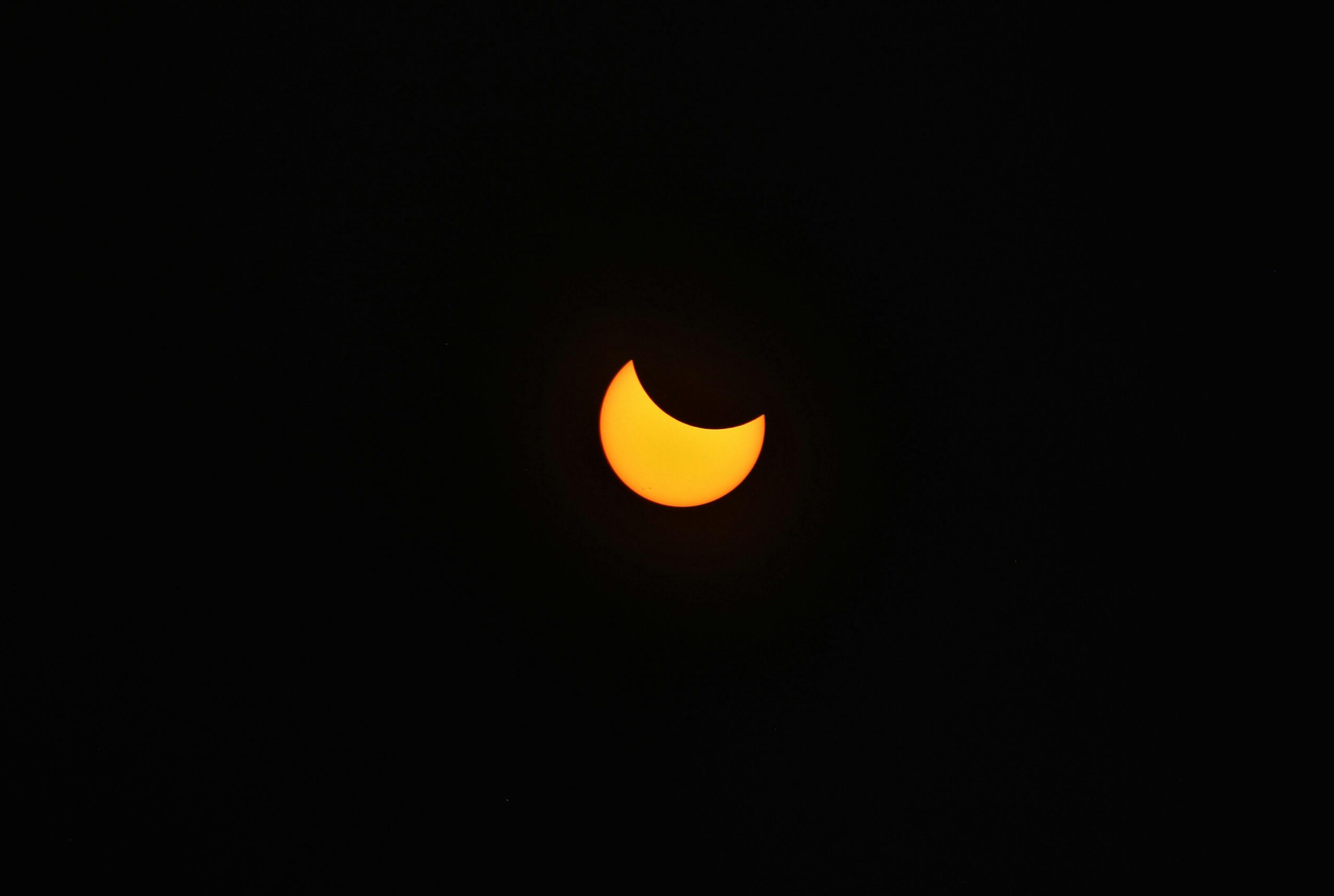
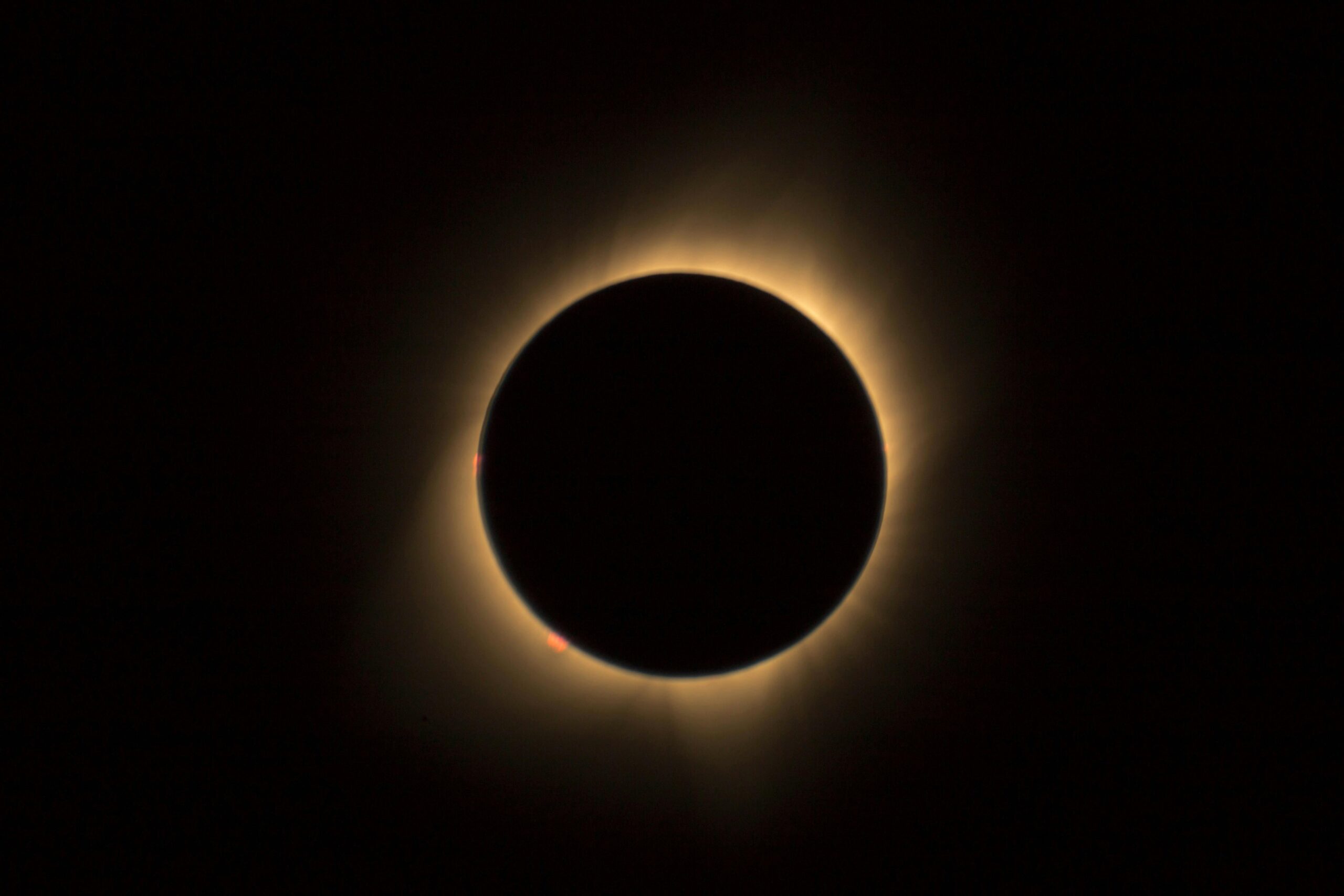
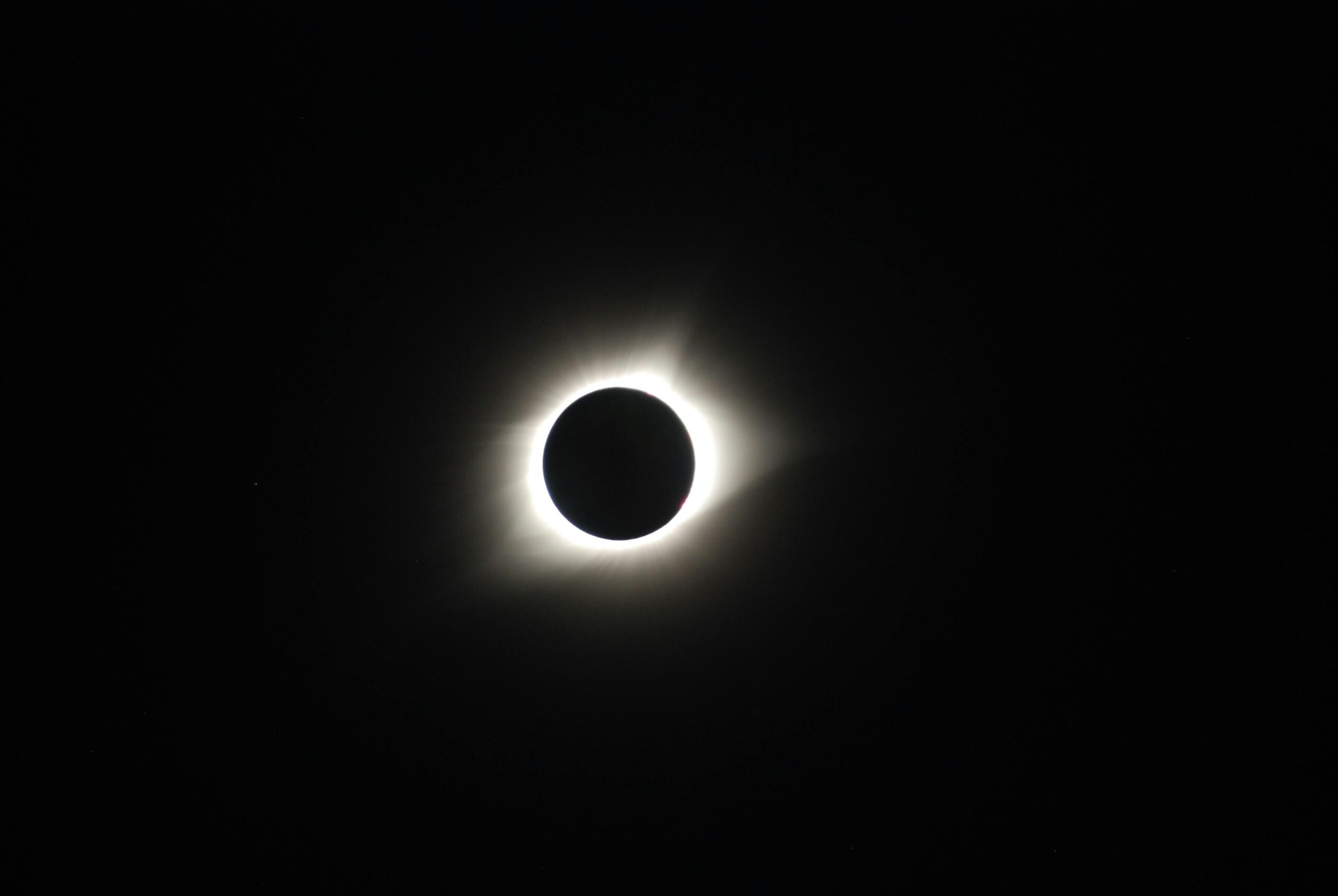
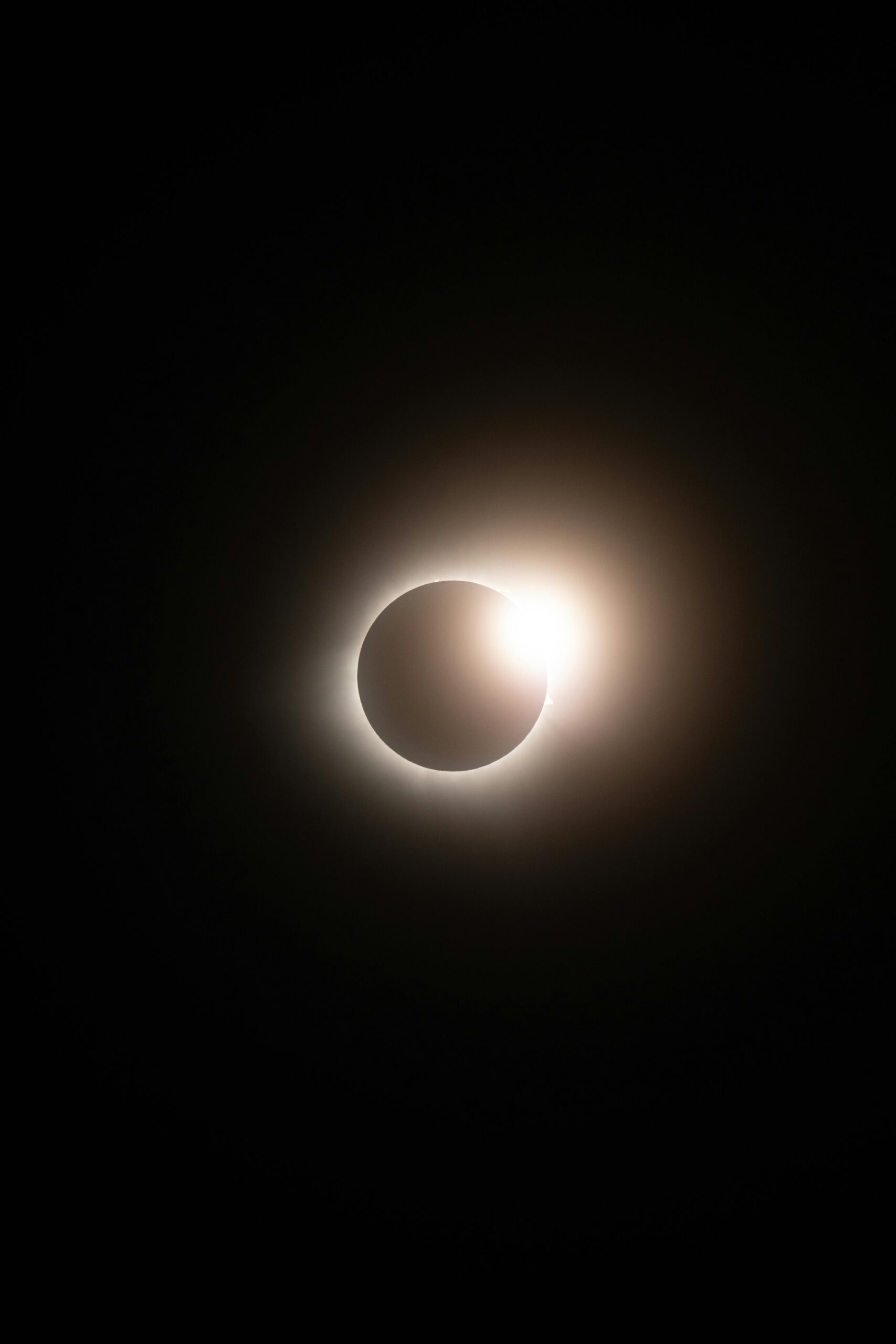
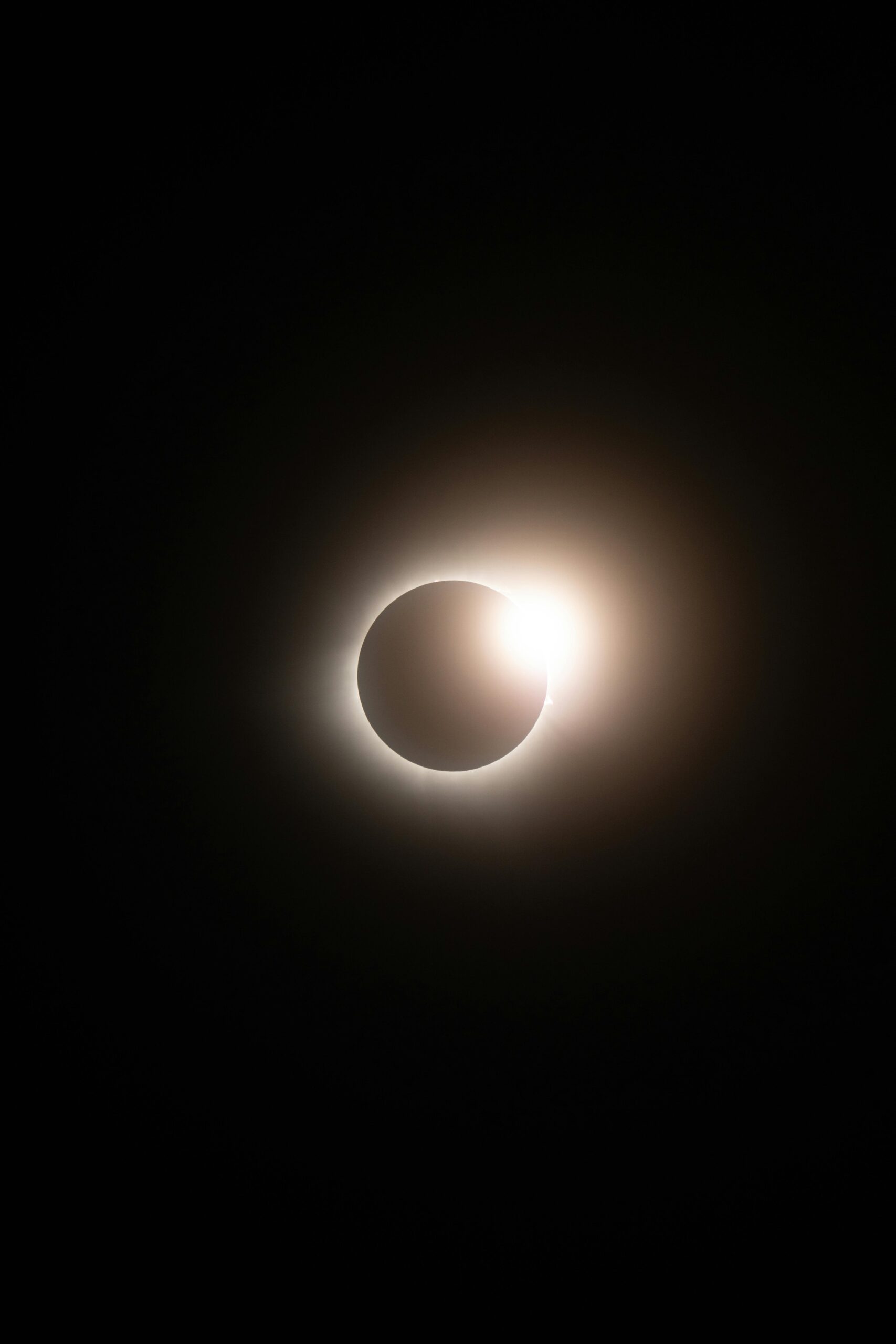
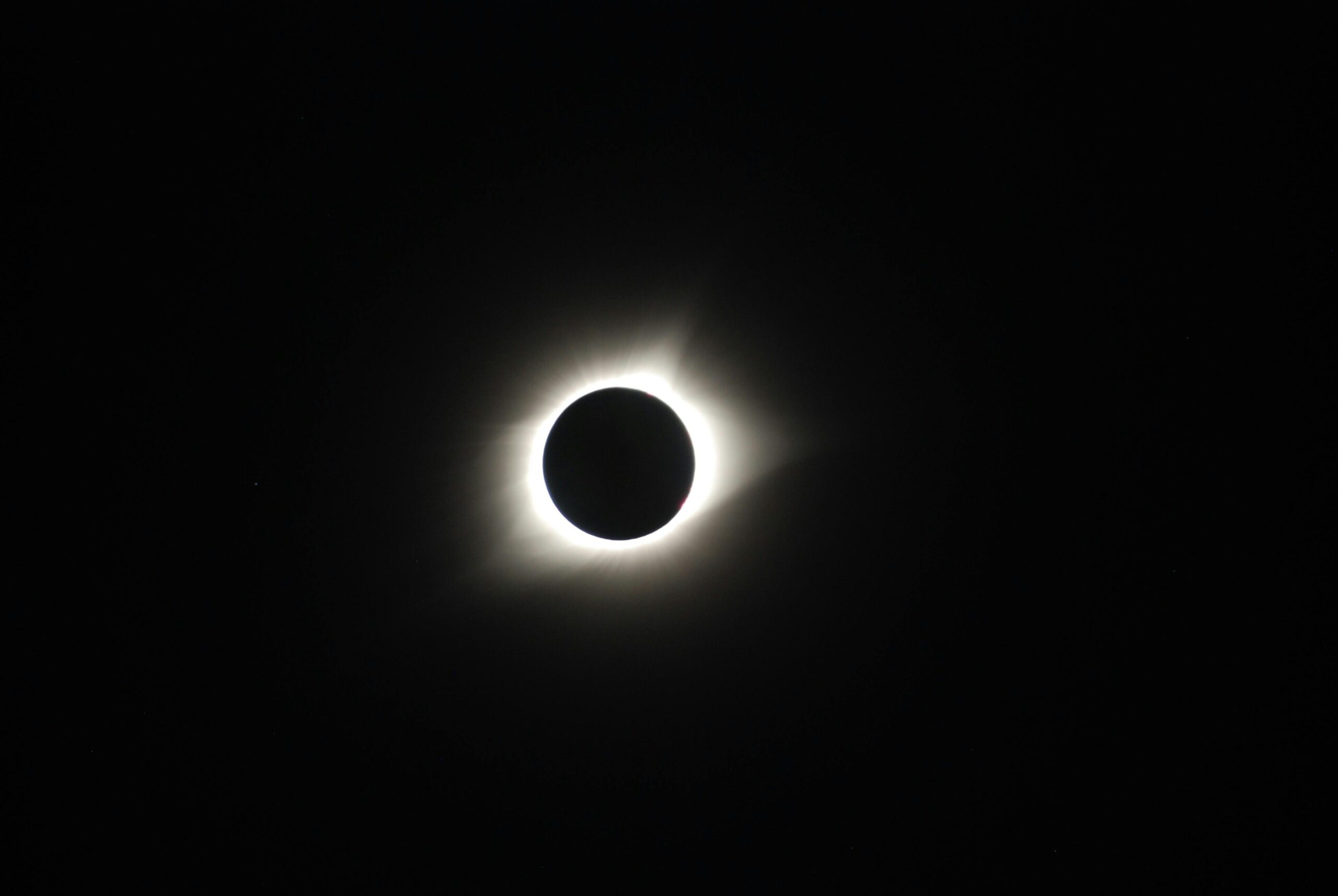
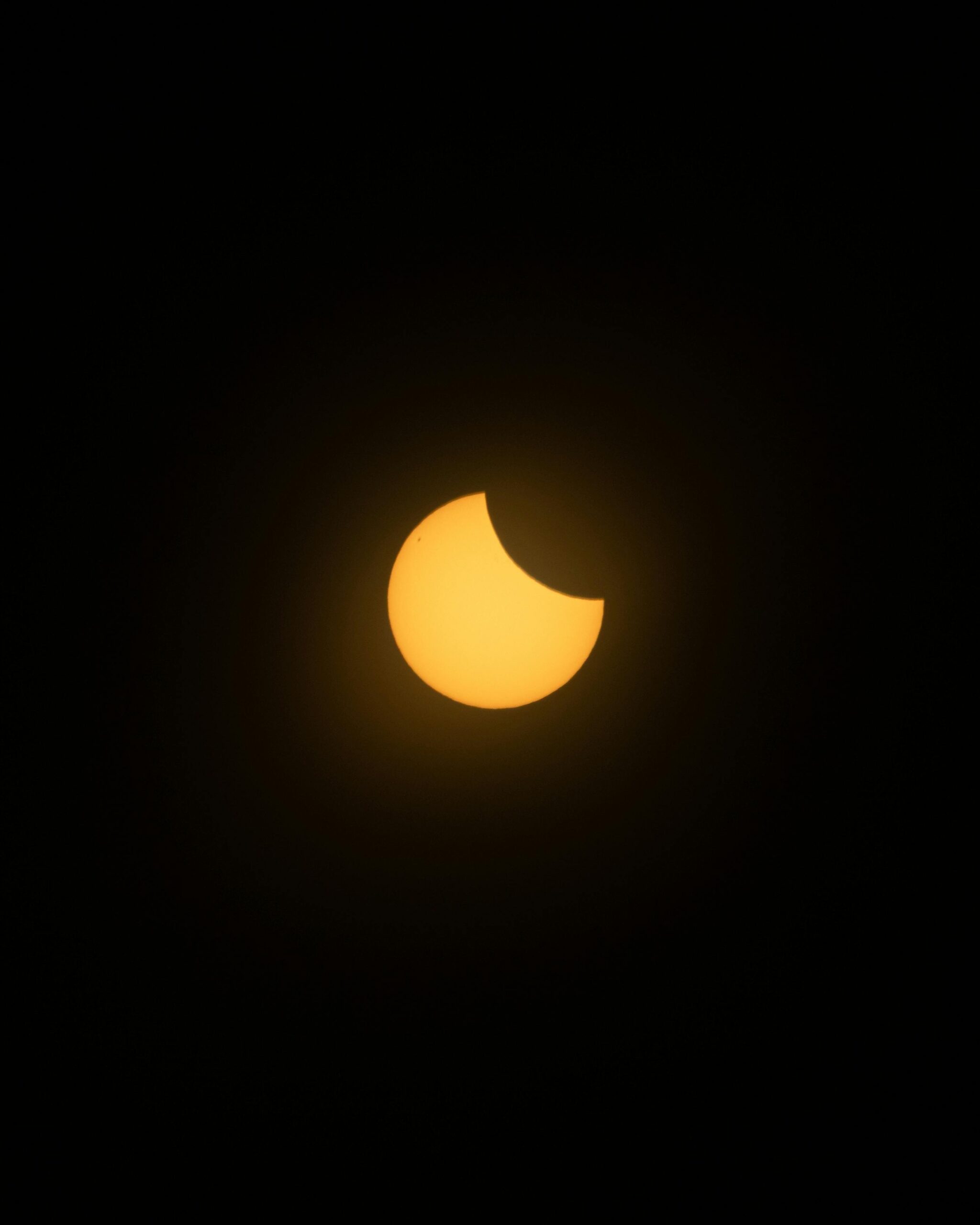
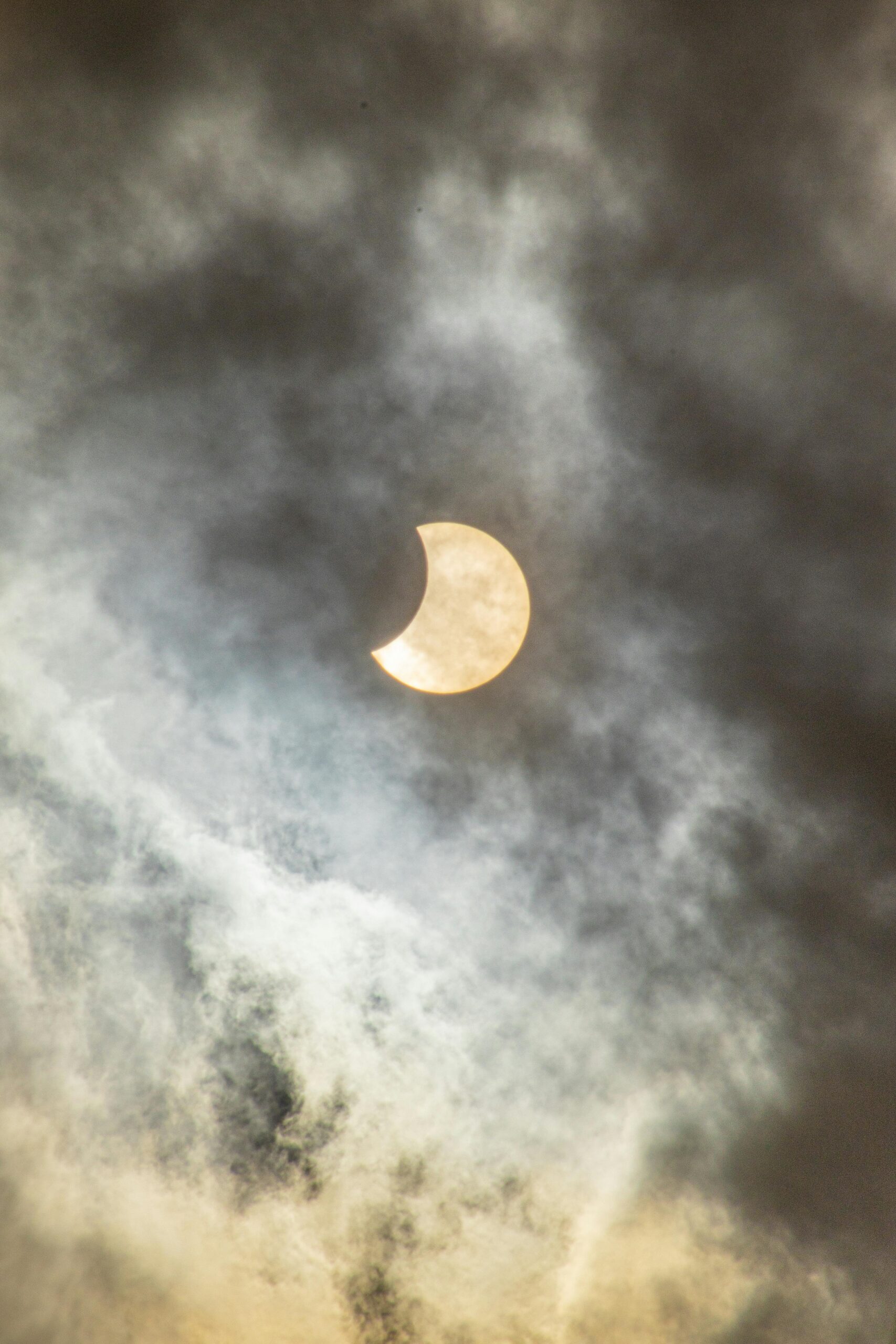
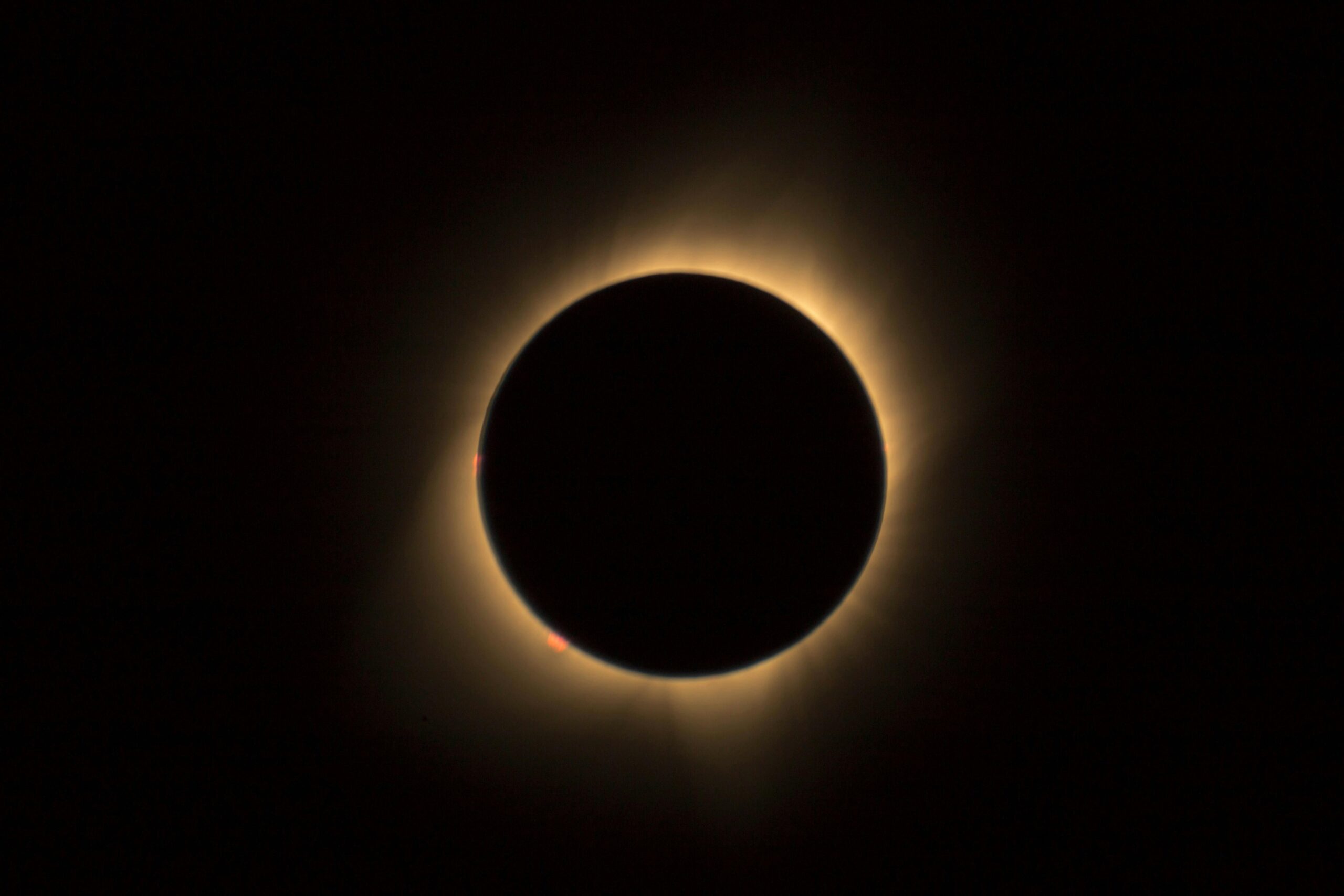
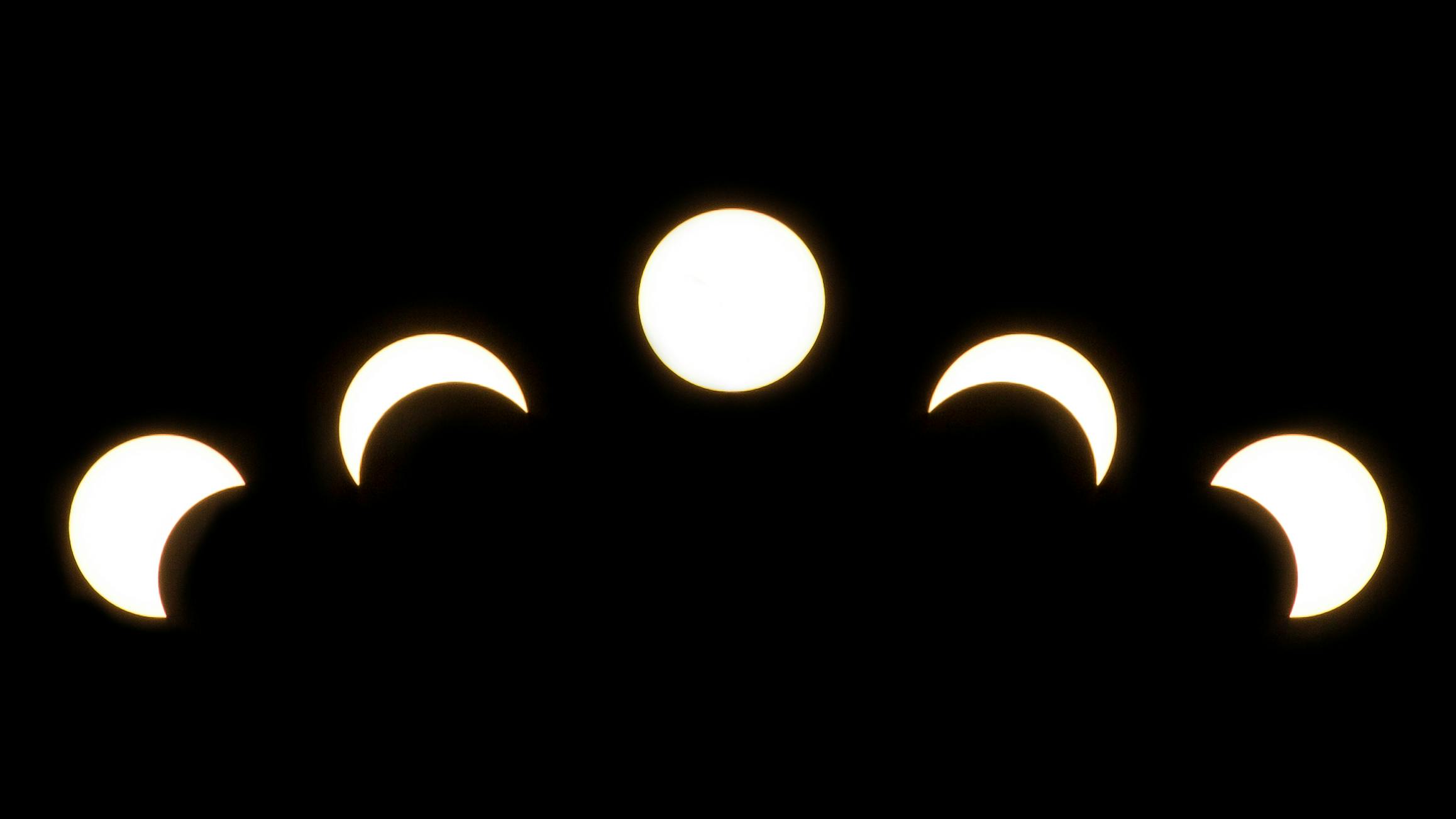
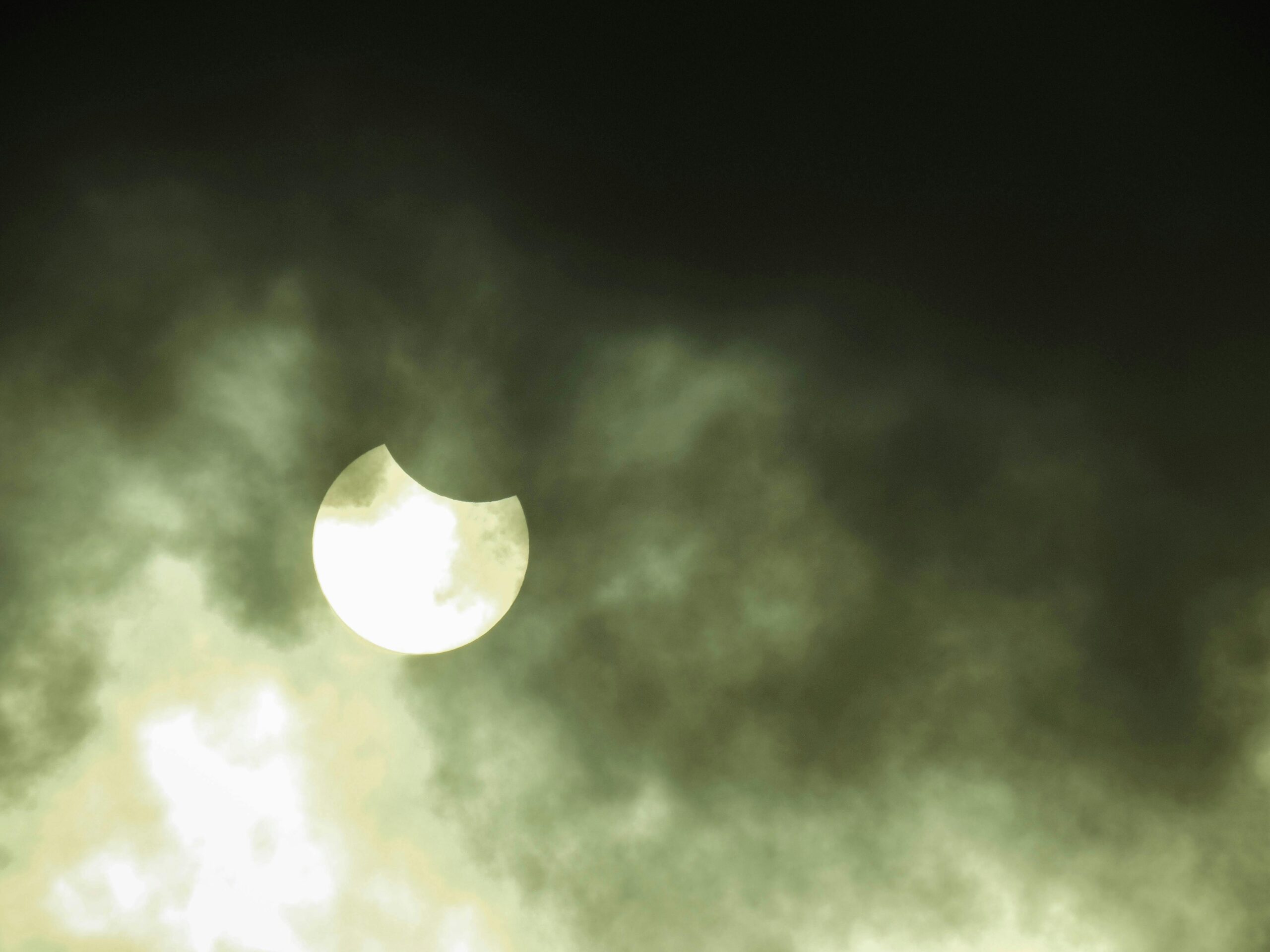
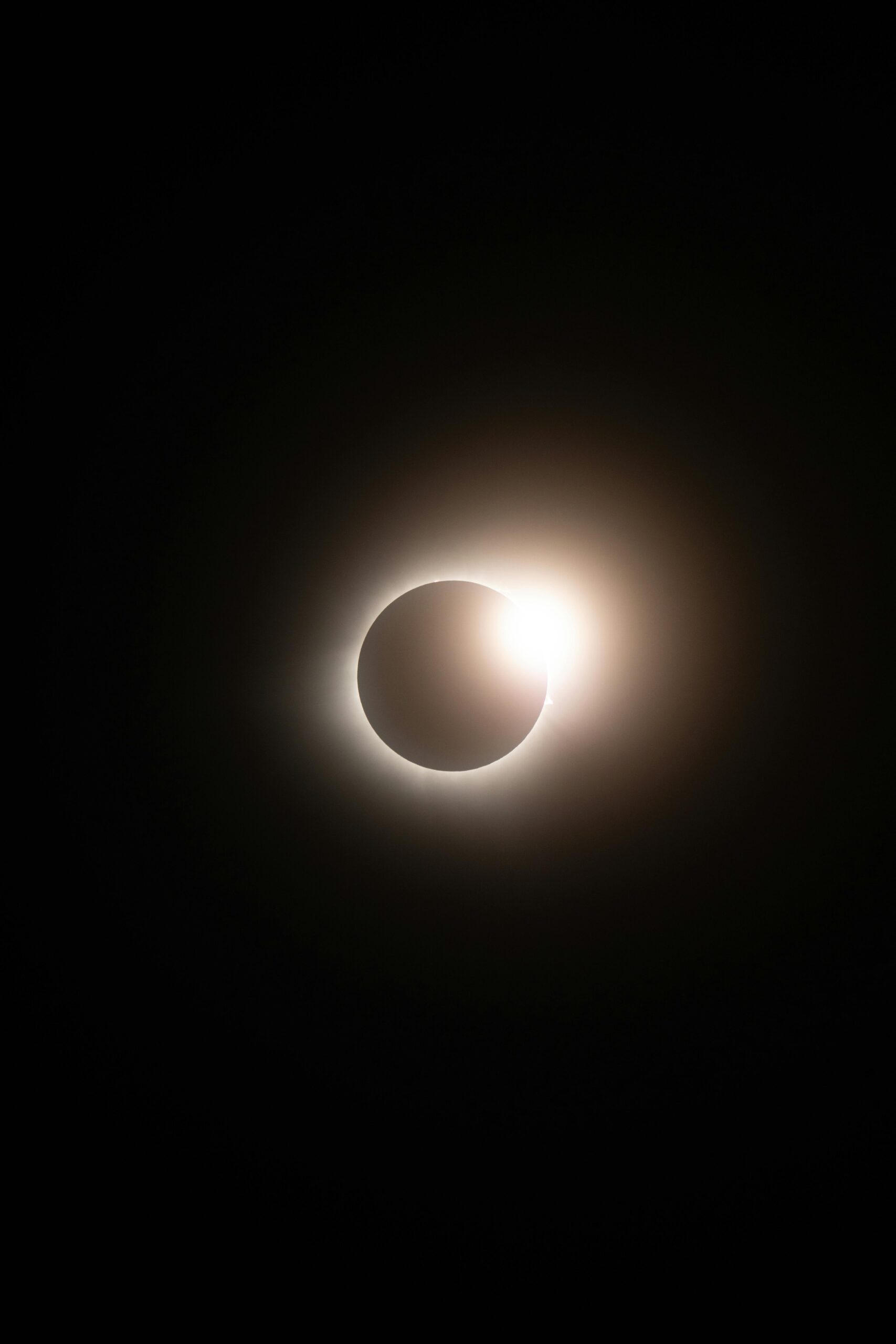
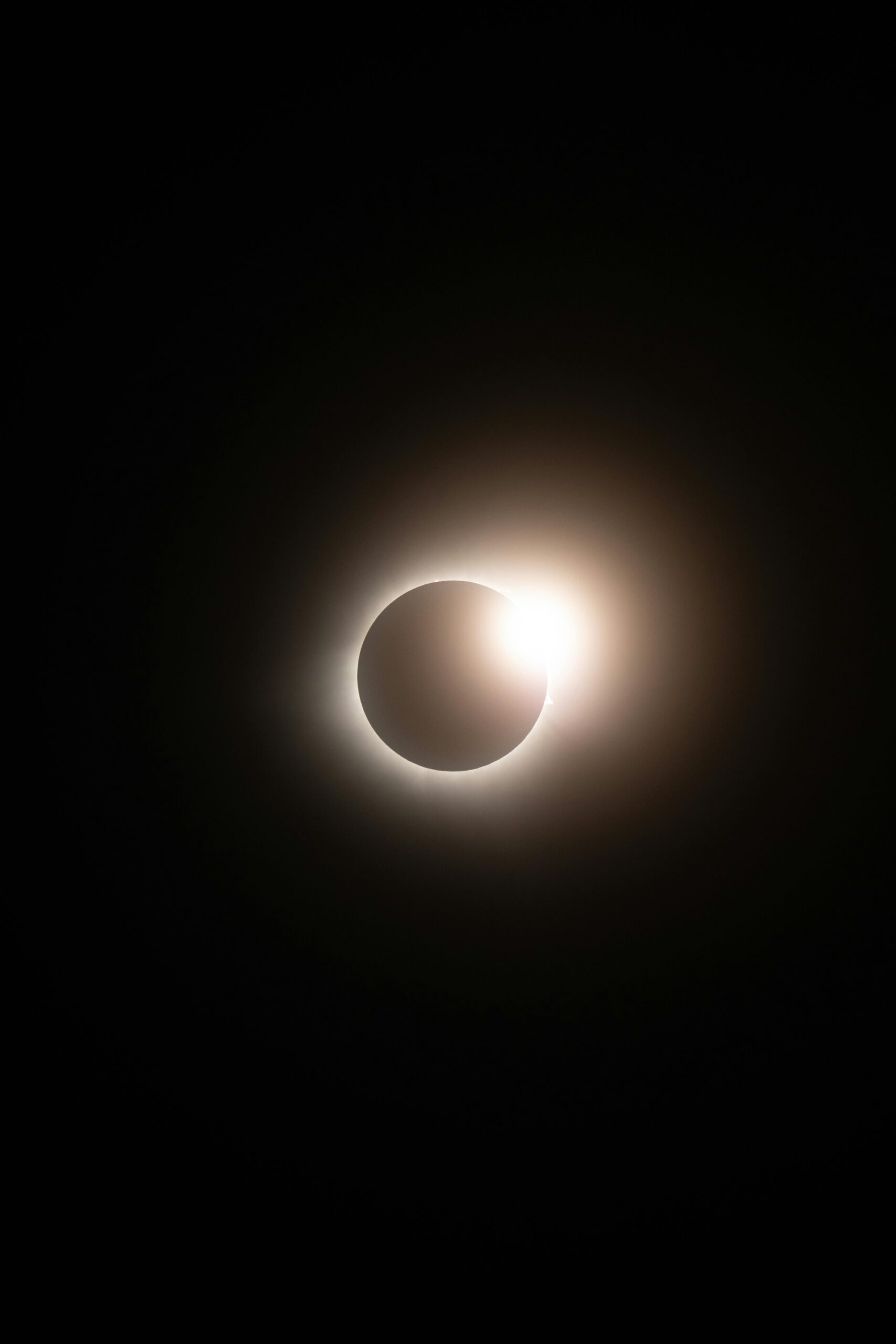
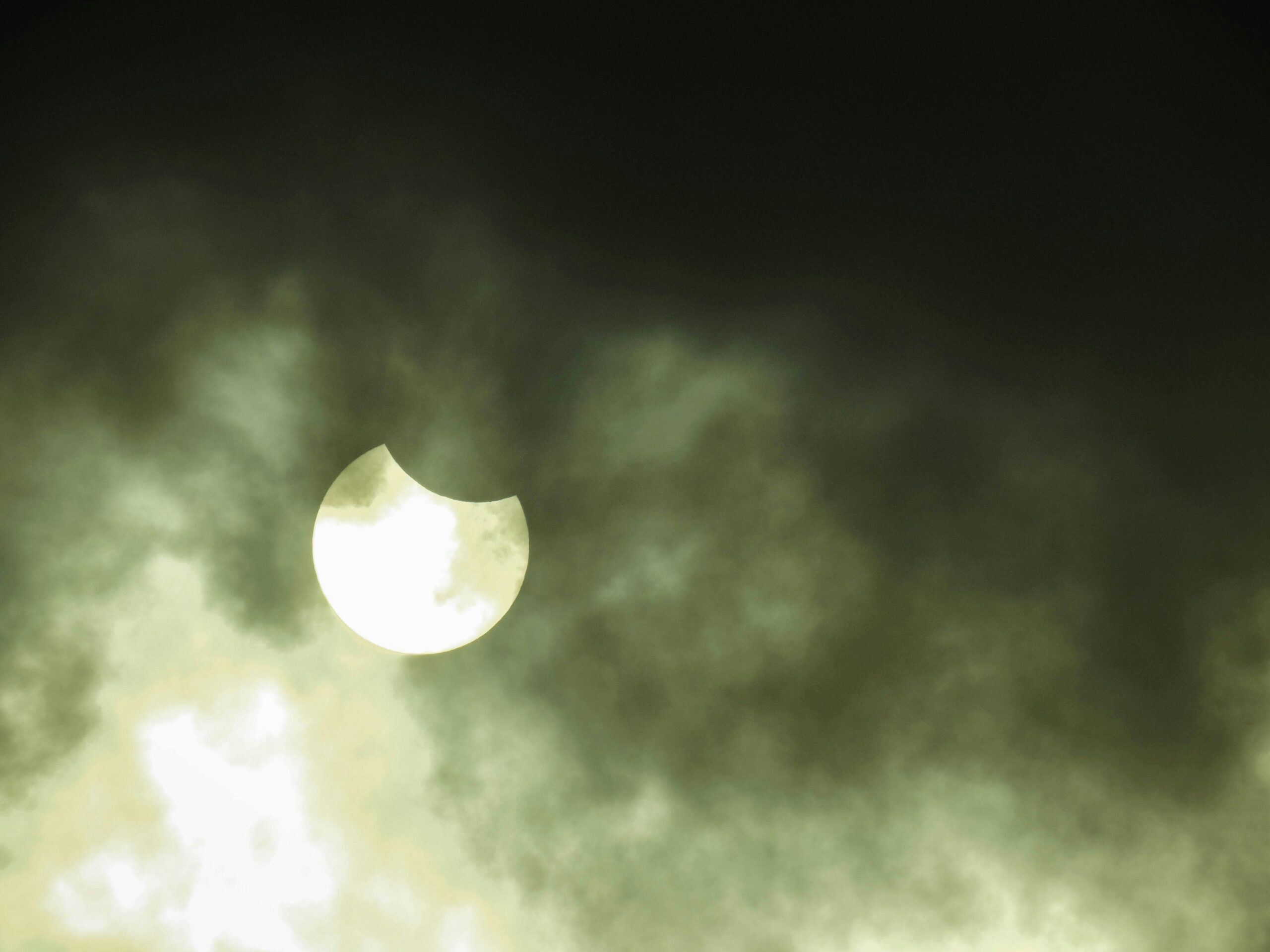
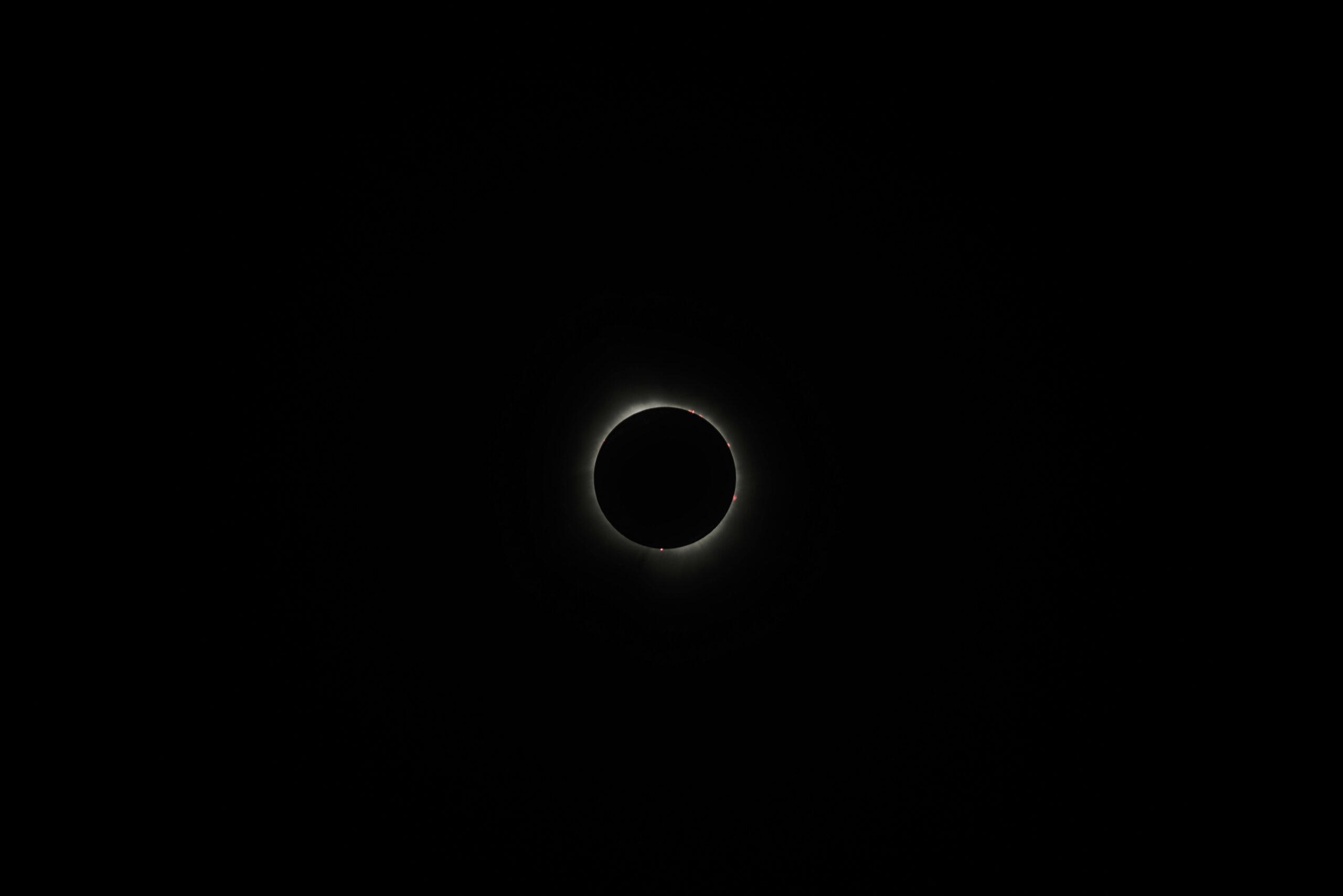
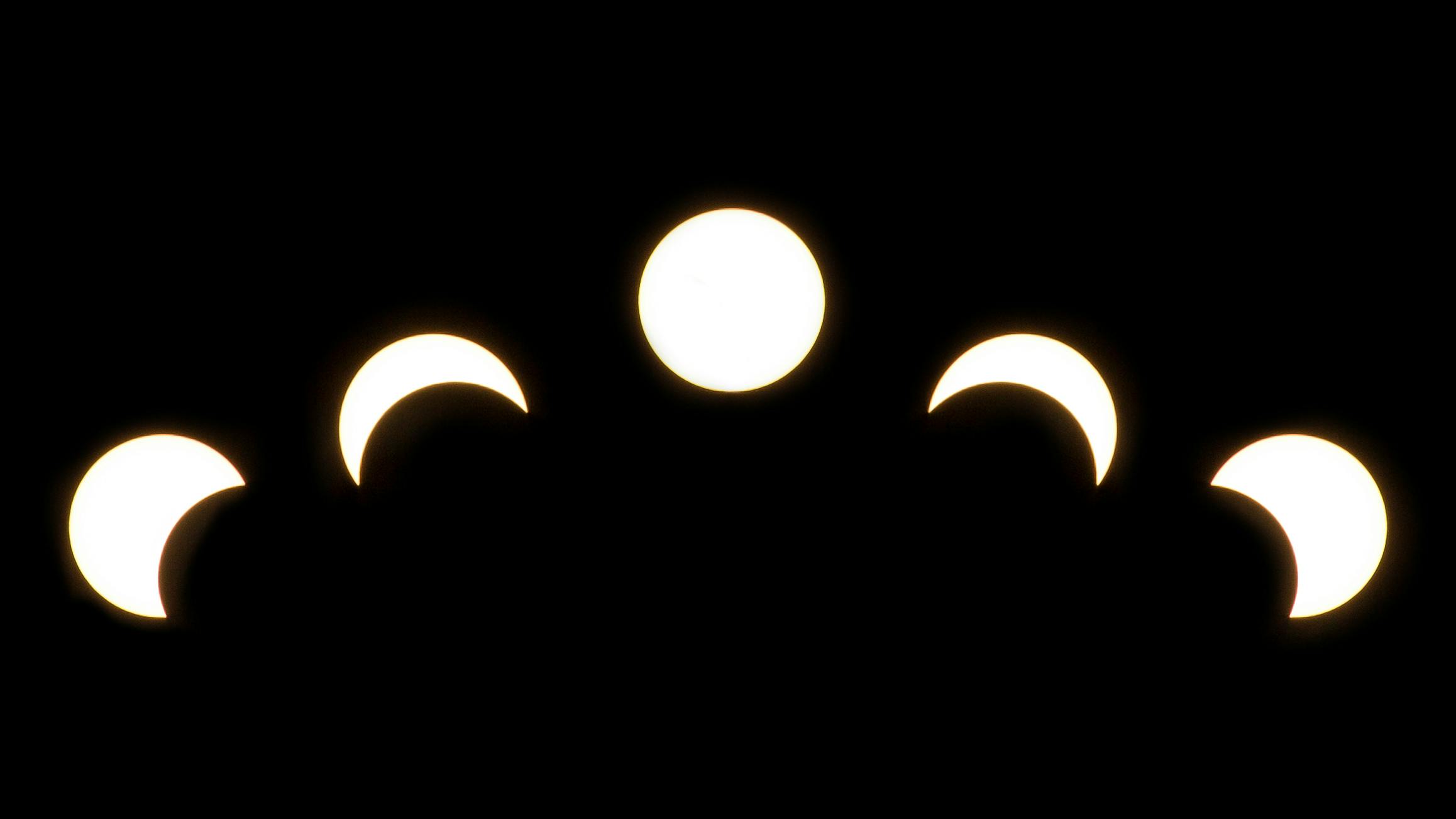
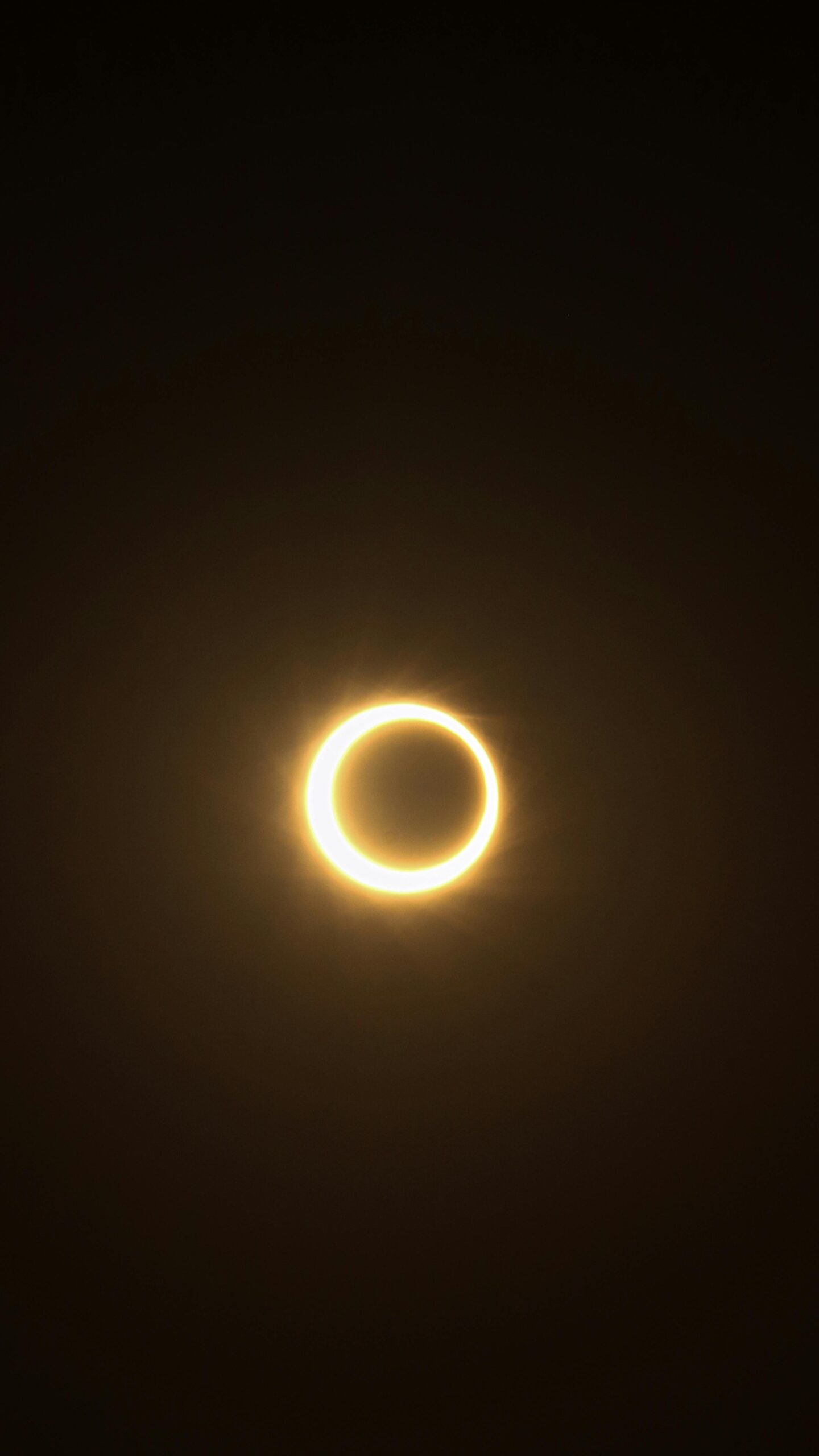
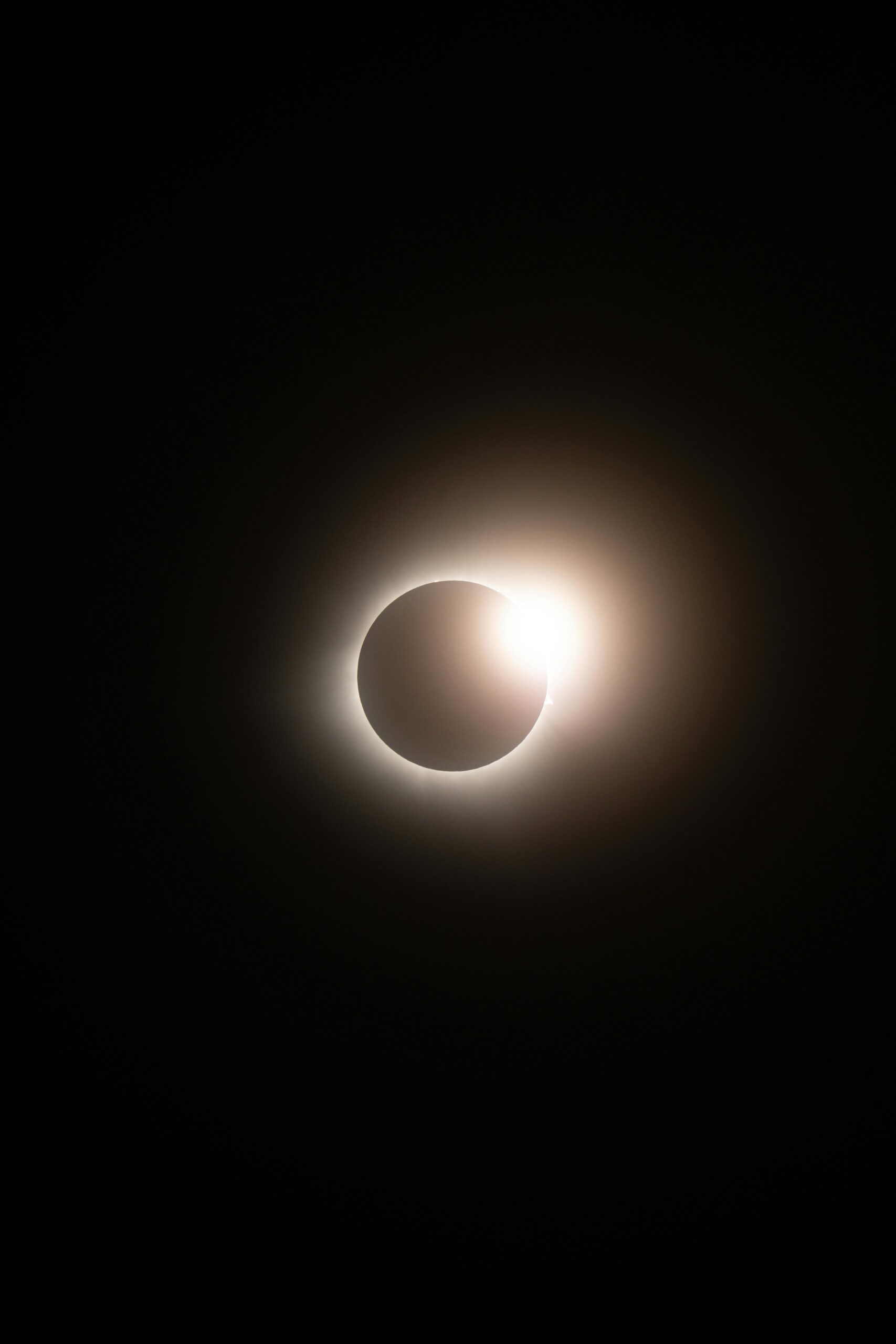
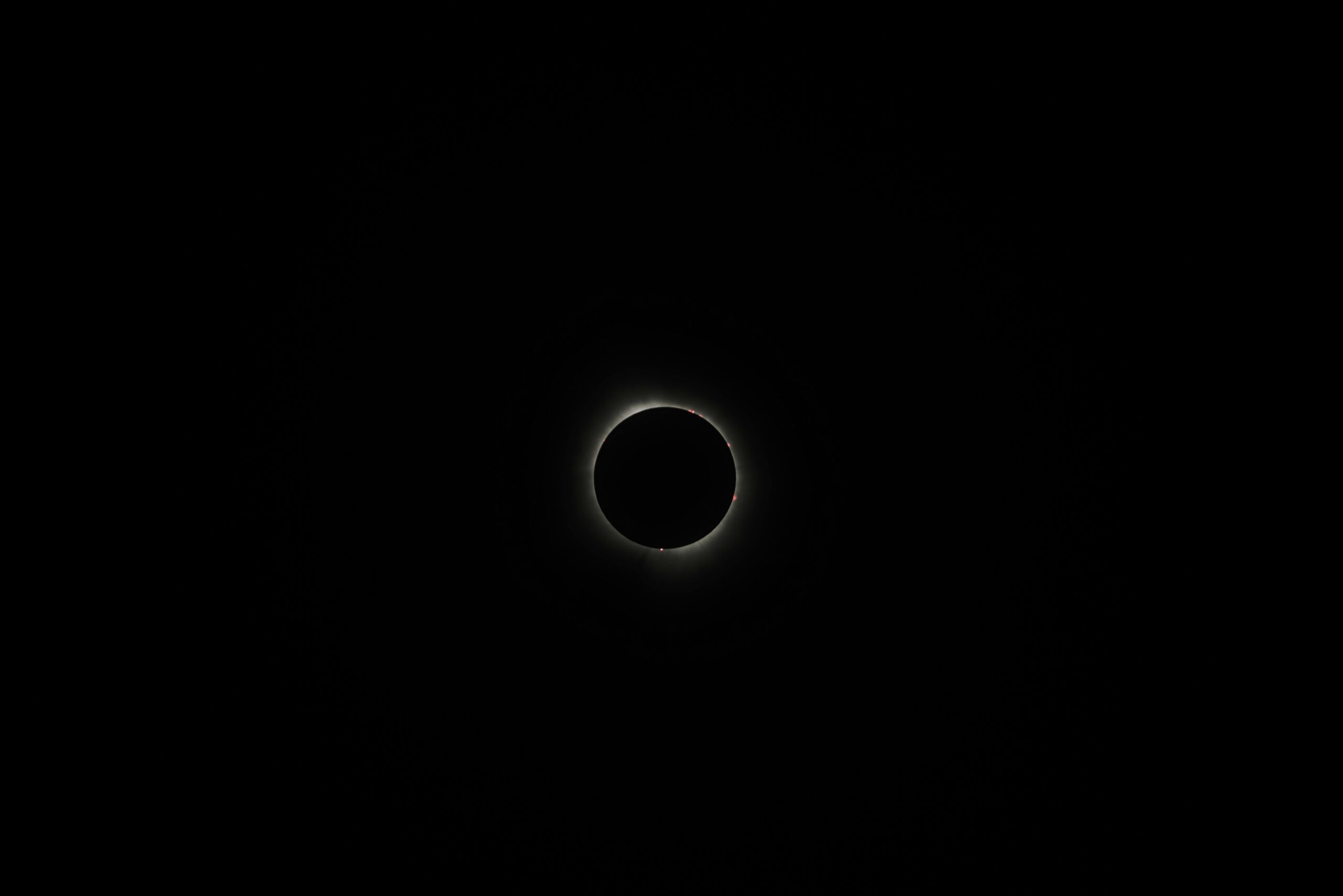
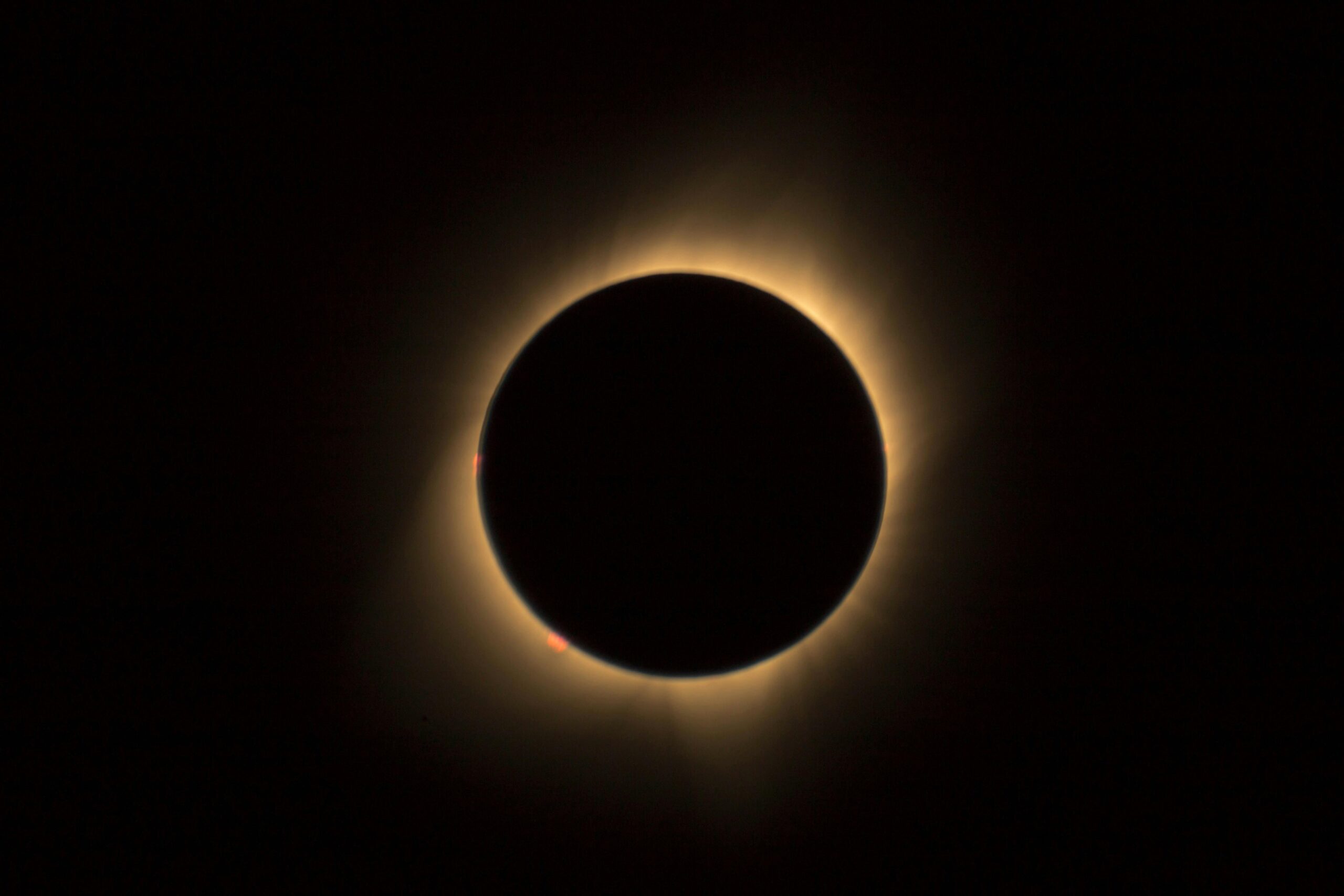
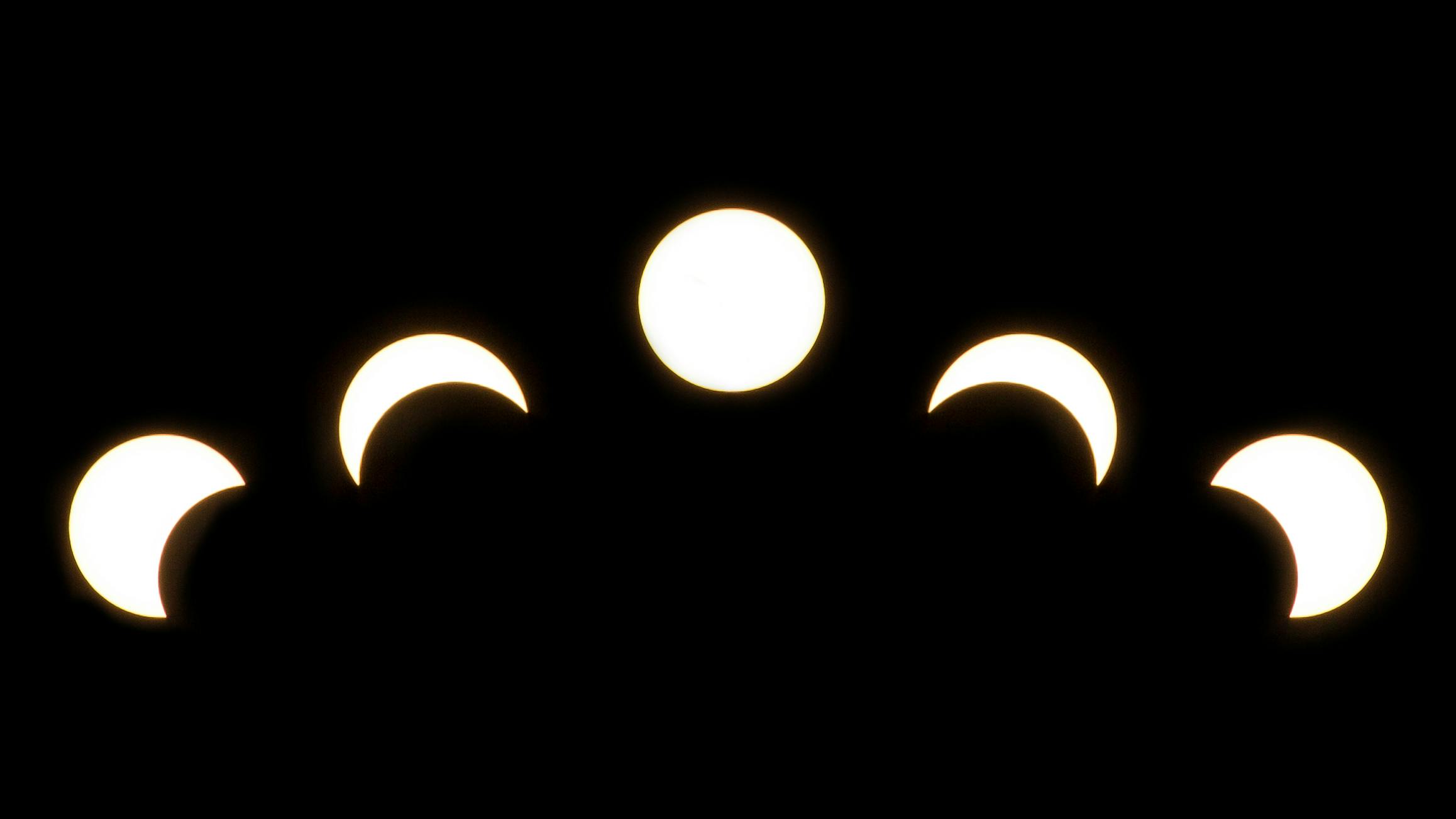
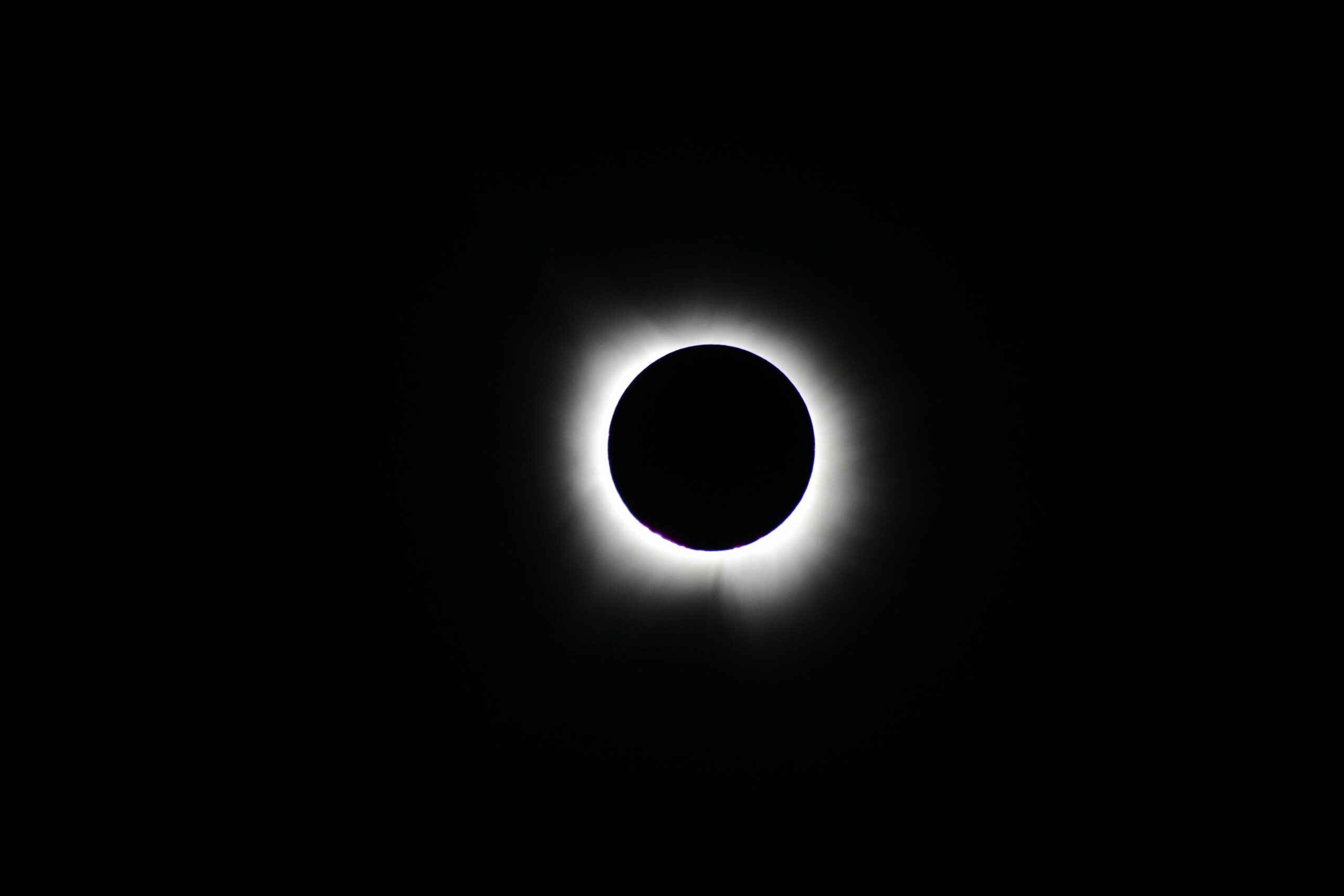
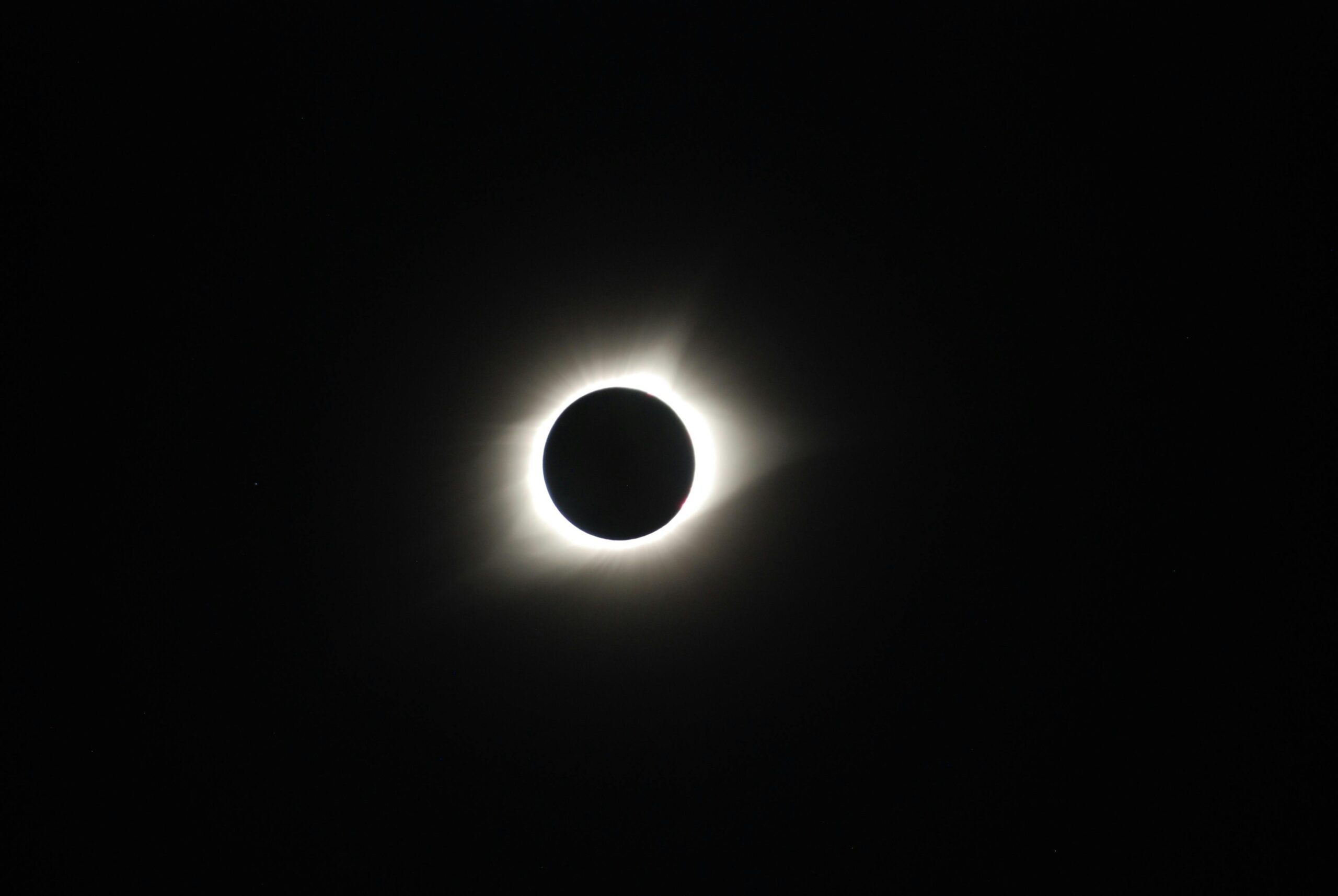
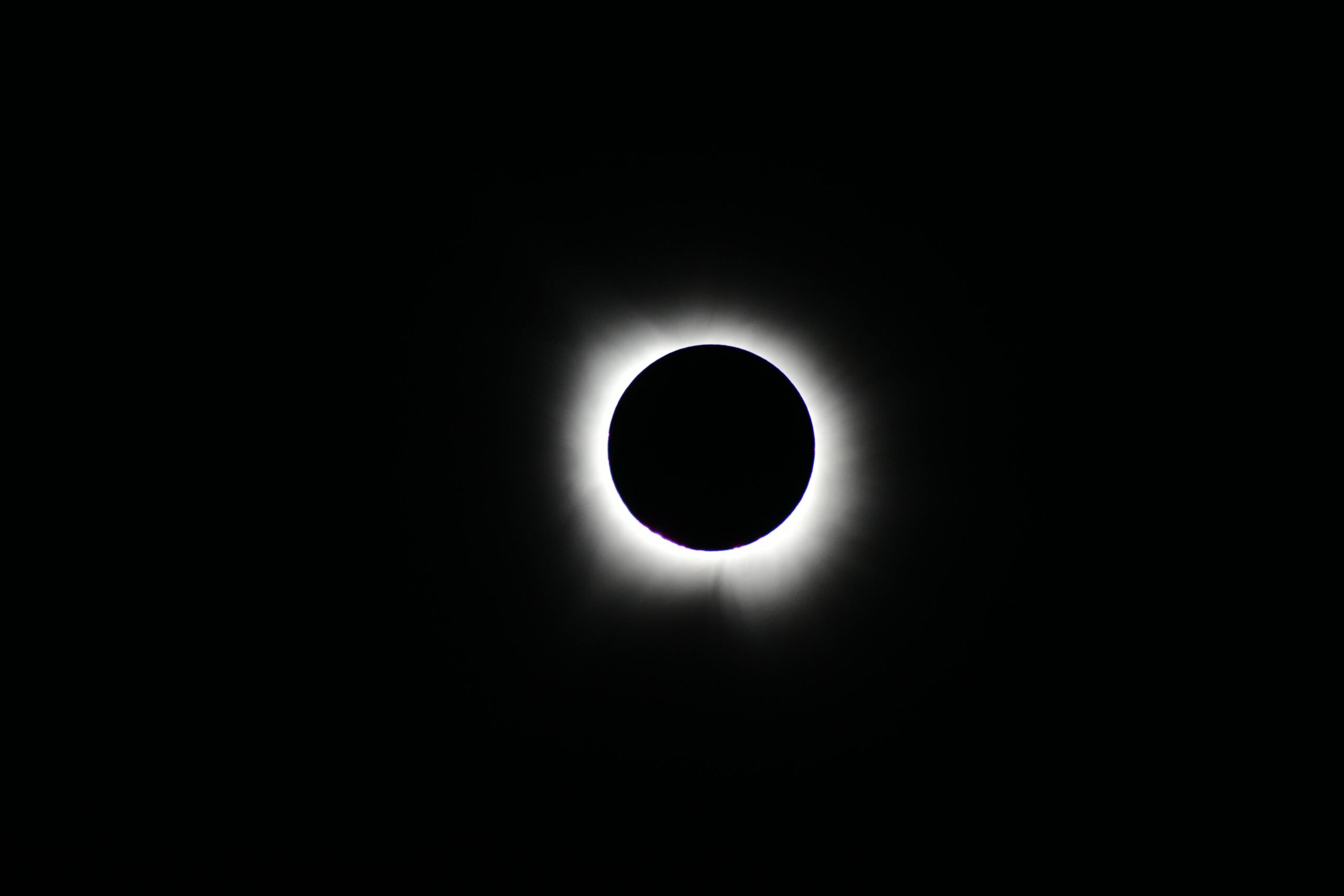
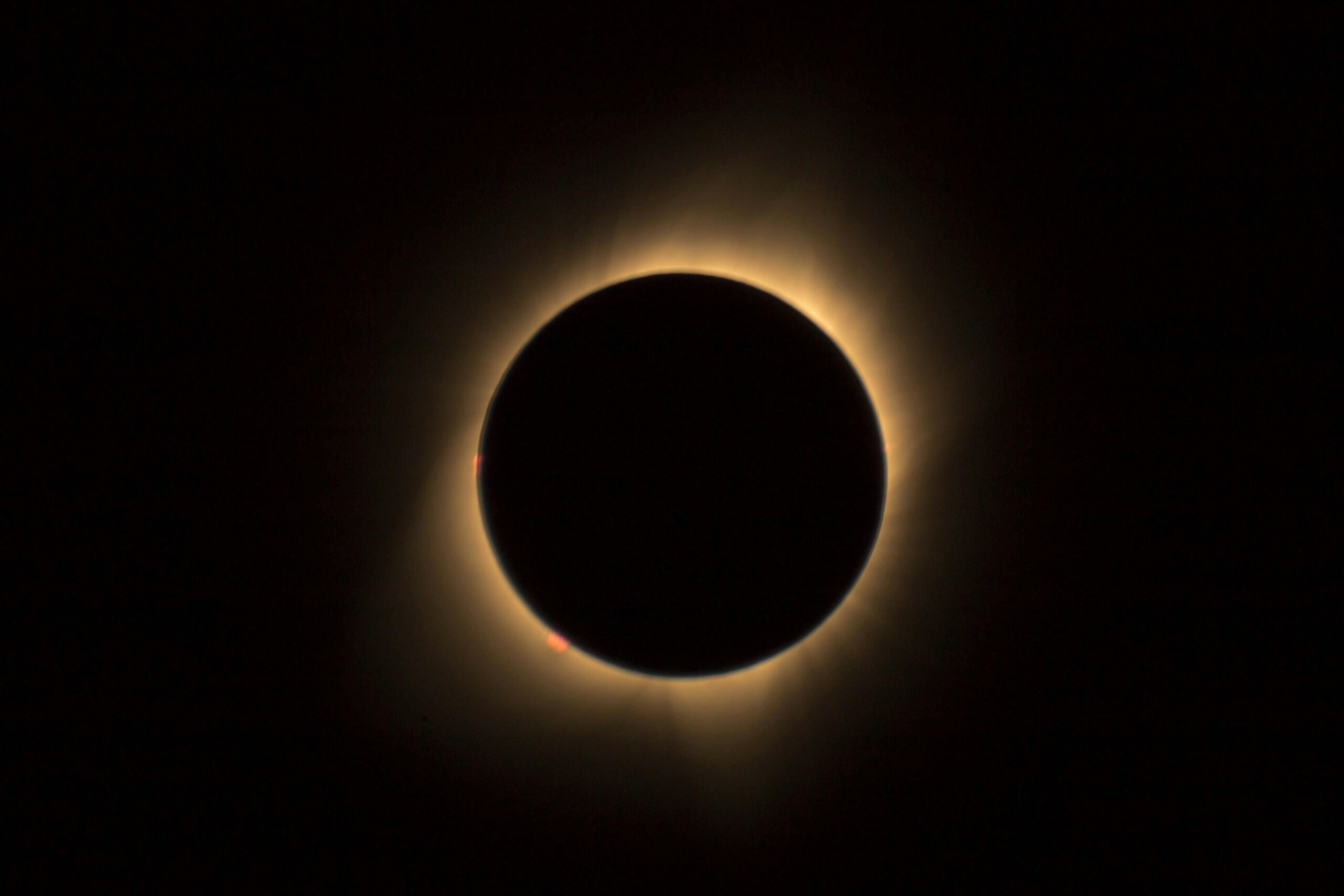
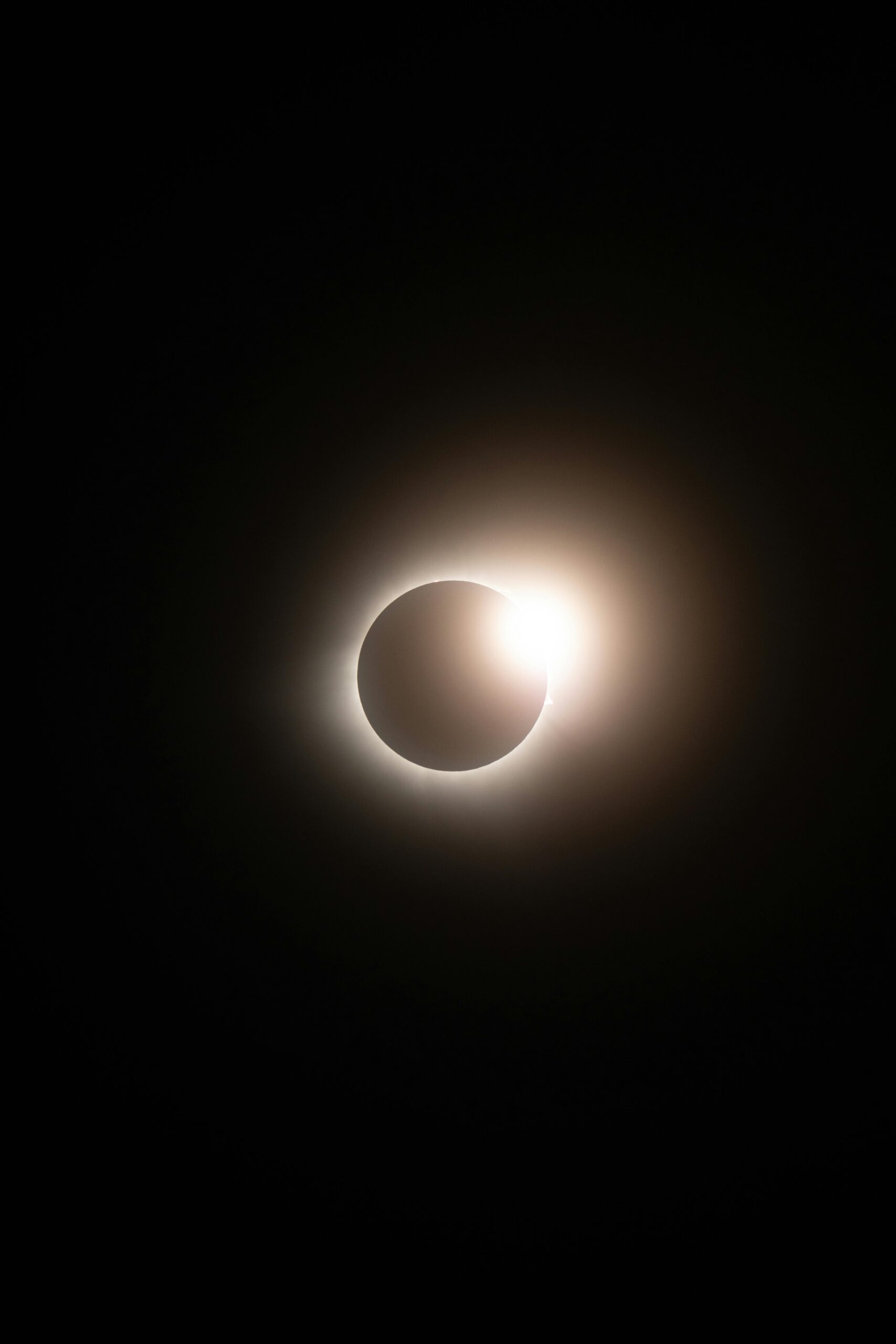
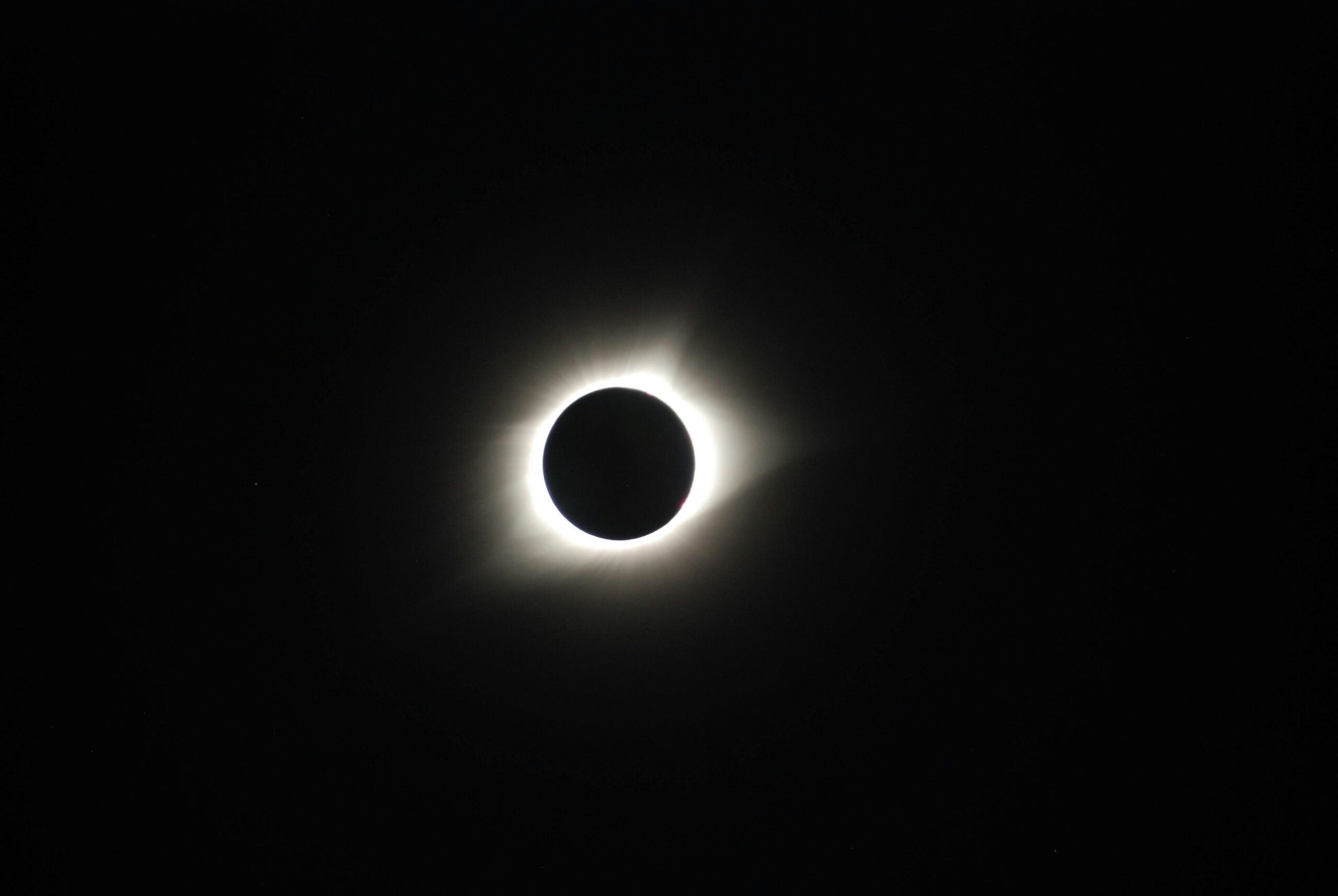
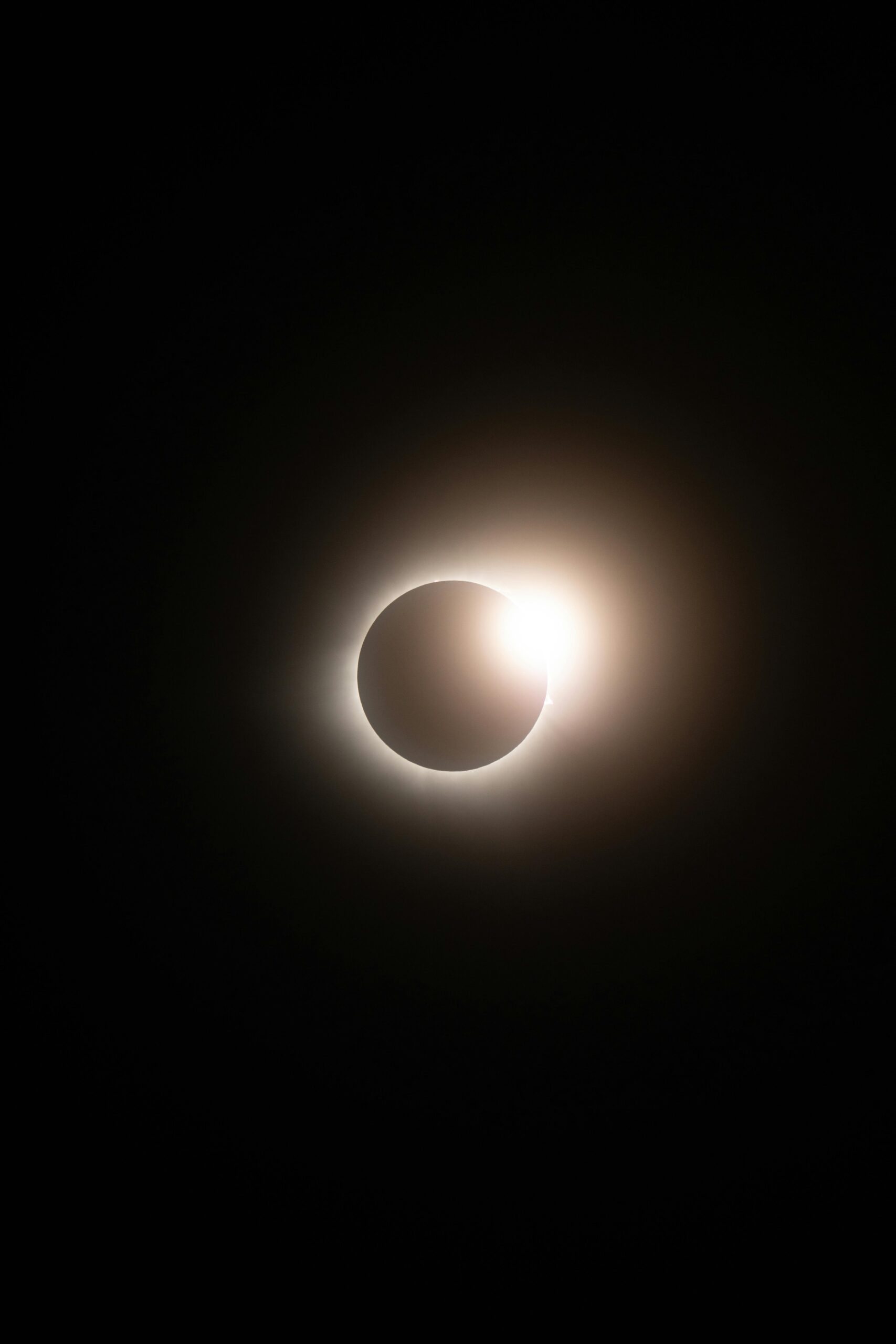
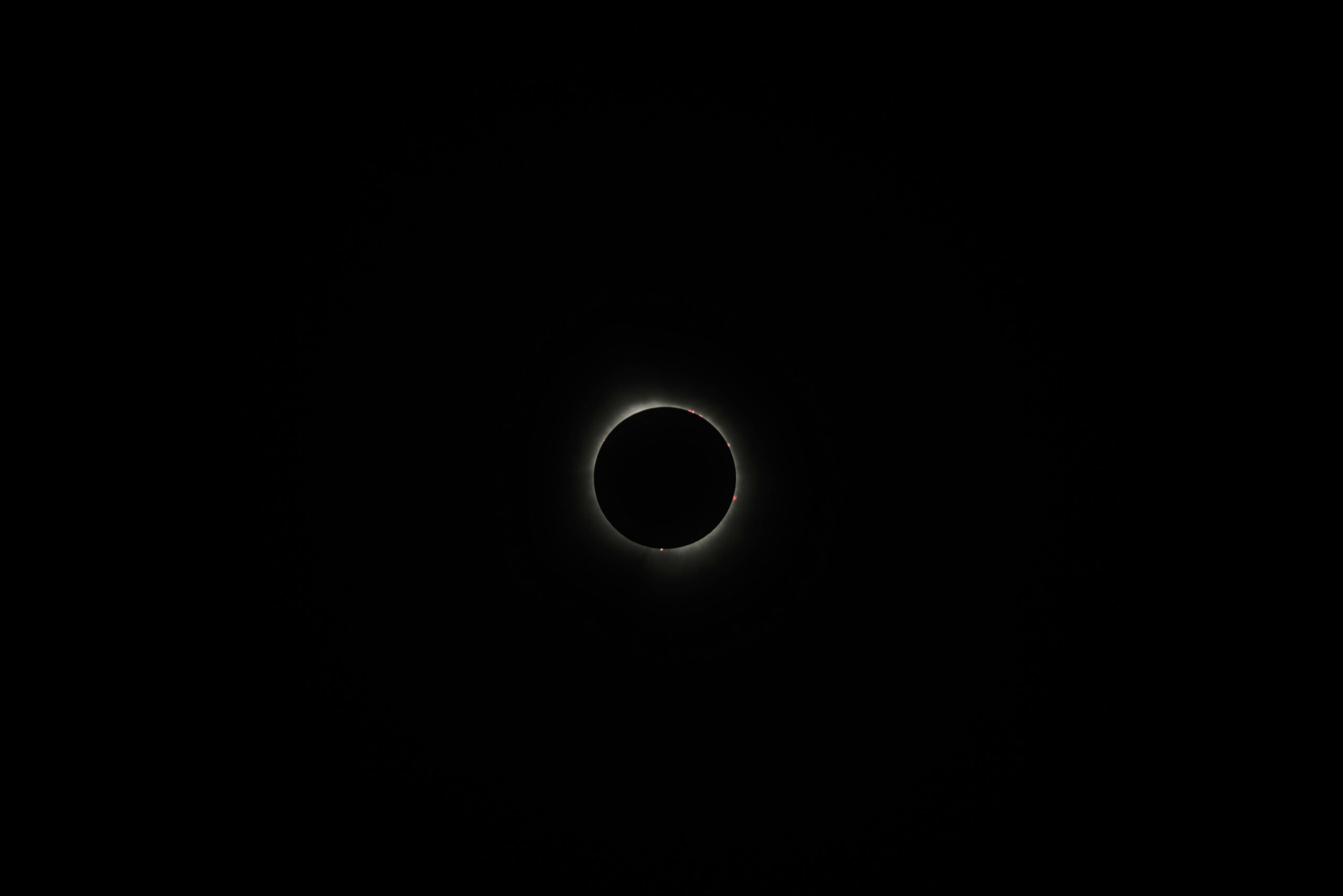
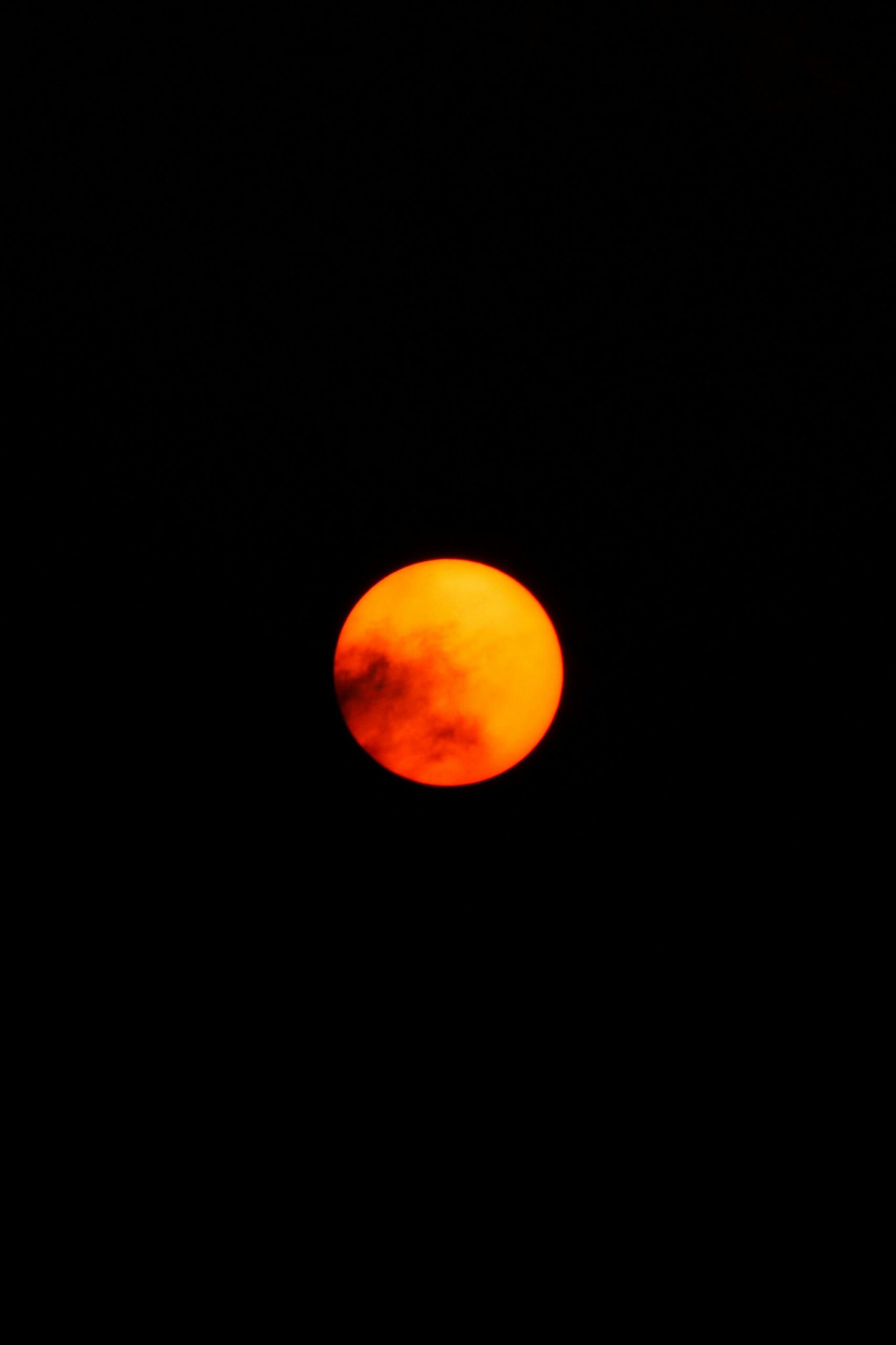
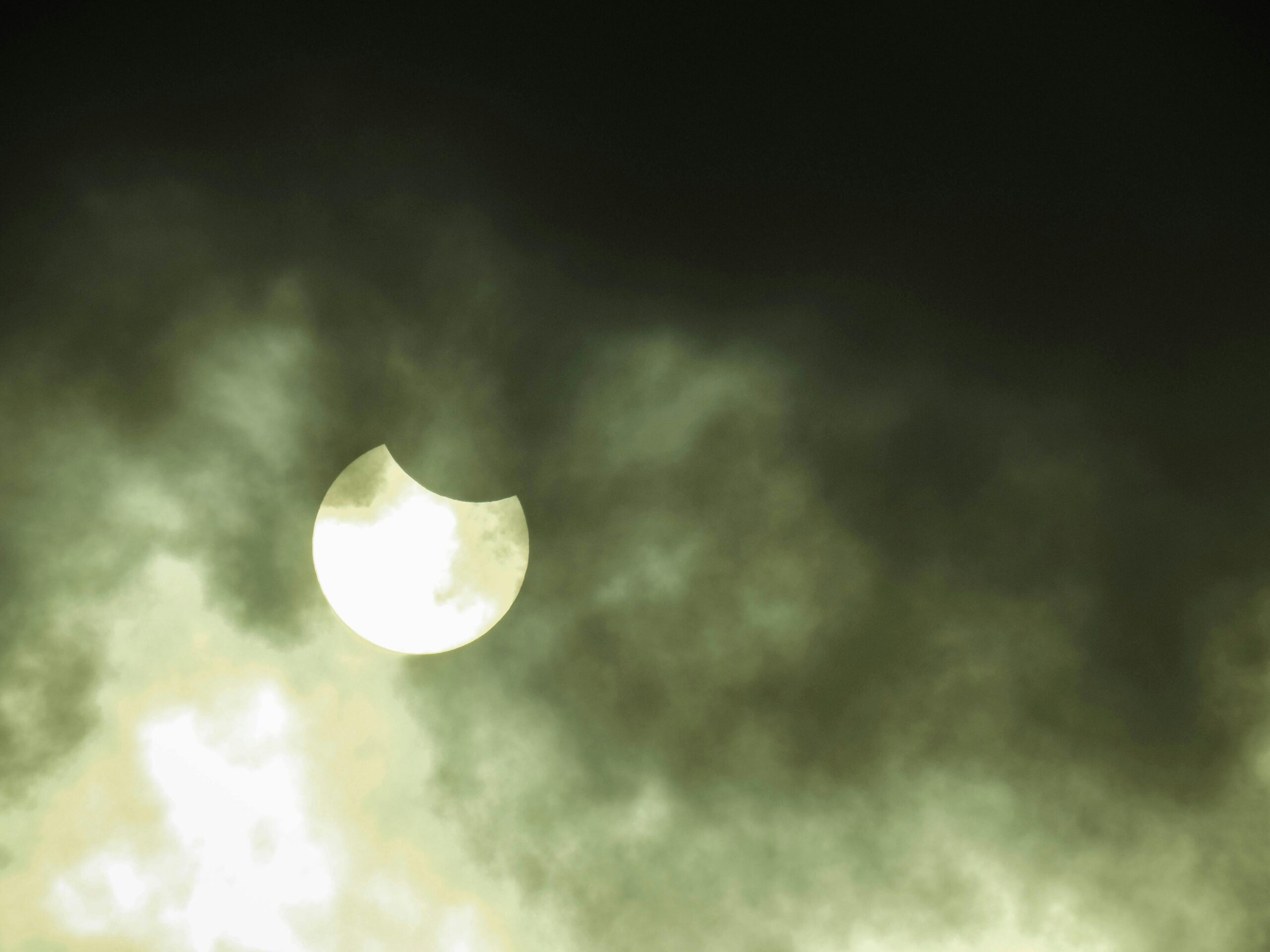
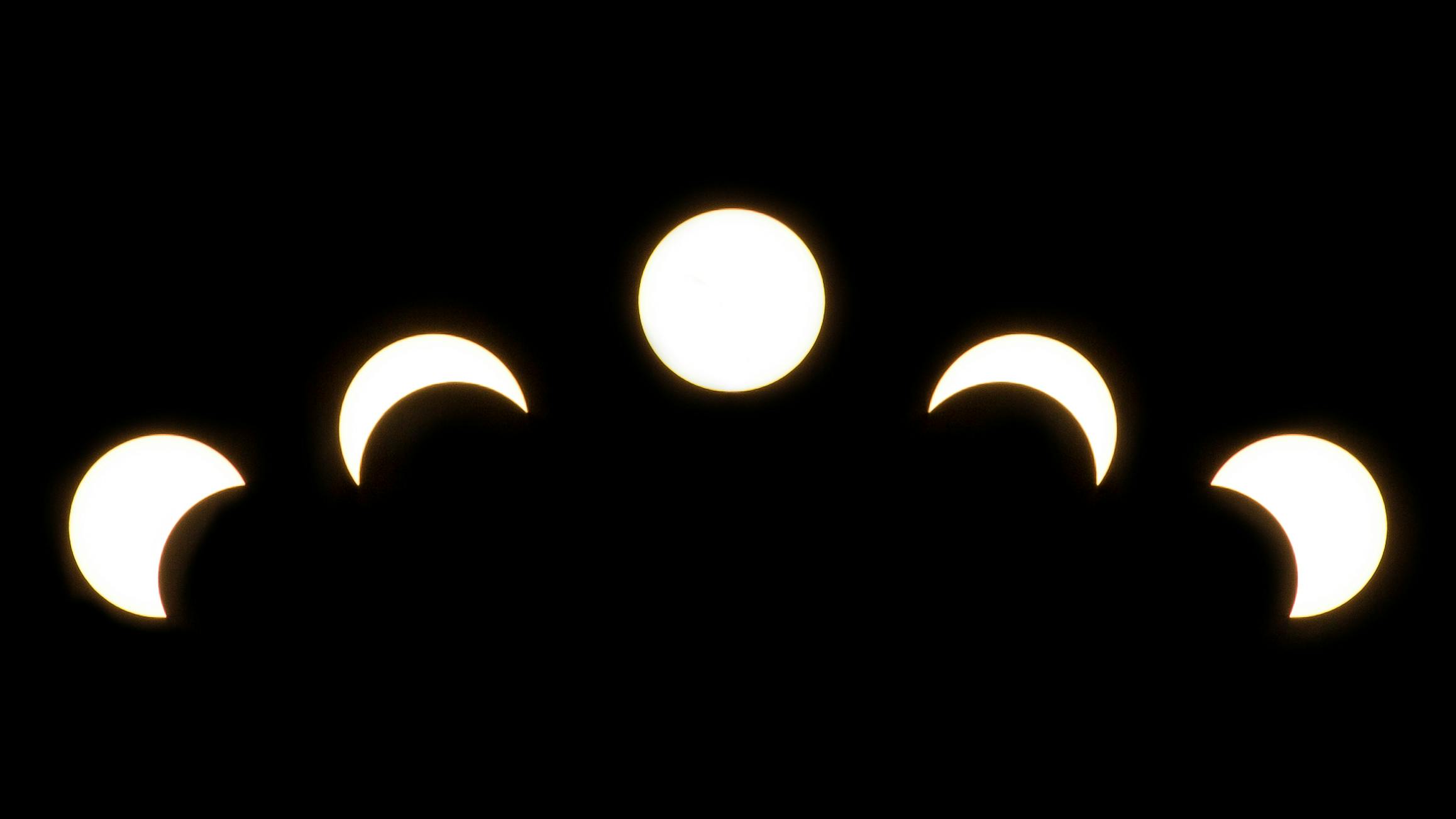
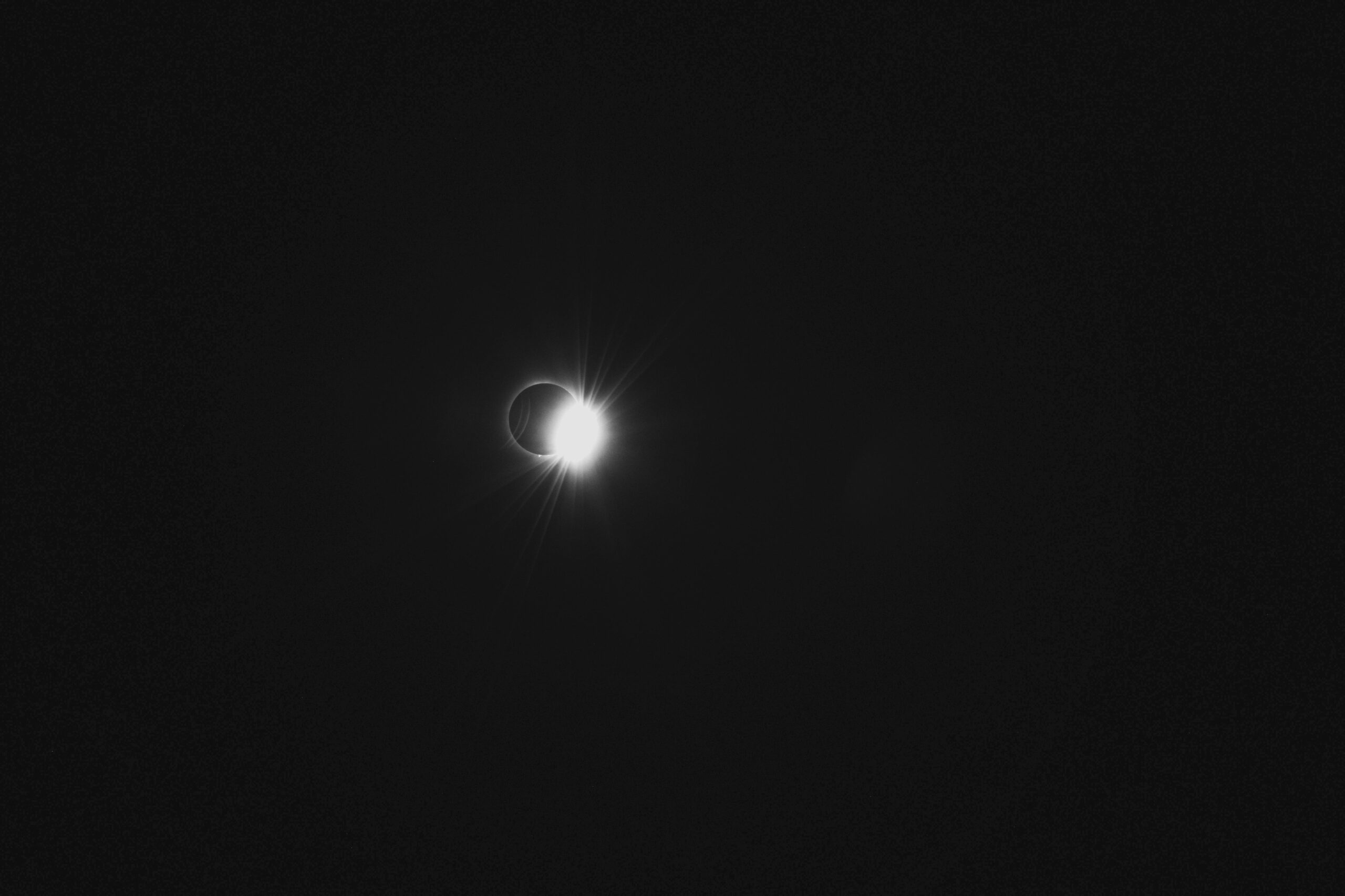
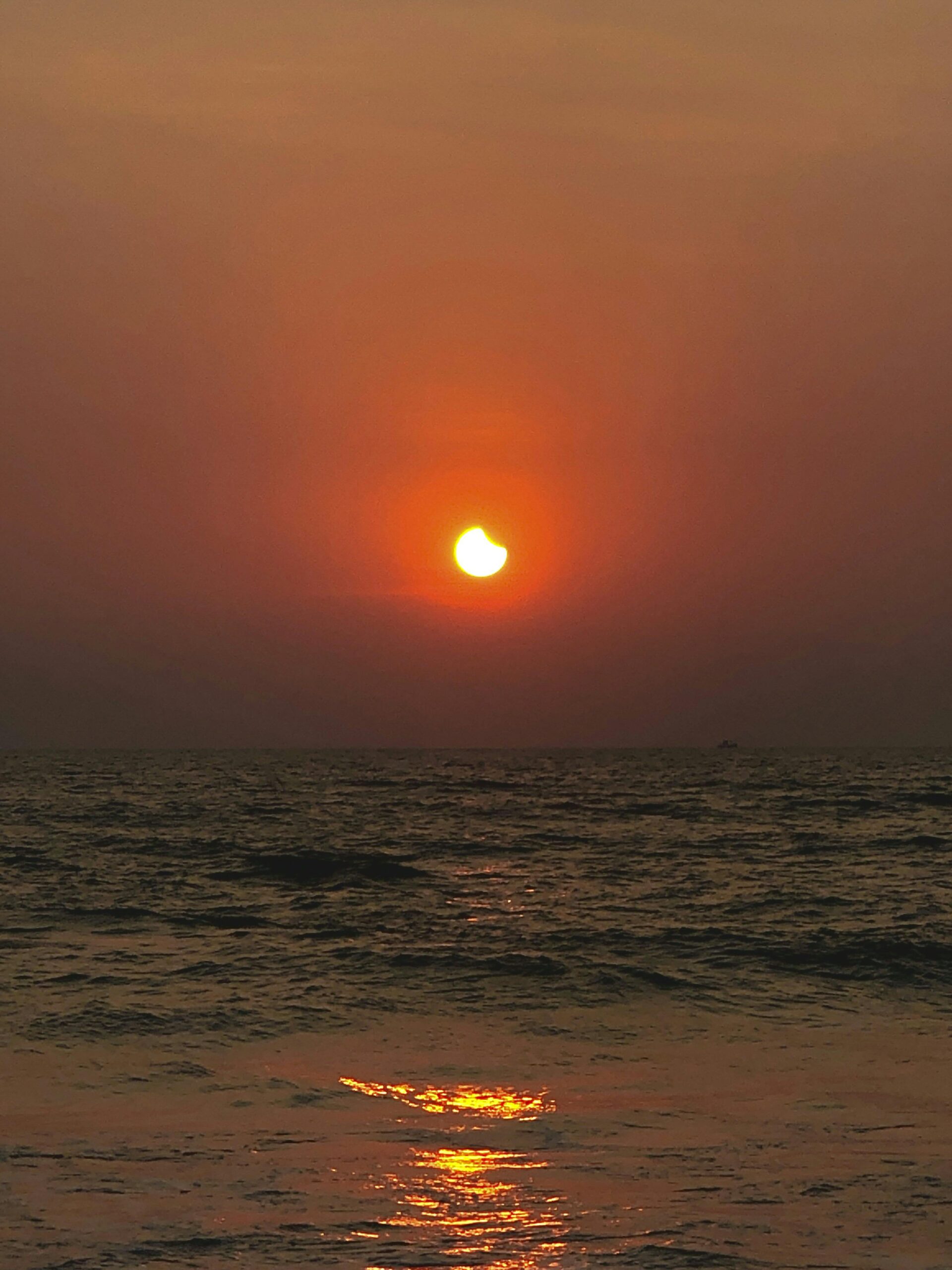
Solar eclipses occur due to the precise alignment of the Sun, Moon, and Earth. There are three types of solar eclipses: total, partial, and annular. A total solar eclipse happens when the Moon completely covers the Sun, revealing the Sun’s corona. A partial solar eclipse occurs when only a part of the Sun is obscured by the Moon. An annular solar eclipse takes place when the Moon is too far from the Earth to completely cover the Sun, resulting in a ring of sunlight around the Moon. These events are predictable and follow a cycle known as the Saros cycle, which repeats every 18 years, 11 days, and 8 hours.
The alignment required for a solar eclipse is a rare occurrence due to the tilt of the Moon’s orbit around the Earth. The Moon’s orbit is inclined by about 5 degrees to the Earth’s orbit around the Sun. This inclination means that the Moon usually passes above or below the Sun from our perspective on Earth. However, when the alignment is just right, a solar eclipse occurs, providing a breathtaking view for those in the path of totality.
Historical Significance and Cultural Impact
Throughout history, solar eclipses have been viewed with a mix of awe and fear. Ancient civilizations often interpreted eclipses as omens or signs from the gods. For example, in ancient China, eclipses were seen as celestial dragons devouring the Sun. The Chinese believed that noise and commotion could scare away the dragon, leading to the practice of banging drums and gongs during an eclipse. In many cultures, eclipses were associated with impending doom or significant changes. The historical records of eclipses have also provided valuable data for astronomers, helping them refine their understanding of celestial mechanics.
In modern times, solar eclipses have become a source of scientific discovery and public fascination. The 1919 eclipse, for instance, provided crucial evidence supporting Albert Einstein’s theory of general relativity. During this eclipse, astronomers observed the bending of starlight around the Sun, confirming one of the key predictions of Einstein’s theory. Today, solar eclipses continue to inspire scientific research and public interest, drawing millions of people to witness this celestial spectacle.
Preparing for the Next Solar Eclipse
The next solar eclipse is expected to be a total eclipse, visible from various parts of the world. Enthusiasts and scientists alike are preparing for this event, which promises to be a memorable experience. To view a solar eclipse safely, it is essential to use proper eye protection. Looking directly at the Sun, even during an eclipse, can cause permanent eye damage. Special eclipse glasses that meet international safety standards should be used to observe the event. Additionally, indirect viewing methods, such as pinhole projectors, can provide a safe way to enjoy the eclipse.
For those planning to travel to witness the eclipse, it is important to research the best viewing locations and make necessary arrangements in advance. Weather conditions can significantly impact visibility, so choosing a location with a high probability of clear skies is crucial. Many organizations and websites, including teknoloji güncel günün son dakika, provide up-to-date information and resources for eclipse chasers, helping them prepare for this extraordinary event.
Educational Opportunities and Public Engagement
Solar eclipses offer unique educational opportunities for students and the general public. Schools and educational institutions often organize special events and activities to teach students about the science behind eclipses. These events can include hands-on experiments, lectures by astronomers, and safe viewing demonstrations. Public engagement is also a key aspect of eclipse education, with many communities hosting viewing parties and educational workshops. These initiatives help to foster a greater appreciation for astronomy and the natural world.
In addition to formal educational programs, online resources and mobile applications provide valuable information and tools for eclipse enthusiasts. These resources can help individuals track the path of the eclipse, understand the science behind it, and learn about historical eclipses. By engaging with these resources, people can deepen their knowledge and enhance their eclipse-viewing experience.
Conclusion
Solar eclipses are a testament to the beauty and complexity of our universe. They offer a rare opportunity to witness the intricate dance of celestial bodies and to reflect on our place in the cosmos. Whether viewed for scientific purposes, educational value, or sheer enjoyment, solar eclipses continue to captivate and inspire people around the world. As we prepare for the next solar eclipse, let us embrace this celestial spectacle with a sense of wonder and curiosity, and share the experience with others to foster a greater appreciation for the wonders of the universe.
To stay informed about the latest international happenings, consider reviewing recent world developments and their implications.
In the realm of current events and sports journalism, a fascinating exploration of how technology is reshaping athletic performance is captured in technology’s impact on sports.
To stay informed about the latest developments in Düsseldorf, explore Düsseldorf’s vibrant cultural and political scene in our comprehensive coverage of recent events.