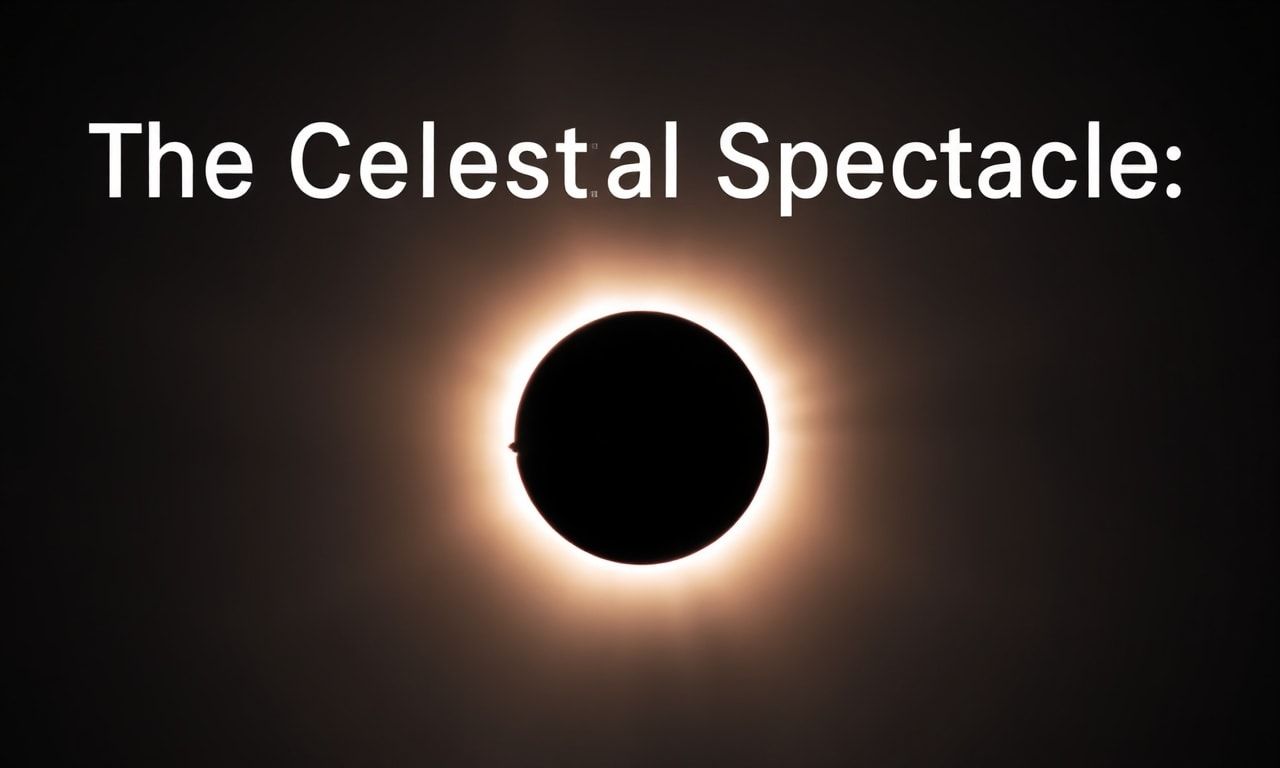
The Celestial Spectacle: Understanding the Solar Eclipse Phenomenon
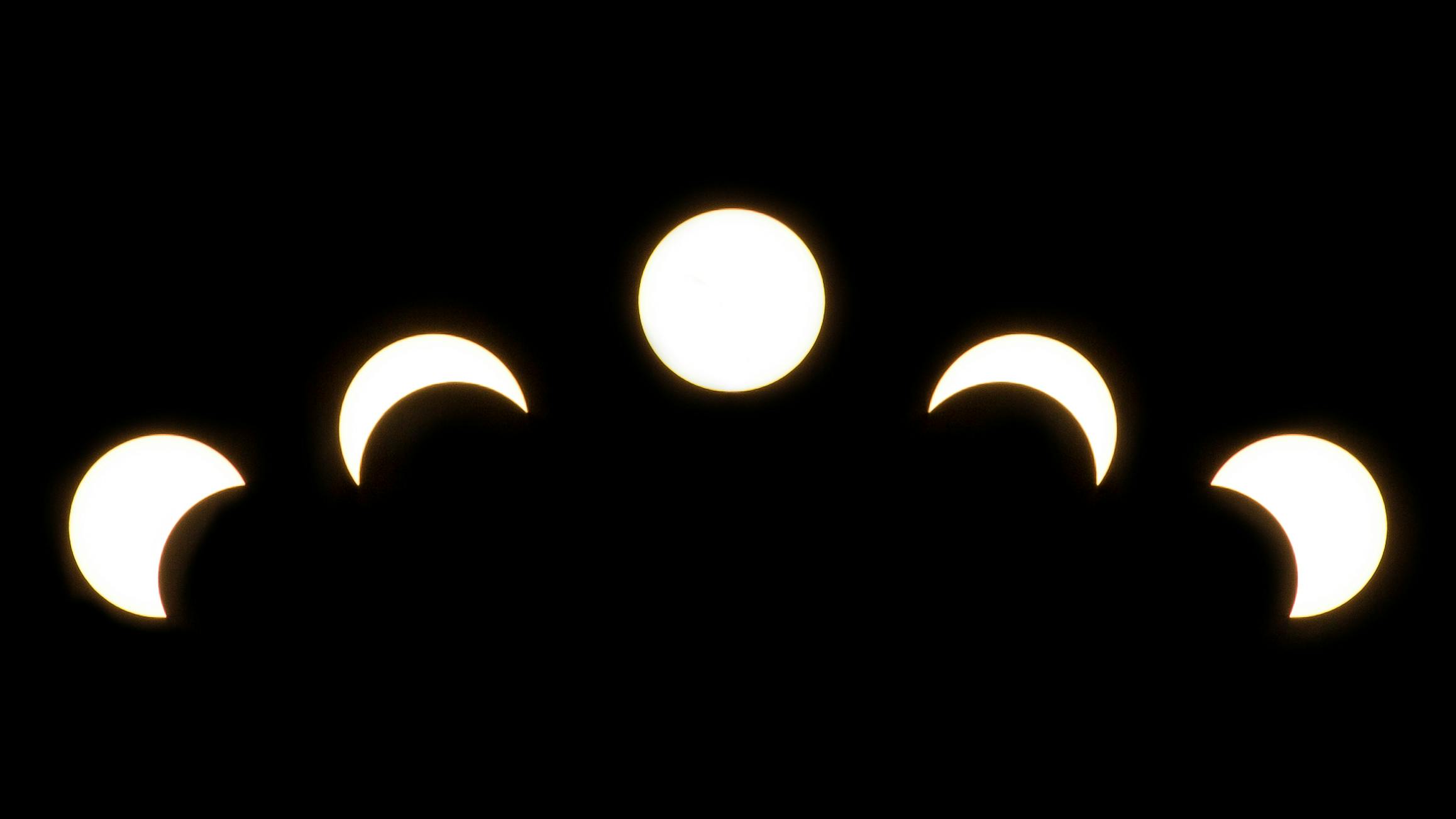
A solar eclipse is one of the most awe-inspiring natural phenomena that captivate the imagination of people around the world. This celestial event occurs when the Moon passes between the Earth and the Sun, casting a shadow on the Earth’s surface. The next solar eclipse is anticipated with great excitement, and understanding its intricacies can enhance the viewing experience.
The Science Behind Solar Eclipses
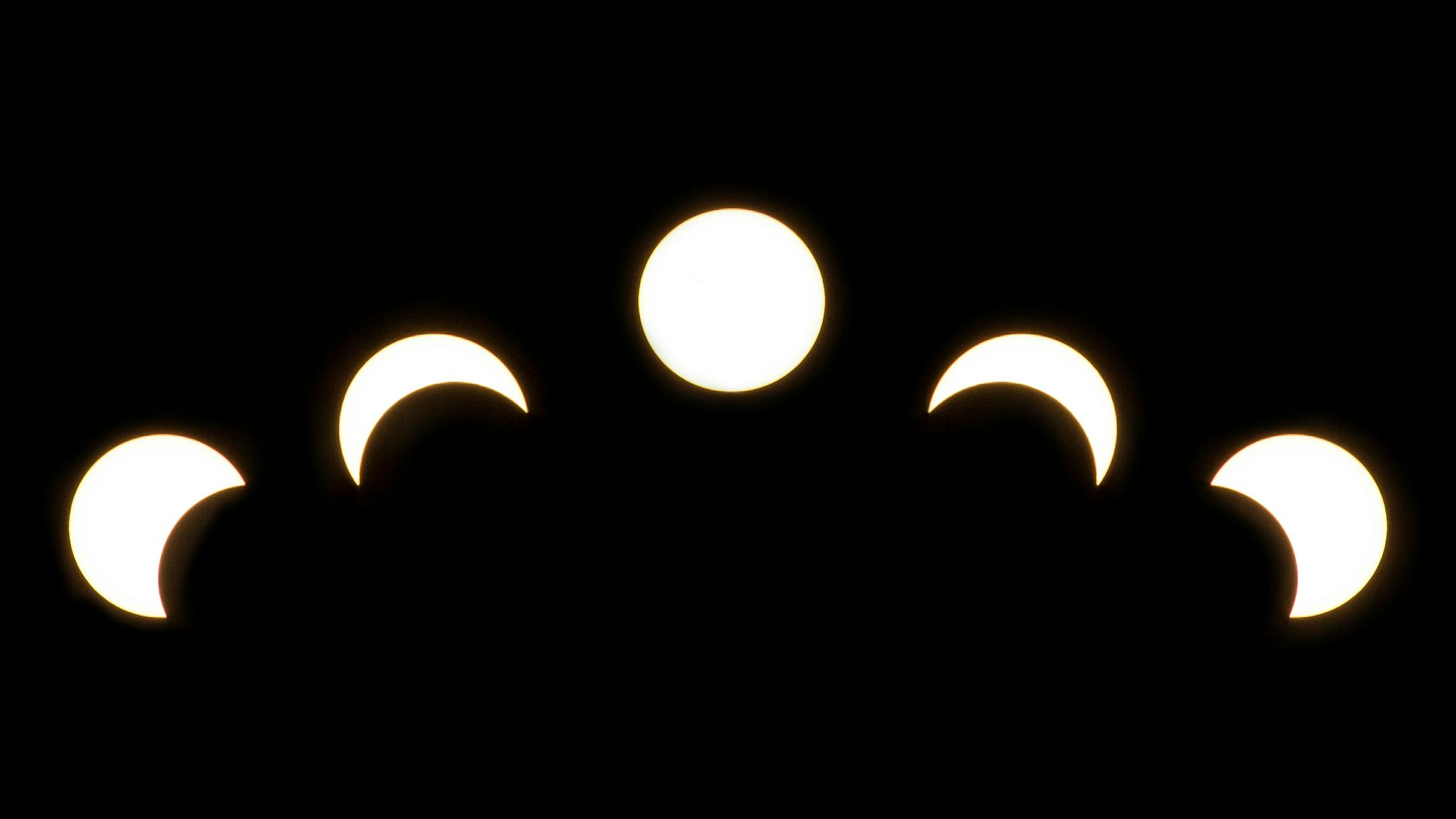
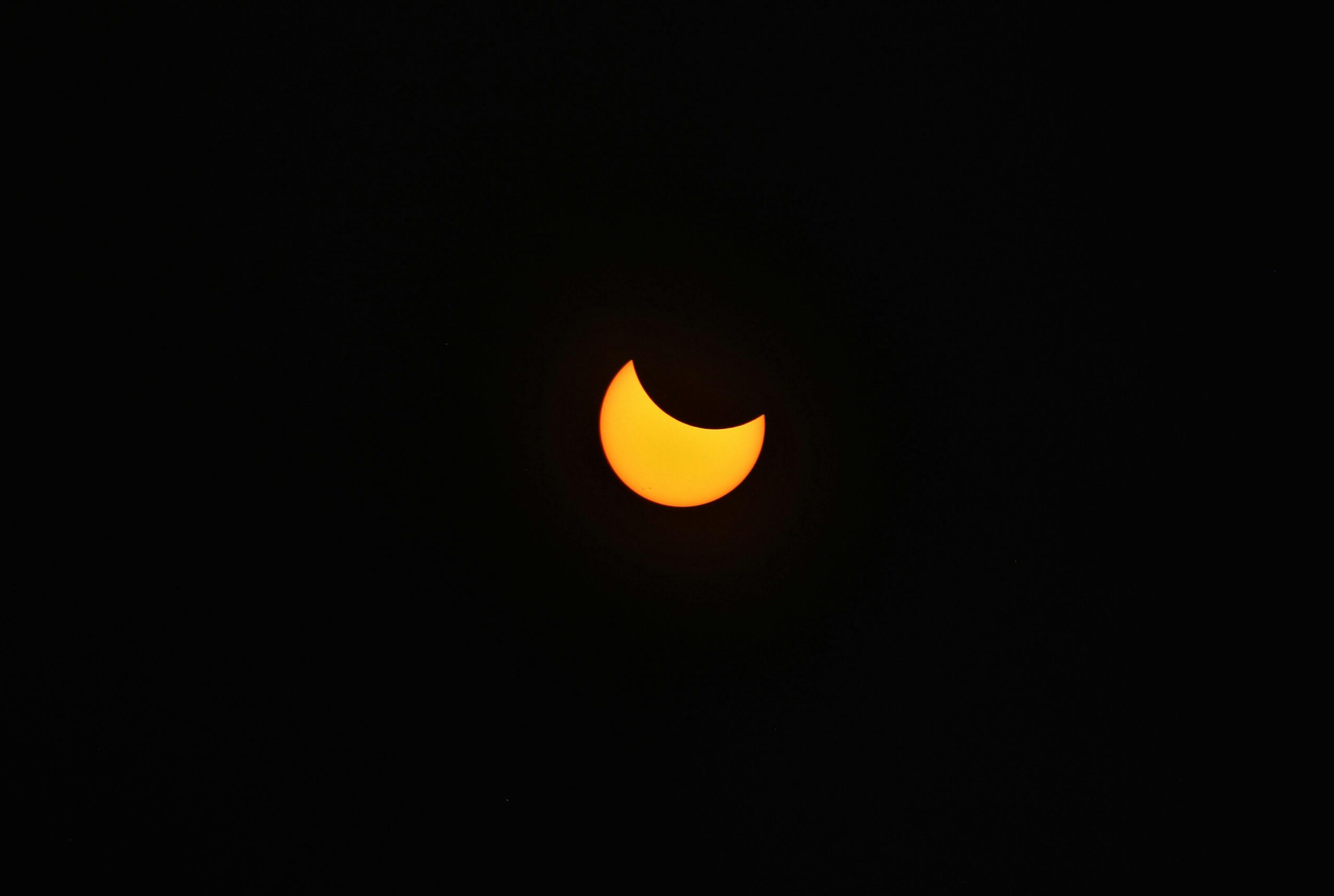
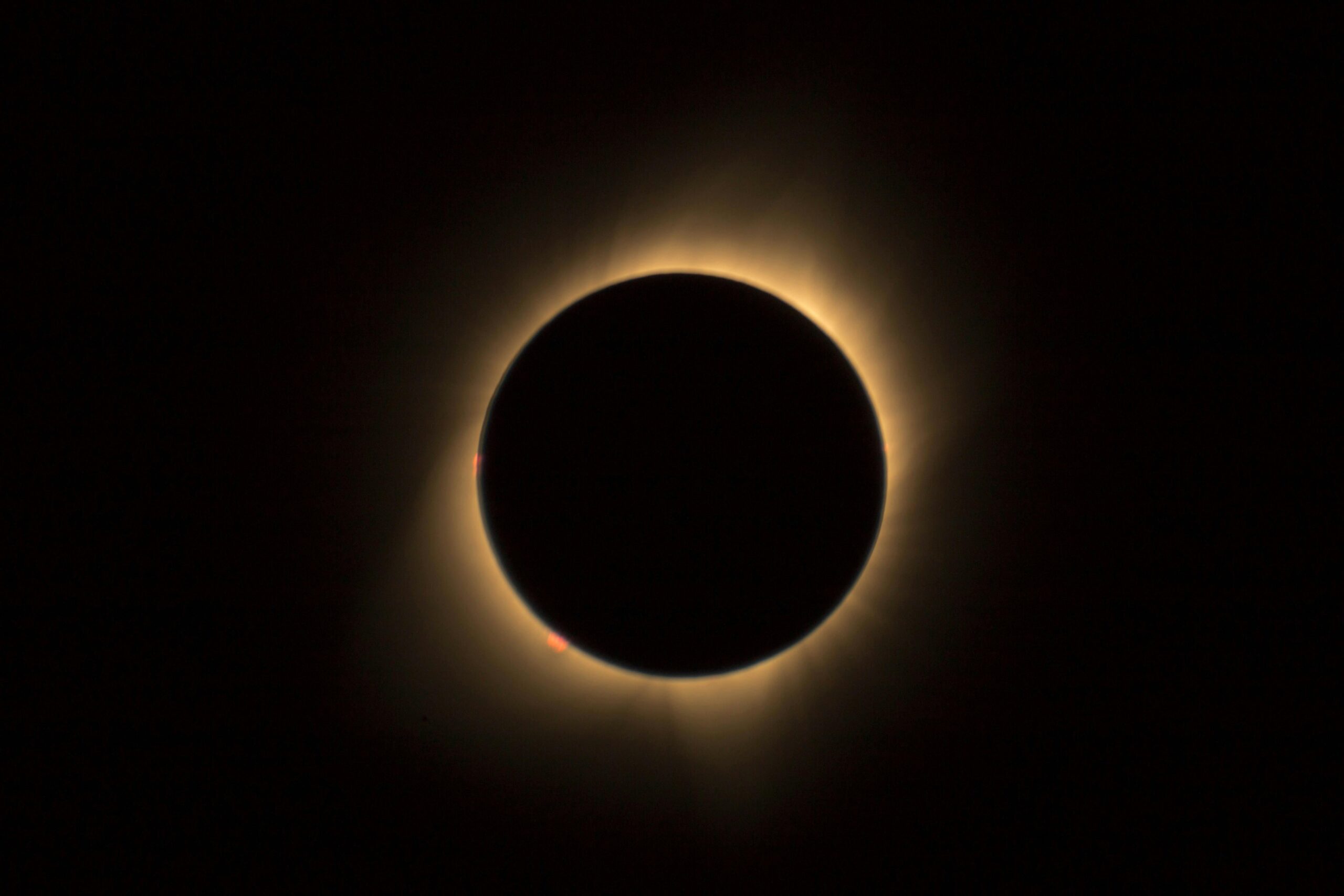
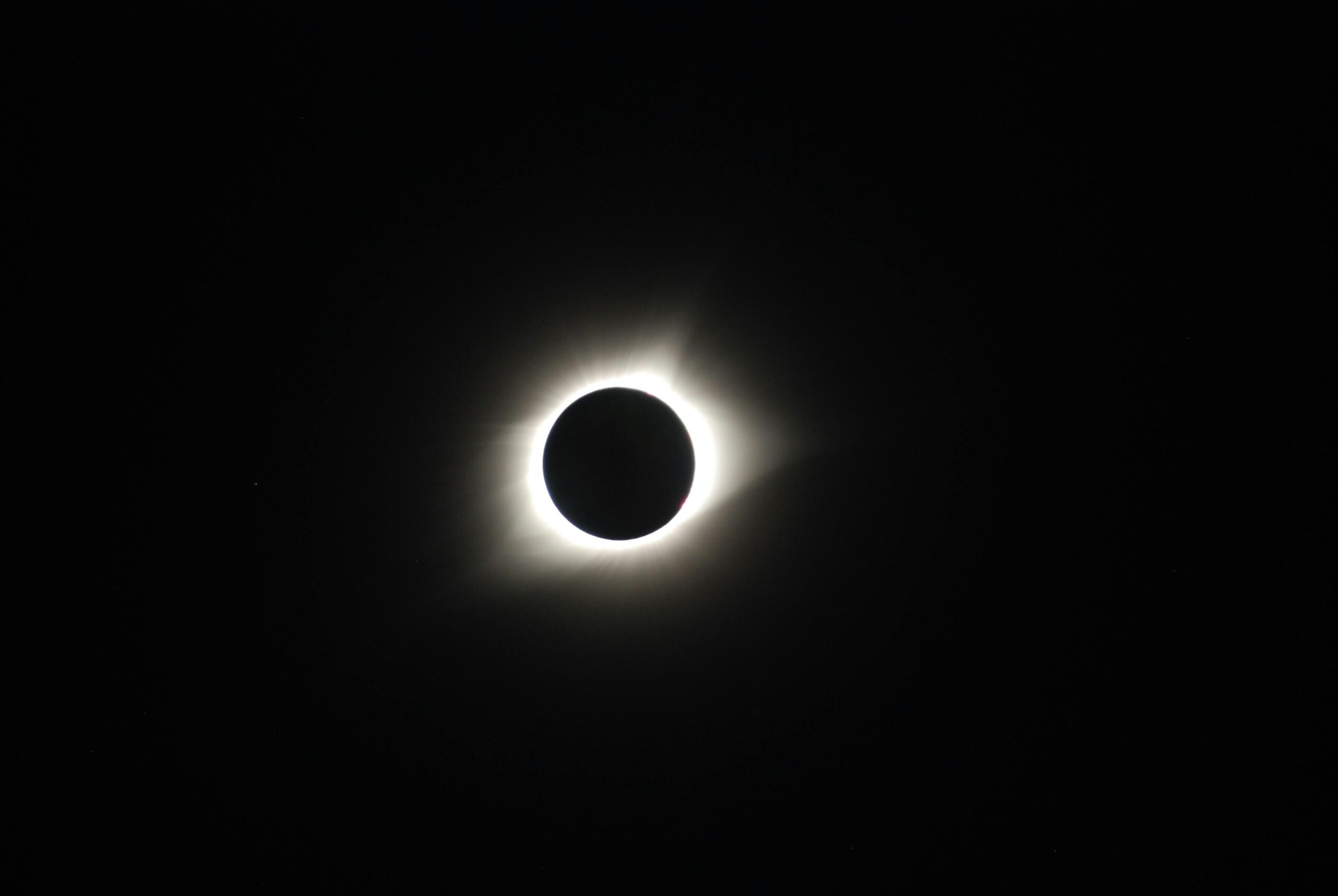
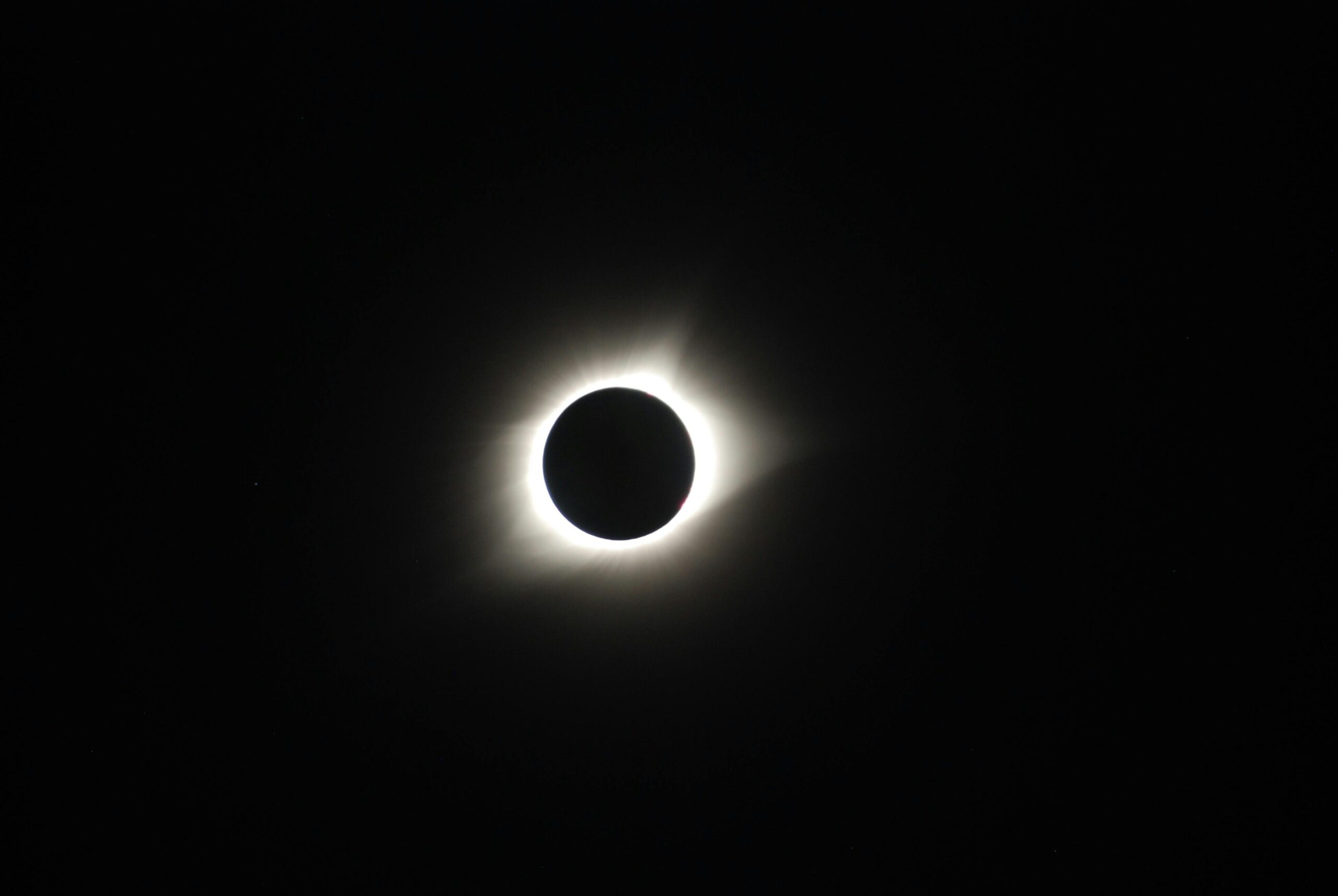
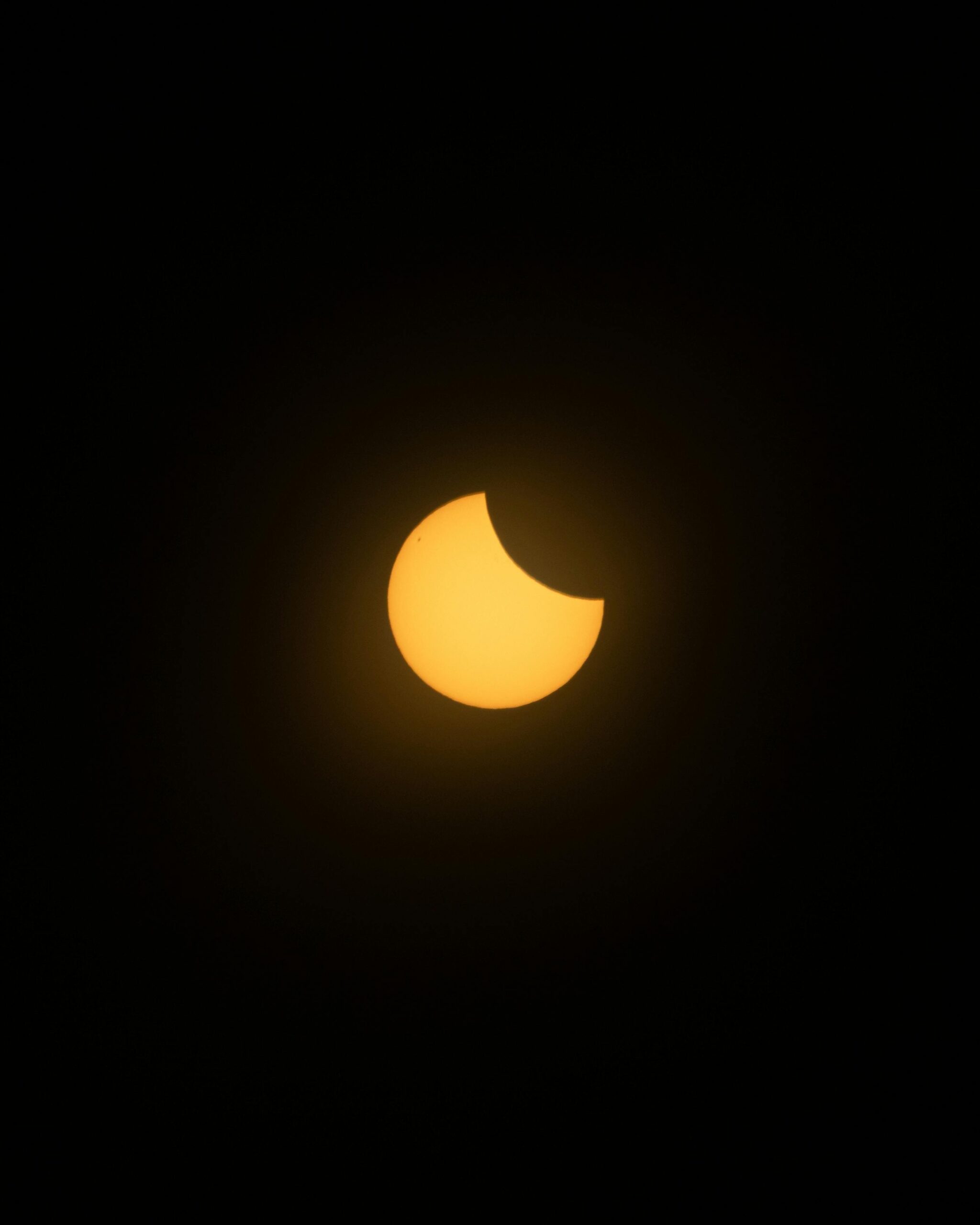
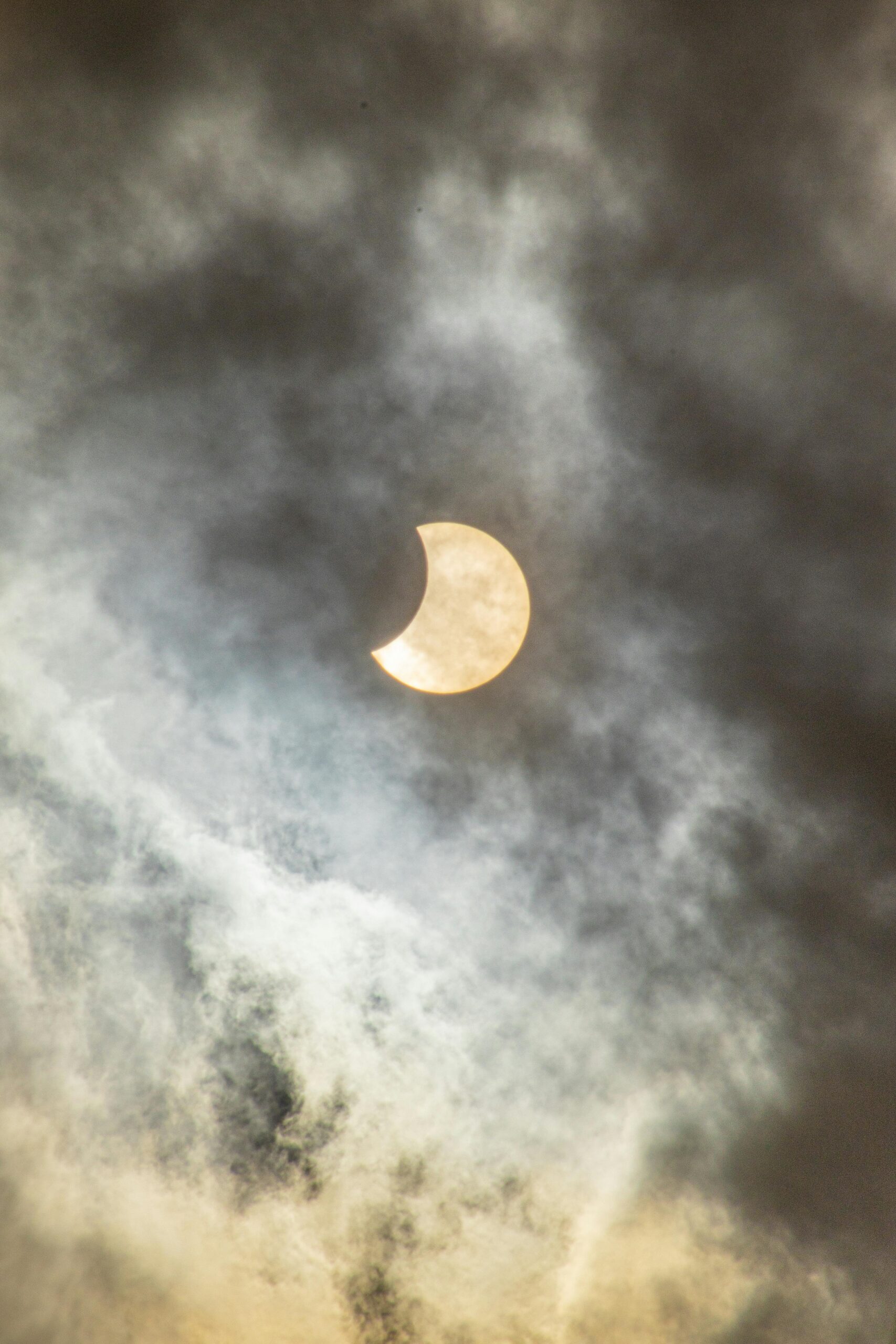
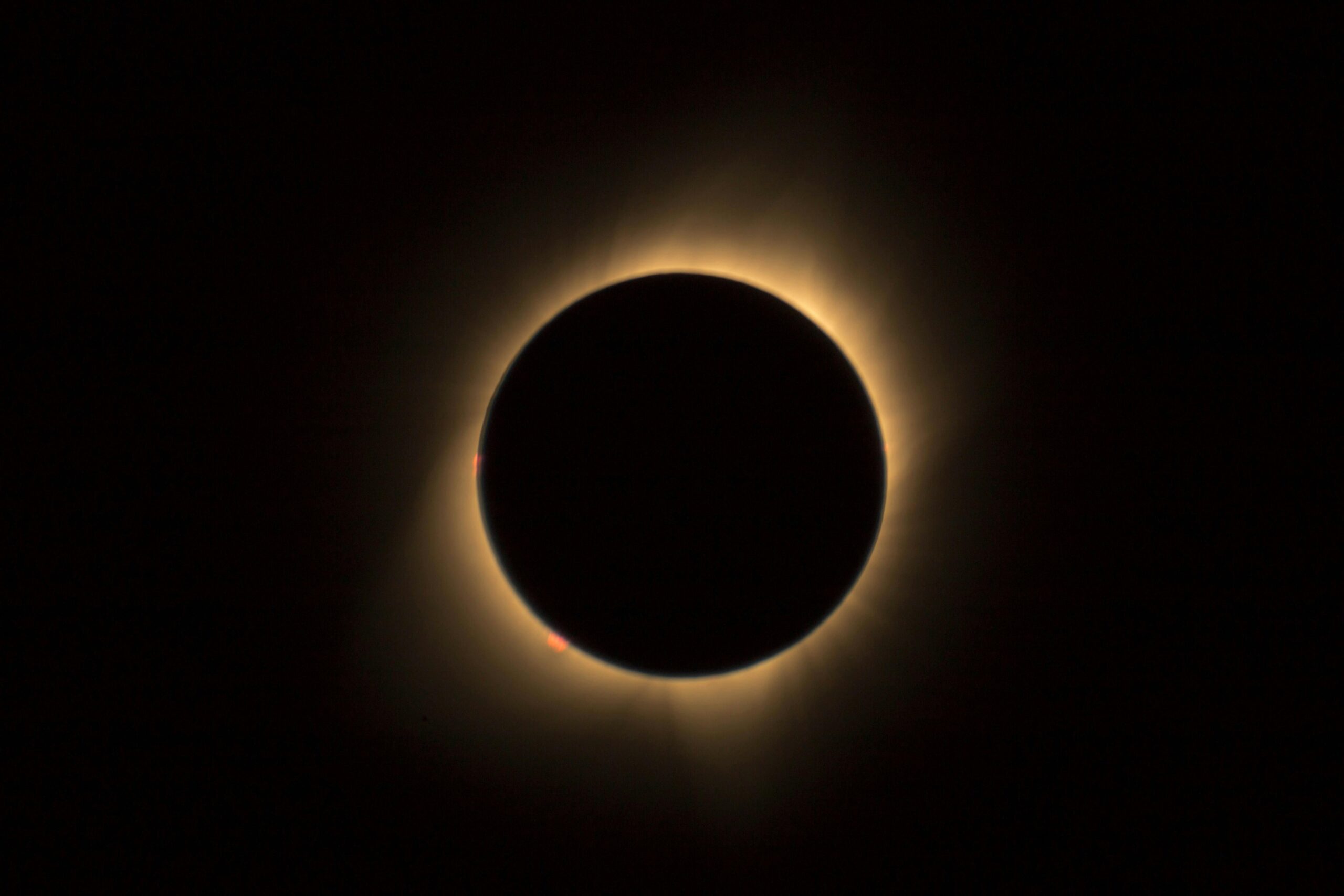
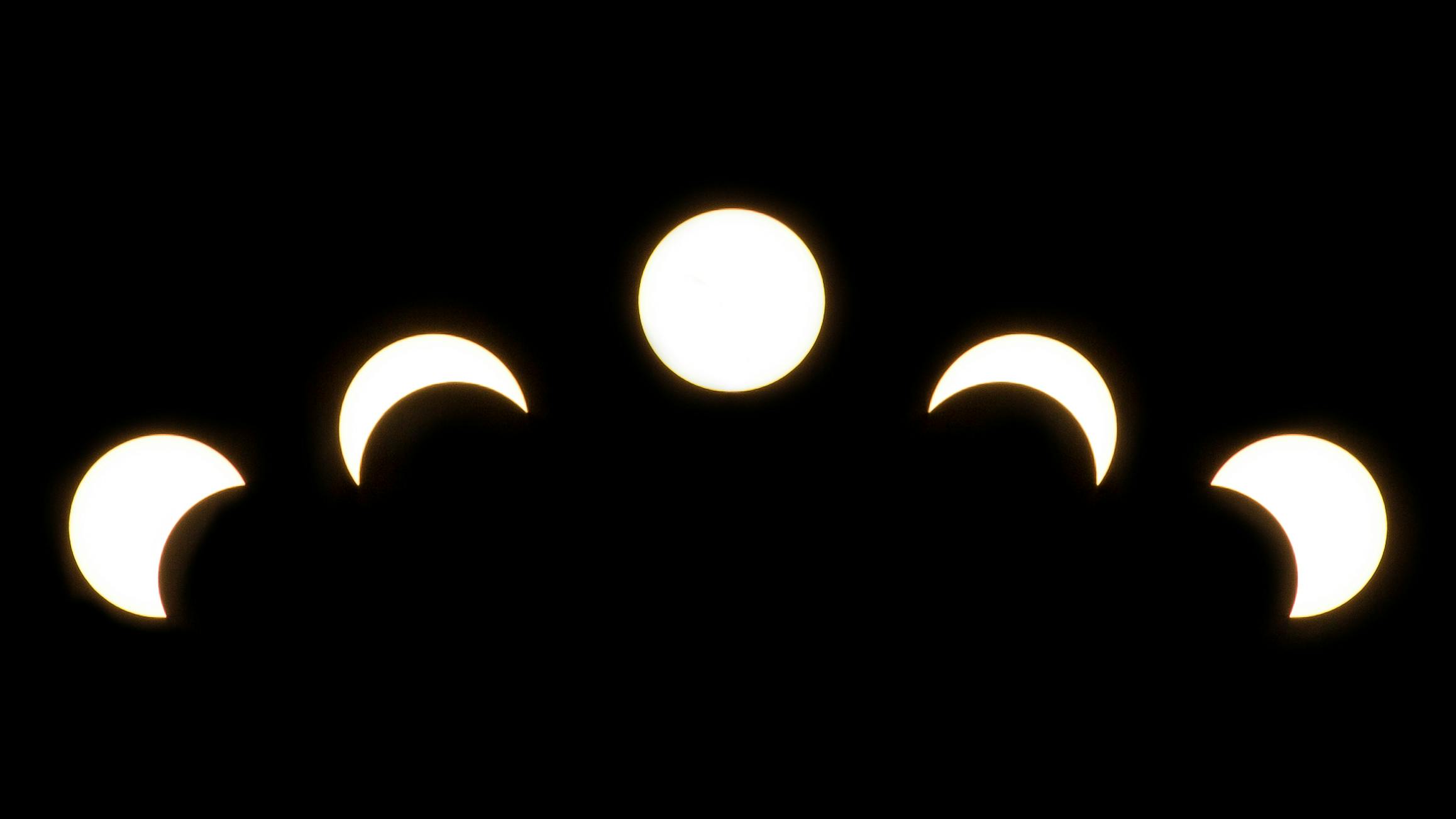
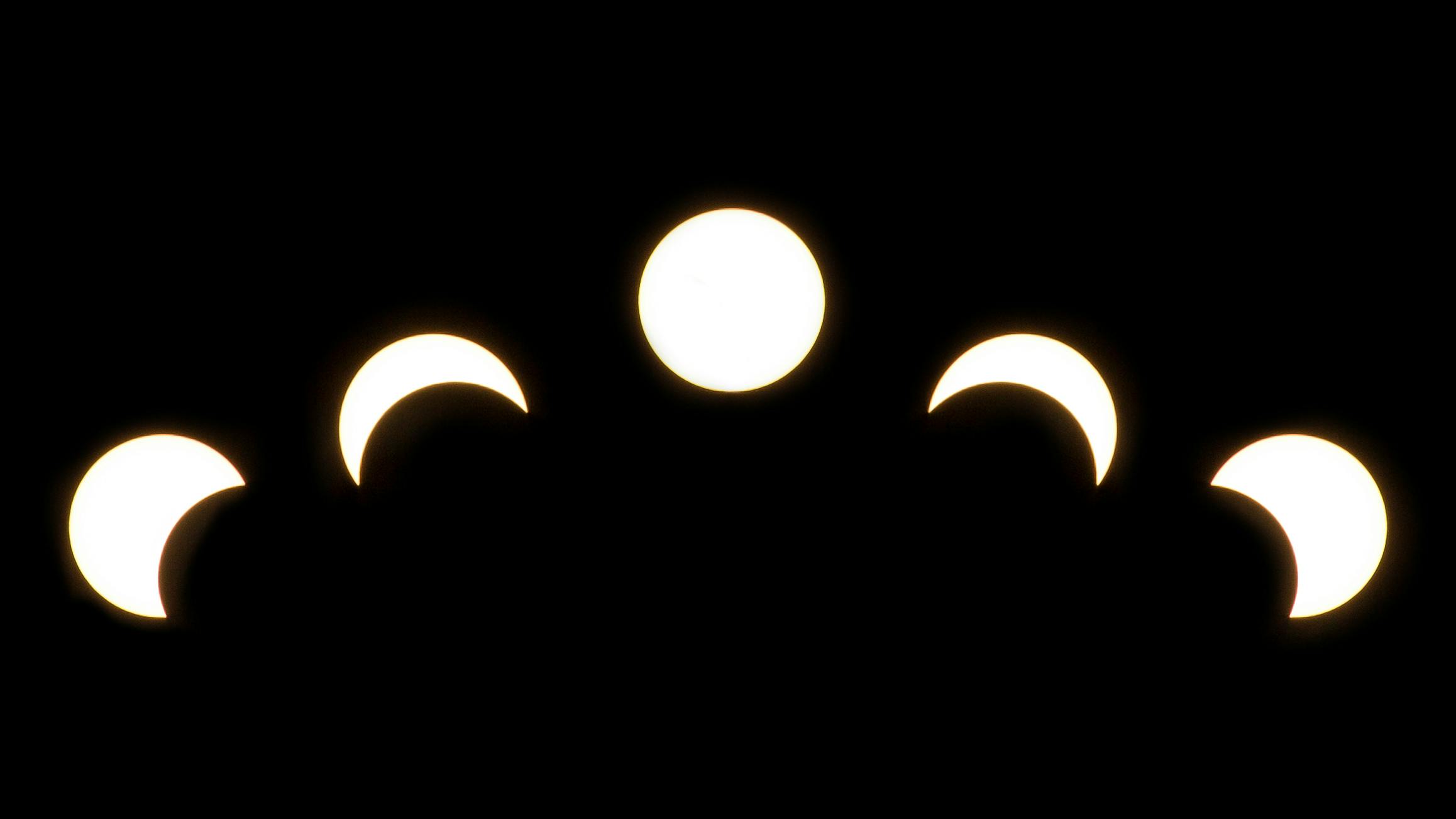
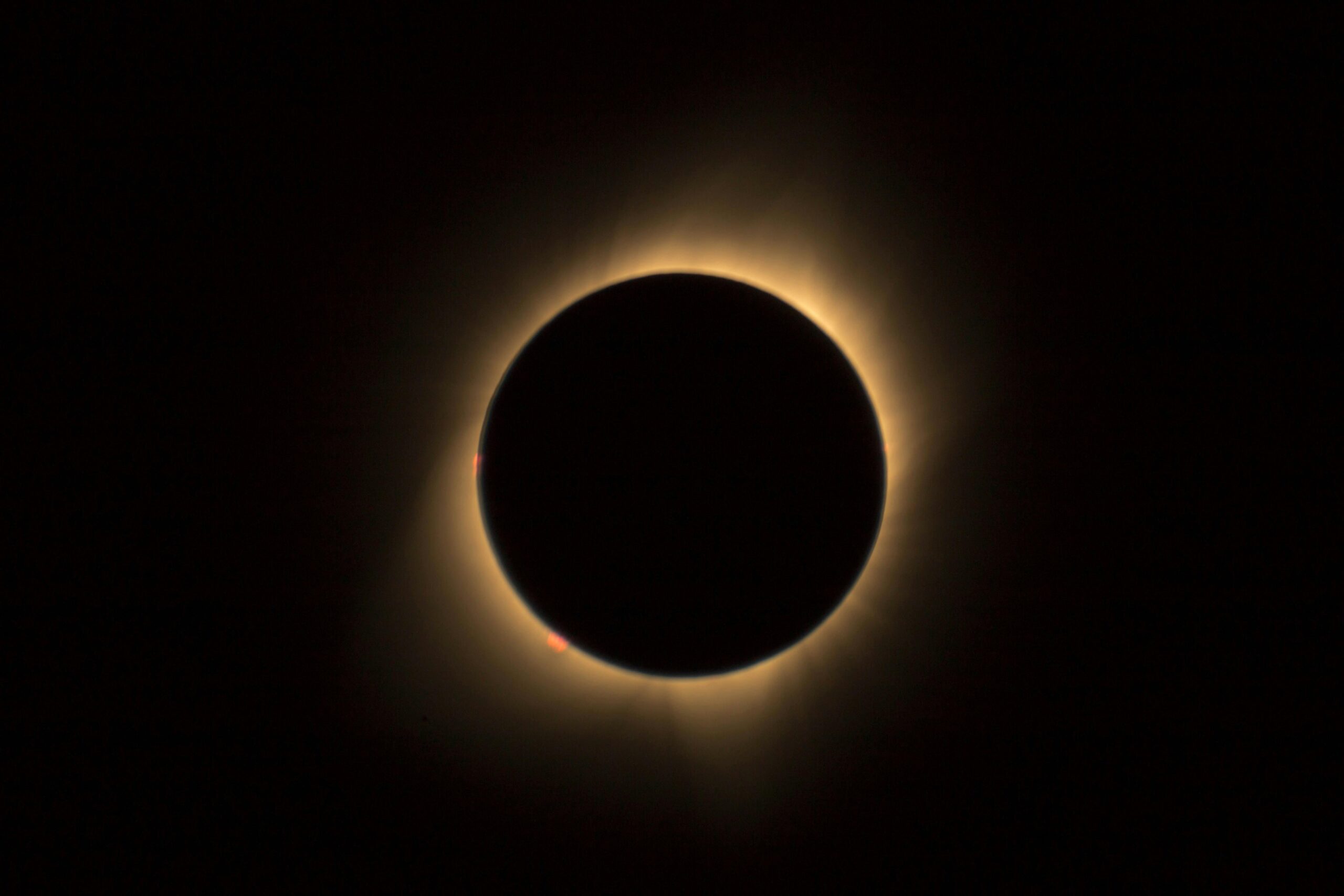
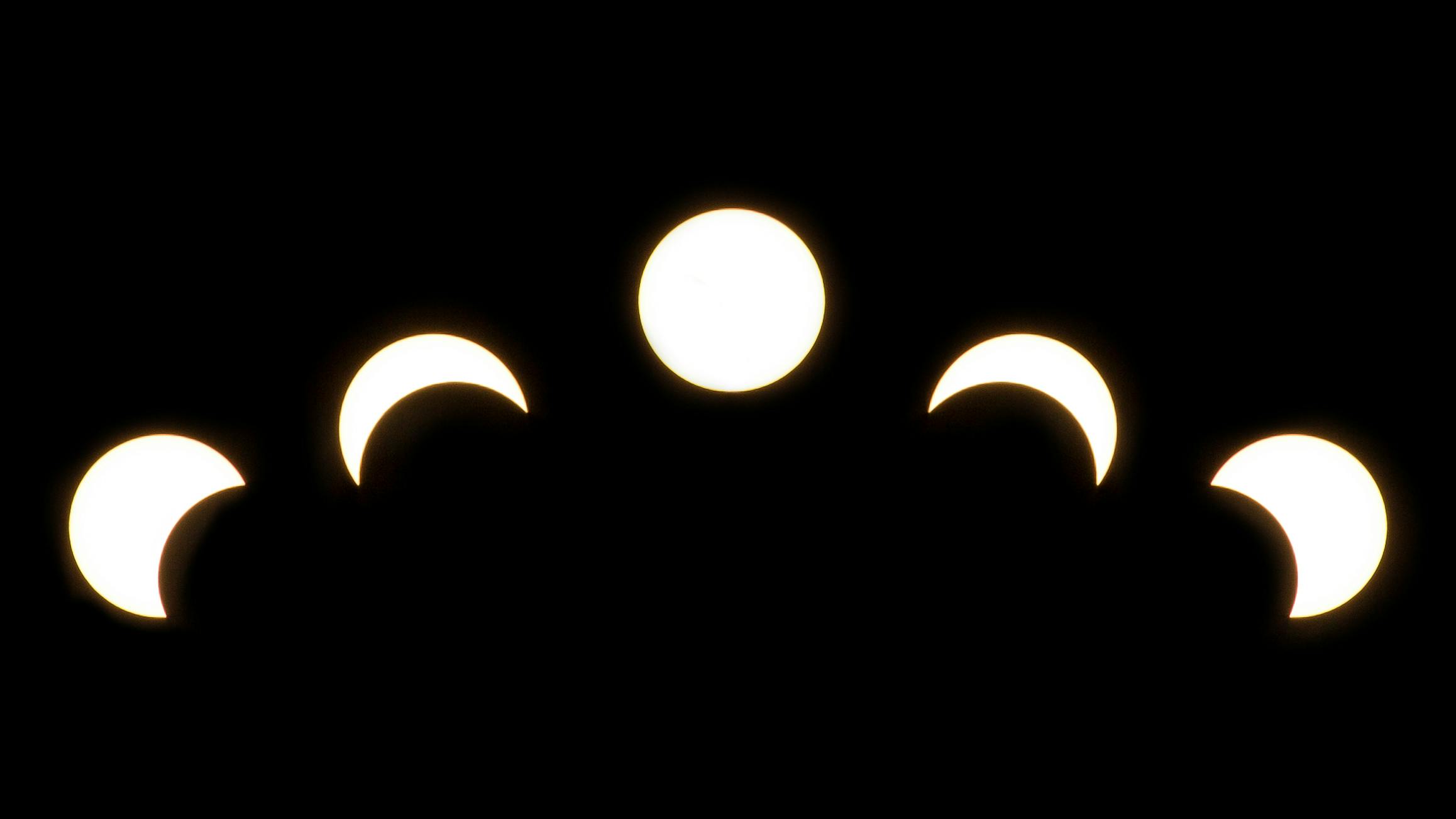
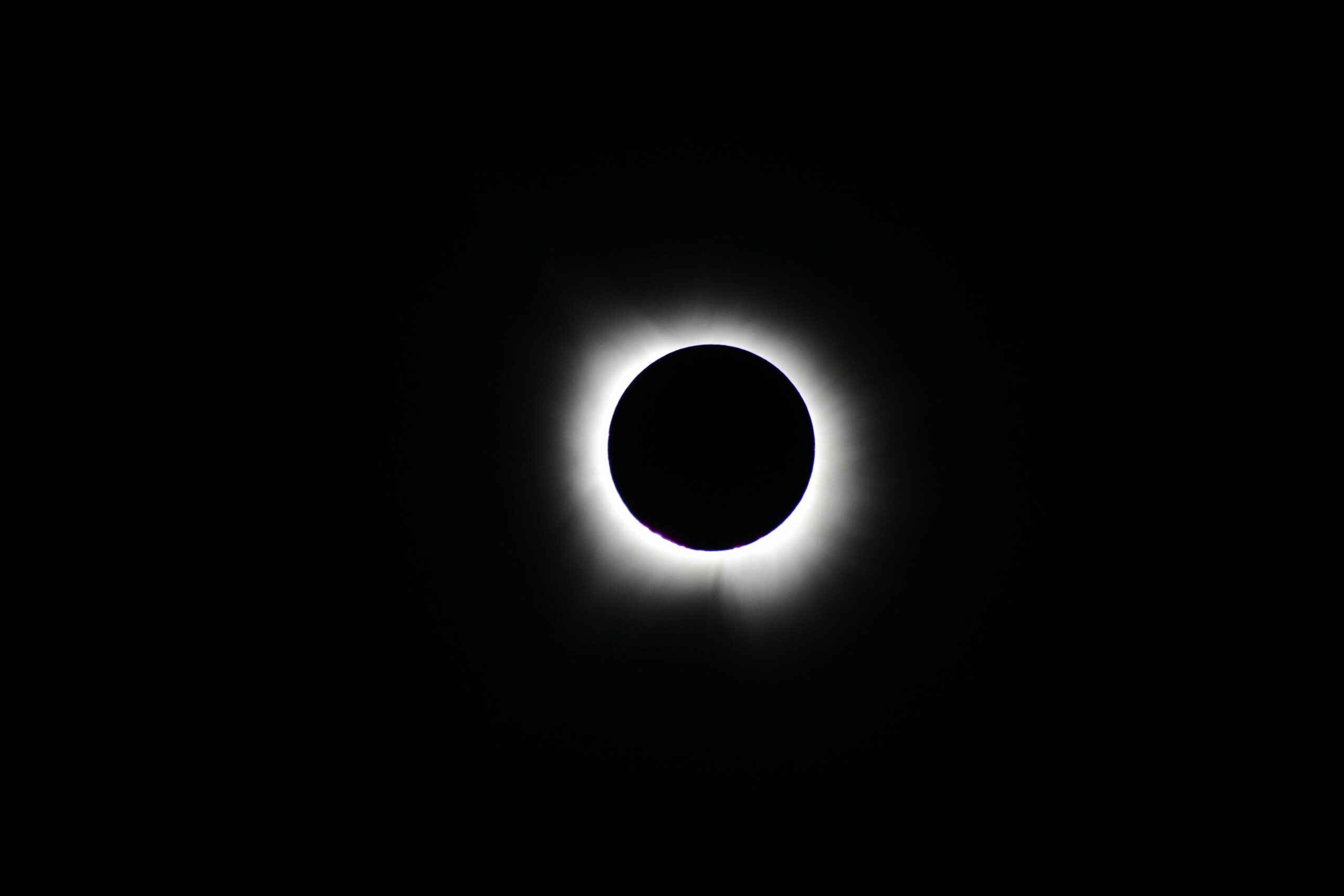
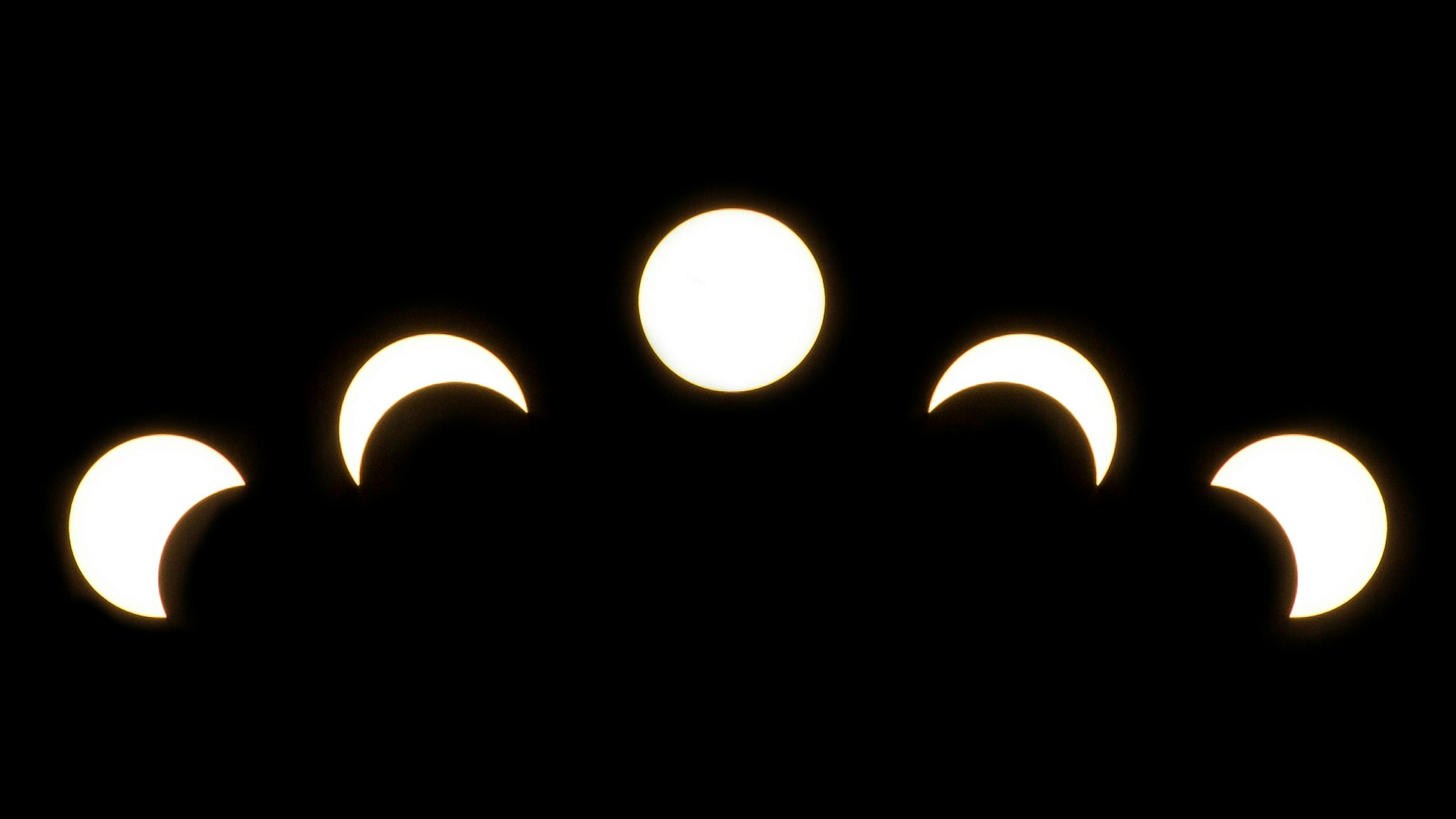
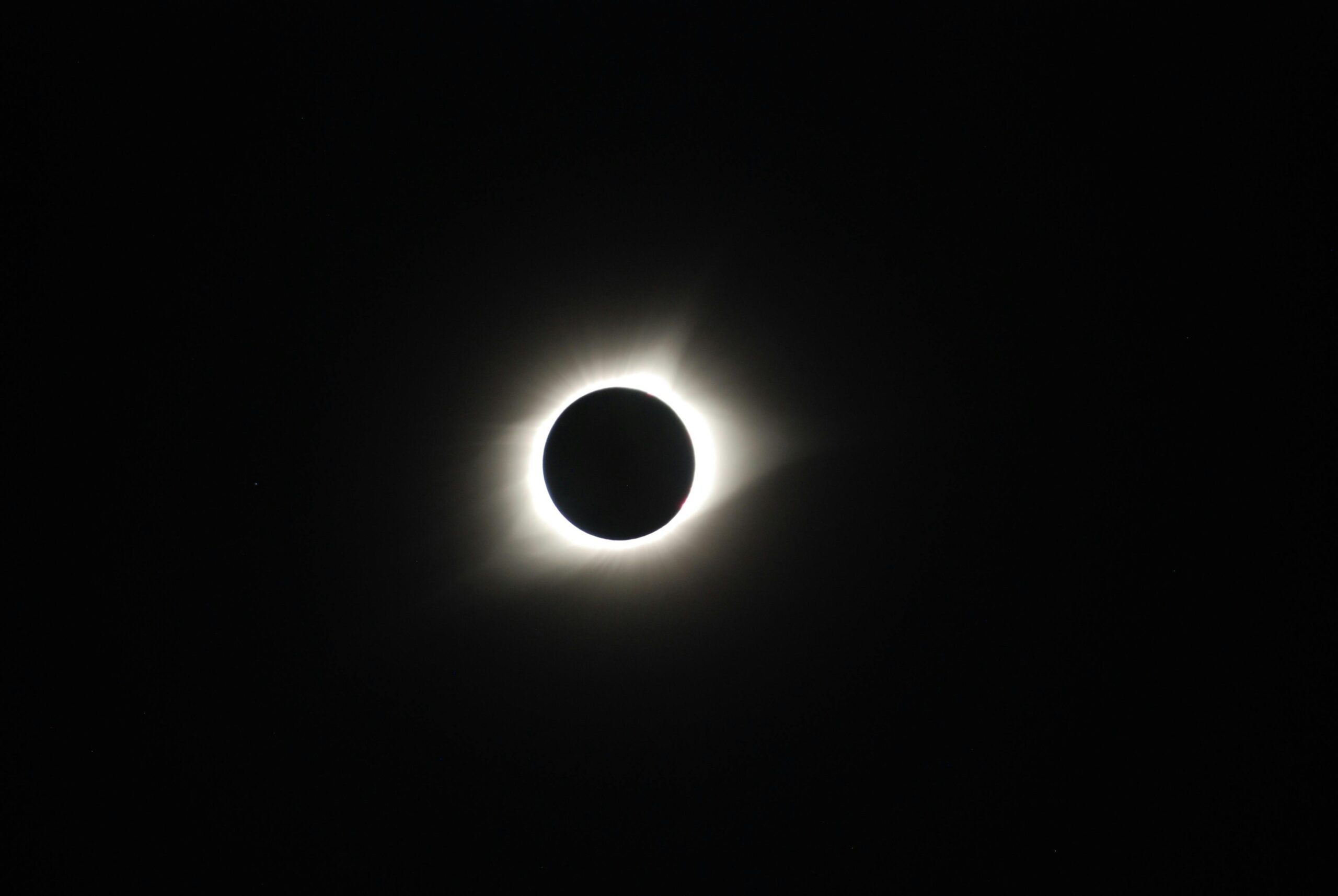
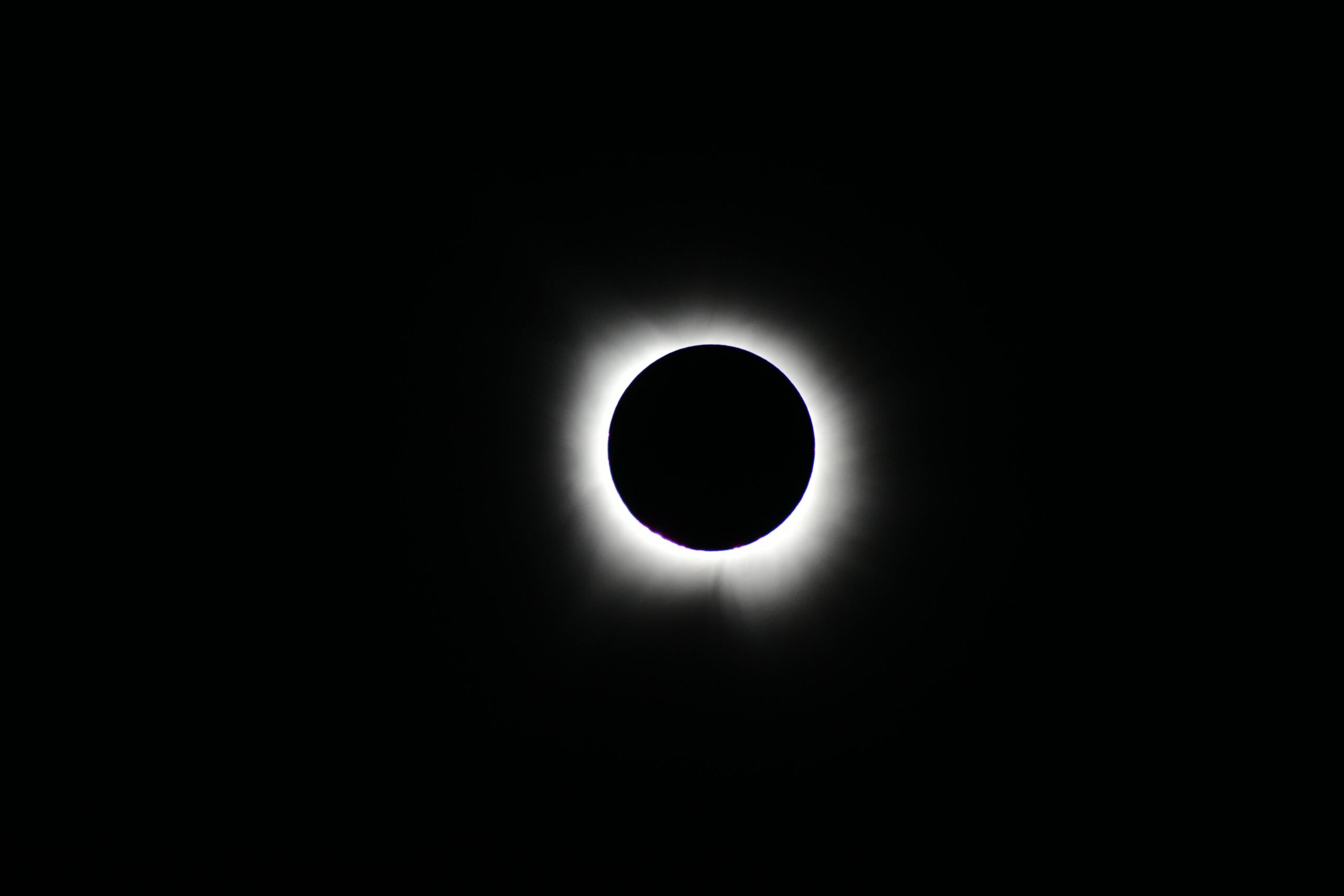
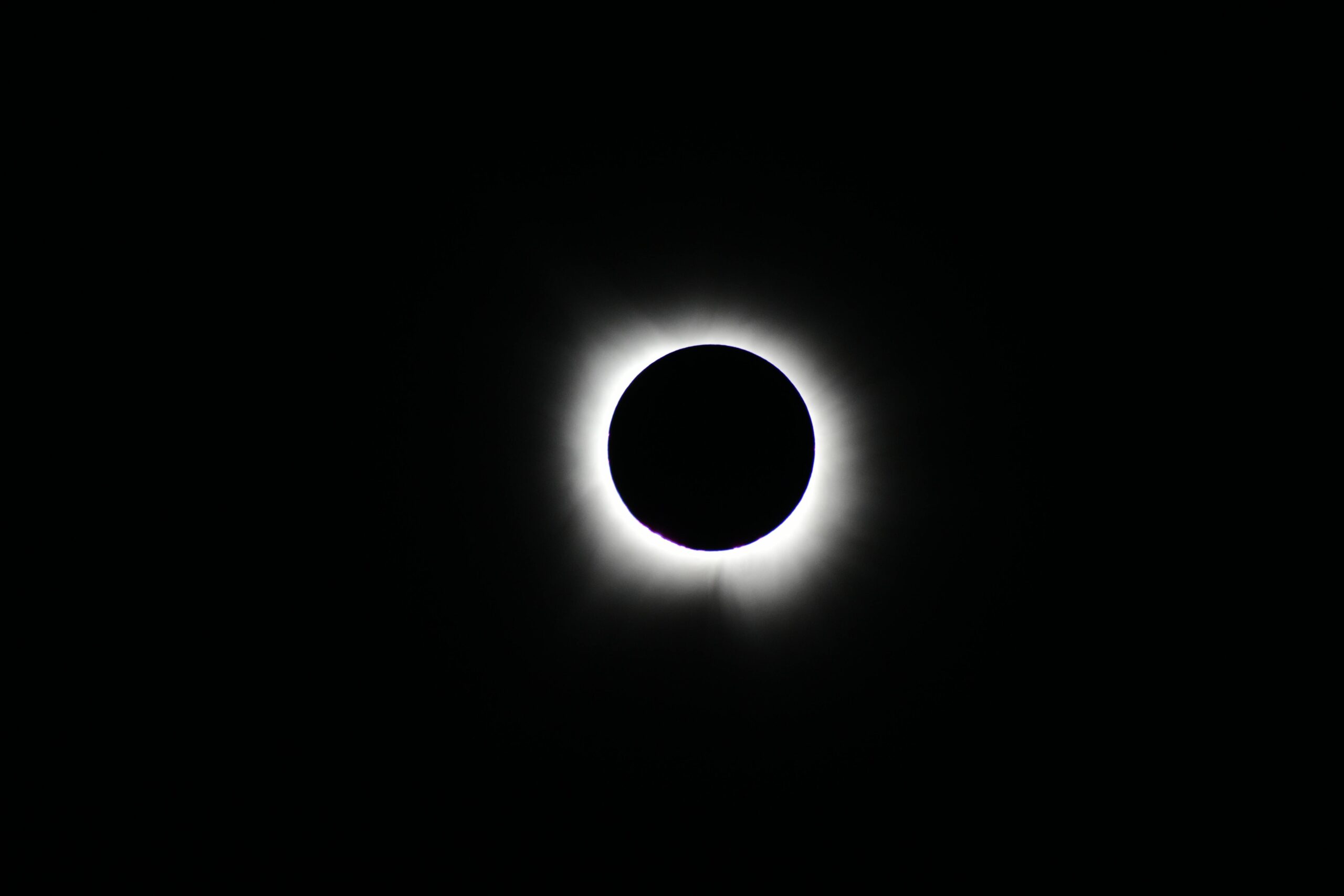
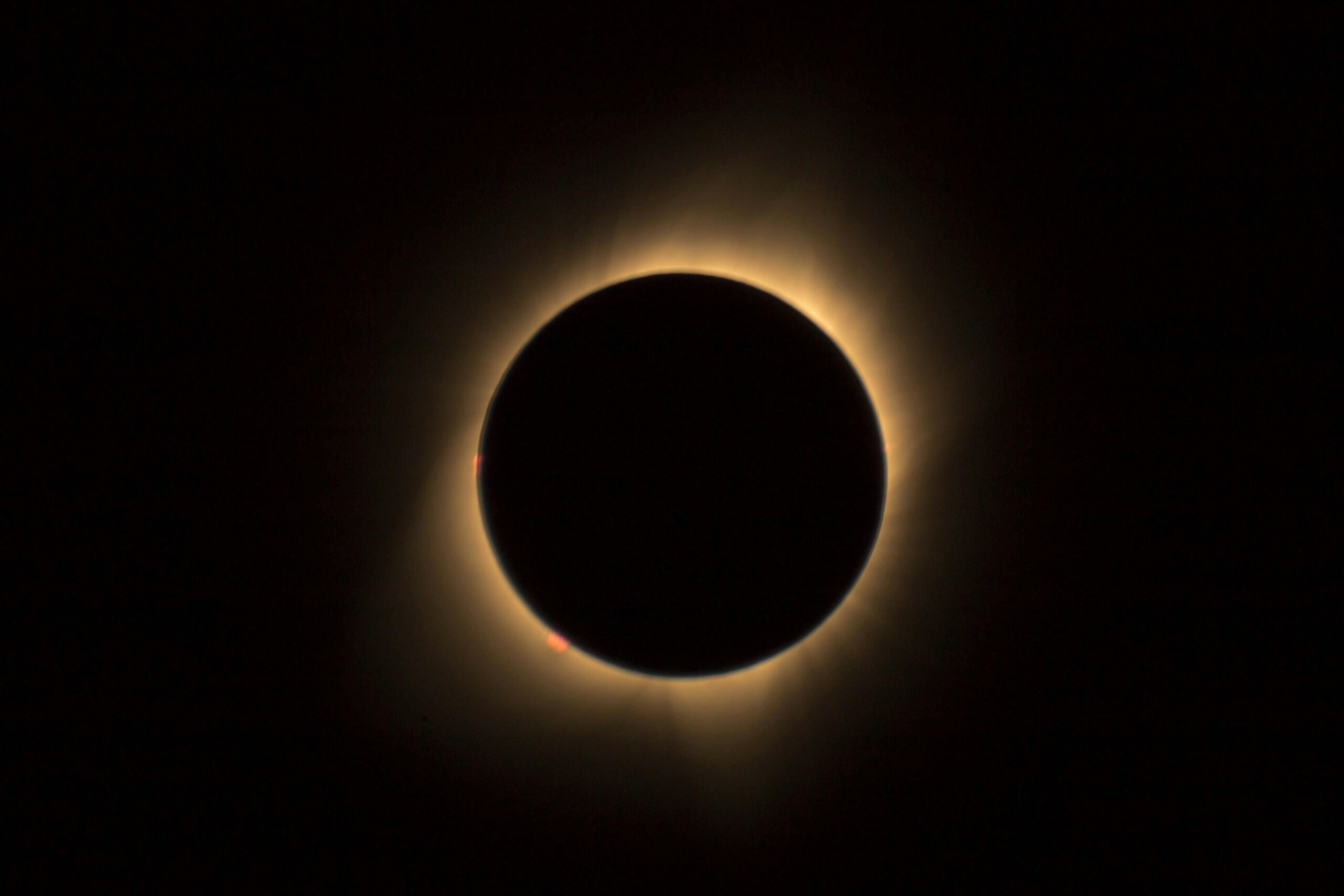
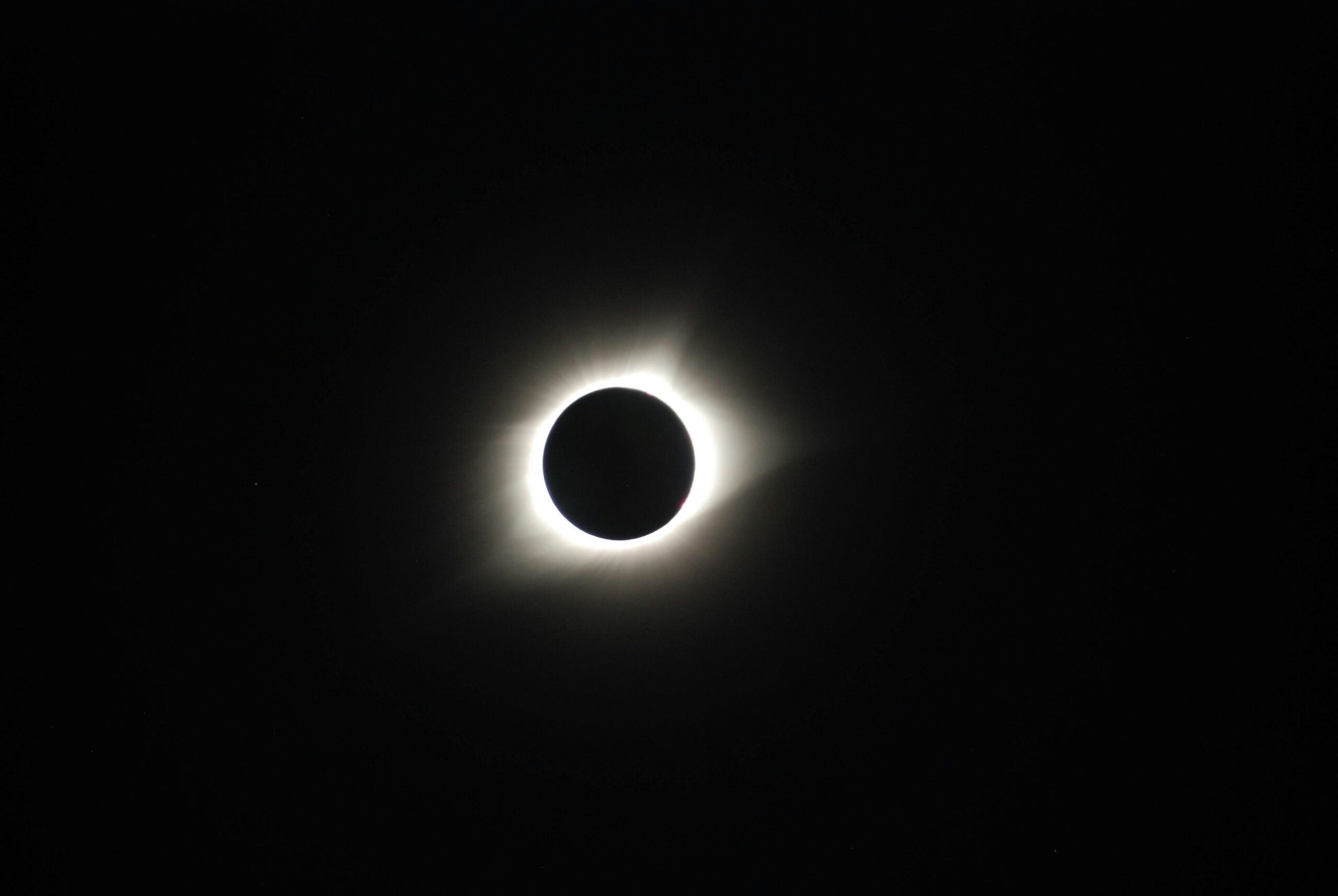
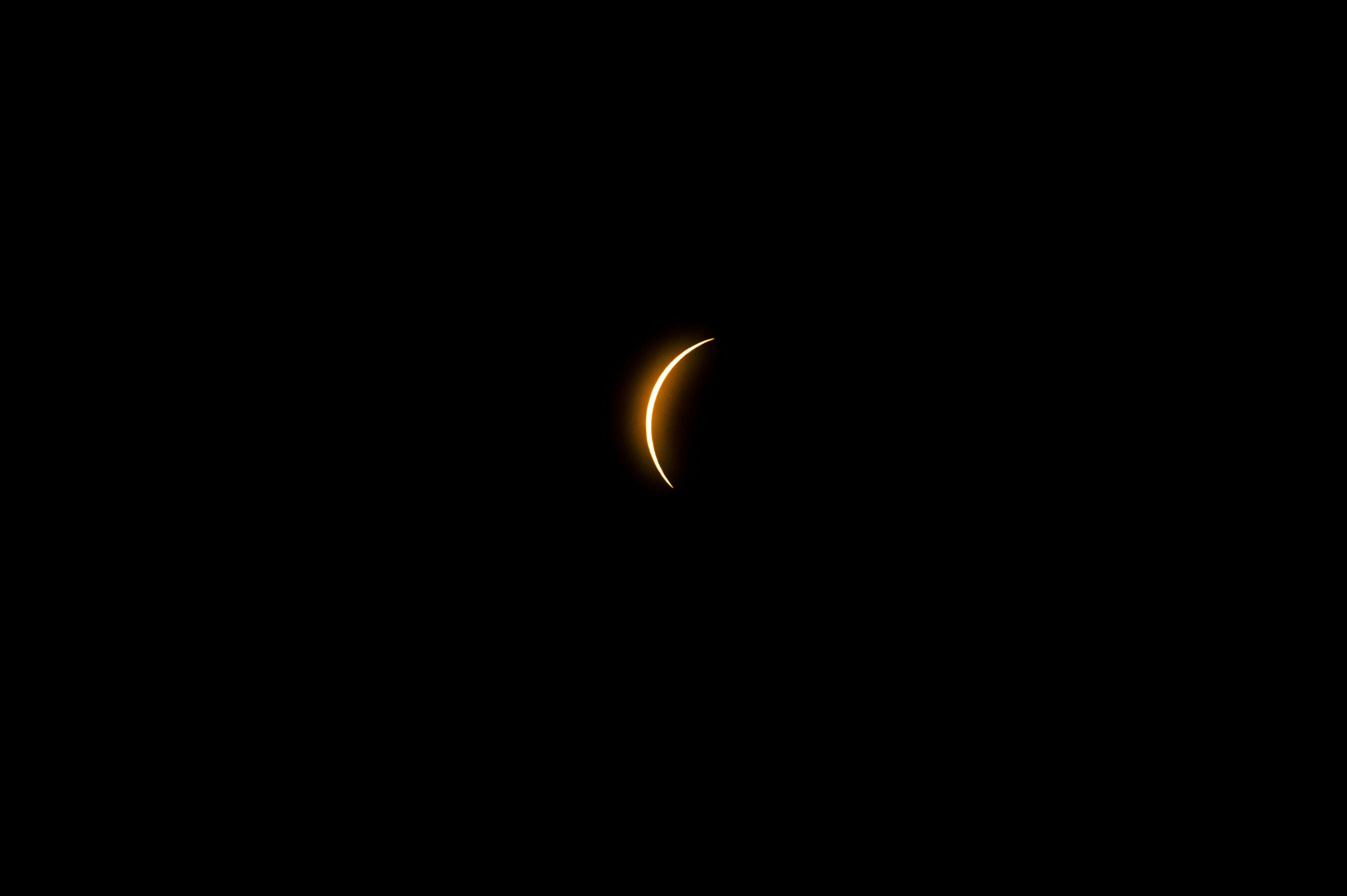
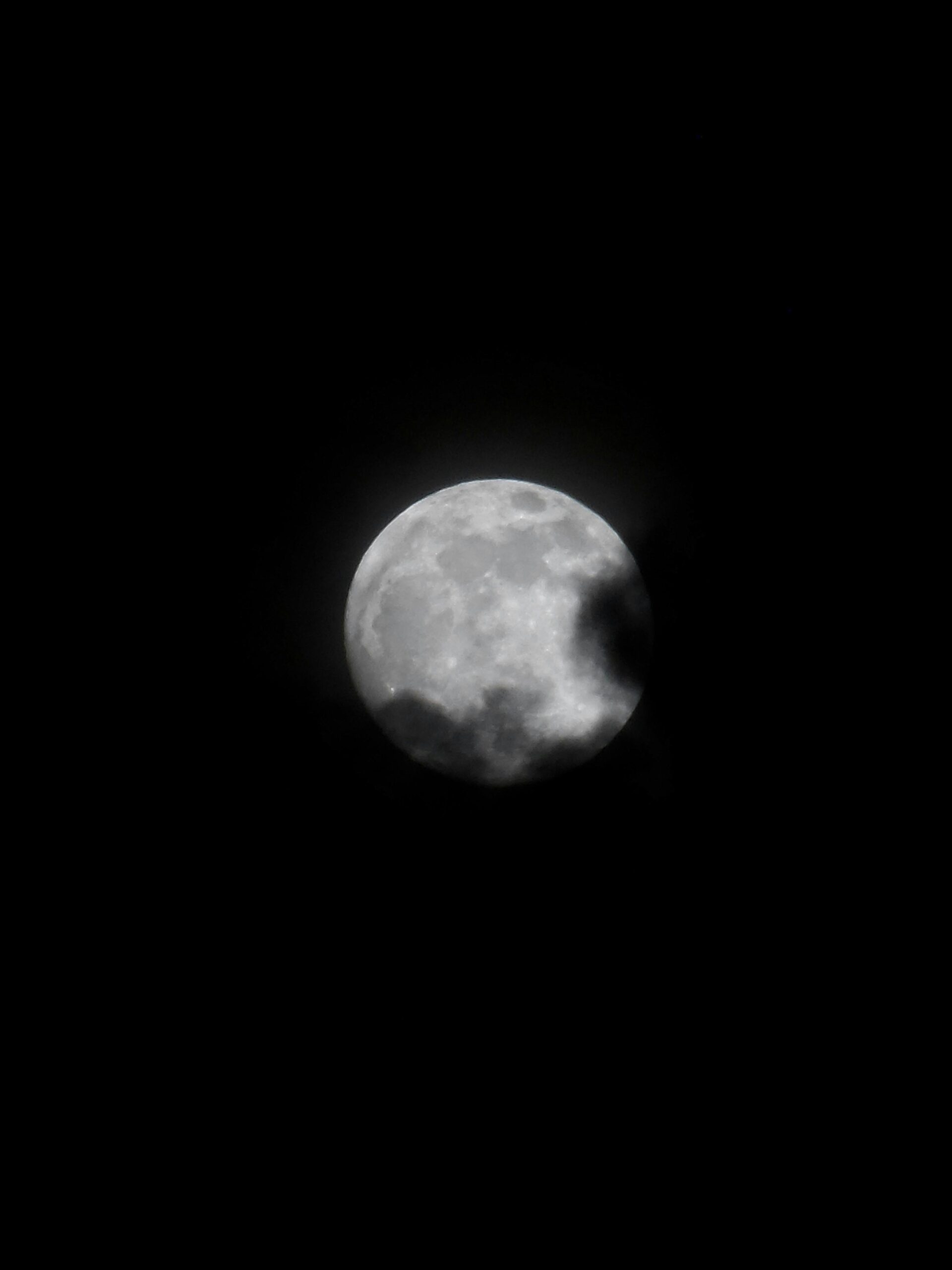
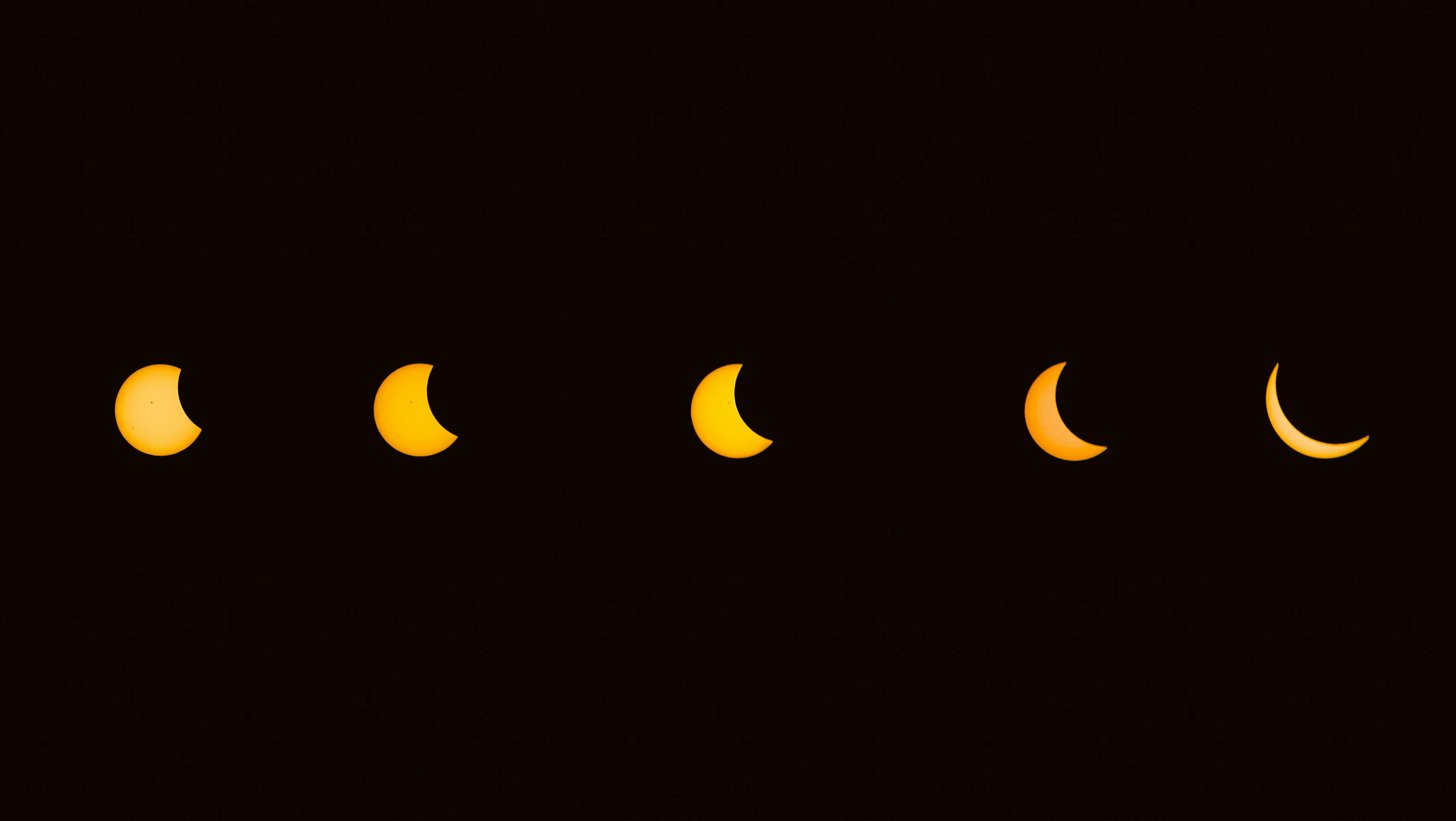
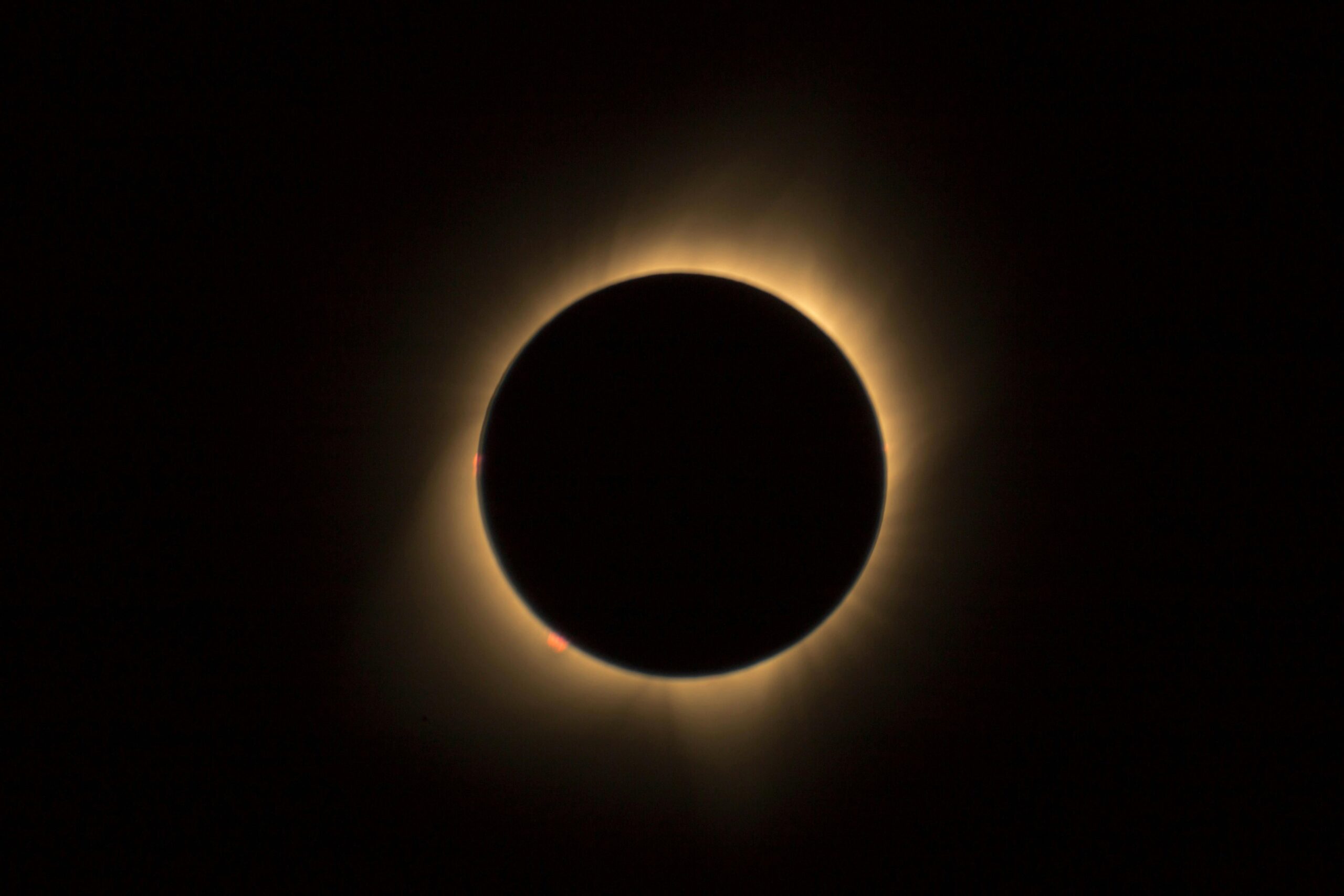
Solar eclipses are a result of the precise alignment of the Sun, Moon, and Earth. There are three types of solar eclipses: total, partial, and annular. A total solar eclipse occurs when the Moon completely covers the Sun, revealing the Sun’s corona. A partial solar eclipse happens when only a part of the Sun is obscured by the Moon. An annular solar eclipse takes place when the Moon is too far from the Earth to completely cover the Sun, resulting in a ring of sunlight around the Moon.
The frequency of solar eclipses is determined by the Moon’s orbit around the Earth. On average, a solar eclipse occurs about two to five times a year, but they are not visible from every location on Earth. The path of totality, where the total solar eclipse is visible, is relatively narrow, making it a rare and special event for those within its path.
The Historical Significance of Solar Eclipses
Throughout history, solar eclipses have held significant cultural and scientific importance. Ancient civilizations often viewed eclipses as omens or signs from the gods. For example, the ancient Chinese believed that a solar eclipse was caused by a celestial dragon devouring the Sun. In contrast, the ancient Greeks used solar eclipses to predict the movements of the planets and refine their understanding of the solar system.
One of the most famous historical solar eclipses occurred in 585 BCE, halting a battle between the Lydians and the Medes. The sudden darkness was interpreted as a divine sign, leading to a truce between the warring factions. This event, known as the Eclipse of Thales, is a testament to the profound impact that solar eclipses have had on human history.
Preparing for the Next Solar Eclipse
As the anticipation for the next solar eclipse builds, it is essential to prepare for this celestial event. Viewing a solar eclipse requires special precautions to protect your eyes from the Sun’s harmful rays. Experts recommend using certified solar eclipse glasses or handheld solar viewers to safely observe the eclipse.
In addition to protective eyewear, planning your viewing location is crucial. The path of totality for the next solar eclipse will traverse specific regions, and securing a spot within this path will provide the best viewing experience. Traveling to these locations can be an adventure in itself, allowing you to explore new places while witnessing a rare natural phenomenon.
For those interested in the broader benefits of natural phenomena, exploring the benefits of mint for digestion review can provide insights into how nature’s elements contribute to well-being. Just as solar eclipses captivate our imagination, the natural world offers numerous benefits that enhance our daily lives.
The Impact of Solar Eclipses on Science and Research
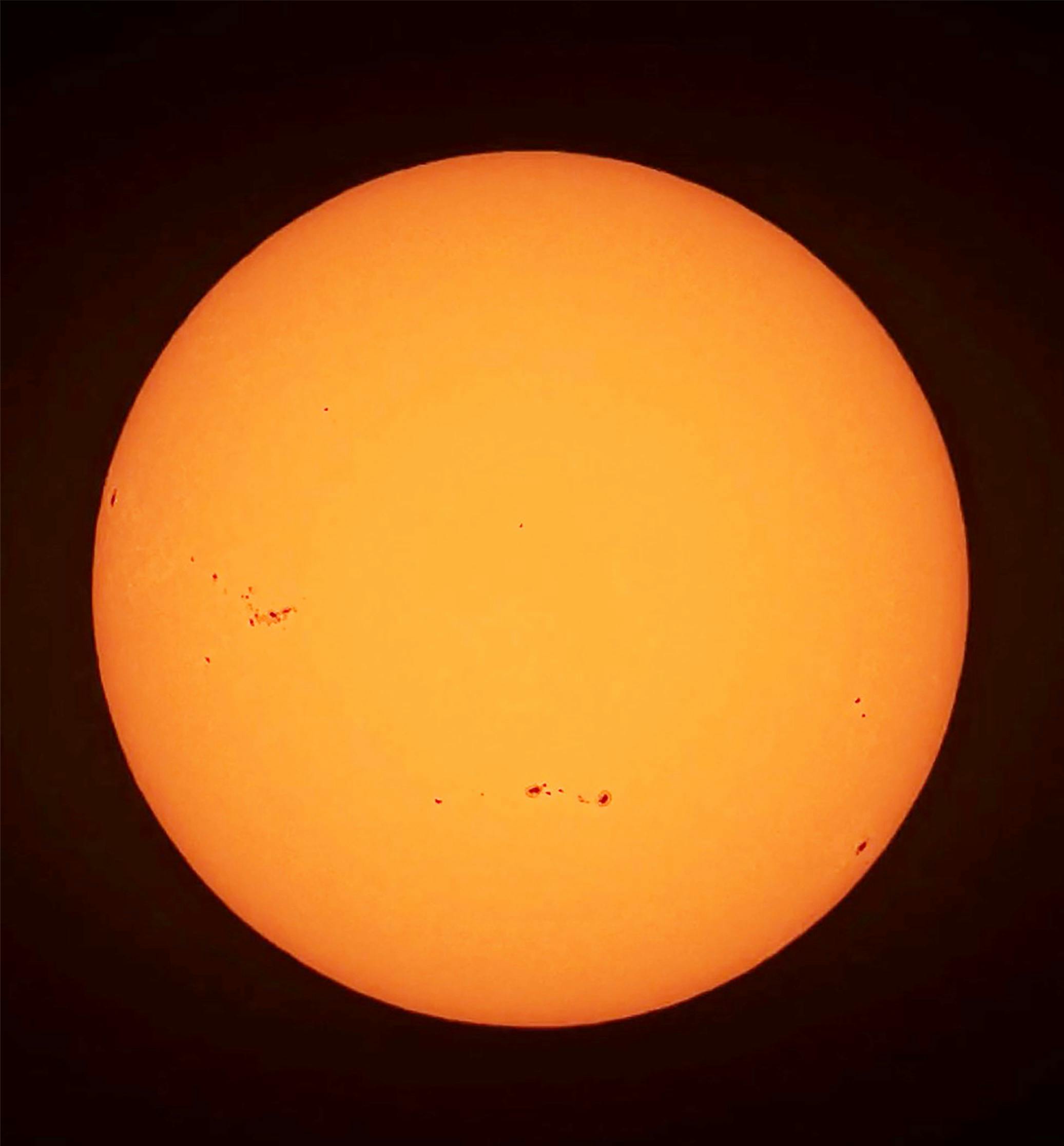
Solar eclipses provide unique opportunities for scientific research. During a total solar eclipse, the Sun’s corona becomes visible, allowing scientists to study its properties and behavior. The corona is the outermost part of the Sun’s atmosphere and is typically obscured by the Sun’s bright light. By observing the corona during an eclipse, researchers can gain insights into solar activity and its impact on Earth.
Eclipses also offer opportunities to study the Sun’s magnetic field and its influence on space weather. Understanding these phenomena is crucial for predicting solar storms, which can disrupt satellite communications and power grids on Earth. The data collected during solar eclipses contributes to our knowledge of the Sun and its complex interactions with the solar system.
Cultural and Social Reactions to Solar Eclipses
Solar eclipses evoke a sense of wonder and curiosity in people of all ages. Communities around the world gather to witness this celestial event, often organizing festivals and educational programs. These gatherings foster a sense of unity and shared experience, bringing people together to appreciate the beauty of the natural world.
In many cultures, solar eclipses are celebrated with traditional rituals and ceremonies. For example, in some Native American tribes, eclipses are seen as a time for reflection and renewal. These cultural practices highlight the deep connection between humanity and the cosmos, emphasizing the importance of preserving and respecting our natural heritage.
As we look forward to the next solar eclipse, it is essential to approach this event with a sense of awe and respect. Whether you are a seasoned astronomer or a curious observer, witnessing a solar eclipse is an unforgettable experience that connects us to the wonders of the universe.