The Celestial Spectacle: Understanding the Solar Eclipse Phenomenon
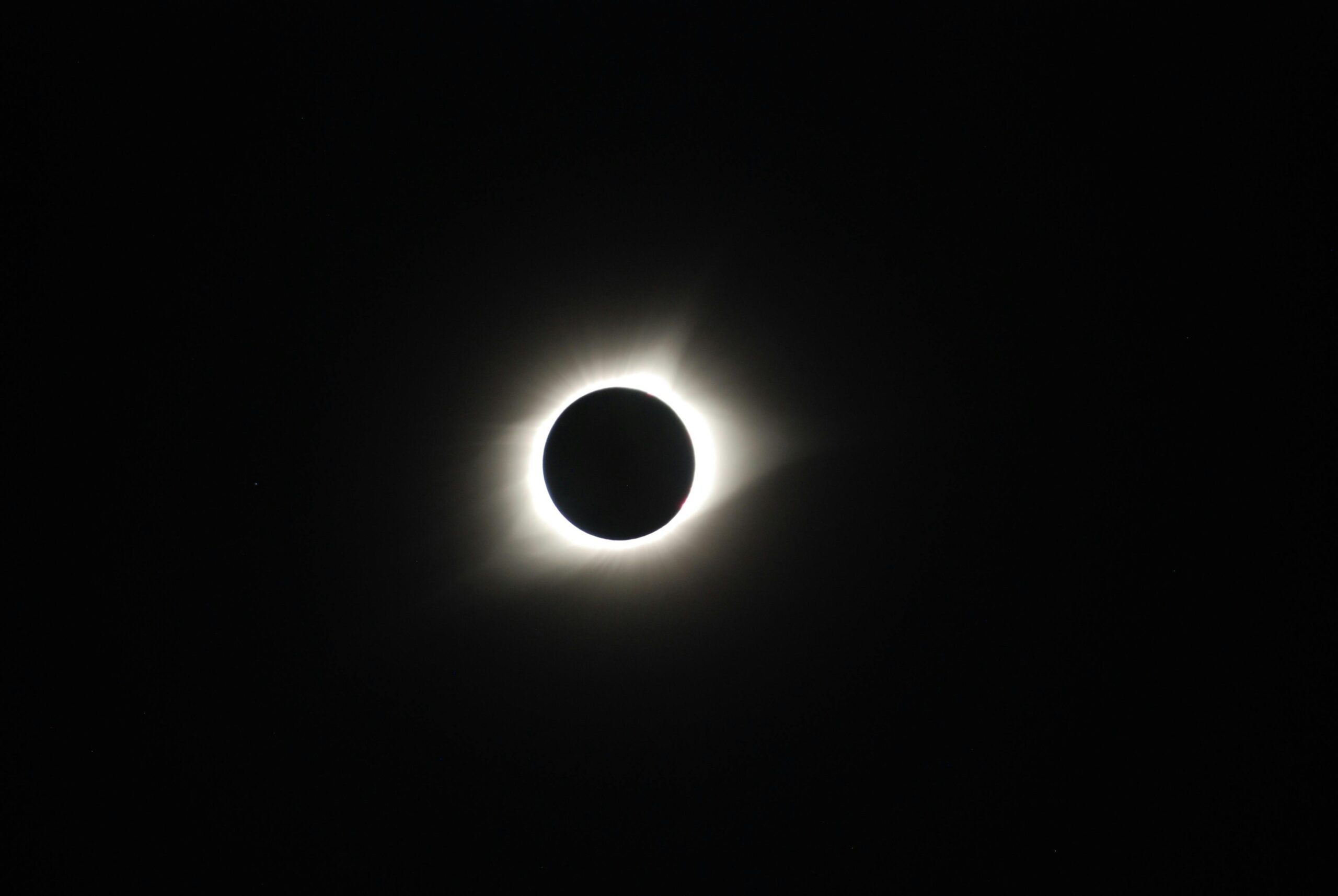
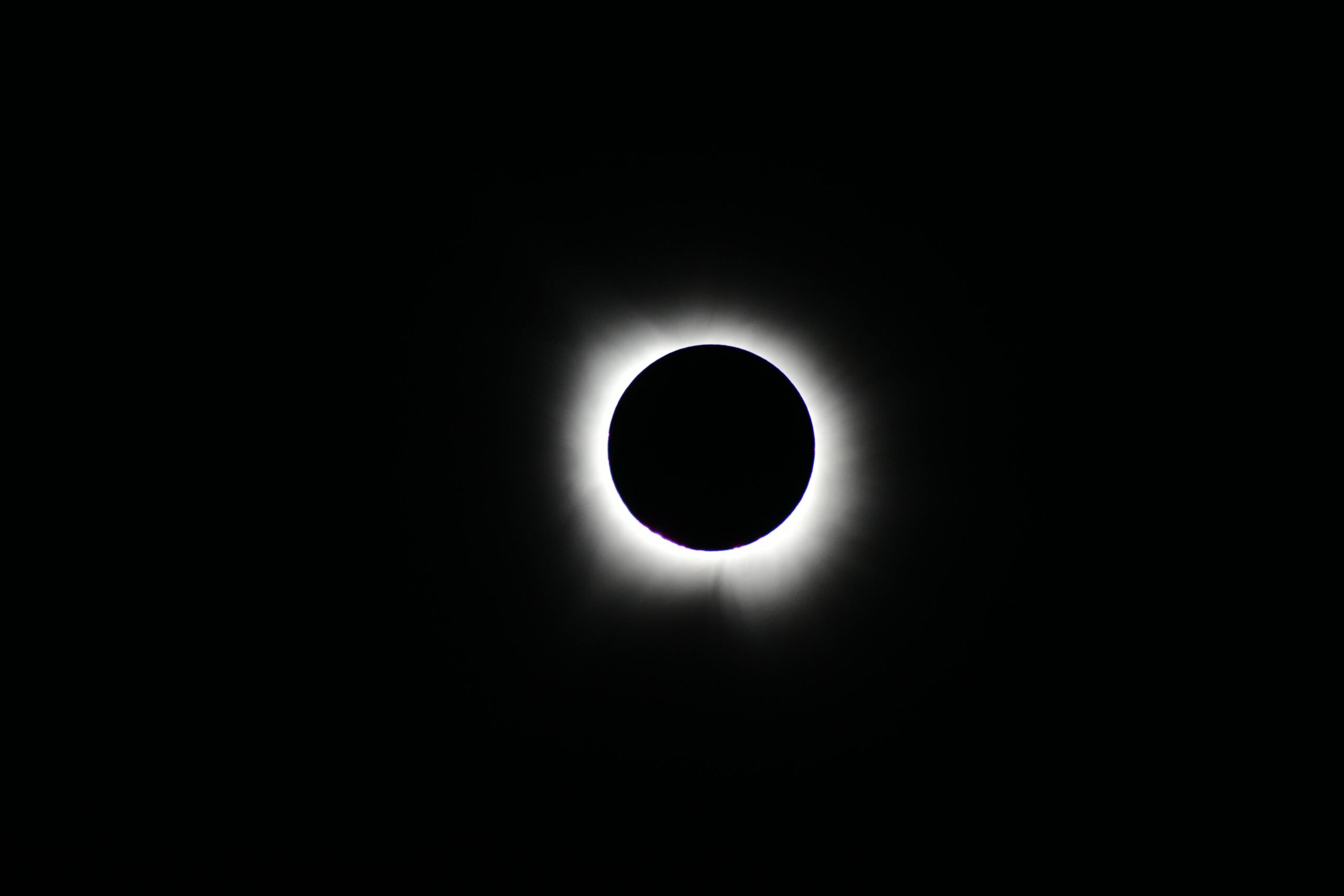
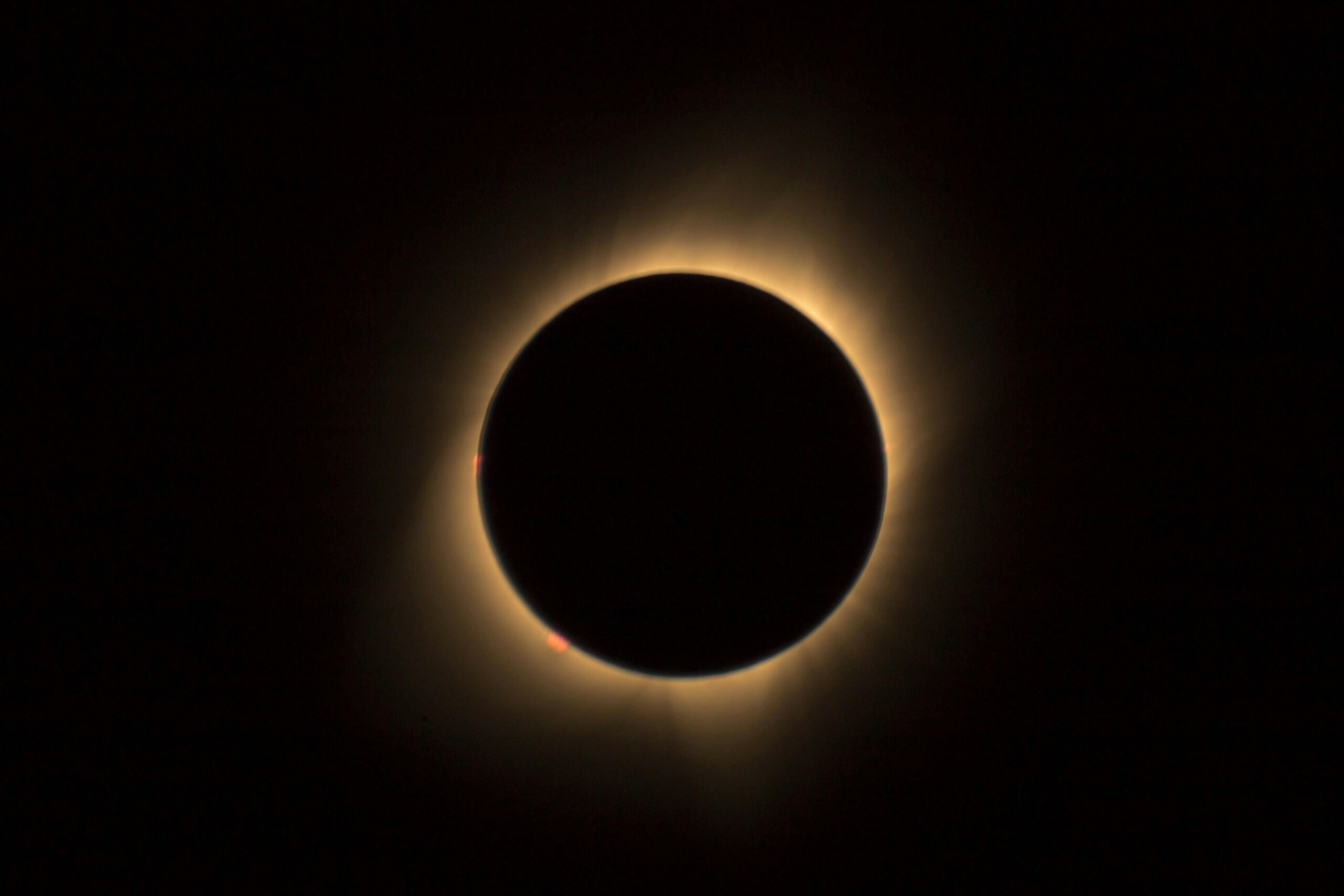
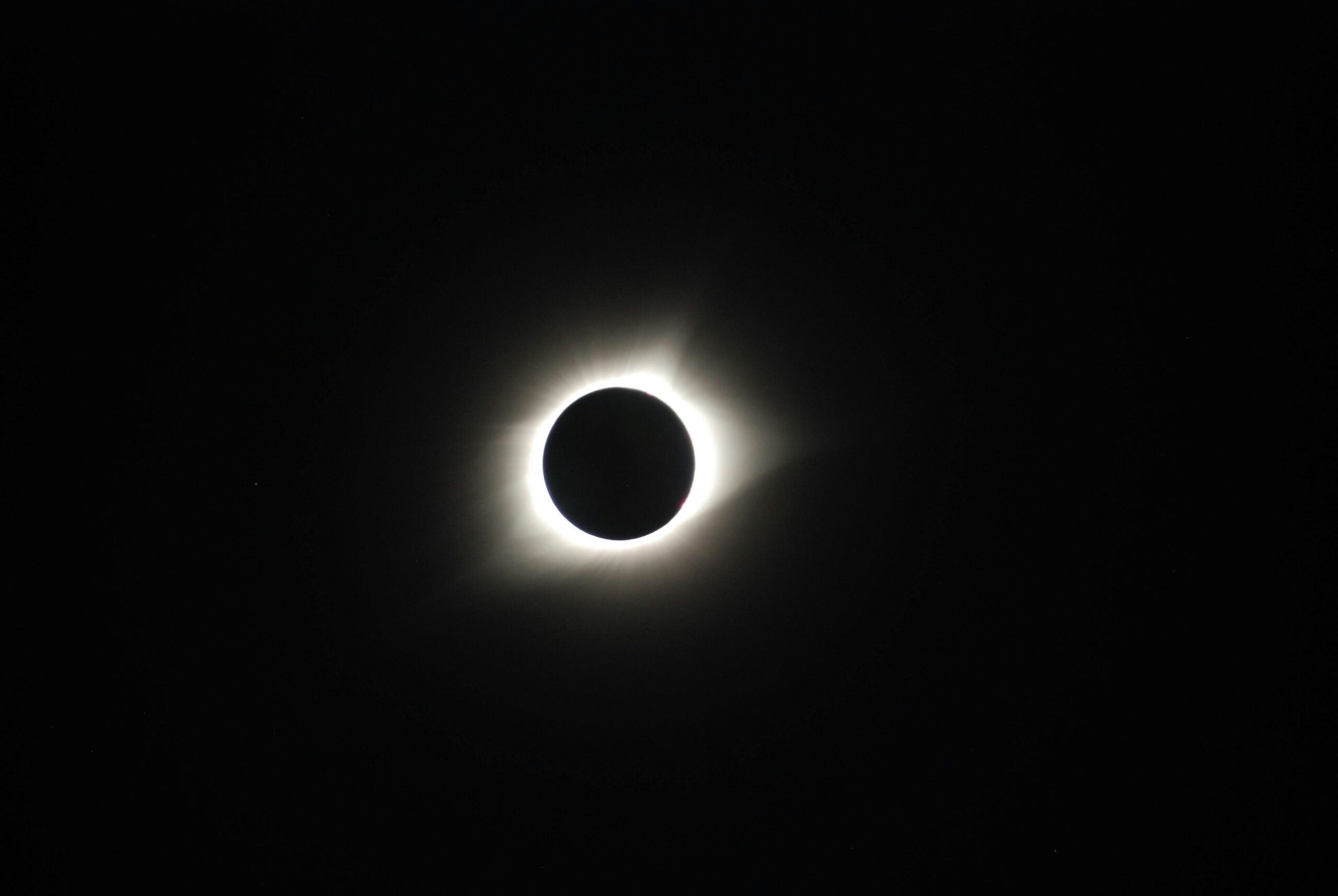
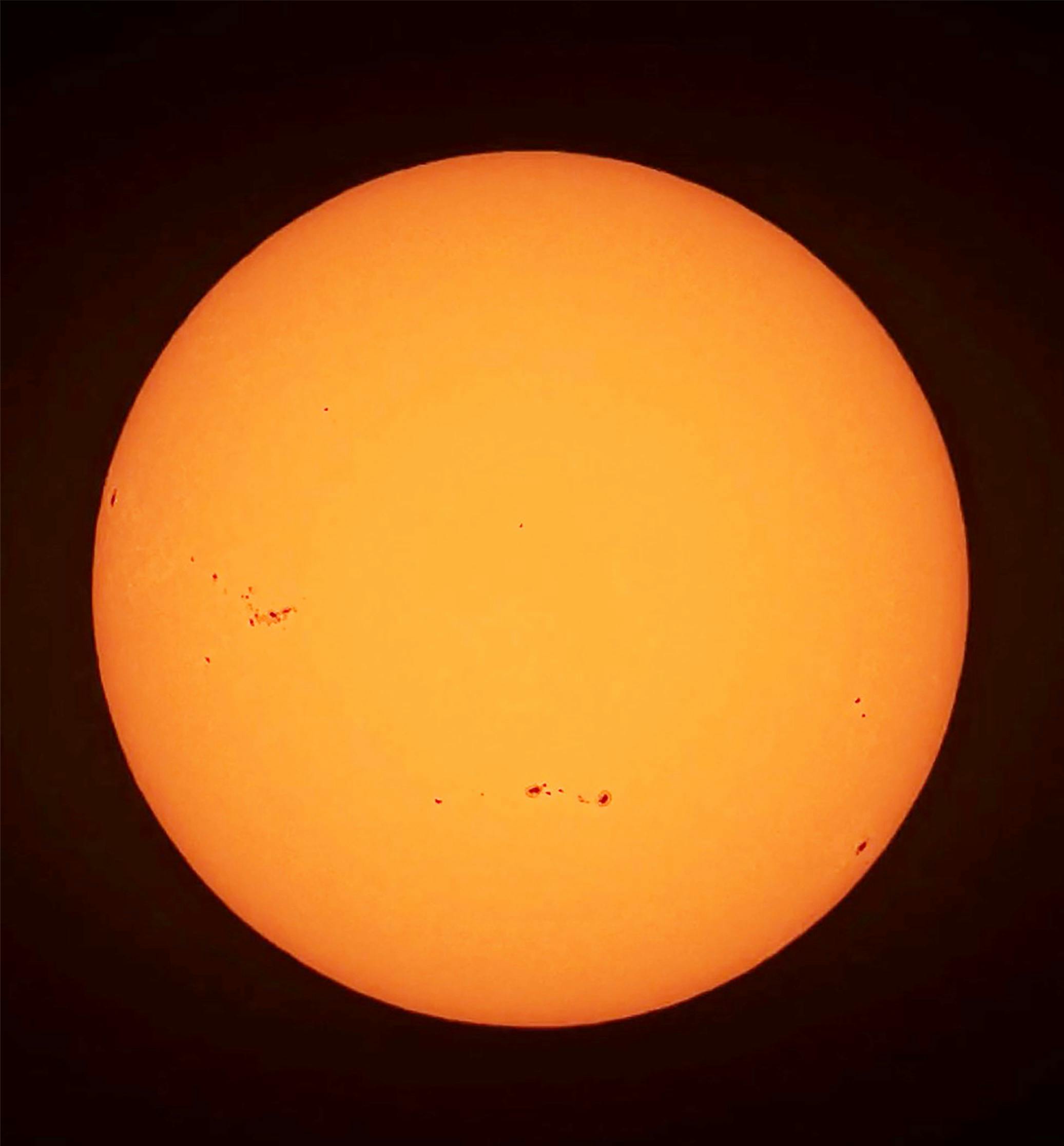
A solar eclipse is one of the most awe-inspiring natural phenomena that captivate sky gazers and scientists alike. This celestial event occurs when the Moon passes between the Earth and the Sun, obscuring the Sun either partially or completely. The upcoming solar eclipse has sparked widespread interest, with enthusiasts and researchers preparing to witness this remarkable event. Understanding the intricacies of a solar eclipse not only enhances our appreciation of the cosmos but also provides valuable insights into the mechanics of our solar system.
Types of Solar Eclipses
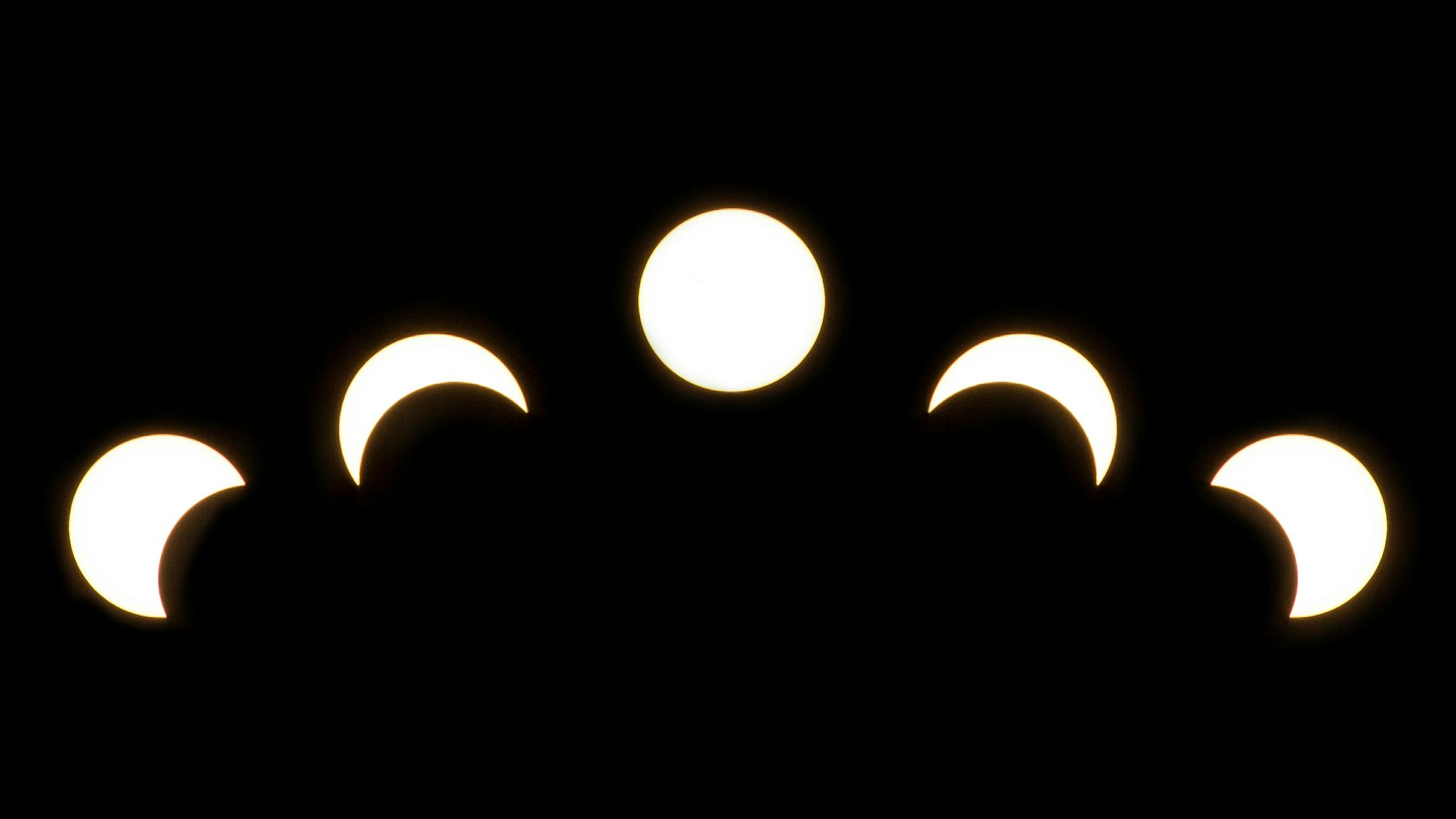
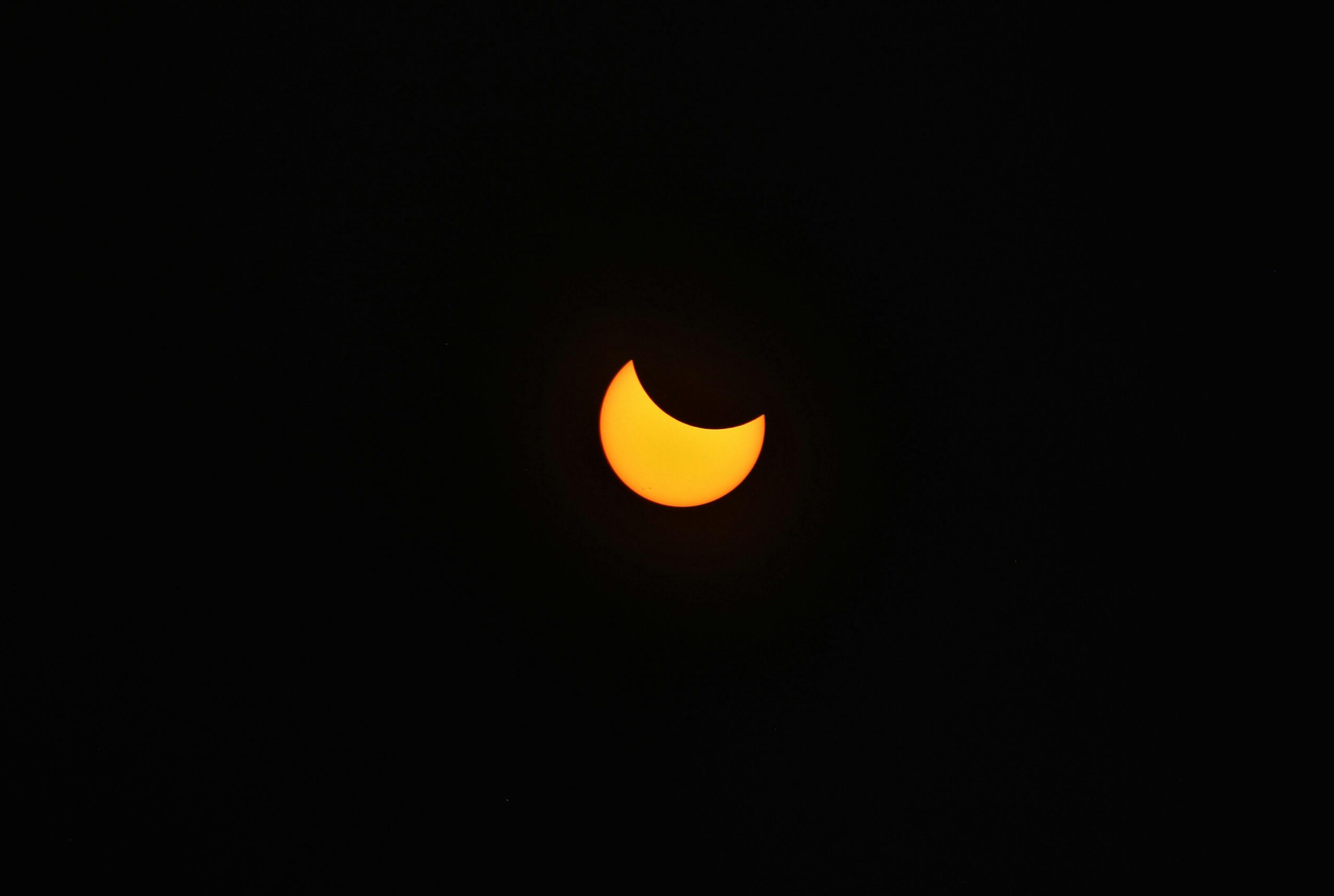
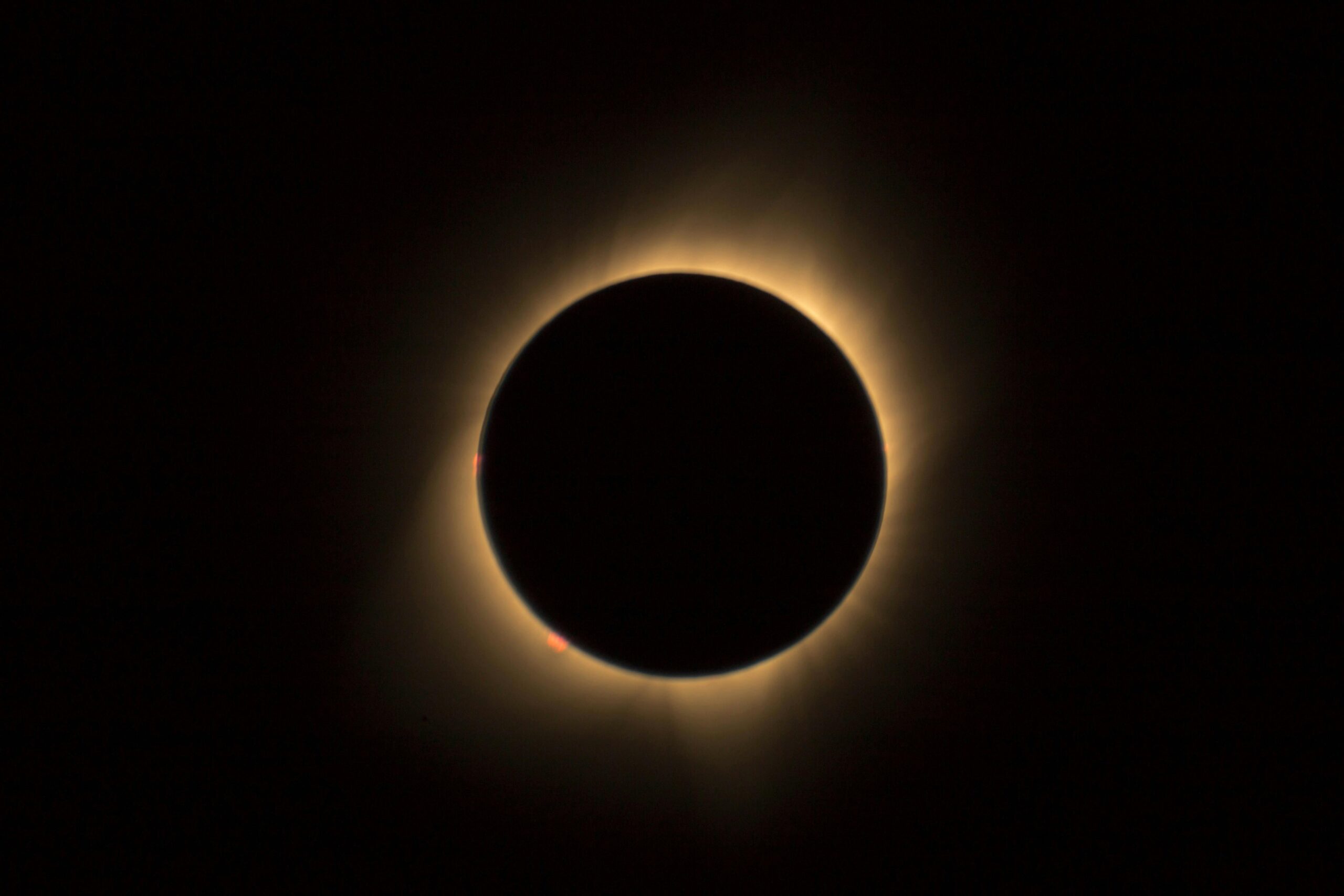
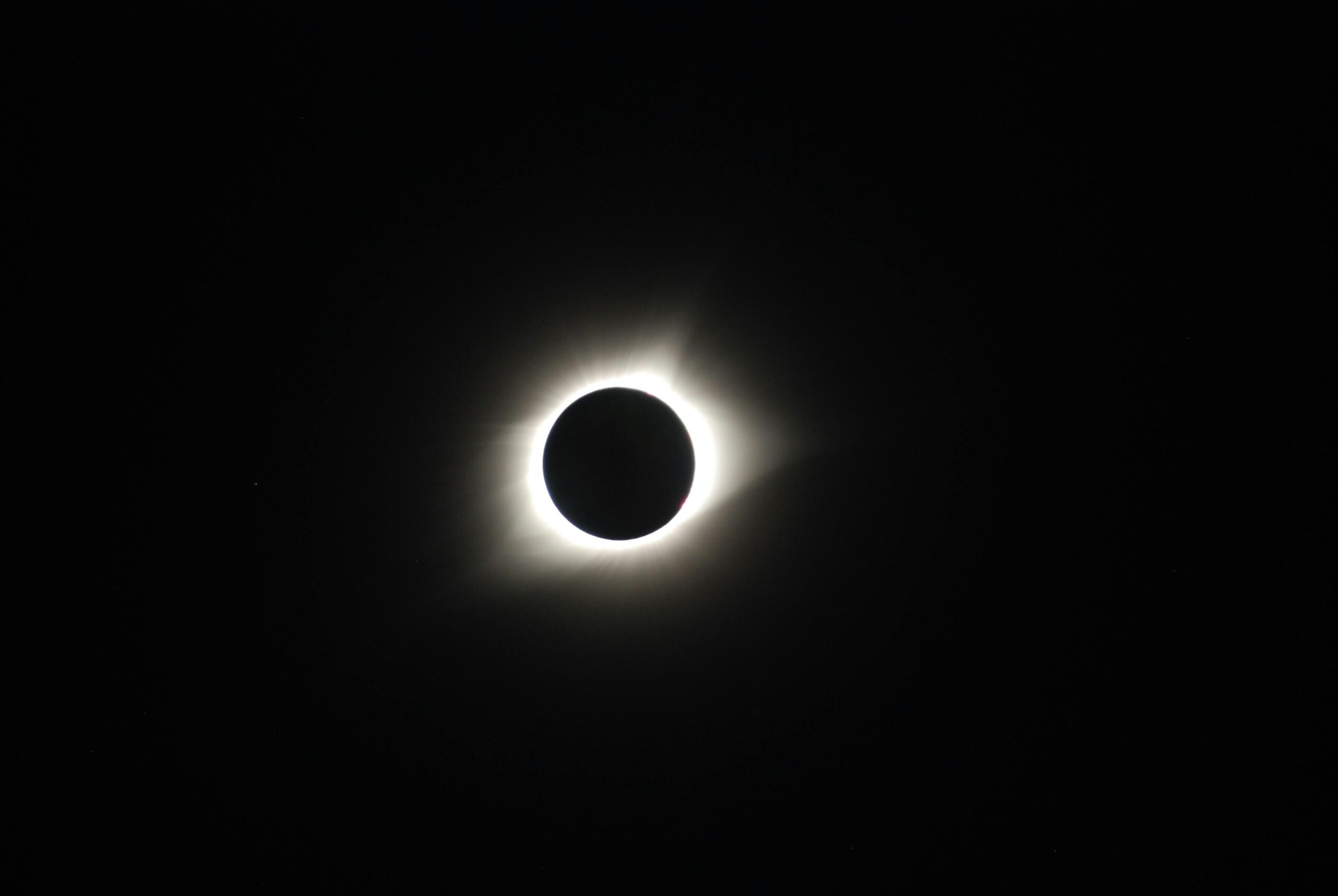
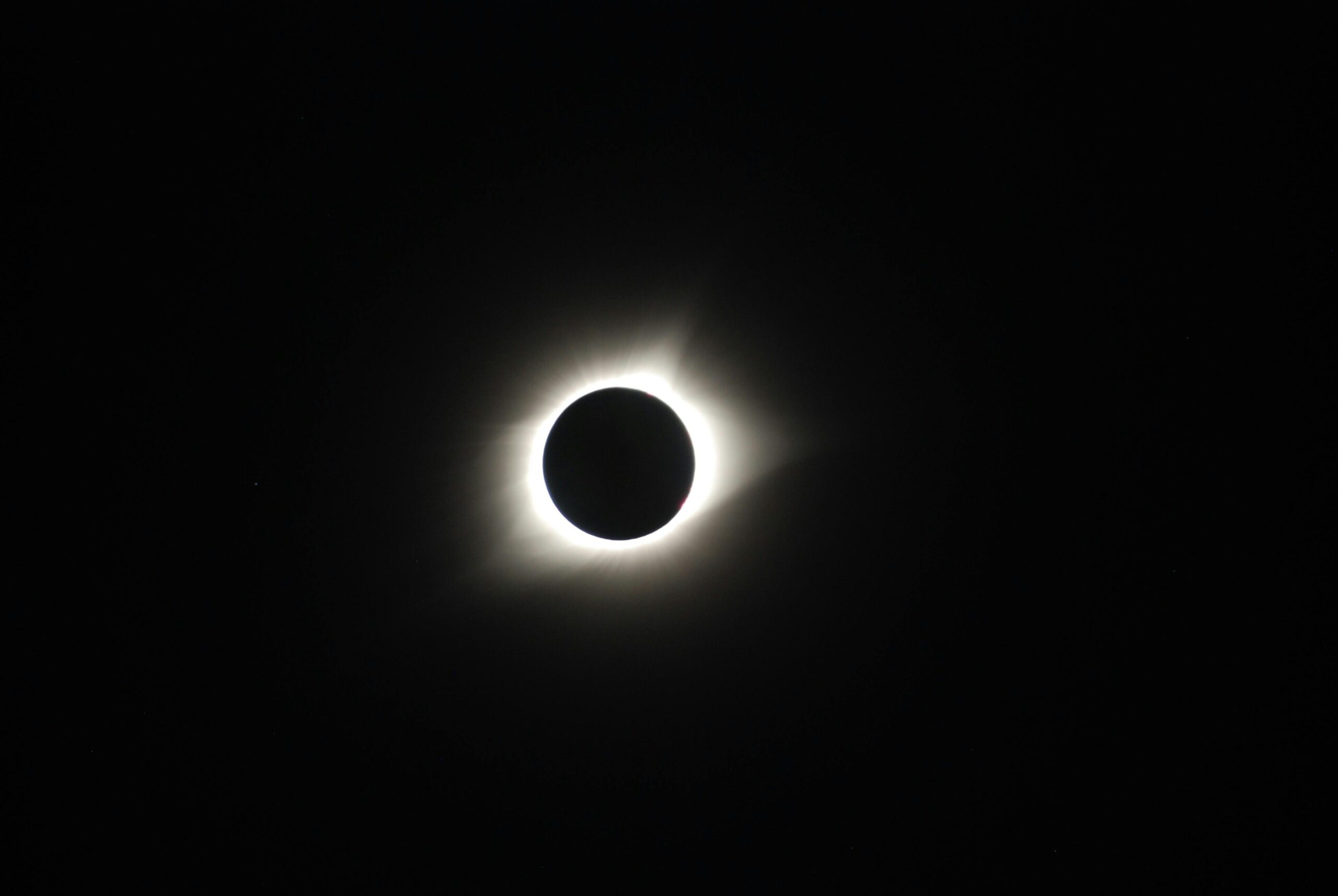
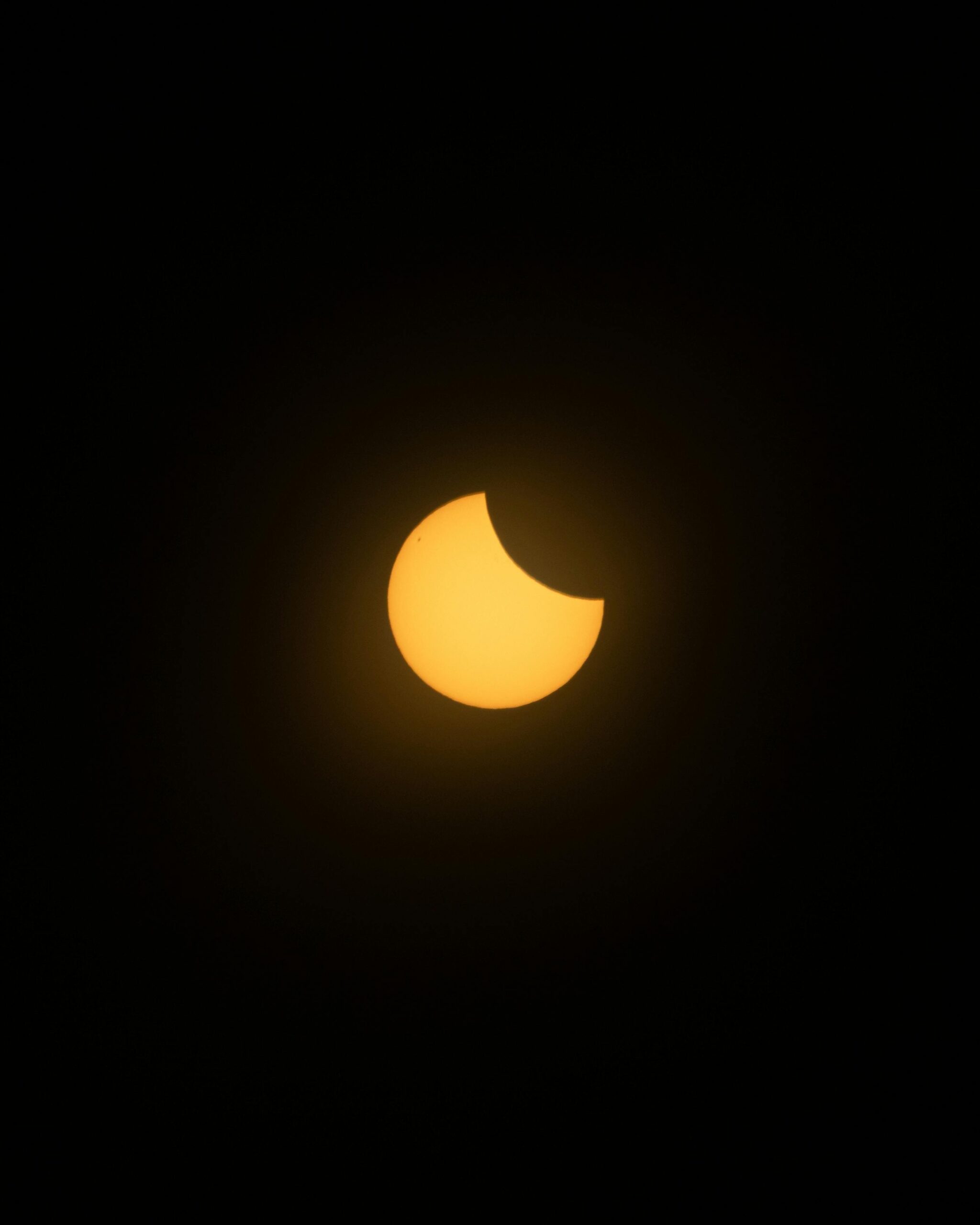
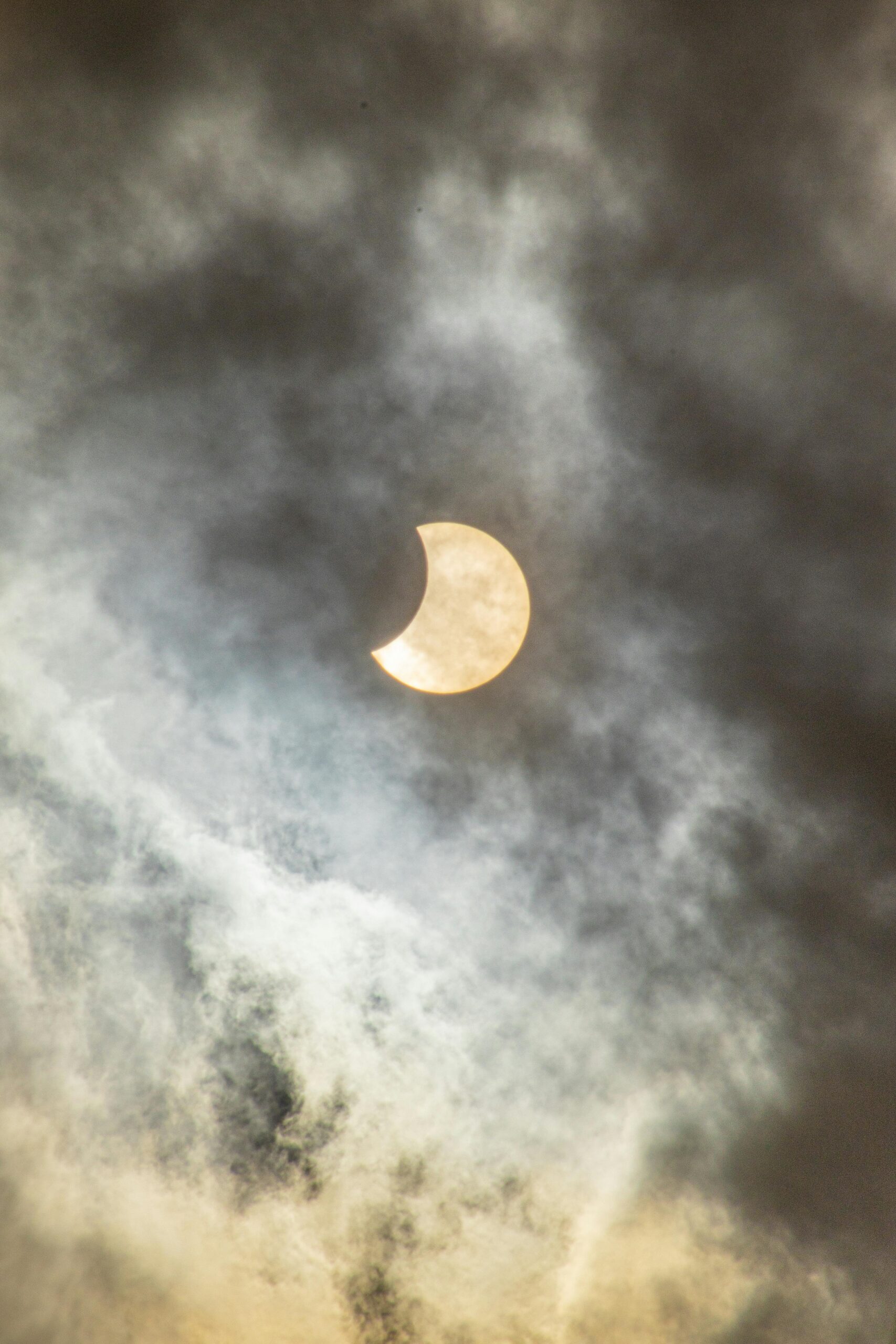
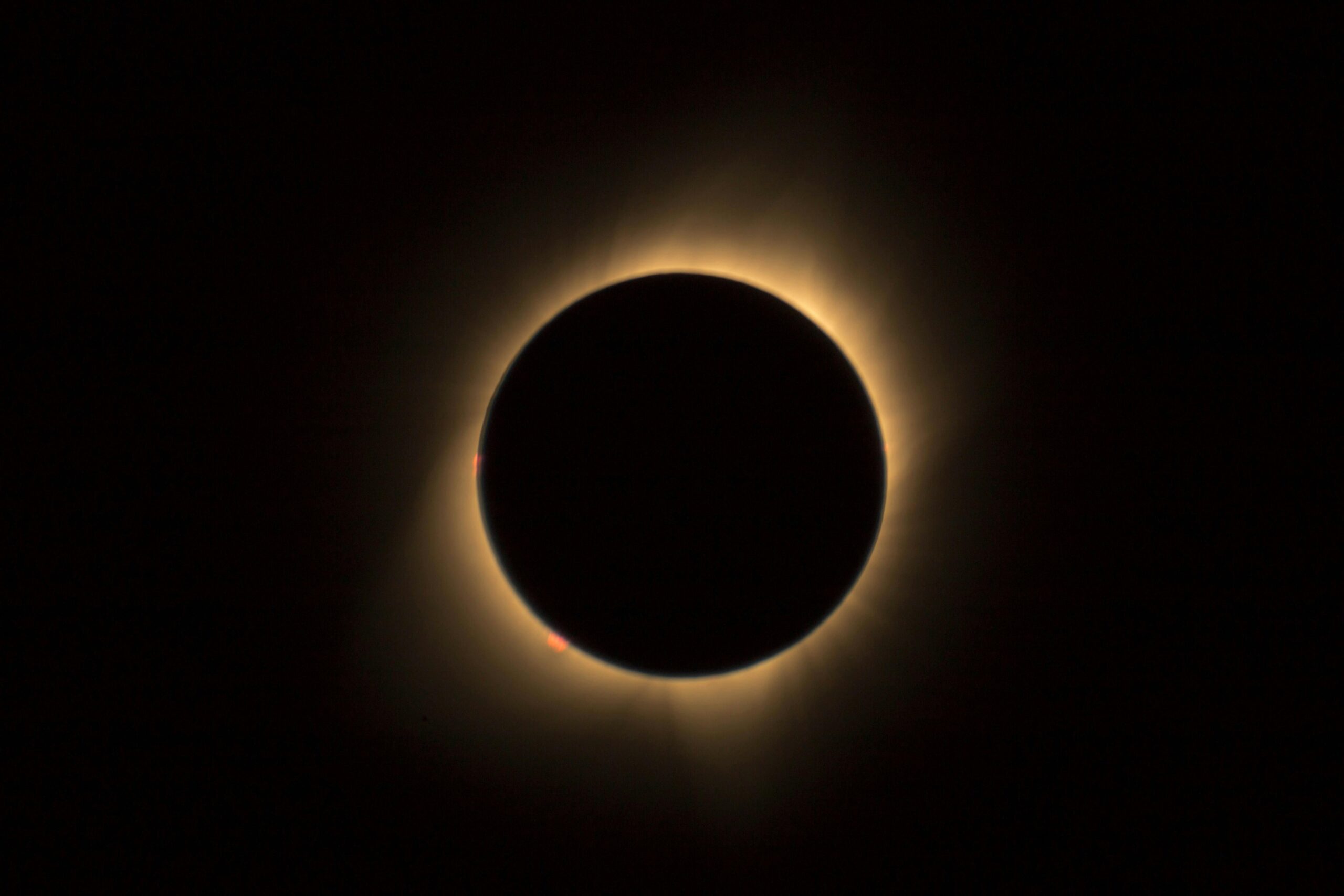
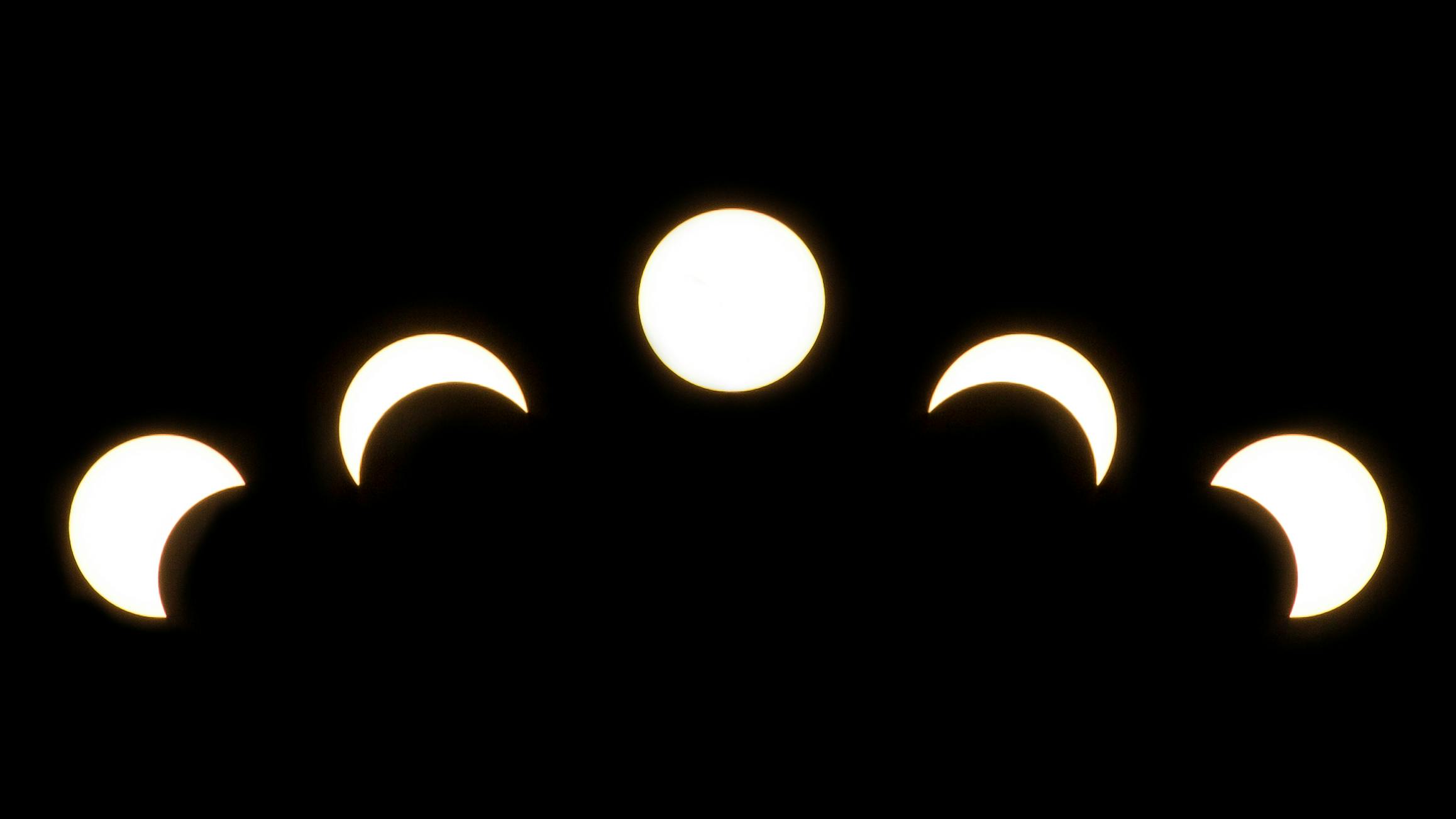
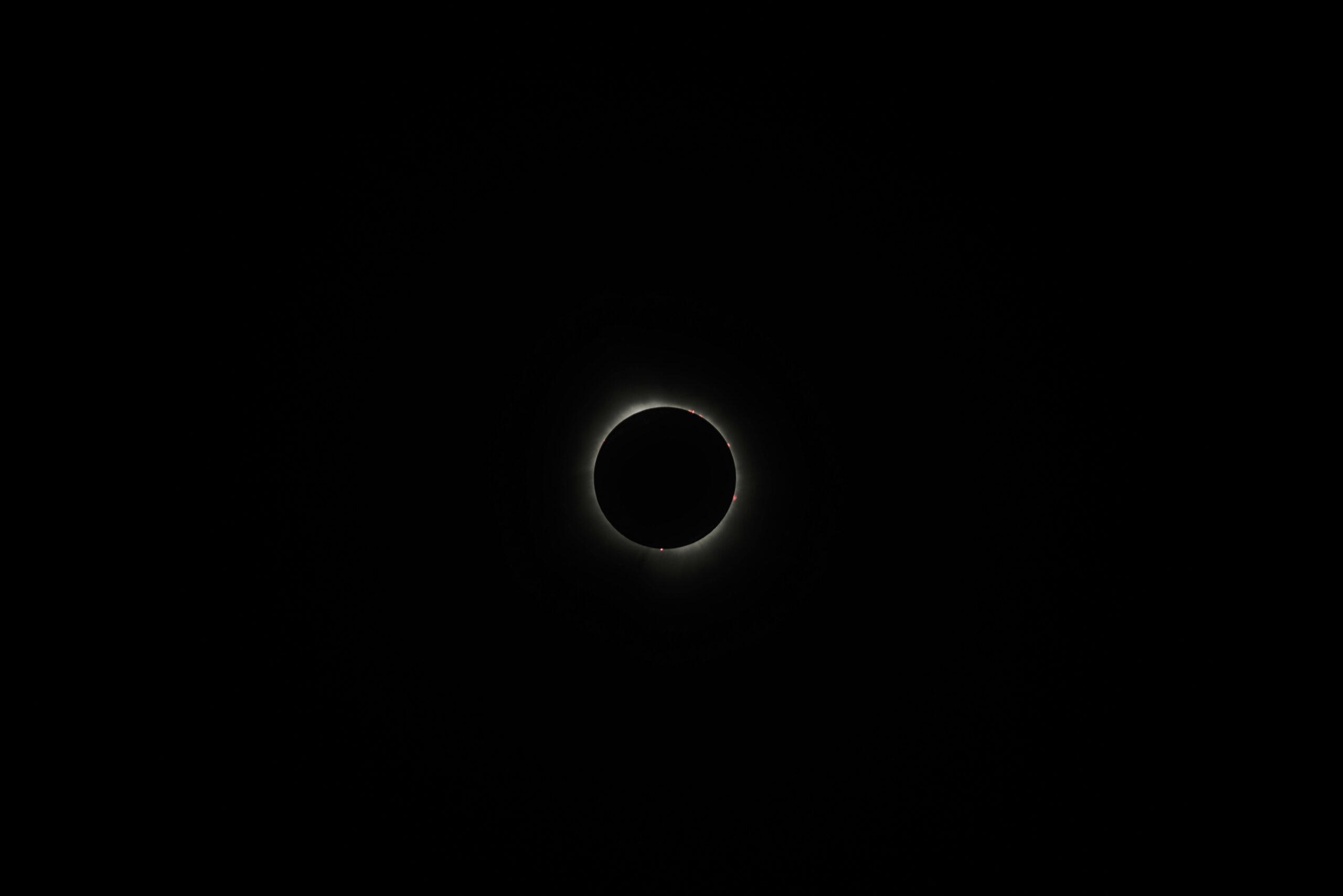
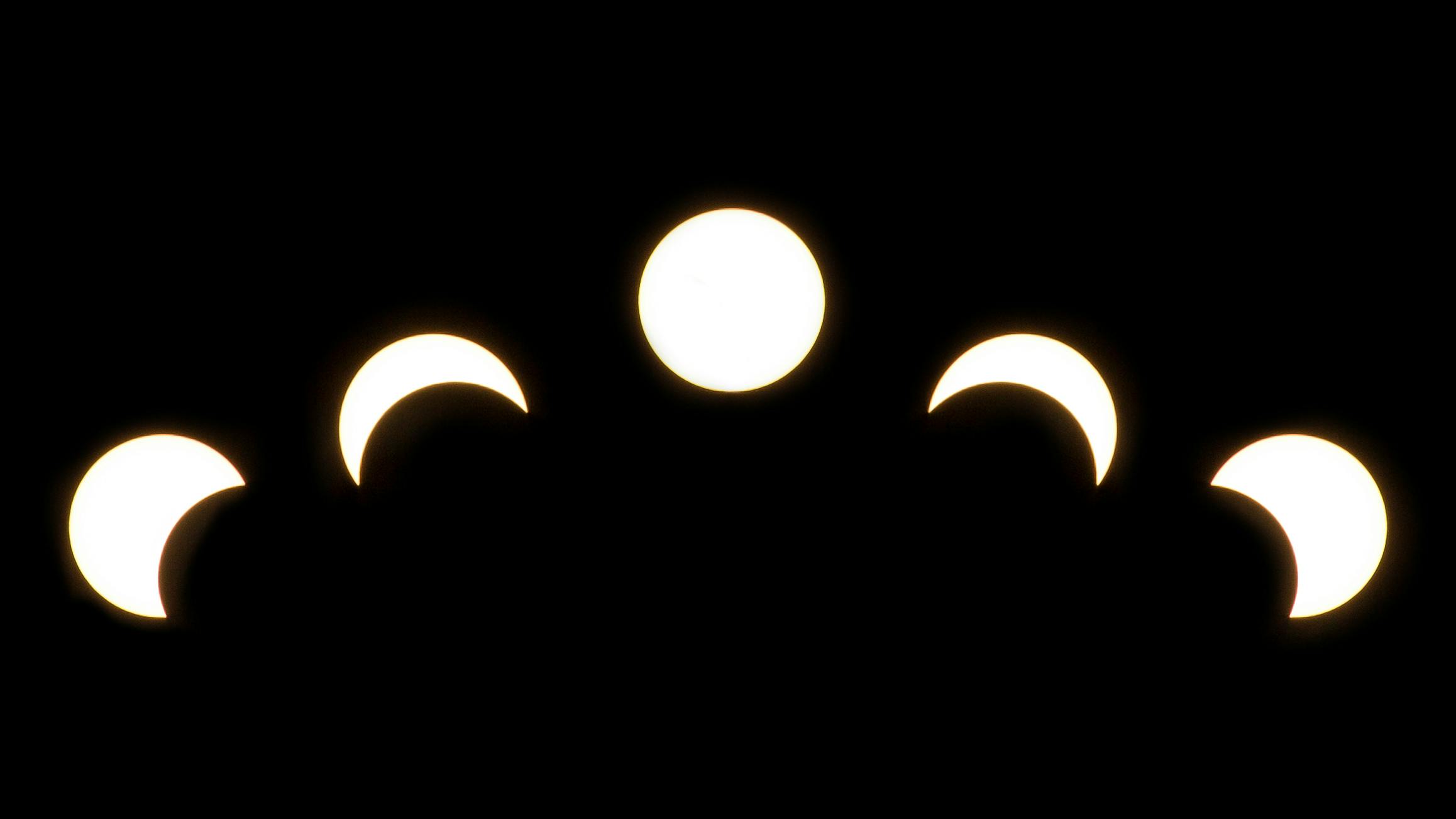
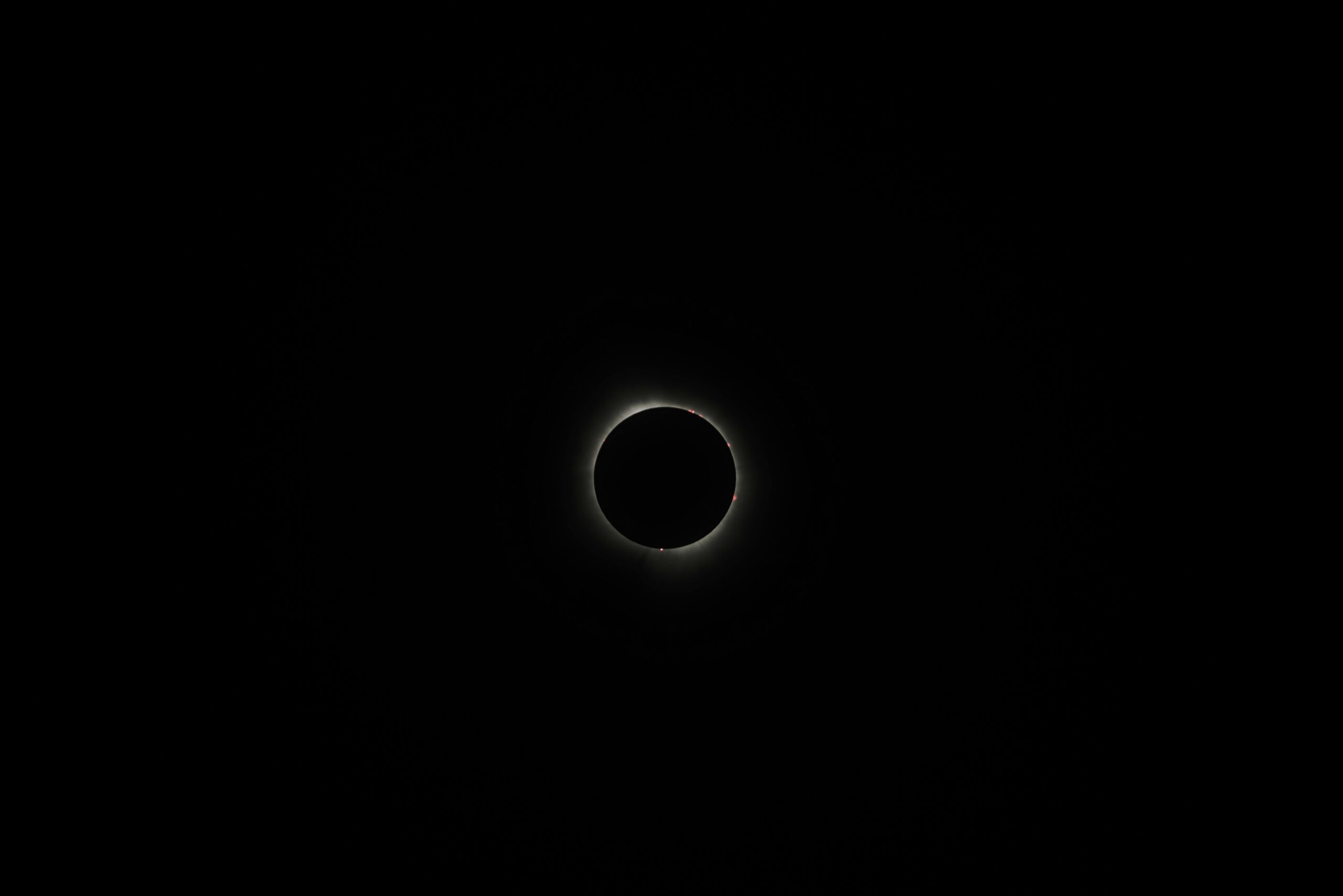
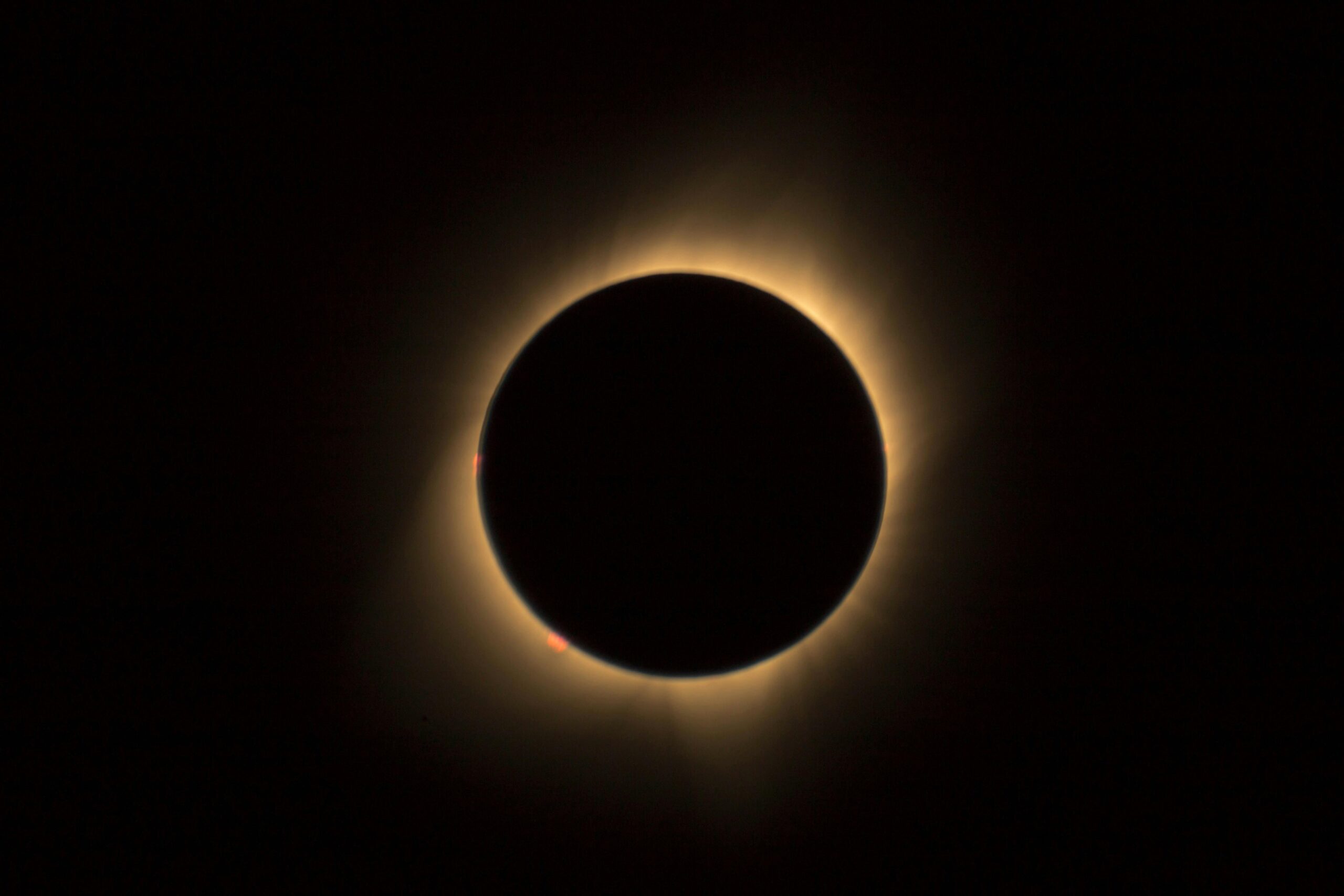
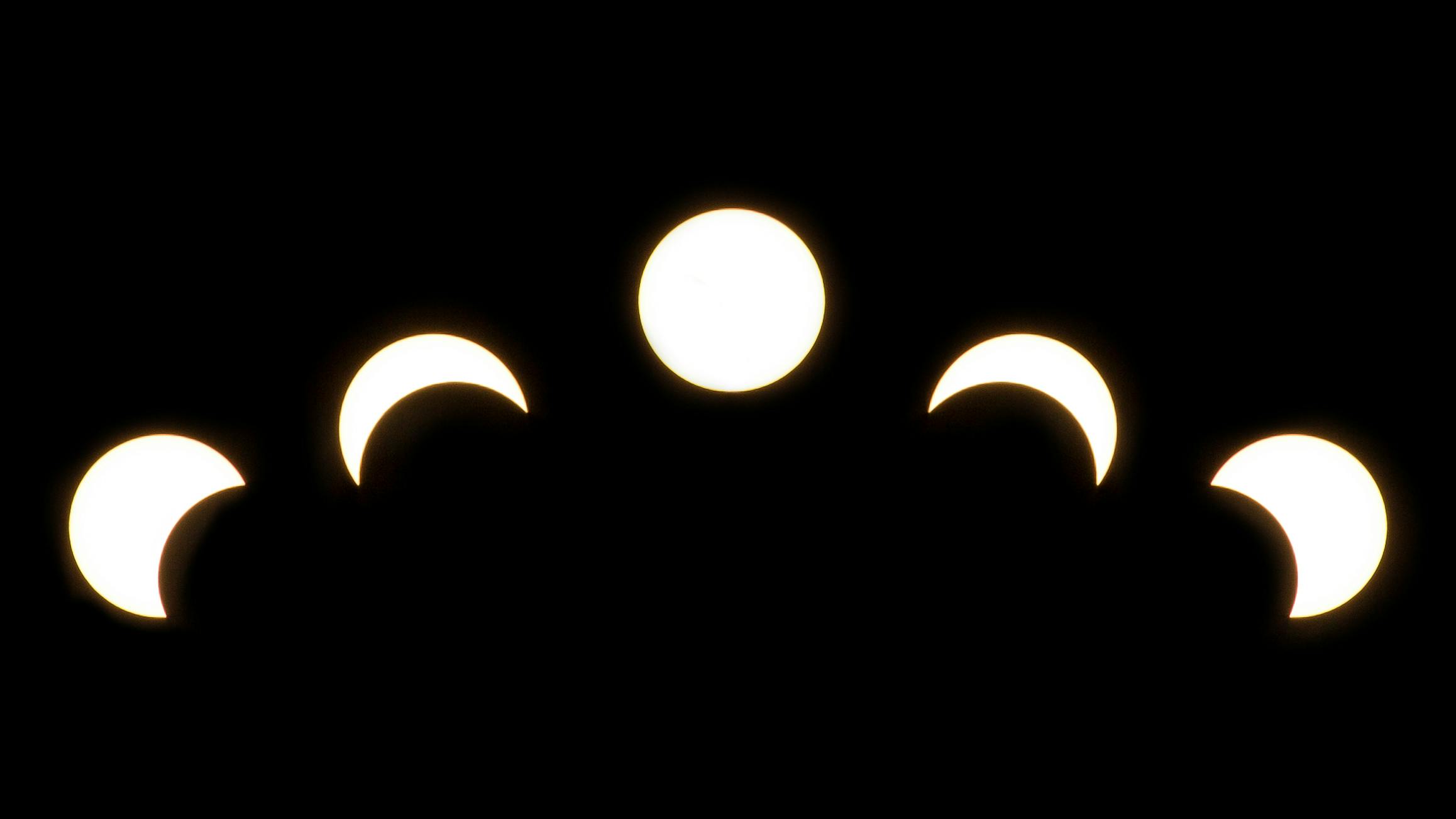
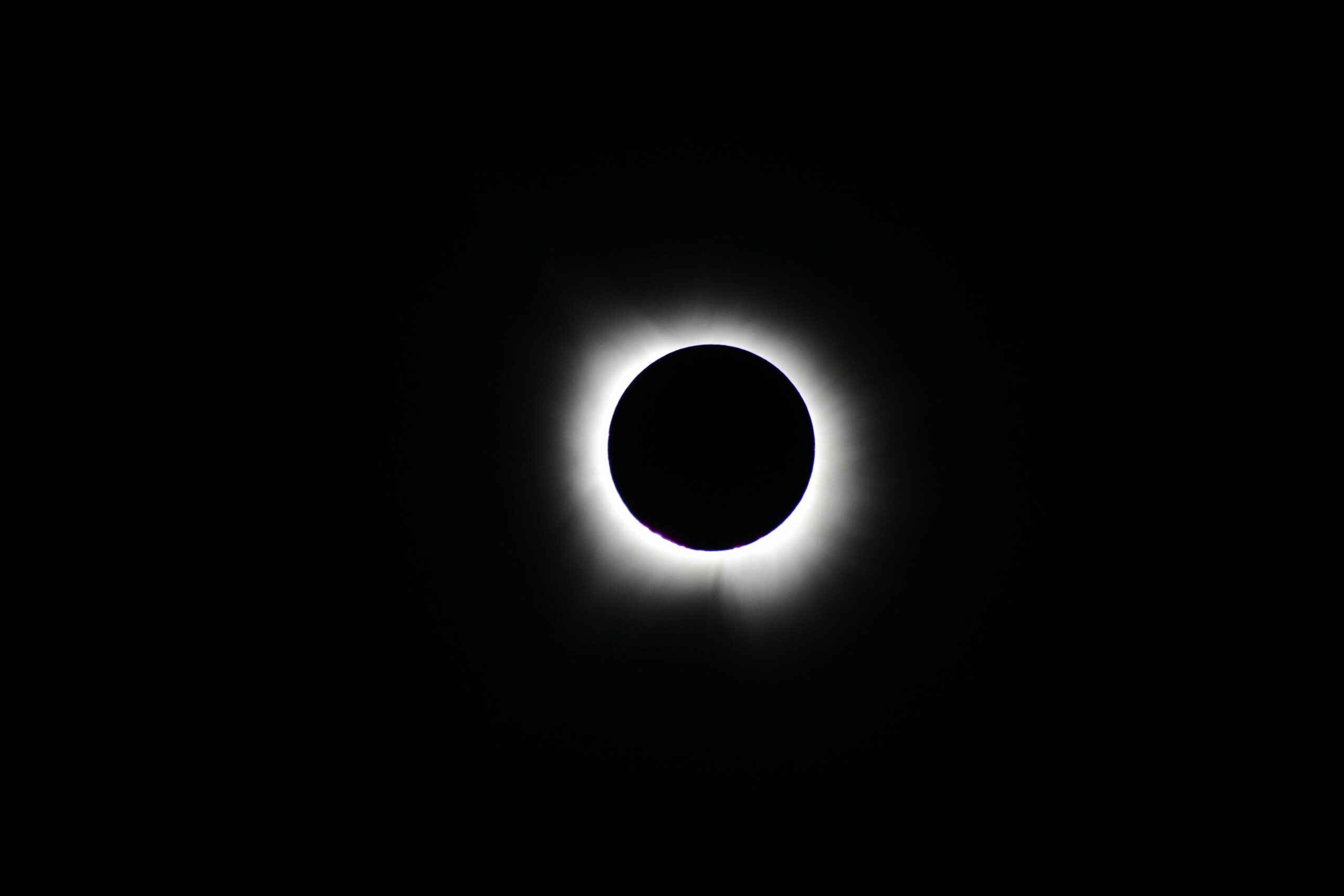
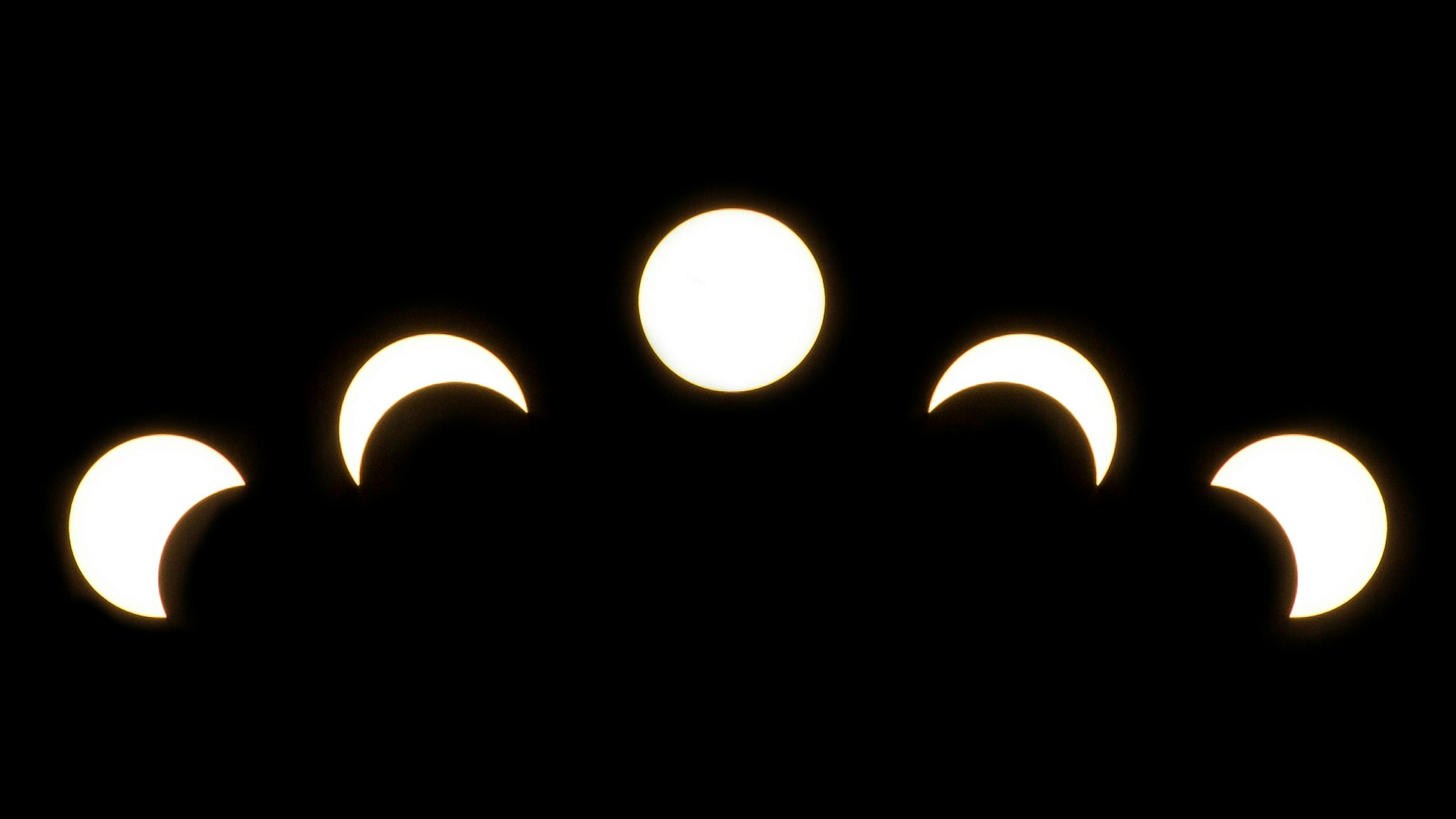
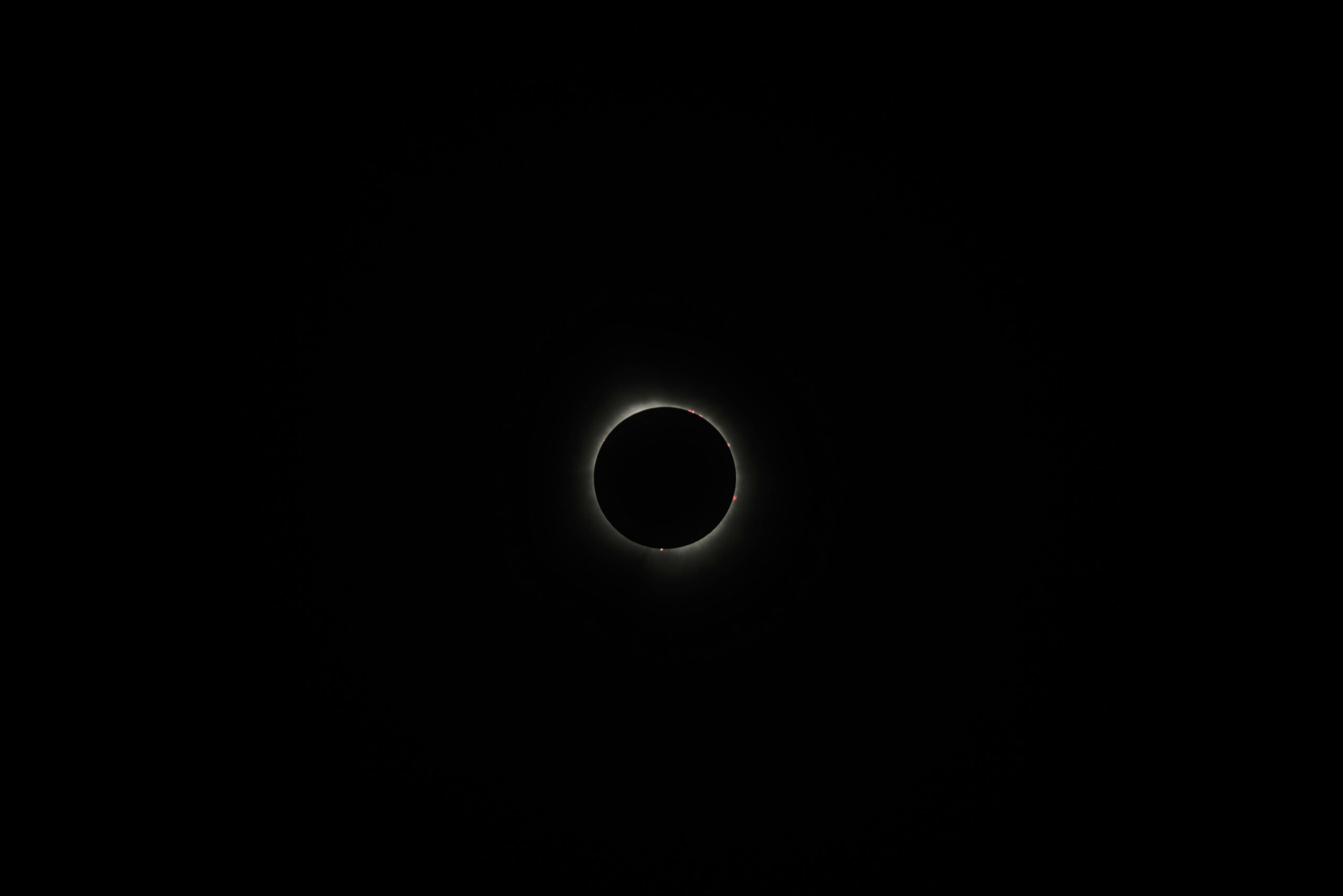
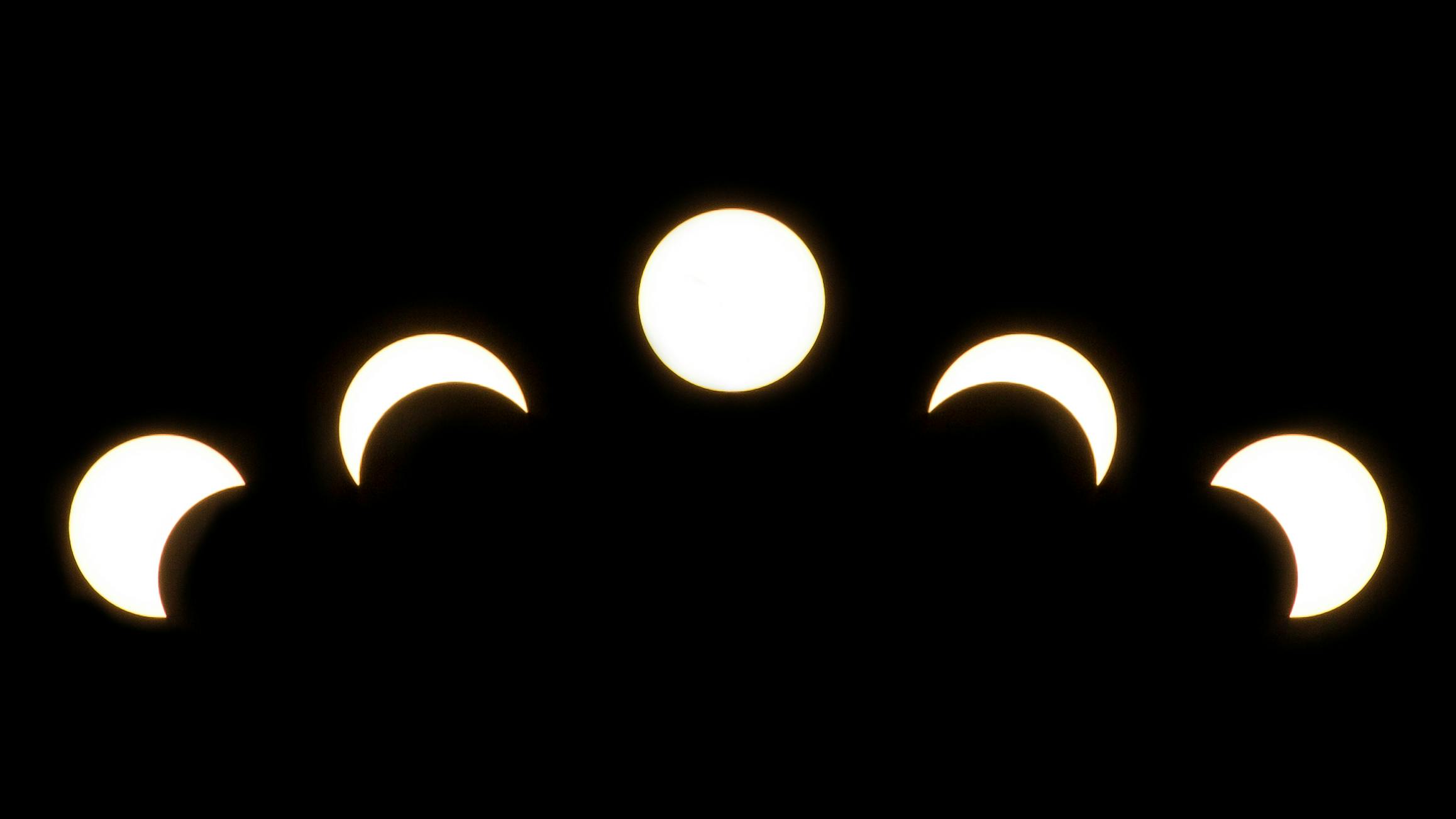
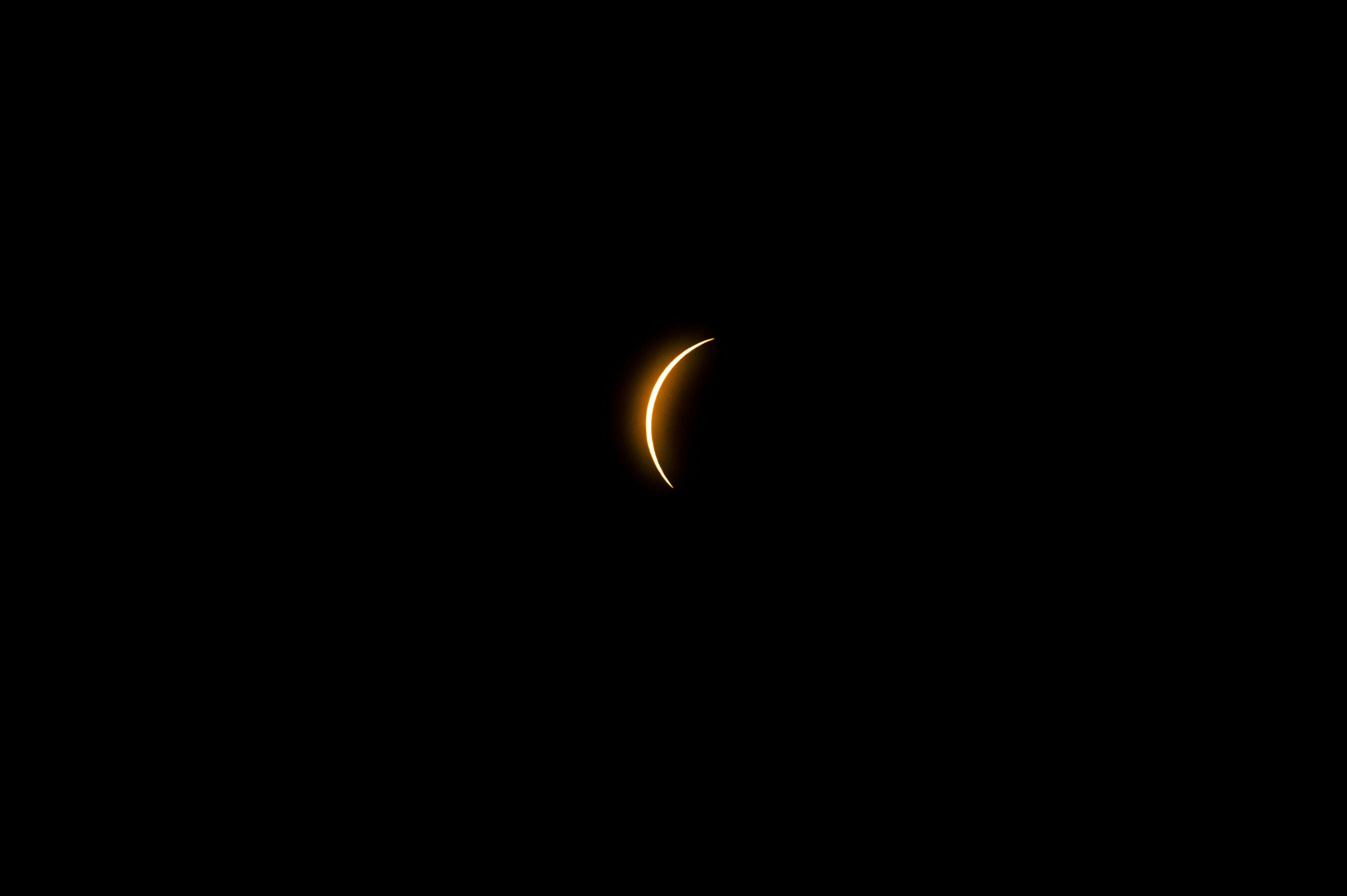
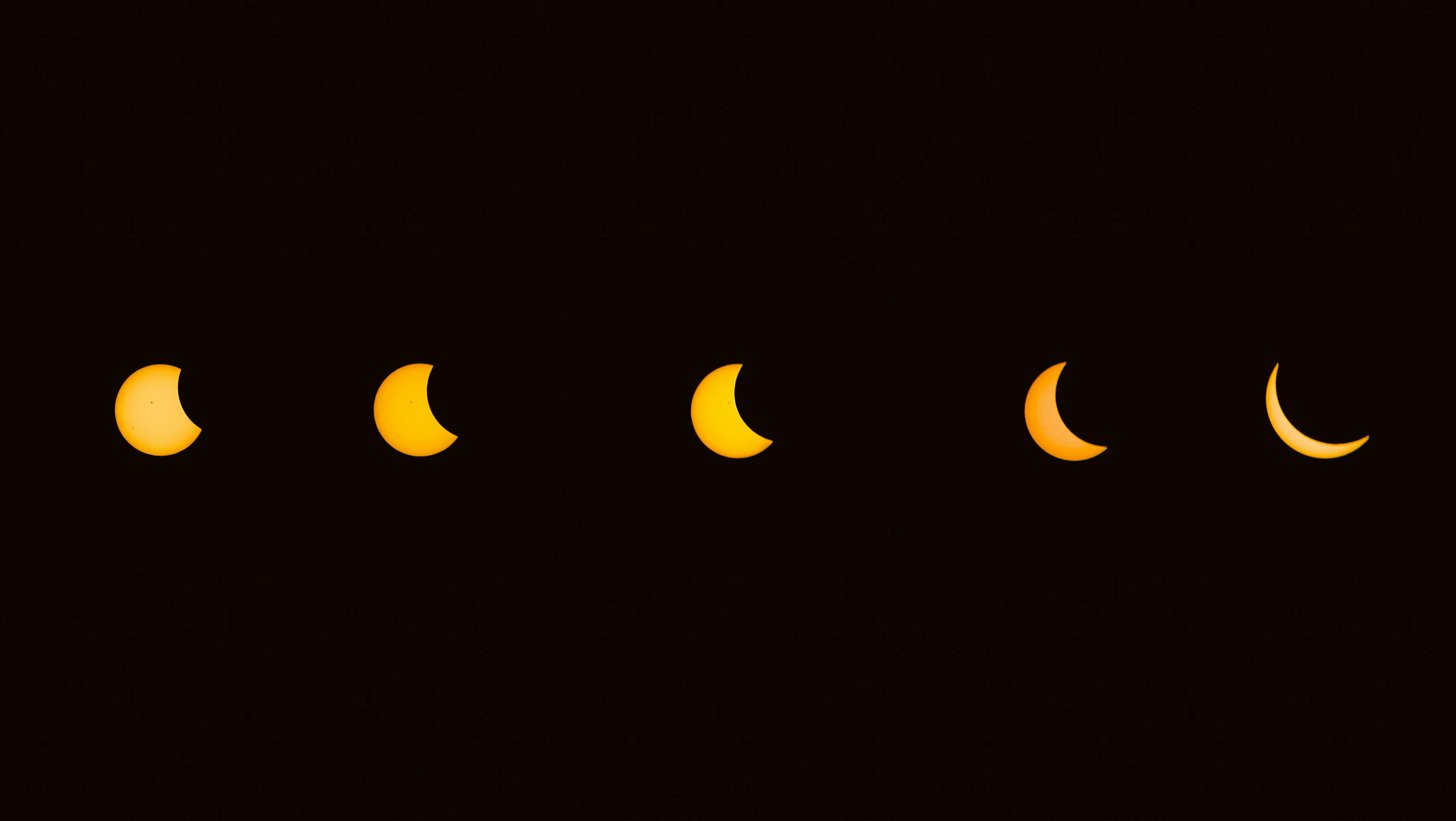
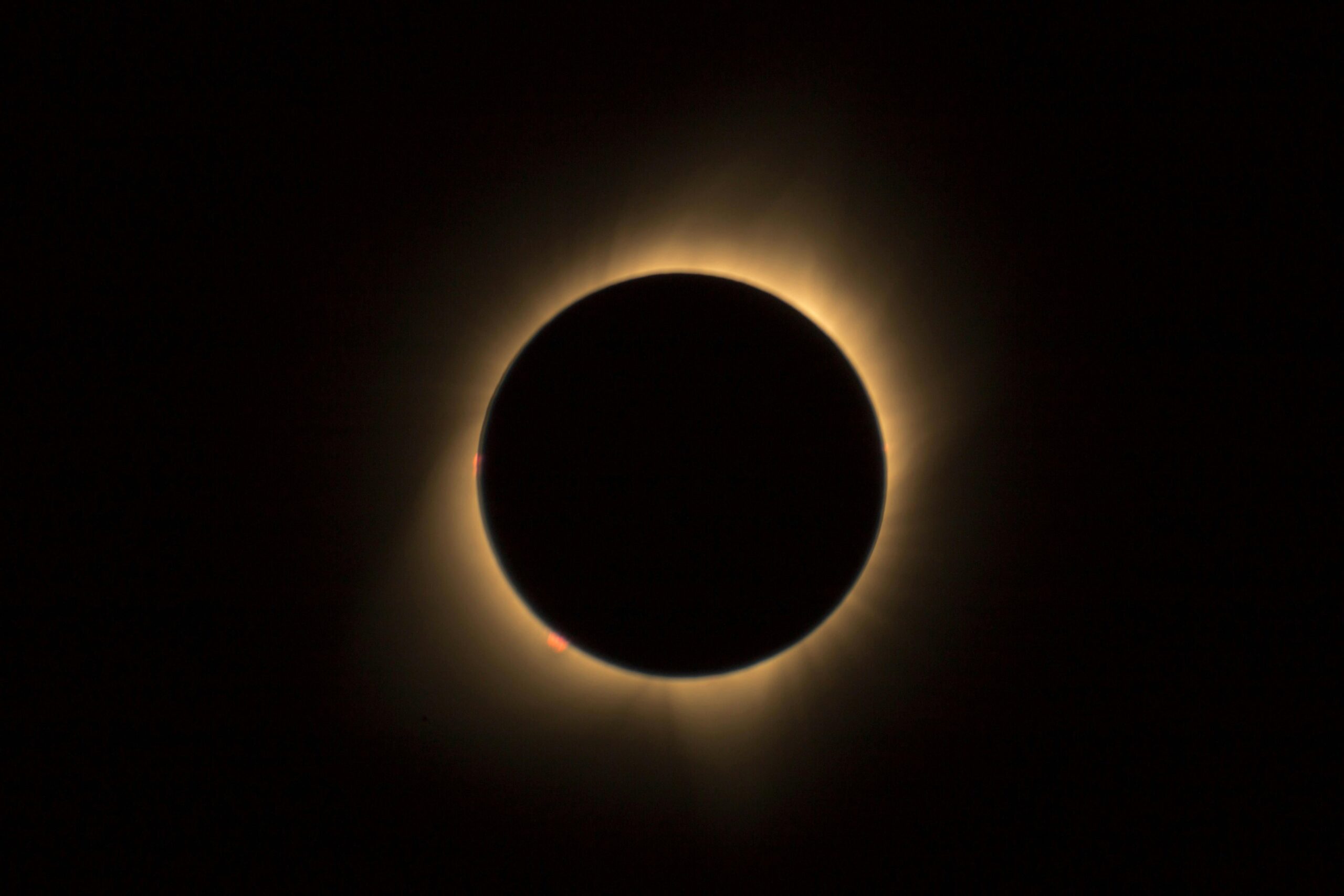
Solar eclipses can be categorized into four main types: total, annular, partial, and hybrid. A total solar eclipse occurs when the Moon completely covers the Sun, casting a shadow on the Earth. This type of eclipse is a rare and breathtaking sight, as it plunges the affected area into darkness for a brief period. An annular solar eclipse happens when the Moon is too far from the Earth to completely cover the Sun, resulting in a ring of sunlight around the Moon. A partial solar eclipse occurs when only a portion of the Sun is obscured by the Moon, while a hybrid eclipse is a rare combination of total and annular eclipses, depending on the observer’s location.
The Science Behind Solar Eclipses
The science behind solar eclipses is rooted in the precise alignment of the Sun, Moon, and Earth. For a solar eclipse to occur, the Moon must be in the new moon phase, and its orbit must intersect the ecliptic plane, the path the Sun appears to follow across the sky. This intersection is known as the line of nodes. The frequency and visibility of solar eclipses are influenced by the Moon’s elliptical orbit and the tilt of its orbital plane relative to the Earth’s orbit. Understanding these celestial mechanics not only helps in predicting eclipses but also provides a deeper understanding of the dynamics of our solar system.
Historical Significance and Cultural Impact
Throughout history, solar eclipses have held significant cultural and historical importance. Ancient civilizations often viewed eclipses as omens or divine messages, influencing their beliefs and practices. For instance, the ancient Chinese believed that solar eclipses occurred when a celestial dragon devoured the Sun, while the Vikings saw them as a sign of the gods’ displeasure. In modern times, solar eclipses continue to inspire awe and wonder, drawing millions of people to witness these celestial events firsthand. The cultural impact of solar eclipses is evident in the numerous festivals, artworks, and literary references that celebrate these phenomena.
Preparing for the Upcoming Solar Eclipse
With the anticipation building for the next solar eclipse, it is essential to prepare adequately to ensure a safe and enjoyable viewing experience. One of the most critical aspects of eclipse viewing is protecting your eyes. Looking directly at the Sun, even during an eclipse, can cause permanent eye damage. Specialized solar filters or eclipse glasses are essential for safe viewing. Additionally, understanding the path of the eclipse and choosing an optimal viewing location can enhance the experience. For those interested in the scientific aspects of the eclipse, tools like faiz hesaplama için en iyi yazılımlar 2026 can be useful for precise calculations and predictions.
The Role of Technology in Eclipse Observation
Advancements in technology have revolutionized the way we observe and study solar eclipses. High-resolution telescopes, satellites, and specialized cameras allow scientists to capture detailed images and data during eclipses. These technological tools provide valuable insights into the Sun’s corona, solar flares, and other solar phenomena. Additionally, online platforms and mobile applications offer real-time updates, interactive maps, and educational resources to enhance public understanding and engagement with solar eclipses. The integration of technology in eclipse observation not only facilitates scientific research but also makes these celestial events more accessible to a global audience.
Conclusion
The solar eclipse is a testament to the beauty and complexity of our universe. From ancient times to the present day, these celestial events have captivated humanity, inspiring art, science, and cultural traditions. As we prepare for the next solar eclipse, it is an opportune moment to reflect on the wonders of the cosmos and the advancements in technology that allow us to explore and understand these phenomena. Whether you are a seasoned astronomer or a curious observer, witnessing a solar eclipse is an experience that will leave a lasting impression and deepen your appreciation for the mysteries of the universe.
As online shopping continues to surge, understanding the strategies behind successful e-commerce is more crucial than ever; our latest feature, boosting your online store, offers practical advice for businesses navigating this competitive landscape.
As the beautiful game continues to evolve, delve into technology’s role in modern football and its impact on strategies and outcomes.
In the realm of financial advancements, Wolfsburg’s finance sector sees significant growth with innovative tools for improved financial planning.