The Celestial Spectacle: Understanding the Solar Eclipse Phenomenon
Introduction
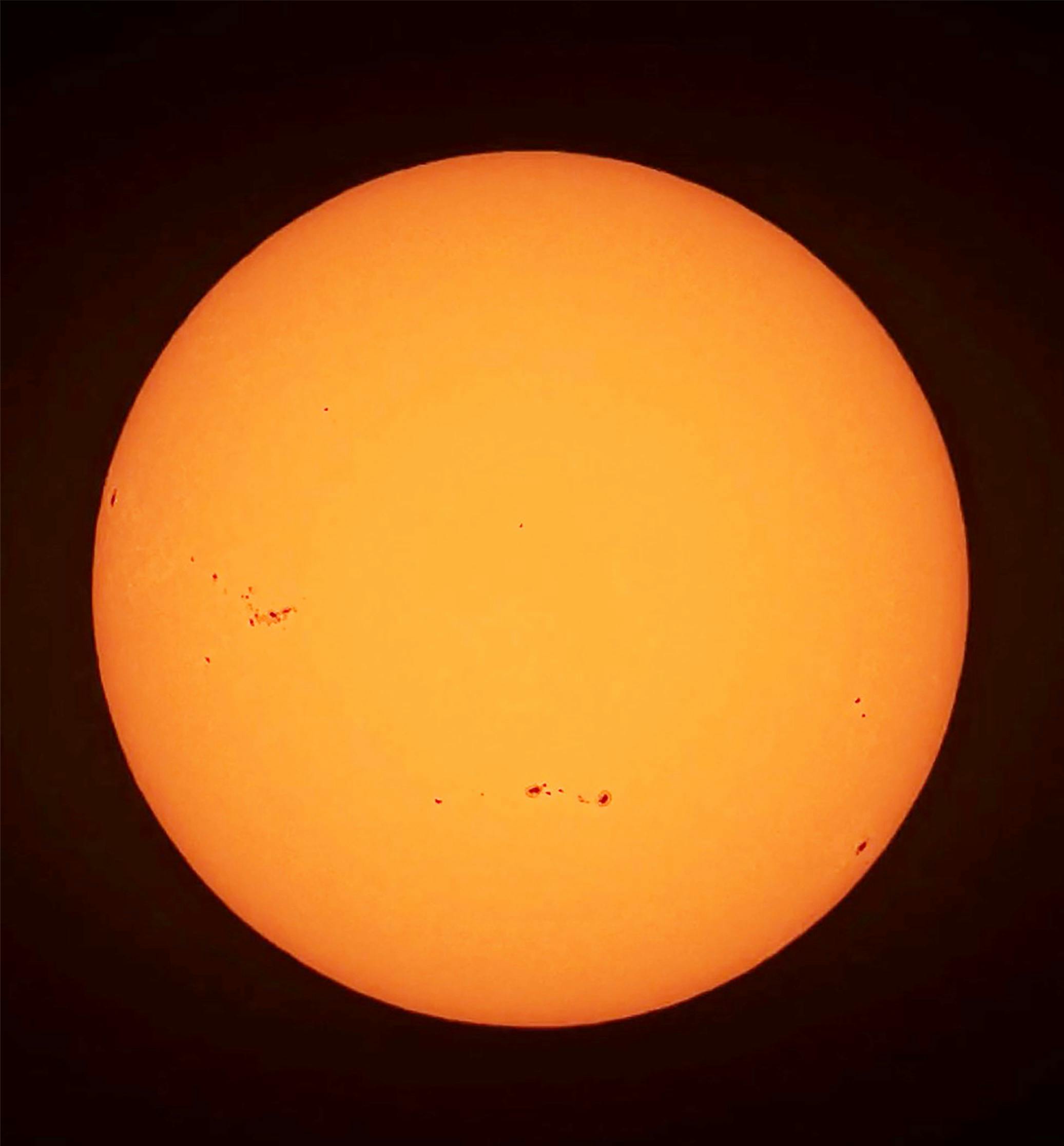
A solar eclipse is one of nature’s most awe-inspiring events, captivating the imagination of people around the world. This celestial phenomenon occurs when the moon passes between the Earth and the Sun, casting a shadow on the Earth’s surface. The upcoming solar eclipse has sparked widespread interest, with scientists, astronomers, and enthusiasts eagerly preparing to witness this rare event. In this article, we delve into the science behind solar eclipses, their historical significance, and the best ways to experience this natural wonder safely.
The Science Behind Solar Eclipses
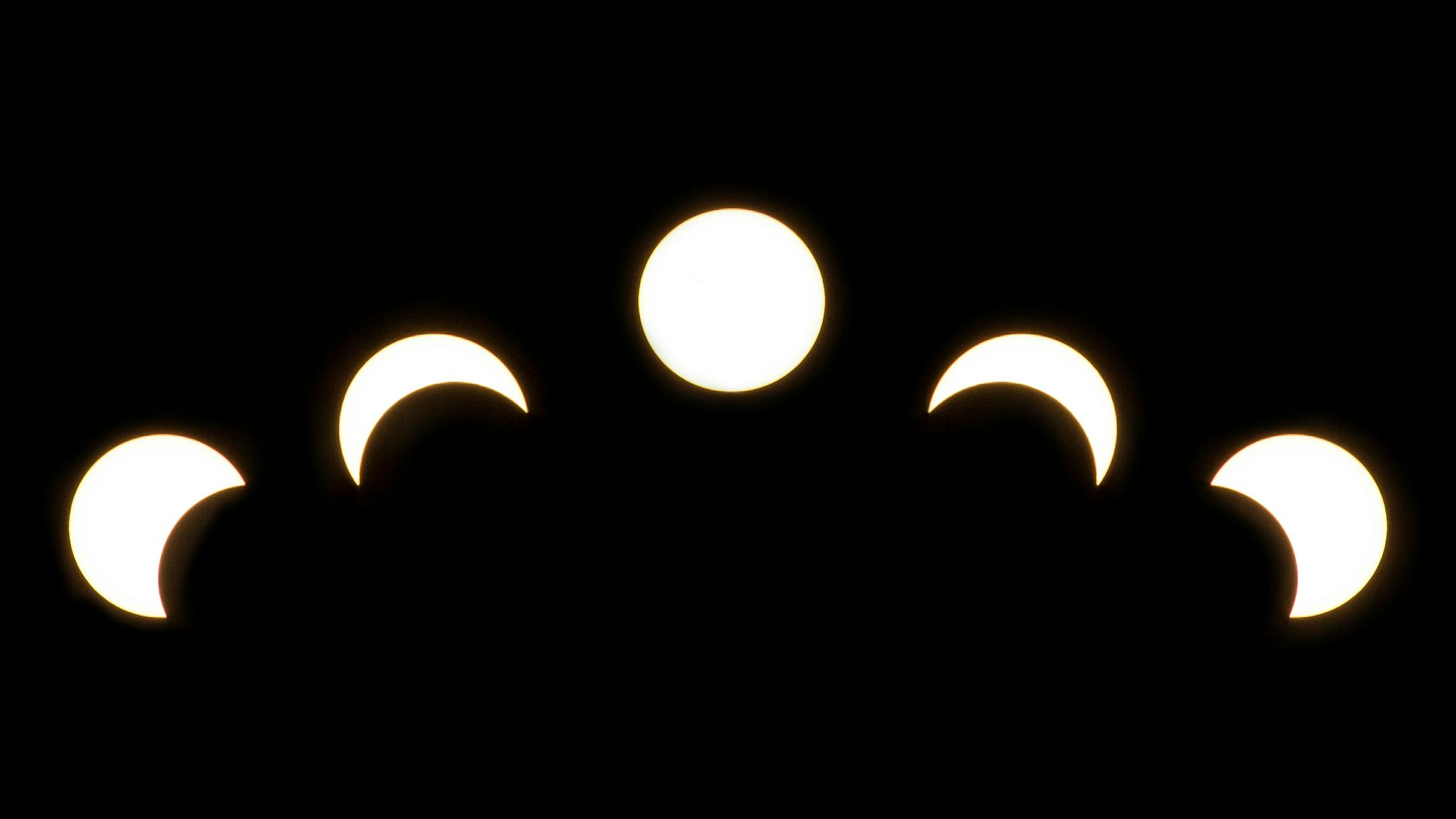
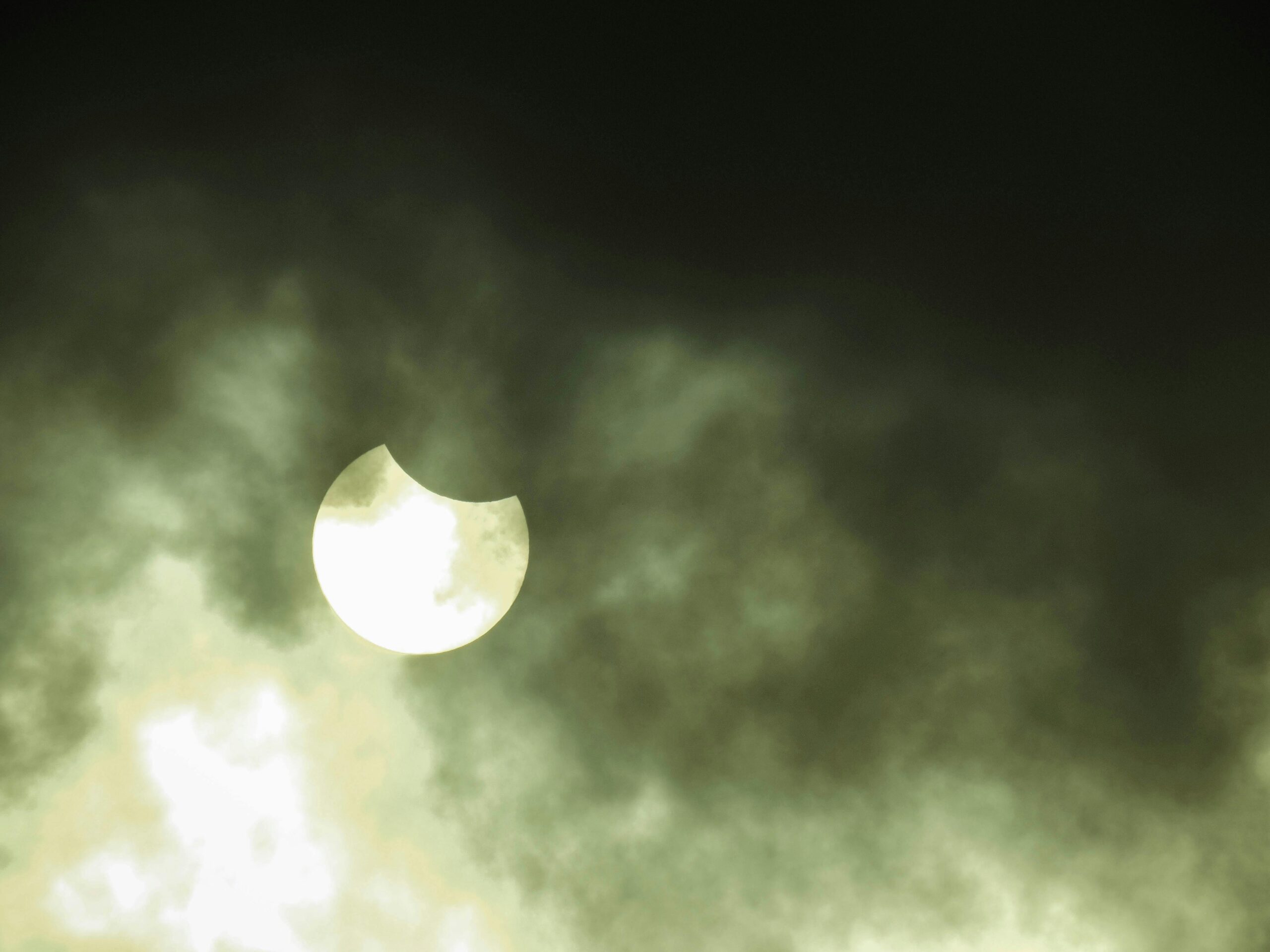
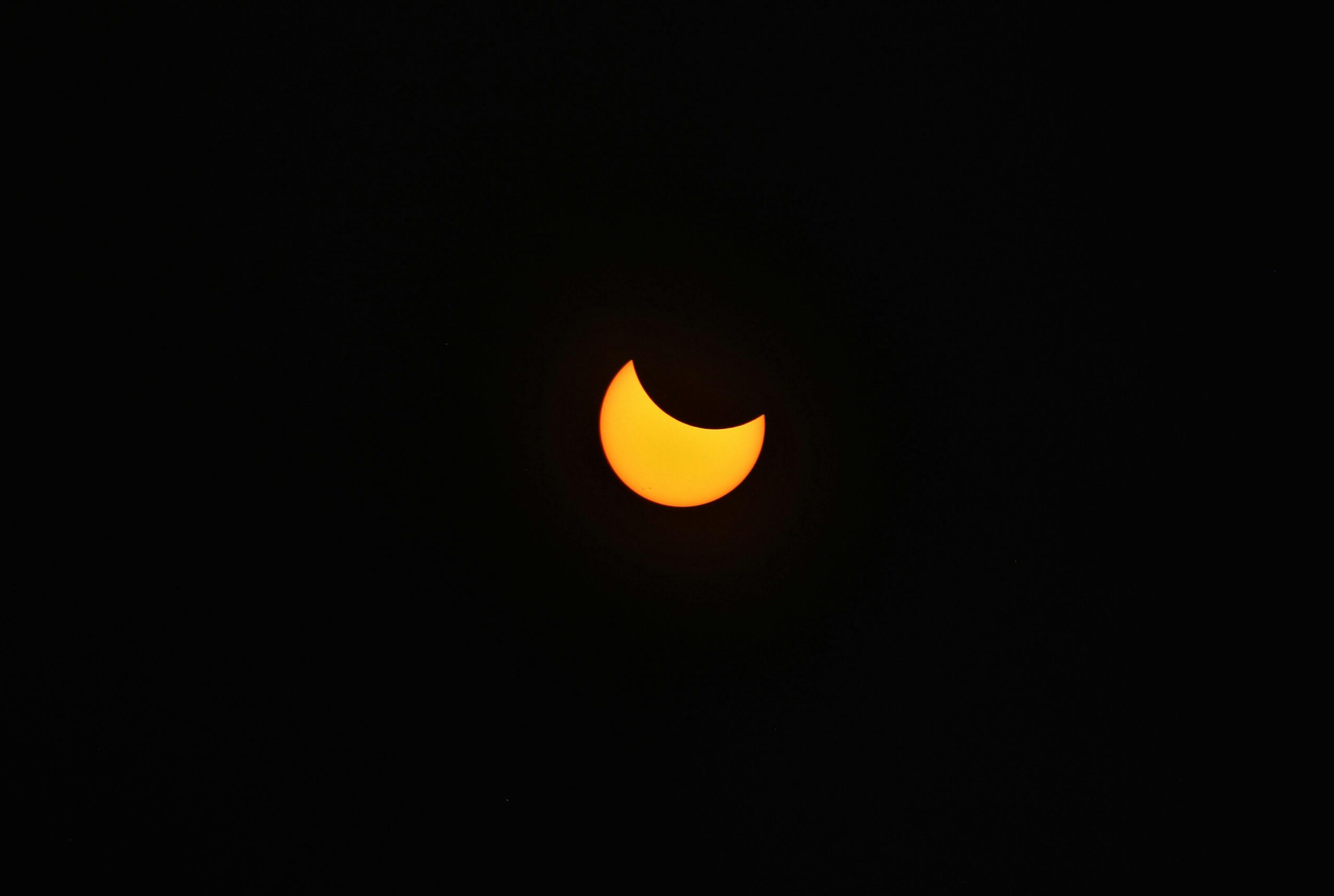
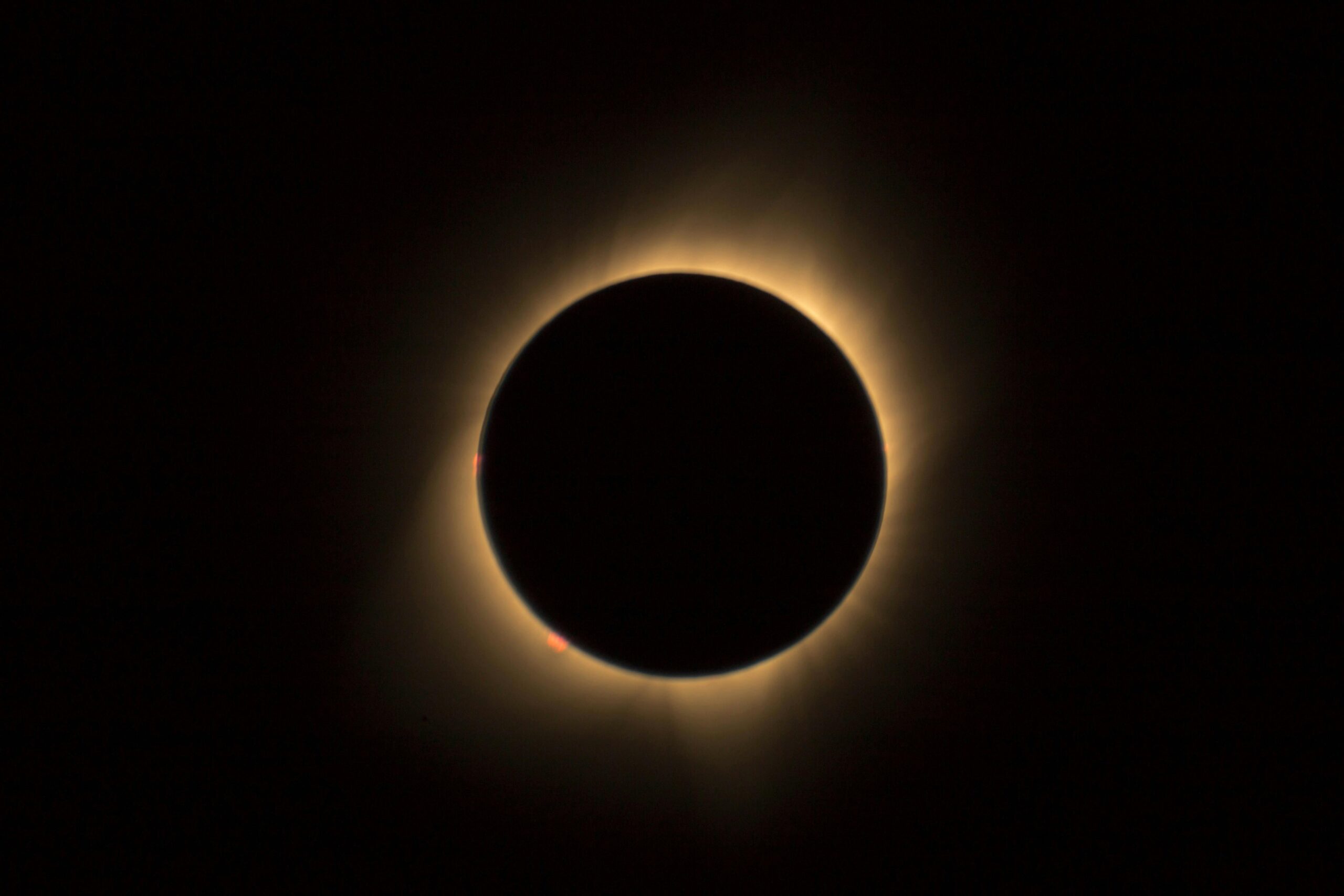
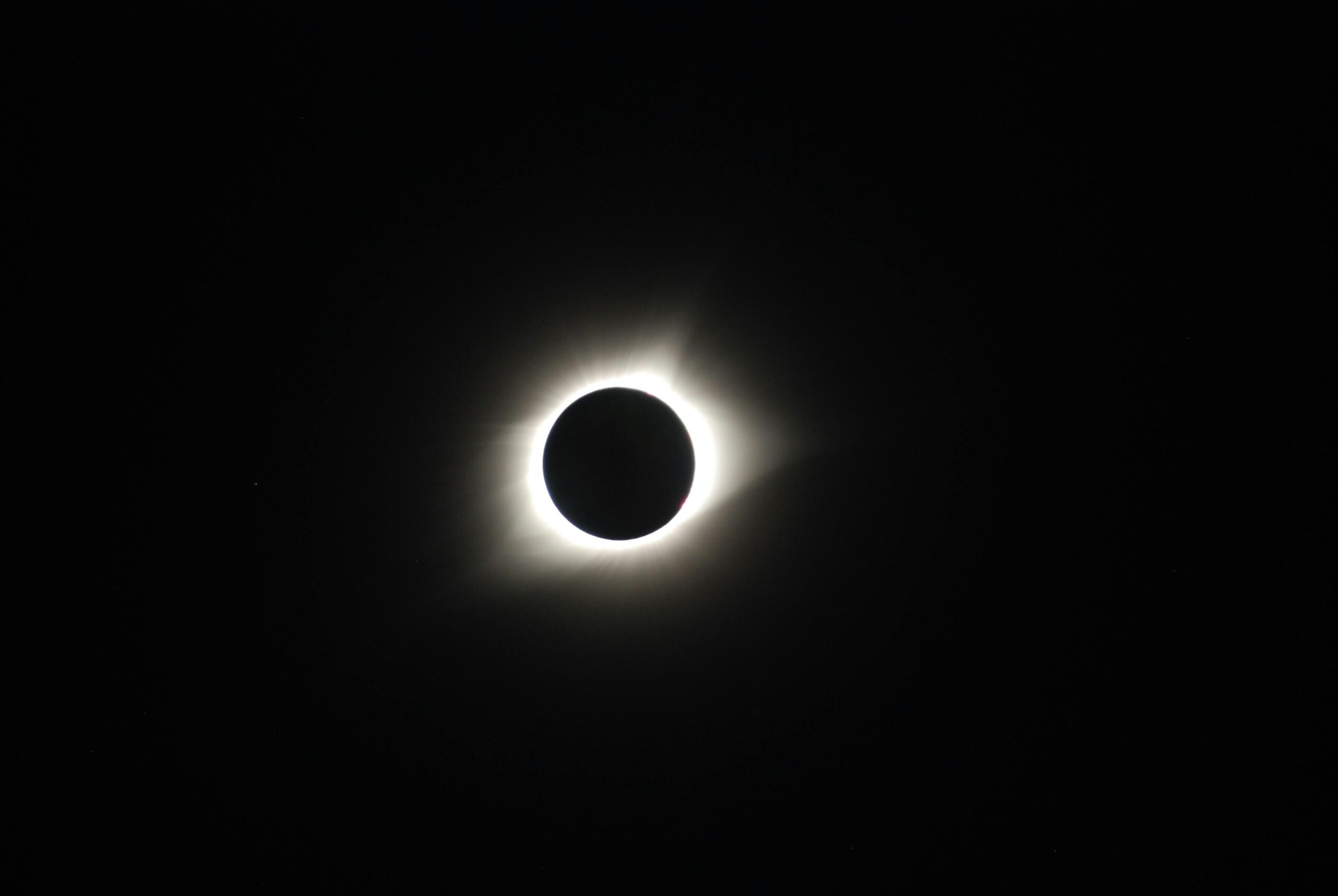
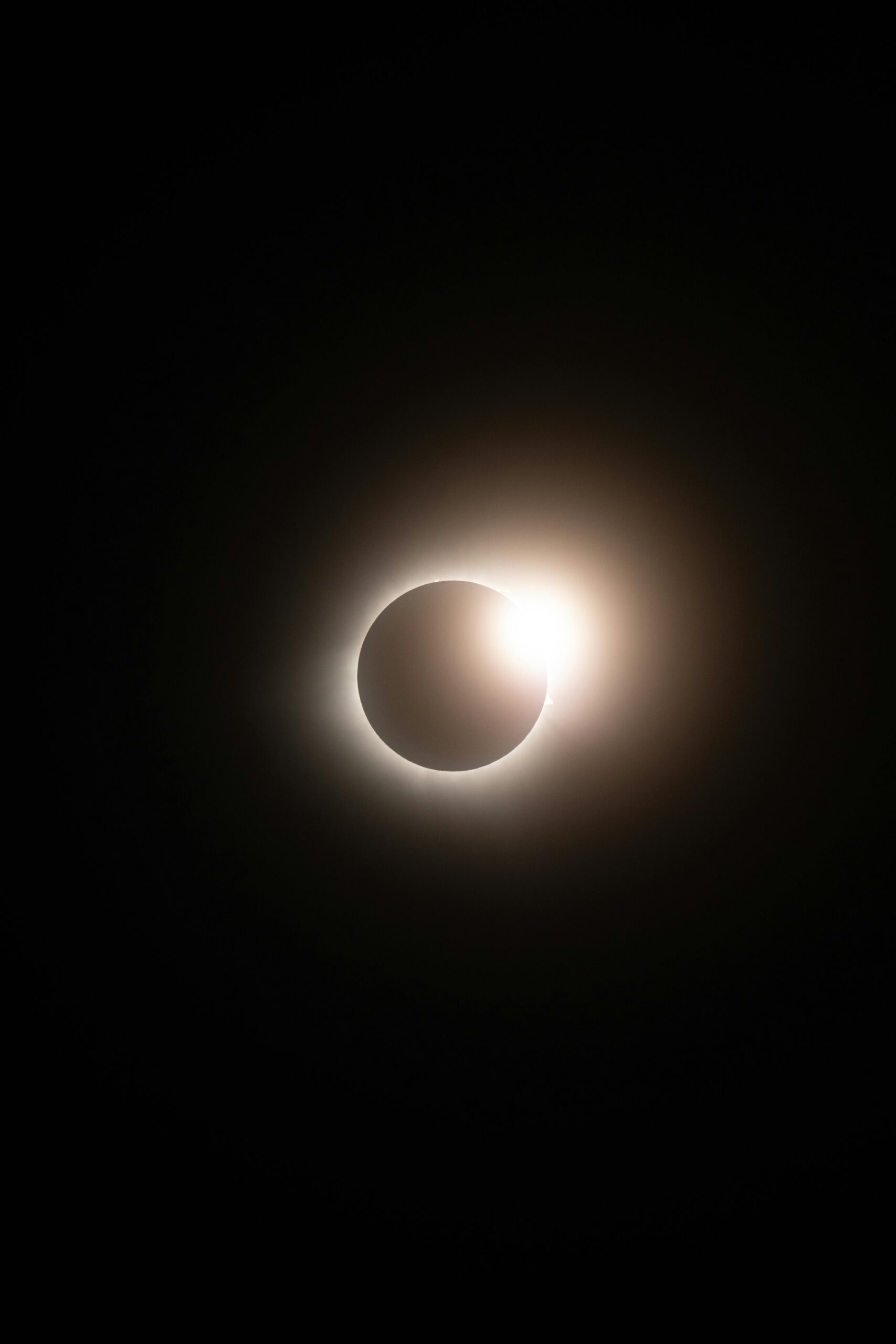
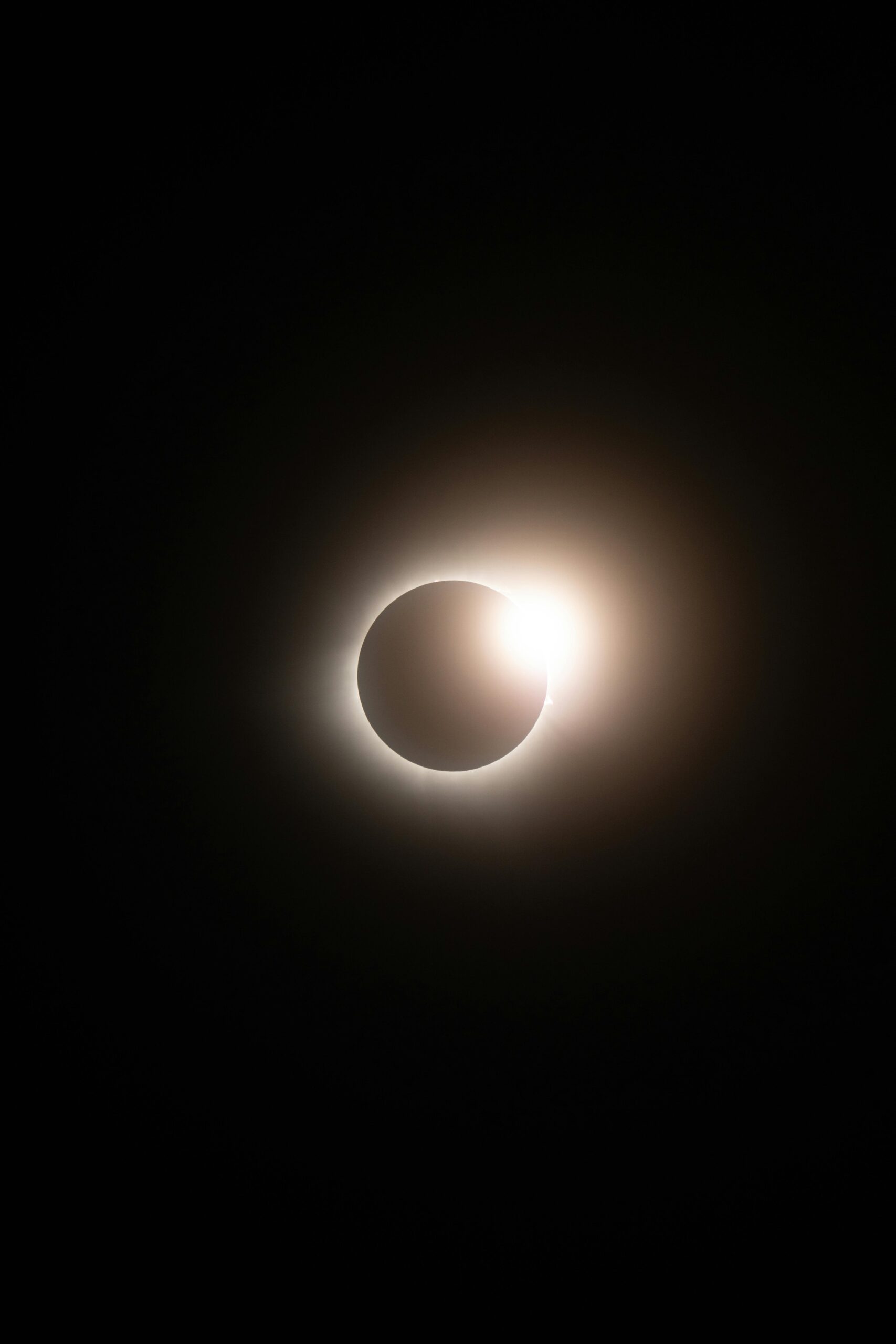
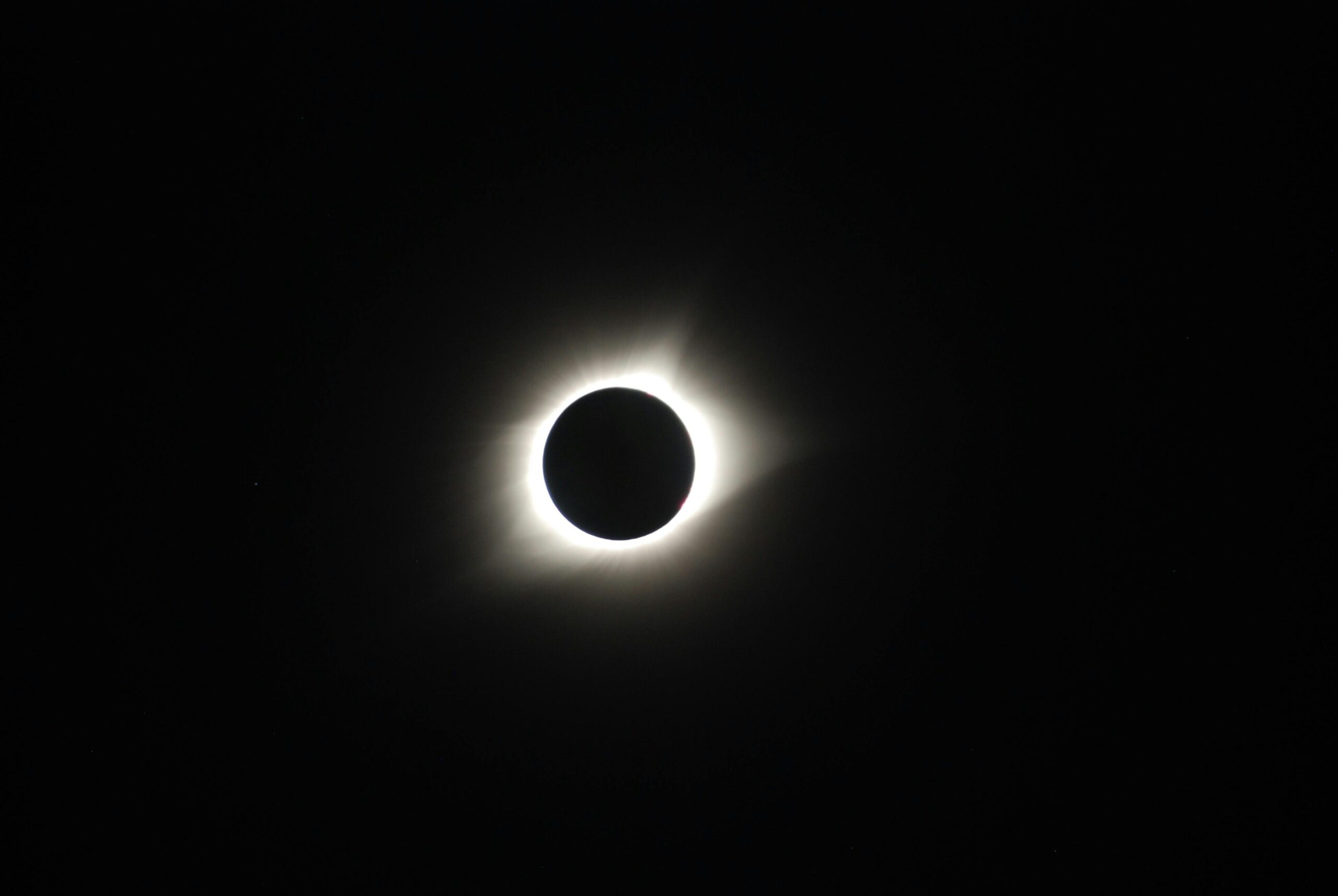
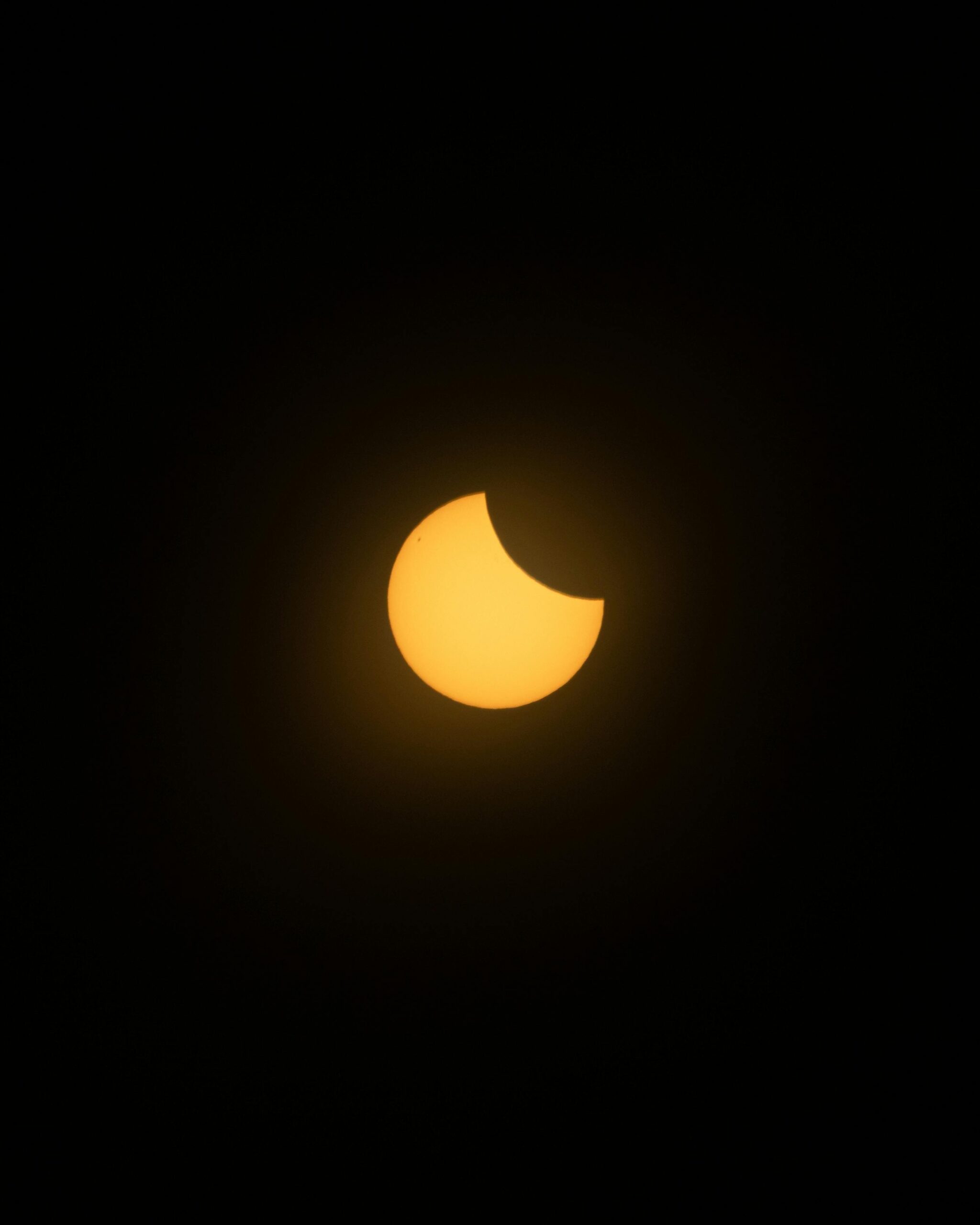
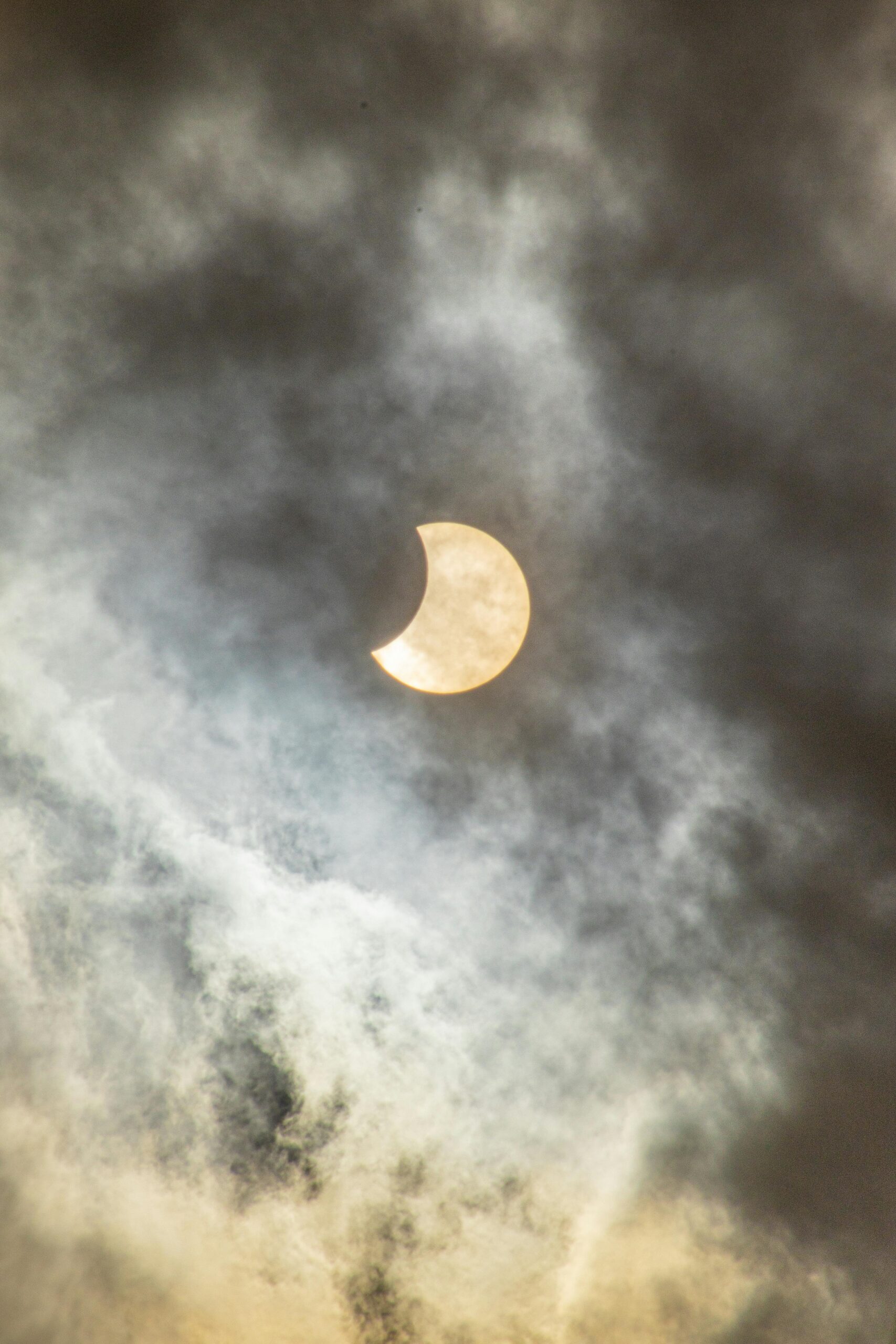
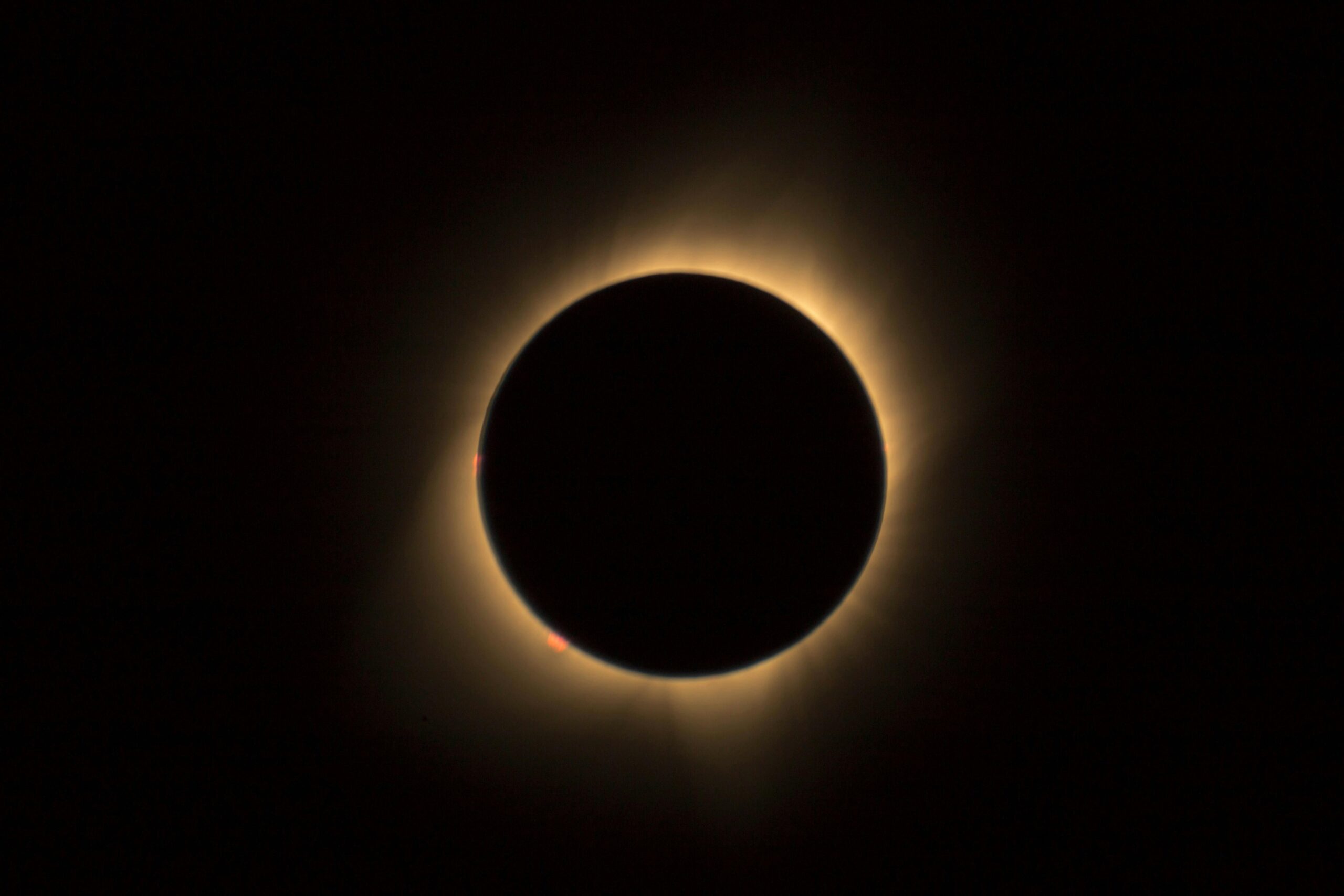
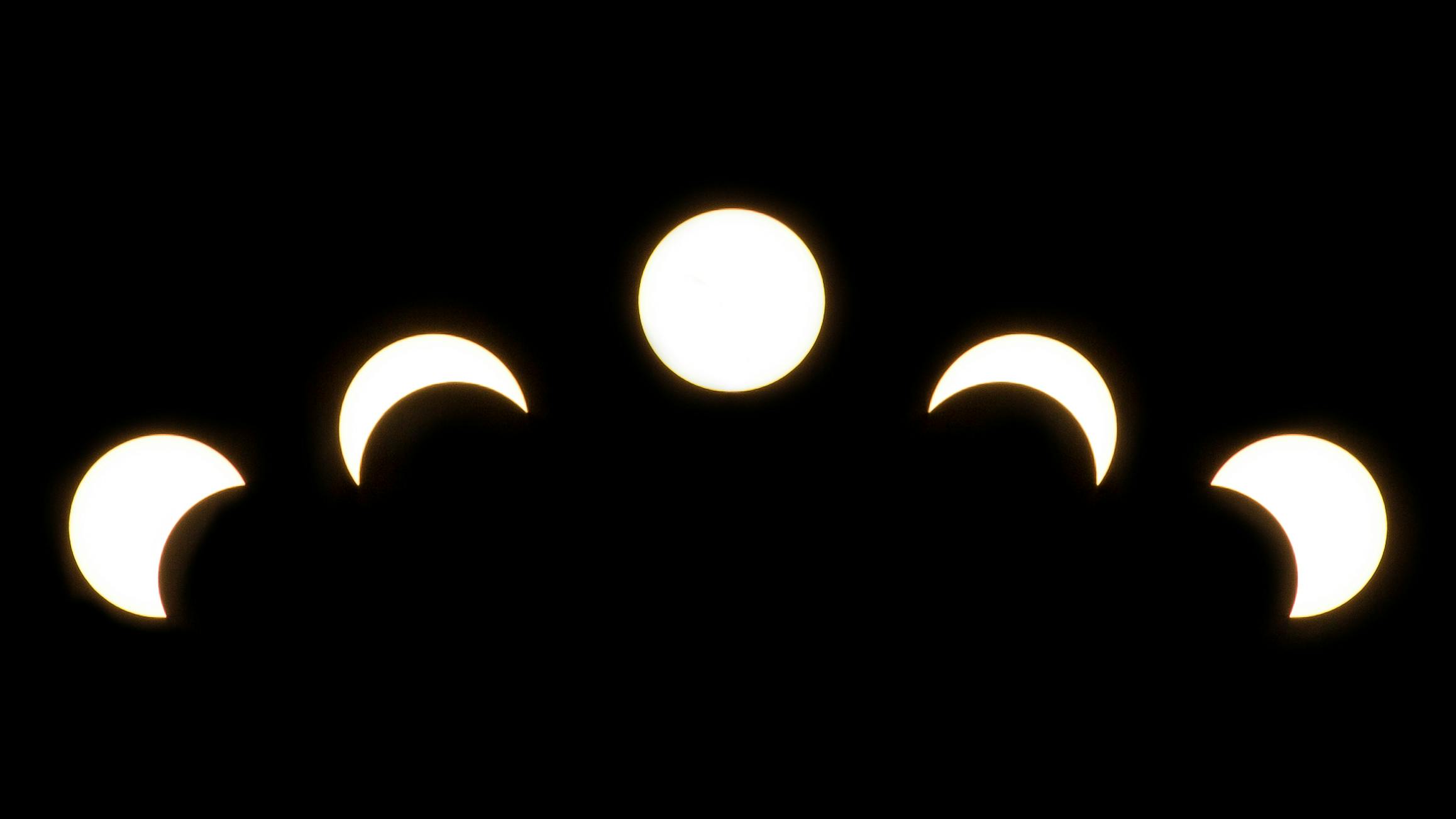
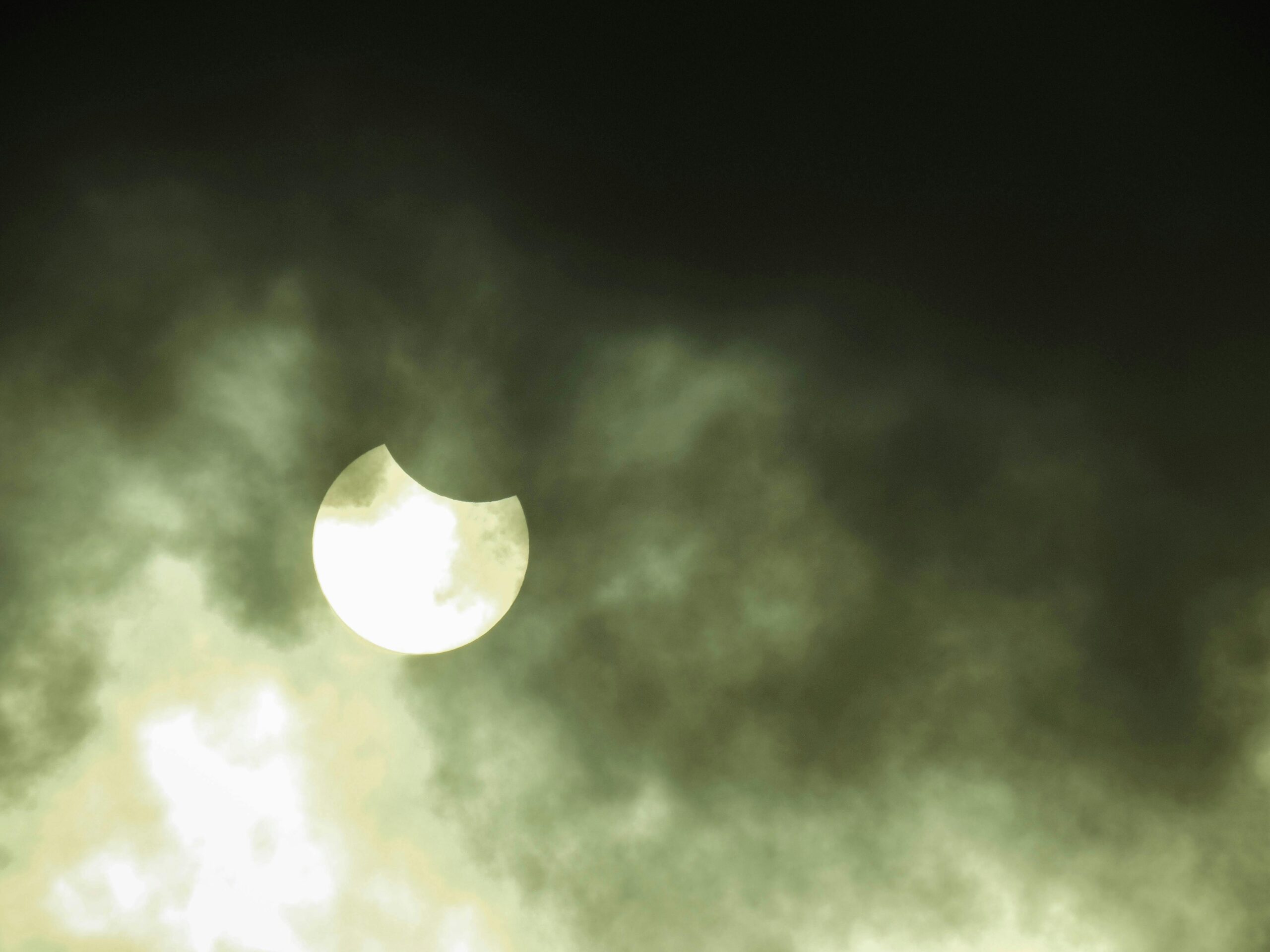
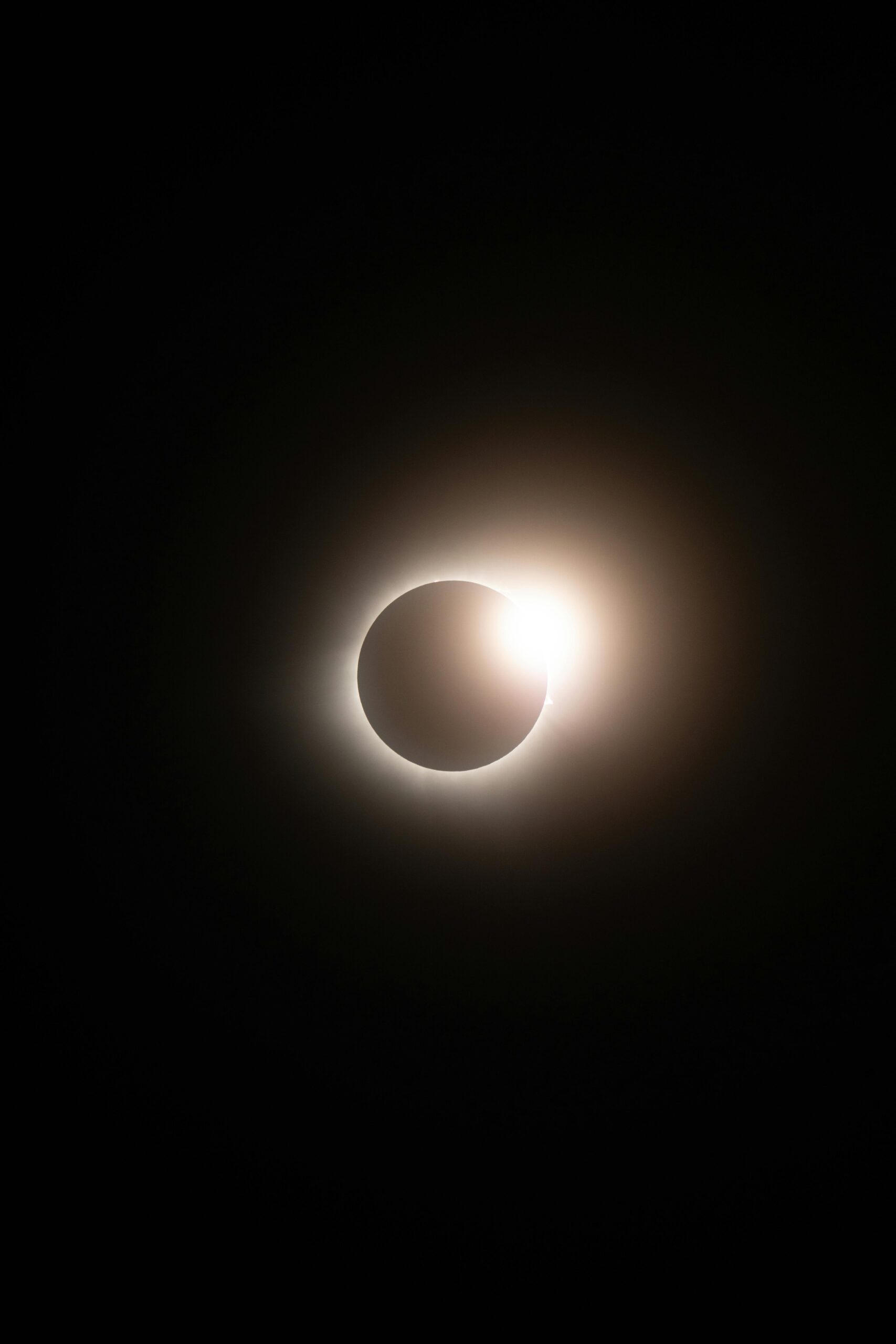
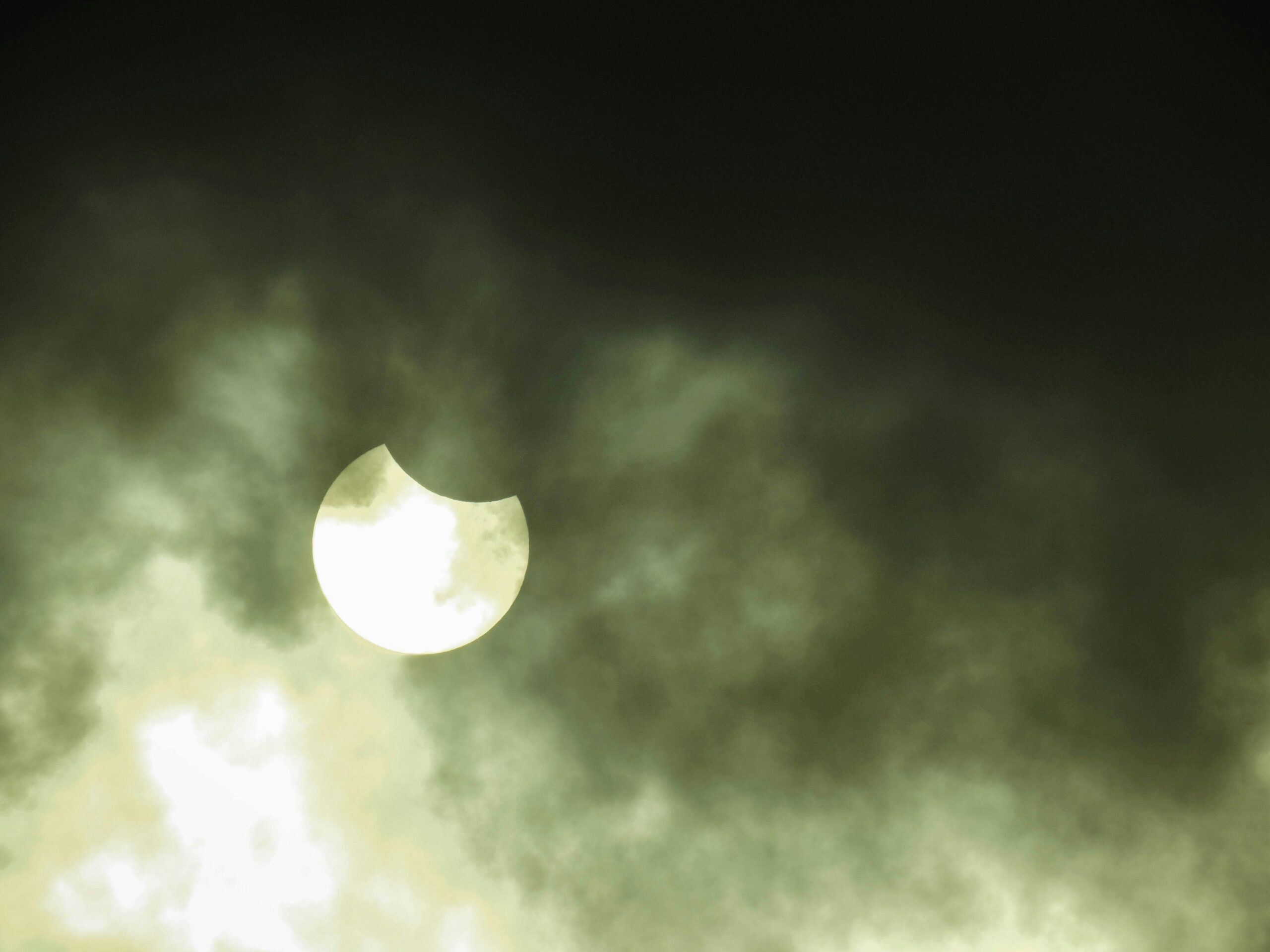
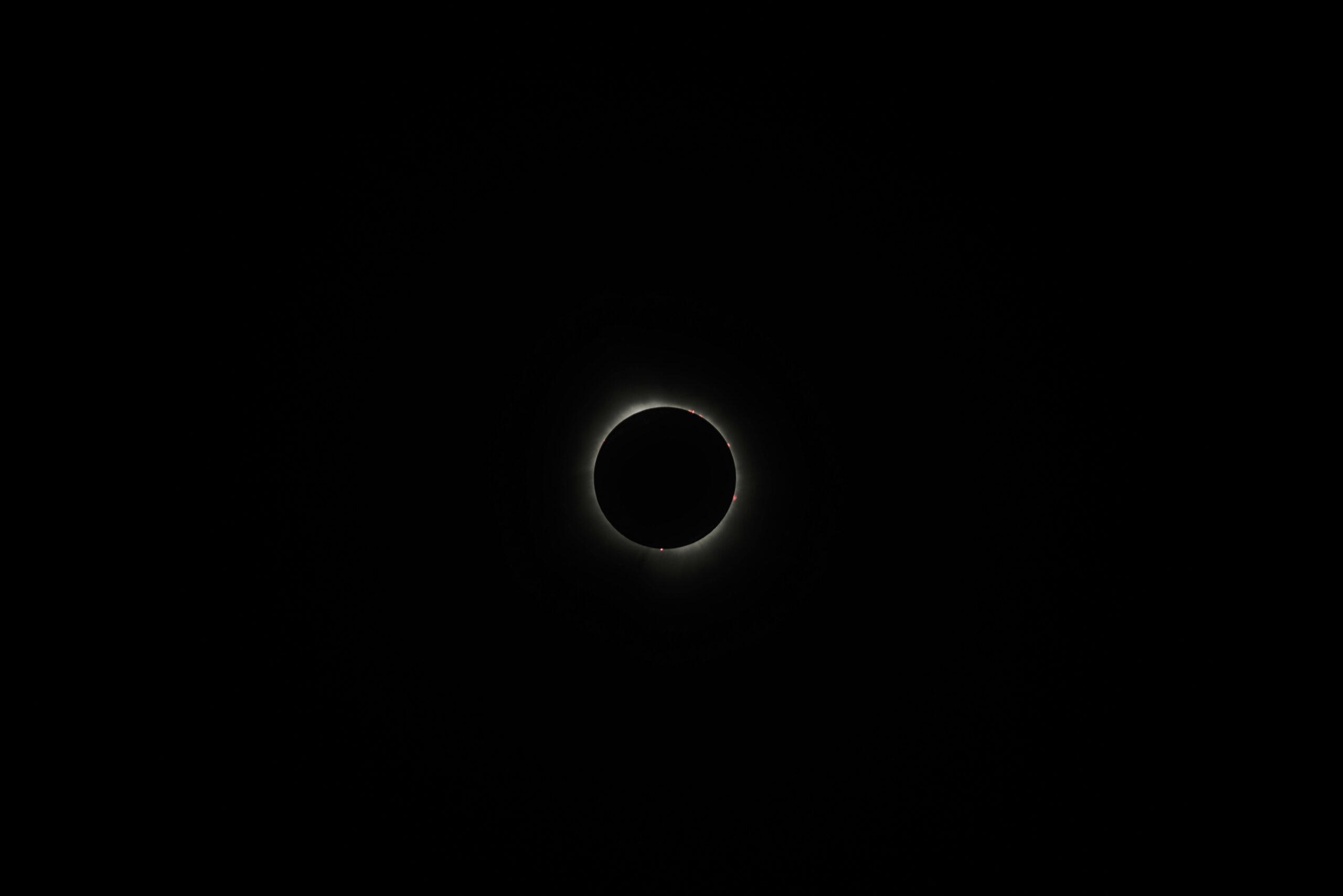
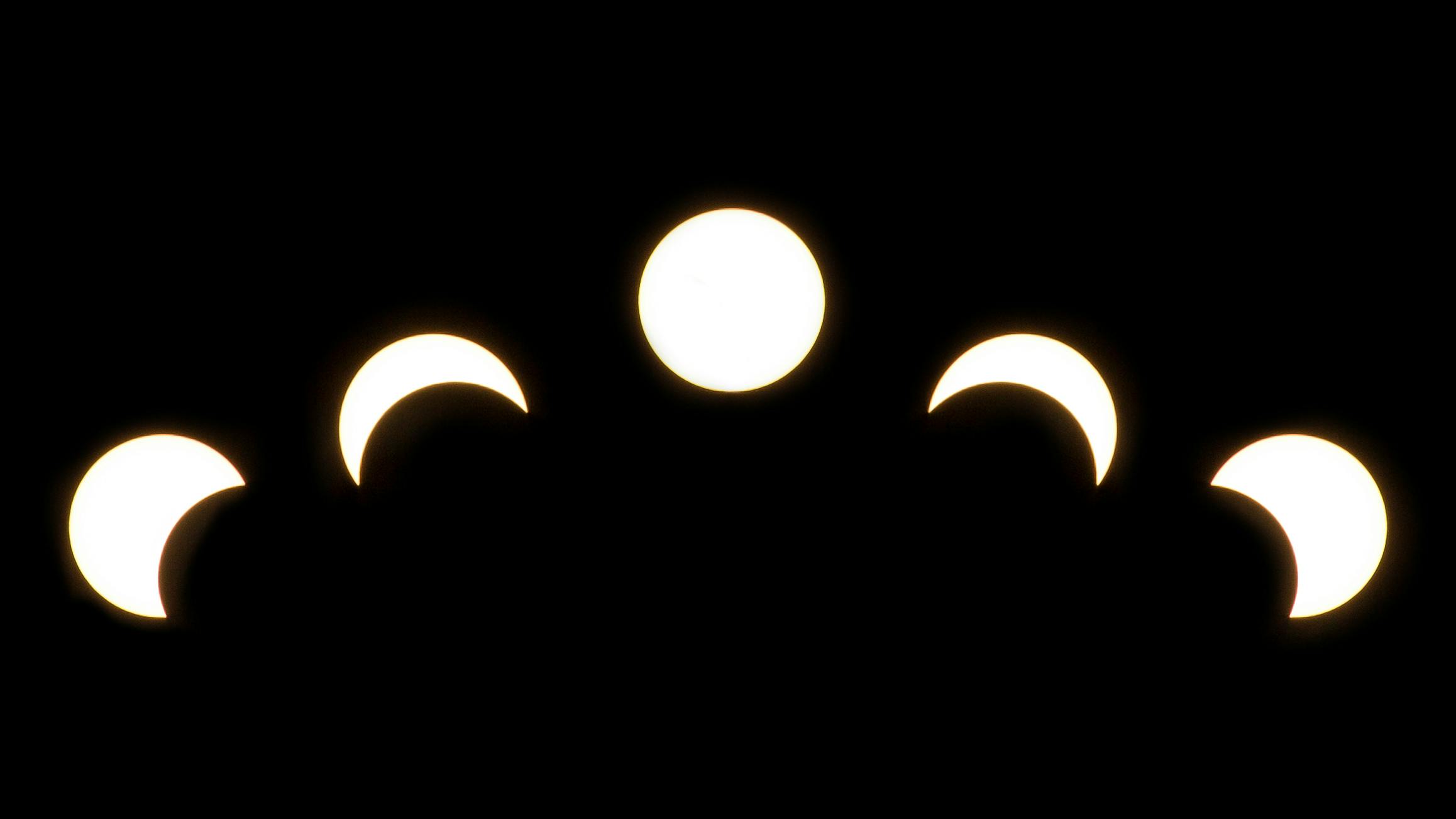
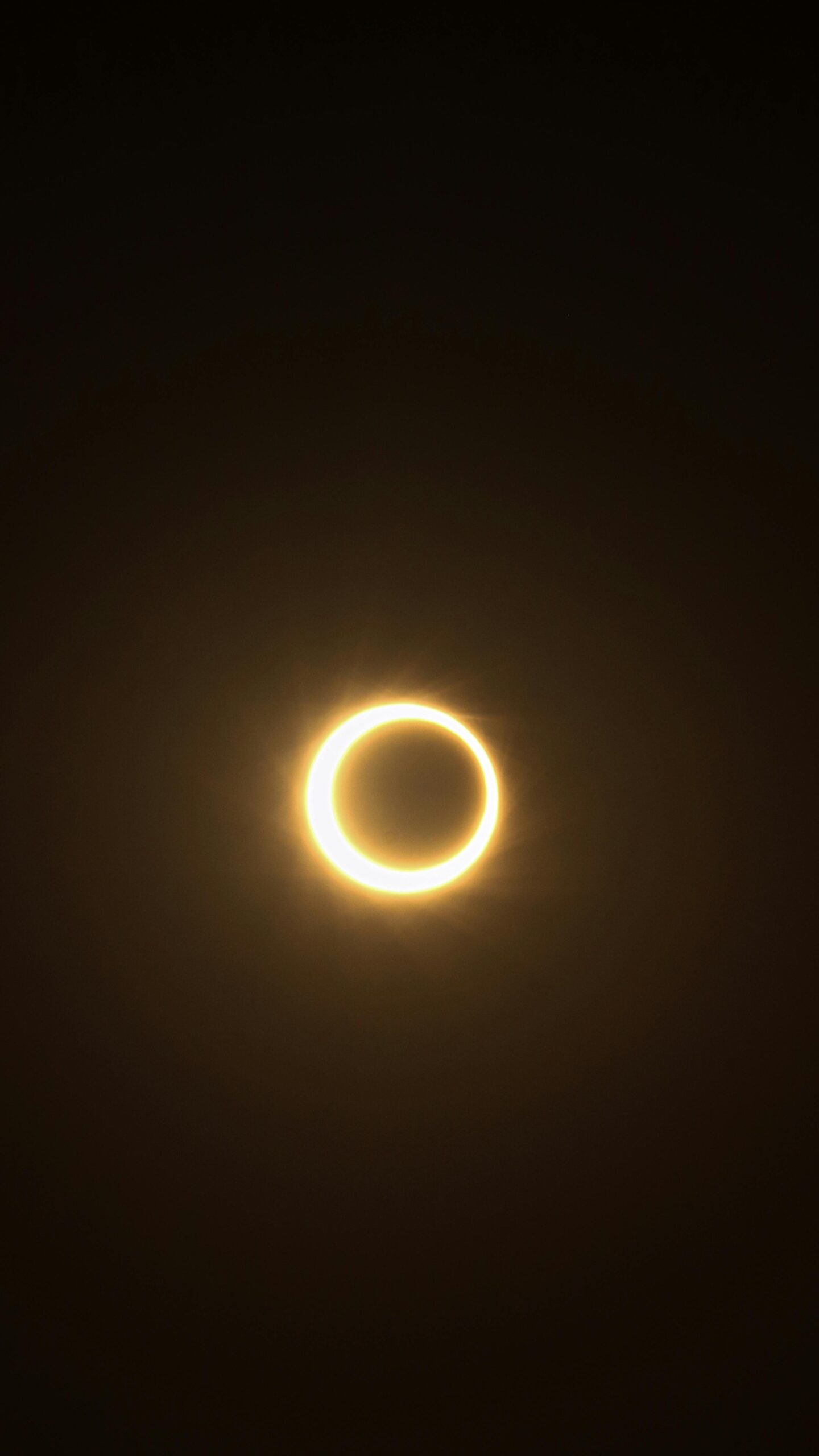
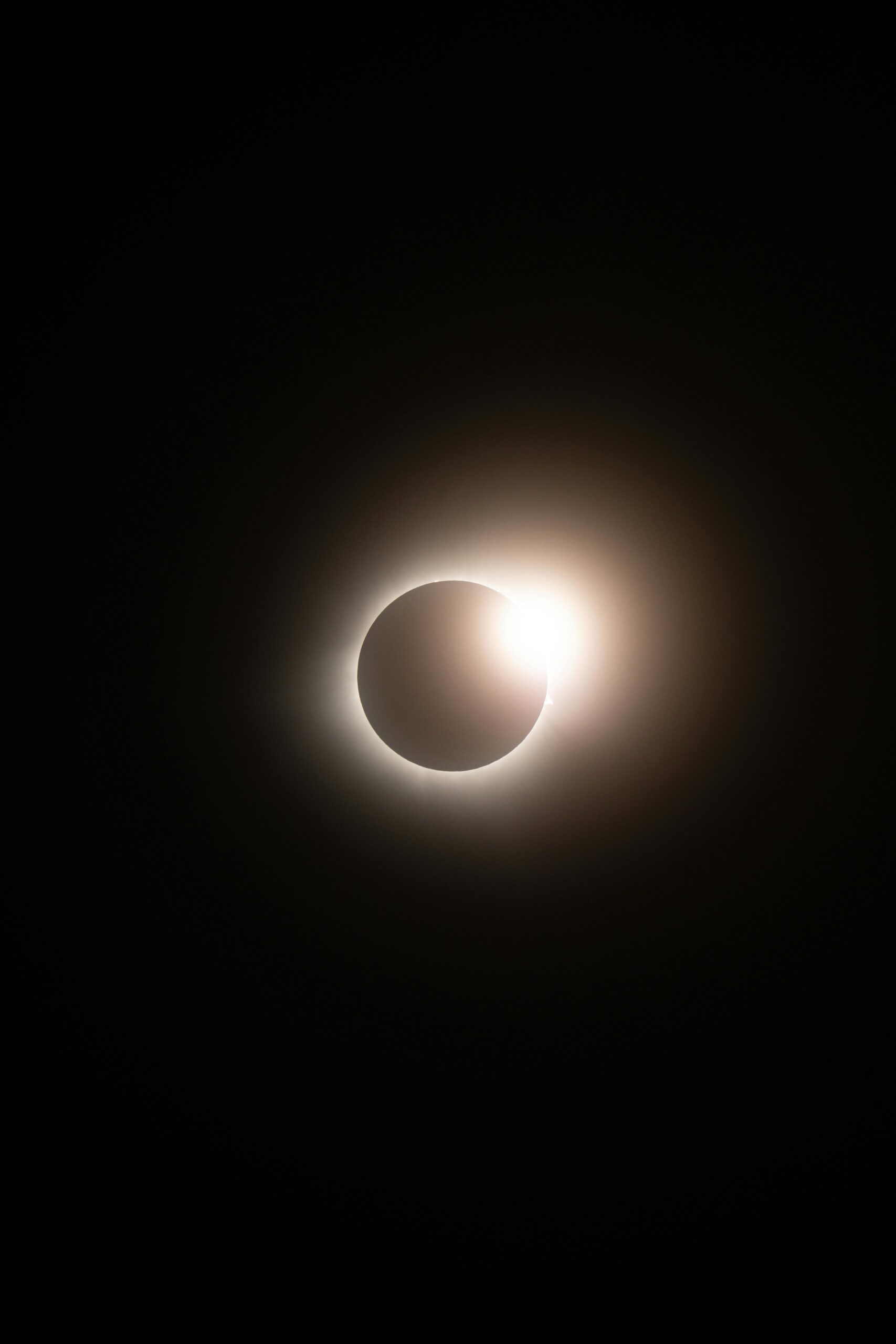
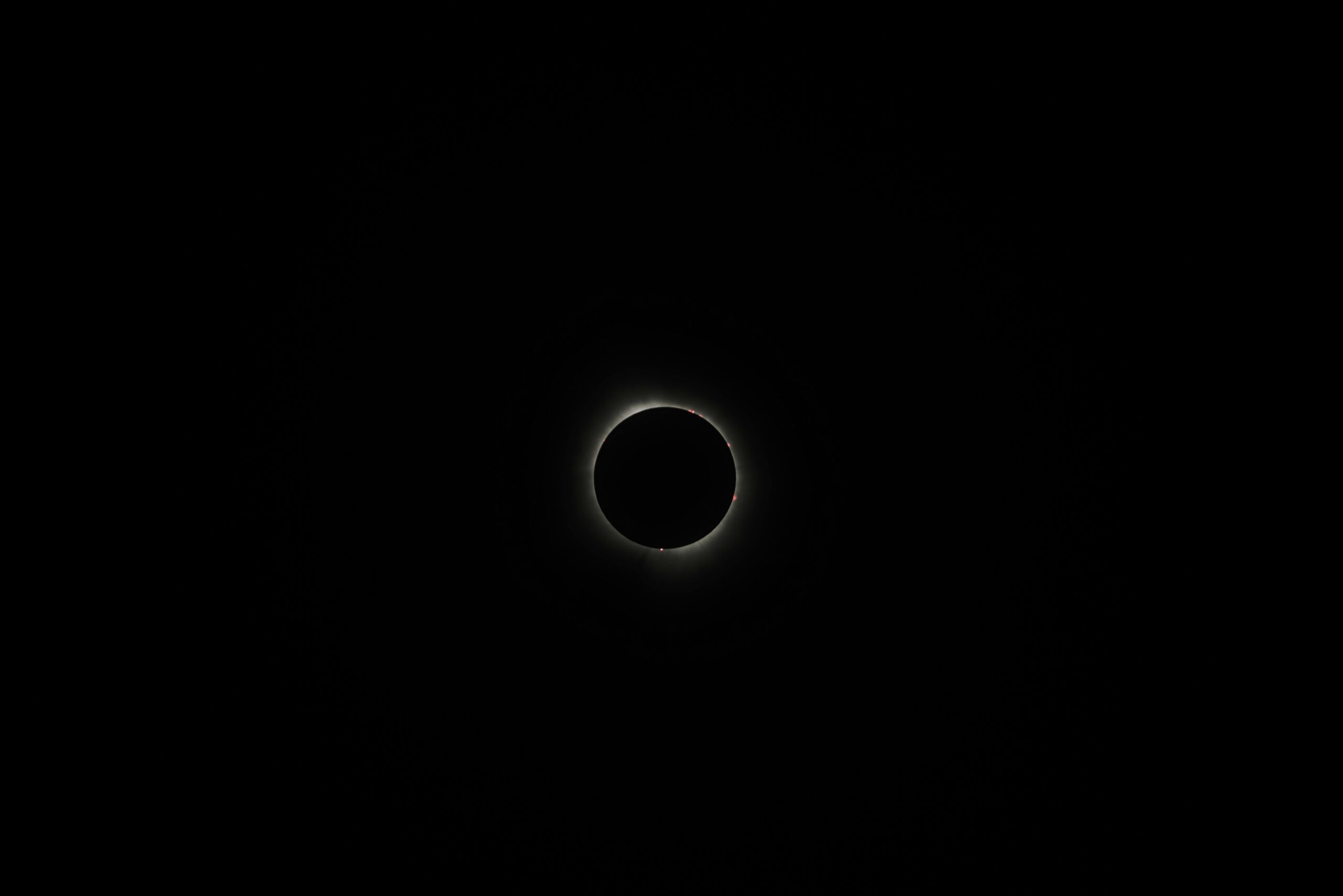
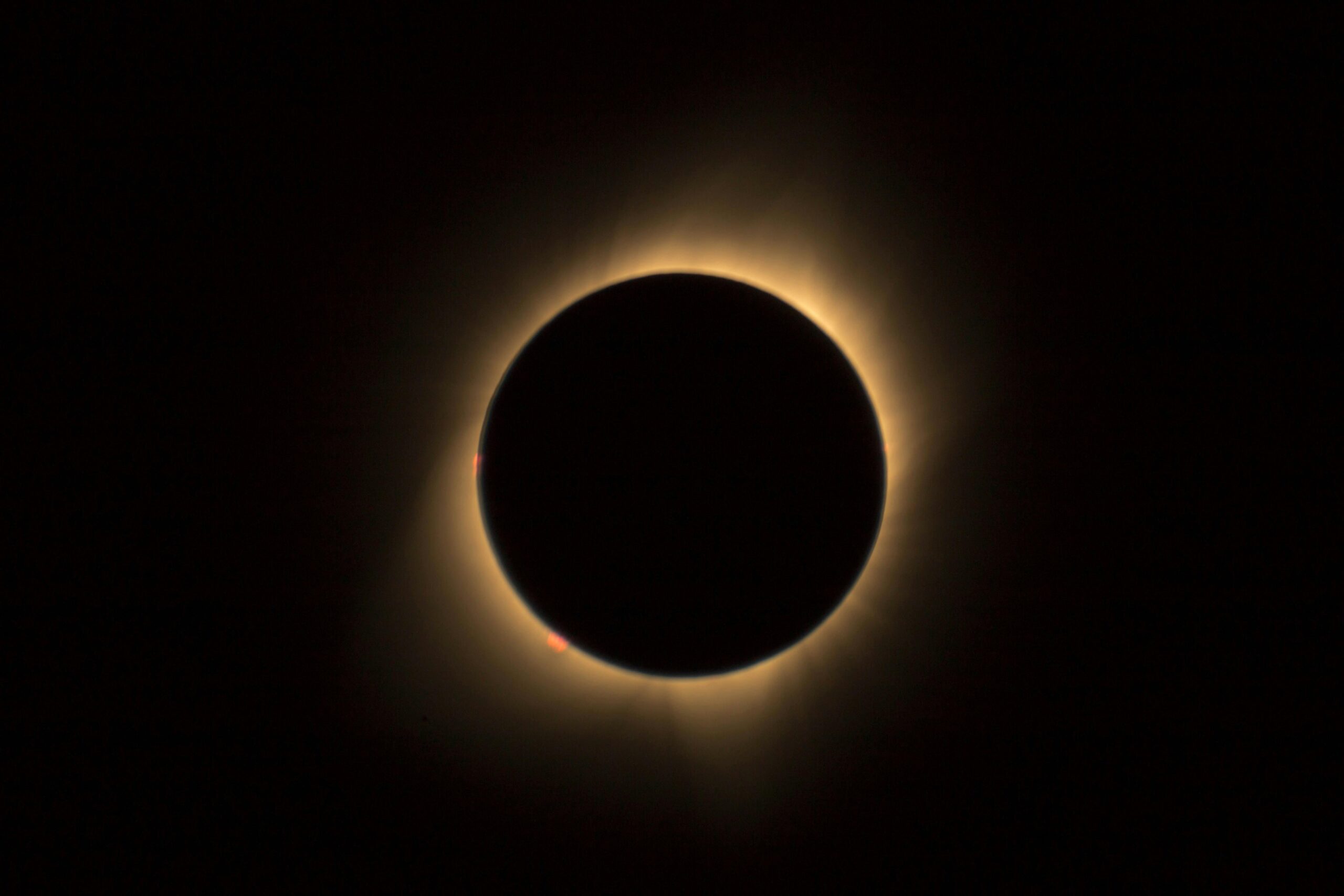
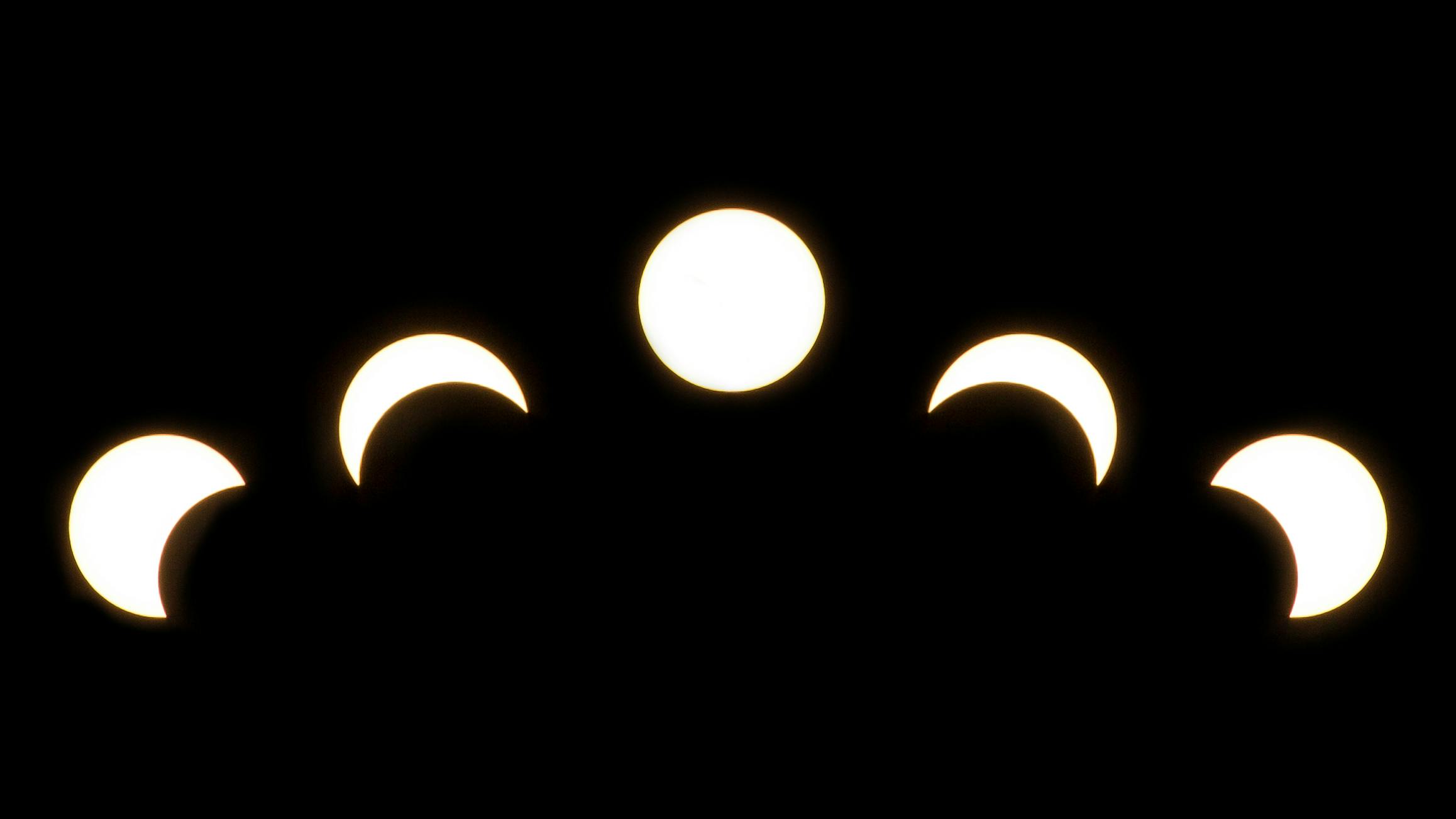
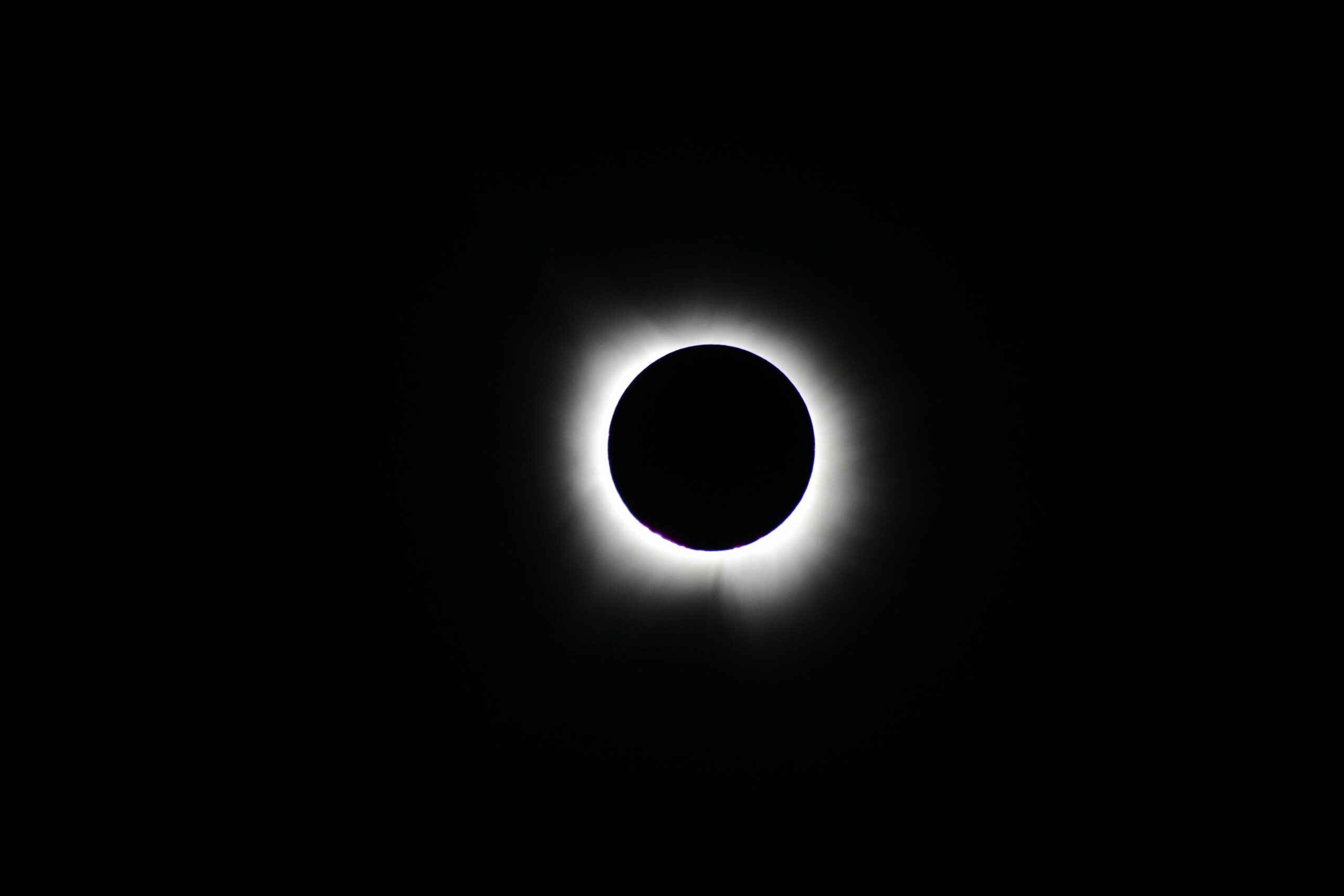
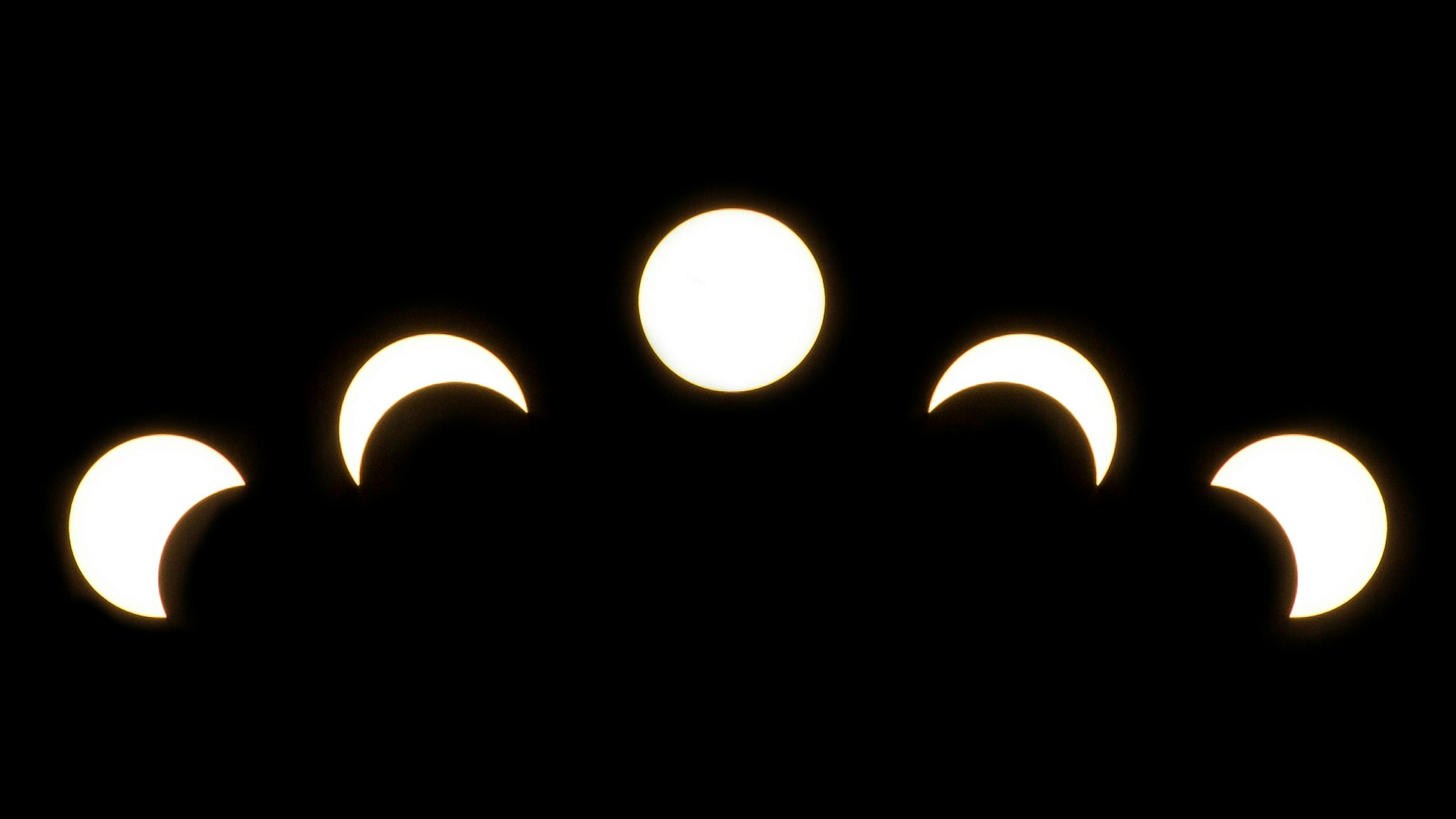
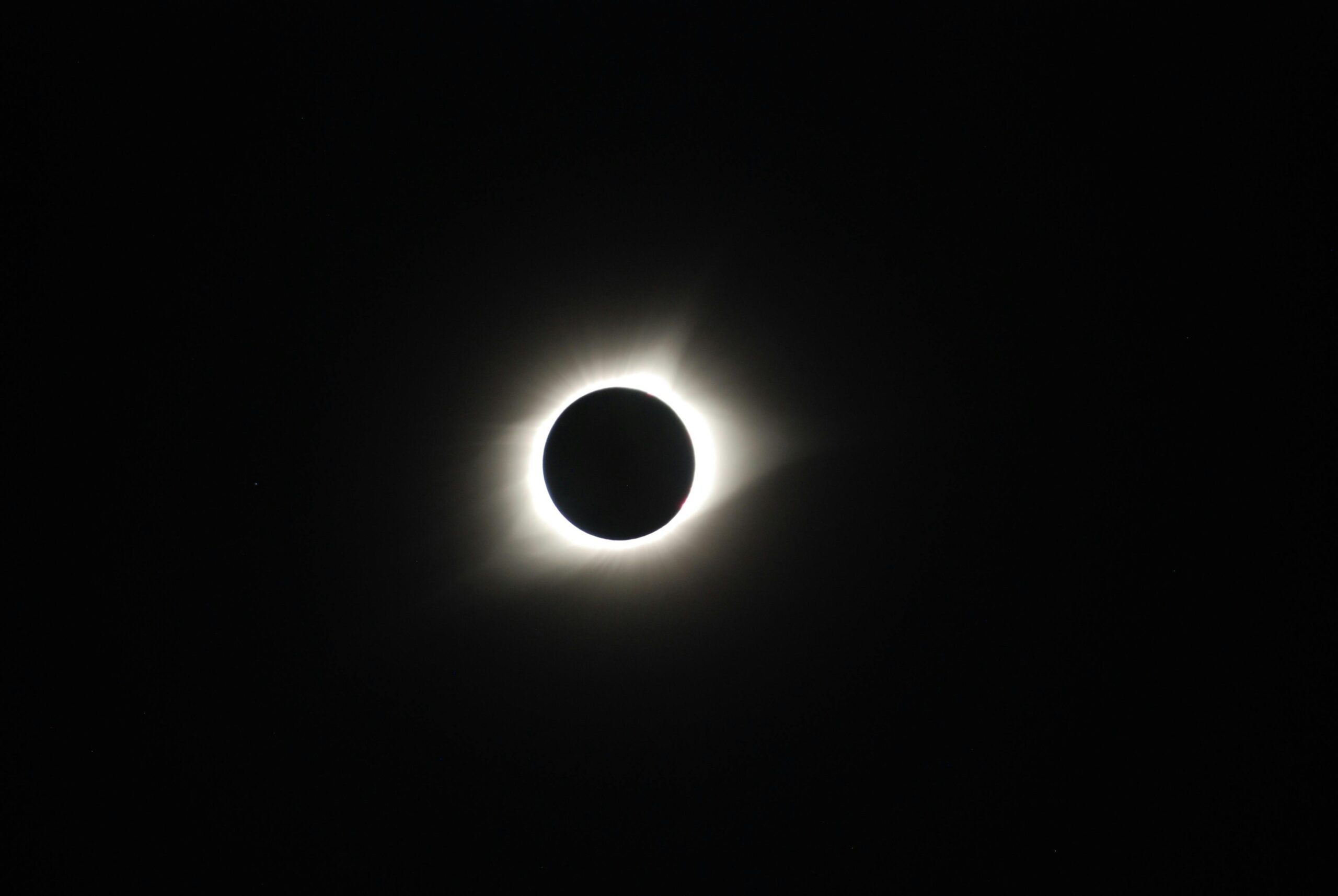
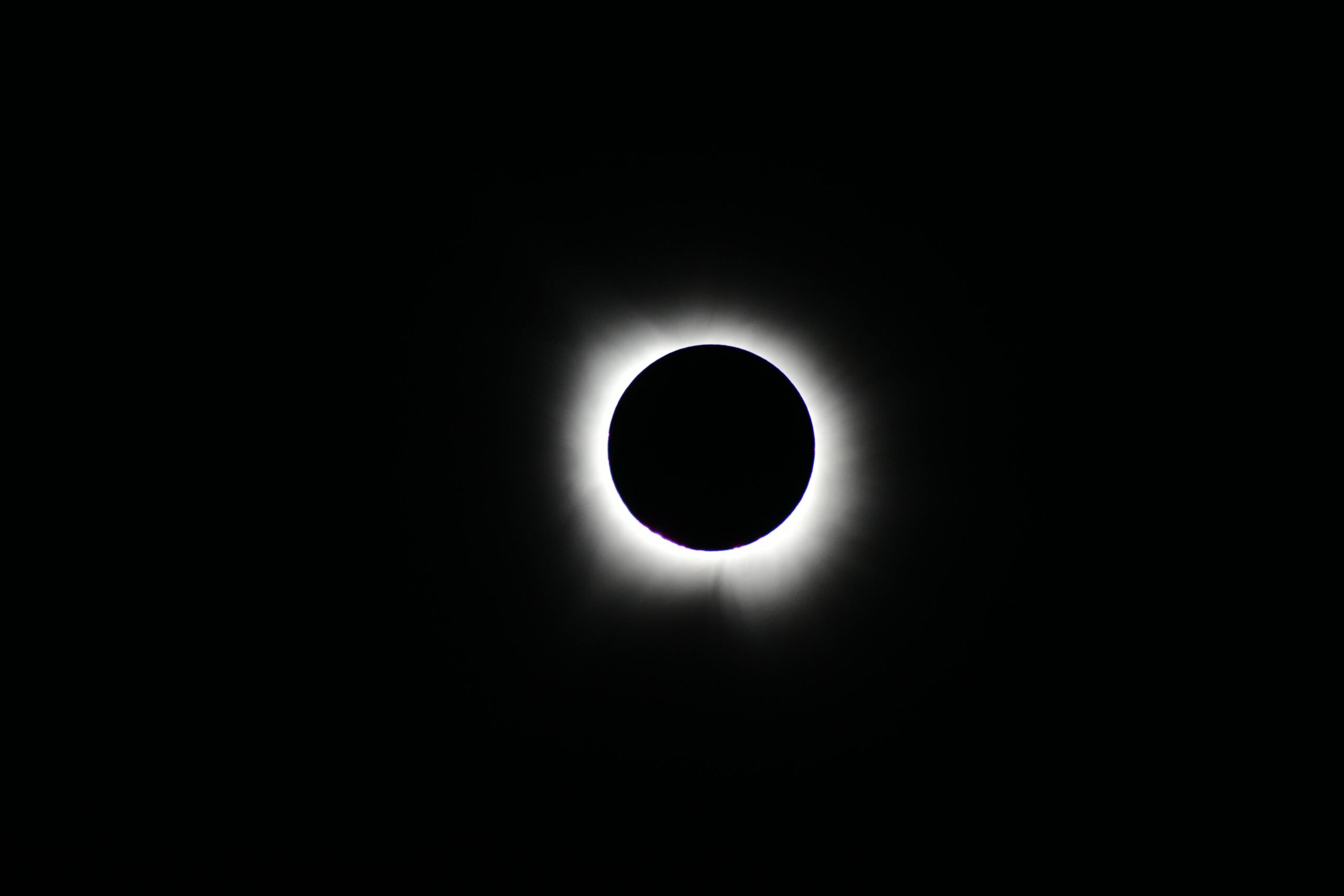
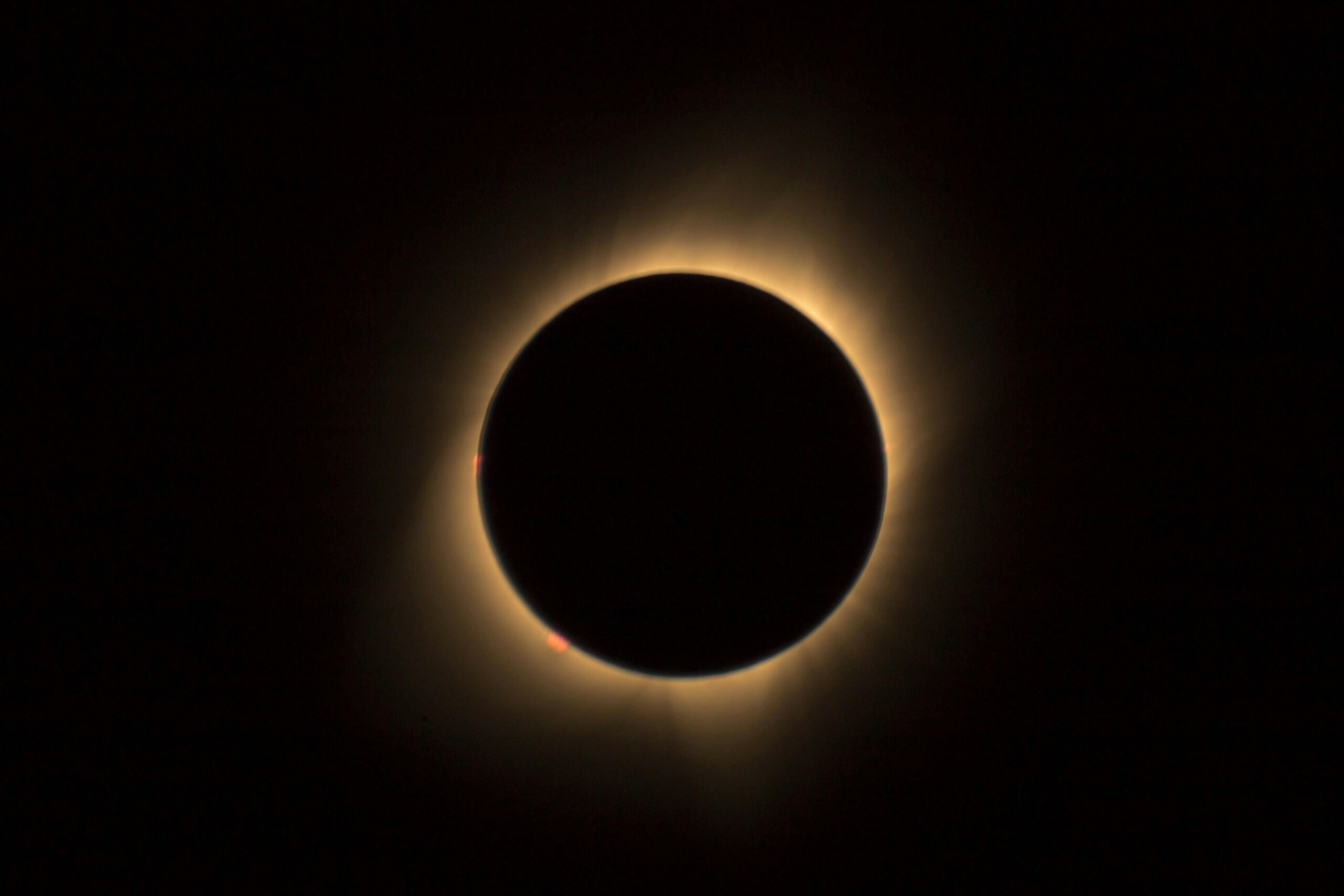
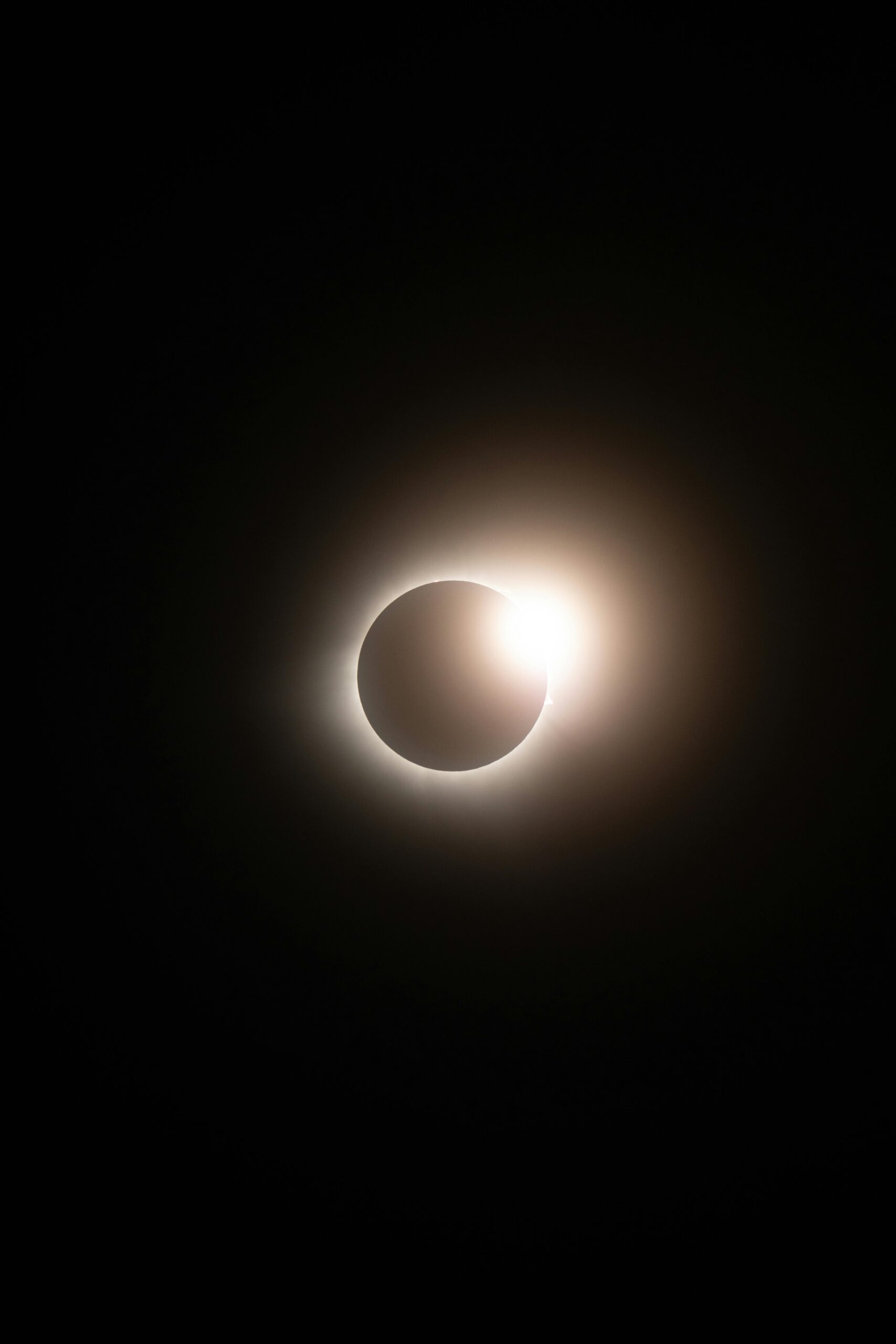
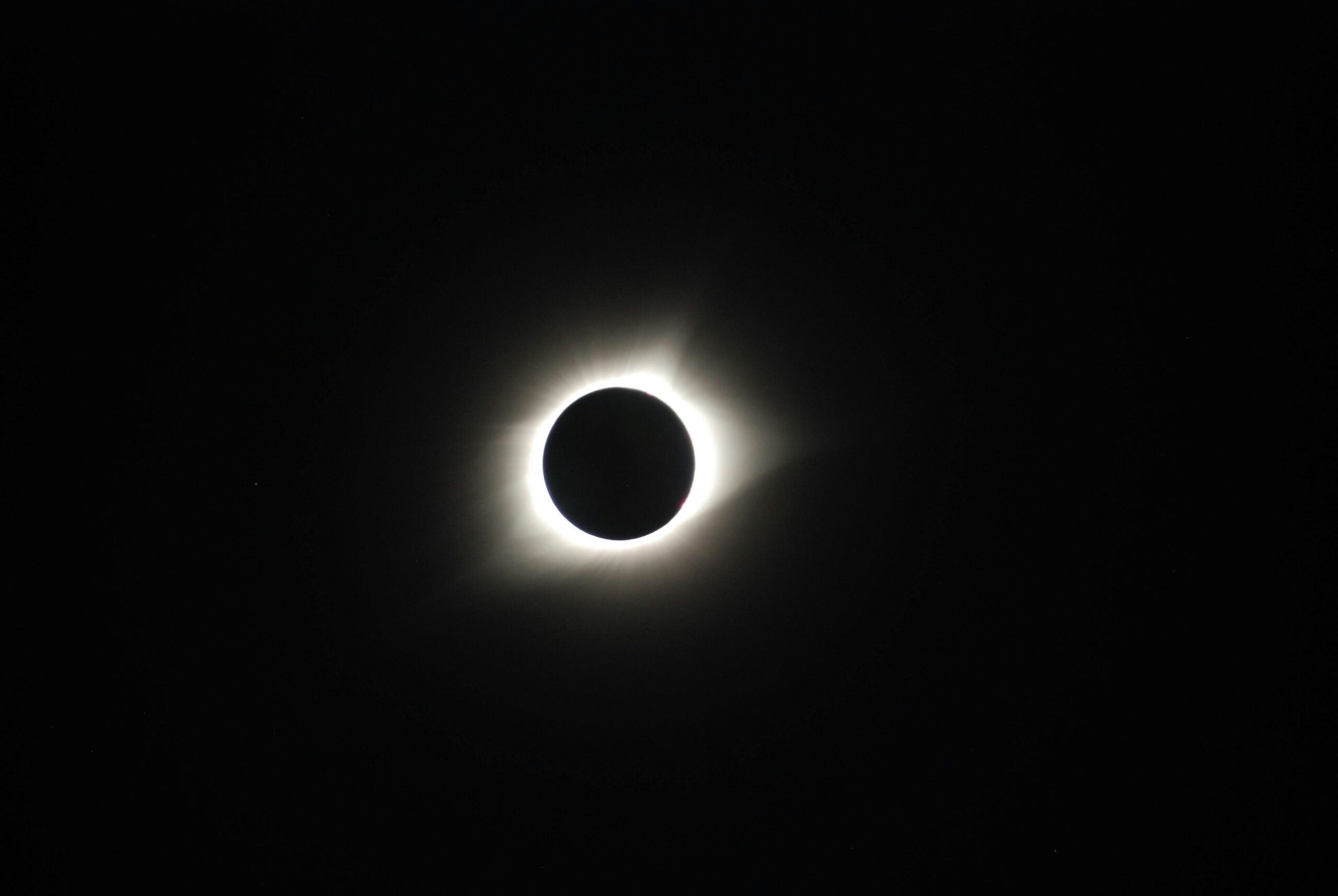
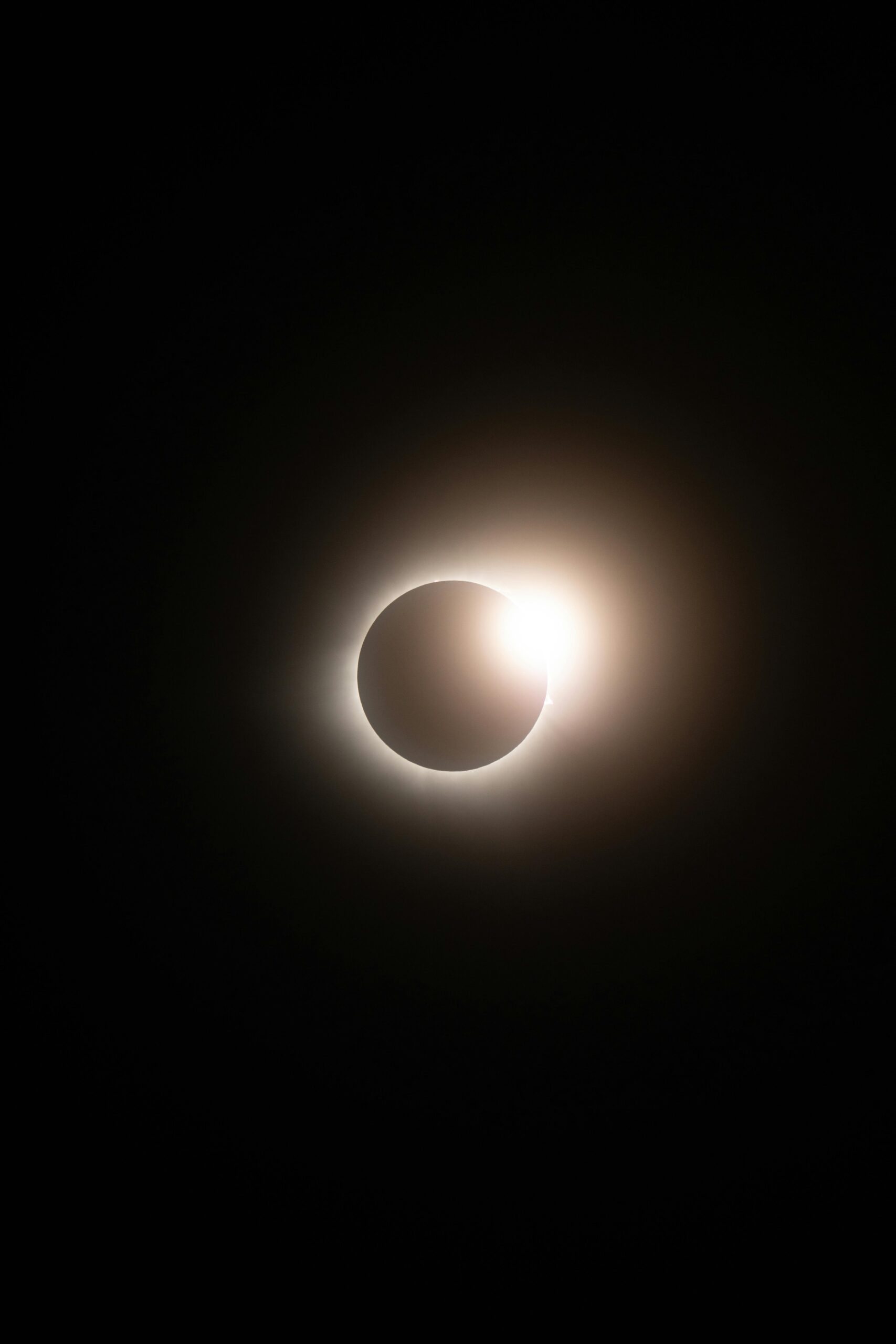
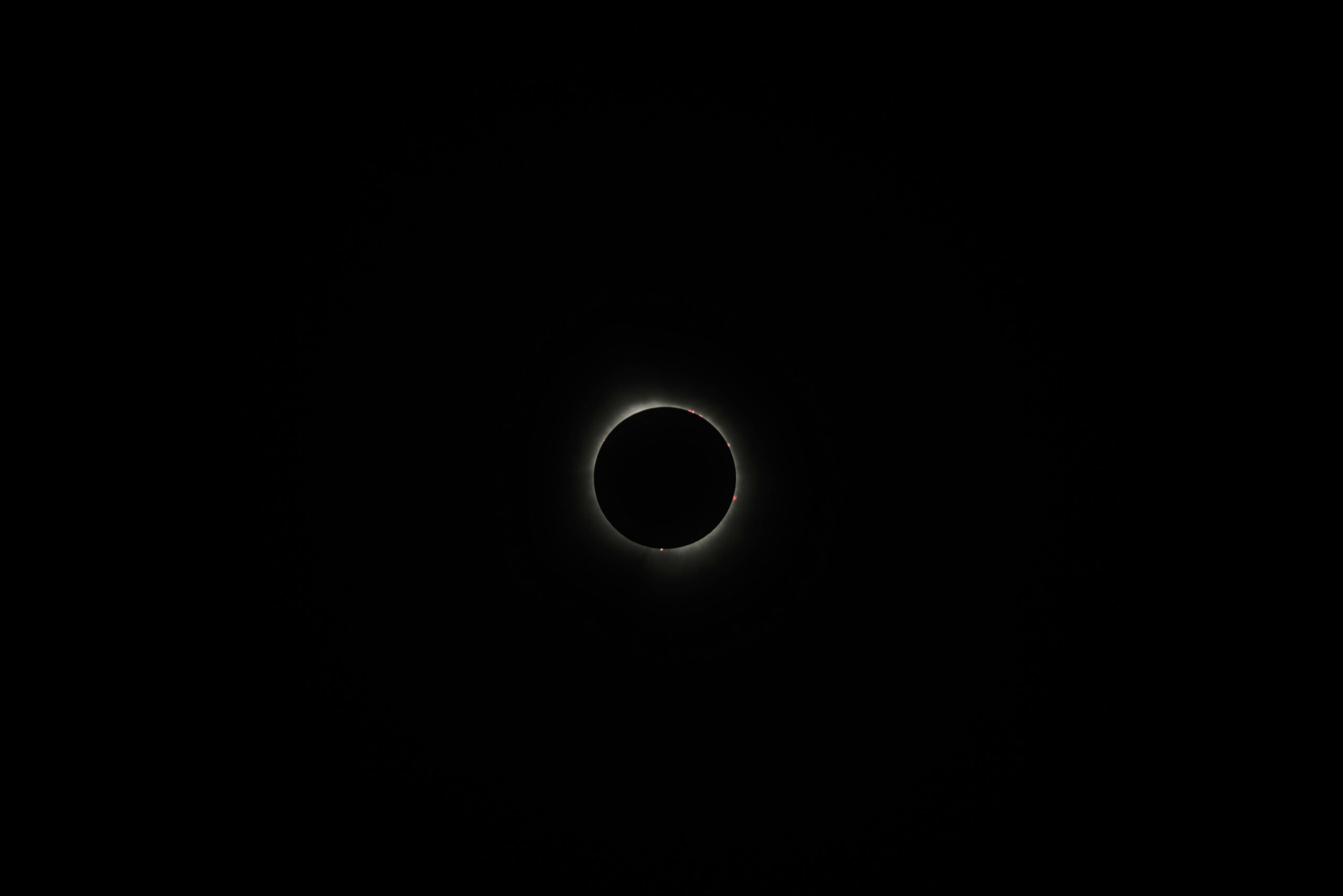
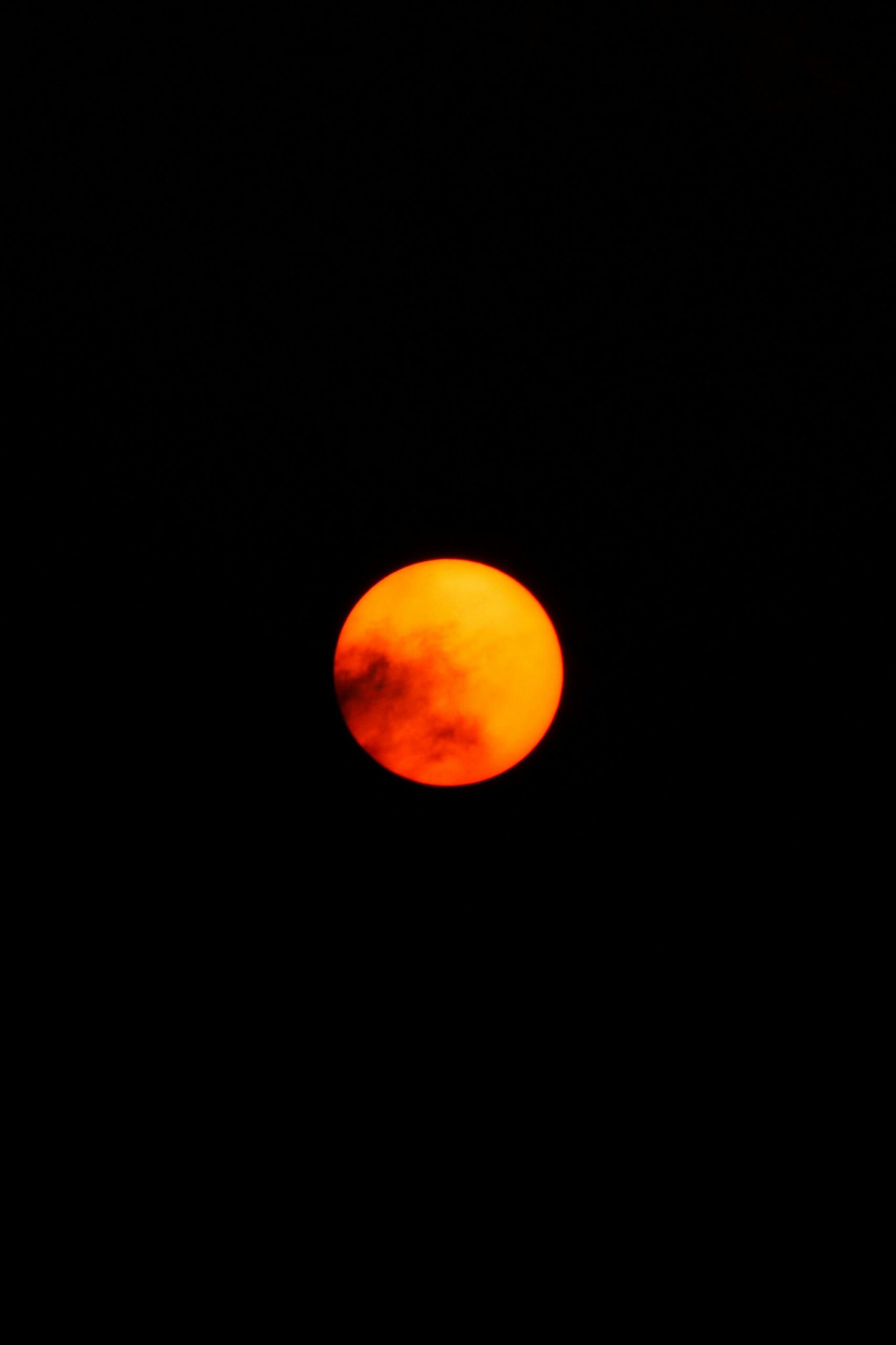
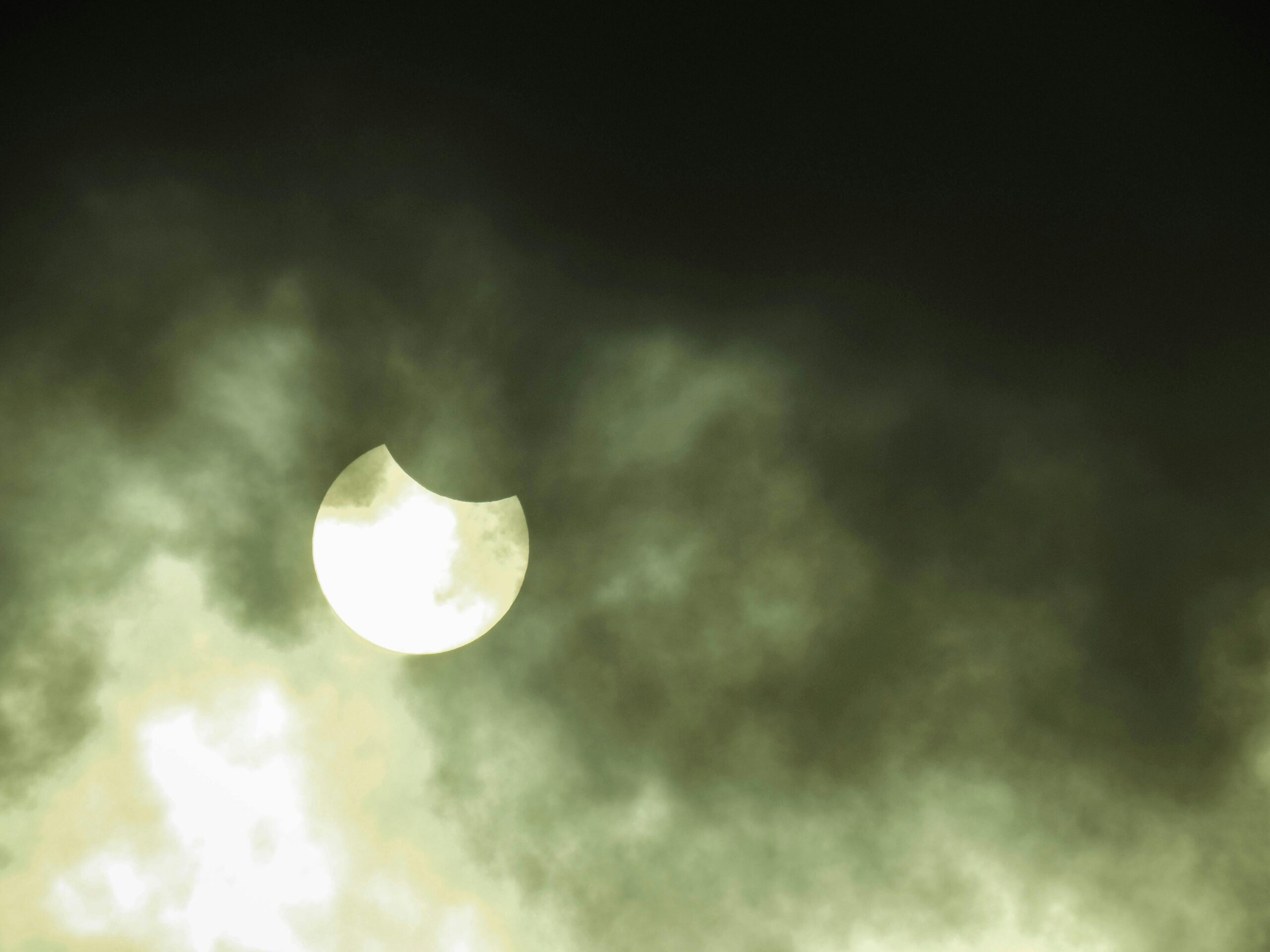
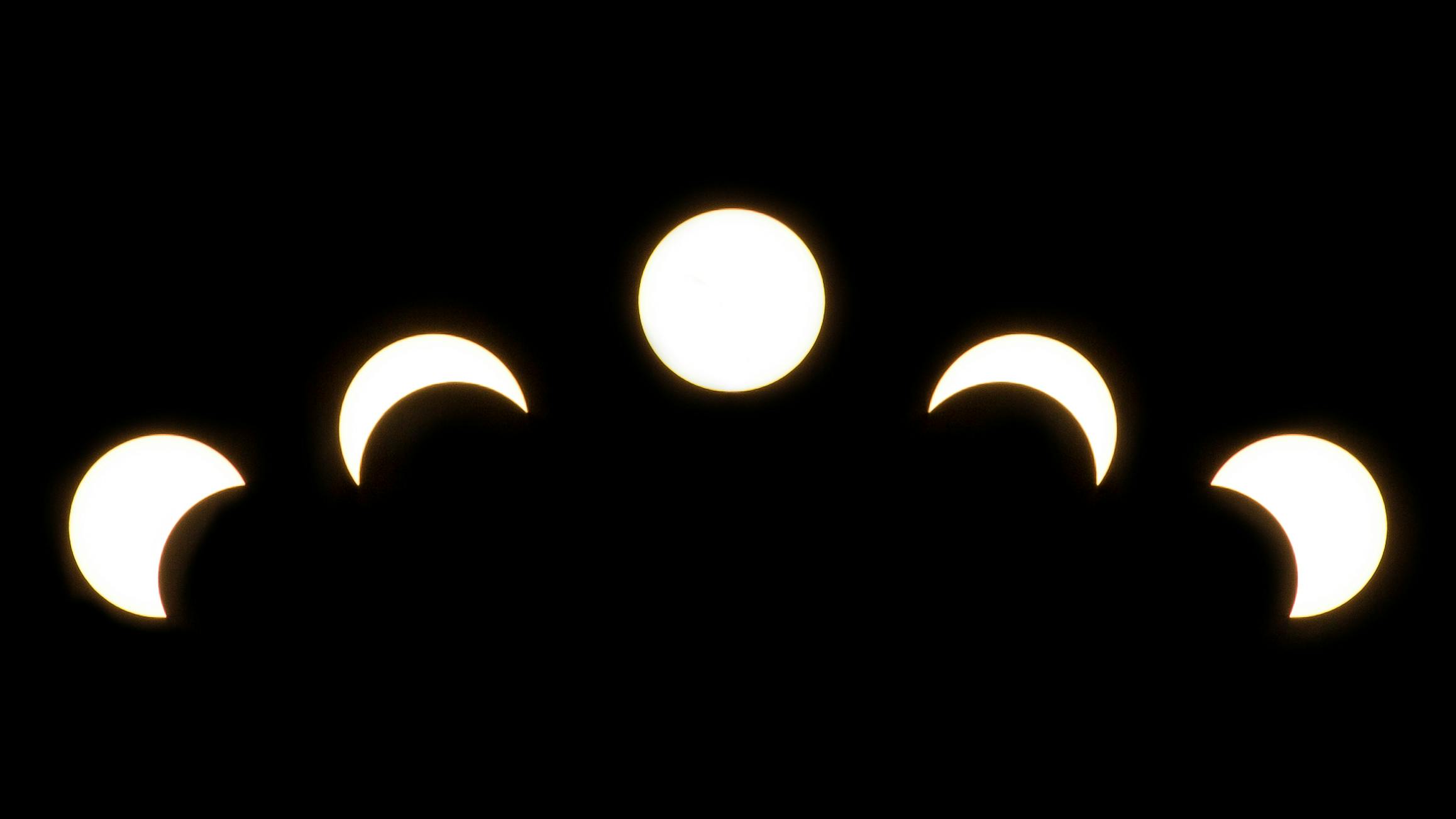
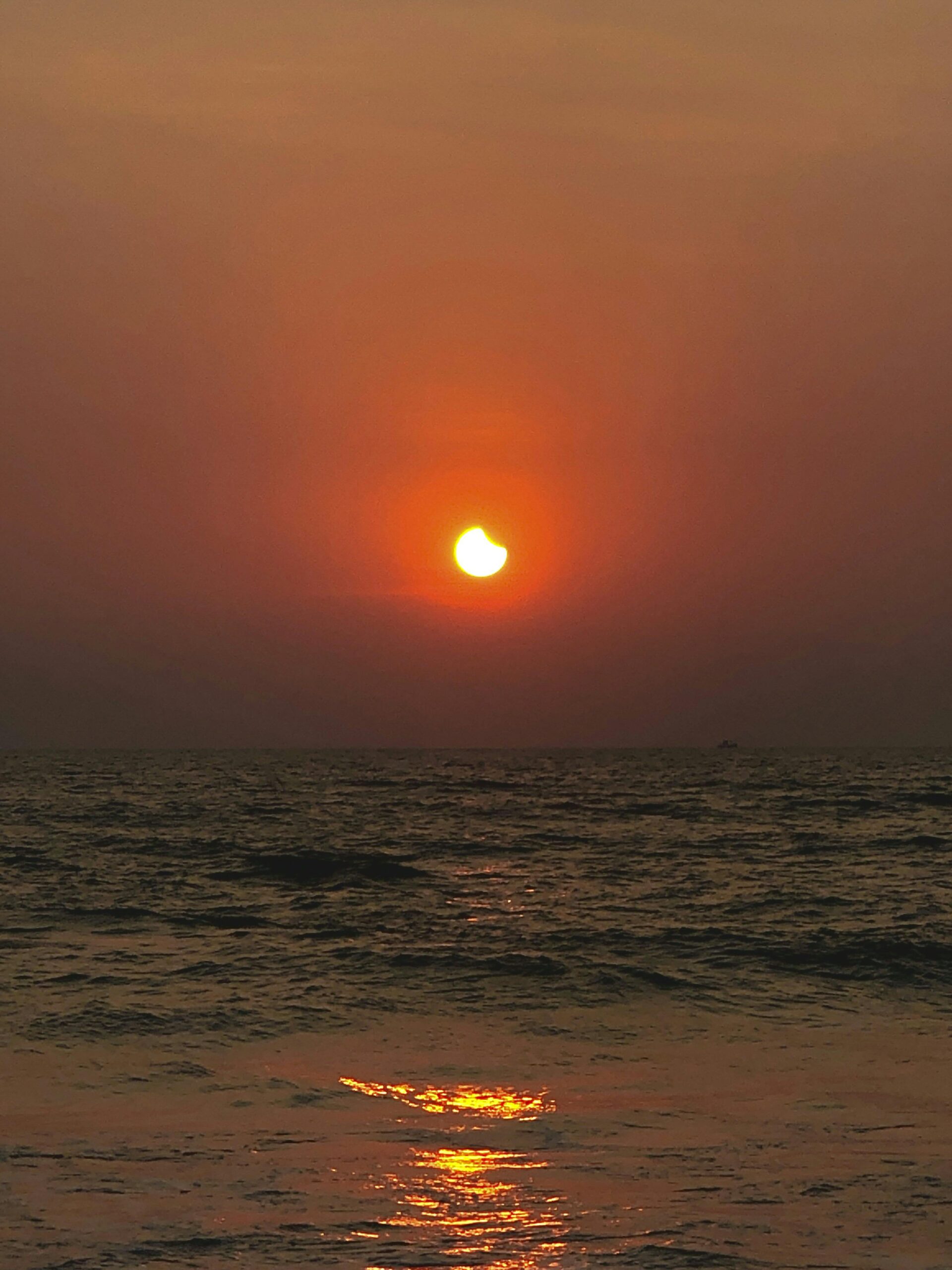
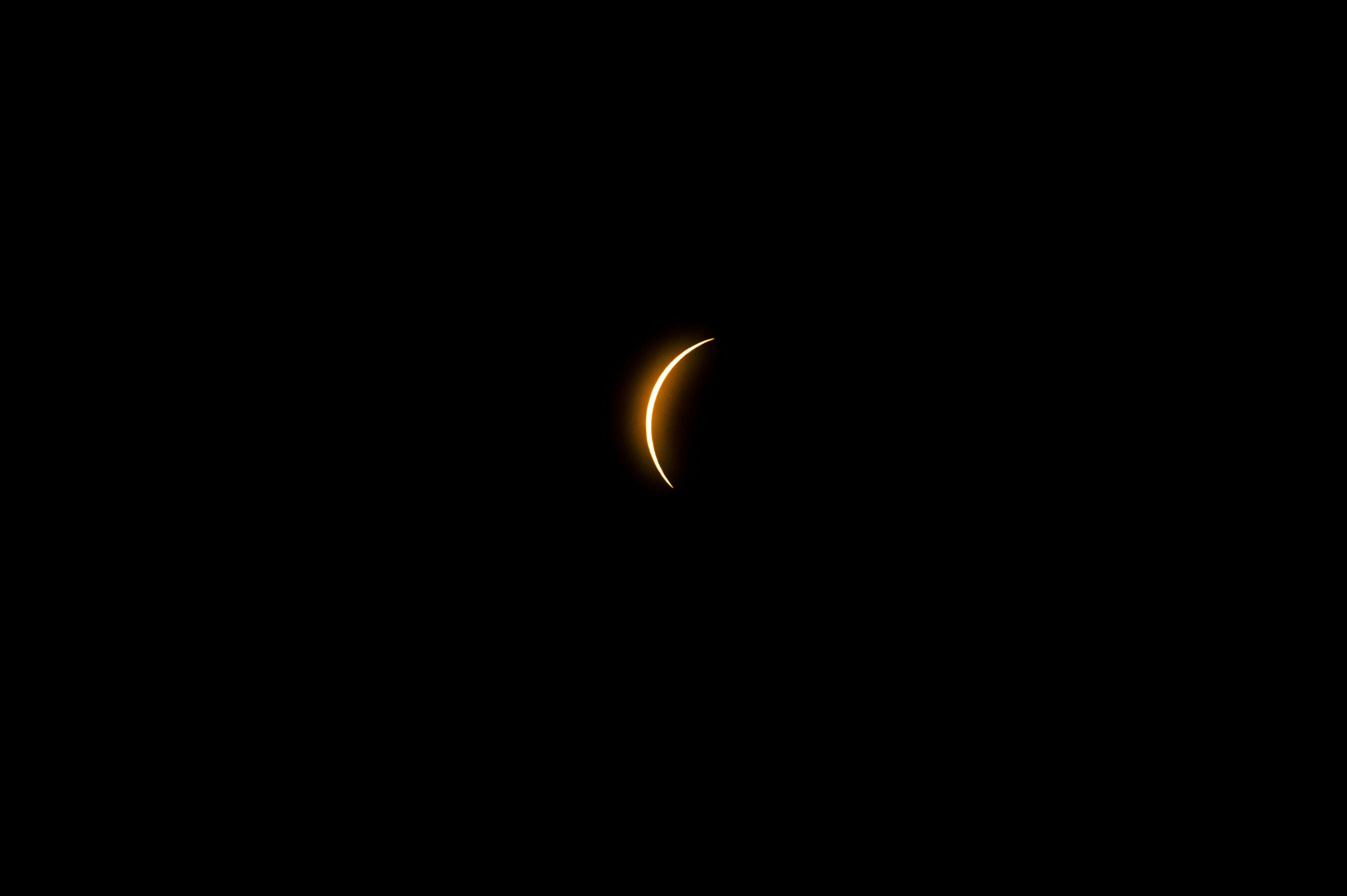
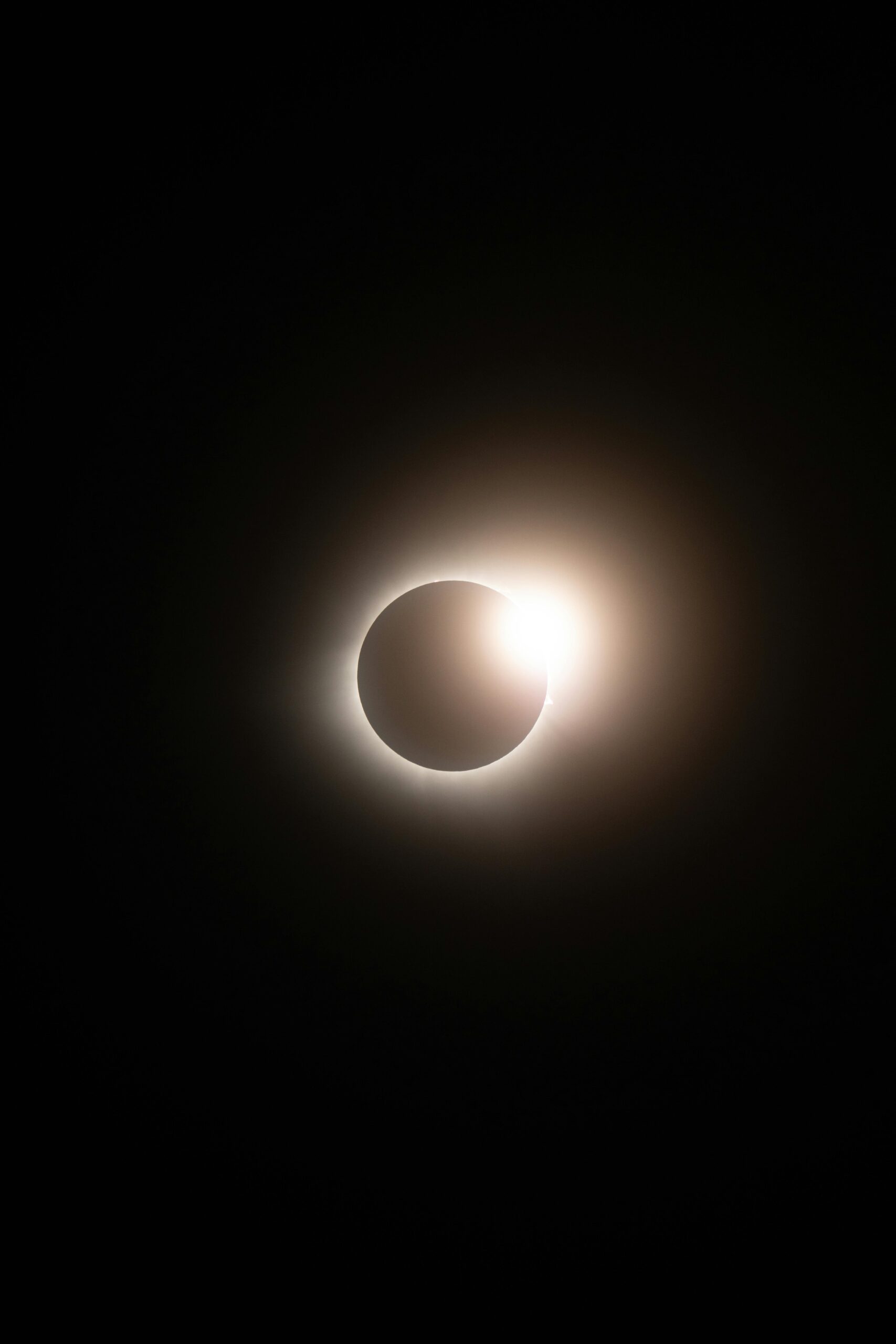
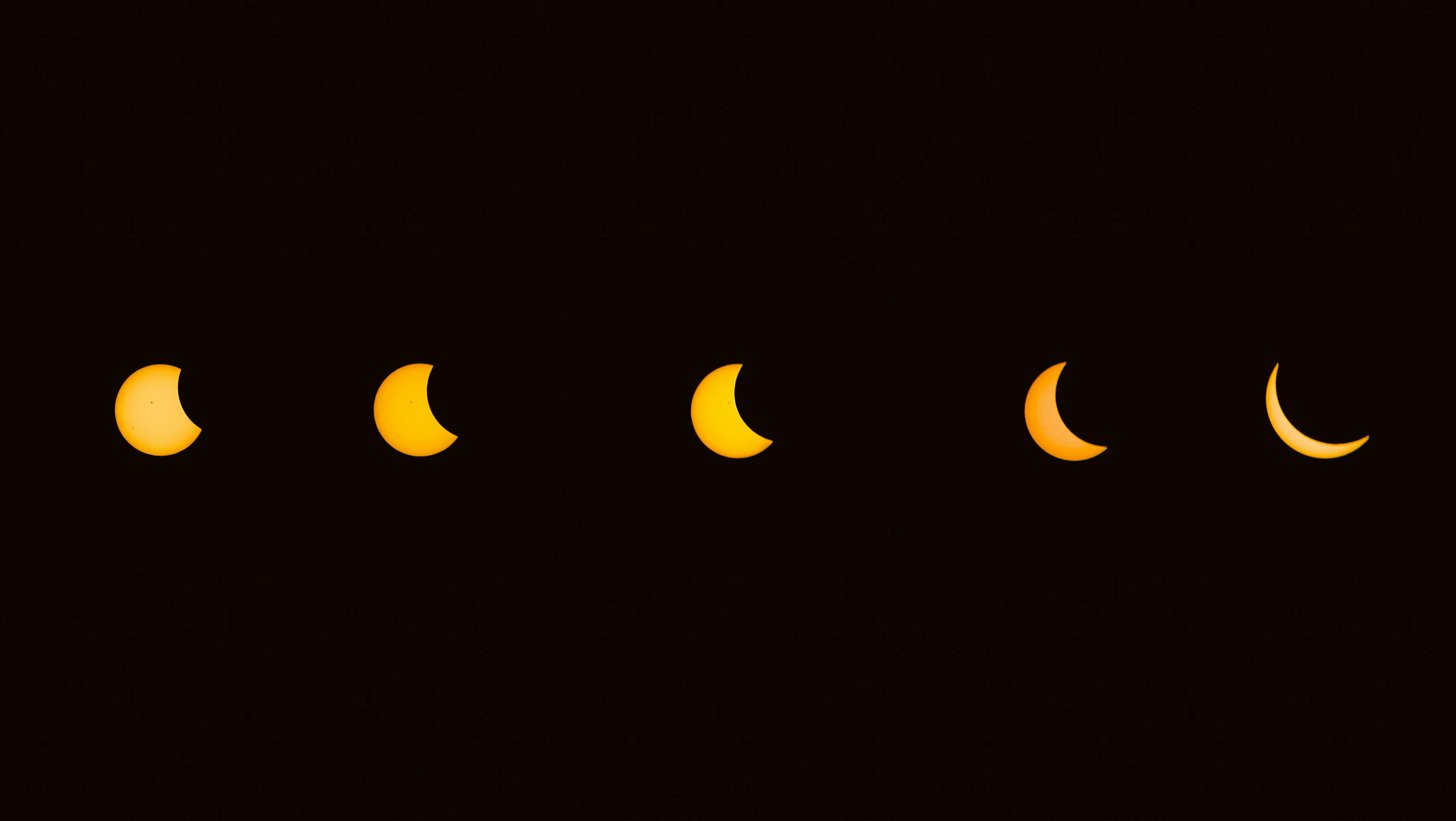
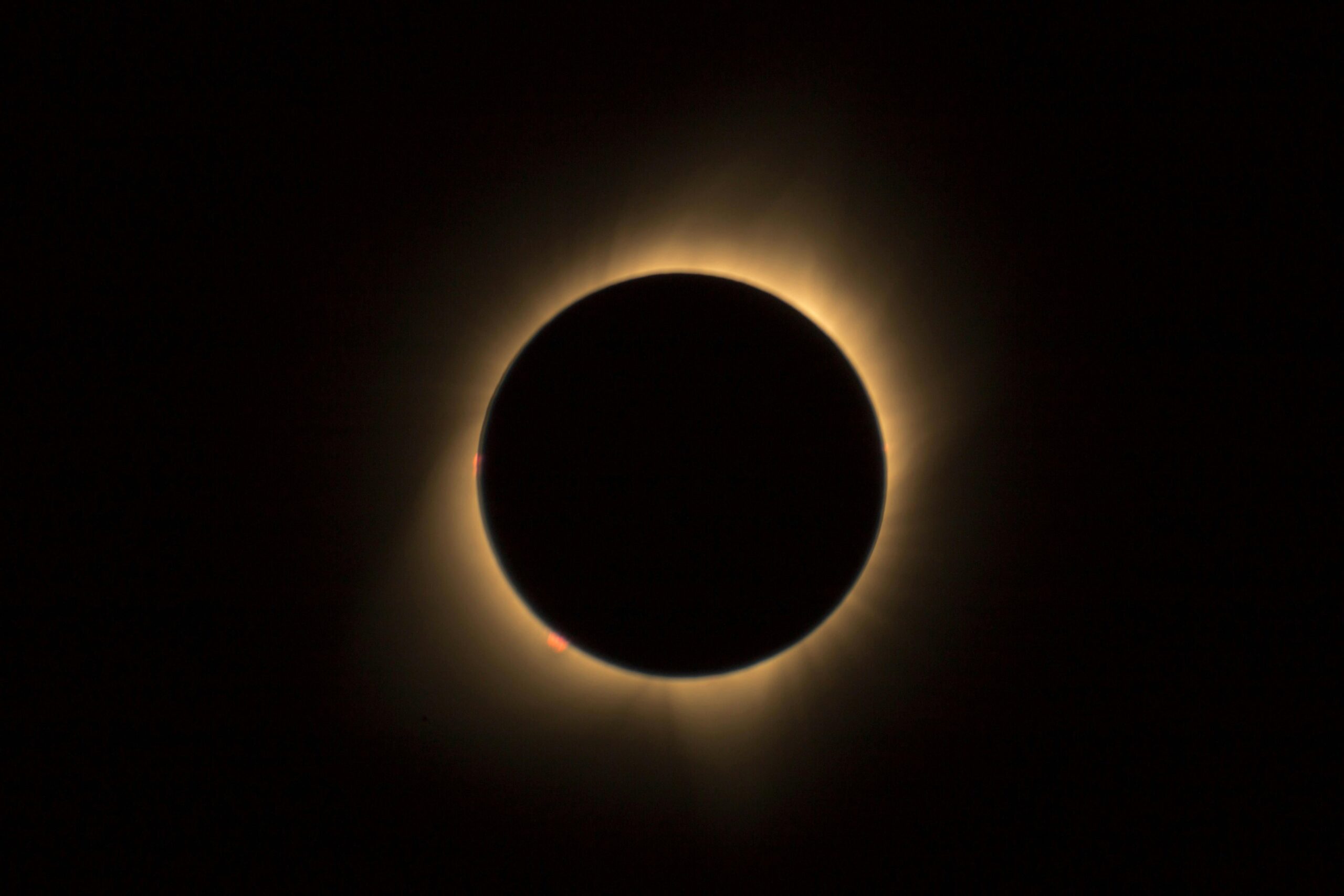
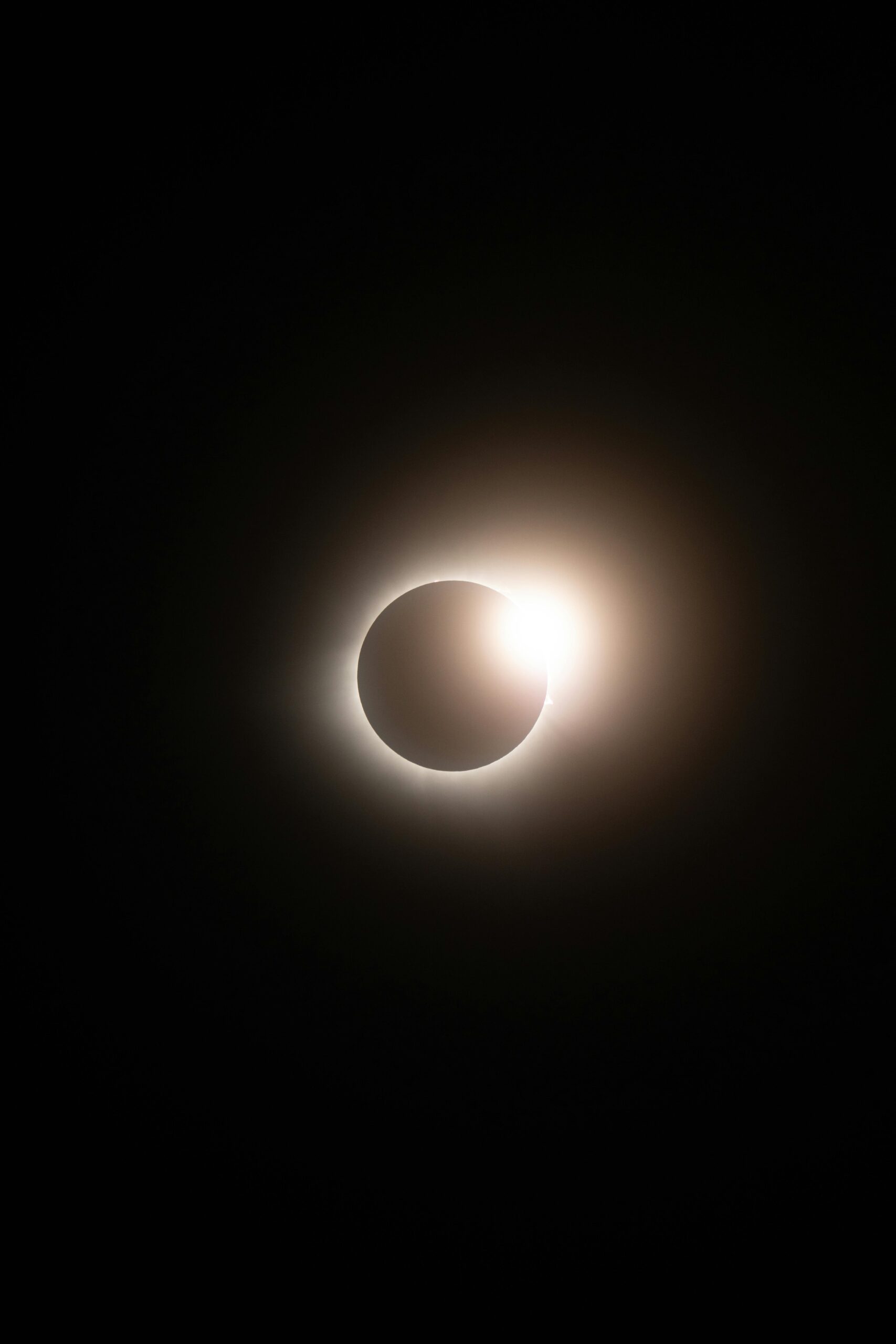
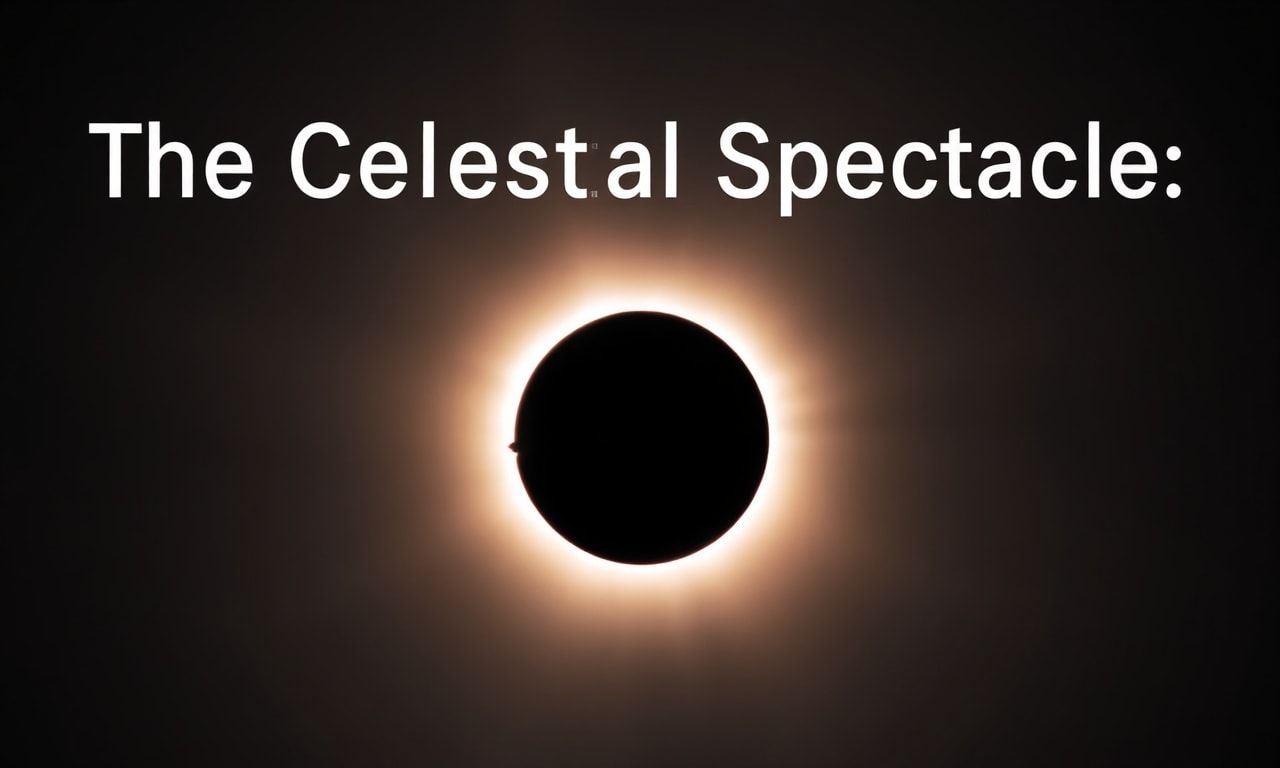
Solar eclipses occur due to the precise alignment of the Sun, Moon, and Earth. There are three types of solar eclipses: total, partial, and annular. A total solar eclipse happens when the Moon completely covers the Sun, revealing the Sun’s corona. A partial solar eclipse occurs when only a part of the Sun is obscured by the Moon. An annular solar eclipse takes place when the Moon is too far from the Earth to completely cover the Sun, resulting in a ‘ring of fire’ effect.
The frequency of solar eclipses is determined by the orbital mechanics of the Earth and Moon. On average, a total solar eclipse occurs about every 18 months, but visibility varies depending on the observer’s location. The next total solar eclipse visible in North America is set to occur on April 8, 2024, generating excitement among astronomy enthusiasts.
Historical Significance and Cultural Impact
Throughout history, solar eclipses have been interpreted in various ways by different cultures. Ancient civilizations often viewed eclipses as omens or signs from the gods. For instance, the ancient Chinese believed that a solar eclipse was caused by a celestial dragon devouring the Sun. In Norse mythology, the eclipse was attributed to the wolves Skoll and Hati chasing the Sun and Moon across the sky.
In modern times, solar eclipses have become opportunities for scientific discovery. The 1919 solar eclipse provided crucial evidence supporting Albert Einstein’s theory of general relativity. Today, eclipses offer scientists the chance to study the Sun’s corona and other solar phenomena that are typically obscured by the Sun’s bright light.
Preparing for the Upcoming Solar Eclipse
Witnessing a solar eclipse can be a memorable experience, but it’s essential to prioritize safety. Looking directly at the Sun, even during an eclipse, can cause permanent eye damage. To safely observe the eclipse, use certified solar eclipse glasses or indirect viewing methods such as pinhole projectors.
For those planning to travel to view the eclipse, it’s important to consider factors such as weather conditions and travel logistics. Many communities along the path of totality are preparing for an influx of visitors, with local authorities and tourism boards providing resources and guidelines for a smooth experience.
In addition to physical preparation, it’s also beneficial to focus on mental well-being during such significant events. The anticipation and excitement of a solar eclipse can sometimes lead to stress or anxiety. For top tips for improving mental well-being, consider practices such as mindfulness, deep breathing exercises, and maintaining a balanced routine.
Educational Opportunities and Community Engagement
Solar eclipses present valuable educational opportunities for students and the general public. Schools and educational institutions often organize viewing events and educational programs to teach students about the science behind eclipses. Community events, such as public viewings and lectures, also foster a sense of shared experience and scientific curiosity.
Engaging with local astronomy clubs or science museums can enhance the eclipse experience. These organizations often provide expert guidance, telescopes, and other resources for safe and enjoyable viewing. Participating in community events can also create lasting memories and connections with fellow enthusiasts.
Conclusion
The upcoming solar eclipse is a reminder of the beauty and complexity of our universe. By understanding the science behind eclipses, appreciating their historical significance, and preparing safely, we can fully immerse ourselves in this celestial spectacle. Whether you’re an avid astronomer or a curious observer, the solar eclipse offers a unique opportunity to connect with the wonders of the cosmos and share in a collective moment of awe and discovery.
In a display of unity, the Lisburn community has rallied to tackle pressing healthcare issues, as detailed in our report on local healthcare initiatives.
In light of recent health discussions, our latest feature Turkey’s battle with obesity trends offers an in-depth look at the country’s evolving health landscape.
As cities worldwide grapple with sustainability challenges, Shanghai’s green urban initiatives offer a compelling case study in innovative solutions.