The Celestial Spectacle: Understanding the Solar Eclipse Phenomenon
A solar eclipse is one of the most awe-inspiring events in the natural world, captivating the imagination of humanity for centuries. This celestial phenomenon occurs when the Moon passes between the Earth and the Sun, casting a shadow on the Earth’s surface. The upcoming solar eclipse has sparked global interest, with scientists and enthusiasts alike preparing to witness this remarkable event. In this article, we delve into the science behind solar eclipses, their historical significance, and what to expect from the upcoming spectacle.
The Science Behind Solar Eclipses
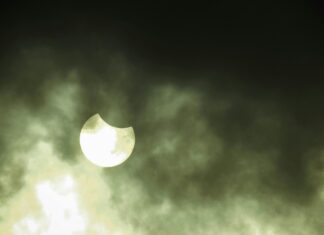
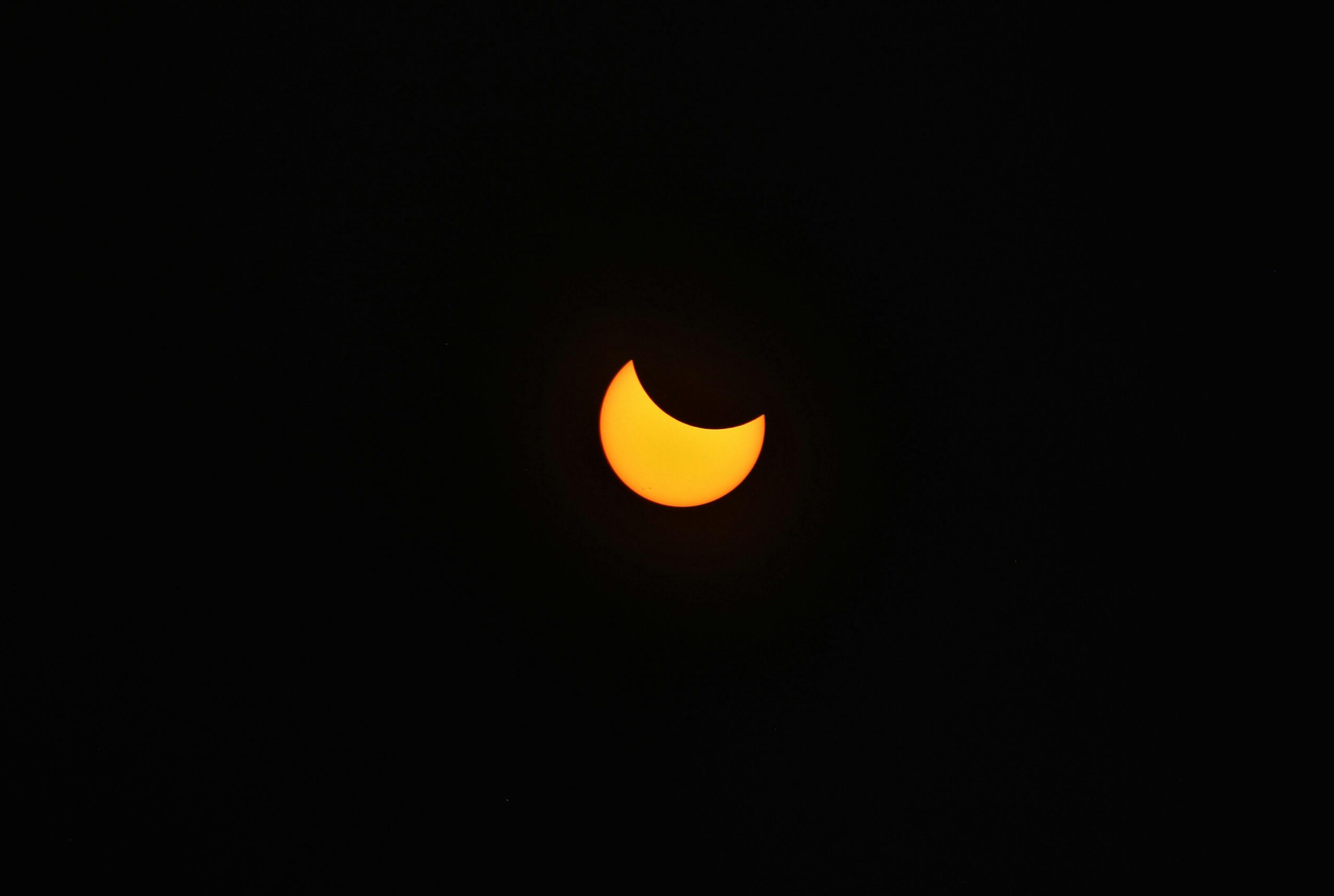
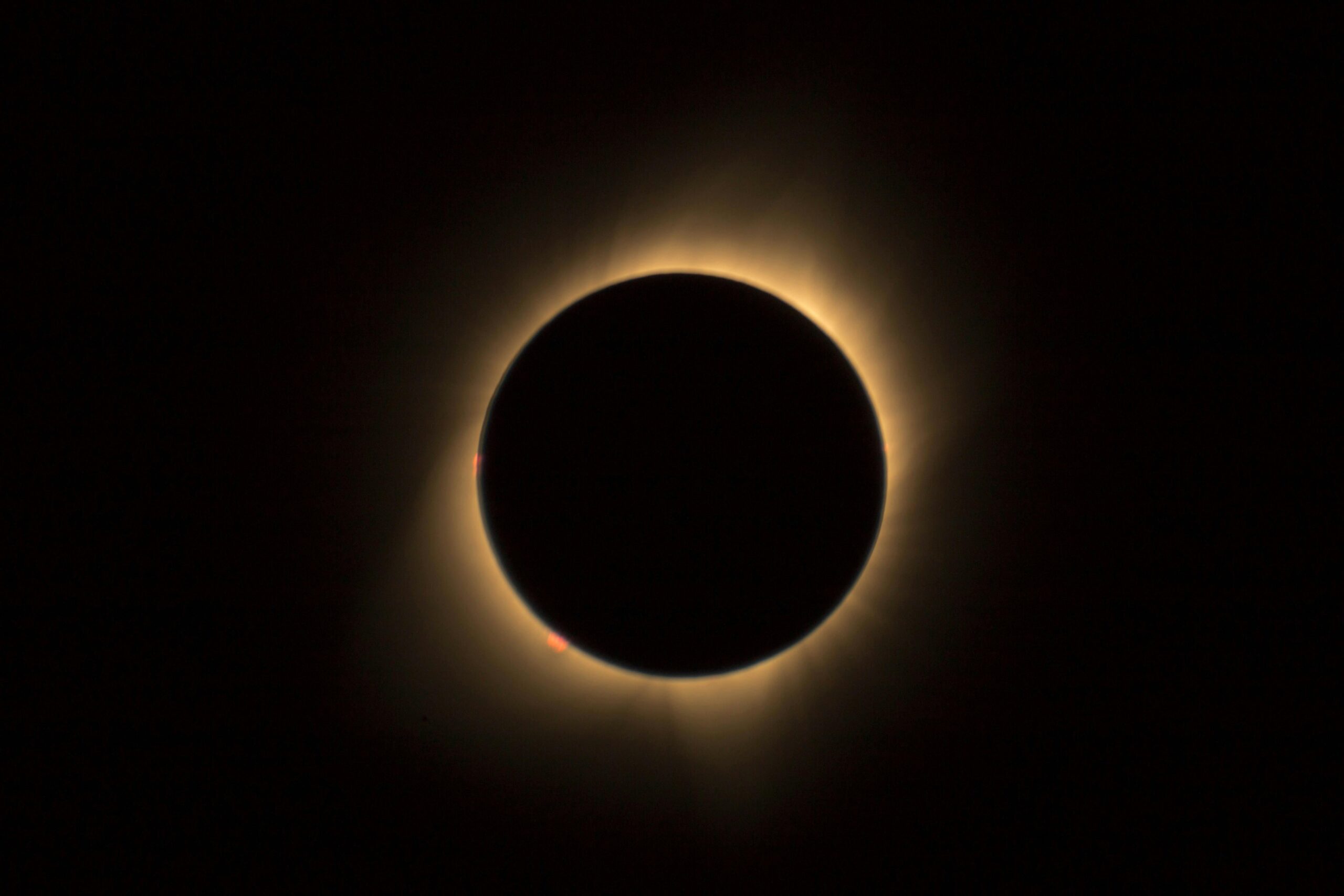
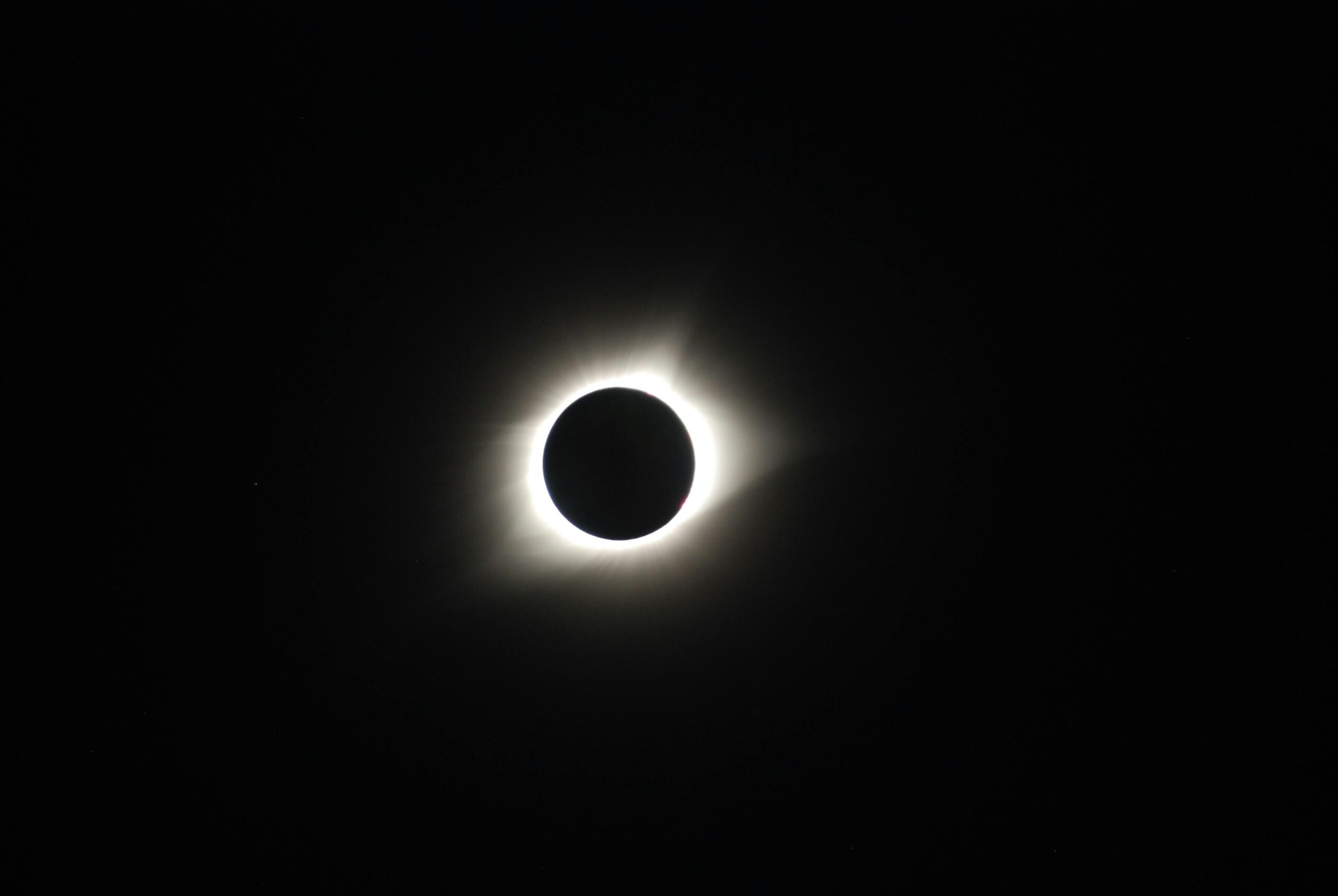
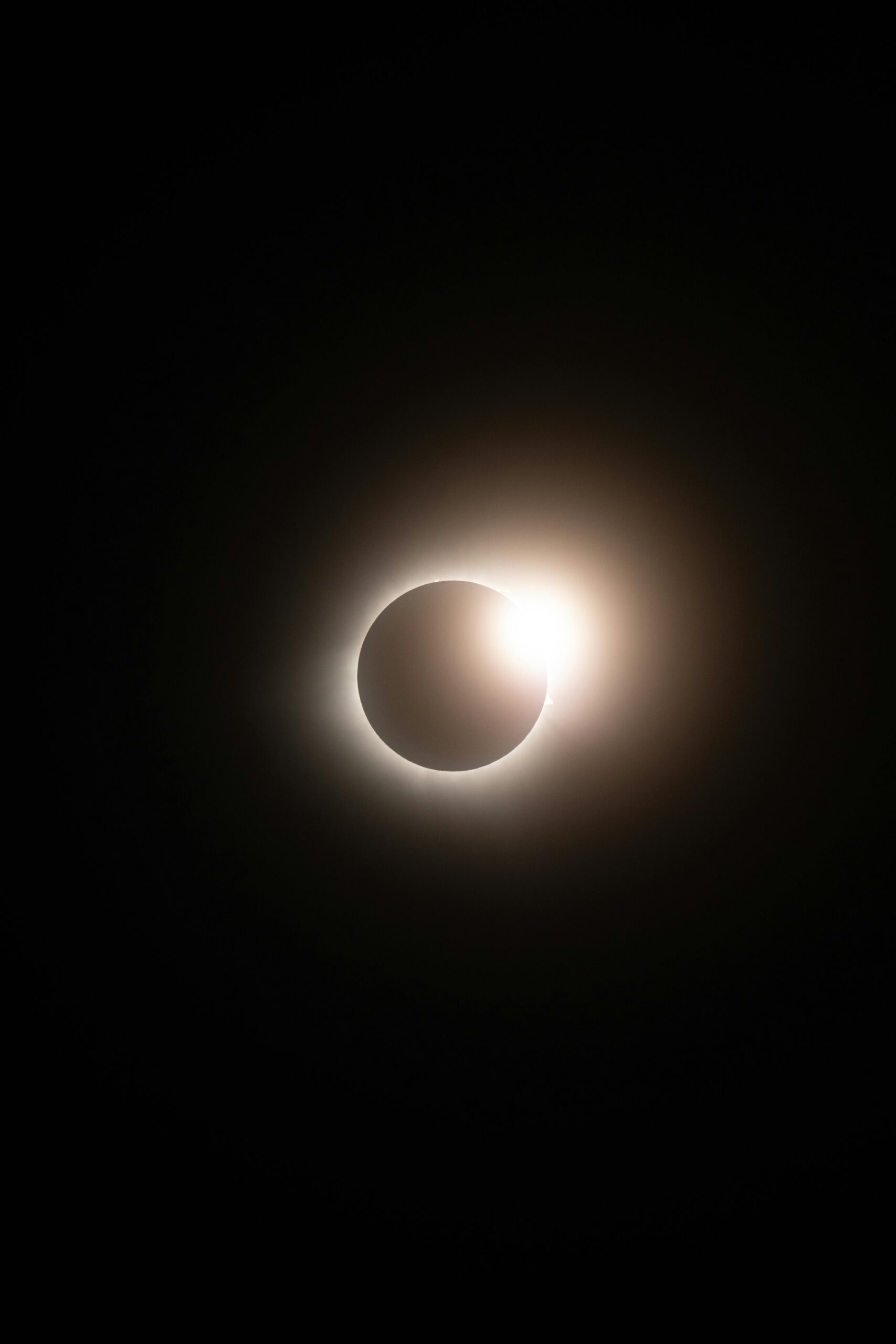
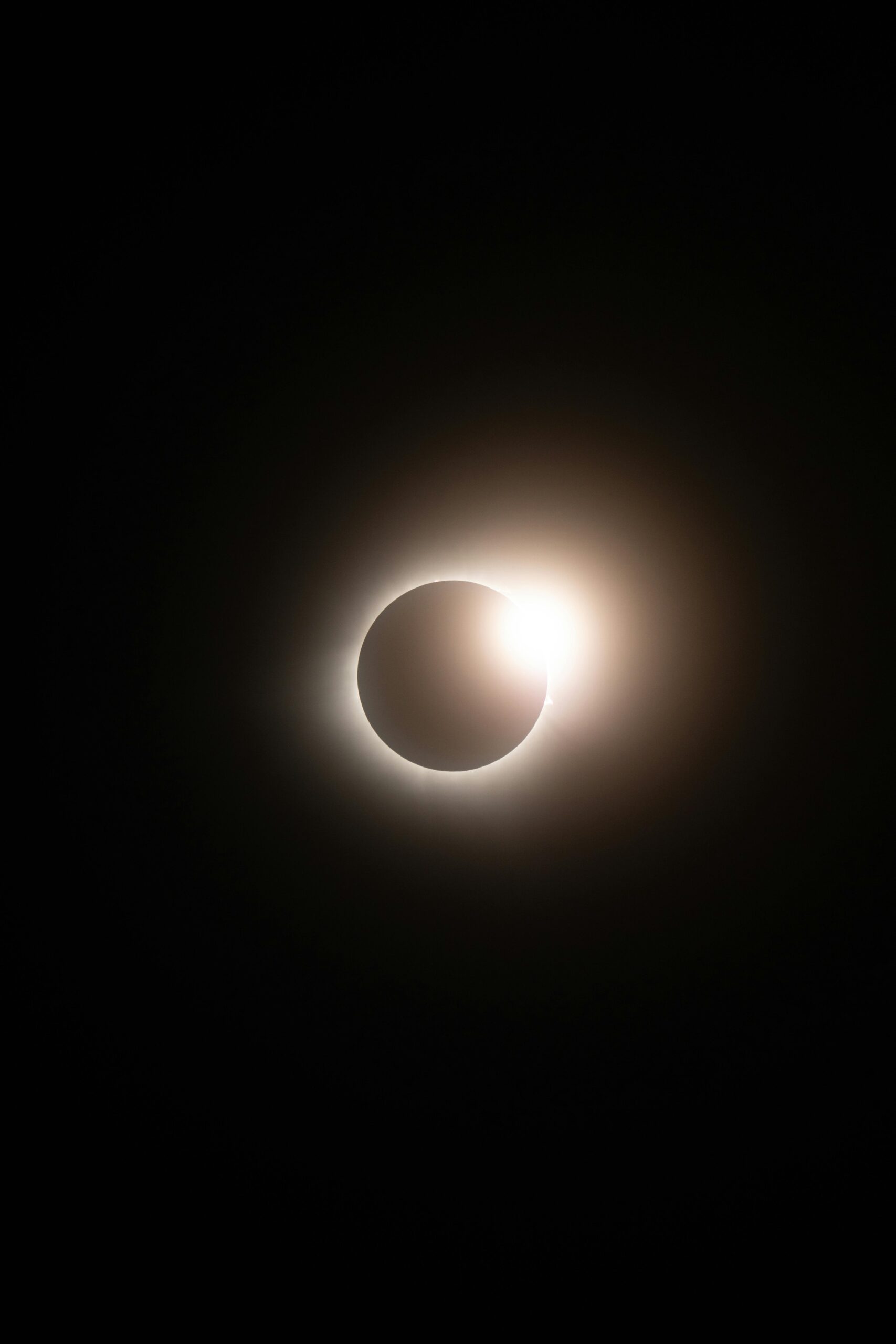
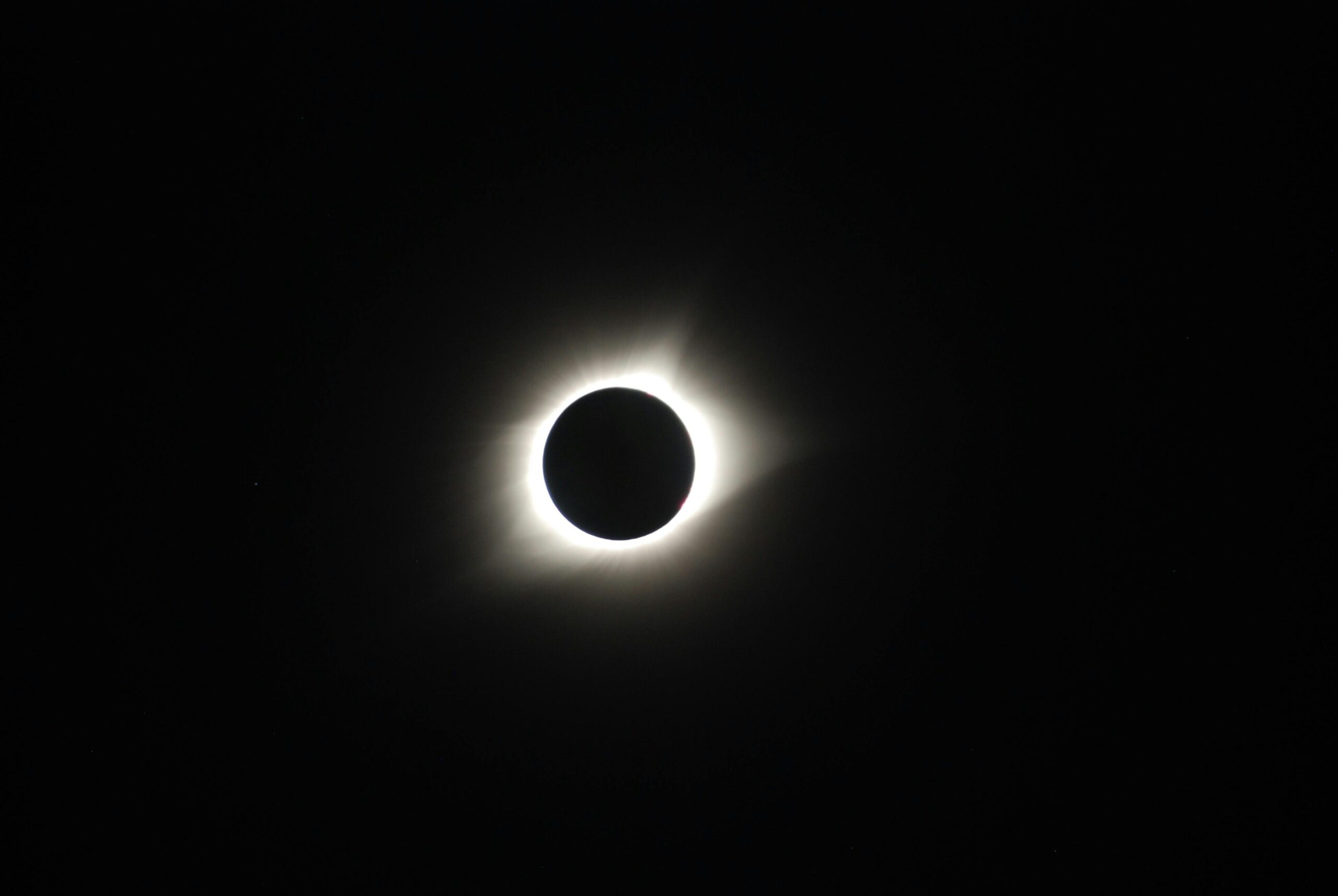
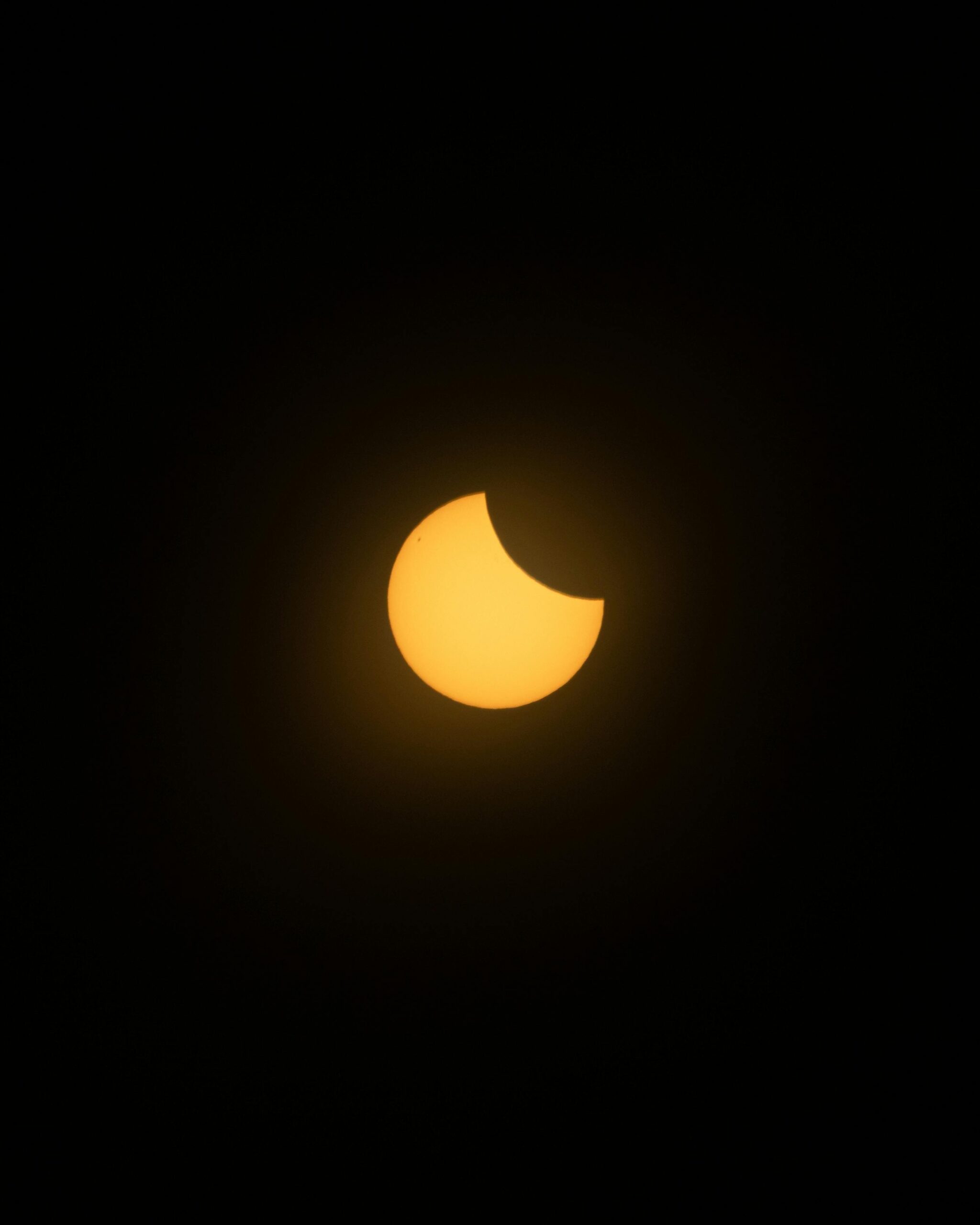
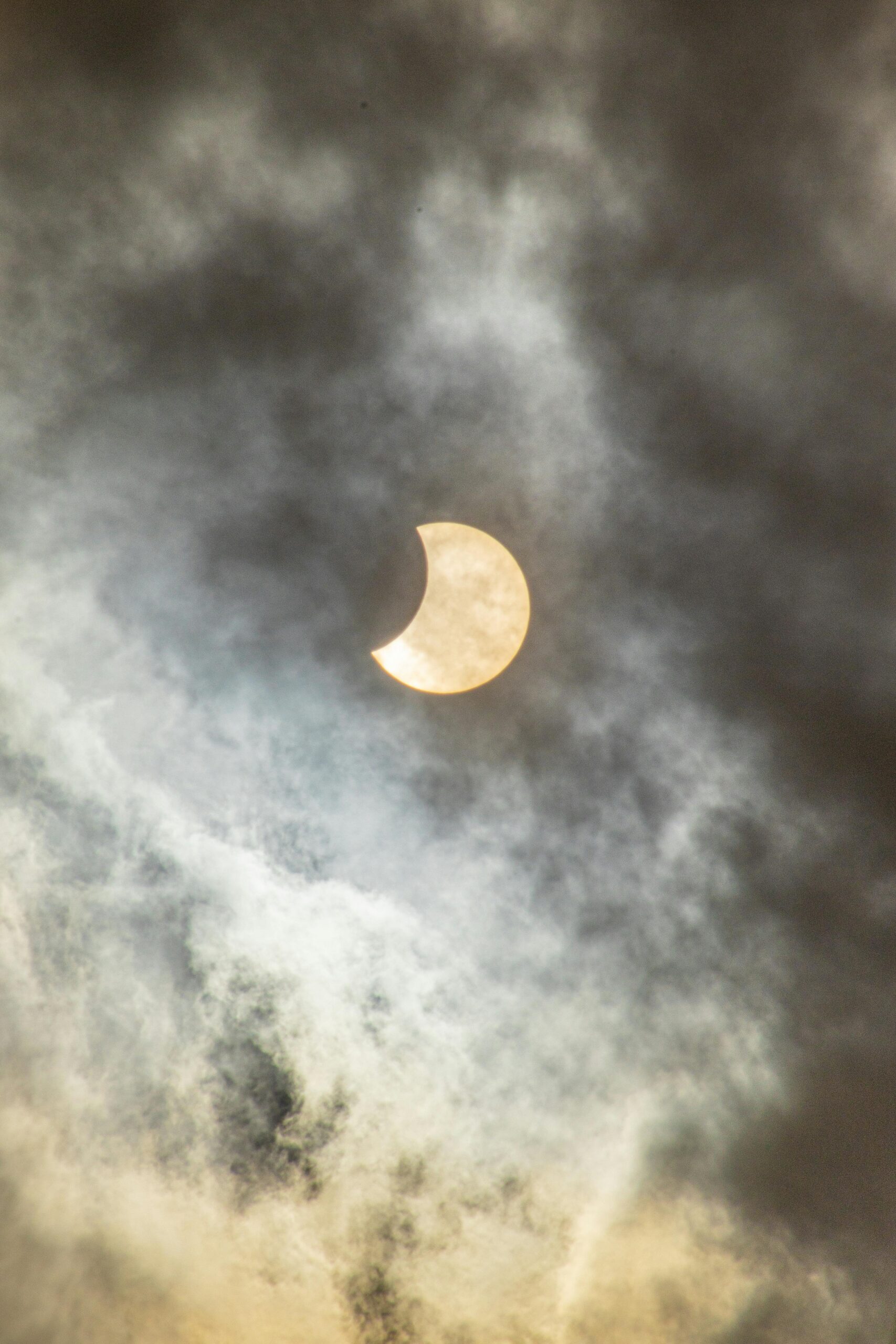
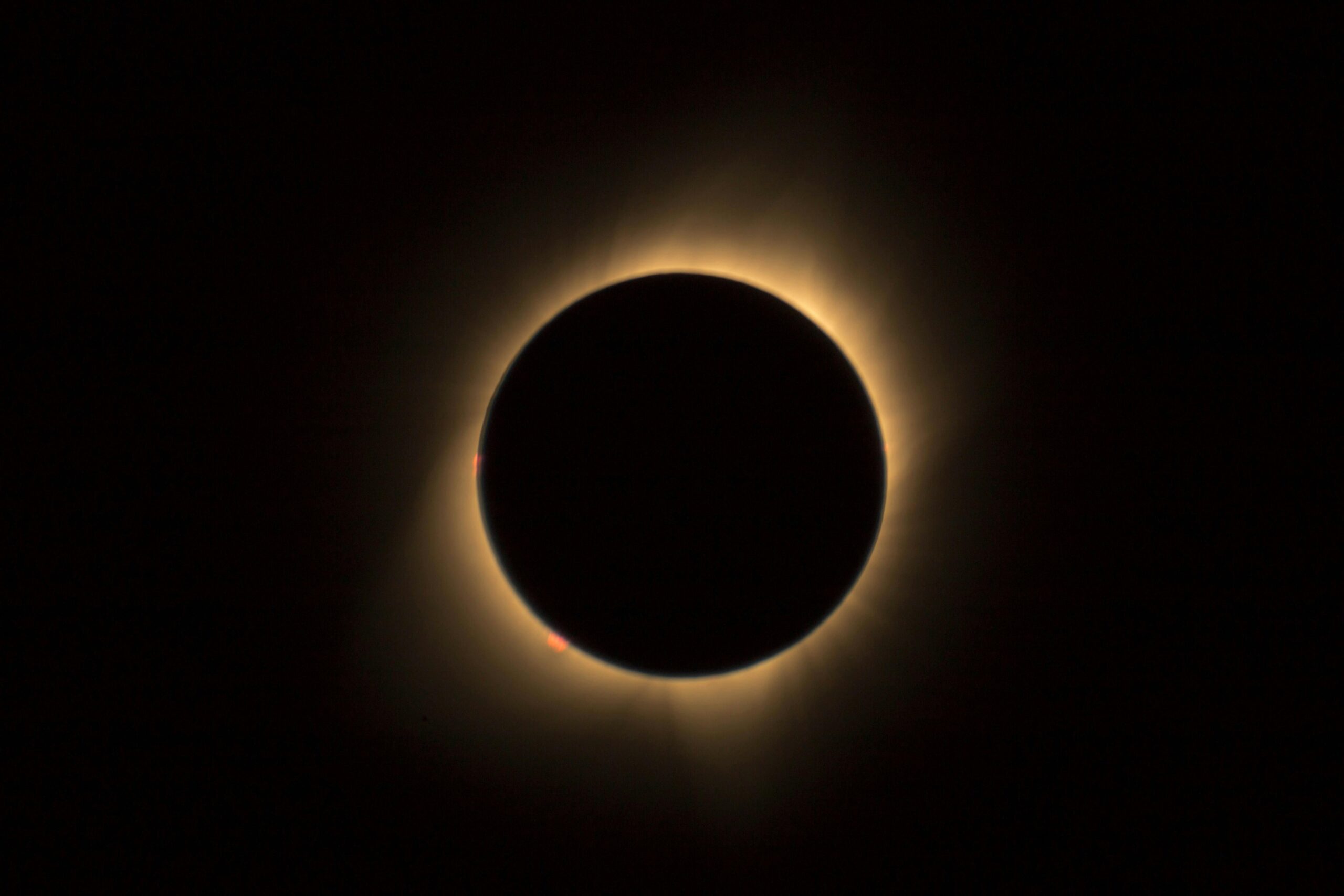
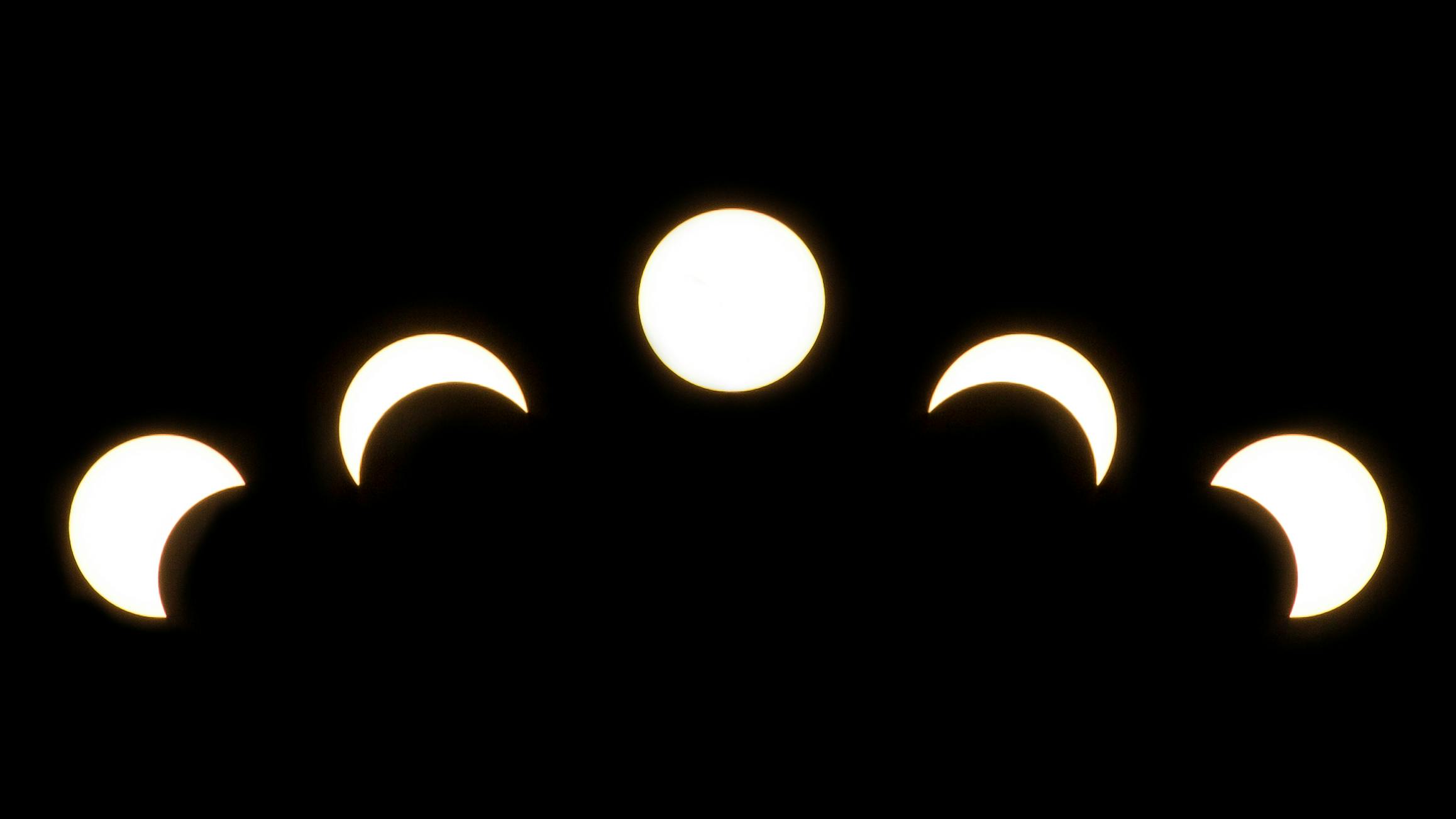
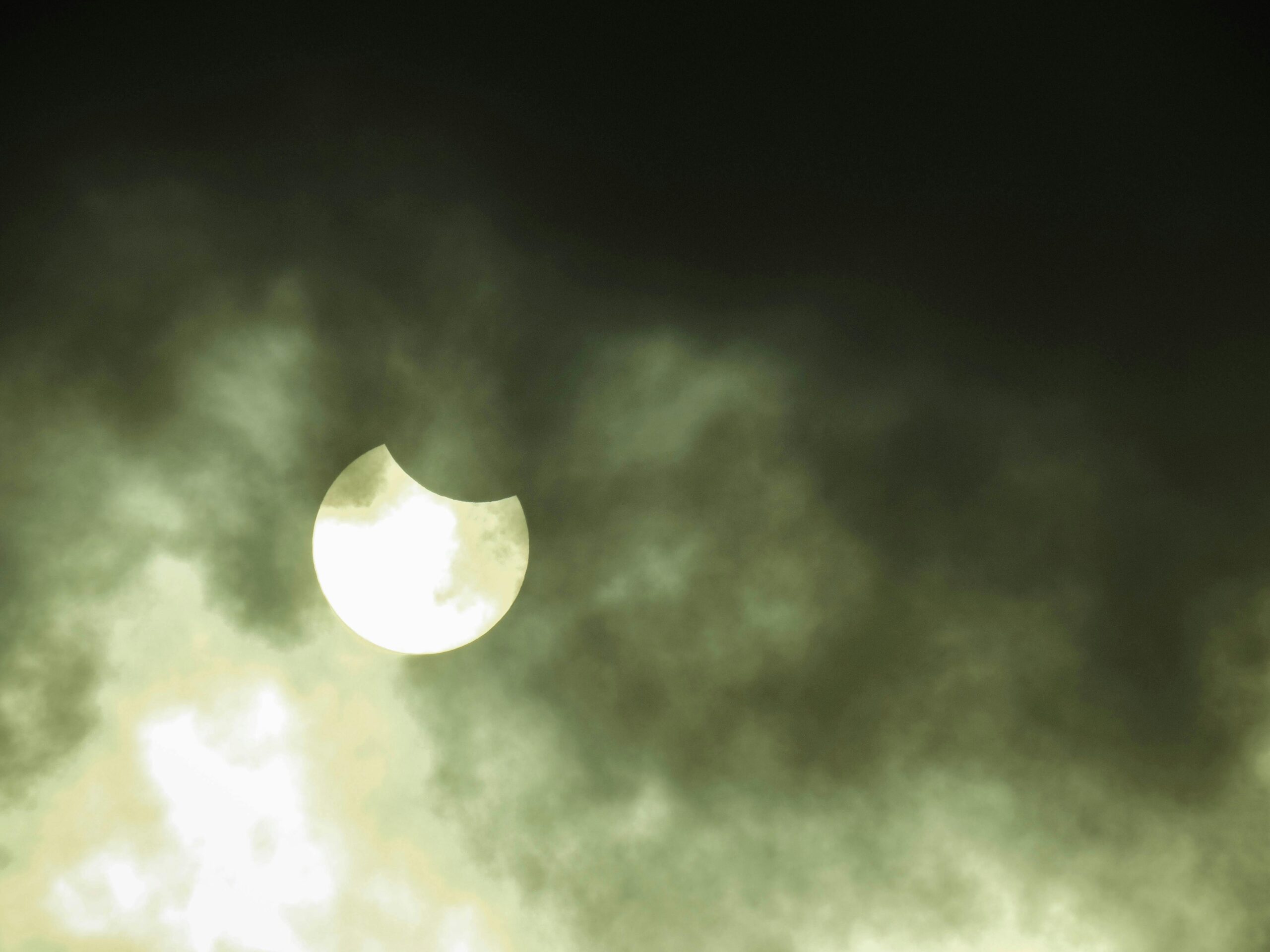
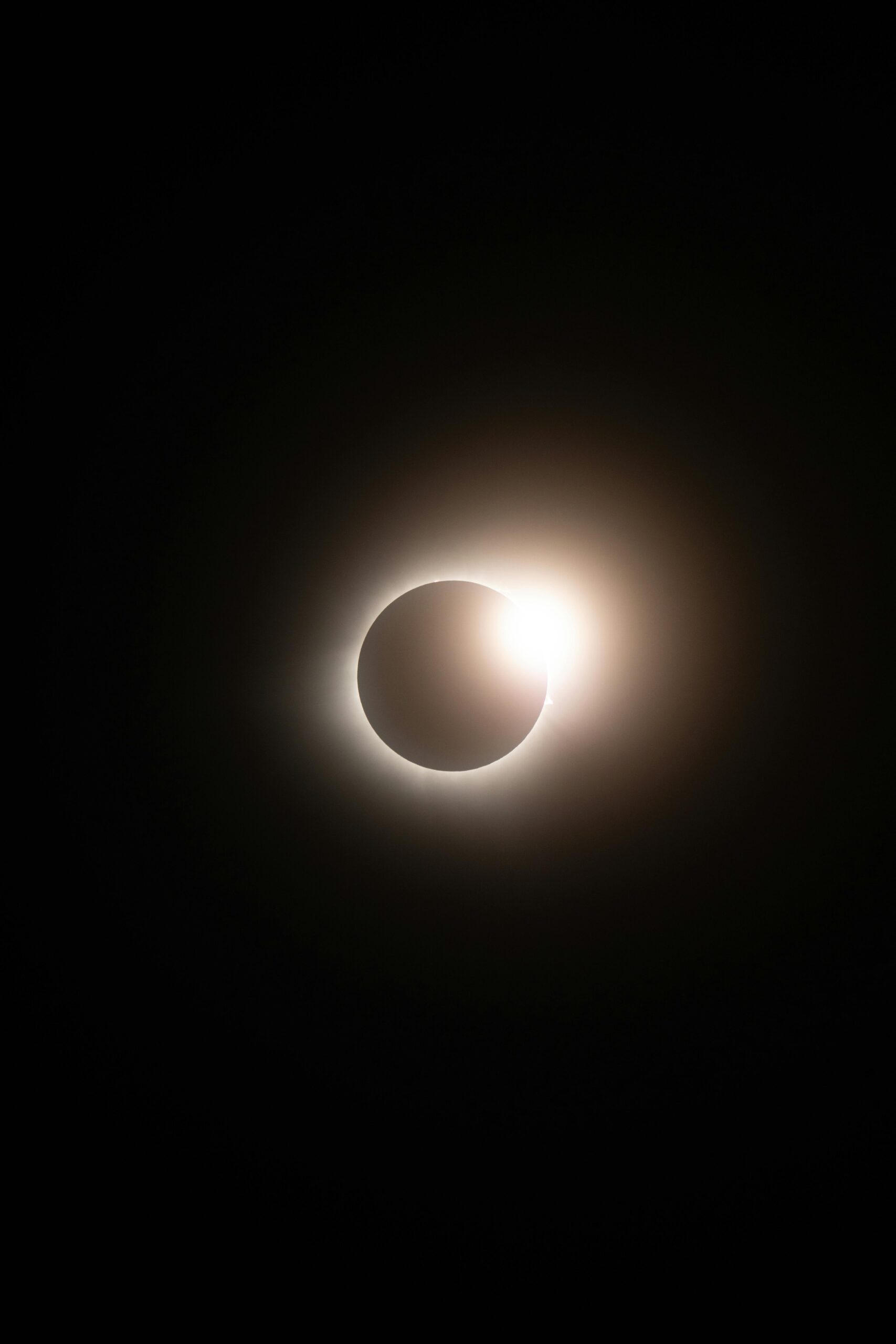
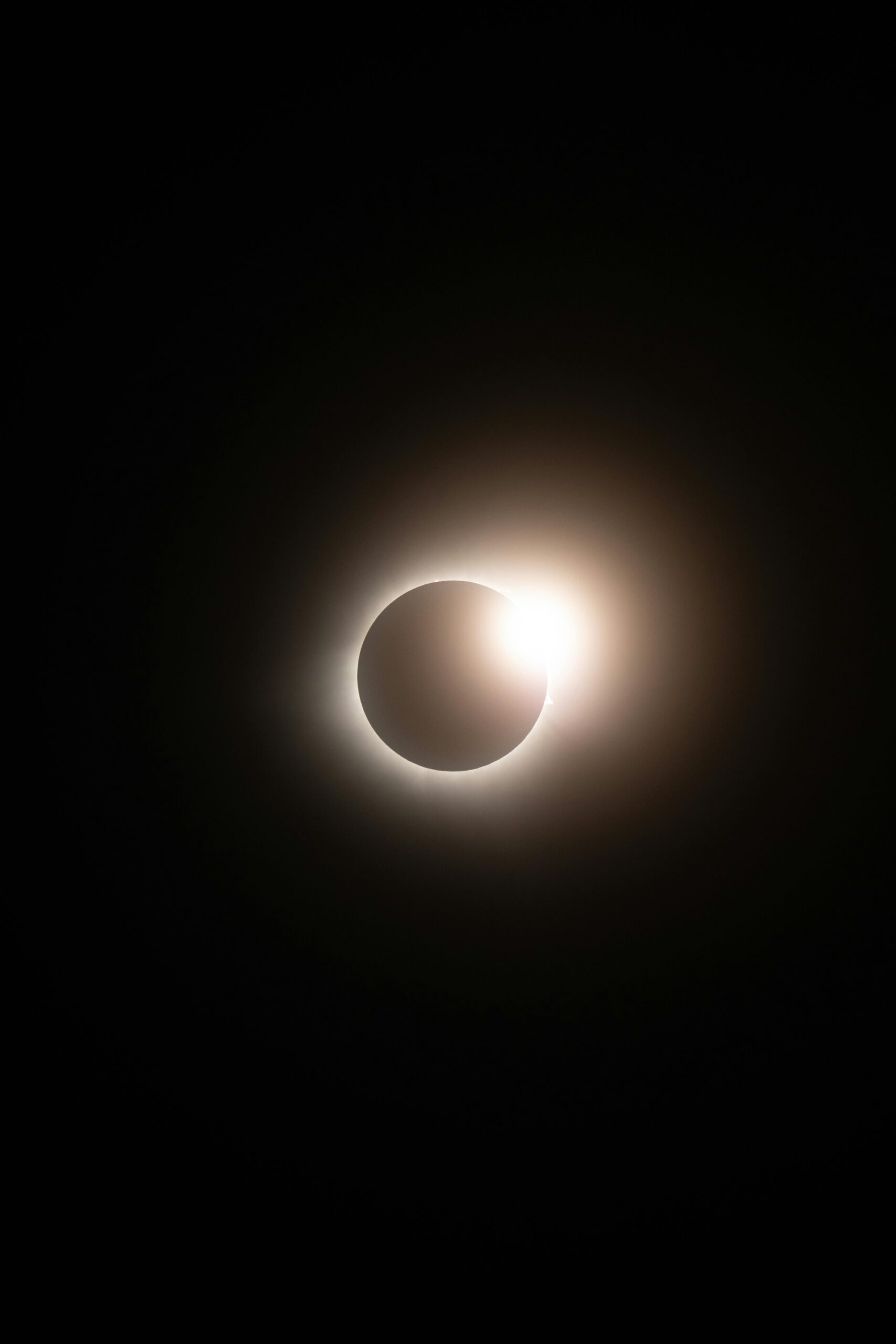
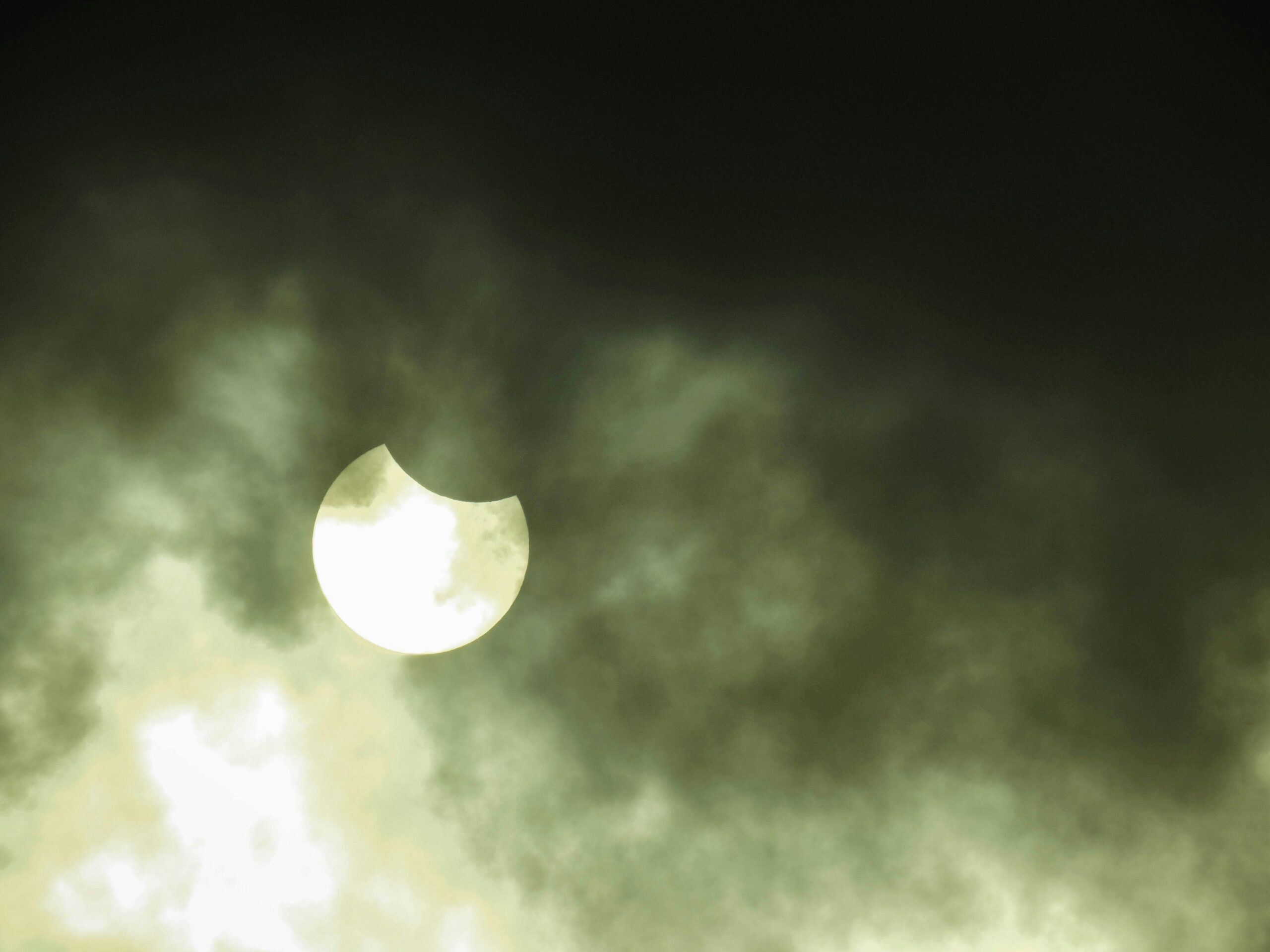
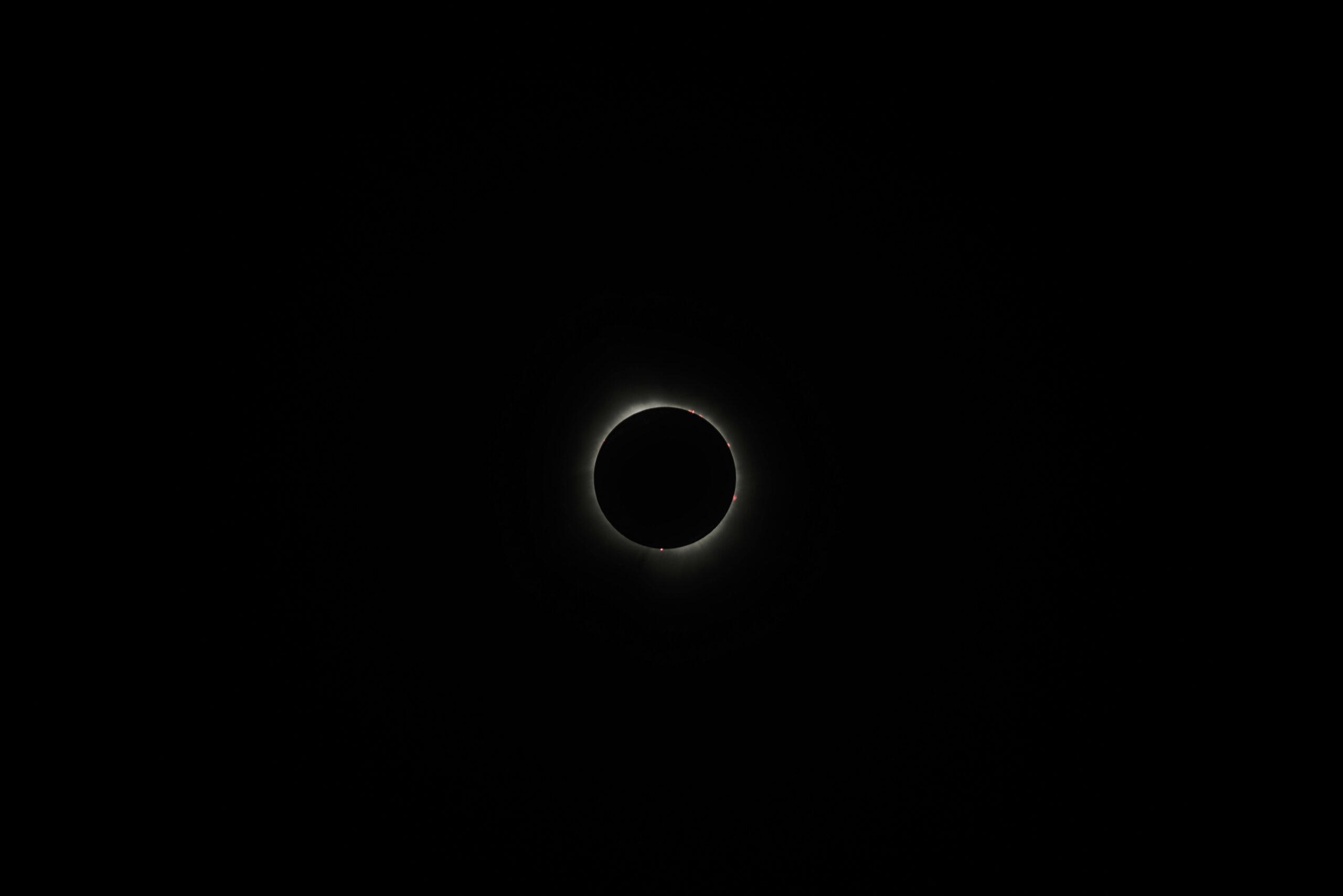
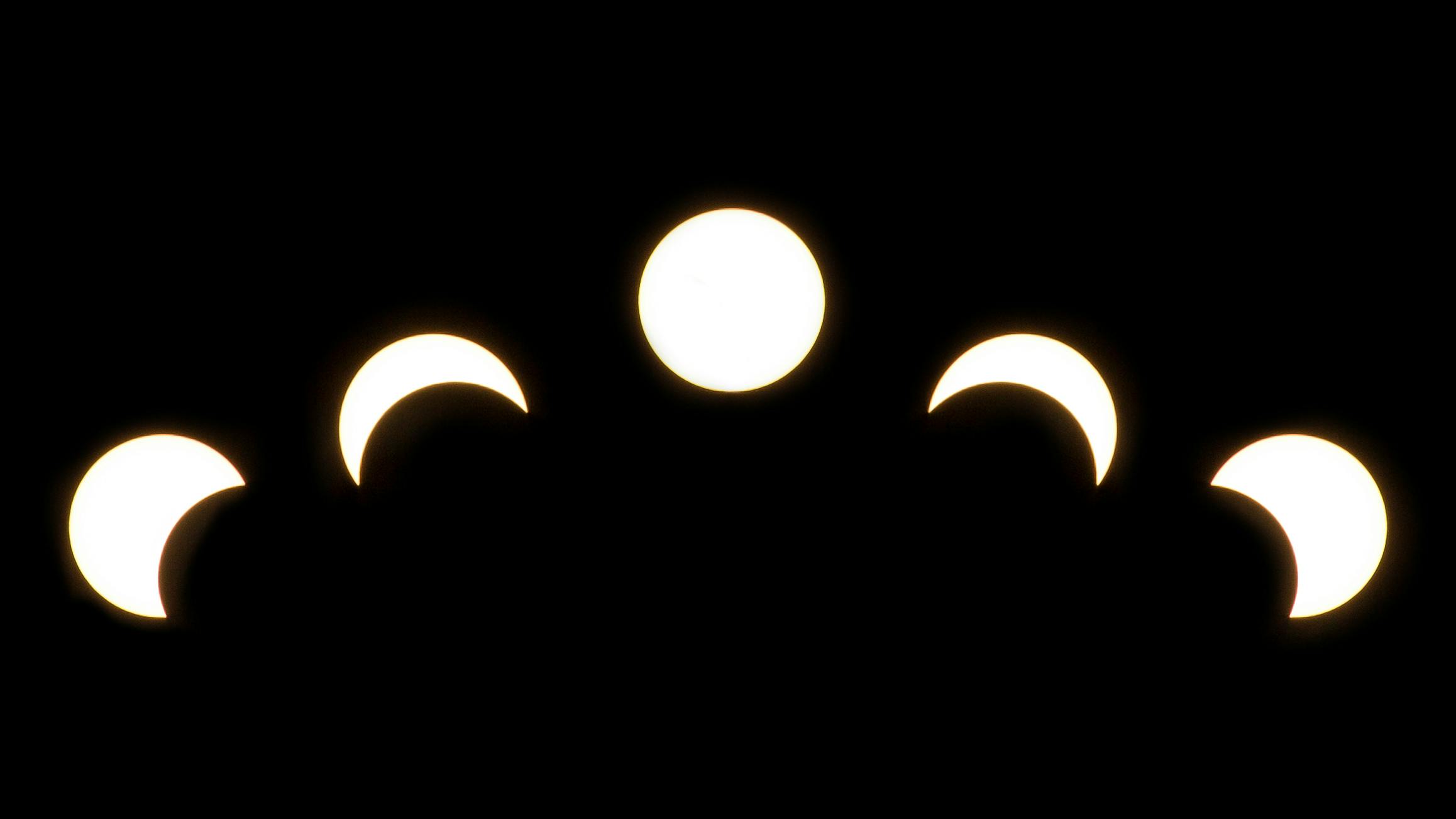
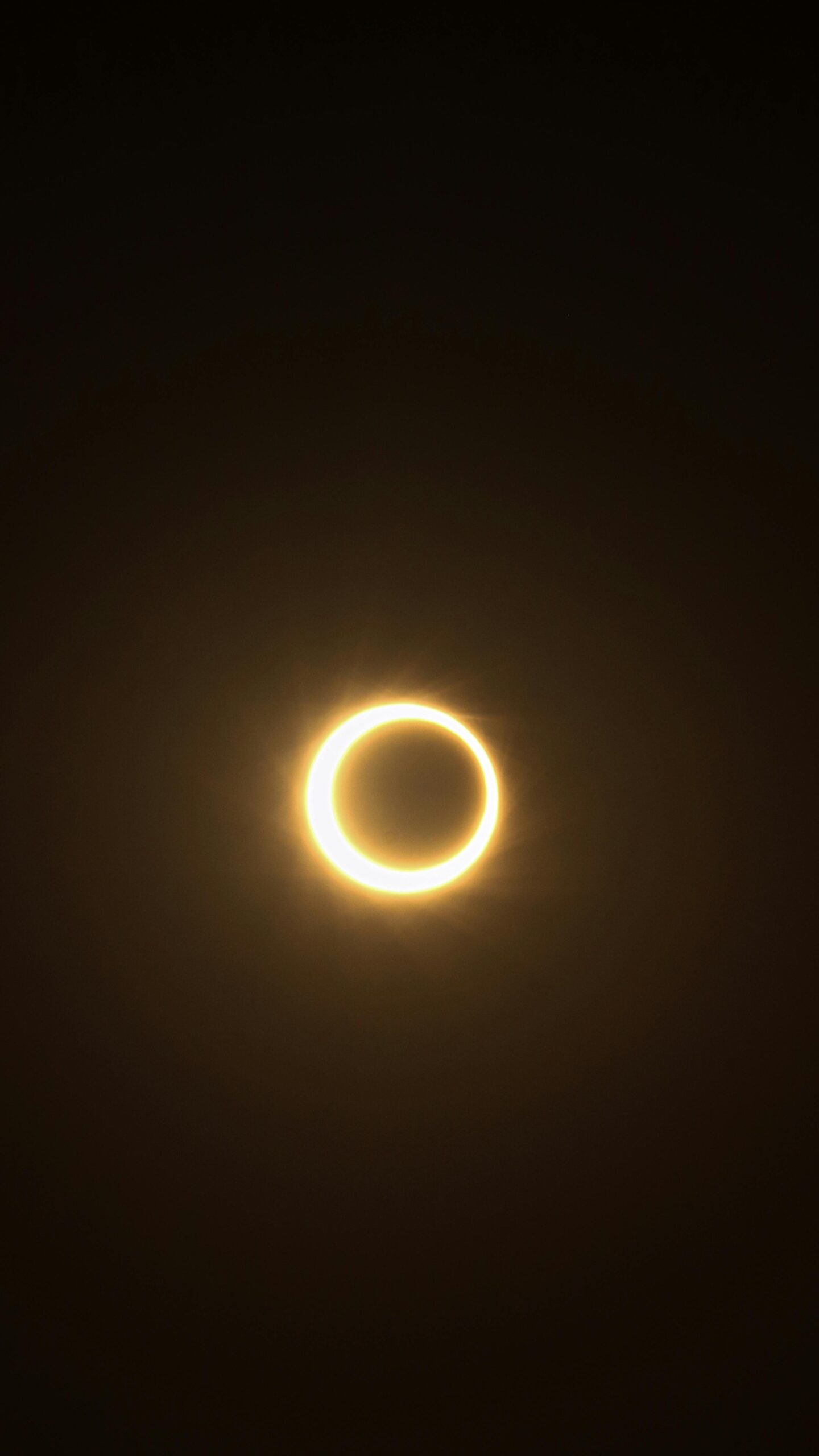
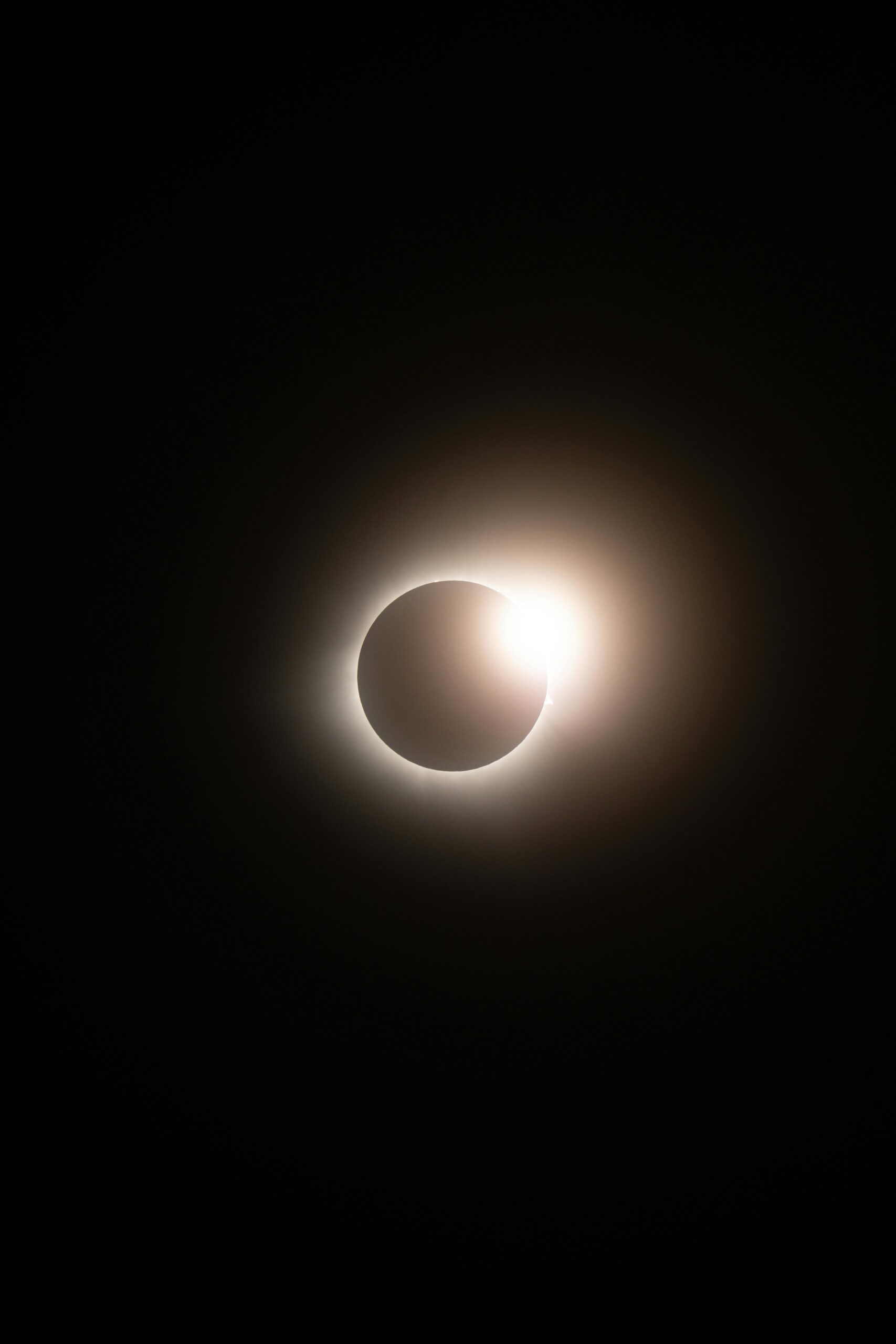
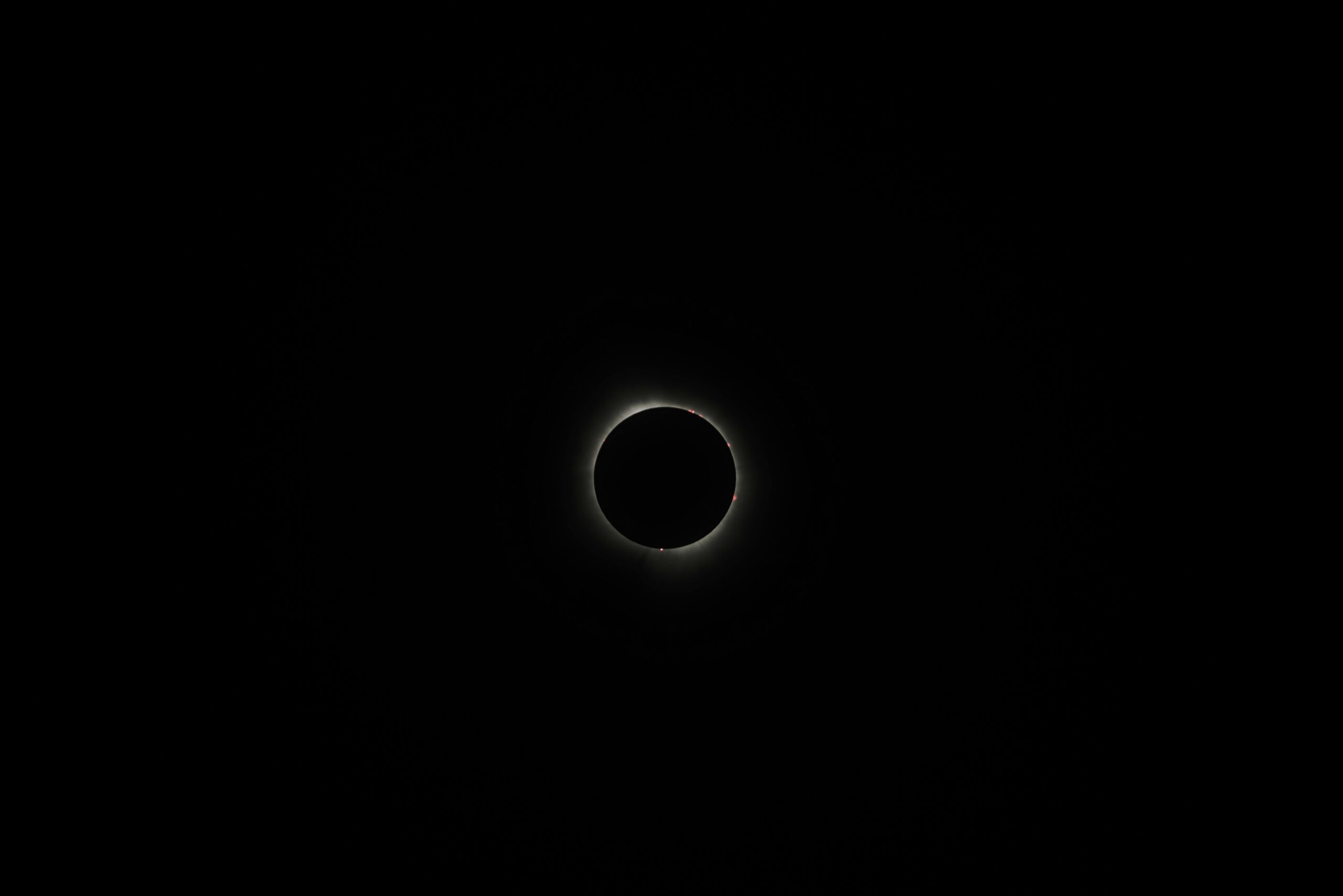
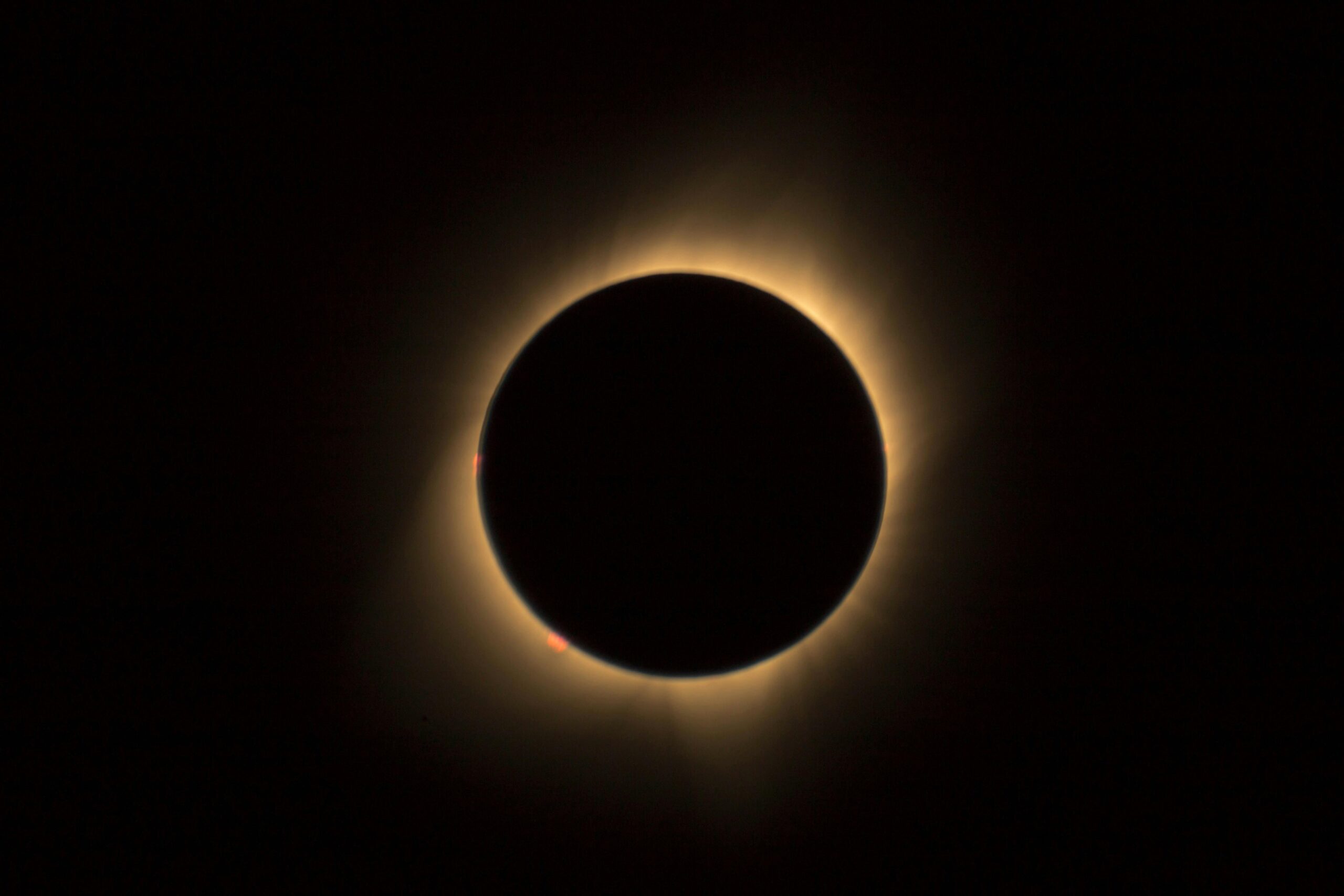
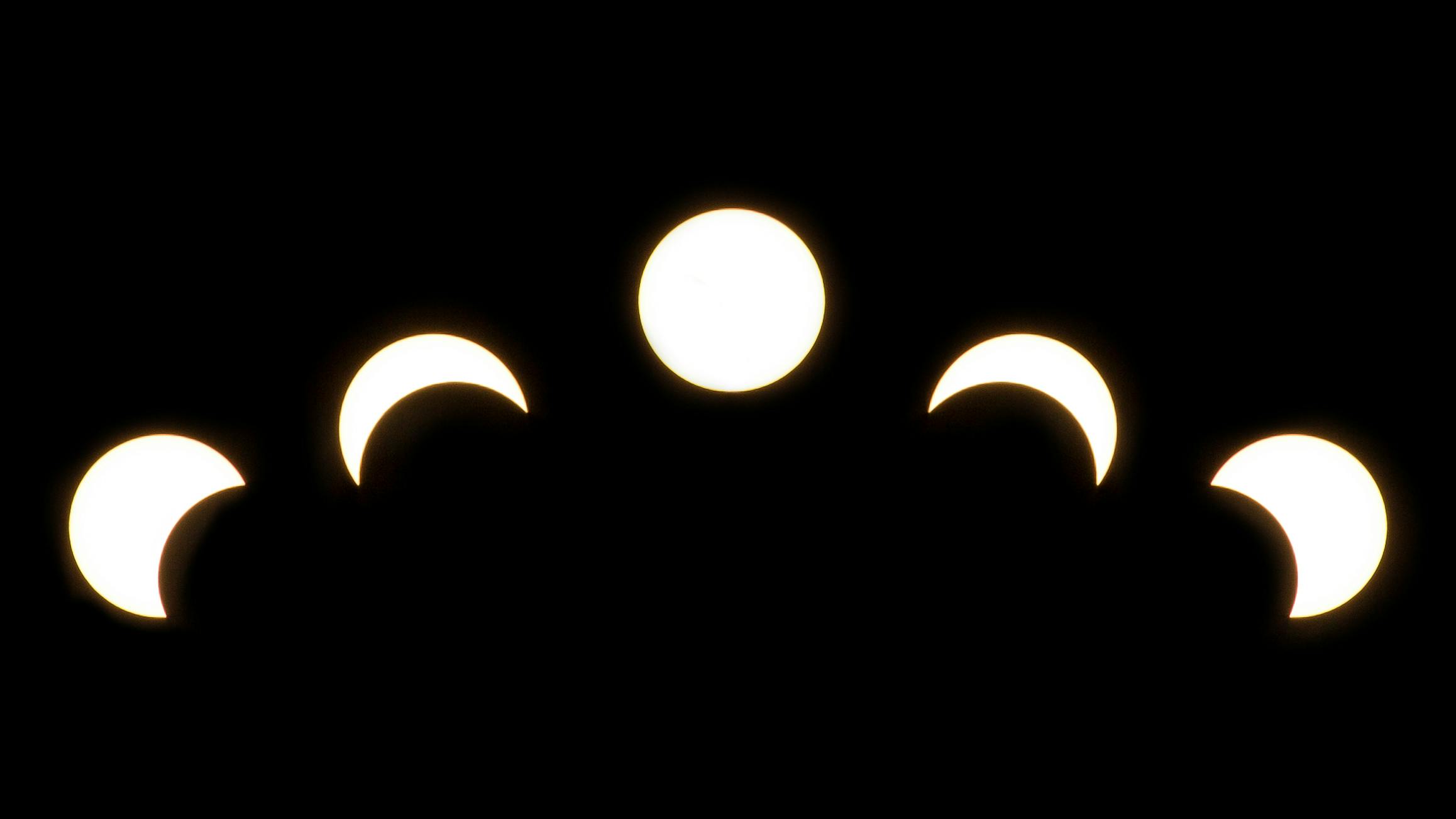
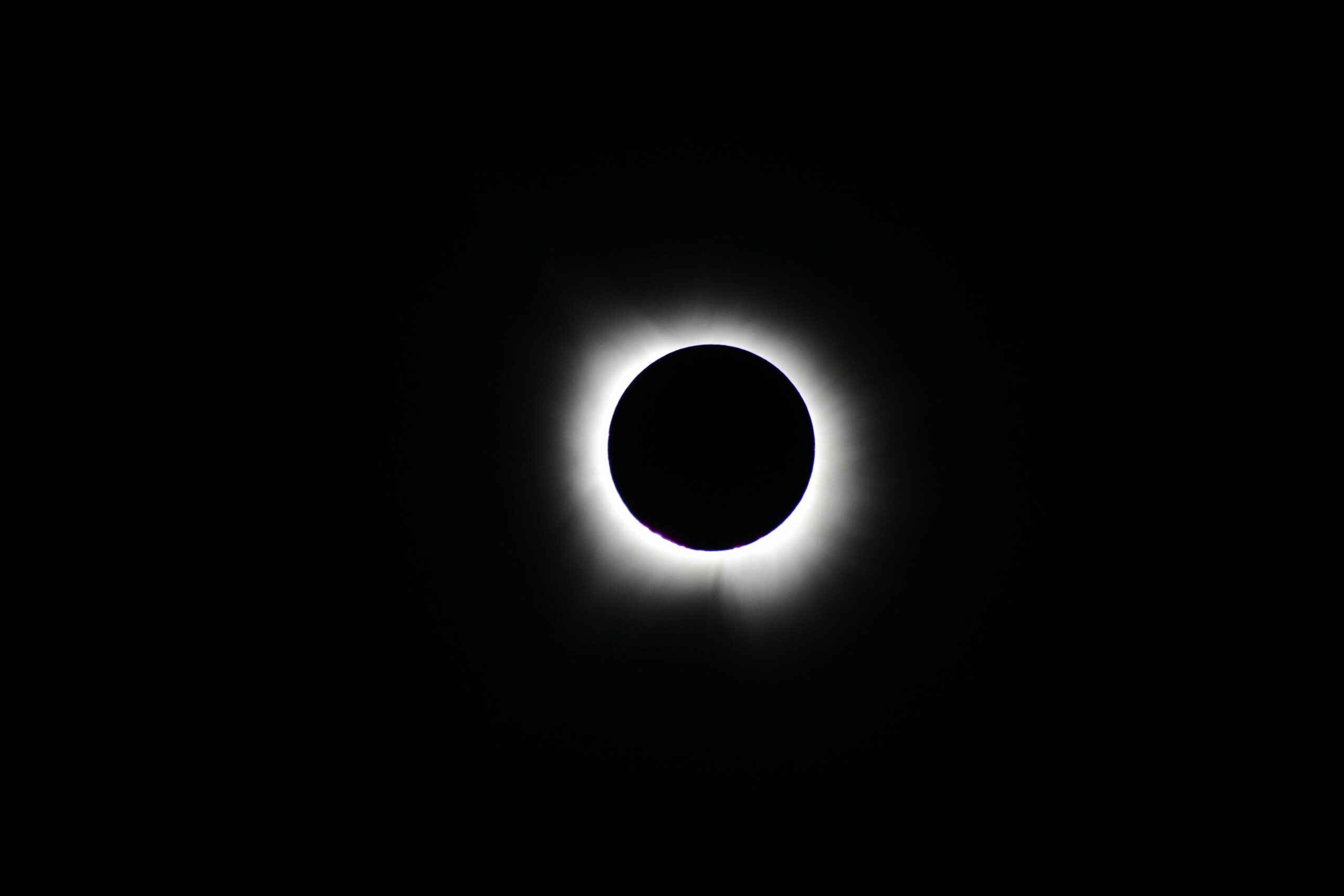
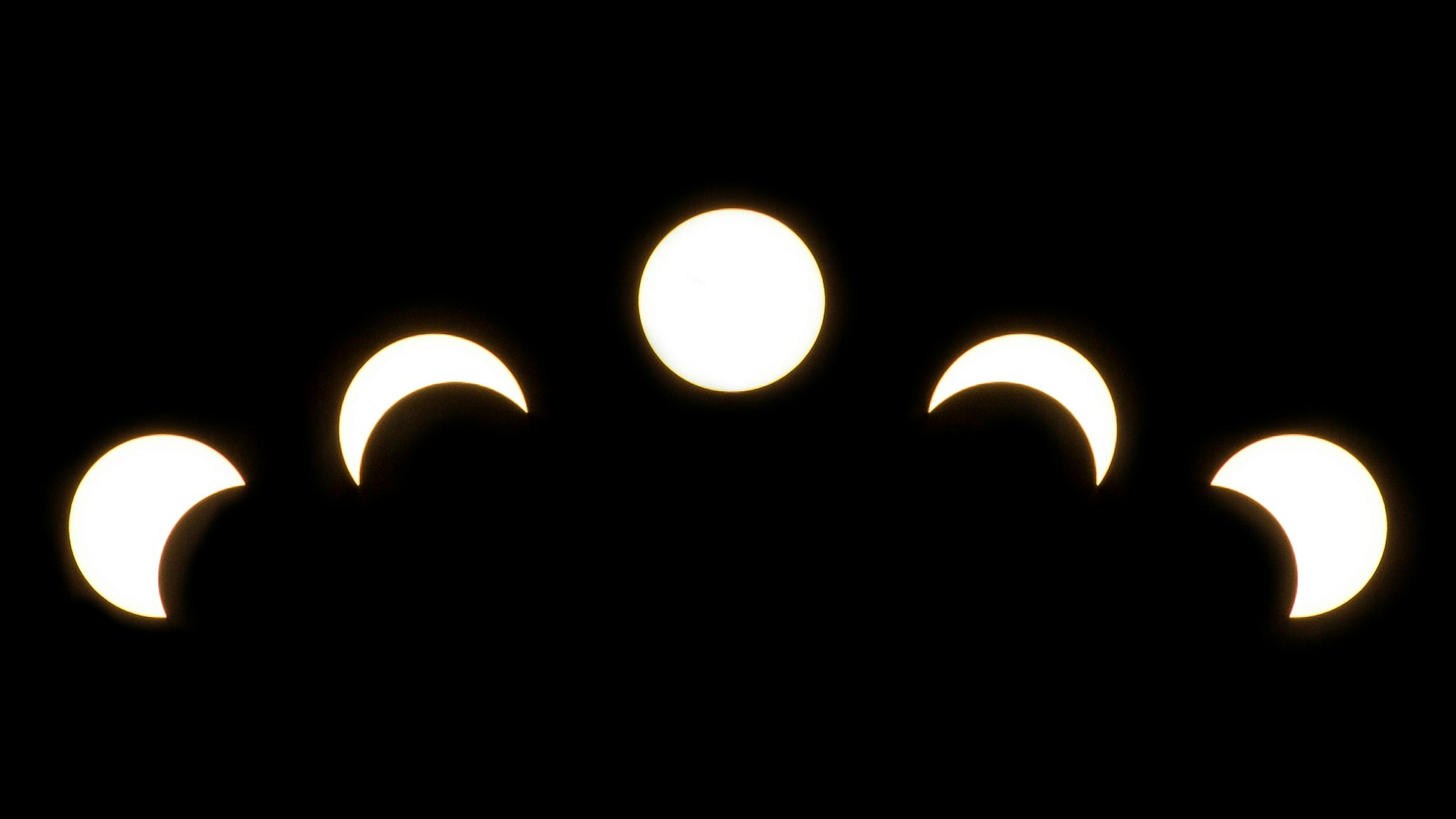
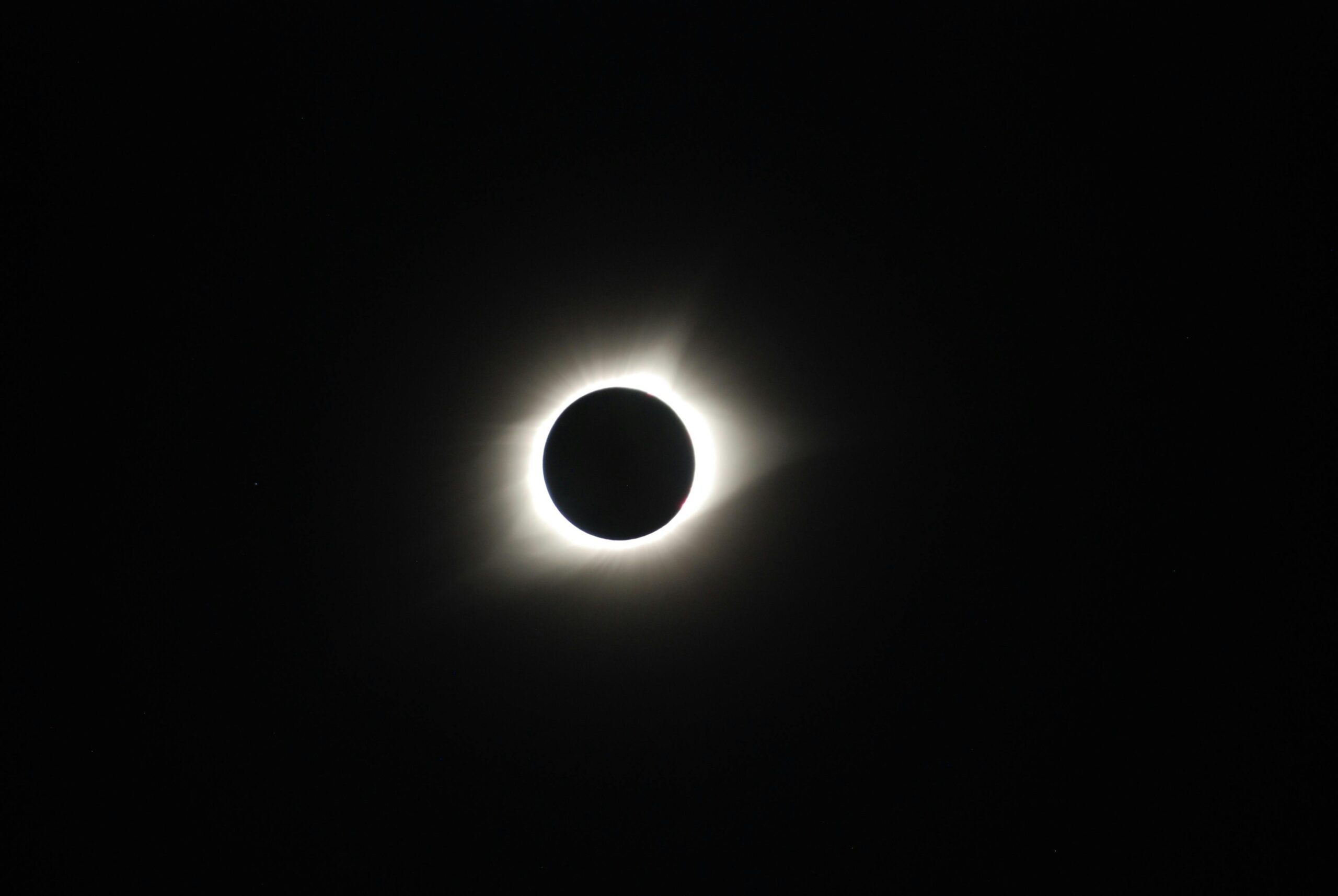
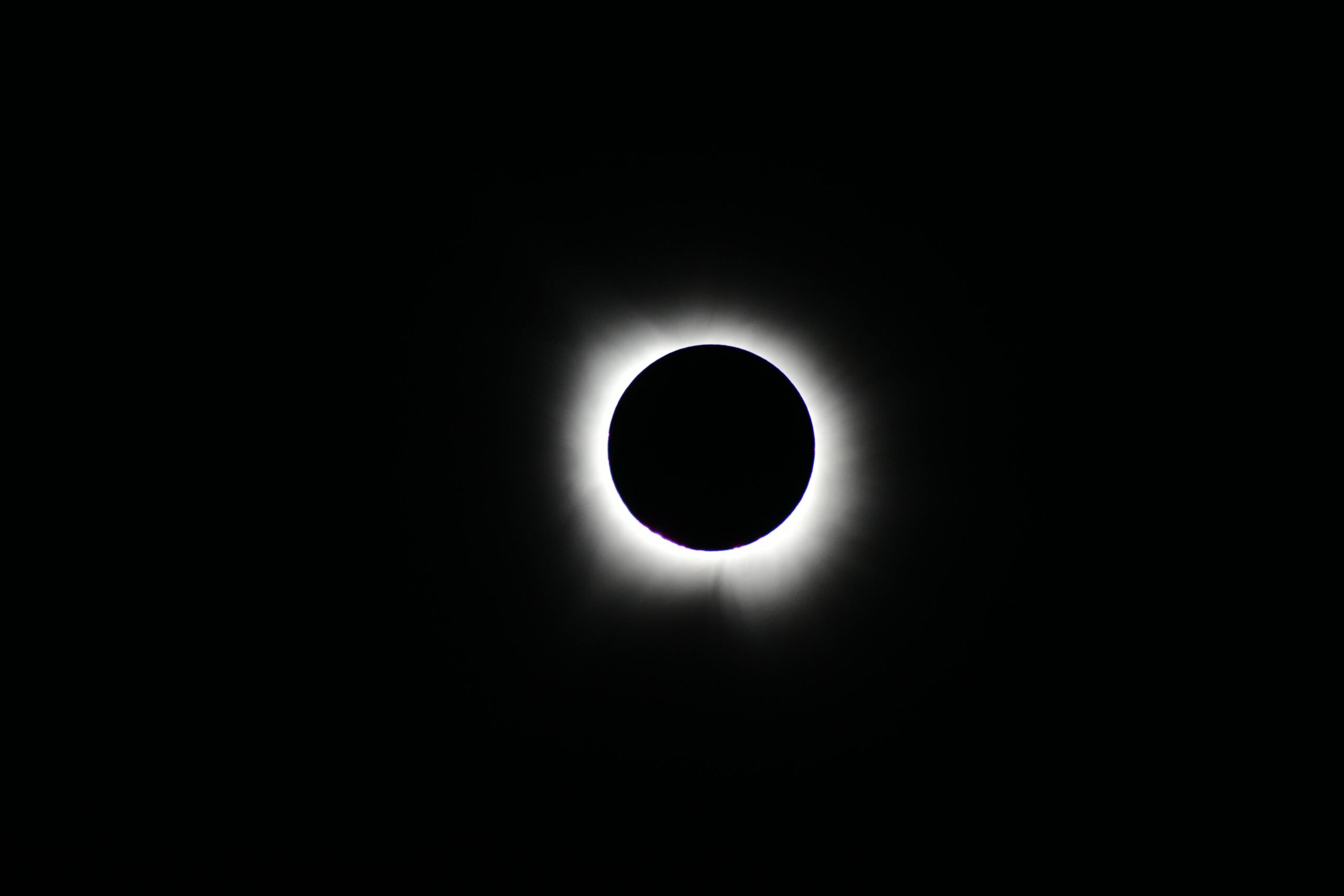
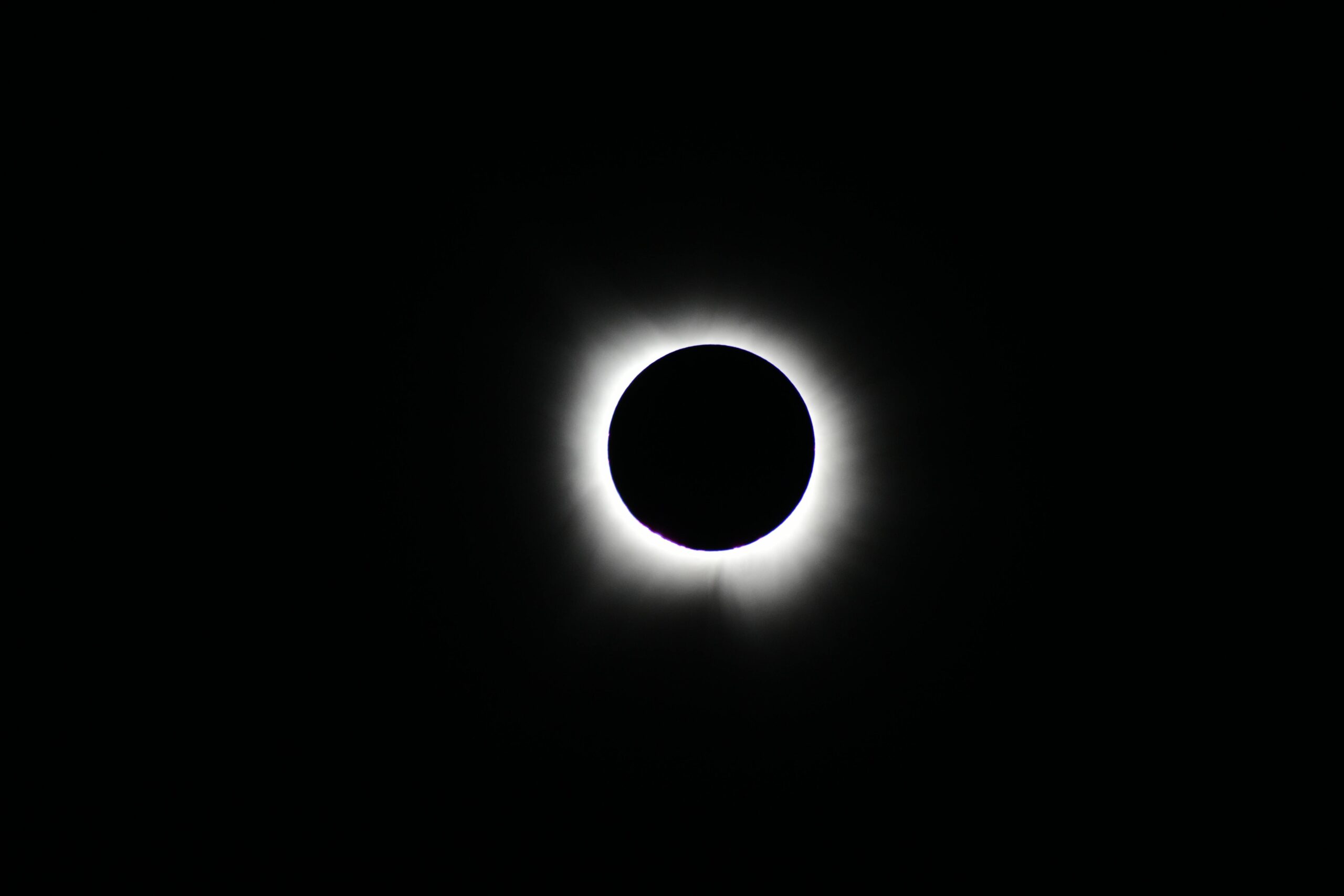
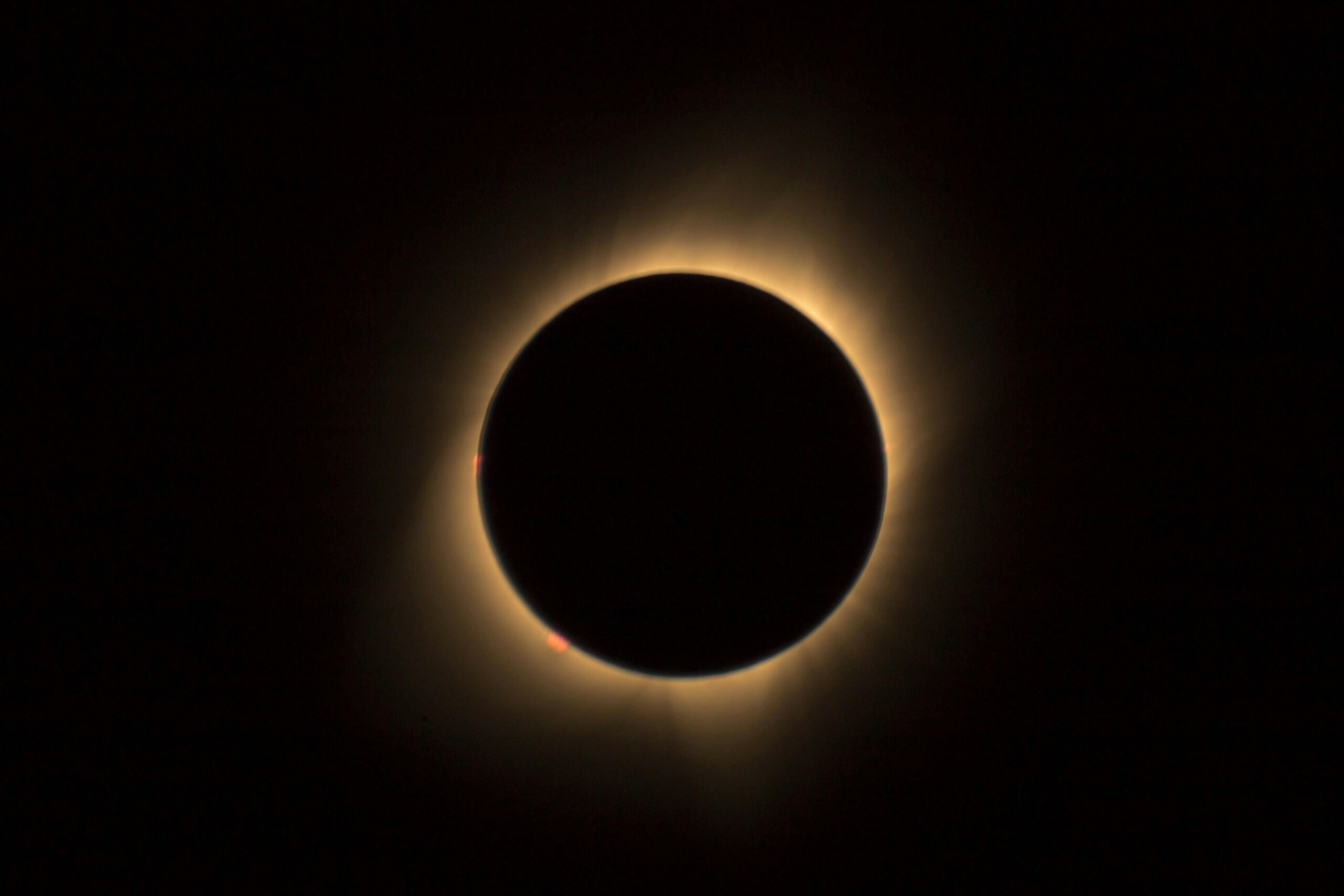
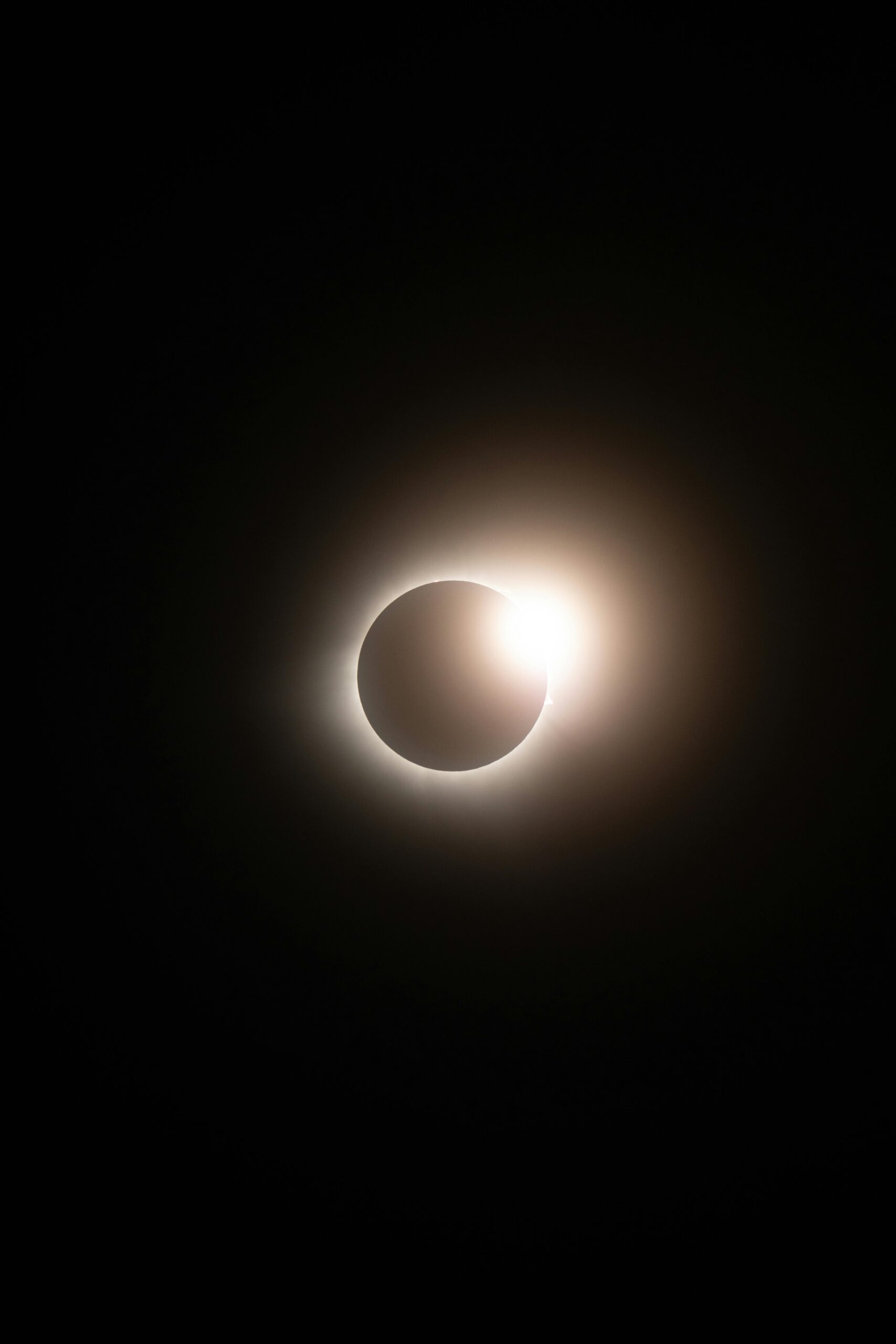
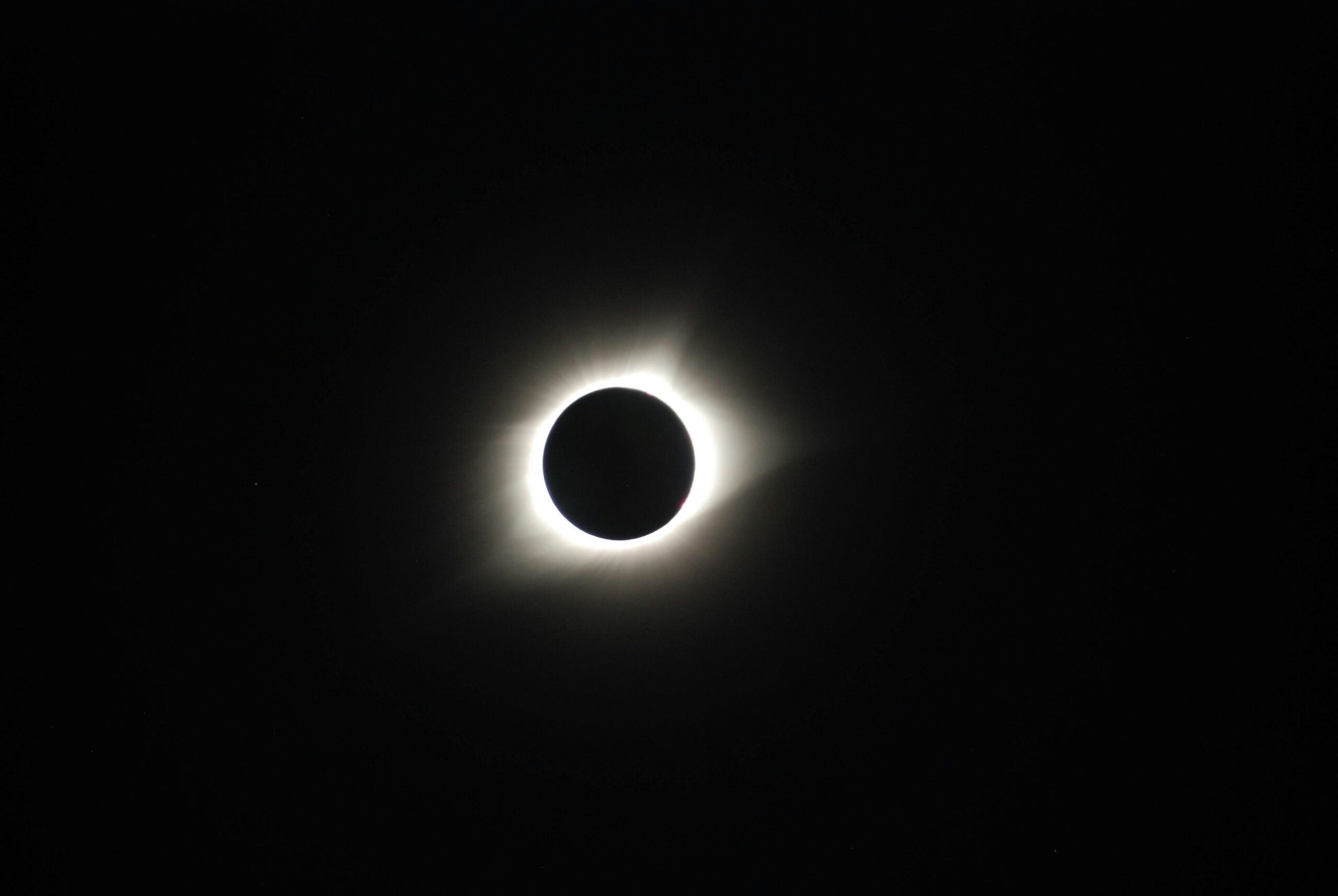
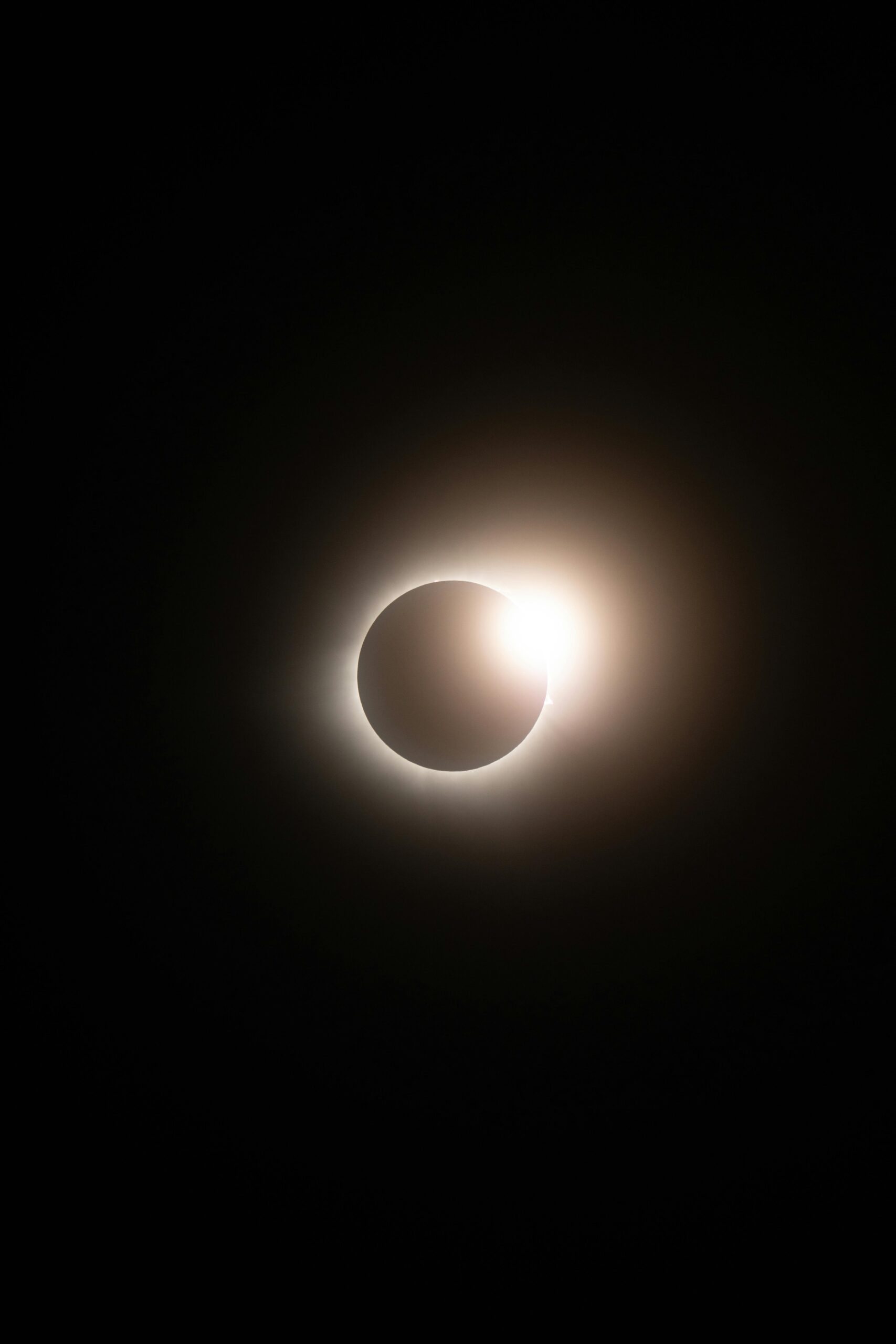
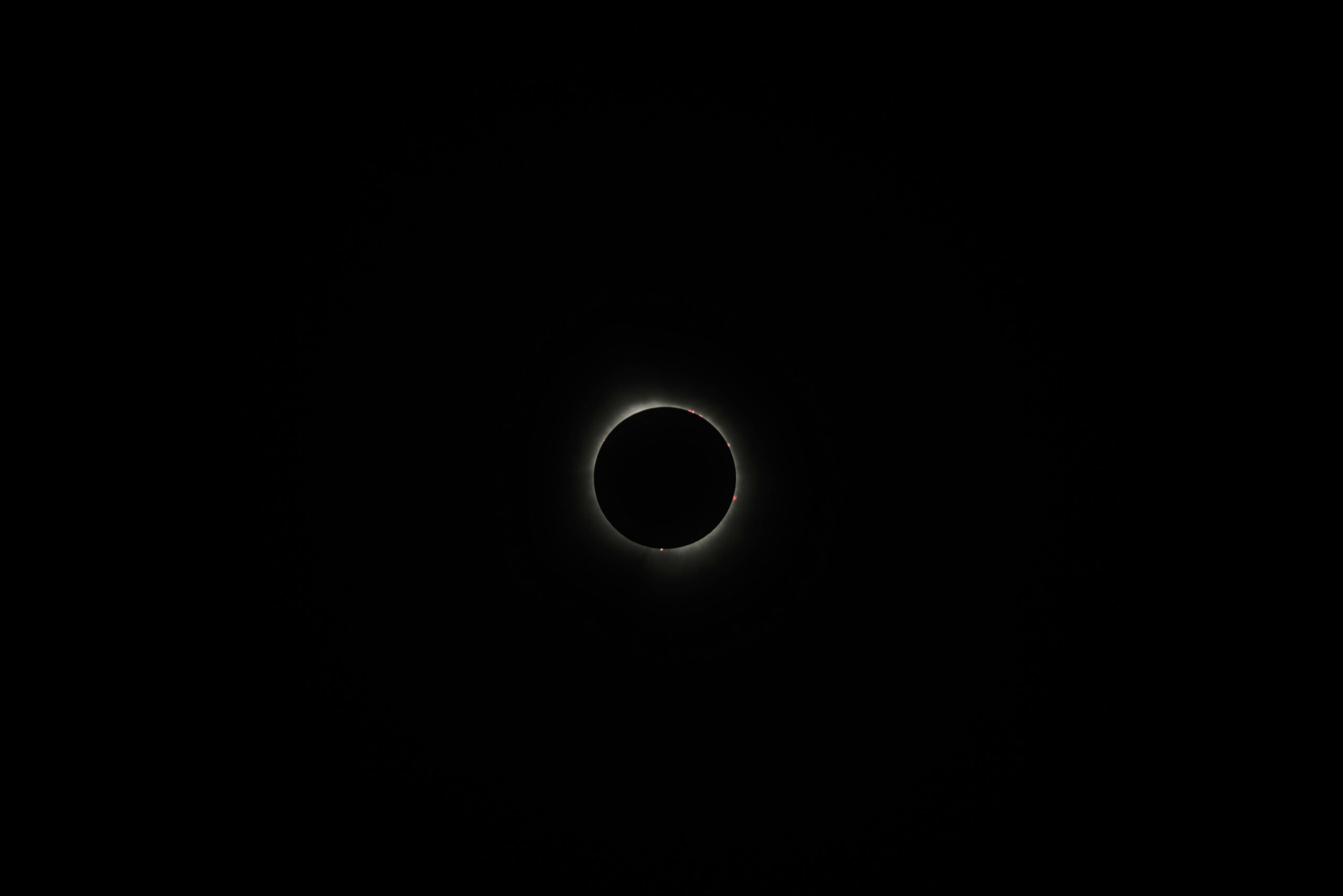
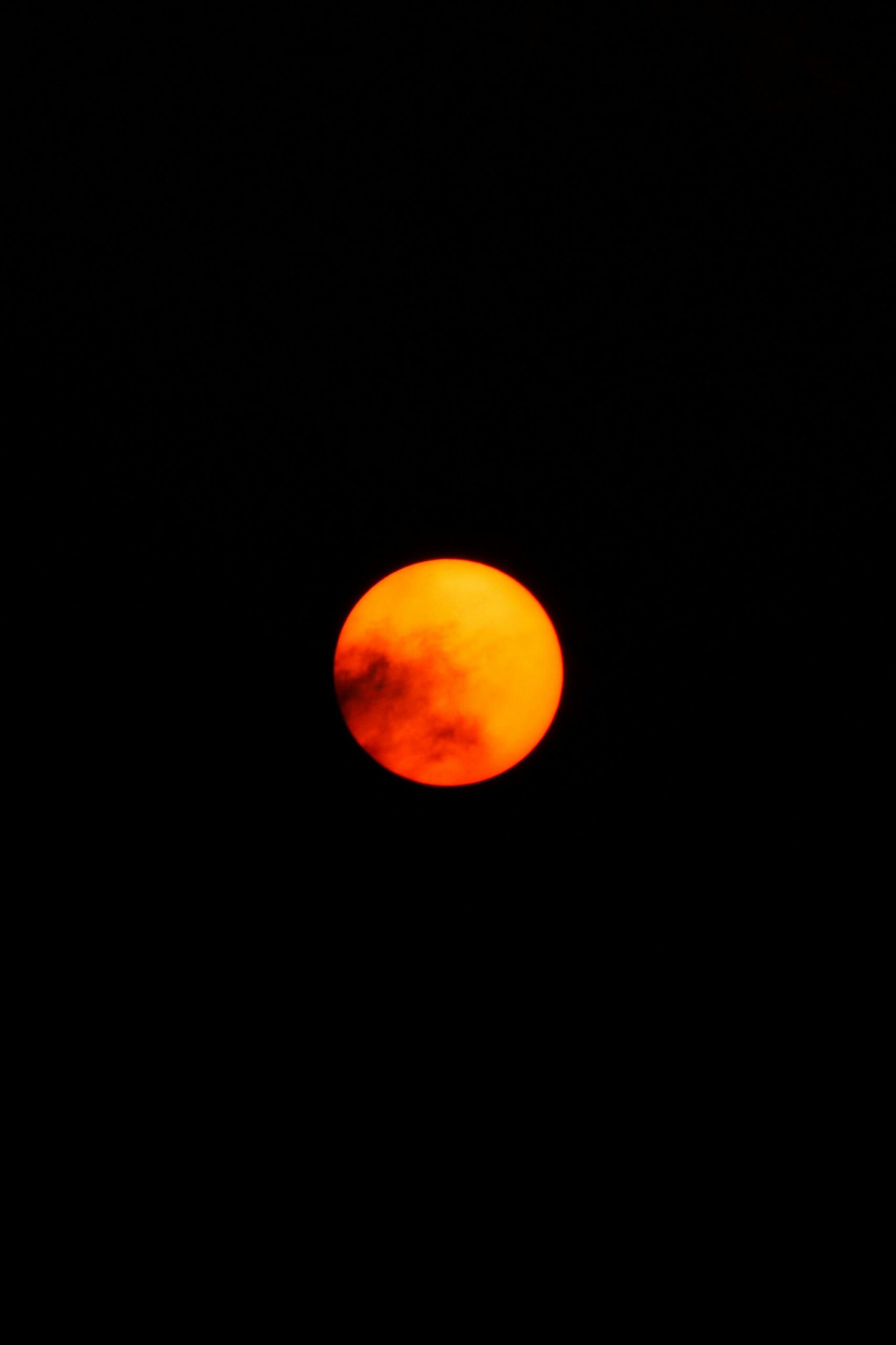
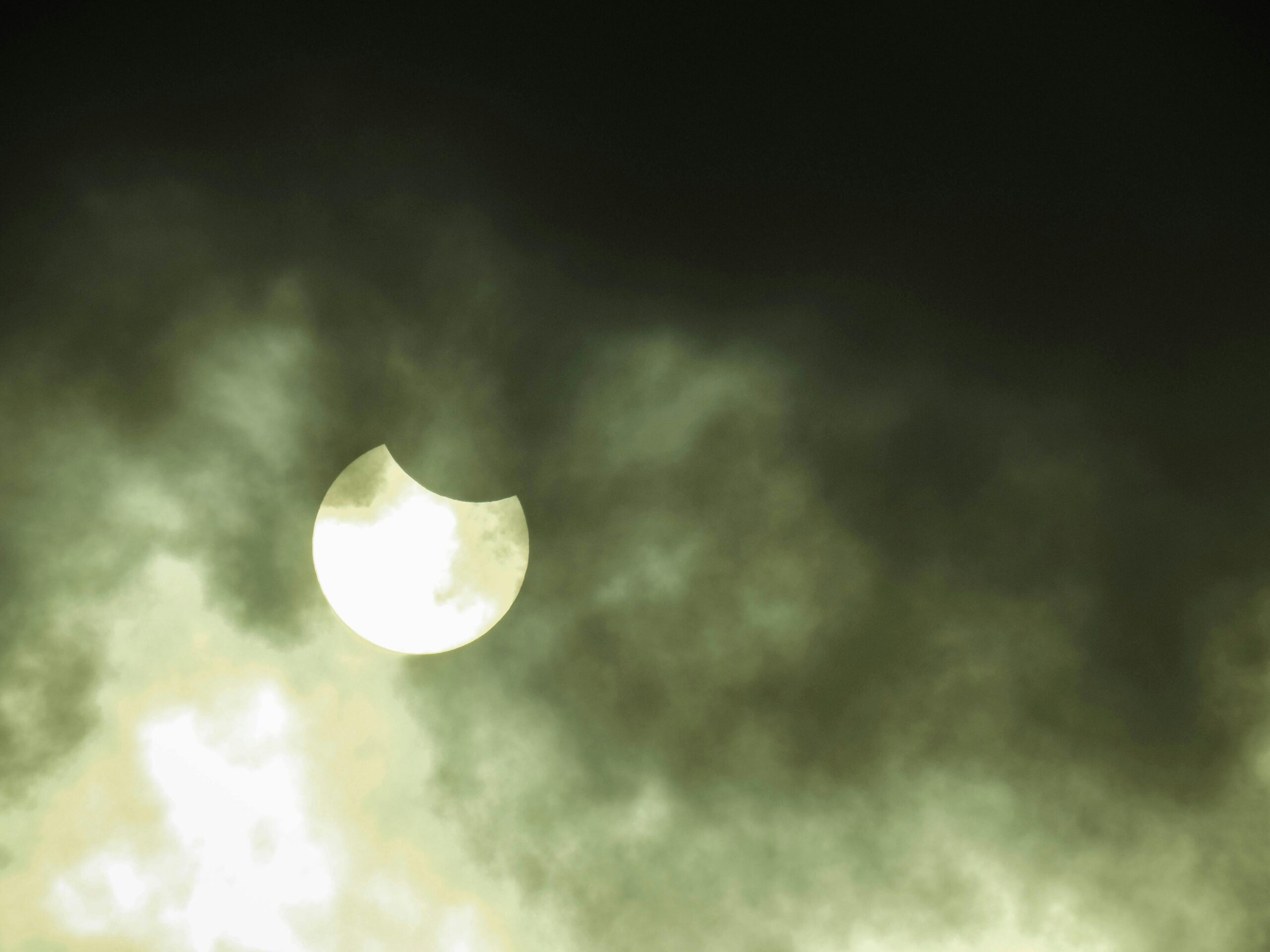
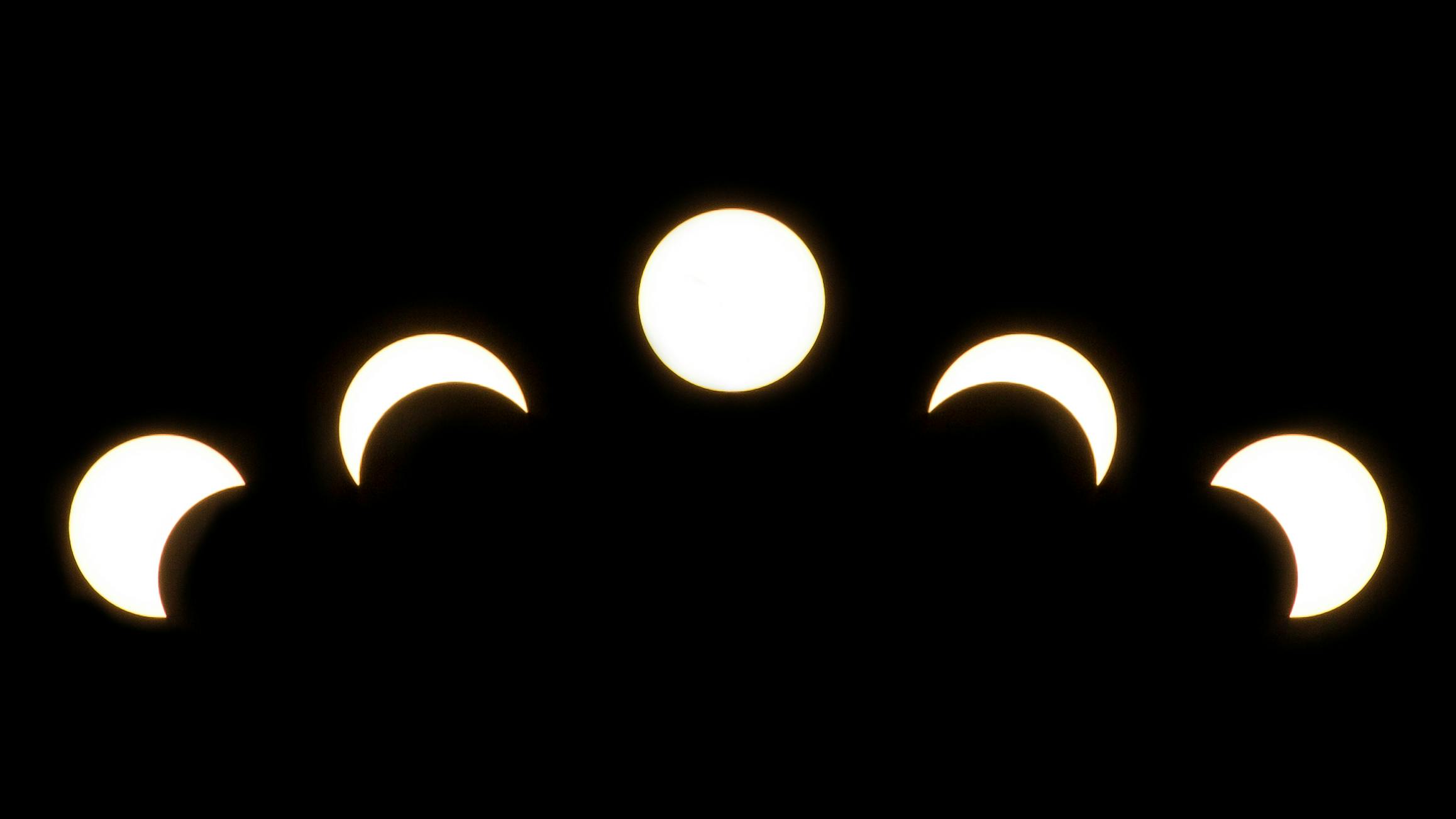
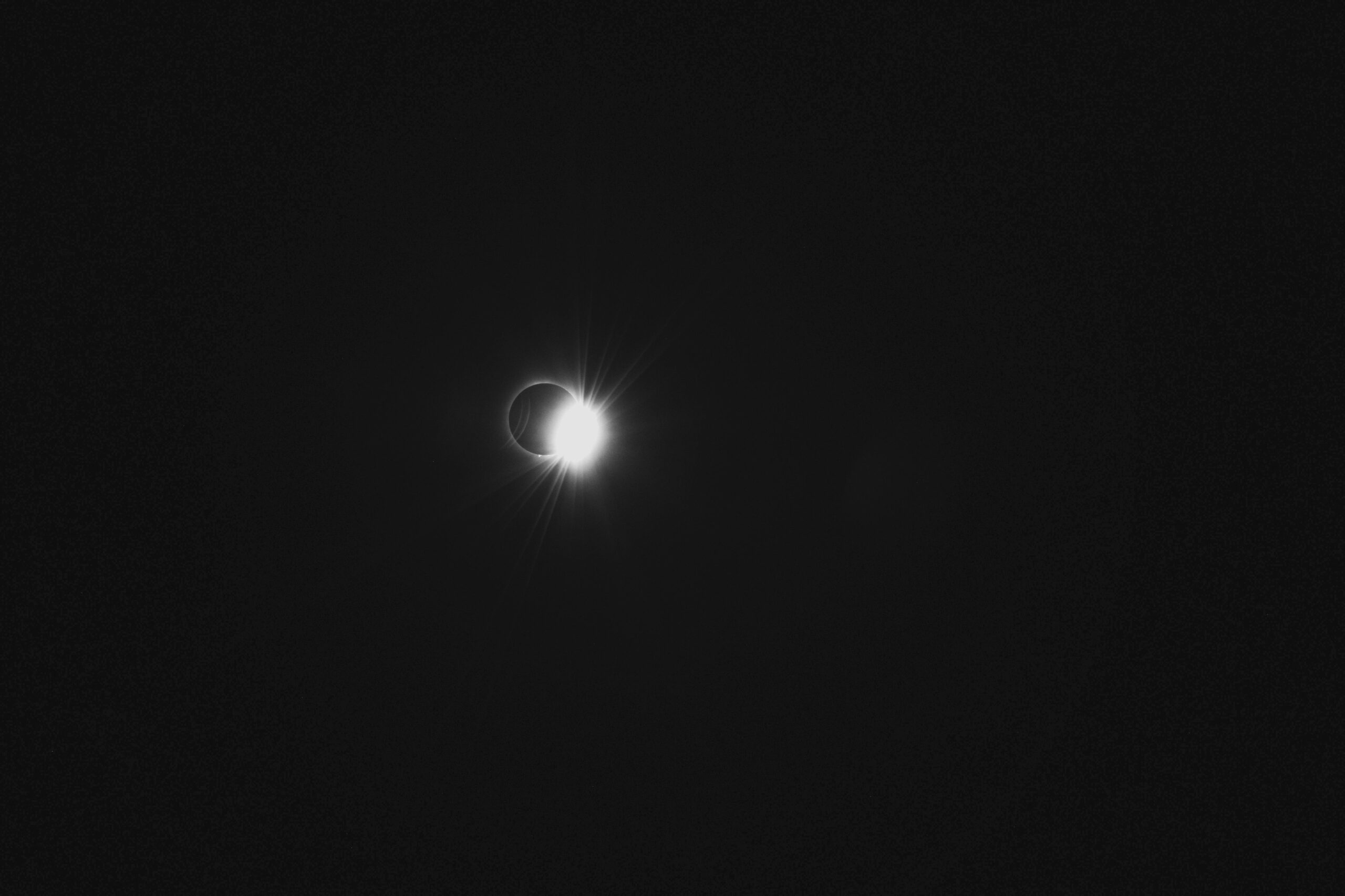
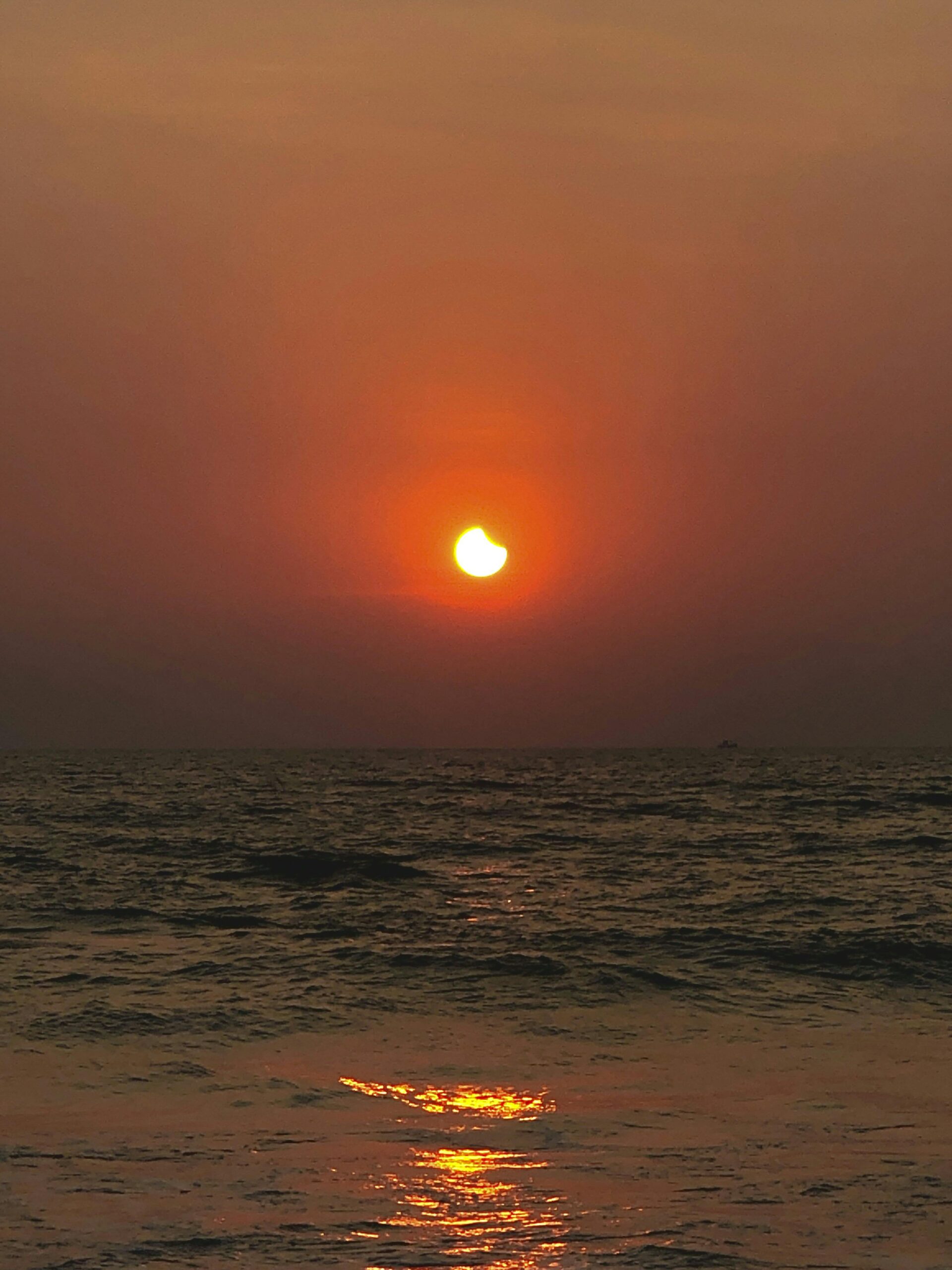
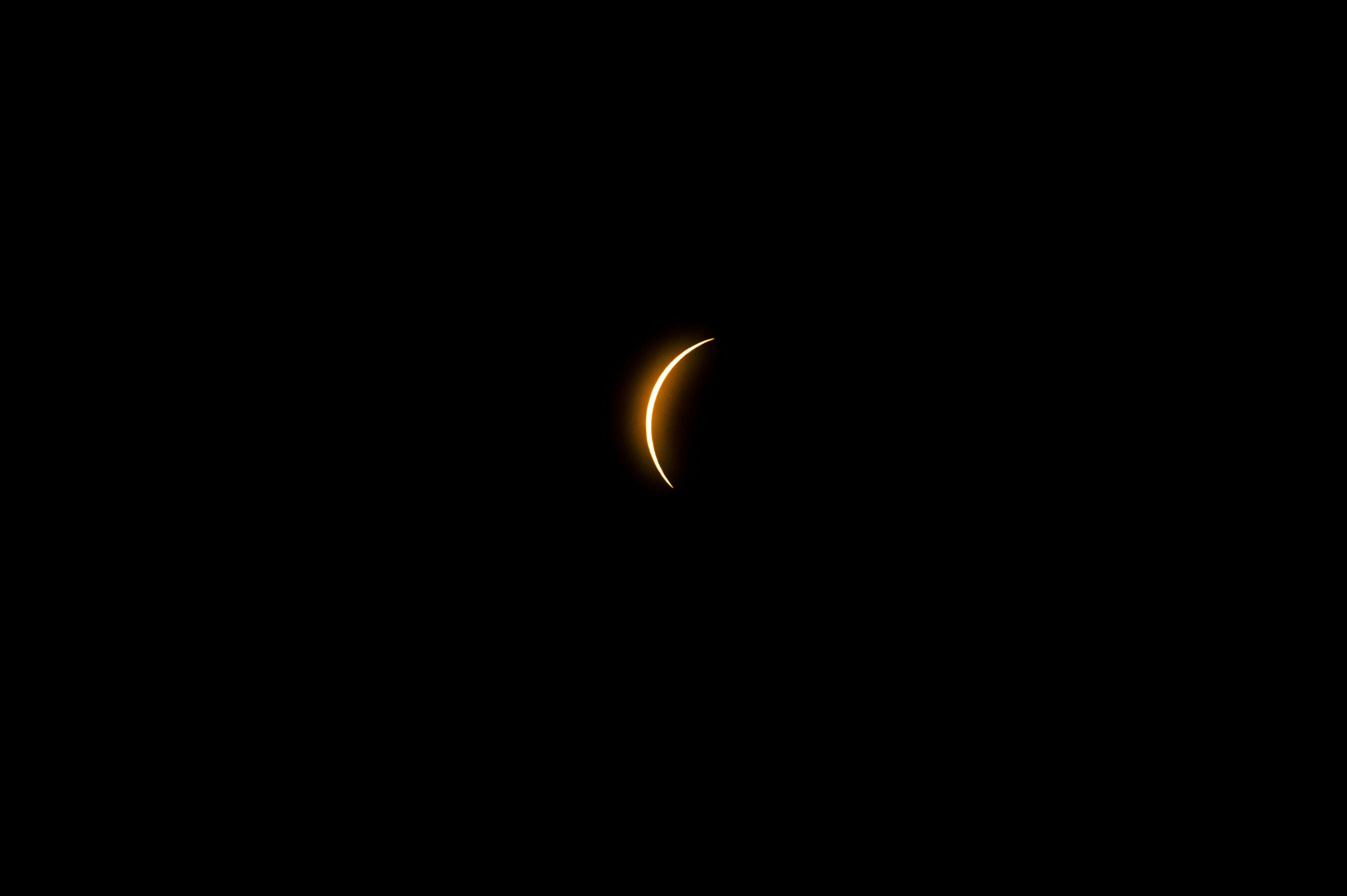
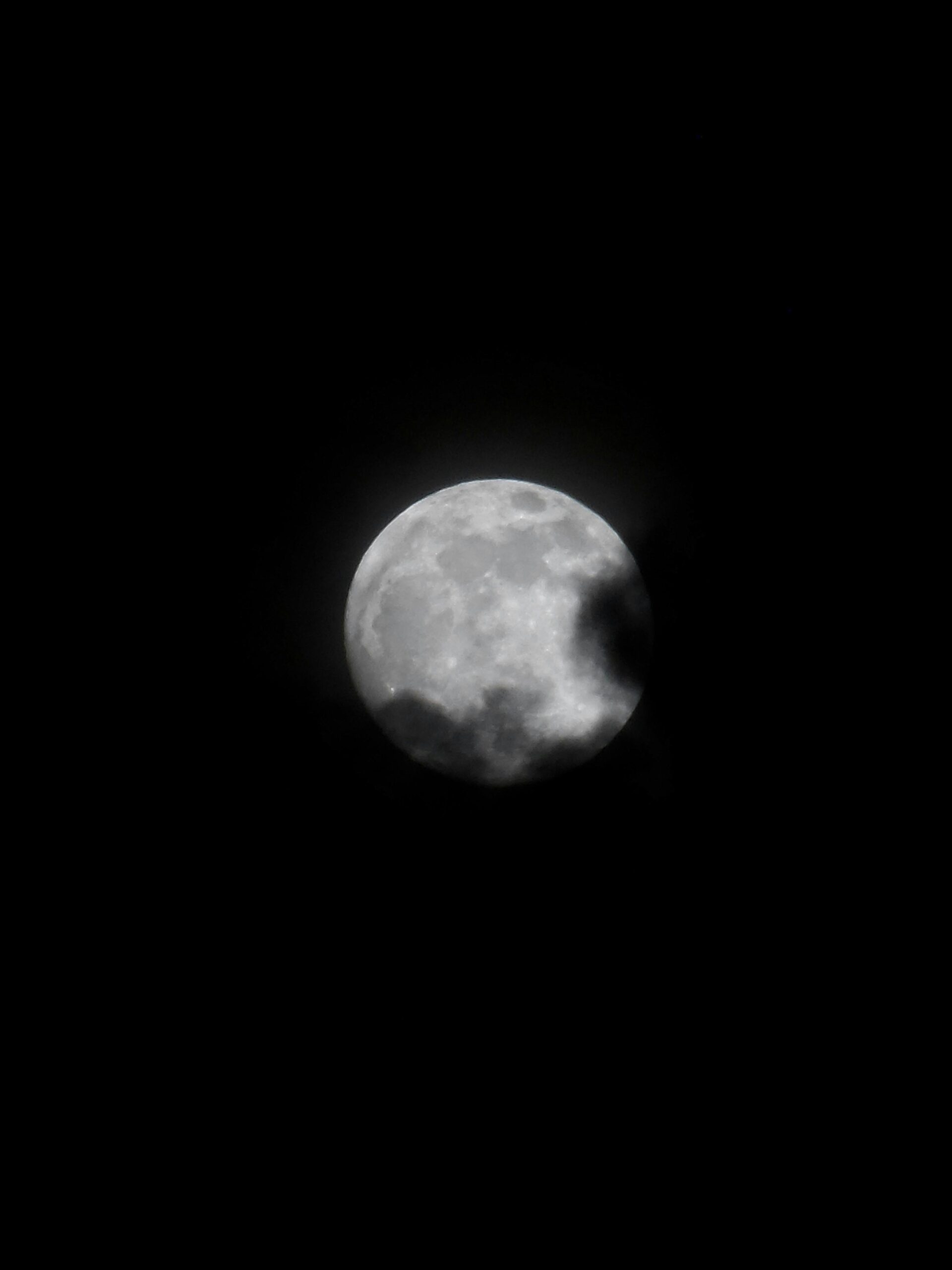
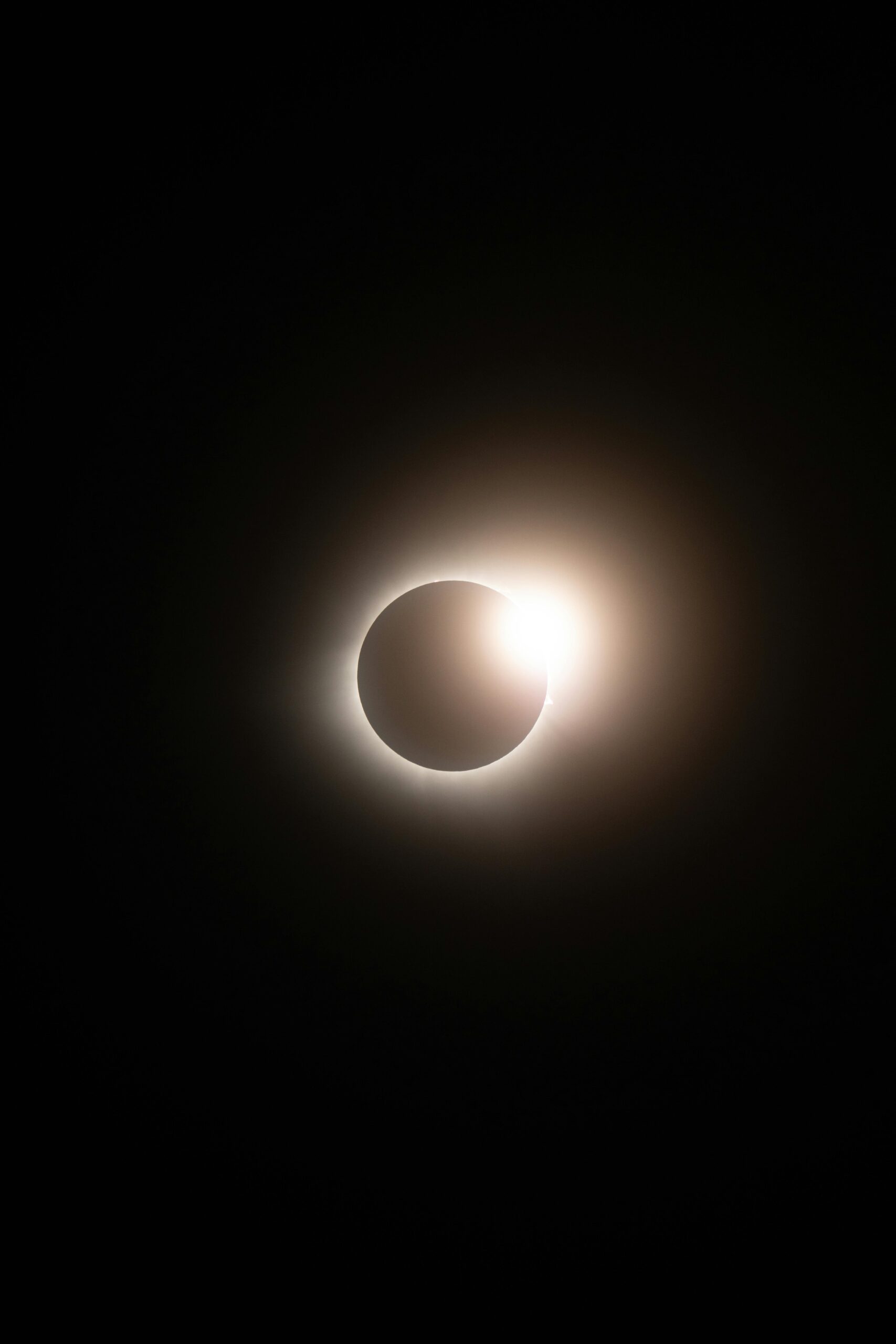
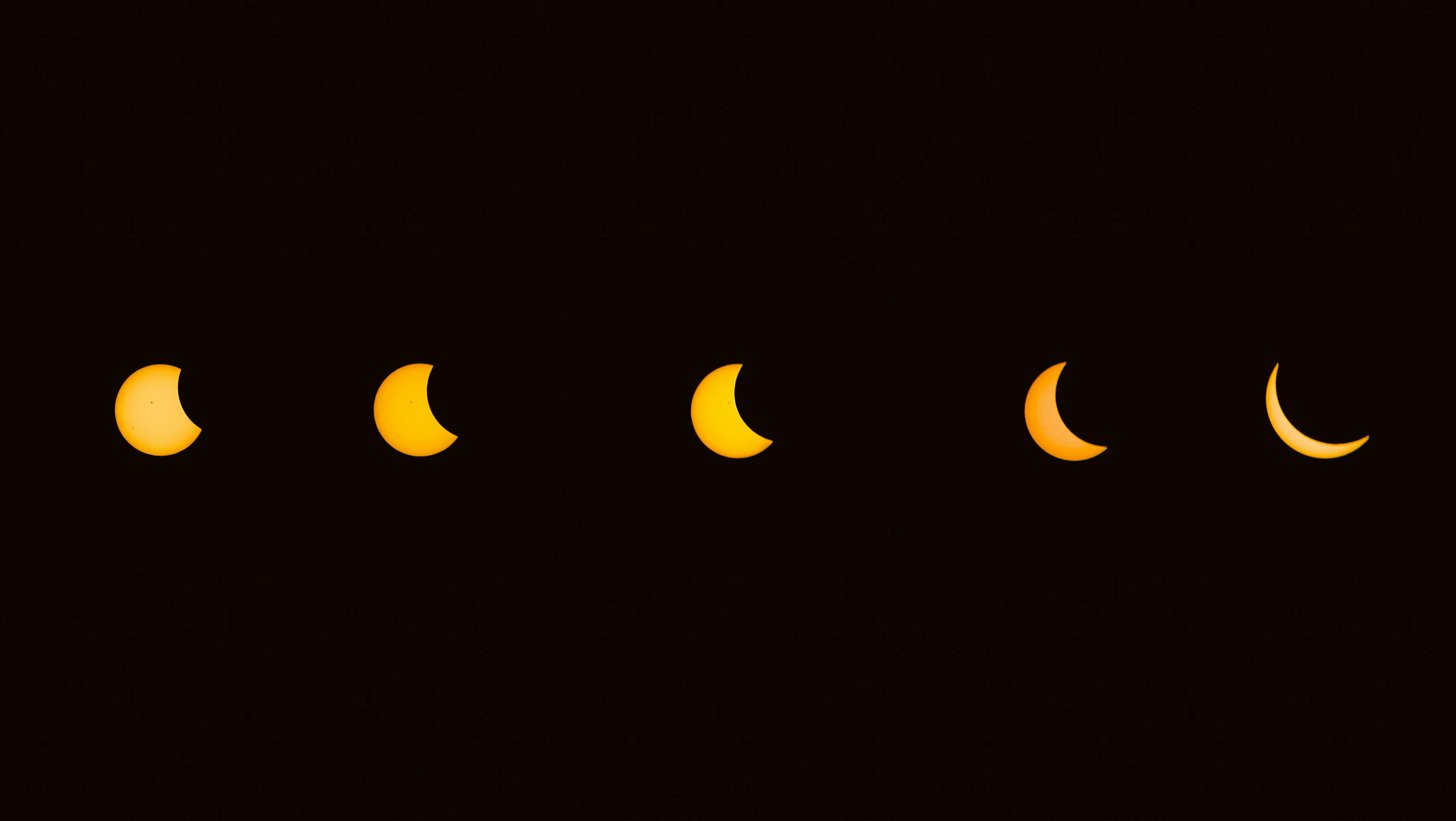
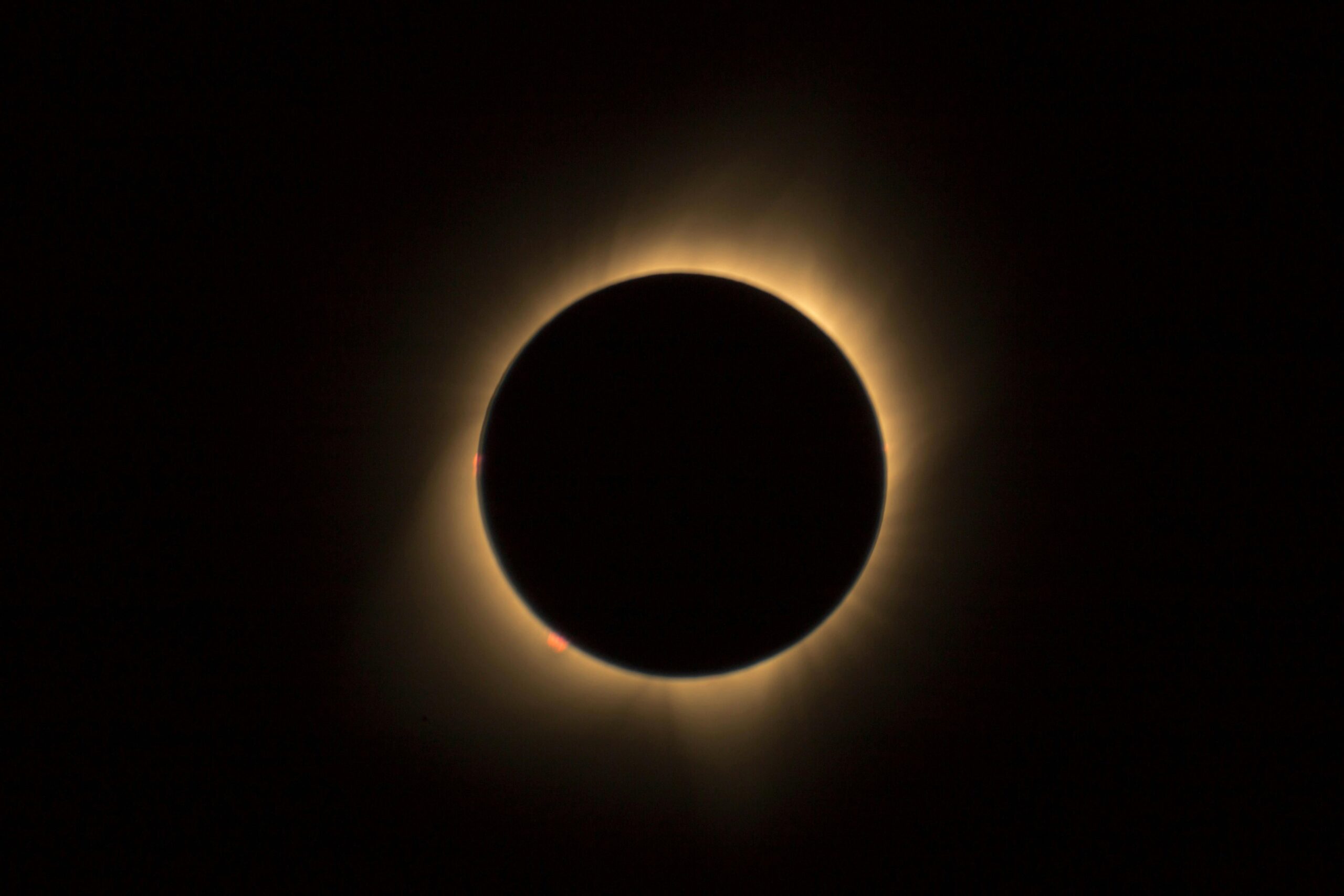
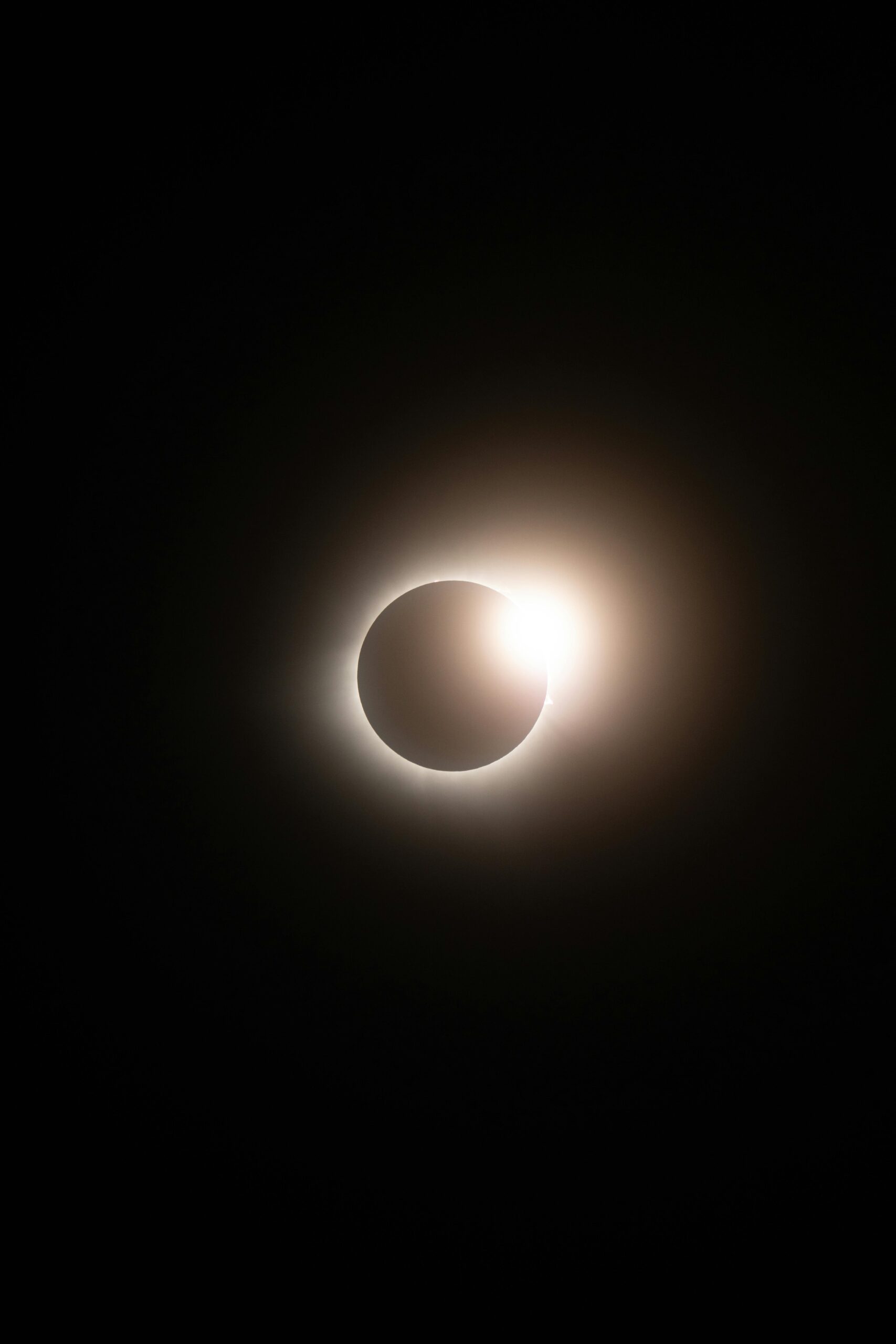
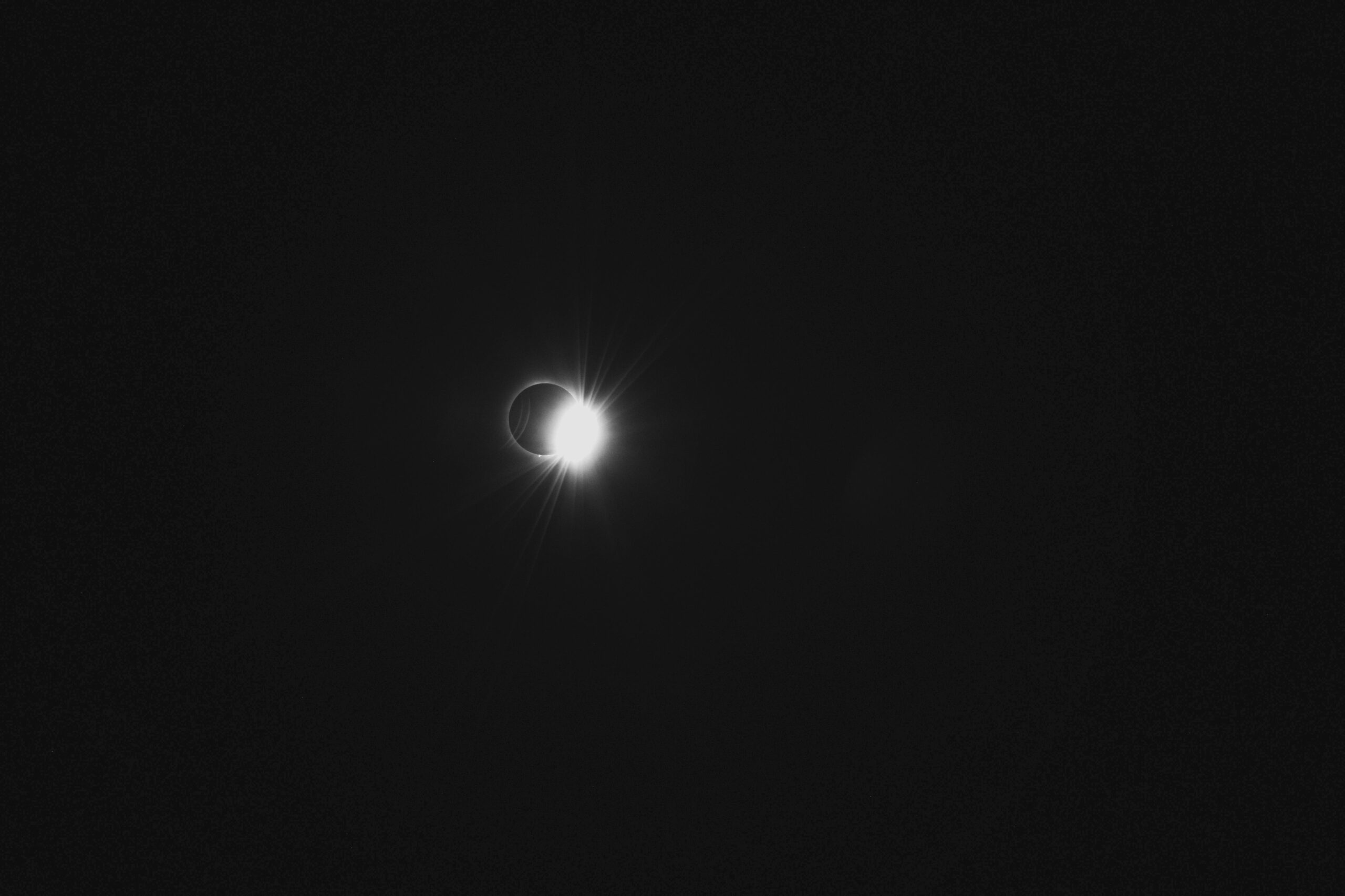
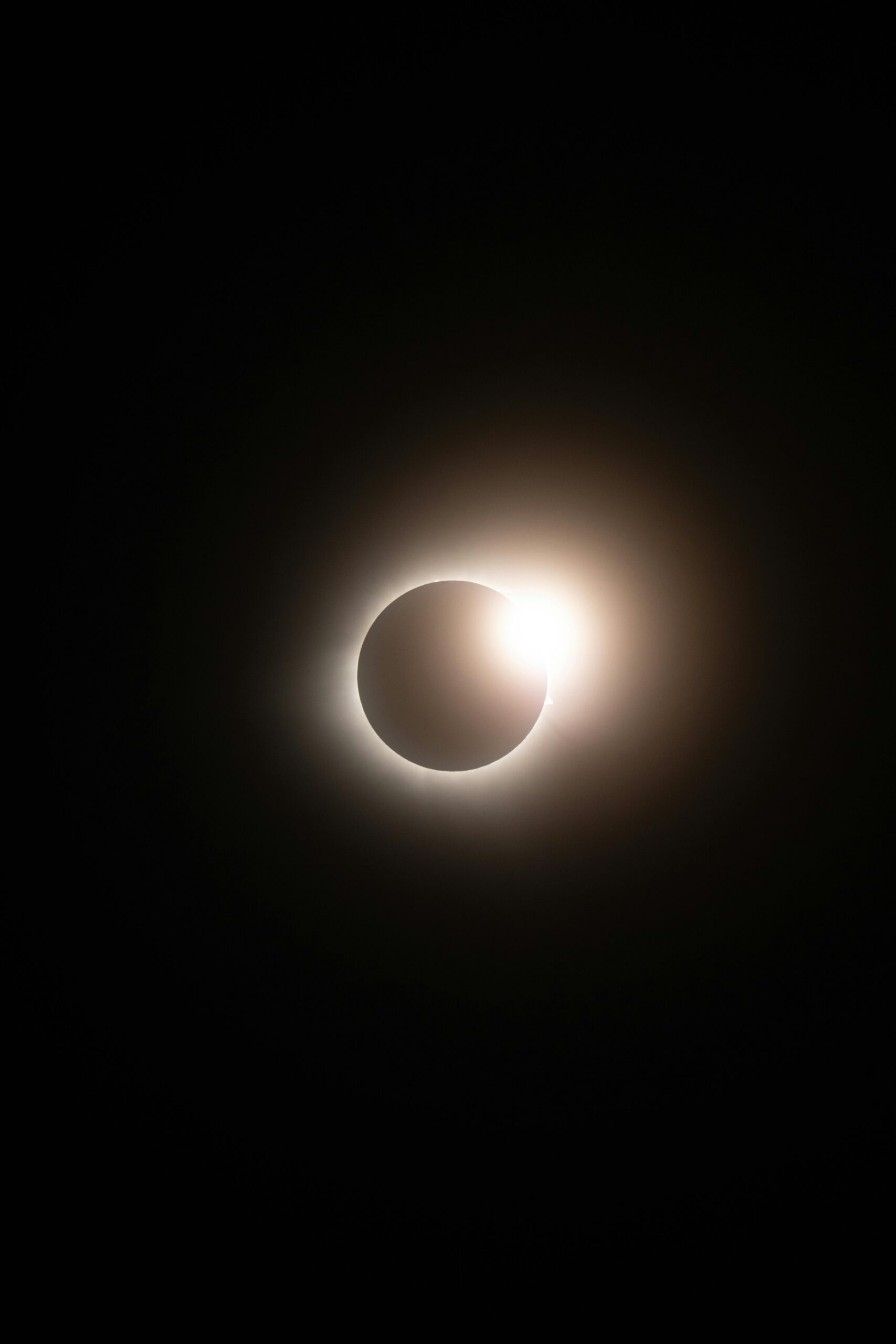
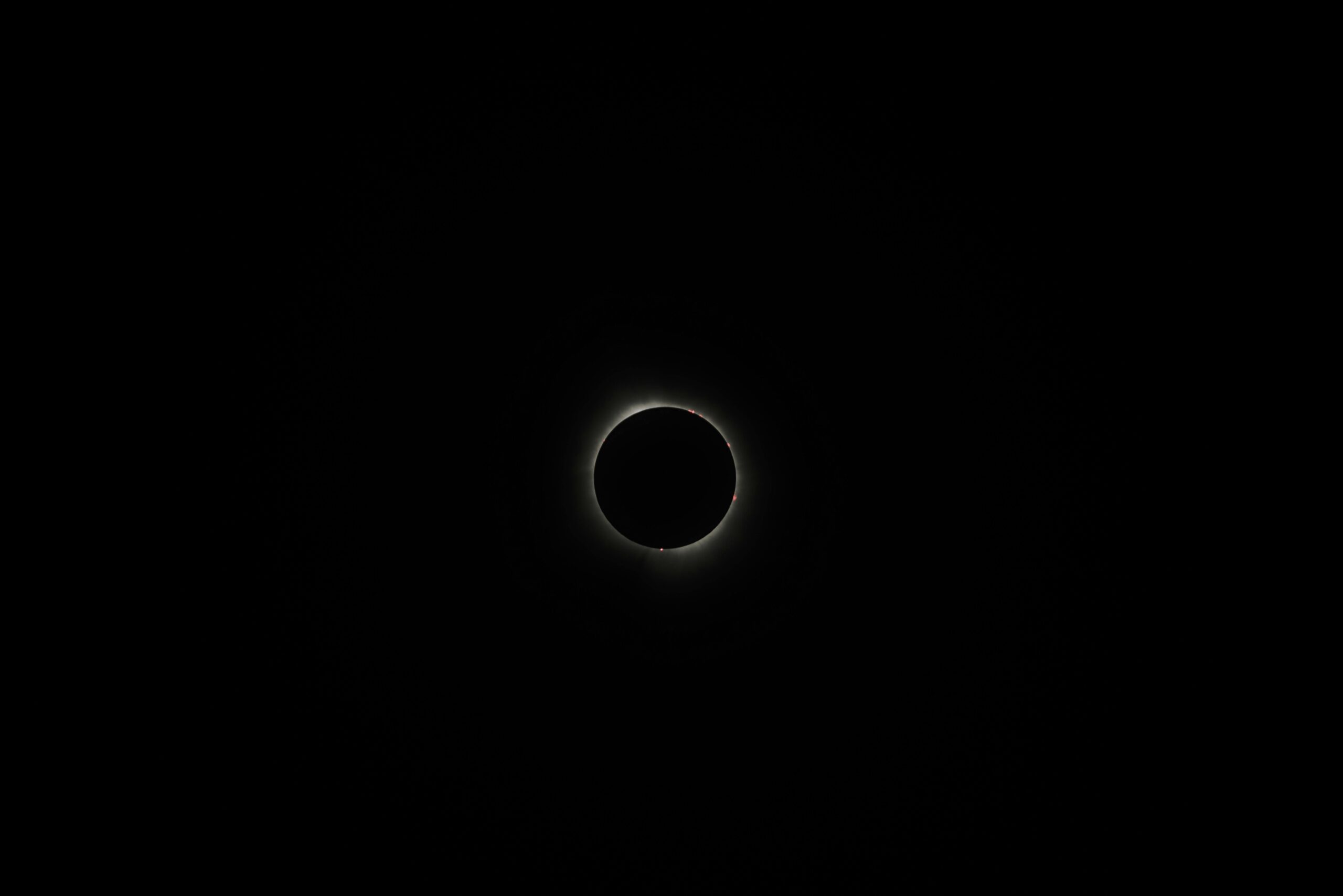
A solar eclipse happens when the Moon obstructs the Sun’s light, either partially or completely, as seen from a particular location on Earth. There are three types of solar eclipses: total, partial, and annular. A total solar eclipse occurs when the Moon completely covers the Sun, revealing the Sun’s corona. A partial solar eclipse happens when only a part of the Sun is obscured by the Moon. An annular solar eclipse takes place when the Moon is too far from the Earth to completely cover the Sun, resulting in a ring of sunlight around the Moon.
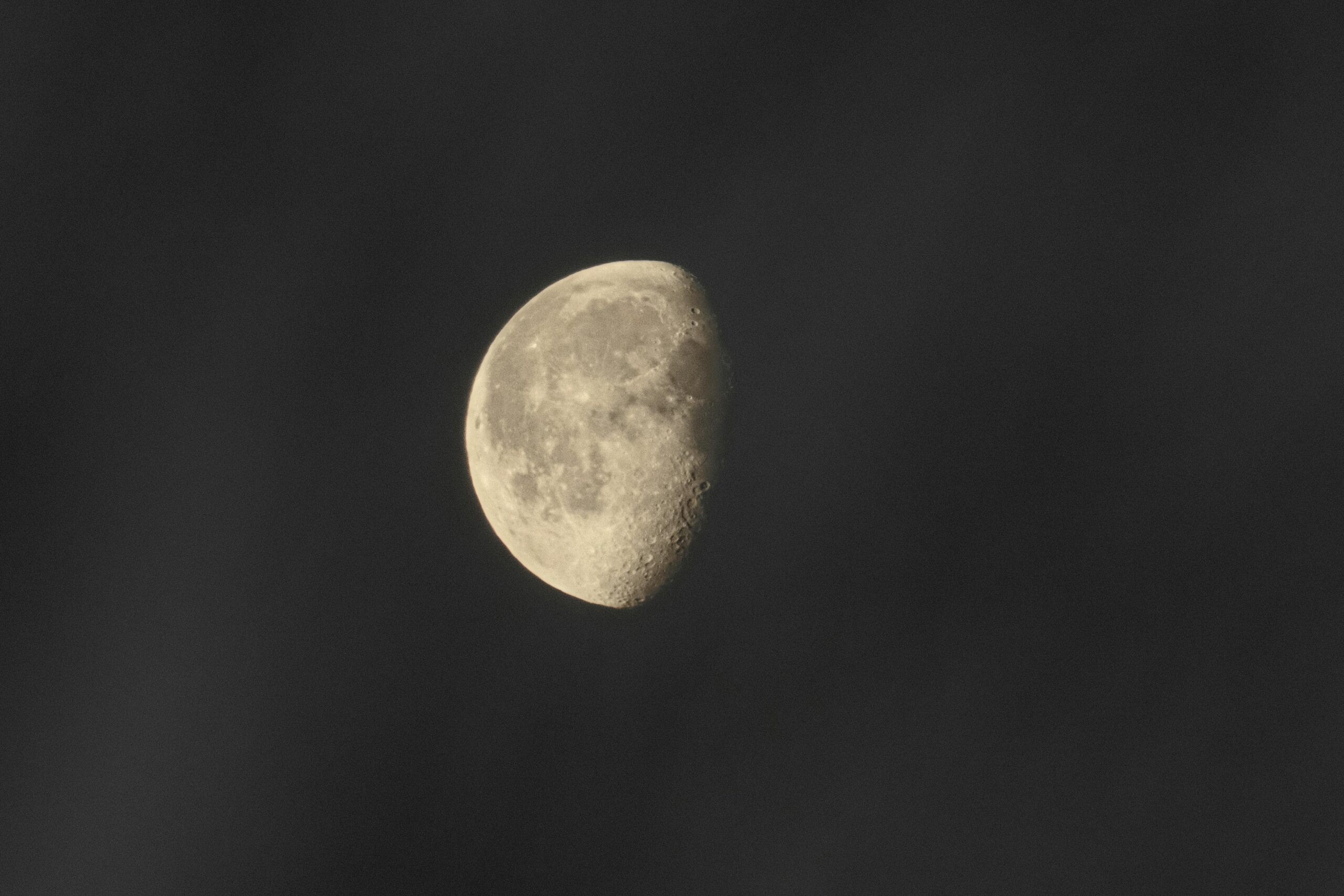
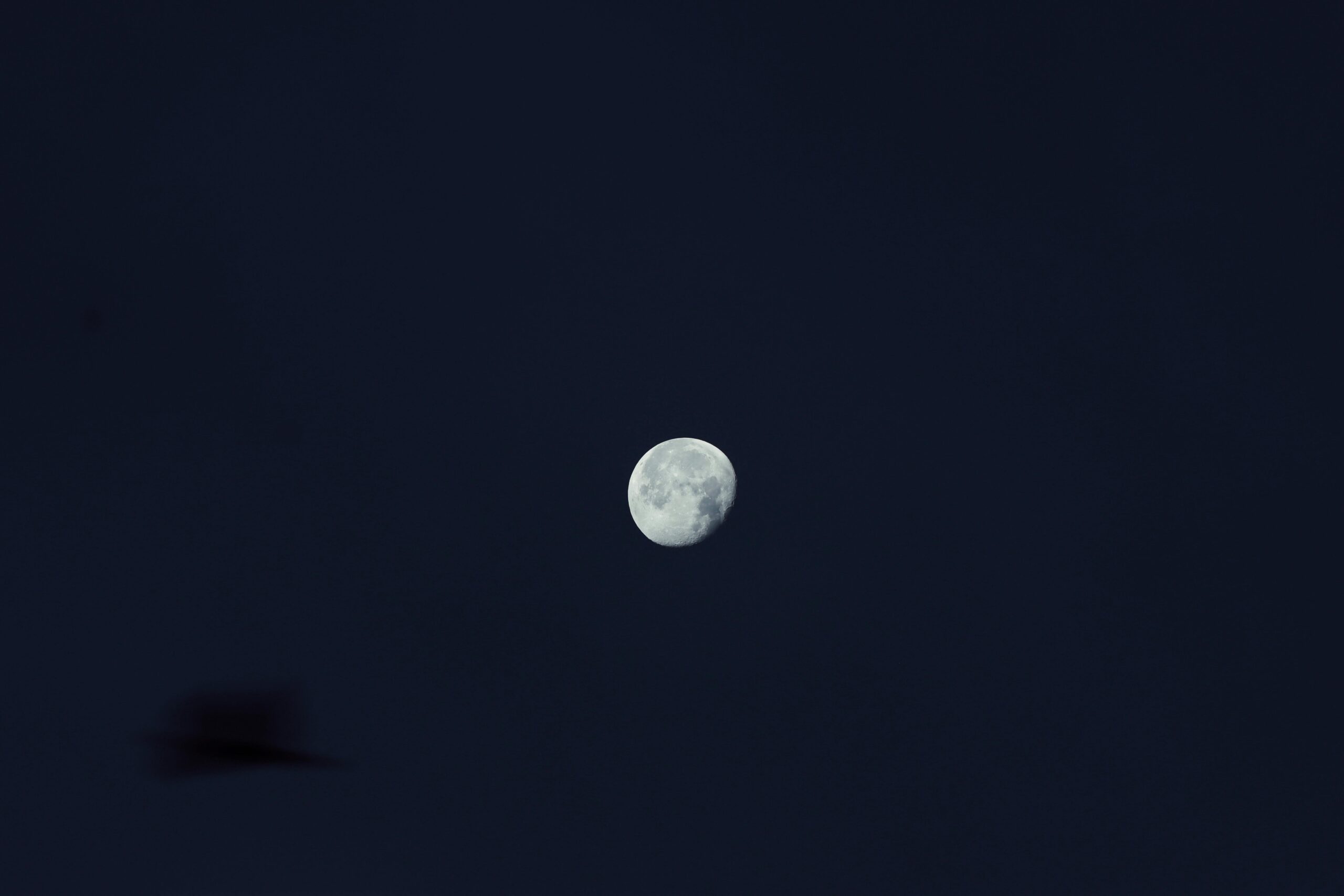
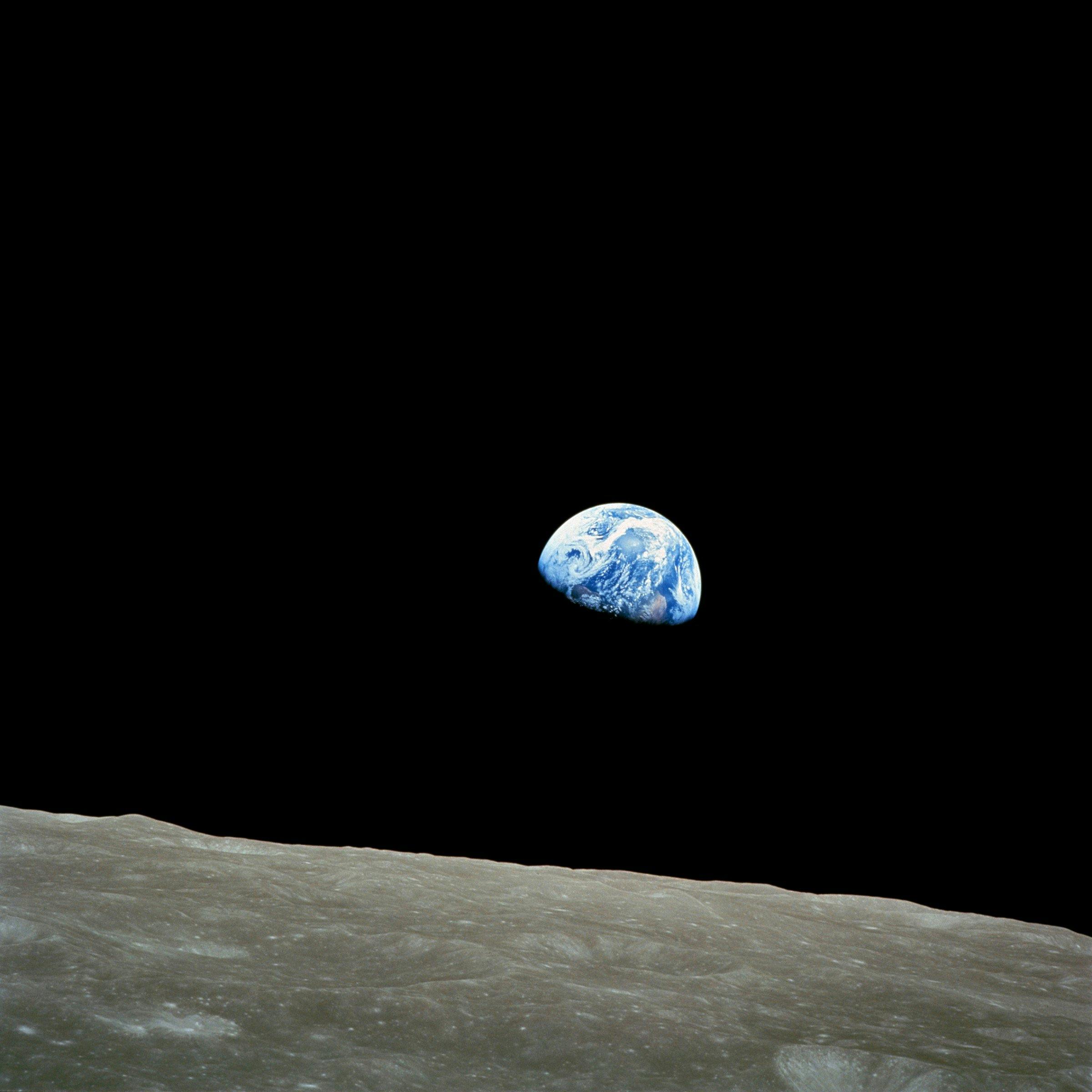
The alignment of the Sun, Moon, and Earth must be precise for a solar eclipse to occur. This alignment happens only during a new moon when the Moon is positioned between the Earth and the Sun. The orbit of the Moon is tilted by about 5 degrees relative to the Earth’s orbit around the Sun. This tilt means that a solar eclipse does not occur every new moon. Instead, eclipses happen only when the new moon occurs near one of the two points where the Moon’s orbit crosses the plane of the Earth’s orbit, known as nodes.
Historical Significance of Solar Eclipses
Throughout history, solar eclipses have been viewed with a mix of fear and fascination. Ancient civilizations often interpreted eclipses as omens or signs from the gods. For instance, the ancient Chinese believed that a solar eclipse occurred when a celestial dragon devoured the Sun. To ward off this mythical creature, they would make loud noises and bang drums. In contrast, the ancient Greeks saw eclipses as a sign of impending doom, often associating them with significant historical events.
One of the most famous historical solar eclipses occurred in 585 BCE, during a war between the Lydians and the Medes. According to Herodotus, the eclipse was so startling that the warring parties laid down their weapons and declared a truce, marking the first recorded instance of a celestial event influencing human history. This eclipse is often referred to as the Eclipse of Thales, named after the Greek philosopher Thales of Miletus, who is credited with predicting it.
Modern Understanding and Research
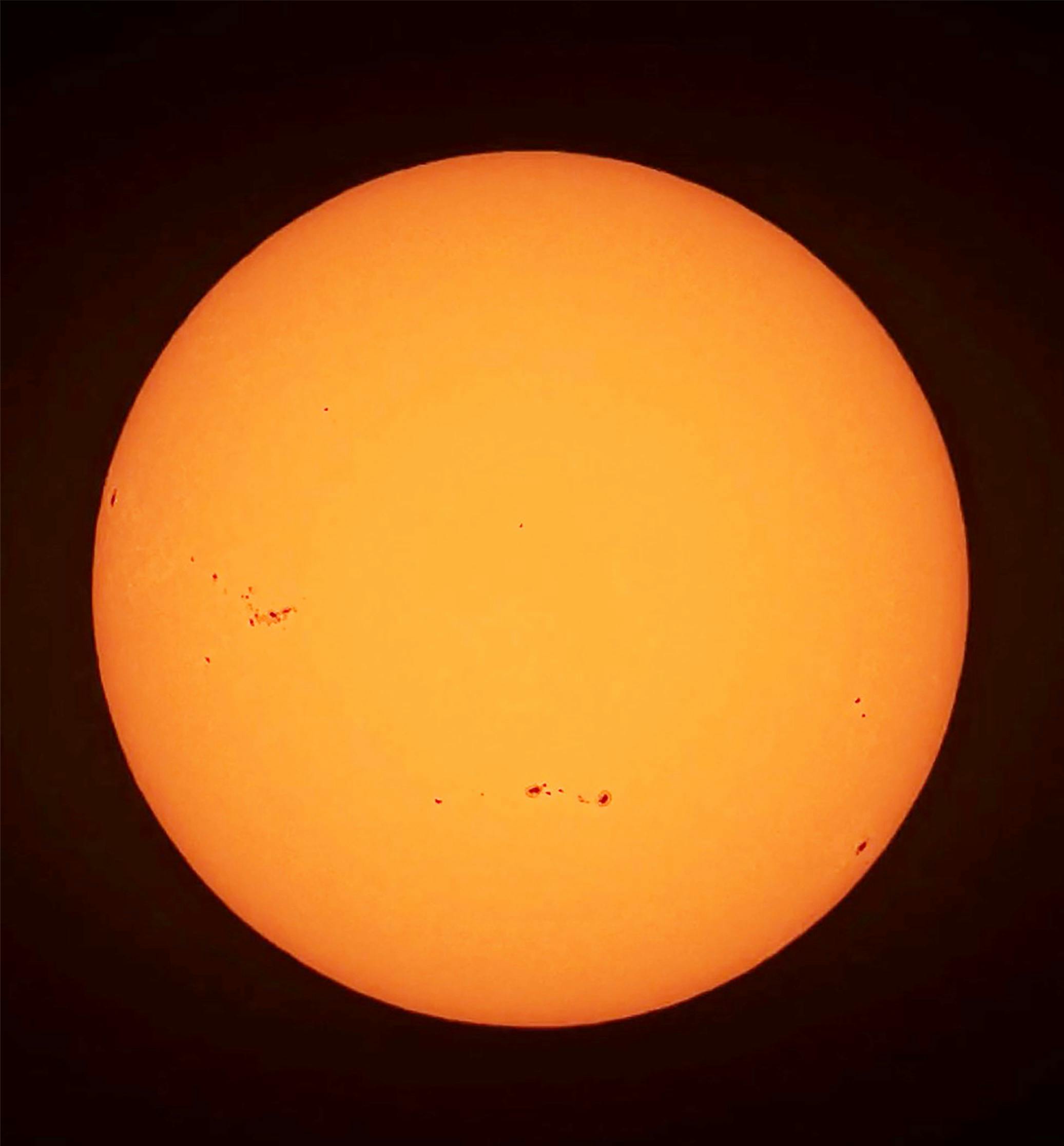
Today, solar eclipses are not only fascinating celestial events but also valuable opportunities for scientific research. Astronomers use eclipses to study the Sun’s corona, which is otherwise difficult to observe due to the Sun’s intense brightness. The corona is a region of the Sun’s atmosphere that extends millions of kilometers into space. During a total solar eclipse, the Moon blocks the Sun’s bright light, allowing scientists to observe the corona and gather data on its structure and behavior.
In addition to studying the Sun, solar eclipses provide insights into the Earth’s atmosphere and the behavior of animals. Researchers have observed that some animals exhibit unusual behavior during an eclipse, such as becoming more active or displaying signs of confusion. This phenomenon is attributed to the sudden darkness and the drop in temperature that accompany an eclipse. Understanding these effects can provide valuable information about the interconnectedness of Earth’s ecosystems.
Preparing for the Upcoming Solar Eclipse
The next solar eclipse is eagerly anticipated by astronomers and enthusiasts worldwide. To safely observe a solar eclipse, it is essential to use proper eye protection. Looking directly at the Sun, even during an eclipse, can cause permanent eye damage. Special eclipse glasses or solar filters are recommended to view the event safely. Additionally, indirect viewing methods, such as using a pinhole projector, can provide a safe and enjoyable way to experience the eclipse.
For those interested in staying updated on the latest technological advancements and scientific discoveries related to solar eclipses, resources like noticias de tecnología en España actualizadas offer a wealth of information. These platforms provide insights into cutting-edge research, innovative observation techniques, and the latest news on upcoming celestial events.
Conclusion
Solar eclipses are a testament to the beauty and complexity of our universe. From ancient myths to modern scientific research, these celestial events have captivated humanity for millennia. As we prepare for the next solar eclipse, let us embrace the opportunity to witness this natural wonder while continuing to explore the mysteries of the cosmos. Whether you are an avid astronomer or a curious observer, the upcoming solar eclipse promises to be an unforgettable experience.
In an era of rapid globalization, understanding the link between education and finance is more crucial than ever, as outlined in our latest feature.
As Türkiye’s economic landscape evolves, understanding the future of its investment climate becomes crucial; delve into Türkiye’s economic developments and prospects for an in-depth analysis.
To stay informed about the latest global developments, we suggest reviewing recent events capturing worldwide attention, offering a comprehensive overview of current happenings.