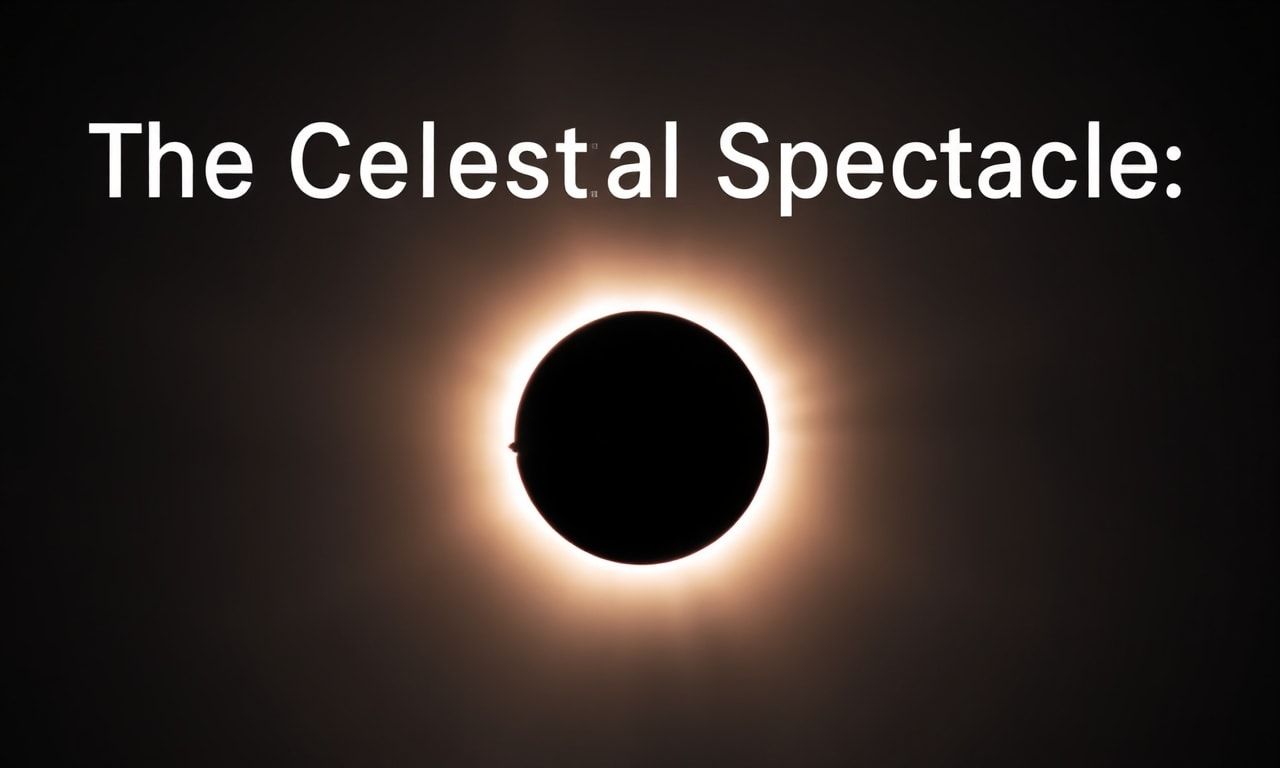
The Celestial Spectacle: Understanding the Solar Eclipse Phenomenon
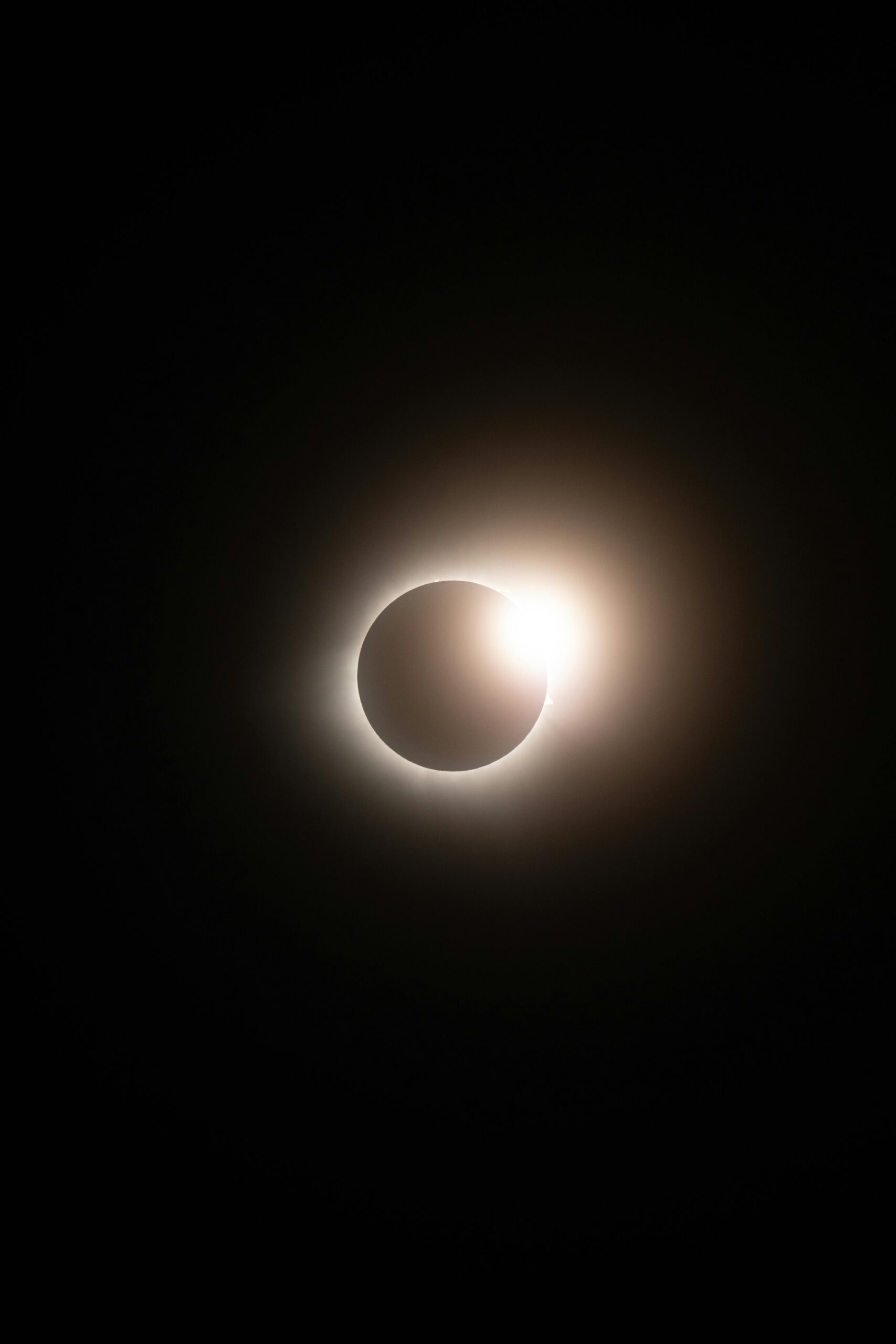
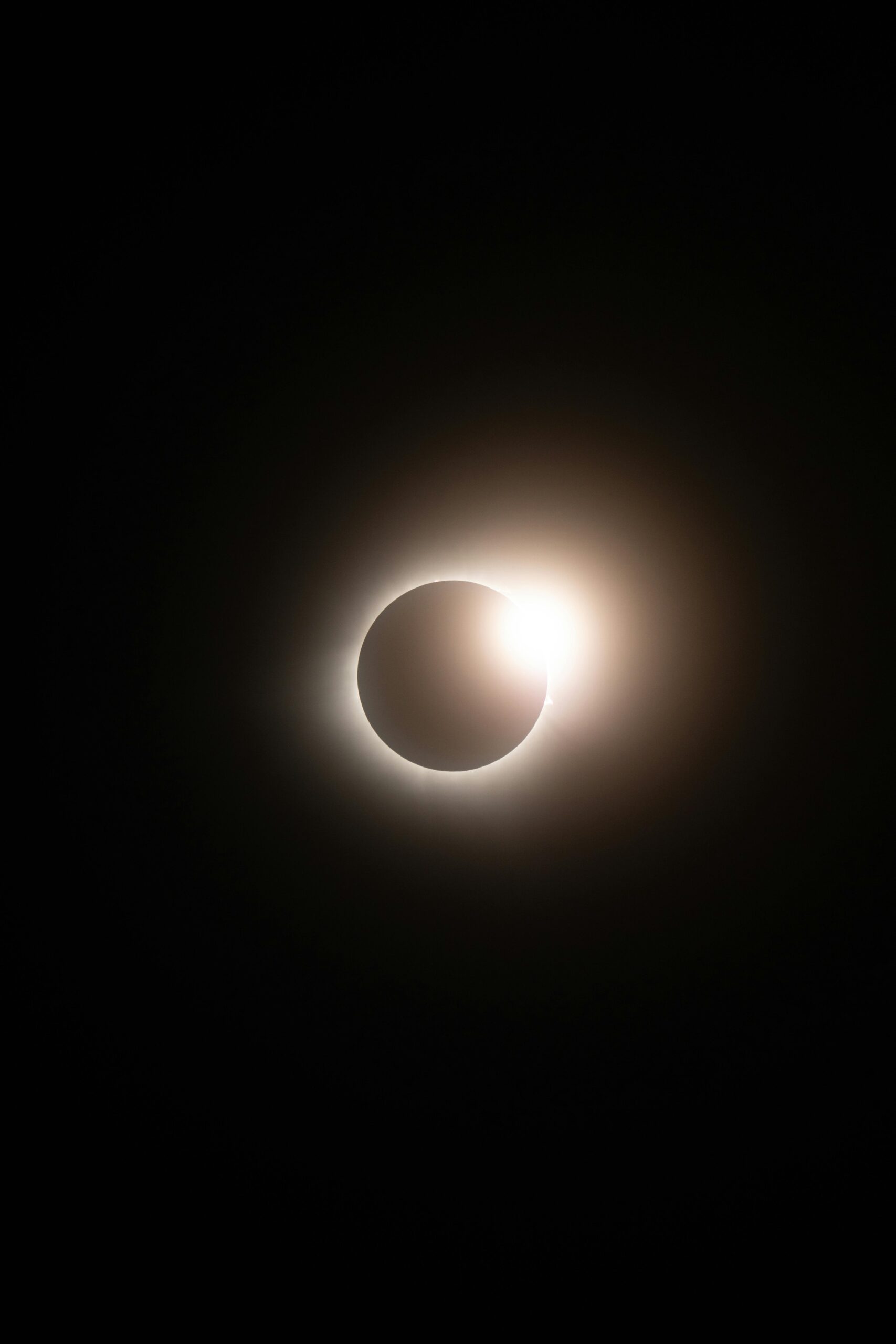
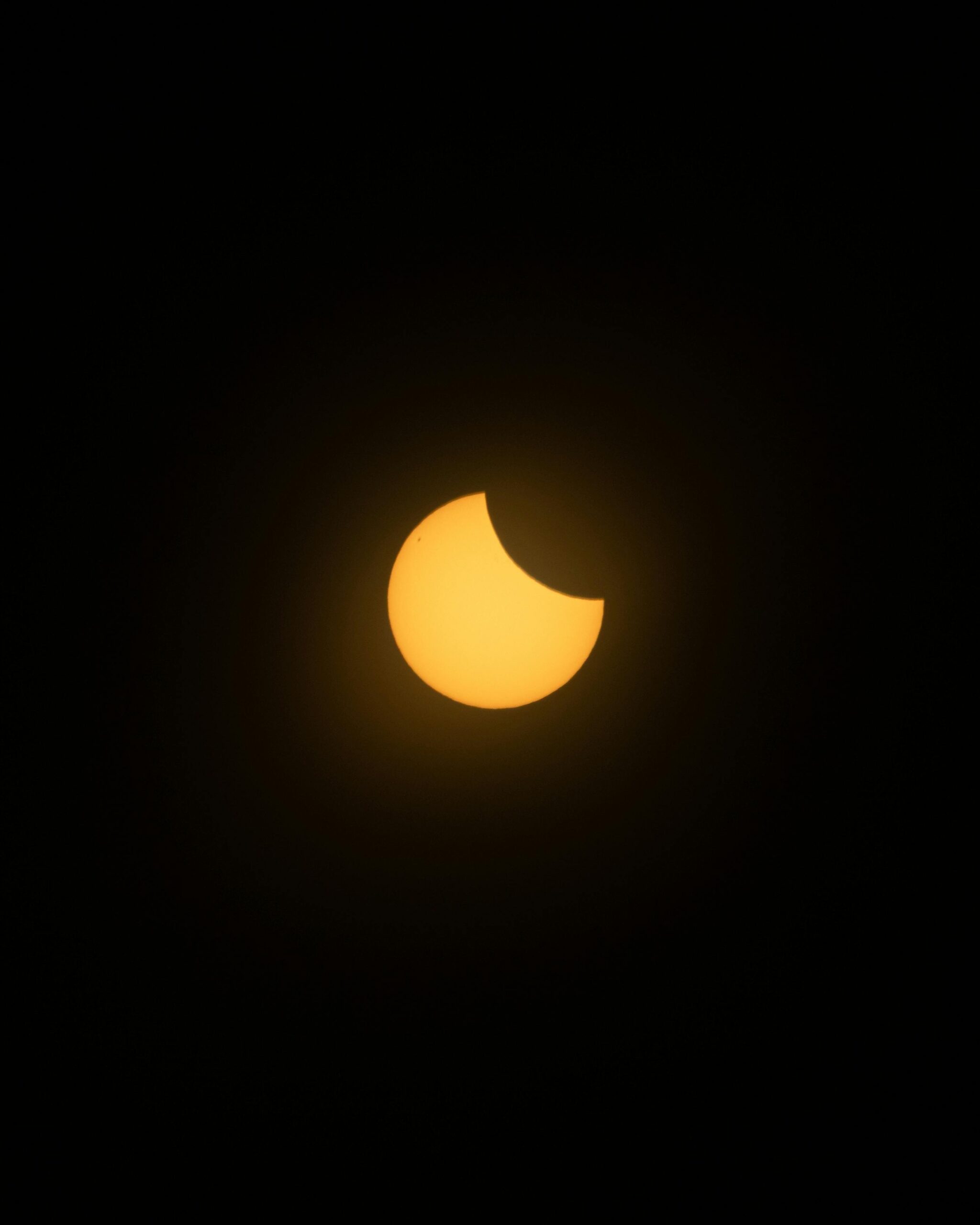
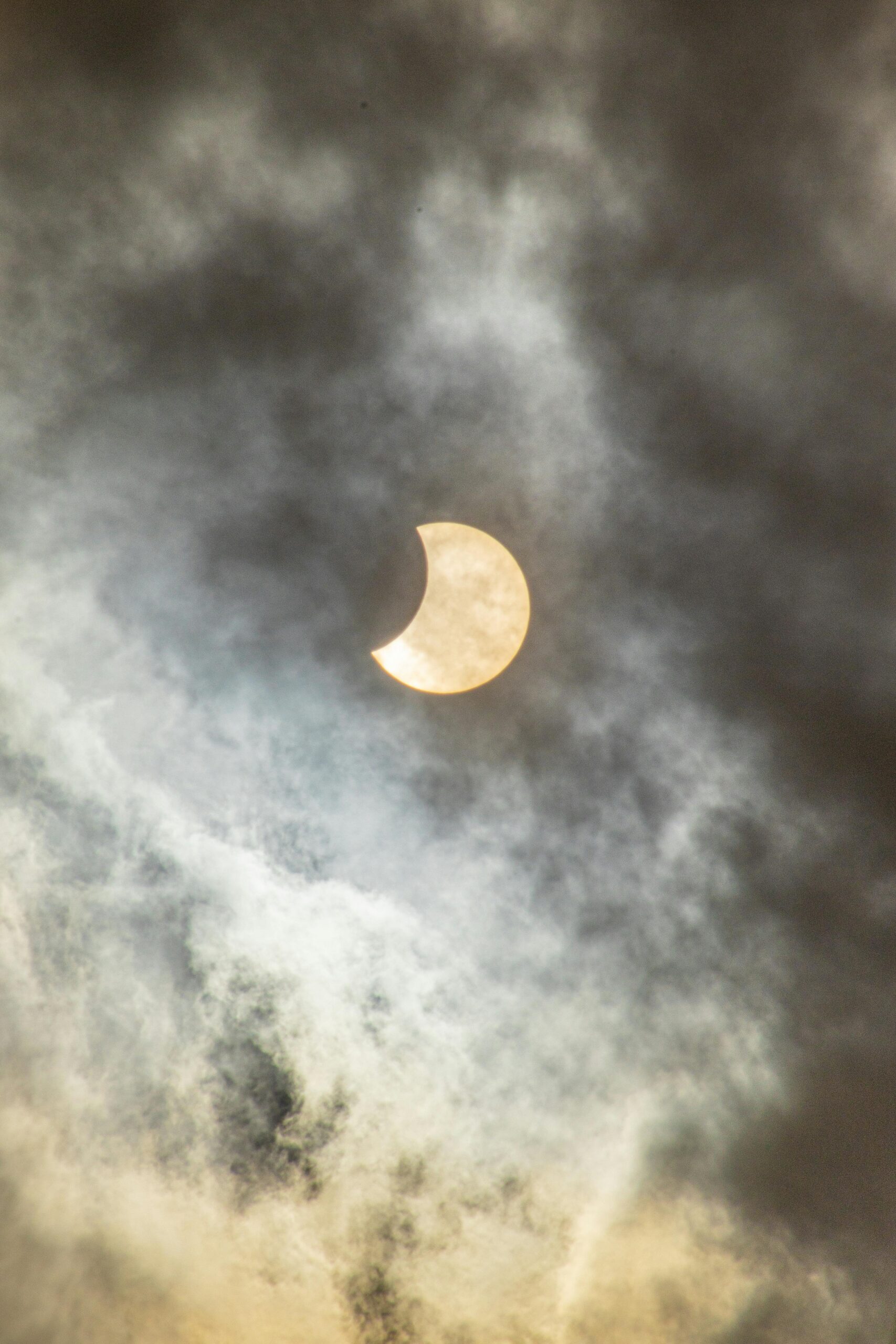
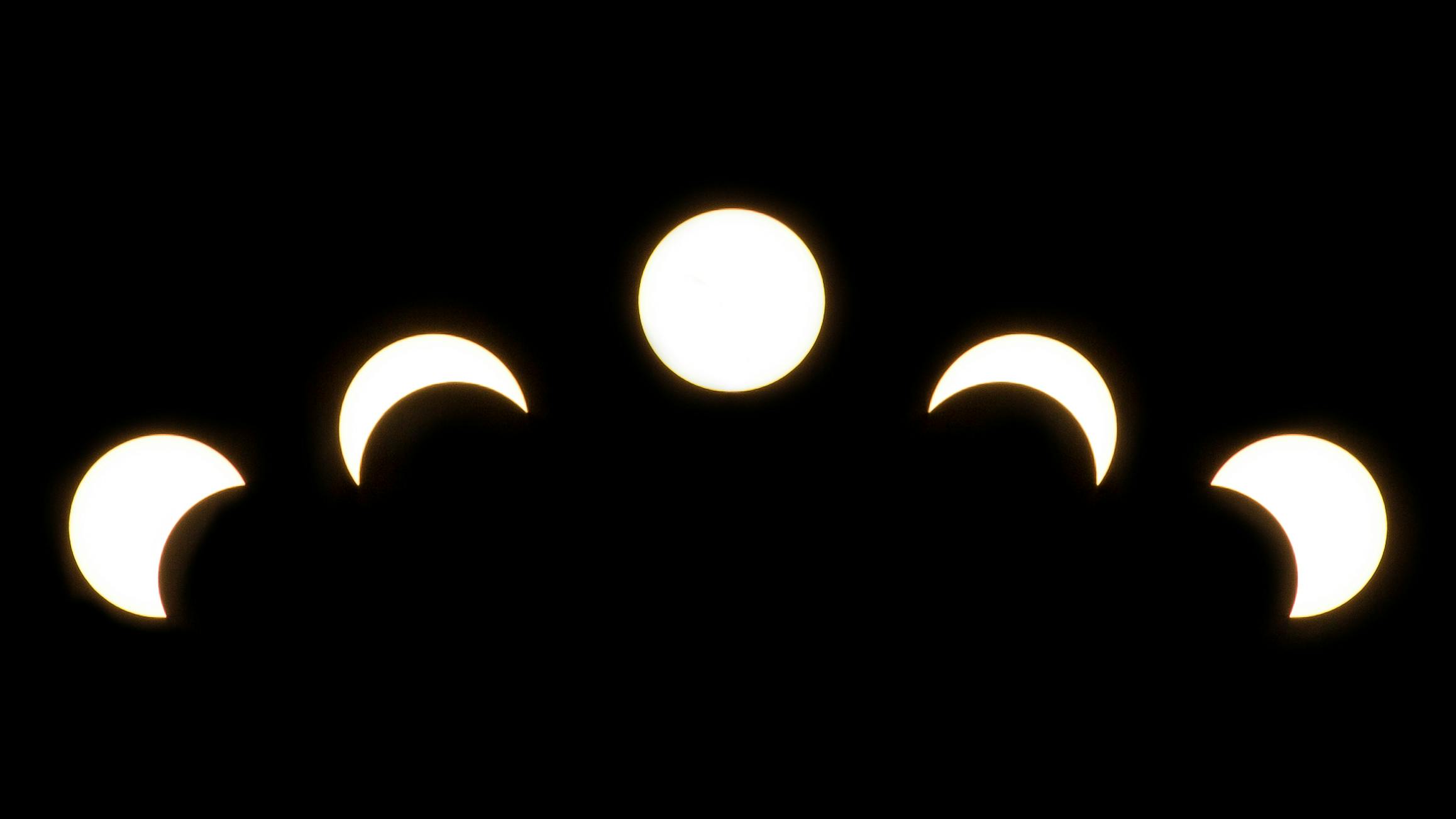
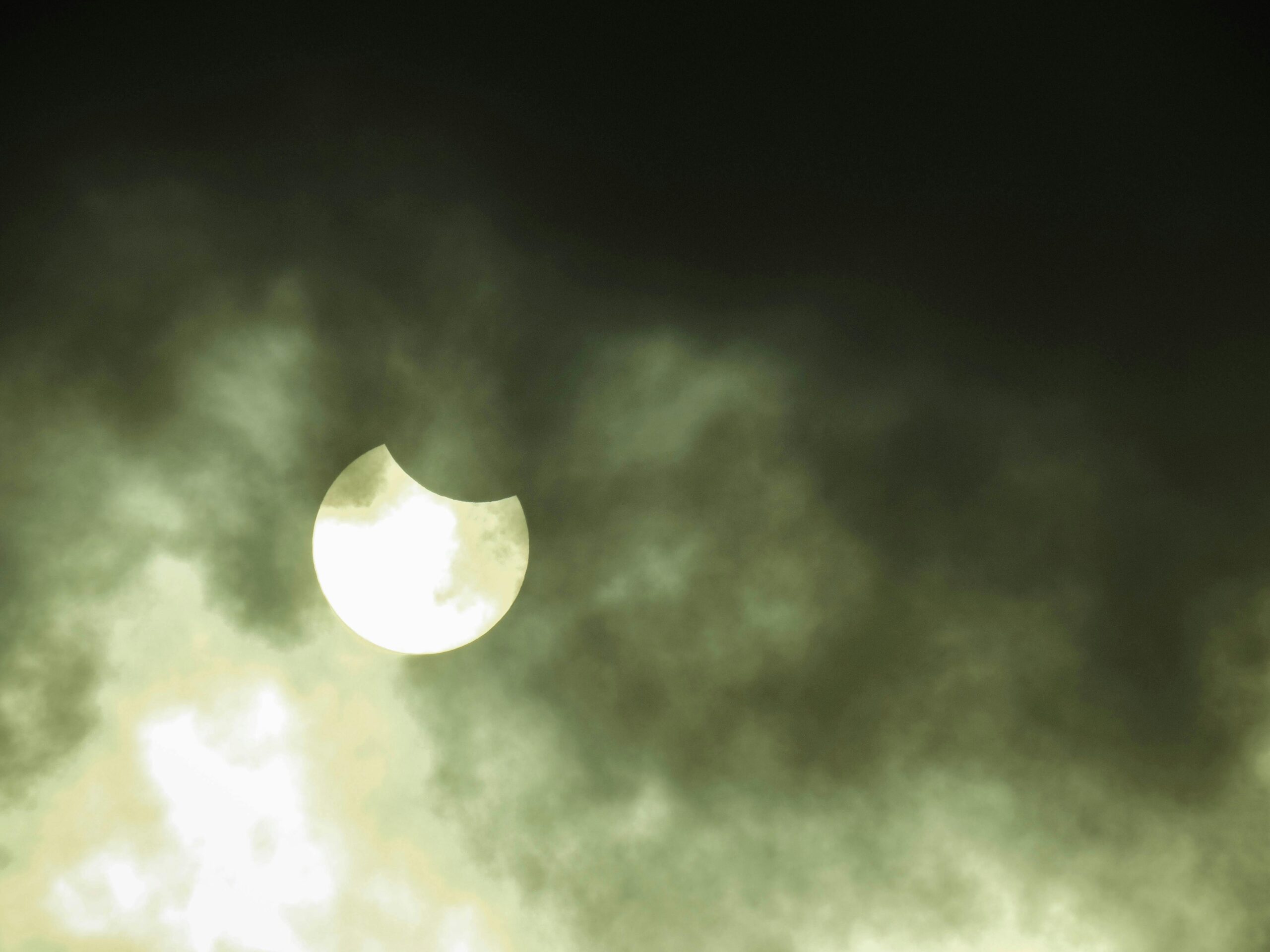
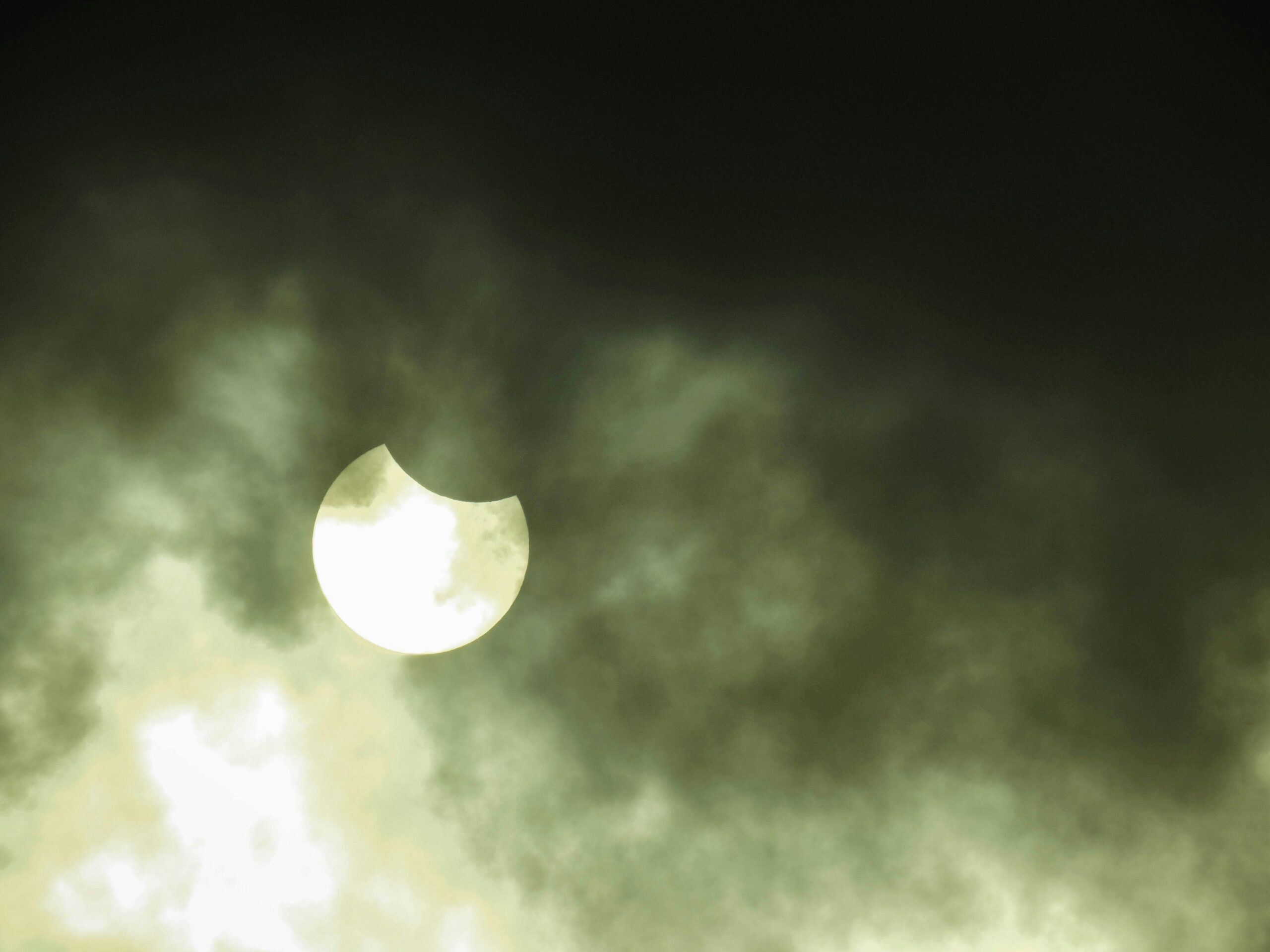
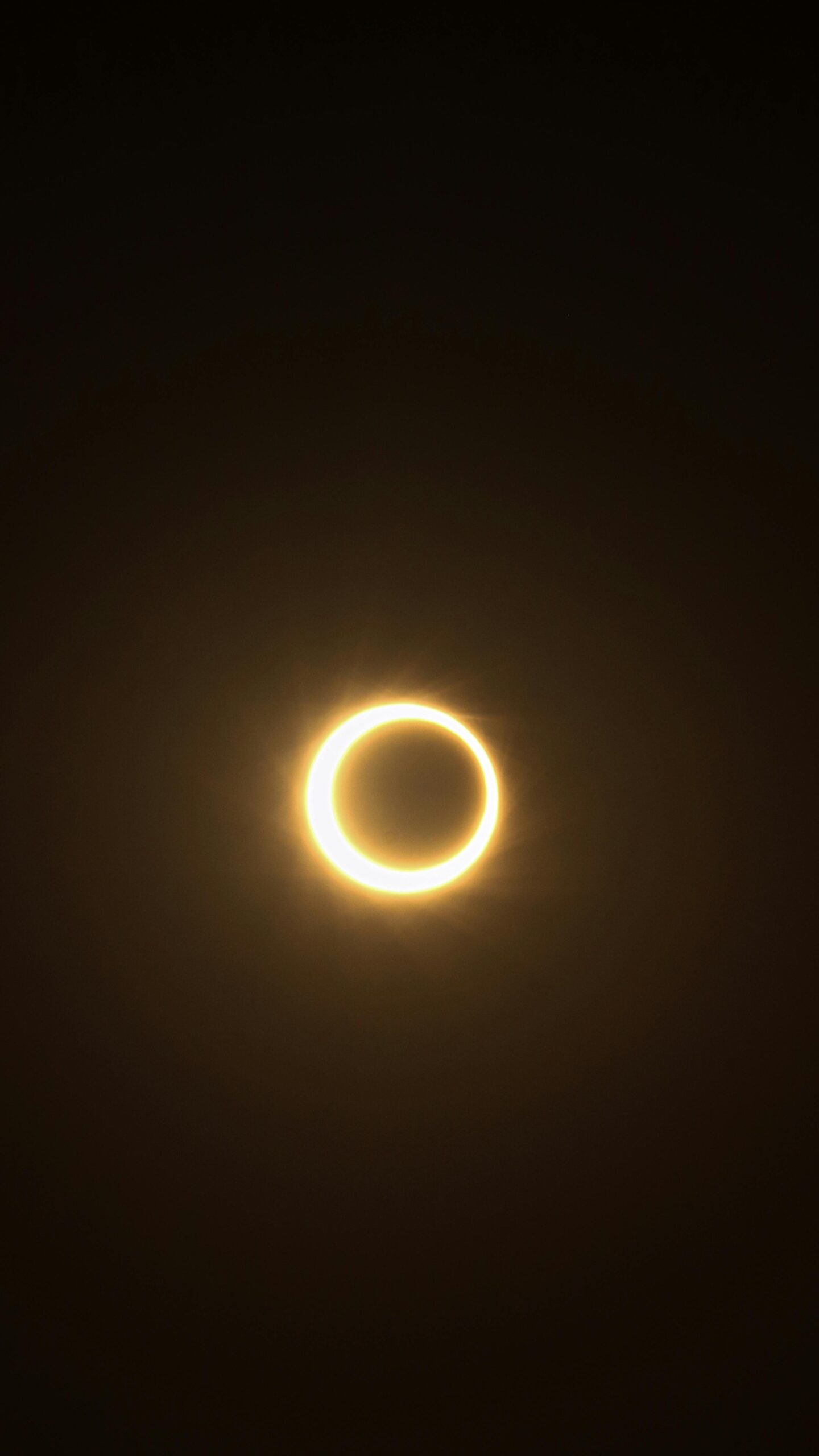
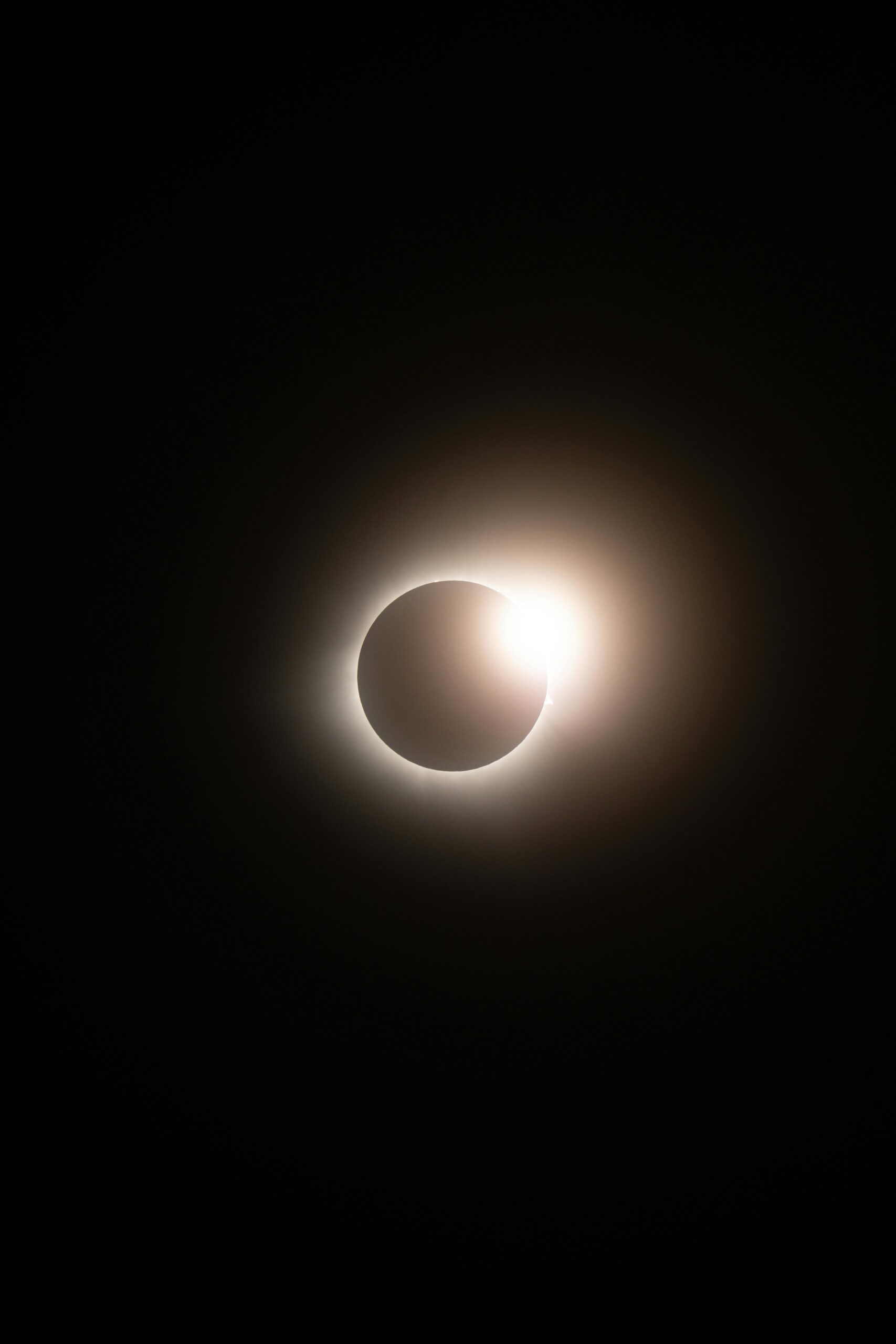
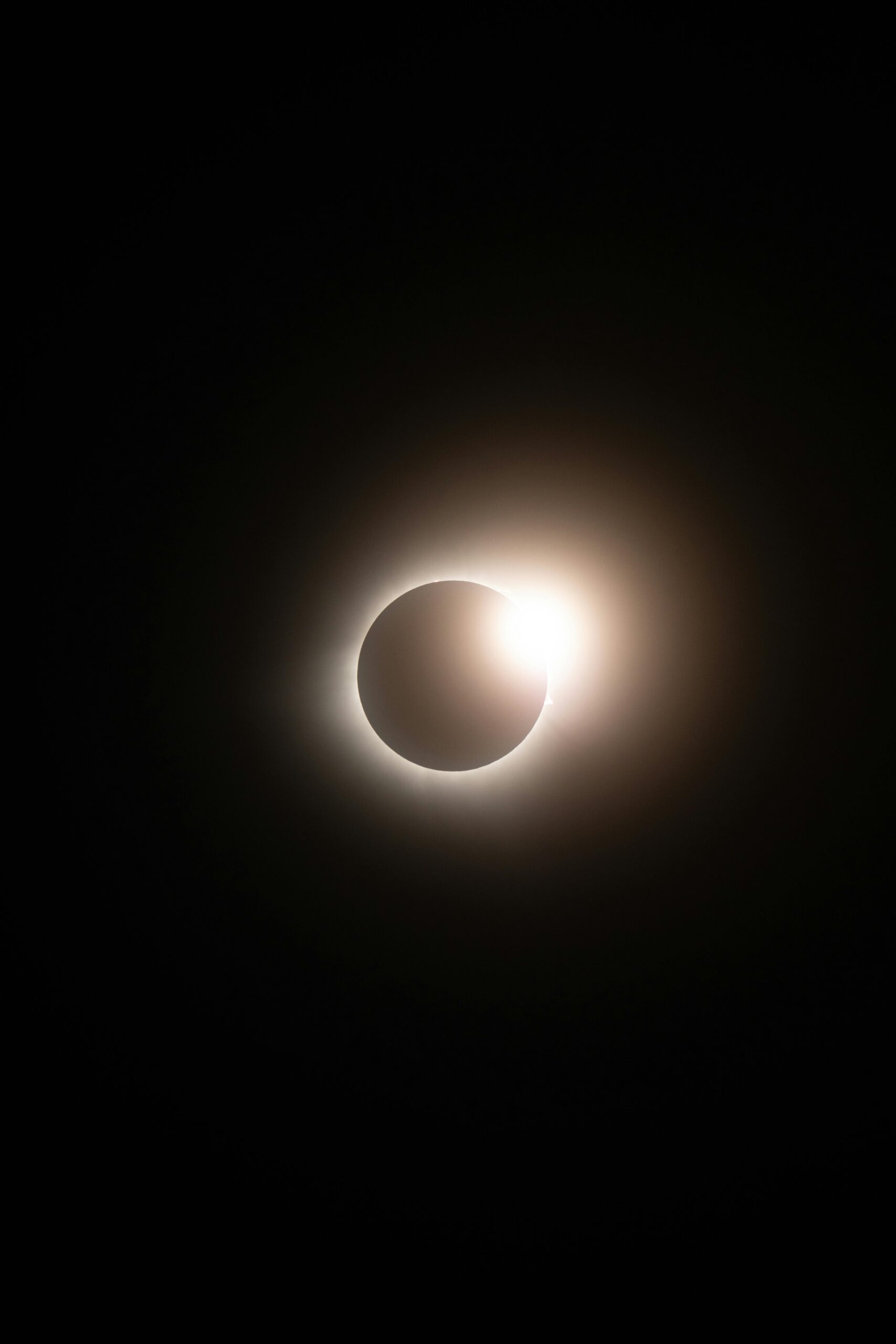
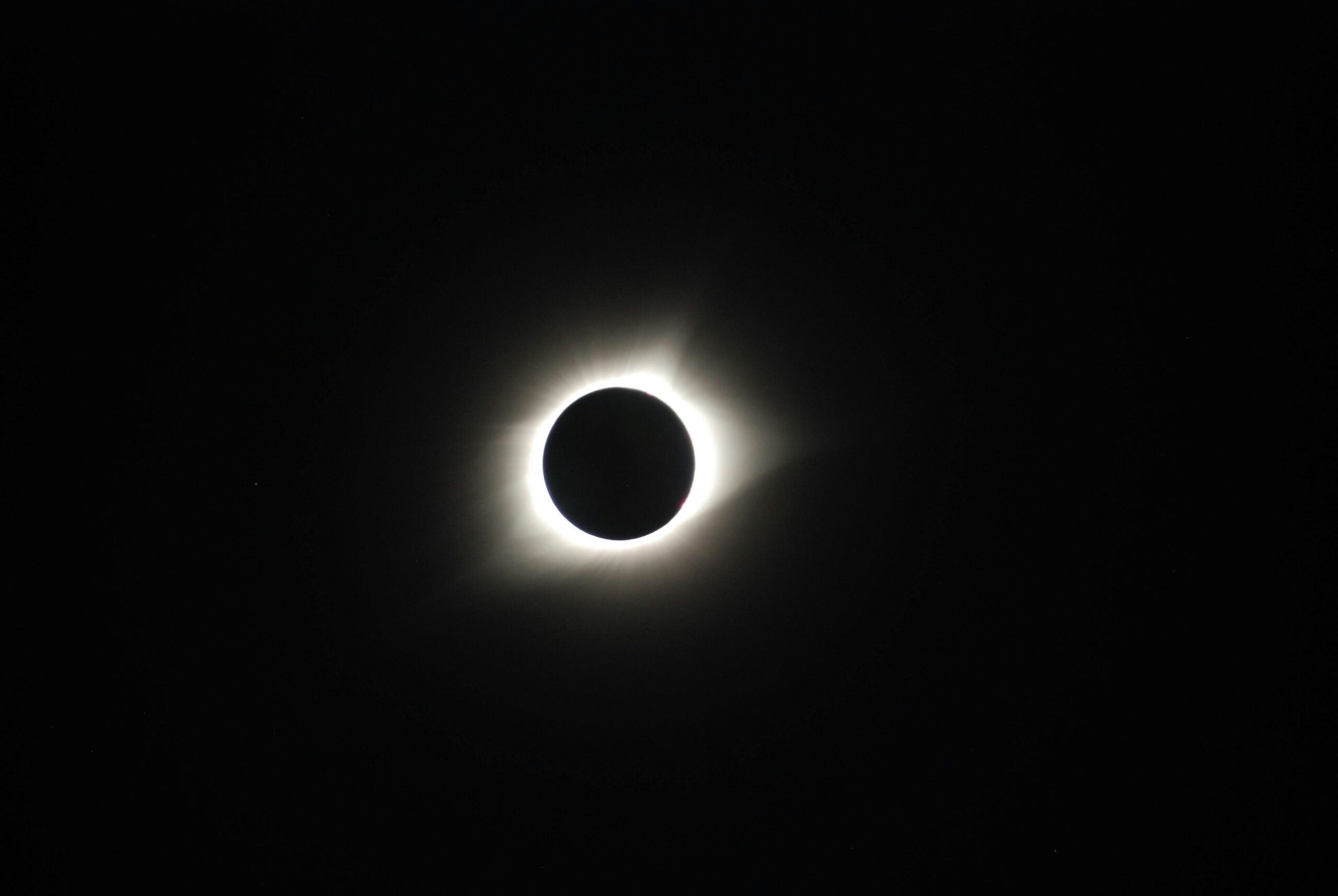
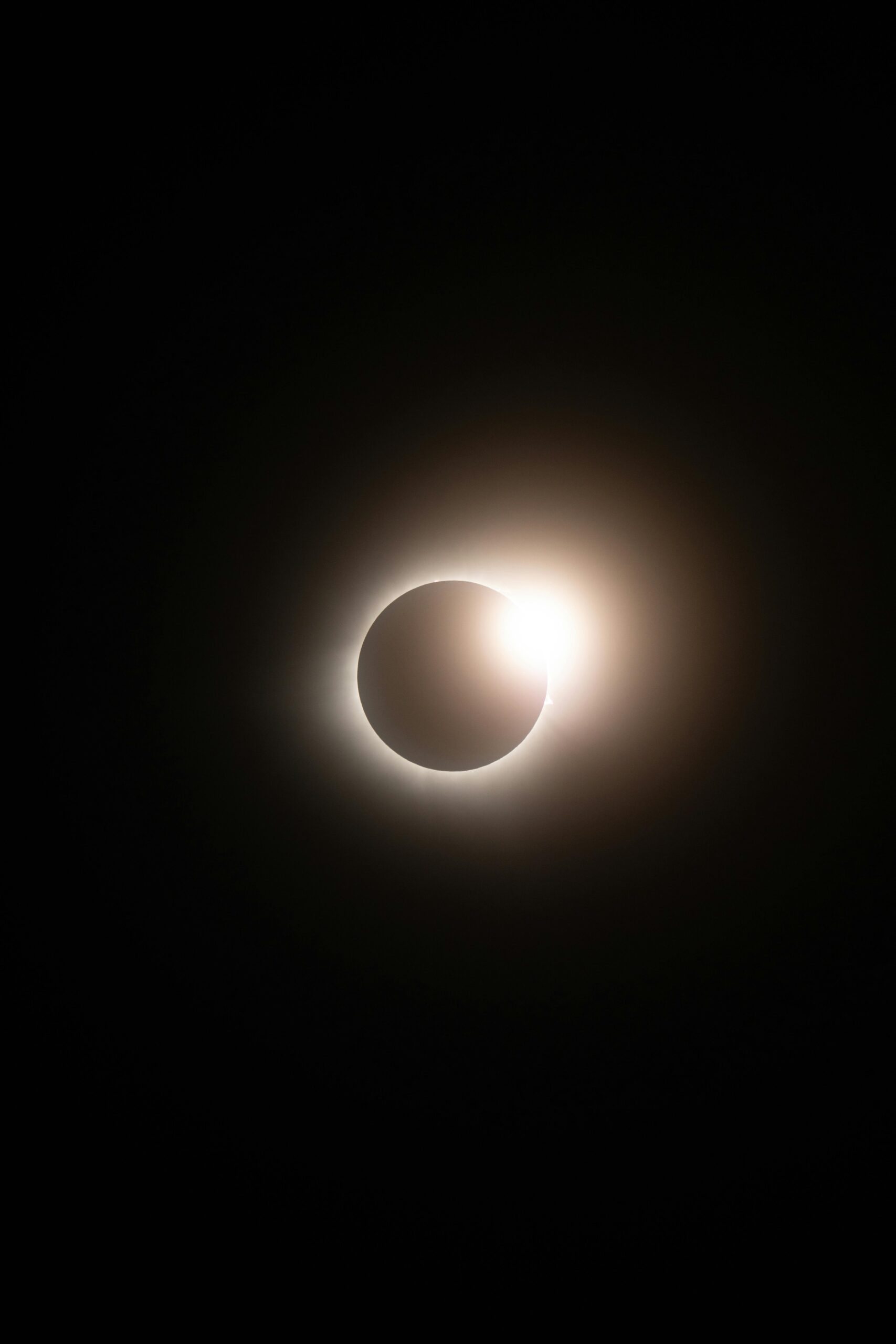
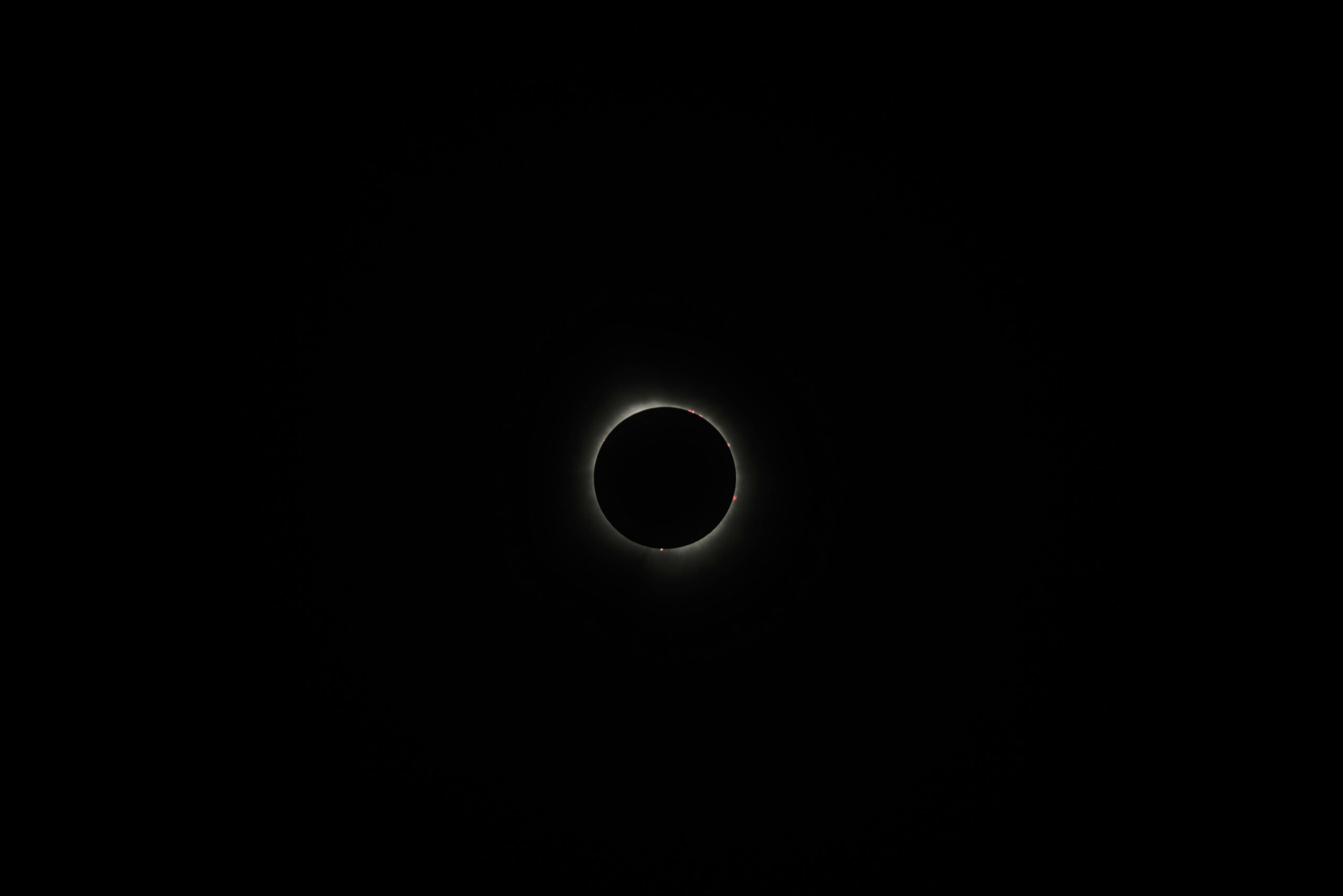
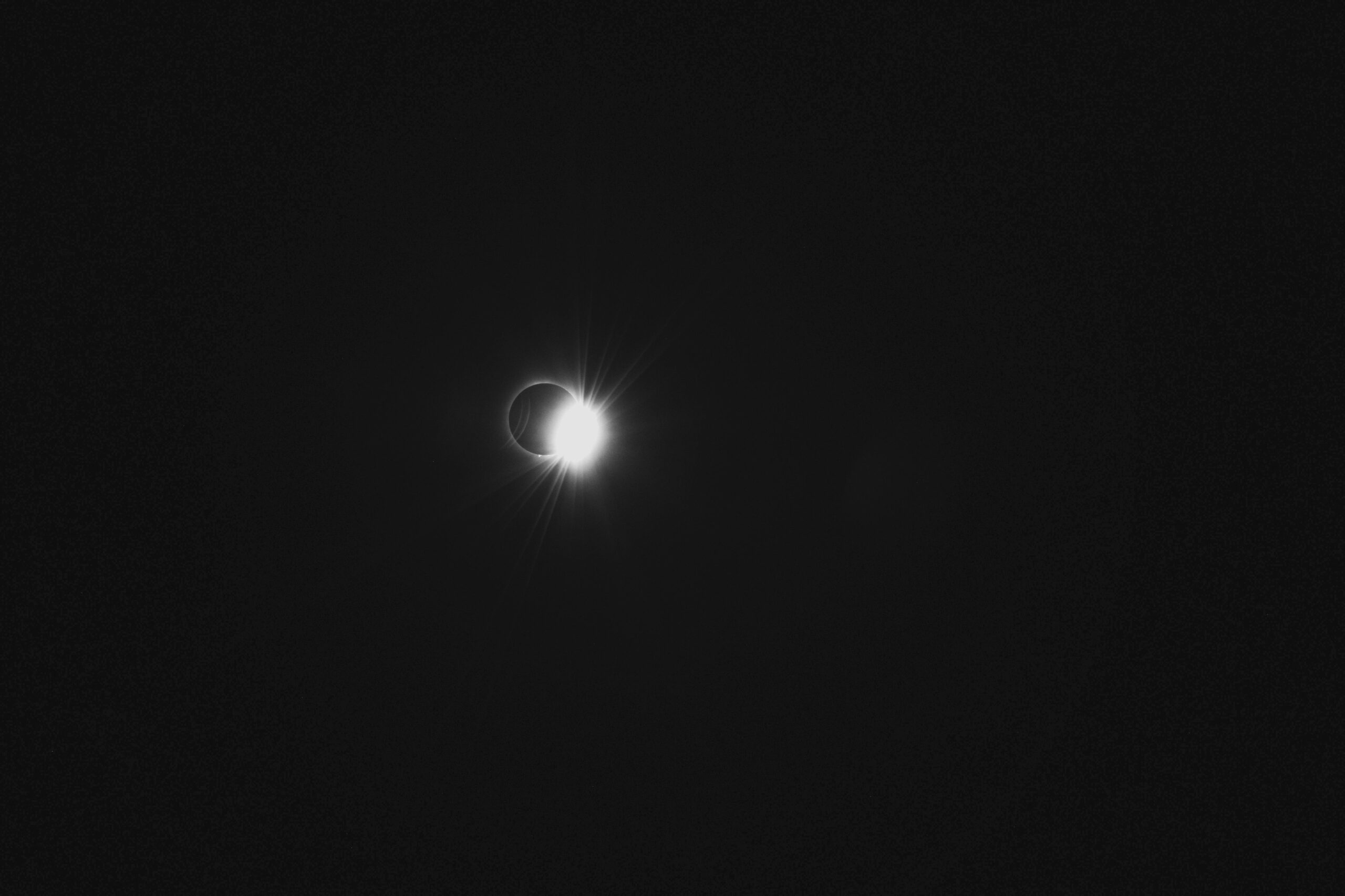
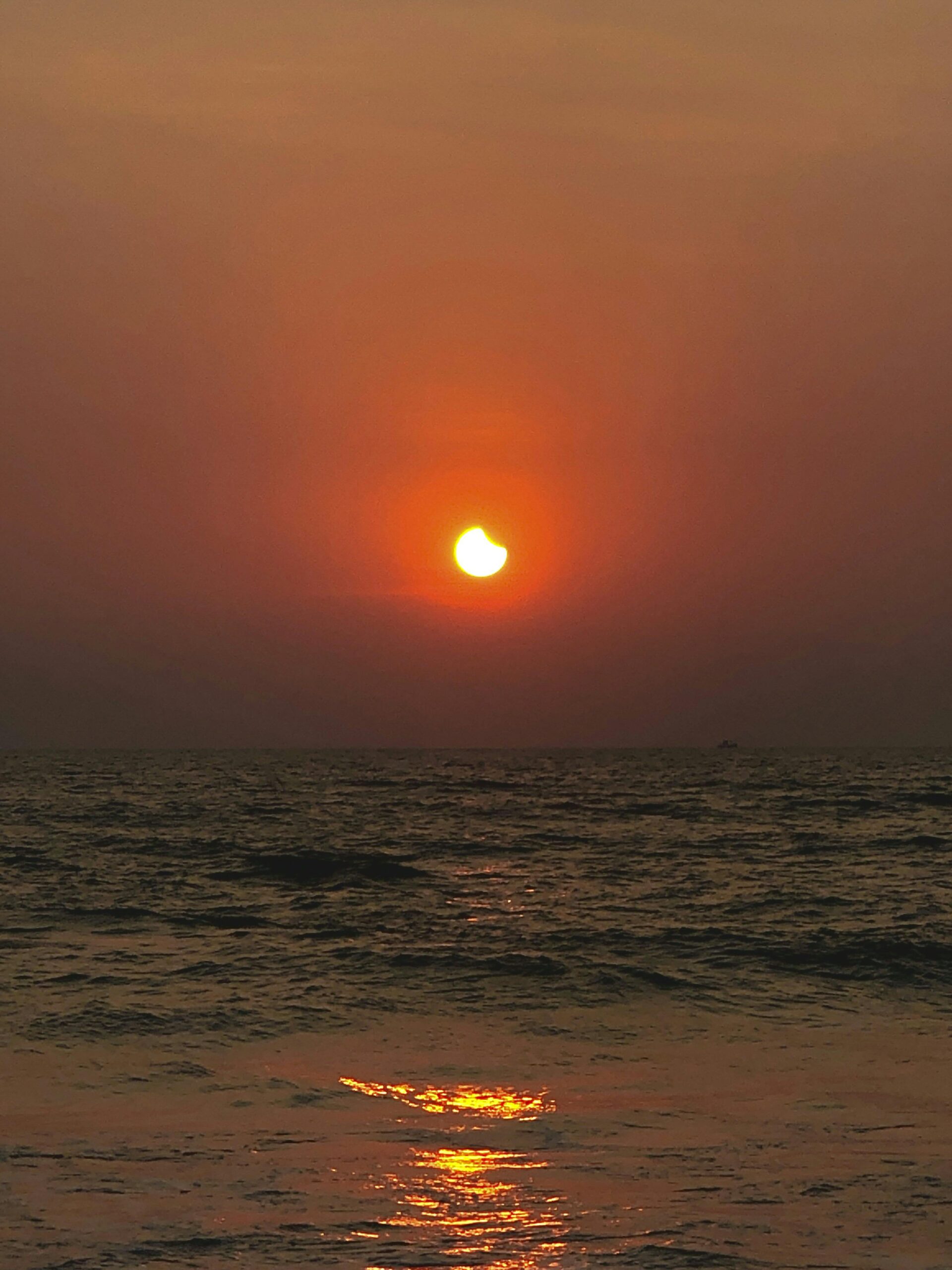
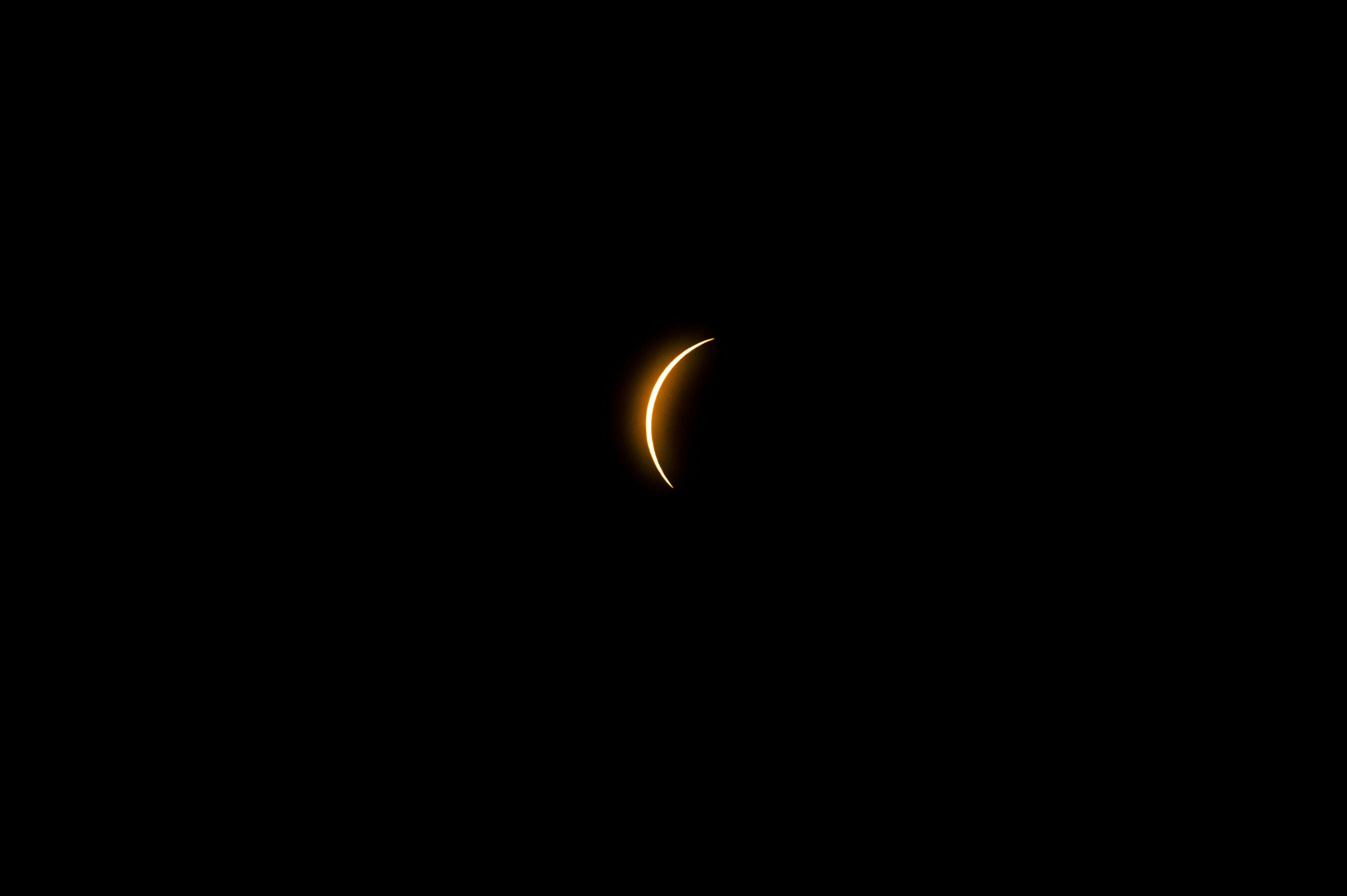
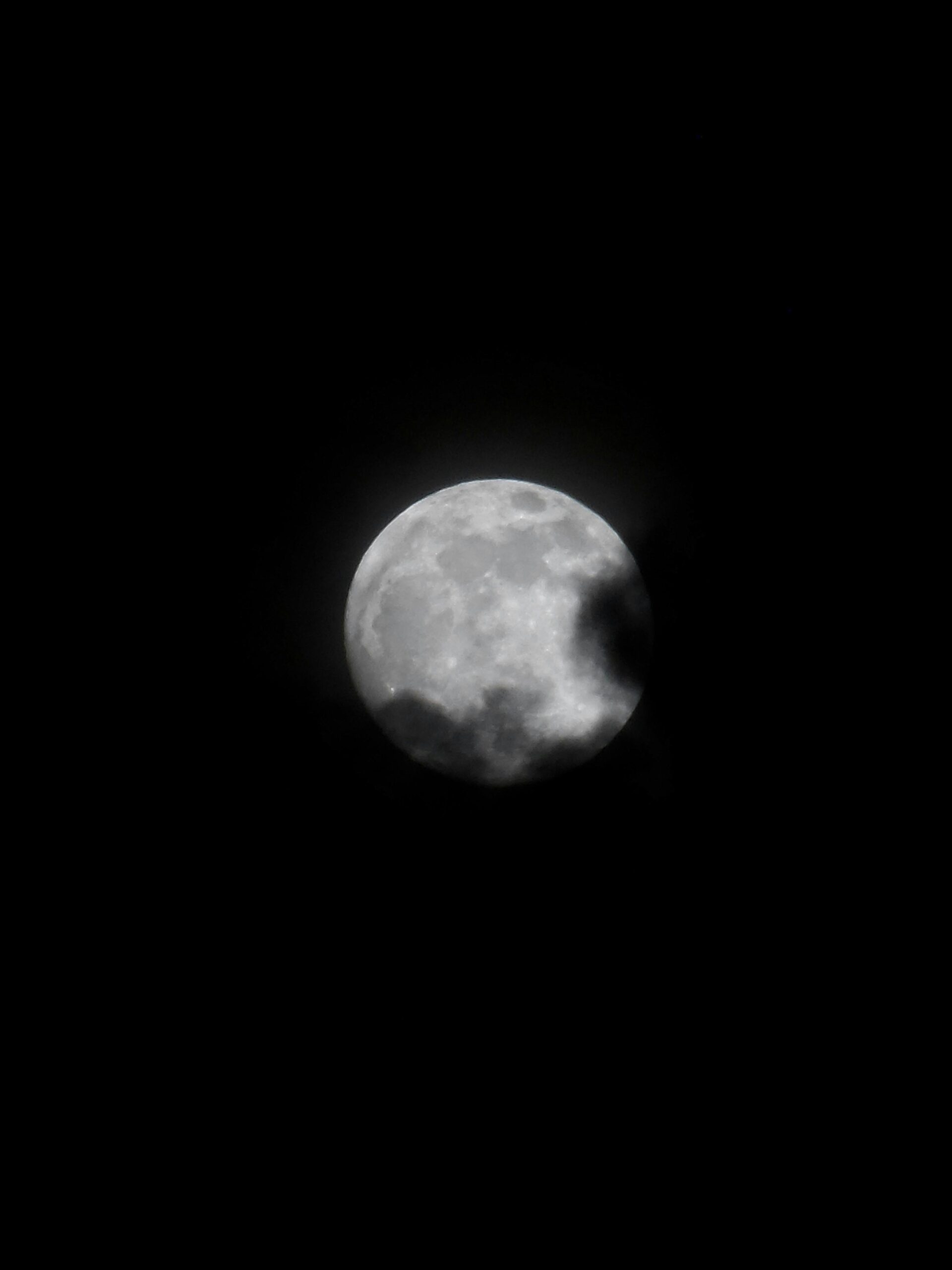
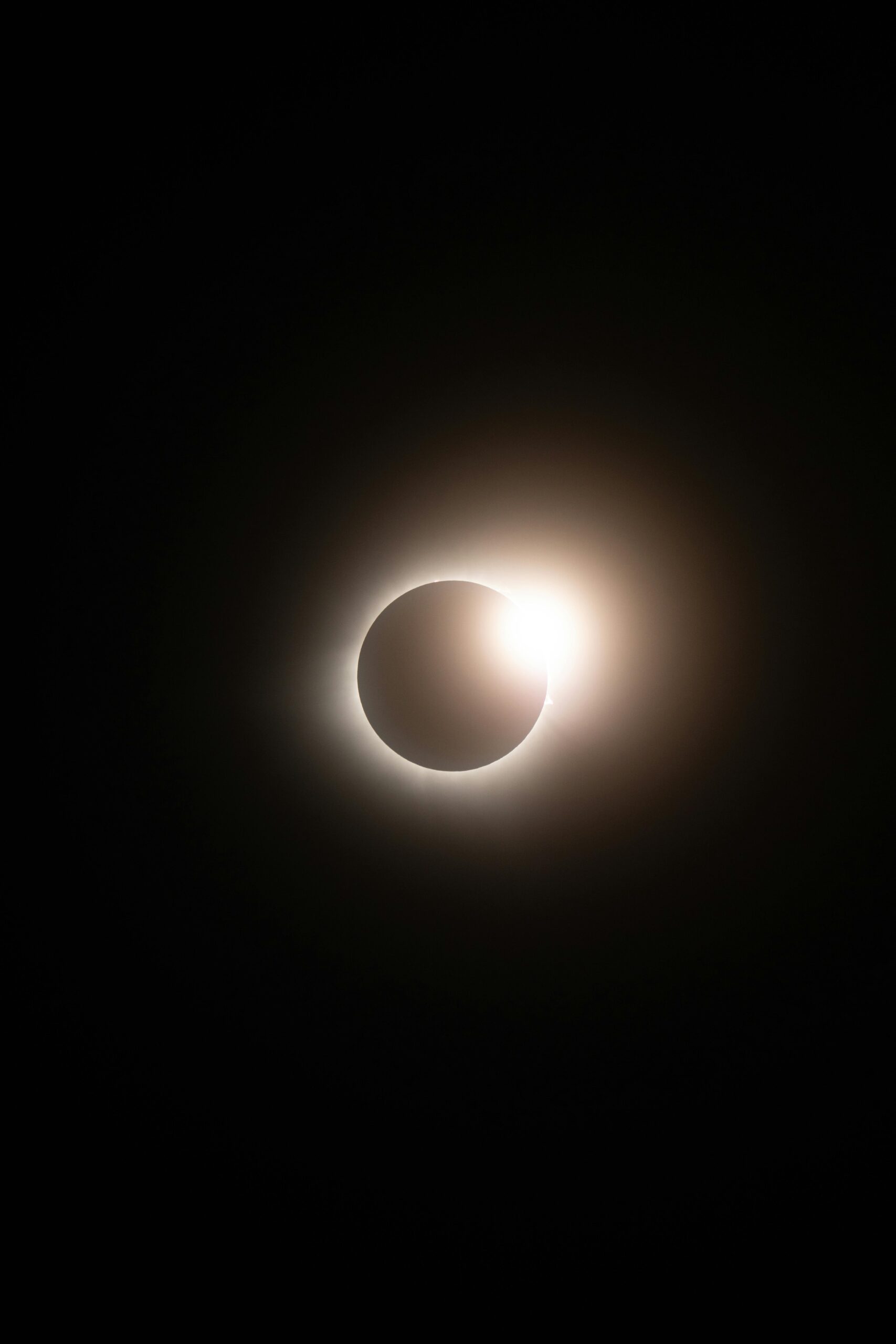
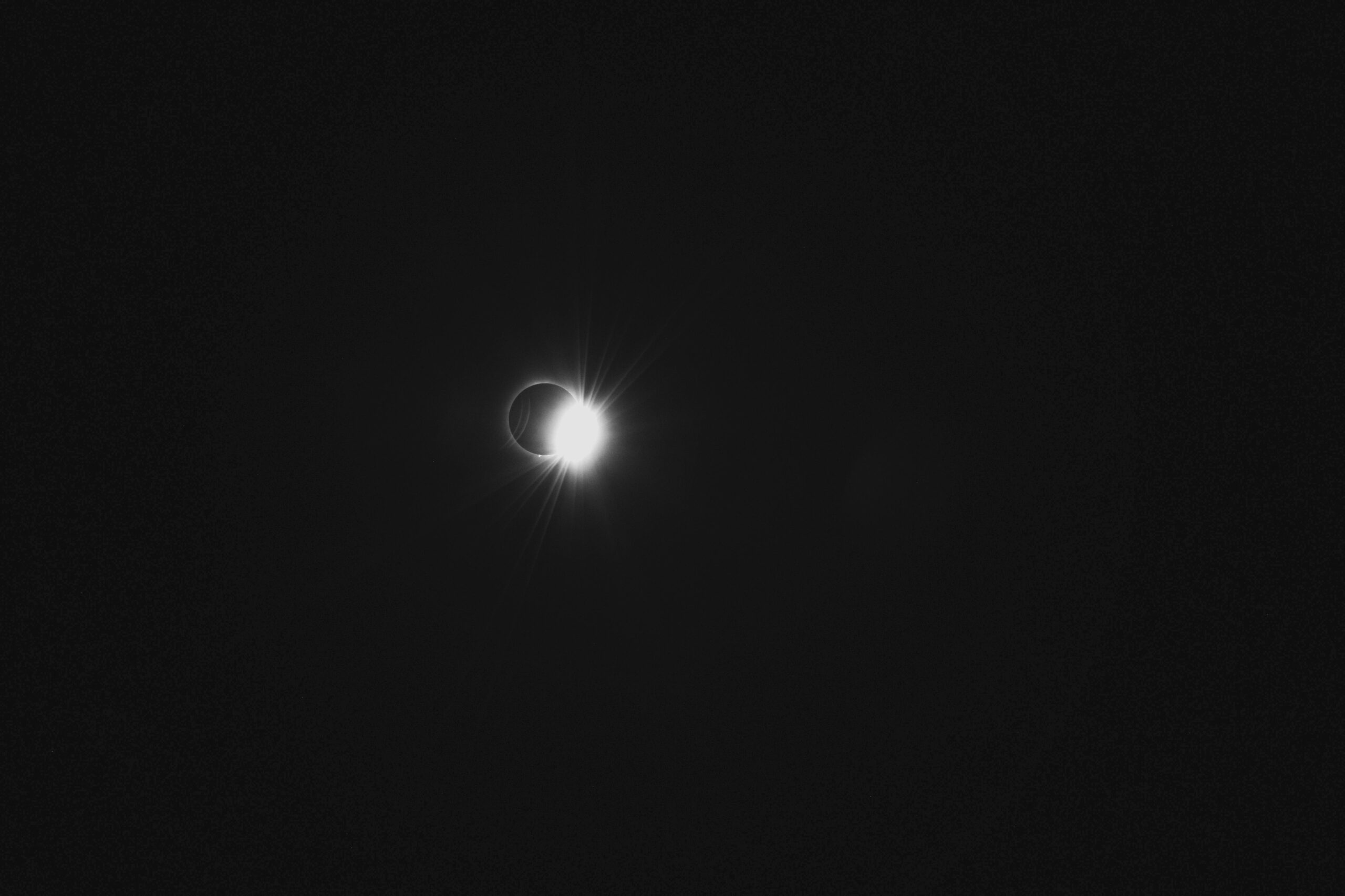
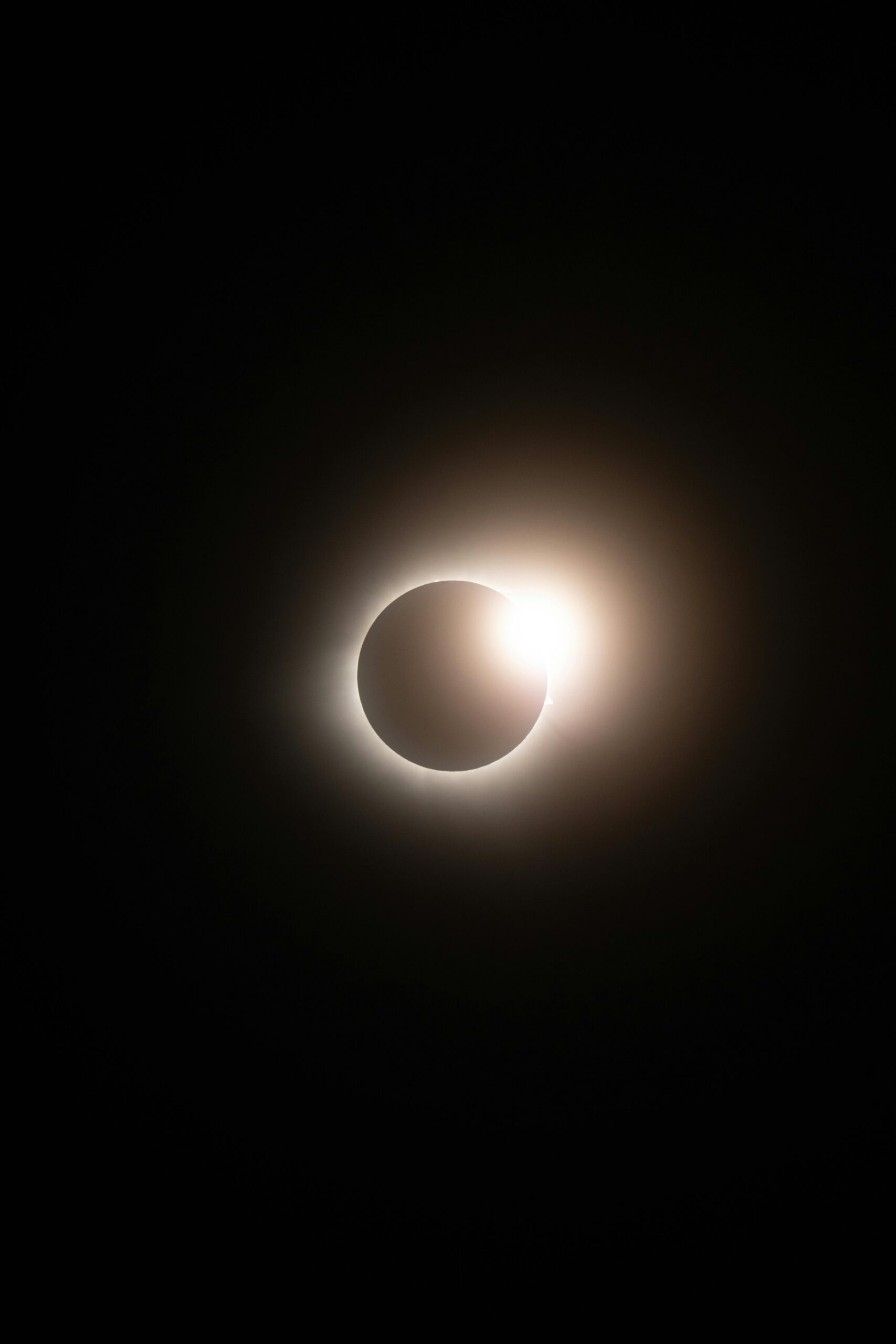
A solar eclipse is one of the most awe-inspiring natural phenomena that captivate the imagination of people around the world. This celestial event occurs when the Moon passes between the Earth and the Sun, obscuring the Sun either partially or completely. The next total solar eclipse is highly anticipated, with enthusiasts and scientists alike preparing for this rare event. Understanding the science behind solar eclipses, their historical significance, and how to view them safely is essential for anyone interested in this remarkable occurrence.
The Science Behind Solar Eclipses
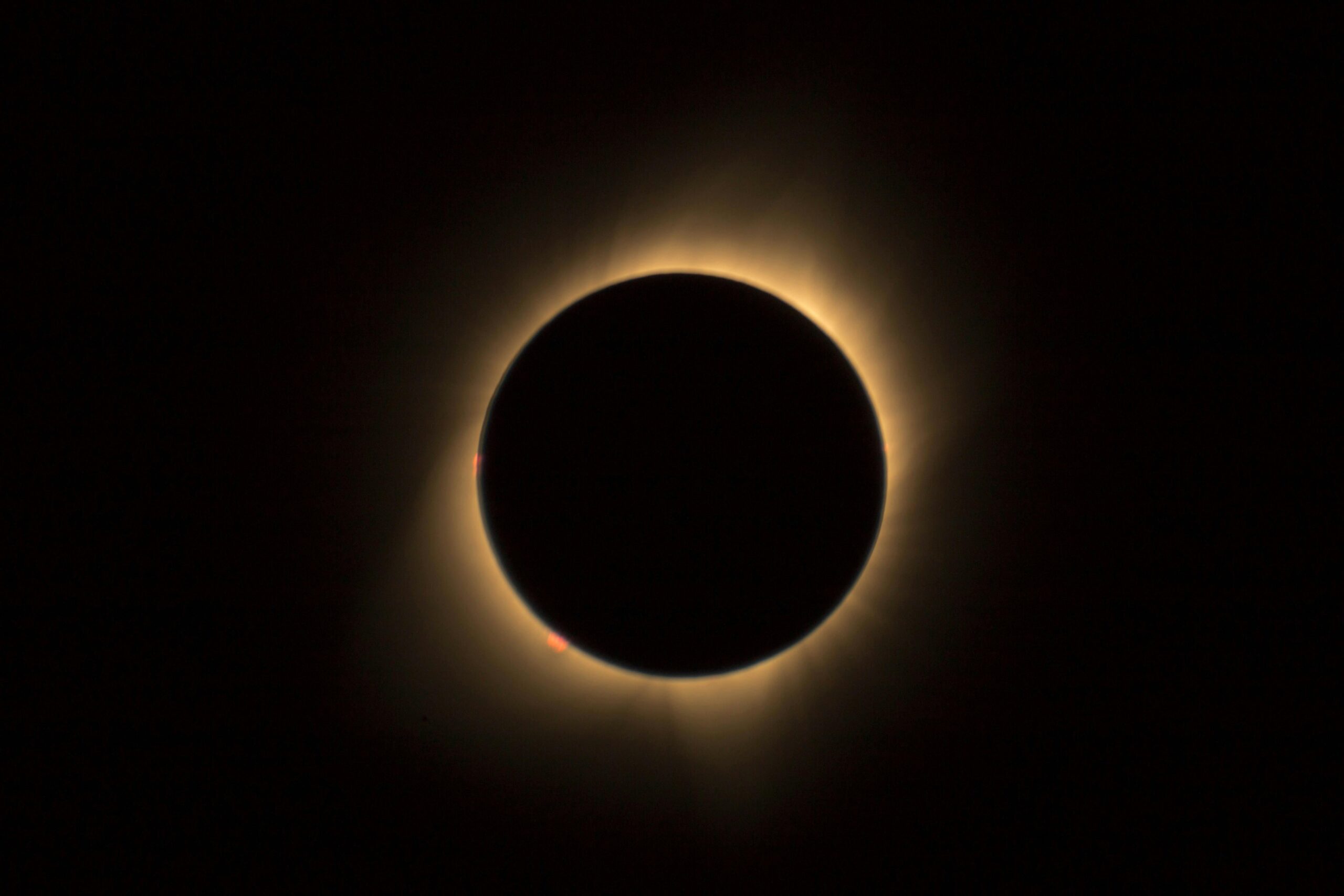
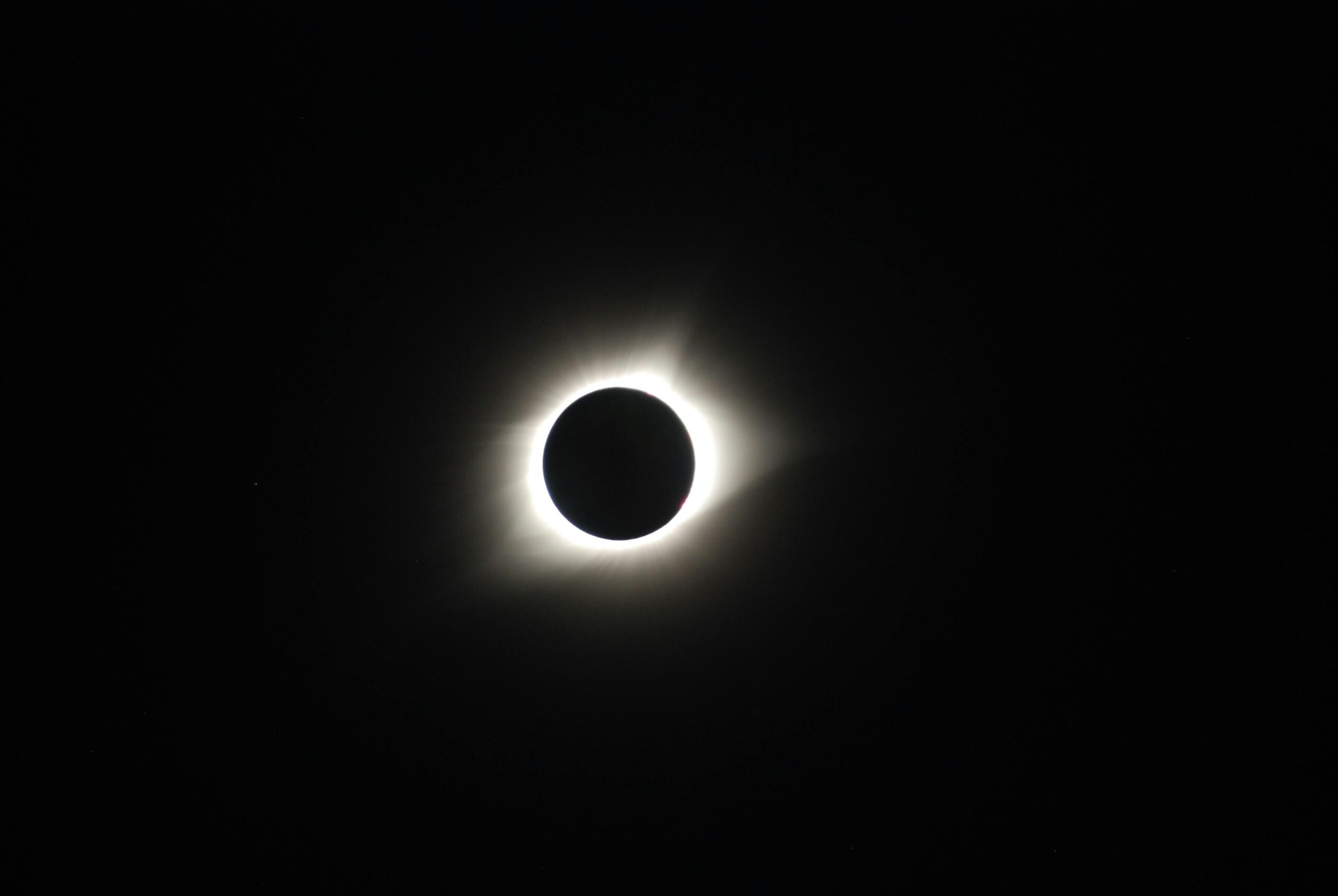
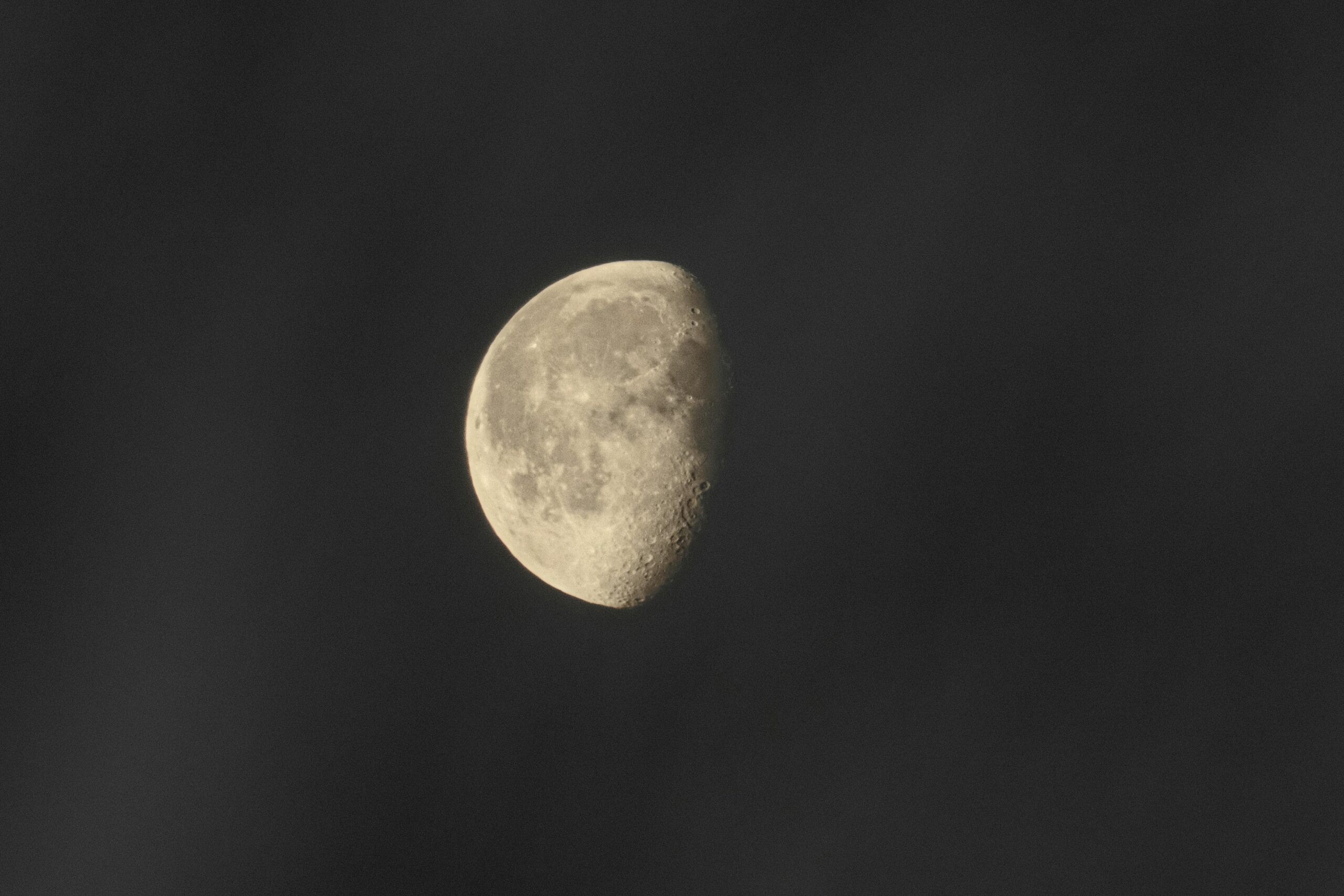
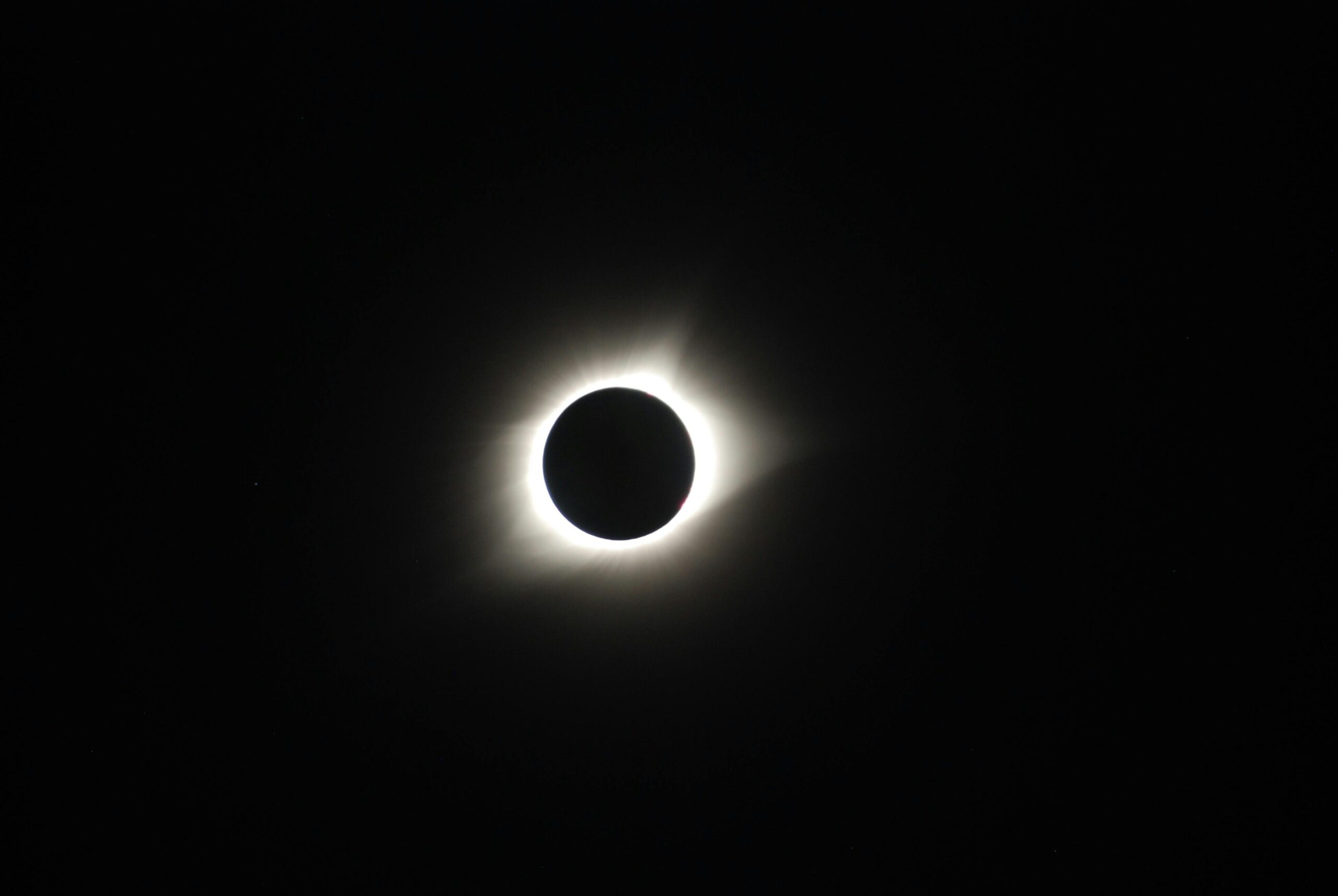
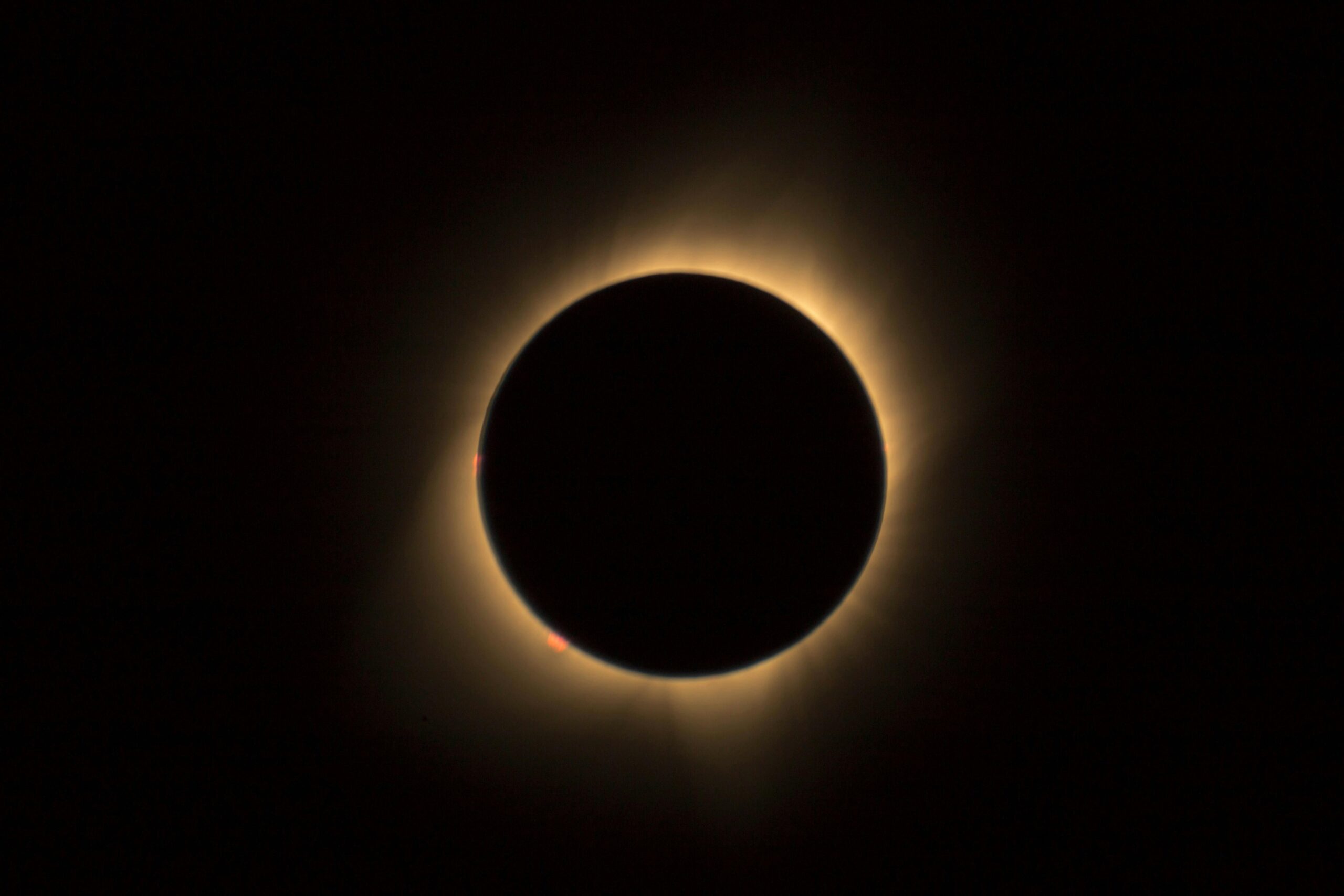
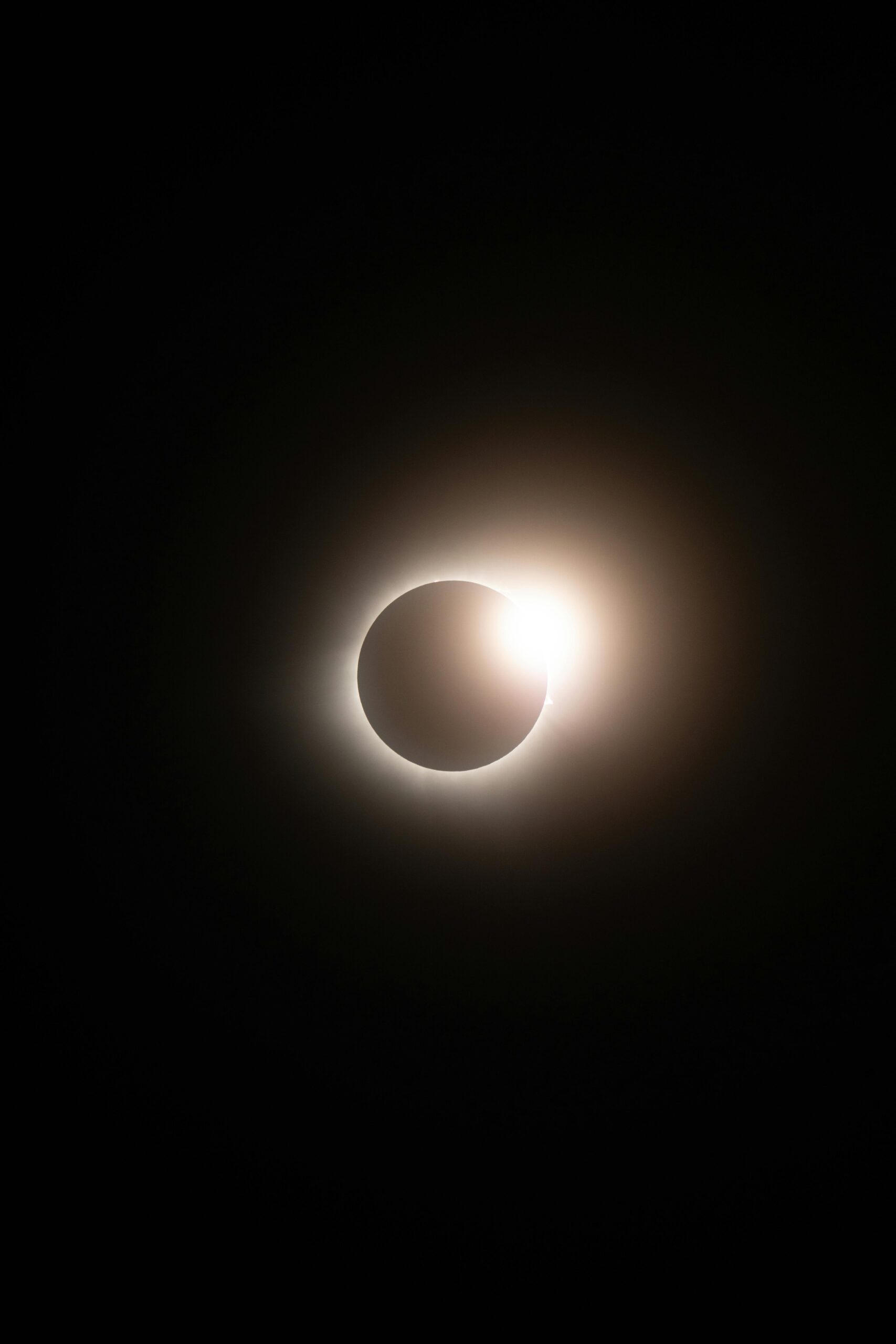
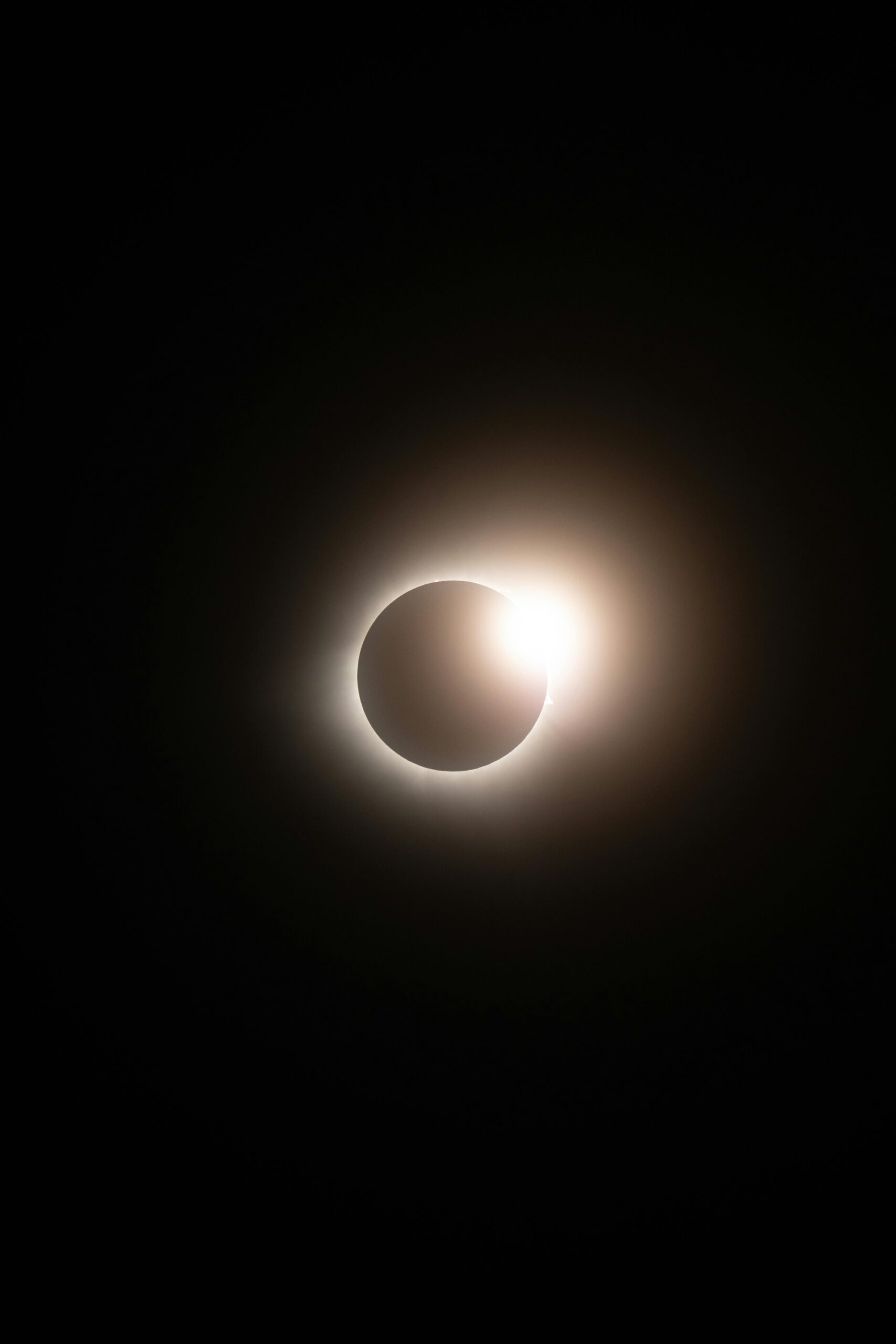
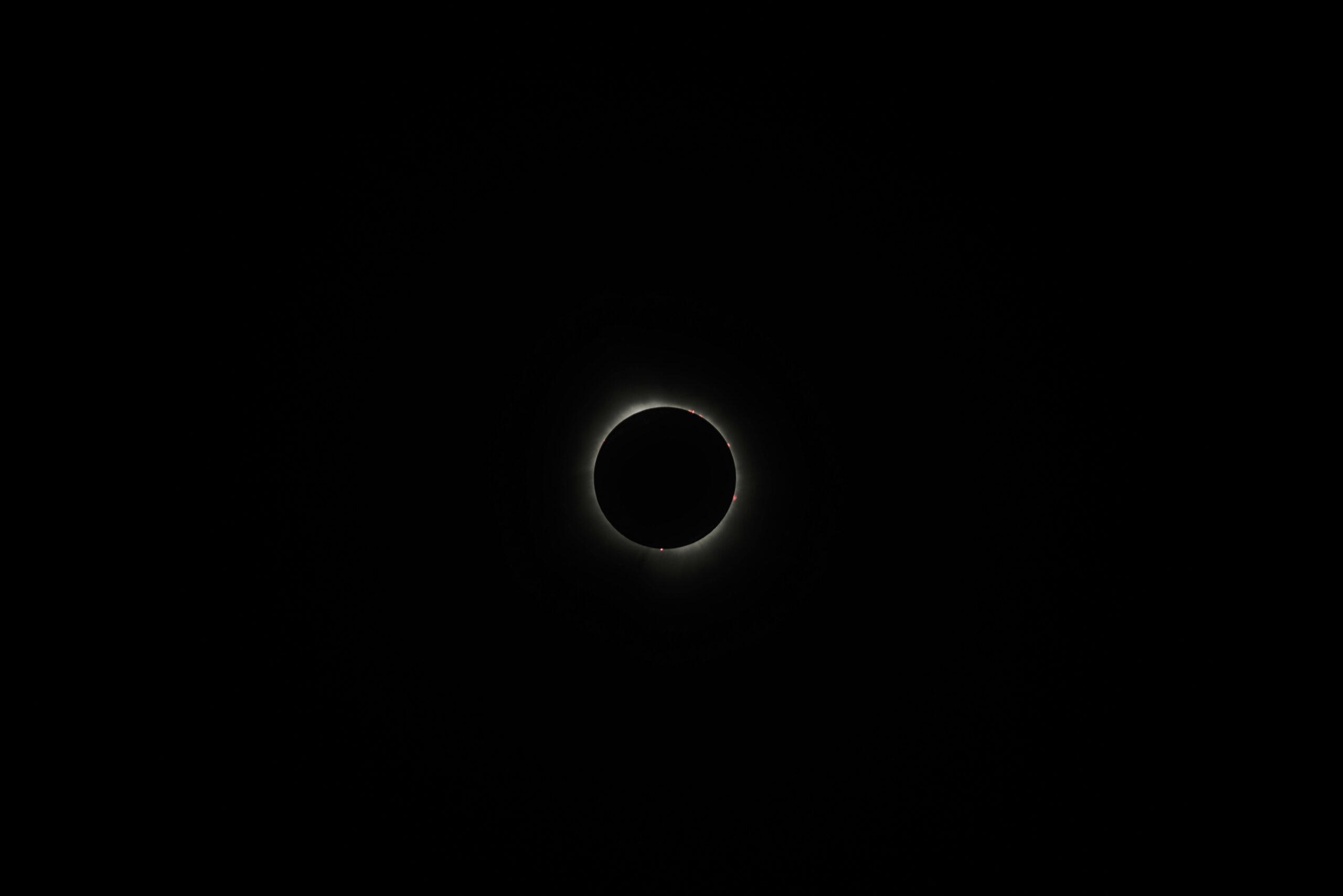
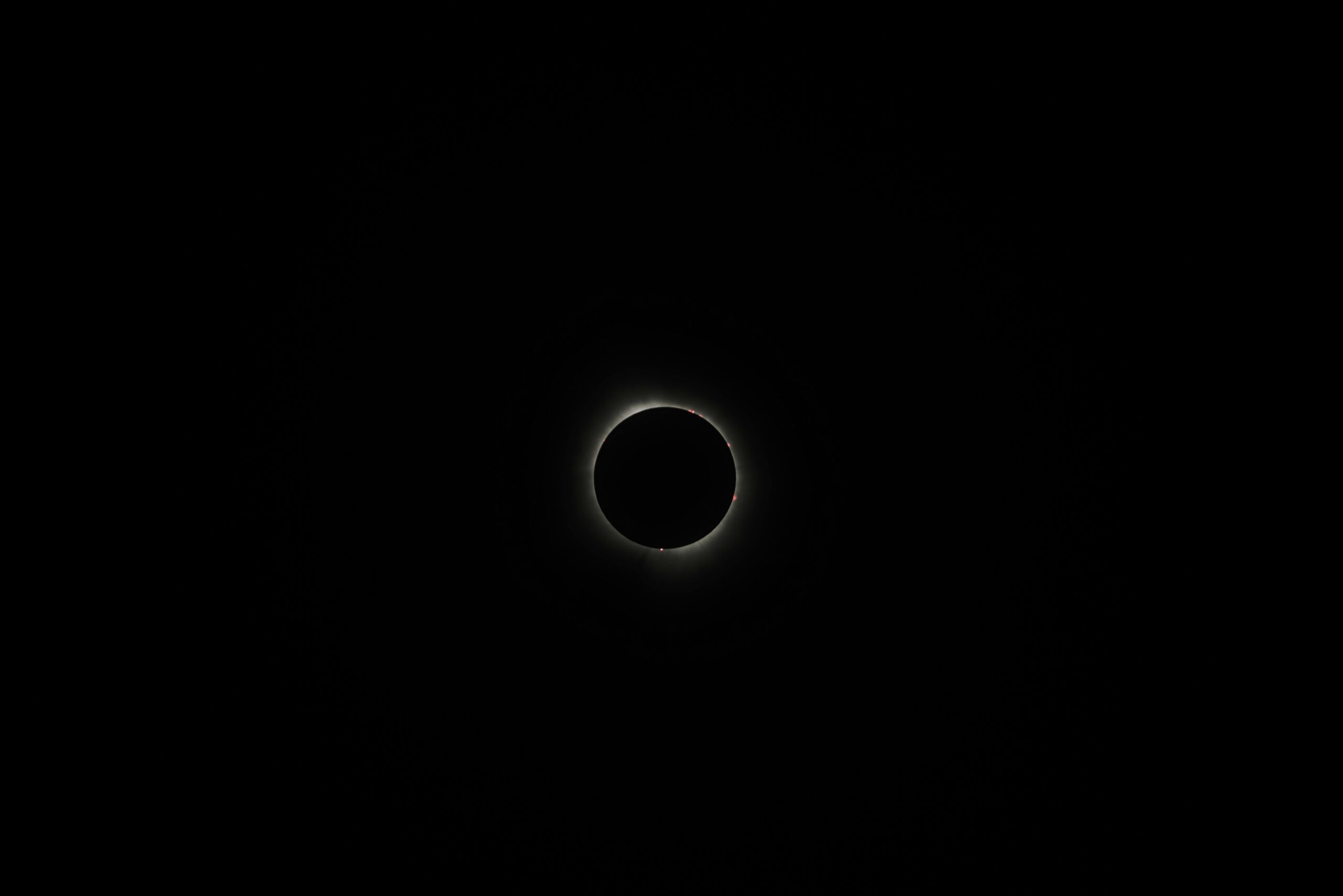
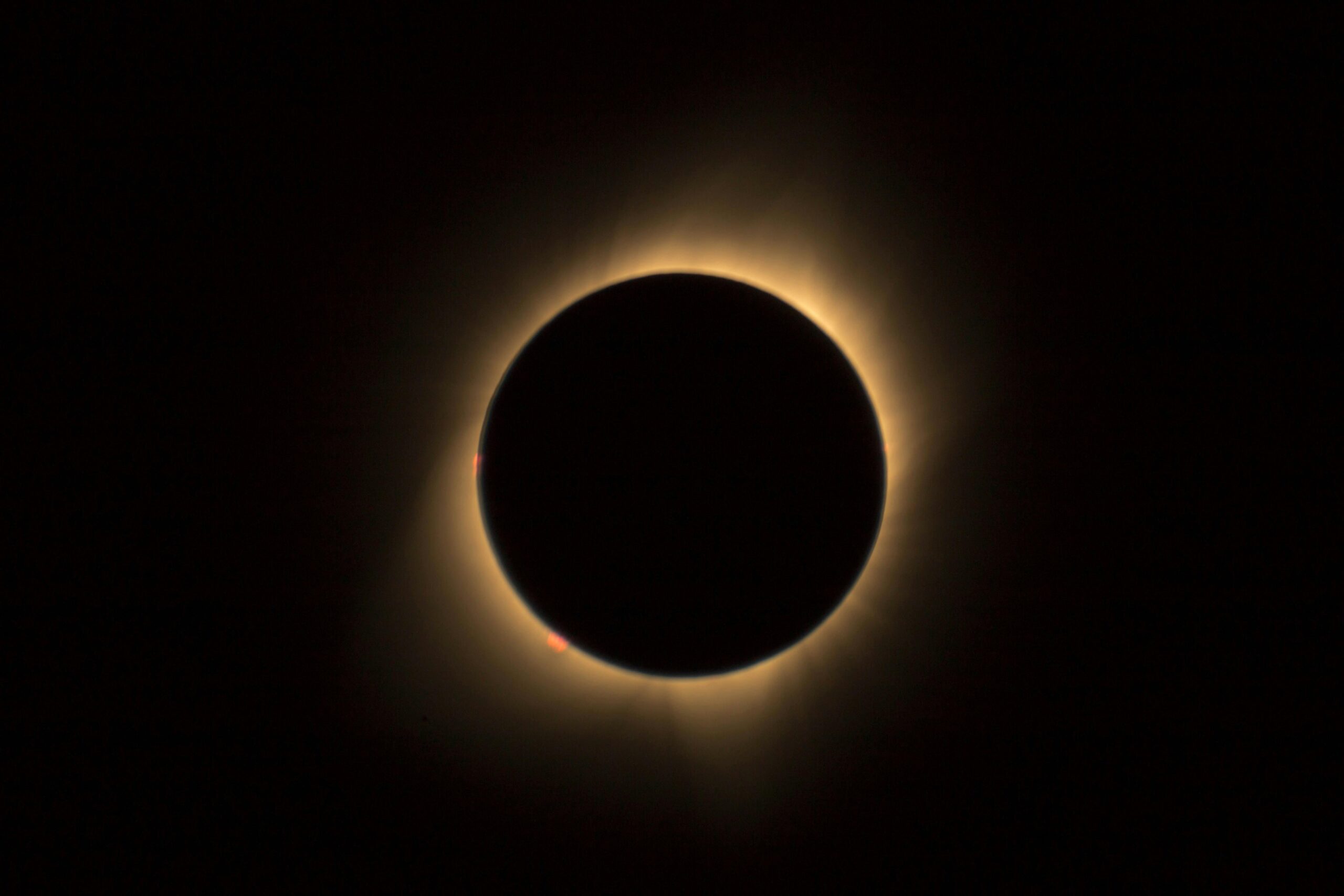
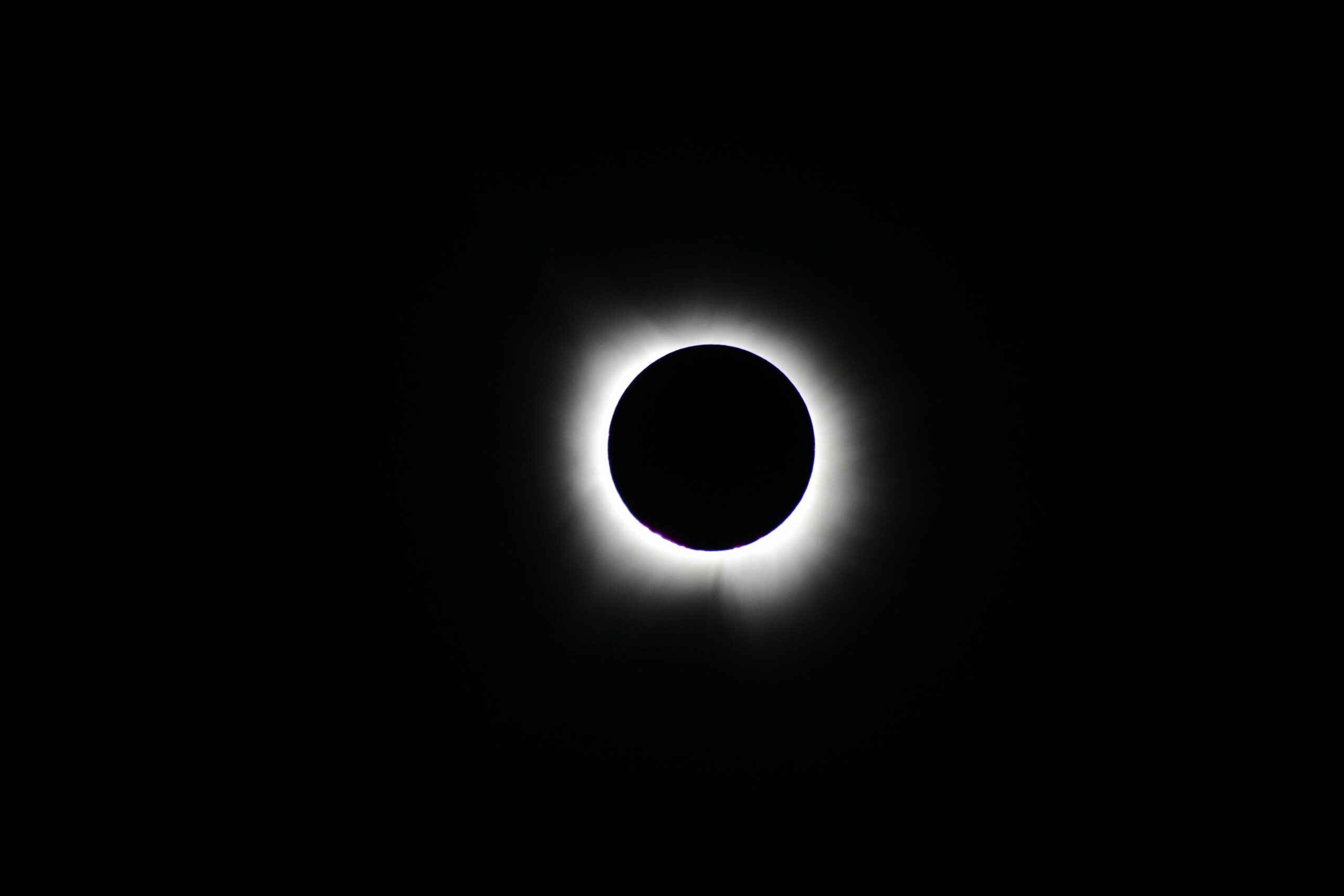
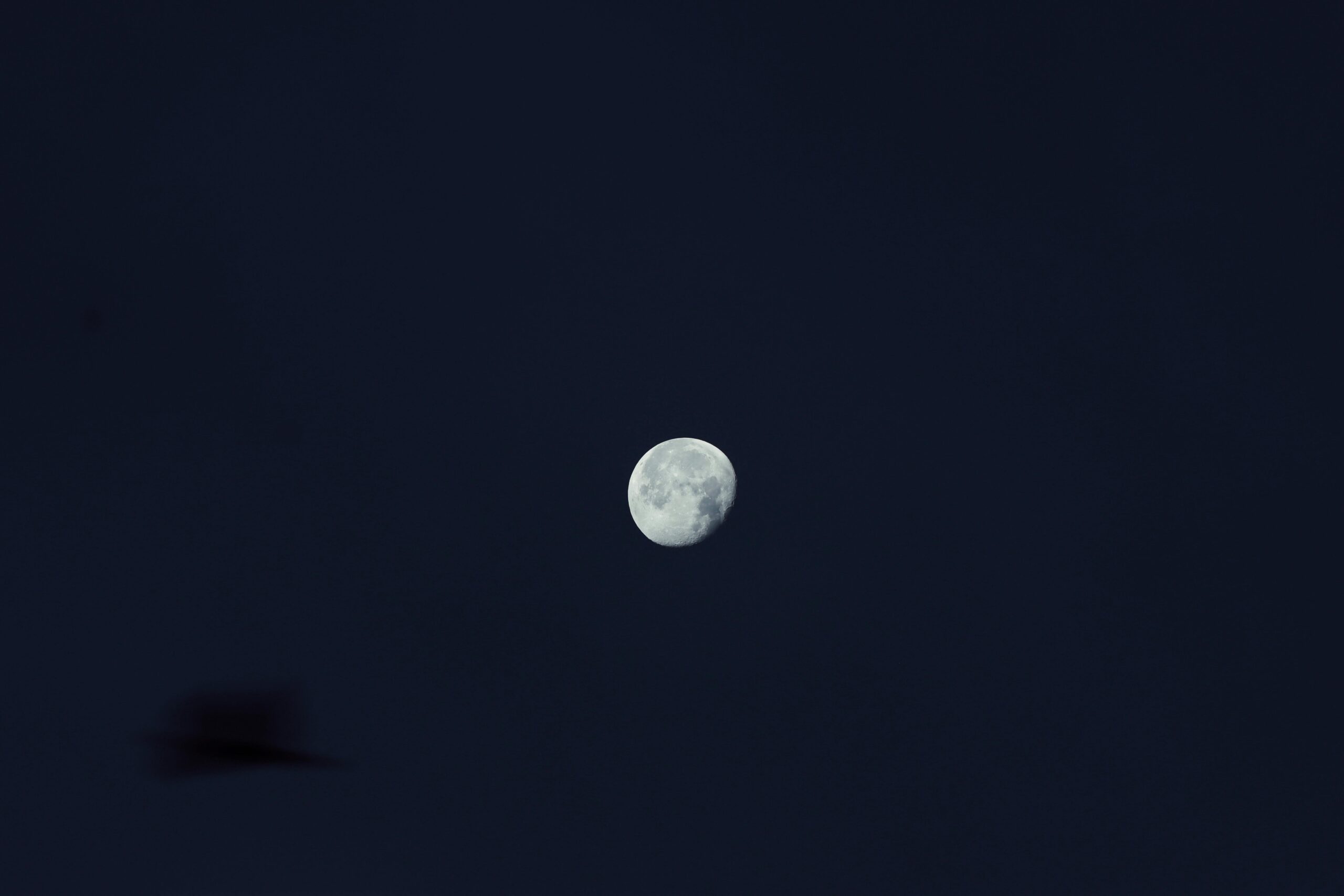
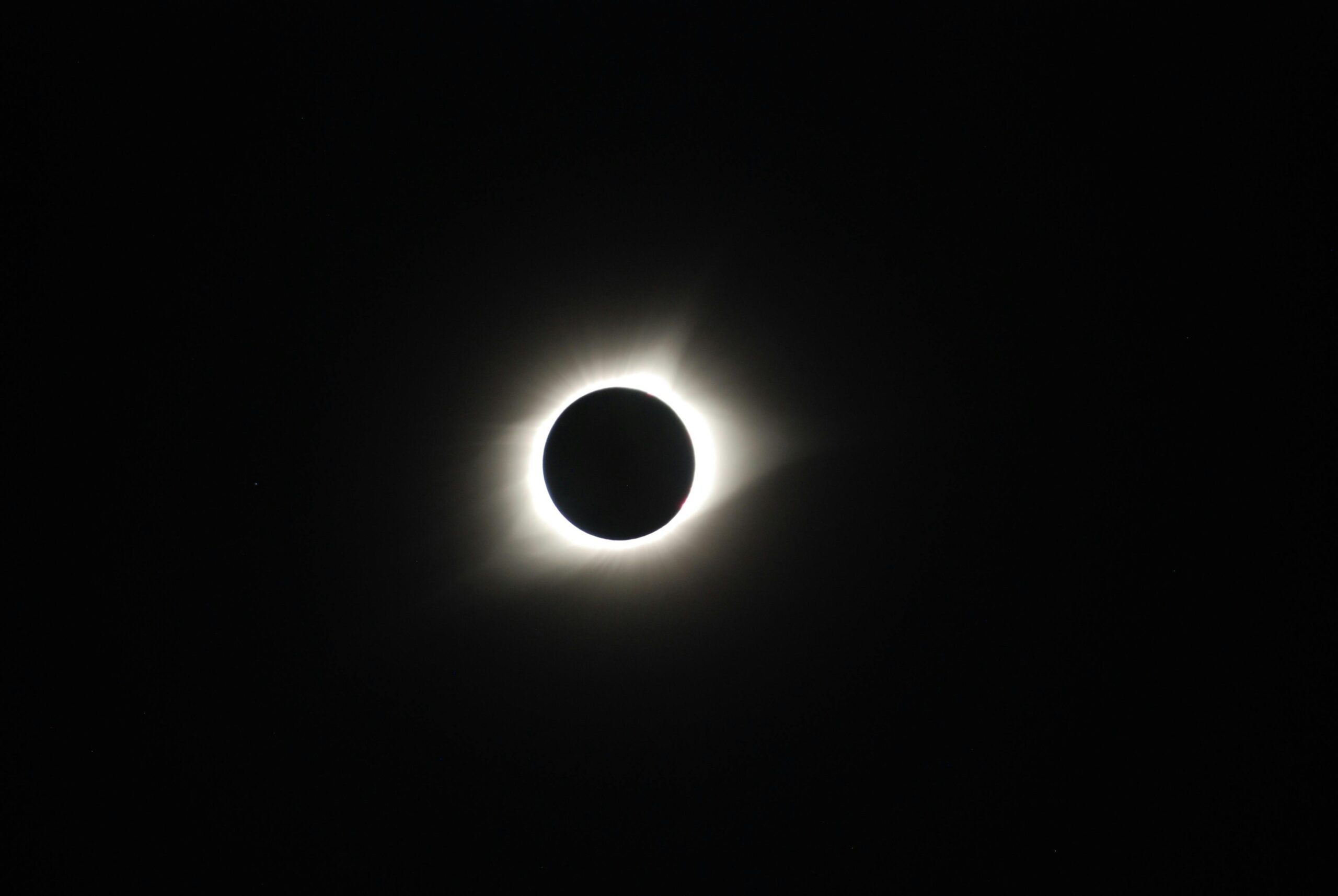
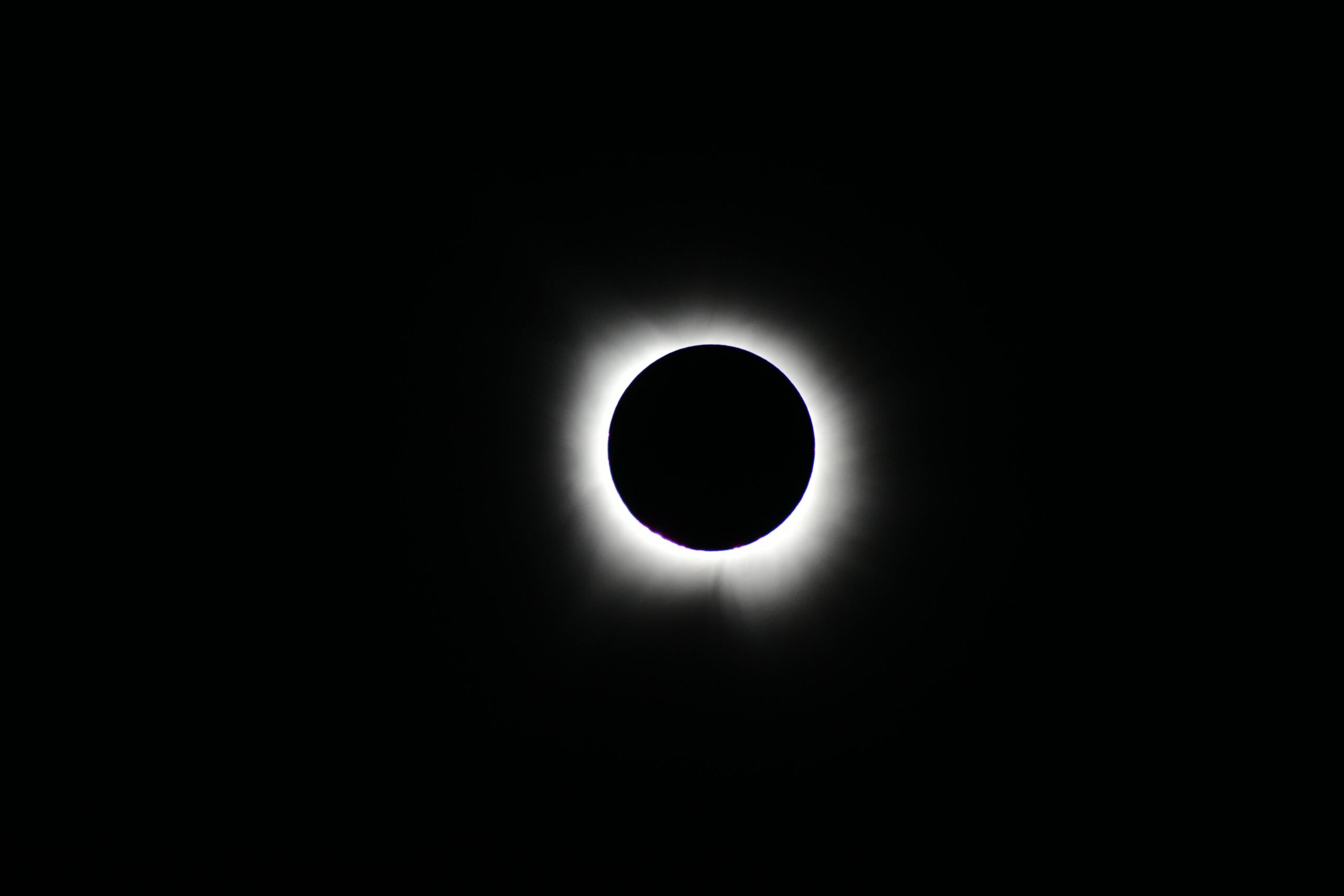
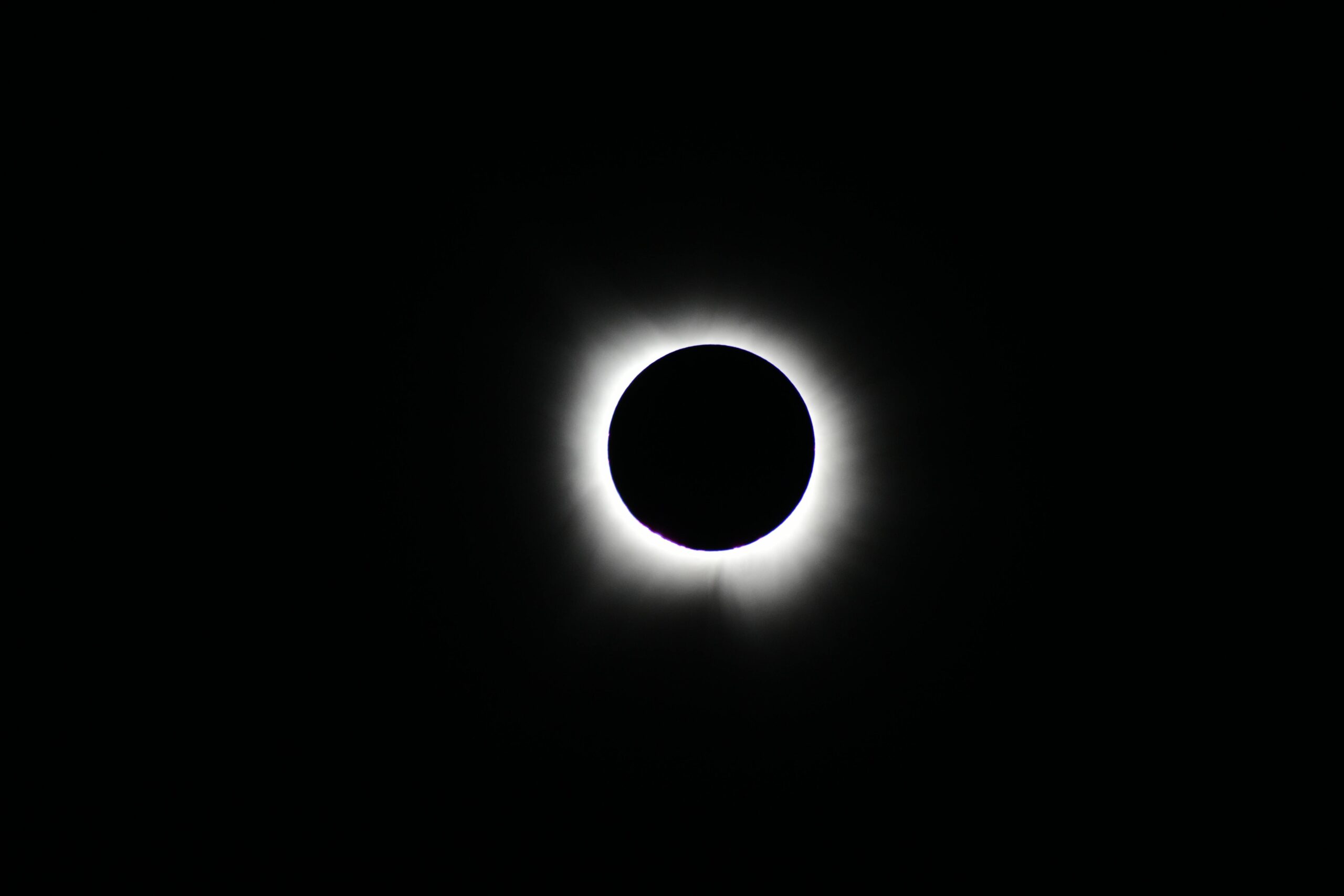
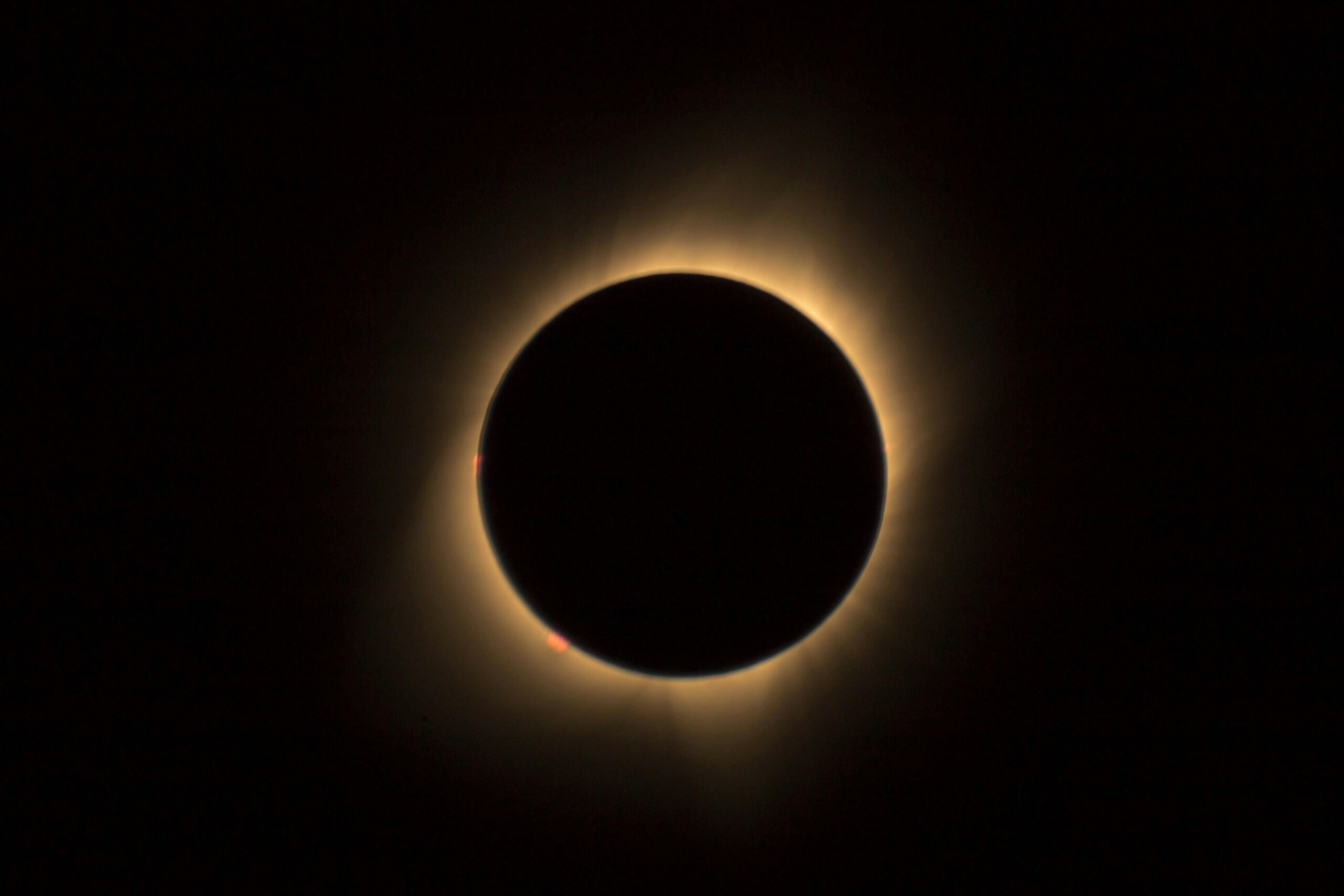
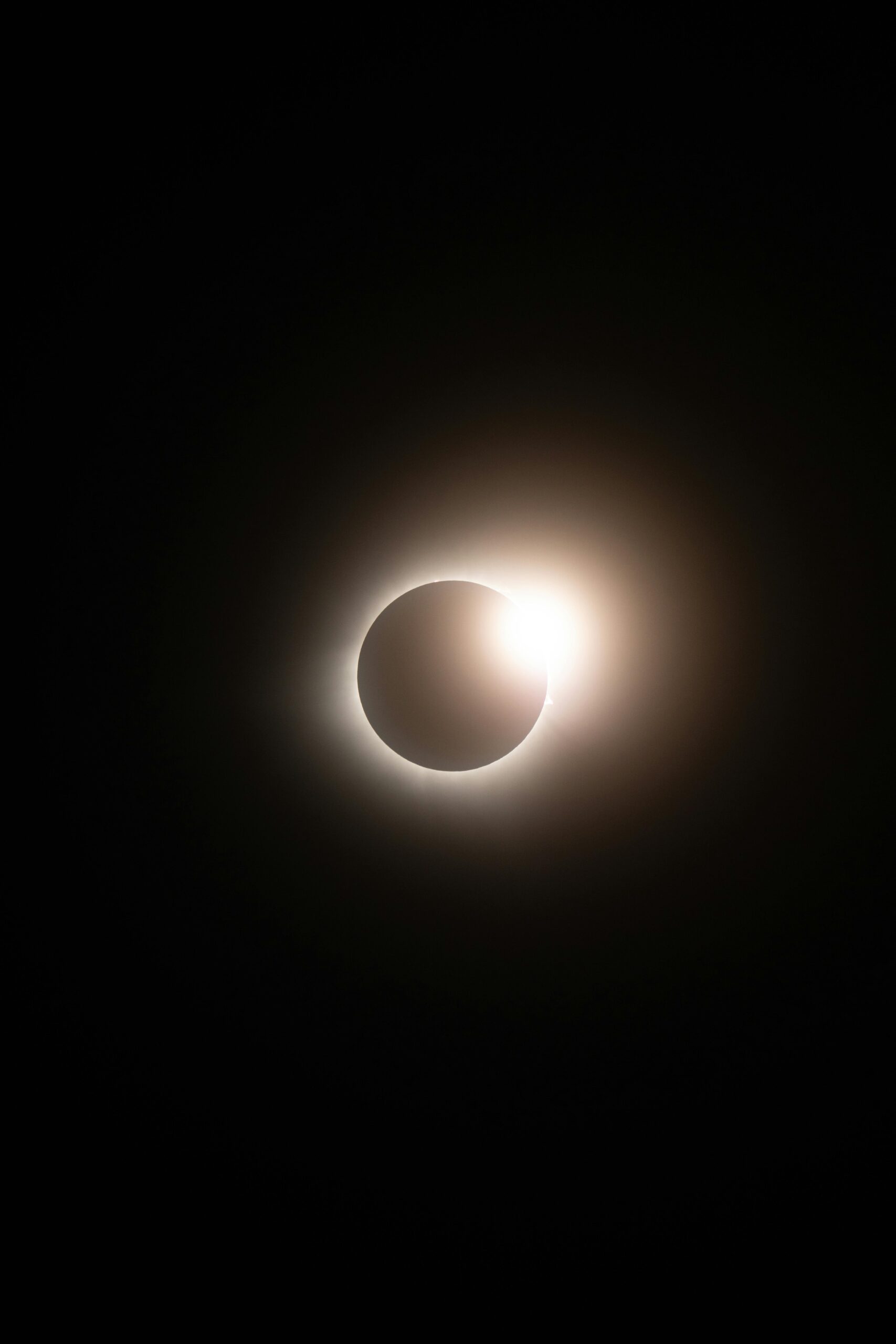
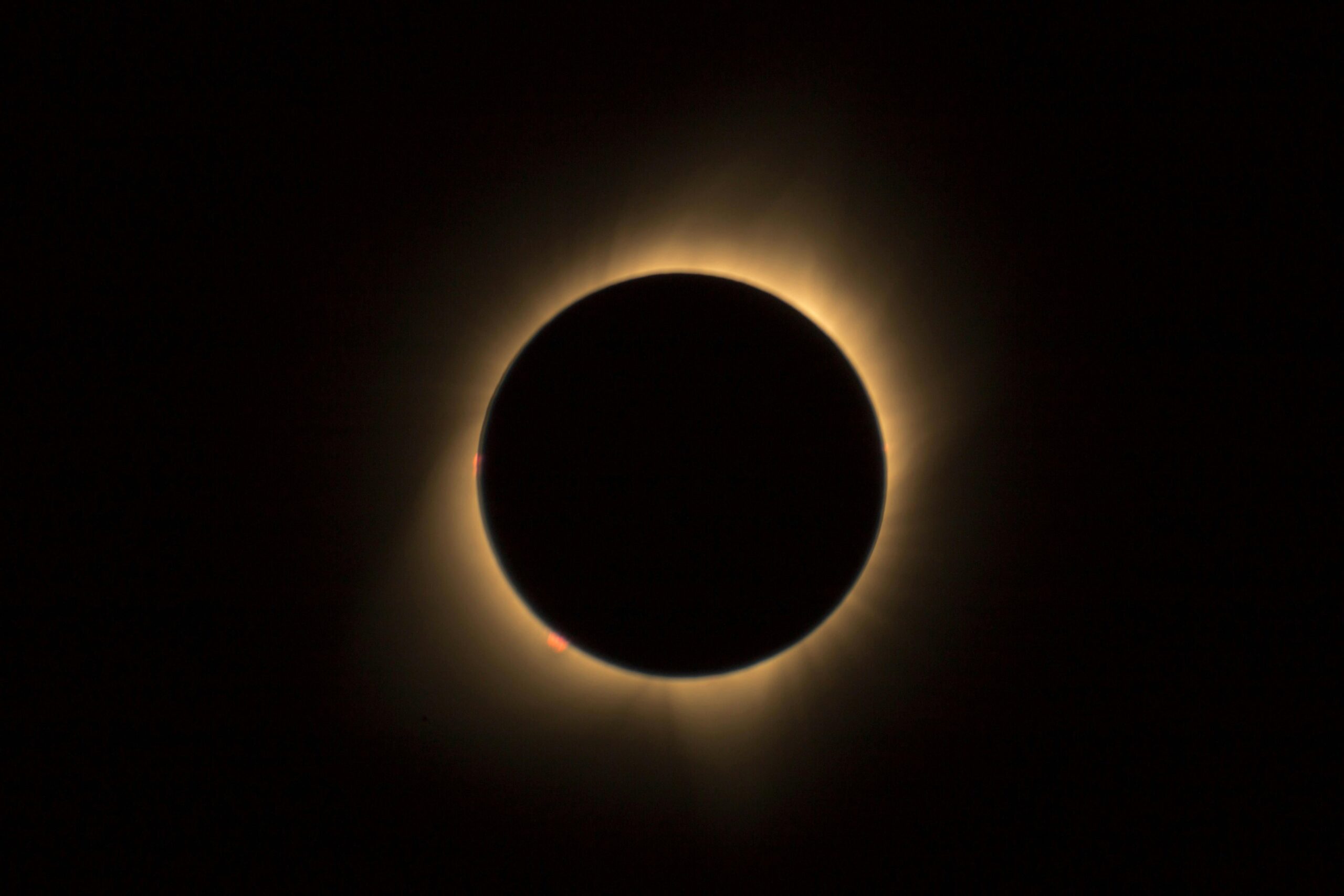
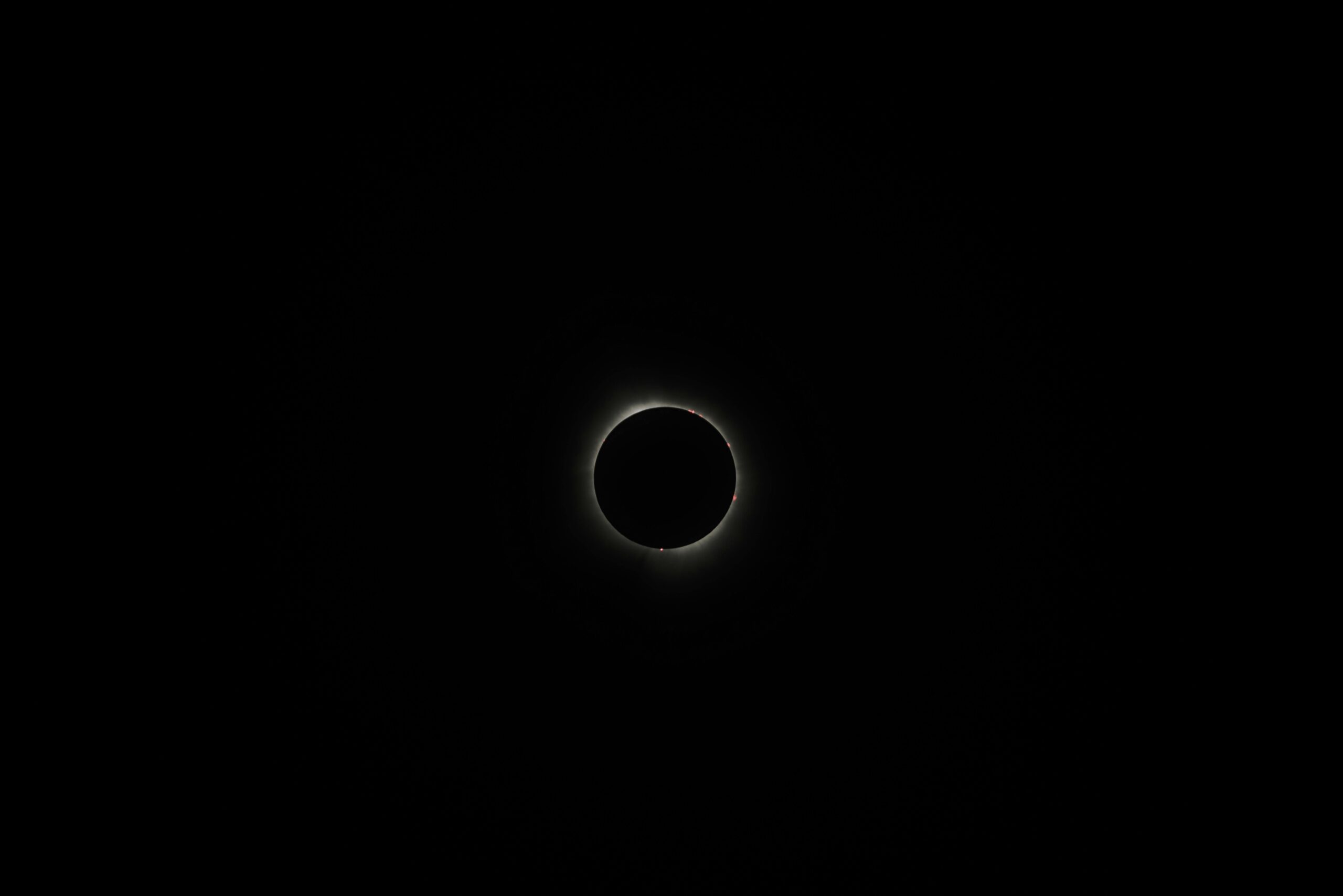
Solar eclipses happen due to the specific alignment of the Sun, Moon, and Earth. For a total solar eclipse to occur, the Moon must be in its new moon phase and positioned precisely between the Earth and the Sun. The Moon’s shadow, known as the umbra, falls on the Earth’s surface, creating a path of totality where observers can witness the Sun being completely obscured by the Moon. This alignment is a result of the Moon’s orbit around the Earth and the Earth’s orbit around the Sun, which are not perfectly aligned but are close enough to allow for this extraordinary event.
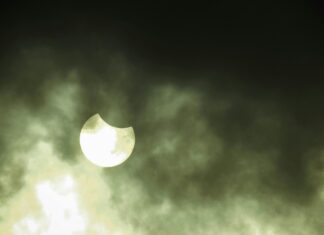
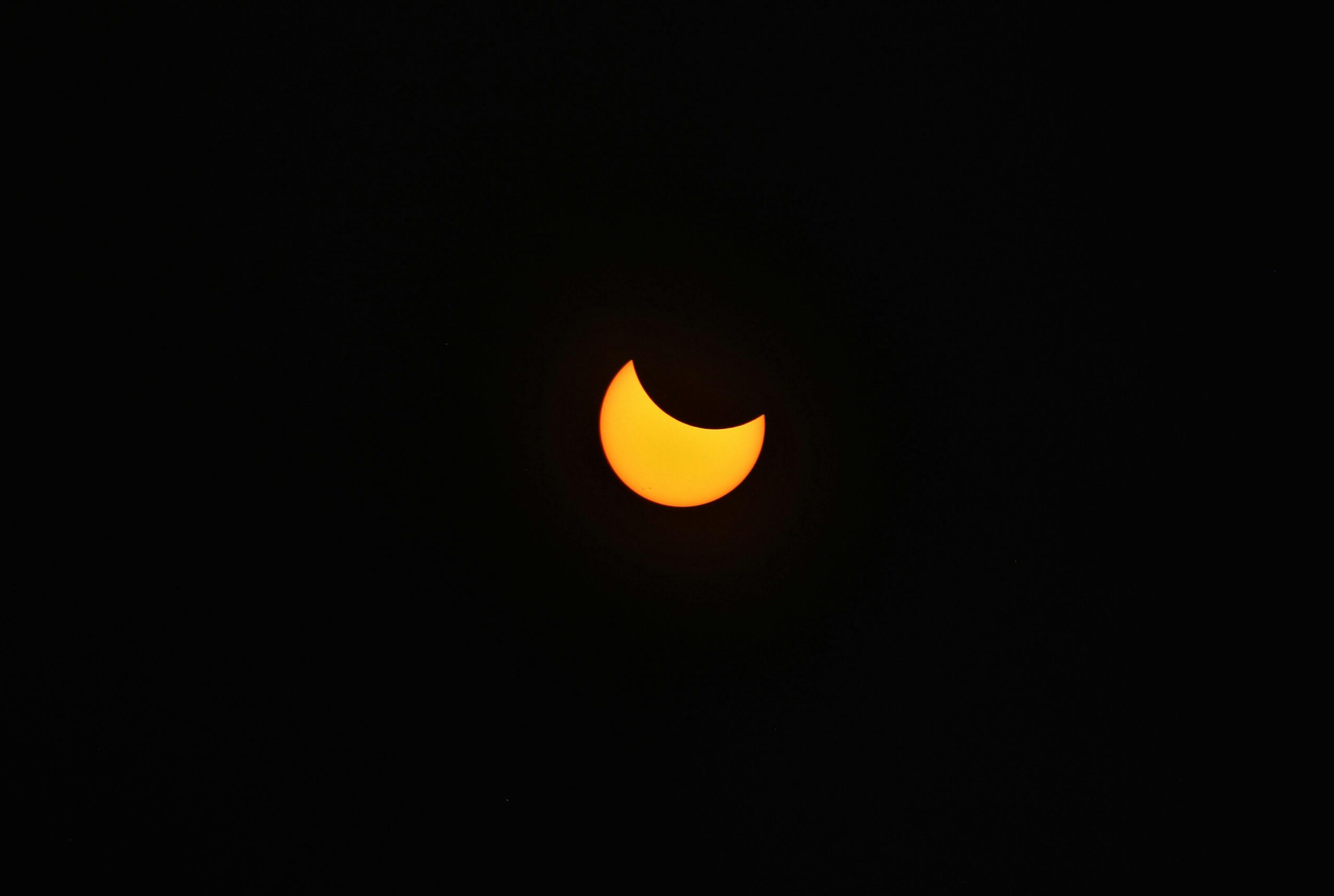
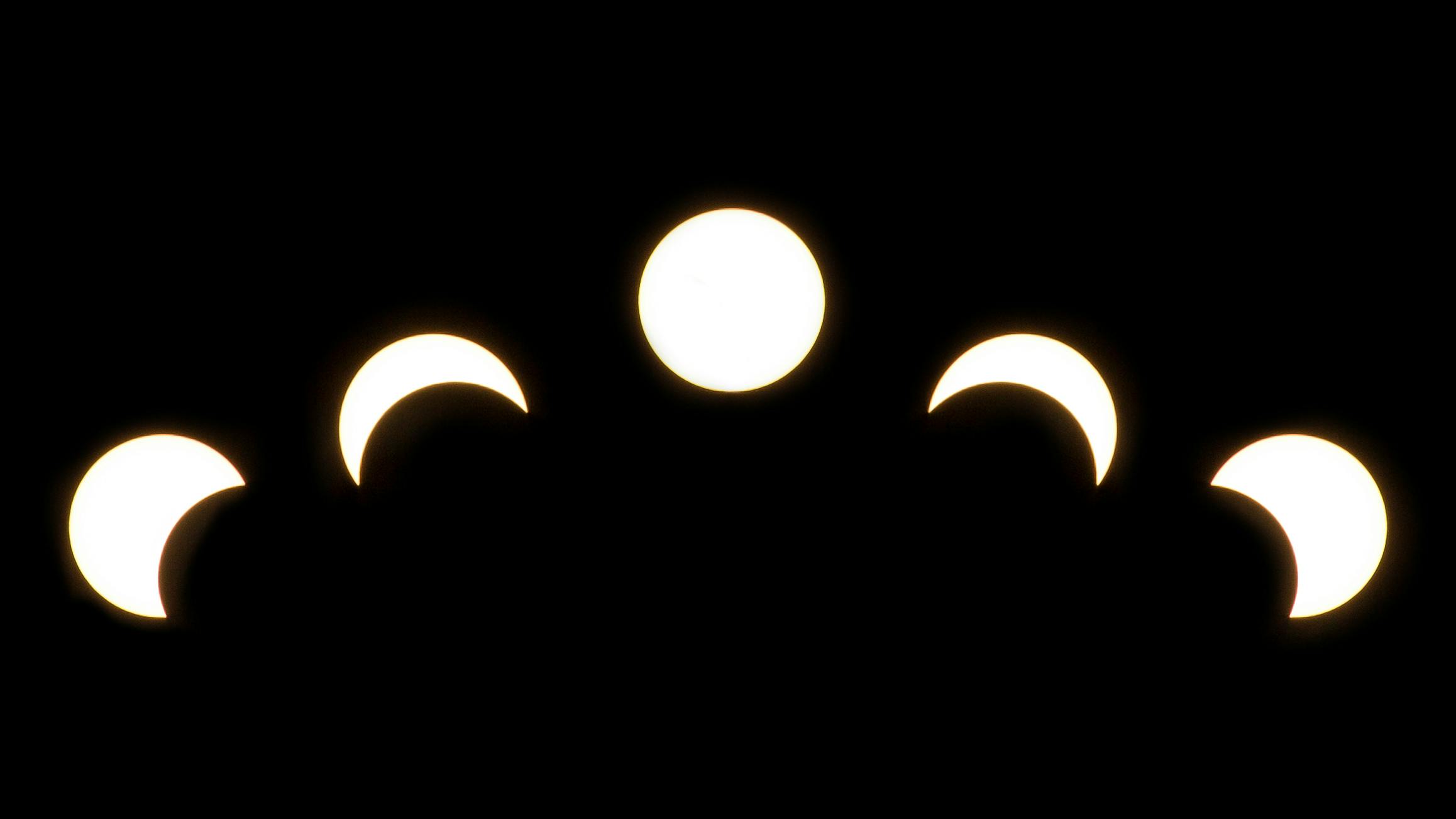
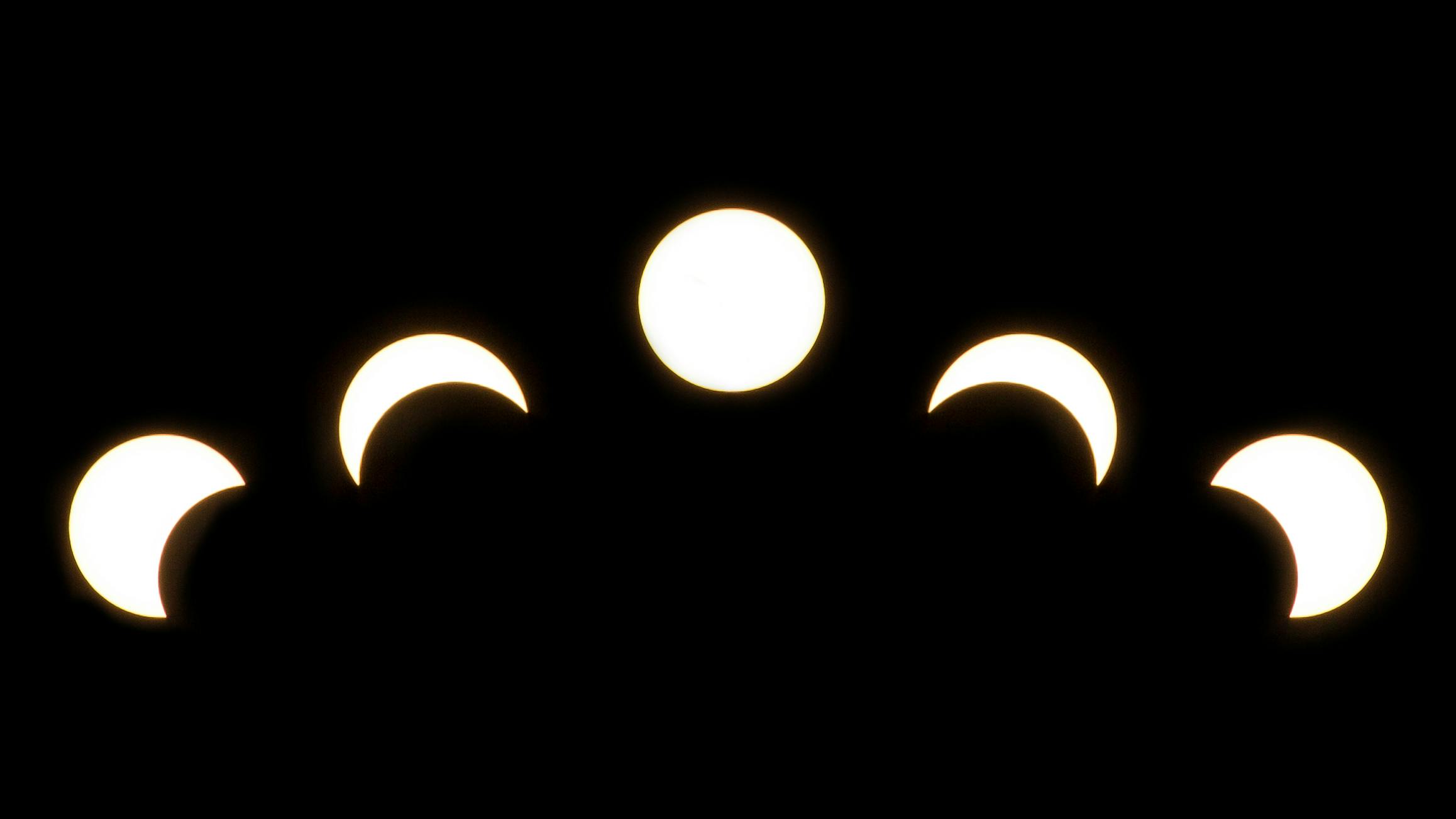
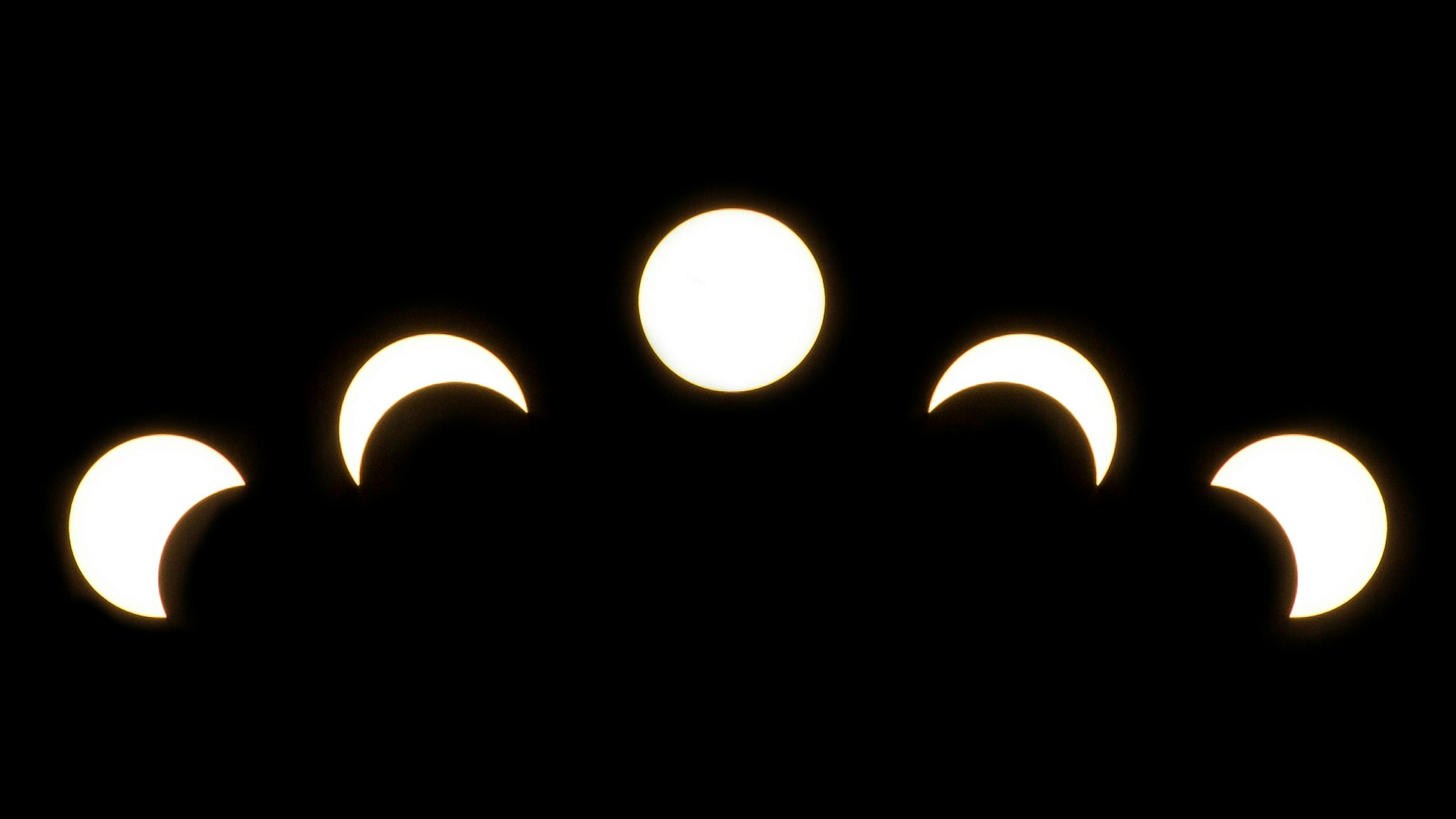
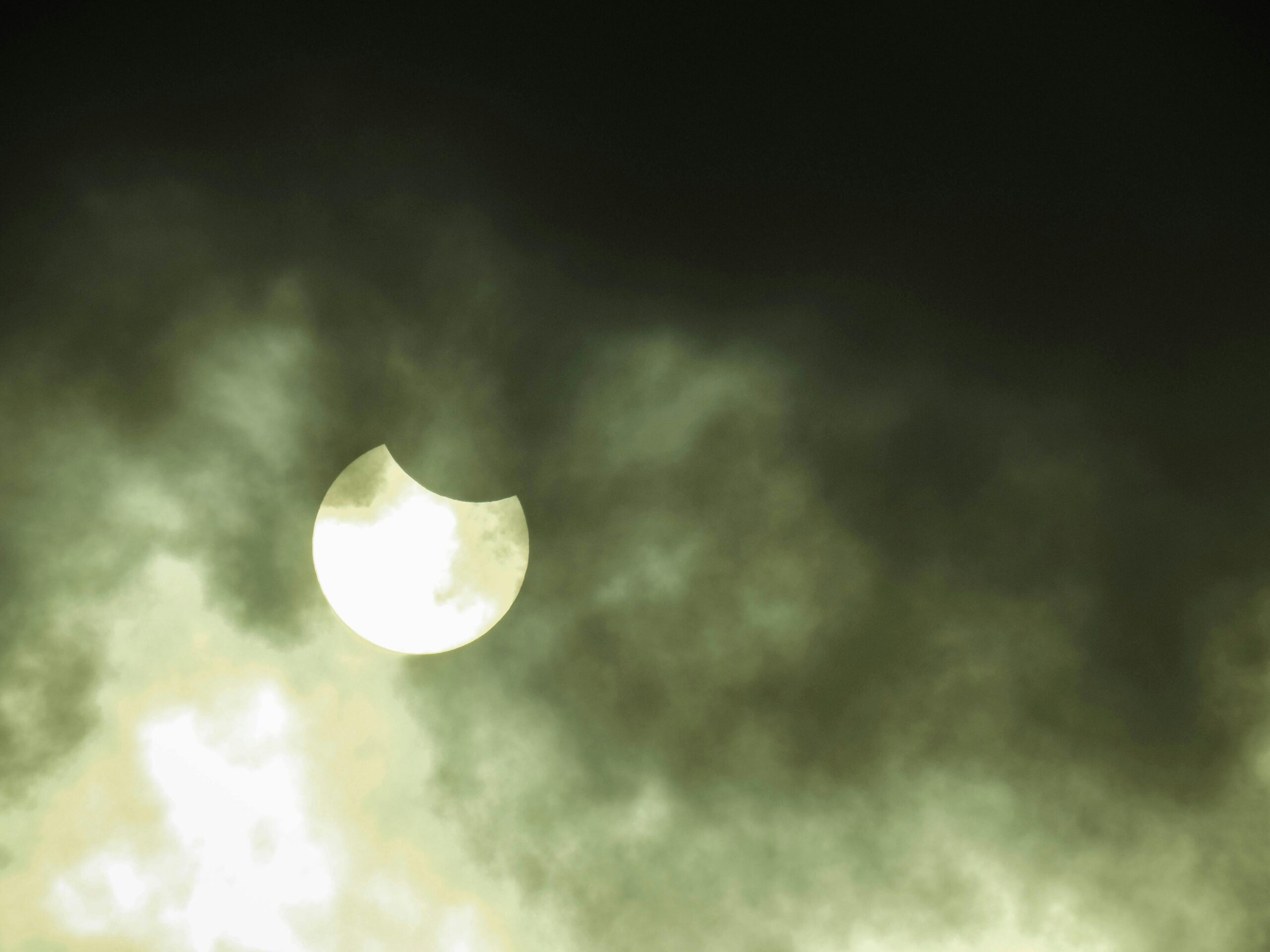
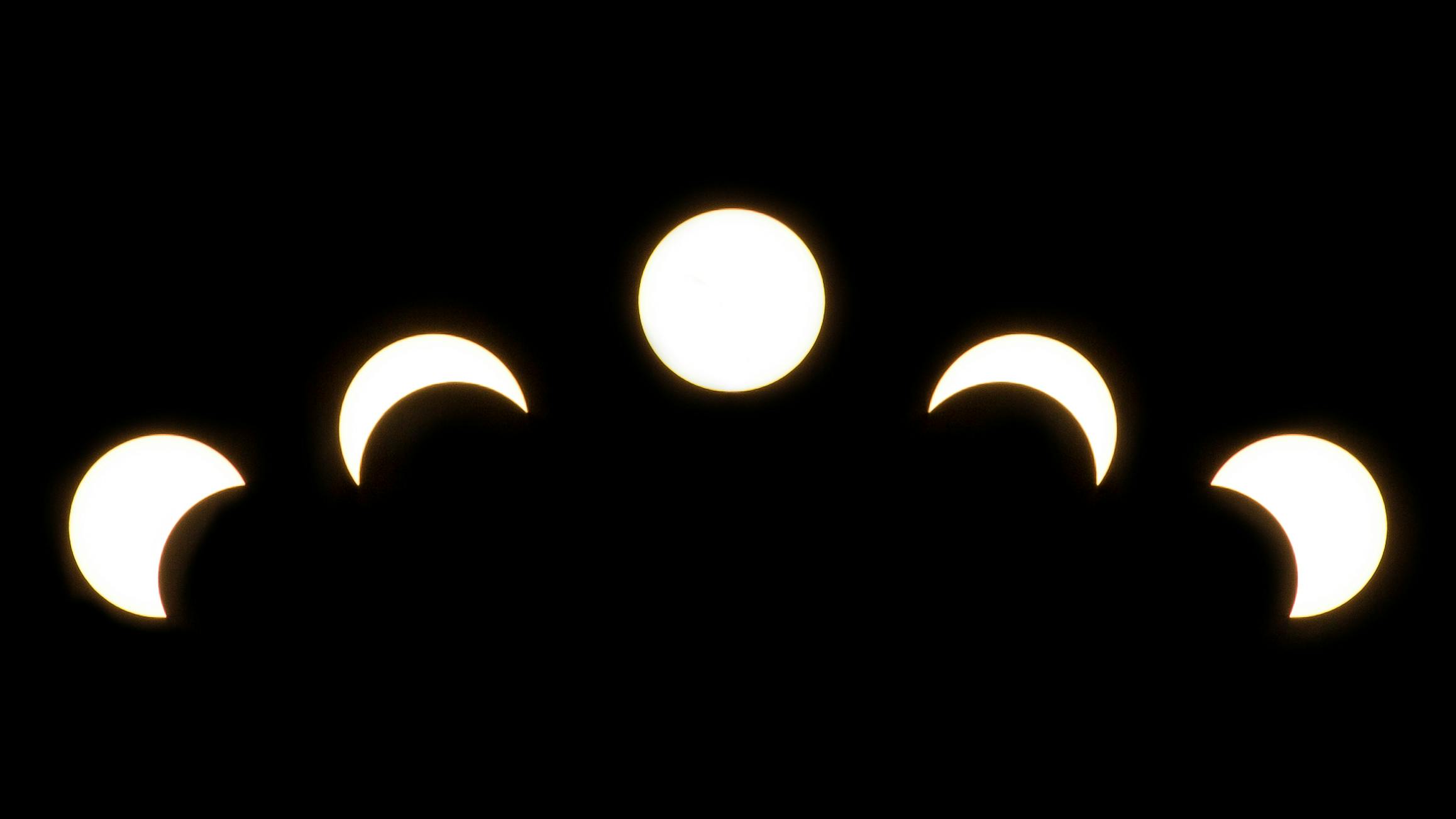
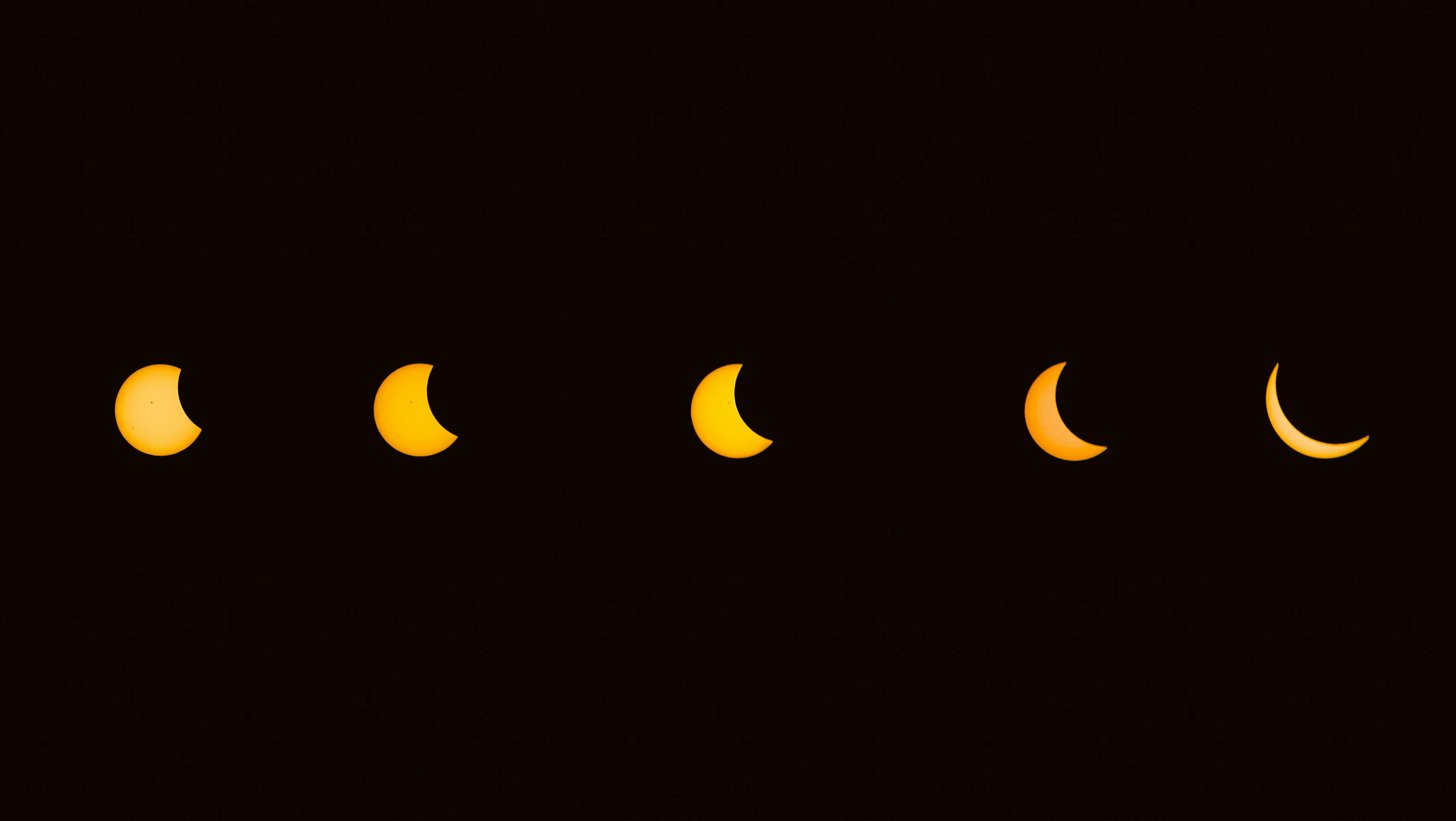
The path of totality is relatively narrow, often just a few hundred kilometers wide, and it moves across the Earth’s surface as the Moon orbits. Outside this path, observers may experience a partial solar eclipse, where only a portion of the Sun is covered by the Moon. The duration of a total solar eclipse can vary, but it typically lasts for a few minutes, providing a brief but unforgettable experience for those fortunate enough to witness it.
Historical Significance and Cultural Impact
Throughout history, solar eclipses have held significant cultural and scientific importance. Ancient civilizations often viewed eclipses as omens or signs from the gods, leading to various myths and legends. For example, in ancient China, eclipses were believed to be caused by a celestial dragon devouring the Sun. To scare the dragon away, people would make loud noises and bang drums. In other cultures, eclipses were seen as harbingers of doom or significant changes.
In modern times, solar eclipses have become opportunities for scientific discovery. Astronomers use eclipses to study the Sun’s corona, the outermost part of the Sun’s atmosphere, which is usually invisible due to the Sun’s intense brightness. During a total solar eclipse, the corona becomes visible, allowing scientists to observe its structure and behavior. This has led to groundbreaking research in solar physics and a deeper understanding of our closest star.
Safety Tips for Viewing a Solar Eclipse
Watching a solar eclipse is an exciting experience, but it is crucial to do so safely to protect your eyes from potential damage. Looking directly at the Sun, even during an eclipse, can cause permanent eye damage or blindness. To view a solar eclipse safely, use special eclipse glasses that meet the ISO 12312-2 international safety standard. These glasses are designed to filter out harmful ultraviolet and infrared radiation, allowing you to observe the Sun without risking your vision.
Alternatively, you can use a pinhole projector, which projects an image of the Sun onto a flat surface, allowing you to view the eclipse indirectly. This method is particularly useful for groups or educational settings. Another option is to use a telescope or binoculars equipped with a solar filter to observe the Sun safely. Always ensure that any equipment used for viewing a solar eclipse is certified for solar observation to avoid eye injury.
Preparing for the Next Solar Eclipse
The next total solar eclipse is expected to occur on April 8, 2024, and will be visible across North America, from Mexico to Canada. This event is highly anticipated, with millions of people expected to travel to the path of totality to witness the spectacle. Planning ahead is essential to ensure a safe and enjoyable experience. Research the best viewing locations, book accommodations early, and familiarize yourself with local weather conditions to maximize your chances of clear skies.
In addition to the scientific and cultural significance of solar eclipses, they also offer a unique opportunity for community engagement and education. Many organizations and institutions host public viewing events, workshops, and lectures to share knowledge about solar eclipses and their impact on our understanding of the universe. Participating in these events can enhance your appreciation of this celestial phenomenon and provide a memorable experience for you and your family.
For those planning to travel to witness the eclipse, it’s important to consider local customs and attractions. For example, if you’re visiting a city like Riyadh, you might want to explore the best restaurants in the area. أفضل مطاعم في مدينة الرياض offers a curated list of top dining spots, ensuring you have a delightful culinary experience alongside your celestial adventure.
The Future of Solar Eclipse Observation
As technology advances, our ability to observe and study solar eclipses continues to improve. High-resolution imaging, advanced telescopes, and space-based observatories provide unprecedented insights into the Sun’s behavior and the dynamics of solar eclipses. These advancements not only enhance our scientific understanding but also make the experience more accessible to a global audience through live broadcasts and virtual reality simulations.
The study of solar eclipses also contributes to our broader understanding of space weather and its impact on Earth. Solar flares and coronal mass ejections, which are often associated with solar activity, can affect satellite communications, power grids, and other technological systems. By studying the Sun during eclipses, scientists can better predict and mitigate these effects, ensuring the safety and stability of our modern infrastructure.
In conclusion, solar eclipses are not just spectacular natural events but also windows into the mysteries of our universe. Whether you are a seasoned astronomer or a curious observer, witnessing a solar eclipse is an experience that connects us to the cosmos and inspires a sense of wonder and discovery. By understanding the science behind eclipses, preparing for safe viewing, and engaging with the broader community, we can fully appreciate the beauty and significance of this celestial spectacle.
To understand the far-reaching consequences of this critical issue, delve into the semiconductor shortage’s global effects and its impact on various industries.