The Phenomenon of Solar Eclipses
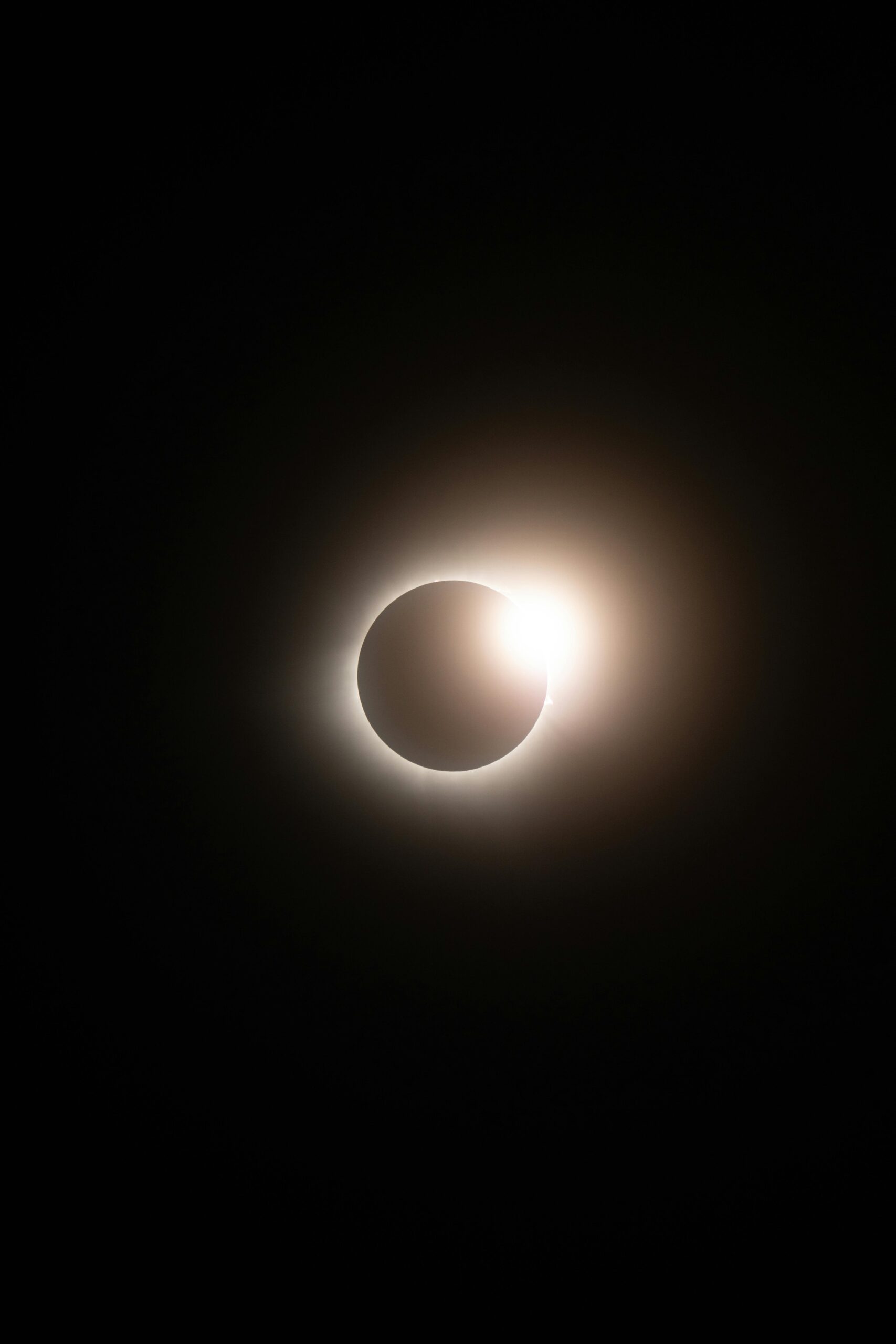
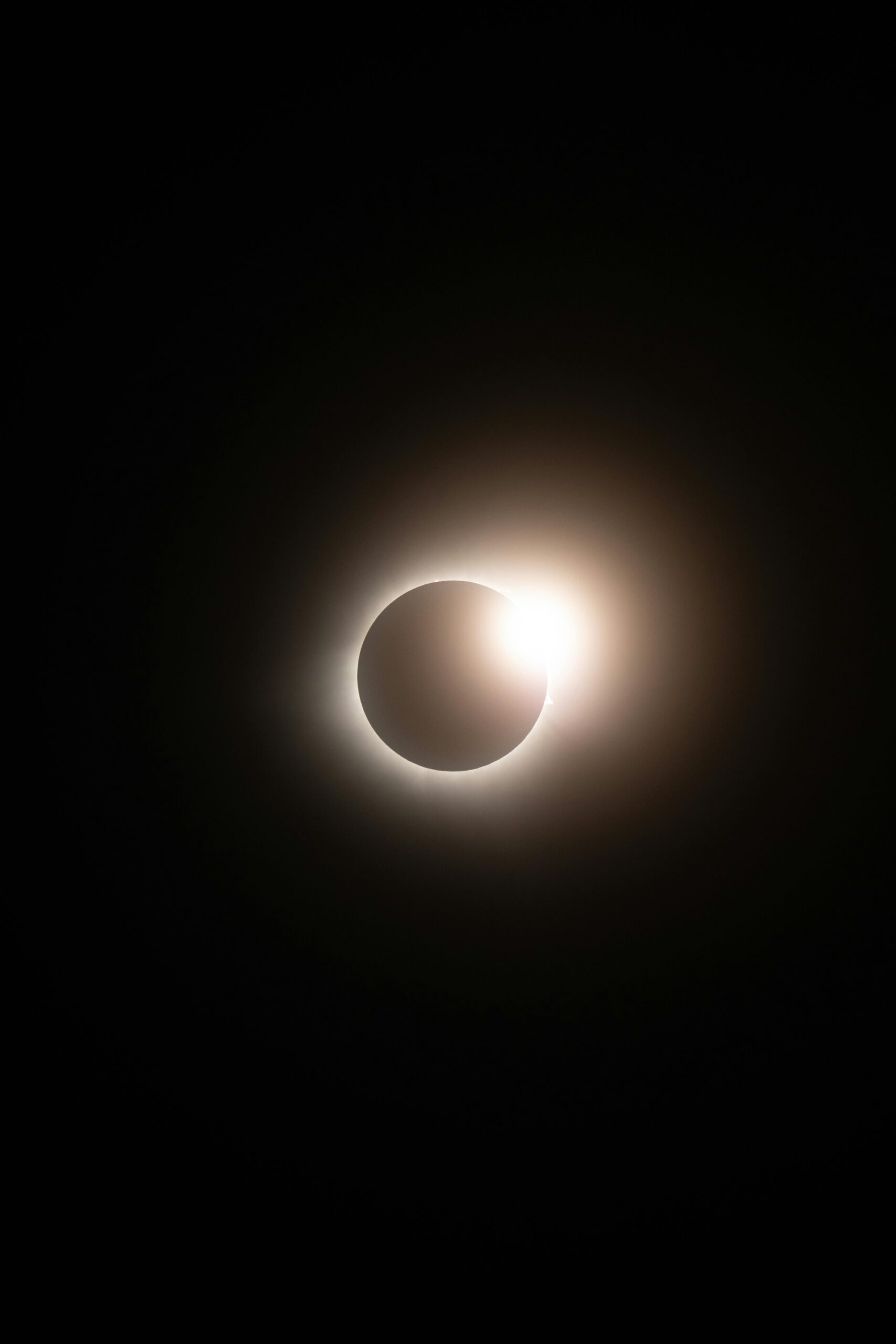
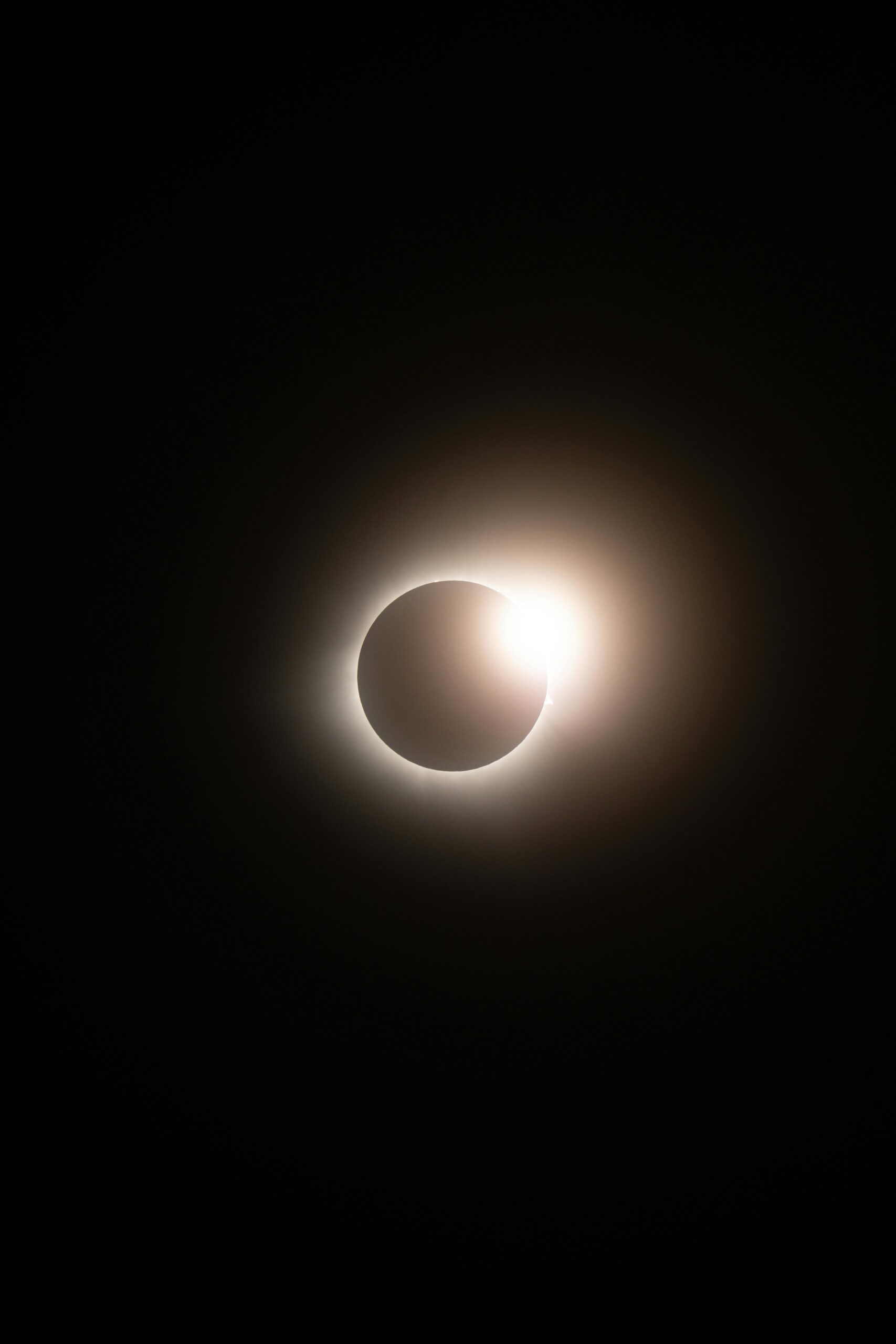
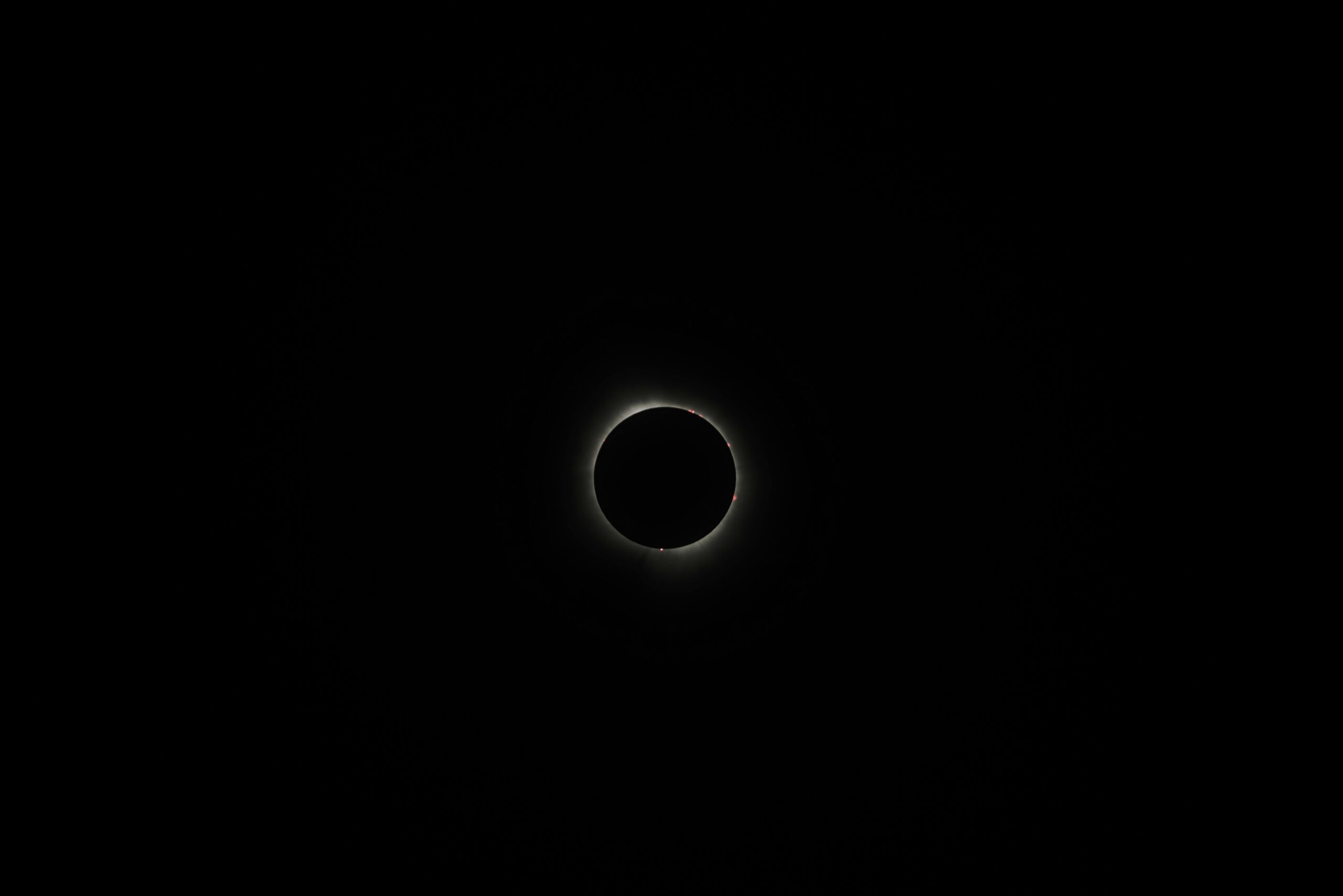
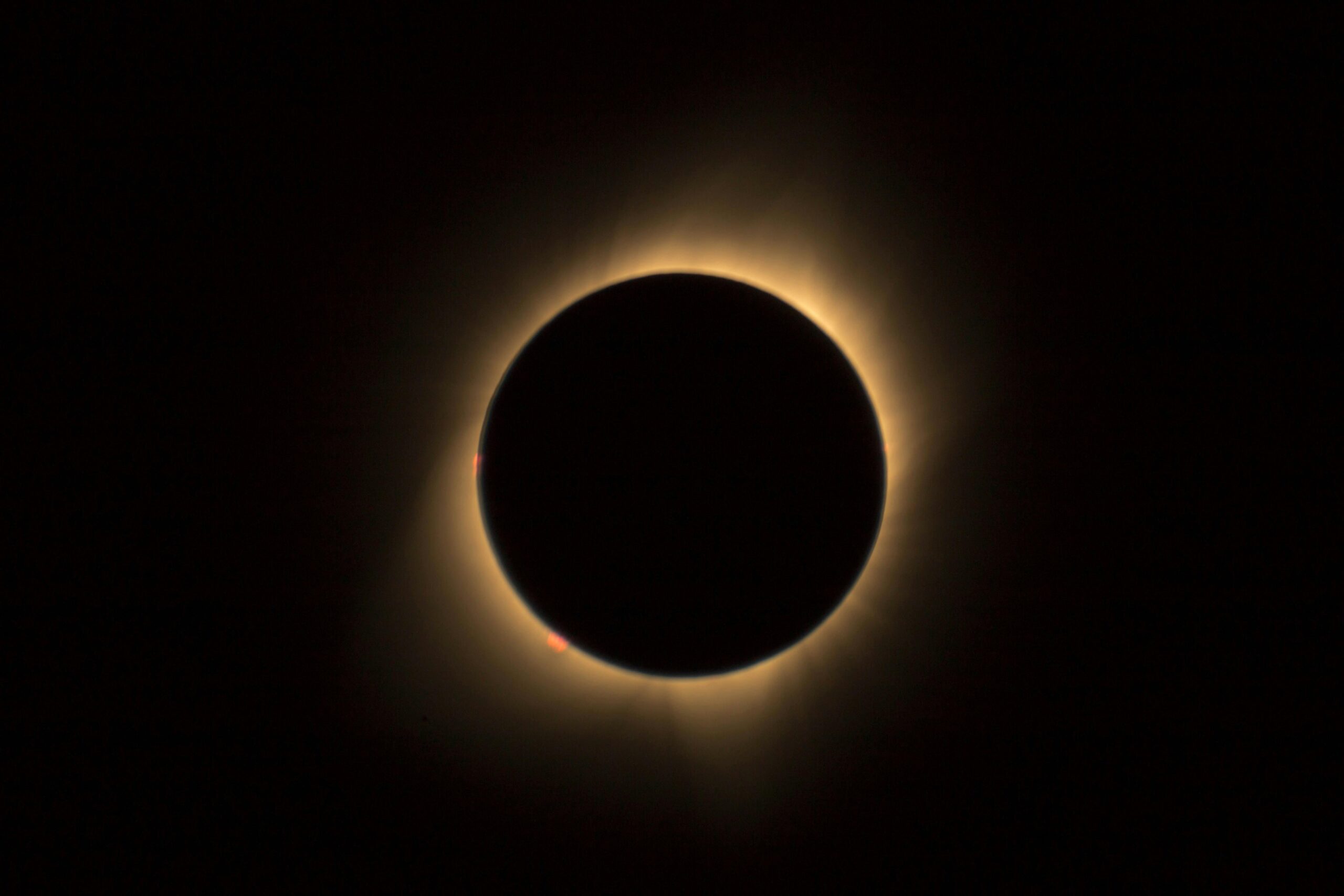
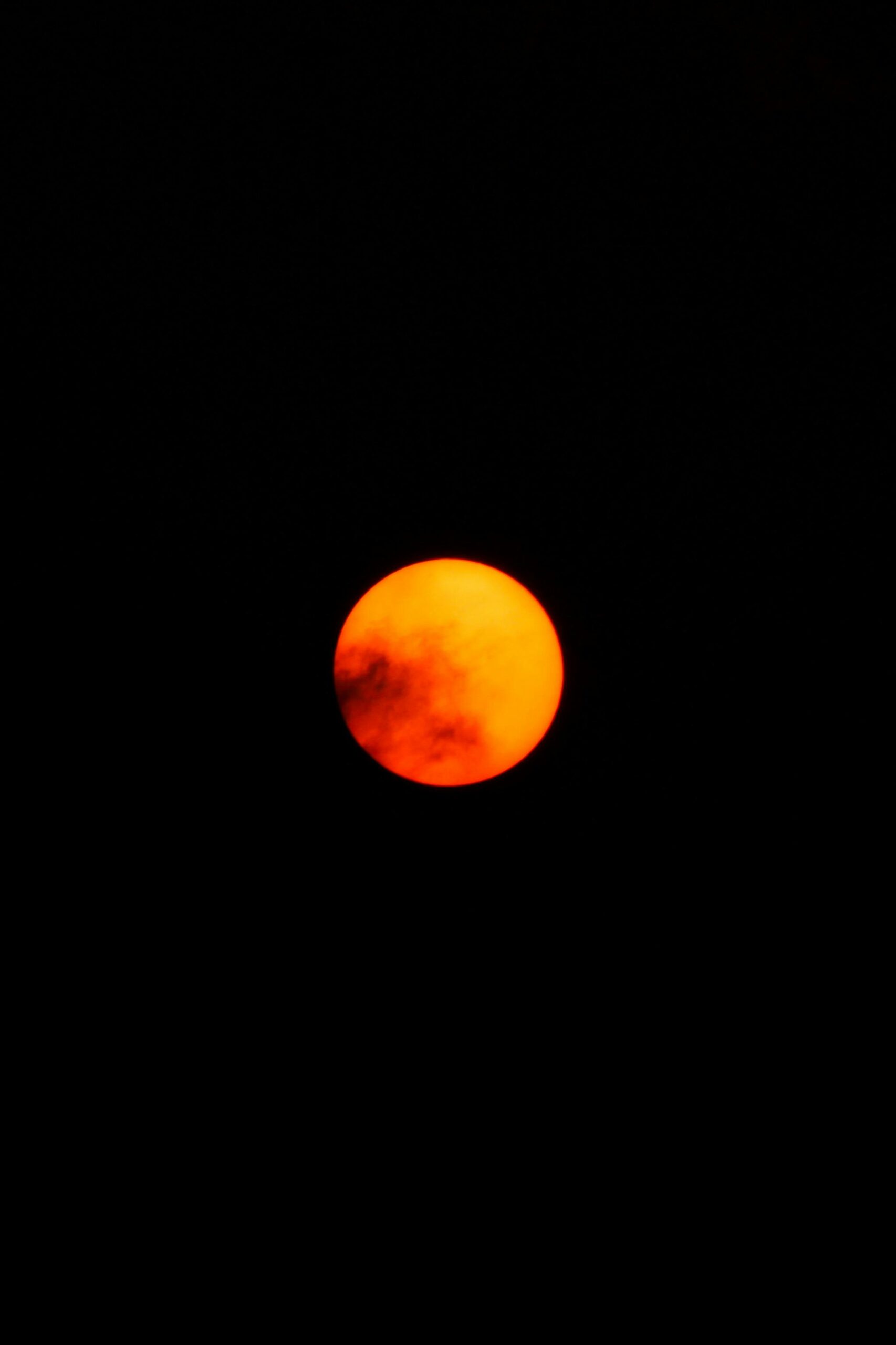
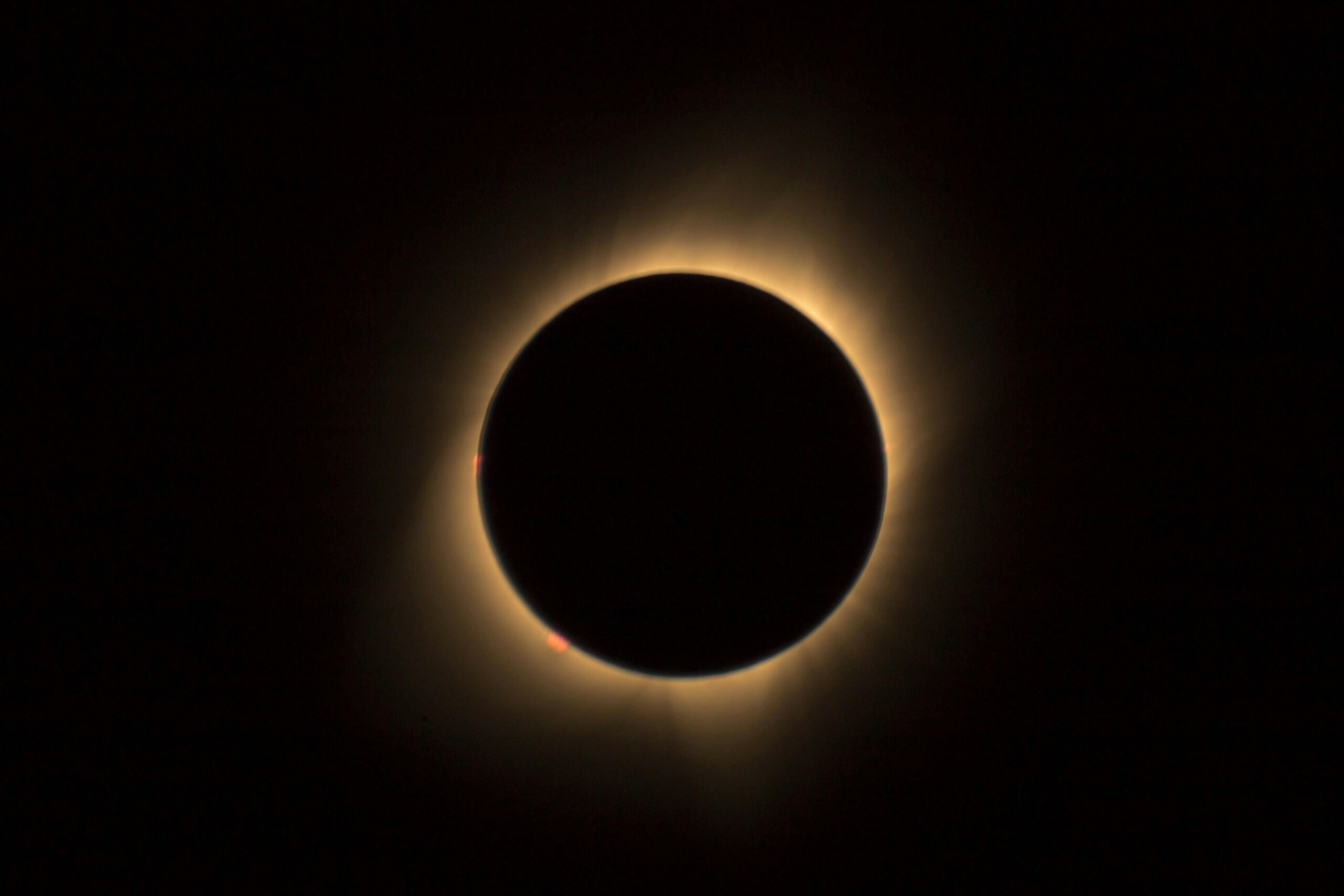
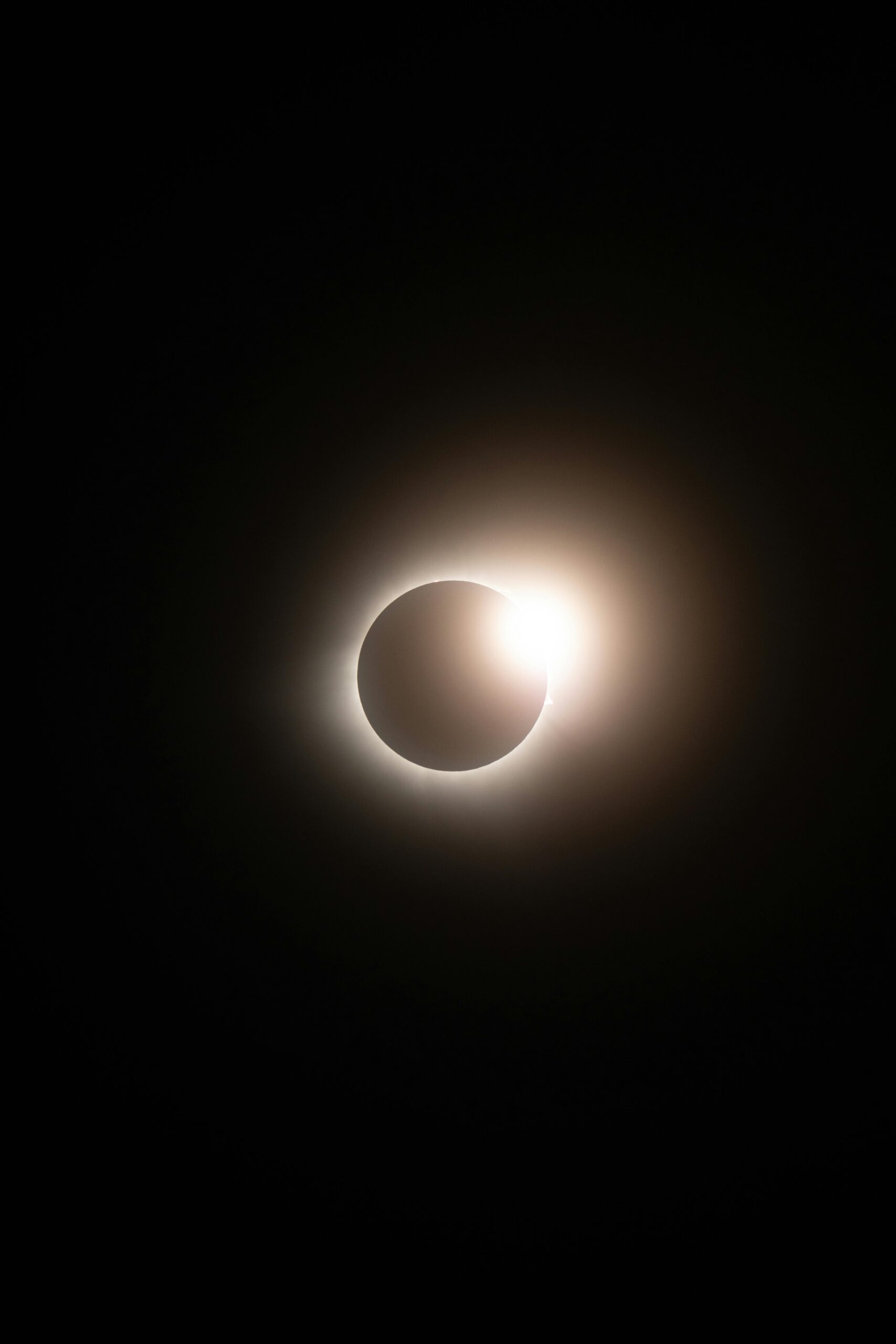
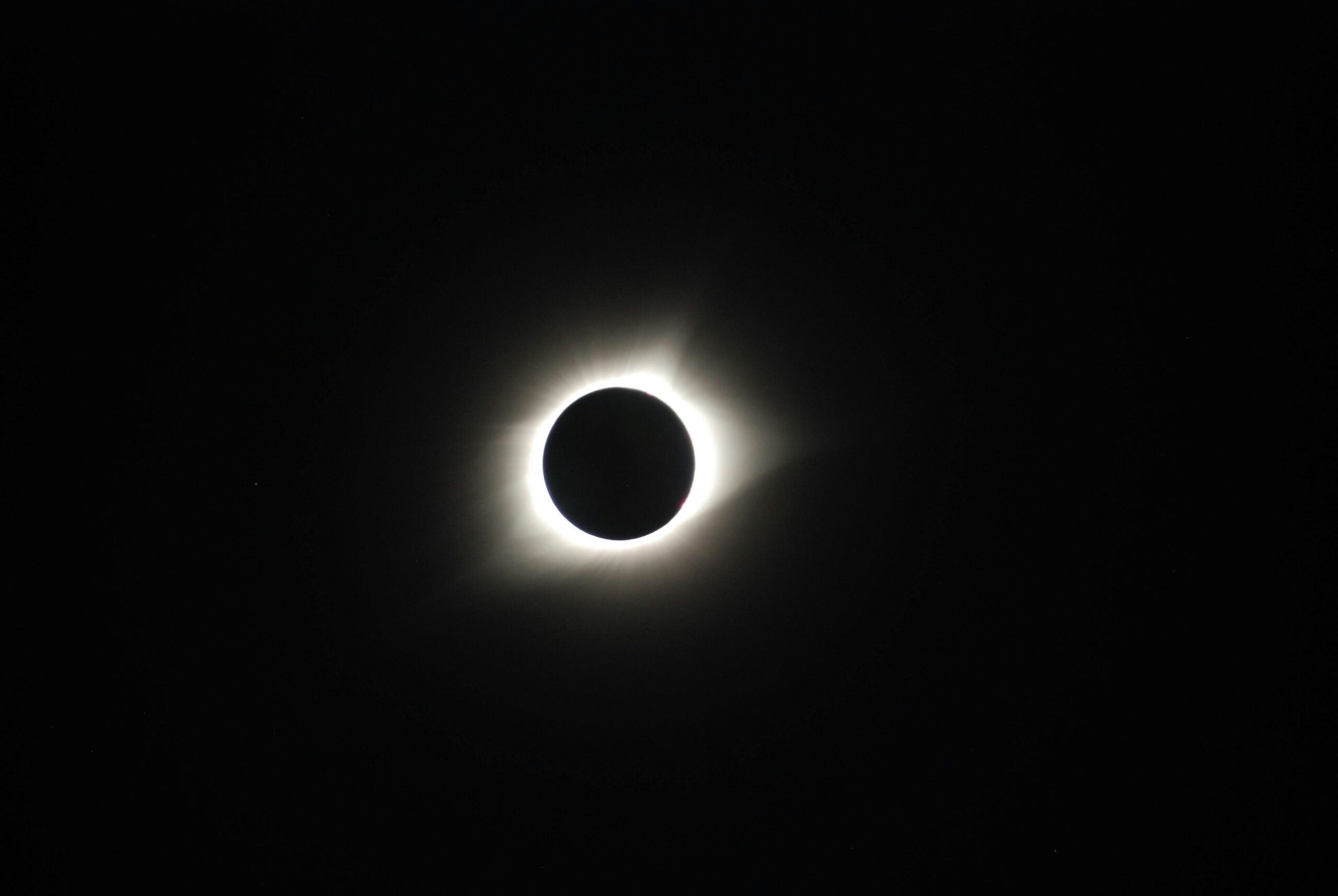
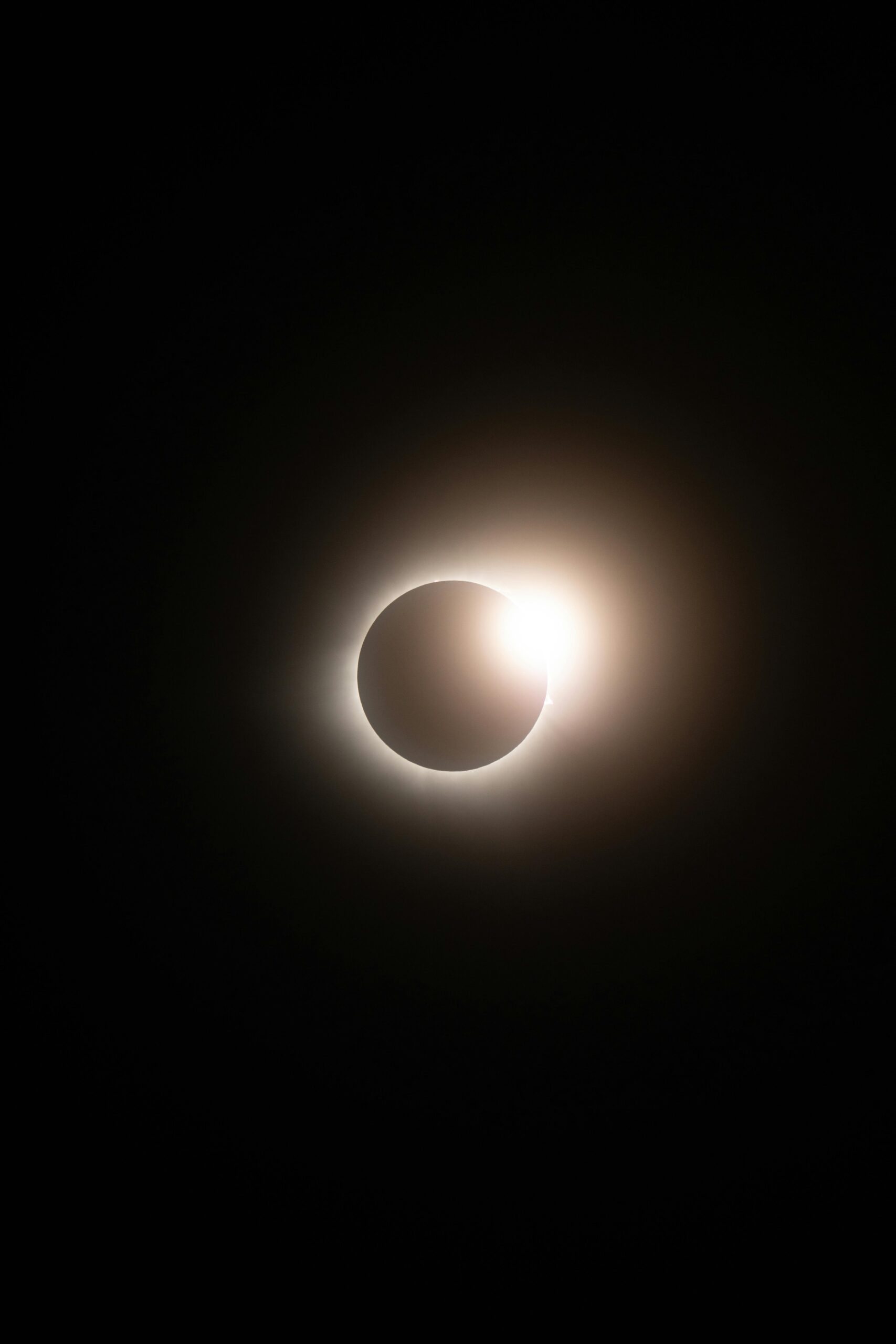
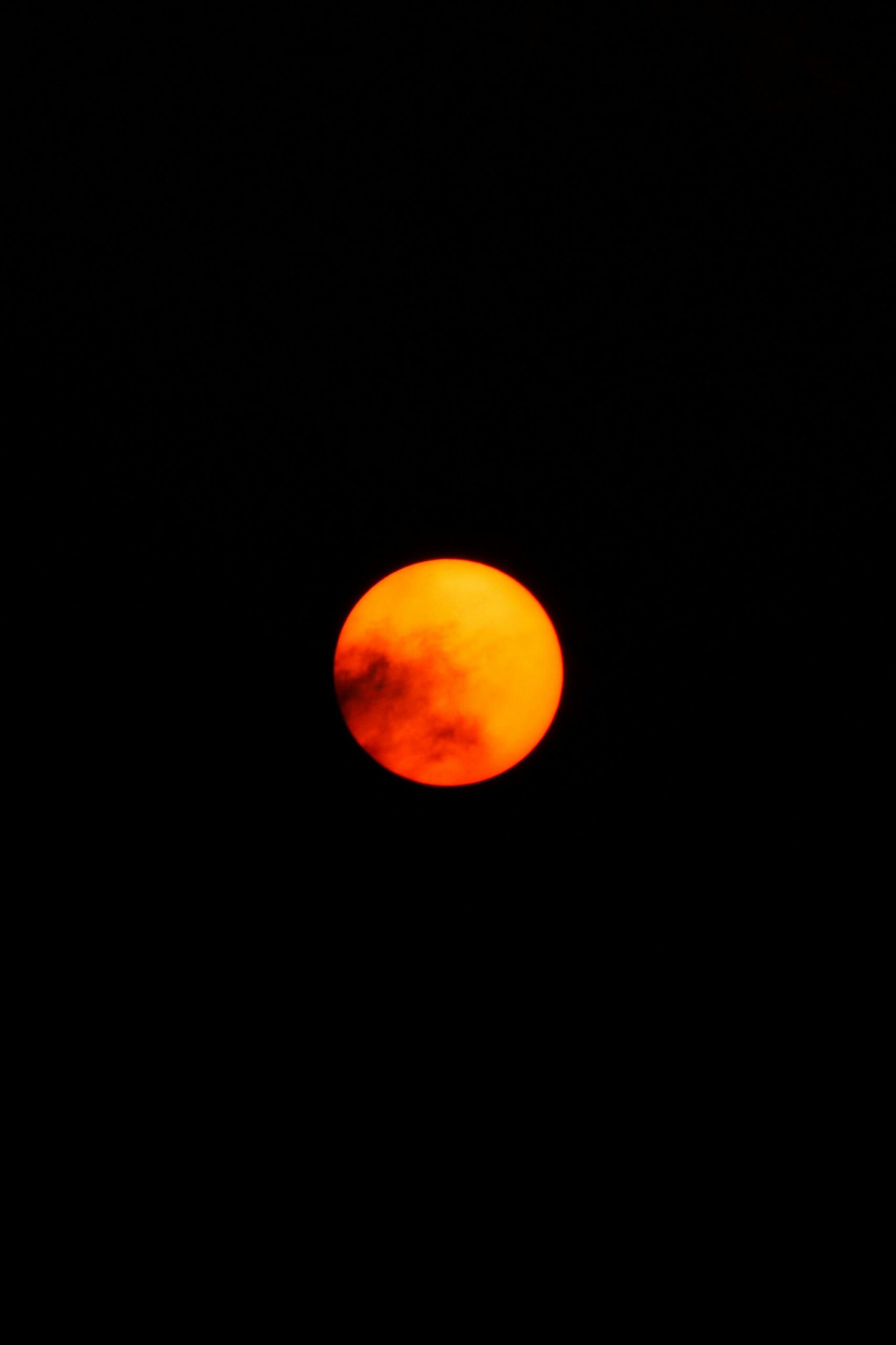
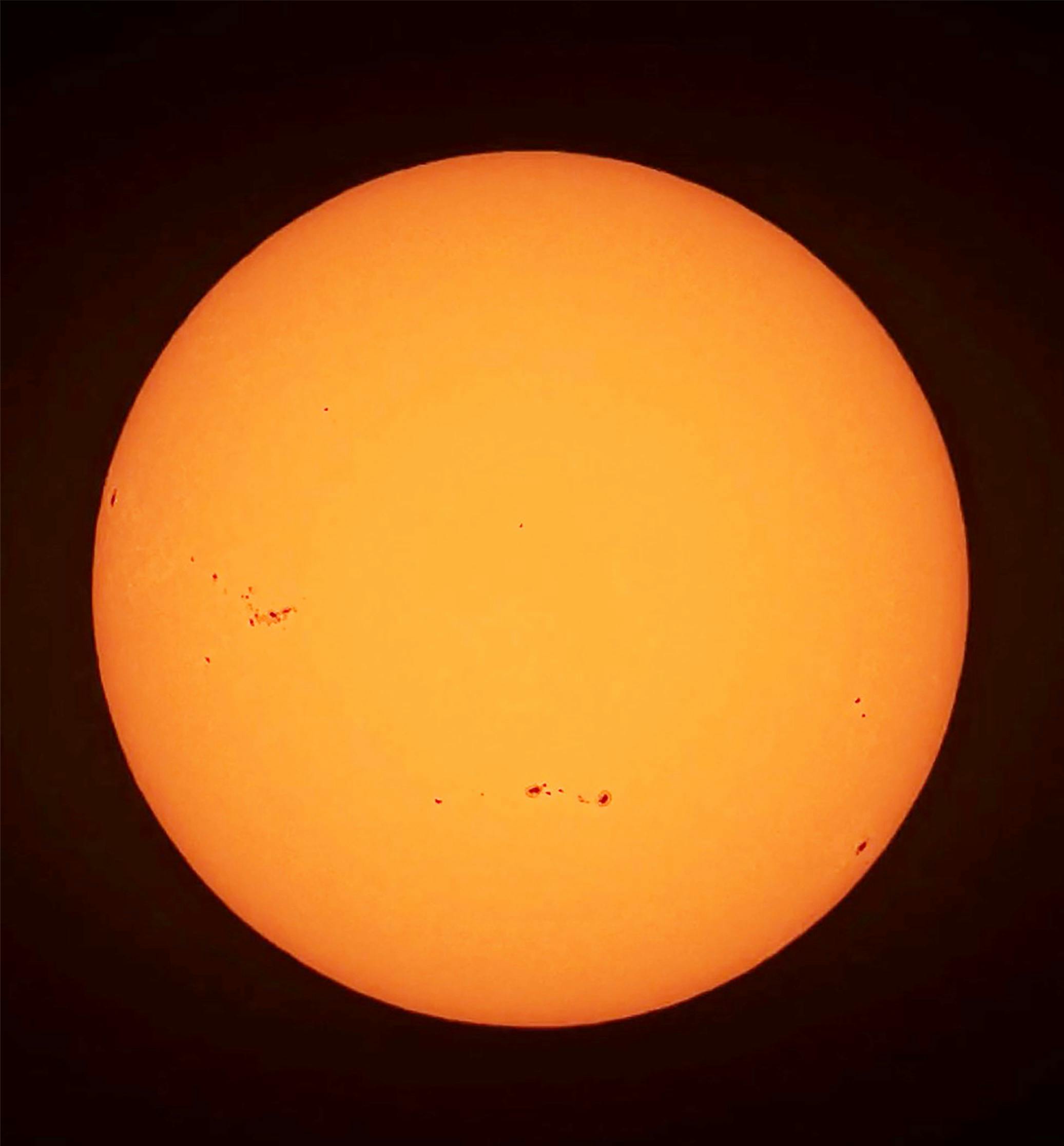
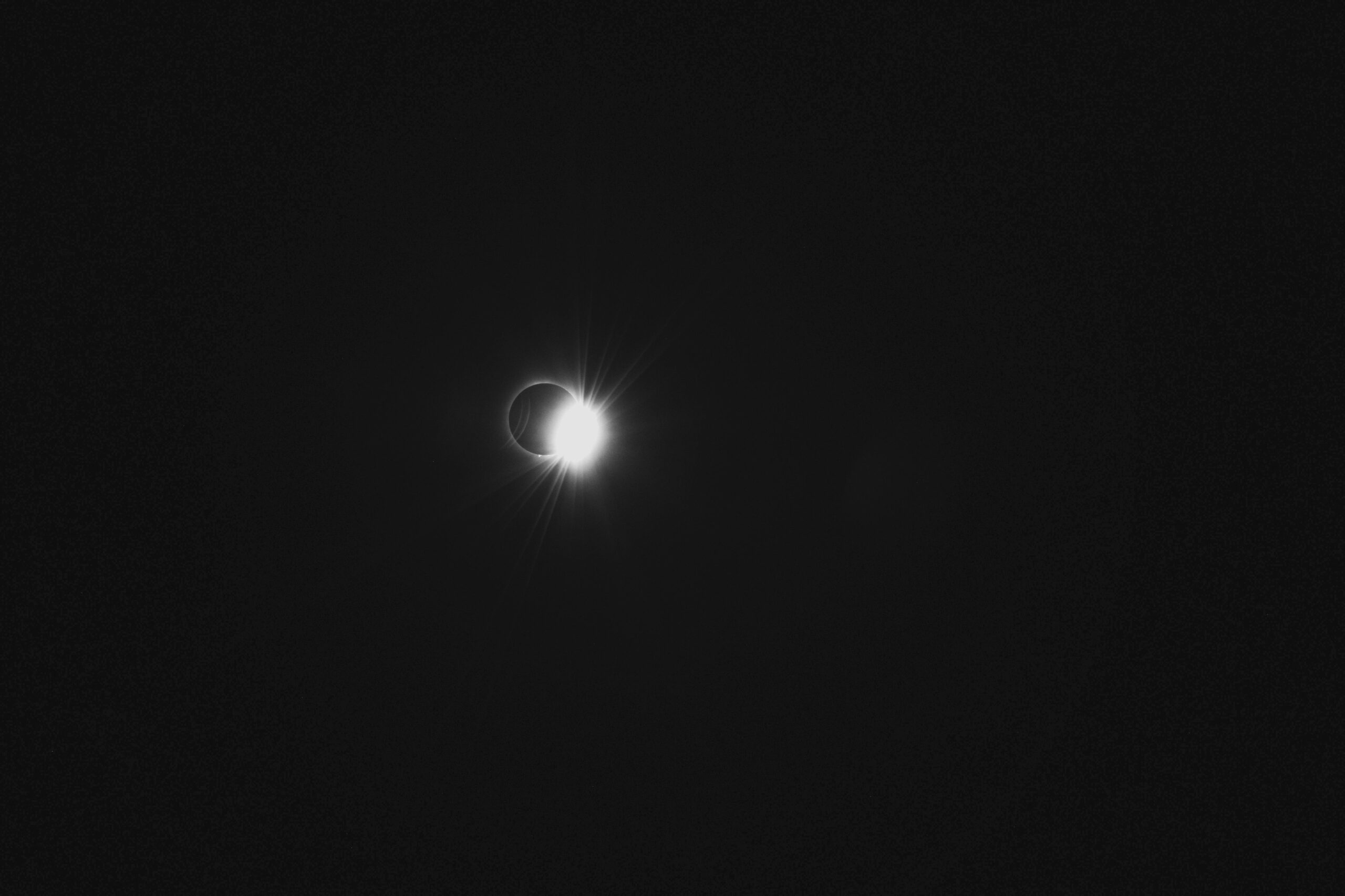
A solar eclipse is a breathtaking celestial event that occurs when the Moon passes between the Earth and the Sun, obscuring the Sun either partially or completely. This alignment casts a shadow on the Earth, creating a spectacle that has fascinated humans for millennia. Solar eclipses are not just visually stunning; they also provide valuable opportunities for scientific research and cultural reflection.
Types of Solar Eclipses
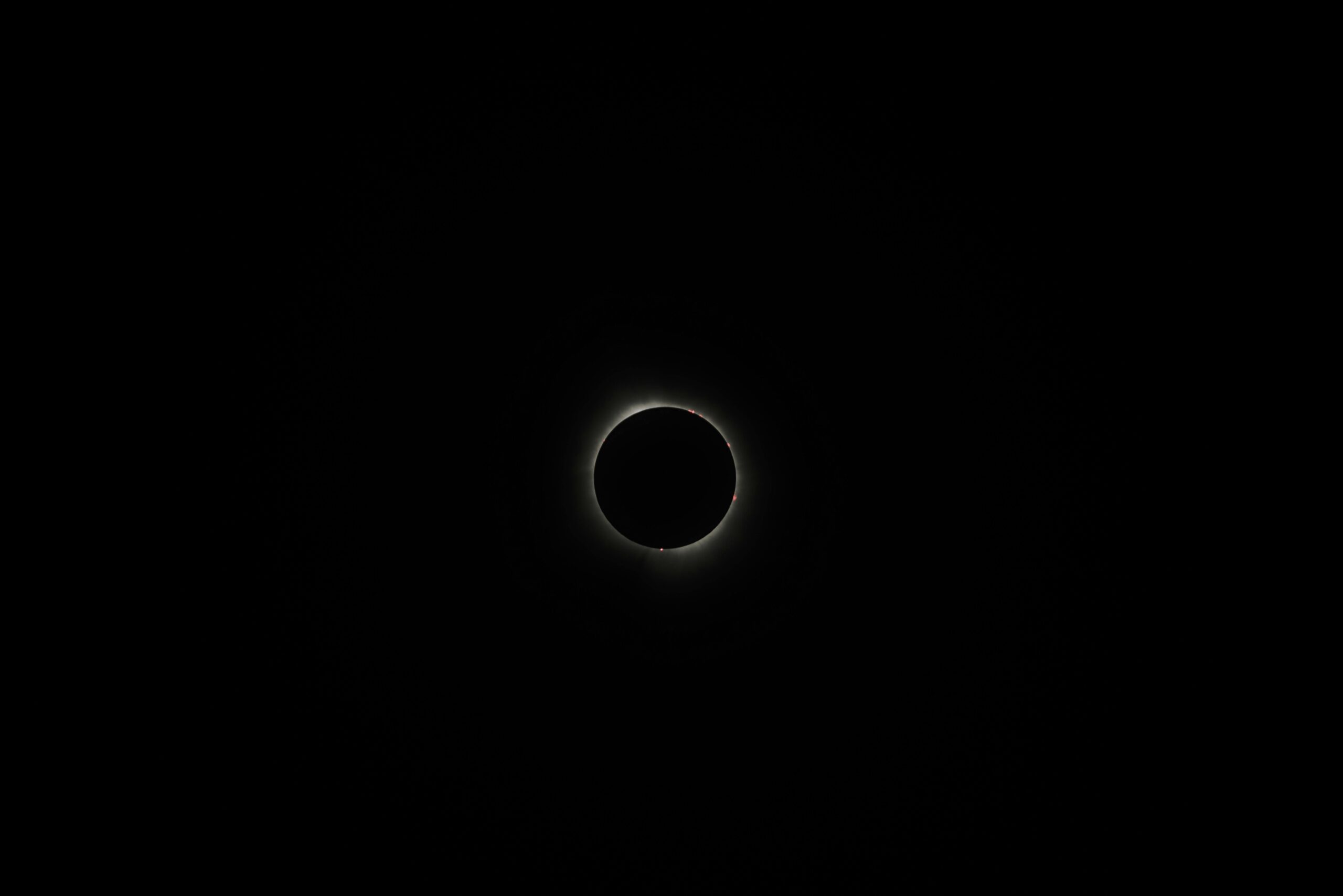
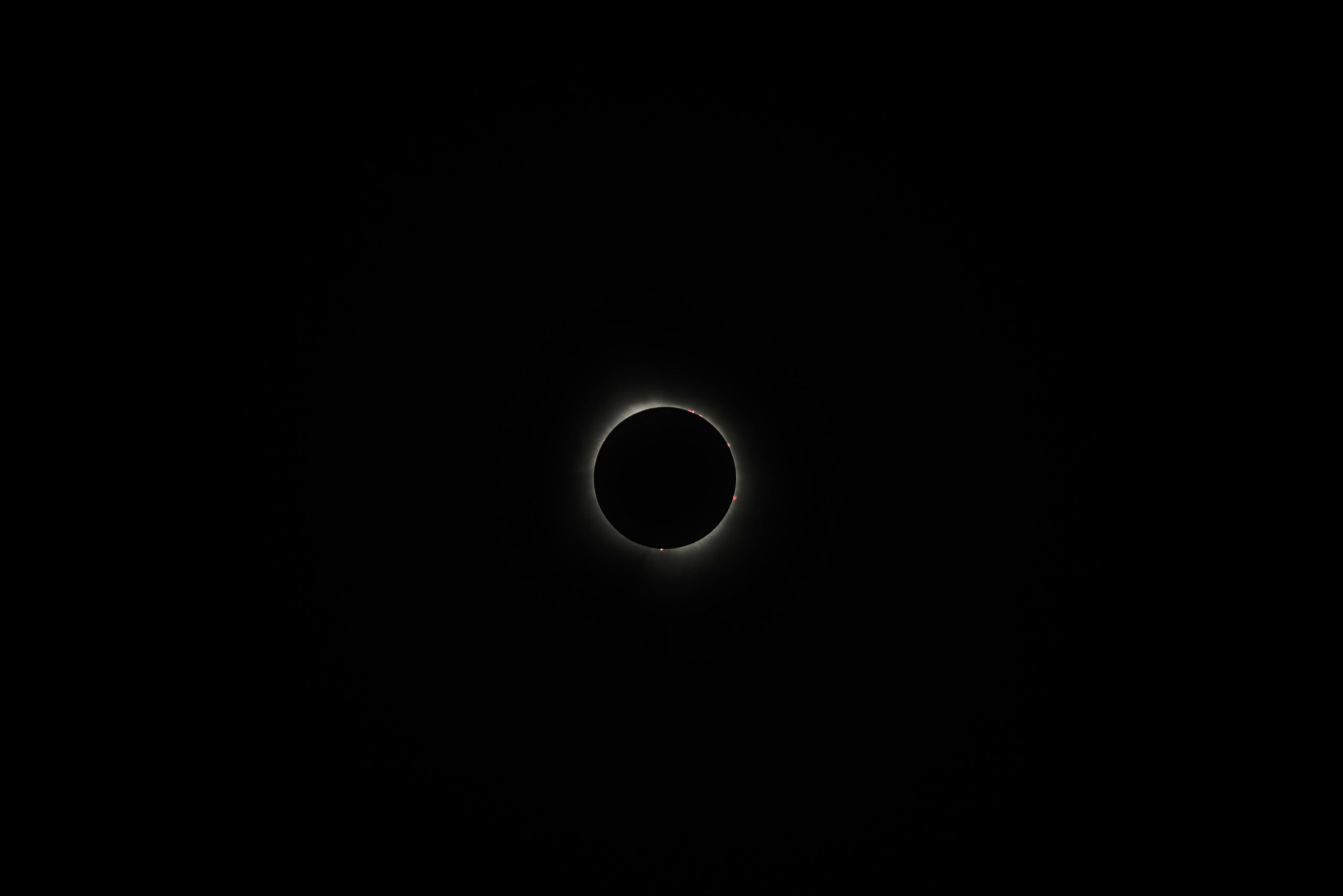
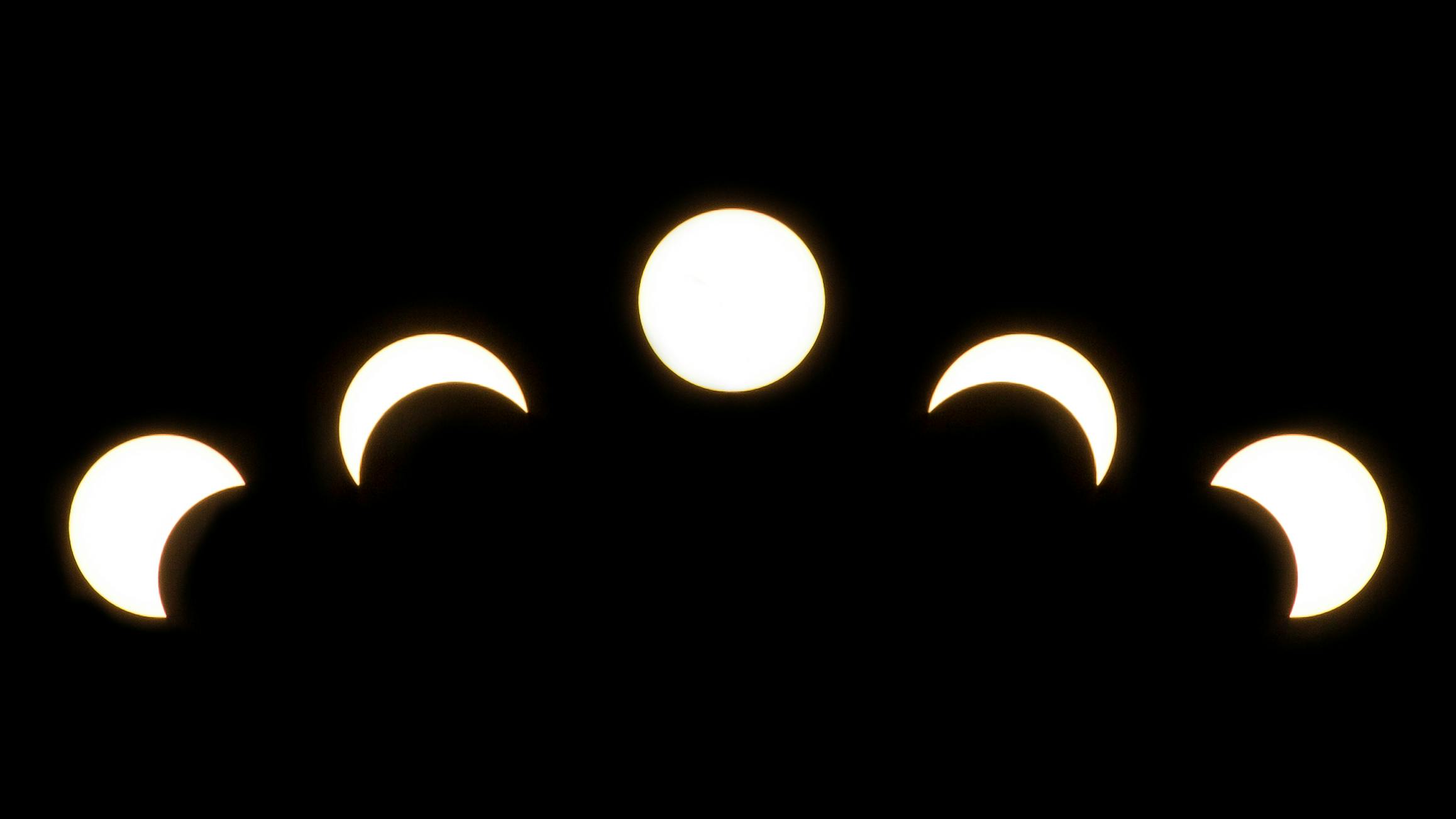
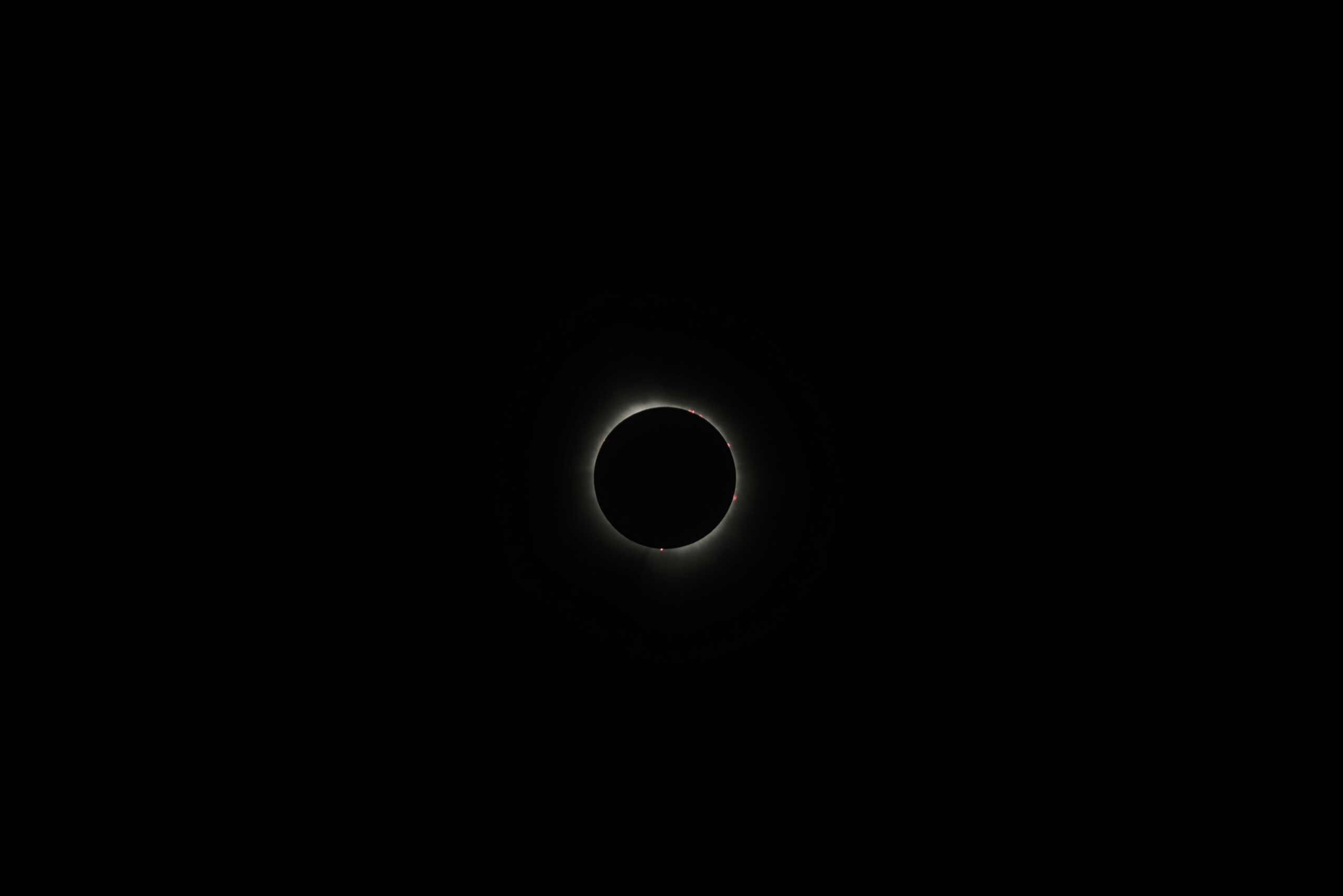
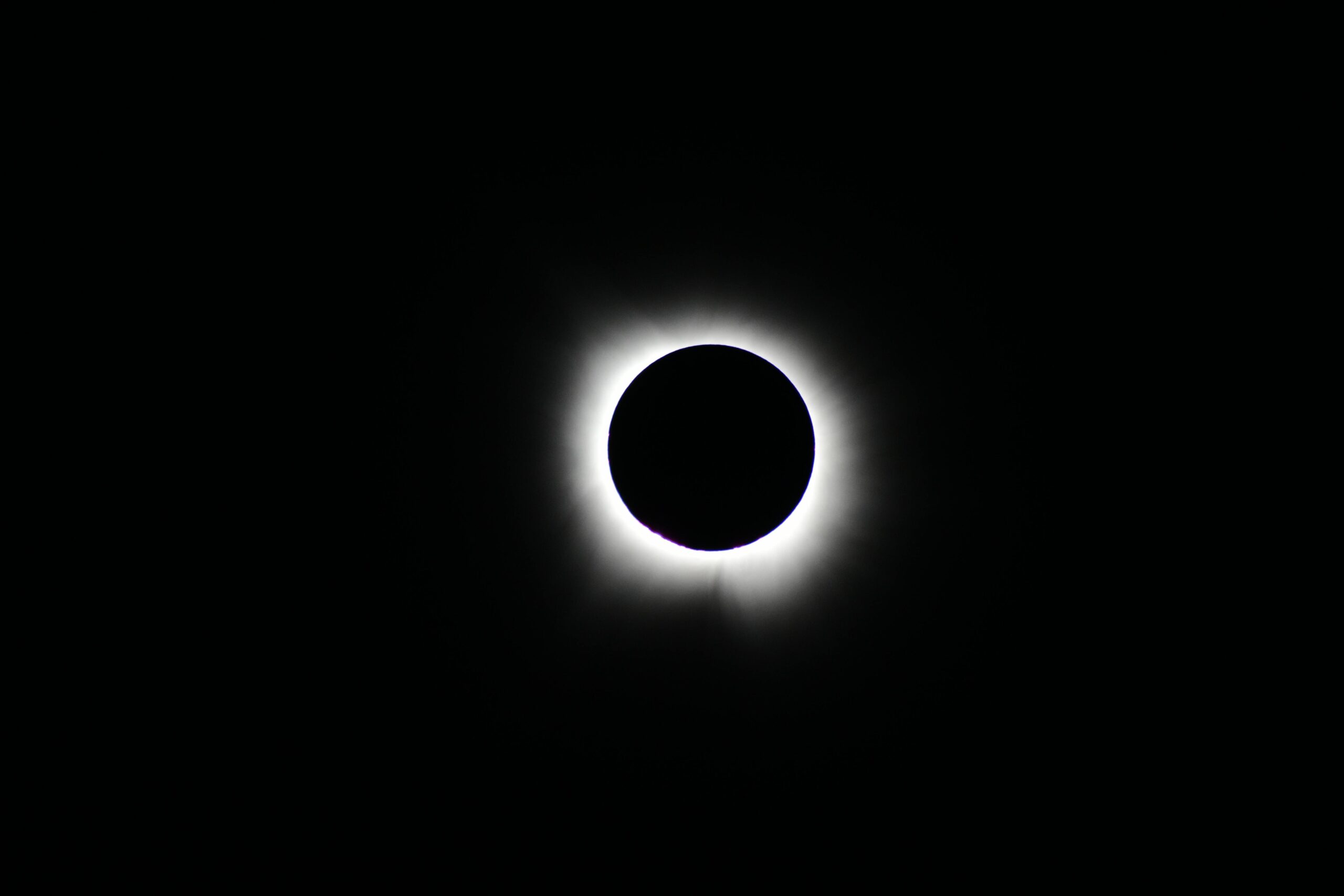
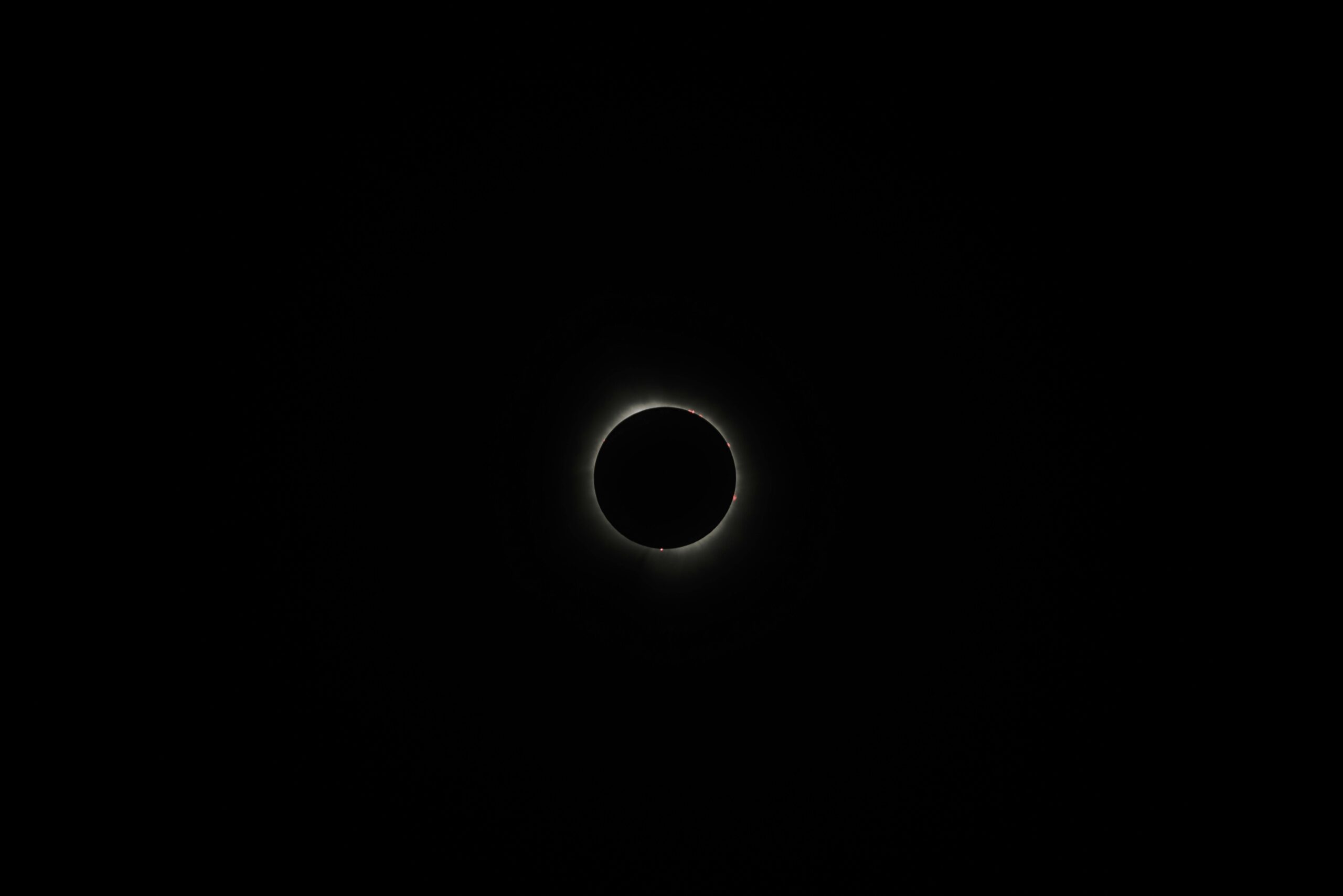
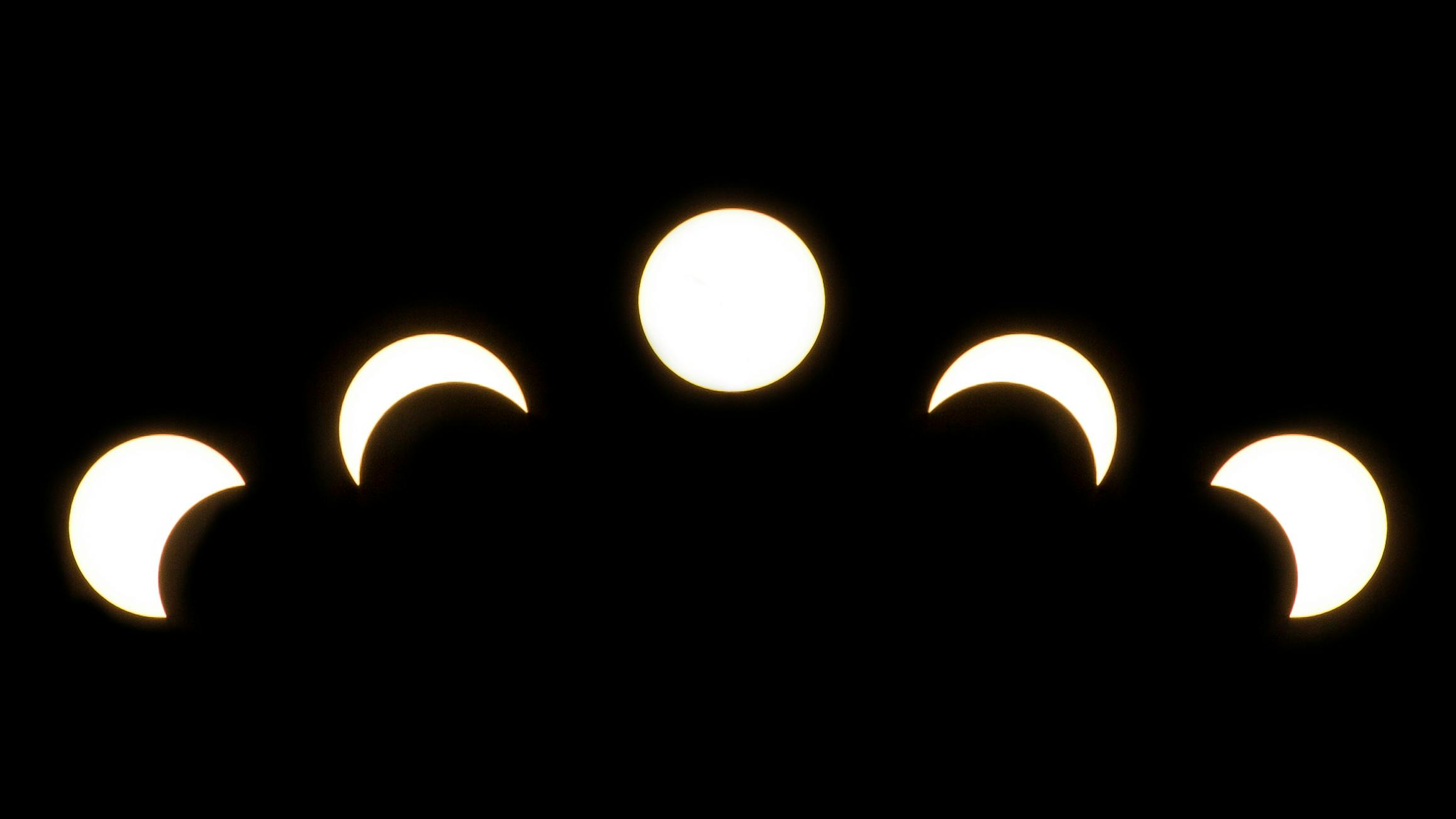
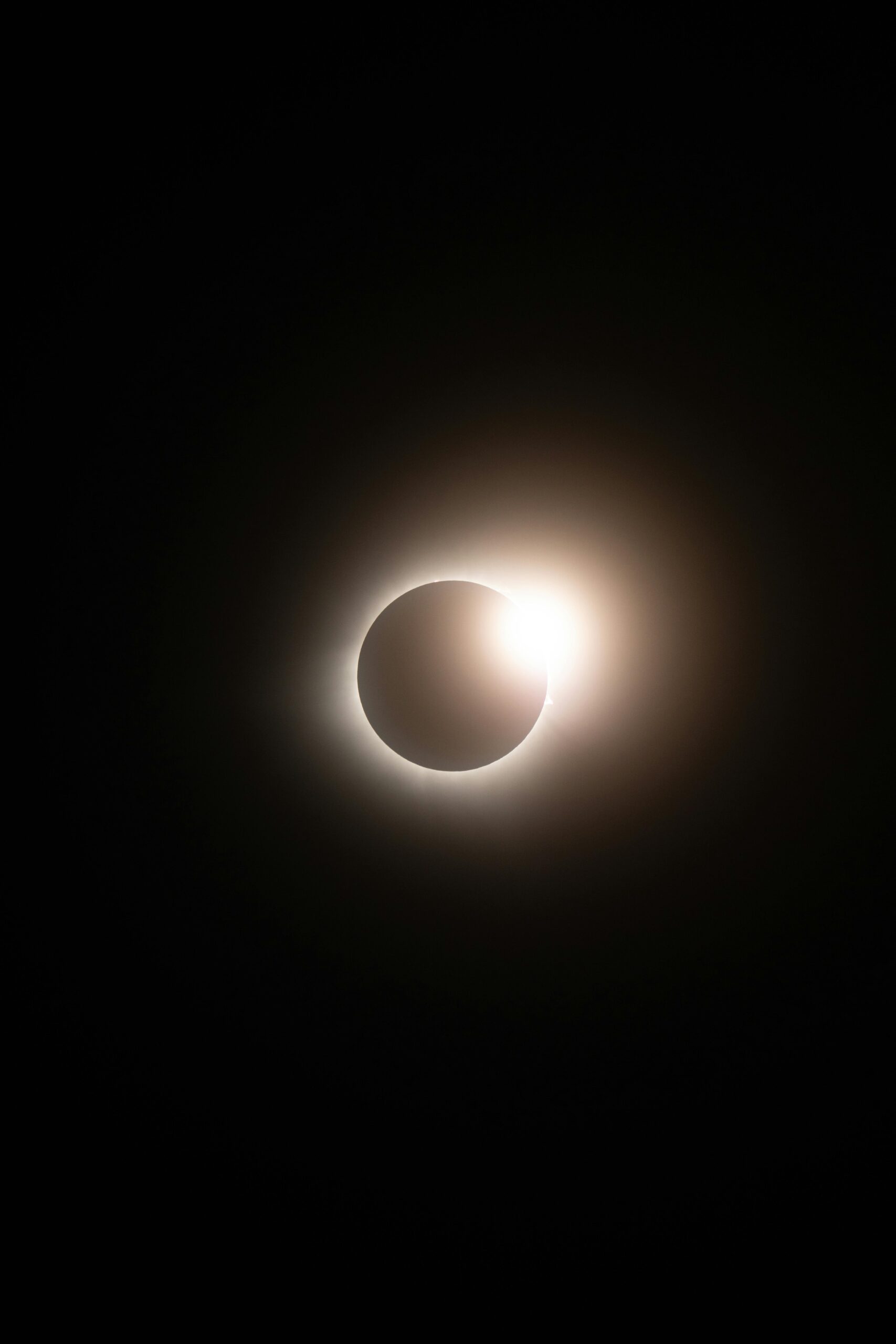
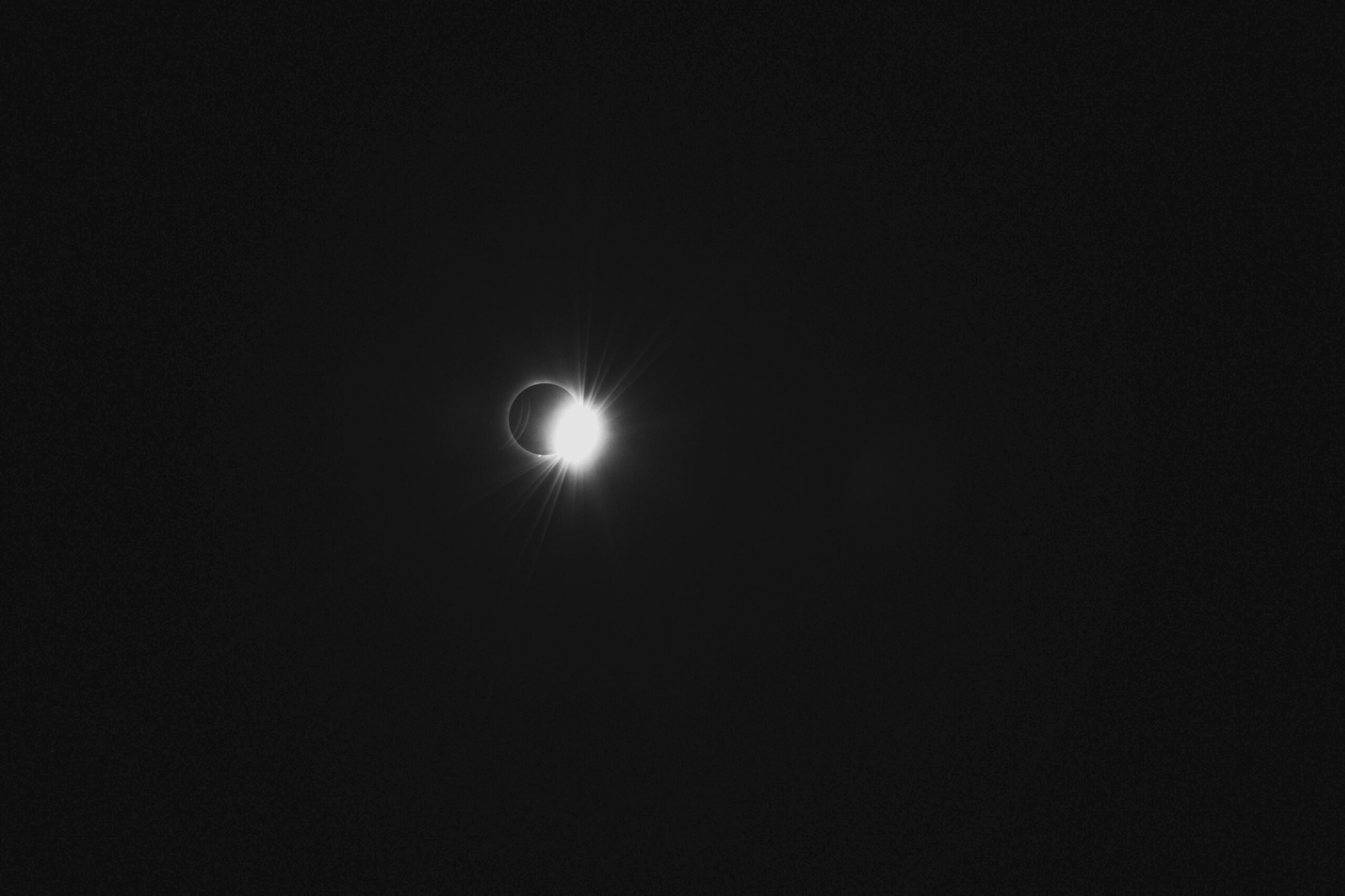
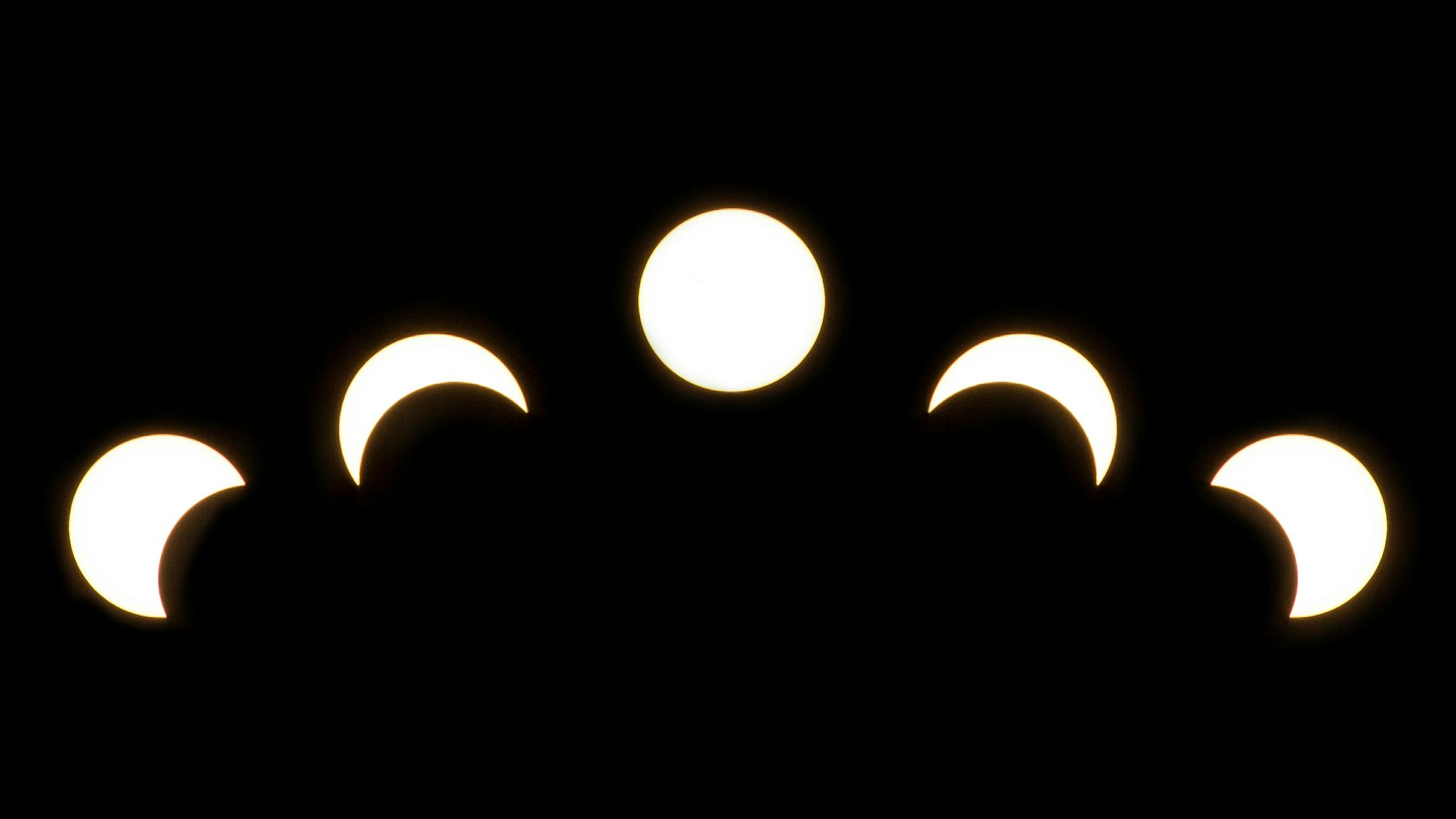
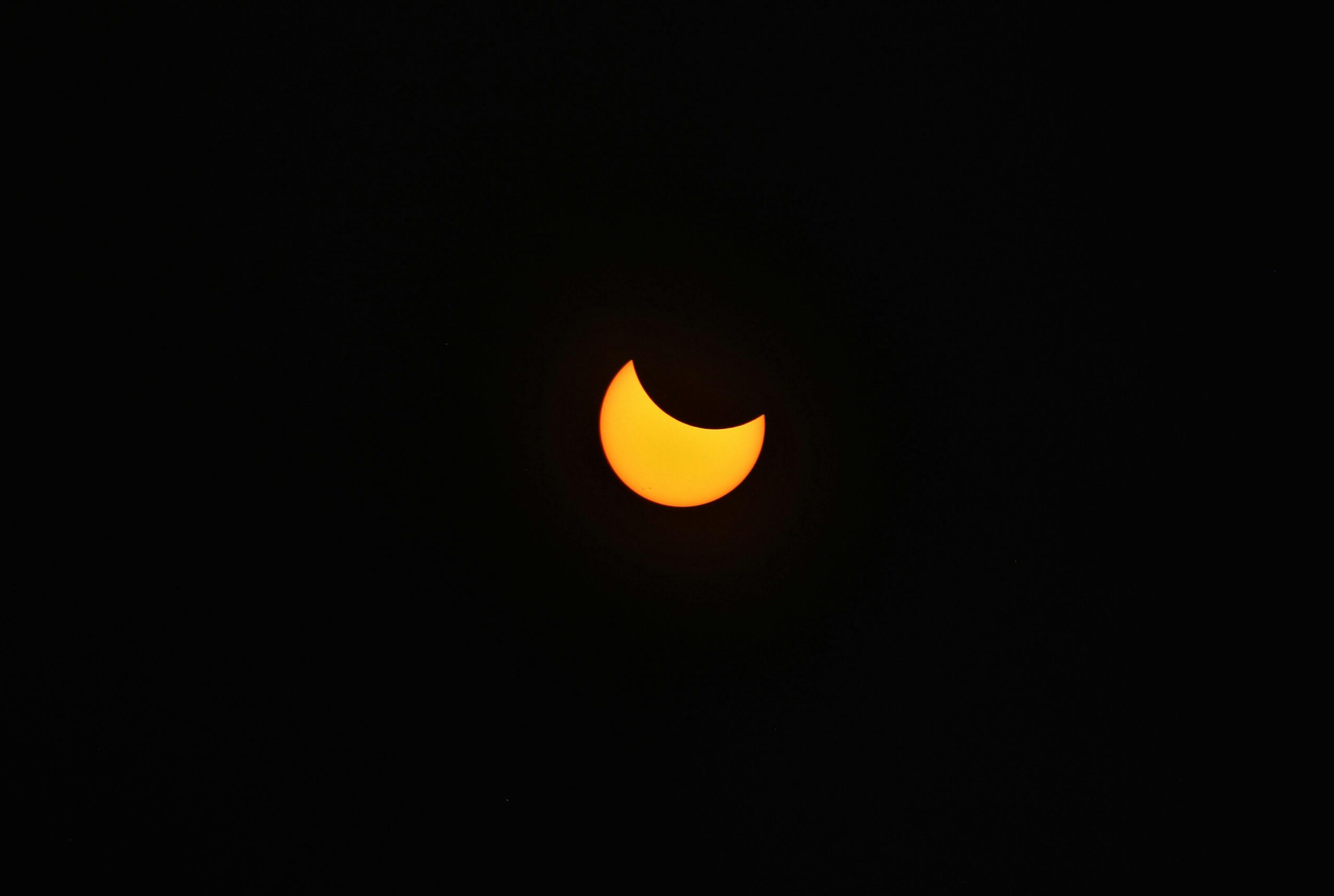
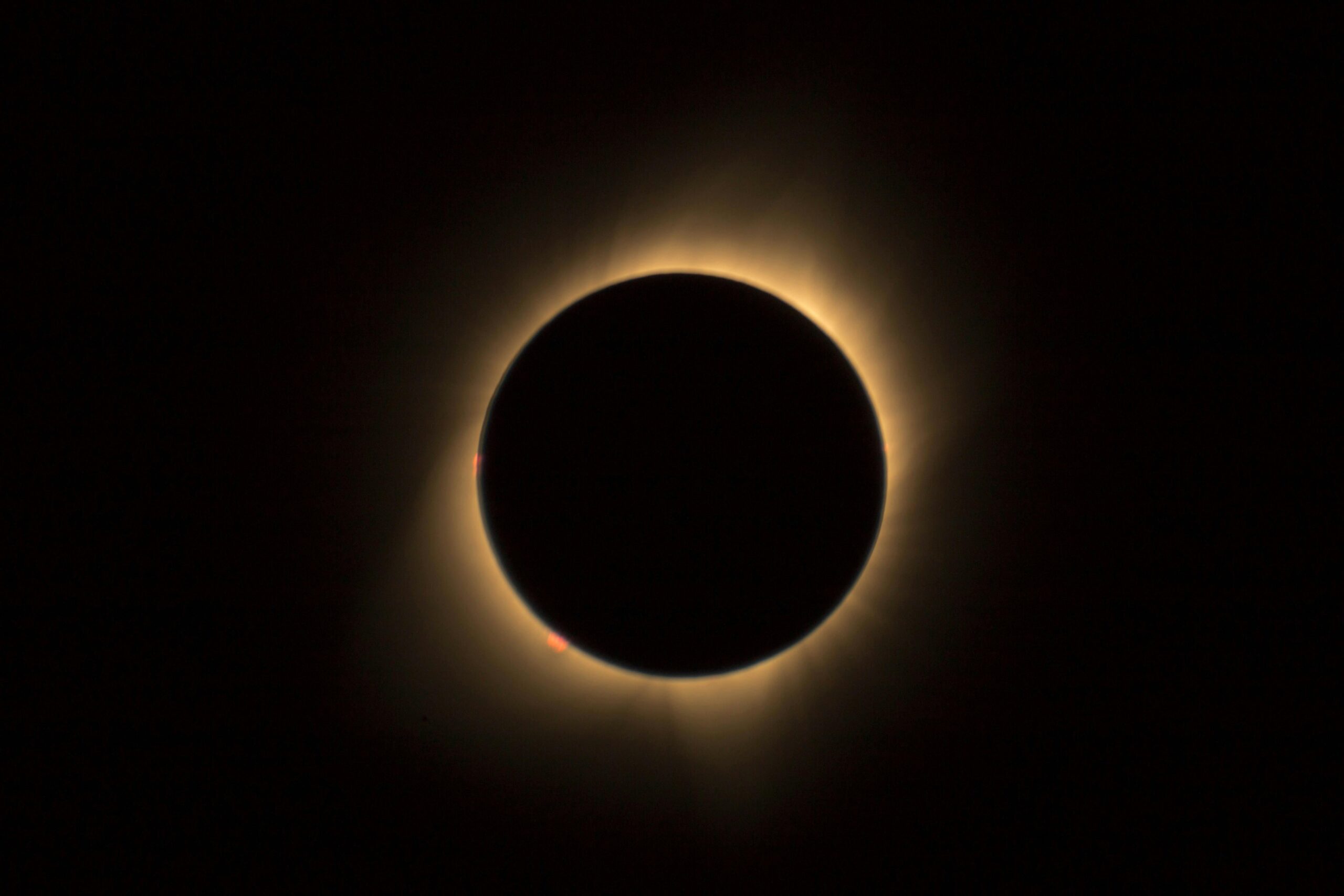
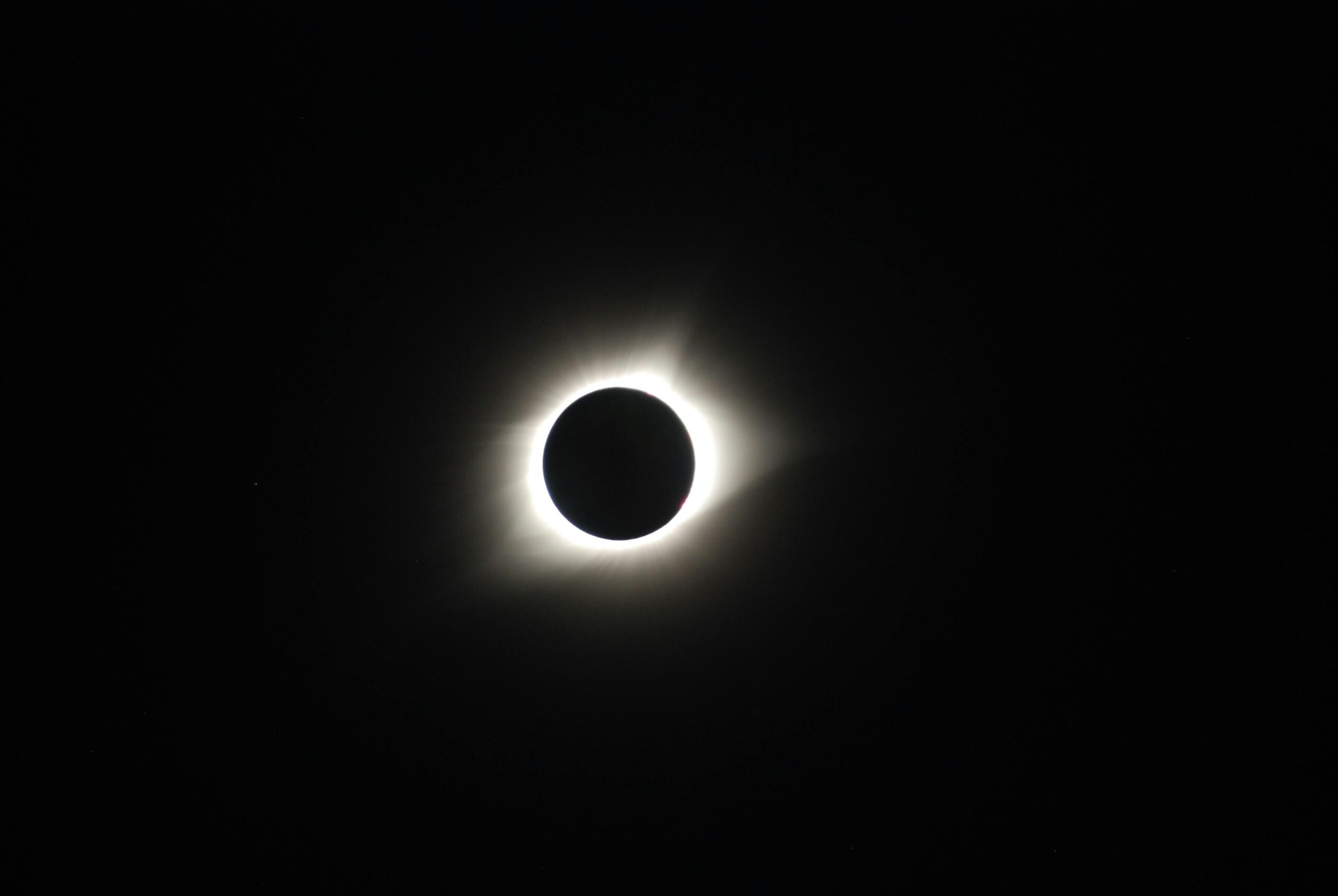
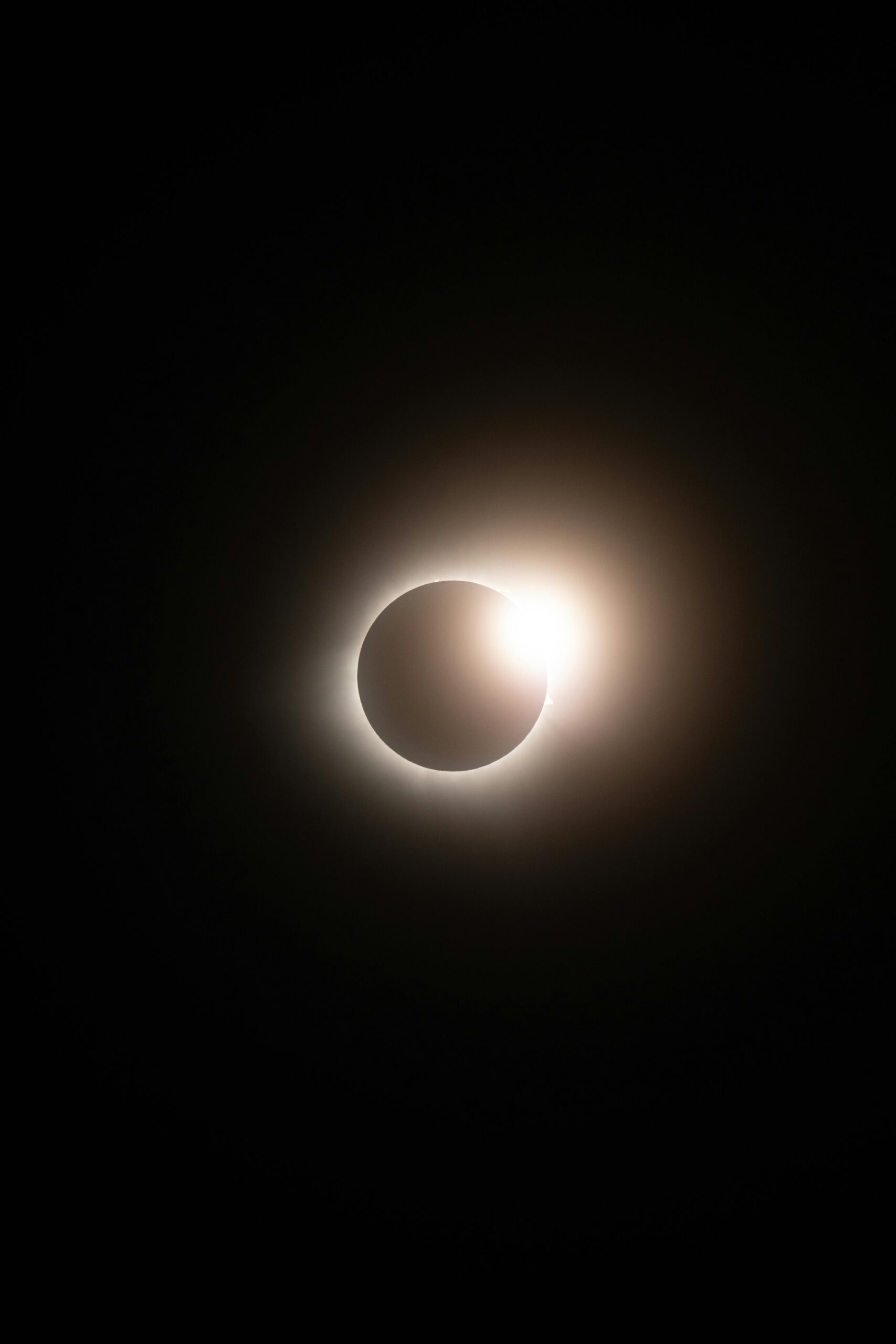
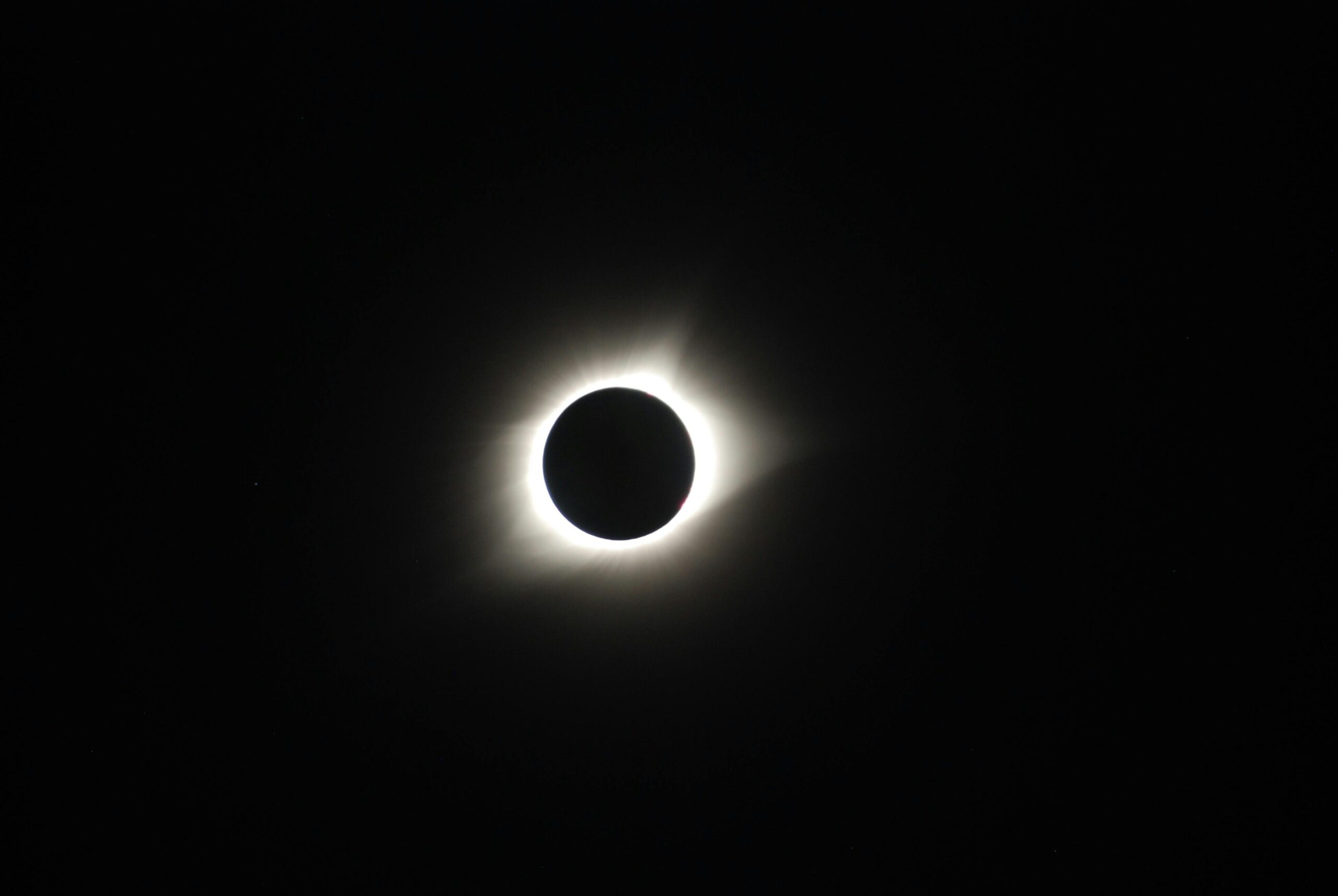
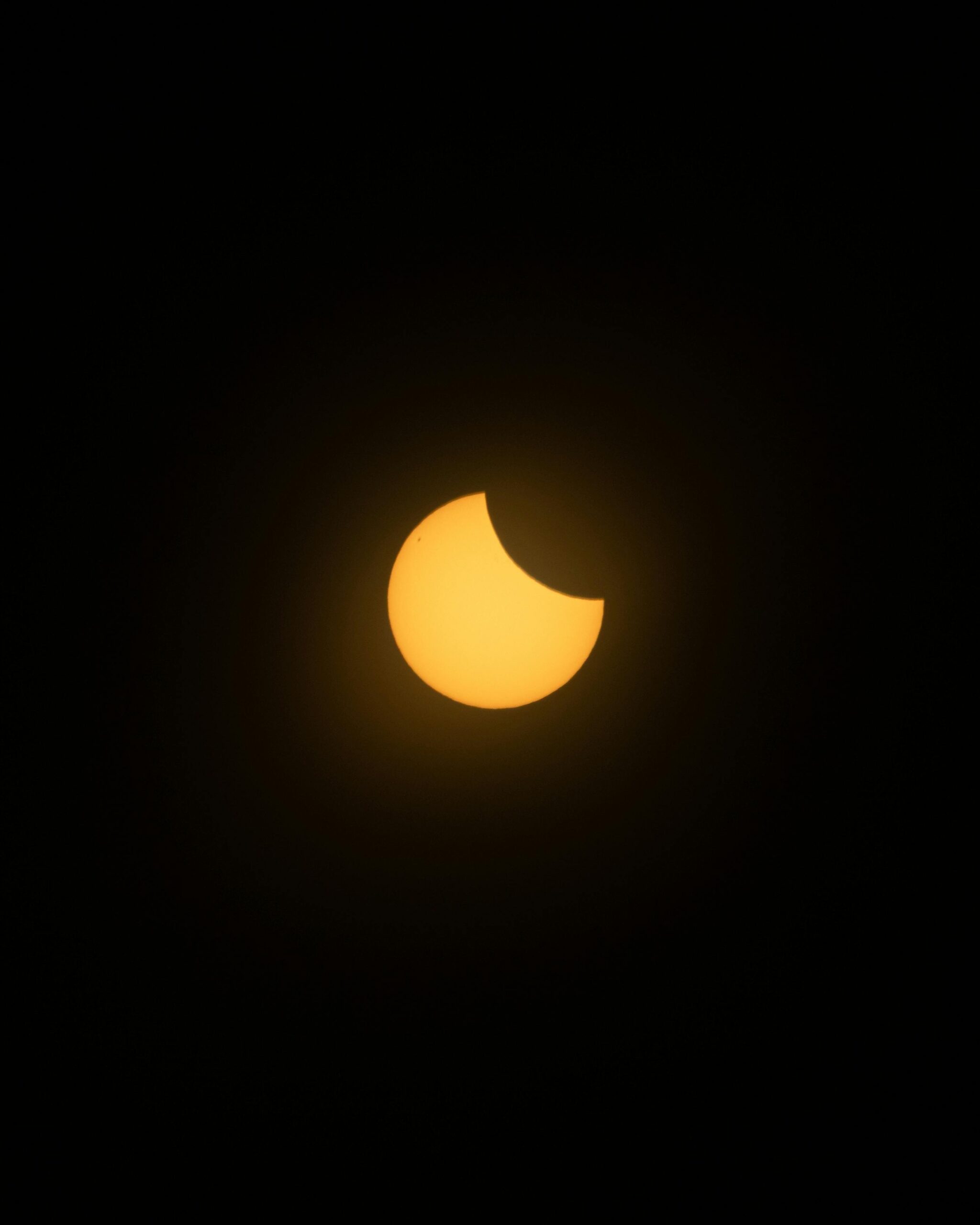
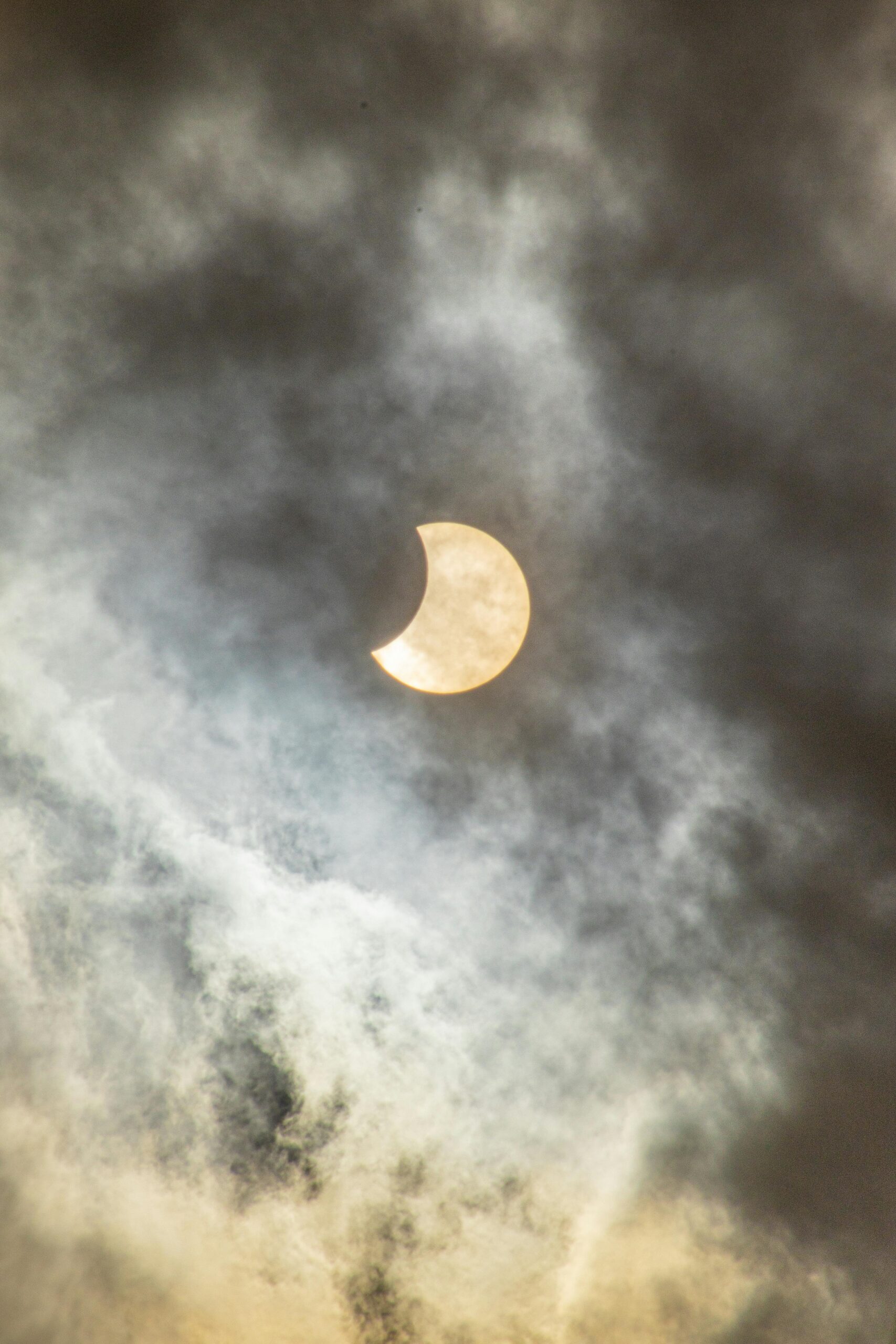
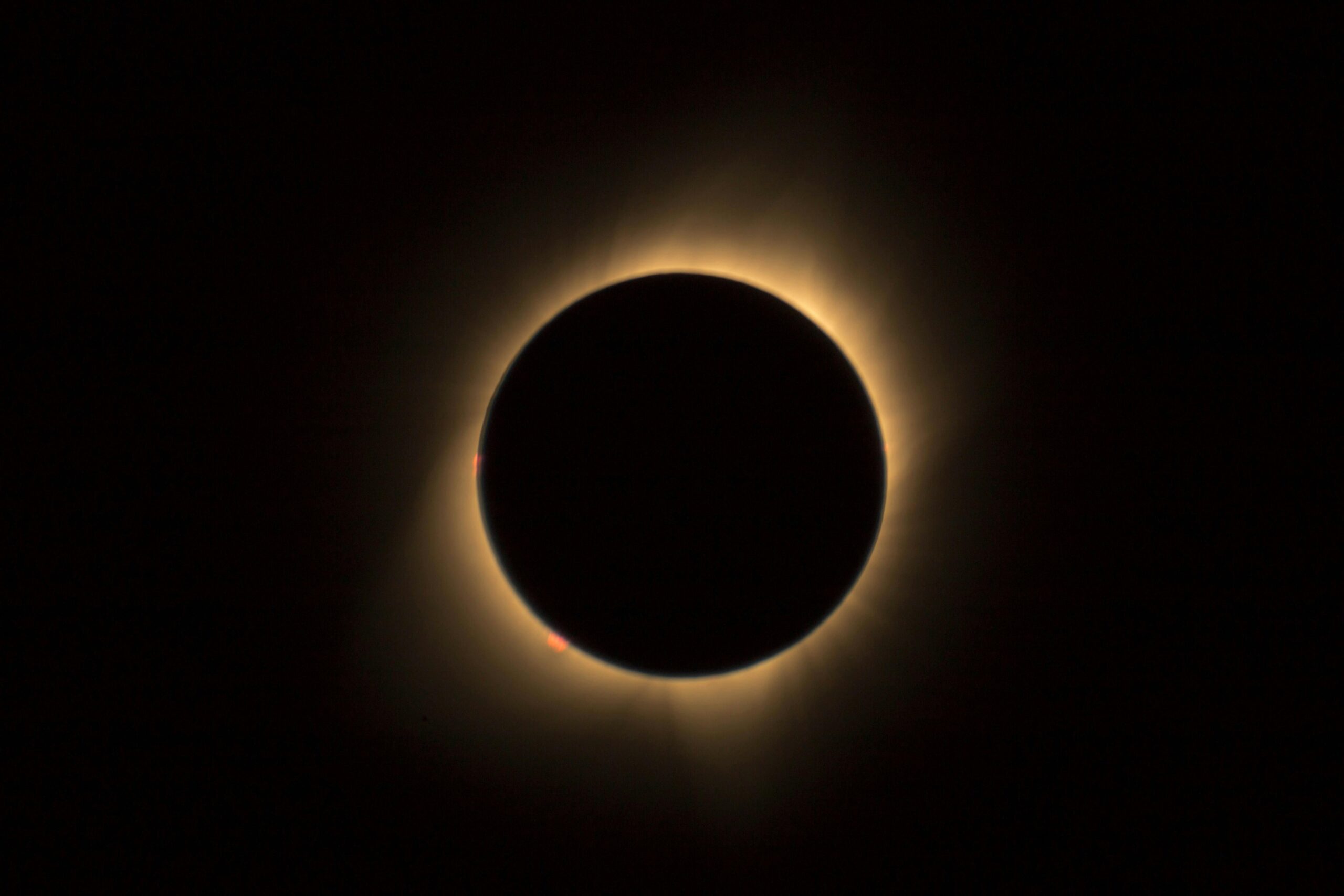
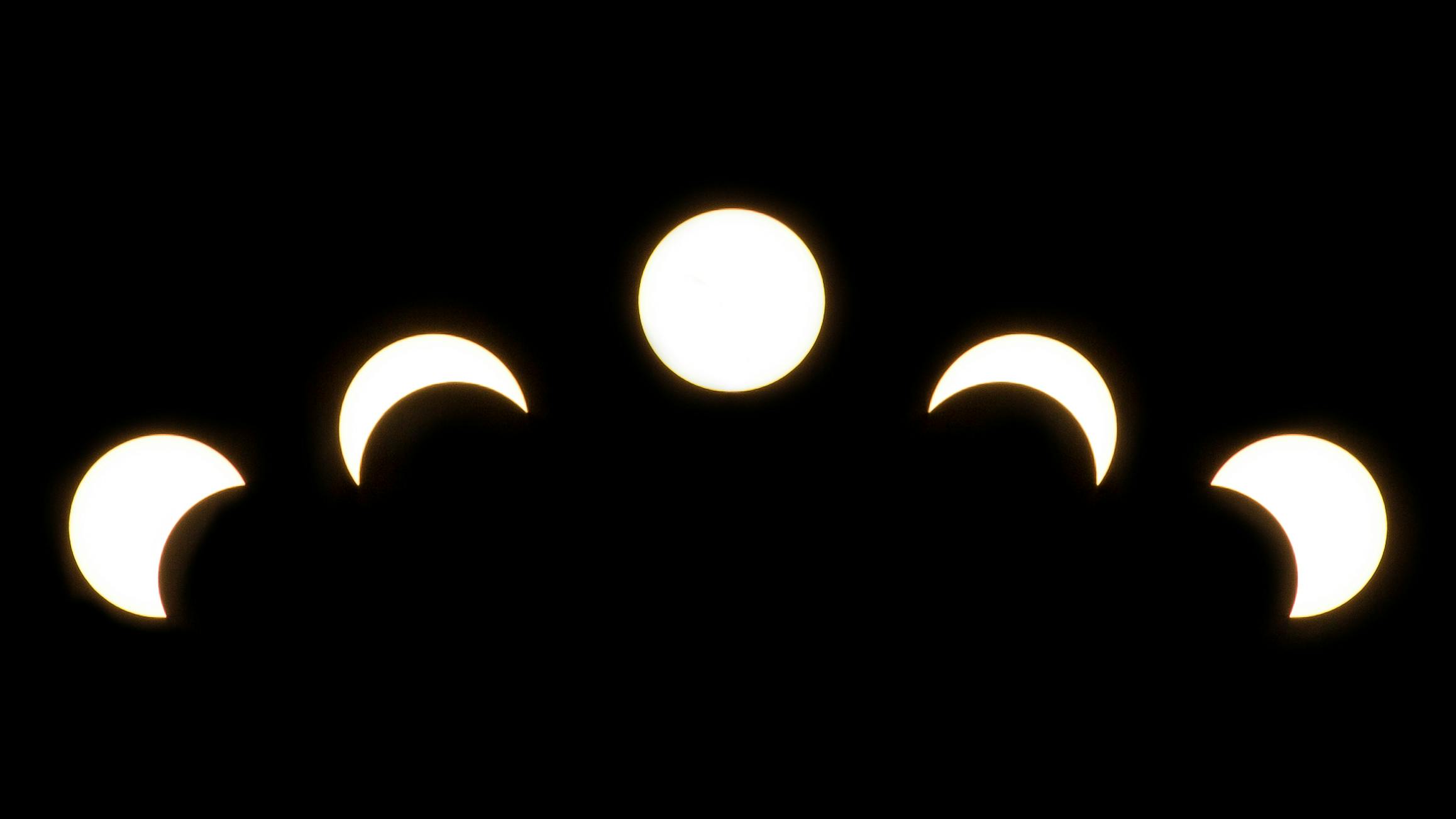
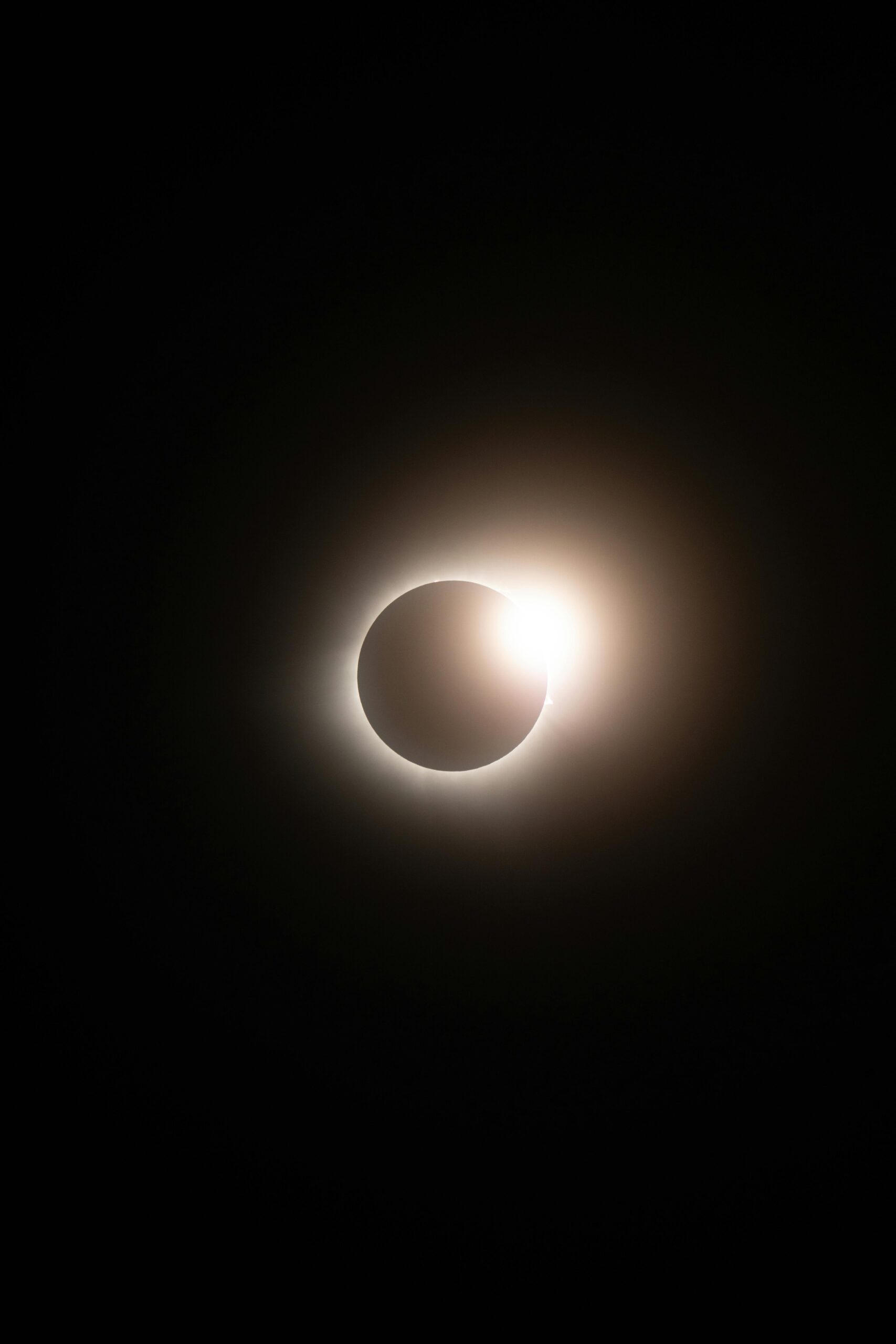
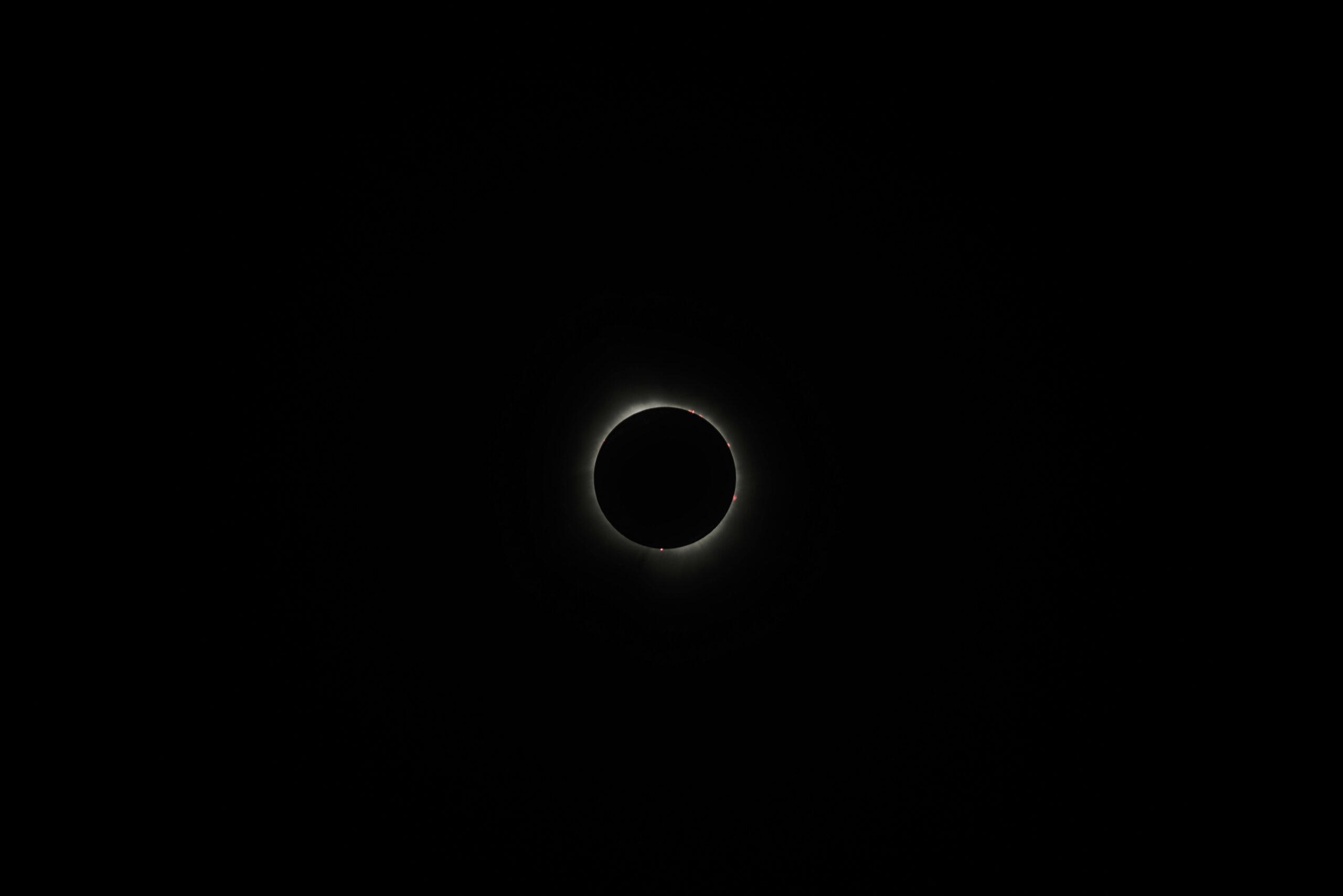
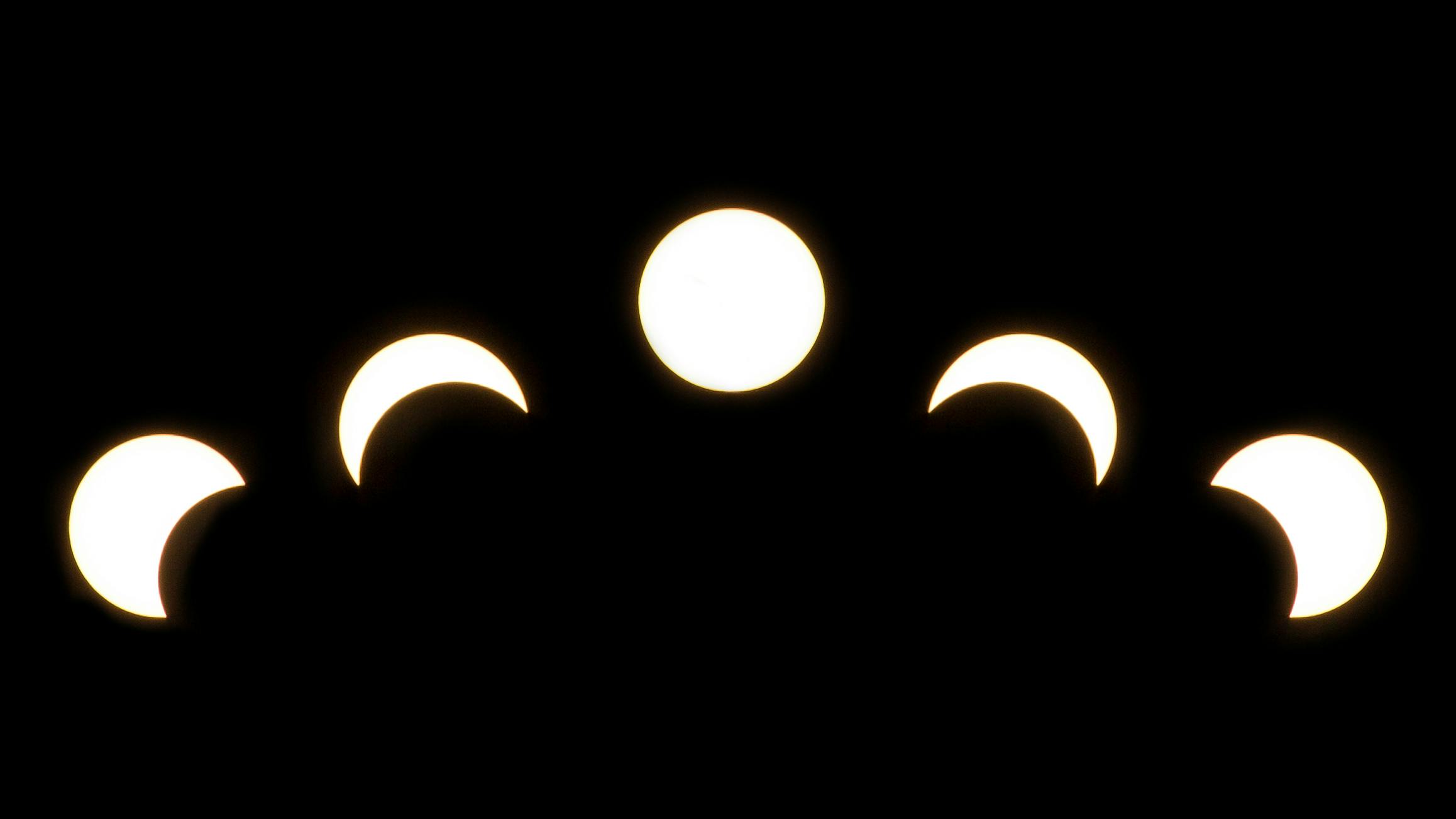
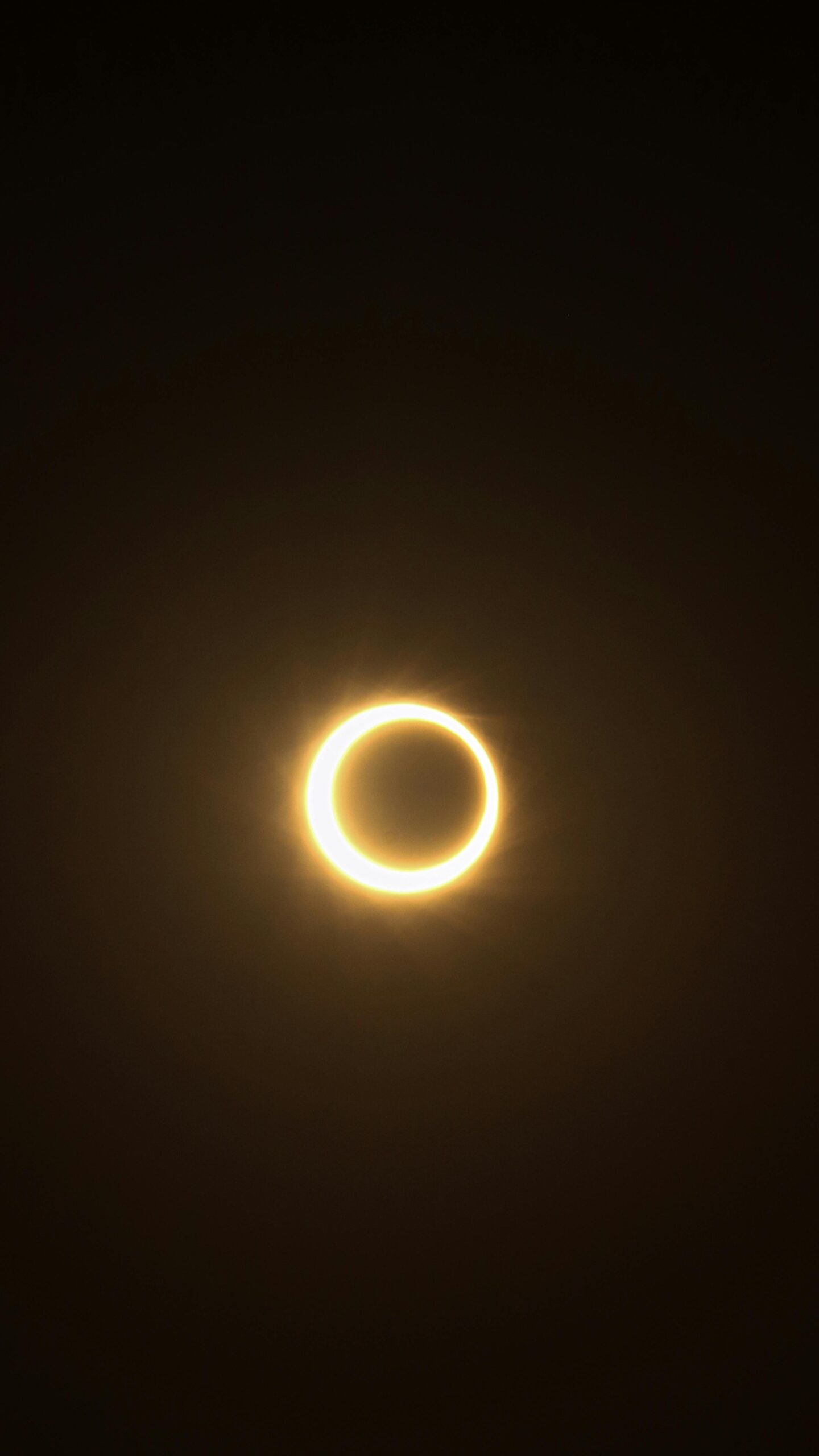
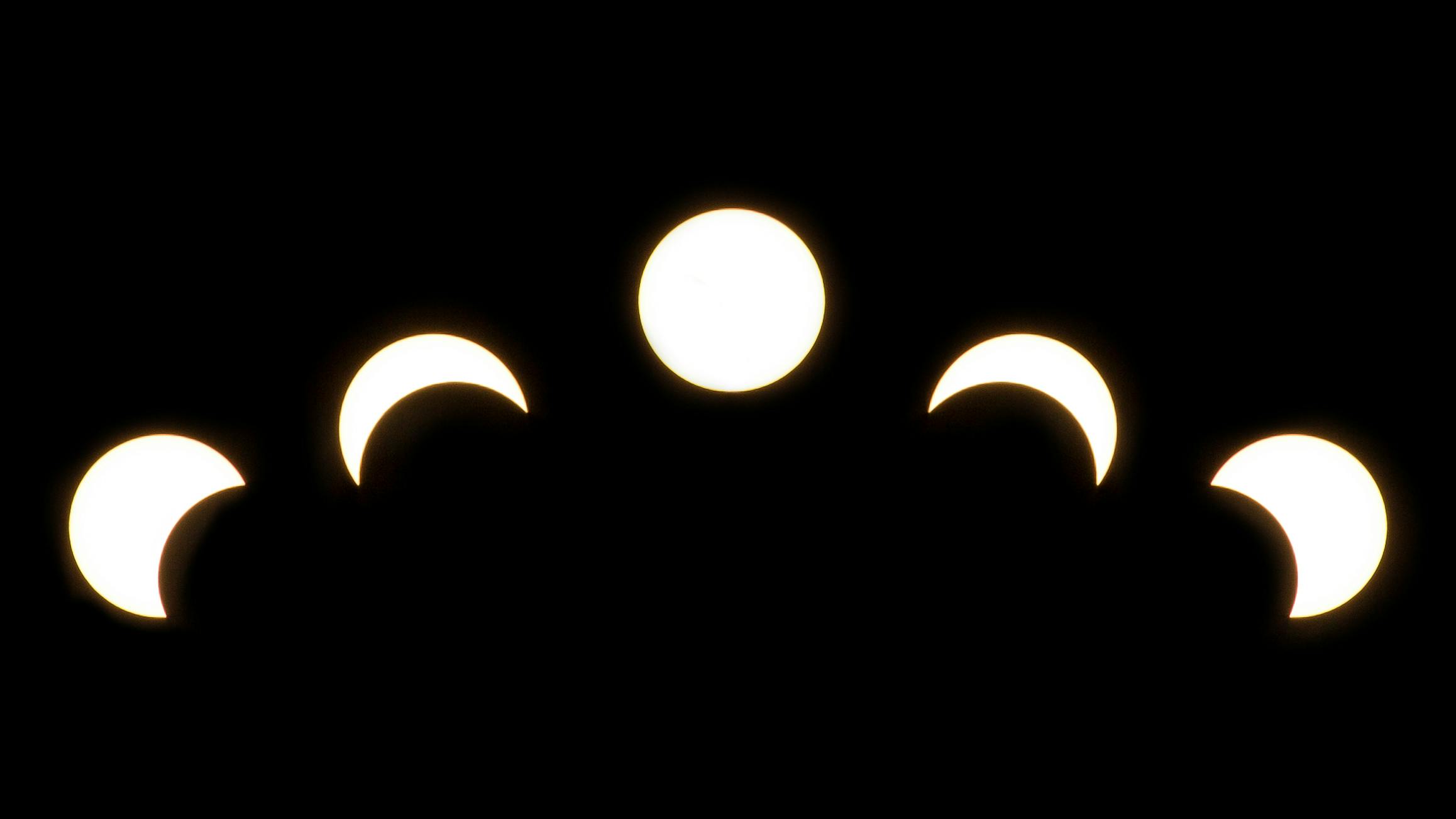
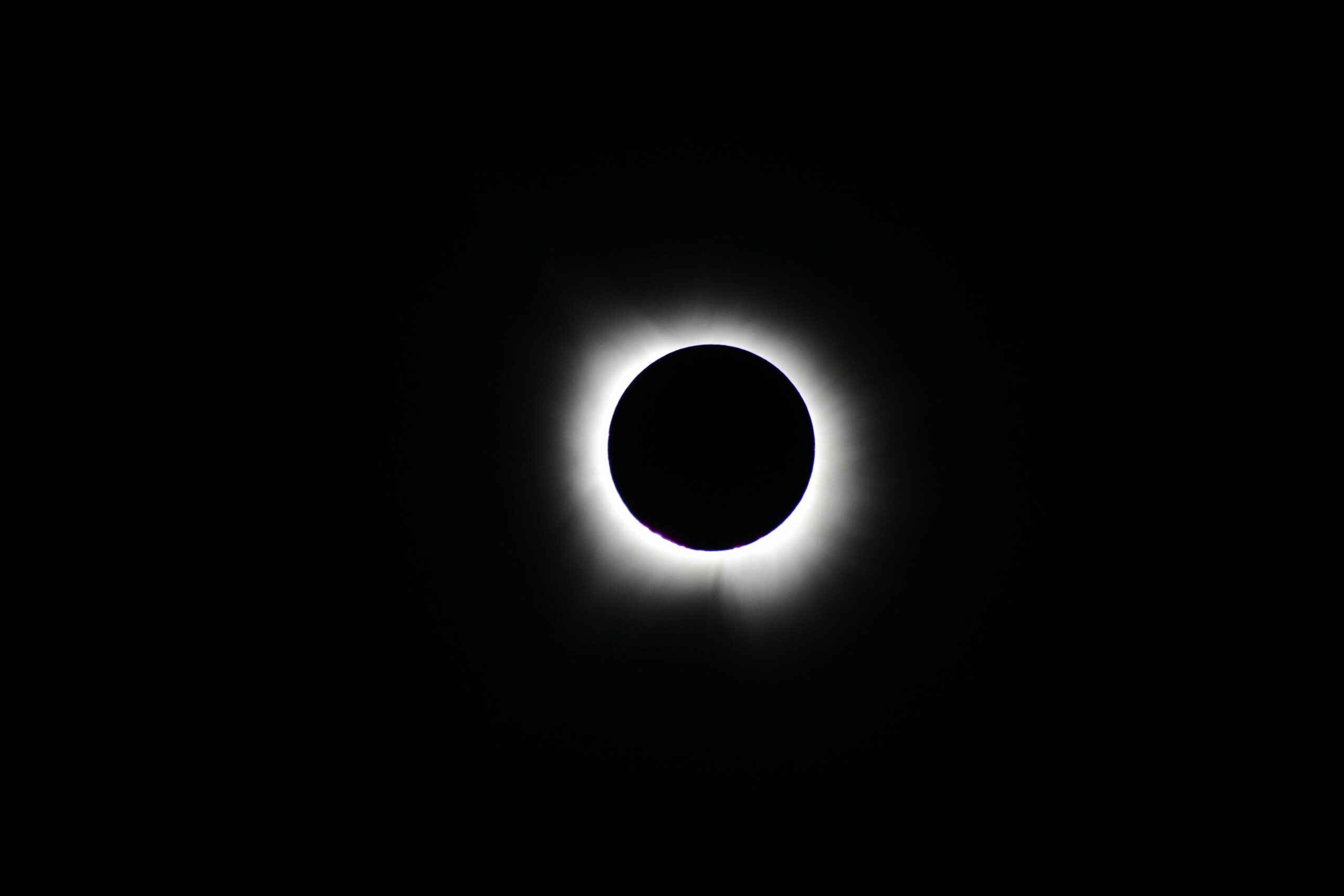
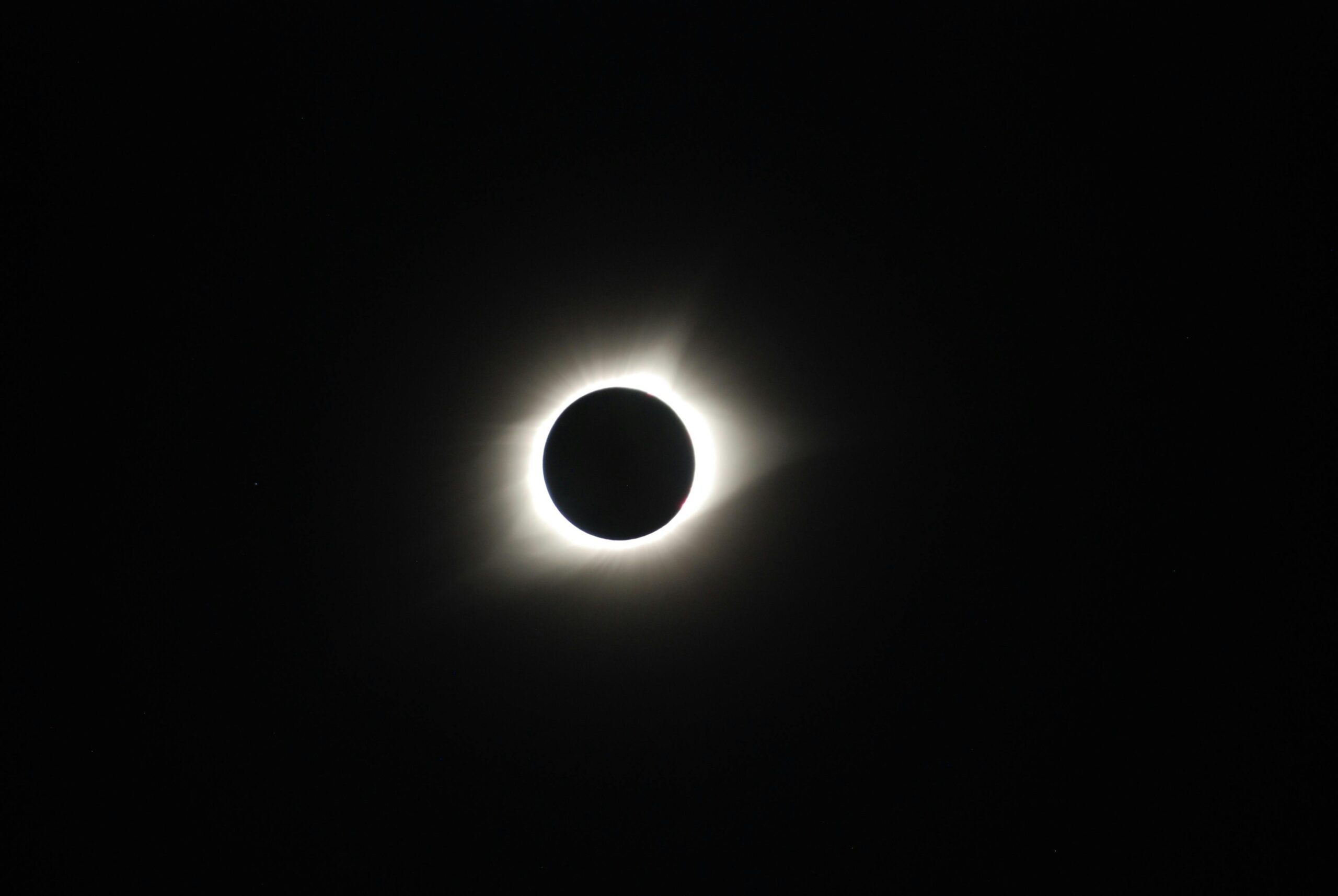
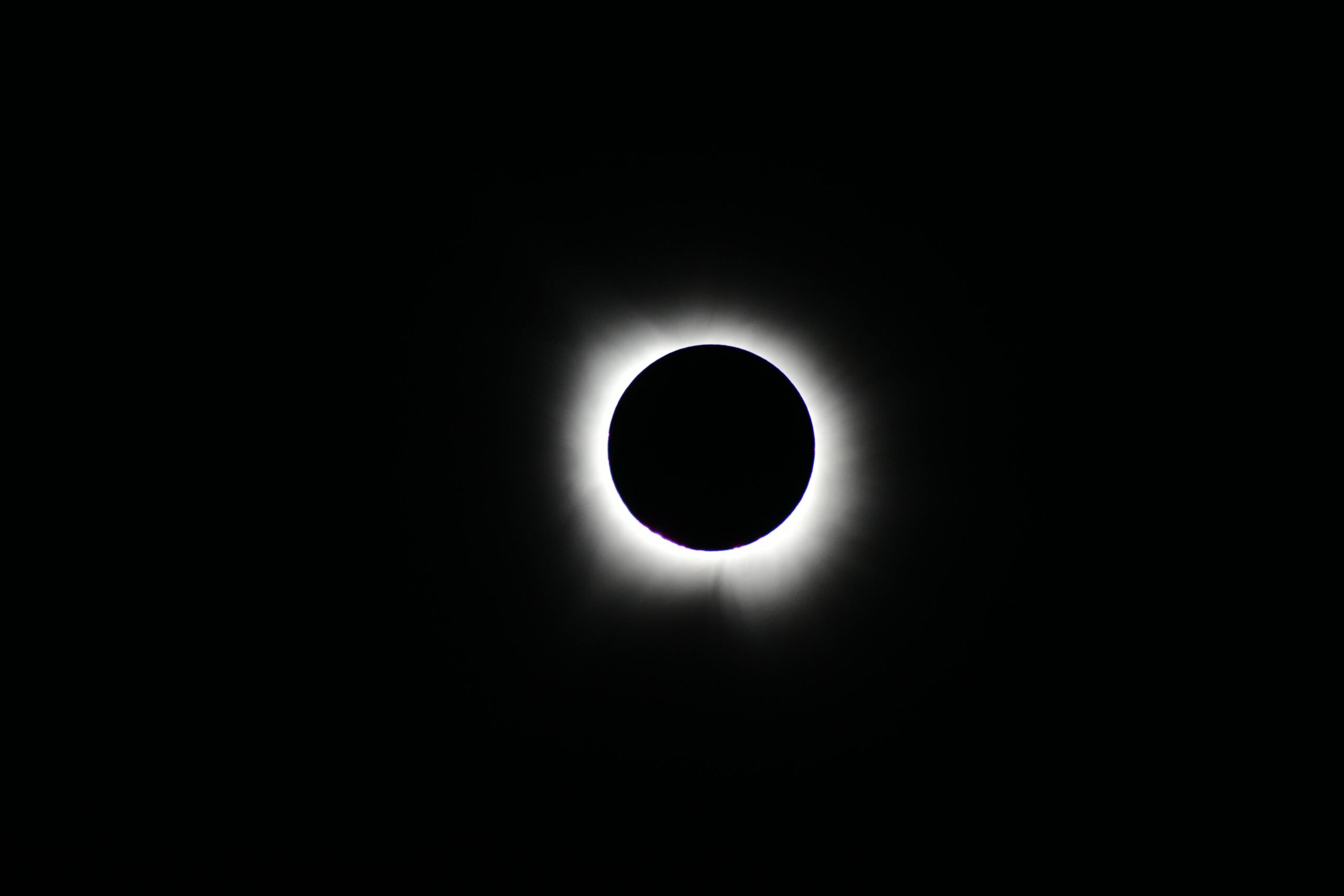
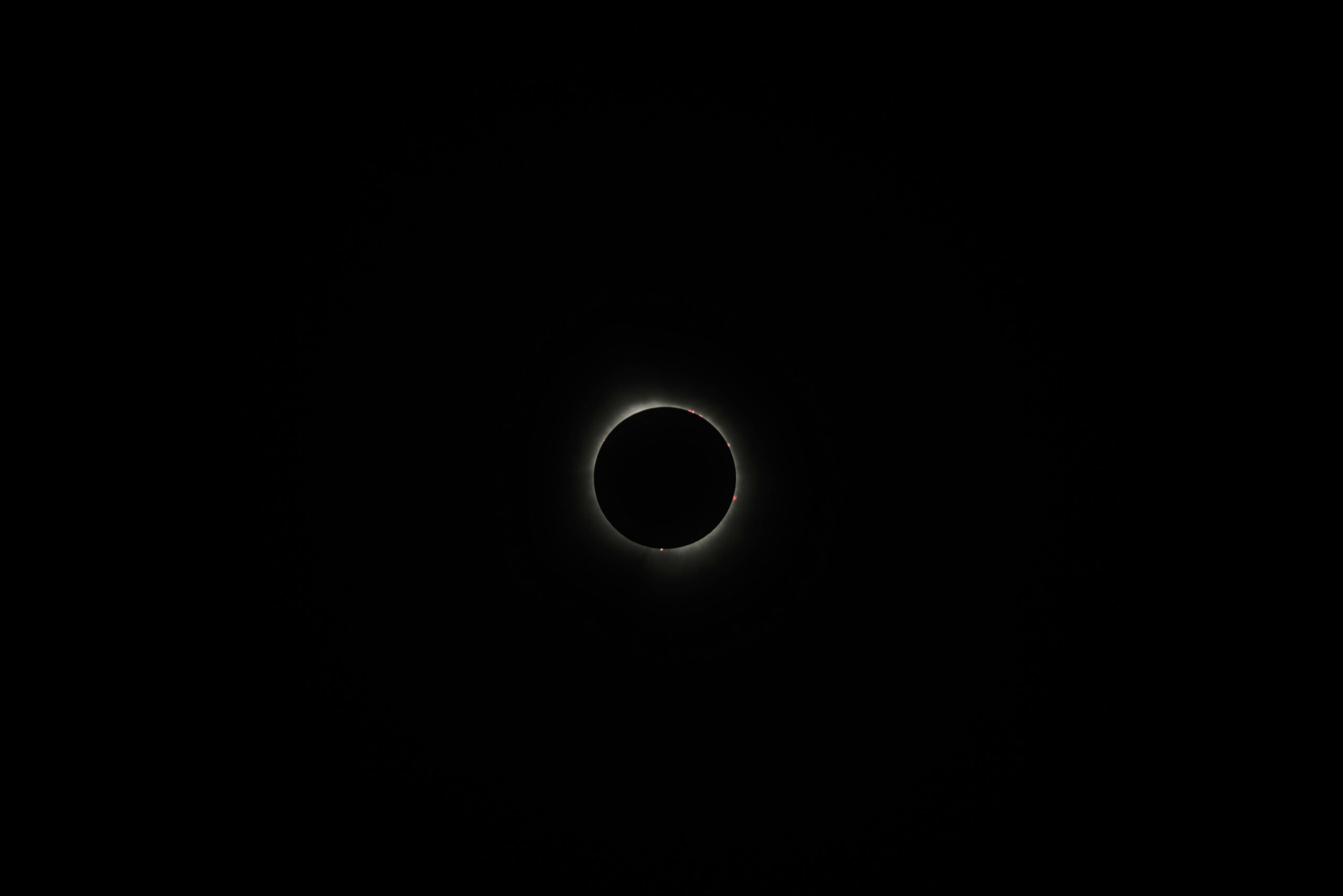
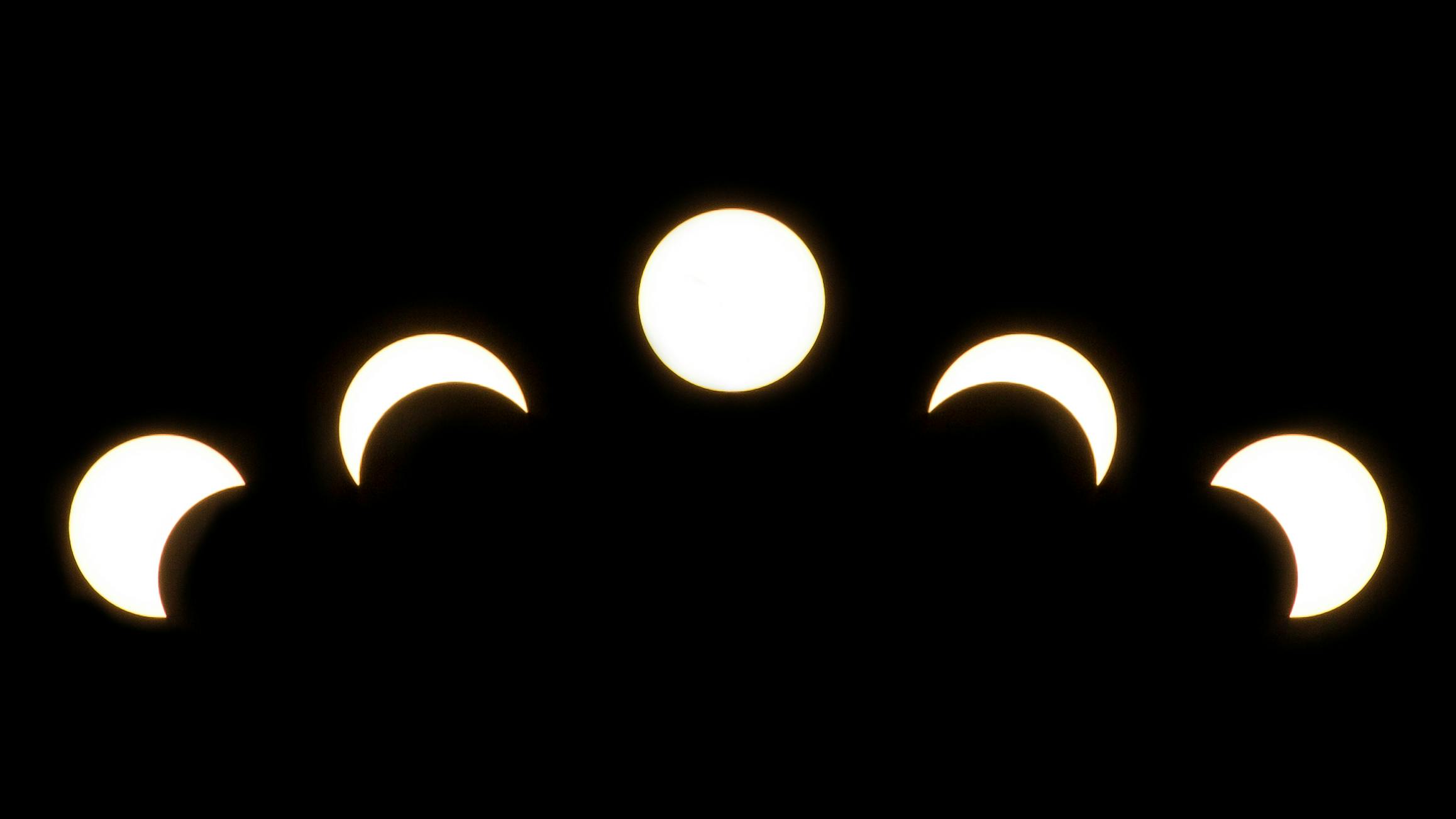
There are three main types of solar eclipses: total, partial, and annular. A total solar eclipse occurs when the Moon completely covers the Sun, revealing the Sun’s corona. A partial solar eclipse happens when only a part of the Sun is obscured by the Moon. An annular eclipse takes place when the Moon is too far from the Earth to completely cover the Sun, resulting in a ring of sunlight around the Moon.
Historical and Cultural Significance
Throughout history, solar eclipses have been interpreted in various ways by different cultures. Ancient civilizations often viewed eclipses as omens or signs from the gods. For instance, the ancient Chinese believed that a solar eclipse occurred when a celestial dragon devoured the Sun. In many cultures, eclipses were seen as harbingers of change or significant events.
In modern times, solar eclipses continue to captivate people around the world. They serve as reminders of our place in the universe and the interconnectedness of celestial bodies. The anticipation and excitement surrounding a solar eclipse often bring communities together, fostering a sense of shared experience and wonder.
Scientific Importance
Solar eclipses provide unique opportunities for scientific discovery. During a total solar eclipse, the Sun’s corona becomes visible, allowing scientists to study its properties and behavior. This research has contributed to our understanding of solar activity and its impact on Earth. Additionally, eclipses help scientists measure the Sun’s diameter and study the effects of solar radiation on the Earth’s atmosphere.
Eclipses also play a crucial role in testing theories of general relativity. During the 1919 solar eclipse, observations of starlight bending around the Sun provided confirmation of Albert Einstein’s theory of general relativity. This historic event marked a significant milestone in the development of modern physics.
Preparing for a Solar Eclipse
Witnessing a solar eclipse is an unforgettable experience, but it requires proper preparation. Safety is paramount when viewing an eclipse. Directly looking at the Sun, even during an eclipse, can cause permanent eye damage. Special eclipse glasses or solar filters are essential for safe viewing. These tools allow observers to safely witness the event without risking their vision.
For those interested in capturing the moment, photography can be a rewarding way to document the eclipse. However, it requires specialized equipment and techniques. A solar filter for the camera lens is necessary to protect both the camera and the photographer’s eyes. Additionally, a tripod and remote shutter release can help stabilize the camera and reduce camera shake during long exposures.
Cultural and Artistic Inspirations
Solar eclipses have inspired countless works of art, literature, and music throughout history. Artists and writers have used the imagery of eclipses to explore themes of transformation, mystery, and the unknown. For example, the 1889 painting “Solar Eclipse” by French artist Albert Gloden captures the dramatic moment of a total solar eclipse, showcasing the ethereal beauty of the event.
In literature, solar eclipses often symbolize significant turning points or moments of revelation. The eclipse in Herman Melville’s “Moby-Dick” serves as a metaphor for the unpredictable and mysterious nature of life. Similarly, in mythology and folklore, eclipses are often associated with mythical creatures and supernatural events.
Future Eclipses and Scientific Advancements
The study of solar eclipses continues to evolve with advancements in technology. Modern telescopes and imaging techniques allow scientists to capture detailed images and data during eclipses. These advancements have led to new discoveries about the Sun’s structure and behavior, as well as the Earth’s atmosphere and climate.
Looking ahead, future eclipses will provide even more opportunities for scientific research and public engagement. The next total solar eclipse visible from the United States will occur on April 8, 2024, offering a chance for millions of people to witness this celestial phenomenon. This event will not only inspire awe and wonder but also contribute to our understanding of the universe.
For those interested in the cultural and artistic aspects of eclipses, exploring traditional crafts and art forms can be a rewarding experience. For instance, fabric dyeing, or kumaş boyama işleri için en iyi malzemeler, often incorporates natural dyes and techniques that have been passed down through generations. This art form reflects the deep connection between human creativity and the natural world, much like the fascination with solar eclipses.
Conclusion
Solar eclipses are more than just celestial events; they are windows into the mysteries of the universe and the human experience. From ancient myths to modern science, eclipses have captivated our imagination and driven our quest for knowledge. As we continue to explore the cosmos, the study of solar eclipses will remain a vital part of our understanding of the Sun, the Earth, and our place in the universe.