The Science Behind Solar Eclipses
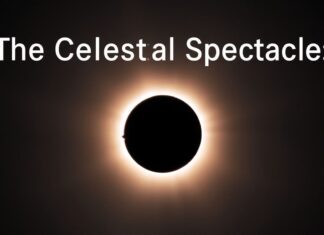
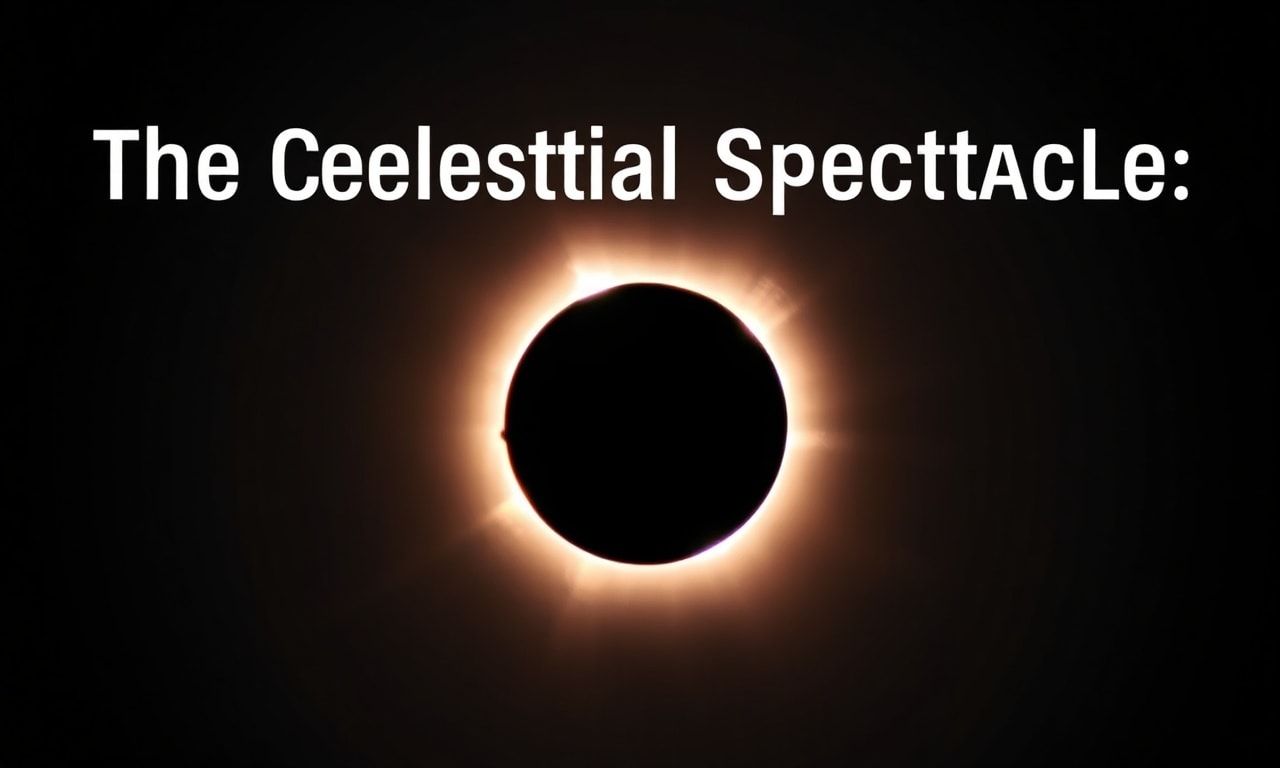
A solar eclipse occurs when the Moon passes between the Earth and the Sun, casting a shadow on the Earth’s surface. This celestial event can only happen during a new moon phase when the Sun, Moon, and Earth are aligned. There are three types of solar eclipses: total, partial, and annular. A total solar eclipse is the most dramatic, where the Moon completely covers the Sun, revealing the Sun’s corona. Partial eclipses occur when only a part of the Sun is obscured, while annular eclipses happen when the Moon is too far from the Earth to completely cover the Sun, resulting in a ‘ring of fire’ effect.
The frequency and visibility of solar eclipses depend on the Moon’s orbit. On average, a total solar eclipse occurs somewhere on Earth every 18 months. However, due to the Moon’s orbit inclination, any given location on Earth experiences a total solar eclipse only once every 375 years on average. Understanding these celestial mechanics helps astronomers predict when and where these spectacular events will occur.
Historical Significance and Cultural Impact
Solar eclipses have fascinated humans for millennia, often inspiring awe and sometimes fear. Ancient civilizations interpreted eclipses as omens or signs from the gods. For instance, the ancient Chinese believed that a celestial dragon was devouring the Sun, and they would make noise to scare the dragon away. In Norse mythology, the gods Skoll and Hati were believed to chase the Sun and Moon, causing eclipses when they caught them.
In modern times, solar eclipses have become significant events for scientific research. They provide unique opportunities for astronomers to study the Sun’s corona, solar flares, and other phenomena that are usually obscured by the Sun’s bright light. The 1919 solar eclipse, for example, provided crucial evidence supporting Albert Einstein’s theory of general relativity. Today, eclipses continue to be a source of inspiration for scientists and enthusiasts alike.
Recent Solar Eclipses and Their Global Impact
The most recent total solar eclipse visible from the United States occurred on August 21, 2017, captivating millions of viewers. Known as the ‘Great American Eclipse,’ it traversed the country from coast to coast, providing a rare opportunity for scientists and the public to observe the phenomenon. The event had a significant economic impact, with tourism booming in areas within the path of totality.
In 2020, a rare annular solar eclipse was visible from parts of Africa, the Middle East, and Asia. This ‘ring of fire’ eclipse drew crowds of spectators and researchers eager to study the Sun’s corona. The next total solar eclipse is expected to occur on April 8, 2024, and will be visible from parts of North America, including Mexico, the United States, and Canada. This upcoming event is already generating excitement among astronomers and the general public.
Economic and Social Effects
Solar eclipses have a notable impact on local economies, particularly in regions within the path of totality. Hotels, restaurants, and other businesses often see a surge in visitors, leading to increased revenue. For example, during the 2017 Great American Eclipse, cities like Nashville and Charleston experienced a significant boost in tourism. Additionally, solar eclipses can have a positive effect on education and public engagement in science. Schools and universities often organize viewing events and educational programs to teach students about the science behind eclipses.
Beyond the economic benefits, solar eclipses also have cultural and social significance. They bring communities together, fostering a sense of shared experience and wonder. Many people travel to witness these rare events, creating lasting memories and connections. Furthermore, solar eclipses serve as a reminder of our place in the universe, inspiring a sense of humility and awe.
Preparing for a Solar Eclipse
Watching a solar eclipse can be a thrilling experience, but it’s essential to do so safely. Looking directly at the Sun, even during an eclipse, can cause permanent eye damage. To observe an eclipse safely, use certified solar filters or eclipse glasses that meet international safety standards. Alternatively, you can use indirect viewing methods, such as pinhole projectors, to safely observe the eclipse.
Planning ahead is crucial for those who want to witness a solar eclipse. Research the path of totality and choose a location with clear skies and minimal light pollution. If you’re traveling to a popular viewing spot, book accommodations well in advance, as hotels and campsites can fill up quickly. Additionally, stay informed about local events and educational programs related to the eclipse.
Analyzing Market Trends During Eclipses
Solar eclipses can also have an impact on financial markets, particularly in regions where the event is highly anticipated. For instance, during the 2017 Great American Eclipse, there was a noticeable increase in tourism-related stocks and local businesses. Investors and analysts often monitor these trends to gain insights into consumer behavior and economic activity. For a comprehensive analysis of market trends in Indonesia, you can refer to resources like analisis pasar saham indonesia hari ini, which provides up-to-date information on stock market movements and economic indicators.
Understanding the broader economic context can help businesses and investors make informed decisions. Solar eclipses, while rare, offer unique opportunities to study the interplay between celestial events and human activity. By analyzing market trends and consumer behavior during these events, economists and analysts can gain valuable insights into the dynamics of local and global economies.
Conclusion
Solar eclipses are awe-inspiring celestial events that have captivated humans for centuries. From their scientific significance to their cultural and economic impact, eclipses offer a wealth of opportunities for study and enjoyment. Whether you’re an astronomer, a student, or simply a curious observer, witnessing a solar eclipse can be a memorable and enlightening experience. By understanding the science behind these events and taking the necessary precautions, you can safely enjoy the spectacle and appreciate the wonders of our universe.
As digital banking continues to evolve, our latest feature navigating online investment platforms offers practical advice for selecting the best digital bank for your needs.
To stay informed about the most pressing global developments, consider reviewing recent events capturing worldwide attention, which offers a comprehensive overview of key happenings.
Amidst the evolving global economy, understanding regional market trends has become increasingly important; consider the insights from Indonesia’s gold market dynamics to gain perspective on these shifts.