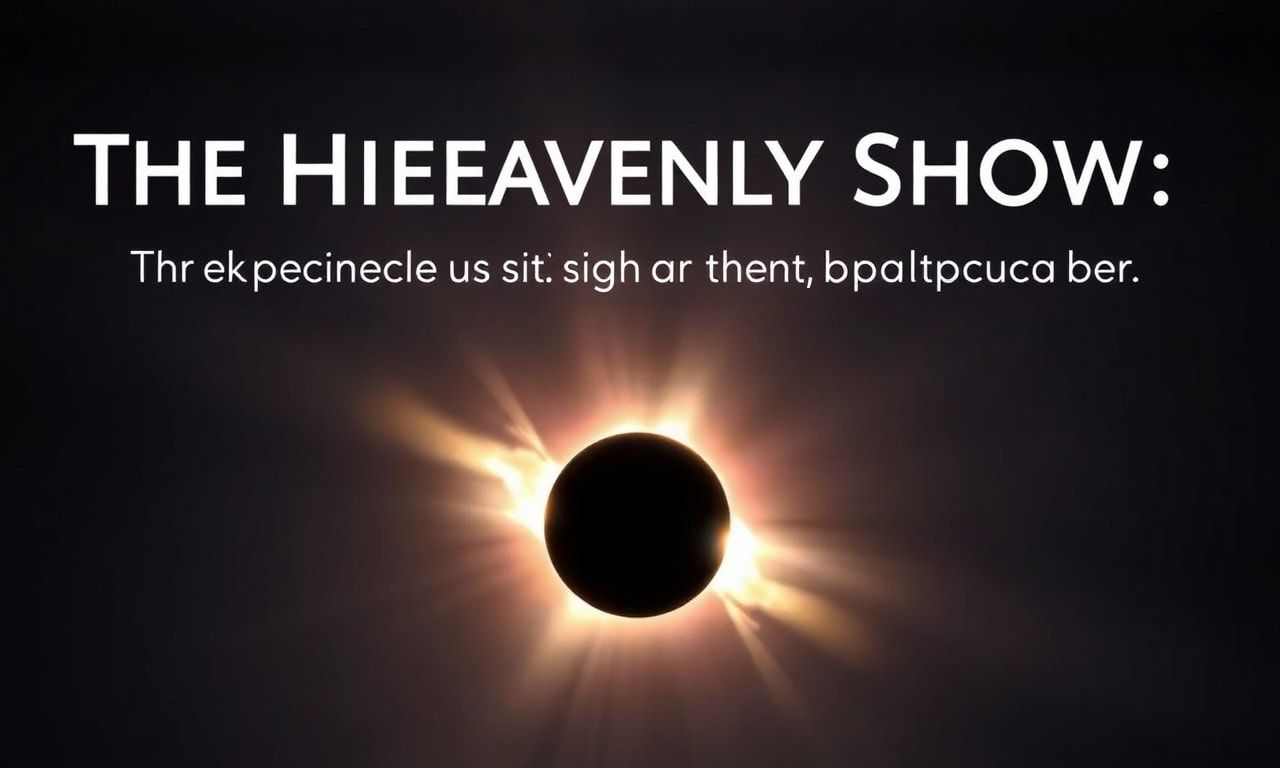
The Anticipation of a Solar Eclipse
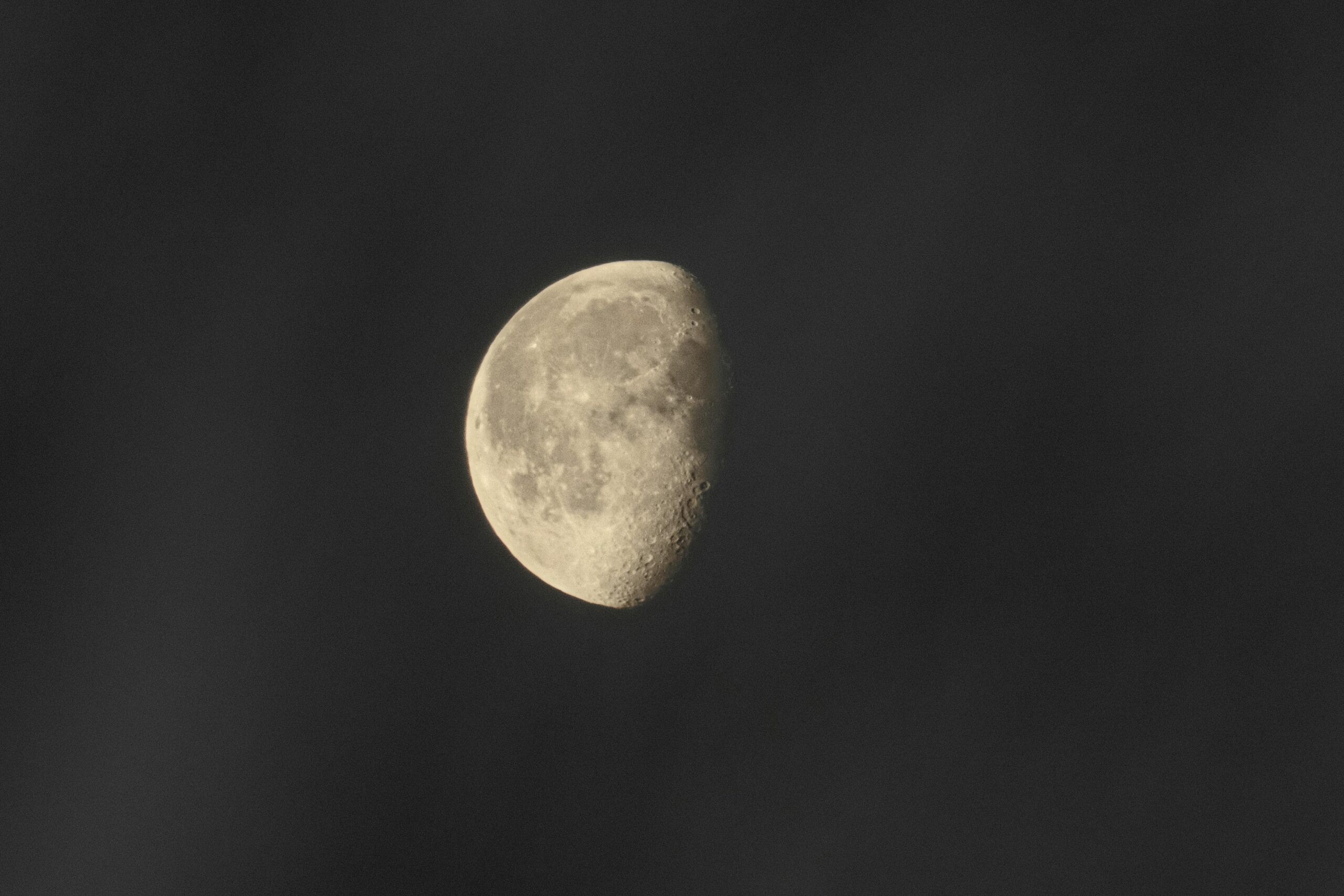
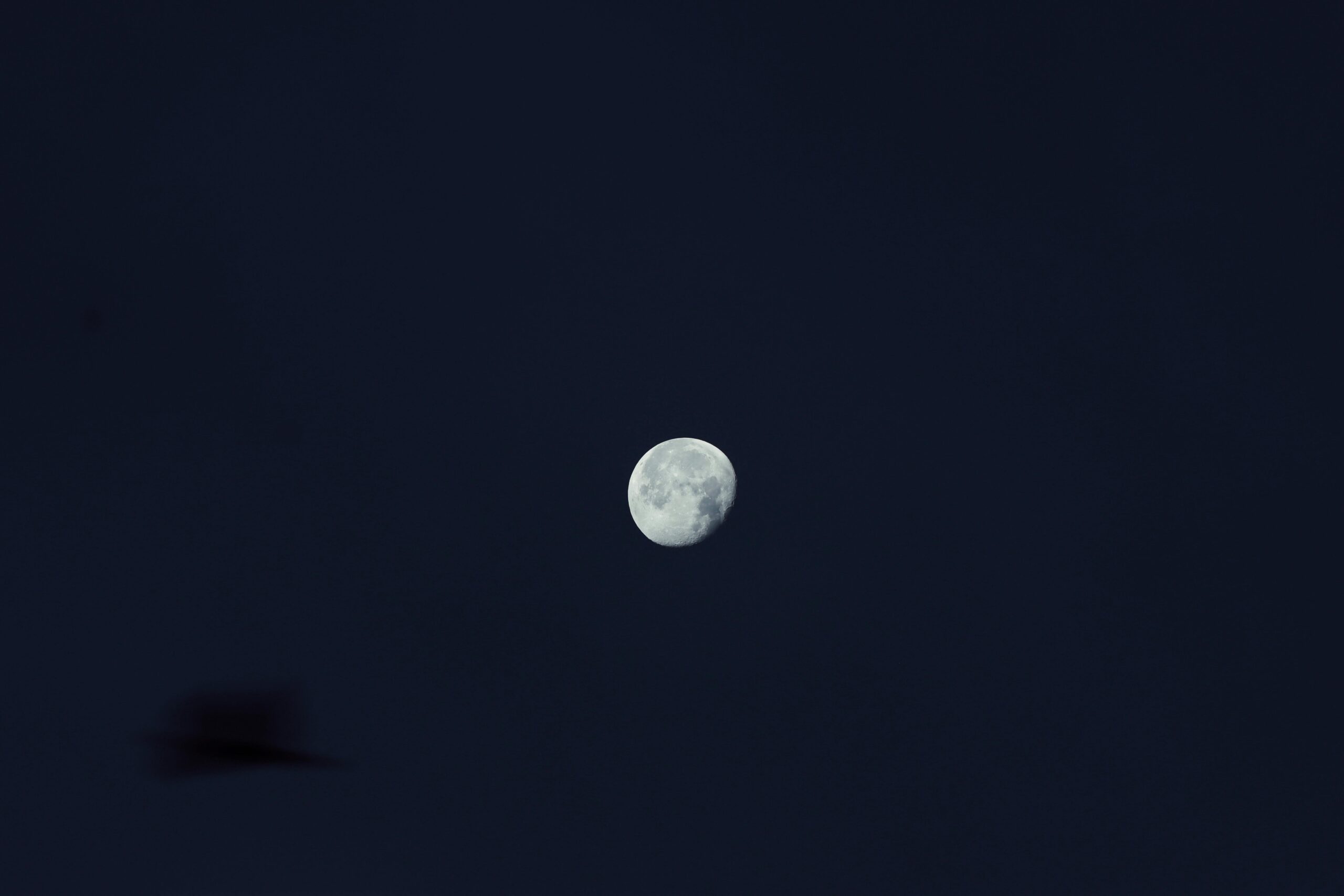
A solar eclipse is one of the most awe-inspiring celestial events that nature has to offer. It occurs when the moon passes between the Earth and the Sun, obscuring the Sun either partially or completely. This rare phenomenon has captivated human imagination for centuries, inspiring myths, scientific inquiry, and a sense of wonder. As we look forward to the next solar eclipse, it’s essential to understand the science behind it, how to observe it safely, and what to expect.
The Science Behind Solar Eclipses
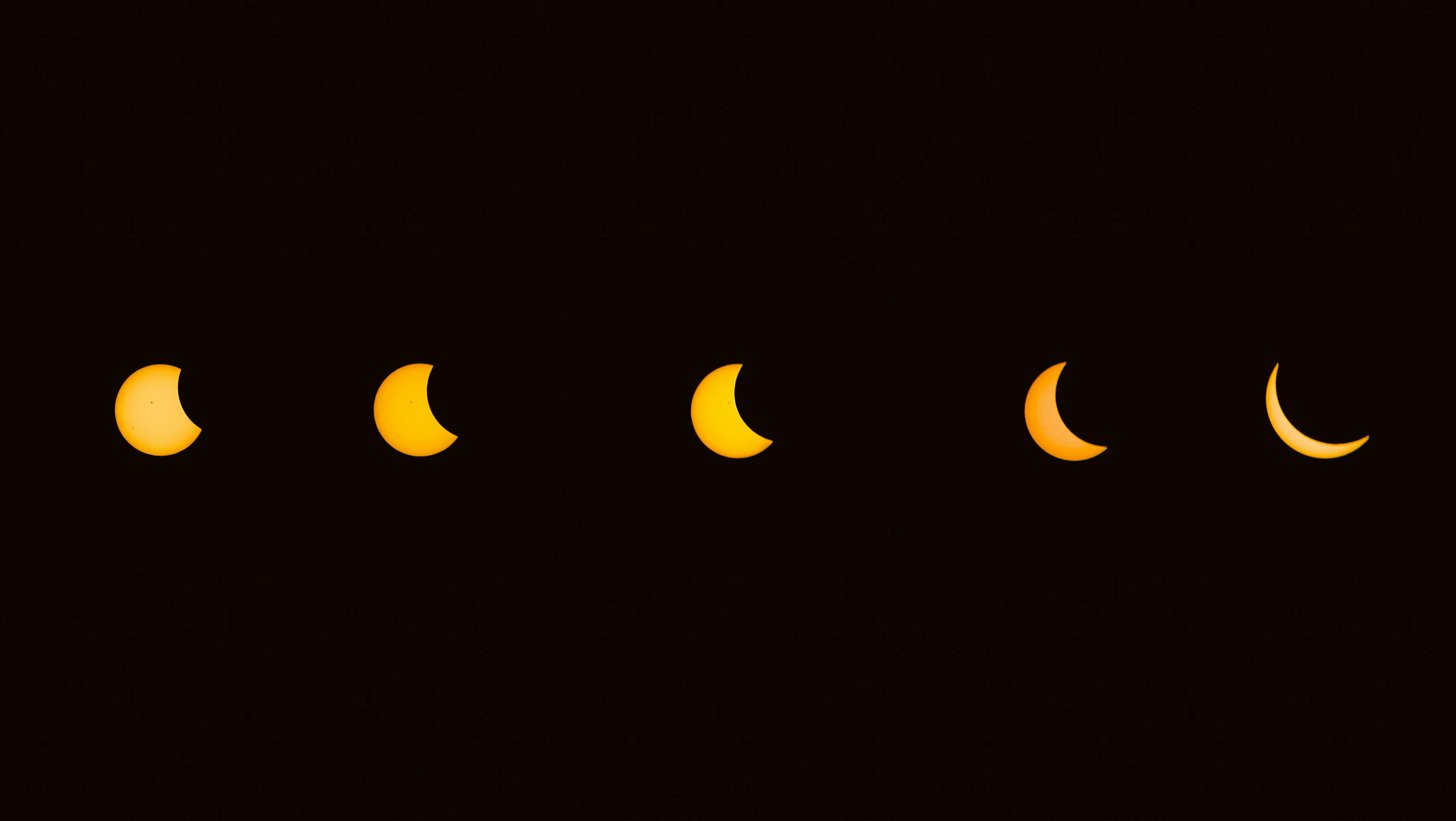
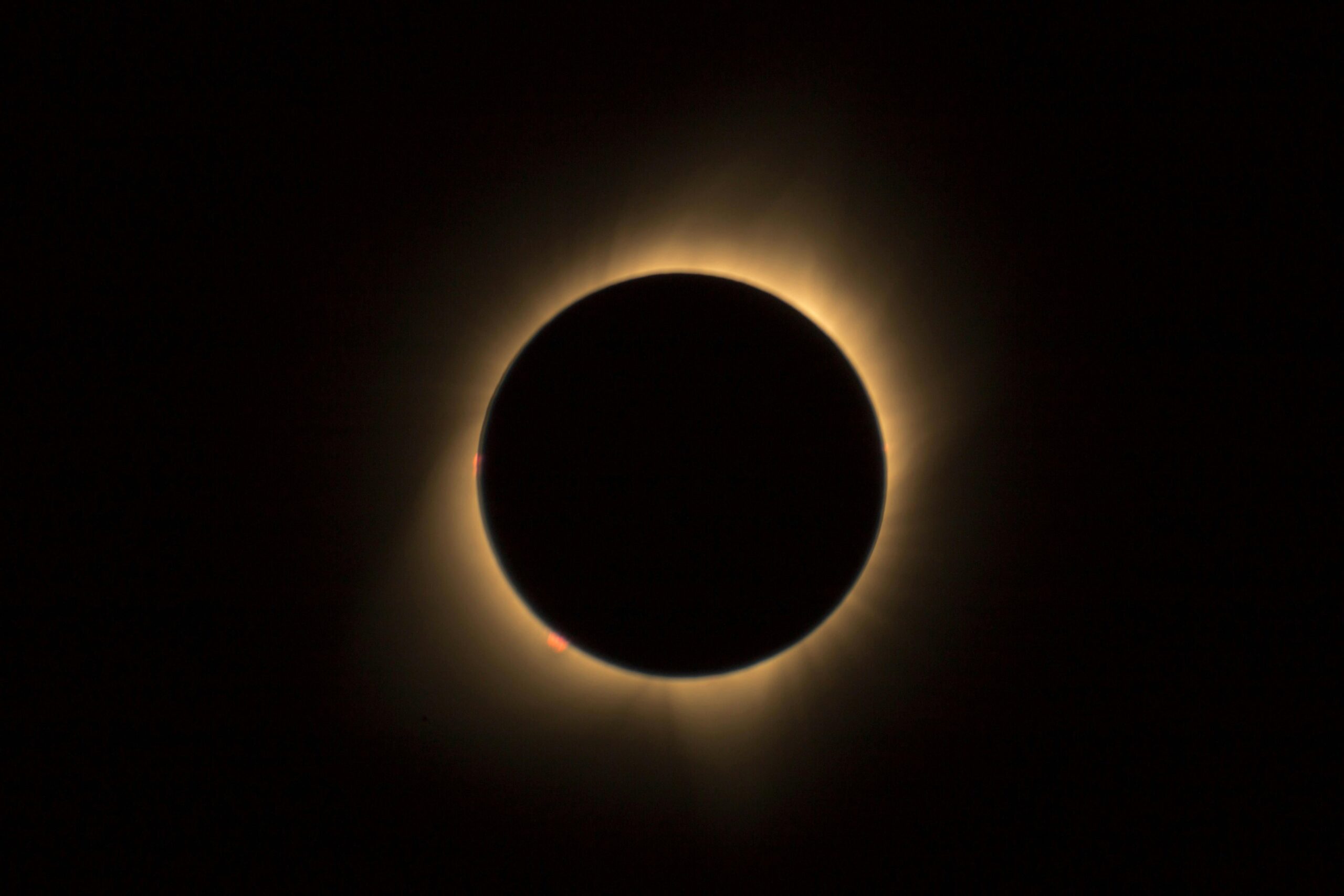
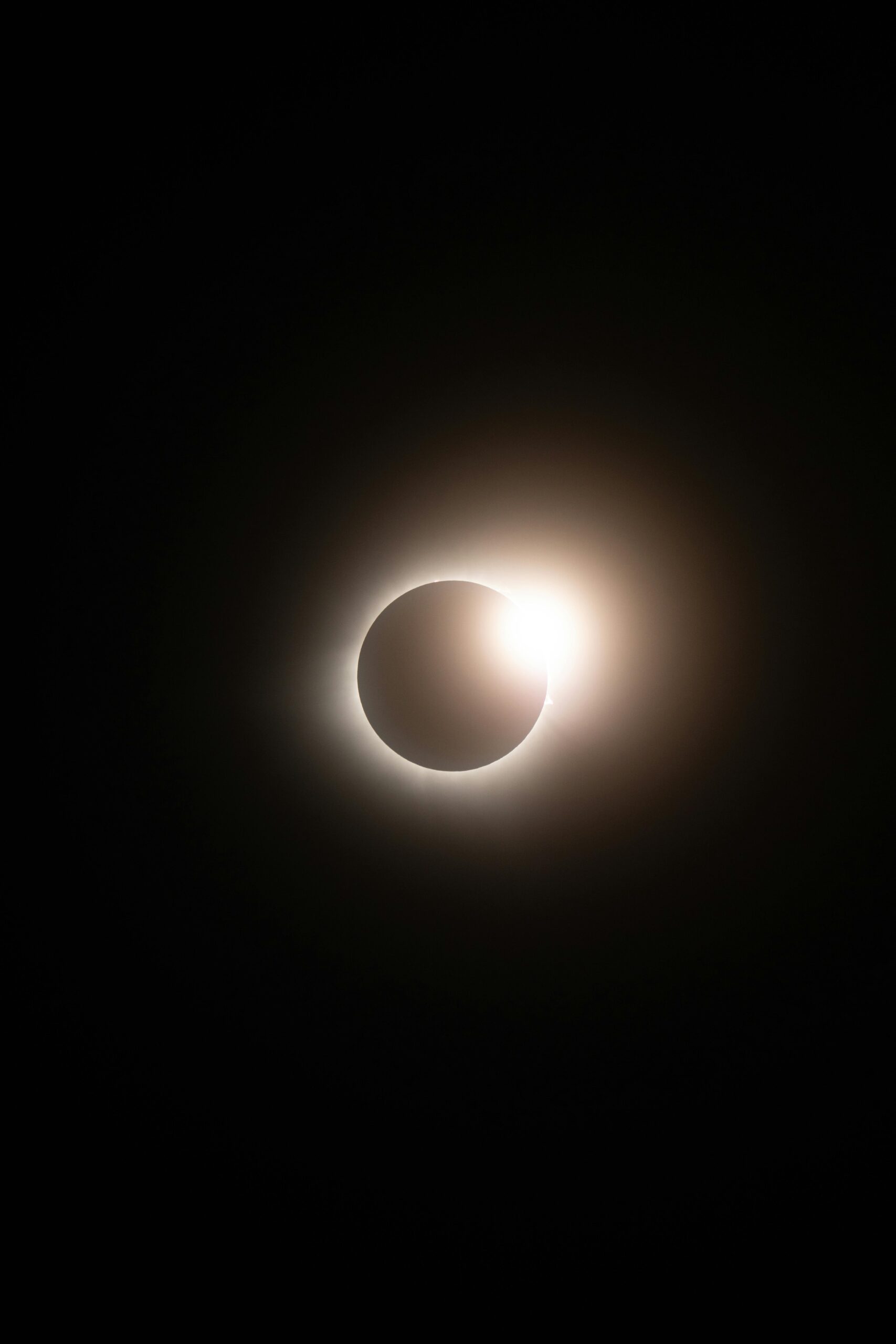
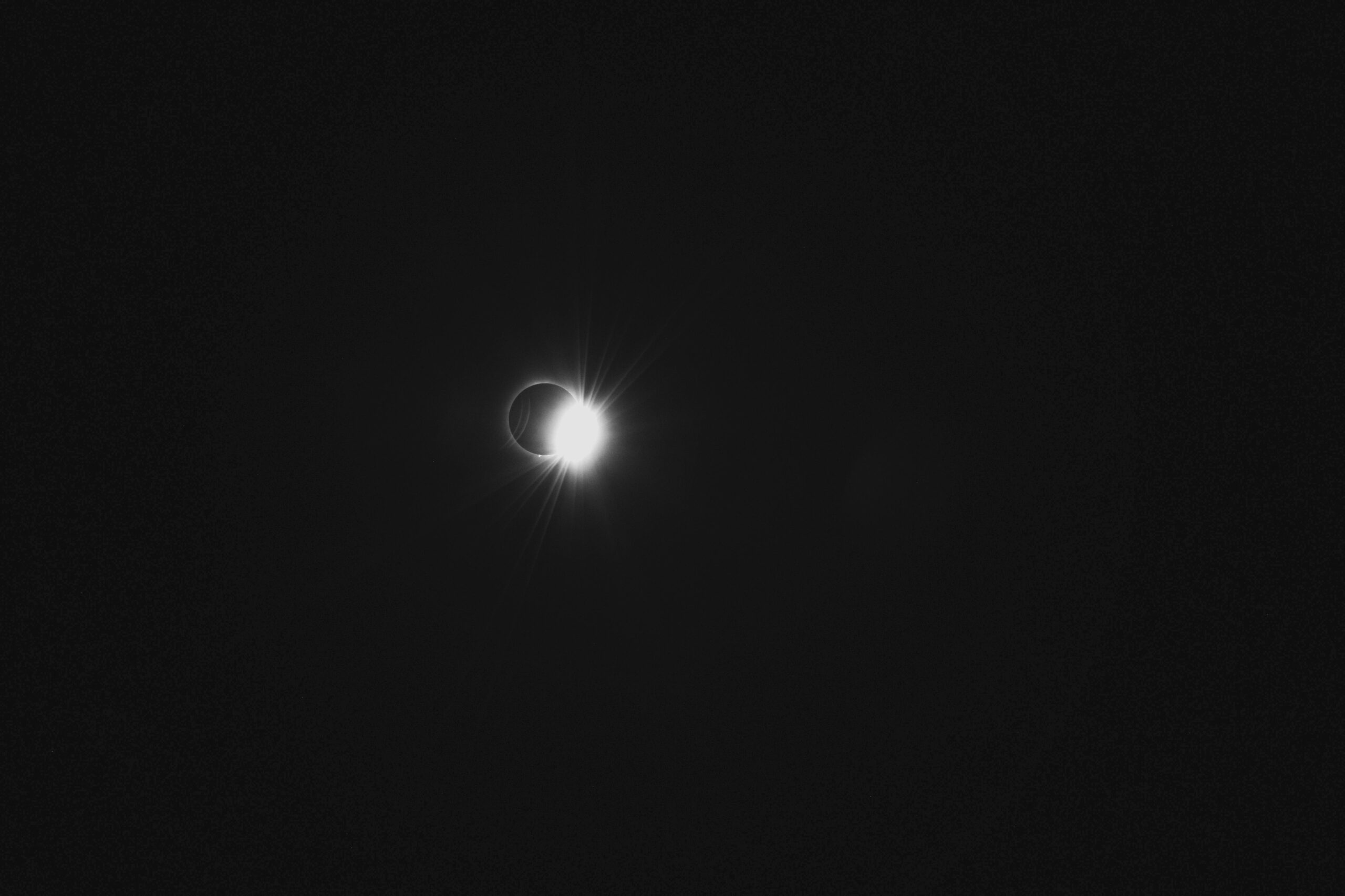
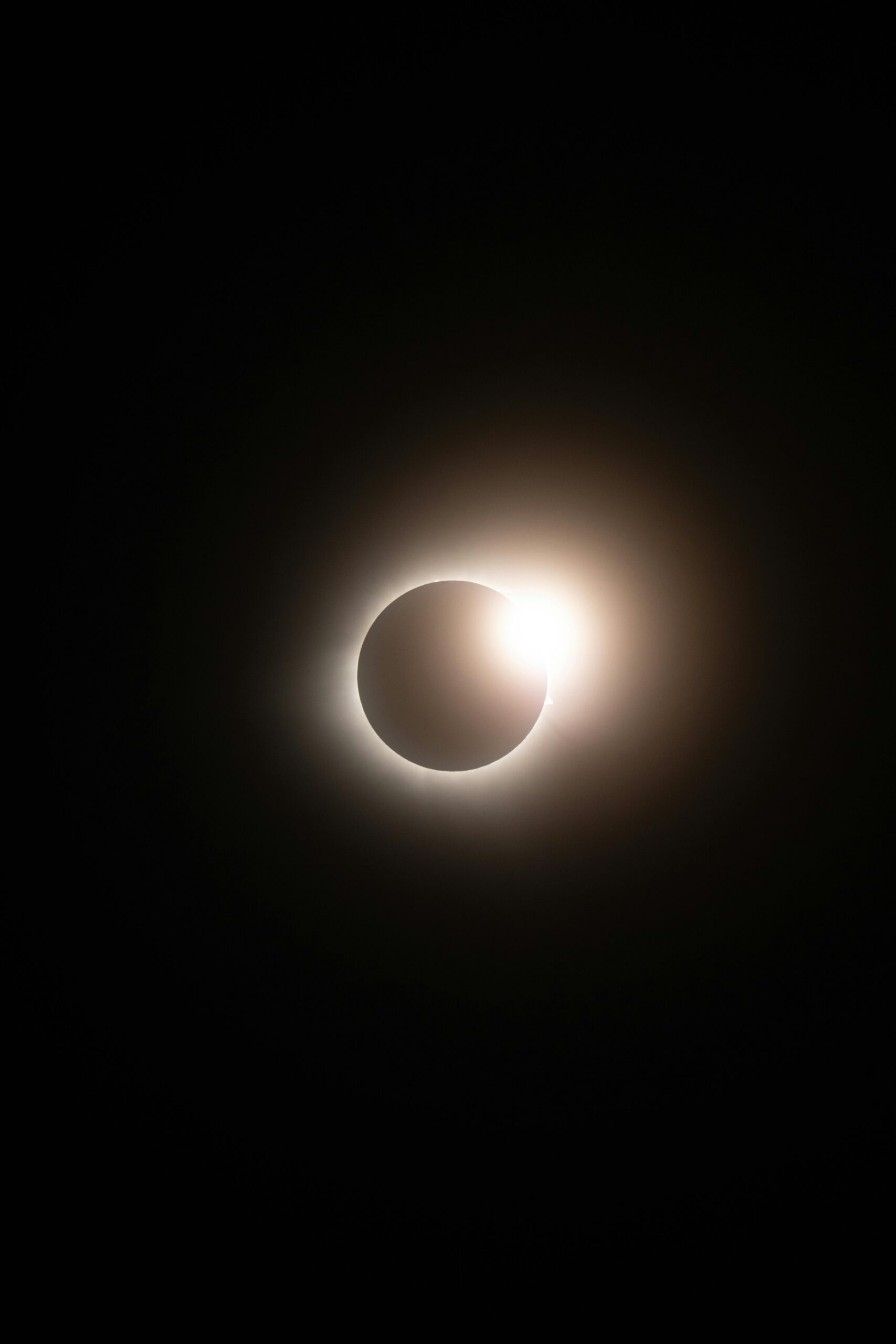
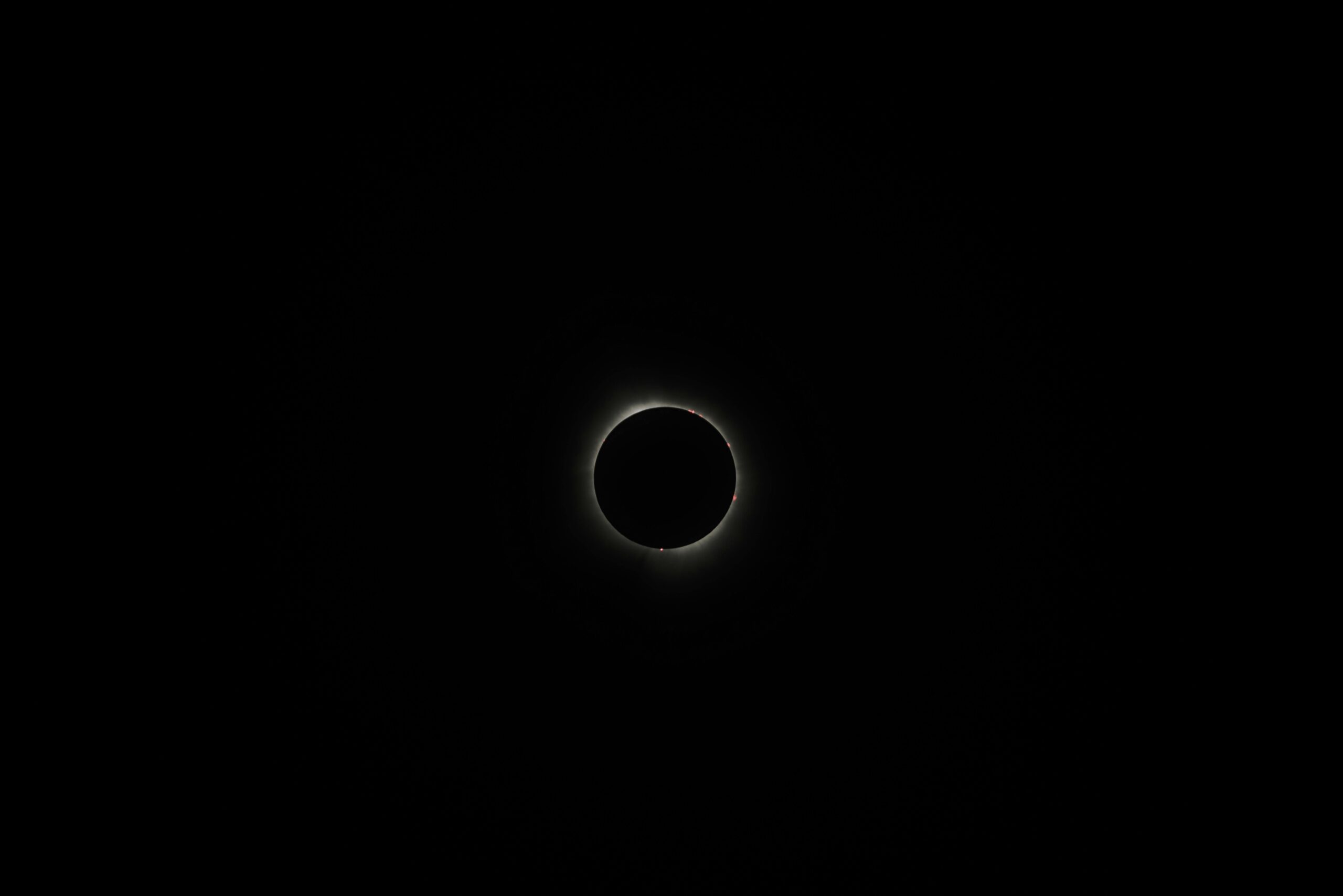
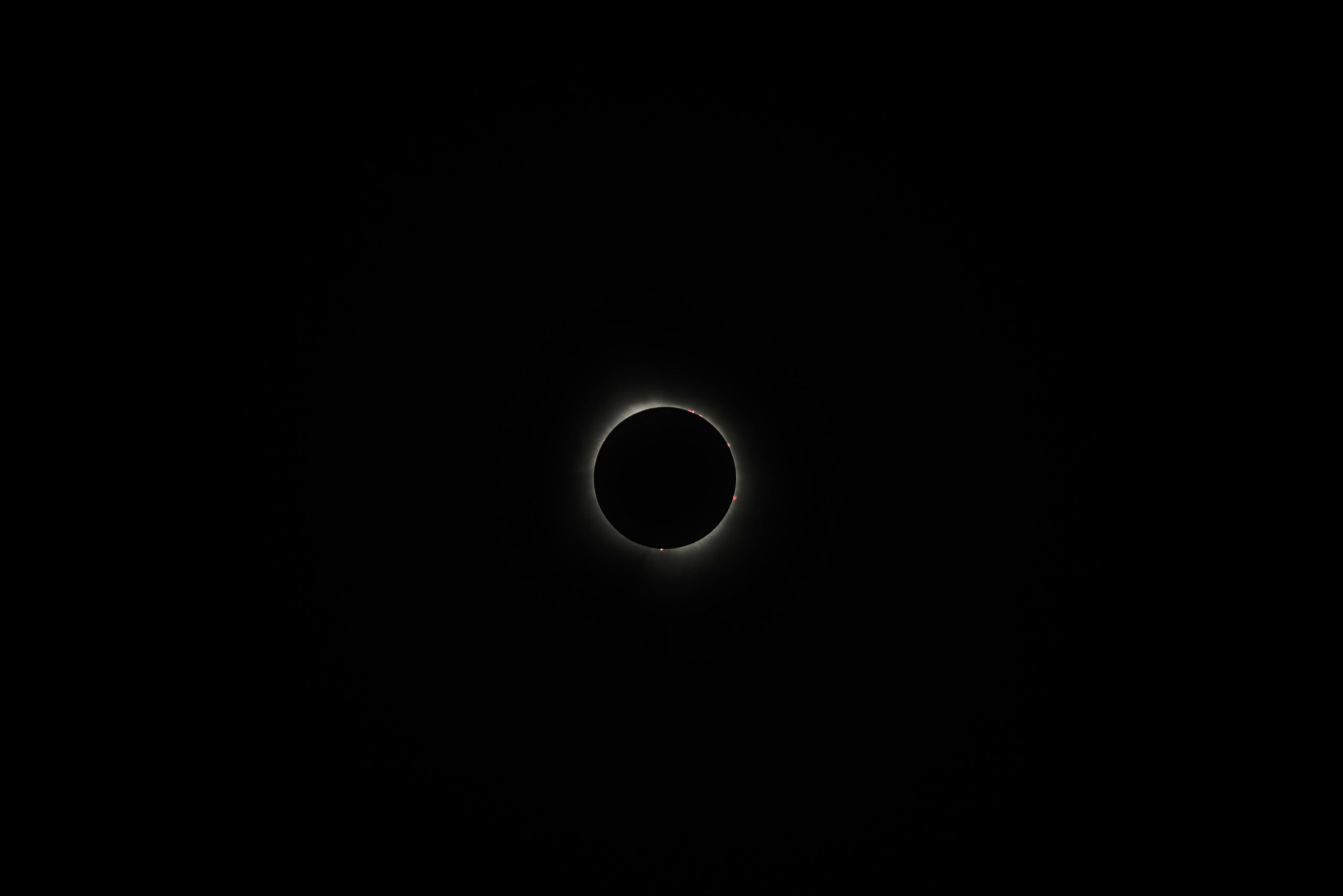
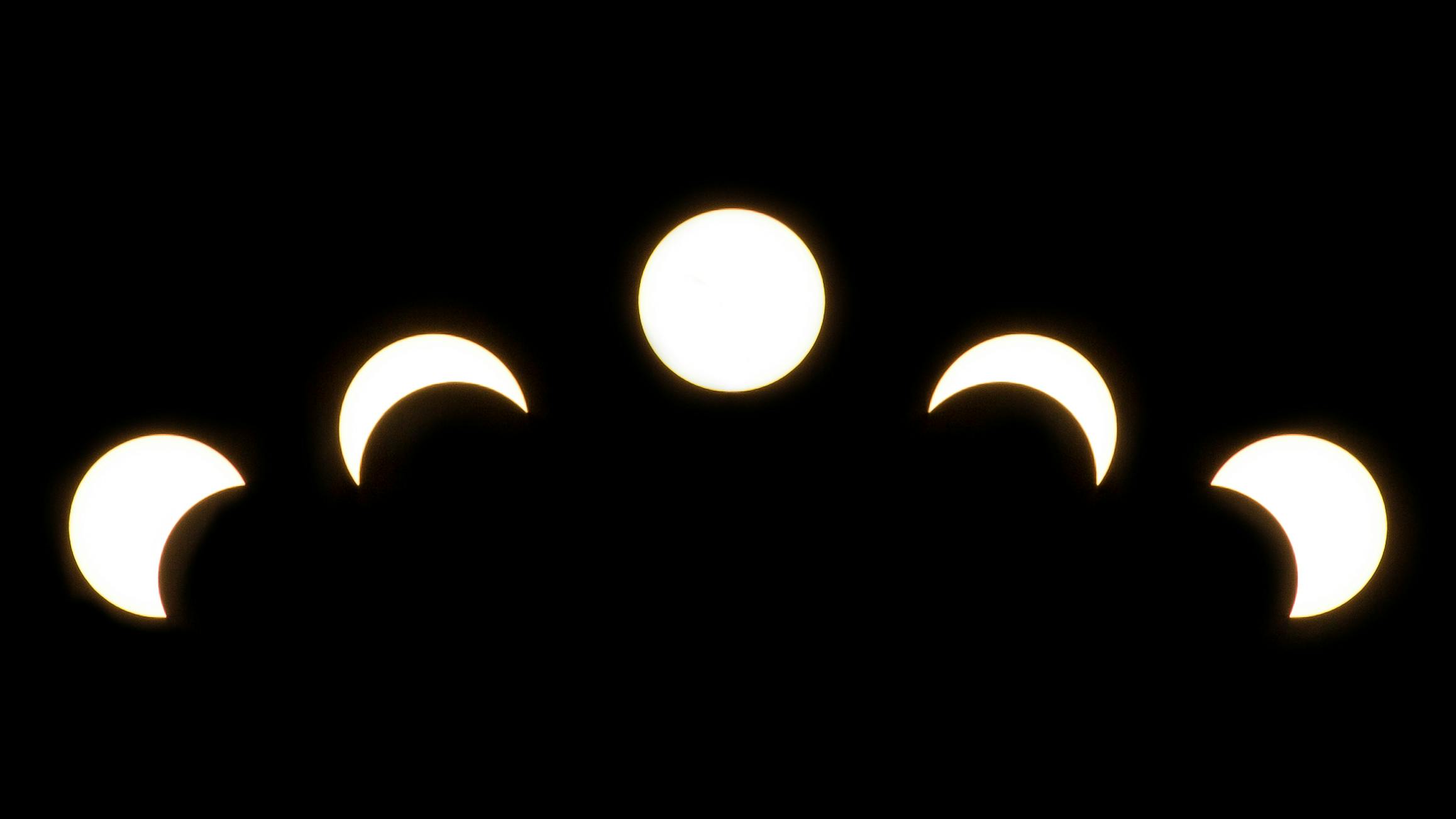
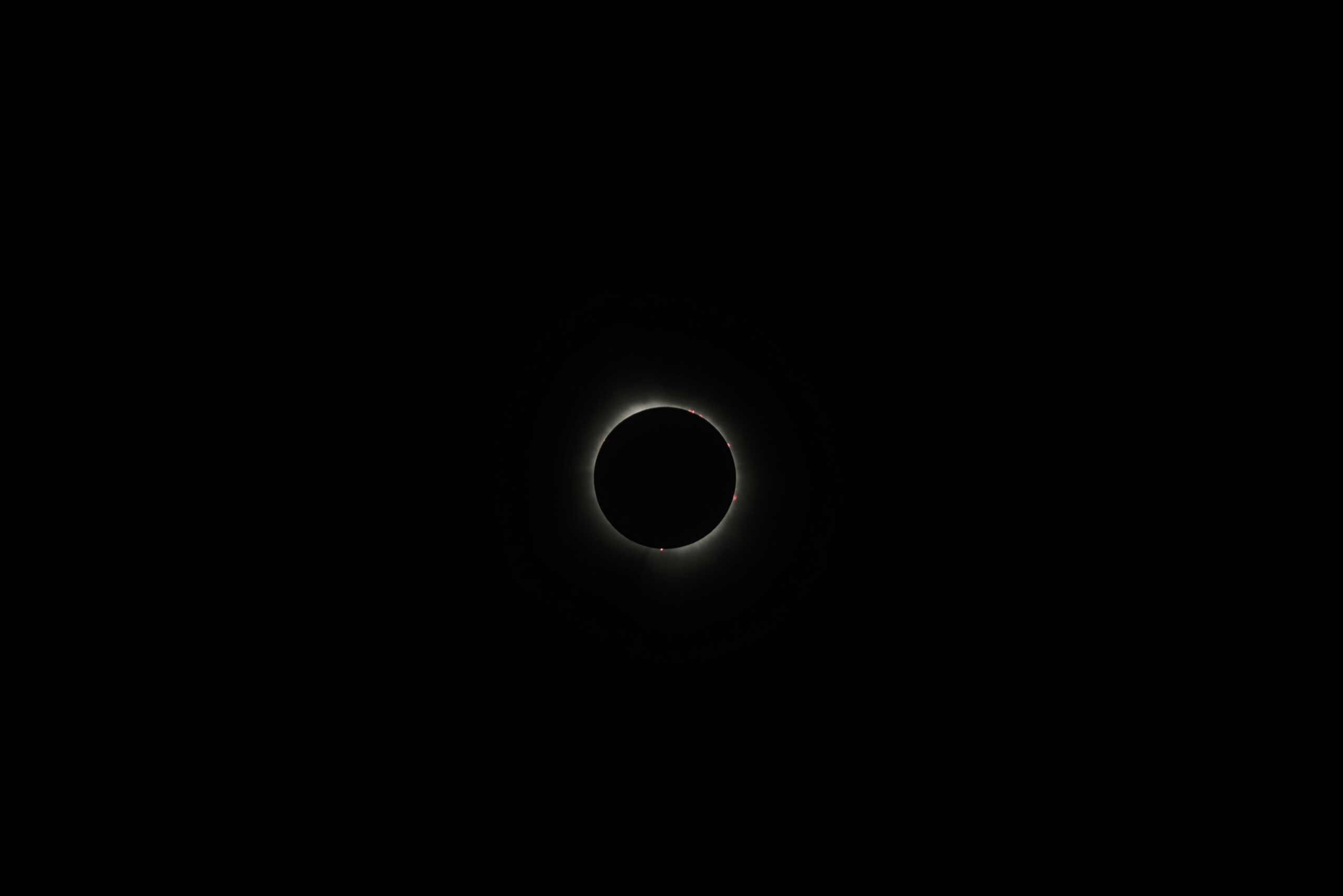
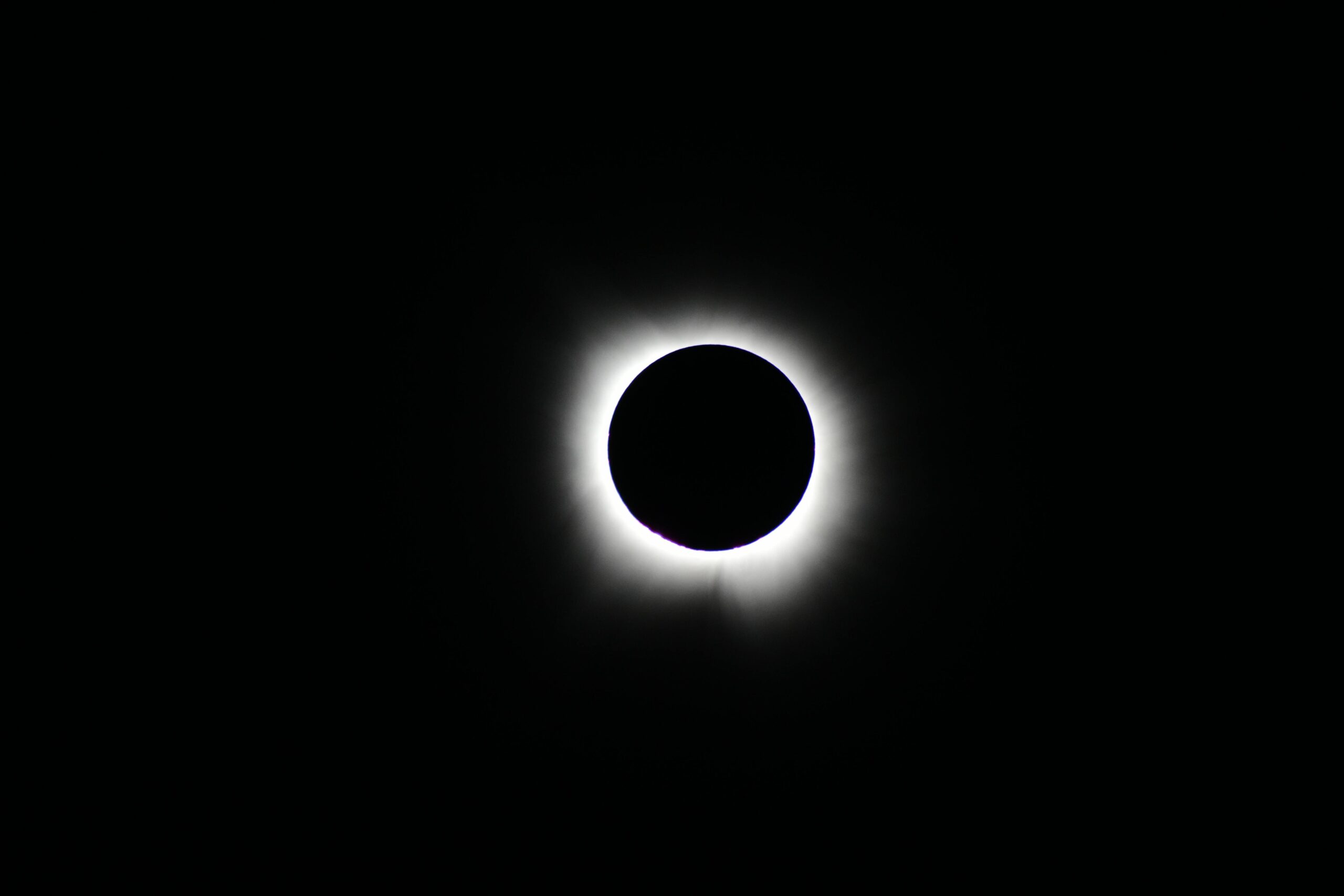
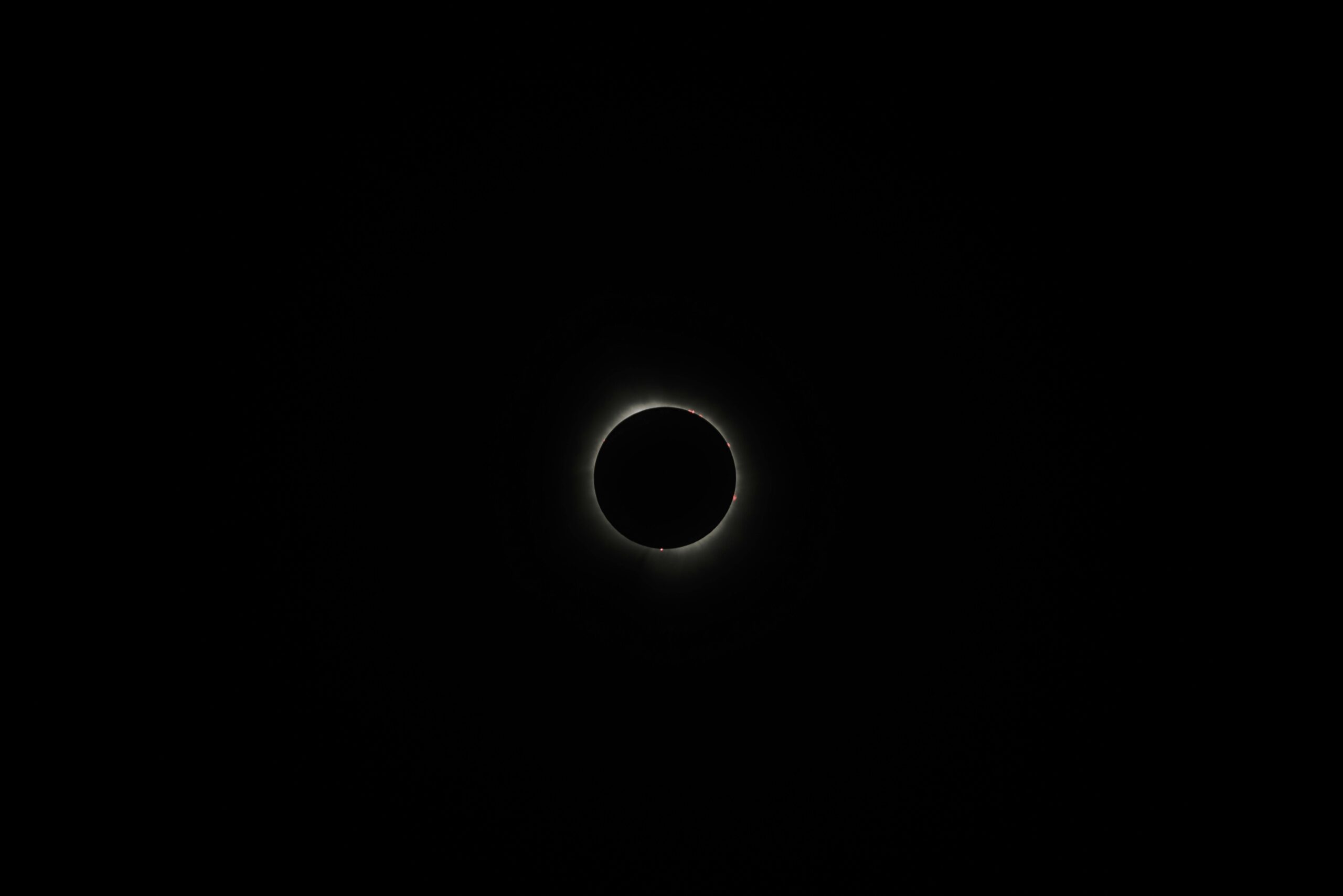
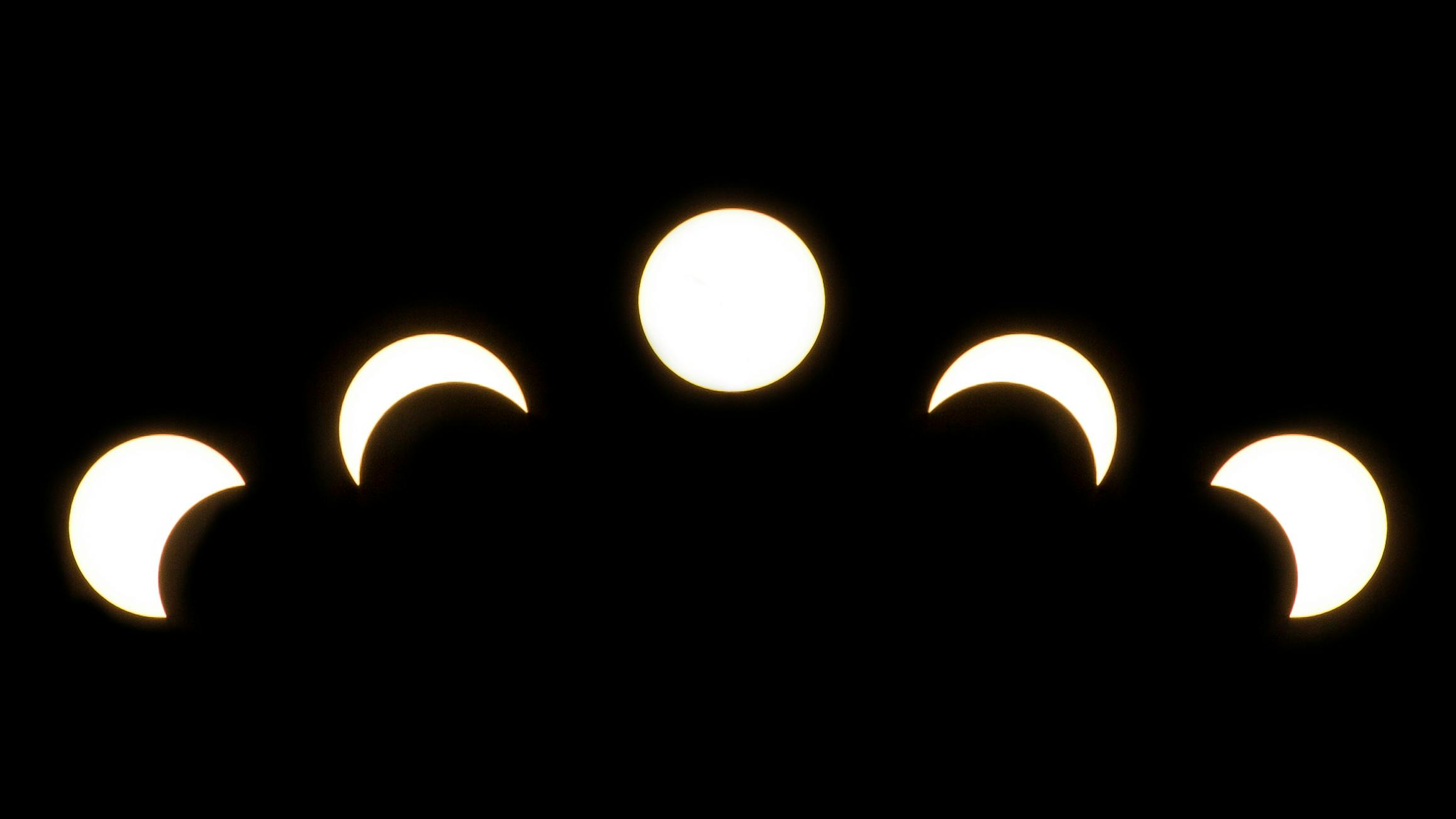
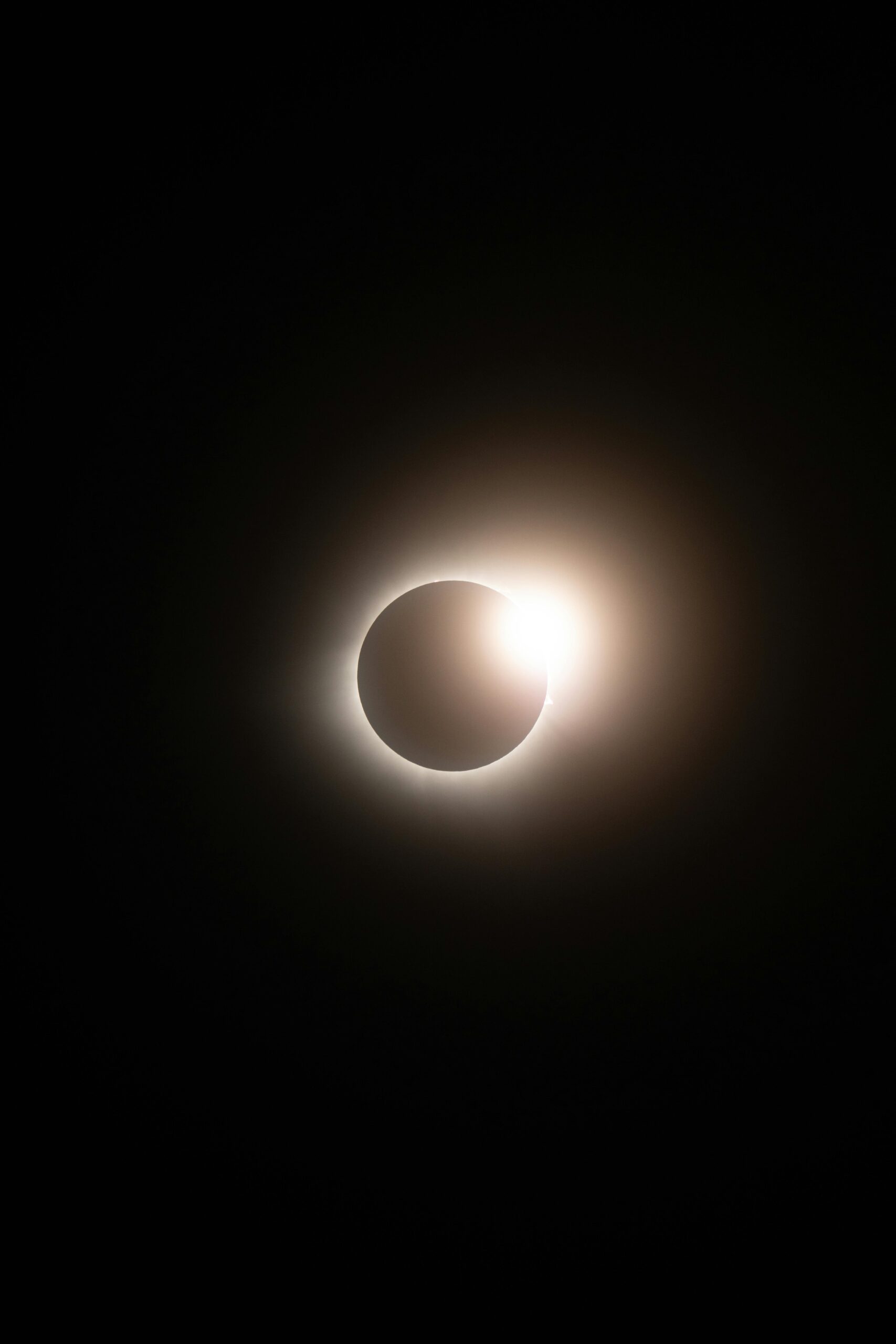
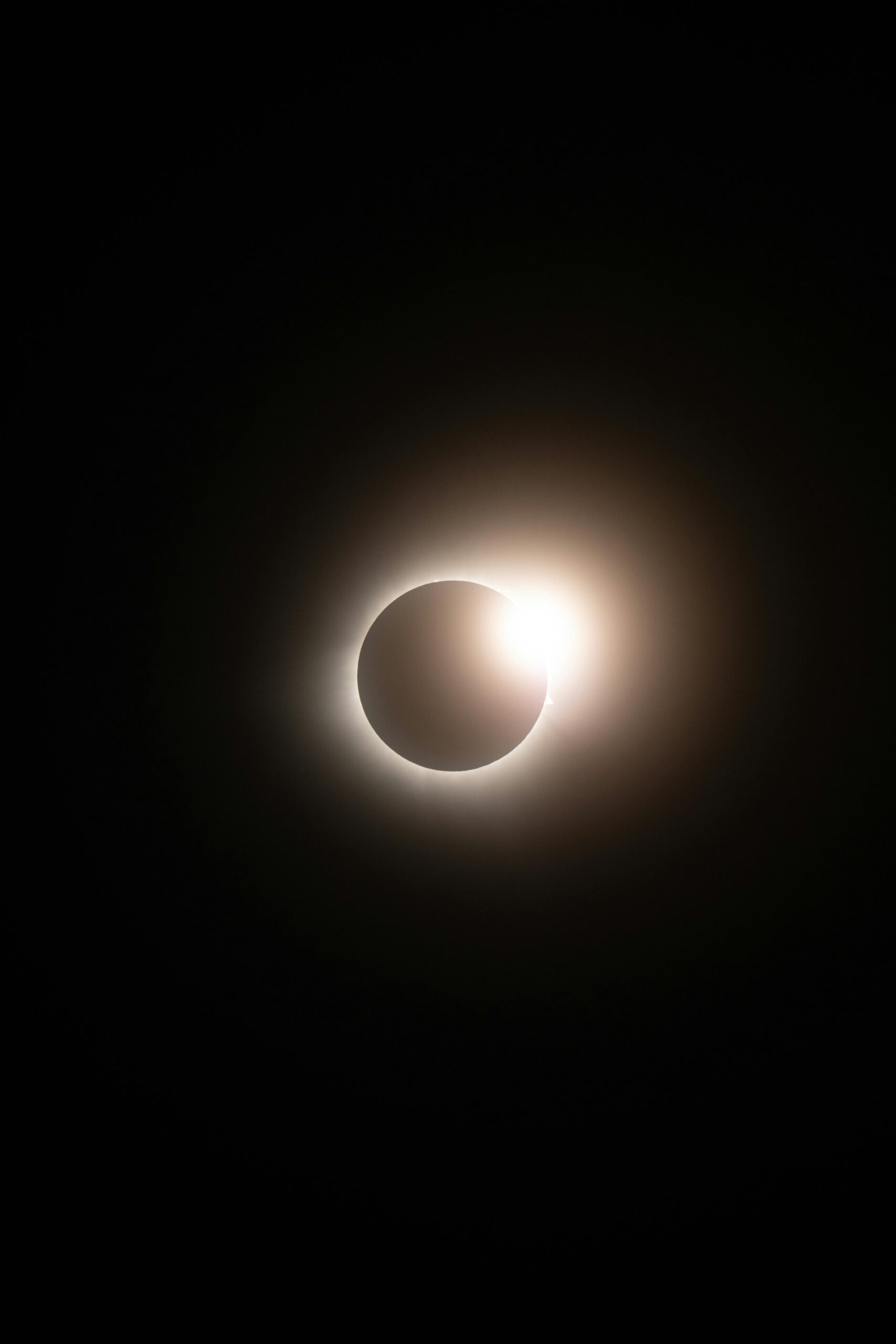
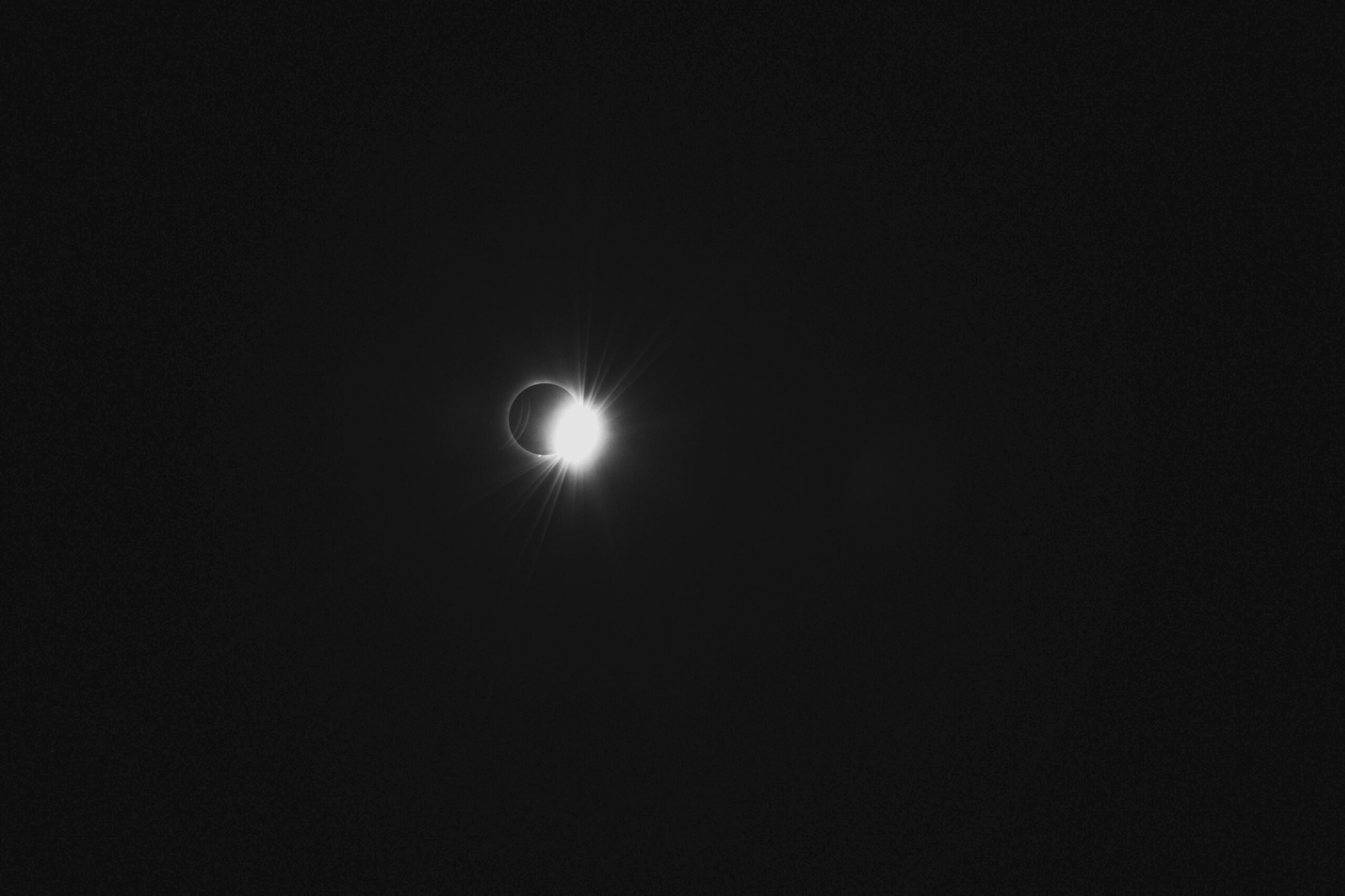
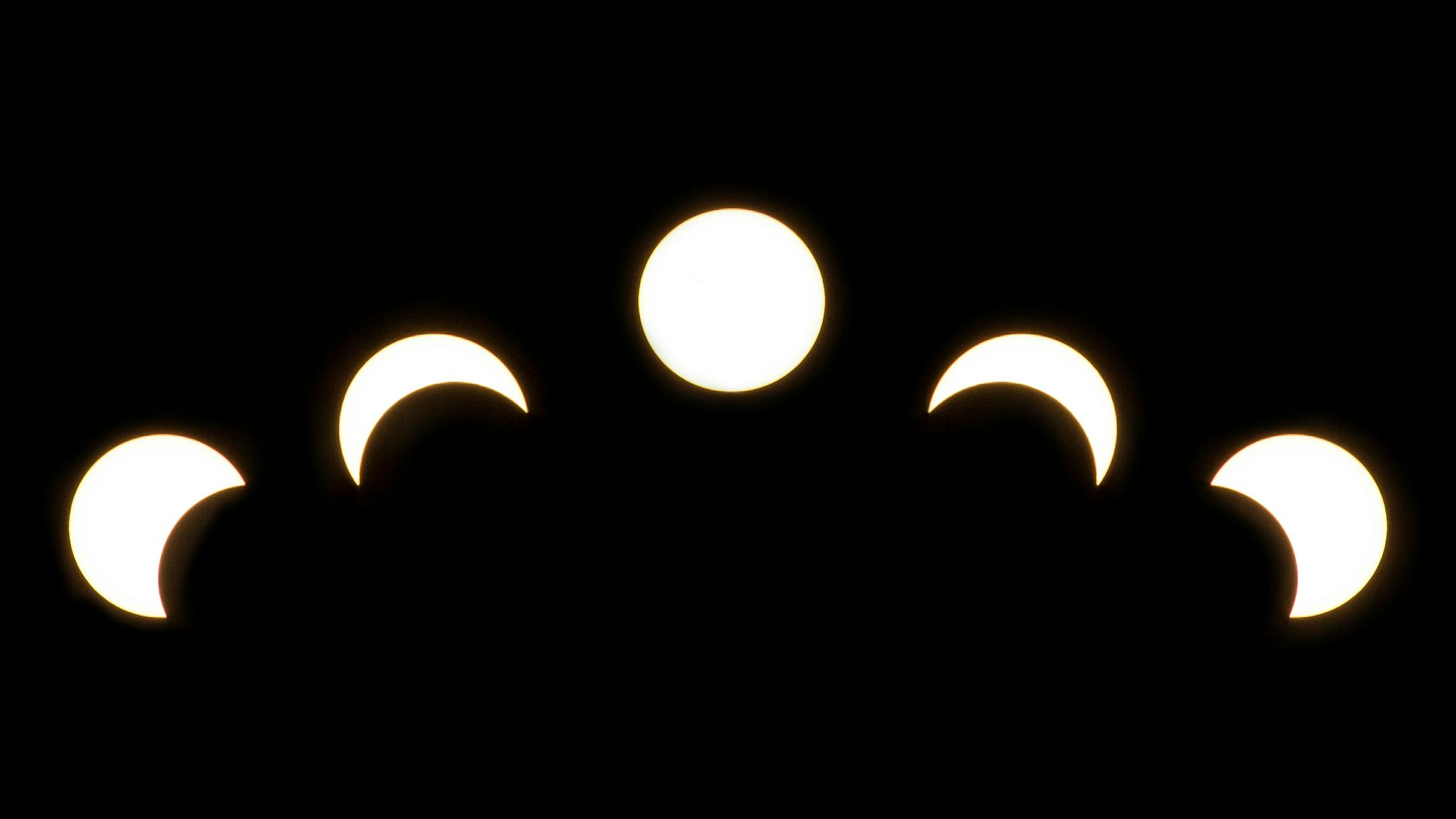
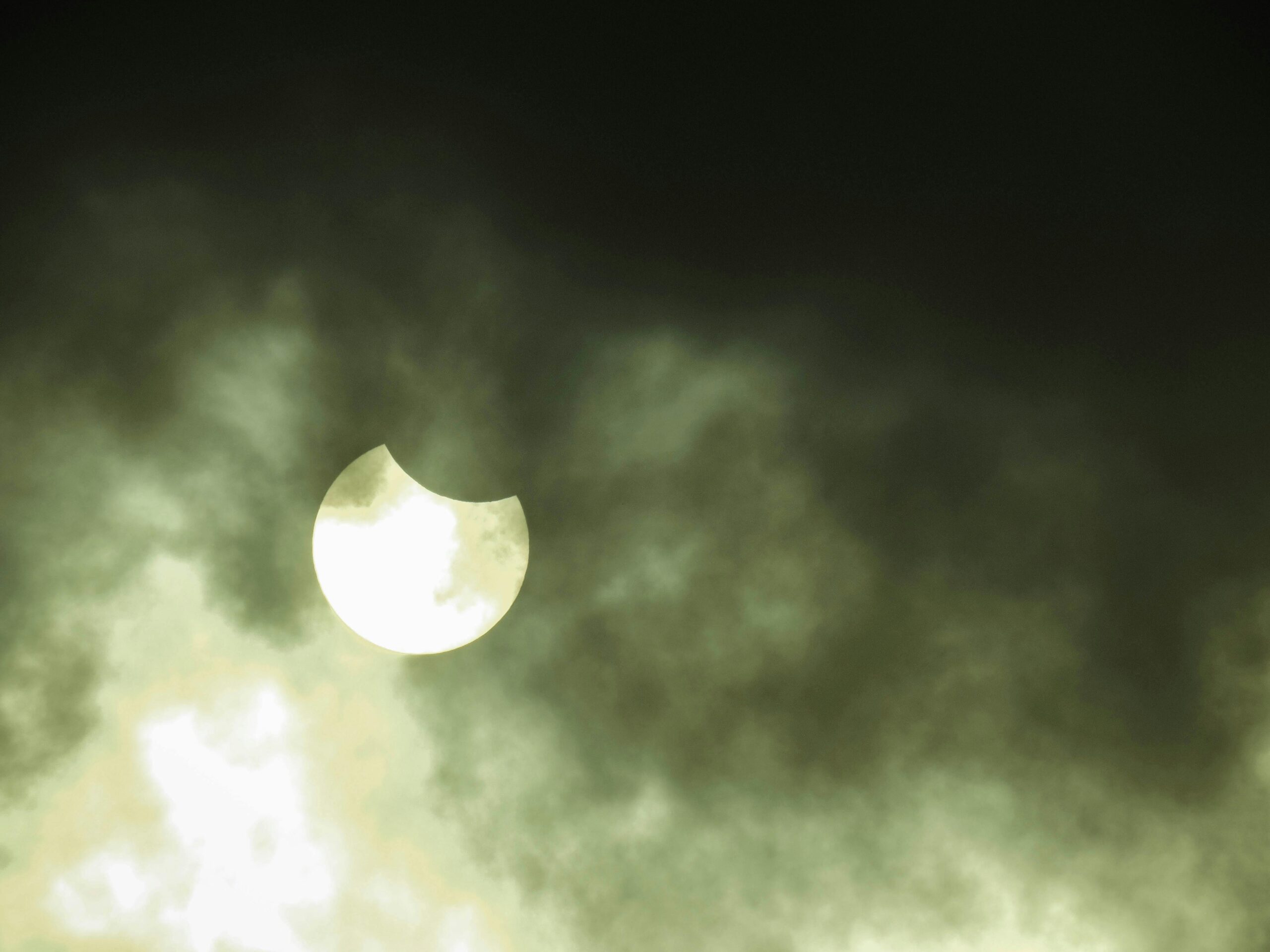
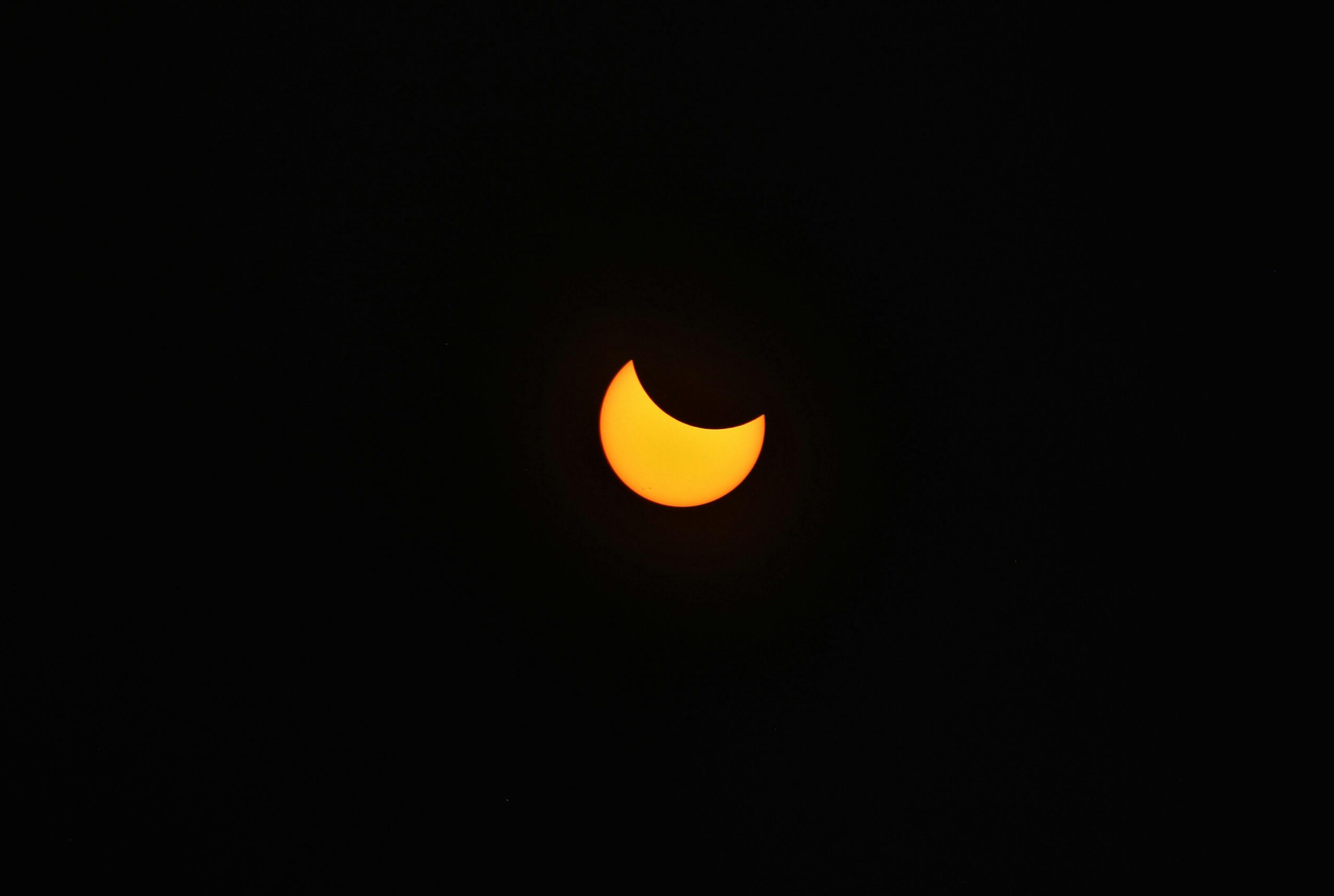
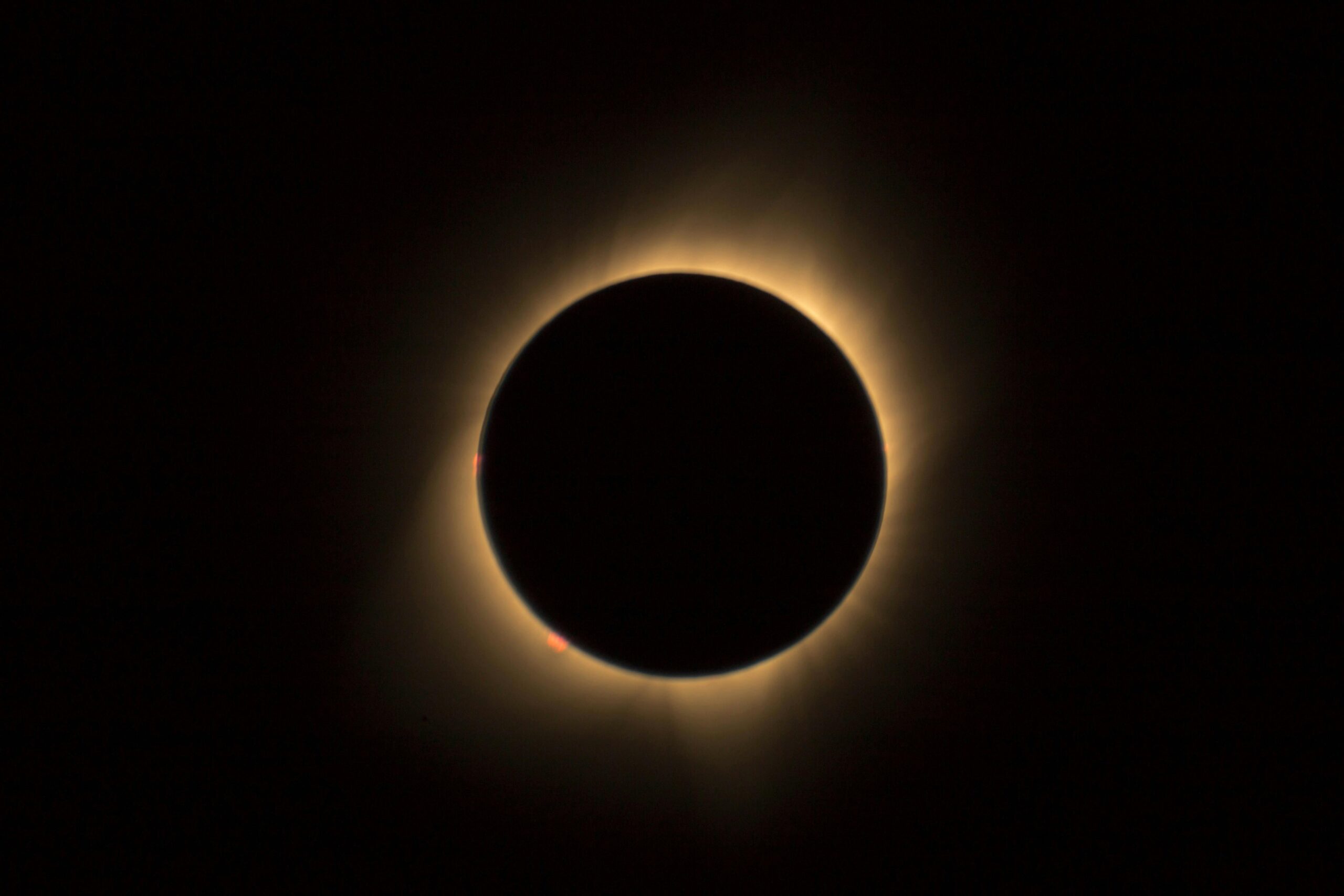
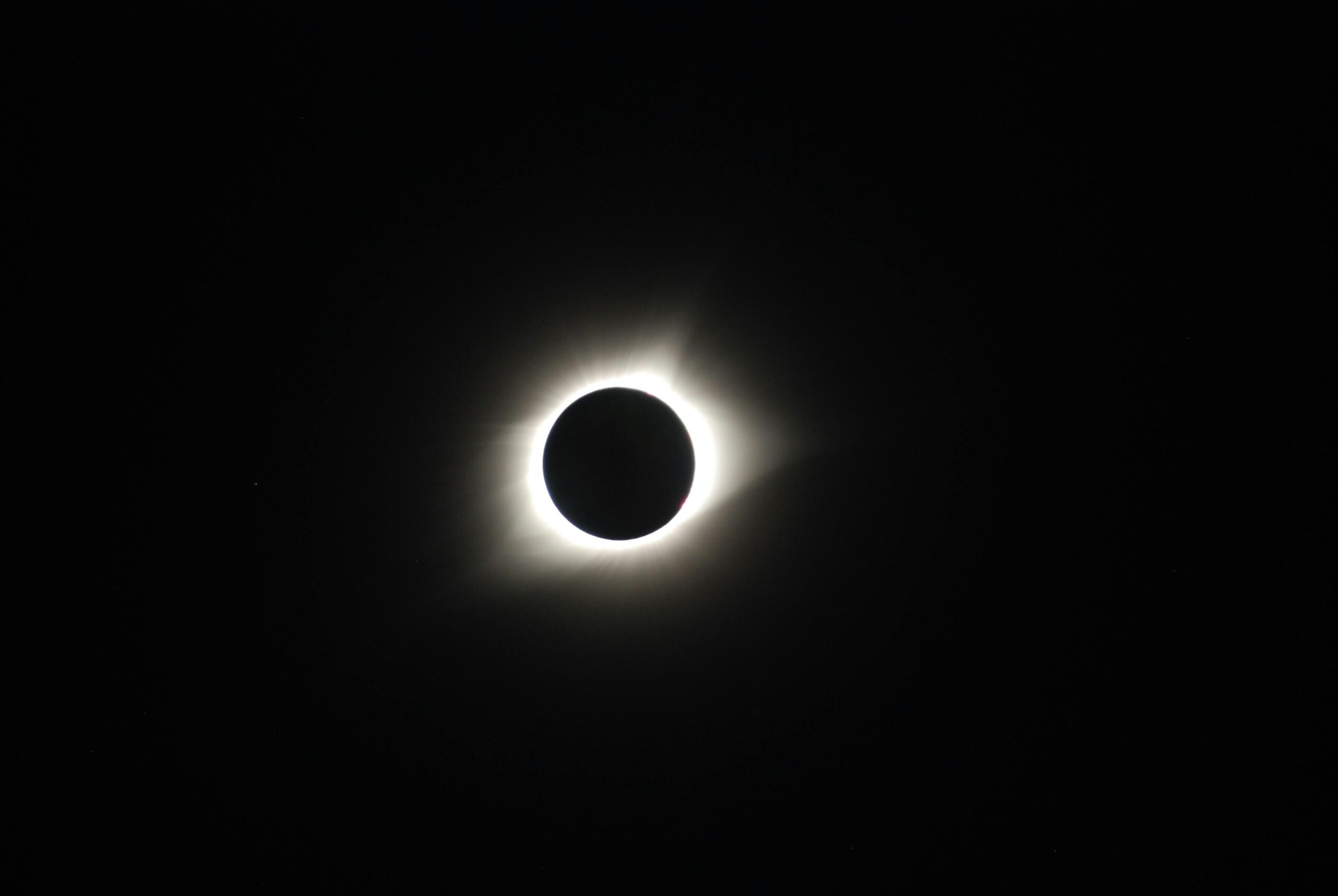
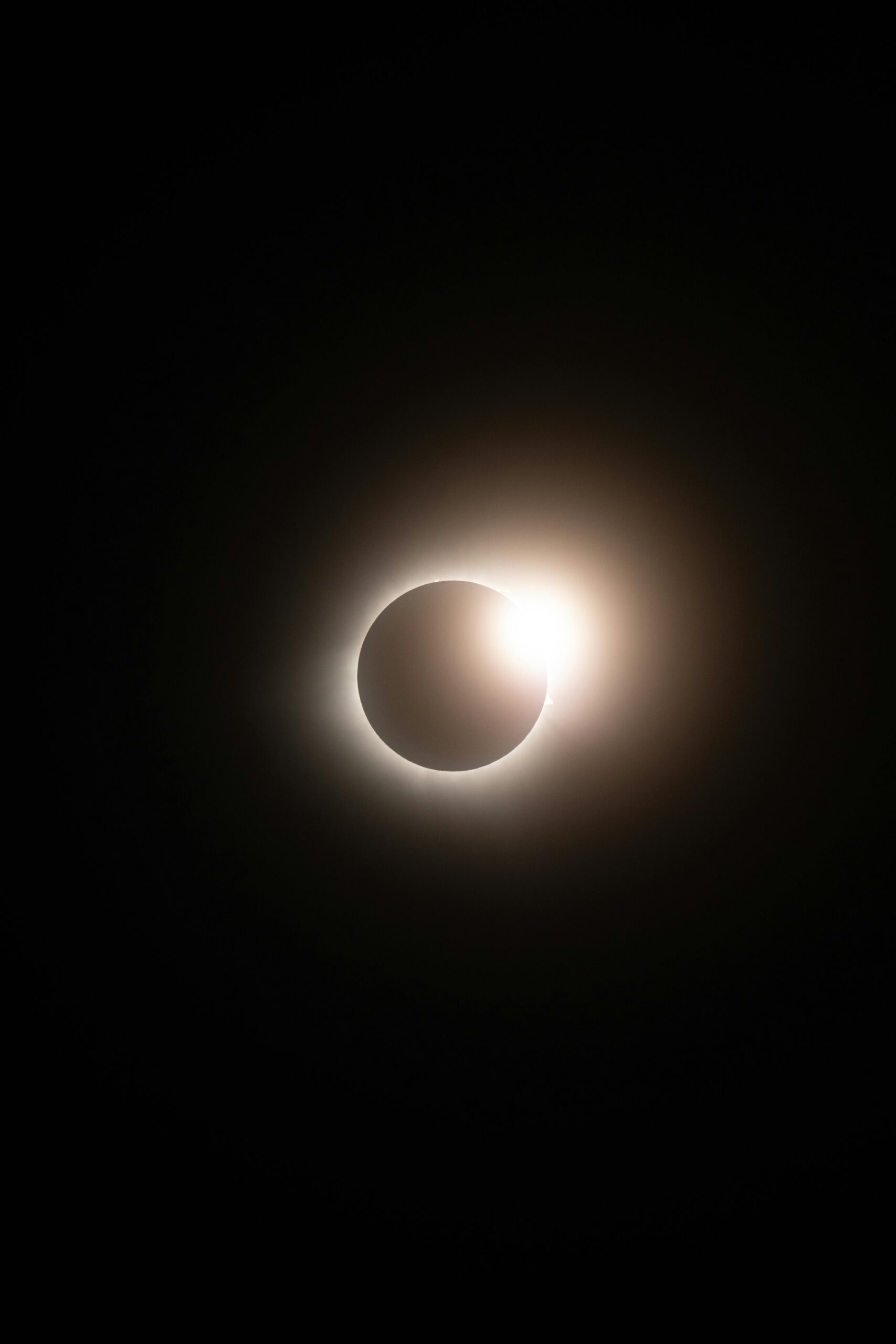
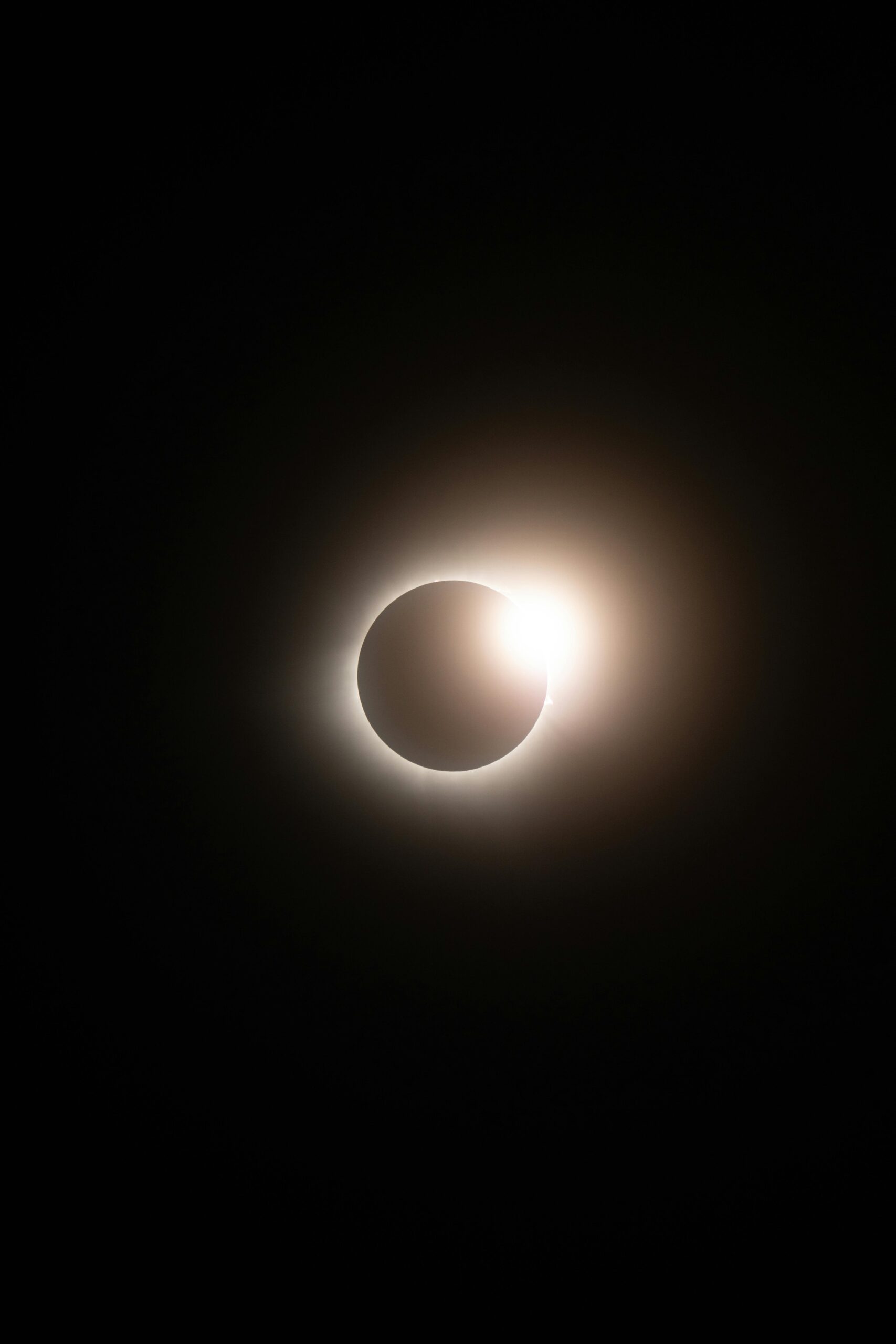
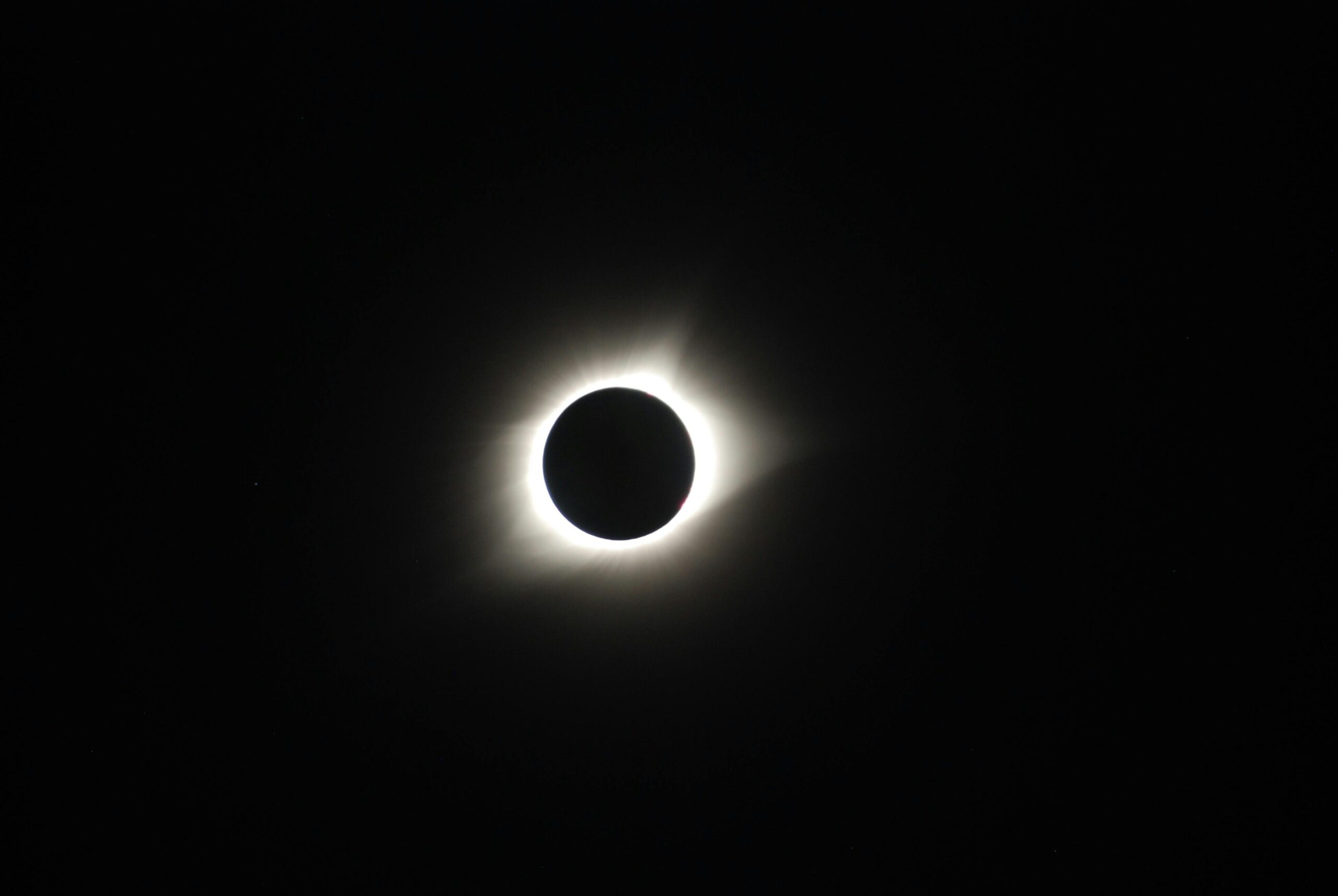
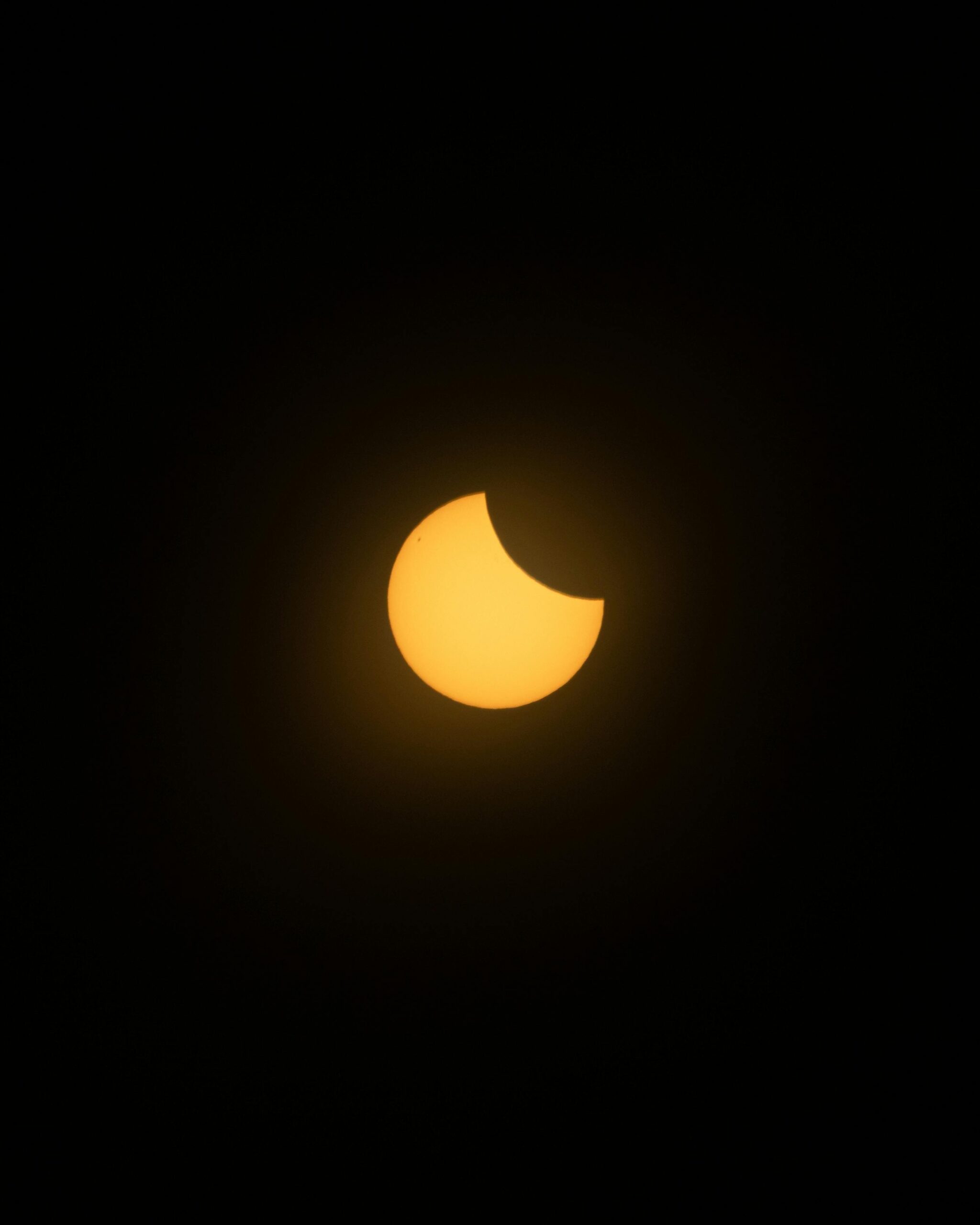
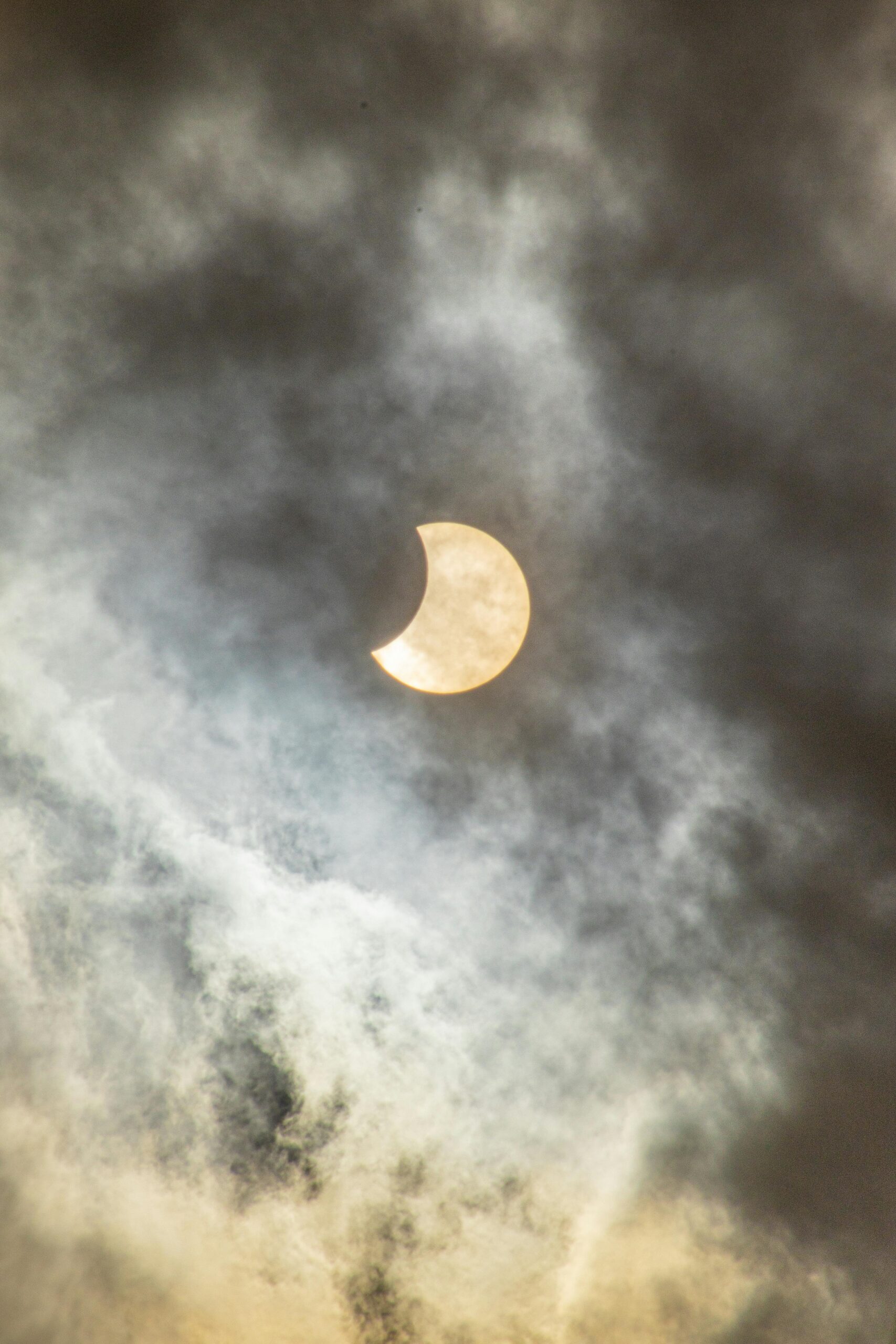
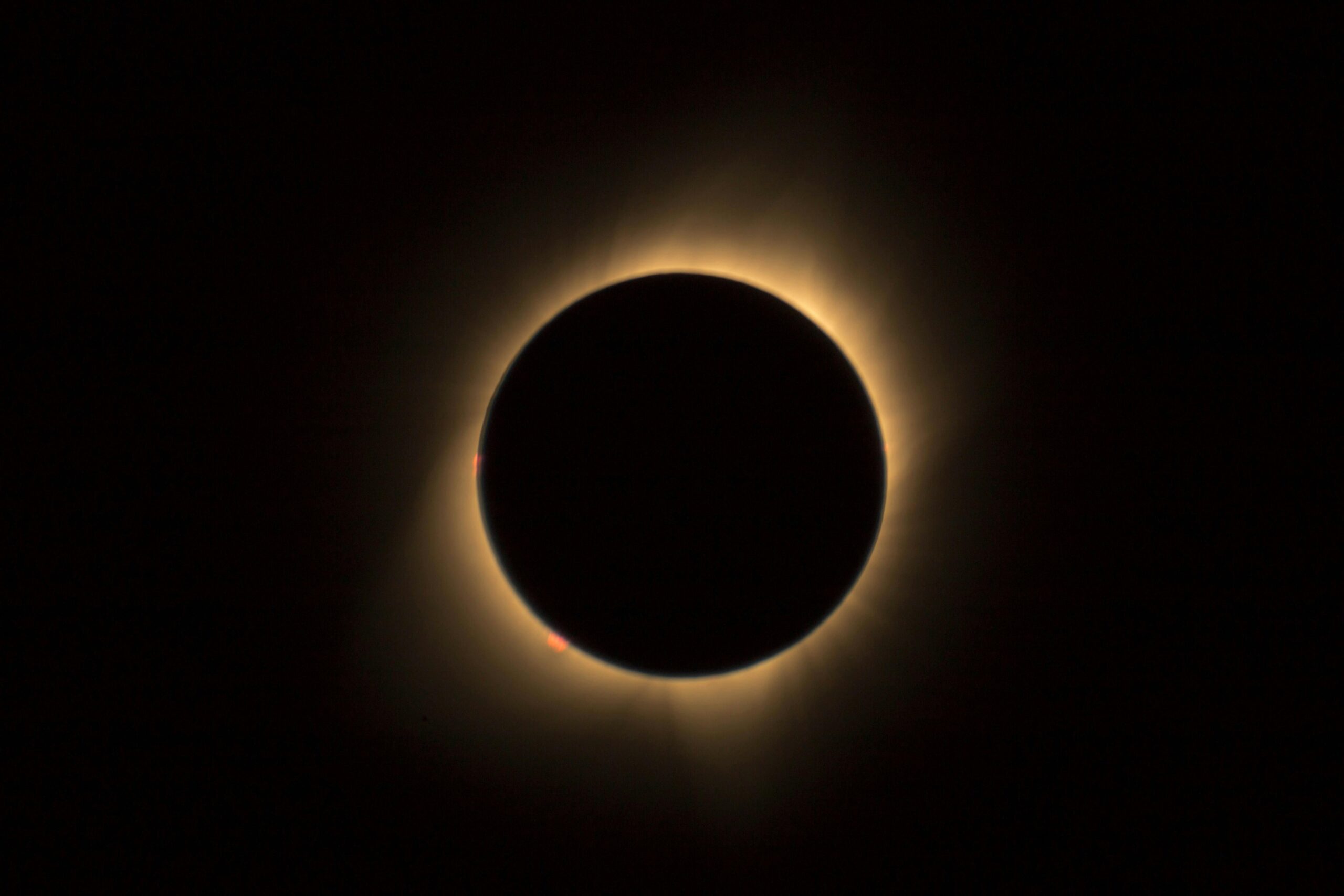
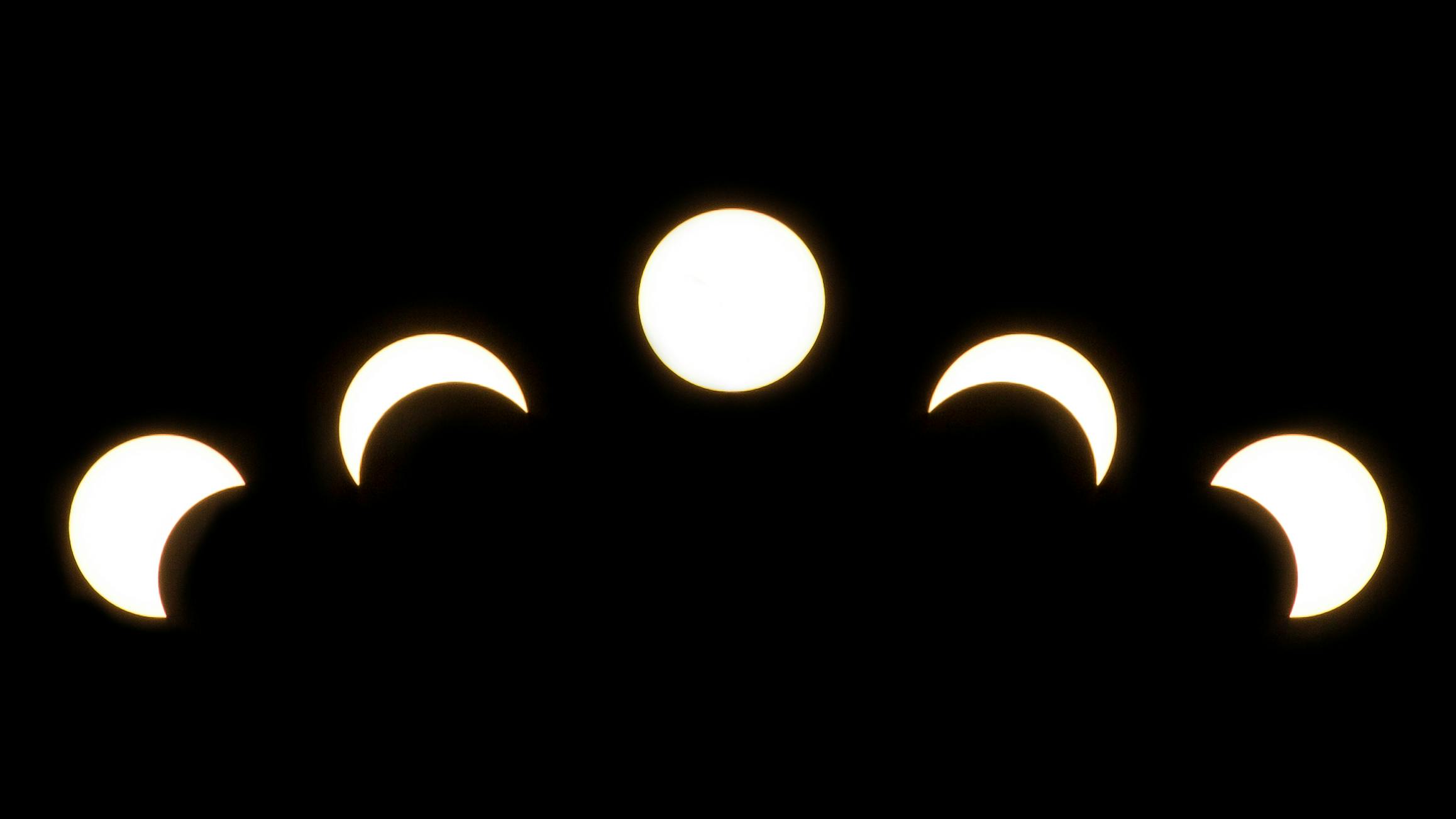
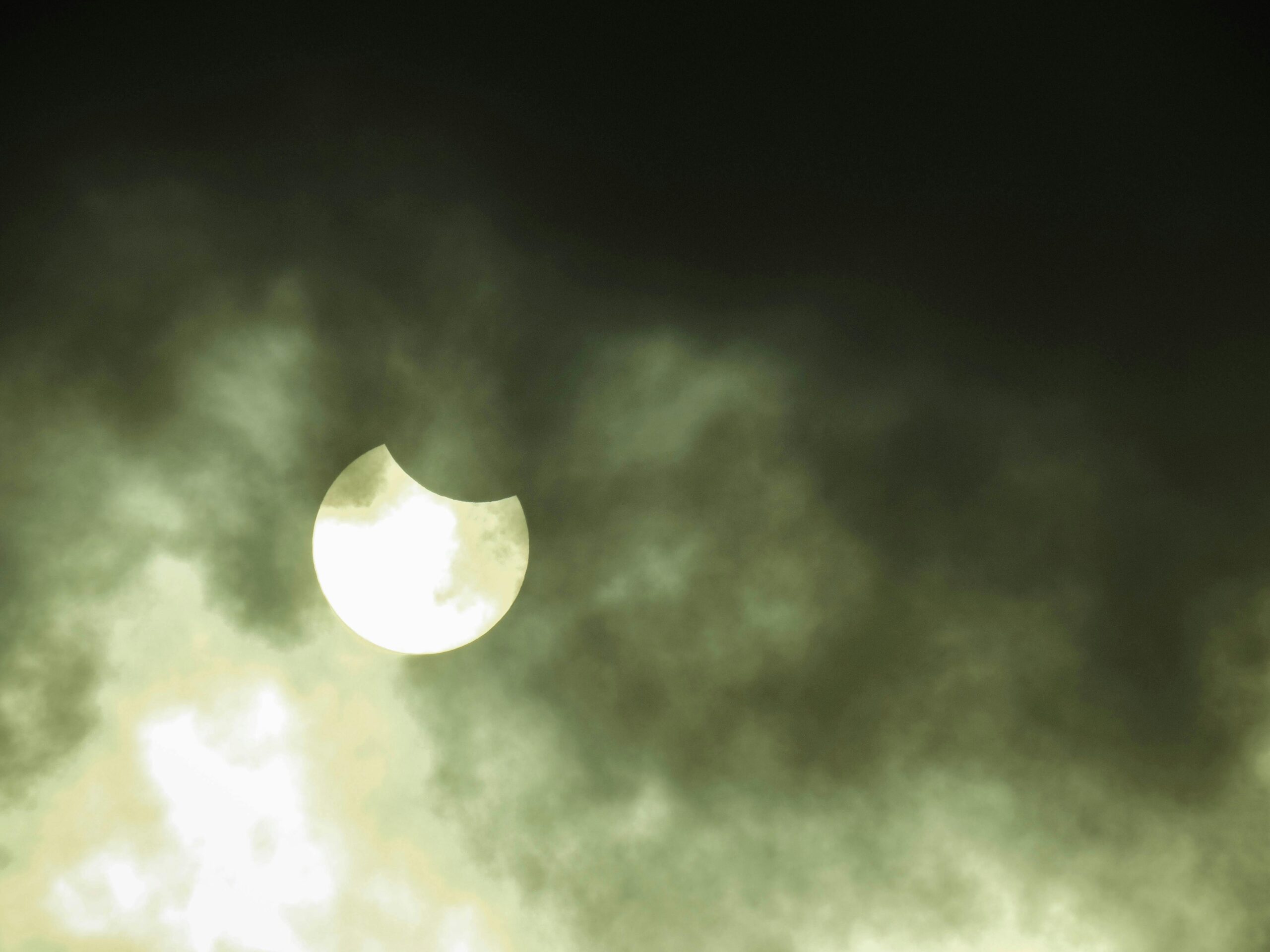
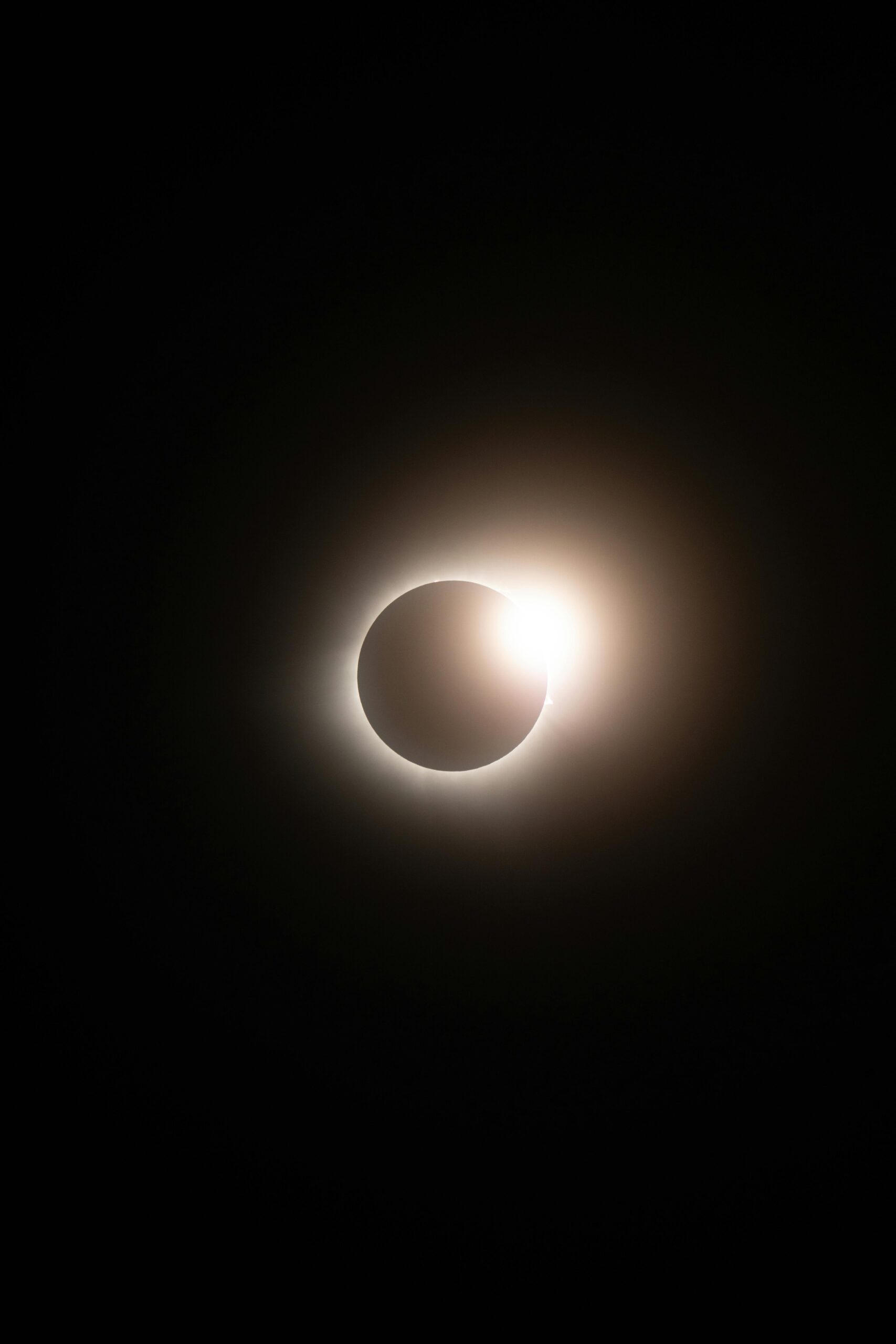
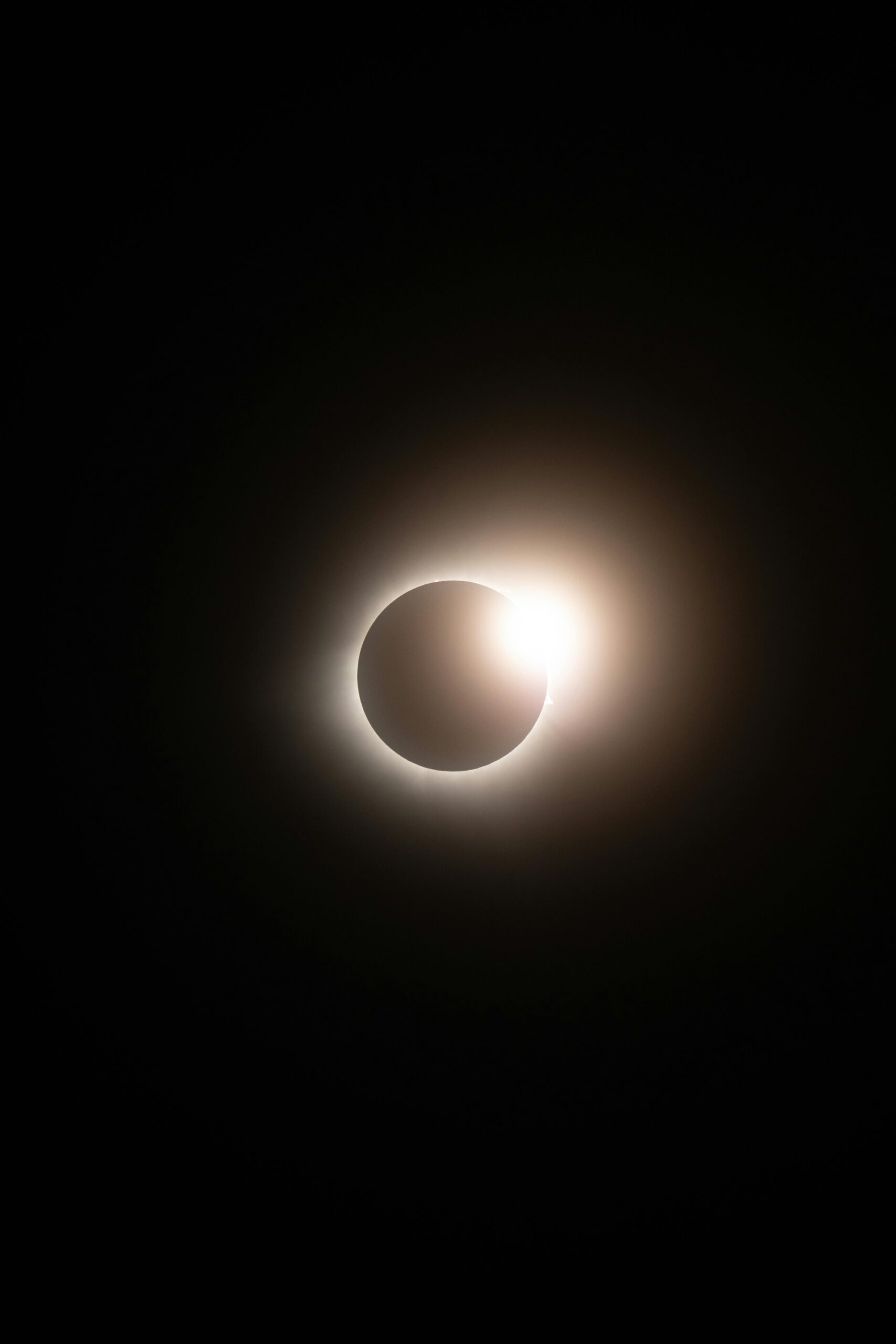
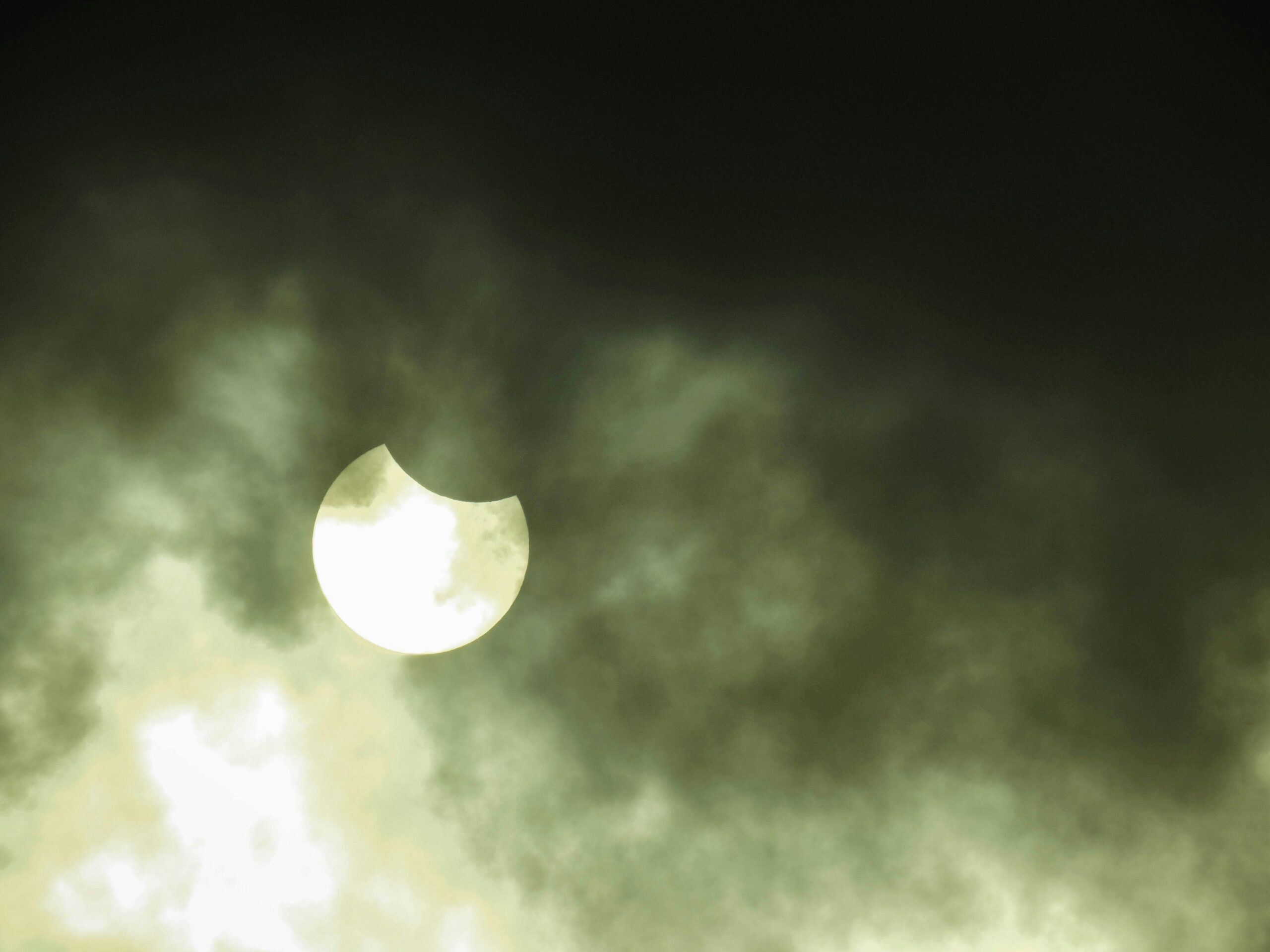
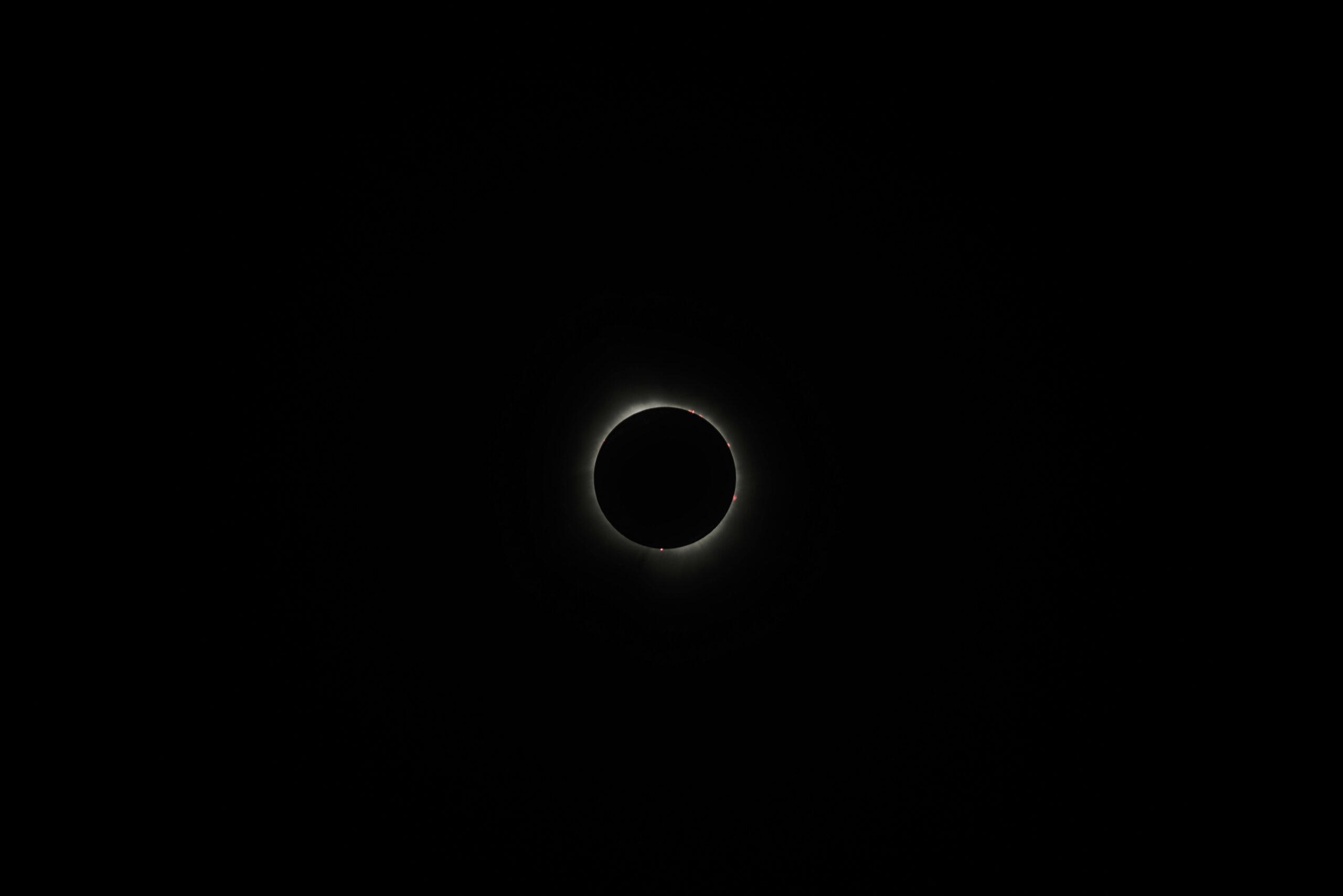
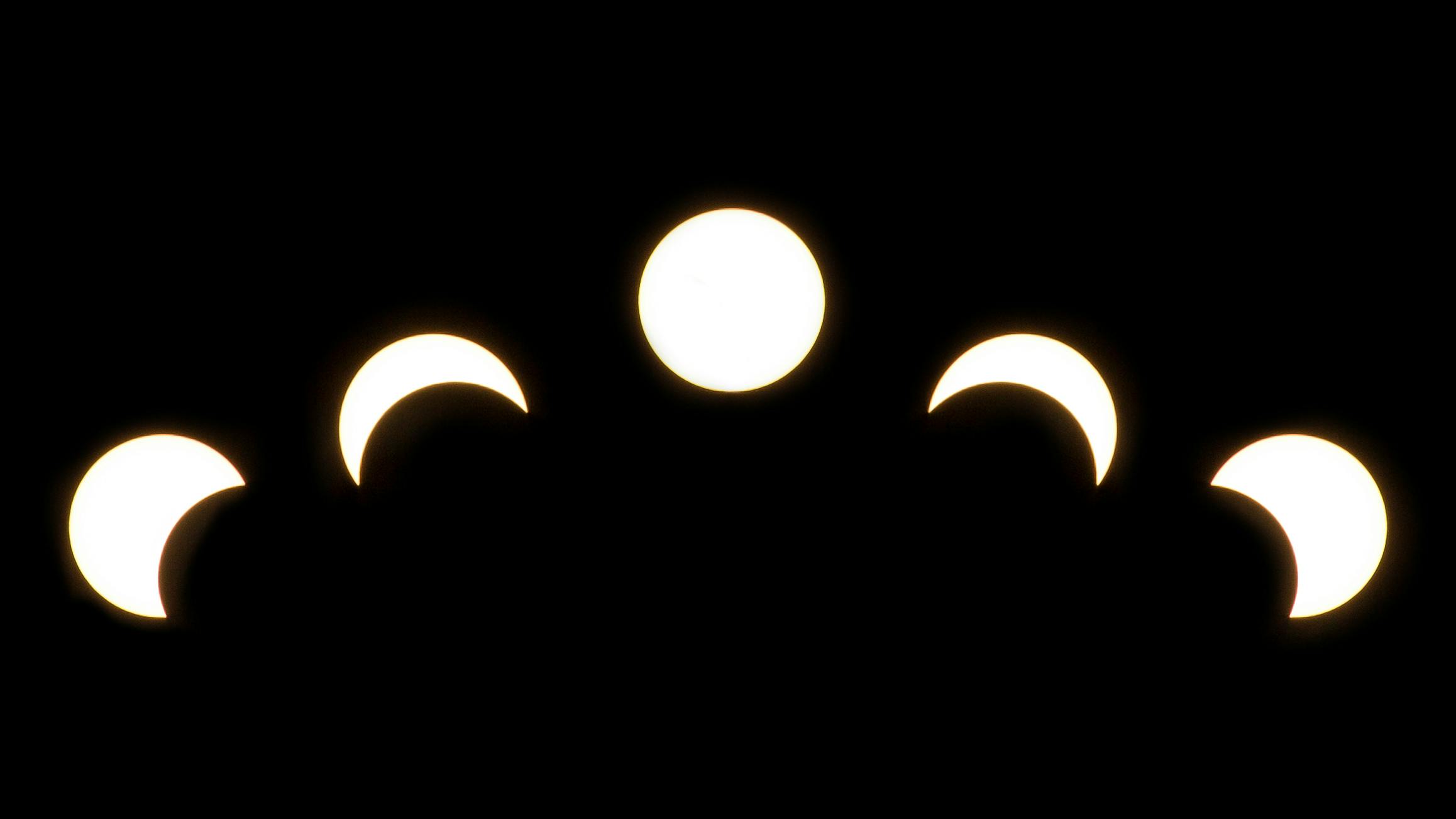
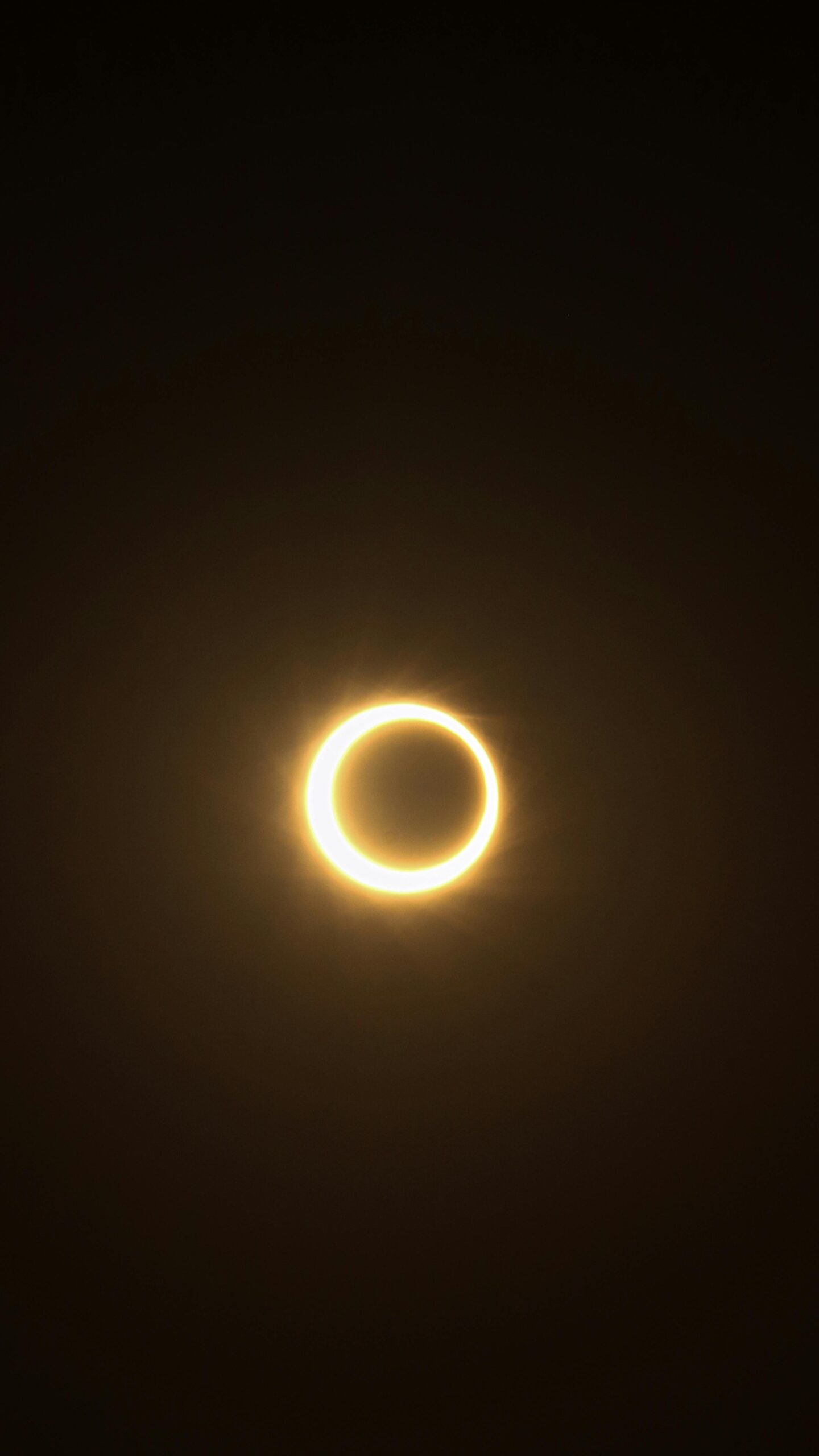
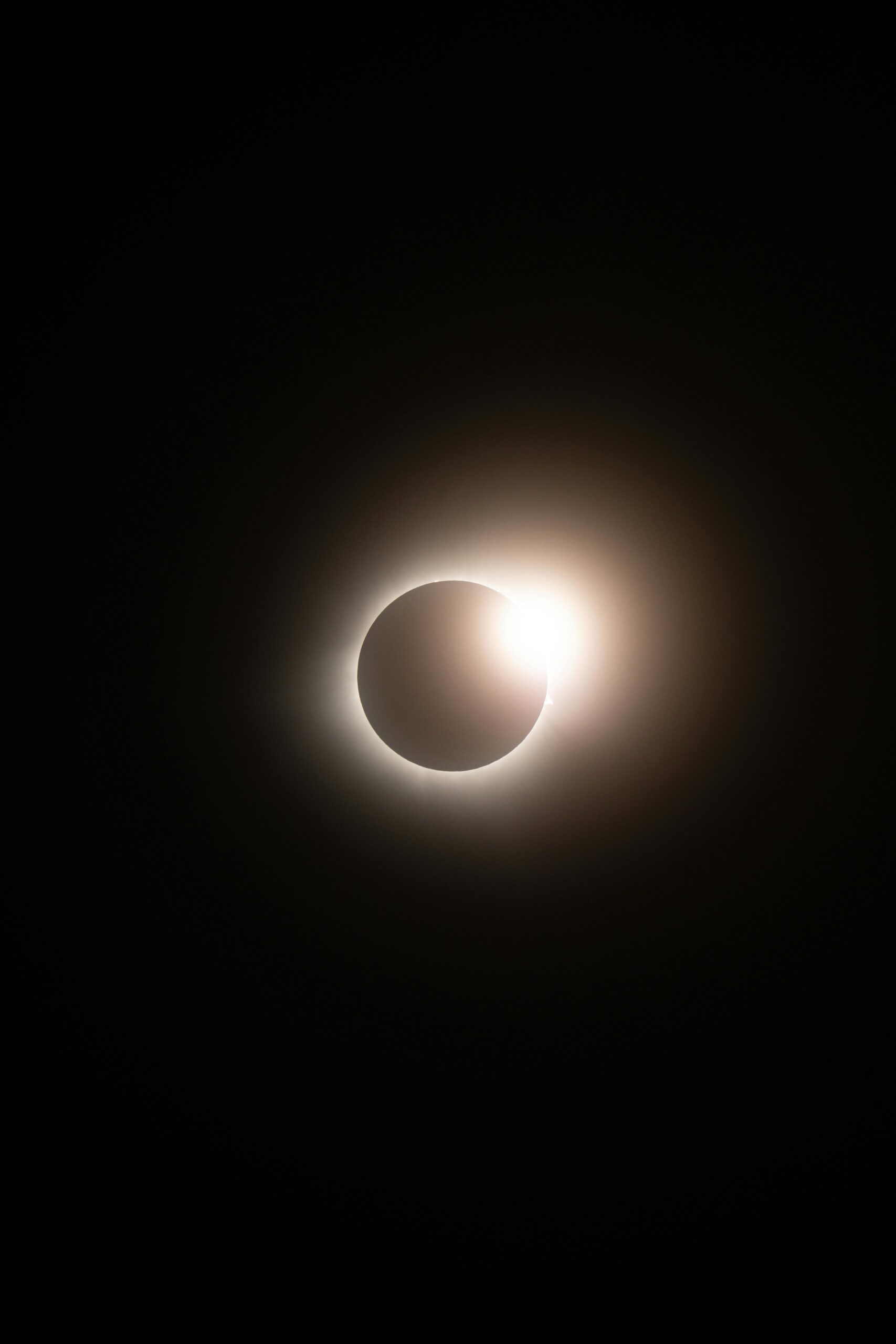
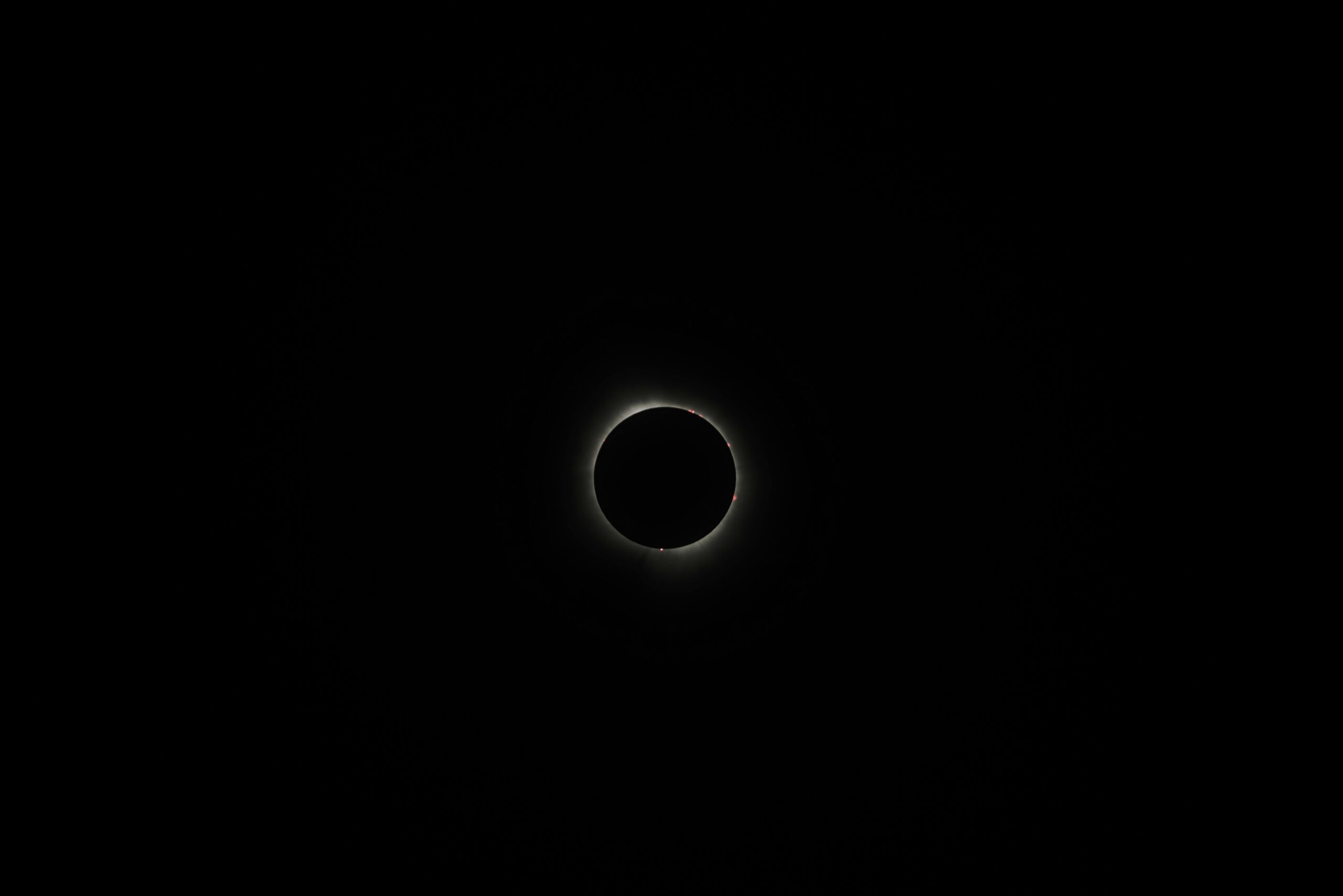
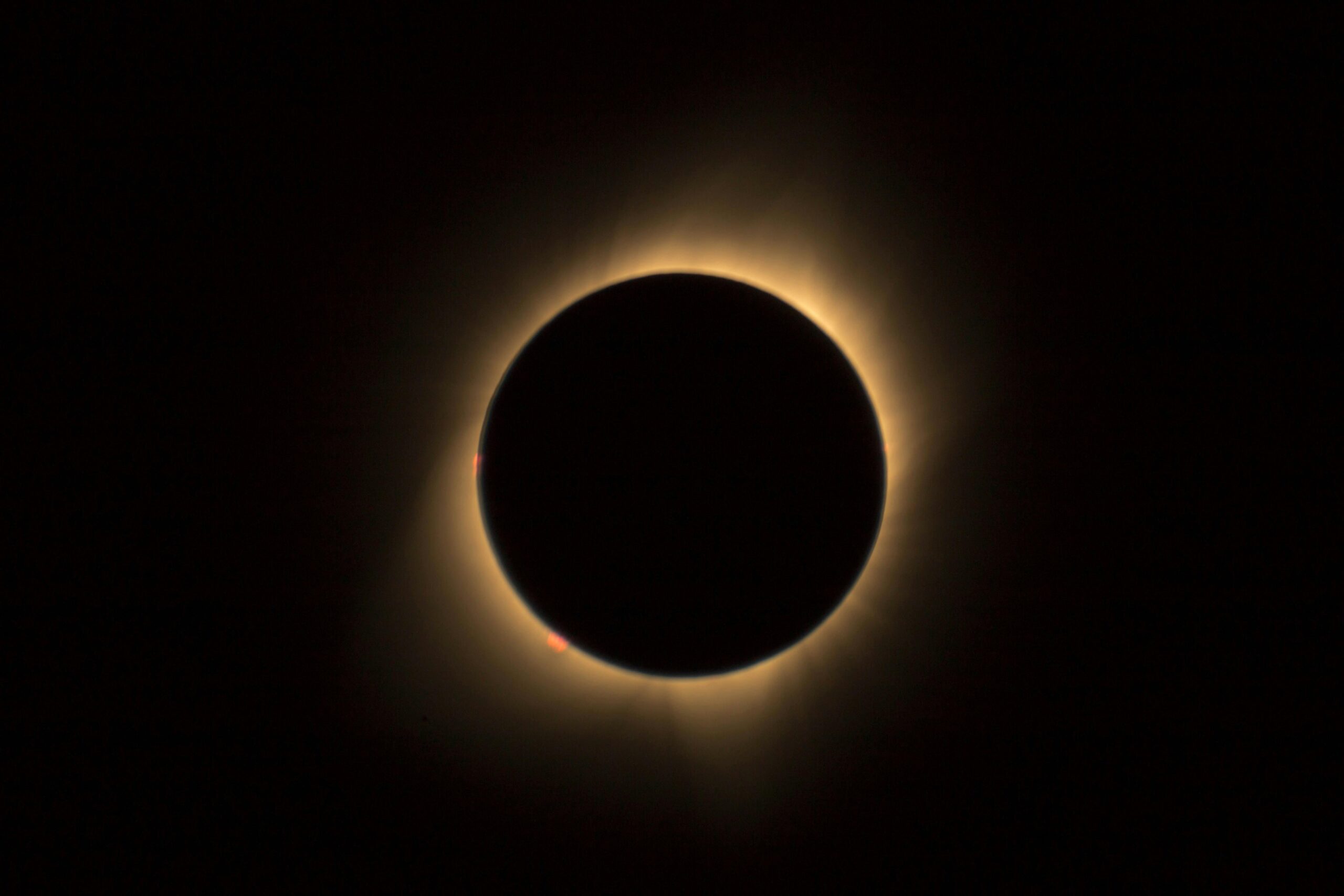
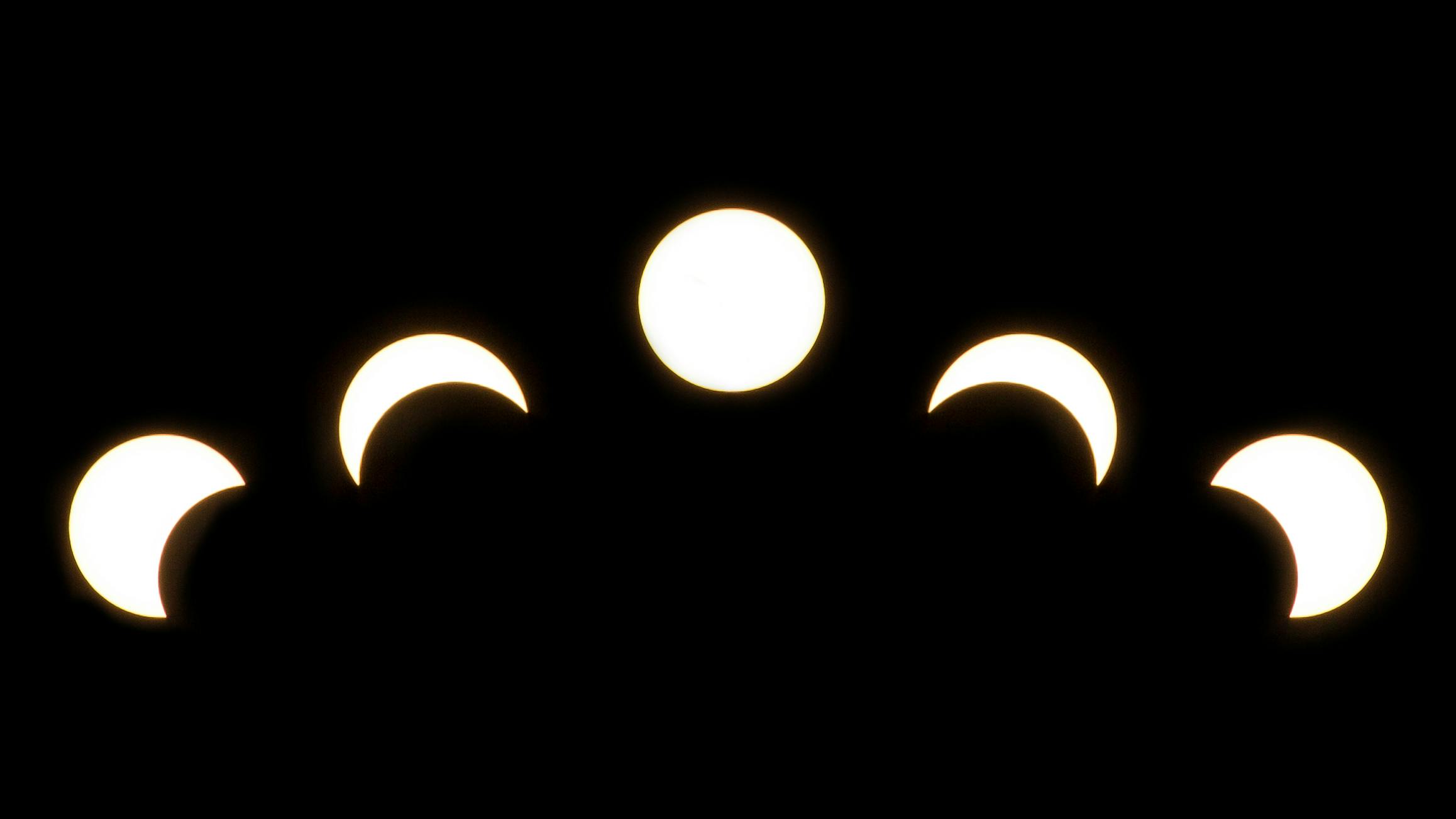
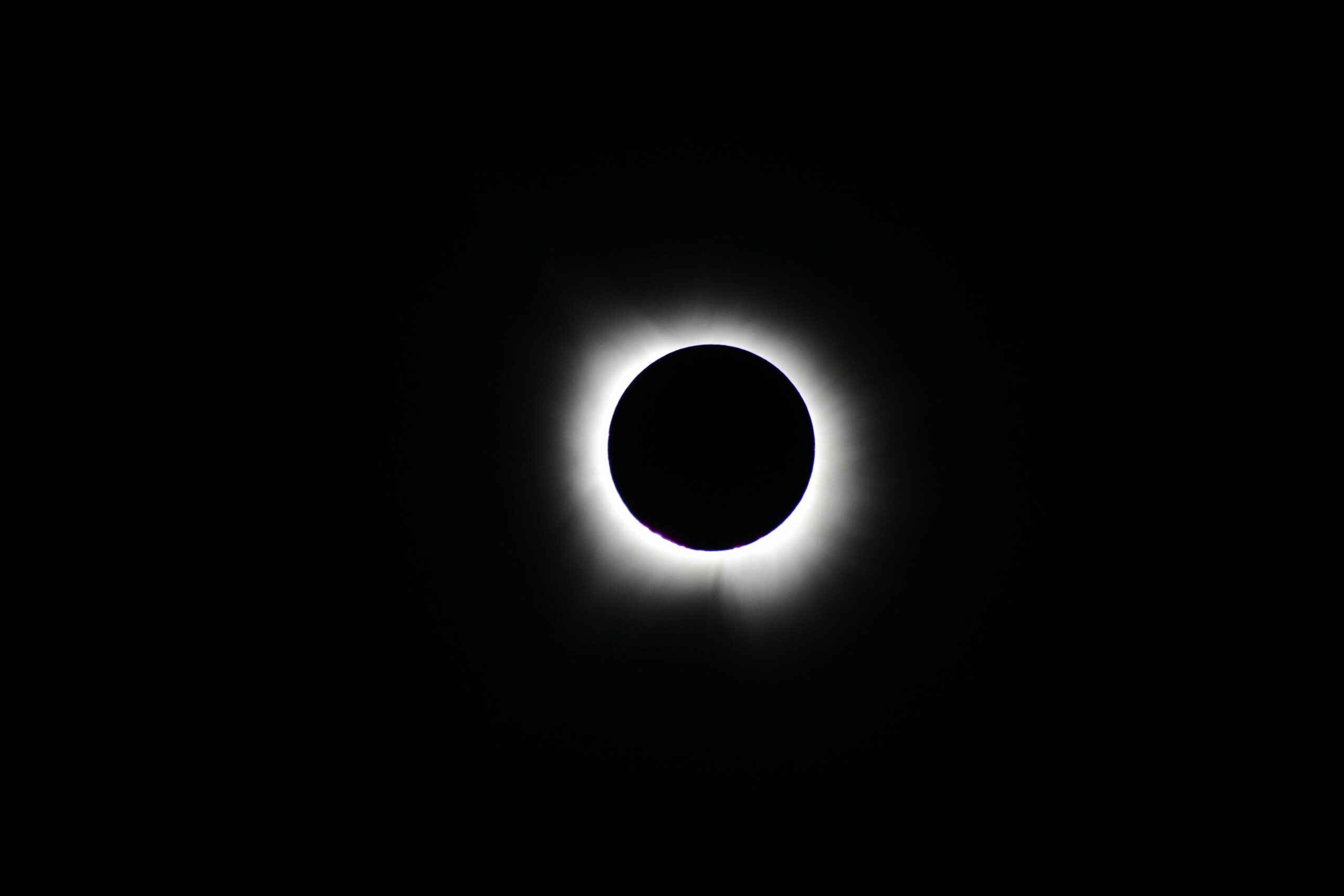
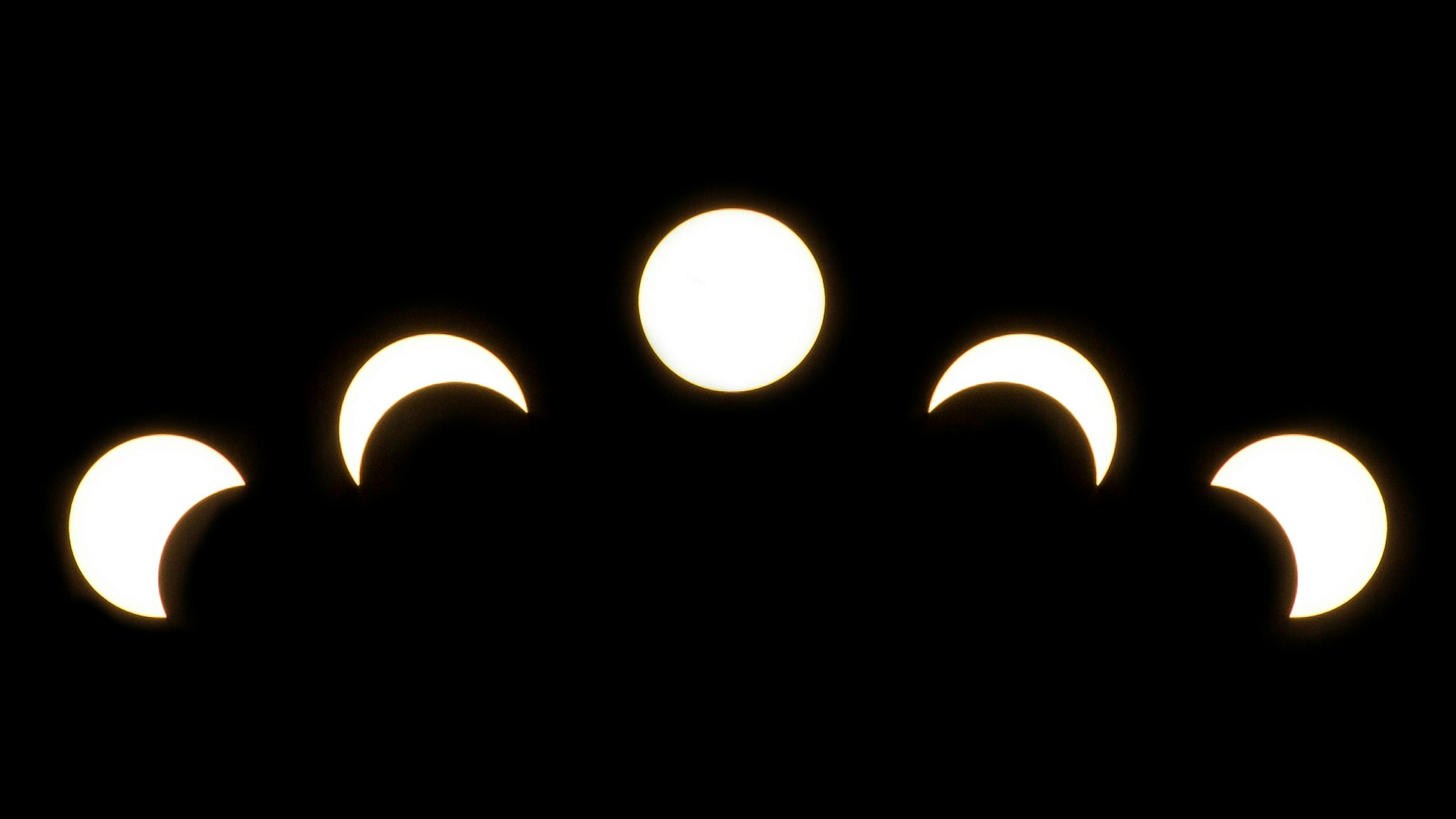
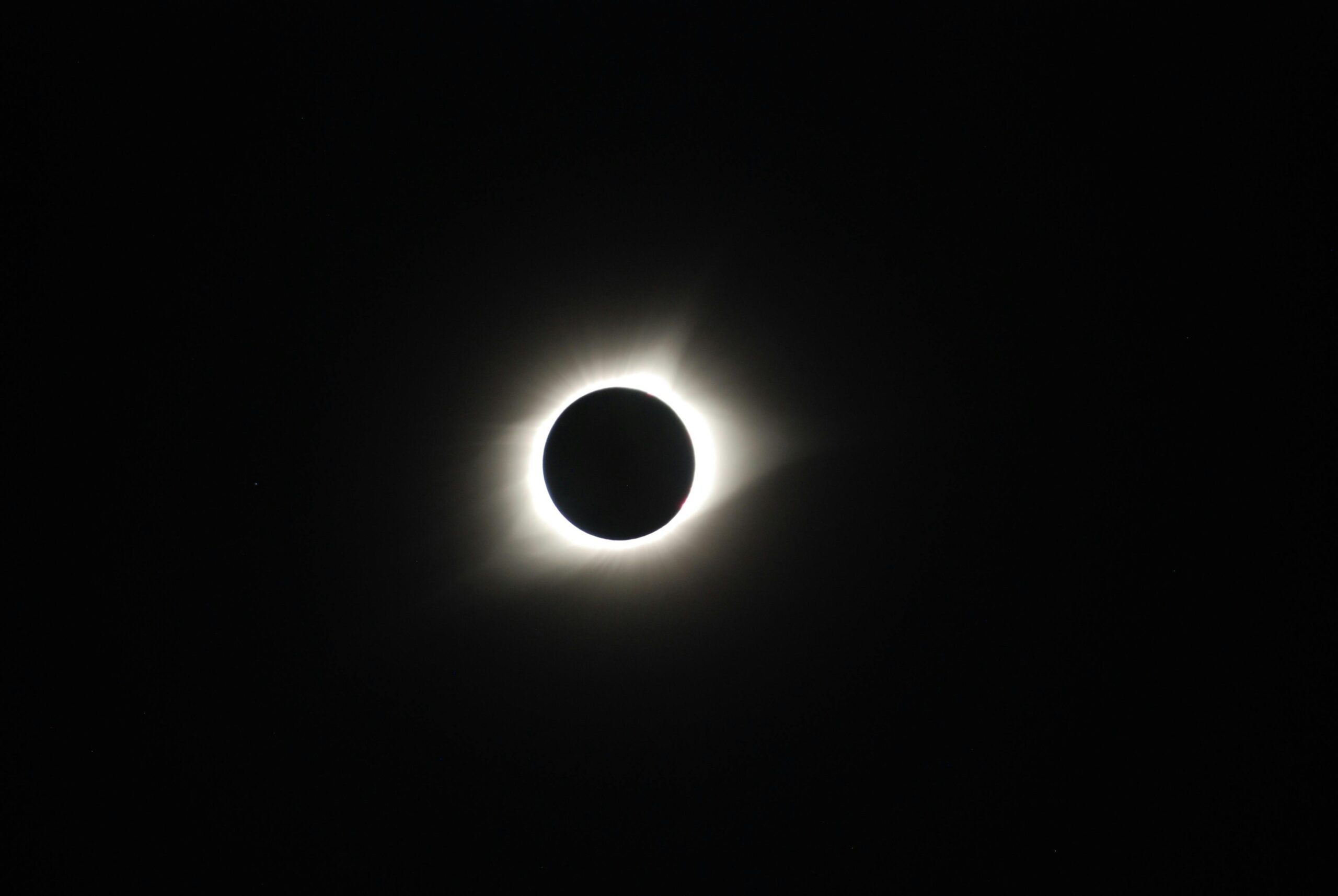
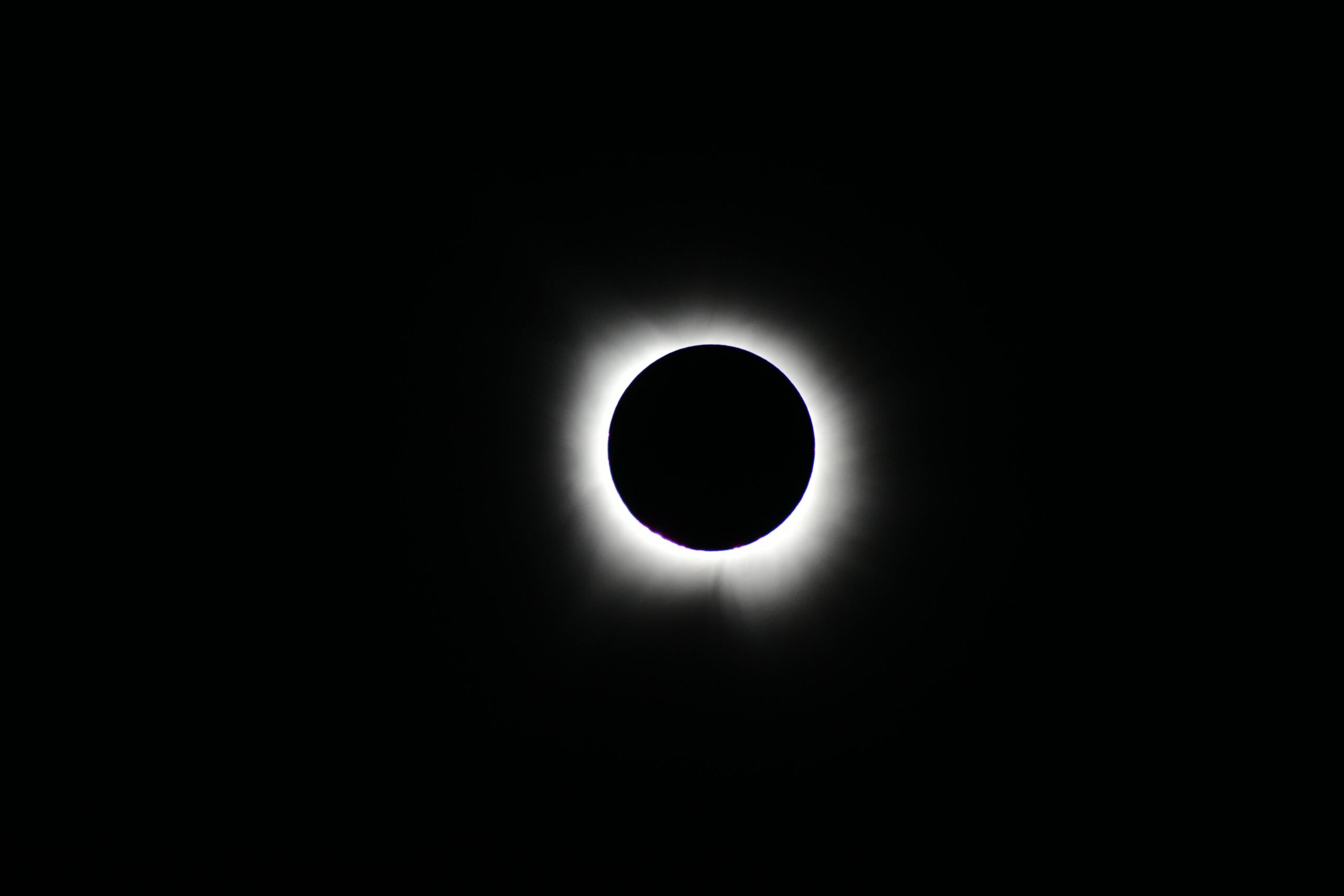
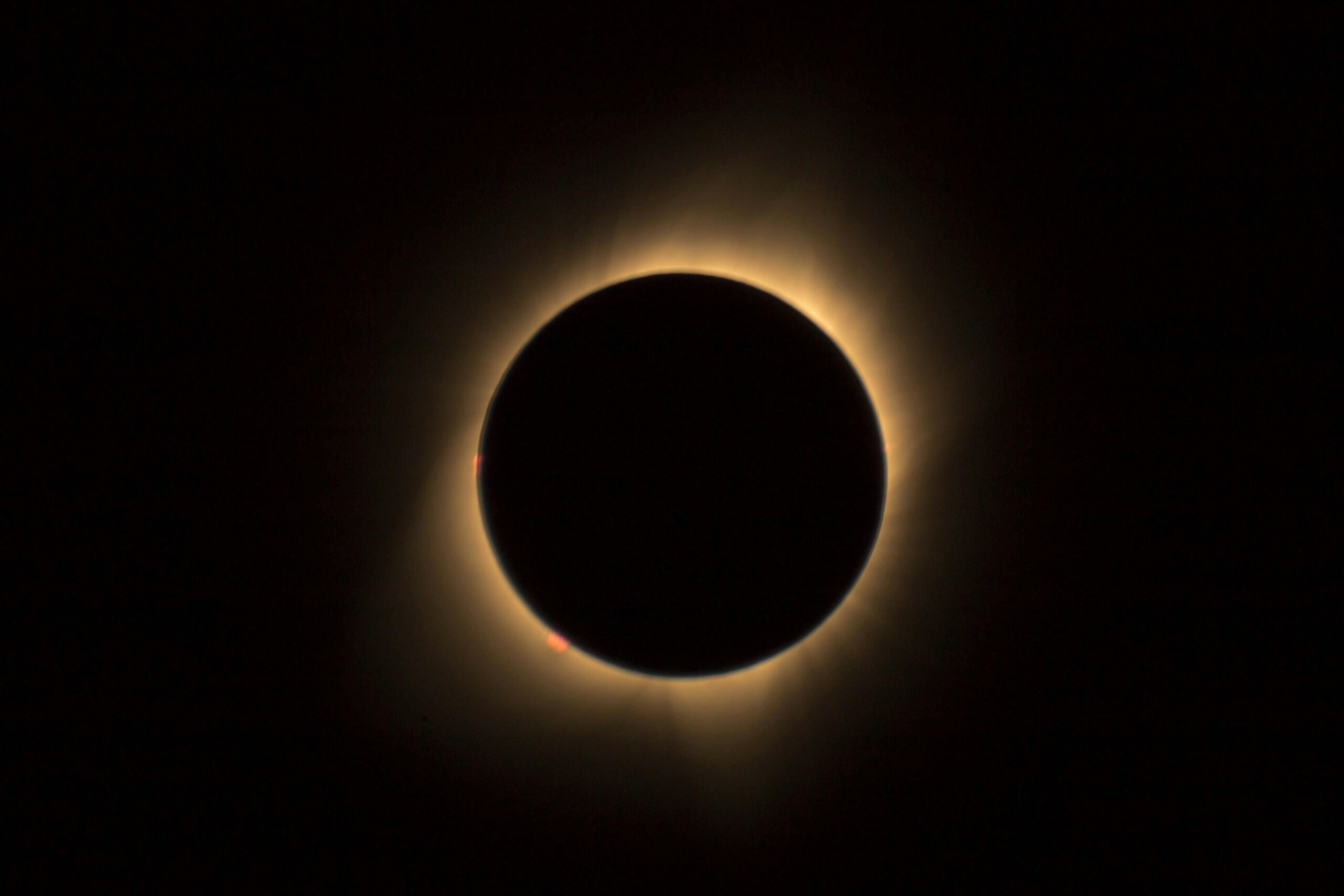
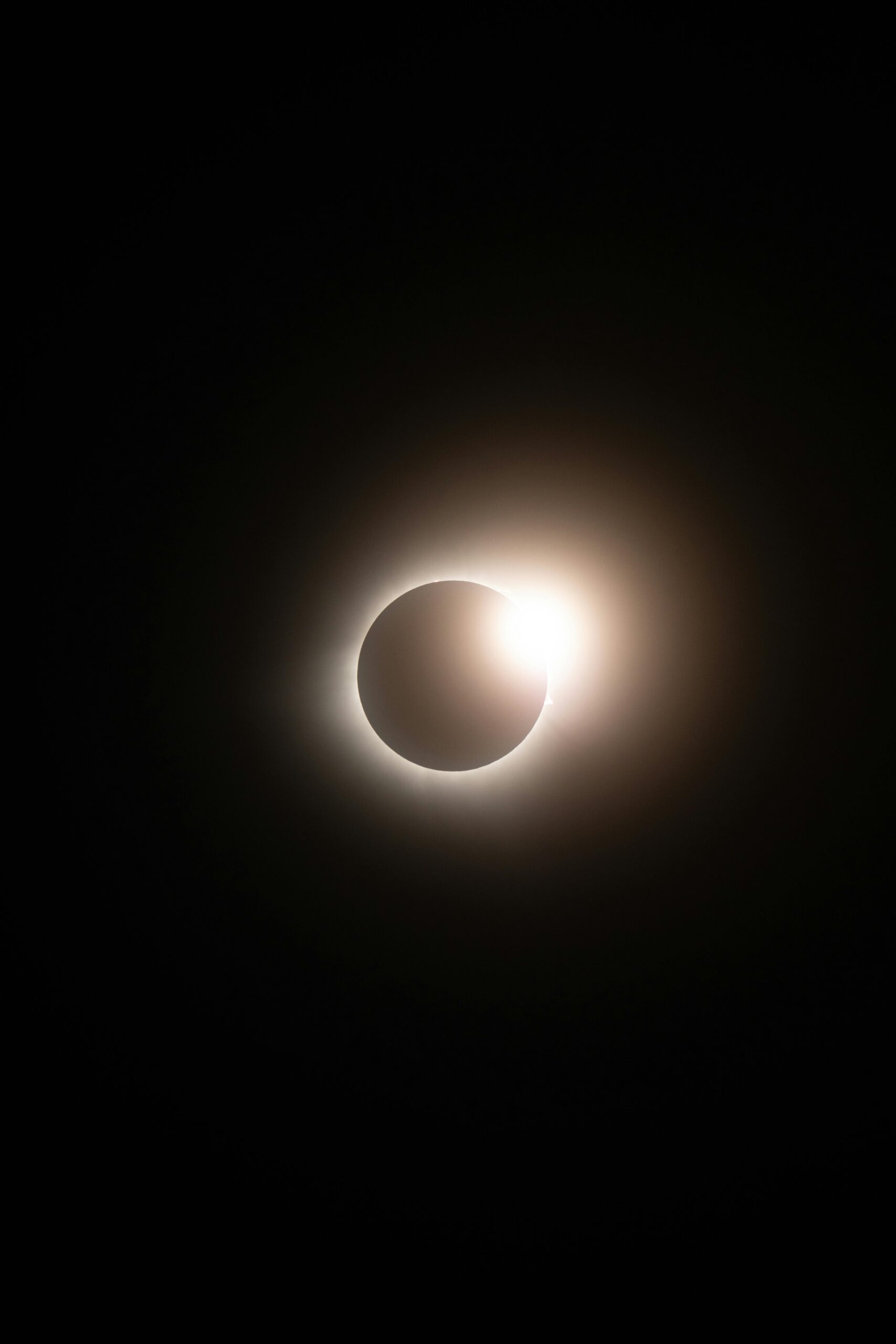
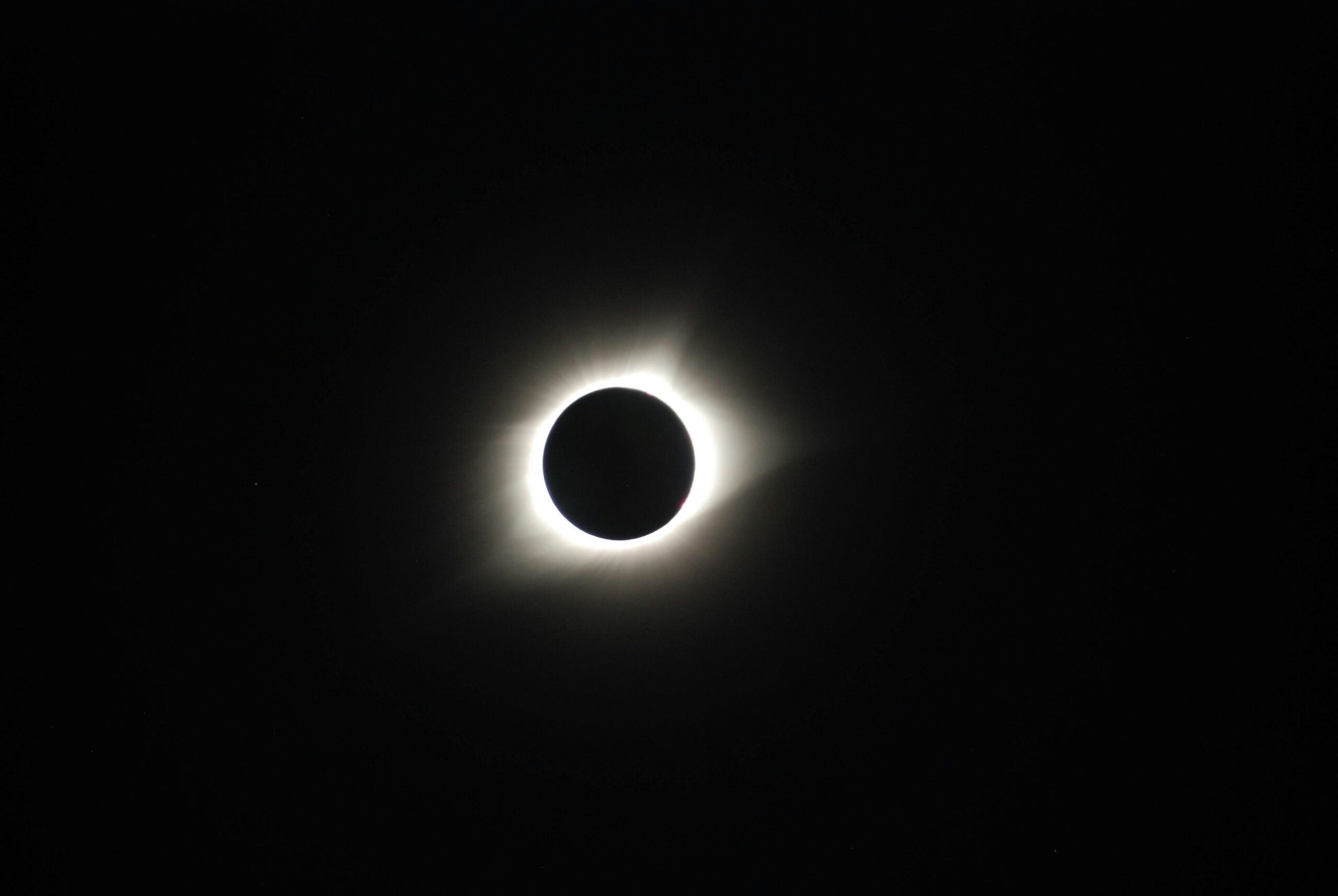
Solar eclipses occur due to the alignment of the Sun, Moon, and Earth. There are three types of solar eclipses: total, partial, and annular. A total solar eclipse happens when the Moon completely covers the Sun, revealing the Sun’s corona. A partial solar eclipse occurs when only a part of the Sun is obscured by the Moon. An annular eclipse takes place when the Moon is too far from the Earth to completely cover the Sun, resulting in a ‘ring of fire’ effect.
The frequency of solar eclipses varies. On average, a total solar eclipse occurs somewhere on Earth about every 18 months. However, the same location on Earth may experience a total solar eclipse only once every few hundred years. The next total solar eclipse visible from the United States will occur on April 8, 2024, offering a spectacular view for millions.
Historical Significance
Throughout history, solar eclipses have been interpreted in various ways. Ancient civilizations often viewed them as omens or signs from the gods. For example, the ancient Chinese believed that a solar eclipse was caused by a celestial dragon devouring the Sun. In contrast, modern science has demystified these events, allowing us to predict and study them with precision.
Preparing for the Next Solar Eclipse
Watching a solar eclipse can be an unforgettable experience, but it’s crucial to prepare adequately. Here are some tips to ensure you make the most of this celestial event:
- Check the Date and Location: Ensure you know the exact date and time of the eclipse and whether it will be visible from your location. Websites like useful information daily tips can provide valuable insights and updates on upcoming eclipses.
- Use Proper Eye Protection: Never look directly at the Sun, even during an eclipse. Use certified solar eclipse glasses or handheld solar viewers to protect your eyes from harmful solar radiation.
- Choose the Right Location: Find a spot with a clear view of the sky and minimal light pollution. Urban areas with tall buildings or heavy traffic might not offer the best viewing experience.
- Capture the Moment: If you’re into photography, consider using a solar filter on your camera lens to capture the eclipse safely. Practice beforehand to get the best results.
Safety Tips for Observing a Solar Eclipse
Safety is paramount when observing a solar eclipse. Direct sunlight can cause severe eye damage, including permanent blindness. Here are some safety tips to keep in mind:
- Use Certified Solar Filters: Only use solar filters that meet the ISO 12312-2 international safety standard. Regular sunglasses are not sufficient to protect your eyes.
- Avoid Looking at the Sun Directly: Even a brief glance at the Sun without proper protection can cause retinal burns. Always use a safe viewing method.
- Supervise Children: Ensure that children are supervised and use appropriate eye protection. Teach them the importance of safe viewing practices.
- Use Indirect Viewing Methods: If you don’t have solar filters, you can use indirect methods like pinhole projectors to view the eclipse safely.
The Cultural Impact of Solar Eclipses
Solar eclipses have had a profound impact on various cultures throughout history. They have been the subject of art, literature, and scientific exploration. In many cultures, eclipses were seen as harbingers of change or significant events. For instance, in Hindu mythology, a solar eclipse is considered a time for spiritual reflection and fasting. In ancient Greece, eclipses were believed to foretell the fall of kings and the outcome of battles.
Today, solar eclipses continue to inspire awe and curiosity. They bring people together, fostering a sense of community and shared wonder. Whether you’re a seasoned astronomer or a casual observer, witnessing a solar eclipse is an experience that connects us to the vastness of the universe and the mysteries of our solar system.
Conclusion
As we eagerly await the next solar eclipse, it’s essential to understand the science behind these celestial events and prepare for them safely. By following the tips and safety guidelines outlined in this article, you can ensure a memorable and safe viewing experience. Whether you’re observing the eclipse from your backyard or traveling to a prime viewing location, the anticipation and wonder of this natural phenomenon are sure to leave a lasting impression.