The Anticipation Builds
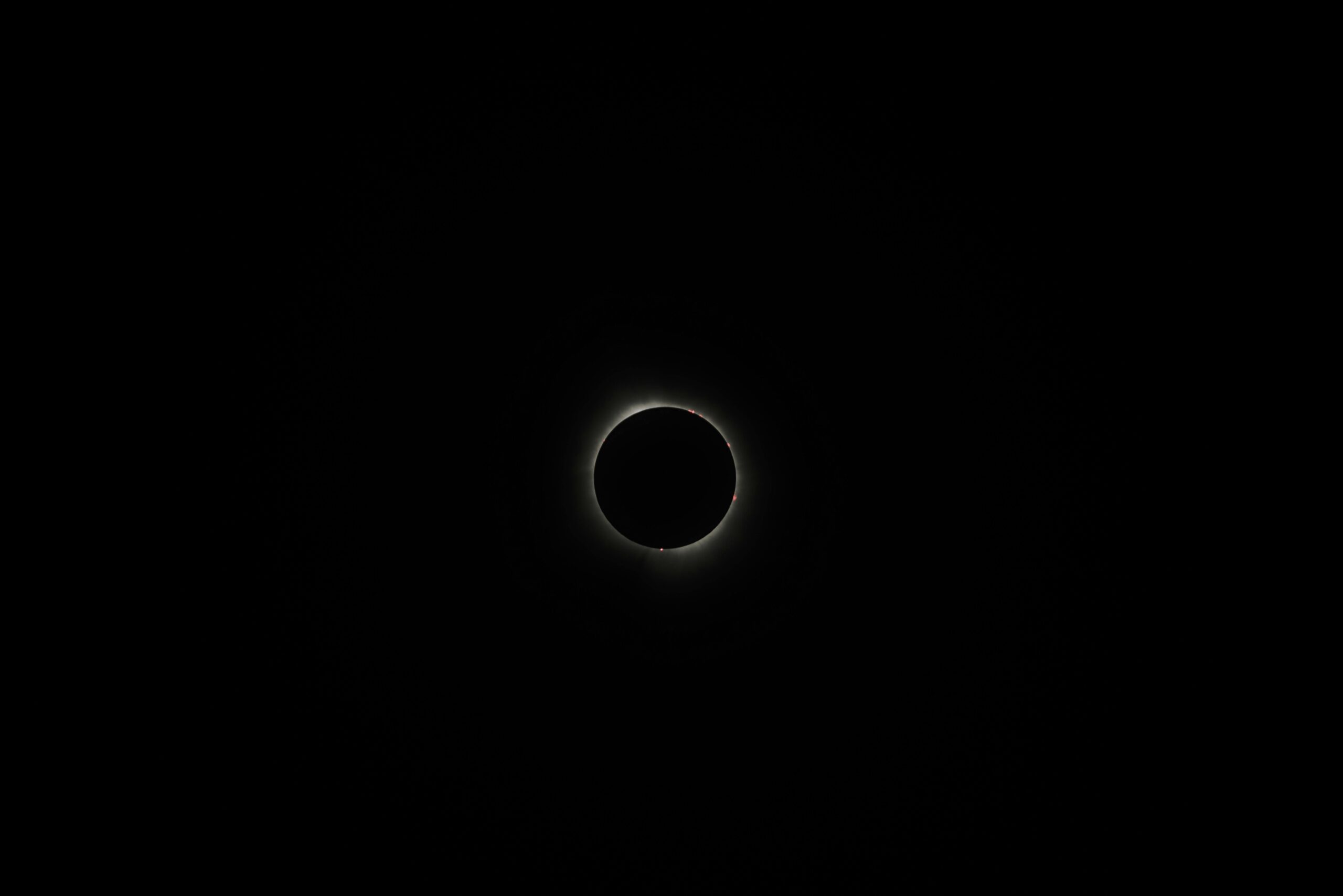
The astronomical community and enthusiasts worldwide are abuzz with excitement as we approach the next significant solar eclipse. This celestial event, a rare and awe-inspiring phenomenon, promises to captivate millions. Solar eclipses occur when the moon passes between the Earth and the Sun, obscuring the Sun either partially or completely. The next total solar eclipse is set to traverse North America, offering a unique opportunity for both seasoned astronomers and curious onlookers to witness this remarkable event.
Historical Significance and Cultural Impact
Solar eclipses have fascinated humanity for centuries, often intertwined with cultural myths and scientific curiosity. Ancient civilizations interpreted eclipses as omens or divine messages. Today, they serve as a reminder of our place in the cosmos and the intricate dance of celestial bodies. The upcoming eclipse is not just a scientific event but a cultural one, bringing communities together to share in the wonder of the natural world.
For those looking to immerse themselves in the local culture and activities surrounding the eclipse, exploring community events local activities can provide a rich tapestry of experiences. From educational workshops to festive gatherings, these events offer a glimpse into how different communities celebrate and learn from such celestial phenomena.
Scientific Insights and Research Opportunities
The eclipse presents a golden opportunity for scientific research. Scientists study the Sun’s corona, the outermost part of the Sun’s atmosphere, which is usually hidden by the bright light of the Sun’s surface. During a total eclipse, the corona becomes visible, allowing researchers to gather valuable data. This data can help us understand solar winds, magnetic fields, and other solar activities that impact space weather and, consequently, our planet.
Educational institutions and research organizations are gearing up to conduct various experiments and observations. Citizen scientists are also encouraged to participate, contributing to a collaborative effort to expand our knowledge of the Sun and its effects on Earth.
Preparing for the Eclipse
Witnessing a solar eclipse safely requires proper preparation. The most crucial piece of equipment is a pair of certified solar eclipse glasses. These glasses protect your eyes from the harmful rays of the Sun, allowing you to view the eclipse without risking permanent eye damage. Regular sunglasses are not sufficient for this purpose.
In addition to protective eyewear, planning your viewing location is essential. The path of totality, where the Sun is completely obscured by the Moon, offers the most spectacular view. Cities and towns along this path are preparing for an influx of visitors, with many organizing special events and activities. It’s advisable to book accommodations well in advance, as demand is expected to be high.
Community Engagement and Local Events
Communities along the path of totality are preparing to welcome visitors with open arms. Local governments, schools, and community organizations are organizing a variety of events to educate and entertain. From astronomy workshops to cultural festivals, there’s something for everyone.
For those interested in exploring the local culture and activities, checking out community events local activities can provide a wealth of information. These events not only enhance the eclipse experience but also foster a sense of community and shared enthusiasm for the natural world.
The Future of Eclipse Chasing
As technology advances, so does our ability to study and appreciate solar eclipses. High-resolution imaging, advanced telescopes, and space-based observatories are revolutionizing our understanding of these celestial events. The data collected during eclipses contributes to ongoing research in solar physics, space weather, and even climate science.
For amateur astronomers and enthusiasts, the upcoming eclipse is a chance to contribute to this body of knowledge. By participating in citizen science projects, individuals can help scientists gather data and make new discoveries. This collaborative approach not only advances our understanding of the universe but also inspires future generations to explore the wonders of the cosmos.
The next solar eclipse is more than just a celestial event; it’s a celebration of science, community, and the natural world. As we prepare to witness this spectacular phenomenon, let’s embrace the opportunity to learn, connect, and marvel at the beauty of our universe.
To stay informed about the latest happenings around the globe, we suggest visiting world’s recent news updates for a comprehensive overview of current events.
As the European Union navigates a complex geopolitical landscape, our latest feature, EU’s future challenges and opportunities, examines the critical issues shaping its trajectory.
To stay updated on the latest developments, consider reviewing this week’s global and Turkish news summary.