The Anticipation Builds: Solar Eclipse Frenzy
The world is abuzz with excitement as we approach the next solar eclipse, a celestial event that captivates the hearts and minds of people across the globe. Solar eclipses, though not as frequent as lunar eclipses, offer a unique and awe-inspiring sight that leaves spectators in sheer wonder. The next solar eclipse is expected to be a total eclipse, visible from a narrow path that stretches across the Earth’s surface. This event is not just a spectacle for astronomers and scientists but also for the general public, who eagerly await the opportunity to witness this rare phenomenon.
Understanding Solar Eclipses
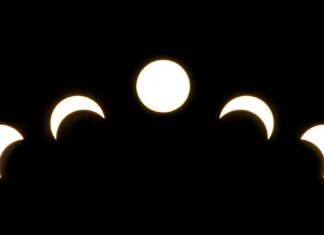
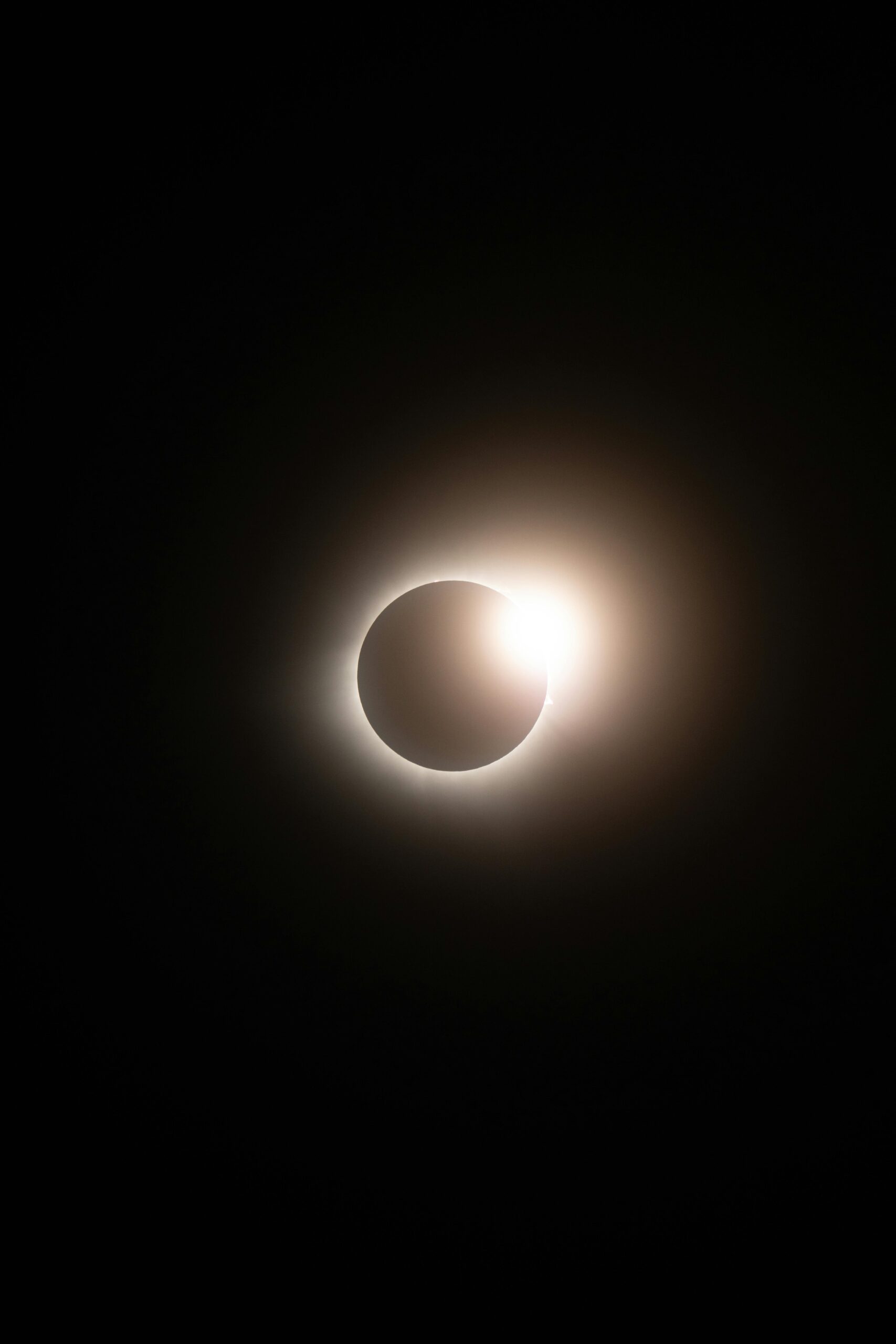
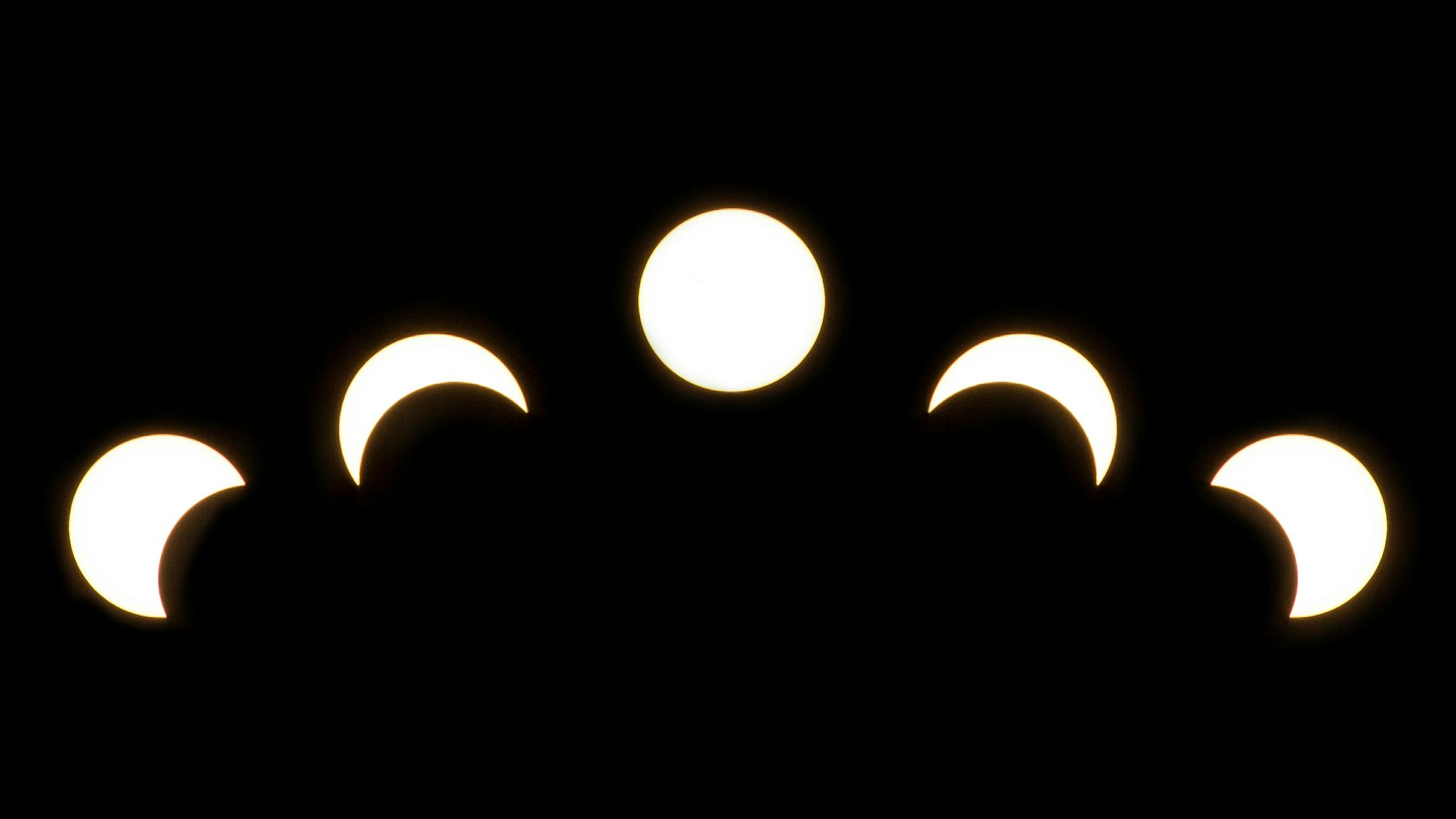
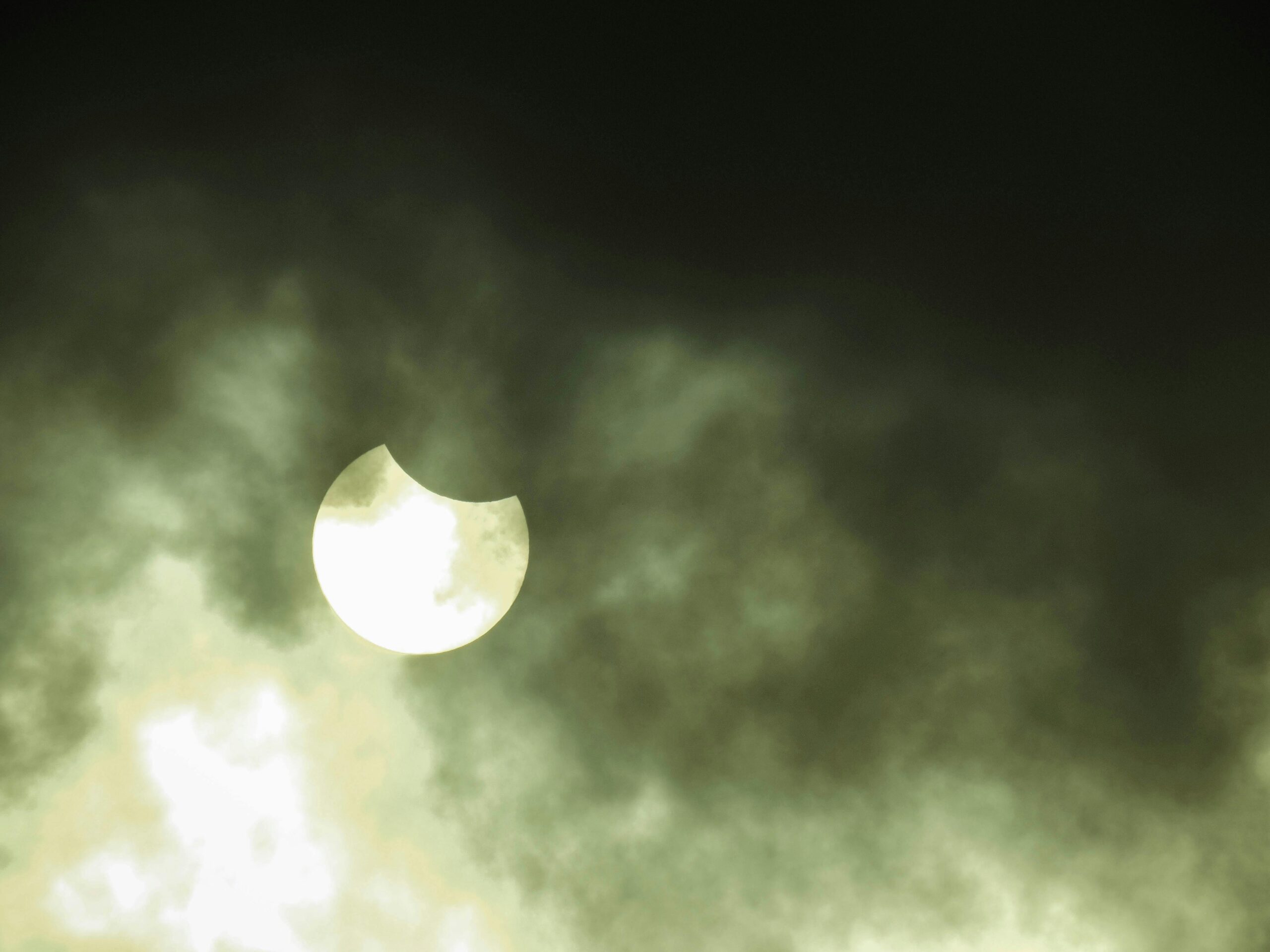
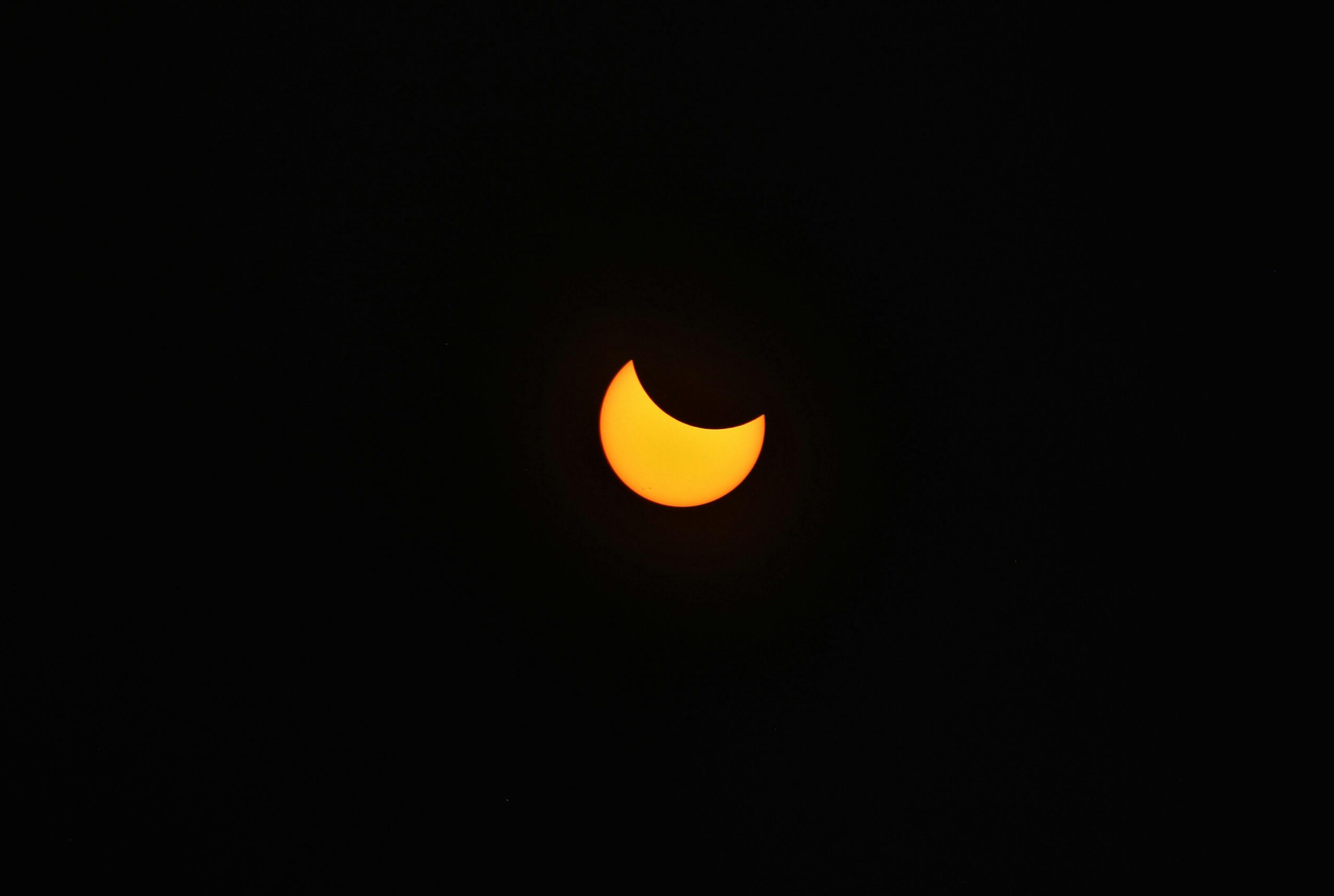
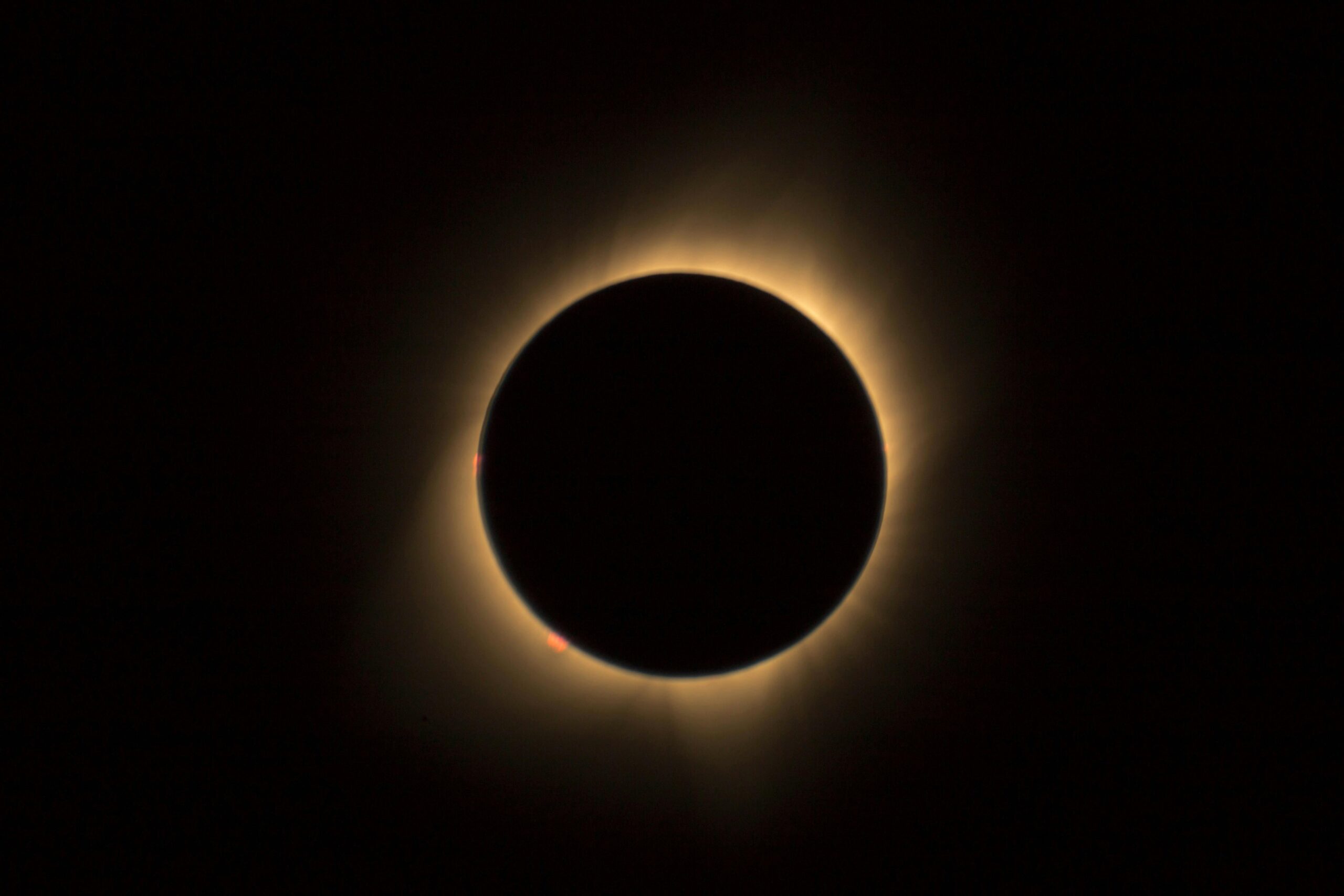
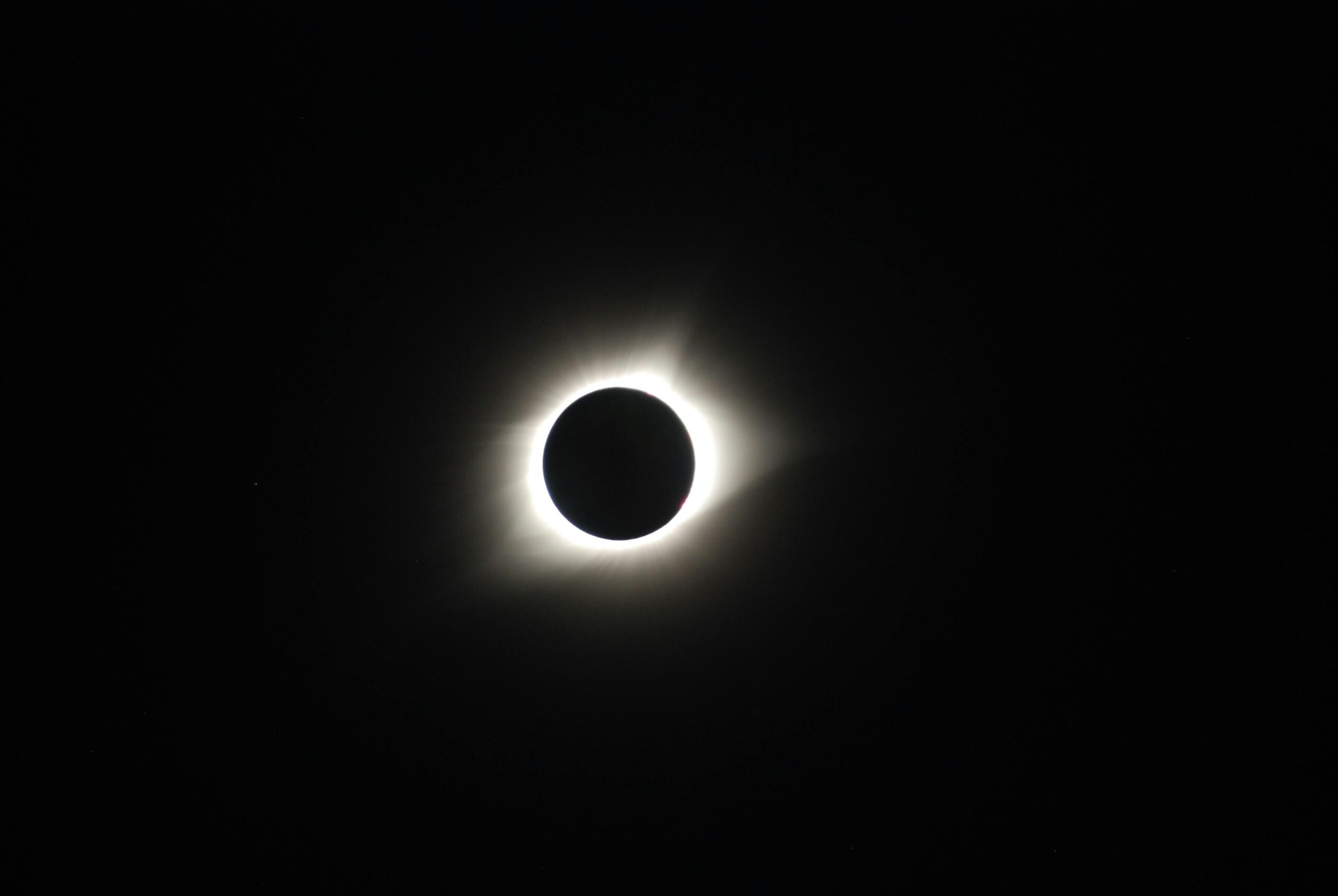
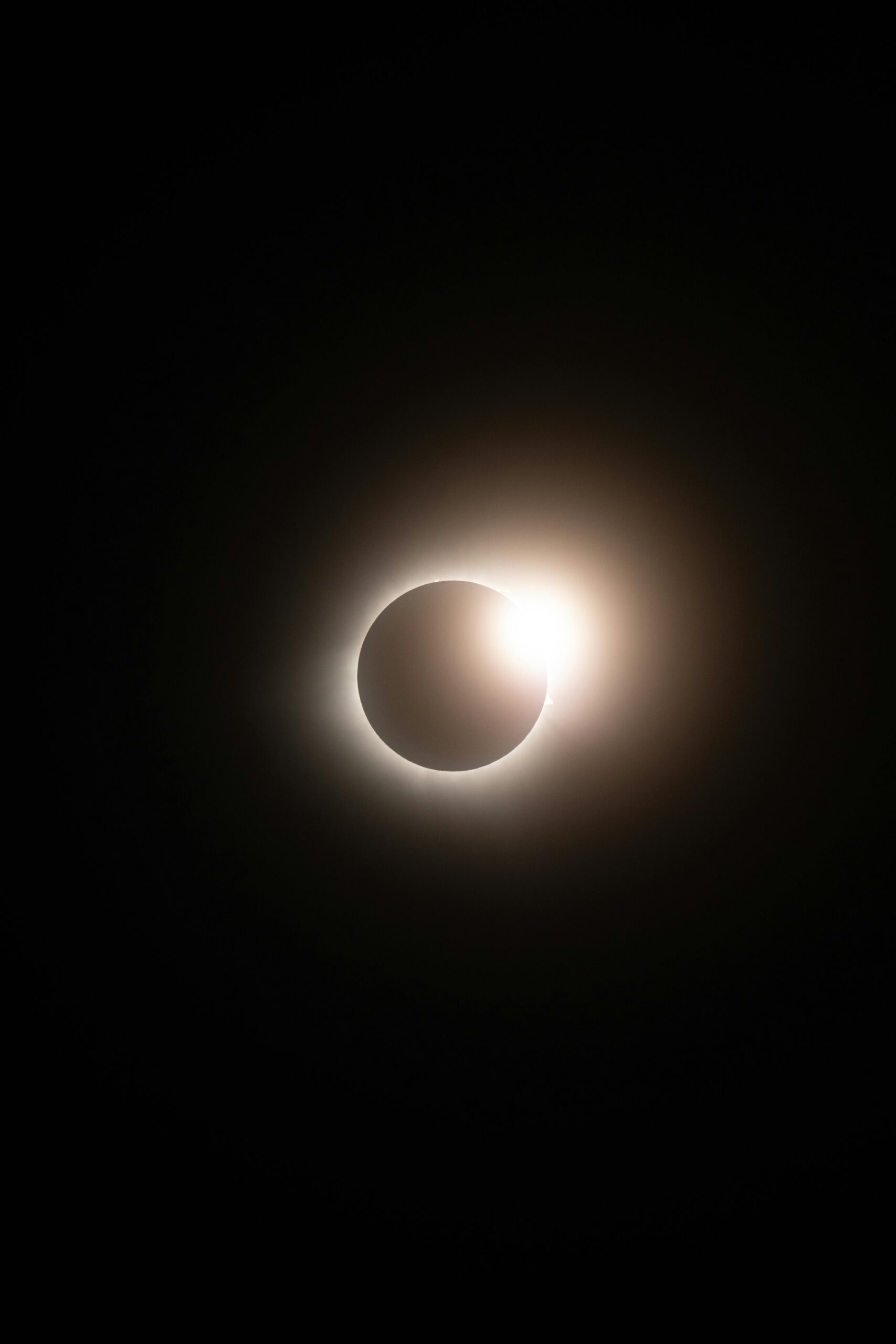
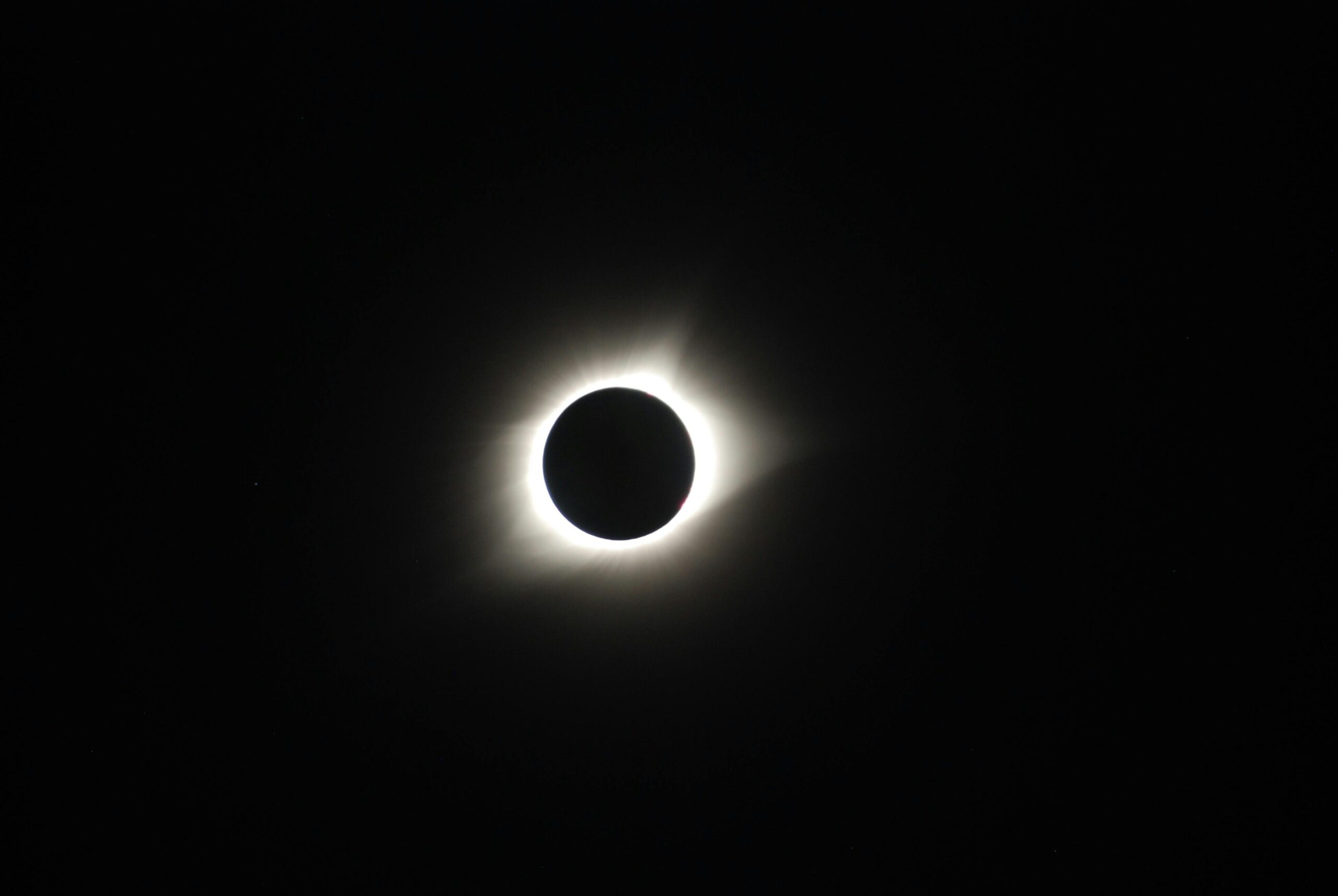
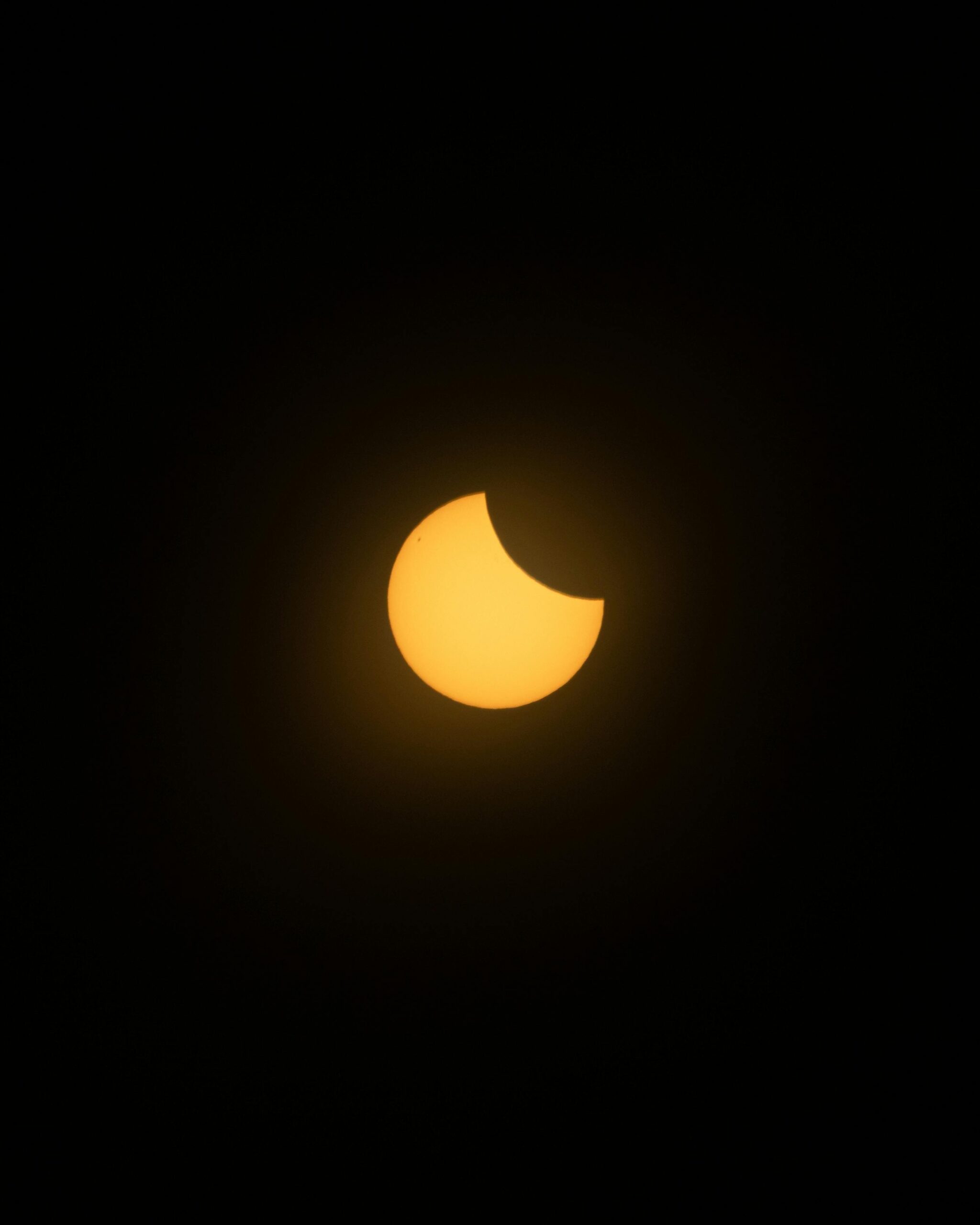
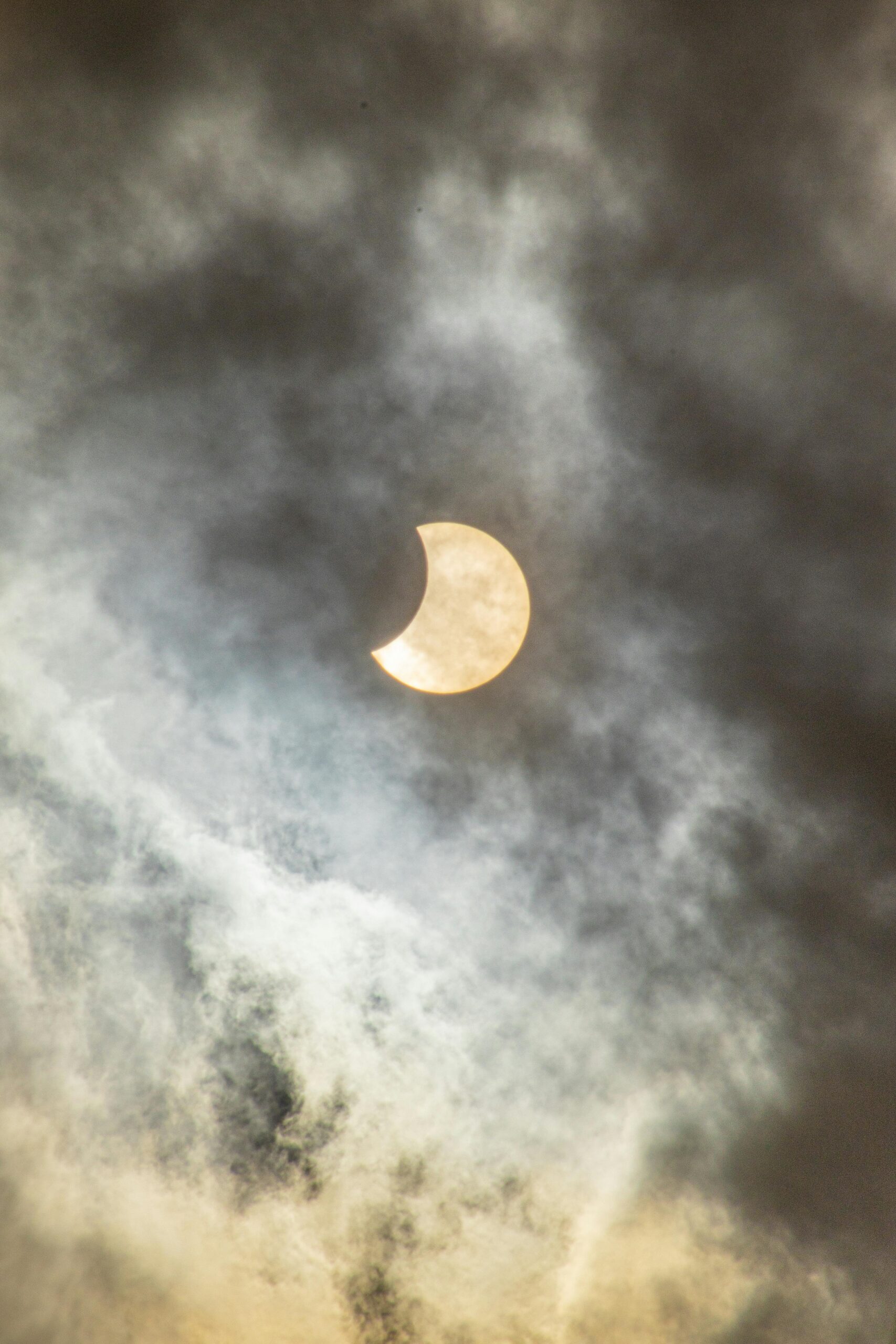
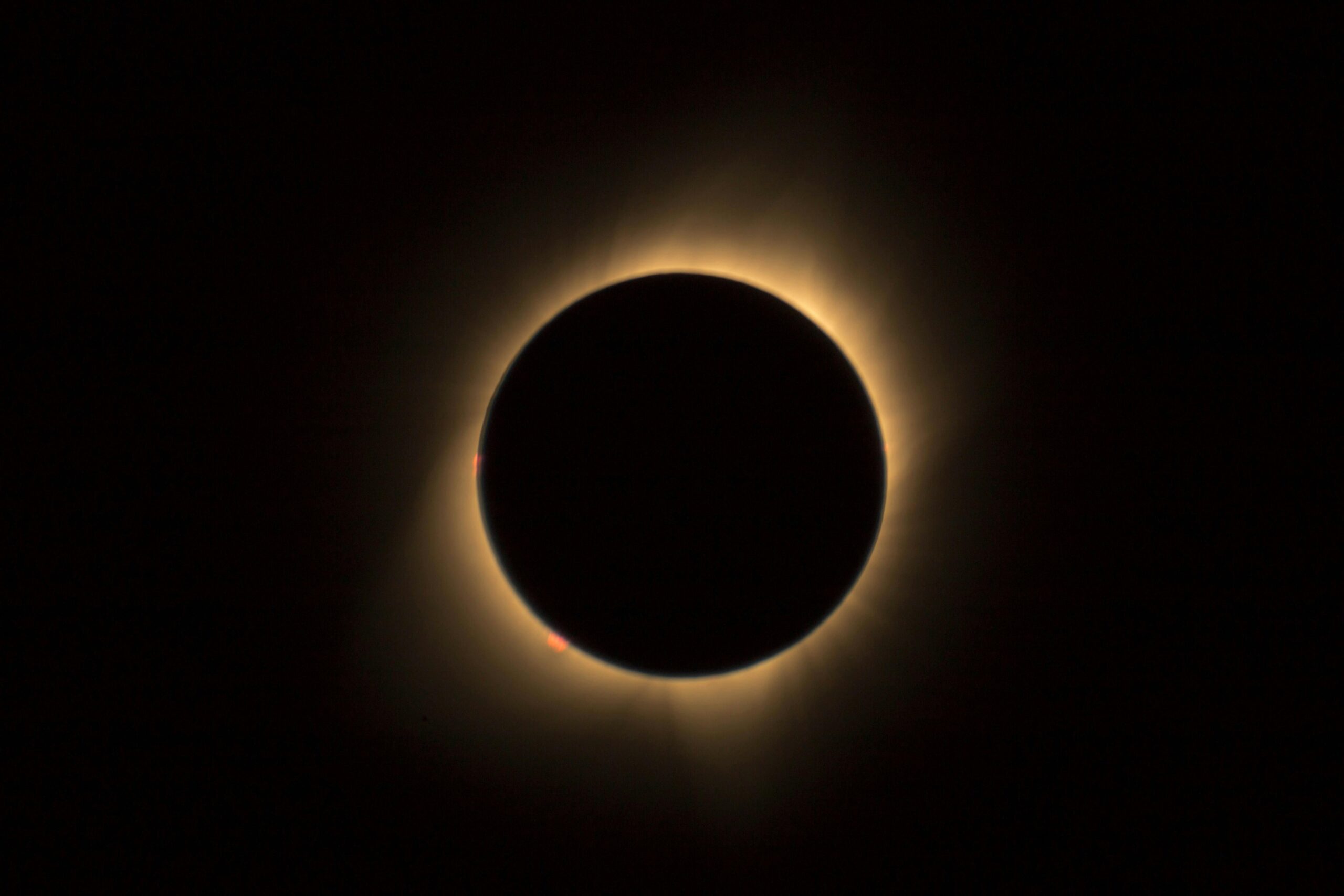
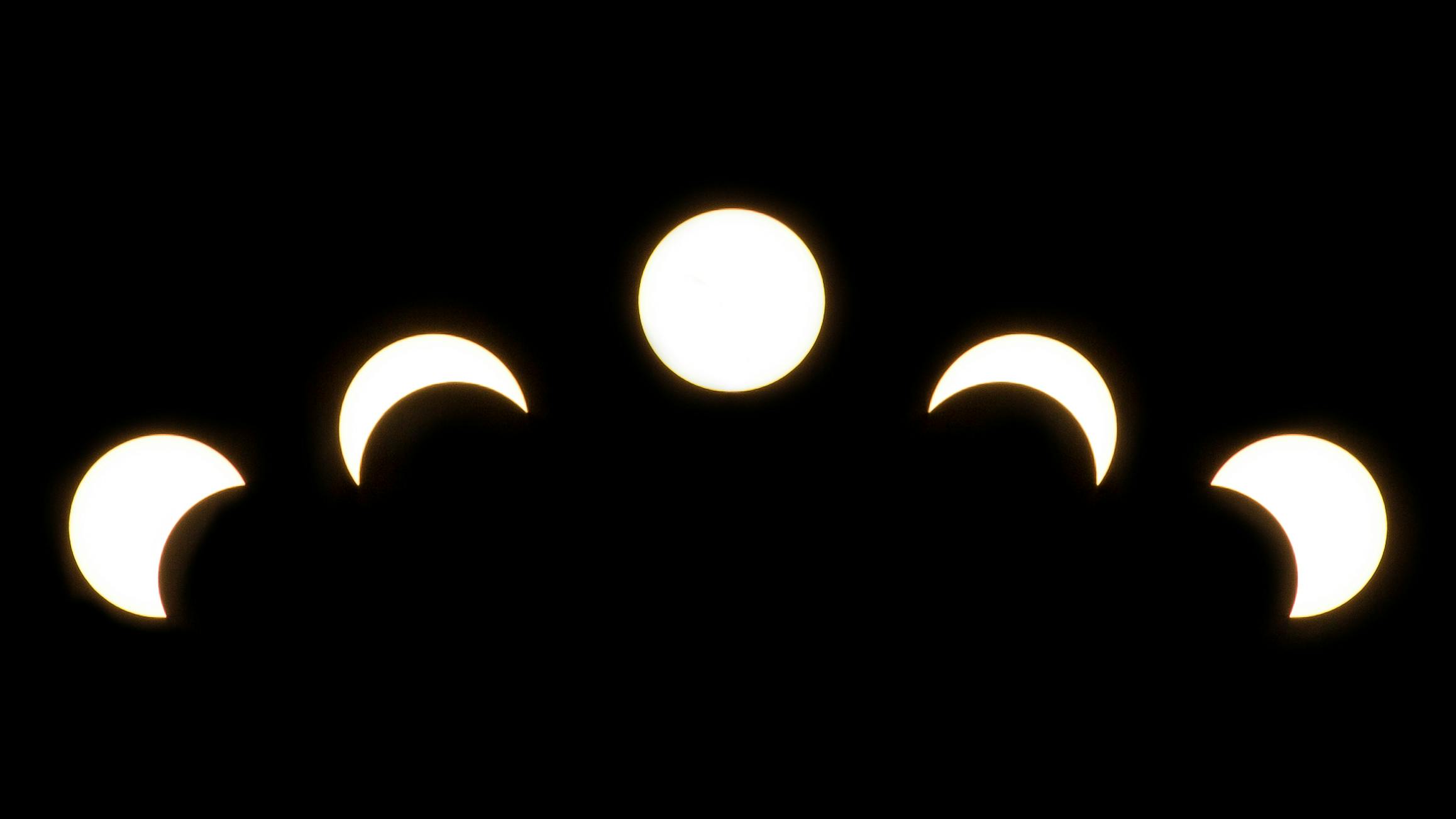
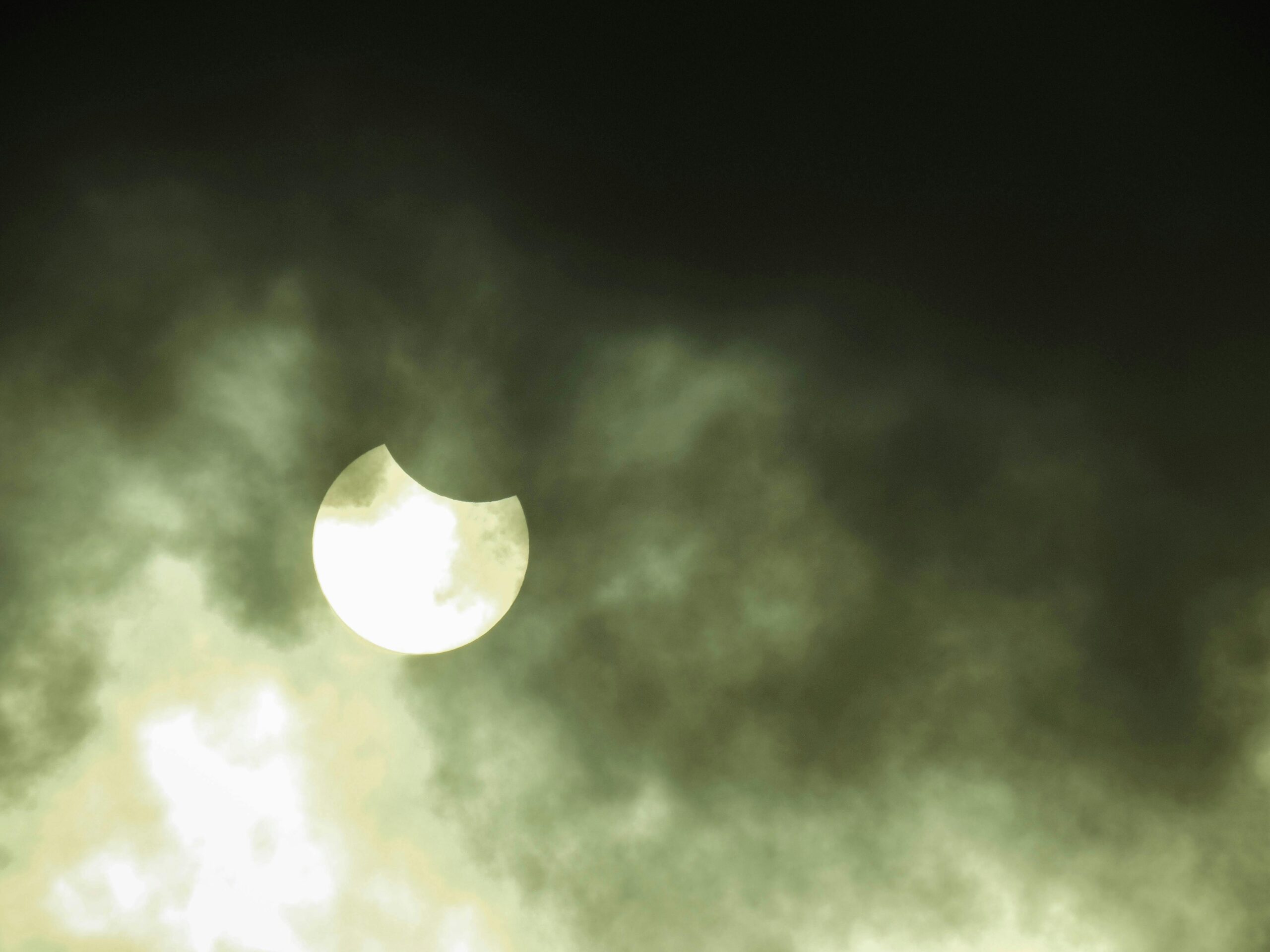
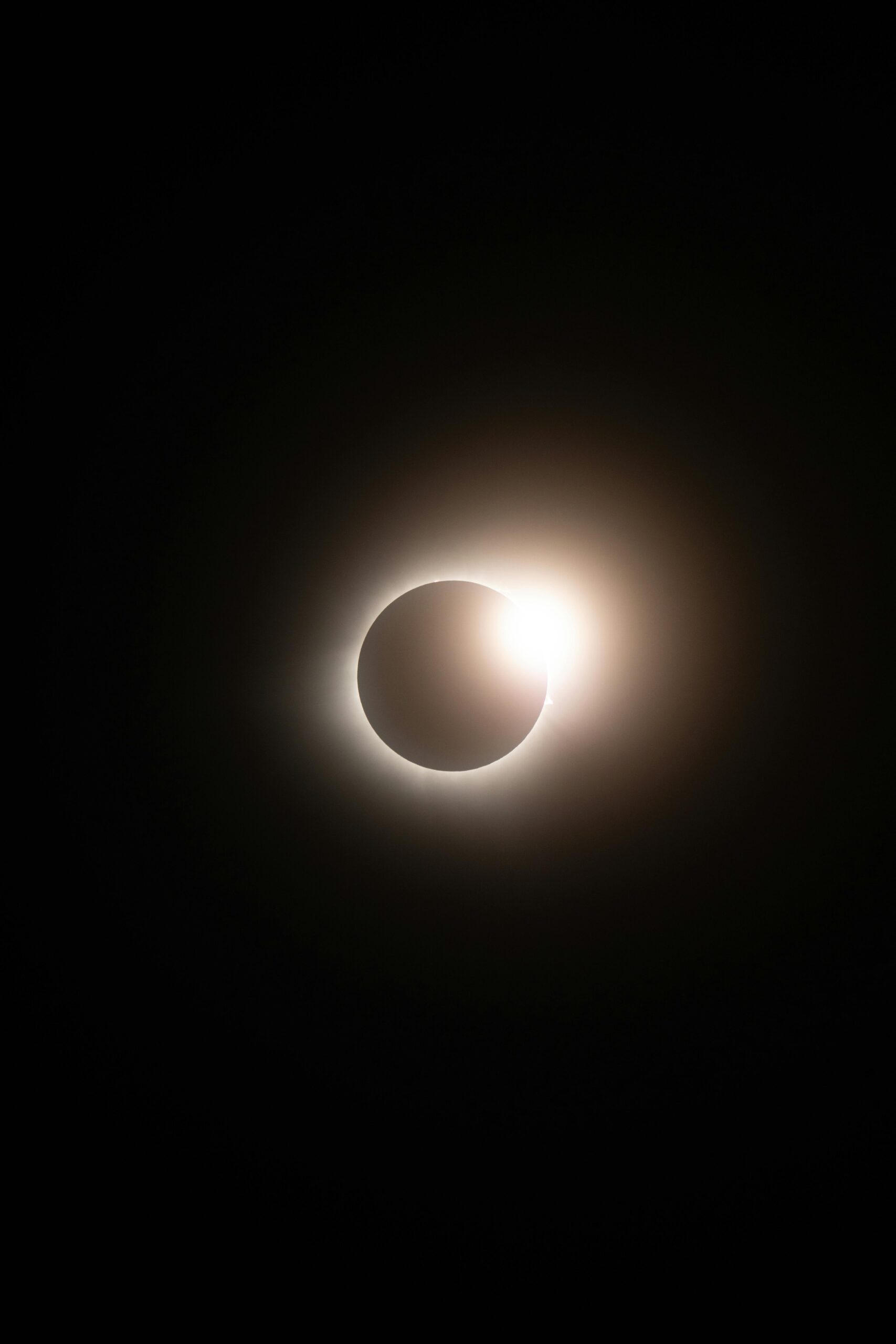
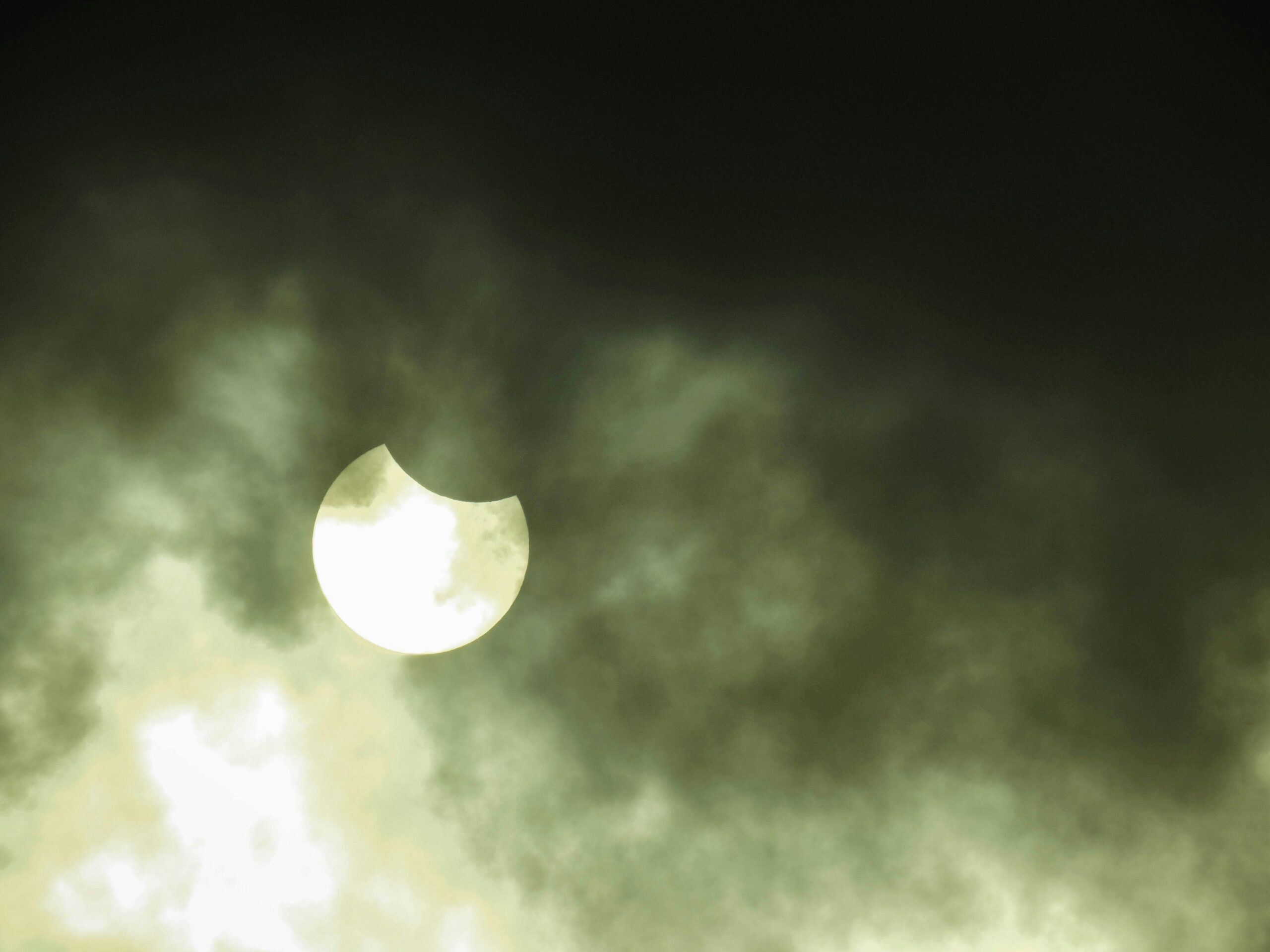
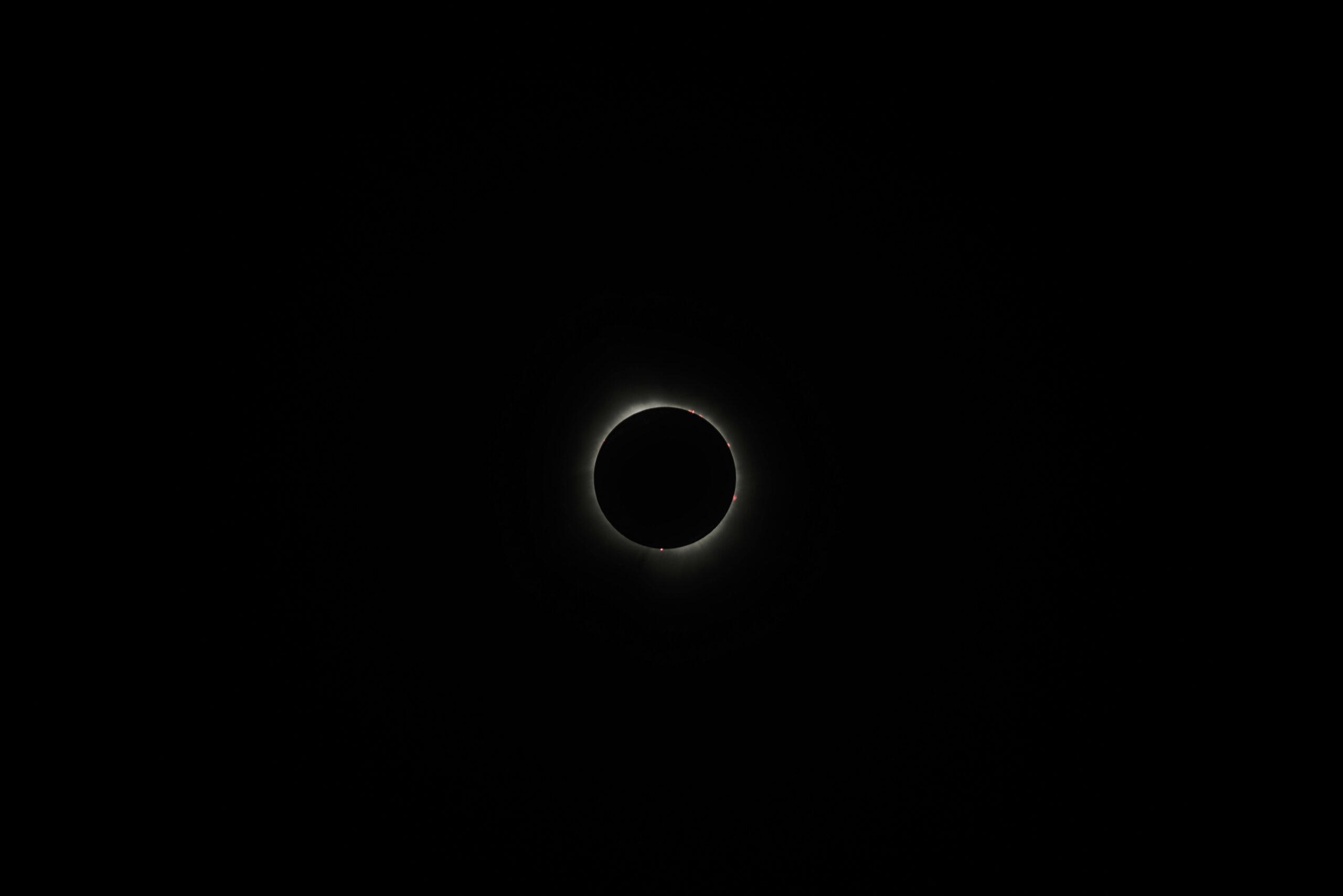
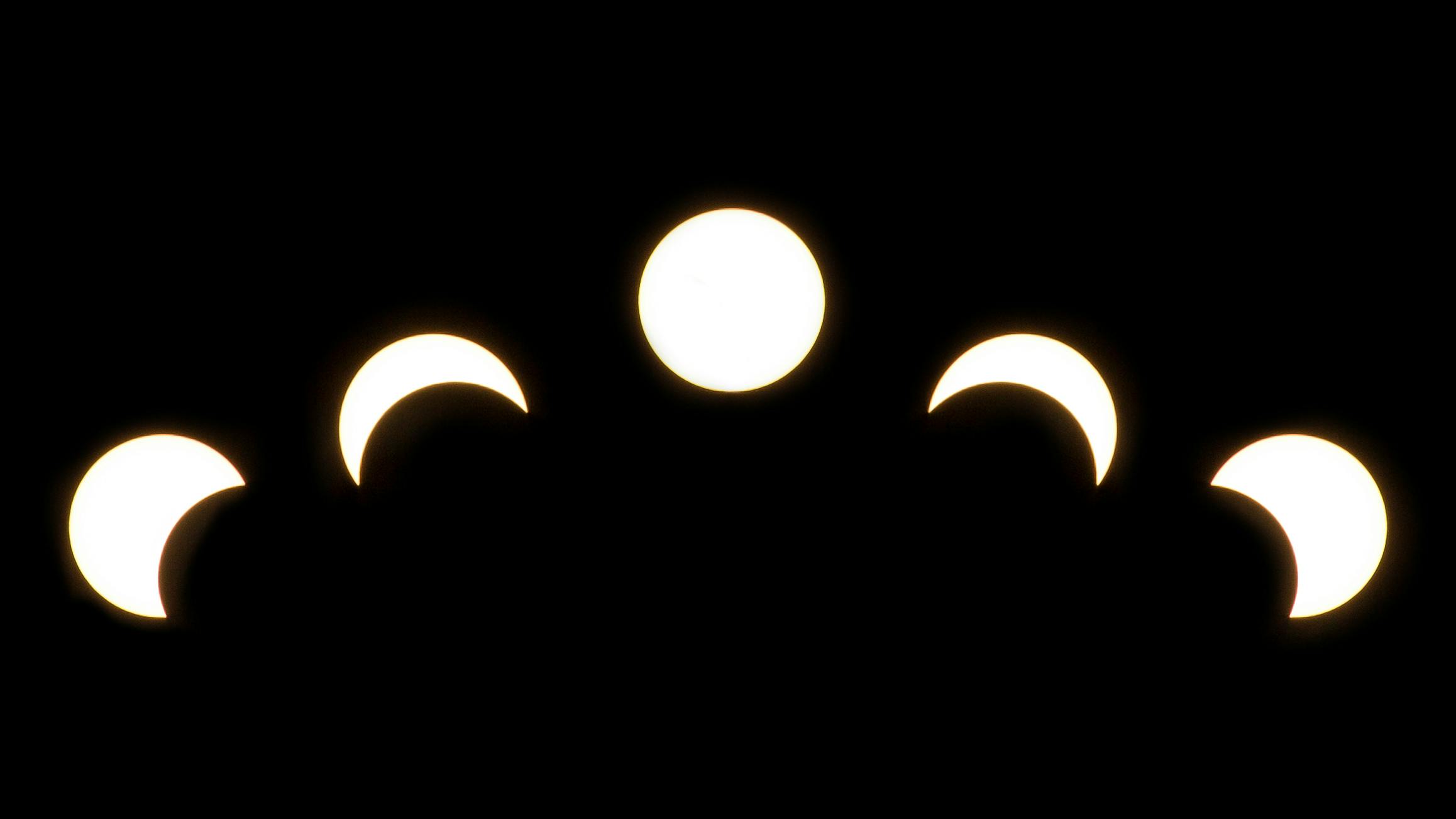
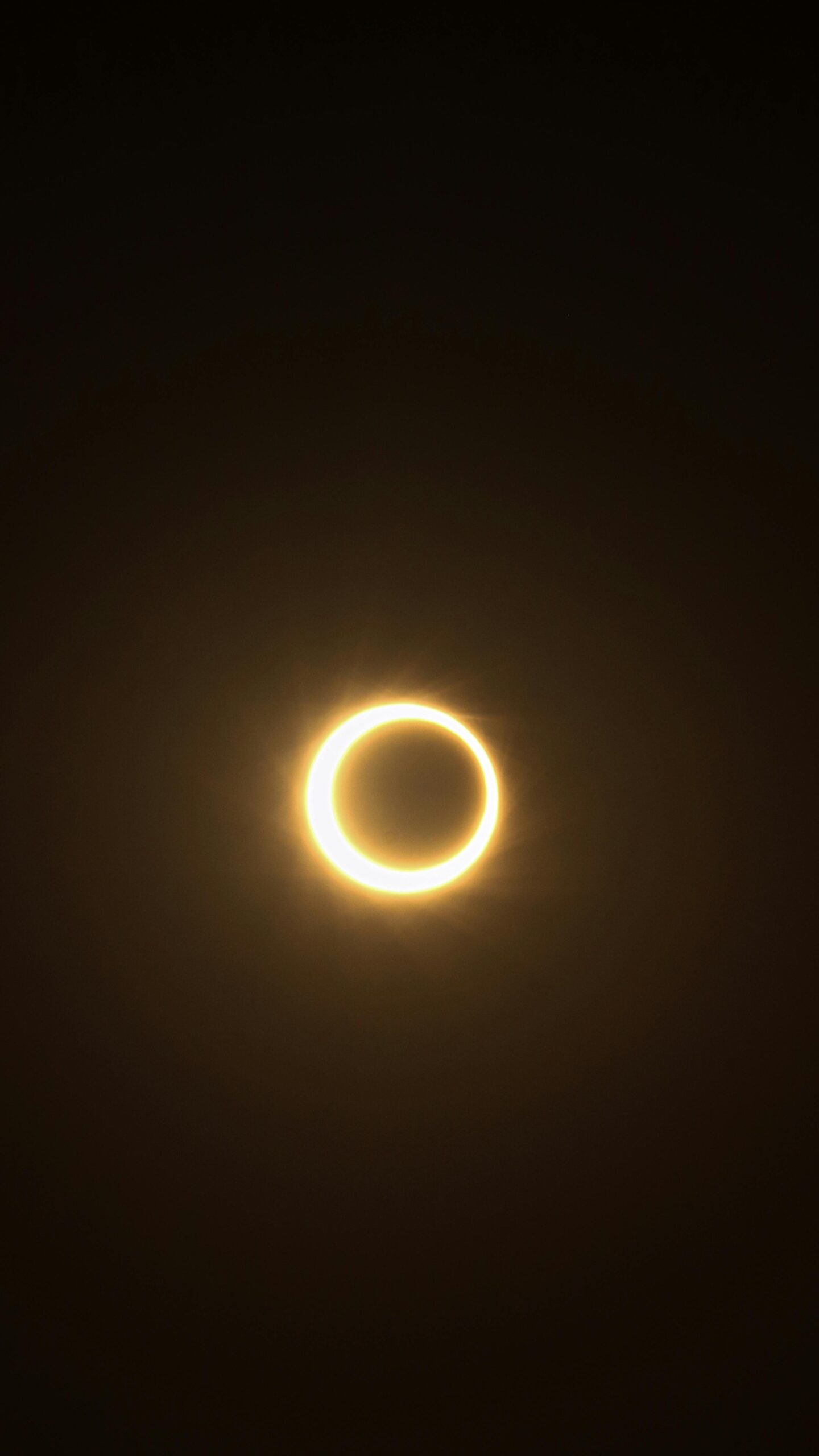
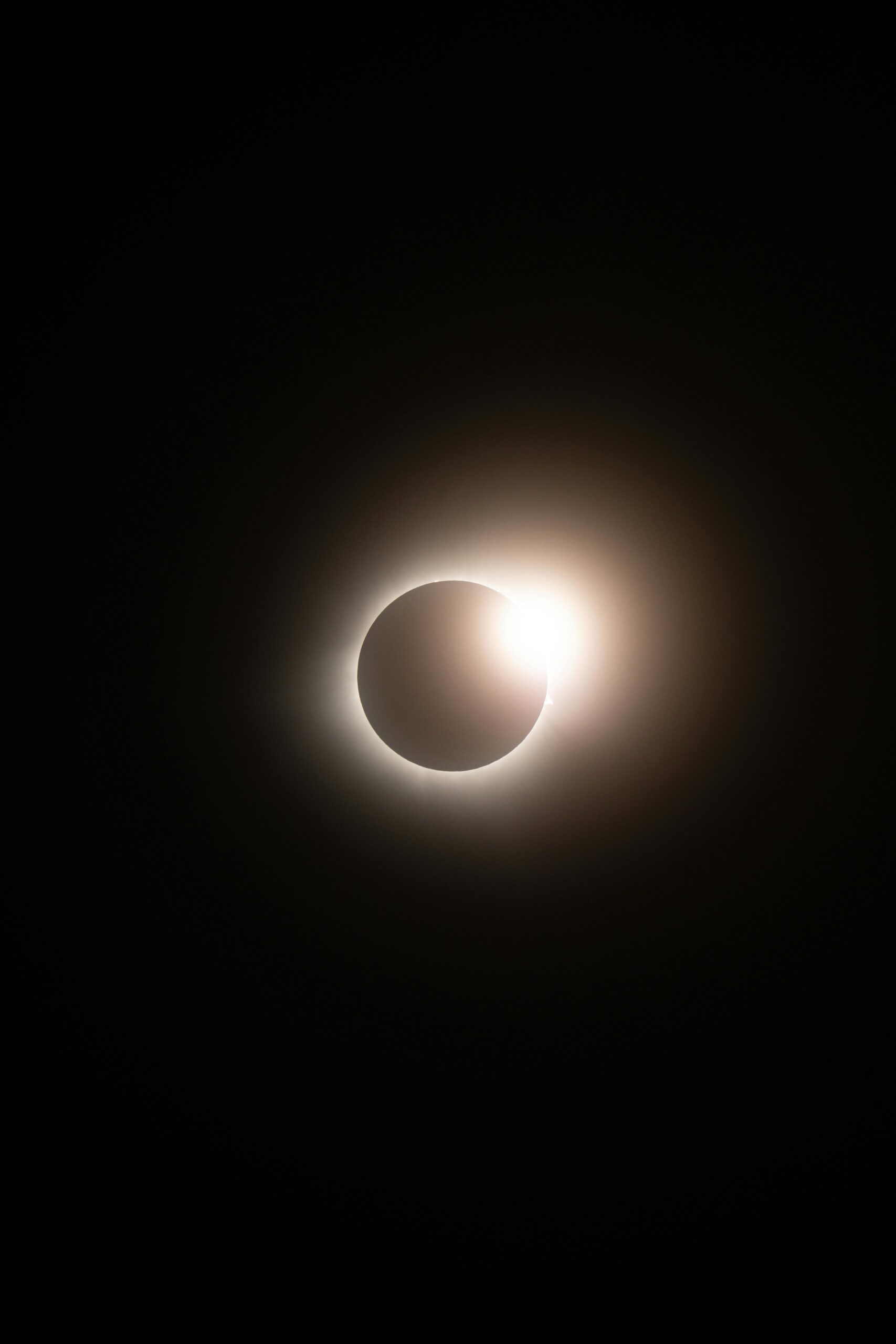
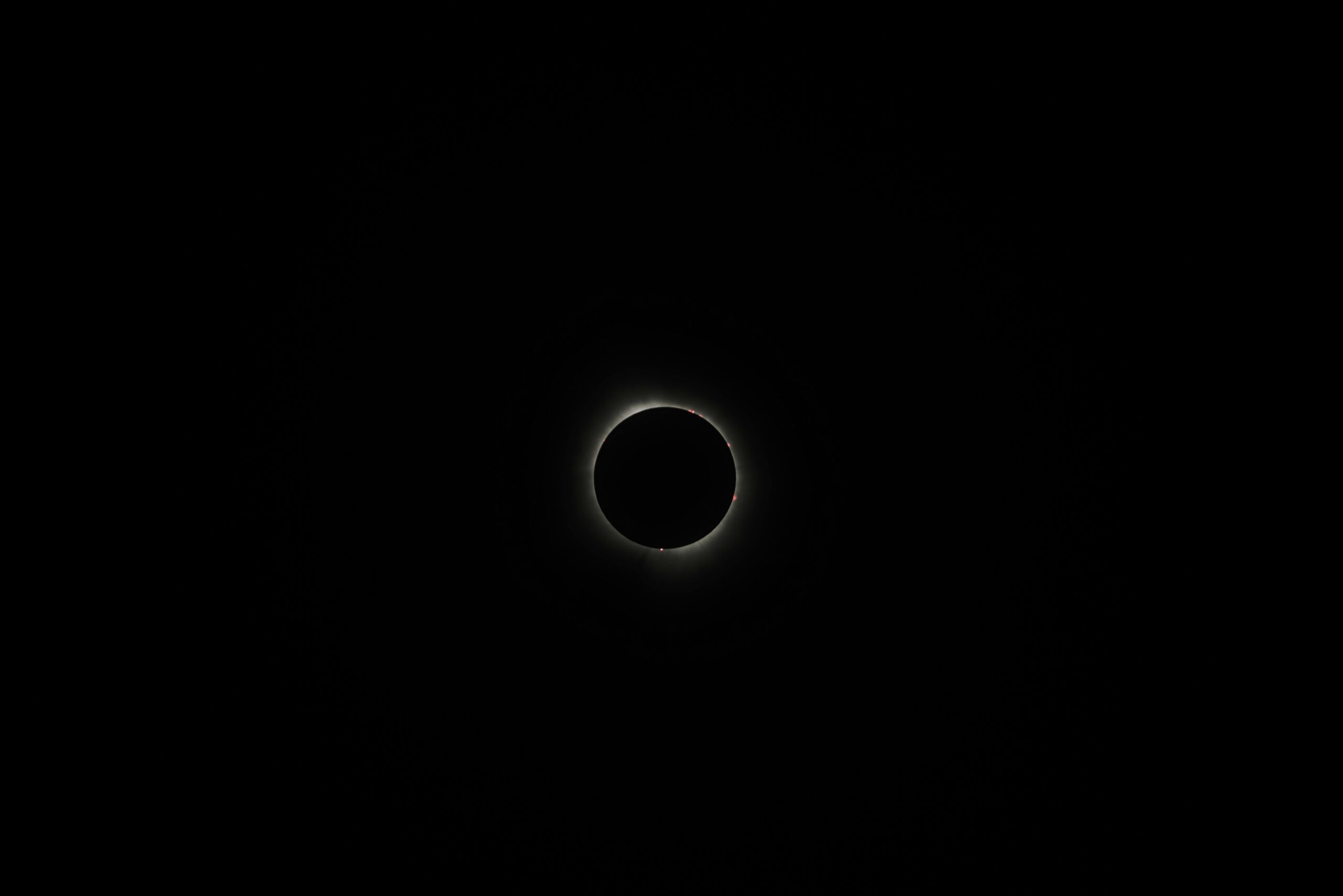
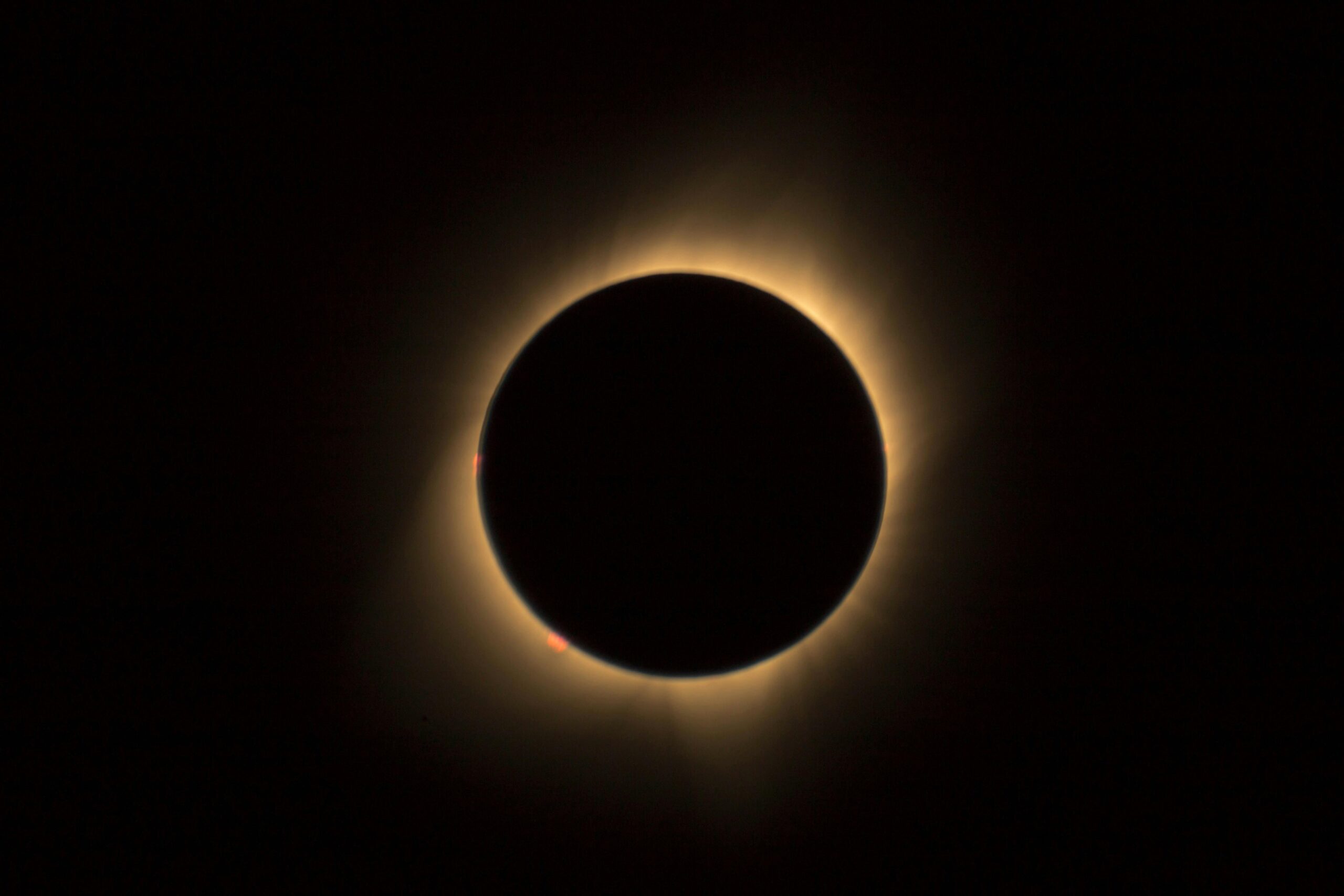
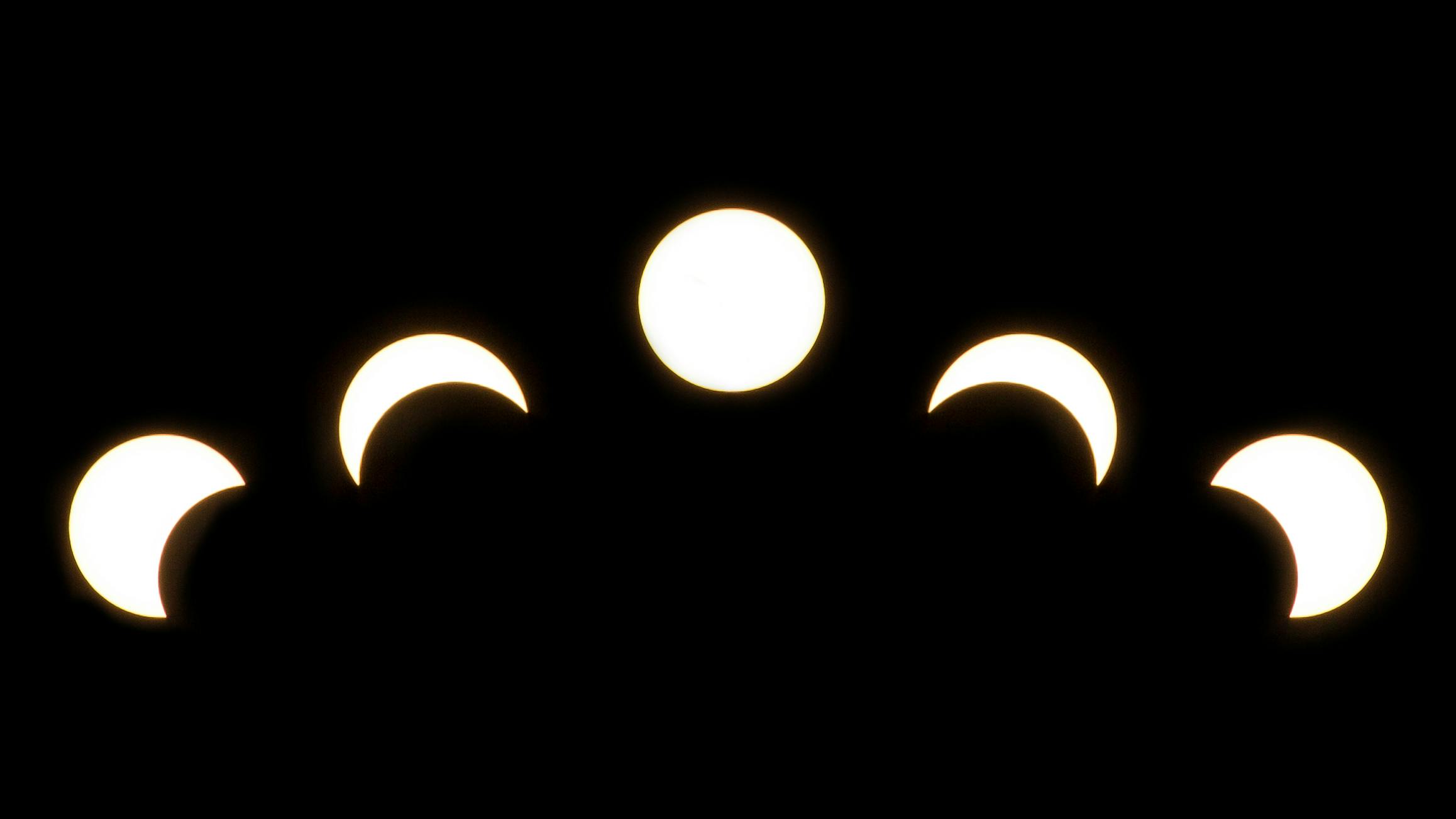
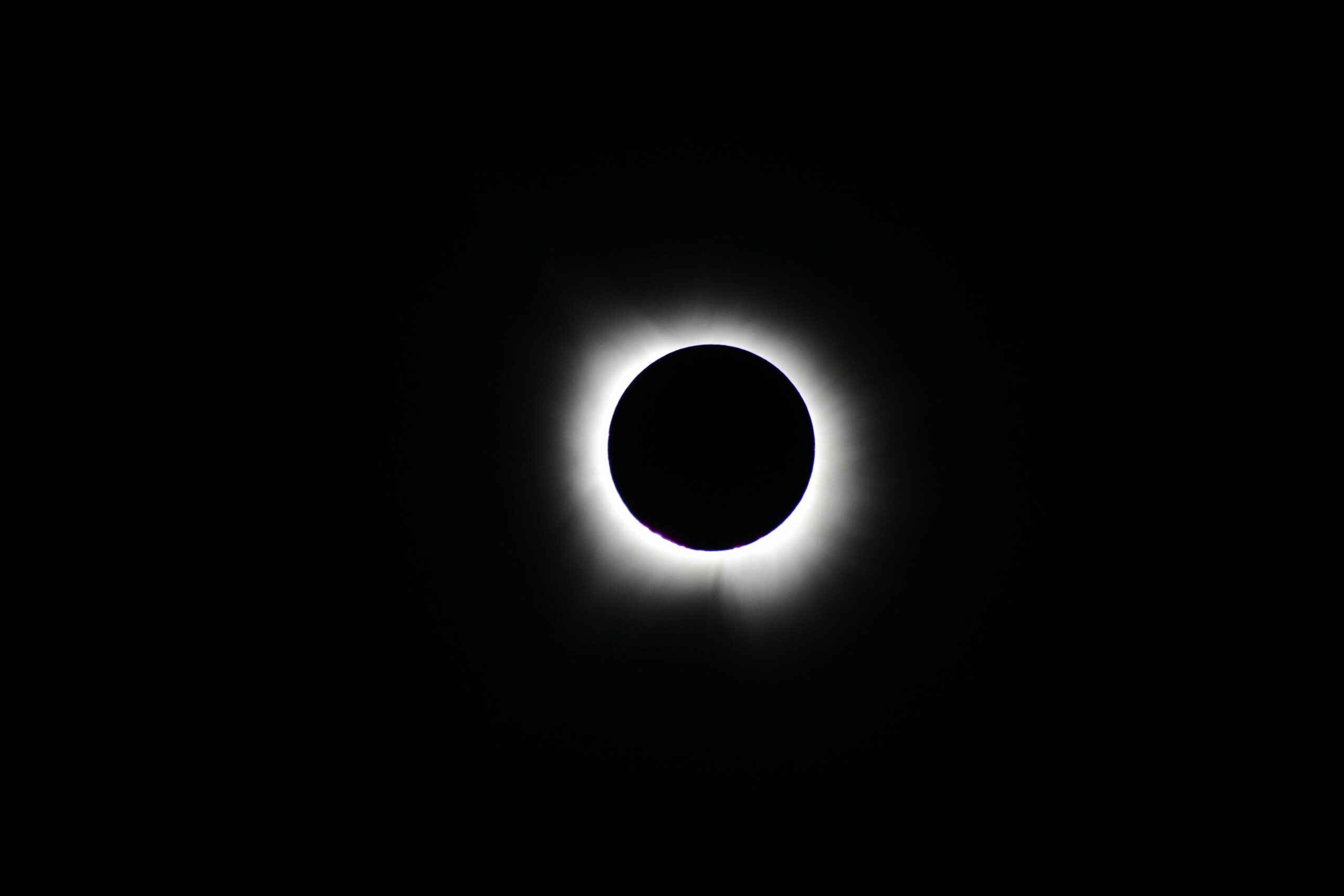
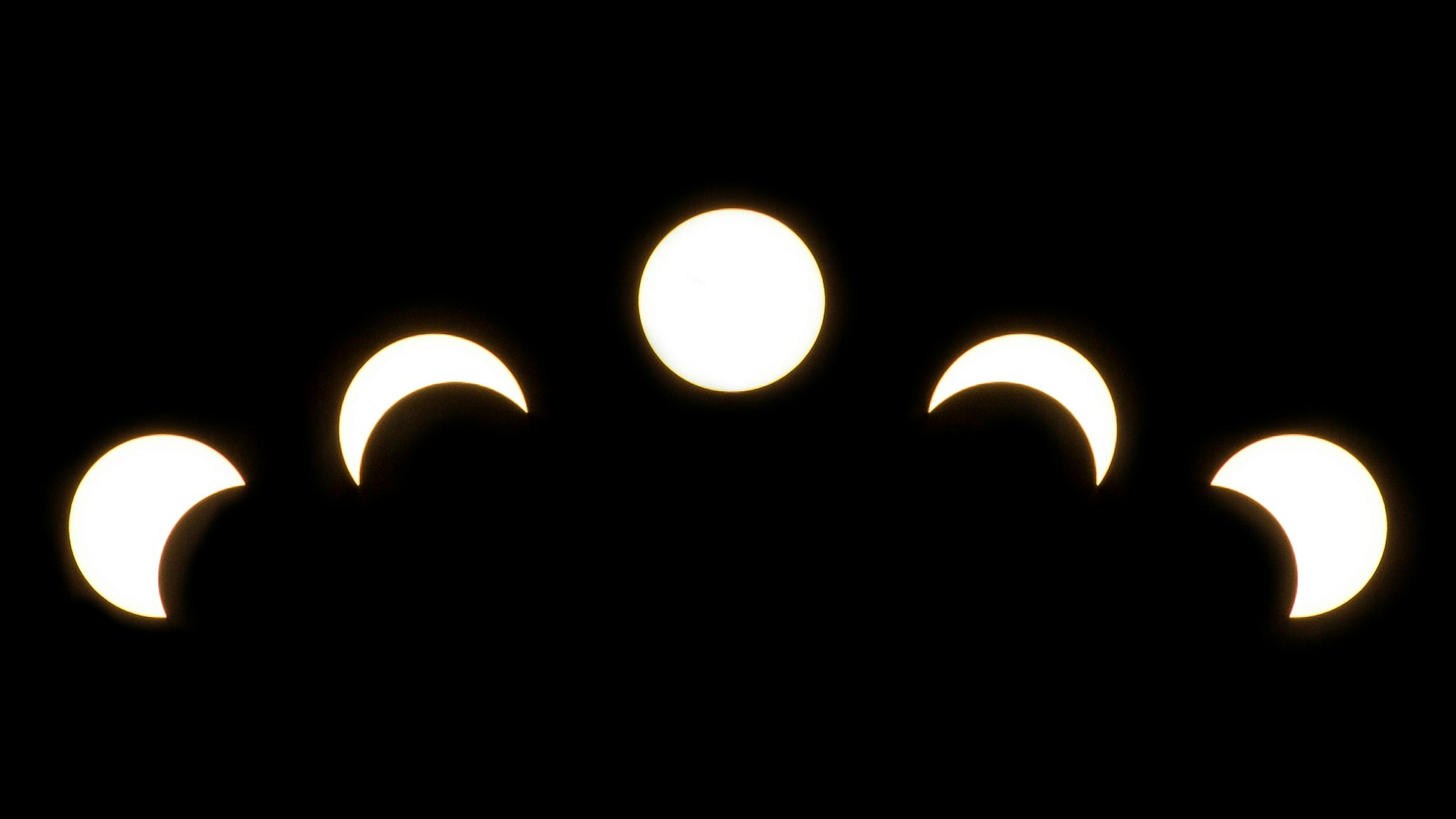
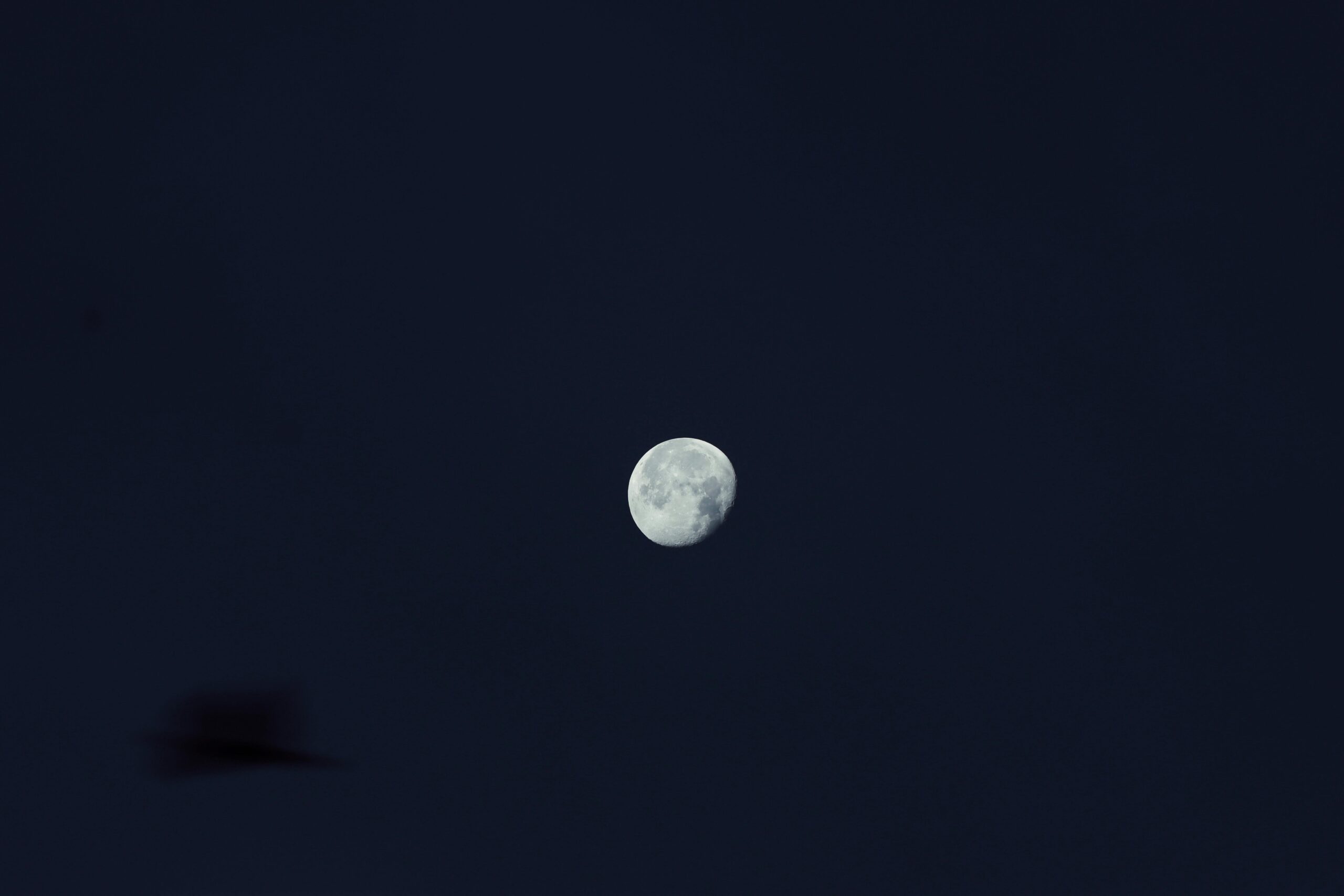
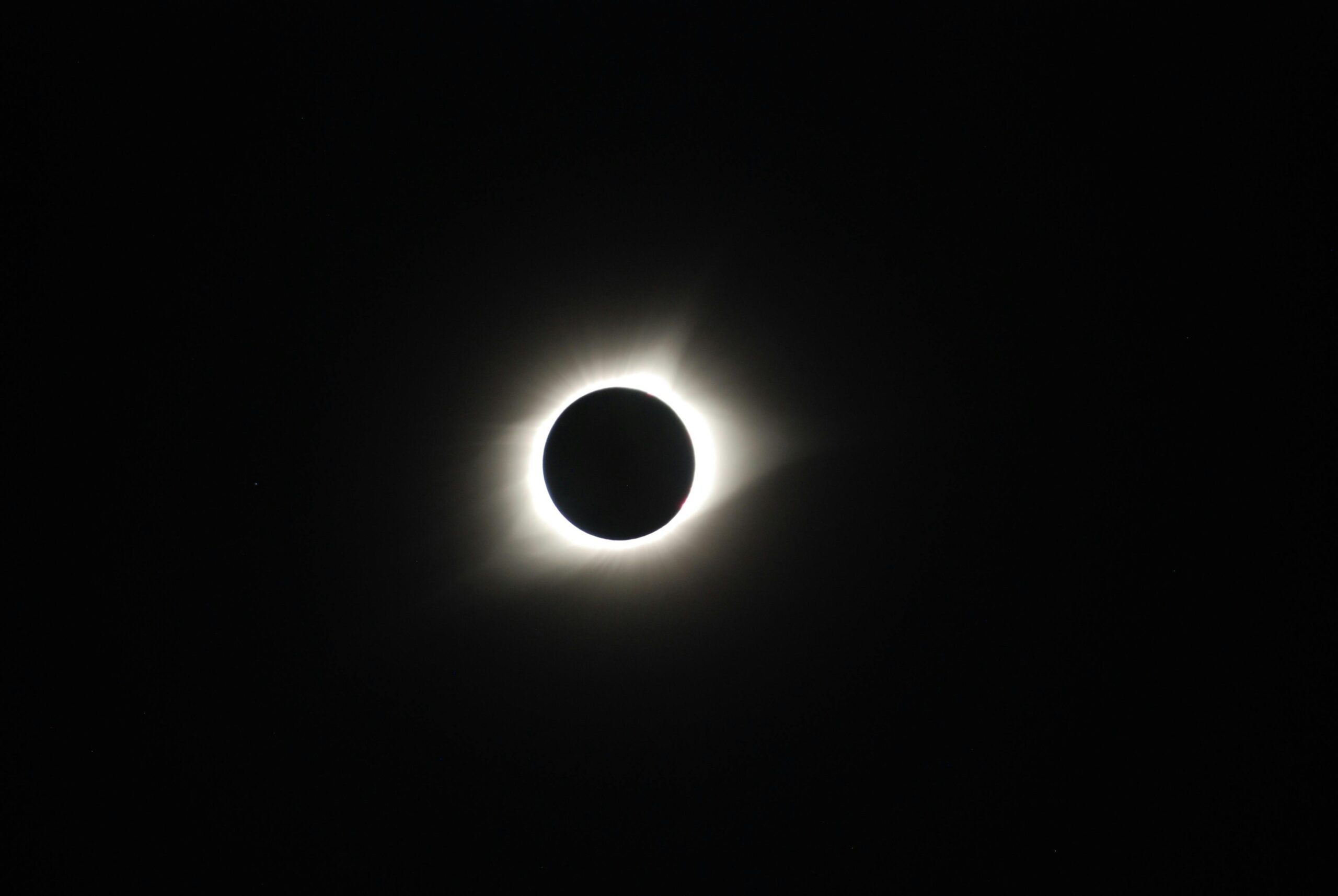
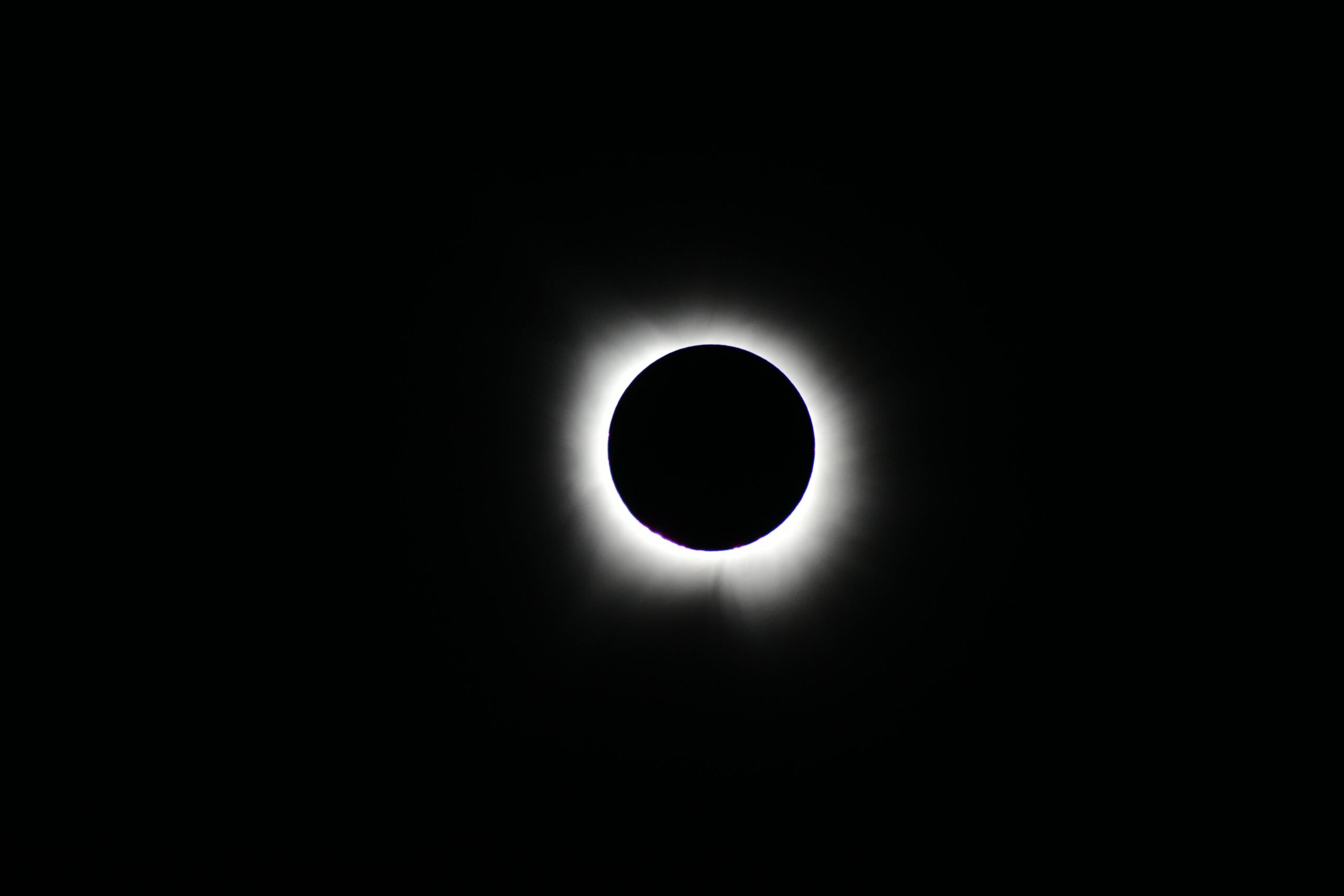
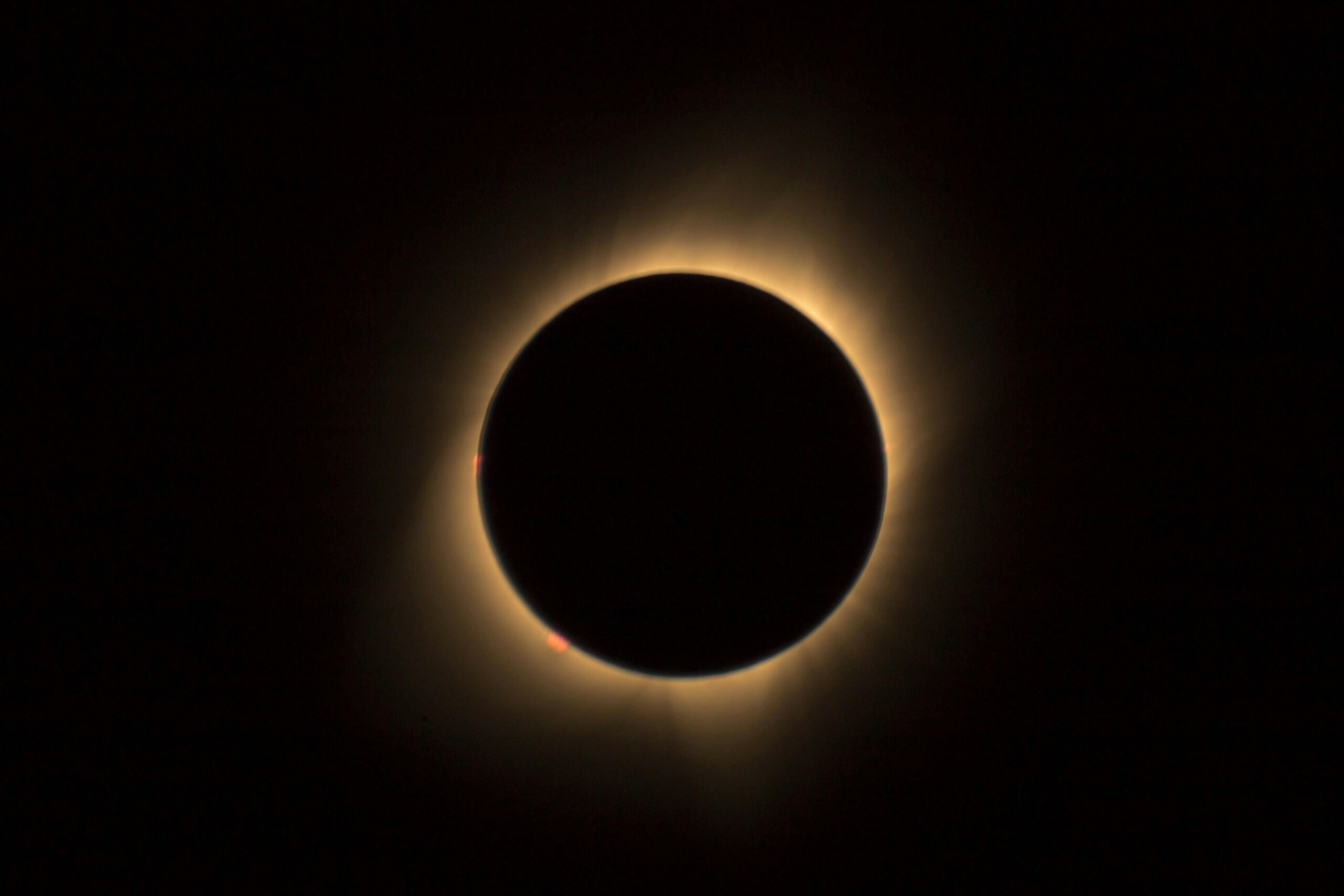
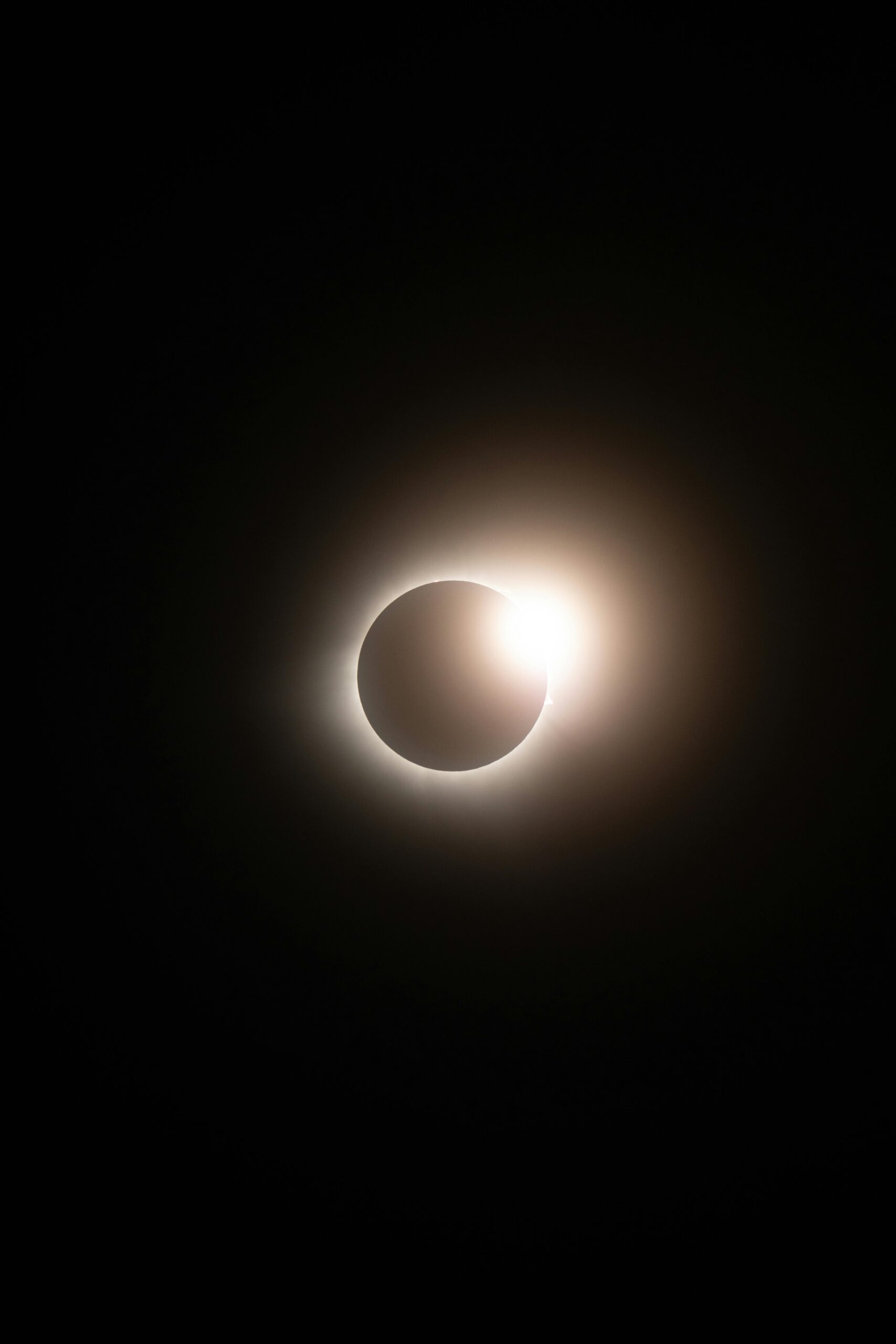
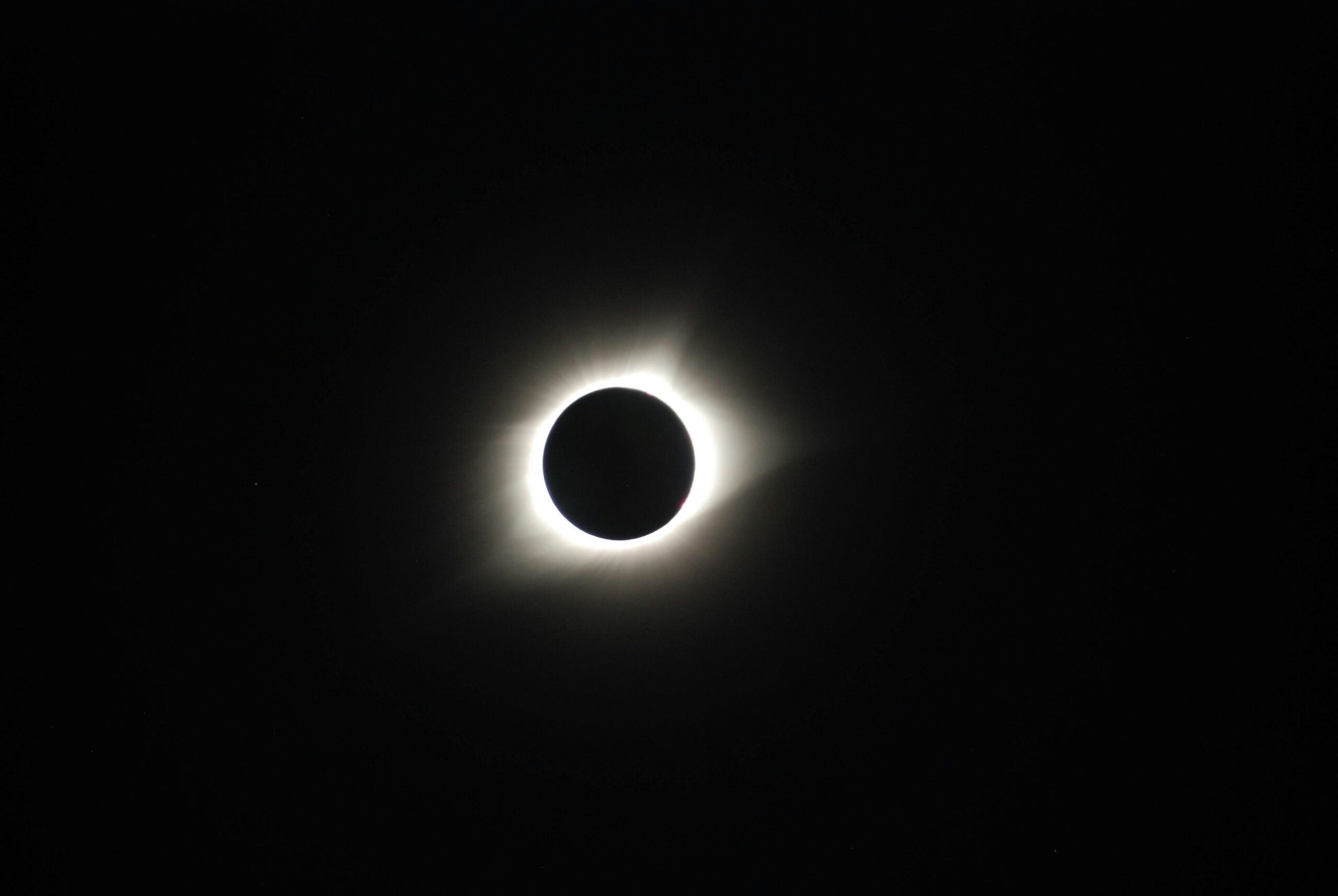
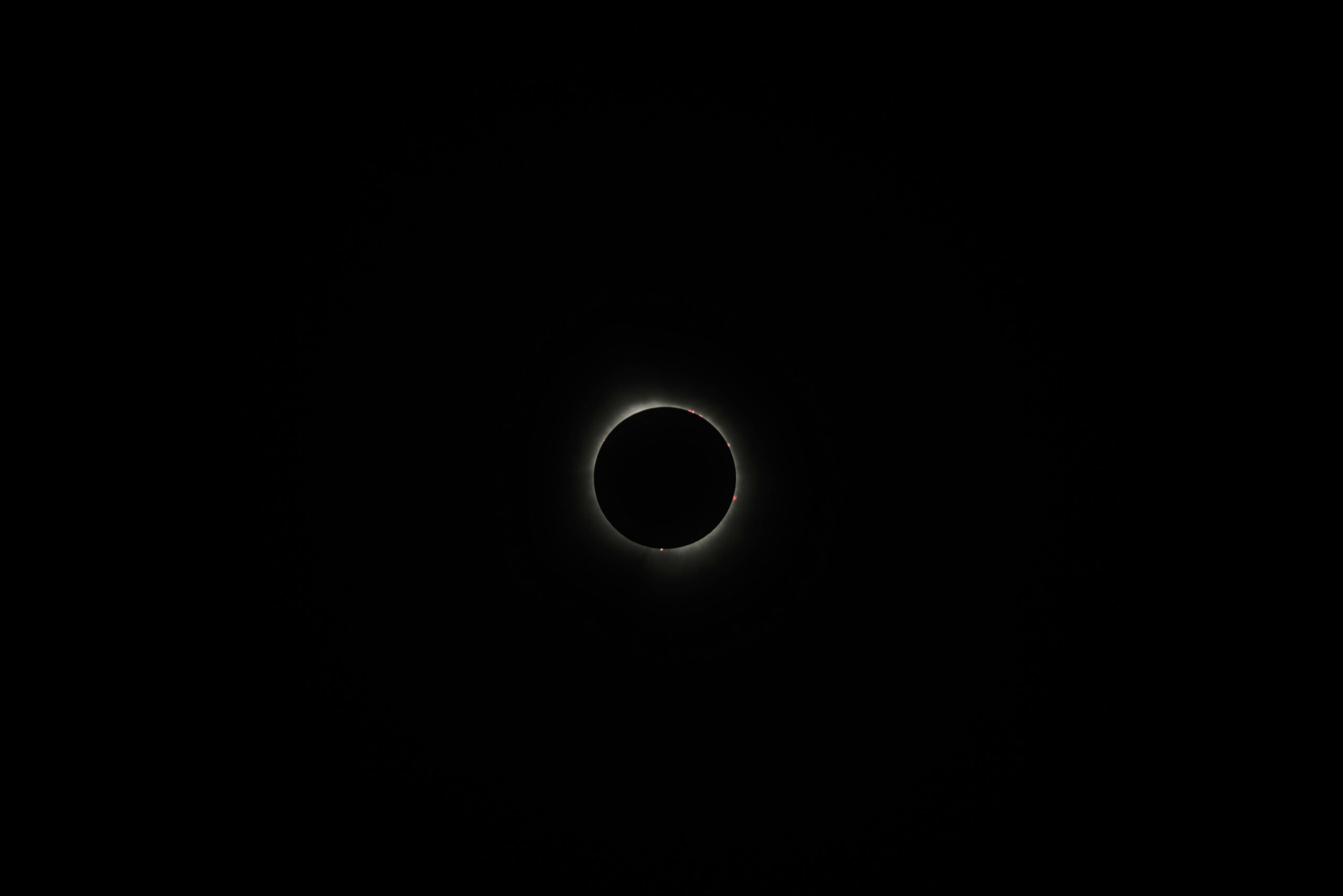
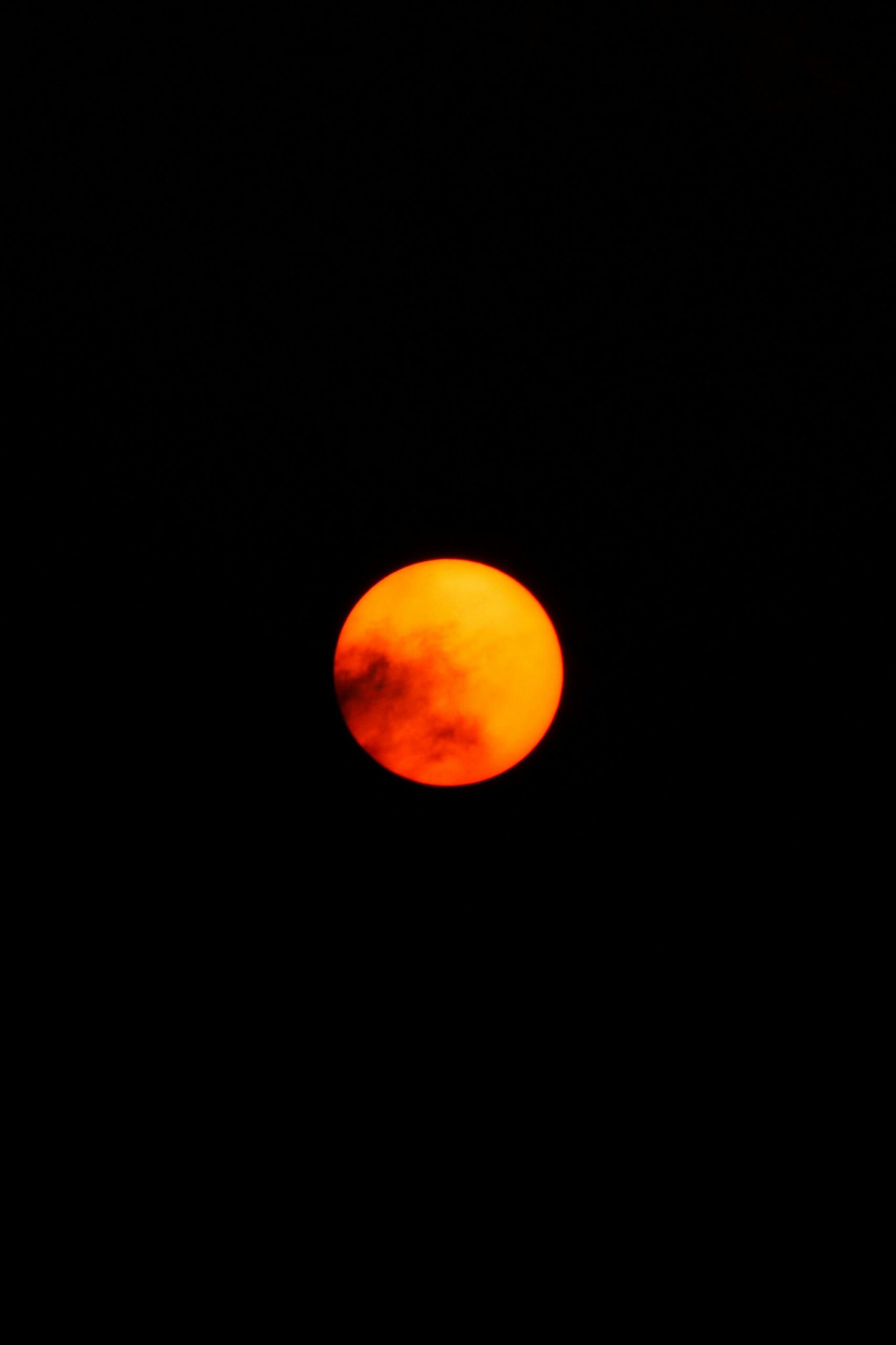
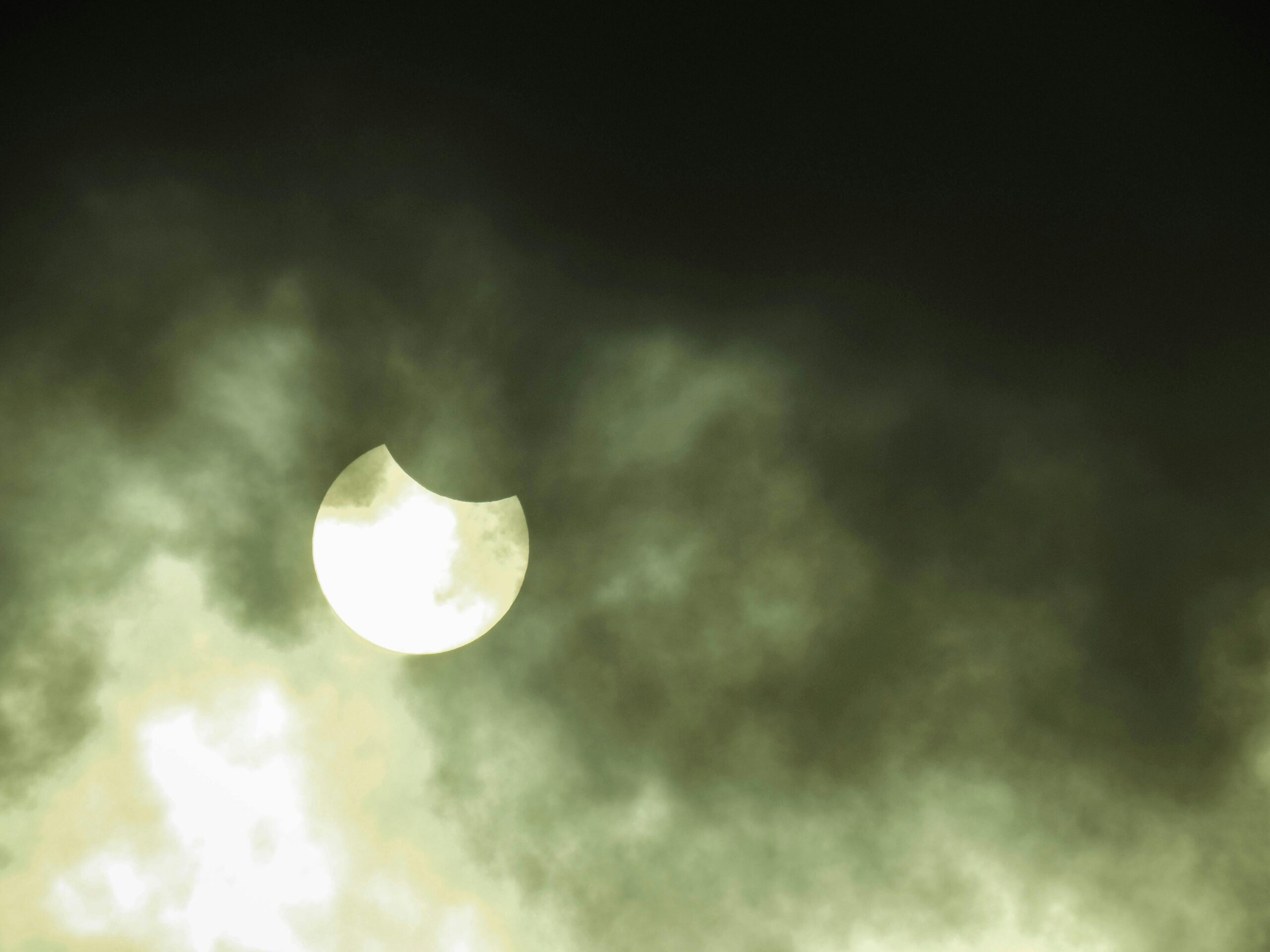
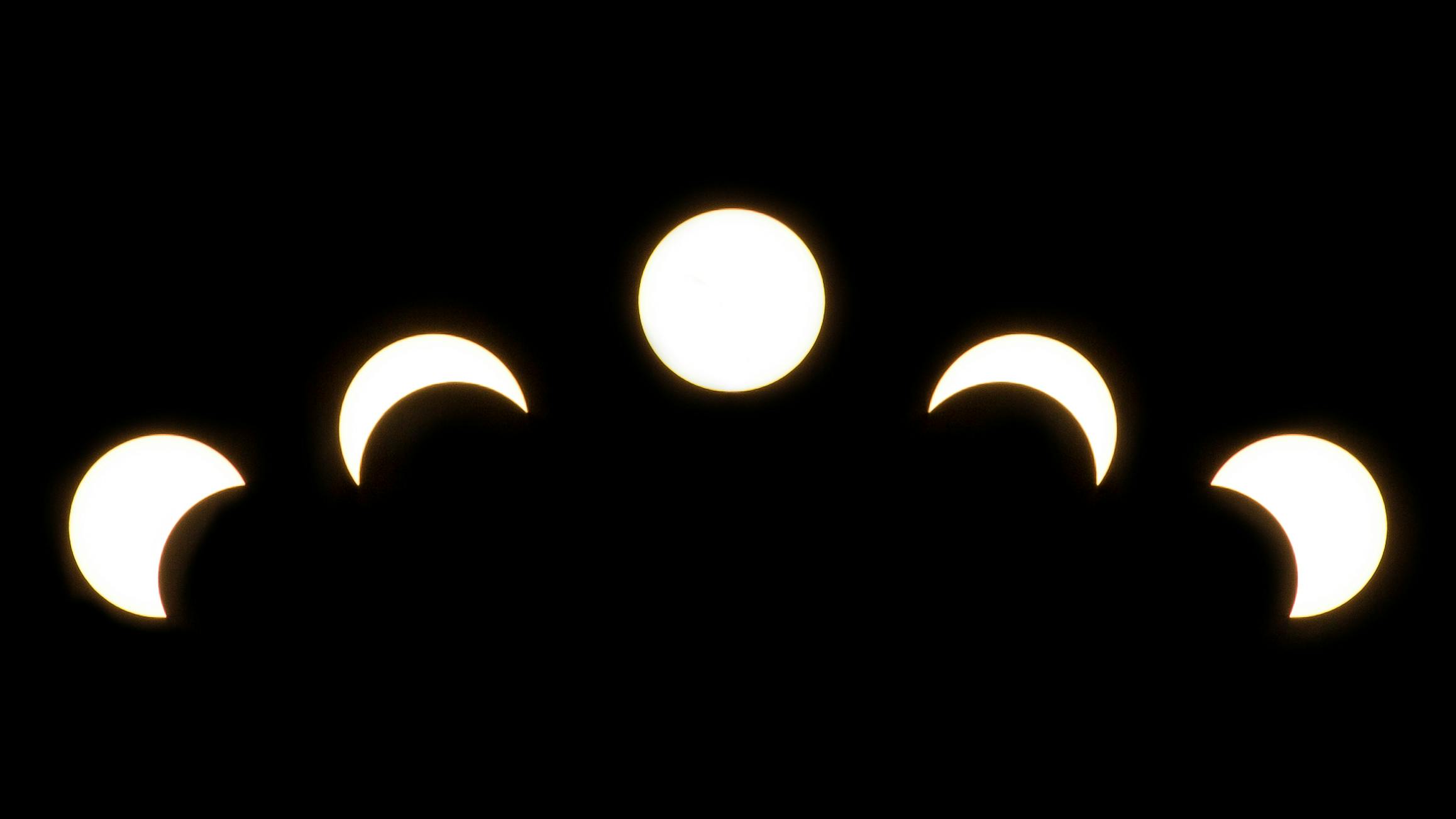
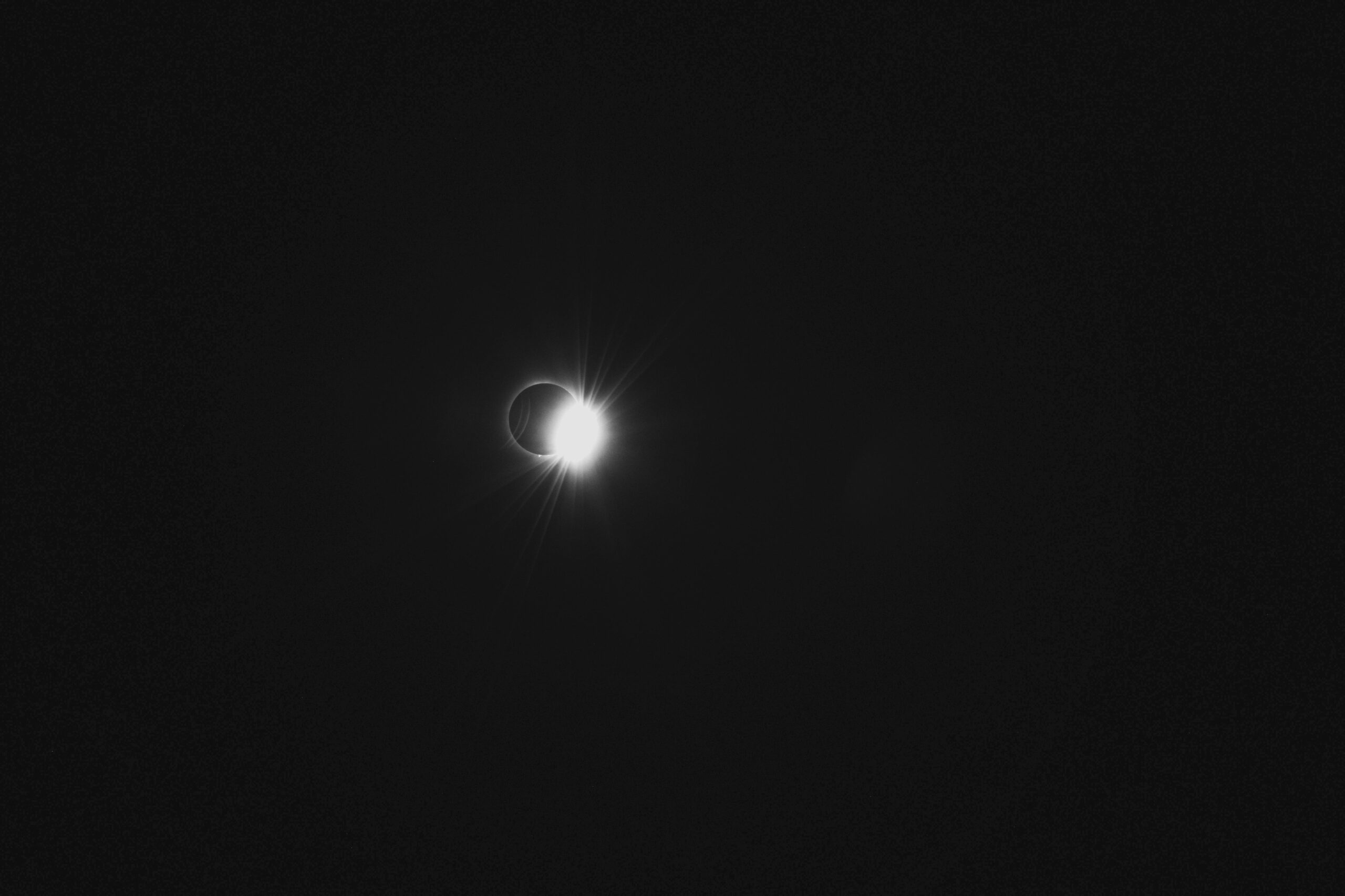
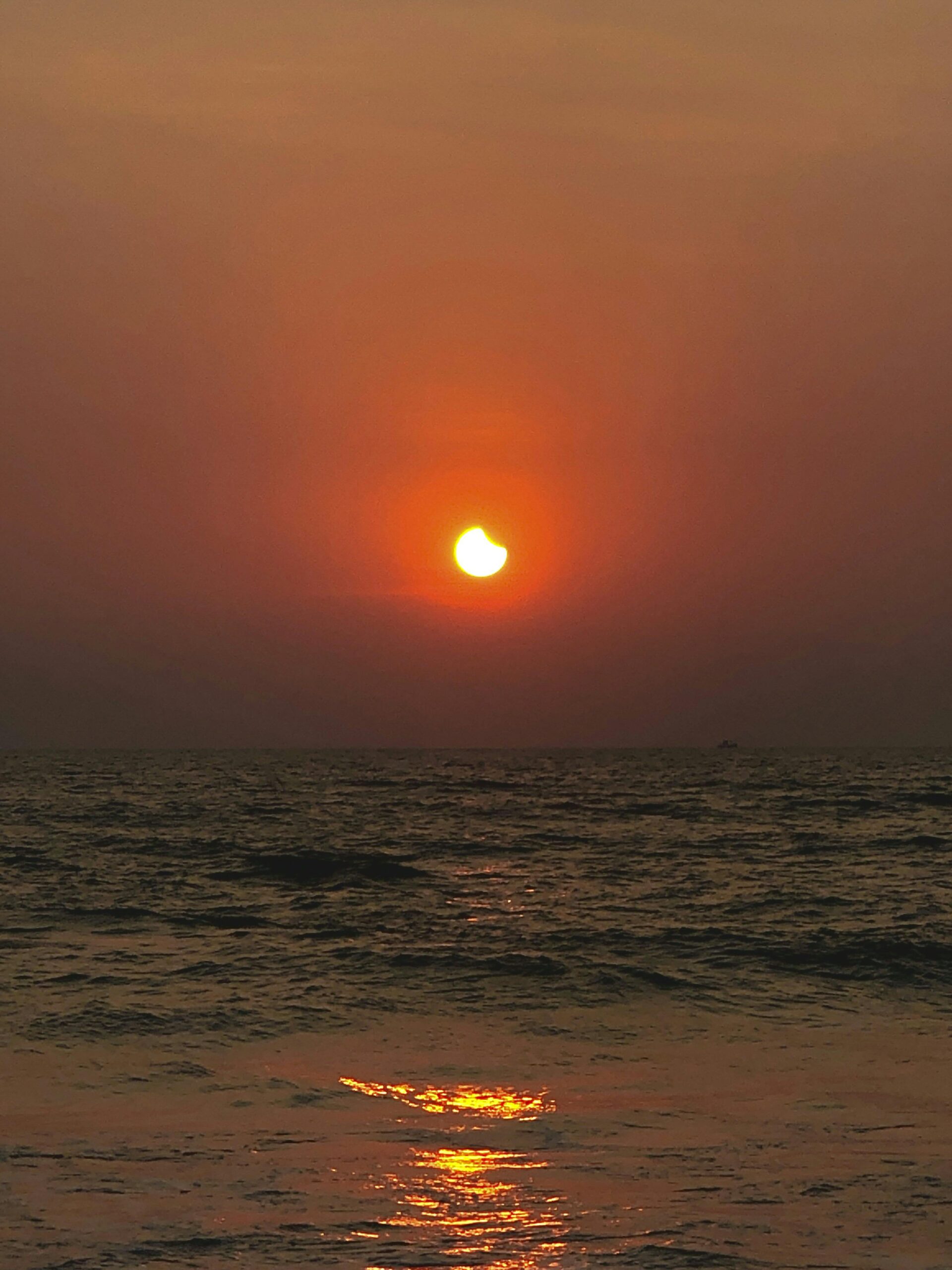
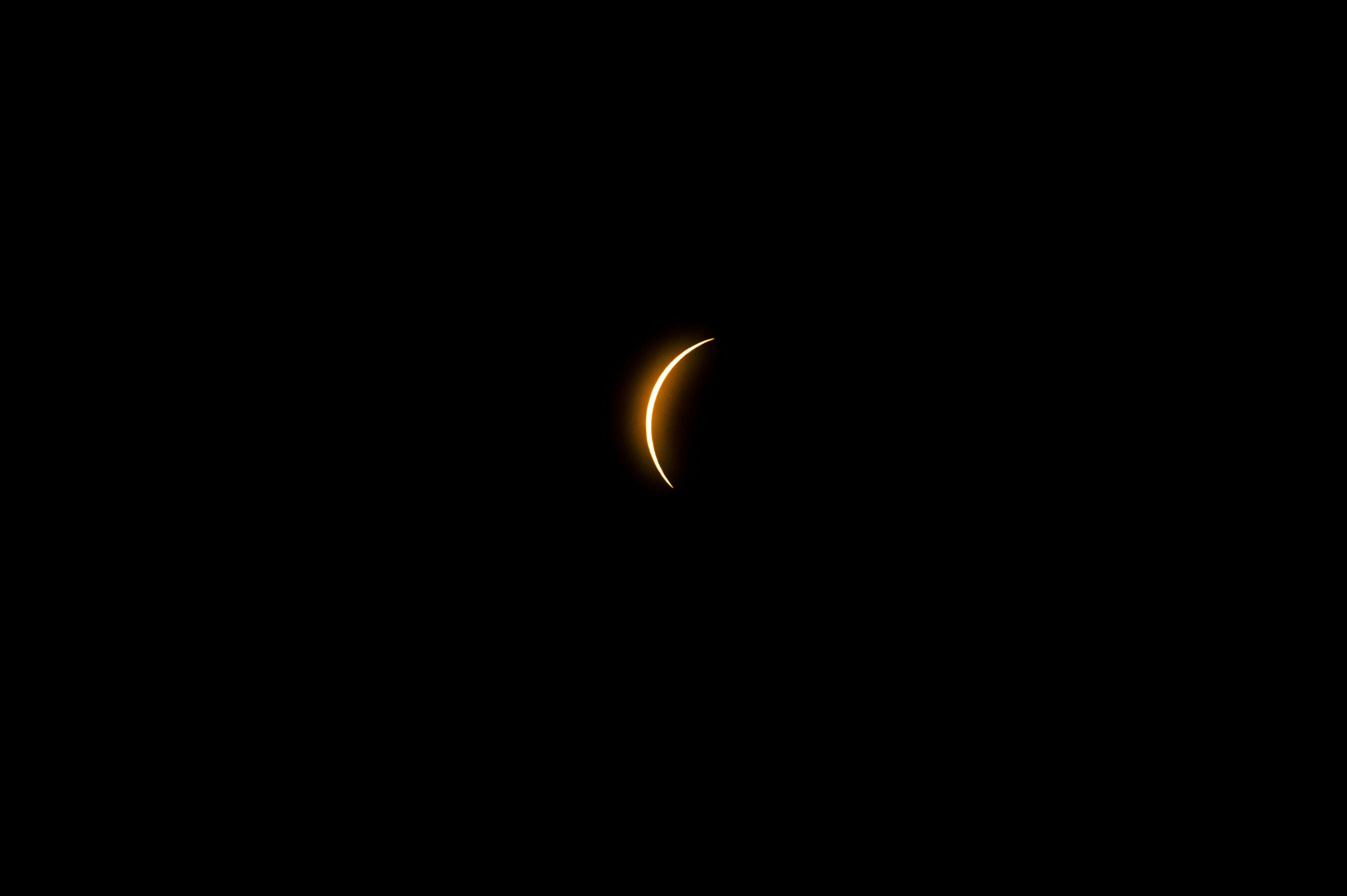
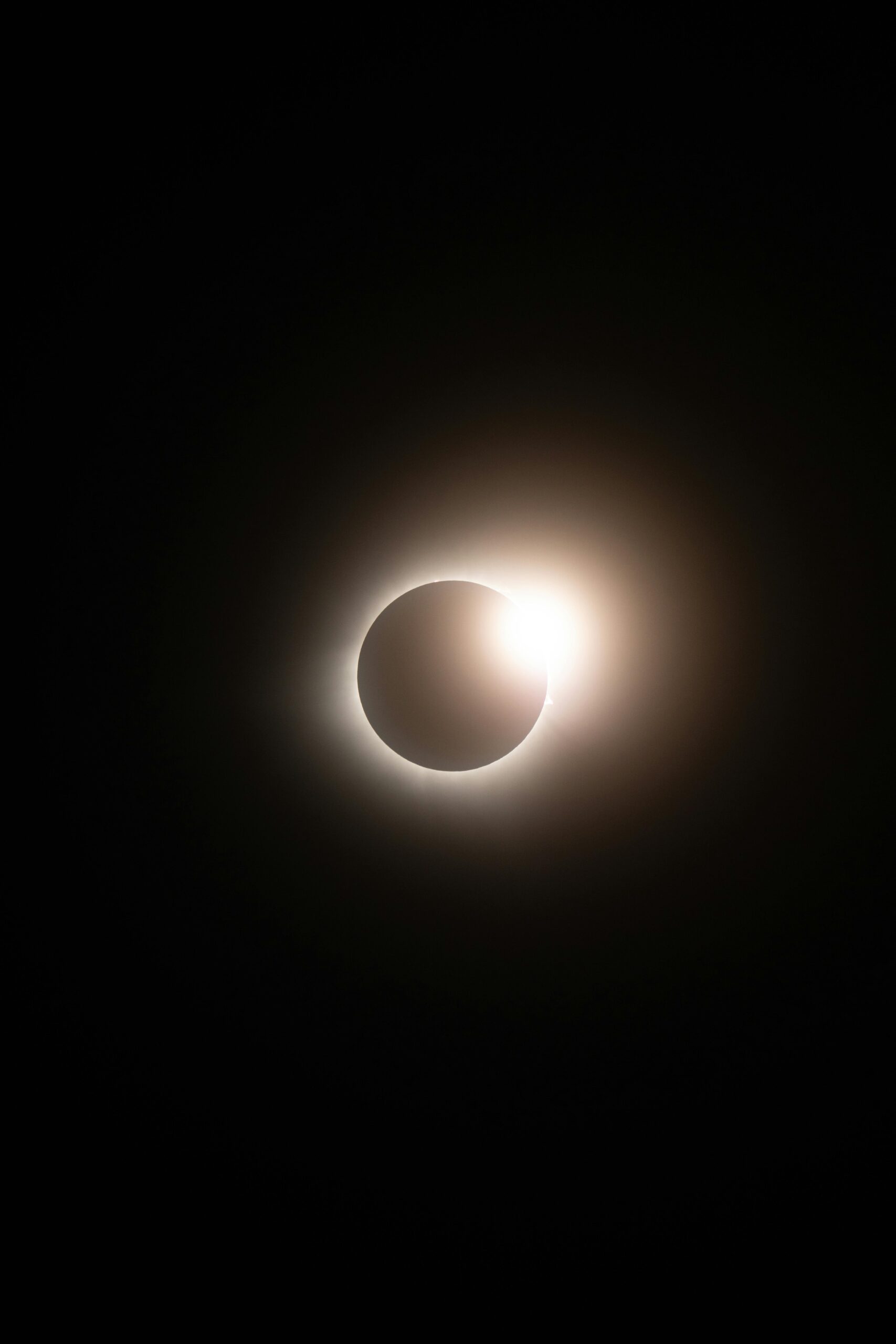
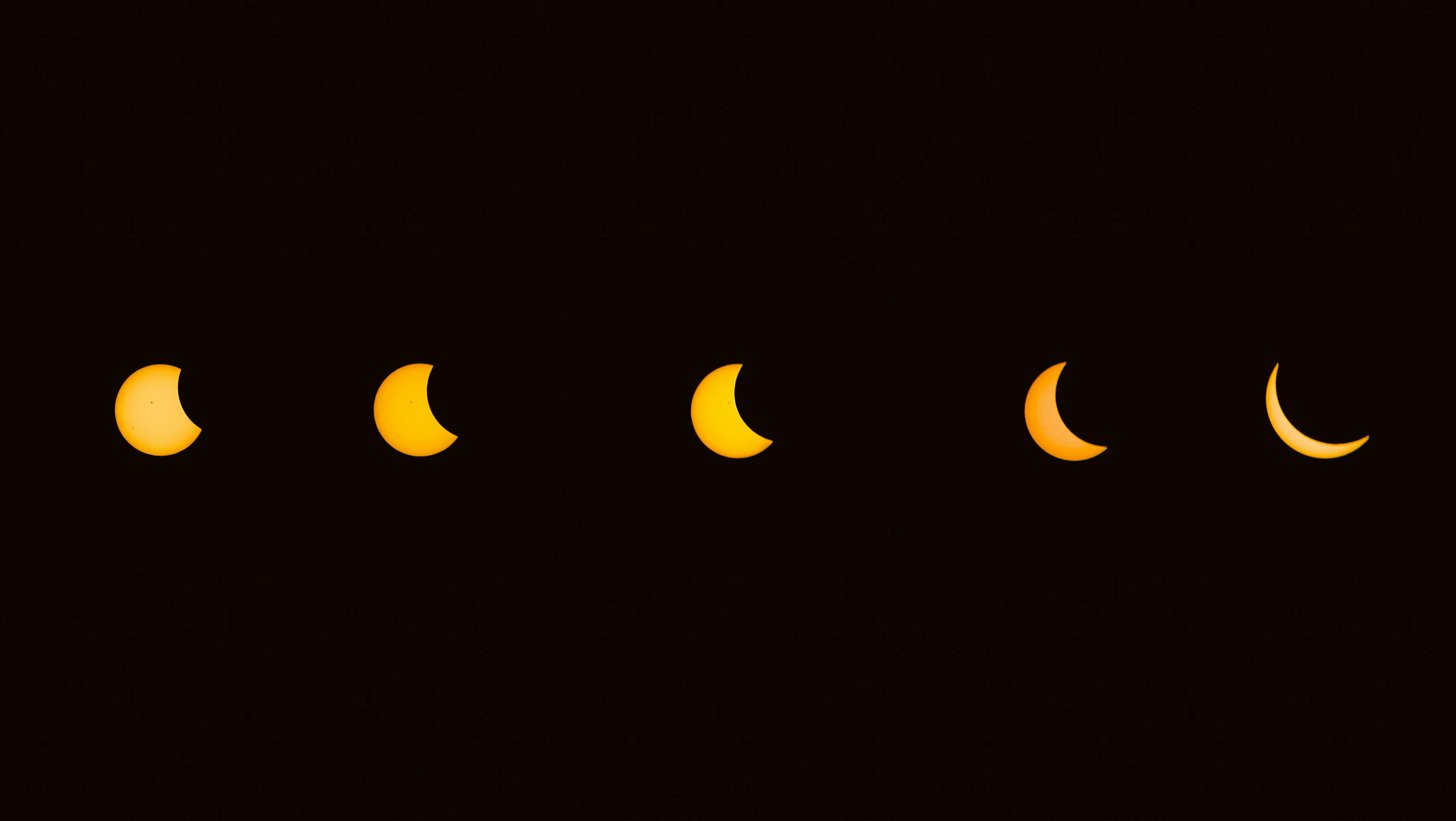
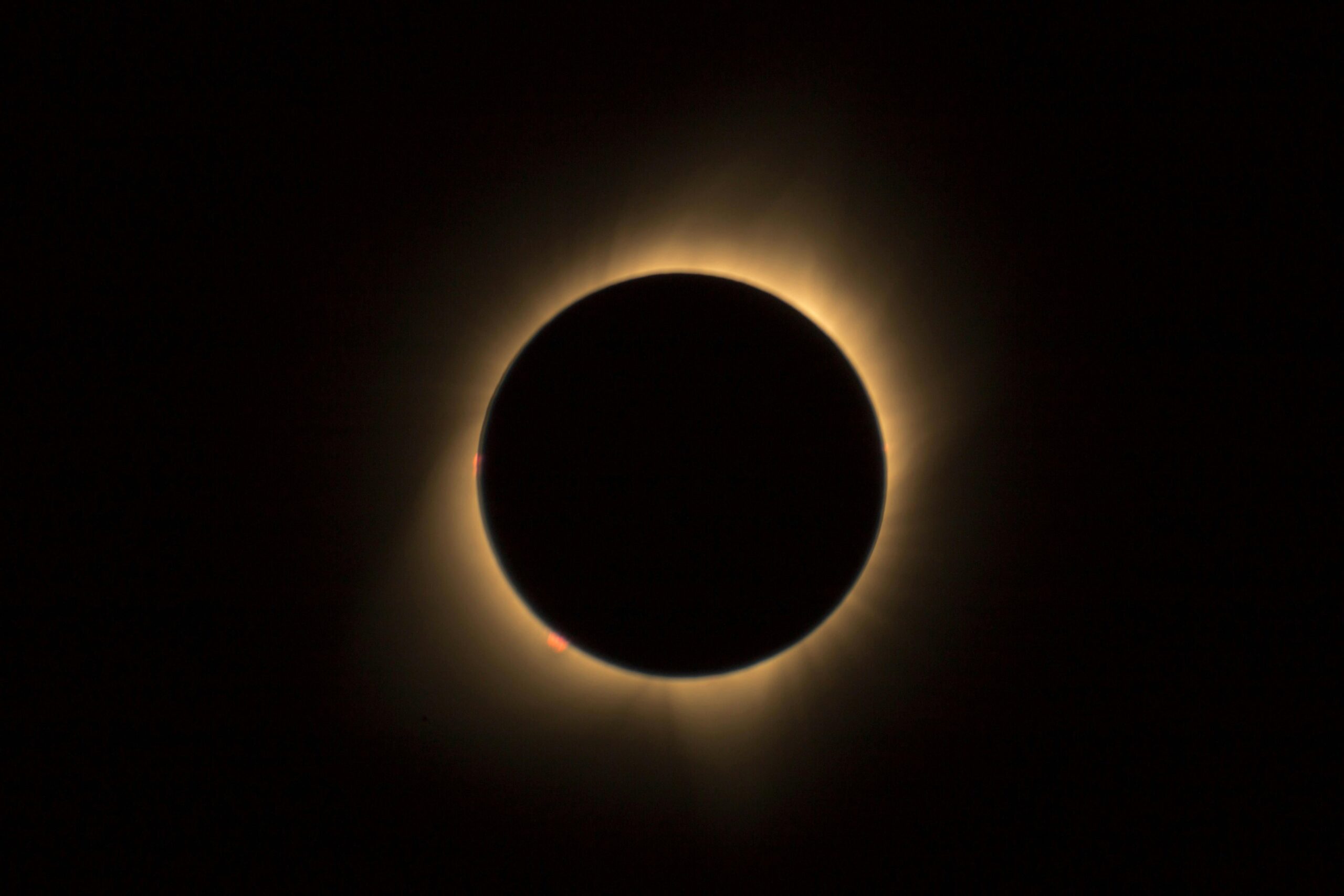
A solar eclipse occurs when the Moon passes between the Earth and the Sun, casting a shadow on the Earth’s surface. This alignment can only happen during a new moon when the Sun and the Moon are in conjunction as seen from the Earth. There are three types of solar eclipses: total, partial, and annular. A total solar eclipse occurs when the Moon completely covers the Sun, revealing the Sun’s corona. A partial solar eclipse happens when only a part of the Sun is obscured by the Moon, while an annular eclipse takes place when the Moon is too far away from the Earth to completely cover the Sun, resulting in a ring of fire around the Moon.
The Science Behind the Spectacle
The science behind solar eclipses is fascinating. The Moon’s orbit around the Earth is tilted by about 5 degrees compared to the Earth’s orbit around the Sun. This tilt means that the Moon’s shadow usually misses the Earth. However, when the alignment is just right, the Moon’s shadow falls on the Earth, creating the conditions for a solar eclipse. The path of totality, where the total eclipse is visible, is relatively narrow, typically around 100 to 160 kilometers wide. Outside this path, a partial eclipse can be observed.
Preparing for the Eclipse: Safety and Viewing Tips
Witnessing a solar eclipse is an unforgettable experience, but it’s crucial to prioritize safety. Looking directly at the Sun, even during an eclipse, can cause serious eye damage or even blindness. To safely observe the eclipse, use certified solar filters or eclipse glasses that meet the ISO 12312-2 international safety standard. These glasses block out harmful ultraviolet and infrared radiation, allowing you to view the eclipse safely. Additionally, you can use a pinhole projector or a telescope with a solar filter to project the image of the Sun onto a screen.
For those planning to travel to the path of totality, it’s essential to make arrangements well in advance. Accommodation and transportation can be challenging to secure as the event approaches. Packing essentials like water, snacks, and sunscreen is also advisable, especially if you plan to spend extended periods outdoors. And if you’re a bike enthusiast, don’t forget to consider Honda bike insurance and protection plans to ensure your adventure is covered.
Photographing the Eclipse
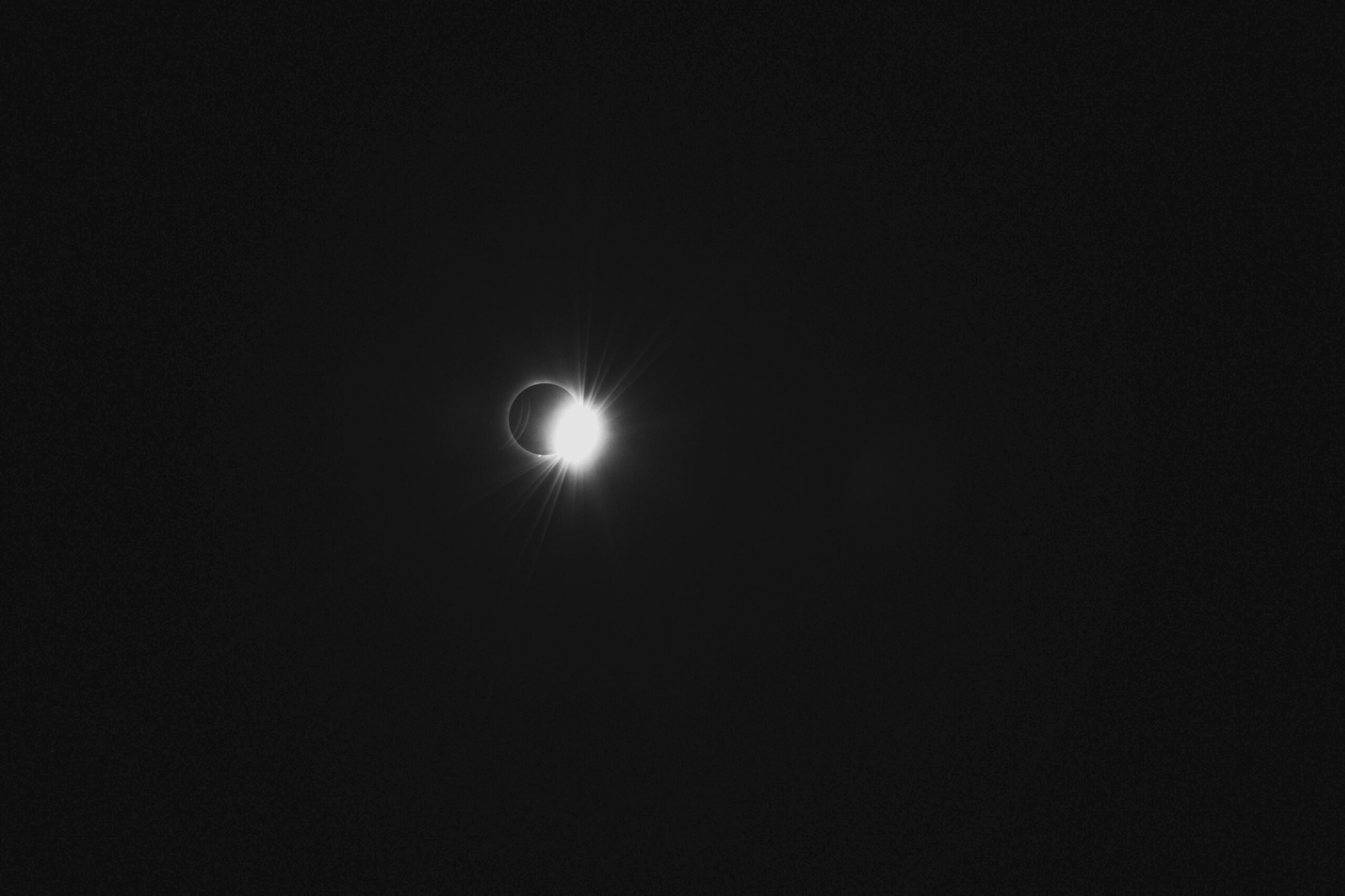
Capturing the solar eclipse on camera can be a rewarding experience. However, it requires special equipment and precautions. A solar filter is necessary to protect your camera’s sensor from the Sun’s intense light. Use a tripod to keep your camera steady and a remote shutter release to avoid camera shake. Experiment with different exposure settings to capture the various phases of the eclipse. Remember, the corona, visible during totality, is much dimmer than the Sun’s surface, so adjusting your exposure settings accordingly is crucial.
The Cultural and Historical Significance of Solar Eclipses
Throughout history, solar eclipses have held significant cultural and historical importance. Ancient civilizations often viewed eclipses as omens or signs from the gods. The ancient Chinese believed that a solar eclipse occurred when a celestial dragon devoured the Sun. To scare the dragon away, they would make loud noises and bang drums. In Hindu mythology, the eclipse is associated with the demon Rahu, who is said to swallow the Sun. Various rituals and prayers are performed to ward off the evil effects of the eclipse.
In modern times, solar eclipses have inspired scientific discoveries and technological advancements. The 1919 eclipse provided crucial evidence supporting Albert Einstein’s theory of general relativity. During the eclipse, the bending of starlight near the Sun’s limb was observed, confirming Einstein’s predictions. This discovery revolutionized our understanding of gravity and the universe.
Looking Ahead: Future Solar Eclipses
The next total solar eclipse is set to occur on April 8, 2024, and will be visible from parts of North America, including Mexico, the United States, and Canada. This event is highly anticipated, with millions of people expected to travel to the path of totality to witness the spectacle. For those unable to witness the 2024 eclipse, the next total solar eclipse will occur on August 12, 2026, and will be visible from the Arctic, Greenland, and parts of Spain and Iceland.
As we look ahead to these celestial events, it’s essential to stay informed and prepared. Whether you’re a seasoned astronomer or a curious observer, witnessing a solar eclipse is an experience that will leave a lasting impression. So mark your calendars, gather your safety gear, and get ready to witness the wonders of the universe.