The Solar Eclipse Phenomenon
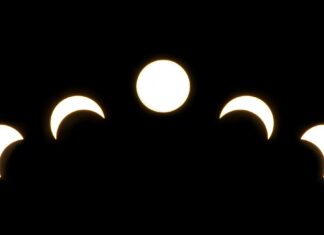
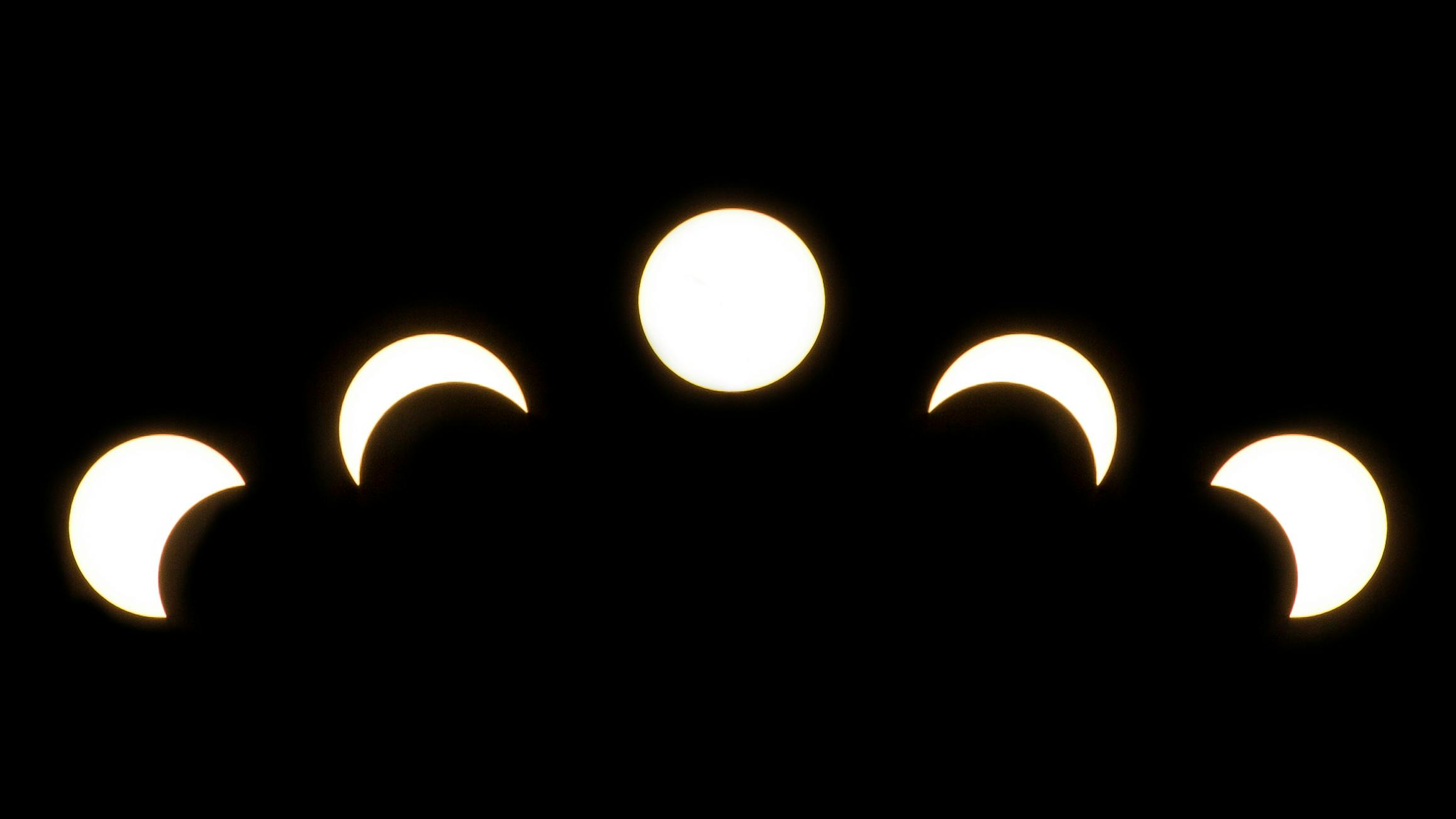
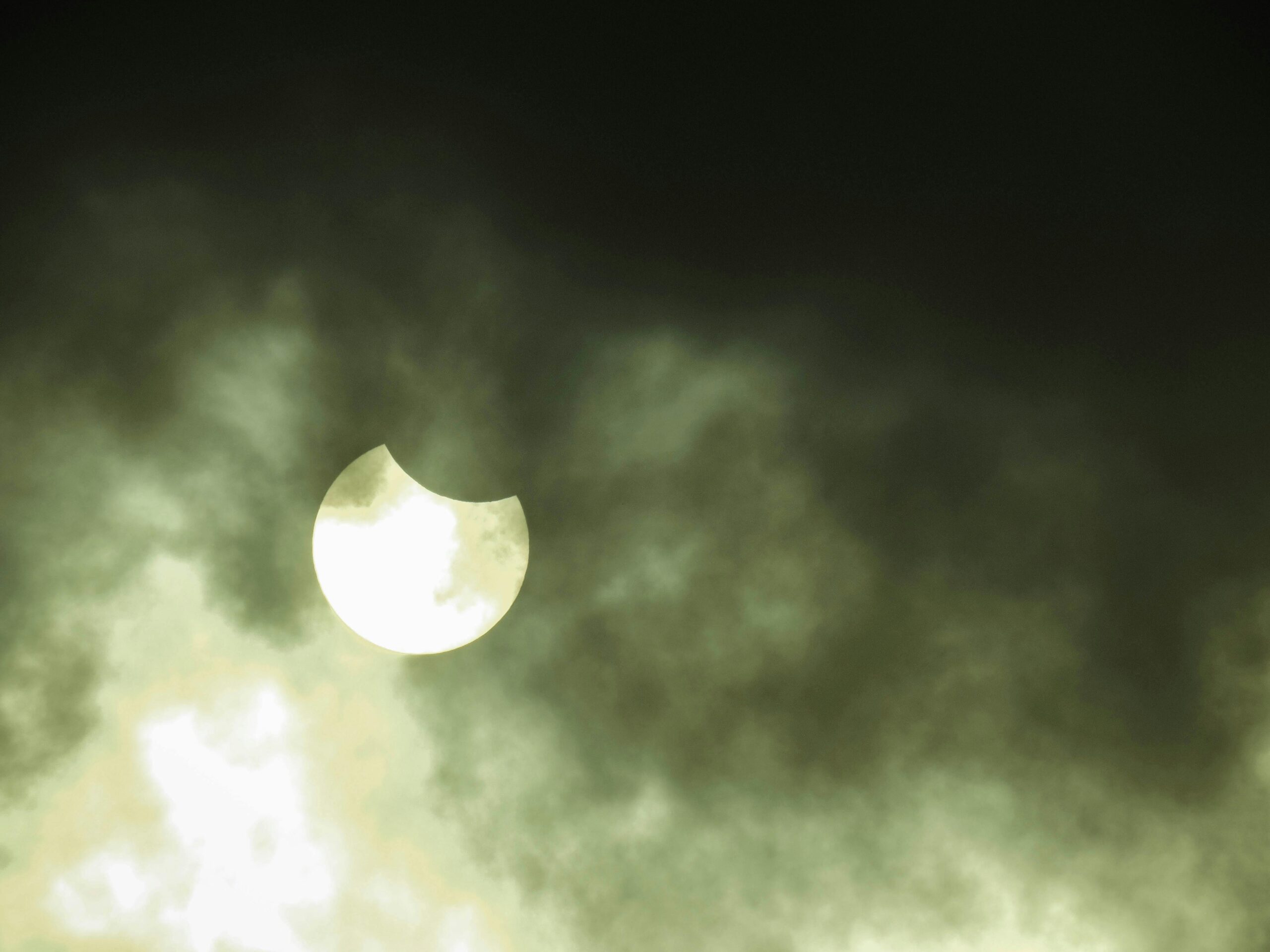
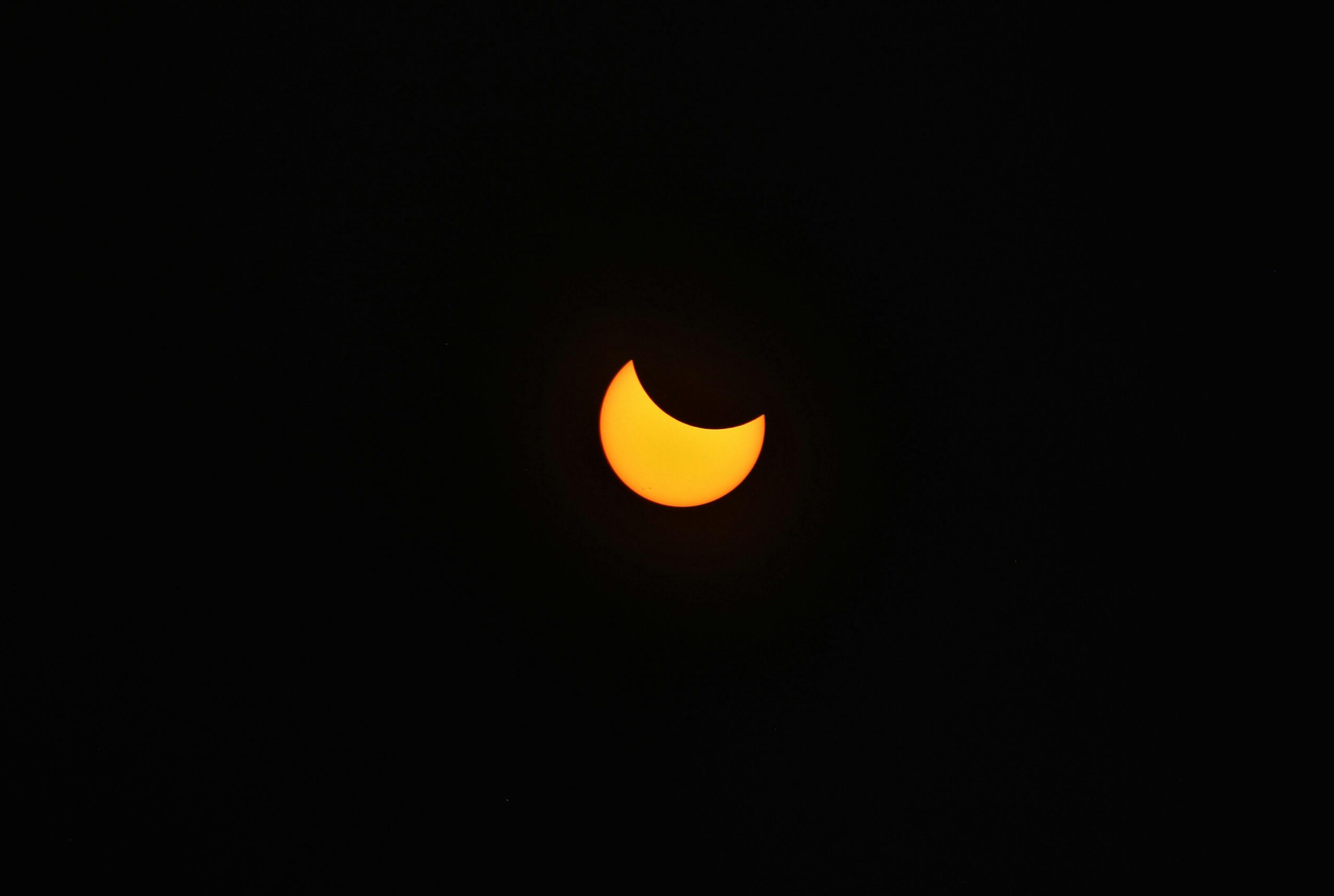
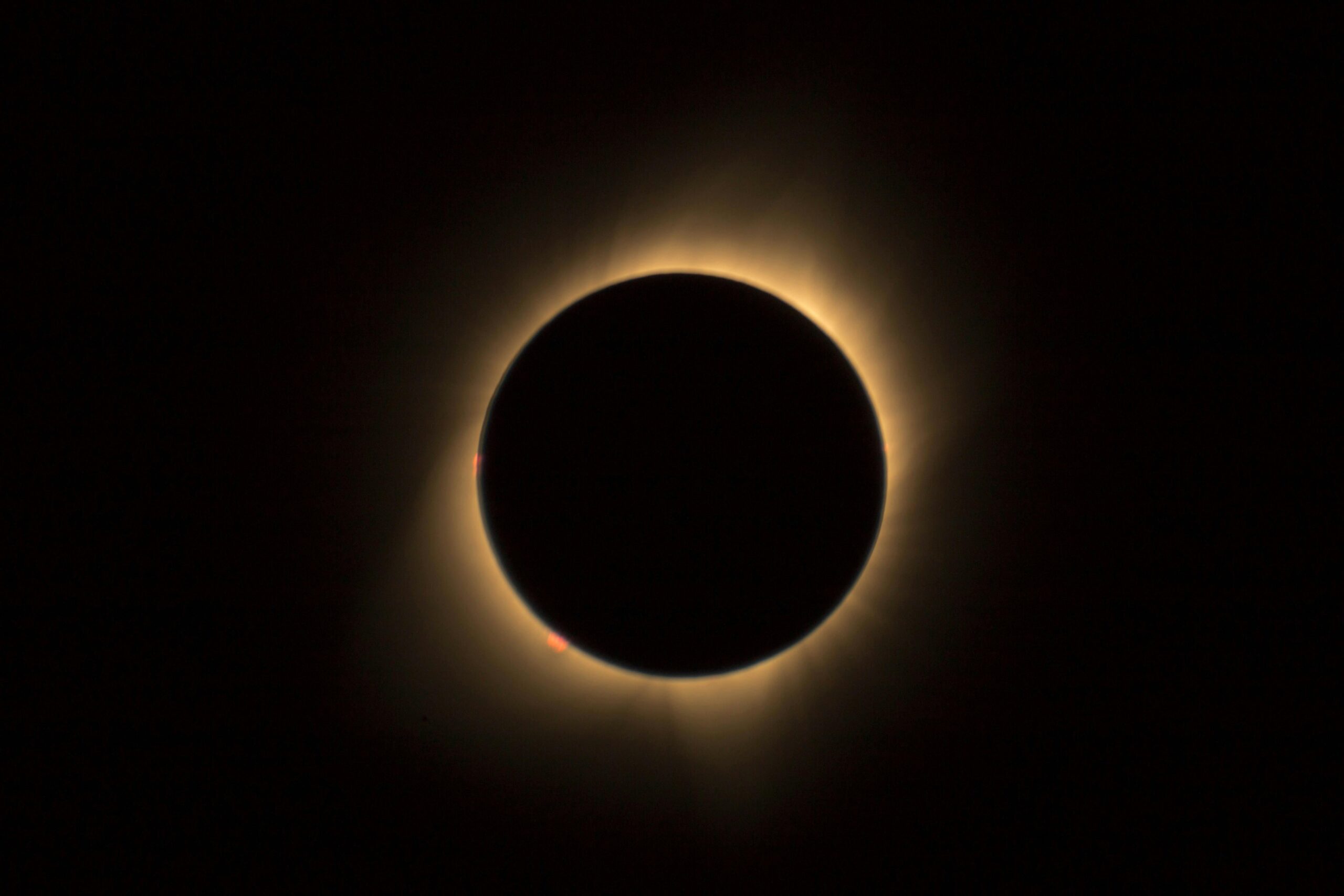
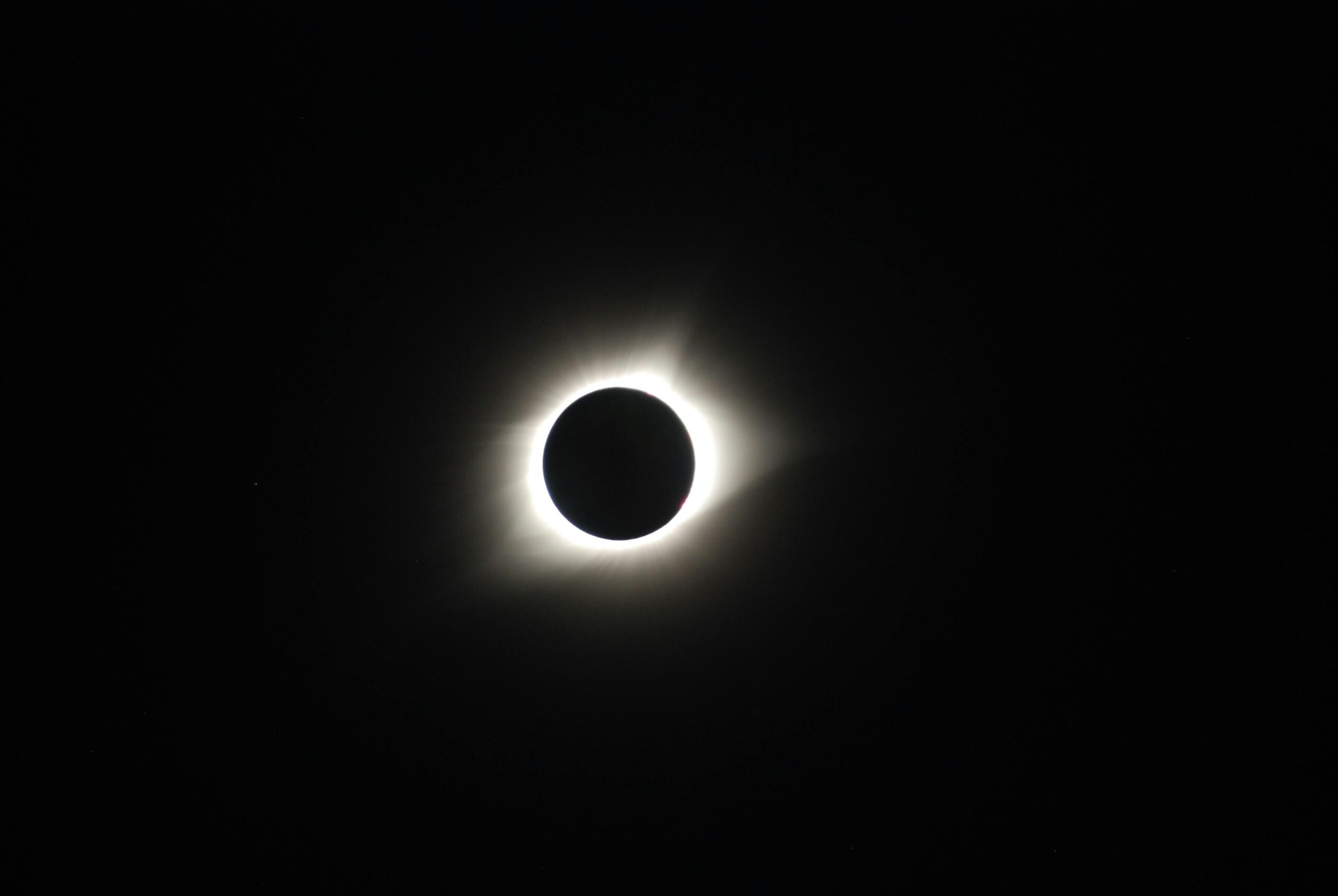
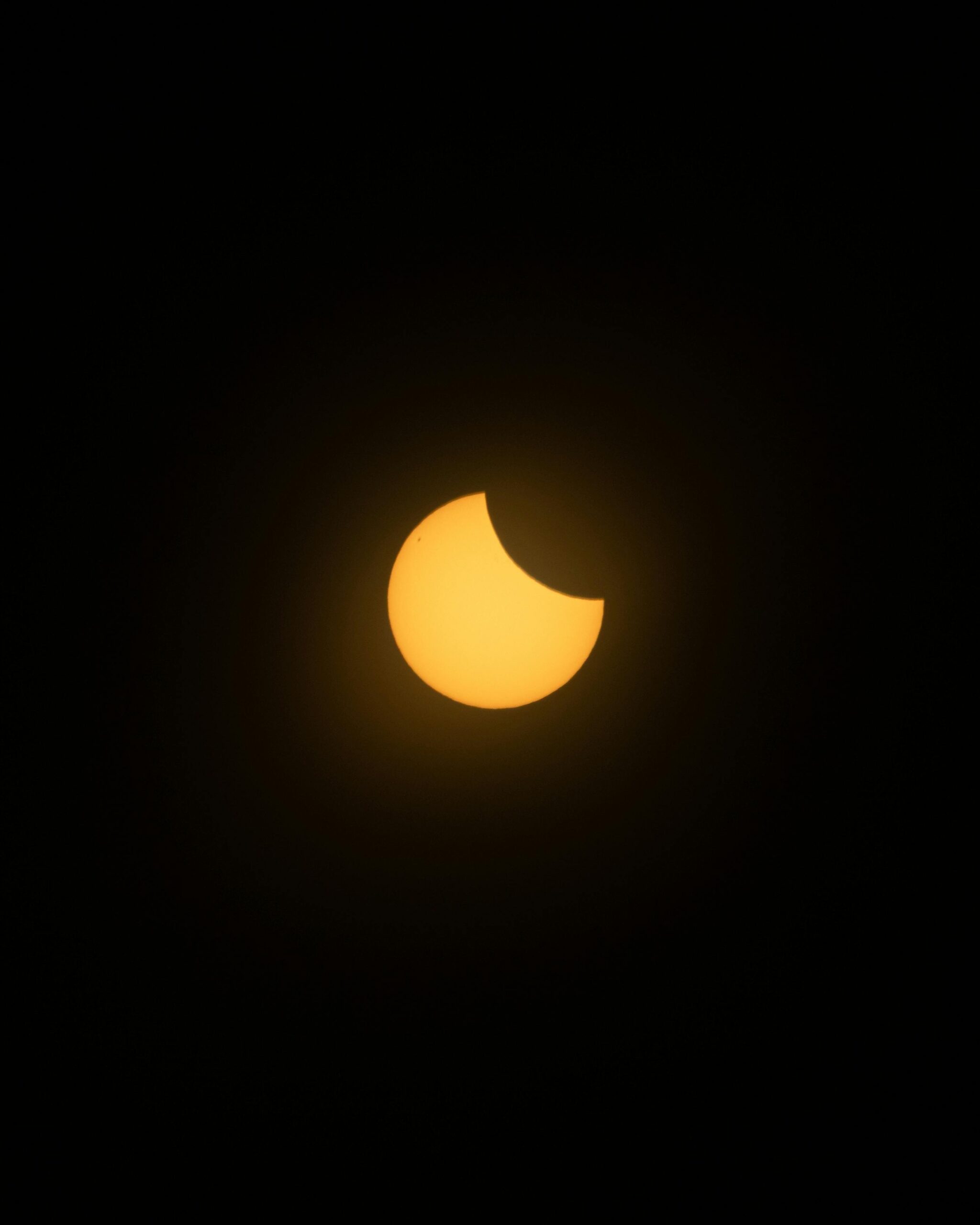
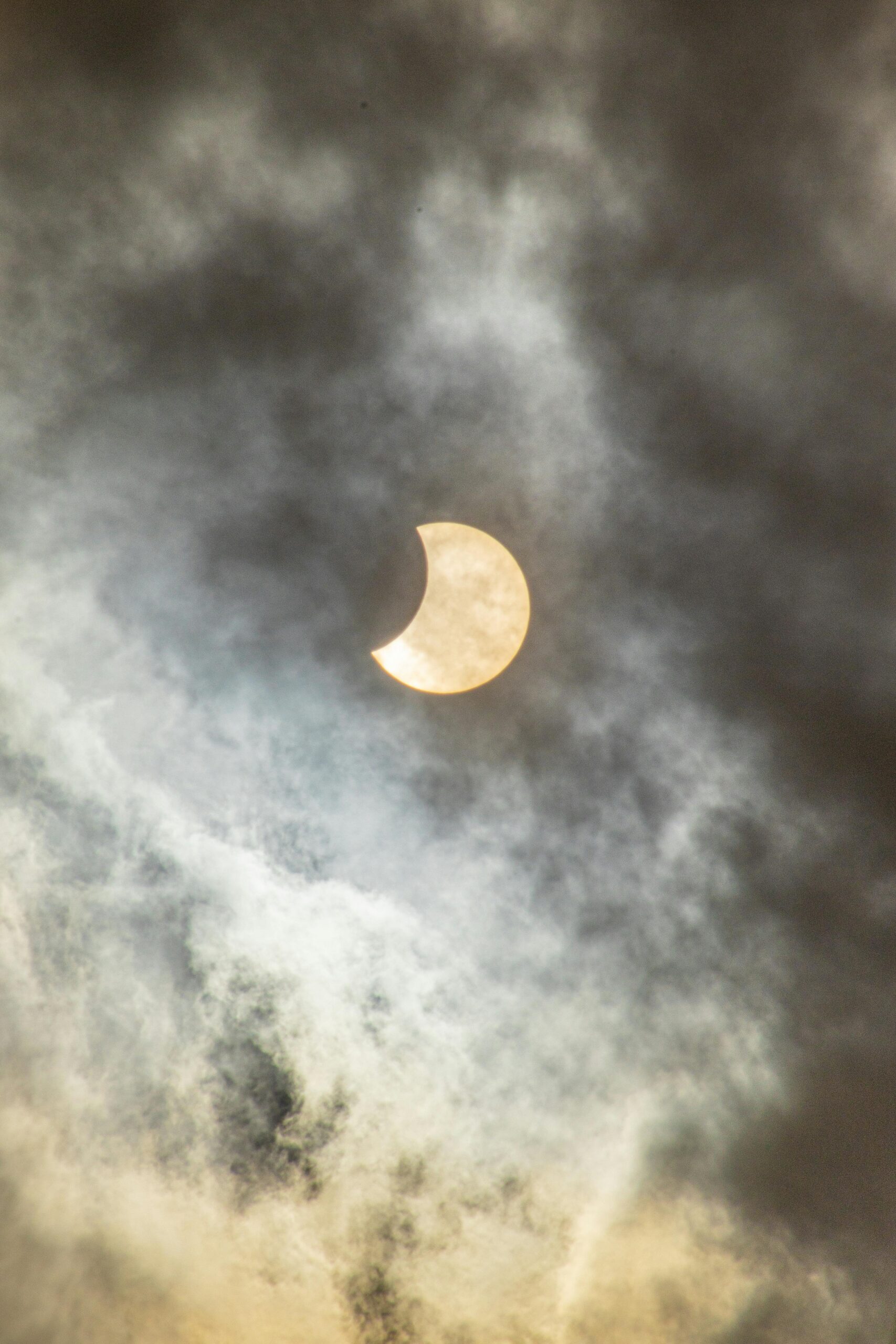
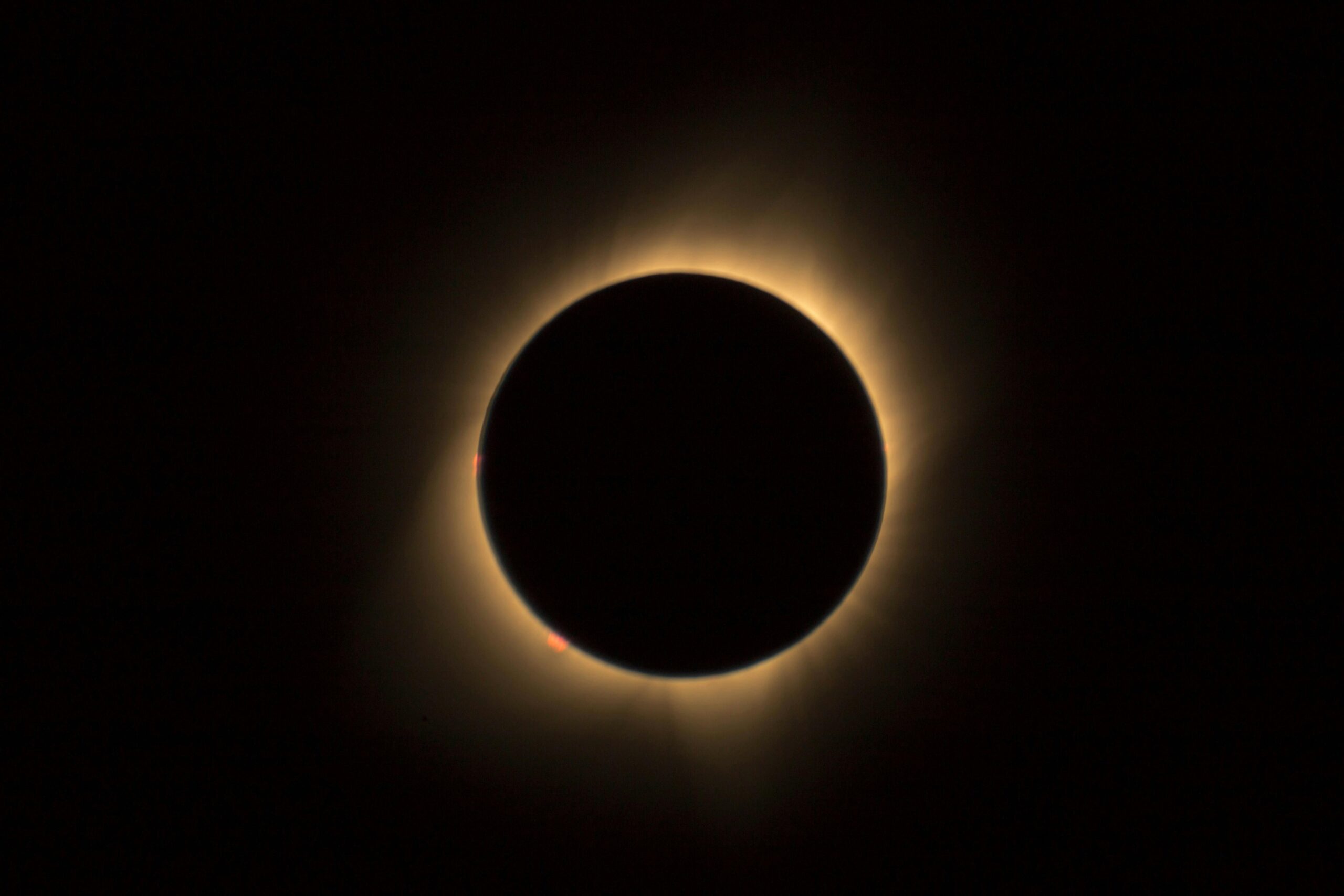
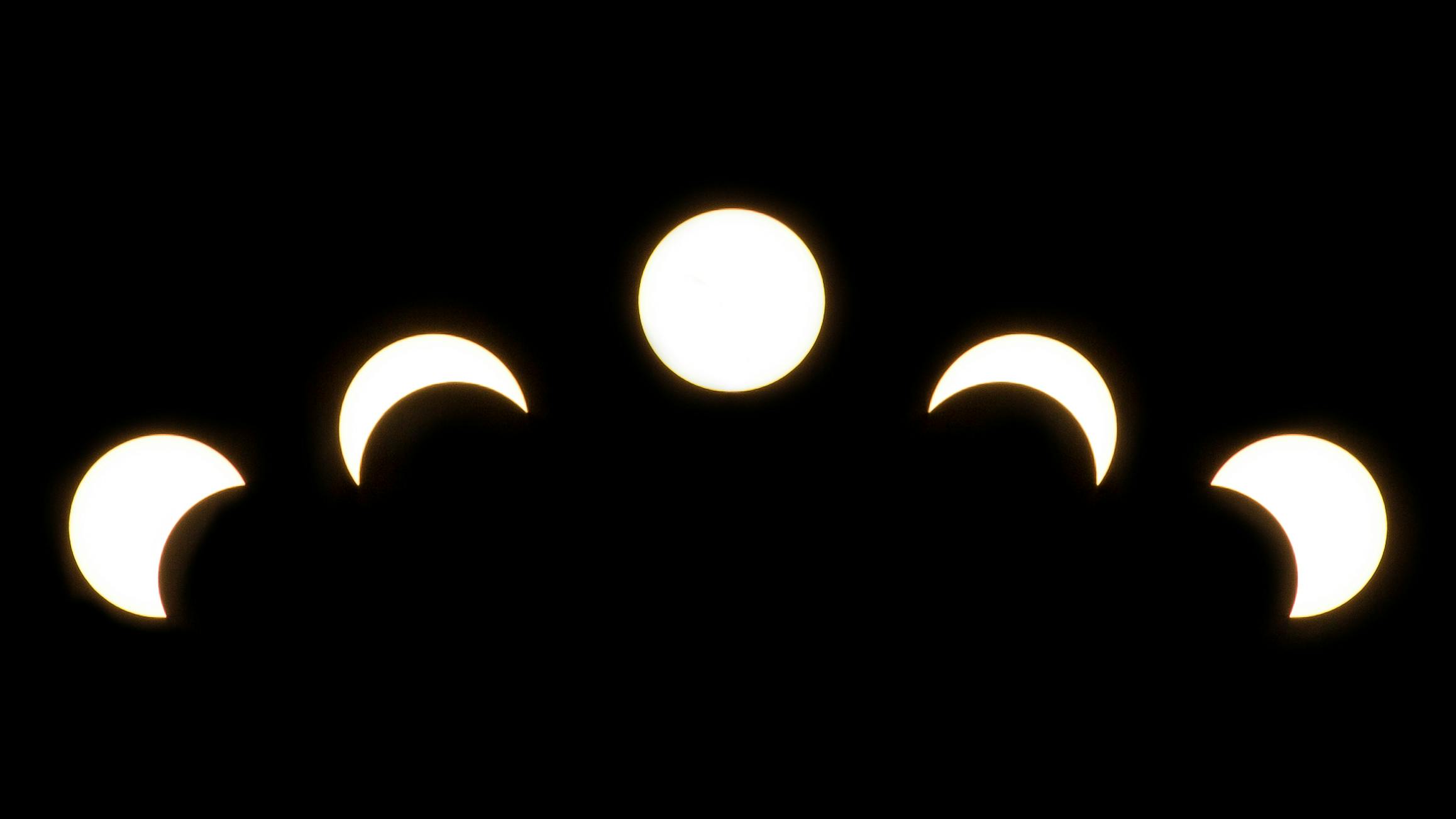
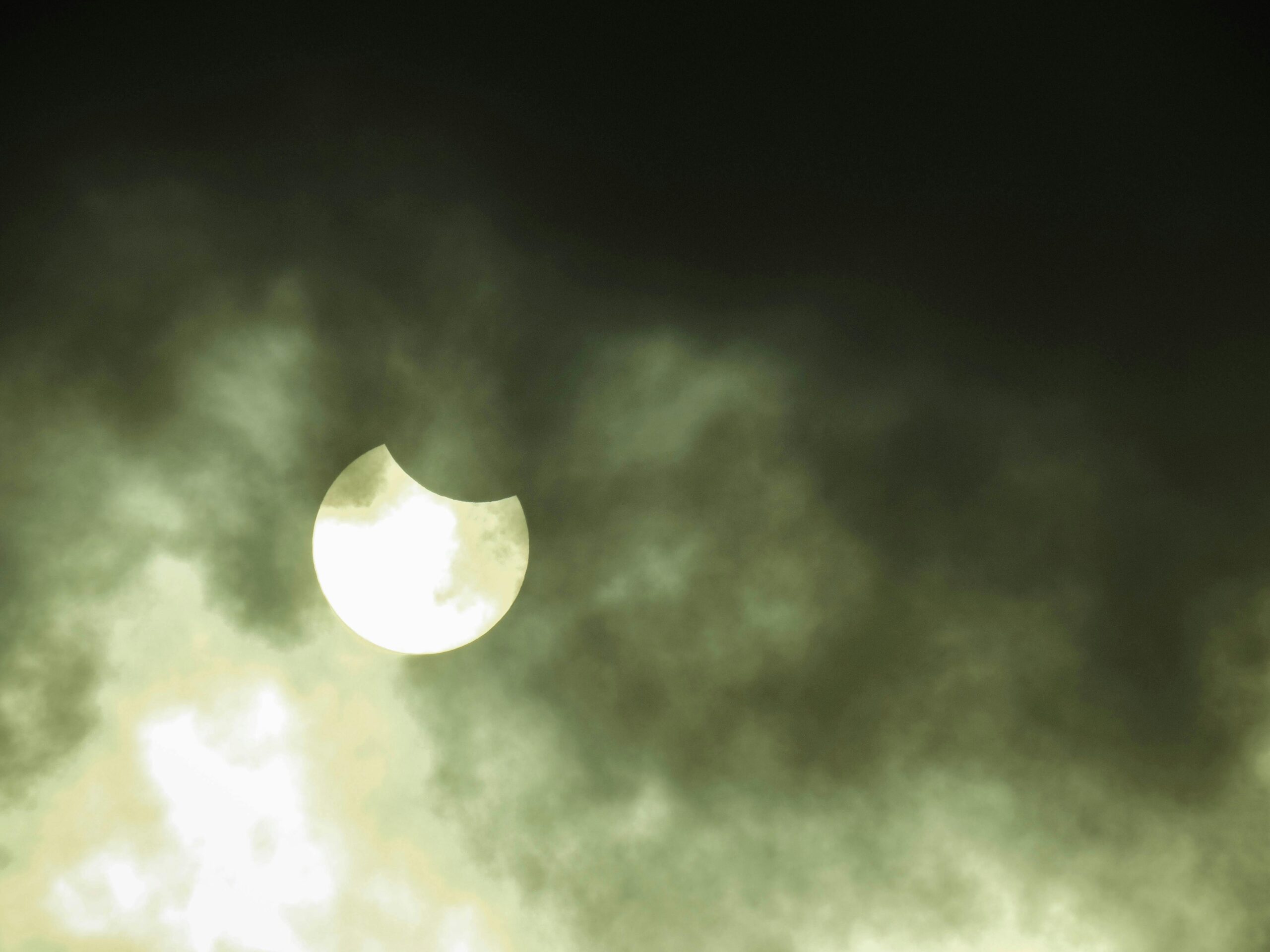
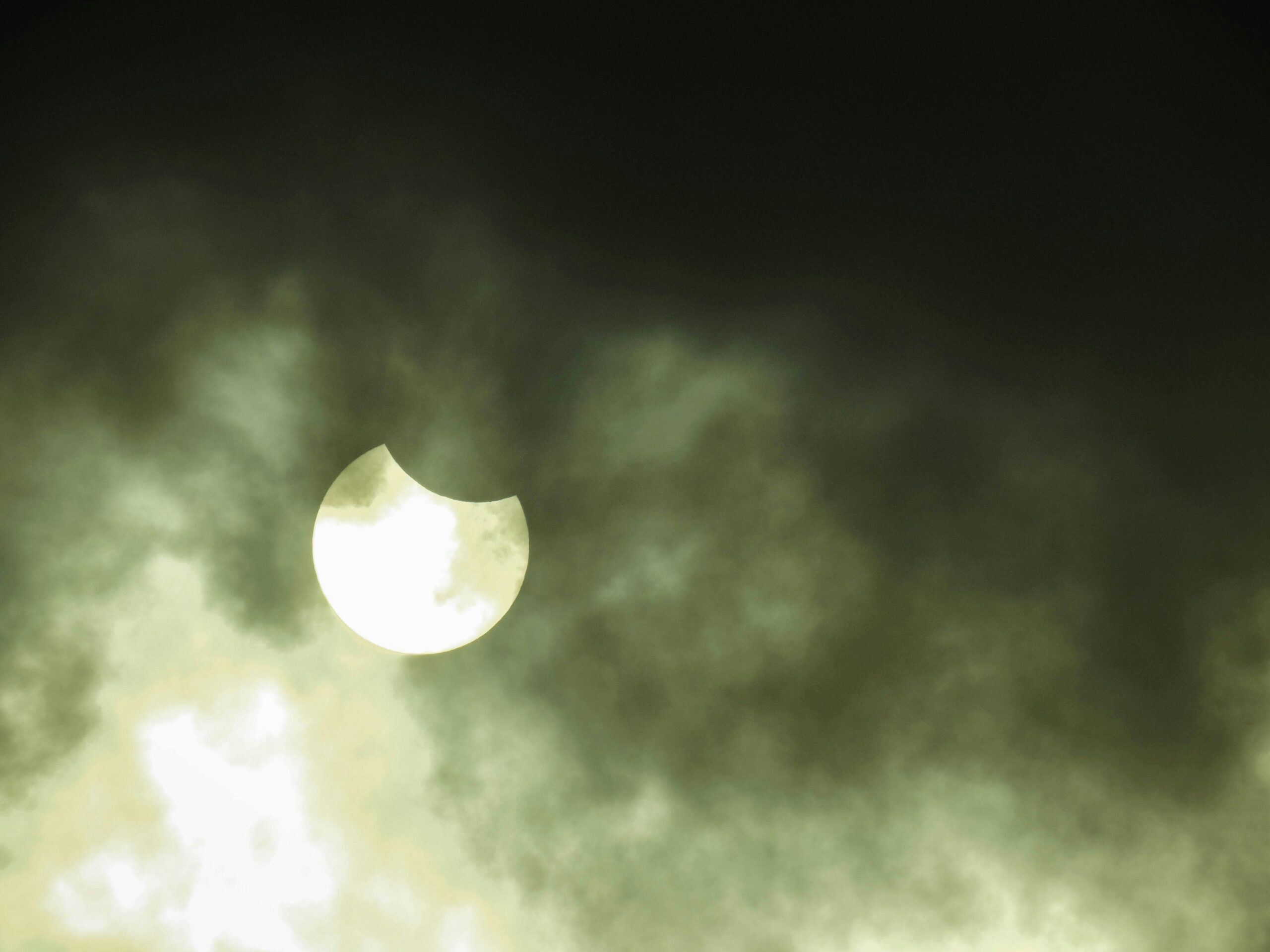
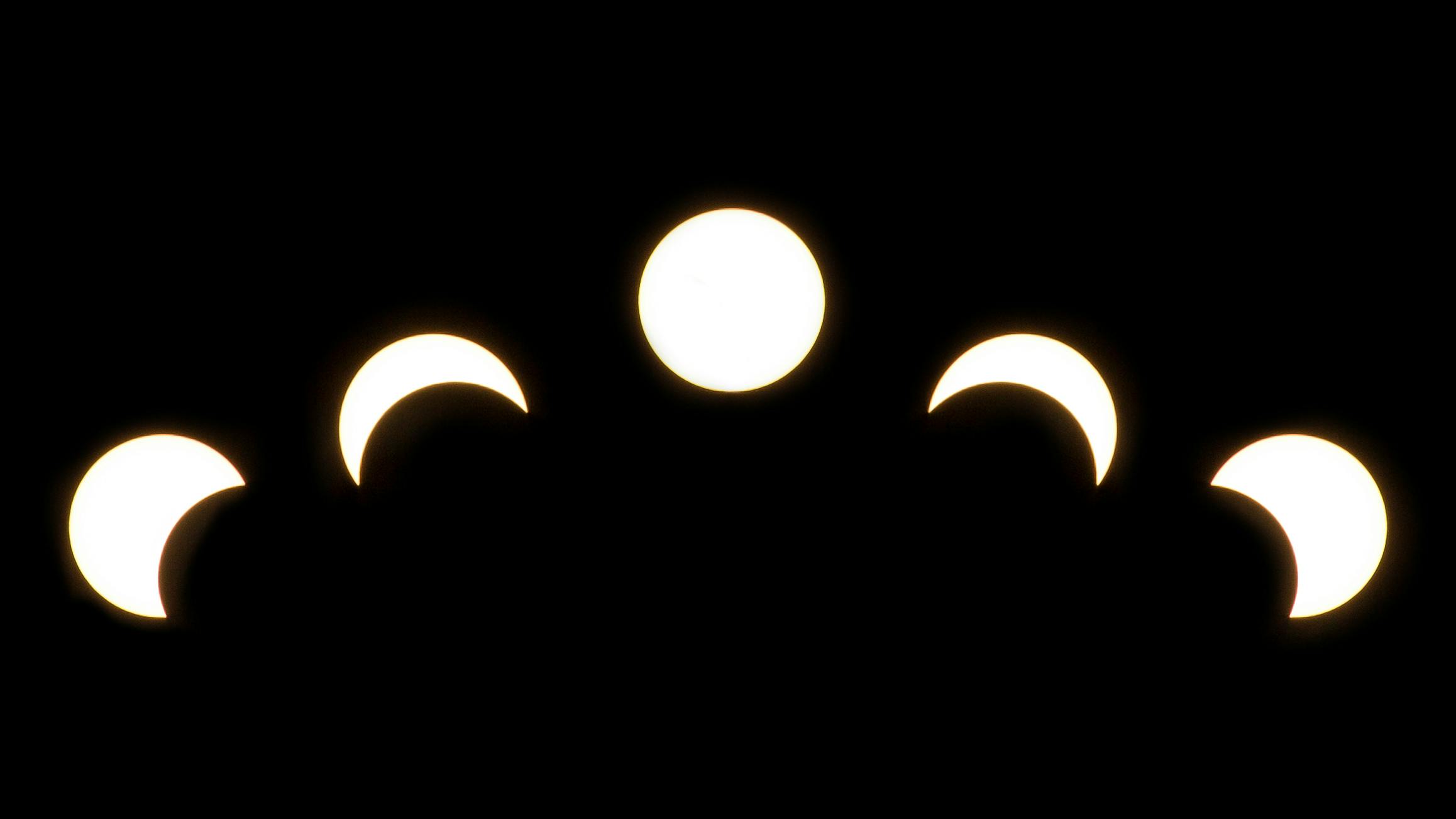
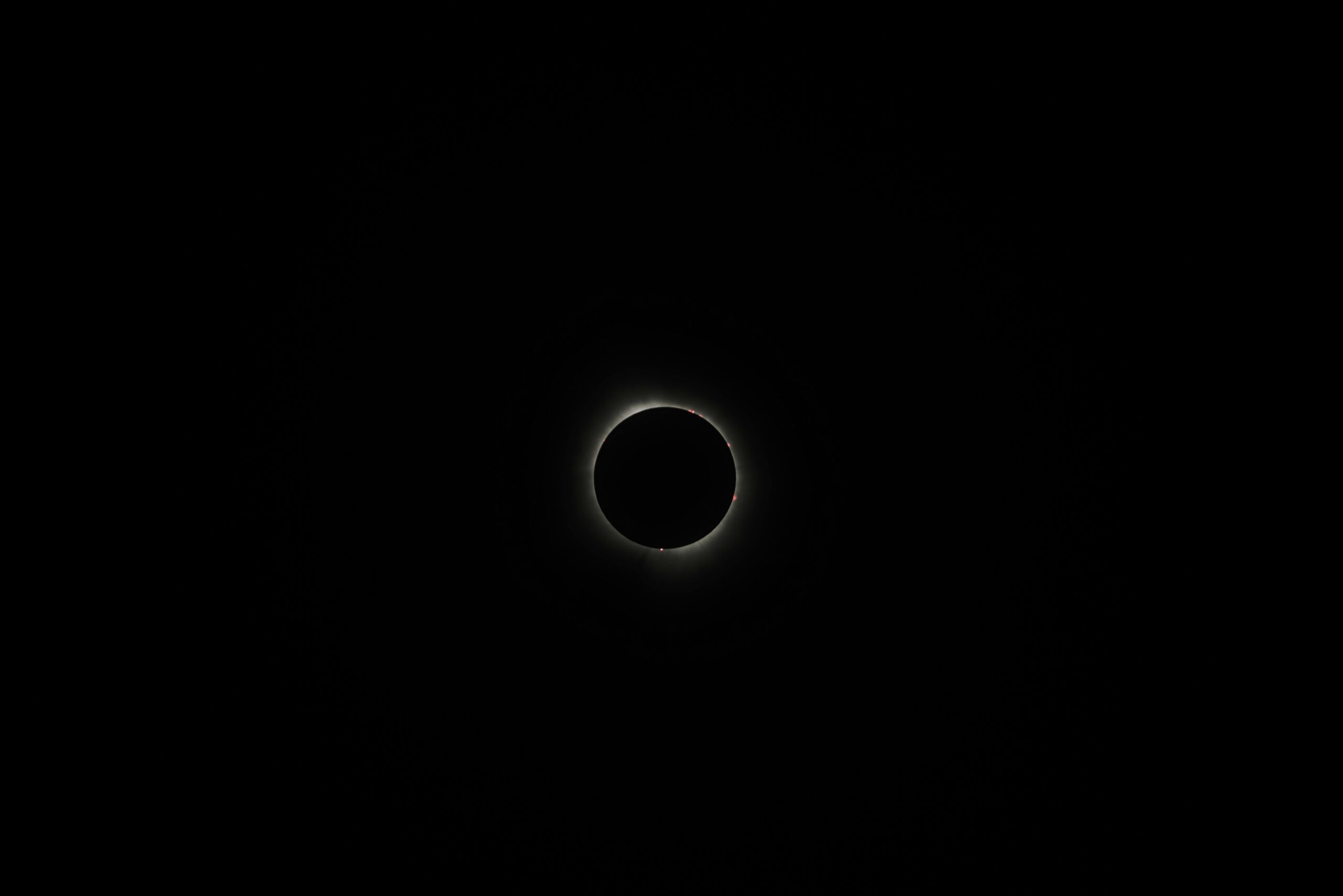
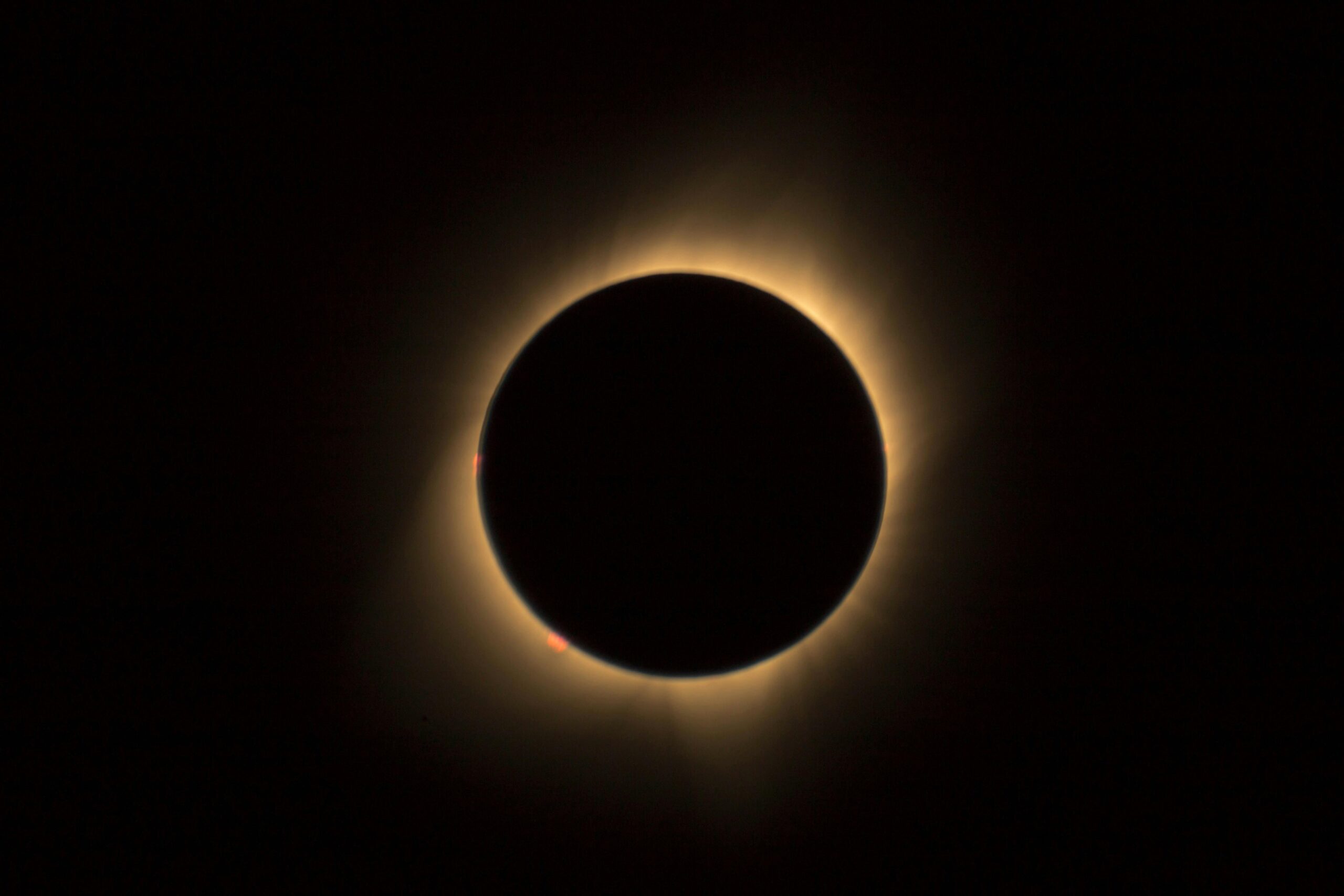
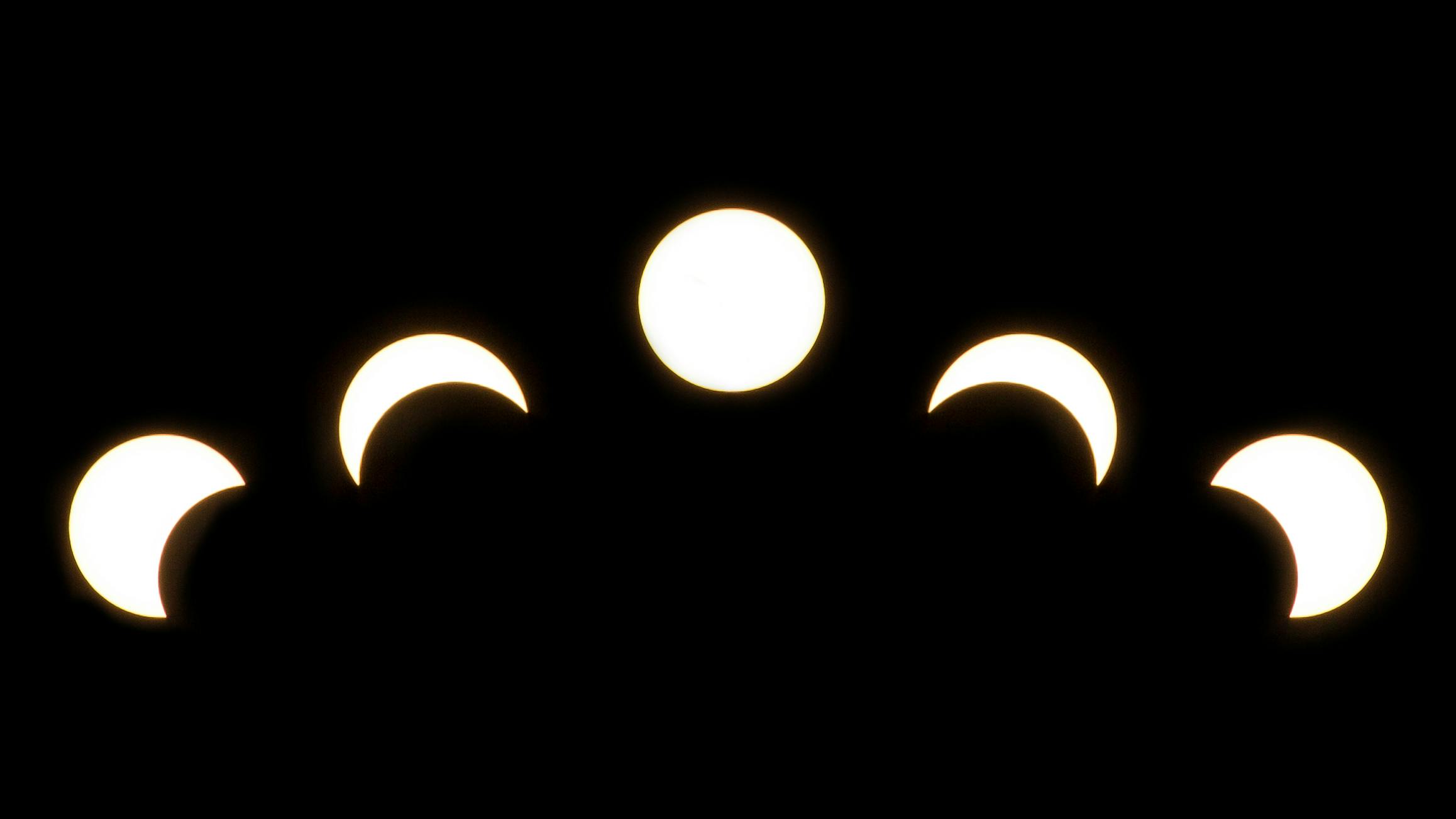
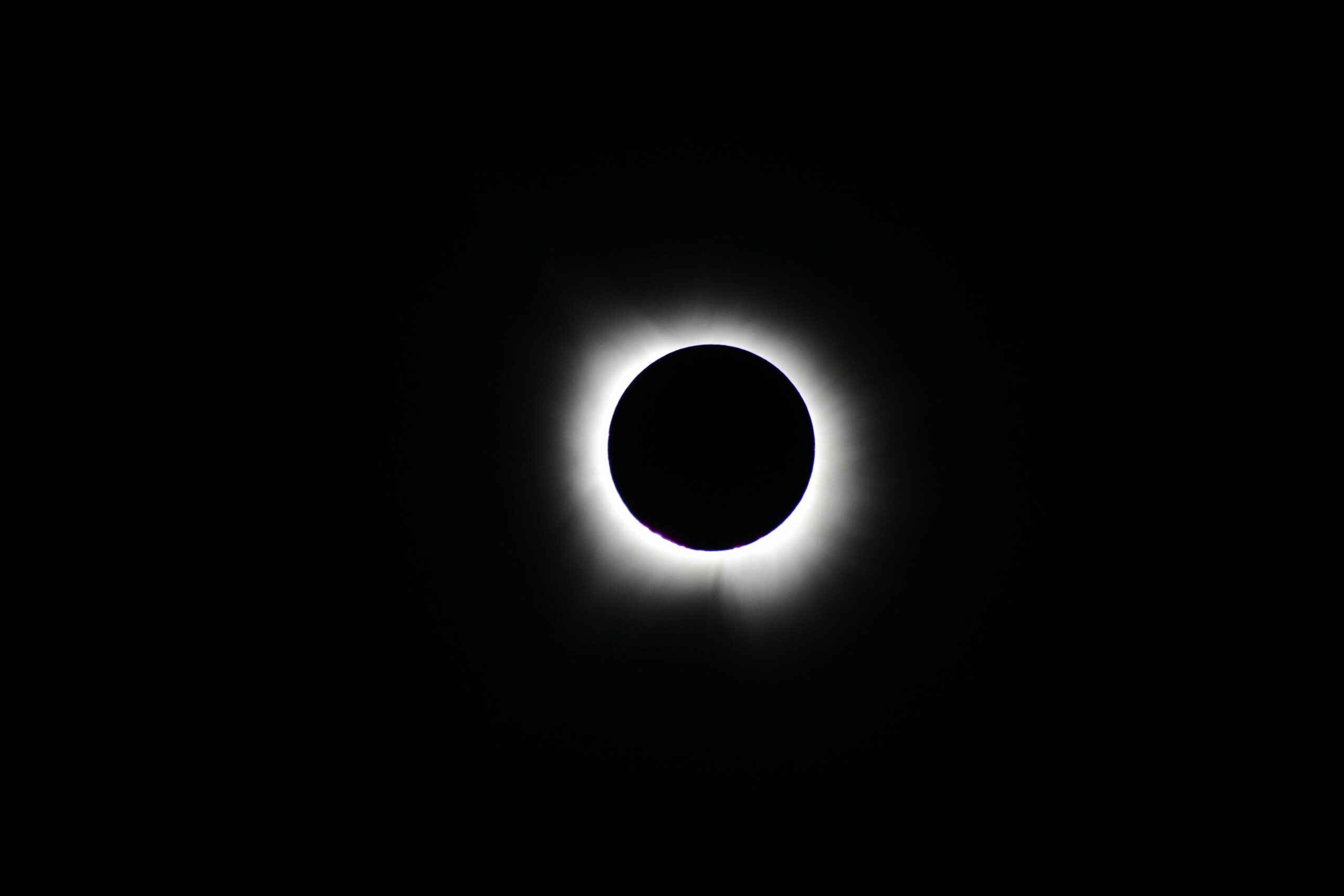
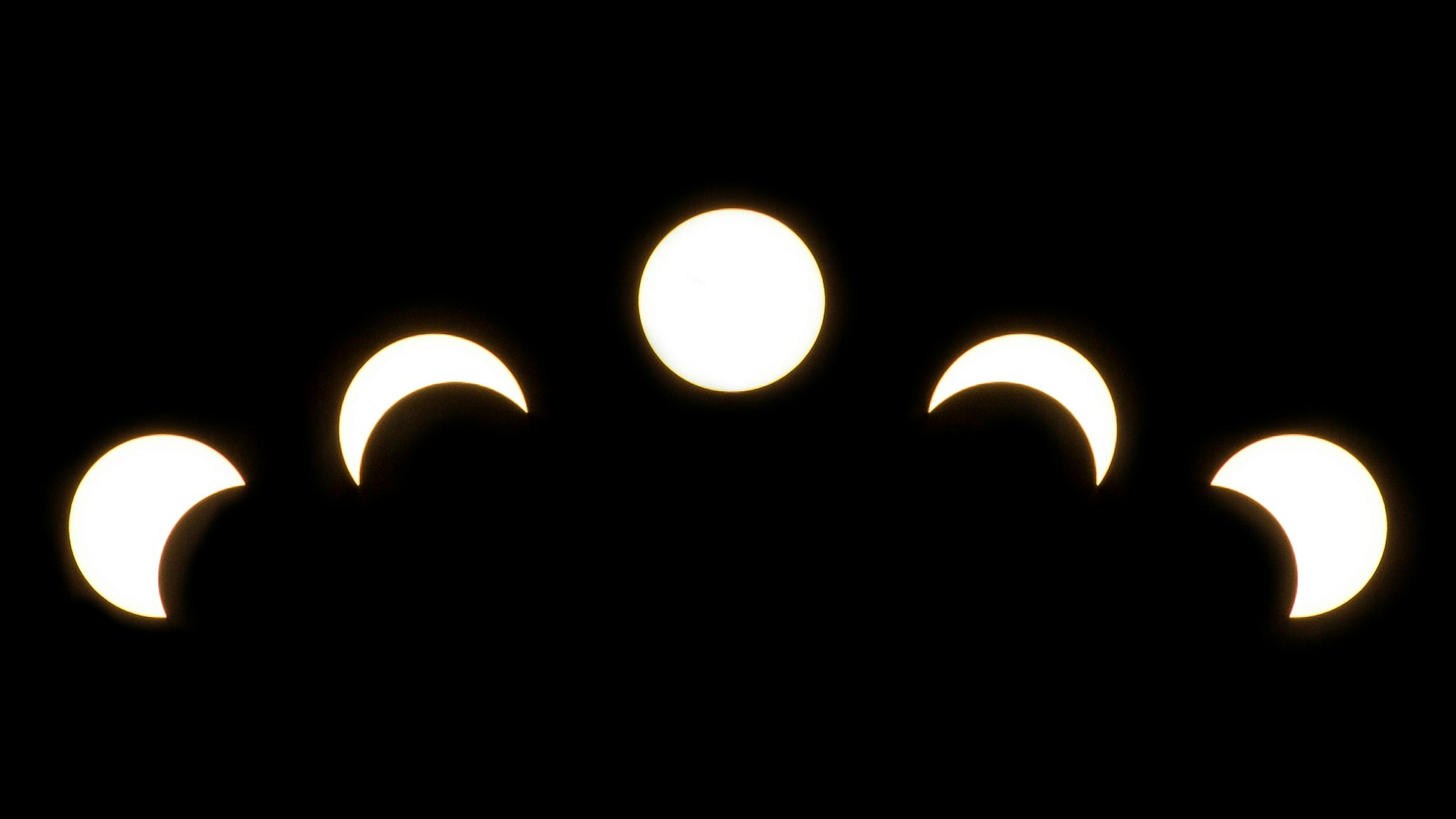
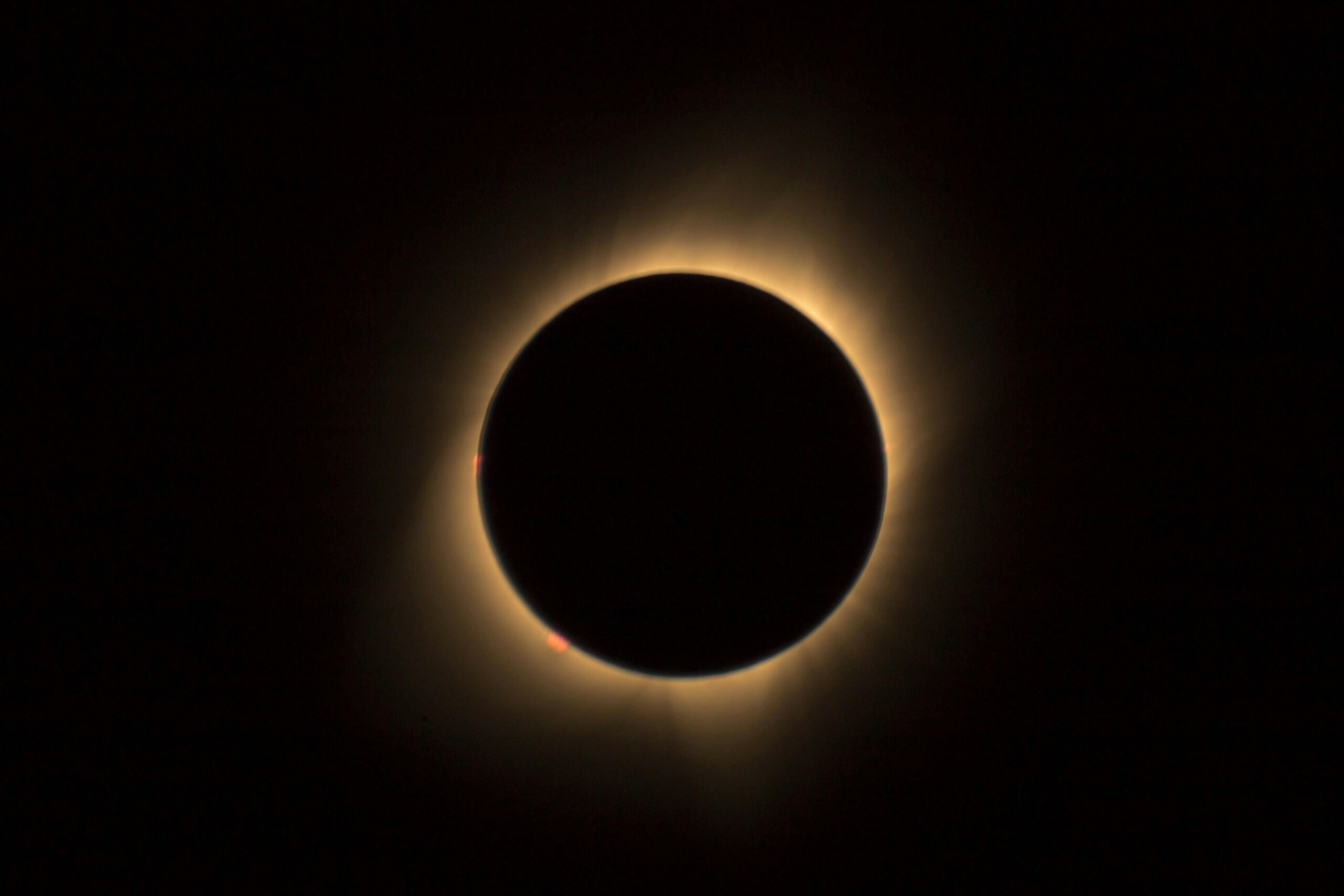
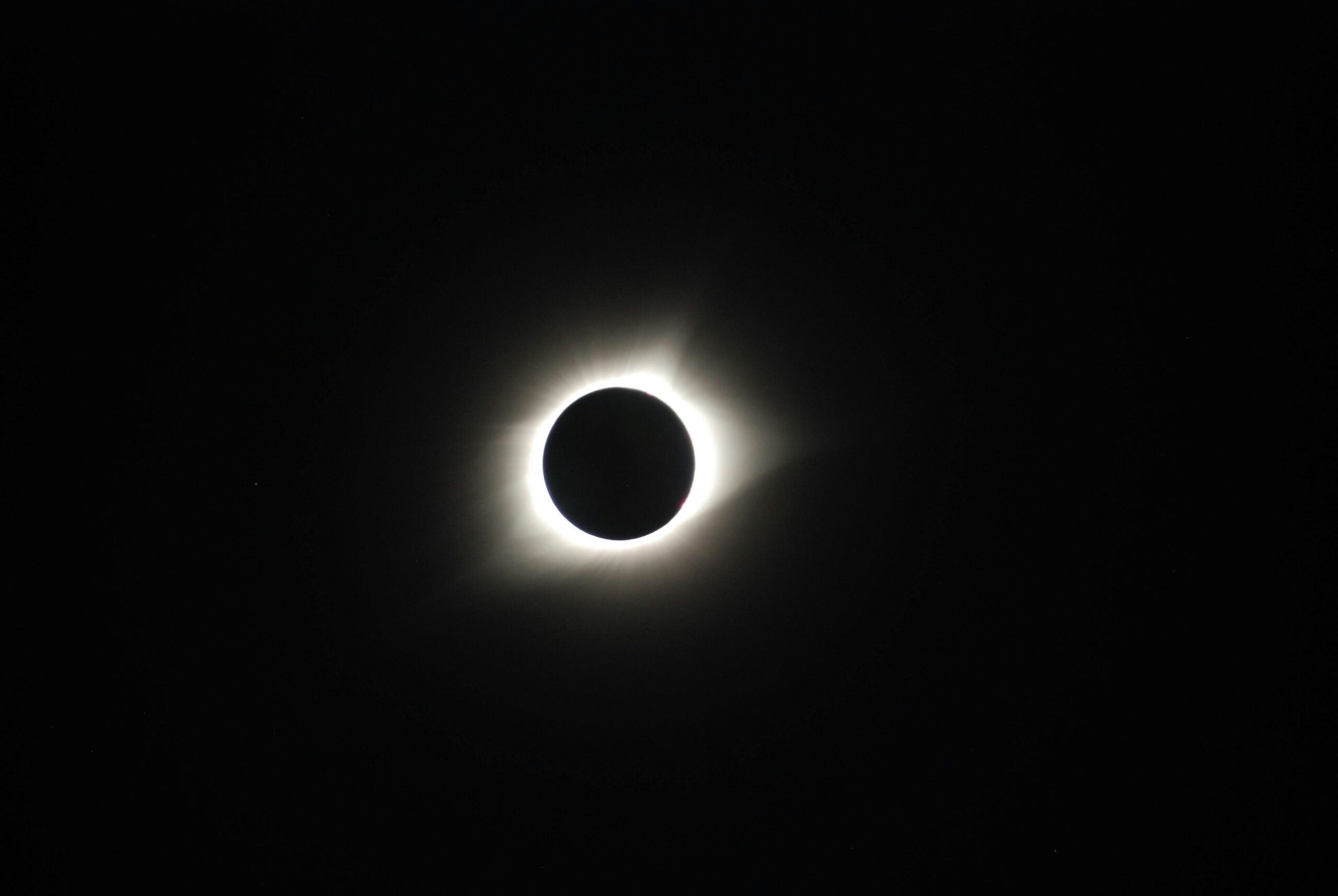
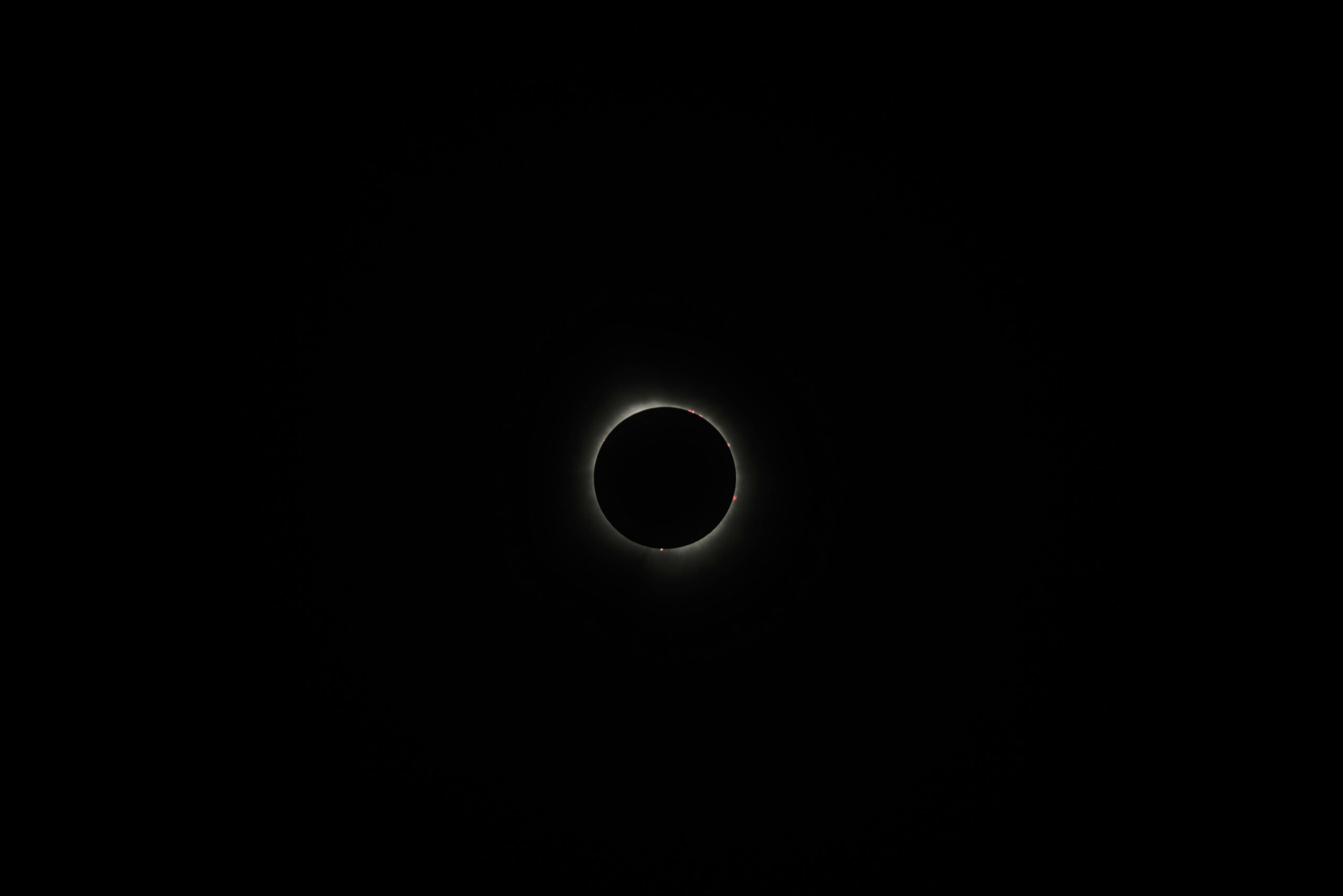
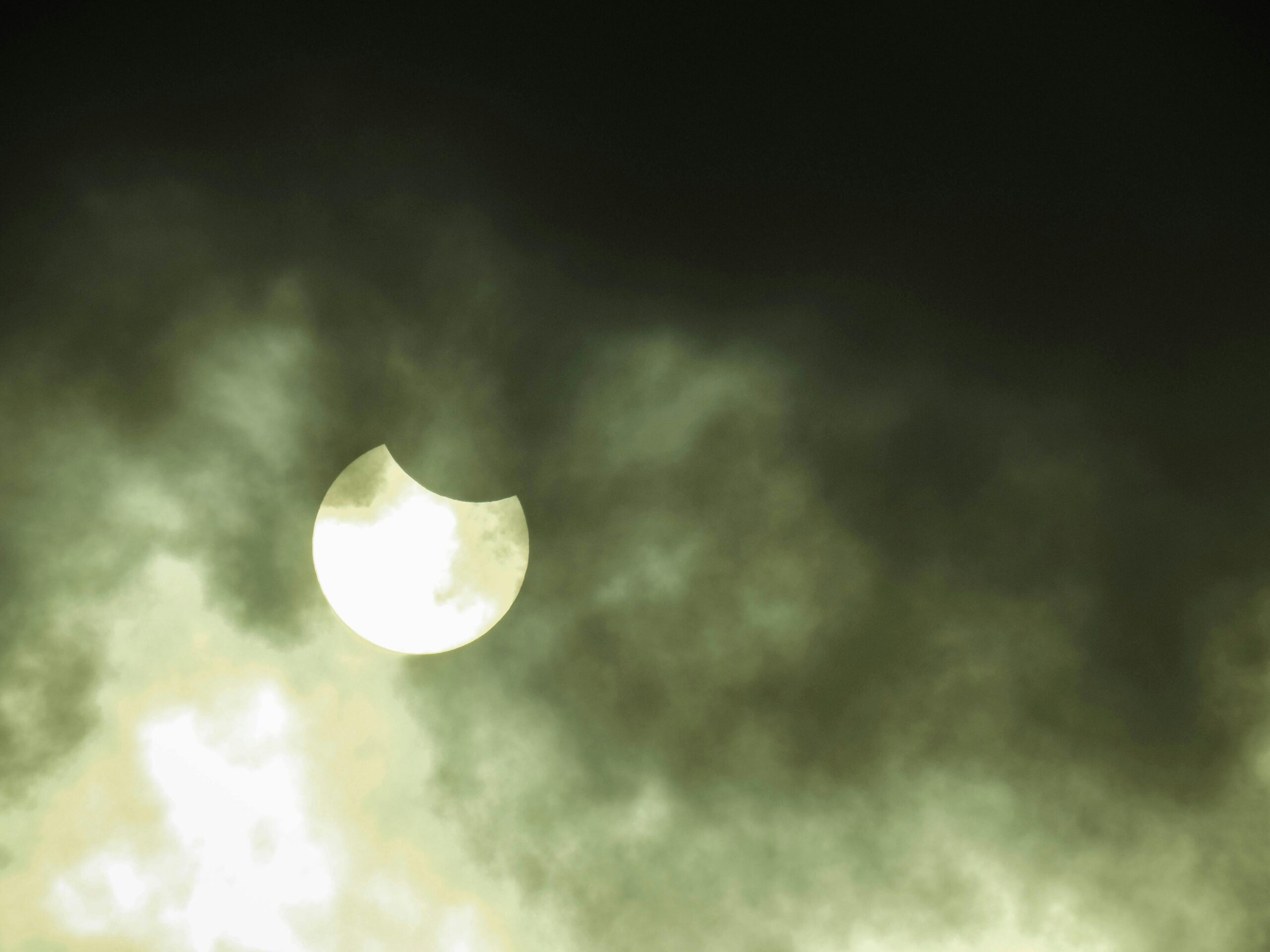
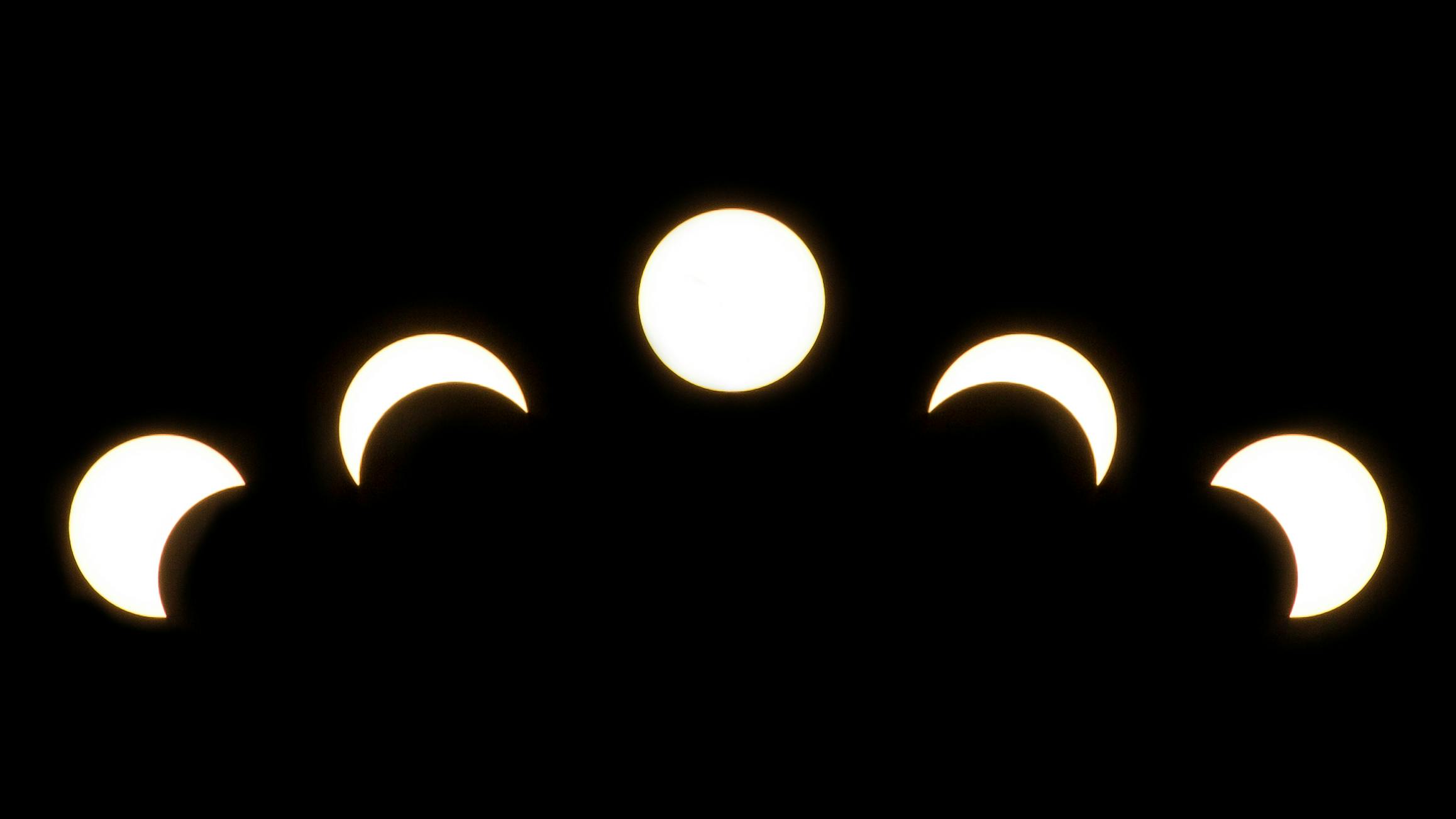
A solar eclipse occurs when the moon passes between the Earth and the Sun, obscuring the Sun either partially or completely. This celestial event has captivated human imagination for centuries, often inspiring awe and curiosity. The upcoming solar eclipse of 2024 is particularly significant due to its widespread visibility and the unique astronomical conditions that will make it a spectacle to remember.
Historical Significance and Cultural Impact
Throughout history, solar eclipses have been interpreted in various ways by different cultures. Ancient civilizations often viewed them as omens or signs from the gods. For instance, the ancient Chinese believed that a solar eclipse was caused by a celestial dragon devouring the Sun. In contrast, the Vikings saw it as the wolves Sköll and Hati chasing the Sun and the Moon. These interpretations reflect the deep cultural and mythological significance of solar eclipses.
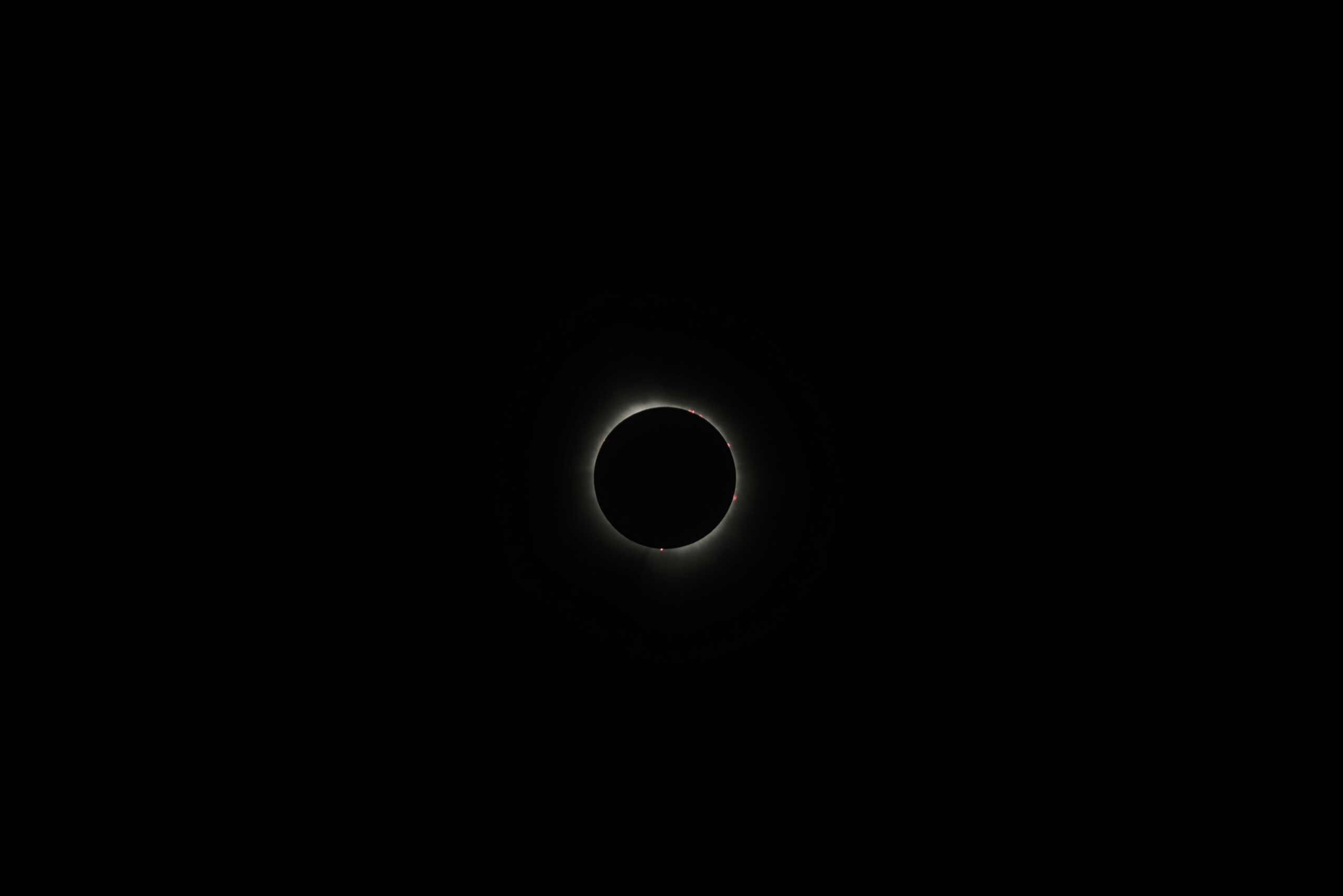
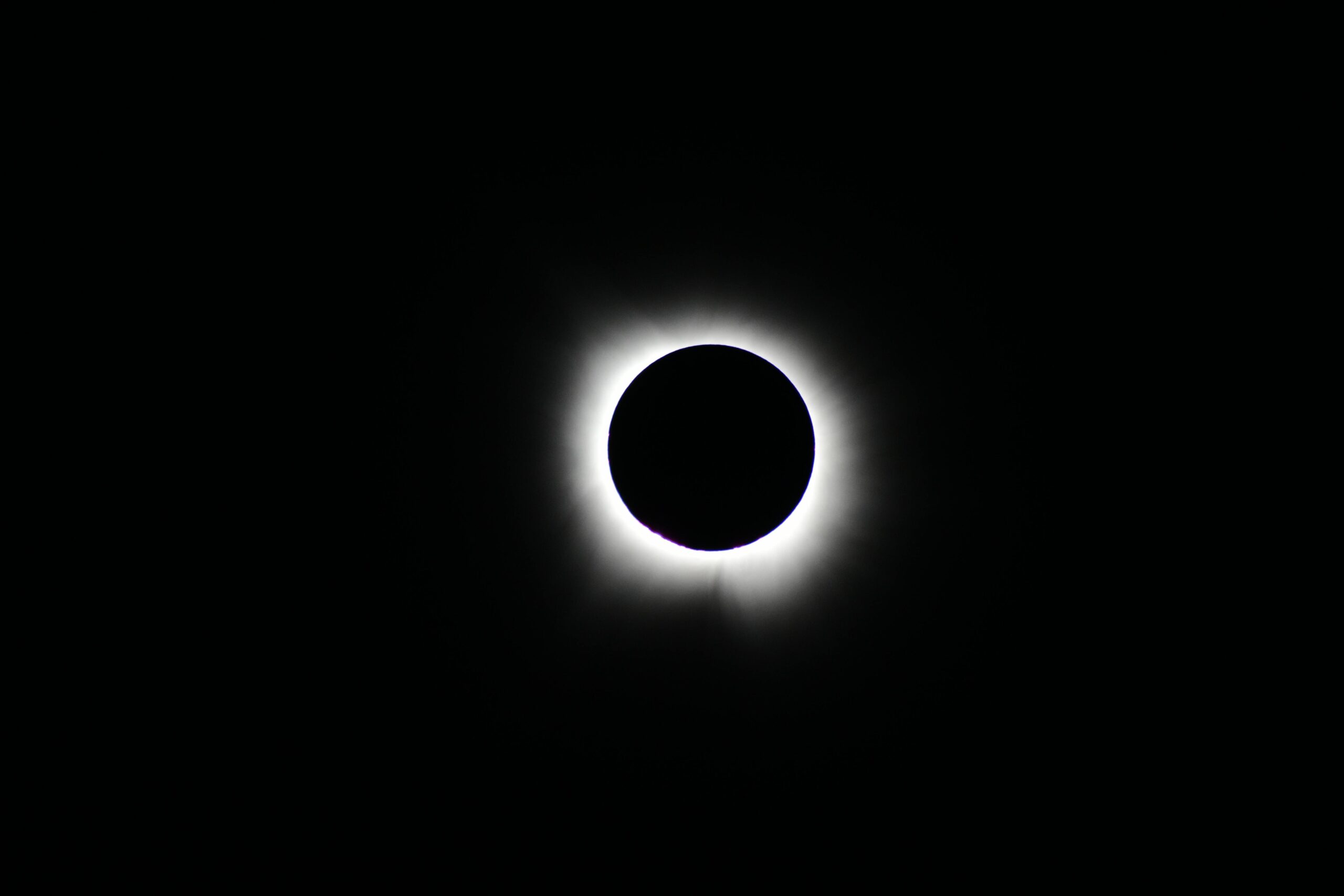
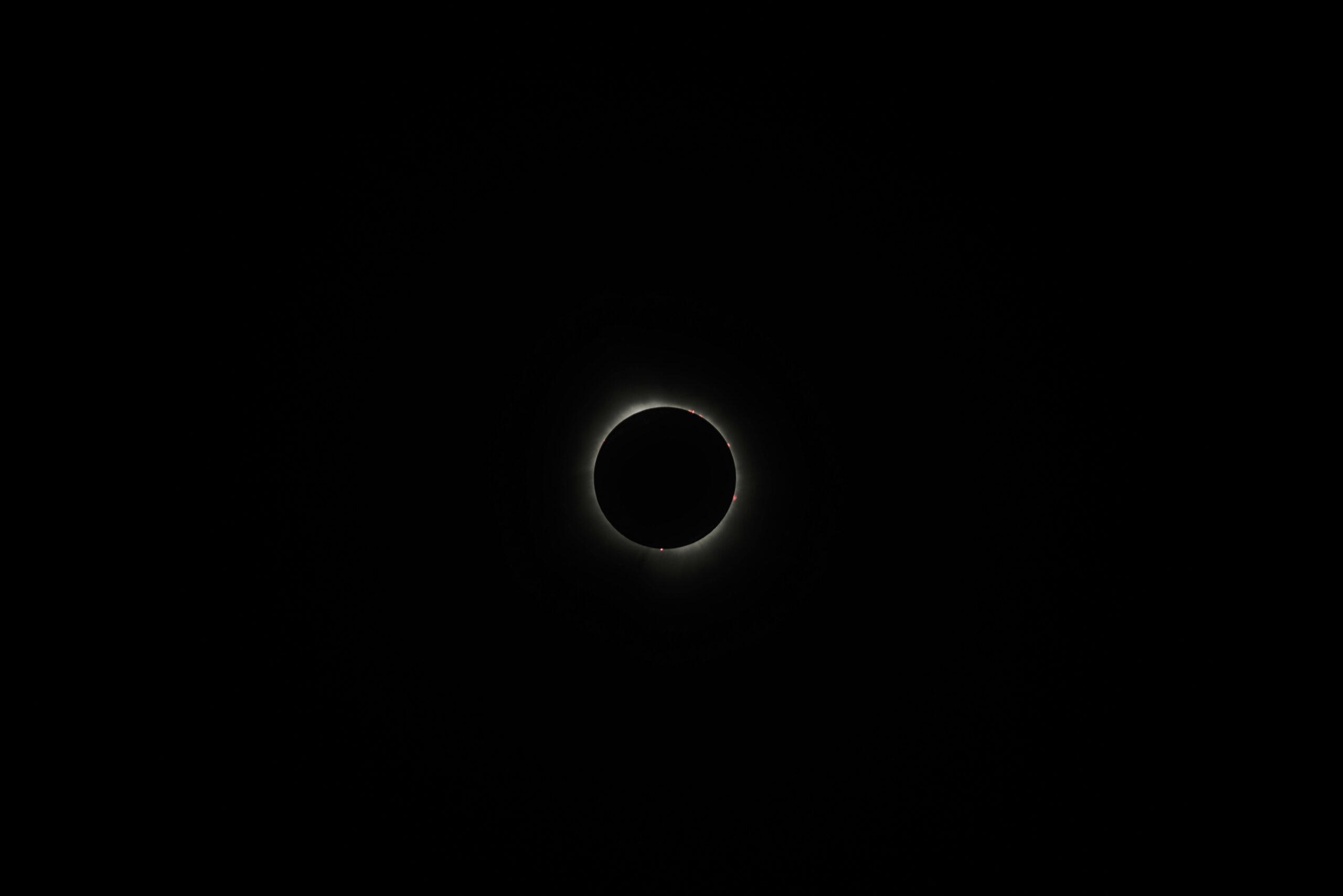
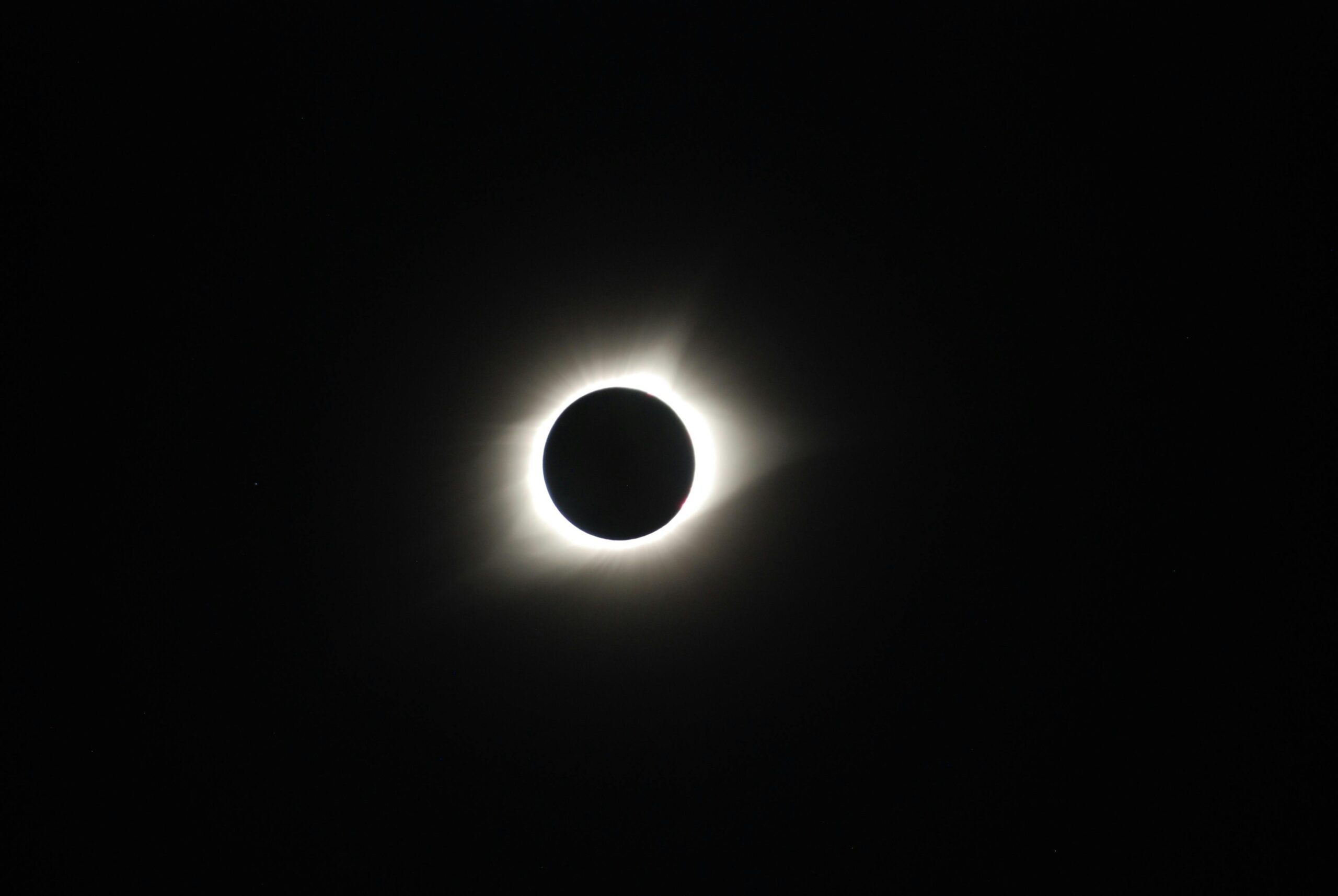
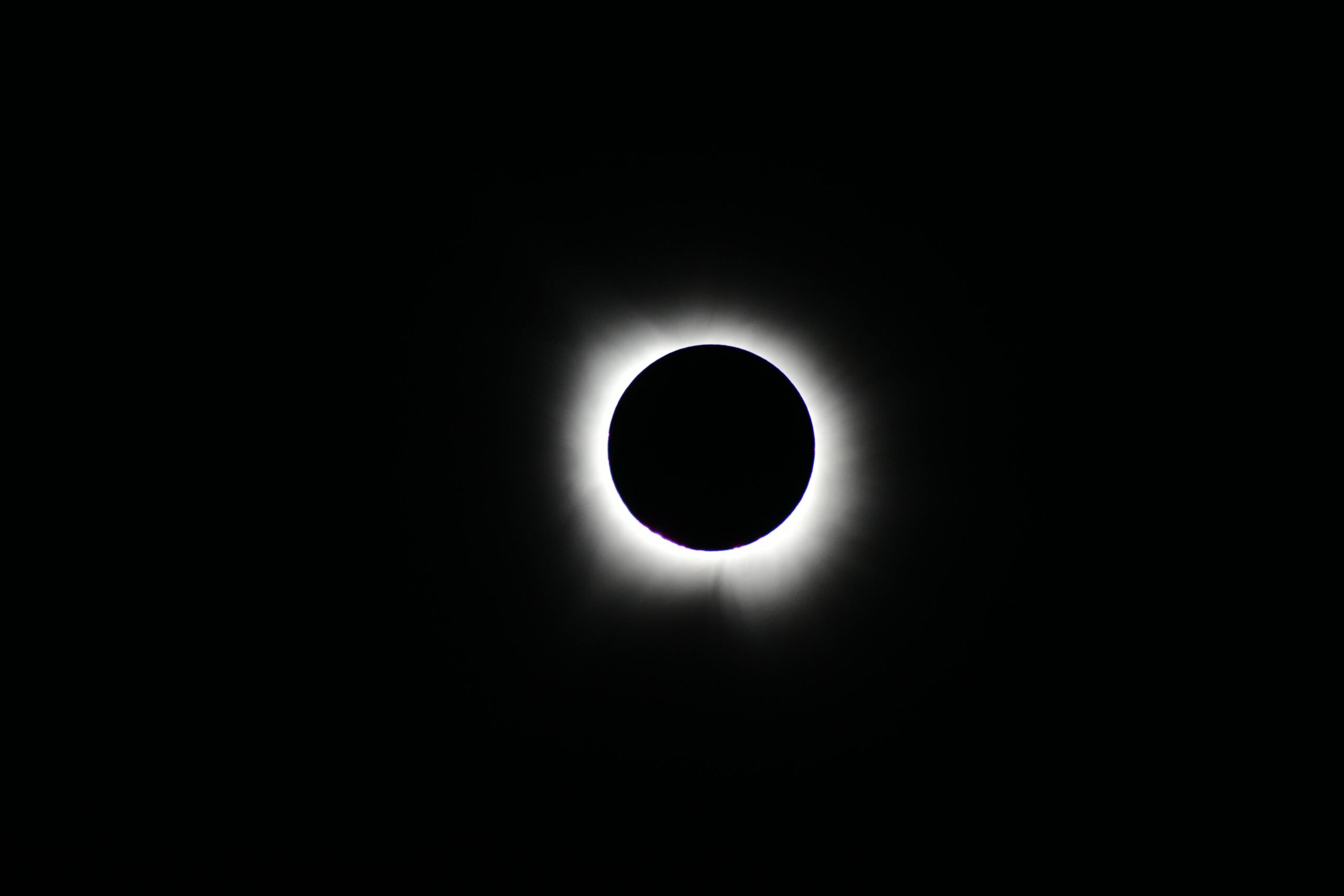
In modern times, solar eclipses have become a subject of scientific study and public fascination. They provide a rare opportunity for astronomers to observe the Sun’s corona and other phenomena that are typically obscured by the Sun’s brightness. The 2024 solar eclipse is expected to draw significant attention from both scientists and the general public, offering a unique chance to witness this natural wonder.
Scientific Importance and Research Opportunities
The 2024 solar eclipse presents a valuable opportunity for scientific research. Astronomers and researchers will be able to study the Sun’s corona, which is only visible during a total solar eclipse. This outer layer of the Sun’s atmosphere is crucial for understanding solar activity and its impact on Earth. The data collected during the eclipse can help scientists predict space weather events, such as solar flares and coronal mass ejections, which can affect satellite communications and power grids.
Additionally, the eclipse provides a chance to study the effects of sudden darkness on Earth’s ecosystems. Researchers will observe how animals and plants respond to the temporary dimming of the Sun, offering insights into the interconnectedness of natural systems. The eclipse also serves as an educational tool, inspiring interest in astronomy and science among students and the general public.
Preparing for the Eclipse: Safety and Viewing Tips
Watching a solar eclipse can be a memorable experience, but it’s essential to do so safely. Directly looking at the Sun, even during an eclipse, can cause permanent eye damage. To view the eclipse safely, use certified solar eclipse glasses that meet the ISO 12312-2 international safety standard. These glasses block out harmful ultraviolet and infrared rays, allowing you to observe the eclipse without risking your vision.
Another safe method for viewing the eclipse is through a pinhole projector. This simple device projects an image of the Sun onto a screen, allowing you to observe the eclipse indirectly. You can also use a telescope or binoculars equipped with a solar filter to magnify the view safely. Remember to never look directly at the Sun through these devices without proper filtration.
For those planning to travel to witness the eclipse, it’s important to be prepared. Check the weather forecast and have a backup location in case of cloudy skies. Pack essentials like water, snacks, and sunscreen, and arrive early to secure a good viewing spot. If you’re looking for a pharmacy to stock up on essentials, you can check the resmi nöbetçi eczane listesi to find a nearby pharmacy that’s open during the event.
Community Events and Public Engagement
The 2024 solar eclipse is expected to draw large crowds to areas within the path of totality. Many communities are organizing public viewing events, offering a chance for people to come together and experience the eclipse as a shared event. These events often include educational activities, such as lectures by astronomers, hands-on science demonstrations, and family-friendly activities.
Local schools and educational institutions may also host eclipse viewing parties, providing students with an opportunity to learn about the science behind solar eclipses. Museums and planetariums often organize special exhibits and programs leading up to the eclipse, offering a deeper understanding of this celestial phenomenon. These events foster a sense of community and shared excitement, making the eclipse a memorable experience for all.
In addition to organized events, many people choose to view the eclipse with friends and family. Sharing the experience with loved ones can enhance the enjoyment and create lasting memories. Whether you’re watching from your backyard, a local park, or a designated viewing area, the 2024 solar eclipse promises to be a spectacular event that brings people together.
Conclusion: A Celestial Event to Remember
The 2024 solar eclipse is a rare and exciting event that offers a unique opportunity to witness the beauty and wonder of our solar system. From its historical and cultural significance to its scientific importance, the eclipse captivates people from all walks of life. By taking the necessary safety precautions and planning ahead, you can ensure a memorable and enjoyable experience. Whether you’re a seasoned astronomer or a curious observer, the 2024 solar eclipse is an event not to be missed.
As technology continues to reshape healthcare, our latest article e-health’s growing importance examines its pivotal role in modern medical services.
As we navigate the challenges of current events, creating a comfortable and stylish home environment can provide a much-needed respite; discover how with tips for a cozy sanctuary.
For a comprehensive analysis of the recent climate summit, check out global climate summit outcomes and its implications for international policy.