The Solar Eclipse Phenomenon
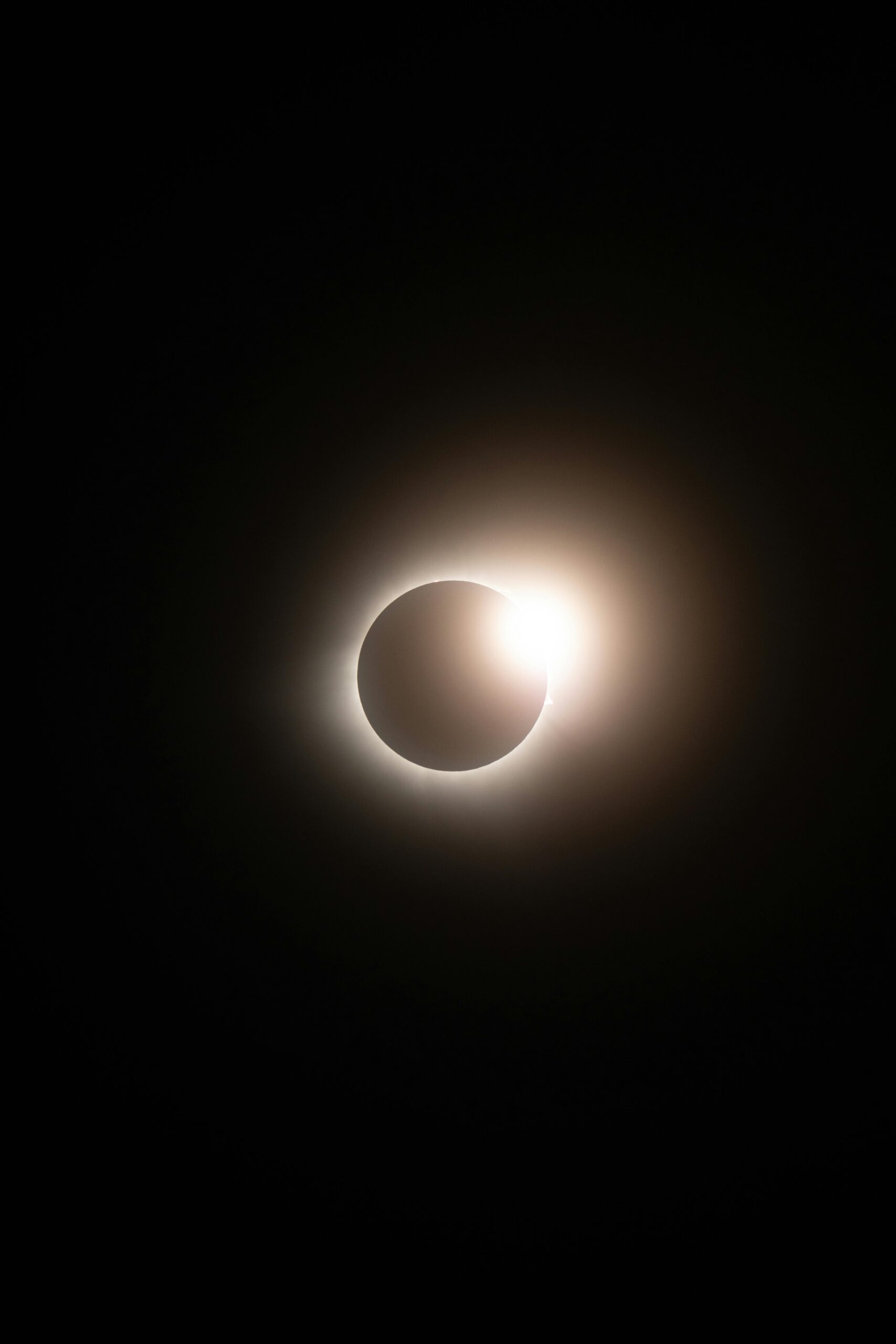
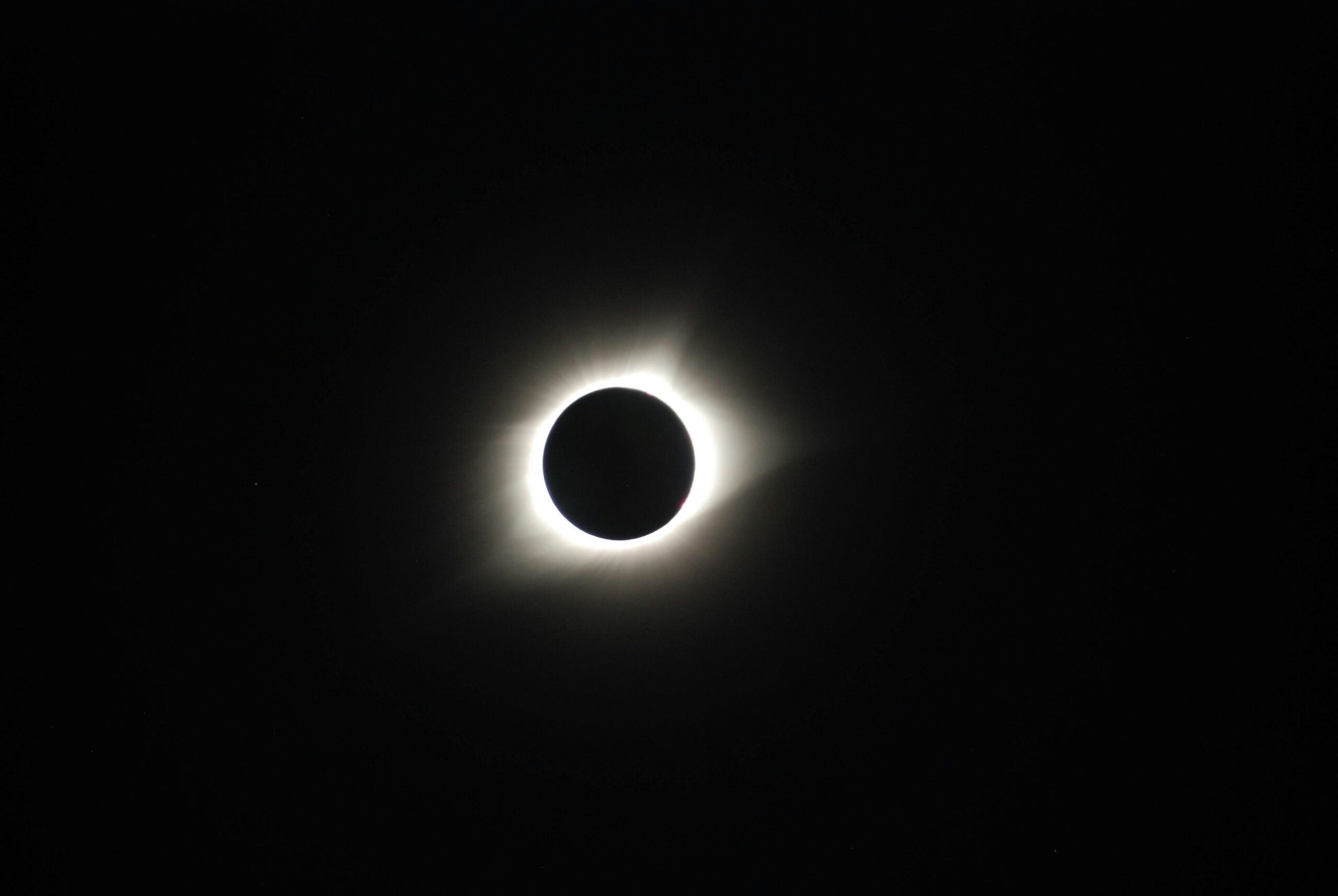
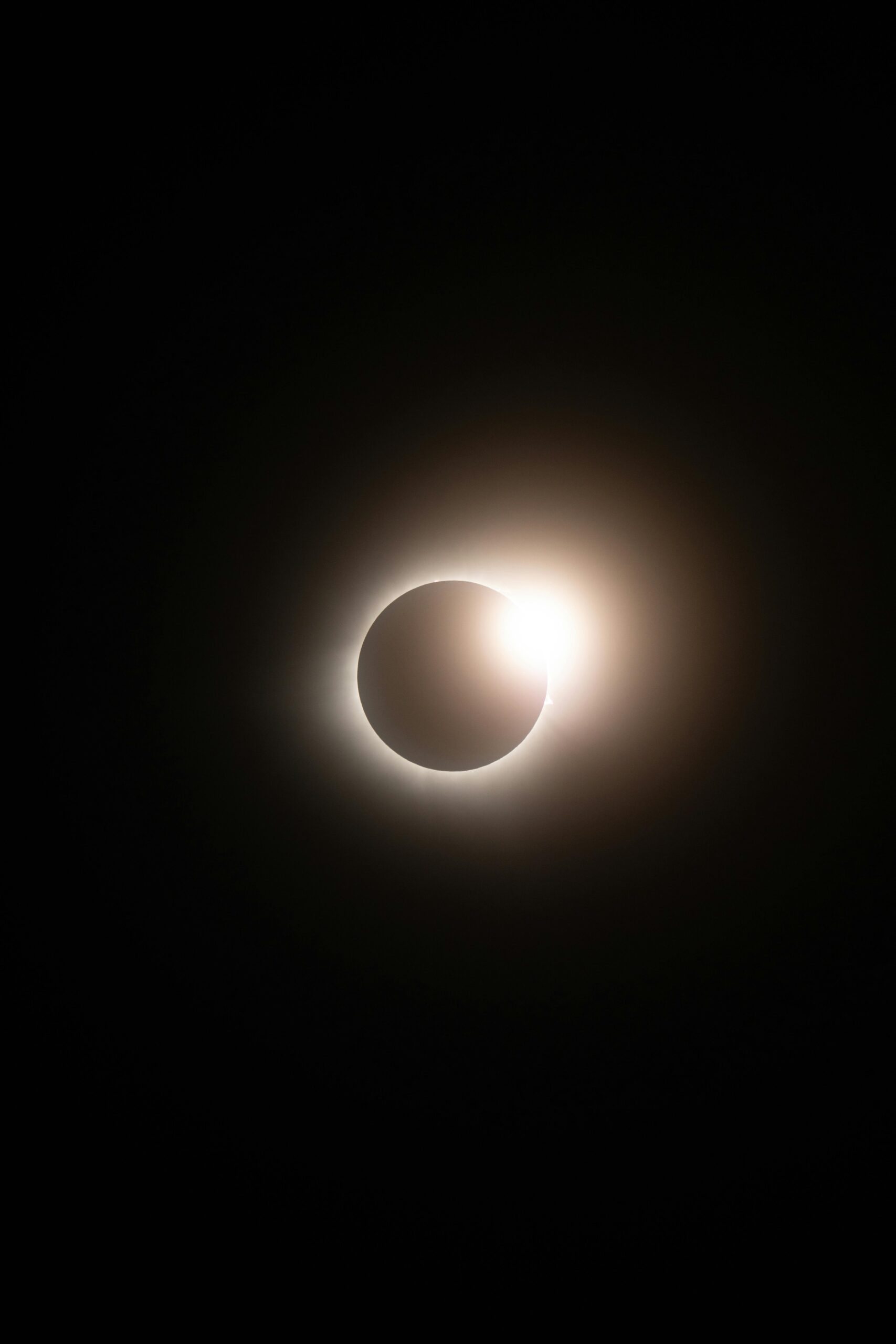
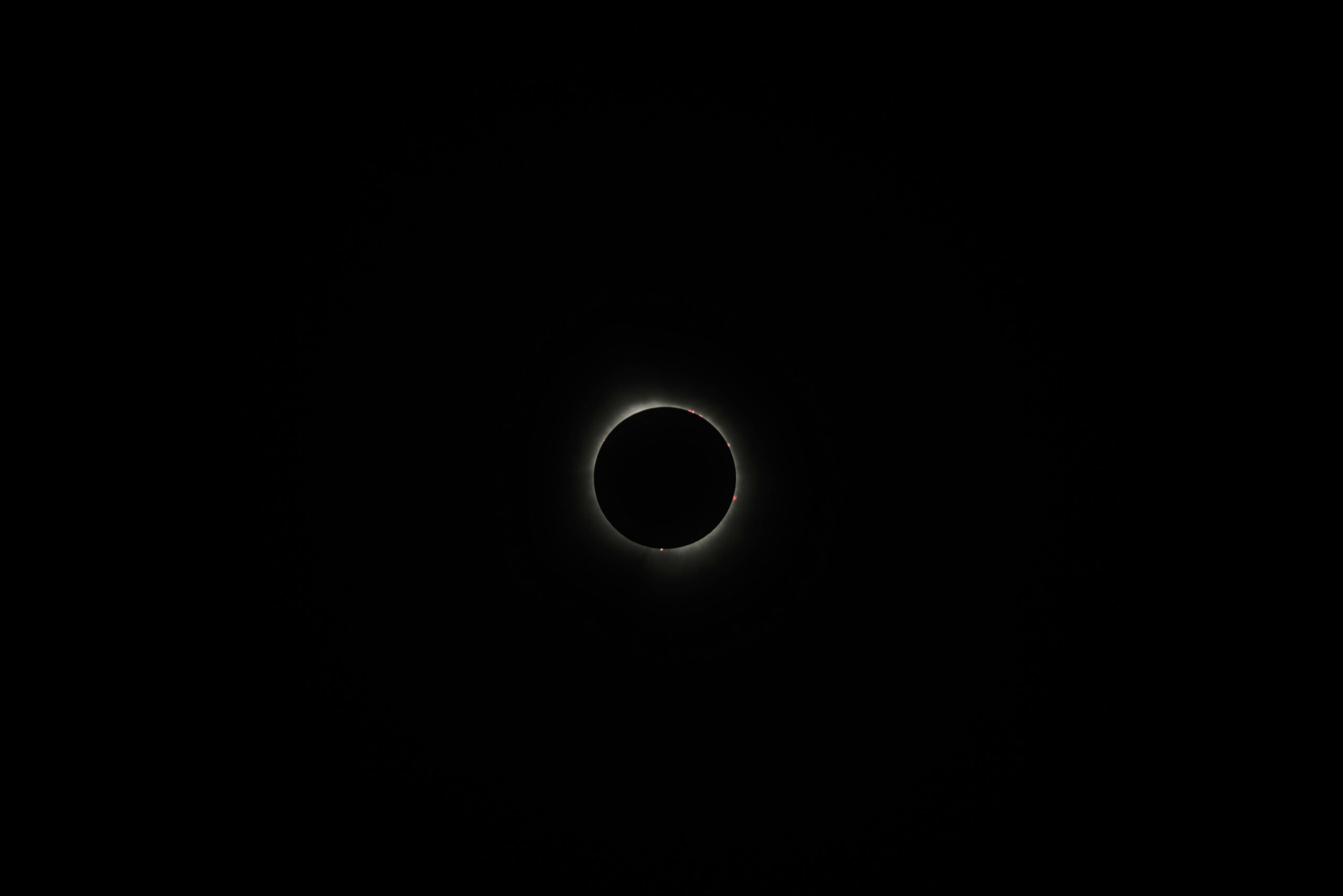
A solar eclipse is one of the most awe-inspiring celestial events that captivate sky gazers and scientists alike. This natural phenomenon occurs when the Moon passes between the Earth and the Sun, casting a shadow on the Earth’s surface. The upcoming solar eclipse of 2024 is highly anticipated, as it promises to be a spectacular event visible across North America. Understanding the science behind this event can enhance the viewing experience and deepen appreciation for the cosmos.
The Science Behind Solar Eclipses
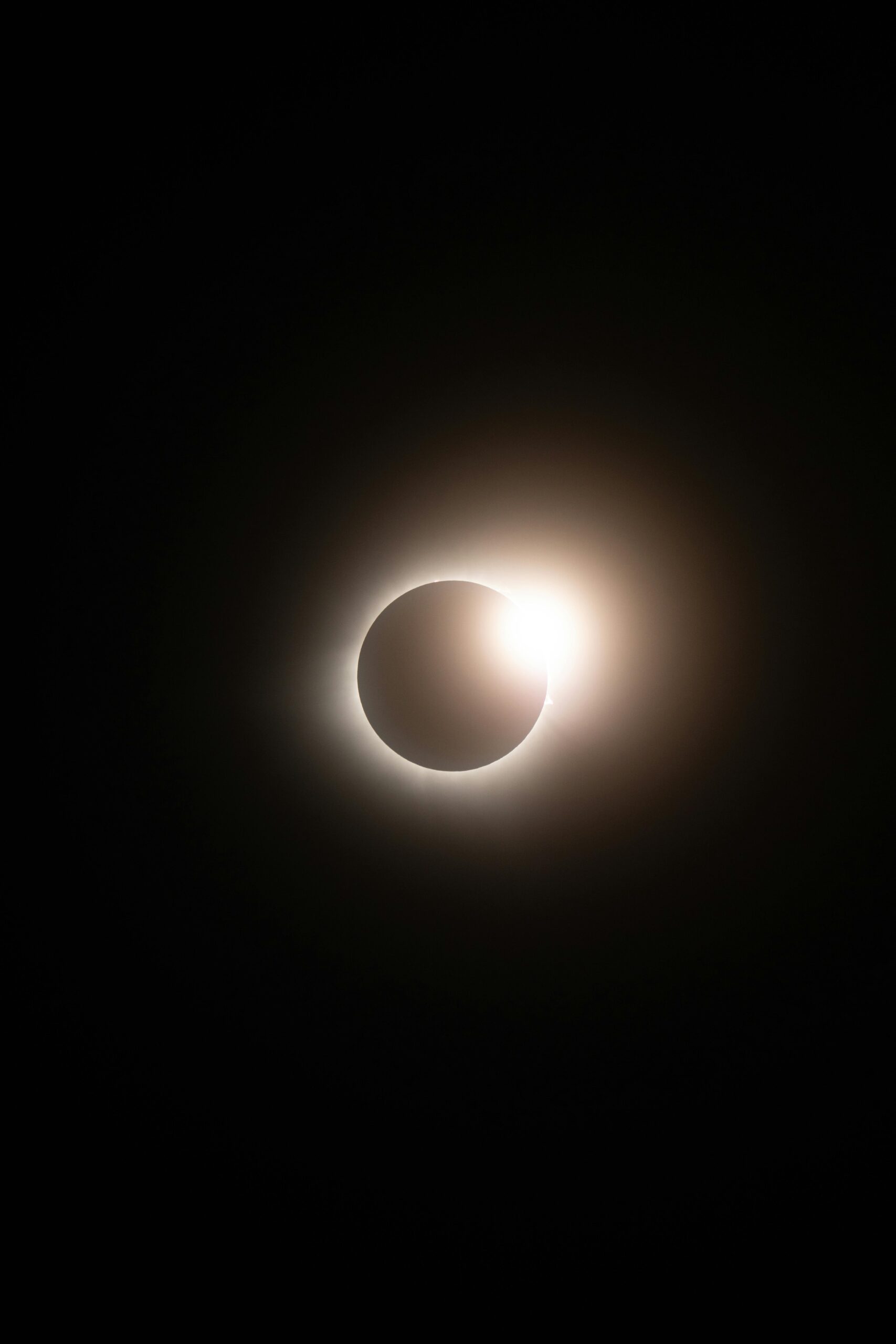
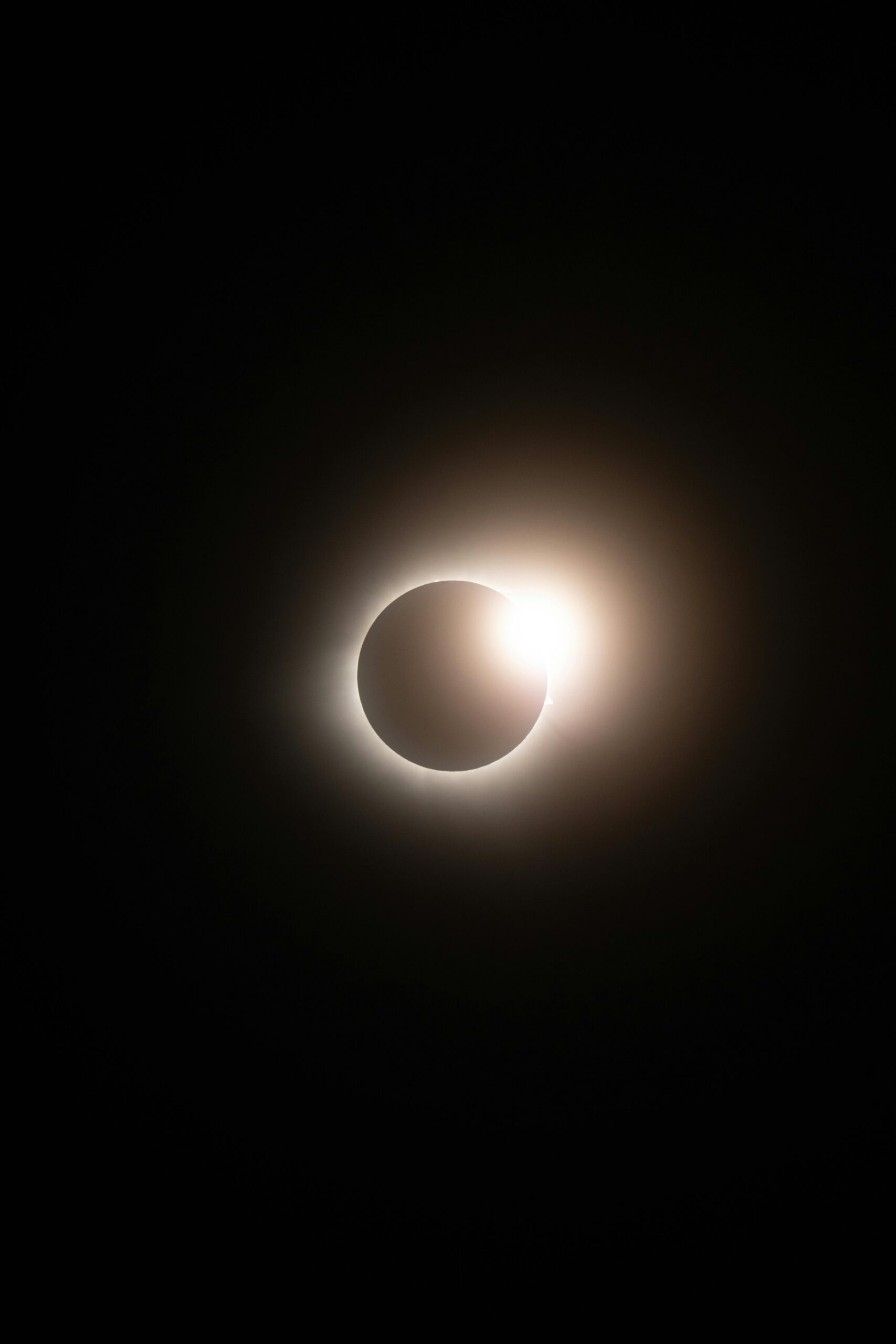
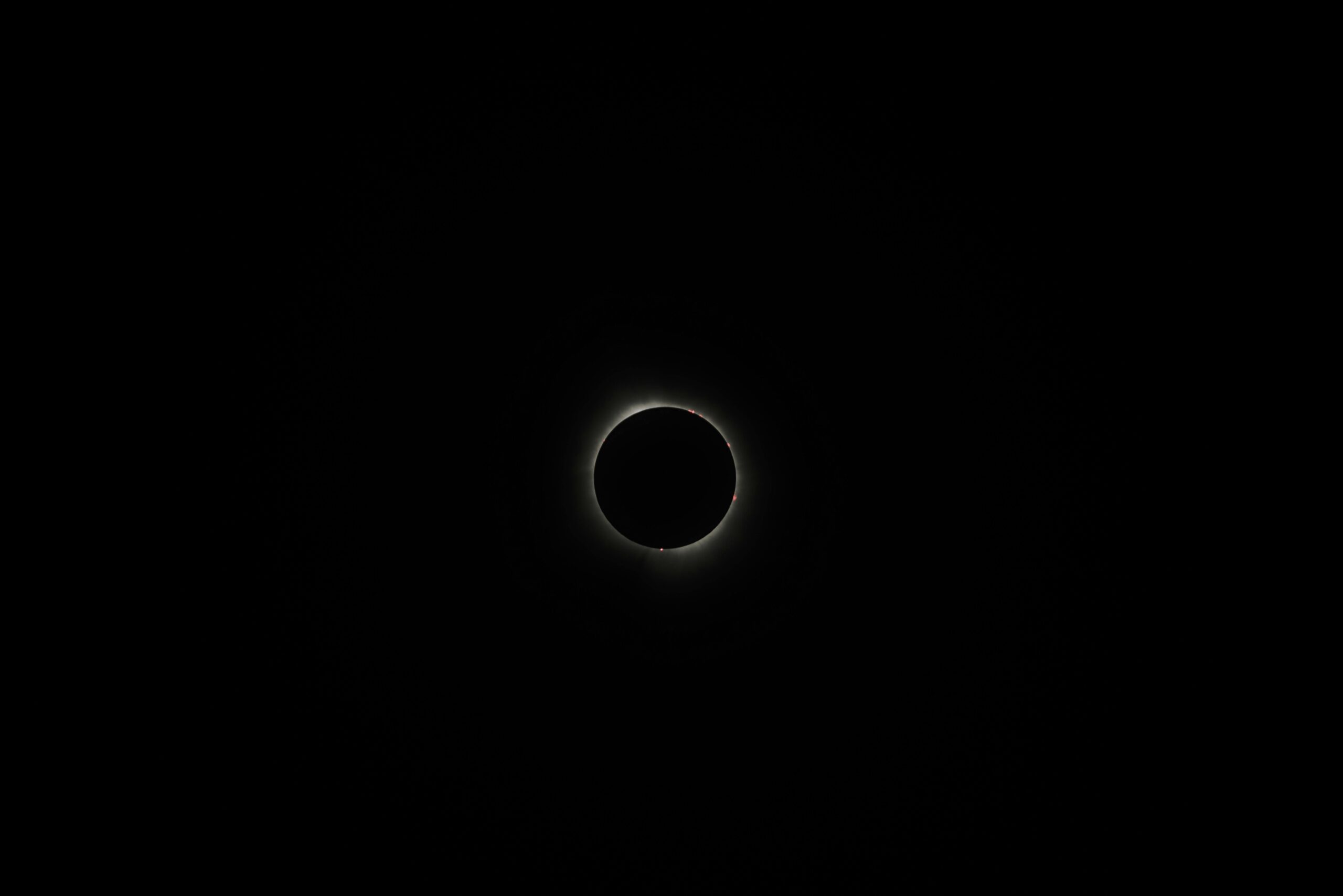
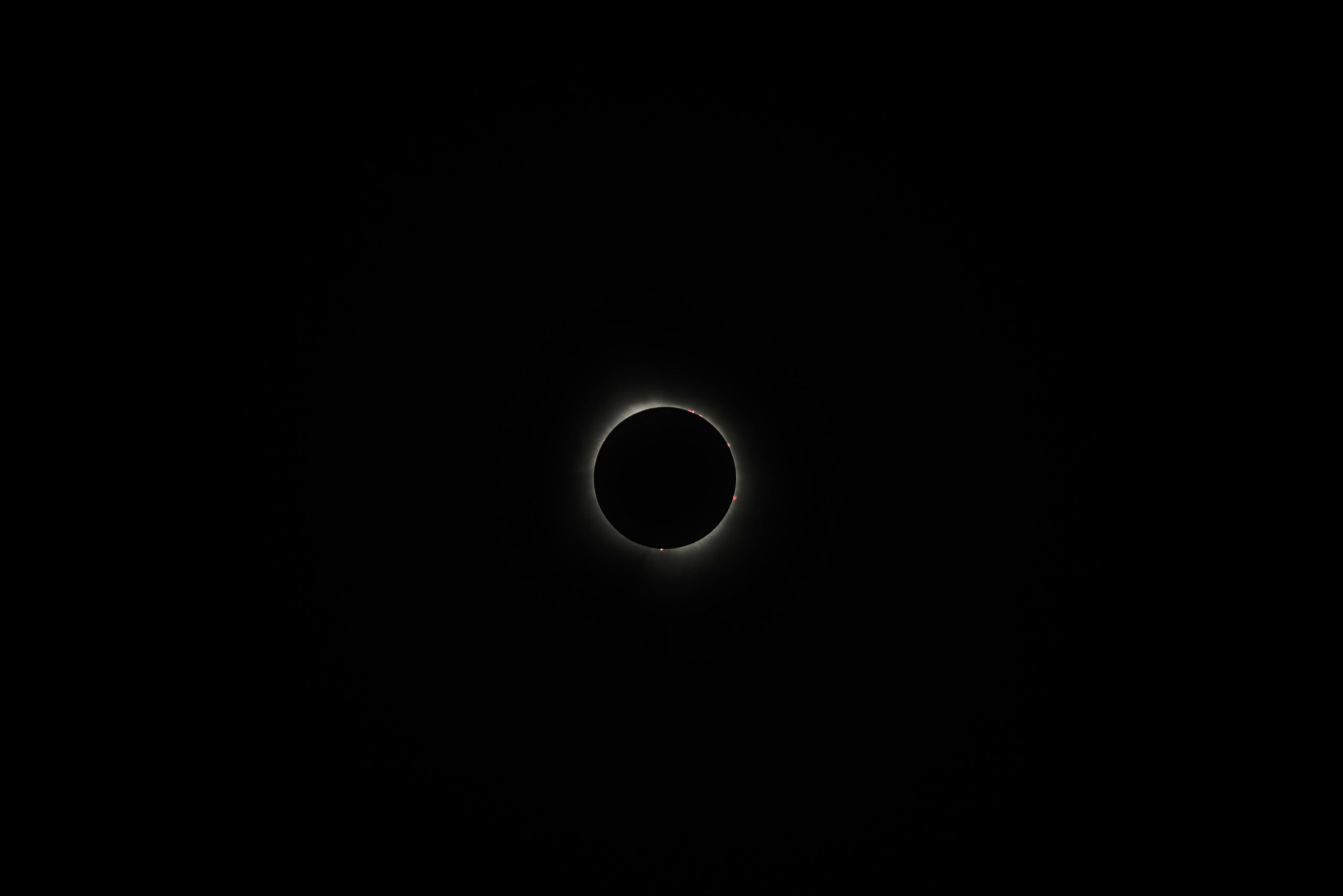
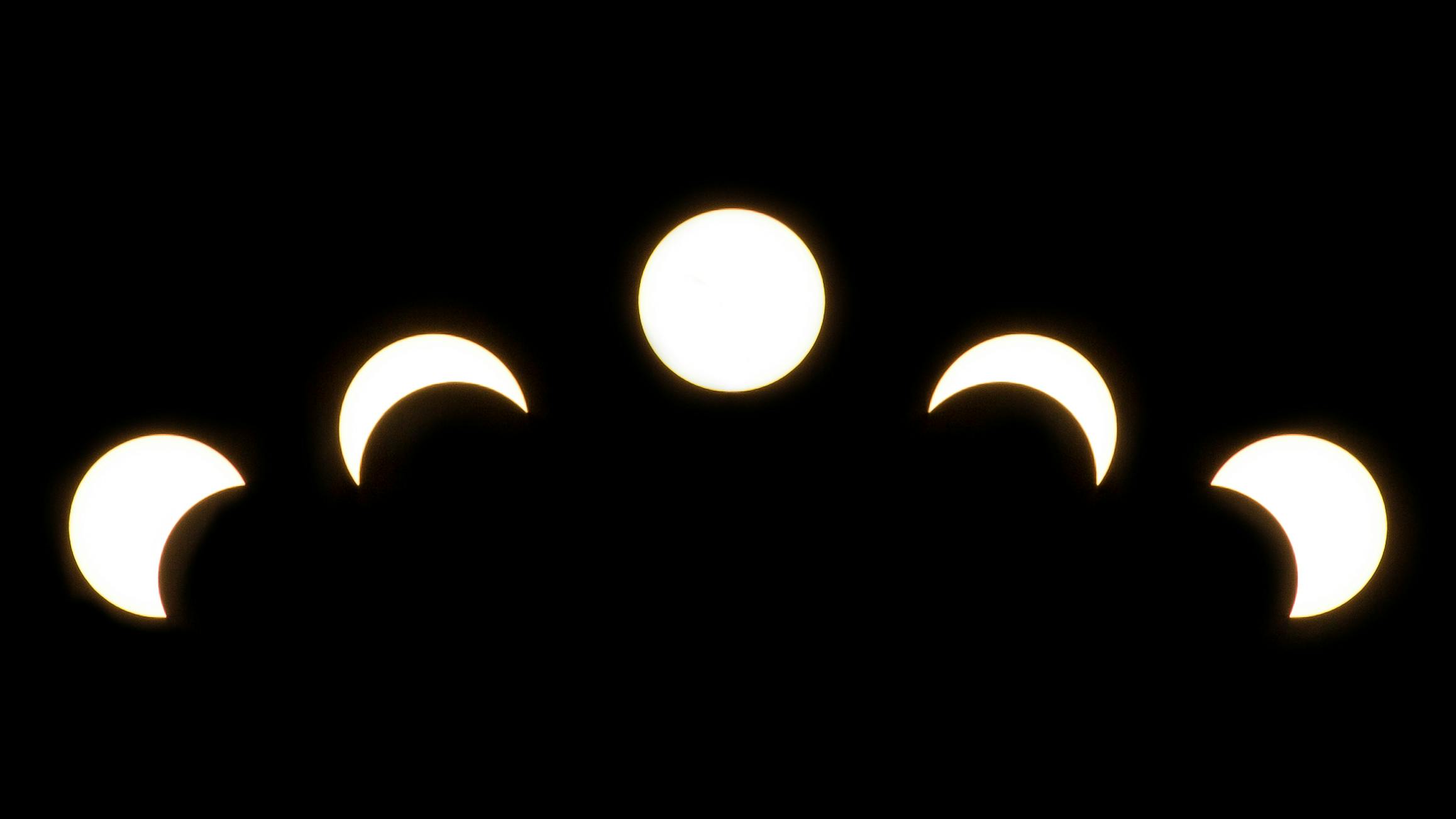
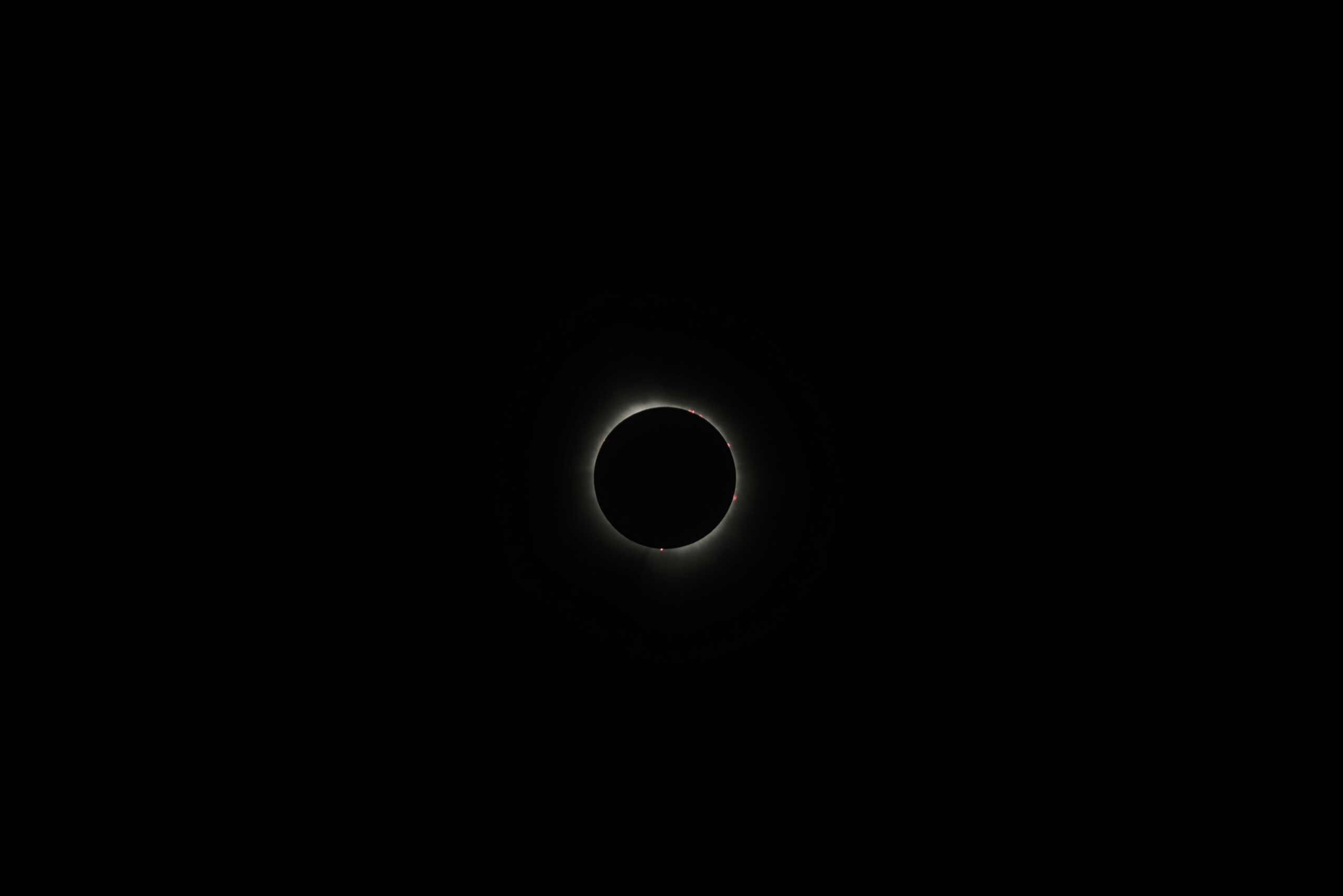
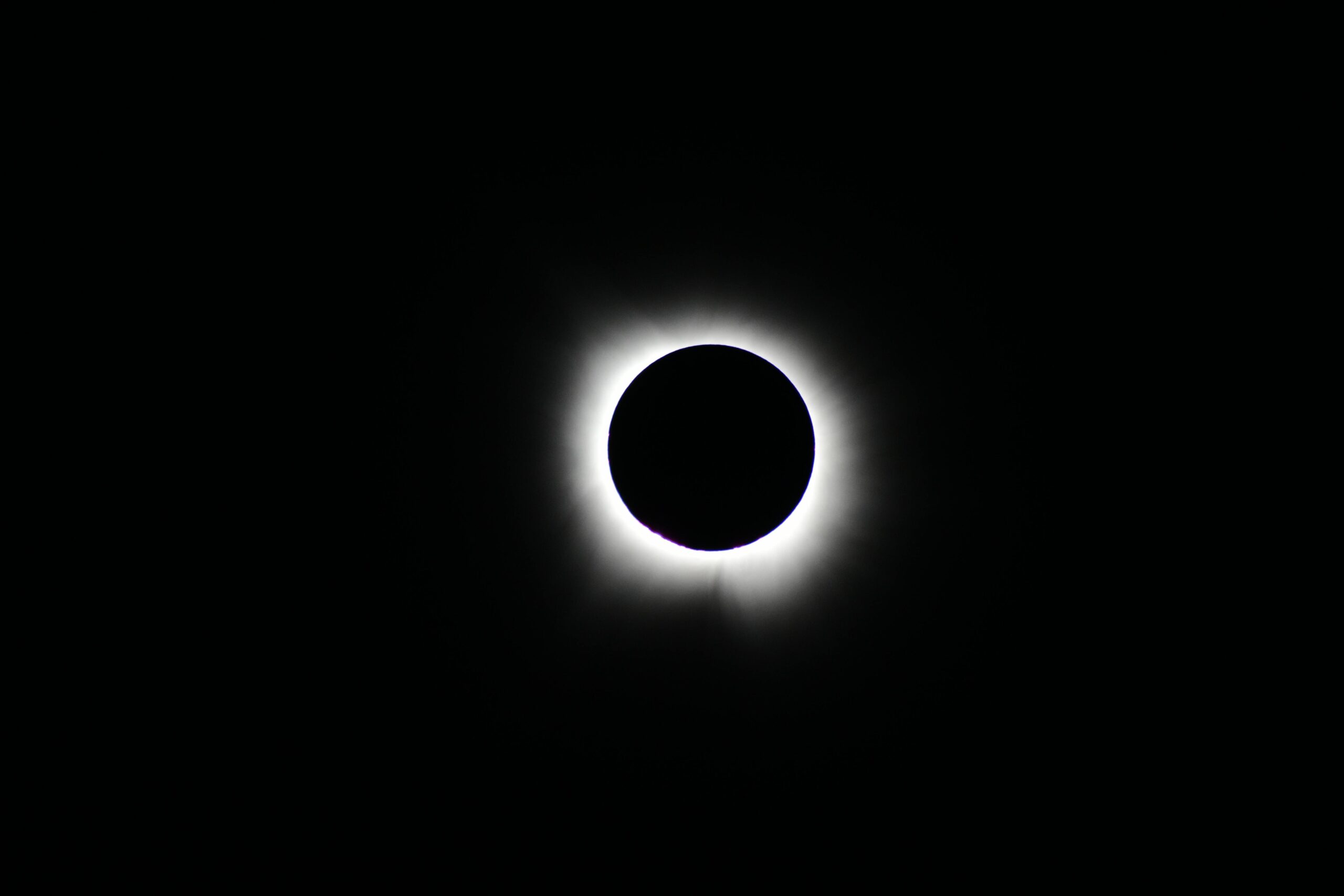
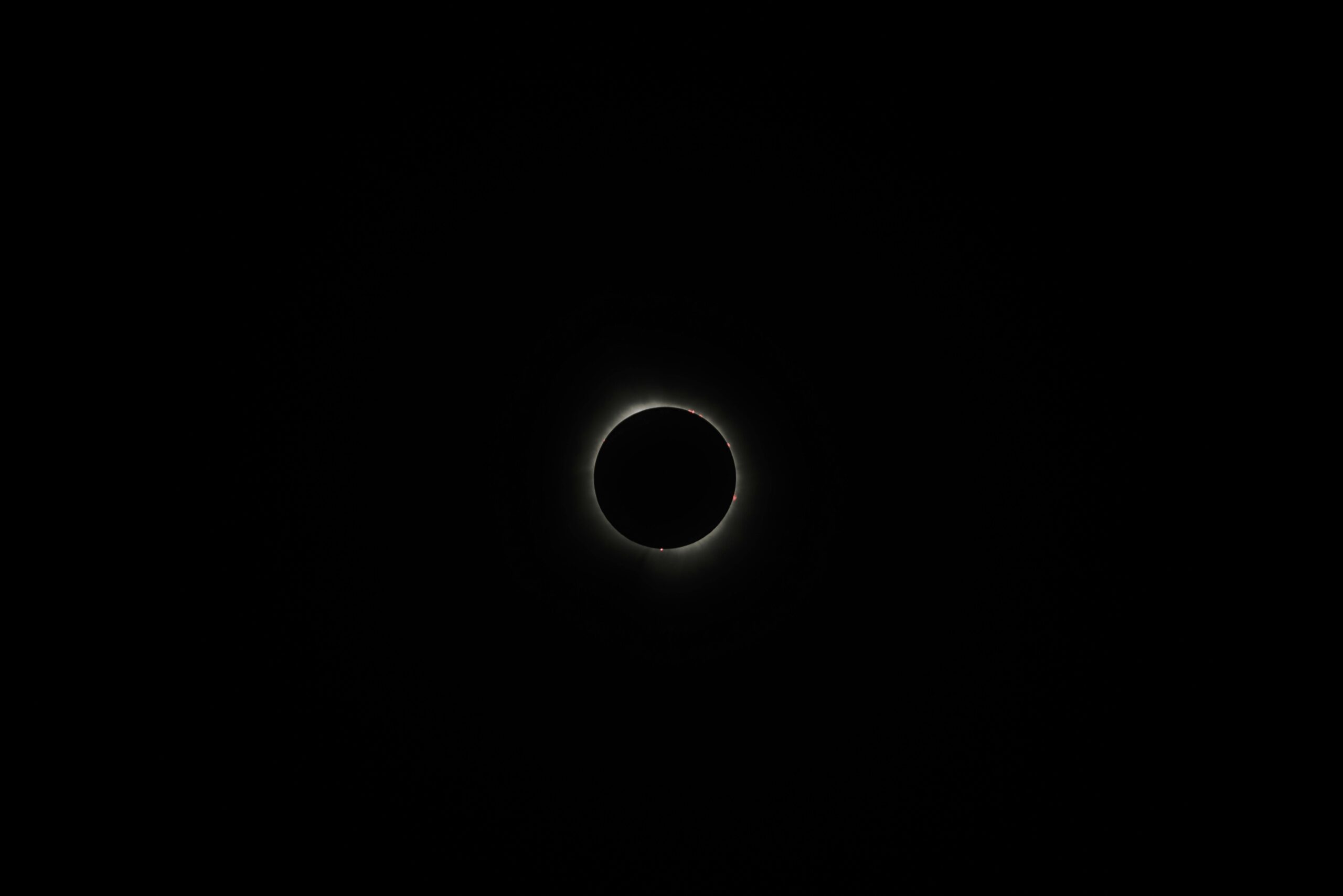
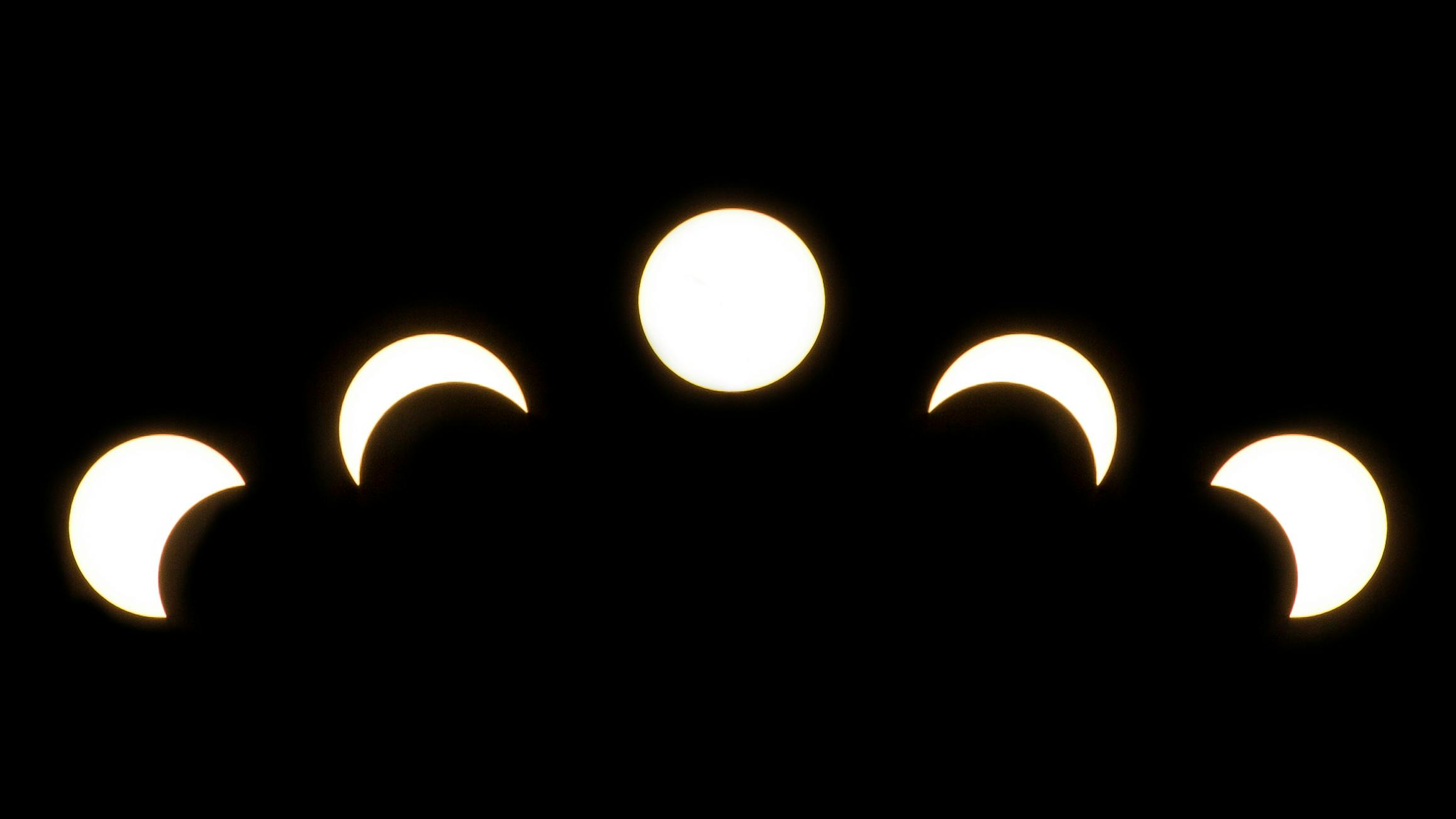
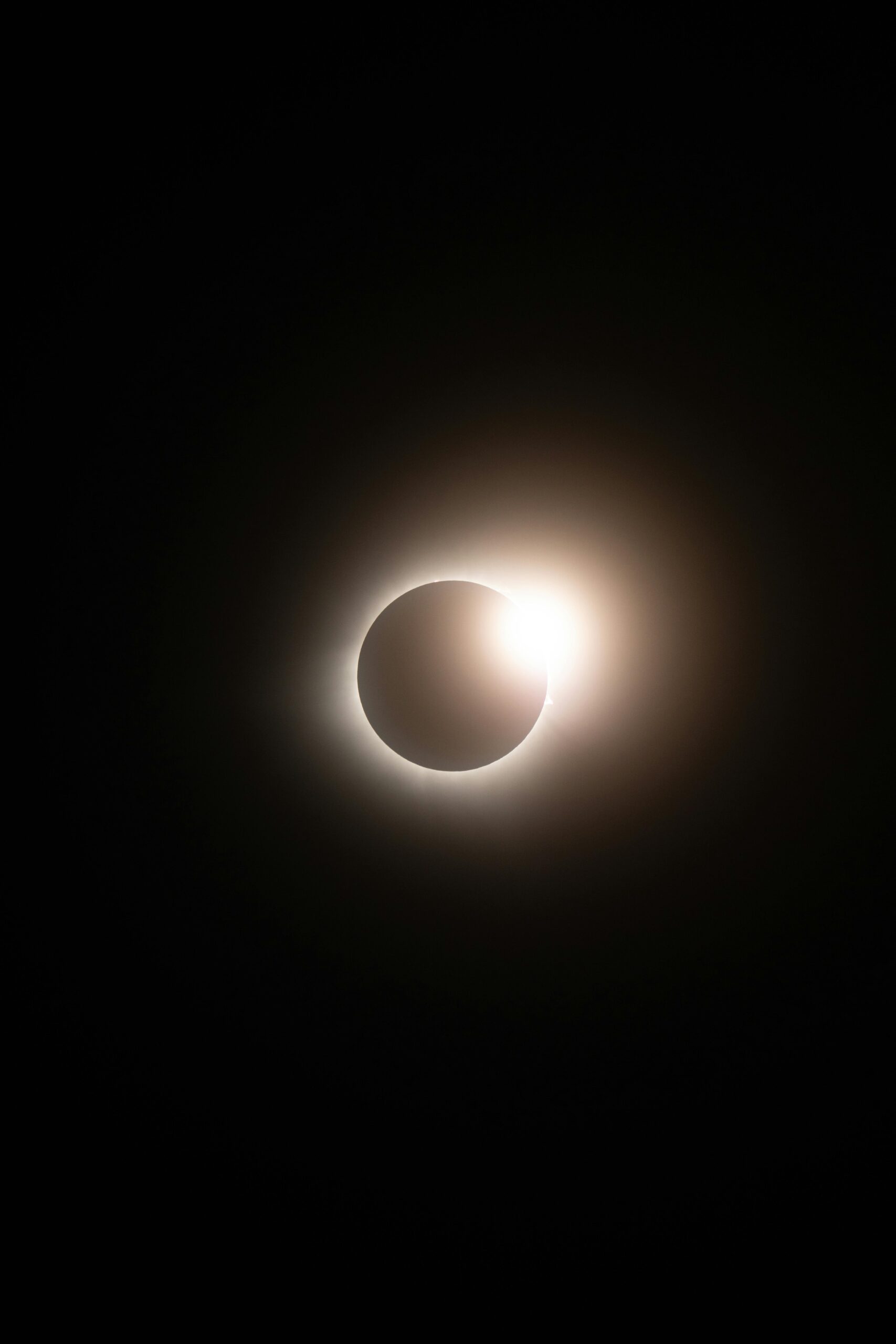
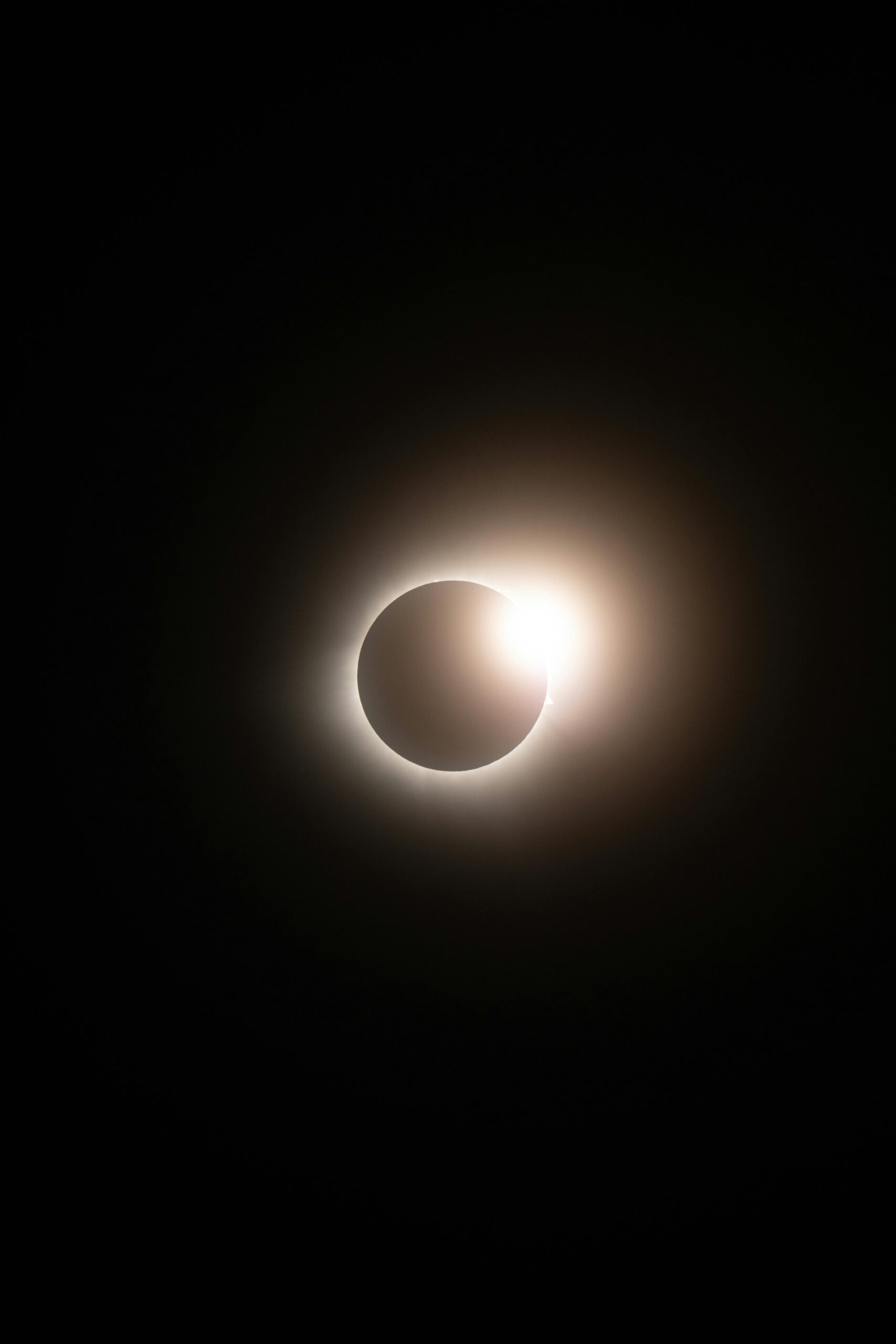
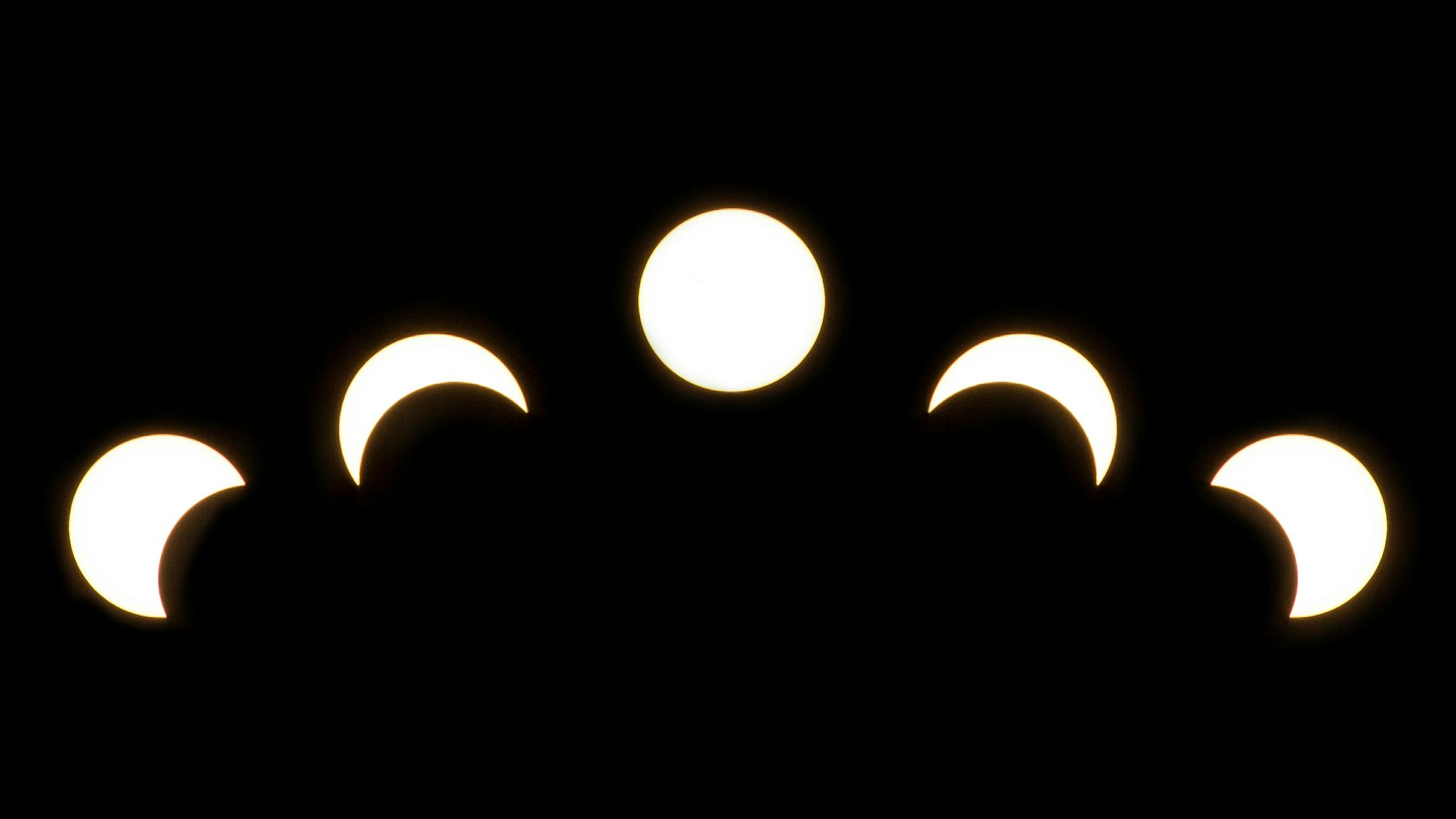
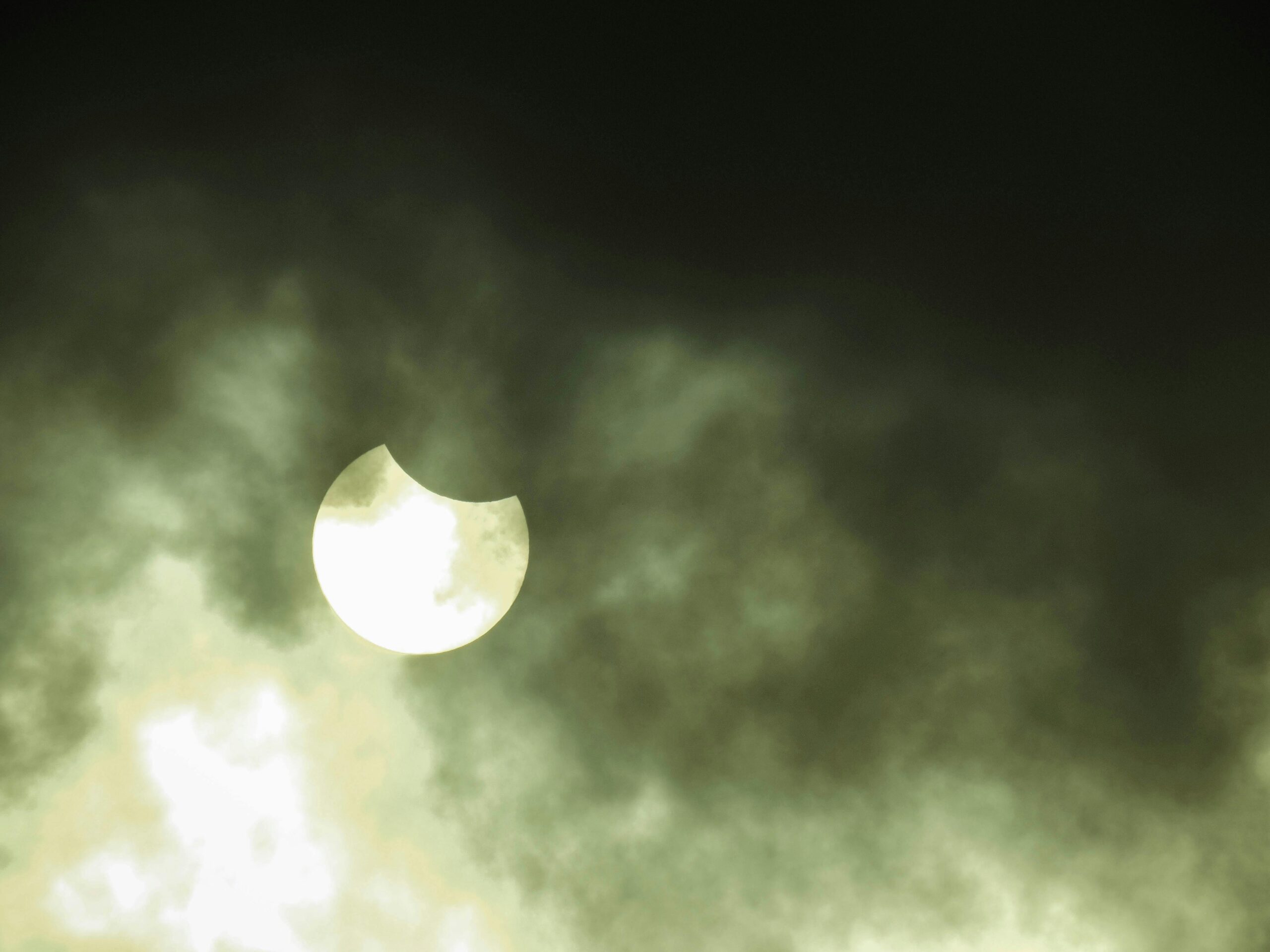
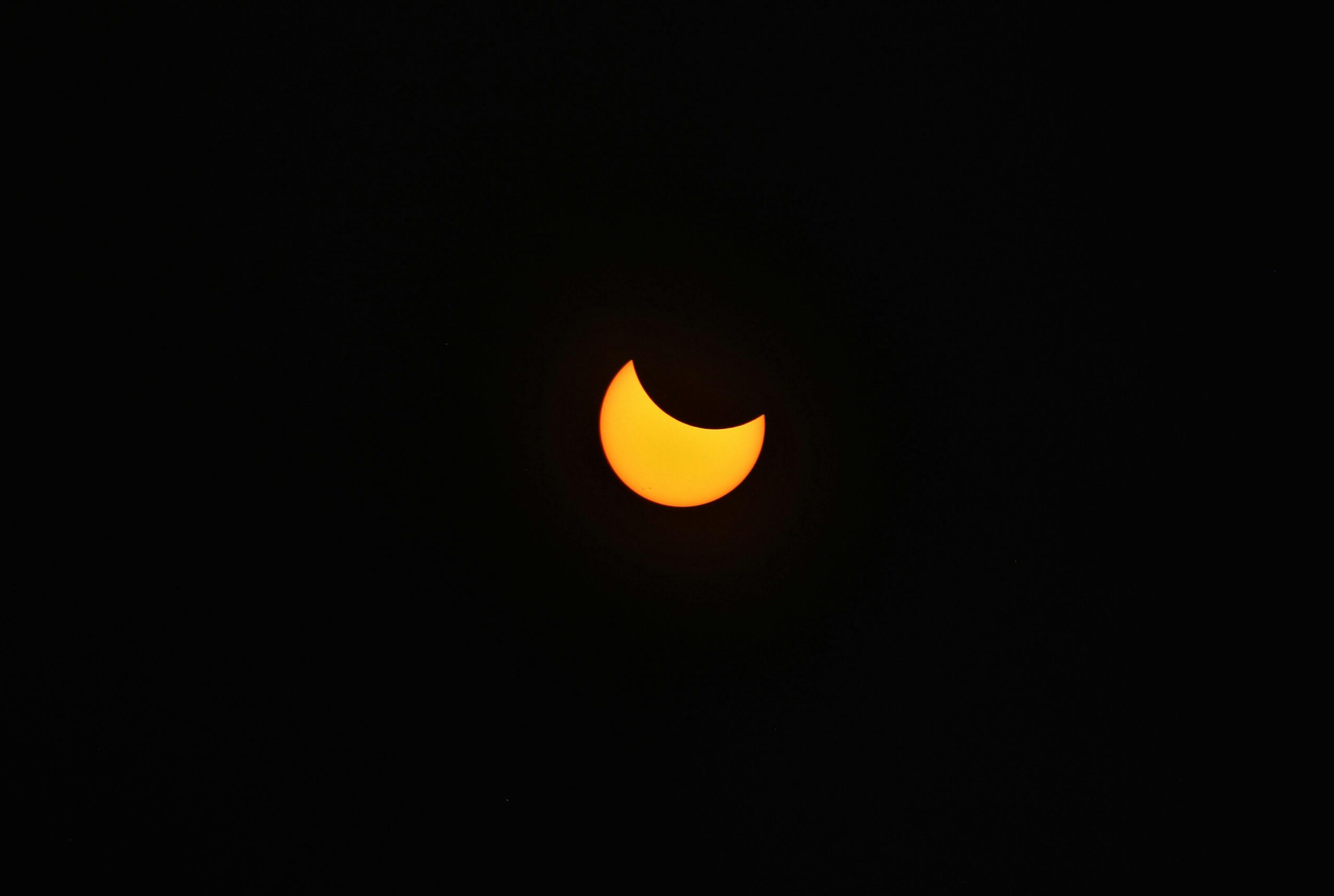
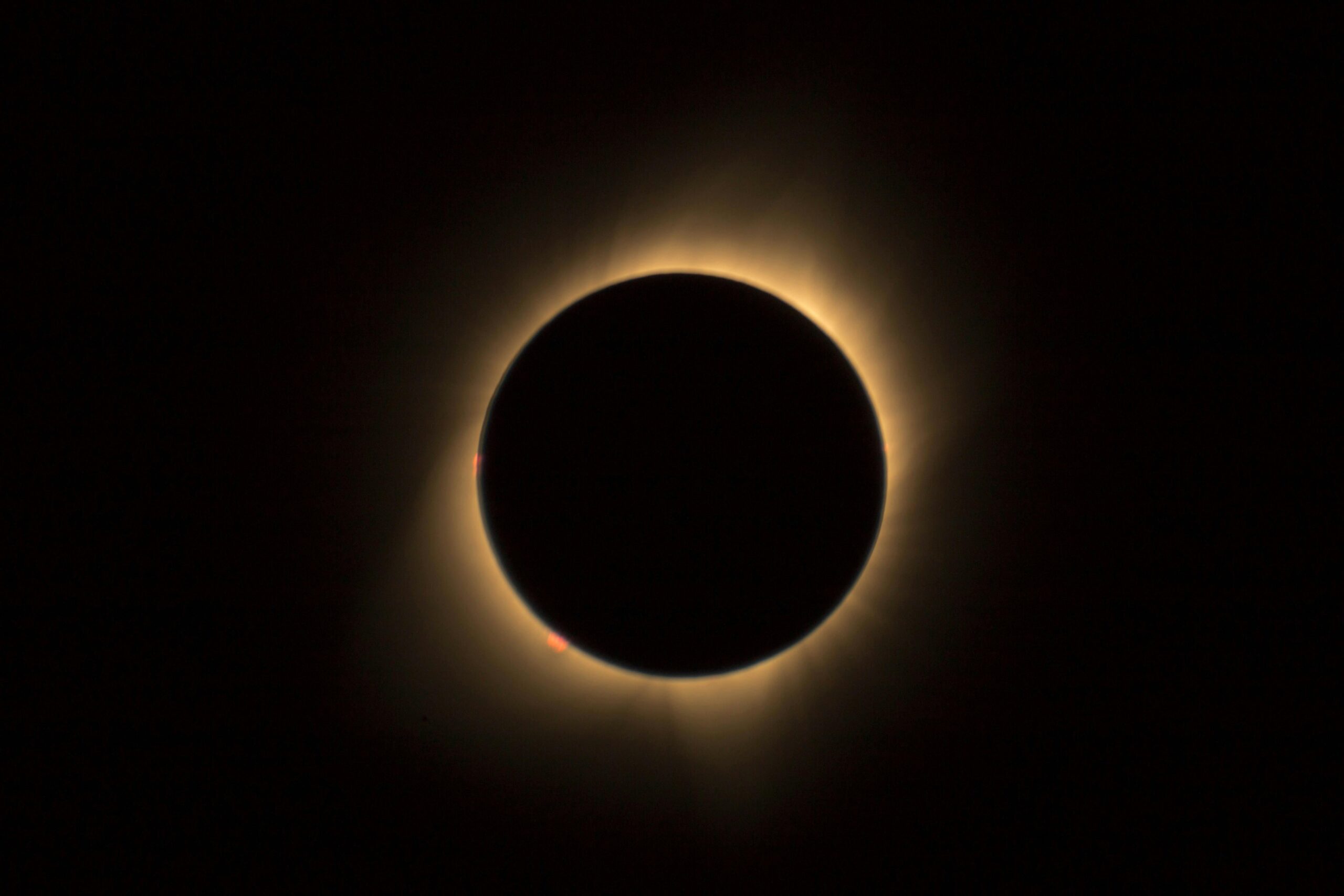
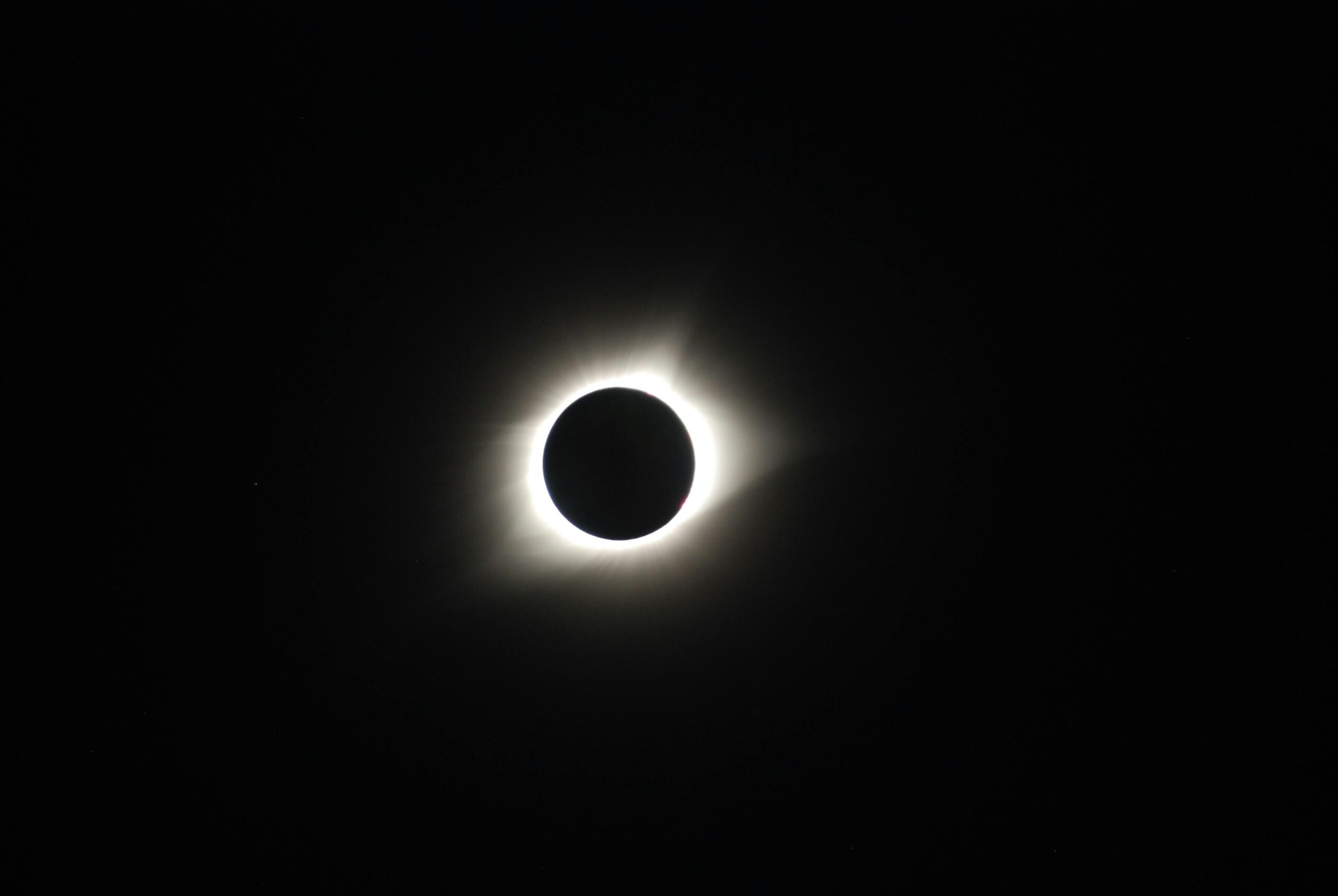
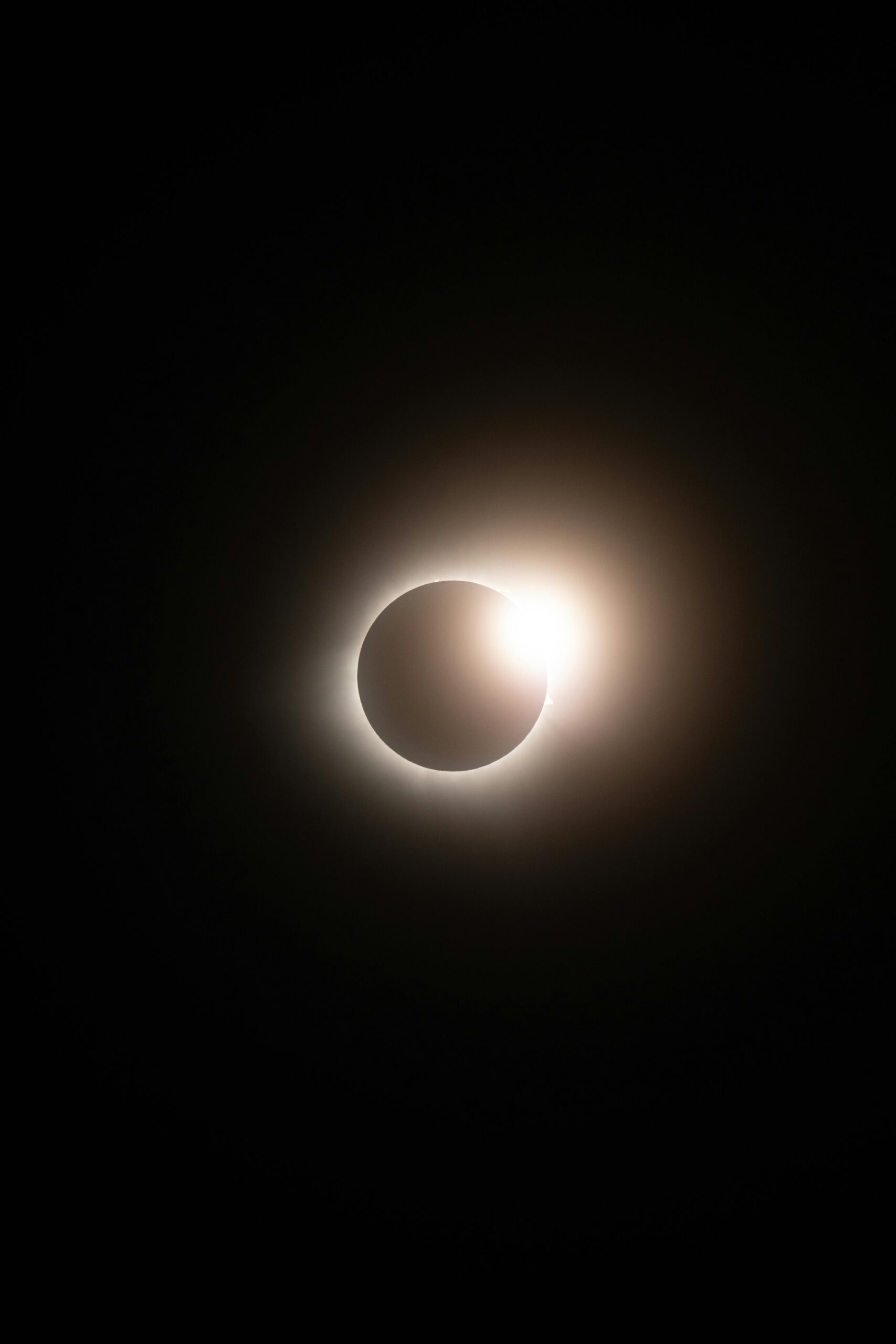
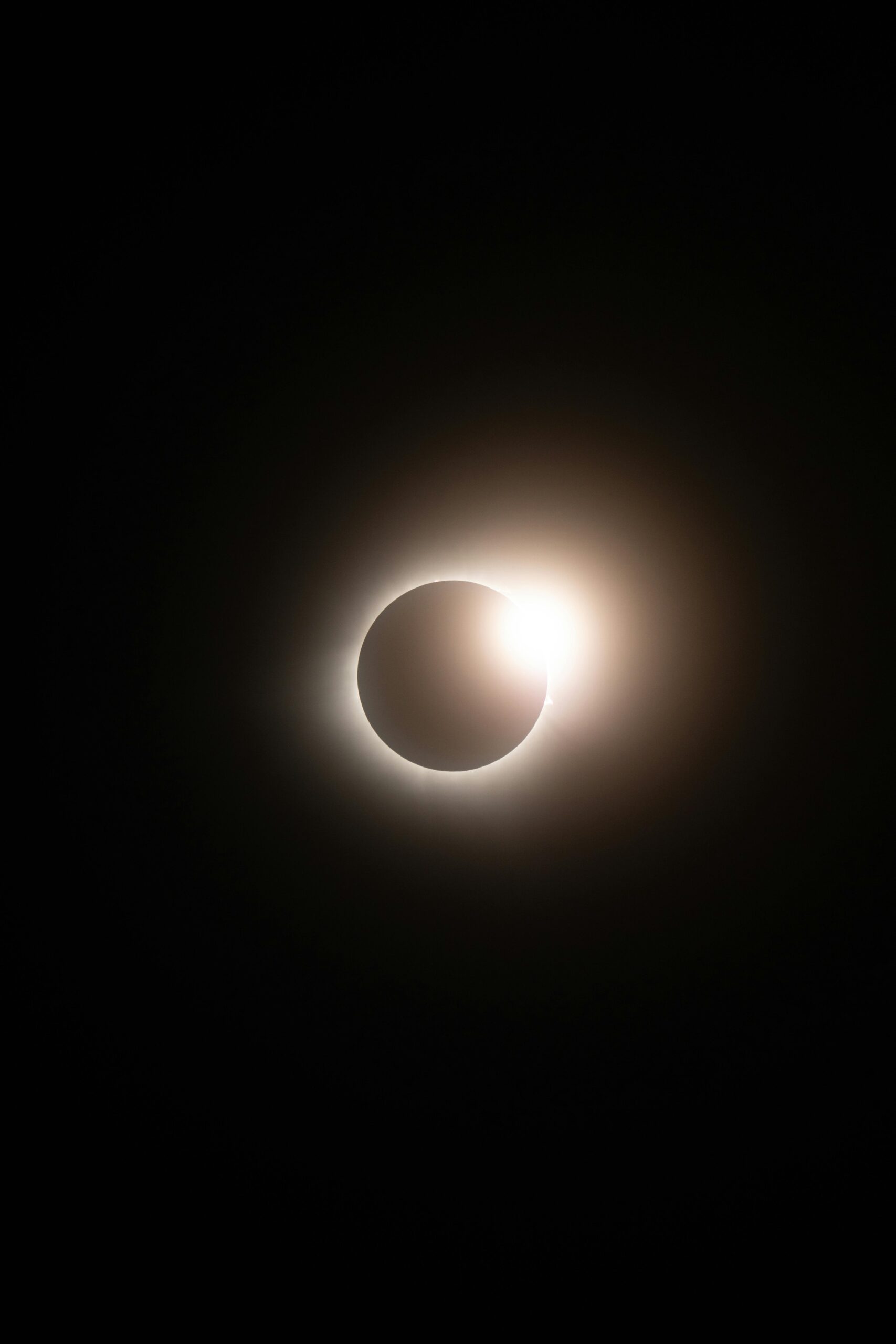
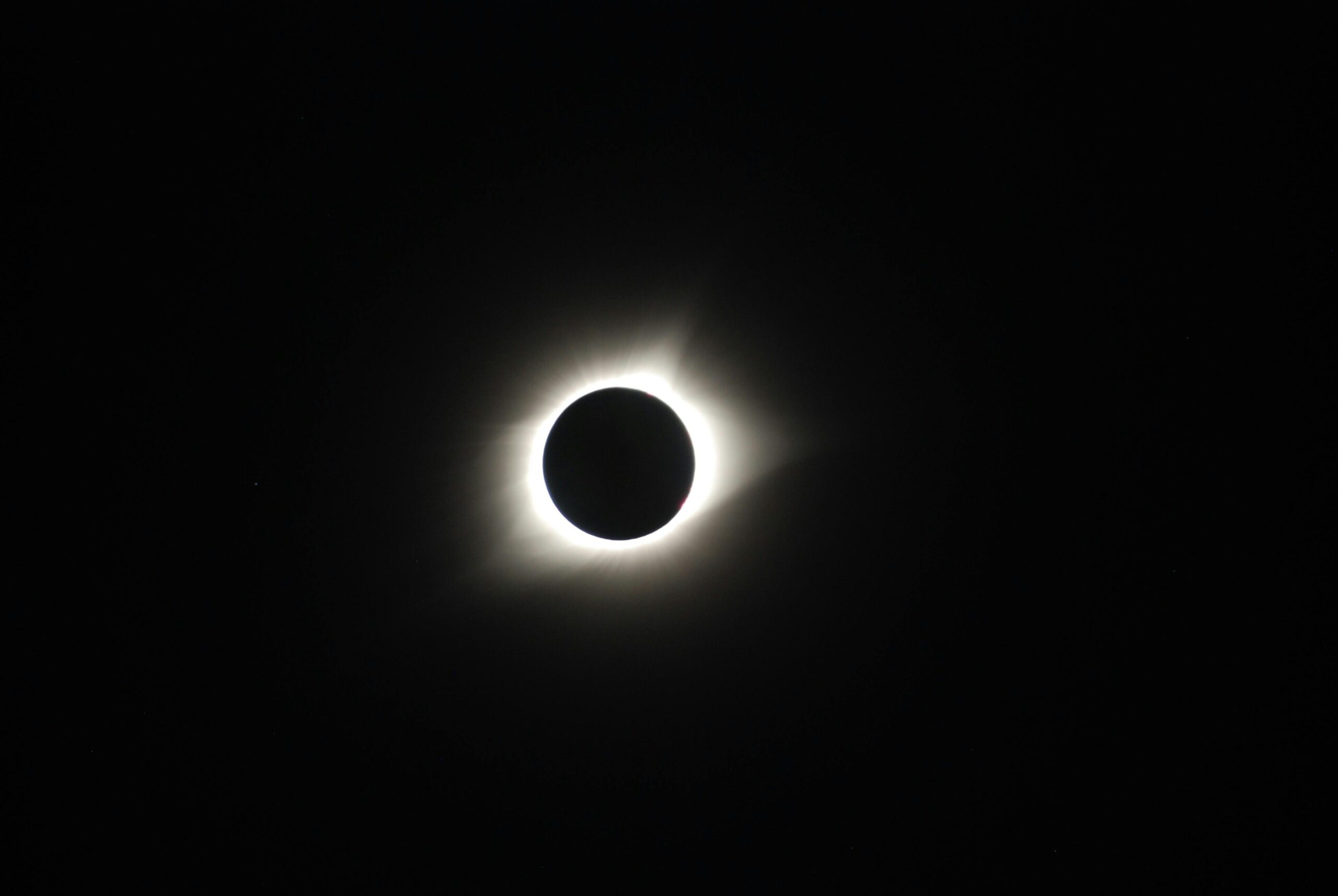
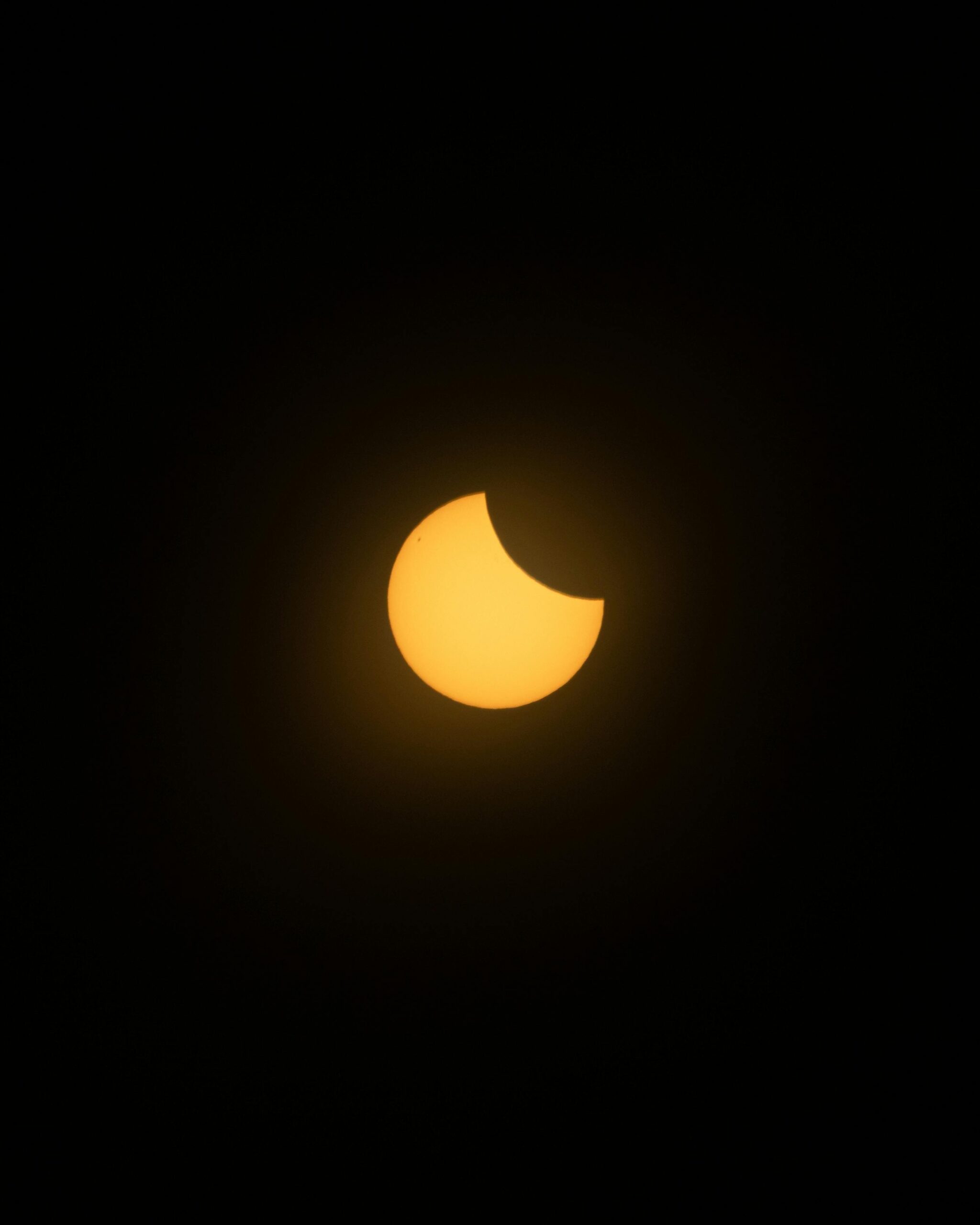
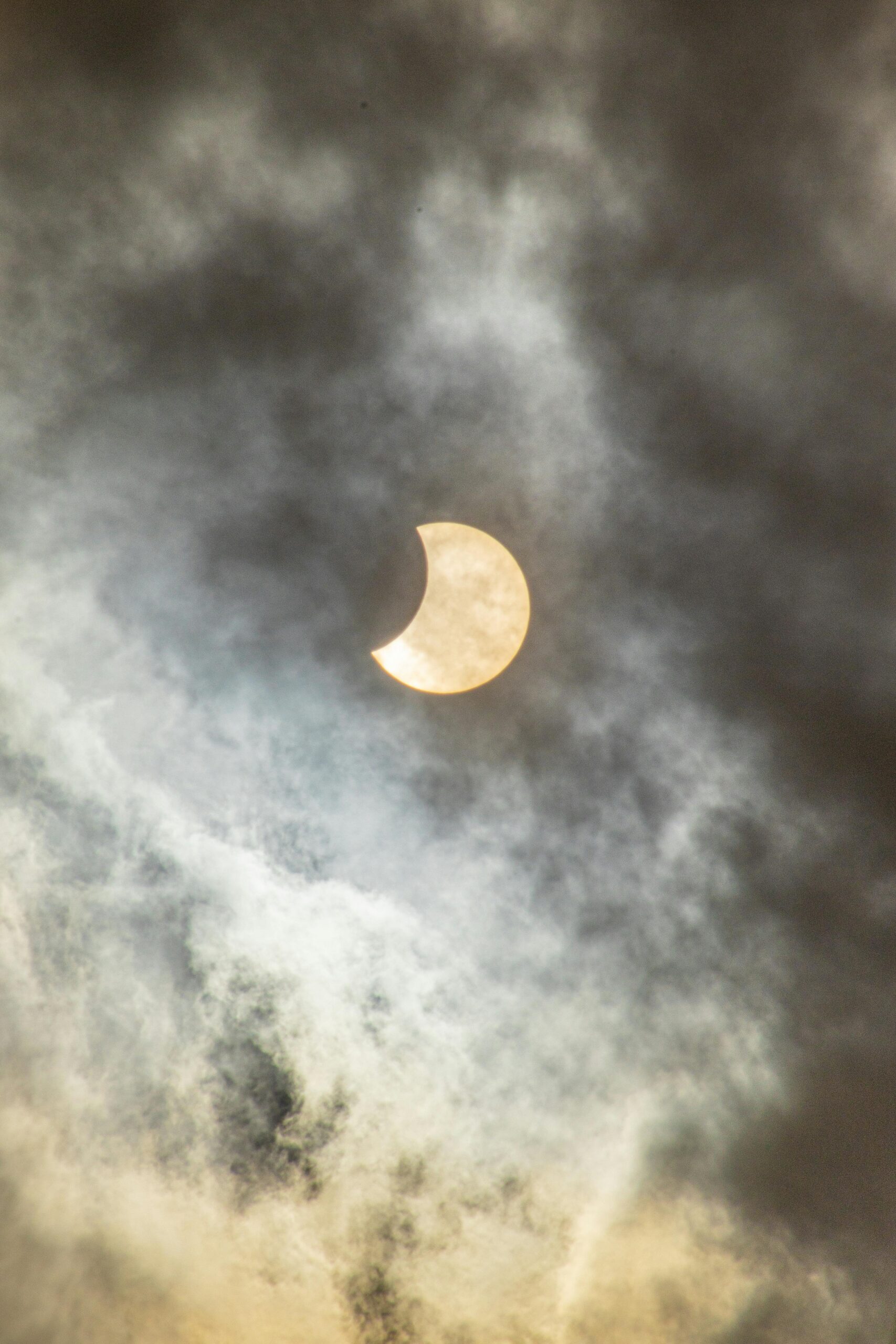
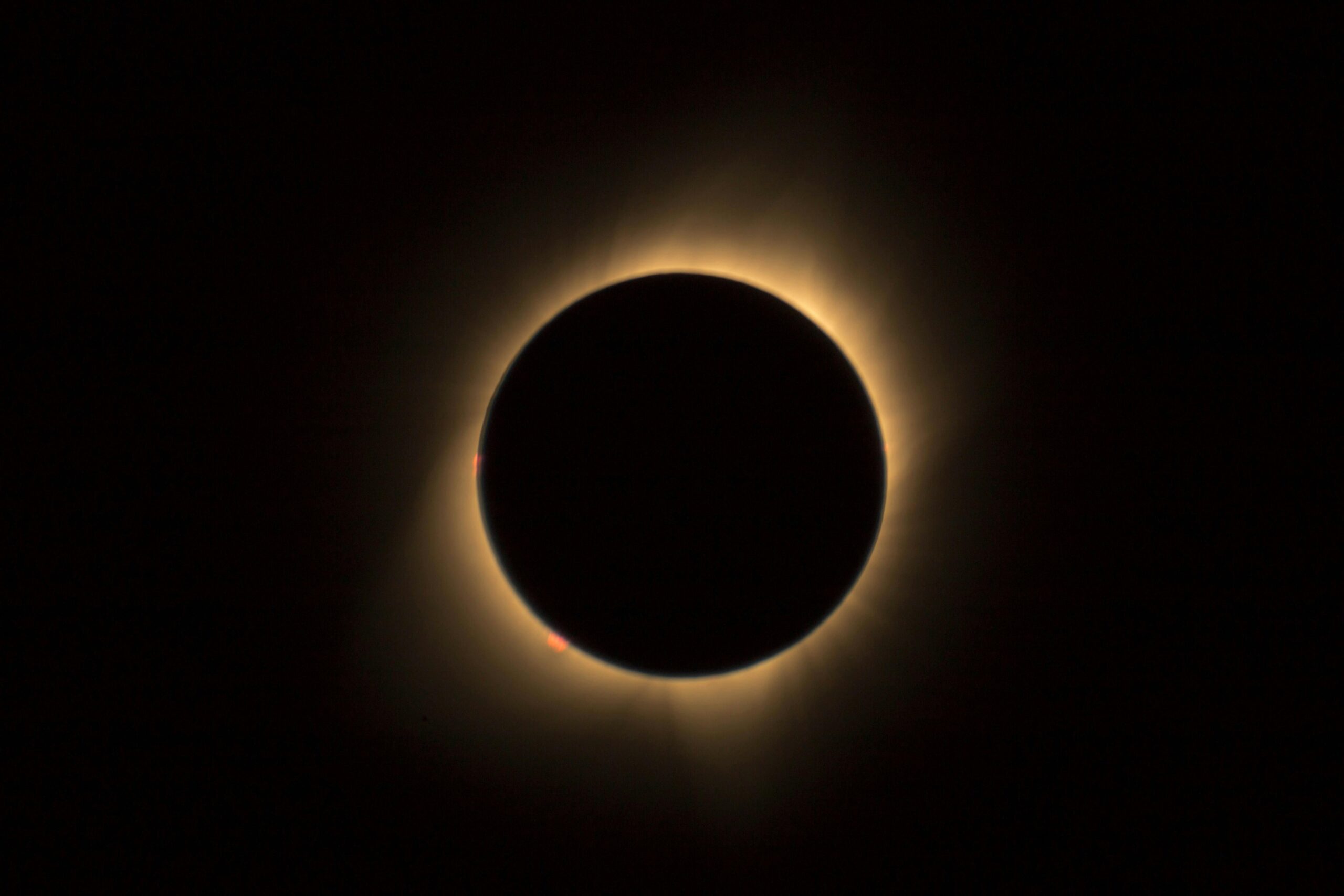
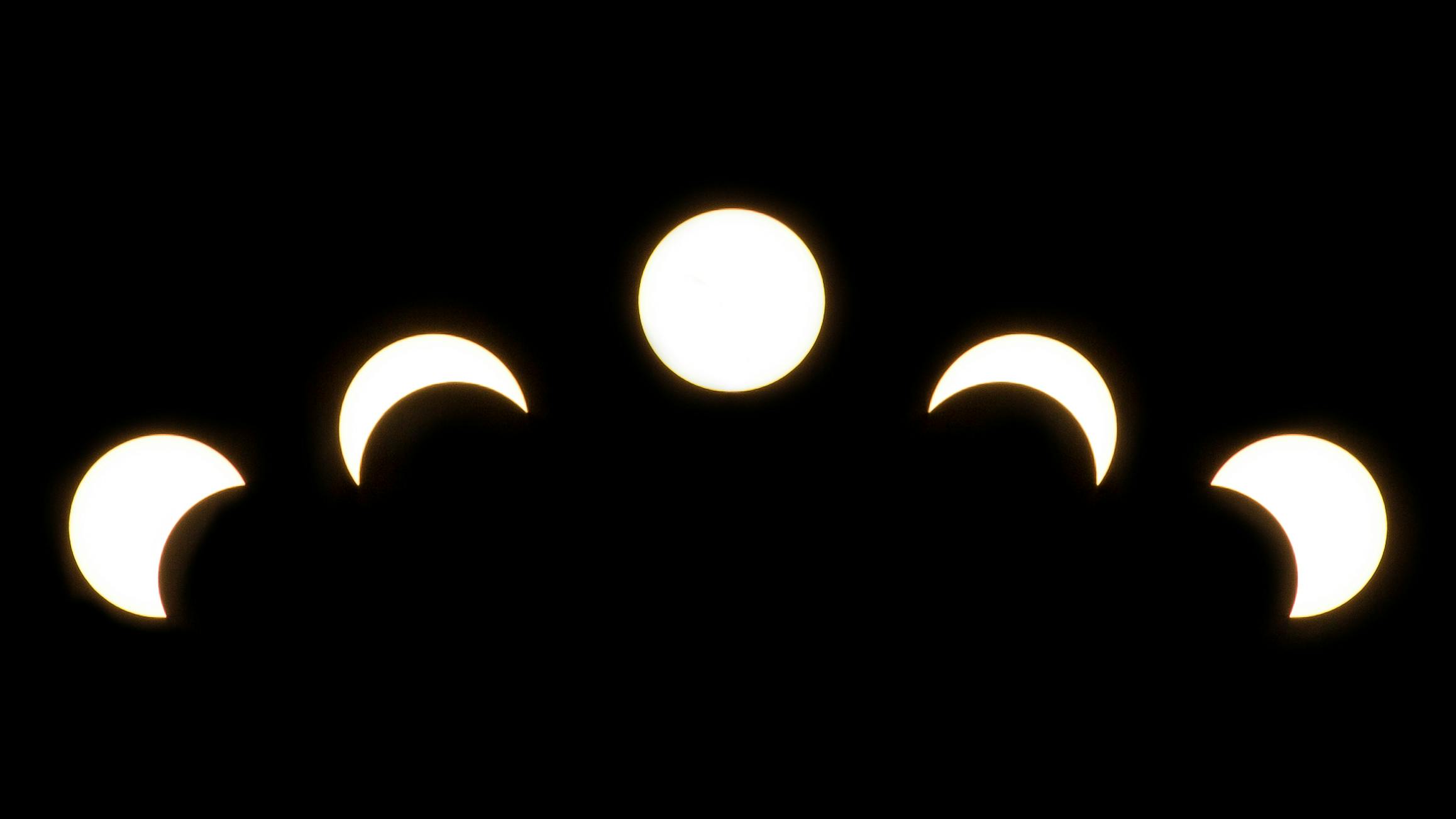
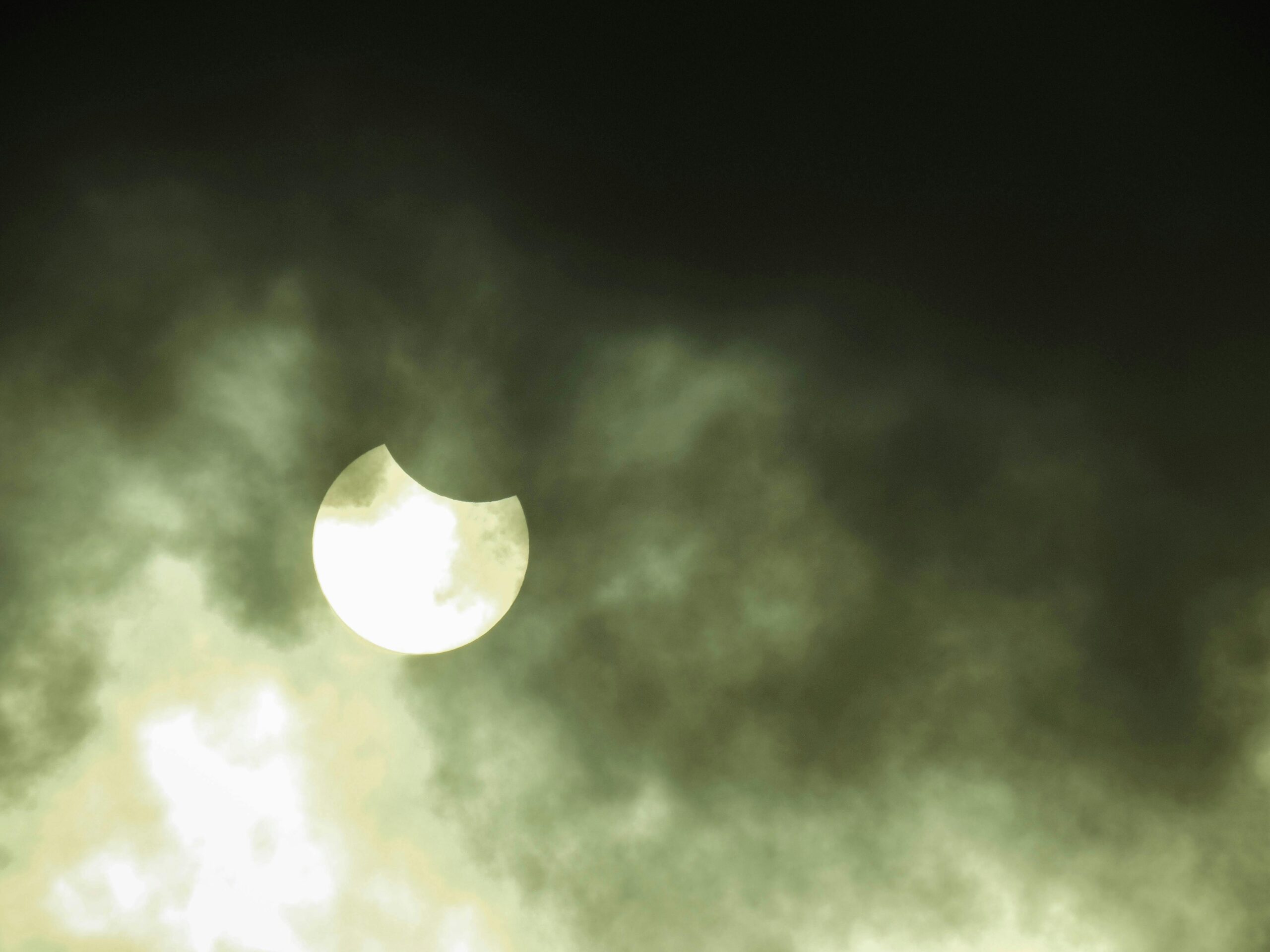
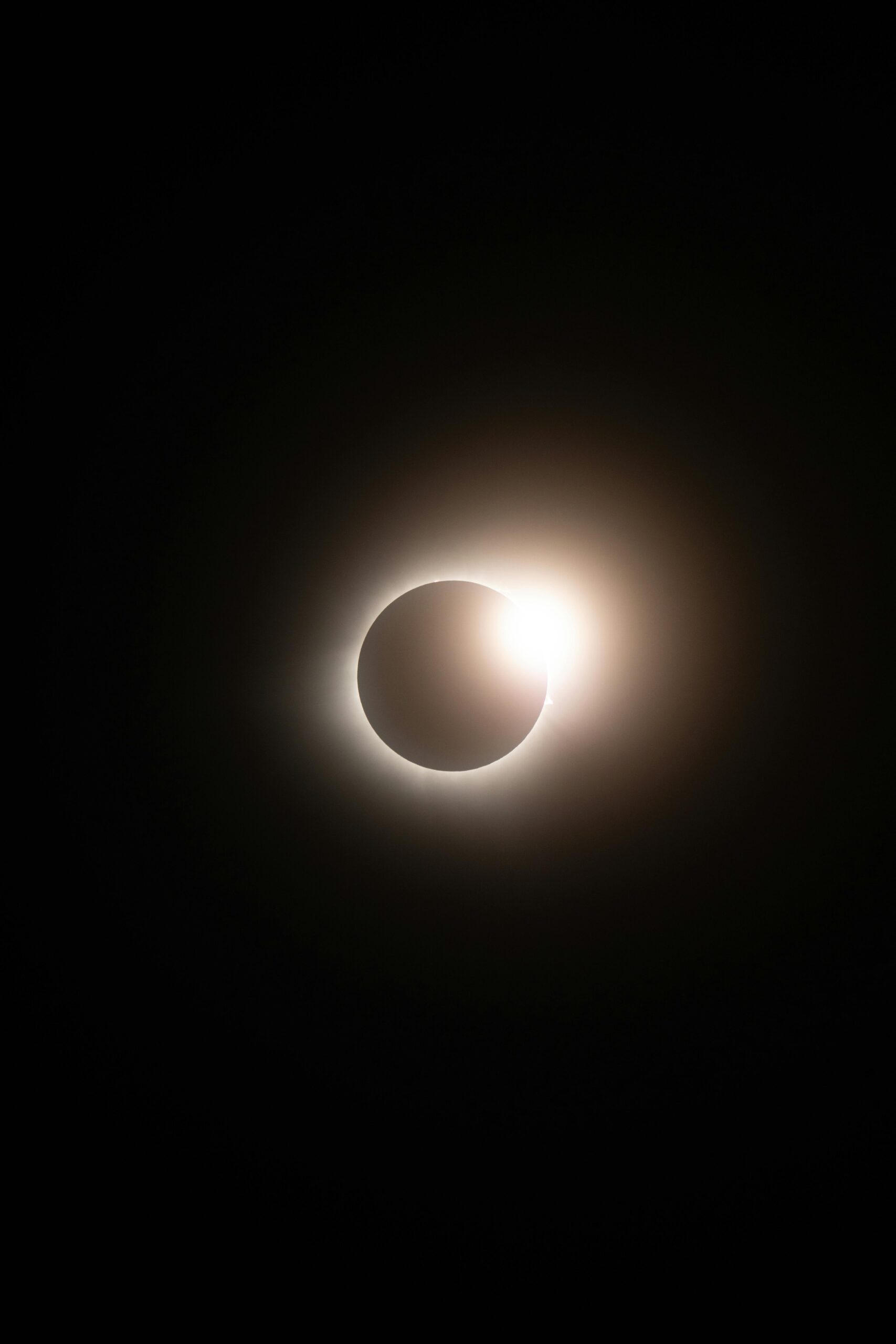
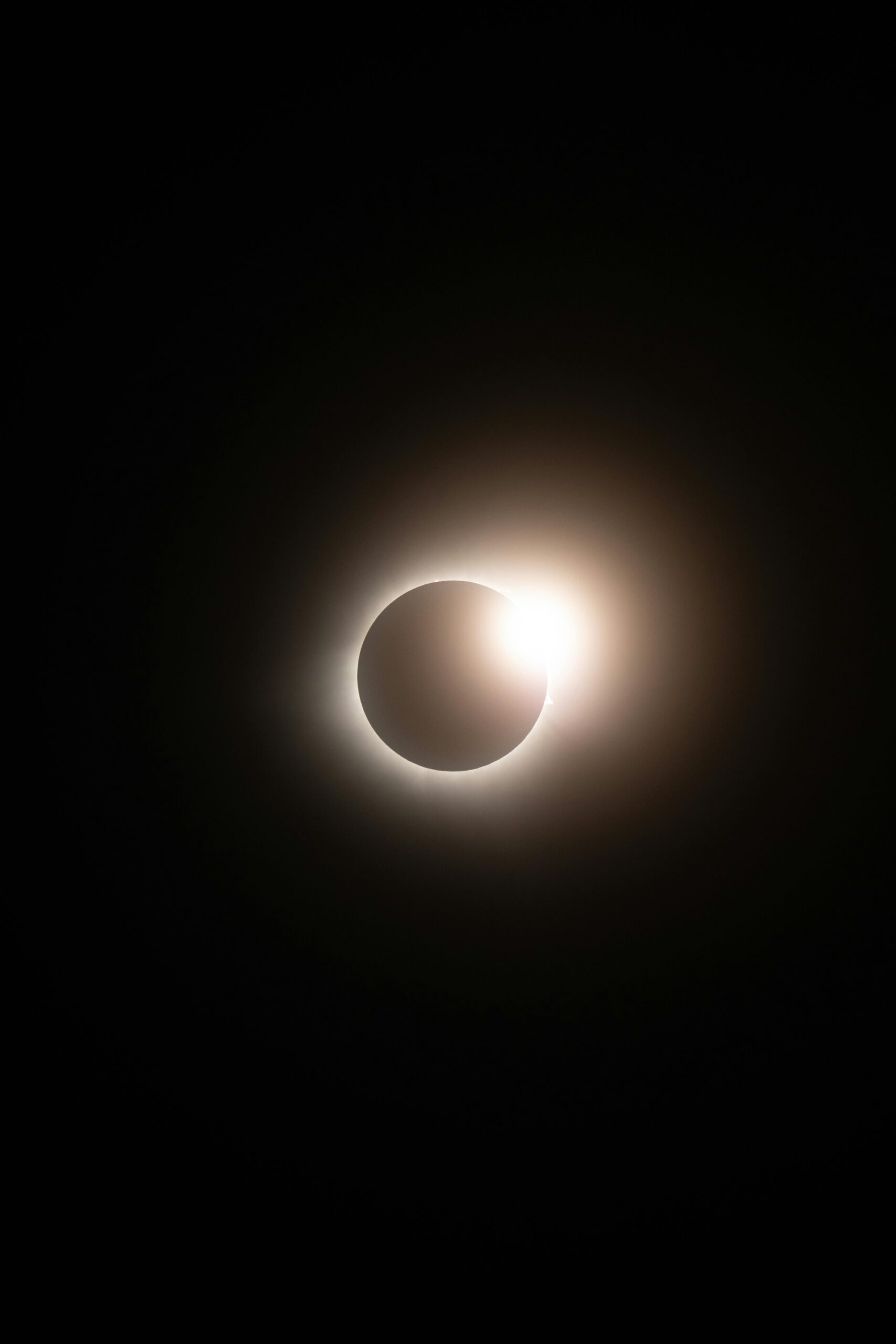
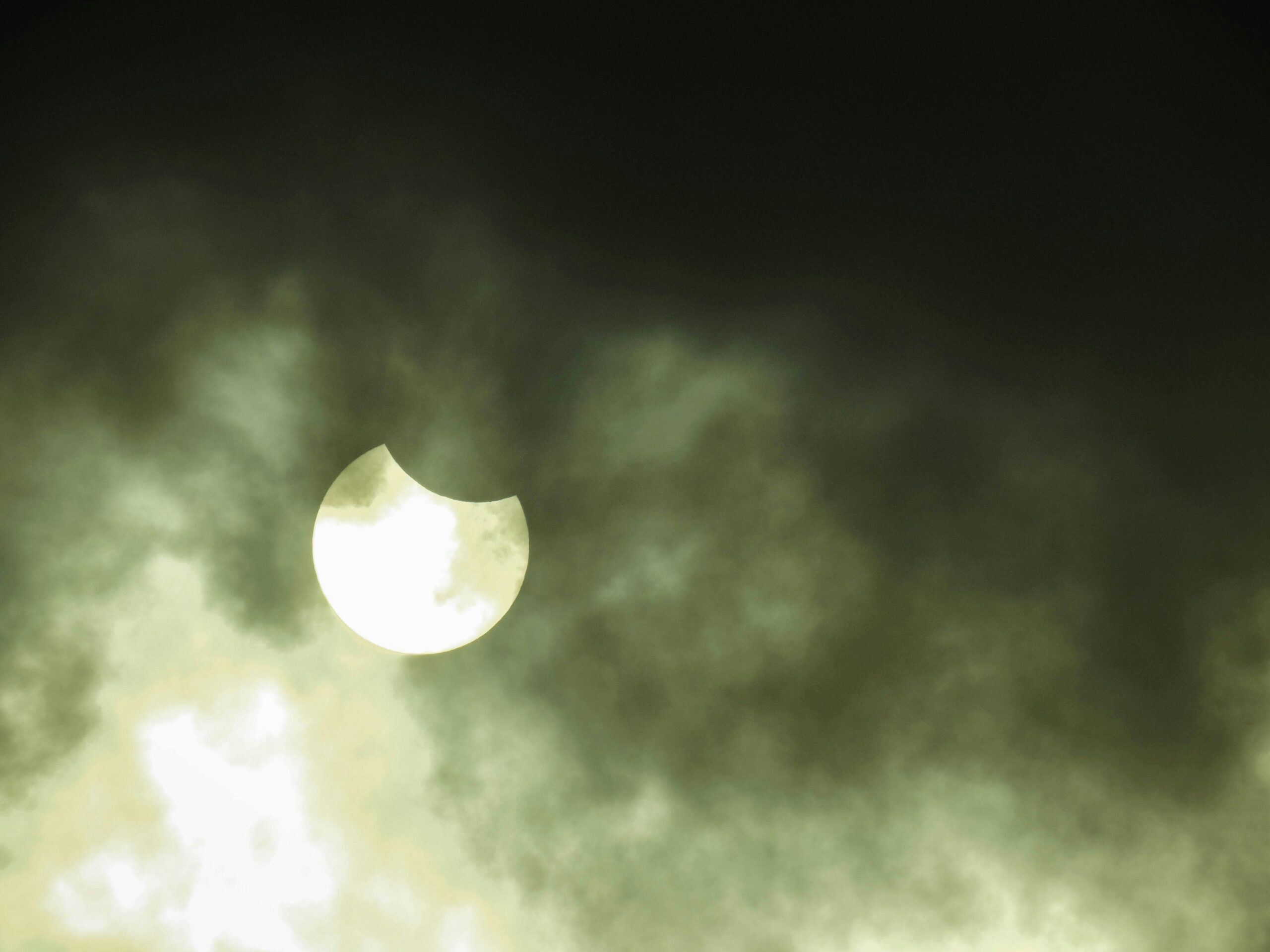
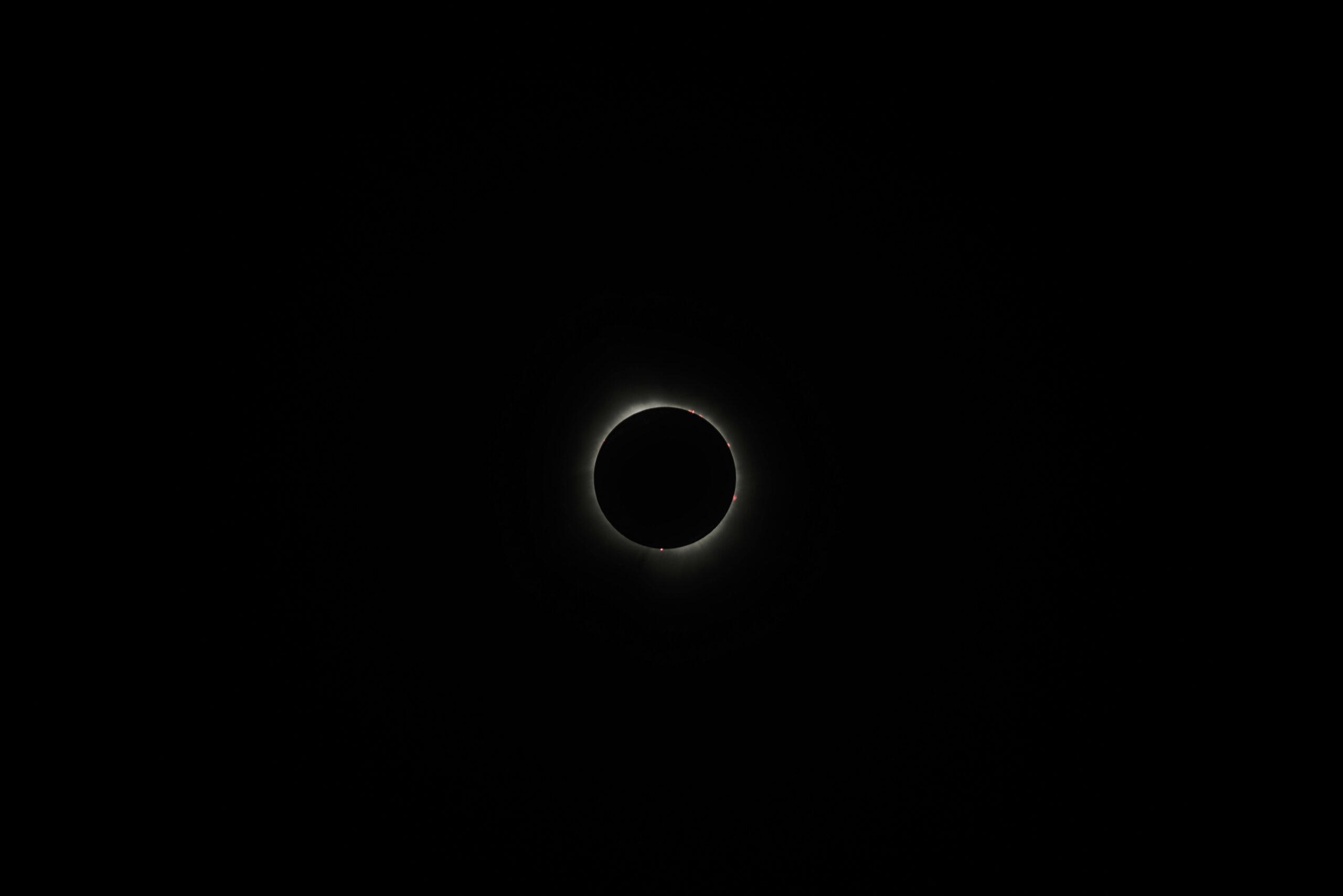
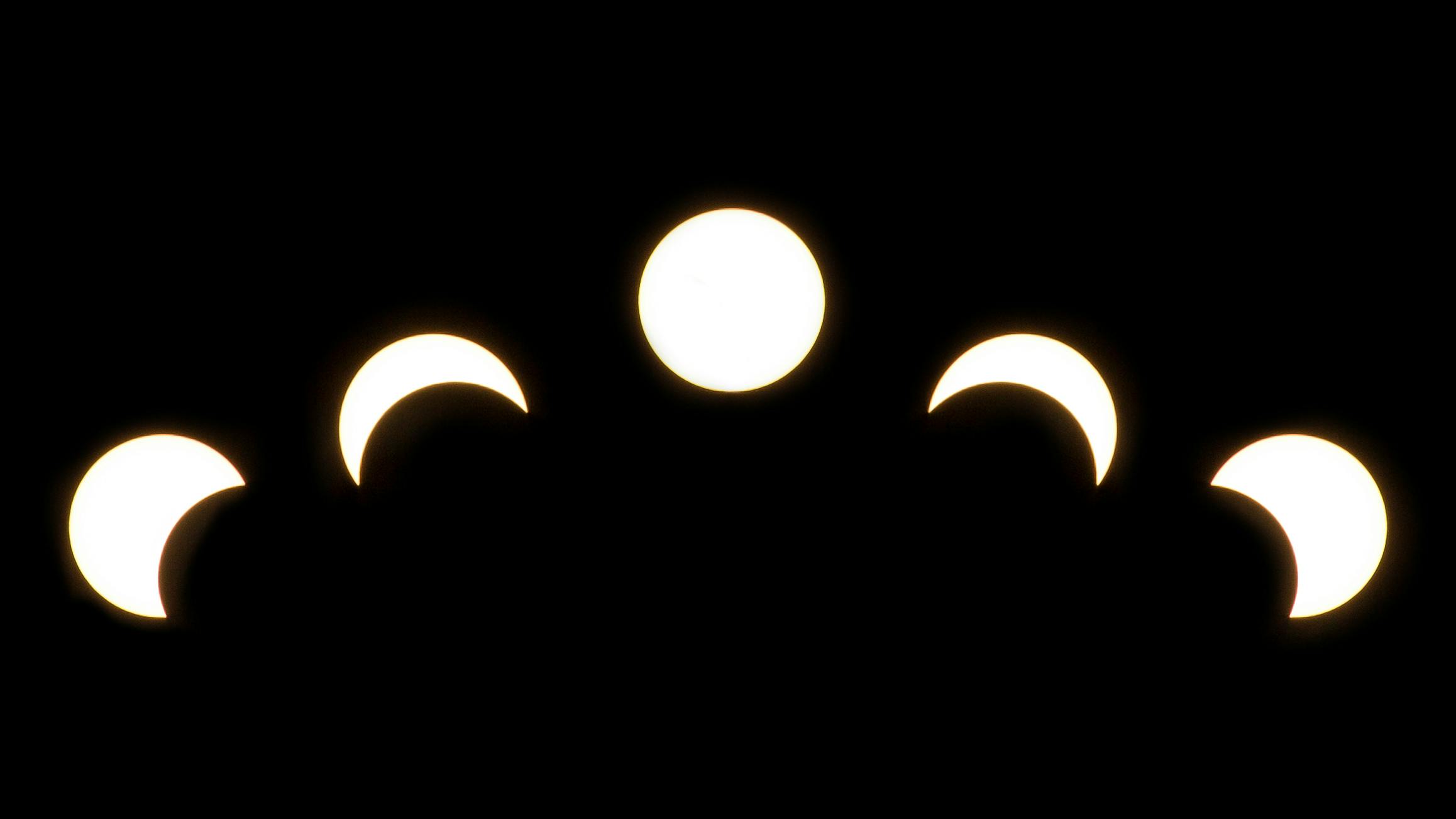
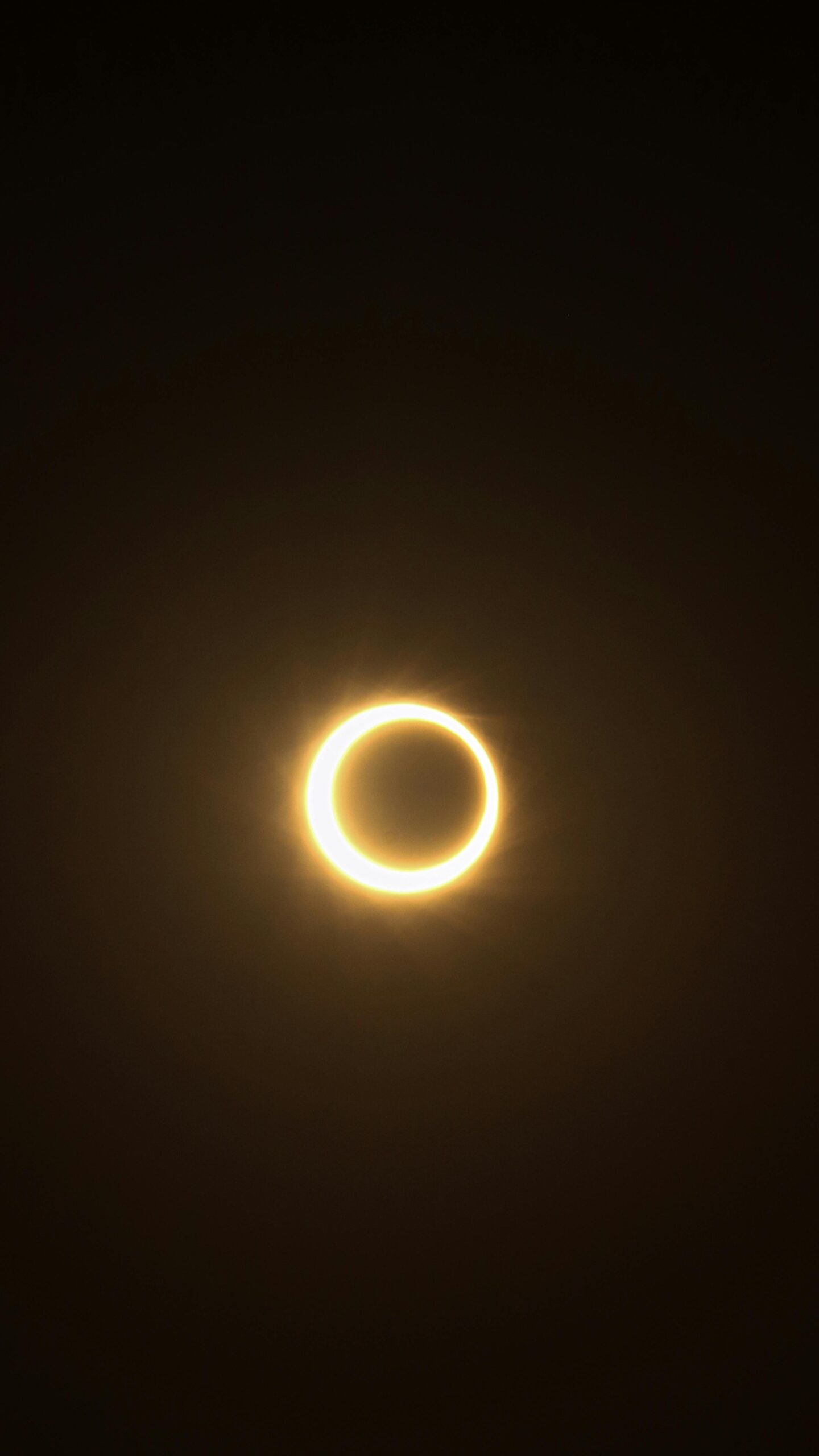
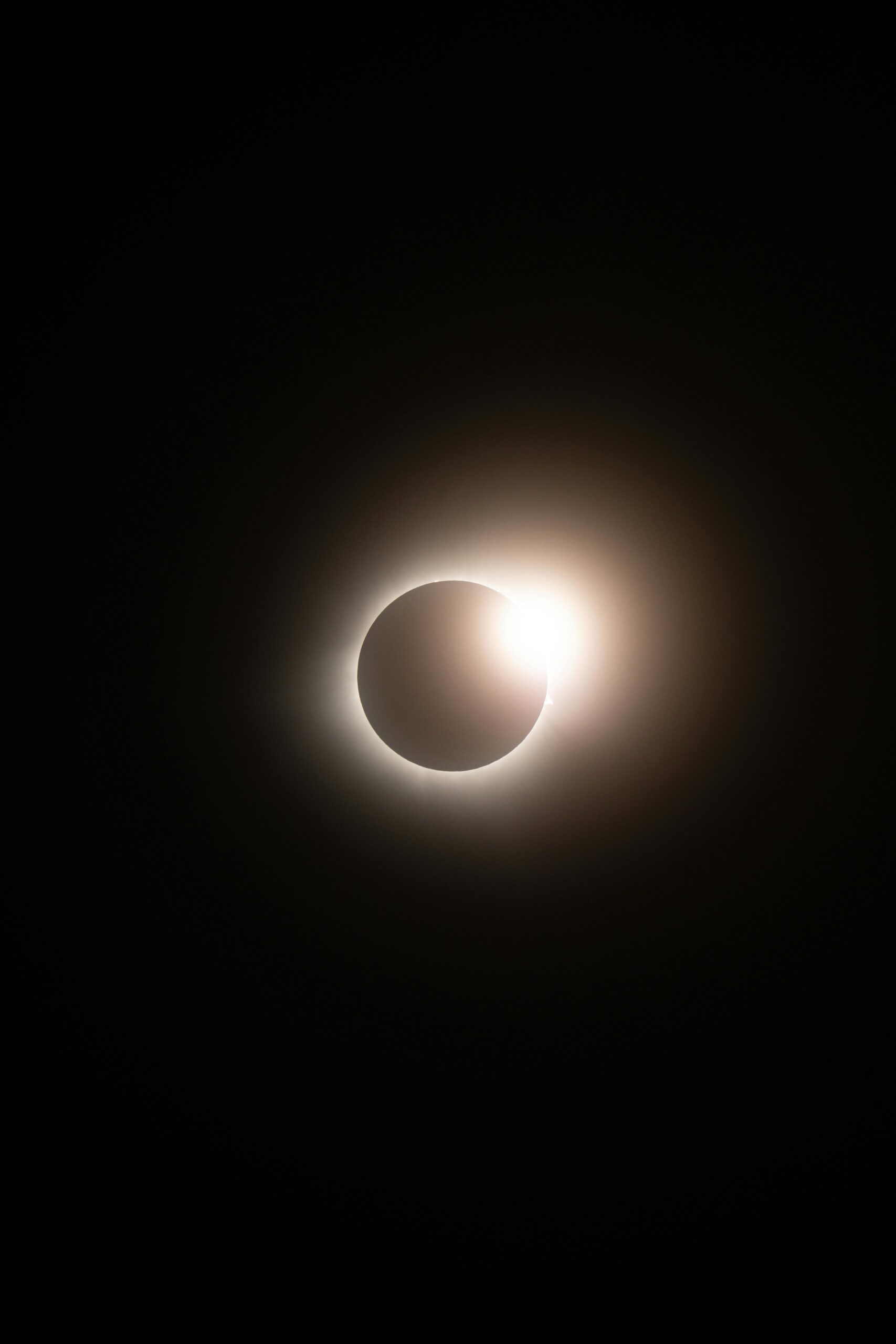
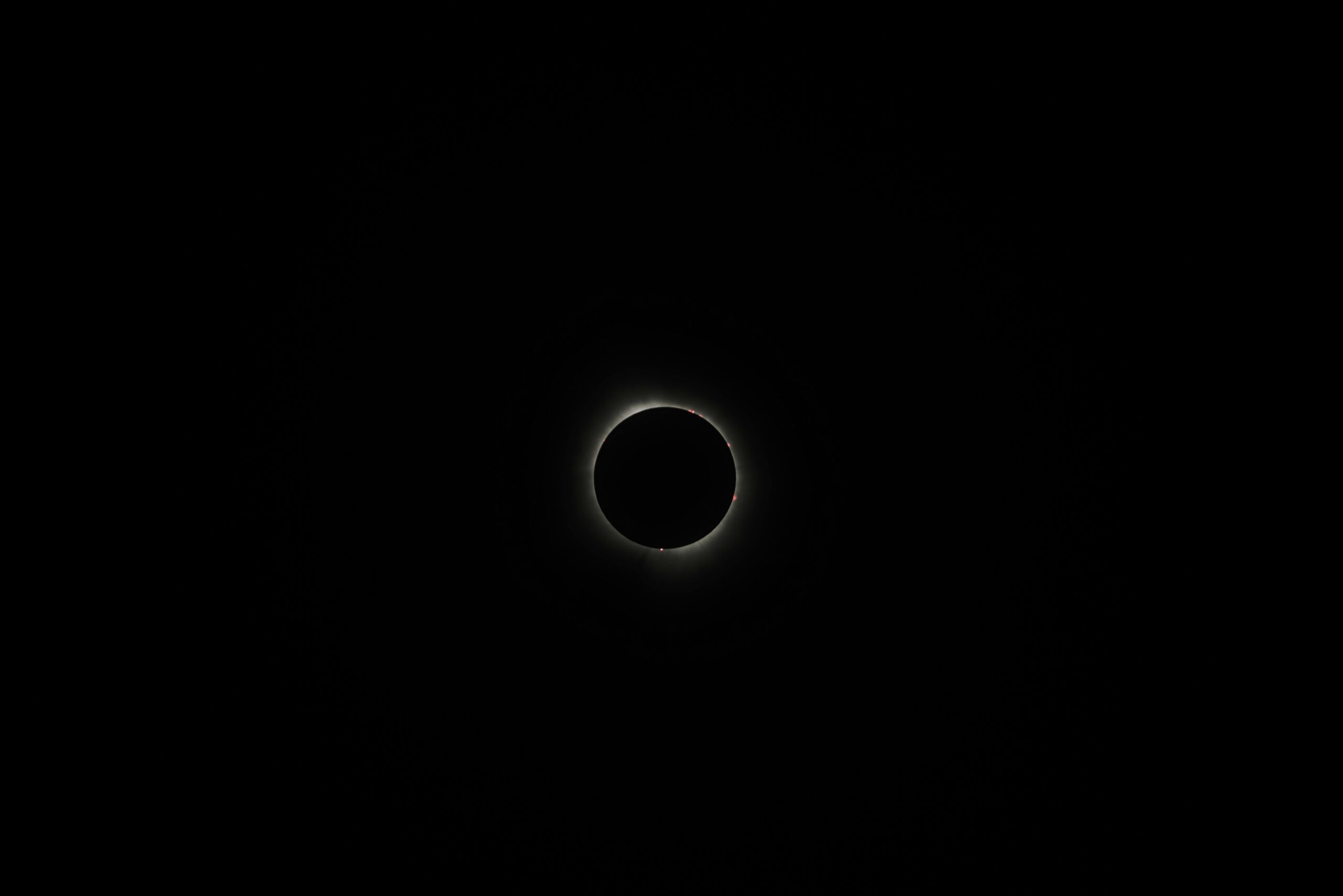
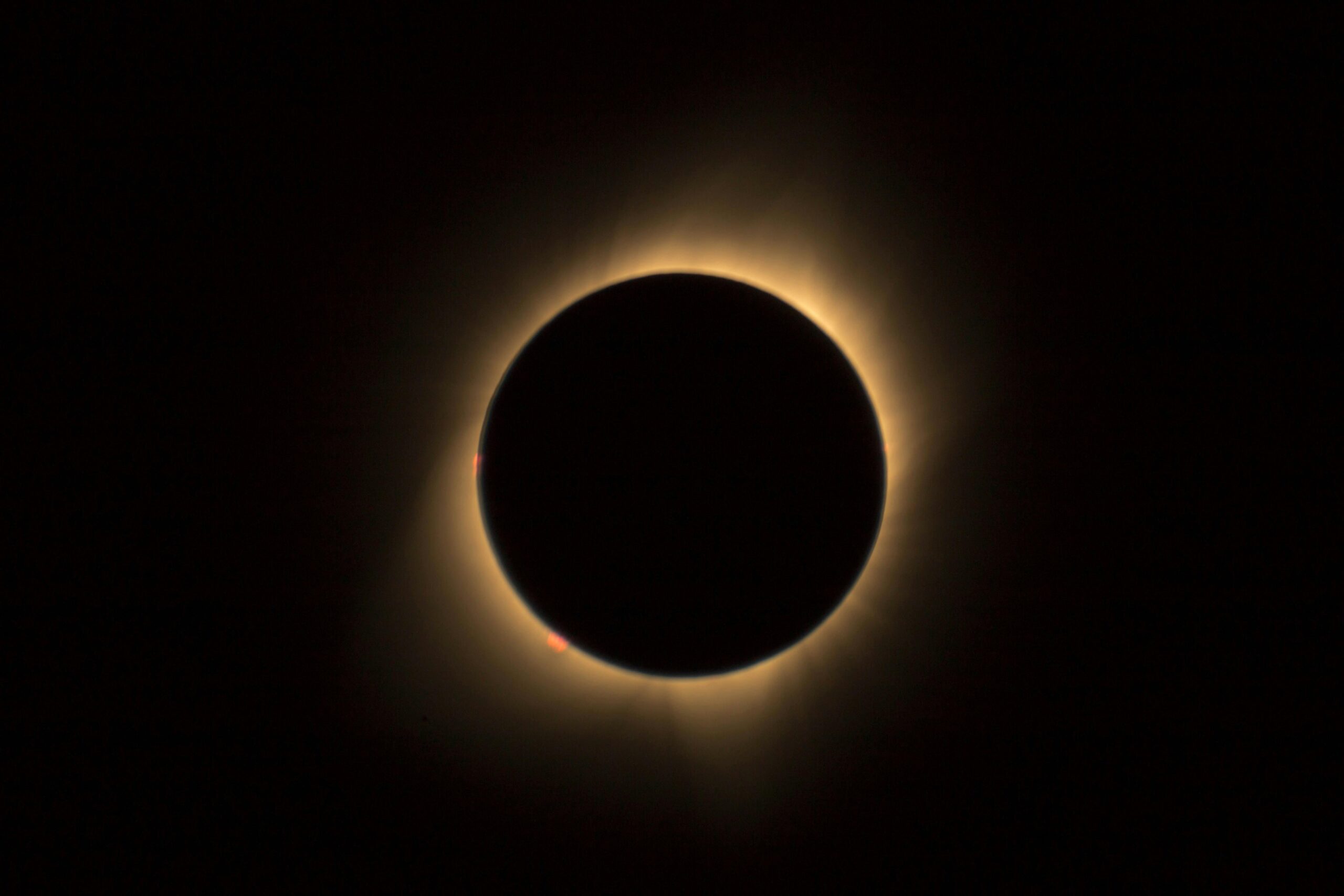
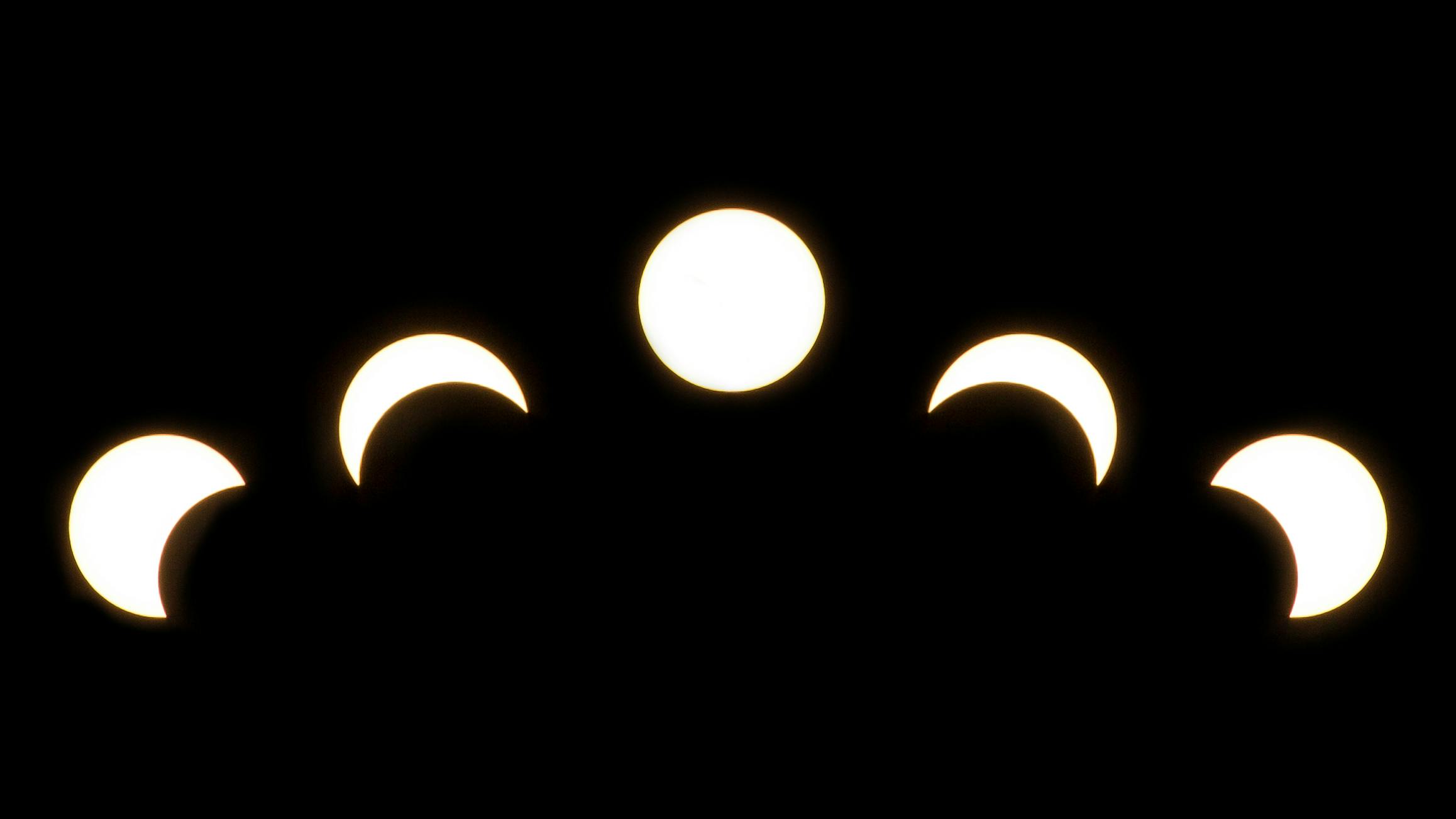
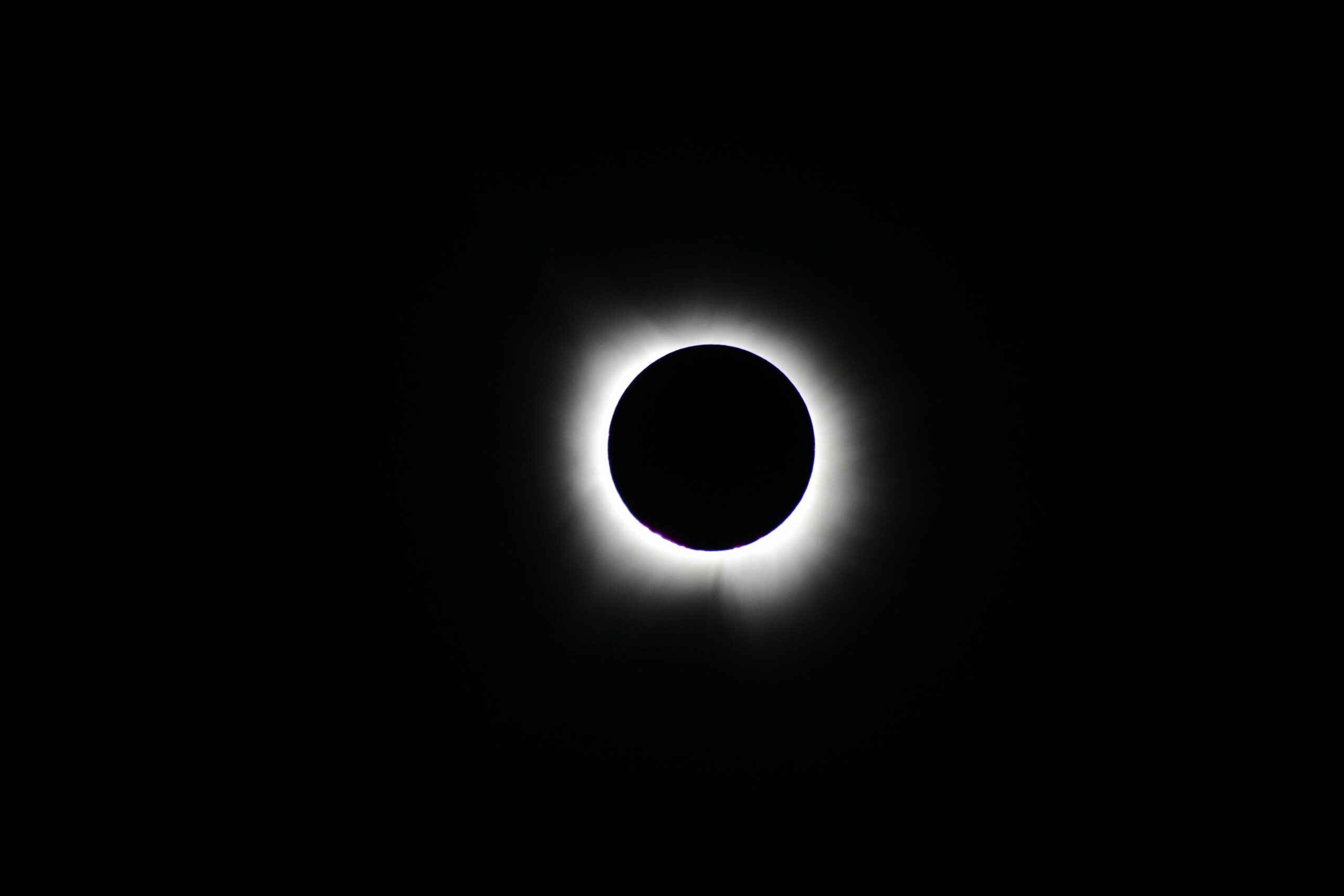
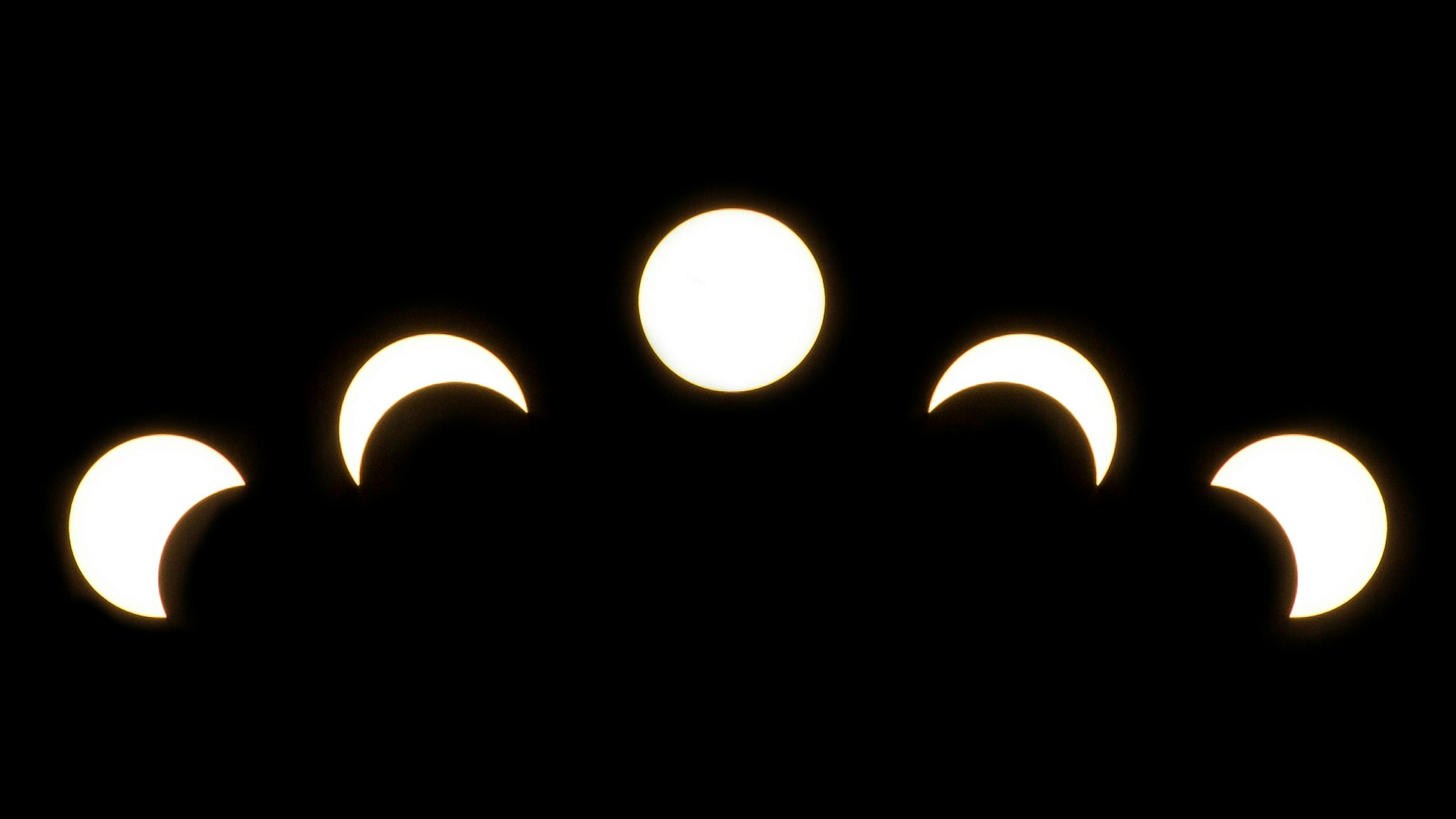
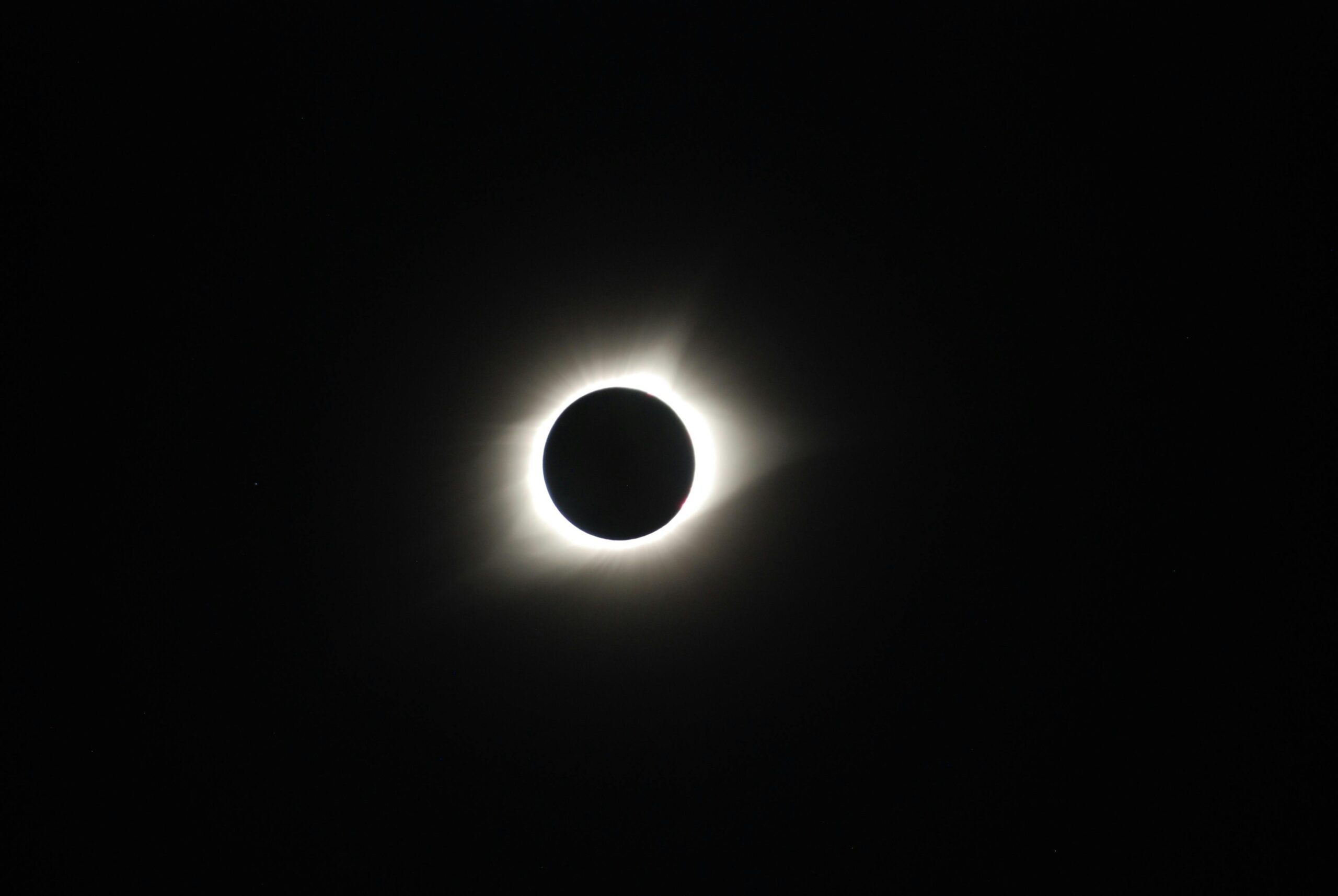
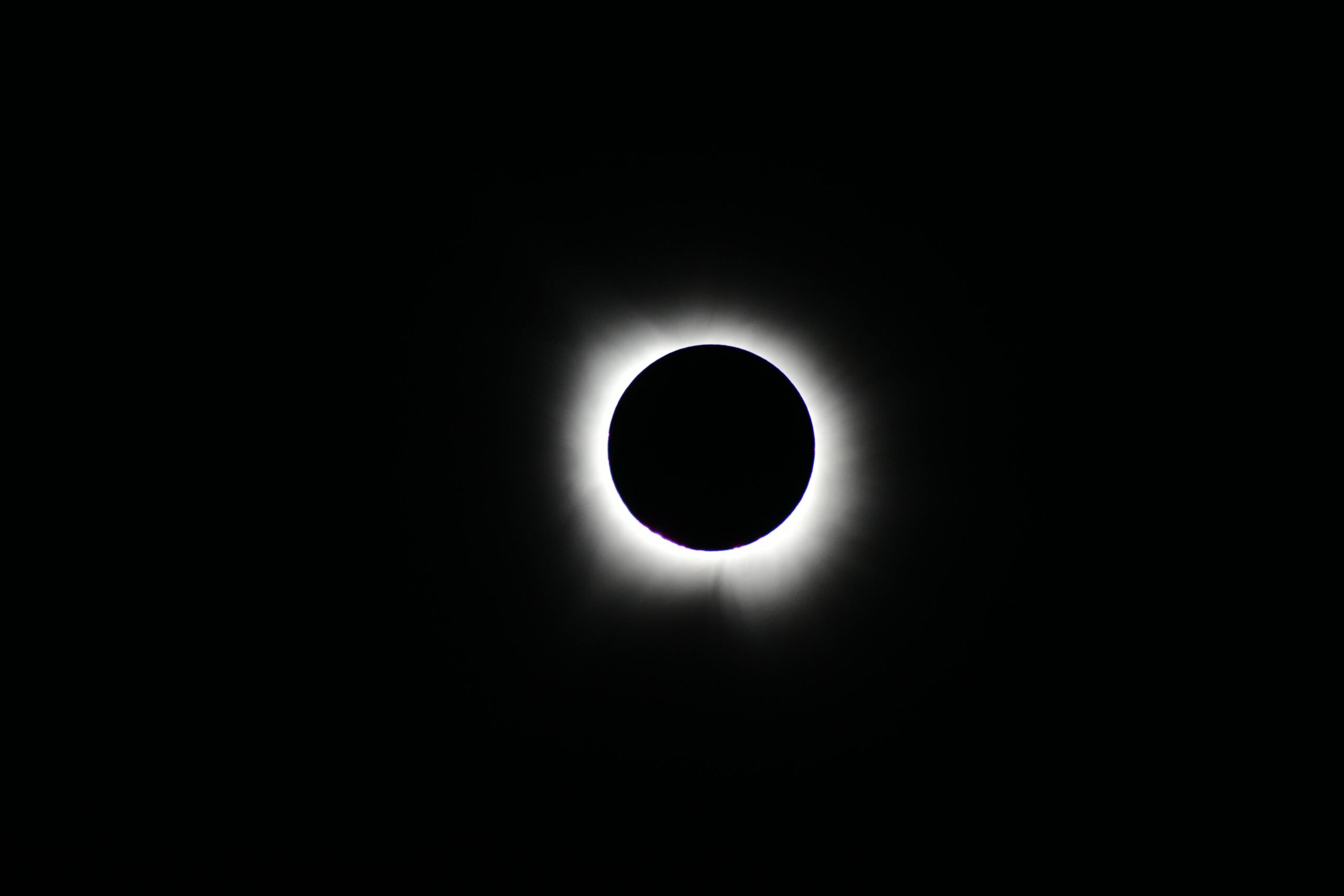
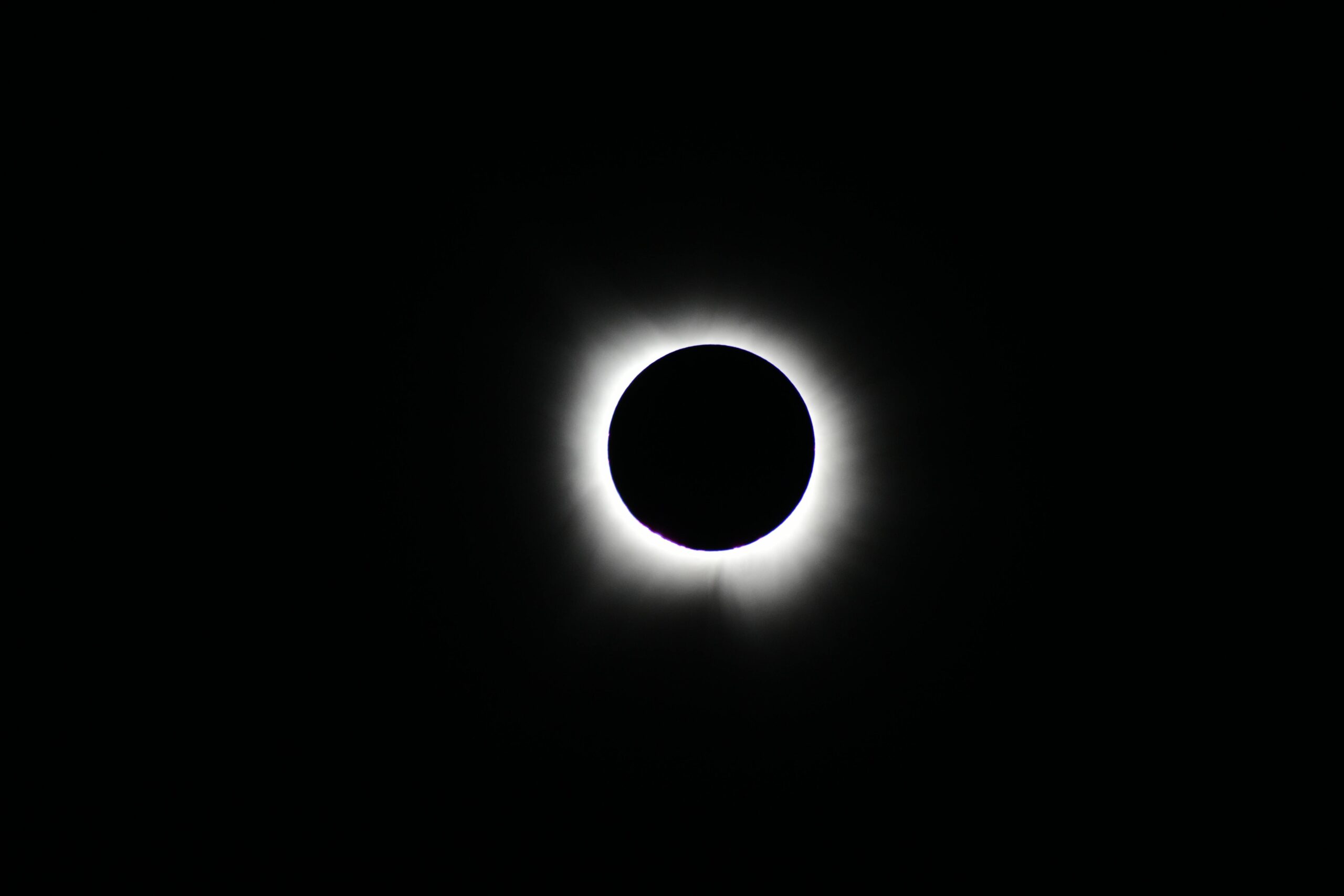
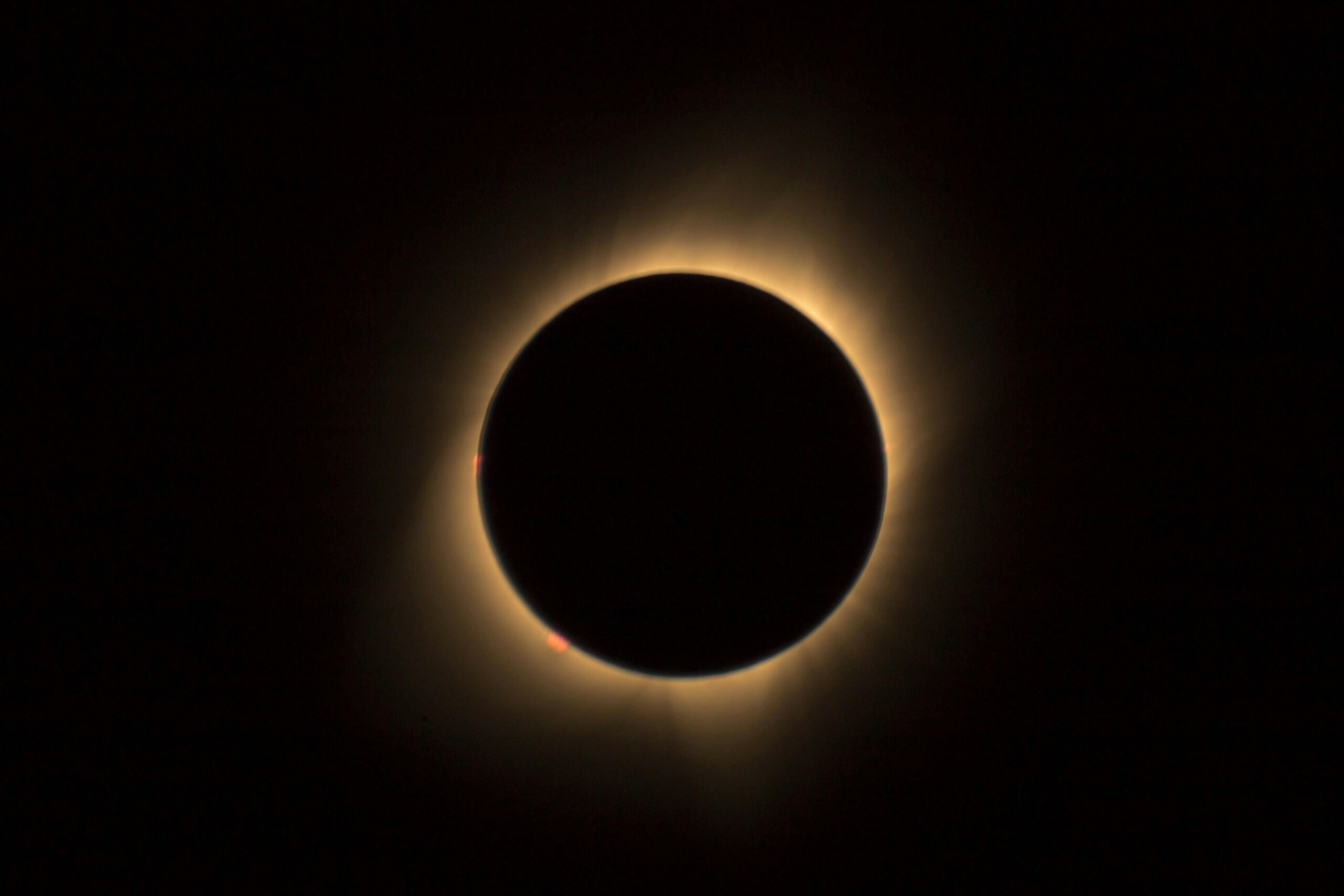
Solar eclipses occur due to the precise alignment of the Sun, Moon, and Earth. There are three types of solar eclipses: total, partial, and annular. A total solar eclipse happens when the Moon completely covers the Sun, revealing the Sun’s corona. A partial solar eclipse occurs when only a part of the Sun is obscured by the Moon. An annular eclipse takes place when the Moon is too far from the Earth to completely cover the Sun, resulting in a ‘ring of fire’ effect.
Historical Significance
Throughout history, solar eclipses have held significant cultural and scientific importance. Ancient civilizations often viewed eclipses as omens or signs from the gods. For instance, the ancient Chinese believed that eclipses occurred when a celestial dragon devoured the Sun. In contrast, modern science has transformed our understanding of eclipses, turning them into opportunities for research and discovery. The 1919 eclipse, for example, provided crucial evidence supporting Albert Einstein’s theory of general relativity.
Preparing for the 2024 Solar Eclipse
For those planning to witness the 2024 solar eclipse, preparation is key. The path of totality, where the eclipse will be fully visible, stretches from Mexico through the United States and into Canada. To ensure a safe and enjoyable experience, viewers should equip themselves with proper solar viewing glasses that meet international safety standards. Additionally, checking weather forecasts and selecting a viewing location with minimal light pollution can enhance the experience.
Safety Tips for Viewing
Looking directly at the Sun, even during an eclipse, can cause severe eye damage. It is essential to use certified solar filters or eclipse glasses that comply with the ISO 12312-2 international safety standard. Another safe method is to use a pinhole projector, which projects the Sun’s image onto a surface, allowing indirect viewing. Educating children about these safety measures is crucial, as their curiosity might lead them to look directly at the Sun.
Scientific Research Opportunities
The 2024 solar eclipse presents a unique opportunity for scientific research. Astronomers and researchers will be studying the Sun’s corona, solar flares, and other phenomena that are typically difficult to observe. Citizen scientists can also contribute by participating in various projects, such as the Eclipse Megamovie, which aims to capture high-resolution images of the eclipse. For those interested in current events and scientific advancements, staying updated with aktuelle Nachrichten Zusammenfassung heute can provide insights into ongoing research and discoveries related to the eclipse.
Cultural and Educational Impact
The 2024 solar eclipse is not just a scientific event but also a cultural and educational opportunity. Schools and educational institutions are planning special programs and activities to teach students about the science behind eclipses. Community events, such as eclipse viewing parties and educational workshops, are being organized to bring people together and foster a sense of shared wonder. These events can inspire the next generation of scientists and astronomers, encouraging them to explore the mysteries of the universe.
Global Viewing Events
While the 2024 solar eclipse will be most visible in North America, viewing events are being planned worldwide. Astronomical societies and observatories are organizing public viewing sessions equipped with telescopes and expert guidance. Virtual events and live streams will also be available for those who cannot travel to the path of totality. These global efforts ensure that people from all corners of the world can participate in this celestial spectacle.
Conclusion
The 2024 solar eclipse is a remarkable event that combines scientific significance, cultural importance, and educational value. By understanding the science behind eclipses, preparing with the right safety measures, and participating in global viewing events, individuals can fully appreciate this celestial phenomenon. Whether you are a seasoned astronomer or a curious observer, the 2024 solar eclipse promises to be an unforgettable experience that brings people together under the same sky.