The Anticipation Builds
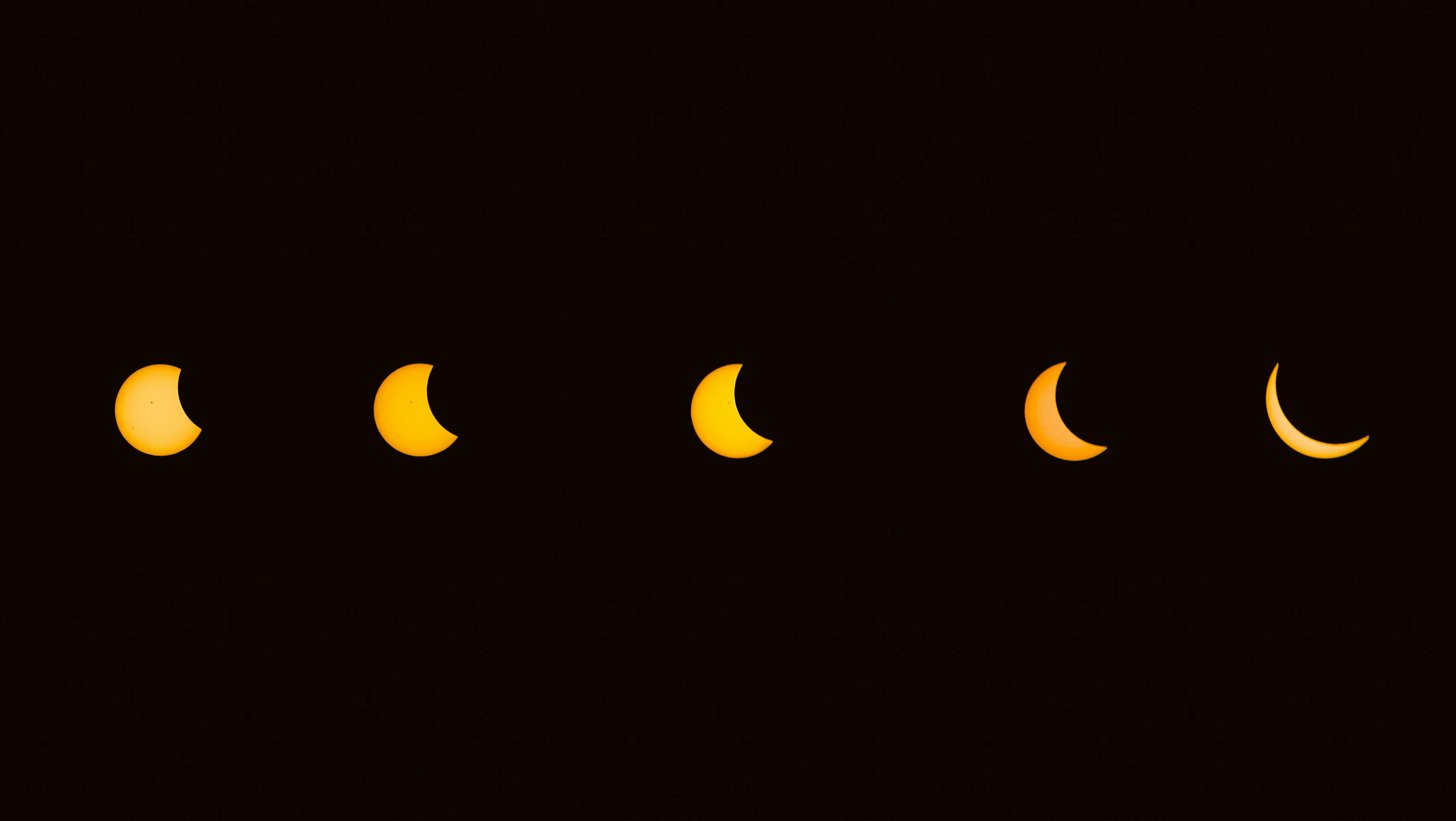
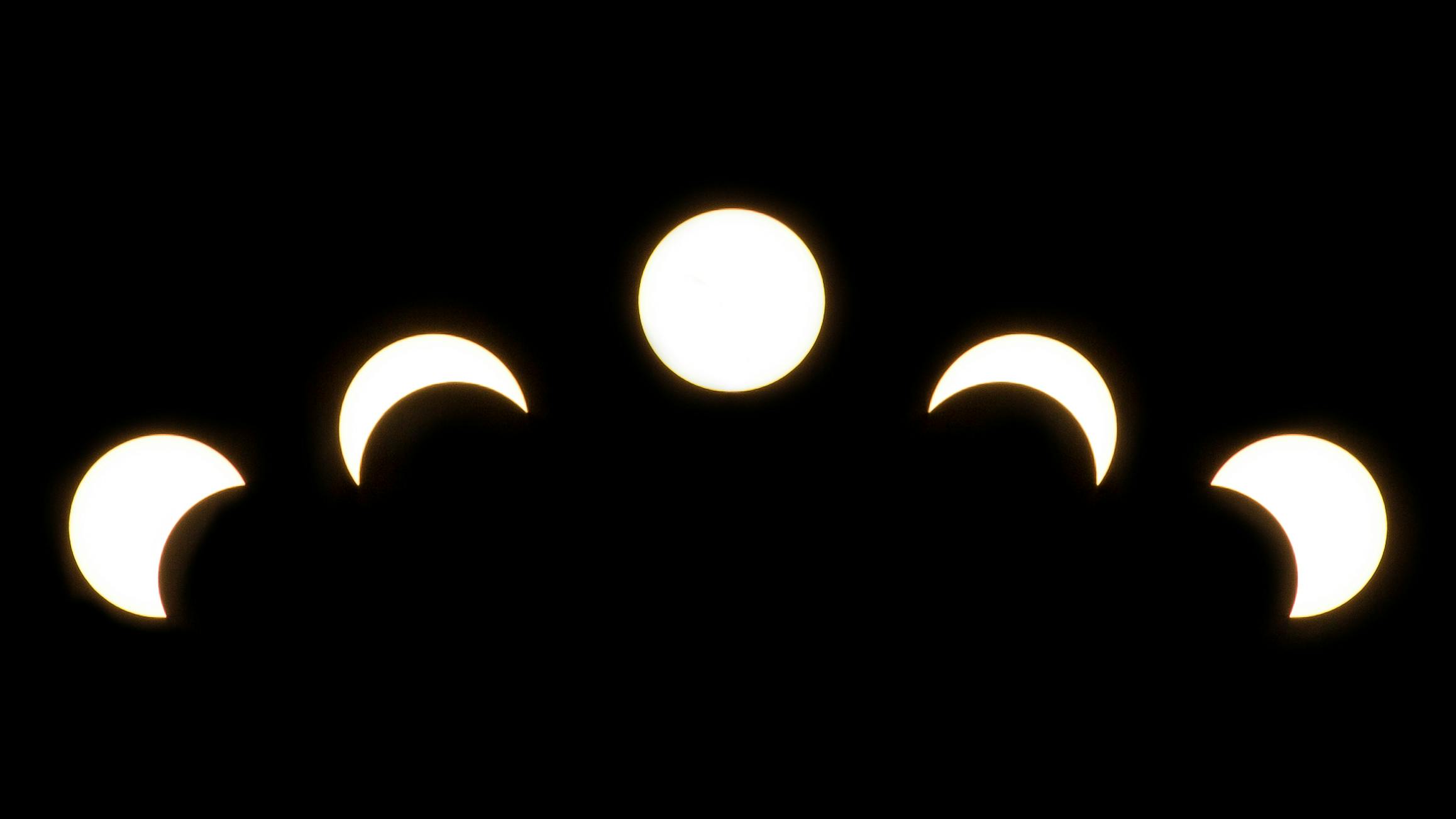
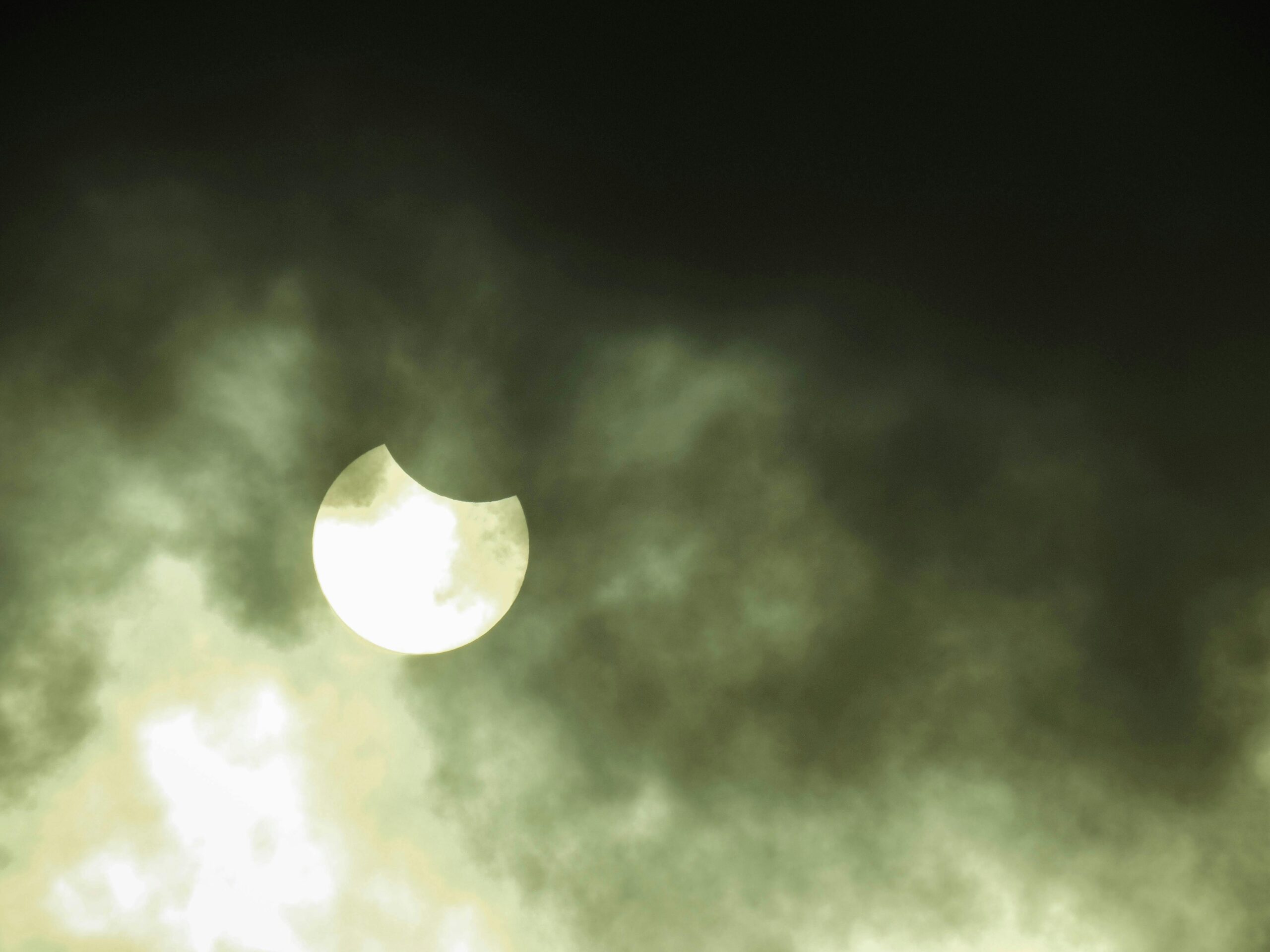
The scientific community and astronomy enthusiasts alike are abuzz with excitement as we approach the highly anticipated solar eclipse of 2024. This celestial event, set to occur on April 8, 2024, promises to be a spectacle of nature’s grandeur, visible across a broad swath of North America. The last total solar eclipse visible in this region was in 2017, making this event a once-in-a-lifetime experience for many.
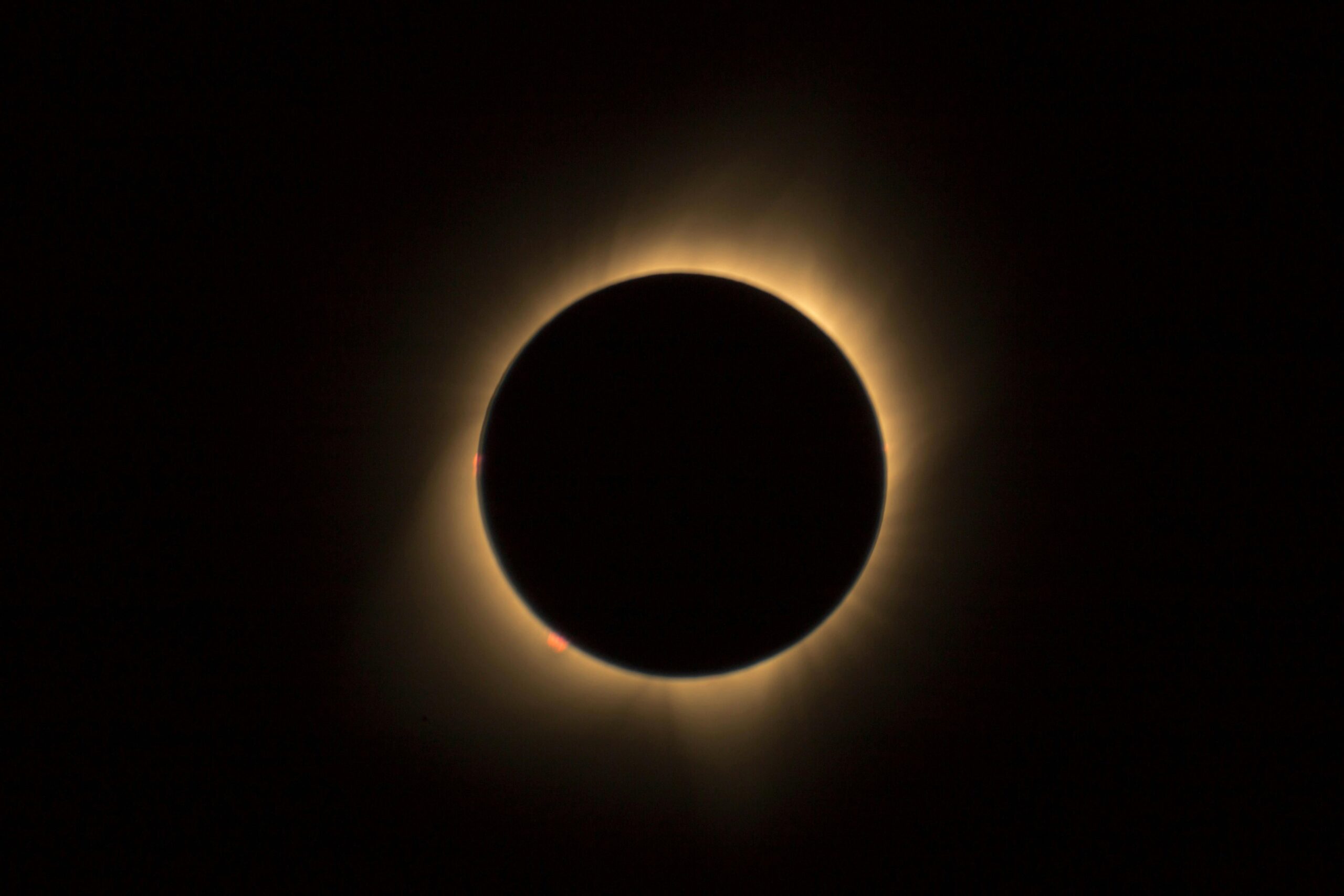
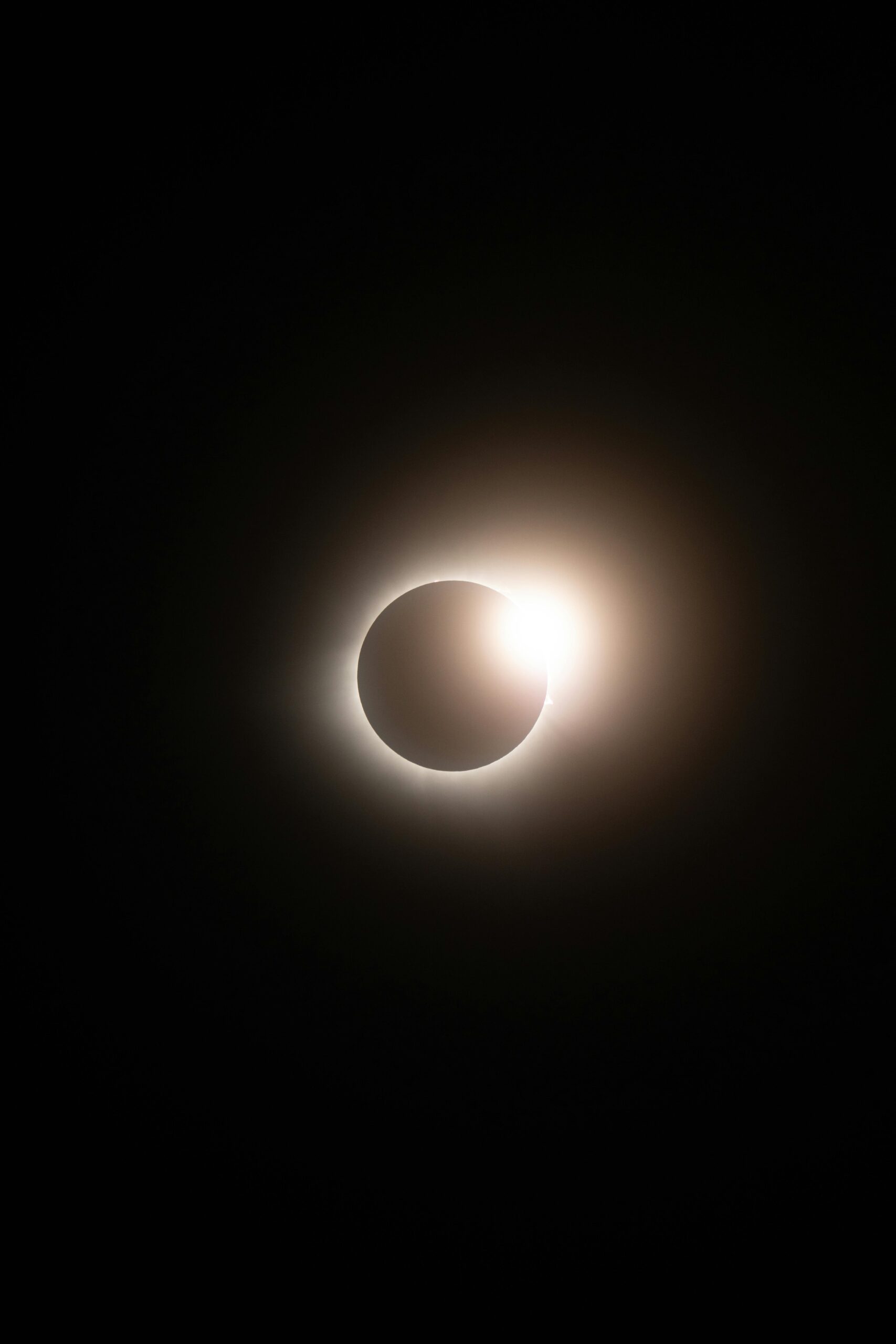
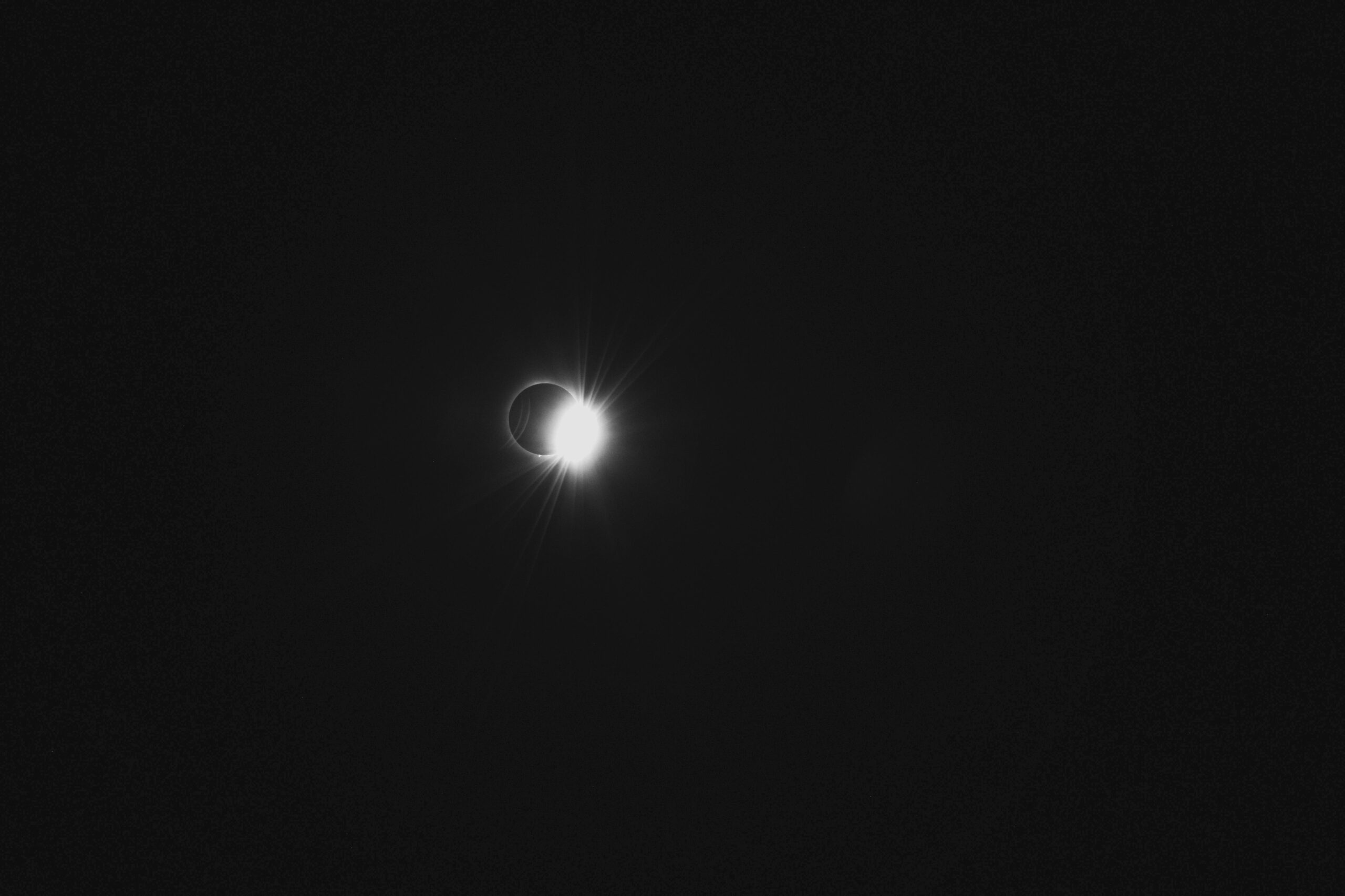
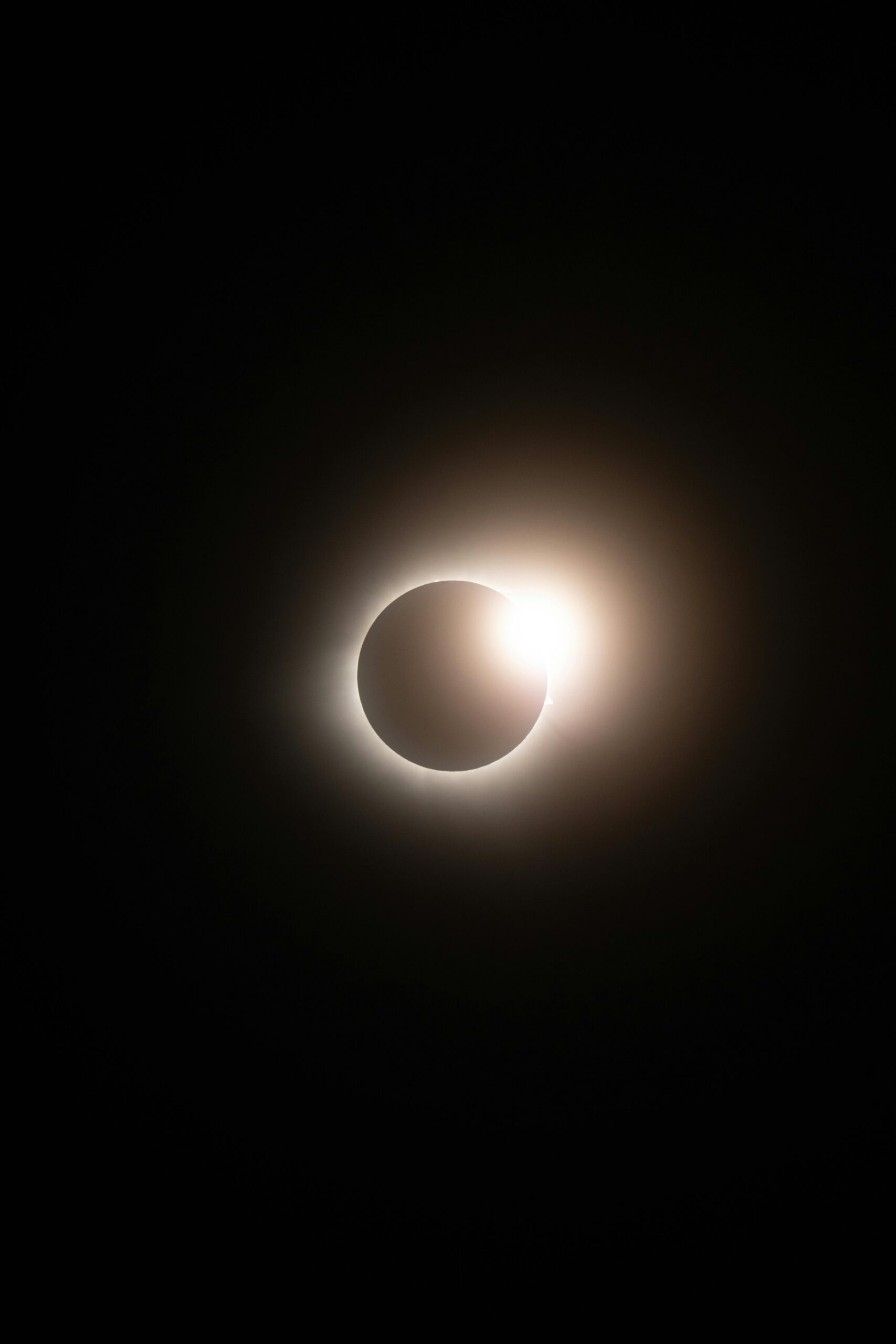
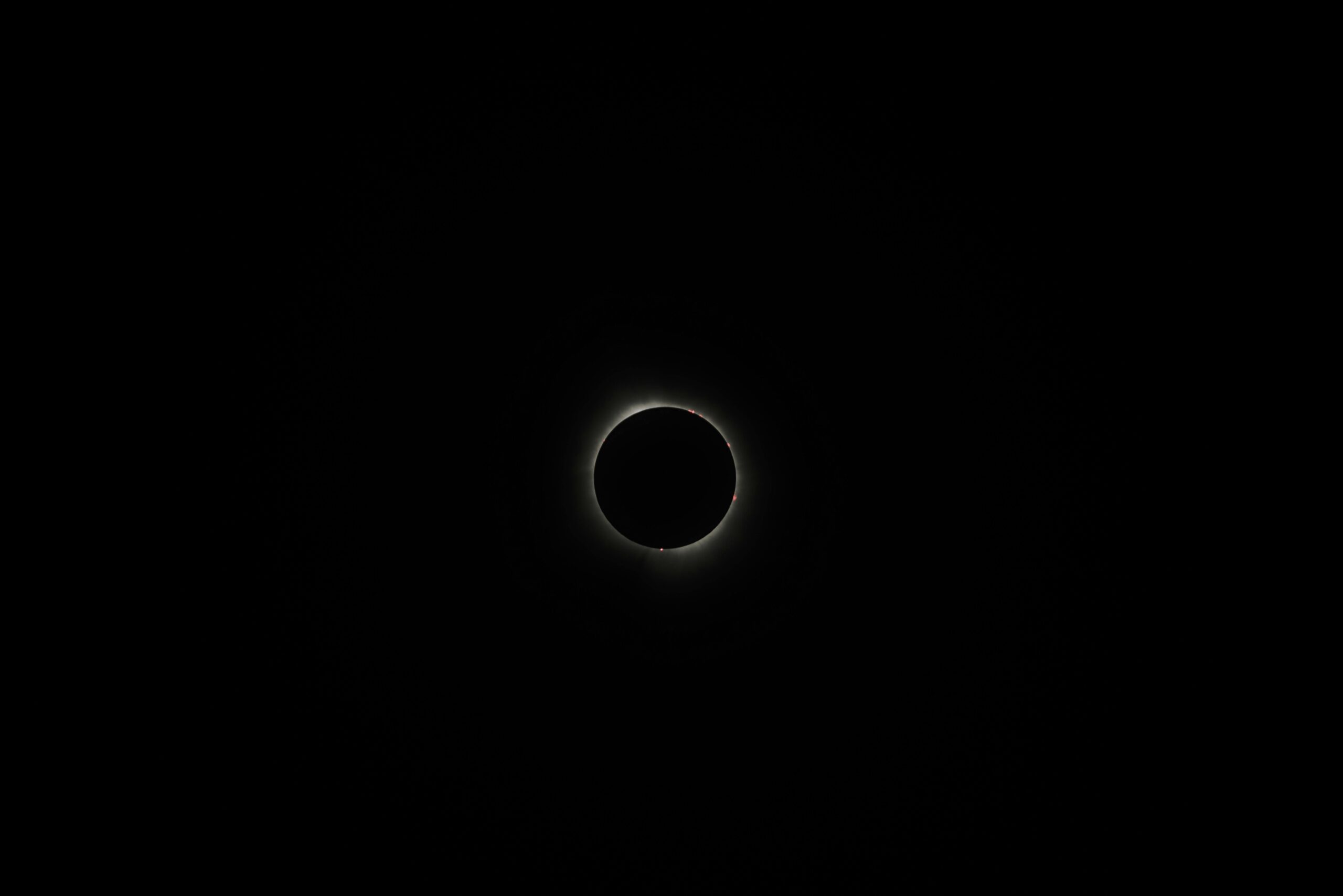
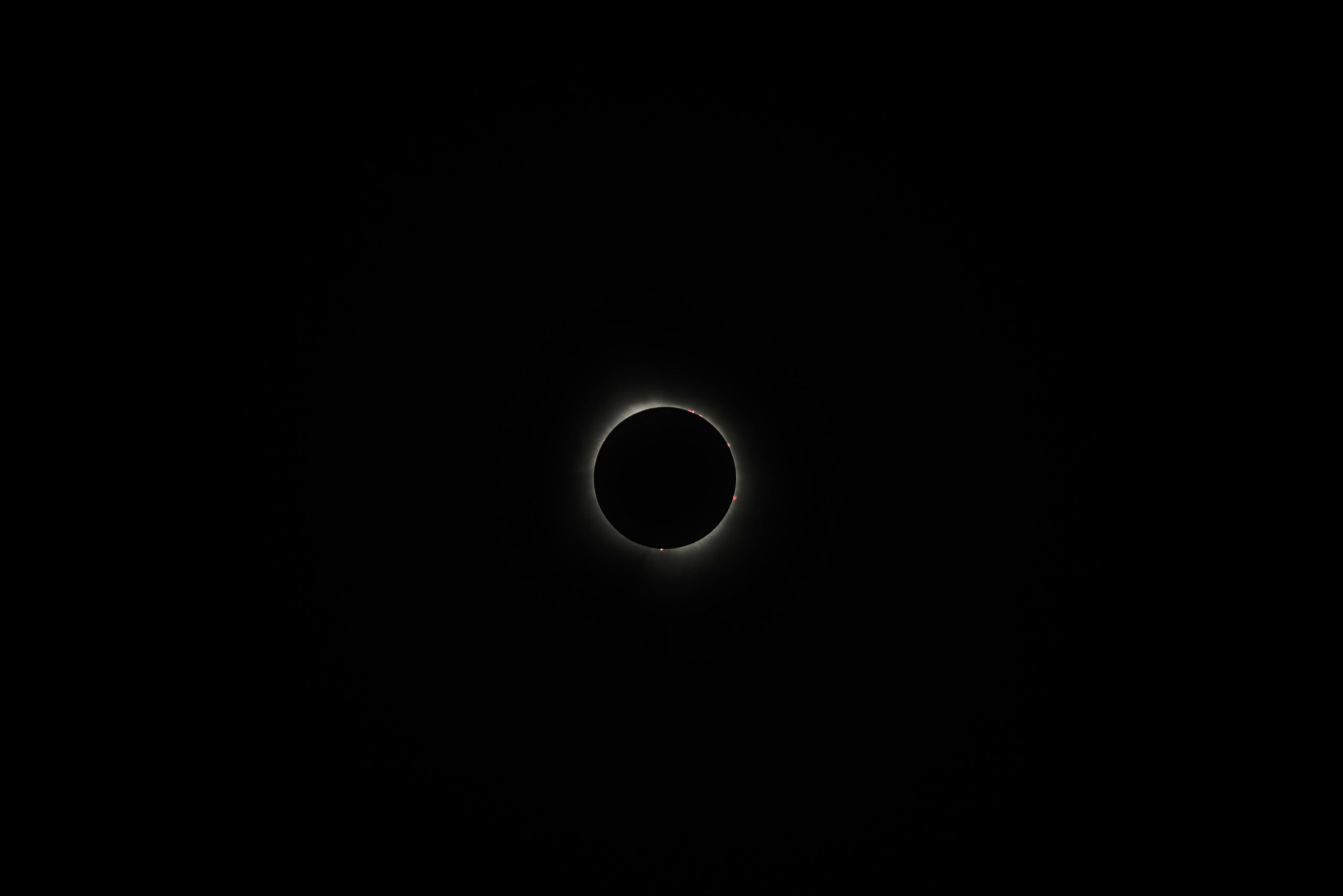
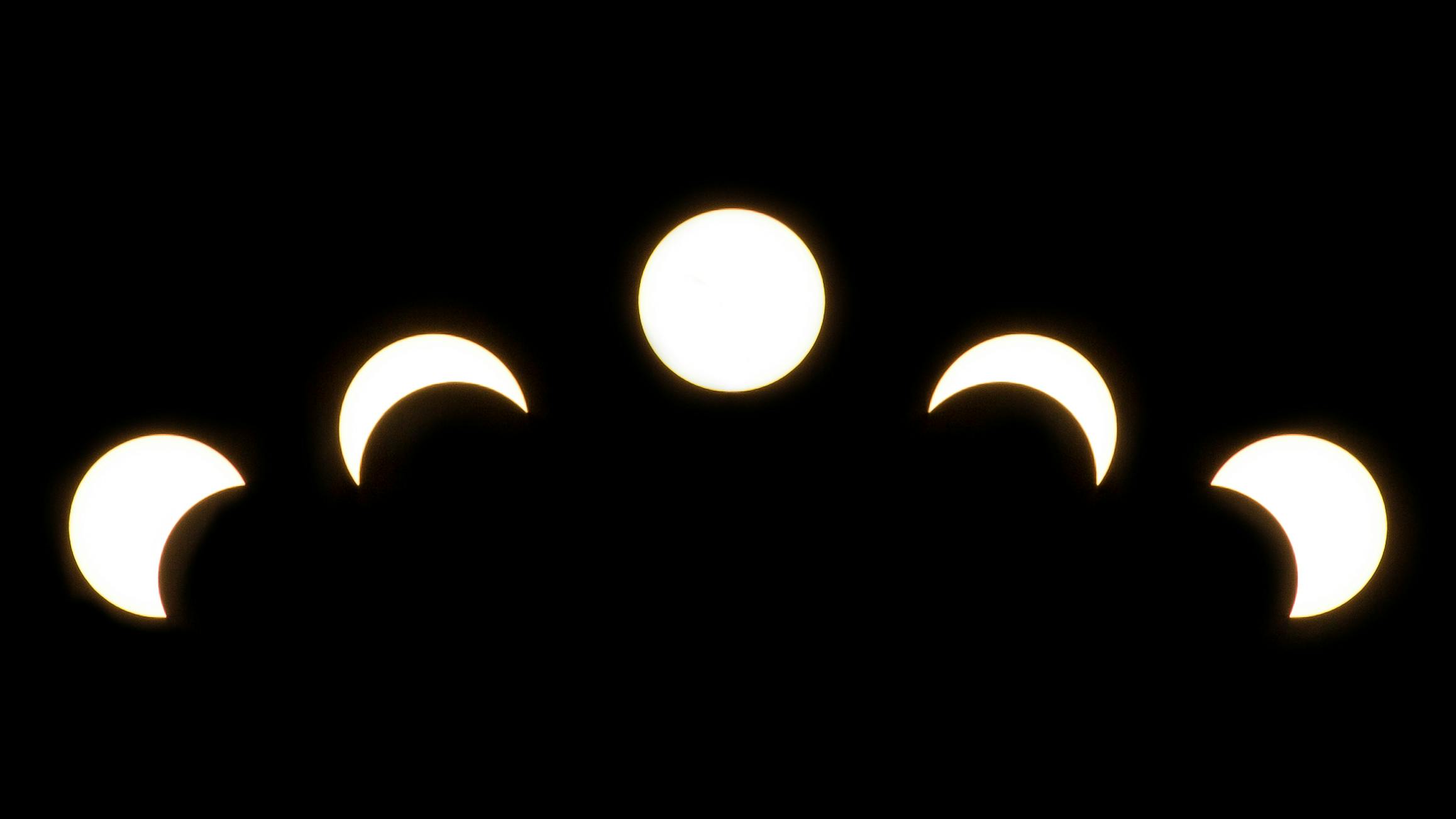
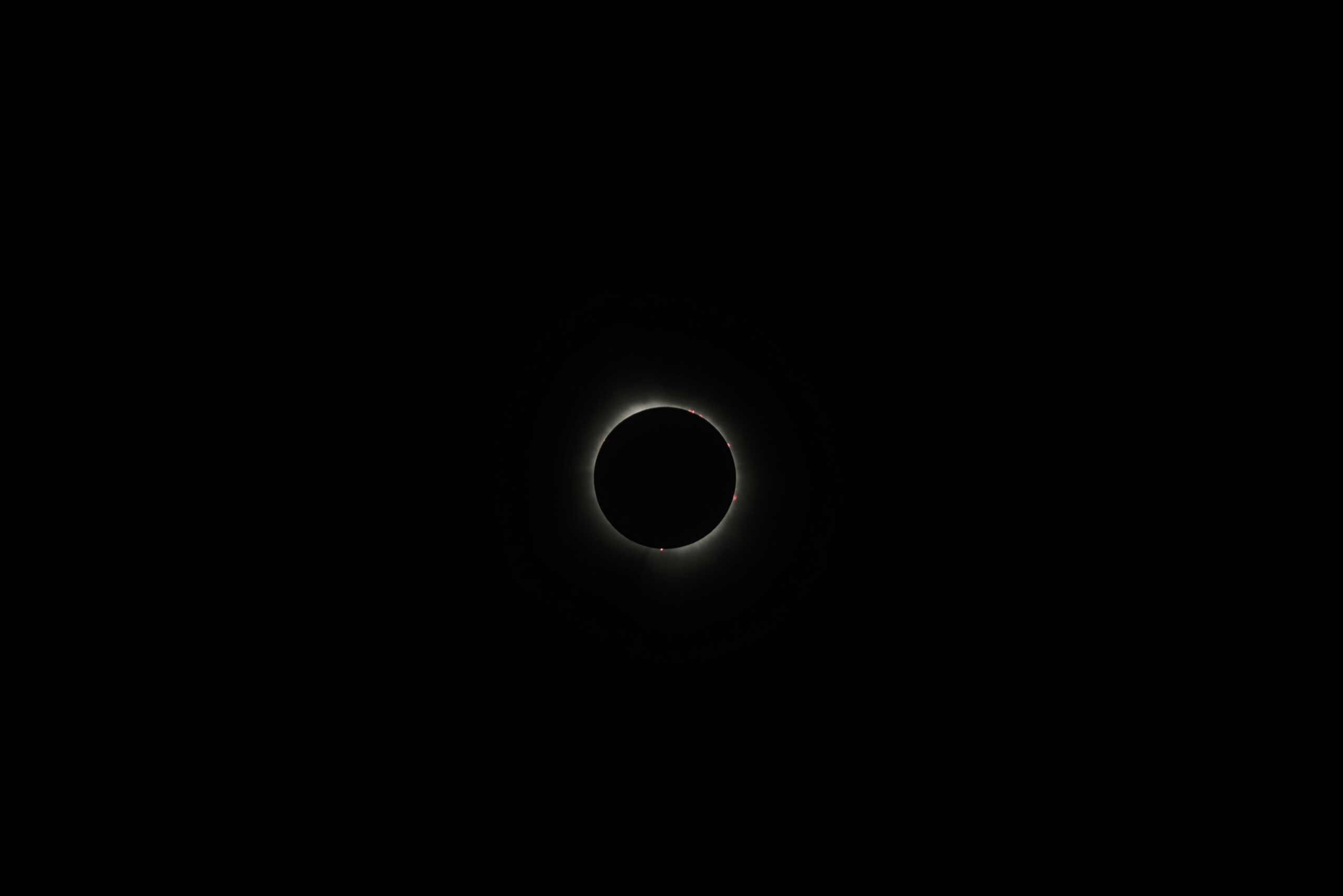
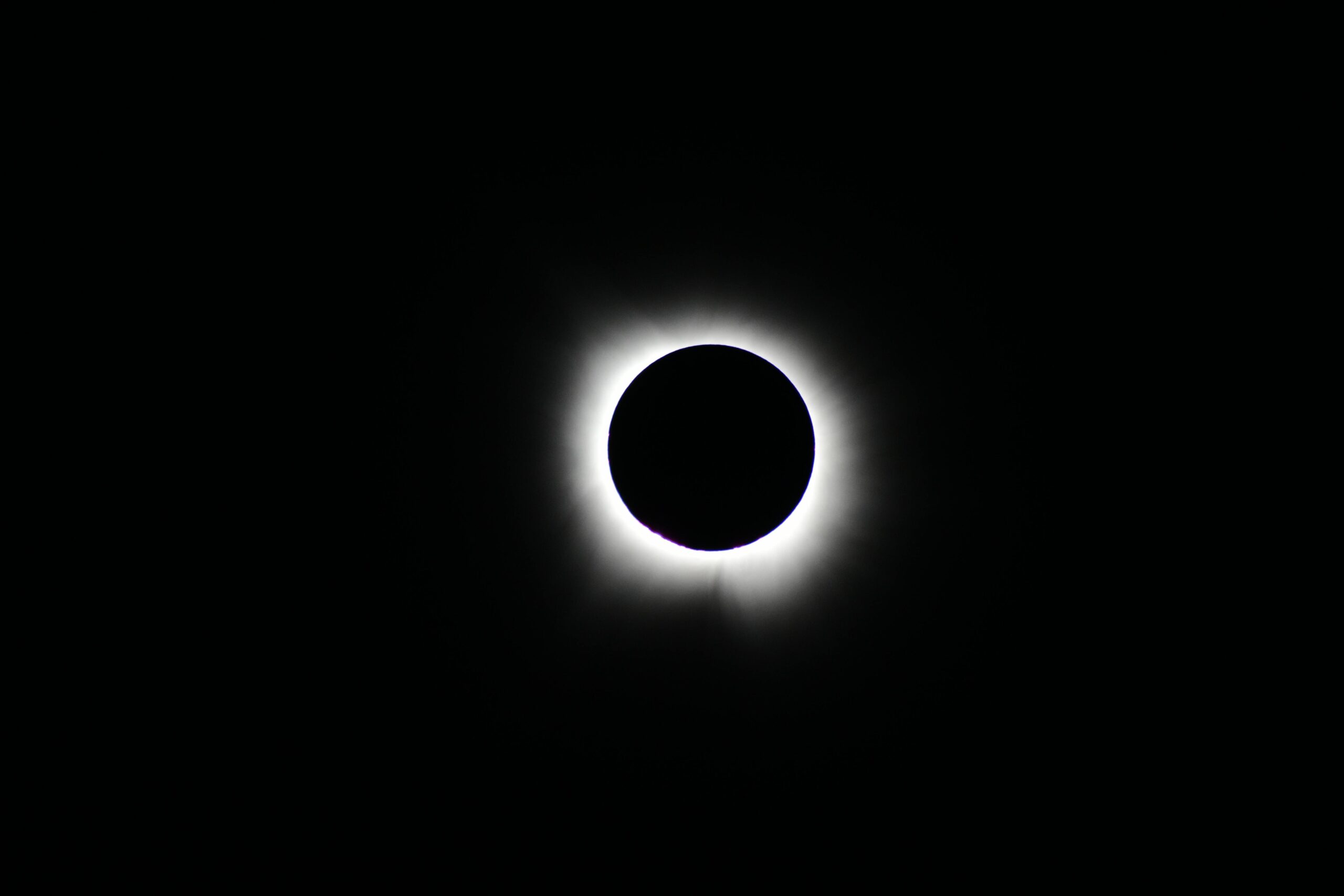
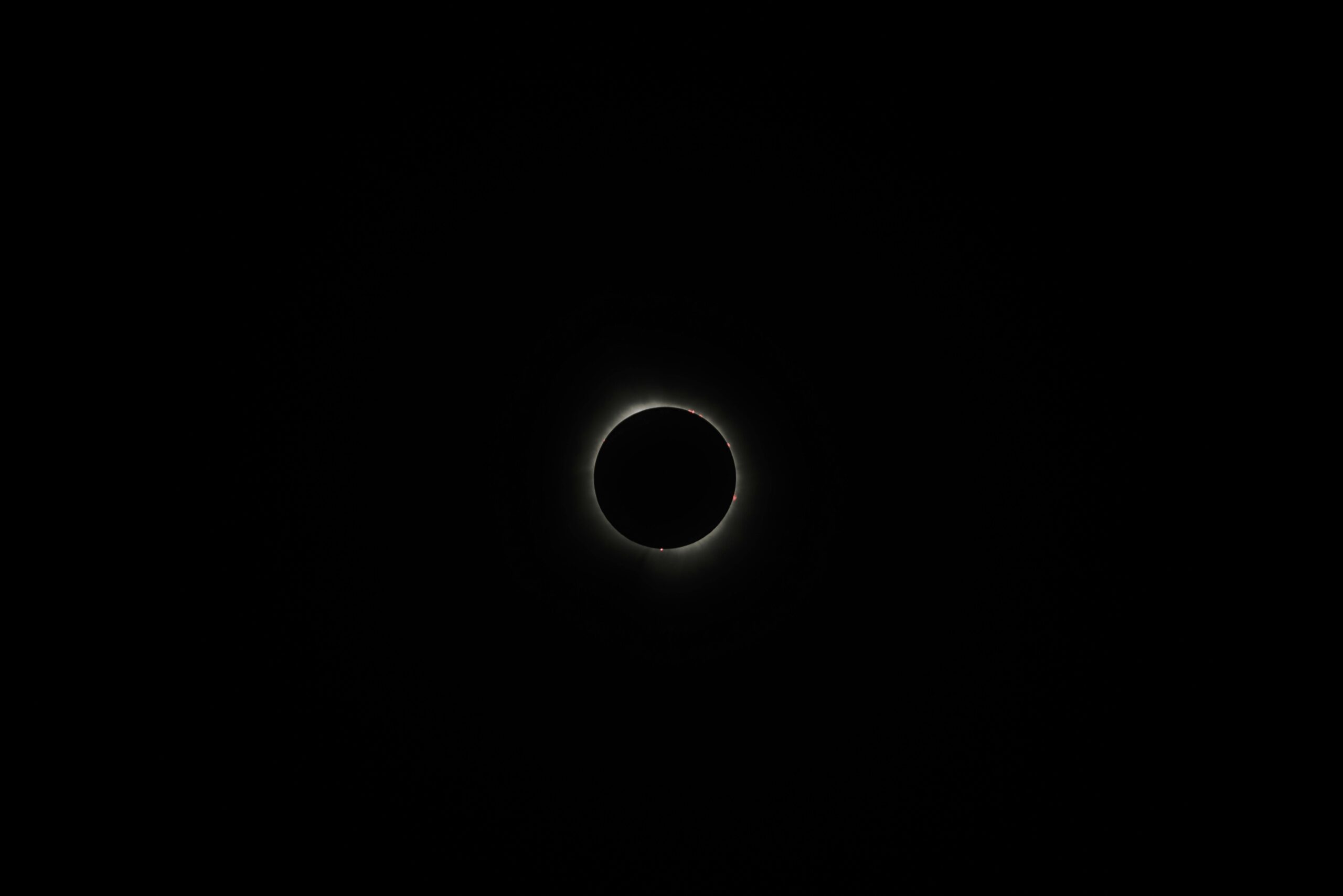
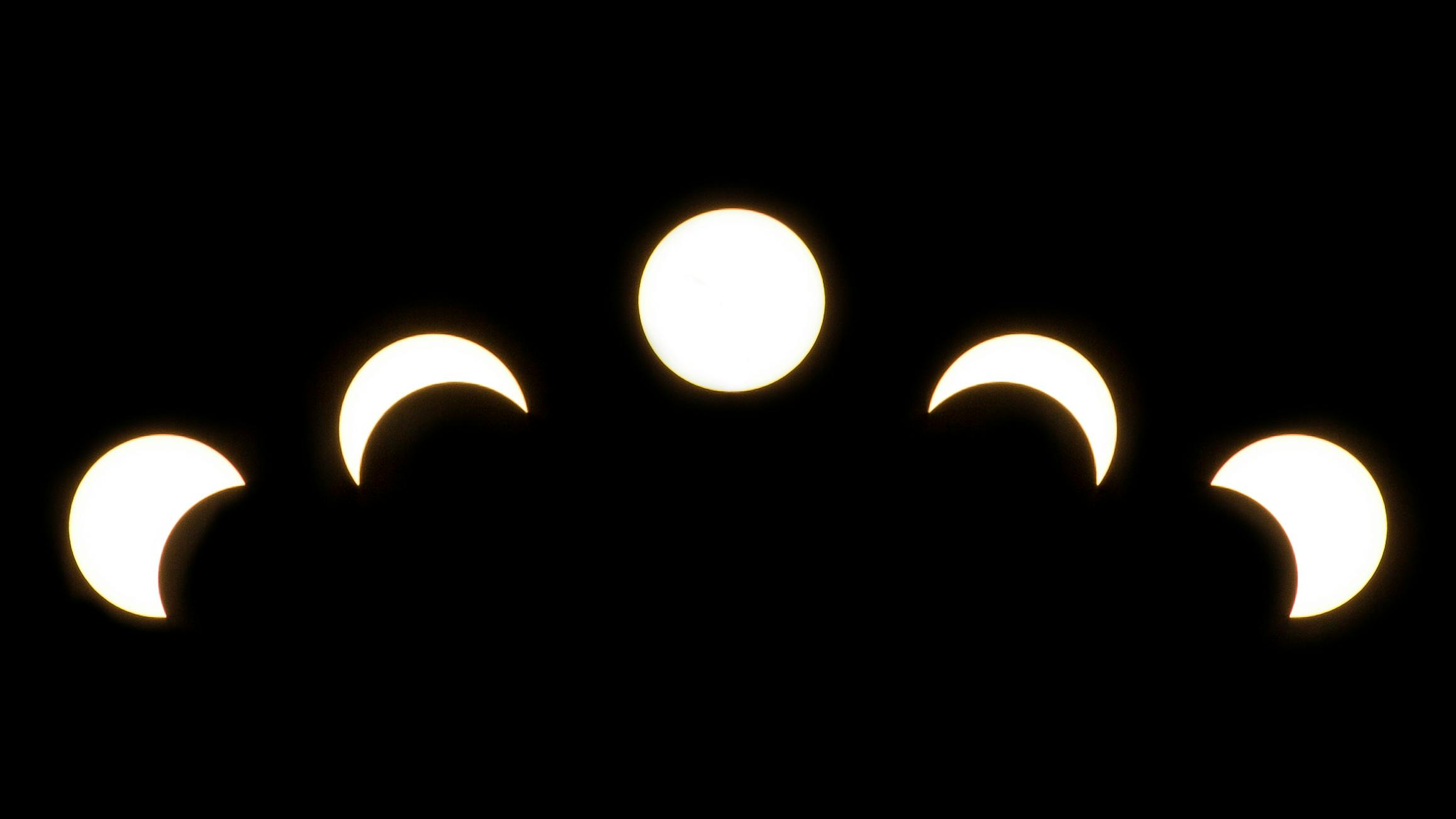
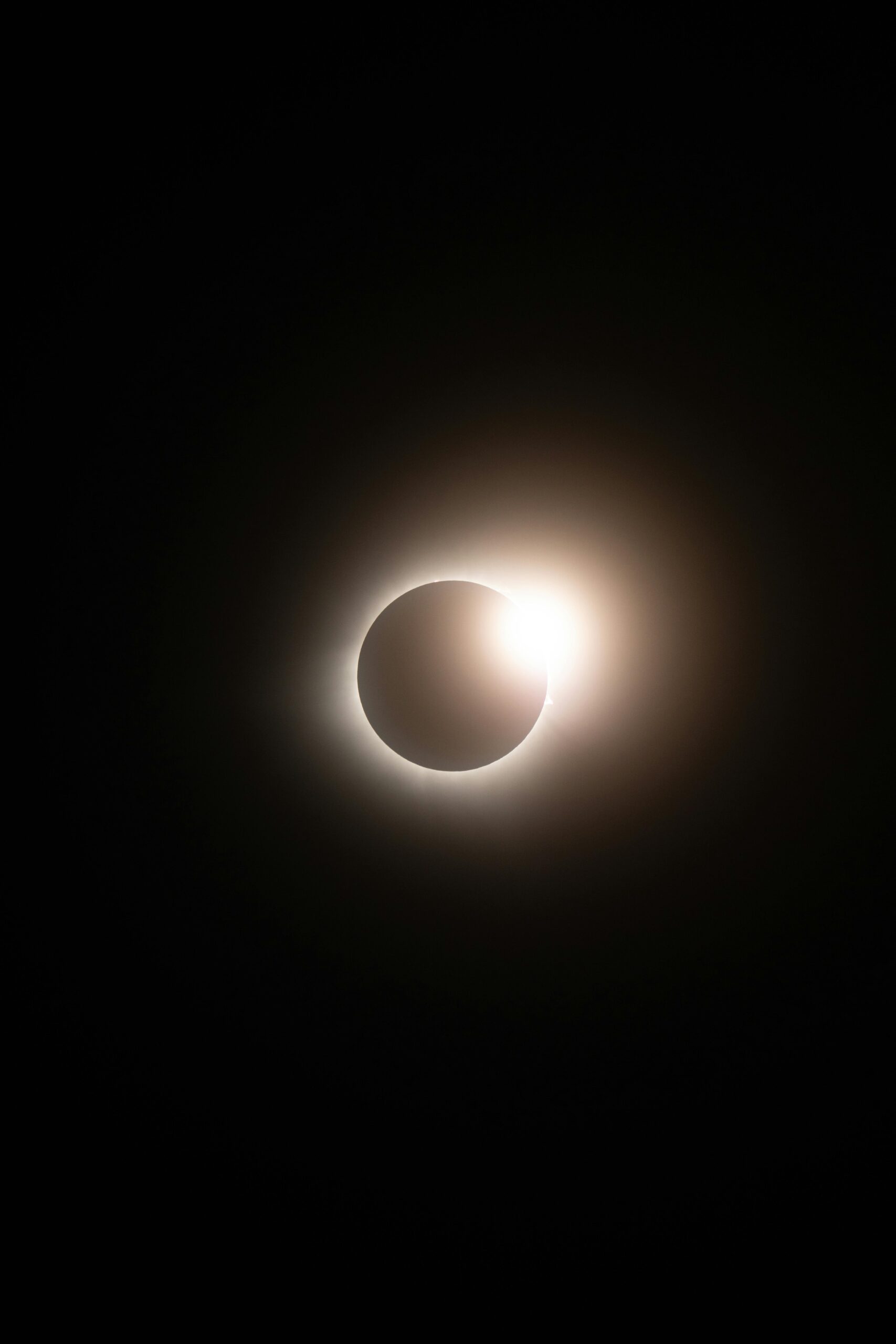
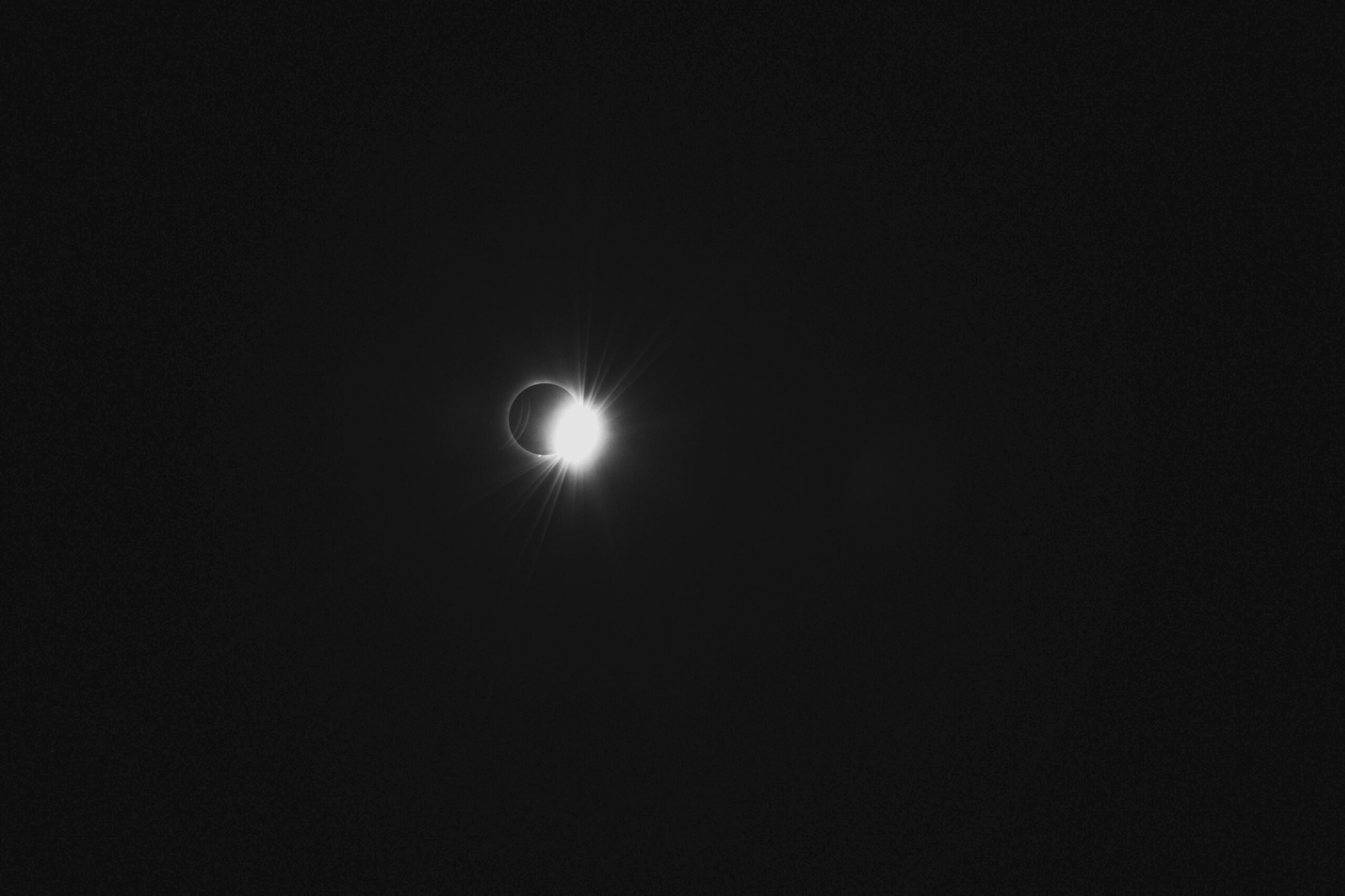
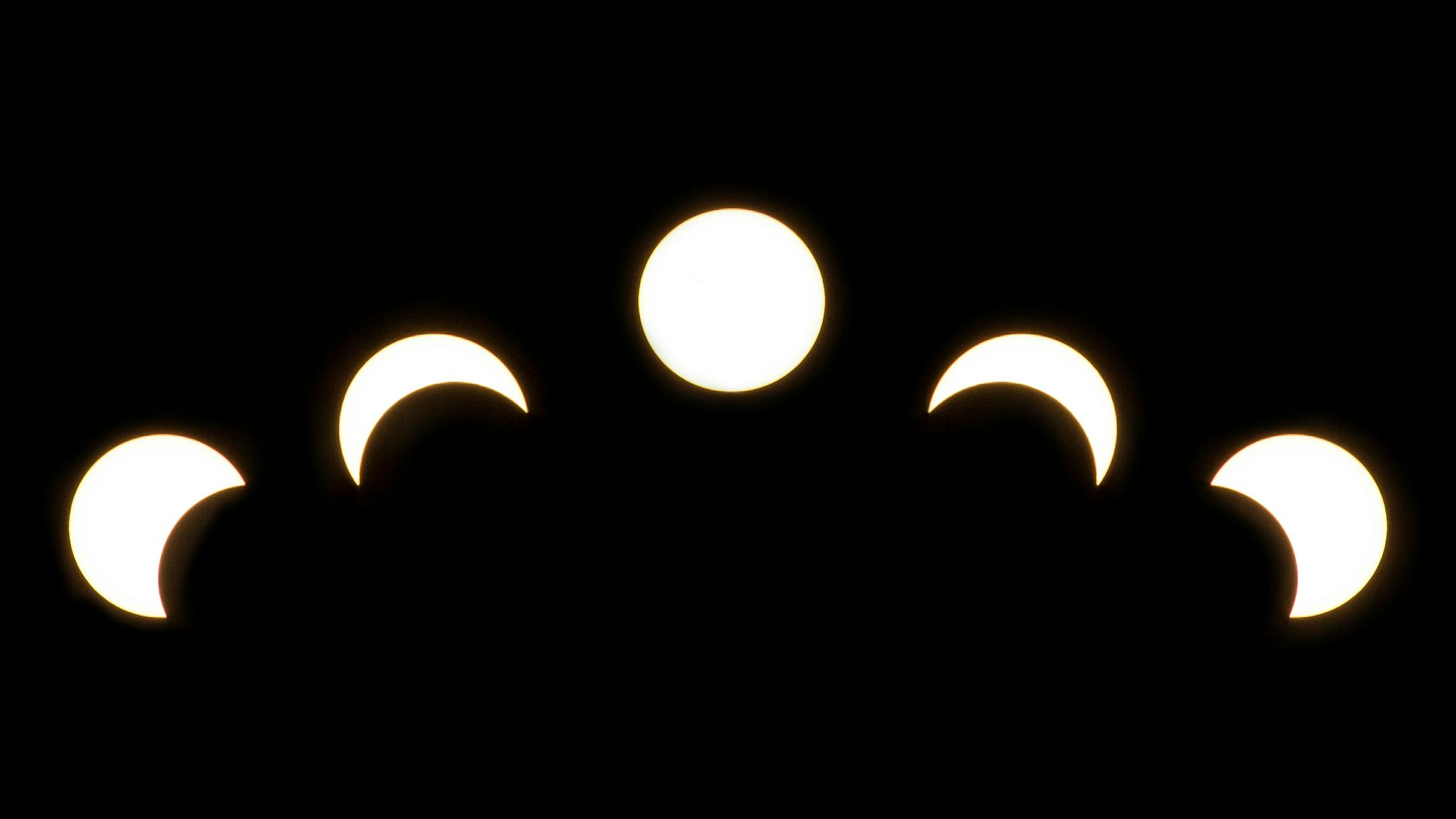
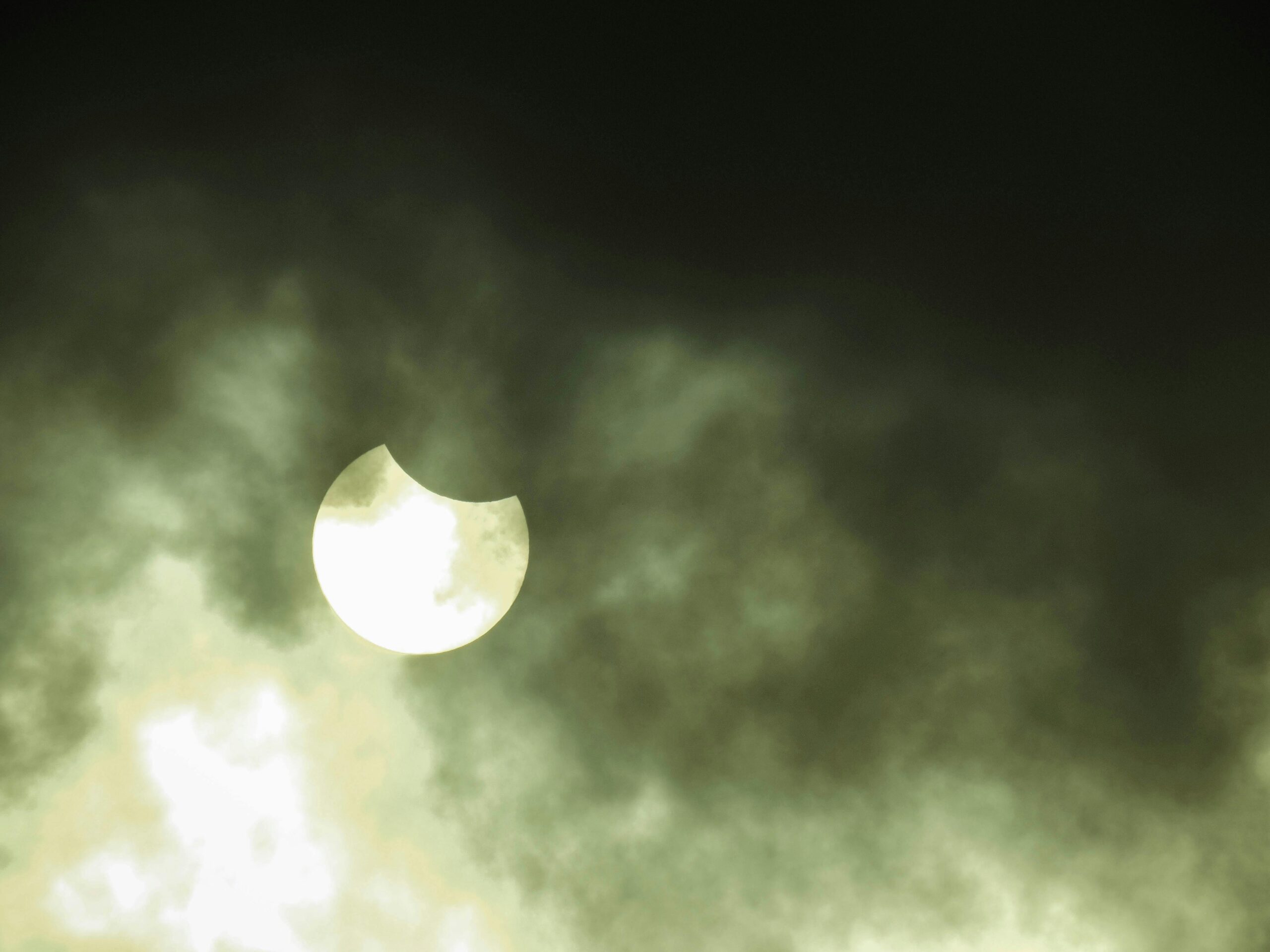
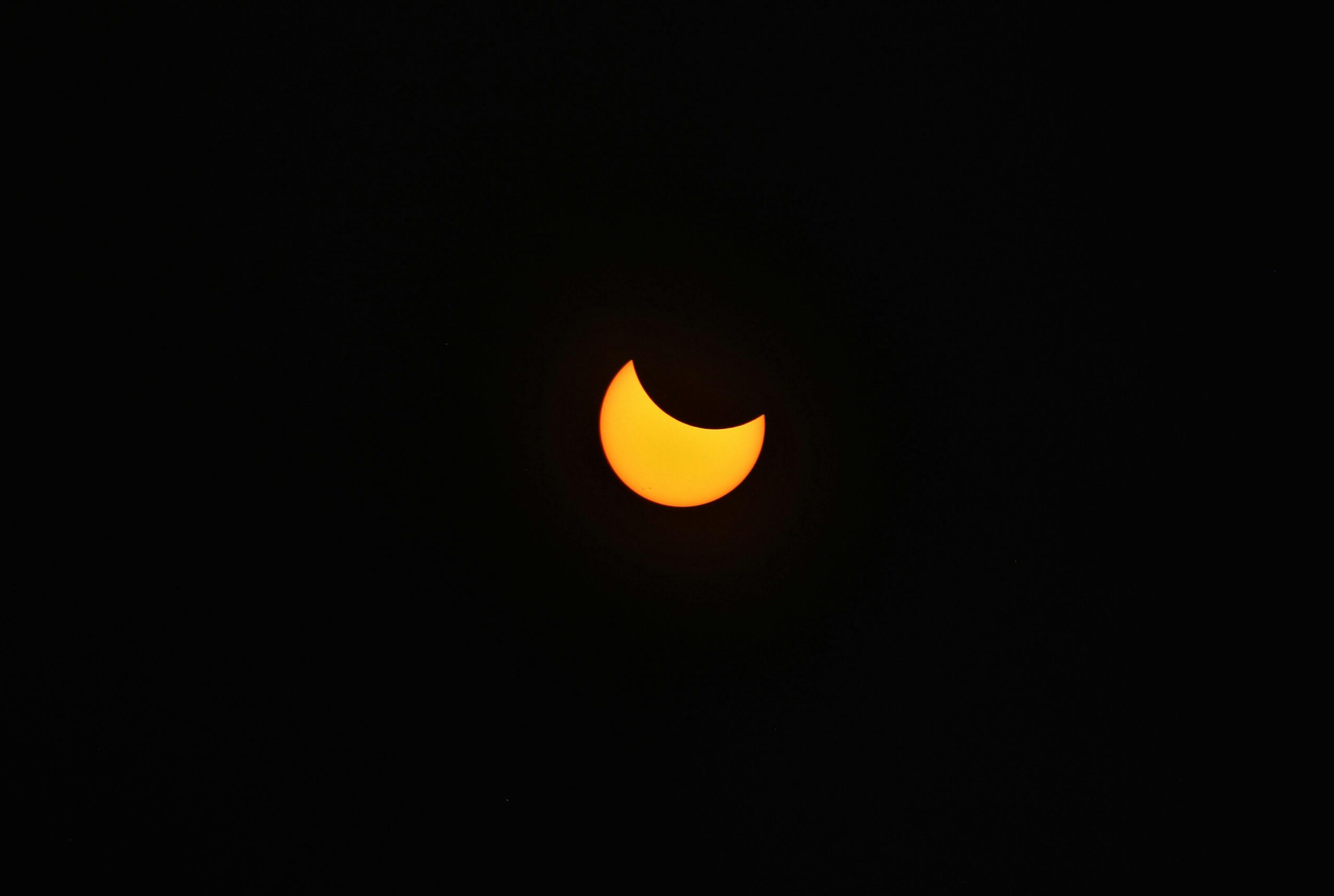
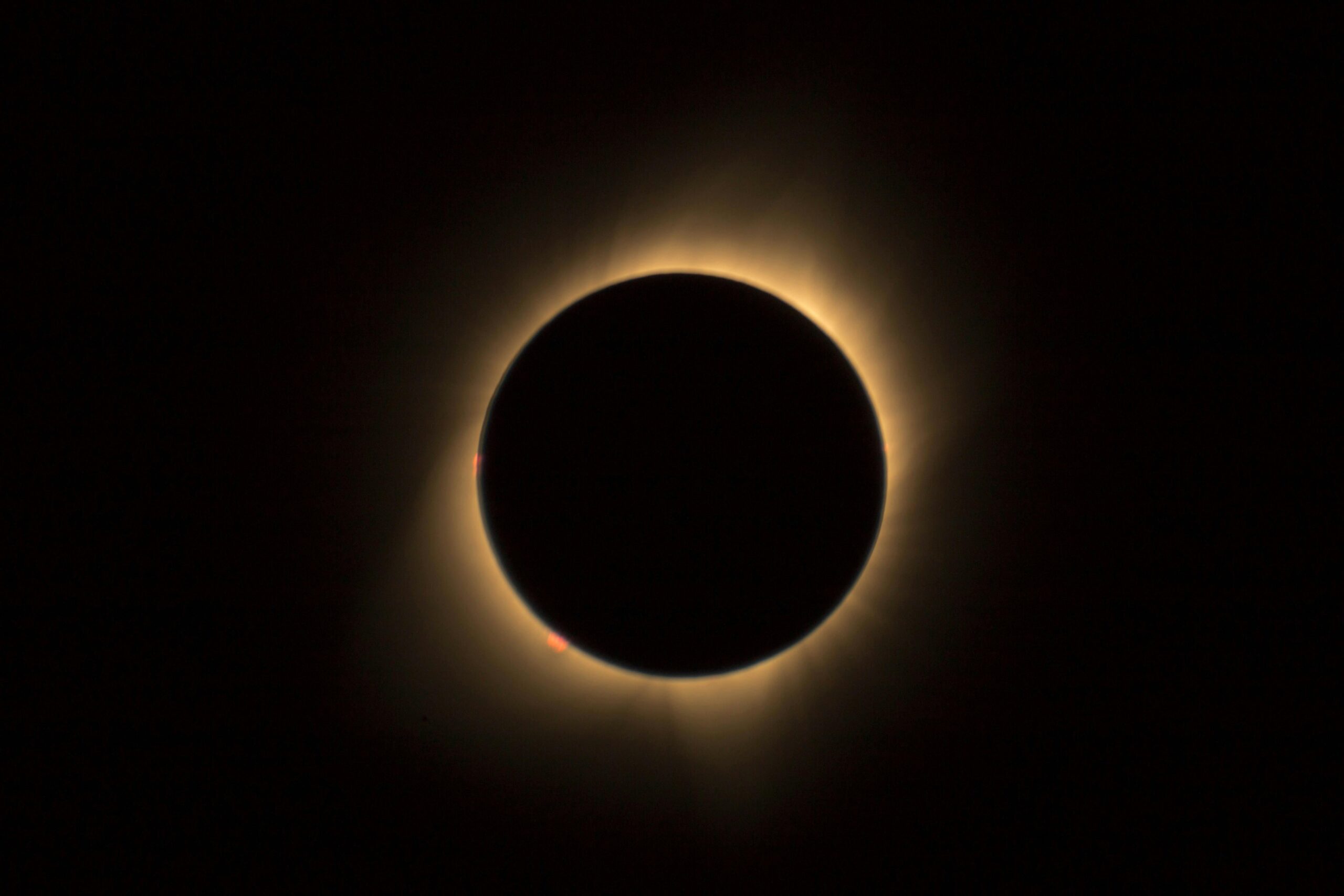
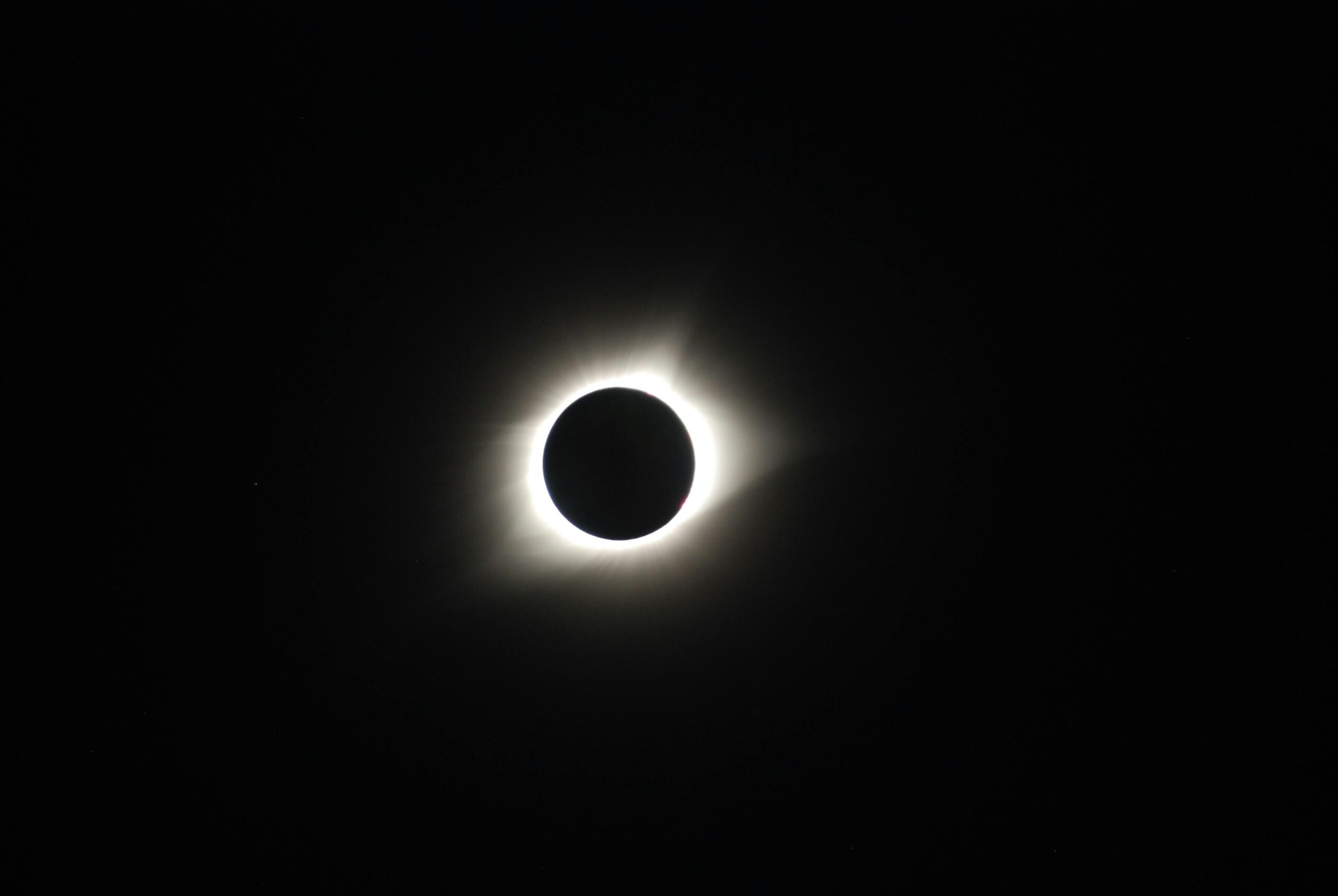
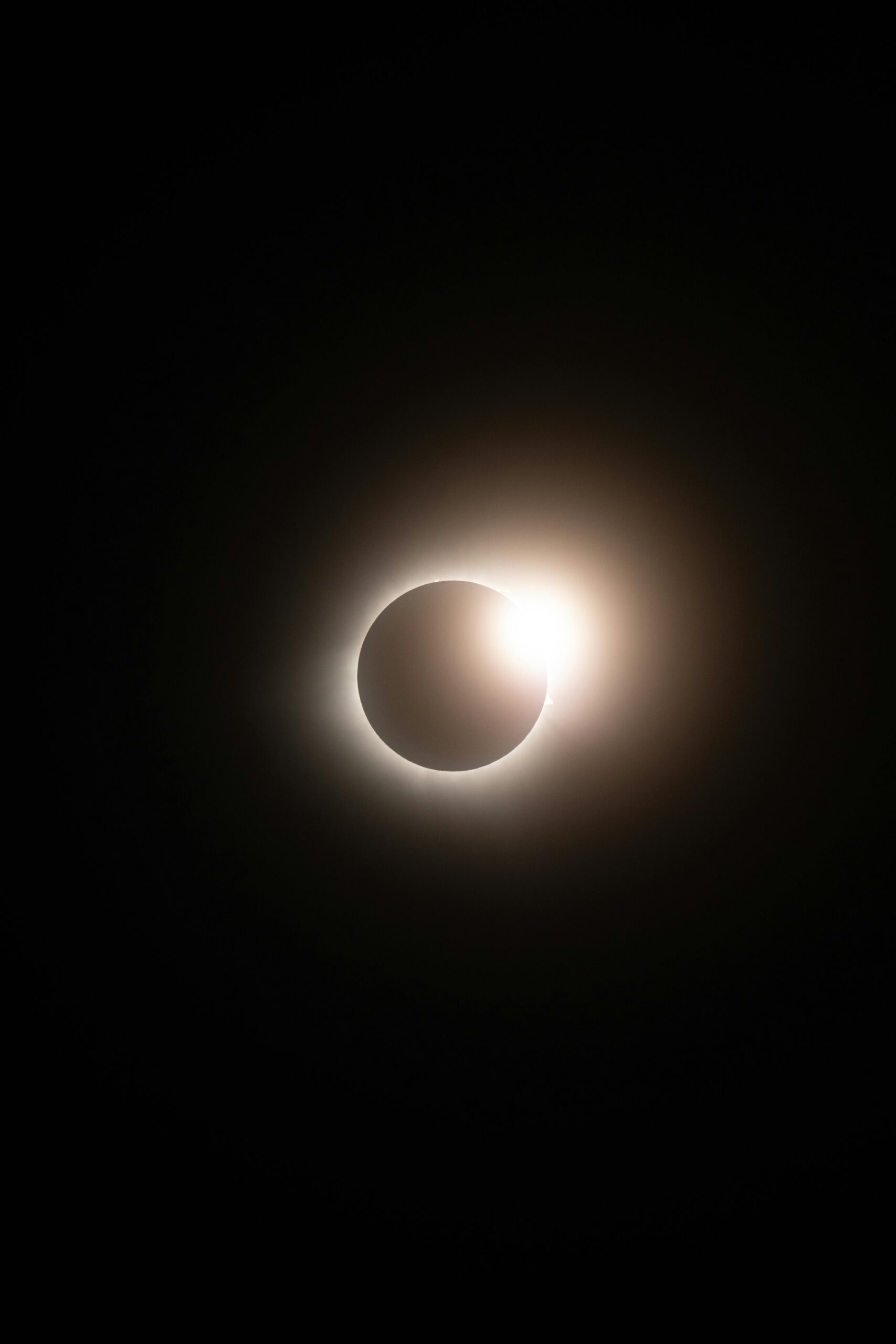
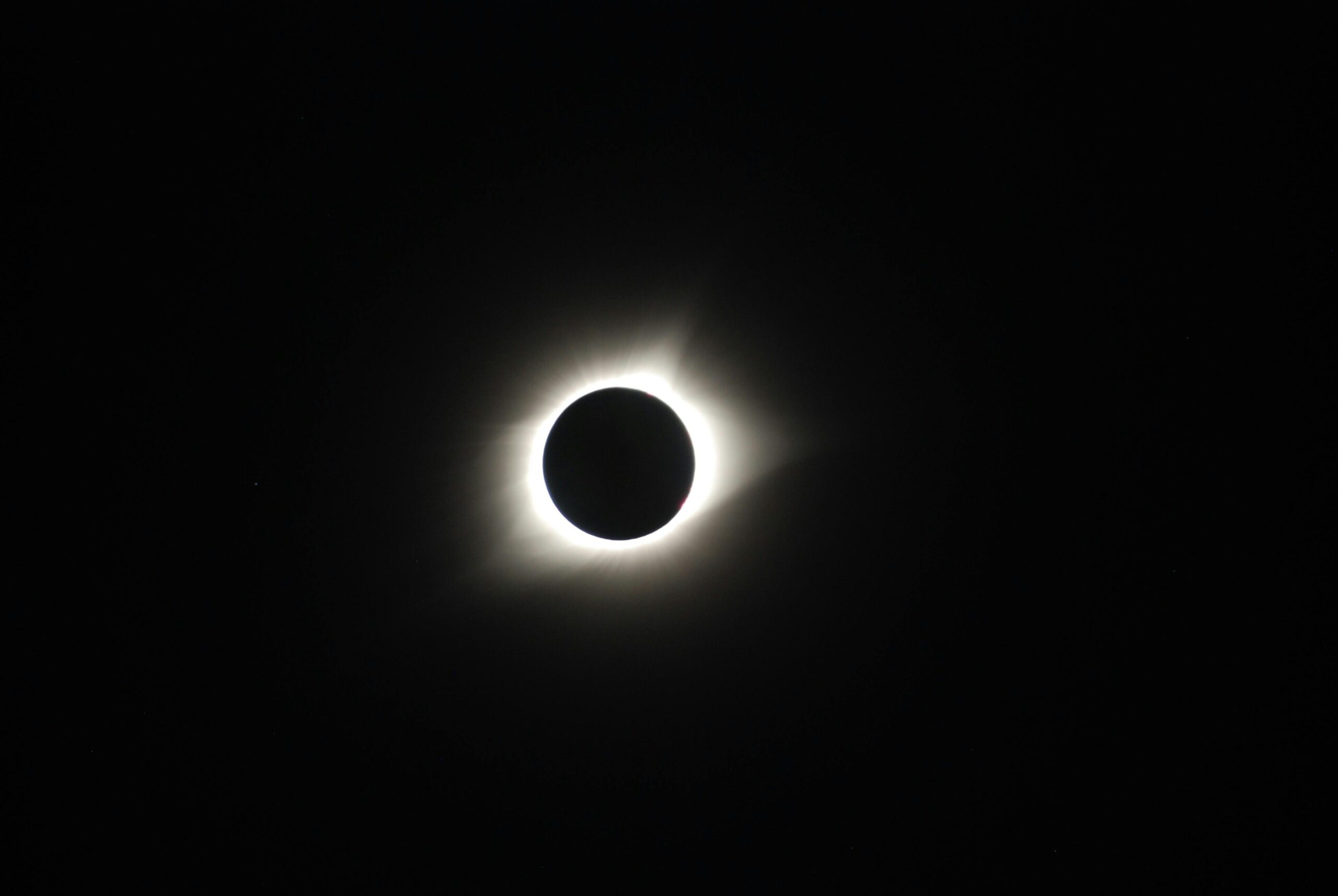
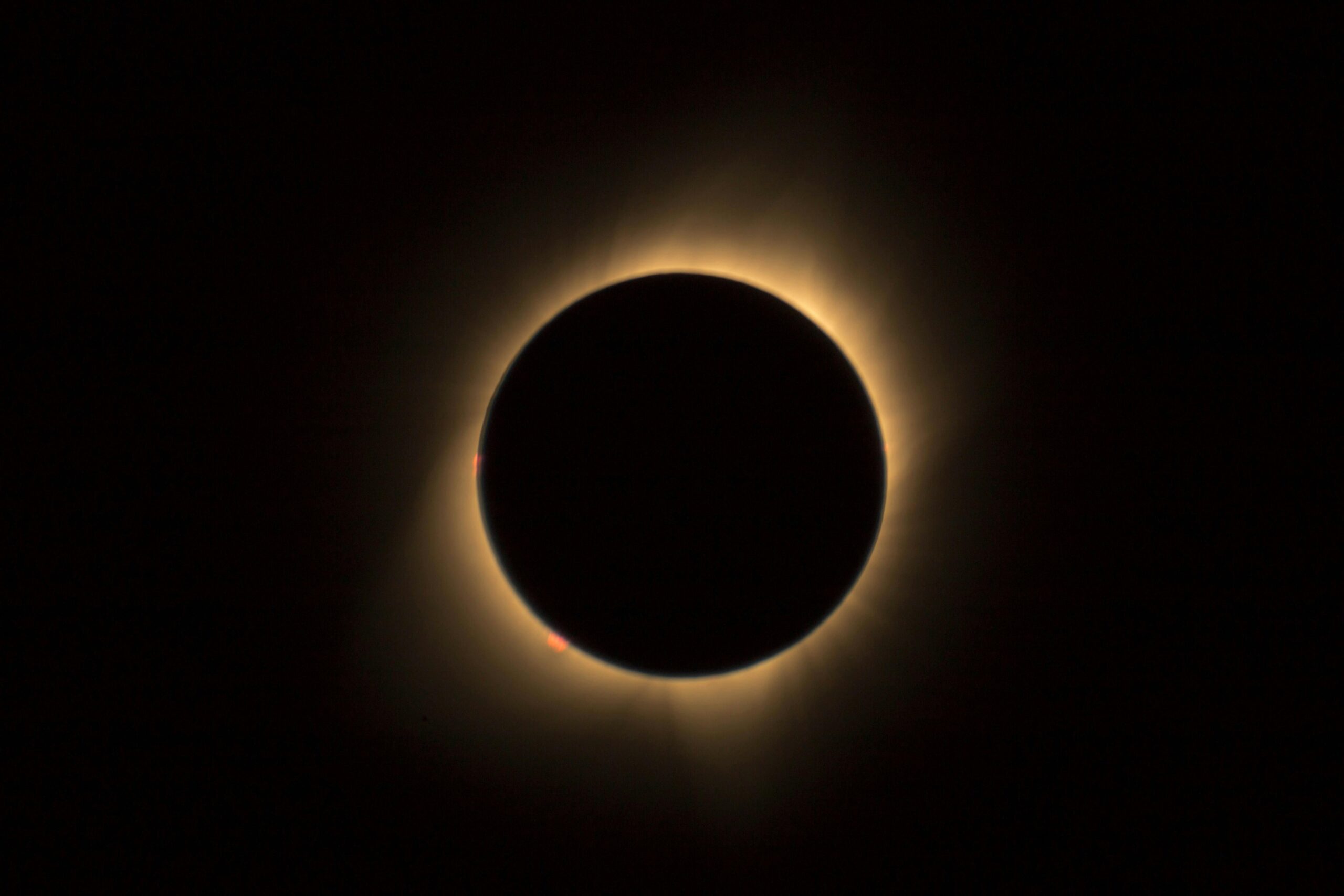
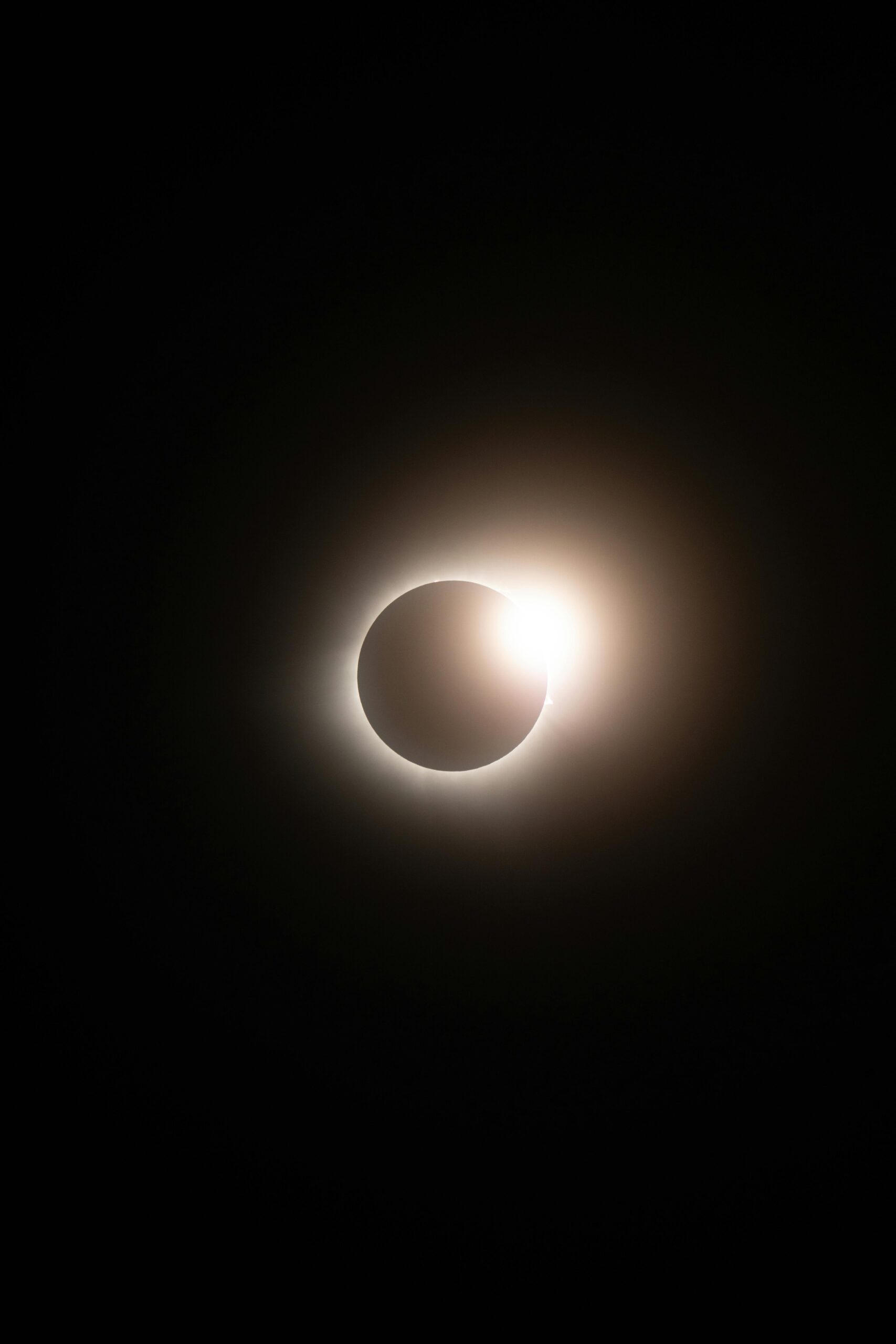
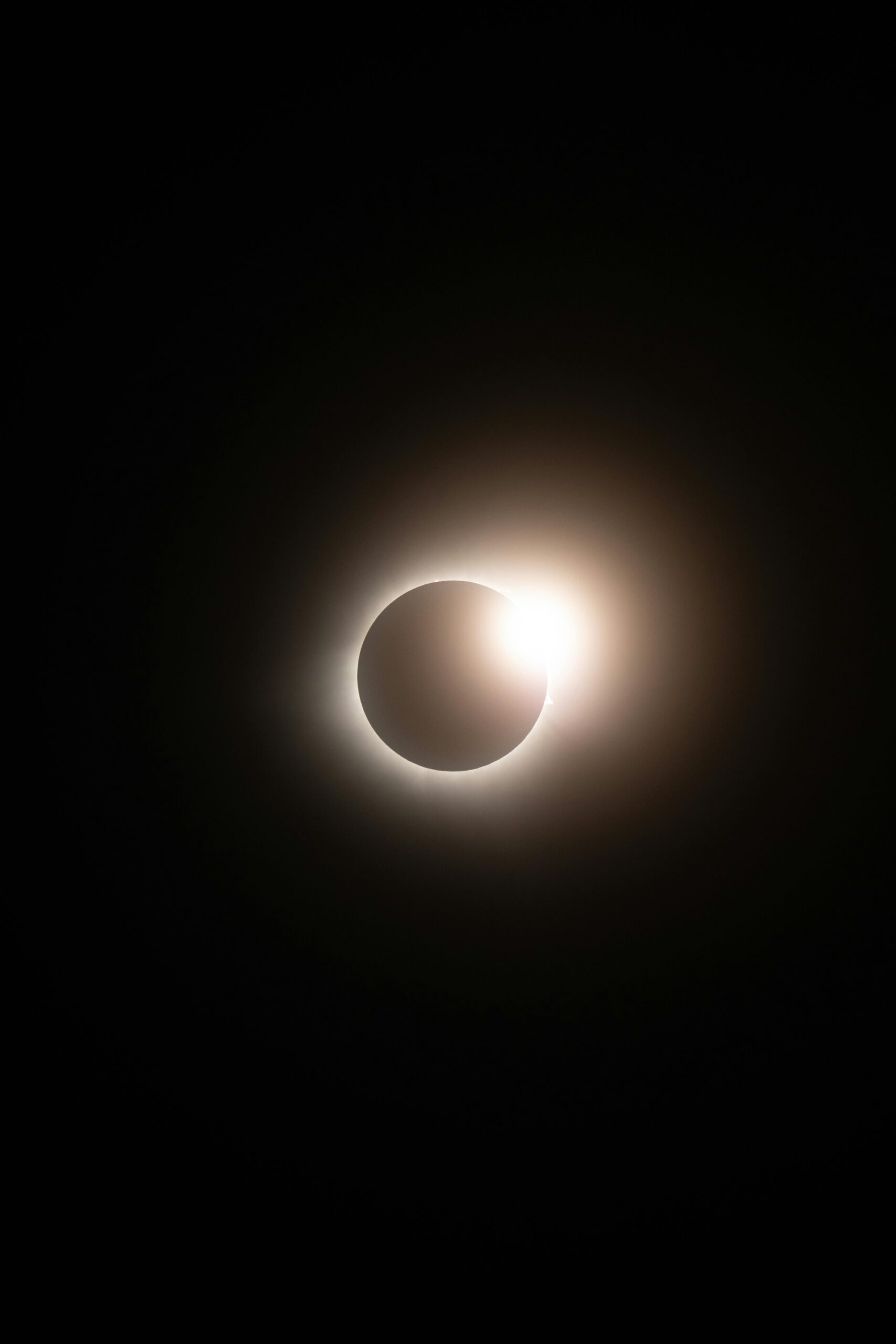
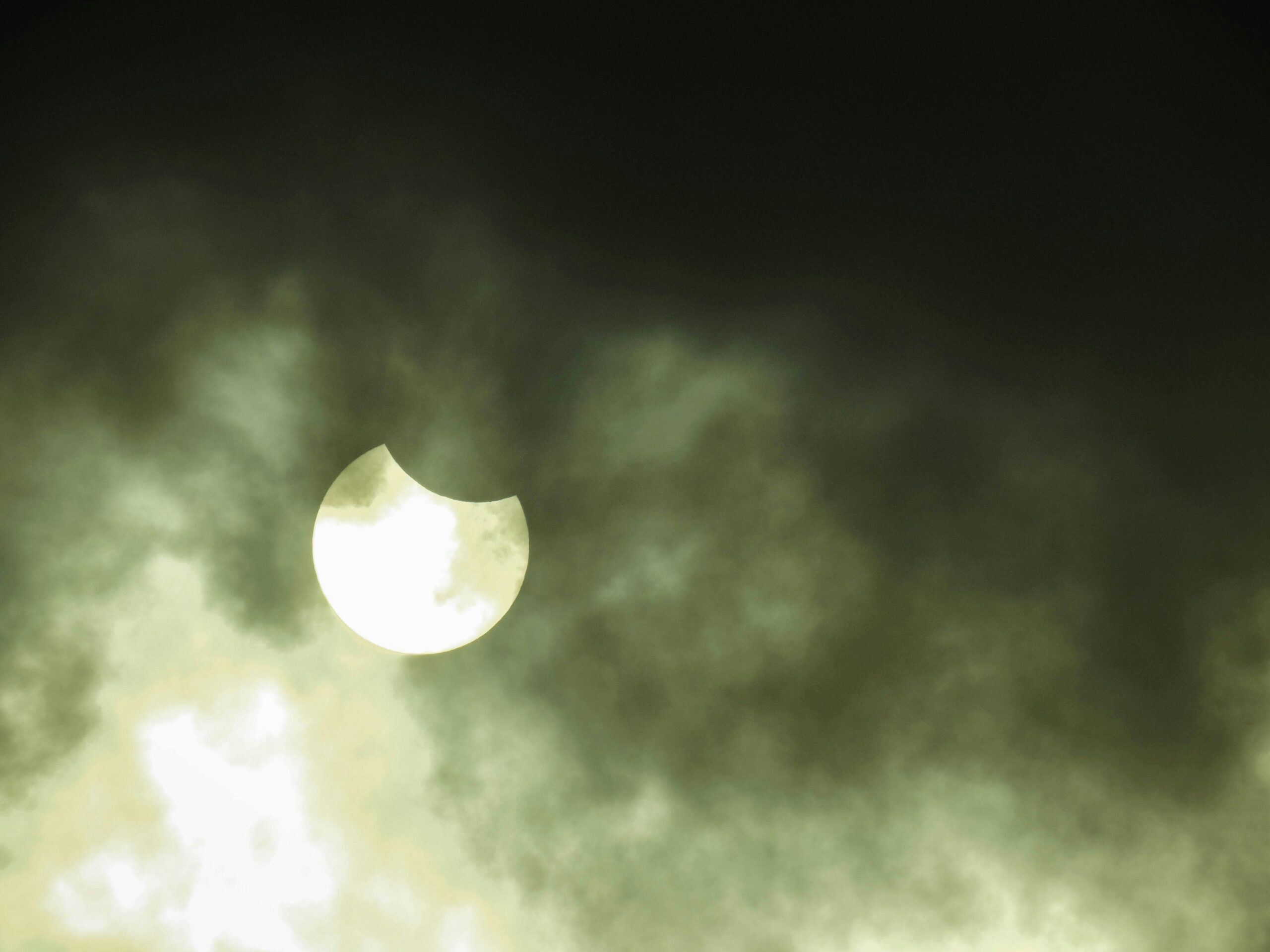
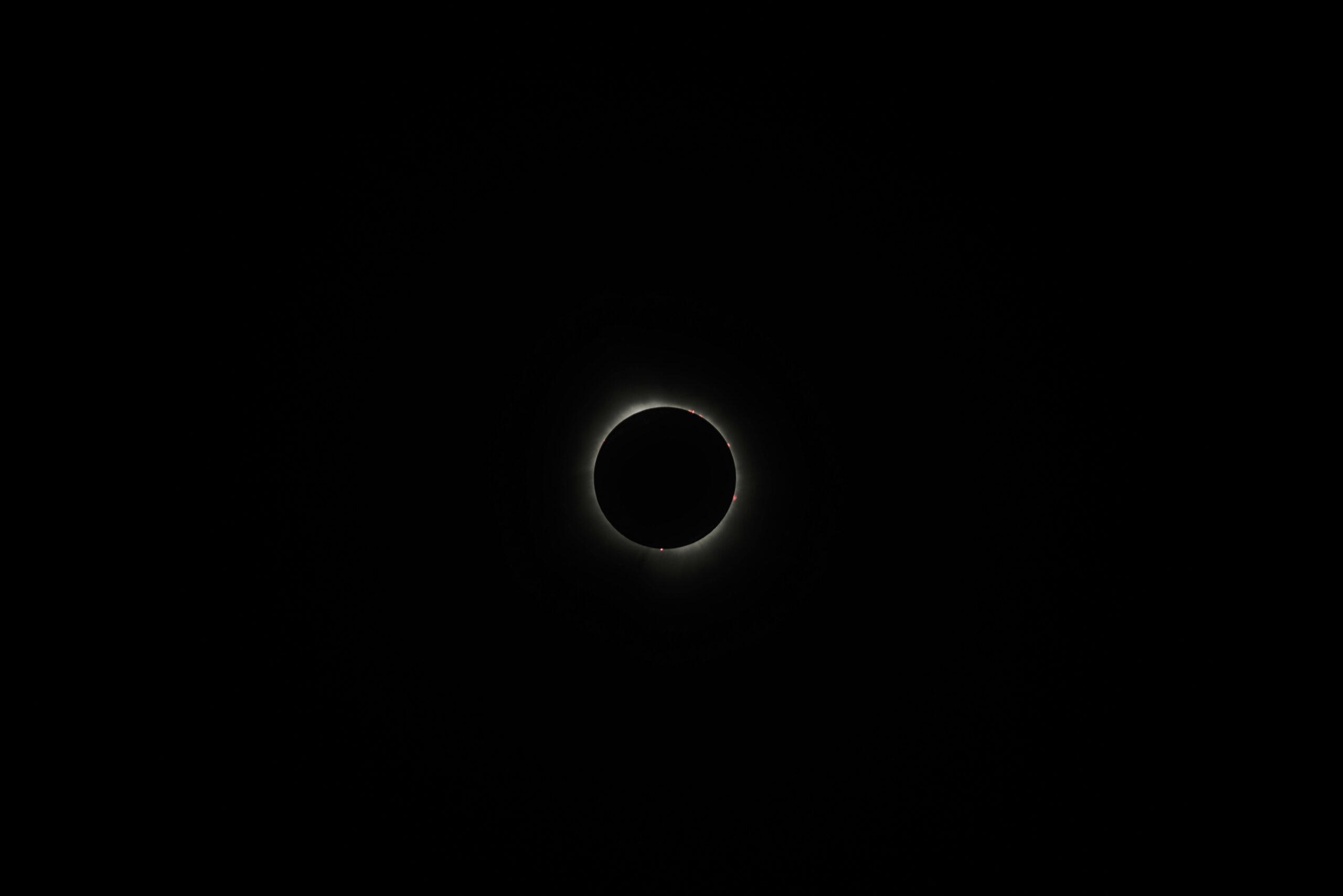
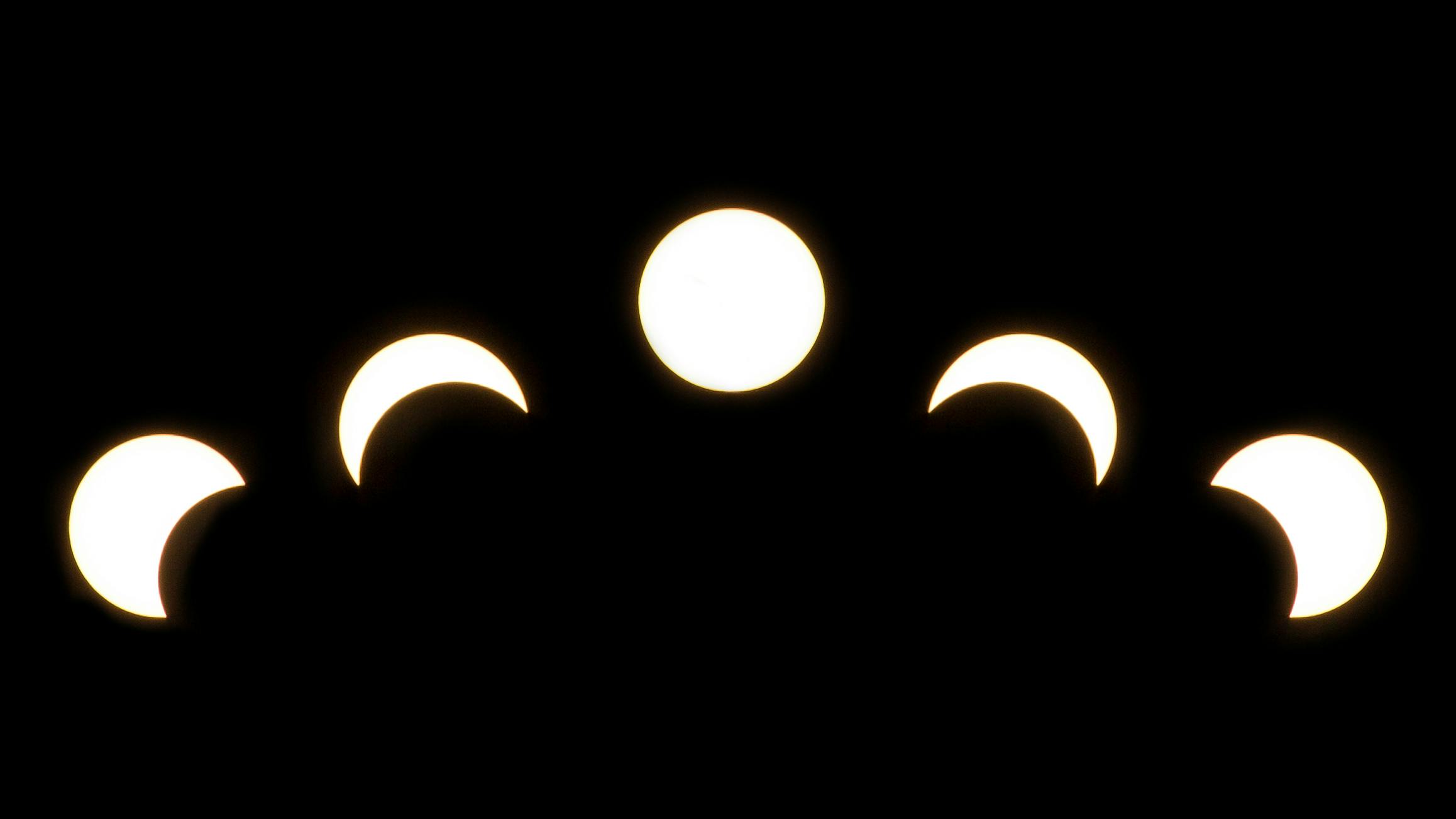
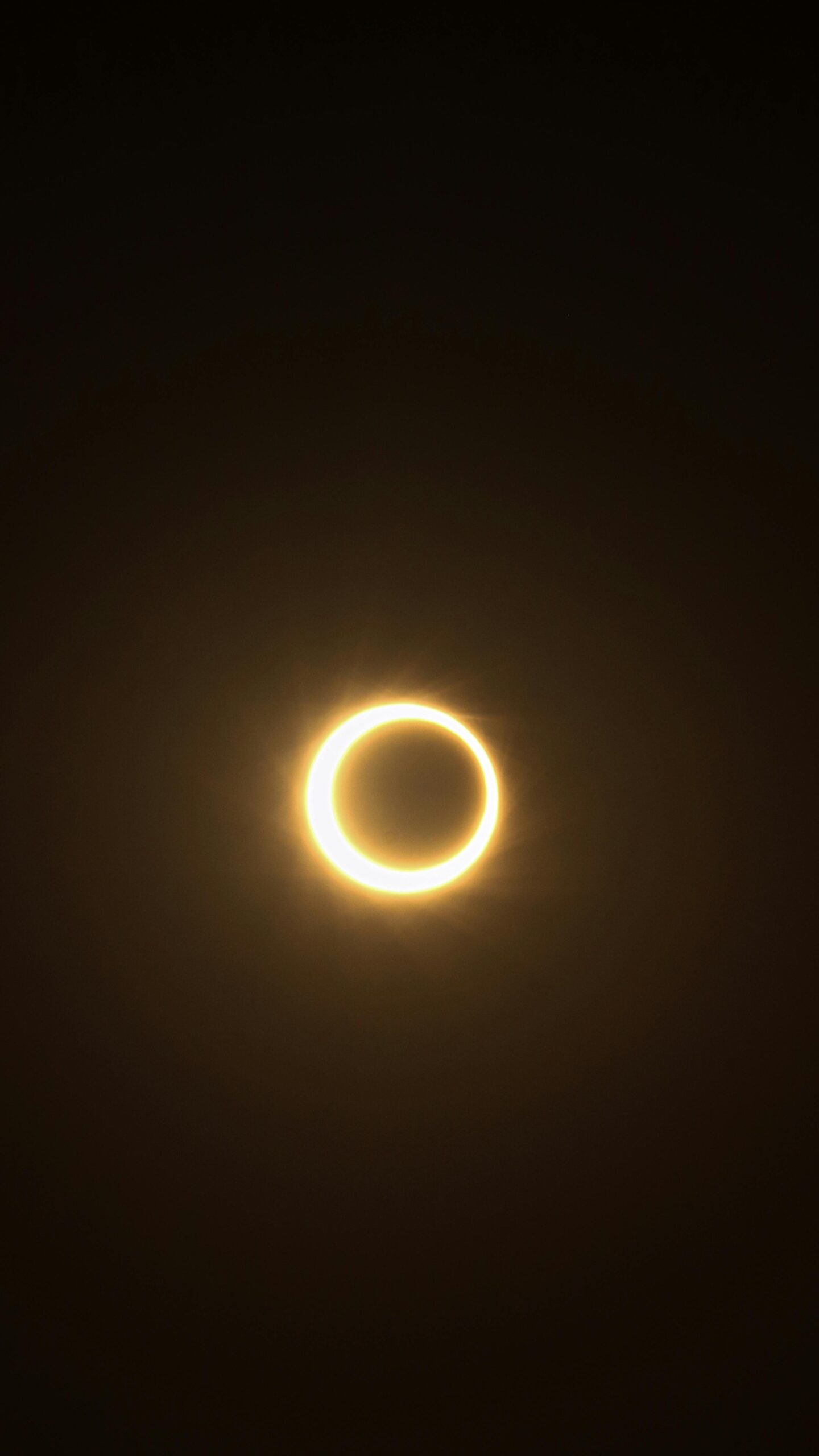
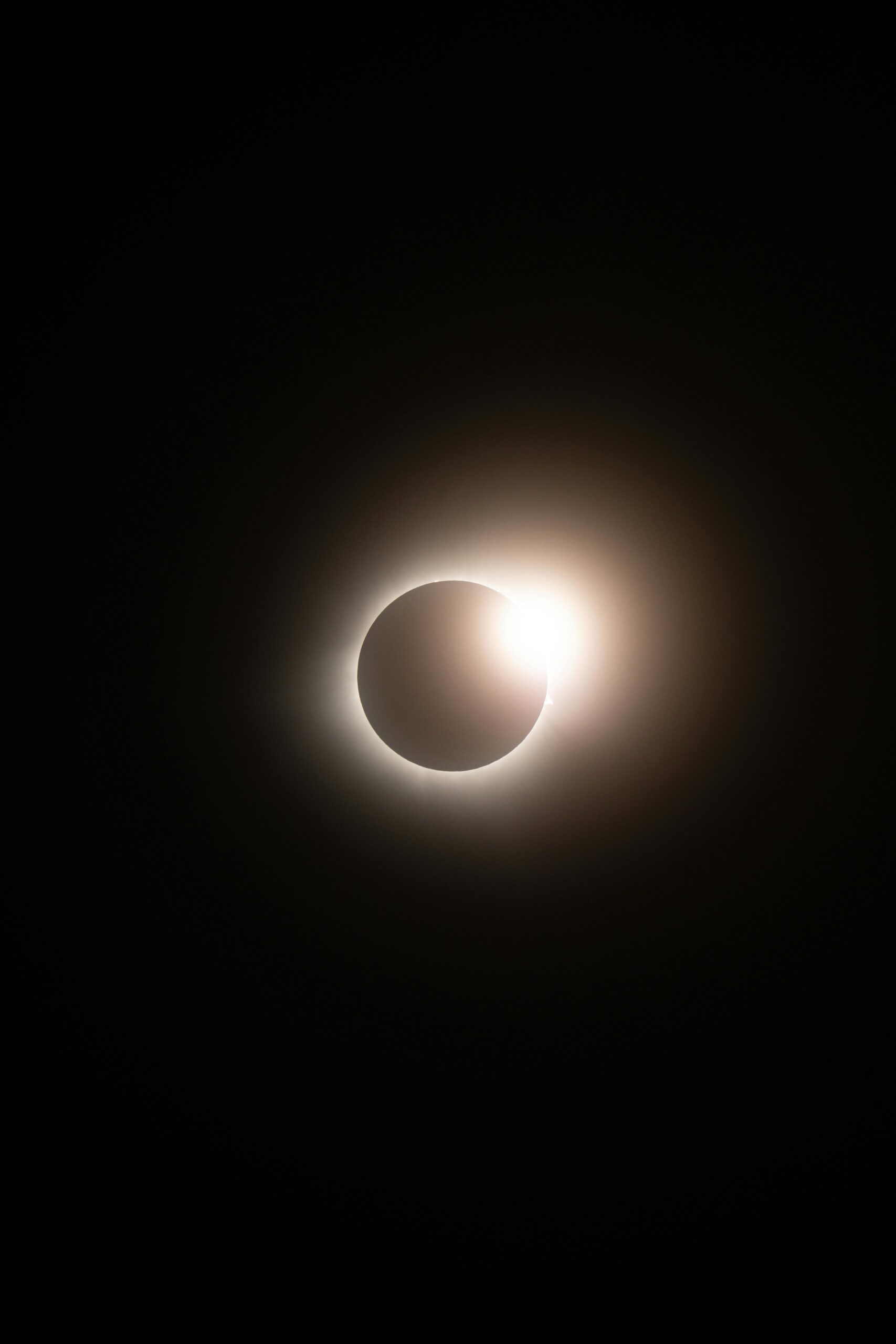
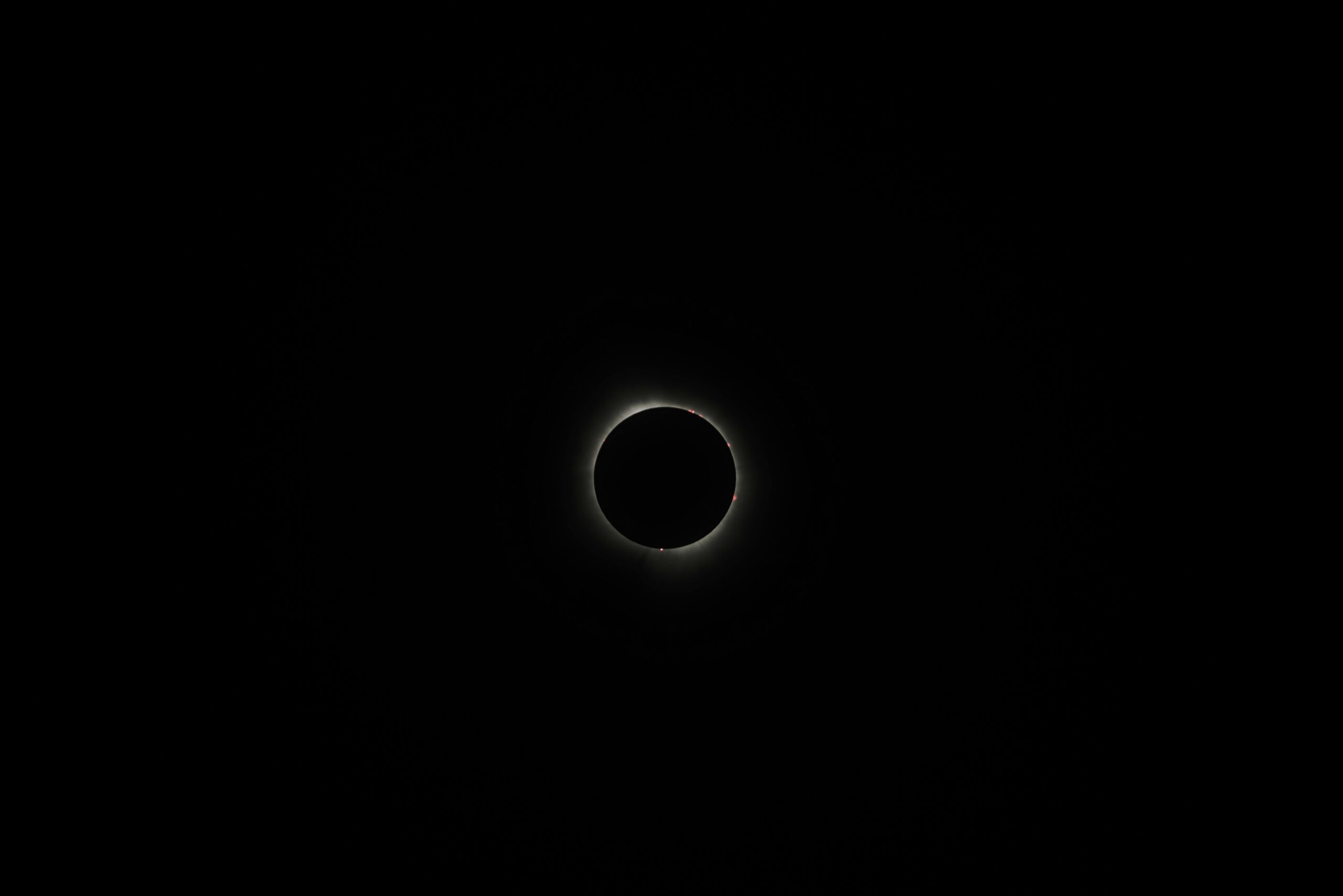
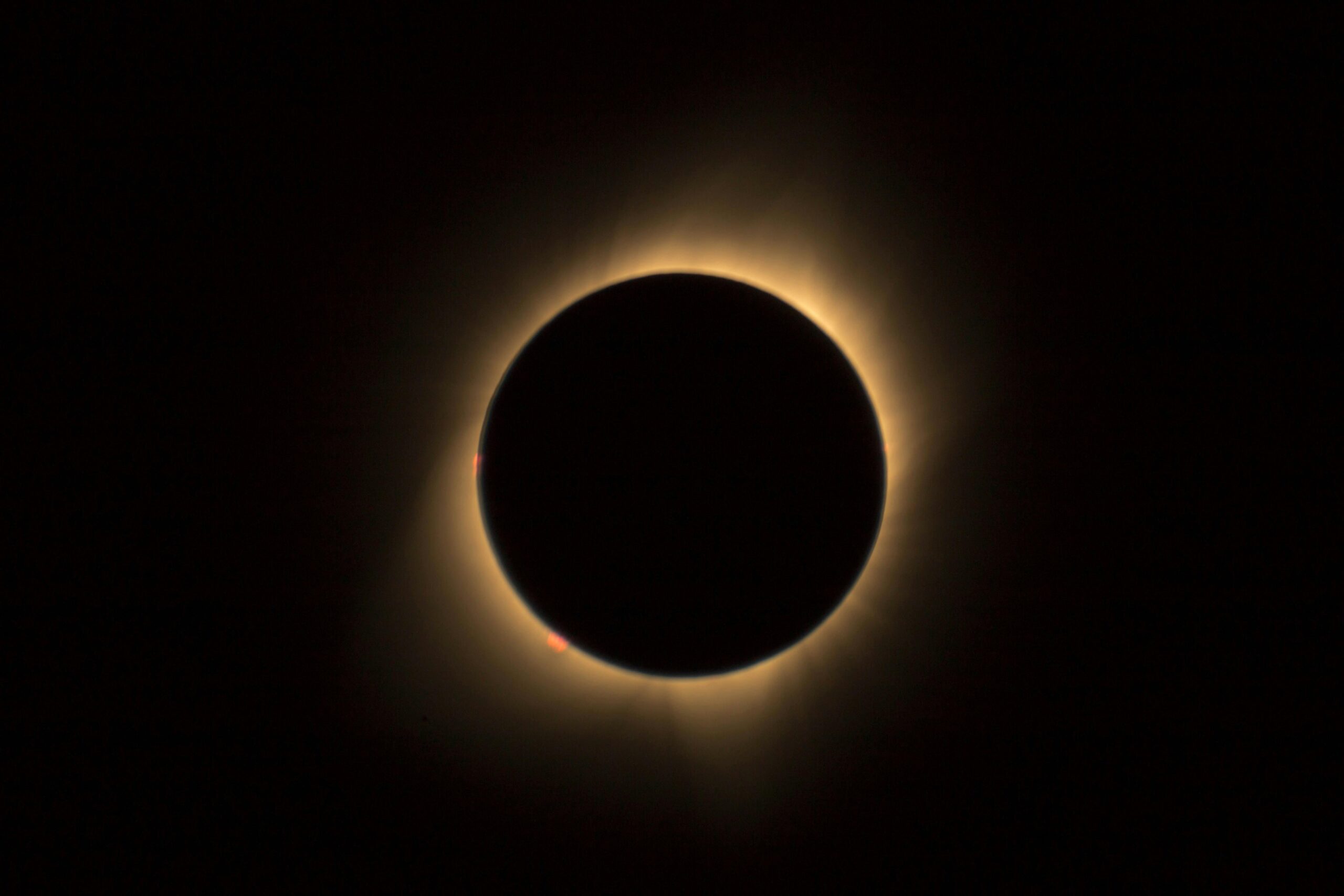
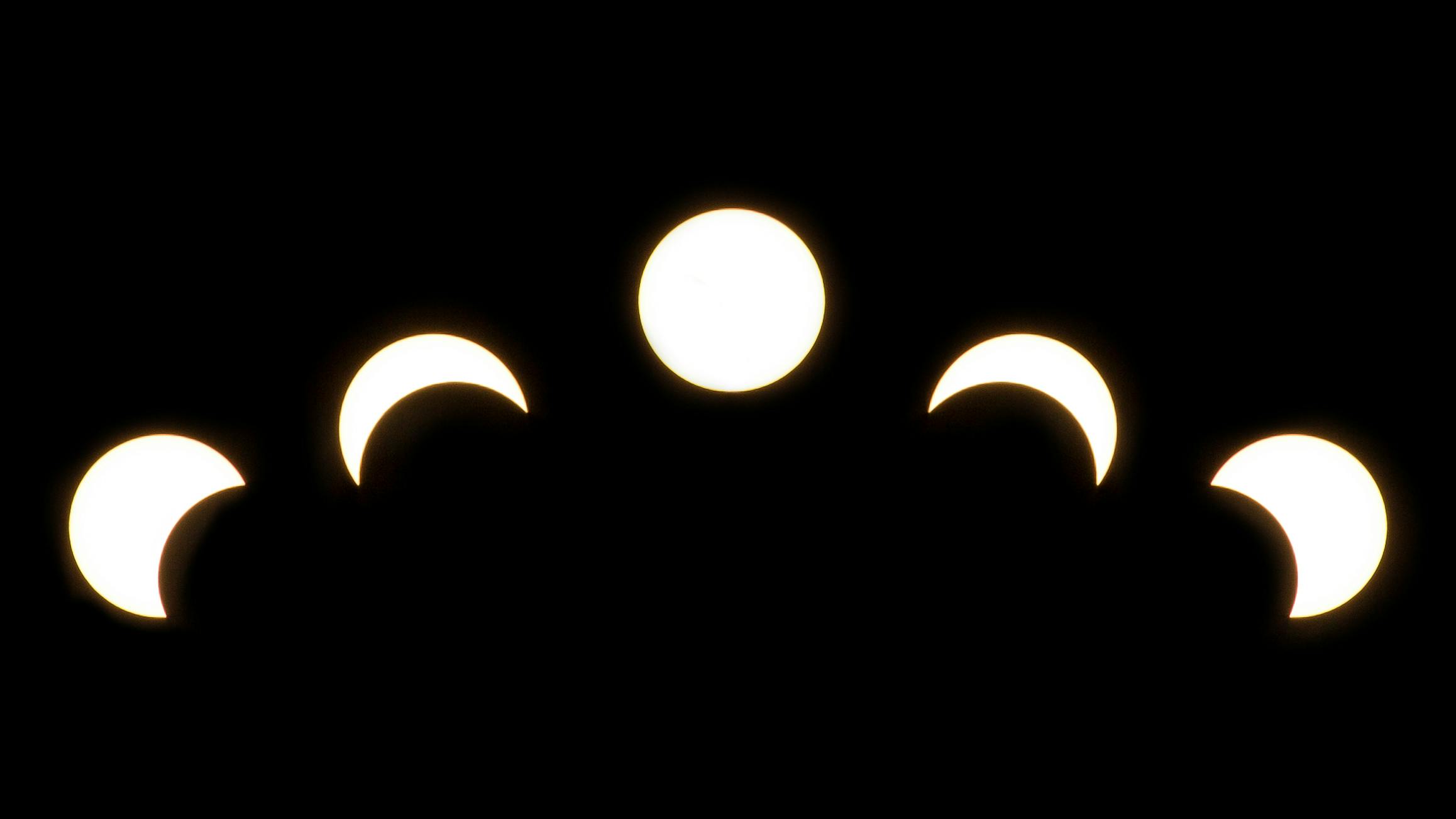
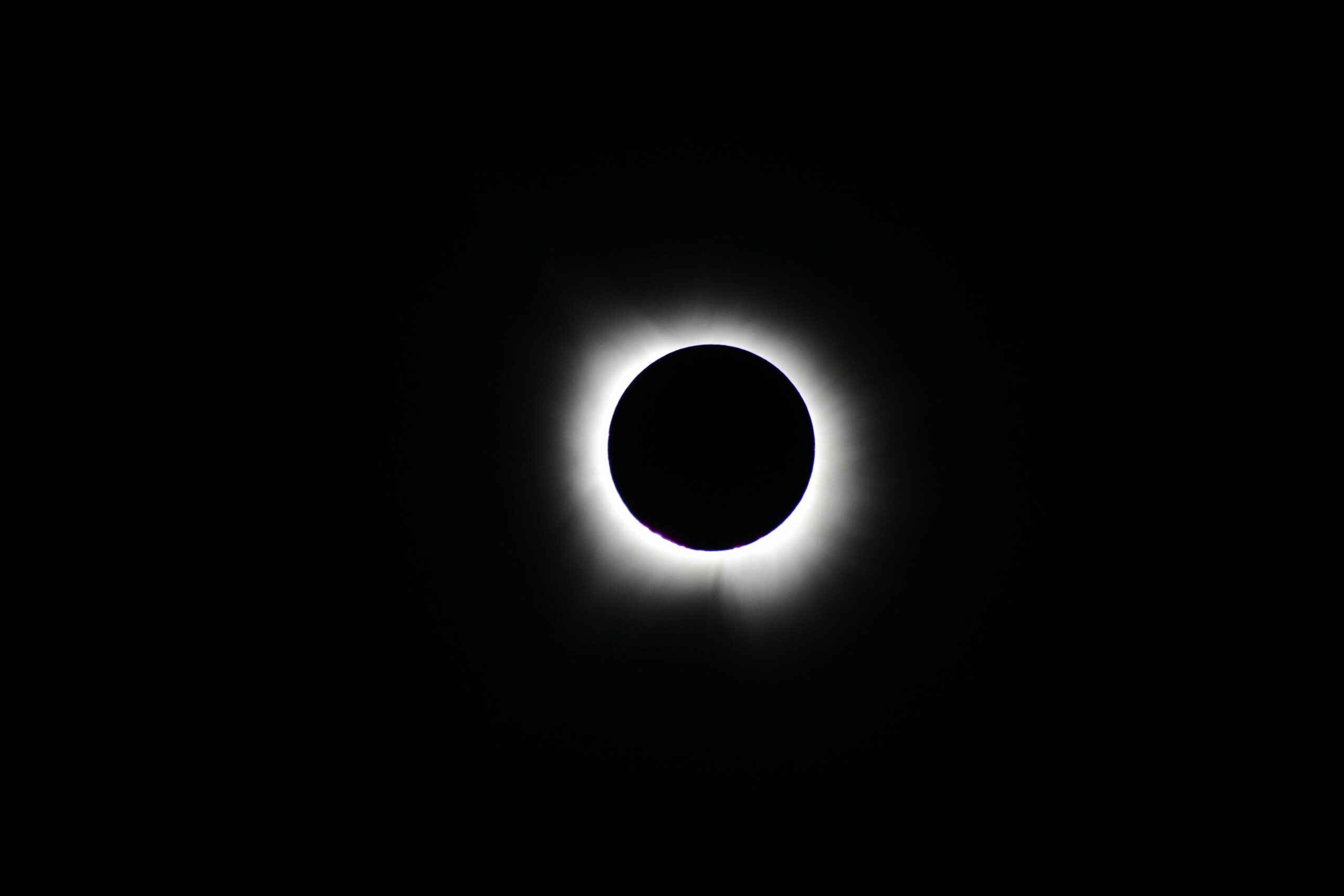
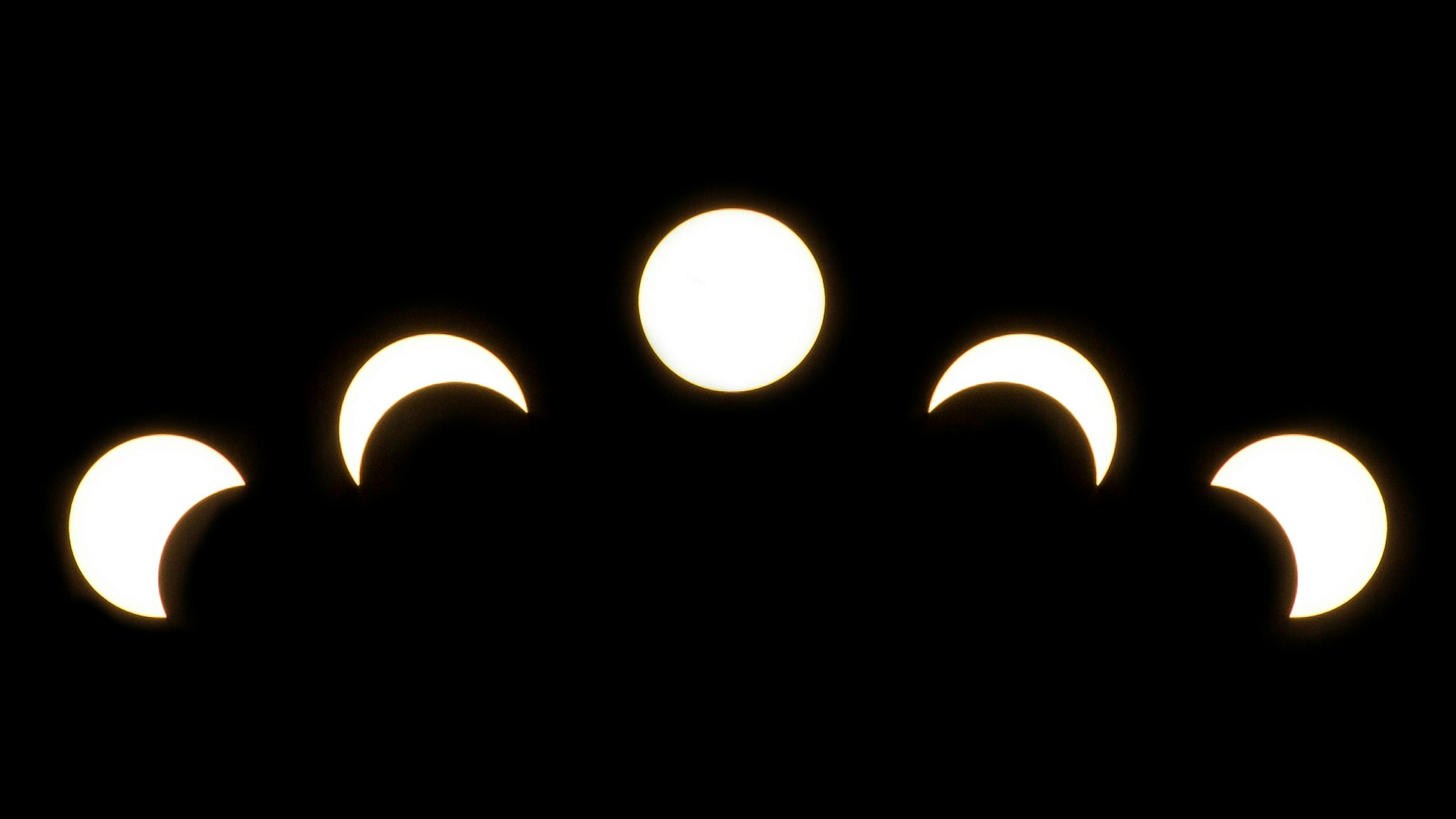
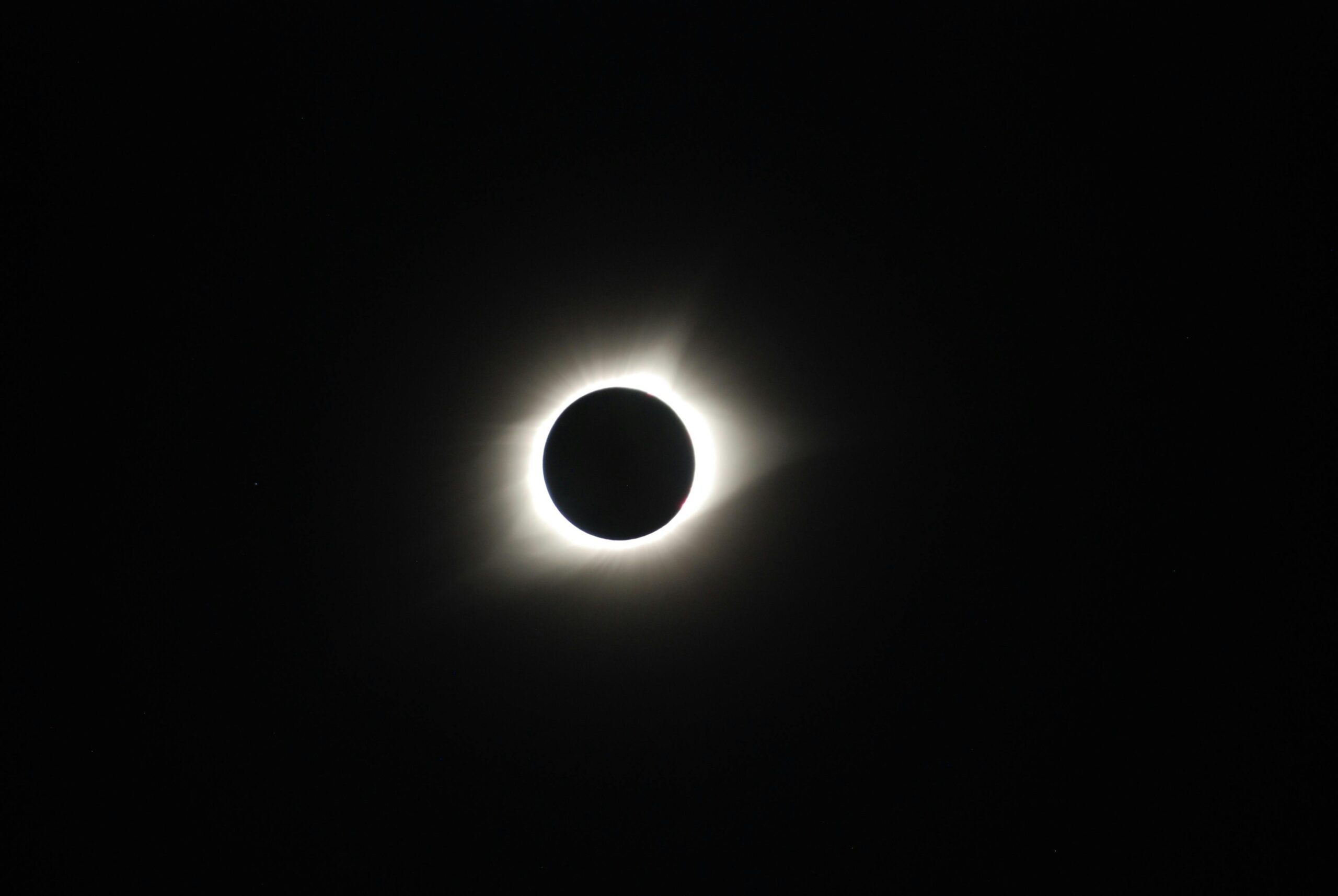
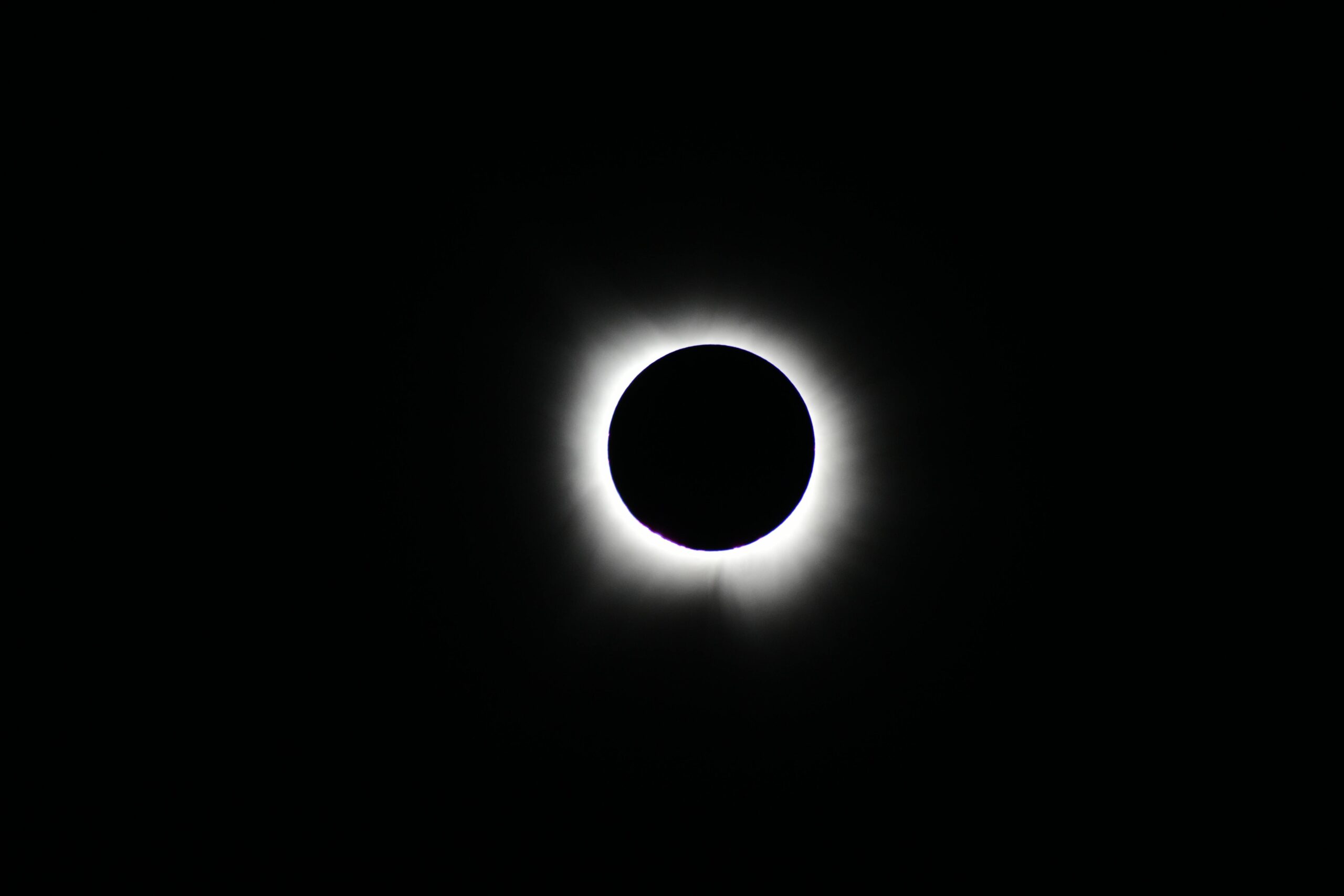
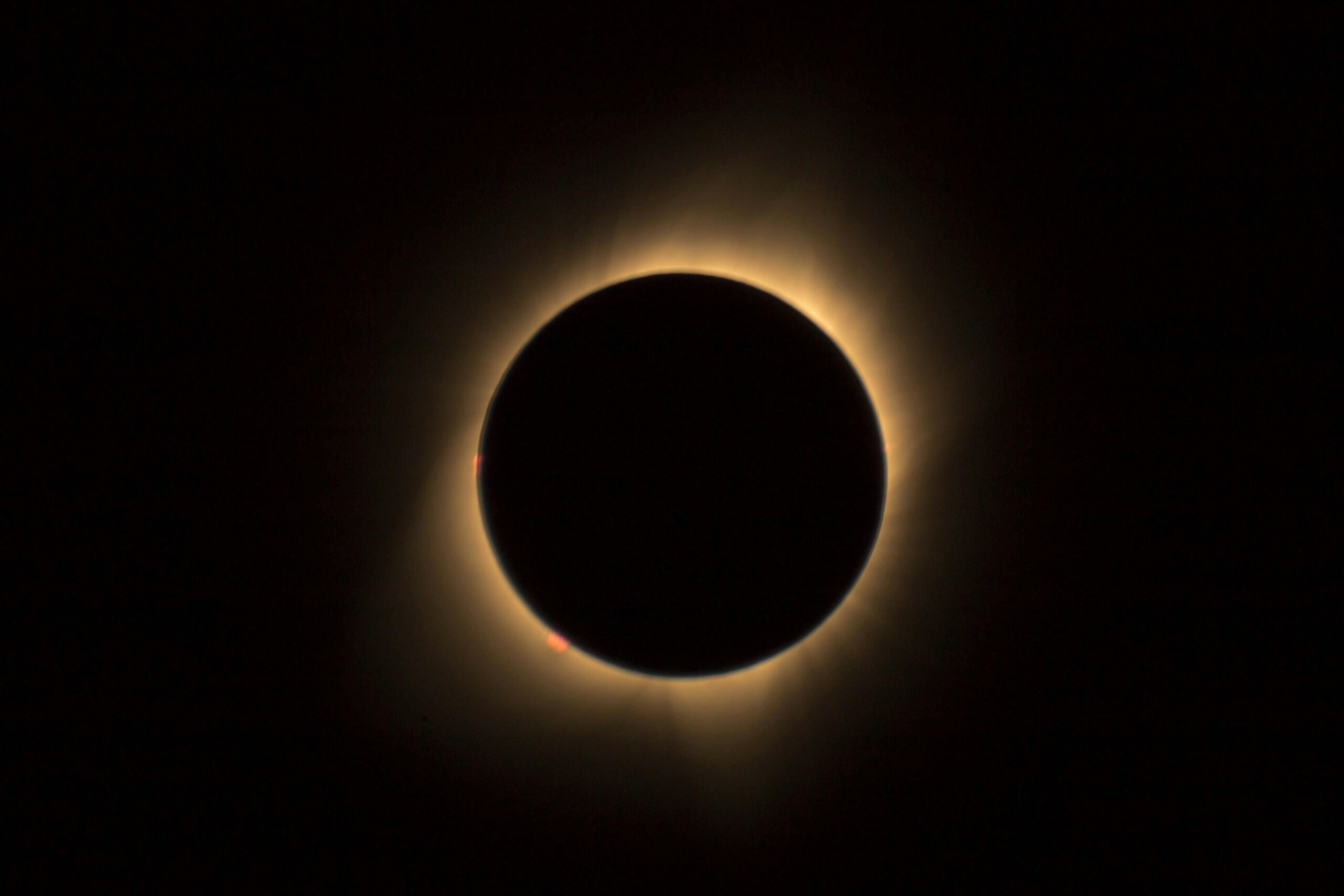
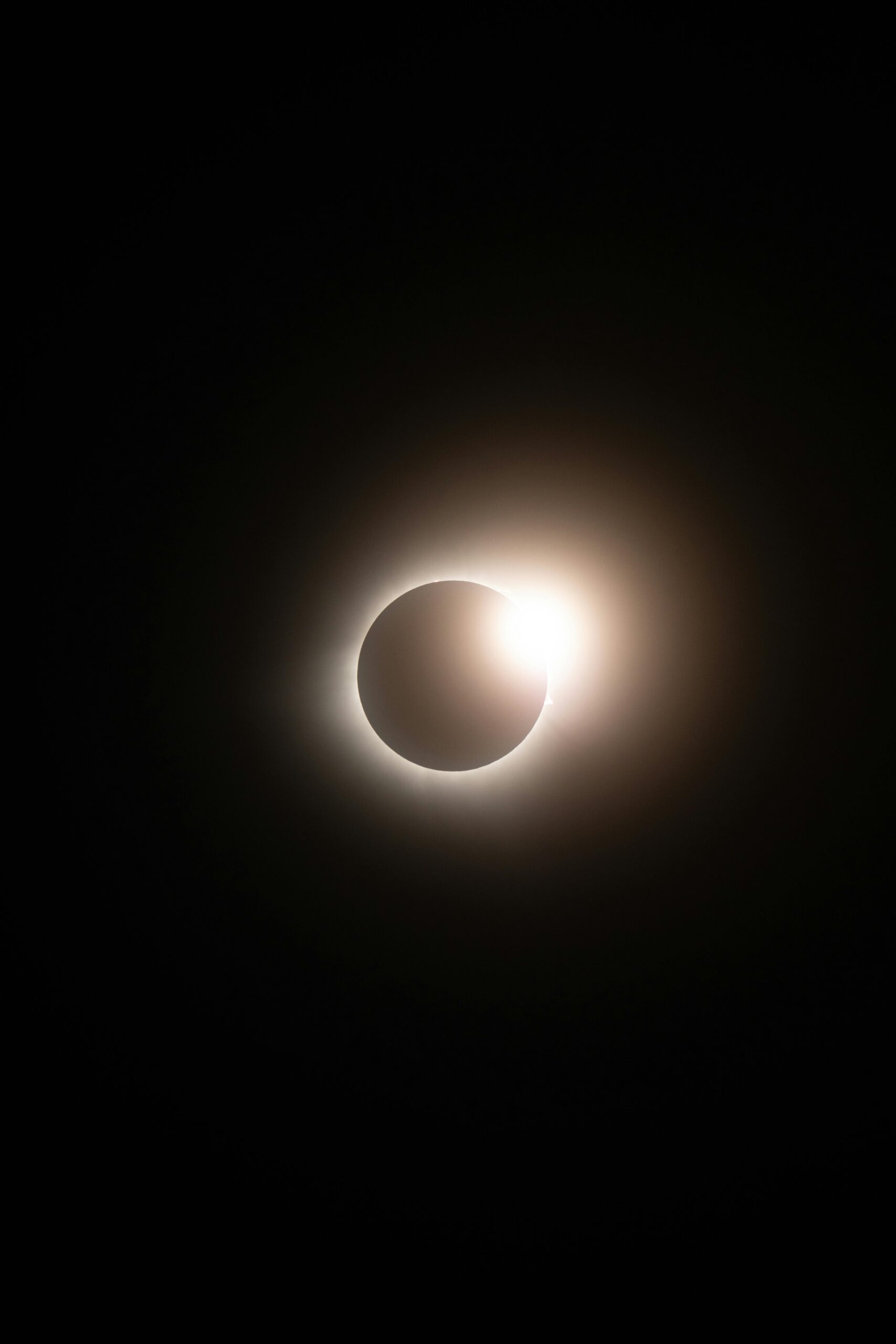
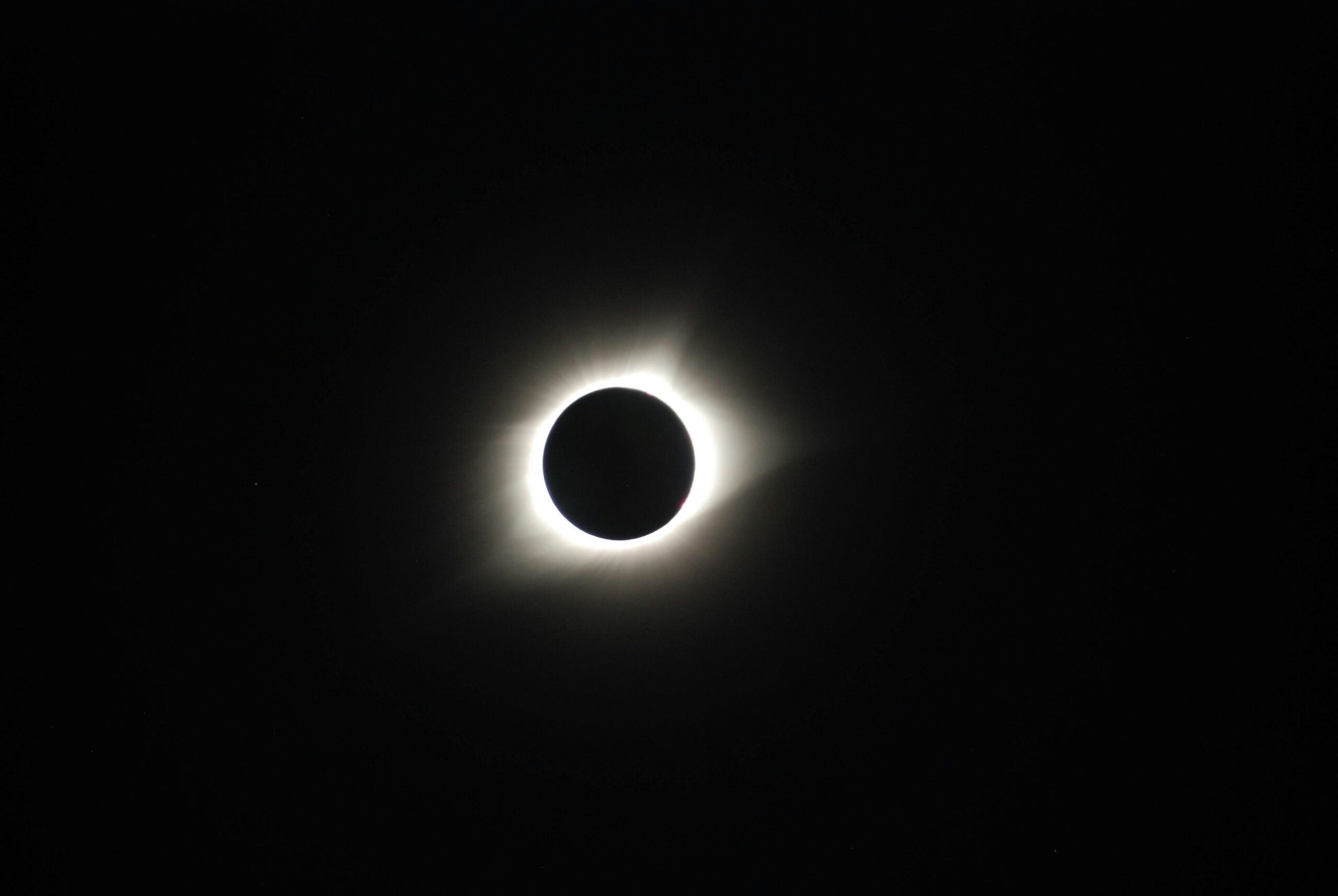
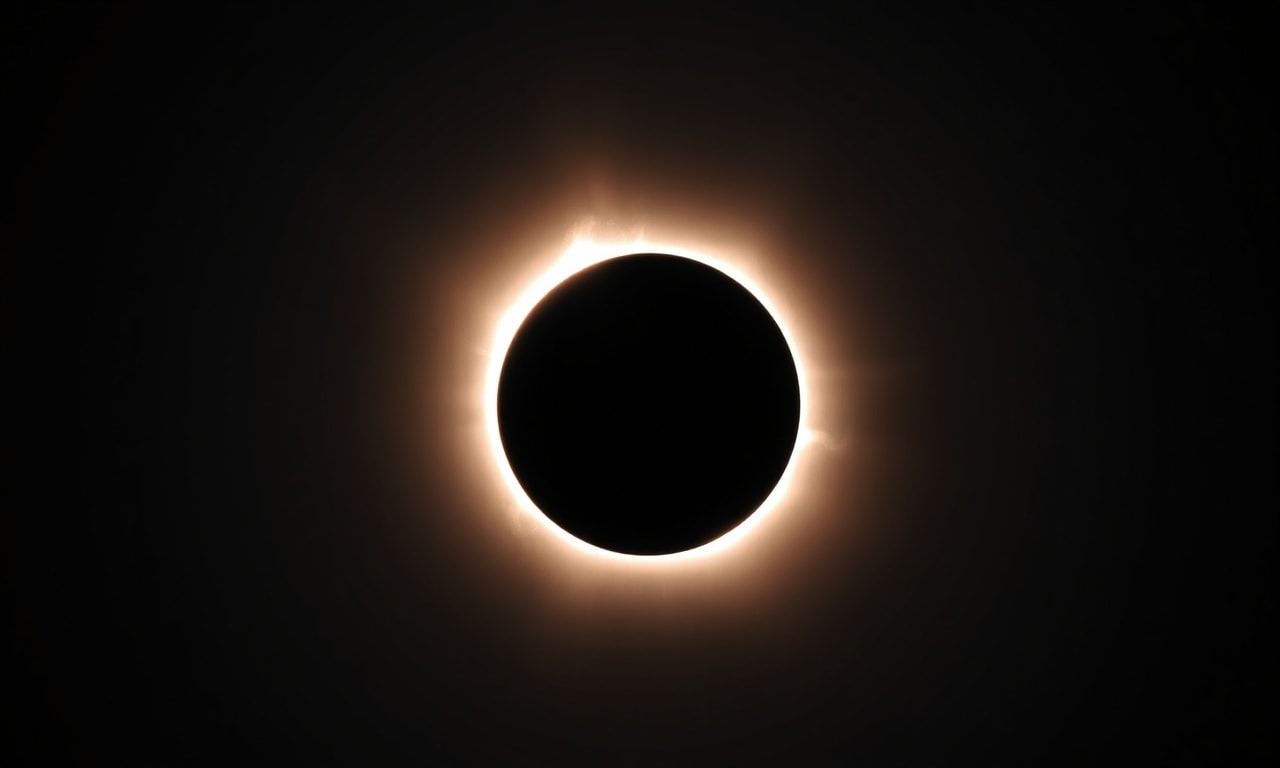
Solar eclipses occur when the moon passes between the Earth and the sun, casting a shadow on the Earth’s surface. The 2024 eclipse will be a total solar eclipse, meaning that for a brief period, the moon will completely obscure the sun, revealing the sun’s corona. This rare event has sparked a surge in interest in astronomy and has prompted many to plan trips to the path of totality, where the eclipse will be most visible.
Path of Totality: Where to Watch
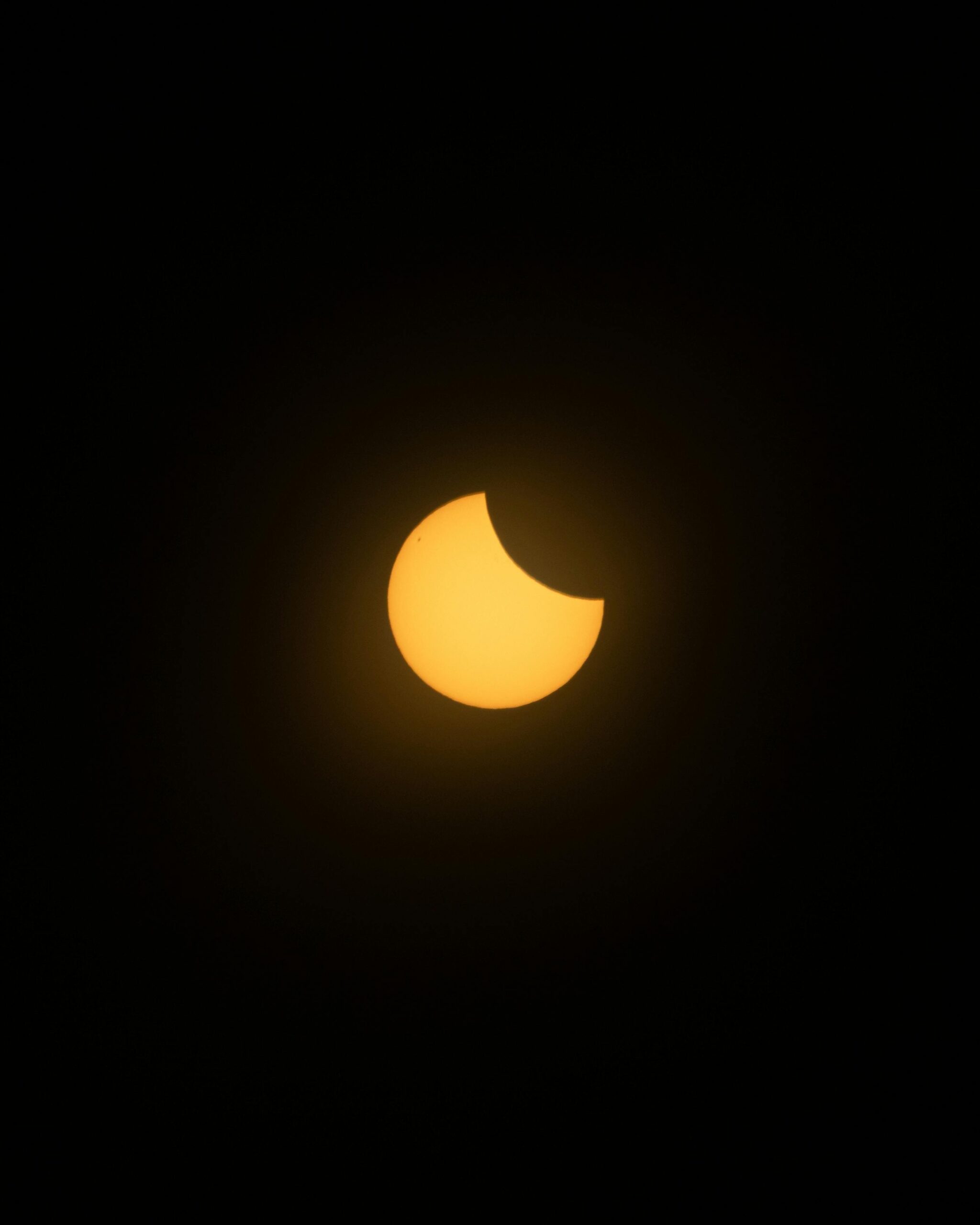
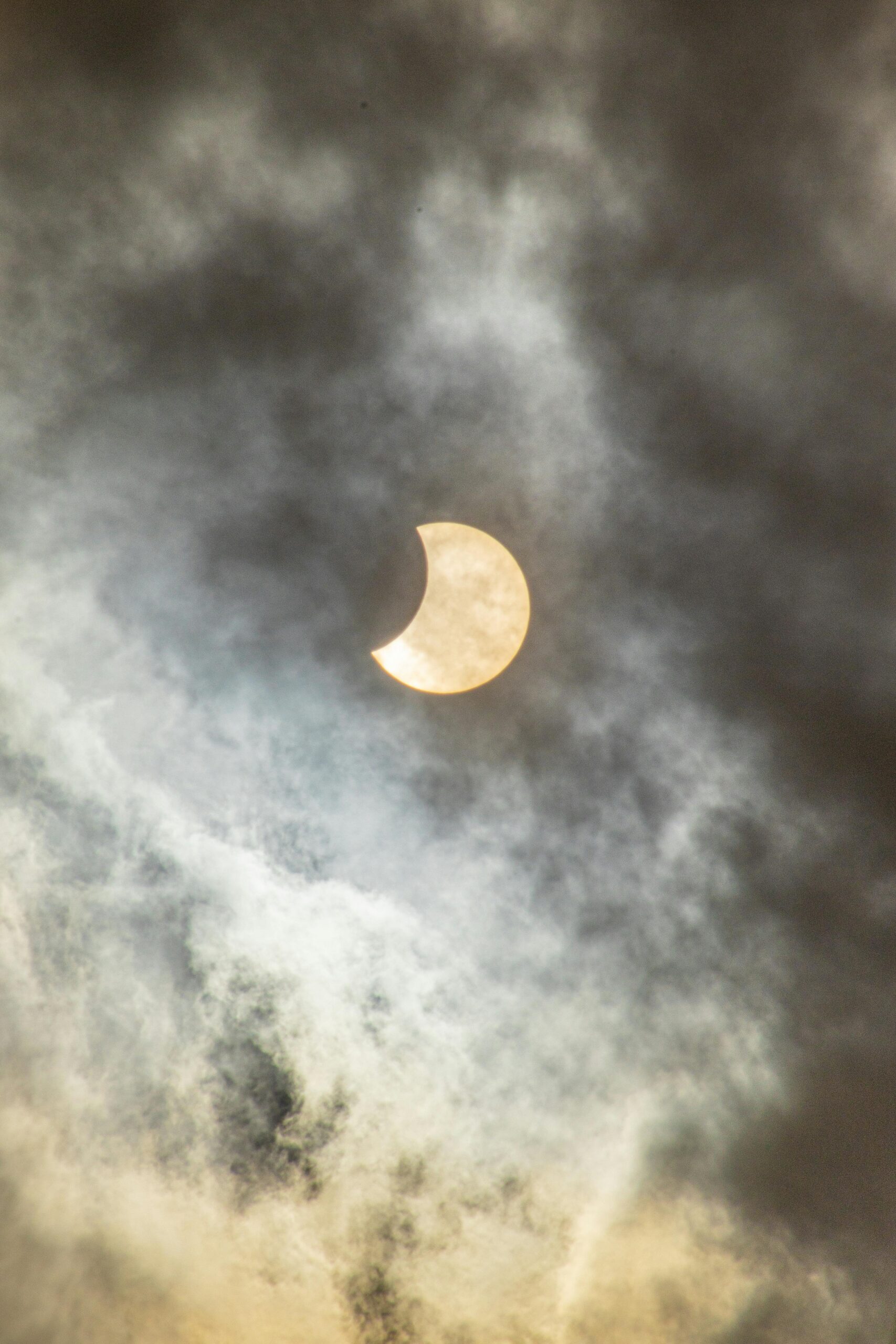
The path of totality for the 2024 solar eclipse will stretch from Mexico, through the United States, and into Canada. Cities such as Dallas, Texas; Indianapolis, Indiana; and Cleveland, Ohio, will experience the full effects of the eclipse. The duration of totality will vary, with some locations experiencing up to four minutes and 28 seconds of darkness. For those outside the path of totality, a partial eclipse will still be visible, though the experience will be less dramatic.
Travelers and eclipse chasers are already making plans to secure the best viewing spots. Hotels and campsites along the path of totality are booking up quickly, and local authorities are preparing for an influx of visitors. The event is expected to have a significant economic impact on the regions through which the eclipse will pass, as tourists spend money on accommodations, food, and other services.
Scientific Significance
The 2024 solar eclipse presents a unique opportunity for scientists to study the sun and its corona. The corona, which is the outermost part of the sun’s atmosphere, is usually difficult to observe due to the sun’s intense brightness. During a total solar eclipse, the corona becomes visible, allowing researchers to study its structure and behavior. This information is crucial for understanding solar activity and its impact on Earth.
Scientists will also use the eclipse to study the sun’s magnetic field and the dynamics of solar flares. These phenomena can have significant effects on Earth, including disruptions to satellite communications and power grids. By studying the sun during the eclipse, researchers hope to gain insights that will help mitigate these risks and improve our understanding of space weather.
Preparing for the Eclipse
For those planning to view the eclipse, safety is paramount. Looking directly at the sun, even during an eclipse, can cause permanent eye damage. Special eclipse glasses that meet the ISO 12312-2 international safety standard should be used to view the eclipse directly. Regular sunglasses are not sufficient for this purpose.
In addition to protective eyewear, many communities are organizing public viewing events staffed by astronomers and equipped with telescopes. These events provide a safe and educational environment for viewers to experience the eclipse. For those unable to attend in person, live streams and broadcasts will be available, offering a virtual front-row seat to the celestial show.
The Broader Impact
The 2024 solar eclipse is more than just a scientific event; it is a cultural phenomenon that brings people together. The shared experience of witnessing a total solar eclipse can be awe-inspiring and humbling, reminding us of our place in the universe. For many, it is a moment of reflection and connection, fostering a sense of community and wonder.
Beyond the immediate excitement, the eclipse also has the potential to inspire future generations of scientists and astronomers. By engaging with the public and sharing the thrill of discovery, researchers hope to ignite a passion for science that will endure long after the eclipse has passed. This event serves as a reminder of the beauty and mystery of the cosmos, encouraging us to look up and marvel at the wonders of the universe.
As we approach the 2024 solar eclipse, the anticipation continues to grow. Whether you are a seasoned astronomer or a curious observer, this celestial event promises to be a memorable experience. For those seeking to unwind and reflect on the beauty of the cosmos, exploring the art therapy benefits guide can provide a calming and creative outlet, enhancing the overall experience of this natural wonder.