The Anticipation Builds
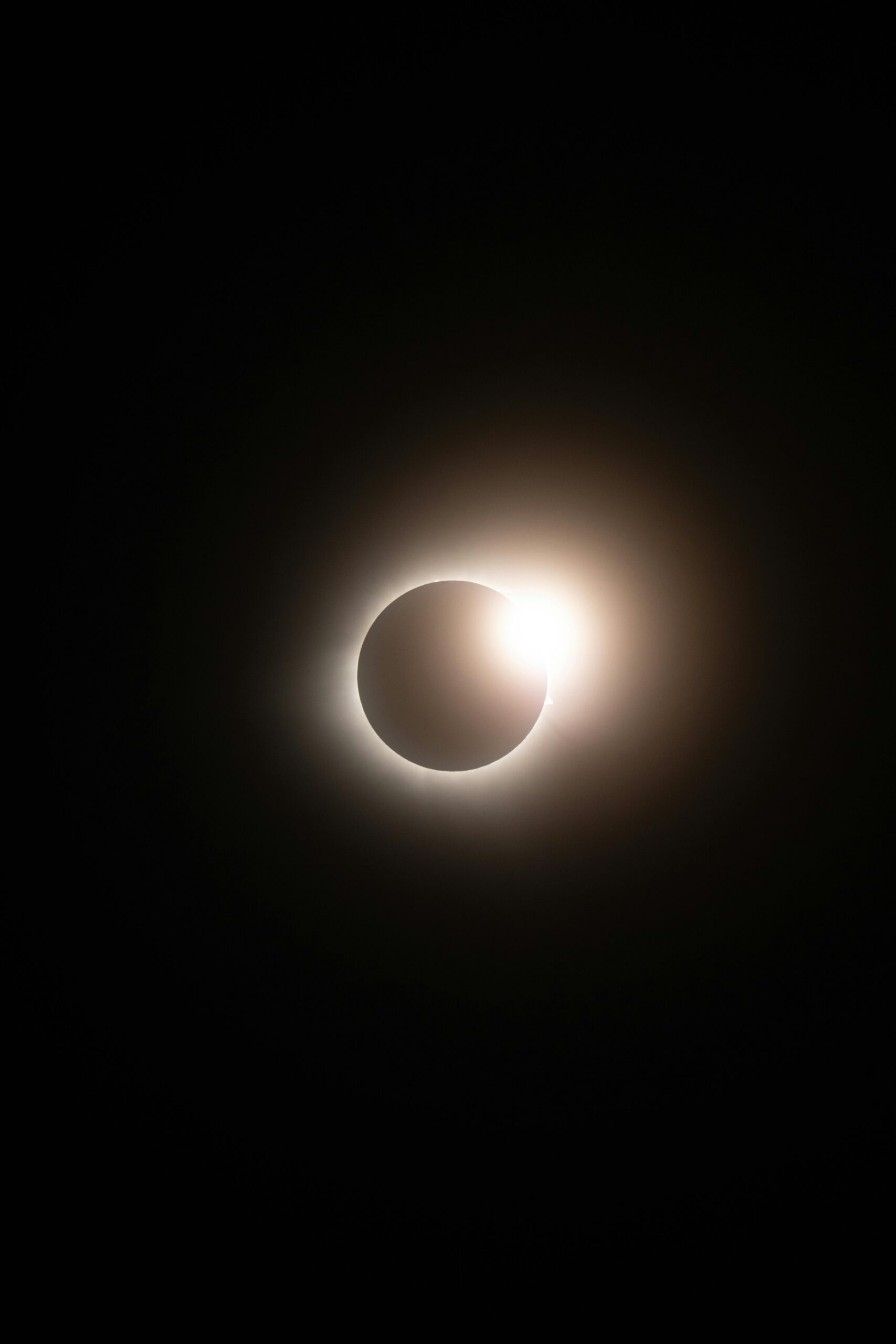
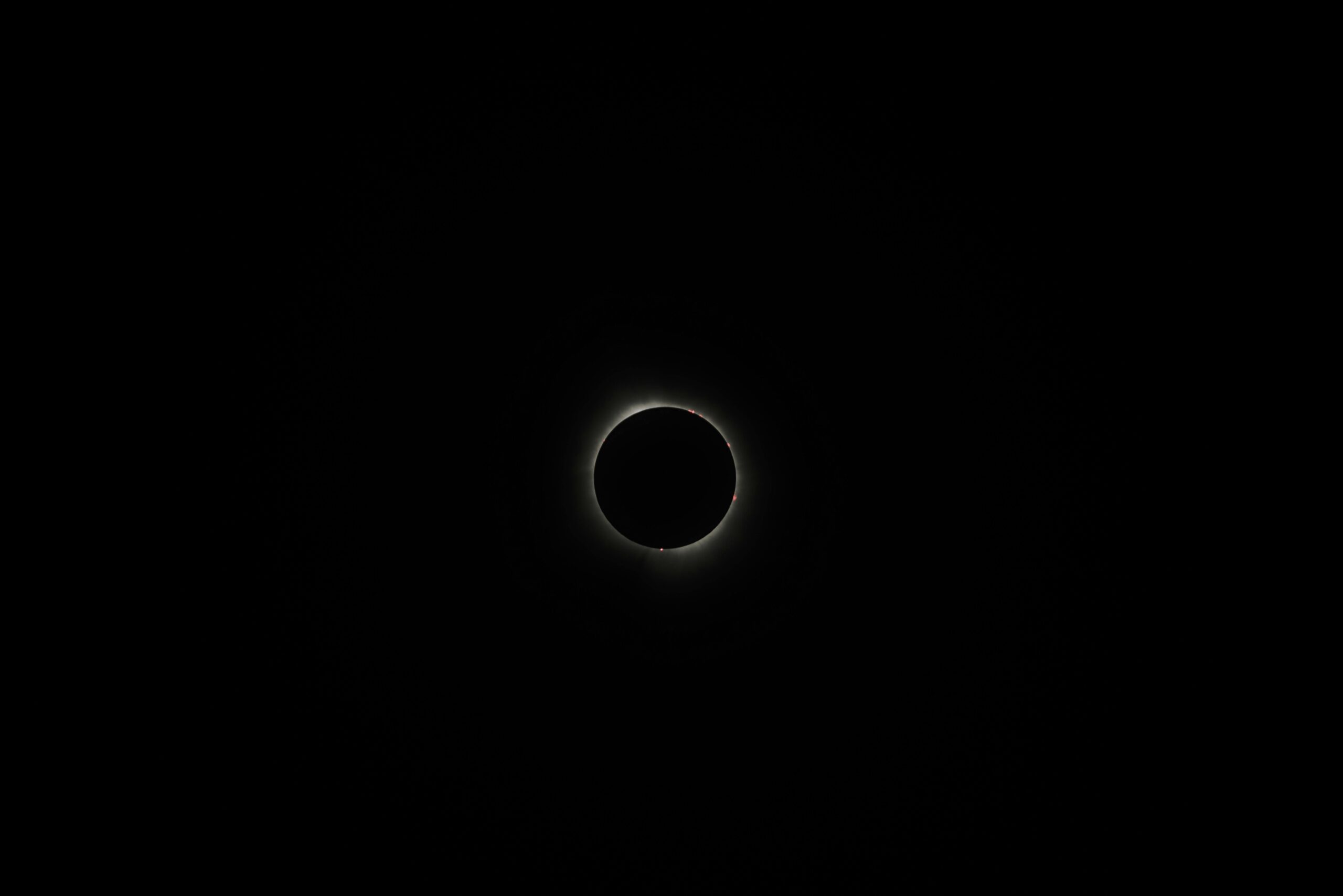
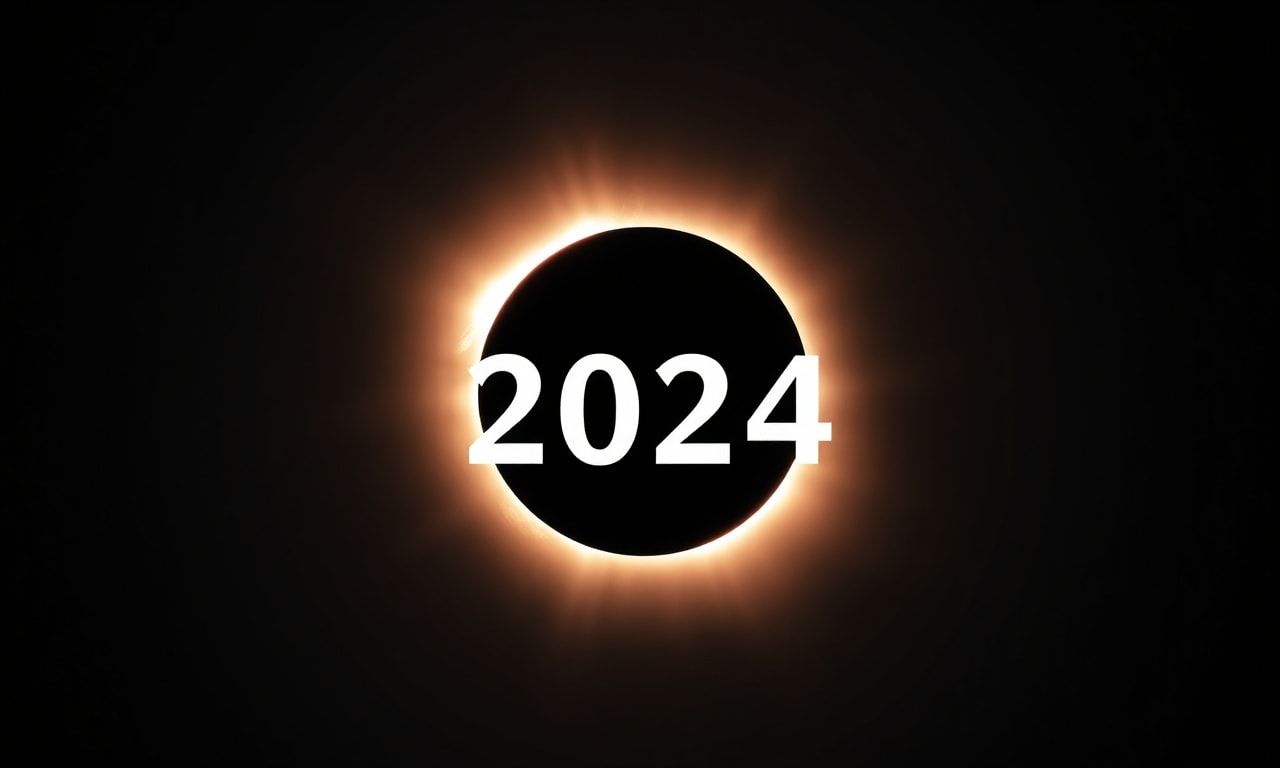
The astronomical community and enthusiasts worldwide are abuzz with excitement as the countdown to the solar eclipse of 2024 begins. This celestial event, predicted to be one of the most spectacular in recent history, is set to captivate millions. The eclipse will traverse North America, offering a rare opportunity for viewers to witness the moon’s shadow traverse the continent. As the date approaches, preparations are in full swing, with scientists, photographers, and casual observers alike gearing up for the big day.
Solar eclipses occur when the moon passes between the Earth and the sun, casting a shadow on the Earth’s surface. The 2024 eclipse is particularly noteworthy due to its path of totality, which will stretch from Mexico to the eastern seaboard of the United States. Cities like Dallas, Indianapolis, and Cleveland will experience total darkness for a brief period, providing a unique spectacle for residents and visitors.
Scientific Significance
The solar eclipse of 2024 presents a valuable opportunity for scientific research. Astronomers and researchers plan to use this event to study the sun’s corona, the outermost part of the sun’s atmosphere, which is usually obscured by the sun’s bright light. By observing the corona during the eclipse, scientists hope to gain insights into solar winds, magnetic fields, and other phenomena that affect space weather and, consequently, Earth’s climate and technology.
In addition to studying the sun, the eclipse provides a chance to observe the moon’s surface in greater detail. The precise alignment of the sun, moon, and Earth during an eclipse allows for high-resolution imaging of the moon’s topography. This data can contribute to our understanding of the moon’s formation and evolution, as well as its role in the solar system.
Preparation and Safety
As the eclipse approaches, it is crucial for observers to prepare adequately. Safety should be the top priority, as looking directly at the sun, even during an eclipse, can cause permanent eye damage. Special eclipse glasses that meet international safety standards should be used to view the event. These glasses filter out harmful ultraviolet and infrared radiation, allowing safe observation of the sun’s surface.
For those planning to travel to areas within the path of totality, accommodations should be booked well in advance. Popular viewing locations are expected to attract large crowds, and local authorities are preparing for an influx of visitors. Traffic management plans, emergency services, and public transportation options are being coordinated to ensure a smooth and safe experience for all.
Cultural and Historical Context
Solar eclipses have fascinated humanity for centuries, often inspiring myths, legends, and cultural practices. Throughout history, eclipses have been interpreted as omens, signs of divine intervention, or harbingers of change. In ancient times, astronomers and priests would predict eclipses, and their accuracy was a testament to their knowledge and influence.
In modern times, solar eclipses continue to captivate the public imagination. They serve as a reminder of our place in the universe and the interconnectedness of celestial bodies. The 2024 eclipse, in particular, is expected to draw significant media attention, with live broadcasts, movie trailer analysis preview, and social media coverage bringing the event to a global audience. This widespread exposure can inspire a new generation of scientists, astronomers, and space enthusiasts.
Educational Opportunities
The solar eclipse of 2024 offers a unique educational opportunity for schools and educational institutions. Teachers can use the event to teach students about astronomy, physics, and the solar system. Interactive activities, such as building pinhole cameras or tracking the eclipse’s path, can make the event more engaging and memorable for young learners.
Many organizations and institutions are planning special events and programs to coincide with the eclipse. Museums, planetariums, and observatories will host public viewings, lectures, and workshops. These events provide an excellent opportunity for the public to learn from experts and engage with the scientific community. By participating in these activities, individuals can deepen their understanding and appreciation of the natural world.
Conclusion
The solar eclipse of 2024 promises to be a celestial event of a lifetime. As the date approaches, the anticipation and excitement continue to grow. Whether you are a seasoned astronomer or a casual observer, this eclipse offers a unique opportunity to witness the wonders of the universe. By preparing adequately and prioritizing safety, you can fully enjoy this spectacular event and contribute to our collective understanding of the cosmos.