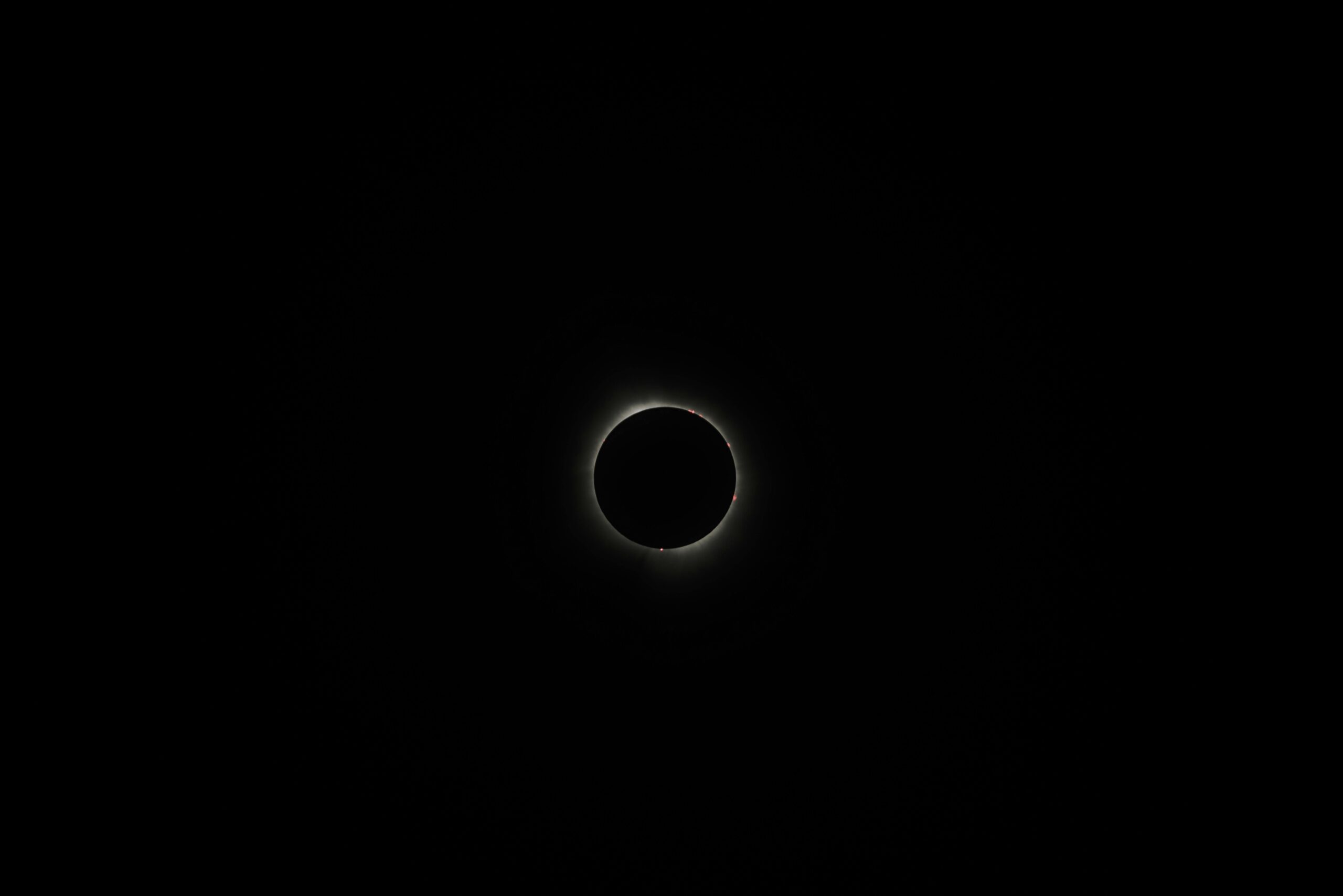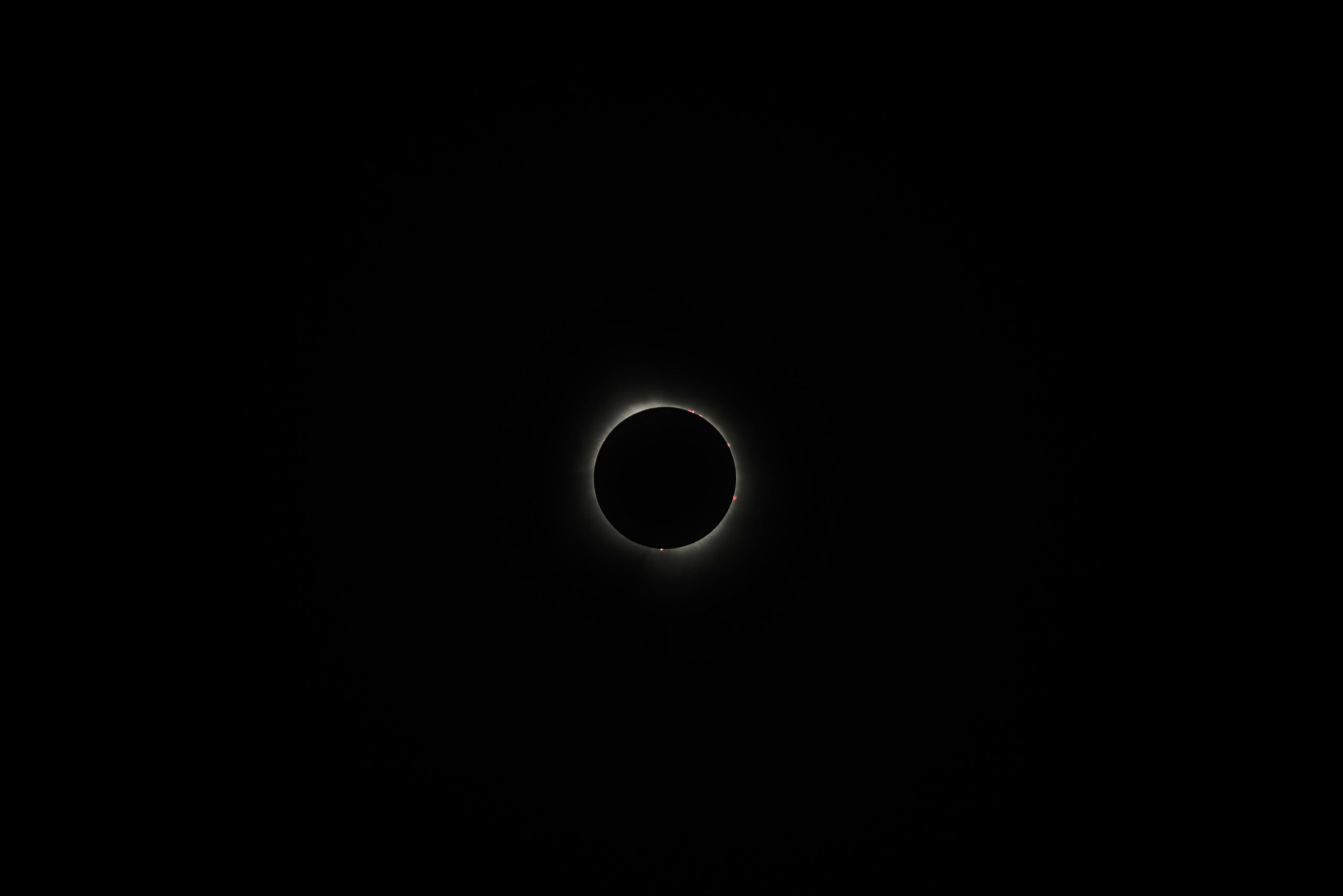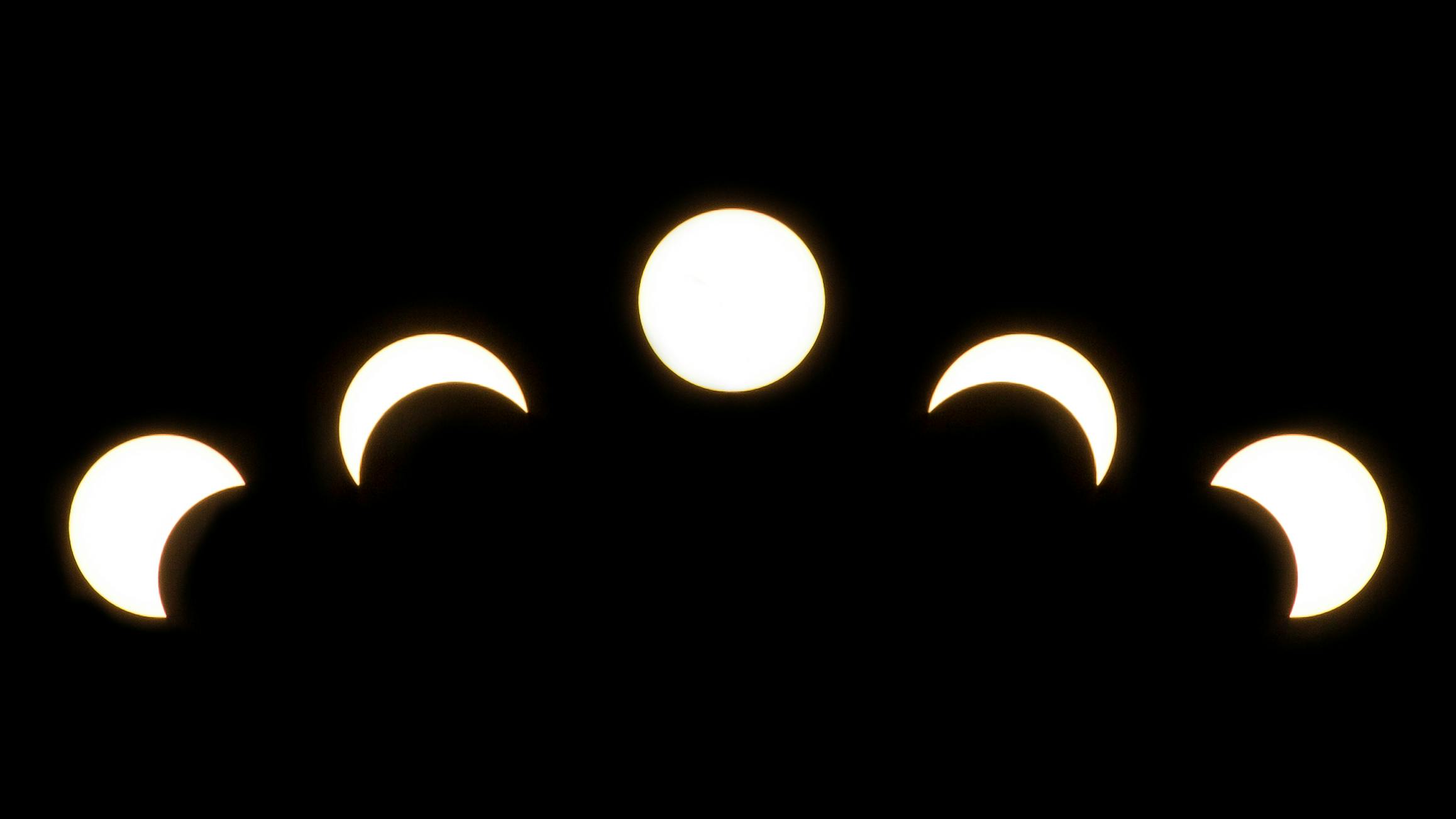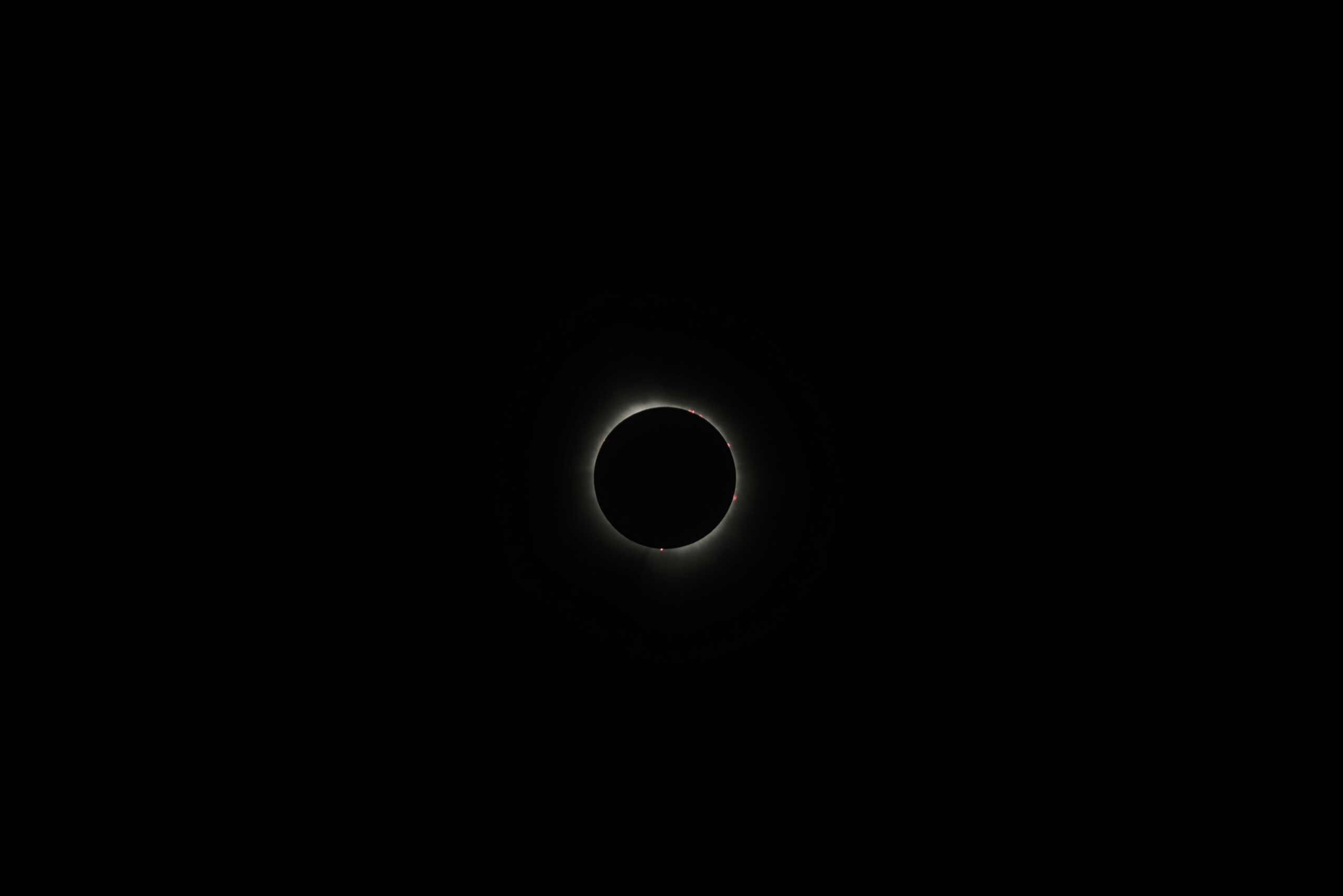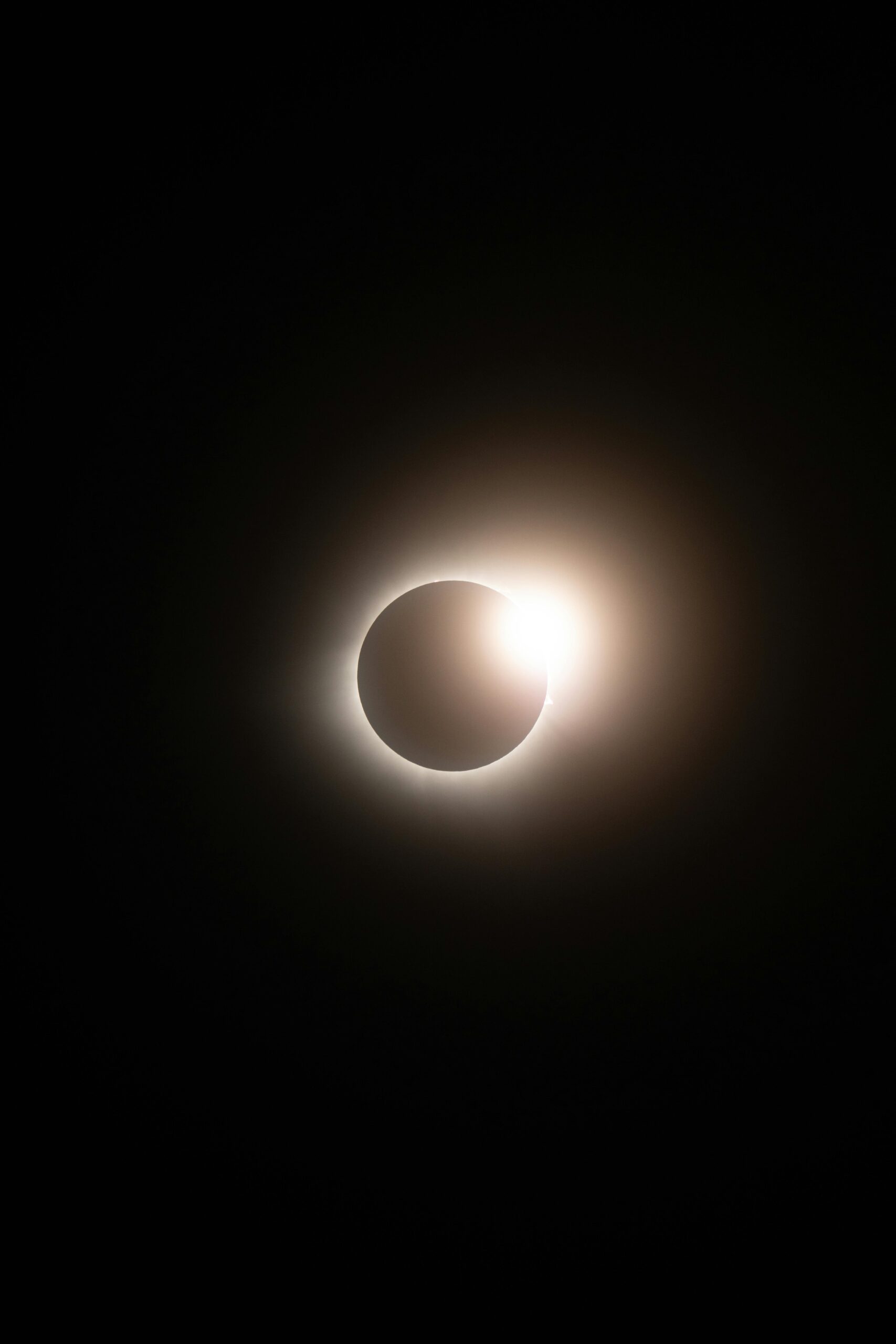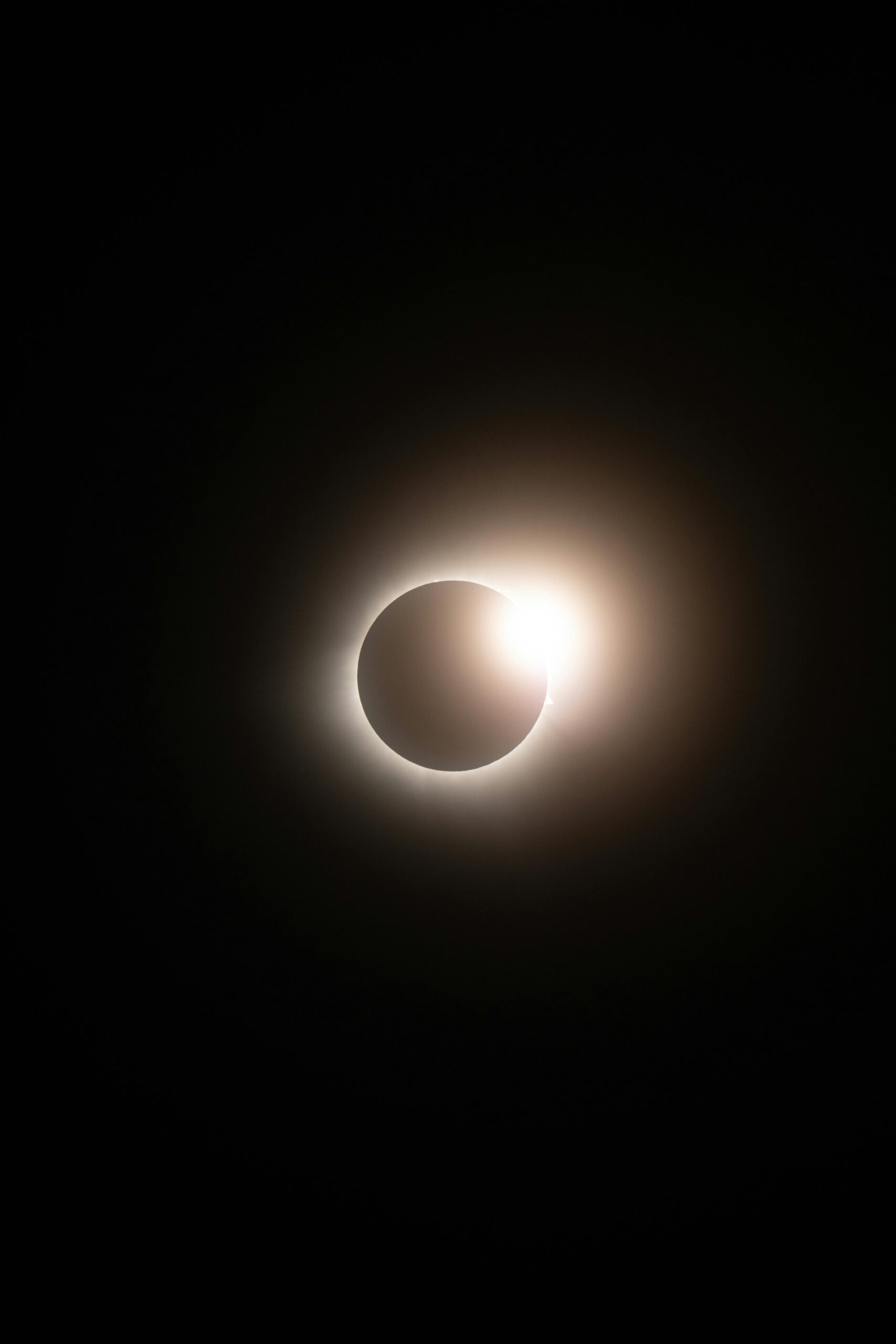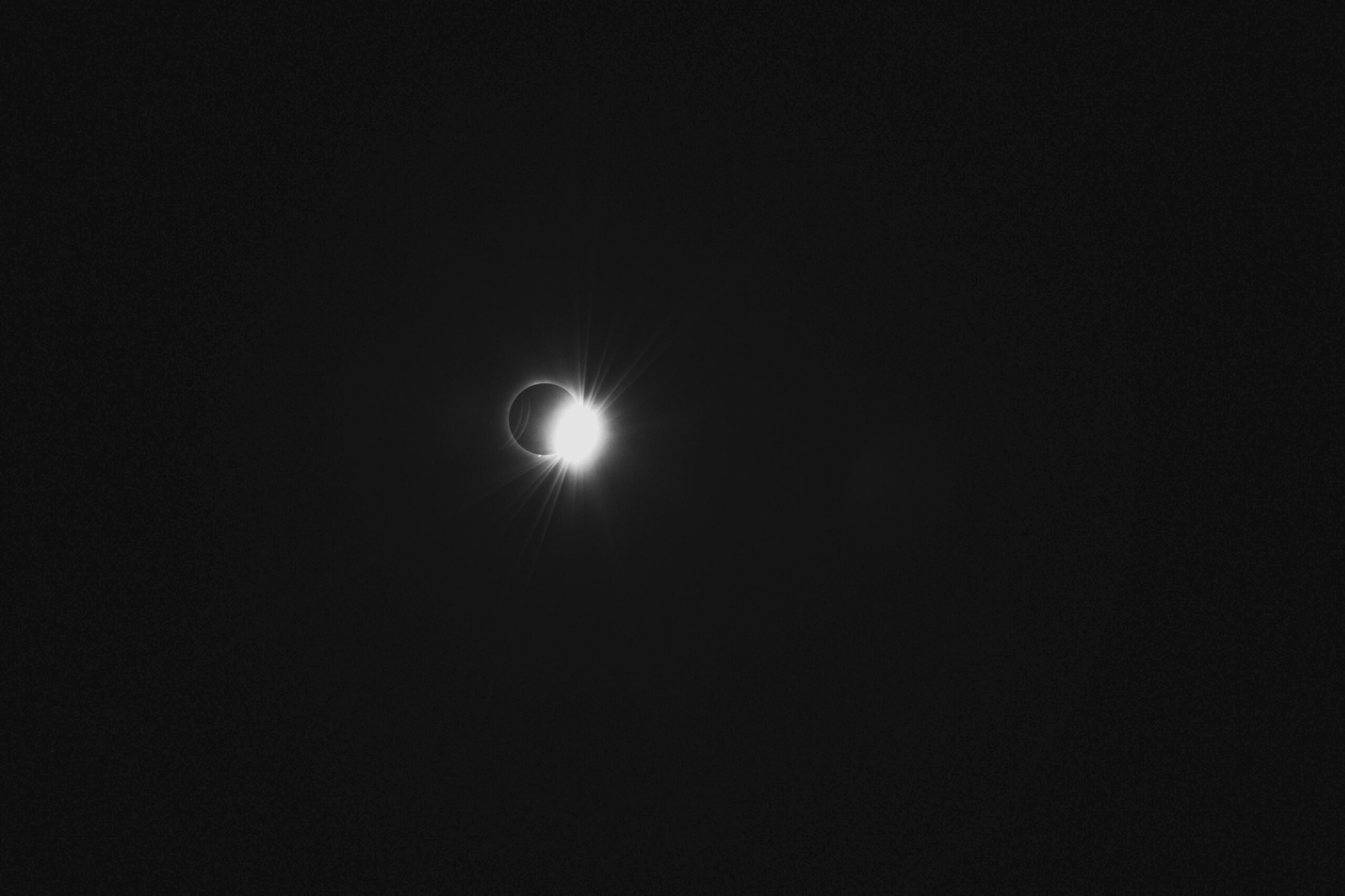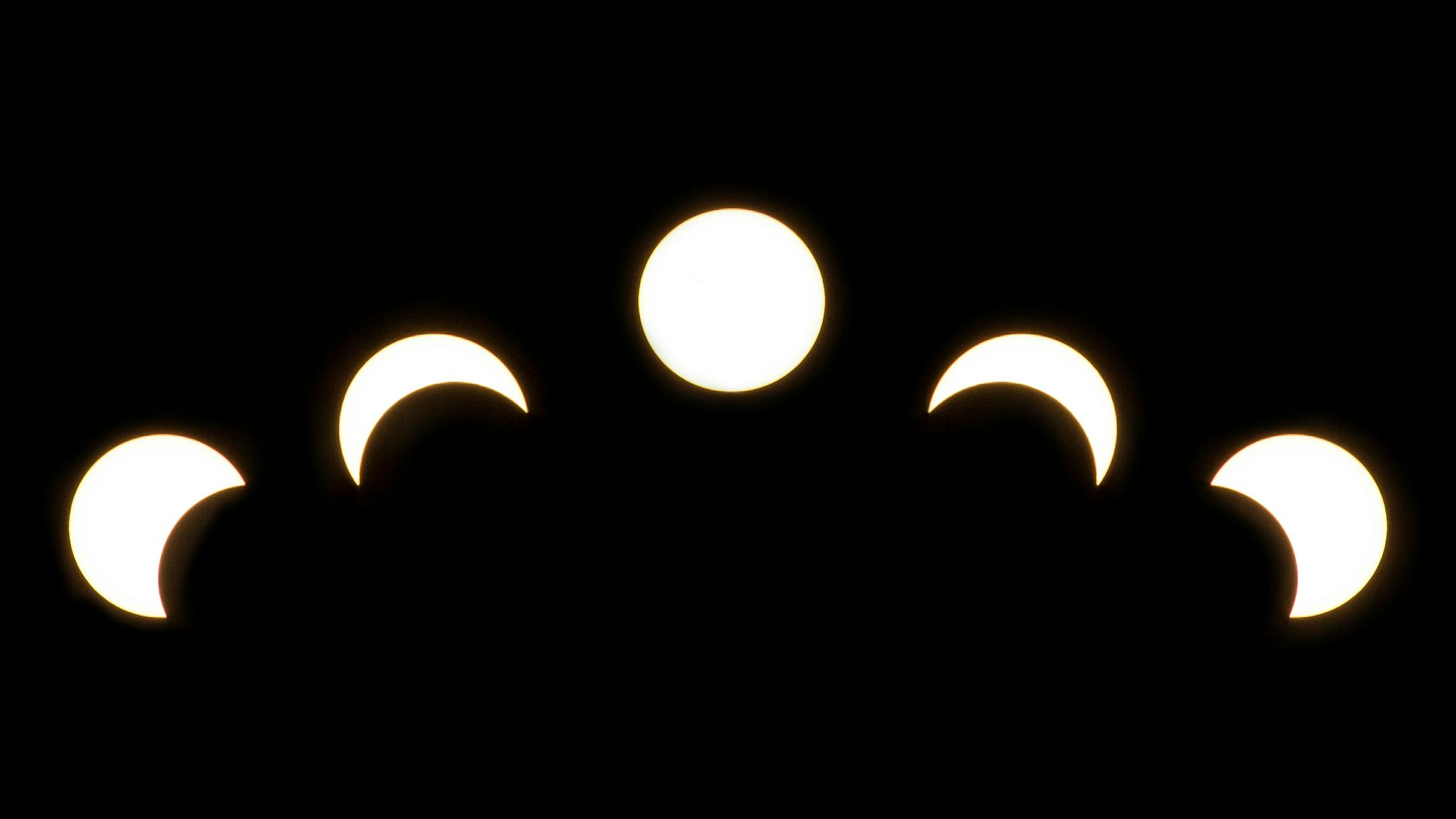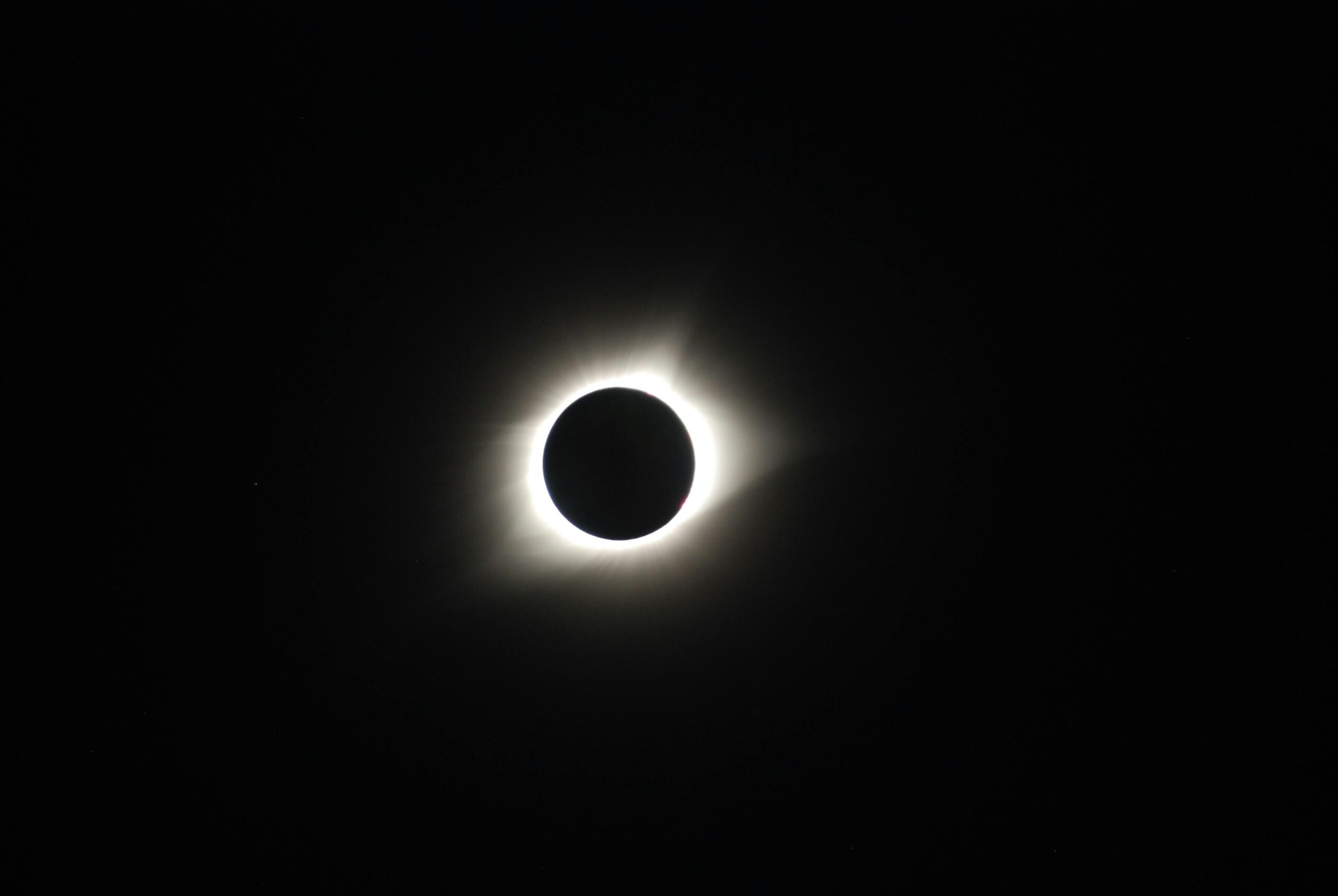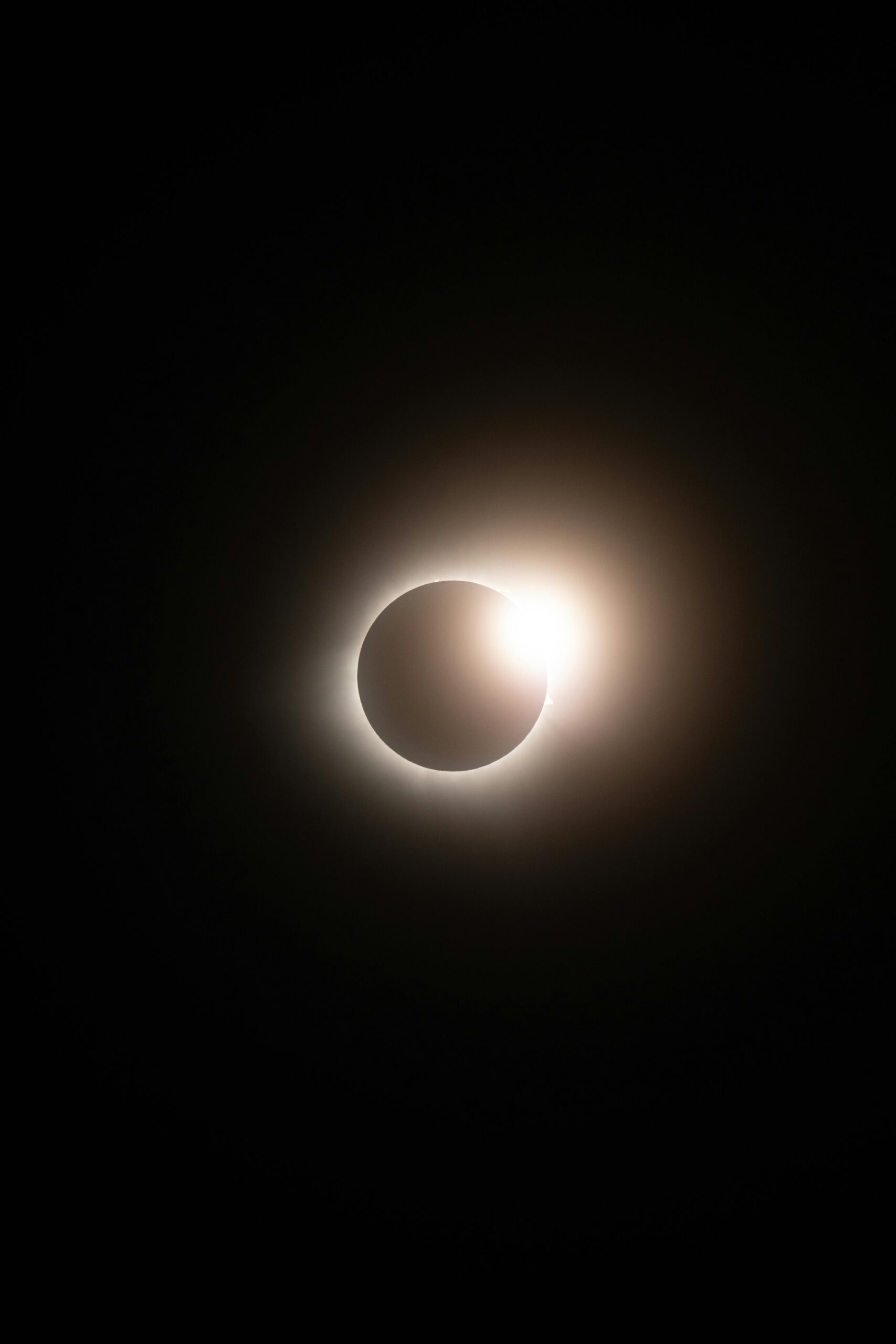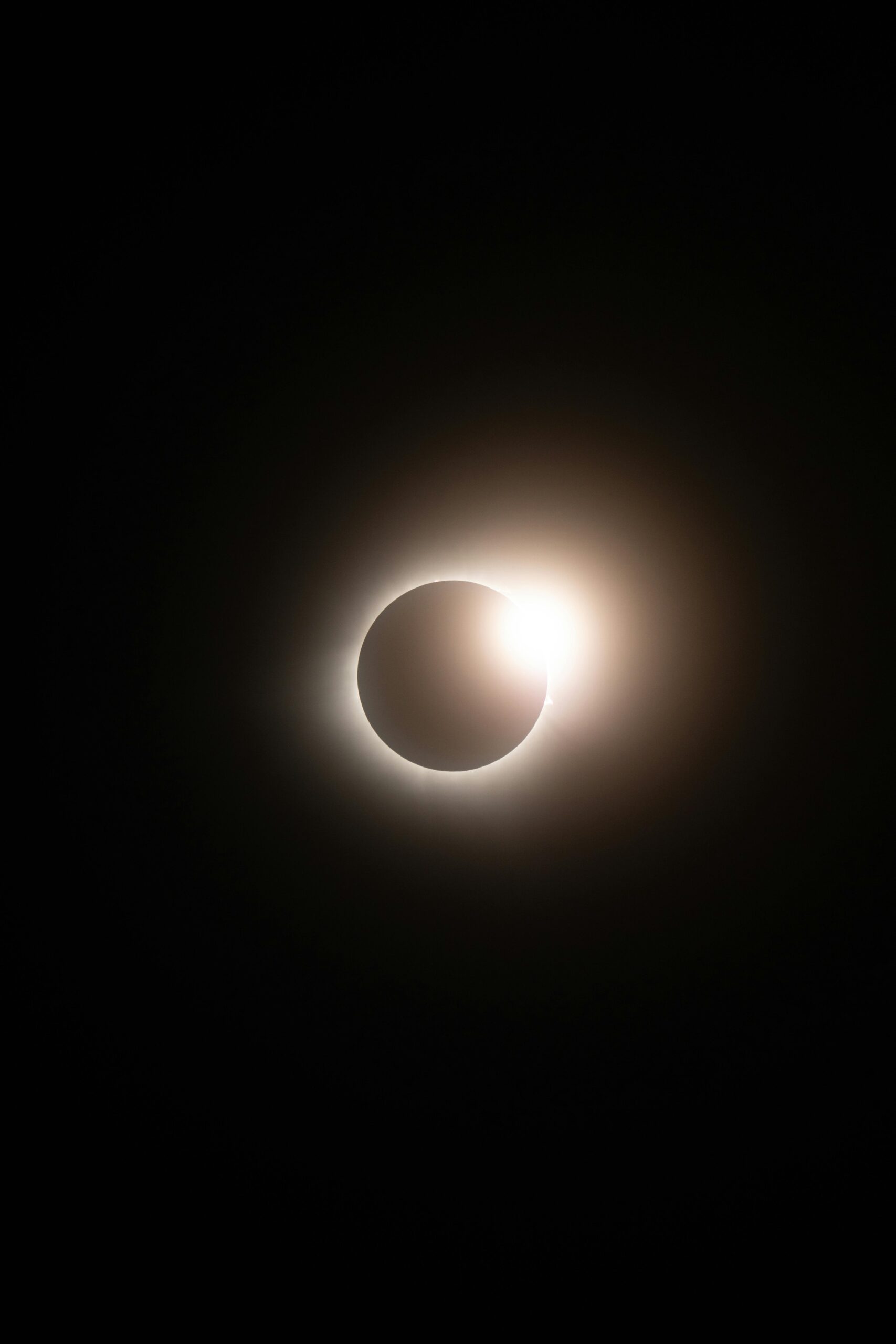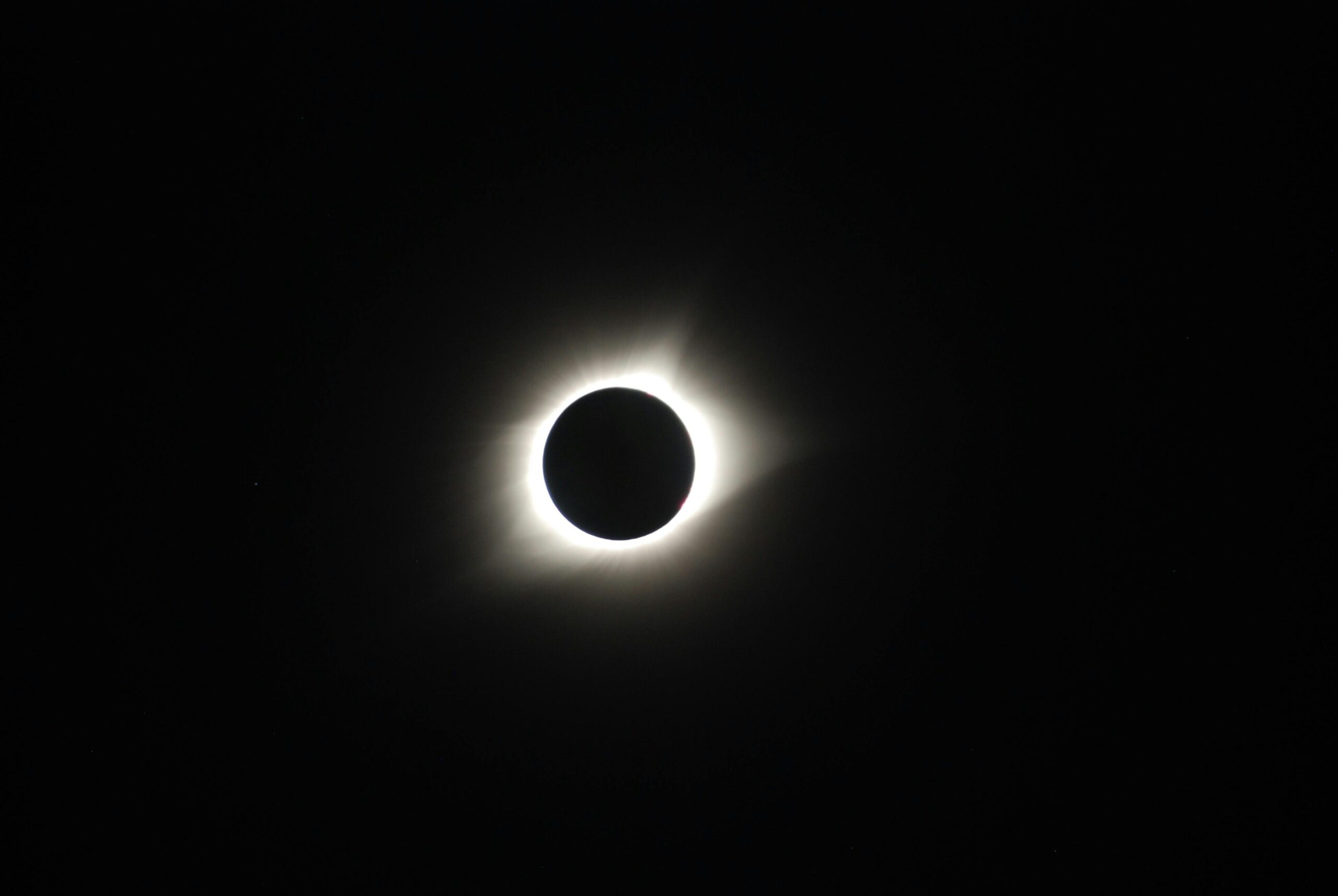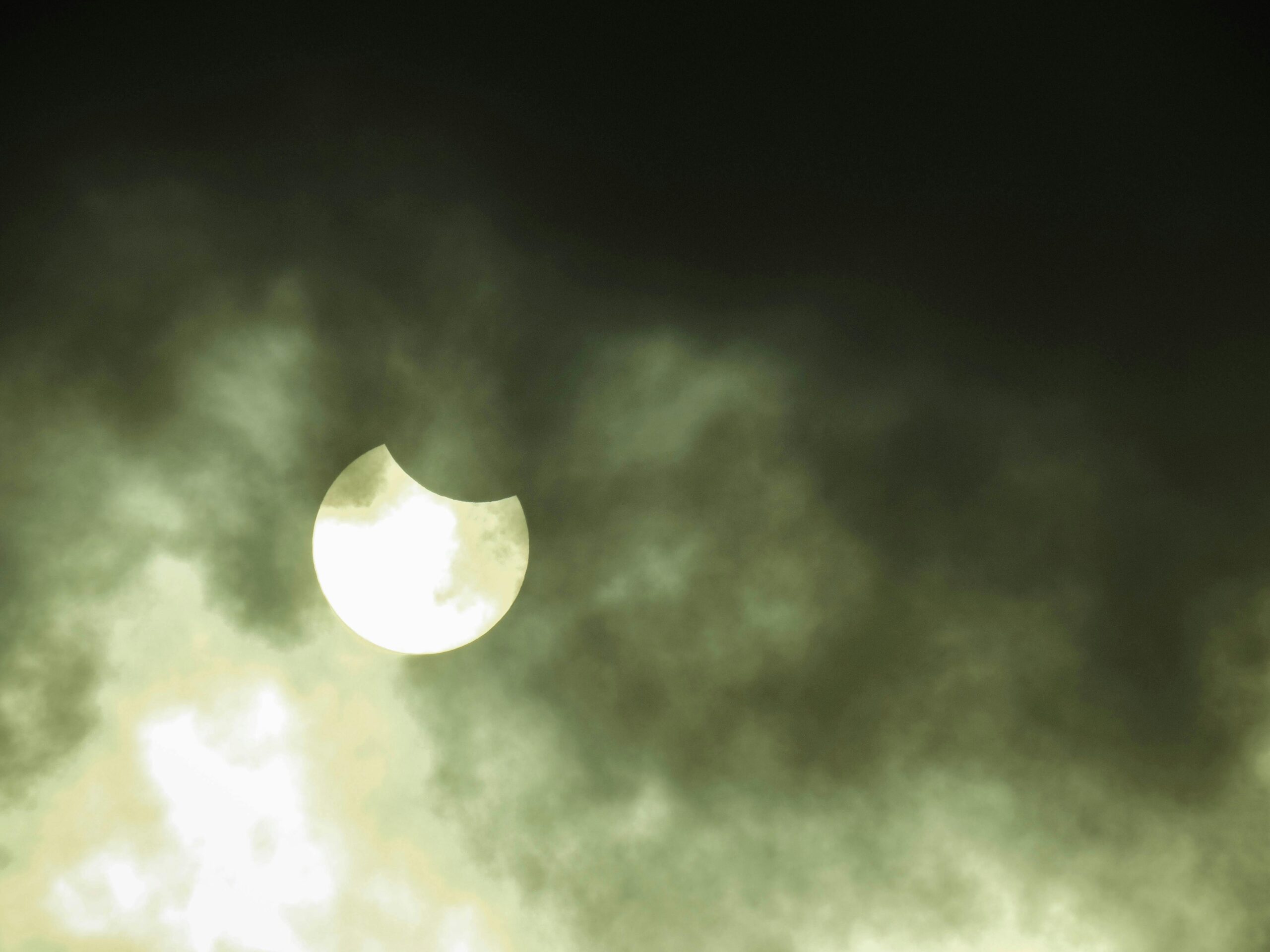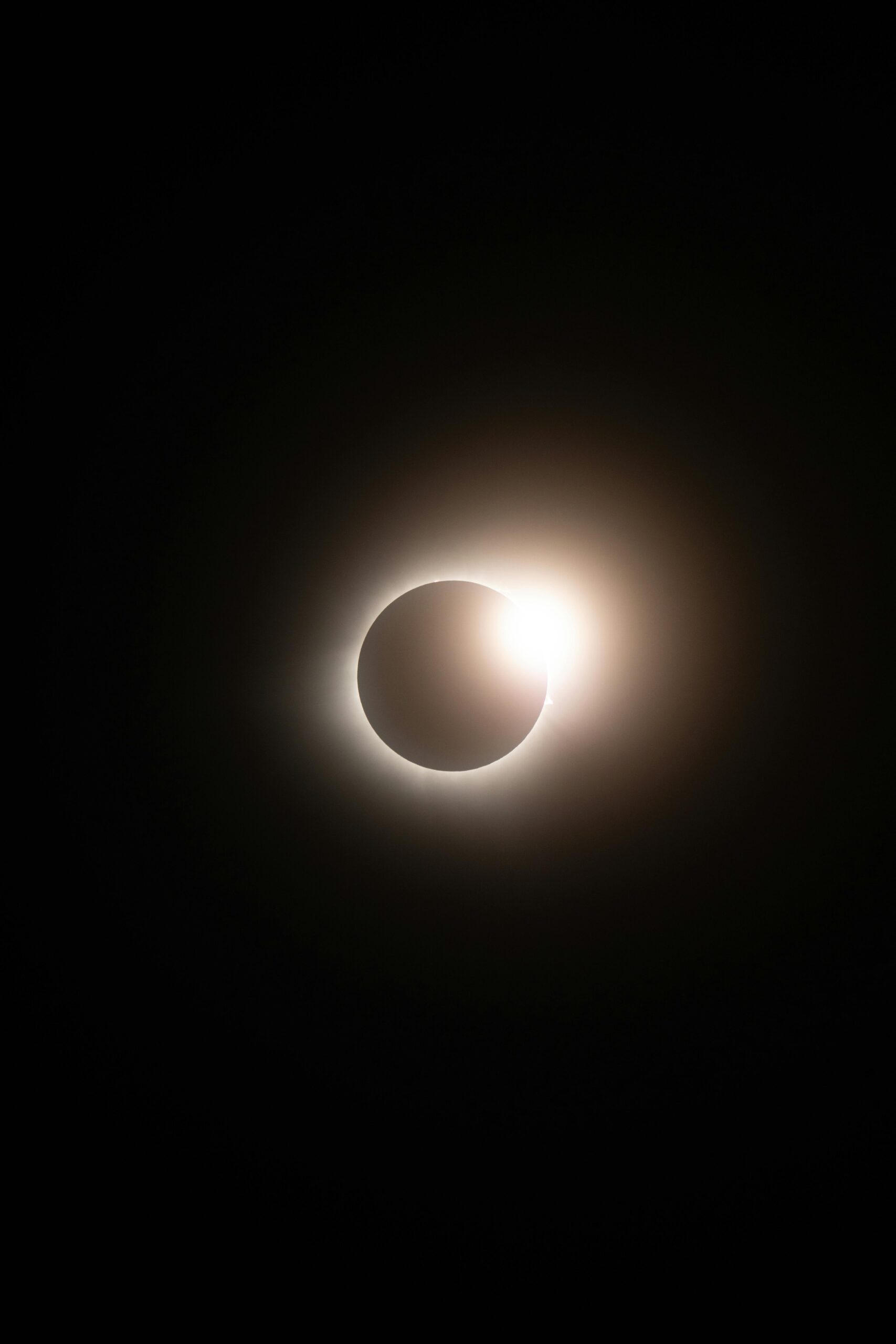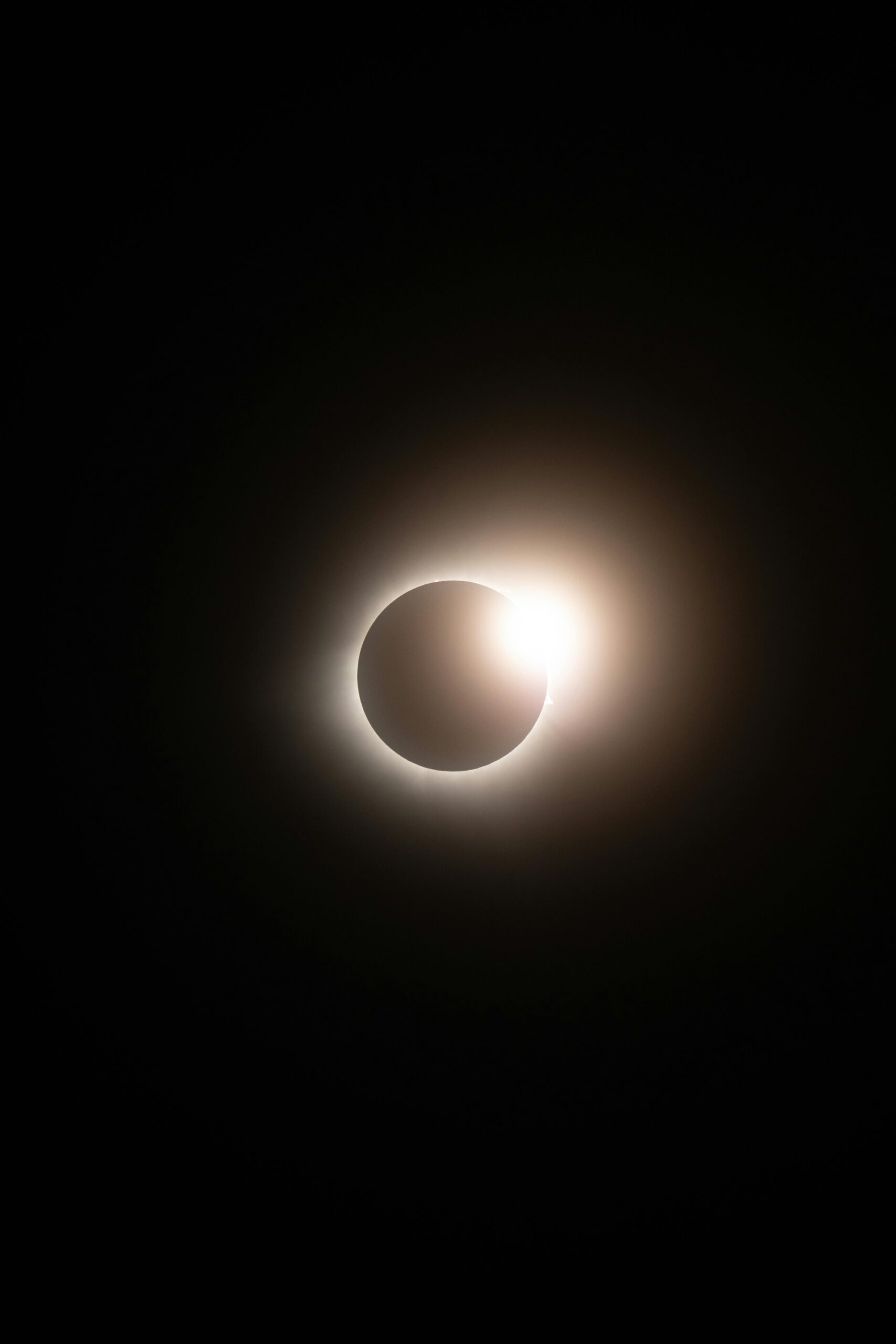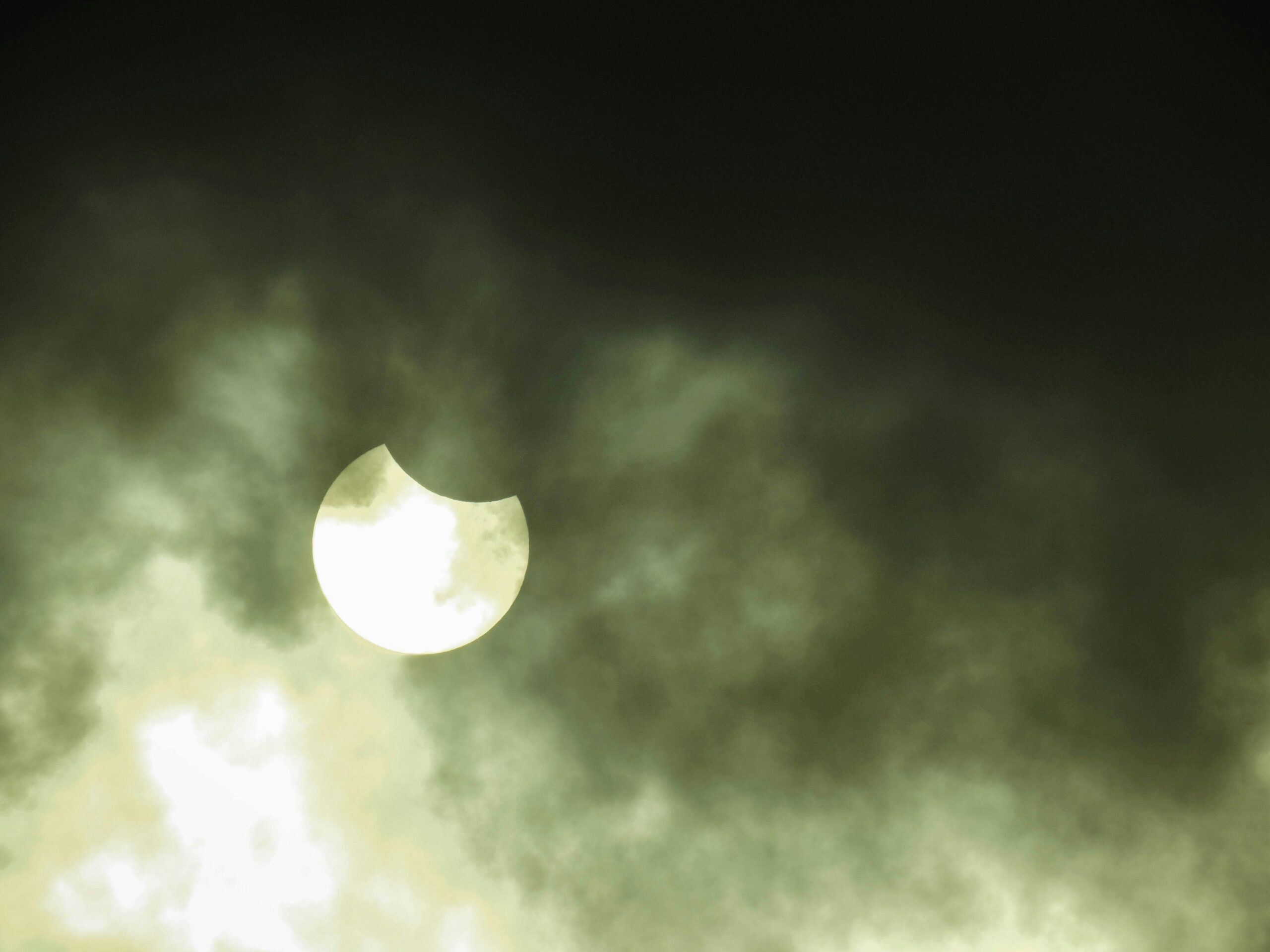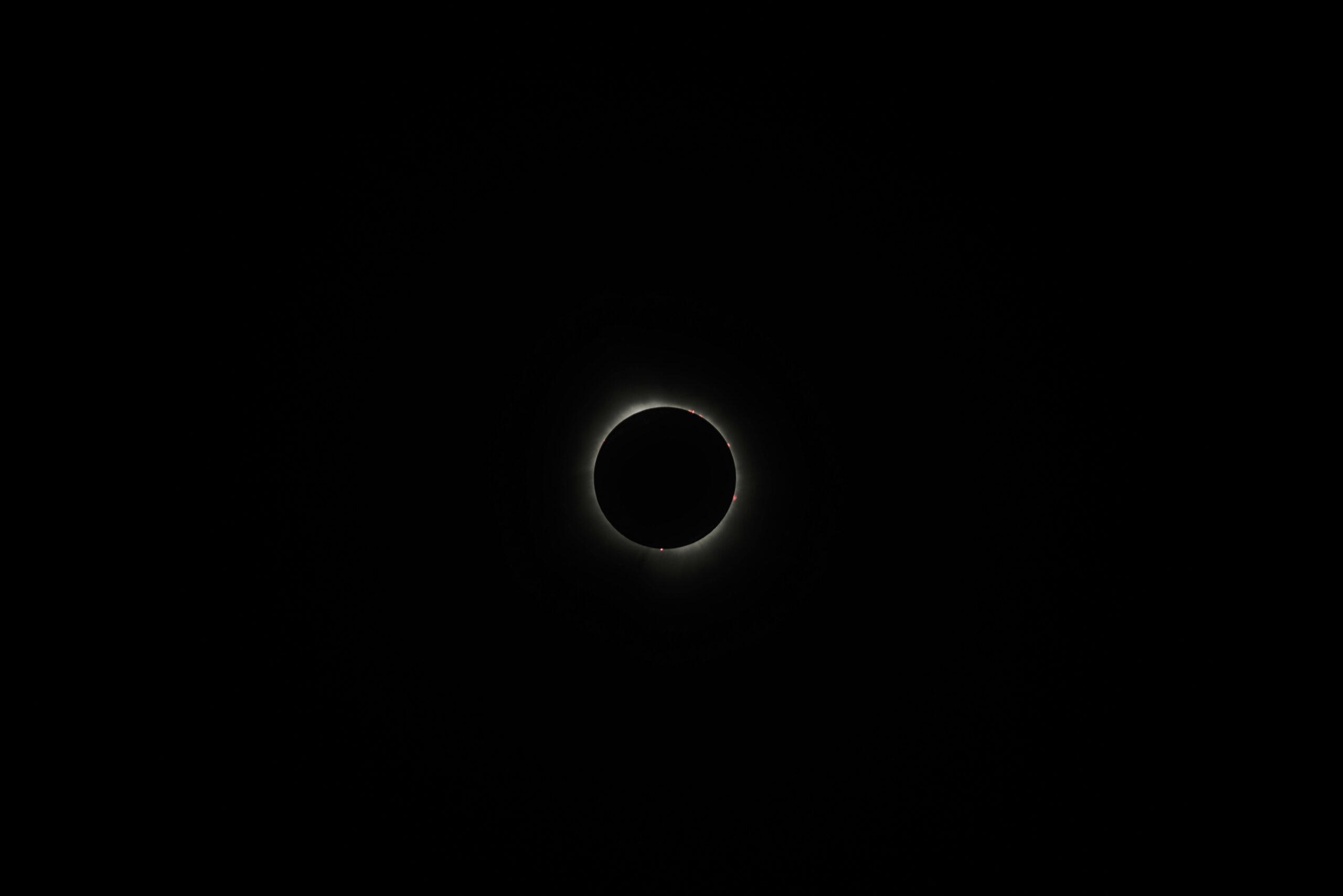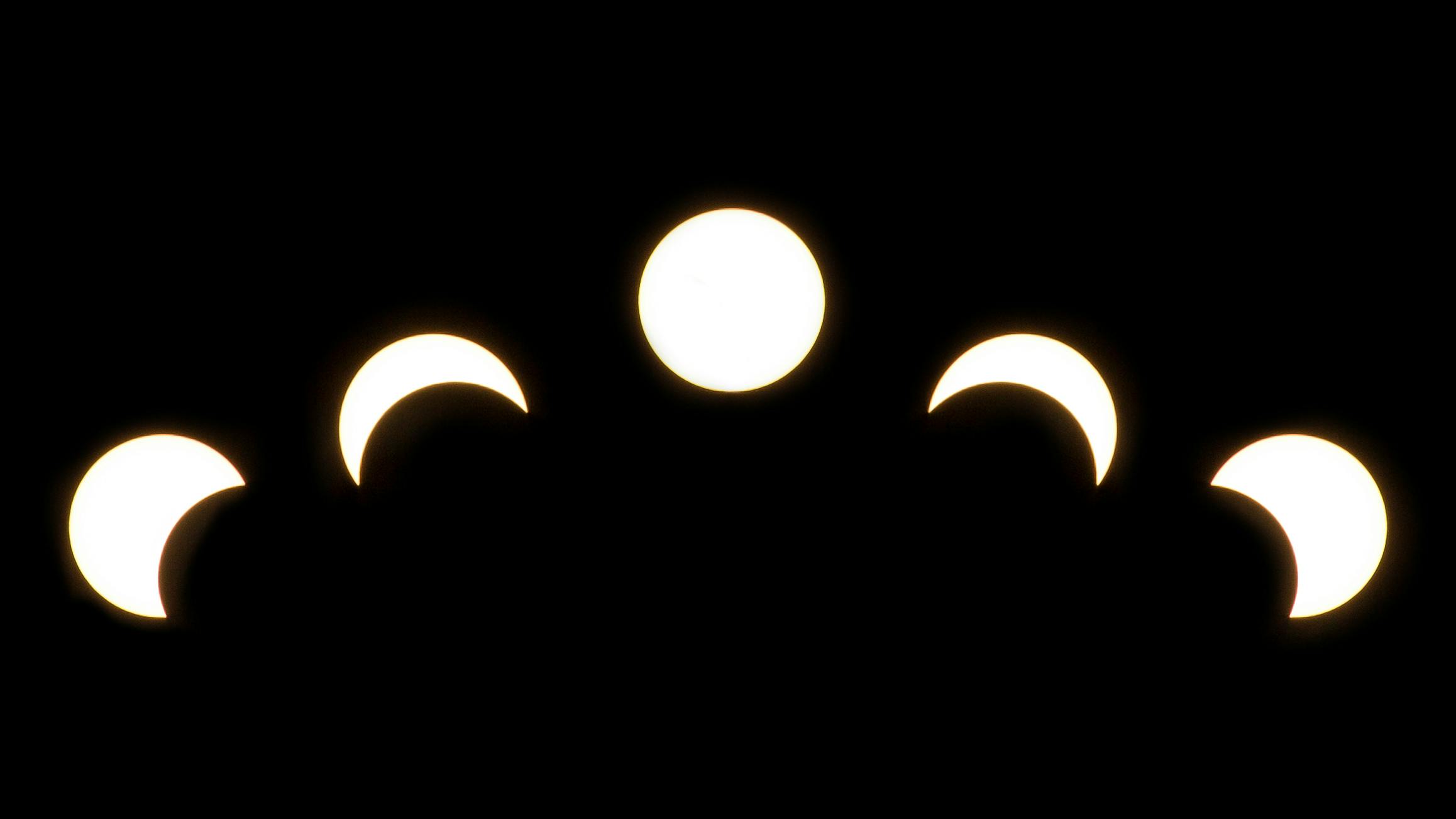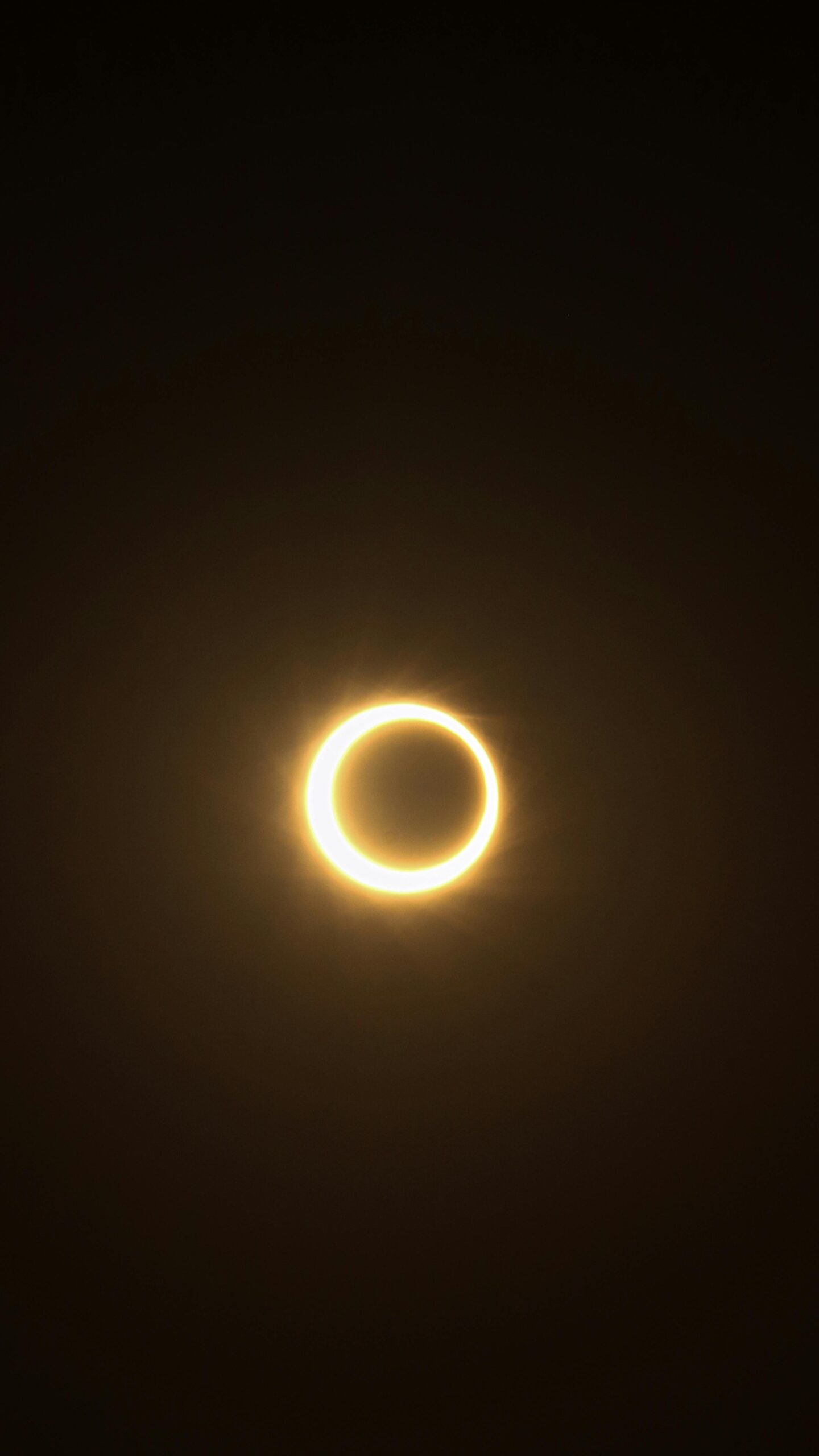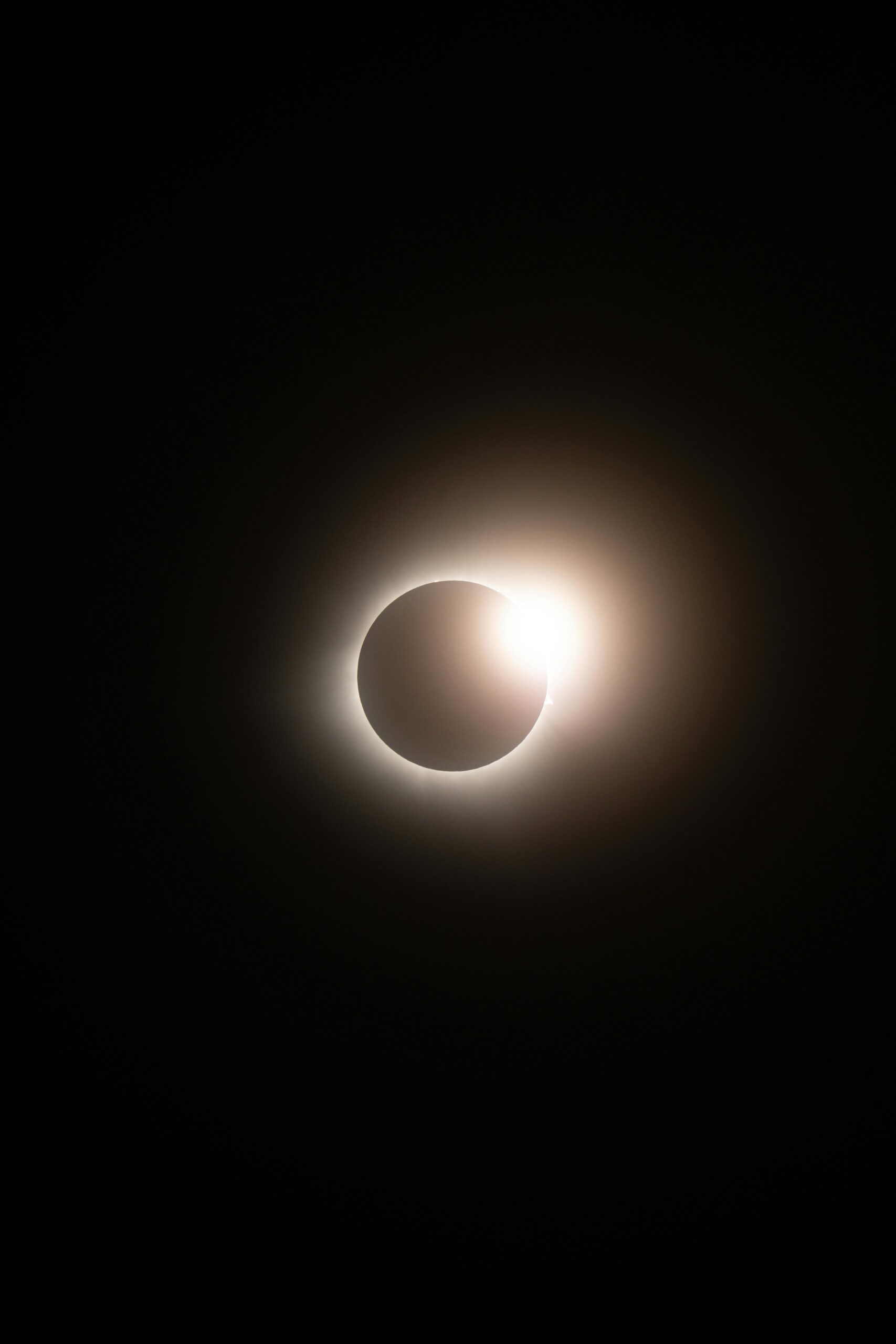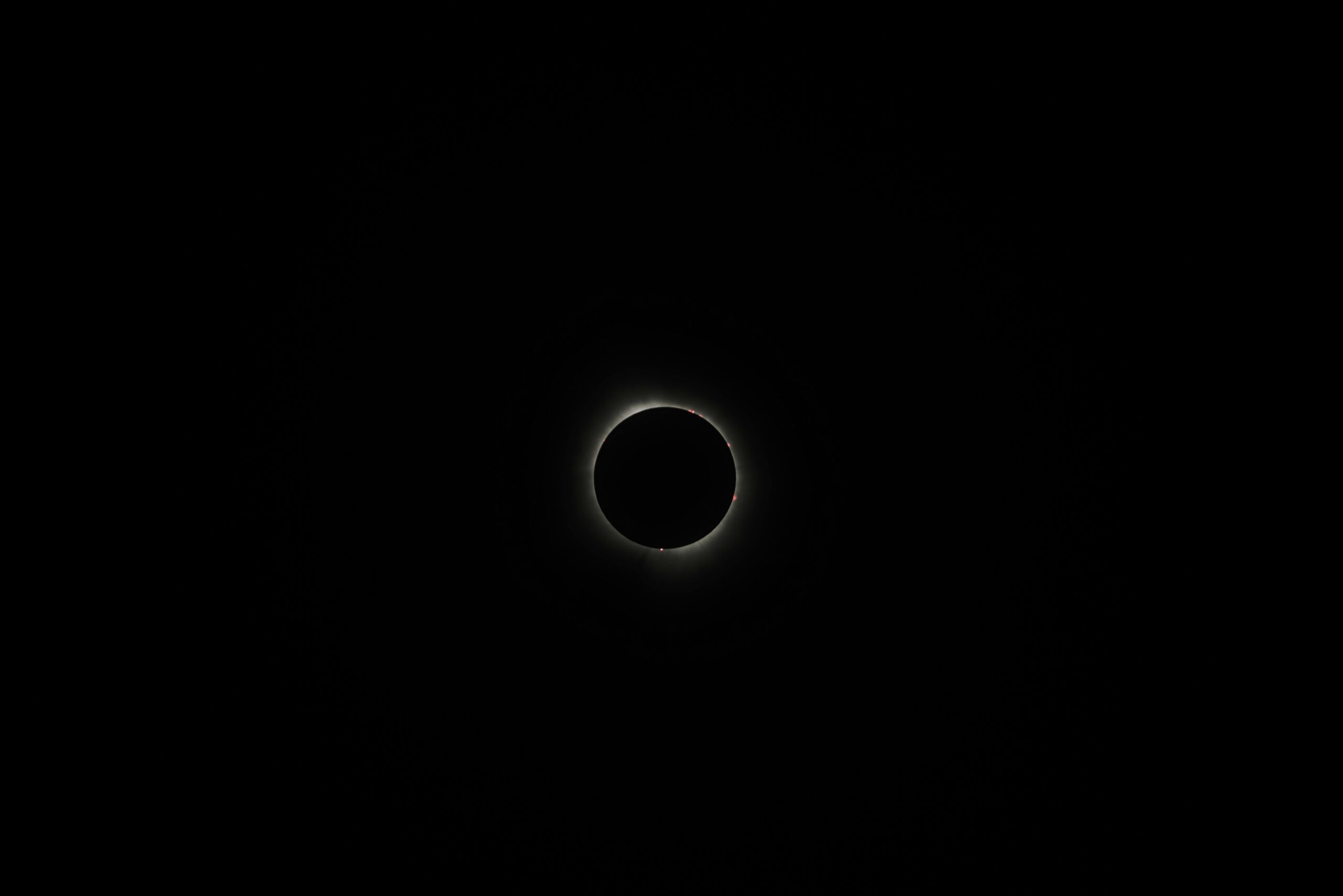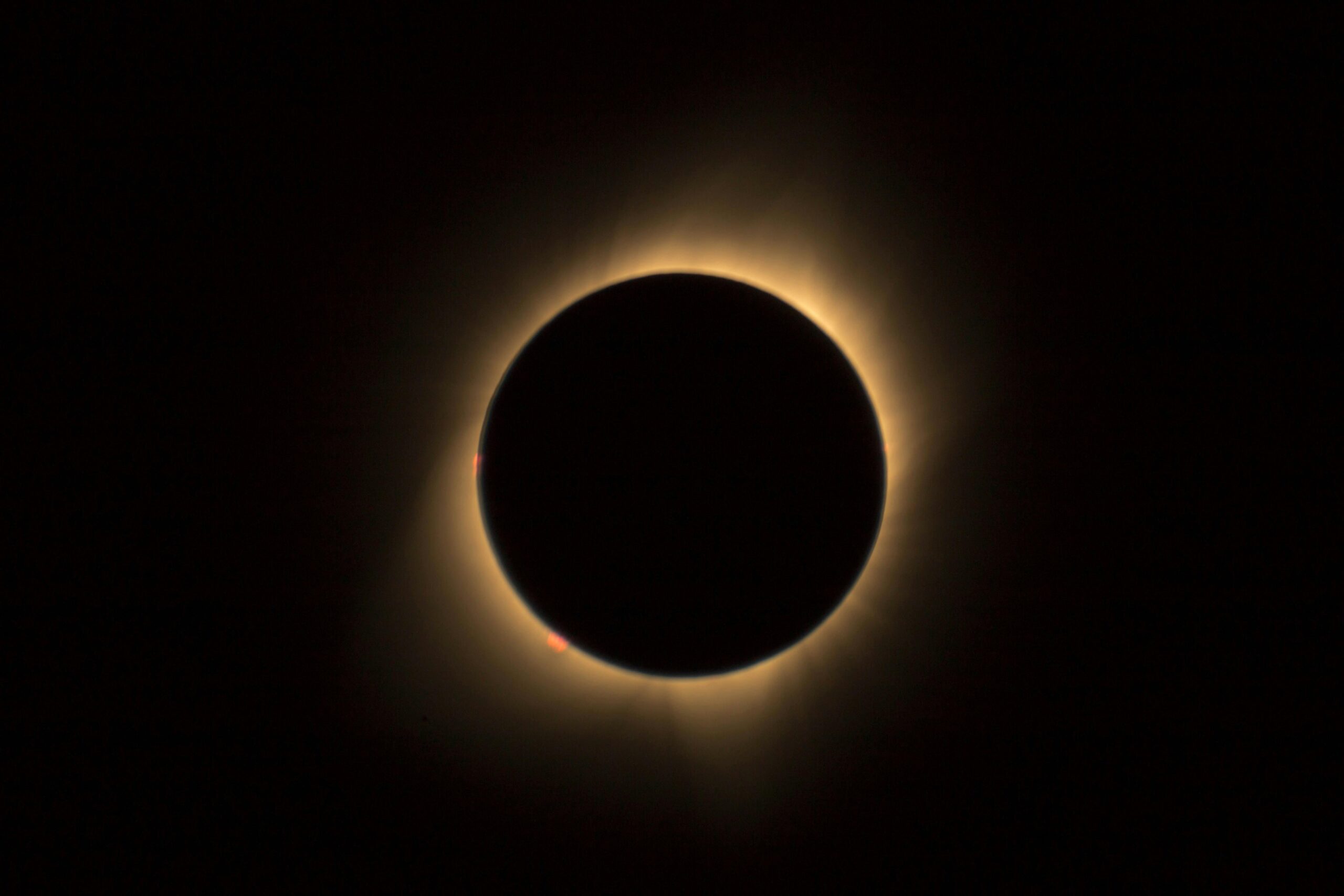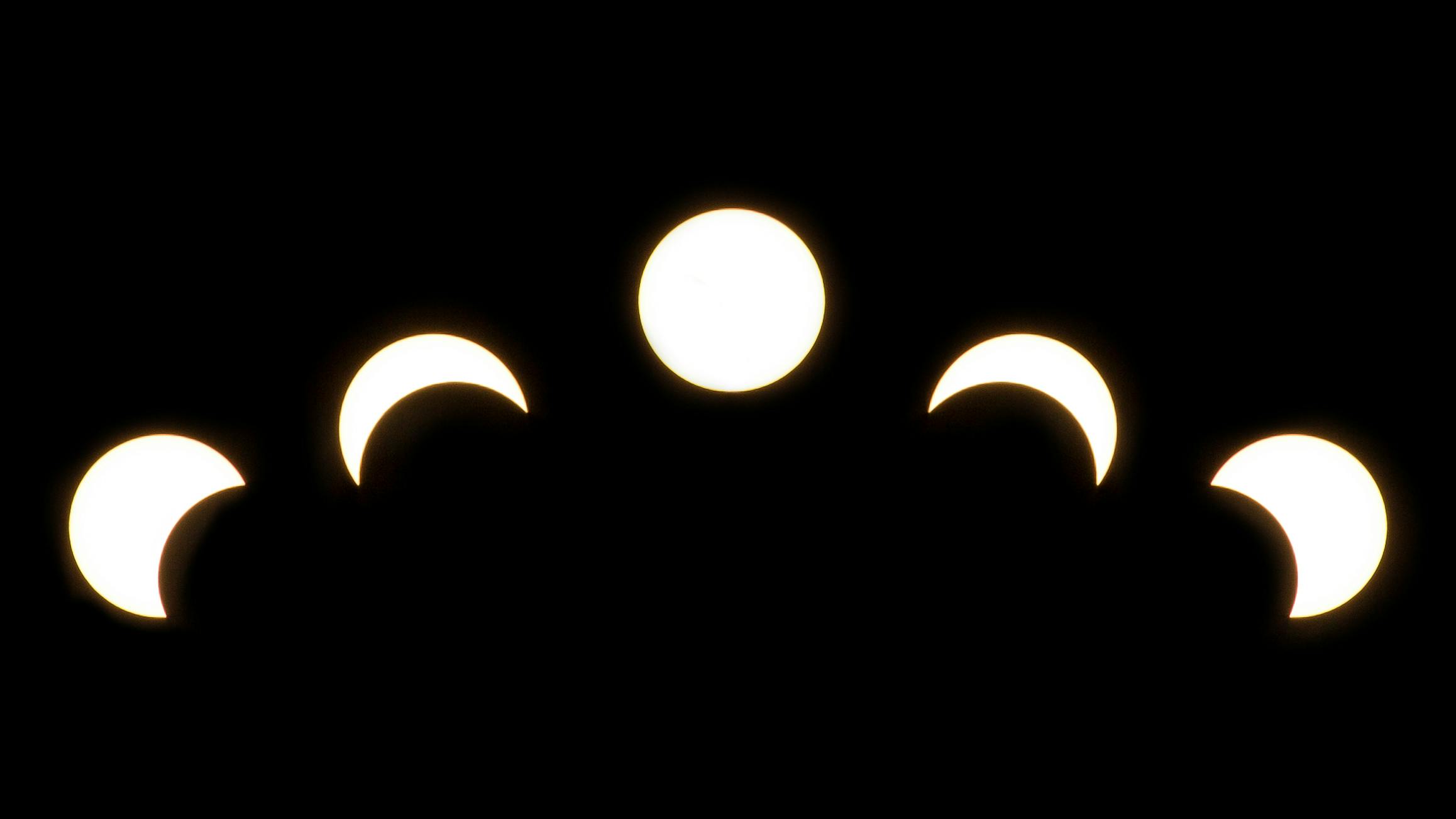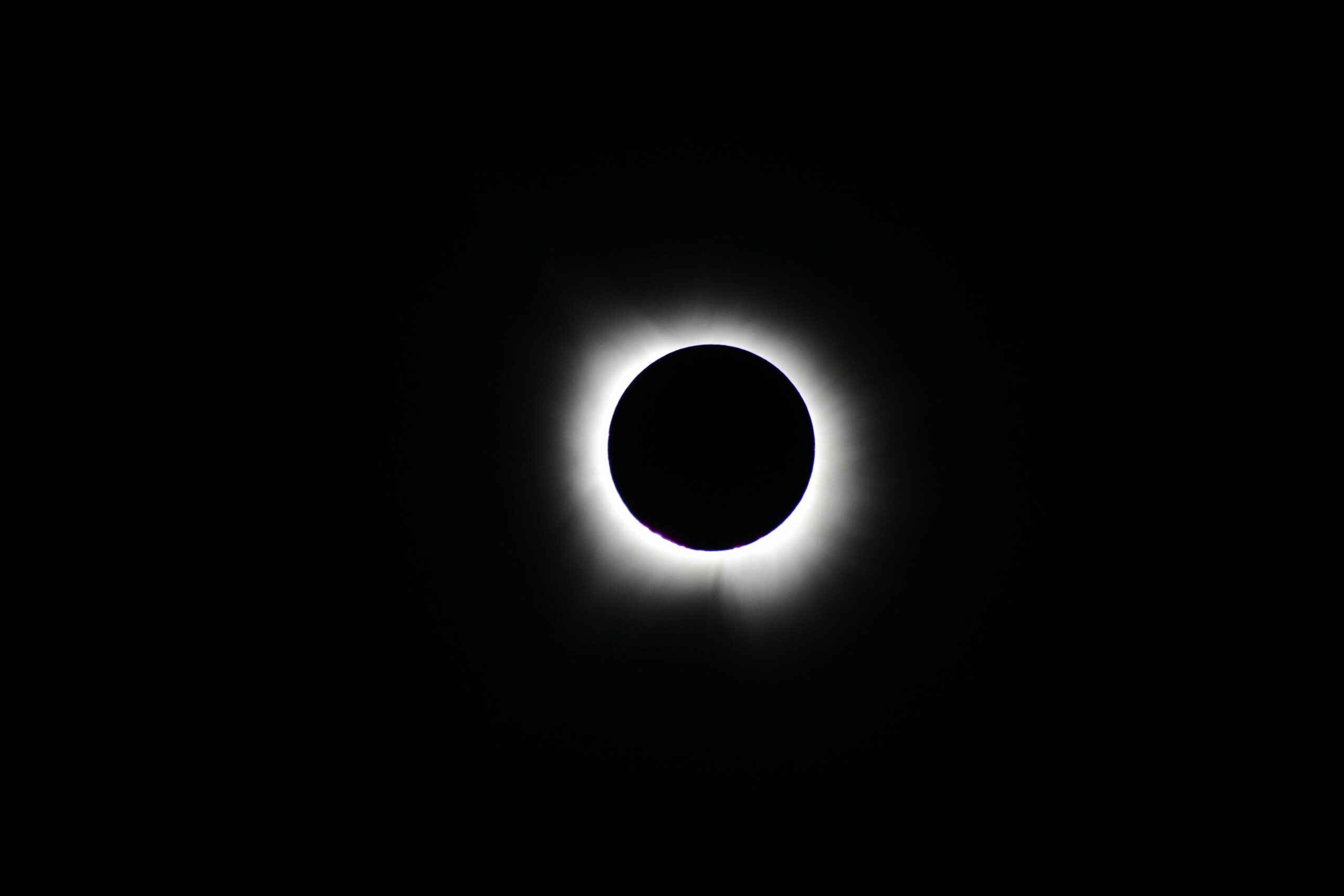
The Great North American Eclipse
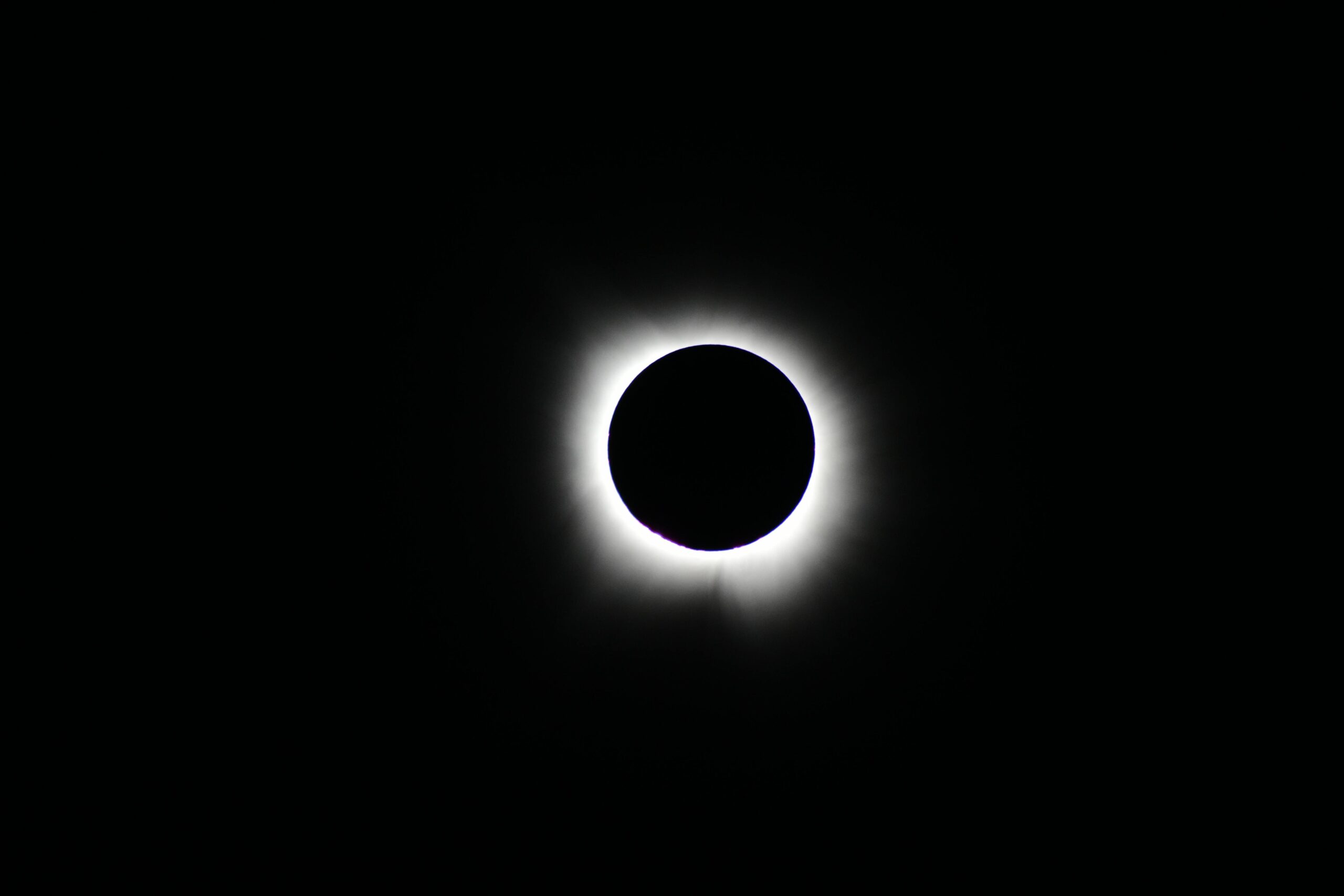
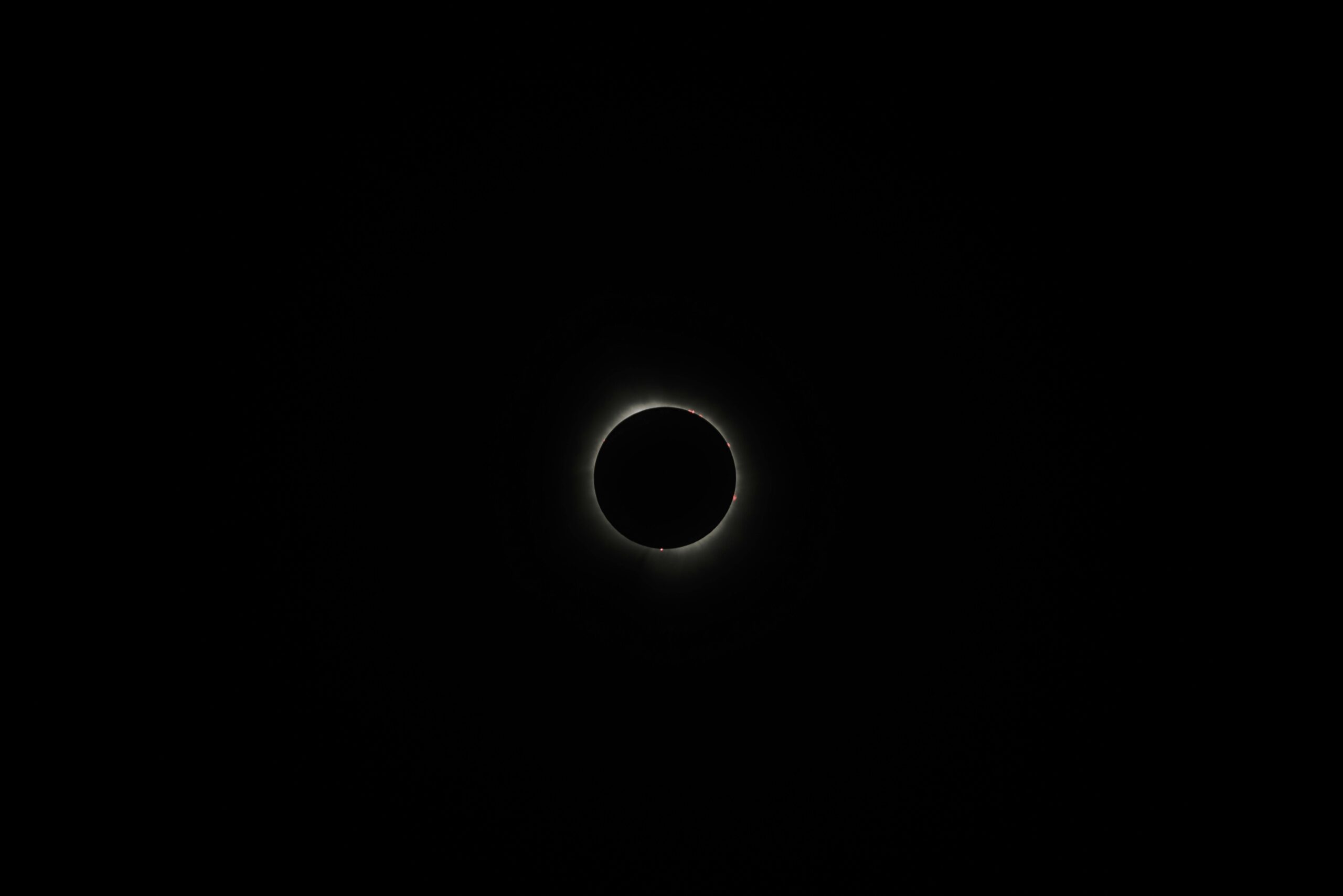
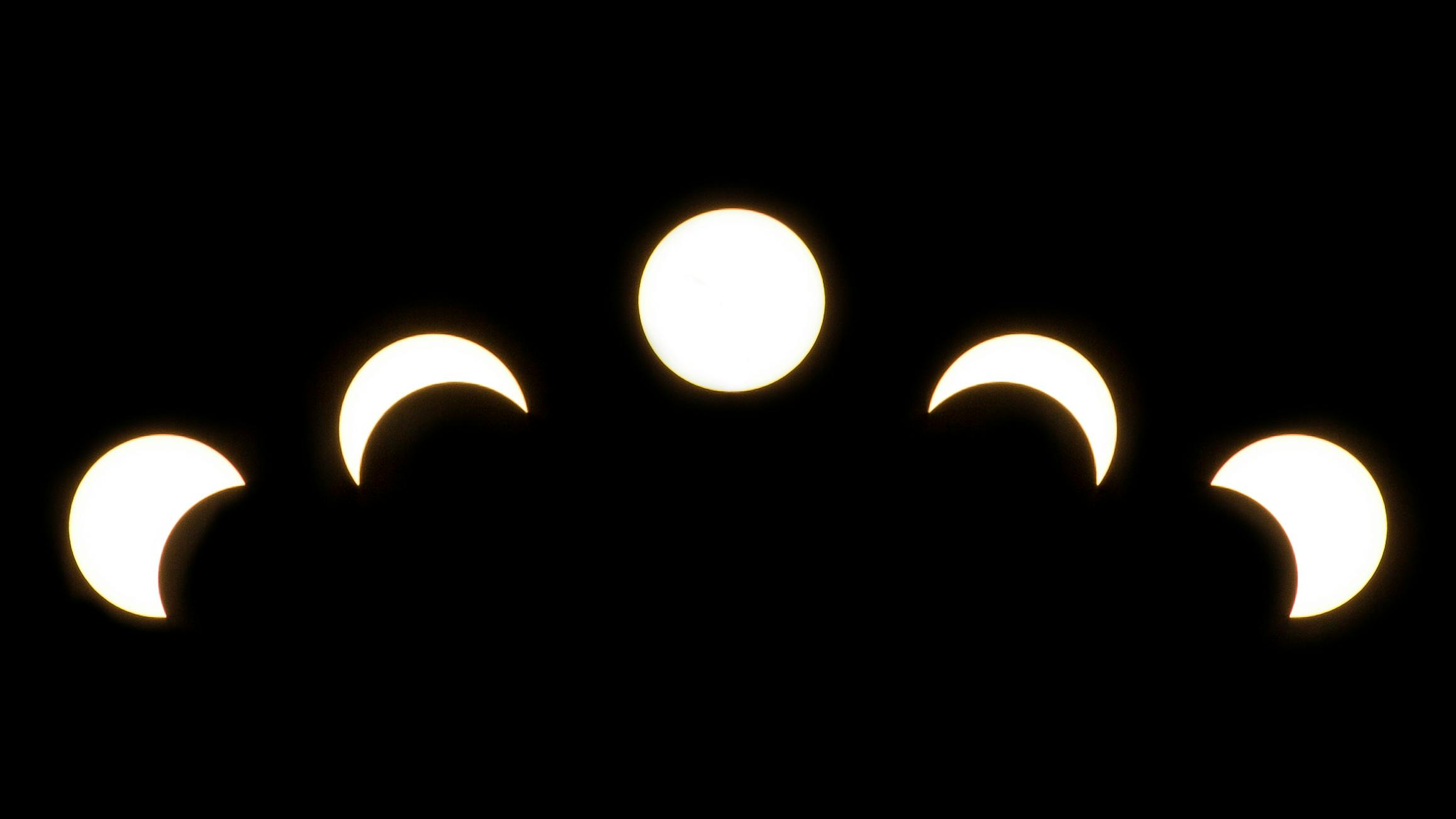
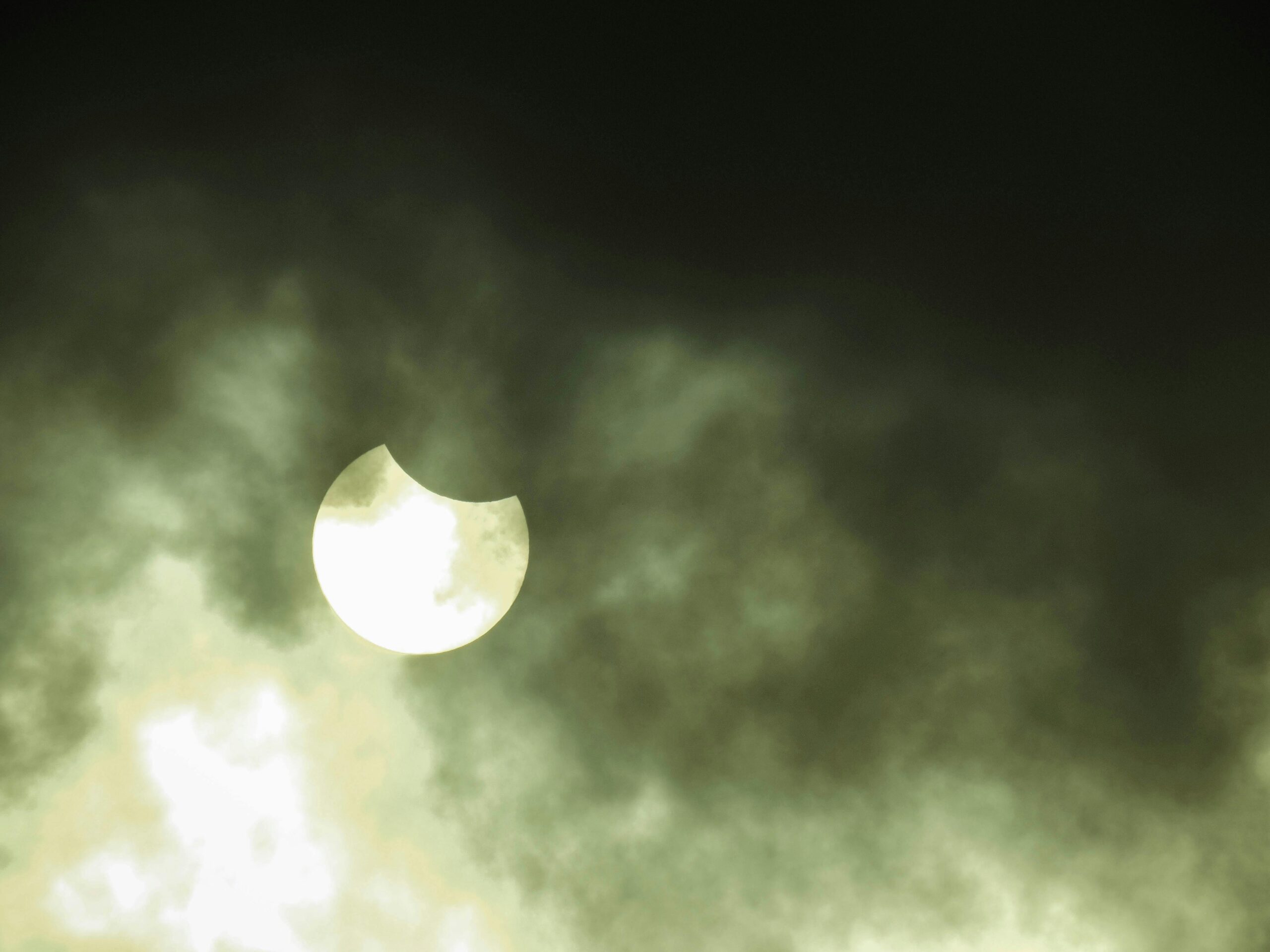
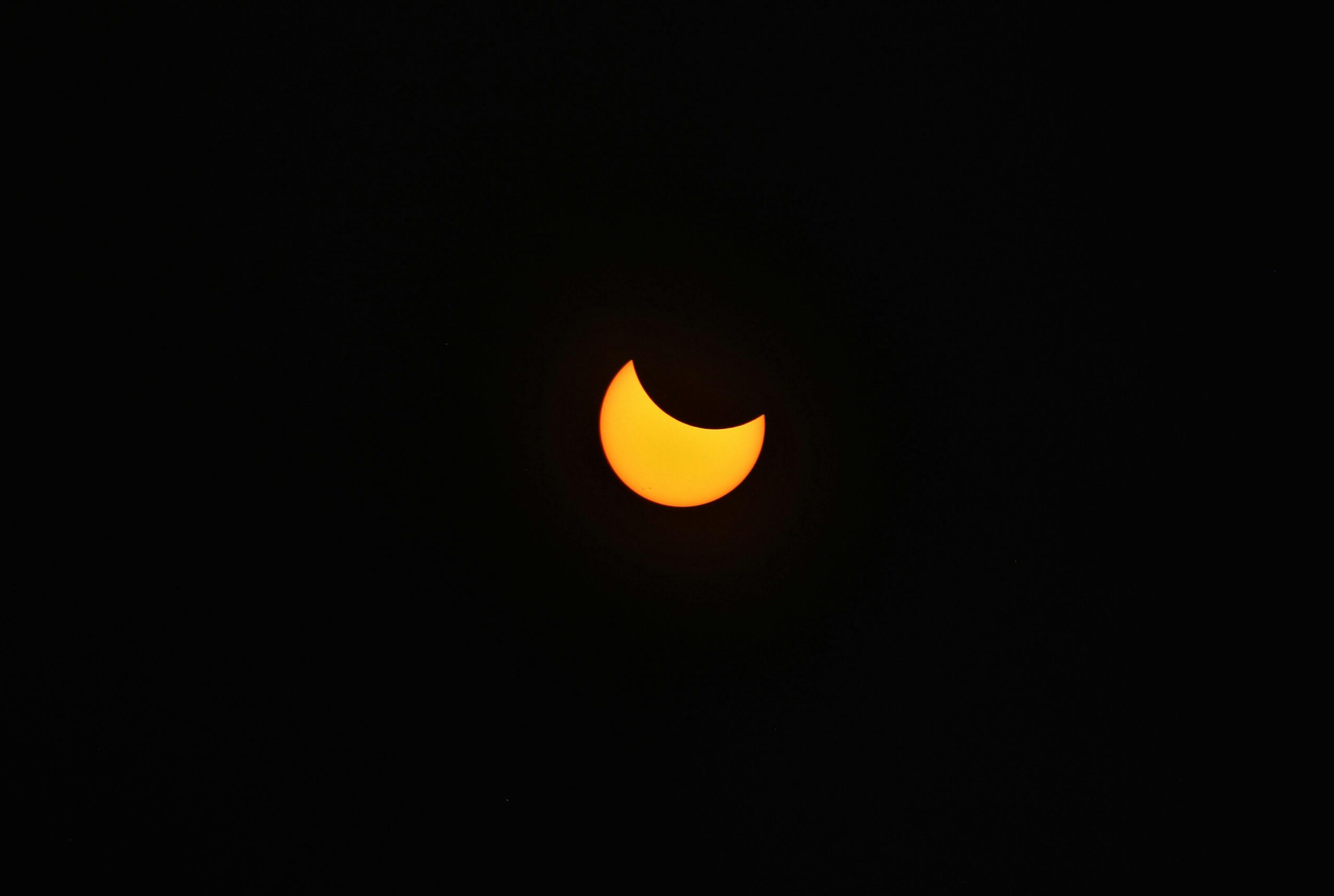
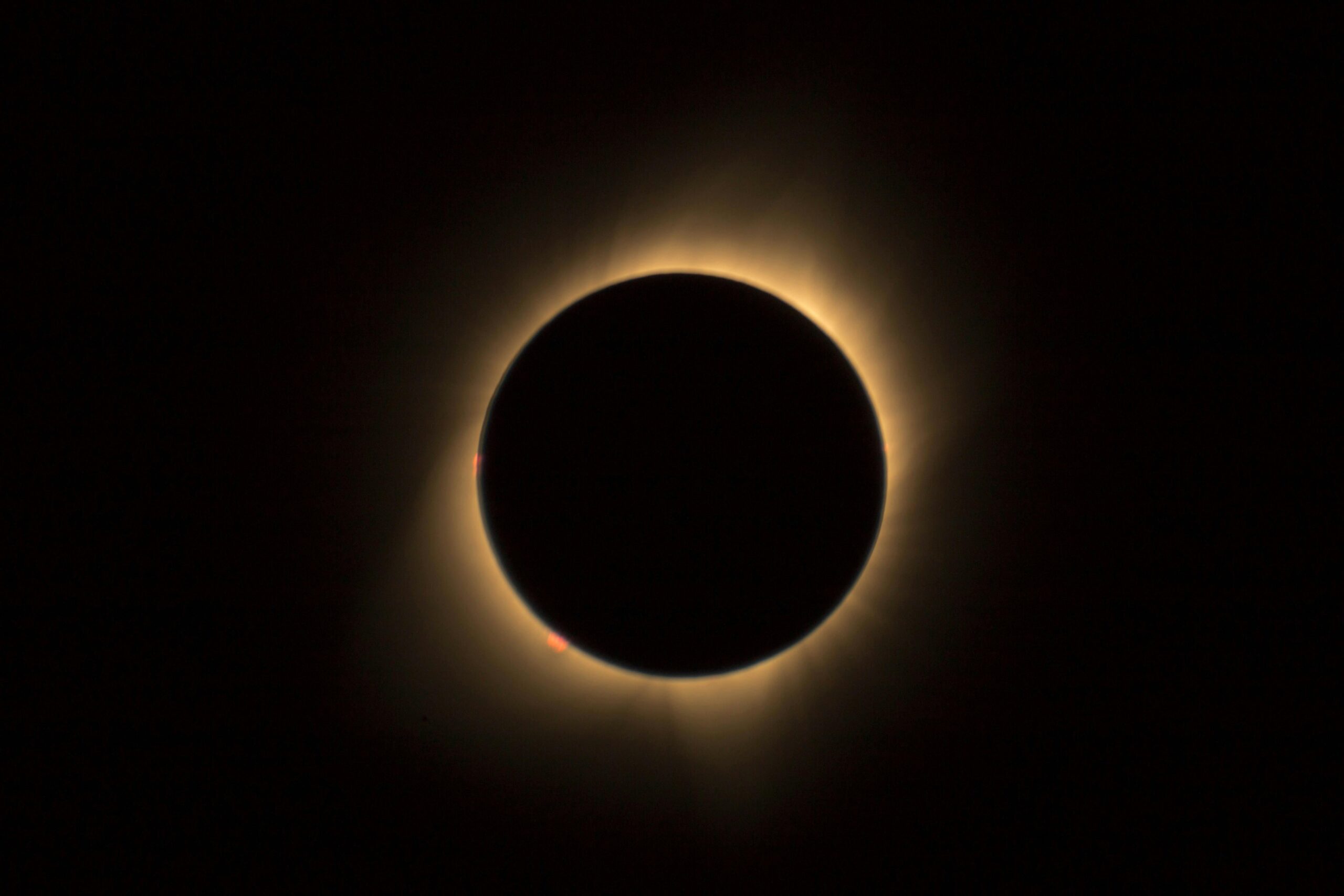
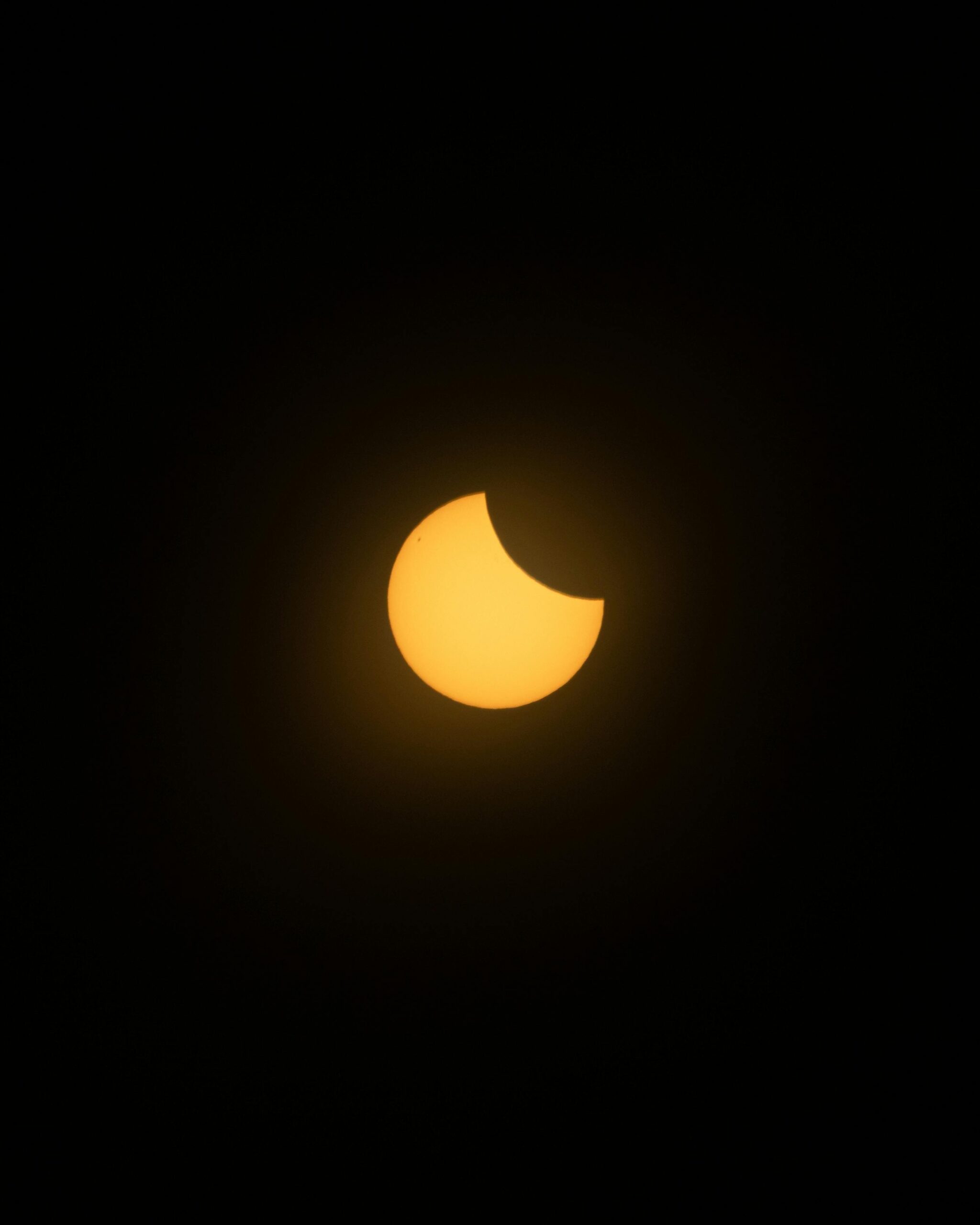
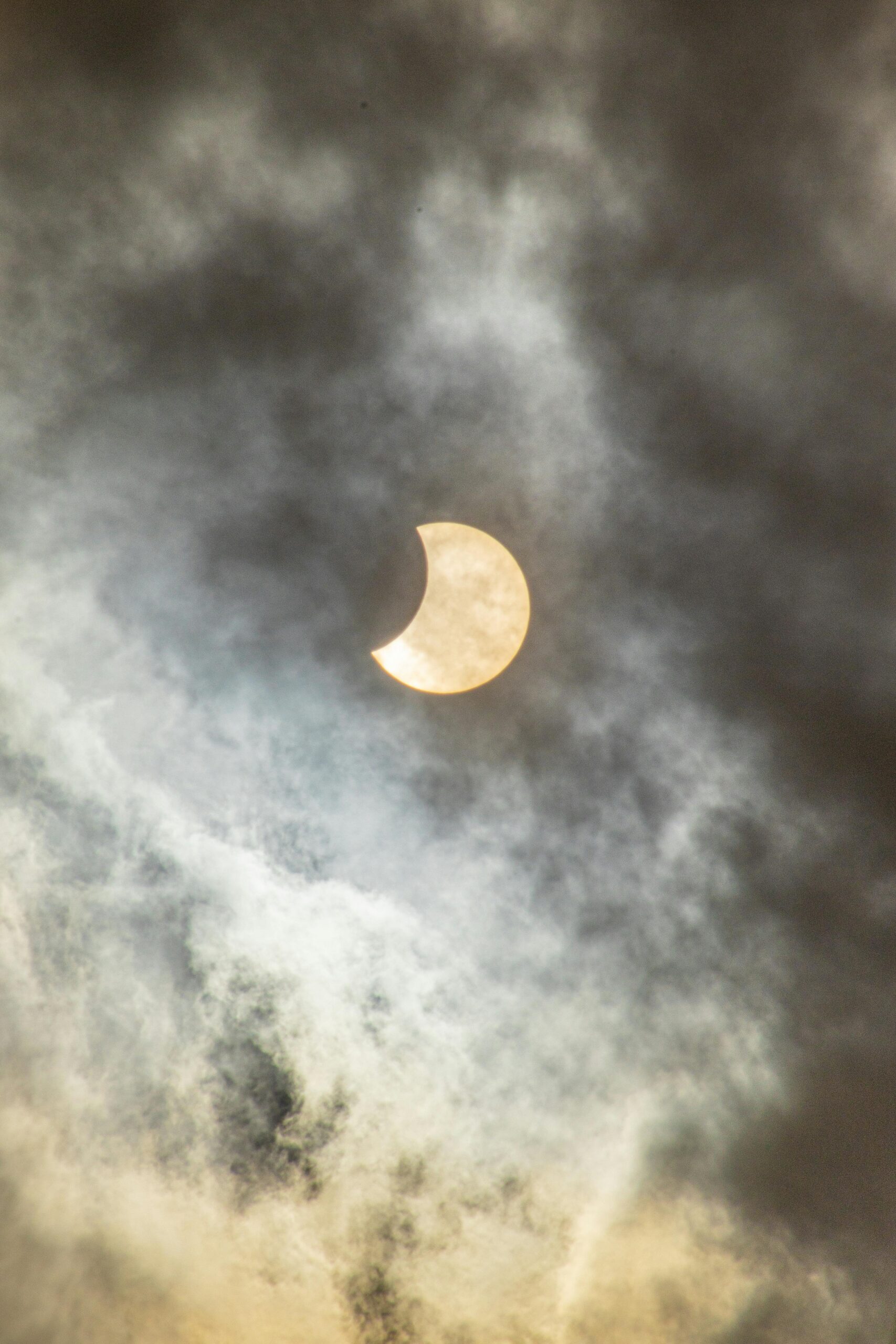
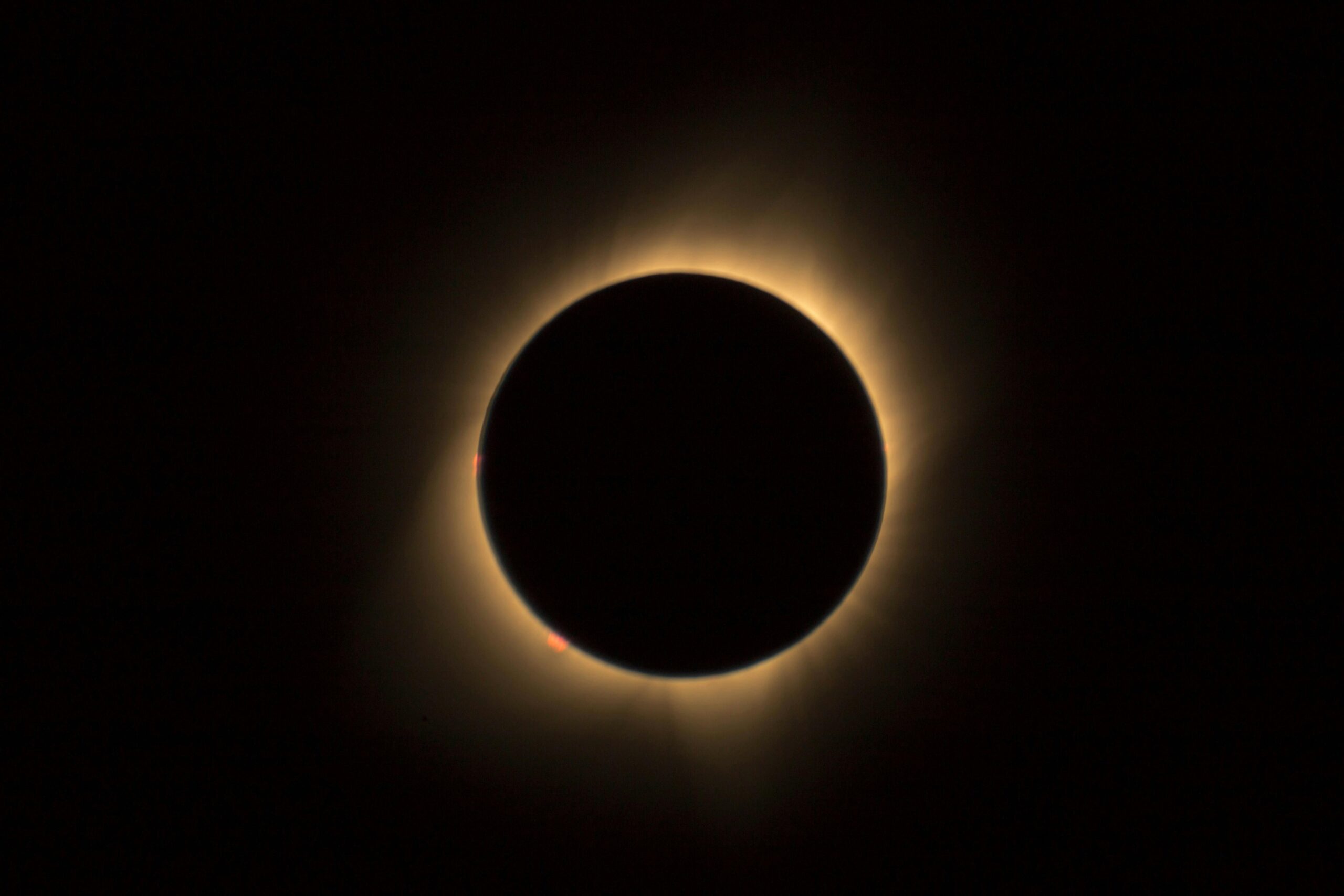
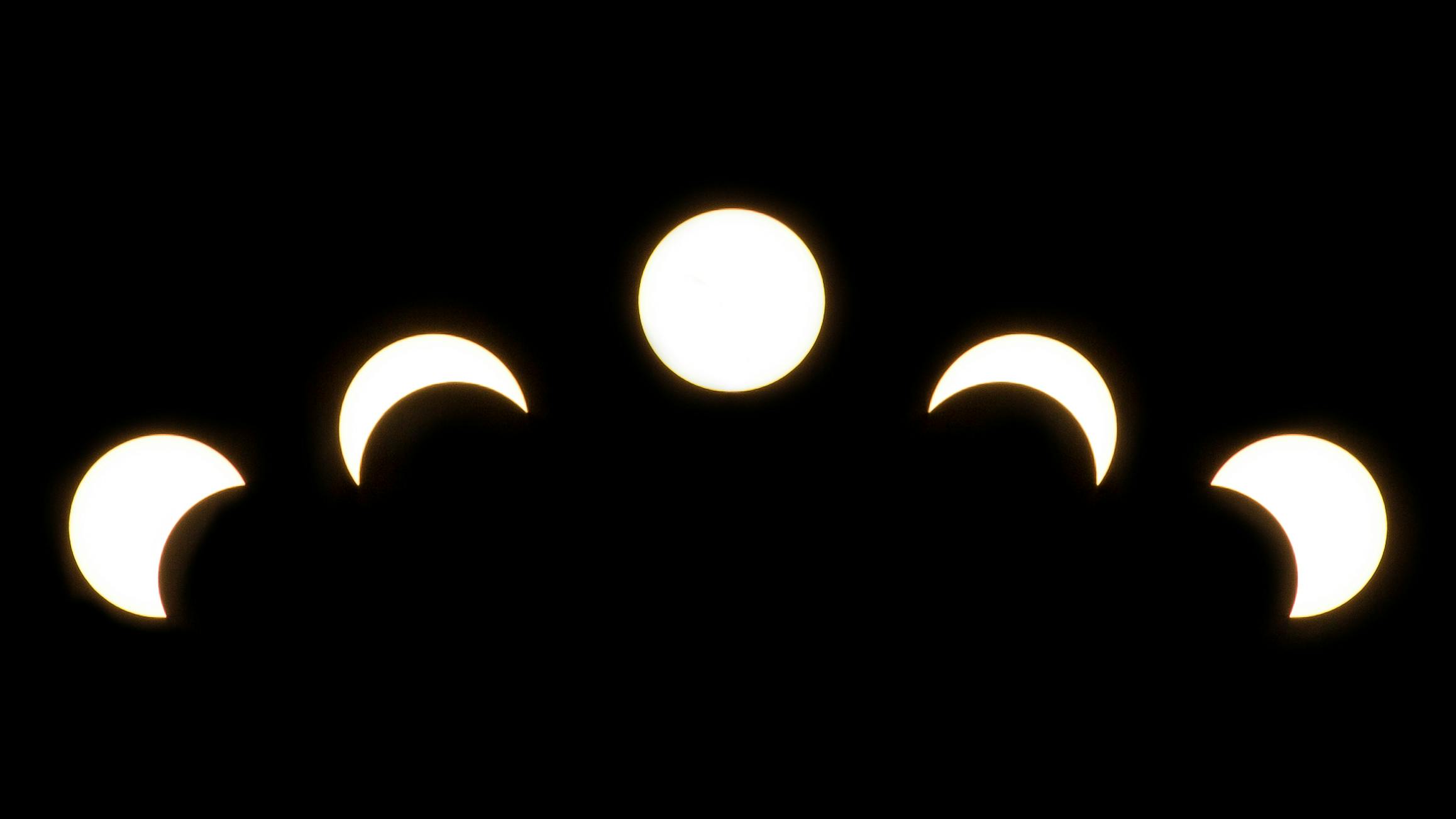
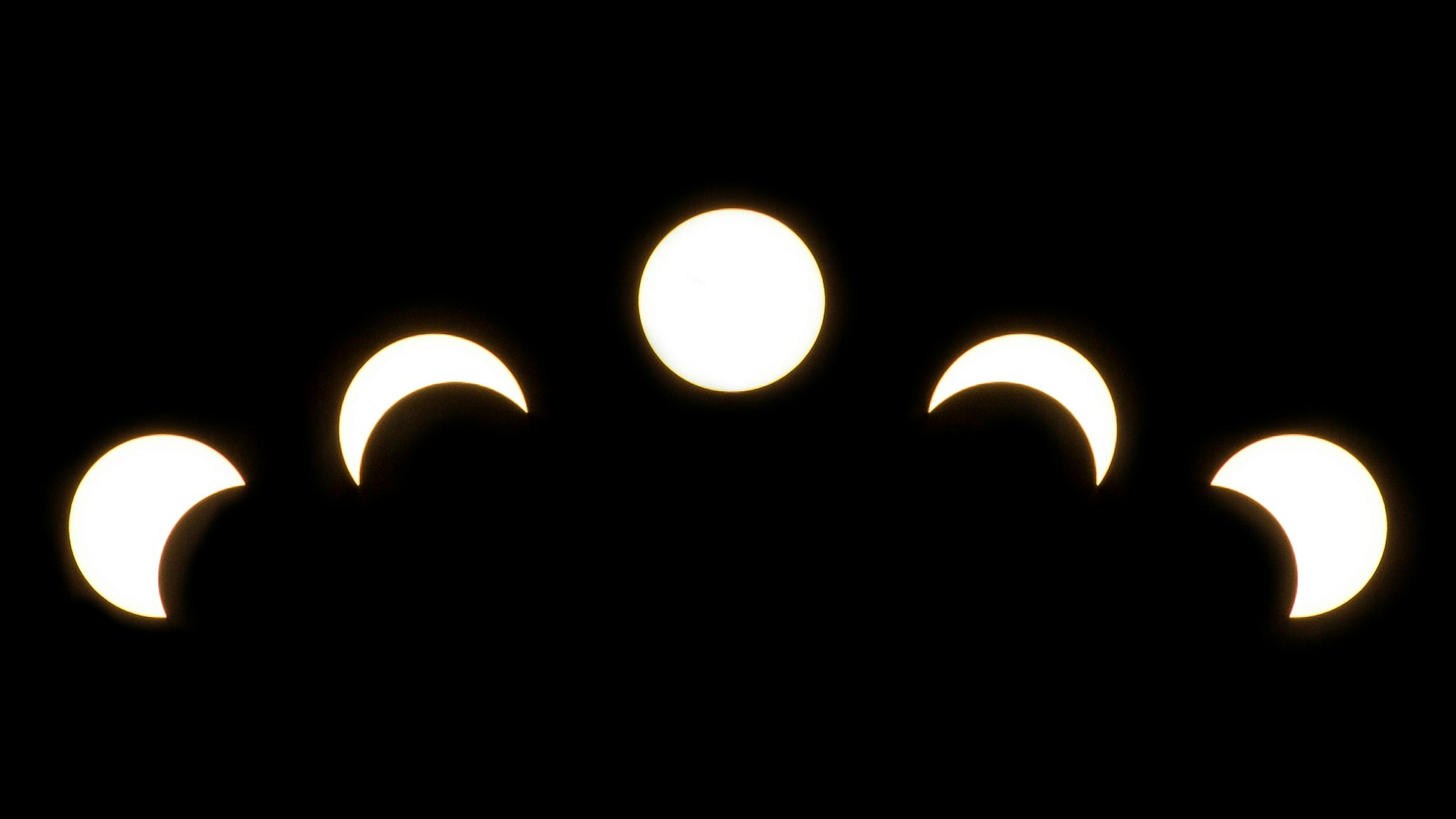
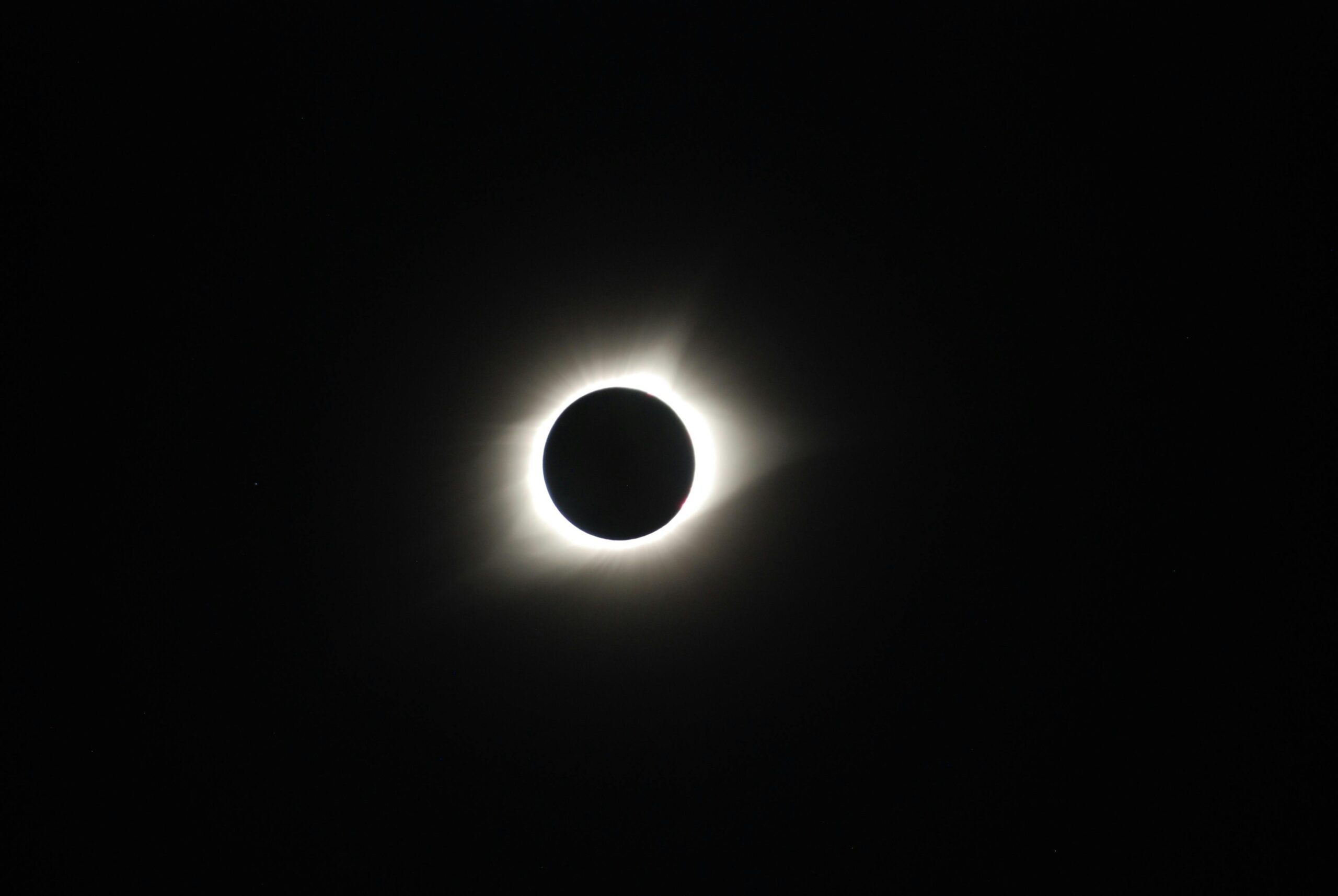
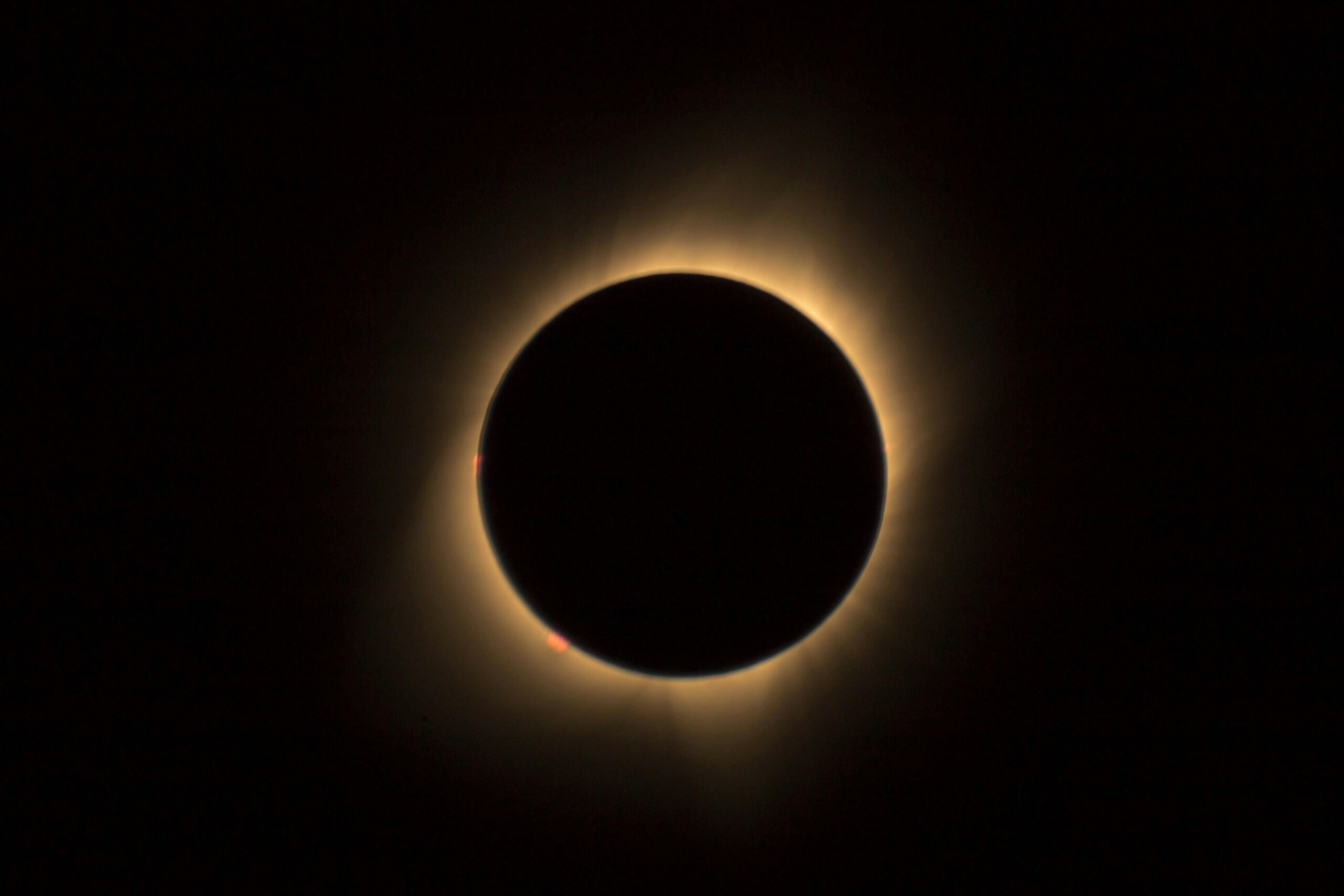
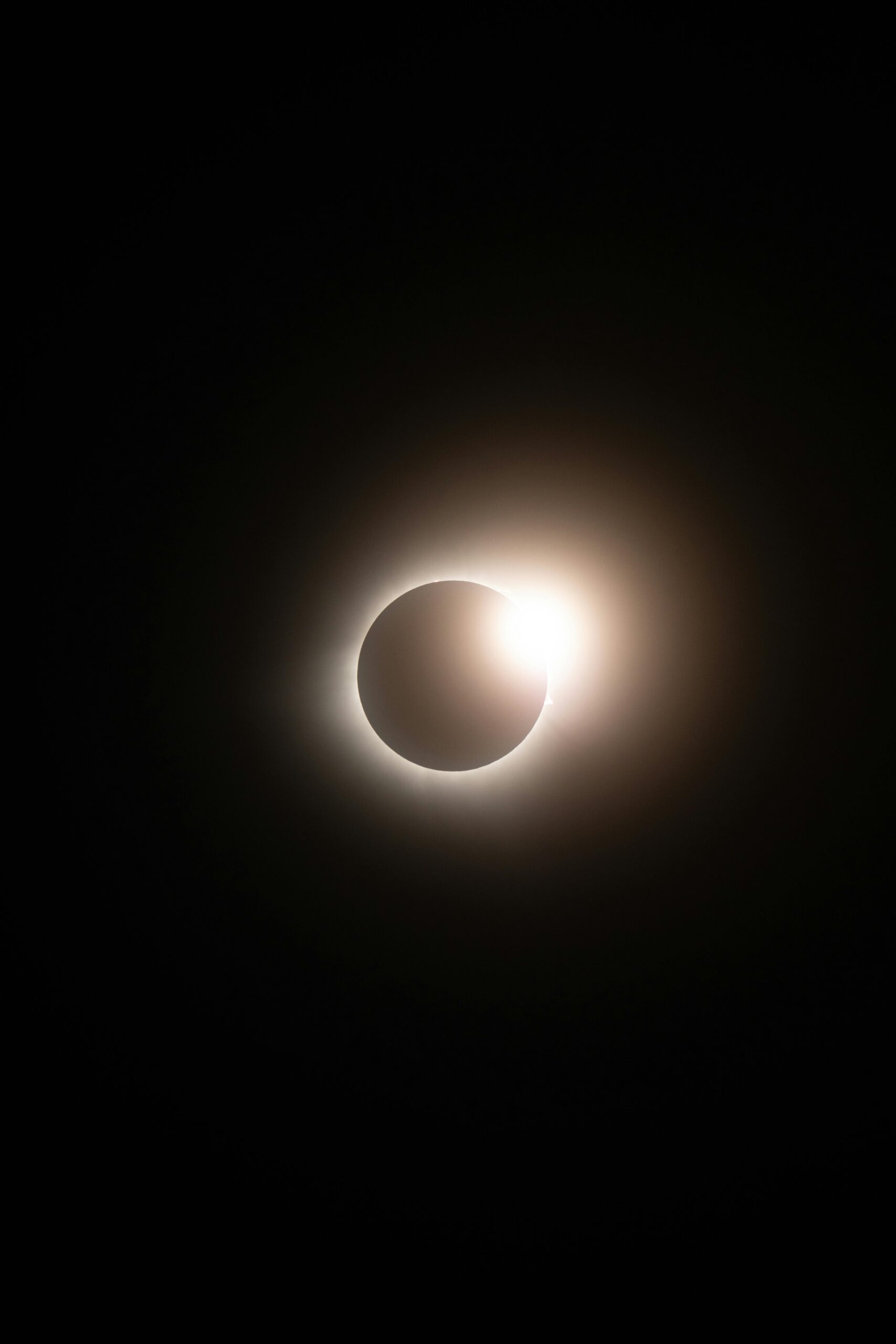
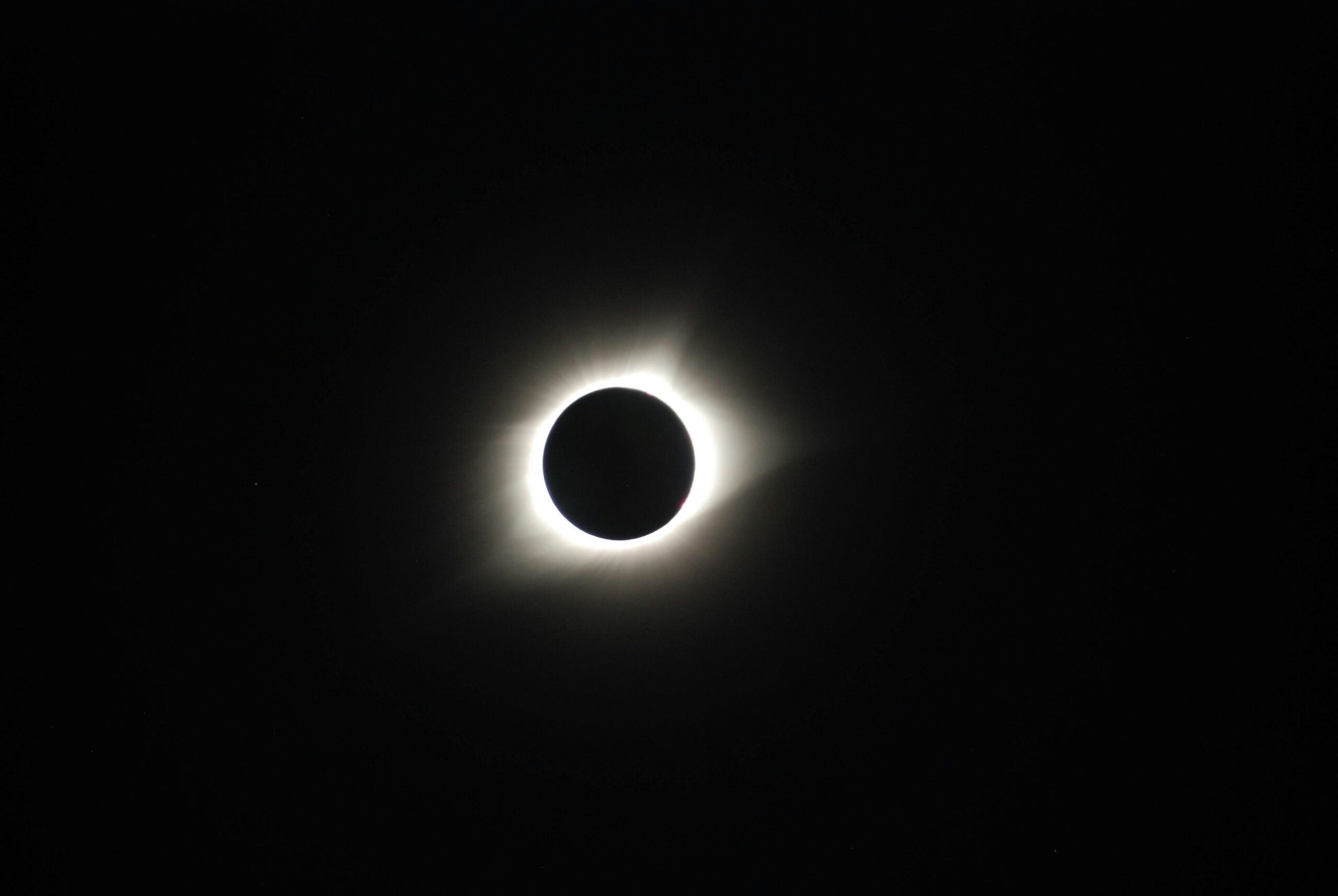
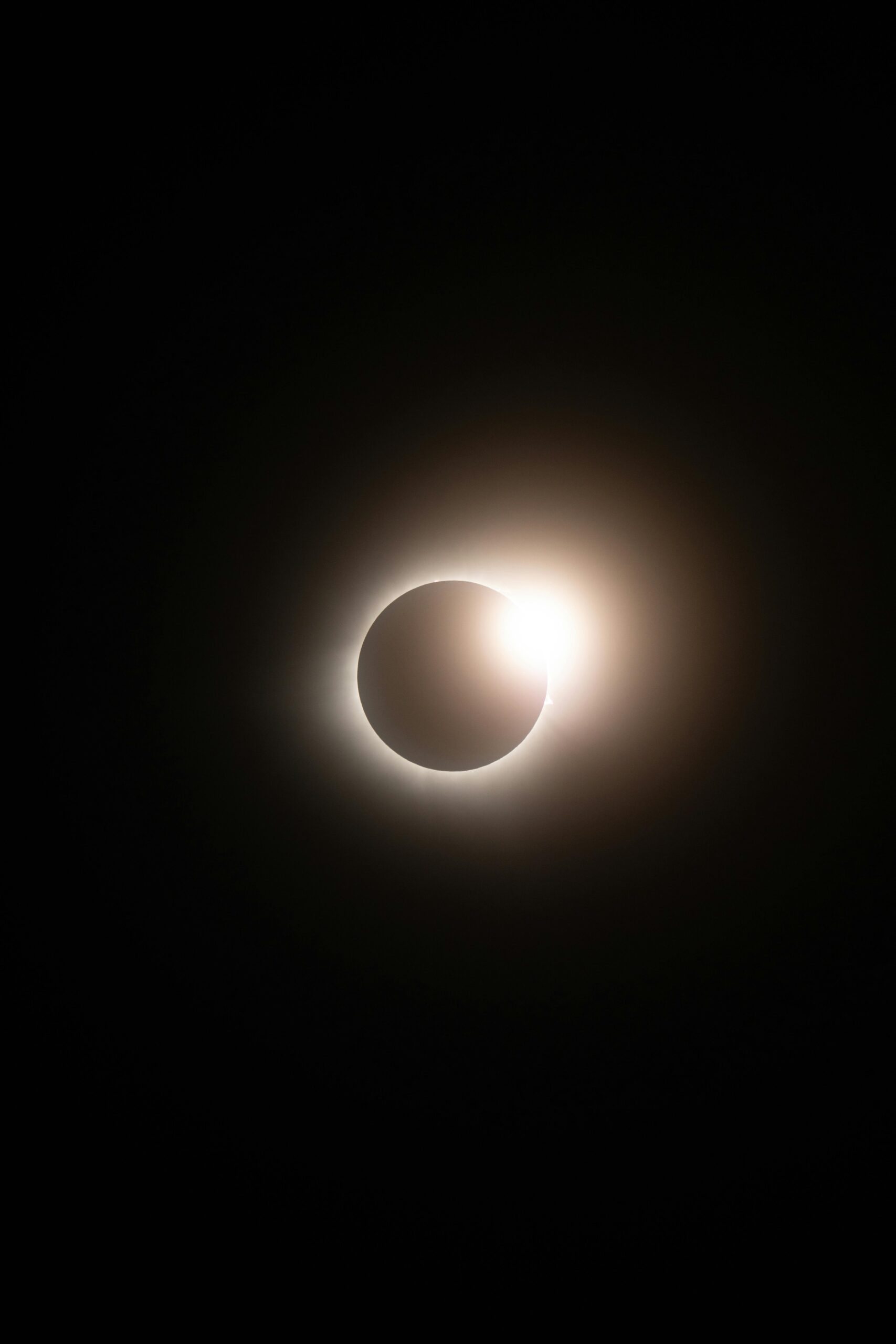
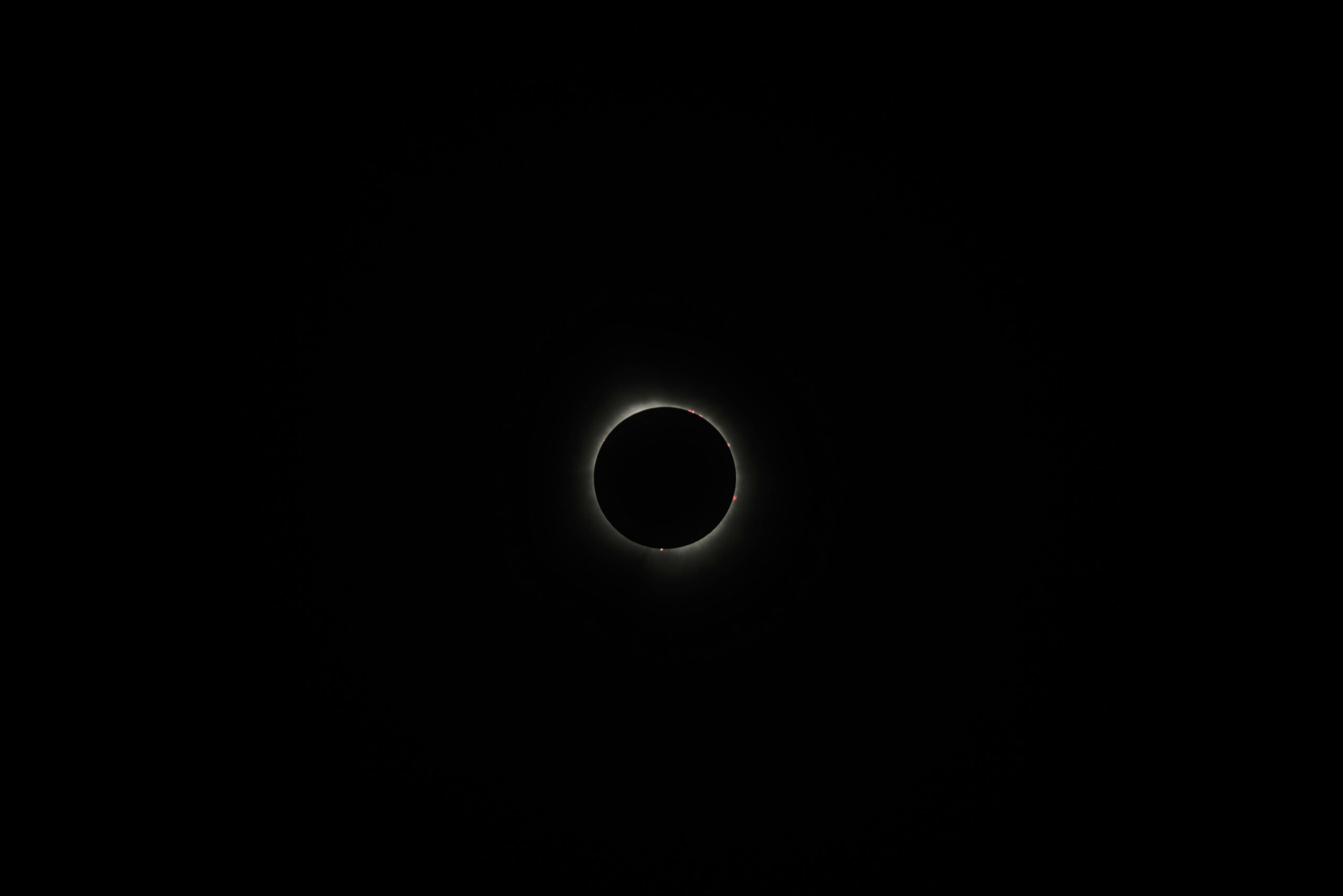
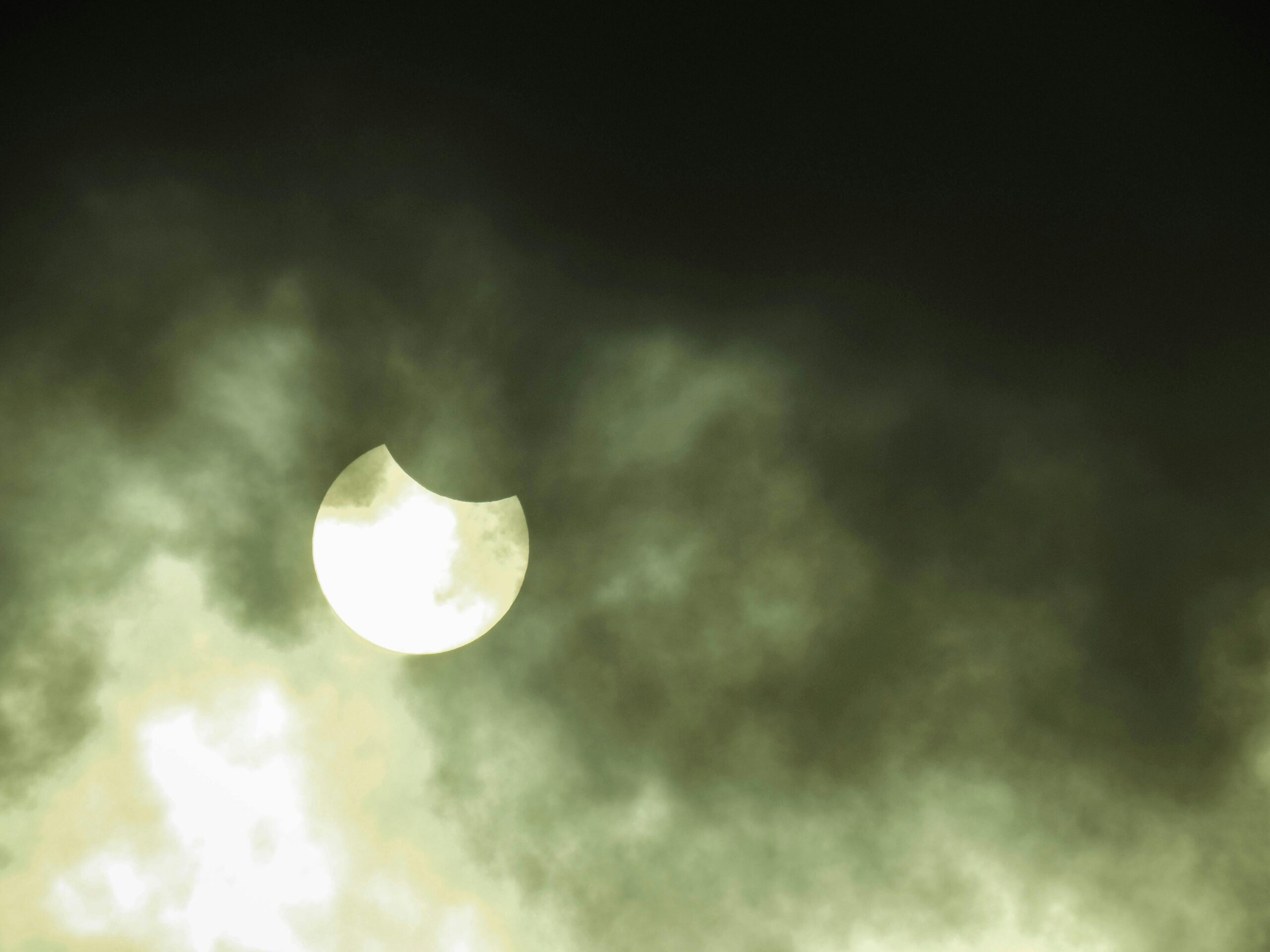
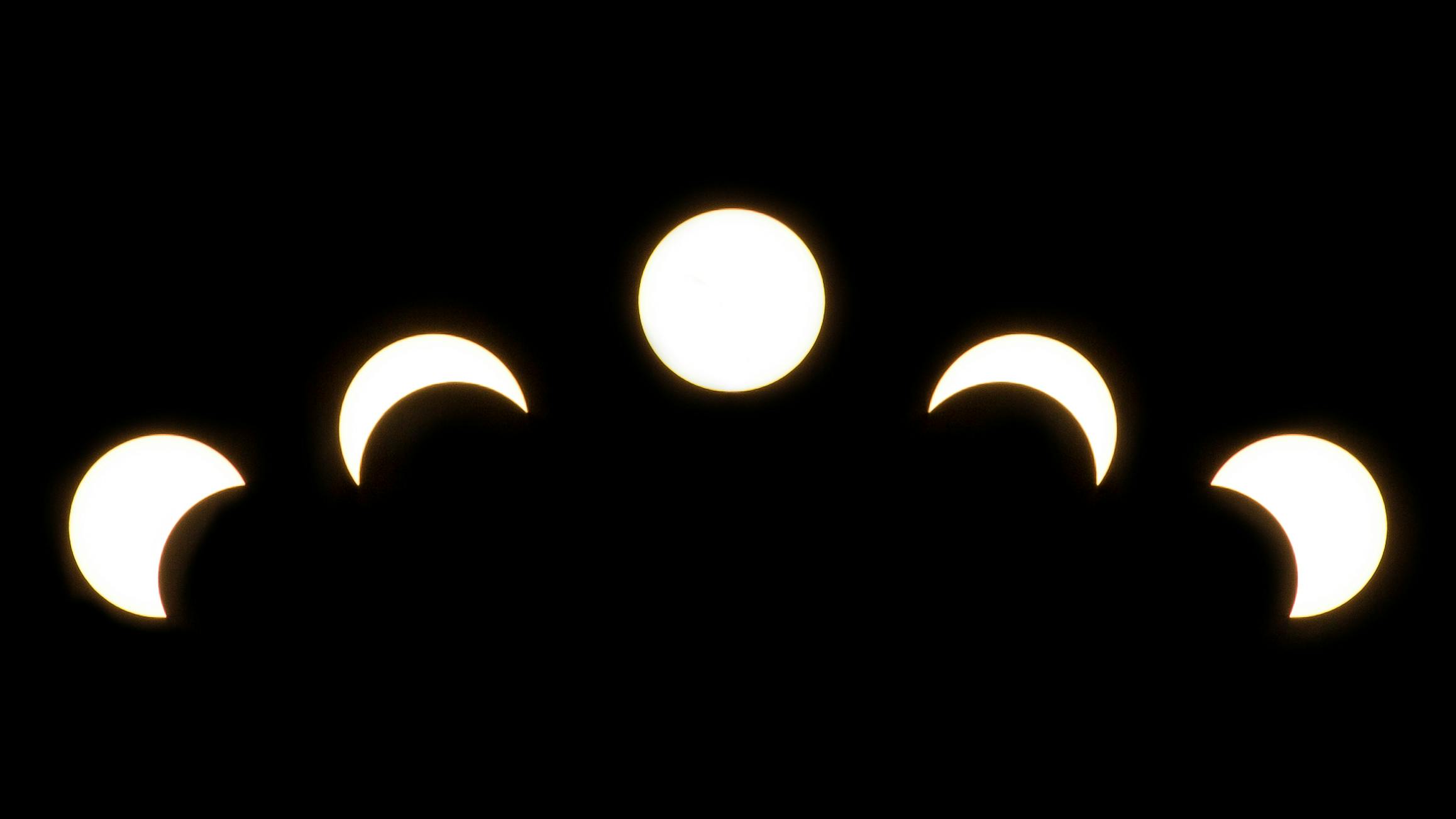
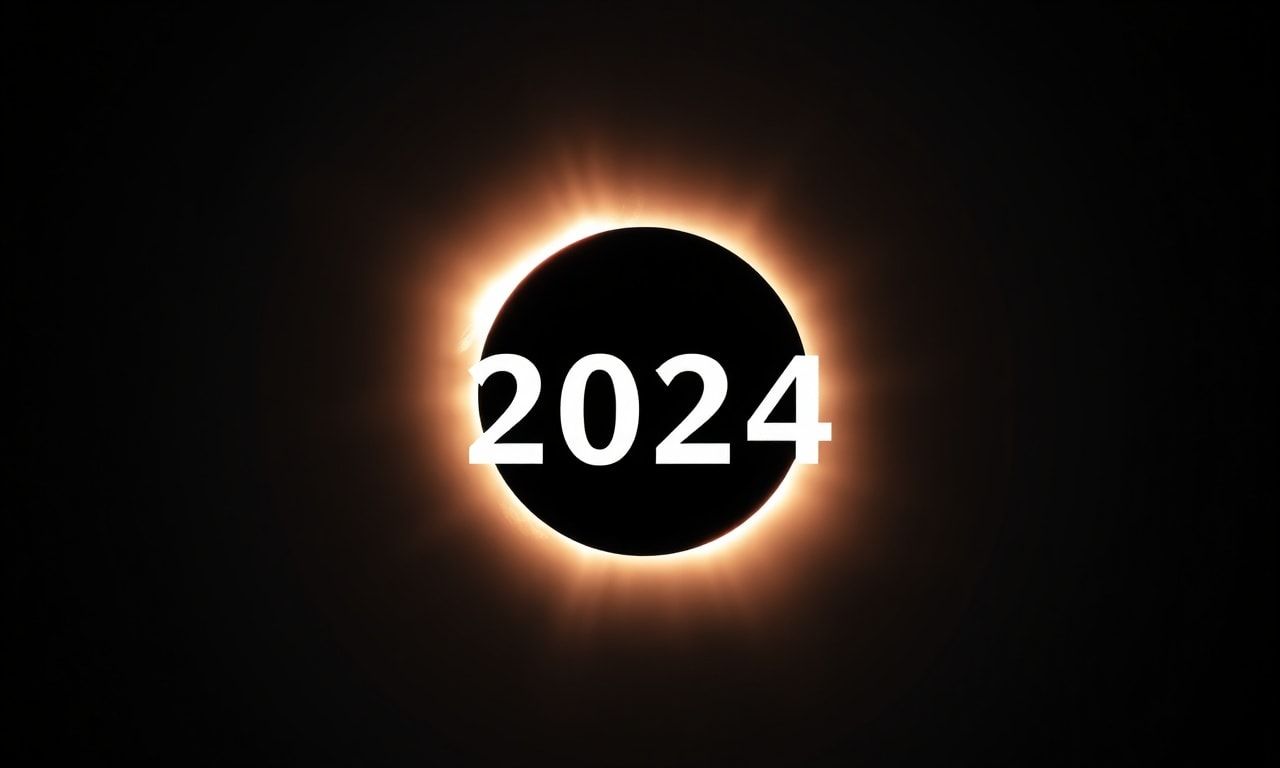
The year 2024 is set to witness one of the most anticipated celestial events of the decade: a total solar eclipse that will sweep across North America. On April 8, 2024, millions of people will have the opportunity to witness this awe-inspiring phenomenon as the moon passes directly between the Earth and the Sun, casting a shadow on the planet’s surface. This event, often referred to as the “Great North American Eclipse,” will be a momentous occasion for both amateur and professional astronomers alike.
Path of Totality
The path of totality, where the Sun will be completely obscured by the Moon, will stretch from the Pacific coast of Mexico, through the United States, and into the Atlantic coast of Canada. Cities such as Mazatlán, Dallas, Indianapolis, Cleveland, and Montreal will experience total darkness for a few minutes, providing a unique opportunity for scientific research and public engagement. The duration of totality will vary depending on the location, with some areas experiencing up to 4 minutes and 28 seconds of darkness.
Key Cities and Timings
Here are some key cities and the timings for the total eclipse:
- Mazatlán, Mexico: 11:07 AM (local time)
- Dallas, Texas: 1:40 PM (local time)
- Indianapolis, Indiana: 3:04 PM (local time)
- Cleveland, Ohio: 3:13 PM (local time)
- Montreal, Canada: 3:28 PM (local time)
Scientific Significance
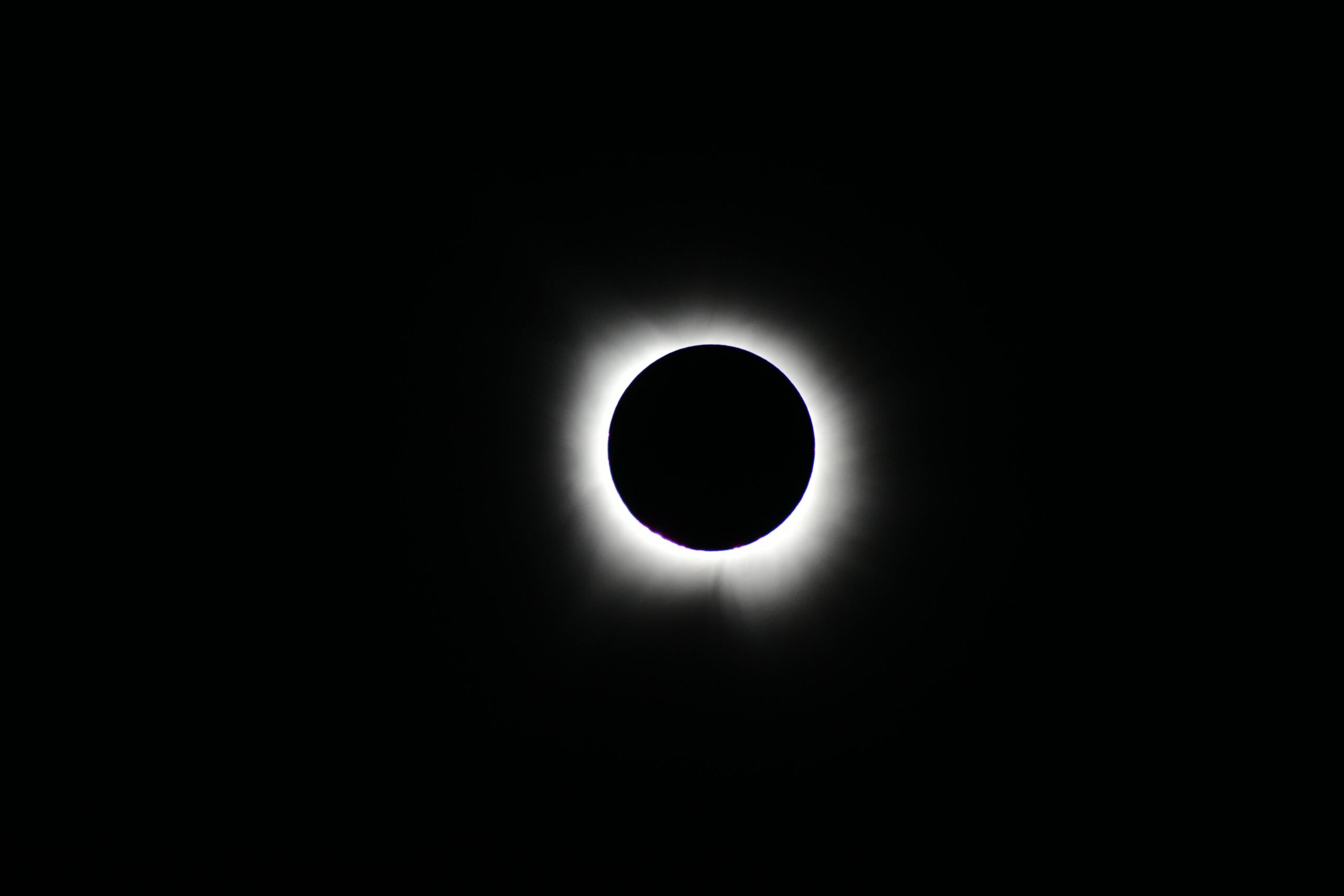
The 2024 solar eclipse presents a valuable opportunity for scientists to study the Sun’s corona, which is normally obscured by the bright light of the Sun’s surface. The corona plays a crucial role in understanding solar winds and space weather, which can have significant impacts on Earth’s technology and infrastructure. Researchers will be able to collect data on the corona’s temperature, composition, and behavior, which can help improve our understanding of the Sun and its effects on our planet.
Additionally, the eclipse will provide an opportunity to study the Earth’s atmosphere and its response to the sudden change in sunlight. This can help scientists better understand the complex interactions between the Sun and the Earth’s atmosphere, as well as the potential impacts of solar eclipses on weather patterns and climate.
Public Engagement and Safety
Eclipses are not only significant for scientific research but also for public engagement and education. The 2024 eclipse is expected to draw large crowds, and many communities along the path of totality are preparing for the influx of visitors. Educational institutions, museums, and observatories are planning special events and activities to engage the public and promote scientific literacy.
However, it is crucial to remember that viewing a solar eclipse directly can be dangerous without proper eye protection. The Sun’s UV radiation can cause permanent damage to the eyes, so it is essential to use certified solar eclipse glasses or other safe viewing methods. The American Astronomical Society provides guidelines and resources for safe eclipse viewing, ensuring that everyone can enjoy this celestial event without risking their vision.
Cultural and Historical Context
Solar eclipses have fascinated humanity for centuries, often inspiring myths, legends, and cultural practices. Ancient civilizations viewed eclipses as omens or signs from the gods, and many cultures developed intricate calendars and astronomical systems to predict these events. The 2024 eclipse will undoubtedly inspire a new generation of stargazers and astronomers, continuing the long-standing tradition of human fascination with the cosmos.
In modern times, eclipses have become a symbol of unity and shared human experience. The 2017 solar eclipse that crossed the United States brought people together, fostering a sense of community and wonder. The 2024 eclipse is expected to have a similar impact, bringing together people from diverse backgrounds to witness a breathtaking celestial event.
Preparing for the Eclipse
For those planning to view the 2024 solar eclipse, preparation is key. Here are some tips to ensure a safe and enjoyable experience:
- Plan Ahead: Research the best viewing locations along the path of totality and make travel arrangements early, as accommodations and transportation can fill up quickly.
- Get the Right Gear: Invest in certified solar eclipse glasses or other safe viewing equipment. Regular sunglasses are not sufficient for protecting your eyes during an eclipse.
- Stay Informed: Keep up-to-date with weather forecasts and eclipse timings to make the most of your viewing experience.
- Engage with the Community: Participate in local events and activities organized by schools, museums, and observatories to enhance your understanding and enjoyment of the eclipse.
As the world prepares for the 2024 solar eclipse, it is a reminder of the beauty and mystery of the universe. This celestial event will not only inspire scientific research but also bring people together in a shared moment of awe and wonder. Whether you are a seasoned astronomer or a curious observer, the 2024 eclipse promises to be an unforgettable experience. And for those interested in the intersection of celestial events and cultural trends, exploring how such phenomena influence fashion and accessories, such as the 2026 modası en çok aranan aksesuar türleri, can provide a fascinating glimpse into the broader impact of these events on society.
In the realm of urban sustainability, Wolfsburg’s innovative green initiatives are making waves with their ambitious projects and goals.
As the worlds of sports and fashion continue to collide, exploring the trend’s growth offers a unique perspective on this evolving cultural phenomenon.
To understand the dynamic shift in Manchester’s cultural landscape, delve into Manchester’s evolving cultural scene and its unique blend of heritage and contemporary influences.