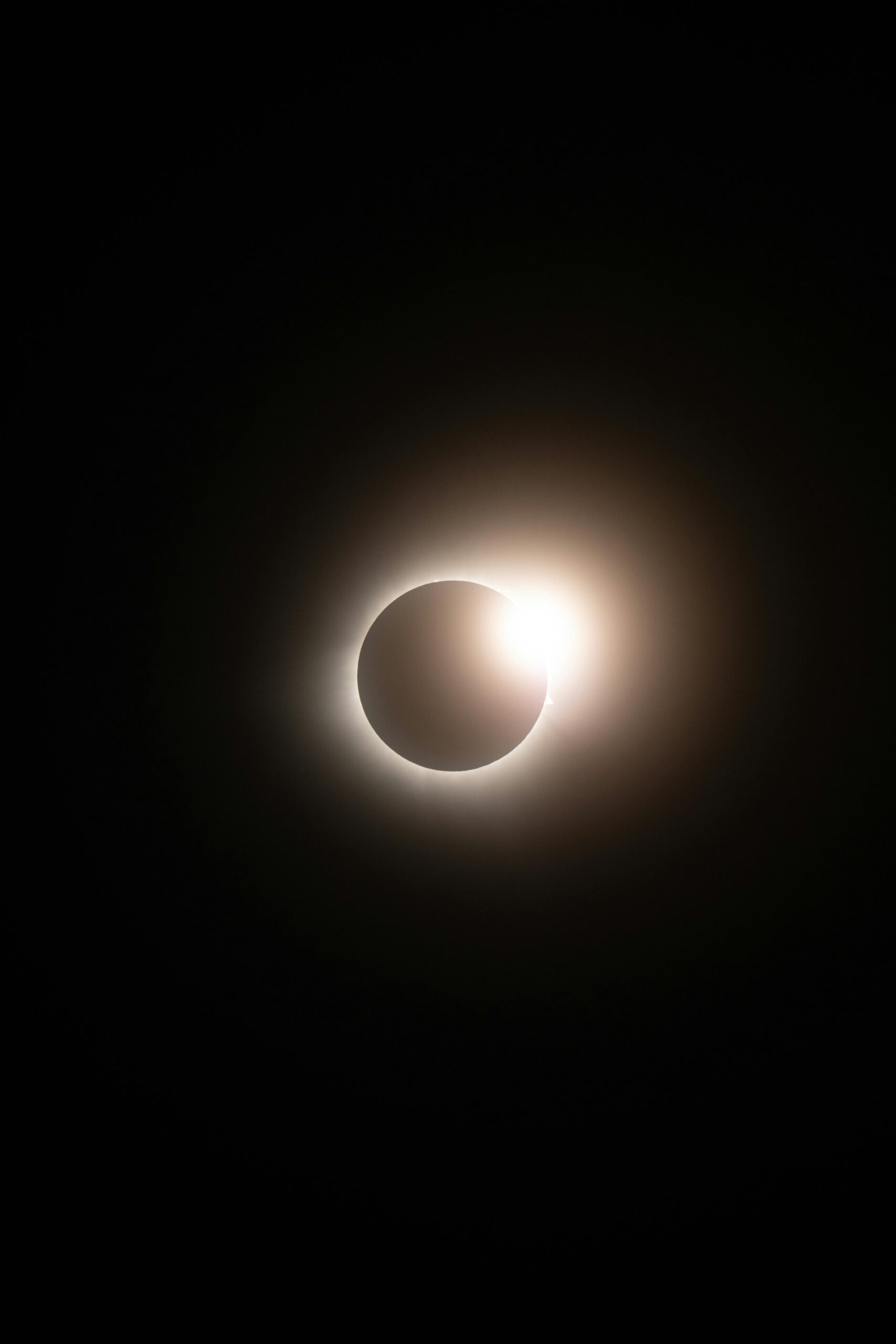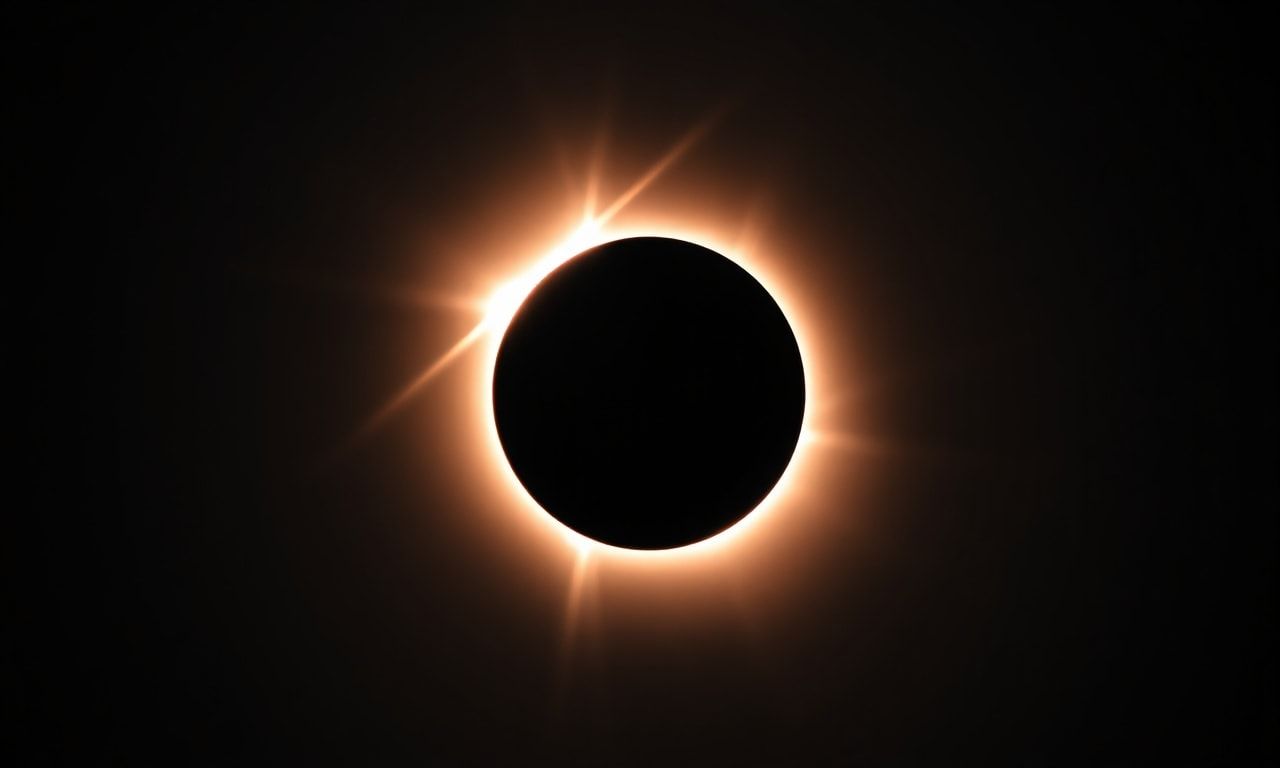
The Anticipation Builds: Solar Eclipse 2023
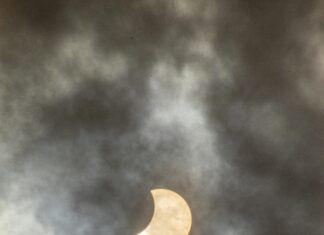
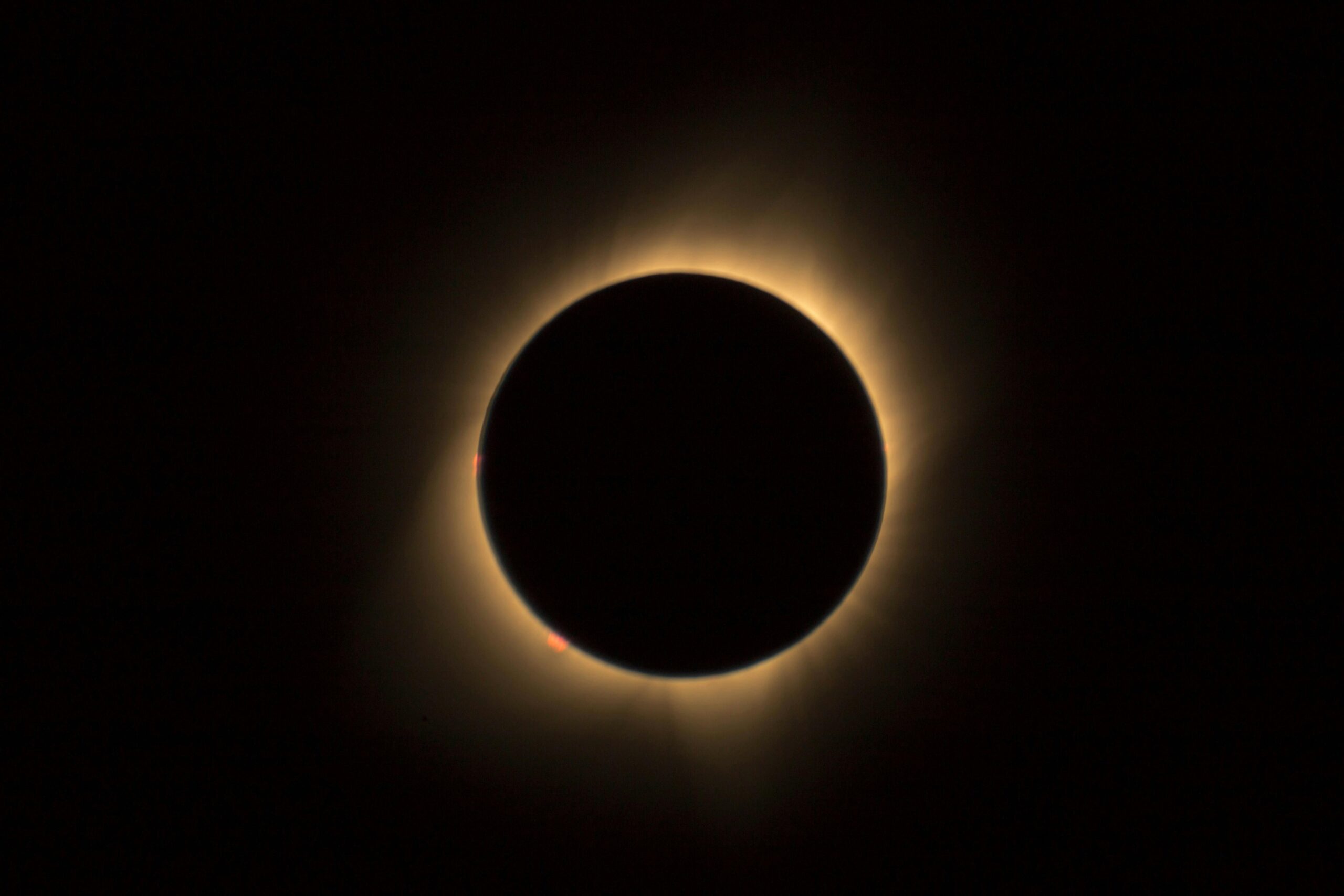
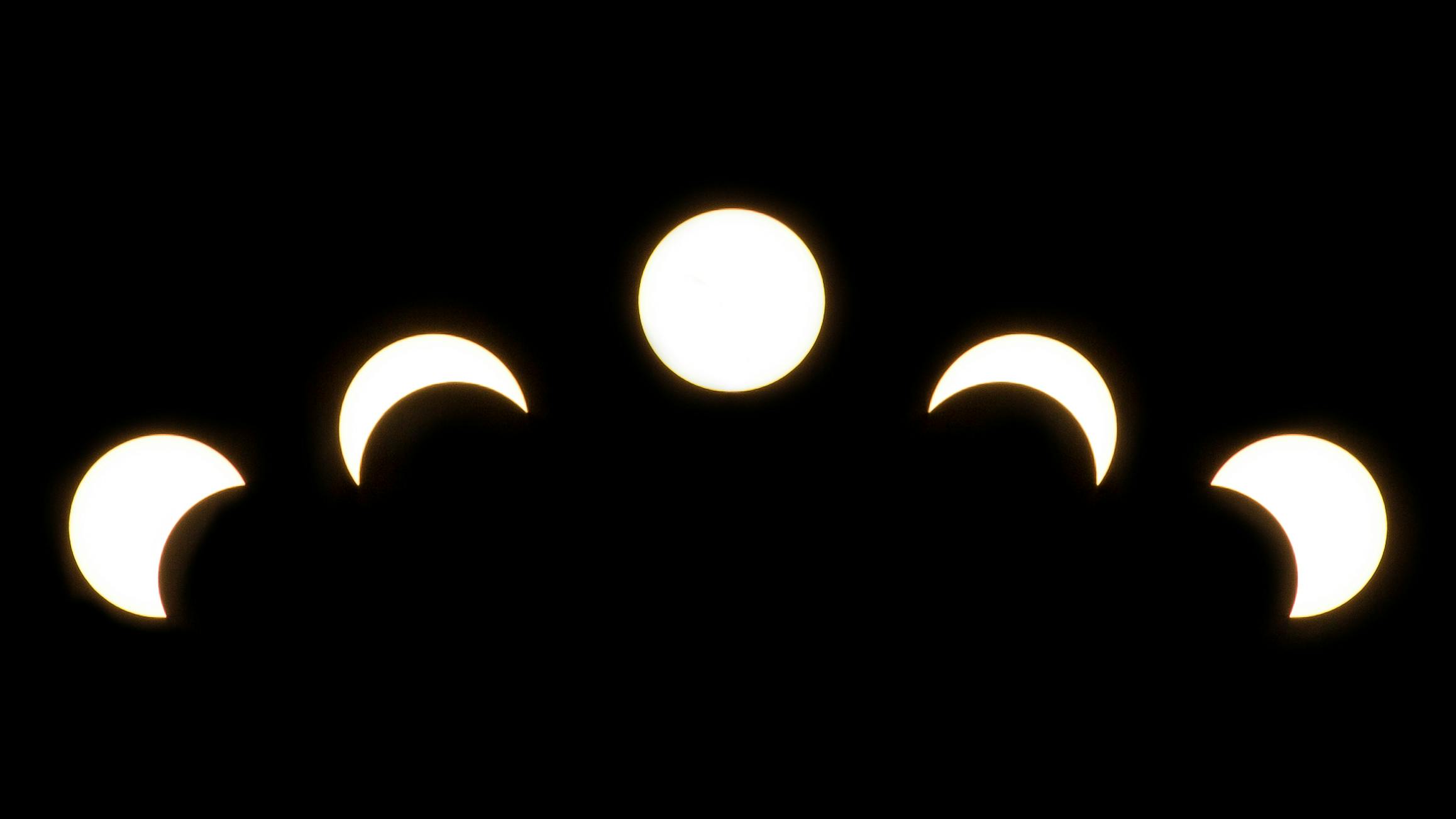
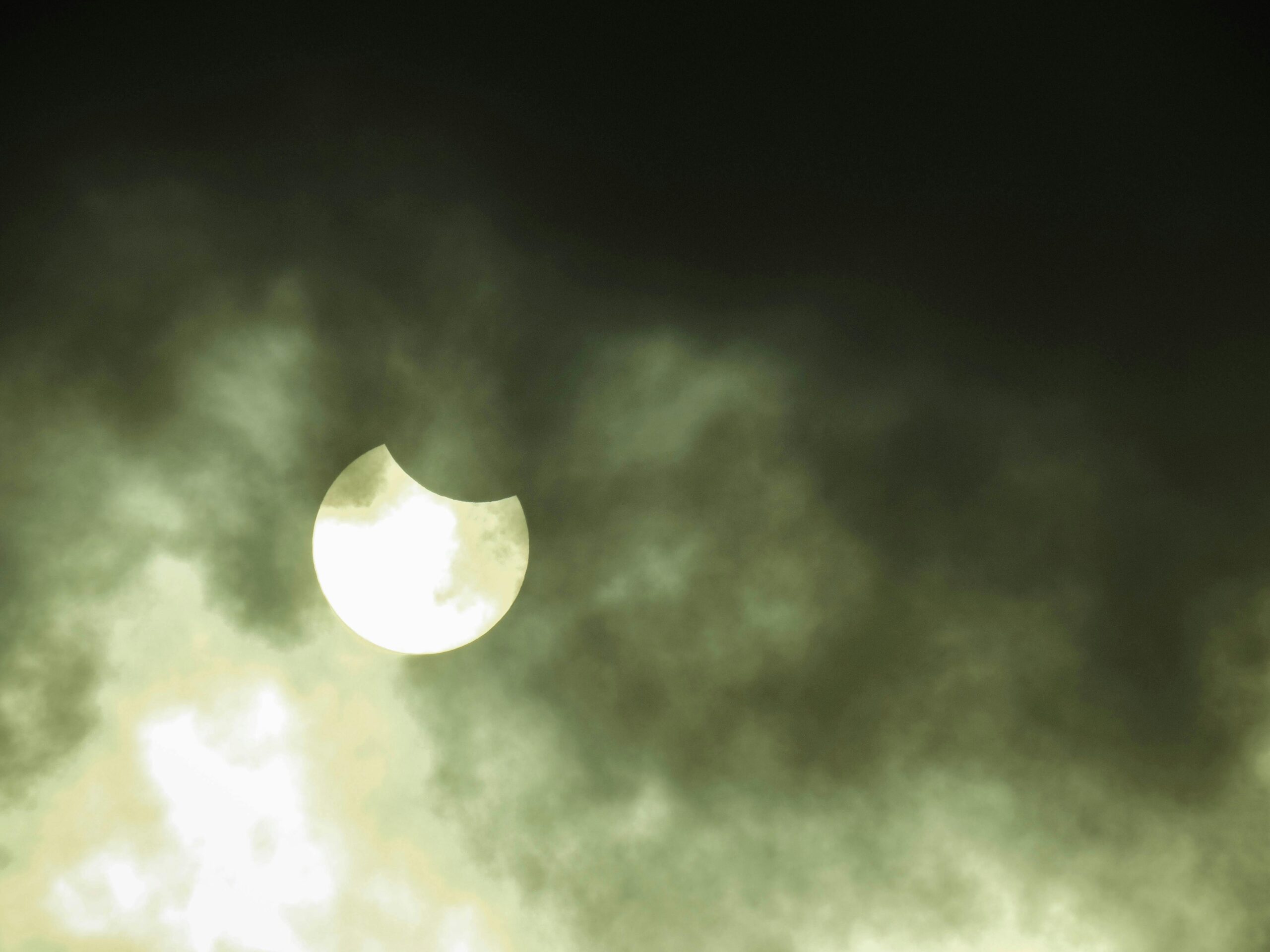
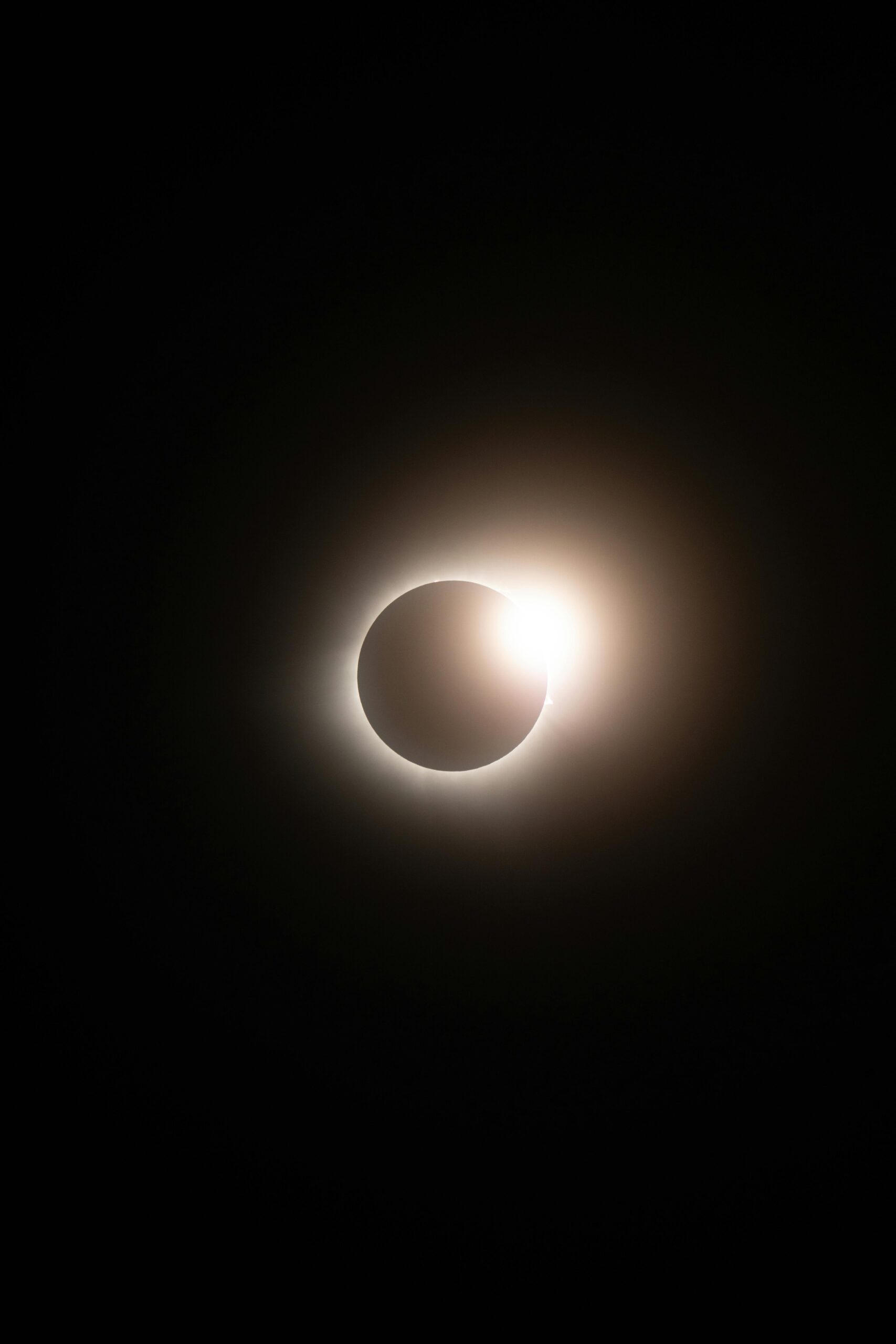
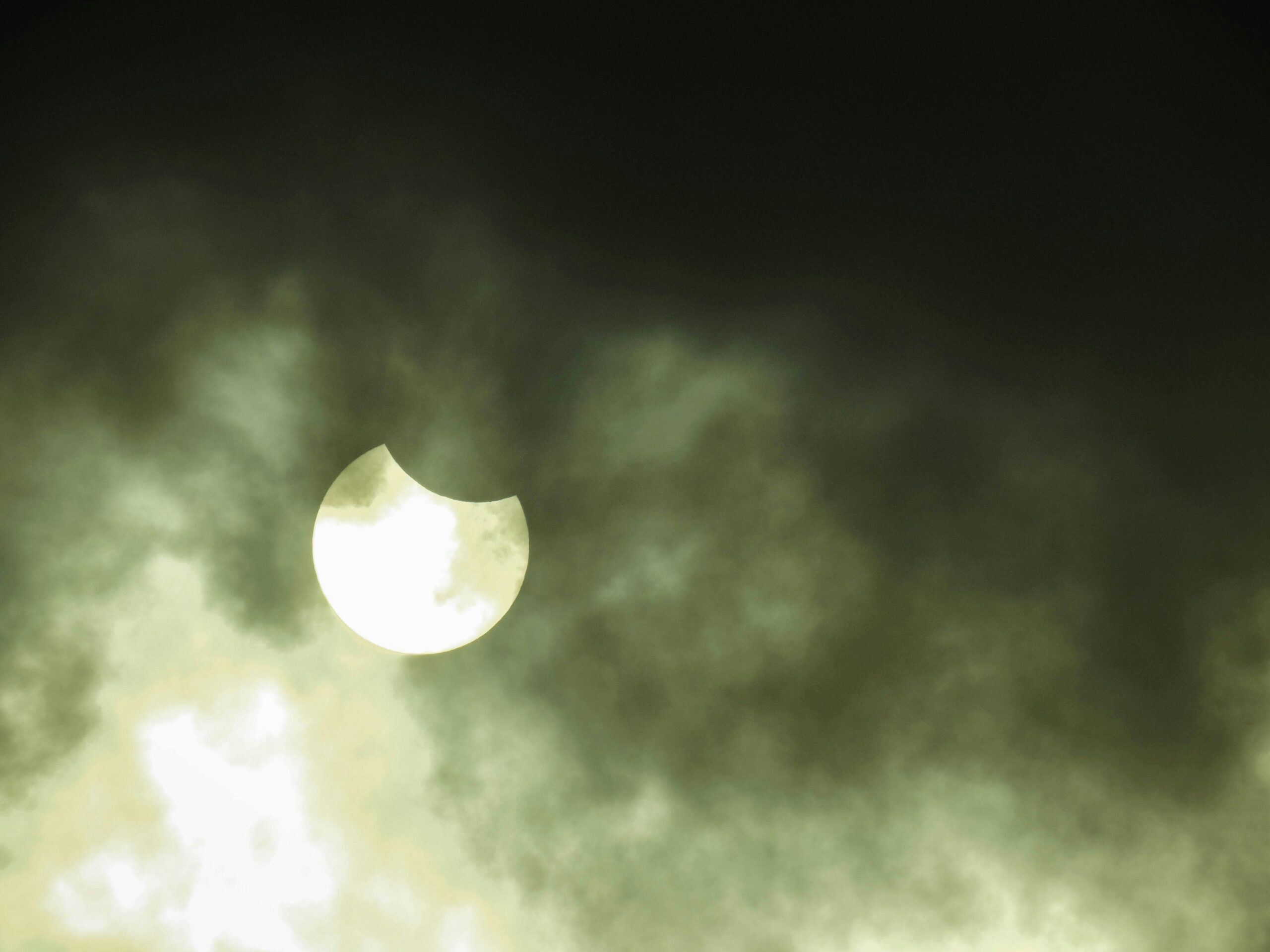
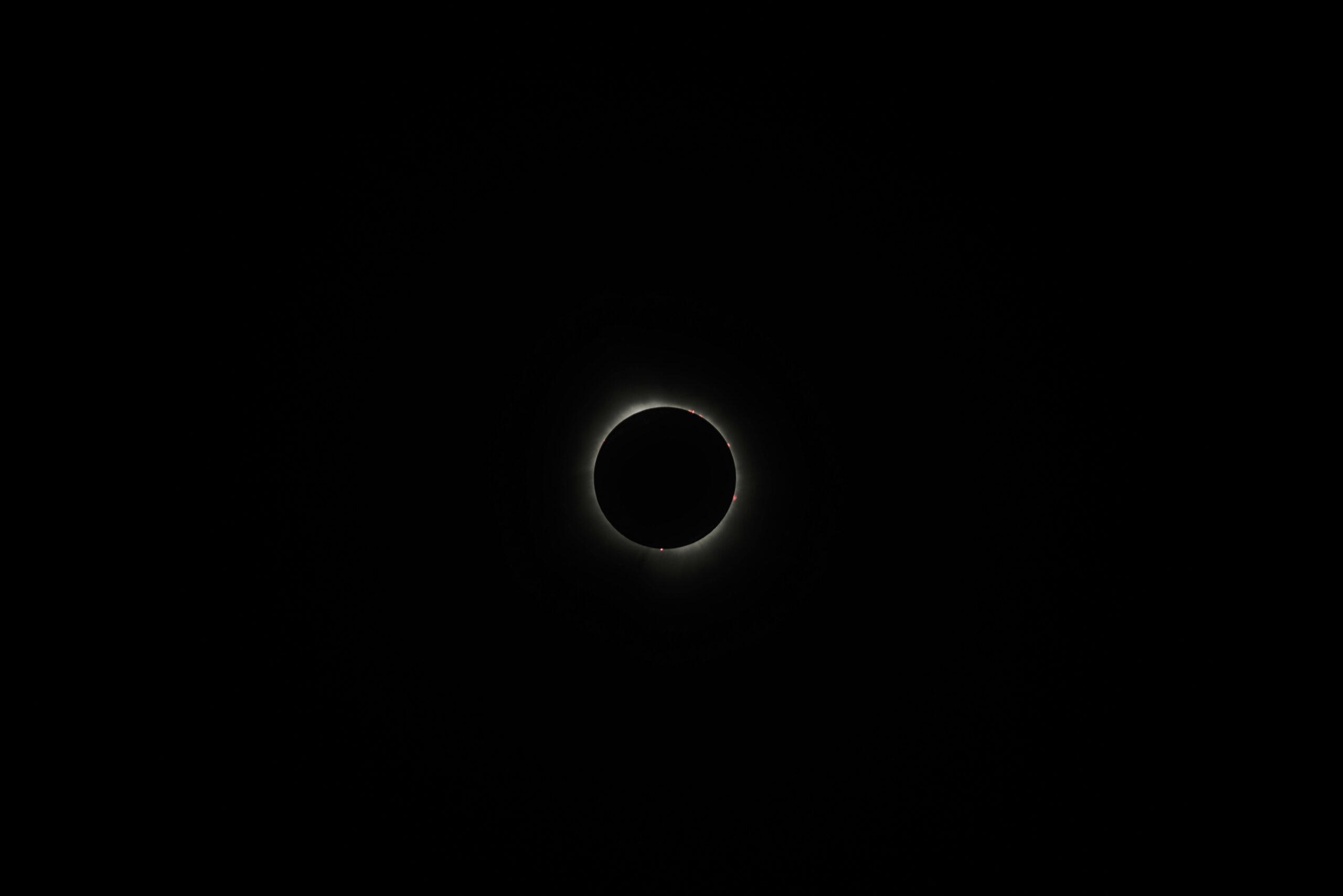
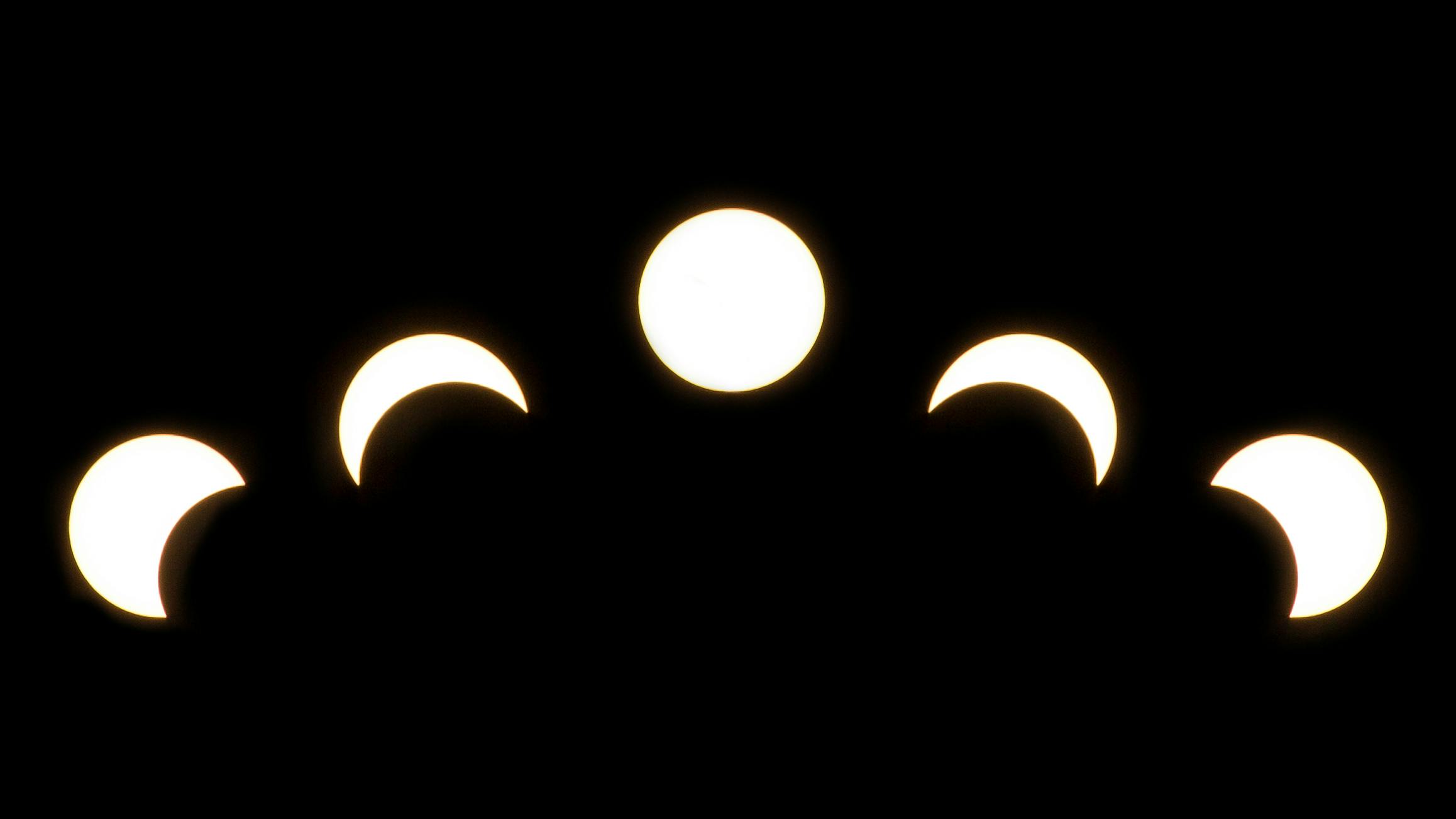
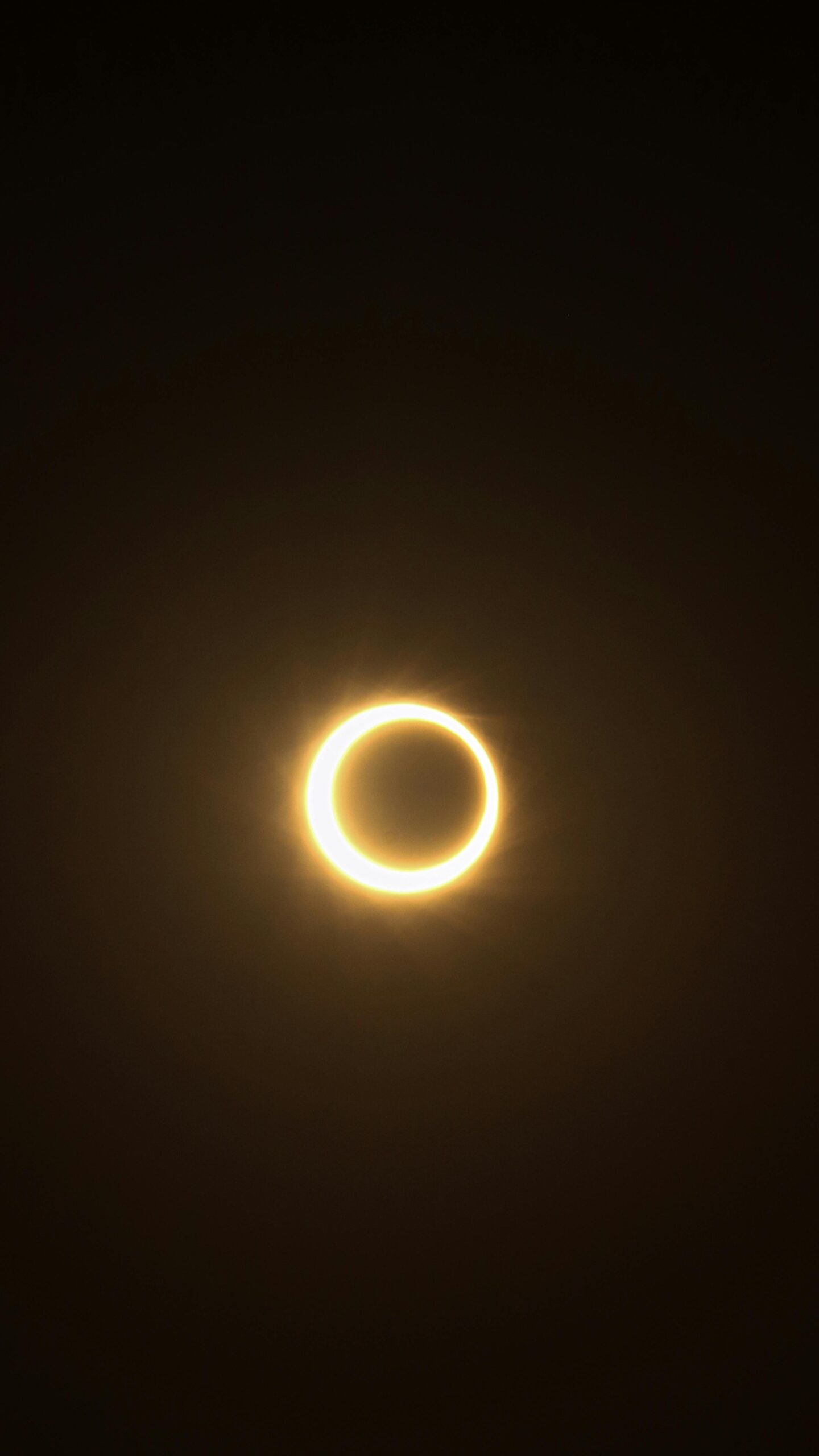
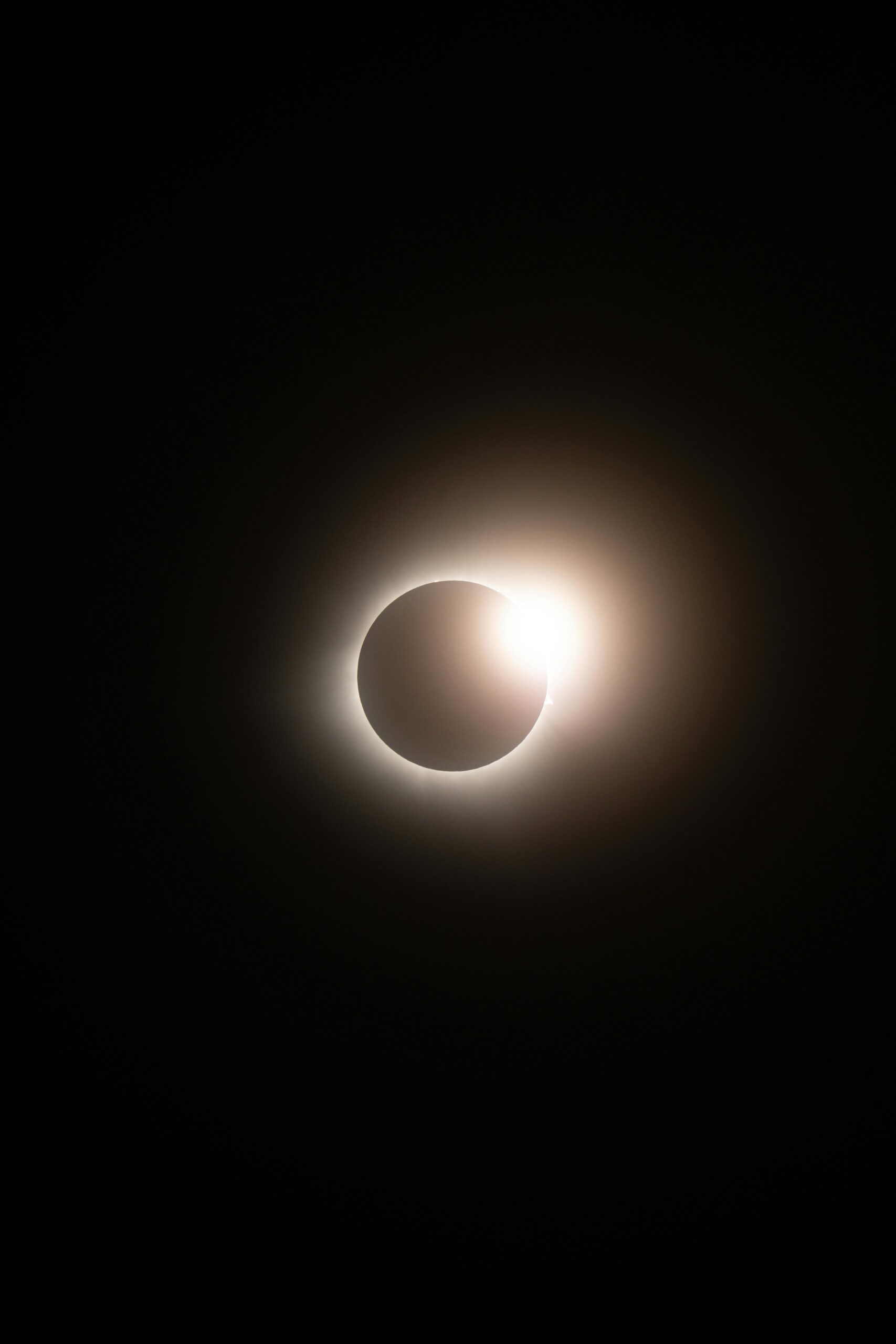
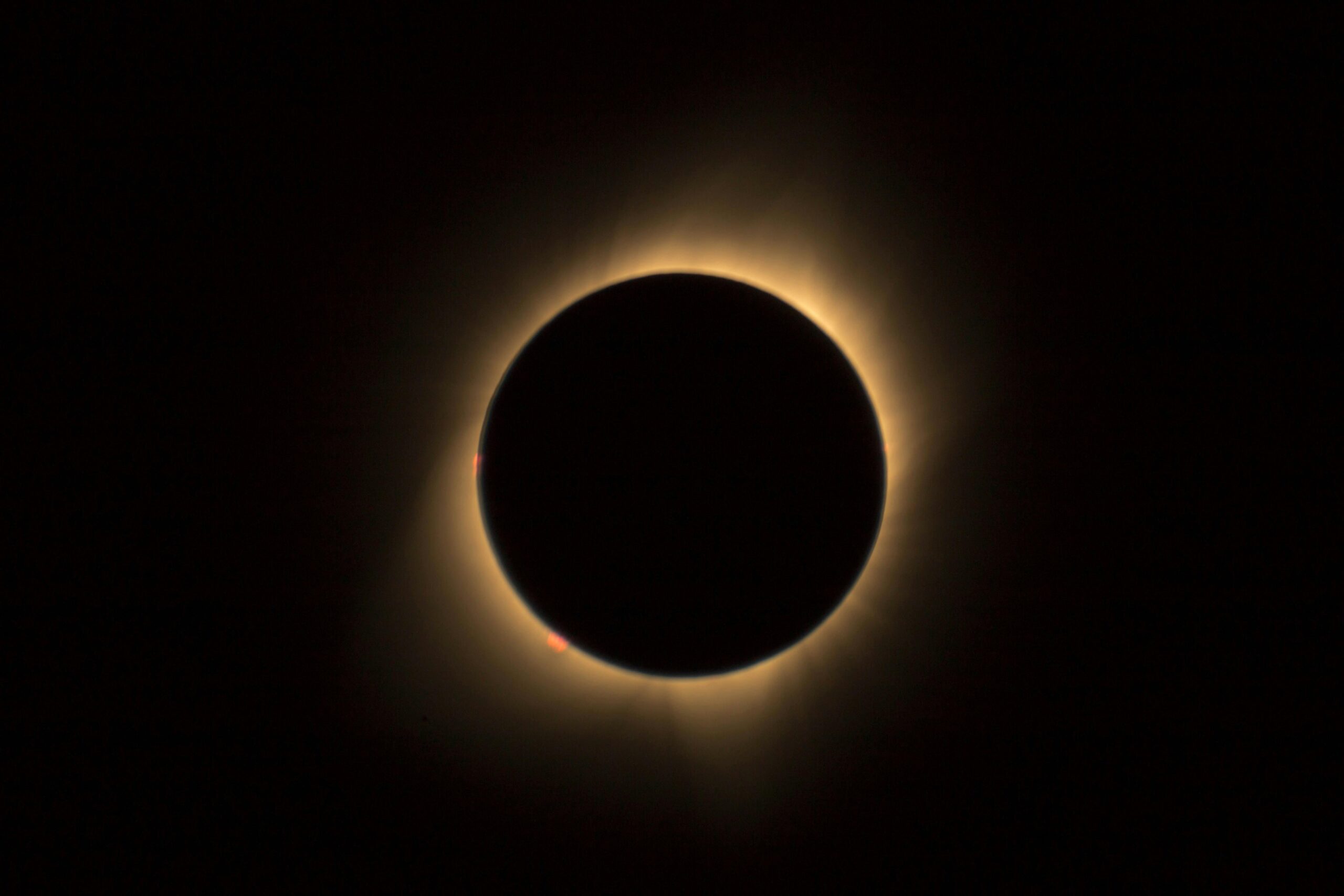
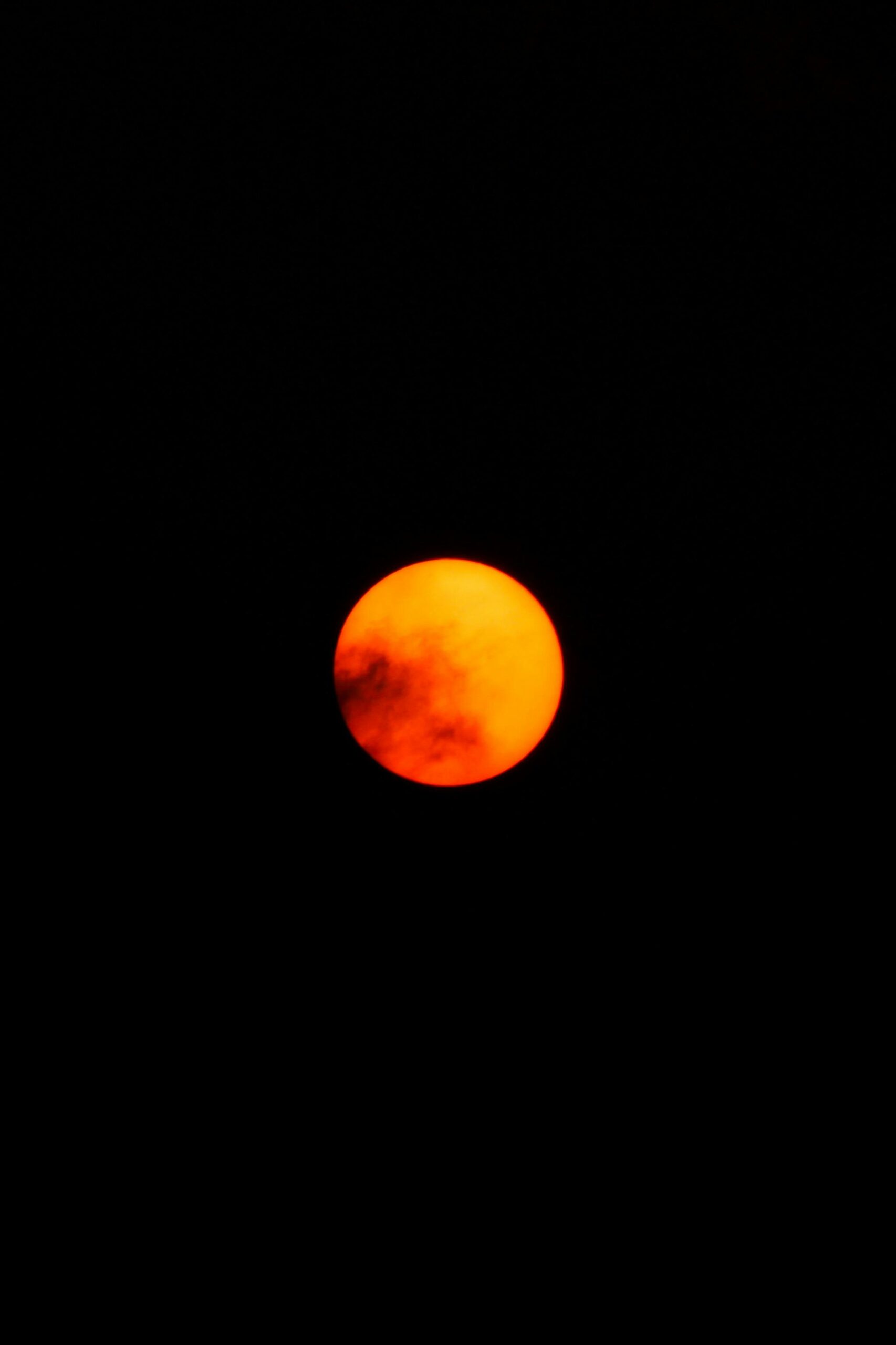
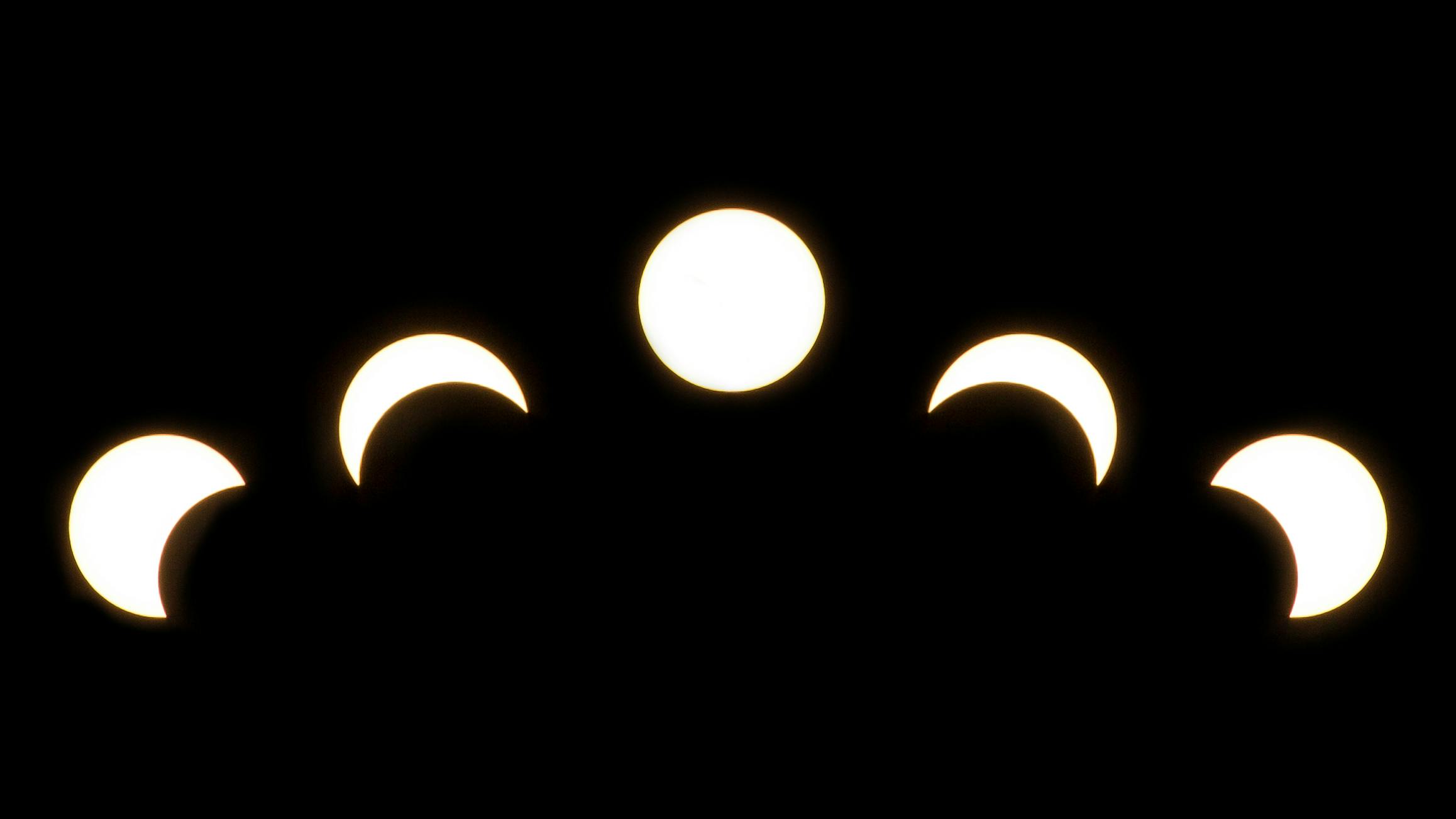
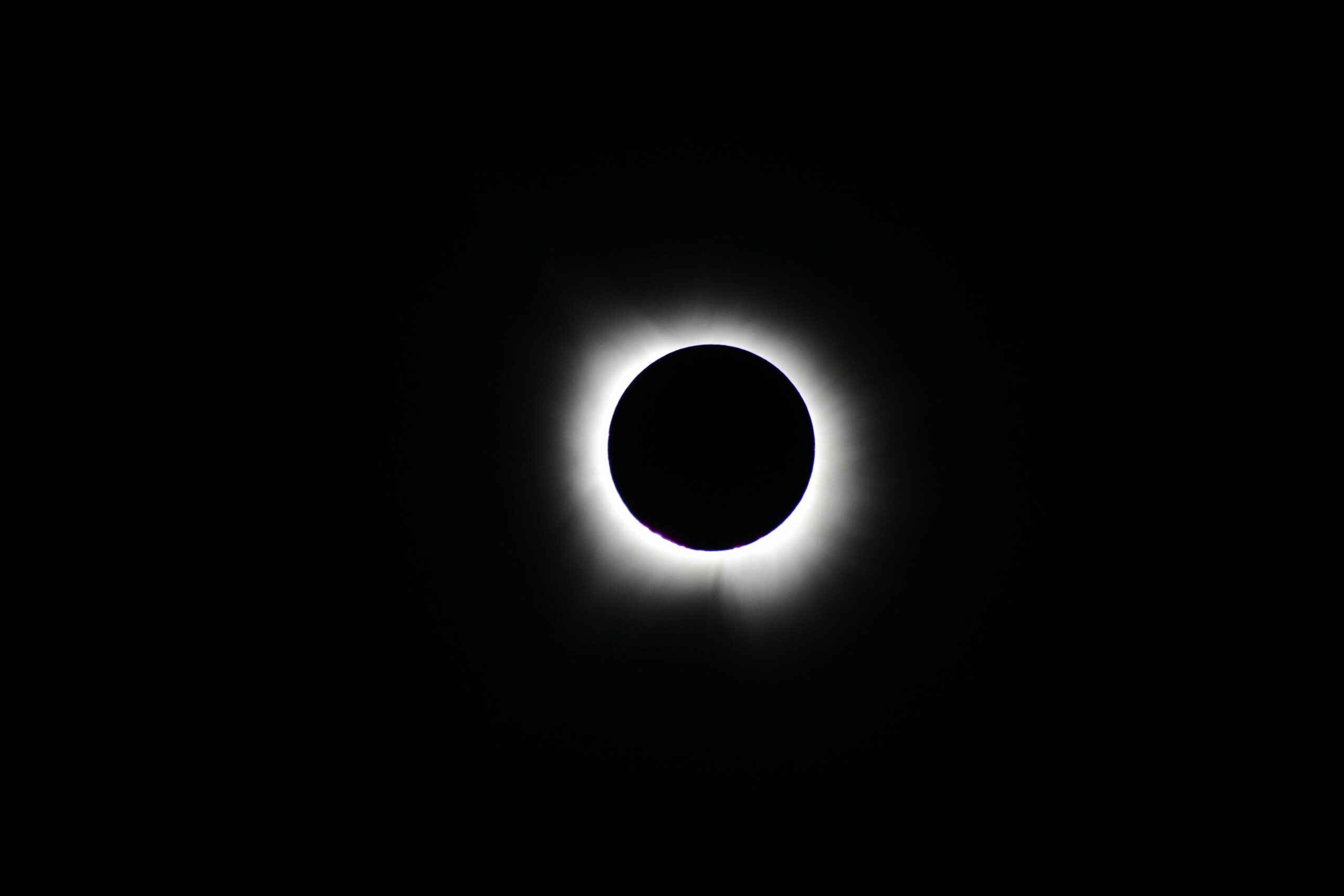
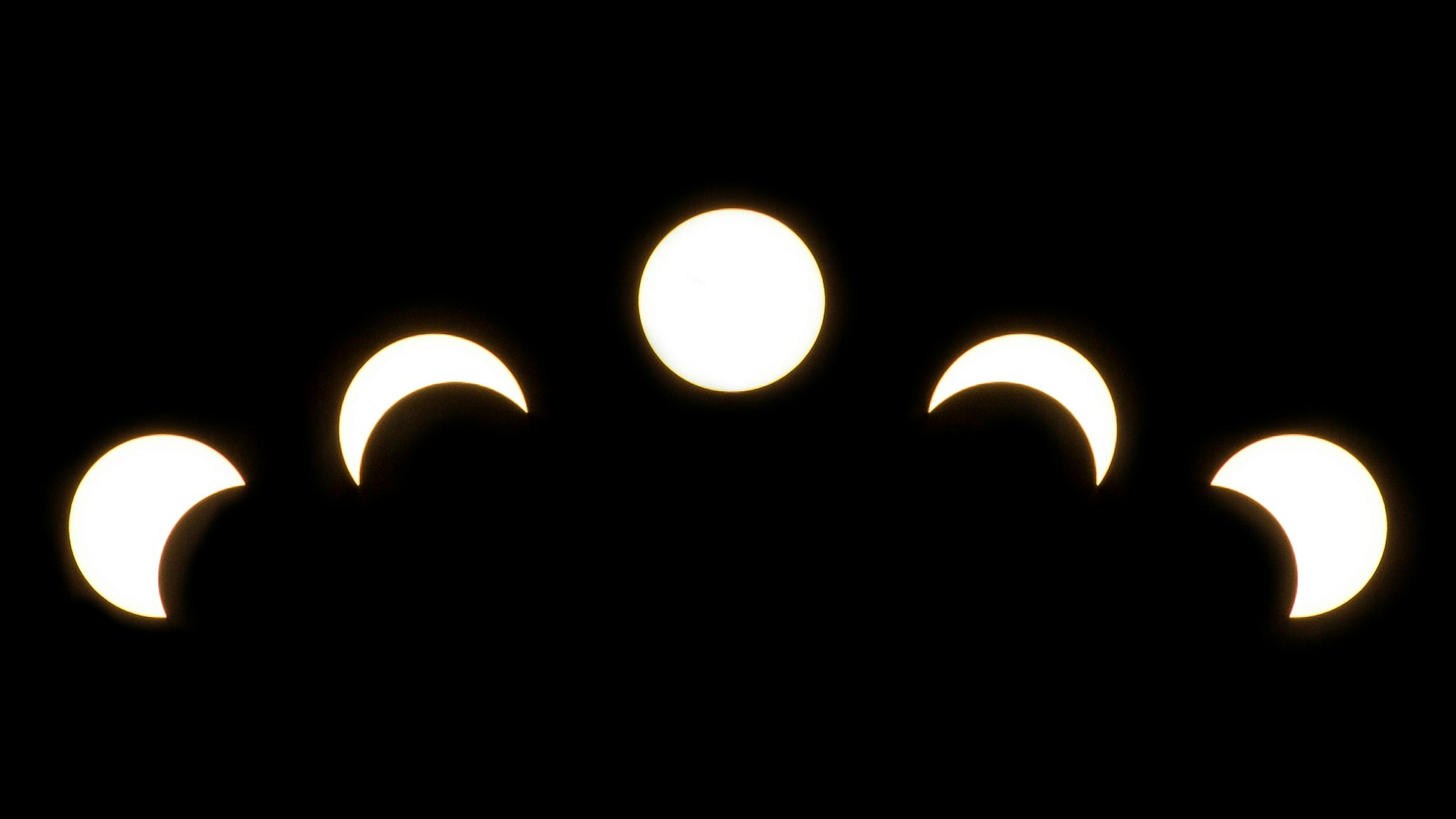
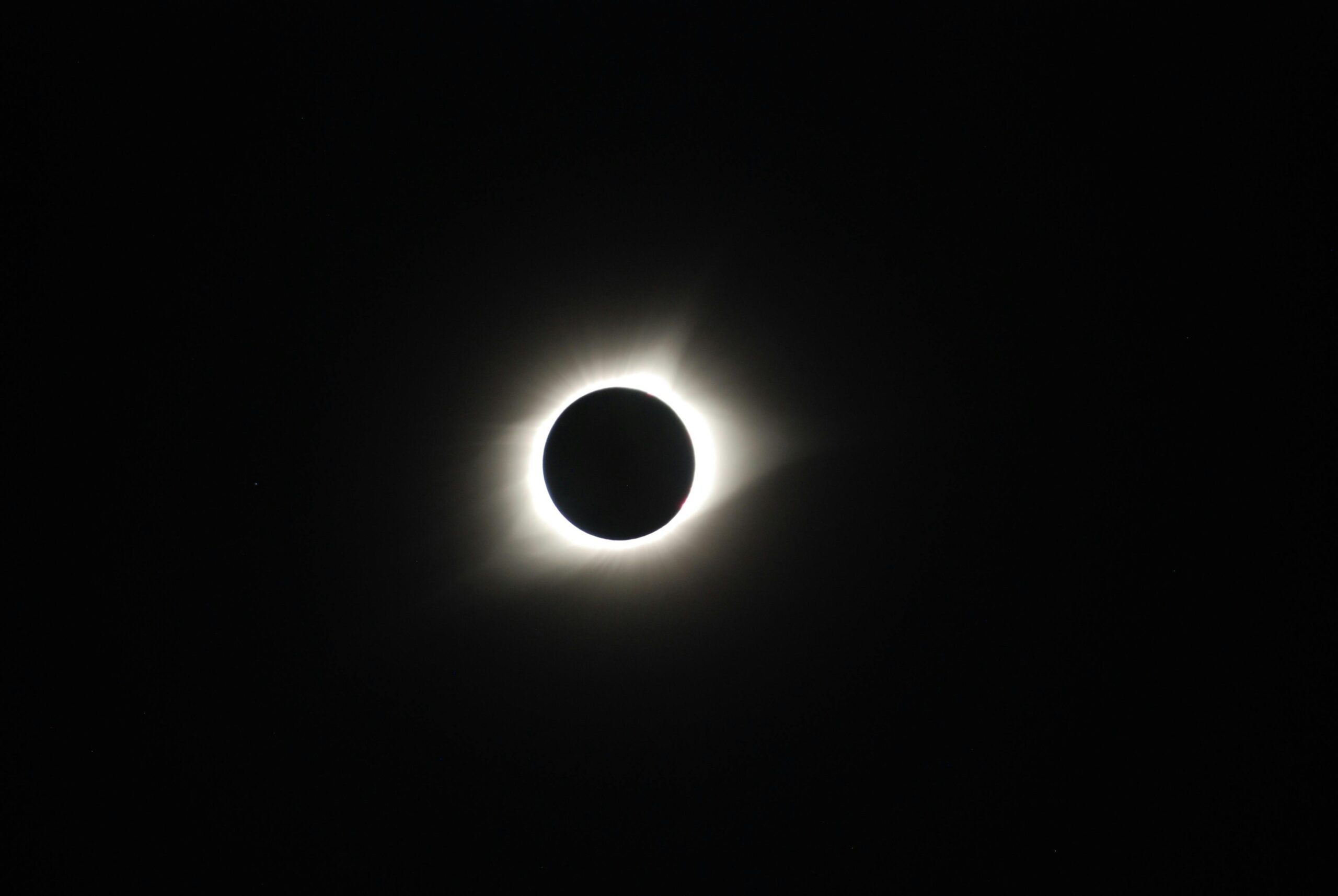
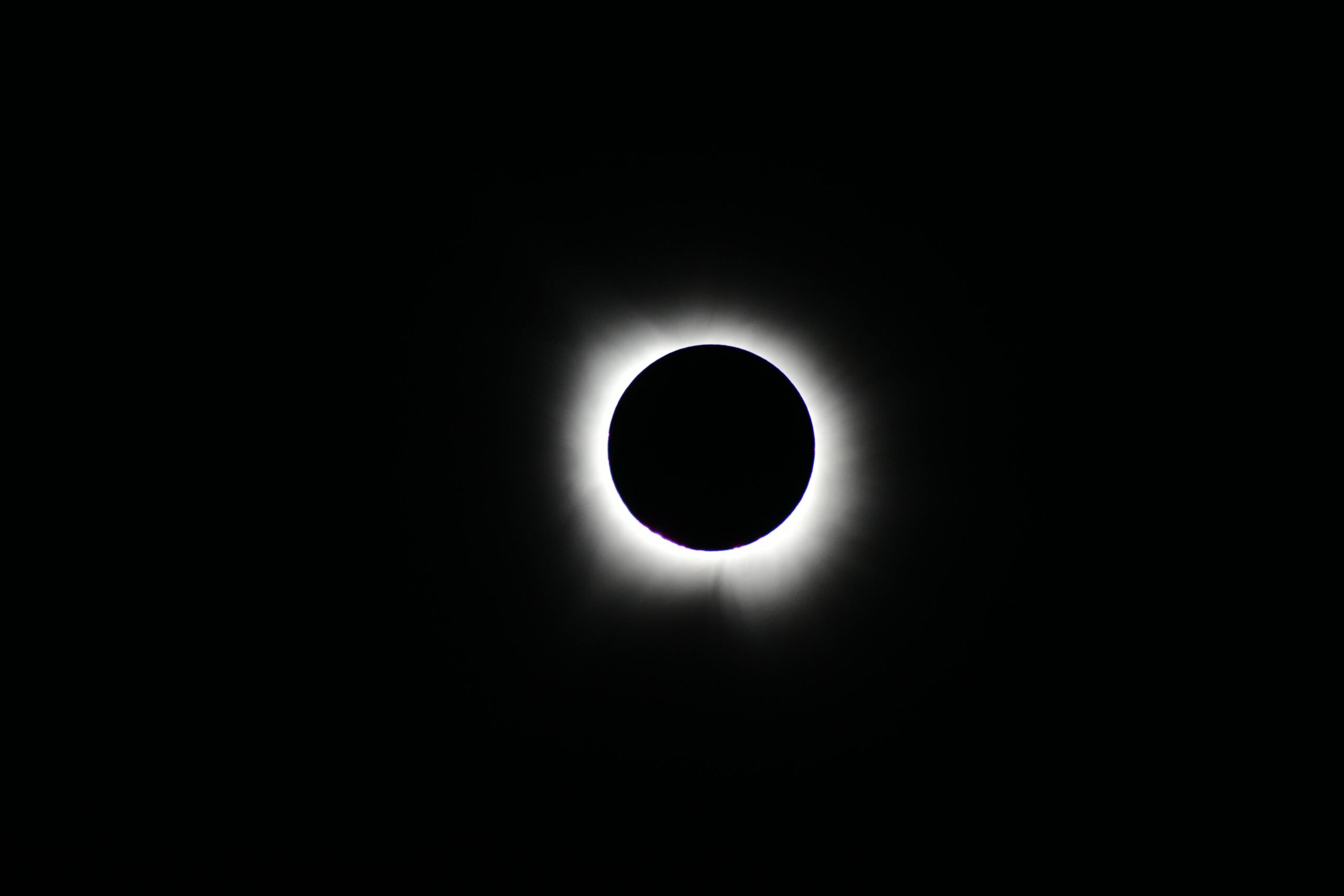
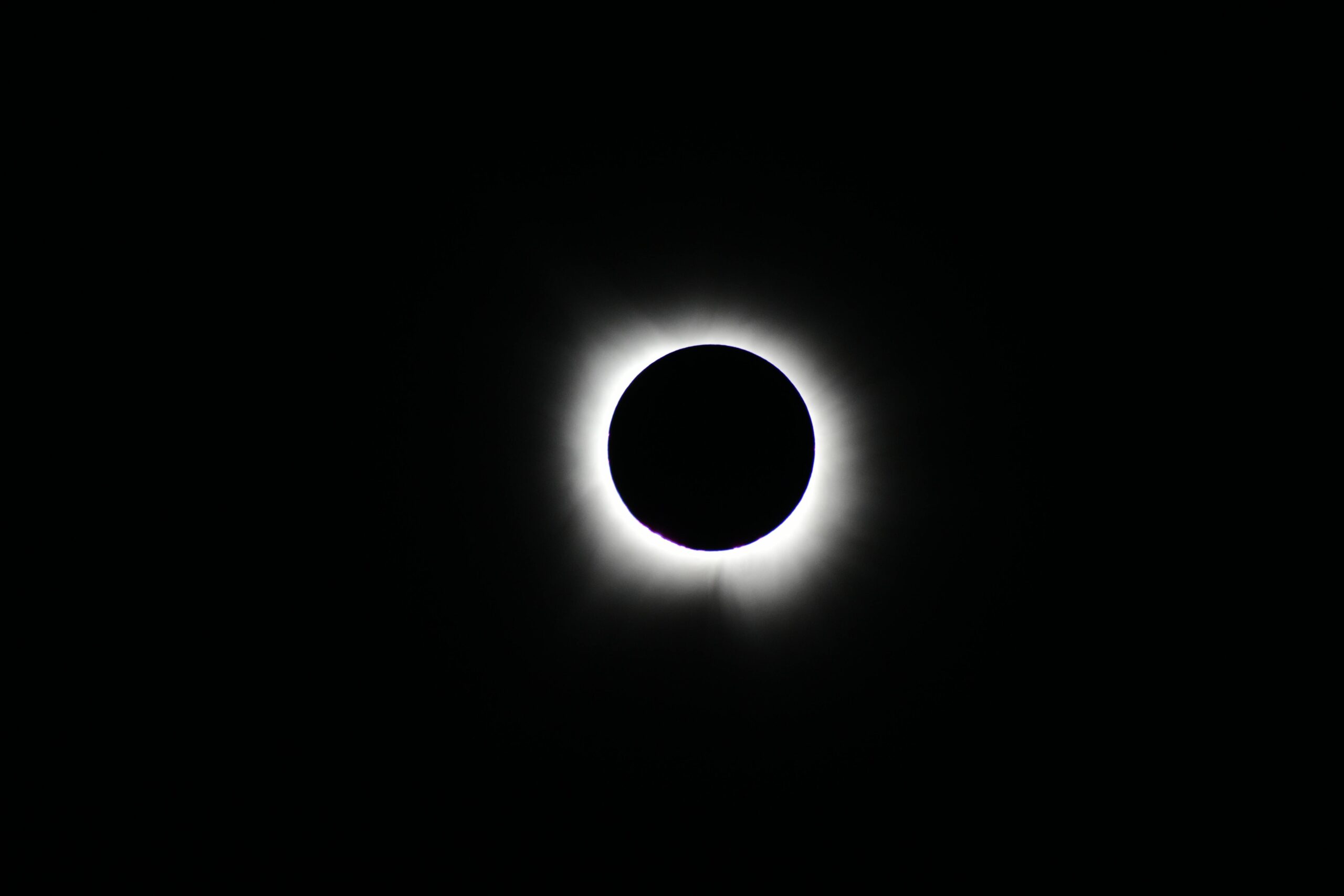
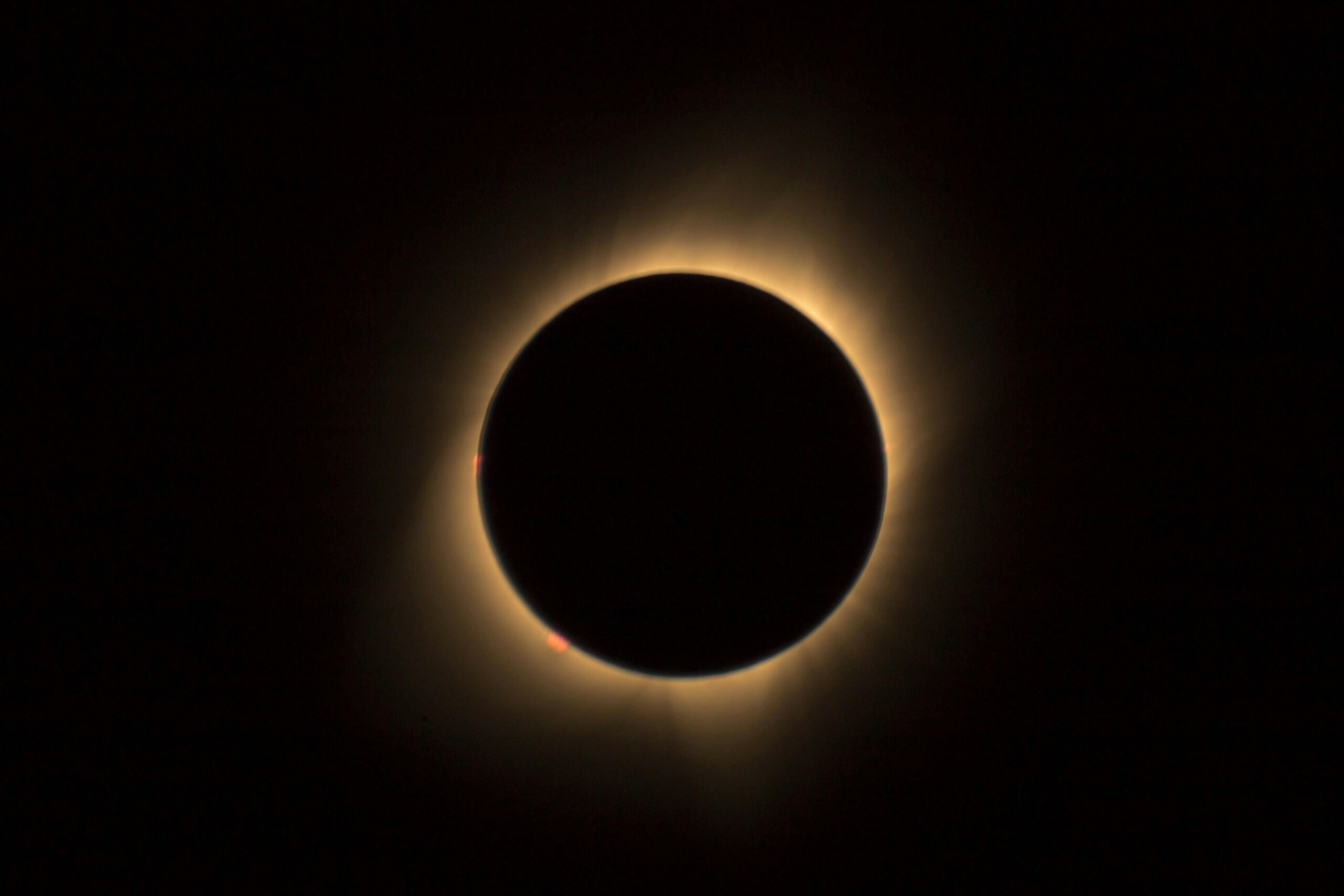
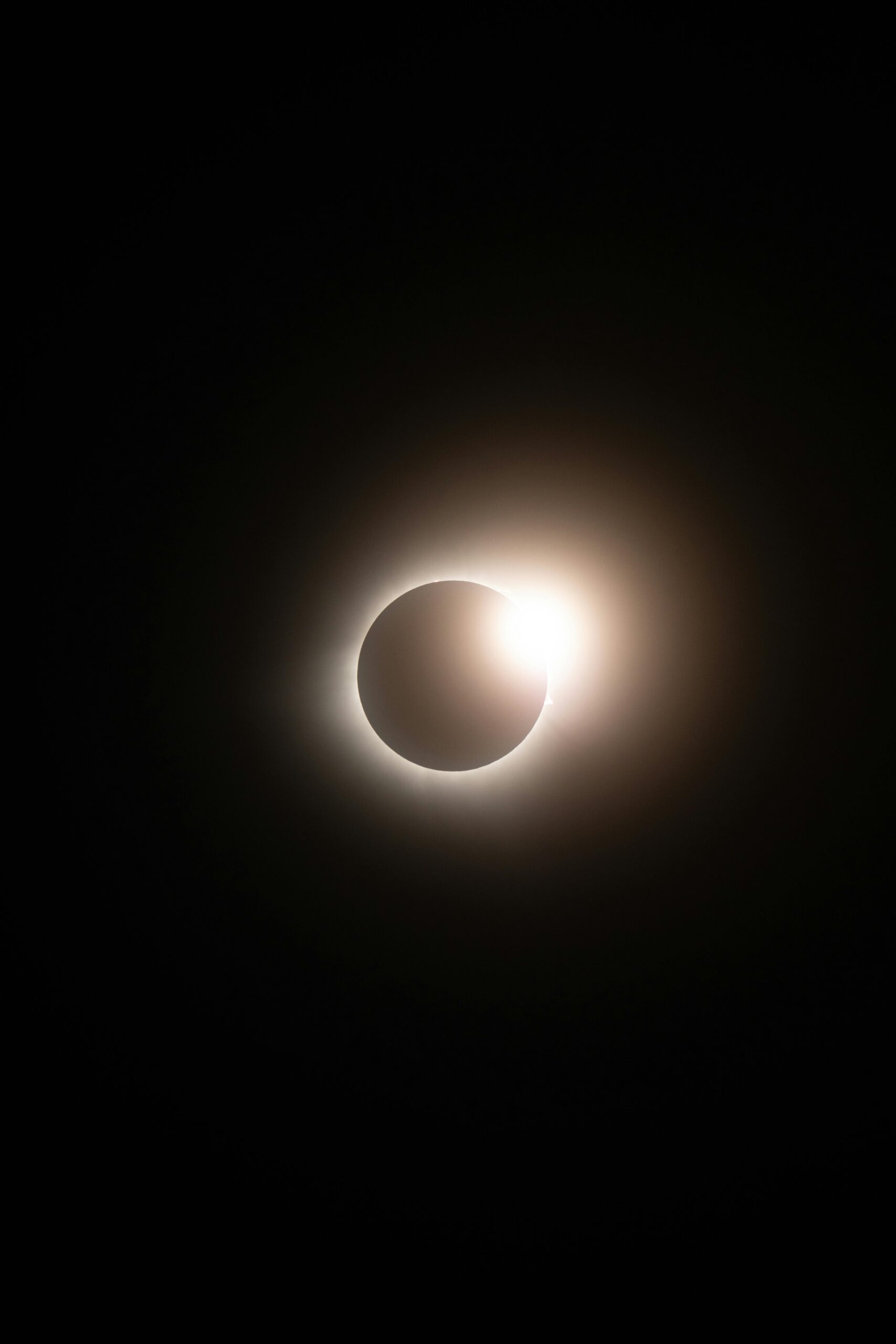
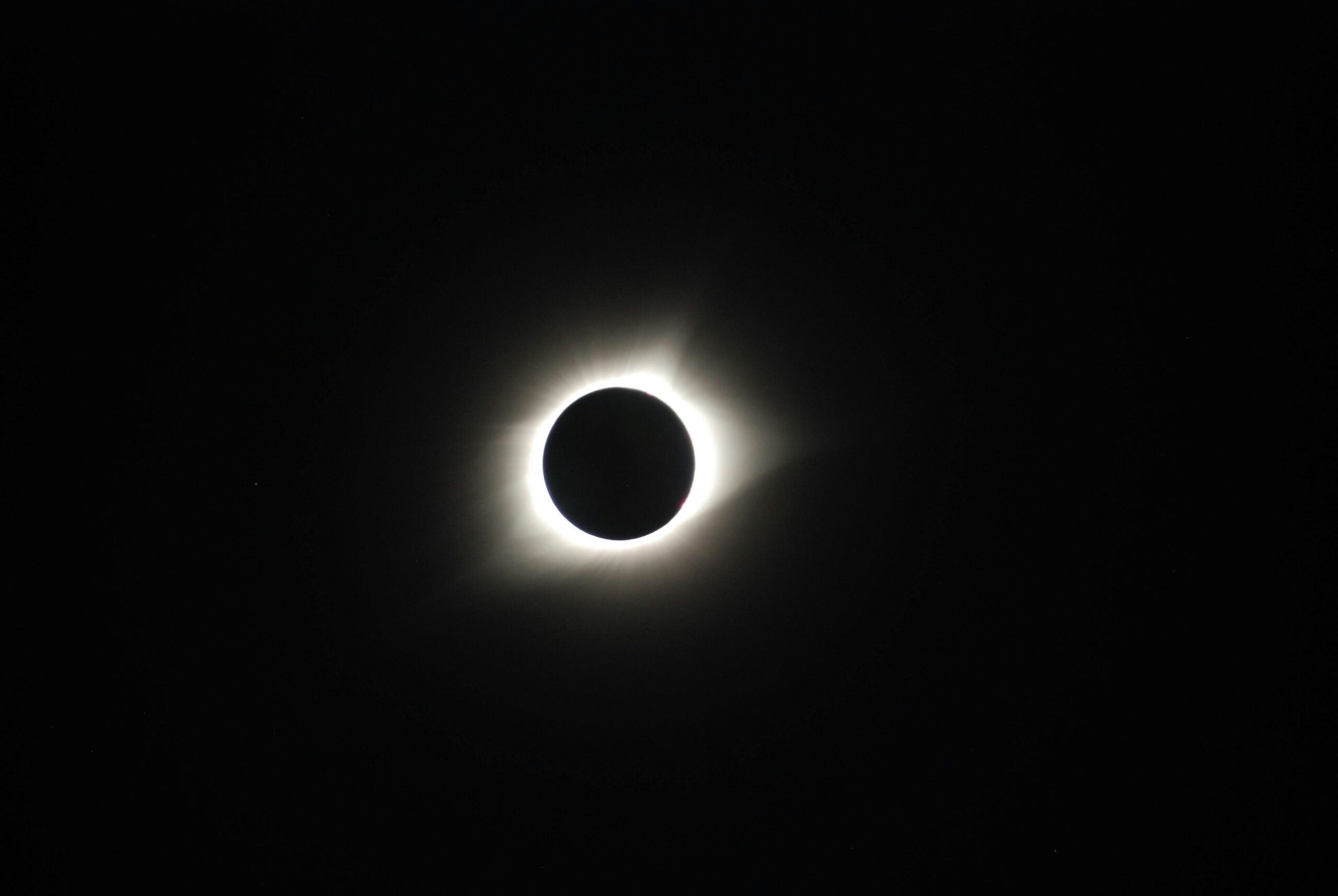
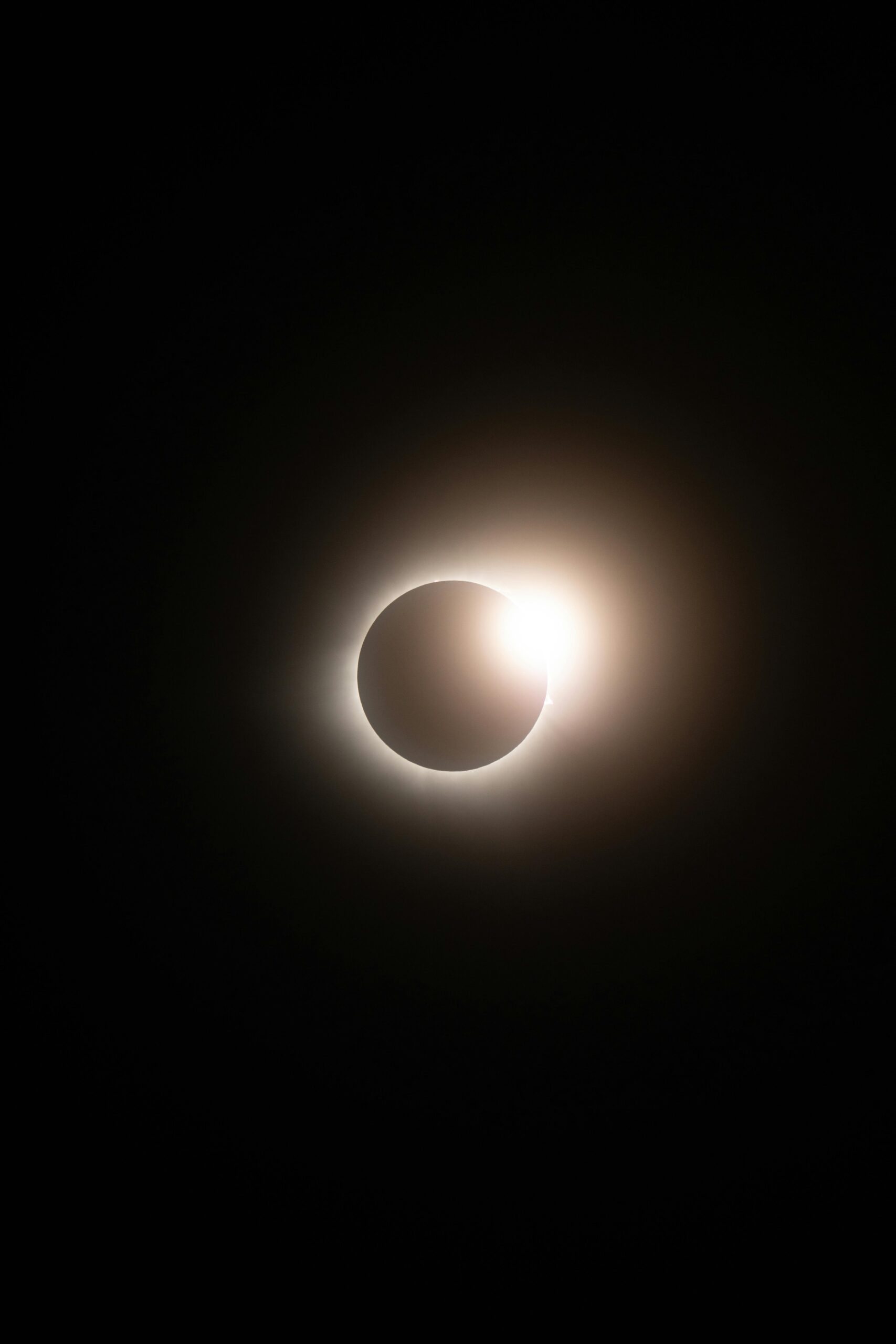
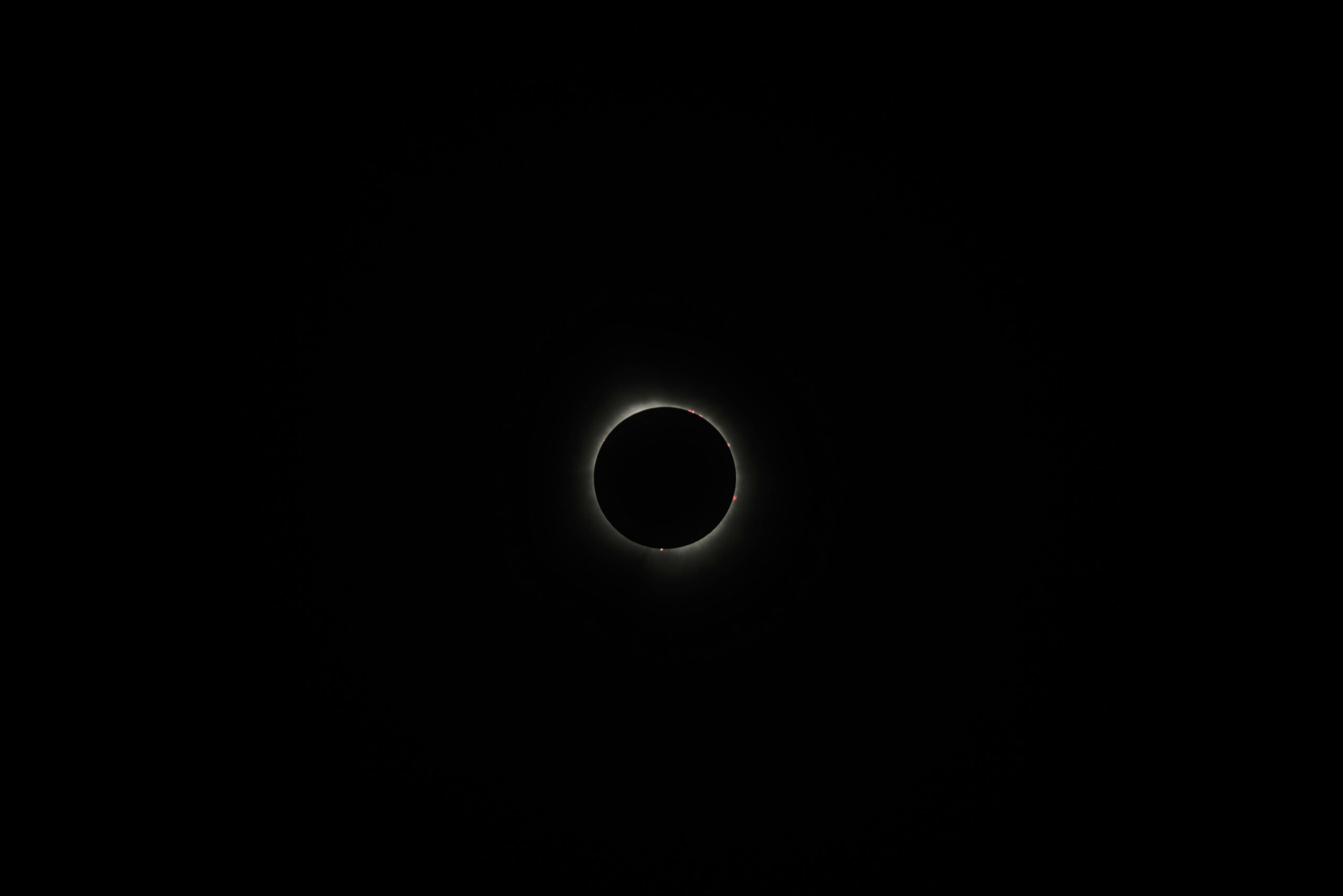
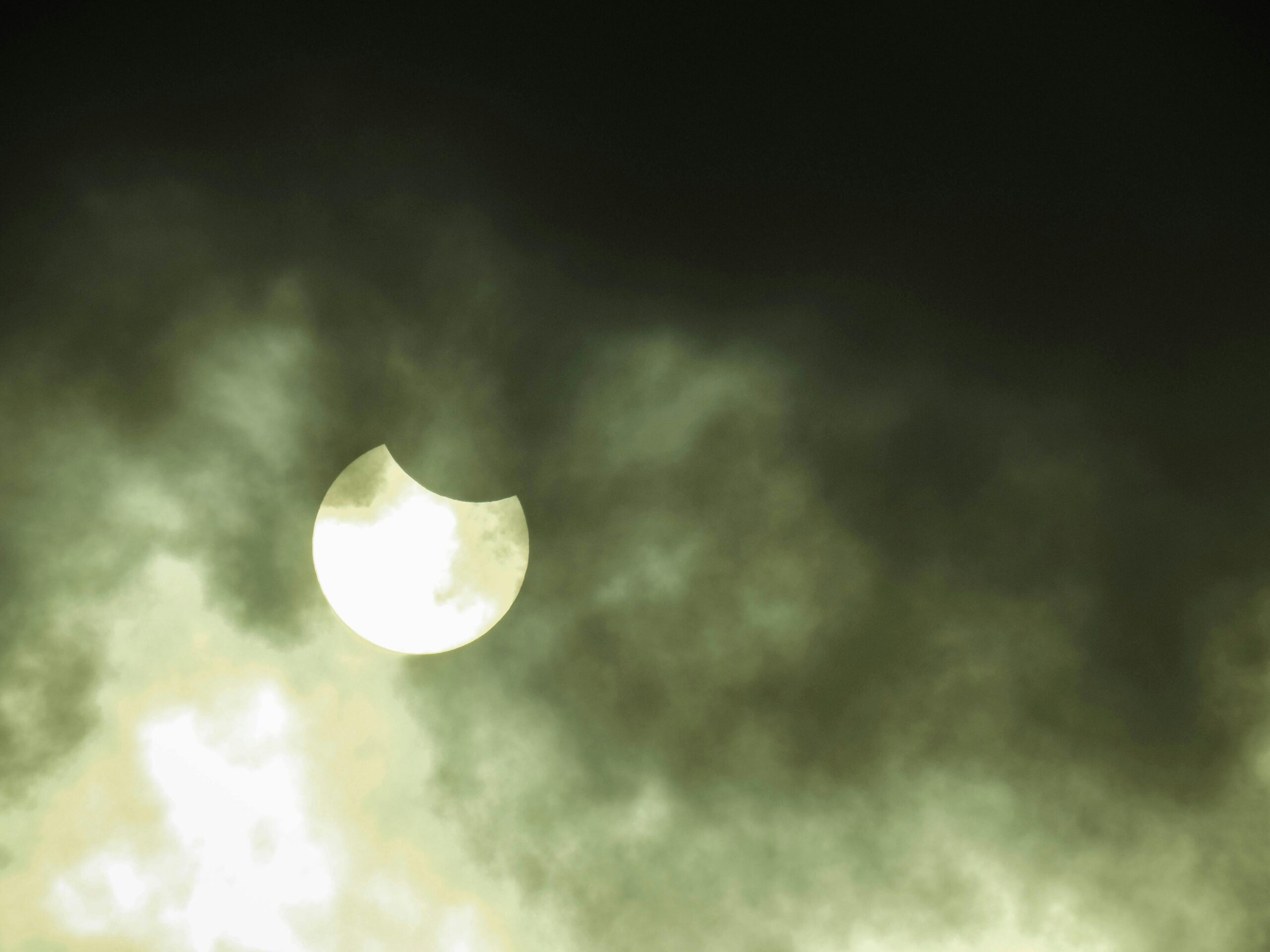
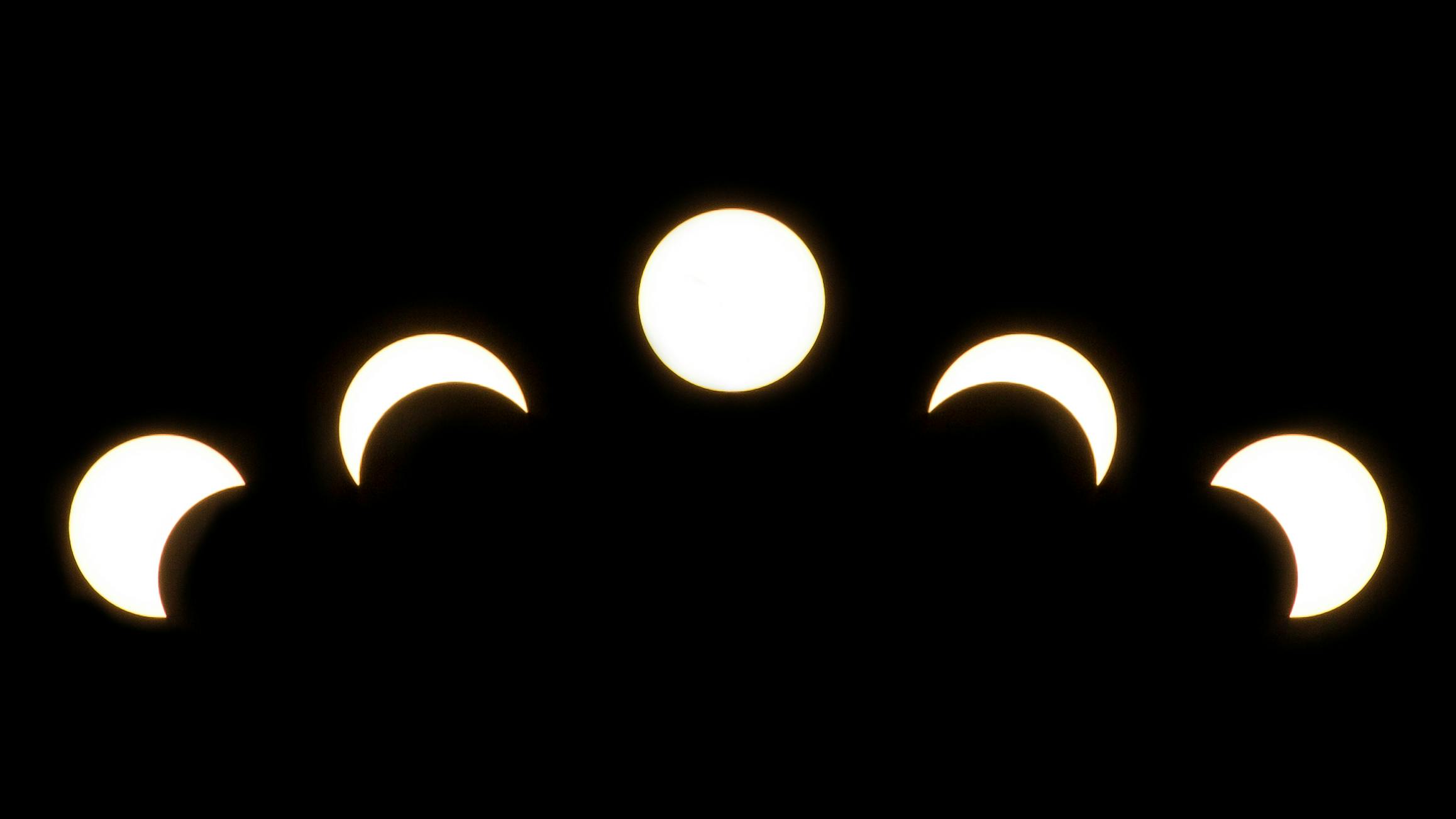
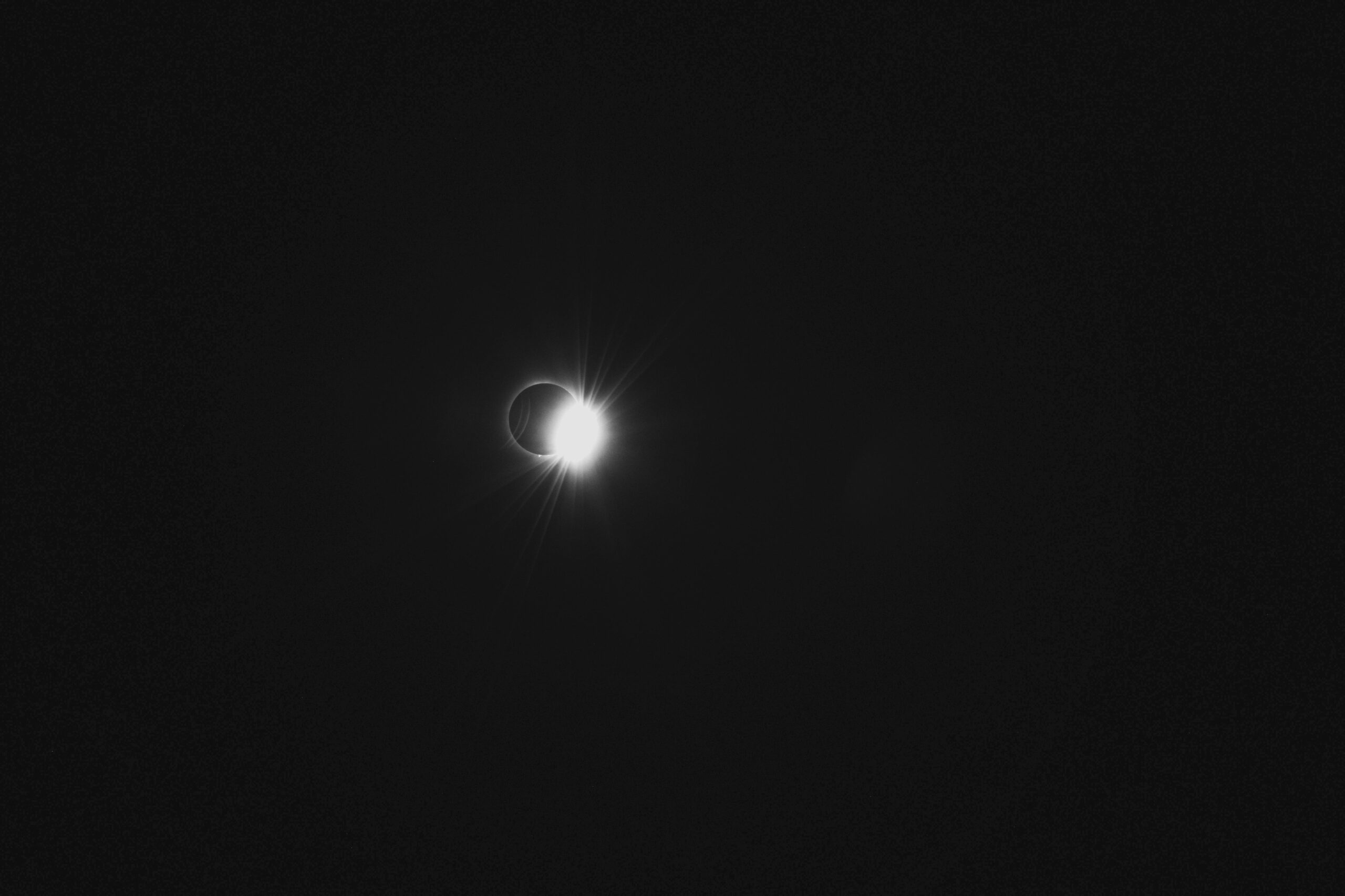
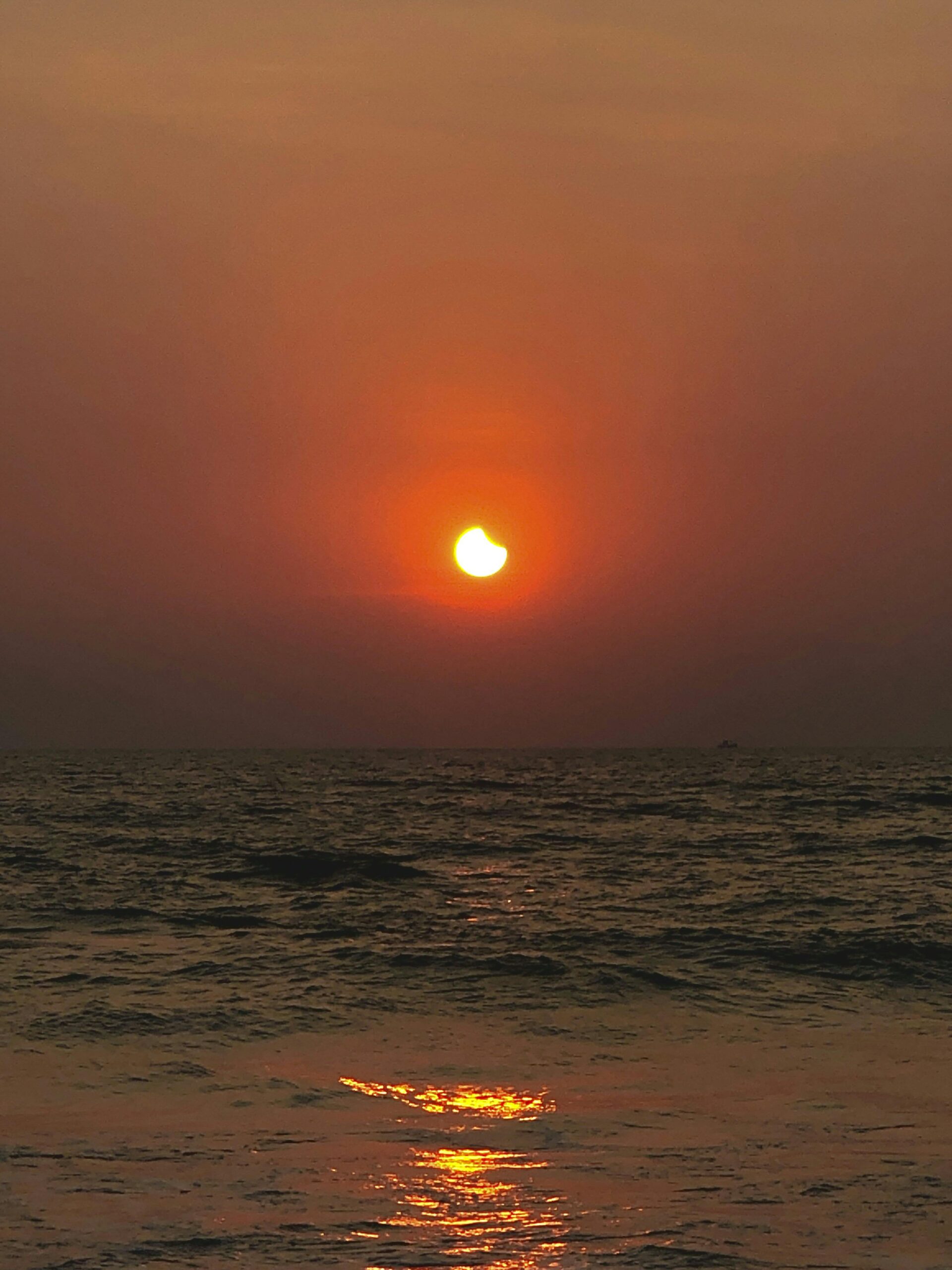
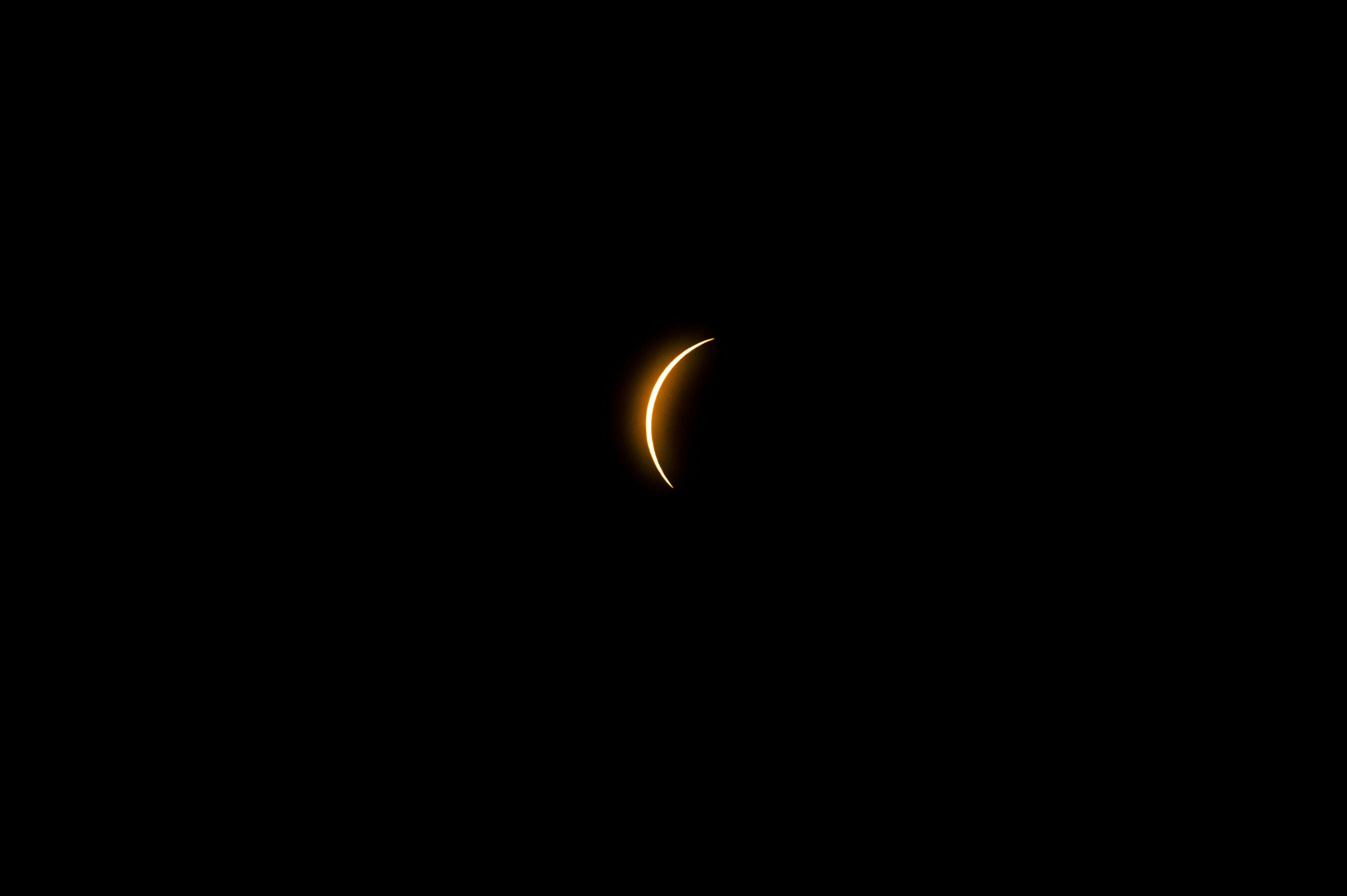
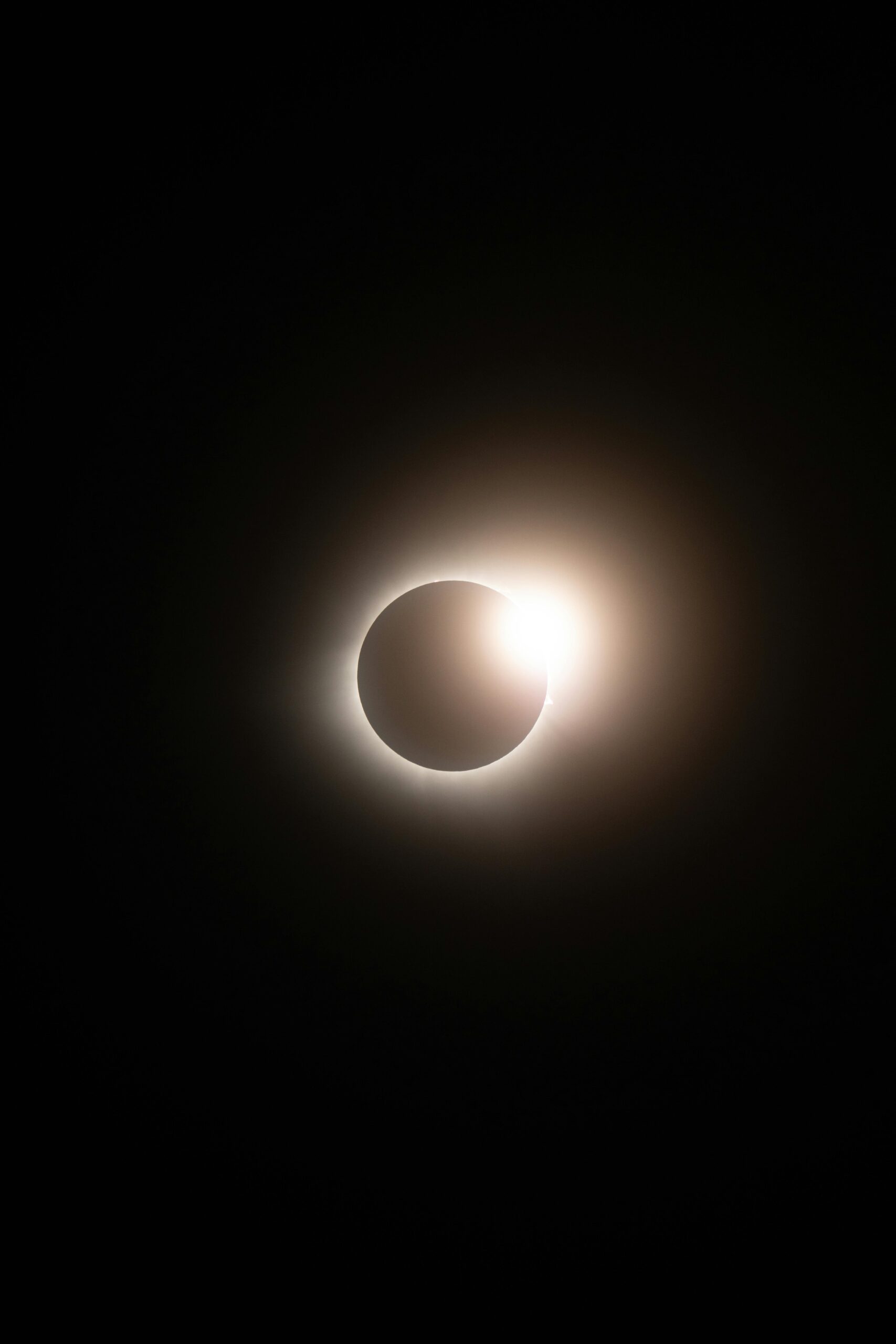
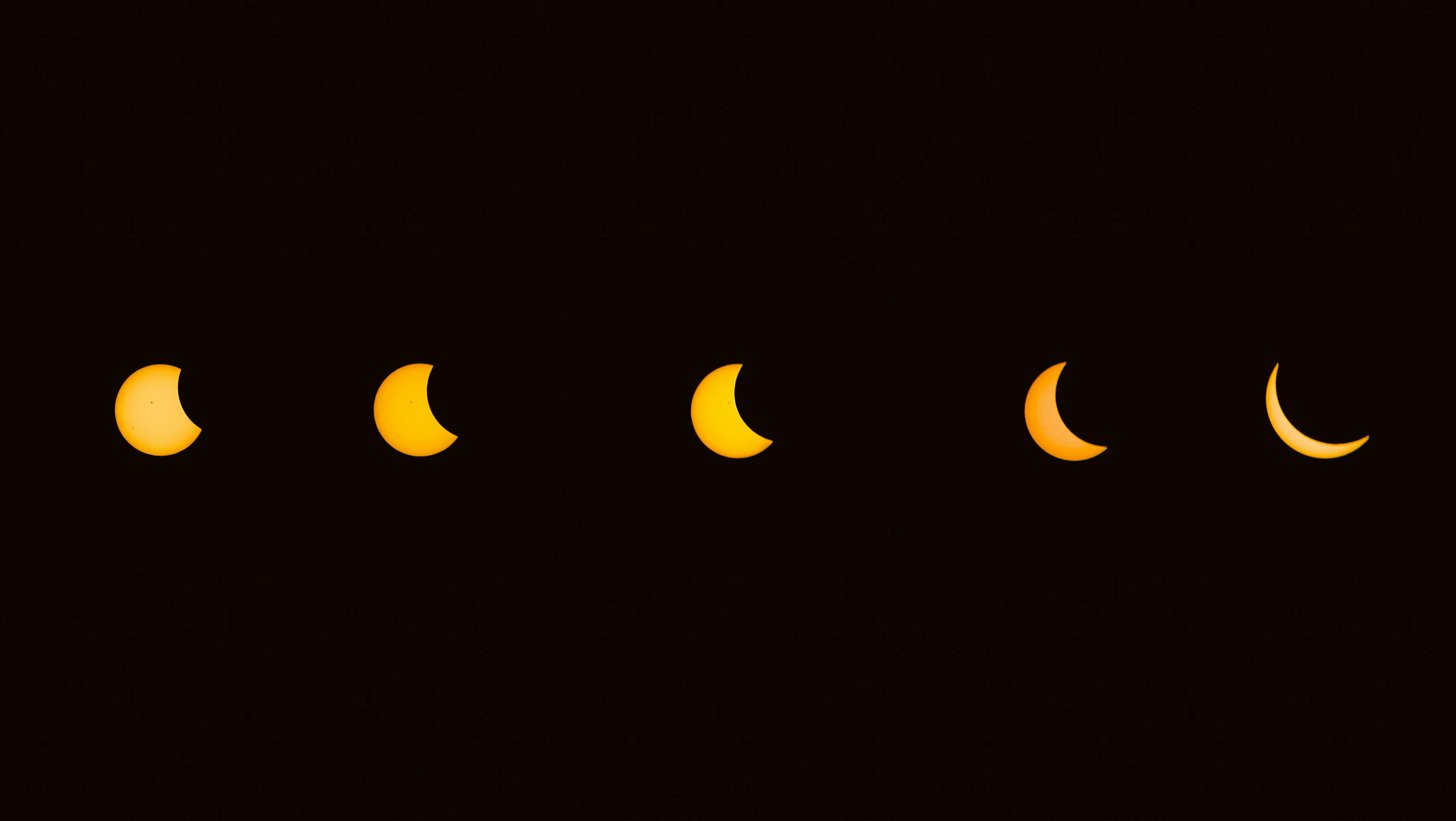
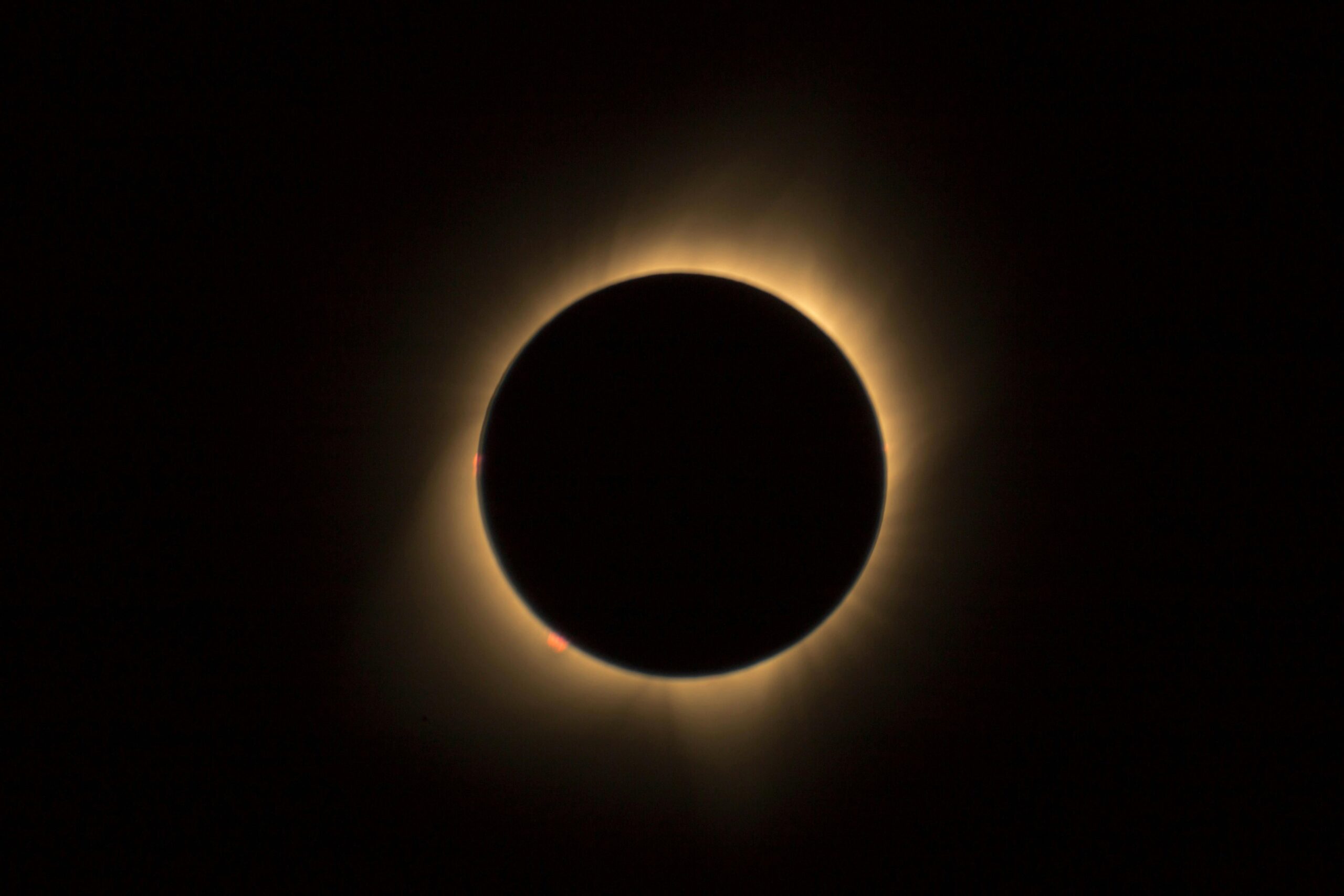
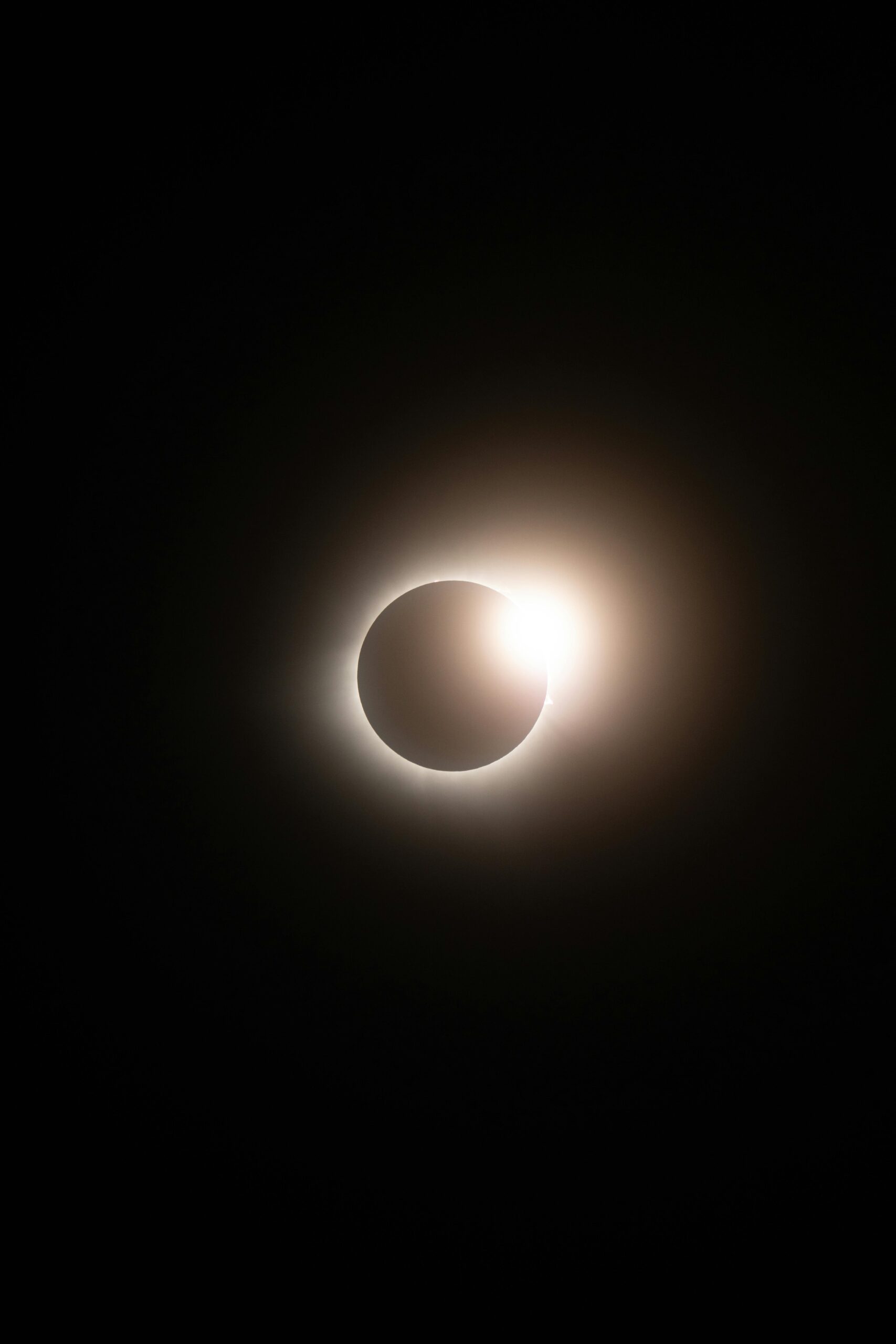
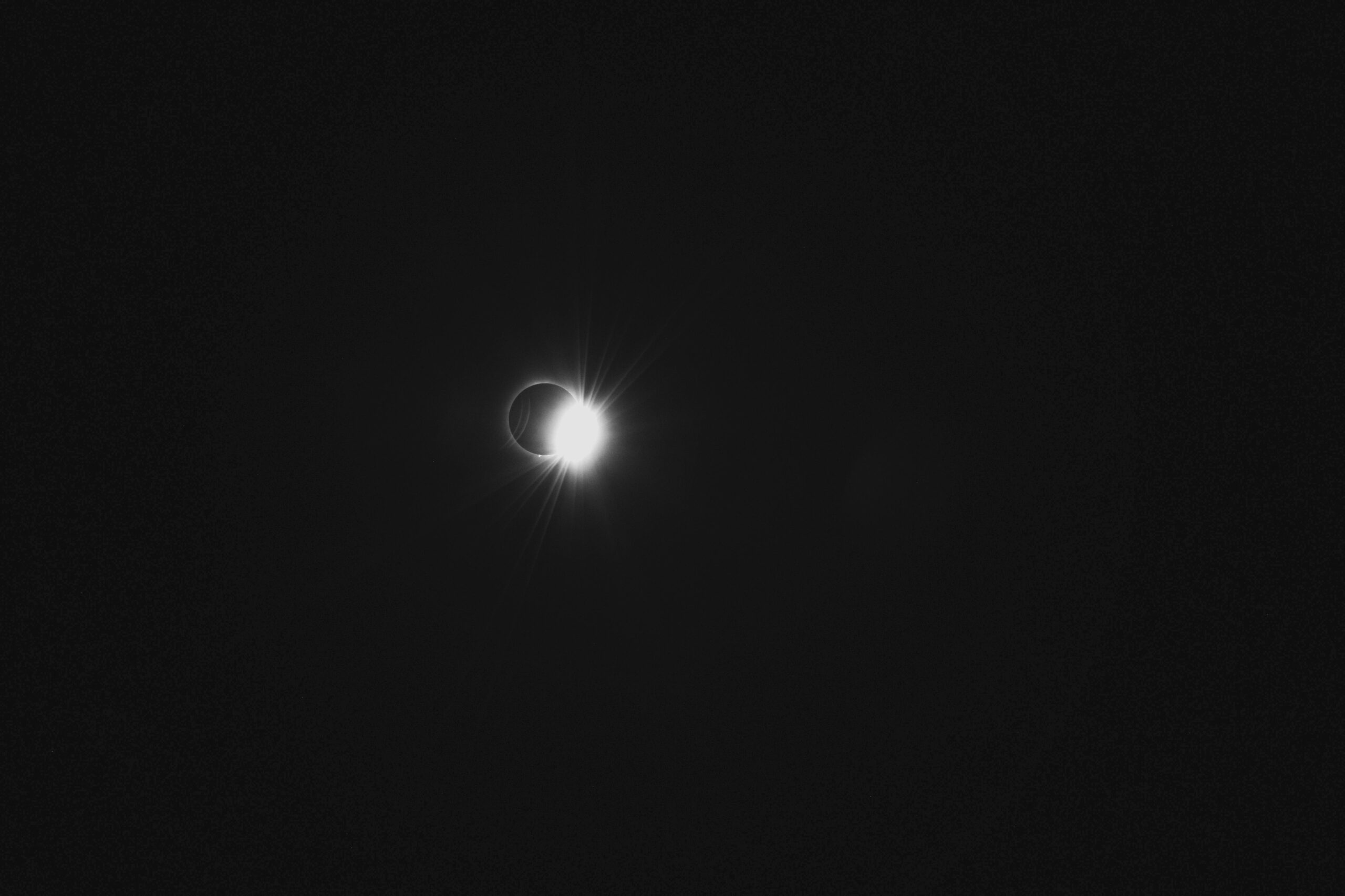
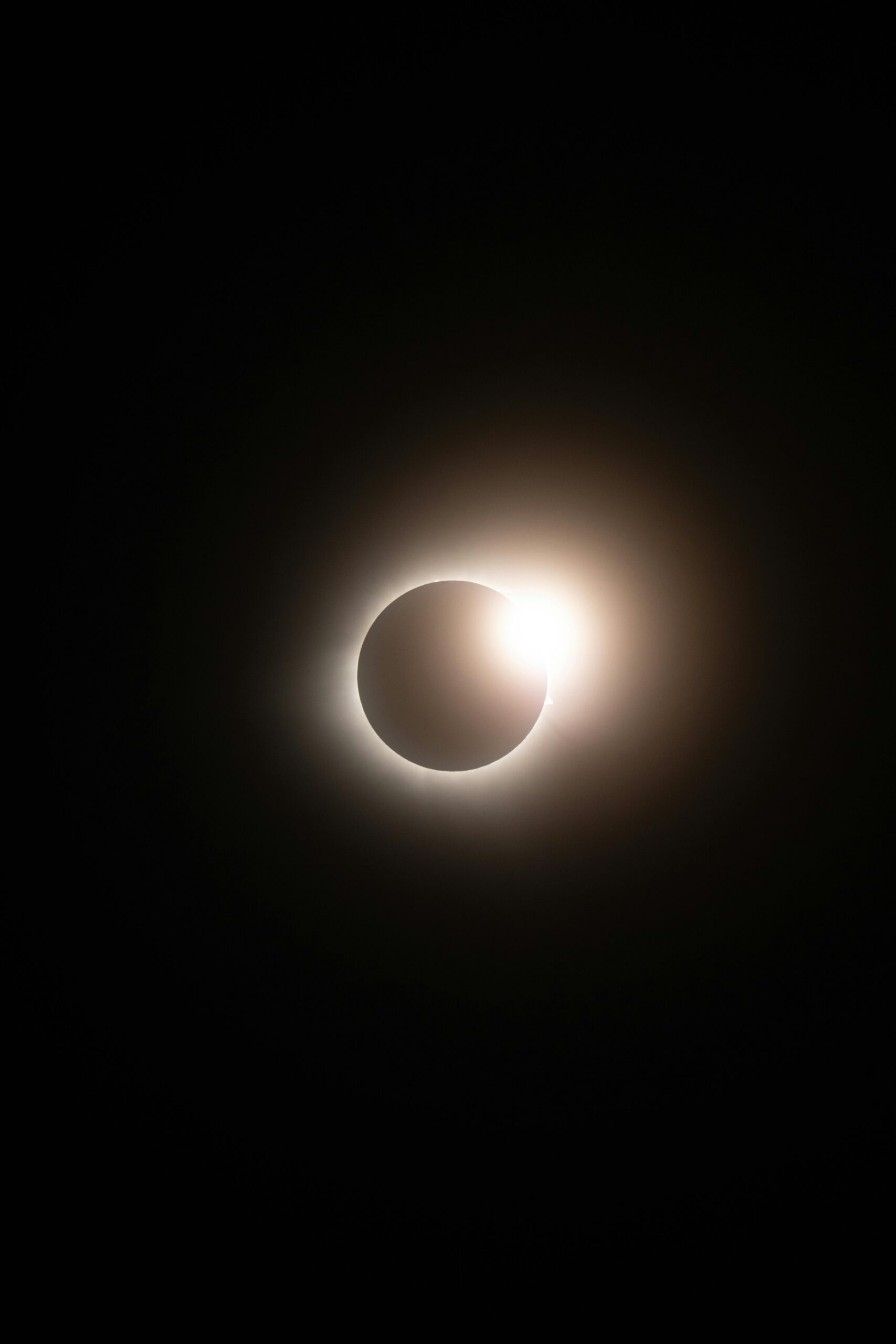
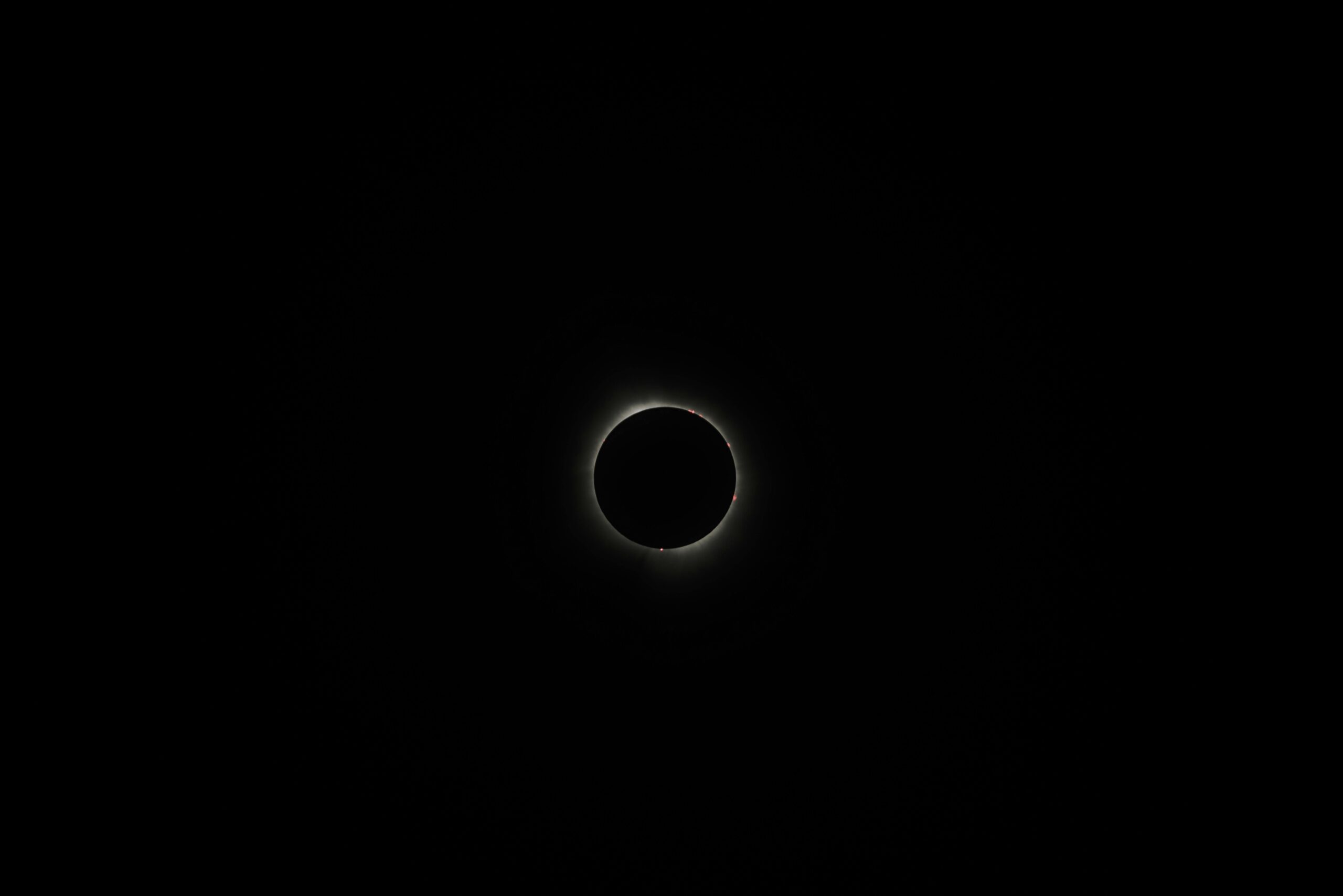
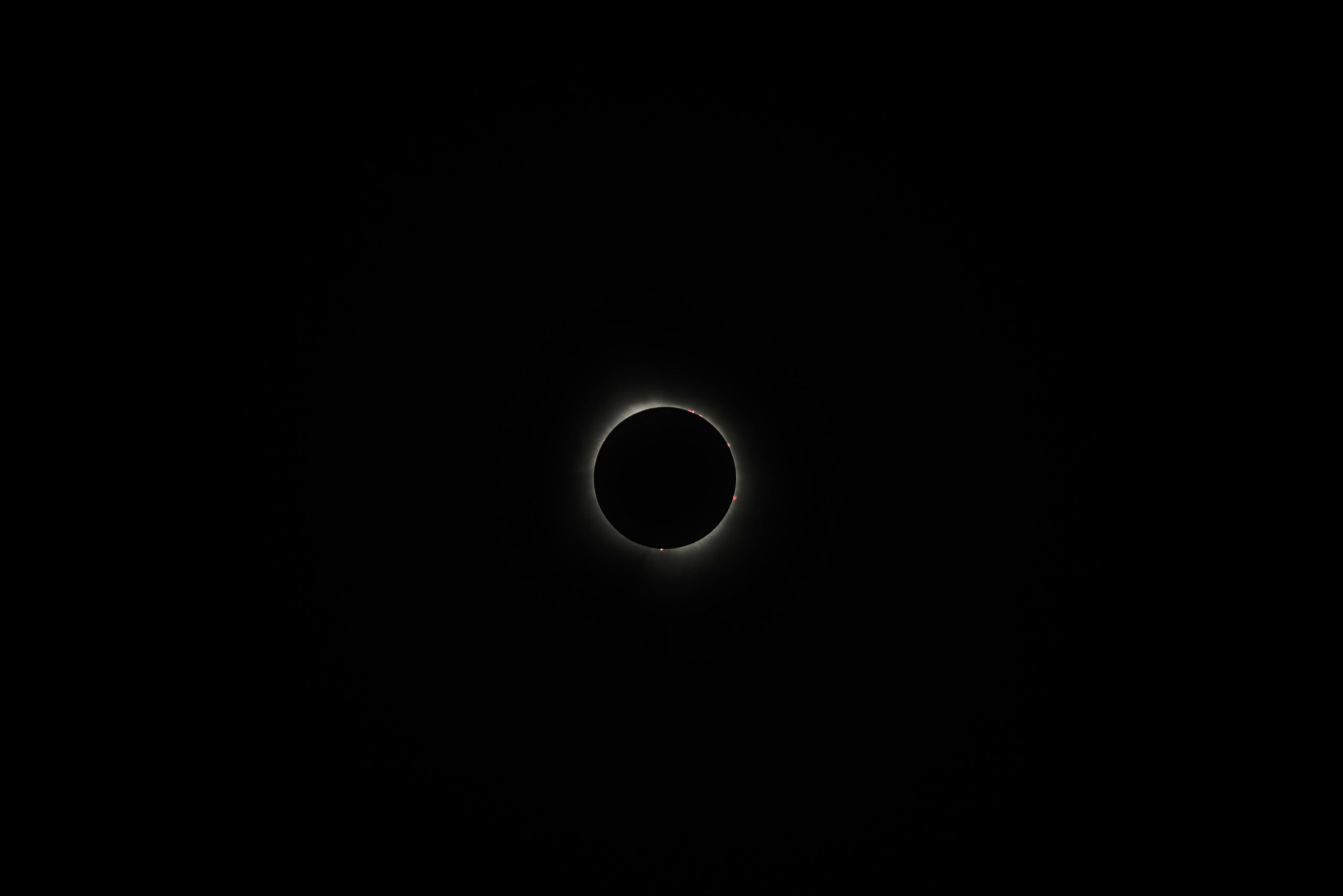
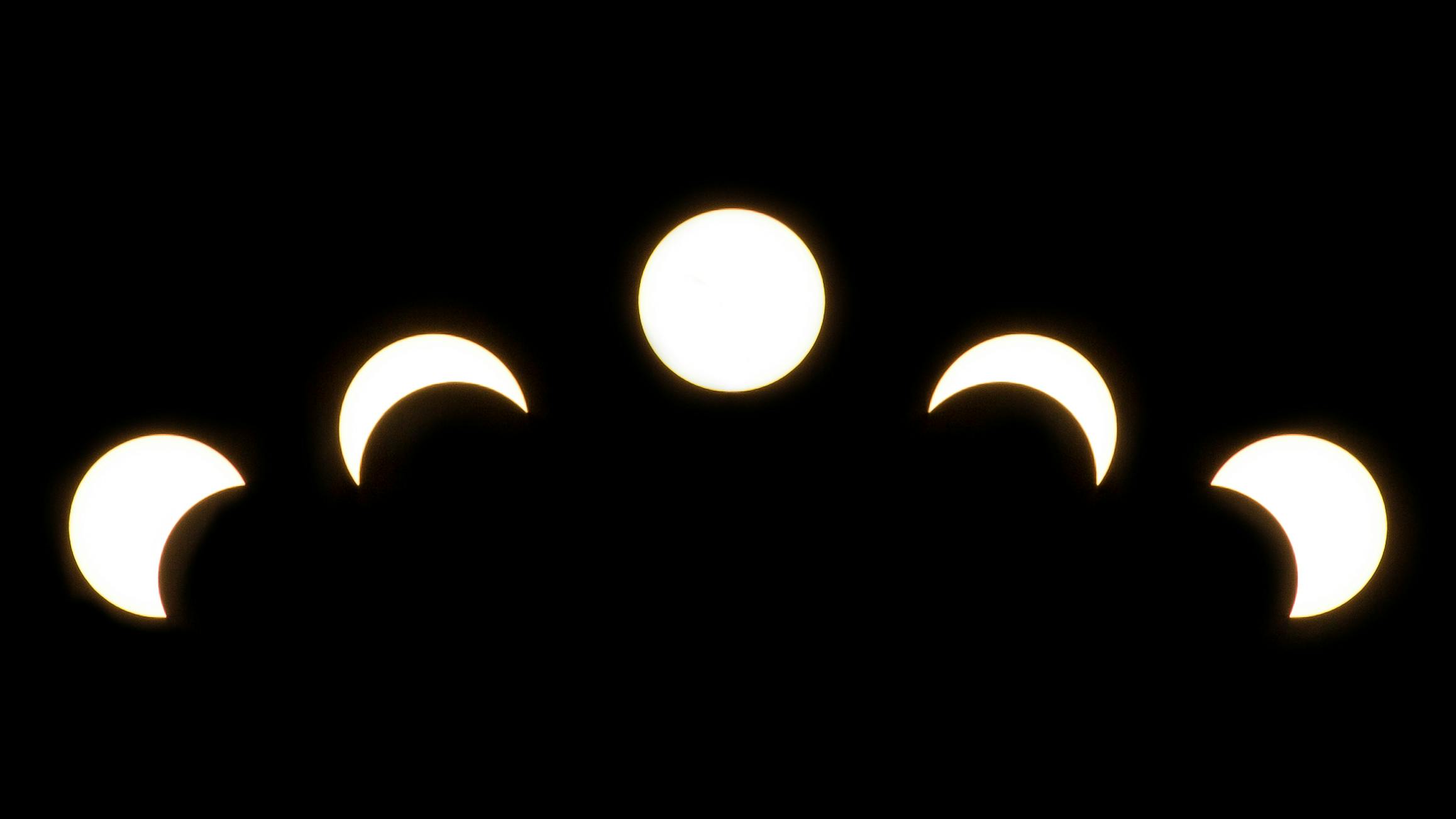
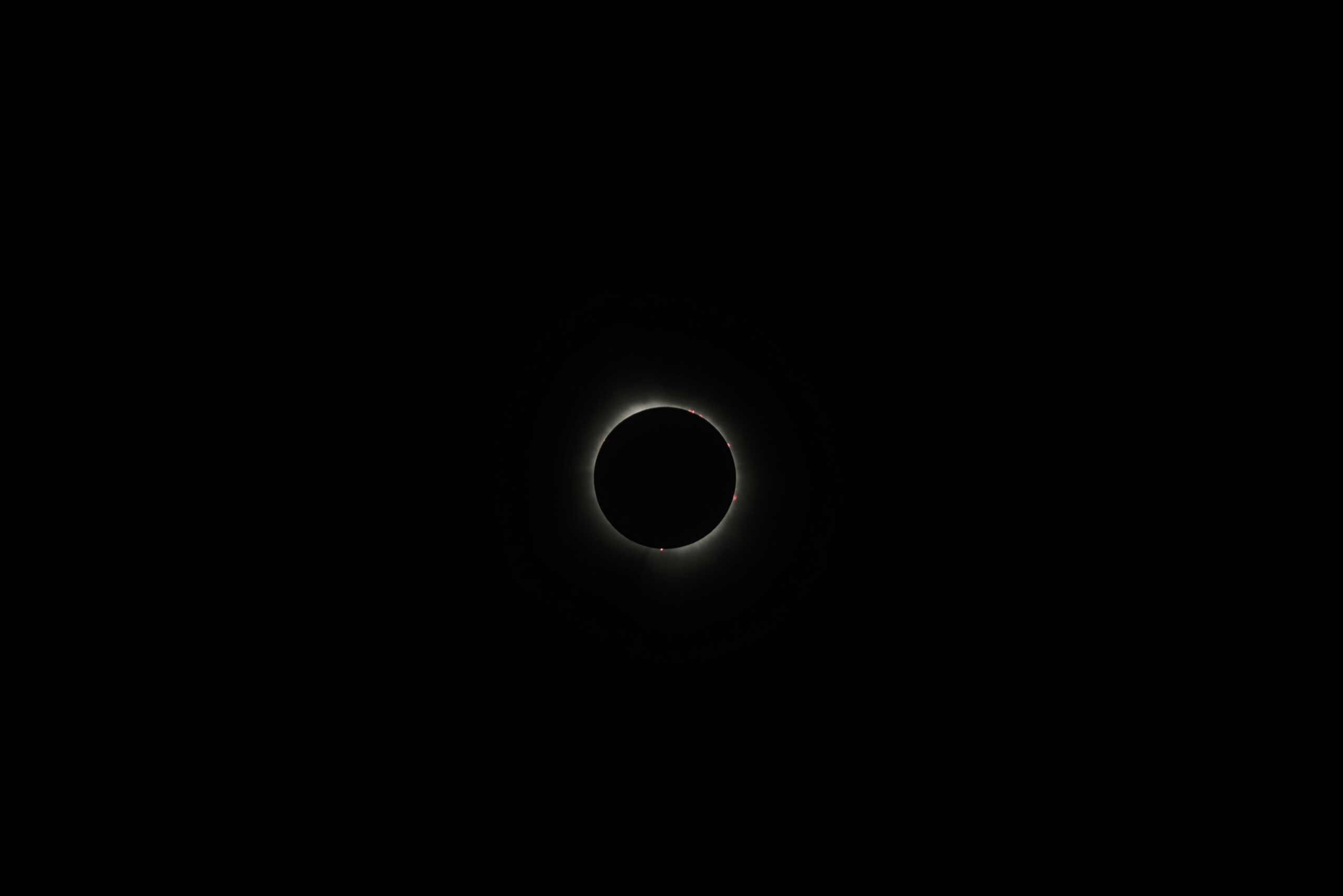
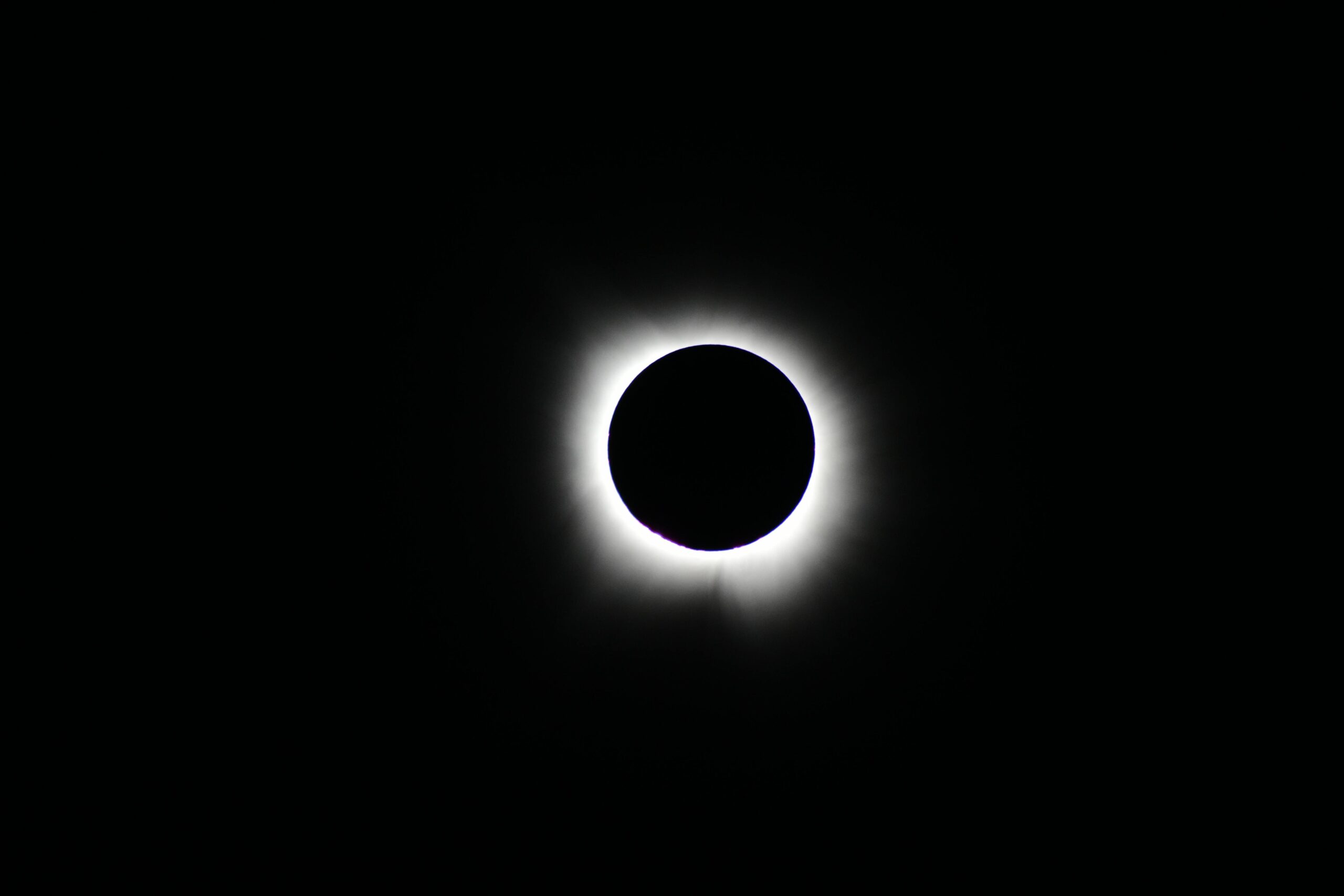
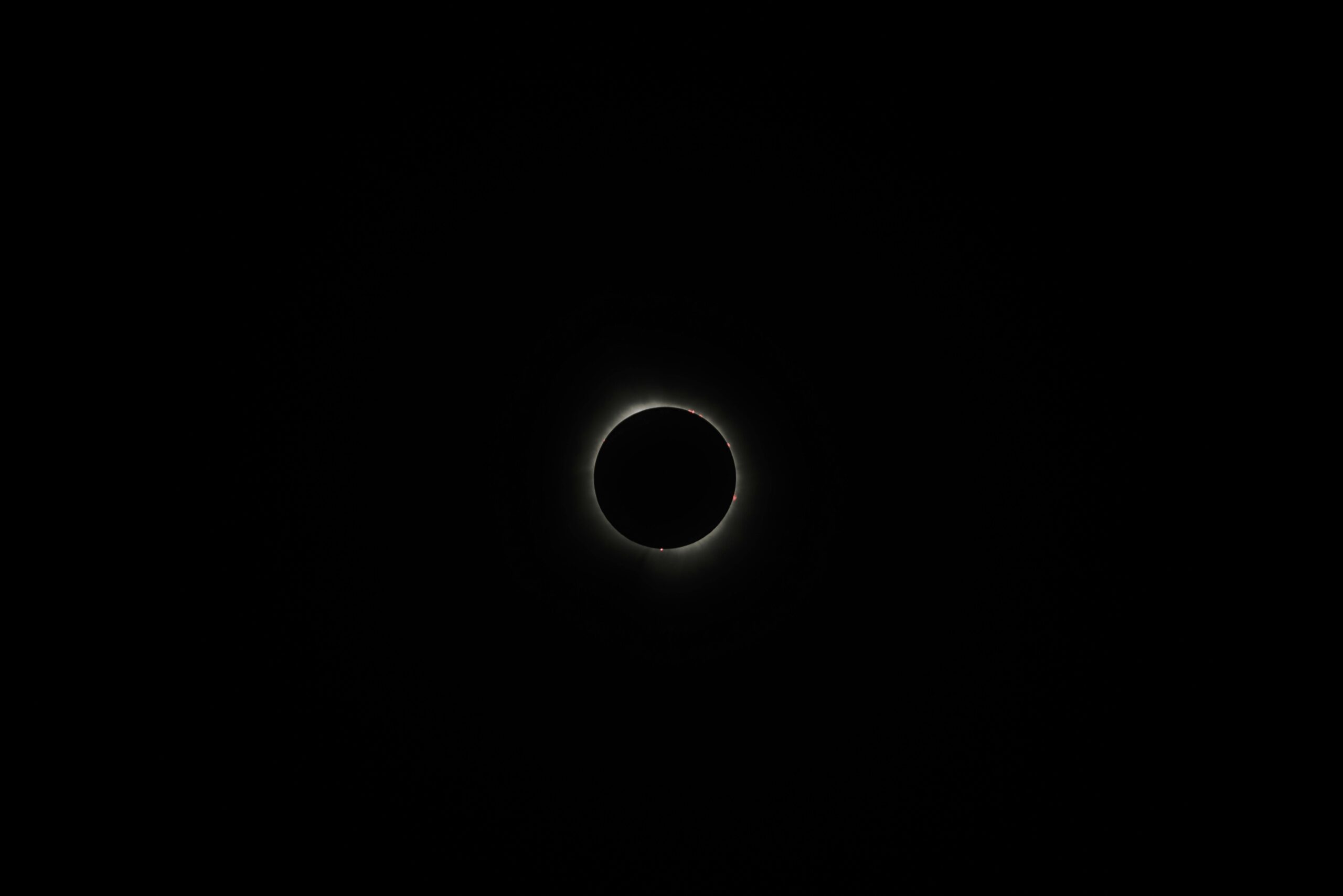
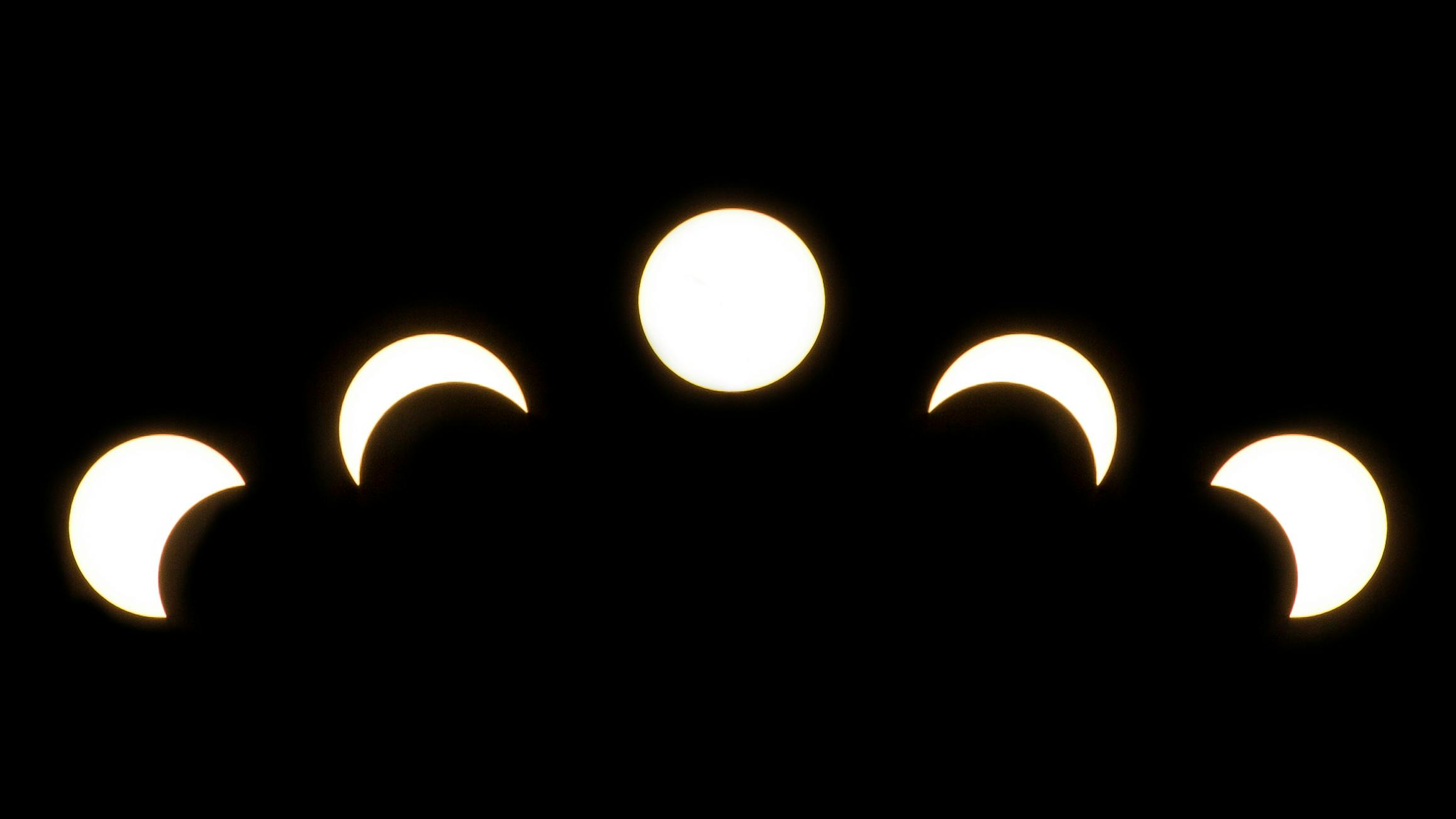
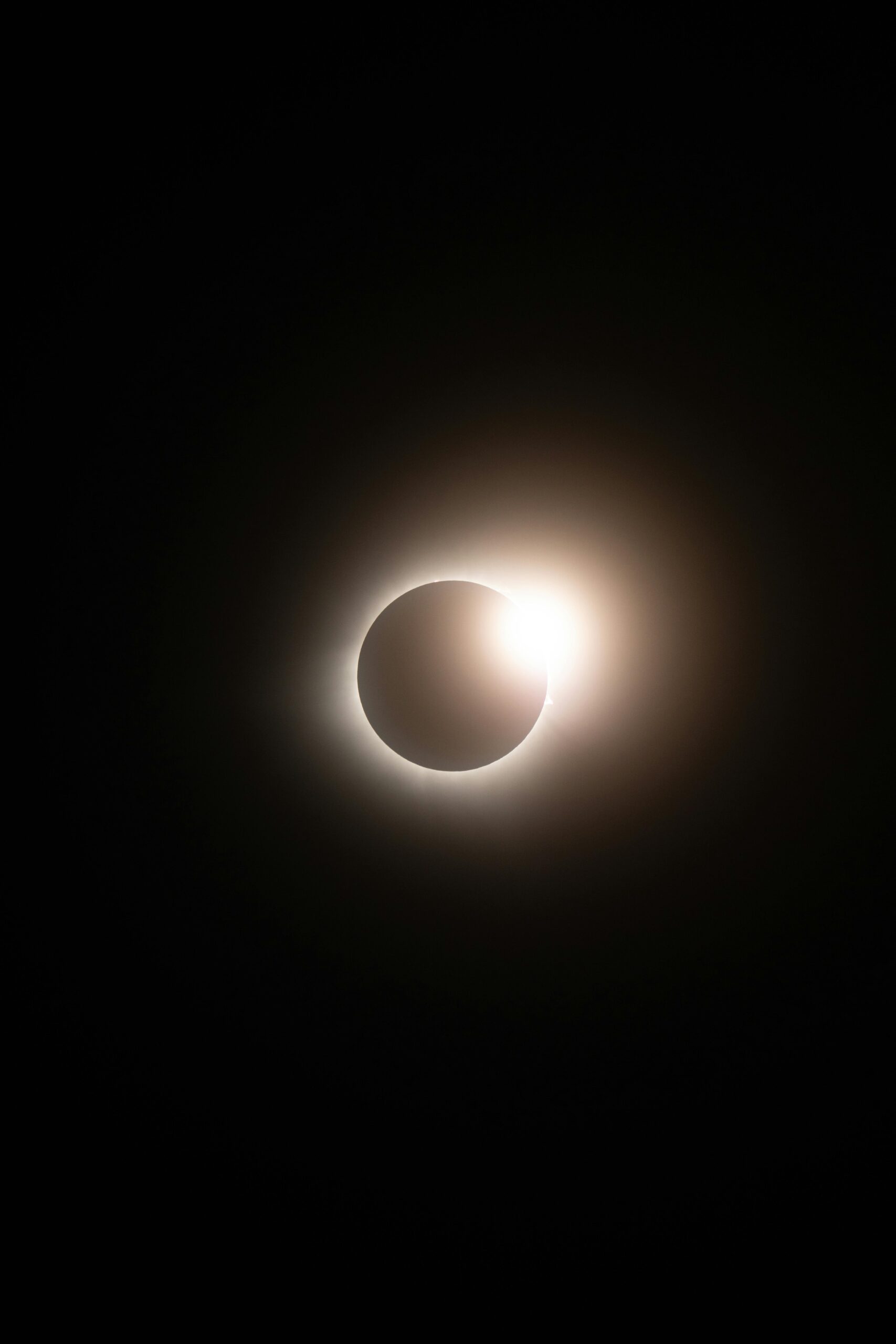
The astronomical community and enthusiasts worldwide are abuzz with excitement as the next solar eclipse approaches. Scheduled to occur on October 14, 2023, this celestial event promises to be a spectacular display of nature’s grandeur. Solar eclipses occur when the Moon passes between the Earth and the Sun, obscuring the Sun either partially or completely. This upcoming event is an annular eclipse, which means the Moon will cover the center of the Sun, leaving a ring-like appearance known as the “ring of fire.”
Understanding the Science Behind Solar Eclipses
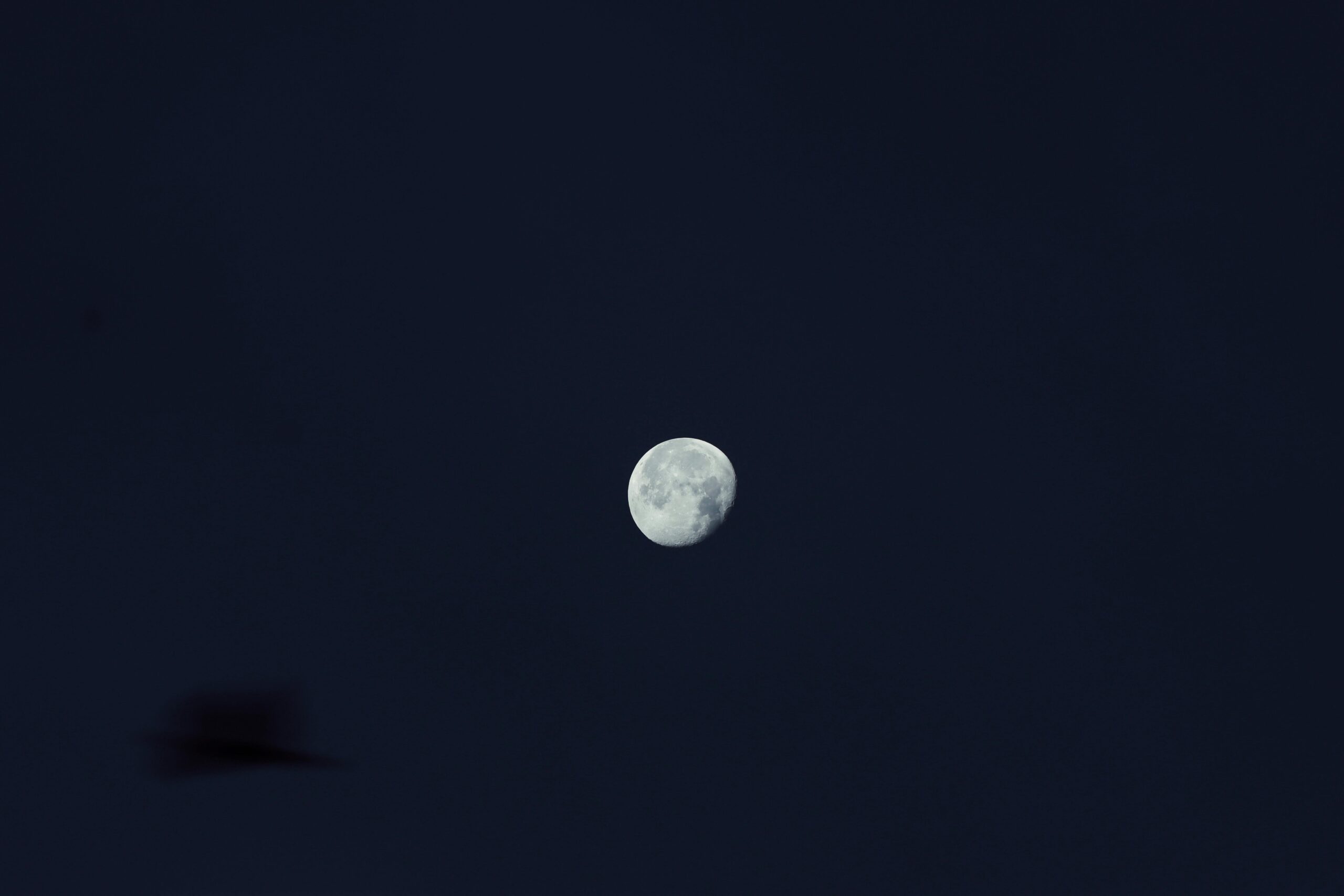
Solar eclipses are fascinating celestial phenomena that have captivated human imagination for centuries. The alignment of the Sun, Moon, and Earth is a precise cosmic ballet that occurs only under specific conditions. For a solar eclipse to take place, the Moon must be in the new moon phase, and its orbit must intersect the ecliptic plane at a point where it can cast its shadow on the Earth. This intersection is known as the “line of nodes.”
The 2023 annular eclipse will be visible from a narrow path that stretches across the Americas, offering a unique opportunity for viewers in North, Central, and South America to witness this awe-inspiring event. The path of annularity, where the “ring of fire” will be visible, will traverse regions from the Oregon coast in the United States to the pampas of Argentina.
Safety First: Viewing the Eclipse Safely
While solar eclipses are breathtaking, it is crucial to prioritize safety when viewing them. Looking directly at the Sun, even during an eclipse, can cause permanent eye damage or blindness. Specialized solar filters, such as eclipse glasses or handheld solar viewers, are essential for safe viewing. These filters meet the ISO 12312-2 international safety standard and block out harmful ultraviolet, visible, and infrared radiation.
For those planning to capture the event on camera, solar filters for telescopes and cameras are also available. It is important to ensure that the filters are specifically designed for solar viewing and are in good condition. Additionally, indirect viewing methods, such as pinhole projectors, can provide a safe and enjoyable way to experience the eclipse.
Preparing for the Eclipse: Tips and Recommendations
To make the most of the 2023 solar eclipse, it is essential to plan ahead. Here are some tips to help you prepare:
- Check the Visibility Map: Use online resources to determine if your location falls within the path of annularity. If not, consider traveling to a nearby location that offers a better view.
- Gather the Right Equipment: Ensure you have certified eclipse glasses or solar viewers. If you plan to use a telescope or camera, make sure you have the appropriate solar filters.
- Find a Suitable Viewing Spot: Choose a location with a clear, unobstructed view of the sky. Avoid areas with tall buildings, trees, or other obstructions that could block your view.
- Stay Informed: Keep an eye on weather forecasts leading up to the eclipse. Clear skies are essential for optimal viewing conditions.
For those who are avid nature enthusiasts and plan to travel to remote locations to witness the eclipse, considering the right gear is crucial. For instance, if you’re planning to camp in Türkiye, exploring options like Türkiye’nin en iyi doğa yürüyüş çadırları satın alma avantajları can enhance your outdoor experience.
Historical Significance and Cultural Impact
Solar eclipses have played a significant role in human history and culture. Ancient civilizations often viewed eclipses as omens or signs from the gods. The sudden darkening of the sky could inspire fear, awe, and a sense of the unknown. In many cultures, eclipses were associated with mythological stories and superstitions.
For example, in Chinese culture, solar eclipses were believed to be caused by a celestial dragon devouring the Sun. To scare the dragon away, people would bang drums and make loud noises. Similarly, in Viking mythology, eclipses were thought to be the result of sky wolves chasing the Sun and Moon. These myths and legends highlight the profound impact that solar eclipses have had on human imagination and cultural narratives.
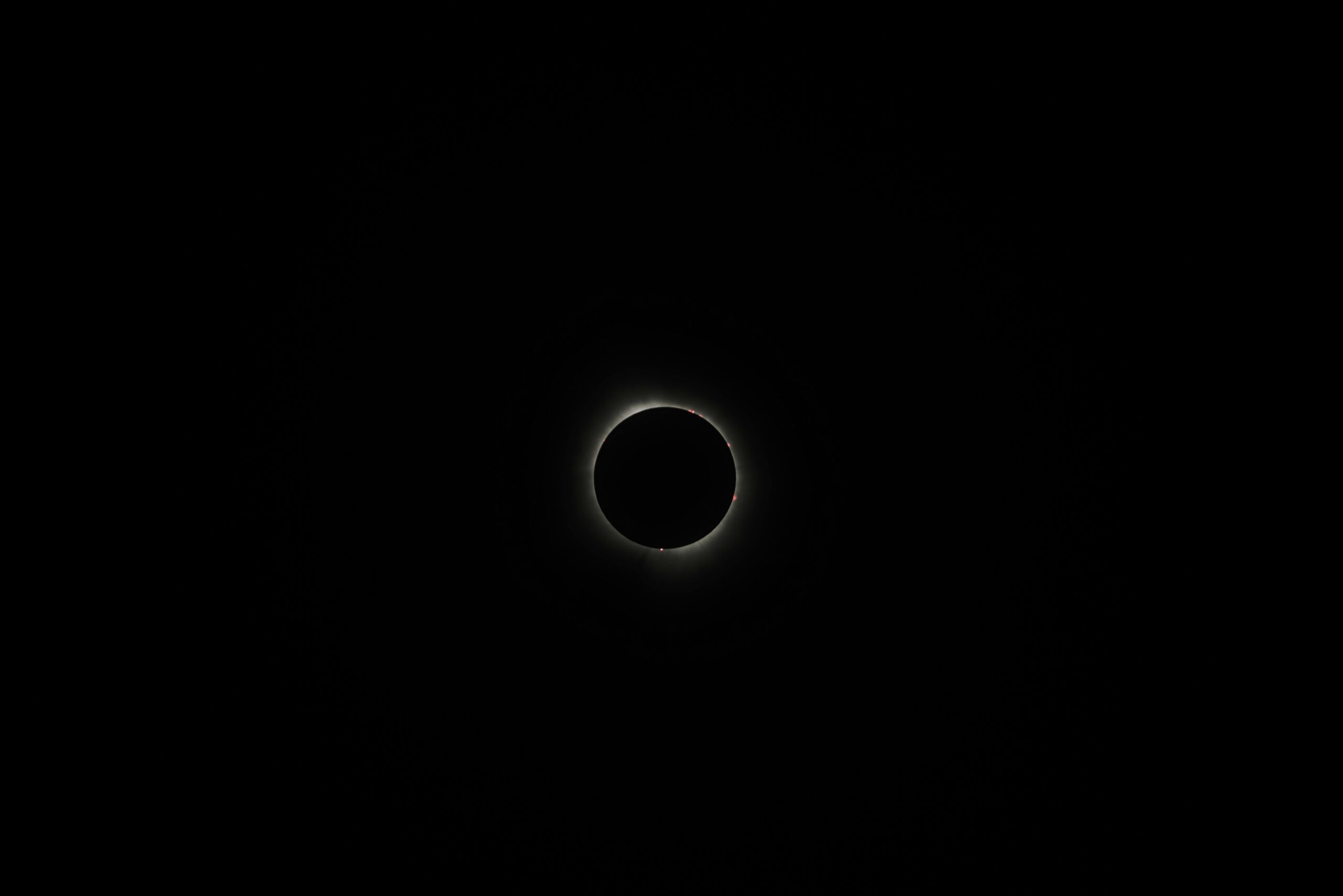
In modern times, solar eclipses continue to captivate scientists and the general public alike. They provide valuable opportunities for scientific research, allowing astronomers to study the Sun’s corona, solar flares, and other phenomena that are typically obscured by the Sun’s brightness. Eclipses also serve as a reminder of our place in the cosmos, fostering a sense of wonder and curiosity about the universe.
Looking Ahead: Future Solar Eclipses
The 2023 annular eclipse is just one of many celestial events that will grace our skies in the coming years. Future solar eclipses, both total and annular, will offer additional opportunities for viewers around the world to witness these spectacular phenomena. Some notable upcoming eclipses include:
- April 8, 2024: A total solar eclipse that will be visible from parts of North America, including Mexico, the United States, and Canada.
- August 12, 2026: A total solar eclipse that will be visible from the Arctic, Greenland, and parts of Europe and Asia.
- January 26, 2028: An annular solar eclipse that will be visible from parts of Australia, Indonesia, and the Pacific Ocean.
Each of these events presents a unique opportunity for astronomers and enthusiasts to observe and study the Sun and its interactions with the Earth and Moon. By staying informed and prepared, you can make the most of these celestial spectacles and share in the collective awe and wonder that they inspire.
For more insights on this topic, you might find Global Trends in Outdoor Recreation: A particularly informative.